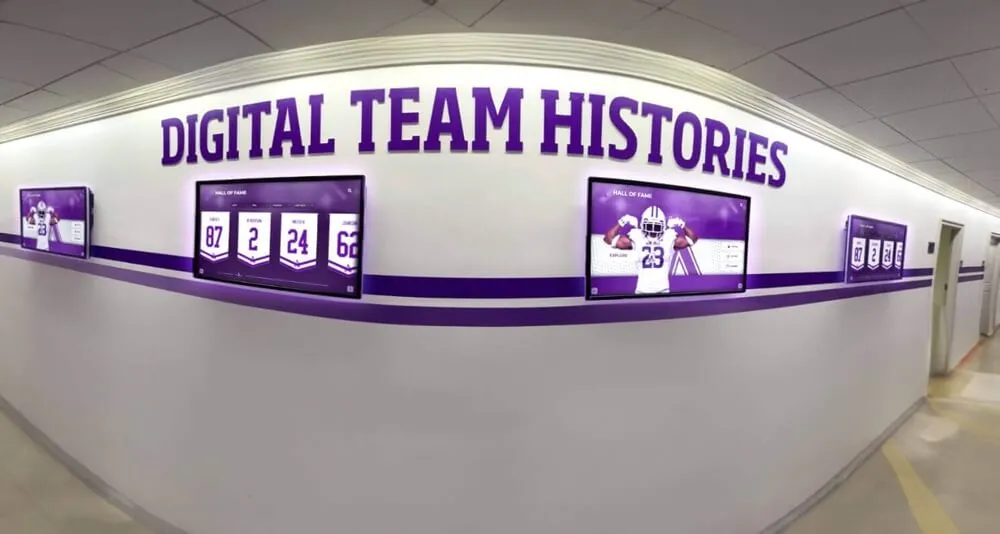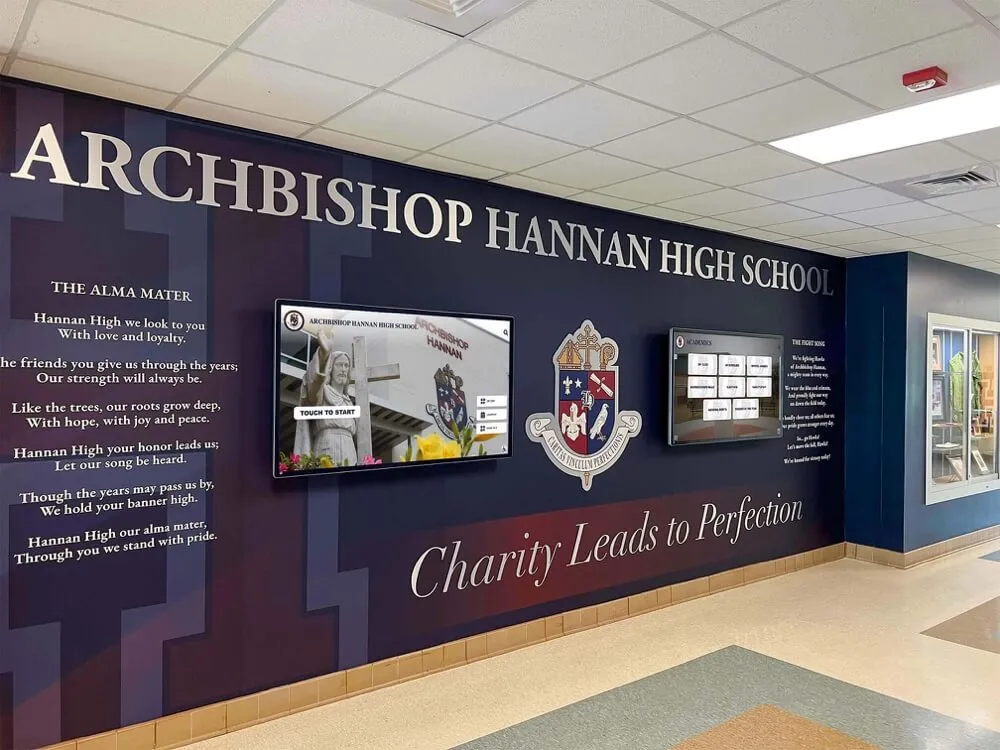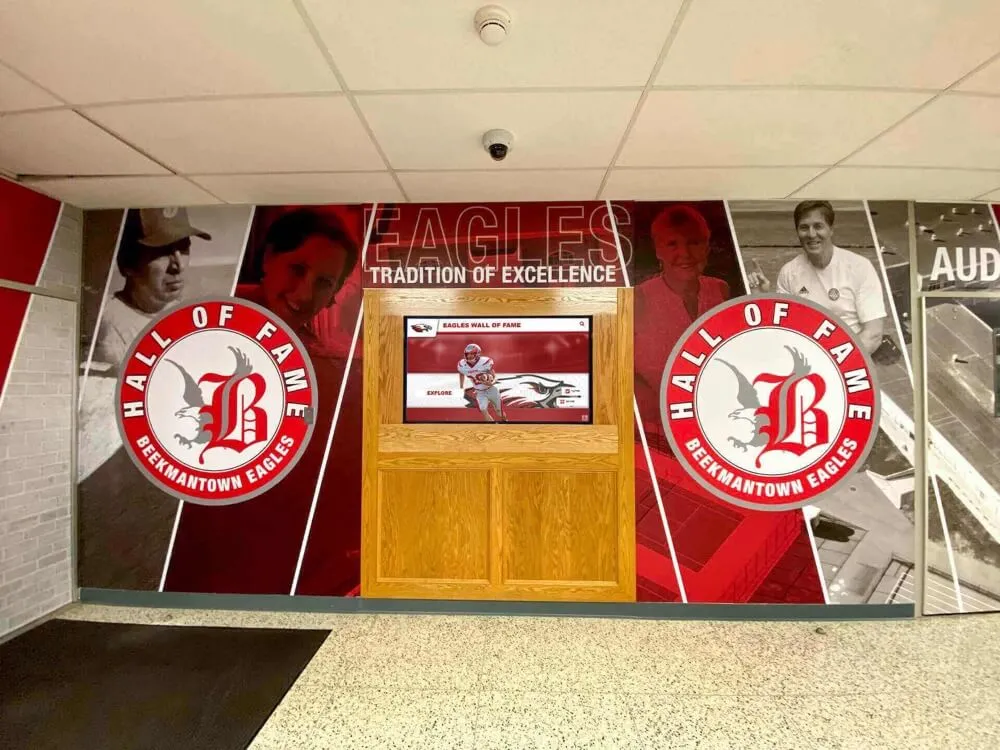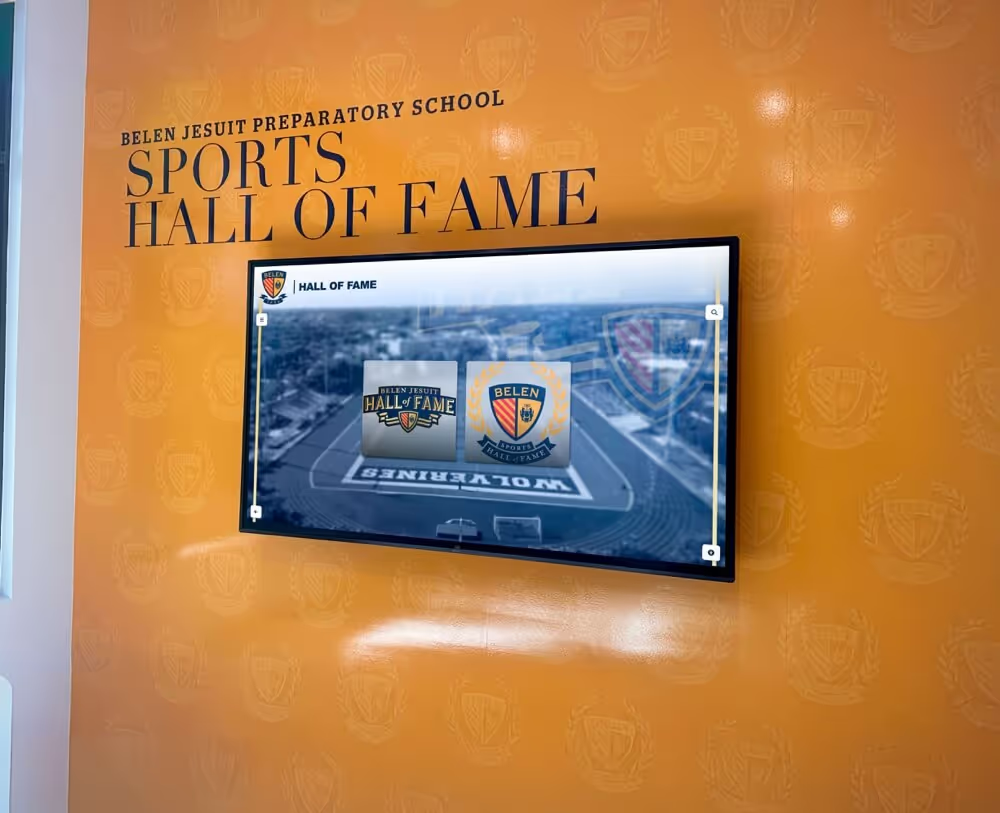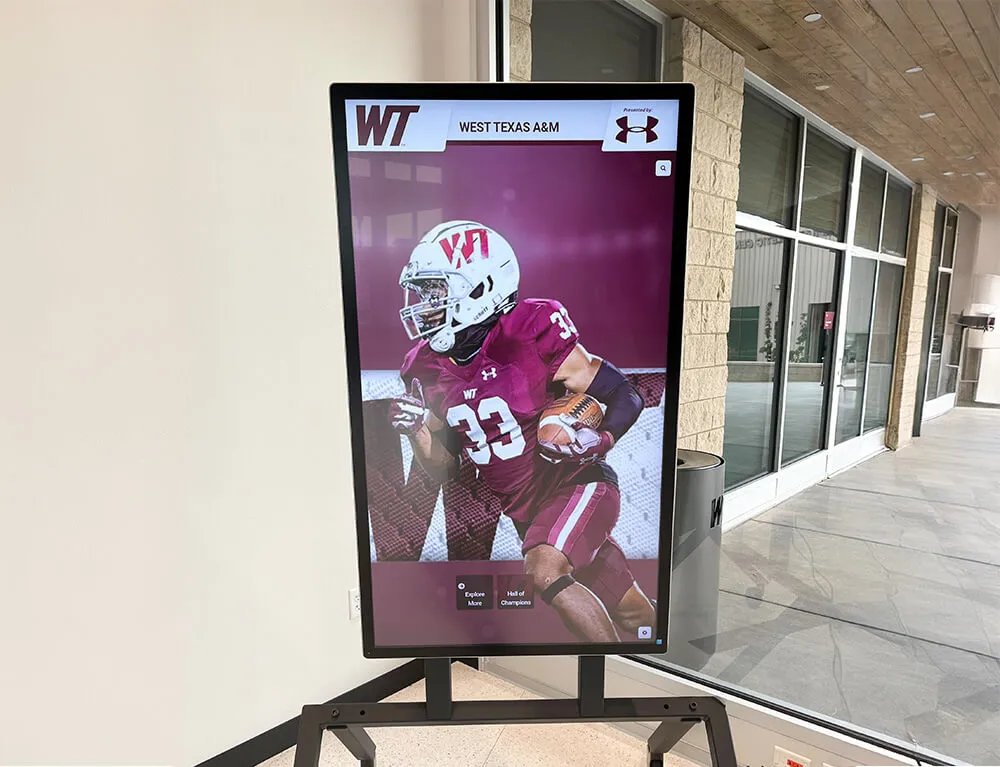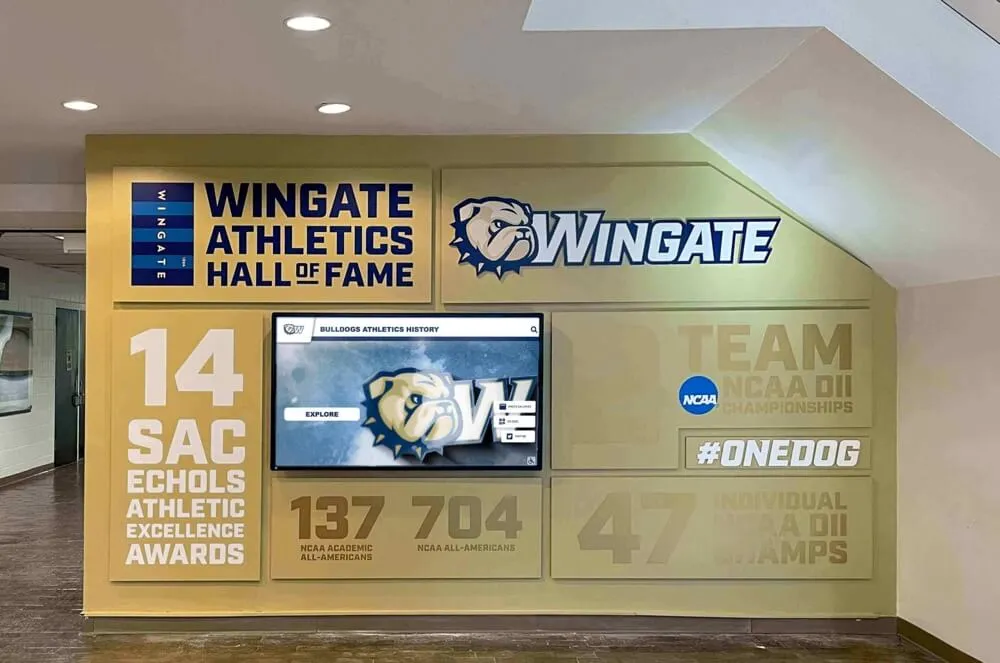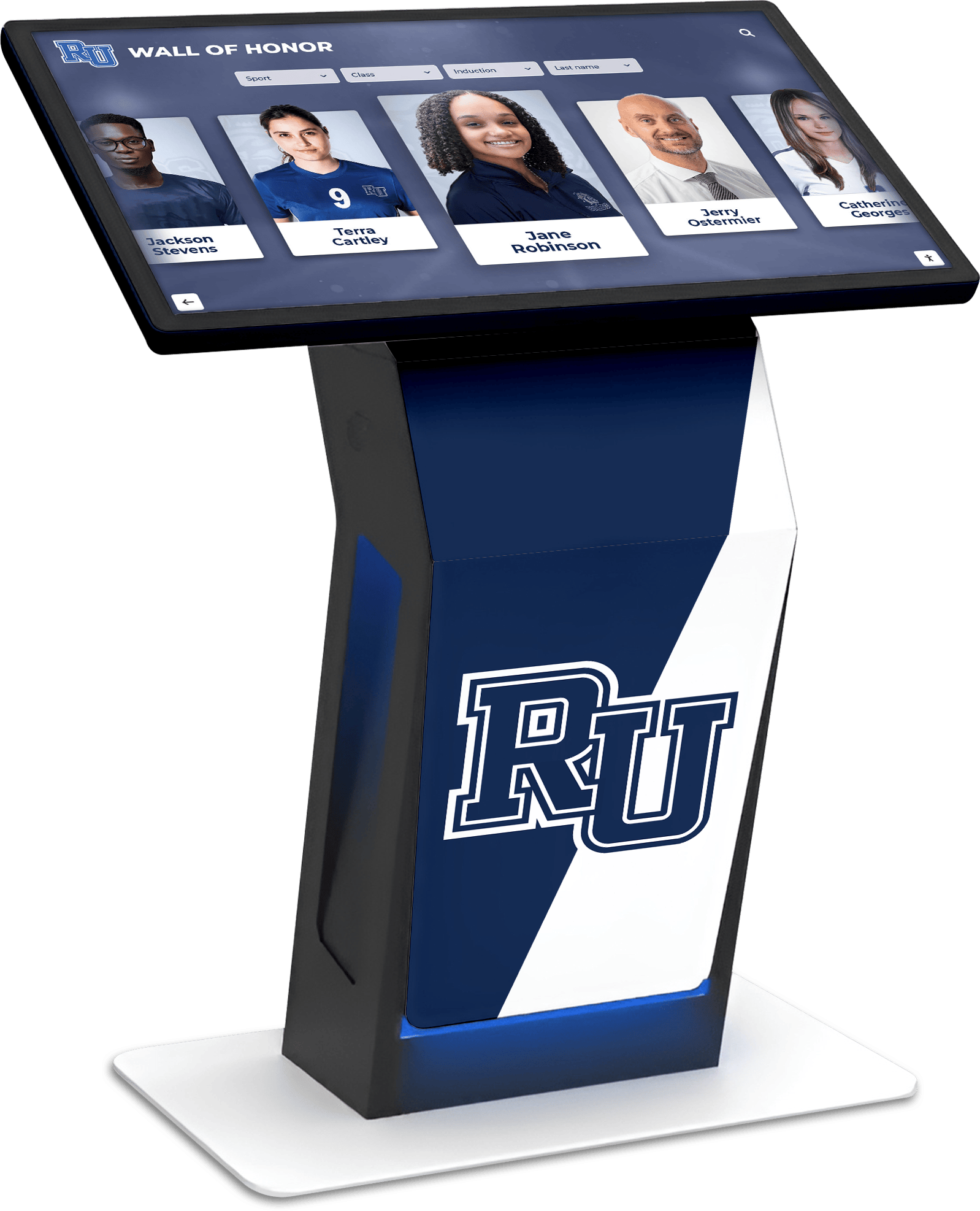
Schools, universities, museums, and organizations face mounting challenges when managing halls of fame using traditional methods. Physical plaques run out of space, vinyl boards require hours of manual updates, trophy cases overflow with decades of achievements, and maintaining accurate records across multiple programs becomes administratively overwhelming. Modern hall of fame tools solve these problems by providing digital platforms that accommodate unlimited honorees, enable instant updates, support multimedia content, and create engaging interactive experiences that visitors actually explore rather than simply walk past.
Organizations implementing purpose-built hall of fame software report 85-90% reductions in administrative time spent on recognition maintenance, 5-7 times higher visitor engagement compared to static displays, and the ability to finally honor every deserving individual without impossible choices about whose achievements matter enough for visibility. Whether managing athletic records, donor recognition, arts achievements, or historical archives, selecting the right hall of fame tool determines whether recognition becomes a source of pride or perpetual frustration.
This comprehensive guide evaluates the 10 best hall of fame tools available in 2026, examining each platform’s strengths, limitations, ideal use cases, and pricing considerations. Organizations seeking to modernize recognition programs will find detailed comparisons enabling informed decisions aligned with specific institutional needs, budgets, and technical capabilities.
Traditional recognition methods served institutions adequately when programs were smaller and achievements accumulated slowly. However, modern organizations honor excellence across dozens of categories—varsity athletics, club sports, academic competitions, performing arts, leadership programs, donor contributions, alumni achievements, and community service—creating recognition demands that physical displays cannot possibly accommodate. Digital hall of fame tools eliminate space constraints while introducing capabilities impossible through conventional approaches including searchable databases enabling instant discovery, multimedia profiles combining photos, videos, and detailed information, remote content management allowing updates from anywhere, web integration extending recognition beyond campus boundaries, and analytics revealing how audiences engage with recognition content.

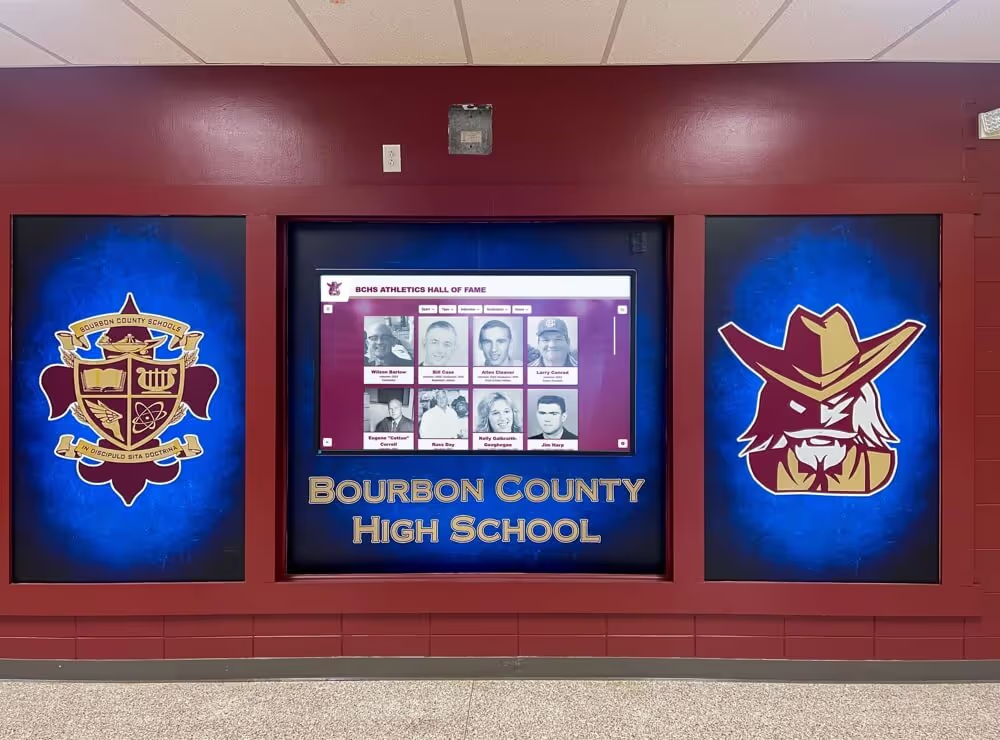
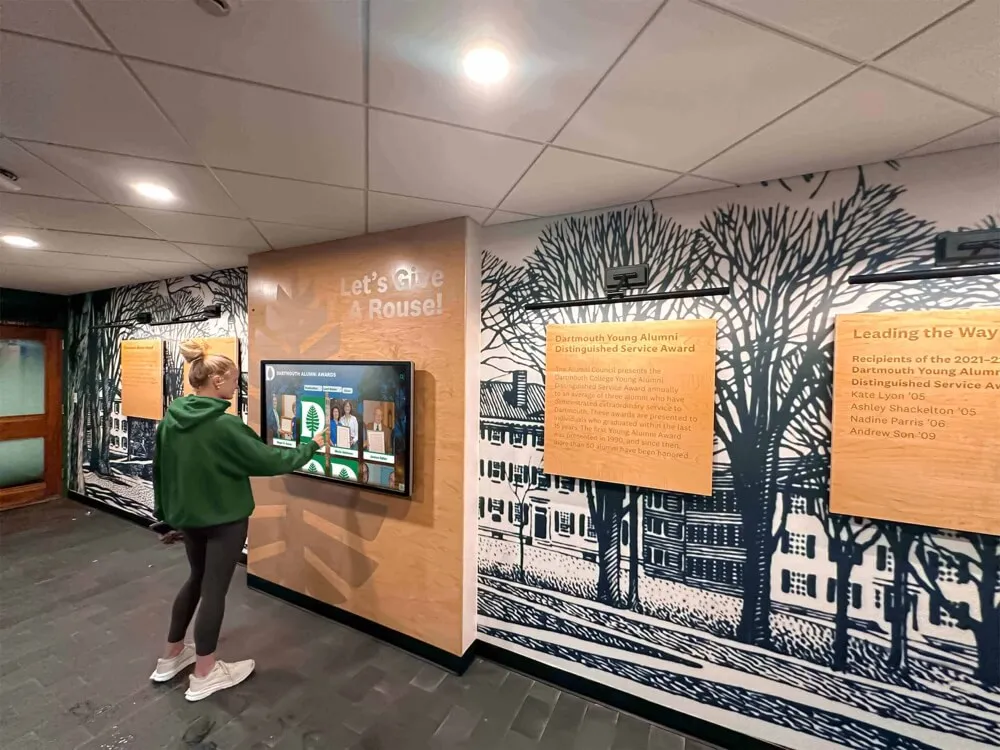
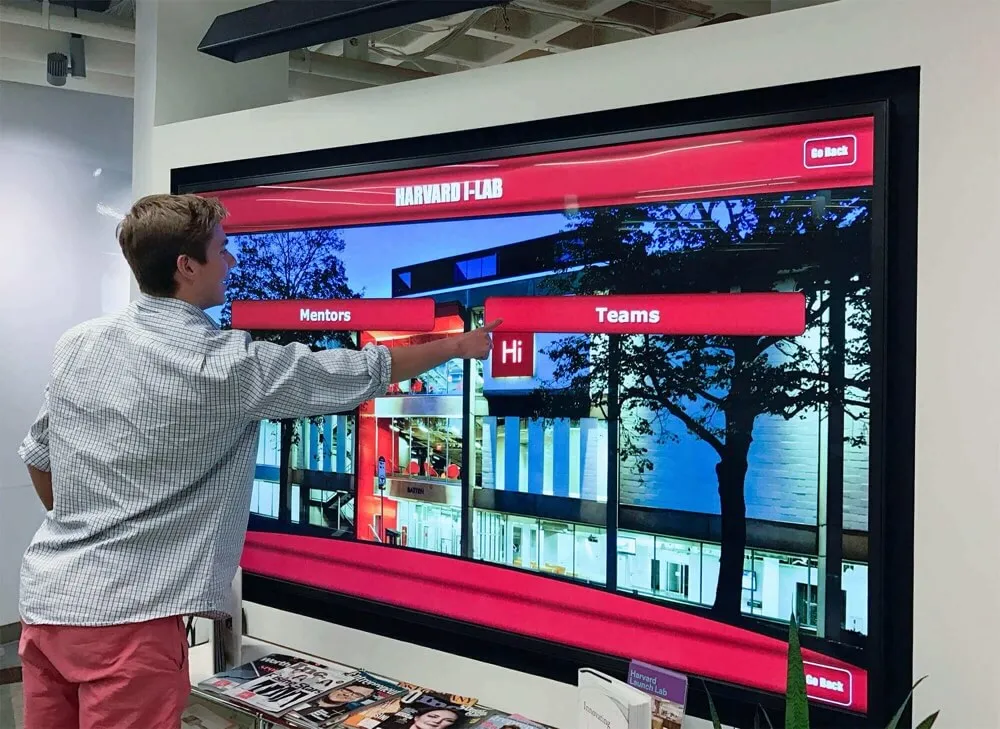
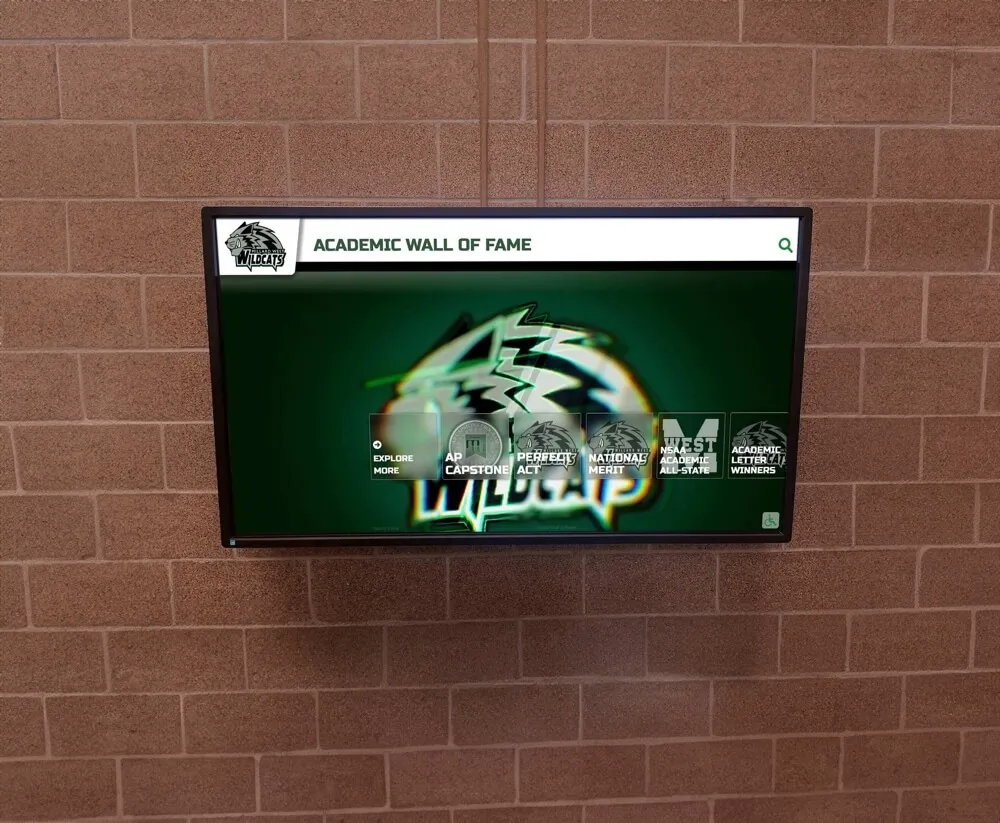
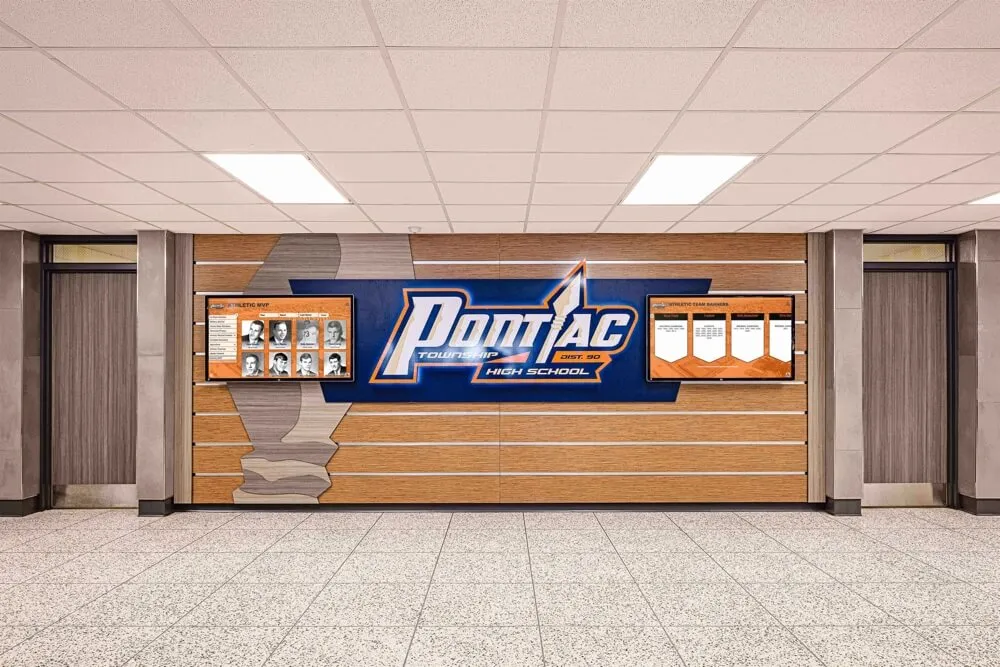
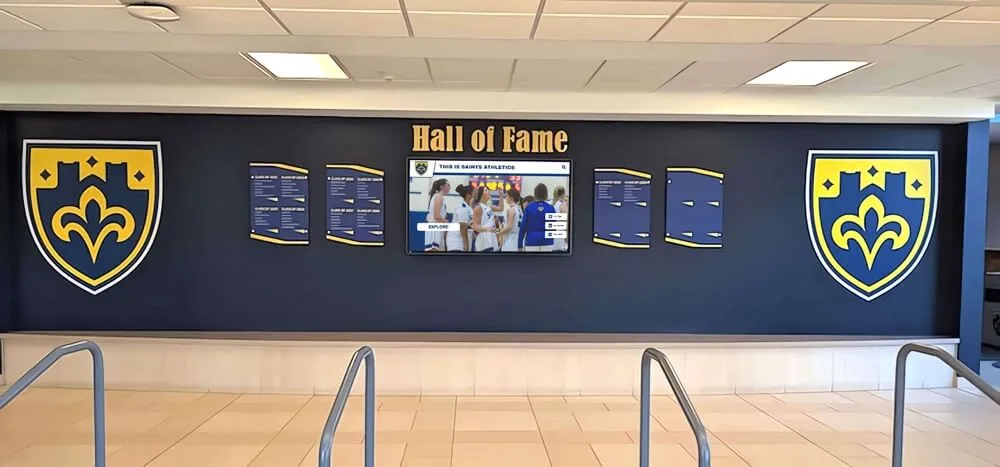
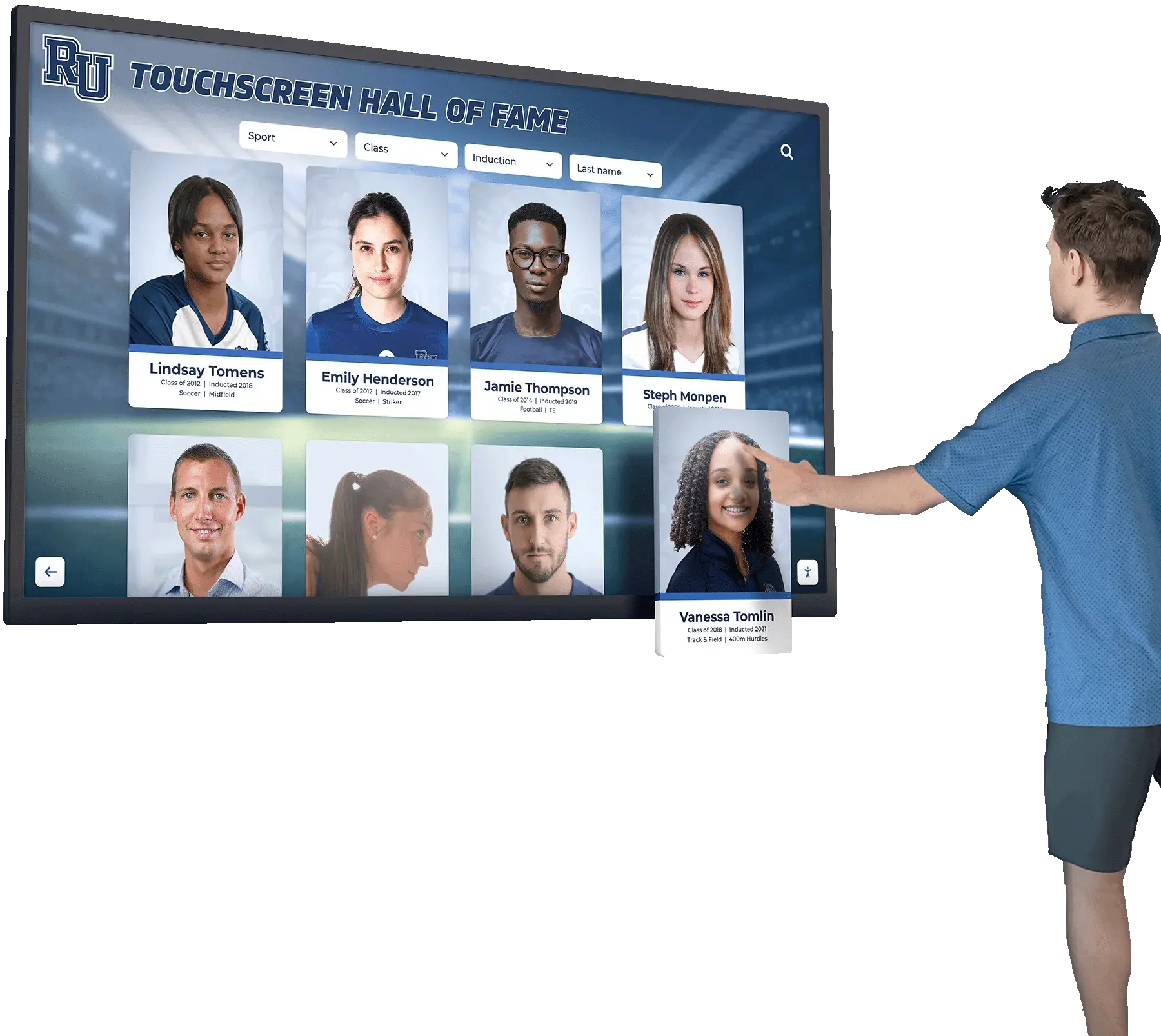
Modern hall of fame tools provide interactive touchscreen experiences combined with comprehensive content management
Evaluation Criteria: What Makes Hall of Fame Tools Effective
Before examining specific platforms, understanding evaluation criteria helps organizations assess which tools best match their requirements.
Essential Capabilities
Content Management Flexibility
Effective hall of fame tools provide intuitive interfaces enabling non-technical staff to create detailed profiles for individuals, teams, and achievements, organize unlimited content across multiple categories and time periods, update information instantly without vendor intervention or technical expertise, manage multimedia assets including photos, videos, and documents, and maintain accurate historical records preserving institutional legacy.
Organizations should evaluate whether platforms accommodate their specific recognition needs—athletic record tracking, donor giving level management, arts program documentation, or historical archiving—rather than forcing institutional processes to conform to rigid software limitations.
Display and Presentation Options
Recognition software should support diverse presentation formats including interactive touchscreen displays for physical installations, web-based platforms accessible from any device, mobile-responsive designs ensuring usability on phones and tablets, customizable layouts matching institutional branding and aesthetics, and multiple navigation options enabling browsing, searching, and filtered exploration.
The most versatile platforms provide unified content management feeding both physical displays and web portals, ensuring consistency across all recognition touchpoints without duplicate data entry.
Technical Requirements and Support
Hall of fame tools vary significantly in technical complexity and support requirements. Organizations should assess whether platforms offer cloud-based architecture minimizing local IT infrastructure needs, compatibility with existing systems and networks, professional installation and training services, ongoing technical support and troubleshooting assistance, and regular software updates incorporating new features and security improvements.
Schools and organizations with limited IT capacity particularly benefit from turnkey solutions providing comprehensive support rather than bare software requiring extensive local technical expertise.
Scalability and Long-Term Viability
Recognition systems typically serve institutions for decades, making long-term considerations critical including capacity for unlimited growth accommodating expanding programs, financial sustainability through reasonable ongoing costs, vendor stability and established track record, migration capabilities if future platform changes become necessary, and preservation of historical data regardless of technology evolution.
Organizations should view hall of fame tool selection as 10-20 year decisions requiring careful evaluation of vendor longevity, product roadmaps, and exit strategies if circumstances change.
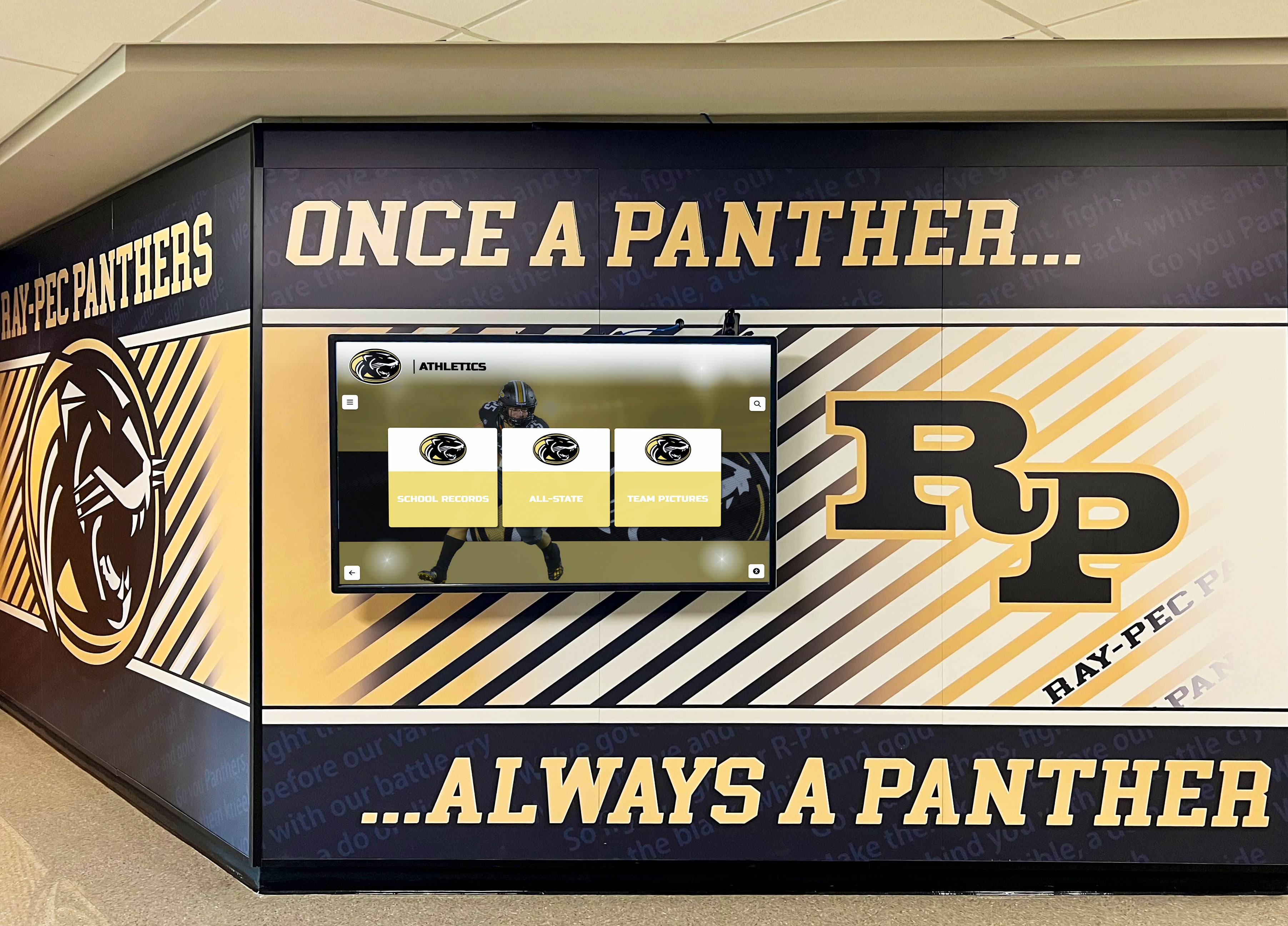
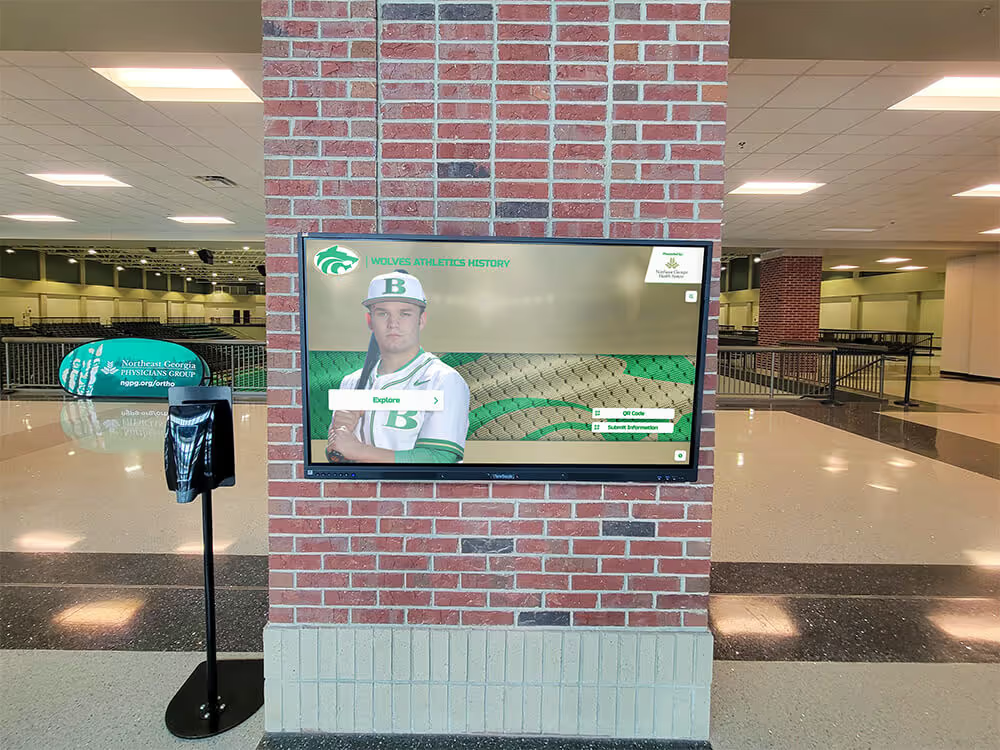
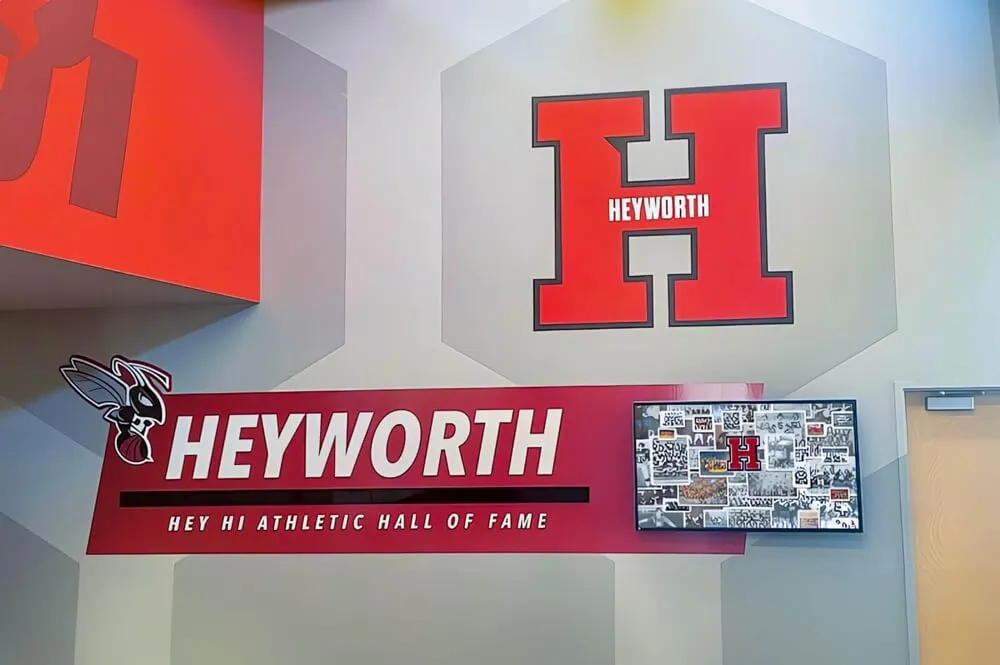
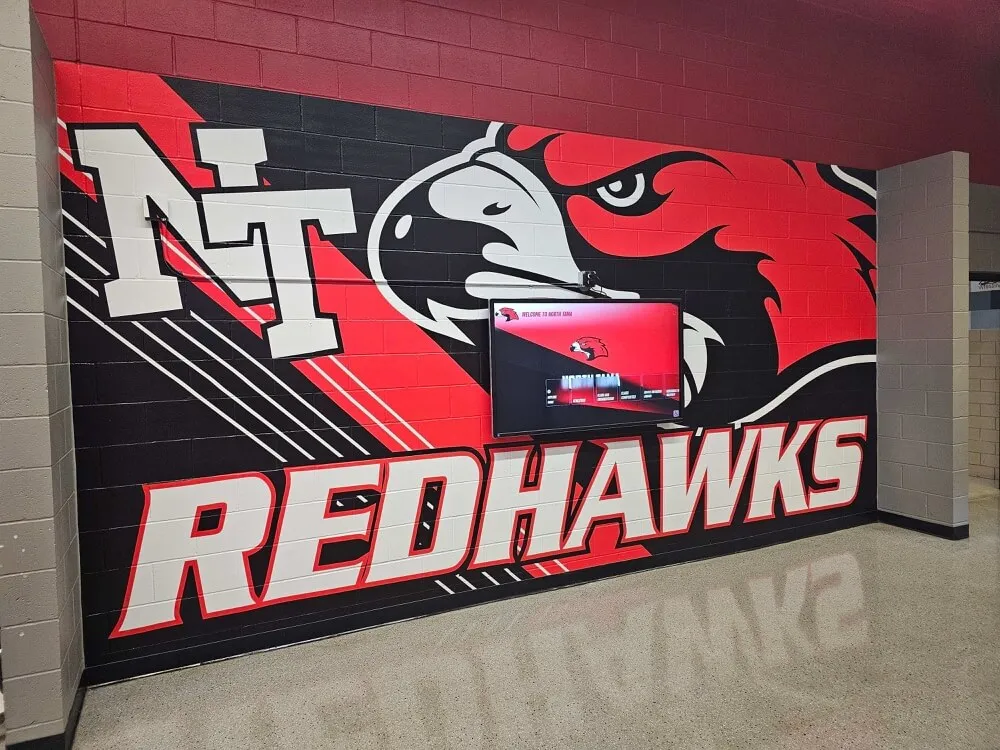
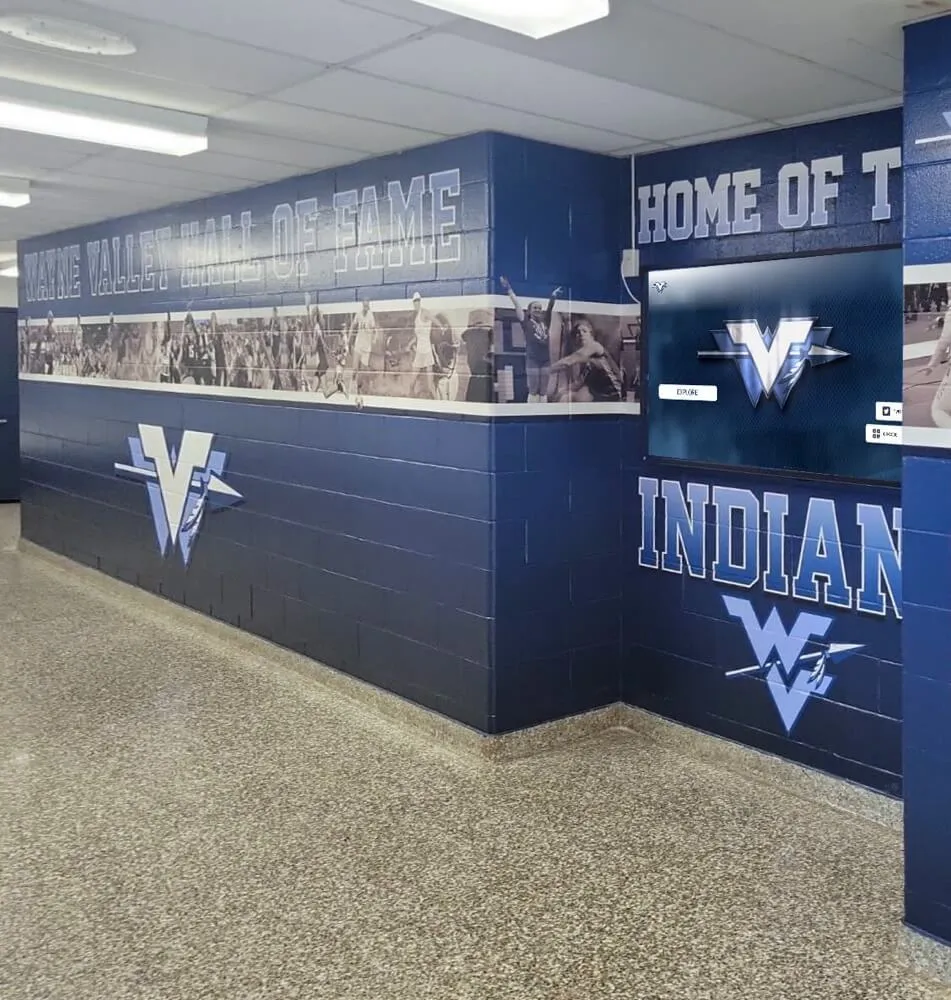
Hall of fame tools should integrate seamlessly with existing architectural features and institutional aesthetics
The 10 Best Hall of Fame Tools: Comprehensive Platform Review
This ranking evaluates platforms based on feature completeness, ease of use, versatility across recognition contexts, value proposition, customer support quality, and proven implementation success across diverse organizational types.
1. Rocket Alumni Solutions: Comprehensive Recognition Platform
Rocket Alumni Solutions provides the industry’s most complete hall of fame and recognition platform, combining purpose-built software with integrated hardware solutions specifically designed for schools, universities, museums, and organizations celebrating achievement across all programs.
Core Strengths
The platform offers truly unlimited recognition capacity accommodating thousands of individuals, teams, and achievements without space constraints or capacity limits. Comprehensive multimedia support enables rich profiles incorporating high-resolution photography, video highlights, detailed biographical information, achievement documentation, and historical context that transforms simple name listings into engaging storytelling celebrating accomplishments appropriately.
Rocket’s intuitive cloud-based content management system requires no technical expertise, enabling administrative staff to create and update recognition content in minutes from any internet-connected device. The platform provides unified management feeding interactive touchscreen displays, web portals, and mobile applications, ensuring consistency across all recognition touchpoints without duplicate effort.
Versatility Across Recognition Contexts
Unlike generic digital signage adapted for recognition purposes, Rocket Alumni Solutions was built specifically for celebrating achievement across diverse programs including comprehensive athletic recognition with team histories, individual records, and championship documentation, donor wall management with flexible giving level displays and campaign tracking, academic recognition programs honoring intellectual excellence across all subjects, performing arts documentation celebrating theater, music, and dance achievements, museum displays presenting collections and historical exhibits, and historical archives preserving institutional memory and traditions.
This versatility enables organizations to manage all recognition programs through unified platforms rather than juggling multiple disconnected systems for different departments or purposes.
Hardware Integration and Installation
Rocket provides complete solutions including commercial-grade touchscreen displays, professional installation services, network integration and connectivity, custom kiosk enclosures or wall-mount solutions, and ongoing hardware maintenance and support. Organizations receive turnkey implementations rather than purchasing bare software requiring separate hardware sourcing and technical integration.
Web Integration and Extended Reach
Beyond physical displays, Rocket’s platform includes fully-featured web portals extending recognition globally. Alumni, donors, families, and community members anywhere can explore achievements, search for specific individuals, browse historical content, and share recognitions on social channels. This extended reach amplifies recognition impact exponentially compared to campus-only displays.
Support and Training
Rocket provides comprehensive implementation assistance including initial content development support and consultation, hands-on training ensuring staff competence and confidence, ongoing technical support and troubleshooting, regular software updates incorporating new capabilities, and strategic guidance optimizing recognition program effectiveness over time.
Pricing Considerations
Rocket Alumni Solutions typically involves initial investment of $15,000-$40,000 for complete touchscreen installations including hardware, software, installation, training, and initial content setup, with annual software licensing ranging from $3,000-$8,000 depending on organizational size and features utilized. While representing significant investment, organizations consistently report ROI within 3-5 years through elimination of ongoing plaque costs, administrative time savings, and enhanced recognition capabilities impossible through traditional methods.
Ideal For
Schools and universities seeking comprehensive recognition across all programs, organizations requiring both physical displays and web integration, institutions wanting turnkey solutions with complete support, and programs prioritizing long-term scalability and unlimited growth capacity.
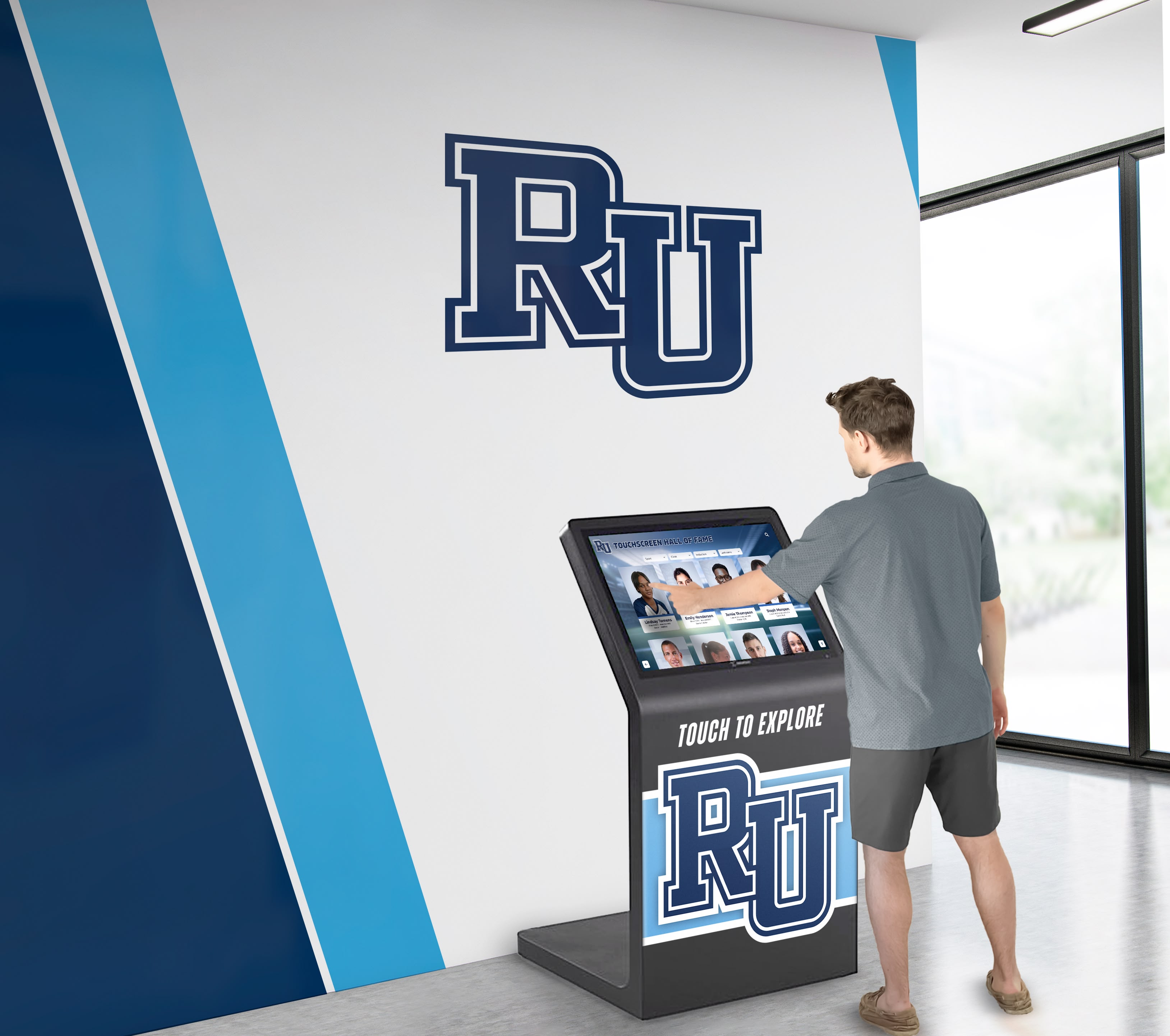
Rocket Alumni Solutions provides complete touchscreen installations with intuitive interfaces designed specifically for recognition
2. FameMaker: Specialized Sports Hall of Fame Software
FameMaker focuses specifically on athletic recognition, providing software platforms designed for schools and sports organizations managing team histories, individual records, and championship documentation.
Core Strengths
The platform offers purpose-built athletic data models accommodating sport-specific statistics, records, and achievements. FameMaker excels at organizing content by sport, season, and achievement type, with templates optimized for common athletic recognition scenarios including varsity team rosters and results, individual statistical leaders and records, all-conference and all-state recognition, and championship team documentation.
The software includes robust record-keeping features particularly valuable for athletic directors managing competitive achievements across multiple sports and decades of institutional history.
Limitations
FameMaker’s athletic specialization becomes a limitation for institutions requiring comprehensive recognition beyond sports. Schools needing to honor academic excellence, performing arts, leadership programs, or donor contributions must implement separate systems, creating administrative inefficiency and inconsistent visitor experiences. The platform primarily provides software without integrated hardware solutions, requiring organizations to separately source displays and manage technical integration.
Pricing Considerations
FameMaker typically charges $2,500-$5,000 annually for software licensing based on school size and feature requirements, with initial setup fees ranging from $1,000-$3,000. Organizations must separately budget for display hardware, installation, and any technical integration costs.
Ideal For
Athletic-focused recognition programs that don’t require honoring achievements beyond sports, organizations comfortable managing hardware acquisition and integration separately, and programs seeking specialized athletic data models and templates.
3. MemoryShare: Museum and Historical Society Platform
MemoryShare specializes in historical content presentation, serving museums, historical societies, and cultural organizations managing collections, exhibits, and archival materials.
Core Strengths
The platform provides sophisticated content organization for historical materials including detailed artifact documentation and cataloging, exhibit curation tools organizing thematic presentations, timeline visualization showing historical progression, multimedia archive management preserving digitized materials, and research tools enabling deep exploration of collections.
MemoryShare excels at presenting complex historical narratives and interconnected content relationships important for museum contexts. The platform supports both interactive kiosk installations and web-based collection access, enabling public engagement with historical materials beyond physical visits.
Limitations
MemoryShare’s museum focus makes the platform less suitable for typical school or organizational recognition needs. The software’s complexity and cost structure align with museum budgets and specialized staff rather than school administrative offices managing recognition as one responsibility among many. Limited templates and workflows for common recognition scenarios like athletic achievement or donor walls mean organizations must customize extensively or work around platform limitations.
Pricing Considerations
MemoryShare typically requires $10,000-$25,000 annual licensing fees for mid-sized organizations, with implementation costs ranging from $15,000-$50,000 depending on customization requirements. This pricing reflects museum and cultural institution budgets rather than school recognition program costs.
Ideal For
Museums managing collections and exhibits, historical societies preserving community heritage, cultural organizations requiring sophisticated historical content presentation, and institutions with dedicated professional staff managing recognition programs.
4. HonorBoard: Cloud-Based Recognition Management
HonorBoard provides cloud-based software for managing various recognition programs, targeting schools and organizations seeking affordable digital alternatives to traditional static displays.
Core Strengths
The platform offers straightforward cloud-based content management accessible through standard web browsers, requiring no specialized software installation or local IT infrastructure. HonorBoard’s simple interface enables quick profile creation, basic photo and text content support, and organizational tools for categorizing recognition across programs. The platform includes web portal generation extending recognition beyond physical campus presence.
Pricing represents HonorBoard’s primary advantage, with subscription models significantly less expensive than comprehensive platforms like Rocket Alumni Solutions, making digital recognition accessible to organizations with limited budgets.
Limitations
HonorBoard provides software only, without integrated hardware solutions or installation support. Organizations must separately source touchscreen displays, manage technical setup and integration, and troubleshoot hardware issues independently. The platform offers basic functionality suitable for straightforward recognition but lacks advanced capabilities including sophisticated multimedia support, detailed statistics and records management, complex relationship mapping between content elements, and extensive customization options matching specific institutional needs.
Customer support consists primarily of email-based assistance rather than comprehensive implementation consulting and ongoing strategic guidance that platforms like Rocket provide.
Pricing Considerations
HonorBoard typically charges $1,200-$3,500 annually for software subscriptions based on organizational size and features selected, with modest setup fees around $500-$1,000. Organizations must separately budget for display hardware, installation, and technical integration costs ranging from $5,000-$15,000 depending on hardware choices and installation complexity.
Ideal For
Budget-conscious organizations seeking basic digital recognition capabilities, institutions with internal IT capacity to manage hardware and technical integration, programs requiring straightforward recognition without advanced multimedia or sophisticated data management, and organizations willing to trade lower cost for reduced feature completeness and support.
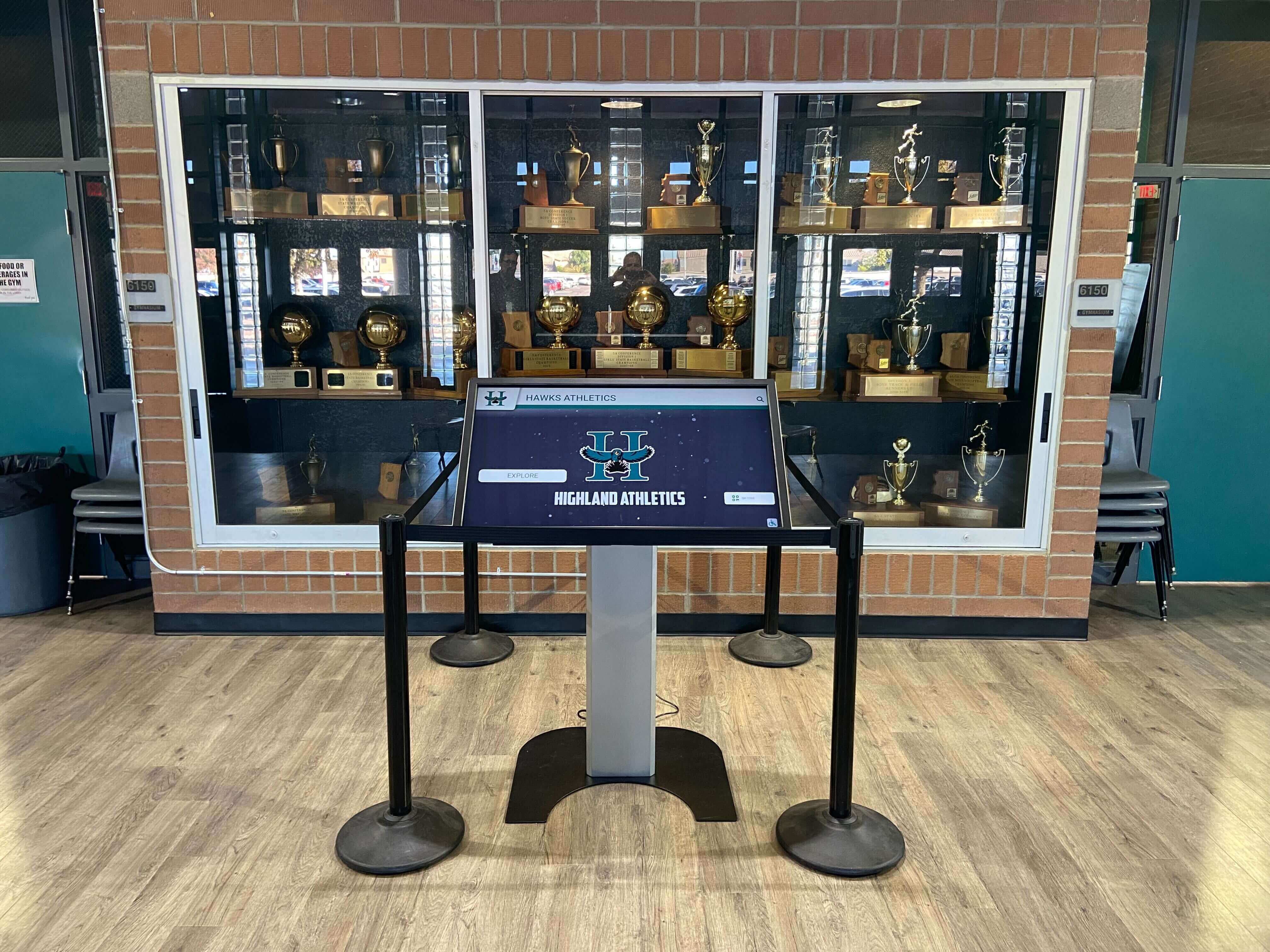
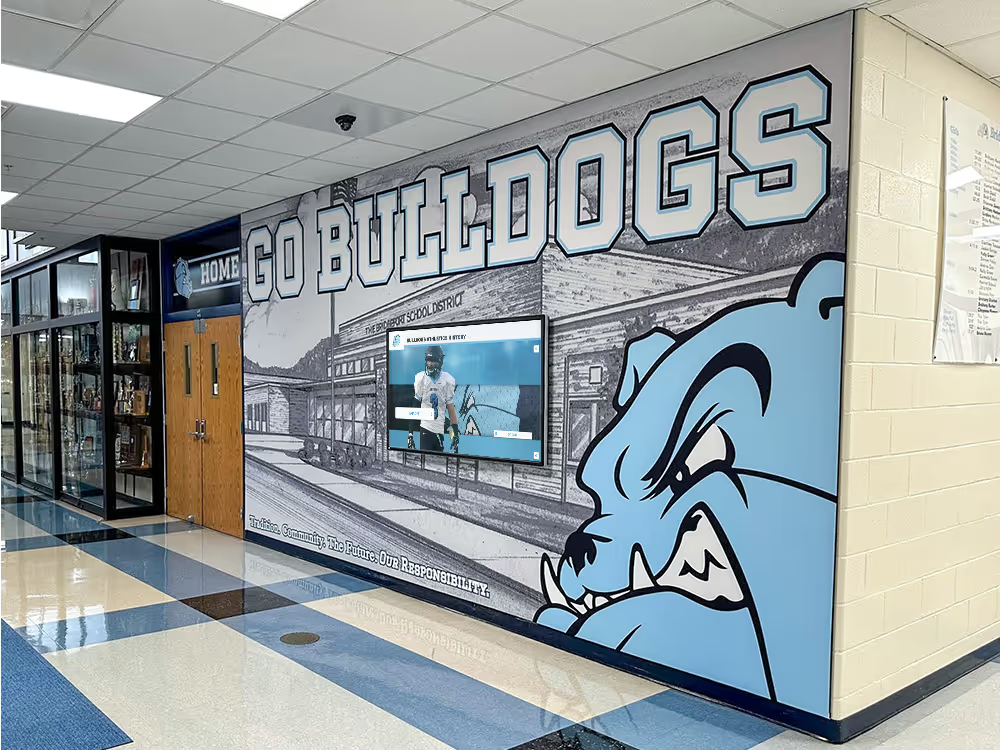
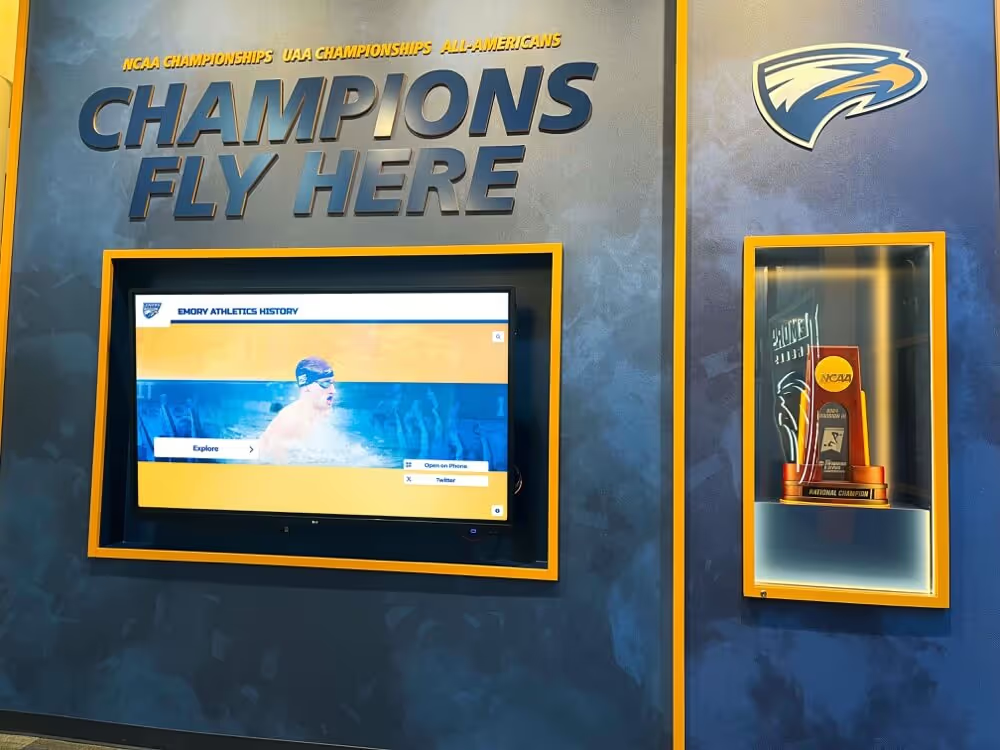
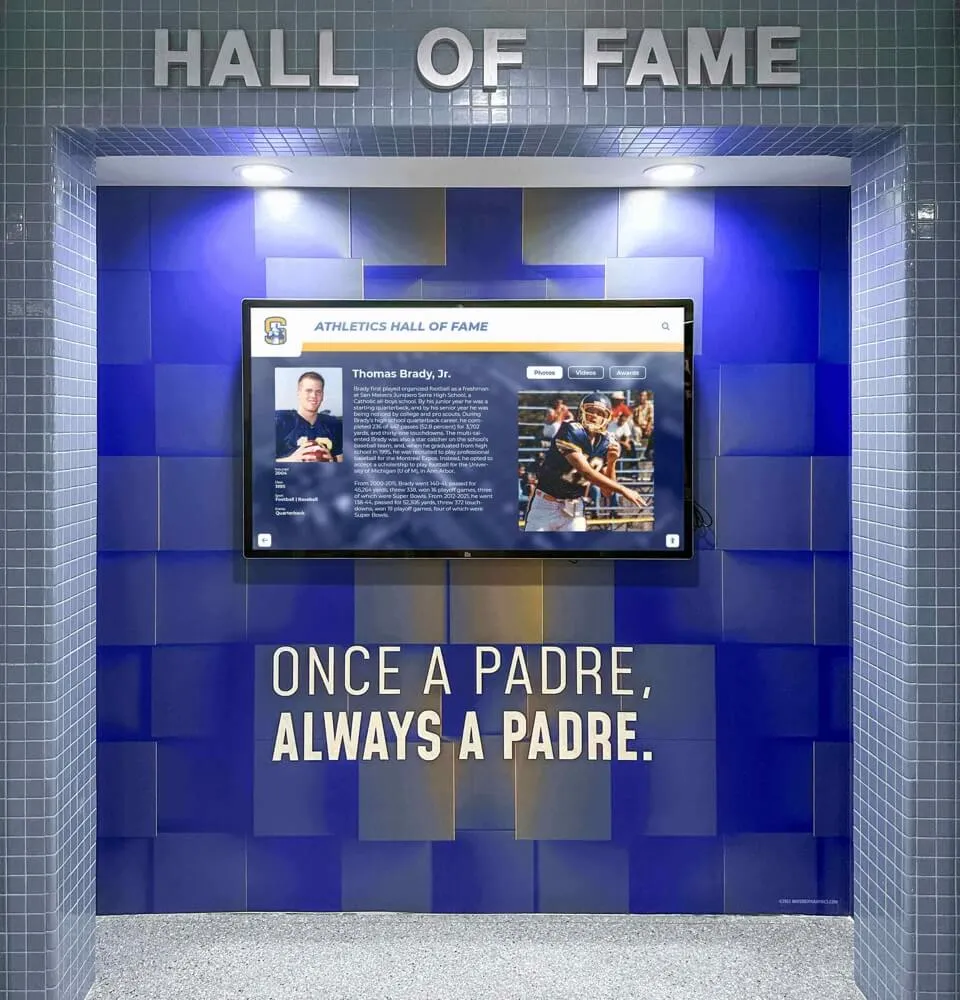
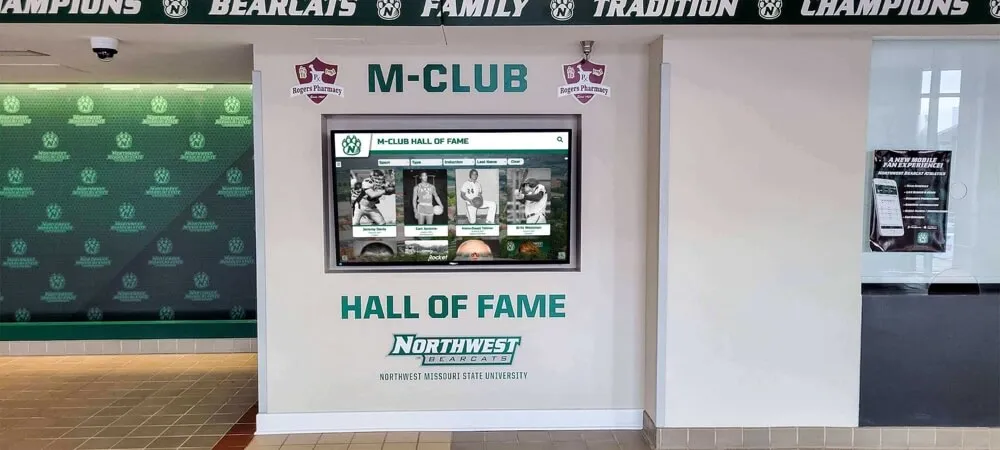
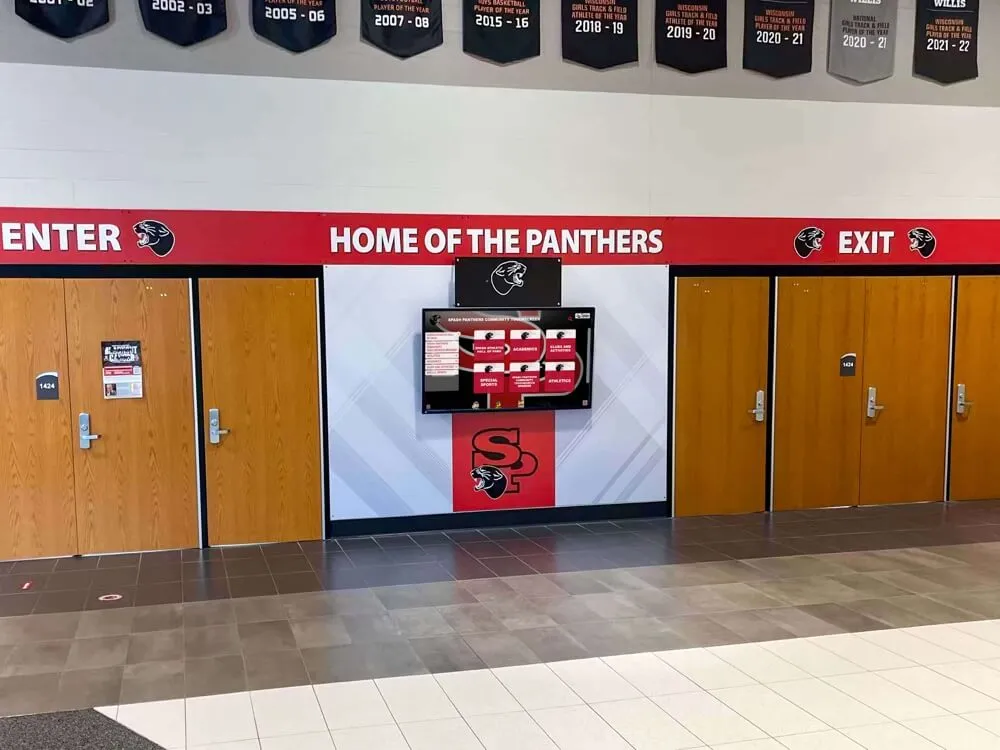
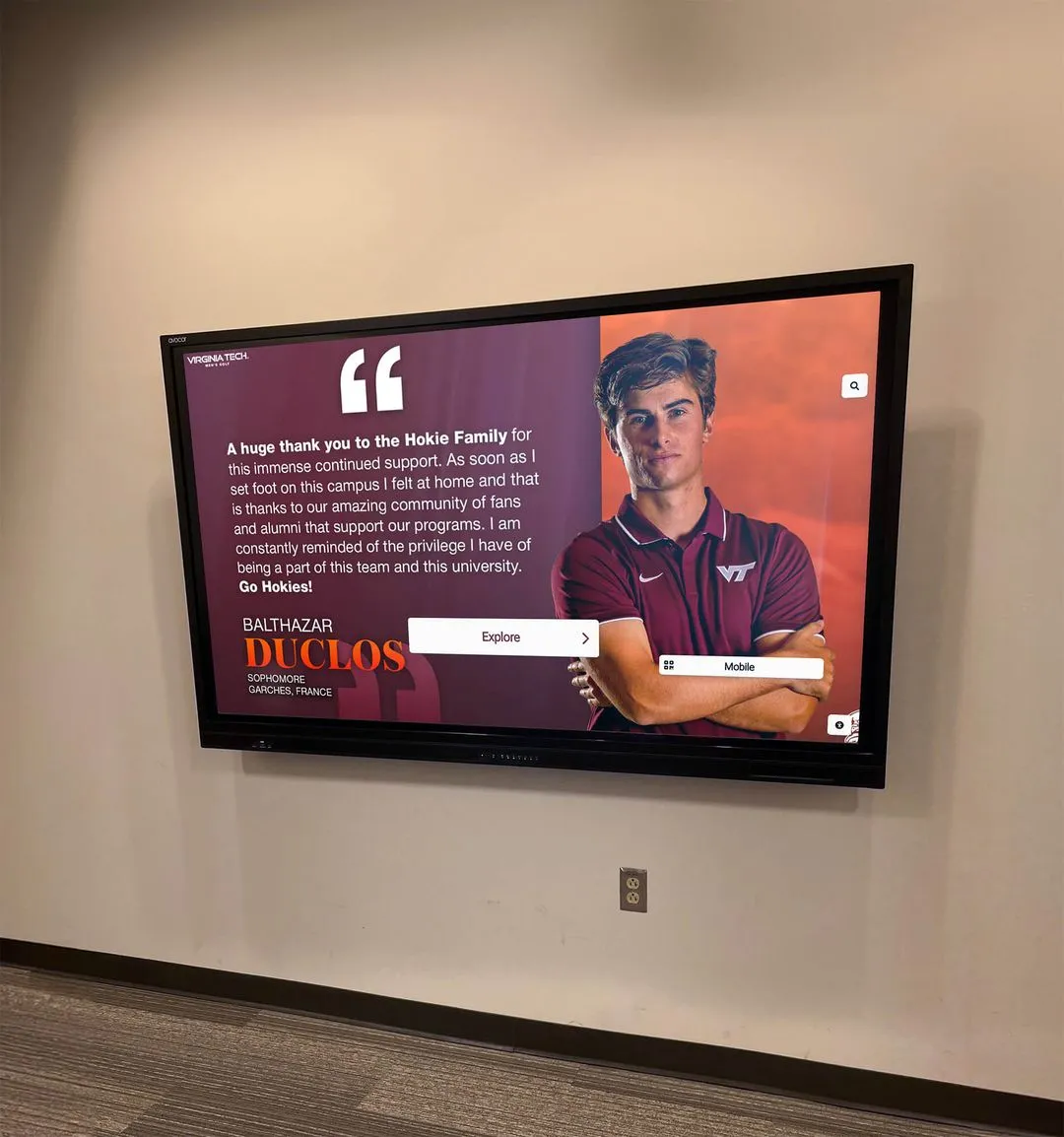
Effective hall of fame tools integrate with existing trophy areas while providing expanded digital capacity
5. Carousel Digital Signage: Adapted for Recognition
Carousel provides general-purpose digital signage software that some organizations adapt for recognition purposes through custom content development.
Core Strengths
Carousel offers flexible content design tools enabling creation of custom layouts and presentations, scheduling capabilities rotating content across displays, multi-display management from centralized dashboards, and integration with various data sources feeding content dynamically. The platform serves diverse digital signage needs beyond recognition, providing potential value for organizations requiring comprehensive facility-wide digital communication systems.
Limitations
Carousel was designed for general digital signage rather than recognition-specific applications, creating significant limitations for hall of fame use cases. The platform lacks purpose-built recognition data models, requiring extensive manual content creation for each individual or achievement rather than database-driven profile generation. Organizations must build search and navigation interfaces from scratch if interactive exploration matters, as Carousel focuses on passive content presentation rather than visitor-controlled browsing.
Content updates require substantially more effort compared to purpose-built platforms. Rather than simply adding profile information to databases, staff must design and create individual content layouts for each recognition addition. Organizations implementing touchscreen kiosk software discover that generic signage adapted for recognition requires 3-5 times more administrative effort than purpose-built platforms.
Pricing Considerations
Carousel typically charges $1,500-$4,000 annually for software licensing depending on display quantity and features, with implementation costs varying widely based on customization requirements ranging from $3,000-$15,000. Organizations must separately budget for display hardware and installation.
Ideal For
Organizations already using Carousel for facility-wide digital signage who want recognition integration within existing infrastructure, institutions with design and technical staff capable of building custom recognition interfaces, and programs accepting significant administrative overhead in exchange for flexible content presentation capabilities.
6. TrophyTech: Athletic-Focused Display Solution
TrophyTech provides specialized solutions for athletic recognition, combining digital displays with traditional trophy case integration designed specifically for school and university athletic programs.
Core Strengths
The platform offers strong integration between digital displays and physical trophy elements, creating hybrid recognition combining tangible awards with digital content expansion. TrophyTech provides sport-specific templates and data structures optimized for common athletic recognition including team championship documentation, individual award tracking, record boards showing top performances, and all-time athlete profiles. Hardware bundles include displays, mounting solutions, and installation services tailored to athletic facility contexts.
Limitations
Athletic specialization limits TrophyTech’s applicability beyond sports recognition. Schools requiring comprehensive platforms honoring academic excellence, performing arts, leadership programs, or donor contributions must implement separate systems. The platform focuses heavily on physical trophy integration, potentially creating design constraints for organizations seeking primarily digital solutions without traditional trophy elements. Geographic service limitations mean TrophyTech provides installation support primarily in certain regions rather than nationwide availability.
Pricing Considerations
TrophyTech typically requires $12,000-$25,000 for complete athletic recognition installations including displays, trophy integration, software, and installation. Annual software maintenance runs $2,000-$4,500 depending on features and school size.
Ideal For
Athletic departments seeking hybrid recognition combining digital displays with traditional trophy cases, programs focused exclusively on sports achievement without broader recognition needs, and institutions in regions where TrophyTech provides direct installation support.
7. LegacyLoop: Alumni Engagement and Recognition Platform
LegacyLoop provides comprehensive alumni engagement software that includes recognition components as part of broader relationship management functionality.
Core Strengths
The platform integrates recognition with extensive alumni database management, communication tools, event management, fundraising features, and career networking capabilities. This integration enables recognition within comprehensive alumni relations strategies rather than isolated display management. LegacyLoop excels at connecting current students with alumni through mentorship matching, career guidance resources, and networking opportunities while celebrating notable alumni achievements.
Limitations
Recognition represents one component within LegacyLoop’s comprehensive alumni management system rather than the platform’s primary focus. Organizations seeking sophisticated hall of fame capabilities may find recognition features less developed compared to purpose-built platforms like Rocket Alumni Solutions. The software lacks integrated hardware solutions for physical display installations, focusing primarily on web-based recognition accessible through alumni portals. Pricing reflects comprehensive platform capabilities beyond recognition alone, potentially exceeding budgets for organizations seeking only hall of fame functionality.
Pricing Considerations
LegacyLoop typically requires $8,000-$20,000 annually for full platform access depending on institution size and features utilized, with implementation costs ranging from $5,000-$15,000. Organizations must evaluate whether comprehensive alumni engagement capabilities justify investment if recognition represents the primary need.
Ideal For
Institutions seeking integrated alumni relations platforms incorporating recognition alongside database management, communications, and engagement tools, organizations prioritizing web-based recognition within alumni portals over physical display installations, and programs with dedicated advancement offices managing comprehensive alumni relationships.
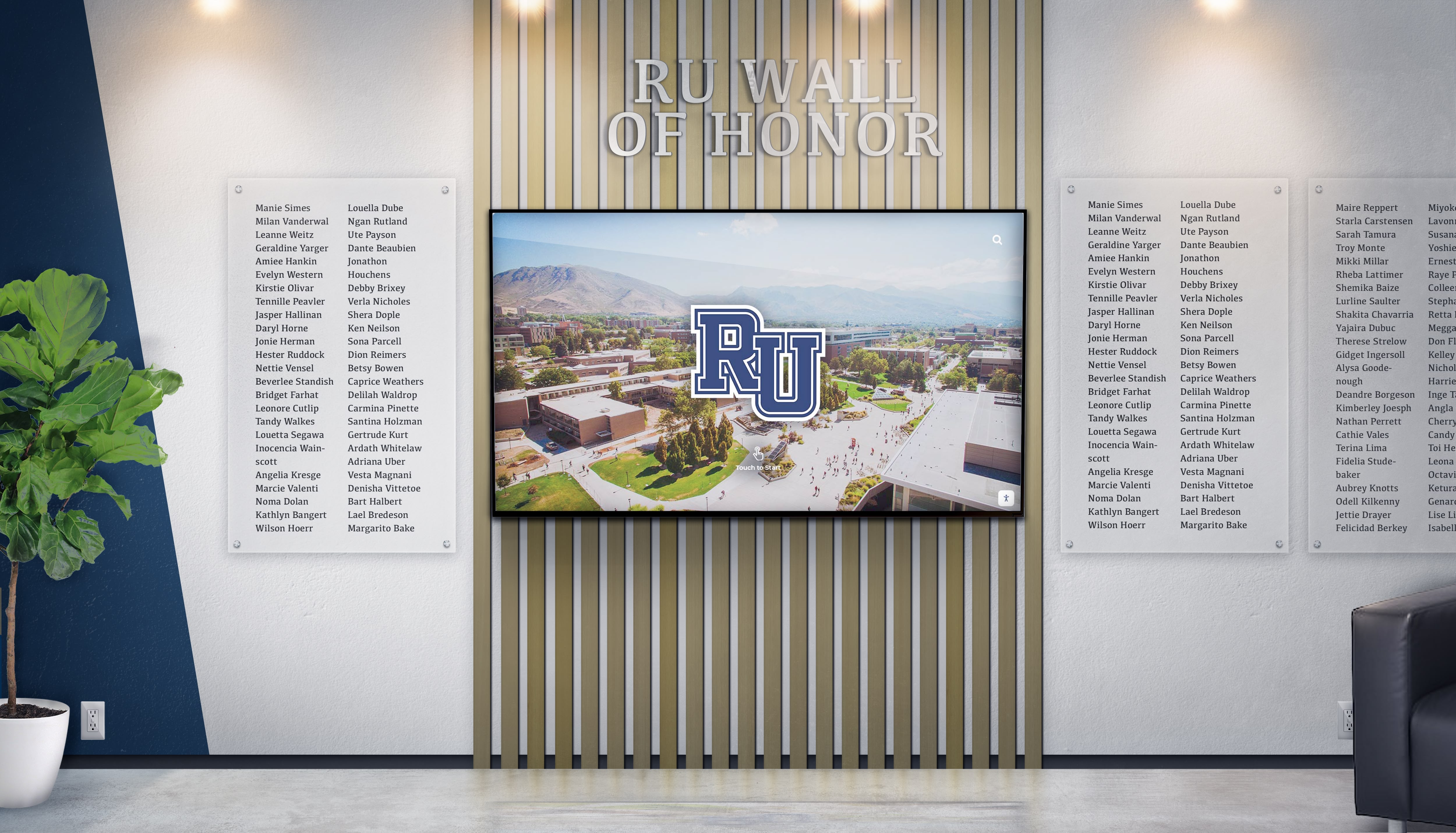
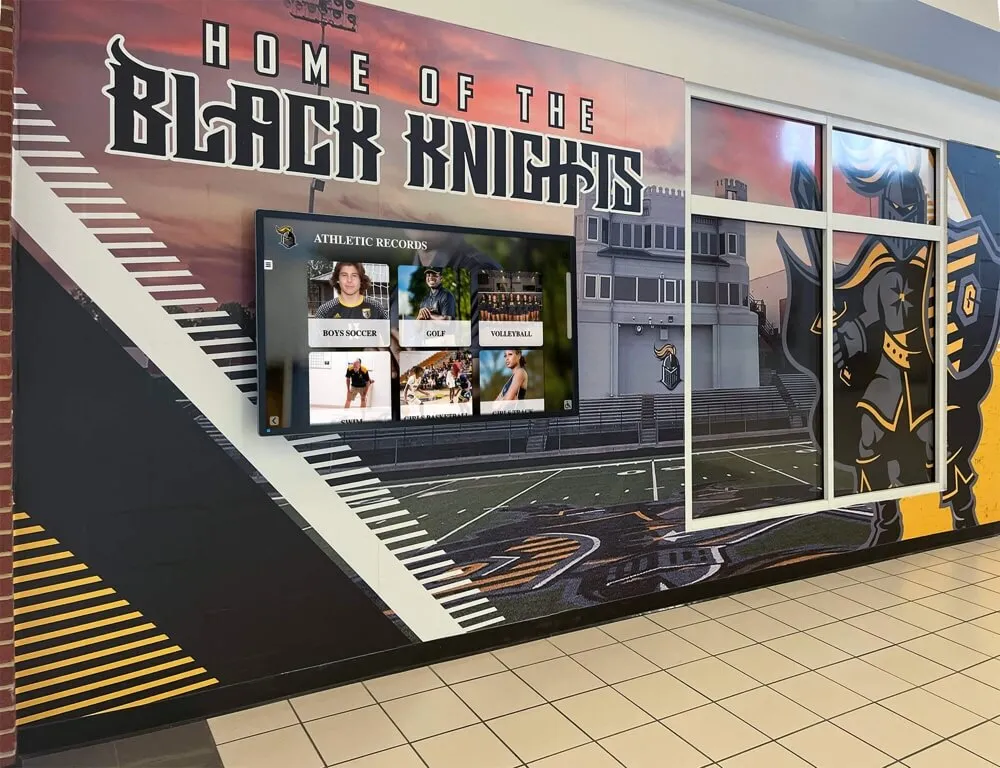
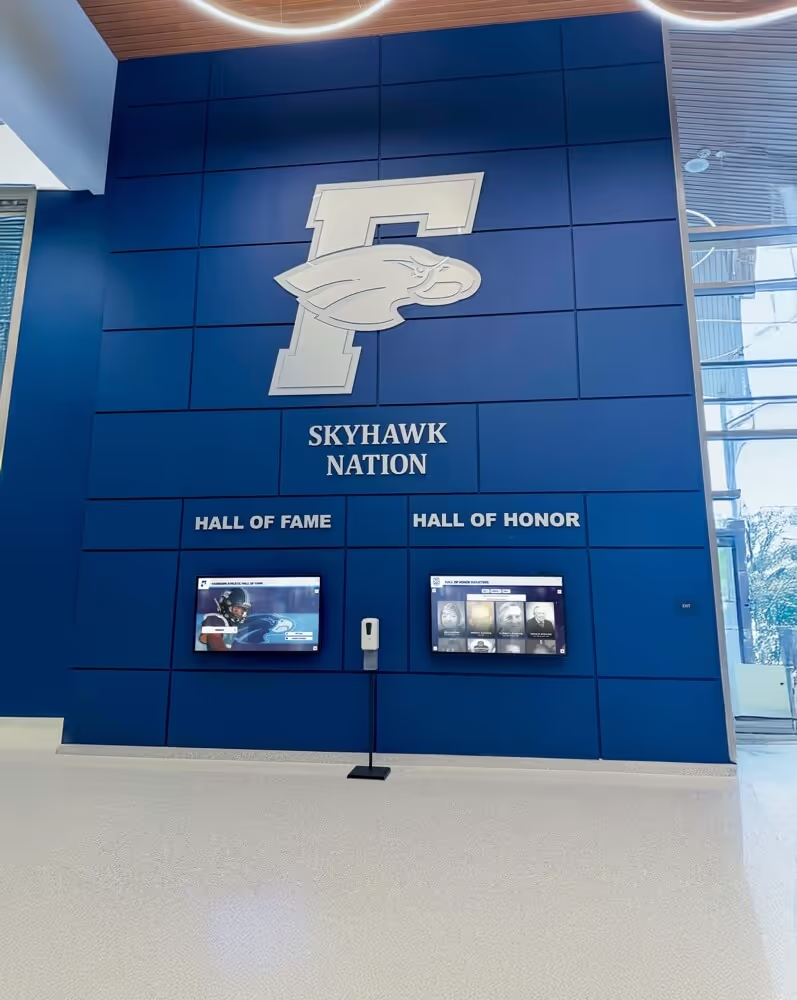
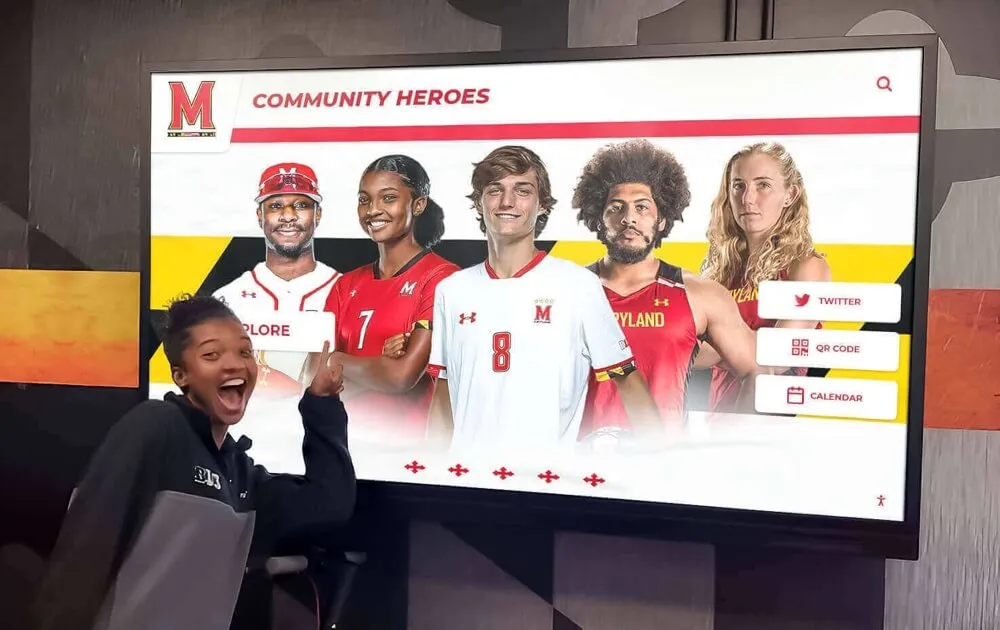
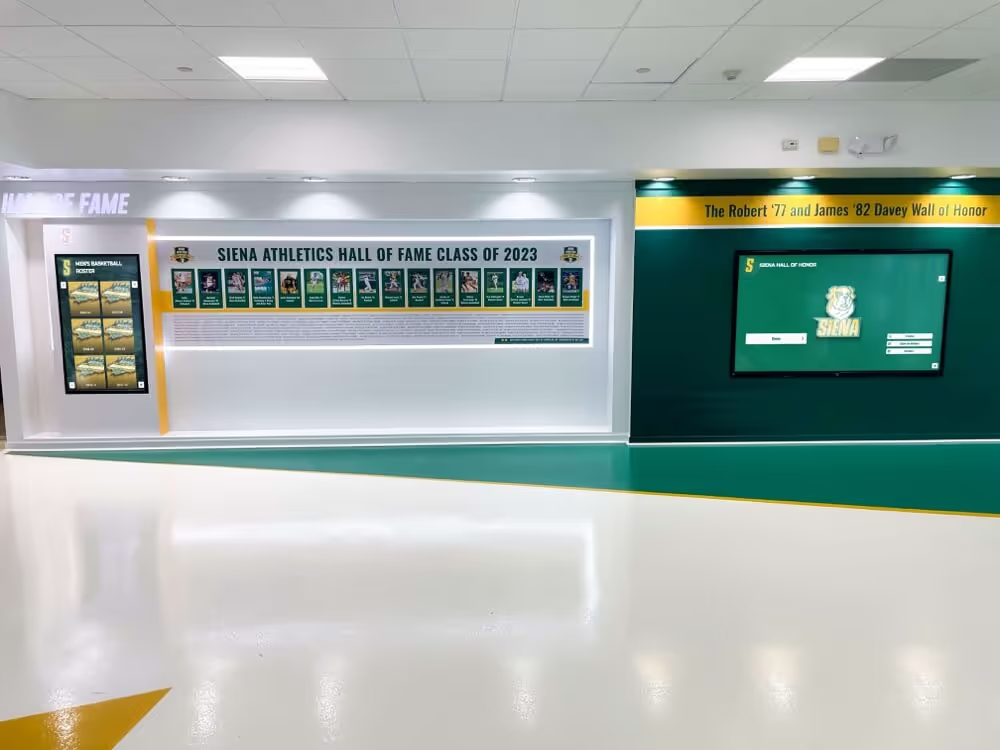
Professional hall of fame tools accommodate diverse recognition needs from athletics to donor walls
8. ContentKeeper: Digital Archive and History Platform
ContentKeeper specializes in digital archiving and historical content preservation, serving organizations managing extensive historical materials, yearbooks, photographs, and institutional records.
Core Strengths
The platform provides sophisticated tools for digitizing historical materials including document scanning integration, photograph archive management, yearbook digitization and indexing, historical timeline creation, and searchable database creation enabling discovery of historical content. ContentKeeper excels at preserving institutional memory and making decades of historical materials accessible through modern digital interfaces.
Organizations implementing digital archives benefit from ContentKeeper’s focus on preservation workflows, metadata management, and long-term digital asset sustainability.
Limitations
ContentKeeper focuses on archival content rather than active recognition of current achievements, making the platform better suited for historical preservation than ongoing hall of fame management. Limited templates and workflows for typical recognition scenarios like athletic achievements, donor walls, or student award programs mean organizations must extensively customize or supplement the platform. The software lacks integrated hardware solutions for physical display installations, focusing primarily on web-based archive access.
Pricing Considerations
ContentKeeper typically charges $5,000-$12,000 annually for platform access based on content volume and features, with digitization services billed separately ranging from $2-$8 per page or item depending on material type and volume. Implementation costs vary widely based on historical content scope.
Ideal For
Organizations prioritizing historical preservation over current achievement recognition, institutions with extensive yearbook, photograph, and document collections requiring digitization, programs seeking to make historical archives publicly accessible through searchable online platforms, and schools wanting to preserve institutional memory systematically.
9. RecognizeMe: Employee and Community Recognition Software
RecognizeMe provides recognition software designed primarily for corporate employee recognition programs, with some application potential for school and organizational contexts.
Core Strengths
The platform offers sophisticated recognition nomination and approval workflows, peer-to-peer recognition features enabling community-driven acknowledgment, achievement tracking across diverse categories and programs, certificate generation and awards management, and social features encouraging recognition culture through comments, likes, and sharing.
RecognizeMe excels at process-driven recognition where achievements require nomination, review, approval, and formal designation rather than straightforward documentation of factual accomplishments like athletic records or academic awards.
Limitations
Corporate focus means RecognizeMe lacks educational institution-specific features and terminology that school administrative staff expect. The platform provides minimal support for historical recognition content beyond current employees or members, limiting applicability for comprehensive halls of fame celebrating decades of institutional achievement. Physical display integration remains limited, with RecognizeMe focusing primarily on web-based and internal platform recognition rather than public-facing touchscreen installations. Pricing models reflect enterprise software rather than school budget structures.
Pricing Considerations
RecognizeMe typically charges $3,000-$10,000 annually depending on user count and features, with implementation costs ranging from $2,000-$8,000. Organizations must separately address physical display needs if desired beyond web-based recognition.
Ideal For
Corporate organizations implementing employee recognition programs, businesses seeking to build recognition culture through peer nomination and social features, organizations requiring sophisticated approval workflows for recognition designation, and programs focused primarily on web-based recognition within internal platforms rather than public displays.
10. DisplayBuilder: DIY Digital Recognition Solution
DisplayBuilder provides do-it-yourself tools enabling organizations to create custom digital recognition displays using web technologies, templates, and content management frameworks.
Core Strengths
The platform offers maximum flexibility through open-ended design capabilities, extensive template libraries providing starting points for common scenarios, integration with various data sources and third-party systems, and full source code access enabling unlimited customization by technical staff. Organizations with web development capabilities appreciate DisplayBuilder’s flexibility creating precisely tailored recognition solutions matching specific institutional requirements without platform limitations.
Limitations
DisplayBuilder requires significant technical expertise including web development skills, database management knowledge, ongoing maintenance capabilities, and troubleshooting competence. The platform provides tools rather than solutions, meaning organizations must invest substantial time and effort building recognition systems from component parts. Limited support consists primarily of documentation and community forums rather than comprehensive implementation assistance or ongoing strategic guidance. Organizations without dedicated technical staff struggle with DisplayBuilder’s complexity and maintenance requirements.
Pricing Considerations
DisplayBuilder typically charges $500-$2,000 annually for platform access, representing software affordability. However, organizations must account for substantial internal development costs creating functional recognition systems, which typically require 100-300 hours of skilled technical labor valued at $5,000-$30,000 depending on complexity. Ongoing maintenance represents additional recurring cost as institutional staff must address technical issues, implement updates, and continuously enhance functionality.
Ideal For
Organizations with dedicated web development staff seeking maximum customization flexibility, institutions wanting full control over recognition platform functionality and design, programs requiring integration with complex existing systems, and technical teams comfortable building and maintaining custom applications long-term.
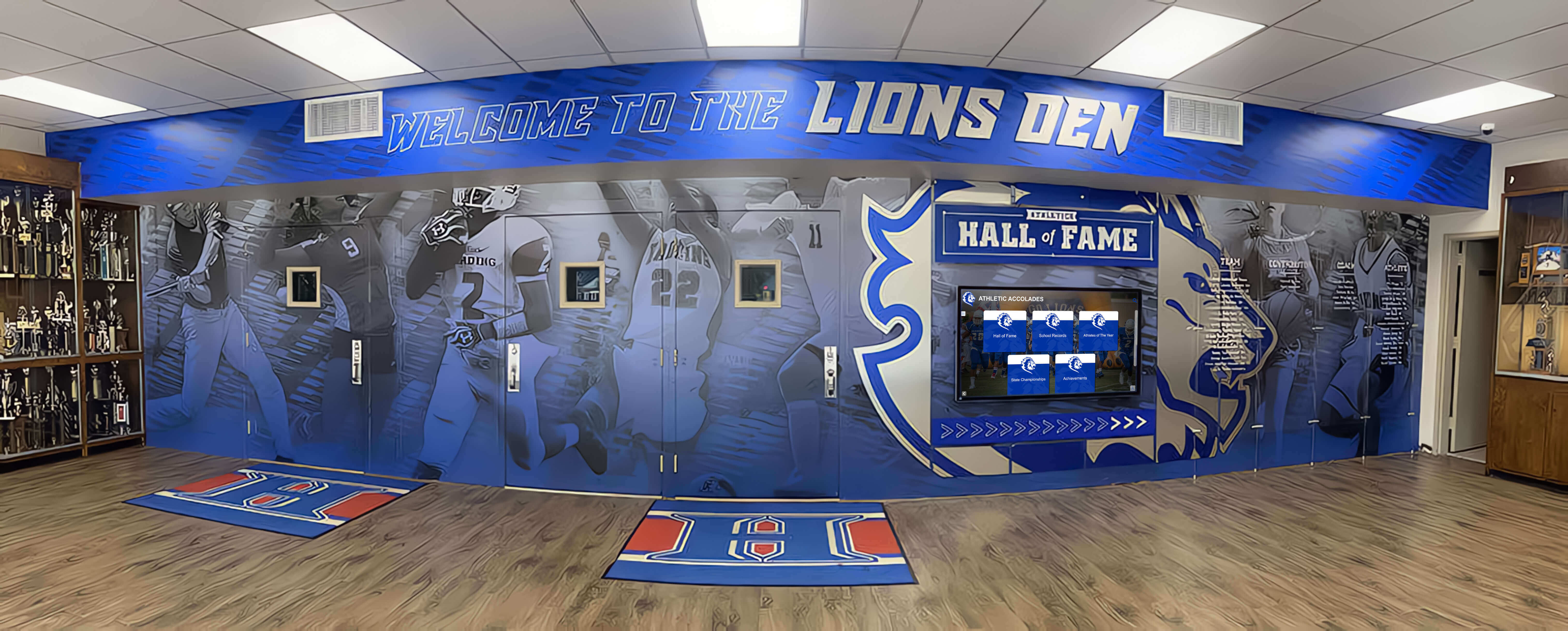
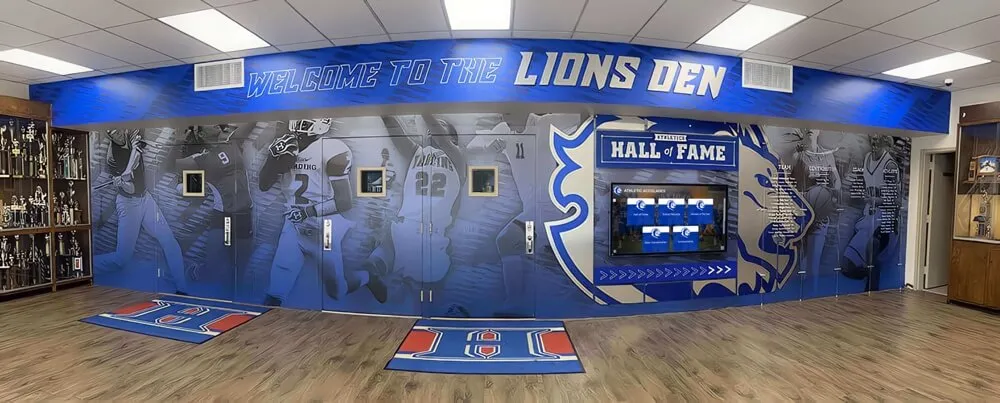
The best hall of fame tools combine professional aesthetics with functional recognition management
Comparative Analysis: Selecting the Right Platform
Understanding how platforms compare across critical dimensions helps organizations make informed selection decisions.
Feature Comparison Matrix
Recognition Versatility
Platforms vary significantly in applicable recognition contexts. Rocket Alumni Solutions and ContentKeeper provide versatility across athletics, academics, arts, donors, and historical content. FameMaker and TrophyTech specialize exclusively in athletic recognition. LegacyLoop focuses on alumni achievement. MemoryShare targets museum and historical applications. Organizations requiring comprehensive recognition across all programs benefit from versatile platforms rather than specialized tools addressing only portions of recognition needs.
Implementation Complexity and Support
Turnkey solutions like Rocket Alumni Solutions provide complete implementation including hardware, installation, training, and ongoing support, minimizing organizational burden. Software-only platforms including HonorBoard, Carousel, and DisplayBuilder require organizations to separately manage hardware sourcing, technical integration, troubleshooting, and ongoing maintenance. Schools and organizations with limited IT capacity particularly benefit from comprehensive solutions rather than bare software requiring extensive local technical expertise.
Content Management Efficiency
Purpose-built recognition platforms including Rocket Alumni Solutions, FameMaker, and TrophyTech provide intuitive interfaces optimized for creating individual profiles and updating recognition content efficiently. Generic digital signage platforms adapted for recognition including Carousel require substantially more effort creating custom content layouts for each addition. Organizations should evaluate actual time required for routine tasks like adding new inductees or updating achievement information when comparing platform efficiency.
Physical Display Integration
Rocket Alumni Solutions and TrophyTech provide integrated hardware solutions including displays, installation, and technical support. HonorBoard, Carousel, LegacyLoop, MemoryShare, ContentKeeper, RecognizeMe, and DisplayBuilder provide software only, requiring separate hardware sourcing and integration. Organizations lacking internal technical capacity for hardware management benefit from comprehensive solutions rather than unbundled software.
Web Integration and Extended Reach
Rocket Alumni Solutions, LegacyLoop, MemoryShare, ContentKeeper, and RecognizeMe provide robust web-based recognition extending beyond physical campus presence. FameMaker, TrophyTech, and HonorBoard offer basic web capabilities with primary focus on physical display management. Carousel and DisplayBuilder require custom development for sophisticated web integration. Organizations prioritizing online recognition accessibility for alumni, families, and remote communities should emphasize platforms providing comprehensive web functionality.
Long-Term Cost Considerations
While initial investment varies significantly across platforms, long-term total cost of ownership provides more meaningful comparison including recurring software licensing or subscription fees, hardware replacement cycles and upgrade costs, administrative time spent on content management and updates, technical support and troubleshooting expenses, training costs as staff turnover occurs, and content migration expenses if platforms change.
Organizations should calculate 10-year total cost rather than focusing exclusively on initial investment when comparing platforms, as seemingly affordable options sometimes accumulate substantial long-term costs through inefficiency and ongoing expenses.
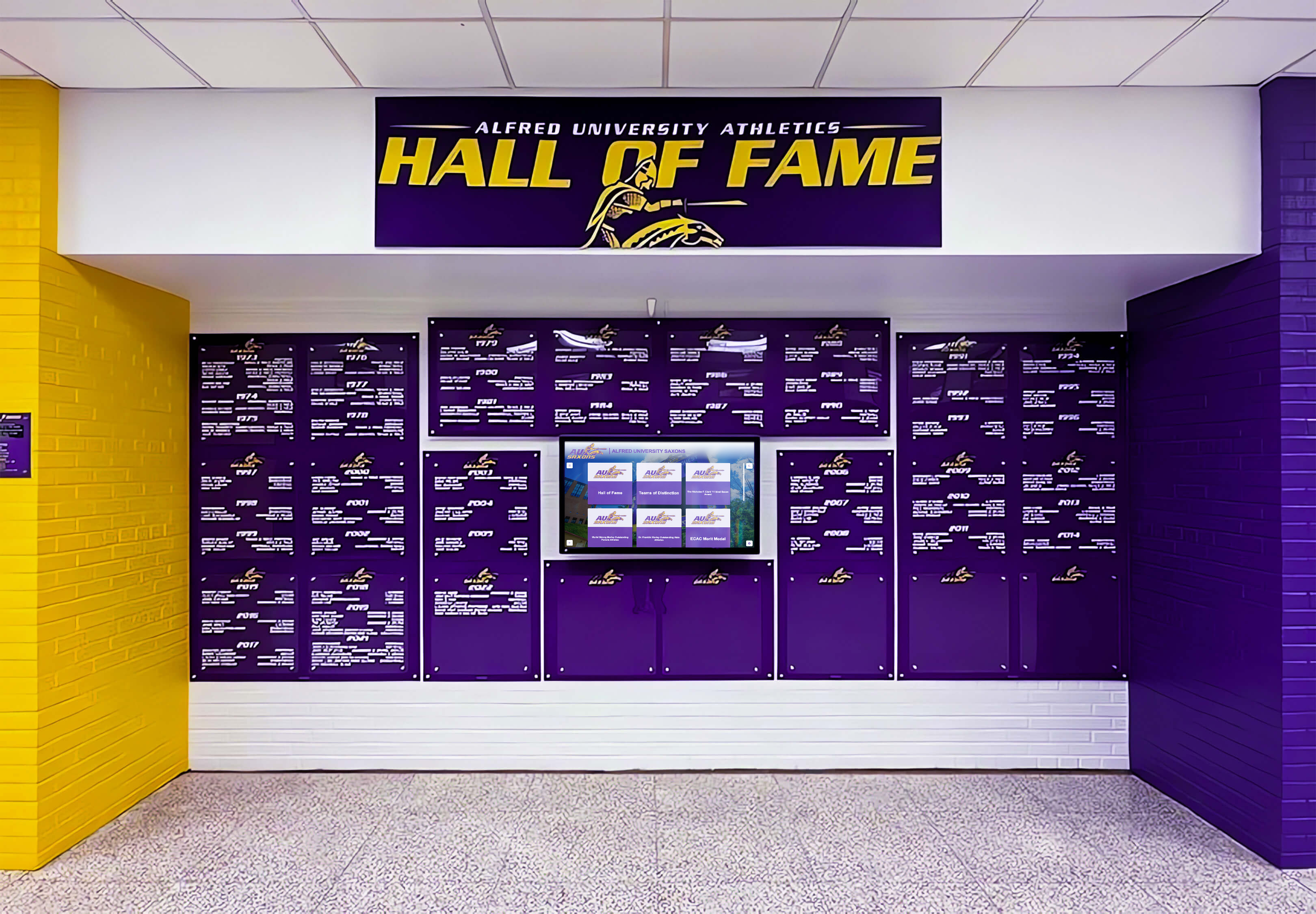
Successful hall of fame implementations honor achievements across all institutional programs comprehensively
Implementation Considerations and Best Practices
Regardless of platform selected, successful hall of fame tool implementation requires thoughtful planning and systematic execution.
Requirements Definition Phase
Stakeholder Engagement
Involve key groups whose input and support determine implementation success including administrative leadership providing strategic direction and budget approval, program directors managing athletics, arts, academics, and advancement, facilities management addressing installation logistics and ongoing maintenance, technology staff assessing infrastructure and support requirements, and representative community members ensuring recognition resonates with intended audiences.
Broad stakeholder engagement prevents discovering important requirements late in implementation when accommodation becomes expensive or impossible.
Recognition Scope Definition
Clarify what recognition programs the system must accommodate including athletic achievements across how many sports and time periods, academic excellence honoring which programs and award types, performing arts documentation for theater, music, dance, and visual arts, donor recognition supporting fundraising and stewardship programs, leadership and service celebrating student government and community engagement, historical content preserving institutional memory and traditions, and any additional specialized recognition unique to specific organizational contexts.
Comprehensive scope definition ensures selected platforms provide necessary capabilities rather than discovering critical limitations after investment.
Success Metrics Establishment
Define measurable objectives enabling implementation assessment including administrative time savings compared to previous recognition methods, visitor engagement with displays and web platforms, recognition program satisfaction among honorees and families, content accuracy and completeness across all programs, update frequency and timeliness for new achievements, system reliability and technical performance, and perceived impact on organizational culture and community pride.
Clear success metrics guide implementation decisions and enable objective evaluation whether investments deliver anticipated benefits.
Content Development and Launch
Historical Research and Data Collection
Gather comprehensive recognition content systematically through existing records including yearbooks, program archives, award documentation, trophy inscriptions, photograph collections, newspaper clippings, and interviews with institutional staff, alumni, and community members possessing historical knowledge. This historical research establishes baseline content giving hall of fame displays substance immediately upon launch while uncovering forgotten achievements deserving recognition.
Phased Implementation Approach
Consider staged rollout beginning with recent achievers where information is readily available before expanding historically, single programs serving as pilots demonstrating value before organization-wide expansion, physical displays in highest-traffic locations before secondary installations, and basic functionality initially with advanced features introduced as staff competence and user familiarity grow.
Phased implementation reduces risk, enables learning from early experience, and demonstrates value justifying continued investment rather than attempting comprehensive deployment simultaneously across all programs and locations.
Training and Change Management
Ensure successful adoption through comprehensive training for staff managing content updates and system administration, user guides and documentation supporting independent operation, ongoing support resources addressing questions and challenges, stakeholder communication explaining benefits and changes from previous methods, and recognition of early adopters modeling effective platform utilization.
Technology alone doesn’t ensure success—people must understand, accept, and actively utilize new systems for benefits to materialize.
Ongoing Operations and Continuous Improvement
Regular Content Update Schedules
Establish systematic processes ensuring recognition remains current including post-season athletic updates documenting championships and records, quarterly academic honor roll recognition celebrating excellence, annual advancement office donor wall updates acknowledging contributions, event-based performing arts documentation following productions and concerts, and scheduled historical content additions systematically expanding archives.
Regular update cadences prevent recognition from becoming stale while ensuring new achievements receive timely acknowledgment rather than languishing for months or years before documentation.
Analytics Review and Optimization
Leverage platform analytics revealing usage patterns and popular content including visitor engagement duration and interaction depth, most frequently accessed profiles and achievements, search terms revealing what audiences seek, time-of-day and seasonal usage variations, geographic distribution of web portal visitors, and content gaps where minimal recognition exists.
Analytics guide content development priorities, identify programs deserving enhanced documentation, and demonstrate recognition program value through quantifiable engagement metrics.
Periodic Platform Assessment
Schedule regular evaluation ensuring systems continue meeting evolving needs including feature utilization review identifying unused capabilities or missing functionality, vendor relationship assessment evaluating support quality and responsiveness, competitive landscape monitoring revealing superior alternatives, cost analysis comparing ongoing expenses against benefits delivered, and strategic alignment evaluation confirming platforms support current institutional priorities.
Technology evolves rapidly—what represented optimal choices at implementation may no longer serve organizations best five years later. Regular assessment enables proactive platform evolution rather than reactive crisis response when systems fail meeting requirements.
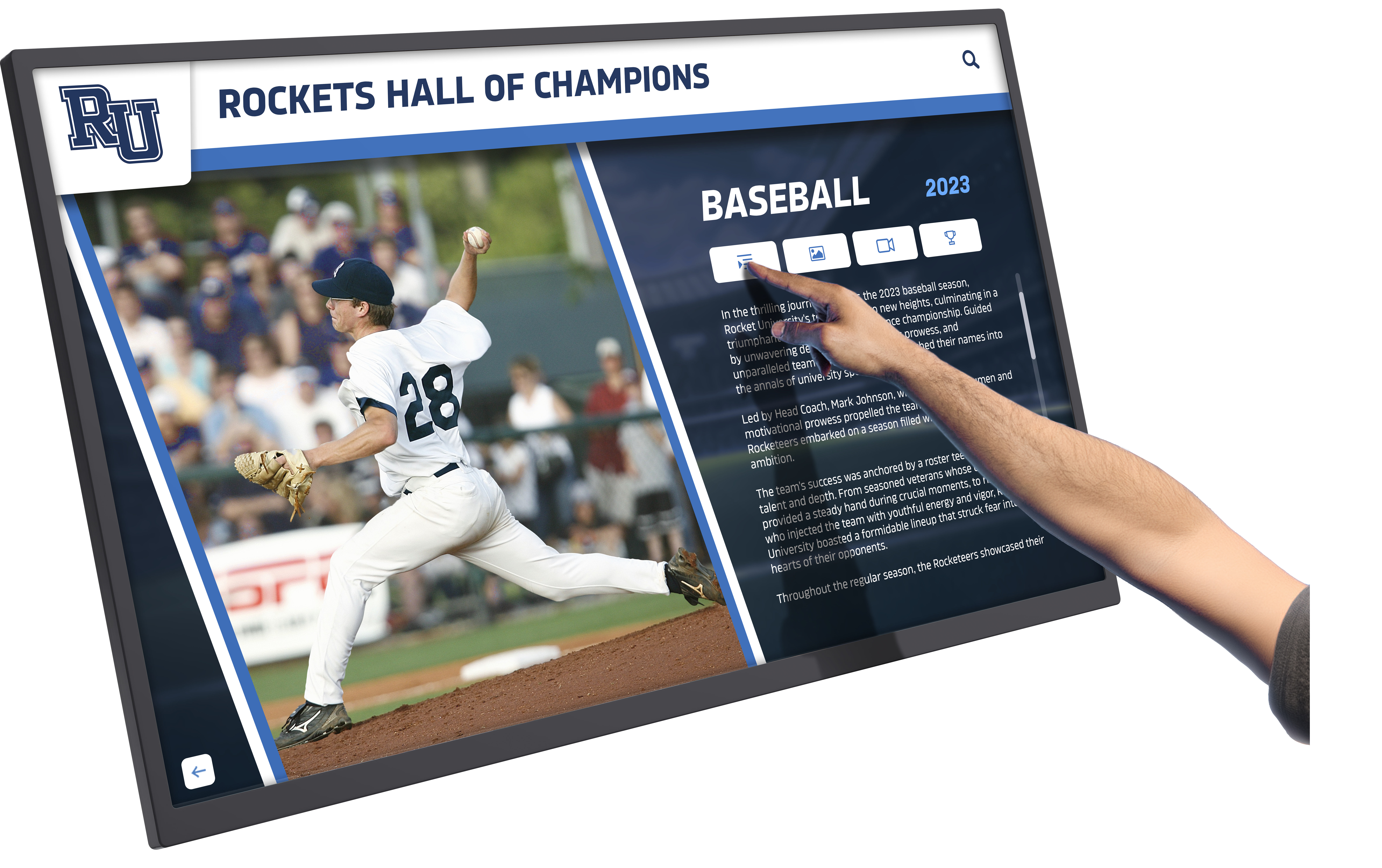
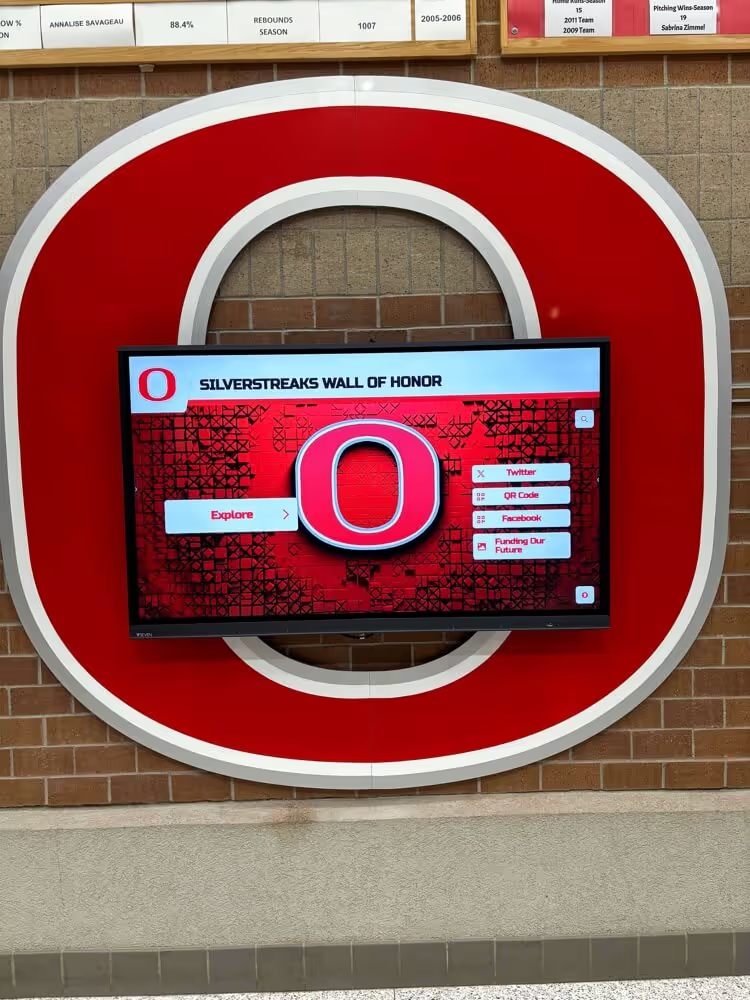
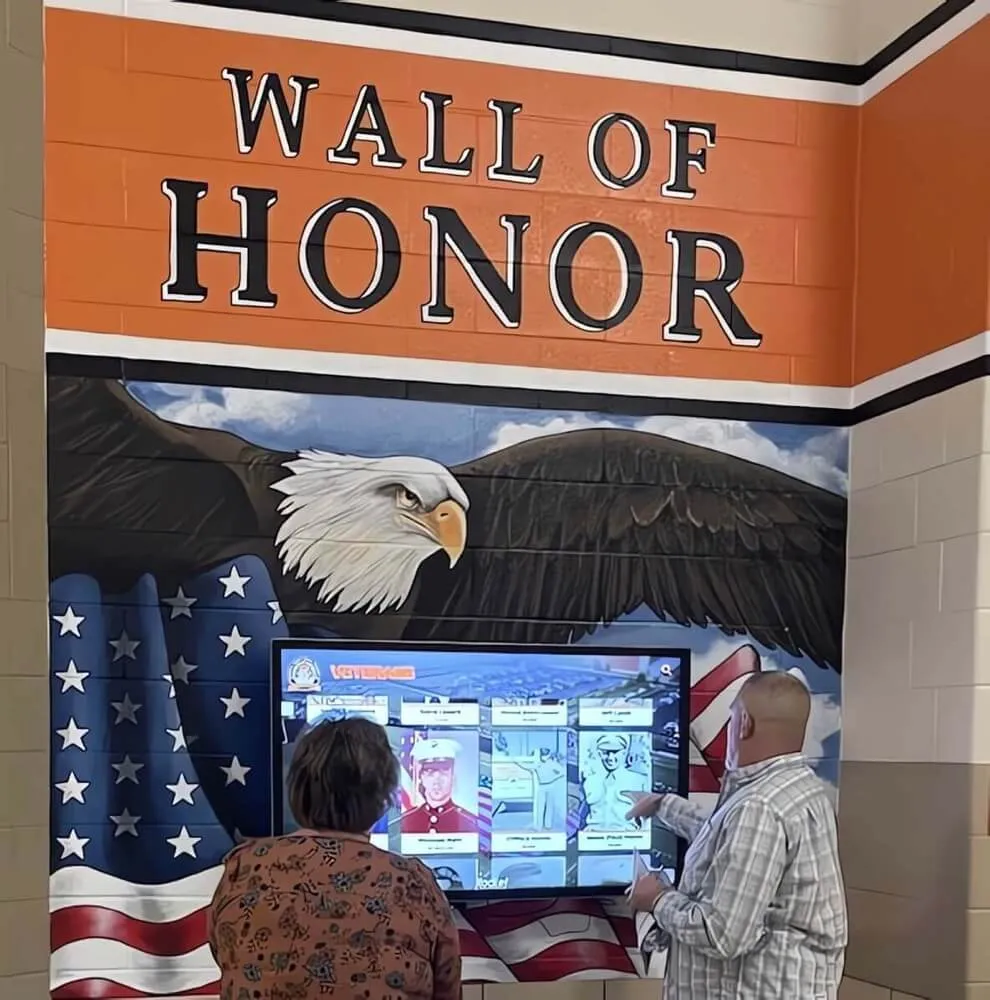
Intuitive interfaces enable visitors to explore achievements through self-directed interactive experiences
Special Considerations for Different Organizational Types
Hall of fame tool requirements vary across institutional contexts, with specific considerations for different organizational types.
K-12 Schools
Elementary and secondary schools typically manage athletic recognition across 15-30 sports, academic excellence programs including honor rolls and competition achievements, performing arts documentation for theater, music, and dance programs, and student leadership recognition. Budget constraints often represent significant factors, with recognition competing for resources against direct educational programming.
Schools benefit from turnkey solutions providing comprehensive support rather than requiring dedicated technical staff managing complex implementations. Multi-sport athletic capabilities remain essential, as does flexibility honoring diverse achievements beyond athletics. Web integration enables alumni engagement and parent communication extending recognition impact beyond campus visitors.
Colleges and Universities
Higher education institutions typically require sophisticated platforms managing recognition across dozens of varsity athletics programs, academic departments and research achievements, performing arts presentations, donor recognition supporting advancement programs, notable alumni accomplishments, and extensive institutional history. Scale represents key consideration, with thousands or tens of thousands of potential honorees accumulated across decades or centuries.
Universities typically possess technical staff capable of managing complex systems, enabling consideration of sophisticated platforms requiring more implementation effort. Integration with existing advancement databases, student information systems, and alumni relations platforms provides operational efficiency. Multiple physical display locations across campus require coordinated management through centralized systems.
Museums and Cultural Organizations
Museums require specialized capabilities for collection documentation, exhibit curation, artifact cataloging, historical interpretation, and visitor engagement. Recognition focuses less on honoring individual achievement and more on presenting historical content, preserving cultural heritage, and providing educational experiences.
Museums benefit from platforms providing sophisticated content relationship mapping, detailed metadata management, research functionality, and multimedia presentation capabilities. Professional archival standards and long-term digital preservation represent critical requirements. Integration with collection management systems and research databases provides operational efficiency.
Sports Organizations and Athletic Facilities
Independent sports organizations, youth leagues, club athletics programs, and multi-sport facilities require platforms focused primarily on athletic achievement documentation including team histories and championship records, individual athlete profiles and statistics, record boards and leaderboards, tournament and competition results, and coaching and volunteer recognition.
Athletic-specialized platforms like FameMaker and TrophyTech serve these contexts well when recognition needs don’t extend beyond sports achievement. Physical displays in athletic facilities benefit from hardware integration and installation support. Real-time updates during competitions and seasons require efficient content management enabling prompt documentation.
Corporate and Nonprofit Organizations
Businesses and nonprofit organizations typically focus recognition on employee excellence, volunteer contributions, donor acknowledgment, organizational milestones, and community impact. Recognition often serves culture-building and stakeholder engagement purposes beyond simple achievement documentation.
Platforms providing nomination workflows, approval processes, social features, and integration with HR systems serve corporate contexts effectively. Donor-focused capabilities support nonprofit stewardship programs. Web-based recognition enabling remote access suits geographically distributed organizations better than physical display-focused solutions.
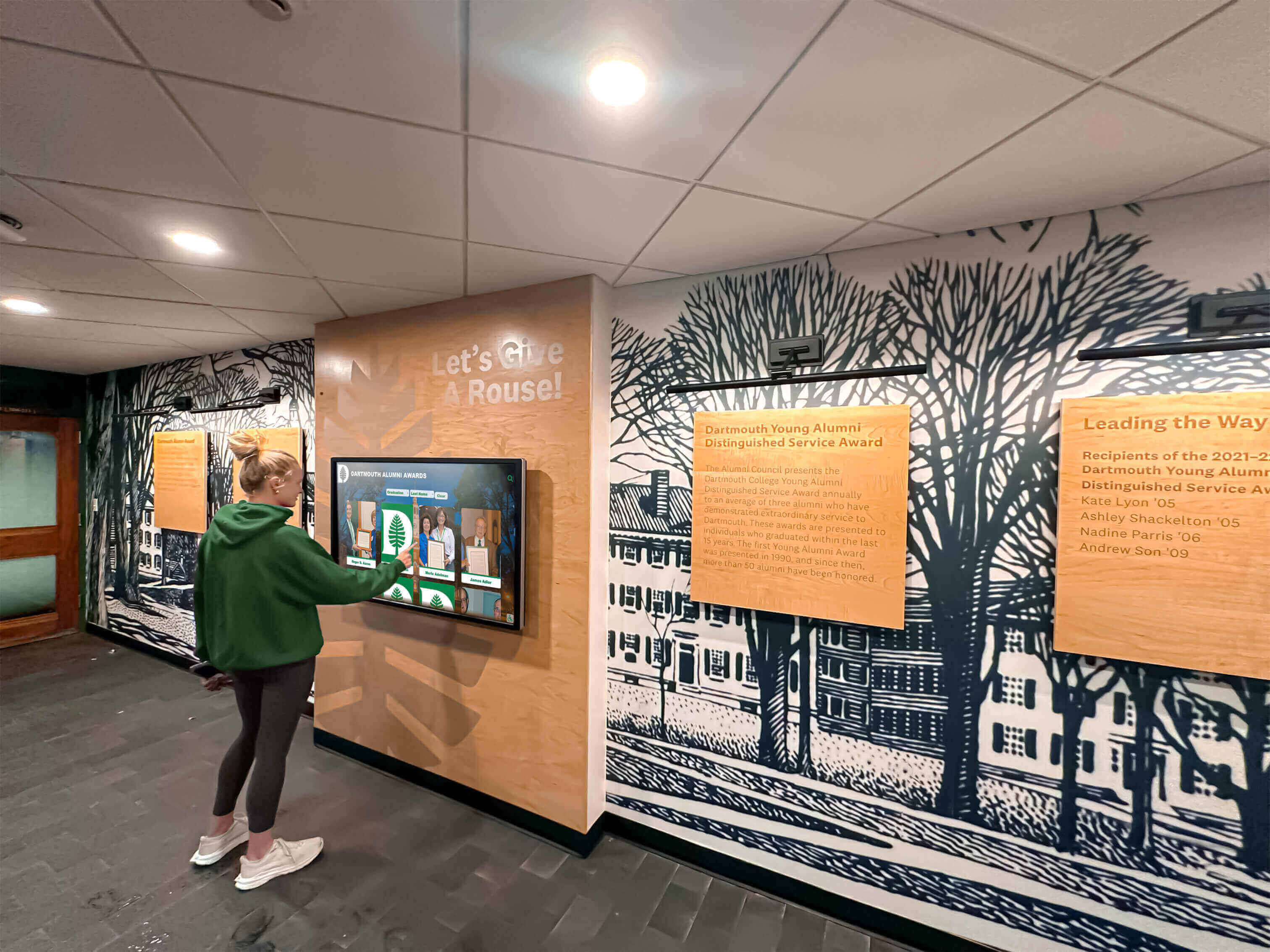
Effective hall of fame tools create engaging experiences that visitors actively explore rather than passively view
Common Implementation Challenges and Solutions
Understanding typical obstacles helps organizations prevent problems and navigate difficulties successfully.
Challenge: Limited Implementation Budget
Problem: Comprehensive hall of fame tools involve significant investment that may exceed available budgets, particularly for smaller organizations or those facing financial pressures.
Solutions: Phase implementation starting with single high-traffic display location before expanding, engage sponsors, alumni associations, and local businesses offsetting institutional costs through recognition sponsorships, quantify traditional recognition costs eliminated demonstrating ROI justifying investment, pursue grant opportunities supporting innovative engagement initiatives, and consider software-only platforms initially if organizational technical capacity exists managing hardware separately despite added complexity.
Challenge: Insufficient Historical Content
Problem: Creating comprehensive recognition content requires substantial time investment organizations may struggle providing given staff workload and competing priorities.
Solutions: Engage volunteers including alumni, families, and retired staff who can contribute research and writing, utilize student workers, service learning projects, or class assignments producing recognition content, phase content development beginning with recent years before expanding historically, start with essential information before adding enhanced details over time, consider professional content development services some platform providers offer, and establish realistic timelines acknowledging content development represents major undertaking requiring months not weeks.
Challenge: Technical Complexity and Support
Problem: Organizations may lack IT capacity for ongoing system technical support, creating concerns about reliability and update management.
Solutions: Select cloud-based platforms minimizing local technical requirements and providing vendor-managed infrastructure, choose vendors offering comprehensive support packages including troubleshooting and monitoring, establish partnerships with local technology service providers for installation and maintenance support, train multiple staff members on basic operations ensuring coverage regardless of individual availability, and prioritize turnkey solutions over bare software when internal technical capacity is limited.
Challenge: Stakeholder Resistance and Change Management
Problem: Traditional recognition stakeholders may resist transitioning from familiar physical displays to new digital approaches despite functional limitations of conventional methods.
Solutions: Involve skeptical stakeholders early in planning incorporating their input into requirements and design, emphasize that digital recognition complements rather than replaces traditional methods where physical trophies and plaques remain valuable, provide hands-on demonstrations showing capabilities impossible through conventional approaches, start with pilot installations demonstrating value before full-scale implementation, and share examples from peer institutions successfully using digital technology demonstrating proven effectiveness.
Challenge: Long-Term Platform Sustainability
Problem: Recognition systems typically serve institutions for decades, raising concerns about vendor longevity, ongoing cost sustainability, and platform evolution maintaining relevance.
Solutions: Evaluate vendor financial stability and established track record serving similar organizations long-term, review product roadmaps indicating continued platform development and enhancement, assess data portability and export capabilities enabling migration if circumstances require platform changes, choose platforms with active user communities and broad customer bases rather than niche solutions dependent on single vendor survival, and establish contingency plans addressing potential vendor changes or business failures.
Conclusion: Selecting Hall of Fame Tools That Serve Your Institution
Modern hall of fame tools transform recognition from physically constrained, administratively burdensome, static installations into unlimited capacity, efficient, dynamic platforms ensuring every deserving individual receives appropriate acknowledgment regardless of achievement category, timing, or program scale. Organizations implementing purpose-built recognition software consistently report dramatic administrative efficiency improvements, substantially higher visitor engagement, and the ability to finally honor comprehensively across all programs without impossible choices about whose achievements matter enough for visibility.
The 10 platforms evaluated in this guide represent the industry’s most established and capable solutions, each offering distinct strengths serving specific organizational contexts and requirements. Rocket Alumni Solutions provides the most comprehensive recognition platform combining software sophistication with integrated hardware solutions and complete implementation support, making it the optimal choice for schools, universities, and organizations seeking turnkey solutions honoring athletics, academics, arts, donors, and historical content through unified systems. Specialized platforms including FameMaker, TrophyTech, MemoryShare, and ContentKeeper serve specific recognition contexts effectively when requirements align with platform specializations.
Selection Considerations
Organizations selecting hall of fame tools should prioritize recognition scope comprehensiveness ensuring platforms accommodate all programs requiring acknowledgment not just immediate priorities, implementation support depth particularly for institutions with limited technical capacity, content management efficiency enabling prompt updates without administrative burden, physical display integration providing complete solutions rather than requiring separate hardware sourcing, web capabilities extending recognition beyond campus to alumni and global communities, long-term scalability supporting unlimited growth as programs expand and achievements accumulate, vendor stability and established track record indicating sustainable partnership longevity, and total cost of ownership calculated across 10+ year horizons rather than focusing exclusively on initial investment.
The right platform balances these considerations within institutional budgets, technical capabilities, and strategic priorities, providing recognition systems serving effectively across decades as organizational needs evolve and programs expand.
Implementation Success Factors
Technology alone doesn’t ensure effective recognition—successful implementations require comprehensive stakeholder engagement building support and gathering requirements, thorough historical research establishing rich content immediately upon launch, systematic content development workflows maintaining recognition currency, adequate training ensuring staff competence and confidence, change management addressing resistance and building adoption, and sustained commitment maintaining systems properly across time as personnel change and priorities shift.
Organizations viewing hall of fame tool selection and implementation as strategic initiatives warranting proper planning, adequate resources, and ongoing attention consistently achieve success. Those treating recognition technology as simple purchases expecting automatic benefits without investment frequently encounter disappointing results.
The Rocket Alumni Solutions Advantage
For organizations seeking comprehensive recognition solutions serving diverse programs across athletics, academics, arts, donor stewardship, and historical preservation, Rocket Alumni Solutions provides the industry’s most complete platform combining purpose-built software, integrated hardware, professional installation, and ongoing support ensuring successful implementations and long-term satisfaction. The platform eliminates space constraints through unlimited capacity, reduces administrative burden through intuitive cloud management, enhances engagement through multimedia storytelling, and extends reach through web integration—addressing every significant limitation traditional recognition methods impose while introducing capabilities impossible through conventional approaches.
Whether modernizing outdated recognition systems, expanding capacity for growing programs, or building organizational culture through visible celebration of excellence, Rocket Alumni Solutions provides proven platforms serving schools, universities, museums, and organizations nationwide. The company’s exclusive recognition focus, established track record across diverse institutional contexts, comprehensive implementation support, and sustained commitment to platform evolution ensure partnerships delivering value across decades not just initial deployment.
Transform Your Recognition Program
Discover how Rocket Alumni Solutions can help your organization celebrate every achievement through comprehensive digital hall of fame technology combining unlimited capacity, intuitive management, and engaging interactive experiences.
Explore Recognition SolutionsThe future of institutional recognition lies in digital platforms eliminating the physical constraints that have forced difficult choices and administrative inefficiency for generations. Organizations implementing modern hall of fame tools position themselves to honor every achievement appropriately, build pride connecting past excellence to present aspiration, and create engagement inspiring future generations while preserving institutional legacy comprehensively. The question isn’t whether to adopt digital recognition technology but rather which platform best serves your specific institutional needs, budget realities, and long-term strategic priorities.
Ready to explore modern hall of fame solutions for your organization? Learn more about digital recognition displays, discover interactive museum technology, or explore donor wall design approaches that demonstrate successful implementation across diverse organizational contexts.