Youth sports programs shape character, build confidence, and teach lifelong lessons about teamwork, dedication, and perseverance. Recognition plays a vital role in reinforcing these positive experiences, celebrating growth, and motivating young athletes to continue developing their skills. Whether you manage a recreational league, competitive club team, school program, or community organization, thoughtful awards create memorable moments that young athletes treasure for years.
Research shows that appropriate recognition in youth sports increases participation rates, improves self-esteem, and strengthens commitment to physical activity. When recognition balances achievement with character development, it creates healthy competitive environments where every young athlete feels valued for their unique contributions.
This comprehensive guide presents 100 creative youth sports awards ideas spanning achievement recognition, character awards, improvement honors, team contributions, sport-specific categories, and innovative alternatives to traditional trophies. You’ll find practical implementation strategies, age-appropriate approaches, and modern recognition solutions that make celebrating young athletes meaningful and sustainable.

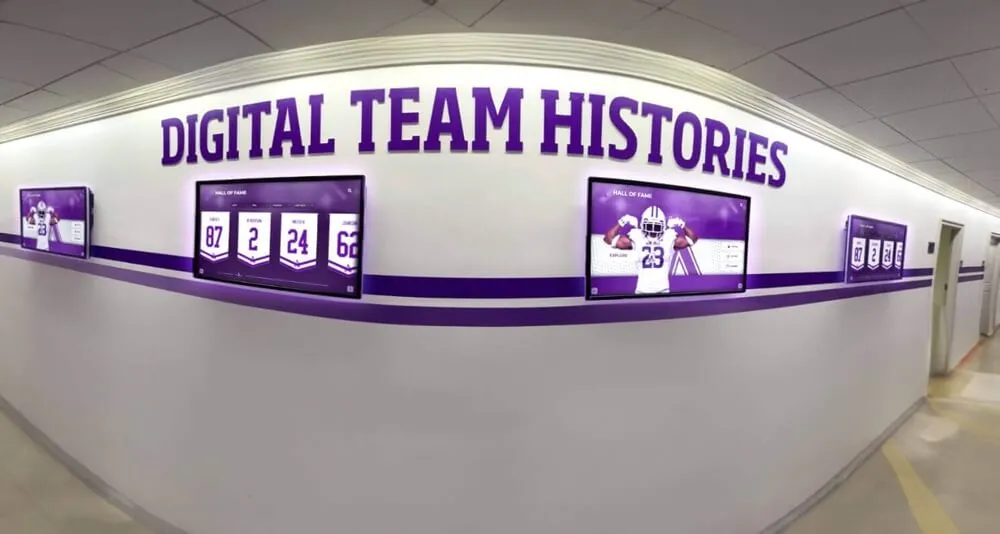
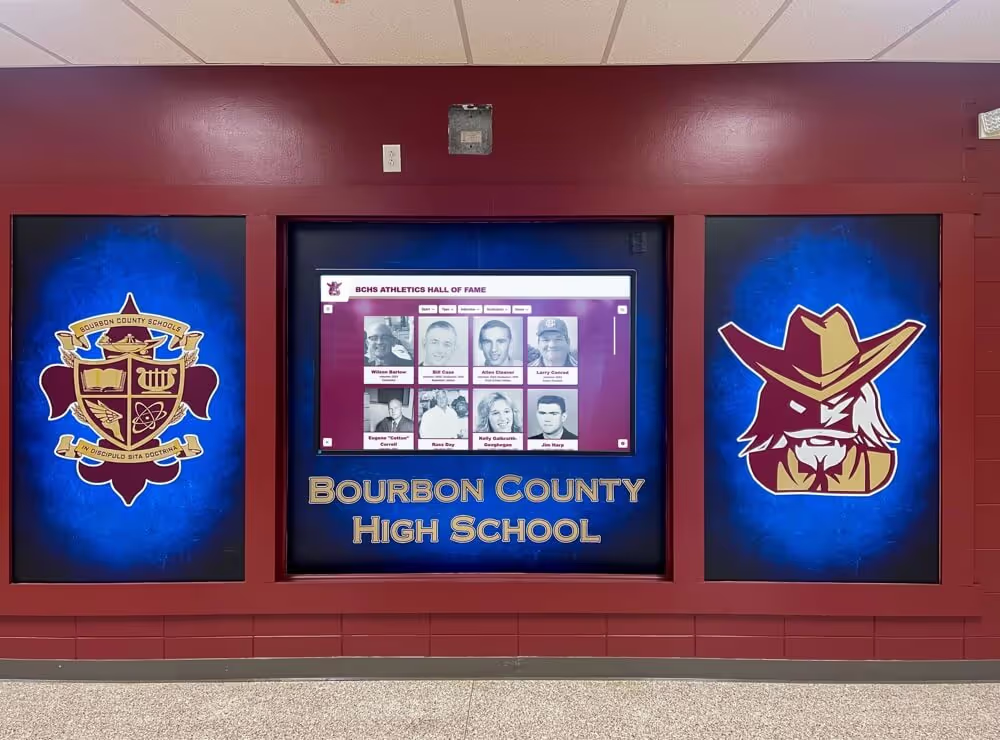
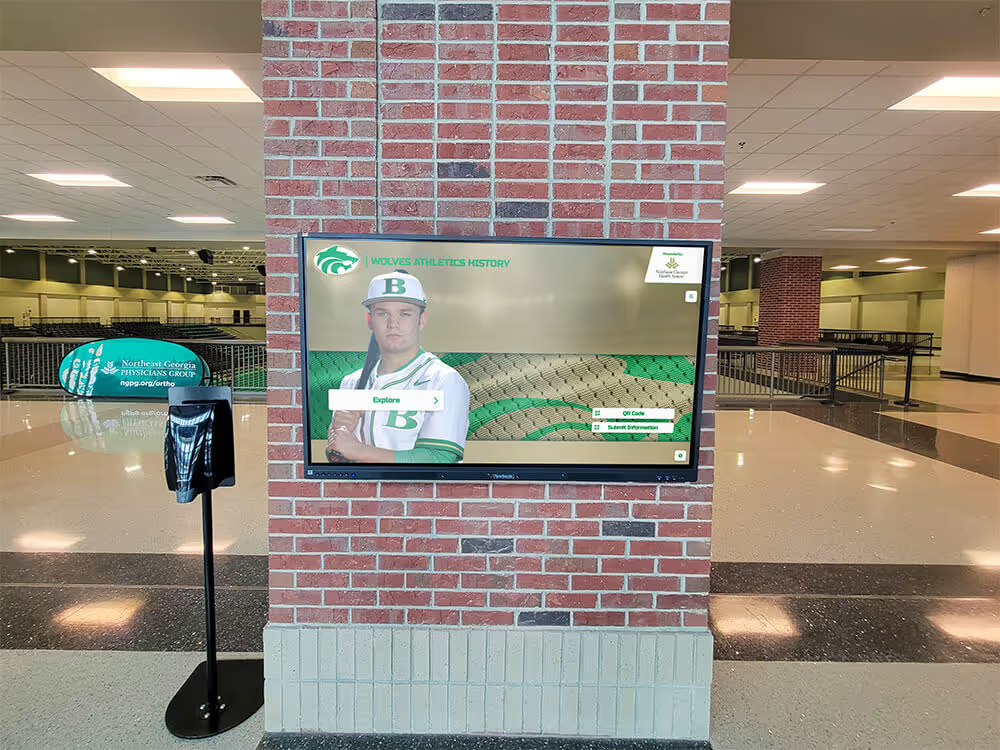
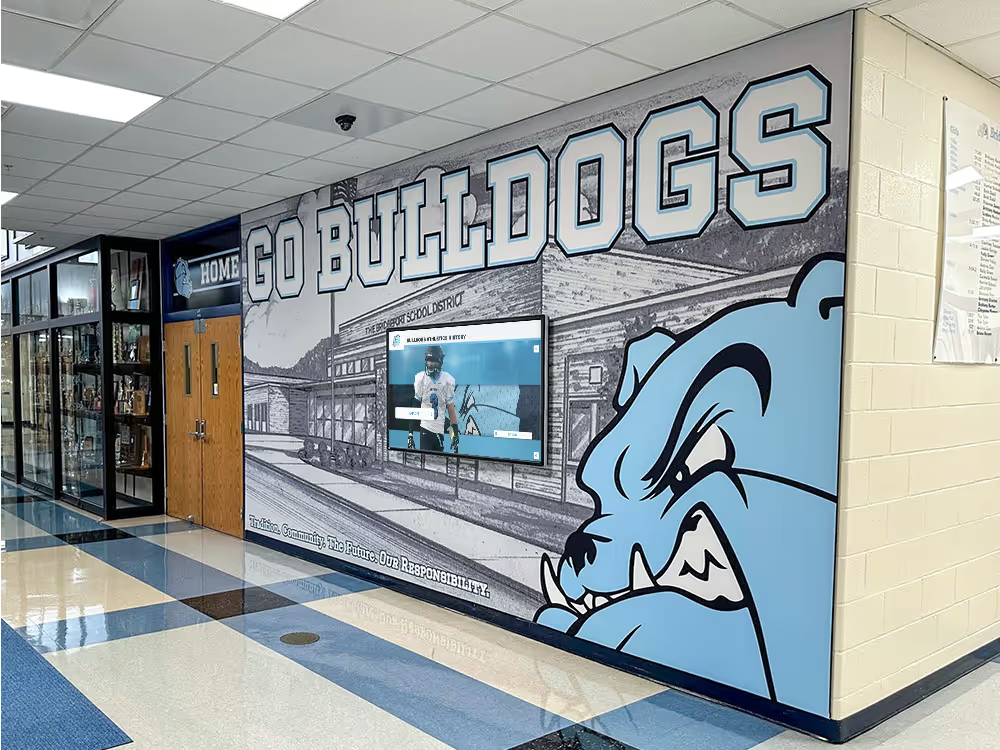
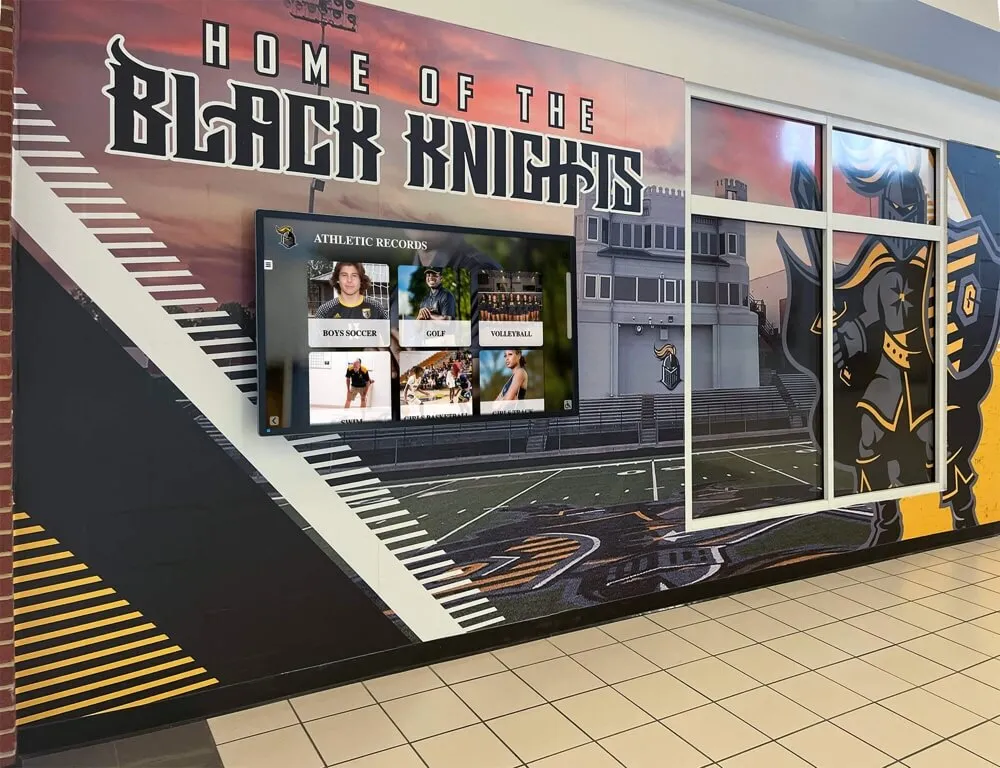
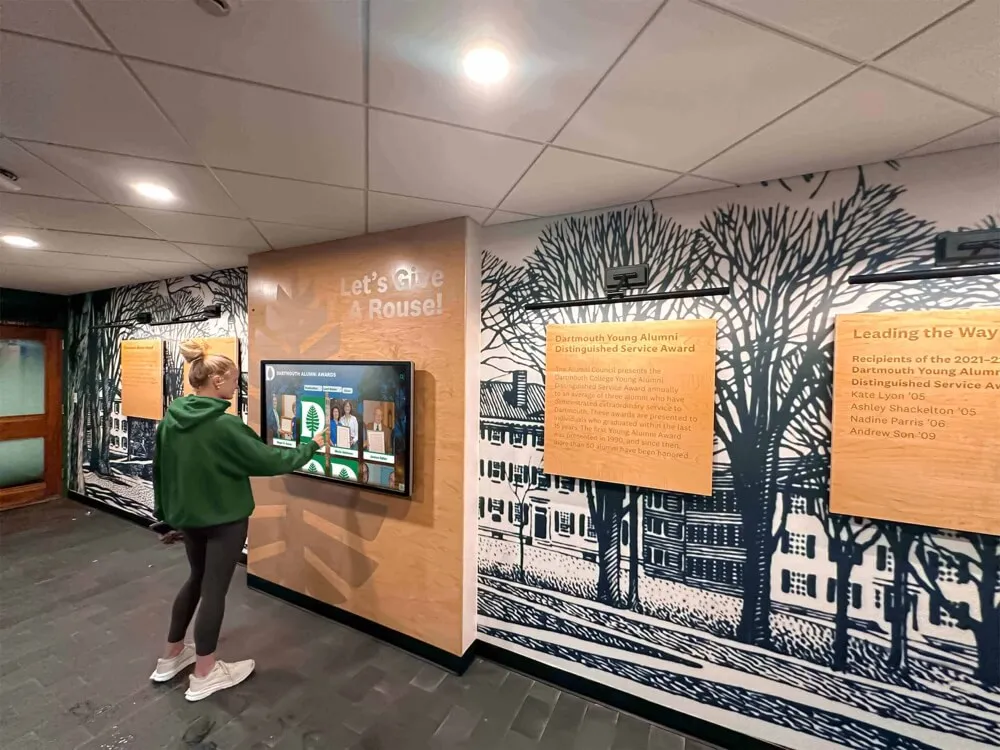
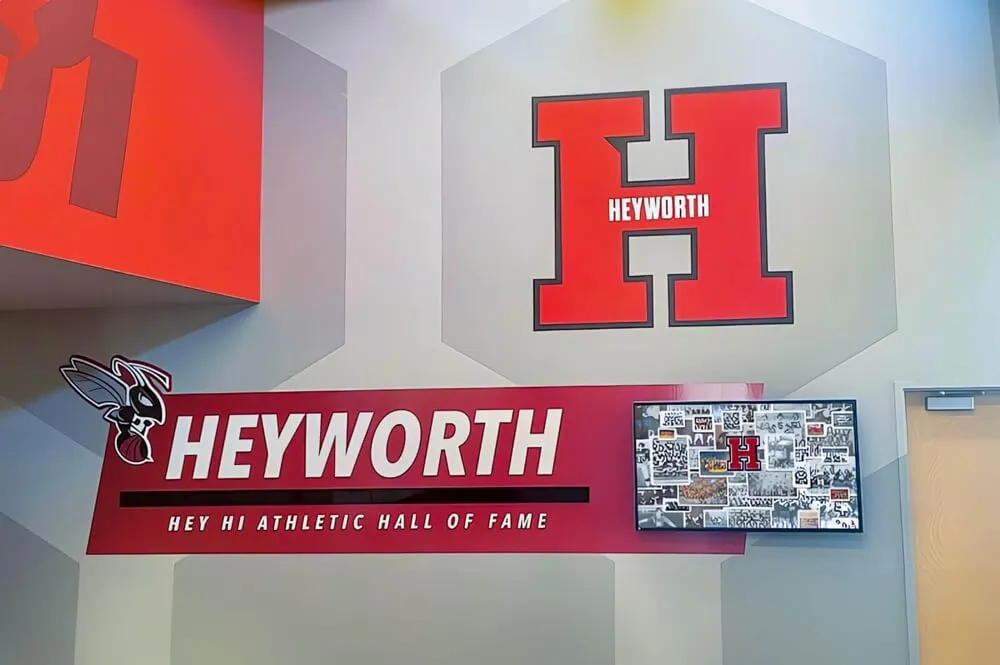
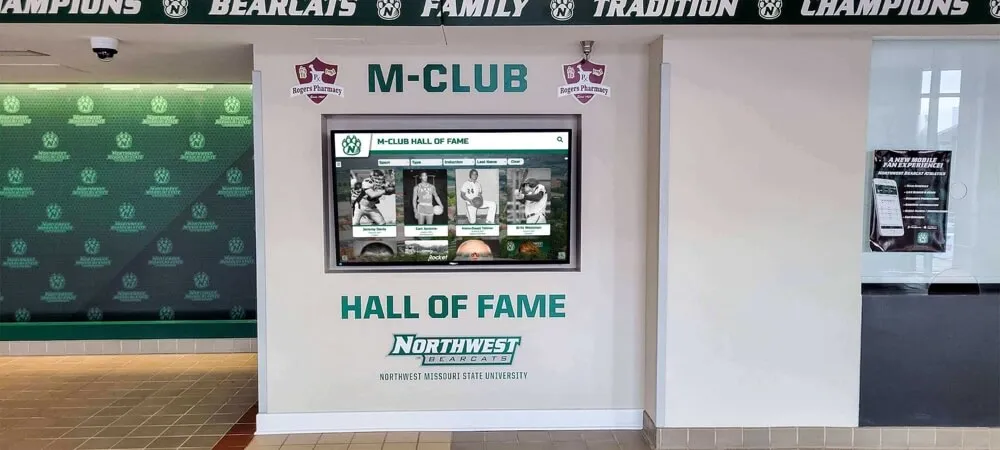
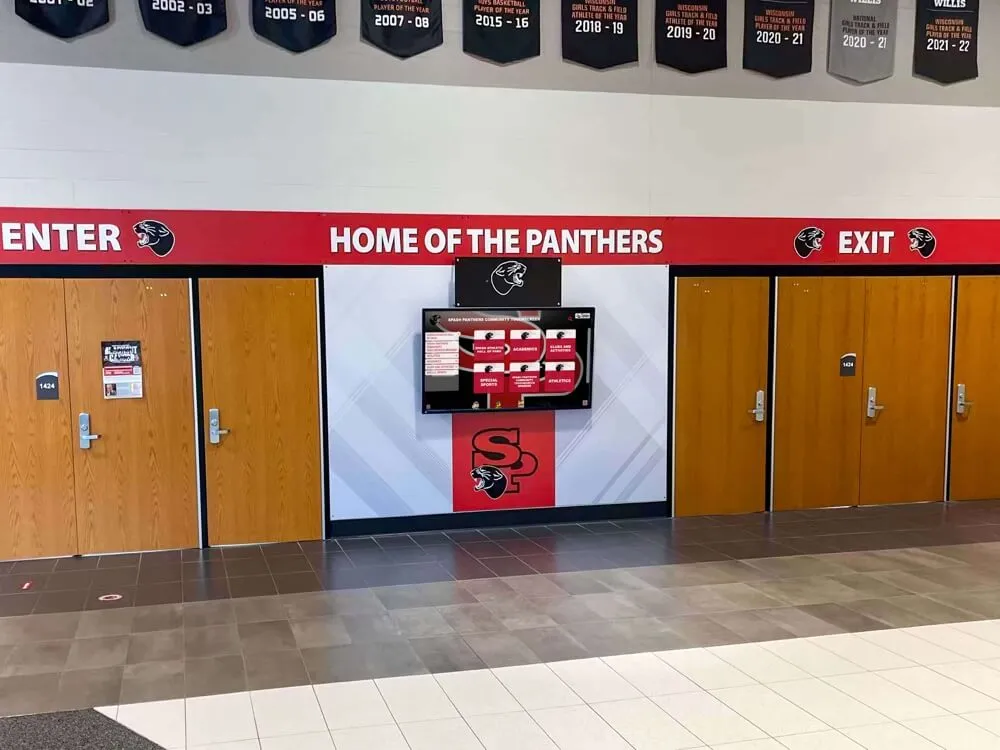
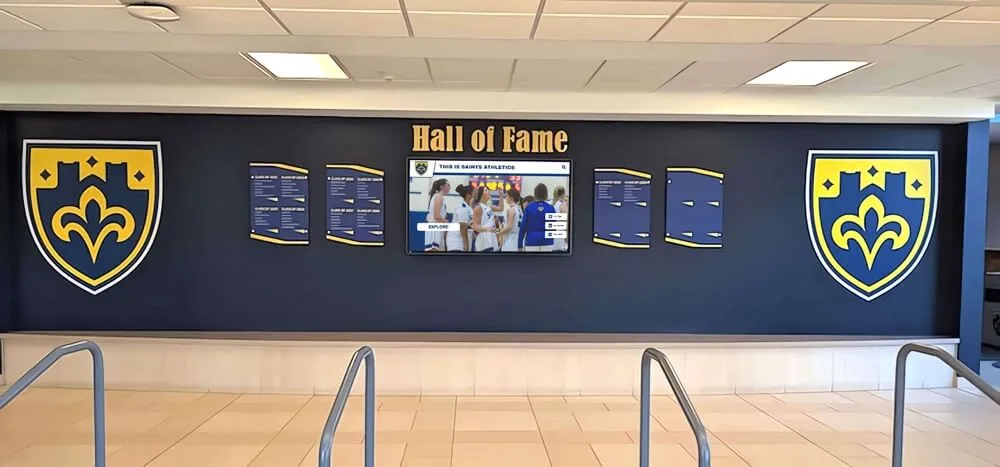
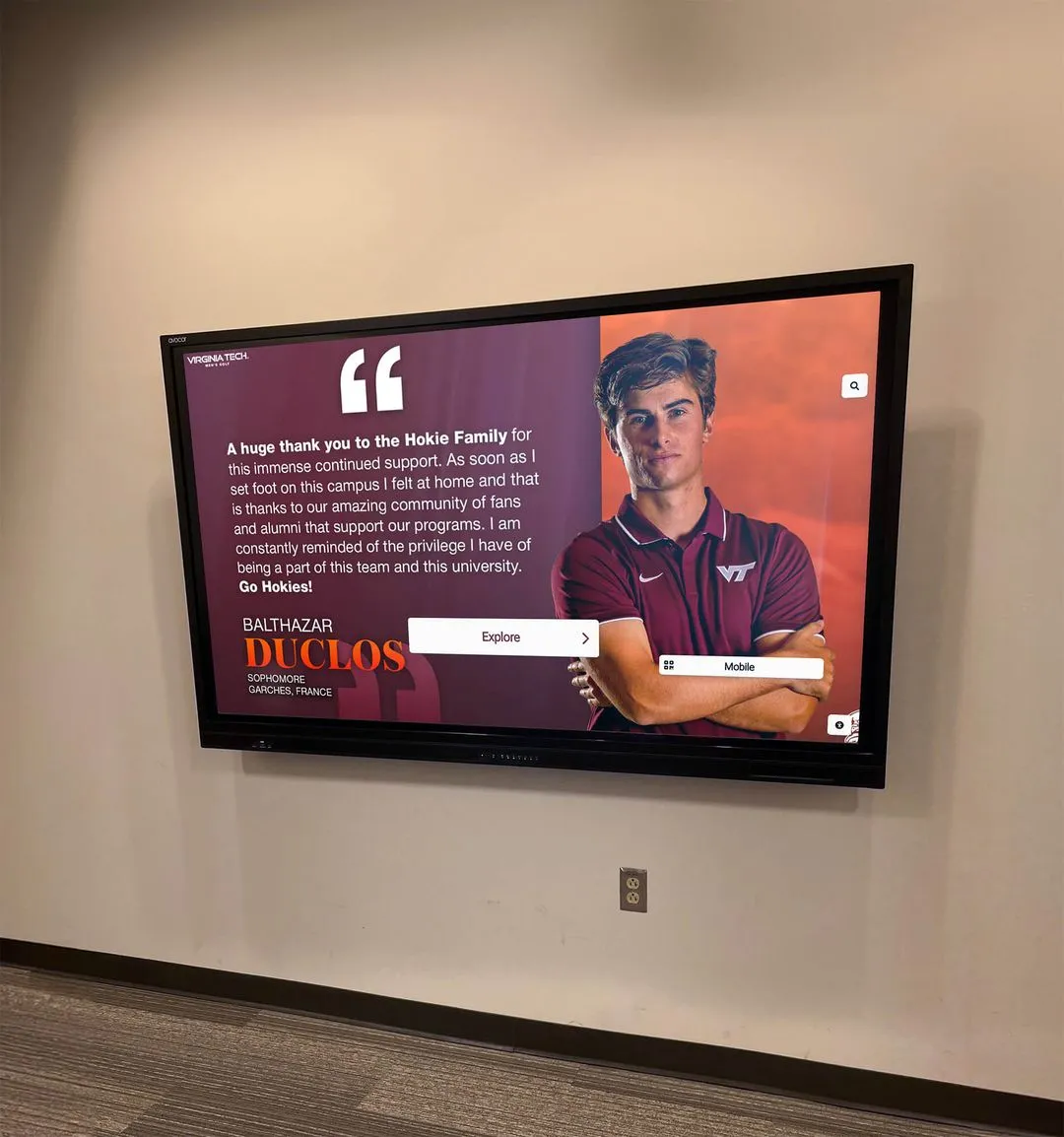
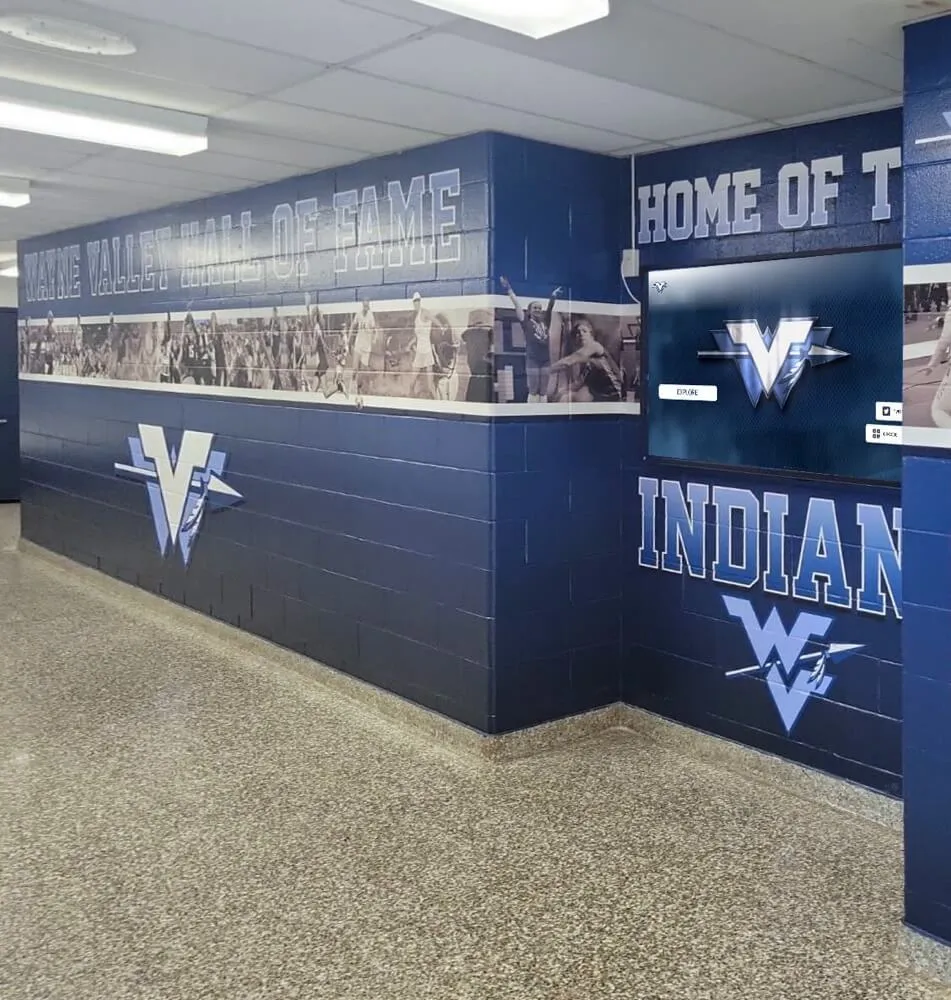
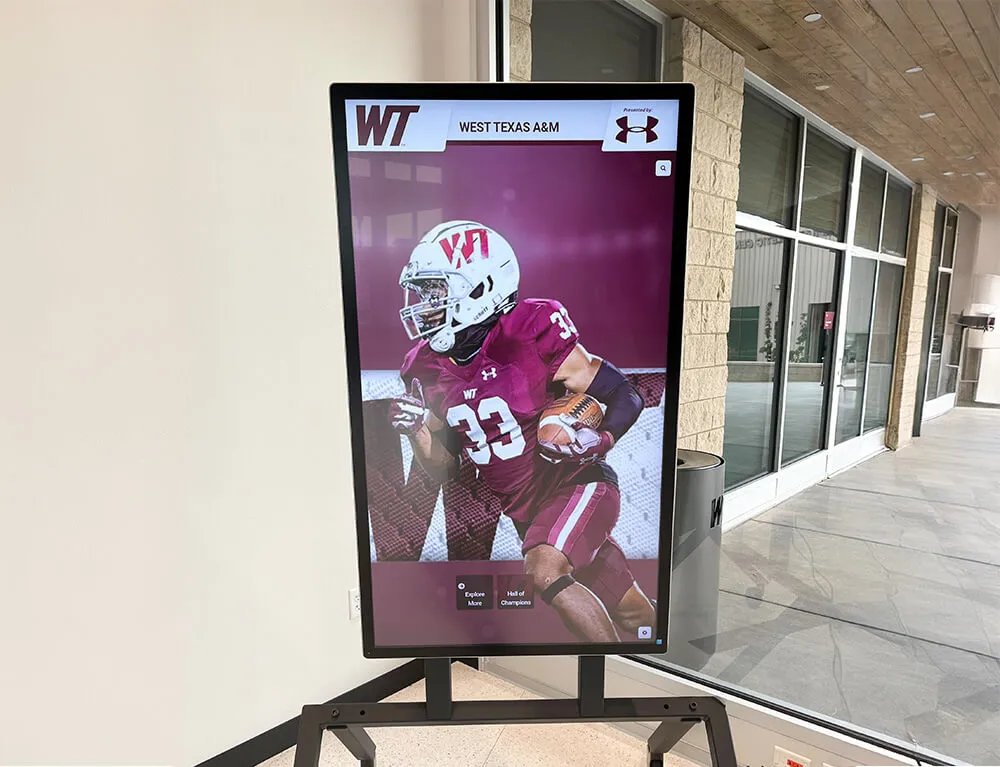
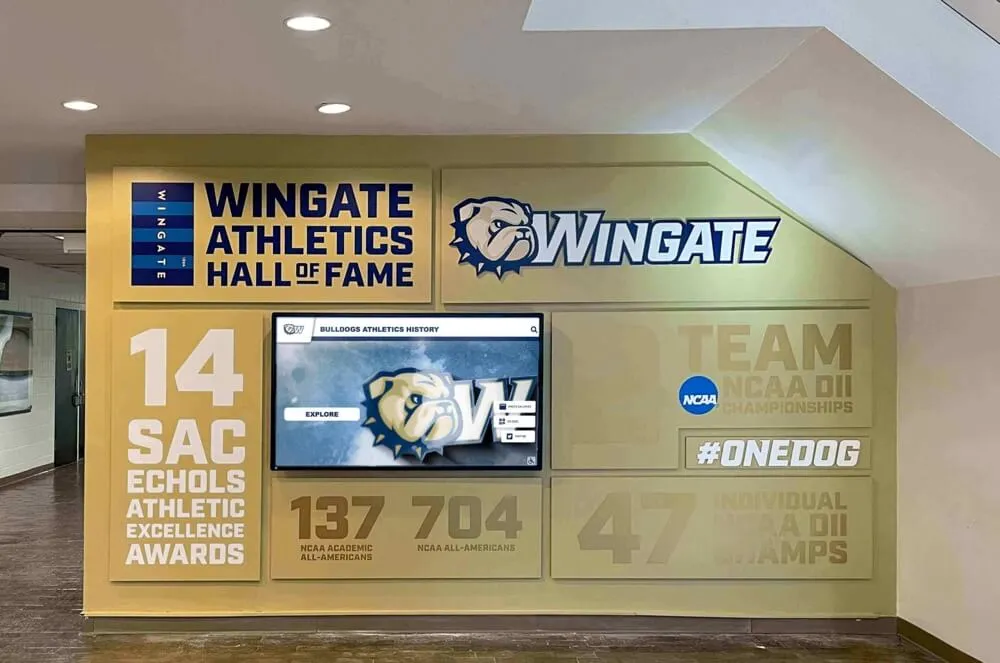
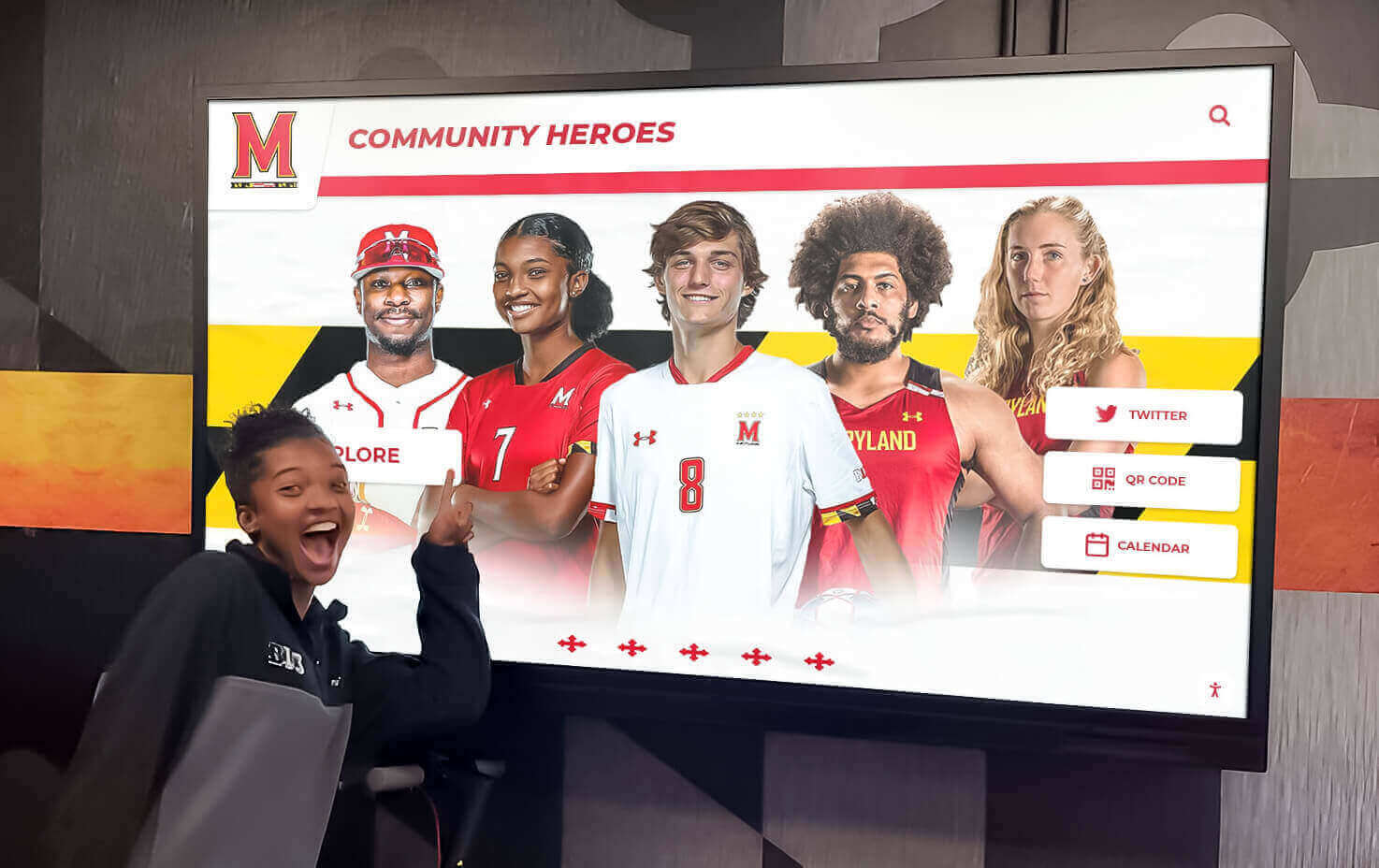
Modern recognition displays create engaging ways to celebrate youth sports achievements and character development
Understanding Youth Sports Recognition
Before exploring specific award ideas, understanding the psychology and best practices of youth sports recognition ensures your awards program creates positive impact.
The Role of Recognition in Youth Sports
Youth sports recognition serves multiple important purposes beyond simply handing out trophies. Effective awards programs reinforce positive behaviors, celebrate dedication and effort, build self-esteem and confidence, create memorable milestone moments, teach gracious winning and losing, strengthen team bonds and community, and motivate continued participation in athletics.
According to the Aspen Institute’s Project Play, approximately 45 million youth participate in organized sports in the United States. Recognition programs that celebrate diverse contributions help retain participants who might otherwise drop out, particularly during the critical ages of 11-13 when many young athletes leave sports.
Achievement vs. Participation Recognition
One of the most discussed topics in youth sports involves balancing achievement awards with participation recognition. Research suggests that the most effective approach combines both elements appropriately for different age groups.
For Younger Athletes (Ages 5-8): Recognition should emphasize participation, effort, and enjoyment rather than competitive achievement. At this developmental stage, children are building fundamental skills and discovering whether they enjoy athletics. Participation awards, fun superlative categories, and character recognition work best for this age group.
For Middle-Age Youth Athletes (Ages 9-12): Recognition can introduce more achievement-based awards while maintaining strong emphasis on improvement, effort, and character. This age group benefits from awards that celebrate both excellence and personal growth, helping them understand that multiple paths to success exist in sports.
For Older Youth Athletes (Ages 13-18): Achievement awards become more appropriate as athletes develop competitive maturity, though character and improvement recognition remain important. High school athletes typically appreciate recognition that acknowledges skill mastery, leadership contributions, and competitive excellence alongside personal development.
Creating Inclusive Recognition Programs
The best youth sports awards programs ensure every participant receives meaningful recognition while maintaining special acknowledgment for exceptional achievement. This balance requires thoughtful planning that identifies multiple award categories, creates objective criteria when possible, involves coaches in selection decisions, communicates awards philosophy to parents, and celebrates the full spectrum of athletic experience.
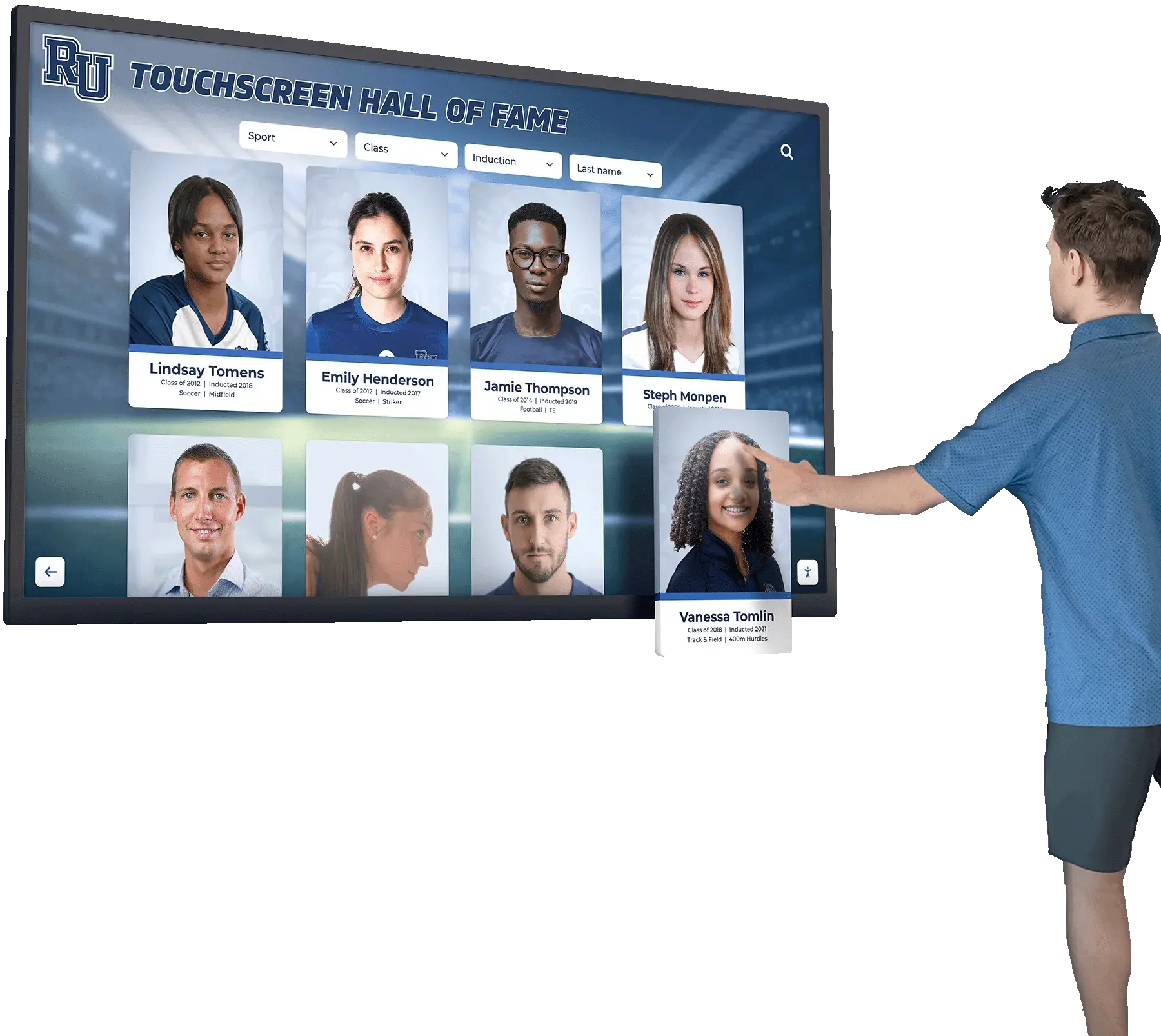
Digital recognition solutions like Rocket Alumni Solutions enable programs to honor every athlete appropriately by creating unlimited recognition capacity, displaying individual athlete profiles and growth, highlighting season highlights and memorable moments, and maintaining permanent records families can revisit over time.
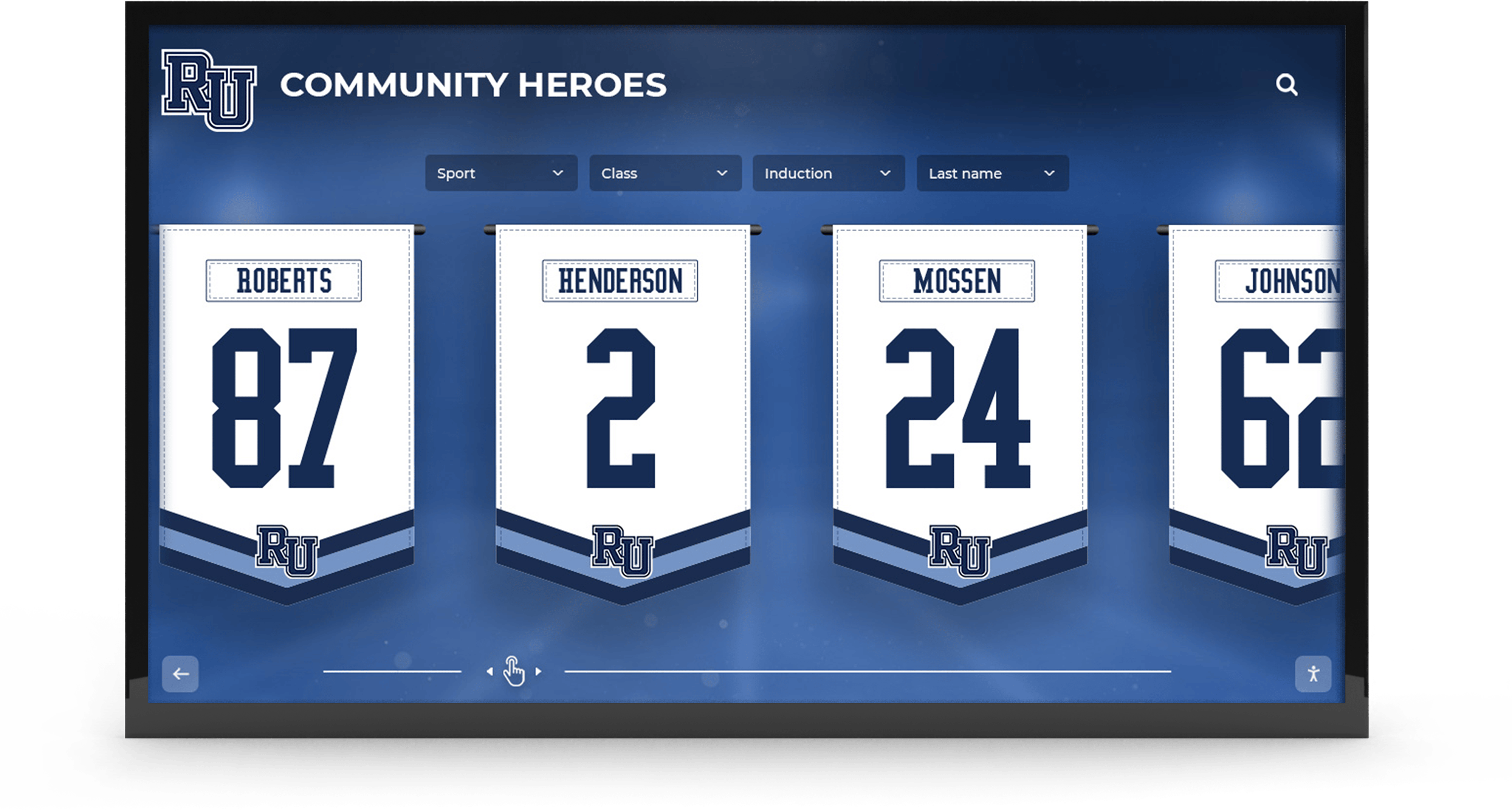
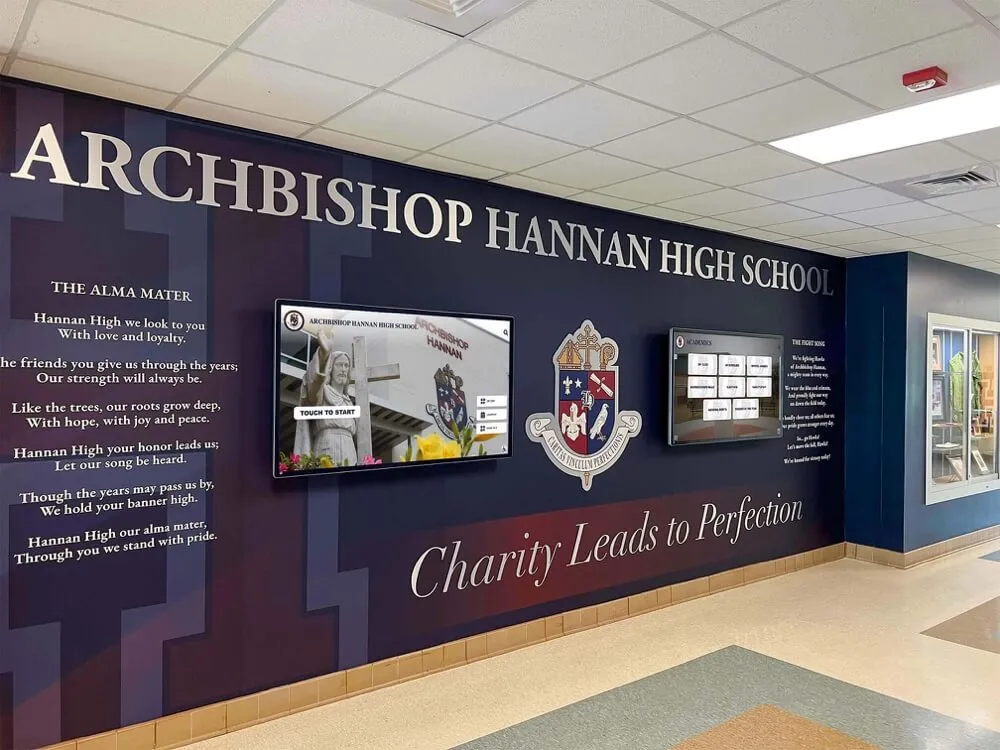
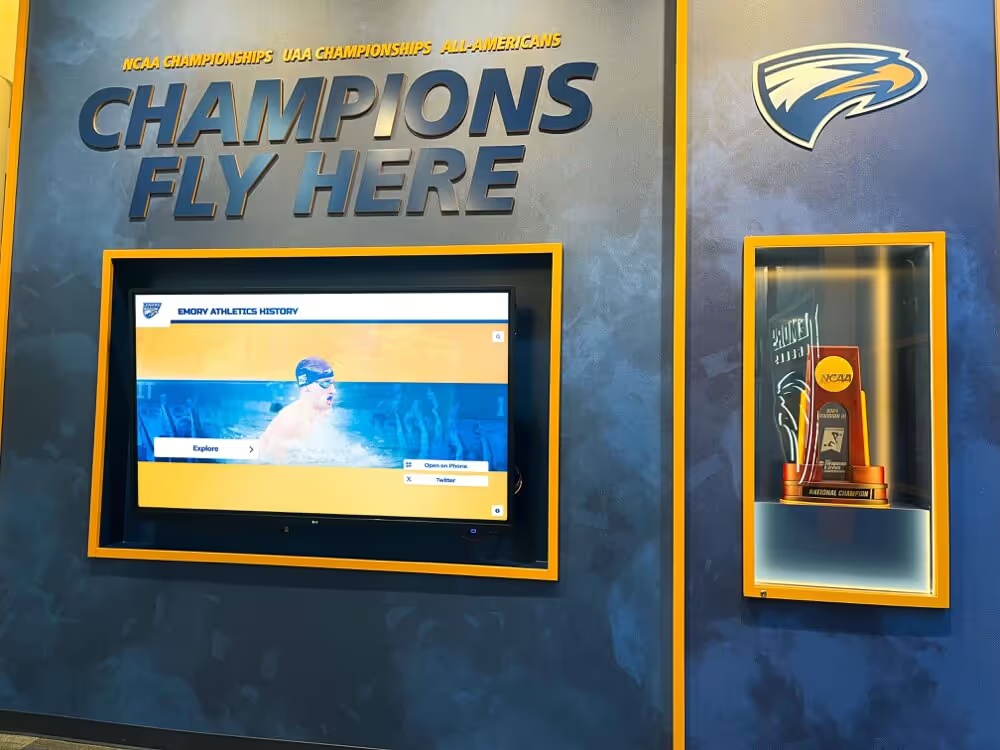
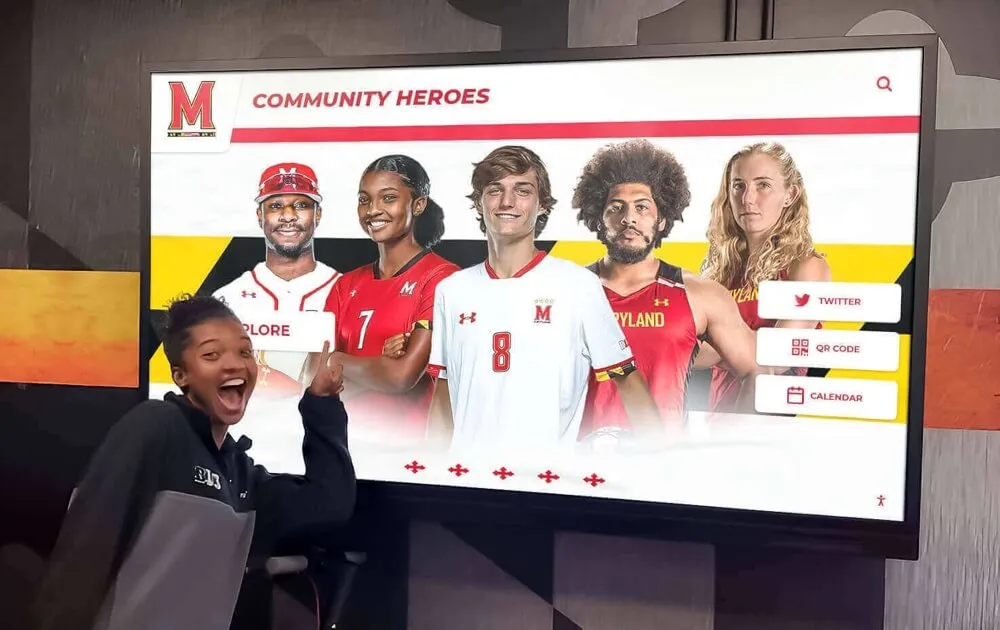
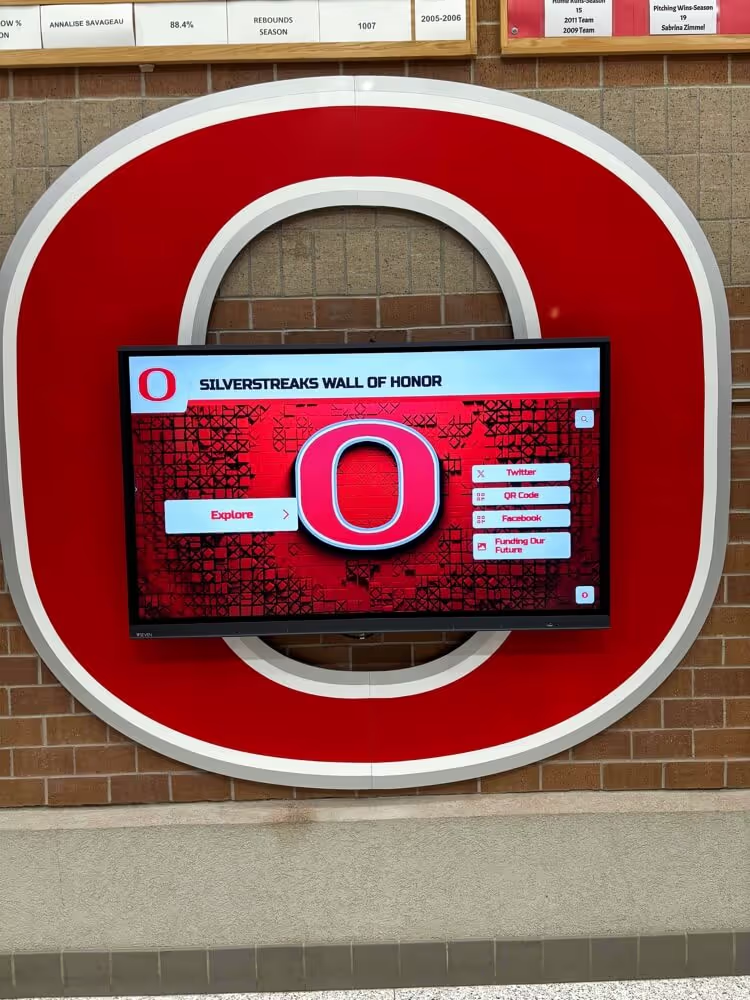
Digital recognition platforms allow youth sports programs to celebrate all athletes with rich storytelling beyond traditional awards
Achievement and Performance Awards (25 Ideas)
Achievement awards recognize athletic excellence, competitive success, and skill mastery. These awards work best for older youth athletes who have developed competitive maturity.
1. Most Valuable Player (MVP)
The classic MVP award honors the athlete who made the greatest overall impact on team success through combination of skill, leadership, and performance. Selection typically considers statistics, game impact, practice dedication, and team influence.
Implementation Tip: For youth programs, consider creating multiple MVP categories (Offensive MVP, Defensive MVP, Special Teams MVP) to recognize excellence across different dimensions rather than forcing a single selection.
2. Golden Boot / Top Scorer
Sport-specific awards like Golden Boot (soccer), Top Scorer (basketball, hockey), Leading Hitter (baseball), recognize athletes who led the team in primary scoring statistics. These objective, statistics-based awards clearly identify achievement.
Implementation Tip: Display season statistics alongside the award to help young athletes understand the quantifiable nature of their accomplishment.
3. Defensive Player of the Year
This award celebrates athletes who excel at defensive responsibilities, often the less-glamorous aspects of team sports. Recognition reinforces that defense wins championships and that non-scoring contributions matter tremendously.
Implementation Tip: Create specific defensive metrics for your sport (saves, steals, tackles, blocks) to make this award as objective as possible.
4. Rookie of the Year
First-year athletes who make exceptional contributions deserve special recognition. This award celebrates newcomers who quickly mastered skills, adapted to team play, and made immediate impact.
Implementation Tip: This award works particularly well for programs where athletes join at different ages, encouraging experienced players to welcome and mentor new team members.
5. Most Improved Player
One of the most meaningful awards in youth sports recognizes athletes who made the greatest skill development over the season. This celebrates dedication to practice, coachability, and personal growth mindset.
Implementation Tip: Document improvement with beginning-of-season and end-of-season skill assessments to make growth visible and objective.
6. Team Captain Award
This formal recognition acknowledges athletes selected or elected to provide leadership. Captain awards often include special jersey designation, ceremonial responsibilities, and public acknowledgment of leadership trust.
Implementation Tip: Involve team members in captain selection through voting, teaching democratic processes while building respect for chosen leaders.
7. Tournament MVP
For teams participating in tournaments, this award recognizes the athlete who performed exceptionally during tournament competition, often determined by tournament organizers or opposing coaches.
Implementation Tip: Keep certificates or documentation from tournament recognition to include in season-end awards ceremony, reinforcing that excellence gained outside recognition.
8. Championship Game MVP
When teams win championships, recognizing the athlete who performed exceptionally in the title game creates a memorable individual honor tied to team success.
Implementation Tip: Present this award during championship celebration so the recognition connects directly to the victorious moment.
9. Iron Person Award
This award recognizes athletes with perfect or near-perfect attendance at practices and games, celebrating reliability and commitment. Consistency in showing up represents a foundational athletic virtue.
Implementation Tip: Set clear criteria (95% attendance, no unexcused absences) so athletes understand expectations and can earn this award through dedication.
10. Clutch Performer Award
Some athletes excel under pressure, making key plays in close games or critical moments. This award celebrates mental toughness and performance when stakes are highest.
Implementation Tip: Keep a “clutch performance” log throughout the season documenting key moments, then reference specific games during award presentation to make recognition concrete.
11. Best Technique Award
Sport-specific technical excellence deserves recognition, whether it’s perfect shooting form, textbook tackling, flawless gymnastics execution, or proper swimming stroke mechanics.
Implementation Tip: This award encourages athletes to focus on skill fundamentals rather than just outcomes, reinforcing that proper technique leads to long-term success.
12. Fastest Player Award
Speed contributes to success across many sports. Recognizing the team’s fastest athlete celebrates a measurable physical attribute while encouraging all athletes to develop speed.
Implementation Tip: Conduct timed trials (40-yard dash, 100-meter sprint) to make this award objective and create benchmark data athletes can work to improve.
13. Strongest Player Award
Strength matters in contact sports, weightlifting competitions, and physical sports. This award recognizes dedication to strength training and physical development.
Implementation Tip: Use objective measures (bench press max, squat weight, pull-up count) appropriate for age group to determine this award fairly.
14. Best Playmaker Award
In team sports, athletes who create scoring opportunities for teammates deserve recognition. This award celebrates court vision, field awareness, and unselfish play.
Implementation Tip: Track assists, key passes, or similar statistics that measure playmaking impact objectively.
15. Goalkeeper / Goaltender Excellence Award
Goalkeepers occupy unique positions requiring specialized skills. Special recognition for outstanding goalkeeping celebrates these important specialists.
Implementation Tip: Use statistics like save percentage, goals-against average, and shutouts to determine this award objectively.
16. Offensive Player of the Year
This award recognizes the athlete who made the greatest overall offensive impact through scoring, playmaking, and attacking contributions.
Implementation Tip: Combine multiple offensive statistics (goals, assists, shots on target) to create a comprehensive offensive impact metric.
17. Best Team Record Holder
If an athlete broke a team record during the season—most goals, fastest time, highest score—special recognition celebrates this historic achievement.
Implementation Tip: Maintain detailed record books that track team records across seasons, making record-breaking achievements clearly identifiable.
18. All-Tournament Team Selection
Athletes selected for all-tournament teams by external organizations deserve recognition at your season-end celebration, even though the honor came from outside sources.
Implementation Tip: Collect and display all external recognition (all-conference, all-district, all-state) together to show how team members earned broader recognition.
19. Perfect Game / Perfect Performance Award
When athletes achieve perfection—perfect game in bowling, error-free match in tennis, flawless routine in gymnastics—this rare achievement deserves special recognition.
Implementation Tip: Define what constitutes perfection in your sport clearly, then create special recognition for these exceptional moments.
20. Hat Trick Hero Award
In sports where hat tricks matter (hockey, soccer, lacrosse), recognizing athletes who scored three or more goals in a single game celebrates explosive offensive performance.
Implementation Tip: Present this award to every athlete who achieved a hat trick during the season, making it an achievement-based honor rather than competitive selection.
21. Unsung Hero Award
Some athletes make significant contributions that don’t appear in statistics. This award recognizes those whose work made the team better in ways that aren’t captured by traditional measures.
Implementation Tip: Have coaches narrate specific examples of how the recipient contributed beyond statistics during the award presentation.
22. Consistency Award
Athletes who performed steadily game after game, without dramatic peaks and valleys, deserve recognition for reliable excellence.
Implementation Tip: Calculate performance variance across games to identify athletes who delivered consistent results.
23. Comeback Player Award
Athletes who overcame injury, personal challenges, or early-season struggles to finish strong demonstrate admirable resilience worth celebrating.
Implementation Tip: Share the comeback story during award presentation to inspire other athletes facing challenges.
24. Game Ball Collection
Some programs award game balls after each contest to the player who contributed most to victory. Recognizing athletes who earned multiple game balls celebrates consistent excellence.
Implementation Tip: Keep a running tally of game ball recipients throughout the season, then recognize top earners at season-end.
25. Championship Ring / Banner Contributor
When teams win championships, ensuring every contributing athlete receives championship recognition creates treasured memories of team success.
Implementation Tip: Include all roster members in championship recognition, teaching that everyone contributed to the championship journey regardless of playing time.

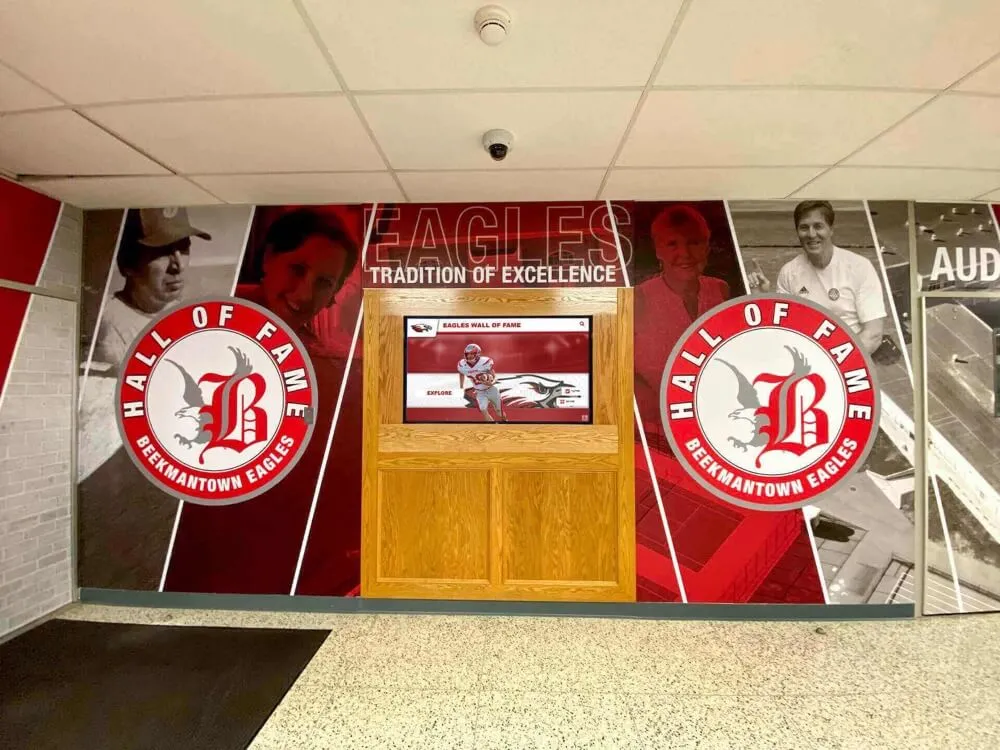
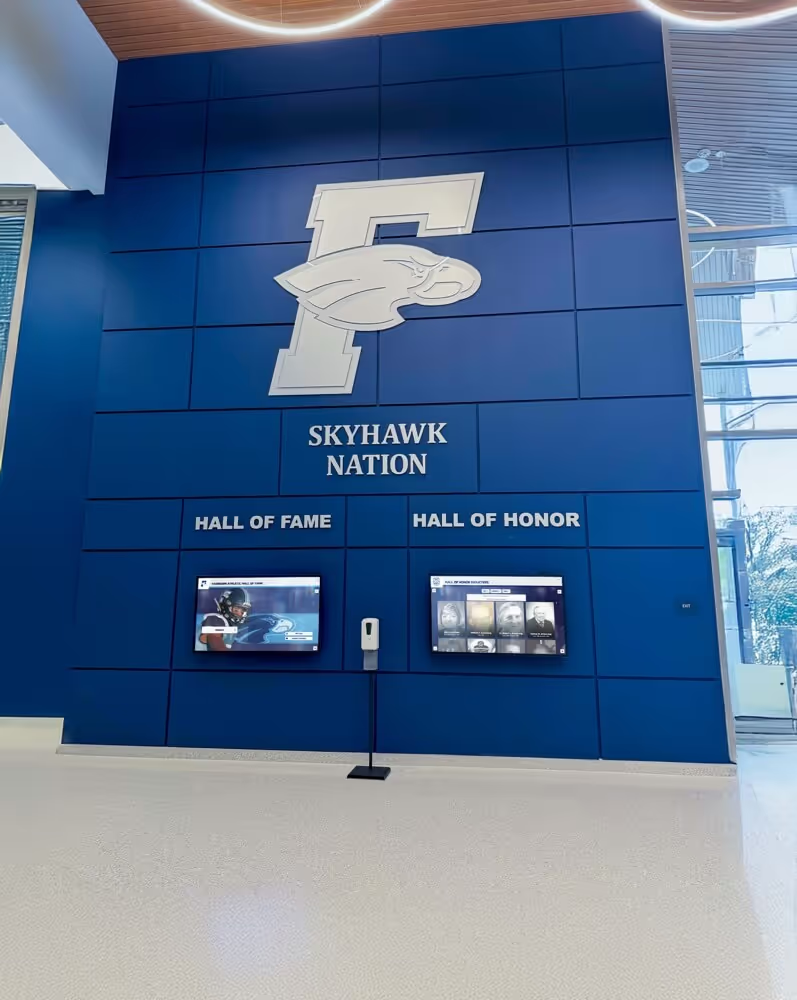
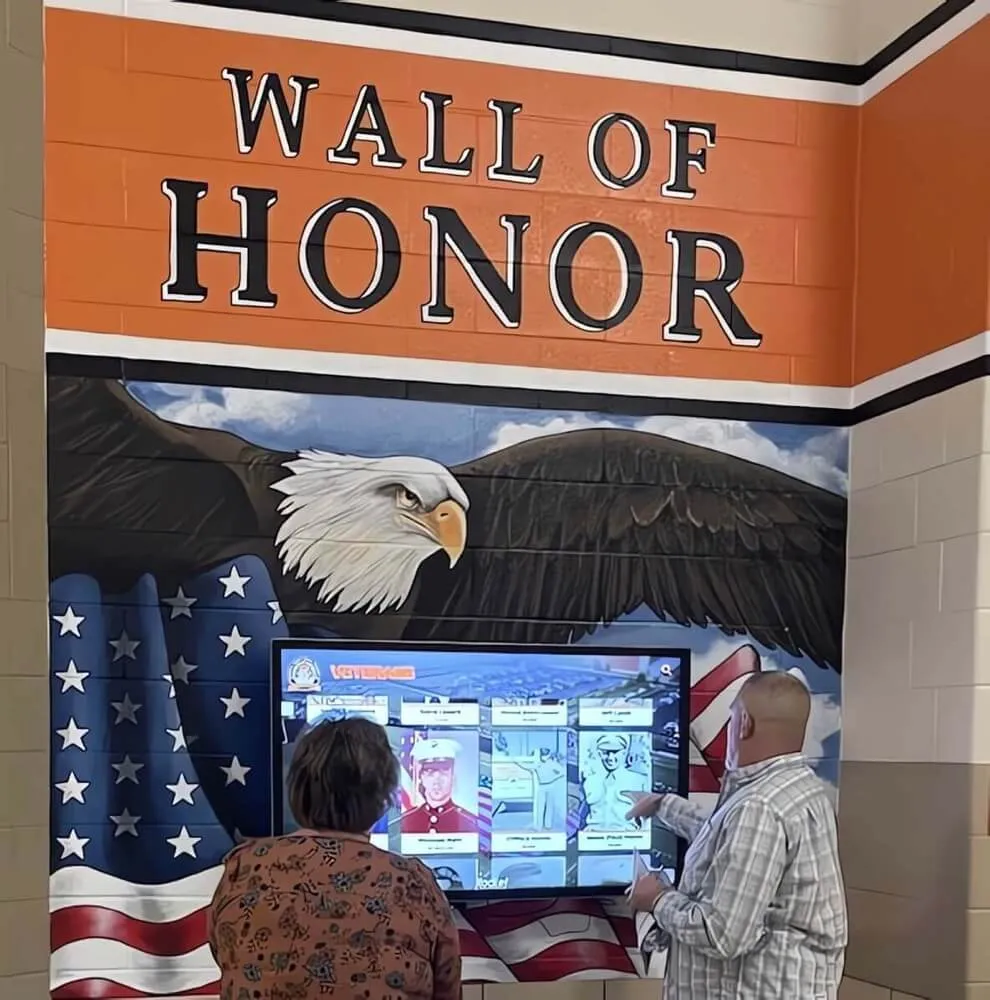
Championship achievements create lasting pride and motivation for youth sports programs
Character and Leadership Awards (20 Ideas)
Character awards recognize personal qualities that extend beyond athletic performance, teaching young athletes that who they are matters as much as what they achieve.
26. Sportsmanship Award
Perhaps the most important youth sports award recognizes athletes who consistently demonstrated respect for opponents, officials, teammates, and the game itself. True sportsmanship represents the highest athletic ideal.
Implementation Tip: Solicit input from officials who worked your games about which athletes displayed exceptional sportsmanship, adding external validation to this honor.
27. Best Teammate Award
This peer-nominated award recognizes the athlete who teammates most valued for their support, encouragement, and positive presence. Being a great teammate often matters more than individual statistics.
Implementation Tip: Have team members vote via anonymous ballot, explaining that they should select the teammate who made their experience most positive.
28. Leadership Award
Some athletes lead through example, words, or actions. This award recognizes those who stepped forward to guide, motivate, and represent the team’s best values.
Implementation Tip: Describe specific leadership moments during the award presentation—times the recipient rallied the team, mentored younger athletes, or demonstrated team-first attitude.
29. Heart and Hustle Award
Named after the MLB award, this honors athletes who play with maximum effort, energy, and passion regardless of circumstances. Hustle represents a choice every athlete controls.
Implementation Tip: Track effort indicators (loose ball recoveries, sprint-back defense, extra practice work) throughout the season to make this award evidence-based.
30. Coach’s Award
Many programs include a coach’s award allowing coaching staff to recognize an athlete who embodies program values, demonstrates coachability, or made special impact not captured by other awards.
Implementation Tip: Have the coach personally explain what made this athlete special during the presentation, making the recognition deeply personal and meaningful.
31. Team Spirit Award
Athletes who bring infectious enthusiasm, rally teammates, and maintain positivity through adversity deserve recognition for their spirit contributions.
Implementation Tip: This award often goes to athletes who don’t receive performance awards, ensuring spirited contributors receive acknowledgment they’ve earned.
32. Mentor Award
In programs mixing older and younger athletes, recognizing those who actively mentored less-experienced teammates celebrates this valuable leadership contribution.
Implementation Tip: Have younger athletes who benefited from mentoring present this award to their mentor, creating emotional recognition moment.
33. Community Service Award
Athletes who represented the team through community service, volunteer work, or charitable activities demonstrate that being an athlete carries responsibilities beyond the playing field.
Implementation Tip: Quantify community service hours or projects to make this award objective and encourage other athletes to increase community involvement.
34. Positive Attitude Award
Maintaining positive attitude through challenges, setbacks, and adversity represents crucial life skill. This award recognizes athletes whose optimism lifted entire teams.
Implementation Tip: Share specific moments when the recipient’s positive attitude made a difference during difficult times.
35. Perseverance Award
Youth sports inevitably involve struggles—being cut from teams, recovering from injuries, overcoming skill plateaus. Athletes who persevered through significant challenges deserve special recognition.
Implementation Tip: Tell the perseverance story during the presentation so other athletes understand what this recipient overcame.
36. Respect Award
Respect for coaches, officials, opponents, facilities, and equipment represents fundamental character trait. This award recognizes athletes who consistently showed respect.
Implementation Tip: Include referee feedback when selecting this award recipient, as officials observe respect (or disrespect) directly.
37. Integrity Award
Athletes who demonstrated honesty, ethical behavior, and strong moral character even when difficult choices arose embody athletic integrity worth celebrating.
Implementation Tip: Share a specific example of how the recipient demonstrated integrity when an easier path was available.
38. Dedication Award
Beyond perfect attendance, true dedication shows through off-season training, extra practice work, and consistent effort to improve. This award recognizes athletes who dedicated themselves completely.
Implementation Tip: Document dedication through practice attendance, optional training participation, and skill development evidence.
39. Class Act Award
Some athletes carry themselves with exceptional grace, maturity, and class. This recognition celebrates dignified behavior and mature composure.
Implementation Tip: This award often resonates with parents, as it recognizes behavior they hope their children demonstrate.
40. Encouragement Award
Athletes who consistently encouraged teammates, celebrated others’ successes, and lifted spirits deserve recognition for these positive contributions.
Implementation Tip: Collect encouragement examples throughout the season—moments when the recipient boosted a struggling teammate.
41. Reliability Award
Coaches can always count on certain athletes to do what’s asked, show up prepared, and fulfill responsibilities without reminders. Reliability deserves recognition.
Implementation Tip: Emphasize that reliability represents a choice and habit that serves athletes throughout life beyond sports.
42. Passion Award
Athletes who demonstrate genuine love for their sport through enthusiasm, extra effort, and complete engagement inspire teammates with their passion.
Implementation Tip: Passion often manifests visibly—describe how this athlete’s passion was obvious to everyone watching.
43. Coachability Award
Athletes who eagerly accept coaching, implement feedback immediately, and continuously seek improvement demonstrate coachability that accelerates development.
Implementation Tip: Share examples of how quickly this athlete implemented coaching feedback and the improvement that resulted.
44. Team-First Award
In an era emphasizing individual achievement, athletes who consistently prioritize team success over personal statistics deserve special recognition.
Implementation Tip: Describe situations where the recipient sacrificed personal opportunity for team benefit.
45. Never Give Up Award
Athletes who refused to quit despite adversity, kept fighting when losing, and maintained effort through challenges exemplify resilience worth celebrating.
Implementation Tip: Reference specific games or moments when the recipient’s refusal to give up inspired teammates or changed outcomes.
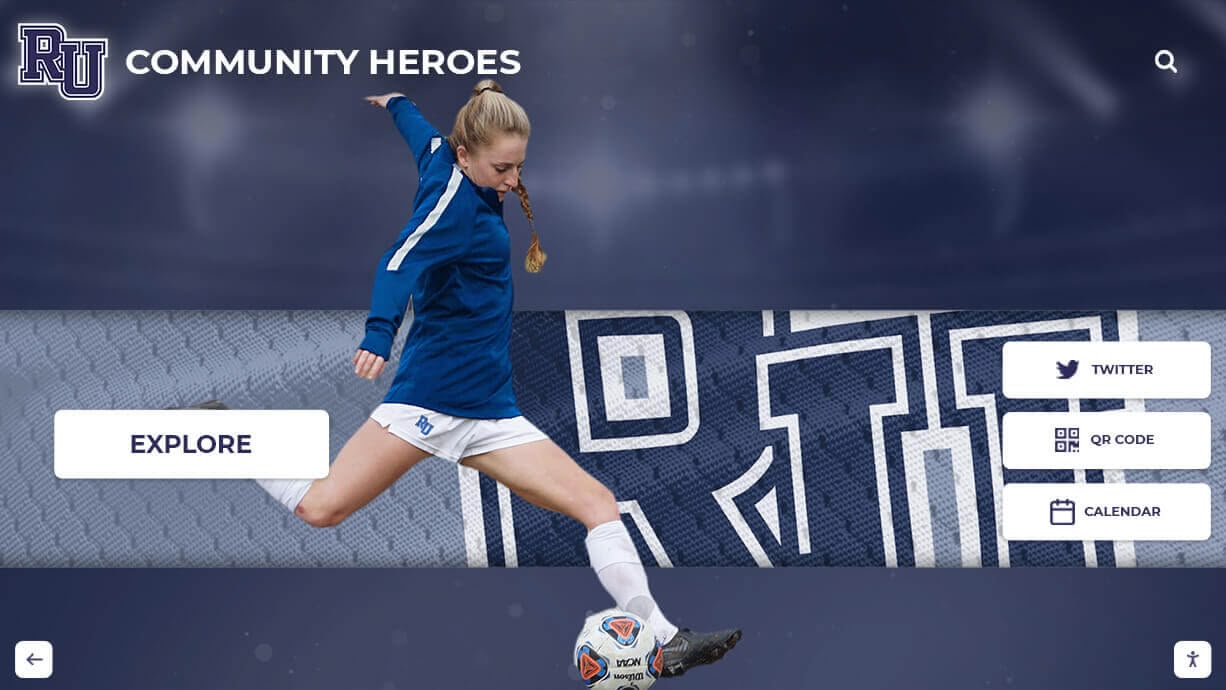
Character awards teach young athletes that personal qualities matter as much as athletic achievement
Fun and Creative Superlatives (20 Ideas)
Superlative awards add fun to awards ceremonies while ensuring every athlete receives recognition. These work particularly well for younger age groups.
46. Best Team Cheer Leader
The athlete who leads warm-ups, chants, or team cheers with most enthusiasm gets recognition for their vocal leadership and spirit.
47. Best Pre-Game Routine
Some athletes have memorable pre-game rituals or routines. Recognizing the most entertaining or unique routine adds humor to awards night.
48. Funniest Team Member
Every team has someone who keeps everyone laughing. This lighthearted award celebrates personality and team chemistry.
49. Most Likely to Go Pro
A projection award imagining which athlete might play professionally adds aspirational fun while celebrating current talent.
50. Best Celebration Dance
Athletes who have signature celebrations or victory dances get recognized for their entertaining expressions of joy.
51. Early Bird Award
The athlete who consistently arrives earliest for practices and games demonstrates commitment worth recognizing with this punctuality award.
52. Best Pump-Up Music
The teammate whose music selections best energize the locker room or bus rides gets this award for DJ skills.
53. Most Likely to Be Coaching Someday
Some athletes show natural coaching instincts, helping teammates with technique and strategy. This award recognizes future coaching potential.
54. Best Sports Uniform Style
The athlete who wears the uniform with most pride or personal flair gets this style recognition.
55. Hungriest Player
For teams that share meals together, the athlete with the biggest appetite or most enthusiastic eating gets this humorous recognition.
56. Best Trash Talker (Friendly Edition)
Lighthearted, friendly competitive banter is part of sports. This award celebrates the athlete with the best friendly trash-talking skills.
57. Most Talkative
Every team has a chatterbox who keeps everyone entertained. This award celebrates their conversational contributions.
58. Quietest Team Member
The flip side—recognizing the quietest athlete—ensures introverted team members receive acknowledgment while respecting their nature.
59. Best Team Barber/Stylist
If teammates trust one athlete to cut hair or suggest styles, this fun award recognizes those grooming contributions.
60. Team Photographer
Athletes who document team moments through photos deserve recognition for preserving memories everyone will treasure.
61. Best Warm-Up Entrance
The athlete with the most memorable arrival or warm-up presence gets recognized for their pregame energy.
62. Most Likely to Become Team Owner
A fun projection award imagining entrepreneurial futures while recognizing leadership or business-minded athletes.
63. Best Team Handshake Creator
Signature handshakes build team bonds. The athlete who creates the best team handshakes gets this creative recognition.
64. Team Comedian
Beyond being funny, this recognizes the athlete whose humor strategically lifts spirits when needed most.
65. Most School Spirit
The athlete who most proudly represents school colors, attends other sports’ games, and demonstrates school pride gets this recognition.
Sport-Specific Awards (15 Ideas)
Different sports require specialized awards recognizing unique aspects of each athletic discipline.
66. Golden Glove (Baseball/Softball)
Recognizes the fielder with best defensive skills, fewest errors, and most impressive plays.
67. Cy Young Award (Baseball/Softball)
Honors the top pitcher based on ERA, strikeouts, wins, and overall pitching excellence.
68. Quarterback / Team Leader Award (Football)
Recognizes the signal-caller who best directed the offense and demonstrated field leadership.
69. Offensive/Defensive Lineman Award (Football)
The unsung heroes in the trenches deserve special recognition for their physical commitment.
70. Sharpshooter Award (Basketball)
The player with highest field goal percentage or three-point shooting accuracy gets recognized for shooting excellence.
71. Assist Leader (Basketball/Soccer/Hockey)
Selfless playmakers who created scoring opportunities for teammates earn this recognition.
72. Ace Server Award (Volleyball)
The player who recorded the most service aces demonstrates serving dominance worth celebrating.
73. Dig Leader Award (Volleyball)
Defensive specialists who kept plays alive with exceptional digging skills get this recognition.
74. Fastest Lap Award (Track/Swimming)
In individual sports, recognizing the athlete who posted the fastest single lap time celebrates pure speed achievement.
75. Personal Record Breakers (Track/Swimming)
Every athlete who achieved a personal record during the season gets recognized, celebrating individual improvement.
76. Most Pins Award (Wrestling)
The wrestler who recorded the most pin victories demonstrated dominance worth recognizing.
77. Takedown King/Queen (Wrestling)
The wrestler with most takedowns showed technical excellence in the crucial skill of securing position.
78. Perfect Routine Award (Gymnastics/Dance/Cheer)
Flawless execution deserves special recognition when athletes achieve perfect routines in judged sports.
79. Most Versatile Player (Multi-Sport)
Athletes who excel at multiple positions or events demonstrate valuable versatility worth celebrating.
80. Best Team Relay Performance (Swimming/Track)
Relay success requires four athletes working together perfectly. Recognizing outstanding relay teams celebrates collaboration.
Detailed sport-specific recognition approaches for athletic programs appear in comprehensive guides about showcasing athletic achievement awards digitally.
Team Contribution Awards (10 Ideas)
These awards recognize specific ways athletes contributed to team success beyond individual performance.
81. Equipment Manager Award
Athletes who help manage, organize, or maintain team equipment demonstrate responsibility worth recognizing.
82. Team Statistician Award
Keeping accurate statistics requires dedication. Athletes who tracked team stats throughout the season deserve recognition.
83. Social Media Manager Award
In modern youth sports, athletes who documented team moments through social media help build team identity and preserve memories.
84. Team Fundraising Champion
Athletes who led fundraising efforts or brought in most sponsorship support contributed financially to program success.
85. Best Team Spirit Wear Creator
Creative athletes who designed team t-shirts, posters, or decorations deserve recognition for their artistic contributions.
86. Hospitality Award
Athletes who organized team meals, coordinated celebrations, or made everyone feel welcome get this recognition.
87. Transportation Coordinator
In carpooling situations, families who consistently helped with team transportation make programs possible.
88. Team Historian
The athlete who kept team records, preserved photos, or documented the season deserves recognition for preserving team memory.
89. Best Team Playlist Curator
Modern teams often share music playlists. The athlete who curated the best team music gets this recognition.
90. Recruitment Award
Athletes who recruited friends to join the team, building program participation, contributed to organizational growth.
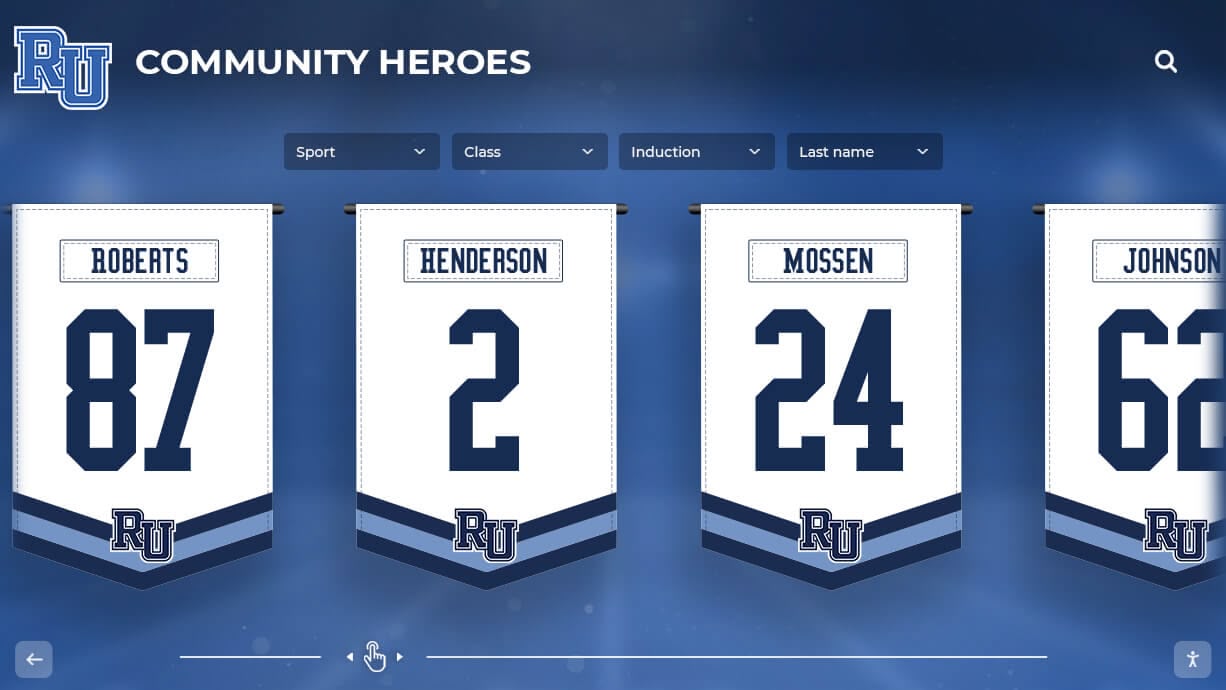
Team contribution awards recognize the diverse ways athletes support program success beyond playing
Modern Recognition Alternatives (10 Ideas)
Beyond traditional trophies and medals, modern recognition creates lasting value through alternative approaches.
91. Digital Recognition Profiles
Creating digital athlete profiles with photos, statistics, and season highlights provides recognition families can share and revisit permanently. Solutions like Rocket Alumni Solutions allow programs to build comprehensive digital recognition that grows with athletes across multiple seasons, creating lasting documentation of athletic journeys.
Implementation resources for digital athletic recognition systems help youth programs implement modern recognition affordably.
92. Season Highlight Video Features
Including individual athlete highlight reels in season recap videos creates shareable recognition athletes treasure.
93. Social Media Recognition Posts
Dedicated recognition posts celebrating individual athletes on team social media accounts provide public acknowledgment families appreciate.
94. Scholarship Fund Contributions
Instead of physical trophies, programs can make small scholarship fund contributions in award recipients’ names, creating future-focused recognition.
95. Custom Team Artwork
Commissioning artwork featuring award recipients—digital illustrations, caricatures, or action paintings—creates unique recognition.
96. Recognition Wall Placement
Adding recipients to permanent team recognition walls or digital displays creates lasting visibility. Digital recognition walls for schools serve programs from youth leagues through high schools.
97. Team Record Book Entry
Formally entering achievements into permanent team record books provides historical recognition that lasts generations.
98. Special Privilege Awards
Offering special privileges—first pick of jersey numbers, captain duties, equipment manager roles—as awards creates meaningful recognition.
99. Alumni Recognition Programs
Starting athletes in long-term alumni recognition programs connects current achievement to lifelong community membership. Programs can begin recognizing youth athletes in systems that follow them through high school and beyond.
100. Personalized Letters
Handwritten letters from coaches describing specific ways each athlete contributed, grew, and impressed creates deeply personal recognition many athletes keep forever.
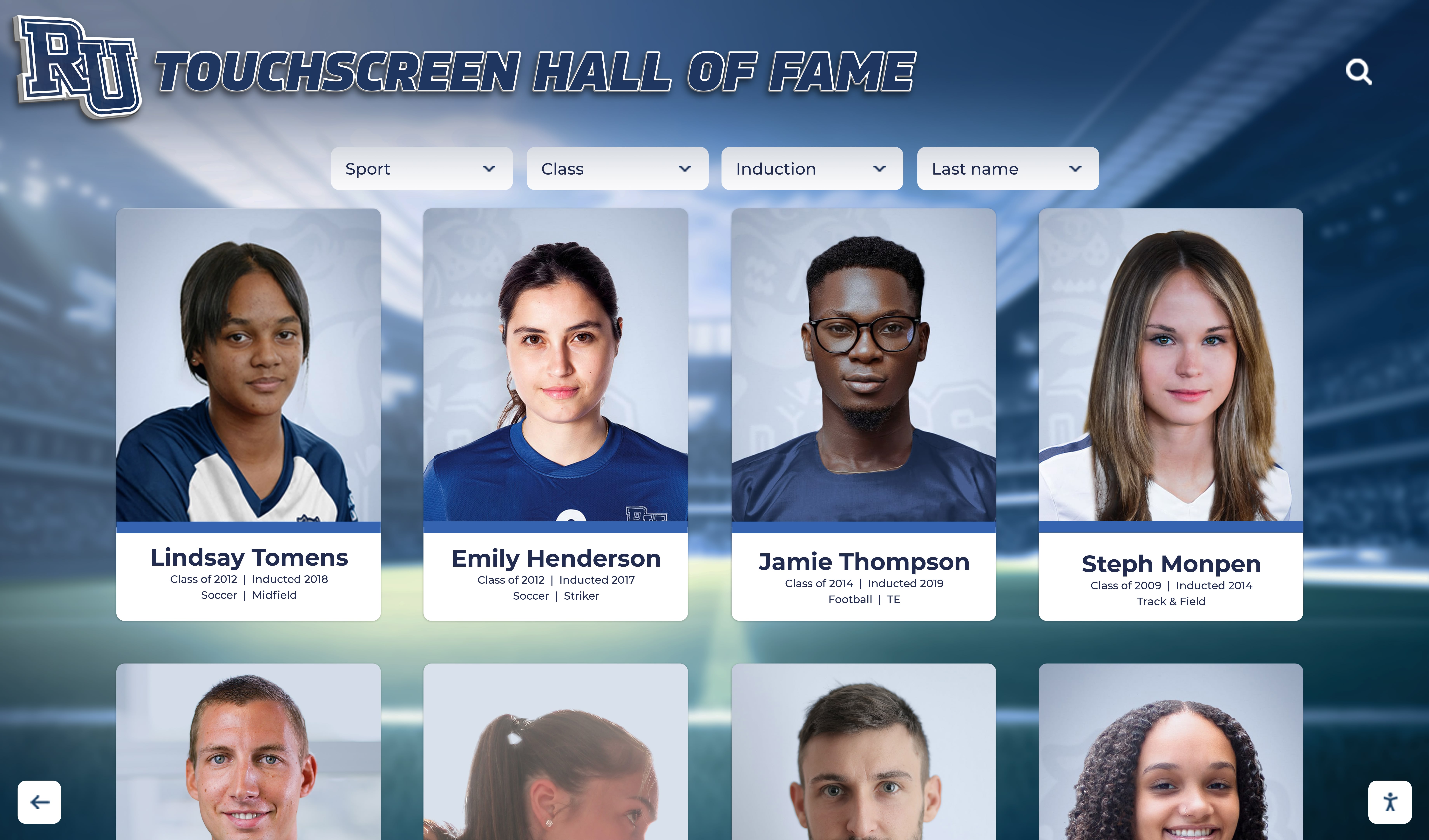
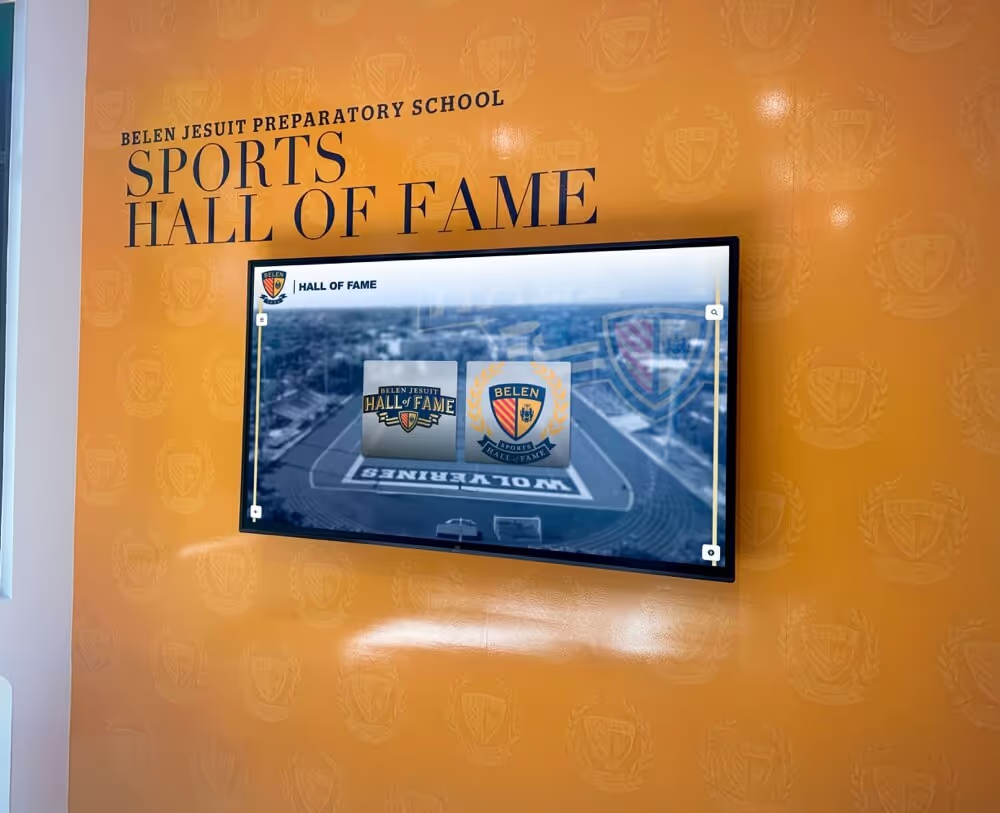
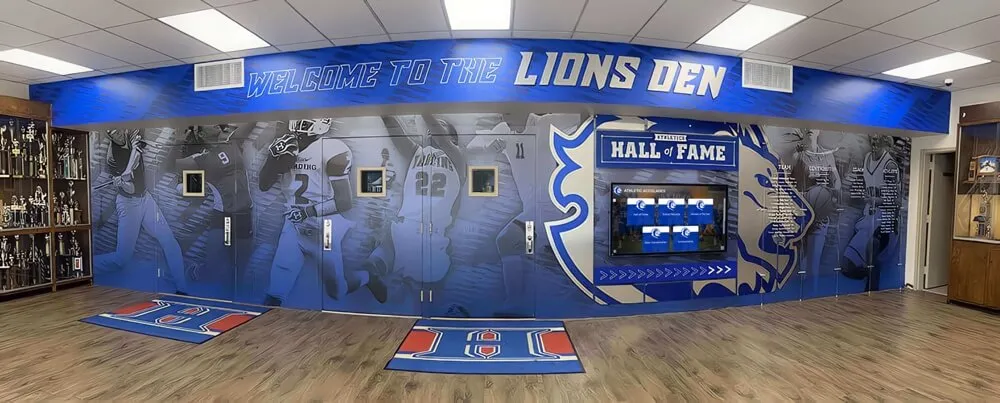
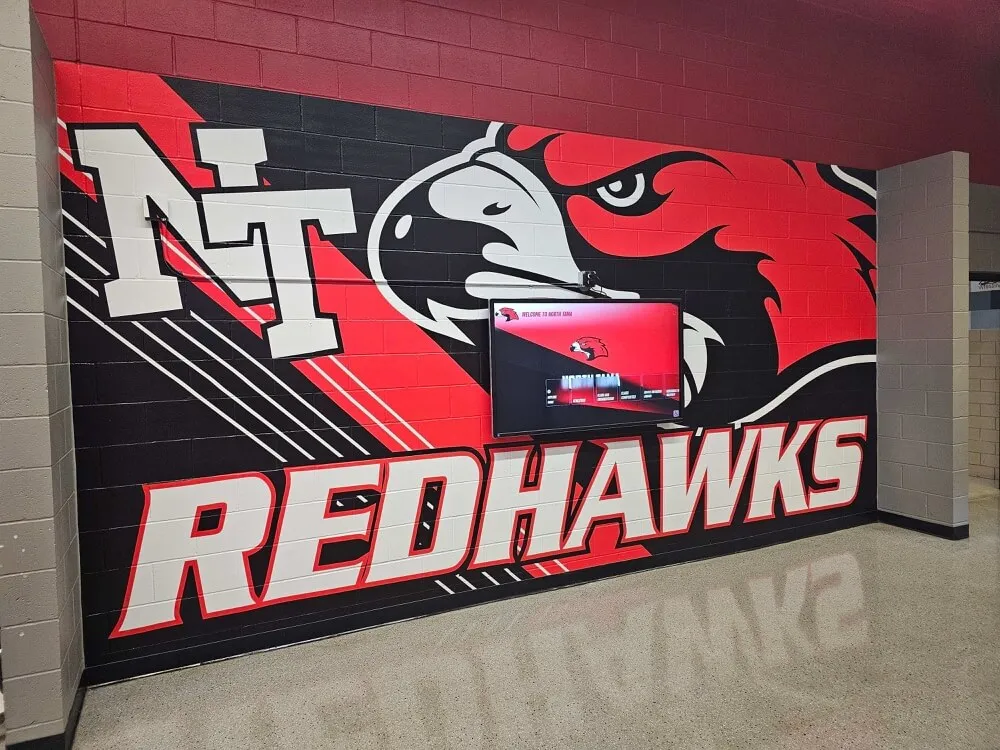
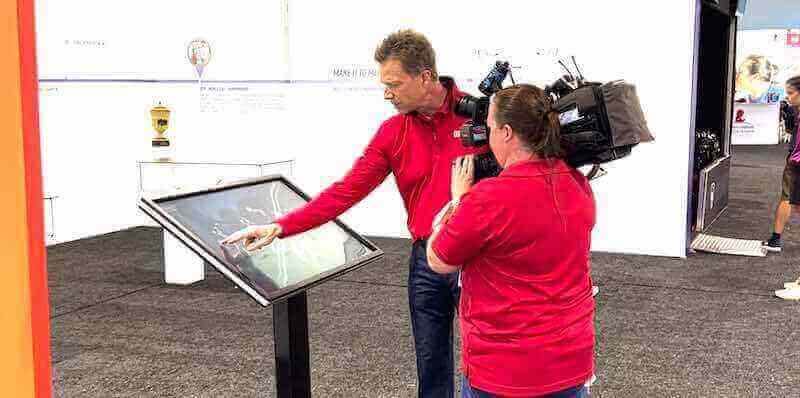
Modern digital recognition creates permanent, shareable documentation of youth athletic achievements
Implementing Your Youth Sports Awards Program
Understanding how to effectively implement awards ensures recognition achieves its intended positive impact on young athletes.
Planning Your Awards Ceremony
Successful youth sports awards ceremonies require thoughtful planning balancing formality with fun, celebrating everyone while maintaining special recognition for exceptional achievement, and creating memorable experiences families treasure.
Timing Considerations: Schedule ceremonies within 1-2 weeks of season ending while memories remain fresh. Consider holding ceremonies during team celebrations, banquets, or final gatherings where families naturally attend.
Ceremony Format: Structure ceremonies to maintain energy and engagement. Open with season highlight videos, move through awards in categories building from fun superlatives to major honors, and close with team recognitions and coach remarks.
Presentation Best Practices: Have coaches personally present each award with specific commentary about why the athlete earned recognition. Encourage photo opportunities as each recipient receives their award. Keep speeches concise to maintain appropriate ceremony length for age group—45 minutes for younger athletes, up to 90 minutes for older youth.
Budget-Friendly Award Ideas
Youth sports programs often operate with limited budgets. Effective recognition doesn’t require expensive trophies when thoughtful alternatives create equal or greater meaning.
Under $5 Per Award: Printed certificates with personalized messages, ribbons with award categories printed, team photo prints with award designation, custom stickers or decals, and printed achievement cards.
$5-$25 Per Award: Medal assortments for different categories, personalized water bottles or sports gear, custom team apparel with recognition, engraved keychains or bag tags, and recognition plaques.
$25-$100 Per Award: Traditional trophies for major awards, custom medals with athlete names, framed photos with achievement descriptions, contribution to team scholarship fund, and equipment or apparel packages.
Premium Recognition: Digital recognition displays that recognize entire rosters permanently, allowing programs to shift budgets from annual trophy expenses to one-time technology investments that serve programs for many years.
Age-Appropriate Recognition Guidelines
Different age groups require different recognition approaches to maximize positive impact while minimizing potential negative effects.
Ages 5-8 (Instructional/Recreational): Every athlete should receive recognition, emphasizing participation and fun over competition. Superlative and character awards work best. Avoid creating hierarchies or comparisons among athletes this age.
Ages 9-12 (Developmental): Balance participation recognition with introduction of achievement awards based on objective criteria. Include multiple award categories ensuring most athletes receive at least one recognition. Emphasize improvement and effort alongside performance.
Ages 13-18 (Competitive): Achievement awards become more prominent as athletes develop competitive maturity. Maintain character awards as important reminders that personal qualities matter. Be transparent about selection criteria and processes.
Communicating Awards Philosophy
Preventing misunderstandings requires clear communication with athletes and families about awards philosophy, selection processes, and program values.
Pre-Season Communication: Explain during parent meetings which awards the program offers, how winners will be selected, and what the program values. This transparency sets expectations and reduces post-season disappointment.
Selection Process Clarity: When awards involve subjective decisions, explain who makes selections (coaching staff, peer voting, external evaluations) and what criteria guide choices.
Handling Disappointment: Despite best efforts, some athletes will feel disappointed about not receiving certain awards. Coach one-on-one conversations acknowledging their contributions while explaining selection rationales help athletes process disappointment constructively.
Leveraging Digital Recognition
Modern digital recognition platforms extend award impact far beyond ceremonies while solving common youth sports recognition challenges.
Unlimited Capacity: Digital systems recognize every athlete comprehensively without space constraints that limit traditional physical displays.
Rich Storytelling: Beyond listing awards, digital platforms showcase athlete photos, season statistics, highlight videos, personal statements, and career progressions across multiple seasons.
Permanent Documentation: Unlike trophies that gather dust in closets, digital recognition remains accessible permanently, allowing athletes and families to revisit achievements years later.
Shareable Recognition: Digital profiles enable social sharing, helping families celebrate achievements with extended networks while promoting program visibility.
Multi-Year Growth Tracking: Following athletes from youth programs through high school and beyond creates longitudinal recognition showing complete athletic journeys. Student athlete recognition programs can begin with youth leagues and continue building recognition for years.
Cost-Effective Scaling: Initial technology investment eliminates ongoing trophy expenses while providing superior recognition capabilities, typically achieving cost parity within 3-5 years while delivering significantly enhanced recognition.
Youth programs exploring how to transition from traditional recognition to modern approaches benefit from understanding how digital displays inspire continued participation as athletes mature.
Creating Lasting Recognition Impact
The ultimate goal of youth sports awards extends beyond ceremony moments to create lasting positive impact on young athletes’ lives.
Building Recognition That Motivates
Effective recognition motivates future improvement rather than simply acknowledging past achievement. Award programs accomplish this by celebrating effort alongside outcomes, recognizing improvement trajectories, highlighting character qualities athletes control, creating clear paths to different awards, and connecting current recognition to future aspirations.
Research indicates that recognition emphasizing controllable factors (effort, attitude, dedication) motivates more effectively than recognition based purely on talent or natural ability. Young athletes learning that their choices and commitment determine recognition develop stronger work ethics and growth mindsets.
Teaching Life Lessons Through Recognition
Youth sports awards programs offer opportunities to teach valuable life lessons including that success takes multiple forms, character matters as much as achievement, improvement represents success regardless of final ranking, team contributions extend far beyond statistics, and excellence requires sustained commitment and effort.
Coaches who use award presentations as teaching moments—explaining why certain qualities merit recognition, connecting athletic lessons to life beyond sports—maximize the developmental value of recognition programs.
Preventing Recognition Pitfalls
While recognition creates many benefits, poorly designed awards programs can inadvertently harm young athletes. Avoiding common pitfalls requires awareness and intentional program design.
Preventing Excessive Comparison: When awards create harmful comparisons among athletes, they undermine team culture. Multiple award categories, emphasis on individual improvement, and recognition of diverse contributions reduce destructive comparison.
Avoiding Favoritism Perceptions: Selection processes that appear biased toward certain athletes damage program credibility. Objective criteria, transparent processes, and diverse award categories mitigate favoritism concerns.
Preventing Exclusion: Recognition programs where some athletes receive no acknowledgment create hurt and resentment. Ensuring every athlete receives meaningful recognition prevents exclusion feelings while teaching that everyone contributes value.
Balancing Competition and Inclusion: The tension between recognizing excellence and including everyone requires thoughtful navigation. Programs successfully balance these values through tiered award structures celebrating both exceptional achievement and participation.
Building Year-Round Recognition Culture
Awards ceremonies represent culminating moments, but true recognition cultures celebrate athletes continuously throughout seasons and years.
In-Season Recognition: Regularly acknowledge athletes during season through practice praise, game-day recognition, social media shoutouts, player-of-the-game acknowledgments, and progress celebrations.
Multi-Year Recognition: Track athlete development across multiple seasons, celebrating cumulative achievements and long-term commitment. Creating athletic alumni recognition programs allows youth organizations to honor athletes throughout their athletic careers.
Community Visibility: Extend recognition beyond team boundaries through school announcements, local media coverage, community center displays, and public celebrations ensuring broader visibility for athlete achievements.
Family Inclusion: Recognition that includes families—celebrating parents who support programs, siblings who attend games, relatives who volunteer—builds community recognition cultures strengthening entire programs.
Conclusion
Youth sports awards represent far more than trophies and certificates. Thoughtfully designed recognition programs teach life lessons about excellence, character, teamwork, and perseverance while celebrating the diverse contributions young athletes make. The 100 award ideas presented here provide frameworks for creating comprehensive recognition honoring achievement, character, improvement, team contributions, and fun.
The most effective youth sports awards programs balance competition with inclusion, celebrate excellence while recognizing participation, honor performance alongside character, and create memorable moments that motivate continued athletic participation. Whether your program operates with modest budgets or substantial resources, recognition reflecting your values and celebrating your athletes appropriately creates lasting positive impact.
Modern recognition approaches, particularly digital solutions that document athletic journeys permanently, provide youth programs with scalable, cost-effective ways to honor every athlete appropriately. As young athletes grow from recreational leagues through competitive high school programs, recognition systems that follow their development create compelling documentation of athletic careers that athletes and families treasure for lifetimes.
By implementing thoughtful awards programs celebrating the full spectrum of athletic experience, youth sports organizations create environments where young athletes feel valued, motivated, and inspired to pursue athletic excellence while developing character qualities serving them throughout life far beyond sports.
Ready to create a comprehensive recognition program for your youth sports organization? Explore how Rocket Alumni Solutions helps youth programs, schools, and athletic organizations build lasting recognition systems that celebrate athletes from their first seasons through alumni status, creating permanent documentation of athletic achievement and character development.