50 Best Pump Up Songs for Game Day: The Ultimate Athletic Playlist
Music has the extraordinary power to transform athletic performance—the right pump up songs elevate heart rates, synchronize team energy, trigger competitive mindsets, and create psychological momentum before athletes even step onto the field. Coaches and athletic directors understand that pre-game atmosphere significantly impacts performance, yet many programs struggle to curate playlists that genuinely energize diverse teams while maintaining appropriate content and avoiding overplayed tracks that lose impact through repetition.
The science behind pump up music is compelling: research shows that high-tempo music increases adrenaline production, reduces perceived exertion during physical activity, improves coordination and timing, and creates emotional associations with peak performance states. Strategic music selection becomes particularly crucial during critical moments—championship games, rivalry matchups, playoff competitions, and senior night celebrations where emotional energy directly influences athletic outcomes.
This comprehensive guide presents the 50 best pump up songs for sports, organized by category to help athletic programs build dynamic playlists that energize athletes across different sports, ages, and musical preferences while maintaining the intensity modern competitive athletics demand.
Music selection for athletic programs serves multiple essential purposes beyond simple entertainment. Well-curated playlists strengthen team bonding through shared musical experiences, establish pre-game rituals that trigger performance mindsets, energize home crowds creating competitive advantages, and build program identity through consistent sonic branding that becomes synonymous with your athletic culture.
When schools combine strategic music programming with modern digital storytelling for athletic programs, they create immersive game day experiences that resonate emotionally with athletes, families, and communities while building traditions that define program excellence.

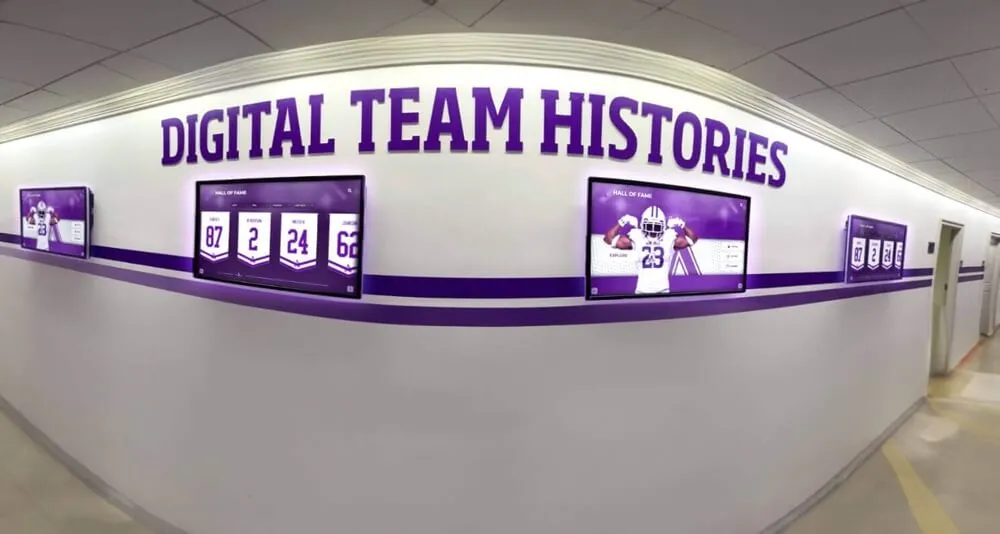
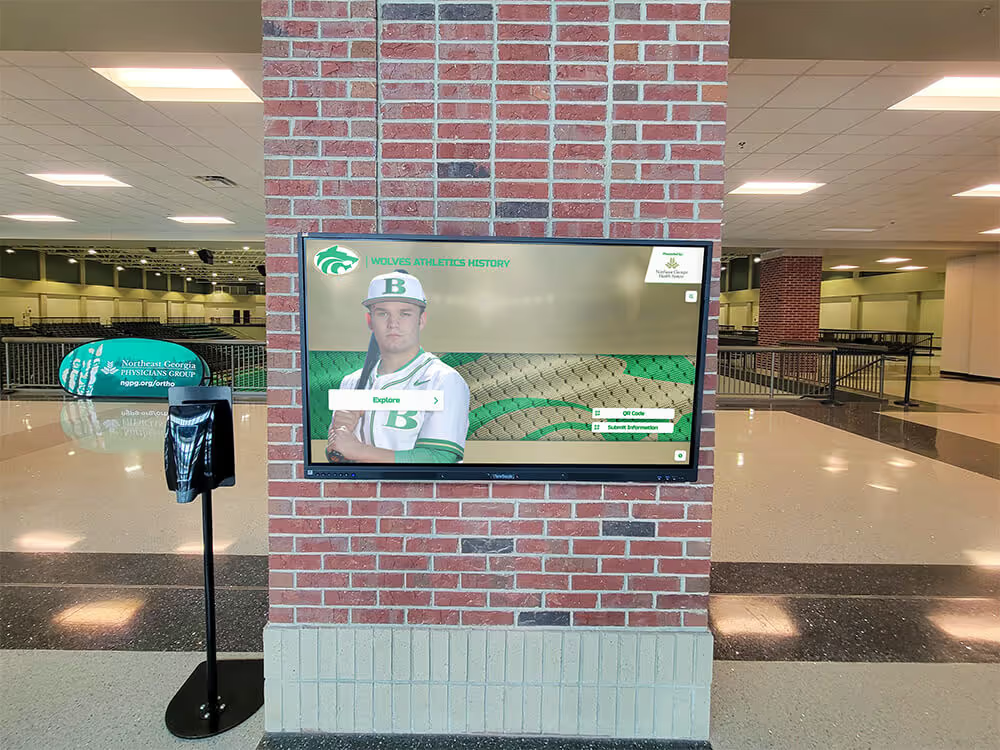
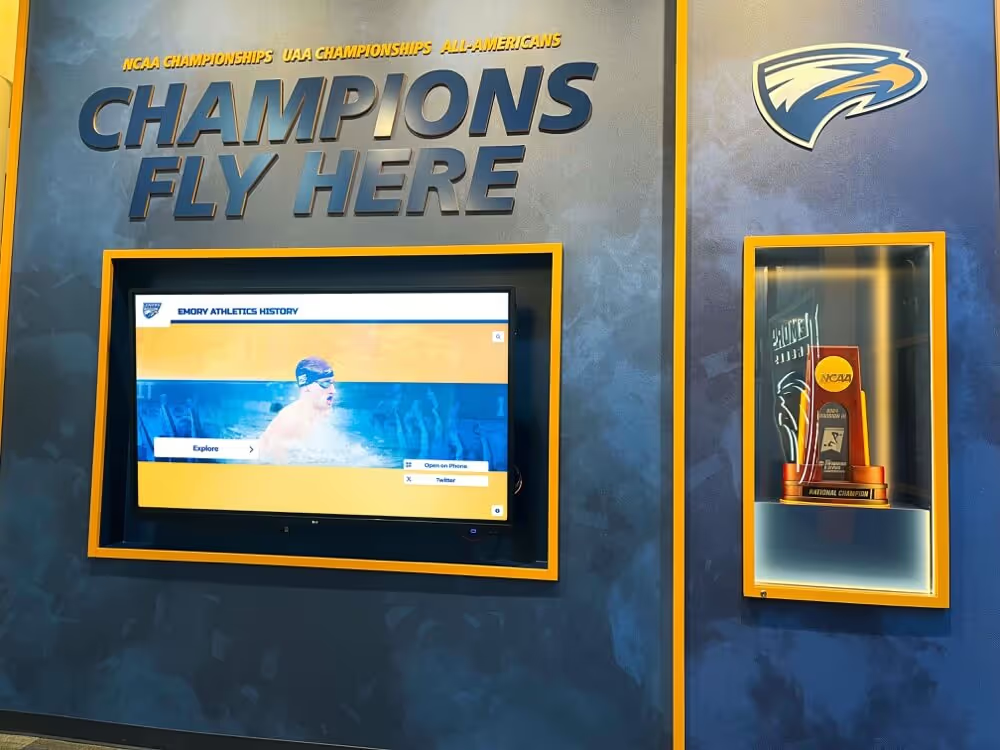
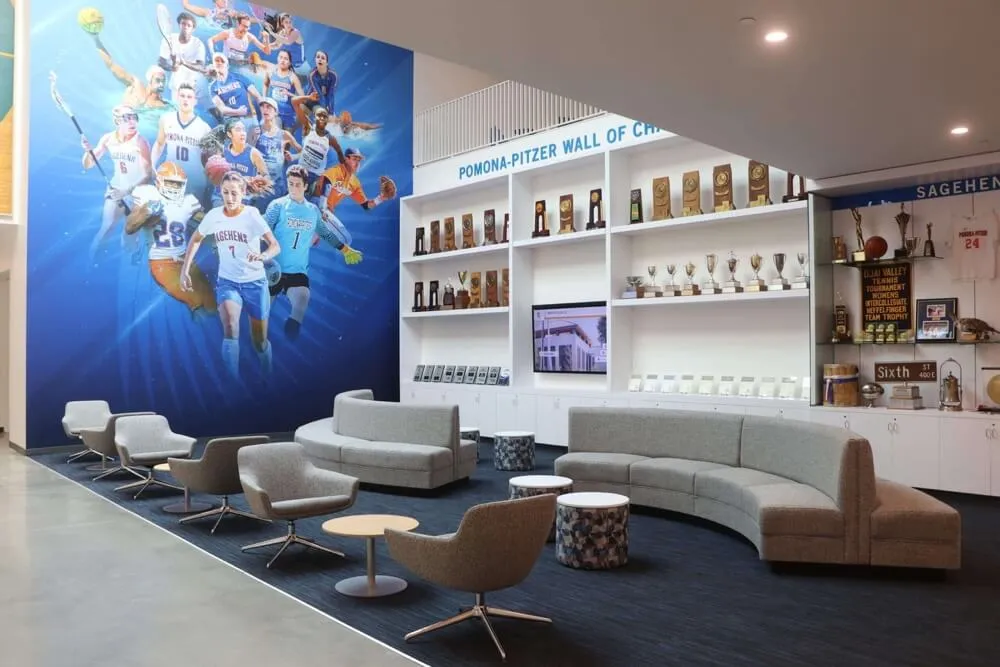
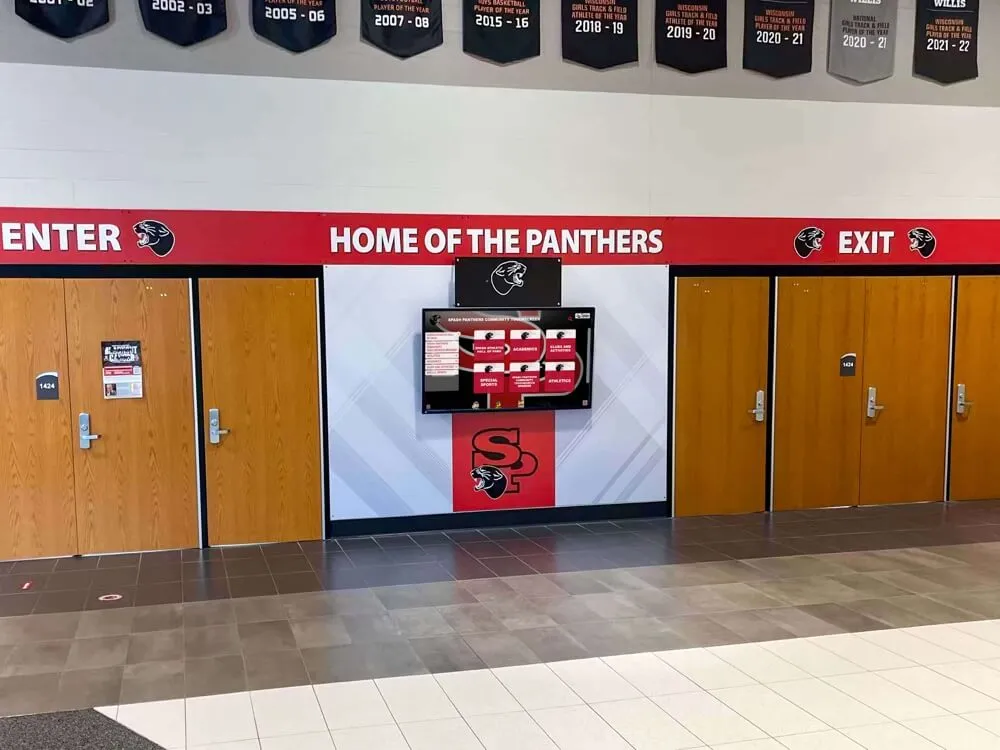
Modern athletic programs combine strategic music selection with digital displays creating complete sensory experiences that energize athletes and engage communities
Classic Rock Anthems: Timeless Pump Up Songs That Never Fail
Certain classic rock tracks transcend generational preferences, delivering universal energy that resonates with athletes regardless of age or musical background.
1. “We Will Rock You” – Queen
Why it works: The iconic stomp-stomp-clap rhythm creates instant crowd participation while building anticipation. Perfect for pre-game introductions and critical game moments.
Best used for: Basketball player introductions, football team entrances, championship game openings.
2. “Eye of the Tiger” – Survivor
Why it works: The ultimate training montage anthem that triggers competitive mindsets and individual determination. Recognizable within the first two notes.
Best used for: Pre-game warm-ups, individual athlete spotlights, comeback moments.
3. “Welcome to the Jungle” – Guns N’ Roses
Why it works: Aggressive guitar riffs and raw energy establish hostile territory for visiting teams while empowering home athletes.
Best used for: Football team entrances, wrestling matches, defensive stands.
4. “Thunderstruck” – AC/DC
Why it works: The building guitar introduction creates suspense before explosive energy release. Consistently rated among athletes’ top pump up songs.
Best used for: Team tunnel walks, championship game intros, rivalry matchups.
5. “Back in Black” – AC/DC
Why it works: Instantly recognizable opening riff combined with swagger and confidence-building lyrics.
Best used for: Baseball walk-up music, basketball warmup lines, victory celebrations.
6. “Rock and Roll Part 2 (Hey Song)” – Gary Glitter
Why it works: Simple, participatory chant structure that engages entire crowds in unified rhythmic response.
Best used for: Scoring celebrations, crowd engagement moments, timeout entertainment.
Note: Some programs avoid this track due to the artist’s criminal history, opting for instrumental versions or alternative chant songs.
7. “Crazy Train” – Ozzy Osbourne
Why it works: Manic energy and driving rhythm match the controlled chaos of competitive athletics.
Best used for: High-tempo sports like hockey, lacrosse, intense practice sessions.
8. “Enter Sandman” – Metallica
Why it works: Ominous introduction building to explosive aggression. Creates psychological intimidation for opponents.
Best used for: Mariano Rivera famously used this as entrance music; ideal for dramatic athletic entrances.
9. “Sirius” – The Alan Parsons Project
Why it works: The Chicago Bulls made this instrumental iconic for player introductions. Pure anticipation-building power.
Best used for: Starting lineup announcements, ceremony moments, dramatic reveals.
10. “You Shook Me All Night Long” – AC/DC
Why it works: High-energy celebration track combining confidence with fun rather than pure aggression.
Best used for: Victory celebrations, post-game locker room, team bus rides.
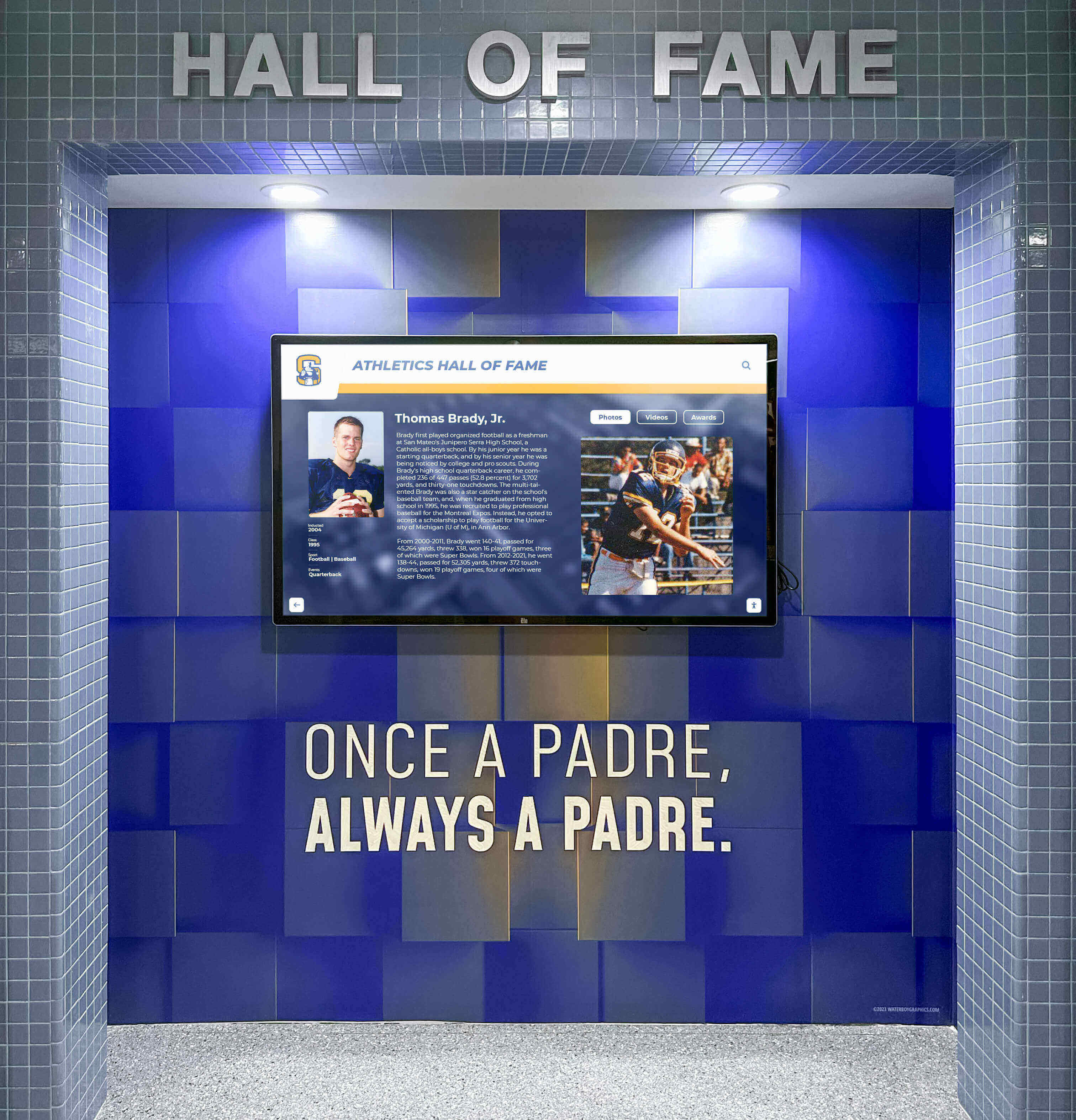
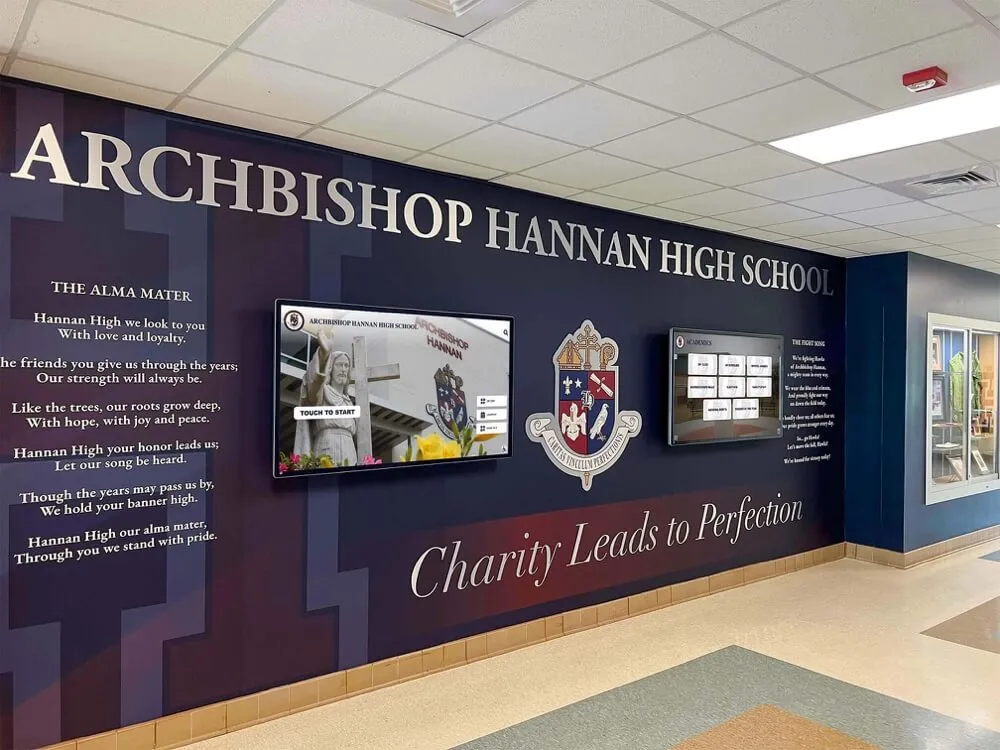
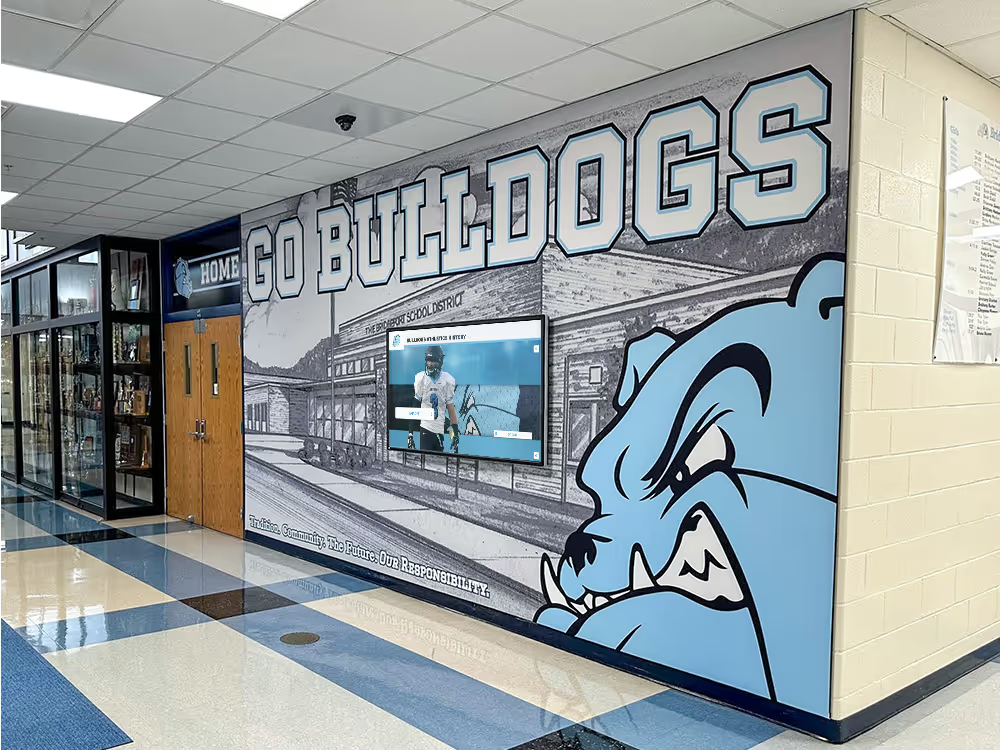
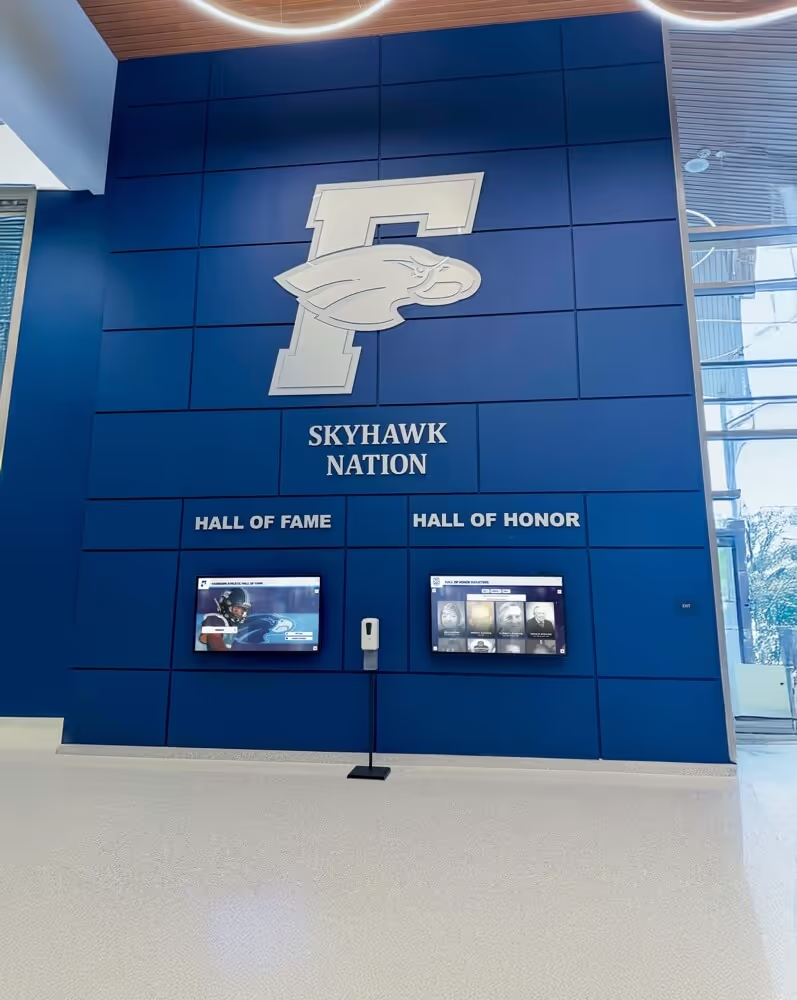
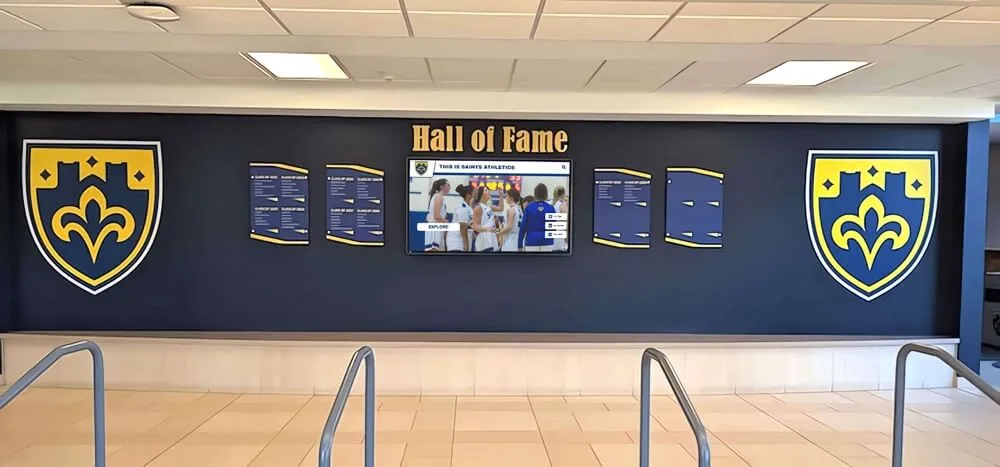
Digital athletic displays celebrate team traditions and achievements while modern sound systems deliver energizing music creating complete game day atmospheres
Modern Hip-Hop and Rap: Contemporary Pump Up Power
Contemporary hip-hop provides aggressive energy, confident swagger, and rhythmic intensity that resonates particularly well with current student-athletes.
11. “Lose Yourself” – Eminem
Why it works: Motivational lyrics about seizing opportunity combined with driving beat. Widely considered the greatest pump up song of the 21st century.
Best used for: Championship games, crucial moments, individual athlete features.
12. “Till I Collapse” – Eminem ft. Nate Dogg
Why it works: Relentless determination theme with powerful beat. Training room and weight room staple.
Best used for: Strength training sessions, pre-game preparation, endurance sports.
13. “HUMBLE.” – Kendrick Lamar
Why it works: Aggressive confidence balanced with competitive humility. Modern classic with massive athlete appeal.
Best used for: Warm-up sessions, locker room pre-game, confident swagger moments.
14. “All I Do Is Win” – DJ Khaled ft. T-Pain, Ludacris, Snoop Dogg, Rick Ross
Why it works: Victory-focused lyrics and celebratory energy. Championship mindset anthem.
Best used for: Victory celebrations, playoff runs, positive visualization sessions.
15. “Can’t Hold Us” – Macklemore & Ryan Lewis
Why it works: Building energy structure and unstoppable momentum theme. Explosive chorus release.
Best used for: Team entrances, momentum-building moments, comeback situations.
16. “Power” – Kanye West
Why it works: Epic production, confident lyrics, and sample-based hooks create superhuman feeling.
Best used for: Individual athlete spotlights, championship atmosphere, dramatic moments.
17. “Started from the Bottom” – Drake
Why it works: Underdog narrative and progression theme. Motivates teams facing difficult opponents.
Best used for: Playoff underdogs, program-building situations, overcoming adversity.
18. “Black and Yellow” – Wiz Khalifa
Why it works: Team color celebration—adaptable for any school. Regional pride anthem.
Best used for: Teams with black/yellow colors, hometown pride moments, school spirit sections.
19. “Remember the Name” – Fort Minor
Why it works: Effort and dedication emphasis. Percentage-based lyrics about hustle, heart, and determination.
Best used for: Training montages, preparation emphasis, work ethic celebration.
20. “Headstrong” – Trapt
Why it works: Determination and refusing to back down. Defiant competitive energy.
Best used for: Defensive stands, refusing to quit moments, mental toughness emphasis.
Athletic programs increasingly integrate music strategy with comprehensive digital signage content creating synchronized audio-visual experiences that maximize game day impact.
Electronic and Dance: High-Energy Modern Beats
Electronic music provides relentless tempo, building energy structures, and modern production that drives intensity without lyrical content concerns.
21. “Levels” – Avicii
Why it works: Progressive building structure and pure euphoric energy release. Universally energizing.
Best used for: Pre-game warm-ups, timeout entertainment, energy maintenance.
22. “Titanium” – David Guetta ft. Sia
Why it works: Indestructible theme combined with powerful vocals. Resilience anthem.
Best used for: Overcoming obstacles, defensive emphasis, mental toughness.
23. “Animals” – Martin Garrix
Why it works: Aggressive drops and relentless energy. Minimal lyrics maximize focus.
Best used for: Intense warm-ups, aggressive sports like wrestling or football.
24. “Turn Down for What” – DJ Snake & Lil Jon
Why it works: Unstoppable energy question with explosive beat drops.
Best used for: Maximum energy moments, crowd engagement, celebration.
25. “Sandstorm” – Darude
Why it works: Iconic electronic track with building intensity. Pure instrumental energy.
Best used for: Continuous play during warm-ups, recognizable energy anthem.
26. “Bangarang” – Skrillex ft. Sirah
Why it works: Aggressive dubstep drops with controlled chaos energy.
Best used for: Extreme sports, action sports competitions, high-intensity moments.
27. “Tsunami (Jump)” – DVBBS & Borgeous
Why it works: Participatory jump command with explosive energy release.
Best used for: Crowd engagement, timeout activities, energy spikes.
28. “Clarity” – Zedd ft. Foxes
Why it works: Emotional intensity combined with driving beat. Focus and determination theme.
Best used for: Mental preparation, individual sports like swimming or track.
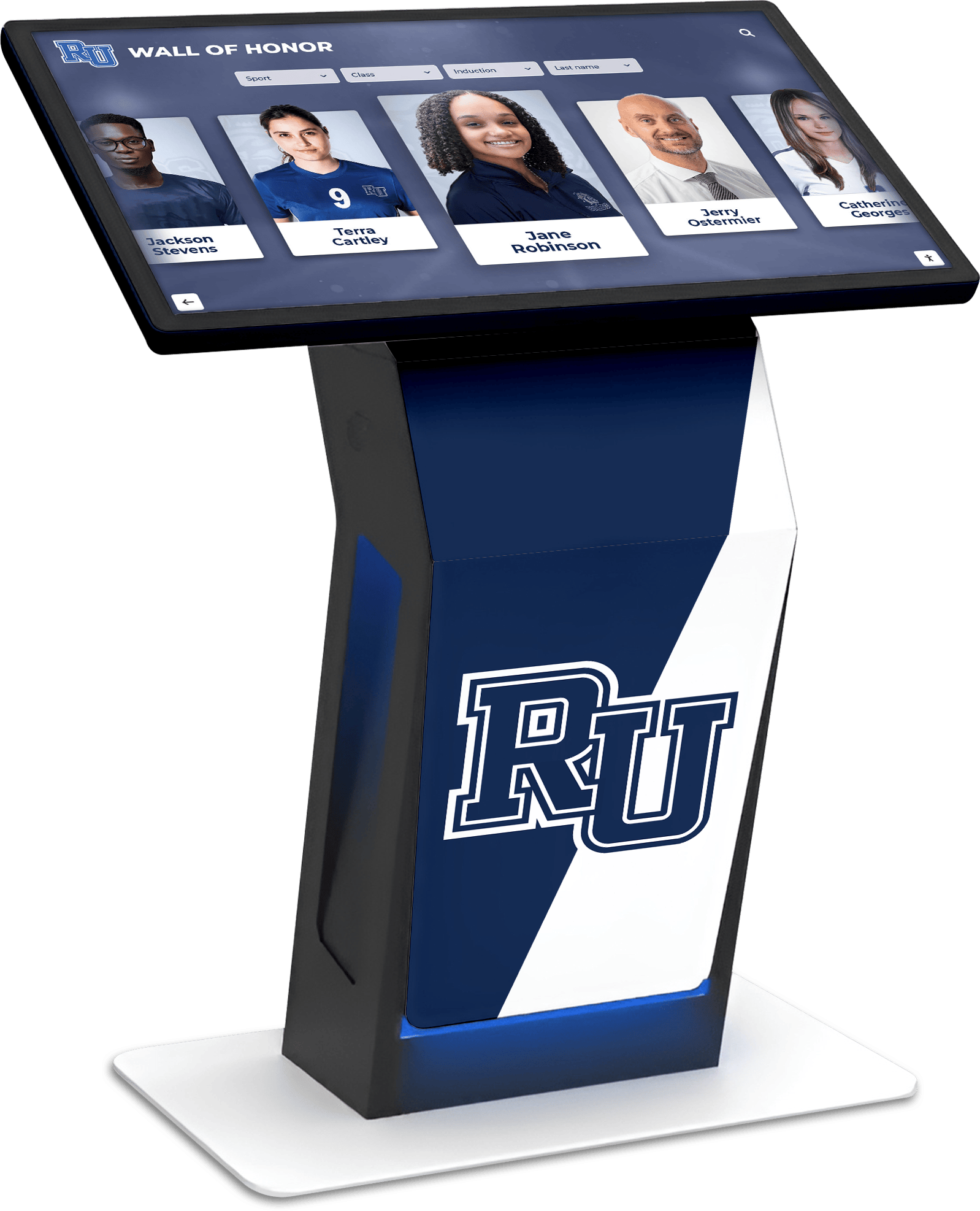
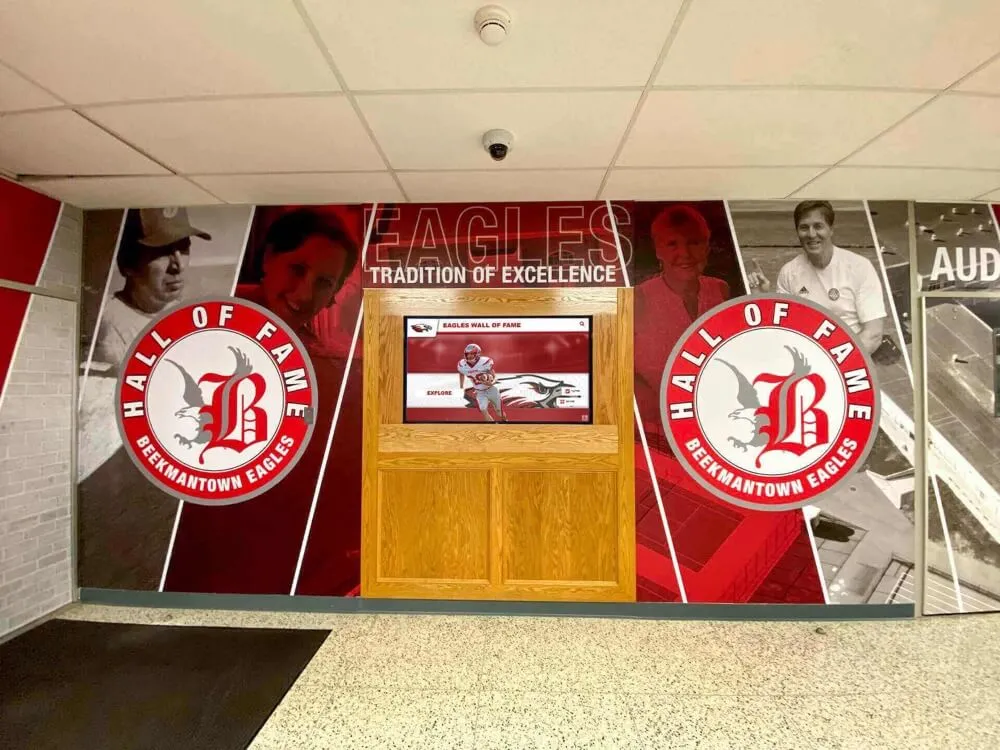
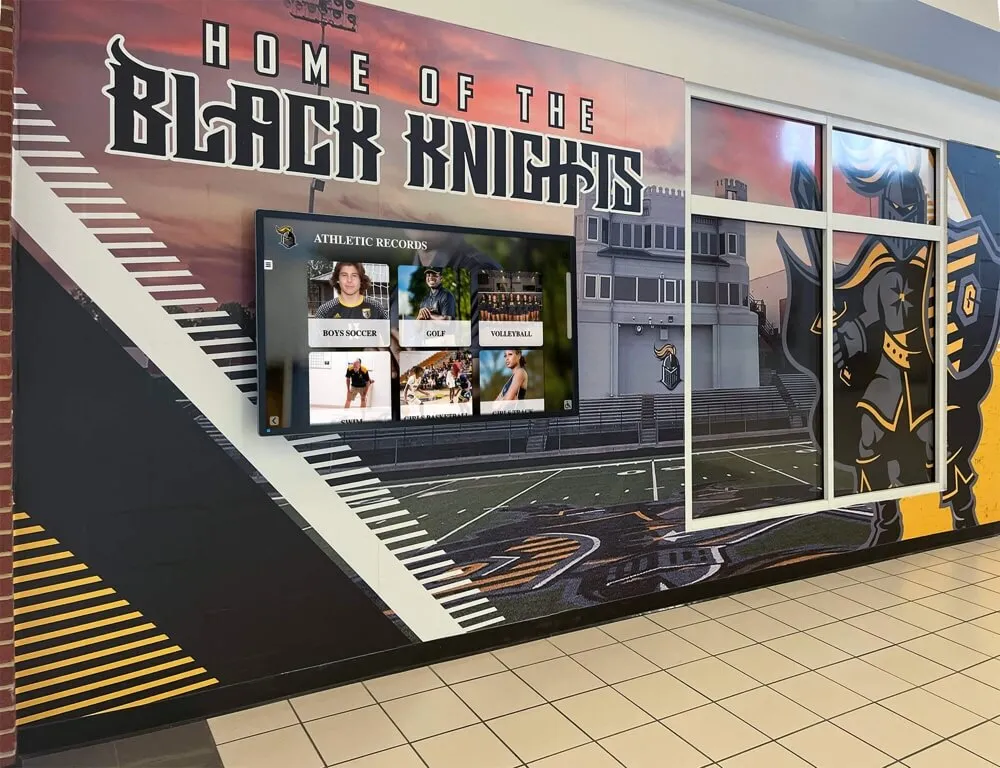
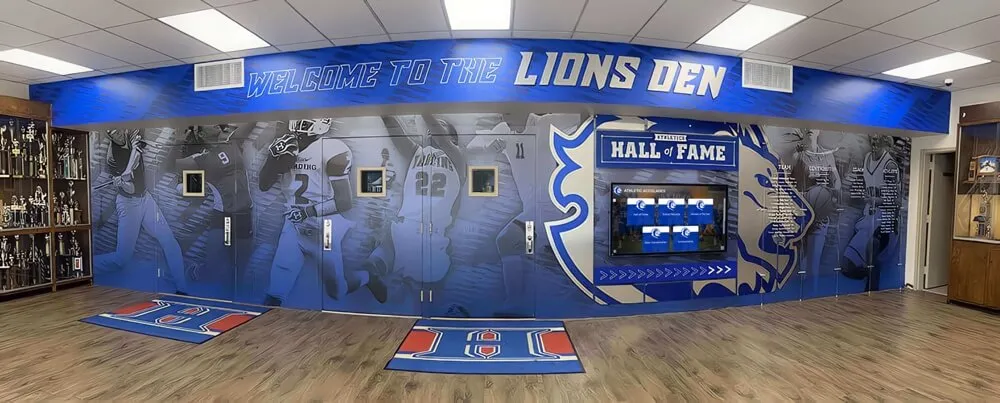
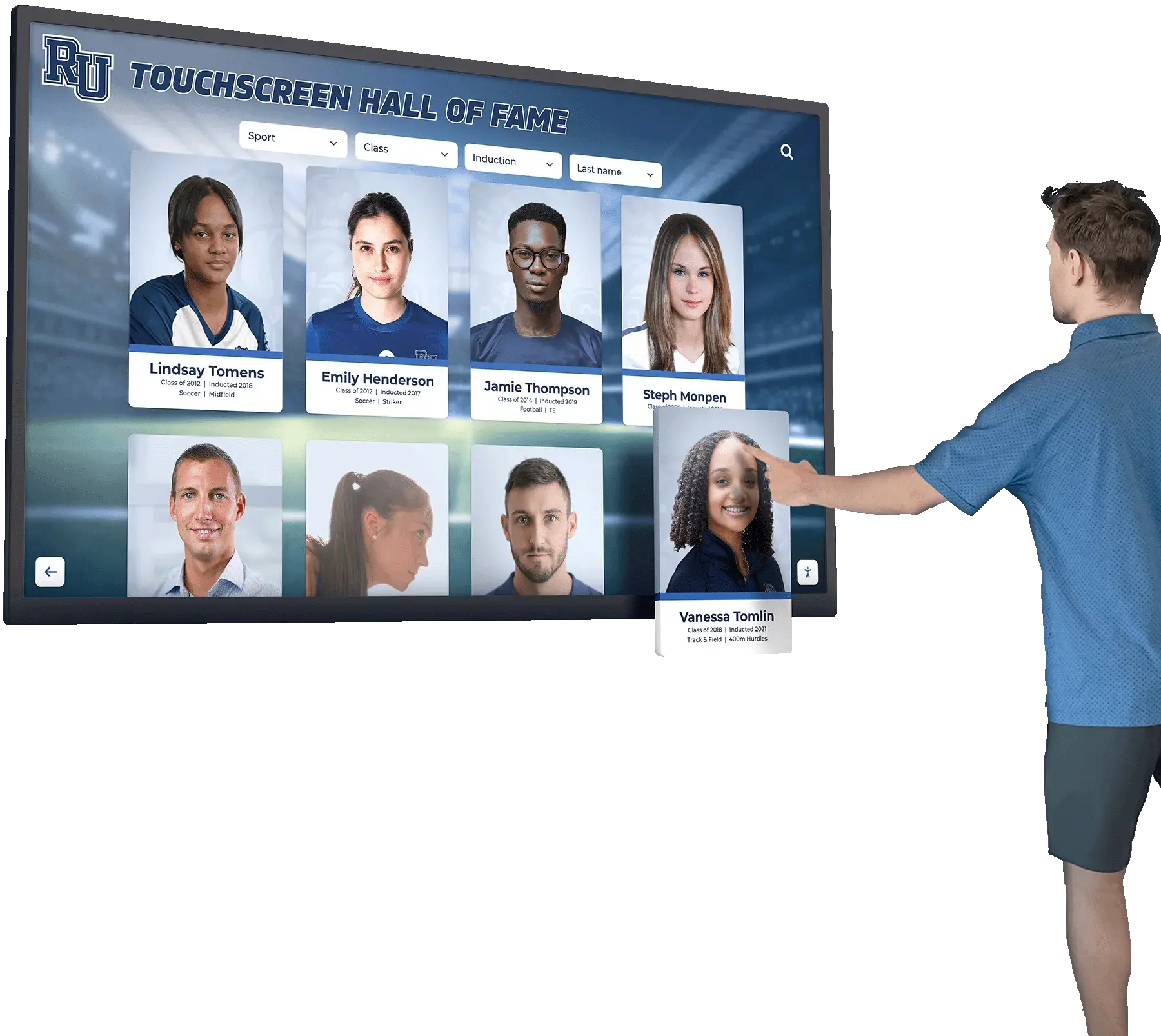
Modern athletic facilities integrate interactive displays with strategic sound design creating immersive environments that celebrate achievement and energize competition
Rock and Alternative: Contemporary Athletic Anthems
Modern rock provides aggressive energy with accessible sound that bridges classic rock and contemporary preferences.
29. “Centuries” – Fall Out Boy
Why it works: Legacy and remembrance theme. “Remember me for centuries” resonates with athletic achievement.
Best used for: Championship games, senior night celebrations, legacy moments.
30. “Radioactive” – Imagine Dragons
Why it works: Transformation and awakening theme with building intensity.
Best used for: Team transformation narratives, comeback seasons, new era announcements.
31. “Hall of Fame” – The Script ft. will.i.am
Why it works: Explicit achievement and excellence theme. Aspiration-focused lyrics.
Best used for: Hall of fame celebrations, achievement recognition, goal-setting moments.
32. “Believer” – Imagine Dragons
Why it works: Pain and perseverance theme. Aggressive percussion and powerful vocals.
Best used for: Overcoming adversity, physical toughness emphasis, championship pursuit.
33. “Natural” – Imagine Dragons
Why it works: Survival of the fittest theme with competitive edge.
Best used for: Competitive rivalry games, championship mentality, aggressive sports.
34. “Warriors” – Imagine Dragons
Why it works: Battle preparation and warrior mindset. Built for athletic competition.
Best used for: Pre-game preparation, warrior culture emphasis, battle metaphors.
35. “Seven Nation Army” – The White Stripes
Why it works: Simple, powerful bass line that became universal sports chant.
Best used for: Crowd chants, international competition, unity moments.
36. “Feel Invincible” – Skillet
Why it works: Explicit invincibility theme with hard rock energy.
Best used for: Confidence building, championship games, maximum swagger.
37. “The Phoenix” – Fall Out Boy
Why it works: Rising from defeat theme. Comeback narrative.
Best used for: Rebuilding programs, comeback situations, resurrection stories.
38. “Uprising” – Muse
Why it works: Rebellion and revolution theme. Underdog energy.
Best used for: Underdog matchups, challenging authority, upset pursuits.
Pop and Crossover: Accessible Energy for Diverse Teams
Pop tracks provide universally accessible energy that works across age groups and musical preferences while maintaining appropriate content.
39. “Roar” – Katy Perry
Why it works: Empowerment theme with accessible pop production. Particularly resonates with female athletes.
Best used for: Female sports teams, empowerment moments, voice-finding narratives.
40. “Stronger (What Doesn’t Kill You)” – Kelly Clarkson
Why it works: Resilience and growth through adversity theme.
Best used for: Comeback situations, overcoming injuries, adversity narratives.
41. “We Are the Champions” – Queen
Why it works: The definitive victory anthem. Championship celebration standard.
Best used for: Post-championship celebrations, victory moments, awards ceremonies.
42. “Don’t Stop Believin’” – Journey
Why it works: Hope and perseverance theme. Universally known and emotionally resonant.
Best used for: Underdog narratives, maintaining hope, team bonding moments.
43. “Eye of the Tiger” – Survivor
Why it works: Listed again because no athletic playlist is complete without this training anthem.
Best used for: Universal application across all sports and situations.
44. “Firework” – Katy Perry
Why it works: Personal potential and explosive talent theme.
Best used for: Individual achievement celebrations, potential realization, fireworks shows.
45. “Can’t Stop the Feeling!” – Justin Timberlake
Why it works: Pure joy and positive energy. Less aggressive but highly energizing.
Best used for: Youth sports, celebratory moments, fun emphasis over aggression.
Many schools showcase their athletic traditions through locker room design that integrates sound systems with visual displays creating complete sensory environments for athlete preparation.
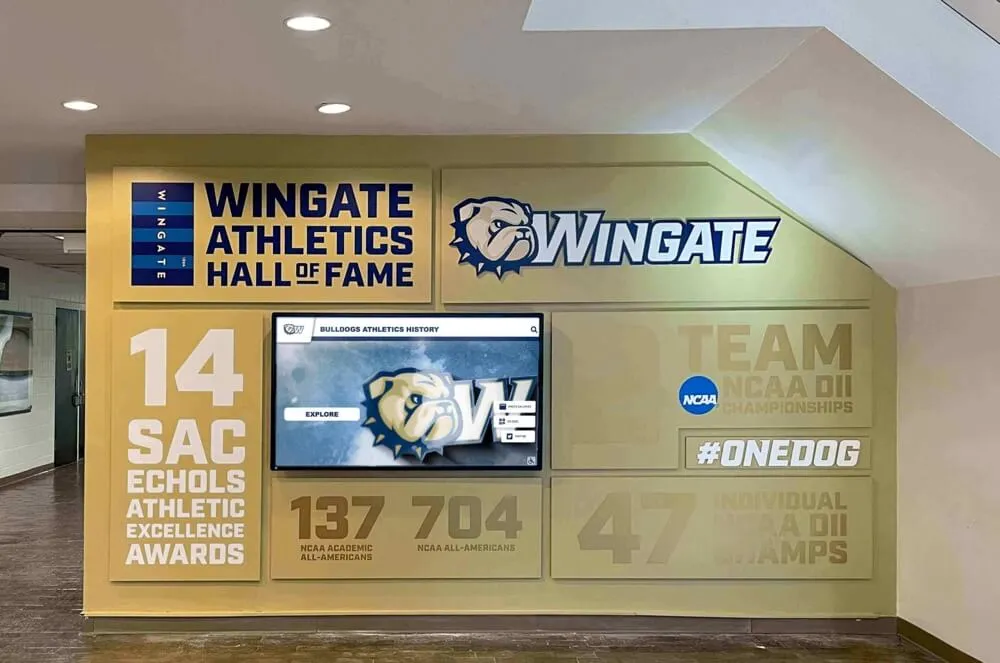
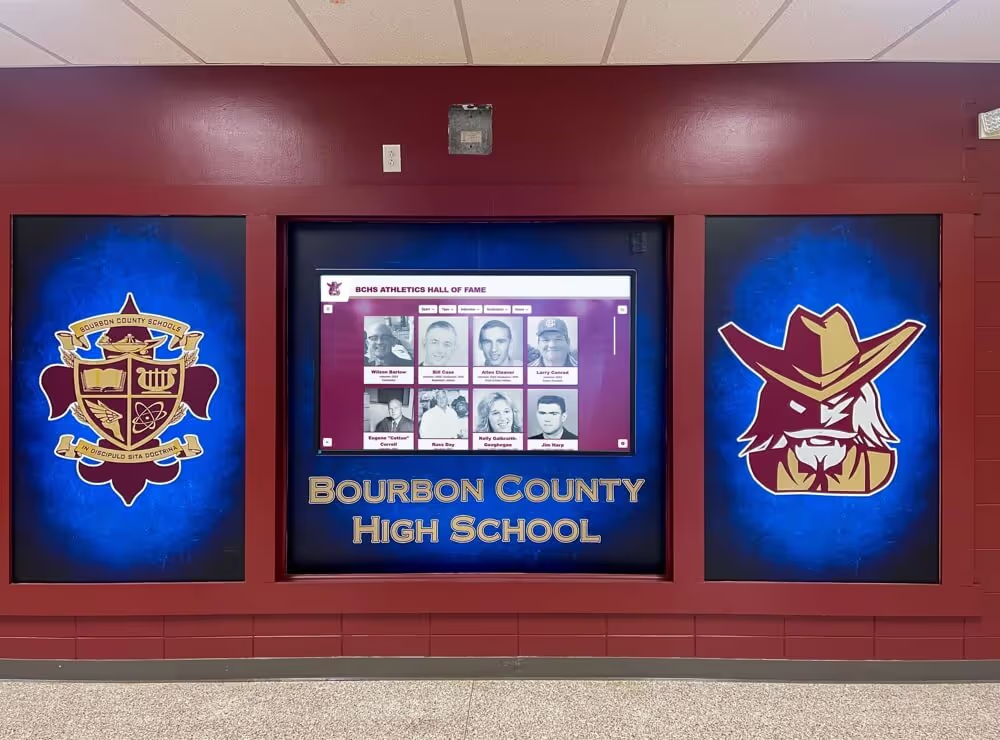
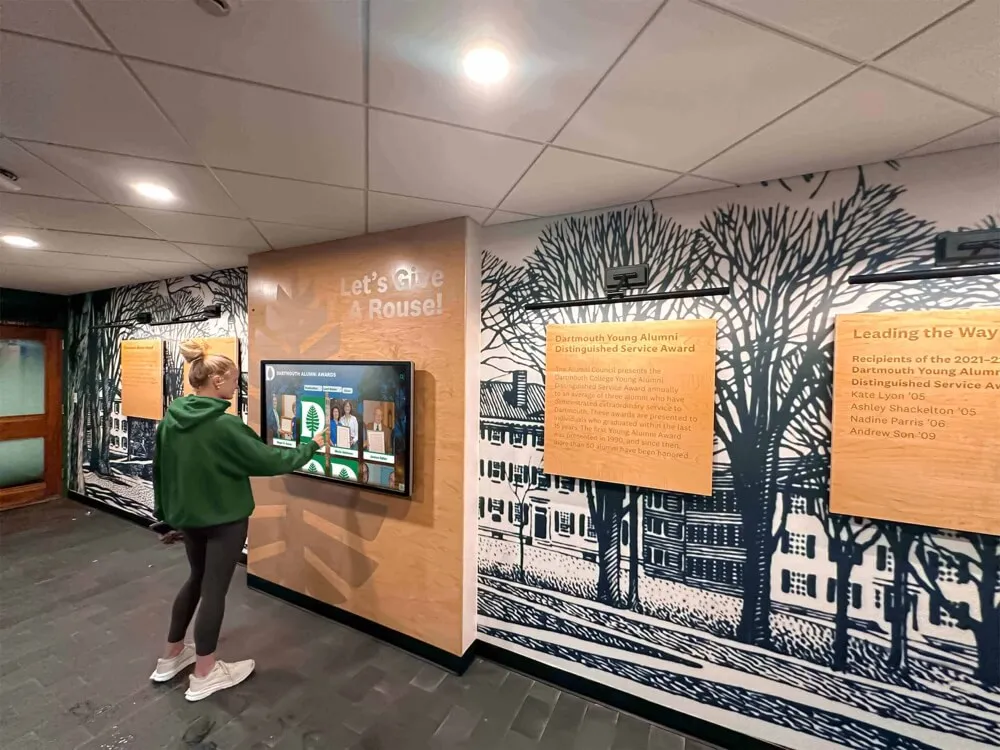
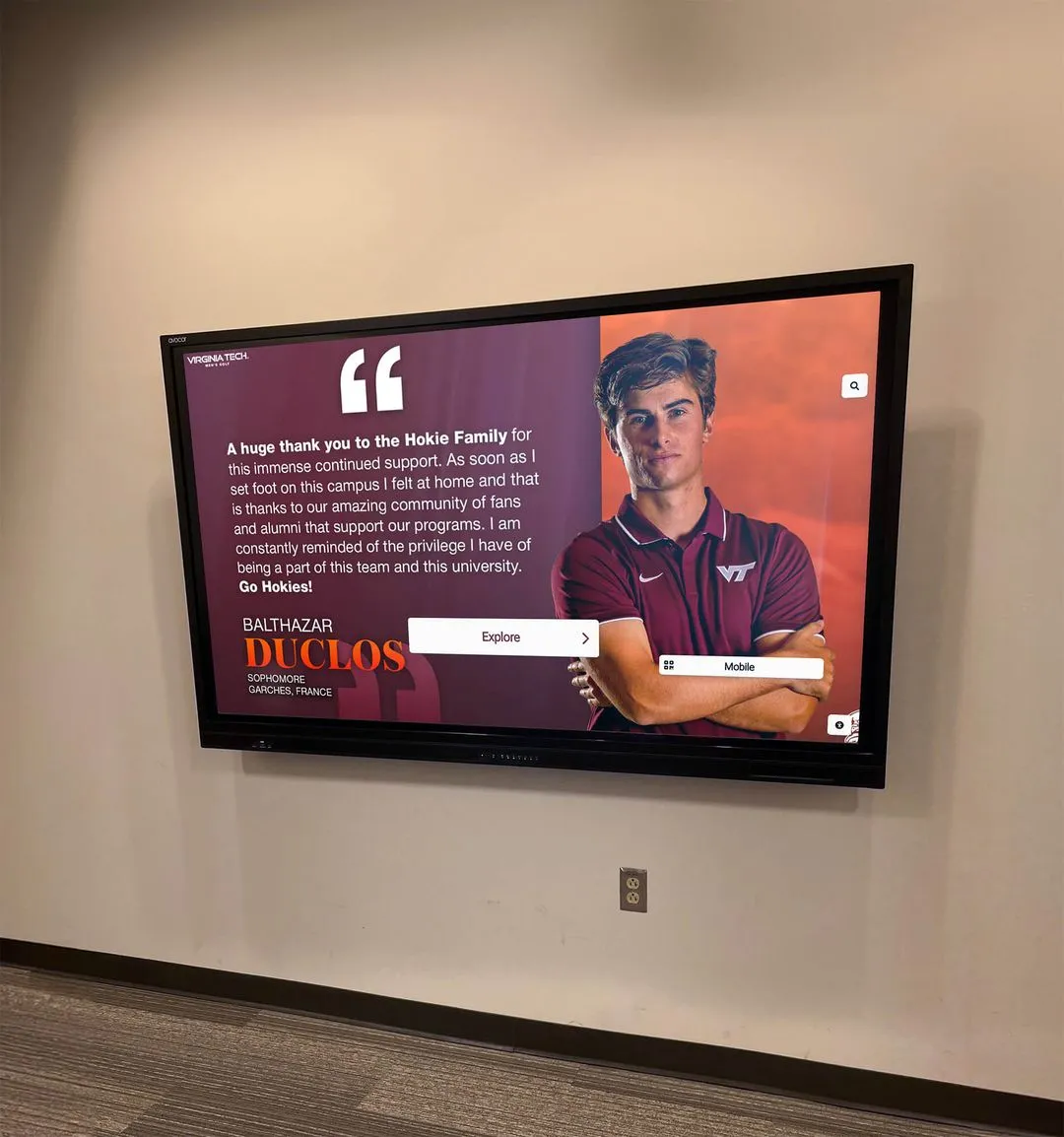
Comprehensive athletic facilities integrate music systems with recognition displays creating environments that energize current athletes while honoring program legends
Bonus Tracks: Genre-Specific and Situational Selections
46. “Gonna Fly Now (Theme from Rocky)” – Bill Conti
Why it works: Iconic training montage music. Instrumental underdog triumph.
Best used for: Training emphasis, classic inspiration, boxing or combat sports.
47. “Lose Control” – Missy Elliott
Why it works: High-energy beat with controlled chaos theme.
Best used for: Maximum intensity moments, aggressive warm-ups.
48. “Jump Around” – House of Pain
Why it works: Participatory command creating instant crowd engagement.
Best used for: Timeout activities, crowd participation, energy spikes.
49. “Shipping Up to Boston” – Dropkick Murphys
Why it works: Folk-punk energy with Celtic influences. Regional pride anthem.
Best used for: Boston-area teams, Irish heritage celebrations, aggressive energy.
50. “X Gon’ Give It to Ya” – DMX
Why it works: Aggressive confidence and dominant energy. Raw intimidation factor.
Best used for: Maximum aggression moments, entrance music, hostile atmosphere creation.
Strategic Music Selection: Building Effective Athletic Playlists
Beyond individual song selection, strategic playlist construction maximizes psychological impact and maintains energy throughout events.
Understanding Music Psychology in Athletics
Research from sport psychology demonstrates that music impacts athletic performance through multiple mechanisms:
Tempo and Heart Rate Synchronization: Music between 120-140 beats per minute (BPM) naturally elevates heart rate to optimal warm-up ranges. Higher tempo tracks (140-180 BPM) drive maximum intensity during competition.
Emotional Association and Anchoring: Teams that consistently use specific songs before games create psychological anchors—hearing those tracks triggers performance mindsets and competitive emotional states automatically.
Distraction from Discomfort: Music reduces perceived exertion by 10-15% during physical activity by occupying attention that would otherwise focus on fatigue or discomfort.
Team Synchronization: Shared musical experiences strengthen team bonding and create unified emotional states across roster members who might otherwise prepare individually.
Playlist Construction Strategies
Energy Arc Planning: Structure playlists matching desired energy progression—moderate tempo beginning, building intensity during warm-ups, peak energy immediately pre-game, then maintained high energy with strategic variation.
Sport-Specific Selection: Different sports benefit from different musical characteristics. Contact sports (football, hockey, wrestling) often prefer aggressive rock and hip-hop, while endurance sports (cross country, swimming) sometimes incorporate more rhythmic electronic tracks maintaining tempo without excessive aggression.
Age-Appropriate Content: Review lyrics carefully, particularly for younger athletes. Many powerful pump up songs contain explicit content requiring clean versions or alternative selections for middle school and some high school programs.
Freshness and Rotation: Even perfect pump up songs lose impact through excessive repetition. Rotate 60-70% of playlist content seasonally while maintaining 30-40% core tracks that define program identity.
Cultural Representation: Teams with diverse rosters benefit from playlists representing varied musical traditions—Latin trap, K-pop, Afrobeat, and country can provide fresh energy while ensuring all athletes hear music reflecting their cultures.
Athletic programs combining strategic music selection with digital athletic displays create synchronized audio-visual environments that maximize psychological impact and competitive advantage.
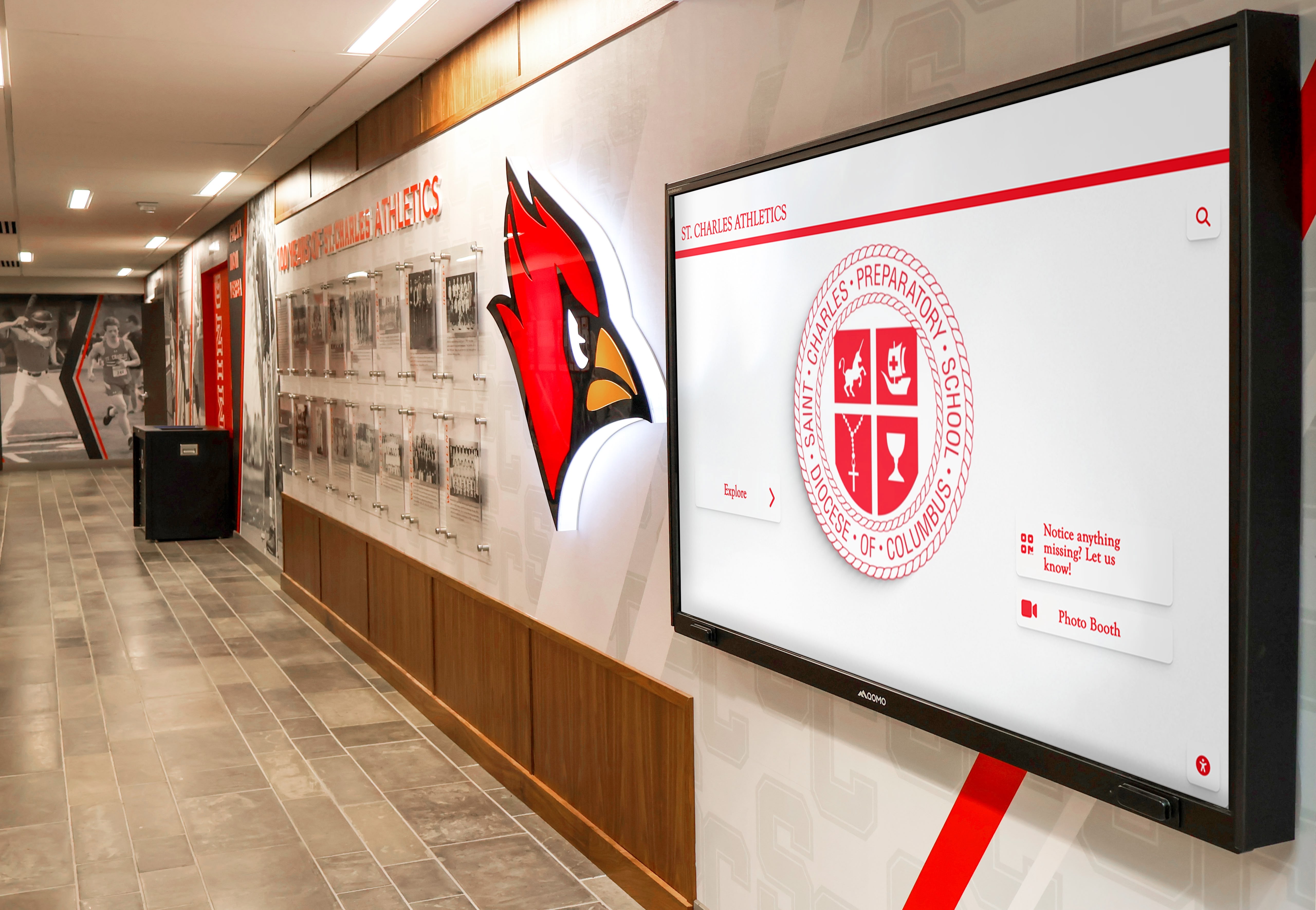
Modern athletic programs integrate music strategy with visual recognition creating comprehensive sensory experiences that build tradition and energize competition
Game Day Music Strategy: Maximizing Home Court Advantage
Strategic music deployment throughout game day creates psychological advantages while energizing home crowds and athletes.
Pre-Game Arrival and Warm-Up (2 Hours Before Game)
Objective: Gradually elevate energy from normal state to competitive mindset.
Strategy: Begin with moderate-tempo tracks (100-120 BPM) as athletes arrive and begin stretching. Include familiar favorites that create comfort and routine. This phase establishes psychological preparation without premature energy peaks.
Sample tracks: “Don’t Stop Believin’” (Journey), “Roar” (Katy Perry), “Hall of Fame” (The Script)
Active Warm-Up Phase (60-30 Minutes Before Game)
Objective: Elevate heart rate, increase intensity, sharpen focus.
Strategy: Increase tempo to 120-140 BPM with more aggressive energy. This phase should push athletes toward optimal arousal levels without exceeding into anxiety or over-stimulation.
Sample tracks: “Lose Yourself” (Eminem), “Remember the Name” (Fort Minor), “Thunderstruck” (AC/DC)
Final Preparation and Team Talk (30-10 Minutes Before Game)
Objective: Peak psychological readiness and team unity.
Strategy: Maximum intensity tracks (140+ BPM) with aggressive energy and confidence-building themes. This music plays during final drills, team huddles, and preparation before taking the court/field.
Sample tracks: “Till I Collapse” (Eminem), “Enter Sandman” (Metallica), “Power” (Kanye West)
Team Entrance and Introductions
Objective: Maximum energy, crowd engagement, psychological intimidation.
Strategy: Use signature entrance music consistently across season creating Pavlovian response in athletes, opponents, and crowds. This track should be instantly recognizable and synonymous with your program.
Sample tracks: “Sirius” (Alan Parsons Project), “Thunderstruck” (AC/DC), “Welcome to the Jungle” (Guns N’ Roses)
In-Game Strategic Deployment
Objective: Maintain energy, respond to game flow, engage crowds during breaks.
Strategy: Read game situations—use aggressive tracks during defensive stands or when building momentum, celebratory music after scoring, and crowd-engagement songs during timeouts. Avoid music during critical moments when communication is essential.
Sample tracks: Situational selection based on momentum and context
Post-Game Celebration
Objective: Celebrate victory, maintain positive energy, create joyful memories.
Strategy: Victorious, celebratory music rather than aggressive competition tracks. This music should feel rewarding and create positive associations with winning.
Sample tracks: “We Are the Champions” (Queen), “All I Do Is Win” (DJ Khaled), “Celebration” (Kool & The Gang)
Comprehensive athletic programs document game day traditions through digital storytelling preserving music, rituals, and atmosphere as part of program history.
Technical Considerations: Sound Systems and Music Management
Effective music deployment requires appropriate technical infrastructure and management systems.
Sound System Requirements
Coverage and Clarity: Ensure even sound distribution throughout athletic venues. Dead spots where athletes can’t hear music diminish psychological impact. Professional athletic sound design prioritizes clarity over pure volume—intelligible music at moderate volume outperforms distorted music at excessive levels.
Source Flexibility: Systems should accommodate multiple input sources—streaming services, local file playback, wireless device connection, and microphone integration for announcements over music.
Zone Control: Advanced systems enable different audio in various facility areas—locker rooms, training areas, competition venues, and spectator sections can each play appropriate content for their specific purposes.
Wireless Management: Bluetooth and WiFi connectivity enable easy playlist management without hard-wired connections, though professional installations should maintain wired backup options preventing connectivity failures during critical moments.
Music Licensing and Compliance
Public Performance Rights: Schools playing recorded music publicly require licensing through organizations like ASCAP, BMI, or SESAC. Most educational institutions maintain blanket licenses covering athletic events, but athletic directors should verify compliance with their administration.
Streaming Service Limitations: Consumer streaming services (Spotify, Apple Music) technically prohibit public commercial use. Educational uses often fall into gray areas, but professional athletic programs may require commercial licensing or specific institutional agreements.
Content Appropriateness: Establish clear policies regarding lyrical content, particularly for events with young children present. Many schools require clean/radio edit versions of all athletic music regardless of athlete age.
Playlist Management Systems
Digital Organization: Maintain organized libraries categorizing music by tempo, energy level, sport specificity, and occasion. Tag systems enable quick selection matching game situations.
Collaborative Input: Involve athletes in music selection through voting systems or playlist submission processes. Athlete buy-in increases psychological impact as players feel ownership over their preparation environment.
Seasonal Updates: Refresh playlists quarterly, retiring overplayed tracks and incorporating new releases. Monitor current music trends among student-athletes to maintain relevance.
Backup Systems: Always maintain offline backup playlists preventing technology failures from eliminating music during critical events. Downloaded files or physical media provide failsafe options when streaming or WiFi fails.
Modern athletic facilities integrate music systems with digital recognition displays creating synchronized audio-visual environments that maximize game day impact.
Building Program Identity Through Music
Strategic, consistent music usage becomes part of program identity and tradition that distinguishes your athletic culture.
Signature Songs and Traditions
Establish 2-3 signature tracks that become synonymous with your program:
Entrance Theme: One consistent song for team entrances throughout season creates instant recognition and Pavlovian energy response. When players, opponents, and crowds hear this track, they immediately know what it signals.
Victory Song: A specific celebration track played exclusively after victories creates powerful positive associations. Players begin associating this music with winning feelings, creating motivation to experience that emotional state again.
Senior Night Theme: A meaningful track used annually for senior celebrations becomes tradition connecting graduating classes across decades.
Cross-Sport Consistency and Variation
Balance program-wide musical identity with sport-specific customization:
Universal Core: 10-15 tracks used across all sports create unified athletic department identity and allow multi-sport athletes to hear familiar preparation music regardless of season.
Sport Customization: Each program maintains 20-30 sport-specific tracks reflecting their culture, playing style, and athlete preferences. Football might emphasize aggressive rock and hip-hop while volleyball incorporates more pop and electronic music.
Athlete Involvement: Allow team captains or leadership councils to contribute to playlist development, ensuring music reflects current roster while maintaining program standards and appropriateness.
Documentation and Tradition Preservation
Just as programs preserve athletic achievements, music traditions deserve documentation:
Playlist Archives: Maintain records of signature songs by season, creating historical documentation of program musical evolution.
Digital Integration: Modern athletic recognition systems can incorporate audio elements, allowing future students and alumni to experience not just visual history but the sounds that energized championship teams and defined eras.
Alumni Connection: Former athletes often remember their pump up songs for decades. Reunions and alumni events incorporating era-specific music create powerful nostalgic connections maintaining engagement with programs.
Conclusion: The Strategic Power of Pump Up Music in Athletics
Music represents far more than background entertainment in competitive athletics—strategic selection and deployment create measurable psychological advantages, strengthen team culture, energize competitive environments, and build lasting traditions that define program identity across generations. Athletic directors and coaches who invest thoughtful effort into music programming create competitive edges while establishing memorable game day atmospheres that athletes, families, and communities remember long after final whistles blow.
The 50 pump up songs featured throughout this guide provide proven starting points for building dynamic playlists, but truly effective music programming requires ongoing attention to team preferences, cultural evolution, and strategic deployment matching specific competitive situations and program goals. When schools combine powerful music with comprehensive recognition systems celebrating achievements those songs help create, they build complete athletic cultures where tradition, energy, and excellence reinforce each other.
Implementation Strategy: Begin with 15-20 core tracks from this list matching your program’s culture and sport requirements. Test these during practices, gathering athlete feedback about what genuinely energizes them versus what feels forced or outdated. Build complete playlists incorporating these favorites alongside sport-specific selections and emerging tracks your athletes request. Establish 2-3 signature songs for critical moments—entrances, victories, traditions—that become program identity. Finally, document your music traditions as intentionally as you preserve championship banners and record books, recognizing that the sounds energizing your program deserve celebration alongside visible achievements.
The Complete Game Day Experience: Music achieves maximum impact when integrated with comprehensive athletic environments. Strategic sound design combining pump up playlists with professional announcements, crowd-engagement moments, and synchronized visual elements creates immersive experiences that energize athletes while engaging communities. Schools implementing both audio excellence and visual celebration through modern recognition technology create competitive advantages while building program cultures that attract talent, inspire excellence, and create memories lasting far beyond individual seasons.
Ready to create game day atmospheres that combine energizing music with professional recognition displays celebrating your athletic achievements? Discover how Rocket Alumni Solutions helps athletic programs build comprehensive environments integrating sound, vision, and tradition into unified experiences that energize competition while honoring excellence.