Eighth grade graduation marks a significant transition in students’ lives—the completion of middle school and preparation for high school. While perhaps less formal than high school graduation, this milestone deserves meaningful recognition that celebrates students’ growth, acknowledges their accomplishments, and prepares them for the challenges ahead. Yet many schools struggle to create 8th grade celebrations that feel significant without simply imitating high school ceremonies or defaulting to perfunctory acknowledgments that fail to capture the importance of this developmental moment.
Middle school represents a crucial period when students develop academic habits, establish social identities, navigate complex peer relationships, and begin forming the self-awareness that shapes their high school experience. Eighth grade graduation provides opportunity to honor this journey while creating positive momentum carrying students confidently into their next chapter. The challenge lies in designing celebrations that feel special and age-appropriate while remaining logistically manageable for schools coordinating multiple grade-level events throughout busy spring schedules.
This comprehensive guide explores creative 8th grade graduation ideas spanning ceremonies, recognition programs, awards, celebration activities, and permanent displays that help schools honor middle school completion meaningfully. Whether your school hosts traditional graduation ceremonies or seeks alternative celebration approaches, these strategies ensure eighth graders receive appropriate recognition for this important milestone.

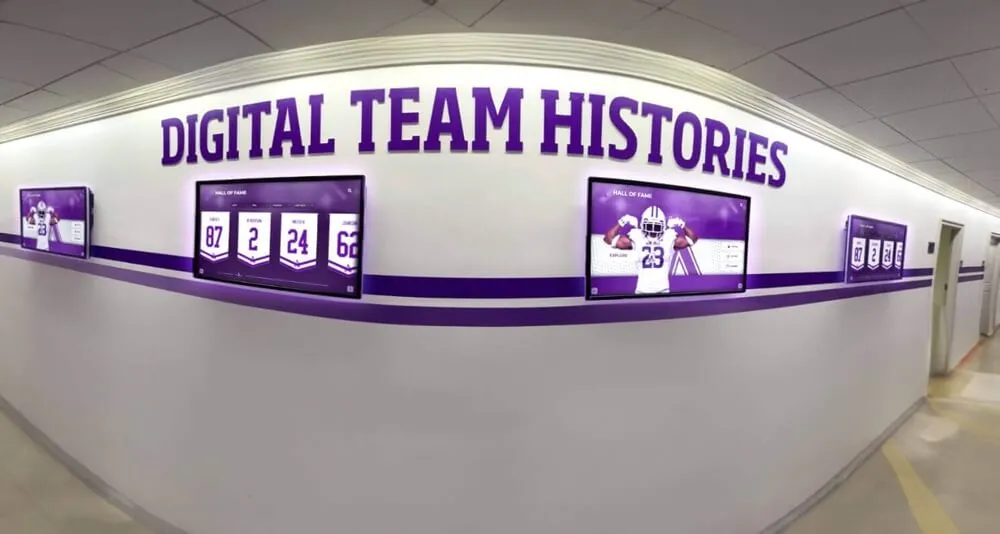
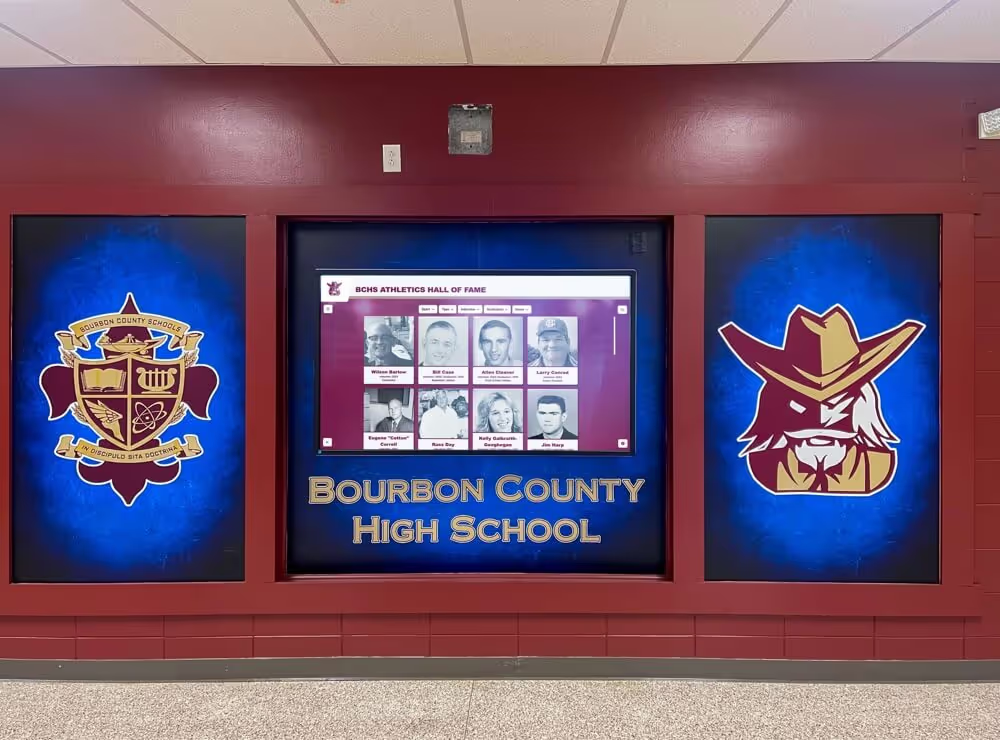
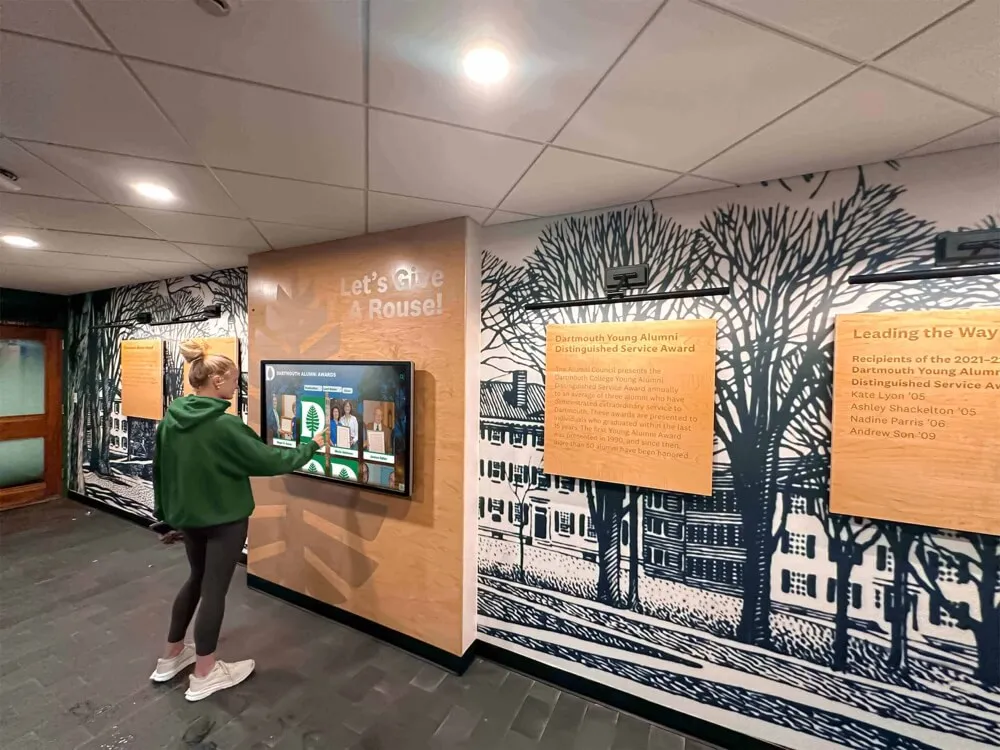
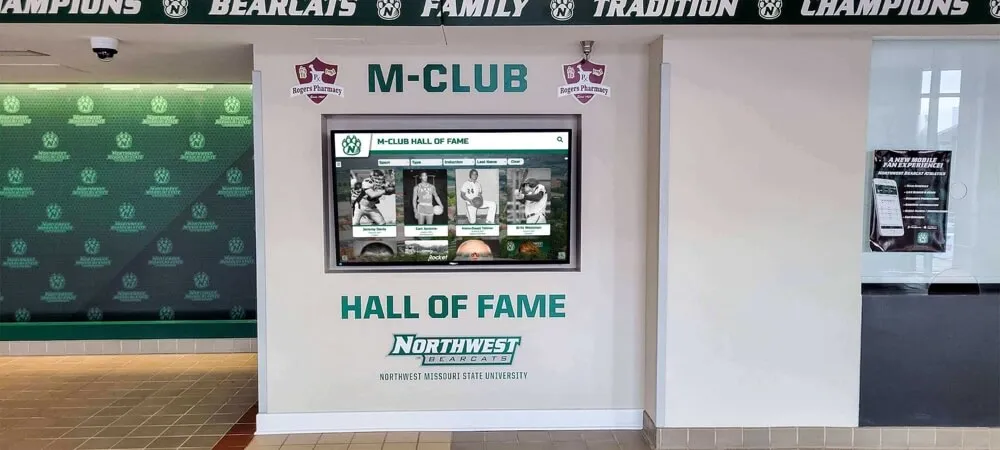
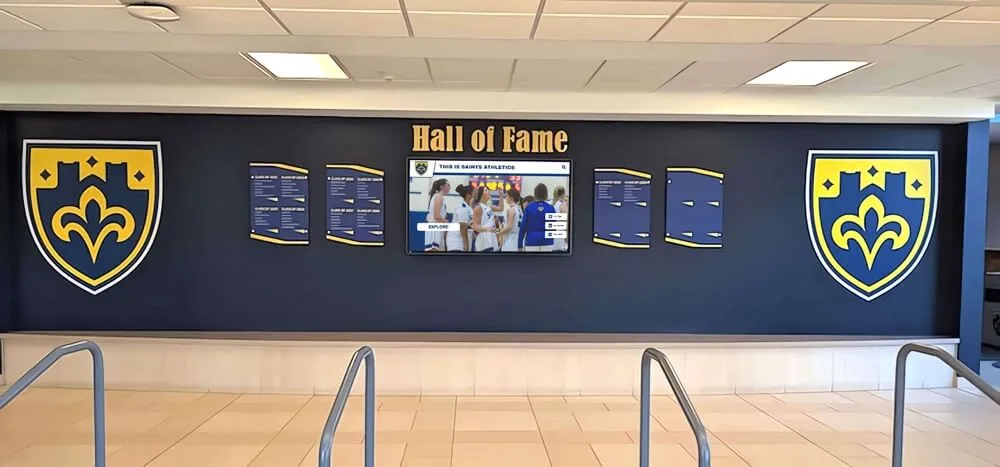
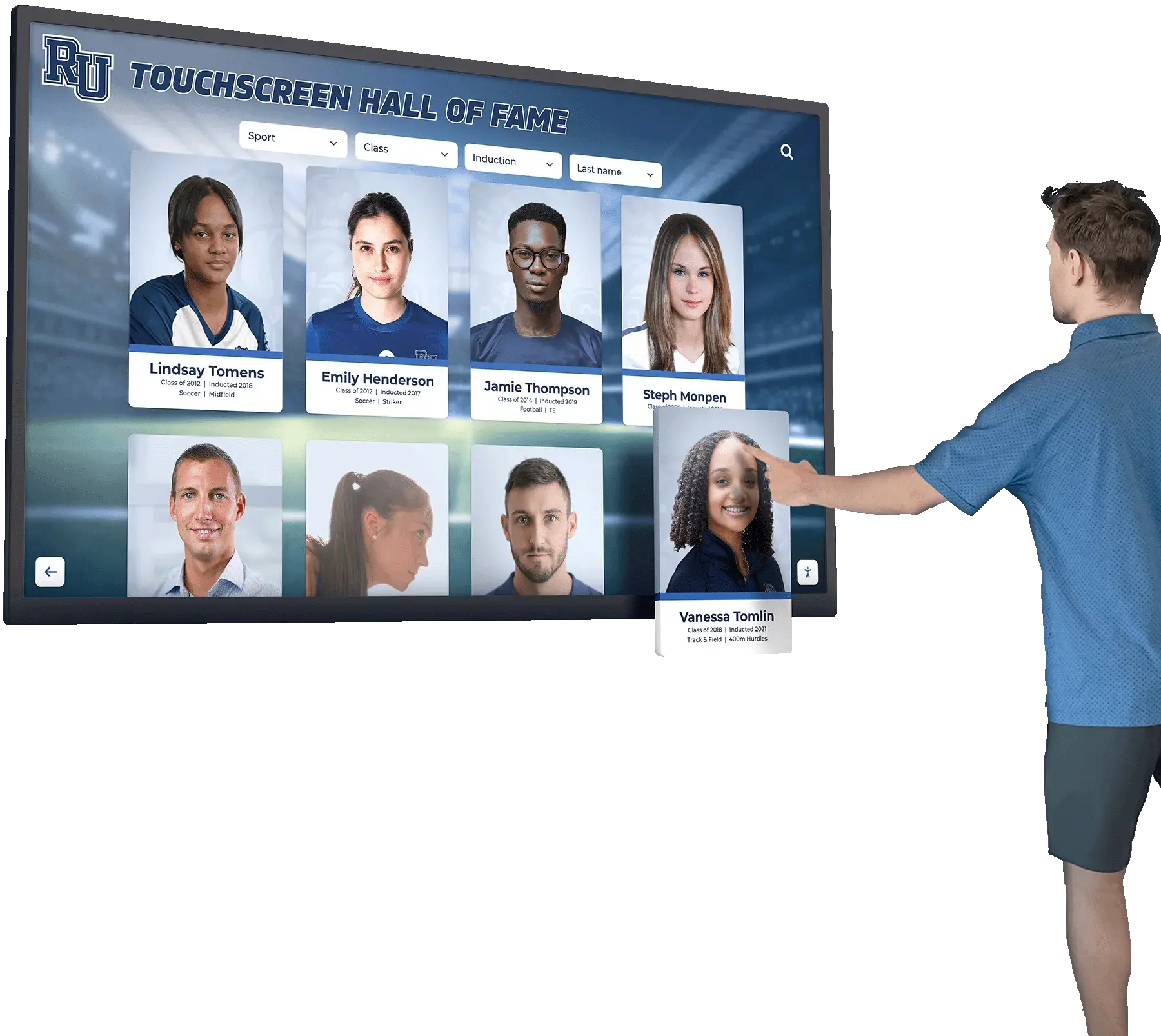
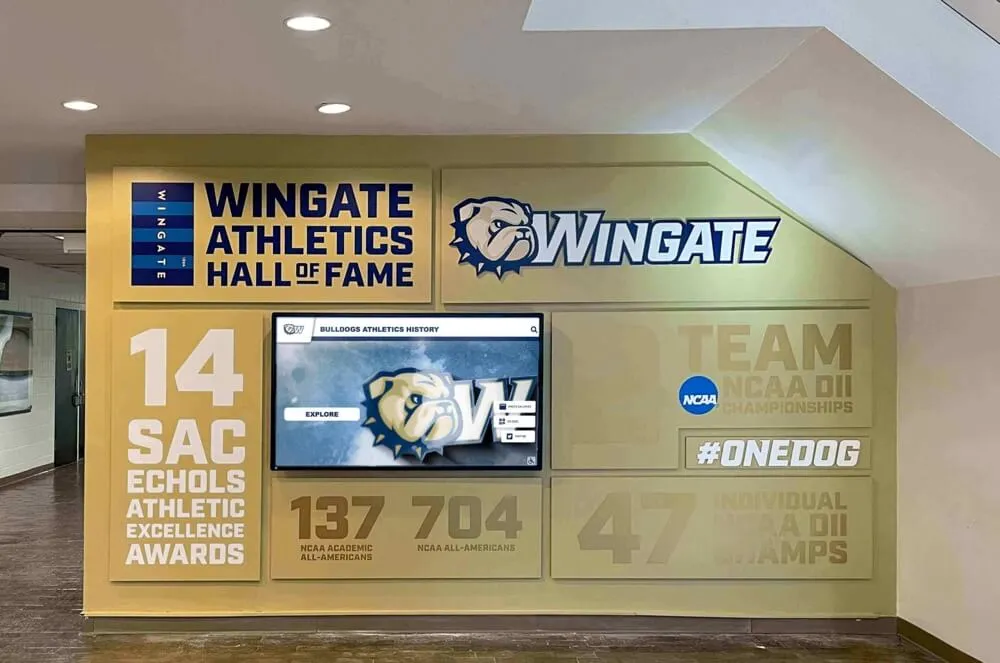
Modern recognition displays preserve graduating class achievements and memories, creating lasting celebration of middle school milestones
Understanding the Significance of 8th Grade Graduation
Before exploring specific celebration ideas, understanding what makes middle school completion significant helps schools design recognition approaches that resonate with students, families, and educators.
The Developmental Importance of Middle School Transition
Eighth grade represents the culmination of early adolescence and preparation for teenage years ahead. Students completing middle school have:
Navigated Critical Developmental Years
Middle school coincides with puberty, identity formation, and dramatic cognitive development. Students entering 6th grade differ vastly from those graduating 8th grade in terms of emotional maturity, abstract thinking ability, social awareness, and self-understanding. Recognizing this growth validates the challenging developmental work students accomplished alongside academic progress.
Established Academic Foundations
Middle school introduces students to departmentalized learning, increased academic rigor, and study skills essential for high school success. Eighth graders completing this transition have developed organizational systems, time management approaches, and learning strategies they’ll rely on throughout high school. These academic foundations deserve acknowledgment as students prepare for even greater independence.
Formed Peer Relationships and Social Identity
The social relationships and identities students develop during middle school significantly influence their high school experience. Graduating 8th graders have navigated friendship changes, discovered peer groups, and developed social skills that will serve them throughout adolescence. Recognition of this social-emotional growth honors the complete student experience beyond just academics.
Begun Exploring Interests and Talents
Middle school provides opportunities for students to discover academic interests, explore extracurricular activities, develop talents, and identify potential future pathways. Eighth grade graduation offers moment to acknowledge these emerging passions while encouraging continued exploration in high school.
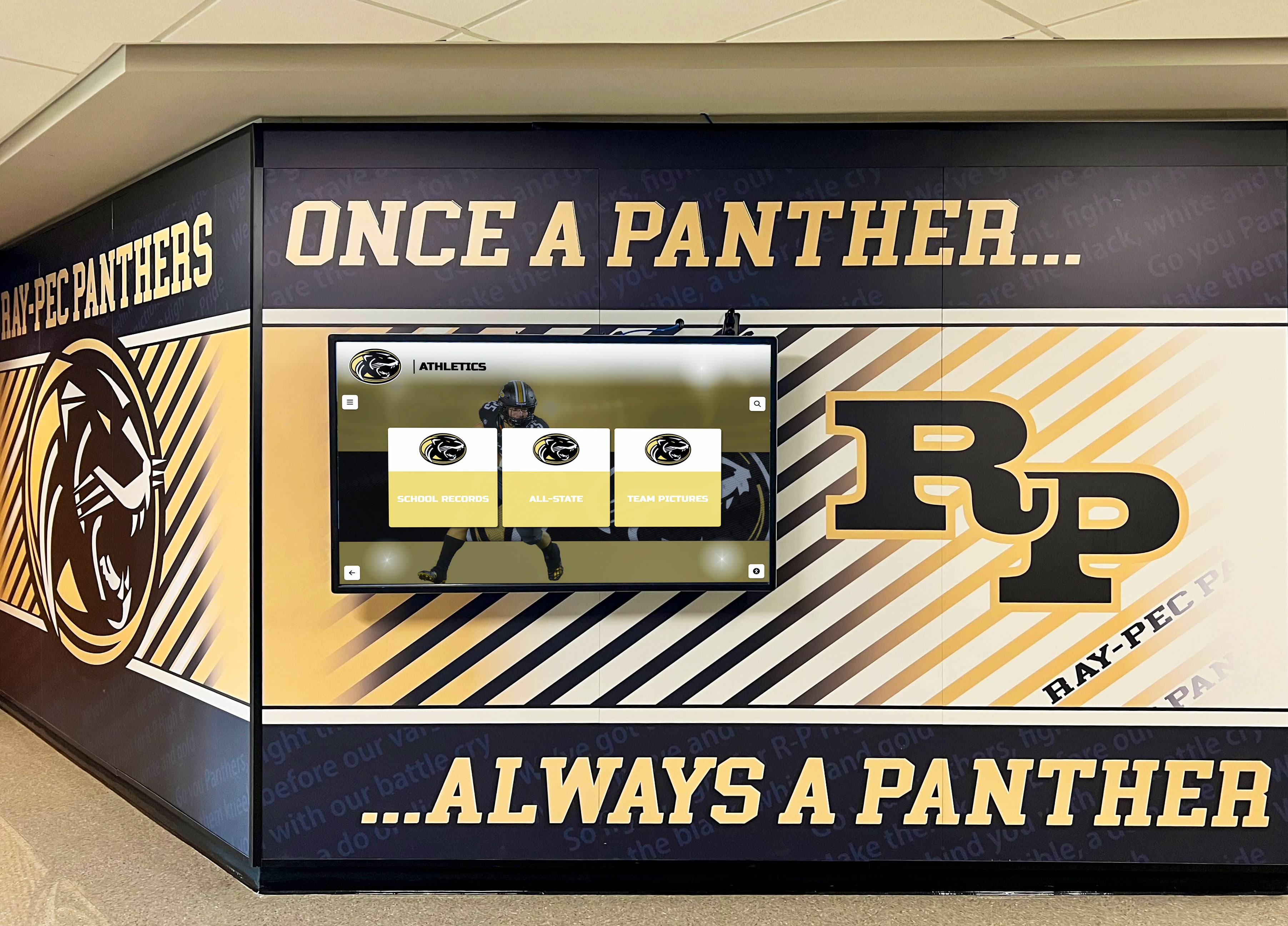
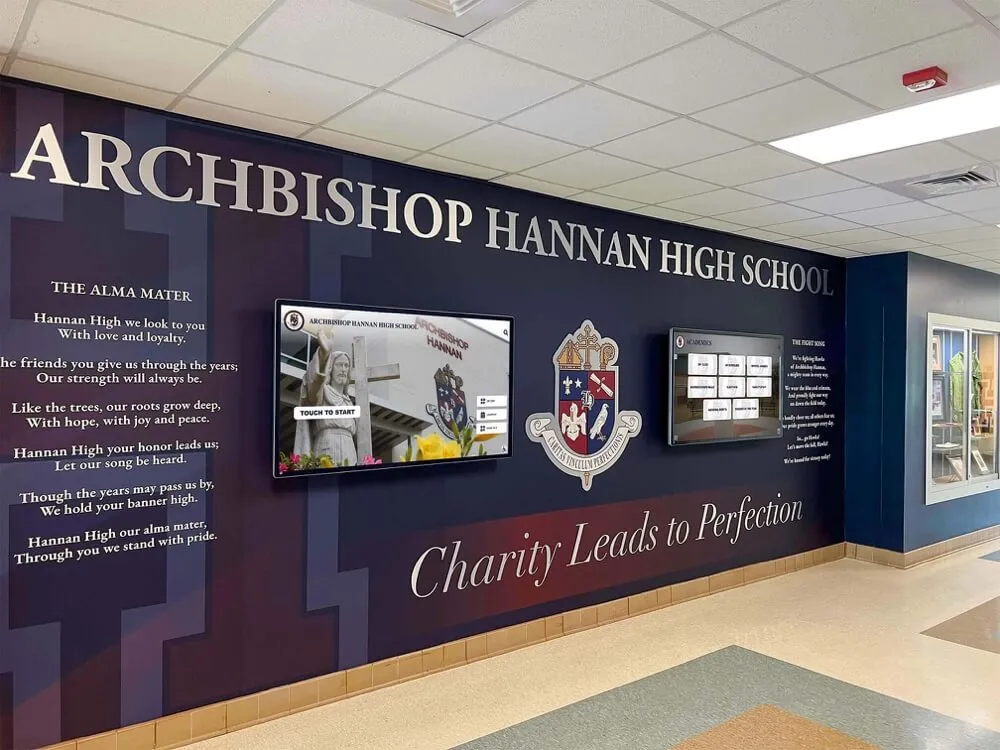
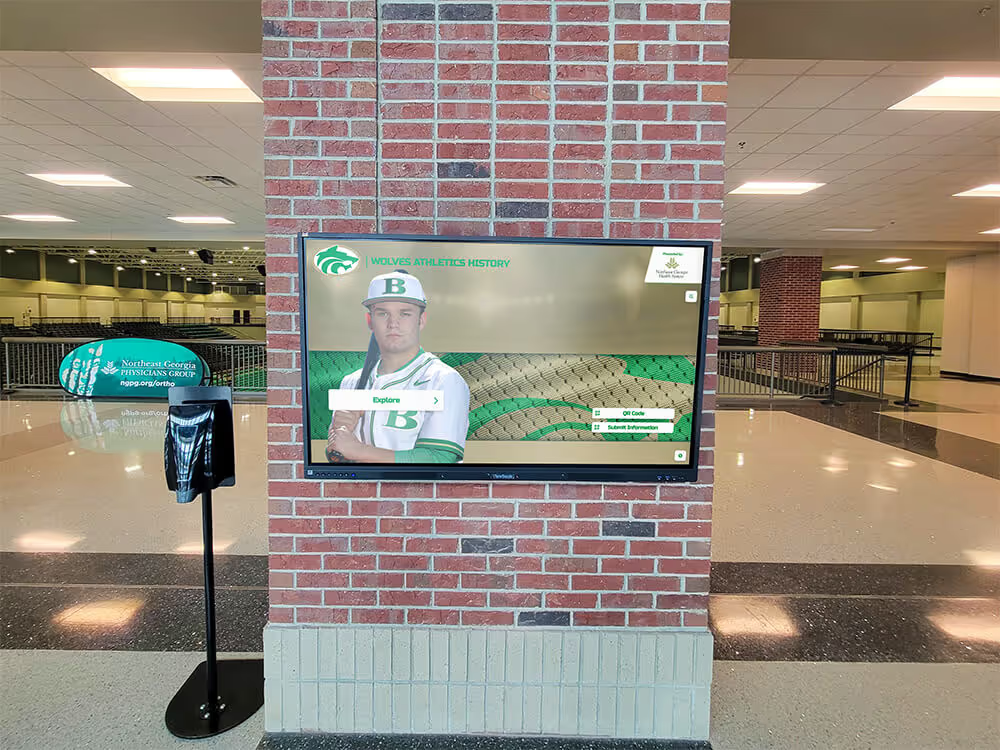
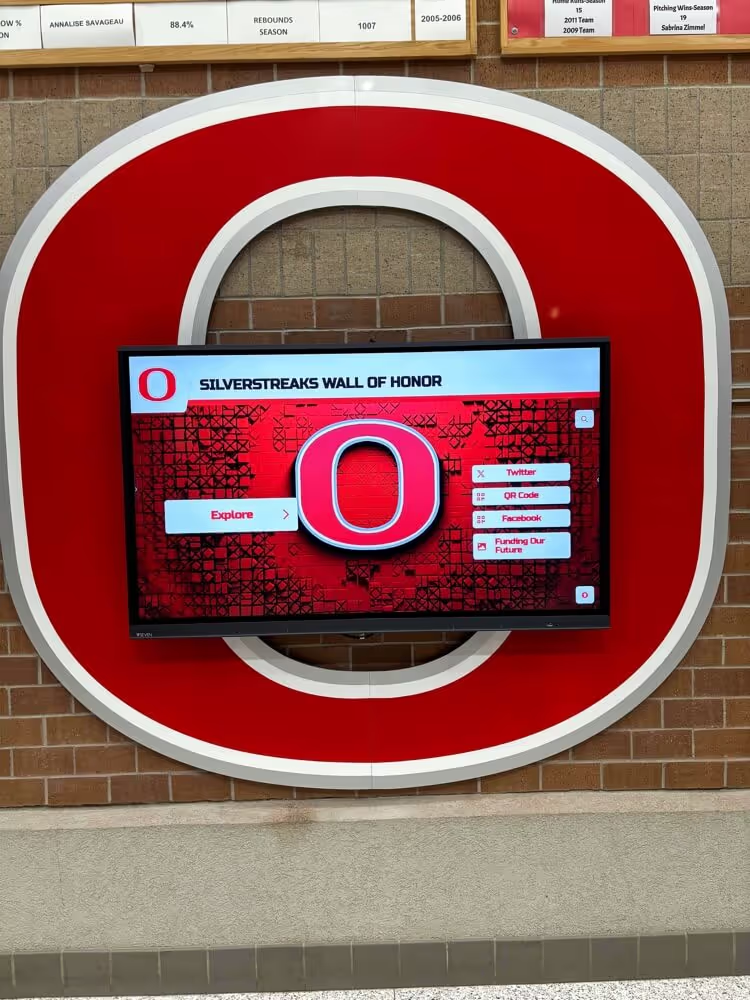
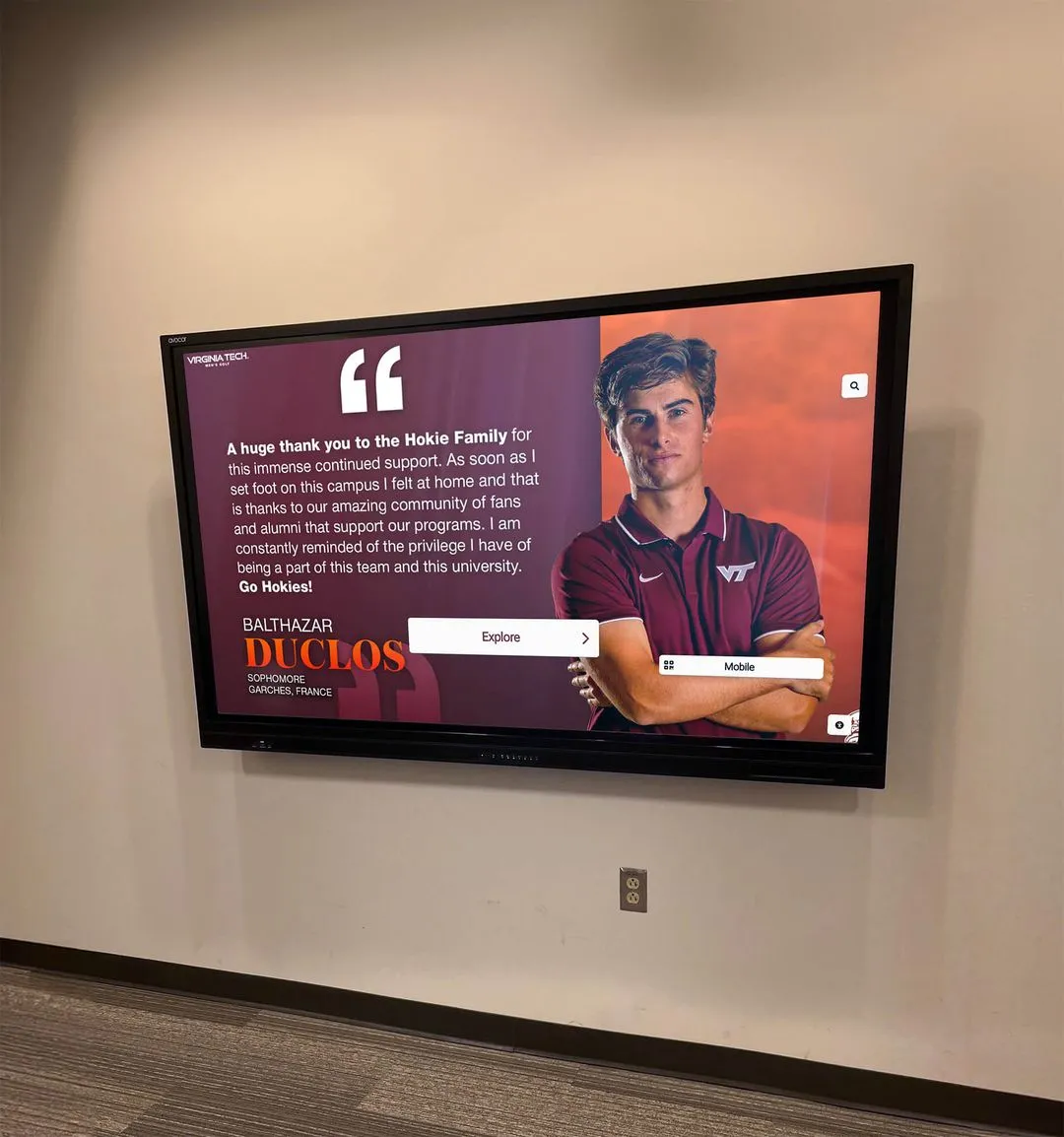
Strategic hallway displays create daily visibility for graduating student achievements throughout their final middle school year
Why Eighth Grade Recognition Matters
Some educators question whether middle school completion warrants formal recognition, suggesting that graduation should be reserved for high school. However, research and educational practice demonstrate compelling reasons for celebrating this milestone:
Creates Positive Closure
Formal recognition provides psychological closure on middle school experience, allowing students to mentally transition to high school with clear sense of accomplishment and readiness rather than uncertain transition.
Motivates Continued Achievement
Recognition of middle school success creates positive momentum encouraging students to maintain effort and achievement as they enter high school’s increased academic demands.
Engages Families in Educational Journey
Eighth grade ceremonies provide opportunities for families to celebrate their children’s growth, reinforcing family investment in education during critical transition years when some students begin disengaging academically.
Establishes Recognition Culture
Schools implementing comprehensive academic recognition programs that celebrate milestones at multiple levels create cultures where achievement receives consistent acknowledgment, motivating excellence across all grade levels.
Honors Student Effort and Growth
Some students face significant challenges earning 8th grade completion due to learning differences, personal circumstances, or academic struggles. Recognition honors their perseverance and validates that completing middle school represents genuine accomplishment deserving celebration.
Ceremony Formats and Structures
Schools have multiple options for structuring 8th grade graduation ceremonies ranging from traditional formal events to creative alternative approaches.
Traditional Graduation Ceremony
Many schools host formal 8th grade graduation ceremonies resembling scaled versions of high school graduations:
Ceremony Components
- Processional entry with graduates in caps and gowns
- Welcome remarks from principal or superintendent
- Student speeches from class officers or selected representatives
- Recognition of special achievements and awards
- Individual diploma or certificate presentation with handshake
- Turning of tassel or other symbolic gesture
- Recessional exit as graduates
Advantages
Traditional ceremonies provide gravitas and formality that communicate importance, create memorable moments through ritual and ceremony, allow individual recognition as each student crosses stage, and engage families through familiar graduation traditions they recognize and appreciate.
Implementation Considerations
Full ceremonies require significant time commitment (typically 90-120 minutes for average graduating classes), demand venue space accommodating all students and families, need careful planning for processional choreography and stage management, and may feel excessively formal for some school cultures or communities.
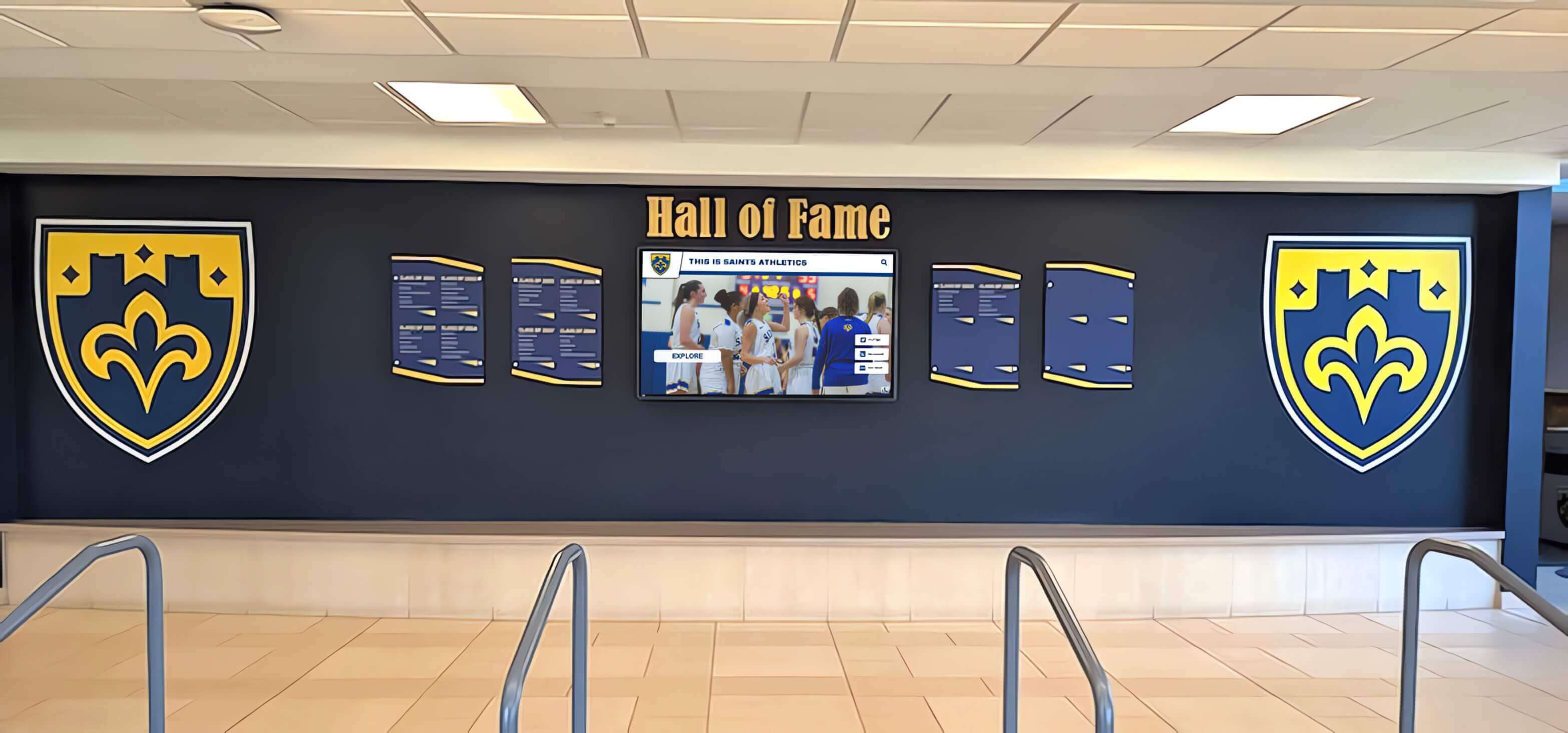
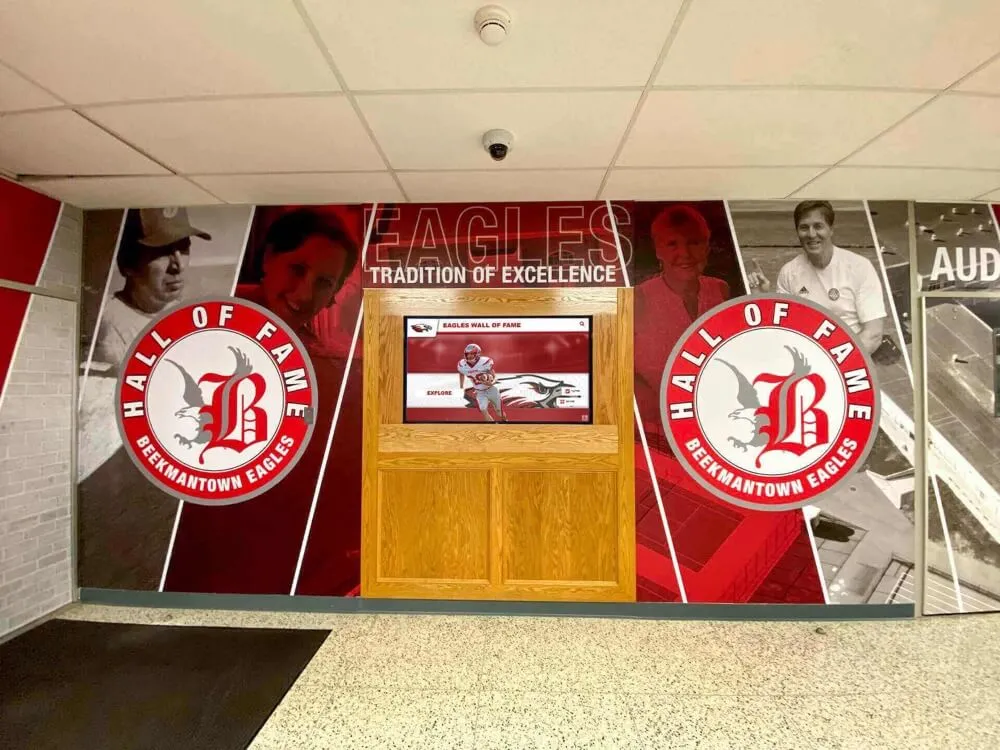
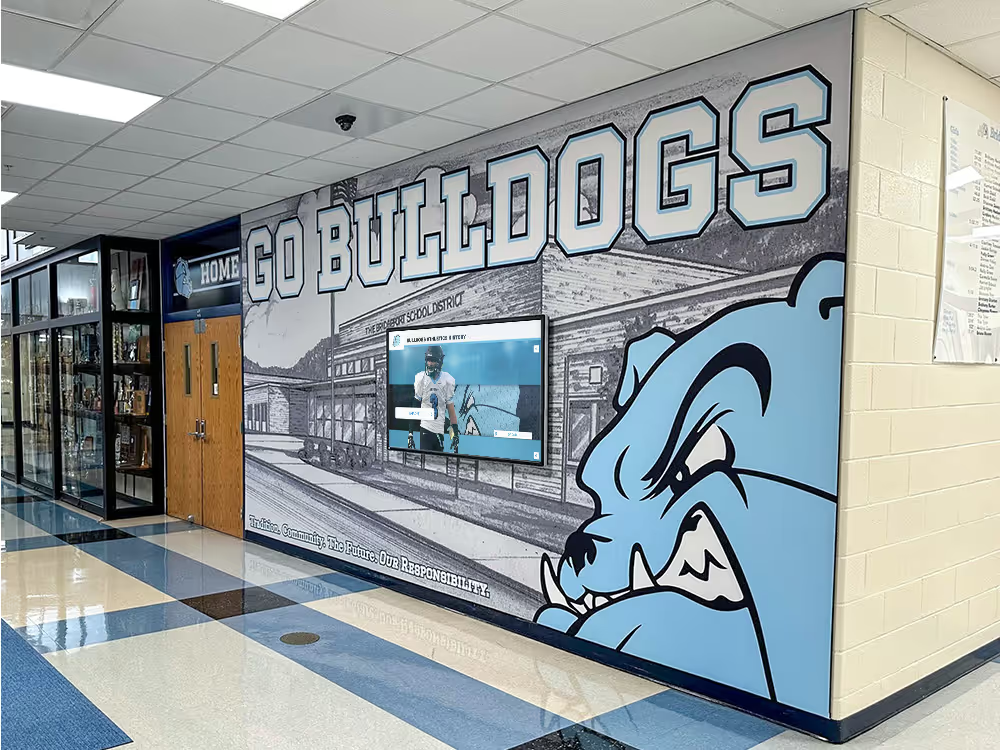
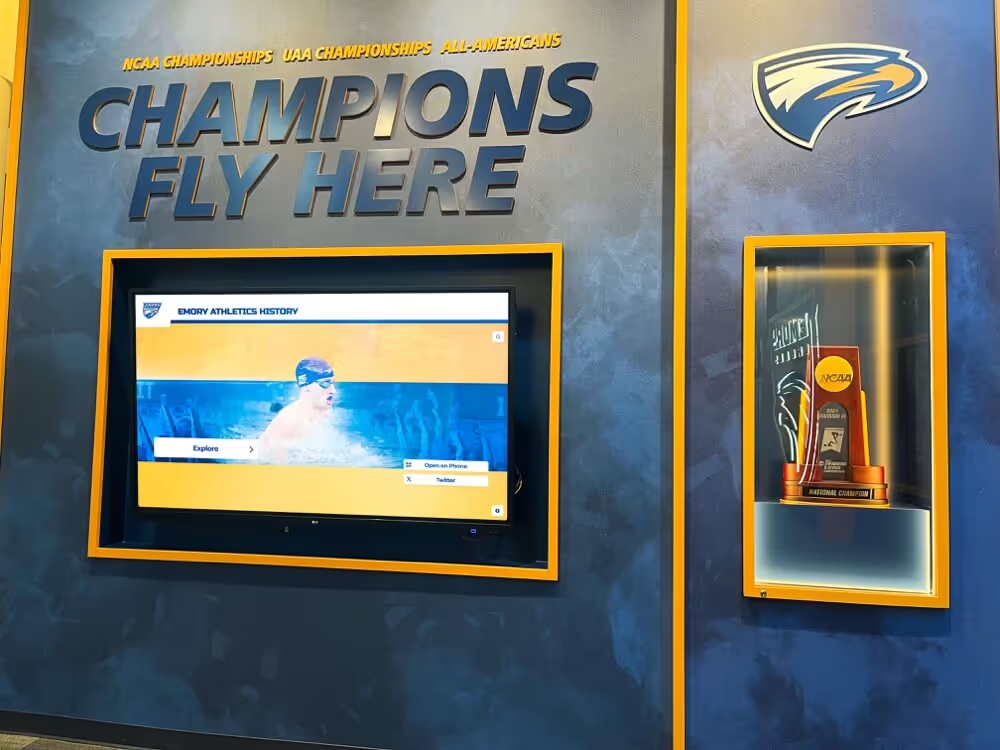
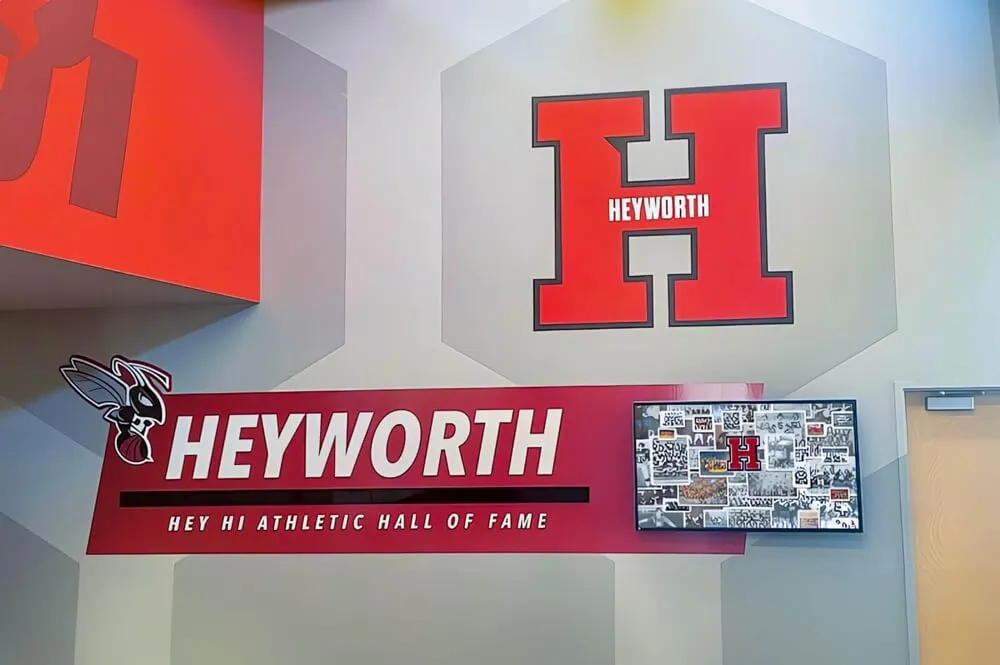
School entrance recognition displays combine traditional elements with modern digital screens, honoring graduating classes alongside broader school history
Alternative Ceremony Approaches
Schools seeking different approaches can adapt ceremony structures while maintaining meaningful recognition:
Class Assembly Celebration
Host graduation recognition within special end-of-year assembly format featuring congratulatory messages from administrators and teachers, video retrospective of 8th grade year highlights, collective recognition of graduating class, distribution of certificates or diplomas during separate classroom moments, and celebration activities following formal recognition.
This streamlined approach maintains ceremonial elements while reducing time commitment and logistical complexity compared to full traditional ceremonies.
Outdoor Graduation Celebration
Weather permitting, outdoor ceremonies create distinctive experiences including picnic or festival atmosphere with seating on school grounds, streamlined ceremony followed by celebration activities, photo opportunities throughout campus, and casual environment reducing formality while maintaining significance.
Outdoor settings work particularly well for smaller graduating classes or schools with attractive campus spaces supporting outdoor gatherings.
Virtual or Hybrid Ceremony Elements
Incorporating technology expands access and creates keepsake content including live streaming ceremony for extended family unable to attend, pre-recorded video presentations eliminating live speech nervousness, digital programs accessible via QR codes, and professional recording creating permanent ceremony documentation.
Virtual elements became essential during pandemic years but continue offering benefits even when full in-person gatherings are possible.
Multiple Small Ceremonies
Rather than single large ceremony, some schools host multiple smaller celebrations providing more intimate experiences, reducing venue capacity requirements, allowing more personalized recognition for each student, and creating manageable event sizes for schools with very large graduating classes.
This approach trades efficiency for enhanced personalization and manageability.
Creative Recognition and Award Ideas
Beyond ceremony itself, specific recognition elements honor students’ middle school accomplishments while creating memorable moments.
Academic Achievement Recognition
Acknowledging academic excellence motivates continued achievement while validating intellectual effort:
Honor Roll and GPA Recognition
Recognize students achieving specific grade point thresholds including highest honors, high honors, and honor roll designations. Consider acknowledging cumulative middle school GPA alongside final year performance, rewarding sustained achievement rather than just 8th grade results.
Subject-Specific Awards
Honor excellence in individual academic areas including mathematics, science, English/language arts, social studies, foreign language, and specialized subjects. These subject awards validate diverse intellectual strengths rather than recognizing only overall academic performance.
Implementation approach: Have department teachers select recipients based on achievement, growth, effort, and intellectual curiosity demonstrated throughout middle school years. Present awards during ceremony or special recognition events.
Most Improved Student
This category honors students demonstrating greatest academic growth regardless of absolute achievement level. Most improved recognition particularly motivates students who struggled earlier in middle school but made significant progress, showing that effort and improvement receive recognition alongside naturally high achievement.
Perfect Attendance
Objective recognition for students maintaining perfect or near-perfect attendance throughout 8th grade or entire middle school experience. While perfect attendance depends somewhat on health and circumstances beyond student control, recognizing it validates commitment and reliability.
Learn more about comprehensive academic recognition approaches that celebrate diverse student achievements effectively.
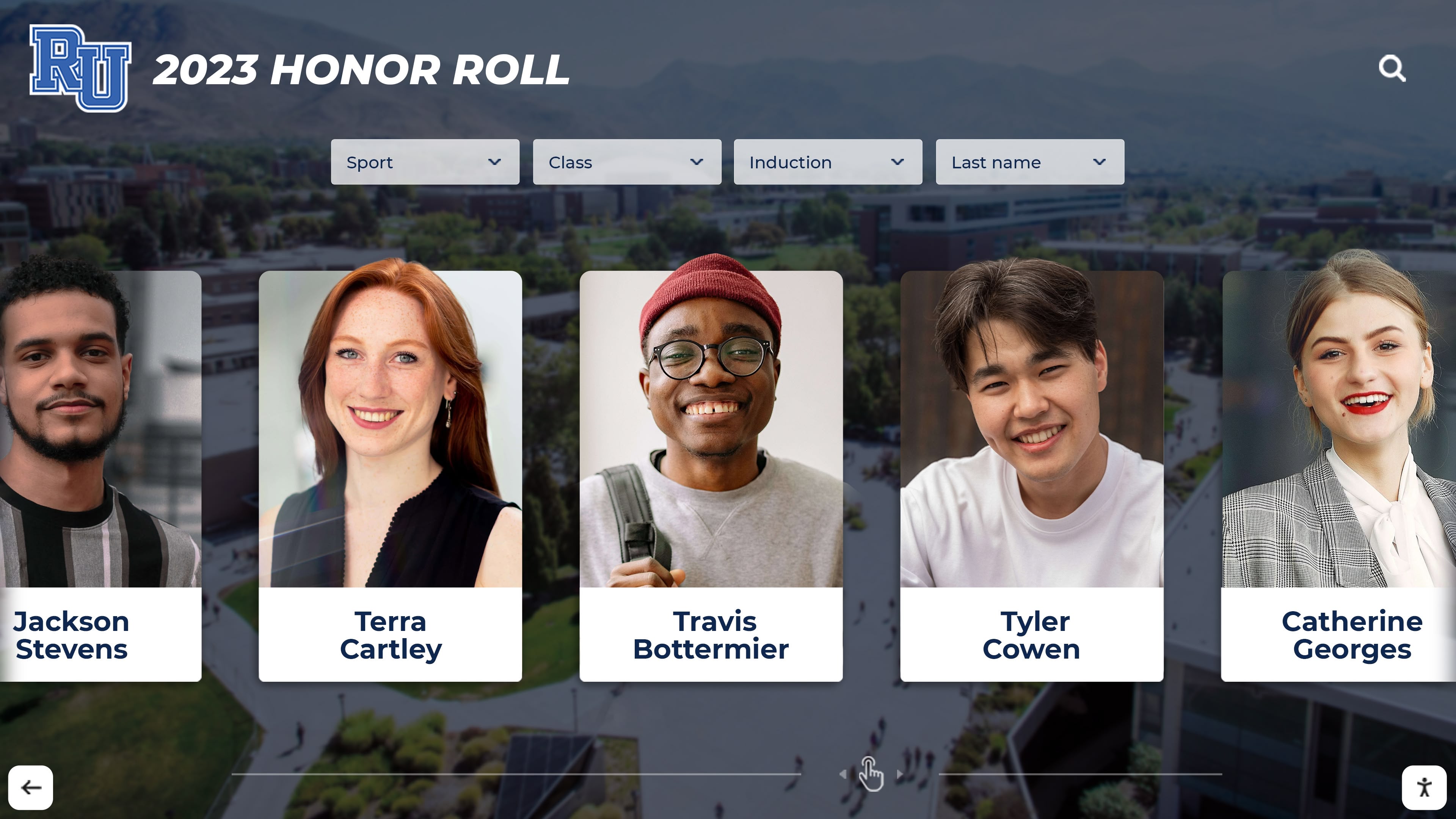
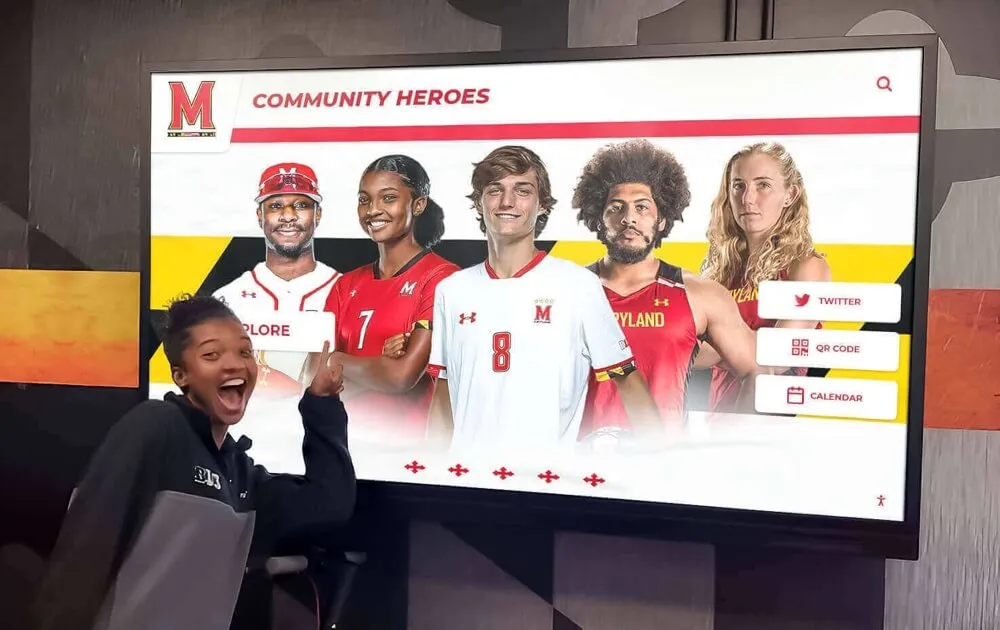
Individual student profile cards on digital displays enable detailed recognition of each graduating student's unique achievements and contributions
Character and Leadership Awards
Character recognition emphasizes qualities equally important as academic achievement:
Leadership Awards
Recognize students who demonstrated leadership through formal positions (student council, class officers) or informal influence (peer mentoring, positive role modeling, community building). Leadership recognition validates that influence and service matter alongside academic performance.
Citizenship and Character Awards
Honor students exemplifying school values through kindness, integrity, respect, responsibility, and positive contribution to school community. These awards acknowledge that who students are matters as much as what they achieve academically.
Spirit and Enthusiasm Awards
Some students bring infectious energy and school spirit. Recognizing enthusiasm validates personality and social contributions that enhance everyone’s middle school experience.
Peer-Nominated Recognition
Consider awards where students nominate classmates for recognition including “Best Classmate,” “Most Helpful,” “Best Sense of Humor,” or “Most Likely to Brighten Your Day.” Peer recognition celebrates social connections and personal qualities classmates most value.
Athletic and Extracurricular Recognition
Comprehensive recognition extends beyond classroom achievements:
Athletic Achievement
Acknowledge excellence in middle school sports programs including team MVPs, all-conference selections, sportsmanship awards, and recognition of students participating across multiple sports seasons. Athletic recognition validates that physical education and team sports represent important middle school experiences.
Arts Recognition
Honor students excelling in band, choir, orchestra, drama, visual arts, or other creative programs. Arts recognition ensures students developing artistic talents receive acknowledgment equal to academic and athletic achievers.
Service and Community Engagement
Recognize students contributing significant community service hours, participating in service projects, or demonstrating commitment to making positive difference beyond school. Service recognition reinforces that helping others represents valuable life practice.
Understanding end-of-year recognition best practices helps middle schools develop award systems that appropriately celebrate 8th grade milestones.
Celebration Activities and Special Events
Beyond formal ceremonies, creative activities create memorable graduation experiences while engaging students in celebration planning.
Pre-Graduation Events
Building celebration across multiple events rather than concentrating everything into single ceremony distributes recognition and creates extended excitement:
Class Trip or Field Trip
End-of-year class trip to amusement park, cultural attraction, or outdoor recreation area creates shared experience and celebrates impending graduation in fun, informal setting. Class trips work particularly well for smaller graduating classes where all students can participate together.
Recognition Assembly
Host special assembly separate from graduation ceremony where awards are presented, student performances showcased, and class memories celebrated without time pressures of formal graduation event. This allows awards to receive proper attention rather than rushed acknowledgment within compressed ceremony schedule.
8th Grade Social Events
Organize social gatherings specifically for graduating 8th graders including class dance or party, game night or tournament, outdoor movie screening, or picnic celebration. These informal events create joyful celebration atmosphere while providing opportunities for students to create final middle school memories together.
Class Legacy Projects
Involve graduating students in creating lasting contributions to school including outdoor beautification projects, painted murals or artwork, time capsules to be opened by future classes, or donations of equipment or improvements benefiting future students. Legacy projects give students concrete way to leave positive mark on school they’re departing.
Ceremony Day Special Touches
Small details enhance graduation day experience:
Professional Photography
Arrange professional photography capturing ceremony moments including individual graduate portraits, family photos, class group photo, and candid ceremony moments. Make photos available digitally for families to download and share.
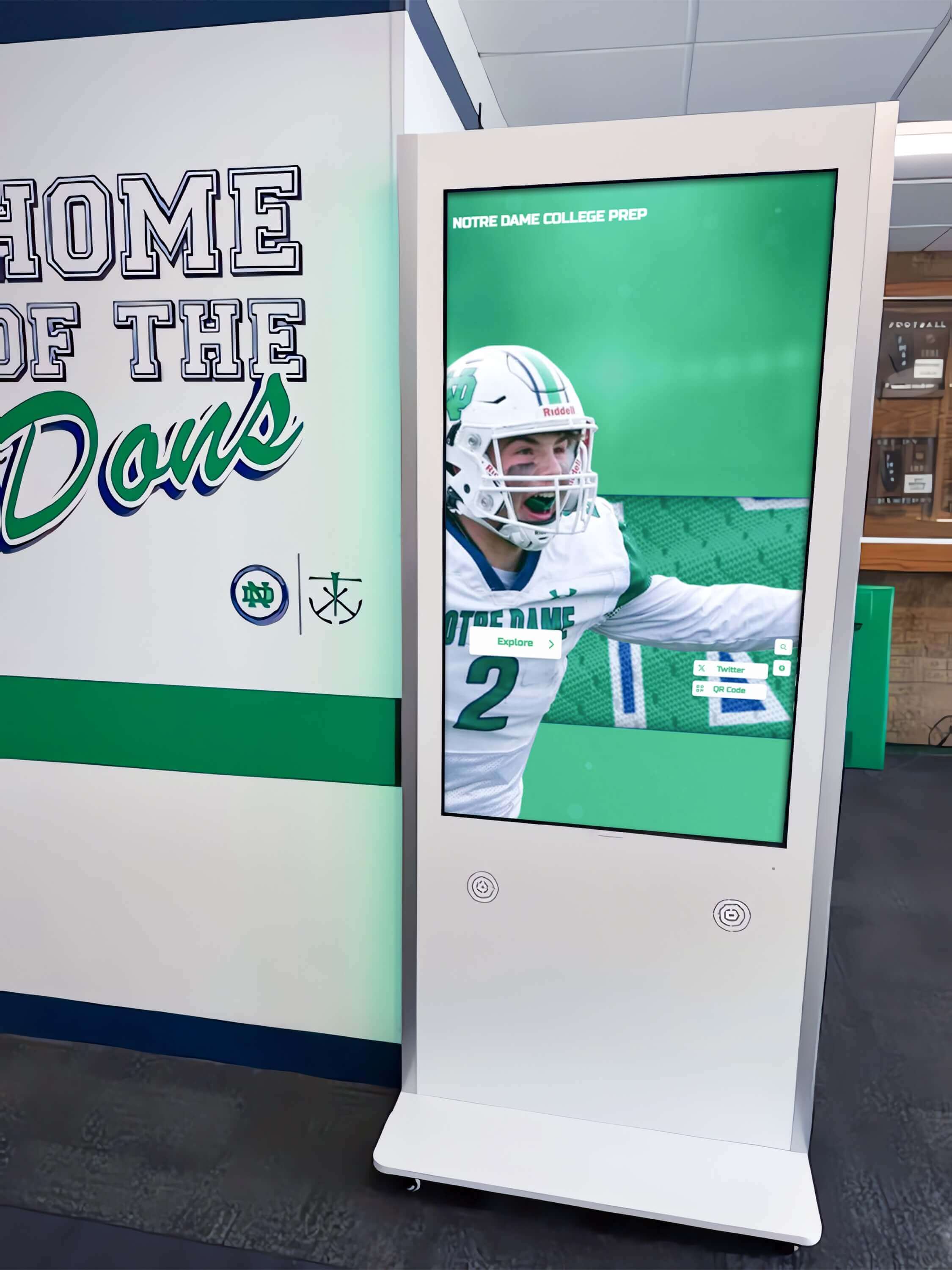
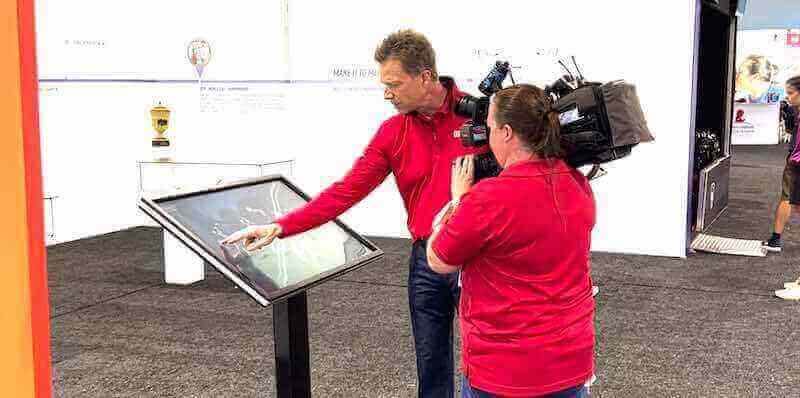
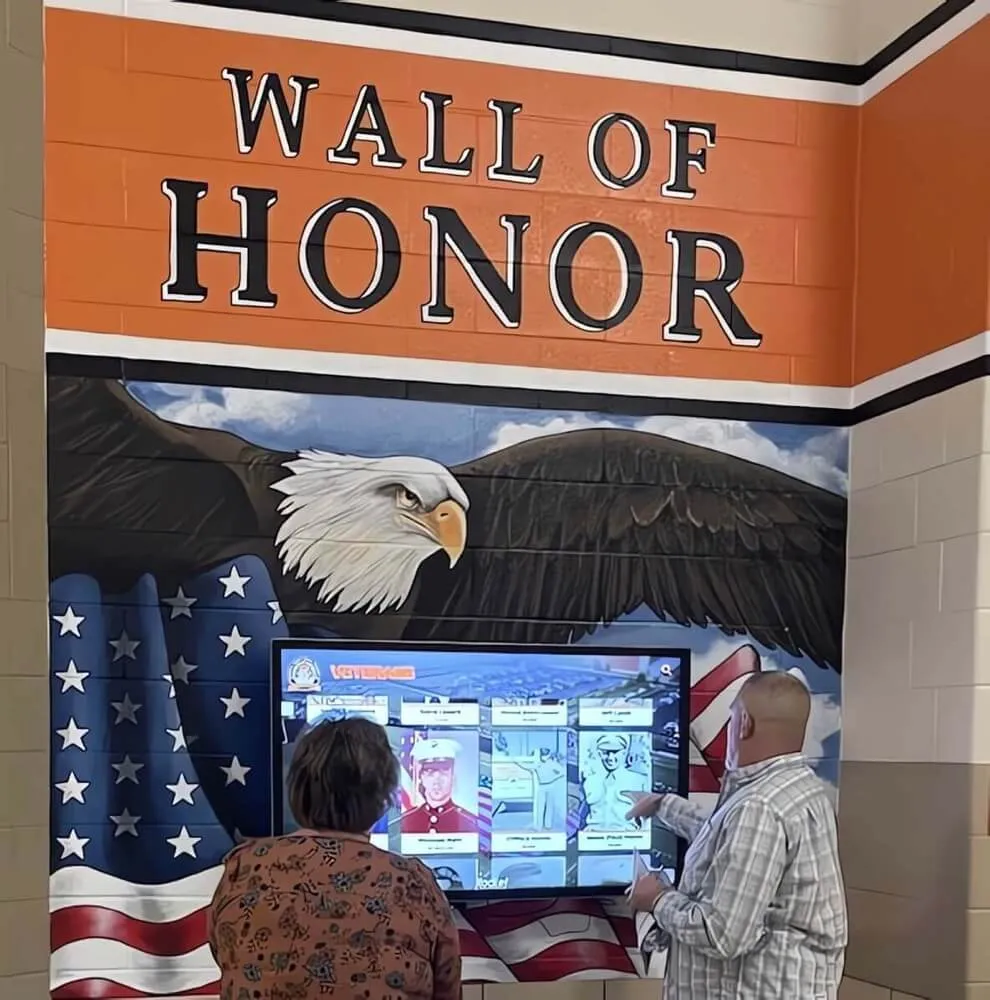
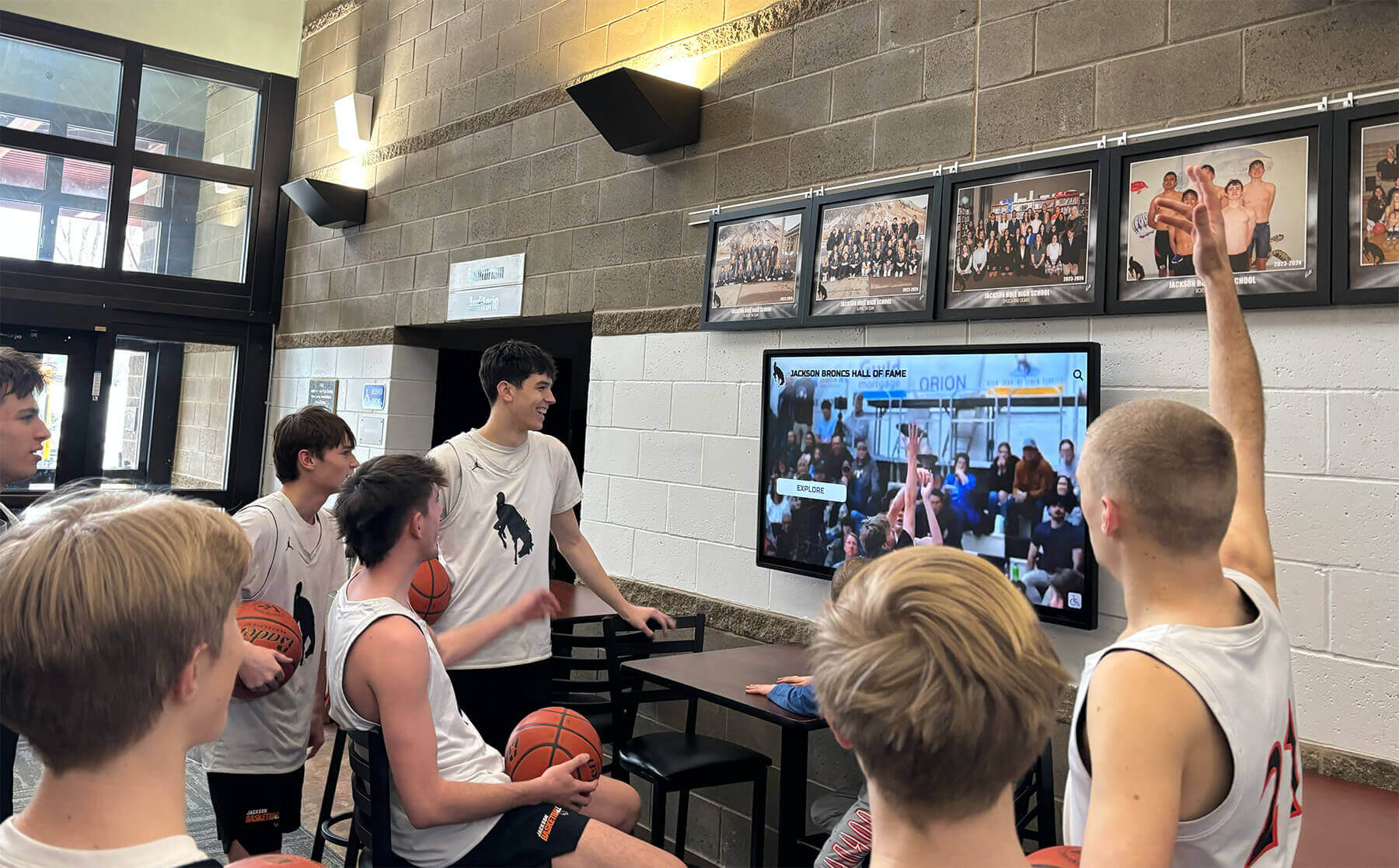
Interactive touchscreen displays enable families and community members to explore graduating student information during and after celebration events
Memory Books or Programs
Create comprehensive graduation programs including all graduate names and photos, staff messages and well-wishes, class statistics and superlatives, advertisements from local businesses (potential fundraising opportunity), and space for autographs and personal messages from classmates.
These memory books become keepsakes families preserve far beyond typical ceremony programs.
Slideshow or Video Presentation
Compile photo and video retrospective spanning students’ middle school years including photos from 6th, 7th, and 8th grade, video messages from teachers, highlights of school events and activities, and music evoking nostalgia and emotion.
Well-produced videos create powerful ceremony moments while providing content parents deeply appreciate.
Student Speeches and Performances
Incorporate student voices through selected speeches from class officers or representative students, musical or dramatic performances by talented graduates, or group presentations reflecting on middle school experience. Student participation makes ceremonies feel like student celebration rather than adults talking about students.
Creating Lasting Recognition Through Digital Displays
While graduation ceremonies create immediate impact, permanent recognition systems extend celebration indefinitely while preserving graduating class information for years to come.
The Value of Permanent Graduation Recognition
Traditional graduation recognition faces inherent limitations:
Ephemeral Ceremonies
Graduation ceremonies last just hours. After processionals conclude and families depart, recognition moments exist only in photos and memories rather than ongoing visibility celebrating graduating students.
Limited Information Preservation
Printed programs list graduate names but provide minimal context about individual students’ achievements, interests, contributions, or what made their middle school experience special. Most ceremony content disappears after events conclude.
Restricted Access
Only attendees present at ceremonies experience graduation recognition. Extended family members unable to travel, community members who couldn’t attend, and future students who might benefit from seeing graduating class history have no access to graduation content.
Digital recognition systems address these limitations while creating enhanced value for schools, students, and families.
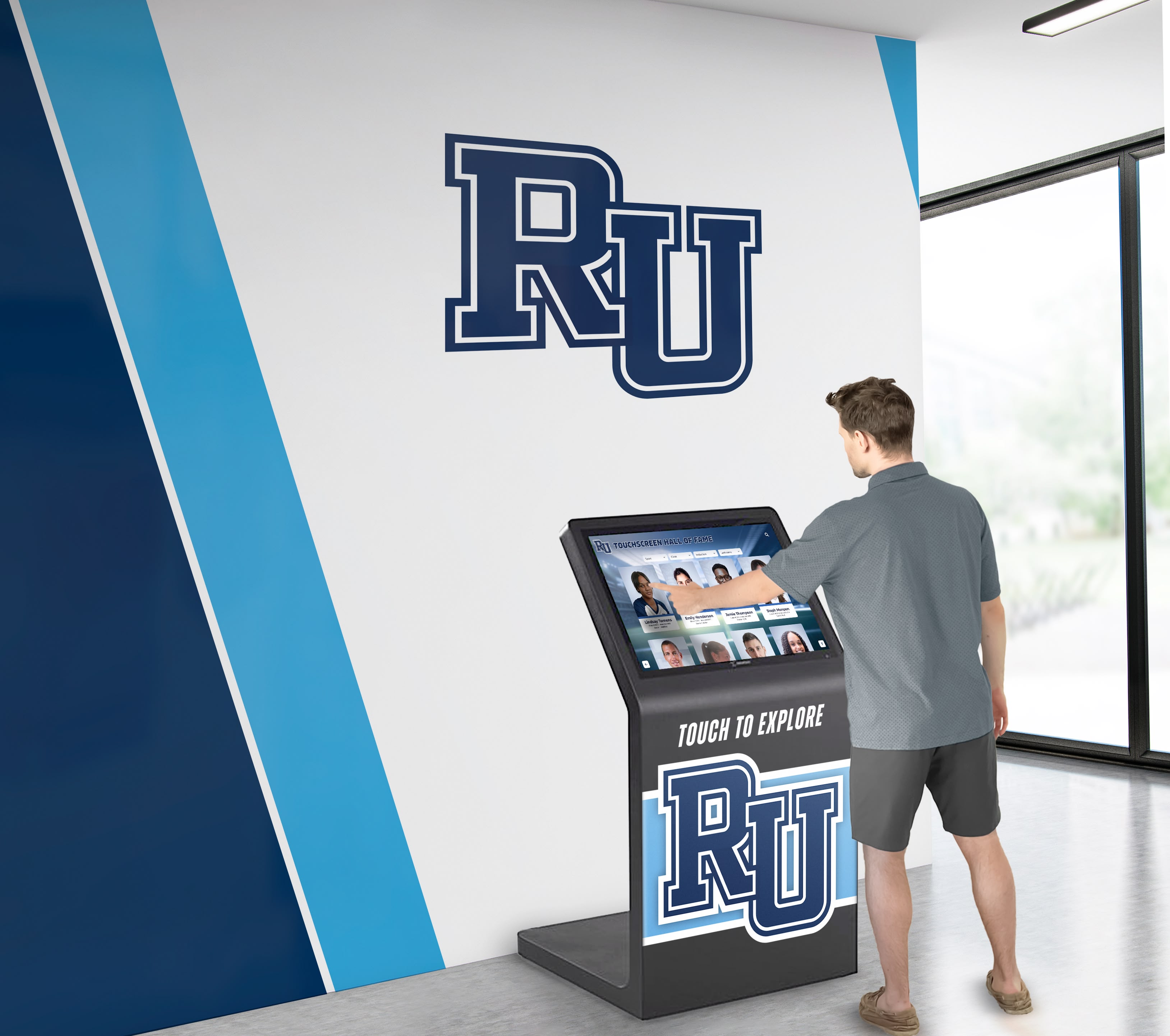
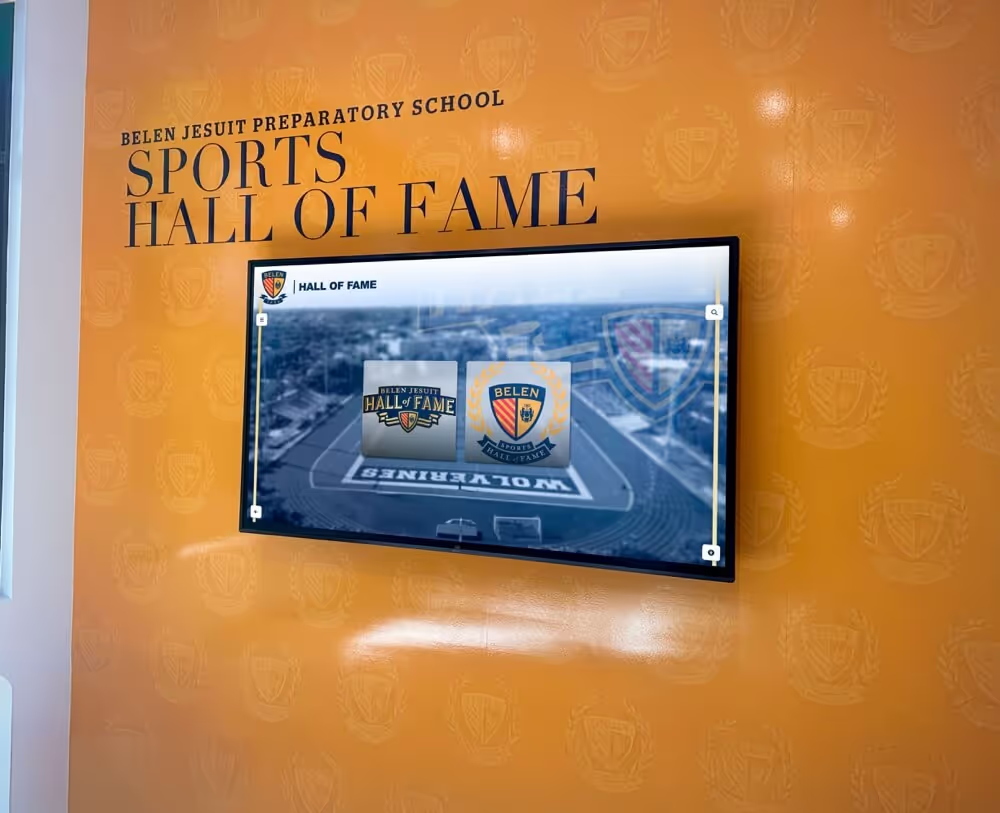
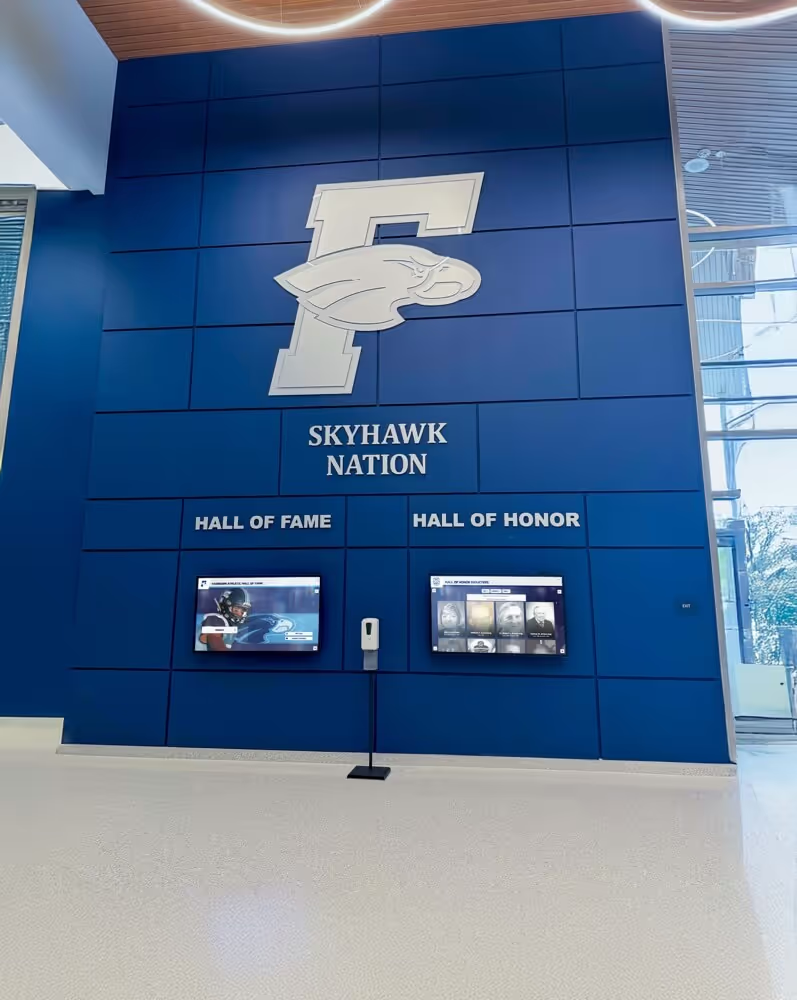
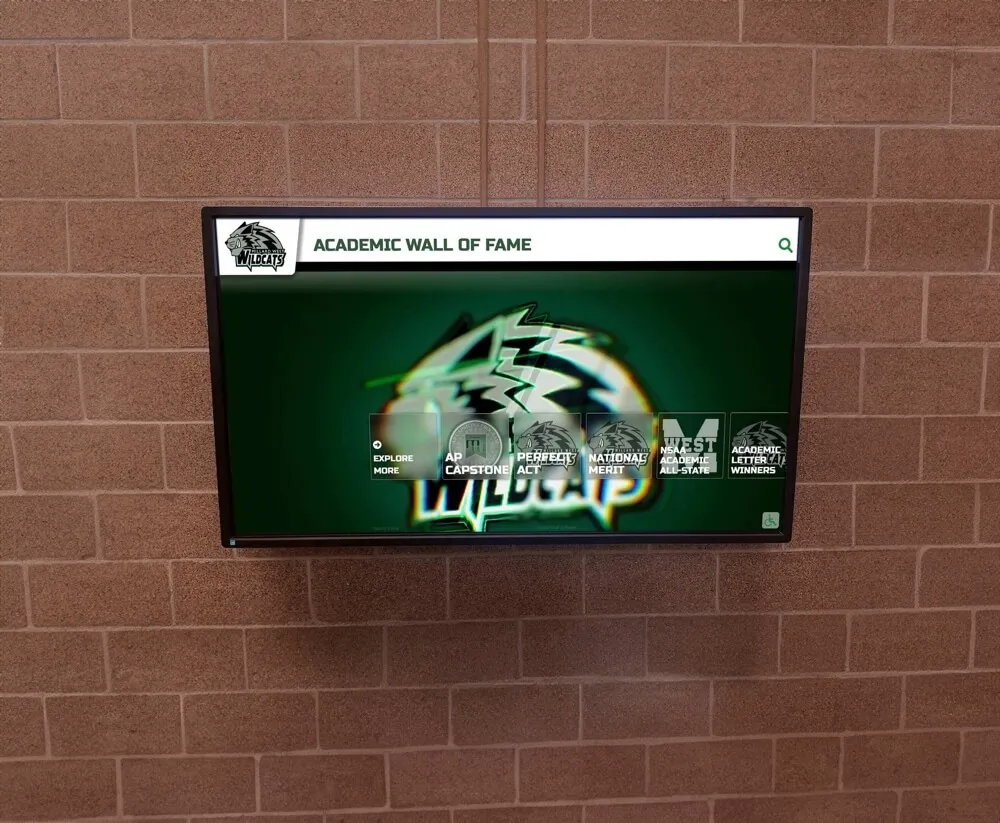
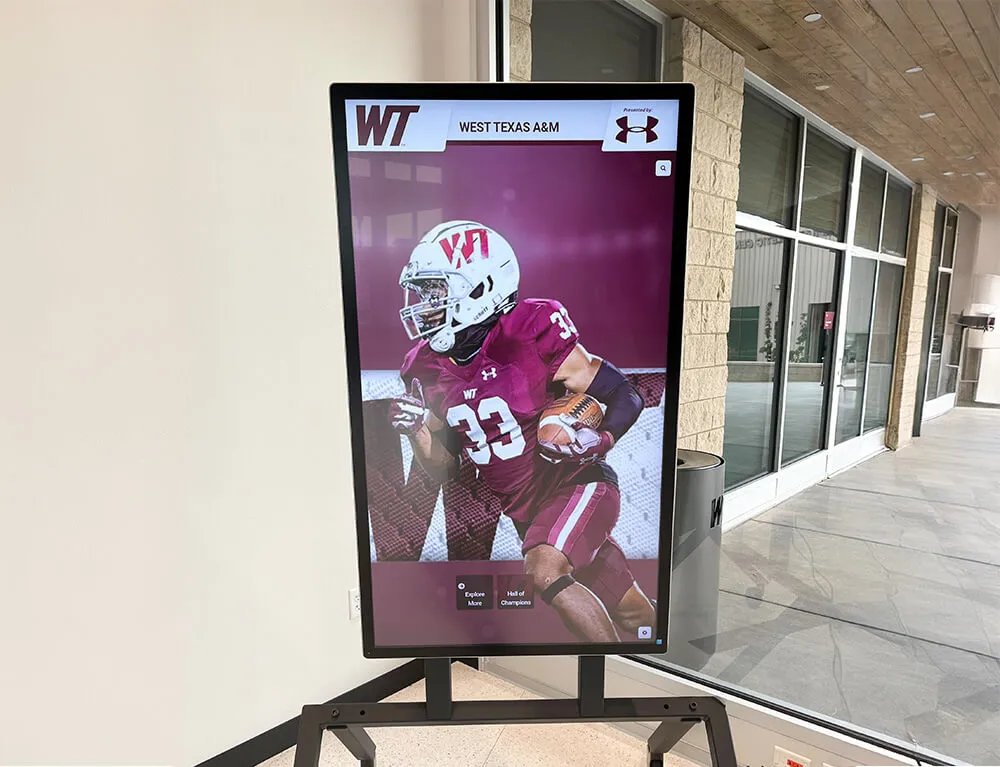
Professional recognition kiosks in school lobbies provide year-round access to graduating class information for visitors, students, and community members
Implementing Digital Graduation Recognition
Modern recognition platforms designed for educational institutions transform one-time graduation ceremonies into permanent, accessible celebrations:
Unlimited Graduating Class Archives
Digital systems preserve complete information about every graduating class extending back decades including all graduate names and photos, class statistics and achievements, awards and recognition recipients, class activities and memorable moments, and connections to current locations or achievements of alumni.
This comprehensive archiving creates institutional memory impossible to maintain through traditional physical displays with limited space.
Rich Multimedia Content
Digital recognition overcomes information constraints of printed programs through detailed individual student profiles featuring photos, achievements, interests, activities participated in, awards received, plans for high school, and personal statements or reflections.
Interactive Exploration
Touchscreen interfaces enable intuitive content exploration including search functionality finding specific graduates, browsing by graduation year, filtering by awards or achievements, viewing class statistics and comparisons, and discovering featured graduates or recent updates.
Remote Accessibility
Web-based extensions of physical displays provide access beyond campus including families sharing graduation profiles with extended relatives, students accessing their profiles from home, prospective families researching school culture and student achievement, and alumni reconnecting with their graduating class information years later.
Easy Content Management
Cloud-based administration platforms allow school staff to maintain recognition content without requiring technical expertise including uploading graduating student information immediately after ceremonies, adding awards and achievement details, scheduling content updates for specific dates, and managing multiple displays from centralized dashboards.
Solutions like Rocket Alumni Solutions specialize in digital recognition displays specifically designed for schools. These comprehensive systems combine professional touchscreen hardware installation, intuitive content management platforms, engaging user interfaces for community exploration, and ongoing support ensuring sustainable recognition programs.
Schools implementing digital graduation recognition report significant benefits including enhanced student motivation seeing permanent recognition value, improved family engagement with accessible graduate information, stronger alumni connections through preserved class histories, and elevated school culture through visible celebration of achievement.
Integration with Broader School Recognition
Eighth grade graduation recognition works most effectively when integrated into comprehensive school recognition systems rather than existing in isolation:
Multi-Grade Recognition
Digital platforms showcase recognition across all grade levels including elementary advancement, middle school graduation, high school achievements, distinguished alumni, and staff and faculty recognition.
This comprehensive approach demonstrates that schools value and celebrate achievement throughout students’ entire educational journey.
Activity and Achievement Celebration
Beyond graduation, digital systems can honor diverse accomplishments including academic excellence and honor roll, athletic achievements and team success, arts performances and creative accomplishments, service contributions and community engagement, and leadership roles and student government participation.
School History and Tradition
Connect current graduating classes with institutional history by showcasing how school has evolved over decades, featuring distinguished alumni whose subsequent success validates educational quality, preserving ceremony photographs and memorabilia, and creating timelines showing major school milestones and achievements.
This historical context reinforces tradition while honoring those whose past accomplishments established excellence foundations.
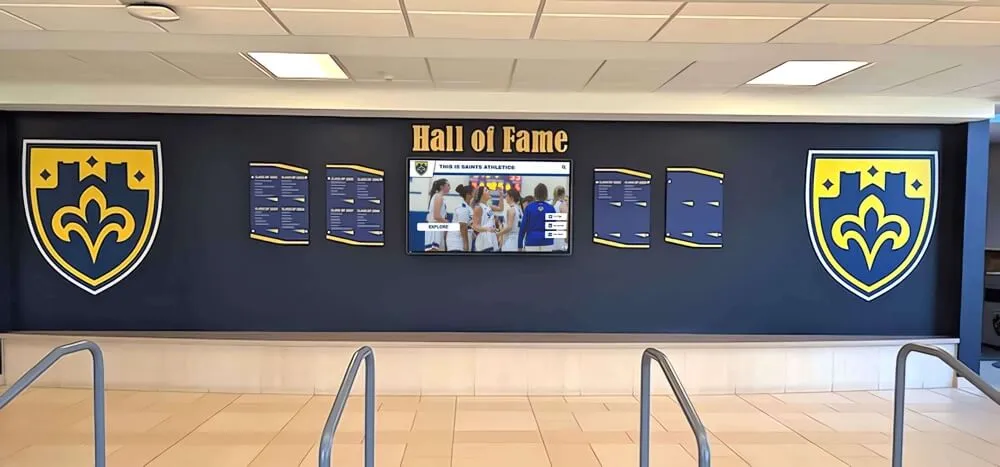
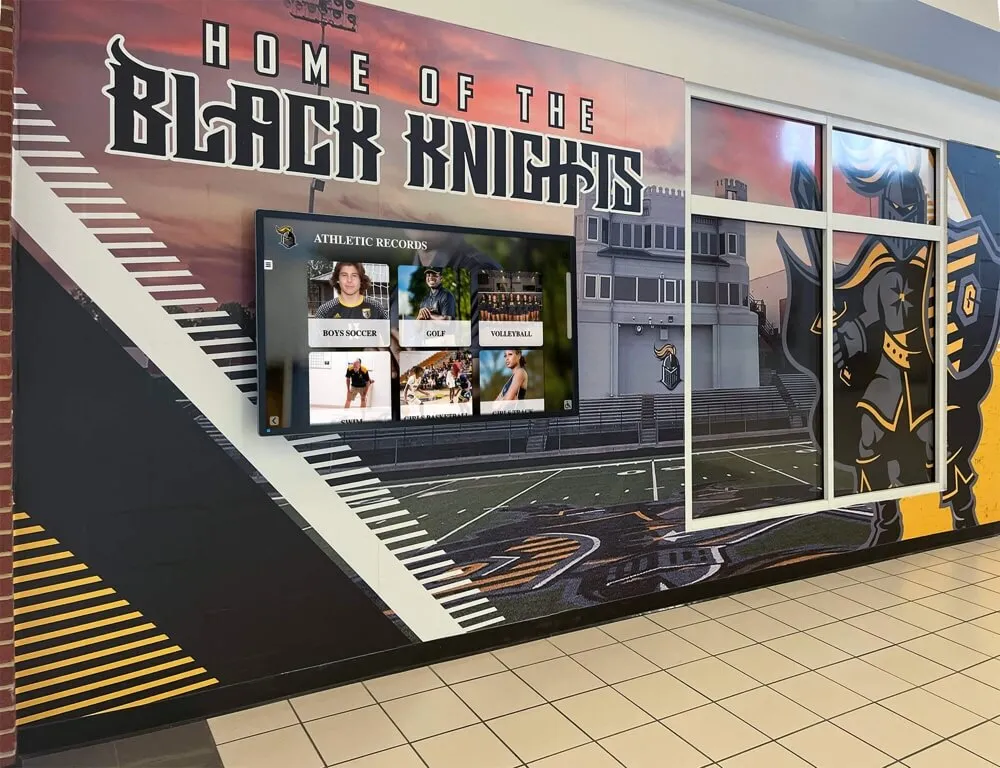
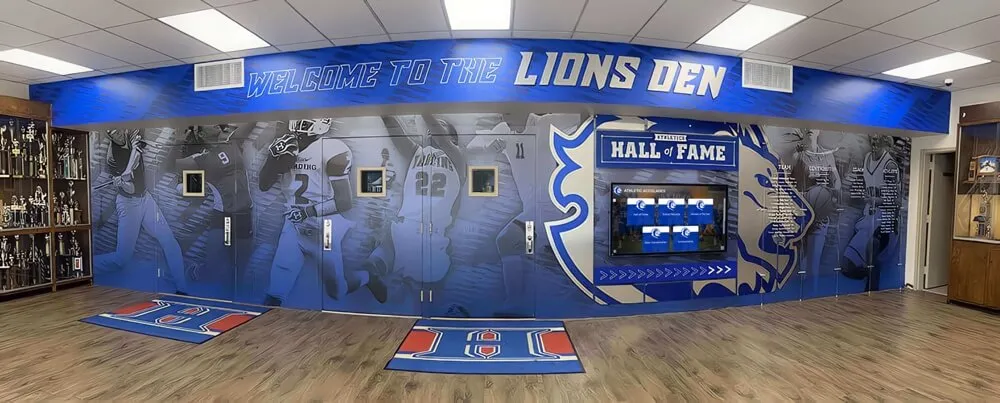
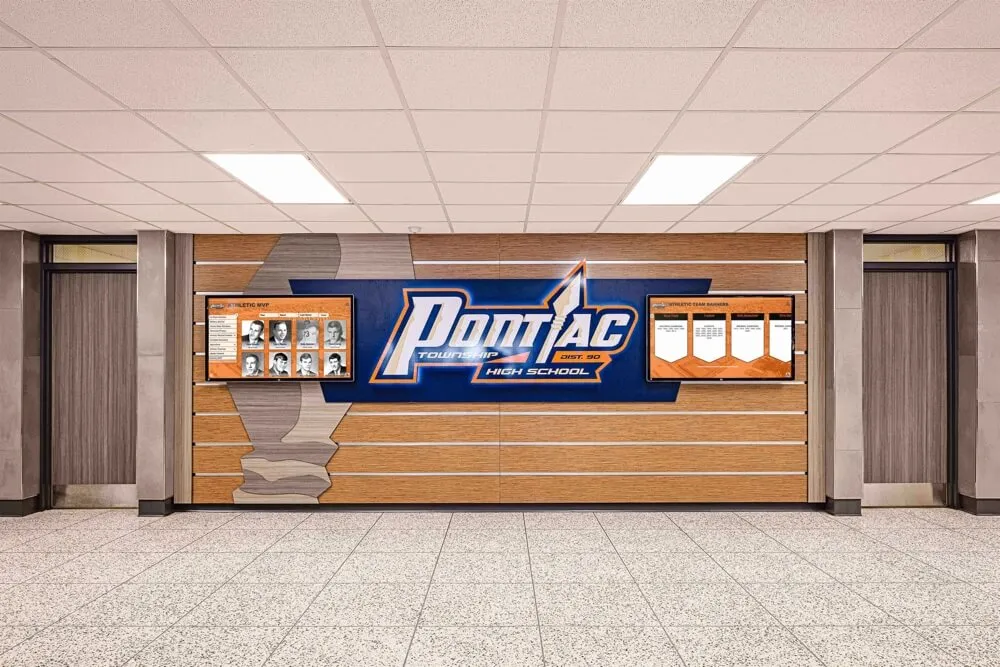
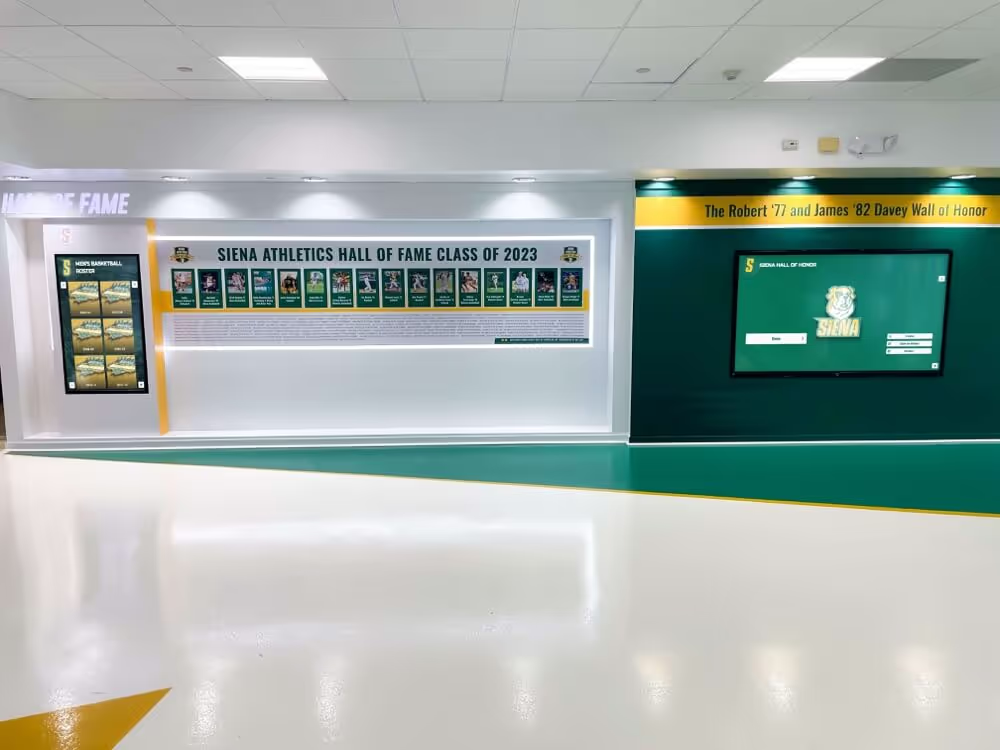
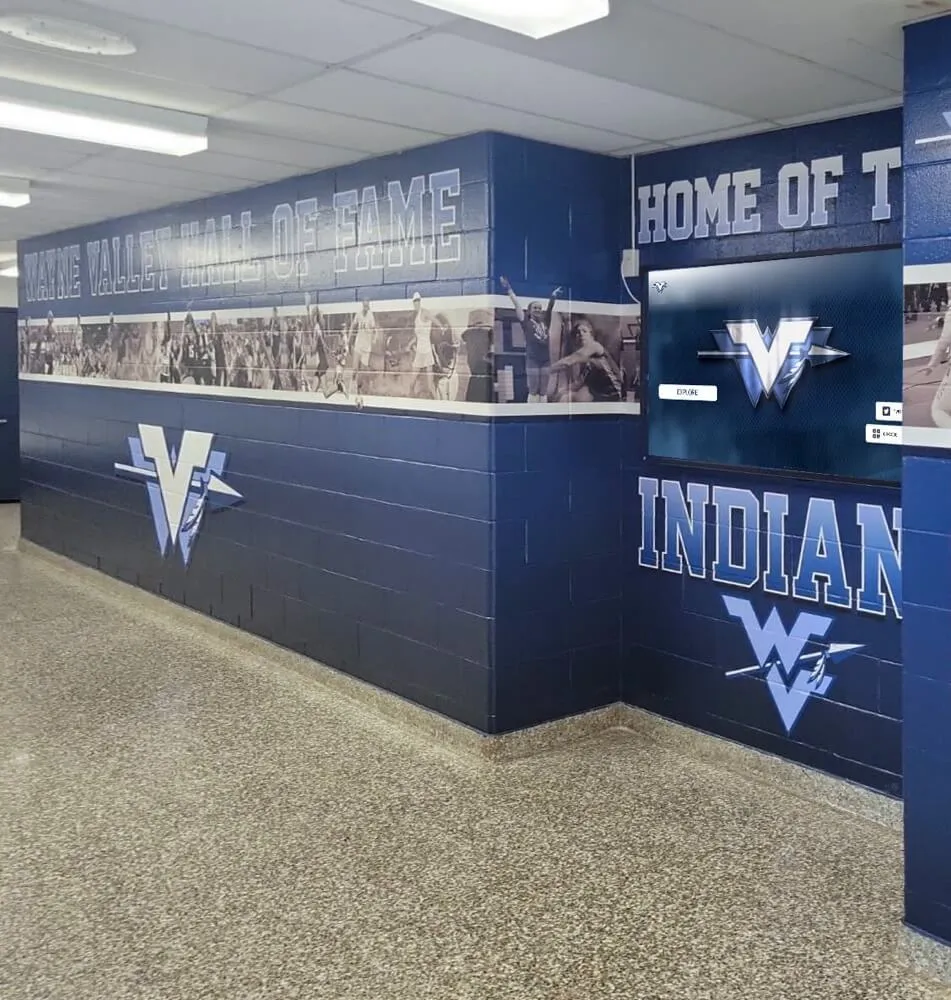
Integrated recognition walls combine traditional displays with modern digital screens, creating comprehensive celebration spaces honoring graduating students alongside broader school history
Planning Your 8th Grade Graduation
Successful graduation planning requires advance preparation and systematic execution across multiple planning dimensions.
Timeline and Planning Process
4-6 Months Before Graduation
Begin planning early to ensure adequate preparation time:
- Establish planning committee including administrators, teachers, and potentially parent representatives
- Determine ceremony format and structure based on school tradition and current preferences
- Select and reserve venue considering capacity, accessibility, and technical capabilities
- Set date avoiding conflicts with other school events or major community activities
- Establish preliminary budget including ceremony costs, awards, programs, and celebration elements
3-4 Months Before Graduation
Develop specific ceremony and recognition plans:
- Finalize ceremony program including speakers, awards, special elements, and timing
- Determine award categories and selection processes ensuring transparency and fairness
- Begin gathering student information for programs and recognition displays
- Secure vendors for photography, videography, and any catering if applicable
- Communicate preliminary plans to families establishing expectations
2-3 Months Before Graduation
Execute detailed planning and preparation:
- Complete award selection processes identifying all recognition recipients
- Develop ceremony script with detailed timing and stage directions
- Design and order programs ensuring sufficient quantities with contingency extras
- Coordinate cap and gown orders if using graduation regalia
- Plan and organize any pre-graduation events or celebrations
- Prepare all audiovisual content including slideshows and videos
4-6 Weeks Before Graduation
Finalize all ceremony elements:
- Conduct rehearsals ensuring students understand processional and ceremony procedures
- Prepare certificates or diplomas for all graduating students
- Confirm all logistics including setup timeline, technical requirements, and volunteer coordination
- Send final communications to families with ceremony details, parking information, and any special instructions
- Prepare contingency plans for potential problems or unexpected circumstances
Week of Graduation
Execute final preparations and confirmations:
- Conduct final walk-through of venue reviewing all setup details
- Test all technical equipment including sound system, projectors, and any digital displays
- Prepare name cards or other materials needed for smooth ceremony flow
- Brief all staff, volunteers, and student participants on roles and responsibilities
- Confirm photography and videography arrangements
Budget Considerations
Eighth grade graduation expenses vary significantly based on ceremony scope and selected elements. Common expense categories include:
Essential Costs
- Venue rental if not using school facilities (often $0-$500)
- Printed programs (typically $1-3 per program × graduates + guests)
- Certificates or diplomas ($1-5 per student)
- Stage decorations and ceremony materials ($100-500)
- Sound system rental if school facilities inadequate ($0-300)
Optional Enhancements
- Professional photography and videography ($300-1,500)
- Cap and gown rental or purchase ($15-30 per student)
- Student awards and trophies ($5-30 per award)
- Flowers for stage decorations ($100-300)
- Reception refreshments ($200-1,000 depending on scale)
Long-Term Recognition Investment
- Digital recognition display installation ($3,000-8,000 one-time)
- Ongoing display content management (included in some solutions, $500-1,500 annually for others)
- Web-based recognition extension ($0-500 annually depending on platform)
Many schools offset costs through fundraising, corporate sponsorships, or parent organization support. The key is determining which elements matter most for your school community and allocating budget accordingly.
Exploring comprehensive school recognition solutions helps schools understand full range of options and associated costs for graduation and ongoing recognition programs.
Best Practices for Meaningful 8th Grade Recognition
Learning from successful graduation programs helps schools avoid common pitfalls while creating meaningful experiences:
Include Student Voice
Eighth graders should participate in planning celebrations that honor them:
- Survey students about preferred celebration activities and ceremony elements
- Include student representatives on planning committees
- Allow students to select class songs, colors, or other symbolic elements
- Feature student speeches and performances during ceremonies
- Create opportunities for students to recognize peers through awards or acknowledgments
Student involvement ensures graduations feel relevant and meaningful rather than adult-imposed celebrations students passively experience.
Balance Formality and Fun
Eighth grade graduations should feel special without becoming overly serious:
- Maintain appropriate ceremony dignity without excessive formality feeling mismatched with middle school completion
- Include celebratory elements and joyful moments alongside serious recognition
- Allow personality and school culture to shape graduation atmosphere
- Consider incorporating humor and lightheartedness where appropriate
- Remember that students are 13-14 years old, not young adults, when planning tone
Recognize Diverse Achievements
Comprehensive graduation recognition extends beyond just academic honor roll:
- Acknowledge improvement and growth alongside absolute achievement
- Recognize leadership, character, service, and social contributions
- Celebrate athletic, artistic, and extracurricular excellence
- Honor effort and perseverance particularly for students who faced challenges
- Ensure recognition opportunities exist for students across achievement spectrum
This breadth demonstrates that schools value complete student development rather than privileging single achievement dimension.
Create Inclusive Experiences
Graduation planning should consider all students and families:
- Ensure ceremony accessibility for attendees with disabilities
- Consider diverse family structures when planning family recognition moments
- Be sensitive to financial constraints when planning events requiring family expense
- Offer ceremonies at times accommodating various work schedules
- Provide interpretation or translation services when serving multilingual communities
Inclusivity ensures all students receive equal opportunity to celebrate graduation regardless of personal or family circumstances.
Communicate Clearly and Frequently
Effective communication prevents confusion and manages expectations:
- Provide detailed ceremony information well in advance
- Clarify any requirements like dress codes or arrival times
- Explain award selection processes transparently
- Manage expectations about ceremony length and format
- Offer multiple communication channels reaching all families effectively
Clear communication reduces stress while ensuring smooth graduation execution.
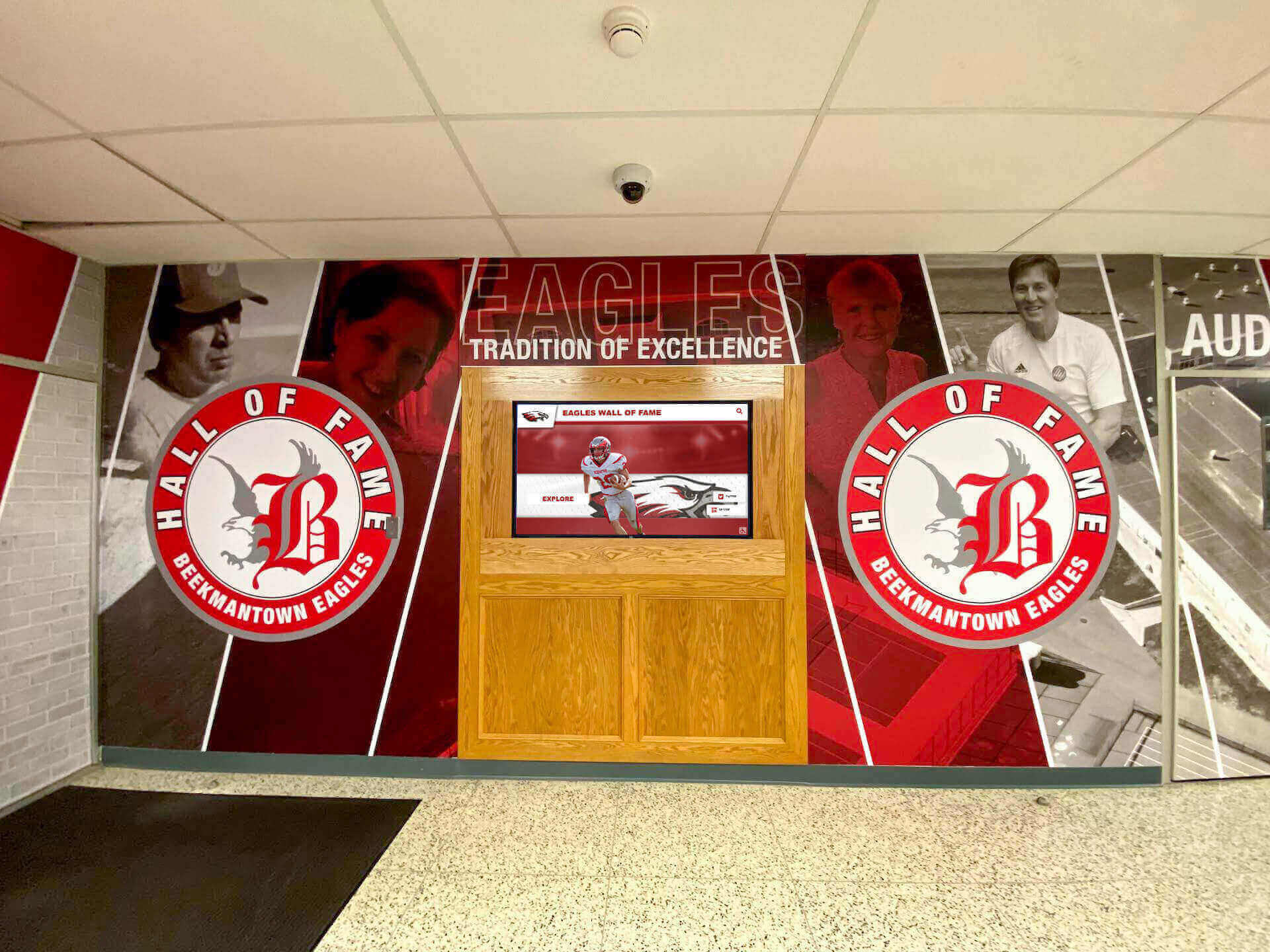
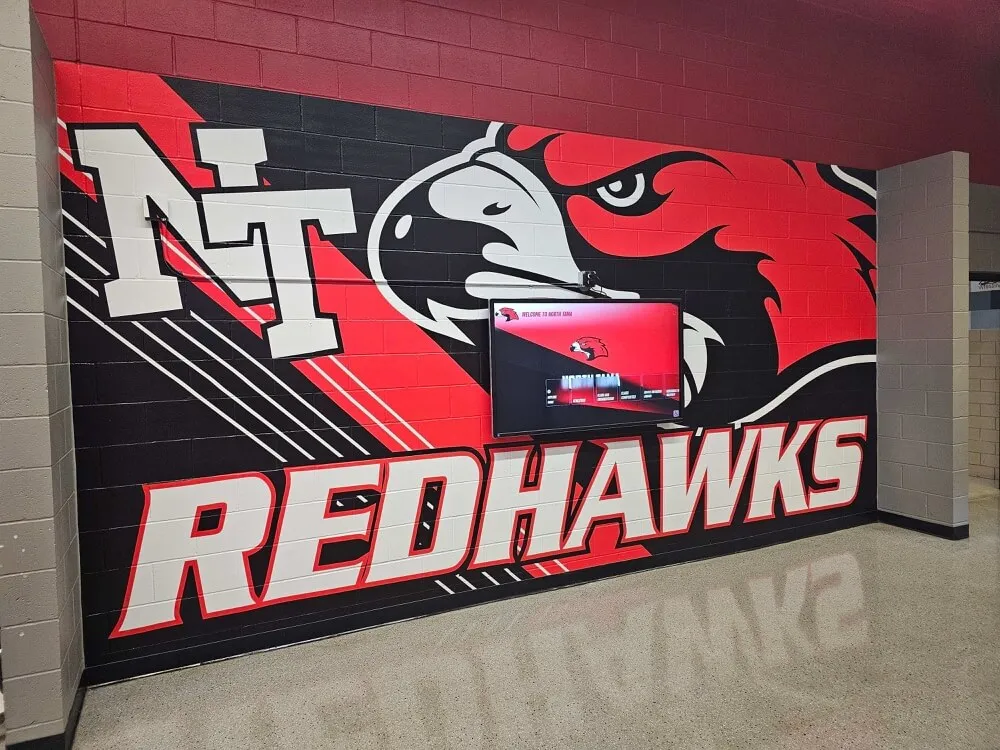
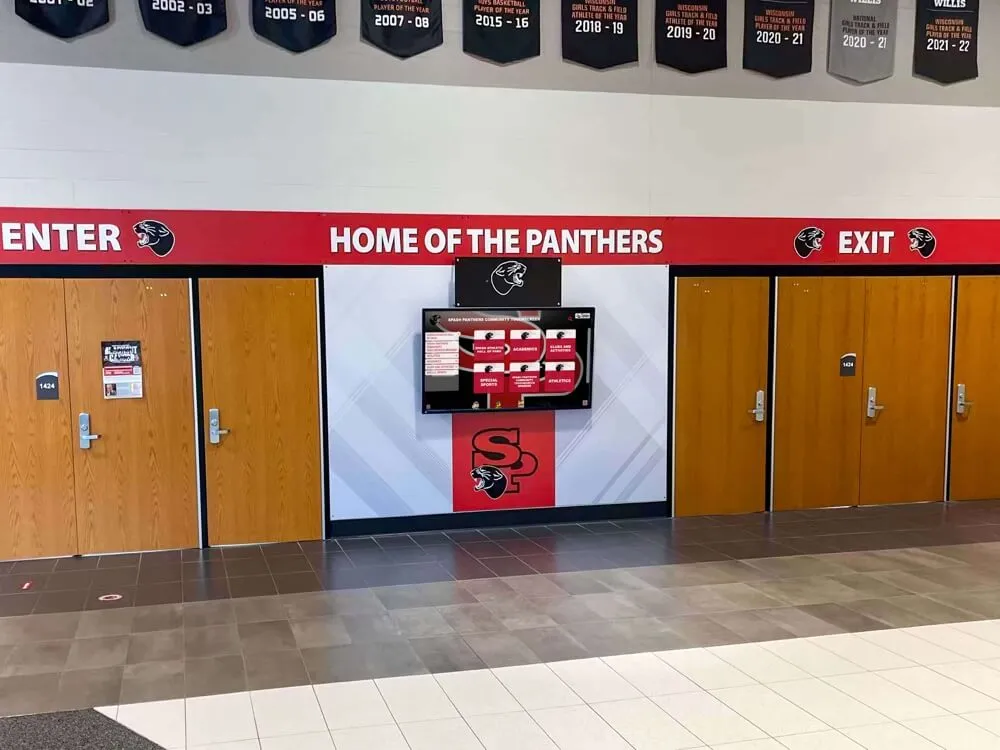
School entrance displays featuring graduating class recognition create welcoming environments celebrating student achievement for all visitors
Making Graduation Personally Meaningful
Beyond ceremony logistics, personal touches create emotional resonance that makes graduations genuinely meaningful:
Individual Student Recognition
While group celebration matters, ensuring each student receives individual acknowledgment creates personal significance:
Personalized Certificates
Rather than generic diplomas, create certificates including student name prominently, specific achievements or honors earned, personal message from principal or teachers, and school seal or distinctive design elements.
These personalized touches transform standard documents into meaningful keepsakes.
Individual Stage Moments
During certificate presentation, create brief individual moments for each graduate including announcement of name and any special honors, handshake or congratulations from administrator, photo opportunity for family pictures, and possibly reading of post-graduation plans or aspirations.
These individual moments ensure each student experiences personal recognition rather than being just one name in long list.
Personal Notes from Teachers
Consider having teachers write brief personal notes to students they taught, highlighting specific memories, acknowledging growth, or expressing confidence in students’ futures. Delivering these notes during final weeks or including them with graduation certificates creates powerful personal connections.
Memory and Reflection Opportunities
Help students process their middle school experience and look ahead:
Class Memory Books
Create comprehensive memory books documenting middle school years including photos from throughout middle school, signatures and messages from classmates and teachers, class statistics and superlatives, and space for personal reflections and future plans.
Time Capsules
Consider creating class time capsule including letters to future selves, predictions about high school and beyond, current popular culture references, and class mementos or artifacts.
Plan opening ceremony at high school graduation or class reunion, creating connection between middle school completion and future milestones.
Reflection Activities
Incorporate structured reflection helping students appreciate their growth including journaling about favorite memories or biggest lessons learned, sharing gratitude for specific people who supported them, identifying personal changes from 6th to 8th grade, and articulating goals or hopes for high school.
These reflection opportunities help students recognize their own development rather than merely receiving external recognition from others.
Taking Action: Planning Your Graduation
Schools ready to enhance 8th grade graduation recognition can begin with these concrete planning steps:
Immediate Planning Actions
Evaluate Current Practices
Document how your school currently approaches 8th grade graduation including what works well that deserves preservation, what limitations or gaps exist in current recognition, what feedback students and families have provided, and what resources and constraints affect graduation planning.
This assessment establishes baseline understanding guiding improvements.
Define Graduation Objectives
Clarify specific goals for graduation recognition including what messages you want to communicate to students, what experience you want to create for families, how graduation should connect to broader school culture, and what lasting impact you hope recognition creates.
Clear objectives focus planning efforts while providing evaluation criteria.
Form Planning Committee
Assemble cross-functional planning team including administrator oversight, teacher representatives, support staff involvement, and potentially parent and student representation.
Distributed planning responsibility prevents overwhelming individuals while ensuring diverse perspective incorporation.
Exploring Digital Recognition Solutions
When evaluating permanent recognition systems, consider:
Essential Questions
- What graduating class content will the system preserve and display?
- How intuitive is content management for school staff without technical expertise?
- What implementation support is provided for installation and initial setup?
- Can the system accommodate growth as recognition programs expand?
- How does pricing structure work including upfront costs and ongoing fees?
- What accessibility features ensure inclusive user experiences?
Schools seeking comprehensive recognition solutions should consider Rocket Alumni Solutions, which specializes in digital recognition displays helping schools celebrate student achievement through engaging touchscreen experiences. Their full-service approach handles hardware installation, content development, staff training, and ongoing support, allowing schools to focus on recognizing excellence rather than managing technology.
Building Recognition Traditions
Start Thoughtfully
Rather than attempting complete transformation, implement focused enhancements to current graduations while planning long-term recognition system development. Quick wins might include improving student recognition moments, adding memory book elements, or enhancing ceremony programs while exploring permanent digital recognition for future implementation.
Involve Stakeholders
Engage graduating students, families, staff, and community members in graduation enhancement discussions. Their perspectives reveal what works well currently, what improvements would add value, and what traditions merit preservation versus elements ready for change.
Establish Evaluation Process
Create feedback mechanisms capturing student satisfaction, family experience assessment, and objective metrics like attendance rates or engagement with recognition content. Use this data to continuously improve graduations rather than assuming current approaches remain optimal indefinitely.
Conclusion: Honoring the Middle School Journey
Eighth grade graduation represents significant milestone in students’ educational journeys—completion of middle school, transition to high school, and acknowledgment of substantial personal and academic growth across critical developmental years. While less formal than high school graduation, this milestone deserves meaningful recognition that celebrates student accomplishments, honors effort and perseverance, and creates positive momentum carrying students confidently into their high school experience.
By implementing creative graduation ideas that engage students, personalize recognition, and extend impact beyond single ceremonies through permanent digital systems, schools transform perfunctory middle school completion into genuine celebration that builds culture, strengthens community, and creates lasting value exceeding single graduation day.
The strategies explored in this guide provide frameworks for honoring middle school achievement appropriately—from thoughtful ceremony design respecting student age and developmental stage while maintaining significance, to permanent recognition systems ensuring today’s graduating 8th graders receive visibility for years to come. Whether hosting traditional formal ceremonies or alternative celebration approaches, these strategies demonstrate that genuine appreciation requires both memorable ceremony experience and sustained recognition.
Transform Your Graduation Recognition Program
Discover how modern digital recognition solutions can help you celebrate every graduating class permanently while creating engaging experiences for your entire school community.
Explore Recognition SolutionsAs you plan your school’s next 8th grade graduation, consider how both immediate ceremony experience and permanent recognition systems can work together to honor students comprehensively while building recognition culture that values and celebrates achievement across all grade levels and milestones.
Remember that recognition effectiveness matters more than recognition extravagance. Students and families consistently report that personal acknowledgment recognizing specific accomplishments resonates far more powerfully than elaborate productions lacking personalization. Detailed recognition explaining exactly what students accomplished and why it matters creates greater impact than generic celebration within expensive productions.
Your 8th grade graduates’ achievements represent significant growth across crucial developmental years including countless hours of academic effort, navigation of complex social dynamics, and development of skills and habits that will serve them throughout high school and beyond. They deserve recognition that honors these commitments meaningfully while extending celebration beyond single ceremony moments to create lasting visibility inspiring future students.
With thoughtful planning, creative ceremony design, and strategic recognition technology, you can create graduation programs that transform perfunctory acknowledgment into genuine celebration that matters to students, inspires younger grades, and strengthens educational culture throughout your school community.