Delivering a graduation speech for eighth graders requires striking a delicate balance—honoring their middle school accomplishments while acknowledging they’re still young adolescents, celebrating growth without minimizing the challenges ahead, and creating a memorable moment that resonates with 13- and 14-year-olds sitting through what might feel like another school assembly. Whether you’re a principal, teacher, student speaker, or parent asked to address graduates, the right message can transform a required formality into a genuinely meaningful milestone.
The best 8th grade graduation speeches connect with students authentically rather than lecturing down or inflating the occasion’s importance beyond recognition. These speeches acknowledge the unique developmental moment eighth graders occupy—no longer elementary students but not yet high schoolers, old enough to understand abstract concepts but young enough to need encouragement and reassurance, capable of surprising maturity but still fundamentally kids who value humor and relatability alongside inspiration.
This comprehensive guide explores effective 8th grade graduation speech ideas, from themes that resonate with middle school audiences to specific examples and storytelling approaches that create memorable moments. Whether you’re addressing a class of 50 or 500, these strategies help you craft speeches that students actually remember—for the right reasons.

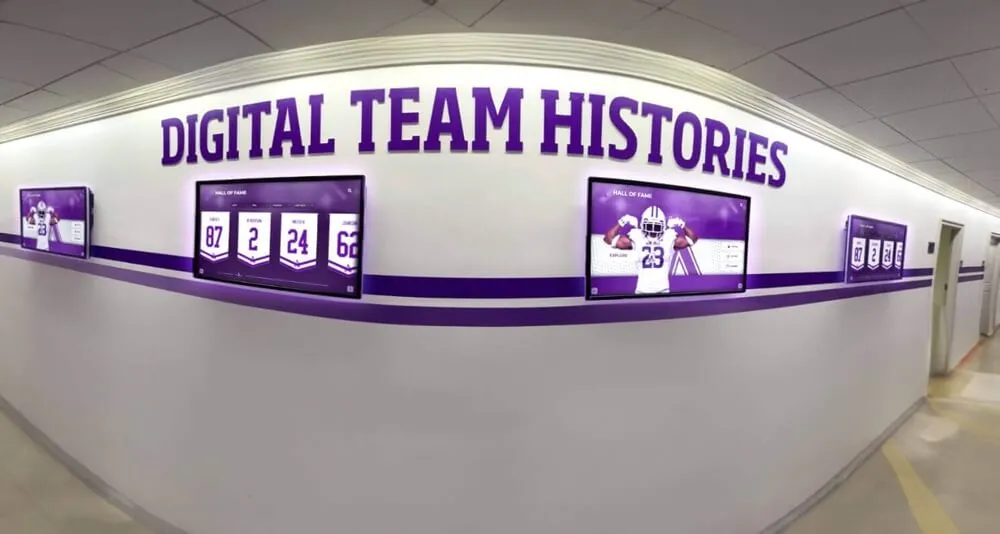
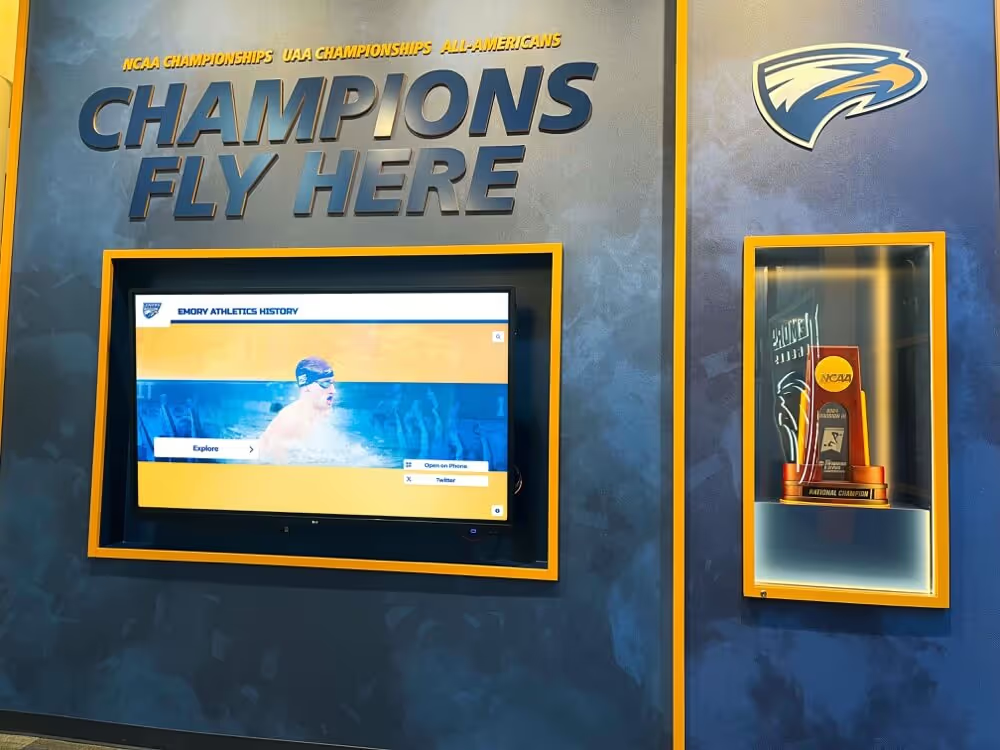
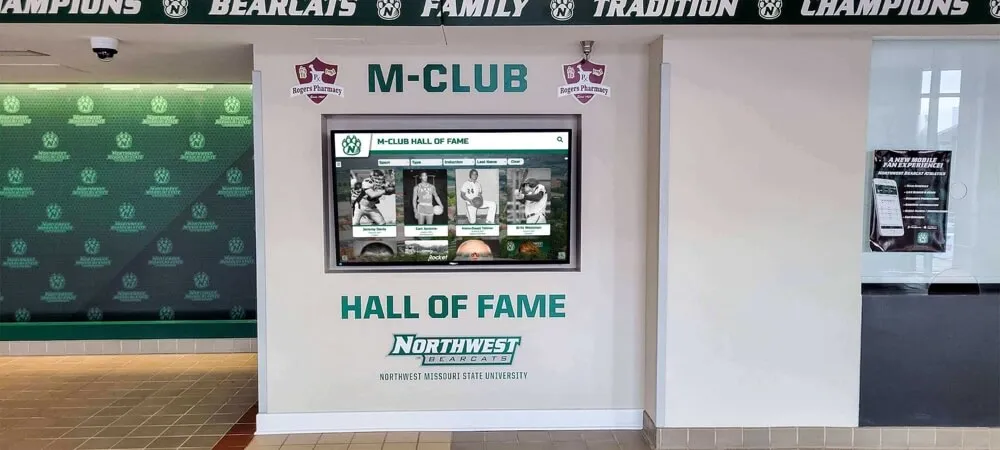
Recognition moments create lasting memories that celebrate student achievement beyond formal ceremonies
Understanding Your 8th Grade Audience
Before exploring specific speech themes and structures, understanding who you’re addressing shapes effective messaging.
The Developmental Reality of Eighth Graders
Eighth grade graduation speeches must speak to students at a specific developmental moment:
Emerging Self-Awareness
Graduating eighth graders have developed significantly greater self-consciousness than they possessed entering middle school. They notice how they’re perceived, compare themselves to peers, and are acutely aware of social dynamics during public events like graduations. Effective speeches acknowledge this heightened awareness without embarrassing individual students or calling excessive attention to those who prefer anonymity.
Idealism Tempered by Realism
Unlike younger students who accept adult pronouncements uncritically, eighth graders have developed enough life experience to recognize exaggeration and empty platitudes. They appreciate genuine acknowledgment of challenges alongside encouragement, realistic optimism rather than saccharine promises that everything will be perfect, and honesty about difficulties they’ll face balanced with confidence in their capacity to handle them.
Identity Formation in Progress
Middle school represents critical years for identity development—discovering interests, establishing peer groups, forming opinions, and beginning to understand themselves as individuals distinct from families. Speeches recognizing this identity work validate the challenging developmental labor students accomplished alongside academic progress.
Mixed Emotions About Transitions
Graduating eighth graders experience complex, sometimes contradictory feelings about leaving middle school—excitement about high school combined with nervousness about the unknown, pride in completing middle school alongside sadness about leaving familiar environments, confidence in maturity achieved mixed with insecurity about readiness. Effective speeches acknowledge this emotional complexity rather than assuming universal excitement.
What Eighth Graders Actually Respond To
Years of graduation ceremonies reveal patterns in what resonates with middle school audiences:
Authenticity Over Perfection
Students appreciate speakers who seem genuine, admit their own middle school struggles or uncertainties, acknowledge current realities rather than speaking from distant adult perspectives, and demonstrate that they see students as real people rather than generic “youth.”
Specific Over Generic
Speeches referencing specific class experiences, inside jokes students recognize, particular achievements or events from their middle school years, and concrete details demonstrating familiarity with their journey resonate far more powerfully than generic graduation clichés applicable to any class anywhere.
Brevity Over Eloquence
The most beautifully crafted speech loses impact if it exceeds students’ attention capacity. Eighth graders appreciate speakers who respect their time, deliver powerful messages concisely, and demonstrate that meaningful doesn’t require lengthy.
Stories Over Abstractions
Narrative examples, personal anecdotes, specific scenarios students can visualize, and concrete illustrations of abstract concepts engage young adolescents far more effectively than philosophical observations or conceptual frameworks.
Learn how academic recognition programs create cultures where achievement receives consistent celebration beyond ceremony moments.
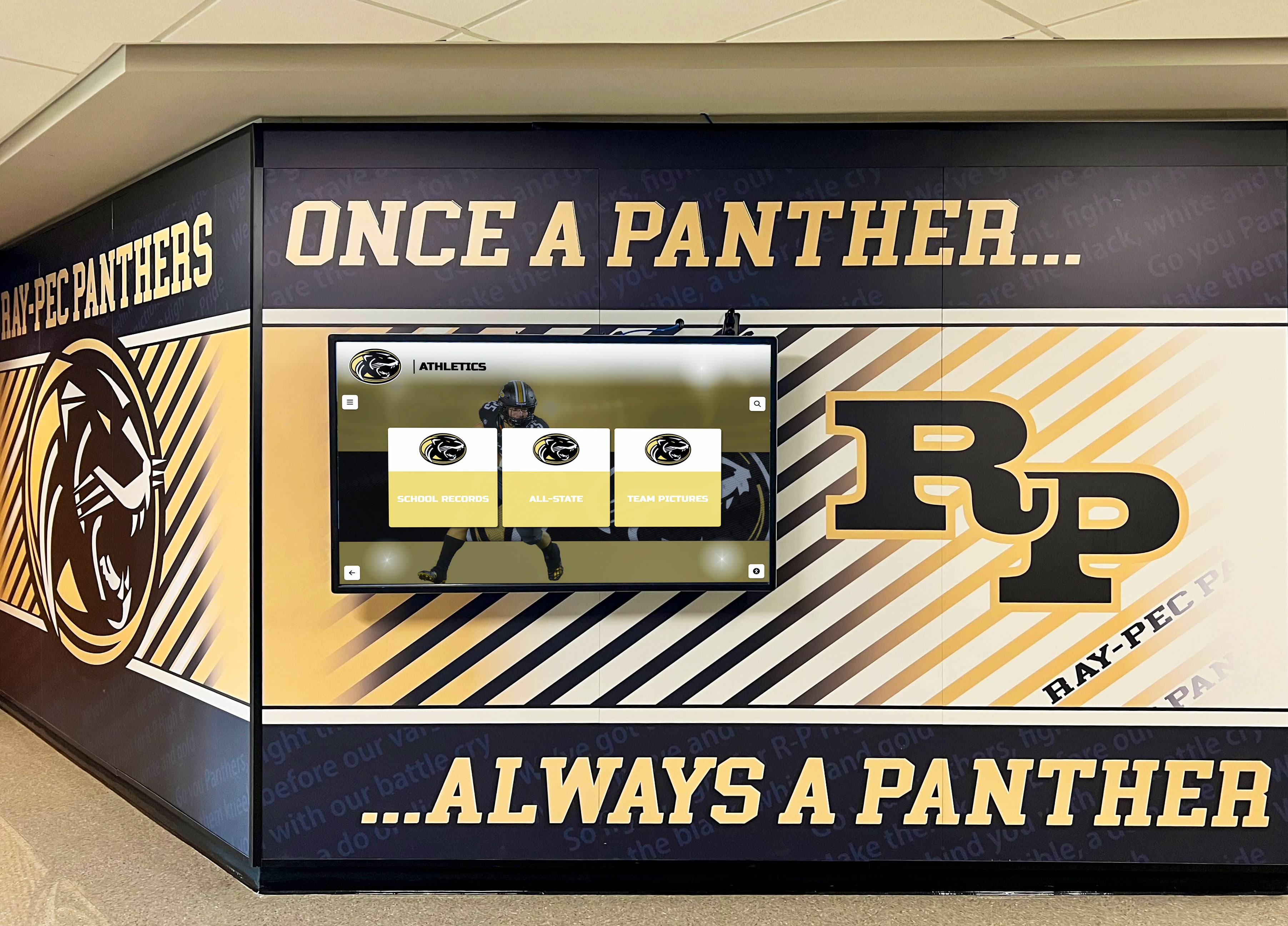
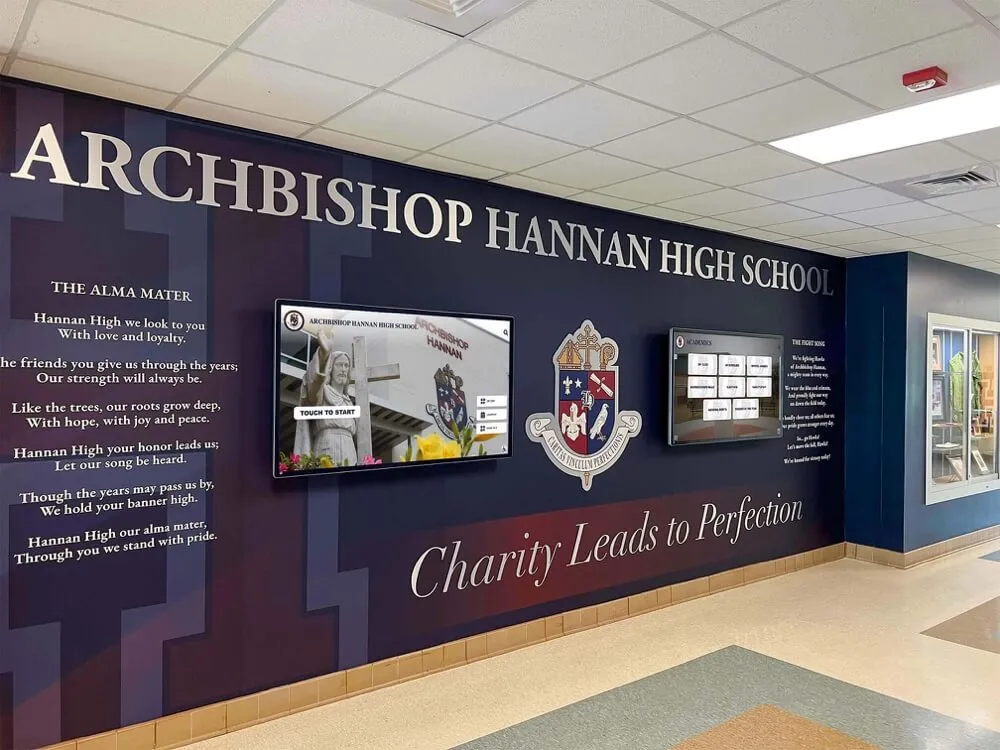
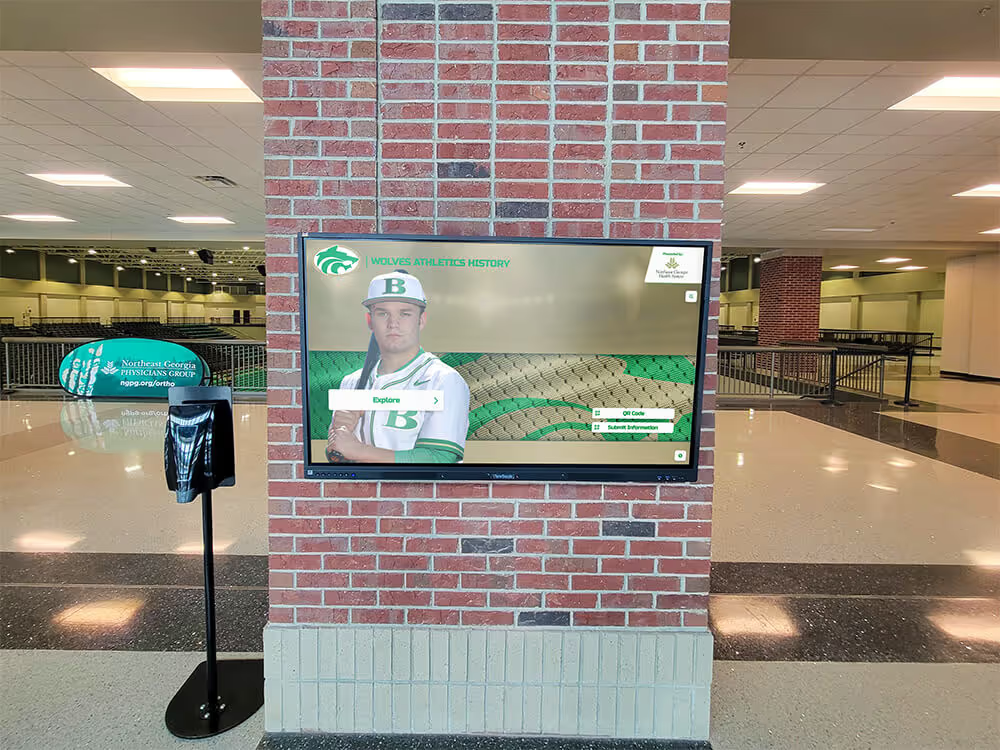
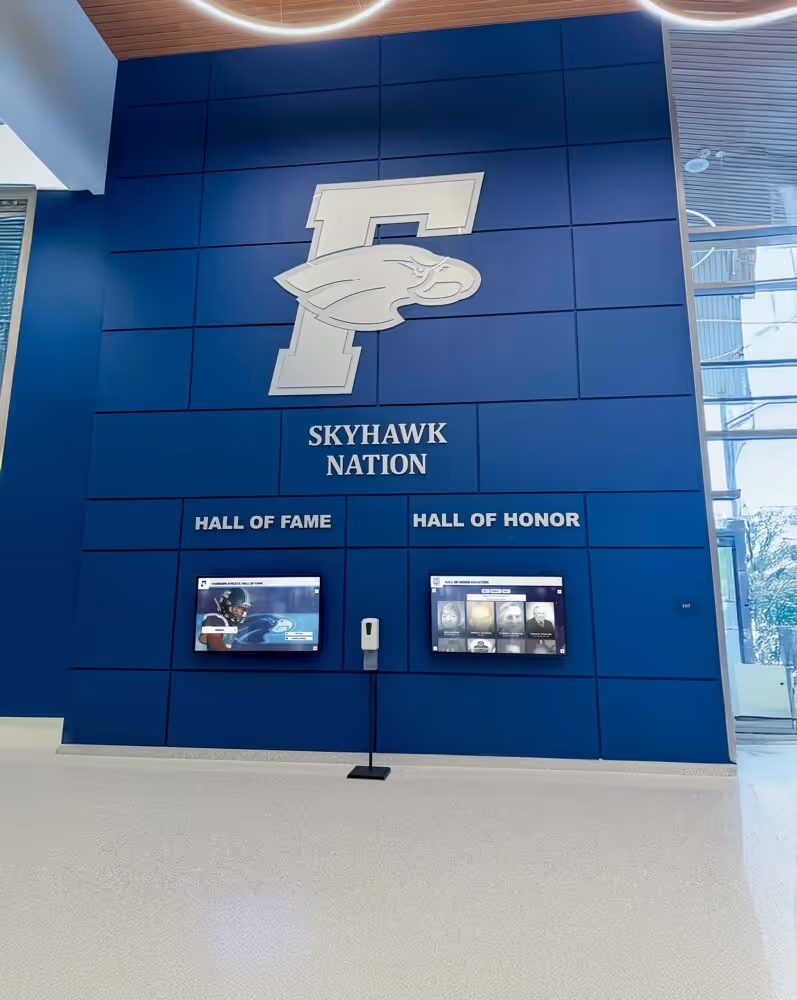
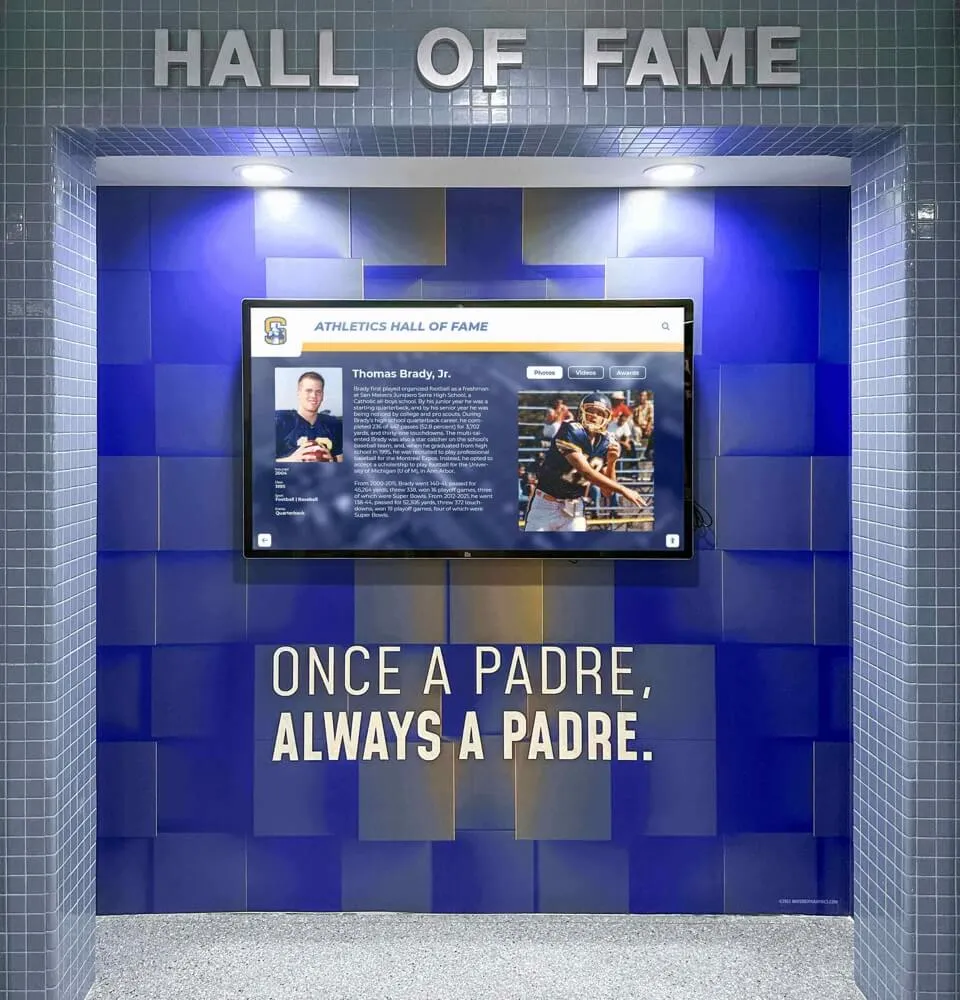
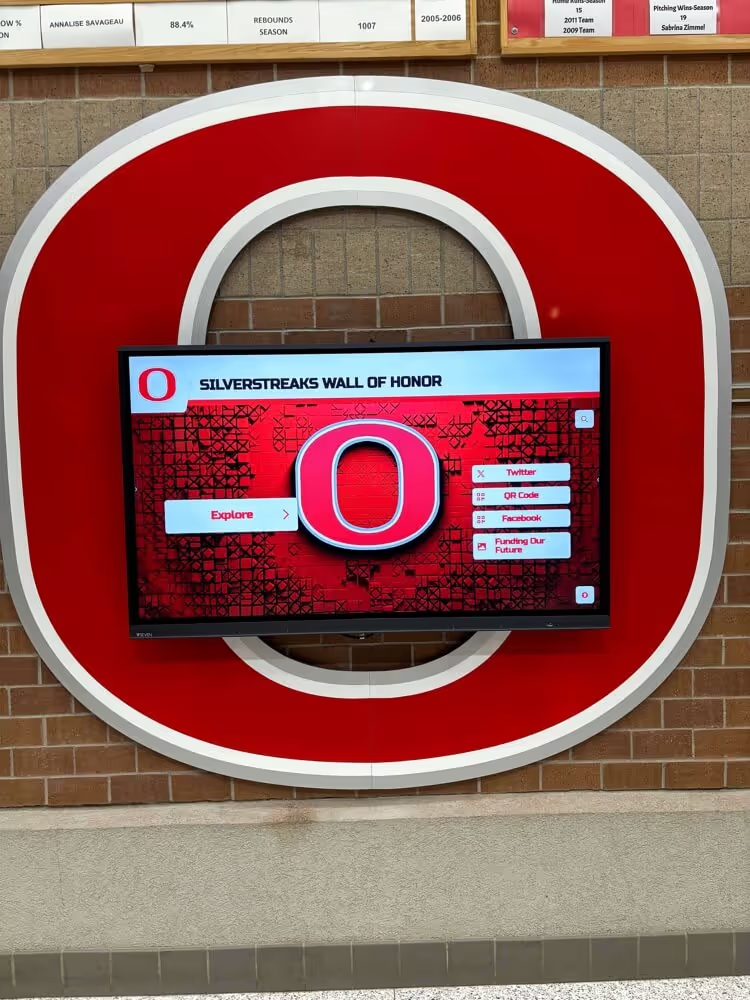
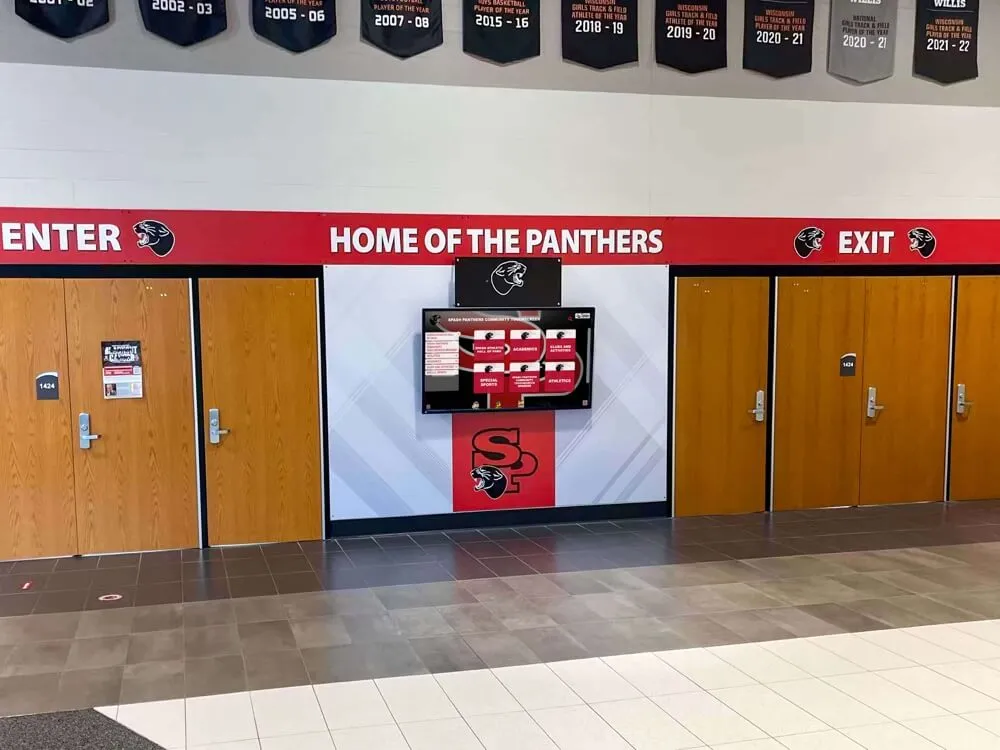
Permanent recognition displays extend ceremony messages into daily school environments where students encounter them regularly
Effective Speech Themes for 8th Grade Graduation
Certain themes consistently resonate with middle school audiences when developed thoughtfully.
Theme 1: The Journey and Transformation
Acknowledging how much students have changed since entering middle school creates powerful reflection:
Opening Approach Example:
“When you walked into this building as sixth graders three years ago, most of you were still kids. Some of you hadn’t hit growth spurts yet. Many of you cared more about video games and sleepovers than anything resembling what adults call ’the future.’ And that was exactly as it should have been. But look at who’s sitting in those chairs today. Look at what you’ve become.”
Development Ideas:
- Compare specific differences between sixth grade arrival and eighth grade departure—physical changes, social sophistication, academic capabilities, emotional maturity
- Acknowledge the sometimes awkward, uncomfortable nature of middle school transformation
- Recognize that change wasn’t always easy or fun—middle school includes hard moments alongside memorable ones
- Validate that becoming who they are today required genuine work, not just passive aging
- Use humor about early middle school moments that seem embarrassing in retrospect
Closing Connection:
“That transformation you’ve experienced these past three years? That’s just the beginning. High school will change you just as dramatically. College and career will reshape you again. The capacity to grow, adapt, and become better versions of yourselves—that’s what these middle school years really taught you. And that capacity will serve you for the rest of your lives.”
Theme 2: The People Who Supported You
Gratitude-focused speeches recognize the community surrounding student success:
Opening Approach Example:
“None of you accomplished middle school alone. Behind every student crossing this stage today stands an entire team of people who believed in you, pushed you, picked you up when you fell, and celebrated your victories. Today, as we honor your graduation, let’s also honor the people who made it possible.”
Development Ideas:
- Acknowledge parents and families who provided support, transportation, homework help, encouragement, and countless other invisible contributions
- Recognize teachers who invested time, energy, and care beyond required job descriptions
- Thank administrators, counselors, support staff, and others whose work enabled student success
- Acknowledge classmates who supported each other through challenges and celebrated each other’s achievements
- Include coaches, advisors, and activity leaders who invested in student development
Personal Connection:
“I want you to think right now about one specific person who helped you get here. Picture their face. Remember something specific they did or said that mattered. When this ceremony ends, find that person and thank them. Tell them specifically what they did that made a difference. Because gratitude isn’t just about feeling thankful—it’s about expressing appreciation to the people who invested in your success.”
Explore how senior night recognition programs honor students while celebrating supporting communities.
Theme 3: Lessons Learned and Mistakes Made
Authentic speeches acknowledge that learning includes failure:
Opening Approach Example:
“If I asked each of you to share your biggest middle school mistake—the moment you felt most embarrassed, the time you failed at something important, the experience you wish you could do over—we’d be here until next Tuesday. Because here’s the truth about middle school: everybody messes up. Everybody fails at something. Everybody has moments they’d rather forget. And that’s precisely what made these years so valuable.”
Development Ideas:
- Share your own middle school failure or embarrassment to establish vulnerability and authenticity
- Reframe mistakes as learning opportunities rather than shameful experiences to hide
- Acknowledge specific challenges many students faced—social struggles, academic difficulties, extracurricular disappointments
- Recognize students who showed growth and improvement, not just those who excelled consistently
- Distinguish between mistakes that teach lessons and mistakes that teach you to avoid certain behaviors
Forward-Looking Message:
“As you head to high school, you’ll make new mistakes. You’ll fail at things. You’ll have moments you wish you could redo. That’s not a warning—that’s a promise. But because of your middle school experience, you now know something crucial: failure isn’t final, mistakes don’t define you, and the willingness to try despite the risk of failure is what separates people who accomplish goals from people who just dream about them.”
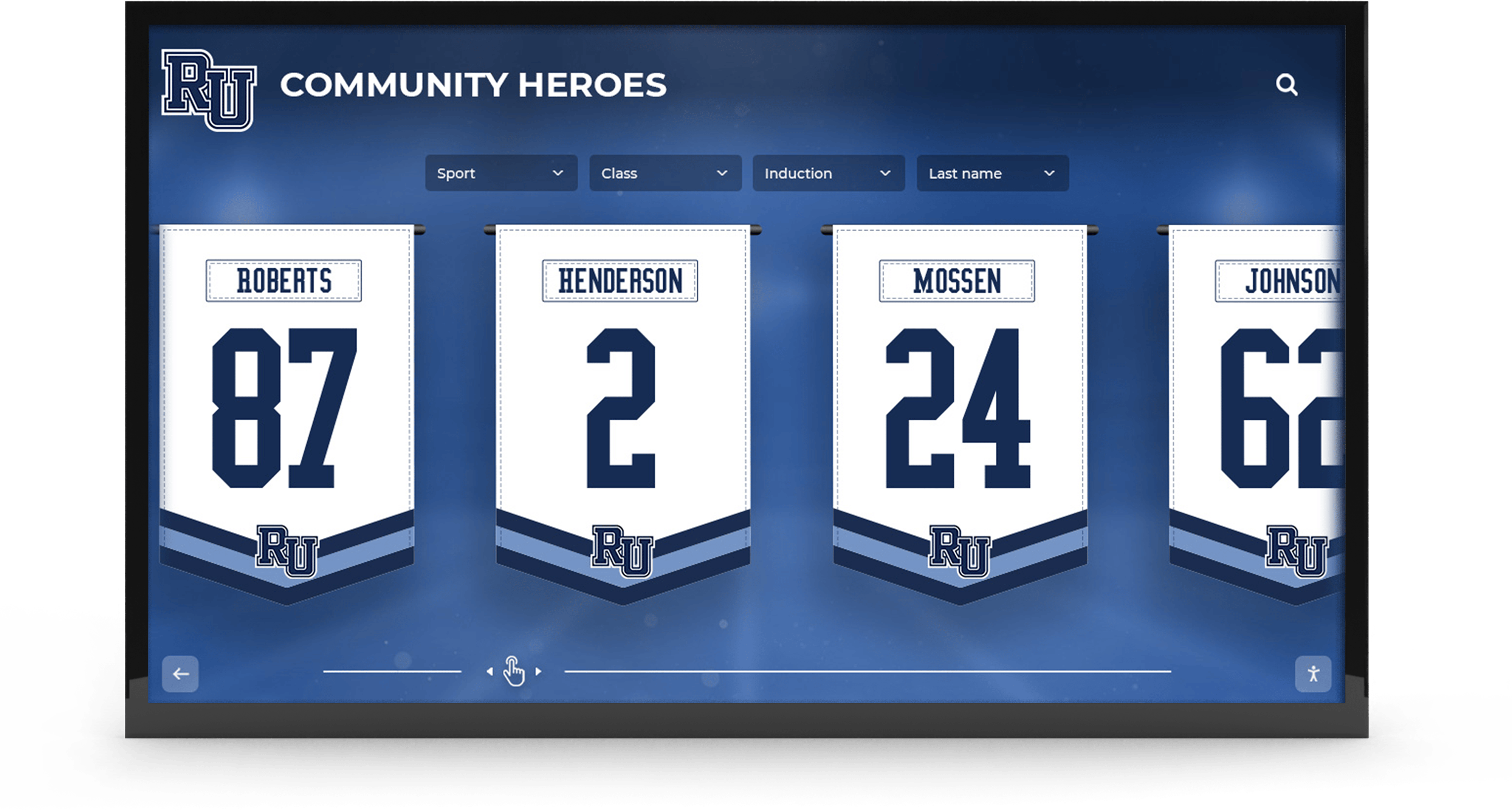
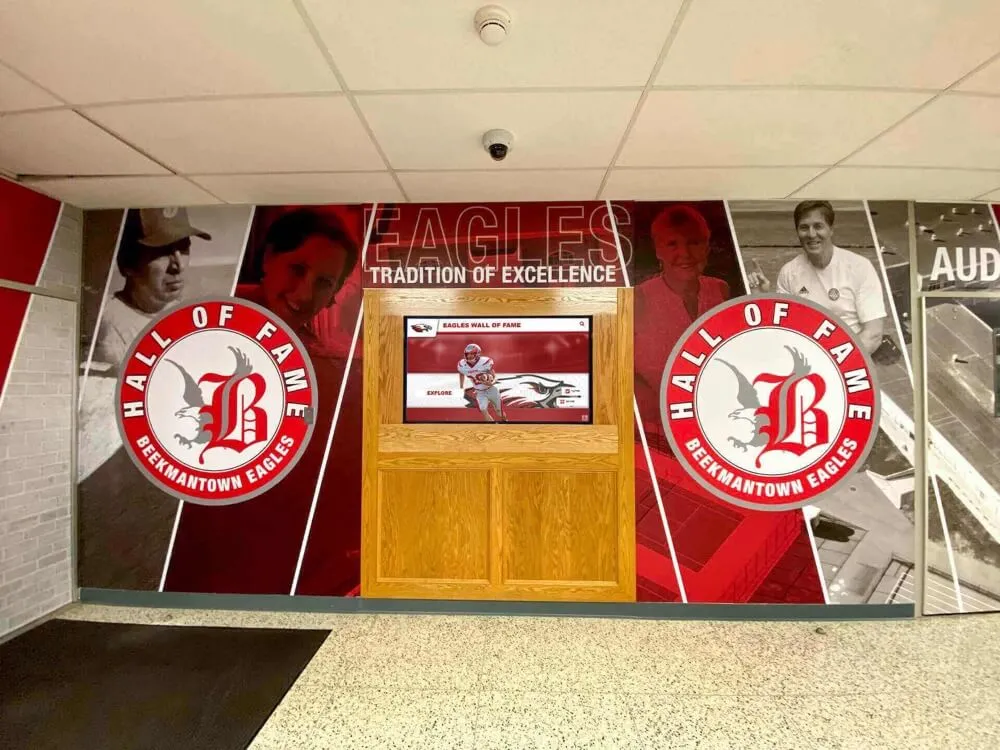
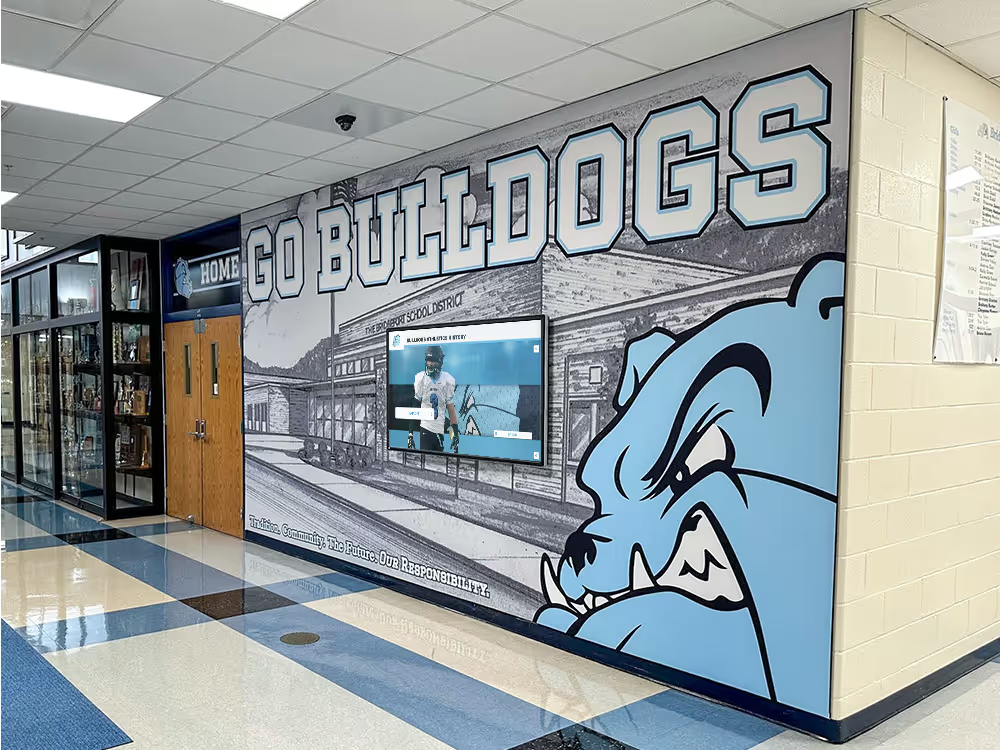
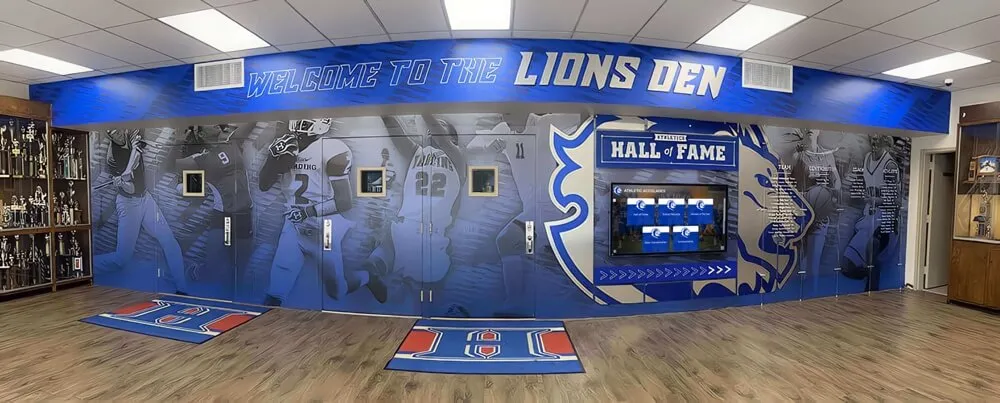
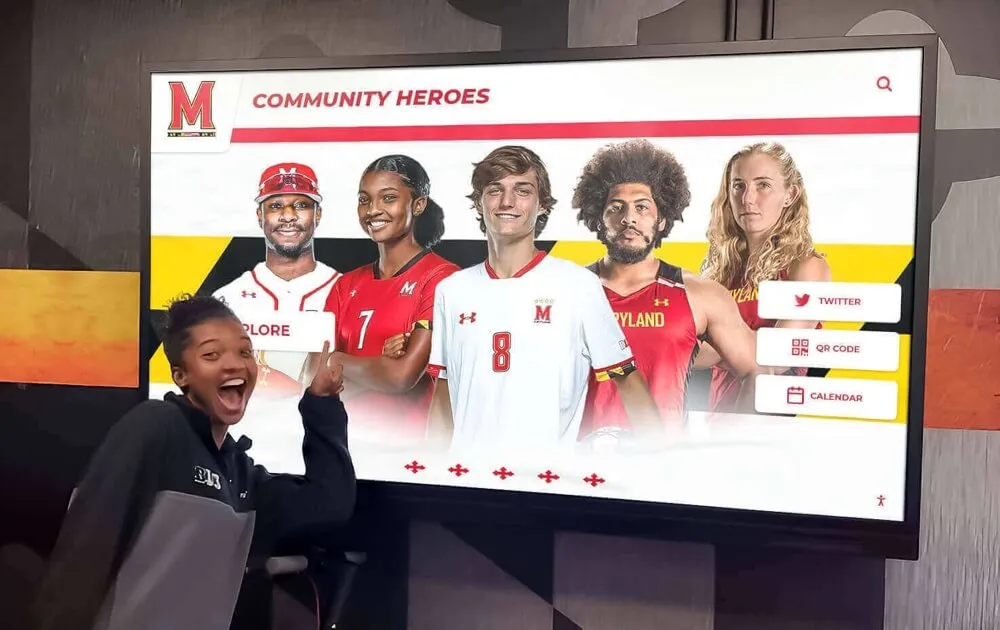
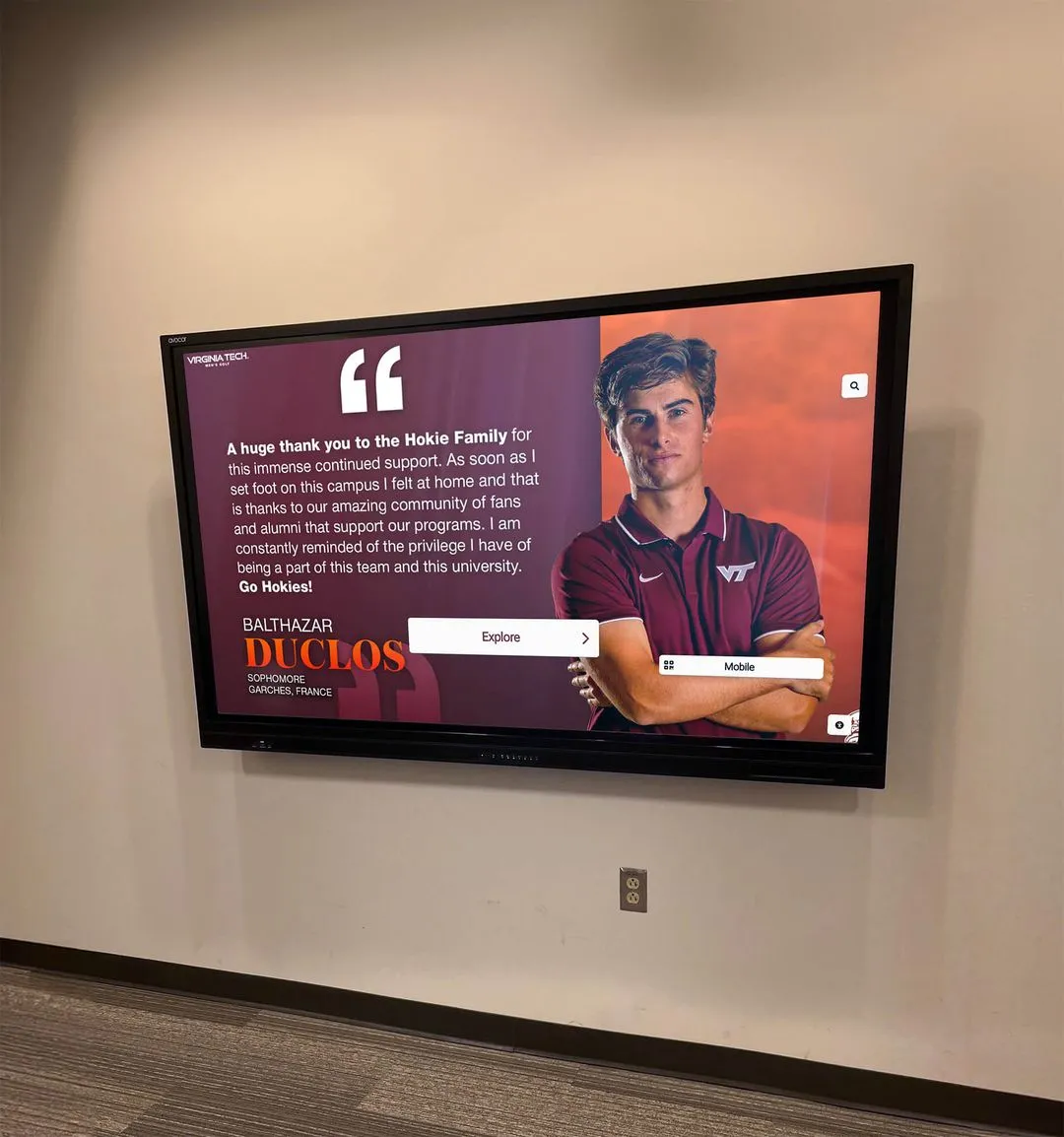
Visual recognition celebrates diverse student achievements while reinforcing positive messages from ceremony speeches
Theme 4: Character and Values Matter
Emphasizing qualities beyond academic achievement resonates powerfully:
Opening Approach Example:
“Today we’re celebrating your middle school completion. Many of you will receive awards for grades, test scores, and academic achievements. Those accomplishments matter and deserve recognition. But I want to talk about something that matters even more—the kind of people you’ve become. Because twenty years from now, nobody will care what grade you got in eighth grade math. They’ll care about your character, integrity, kindness, and the kind of person you choose to be.”
Development Ideas:
- Highlight specific examples of students demonstrating character—kindness to struggling classmates, integrity in difficult situations, perseverance through challenges
- Acknowledge that popularity and social status often feel like the most important things in middle school, but character determines long-term success
- Recognize students who might not receive academic awards but demonstrated exceptional character qualities
- Connect character to long-term life outcomes—relationships, career success, personal fulfillment, community contribution
- Challenge students to identify the character qualities they want to develop in high school
Practical Application:
“As you start high school, you’ll face hundreds of moments where character matters—when you see someone excluded or bullied, when you have opportunities to cheat, when you can take credit for others’ work, when you can spread gossip or rumors. In each moment, you choose what kind of person you’re becoming. Choose wisely. Choose to be the person you’d admire. Choose character over convenience, integrity over image, kindness over cruelty.”
Theme 5: The Power of Yet
Growth mindset messages inspire continued learning:
Opening Approach Example:
“How many of you remember something you couldn’t do when you started middle school that you can do now? Maybe you couldn’t write a coherent essay in sixth grade—but you can now. Maybe you couldn’t solve algebraic equations—but you can now. Maybe you struggled to speak in front of groups—but you can now. That little word ‘yet’ makes all the difference. You couldn’t do those things yet. But you learned. You improved. You grew.”
Development Ideas:
- Provide specific examples of skills students develop across middle school years—academic capabilities, social competencies, physical abilities, emotional regulation
- Acknowledge that everyone has things they can’t do yet—emphasizing that current limitations don’t define ultimate potential
- Share personal stories of skills you couldn’t master initially but eventually learned
- Connect growth mindset to high school challenges students will encounter
- Distinguish between growth mindset and unrealistic expectations—effort doesn’t guarantee mastery, but absence of effort guarantees stagnation
Challenge to Students:
“As you head to high school, you’ll encounter new challenges—harder classes, more complex social situations, increased expectations, greater independence. You’ll face moments when you think ‘I can’t do this.’ When that happens, add one word: ‘yet.’ I can’t do this yet. Because that tiny word transforms impossibility into potential. It turns limitation into opportunity. It converts failure into feedback. The power of yet is the power to keep growing, keep learning, keep becoming the person you’re capable of being.”
Understanding how student achievement recognition reinforces growth mindset messages throughout school culture.

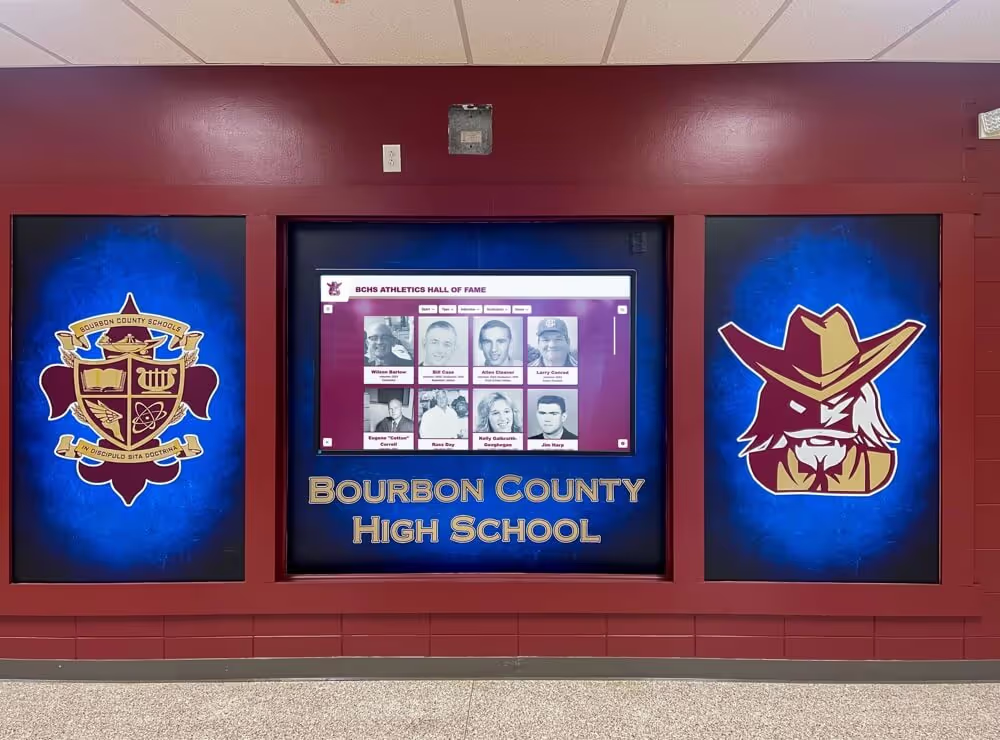
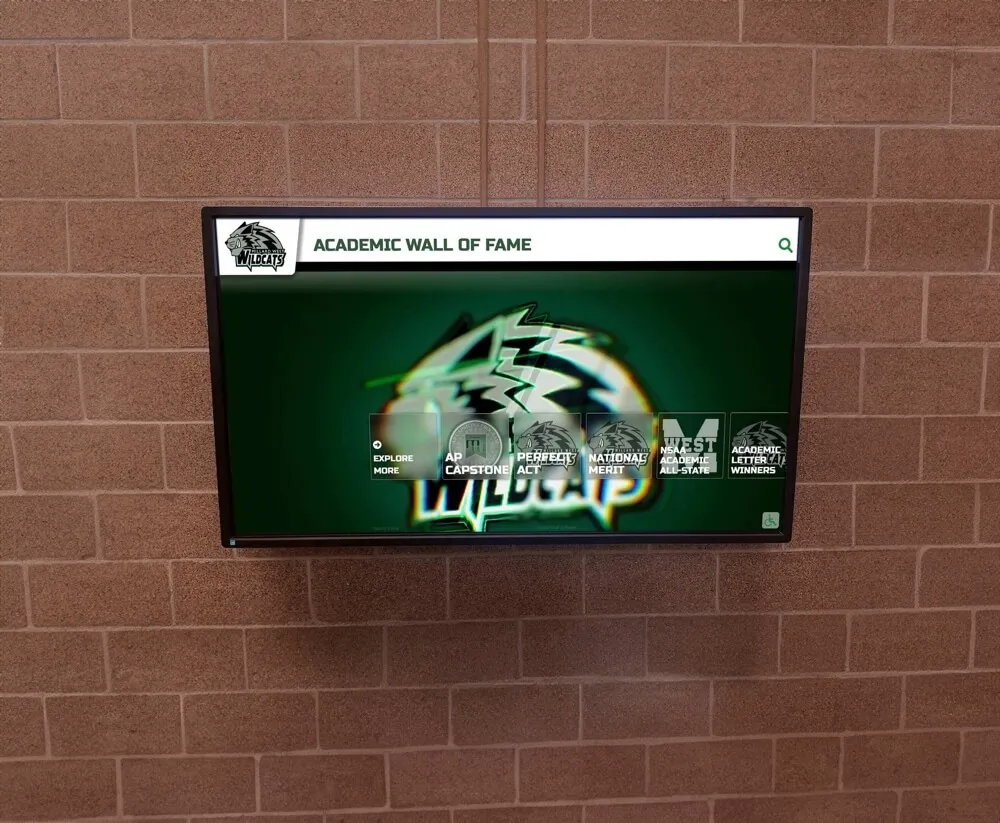
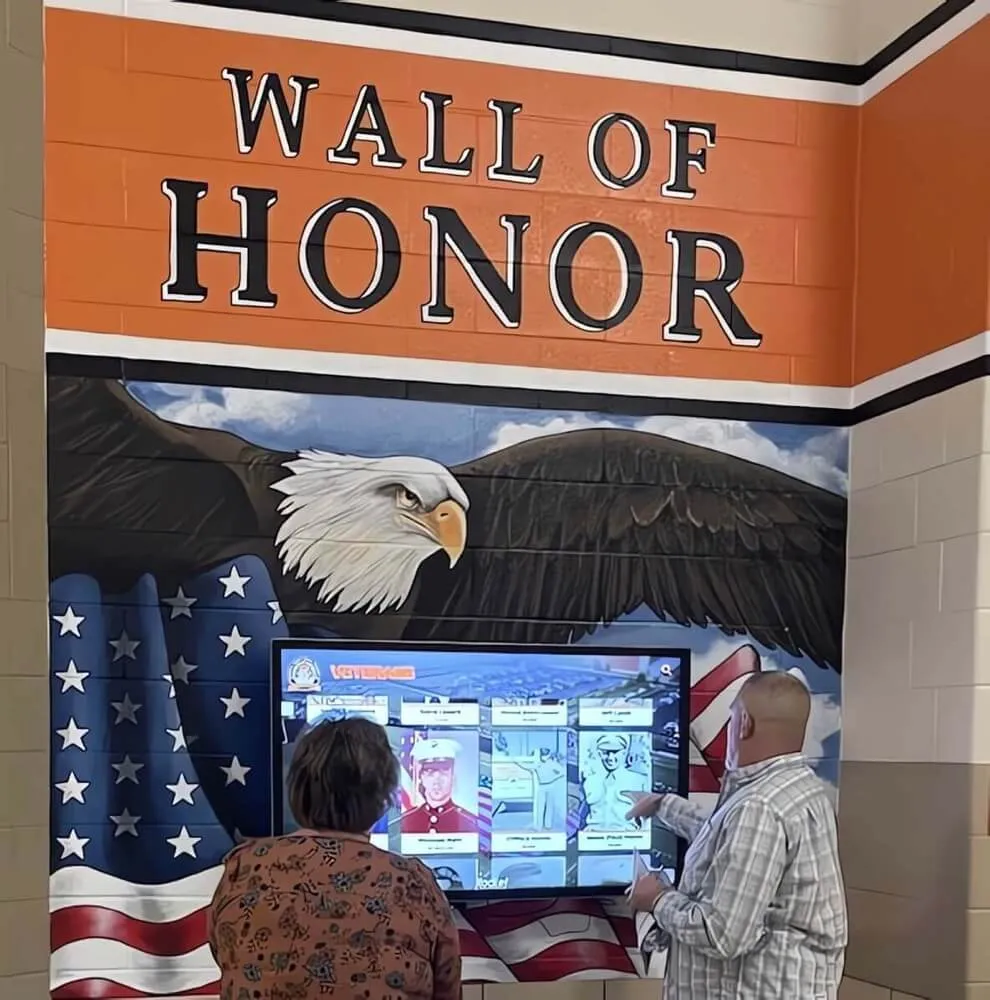
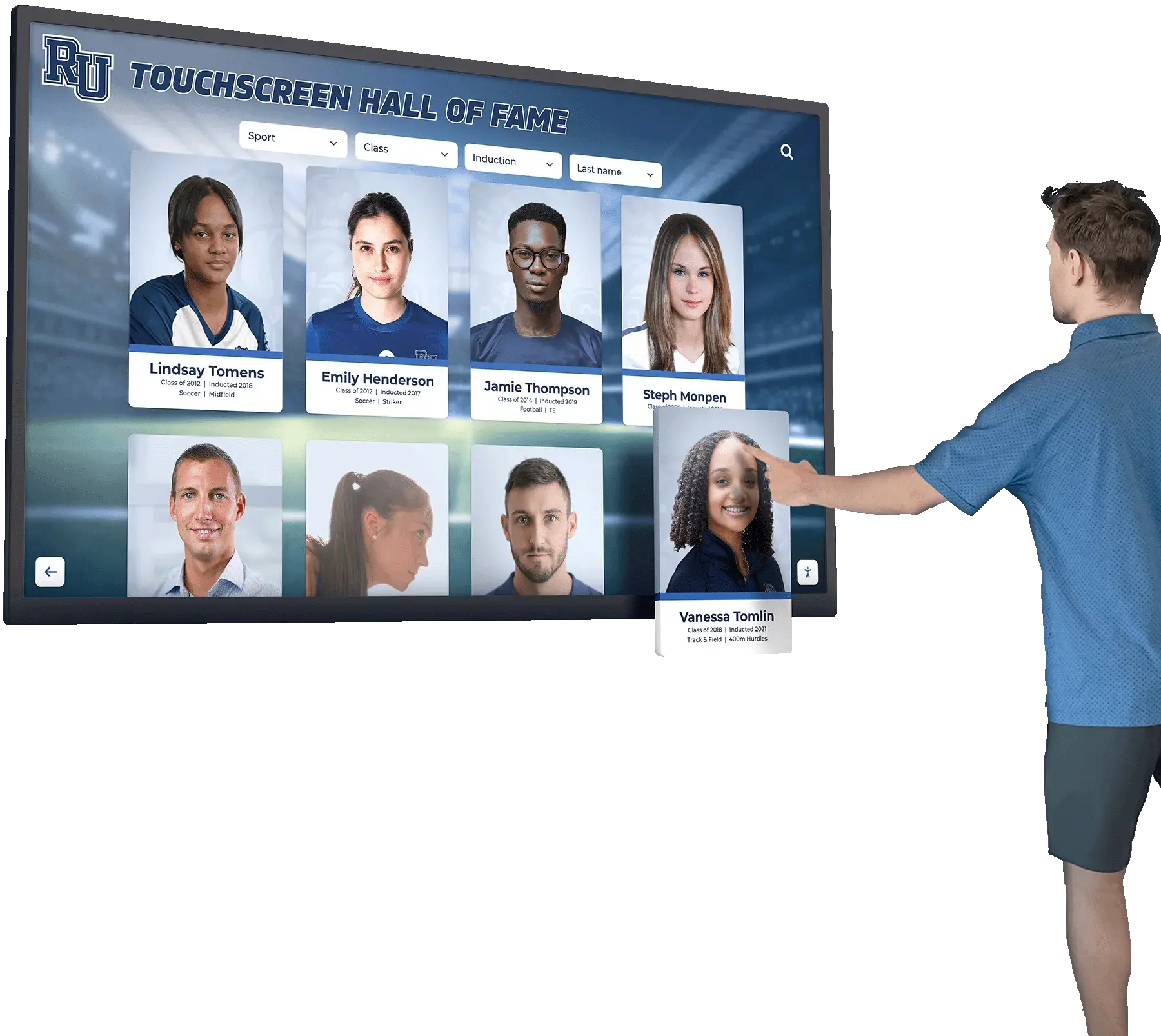
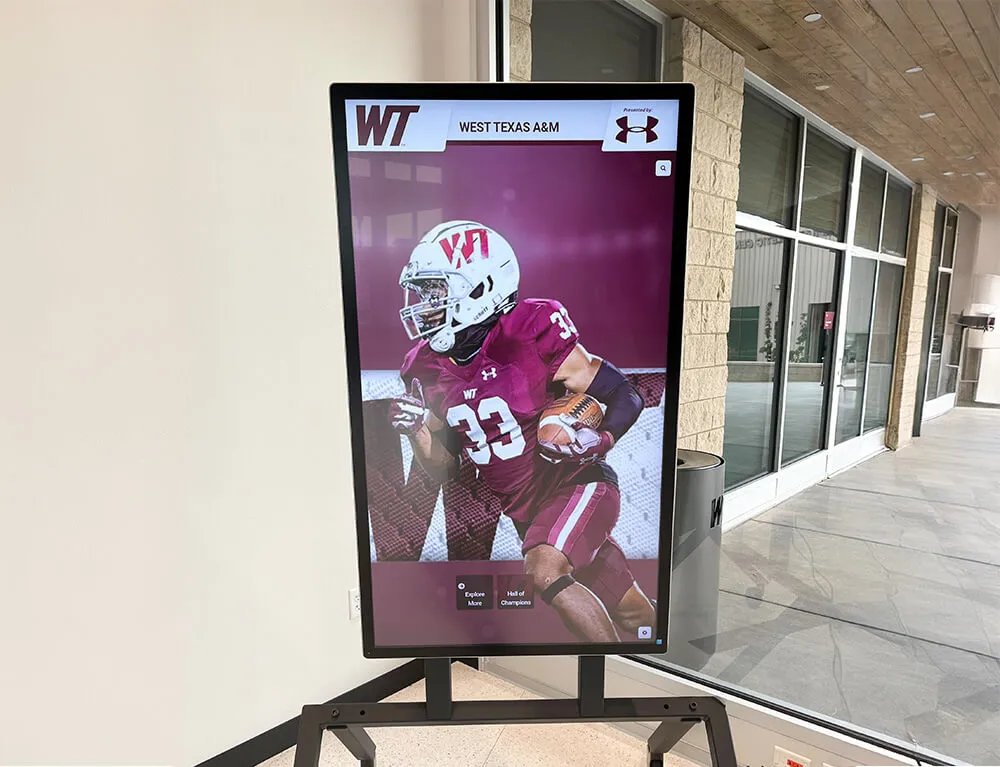
Modern recognition systems enable exploring individual student stories and achievements beyond what ceremony speeches can cover
Speech Structures That Work
How you organize your speech significantly impacts effectiveness.
The Three-Story Structure
One proven approach uses three brief stories illustrating a central theme:
Introduction (1-2 minutes)
- Hook that captures attention immediately
- Clear thesis statement about the speech’s central message
- Preview of the three stories you’ll share
Story One (2-3 minutes)
- First narrative example illustrating your theme
- Specific details that make the story vivid and relatable
- Clear connection between story and graduating students’ experience
Story Two (2-3 minutes)
- Second narrative from different angle or perspective
- Different lesson or dimension of your central theme
- Continued relevance to student experience
Story Three (2-3 minutes)
- Final story bringing everything together
- Most powerful or memorable narrative
- Sets up conclusion naturally
Conclusion (1-2 minutes)
- Synthesize the lessons from your three stories
- Direct, clear challenge or encouragement to students
- Memorable final sentence that students will remember
Total Time: 10-15 minutes maximum
The Then-Now-Next Structure
This chronological organization traces student journey:
Then: Where You Started
- Describe students arriving in sixth grade—what they were like, what they knew, their capabilities and limitations
- Use specific examples and humor to make this vivid
- Acknowledge the nervousness, uncertainty, and excitement of middle school beginning
Now: Where You Are
- Contrast current eighth graders with who they were three years ago
- Highlight specific growth—academic, social, emotional, physical
- Celebrate achievements while maintaining appropriate humility
- Acknowledge challenges faced and overcome
Next: Where You’re Going
- Discuss high school transition realistically
- Balance excitement with acknowledgment of nervousness
- Provide specific encouragement about capacities they’ve developed
- Challenge students to apply middle school lessons to new contexts
This structure provides clear organization while creating natural momentum from past through present to future.
The Challenge-Response Structure
Problem-solution organization creates compelling narrative:
The Challenge
- Identify specific challenge graduating students face (high school transition, increased independence, peer pressure, academic rigor, etc.)
- Make challenge concrete and relatable through examples
- Acknowledge why challenge feels difficult or intimidating
Resources You Have
- Detail specific capacities, skills, or supports students possess for addressing challenge
- Reference lessons learned during middle school years
- Acknowledge support systems available as students face challenge
How to Respond
- Provide specific, actionable guidance for addressing challenge
- Use stories or examples showing successful challenge navigation
- Offer realistic encouragement that balances acknowledgment of difficulty with confidence in student capability
Your Future Self
- Look ahead to students’ future selves who successfully addressed challenge
- Paint vivid picture of growth and capability on the other side
- Create aspirational vision that motivates action
Learn about end-of-year recognition programs that complement ceremony speeches with ongoing celebration.
Writing Tips for Compelling Speeches
Beyond structure, specific writing techniques enhance speech quality.
Start Strong
Your opening 30 seconds determines whether students genuinely listen or mentally check out:
Effective Opening Techniques:
- Start with an unexpected question: “How many of you actually wanted to come to middle school on your first day of sixth grade?”
- Begin with a surprising statistic or fact: “Over the past three years, the students in this room have collectively spent more than 15,000 hours in this building”
- Open with a vivid scene: “Picture this: It’s your first day of sixth grade, you’re standing in the hallway trying to remember your locker combination, and you’re convinced everyone is staring at you…”
- Use humor appropriately: “I promise this speech will be shorter than the longest class you’ve ever sat through. Probably.”
Avoid:
- Generic greetings: “Good morning, graduates, families, and staff…”
- Dictionary definitions: “Webster’s Dictionary defines graduation as…”
- Overly formal language: “We are gathered here today to commemorate this auspicious occasion…”
- Apologizing for speaking: “I’ll try not to take too much of your time…”
Use Specific Details
Concrete specifics create memorable images while generic abstractions get forgotten:
Generic: “You’ve worked hard and accomplished a lot during middle school.”
Specific: “Some of you stayed up late finishing essays the night before they were due. Others practiced your band instruments until your lips hurt. Some of you ran laps in PE even when you didn’t think you could finish. All of you solved problems you couldn’t solve when you started middle school.”
Generic: “High school will be challenging but rewarding.”
Specific: “Your English teacher will assign books with no pictures and complicated vocabulary. Your algebra teacher will expect you to show your work even when you can do math in your head. Your coach will push you harder than you’ve ever been pushed. And when you meet those challenges, you’ll discover capabilities you didn’t know you had.”
The difference between forgettable speeches and memorable ones often lies in specific versus generic language.
Include Strategic Humor
Appropriate humor maintains engagement without undermining ceremony dignity:
Effective Humor Approaches:
- Self-deprecating stories about your own middle school experience
- Recognition of universally relatable middle school moments (“Remember that time we had a fire drill during lunch and everyone worried about their food getting cold?”)
- Gentle observations about middle school realities (“Three years ago, some of you were a foot shorter than you are today. Others of you are still waiting for that growth spurt.”)
- Inside references to specific class experiences students recognize
Avoid:
- Humor at individual students’ expense
- Jokes that embarrass or single out specific people
- Sarcasm that could be misinterpreted
- Controversial or potentially offensive content
- Humor that’s more sophisticated than your audience
One laugh per three minutes represents reasonable pacing—enough to maintain engagement without becoming stand-up comedy.
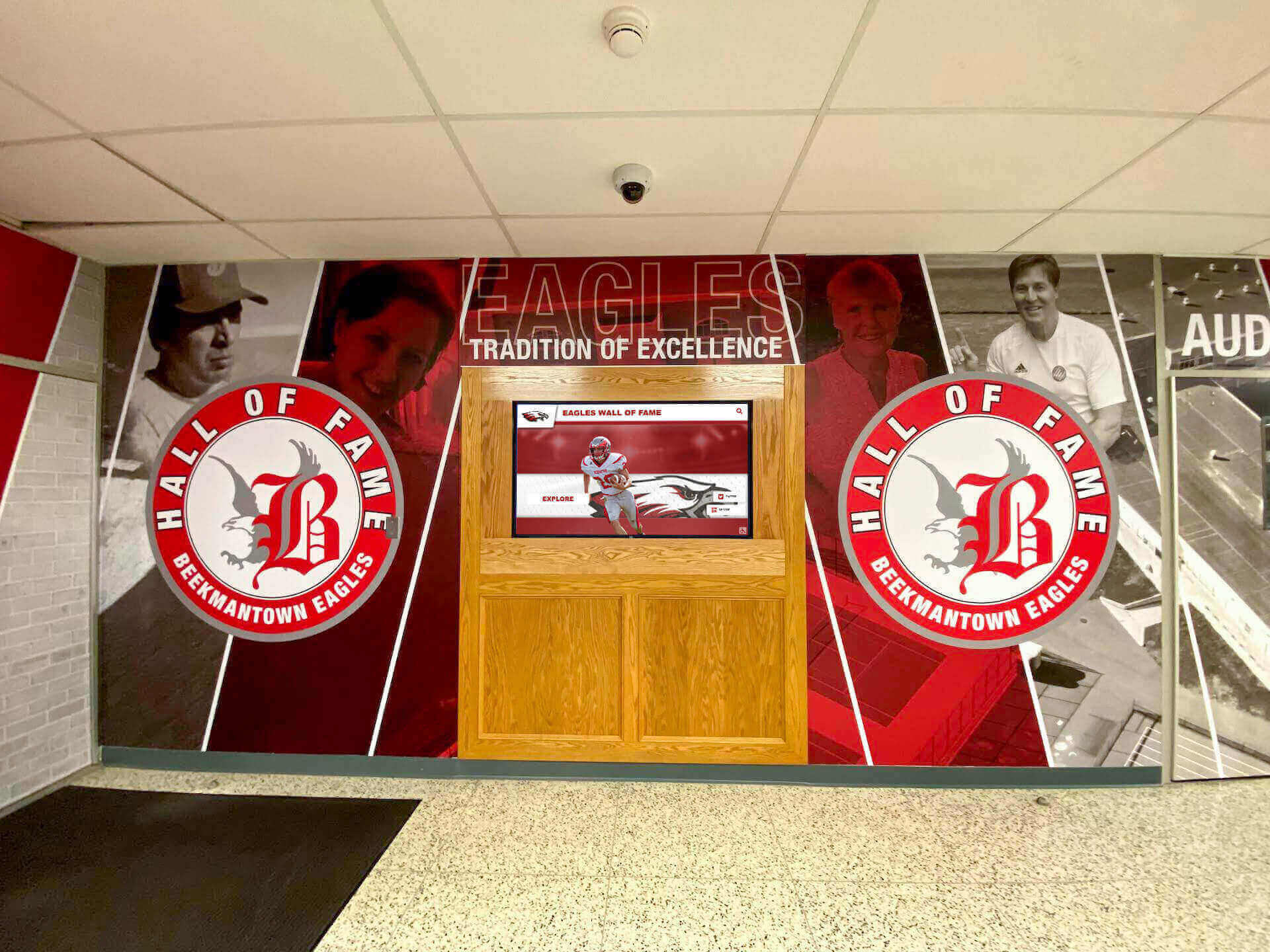
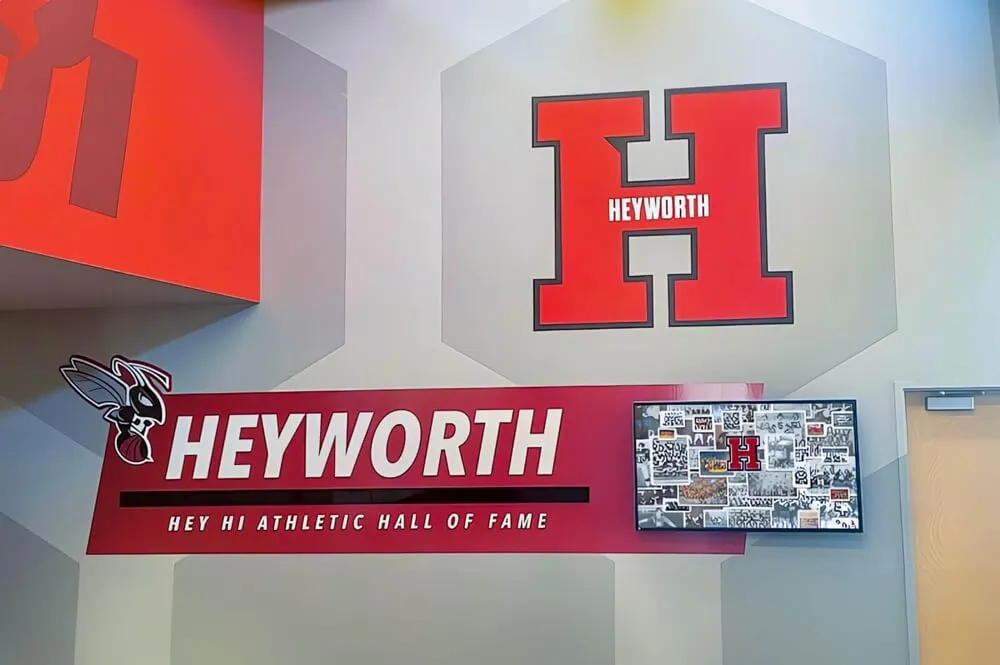
Entrance displays featuring graduating class recognition create welcoming environments celebrating milestones visitors encounter immediately upon arrival
End Memorably
Your conclusion should provide clear, inspiring takeaway:
Strong Closing Techniques:
- Call back to your opening—if you started with a question, answer it; if you began with a story, complete it
- Challenge students with specific, actionable guidance for their next steps
- Paint vivid picture of their future success
- End with memorable single sentence that encapsulates your message
Example Strong Closings:
“Three years ago, you walked into this building as children. Today, you leave as young adults ready for what comes next. Don’t waste the transformation you’ve earned.”
“Middle school taught you that you’re capable of more than you realized. High school will teach you that your capabilities have barely been tapped. Keep growing. Keep learning. Keep surprising yourself.”
“Remember this: Every adult in this room once sat where you’re sitting, wondering if they were ready for what came next. We were. You are. Now go prove it.”
Avoid:
- Trailing off without clear ending
- Thanking people (save that for before your speech theme begins)
- Introducing new topics in final moments
- Ending with weak phrases like “I guess that’s all I wanted to say”
Student Speaker Considerations
When students deliver graduation speeches, additional considerations apply.
Selection Processes
Schools use various approaches to identify student speakers:
Academic Achievement
- Valedictorian designation based on GPA
- Multiple speakers representing top academic performers
- Recognition of sustained academic excellence across middle school years
Teacher/Staff Selection
- Faculty nominate students who’d represent class well
- Selection committee evaluates nominations
- Consideration of speaking ability, class representation, and message quality
Audition or Application Process
- Interested students submit speech drafts or applications
- Selection based on proposed speech quality
- Speaking auditions allow evaluating presentation skills
Democratic Class Vote
- Classmates vote for student speakers
- Popular selection reflecting peer preference
- May privilege popularity over message quality
Each approach has strengths and limitations. Some schools combine methods—academic designation of speakers who submit drafts for approval, or democratic voting from pool of qualified candidates.
Age-Appropriate Expectations
Student speakers are 13-14 years old with varying public speaking experience:
Reasonable Expectations:
- Speech length of 3-5 minutes (shorter than adult speakers)
- Nervousness and imperfect delivery
- Content that reflects student perspective rather than adult sophistication
- Focus on personal experience and peer perspective
Unreasonable Expectations:
- Professional-quality performance
- Deep philosophical insights
- Perfect memorization and delivery
- Comfort equal to experienced adult speakers
Provide student speakers adequate support including speech writing guidance, presentation coaching, rehearsal opportunities, and encouragement that reduces pressure while maintaining ceremony significance.
Common Student Speech Topics
Student perspectives often focus on:
Shared Experiences
- Memorable class moments and inside jokes
- Collective challenges the class faced together
- Evolution of class dynamics across three years
- Recognition of classmates’ diverse contributions
Personal Growth
- Individual transformation from sixth to eighth grade
- Lessons learned through specific experiences
- Overcoming personal challenges or obstacles
- Gratitude for specific people or influences
Looking Forward
- Excitement and nervousness about high school
- Hopes and dreams for future
- Commitments to maintaining friendships
- Determination to apply middle school lessons
Understanding how youth recognition programs celebrate diverse student contributions beyond academic metrics.
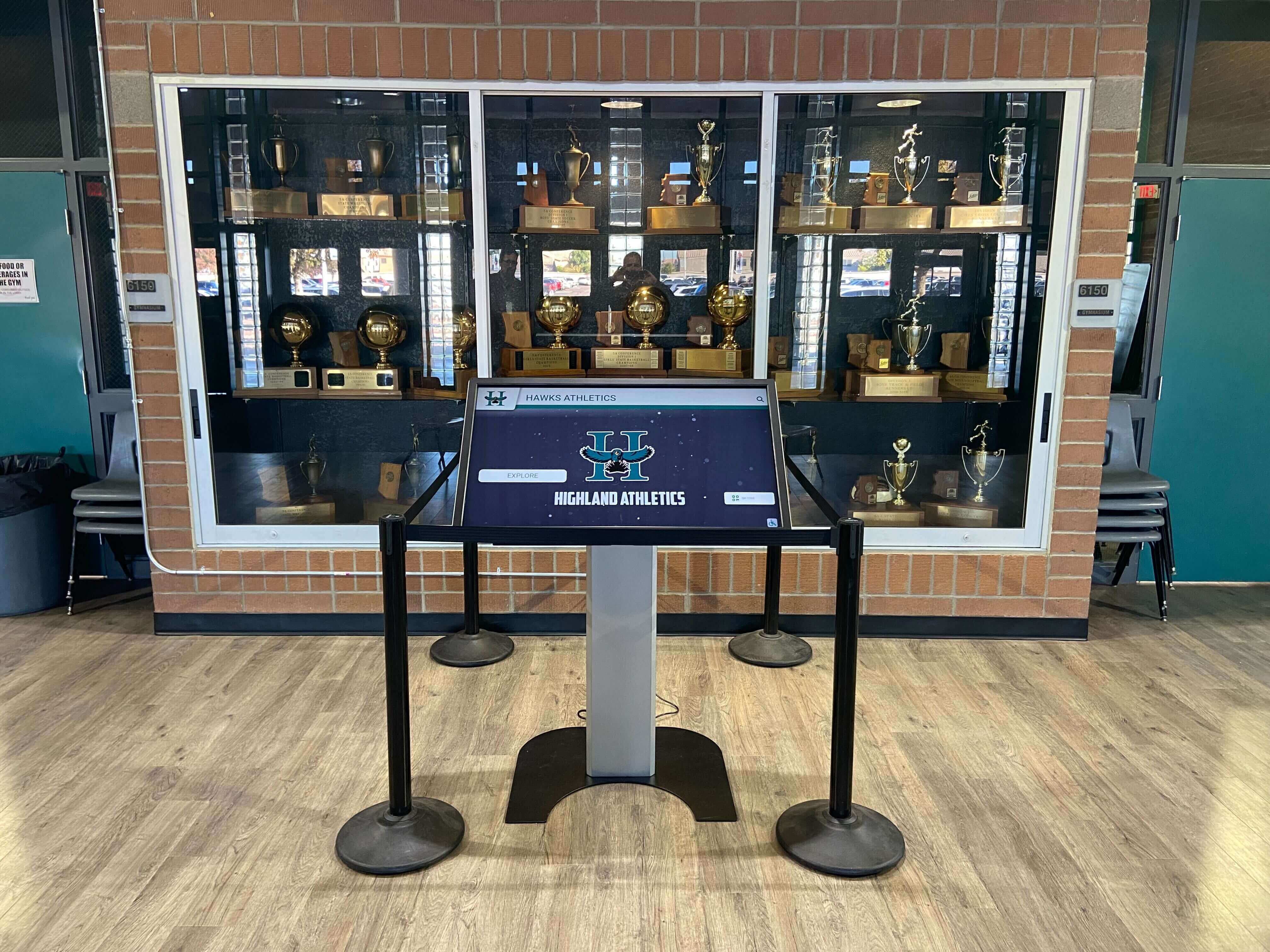
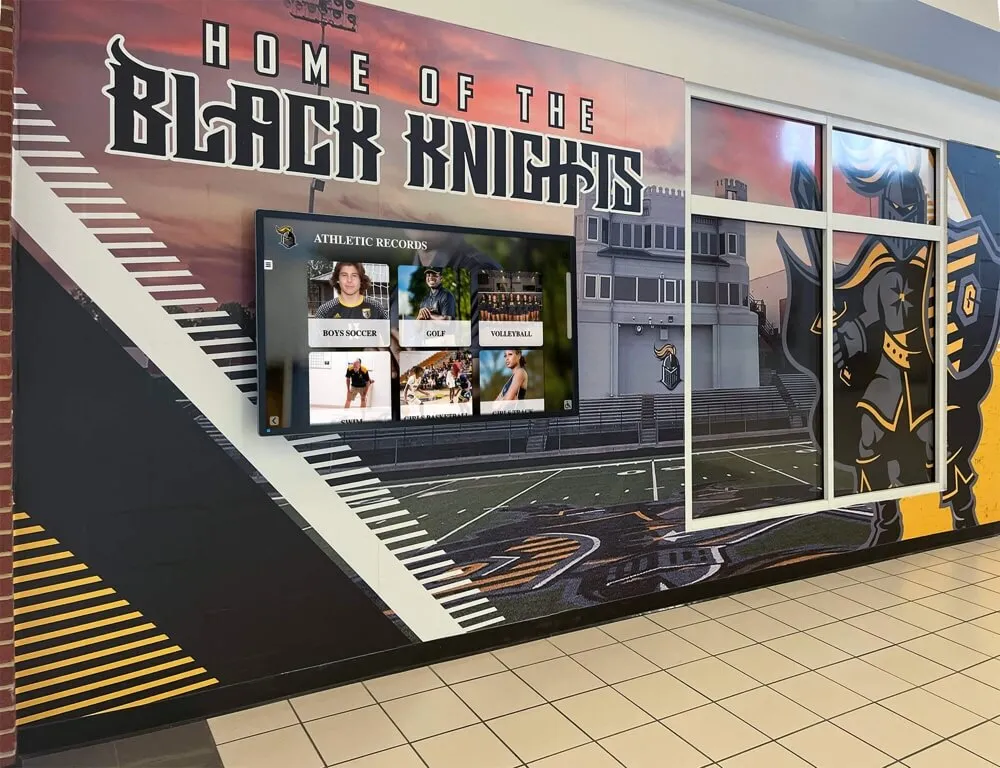
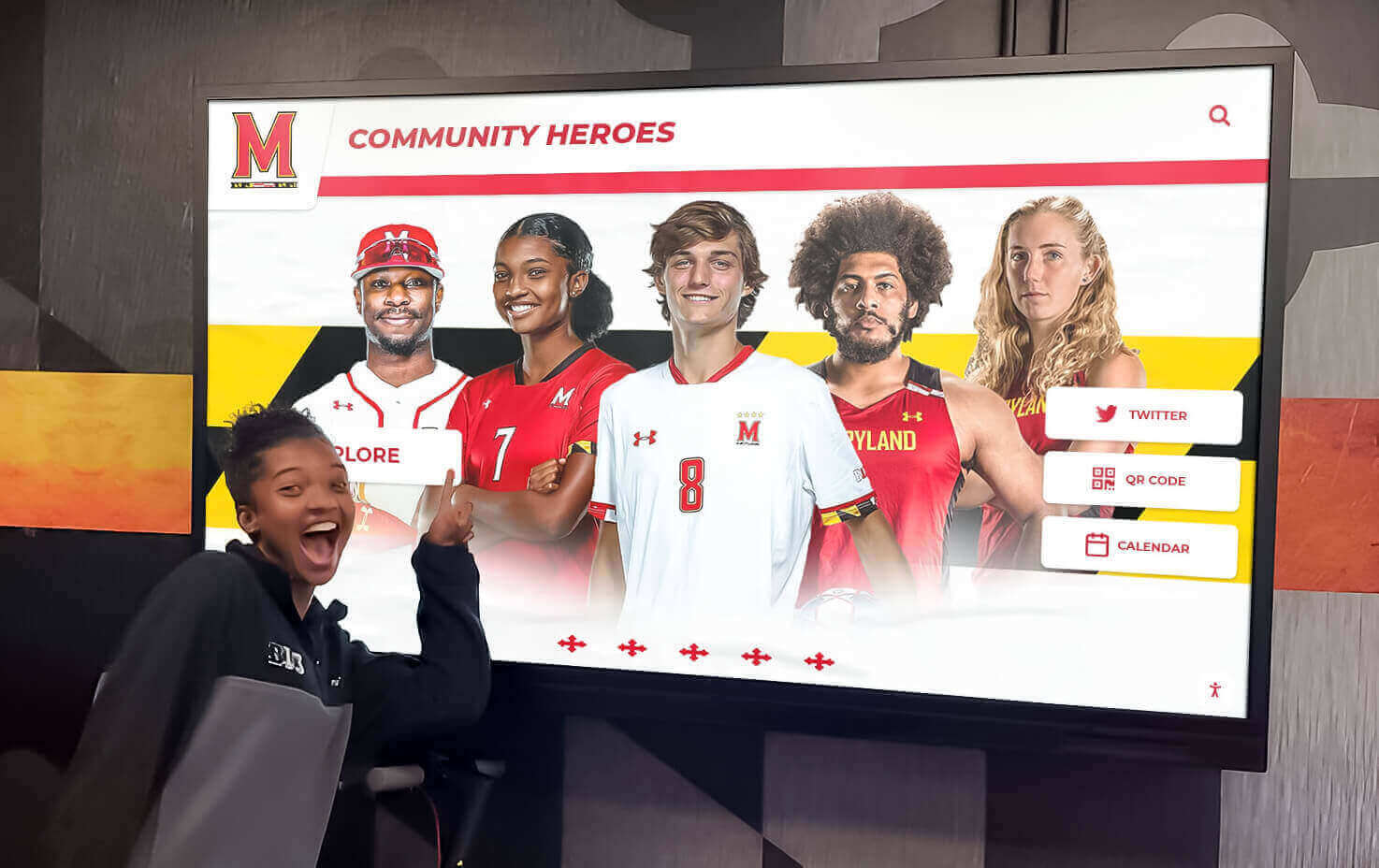
Comprehensive recognition systems honor achievements across academic, athletic, and character domains that speeches reference
Avoiding Common Speech Mistakes
Even well-intentioned speeches can fail through predictable errors.
Mistake 1: Making It About Yourself
Your speech should focus on students, not your own achievements or philosophies:
Problem: Lengthy personal anecdotes unconnected to student experience, stories showcasing your accomplishments rather than relating to their journey, advice based solely on your life without considering their context, or excessive “when I was your age” comparisons.
Solution: Use personal stories only when they directly illuminate lessons relevant to students. Keep yourself in supporting role while students remain protagonists.
Mistake 2: Lecturing Instead of Inspiring
Students receive enough lectures throughout school years:
Problem: Long lists of “shoulds” and “musts,” scolding about behavior or choices, dire warnings about consequences, or condescending tone treating students like children rather than young adults.
Solution: Inspire through positive vision rather than threatening consequences. Challenge rather than scold. Encourage rather than admonish. Trust that students respond better to aspiration than fear.
Mistake 3: Using Clichés and Platitudes
Graduates hear same tired phrases at every ceremony:
Avoid:
- “You’re all special and unique”
- “Follow your dreams”
- “You can be anything you want to be”
- “The future is in your hands”
- “Today is the first day of the rest of your life”
Instead: Find fresh ways to express genuine truths. If you must use familiar phrases, acknowledge their familiarity while explaining why they matter: “I know ‘follow your dreams’ is a graduation cliché, but here’s why it’s actually true…”
Mistake 4: Ignoring Time Limits
Long speeches lose audiences regardless of quality:
Reality: After 15 minutes, even engaged middle schoolers lose focus. After 20 minutes, you’ve lost them entirely.
Best Practice: Aim for 10-12 minutes maximum. If choosing between including all your ideas and respecting attention limits, respect attention limits. Cut ruthlessly. Every speech improves by removing its weakest 20%.
Mistake 5: Failing to Prepare Adequately
Even experienced speakers need preparation:
Essential Preparation:
- Write complete speech draft, not just outline
- Practice delivering it multiple times
- Time yourself to ensure appropriate length
- Get feedback from others
- Revise based on practice insights
- Practice again after revisions
Impromptu or minimally prepared speeches rarely achieve memorable impact. Invest preparation time proportionate to ceremony importance.
Creating Lasting Recognition Beyond Speeches
While graduation speeches create powerful moments, comprehensive recognition extends far beyond single ceremony.
Digital Recognition Systems
Modern platforms preserve graduating class information permanently:
Comprehensive Class Archives
Digital displays can showcase every graduating student including individual photos and profiles, class statistics and demographics, special achievements and awards, memorable class moments and traditions, and future destination information (high schools students will attend).
Unlike printed programs discarded after ceremonies or speeches forgotten days later, digital recognition creates permanent archives accessible years into future.
Interactive Exploration
Touchscreen interfaces enable intuitive content discovery including searching for specific graduates by name, browsing complete graduating class rosters, viewing award recipients and special recognition, exploring class statistics and comparisons, and discovering featured graduates or stories.
This interactive exploration creates ongoing engagement beyond passive ceremony attendance.
Remote Access and Sharing
Web-based extensions provide access beyond campus enabling families to share graduate profiles with extended relatives, students to access their own profiles from home, prospective families to research school culture, and alumni to reconnect with graduating class information decades later.
Solutions like Rocket Alumni Solutions specialize in digital recognition displays specifically designed for educational institutions. These comprehensive systems combine professional touchscreen hardware installation, intuitive content management platforms, engaging interfaces for community exploration, and ongoing support ensuring sustainable recognition programs.
Schools implementing digital graduation recognition report enhanced student motivation seeing permanent recognition value, improved family engagement through accessible graduate information, stronger alumni connections via preserved class histories, and elevated school culture through visible celebration of achievement.
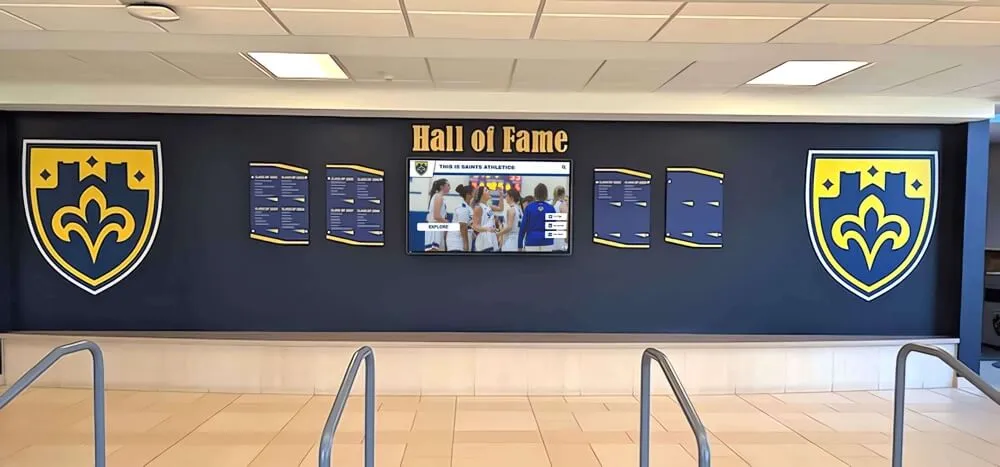
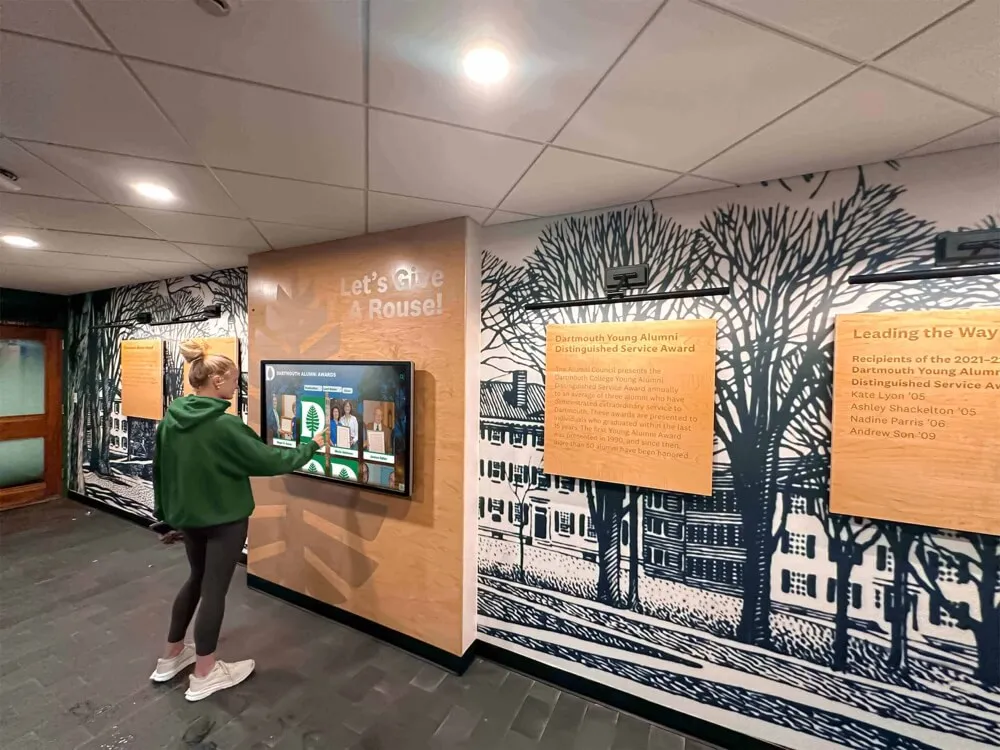
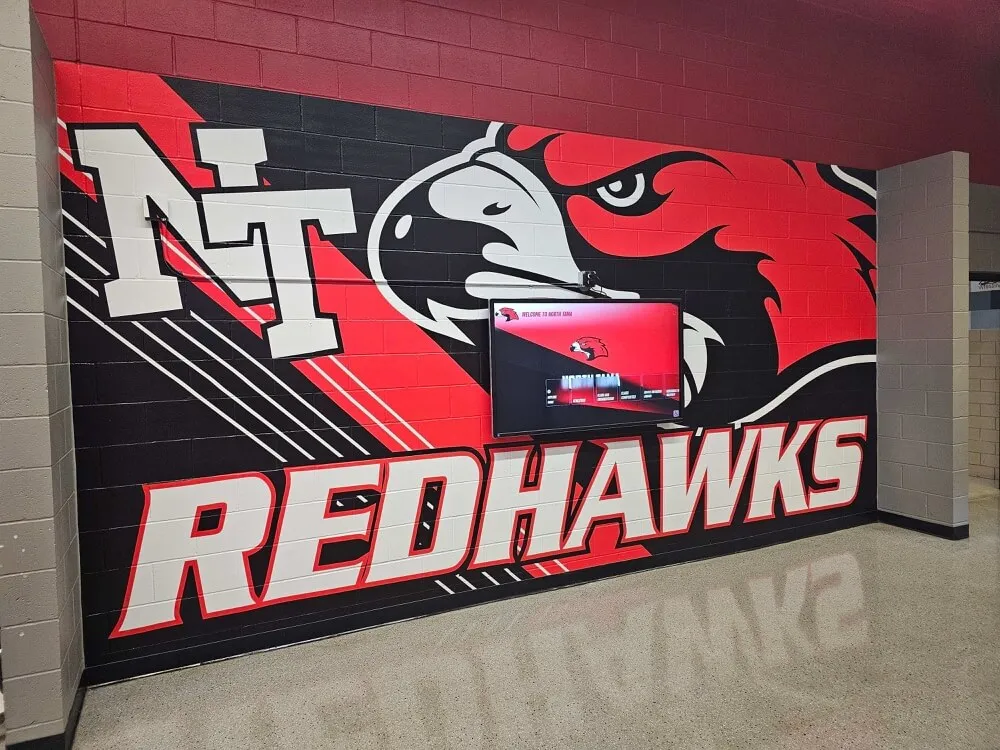
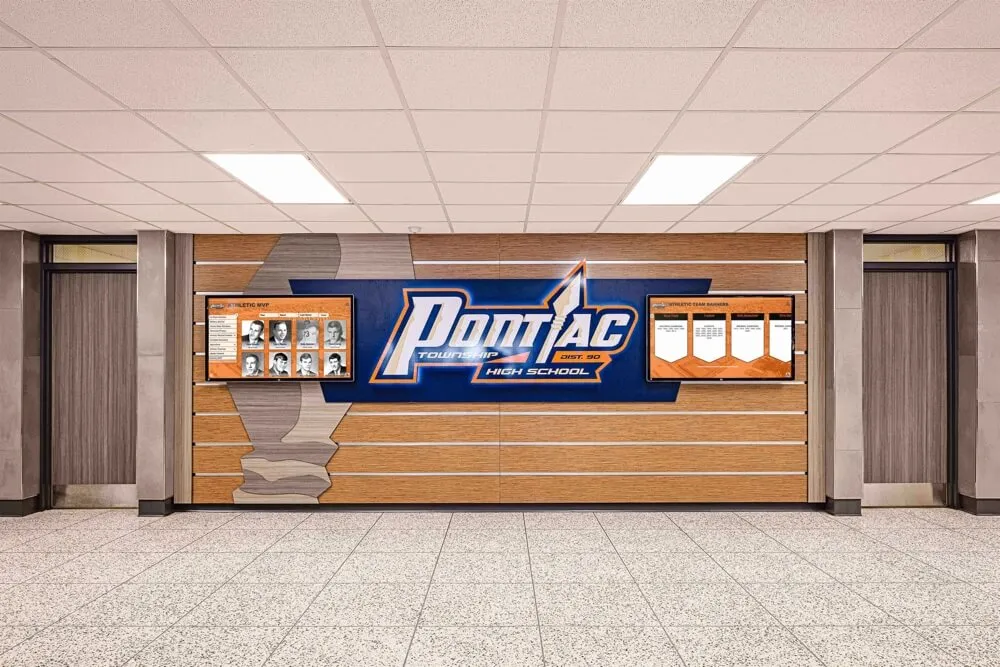
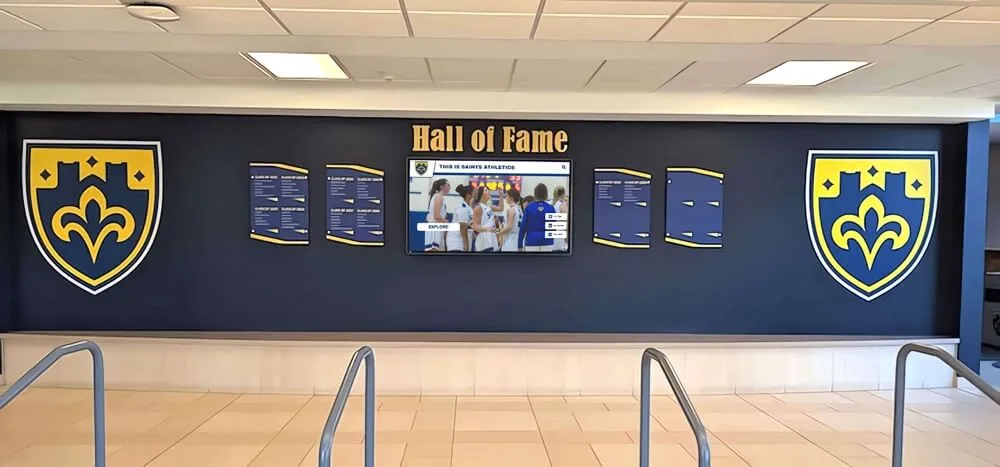
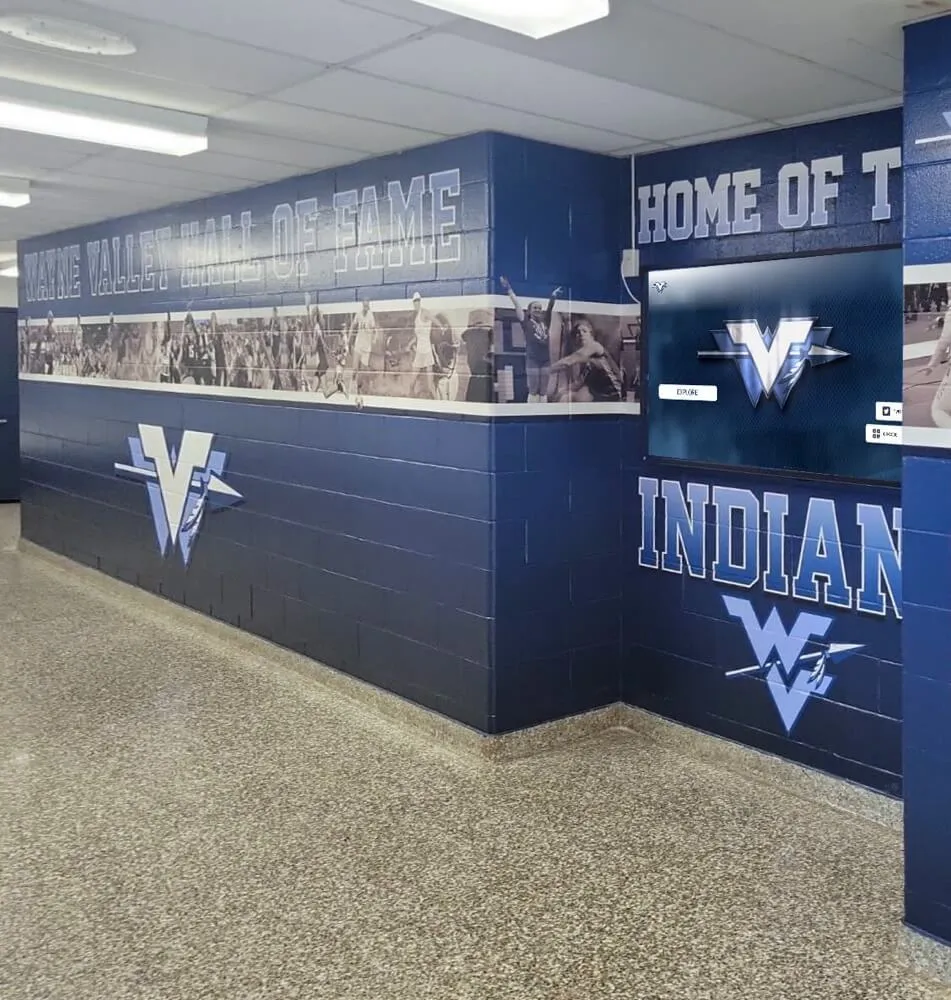
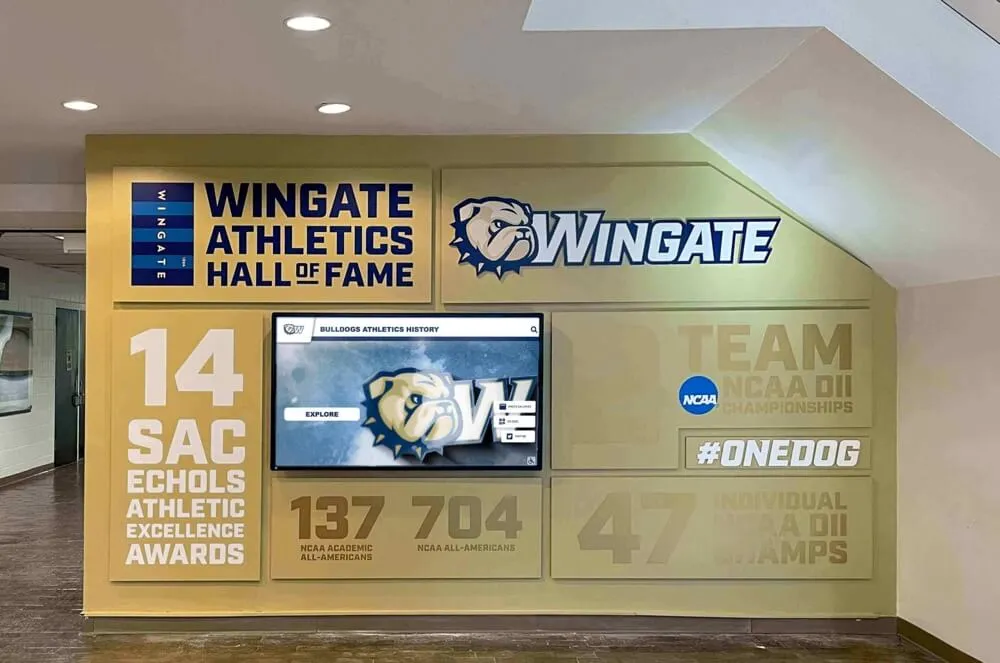
Integrated recognition walls combine traditional displays with modern digital capabilities, creating comprehensive celebration spaces
Print and Physical Recognition
Traditional elements complement digital systems:
Memory Books
- Comprehensive graduation programs including all graduate names and photos
- Messages from teachers and staff
- Class statistics and superlatives
- Space for autographs and personal messages
Recognition Displays
- Permanent plaques or boards listing graduating classes by year
- Photo collages or montages in school hallways
- Time capsules including class artifacts and messages
- Composite photos preserving entire graduating class
Personalized Elements
- Individual certificates with specific student achievements
- Personal notes from teachers to students
- Customized graduation items (programs, folders, etc.)
- Awards and recognition specific to individual students
Ceremony Enhancements
Additional recognition elements strengthen graduation impact:
Video Presentations
- Photo slideshows spanning middle school years
- Video messages from teachers and staff
- Student testimonials about their experience
- Highlights of class achievements and events
Student Recognition Moments
- Individual certificate presentation with brief acknowledgment
- Special achievement awards during ceremony
- Class superlatives celebrating diverse student contributions
- Peer-nominated recognition honoring classmate relationships
Post-Ceremony Celebration
- Reception with refreshments enabling social connection
- Photo opportunities with professional photography
- Interactive displays featuring class information
- Distribution of memory books or keepsakes
Explore comprehensive school recognition solutions that extend ceremony recognition into daily school environments.
Sample Speech Excerpts
Concrete examples illustrate effective approaches:
Opening: The Transformation Theme
“Three years ago, this graduating class walked into this building for the first time as sixth graders. I remember that day. Some of you looked terrified—wide-eyed, clutching new backpacks, trying to figure out how to open combination locks. Some of you tried to look confident even though you were just as nervous as everyone else. And a few of you actually seemed excited about starting middle school, which honestly made the rest of us question your judgment.
But look at you now. You’re not those uncertain sixth graders anymore. You’ve grown—literally, in some cases, by more than a foot. You’ve changed in ways that go far beyond height. You’ve developed capabilities you didn’t have three years ago. You’ve formed friendships that shaped who you became. You’ve overcome challenges that seemed impossible when you started. You’ve become the eighth graders sitting in these chairs today. And that transformation is exactly what we’re celebrating.”
Middle: The Gratitude Theme
“I want you to do something for me right now. Think about one teacher who made a real difference for you during middle school. Not just someone who taught you content, but someone who believed in you when you struggled, who pushed you when you got lazy, who celebrated with you when you succeeded, who saw potential in you that you didn’t see in yourself. Got that person in mind?
Now think about a family member—parent, grandparent, sibling, aunt, uncle, whoever—who supported you through these three years. Who helped with homework even when they didn’t understand the assignment. Who drove you to activities and sat through events. Who listened when you needed to talk. Who picked you up when middle school knocked you down. Picture that person’s face.
Finally, think about one classmate—someone who made middle school better just by being there. Someone who made you laugh when you needed it. Someone who included you when you felt left out. Someone who stood up for you or stood beside you. Someone who made the journey more bearable.
Those three people—teacher, family member, classmate—they’re part of why you’re graduating today. When this ceremony ends, find those people. Thank them. Tell them specifically what they did that mattered. Because graduation isn’t just about completing middle school—it’s about recognizing that you didn’t complete it alone.”
Closing: The Challenge Forward
“So here’s what I want you to remember as you leave here today and head toward high school. Middle school taught you that you’re more capable than you realized. You survived three years that included some of the most awkward, uncomfortable, challenging experiences of your life. You made it through physical changes, social drama, academic challenges, and countless moments when you weren’t sure you’d figure things out. But you did figure them out. You’re here.
That resilience, that capacity to face uncertainty and still move forward, that ability to grow even when growth feels uncomfortable—those are the real lessons of middle school. Those are the qualities that will carry you through high school, through college, through career, through all the challenges life will throw at you.
So as you walk out of here today as middle school graduates, walk with confidence. Not arrogance—confidence. Confidence earned through three years of growth, supported by people who believed in you, strengthened by challenges you overcame. You’ve got this. You’ve always had this. Now go prove it.
Congratulations, Class of 2026. We’re proud of you. Now make us prouder.”
Planning Your Speech Delivery
Writing effective speeches is only half the challenge:
Preparation and Practice
Draft Multiple Times
- Write first draft quickly without self-editing
- Let it sit overnight before revising
- Cut ruthlessly—remove weakest content
- Read aloud to catch awkward phrasing
- Get feedback from trusted colleagues
- Revise again based on feedback
Practice Extensively
- Rehearse complete speech at least 5-10 times
- Practice in the actual venue if possible
- Time yourself to ensure appropriate length
- Record yourself to identify improvement areas
- Practice with microphone if available
- Rehearse until comfortable, not memorized
Delivery Techniques
Physical Presence
- Stand confidently with good posture
- Make eye contact across the audience
- Use natural gestures—don’t force theatrics
- Move purposefully if space allows
- Smile when appropriate
- Maintain energy throughout
Vocal Delivery
- Speak clearly and project adequately
- Vary pace—slow down for important points
- Use pauses effectively for emphasis
- Modulate volume to maintain interest
- Show enthusiasm without seeming fake
- Breathe naturally
Managing Nerves
- Accept that nervousness is normal
- Convert nervous energy into enthusiasm
- Focus on message rather than yourself
- Remember that audiences want you to succeed
- Use breathing techniques before speaking
- Visualize successful delivery
Technical Considerations
Equipment Preparation
- Test microphone and sound system in advance
- Have printed notes as backup even if using teleprompter
- Ensure podium height is comfortable
- Check lighting to ensure notes are readable
- Prepare contingency plans for technical failures
- Arrive early to address any issues
Conclusion: Making Graduation Speeches Matter
Effective 8th grade graduation speeches accomplish something remarkable—they make 13- and 14-year-olds actually listen during a formal ceremony, create memories students recall years later, honor achievement appropriately without excessive inflation, acknowledge real challenges while providing genuine encouragement, and strengthen school culture through visible celebration of student growth.
The difference between forgettable speeches graduates endure and memorable addresses they actually appreciate lies not in eloquence or sophistication but in authenticity, relevance, and respect for your audience. When you craft speeches that speak to students where they actually are rather than where you think they should be, when you acknowledge their real experiences rather than idealizing them, when you challenge them appropriately rather than lecturing condescendingly, and when you respect their time and intelligence—you create graduation moments that genuinely matter.
The strategies explored throughout this guide provide frameworks for developing speeches that resonate with middle school audiences—from choosing themes that connect with eighth graders to structuring content that maintains engagement, from writing techniques that create memorable moments to delivery approaches that convey authentic connection. Whether you’re an administrator addressing hundreds of graduates or a student speaker representing classmates, these principles help you craft messages students actually remember.
Beyond Single Ceremonies
While powerful graduation speeches create memorable moments, comprehensive recognition extends celebration beyond single ceremonies through permanent digital displays showcasing every graduating student, ongoing communication celebrating student achievement, integration with broader school recognition culture, and systems that demonstrate sustained commitment to honoring student growth.
Schools implementing comprehensive recognition—combining meaningful graduation ceremonies with permanent recognition systems—create cultures where achievement receives consistent celebration throughout students’ educational journeys.
Extend Graduation Recognition Beyond Ceremony Day
Discover how digital recognition solutions create permanent celebration of graduating classes while strengthening school culture through visible achievement acknowledgment.
Explore Recognition SolutionsAs you prepare your 8th grade graduation speech, remember that your words have power—power to validate student growth, honor effort and achievement, create memorable moments students recall years later, strengthen connection between students and school community, and inspire continued excellence as graduates transition to high school.
Your graduating eighth graders have accomplished something genuinely significant. They’ve navigated three challenging years, grown tremendously across multiple dimensions, overcome obstacles and setbacks, built relationships and discovered interests, and developed capabilities they’ll rely on throughout high school and beyond. They deserve recognition that honors these accomplishments authentically while preparing them for challenges ahead.
With thoughtful speech development, authentic delivery, and integration with comprehensive recognition systems, you create graduation experiences that transform perfunctory ceremonies into meaningful celebrations that strengthen educational culture and inspire continued student excellence throughout your school community.