When schools identify and celebrate academic achievement examples systematically, they create cultures where intellectual accomplishment receives the prominence it deserves. Yet many educators struggle to define what constitutes meaningful academic achievement beyond traditional metrics like grade point average. The result? Recognition programs that overlook significant accomplishments while students achieving impressive academic milestones go unacknowledged, potentially undermining the very culture of excellence schools work to build.
The question isn’t whether academic achievement matters—every school administrator understands its importance. The challenge lies in identifying which achievements warrant recognition, designing celebration approaches that feel meaningful rather than perfunctory, and creating sustainable systems that acknowledge excellence across diverse student populations and achievement dimensions.
This comprehensive guide explores specific academic achievement examples worth recognizing, provides frameworks for identifying achievements aligned with your institutional values, and offers proven strategies for celebrating academic success through modern recognition approaches that motivate students while honoring their accomplishments appropriately.
Effective academic recognition extends beyond identifying top performers—it requires systematic approaches that acknowledge excellence across multiple dimensions while ensuring recognition opportunities exist for students at various achievement levels and through different pathways. Schools that excel at academic recognition create environments where intellectual achievement receives visibility and celebration proportional to its significance.

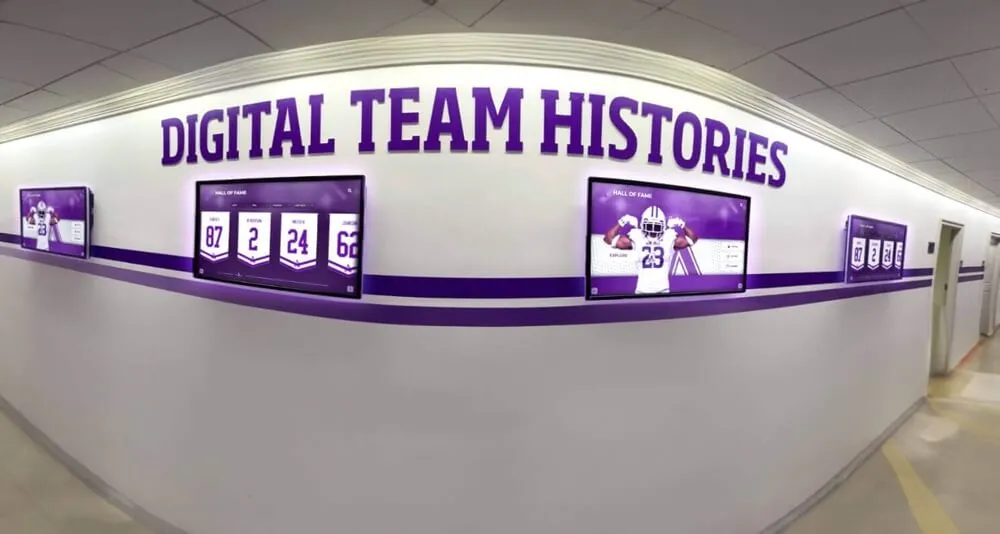
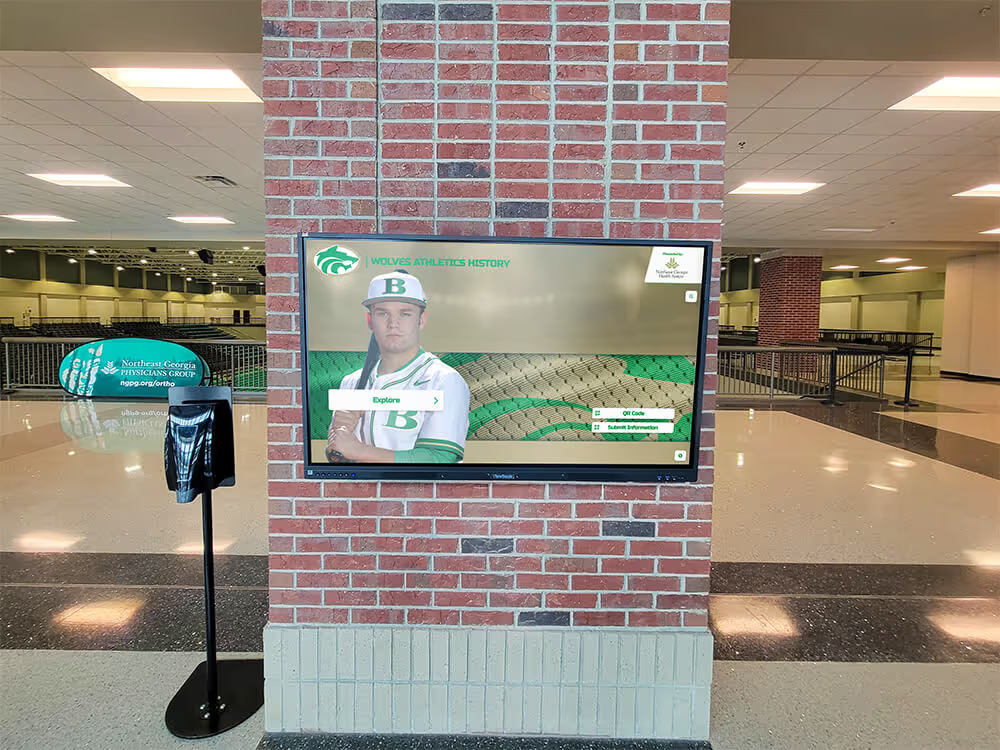
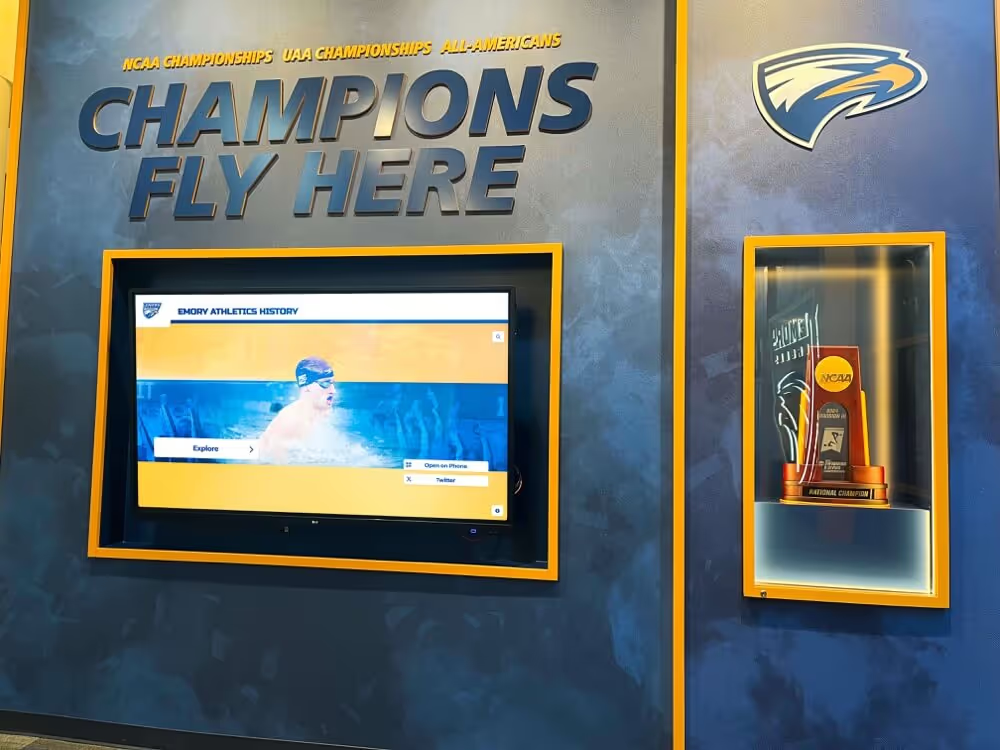
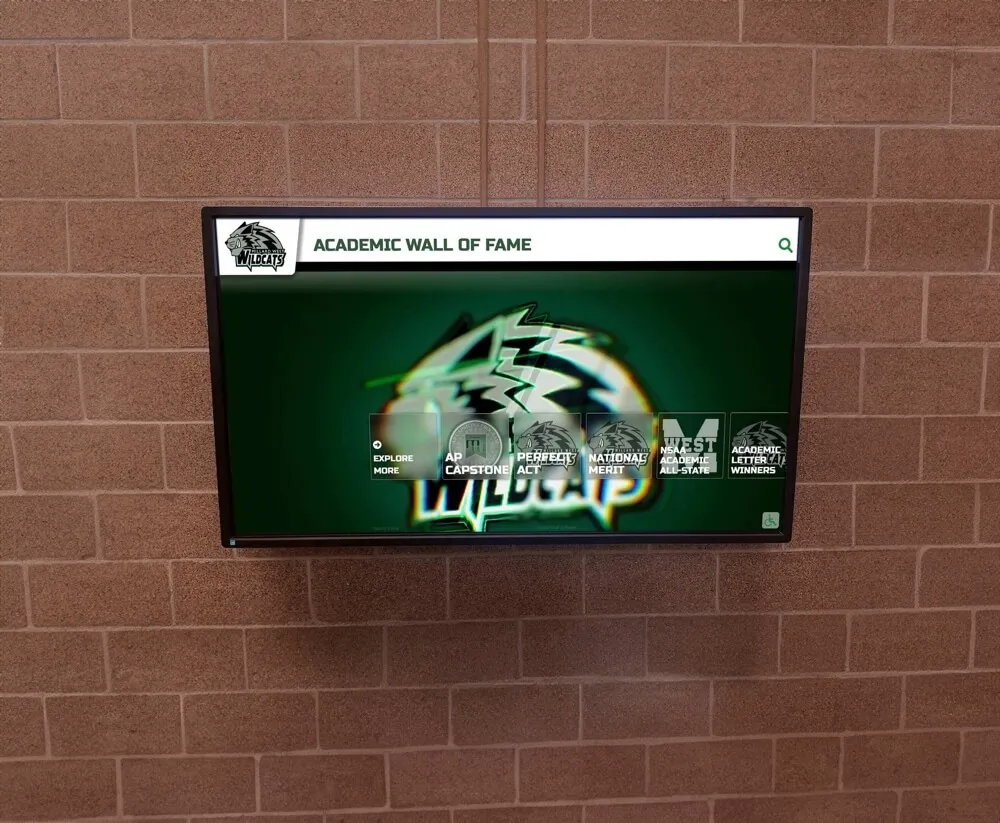
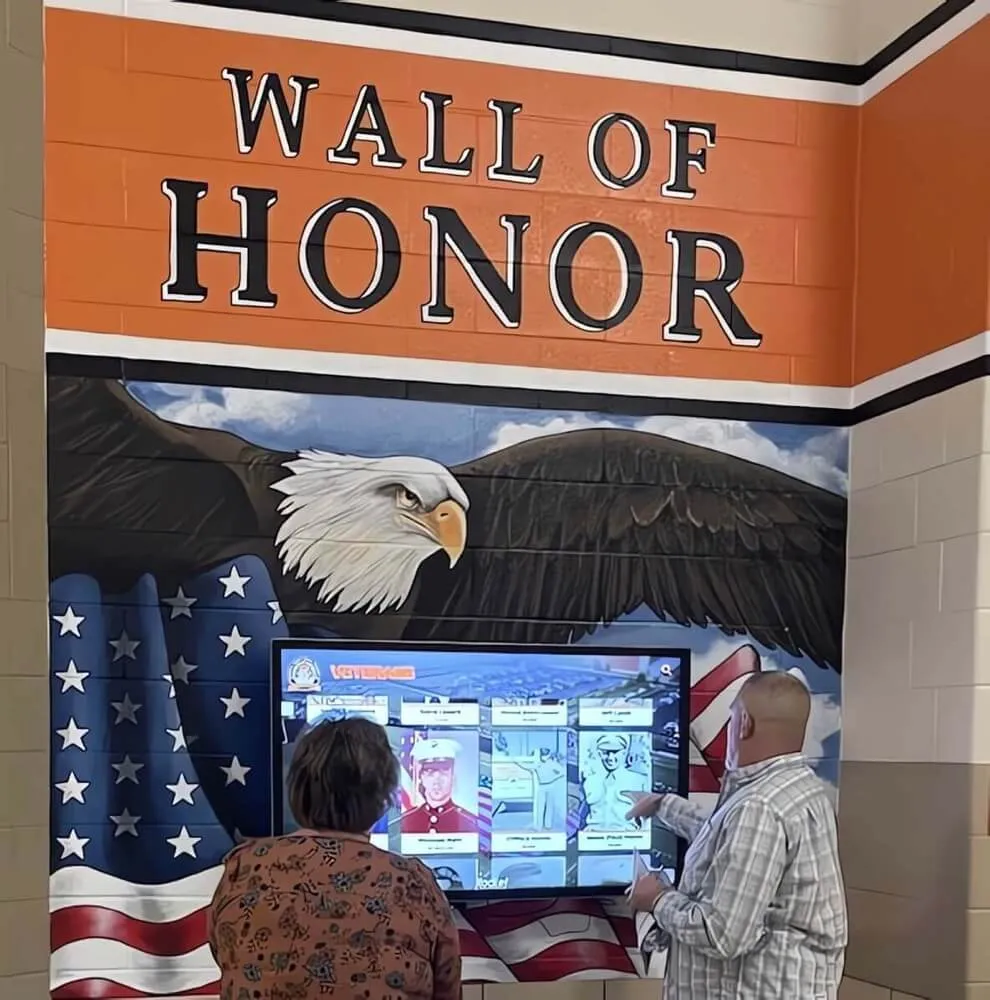
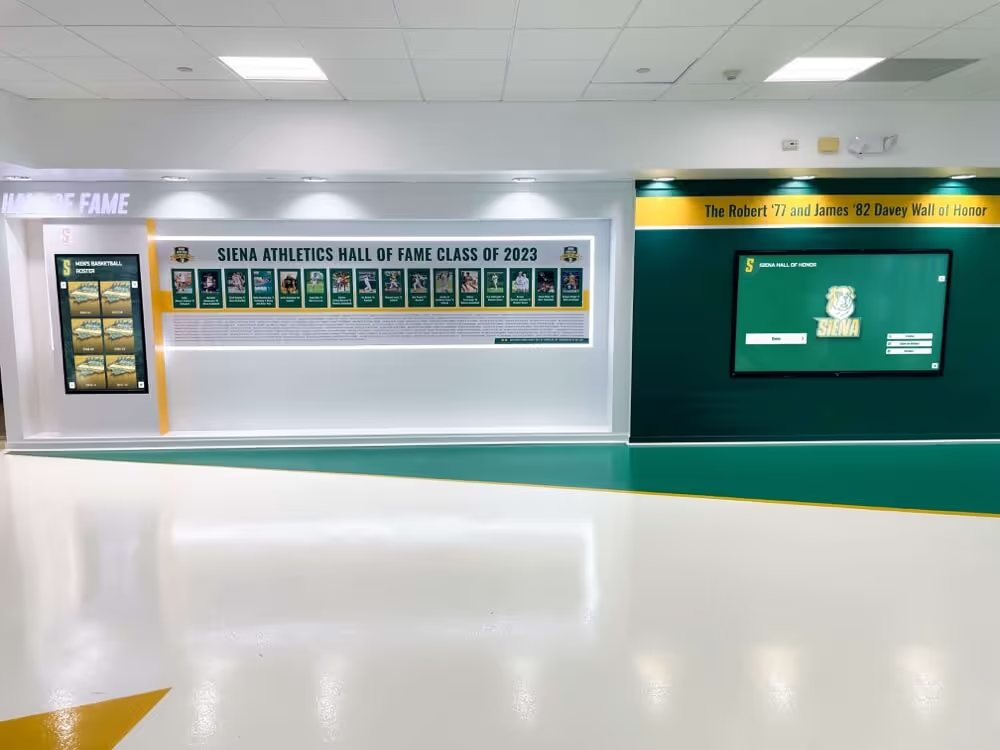
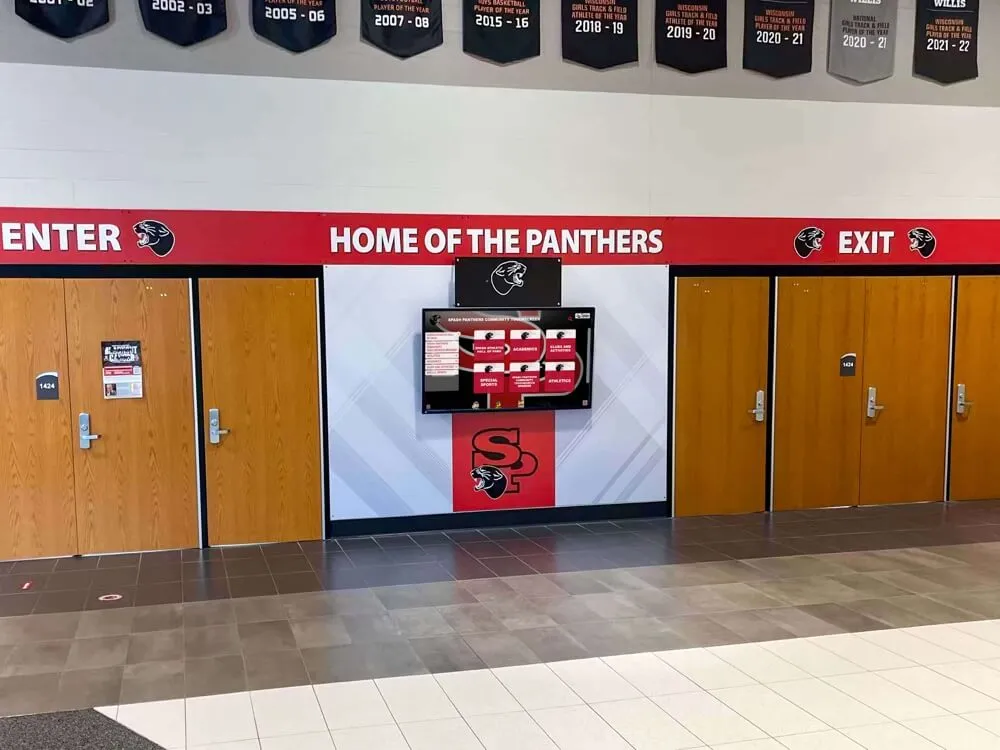
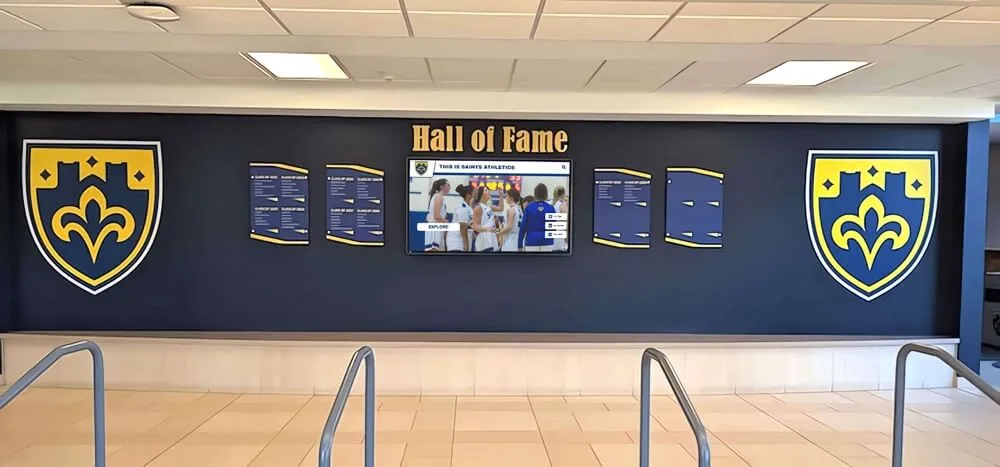
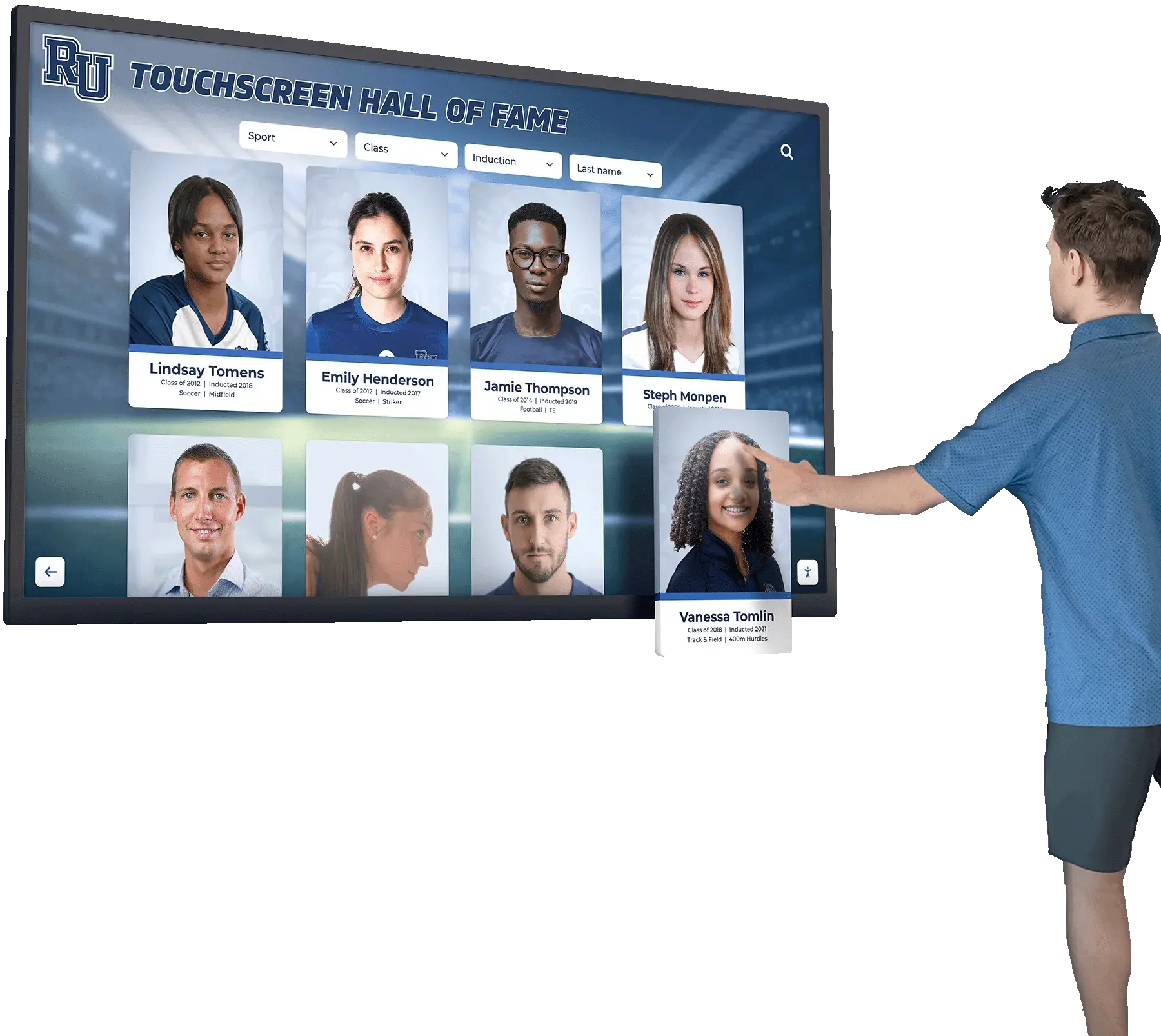
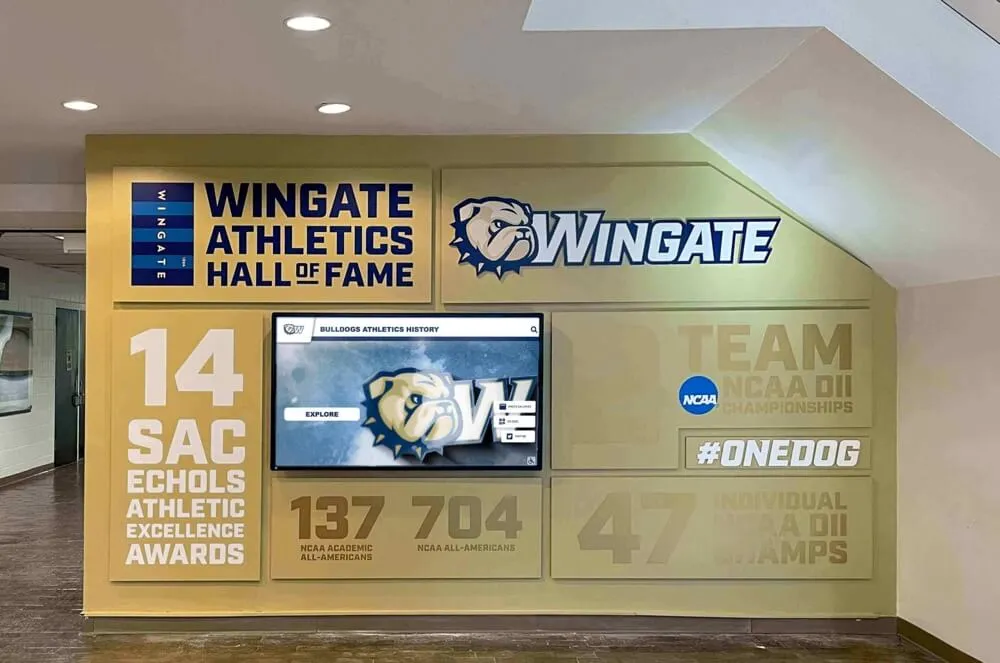
Modern recognition displays make diverse academic achievements visible and celebrated throughout the school community
Defining Academic Achievement: Beyond GPA
Understanding the full spectrum of academic accomplishment helps schools design recognition programs that celebrate meaningful success across all student populations.
Traditional Academic Achievement Metrics
Schools have long recognized certain academic accomplishments as clear achievement markers:
Grade Point Average Achievements
- Honor roll designations at various GPA thresholds (High Honors, Honors, Honorable Mention)
- Perfect 4.0 GPA maintenance across marking periods or full years
- Cumulative GPA milestones throughout high school careers
- Weighted GPA recognition acknowledging advanced coursework rigor
- Subject-specific GPA excellence in individual departments
These traditional metrics remain valuable achievement examples, providing clear standards students can work toward while creating comparable measures across student populations. However, exclusive focus on GPA-based recognition overlooks significant accomplishments and creates limited pathways for students whose achievements manifest differently.
Learn more about comprehensive academic recognition programs that celebrate achievements beyond traditional GPA thresholds.
Standardized Test Accomplishments
- SAT achievement including score milestones and percentile rankings
- ACT excellence with specific score thresholds worth celebrating
- PSAT/NMSQT performance leading to National Merit recognition
- Subject-specific standardized assessment proficiency levels
- Advanced Placement exam scores of 3, 4, or 5 on individual tests
These standardized measures provide external validation of academic capability while creating accomplishments students can document on college applications and scholarship submissions.
Advanced Coursework and Program Completion
AP Scholar Designations
The College Board recognizes students achieving specific Advanced Placement thresholds through AP Scholar award programs:
- AP Scholar: Scores of 3+ on three or more AP Exams
- AP Scholar with Honor: Average score of 3.25+ on all AP Exams, with 3+ on four or more exams
- AP Scholar with Distinction: Average score of 3.5+ on all AP Exams, with 3+ on five or more exams
These prestigious designations demonstrate sustained commitment to rigorous coursework across multiple years and subjects.

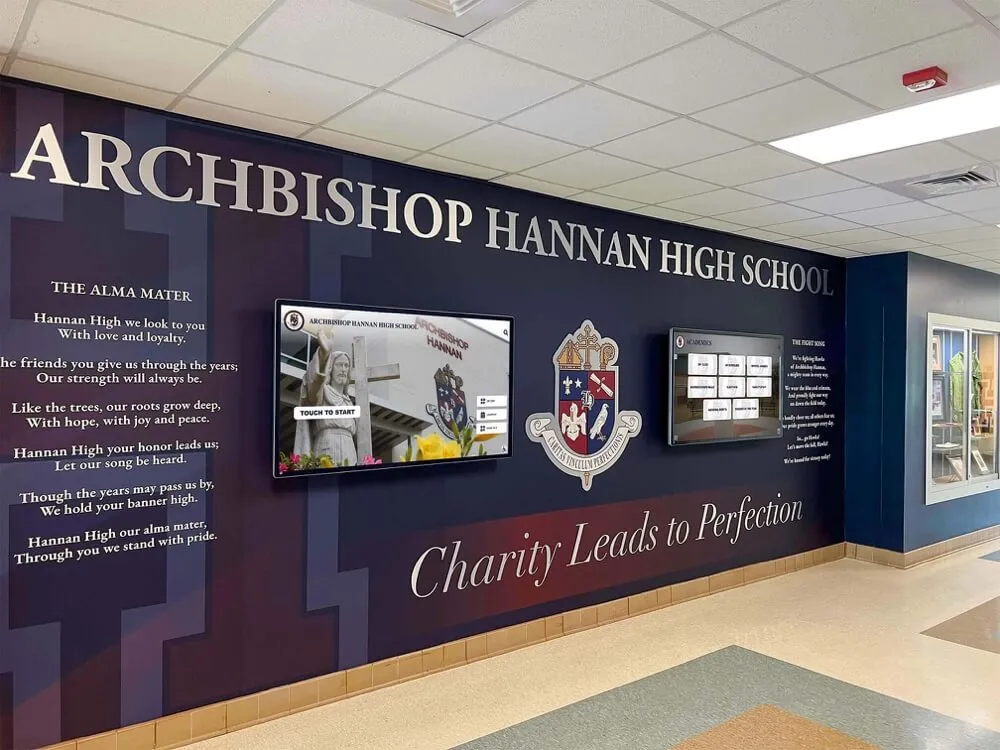
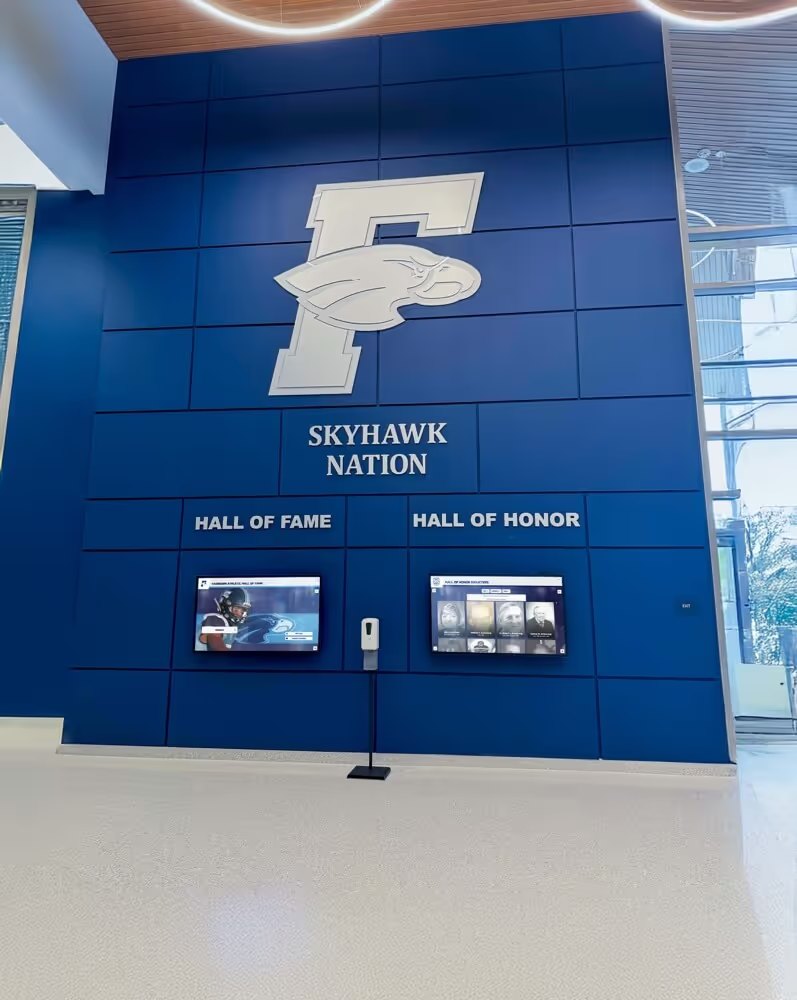
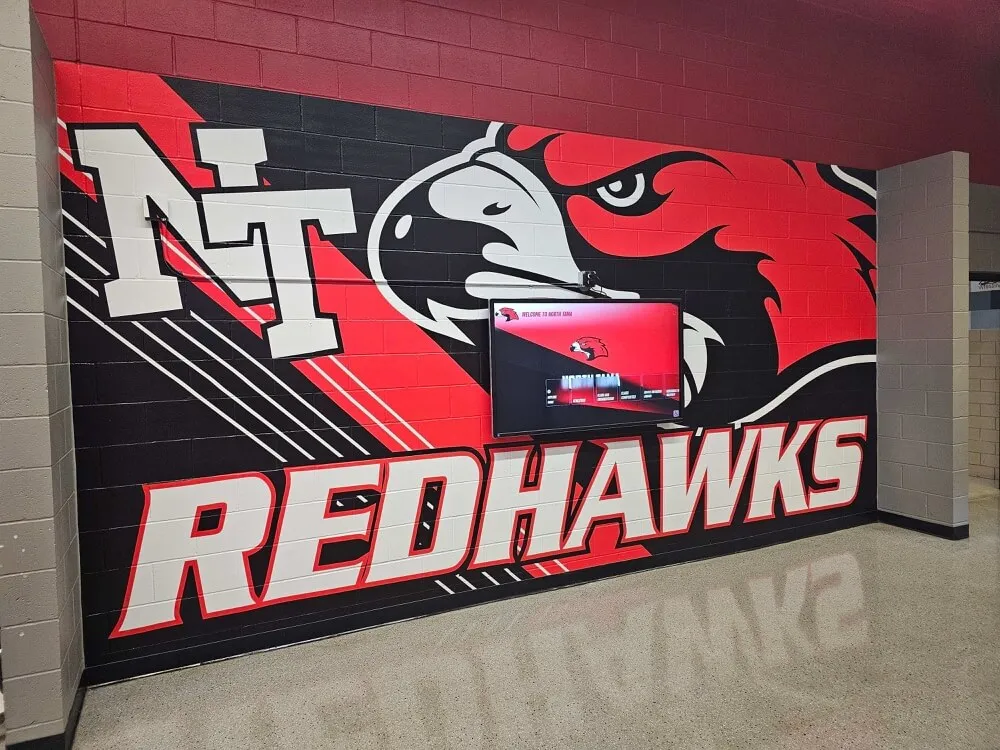
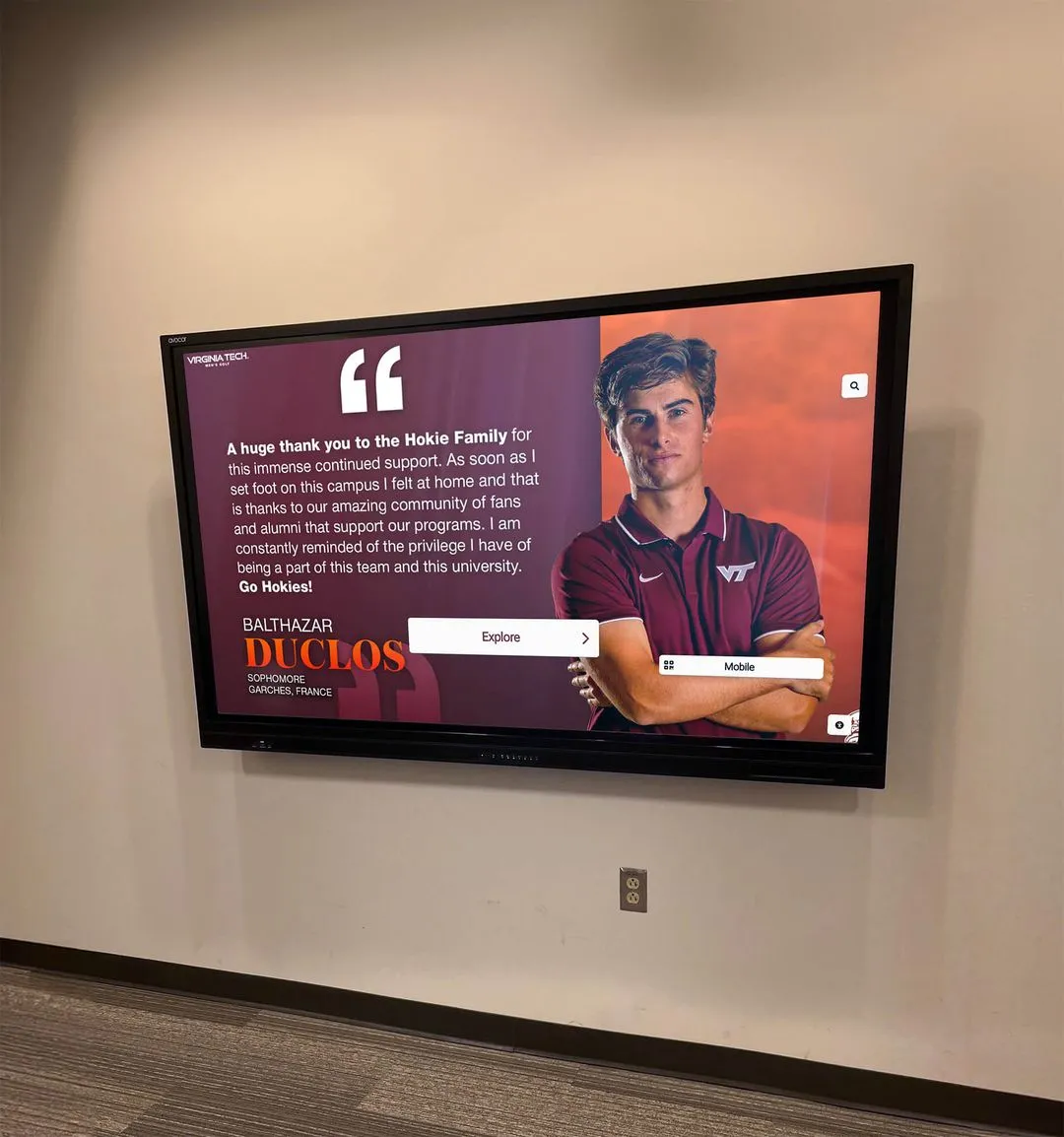
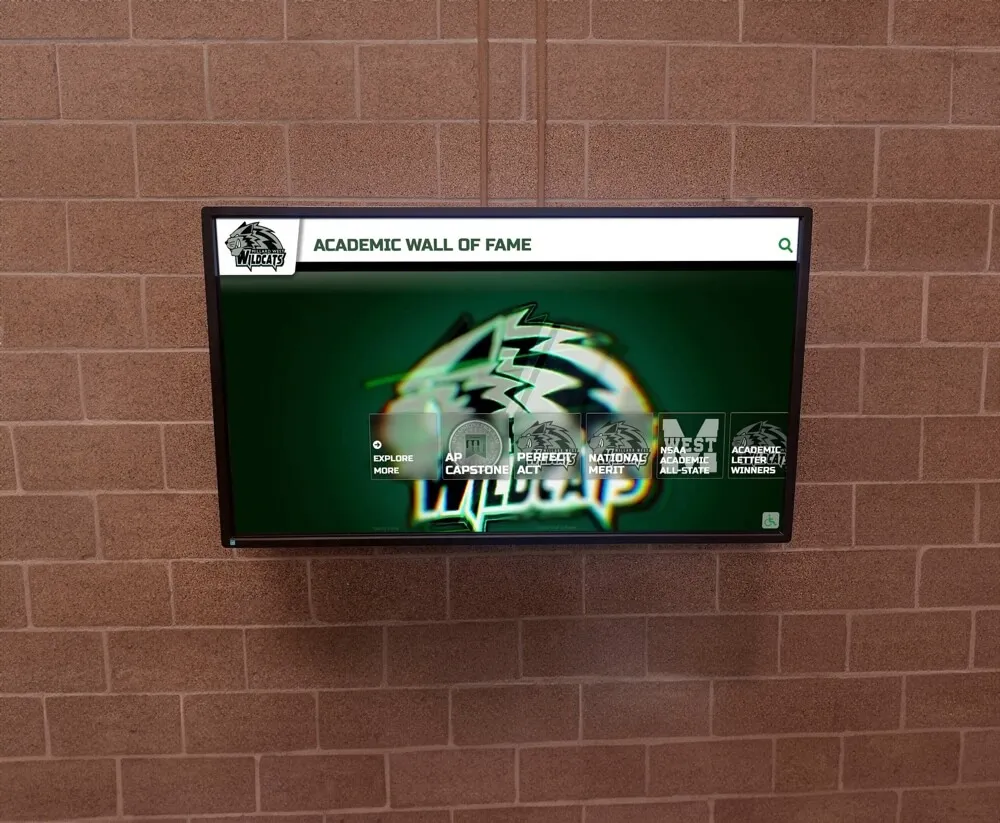
Individual achievement profiles celebrate specific accomplishments and academic journeys
International Baccalaureate Achievement
- IB Diploma Programme completion with specific point totals
- Individual IB certificate course excellence
- Extended Essay and Theory of Knowledge accomplishments
- CAS (Creativity, Activity, Service) program completion
Dual Enrollment and College Credit
- College courses completed while in high school
- Minimum credit hour accumulation thresholds
- Specific college GPA achievements in dual enrollment courses
- Associate degrees earned before high school graduation
These advanced program completions demonstrate college-readiness while providing tangible academic credentials students carry forward.
Growth and Improvement Achievements
Absolute achievement measures tell only part of the story—growth and improvement represent equally impressive accomplishments deserving recognition.
Academic Improvement Examples
- Significant GPA increases between marking periods or school years
- Subject-specific grade improvement in challenging courses
- Reading level advancement and literacy milestone achievement
- Test score improvement on standardized assessments
- Successful transition from academic probation to good standing
First-Time Achievement Recognition
- First honor roll qualification for students never previously recognized
- First passing grade in previously failed courses
- First completion of advanced coursework
- First achievement of grade-level proficiency in core subjects
- First sustained positive academic trajectory after struggles
These improvement-based achievements validate effort and progress regardless of absolute achievement levels, ensuring students working from different starting points receive acknowledgment for meaningful growth.
Explore comprehensive approaches in student achievement tracking and celebration that honor both absolute achievement and significant improvement.
Subject-Specific Academic Achievement Examples
Comprehensive recognition celebrates excellence across all academic disciplines, not just traditional core subjects.
STEM Achievement Examples
Science, technology, engineering, and mathematics accomplishments deserve systematic recognition:
Competition and Contest Success
- Science Olympiad medals at regional, state, and national levels
- Mathematics competition achievements in contests like AMC, MATHCOUNTS, or state-specific competitions
- Robotics competition participation and victories including FIRST Robotics, VEX, or other programs
- Engineering challenge accomplishments and design competition awards
- Technology and coding competition success in hackathons or programming contests
Project-Based STEM Achievements
- Science fair participation with special recognition for award winners
- Engineering design project excellence and public presentations
- Independent research projects in STEM fields
- STEM internship participation with leading organizations
- Laboratory skill certifications and specialized technical competencies
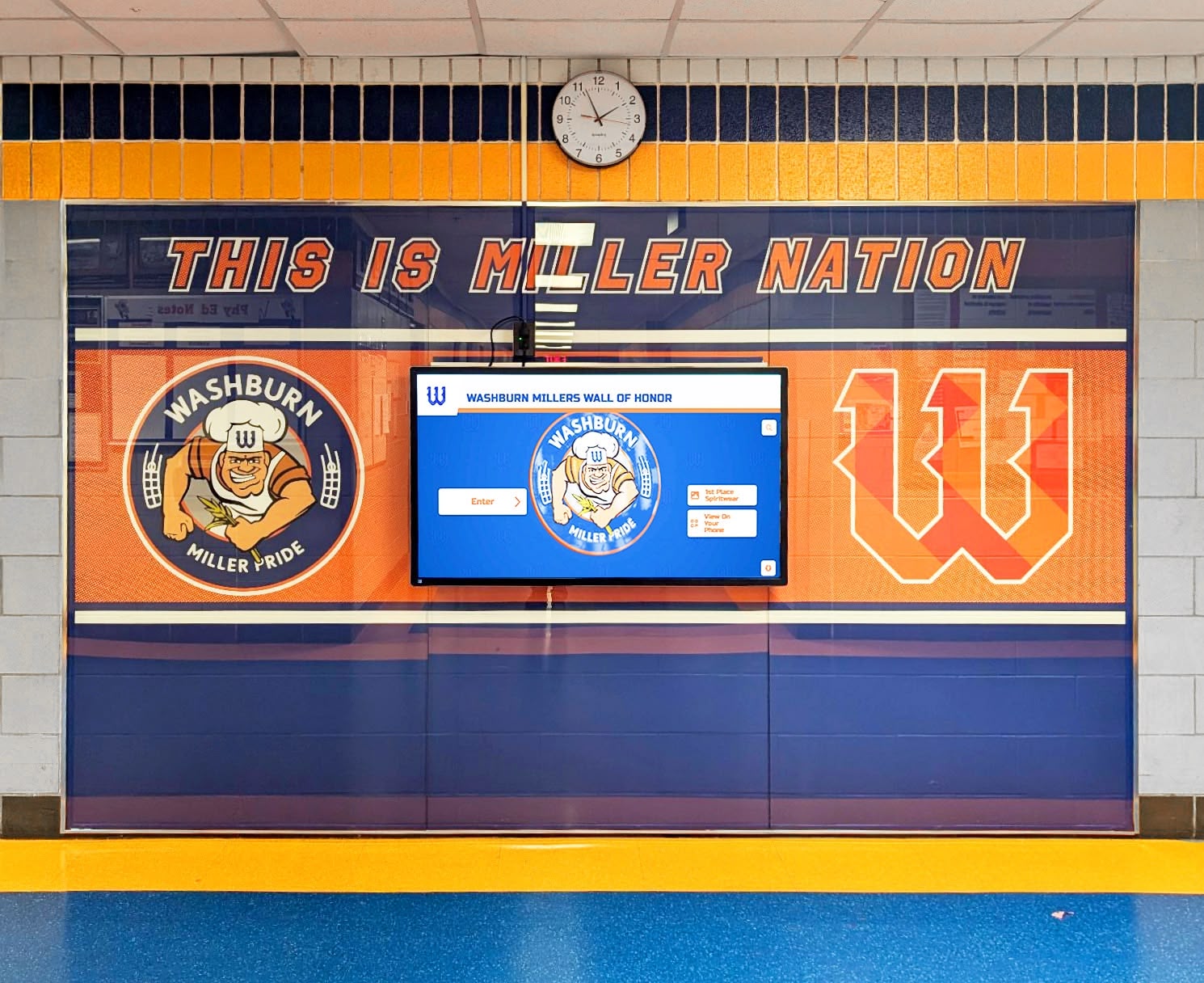
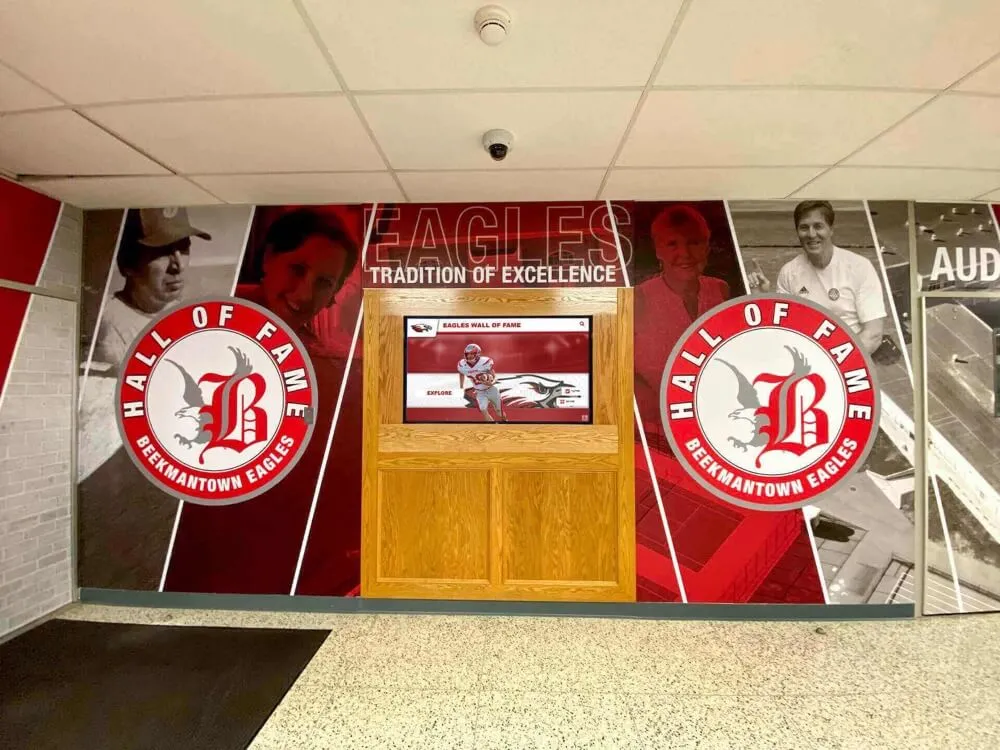
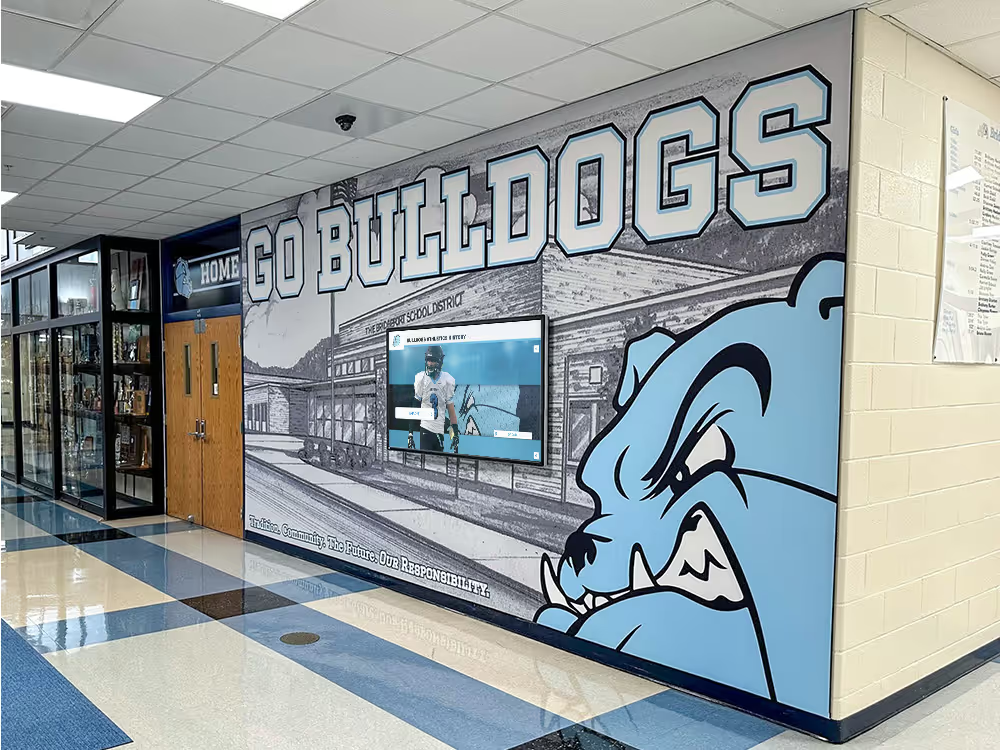
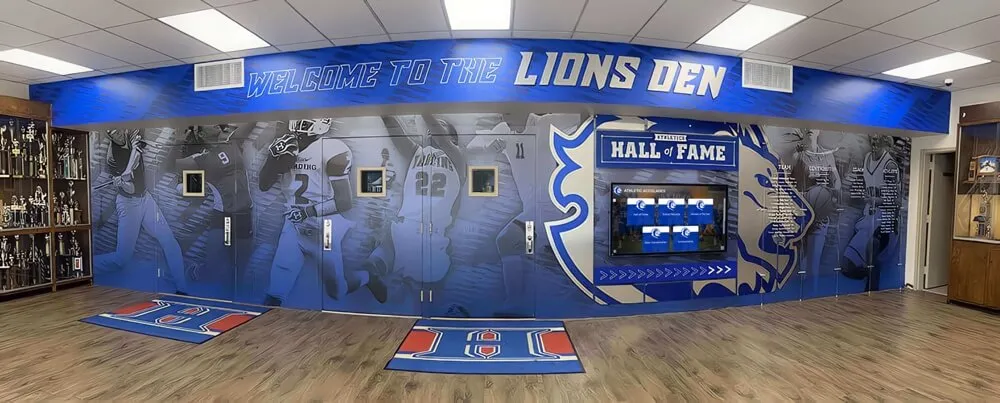
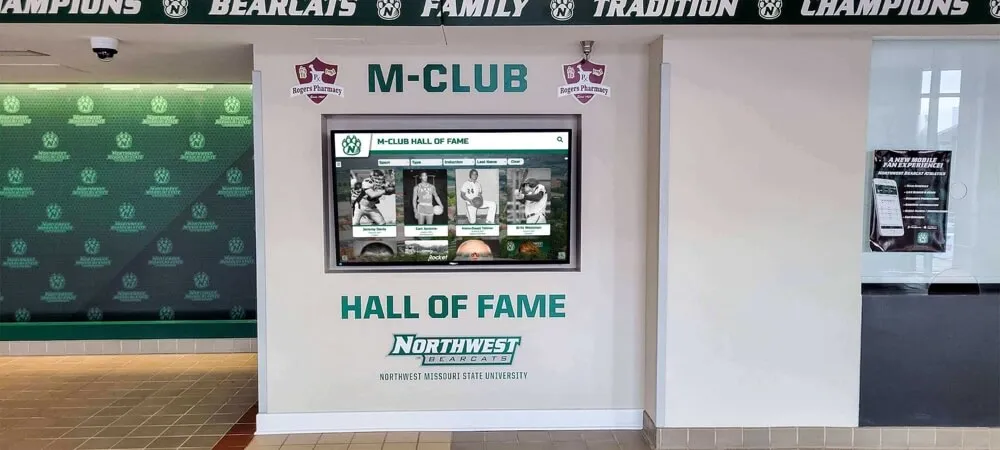
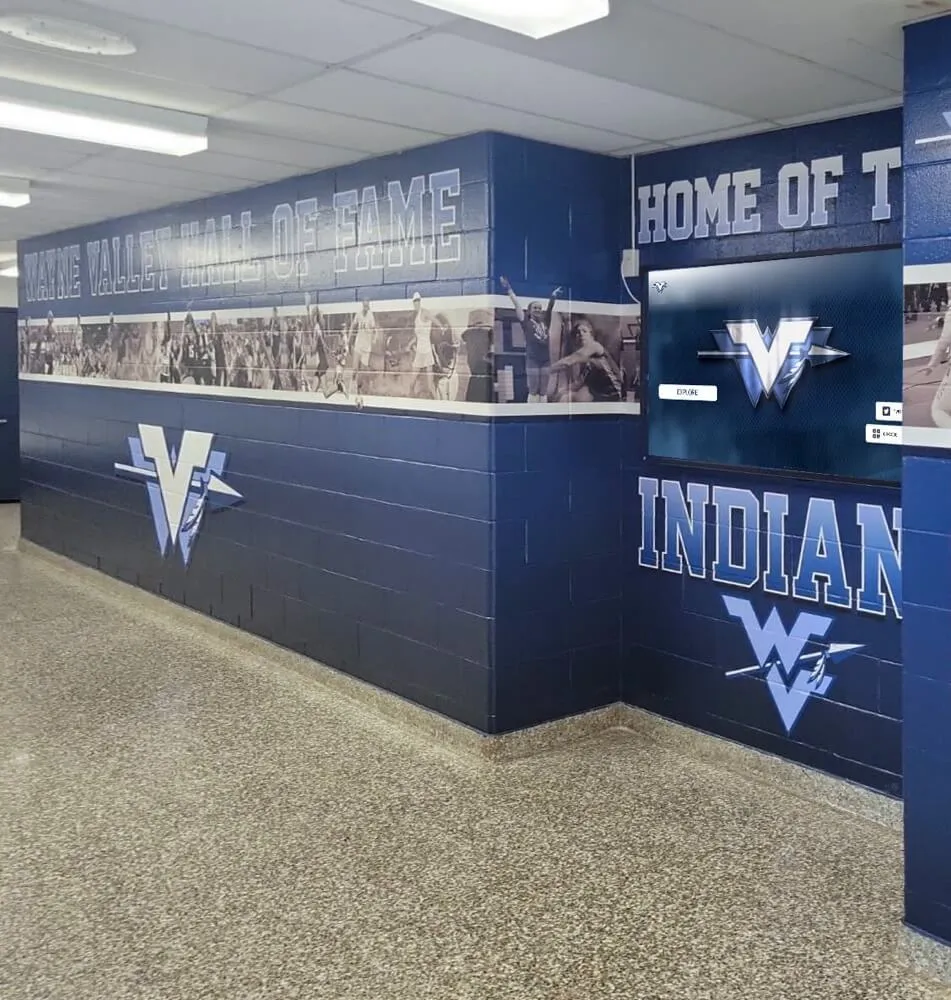
Strategic placement in high-traffic areas maximizes visibility and engagement with academic achievements
Advanced STEM Coursework
- AP STEM exam scores (Calculus, Statistics, Sciences, Computer Science)
- Successful completion of college-level STEM courses through dual enrollment
- Industry certifications in technical fields (coding languages, engineering software, etc.)
- STEM pathway program completion including specialized academies
- Research course completion with public presentation components
These STEM achievements demonstrate mastery extending beyond classroom performance to application, competition, and real-world skill development.
Humanities and Social Sciences Recognition
Literature, history, languages, and social studies achievements require equal systematic acknowledgment:
Writing and Communication Excellence
- Essay contest achievements and publication in literary magazines
- Speech and debate competition success at tournaments
- Creative writing awards and recognition from external organizations
- Research paper excellence in humanities subjects
- Journalism contributions and editorial leadership
Historical and Social Science Achievement
- History Day competition participation with special honor for state and national advancement
- Geography Bee achievement and geographic knowledge demonstration
- Model United Nations awards and diplomacy skill recognition
- Social studies research project excellence
- Civics education engagement including mock trial and government simulation success
World Language Proficiency
- Foreign language honor society inductions (French, Spanish, German, Latin honor societies)
- Proficiency certification achievement (STAMP, ACTFL, or language-specific assessments)
- Language competition success including National Spanish Exam, National French Contest, etc.
- Study abroad program participation and documented language growth
- Multilingual communication demonstrations and translation capabilities
Learn about recognizing diverse achievements in academic recognition program design that celebrates excellence across all disciplines.
Arts and Creative Achievement
While sometimes categorized separately, academic excellence in arts deserves inclusion in comprehensive recognition:
Visual Arts Recognition
- All-state art selection and state-level exhibition
- Regional and national art competition awards
- Advanced Placement Art portfolio achievement
- Public art installation creation for school or community
- Art scholarship awards and college admission based on portfolio strength
Performing Arts Academic Achievement
- All-state music selection for band, orchestra, or choir
- Individual music competition success and solo performance achievements
- Theatre honors including Thespian Society recognition and state competition
- Advanced music theory examination success
- Performance arts scholarship awards recognizing both skill and academic merit
These artistic achievements often involve intensive study, practice, and mastery comparable to traditional academic subjects and deserve proportional recognition.
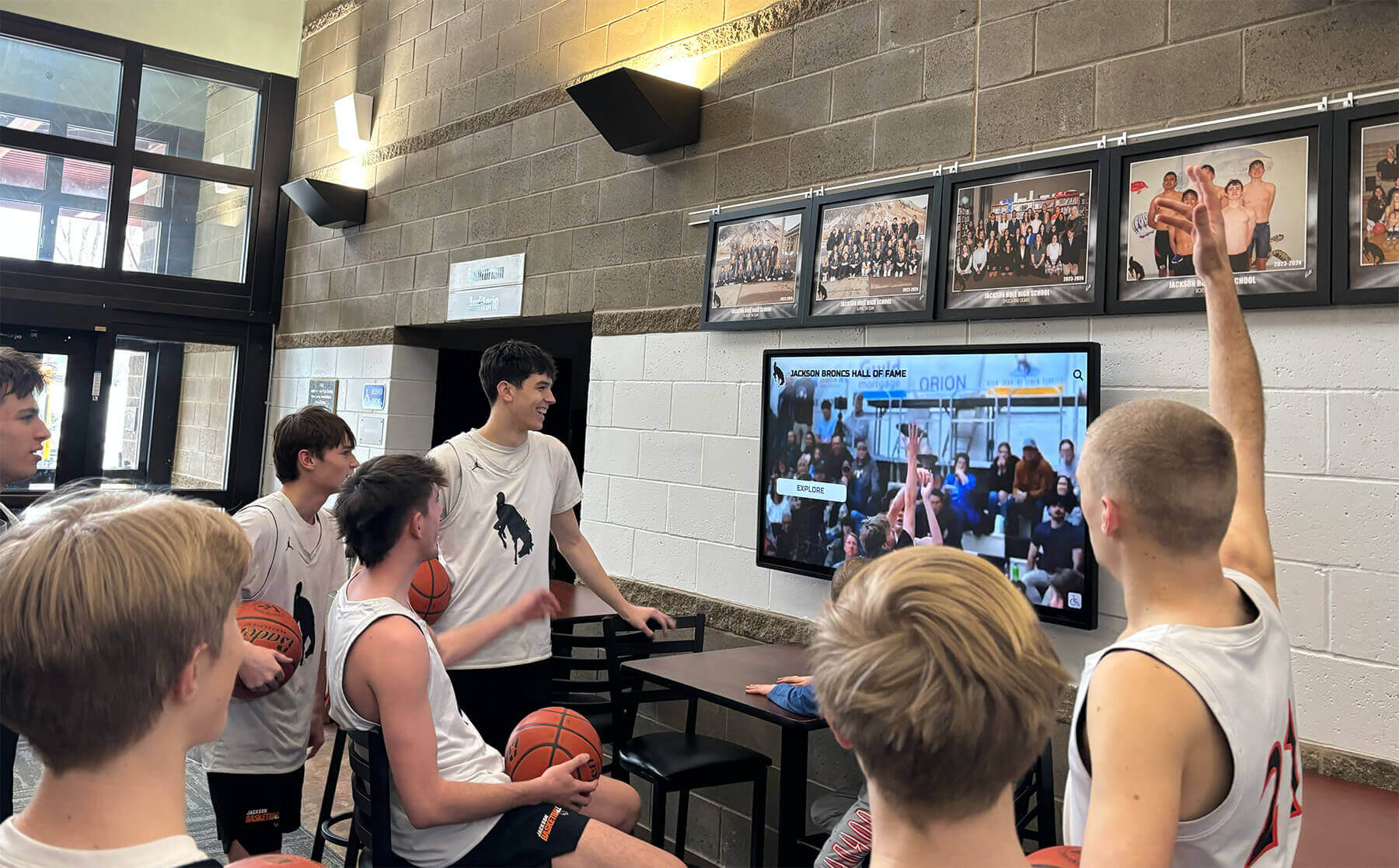
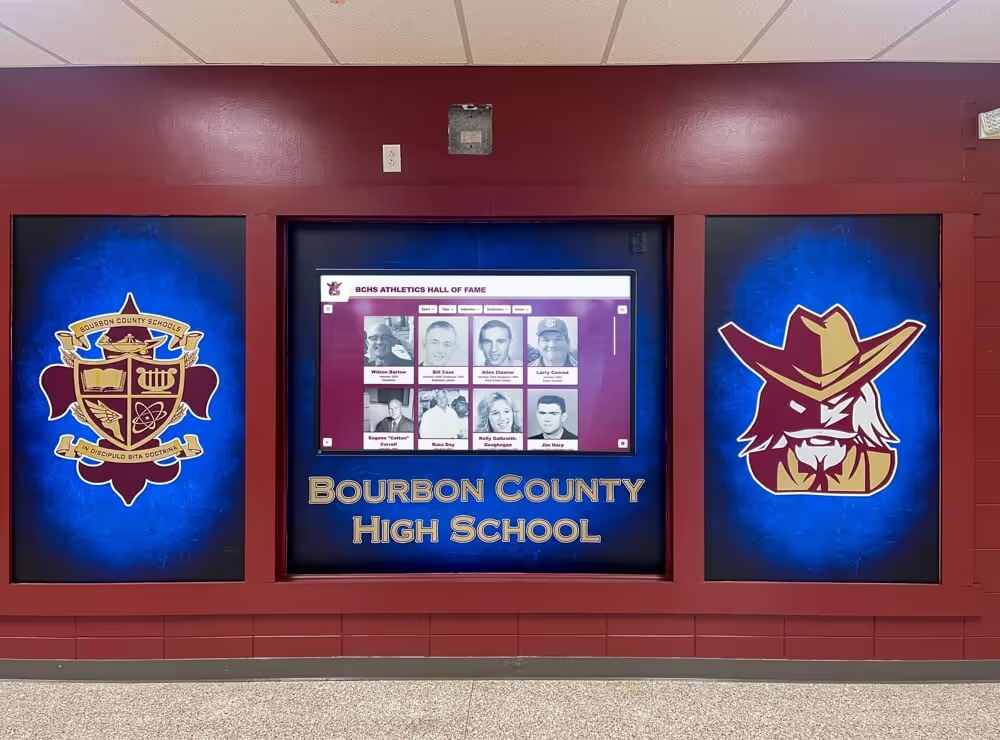
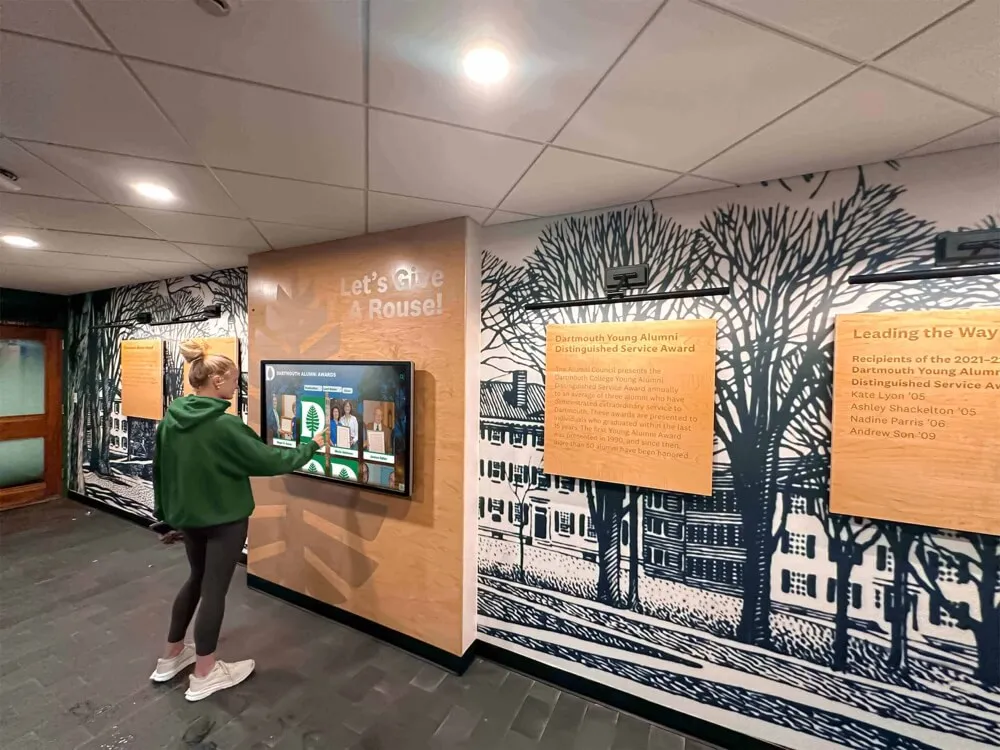
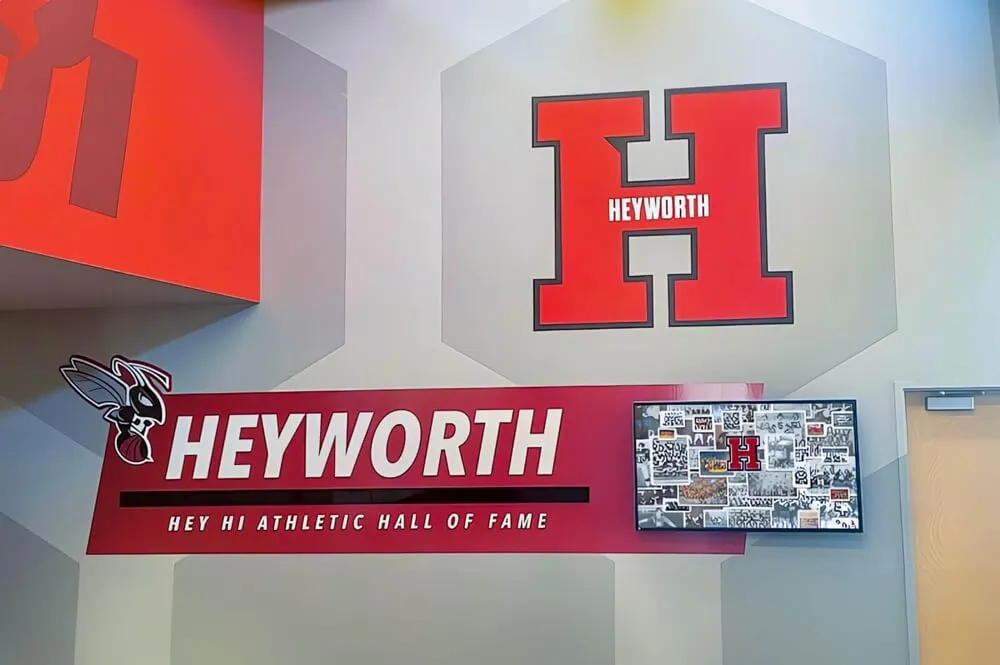
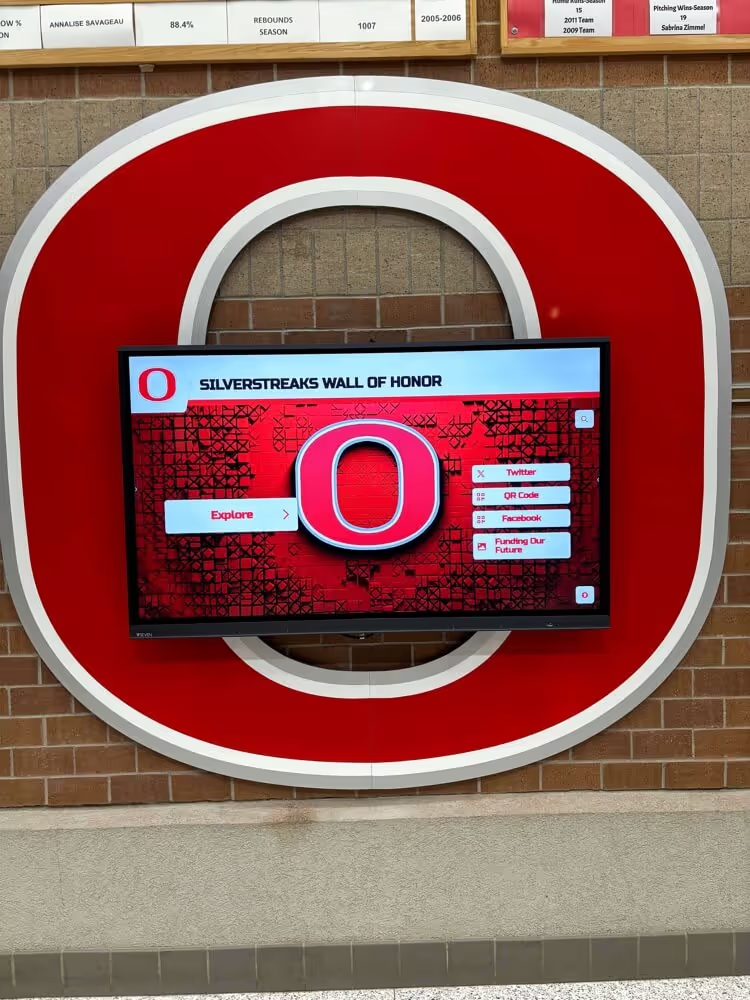
Interactive displays create opportunities for students to explore achievements and connect with school culture
Career and Technical Education Achievements
CTE programs provide essential preparation deserving systematic recognition:
Technical Skill Achievement Examples
- Industry certification completion in fields like automotive technology, healthcare, information technology, welding, cosmetology, or construction trades
- Skills competition success at regional, state, and national SkillsUSA, DECA, FBLA, or FFA events
- Apprenticeship program participation and successful completion
- Technical portfolio development demonstrating mastery progression
- Workplace readiness credential achievement including soft skills certification
Applied Learning Recognition
- Project-based learning showcase achievements solving real community problems
- Internship and work-based learning success with employer commendation
- Entrepreneurship competition participation with business plan development
- Community problem-solving project implementation
- Cross-disciplinary application demonstrations connecting CTE with traditional academics
Explore recognition for FBLA and FFA award achievements that celebrate career and technical education excellence.
National and State Academic Recognition Examples
Schools should connect local recognition with broader achievement designations that enhance college applications.
College Board National Recognition Programs
The College Board offers prestigious designations for high-achieving students through National Recognition Programs honoring diverse accomplishment:
Recognition Categories
- School Recognition Award honoring top-performing students in each high school
- First-Generation Recognition Award celebrating students on track to be first in their family to complete college
- Rural and Small-Town Recognition Award elevating students from smaller communities
Eligibility Requirements Students must earn cumulative GPA of B+ or higher (at least 3.3 or 87-89%) and either rank in top 10% of test takers in their category OR earn scores of 3+ on two or more distinct AP Exams in 9th or 10th grade.
These national designations provide valuable college application credentials while recognizing academic excellence through multiple lenses beyond absolute test scores alone.
National Merit Recognition
PSAT/NMSQT Achievement Levels
- National Merit Scholar designation for top scorers advancing through semifinalist and finalist rounds
- Commended Student recognition for high scorers not advancing to semifinalist status
- Hispanic Recognition Program achievement
- National Achievement Program recognition
These prestigious designations based on PSAT performance demonstrate exceptional academic capability while opening scholarship opportunities.
Federal and State Academic Programs
Federal Recognition Examples
- Presidential Scholars Program selection honoring distinguished graduating seniors
- President’s Education Awards Program (PEAP) recognition for elementary, middle, and high school achievement
- Congressional Award Gold Medal achievement combining voluntary public service, personal development, physical fitness, and expedition goals
State-Level Academic Recognition
- State Scholar designations honoring top academic performers
- State university system scholar programs
- Governor’s scholar program selection
- State-specific academic competition championships
- All-state academic team selections
Schools should actively track relevant state and federal programs, ensure eligible students receive nominations, and celebrate recipients prominently through the same channels athletic achievements receive.
Academic Character and Citizenship Examples
Achievement extends beyond test scores and grades to encompass how students approach learning:
Academic Integrity Recognition
- Demonstrated honesty and ethical behavior in academic contexts
- Peer tutoring contribution supporting classmates’ learning
- Academic courage in pursuing challenging coursework despite difficulty
- Intellectual curiosity evidenced by independent research or learning
- Collaborative learning excellence and positive team contributions
Attendance and Engagement Achievement
- Perfect attendance across marking periods or full years
- Significant attendance improvement after previous struggles
- Consistent class participation and engagement
- Assignment completion streaks demonstrating academic discipline
- Zero disciplinary issues while maintaining strong academic performance
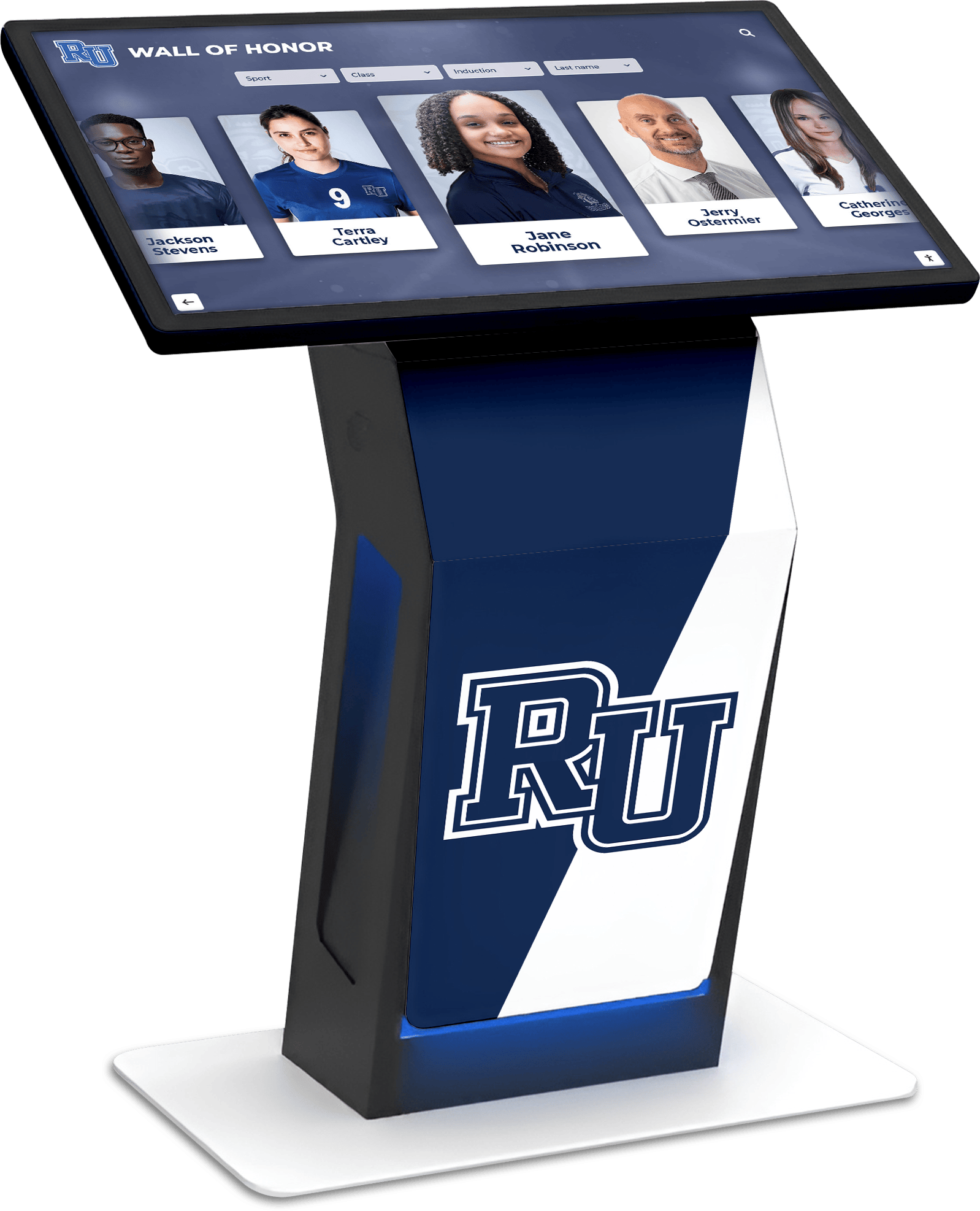
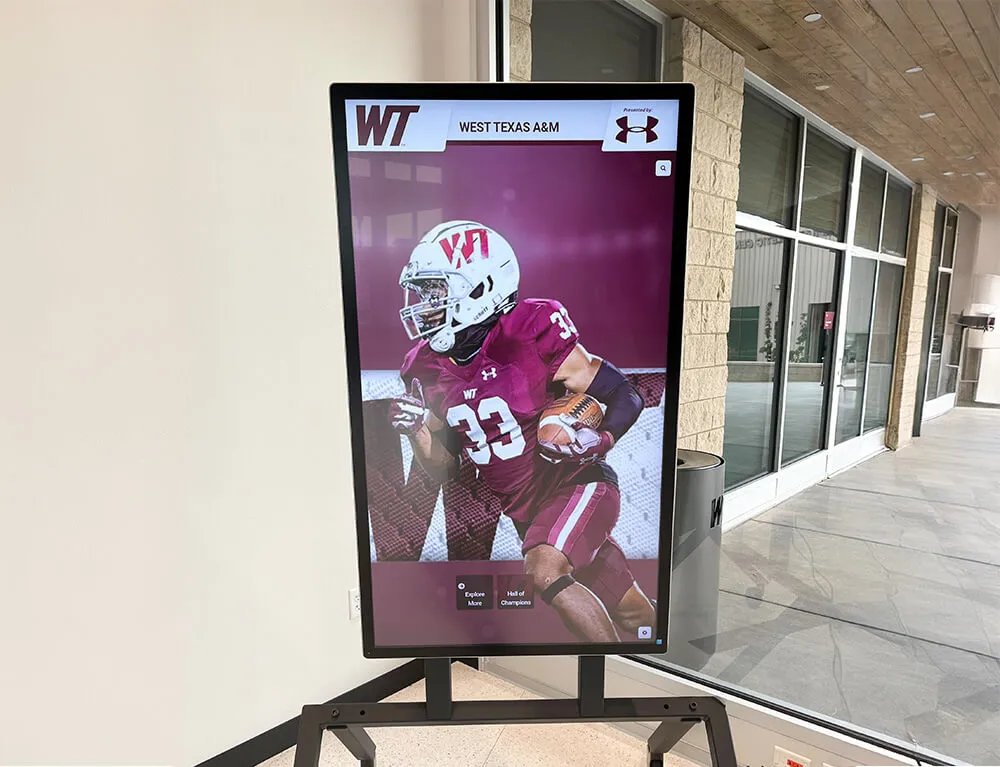
Modern kiosks provide intuitive interfaces for exploring diverse academic achievements
These character dimensions of academic life create essential foundations for lifelong learning and deserve recognition alongside pure achievement metrics.
Academic Perseverance Examples
- Sustained effort through challenging coursework despite initial struggles
- Recovery from academic setbacks including failed courses or low grades
- Continued pursuit of rigorous courses after difficulty in prerequisite courses
- Academic goal-setting and documented achievement of personal targets
- Balancing challenging course loads with significant outside responsibilities
Learn about comprehensive teacher appreciation programs that can incorporate student academic character recognition.
Modern Approaches to Celebrating Academic Achievement
Traditional recognition methods—printed lists, static plaques, brief announcements—struggle to create the visibility and engagement contemporary students need.
Digital Recognition Display Solutions
Solutions like Rocket Alumni Solutions transform academic achievement recognition by eliminating traditional limitations:
Unlimited Recognition Capacity
Physical trophy cases and bulletin boards force schools to choose whose achievements receive visibility due to space constraints. Digital recognition displays overcome these limitations:
- Single display showcases unlimited students across all achievement categories
- No need to remove historical accomplishments to accommodate current recognition
- Comprehensive archives preserve institutional academic tradition indefinitely
- All subject areas and achievement types receive equal display capacity
Interactive Exploration Features
Modern touchscreen systems create engagement impossible with static displays:
- Search functionality enabling students to find themselves, peers, and role models
- Filtering by achievement type, subject area, graduation year, and other criteria
- Detailed individual profiles telling complete academic achievement stories
- Photo galleries and accomplishment documentation
- Progress tracking showing achievement journeys across multiple years
Students naturally gravitate toward interactive displays during passing periods and unstructured time, creating repeated exposure to academic recognition that bulletin boards cannot match.

Touchscreen interfaces make exploring academic achievements engaging and intuitive
Simple Content Management
Cloud-based management systems eliminate administrative burden traditionally preventing consistent recognition:
- Remote updates from any internet-connected device without IT expertise
- Bulk import tools for adding multiple achievements simultaneously
- Scheduled publishing automation aligning with semester and year-end timing
- Role-based permissions enabling appropriate staff access
- Drag-and-drop interfaces requiring no technical training
Schools report 80-90% reduction in administrative time spent maintaining academic recognition after implementing digital systems compared to traditional bulletin boards or physical displays.
Web-Based Recognition Extensions
Academic recognition should extend beyond physical campus to engage families and broader communities:
Online Recognition Platforms
Web-accessible systems amplify recognition impact:
- Alumni and families worldwide can view current academic achievements
- Social sharing capabilities enabling students to celebrate accomplishments broadly
- Mobile-optimized displays ensuring accessibility across all devices
- Integration with school websites creating seamless recognition experiences
- Analytics tracking engagement and demonstrating program effectiveness
Explore interactive kiosk solutions that extend recognition reach beyond school walls.
Multi-Channel Communication Strategies
Systematic communication ensures maximum achievement visibility:
- Email announcements to families when students achieve recognition milestones
- Social media posts celebrating academic excellence across platforms
- Newsletter features highlighting recognition program success stories
- Morning announcement integrations providing daily acknowledgment
- Community media partnerships extending recognition beyond immediate school community
This multi-channel approach ensures academic achievements receive visibility comparable to athletic recognition while reaching all stakeholders through their preferred channels.
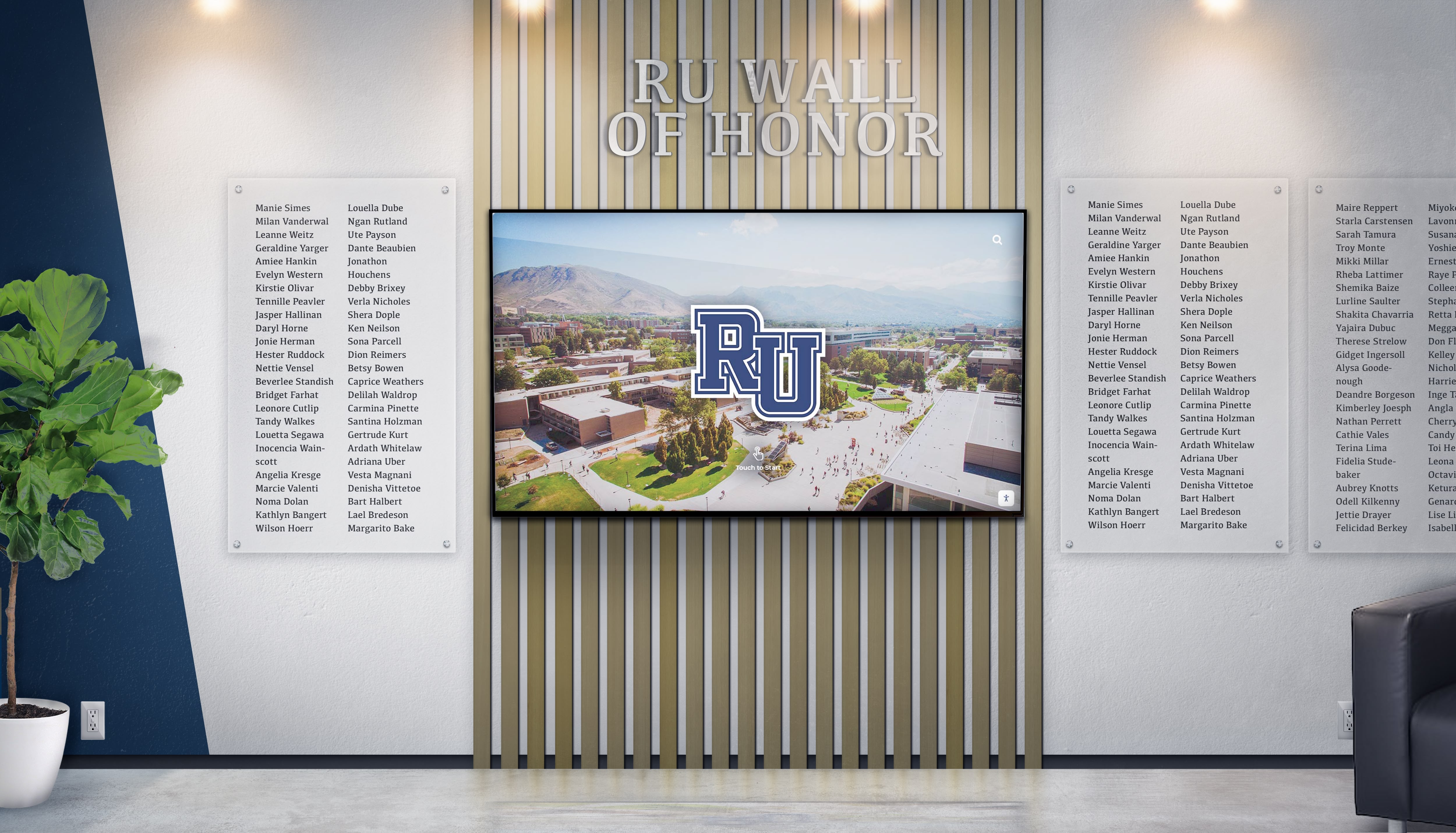
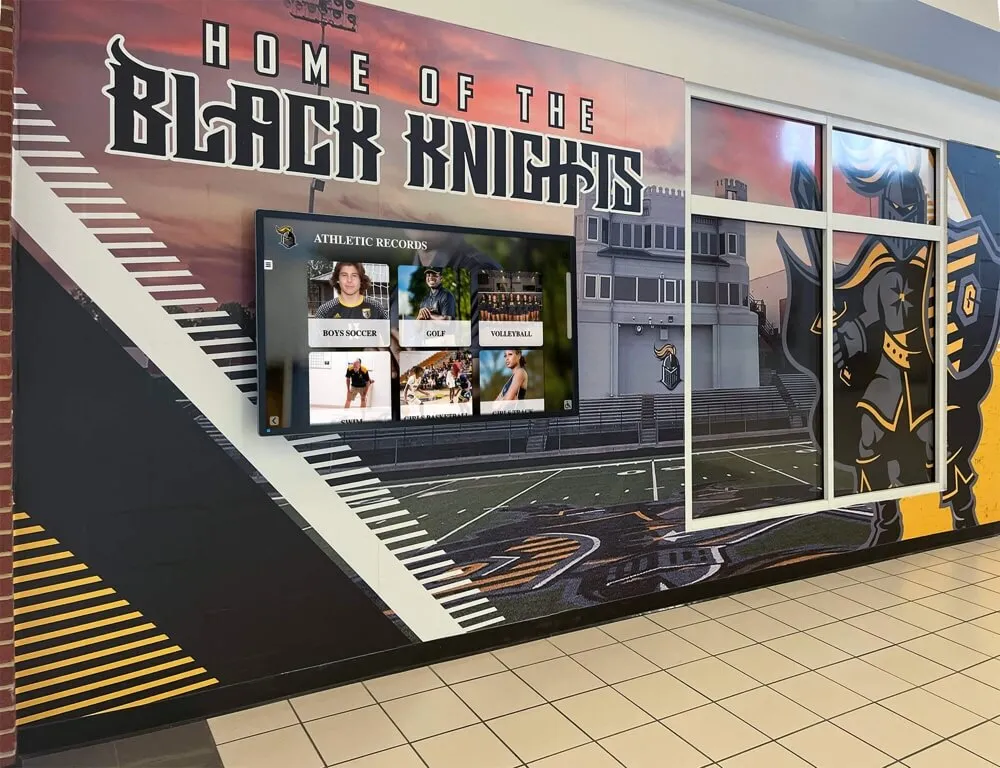
Integrated systems combine digital displays with traditional elements creating comprehensive celebration spaces
Creating Achievement Recognition Frameworks
Systematic approaches ensure recognition remains consistent, fair, and aligned with institutional values.
Establishing Recognition Criteria
Define Clear Achievement Thresholds
Create explicit standards determining which accomplishments warrant recognition:
- Specific GPA levels for honor roll tiers
- Standardized test score thresholds deserving acknowledgment
- Competition achievement levels (regional finalist, state medalist, national qualifier, etc.)
- Subject-specific excellence criteria by department
- Improvement benchmarks triggering growth recognition
Clear thresholds eliminate ambiguity while ensuring consistent application across all students and situations.
Balance Absolute Achievement with Growth
Effective frameworks recognize both:
- Absolute achievement acknowledging students reaching specific standards regardless of starting point
- Growth and improvement celebrating students demonstrating significant progress from individual baselines
- First-time achievements honoring students reaching milestones for the first time
- Sustained excellence recognizing students maintaining high achievement across extended periods
This balanced approach ensures recognition opportunities exist for students across diverse achievement profiles and learning pathways.
Ensure Equity and Accessibility
Recognition frameworks should examine whether:
- Achievement pathways exist for students from all backgrounds and circumstances
- Financial resources don’t create barriers to recognition opportunities
- Course access limitations don’t prevent certain student populations from achievement
- Recognition criteria appropriately accommodate students with learning differences
- Cultural or linguistic factors don’t inadvertently disadvantage certain groups
Regular equity audits help schools identify and address recognition barriers while ensuring programs serve all students effectively.
Implementation and Management Strategies
Assign Clear Responsibilities
Sustainable recognition requires explicit role assignments:
- Identification of staff members responsible for each achievement category
- Nomination and verification processes with defined timelines
- Content creation responsibilities for recognition profiles and communications
- Technical management of digital displays and web platforms
- Communication coordination ensuring timely announcements across channels
Written documentation prevents recognition gaps while ensuring accountability.
Establish Recognition Timelines
Create predictable schedules for:
- Honor roll recognition following each marking period or semester
- Standardized test achievement acknowledgment after score release
- Competition success recognition within two weeks of achievement
- Year-end comprehensive recognition ceremonies
- Historical archive updates maintaining long-term achievement records
Consistent timing helps families anticipate recognition while demonstrating institutional commitment to sustained acknowledgment.
Budget Appropriately
Effective programs require resource allocation for:
- Digital display hardware and installation costs
- Recognition platform software subscriptions or licenses
- Ceremony expenses including certificates, awards, and venue costs
- Communication materials and promotional expenses
- Staff time dedicated to recognition program management
Appropriate budgeting signals institutional priority while ensuring program sustainability.
Learn about hall of fame display implementation including budget considerations and technology selection.
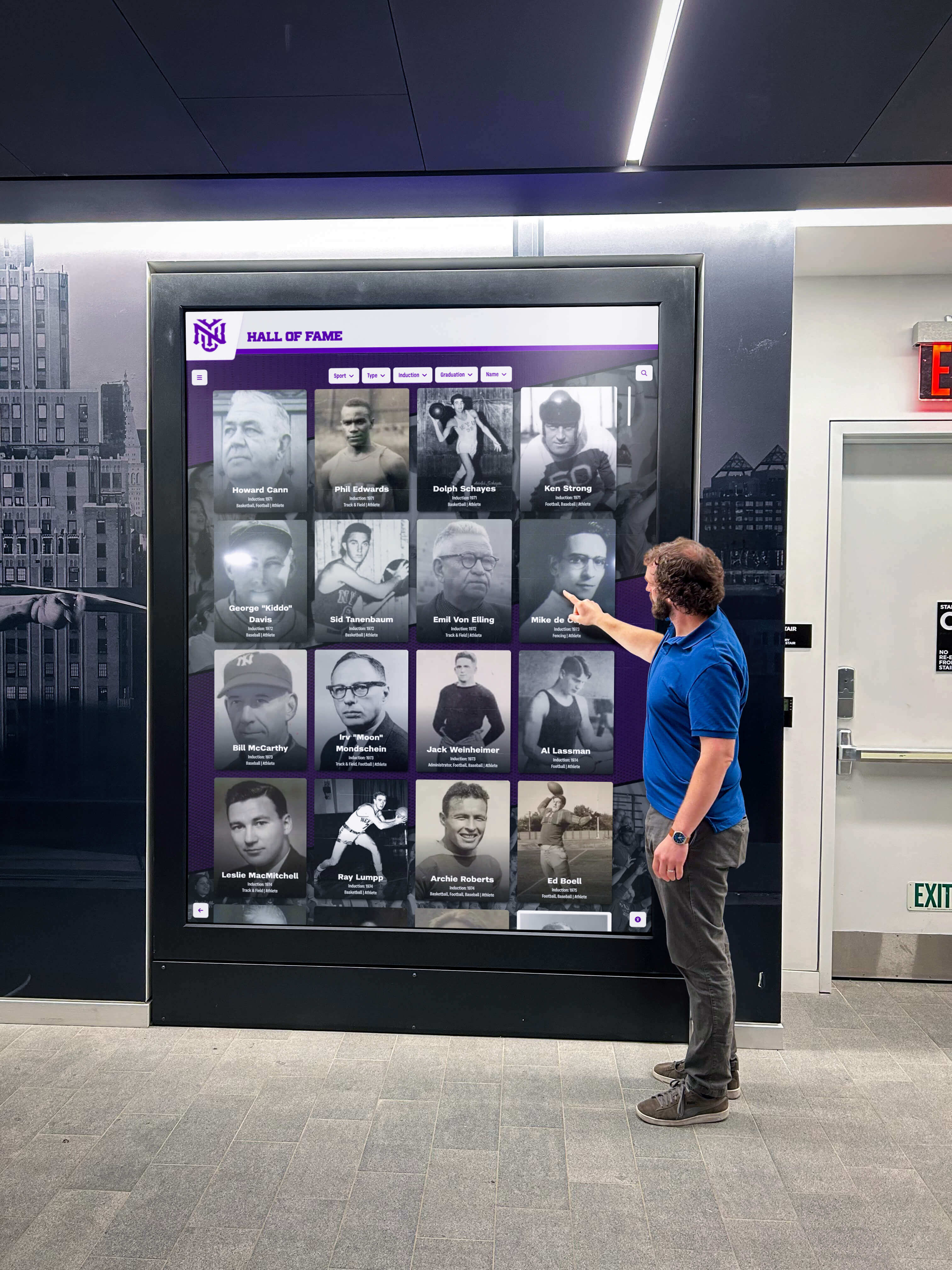
Interactive displays invite exploration from students, families, and community members
Recognition Ceremony and Event Design
While ongoing recognition through displays provides sustained visibility, ceremonial celebrations create memorable milestone moments.
Regular Recognition Events
Quarterly Honor Roll Ceremonies
- Brief school-day assemblies acknowledging marking period achievers
- Certificate distribution providing tangible recognition
- Family invitation creating celebration opportunities
- Student speaker featuring honor roll recipients sharing insights
- Connection to college applications and scholarship opportunities
Semester Academic Recognition Nights
- Evening events inviting families to celebrate semester achievements
- Subject-specific departmental awards presentations
- Special recognition for highest achievement levels
- Refreshments creating community building opportunities
- Digital display unveilings revealing newly added achievement profiles
Annual Academic Excellence Celebrations
- Year-end comprehensive recognition encompassing all achievement categories
- Senior academic legacy acknowledgment for graduating students
- Alumni speaker programs connecting recognition to career success
- Community partner participation demonstrating broader support
- Integration with existing traditions like honors nights or award banquets
These tiered ceremonies provide recognition at appropriate scales while creating traditions students anticipate and value.
Ceremony Enhancement Strategies
Make Ceremonies Meaningful
- Personalize recognition beyond simple name reading
- Include specific achievement details and accomplishment context
- Feature student voices sharing their academic journeys
- Connect recognition to institutional values and mission
- Limit length ensuring engagement without losing audience attention
Create Shareable Moments
- Professional photography documenting recognition ceremonies
- Social media content creation during events
- Video recording for absent family members and future use
- Recognition moment sharing enabling family celebration
- Digital integration displaying ceremony content on recognition platforms afterward
Balance Individual and Group Recognition
- Acknowledge individual achievements with specific details
- Celebrate collective success demonstrating broad student achievement
- Feature diverse achievement examples representing various pathways
- Ensure ceremonies don’t feel overly long or repetitive
- Create participation opportunities for students at multiple achievement levels
Measuring Recognition Program Success
Regular assessment ensures programs achieve intended goals while identifying improvement opportunities:
Quantitative Metrics
Participation and Coverage Data
- Percentage of students receiving some academic recognition during the year
- Distribution across grade levels and demographic groups
- Recognition frequency per student
- Year-over-year participation trend analysis
- Number of distinct achievement categories utilized
Engagement Indicators
- Digital display interaction rates and session duration
- Web-based recognition platform usage statistics
- Social media engagement with academic recognition content
- Recognition ceremony and event attendance rates
- Family response rates to recognition communications
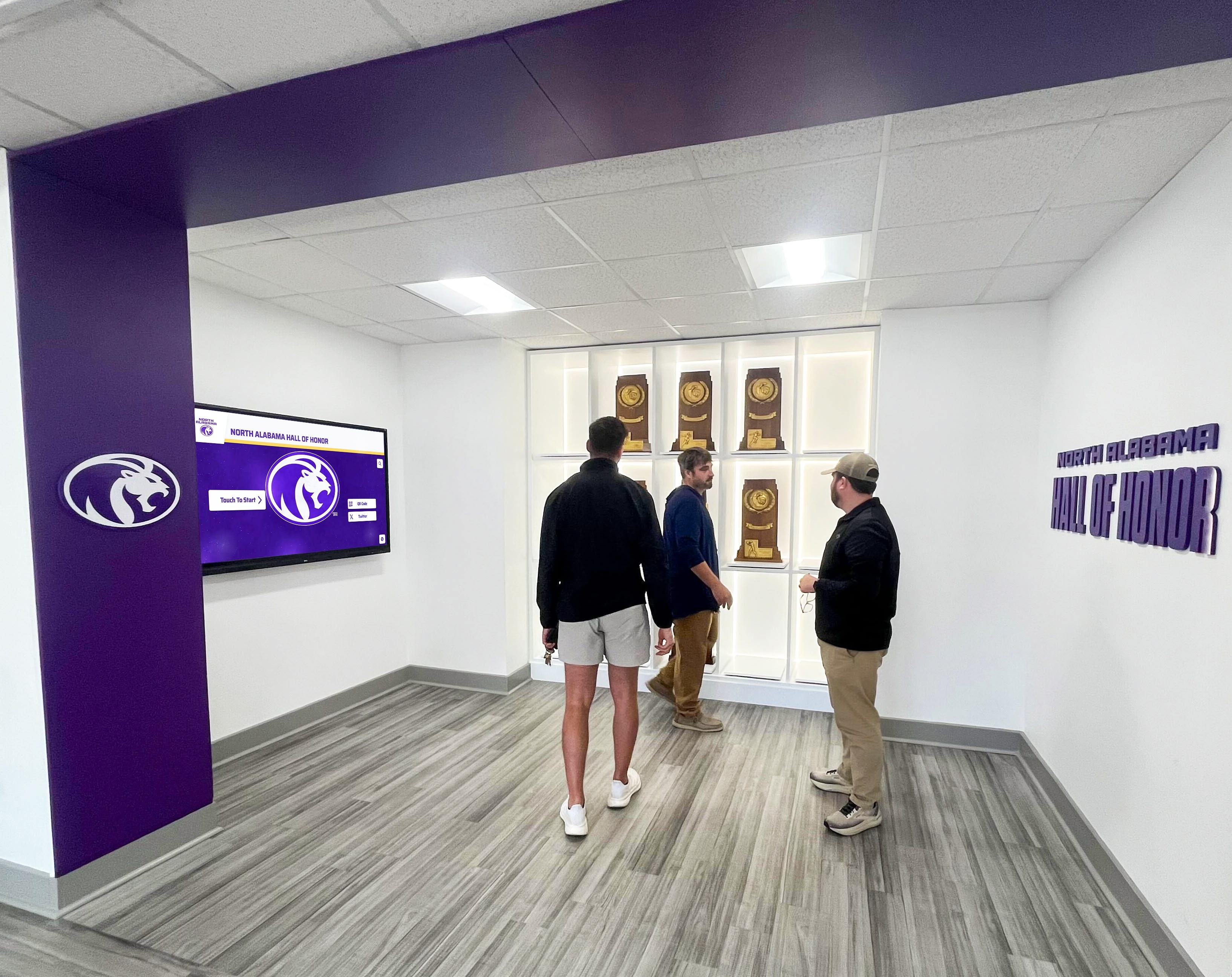
Regular program assessment ensures recognition systems serve all students effectively
Academic Outcome Correlation
- Achievement trends among recognized versus non-recognized students
- Impact of recognition on course selection patterns
- College acceptance and scholarship rates for recognized students
- Long-term academic trajectory analysis
- Attendance and engagement metric correlations
Qualitative Assessment
Stakeholder Feedback
- Student surveys about recognition program awareness and perceived fairness
- Family perception of recognition program quality and effectiveness
- Staff assessment of recognition program manageability and value
- Alumni reflection on how academic recognition influenced their experience
- Community perception of institutional academic priorities
Cultural Indicators
- Observed changes in academic culture and peer attitudes toward excellence
- Student motivation and engagement anecdotal evidence
- School climate survey results related to academic focus
- Student sense of belonging measures
- Prospective family questions and interests during school tours
Regular assessment enables continuous improvement ensuring recognition programs remain meaningful, equitable, and aligned with evolving educational goals.
Explore comprehensive student achievement tracking approaches that incorporate assessment and ongoing refinement.
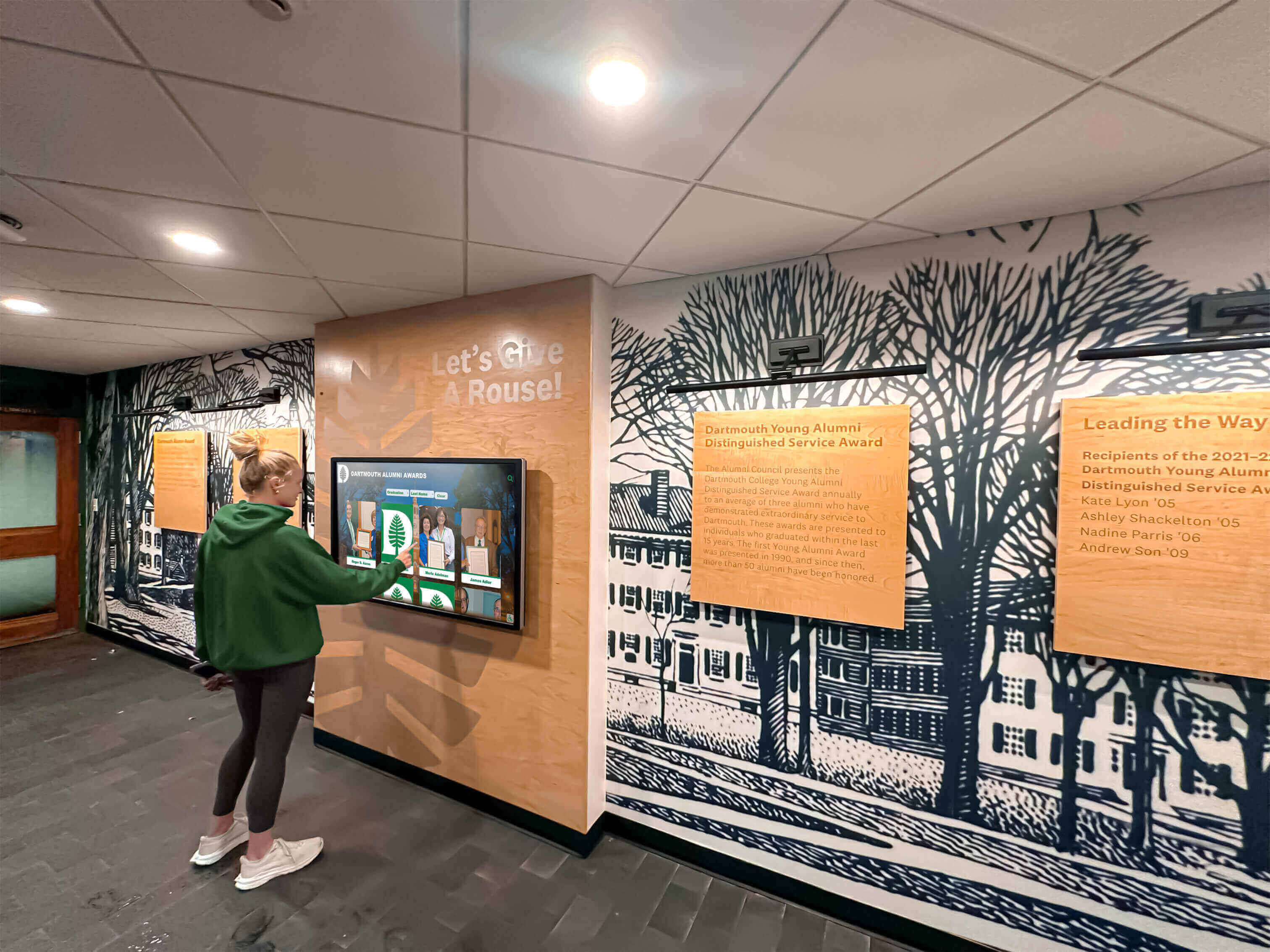
Strategic placement and intuitive design encourage regular student engagement with achievement recognition
Avoiding Common Recognition Program Pitfalls
Understanding typical challenges helps schools design more effective programs from the start.
Recognition Inflation Prevention
Maintain Meaningful Standards
- Establish clear criteria distinguishing recognition levels and their significance
- Balance inclusivity with standards that preserve recognition value
- Regularly evaluate whether criteria remain appropriately challenging
- Resist pressure to lower standards simply to recognize more students
- Ensure recognition requires genuine effort and accomplishment
Prevent Participation Trophy Syndrome
- Recognition should acknowledge actual achievement, not mere participation
- Distinguish between participation acknowledgment and achievement recognition
- Maintain hierarchy valuing exceptional accomplishment while celebrating solid performance
- Ensure highest honors remain truly selective and prestigious
- Create appropriate recognition tiers matching achievement significance levels
Ensuring Broad Accessibility
Address Equity Concerns
- Examine whether recognition opportunities exist for students from all backgrounds
- Identify and eliminate financial barriers to achievement pathways
- Ensure course access doesn’t prevent certain populations from recognition
- Create multiple achievement dimensions providing diverse recognition pathways
- Monitor recognition distribution across student populations
Avoid Narrow Focus Limitations
- Recognize achievements across all subjects, not just traditional core academics
- Value multiple achievement dimensions beyond GPA alone
- Ensure extracurricular academic achievements receive acknowledgment
- Celebrate character and citizenship alongside pure academic metrics
- Include career and technical education accomplishments proportionally
Prevent Administrative Burden
- Design sustainable processes that don’t overwhelm staff
- Leverage technology reducing manual effort
- Create clear role assignments preventing ambiguity
- Establish efficient workflows for identification, verification, and communication
- Budget appropriate resources including time and funding
Learn about academic recognition program development that balances high standards with broad accessibility.
Conclusion: Building Excellence Through Comprehensive Achievement Recognition
Effective academic achievement recognition represents strategic investment in student motivation, institutional culture, and educational mission fulfillment. When schools systematically identify and celebrate diverse academic accomplishments—from traditional GPA thresholds to subject-specific excellence, from standardized test achievement to academic character demonstration—they create environments where intellectual success becomes aspirational, celebrated, and central to student identity.
The academic achievement examples explored in this guide provide comprehensive frameworks for building recognition systems that honor individual accomplishment while motivating broader student populations. From absolute achievement metrics to growth and improvement recognition, from STEM excellence to humanities mastery, from national designations to school-specific honors, these diverse examples demonstrate that meaningful academic achievement takes many forms—all deserving appropriate celebration.
Transform Your Academic Recognition Program
Discover how modern digital recognition solutions can help you celebrate every academic achievement example and build a thriving culture of intellectual excellence that motivates all students.
Explore Recognition SolutionsModern digital recognition platforms make comprehensive academic achievement celebration achievable for schools of all sizes and resources. Purpose-built solutions like Rocket Alumni Solutions eliminate the space constraints and administrative burden that often prevent schools from maintaining current, engaging recognition while creating interactive experiences that resonate with contemporary students and families. When diverse academic achievements receive visibility through prominent digital displays in strategic locations, complemented by web accessibility extending reach beyond school walls, recognition influences not just those celebrated but all students who encounter these displays while considering their own academic pathways.
Start where you are with recognition programs you can implement immediately, then systematically expand to create comprehensive approaches your students deserve. Every achievement that receives meaningful recognition—whether perfect GPA, significant improvement, competition success, or character demonstration—validates student effort while inspiring others to pursue their own academic excellence. Every student who encounters systematic recognition of diverse achievements develops stronger understanding of available pathways and clearer vision of what academic success looks like across multiple dimensions.
Your students’ academic achievements deserve celebration equal to accomplishments in any domain. With thoughtful planning identifying achievement examples aligned with your values, appropriate technology providing visibility and engagement, and consistent implementation ensuring sustainable recognition, you can create systems that honor every meaningful achievement while building the positive, motivating educational culture where intellectual excellence thrives and all students pursue the academic success they’re capable of achieving.
Ready to begin transforming your academic recognition approach? Explore additional strategies for celebrating student success through comprehensive recognition programs, digital display solutions, or donor recognition approaches that can inform academic celebration systems creating lasting impact across your entire educational community.