Intent: Define how comprehensive academic and history archiving transforms scattered institutional records into accessible digital resources that preserve educational legacy, support research and accreditation, and strengthen community connections across generations.
Every school possesses invaluable historical treasures—decades of student records documenting academic achievement, administrative archives chronicling institutional evolution, yearbooks capturing student life across eras, curriculum materials showing educational approaches over time, and correspondence revealing relationships and decisions that shaped institutional character. Yet many educational institutions struggle to preserve these irreplaceable materials effectively. Historical records deteriorate in storage rooms, important documents disappear during administrative transitions, critical information becomes inaccessible because no one remembers where it’s stored, and institutional memory vanishes when longtime staff retire without transferring knowledge to successors.
When schools fail to implement systematic archiving programs, they lose more than dusty old papers. They forfeit the ability to demonstrate continuous improvement for accreditation reviews, sacrifice access to historical precedents informing current decision-making, miss opportunities to engage alumni through shared institutional heritage, and risk permanent loss of irreplaceable documentation that can never be recreated once destroyed or discarded.
Effective academic and history archiving creates organized, searchable repositories where institutional knowledge remains accessible regardless of personnel changes, where historical records support current operations and strategic planning, where alumni and researchers can explore educational heritage, and where precious materials receive appropriate preservation ensuring they survive for future generations. This comprehensive guide provides school administrators, archivists, and heritage coordinators with practical frameworks for building sustainable archiving programs that honor educational legacy while supporting contemporary institutional needs.
Modern archiving extends far beyond simply storing old paperwork in filing cabinets. Today’s best practices combine professional preservation standards, digital technology enabling worldwide access, and systematic organization making vast collections searchable and useful rather than overwhelming and inaccessible.

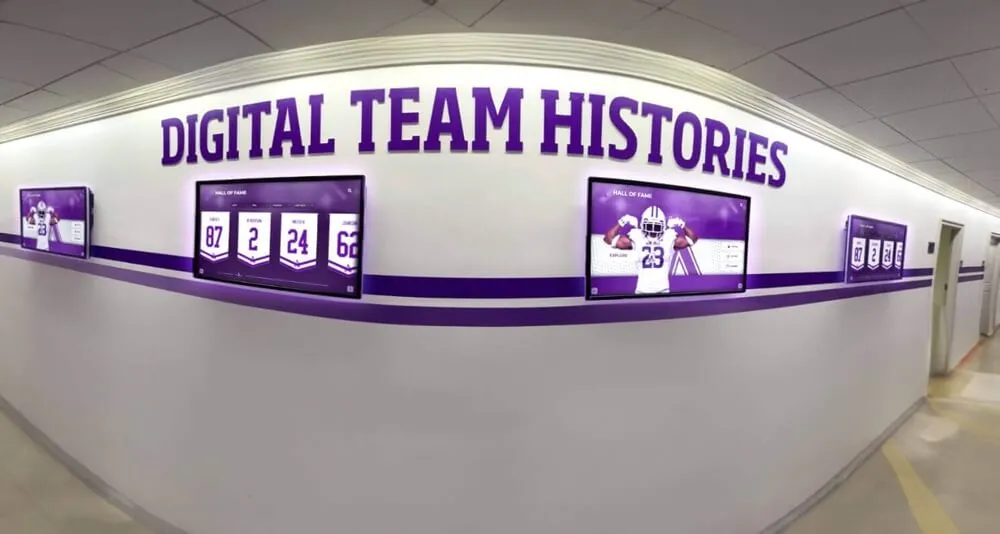
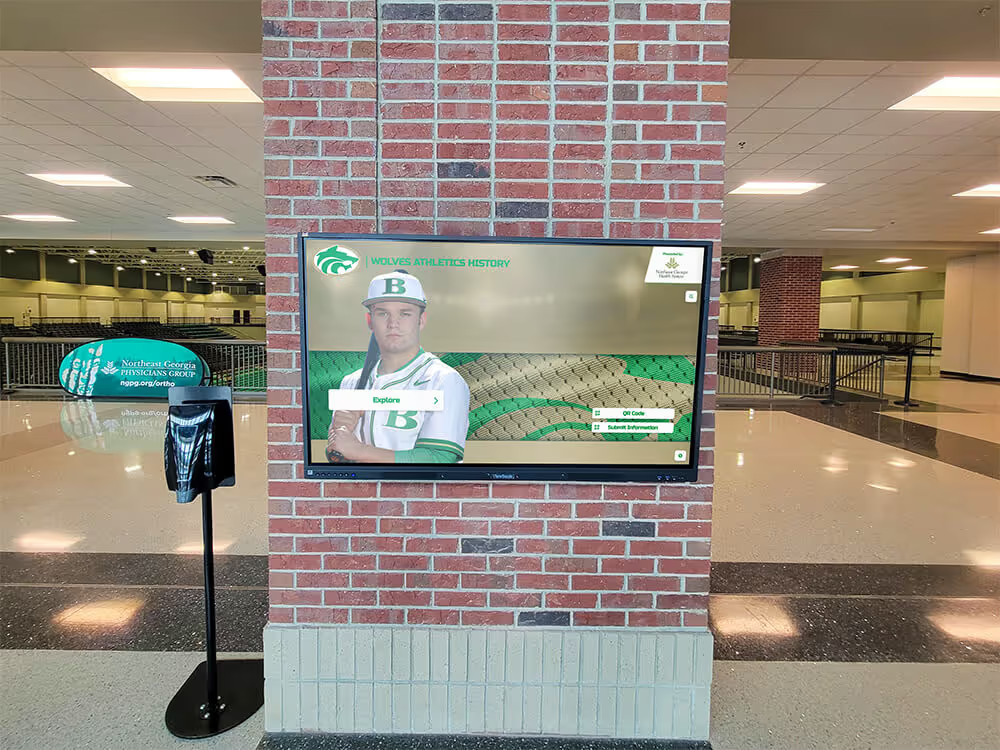
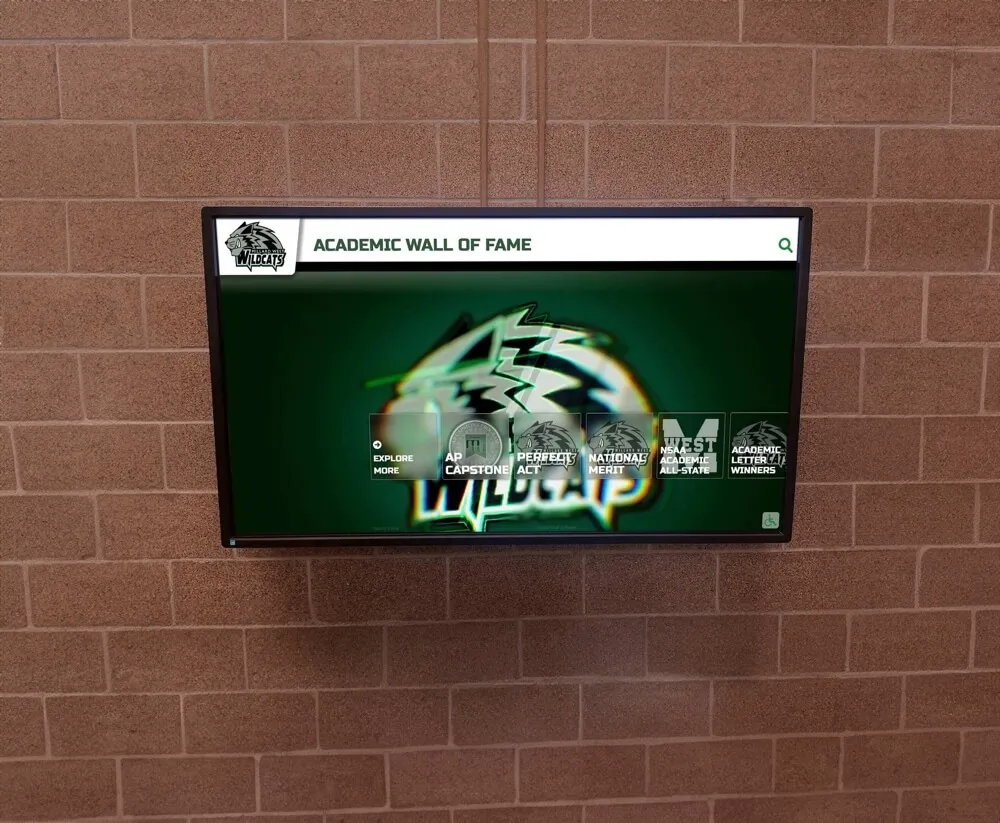
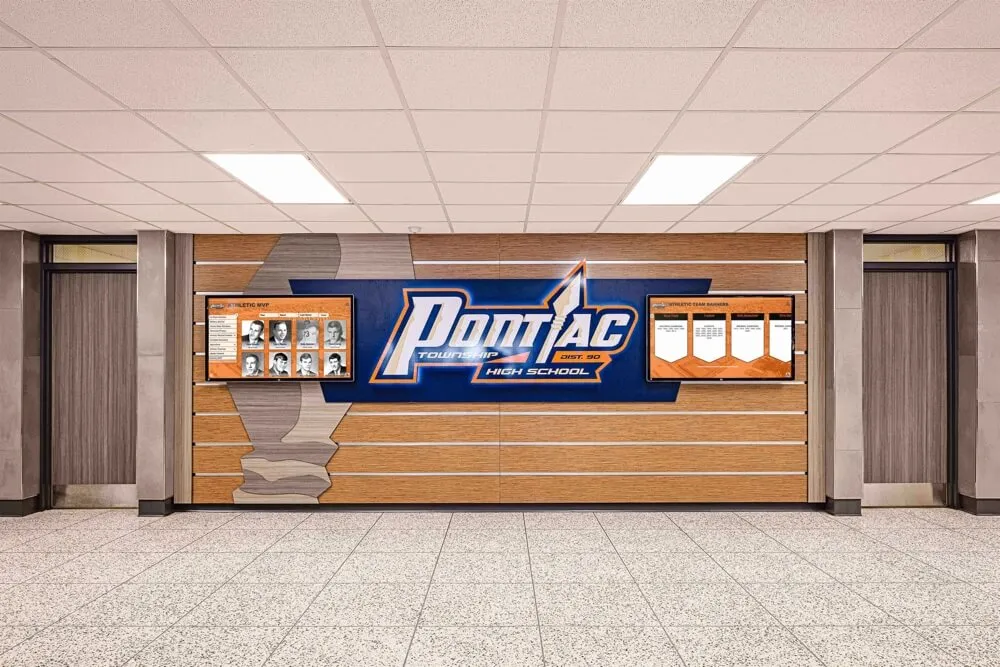
Systematic archiving preserves individual stories and achievements spanning decades of educational history
Understanding Academic and Historical Archives: Core Concepts and Importance
Before implementing archiving programs, educational leaders need clear understanding of what archives encompass and why systematic preservation proves essential for institutional health.
What Educational Archives Include
Comprehensive school archives encompass diverse materials documenting all dimensions of institutional life and operations.
Student Academic Records
The foundation of educational archives includes transcripts documenting coursework and achievement, grade records showing academic performance over time, standardized test scores and assessment data, graduation records and diploma documentation, academic award and honor roll documentation, disciplinary records (with appropriate confidentiality), and special education records following legal retention requirements.
These records support alumni transcript requests, demonstrate accountability for educational outcomes, enable longitudinal research on instructional effectiveness, and provide documentation required for accreditation reviews and legal compliance.
Institutional Administrative Records
Organizational history lives in administrative archives through board meeting minutes documenting governance decisions, administrative correspondence revealing relationships and decision-making processes, policy documentation showing institutional rule evolution, financial records demonstrating fiscal stewardship, facilities planning and construction documentation, strategic plans and institutional vision statements, and accreditation reports and external review documentation.
Administrative archives enable institutional leaders to understand how current situations developed, access precedents for addressing recurring challenges, demonstrate continuous improvement for accreditation bodies, and maintain organizational knowledge across leadership transitions.
Curriculum and Instructional Materials
Educational program evolution appears in preserved curriculum guides showing what was taught across decades, course catalogs documenting program offerings, textbooks and instructional materials illustrating pedagogical approaches, lesson plans from innovative or exemplary teachers, student work samples demonstrating achievement expectations, assessment instruments showing how learning was measured, and professional development materials documenting teacher preparation.
These instructional archives prove invaluable for curriculum committees developing new programs, enable research on educational practice evolution, provide models for current teachers, and document institutional commitment to educational excellence across changing educational landscapes.
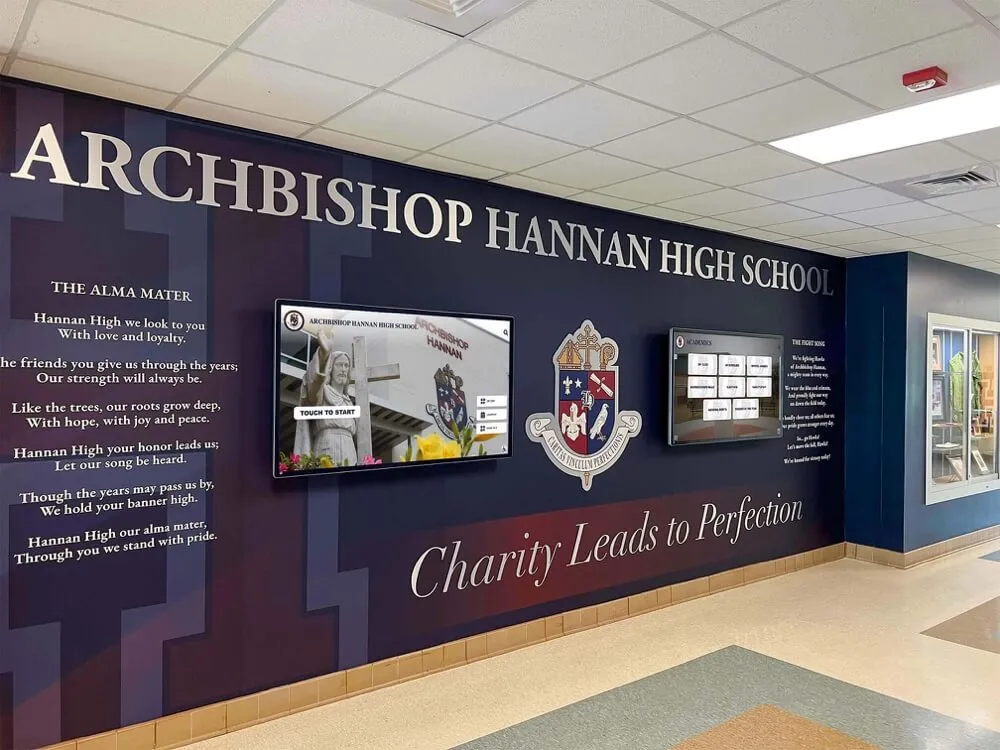
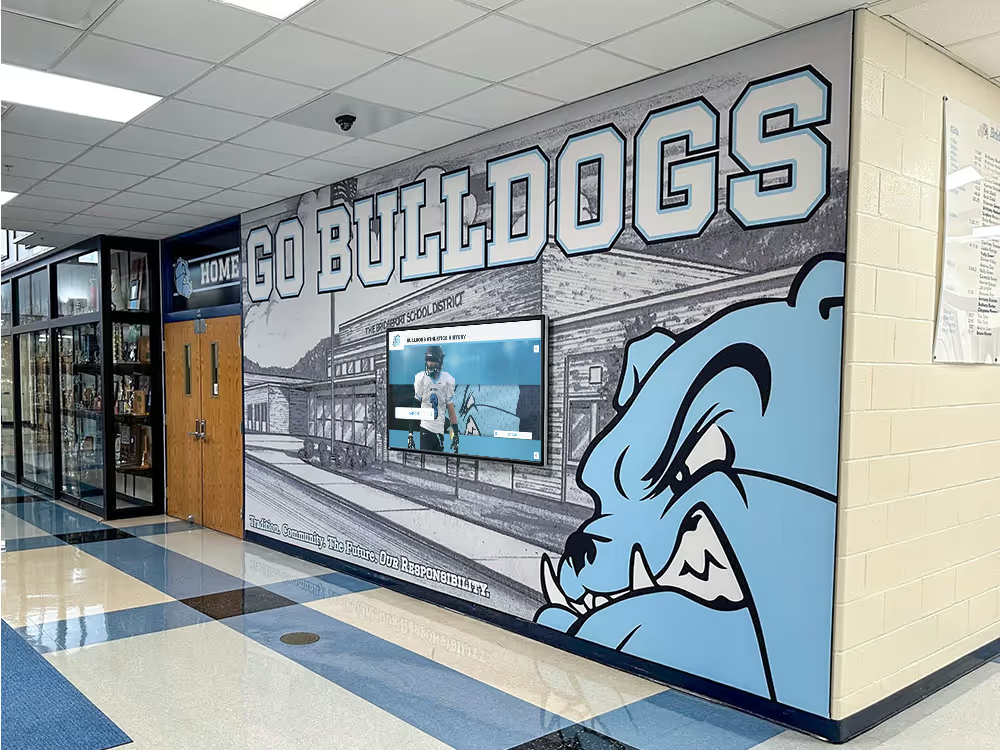
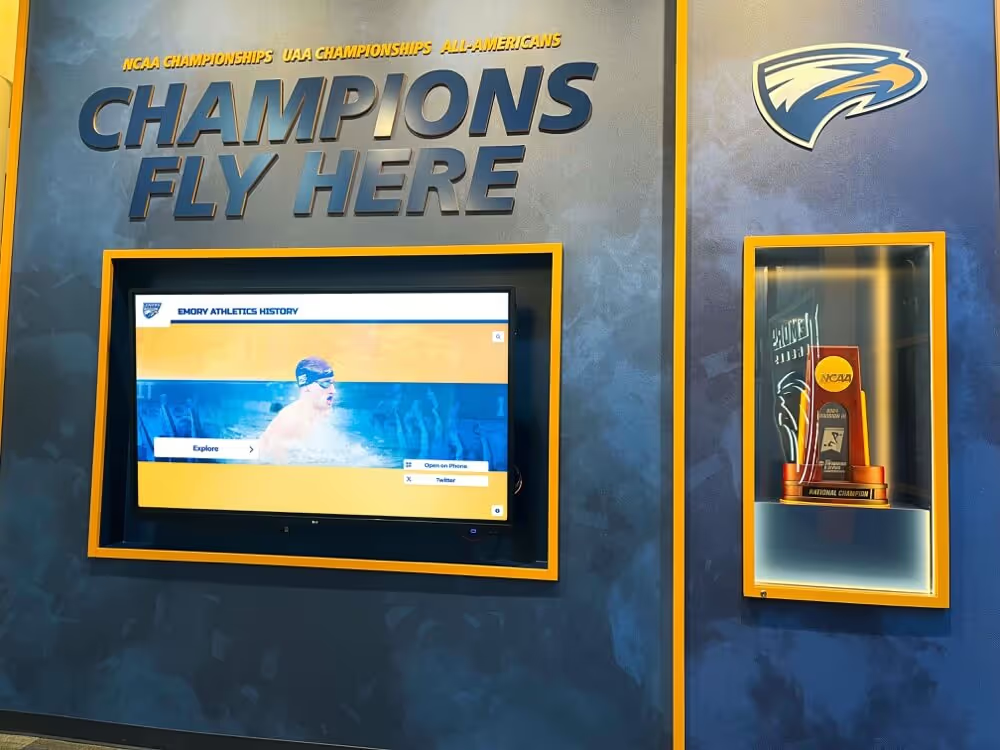
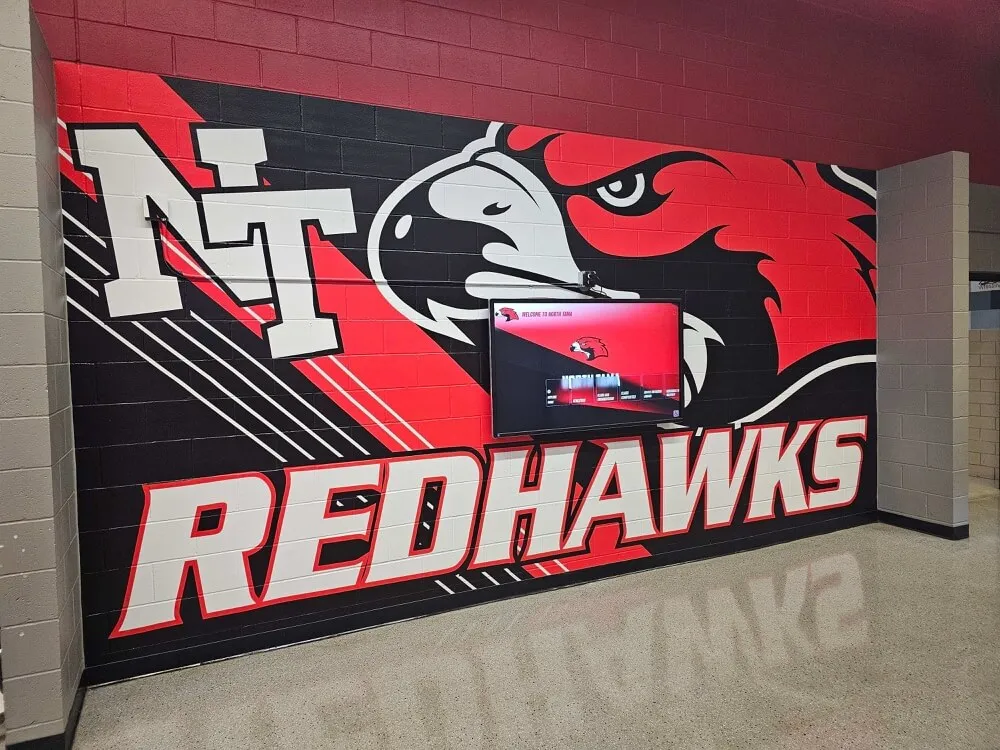
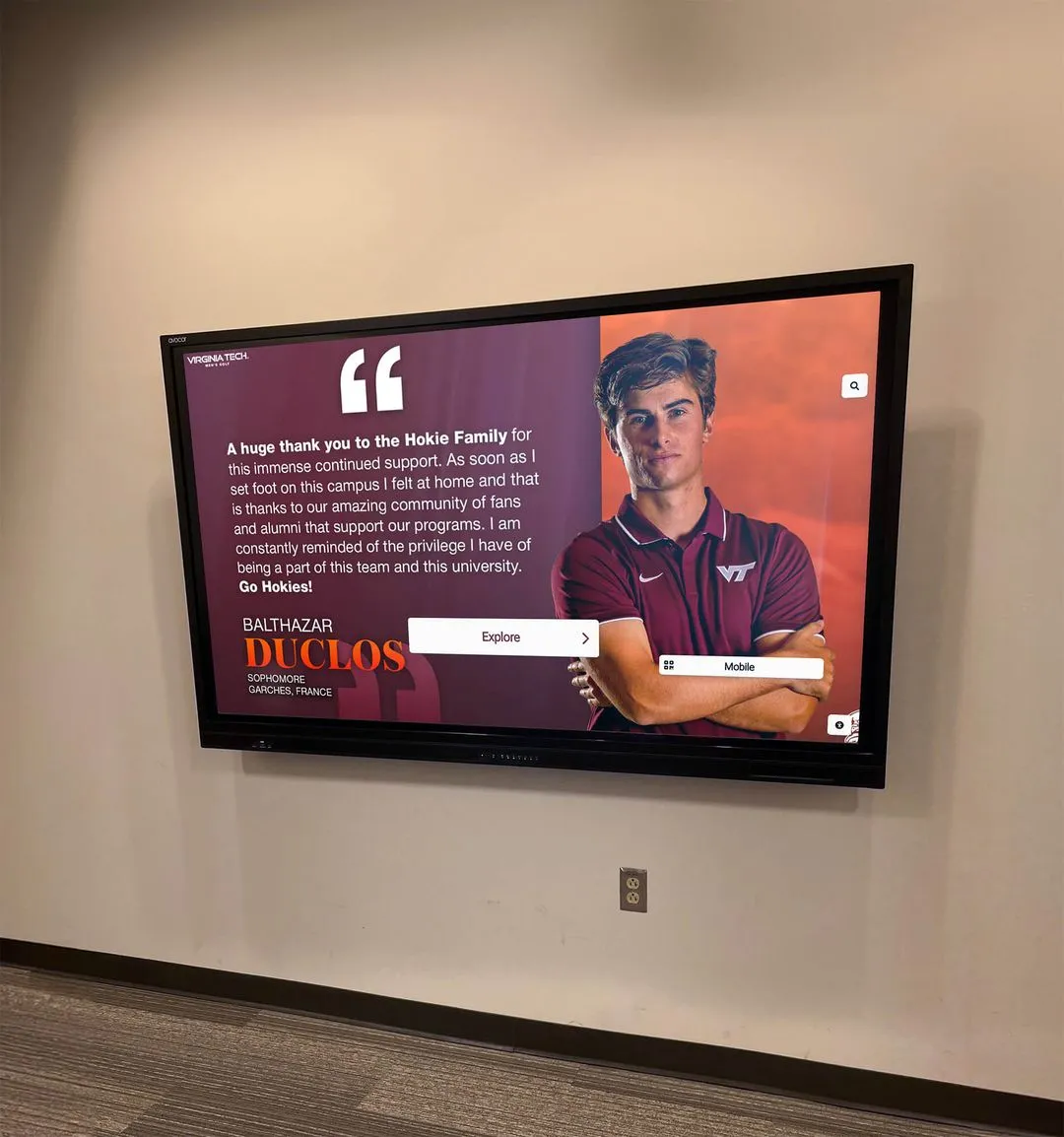
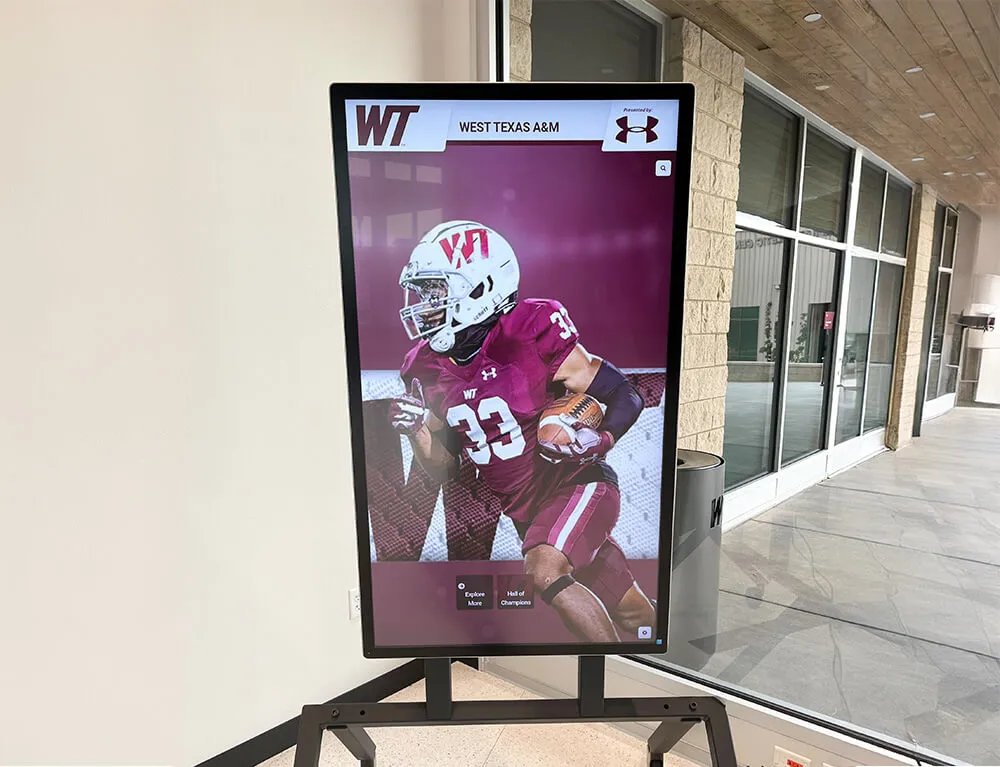
Modern installations integrate historical preservation with accessible displays making institutional heritage visible throughout school environments
Visual and Multimedia Documentation
Images and recordings preserve institutional life in unique ways through historical photographs showing facilities, events, and people, yearbooks documenting student life year by year, video recordings of performances, athletics, and special events, audio recordings including oral histories and presentations, newspaper clippings and media coverage, and digitized memorabilia like programs, invitations, and ephemera.
Visual archives engage audiences emotionally in ways text-based records cannot, making institutional history accessible to diverse stakeholders while preserving aspects of school culture that written documentation alone never fully captures.
Alumni and Development Records
Relationship documentation supports ongoing engagement through alumni biographical information and career documentation, giving history and donor recognition records, volunteer service and board participation documentation, event attendance and reunion records, and correspondence maintaining institutional relationships across decades.
Alumni archives support development operations, enable distinguished graduate recognition programs, facilitate networking among graduates, and document the lasting impact educational institutions have on individuals and communities.
Why Systematic Archiving Matters for Educational Institutions
Understanding concrete benefits helps justify resource allocation for archiving initiatives.
Accreditation and Compliance Requirements
Accrediting bodies require schools to demonstrate continuous improvement through documented evidence of program development and refinement, assessment of student learning outcomes over time, response to previous accreditation recommendations, and institutional planning tied to evidence-based decision-making.
Without organized archives providing accessible historical documentation, schools struggle to compile required evidence, waste enormous staff time searching for scattered records, and risk accreditation concerns that could affect institutional standing and student eligibility for financial aid.
Regional accreditation standards from bodies like MiddleStates, New England Association of Schools and Colleges (NEASC), and others explicitly require schools to maintain organized institutional records demonstrating effectiveness over time—making systematic archiving not optional but essential for maintaining accreditation status.
Legal Protection and Risk Management
Archived records protect institutions legally through documentation defending against liability claims, evidence of proper procedures and due process, proof of compliance with regulations over time, and documentation of employment and student relations.
Schools facing legal challenges often discover that critical documentation proving their position either never existed or cannot be located because archiving systems proved inadequate. Systematic archiving provides insurance against these vulnerabilities while demonstrating institutional professionalism and accountability.
Different record types carry specific legal retention requirements—student records must be maintained according to federal and state requirements, financial records follow IRS guidelines, personnel files must be retained for specific periods, and real estate documentation requires permanent preservation. Professional archives ensure compliance with these complex, varying requirements.
Institutional Knowledge and Organizational Learning
Archives preserve collective wisdom accumulated across decades through documentation of what approaches worked or failed, historical context for understanding current situations, precedents informing policy development, and lessons learned from previous challenges and initiatives.
Without accessible institutional memory, schools repeatedly address situations that previous administrators handled effectively, reinvent wheels that previous faculty already designed, and miss opportunities to learn from organizational history because critical information remains inaccessible or lost.
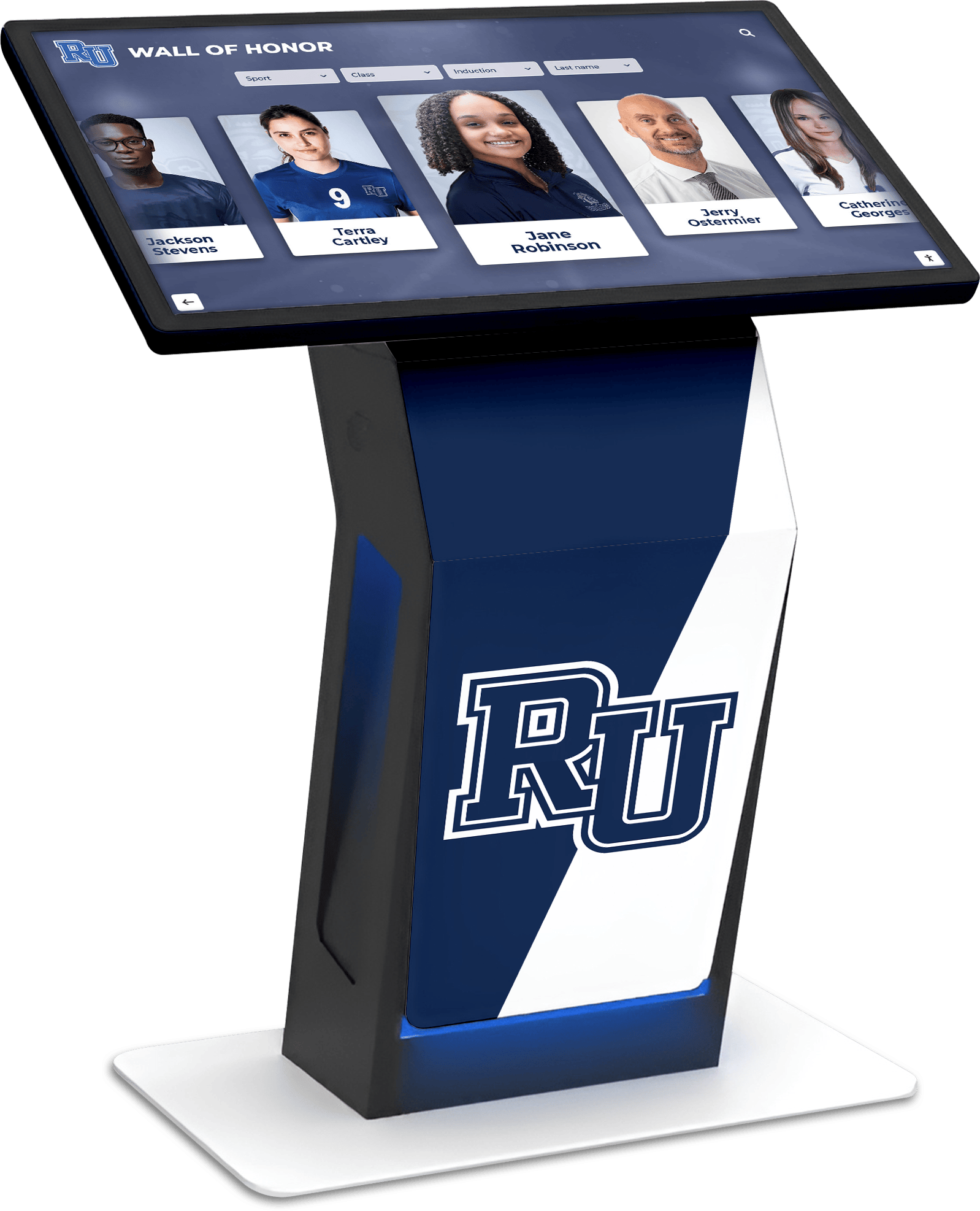
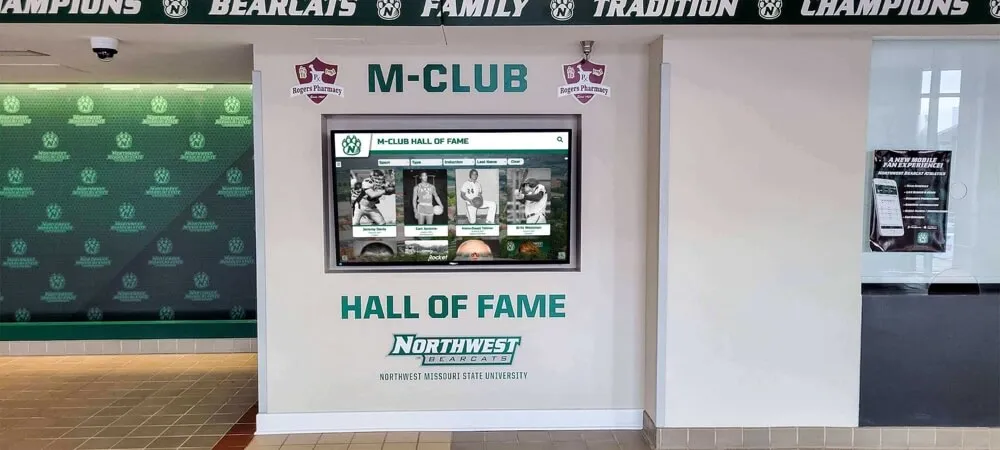
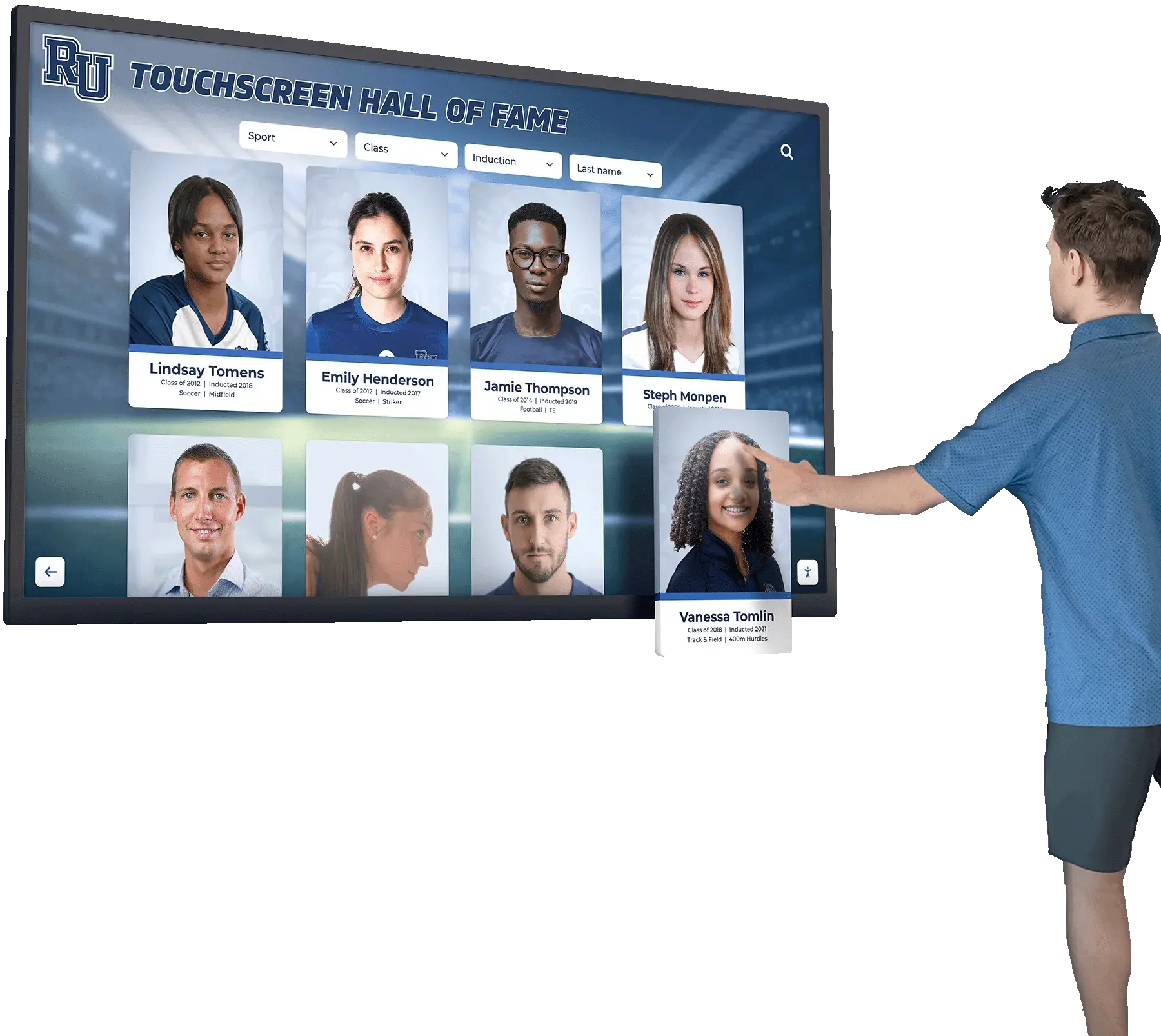
Modern archive access systems make decades of institutional records searchable and accessible through intuitive digital interfaces
Community Engagement and Alumni Relations
Historical archives strengthen stakeholder connections through accessible heritage content engaging alumni emotionally, documentation enabling distinguished graduate recognition, historical context for current students understanding institutional traditions, and resources supporting local history research and community education.
Schools with robust, accessible archives create deeper alumni engagement translating to higher reunion attendance, increased philanthropic support, more active volunteer participation, and stronger advocacy within communities. These relationship benefits alone often justify archiving investments beyond operational and compliance considerations.
Learn more about comprehensive approaches to displaying school history that make archived materials accessible and engaging for diverse audiences.
Building Archiving Infrastructure: Policies, Standards, and Organization
Successful archiving programs require systematic foundations ensuring consistency, sustainability, and legal compliance across changing personnel and evolving institutional needs.
Developing Comprehensive Retention Policies
Clear policies determine what records institutions preserve, for how long, and under what conditions.
Retention Schedule Development
Create detailed schedules specifying preservation requirements through federal and state legal requirements (transcripts, special education records, financial documentation), institutional policy needs (board minutes, strategic plans, facilities documentation), historical value assessment (materials documenting institutional significance), and practical considerations (storage capacity, retrieval frequency, preservation costs).
Retention schedules should specify exact timeframes—“student transcripts: permanent,” “routine correspondence: 3 years,” “financial records: 7 years per IRS requirements”—providing clear guidance preventing both premature destruction of important materials and unnecessary retention of valueless documentation.
Disposition and Destruction Protocols
Equally important as retention is systematic disposition of records reaching end-of-life through secure destruction methods appropriate to confidentiality (shredding for sensitive materials), documentation of destruction (certificates proving proper disposal), and irreversibility ensuring records cannot be reconstructed after authorized destruction.
Proper disposition procedures protect institutions from data breaches involving obsolete records while freeing storage resources for materials requiring preservation. Without clear protocols, institutions either hoard everything (creating unsustainable storage burdens) or dispose of materials haphazardly (risking loss of important documentation or confidentiality breaches).

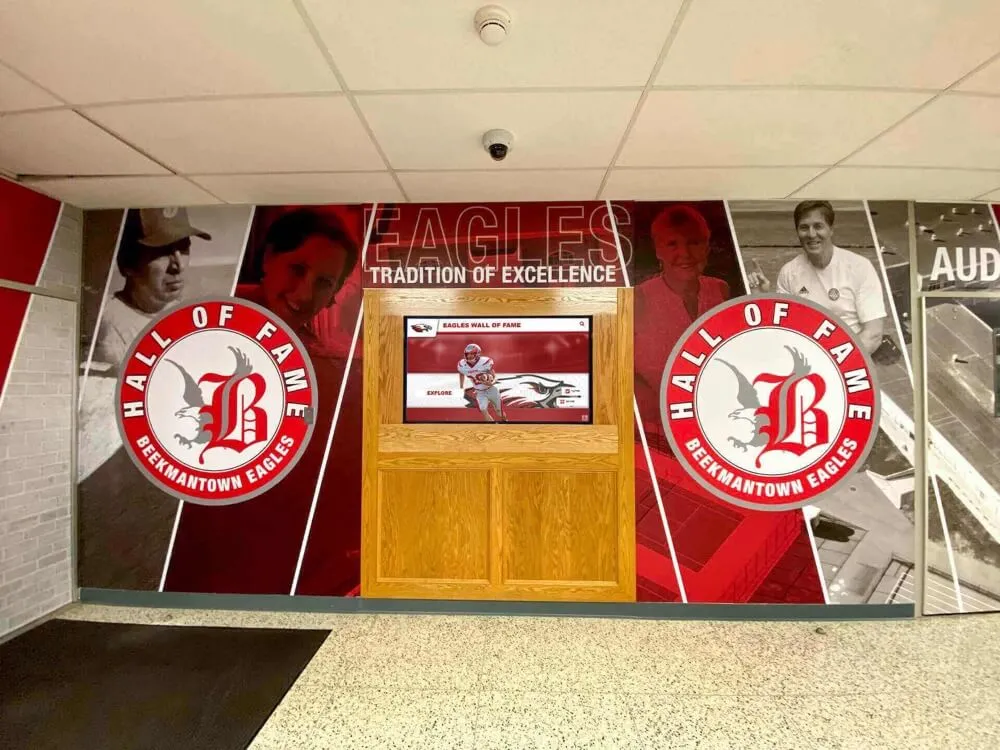
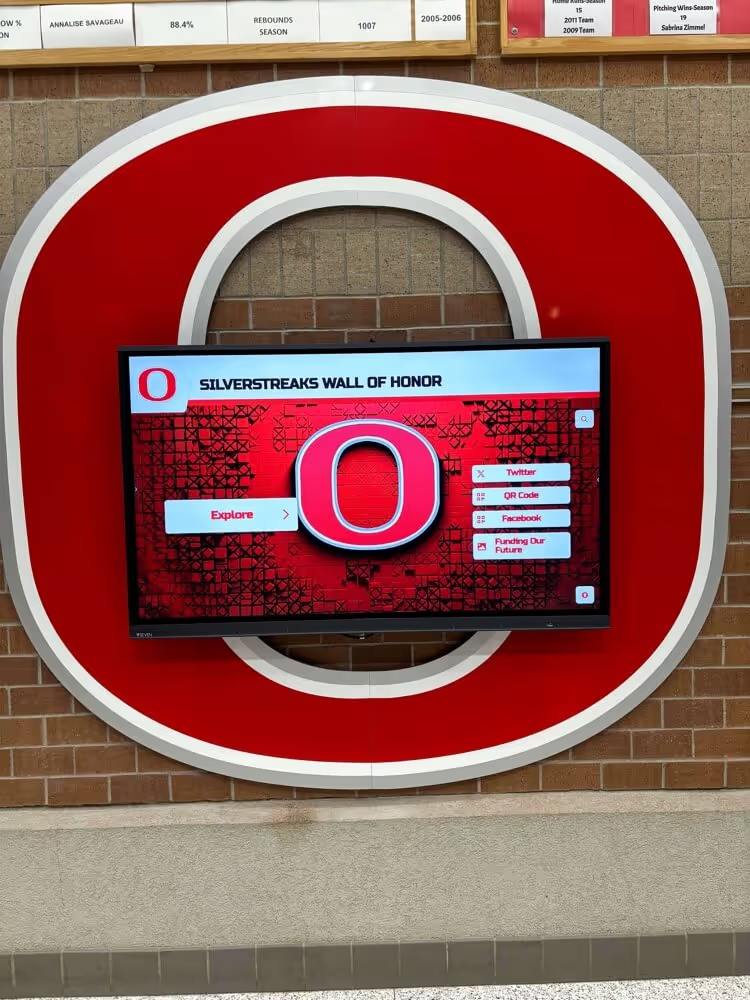
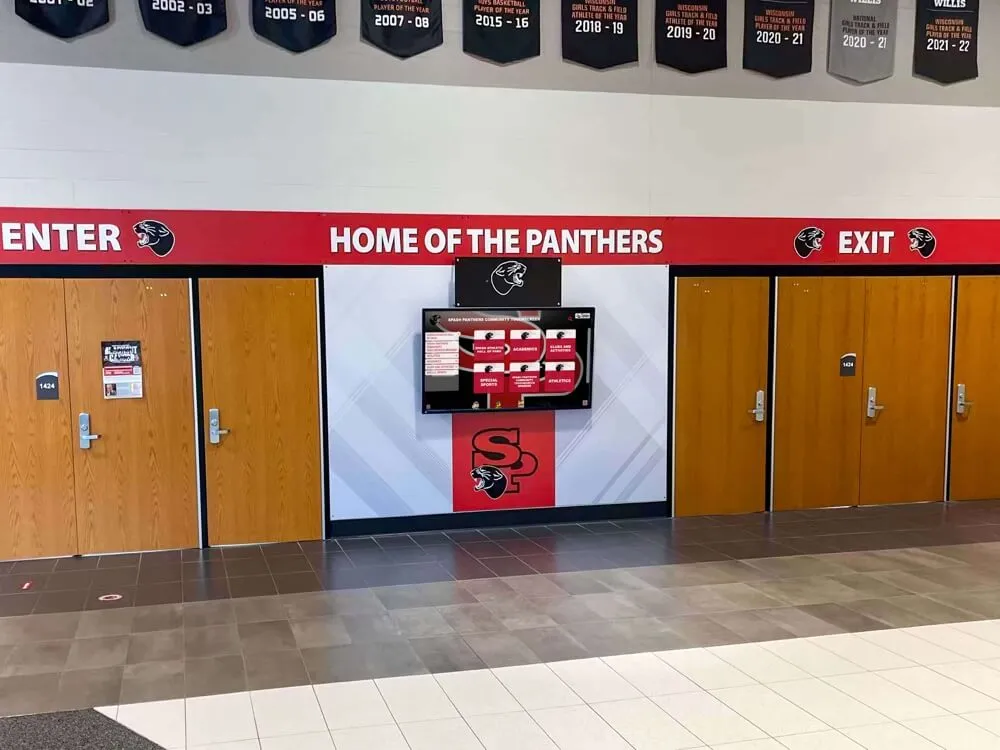
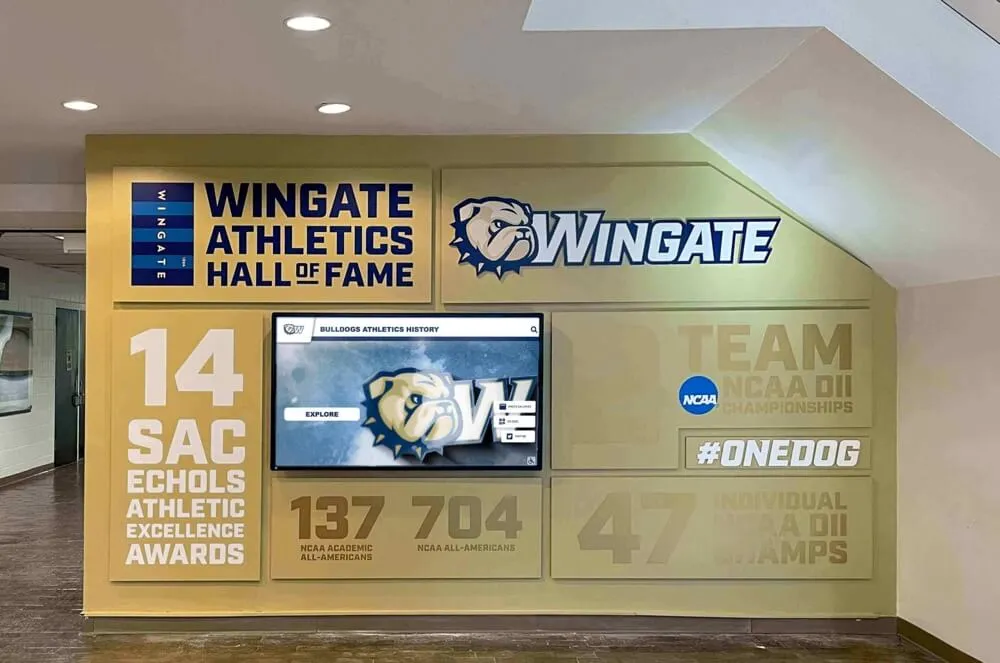
Strategic placement of archive access points in high-traffic areas ensures institutional history remains visible and accessible to entire school communities
Privacy and Confidentiality Standards
Educational archives must balance accessibility with legal privacy protections through FERPA compliance protecting student record confidentiality, personnel record protections following employment law, donor confidentiality respecting development agreements, and differential access levels providing appropriate controls.
Clear policies specify what materials remain permanently confidential, what becomes accessible after time periods (often 25-75 years for sensitive materials), and what can be immediately accessible for research and public interest. These frameworks protect individual privacy while ensuring historical value doesn’t remain permanently inaccessible.
Organizational Systems and Classification Schemes
How archives are organized determines whether they serve as accessible resources or become unusable masses of unnavigable materials.
Archival Arrangement Principles
Professional archives follow established organizational principles through respect des fonds (maintaining records as created by originating offices), original order preservation (keeping materials in their created organizational sequence), and provenance documentation (tracking where materials originated).
These principles preserve contextual relationships that give records meaning—understanding that a particular memo came from the principal’s office in 1985 provides interpretive context lost if that document gets randomly filed with unrelated materials. Professional arrangement ensures archives remain intellectually coherent as collections grow across decades.
Classification and Categorization
Systematic classification enables efficient retrieval through hierarchical organization (institutional → department → record type → chronological), subject categorization enabling topical research, format-based grouping for preservation purposes, and access level classification (public, restricted, confidential).
Well-designed classification systems allow multiple access pathways—a researcher interested in athletics can find all athletic materials regardless of whether they came from the athletic director’s office, the principal’s records, or the development office. Flexible organization accommodates diverse research needs without requiring researchers to understand institutional organizational structures.
Finding Aids and Discovery Tools
Even perfectly organized archives prove useless if users cannot discover relevant materials through detailed inventories describing collection contents, scope and content notes explaining what collections contain, biographical or administrative histories providing context, and indexed access points enabling keyword searching.
Modern finding aids exist as searchable digital documents rather than typed pages in binders, dramatically improving accessibility. When combined with comprehensive school history software providing discovery interfaces, finding aids transform archives from resources accessible only to trained archivists into systems that faculty, students, alumni, and researchers can navigate independently.
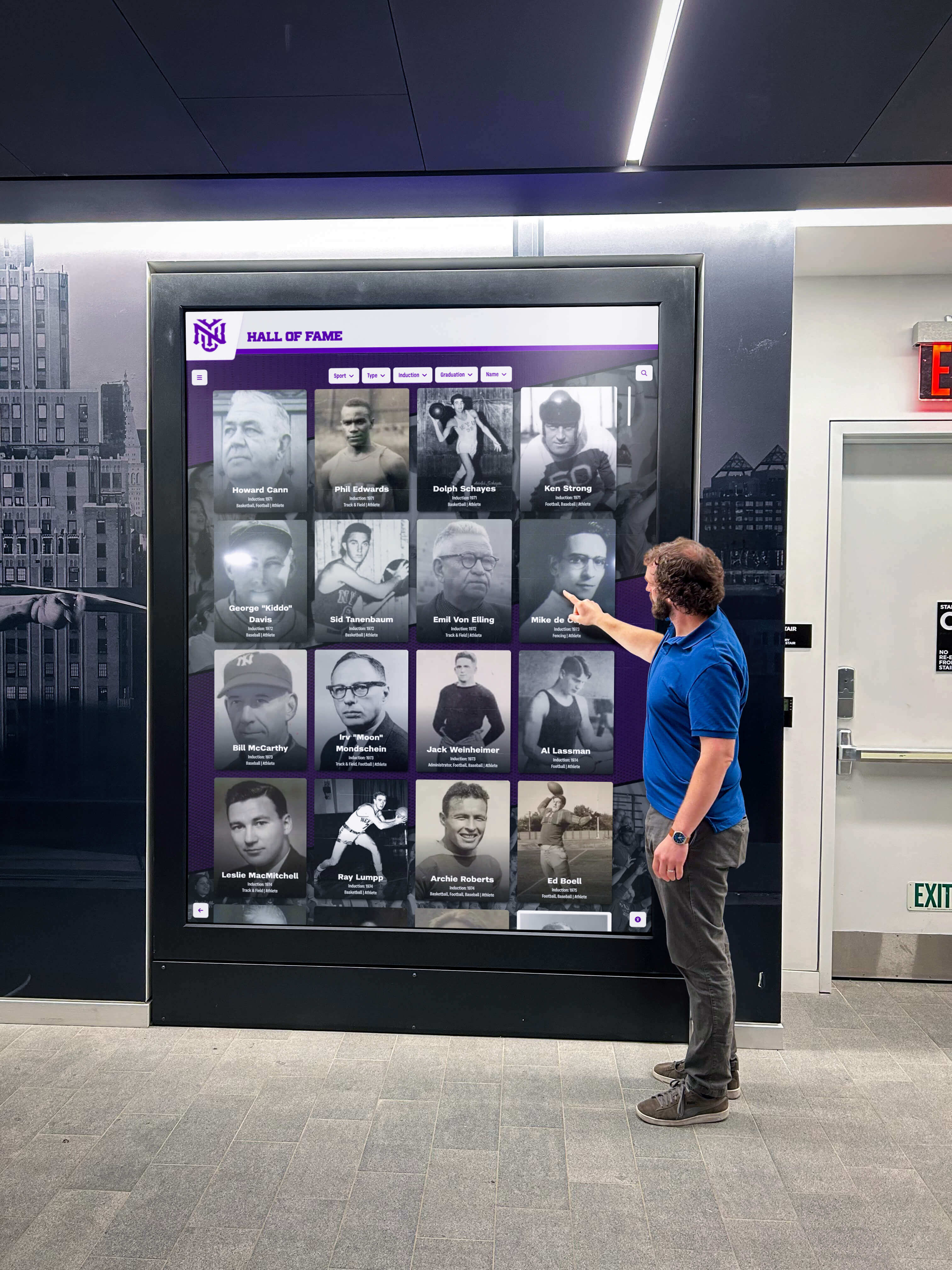
Intuitive digital access systems enable community members of all ages to explore institutional archives independently
Physical Storage and Preservation Standards
Proper physical storage protects irreplaceable materials from deterioration and loss.
Environmental Controls and Storage Conditions
Archival materials require specific environmental conditions through temperature control (65-70°F for paper materials), humidity management (30-50% relative humidity), light limitation (especially UV light causing fading), air quality control (filtration removing pollutants and particulates), and pest management preventing biological damage.
Materials stored in typical basements, attics, or storage closets without environmental controls deteriorate rapidly. While purpose-built archival storage proves expensive, even basic improvements—avoiding areas with temperature extremes, using dehumidifiers in humid climates, and blocking windows—significantly extend material lifespan.
Archival-Quality Storage Materials
How materials are housed affects preservation through acid-free folders and boxes preventing chemical deterioration, appropriately-sized containers avoiding physical stress, and separation of different material types (photographs separate from paper documents, newspaper clippings isolated from other materials).
Non-archival storage materials—regular manila folders, cardboard boxes, plastic bags, rubber bands—actively damage historical materials through acid transfer, physical stress, off-gassing, and adhesive residue. Investing in proper archival supplies proves far more cost-effective than replacing deteriorated materials or conducting expensive conservation treatments.
Security and Disaster Preparedness
Physical archives require protection from threats through secure access control limiting who can enter storage areas, fire suppression systems appropriate for archival materials, water damage prevention and rapid response planning, pest monitoring and integrated pest management, and emergency response plans specifying how to protect collections during disasters.
Many irreplaceable archival collections have been lost to fires, floods, pest infestations, or theft because basic security and disaster planning proved inadequate. These protective measures deserve priority attention in archiving programs.
Digital Preservation: Scanning, Systems, and Long-Term Access
Modern archiving increasingly relies on digitization to preserve aging materials, expand access, and create searchable databases transcending physical storage limitations.
Digitization Standards and Best Practices
Quality digitization requires technical standards ensuring long-term usability and preservation value.
Scanning Resolution and File Format Standards
Create digital masters meeting preservation requirements through 600 DPI minimum for most document scanning, higher resolution (1200+ DPI) for deteriorated or small materials, TIFF format for archival masters, and PDF/A format for access copies with embedded OCR.
Lower resolution scanning may seem adequate when initially viewed on screen but proves inadequate for future uses requiring enlargement or detailed examination. Following established preservation standards from organizations like the Library of Congress or Society of American Archivists ensures digital copies serve archival purposes rather than creating temporary digital surrogates requiring future re-digitization.
Optical Character Recognition and Full-Text Search
Transform scanned images into searchable text through OCR processing of typed documents, manual transcription for handwritten materials requiring searchability, quality control reviewing OCR accuracy, and full-text indexing enabling keyword discovery.
Searchable text transforms static scanned images into dynamically accessible content where users can locate specific names, topics, or dates within millions of pages—capability impossible with image-only archives. This searchability multiplies archive value by enabling discovery that would otherwise require reading entire collections page by page.
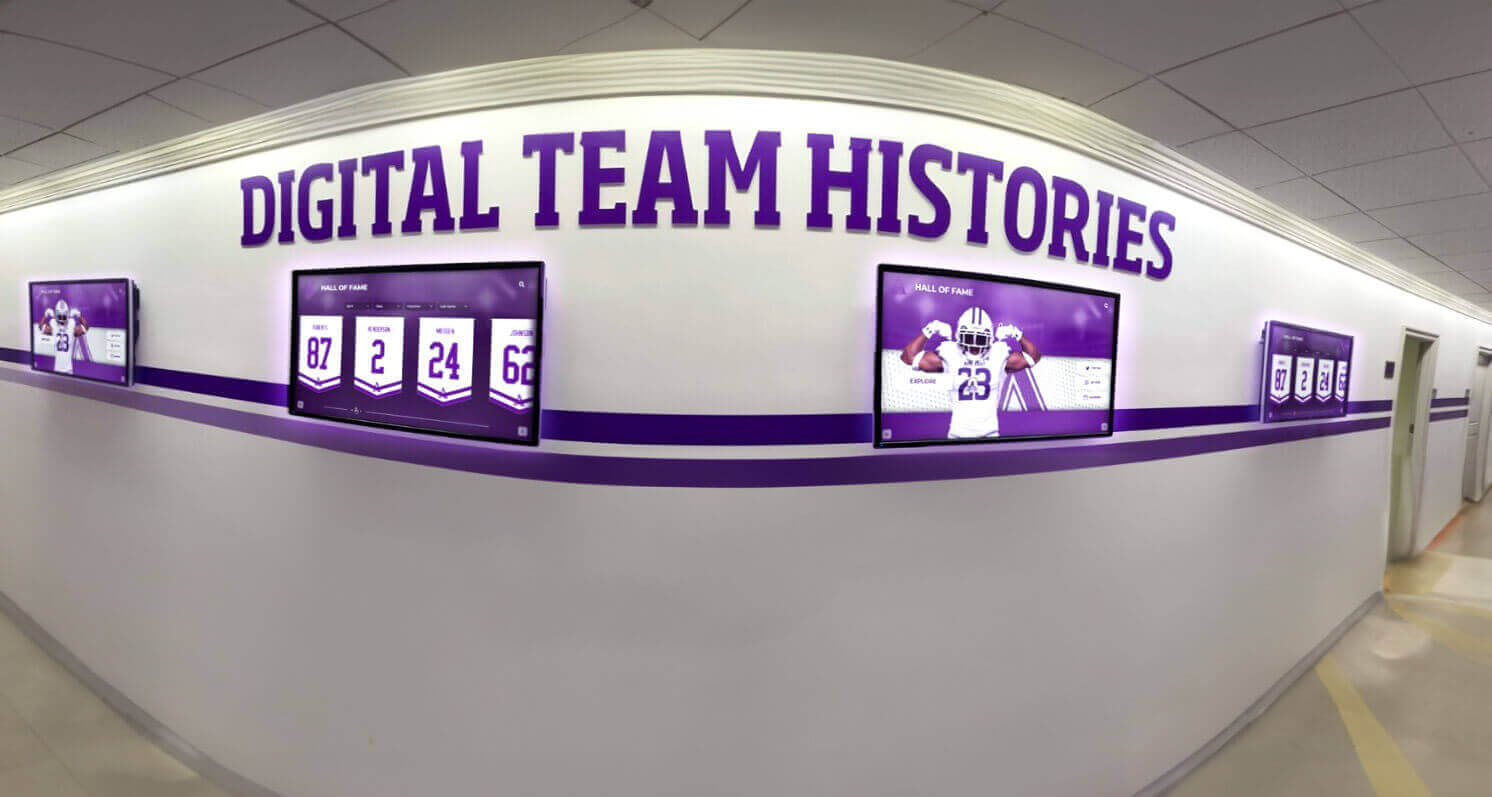
Distributed digital displays throughout school facilities bring archived historical content into daily student and visitor experience
Metadata Standards and Documentation
Digital files require comprehensive descriptive information through standardized metadata schemas (Dublin Core, MODS, EAD), descriptive information (titles, dates, creators, subjects), technical metadata (file formats, resolution, creation date), and administrative metadata (rights information, preservation actions).
Metadata-free digital files prove nearly as inaccessible as disorganized physical collections. Systematic documentation ensures digital archives remain usable as files migrate across systems and storage platforms over decades.
Digital Asset Management Systems
Organizing and accessing digitized materials requires appropriate technology infrastructure.
Cloud-Based Archive Platforms
Modern digital archives leverage cloud technology through centralized storage accessible from anywhere, automatic geographic redundancy protecting against localized disasters, scalable capacity growing with collections, and collaborative access enabling multiple simultaneous users.
Cloud platforms from providers like Amazon AWS, Microsoft Azure, or Google Cloud Platform offer enterprise-grade reliability, security, and performance at costs dramatically lower than institutional server infrastructure. Cloud-first approaches also eliminate concerns about maintaining server hardware, managing backup systems, and upgrading storage as needs grow.
Specialized Educational Archive Software
Purpose-built solutions provide archive-specific functionality through hierarchical collection organization matching archival principles, finding aid generation and management, access control supporting different permission levels, research room functionality for controlled access to sensitive materials, and integration with institutional recognition displays showcasing heritage publicly.
Solutions designed specifically for educational institutions understand school organizational structures, privacy requirements, and usage patterns—providing better functionality than generic document management systems adapted for archival purposes.
Search and Discovery Interfaces
Regardless of backend systems, user-facing discovery tools determine practical accessibility through keyword search across all content and metadata, advanced search with field-specific queries (creator, date range, subject), browsing by collection or category, visual interfaces displaying thumbnail previews, and mobile-responsive design supporting smartphone access.
The goal is making archives as easy to search as Google while providing richer discovery tools for sophisticated research needs. Intuitive interfaces transform archives from specialist resources requiring trained intermediaries into systems that students, faculty, alumni, and researchers navigate confidently independently.
Learn about comprehensive online high school digital archives that demonstrate effective digital access implementation.
Long-Term Digital Preservation Planning
Digitization alone doesn’t ensure long-term preservation—active management maintains accessibility as technology evolves.
File Format Migration and Obsolescence Planning
Technology changes require systematic management through monitoring format viability and support, planned migration before formats become obsolete, validation ensuring migrated files preserve content accurately, and documentation tracking all preservation actions.
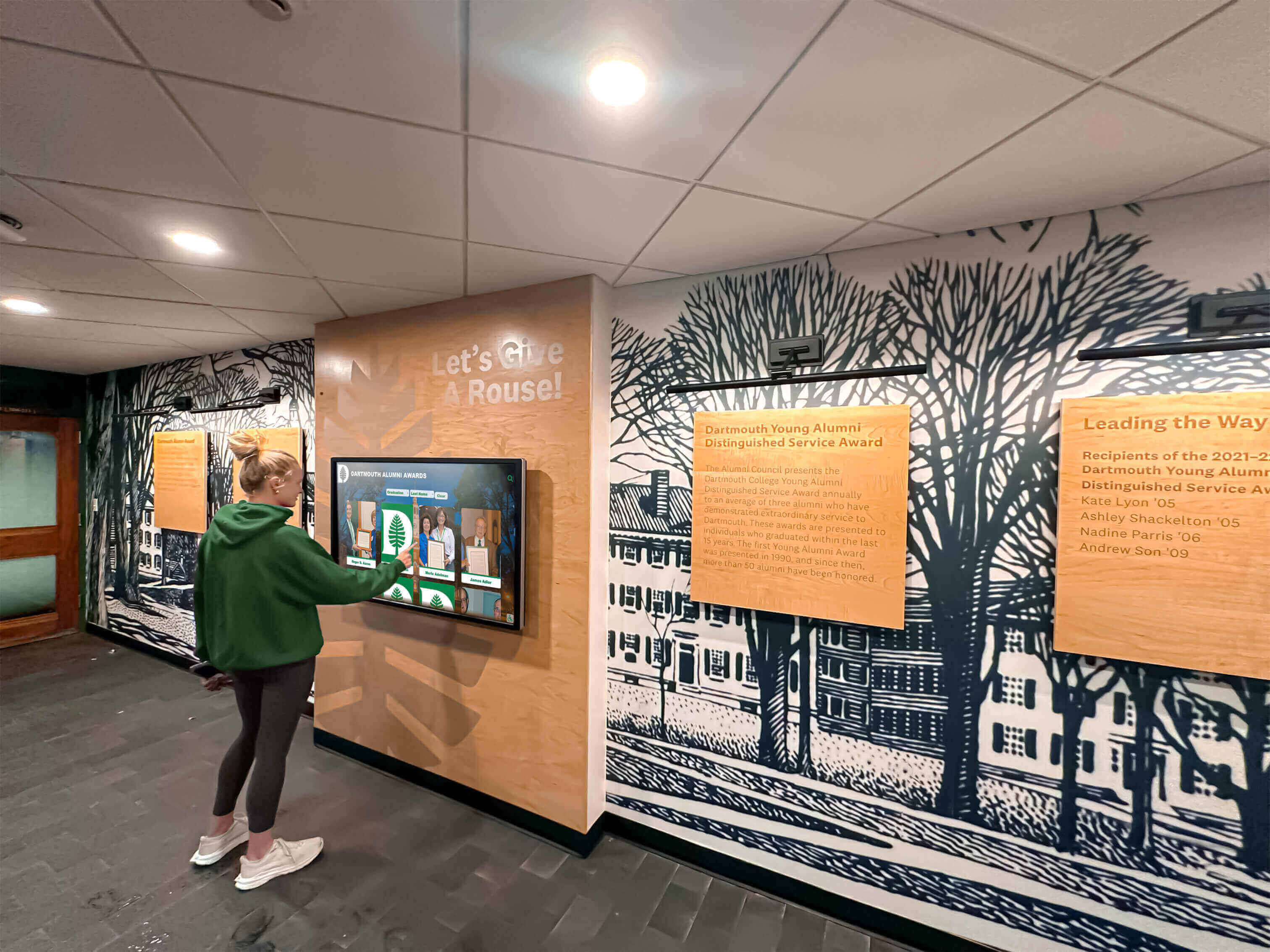
Accessible archive interfaces engage younger generations with institutional history through familiar digital interaction
Digital files created in formats common today may become unreadable in 20-30 years as software evolves and hardware changes. Systematic format monitoring and proactive migration prevent the “digital dark age” where technically preserved files become practically inaccessible because no current software can read them.
Backup and Redundancy Strategies
Digital preservation requires multiple copies through the 3-2-1 rule (3 copies, 2 different media types, 1 off-site), automated backup systems requiring no human action, periodic backup verification testing restoration procedures, and geographic distribution protecting against regional disasters.
Digital loss can occur instantly through hardware failure, ransomware, human error, or natural disasters. Only robust backup systems with verified redundancy provide adequate protection for irreplaceable institutional records.
Checksum Verification and Fixity Checking
Ensure digital files remain uncorrupted through cryptographic checksums documenting exact file states, periodic fixity checking comparing current files to original checksums, automated monitoring alerting to detected corruption, and systematic repair replacing corrupted files from verified backups.
Digital files can silently corrupt through hardware issues, software bugs, or storage media deterioration. Without systematic fixity checking, institutions may discover corruption only after backups also contain corrupted versions—making recovery impossible.
Academic Record Archiving: Special Considerations and Legal Requirements
Student academic records require specialized handling balancing preservation needs, legal requirements, and privacy protections.
FERPA Compliance and Student Privacy
Federal law strictly regulates student record access and disclosure.
Understanding FERPA Requirements
The Family Educational Rights and Privacy Act establishes legal framework through restrictions on disclosure without consent, student rights to access their own records, amendment procedures for inaccurate records, and annual notification requirements informing students of rights.
FERPA violations risk loss of federal funding and legal liability—making compliance essential rather than optional. Archiving programs must incorporate FERPA requirements from design through operational procedures ensuring legal obligations are consistently met.
Historical Record Access Policies
Balance preservation with privacy through extended confidentiality periods for sensitive materials (typically 25-75 years), directory information policies defining what’s publicly accessible, research access protocols with confidentiality agreements, and de-identification processes removing identifying information where appropriate.
Historical student records contain valuable information for educational research and institutional understanding while including private information deserving protection. Thoughtful policies enable legitimate uses while respecting individual privacy rights.
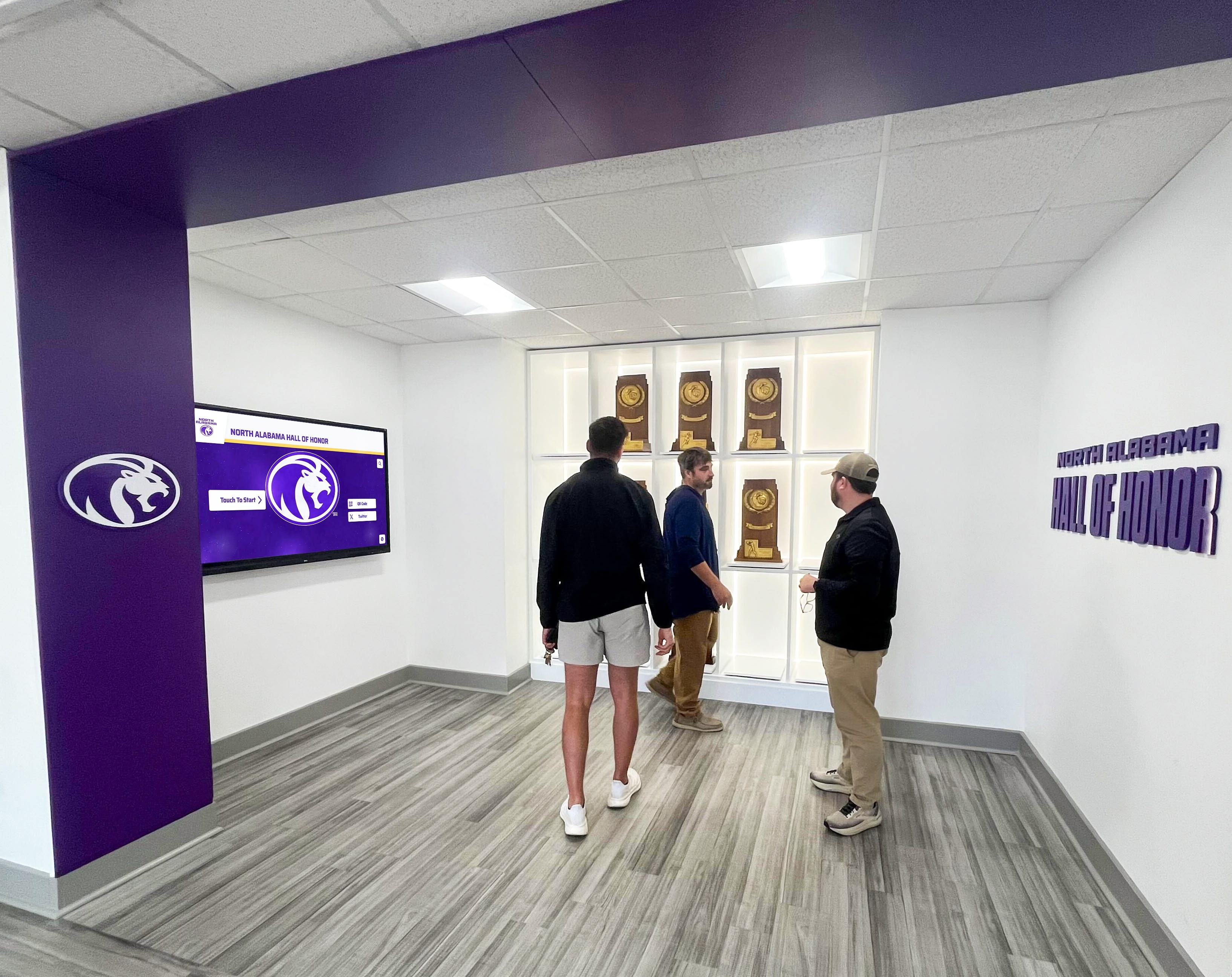
Multi-generational archive exploration strengthens community connections to shared institutional heritage
Digital System Security and Access Controls
Technical protections enforce privacy policies through role-based access control limiting who can view different materials, encryption protecting data at rest and in transit, audit logging tracking who accesses records and when, secure authentication verifying user identities, and automatic session timeouts preventing unauthorized access.
Digital systems must provide security matching or exceeding physical archives where sensitive materials stay in locked rooms accessible only to authorized personnel. Without robust technical controls, digitization increases privacy risk rather than simply expanding access.
Transcript Preservation and Lifetime Access
Permanent transcript maintenance proves essential for alumni throughout their lives.
Permanent Retention Requirements
Student transcripts require permanent preservation through multiple format maintenance (paper, digital, microfilm), redundant backup ensuring accessibility despite disasters, format migration as technology evolves, and institutional succession planning for school closures.
Students depend on transcript access decades after graduation for graduate school applications, professional licensing, employment verification, and personal documentation. Schools maintain legal and ethical obligations to preserve this documentation regardless of how much time passes or how institutional circumstances change.
Digitization and Electronic Transcript Systems
Modern transcript management leverages digital technology through complete historical transcript scanning and OCR, electronic transcript delivery reducing processing time and costs, online transcript request systems serving alumni worldwide, integration with clearinghouse services (e.g., Parchment, National Student Clearinghouse), and secure storage with multiple geographic backups.
Electronic systems dramatically improve service to alumni while reducing administrative burden on registrar offices. However, digital transcript systems must maintain absolute accuracy and security—errors or breaches affecting transcript records create serious legal exposure and alumni relations problems.
Institutional Closure and Successor Designation
Schools facing closure must arrange permanent record preservation through state education department designation as official custodian, transfer to regional archive or historical society, contractual agreements with continuing institutions, or professional records management services.
Many alumni from closed schools struggle to obtain transcripts because closure wasn’t properly planned and records were lost, destroyed, or became inaccessible. Advance planning and formal successor designation protects former students’ continuing need for transcript access.
Academic Achievement Documentation Beyond Transcripts
Comprehensive academic archives preserve achievement documentation beyond formal transcripts.
Honor Roll and Recognition Records
Document academic excellence through semester honor roll listings, academic award recipients, scholarship winners, academic competition results, and National Honor Society membership.
These recognition records support alumni reference requests, enable historical analysis of academic achievement trends, provide content for heritage displays and alumni engagement, and document institutional commitment to academic excellence.
Course Catalogs and Curriculum Documentation
Preserve program evolution through annual course catalogs documenting offerings, curriculum guides showing instructional scope and sequence, graduation requirements showing changing standards, and program accreditation documentation.
Historical curriculum records enable accreditation self-studies, support development of new programs informed by institutional history, provide evidence of continuous improvement, and document educational philosophy evolution across changing educational landscapes.
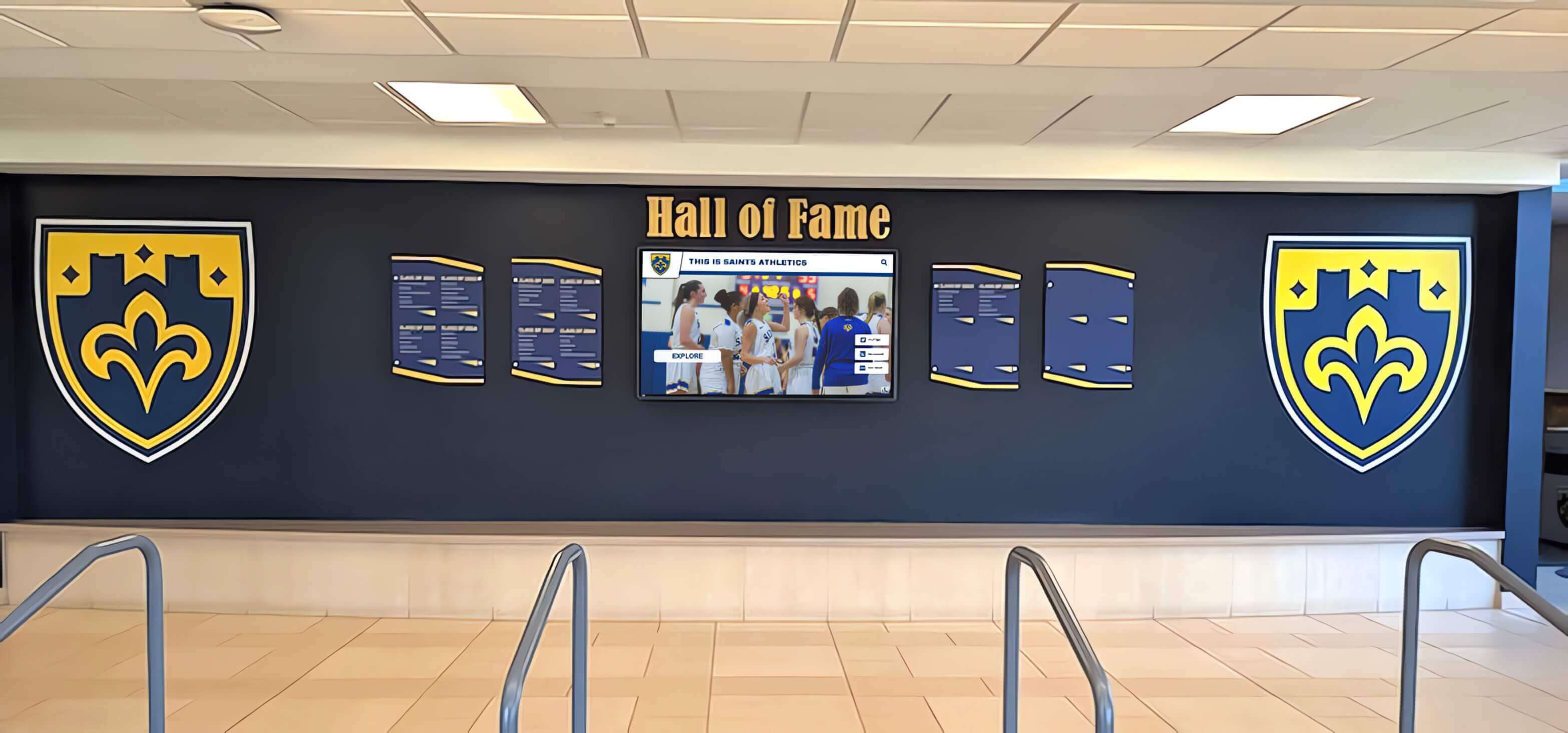
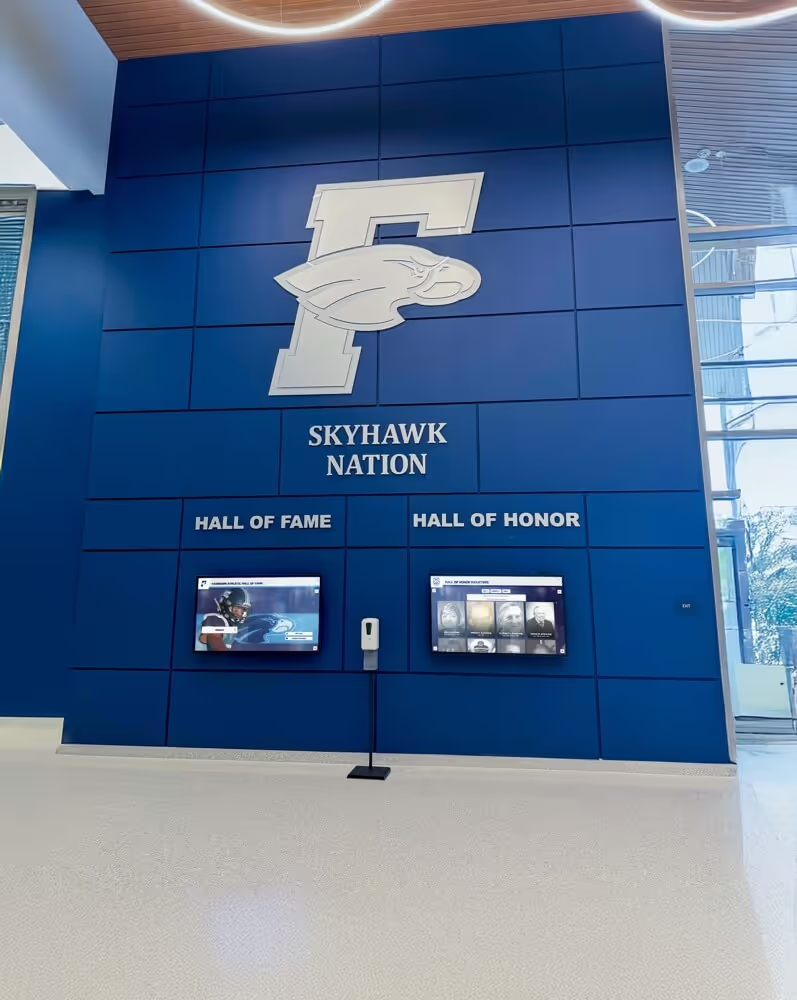
Lobby heritage installations create welcoming environments where institutional academic legacy receives prominent celebration
Assessment Data and Learning Outcomes Documentation
Preserve evidence of educational effectiveness through standardized test score histories, learning outcomes assessment results, program review documentation, and continuous improvement evidence.
Assessment archives prove essential for accreditation demonstrating effectiveness over time, enable longitudinal research on instructional approaches, support data-driven decision-making, and document accountability for educational outcomes.
Special Collections: Preserving Unique Institutional Heritage
Beyond routine operational records, special collections preserve materials with unique historical and cultural significance.
Yearbook Collections and Student Publications
Student-produced publications document school culture and community life.
Complete Yearbook Collection Management
Comprehensive yearbook archives include complete runs from founding to present, digitized access enabling worldwide exploration, indexed databases enabling name and subject searching, contribution solicitation filling gaps in collections, and preservation for deteriorating early volumes.
Yearbooks represent perhaps the single richest source for school social history, documenting student life, cultural trends, facility evolution, and community character across decades. Complete digitized yearbook collections provide alumni engagement opportunities while serving as primary sources for institutional history research.
Student Newspapers and Literary Magazines
Preserve student voice and creativity through school newspaper archives documenting student perspectives, literary magazines showcasing creative achievement, student handbooks reflecting school culture and rules, and student-produced multimedia content.
Student publications capture institutional life from student viewpoints often absent from official administrative records—making them invaluable for understanding complete institutional culture and history.
Athletic Heritage Preservation
Sports history proves emotionally resonant for many alumni and community members.
Championship Documentation and Team Records
Create comprehensive athletic archives through season-by-season team results, championship documentation with rosters and statistics, individual achievement records and milestone recognition, coaching histories documenting program leadership, and historical photographs and multimedia documenting athletic moments.
Complete athletic archives enable digital hall of fame displays celebrating program heritage, support reunion planning and anniversary celebrations, engage alumni with strong athletic connections, and preserve competitive achievement for future generations.
Statistical Records and Performance Data
Preserve quantitative athletic documentation through individual and team statistical records, record progression showing how program standards evolved, all-conference and all-state recognition documentation, and college signing and scholarship documentation.
Statistical archives support current athletes pursuing record recognition, enable historical research on program development, and provide content for public displays celebrating athletic excellence across multiple generations.
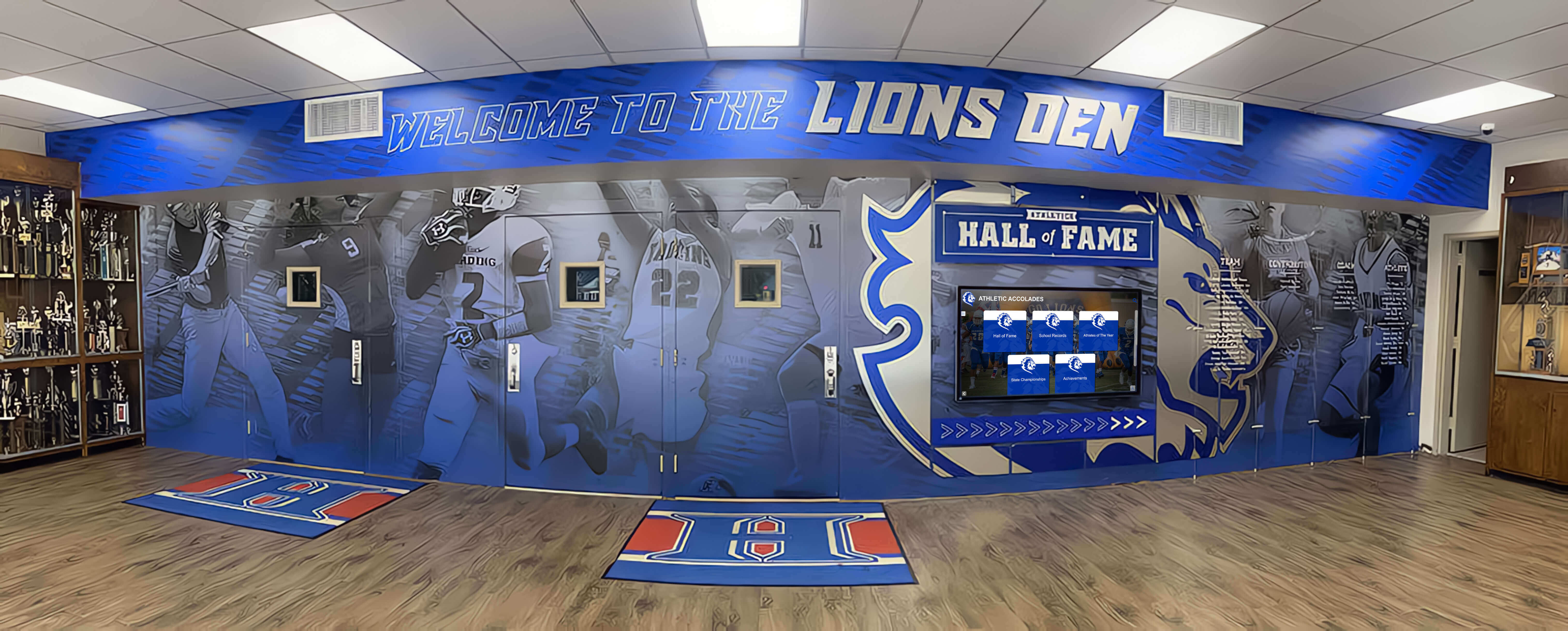
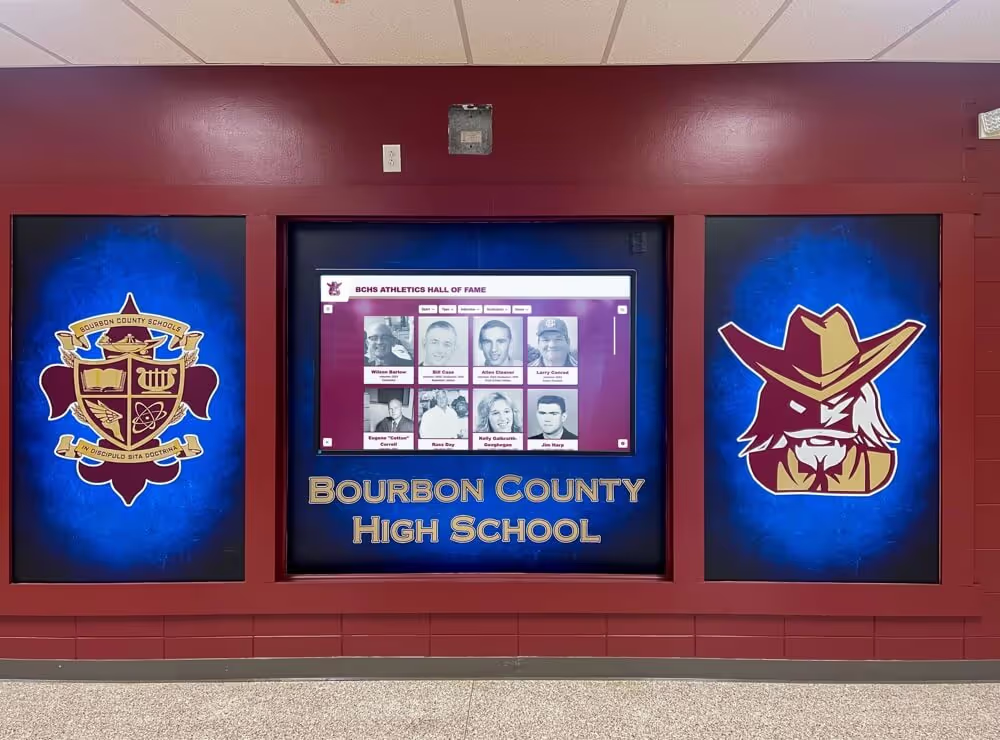
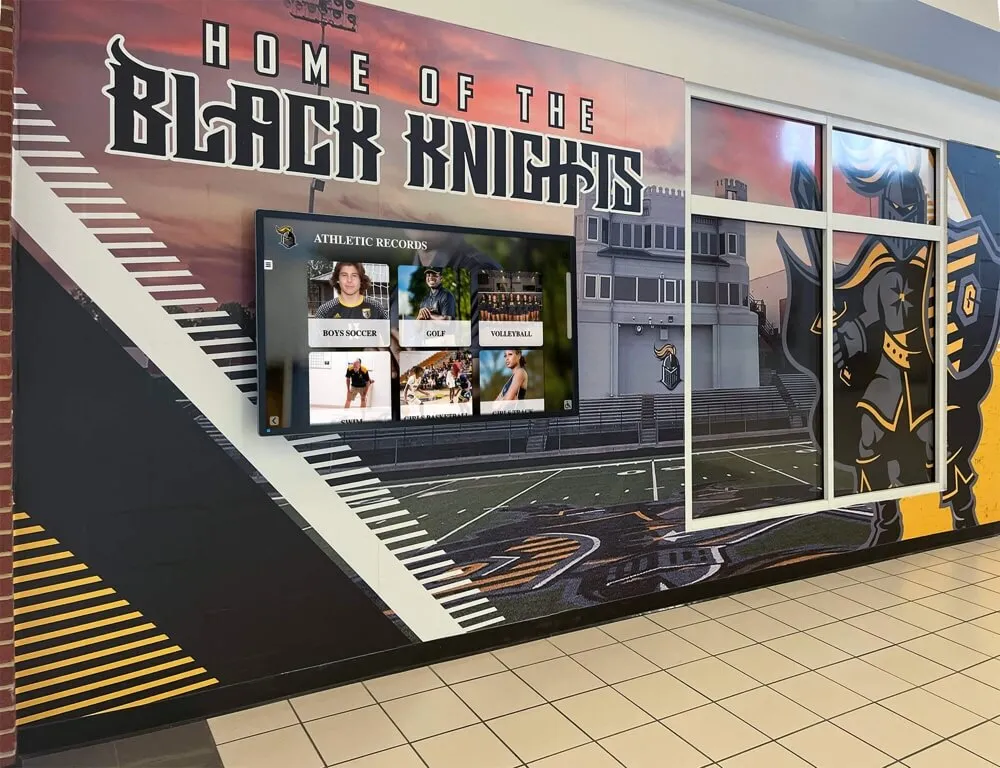
Comprehensive athletic heritage installations integrate physical trophies with digital archives creating rich storytelling environments
Facilities and Architectural Documentation
Physical plant evolution represents important institutional history.
Building and Renovation Documentation
Preserve facilities history through original architectural drawings and blueprints, construction photographs documenting building processes, renovation and addition documentation, facility dedication programs and commemorative materials, and naming recognition for facility donors.
Facilities archives support future renovation planning, document building system histories for maintenance purposes, preserve donor recognition commitments, and illustrate institutional growth and development across time.
Campus Maps and Master Planning
Document spatial evolution through historical campus maps showing development over time, master plans documenting institutional vision, aerial photographs illustrating campus appearance, and landscape and grounds documentation.
Spatial documentation helps current planners understand campus development logic, shows how functional relationships evolved, preserves planning rationale, and provides engaging visual content for heritage displays and publications.
Oral History and Living Memory Preservation
Systematic interview programs capture personal narratives and institutional memory not documented in written records.
Oral History Program Development
Creating professional oral history archives requires methodological rigor.
Interview Subject Selection
Identify valuable perspectives through longtime educators and administrators, distinguished alumni representing diverse achievement, support staff witnessing institutional evolution, community members with institutional connections, and students from significant historical periods.
Diverse interview subjects ensure archives capture multiple perspectives rather than privileging only administrative viewpoints or focusing exclusively on most prominent individuals.
Interview Protocol and Methodology
Conduct professional oral history through pre-interview research preparing informed questions, signed release forms authorizing archive and use, high-quality audio/video recording, professional transcription creating searchable text, and narrator review allowing corrections to transcripts.
Professional methodology ensures oral histories meet evidentiary standards for historical research, legal standards for authorized use, and preservation standards for long-term accessibility.
Learn more about implementing oral history programs for school heritage that capture living institutional memory.
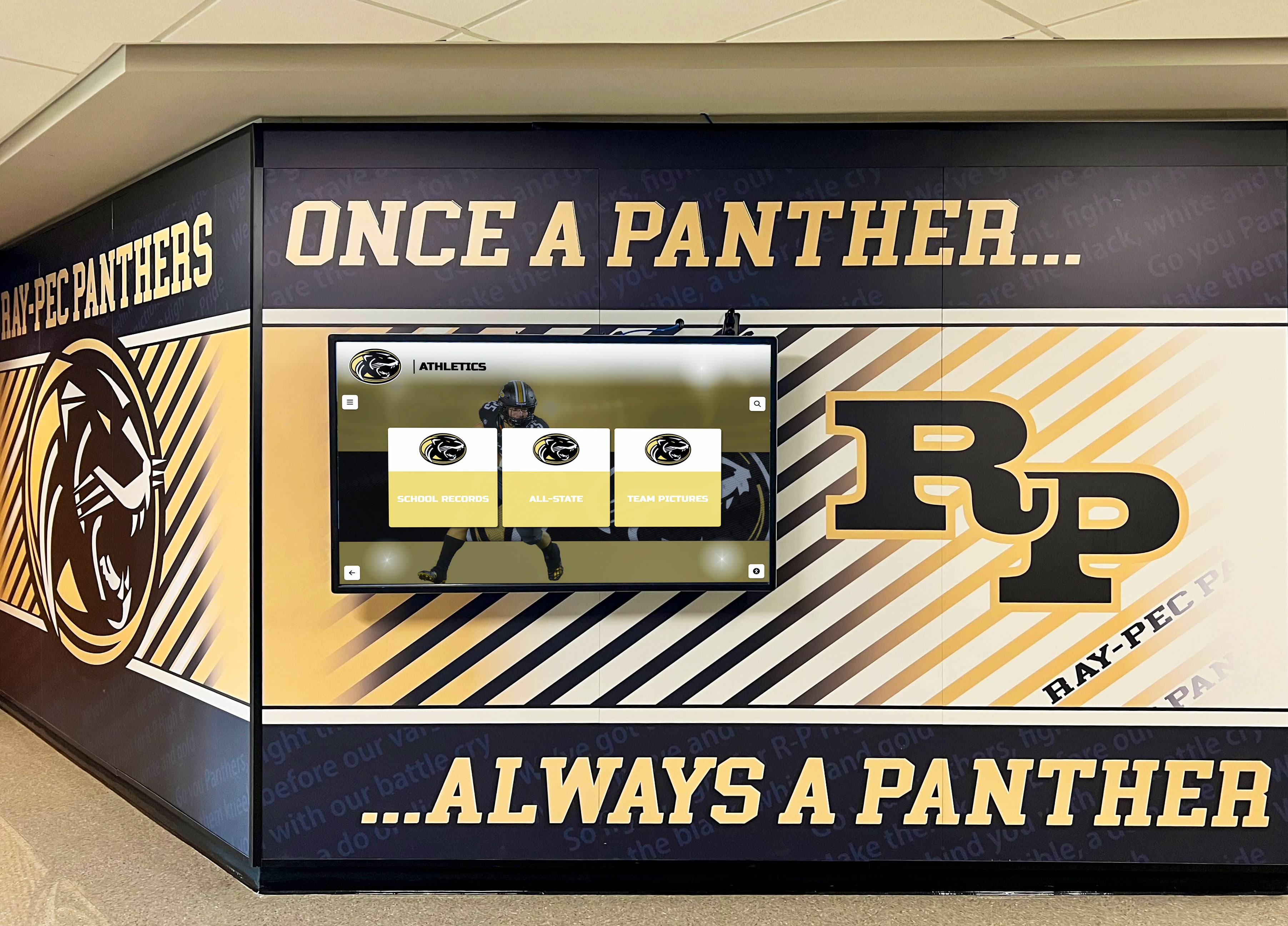
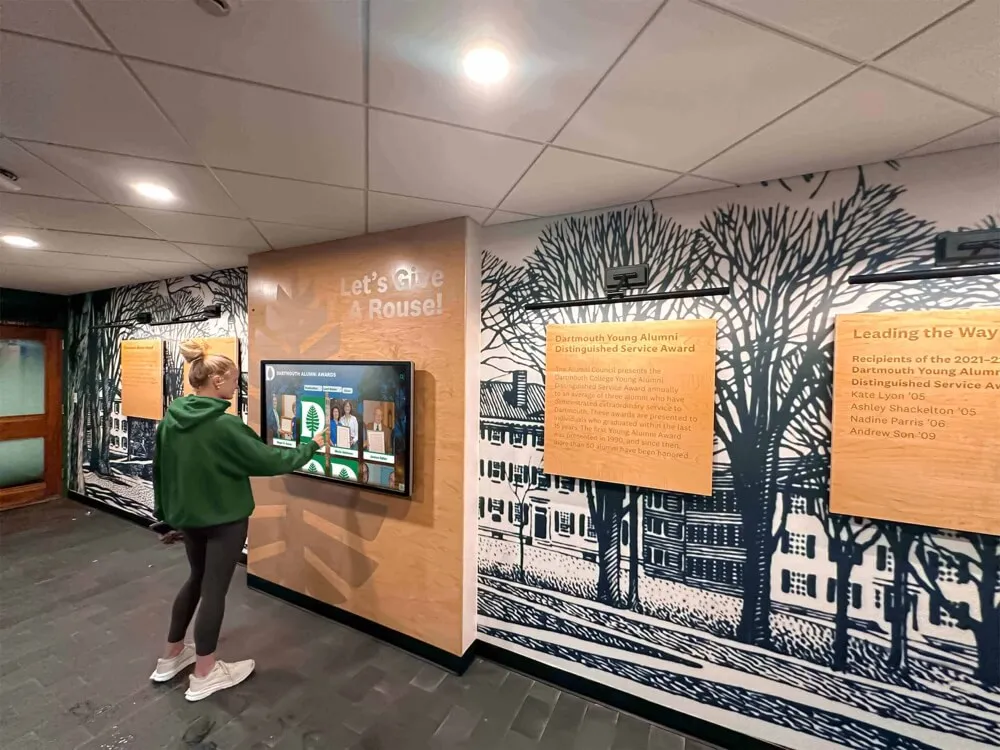
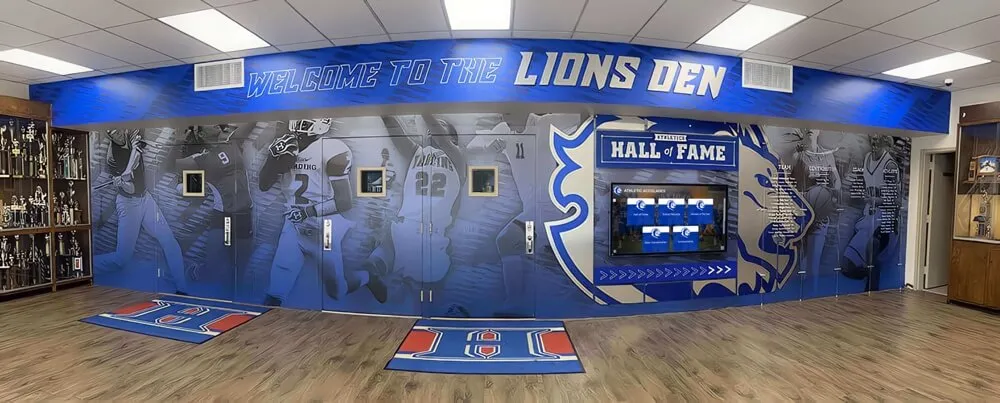
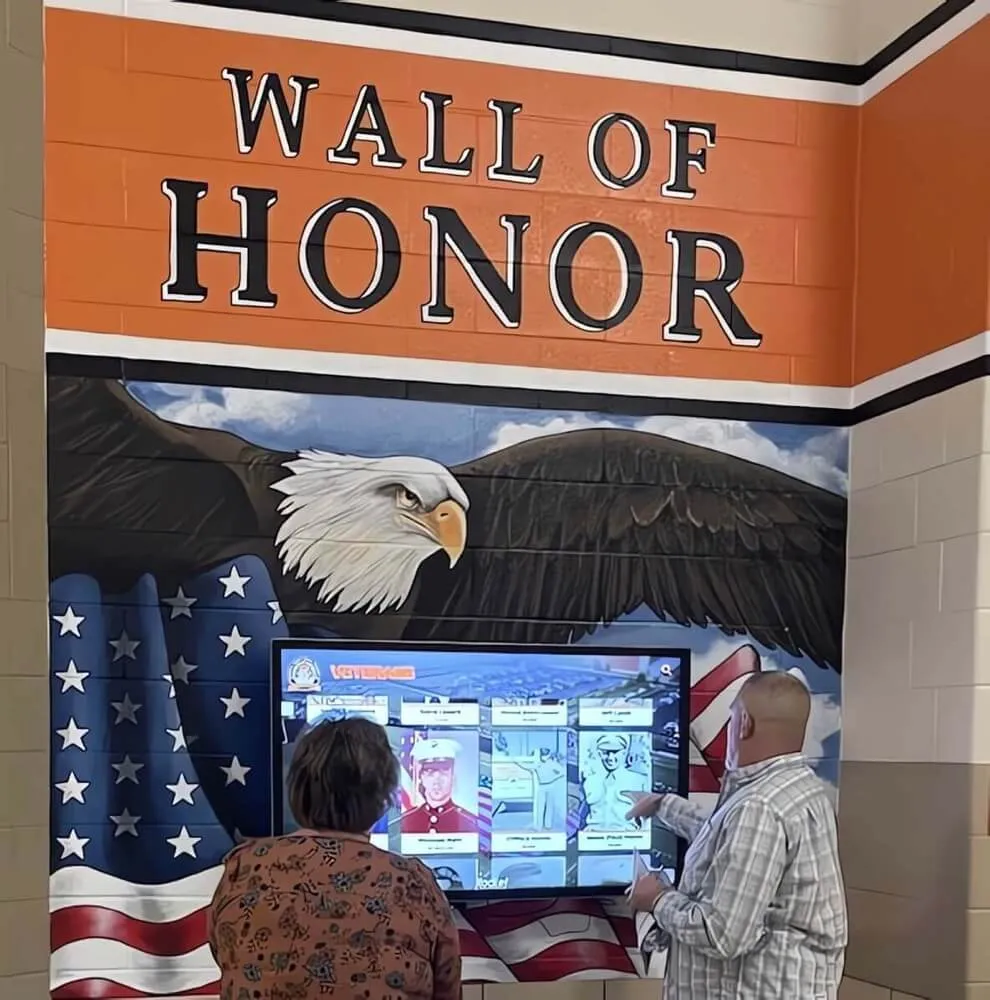
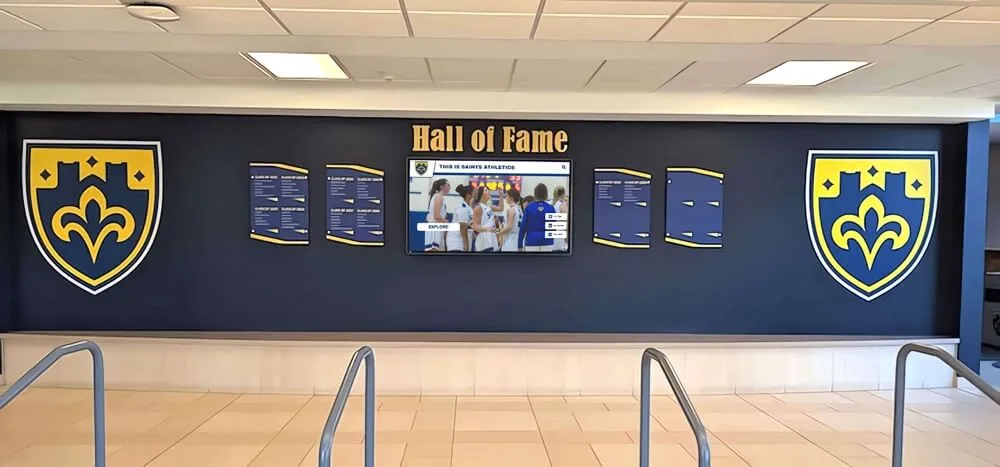
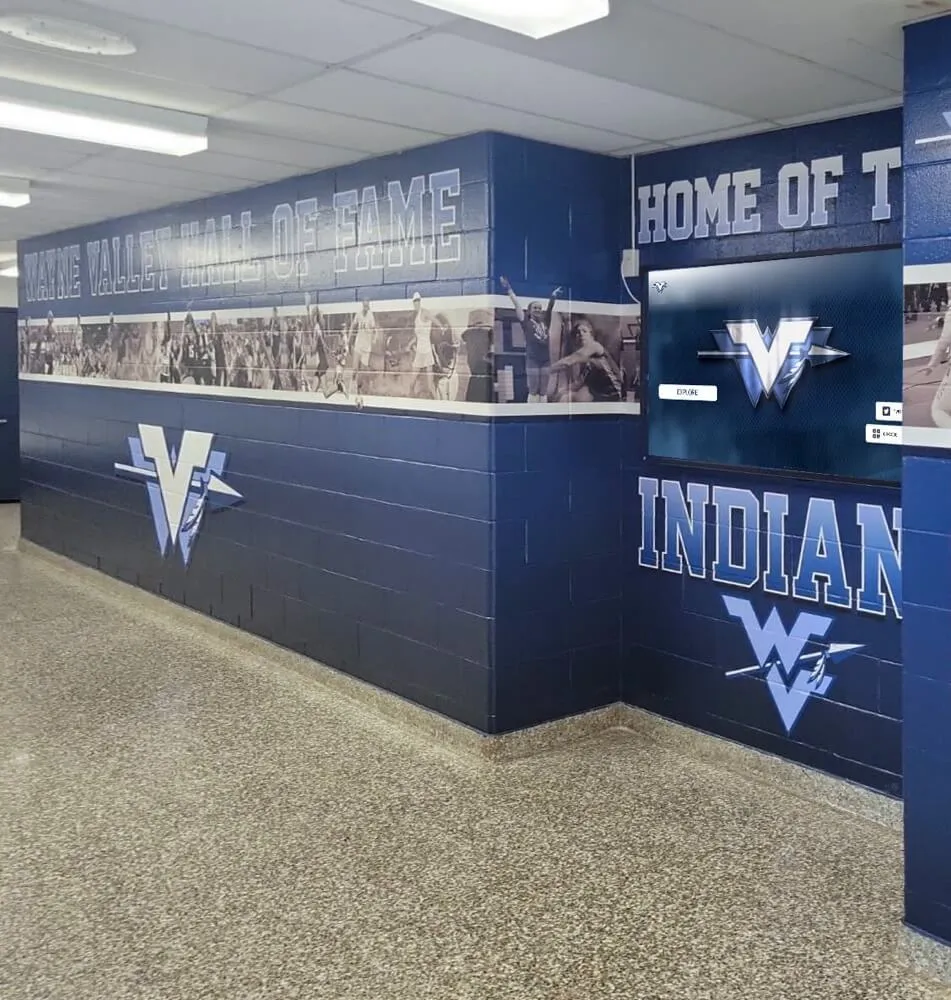
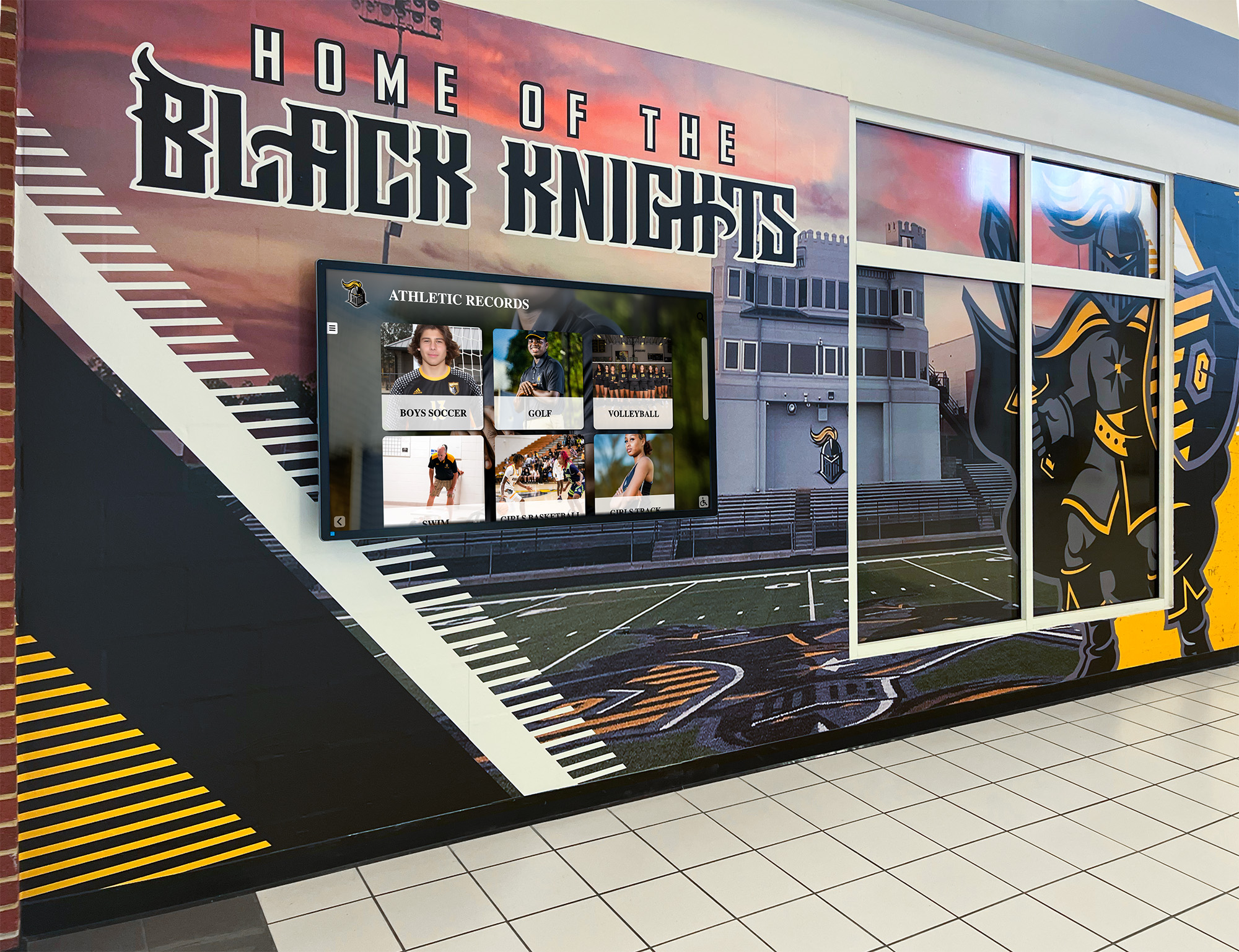
Integrated heritage installations combine traditional murals with digital archive access creating comprehensive institutional storytelling
Integration with Documentary Archives
Connect oral histories to archival collections through cross-referencing between oral accounts and documents, multimedia finding aids combining text, images, and interview clips, contextual presentation explaining historical background, and timeline displays integrating personal narratives with institutional chronology.
Oral histories gain meaning through connection to broader historical context, while documentary records gain human dimension through personal voices explaining significance and emotional impact of documented events.
Memory Collection and Crowdsourcing
Extend beyond formal interviews to gather distributed institutional memory.
Alumni Story Collection
Solicit community narratives through online submission forms for written memories, audio recording tools enabling voice submission, video recording for visual storytelling, and moderated discussion forums enabling collaborative memory sharing.
Many alumni and community members possess valuable memories and perspectives but cannot participate in formal interview programs due to geographic distance, time constraints, or preference for written over oral communication. Multiple contribution channels maximize participation.
Community Scanning Days and Document Collection
Host events gathering distributed materials through bring-and-scan events copying personal photos and documents, document donation acceptance with clear deed of gift, identification assistance helping name unknowns in photos, and preservation advice helping participants care for personal materials.
These community events simultaneously build archival collections, engage stakeholders with heritage programs, and educate about preservation practices—creating multiple benefits from single initiatives.
Managing Archiving Projects: Implementation and Sustainability
Successful archiving programs require systematic project management and sustainable operational planning.
Needs Assessment and Planning
Begin with comprehensive evaluation of preservation needs and institutional capacity.
Collection Assessment
Understand what requires preservation through physical inventory of existing records, condition assessment noting deterioration and risk, priority ranking identifying most valuable or vulnerable materials, gap identification revealing missing documentation, and volume estimation informing resource requirements.
Systematic assessment prevents proceeding without understanding scope, enables realistic planning, and ensures efforts focus on highest priorities rather than addressing materials haphazardly.
Resource Evaluation
Assess available capacity through budget availability for supplies, equipment, and services, staff time realistic for archiving responsibilities, physical space for storage and processing, technical infrastructure and expertise, and external partnership opportunities with local repositories or consultants.
Honest resource evaluation prevents overambitious planning leading to stalled initiatives. Better to implement sustainable modest programs expanding over time than attempt comprehensive efforts that prove unsustainable.
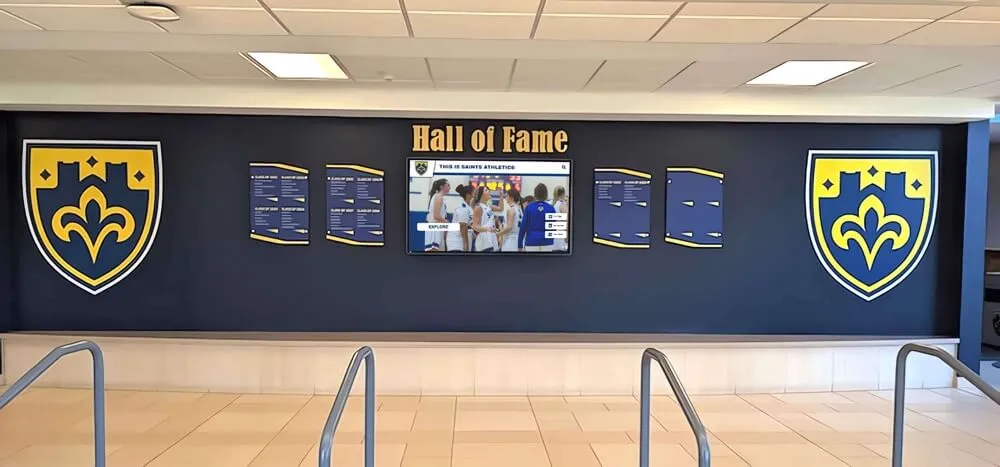
Professionally designed athletic heritage installations honor competitive achievement while maintaining systematic archival organization
Timeline and Phasing
Develop realistic implementation schedules through multi-year plans acknowledging long-term nature, phased approach starting with priority materials, milestone definition enabling progress measurement, and flexibility accommodating unexpected discoveries or challenges.
Archiving represents ongoing commitment rather than one-time projects. Realistic planning acknowledges sustainable pace over years rather than attempting rapid completion causing staff burnout and quality compromise.
Staffing and Organizational Structure
Clarify roles and responsibilities ensuring accountability and expertise.
Archivist and Records Manager Roles
Consider professional staffing options through full-time archivists for institutions with substantial collections, shared archivists serving multiple small institutions, contracted professional archivists providing part-time expertise, or trained staff with archiving responsibilities as portion of broader roles.
Professional archival expertise proves invaluable even if full-time positions aren’t feasible. Consultants can establish systems, train staff, and provide periodic oversight ensuring programs follow professional standards even without permanent archival positions.
Archive Committee and Governance
Establish oversight and policy-setting bodies through archive committees with diverse institutional representation, policies defining selection, access, and preservation standards, review processes for donation evaluation and accessioning, and advisory boards connecting to alumni and community stakeholders.
Governance structures ensure archiving decisions reflect institutional priorities, build stakeholder support, provide continuity across personnel changes, and maintain accountability for archival responsibilities.
Budget Development and Funding
Archiving requires adequate financial resources for both implementation and ongoing operations.
Implementation Costs
Initial investments include archival supplies (boxes, folders, enclosures), digitization equipment (scanners, computers), software and digital infrastructure, consultant services, and physical space improvements.
One-time setup costs vary dramatically based on collection size, condition, and digital ambitions—from a few thousand dollars for minimal programs at small schools to hundreds of thousands for comprehensive initiatives at large institutions with extensive collections.
Ongoing Operational Expenses
Sustainable operations require continuing funding for staff time and professional development, supplies replacement and expansion, cloud storage and software subscriptions, equipment maintenance and replacement, and incremental collection growth through new acquisitions and annual materials.
Operational budgets often receive less attention than implementation costs but prove equally critical. Archives funded for initial setup but not sustainable operations inevitably stagnate and deteriorate as staff turnover occurs, supplies deplete, and systems aren’t maintained.
Funding Sources and Development
Pursue diverse revenue streams through institutional operating budget allocations, alumni fundraising for heritage initiatives, grant applications to foundations supporting heritage, endowments generating perpetual support, and fees for commercial research or publication uses.
Diversified funding provides stability when individual sources fluctuate. Many successful programs combine institutional commitment with external support enabling program expansion beyond what base budgets alone could sustain.
Providing Access: Balancing Openness and Protection
Archives only fulfill their missions when appropriately accessible to legitimate users while protecting sensitive information and preventing damage.
Research Room Operations
Physical access to archival materials requires controlled environments and supervision.
Researcher Registration and Orientation
Manage on-site access through registration capturing contact information and research interests, orientation explaining rules and handling procedures, sign-in procedures tracking who accesses what materials when, and agreement forms acknowledging responsibilities and restrictions.
Registration enables communication with researchers, provides security tracking, supports collection use statistics, and creates relationships that may lead to donations or other contributions to archival programs.
Material Handling and Security
Protect collections during use through supervised access in dedicated research spaces, material handling rules prohibiting food, drinks, pens, and damaging behaviors, single folder/volume access at a time, pre-use condition documentation, and security monitoring (cameras, staff supervision).
Balancing access with protection proves challenging but essential. Overly restrictive access defeats archival purposes, while inadequate security risks damage to irreplaceable materials.
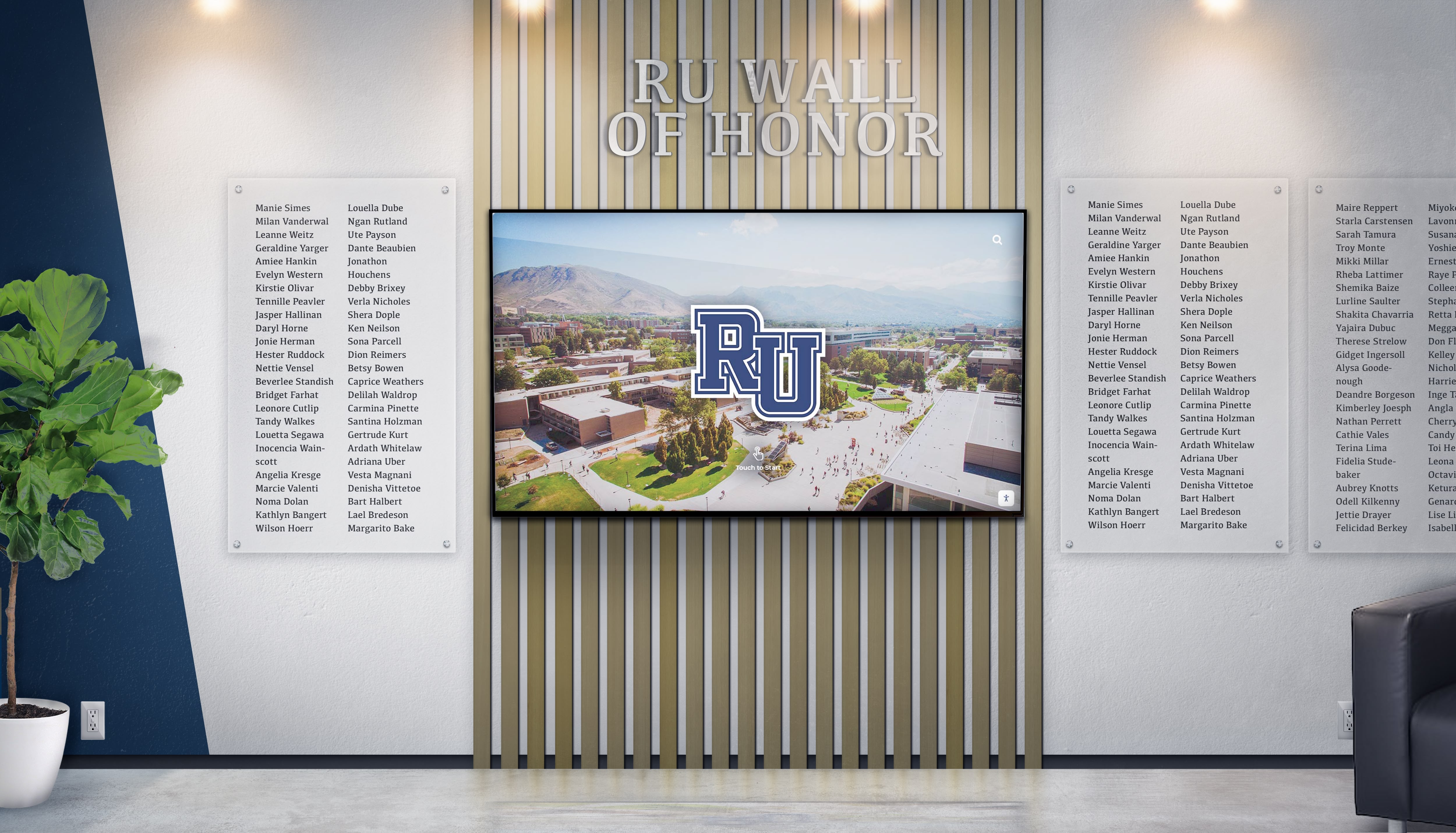
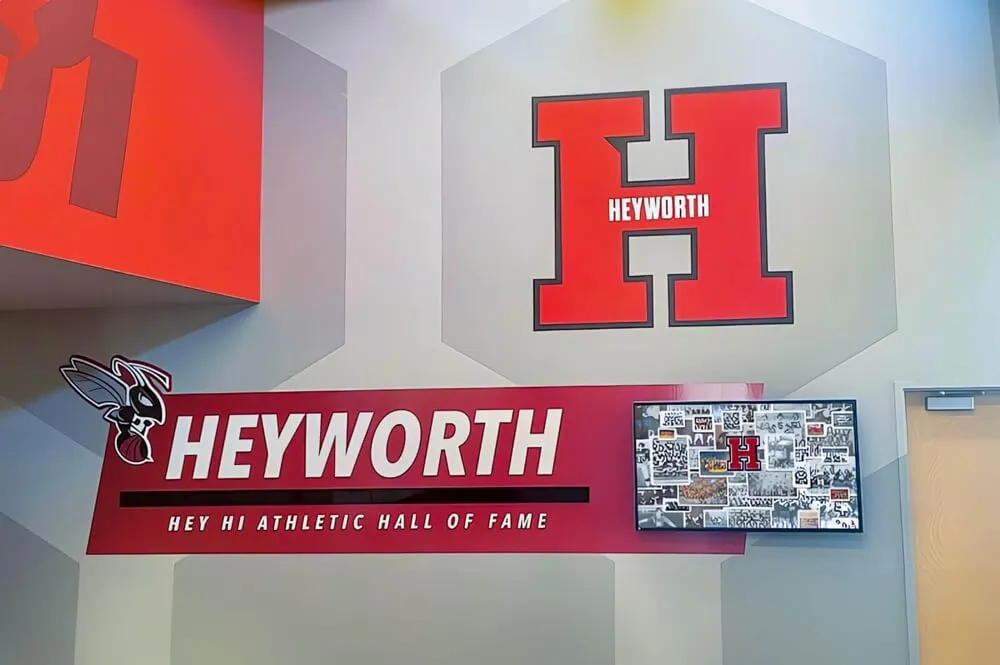
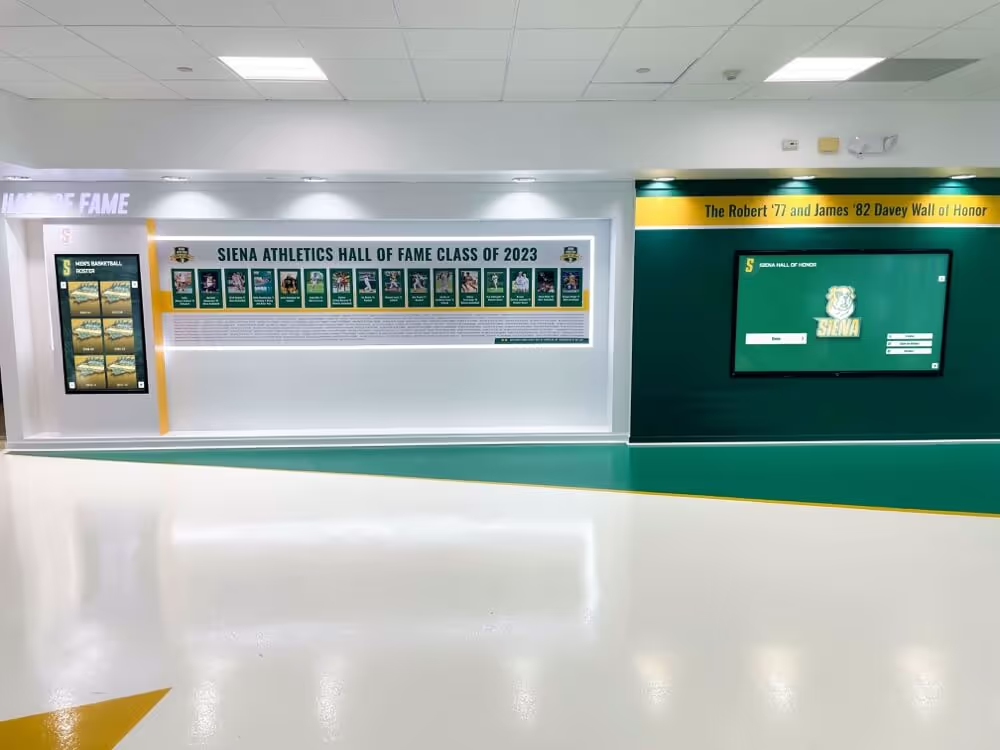
Modern recognition installations combine digital access to comprehensive archives with traditional physical recognition elements
Online Access and Digital Collections
Web-based access dramatically expands archive reach while introducing new access management challenges.
Tiered Access Models
Manage digital access through public collections freely accessible, restricted collections requiring registration or credentials, confidential materials restricted to authorized personnel, and embargoed materials with delayed public release.
Tiered systems provide maximum access where appropriate while maintaining necessary protections for sensitive materials. Clear explanations of access levels and rationale build user understanding rather than creating frustration when some materials prove restricted.
Digital Rights Management and Copyright
Manage intellectual property appropriately through copyright assessment of archival materials, fair use evaluation for educational contexts, watermarking for high-value imagery, download restrictions where appropriate, and attribution requirements ensuring proper credit.
Copyright law applies to archival materials—institutions cannot freely digitize and publish everything simply because they physically possess materials. Legal consultation ensures digital access programs respect intellectual property rights while maximizing legitimate uses.
Reproduction Services and Permissions
Support appropriate use while generating modest revenue through duplication services copying materials for researchers, permission processes for publication use, fee structures covering costs appropriately, turnaround time commitments, and quality standards for reproductions.
Reproduction services extend archive impact by making materials available beyond physical visit or online access, demonstrate responsiveness to researcher needs, and generate revenue supporting archival operations.
Conclusion: Building Living Archives That Serve Institutional Mission
Effective academic and historical archiving transforms scattered, inaccessible institutional records into organized repositories where educational heritage receives appropriate preservation, where current operations benefit from accessible institutional memory, where students and researchers explore institutional evolution, and where alumni maintain connections to shared heritage across generations. Schools that invest in systematic archiving programs create valuable organizational assets supporting multiple institutional purposes far beyond simply storing old paperwork.
The strategies explored in this guide provide educational leaders with comprehensive frameworks for building sustainable archiving programs honoring educational legacy while supporting contemporary institutional needs. From retention policies and preservation standards to digital access systems and community engagement, these evidence-based approaches ensure archives achieve their full potential as living resources rather than becoming abandoned storage accumulating unmanaged materials.
Transform Your Institutional Archives with Modern Digital Solutions
Discover how comprehensive digital archiving platforms like those from Rocket Alumni Solutions can help you preserve institutional heritage, engage alumni through accessible history, and create sustainable archiving programs serving your school for generations.
Request Archive Solution ConsultationModern technology makes comprehensive archiving achievable for schools of all sizes and resource levels. Cloud-based platforms eliminate infrastructure barriers, digitization costs continue declining making large-scale scanning affordable, and purpose-built solutions like Rocket Alumni Solutions provide integrated systems combining archival preservation, public access displays, and intuitive content management in platforms designed specifically for educational institutions. These technological advances mean schools no longer face stark choices between comprehensive professional archives and minimal preservation efforts—sustainable middle-ground approaches prove increasingly accessible.
Begin archiving initiatives with assessment identifying highest-priority materials requiring urgent preservation, achievable first phases building momentum through visible successes, partnerships leveraging external expertise and resources, and realistic planning acknowledging long-term commitment required for sustainable programs. Whether starting with yearbook digitization engaging alumni immediately, transcript preservation ensuring permanent access, or administrative records organization supporting accreditation needs, initial focused efforts create foundations for systematic expansion as resources and expertise grow.
Every preserved document represents institutional knowledge saved from loss. Every digitized record enables worldwide access extending archive reach. Every organized collection supports research and decision-making impossible when records remain scattered and inaccessible. Your school’s educational legacy and institutional memory deserve preservation equal to their significance in shaping students, advancing knowledge, and serving communities across generations.
Ready to begin? Explore online digital archive creation approaches demonstrating achievable first steps, learn about comprehensive school heritage software solutions supporting archival programs, discover digital asset management for schools organizing vast institutional collections, or contact Rocket Alumni Solutions to discuss how modern archiving platforms can preserve your institutional heritage while making educational history accessible to entire school communities for generations to come.