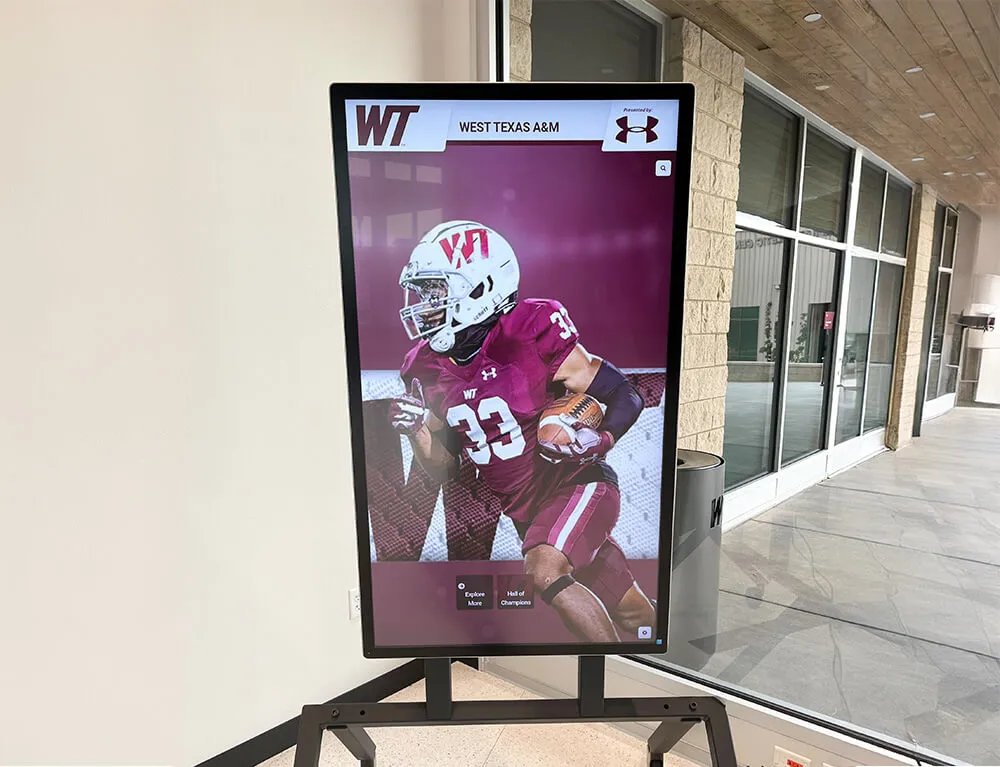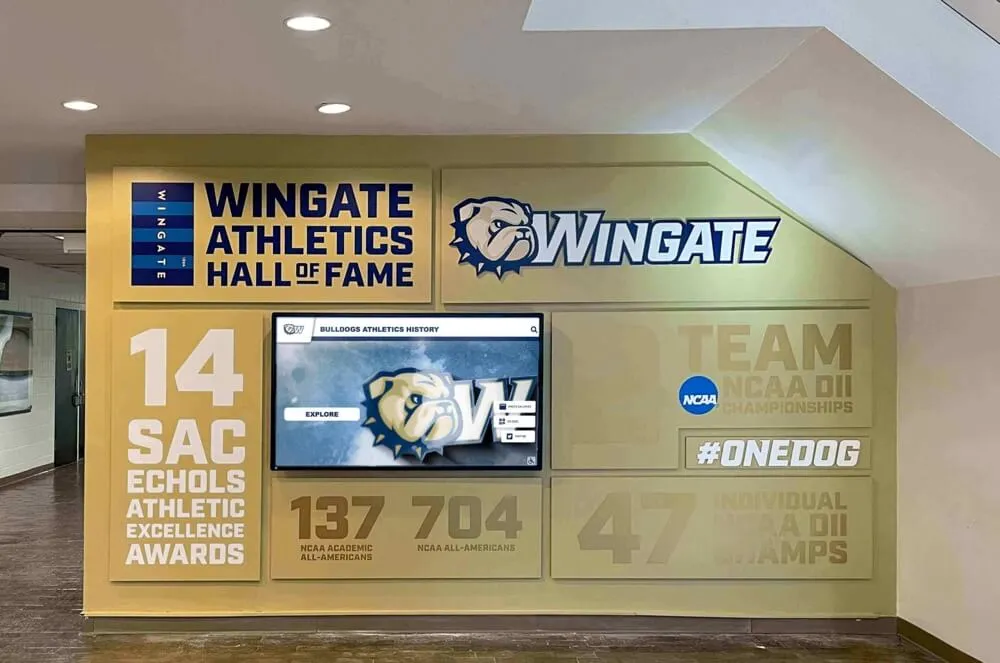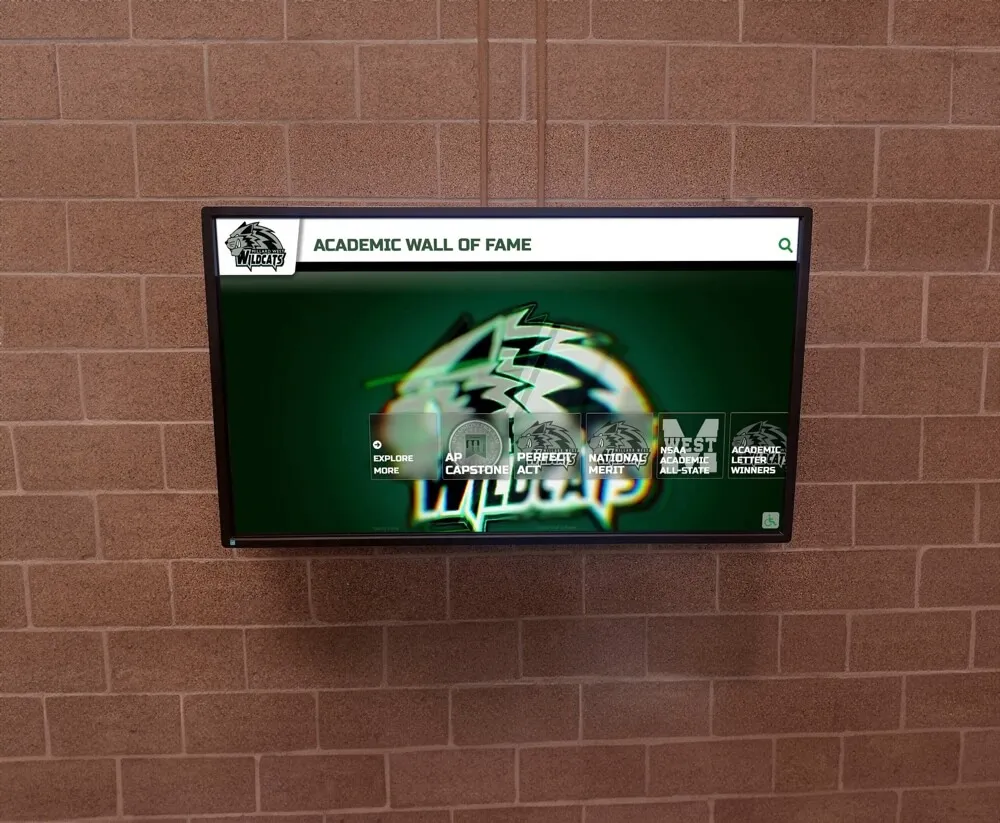




Students earning an ACT composite score of 30 or higher represent the top 7% of all test-takers nationally—an achievement placing them in elite company and signaling exceptional college readiness. Yet many schools struggle to give these outstanding accomplishments the visibility they deserve, relying on brief morning announcements or tucked-away bulletin boards that fail to inspire the next generation of high achievers or properly honor current recipients.
An ACT 30+ Club digital showcase board transforms how schools celebrate standardized test excellence by providing permanent, prominent, and engaging recognition that motivates achievement while demonstrating institutional commitment to academic excellence. Unlike static plaques that quickly fill or printed lists that feel impersonal, digital recognition systems create dynamic celebration that adapts as new students join this elite group.
This guide provides comprehensive strategies for implementing ACT 30+ Club recognition displays that celebrate exceptional achievement, inspire academic excellence, and create lasting institutional traditions honoring standardized test success.
Standardized test achievement at the ACT 30+ level represents more than a single day’s performance—it reflects sustained academic excellence, college readiness, and intellectual capability that schools should celebrate as prominently as athletic championships. Schools that create visible, engaging ACT 30+ recognition communicate clear values about academic achievement while motivating the next cohort of students to pursue similar excellence.

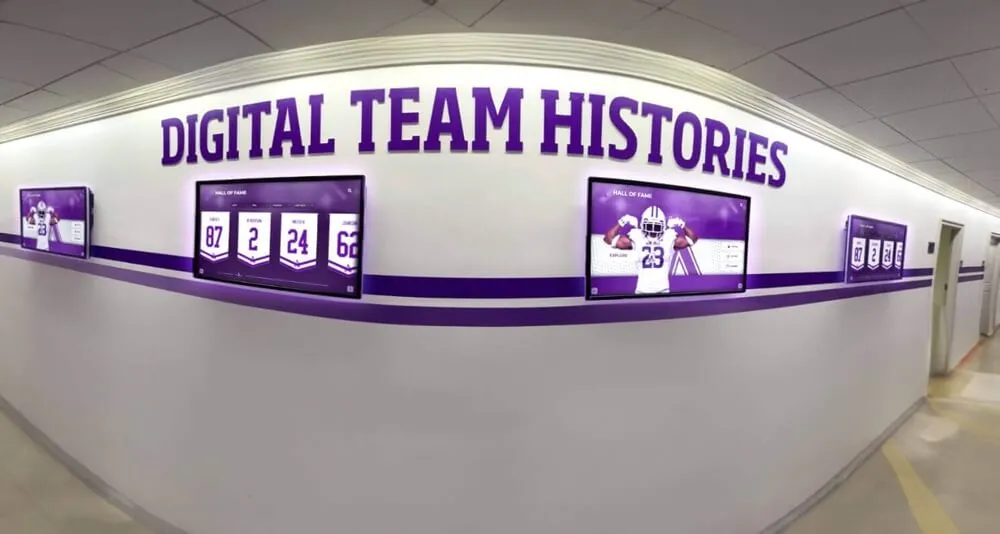
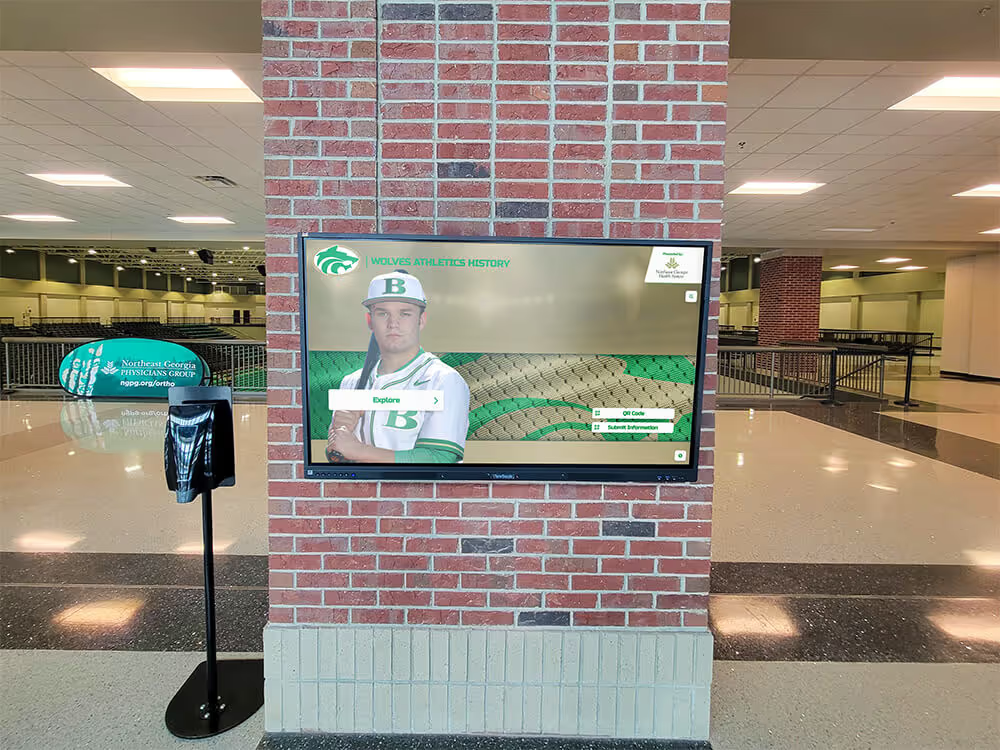
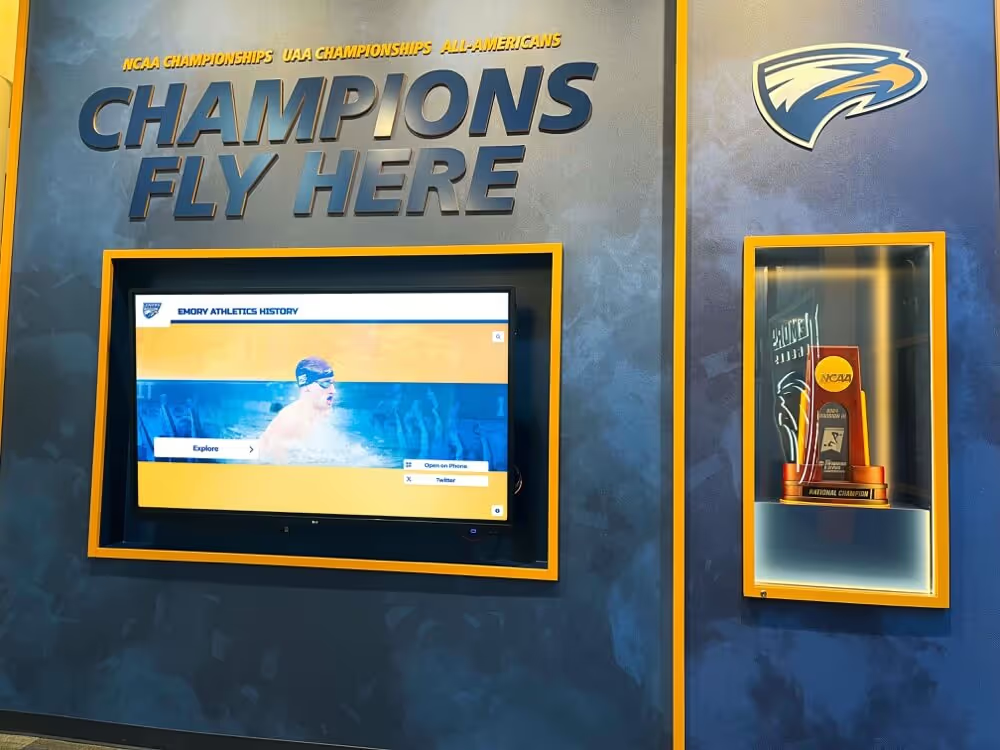
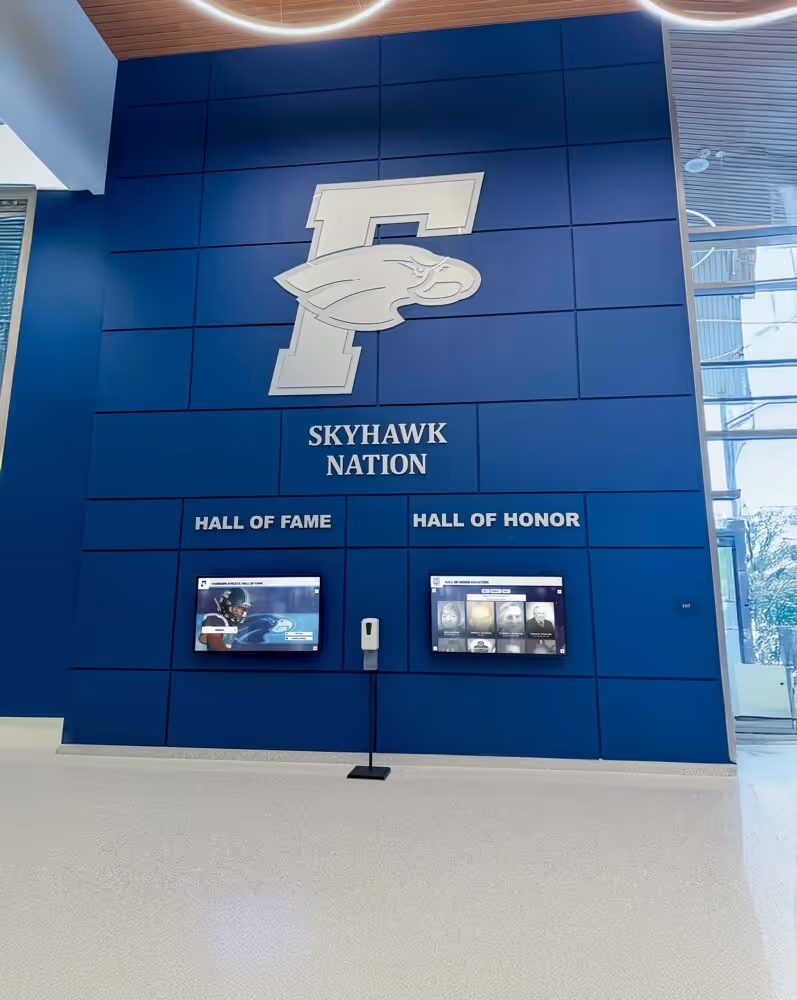
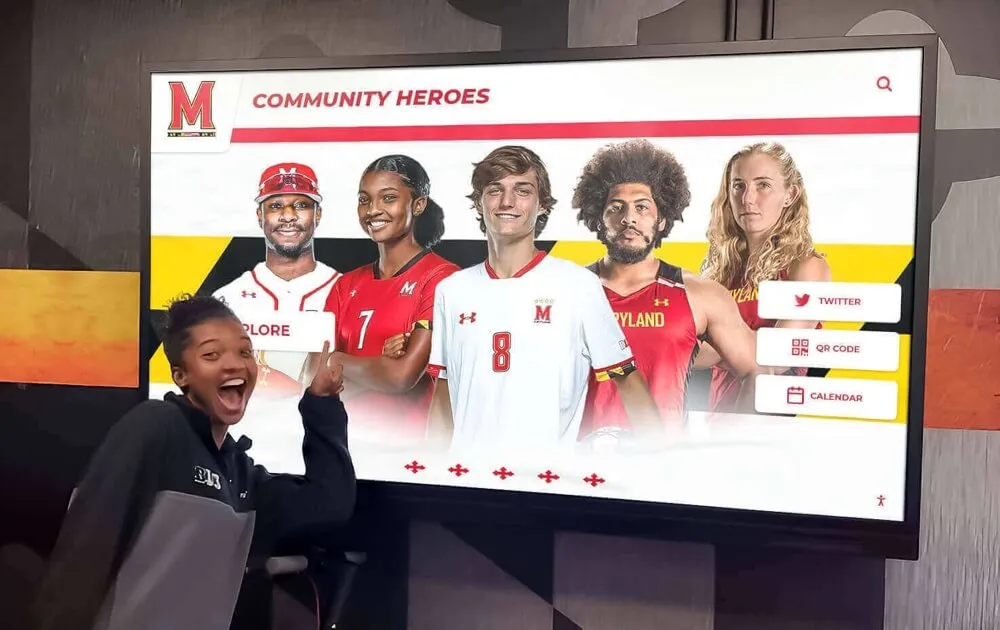
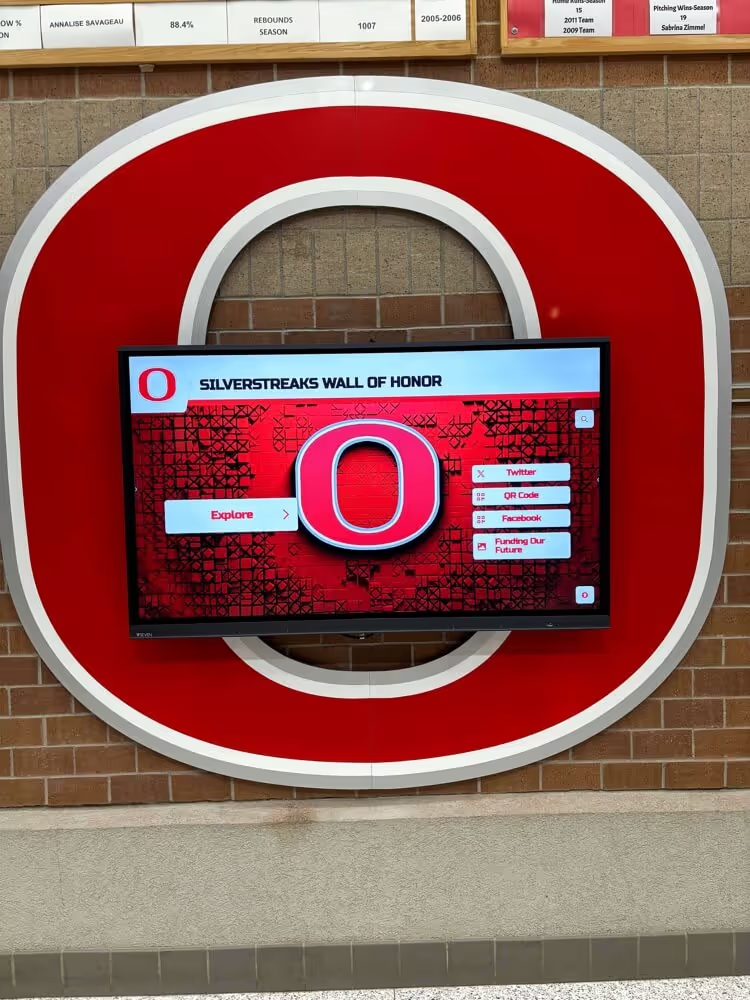
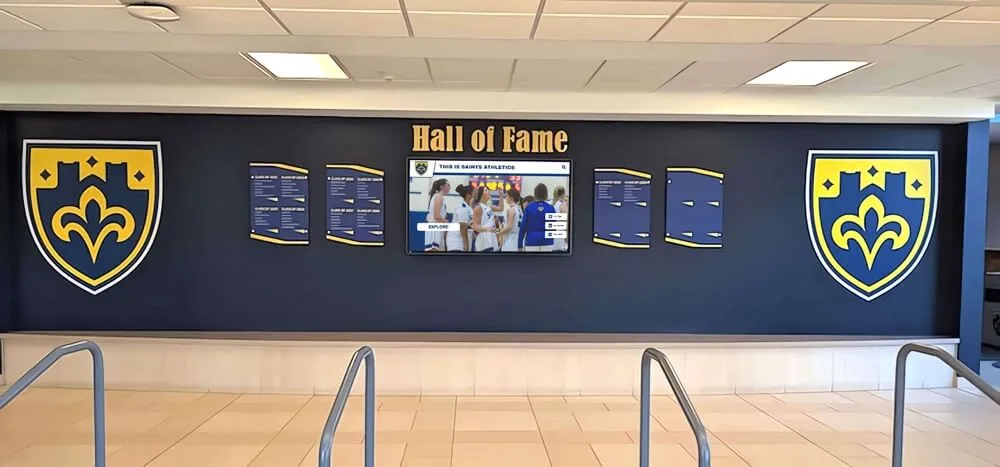
Modern digital displays make academic achievement as visible and celebrated as athletic accomplishments
Understanding ACT 30+ Achievement Significance
Contextualizing the accomplishment helps schools communicate its importance effectively to students, families, and community members.
National Achievement Context
ACT 30+ scores place students in rare company:
Statistical Rarity
- Composite score of 30 equals 93rd percentile nationally
- Only approximately 7% of all ACT test-takers achieve this level
- Score represents college readiness across all four tested domains
- Competitive threshold for top-tier universities and merit scholarships
- Significant predictor of college academic success
Score Breakdown Understanding The ACT composite score averages performance across four sections:
- English (grammar, usage, rhetorical skills)
- Mathematics (algebra, geometry, trigonometry)
- Reading (comprehension, analysis)
- Science (interpretation, analysis, reasoning)
A 30+ composite requires sustained excellence across all domains, not just strength in a single subject area.
College Admissions Impact
Students achieving ACT 30+ significantly enhance college application competitiveness. According to college admissions data, this score level makes students viable candidates for selective institutions including Ivy League universities, top public universities like University of Michigan and UC Berkeley, highly selective liberal arts colleges, and specialized programs with competitive entry requirements.
The achievement also unlocks substantial merit scholarship opportunities at many institutions actively recruiting high-achieving students.

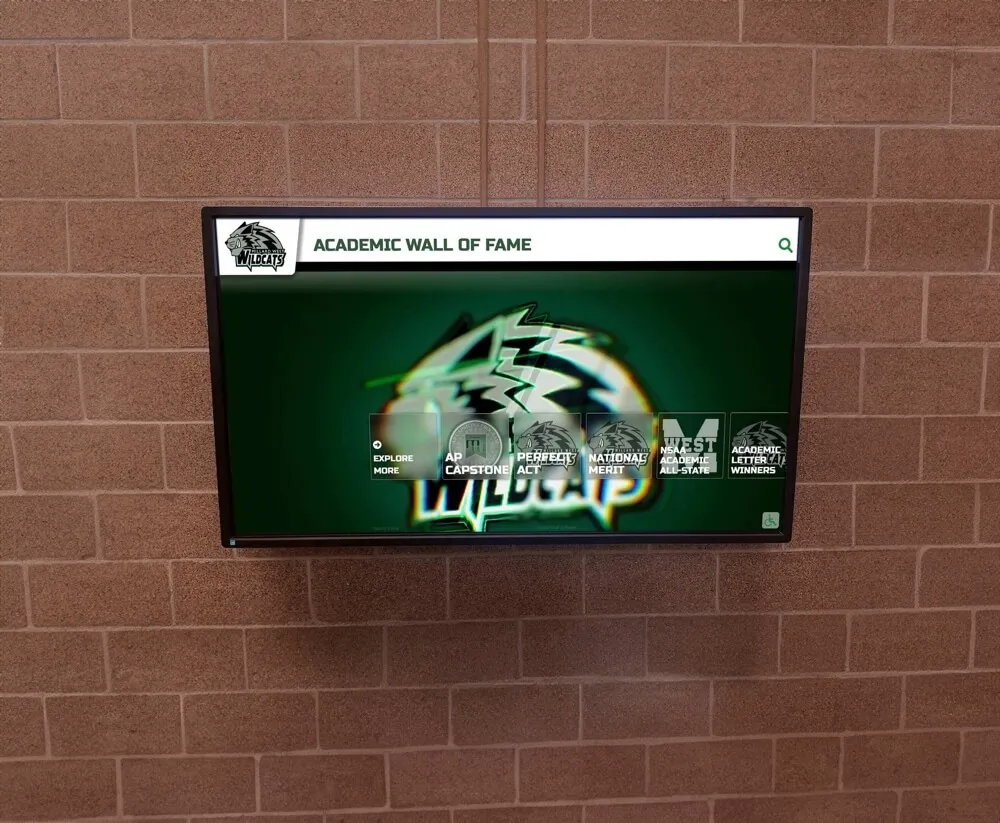
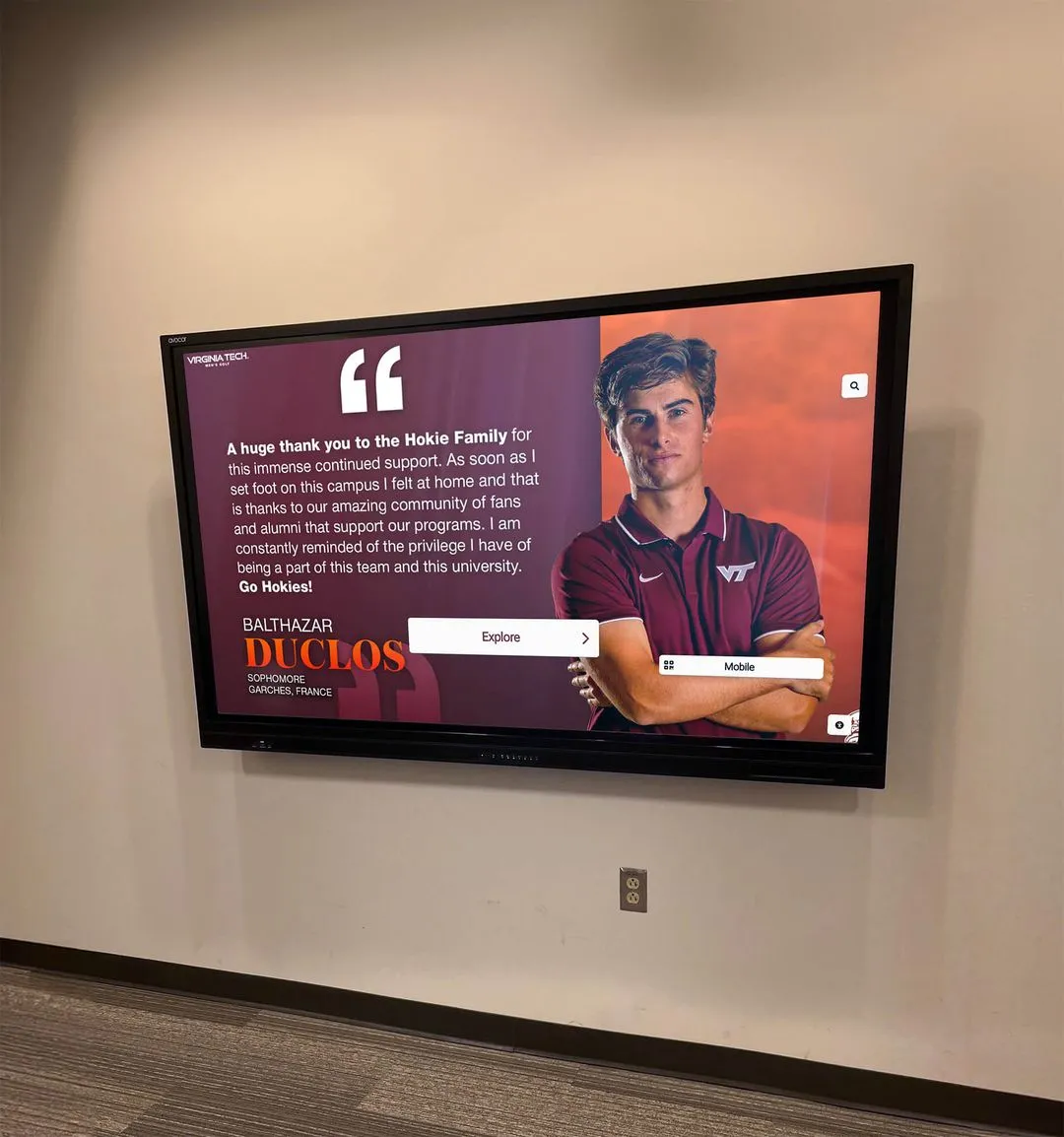
Individual recognition profiles celebrate specific achievements and student academic journeys
Historical Achievement Tracking Benefits
Creating permanent records of ACT 30+ achievement serves multiple institutional purposes:
Tradition Building
- Establishes visible history of academic excellence
- Connects current students with accomplished predecessors
- Creates aspiration for recognition among underclassmen
- Documents institutional academic trajectory over time
- Provides historical context for current performance levels
Institutional Pride Development Schools with long lists of ACT 30+ achievers can demonstrate sustained academic excellence to prospective families, showcase commitment to academic preparation, differentiate from competing schools in enrollment processes, support fundraising and development by highlighting outcomes, and build positive community reputation.
Student Motivation Amplification
Research consistently demonstrates that visible achievement recognition significantly increases student motivation. When underclassmen see peers and older students celebrated for ACT 30+ achievement, they develop concrete goals and understand achievable targets, receive models of academic excellence to emulate, experience peer pressure toward positive academic outcomes, and connect recognition with tangible college and scholarship benefits.
Recognition Display Design Principles
Effective ACT 30+ recognition requires thoughtful design balancing visibility, dignity, and engagement.
Traditional vs. Digital Recognition Approaches
Understanding the limitations of traditional methods clarifies why digital solutions increasingly predominate:
Traditional Recognition Limitations
Physical plaques and static displays create predictable challenges:
- Limited space requiring difficult decisions about what to include
- Fixed layouts preventing updates without physical modification
- Aging appearance as displays deteriorate over time
- No ability to tell comprehensive achievement stories
- High costs for engraving and physical updates
- Difficult decisions about when historical achievements must be removed
These limitations cause many schools to recognize only valedictorians or top achievers, leaving ACT 30+ students without appropriate visibility despite exceptional accomplishment.
Digital Recognition Advantages
Modern digital display solutions like those from Rocket Alumni Solutions eliminate traditional constraints:
- Unlimited capacity to recognize every ACT 30+ achiever
- Instant updates adding new recipients without physical changes
- Rich multimedia storytelling with photos, academic profiles, and achievement details
- Interactive exploration enabling students to search for themselves and peers
- Remote content management from any internet-connected device
- Cost-effectiveness eliminating recurring physical update expenses
Discover comprehensive digital recognition approaches in academic recognition programs that celebrate student excellence.
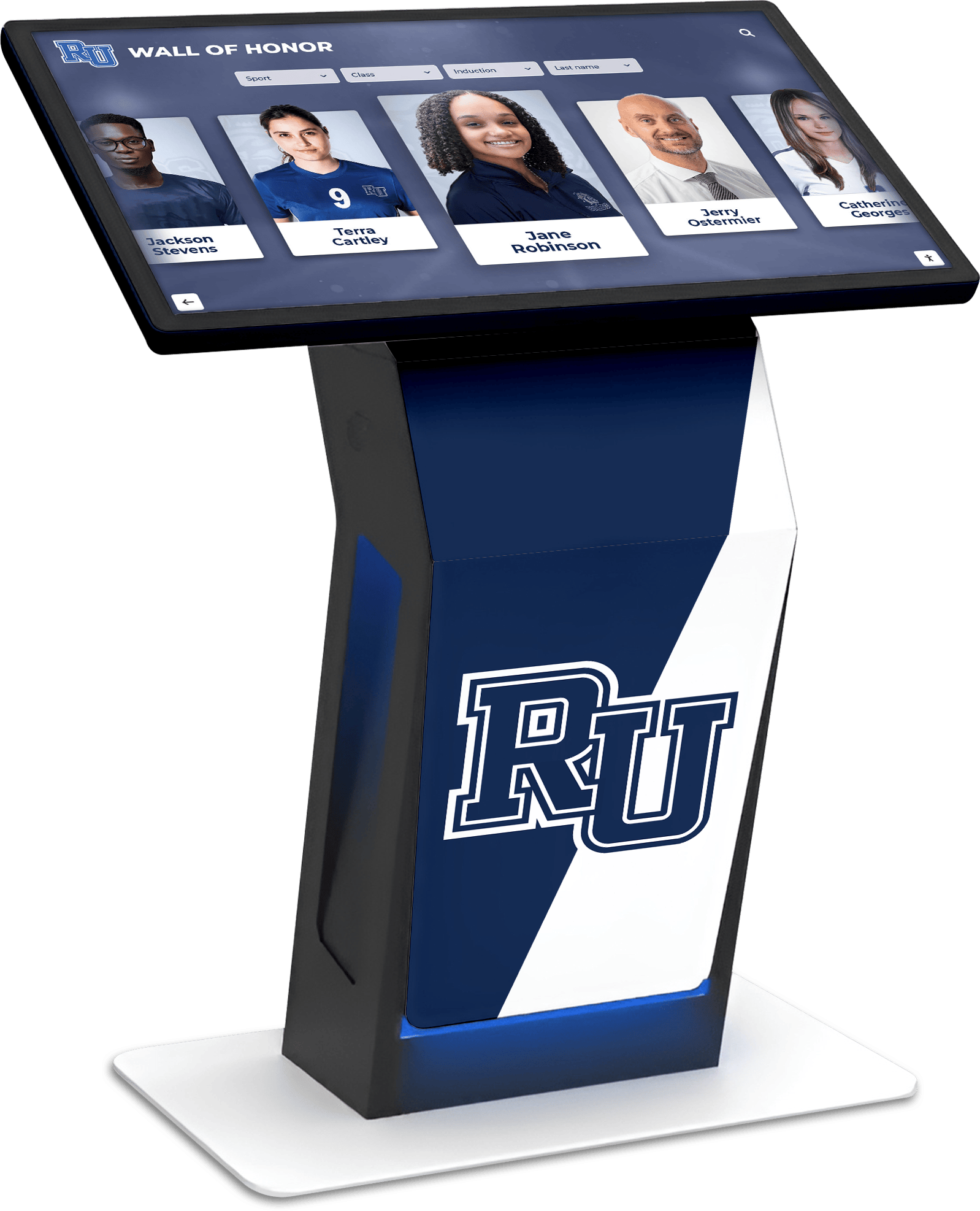
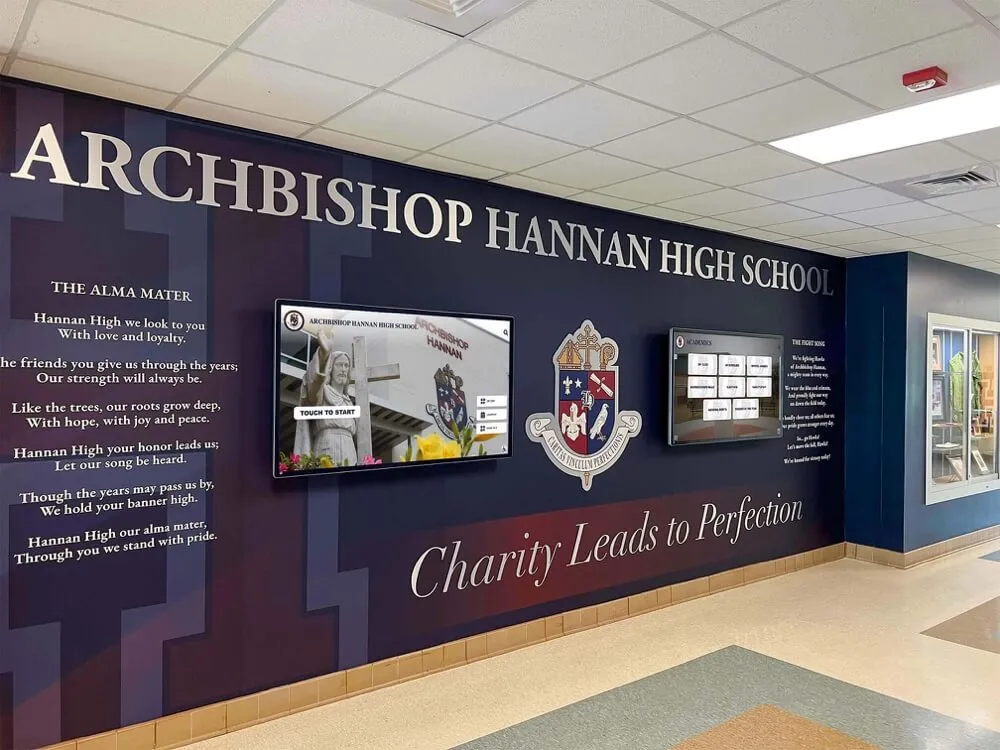
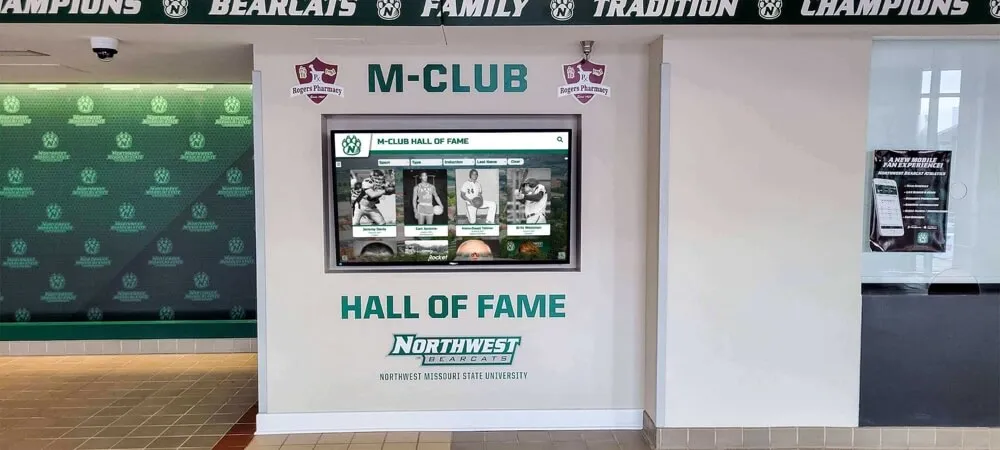
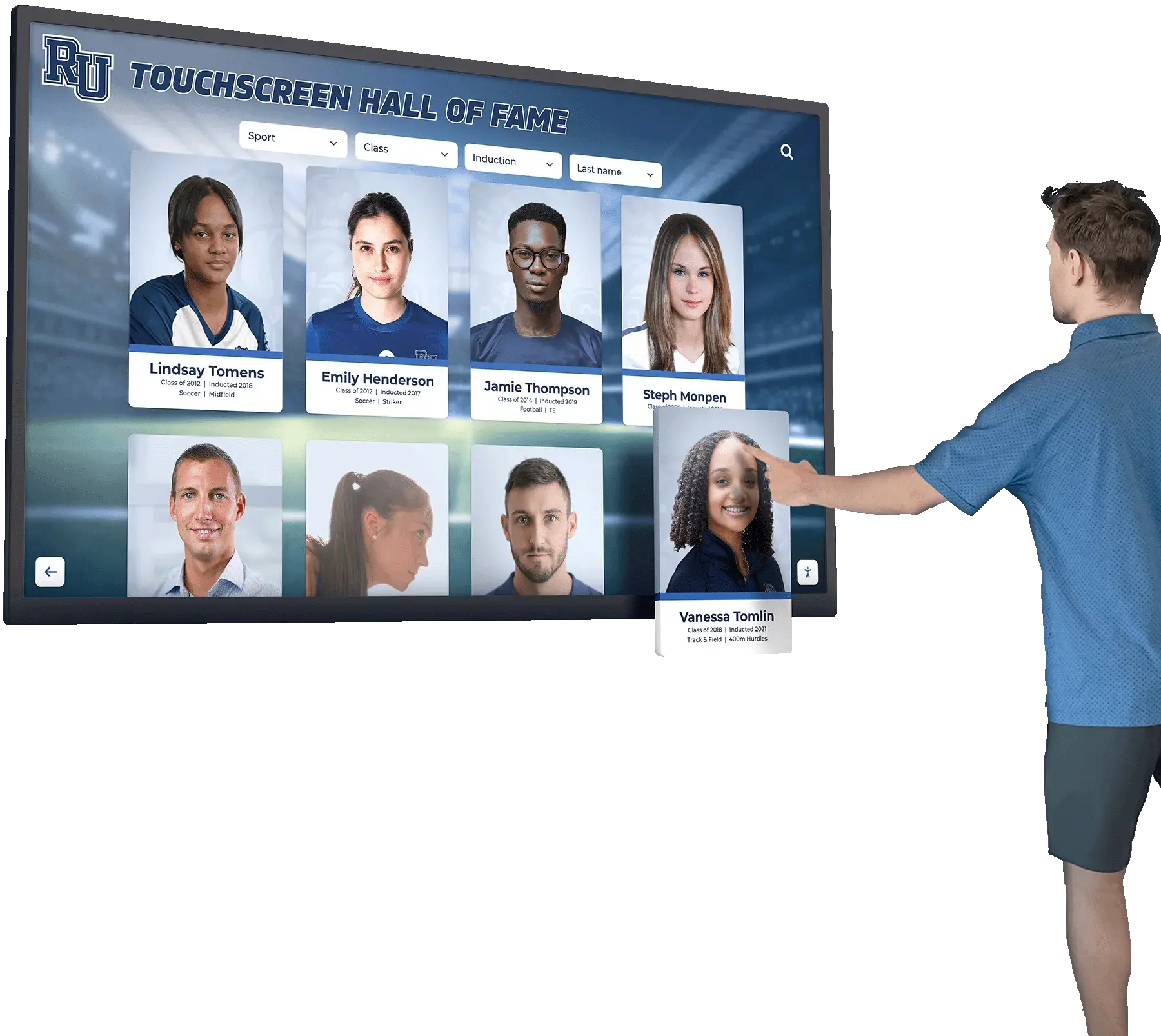
Interactive touchscreen systems eliminate space constraints while creating engaging student experiences
Essential Content Components
Comprehensive ACT 30+ recognition includes specific information elements:
Core Student Information
- Full student name and graduation year
- Composite ACT score achieved
- High-quality professional or school photo
- Testing date and junior/senior designation
- Academic honors or distinctions earned
Enhanced Recognition Elements Digital displays enable additional storytelling:
- Individual section scores (English, Math, Reading, Science)
- College choice and intended major
- Academic activities and honors (National Honor Society, AP Scholar, etc.)
- Extracurricular involvement demonstrating well-rounded achievement
- Brief student quote about preparation or achievement significance
- Scholarship awards linked to ACT performance
Historical Context Features Comprehensive displays provide institutional perspective:
- Year-over-year ACT 30+ achievement counts
- School records for highest composite and section scores
- Decade-by-decade historical achievement timelines
- Comparison metrics showing achievement trends
- Recognition of multiple ACT 30+ achievements by individual students
This layered approach transforms simple name lists into compelling achievement narratives that inspire and inform.
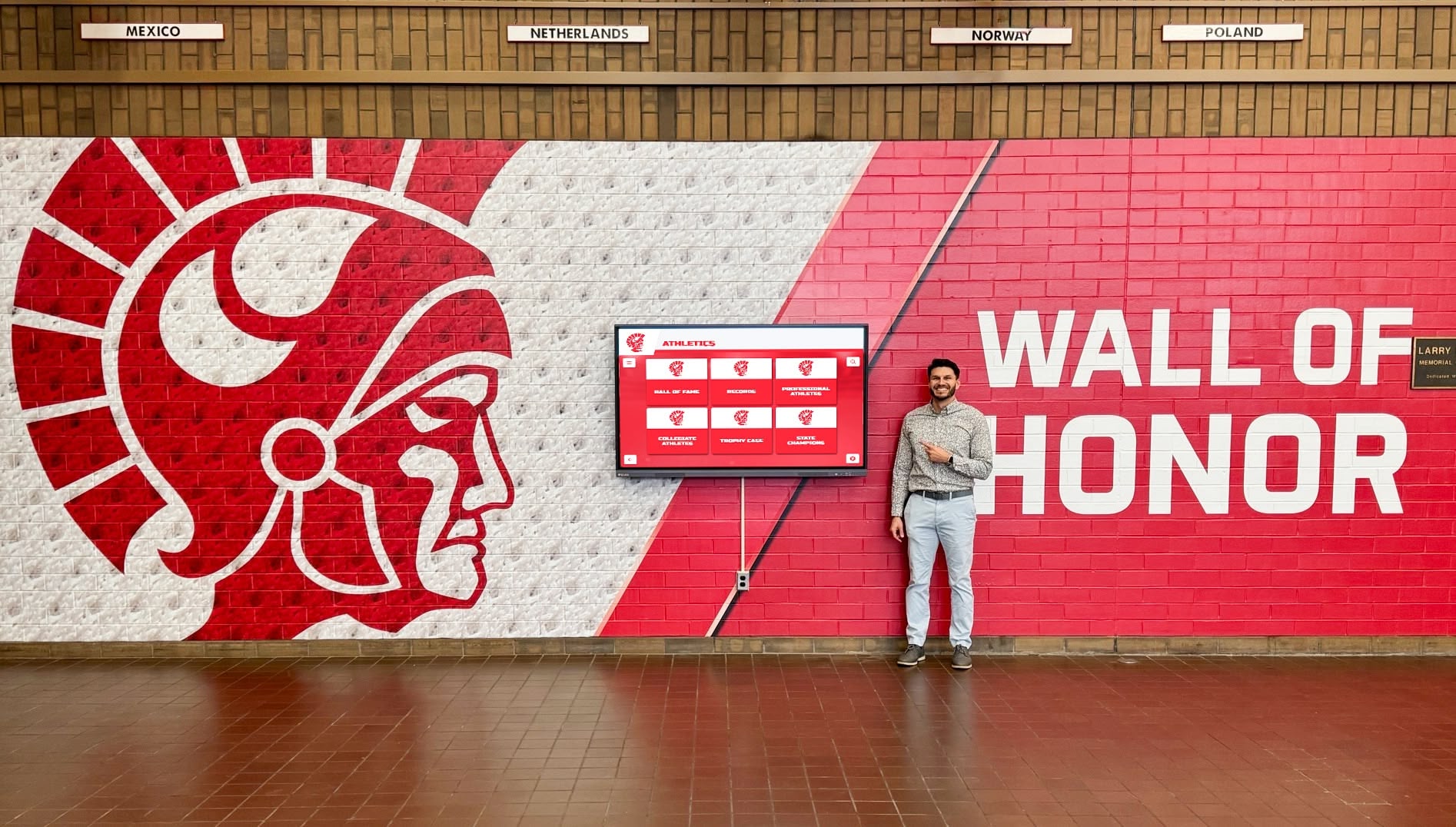
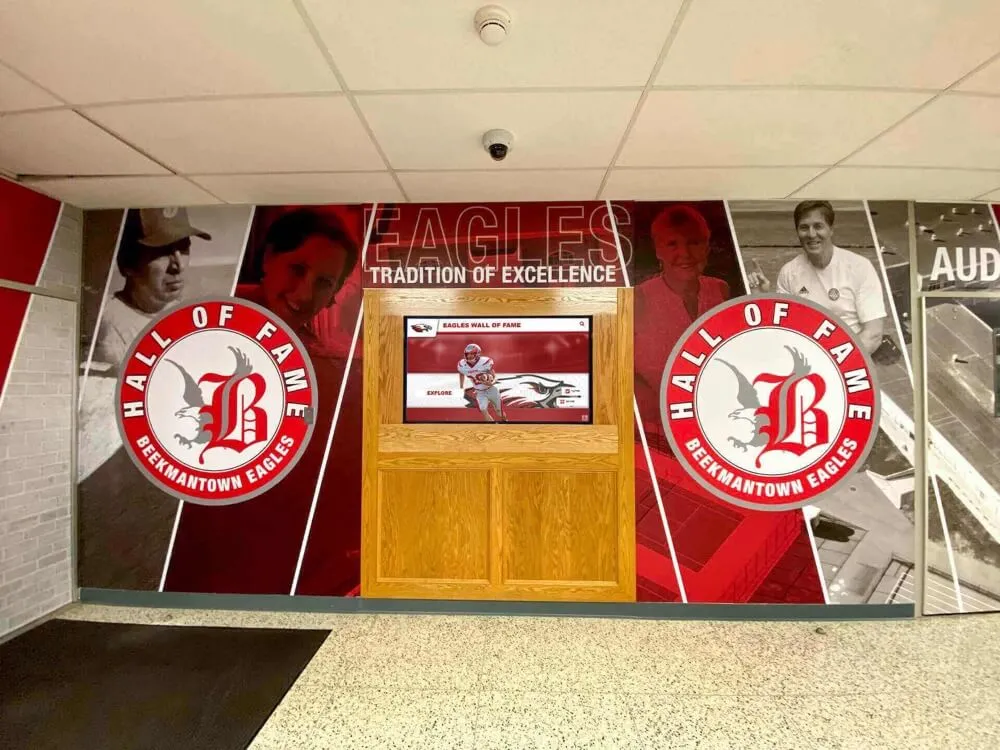
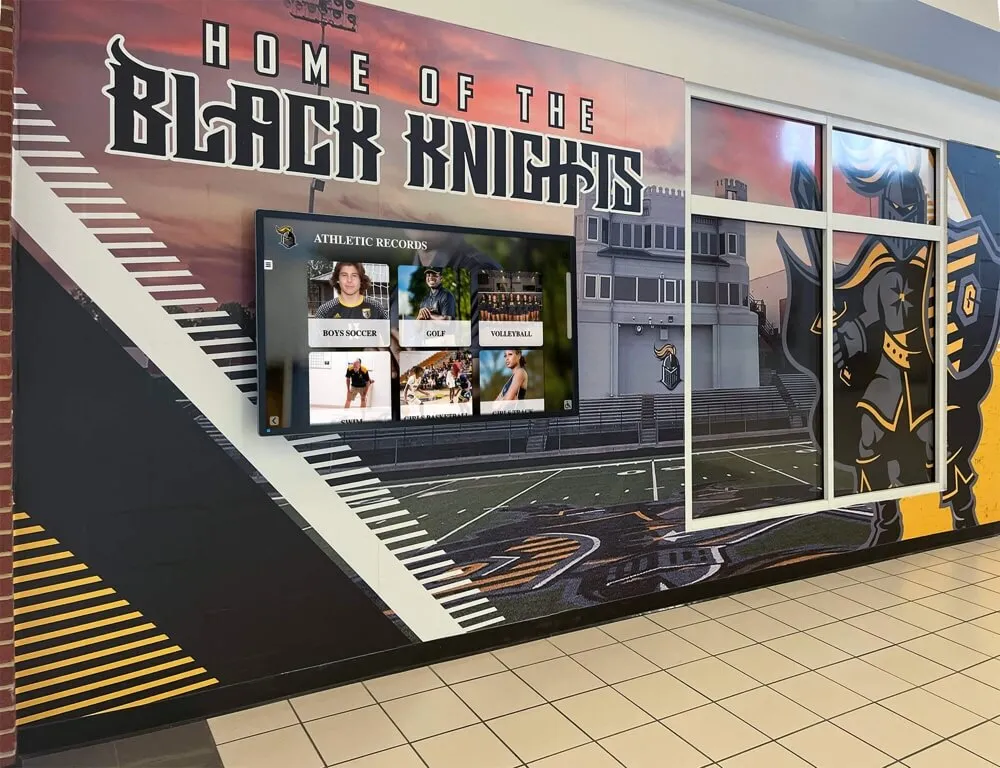
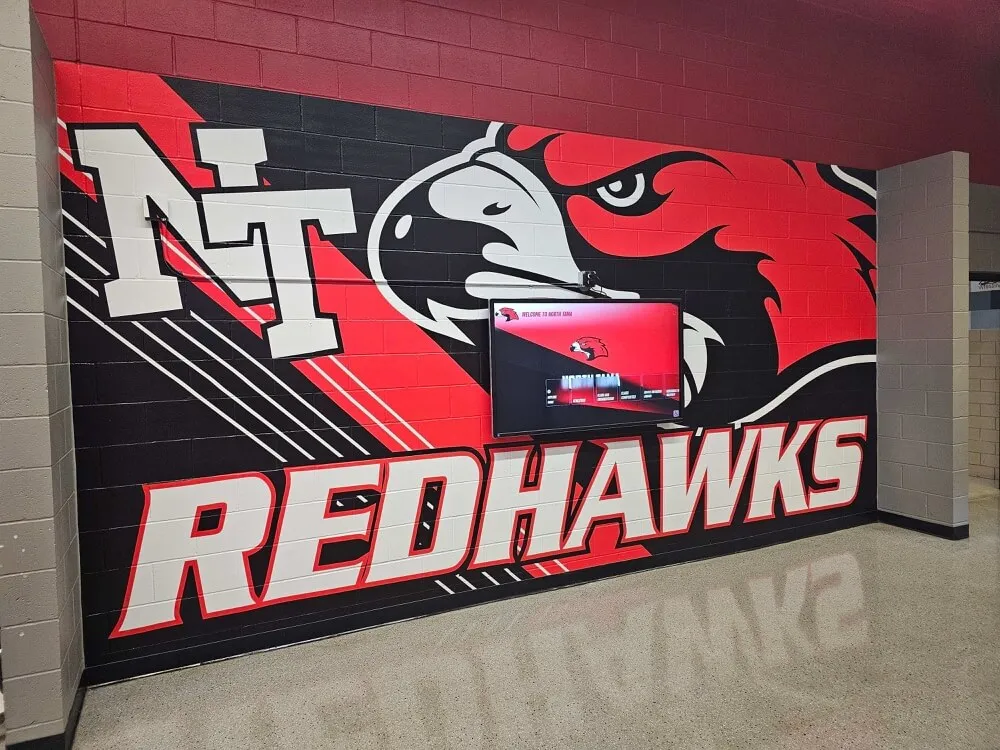
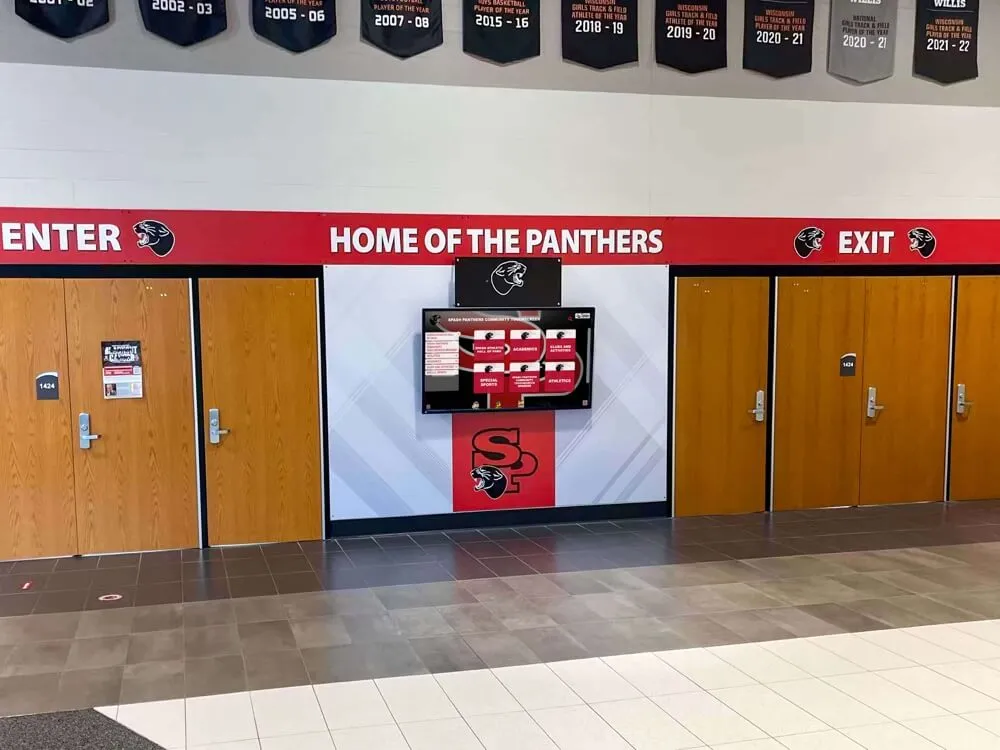
Strategic placement in high-traffic areas maximizes visibility and community engagement
Implementation Strategies for ACT 30+ Recognition
Creating effective recognition requires systematic planning and execution.
Display Location Strategies
Placement significantly impacts recognition effectiveness:
High-Visibility Primary Locations Ideal placement ensures maximum community exposure:
- Main entrance lobbies where all visitors pass daily
- Guidance or college counseling office areas
- Main office reception areas greeting families
- Library or media center spaces where students gather
- Academic wings near classrooms and testing spaces
Strategic Multi-Display Approaches Larger schools benefit from distributed recognition:
- Primary display in main entrance with comprehensive recognition
- Secondary displays in academic departments highlighting relevant achievers
- College counseling office installations connecting to admissions processes
- Senior gathering spaces celebrating near-graduate accomplishments
- Athletic facility locations ensuring equal academic and athletic visibility
Learn about strategic display placement in digital hall of fame implementation guides.
Accessibility Considerations
Displays must accommodate diverse community needs:
- ADA-compliant mounting heights for wheelchair accessibility
- High-contrast viewing modes supporting visual accessibility
- Text sizing options ensuring readability at distance
- Audio description capabilities for visually impaired visitors
- Mobile-responsive web extensions enabling remote access
Launch and Recognition Ceremonies
Formal celebration amplifies achievement impact:
Initial Recognition Event Schools launching ACT 30+ recognition should create memorable unveiling experiences:
- School assembly introducing display and celebrating current recipients
- Student speaker from ACT 30+ club sharing preparation insights
- Principal remarks contextualizing achievement significance
- Parent and family invitation to recognition ceremony
- Local media coverage amplifying community awareness
Annual Addition Ceremonies
Ongoing recognition sustains program significance:
- Quarterly or semester updates as new scores arrive
- End-of-year comprehensive celebration of all new ACT 30+ achievers
- Senior recognition during graduation season honoring departing achievers
- Integration with existing academic award ceremonies
- Student-led ceremonies where previous recipients welcome new members
Explore recognition ceremony approaches in student awards recognition program strategies.
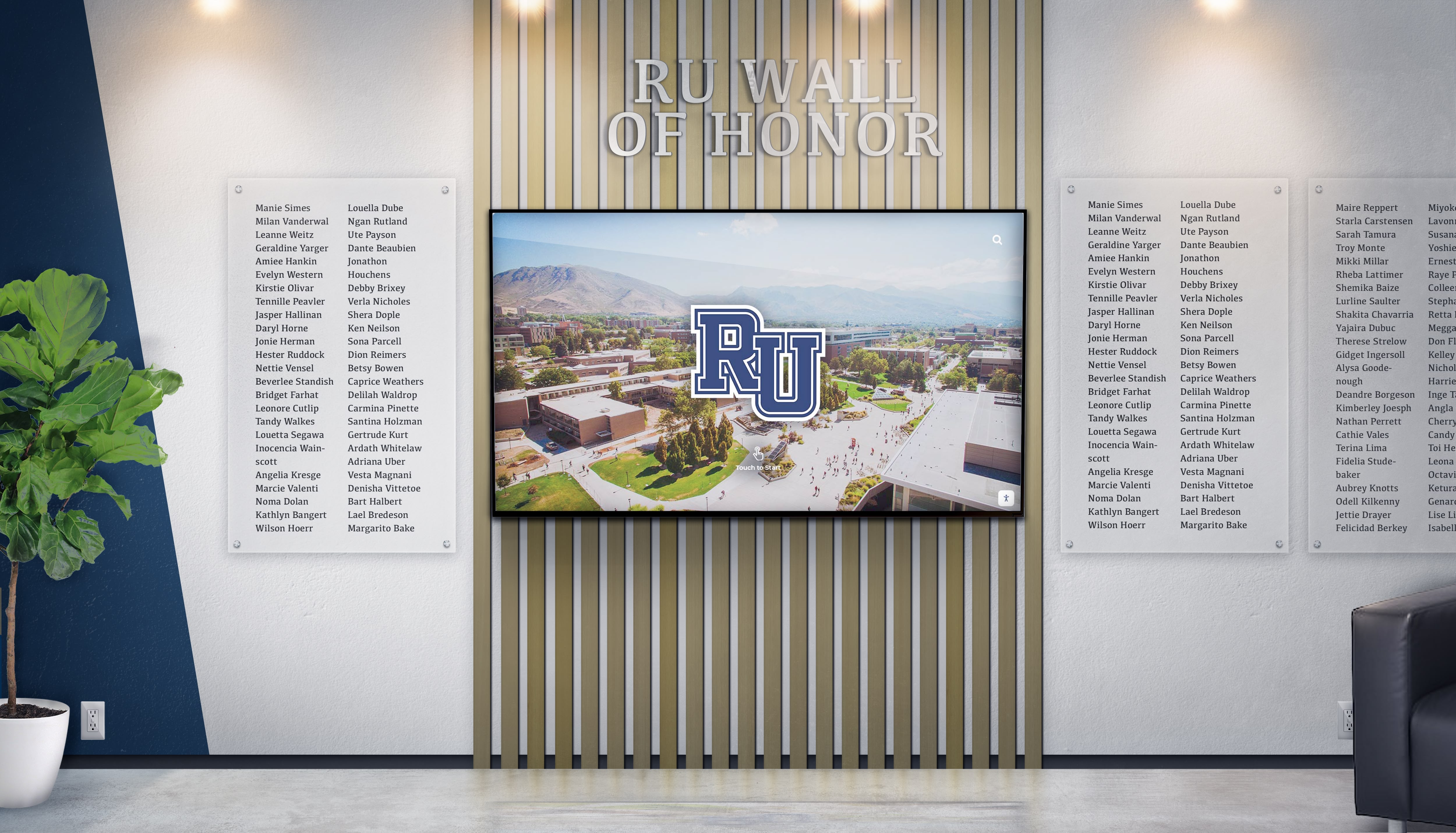
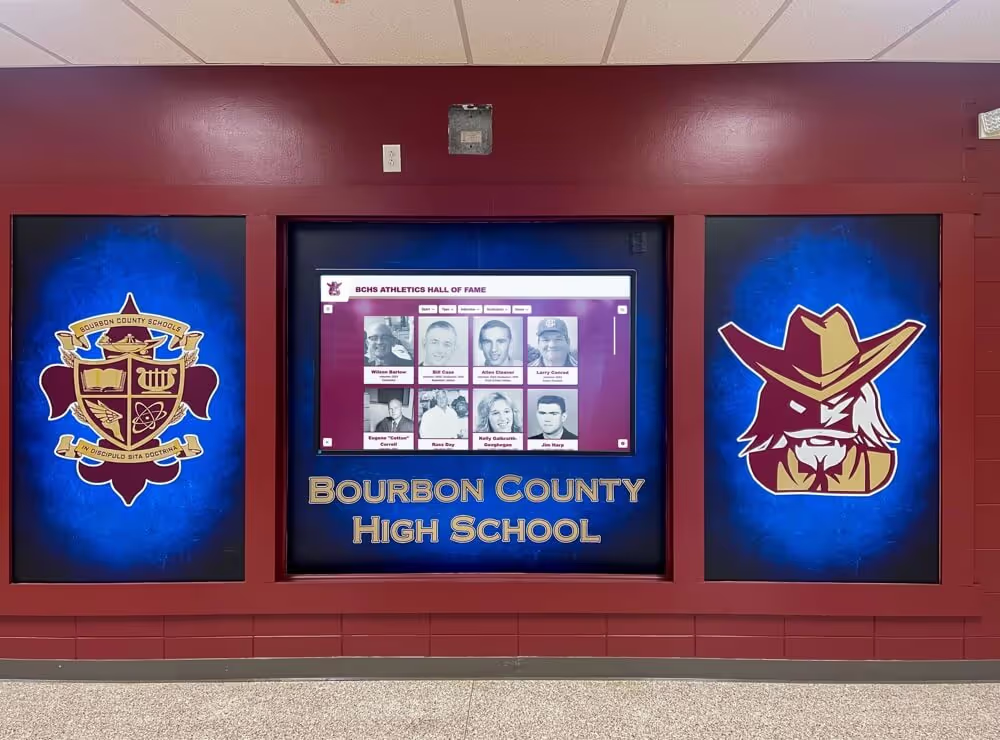
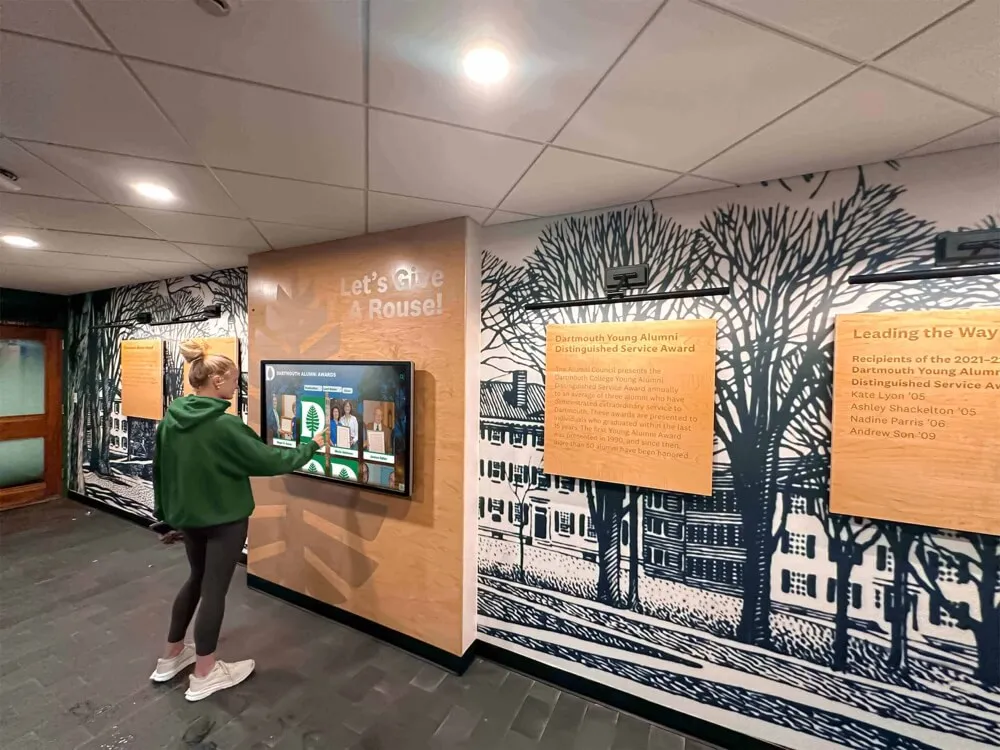
Integrated systems combine digital displays with traditional elements for comprehensive recognition spaces
Creating Comprehensive Standardized Test Recognition
ACT 30+ recognition works best within broader academic achievement celebration.
Tiered Standardized Test Recognition
Multi-level programs ensure broader student inclusion while maintaining pinnacle achievement significance:
Pinnacle Achievement (ACT 30+)
- Permanent digital hall of fame inclusion
- Special recognition ceremony and certificate
- Individual profile with photo and achievement details
- Parent notification and celebration
- College counselor highlight for applications
Excellence Achievement (ACT 28-29)
- Academic honor roll recognition
- Certificate of academic excellence
- Inclusion in academic achievement displays
- Counselor acknowledgment and encouragement
- Invitation to test preparation leadership roles
Improvement Recognition
- Most-improved score tracking between test attempts
- Growth mindset celebration for students showing significant gains
- Motivational recognition for students approaching excellence thresholds
- Preparation program completion acknowledgment
This tiered approach ensures achievement opportunities exist across student population while maintaining special significance for ACT 30+ accomplishment.
SAT and ACT Equivalent Recognition
Many students take SAT rather than ACT, requiring equivalent recognition:
SAT Score Equivalencies Schools should recognize equivalent SAT achievement:
- SAT 1390+ equals ACT 30 (93rd percentile)
- SAT 1420+ equals ACT 31 (95th percentile)
- SAT 1450+ equals ACT 32 (97th percentile)
- SAT 1480+ equals ACT 33 (98th percentile)
- SAT 1510+ equals ACT 34 (99th percentile)
Unified Recognition Displays
Digital systems easily accommodate both testing formats:
- “Standardized Test Excellence: ACT 30+ and SAT 1390+ Club”
- Filtering options allowing visitors to view by test type
- Equivalent score displays showing both ACT and SAT scales
- Recognition that students often take both tests, displaying highest achievement
- Historical tracking of institutional achievement regardless of test format
Discover comprehensive testing recognition in National Merit Scholar recognition approaches.
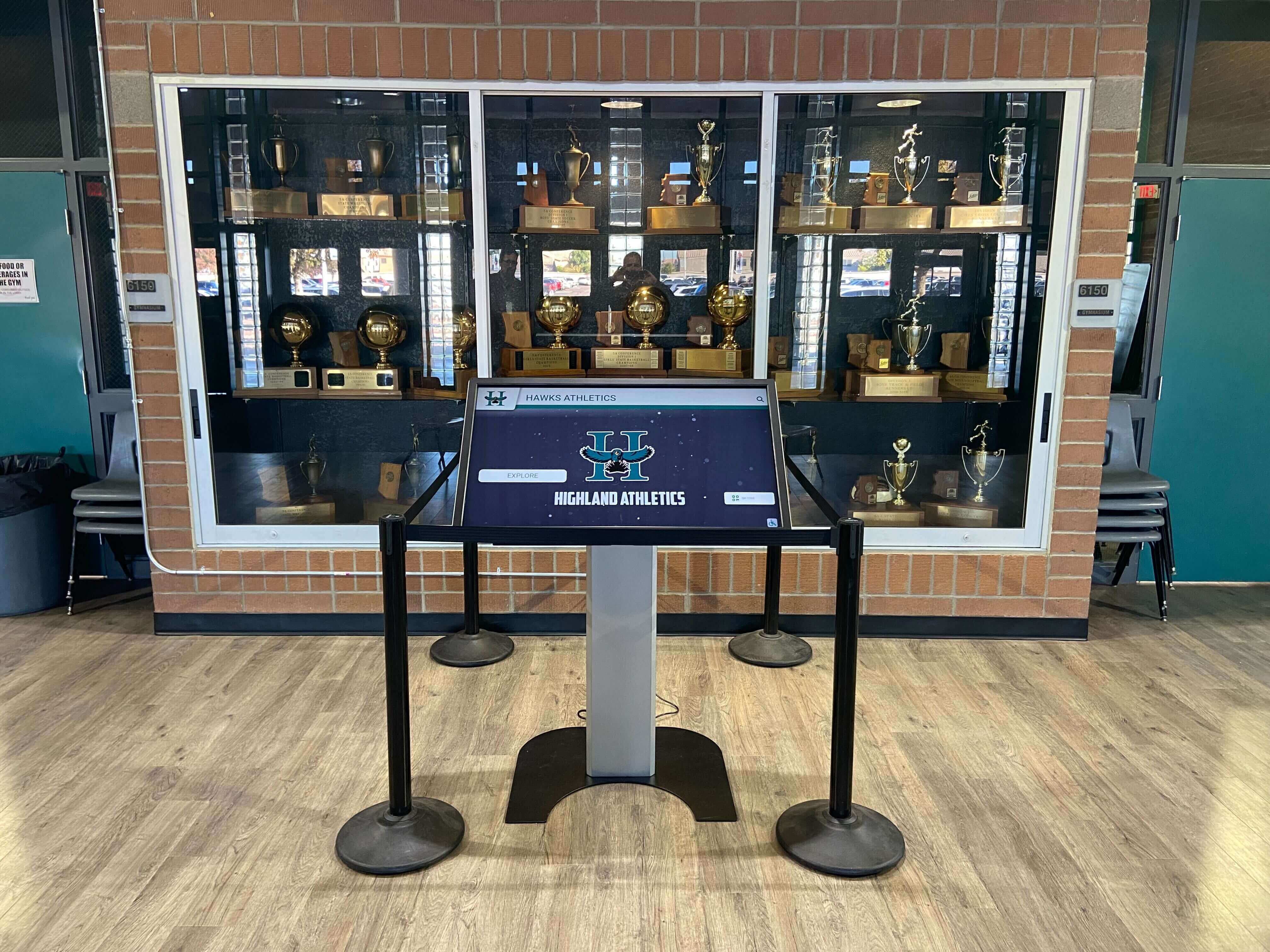
Academic recognition displays integrate with existing school environments complementing rather than replacing tradition
Technology Platform Selection
Choosing appropriate systems ensures long-term recognition program success.
Display Hardware Options
Different display types serve different recognition needs:
Large-Format Digital Displays
- 55-75 inch commercial-grade screens for high-visibility areas
- Non-interactive displays ideal for passive viewing in lobbies
- Lower cost per display compared to interactive options
- Scheduled content rotation highlighting different achievers
- Perfect for showcasing rotating ACT 30+ profiles
Interactive Touchscreen Kiosks
- 43-55 inch touchscreen systems enabling user exploration
- Search functionality allowing students to find themselves and peers
- Filter options by graduation year, score level, or achievement type
- Detailed individual profile pages with comprehensive information
- Higher engagement creating memorable recognition experiences
Video Wall Arrays
- Multiple displays combined creating dramatic large-format installations
- Maximum visual impact in large spaces like main lobbies
- Ability to show different content on individual screens simultaneously
- Flexibility for comprehensive recognition across multiple programs
- Premium option for schools prioritizing visibility and impact
Learn about display technology in types of screens used for digital signage.
Content Management Platform Requirements
Software capabilities matter as much as hardware:
Essential Platform Features
- Intuitive administrative interface requiring no technical expertise
- Bulk import tools for adding multiple students simultaneously
- Template libraries ensuring professional, consistent design
- Scheduling capabilities for timed content updates
- Multiple user access with role-based permissions
- Mobile-responsive design enabling management from smartphones
- Cloud-based hosting eliminating local server requirements
- Automatic backup and version control
Integration Capabilities
- Student information system connections for automated data flow
- School website integration extending recognition online
- Social media sharing enabling achievement amplification
- Email notification systems alerting families about recognition
- Analytics tracking engagement and display effectiveness
Solutions like Rocket Alumni Solutions specialize in educational recognition platforms designed specifically for schools, offering proven implementation processes, extensive template libraries, and ongoing support ensuring successful long-term operation.
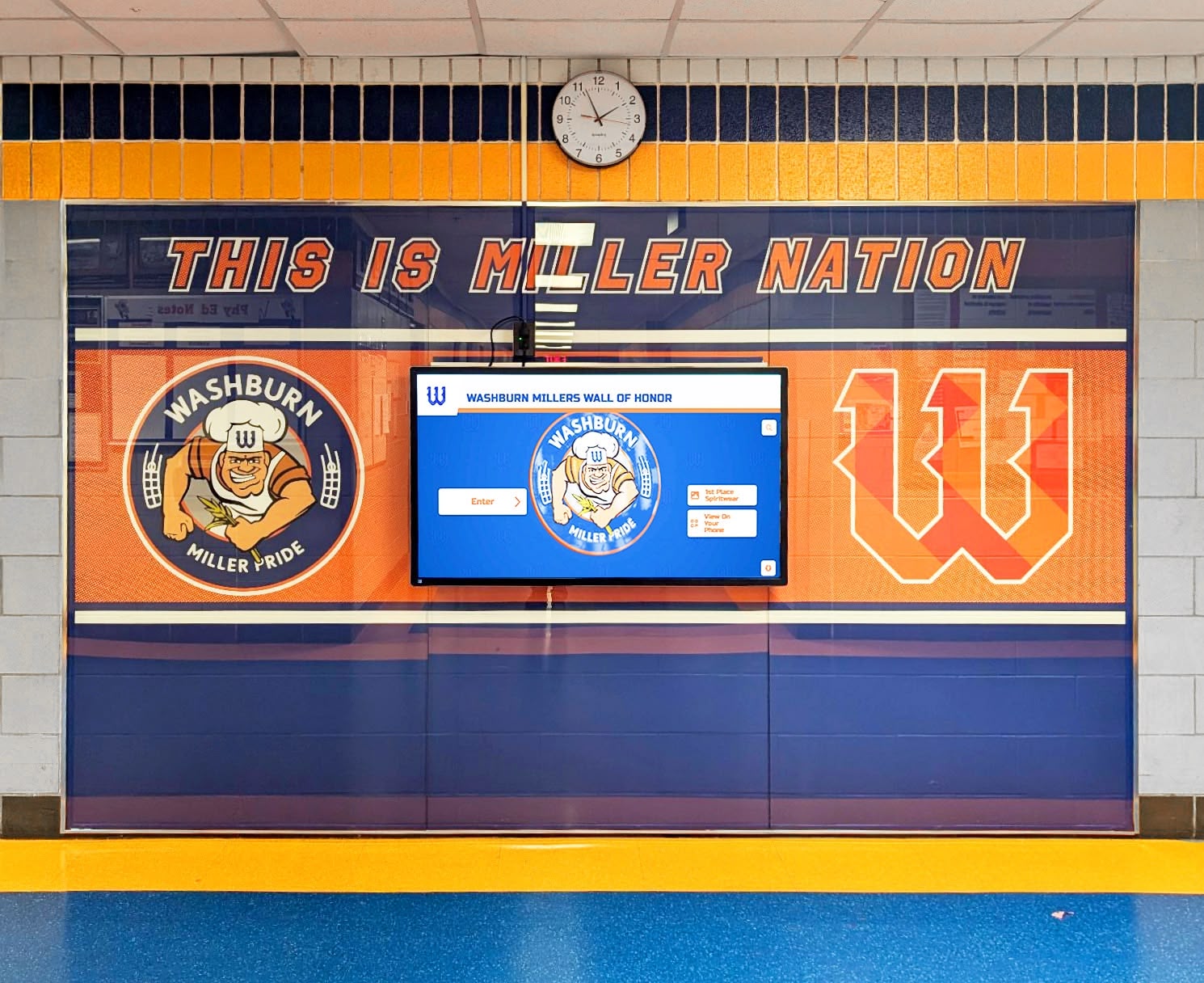
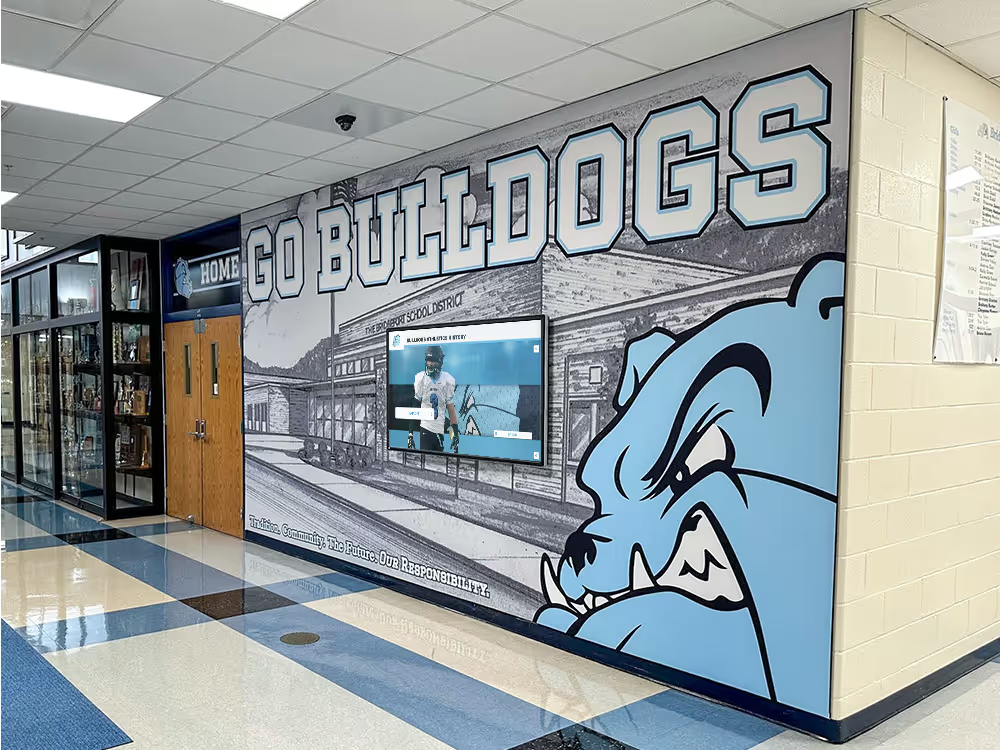
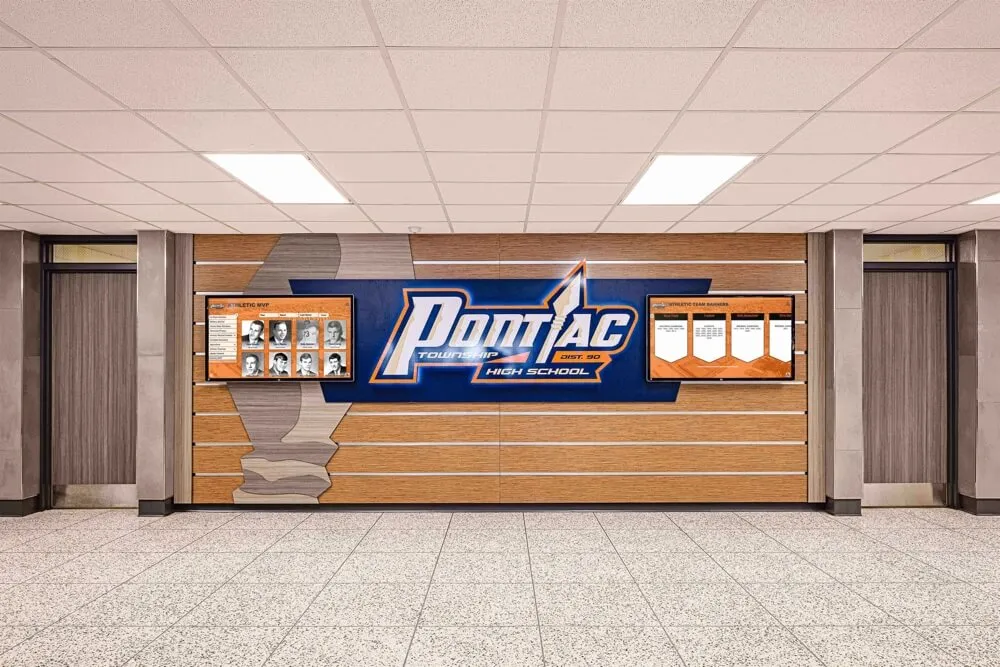
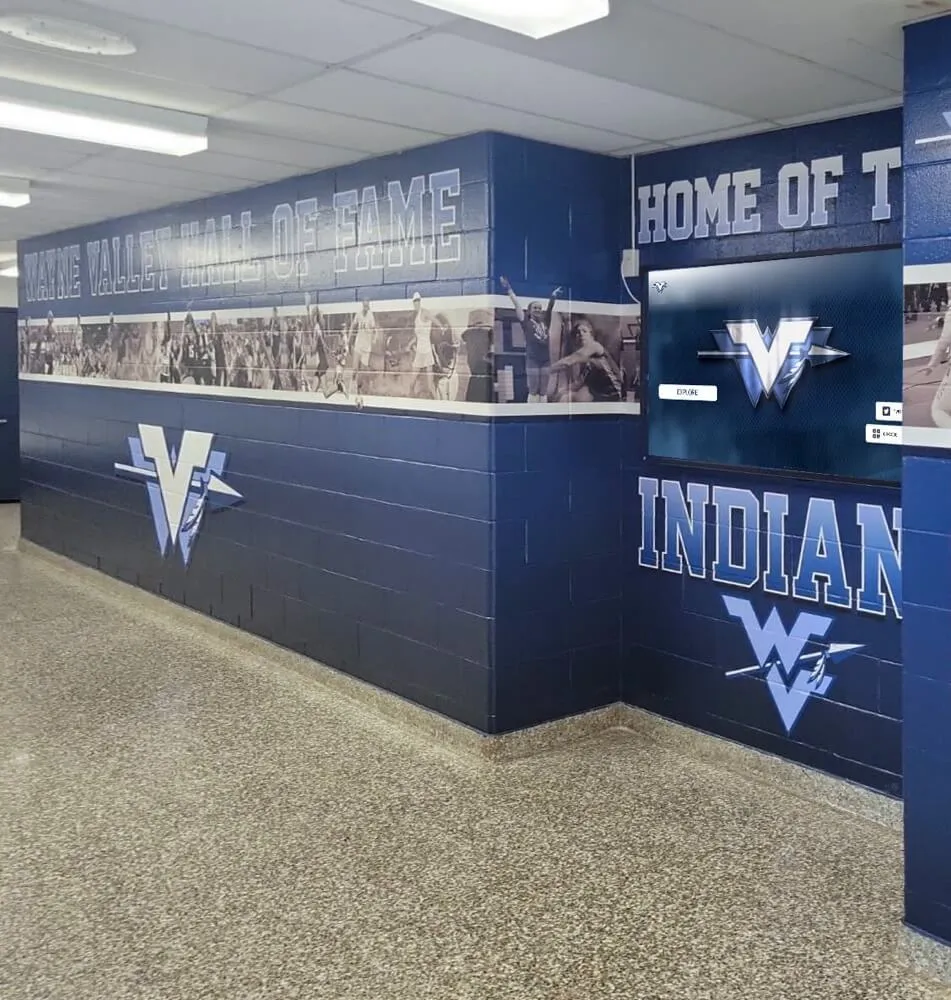
Hallway installations create constant visibility maintaining achievement awareness throughout the school day
Communication and Promotion Strategies
Recognition impact depends on systematic visibility and promotion.
Internal Communication Approaches
Multiple touchpoints ensure school community awareness:
Regular Recognition Updates
- Morning announcement highlights of new ACT 30+ achievers
- Monthly newsletter features celebrating recent recipients
- Classroom visit programs where achievers share preparation strategies
- Social media posts celebrating individual and collective achievement
- Display updates immediately following score release periods
Test Preparation Connection Connect recognition to preparation programs:
- Study strategy workshops led by recent ACT 30+ students
- Preparation resource guides developed by high achievers
- Mentoring programs pairing current upperclassmen with underclass test-takers
- Display integration showing preparation programs available
- Success story features highlighting effective preparation approaches
Goal-Setting Integration
Use recognition to motivate underclassmen:
- Sophomore assemblies introducing ACT 30+ club and achievement pathways
- Junior year kickoff events highlighting standardized testing importance
- Individual student goal-setting connecting ACT targets to college aspirations
- Progress tracking helping students monitor preparation effectiveness
- Celebration milestones recognizing incremental achievement gains
External Community Engagement
Extend recognition beyond school walls:
Family Communication Strategies
- Personal letters home notifying families of student ACT 30+ achievement
- Certificate presentations families can display at home
- Family invitation to special recognition events and ceremonies
- Social media tagging enabling families to share accomplishments
- College counselor follow-up discussing scholarship and admissions implications
Community and Media Outreach
- Press releases to local media celebrating ACT 30+ achievers
- Community newspaper recognition announcements
- School board meeting presentations highlighting standardized test success
- Community business partnership recognition programs
- Alumni communication showcasing current student achievement
Discover recognition communication in best ways to highlight student accomplishments.
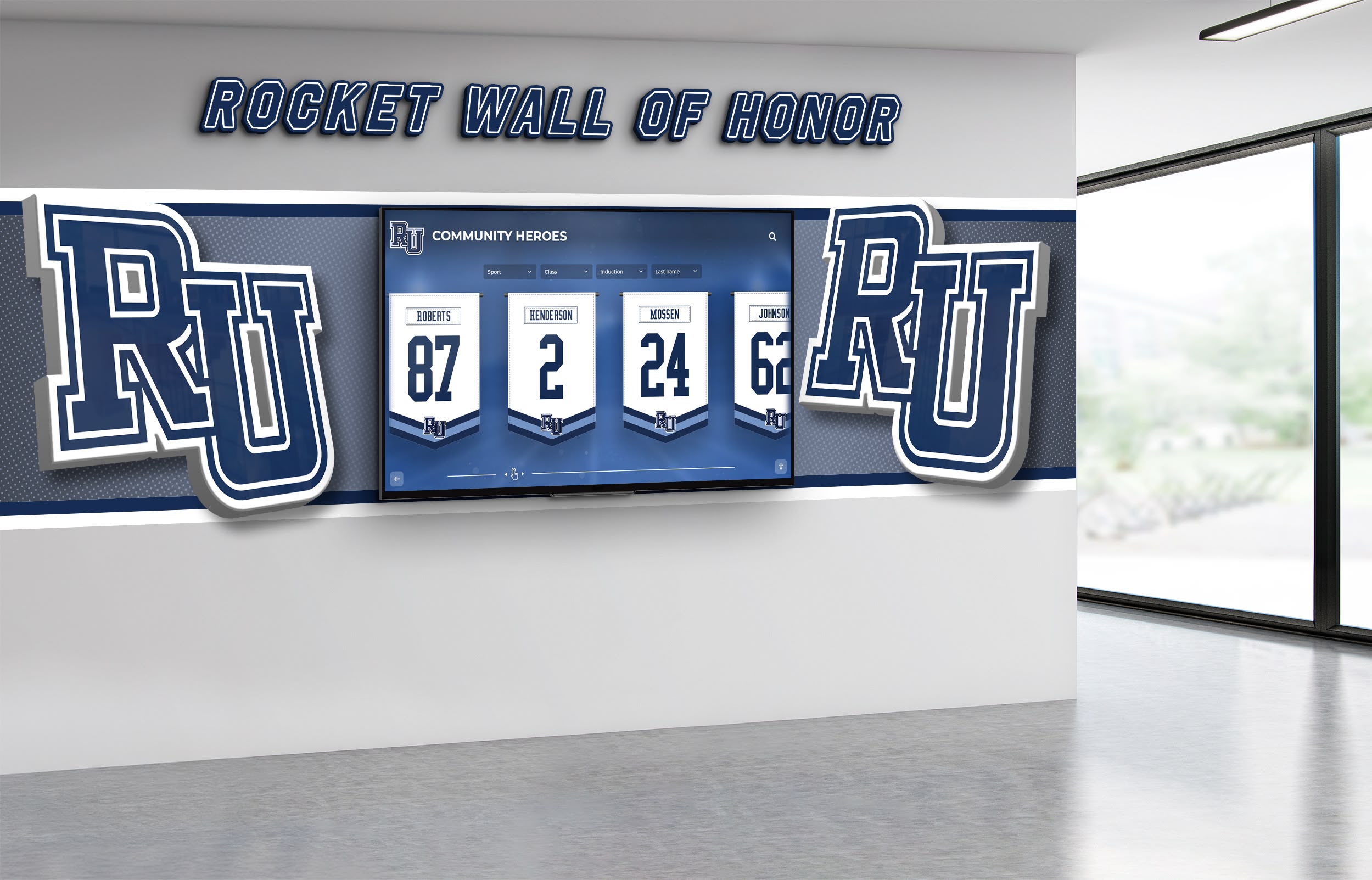
Multi-display installations enable comprehensive recognition across diverse achievement categories
Expanding Recognition Beyond ACT Achievement
Comprehensive academic recognition celebrates diverse intellectual accomplishments.
Advanced Placement and Academic Competition Recognition
Create parallel recognition for related achievements:
AP Scholar Recognition
- AP Scholar with Distinction (average 3.5+ on all AP exams, 3+ on five or more)
- AP Scholar with Honor (average 3.25+ on all AP exams, 3+ on four or more)
- National AP Scholar (average 4+ on all AP exams, 4+ on eight or more)
- State AP Scholar (highest average AP score in state)
- Integration with ACT 30+ recognition showing comprehensive achievement
Learn about AP recognition in AP Scholar digital recognition programs.
National Merit Recognition
- National Merit Semifinalist and Finalist designation
- Commended Student recognition (top 50,000 nationally)
- Special scholarship winner acknowledgment
- Historical tracking of National Merit achievement
- Connection to PSAT/NMSQT preparation programs
Academic Competition Excellence
- Science Olympiad medals and team achievements
- Math competition success (AMC, AIME, MATHCOUNTS)
- Academic bowl and quiz bowl championships
- Debate and speech tournament victories
- Writing contest achievements and publication recognition
College Admissions Success Celebration
ACT 30+ often connects to competitive college acceptance:
College Signing Day Recognition
- Formal celebration of college commitments and acceptances
- Display updates showcasing where ACT 30+ students attend college
- Scholarship award totals and prestigious program acceptances
- Historical tracking showing college destinations of past achievers
- Inspiration for underclassmen seeing where achievement leads
Explore college recognition in college signing wall strategies for high schools.
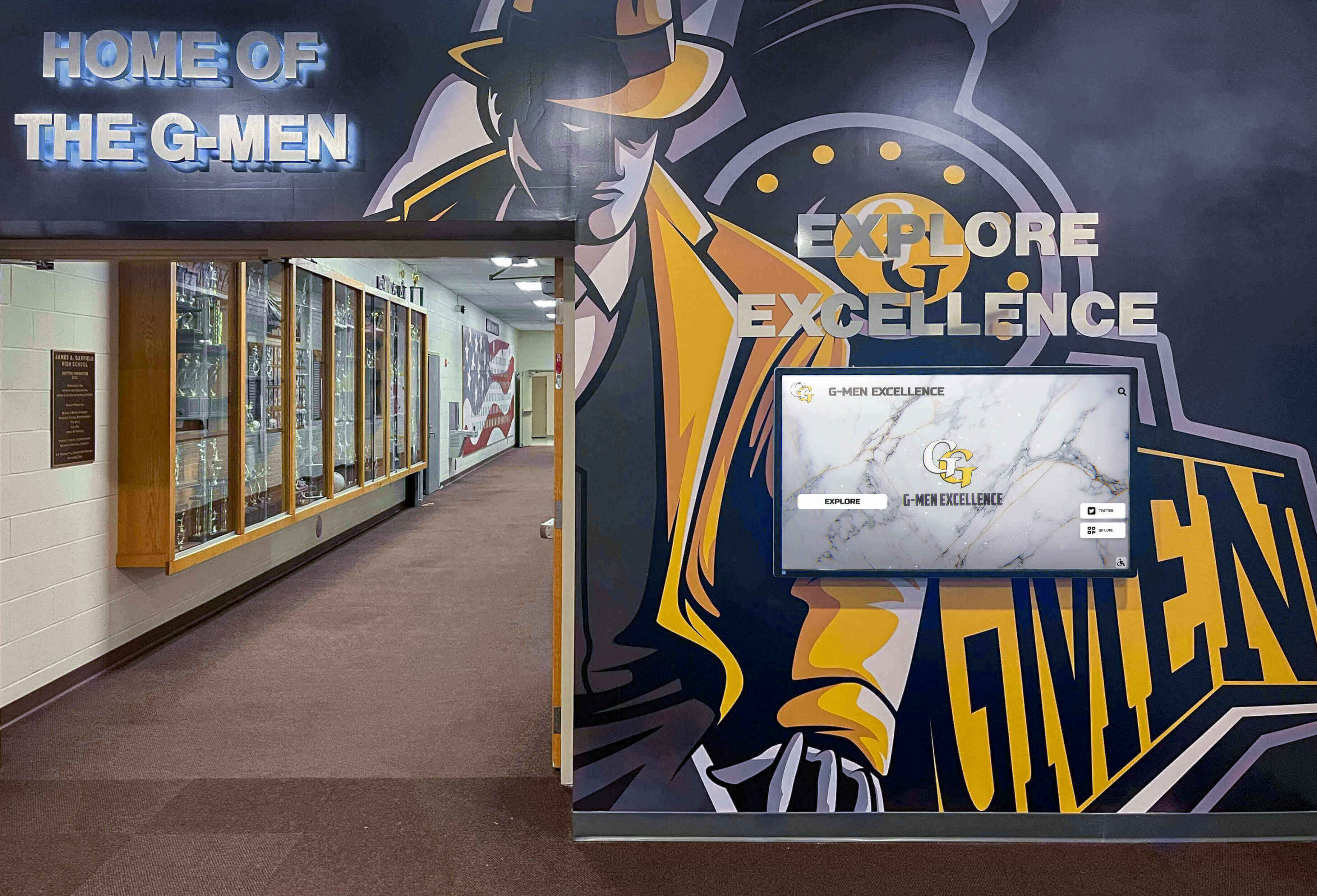
Displays integrate with existing school environments complementing rather than replacing tradition
Implementation Cost and Funding Strategies
Understanding comprehensive costs enables realistic planning and creative funding.
Initial Investment Components
Digital ACT 30+ recognition requires upfront investment:
Hardware Expenses
- Commercial-grade 55" display: $2,500-$4,000
- Interactive touchscreen kiosk (43-55"): $4,000-$8,000
- Media player/computer: $500-$1,200
- Professional mounting and installation: $500-$1,500
- Network infrastructure upgrades if needed: $500-$2,000
Software and Content Setup
- Recognition platform setup and customization: $1,500-$4,000
- Initial content creation and design: $1,000-$3,000
- Historical achievement data migration: $500-$2,000
- Staff training and onboarding: $500-$1,500
- Integration with student information systems: $1,000-$3,000
Total Initial Investment Range
Most schools invest $8,000-$20,000 for comprehensive ACT 30+ digital recognition, with variation based on display specifications, customization requirements, and historical data complexity. This investment typically provides recognition capacity for decades of future achievement with minimal incremental costs.
Ongoing Operational Costs
Annual expenses ensure continued effectiveness:
Platform and Support
- Content management platform subscription: $1,000-$3,000 annually
- Software updates and technical support (typically included)
- Cloud hosting and data storage (typically included)
- Extended warranty or service contract: $300-$800 annually
Content Management Labor
- Internal staff time for updates: 2-4 hours monthly
- Professional photography services: $300-$1,000 annually
- Graphic design support if needed: $500-$1,500 annually
Annual ongoing costs typically range $2,000-$6,000 depending on display count and update frequency—substantially lower than recurring physical plaque engraving expenses.
Creative Funding Approaches
Schools employ diverse strategies to fund recognition investments:
Development and Fundraising
- Alumni association contributions supporting academic recognition
- Parent organization fundraising for educational technology
- Corporate sponsorship from local businesses supporting education
- Community foundation grants for academic programs
- Memorial gift opportunities honoring accomplished alumni
Budget Integration
- Educational technology budget allocations
- Capital improvement funds for permanent installations
- College counseling program enhancements
- Student activities and recognition programming
- Facilities improvement initiatives
Phased Implementation
- Begin with single display in main entrance
- Expand as benefits become evident and funding secured
- Lease or subscription payment models reducing initial capital requirements
- Pilot program demonstrating value before full implementation
Schools successfully implementing ACT 30+ recognition often combine multiple funding sources while demonstrating return on investment through improved student achievement motivation and community perception.

Portrait-style recognition displays celebrate individual achievement while maintaining professional presentation
Measuring Recognition Program Impact
Regular assessment ensures programs achieve intended goals.
Quantitative Success Metrics
Achievement Tracking
- Year-over-year count of ACT 30+ achievers
- Percentage of test-takers achieving ACT 30+ annually
- Average composite scores across entire junior and senior classes
- Growth in students taking ACT (indicating increased college focus)
- Multiple-attempt improvement rates showing preparation effectiveness
Engagement Indicators
- Display interaction rates and session duration for touchscreen systems
- Web-based recognition platform usage statistics
- Social media engagement with ACT 30+ recognition content
- Recognition ceremony attendance rates
- Student survey awareness of ACT 30+ club and recognition opportunities
Behavioral Outcomes
- Enrollment increases in ACT preparation programs
- Advanced course enrollment rates (AP, IB, honors)
- College application patterns to selective institutions
- Merit scholarship awards to recognized students
- Alumni feedback about recognition impact on college preparation
Qualitative Assessment
Stakeholder Feedback
- Student surveys about recognition program awareness and motivation impact
- Family perception of school’s academic commitment and recognition fairness
- Staff assessment of recognition program manageability and effectiveness
- College counselor insights about recognition influence on student aspirations
- Alumni reflection on how ACT 30+ recognition influenced their high school experience
Cultural Indicators
- Observed changes in student attitudes toward standardized testing
- Academic culture shifts valuing intellectual achievement
- Peer conversations about ACT preparation and goal-setting
- Student leadership emerging from recognized achievers
- Community perception of institutional academic excellence
Regular evaluation enables continuous improvement ensuring ACT 30+ recognition remains meaningful, motivating, and aligned with educational goals.
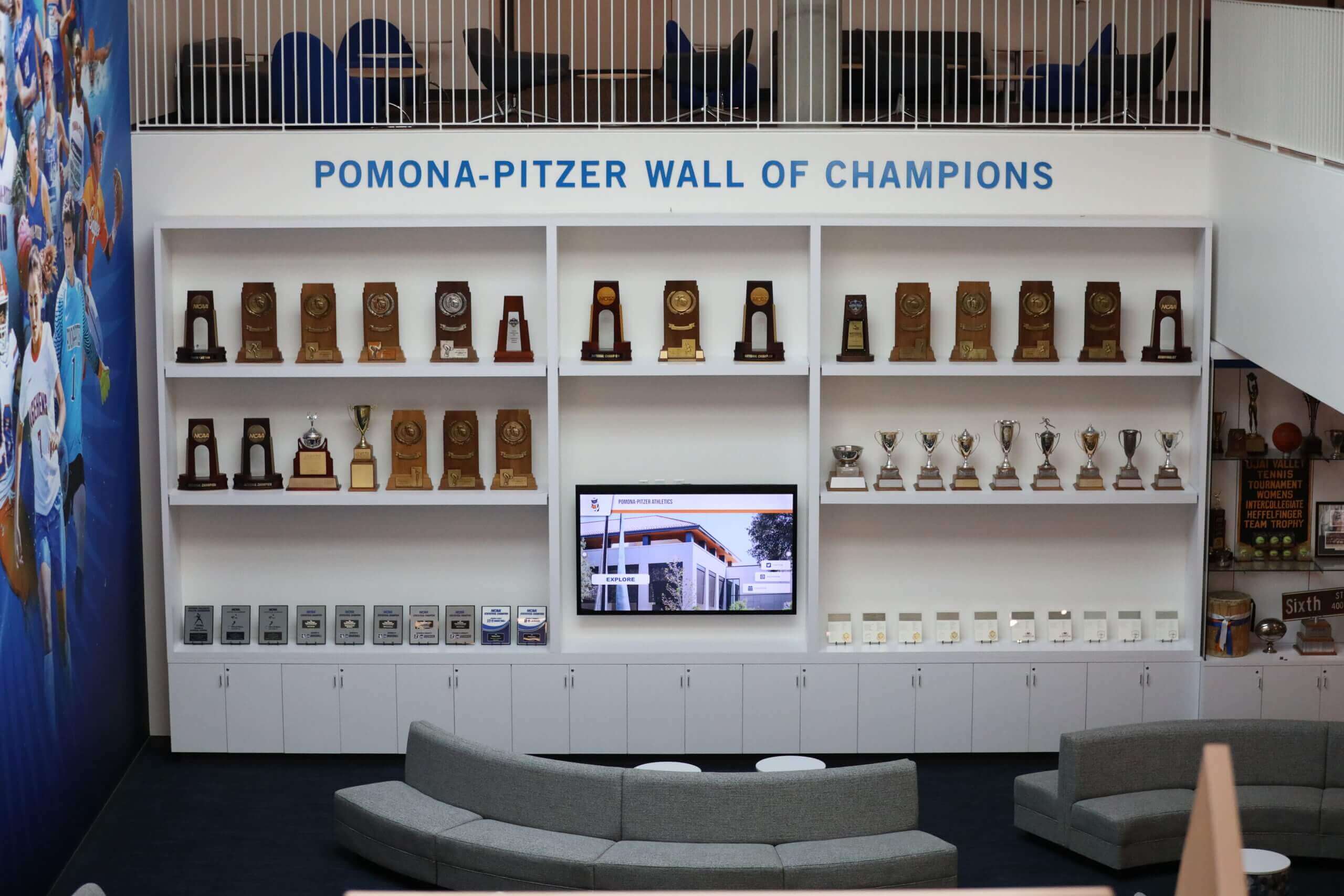
Recognition spaces combine digital displays with comfortable environments encouraging engagement
Best Practices for Sustainable Recognition Programs
Long-term success requires systematic planning and management.
Data Management Protocols
Accurate information ensures recognition credibility:
Verification Processes
- Official score report requirements before recognition inclusion
- Student and family permission for photo and profile publication
- Graduation year confirmation preventing errors
- Multiple-test highest score tracking and display
- Annual audits ensuring display accuracy and currency
Privacy Considerations
- FERPA compliance for educational records and achievement data
- Parent and student opt-out options respecting privacy preferences
- Secure data storage and access controls
- Clear policies about what information displays publicly
- Social media sharing protocols respecting family wishes
Staff Training and Transition Planning
Sustainable programs survive staffing changes:
Administrative Responsibilities
- Clear role assignment for recognition program management
- Documented procedures for adding new achievers
- Training materials for staff transitions and new administrators
- Technical support contacts and troubleshooting guides
- Annual review processes ensuring program continuity
Multi-Person Access
- At least two staff members trained on platform management
- Role-based permissions enabling appropriate access levels
- Succession planning for when key staff members leave
- Student technology assistant programs building institutional knowledge
- Vendor support agreements ensuring technical assistance availability
Discover recognition program management in creating alumni hall of fame approaches.
Equity and Inclusion Considerations
Recognition programs must serve all students fairly:
Access Considerations
- Test preparation program availability ensuring all students have achievement opportunities
- Fee waiver information and support for students facing financial barriers
- Recognition of students overcoming disadvantages to achieve excellence
- Celebration of improvement and growth alongside pinnacle achievement
- Culturally responsive recognition acknowledging diverse student experiences
Multiple Pathway Recognition While ACT 30+ represents pinnacle achievement, comprehensive academic recognition should include:
- Growth-based recognition celebrating improvement from all starting points
- Subject-specific excellence beyond standardized tests
- Character and effort acknowledgment valuing persistence
- Specialized talent recognition in diverse domains
- Threshold achievements celebrating first-time accomplishments
Equity-focused implementation ensures recognition programs motivate all students, not just those already advantaged by resources, background, or traditional achievement patterns.
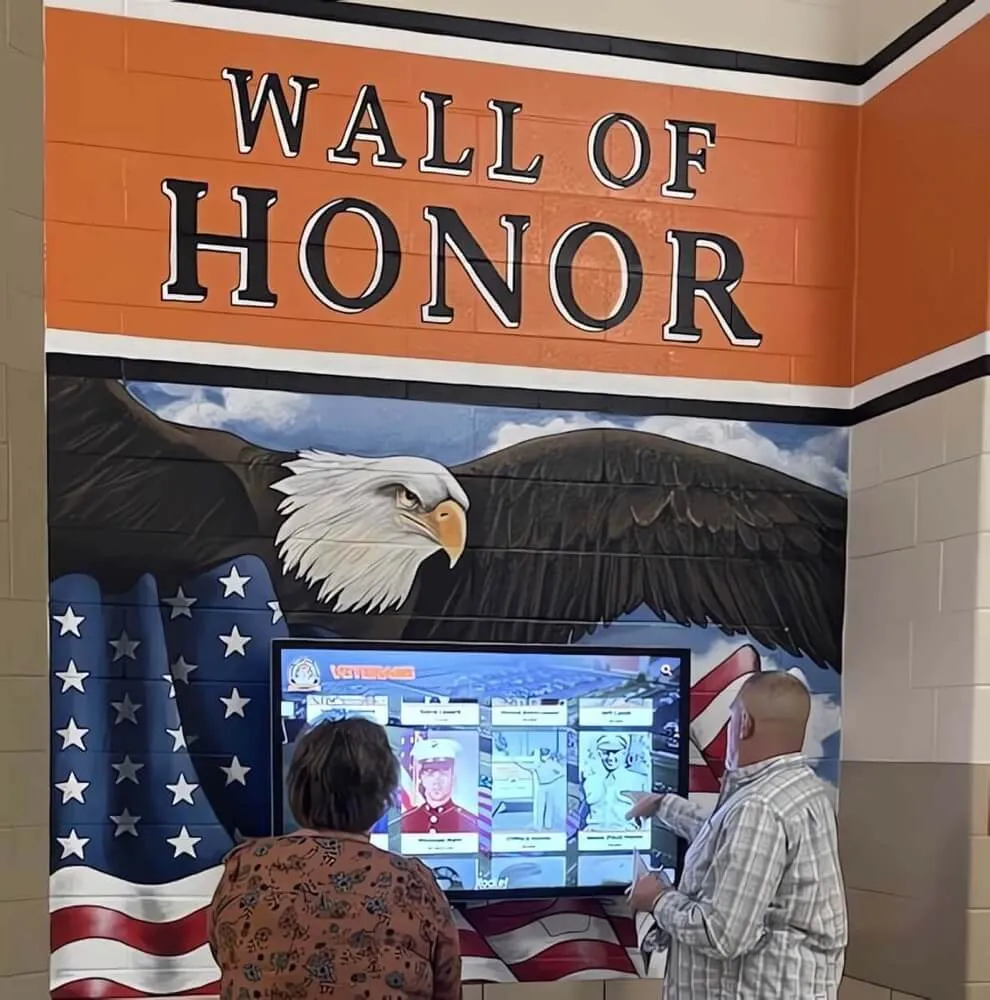
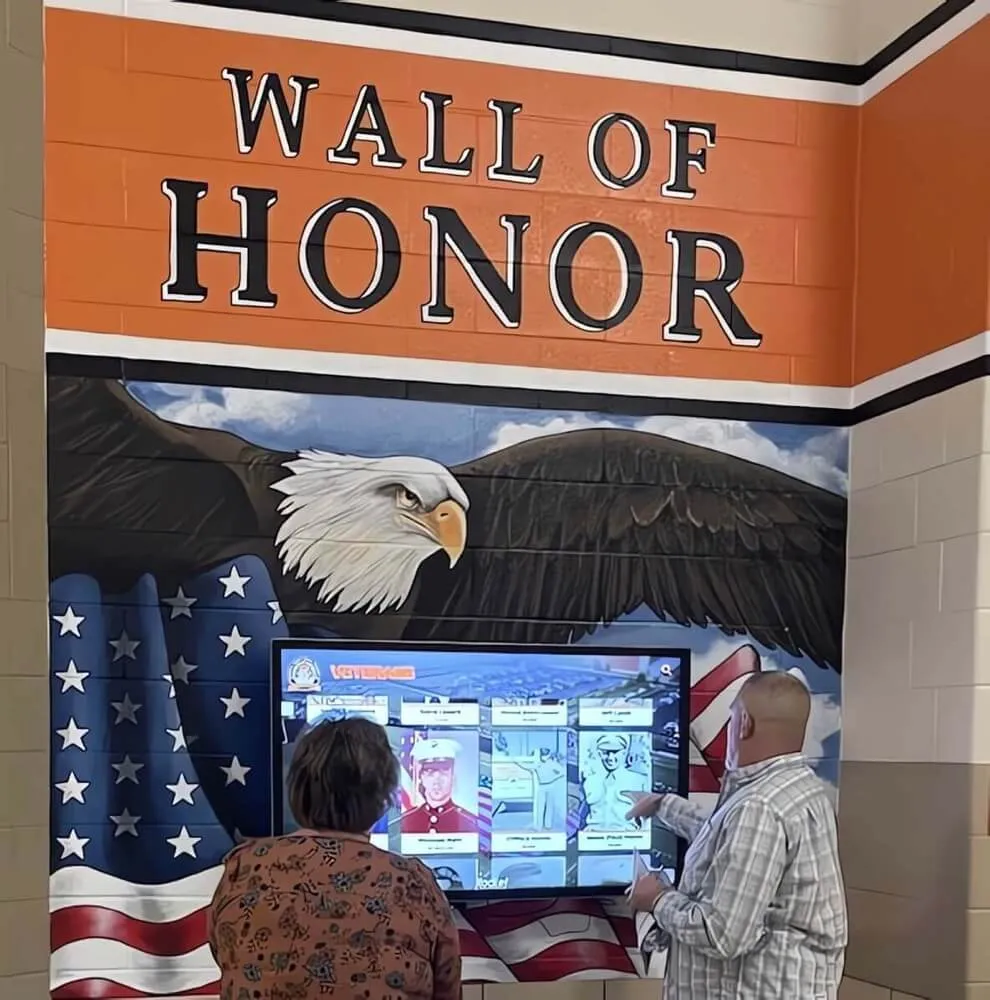
Patriotic and institutional branding integration creates recognition displays aligned with school identity
Conclusion: Building Academic Excellence Culture Through Recognition
ACT 30+ Club digital showcase boards represent far more than simple displays listing high test scores—they create visible manifestations of institutional commitment to academic excellence, motivation systems inspiring students to pursue intellectual achievement, and traditions connecting past, present, and future generations of high achievers. When schools implement ACT 30+ recognition strategically, they communicate clear messages about what the institution values, provide concrete goals students can aspire to achieve, create positive peer pressure toward academic excellence, and honor exceptional accomplishment with dignity and permanence it deserves.
The strategies explored in this guide provide comprehensive frameworks for ACT 30+ recognition that balances multiple objectives including celebrating pinnacle achievement while maintaining inclusive recognition for growth at all levels, creating engaging experiences that inspire continued academic excellence, building sustainable systems serving schools for decades, and strengthening the achievement-oriented culture essential for educational mission fulfillment.
Create Inspiring Academic Recognition
Discover how digital recognition solutions can help you celebrate ACT 30+ achievement, motivate academic excellence, and build thriving school culture where intellectual accomplishment receives the visibility that inspires continued success.
Explore Recognition SolutionsStrategic Implementation Pathway
Schools considering ACT 30+ digital recognition should begin with comprehensive needs assessment identifying current recognition gaps and opportunities, engage stakeholders ensuring input from administration, staff, students, and families, evaluate technology solutions aligning capabilities with specific needs and budget, develop realistic implementation plans accounting for all costs and timeline requirements, plan sustainable management protocols ensuring long-term program success, and commit to ongoing optimization improving recognition effectiveness over time.
This systematic approach prevents common implementation problems while ensuring ACT 30+ recognition achieves intended goals of enhanced student motivation and strengthened academic culture.
The Recognition Investment Imperative
Educational research consistently demonstrates that recognized students achieve at higher levels, pursue more challenging opportunities, and maintain stronger school connectedness than peers lacking recognition. Digital display technology makes comprehensive recognition achievable—celebrating not just ACT 36 perfect scorers but all students reaching the ACT 30+ threshold that signals exceptional college readiness.
When ACT 30+ achievement receives prominent, permanent, and engaging recognition equal to athletic championships, schools build cultures where intellectual accomplishment becomes aspirational and students at all levels feel motivated to pursue academic excellence knowing their efforts will receive appropriate celebration.
Technology Enabling Educational Mission
Modern digital recognition platforms exist to strengthen educational missions, not compete with them. The most effective implementations position technology as tools serving student development and school culture rather than ends in themselves. Solutions like Rocket Alumni Solutions provide comprehensive platforms combining powerful capabilities with user-friendly administration, enabling schools to focus on celebrating students rather than managing technical systems.
Your students’ exceptional ACT achievement deserves recognition that honors their accomplishments appropriately, demonstrates the institutional value placed on academic excellence, strengthens their connection to school community, and inspires the next generation to pursue similar success. With thoughtful planning, appropriate technology, and sustained commitment, you can create ACT 30+ recognition systems that transform academic culture while providing lasting celebration of intellectual achievement.
Ready to begin exploring ACT 30+ Club recognition for your school? Discover how academic recognition programs celebrate student excellence or learn about digital hall of fame buying guides for high schools that celebrate academic achievement alongside athletic success.