Advancement Director: Job Description, Average Salary, and Career Path in K-12 and Higher Ed
Educational institutions depend on advancement professionals to secure the philanthropic support, alumni engagement, and community partnerships that transform good schools into great ones. From building annual giving programs that fund scholarships to stewarding major donors whose generosity creates named buildings, advancement directors serve as the strategic architects of institutional fundraising and relationship cultivation. Yet despite the pivotal role these professionals play in educational sustainability, many educators, nonprofit professionals, and career-changers considering advancement careers lack clear understanding of what advancement directors actually do, what they earn, and how to build successful careers in this specialized field.
The advancement director role varies significantly between K-12 independent schools, public school foundations, small liberal arts colleges, and major research universities—creating a diverse professional landscape where responsibilities, compensation, and career trajectories differ substantially based on institutional type, organizational size, and development office maturity. Understanding these distinctions helps aspiring advancement professionals target appropriate opportunities, set realistic salary expectations, and make strategic decisions about professional development investments that accelerate career progression.
This comprehensive guide examines the advancement director role across educational settings, explores typical responsibilities and required competencies, analyzes salary ranges from entry-level positions through executive leadership, outlines career advancement pathways, and provides practical guidance for professionals seeking to enter or advance within educational fundraising and development.
What Is an Advancement Director?
Before exploring compensation and career paths, understanding what advancement directors actually do—and how the role differs across educational contexts—provides essential foundation for career planning and opportunity evaluation.
Core Advancement Director Responsibilities
Advancement directors serve as senior fundraising and relationship management professionals responsible for securing philanthropic revenue, engaging alumni and donor communities, and building institutional support systems that extend far beyond financial contributions alone.
Fundraising Strategy and Execution
The primary responsibility for any advancement director involves designing and implementing comprehensive fundraising programs that generate philanthropic revenue supporting institutional priorities:
Annual Giving Programs: Managing systematic solicitation campaigns targeting alumni, parents, and friends through direct mail, digital outreach, phonathon operations, and giving day initiatives that generate recurring unrestricted support providing institutional operating flexibility.
Major Gift Cultivation: Identifying prospective major donors, developing strategic cultivation plans, facilitating meaningful engagement opportunities, and ultimately soliciting five-, six-, and seven-figure gifts supporting capital projects, endowment growth, or strategic initiatives.
Planned Giving Development: Educating supporters about estate planning vehicles, promoting legacy society membership, stewarding bequest commitments, and building deferred gift pipelines that provide long-term revenue stability.
Corporate and Foundation Relations: Researching grant opportunities, preparing compelling proposals, managing foundation relationships, and securing restricted funding for specific programs aligned with external funding priorities.

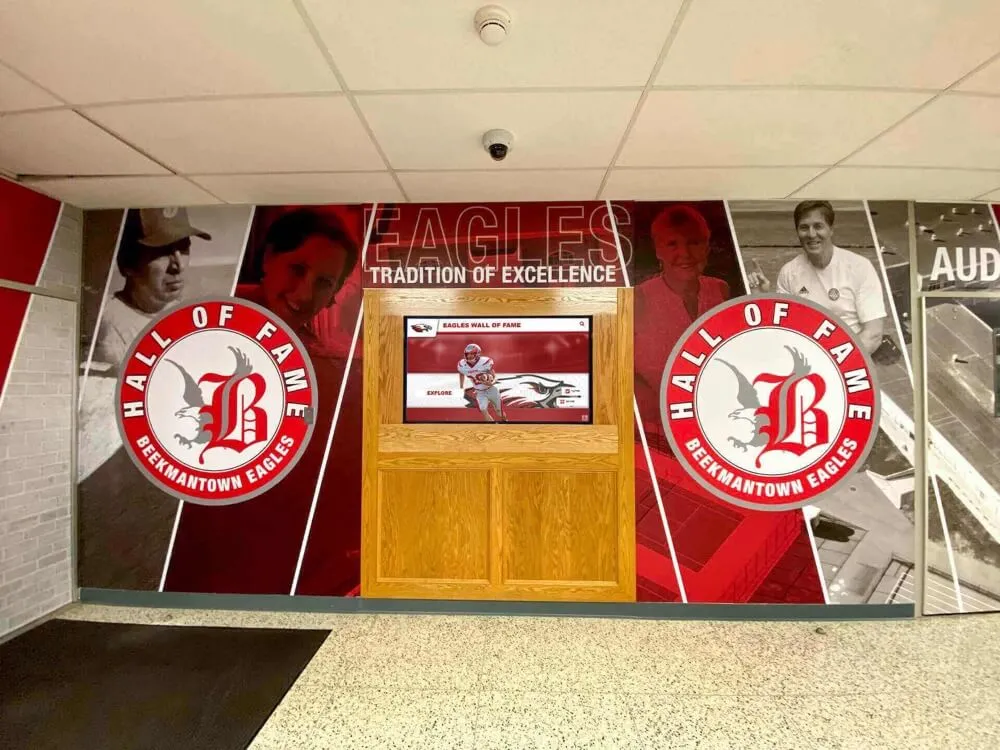
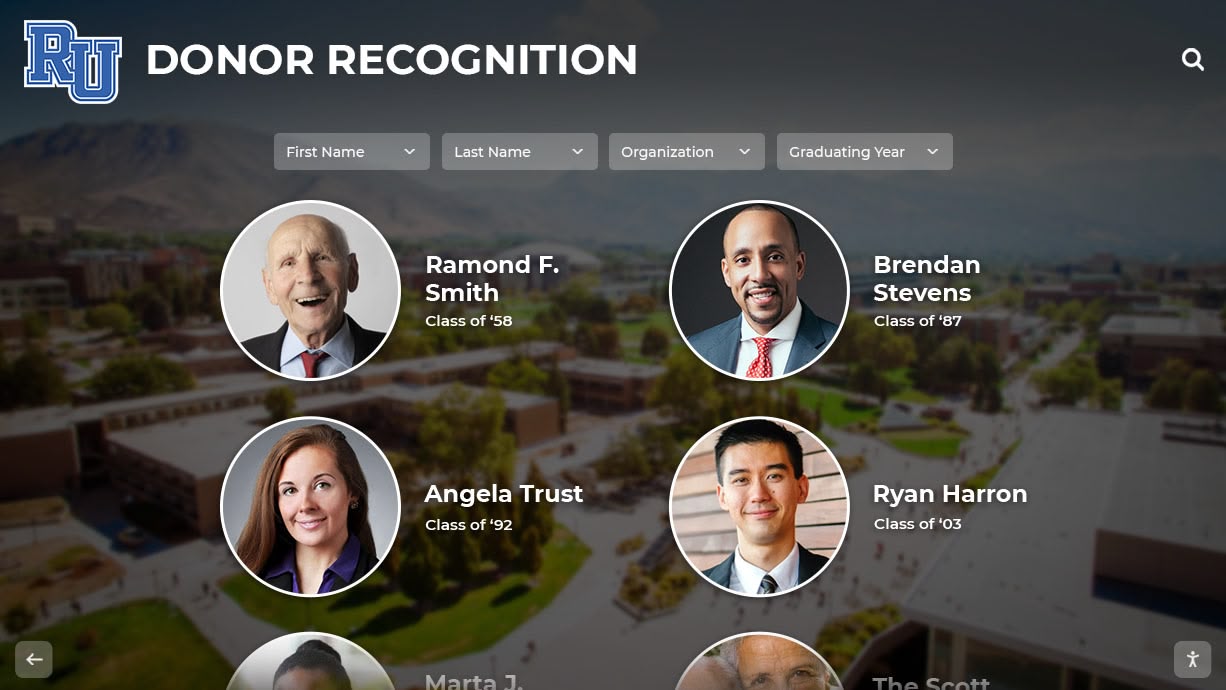
Advancement directors coordinate comprehensive donor recognition programs celebrating philanthropic support and strengthening institutional relationships
Alumni and Donor Engagement
Beyond direct fundraising, advancement directors build engagement infrastructure that maintains lifelong institutional relationships with graduates, parents, and community supporters:
Alumni Relations Programming: Coordinating regional networking events, reunion programming, career development opportunities, and social gatherings that keep alumni connected to institutional communities and receptive to eventual giving conversations.
Donor Stewardship: Ensuring donors receive appropriate recognition, impact reporting, and ongoing communication demonstrating how their philanthropy creates tangible outcomes—building satisfaction that encourages continued and increased giving.
Volunteer Leadership Development: Recruiting, training, and supporting volunteer fundraisers serving on boards, campaign committees, and advisory councils who expand advancement capacity through peer solicitation and personal networks.
Strategic Planning and Operations
Successful advancement directors function as strategic leaders managing complex operations requiring sophisticated planning, data analysis, and cross-functional collaboration:
Goal Setting and Metrics: Establishing ambitious but achievable fundraising targets, tracking progress against objectives, analyzing campaign performance, and adjusting strategies based on results.
Database and Prospect Management: Overseeing constituent relationship management systems, ensuring data integrity, tracking donor interactions, managing prospect pipelines, and leveraging analytics for strategic decision-making.
Team Leadership: Hiring, training, and supervising development staff including annual giving coordinators, major gift officers, alumni relations professionals, and administrative support.
Board Relations: Educating trustees about advancement priorities, reporting development progress, securing board member participation in fundraising activities, and partnering with governance leadership on institutional advancement.
Advancement Director vs. Development Director vs. Chief Advancement Officer
Title variations can confuse professionals navigating educational fundraising careers. Understanding common nomenclature helps decode job postings and organizational structures:
Advancement Director typically refers to senior development professionals at mid-size institutions managing comprehensive programs including fundraising, alumni relations, and communications. At larger universities, “Advancement Director” might describe someone leading a specific school or college within the broader institution.
Development Director often focuses more narrowly on fundraising activities—particularly major gifts and annual giving—with less responsibility for alumni programming or marketing communications. Some organizations use “Development” and “Advancement” interchangeably.
Chief Advancement Officer (or Vice President for Advancement) represents the senior executive position overseeing entire advancement divisions at colleges and universities, typically reporting directly to presidents or chancellors and managing substantial teams.
Understanding these distinctions helps professionals evaluate position levels, compensation expectations, and career trajectory opportunities when considering specific openings.
Advancement Director Job Description: K-12 Schools
Independent schools, private academies, and public school foundations employ advancement directors managing fundraising and community engagement for pre-collegiate education, with responsibilities varying significantly based on school size, budget, and development program maturity.
Typical K-12 Advancement Director Responsibilities
Annual Giving and Parent Fundraising
K-12 advancement directors focus heavily on parent constituency fundraising, recognizing that families with current students represent the most engaged donor segment:
- Managing annual fund campaigns targeting 100% parent participation through various giving levels
- Coordinating special events like galas, auctions, and benefit performances generating significant revenue
- Building parent volunteer committees who facilitate peer-to-peer solicitation within grade-level cohorts
- Stewarding legacy families whose multi-generational connections create major gift potential
Alumni Relations for Young Programs
Unlike universities with century-long alumni networks, many independent schools maintain relatively young advancement programs requiring alumni community building from limited infrastructure:
- Locating and updating contact information for alumni populations where database records may be incomplete
- Creating initial alumni programming establishing engagement habits and institutional connection
- Cultivating young alumni who recently graduated but have limited giving capacity
- Identifying successful older alumni who may represent major gift prospects despite limited prior engagement

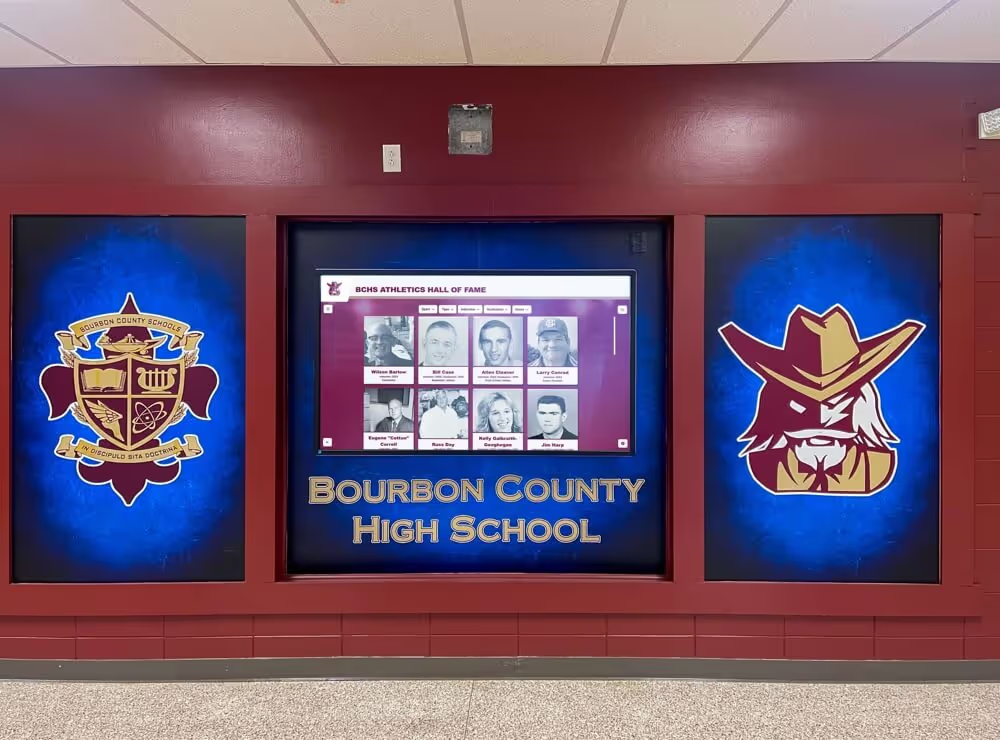
Modern advancement directors incorporate digital recognition celebrating achievements that strengthen school pride and donor engagement
Campaign Management
K-12 advancement directors frequently manage capital campaigns funding facility construction, endowment building, or program expansion:
- Leading feasibility studies assessing fundraising potential and donor readiness
- Developing campaign cases for support articulating compelling institutional vision
- Managing campaign committees providing volunteer leadership and major gift solicitation
- Coordinating multi-year giving commitments and pledge fulfillment tracking
Marketing and Communications
Smaller K-12 advancement offices often consolidate development, alumni relations, and marketing functions under single leadership:
- Overseeing institutional publications, annual reports, and donor communications
- Managing website content, social media presence, and digital storytelling
- Coordinating admissions marketing materials highlighting school strengths and differentiators
- Supporting enrollment efforts through communications showcasing school value and community
Required Qualifications and Skills for K-12 Advancement
Educational Background
Most K-12 advancement director positions require bachelor’s degrees at minimum, with preferences varying by institution:
- Bachelor’s degree in any field (liberal arts backgrounds common)
- Master’s degrees in nonprofit management, educational leadership, or business administration increasingly valued
- Teaching or education sector experience often preferred, particularly at schools prioritizing advancement professionals who understand educational environments
Professional Experience
Schools typically seek candidates with demonstrated fundraising success and relationship management capabilities:
- 3-7 years development or fundraising experience for entry-level advancement director roles at smaller schools
- 5-10+ years progressive advancement responsibility for positions at larger, more established programs
- Major gift solicitation experience with documented track record closing five- and six-figure commitments
- Event management and volunteer coordination demonstrating ability engaging constituencies beyond direct fundraising
Core Competencies
Successful K-12 advancement directors master diverse capabilities spanning relationship building, strategic thinking, and operational management:
- Relationship Cultivation: Natural comfort building authentic relationships with diverse constituencies, from young families to established philanthropists
- Written and Verbal Communication: Compelling writing for solicitation materials and confident public speaking for donor presentations
- Strategic Planning: Ability designing multi-year advancement strategies aligned with institutional goals and resource realities
- Data Management: Comfort with fundraising databases and analytics informing strategic decision-making
- Leadership and Team Building: Capability developing staff, managing volunteers, and collaborating across institutional departments
K-12 Advancement Director Salary Ranges
Compensation for K-12 advancement directors varies significantly based on school size, geographic location, program maturity, and individual experience levels.
Small Independent Schools (Under 300 Students)
- Salary Range: $55,000 - $85,000 annually
- Context: Often sole development professional managing all advancement functions with limited administrative support
- Factors: Budget constraints at smaller schools, less complex donor base, emphasis on parent annual giving over major gifts
Mid-Size Independent Schools (300-800 Students)
- Salary Range: $75,000 - $115,000 annually
- Context: Leading small advancement teams, managing more sophisticated programs including major gifts and campaign operations
- Factors: Larger operating budgets, established alumni networks, expectations for six-figure+ fundraising performance
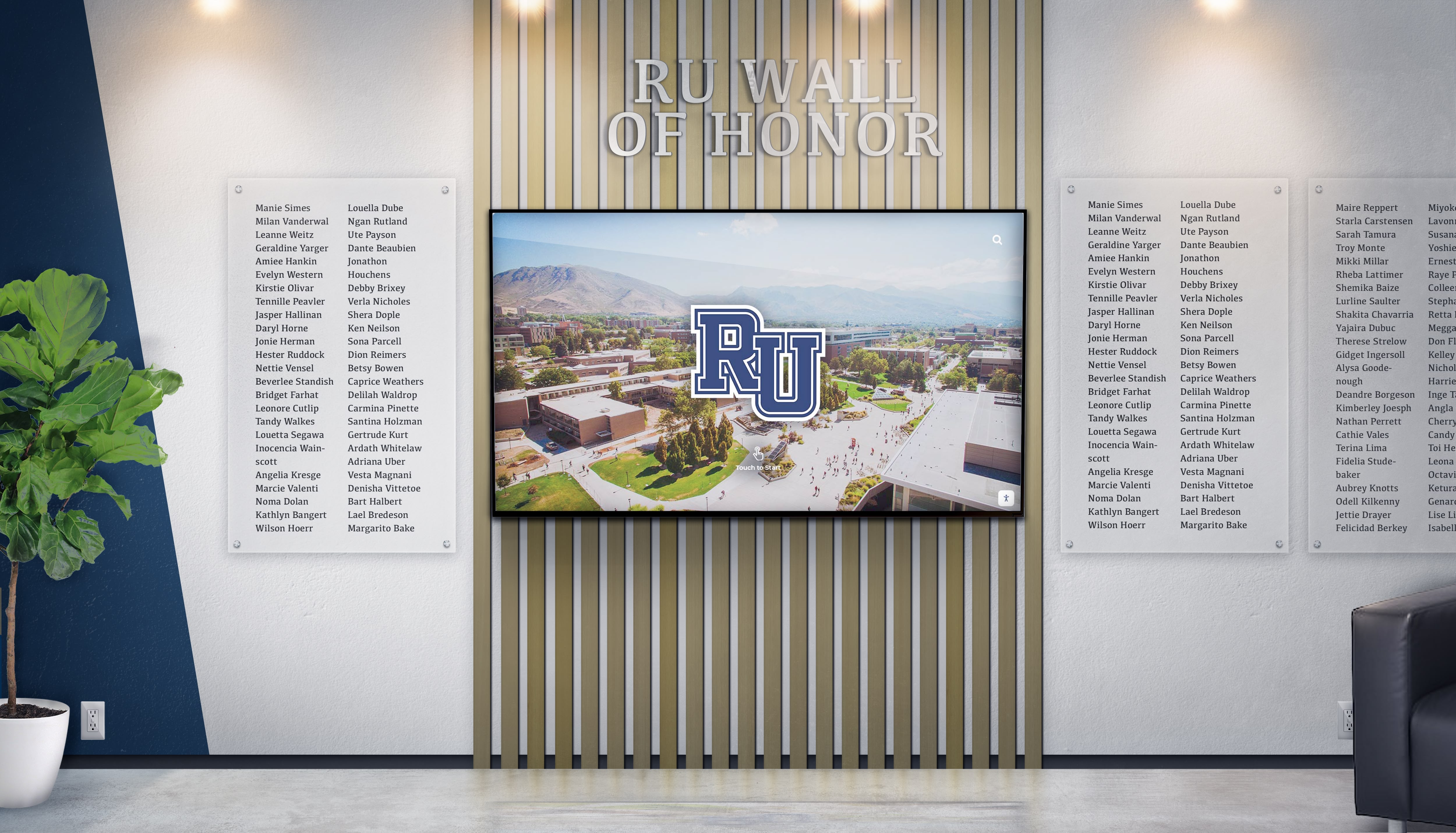
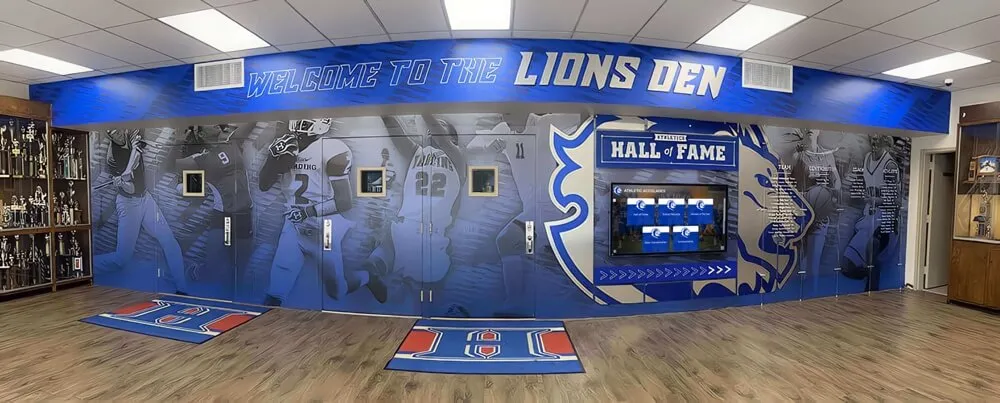
Schools invest in [donor recognition displays](https://donordisplay.com/blog/donor-recognition-display-ideas/?utm_source=organic&utm_medium=seo-auto&utm_content=donorswall&utm_campaign=advancement-director&utm_term=seo) that honor contributors and inspire continued support
Large Independent Schools (800+ Students)
- Salary Range: $100,000 - $160,000+ annually
- Context: Senior leadership position managing advancement divisions with multiple direct reports and million-dollar+ annual goals
- Factors: Sophisticated donor bases, complex campaigns, expectation for seven-figure fundraising results
Geographic Variations
Location significantly impacts K-12 advancement salaries, with major metropolitan areas and high-cost regions offering premium compensation:
- High-Cost Urban Markets: Schools in New York City, San Francisco, Boston, Washington DC, and Los Angeles typically offer 20-40% higher salaries than national averages
- Suburban Affluent Communities: Wealthy suburban markets support higher compensation through strong school budgets and donor capacity
- Regional and Rural Schools: Smaller markets with lower cost of living generally offer more modest compensation
Public School Foundations
Public school foundations supporting district programs typically offer $60,000 - $110,000 for executive director roles combining advancement and nonprofit management responsibilities, with compensation varying based on district size, community wealth, and foundation budget.
Advancement Director Job Description: Higher Education
College and university advancement positions represent the most sophisticated segment of educational development, with responsibilities, team structures, and compensation scales far exceeding typical K-12 contexts.
University Advancement Director Responsibilities
Higher education advancement directors work within complex organizational structures where titles and responsibilities vary significantly based on institutional size and advancement office organization:
Major Gift Fundraising
University advancement directors spend substantial time cultivating and soliciting significant philanthropic commitments:
- Managing portfolios of 75-150 major gift prospects with giving capacity ranging from $25,000 to multi-million-dollar potential
- Developing strategic cultivation plans for high-priority prospects requiring 12-24 month relationship building before solicitation
- Partnering with faculty, deans, and senior leadership to match donor interests with institutional funding priorities
- Closing major gifts funding endowed scholarships, faculty chairs, research initiatives, or facility naming opportunities
Campaign Leadership
Many university advancement directors hold specialized campaign roles during major fundraising initiatives:
- Serving as campaign directors managing multi-year comprehensive campaigns with $50M-$500M+ goals
- Coordinating campaign committees, volunteer leadership, and cross-functional implementation teams
- Tracking progress against campaign goals, adjusting strategies based on performance, and reporting results to leadership
- Managing campaign communications, events, and public phase launch activities

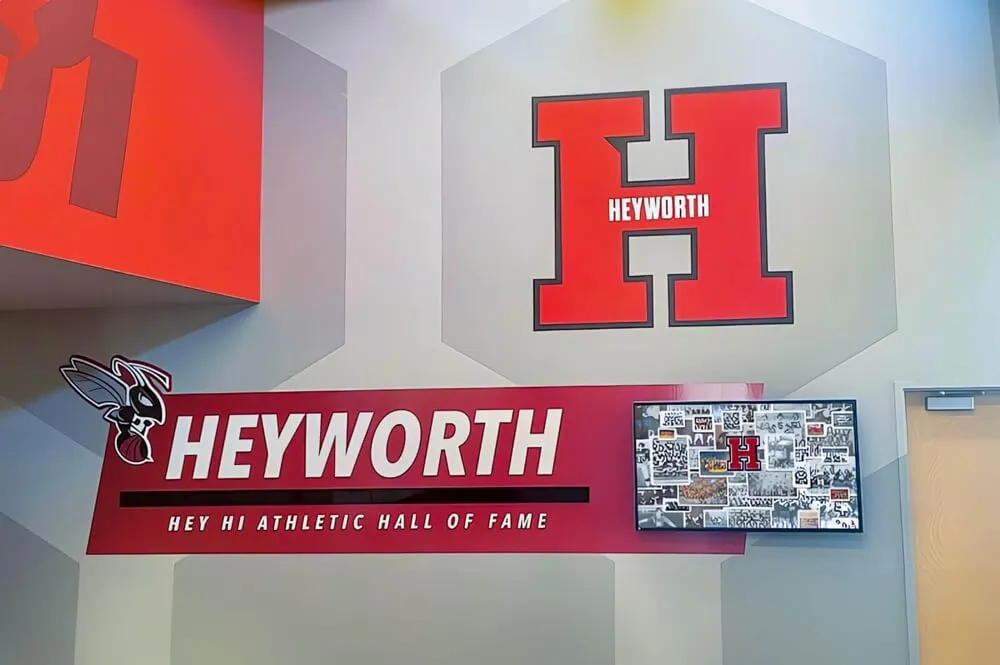
University advancement teams increasingly leverage [interactive recognition technology](https://halloffamewall.com/blog/10-best-hall-of-fame-tools-complete-guide/?utm_source=organic&utm_medium=seo-auto&utm_content=donorswall&utm_campaign=advancement-director&utm_term=seo) engaging donors and showcasing institutional impact
Alumni Engagement Strategy
At larger institutions, advancement directors may specialize in alumni relations, managing comprehensive engagement programming:
- Overseeing regional alumni chapters in cities with significant graduate populations
- Coordinating reunion programming for milestone class years including 5th, 10th, 25th, and 50th reunions
- Managing alumni networking events providing career development and professional connection opportunities
- Developing digital engagement platforms maintaining institutional connection with geographically dispersed alumni populations
Advancement Services and Operations
Some advancement directors specialize in operational functions supporting frontline fundraisers:
- Managing constituent relationship management databases ensuring data integrity and strategic analytics
- Overseeing prospect research teams identifying new donor prospects and capacity assessments
- Coordinating gift processing, acknowledgment systems, and donor stewardship communications
- Analyzing fundraising metrics, tracking performance against goals, and providing strategic reporting to senior leadership
Higher Education Advancement Organizational Structure
Understanding typical university advancement organizational structures helps professionals navigate career paths and position opportunities:
Division-Level Leadership
At most universities, a Vice President for Advancement or Chief Advancement Officer leads the entire advancement division, typically reporting directly to the president or chancellor. This executive oversees:
- Major gifts teams with individual gift officers managing donor portfolios
- Annual giving and donor relations departments managing broad-based fundraising
- Alumni relations teams coordinating engagement programming
- Advancement services units providing research, database management, and analytical support
- Marketing and communications teams supporting advancement messaging
Mid-Level Management Positions
Associate Vice Presidents or Senior Directors manage major functional areas within advancement divisions—major gifts, principal gifts, annual giving, alumni relations, or advancement services. These positions typically supervise 5-15 staff members and coordinate substantial operational budgets.
Front-Line Professional Roles
Advancement Directors at large universities often manage specific portfolios:
- School/College-Based Directors: Leading fundraising for specific colleges within universities (business school, engineering, liberal arts)
- Geographic Directors: Managing donor relationships in specific regions (West Coast, International, Southeast)
- Constituency Directors: Focusing on specific donor segments (parents, young alumni, reunion classes, planned giving prospects)
Higher Education Advancement Director Salary Ranges
University advancement compensation varies dramatically based on institution type, position level, and geographic location, creating wide salary ranges across the sector:
Research Universities and Major Private Institutions
- Director-Level Positions: $85,000 - $140,000 annually for advancement directors managing school-based programs, geographic regions, or functional specializations
- Senior Director/Associate VP Roles: $120,000 - $200,000+ annually for senior leaders managing major functional areas or comprehensive programs
- Chief Advancement Officers: $200,000 - $600,000+ annually at major universities with large advancement divisions and ambitious fundraising goals
Liberal Arts Colleges and Regional Universities
- Advancement Directors: $70,000 - $110,000 annually at smaller institutions with more modest advancement operations
- Associate/Assistant Vice Presidents: $95,000 - $150,000 annually for senior advancement leaders at mid-size institutions
- Vice Presidents for Advancement: $130,000 - $250,000 annually for chief advancement officers at well-established liberal arts colleges
Community Colleges and Regional Public Universities
- Advancement Directors: $60,000 - $95,000 annually for development professionals at smaller public institutions
- Foundation Executive Directors: $80,000 - $140,000 annually leading advancement operations at community colleges through affiliated foundation structures
Performance-Based Compensation
Unlike K-12 positions, many university advancement roles include performance incentives:
- Annual Bonuses: 10-20% of base salary tied to fundraising goal achievement
- Multi-Year Incentives: Additional compensation for extraordinary campaign performance or major gift closure
- Deferred Compensation: Retention packages for senior leaders including supplemental retirement contributions

Universities create engaging [digital recognition experiences](https://digitalwalloffame.com/blog/how-to-create-impactful-donor-recognition-wall-digital-display-schools/?utm_source=organic&utm_medium=seo-auto&utm_content=donorswall&utm_campaign=advancement-director&utm_term=seo) that celebrate donors and inspire philanthropic support
Comprehensive Benefits and Total Compensation
Beyond base salary, advancement directors receive benefits packages significantly enhancing total compensation value and long-term financial security.
Standard Benefits Packages
Most educational institutions offer comprehensive benefits representing 25-35% additional value beyond base salary:
Health and Wellness
- Medical Insurance: Comprehensive health coverage with family options, typically with employer covering 70-90% of premium costs
- Dental and Vision: Supplemental coverage for dental care and vision correction
- Life and Disability Insurance: Employer-paid life insurance (typically 1-2x salary) and long-term disability protection
- Wellness Programs: Access to campus fitness facilities, wellness coaching, and health screening programs
Retirement Benefits
- Defined Contribution Plans: 403(b) or 401(k) retirement plans with employer contributions typically ranging from 5-10% of salary
- Pension Systems: Some public universities offer defined benefit pensions providing guaranteed retirement income
- Supplemental Retirement: Senior leaders may negotiate enhanced retirement packages including deferred compensation arrangements
Educational Benefits
- Tuition Remission: Many institutions provide full or partial tuition benefits for employees’ dependents—potentially worth $40,000-$70,000 annually per child at private institutions
- Professional Development: Support for conference attendance, certification programs, and continuing education
- Graduate Degree Programs: Tuition benefits or discounts for employees pursuing graduate education
Work-Life Benefits
- Flexible Schedules: Many advancement offices offer flexibility accommodating evening donor meetings with adjusted daytime schedules
- Generous Vacation: Academic calendars often provide 20-25+ vacation days plus institutional holidays and academic breaks
- Remote Work Options: Post-pandemic, many advancement roles incorporate hybrid arrangements balancing relationship-building with work-from-home flexibility
Career Path and Advancement Opportunities
Advancement careers offer clear progression pathways from entry-level positions through senior executive leadership, with strategic career moves enabling substantial salary growth and increasing responsibility.
Entry Points into Advancement Careers
Professionals enter educational advancement through diverse pathways:
Post-Undergraduate Entry
Many advancement professionals begin careers immediately after bachelor’s degree completion:
- Annual Giving Coordinator: $40,000 - $55,000 managing phonathon operations, direct mail campaigns, or giving day initiatives
- Alumni Relations Assistant: $38,000 - $50,000 coordinating events, managing alumni communications, or supporting engagement programming
- Development Associate: $42,000 - $58,000 providing research support, database management, or administrative assistance to major gift officers
Career Changers
Advancement welcomes professionals transitioning from other fields who bring transferable relationship management and communication skills:
- Former Teachers: Educators appreciate institutional culture and student-centered mission while bringing strong communication skills
- Sales Professionals: Those with successful sales careers transition well to major gift fundraising requiring similar relationship building and closing capabilities
- Nonprofit Professionals: Program officers from foundations or development staff from other nonprofit sectors bring relevant fundraising experience
- Alumni Who Care Deeply: Graduates passionate about their institutions sometimes transition from unrelated careers into advancement roles at their alma maters
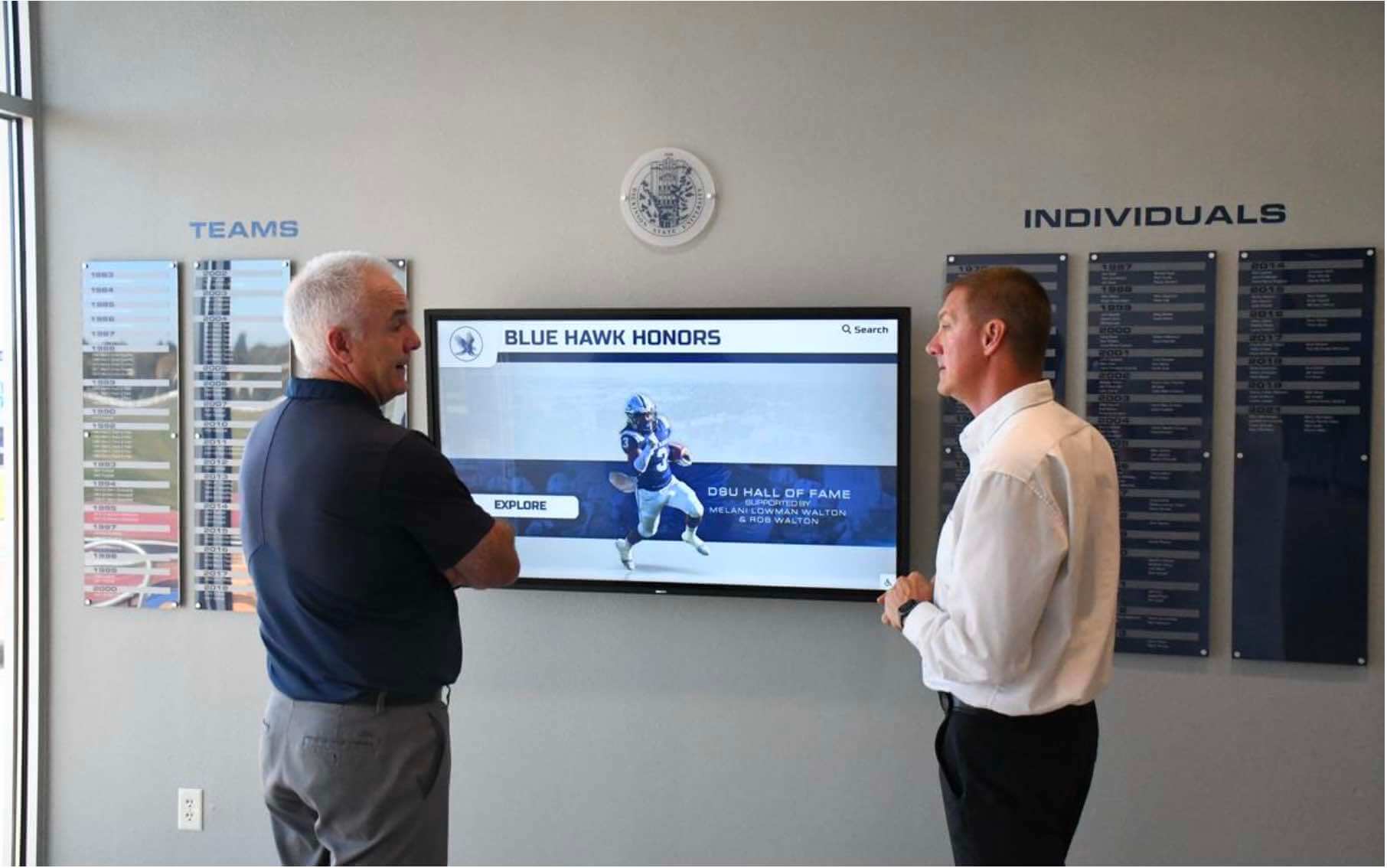
Advancement professionals coordinate [comprehensive recognition programs](https://best-touchscreen.com/blog/donor-wall-examples-inspiring-ideas-schools-nonprofits-universities/?utm_source=organic&utm_medium=seo-auto&utm_content=donorswall&utm_campaign=advancement-director&utm_term=seo) celebrating philanthropic support and community engagement
Typical Career Progression
Entry-Level to Mid-Career (Years 0-5)
- Annual Giving Coordinator ($40,000-$55,000) → Senior Annual Giving Officer ($55,000-$75,000): Building broad-based fundraising expertise and donor base management
- Development Associate ($42,000-$58,000) → Major Gifts Officer ($65,000-$95,000): Transitioning from support roles to portfolio management and active solicitation
- Alumni Relations Assistant ($38,000-$50,000) → Alumni Relations Manager ($55,000-$80,000): Progressing from event coordination to strategic engagement programming
Mid-Career to Senior Leadership (Years 5-12)
- Major Gifts Officer ($65,000-$95,000) → Senior Major Gifts Officer/Director of Major Gifts ($85,000-$125,000): Managing larger prospect portfolios, closing bigger gifts, mentoring junior staff
- Alumni Relations Manager ($55,000-$80,000) → Director of Alumni Relations ($75,000-$115,000): Leading comprehensive alumni engagement strategies and managing teams
- Annual Giving Officer ($55,000-$75,000) → Director of Annual Giving ($70,000-$105,000): Overseeing all broad-based fundraising programs and supervising staff
Senior Leadership to Executive Roles (Years 12+)
- Director of Major Gifts ($85,000-$125,000) → Associate Vice President for Development ($120,000-$180,000): Managing comprehensive major gift programs with significant team supervision
- Director of Alumni Relations ($75,000-$115,000) → Assistant/Associate VP for Alumni Relations ($110,000-$165,000): Leading all alumni engagement with strategic oversight
- Associate Vice President ($120,000-$180,000) → Vice President for Advancement/Chief Advancement Officer ($150,000-$500,000+): Serving as senior executive leading entire advancement divisions
Strategic Career Development Investments
Advancement professionals accelerate career progression through targeted skill development and professional credential building:
Professional Certifications
- CFRE (Certified Fund Raising Executive): Industry-recognized credential demonstrating fundraising expertise and professional commitment
- CAP (Certified Alumni Professional): Specialized certification for alumni relations professionals offered through CASE (Council for Advancement and Support of Education)
- AFP Credentials: Association of Fundraising Professionals offers various certifications recognizing expertise levels
Graduate Education
- Master’s in Nonprofit Management: Increasingly common among mid-career professionals seeking advancement to senior leadership
- MBA Programs: Business administration degrees valued for financial acumen, strategic planning, and management capabilities
- Higher Education Administration: Graduate degrees in educational leadership prepare professionals for senior university advancement roles
Professional Association Engagement
Active involvement in advancement professional associations builds networks and demonstrates sector commitment:
- CASE (Council for Advancement and Support of Education): Primary professional association for educational advancement with conferences, training, and networking
- AFP (Association of Fundraising Professionals): Broader fundraising association offering chapter engagement and professional development
- Regional Associations: Many areas maintain local advancement professional groups providing networking and learning opportunities
Essential Skills for Advancement Director Success
Beyond formal qualifications and experience requirements, advancement directors master specific competencies separating high performers from adequate practitioners:
Relationship Building and Interpersonal Skills
Advancement fundamentally involves relationship-based work requiring genuine comfort engaging diverse individuals:
- Authentic Connection: Building trust and rapport with donors requires genuine interest in people, their stories, and their motivations
- Active Listening: Understanding what drives philanthropic support demands attentive listening beyond transactional conversation
- Empathy and Emotional Intelligence: Recognizing donors’ life circumstances, values, and changing situations enables appropriate engagement strategies
- Persistence Without Pressure: Maintaining consistent donor contact while respecting boundaries and avoiding aggressive solicitation approaches
Strategic Thinking and Planning
Successful advancement directors think strategically about long-term relationship development and comprehensive program building:
- Prospect Identification: Recognizing signals indicating major gift capacity and institutional affinity among broad constituent populations
- Cultivation Strategy Design: Developing sophisticated, multi-year engagement plans moving prospects from awareness through solicitation
- Portfolio Management: Balancing attention across diverse prospects at various cultivation stages while prioritizing highest-return opportunities
- Goal Setting: Establishing ambitious yet achievable targets aligned with institutional priorities and realistic capacity assessments
Modern advancement programs leverage technology to create [impactful donor recognition](https://donordisplay.com/blog/digital-donor-recognition-walls-technology-meets-philanthropy/?utm_source=organic&utm_medium=seo-auto&utm_content=donorswall&utm_campaign=advancement-director&utm_term=seo) celebrating philanthropic partnership
Communication Excellence
Advancement directors must communicate effectively across multiple channels and constituencies:
- Persuasive Writing: Crafting compelling solicitation proposals, impact reports, and donor communications articulating institutional vision
- Public Speaking: Delivering confident presentations to donor groups, boards, committees, and institutional audiences
- Storytelling: Connecting institutional needs with donor interests through compelling narratives demonstrating philanthropic impact
- Digital Communication: Managing social media presence, email marketing, and digital storytelling engaging modern donor populations
Data Analysis and Metrics Management
Modern advancement increasingly relies on sophisticated data analysis informing strategic decision-making:
- CRM Database Proficiency: Mastering constituent relationship management systems tracking donor interactions, giving history, and engagement activities
- Prospect Research Interpretation: Analyzing wealth screening data, real estate holdings, professional backgrounds, and public information assessing giving capacity
- Performance Analytics: Tracking metrics like portfolio productivity, pipeline value, solicitation closing rates, and donor retention informing strategy adjustments
- Predictive Modeling: Leveraging data science identifying prospects most likely to respond to specific engagement approaches
Challenges Facing Advancement Directors
Understanding common advancement career challenges helps professionals develop realistic expectations and build resilience for demanding work:
Work-Life Balance Considerations
Advancement work requires significant flexibility and time commitment:
- Evening and Weekend Events: Donor cultivation frequently involves dinners, receptions, and events outside traditional business hours
- Travel Requirements: Major gift officers spend substantial time traveling to meet donors in their home cities or vacation locations
- Always-On Expectations: Major donor relationships sometimes require responsive availability during personal time when urgent situations arise
- Goal Pressure: Annual fundraising targets create consistent performance pressure requiring sustained effort throughout fiscal years
Economic and External Factors
Advancement professionals navigate external circumstances affecting philanthropic support:
- Economic Downturns: Recessions, market volatility, and financial uncertainty directly impact donor capacity and giving willingness
- Enrollment Challenges: Institutions facing declining enrollment may struggle to maintain advancement investment despite increased need
- Leadership Transitions: Presidential or head of school changes often reset advancement strategies and donor relationships
- Competition: Donors receive countless solicitations from multiple worthy causes creating intense competition for philanthropic dollars
Internal Institutional Dynamics
Advancement directors manage complex internal relationships affecting development success:
- Board Expectations: Balancing ambitious trustee fundraising expectations with realistic capacity assessments and appropriate timeframes
- Faculty and Staff Relations: Building productive partnerships with academic leaders who may view development work skeptically or misunderstand cultivation timelines
- Budget Constraints: Justifying adequate advancement investment during budget challenges when short-term thinking prioritizes immediate expense reduction
- Credit and Recognition: Navigating institutional politics around acknowledgment for fundraising success involving multiple contributors
Conclusion: Building Rewarding Advancement Careers
Advancement director positions offer meaningful careers combining relationship building, strategic impact, and tangible contribution to educational mission advancement. From K-12 independent schools where directors manage comprehensive programs with $60,000-$120,000 compensation to major university positions offering $85,000-$200,000+ for specialized expertise, the profession provides clear career pathways and substantial earning potential for relationship-oriented professionals passionate about education.
The role demands sophisticated skill sets spanning fundraising strategy, relationship cultivation, data analysis, and organizational leadership—with successful advancement directors mastering both art and science of philanthropic partnership. While work involves real challenges including demanding schedules, performance pressure, and economic uncertainty, advancement careers reward practitioners with opportunities to secure resources transforming institutional capabilities, strengthen communities celebrating shared mission, and build lasting legacies honoring donors whose generosity creates educational opportunity for generations.
For professionals considering advancement careers, the field welcomes diverse backgrounds—from recent graduates entering through coordinator positions to mid-career professionals transitioning from teaching, business, or nonprofit sectors. Strategic professional development through certifications, graduate education, and association engagement accelerates progression toward director-level roles and eventual senior leadership positions.
Elevate Your Donor Recognition Program
Discover how advancement directors leverage modern digital recognition solutions to celebrate philanthropic support, engage donor communities, and create lasting tributes honoring the generosity that transforms educational institutions.
Explore Recognition SolutionsUnderstanding advancement director roles, compensation structures, and career trajectories enables aspiring and current professionals to make informed decisions about entering this rewarding field, negotiating competitive offers, and planning strategic career progression. As educational institutions increasingly recognize advancement’s central importance to long-term sustainability, demand for skilled development professionals continues growing—creating abundant opportunities for talented individuals committed to building philanthropic partnerships that advance educational excellence.
Ready to strengthen your institution’s advancement program? Modern donor recognition walls help advancement teams celebrate supporter contributions comprehensively, creating visible acknowledgment that inspires continued engagement and demonstrates institutional gratitude. Explore innovative recognition approaches honoring donors at all giving levels, learn about digital display technologies transforming traditional recognition, or discover how comprehensive donor stewardship systems strengthen advancement programs building sustainable philanthropic support for educational mission.