Managing an alumni association without dedicated alumni association software feels like organizing a reunion using nothing but business cards and memory. You know thousands of graduates exist out there—people who care about your institution, who might donate, mentor, or hire current students—but tracking them manually through spreadsheets, separate donation platforms, event registration systems, and scattered email lists creates chaos where connection should exist.
The frustration compounds when you realize how much opportunity you’re losing. Alumni move, change careers, start families, and achieve remarkable things—but you only hear about these milestones by chance rather than through systematic tracking. Meanwhile, engagement initiatives fall flat because you’re sending generic mass emails to everyone instead of targeted communications based on graduation year, location, interests, or previous engagement history.
This comprehensive guide explores modern alumni association software solutions that centralize graduate data, automate relationship management, facilitate recognition programs, and create engagement opportunities that transform scattered contact lists into thriving communities of connected, involved alumni who actively support your institution throughout their lives.
Effective alumni management requires more than contact information—it demands integrated systems that track engagement history, automate communications, manage events and donations, recognize achievements, and provide analytics revealing which initiatives actually strengthen alumni relationships versus those consuming resources without creating meaningful connection.

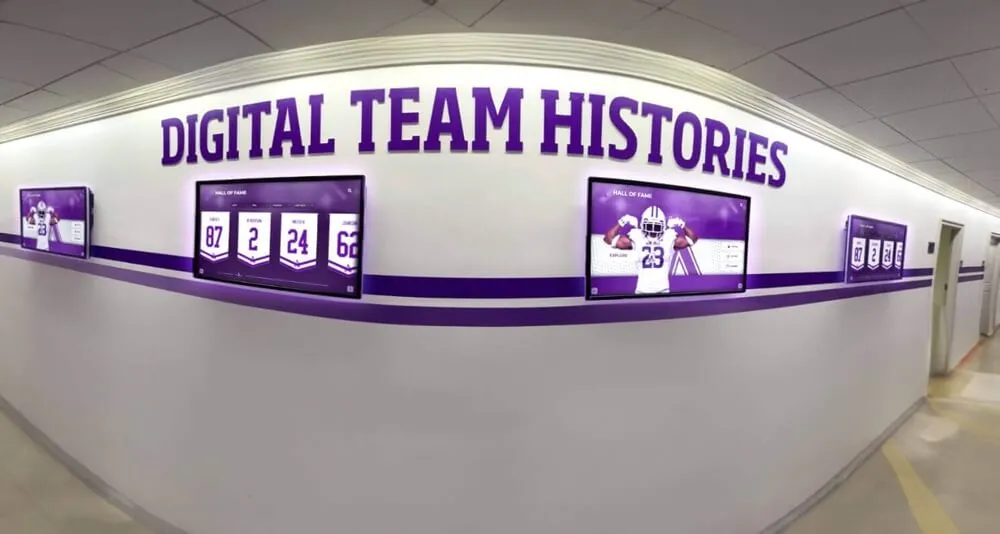
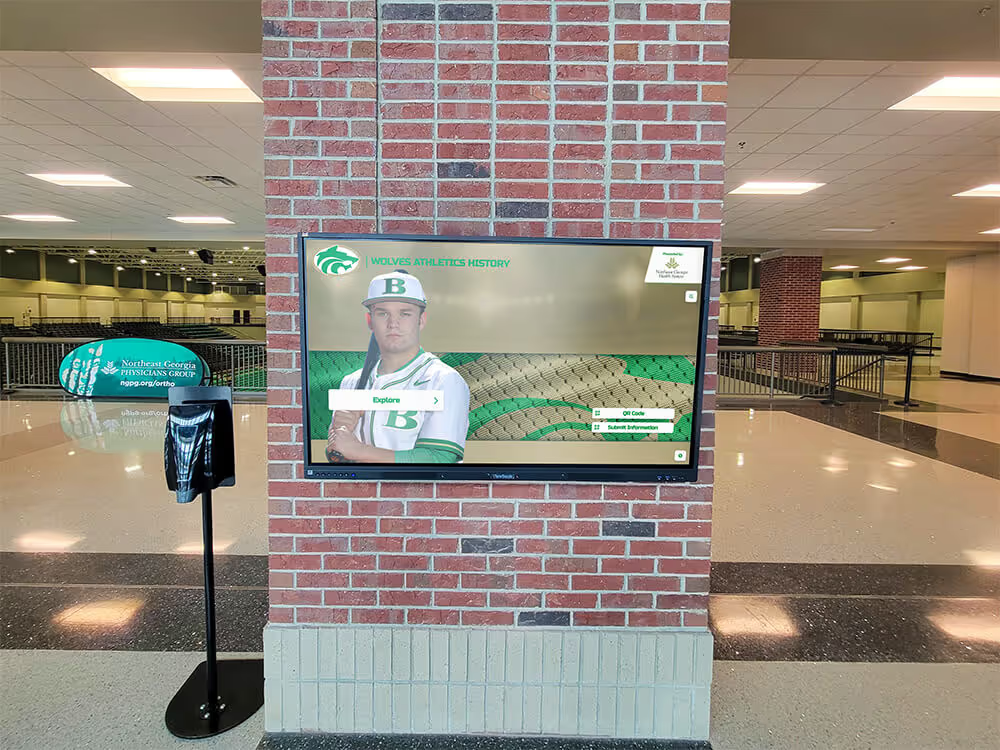
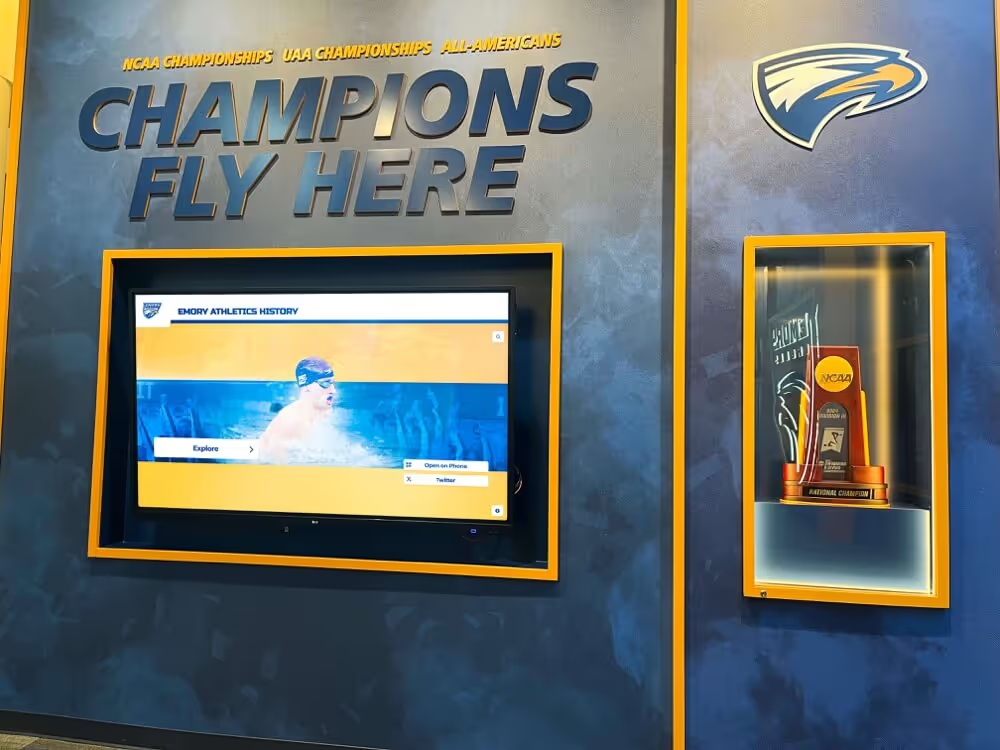
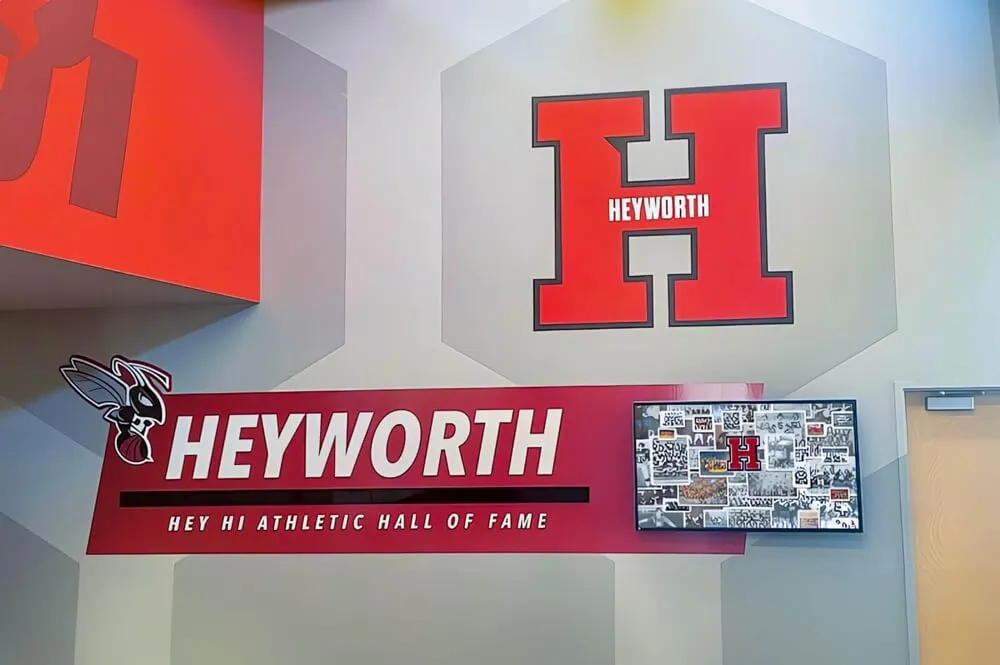
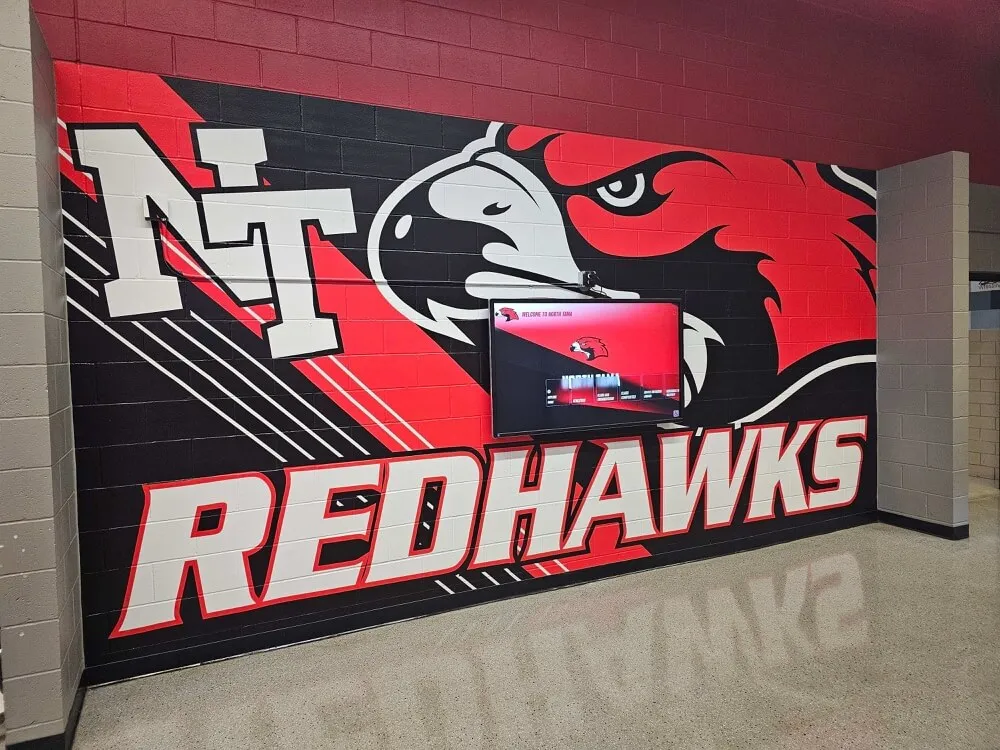
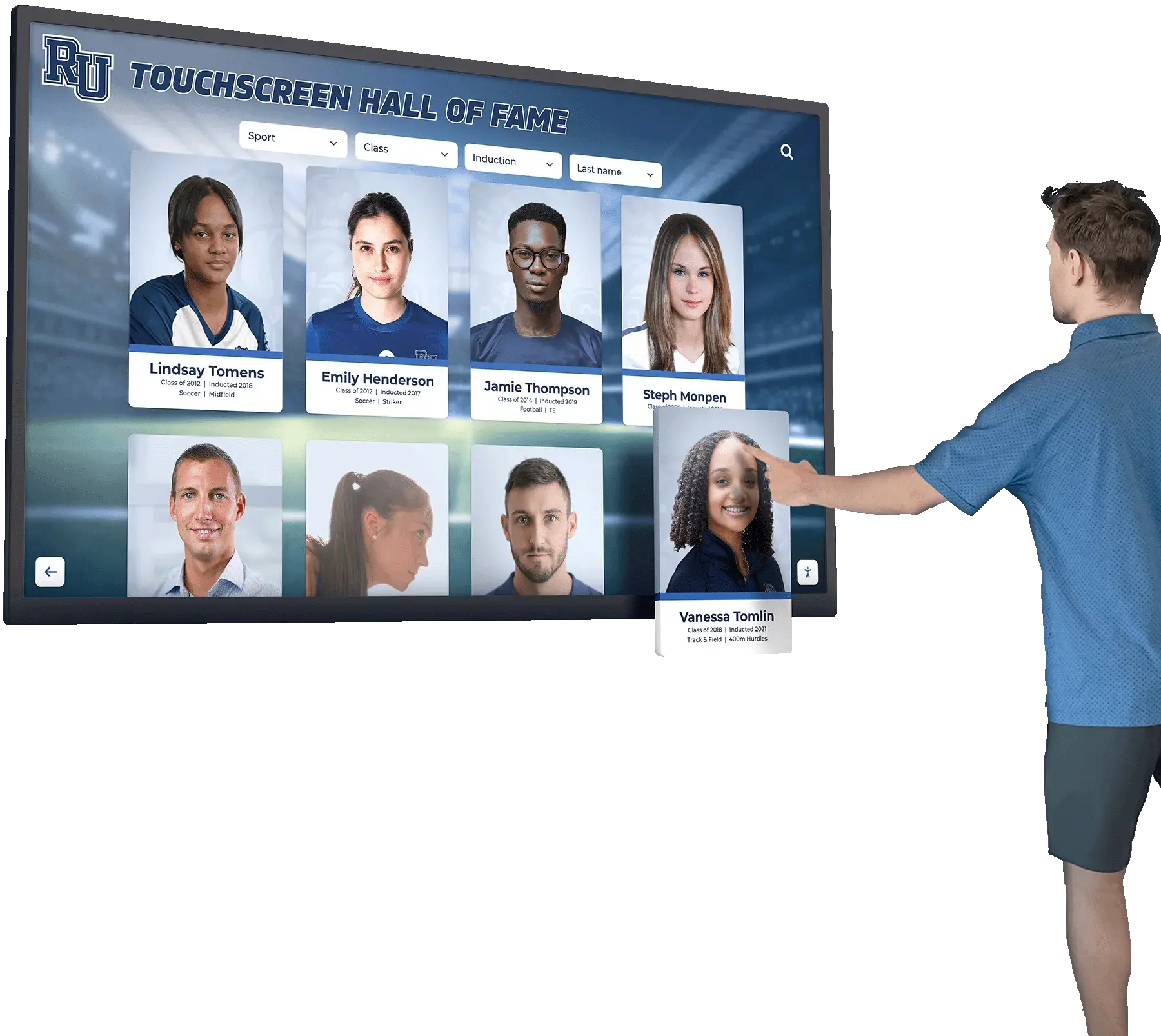
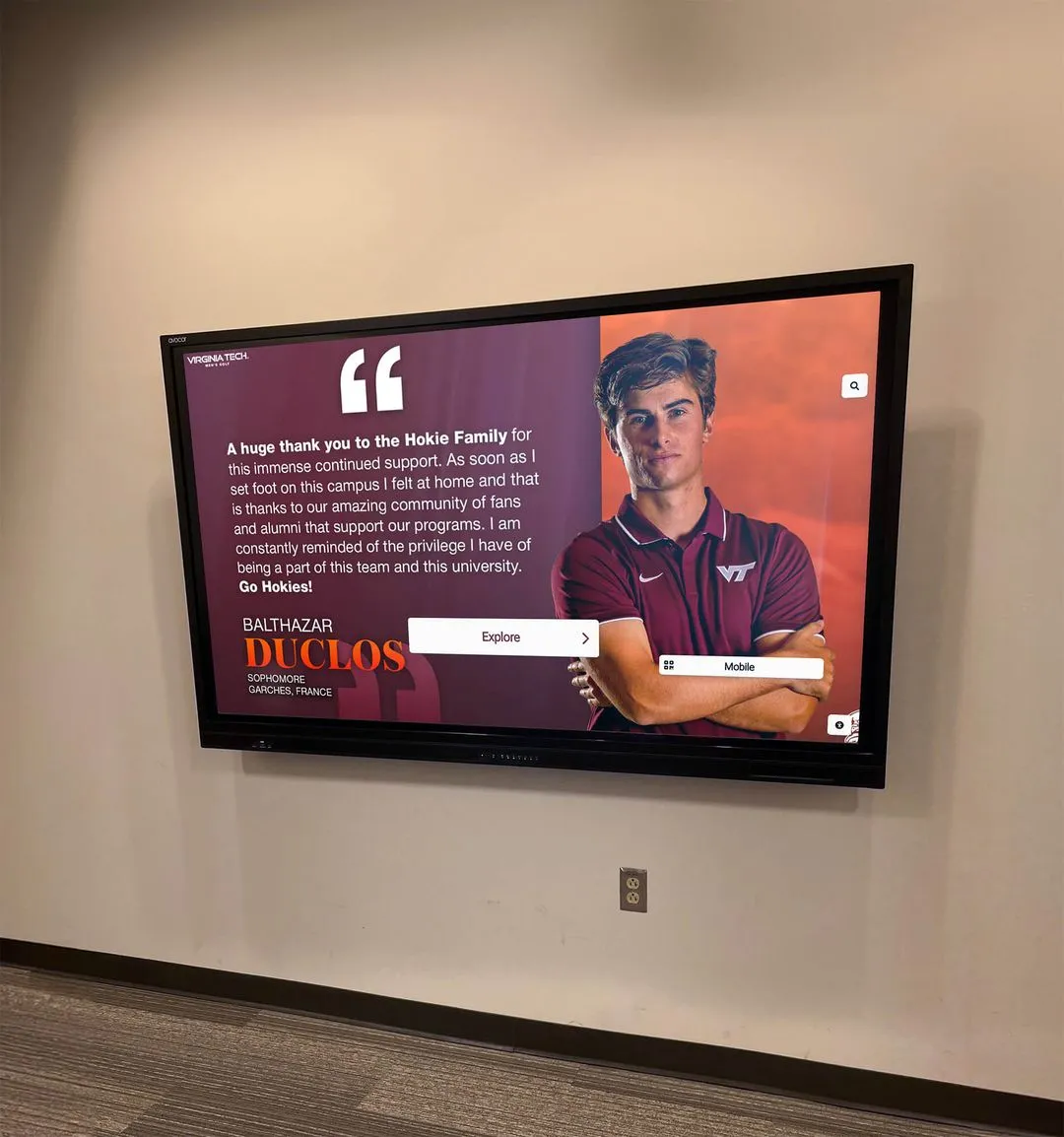
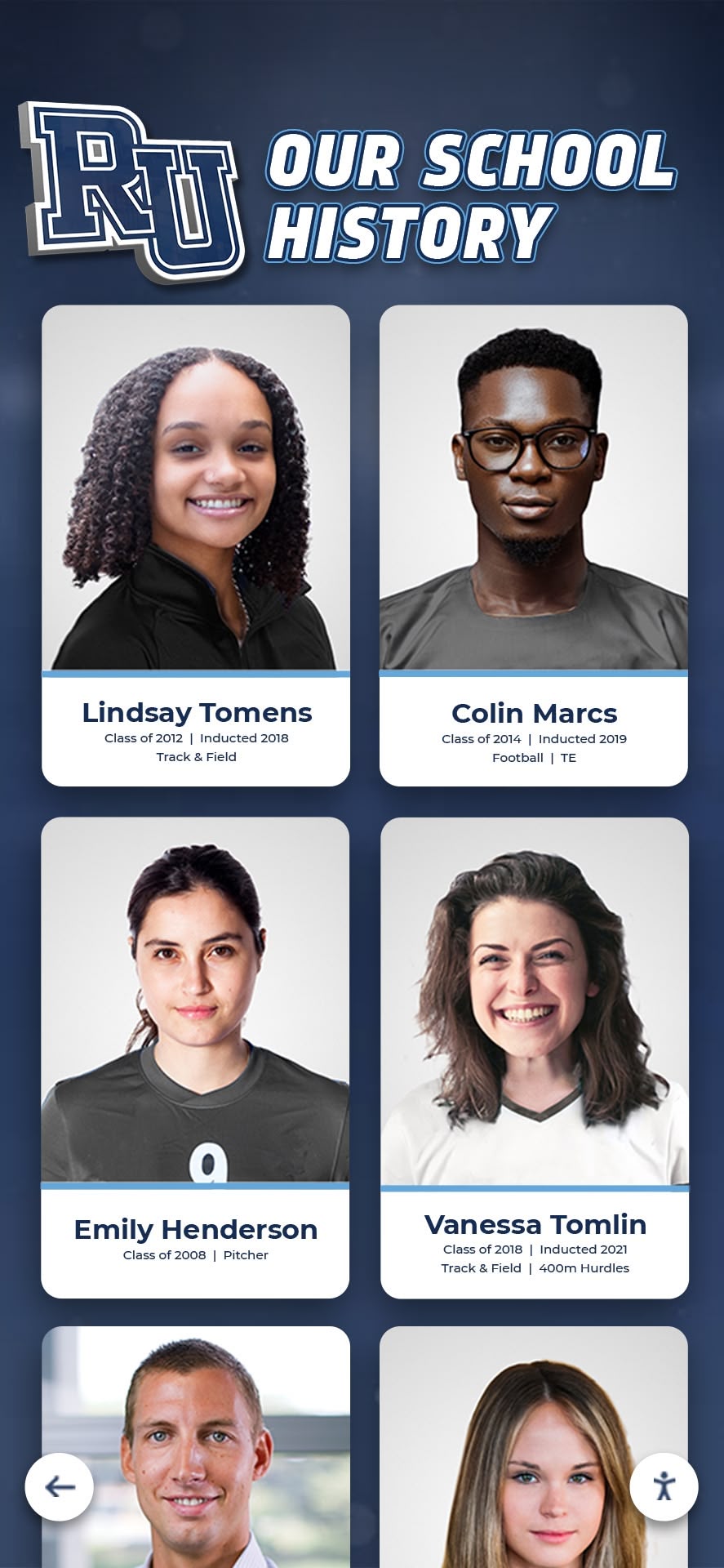
Modern alumni software transforms scattered graduate data into organized, accessible profiles celebrating individual journeys
Why Alumni Associations Need Dedicated Software
Understanding the specific challenges alumni associations face helps clarify why purpose-built software delivers better outcomes than generic tools or manual processes.
The Data Management Challenge
Alumni associations manage uniquely complex constituent relationships spanning decades:
Longitudinal Tracking Requirements
- Graduate information from commencement through entire lifetimes
- Career progression tracking across multiple companies and industries
- Family relationship mapping including spouse details and children attending
- Location changes as alumni relocate throughout careers
- Engagement history spanning decades of interactions and touchpoints
Unlike annual giving campaigns or single-year student tracking, alumni relationships extend across 50+ years. Software must maintain data integrity across these timescales while remaining accessible and actionable for current staff who didn’t collect the original information.
Multiple Data Sources Requiring Integration
- Advancement office donation records and giving history
- Event attendance tracking from reunions, networking events, and campus visits
- Engagement metrics from email campaigns, social media, and website visits
- Career services placement data and mentorship participation
- Athletics department records for former student-athletes
- Academic records including degrees, honors, and special programs
These disparate data sources rarely integrate naturally. Alumni software serves as the central system of record, pulling information from various platforms while maintaining a unified view of each graduate’s complete relationship with the institution.
Explore how endowment fund management connects to alumni engagement and giving programs.
Engagement at Scale Requires Automation
Manual outreach doesn’t scale when managing thousands or tens of thousands of alumni relationships:
Communication Volume Challenges
- Welcome sequences for new graduates transitioning from students
- Milestone acknowledgment for career achievements, anniversaries, and life events
- Reunion invitation campaigns targeted by class year
- Regional event promotions based on current location
- Interest-based communications aligned with industries or hobbies
Without automation, these essential touchpoints either don’t happen or consume disproportionate staff time that could be spent on high-value relationship building with major donor prospects or highly engaged volunteers.
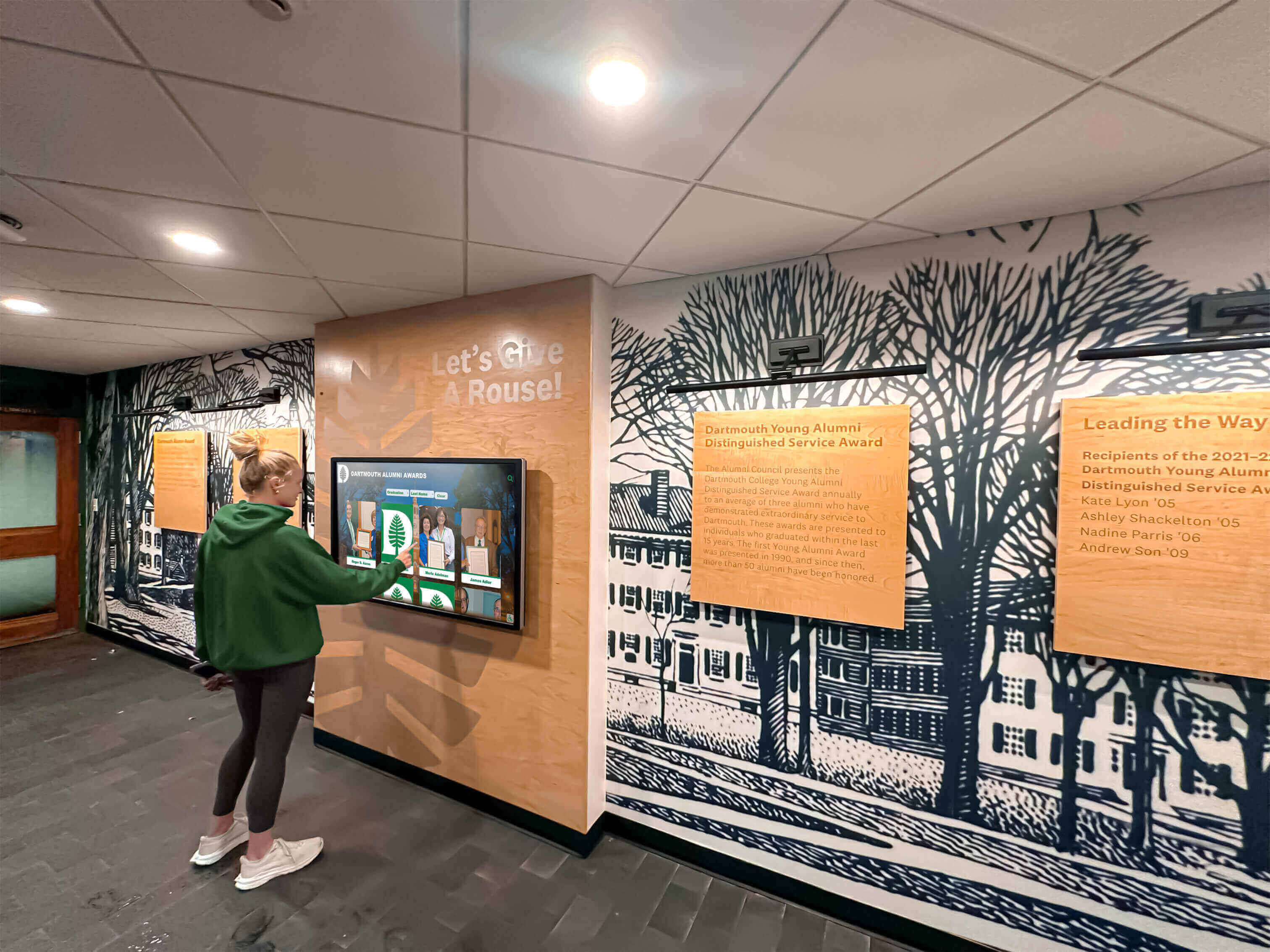
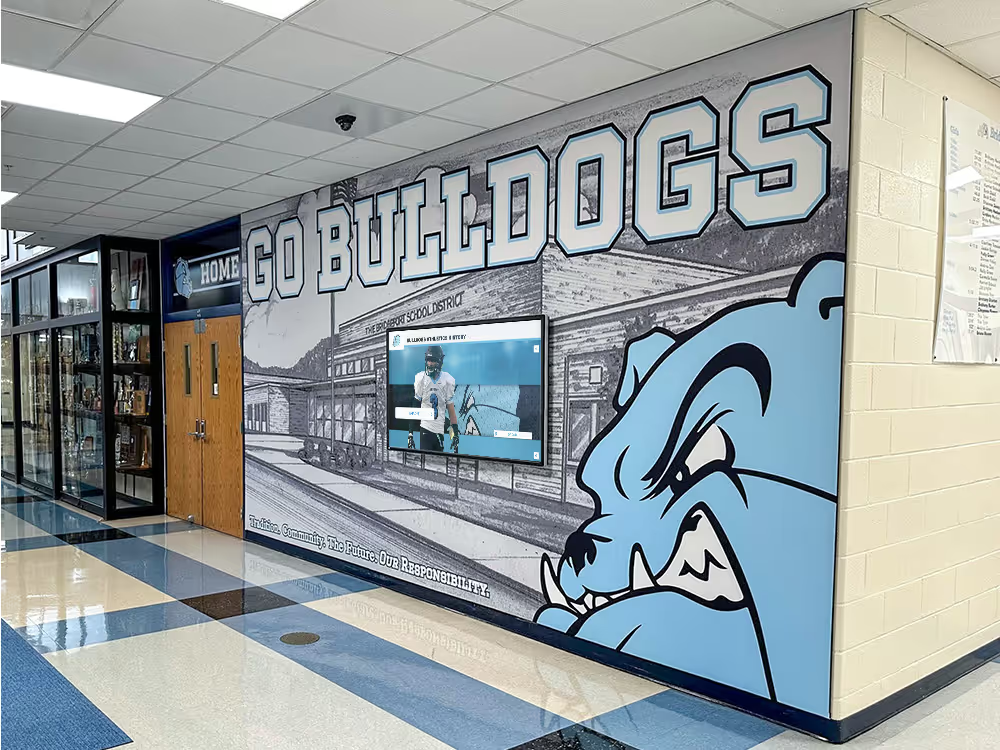
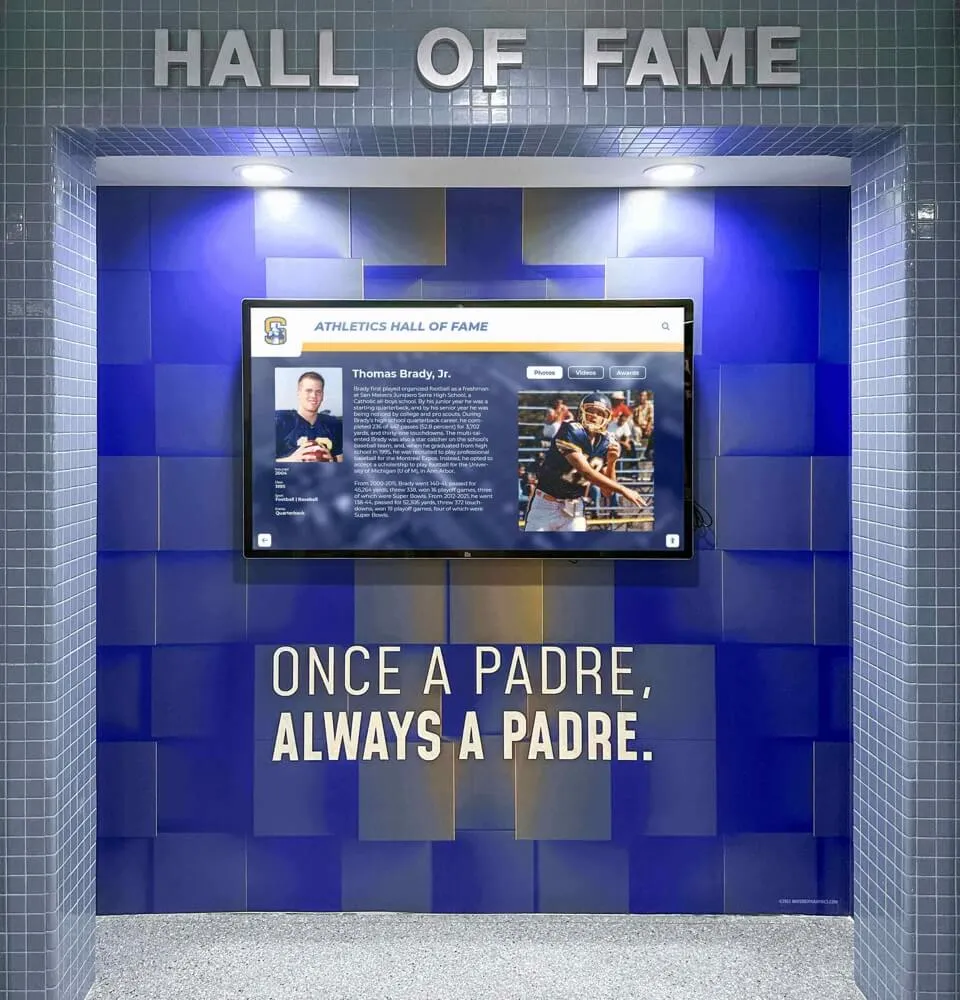
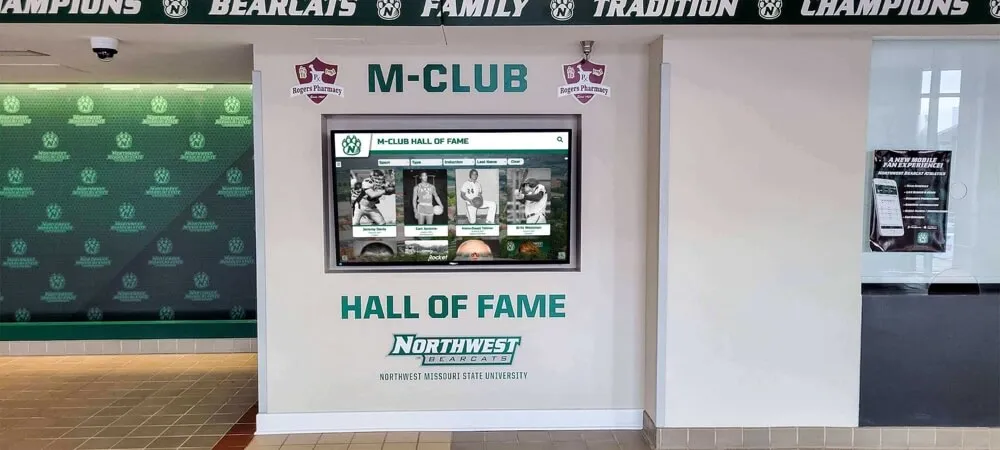
Interactive displays connect current students with alumni stories, building community across generations
Personalization Requirements
- Segmentation by graduation year, degree program, or involvement level
- Geographic targeting for regional events and chapter activities
- Career industry grouping for networking and mentorship matching
- Giving history consideration for appropriate ask amounts
- Engagement score calculation to identify highly connected versus dormant alumni
Generic email platforms can’t deliver this level of sophisticated segmentation. Alumni-specific software includes these targeting capabilities built into core functionality rather than requiring complex workarounds.
Recognition Programs Need Systematic Tracking
Alumni associations celebrate achievements across diverse dimensions requiring organized tracking systems:
Achievement Categories Requiring Documentation
- Professional accomplishments including promotions, awards, and publications
- Community service contributions and nonprofit board service
- Alumni mentorship program participation and impact
- Distinguished alumni award nominations and selections
- Giving milestones including major gifts and consecutive years of support
Proper alumni software tracks these accomplishments over time, enabling recognition programs that actually identify deserving individuals rather than only celebrating those who self-promote or happen to know staff members personally.
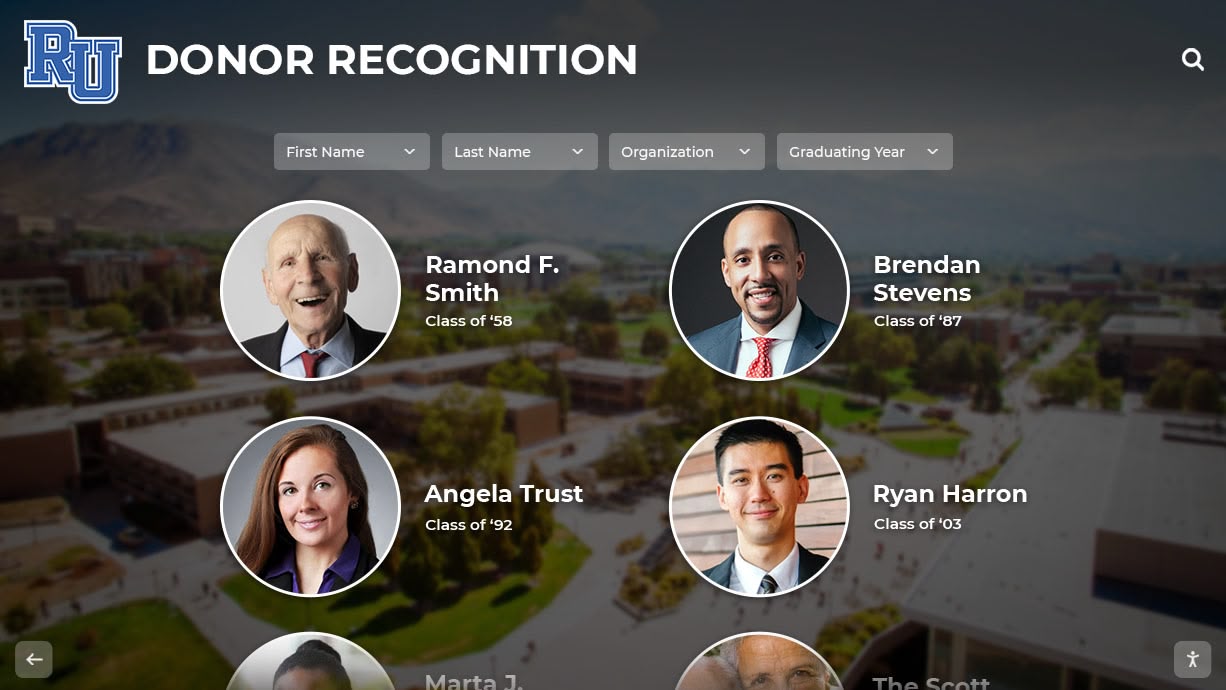
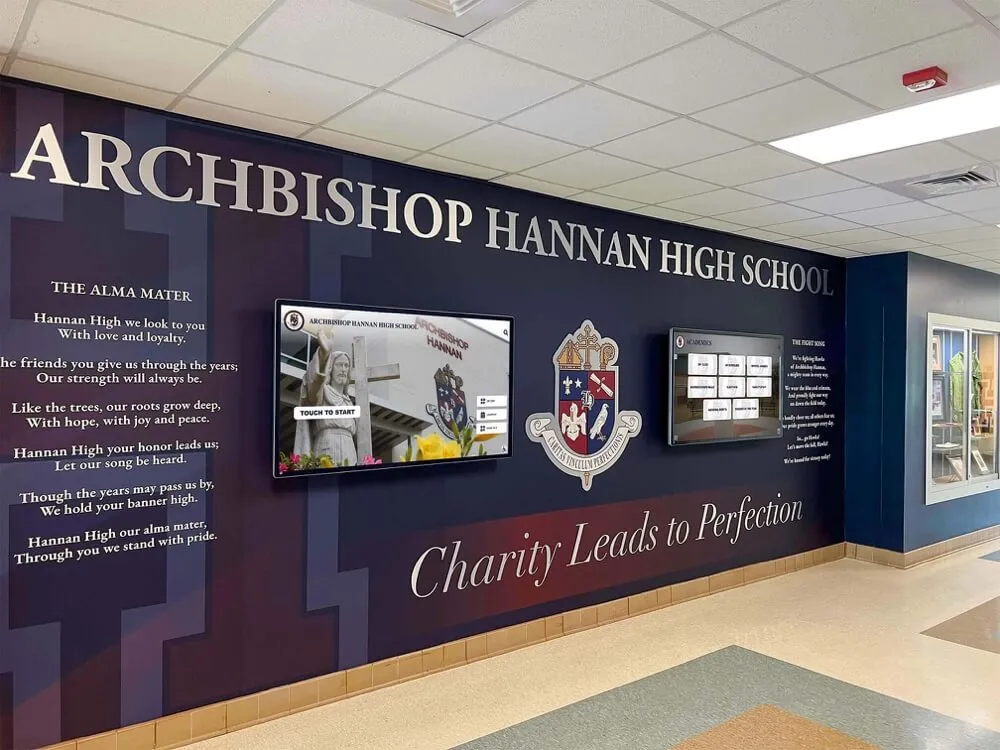
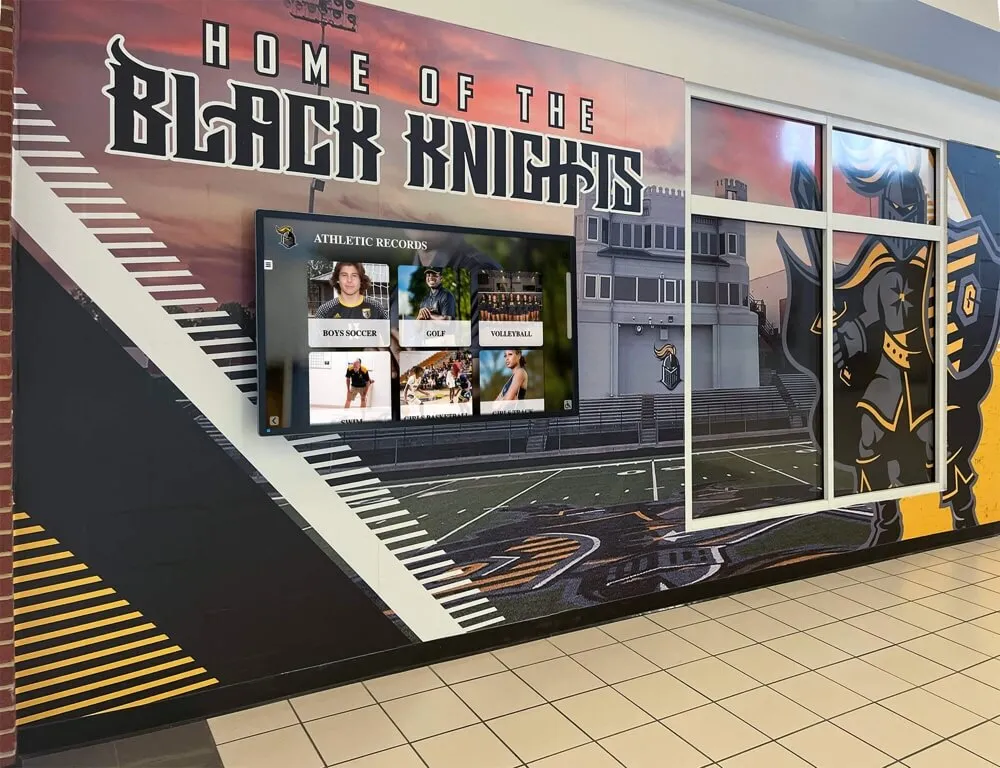
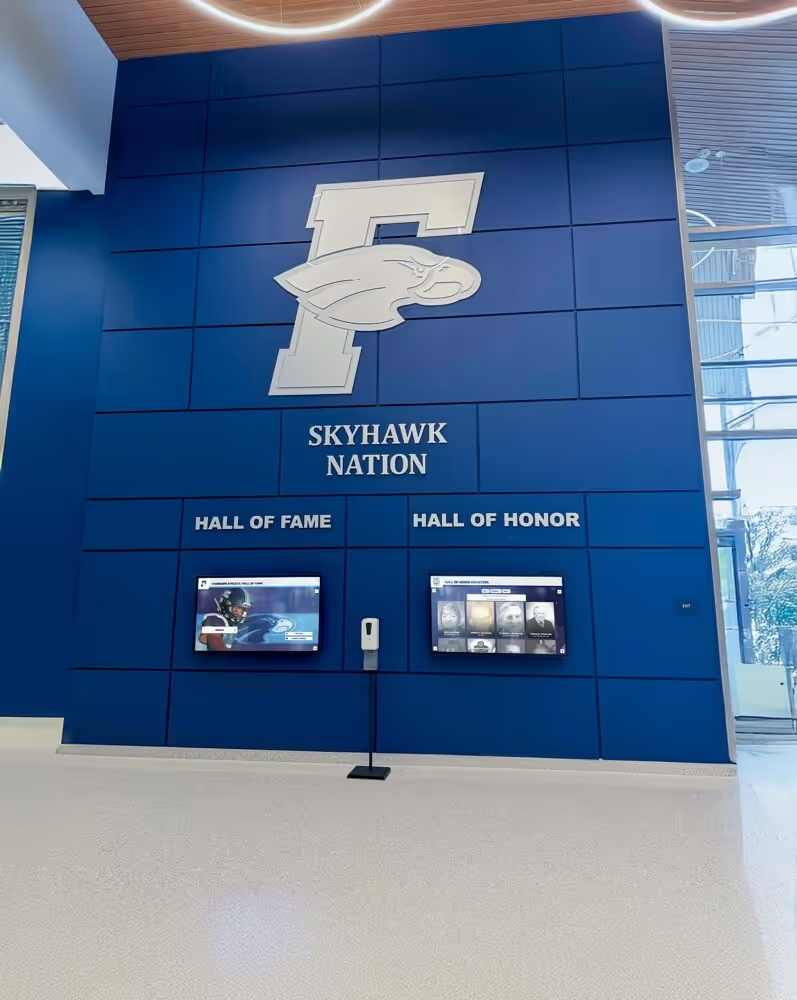
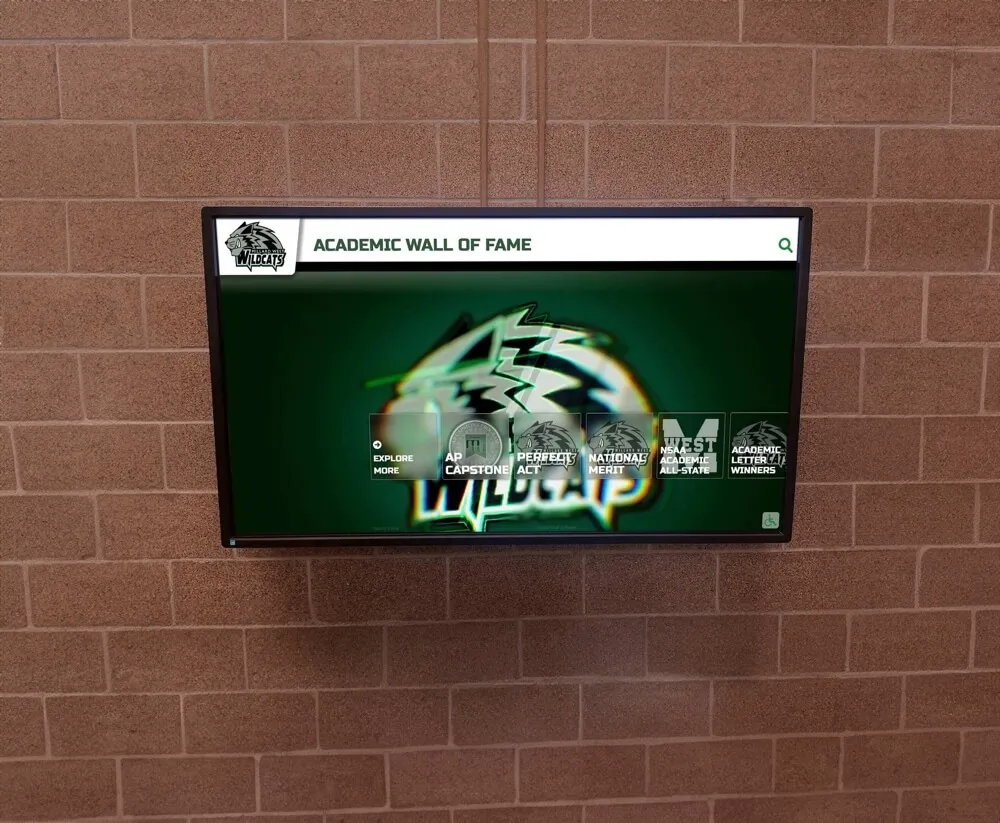
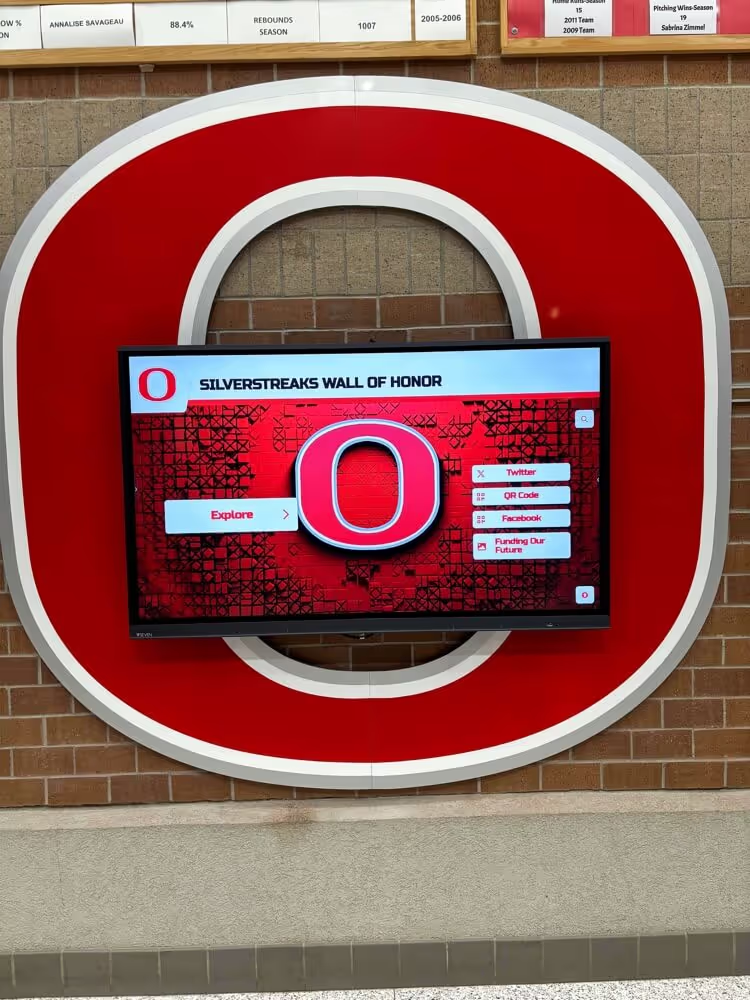
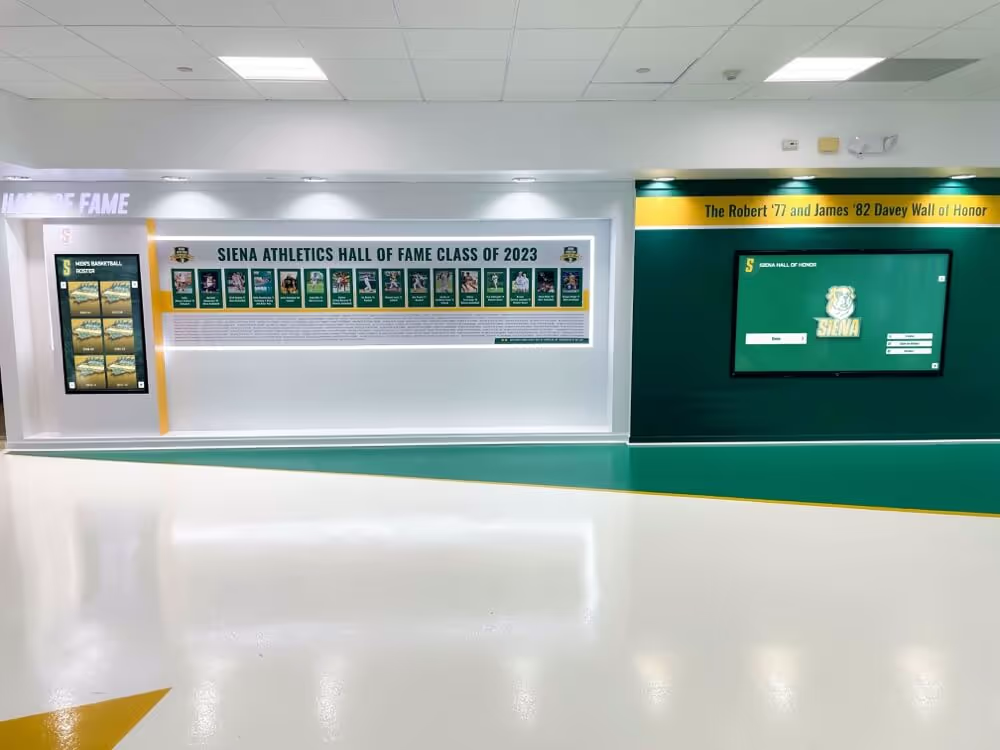
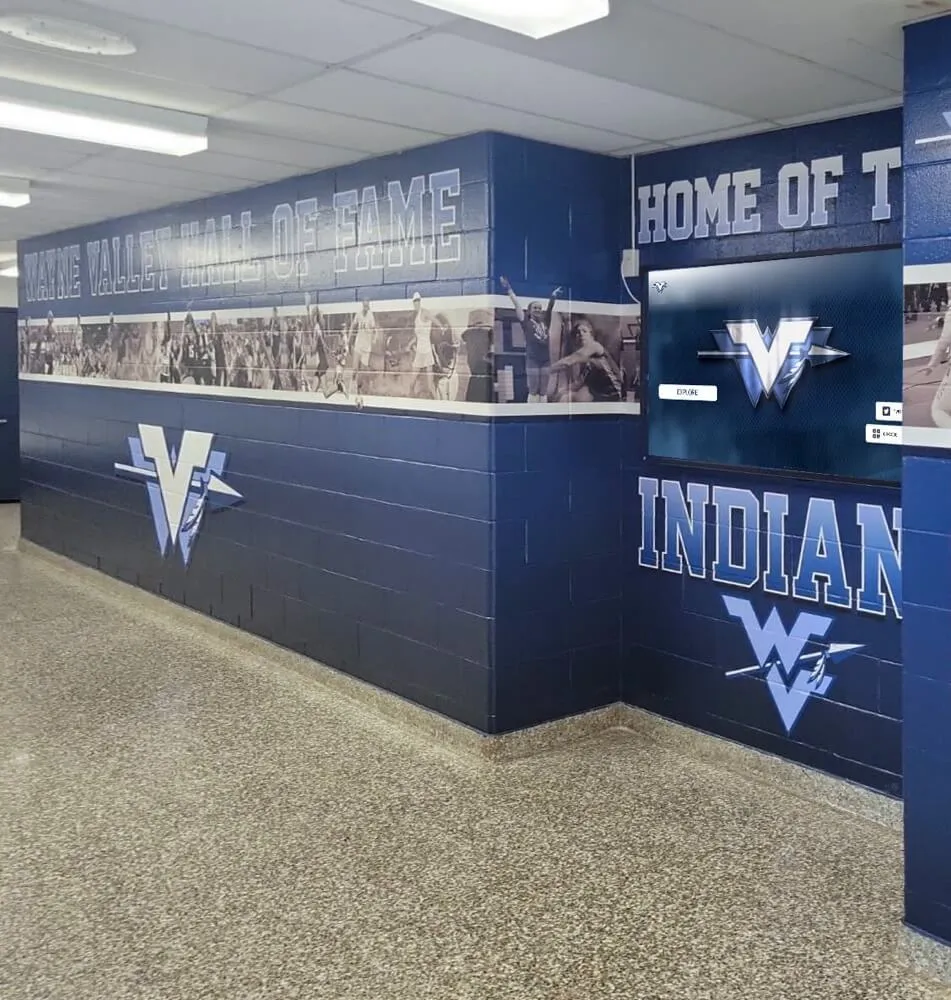
Recognition displays make alumni achievements visible to entire campus communities, inspiring current students while honoring graduates
Core Features to Evaluate in Alumni Association Software
Not all platforms offer the same capabilities. Understanding essential versus nice-to-have features helps you select software matching your specific needs and resources.
Constituent Relationship Management (CRM) Foundation
The database serves as your alumni software’s foundation—everything else builds from this core functionality:
Essential Database Capabilities
- Unlimited custom fields for institution-specific data points
- Household relationship mapping for families with multiple graduates
- Employment history tracking with current and previous positions
- Education credentials beyond your institution including advanced degrees
- Communication preferences and opt-out management for compliance
- Duplicate record prevention and merging tools
Search and Segmentation Tools
- Advanced search supporting multiple criteria combinations
- Saved search templates for frequently used segments
- Dynamic lists that automatically update as data changes
- Static lists capturing point-in-time segments for specific campaigns
- Tag systems for flexible categorization beyond standard fields
Your CRM should make finding specific alumni groups effortless—whether you’re looking for all computer science graduates from 2010-2015 living in Texas, or identifying alumni who attended homecoming in the past three years but never donated.
Communications and Engagement Tools
Software should facilitate regular, meaningful contact without overwhelming staff:
Email Campaign Management
- Template libraries maintaining brand consistency
- Personalization tokens pulling data from constituent records
- A/B testing capabilities for optimizing open and click rates
- Automated drip campaigns triggered by specific actions or dates
- Analytics tracking opens, clicks, and conversion to desired actions
Event Management Integration
- Online registration with payment processing
- Automated confirmation and reminder sequences
- Check-in tools for on-site attendance tracking
- Post-event surveys and follow-up automation
- Integration with main constituent record for engagement tracking
Strong event tools eliminate double-entry—registration data flows directly into constituent records, automatically updating engagement histories without manual data transfer between systems.
Discover strategies for successful fundraising gala planning and alumni event execution.
Donation Management and Fundraising Tools
For most institutions, development represents a primary reason for investing in alumni software:
Giving Tracking Capabilities
- Complete donation history across all campaigns and initiatives
- Pledge management with installment tracking
- Recurring gift setup and automatic processing
- Soft credit attribution for spouse and household gifts
- Memorial and honor gift designation tracking
Fundraising Campaign Tools
- Campaign-specific giving pages with customizable branding
- Peer-to-peer fundraising enablement for volunteer fundraisers
- Matching gift workflow and employer matching database
- Giving level recognition tier automation
- Donor acknowledgment letter generation and customization
Integration between fundraising and relationship management creates powerful insights—you can identify alumni who attend events regularly but never donate, or conversely, donors who give consistently but never engage otherwise, each requiring different cultivation approaches.
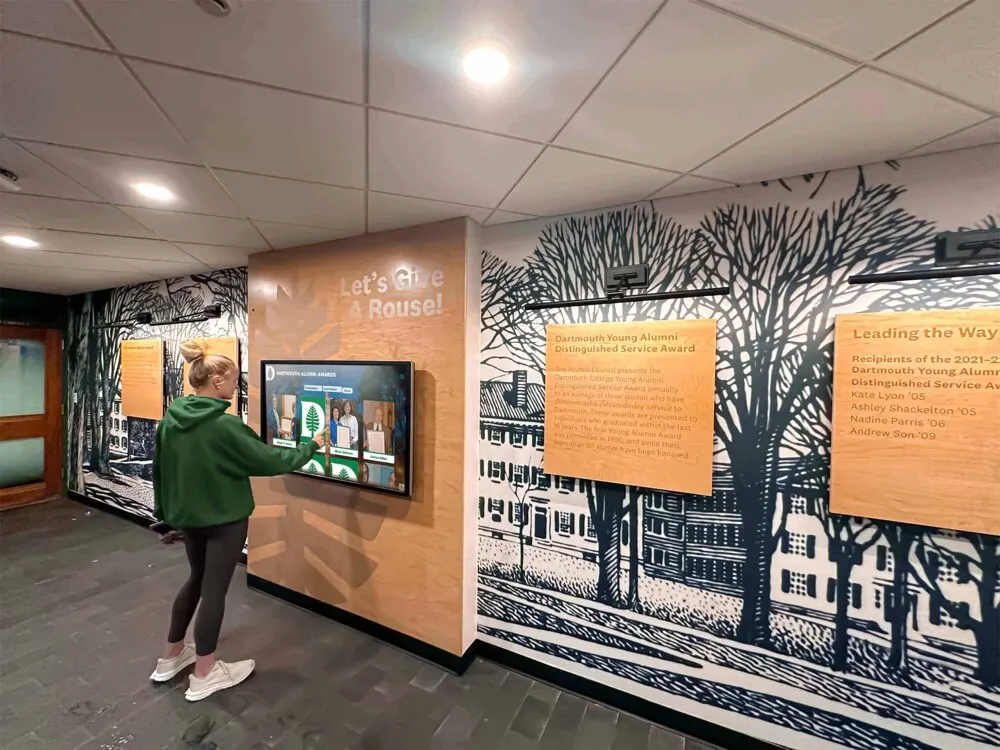
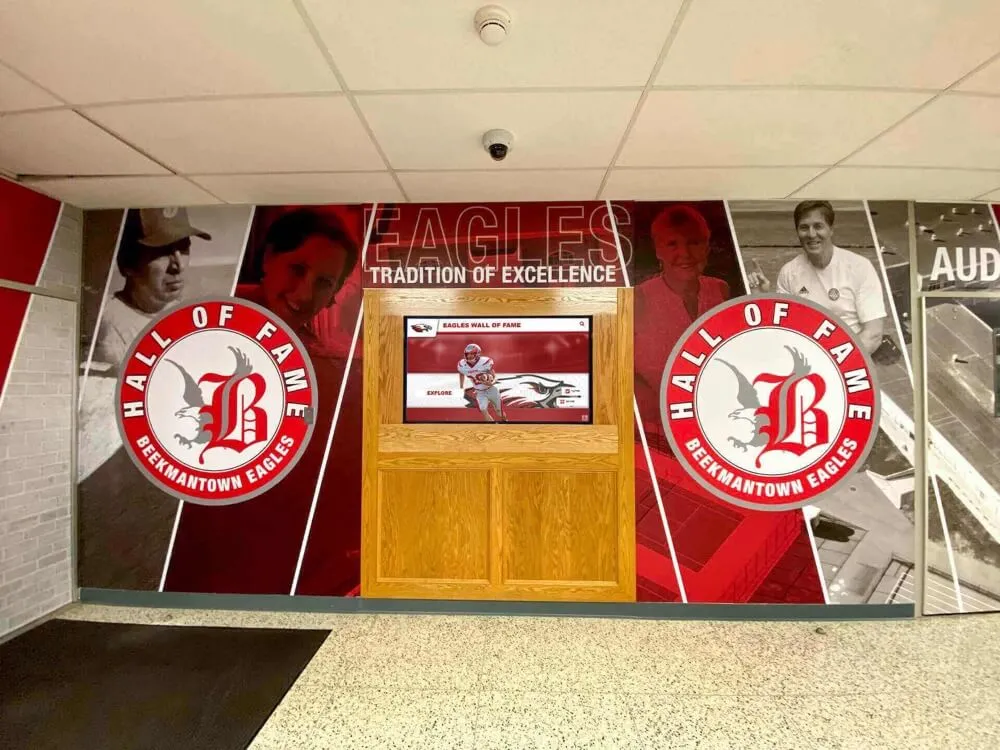
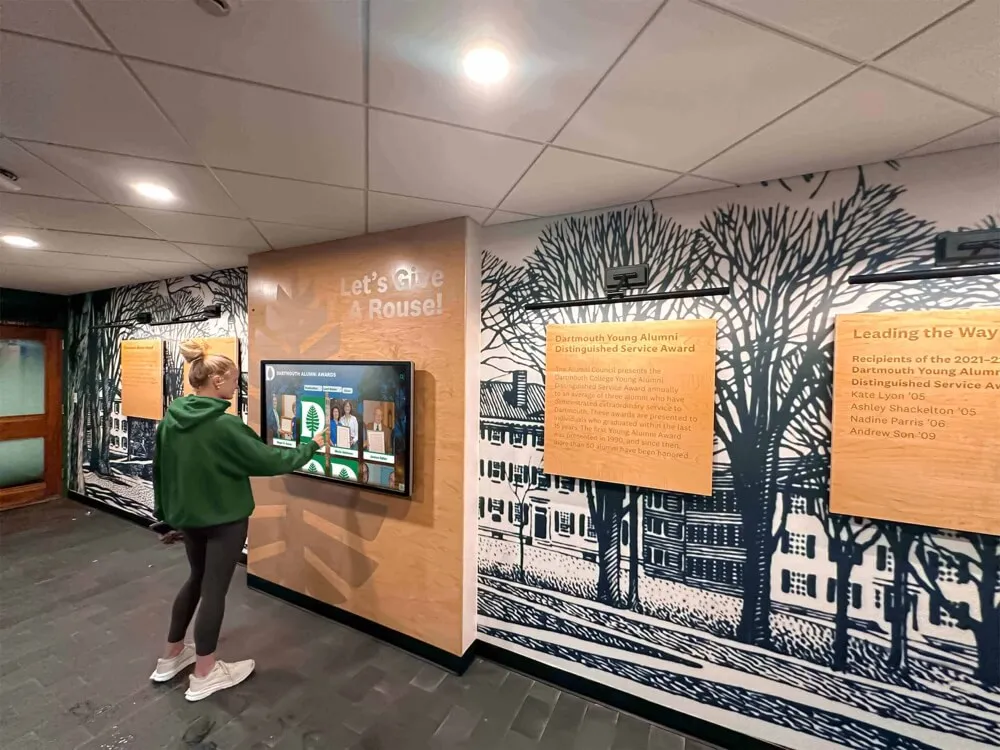
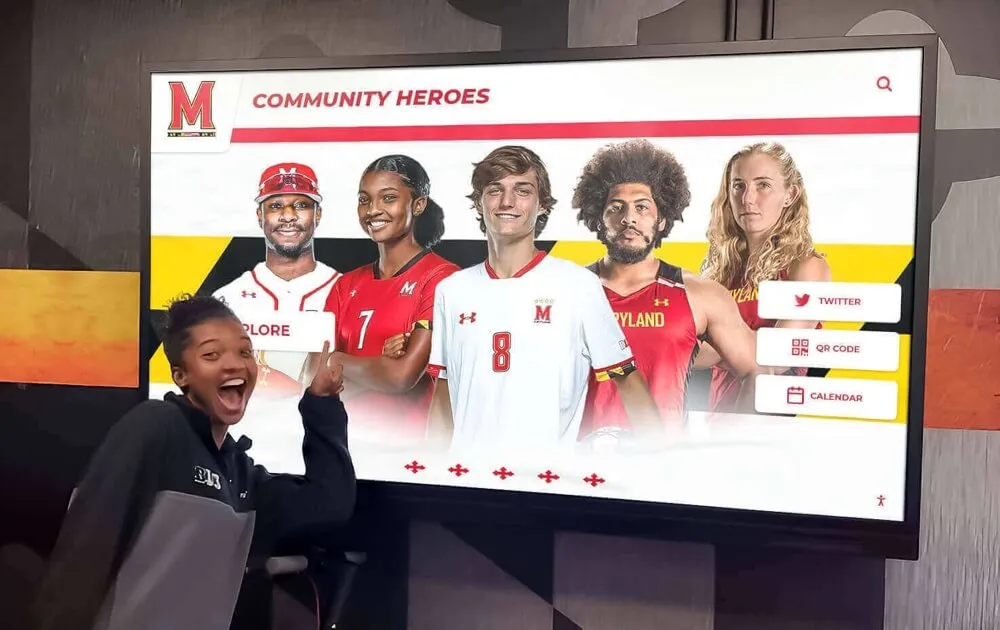
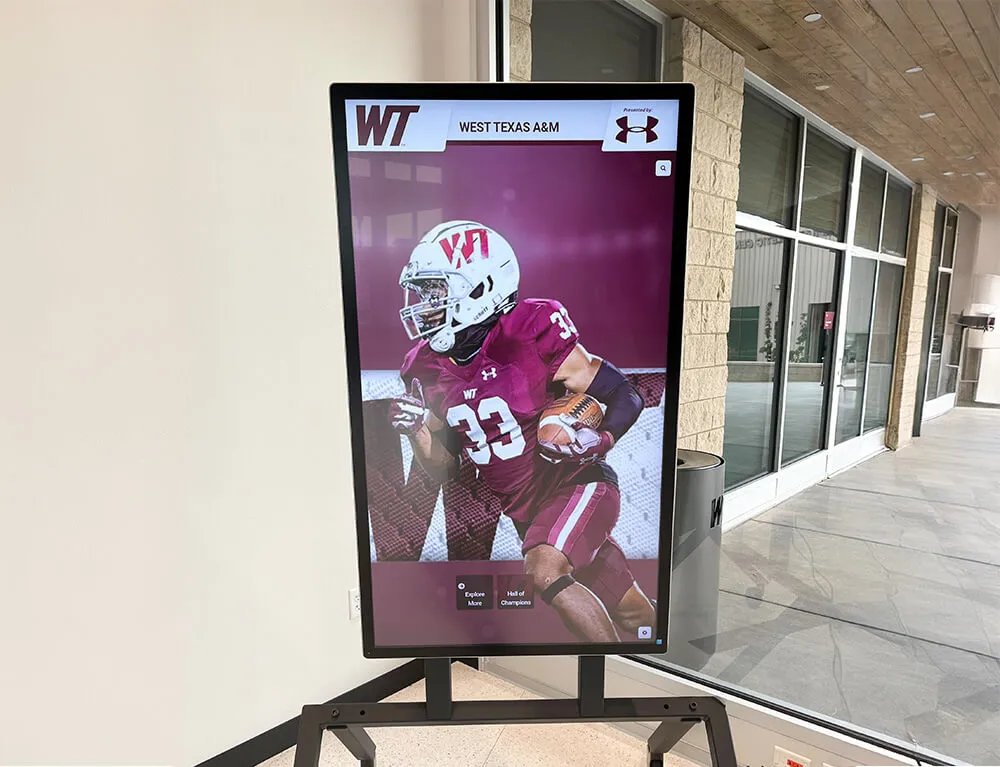
Touchscreen displays in high-traffic areas encourage spontaneous exploration of alumni stories and achievements
Analytics and Reporting Capabilities
Data without insights provides limited value. Strong reporting tools transform information into actionable intelligence:
Standard Reports
- Giving reports by year, campaign, or designation
- Event attendance trends and registration patterns
- Email engagement metrics across campaigns
- Geographic distribution maps and location reports
- Demographics breakdowns by graduation year or program
Custom Report Building
- Drag-and-drop report designers for non-technical users
- Calculated field capabilities for custom metrics
- Scheduled report generation and automatic distribution
- Export options to Excel, PDF, or CSV formats
- Dashboard views presenting key metrics at a glance
The best alumni software makes reporting accessible to staff members regardless of technical skill level while still offering advanced capabilities for users who need complex data analysis.
Leading Alumni Association Software Platforms in 2026
The market offers numerous options spanning simple contact management to comprehensive enterprise solutions. Understanding the landscape helps you identify platforms worth evaluating for your specific needs.
Enterprise-Level Solutions
Large institutions with substantial budgets and complex needs typically consider comprehensive platforms:
Blackbaud Solutions (Raiser’s Edge NXT, Luminate Online)
The dominant player in advancement software, Blackbaud offers robust constituent management, fundraising, and engagement tools specifically designed for educational institutions and nonprofits. The platform handles complex data requirements and integrates with numerous third-party systems.
Best For: Large universities with advancement teams managing 50,000+ alumni, sophisticated fundraising operations, and budget for comprehensive training and implementation support.
Considerations: Higher price point, steeper learning curve, and implementation timelines measured in months rather than weeks.
Salesforce Education Cloud (with Nonprofit Success Pack)
Built on the world’s leading CRM platform, Salesforce Education Cloud adapts enterprise relationship management capabilities for educational institutions. Extensive customization possibilities and massive third-party app ecosystem enable tailoring to specific institutional needs.
Best For: Institutions seeking highly customizable solutions, those already using Salesforce for other purposes, and organizations with technical resources to manage ongoing customization.
Considerations: Requires significant customization to optimize for alumni management, licensing costs scale with user count, and full utilization demands dedicated Salesforce administrator expertise.
Mid-Market Alumni Platforms
Many institutions find the sweet spot in platforms specifically designed for alumni management without enterprise complexity:
Graduway
Purpose-built alumni engagement platform emphasizing community building, networking facilitation, and mentorship connections. Strong mobile experience and social networking features differentiate Graduway from traditional database-focused platforms.
Best For: Institutions prioritizing alumni-to-alumni connections, mentorship programs, and career networking over pure fundraising focus.
Considerations: Fundraising tools less comprehensive than advancement-focused platforms; works best when integrated with separate donation management systems.
Hivebrite
Community platform combining alumni directory, event management, and engagement tools with intuitive interfaces requiring minimal training. Branded mobile apps and modern user experience encourage higher adoption rates among alumni.
Best For: Schools seeking turnkey solutions with quick implementation timelines, those prioritizing user experience over extensive customization, and associations emphasizing community engagement.
Considerations: Limited integration with advancement office systems may require parallel tracking for fundraising activities.
Almabase
Comprehensive alumni management platform including fundraising, event management, communications, and community features in a single integrated system. Purpose-built for educational institutions with particular strength in class giving campaigns and reunion fundraising.
Best For: Schools seeking all-in-one solutions eliminating multiple platform subscriptions, those emphasizing peer-to-peer fundraising, and institutions without separate advancement CRM systems.
Considerations: May overlap with existing advancement office systems at larger institutions, requiring decisions about systems of record and data synchronization.
Learn about digital yearbook platforms that complement alumni association software by preserving student memories.
Budget-Friendly Options for Smaller Institutions
Schools with limited budgets can still implement systematic alumni management using more affordable platforms:
Wild Apricot
Membership management software adaptable for alumni associations, offering contact database, email communications, event management, and basic website functionality at accessible price points.
Best For: Small schools with under 5,000 alumni, limited technical resources, and primary goals of basic tracking and communication rather than sophisticated fundraising.
Considerations: Not purpose-built for educational institutions; requires adaptation of membership-focused features for alumni use cases.
Mailchimp with Additional Tools
The popular email platform now includes basic CRM capabilities, landing pages, and event management. When combined with separate donation platform like Givebutter or Donorbox, provides foundational alumni management capability.
Best For: Very small programs just beginning systematic alumni tracking, associations primarily focused on communications, and organizations with extremely limited budgets.
Considerations: Requires cobbling together multiple tools rather than integrated platform; data lives in separate systems making holistic tracking challenging.
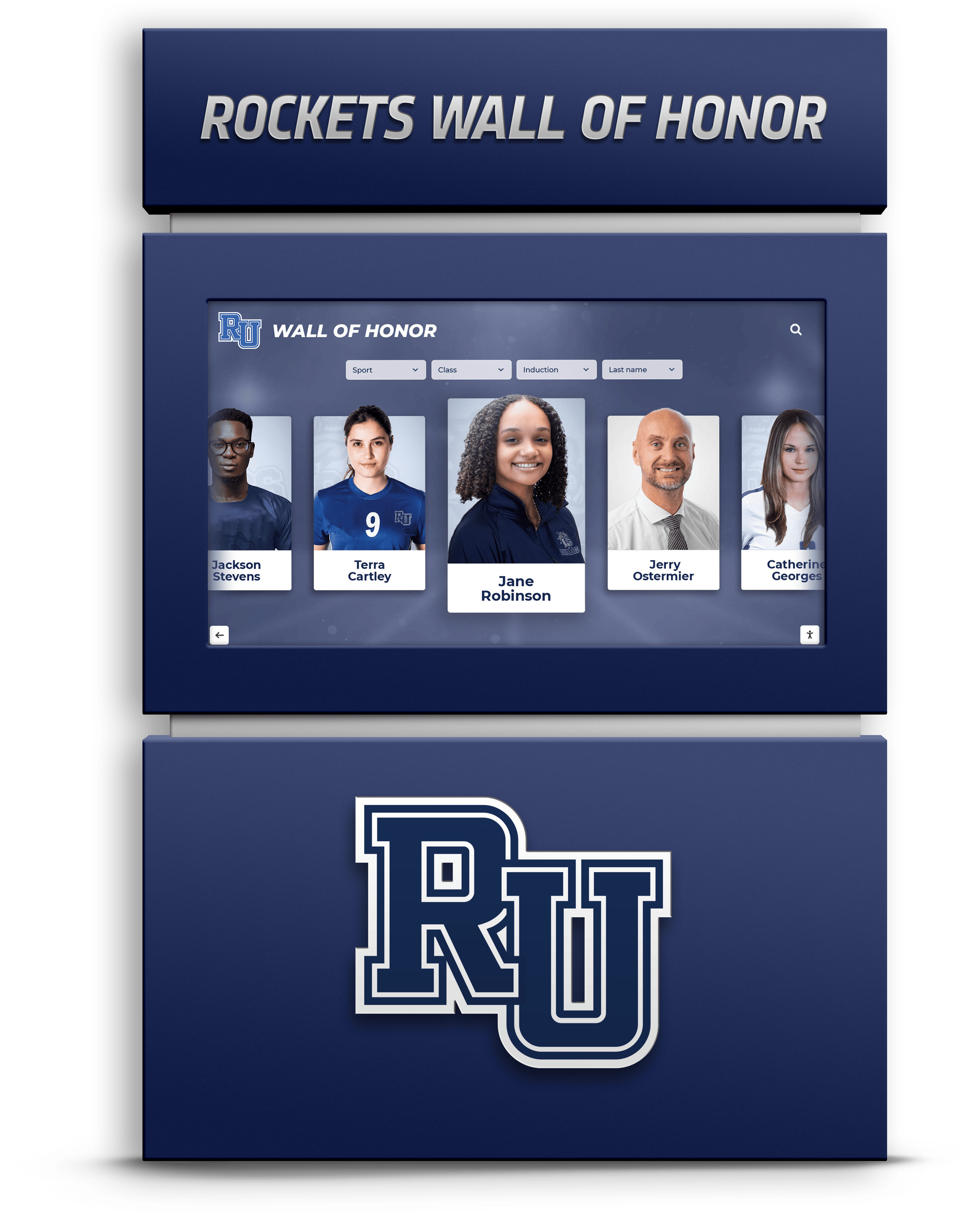
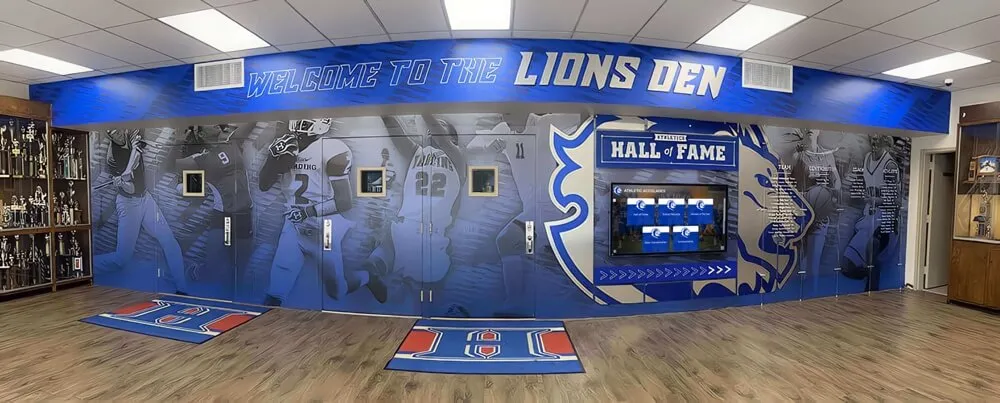
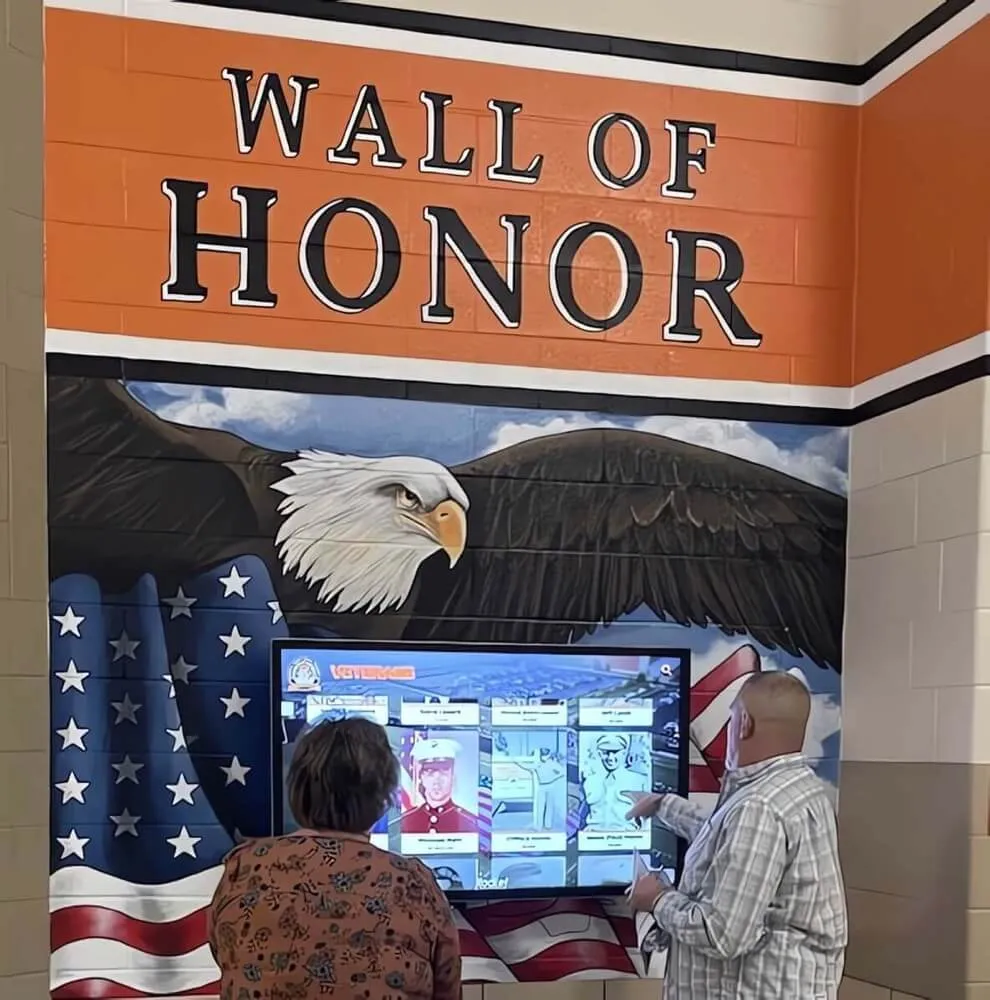
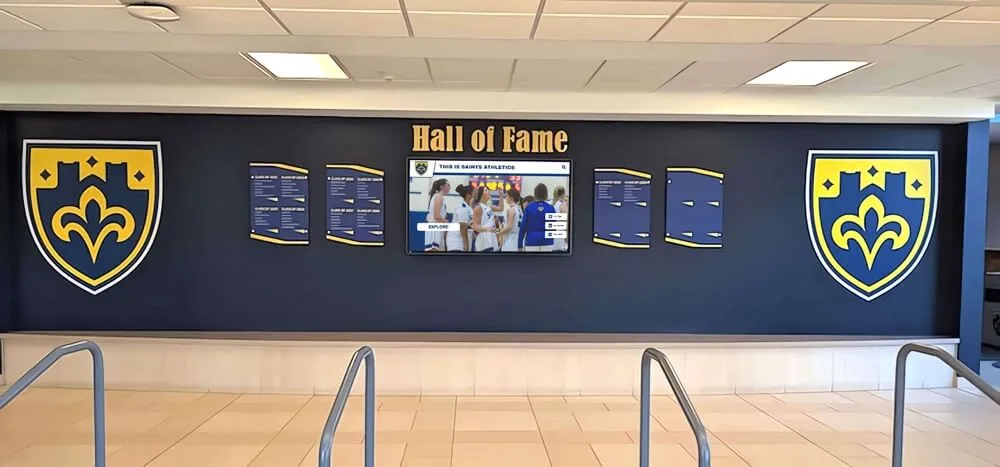
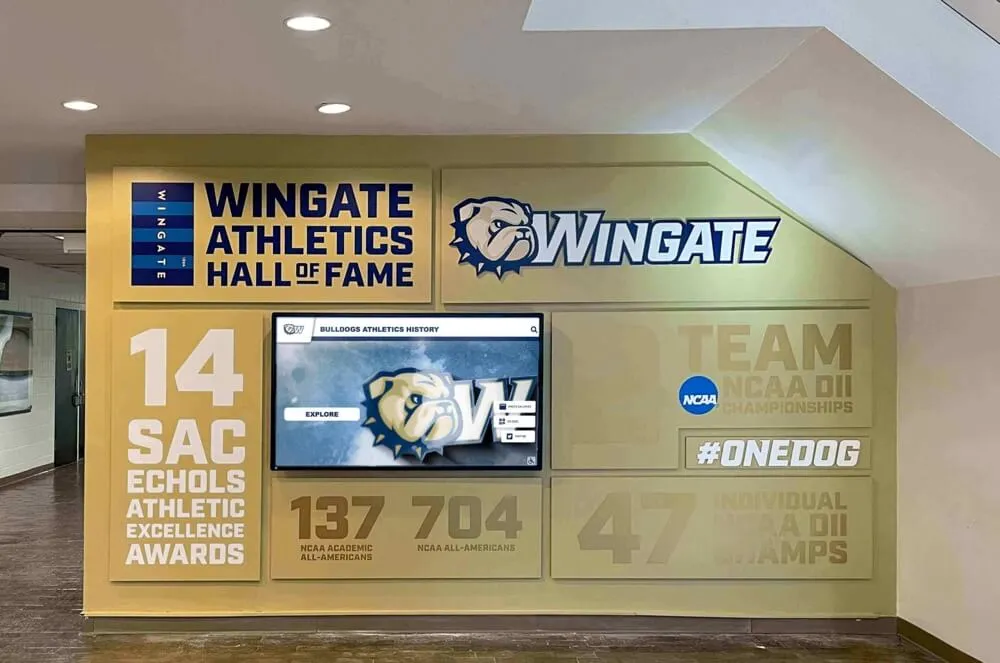
Digital walls of honor celebrate alumni achievements while making recognition accessible and engaging for entire communities
Integrating Recognition Displays with Alumni Software
While alumni association software manages relationships and data digitally, physical recognition displays make alumni achievements visible throughout campus, creating inspiration for current students while honoring graduates.
The Recognition Display Opportunity
Most schools invest substantial resources in alumni tracking software but overlook complementary recognition displays that:
Make Alumni Visible on Campus
- Showcase graduate achievements in high-traffic hallways and lobbies
- Demonstrate real-world career paths resulting from education received
- Create aspirational examples for current students exploring career options
- Celebrate diverse alumni accomplishments across all industries and fields
- Honor donor contributions through visible, permanent recognition
Software tracks the data—recognition displays share the stories with communities who benefit from seeing these examples of success and contribution.
Connect Digital Data to Physical Presence
Modern recognition solutions integrate directly with alumni software, automatically updating displayed information as database records change:
- Career updates flow from database to recognition displays
- Achievement milestones automatically appear when added to records
- Donor recognition walls reflect current giving levels without manual updates
- Graduation year milestones trigger featured alumni spotlights
- Geographic data enables displaying local alumni when prospective students visit
This integration eliminates the traditional disconnect between digital databases and static wall plaques that become outdated the moment they’re installed.
Digital Recognition Wall Solutions
Rocket Alumni Solutions specializes in interactive recognition displays that complement alumni software systems by making graduate achievements visible and engaging throughout campus environments.
Touchscreen Recognition Capabilities
- Interactive exploration of alumni profiles including photos, accomplishments, and career paths
- Search functionality enabling visitors to find specific graduates or graduating classes
- Digital trophy cases and halls of fame celebrating athletic and academic achievements
- Donor walls recognizing giving at all levels with visual impact
- Historical timeline presentations connecting current students to institutional heritage
Integration Benefits
- Content management systems allowing easy updates as alumni information changes
- Photo and biography displays making achievements personal and relatable
- Multi-display synchronization for consistent information across campus locations
- Mobile-responsive experiences accessible on personal devices
- Analytics tracking which alumni profiles generate most interest
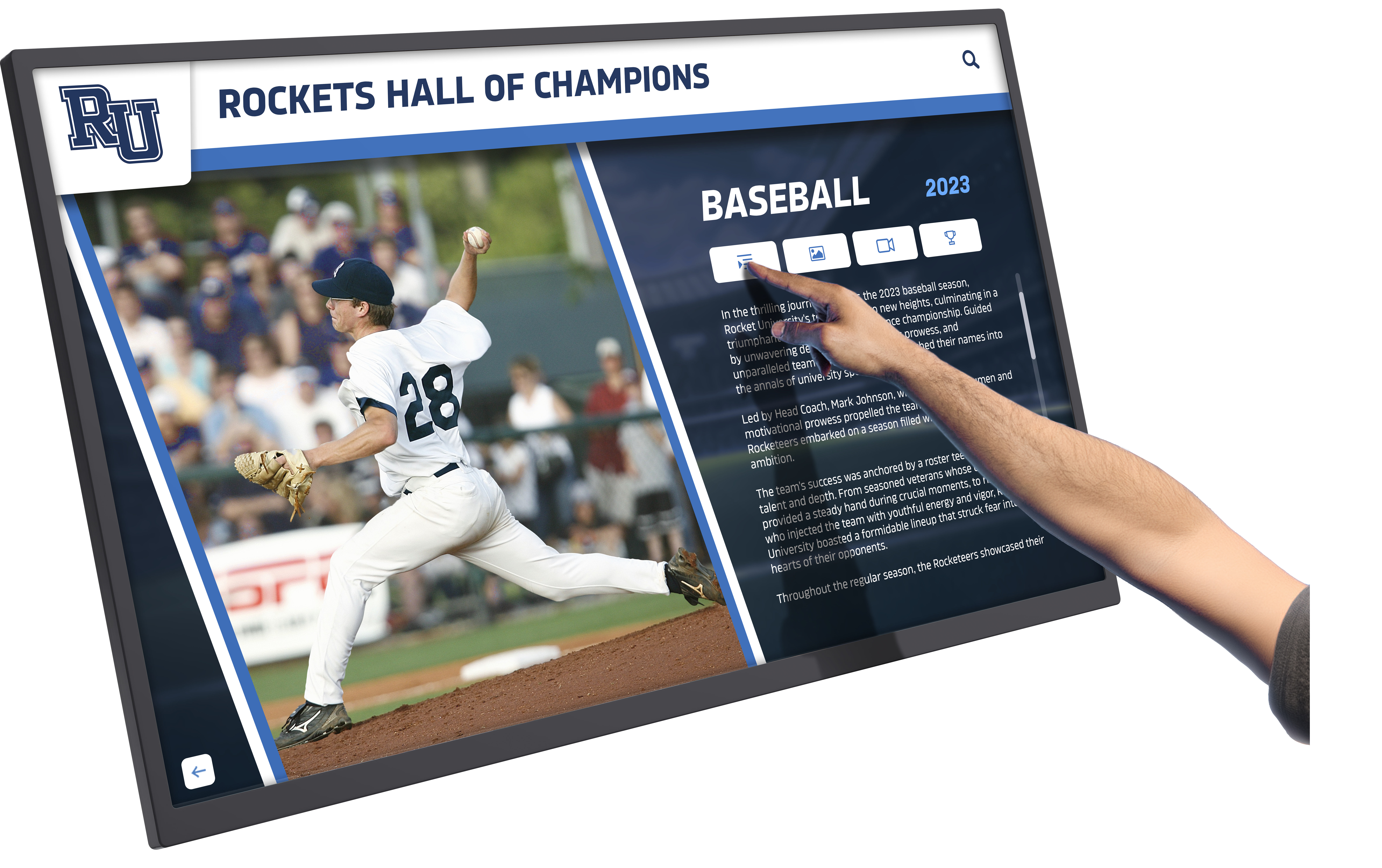
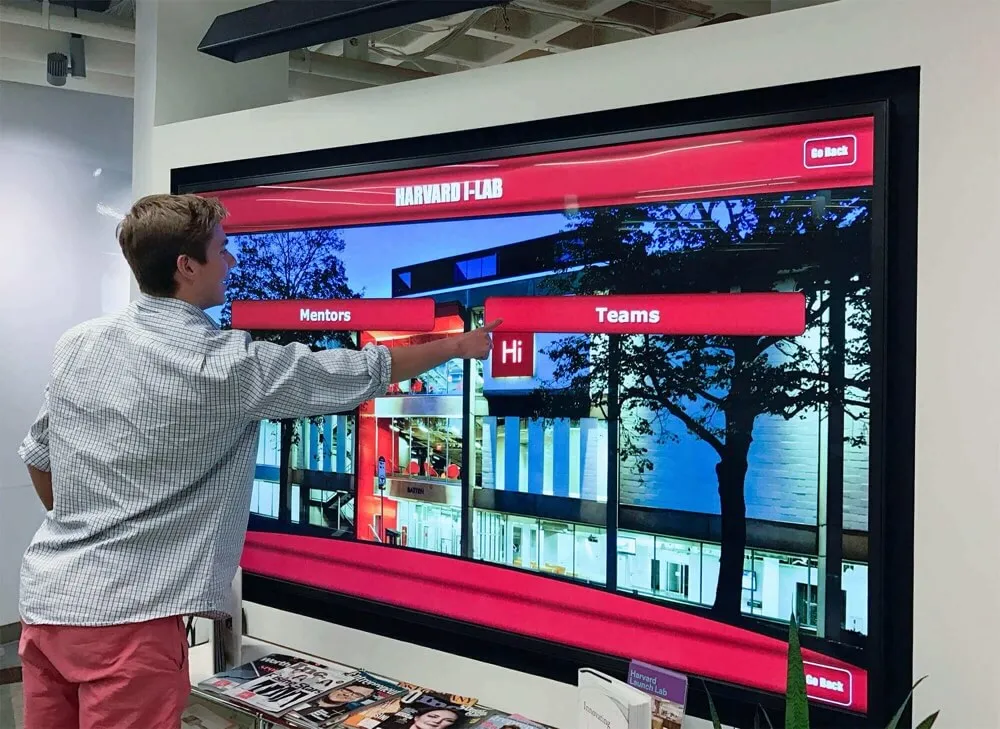
Touchscreen interactivity invites deeper engagement with alumni stories beyond what static plaques enable
Strategic Recognition Display Placement
Physical recognition displays amplify alumni software investments by creating visibility in strategic campus locations:
High-Impact Installation Areas
- Main entrance lobbies where visitors form first impressions
- Athletic facilities celebrating former student-athletes
- Development office waiting areas for donor meetings
- Alumni center spaces hosting events and gatherings
- Academic building hallways relevant to specific programs
The combination of robust alumni software managing relationships behind the scenes with visible recognition displays celebrating achievements creates comprehensive programs that both track alumni systematically and honor them publicly.
Explore approaches for creating impactful donor recognition walls that complement digital alumni management systems.
Implementation Considerations and Best Practices
Selecting alumni software represents only the first step—successful implementation requires strategic planning and change management.
Data Migration and Cleanup
Most institutions switching alumni platforms face the challenge of transferring decades of accumulated data:
Pre-Migration Preparation
- Audit existing data identifying duplicates, incomplete records, and outdated information
- Establish data standards for how fields should be formatted going forward
- Decide which historical data truly needs migration versus archival
- Create data dictionaries mapping old system fields to new platform structure
- Plan for manual cleanup that can’t be automated during migration
Data migration rarely goes perfectly. Build buffer time for addressing issues discovered after initial transfer, and communicate realistic timelines to stakeholders expecting immediate access to fully functional systems.
Ongoing Data Maintenance Protocols
- Assign clear responsibility for data entry and record updates
- Establish verification processes for critical fields like contact information
- Implement return mail processing to catch bad addresses
- Create regular data hygiene routines identifying and fixing common errors
- Document data entry procedures ensuring consistency across staff members
Alumni software only remains valuable if underlying data stays current and accurate. Maintenance must be ongoing, not a one-time migration project.
User Adoption and Training
The most sophisticated software delivers no value if staff members don’t use it effectively:
Training Approaches That Work
- Role-specific training focusing on features each staff member actually uses daily
- Hands-on practice sessions rather than lecture-style demonstrations
- Quick reference guides for common tasks accessible at point of need
- “Champions” program identifying power users who can support colleagues
- Regular refresher sessions as features update and new capabilities roll out
Adoption Obstacles to Anticipate
- Staff comfortable with existing tools resisting new systems
- Learning curves creating temporary productivity dips during transition
- Feature overload overwhelming users who need only basic functionality
- Integration failures requiring workarounds reducing efficiency
- Inconsistent use creating data gaps undermining system value
Address resistance proactively by involving staff in software selection, clearly communicating benefits, providing adequate training time, and celebrating early wins demonstrating value.
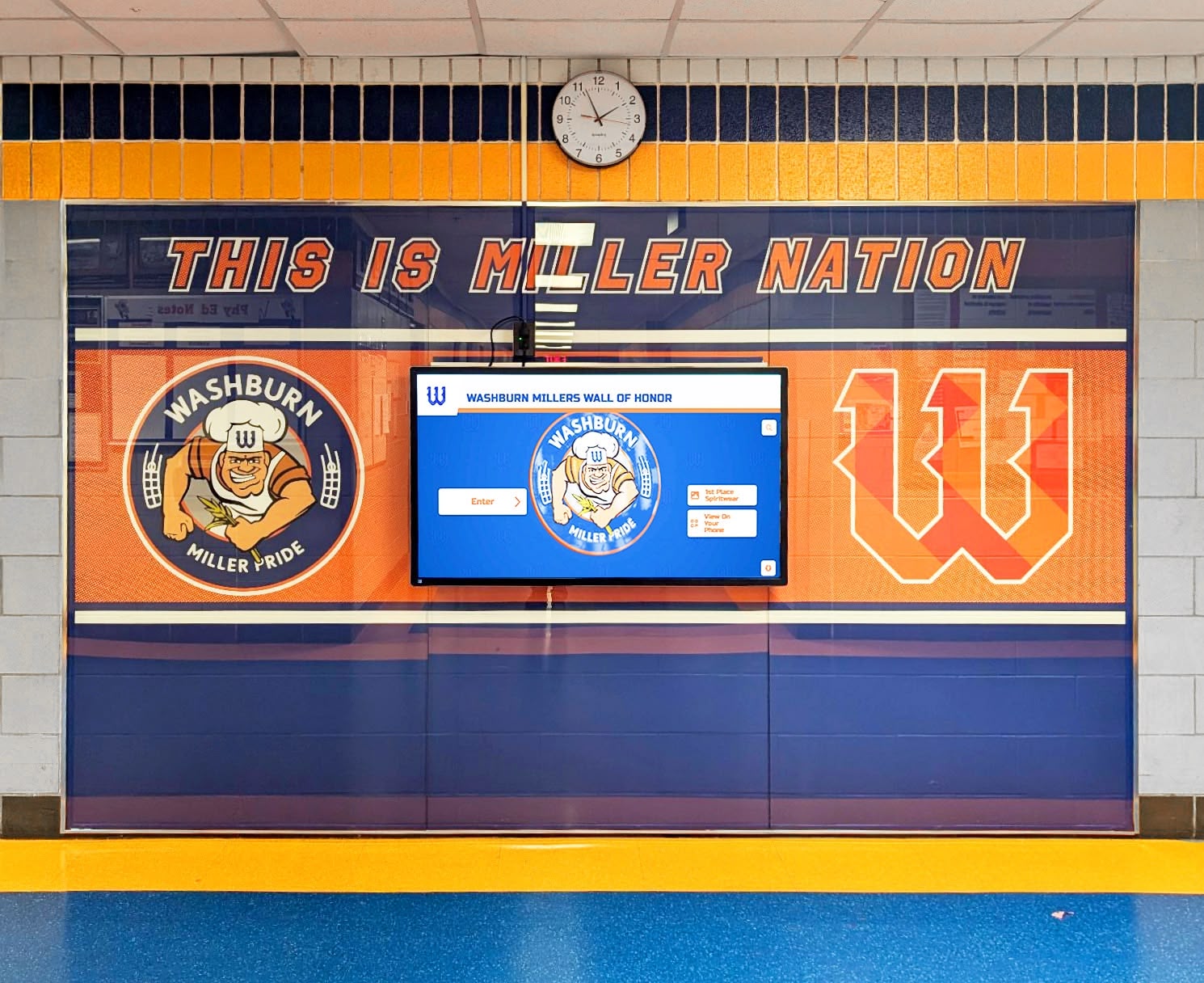
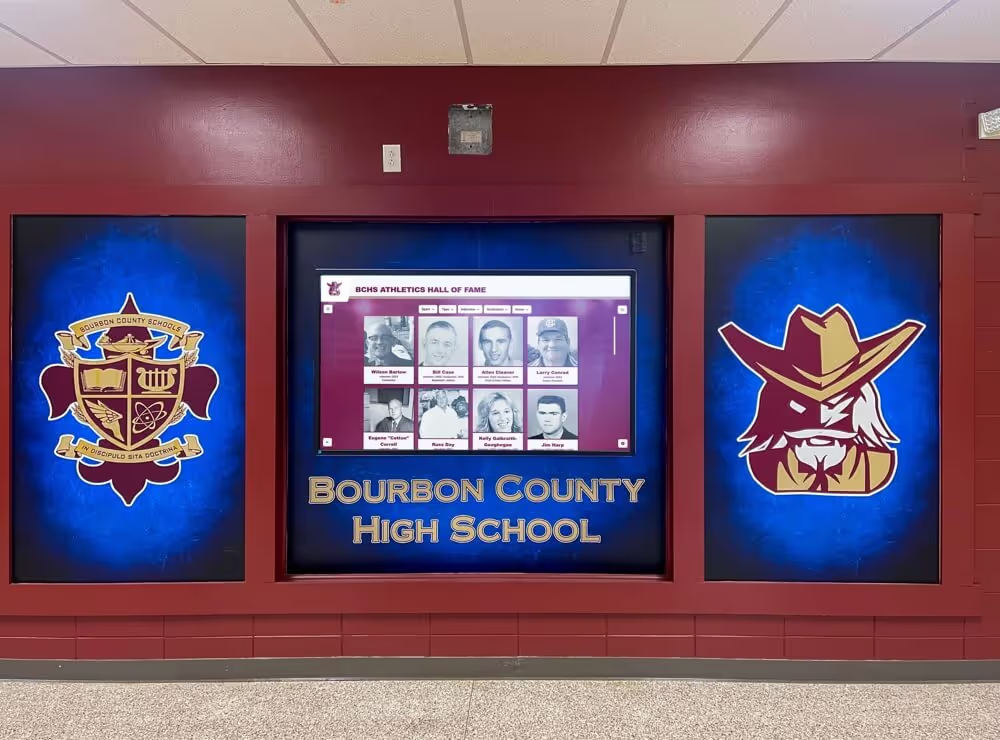
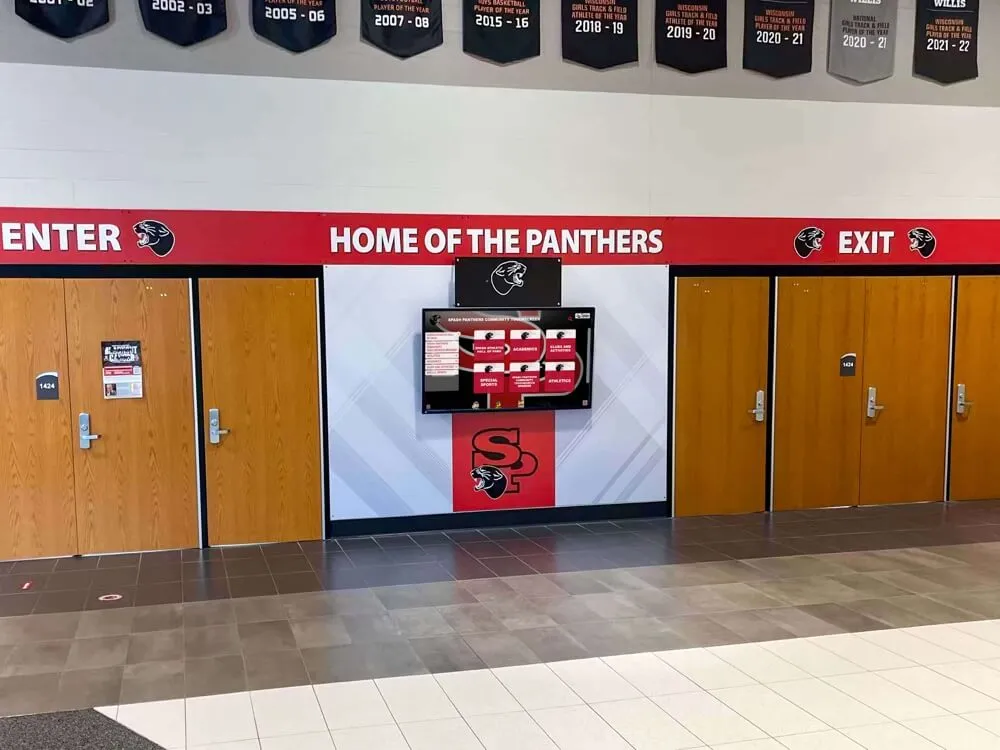
Strategic hallway placement ensures maximum visibility for alumni recognition, reinforcing institutional values and celebrating achievement
Measuring Return on Investment
Alumni software represents significant ongoing expense requiring demonstration of value:
Engagement Metrics to Track
- Email open and click-through rates compared to previous communication tools
- Event registration and attendance trends over time
- Website and online community login frequency and duration
- Alumni directory search activity and profile views
- Social sharing of alumni content and stories
Fundraising Impact Measurements
- Donor acquisition rates among previously non-donating alumni
- Average gift increases through improved segmentation
- Recurring gift conversion rates from one-time donors
- Alumni giving participation percentages trending over years
- Fundraising efficiency metrics (dollars raised per staff FTE)
Operational Efficiency Gains
- Staff time saved through automation of previously manual tasks
- Reduction in duplicate data entry across multiple systems
- Report generation time compared to previous processes
- Event setup and management hours required per event
- Cost savings from consolidating multiple tool subscriptions
Establish baseline metrics before implementation, then track consistently to demonstrate return on software investment to leadership and boards who approve budgets.
Building Alumni Community Beyond the Software
Technology enables connection, but thriving alumni communities require intentional relationship building that software merely facilitates:
Content Strategy for Alumni Engagement
Regular communication keeps alumni engaged between events and donation requests:
Content Types That Resonate
- Alumni spotlight profiles showcasing diverse career paths and achievements
- Campus updates about program innovations and facility improvements
- Student success stories demonstrating impact of alumni support
- Upcoming event promotions and registration information
- Industry-specific content relevant to alumni career fields
- Virtual alumni event recaps and recordings for those unable to attend
Content Calendar Planning
- Monthly newsletters maintaining regular touchpoints
- Quarterly deeper feature content on specific topics
- Annual giving campaign communications during designated periods
- Reunion-specific outreach in advance of milestone class events
- Ad hoc communications for breaking news and urgent announcements
Alumni software should support content distribution, but creating compelling content requires dedicated strategy and resources beyond just having the technical tools.
Programming That Builds Connection
Software tracks engagement, but programming creates the experiences worth tracking:
Networking and Professional Development
- Industry-specific networking events in major cities
- Career panels connecting alumni across experience levels
- Mentorship matching between established professionals and recent graduates
- Job posting boards exclusive to alumni communities
- Lunch-and-learn sessions on topics relevant to career advancement
Social and Community Events
- Regional chapter gatherings in cities with alumni concentrations
- Milestone reunion programming every five or ten years
- Family-friendly events welcoming alumni children
- Athletics game watch parties during championship seasons
- Service projects engaging alumni in shared community contribution
The best alumni software makes planning and promoting these experiences easier—but the experiences themselves create the bonds that make alumni want to stay engaged long-term.
Learn about athletic director responsibilities that often include fostering alumni connections through athletics programs.
Making the Investment Decision
Selecting and implementing alumni association software represents a significant commitment of budget and staff resources. Making informed decisions ensures the investment delivers sustainable value.
Questions to Ask During Software Evaluation
About the Platform:
- How does pricing scale as our alumni database grows over time?
- What implementation timeline and resource commitment should we expect?
- Which integrations exist with systems we currently use?
- How frequently does the platform update, and how are new features rolled out?
- What data security measures protect our constituent information?
About the Vendor:
- How long have they served educational institutions specifically?
- Can they provide references from schools similar to ours in size and type?
- What ongoing support comes included versus requiring additional fees?
- How do they handle data ownership if we eventually switch platforms?
- What is their product roadmap for the next 2-3 years?
About Our Readiness:
- Do we have staff capacity to manage implementation while maintaining operations?
- Is leadership committed to supporting the change management required?
- Have we budgeted for training, customization, and integration costs beyond licensing?
- Do we have baseline metrics to measure improvement after implementation?
- Are we prepared to commit to this platform for multiple years to achieve ROI?
The Path Forward
Alumni association software transforms scattered graduate tracking into systematic relationship management—but technology alone doesn’t create engaged alumni communities. The most successful implementations combine robust software platforms with intentional strategy around communications, programming, and recognition that makes alumni feel valued and connected to institutions they once called home.
Whether you manage a small school with hundreds of graduates or a major university tracking tens of thousands of alumni across decades, dedicated software provides the infrastructure enabling sophisticated engagement impossible through manual processes or cobbled-together generic tools.
The investment pays dividends in stronger alumni relationships, increased giving, more robust mentorship networks, and campus communities enriched by visible connections to graduates who’ve gone before—transforming alumni from names in a database to vital, engaged members of extended institutional families.
Transform Your Alumni Recognition Program
While your alumni association software manages relationships digitally, Rocket Alumni Solutions brings those achievements to life through interactive touchscreen displays that celebrate your graduates throughout campus. Our recognition walls integrate with your existing systems, automatically updating as alumni accomplish new milestones, ensuring your recognition program stays current without constant manual updates. Contact us to discover how digital recognition displays complement your alumni software investment by making graduate achievements visible, engaging, and inspiring for your entire school community.