Alumni engagement builds lasting institutional communities, strengthens fundraising capacity, creates mentorship opportunities for current students, and maintains lifelong connections that extend educational impact far beyond graduation. Yet many schools and universities struggle to create alumni programming that truly resonates—events attract sparse attendance, activities feel repetitive year after year, or programs fail to engage diverse graduate populations across different ages, locations, and interests.
Successful alumni event programming requires creativity, intentionality, and deep understanding of what motivates graduates to maintain institutional connections. From intimate networking gatherings to large-scale celebrations, from career-focused programming to purely social occasions, effective events balance multiple purposes while creating experiences graduates genuinely value.
This comprehensive guide presents 100 high-impact alumni event ideas spanning traditional gatherings, innovative digital experiences, career development programming, social celebrations, giving initiatives, and creative activities. Whether you serve a private high school with hundreds of alumni, a public university with tens of thousands of graduates, or anything in between, these proven strategies provide frameworks for building engagement that strengthens your community and creates lasting connections.

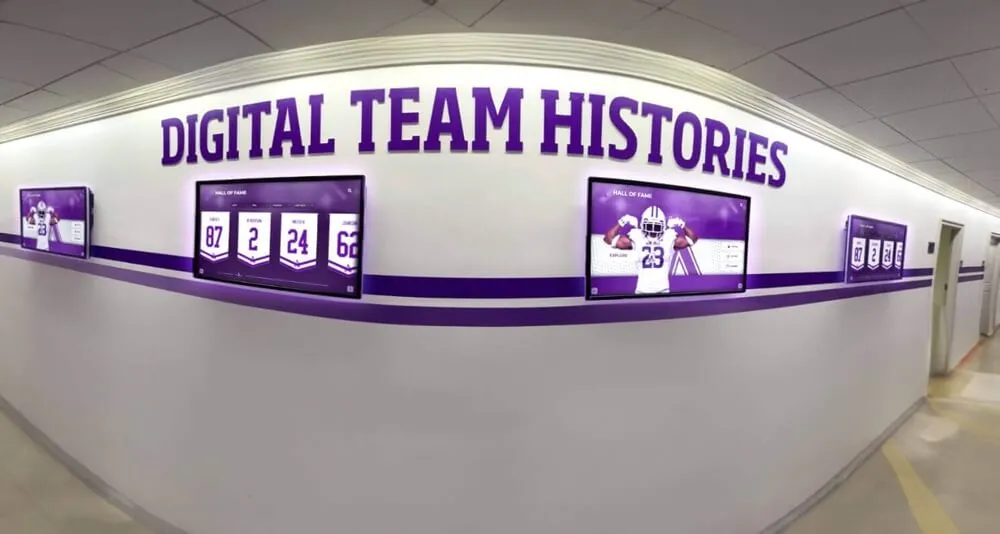
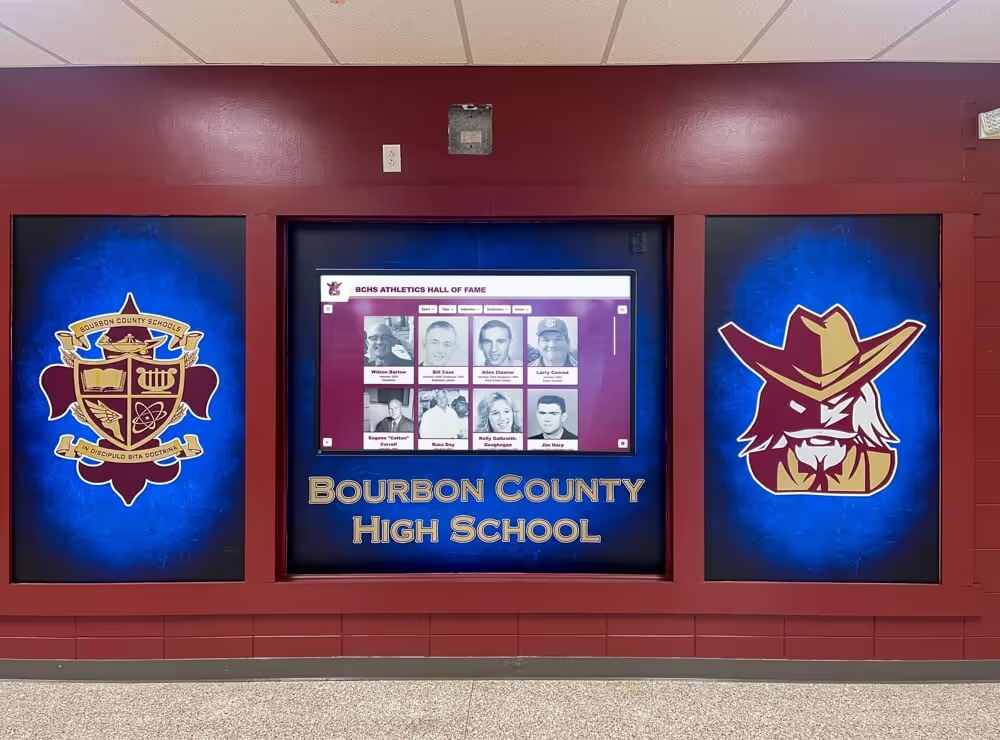
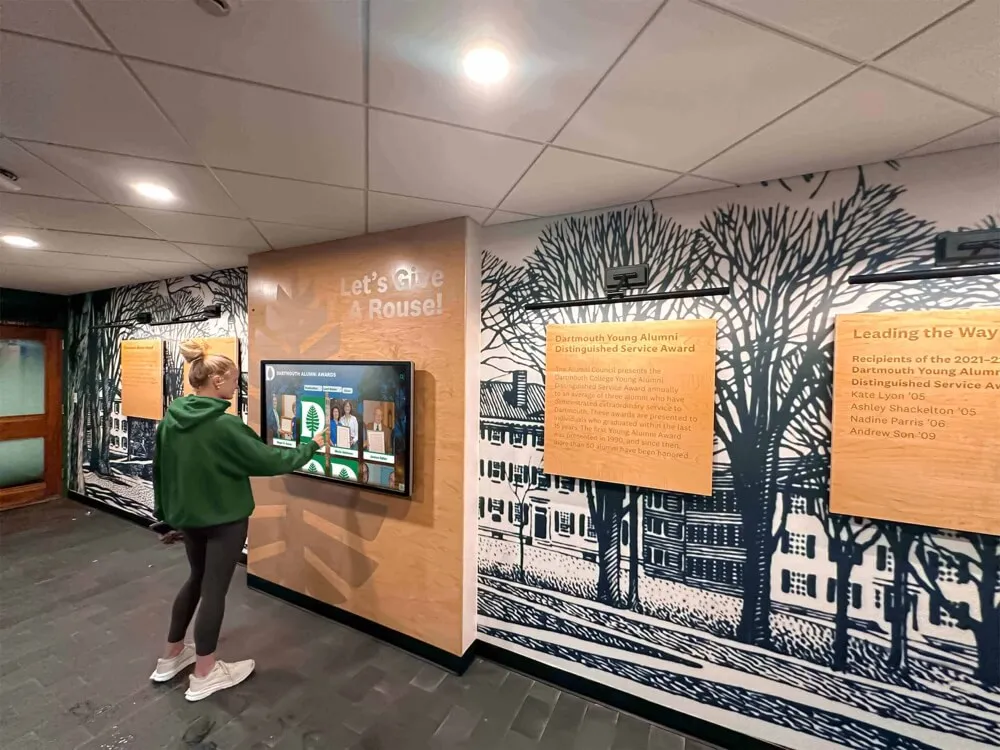
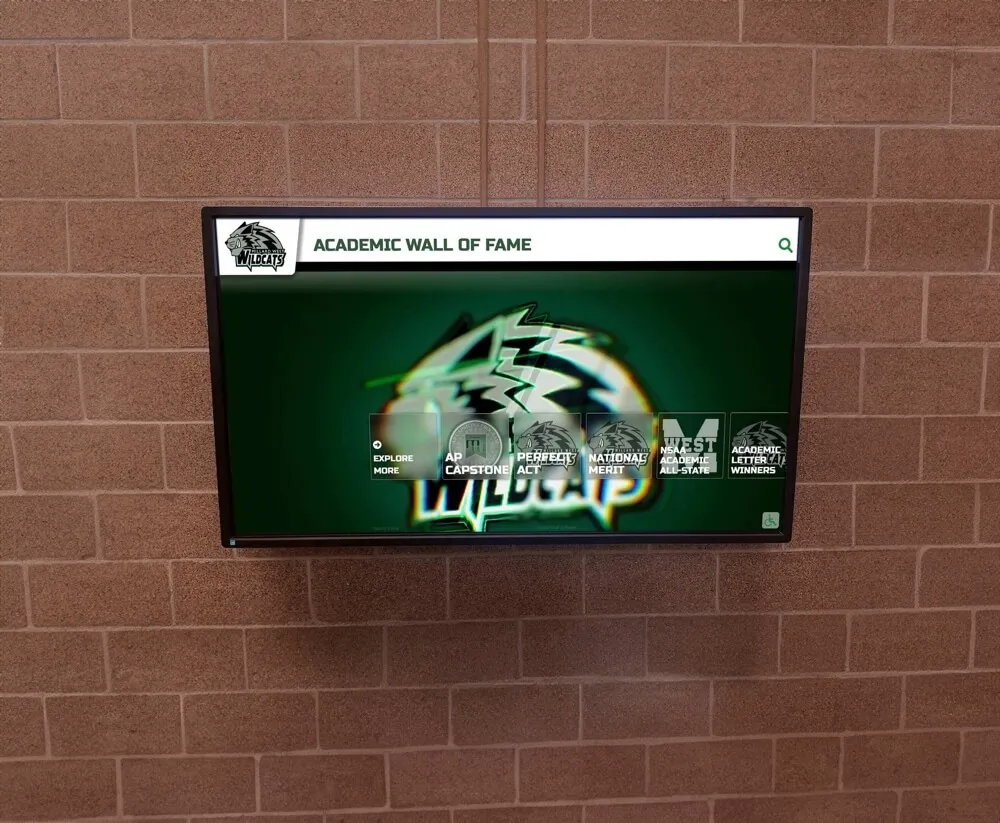
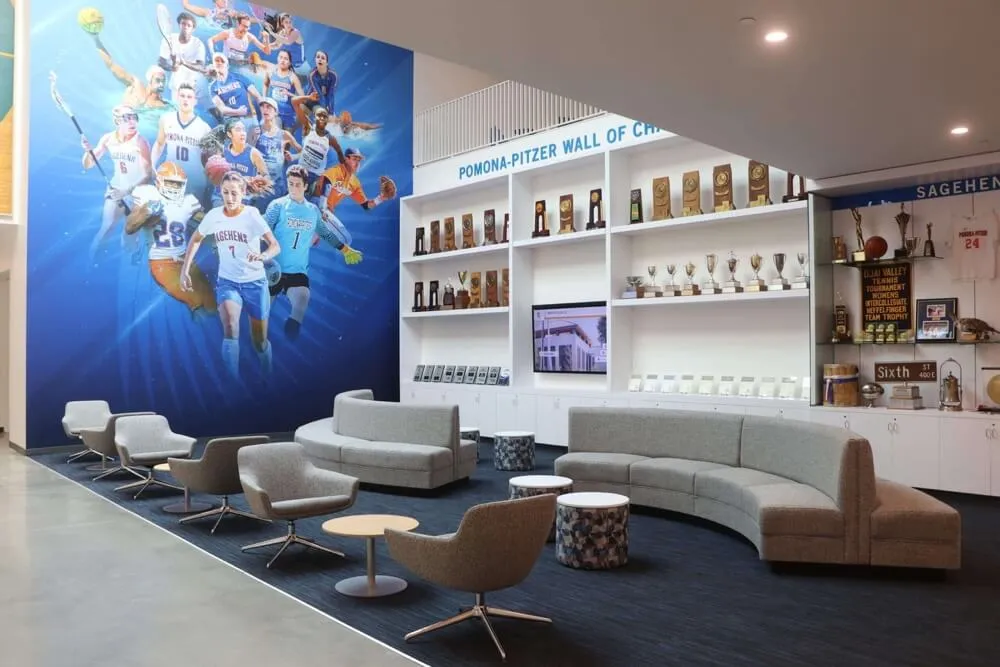
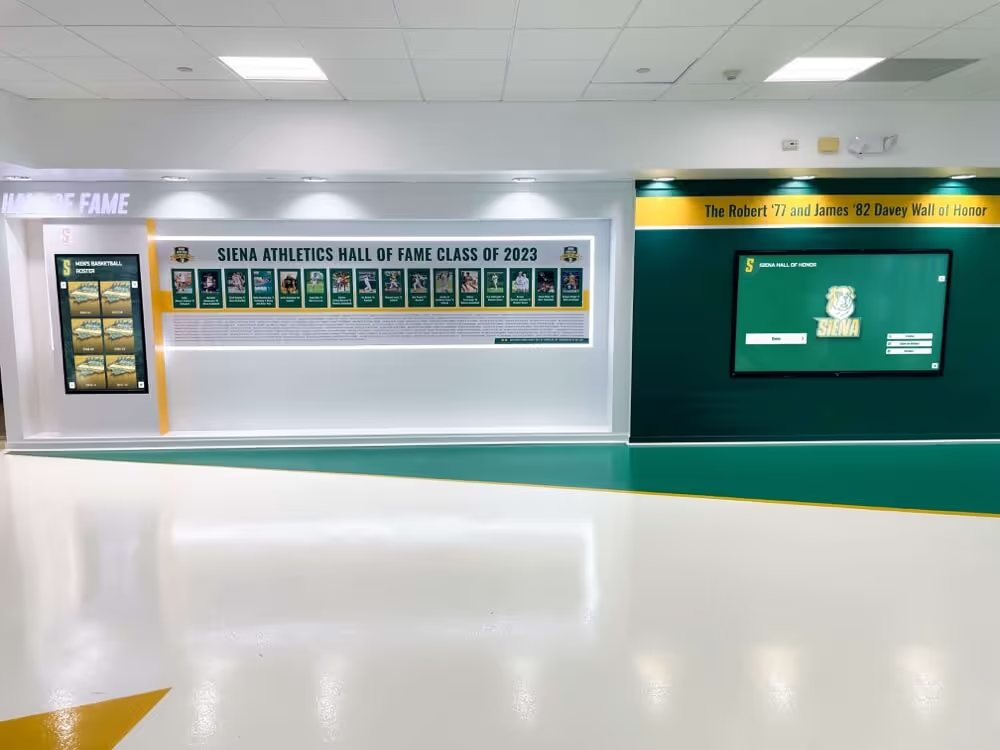
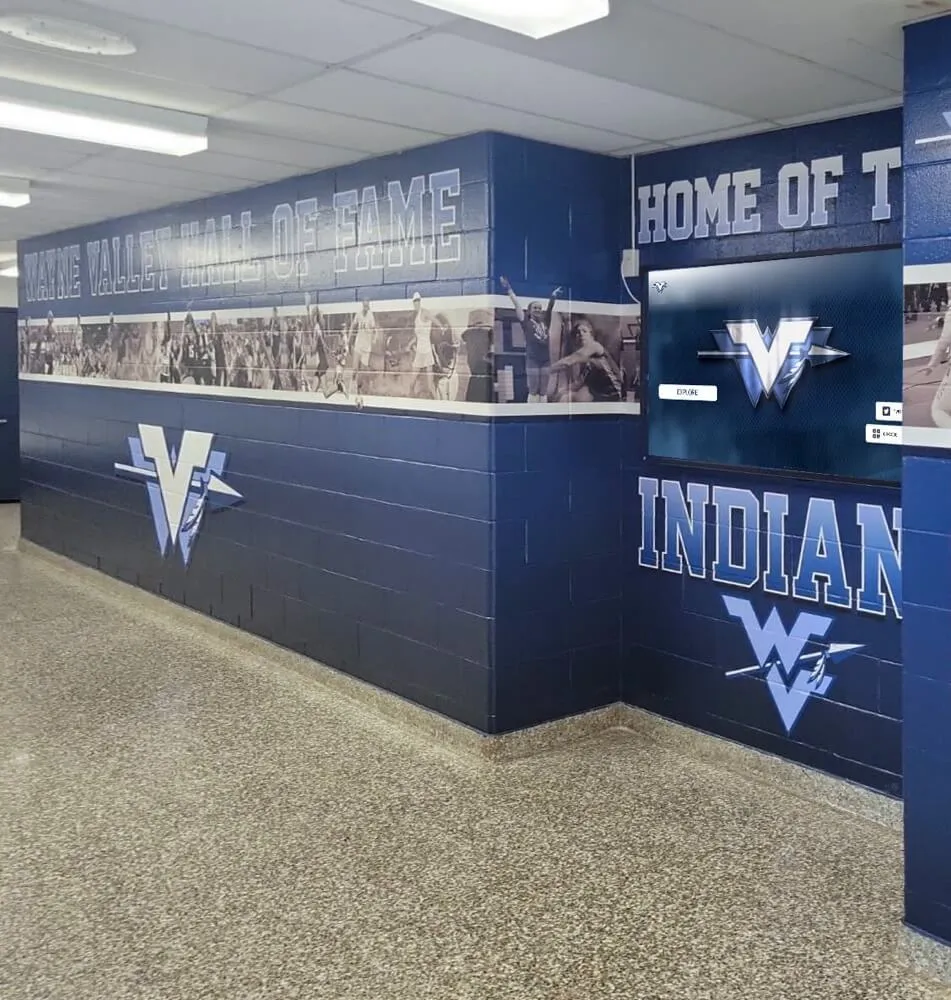
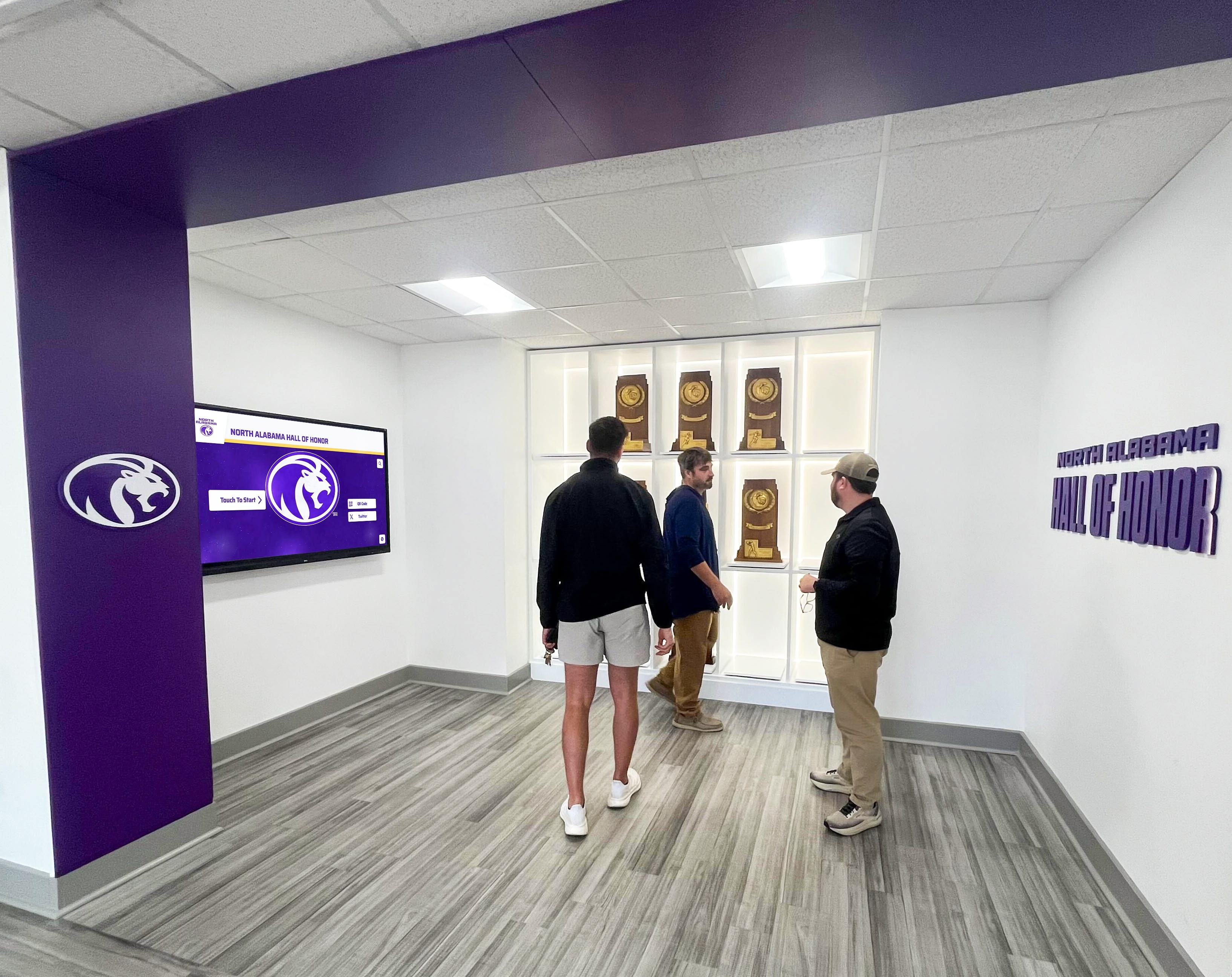
Effective alumni spaces create natural gathering points where graduates reconnect with their institutional history
Understanding Effective Alumni Programming
Before exploring specific event ideas, understanding what makes alumni programming successful ensures your efforts create genuine engagement rather than obligatory attendance.
What Alumni Value in Events
Research from alumni relations professionals and engagement studies reveals several key factors that drive participation:
Meaningful Connection Opportunities: Alumni attend events primarily to reconnect with classmates, forge new relationships with fellow graduates, and maintain institutional bonds. Events facilitating authentic connection consistently outperform those focused solely on institutional messaging or transactional asks.
Career and Professional Value: Many graduates seek programming that advances professional development through networking, industry insights, skill-building, or career transitions support. Events offering tangible professional benefits attract strong attendance, particularly among mid-career alumni.
Convenient Accessibility: Geographic proximity, flexible timing, family-friendly options, and virtual attendance alternatives remove barriers preventing participation. The most successful programs offer multiple engagement pathways accommodating diverse life circumstances.
Authentic Institutional Connection: Alumni want to feel connected to institutional missions, values, and current realities without feeling pressured toward specific actions (particularly giving). Programming that celebrates institutional culture, showcases current achievements, and honors shared history resonates deeply.
Diverse Experience Options: Not all alumni want the same experiences. Effective programs balance formal and informal gatherings, large-scale and intimate events, social and professional programming, and in-person and virtual options.
Event Planning Principles for Maximum Engagement
Start With Alumni Input: Survey graduates about preferred event types, convenient timing, ideal locations, and topics of interest. Design programming based on what alumni actually want rather than assumptions about their preferences.
Create Series Rather Than Standalone Events: Regular programming rhythms build habits and expectations. Monthly networking mixers, quarterly speaker series, or annual signature events create reliable engagement opportunities alumni incorporate into their schedules.
Leverage Technology Appropriately: Digital tools extend geographic reach, reduce costs, and increase accessibility—but shouldn’t replace meaningful in-person experiences where feasible. Hybrid approaches combining physical and virtual participation often maximize engagement.
Celebrate Diversity: Programming should reflect diverse alumni populations across graduation years, career paths, geographic locations, interests, and life stages. Varied event types ensure different graduate segments find relevant opportunities.
Remove Financial Barriers: While some events may require fees covering costs, robust free programming ensures financial circumstances don’t prevent engagement. Subsidized attendance for recent graduates, discounted family tickets, and complimentary signature events broaden participation.
Learn about comprehensive approaches to alumni engagement through recognition programs that complement event programming.
Networking & Professional Development Events (20 Ideas)
Career-focused programming provides tangible value while facilitating meaningful connections among graduates.
1. Industry-Specific Networking Mixers
Host focused networking events bringing together alumni in specific fields—healthcare professionals, educators, technology workers, creative industries, financial services, or nonprofit leaders. These targeted gatherings enable substantive industry conversations and meaningful professional connections.
Implementation Tip: Partner with alumni who hold leadership positions in target industries to co-host and promote events, lending credibility and drawing their professional networks.
2. Speed Networking Sessions
Structured networking where alumni rotate through brief one-on-one conversations creates efficient connections for busy professionals. Format works particularly well for lunch hour or happy hour events with time-pressed attendees.
Implementation Tip: Provide conversation prompts on table cards and optional LinkedIn QR codes facilitating easy connection after events.
3. Mentor Matching Events
Facilitate connections between experienced alumni mentors and graduates seeking guidance through organized matching events. Combine brief presentations about effective mentoring with structured introduction sessions and follow-up coordination support.
Implementation Tip: Pre-screen and match participants based on industry, career stage, and mentoring goals before events, then use gatherings for relationship launches.
4. Career Transition Workshops
Support alumni navigating career changes through workshops addressing job searching, industry pivoting, entrepreneurship, returning to workforce after breaks, or retirement transitions. Invite successful alumni who’ve made similar transitions to share experiences.
Implementation Tip: Offer virtual attendance options for this practical programming, expanding accessibility for those actively job searching and unable to travel.
5. Salary Negotiation Seminars
Taboo-breaking workshops where alumni learn negotiation strategies, compensation benchmarking, and advocacy techniques from experts create high-value programming graduates rarely access elsewhere.
Implementation Tip: Anonymous Q&A submission enables questions about sensitive compensation topics participants hesitate to ask publicly.
6. Alumni Startup Showcase
Feature alumni entrepreneurs presenting their ventures, seeking advice, making pitches, and finding potential investors, customers, or collaborators among fellow graduates. Create mini “shark tank” format with successful alumni investors providing feedback.
Implementation Tip: Follow showcases with dedicated networking time specifically for connecting entrepreneurs with alumni who have relevant expertise, resources, or interests.
7. LinkedIn Profile Optimization Sessions
Practical workshops where professional photographers provide headshots while career experts offer LinkedIn profile reviews and optimization advice create immediately actionable value.
Implementation Tip: Create “before and after” examples (with permission) showcasing profile improvements, and provide written optimization checklists attendees implement post-event.
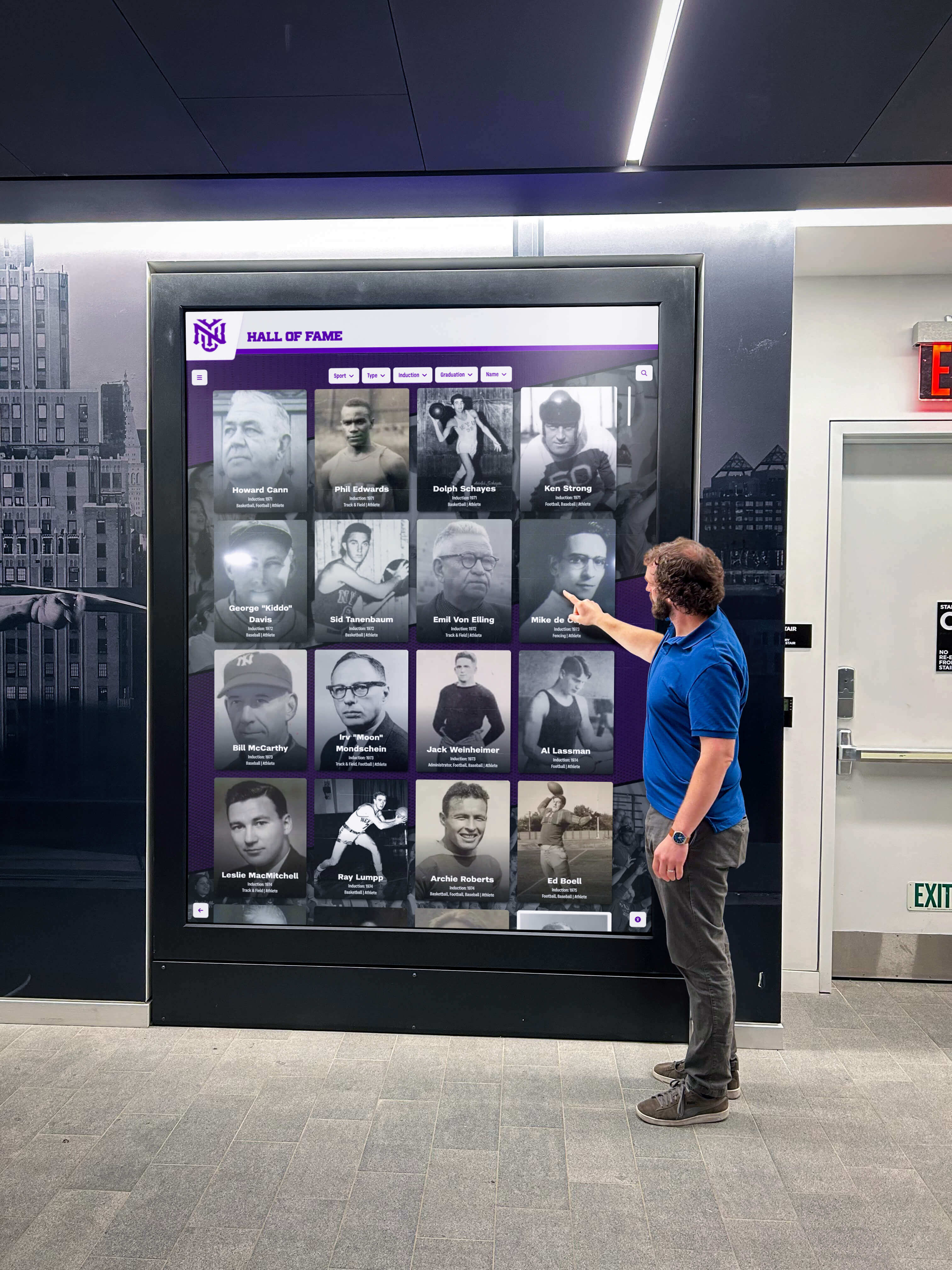
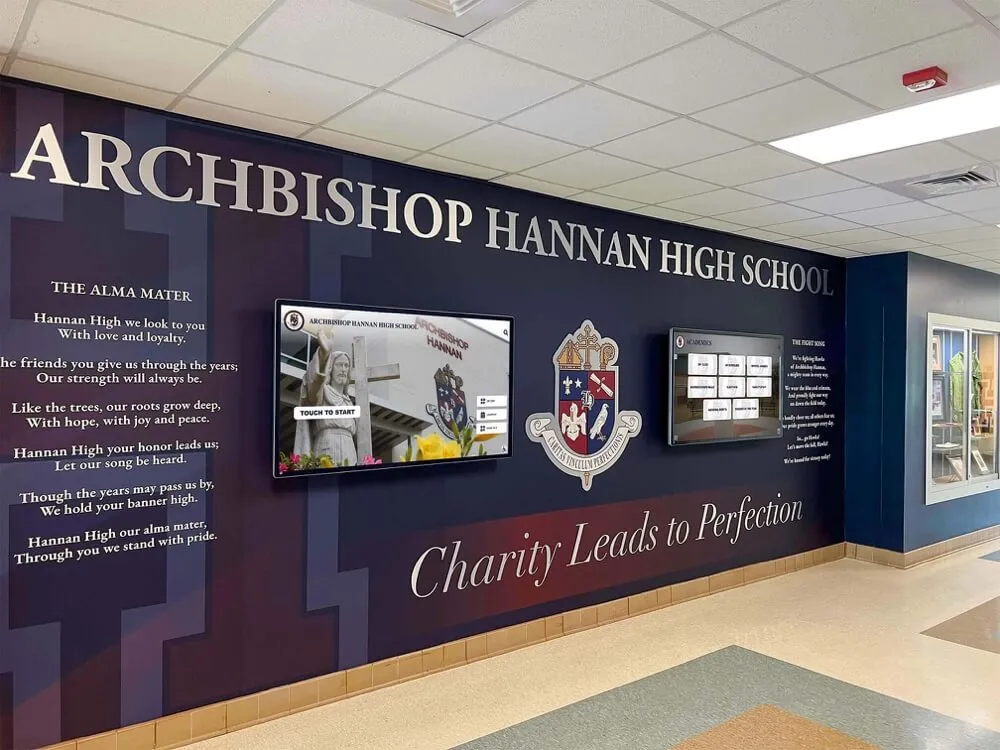
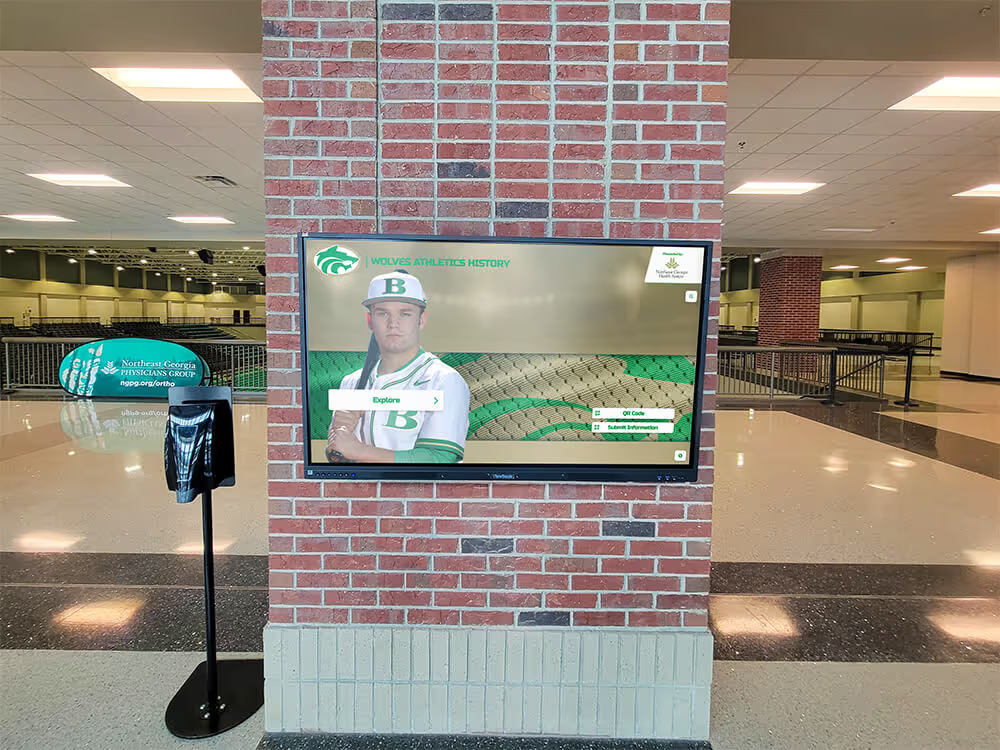
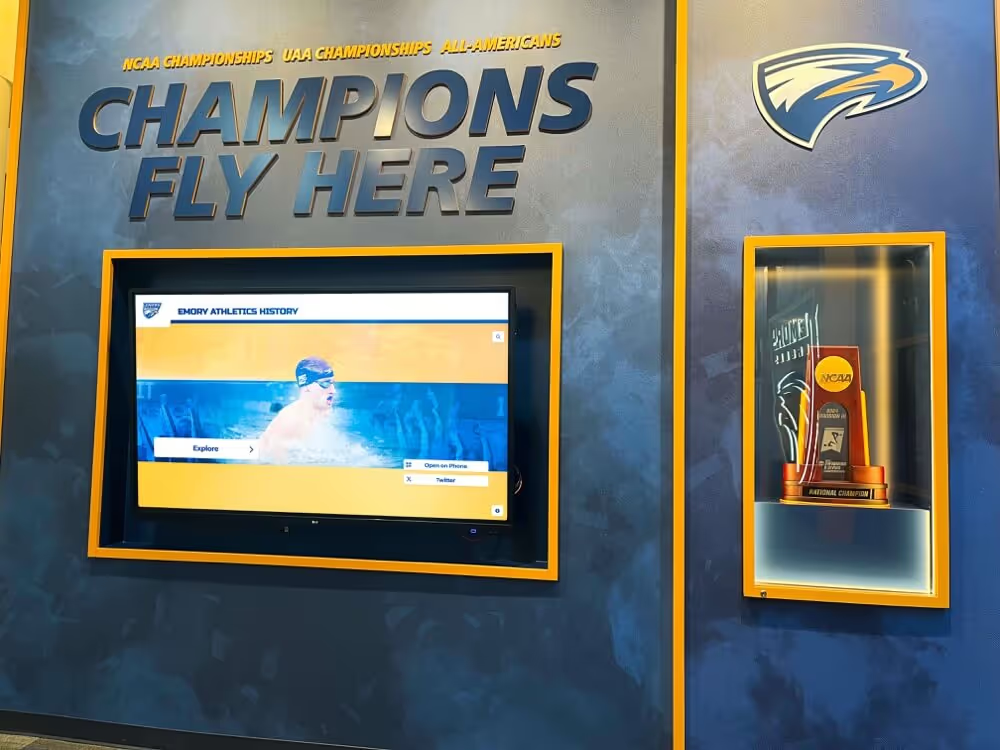
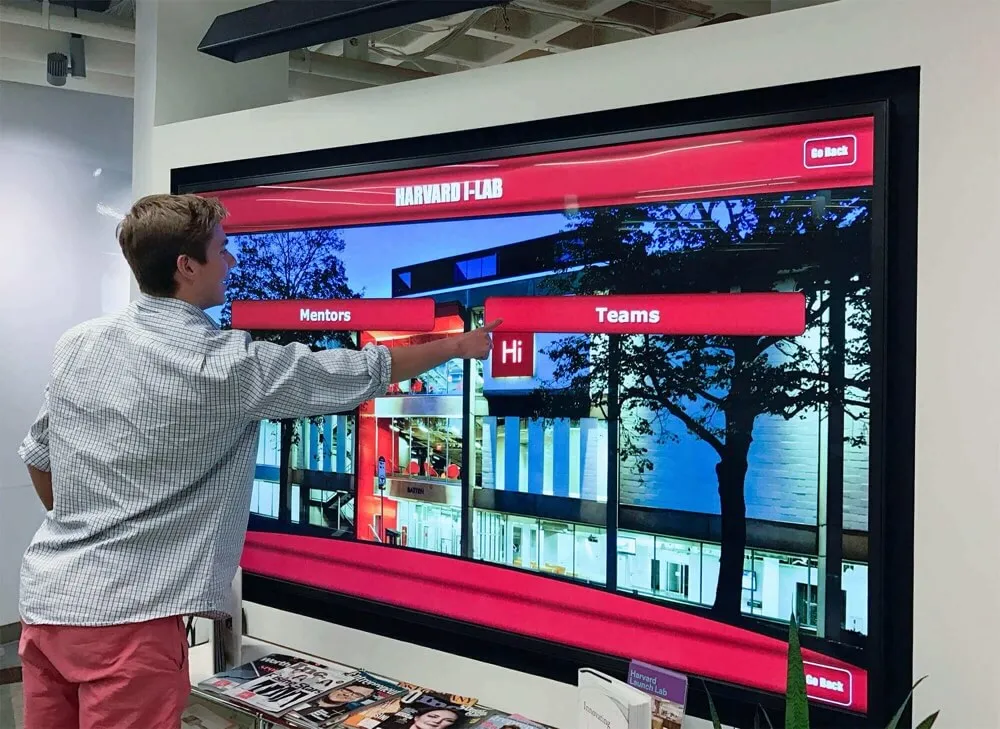
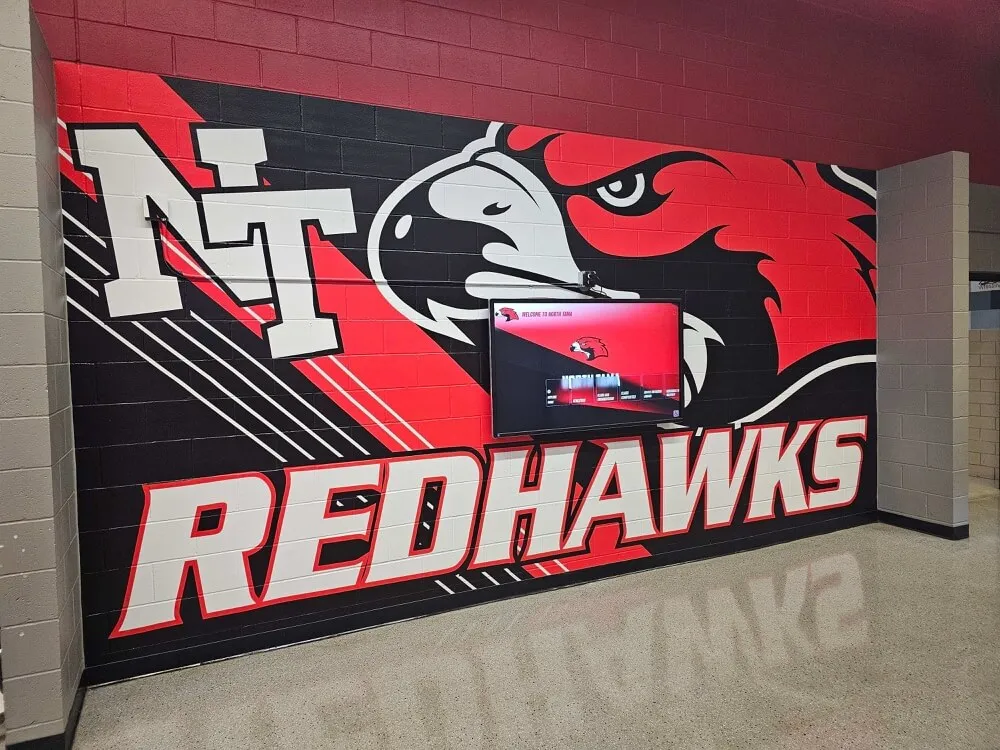
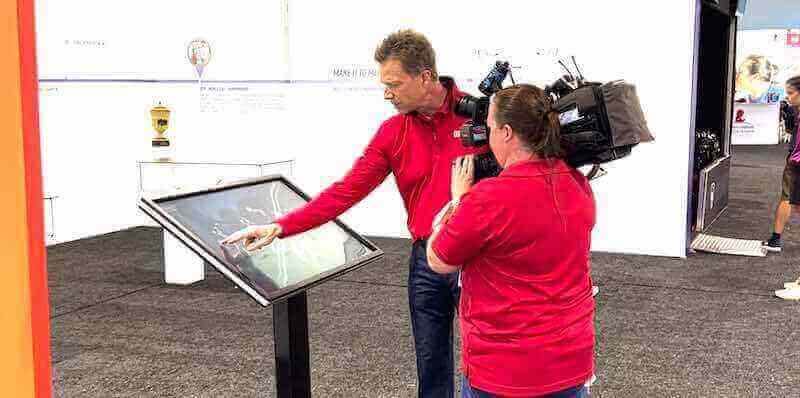
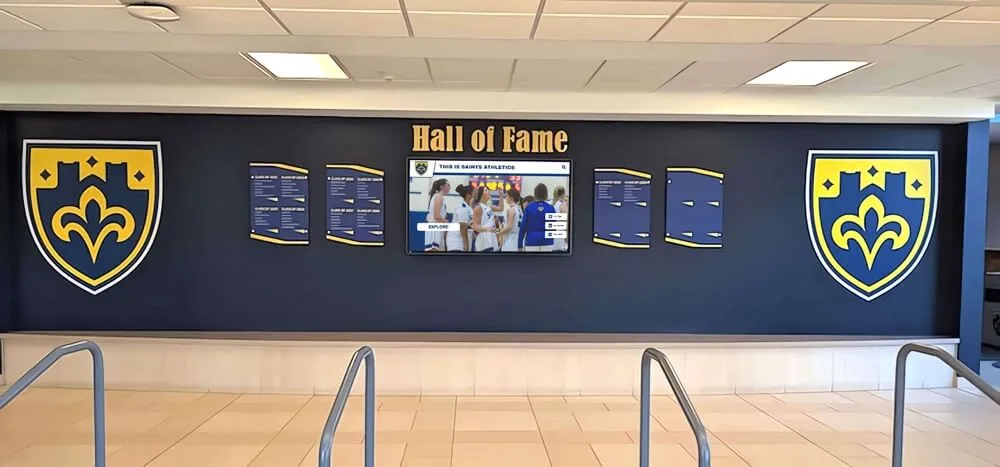
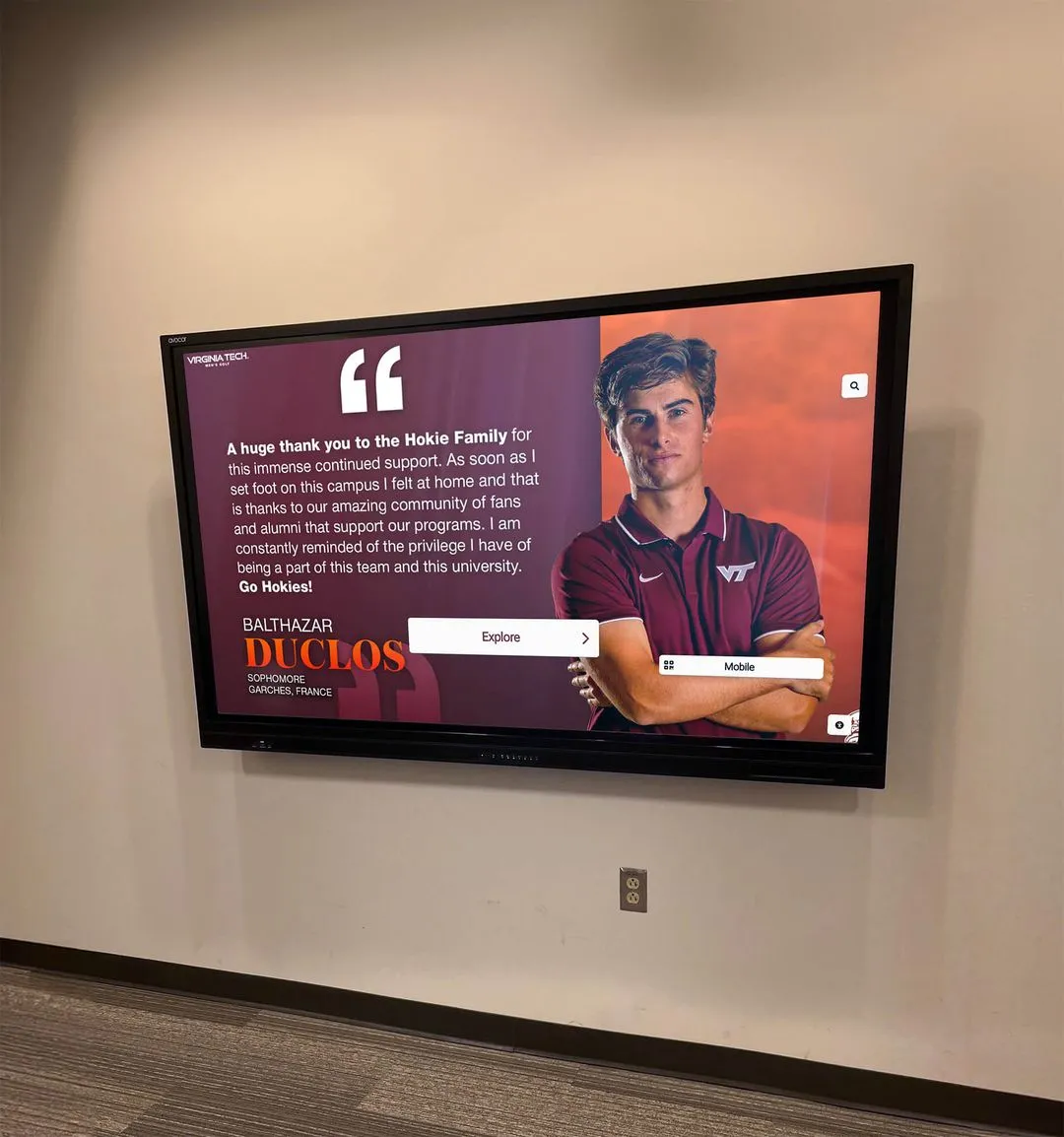
Interactive displays showcasing diverse alumni career paths inspire professional development conversations
8. Women’s Leadership Forums
Programming specifically supporting women alumni through leadership development, career advancement strategies, work-life integration discussions, and gender-specific professional challenges builds valuable community.
Implementation Tip: Include both panel discussions with established women leaders and small breakout groups enabling peer support and relationship building among attendees.
9. Young Alumni Professional Networks
Create dedicated programming for recent graduates (typically 5-10 years post-graduation) addressing early-career challenges, building peer networks, and launching alumni engagement habits that continue throughout lives.
Implementation Tip: Host events at trendy venues recent graduates frequent, keep costs low or free, and emphasize social networking alongside professional development.
10. Executive Speaker Series
Invite prominent alumni or other leaders to deliver keynote presentations on leadership, industry trends, innovation, or career wisdom. Premium speaker events create attractive programming while showcasing successful alumni role models.
Implementation Tip: Include Q&A and reception time enabling audience interaction with speakers, transforming passive presentations into networking opportunities.
11. Resume and Portfolio Review Clinics
Alumni career professionals donate time reviewing resumes, portfolios, or application materials for graduates seeking new positions. Offer both in-person appointments and virtual sessions maximizing accessibility.
Implementation Tip: Recruit diverse reviewers spanning multiple industries so attendees receive relevant field-specific feedback.
12. Informational Interview Practice
Mock informational interview sessions where alumni practice conversation skills, receive feedback, and gain confidence approaching networking interactions. Particularly valuable for career changers and job seekers.
Implementation Tip: Pair less experienced alumni with seasoned professionals who conduct practice interviews then provide detailed coaching.
13. Industry Conference Group Attendance
Organize alumni groups attending major industry conferences together, hosting private dinners or receptions during conferences, and facilitating connections among graduates attending same events.
Implementation Tip: Survey alumni about upcoming conference attendance, identify overlaps, then coordinate meetups at conferences rather than creating entirely separate events.
14. Board Service Preparation Workshops
Support alumni interested in nonprofit or corporate board service through workshops explaining board responsibilities, recruitment processes, governance principles, and positioning strategies.
Implementation Tip: Feature alumni currently serving on boards discussing how they secured positions and what they’ve learned from board service.
15. Entrepreneurship Office Hours
Experienced alumni entrepreneurs hold regular office hours where early-stage founders receive feedback, advice, connections, and encouragement. Informal, accessible format reduces barriers to participation.
Implementation Tip: Rotate hosting entrepreneurs across different industries and business stages, ensuring diverse expertise availability over time.
16. Public Speaking Workshops
Help alumni develop presentation and public speaking skills through practical workshops with professional coaches. Include video recording and individualized feedback strengthening communication capabilities.
Implementation Tip: Invite Toastmasters International alumni or professional speakers from alumni community to lead workshops at minimal cost.
17. Skills-Based Volunteering Projects
Connect alumni professional expertise with institutional or community needs through structured pro bono projects. Graduates provide marketing, design, legal, financial, or strategic consulting to departments or partner organizations.
Implementation Tip: Scope projects clearly with defined deliverables and timelines, treating volunteer engagements as professional consulting relationships.
18. Industry Trend Briefings
Expert alumni deliver concise briefings on emerging trends, technologies, or developments in specific industries. 45-60 minute lunch-and-learn format respects time while providing concentrated value.
Implementation Tip: Record sessions for on-demand viewing, extending value to alumni unable to attend live and creating content library over time.
19. Negotiation Skills Workshops
Beyond salary negotiation, teach general negotiation principles applicable to contracts, partnerships, purchases, or professional relationships. Role-playing exercises provide practice applying concepts.
Implementation Tip: Bring in alumni attorneys, mediators, or business negotiators who use these skills professionally.
20. Career Panels by Industry
Multi-alumni panels representing various roles within specific industries provide diverse perspectives on career paths, industry realities, and success strategies. Include time for audience questions and informal networking.
Implementation Tip: Intentionally select panelists at different career stages (early, mid, senior) so attendees see progression possibilities and hear relevant advice for their current situation.
Institutions can showcase career success through alumni spotlight recognition programs that celebrate diverse graduate pathways.
Social & Celebration Events (20 Ideas)
Purely social programming builds community through enjoyable shared experiences without transactional expectations or formal structure.
21. Regional Alumni Happy Hours
Simple after-work gatherings at local bars or restaurants in cities with alumni concentrations create accessible, low-pressure networking and socializing opportunities. Minimal planning requirements enable frequent programming.
Implementation Tip: Establish recurring schedules (first Thursday monthly, etc.) so alumni anticipate regular gatherings without requiring individual promotion each time.
22. Alumni Game Watch Parties
Gather alumni to watch current student teams compete, whether in person at campus venues or remotely at sports bars, alumni homes, or virtual viewing parties. Combines school spirit with social connection.
Implementation Tip: For geographically dispersed alumni, coordinate simultaneous regional watch parties in multiple cities with shared social media hashtag creating connected experience.
23. Milestone Reunion Celebrations
Traditional class reunion events for 5th, 10th, 25th, 50th anniversaries create natural gathering occasions. Successful reunions balance nostalgic programming with updates on current institutional realities.
Implementation Tip: Extend reunions beyond single evenings with full weekend programming—campus tours, athletic events, panel discussions, service projects, and informal social time maximizing connection opportunities.
24. Decade Parties
Instead of single-class reunions, unite multiple graduation years into decade cohorts (1990s, 2000s, etc.). Larger groups generate better attendance while enabling cross-year networking and shared nostalgia.
Implementation Tip: Theme events around era-specific music, fashion, and pop culture references creating fun, memorable atmospheres.
25. Family Alumni Picnics
Family-friendly outdoor gatherings with activities for children remove barriers preventing parents from attending. Build multi-generational alumni community through accessible events.
Implementation Tip: Include both structured children’s activities (games, crafts, entertainment) and informal play spaces so parents can socialize while kids stay engaged.
26. Holiday Celebration Receptions
Host festive gatherings around major holidays—holiday parties in December, Halloween celebrations, summer cookouts, or spring garden parties. Leverage seasons providing natural celebration opportunities.
Implementation Tip: Include traditions becoming expected annual events alumni plan to attend, like signature cocktails, traditional foods, or special entertainment.
27. Alumni Band Nights
Invite alumni musicians to perform or organize open jam sessions where musical graduates collaborate. Showcase talent while creating unique entertainment experiences.
Implementation Tip: Mix featured alumni performer showcase with open mic opportunities so various musicians participate.
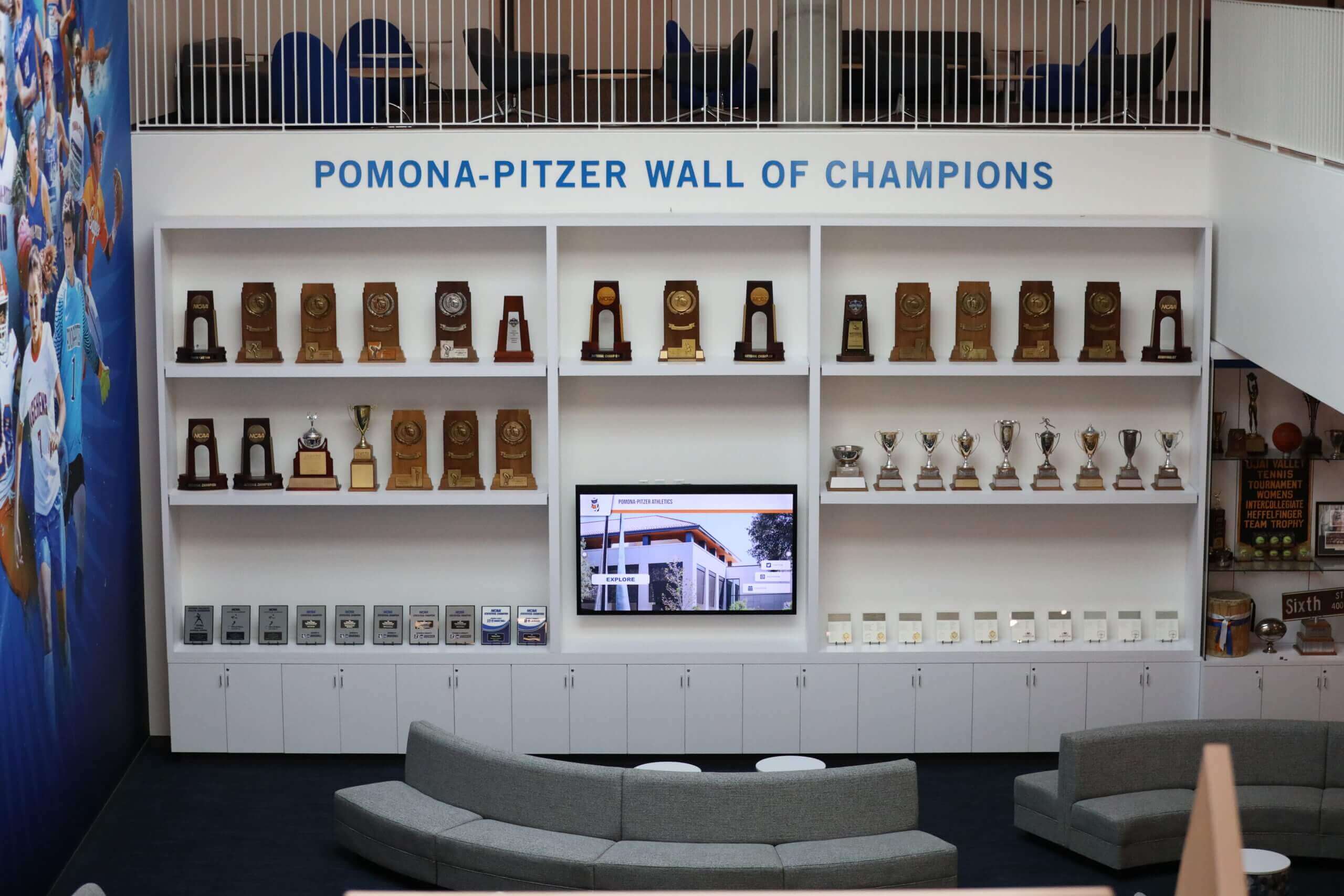
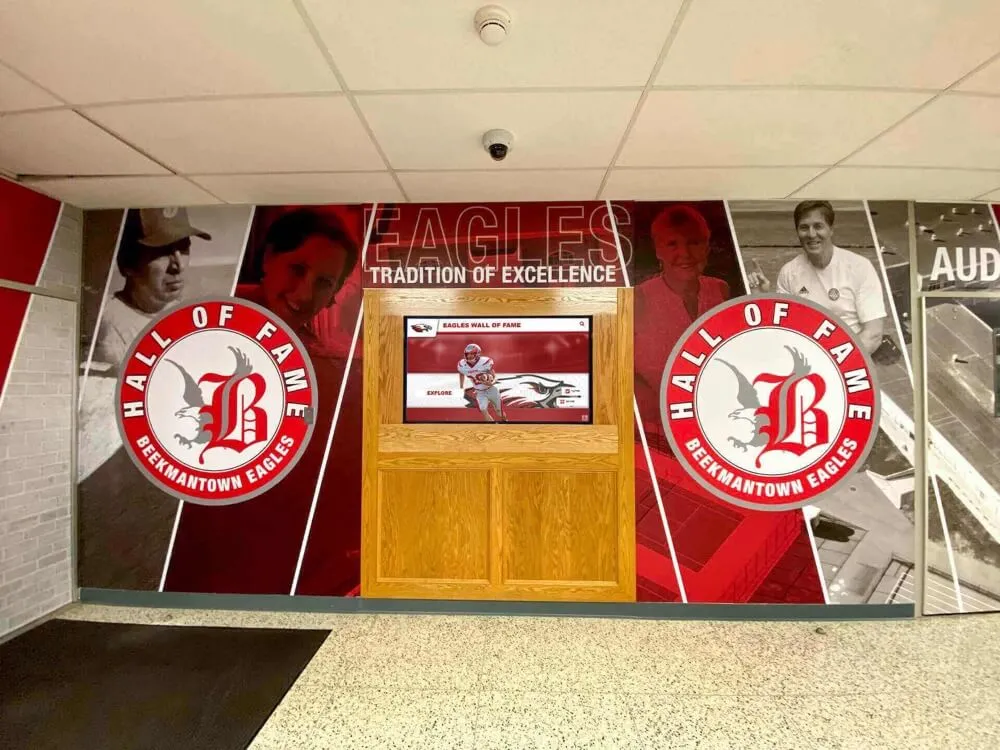
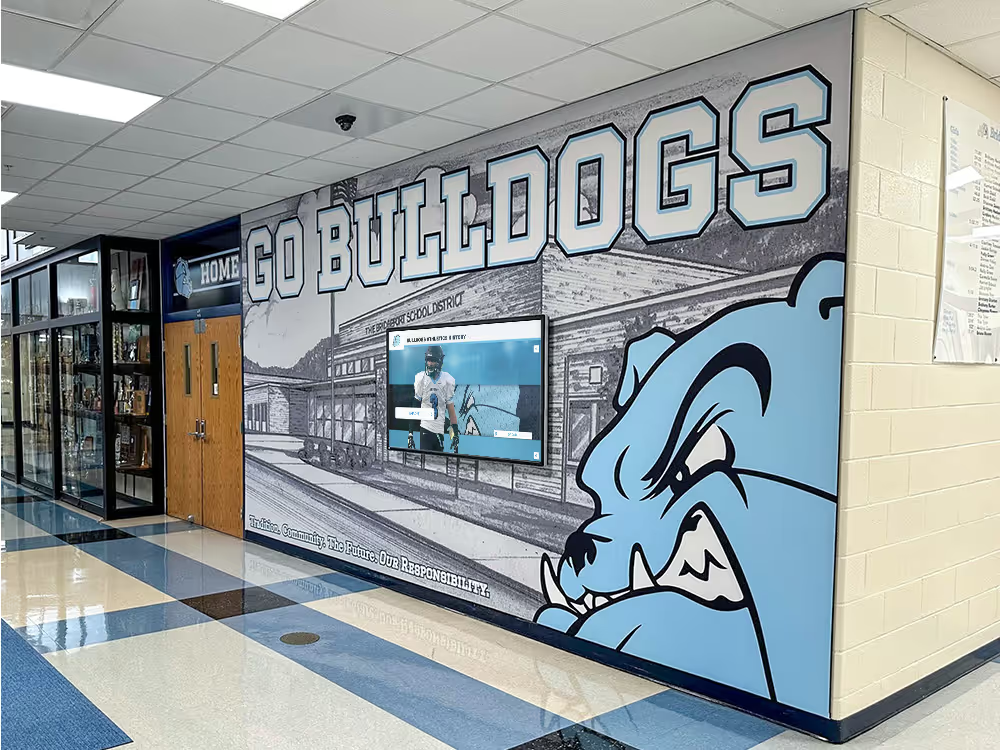
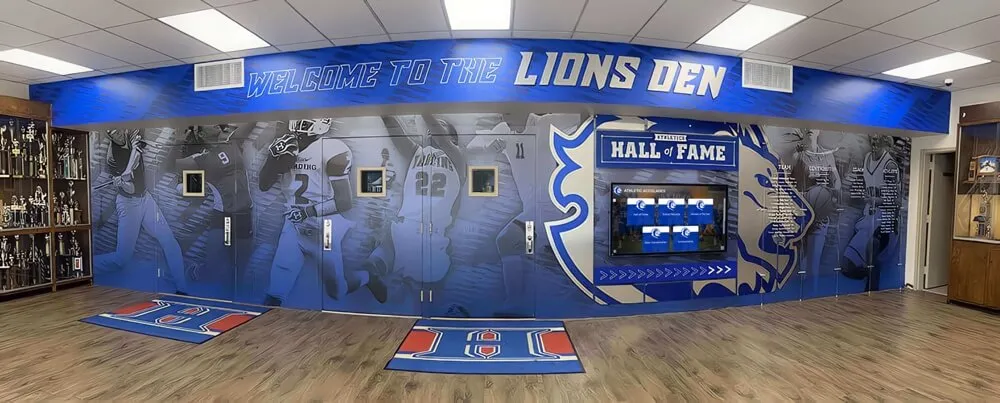
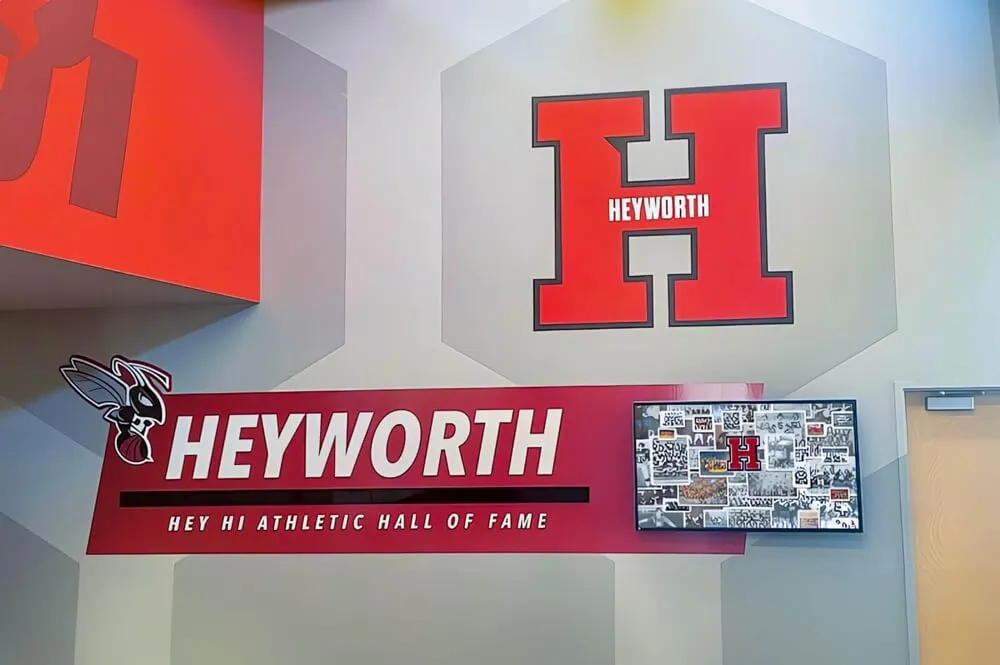
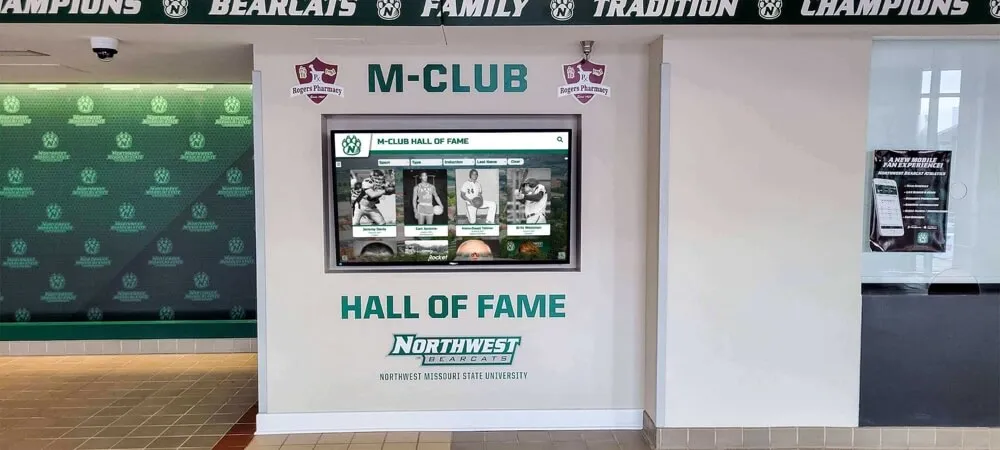
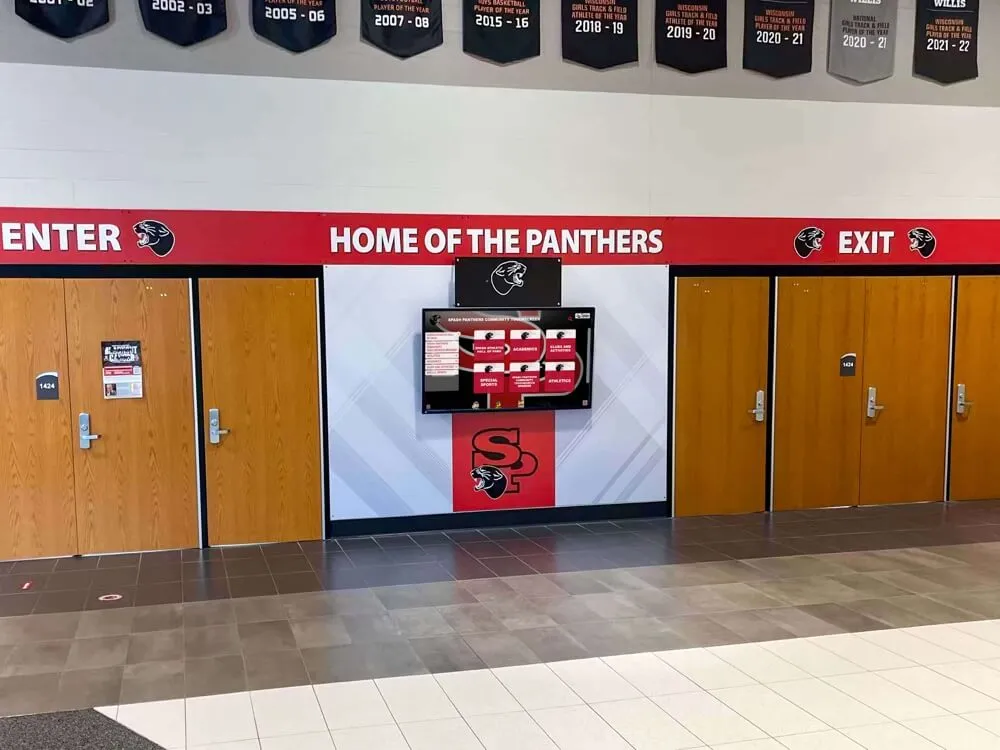
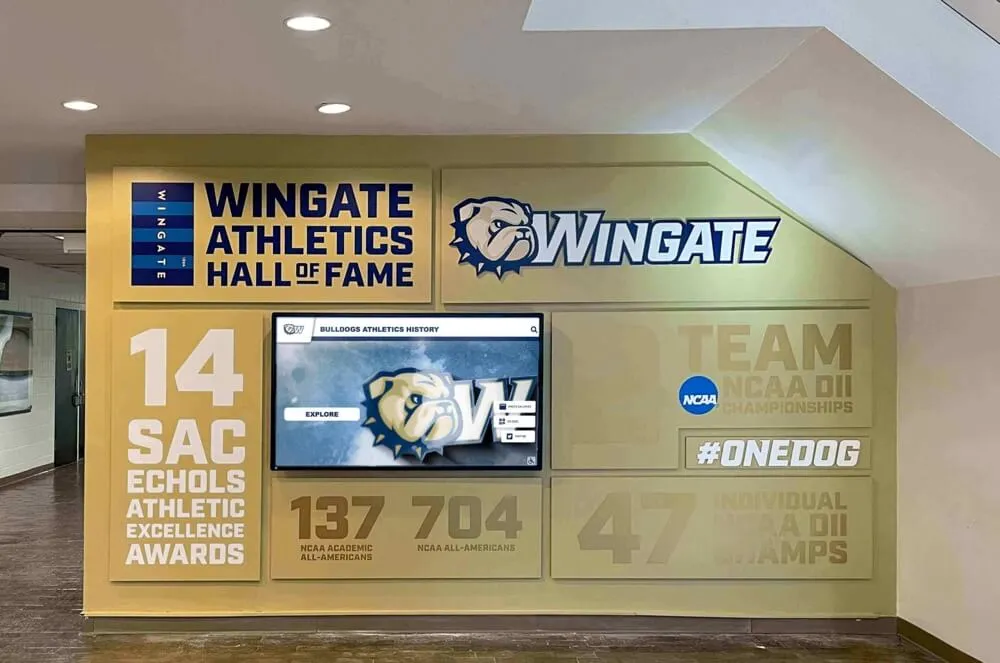
Dedicated alumni spaces provide natural settings for informal social gatherings and celebrations
28. Trivia Night Competitions
Host team trivia competitions testing knowledge about institutional history, general knowledge, or specific topics. Competitive yet lighthearted format appeals to diverse alumni.
Implementation Tip: Include institutional history questions creating competitive advantage for older alumni, balancing with pop culture questions favoring younger graduates.
29. Alumni Book Clubs
Regular book club meetings discussing selected titles create intellectual community and recurring connection opportunities. Choose books written by alumni authors when possible.
Implementation Tip: Offer both in-person and virtual meeting options, recognizing geographic dispersion while providing locally-based alumni with richer discussion experiences.
30. Food and Wine Tastings
Partner with alumni restaurateurs, vintners, brewers, or food producers for tasting events showcasing graduate entrepreneurship while providing upscale social experiences.
Implementation Tip: Educational components (wine education, cooking demonstrations) add substance beyond pure socializing.
31. Golf Tournaments
Annual golf outings combine sport with networking through natural conversation opportunities during rounds and post-tournament receptions. Sponsor opportunities support programming.
Implementation Tip: Include various skill levels through scramble formats and multiple tee options ensuring accessibility for recreational golfers.
32. Alumni Talent Shows
Showcase alumni performers, comedians, magicians, or other entertainers in variety show formats. Surprising talent discoveries create memorable experiences.
Implementation Tip: Audition acts beforehand ensuring quality entertainment while including diverse performance types maintaining audience engagement.
33. Game Night Gatherings
Board game or video game tournaments create fun, accessible social programming. Partner with alumni game designers or gaming industry professionals when possible.
Implementation Tip: Provide both classic games familiar to most attendees and newer options introducing games to interested alumni.
34. Progressive Dinner Parties
Multi-location dinners where groups rotate through courses at different alumni homes or restaurants create intimate experiences and showcase local alumni hospitality.
Implementation Tip: Keep groups small (8-12 people) facilitating conversation while rotating attendees between locations so everyone meets different alumni.
35. Volunteer Service Days
Organize alumni volunteer groups supporting community organizations, campus beautification projects, or local causes. Meaningful service combined with teamwork builds bonds.
Implementation Tip: Follow volunteer activities with informal social gatherings, combining meaningful work with relationship-building social time.
36. Alumni Theater Nights
Attend performances featuring alumni performers or productions at campus venues together, followed by post-show receptions. Combine arts support with social networking.
Implementation Tip: Negotiate group ticket discounts and reserve adjacent seating blocks creating shared experience feeling.
37. Photography Walks
Alumni photographers lead campus or local community photo walks teaching techniques while exploring locations. Creative shared activity appeals to photography enthusiasts.
Implementation Tip: Display resulting photos in online galleries or campus exhibitions, celebrating alumni creativity while promoting future events.
38. Cooking Classes
Alumni chefs teach cooking classes sharing signature dishes, cultural specialties, or cooking techniques. Hands-on, interactive format facilitates organic conversation.
Implementation Tip: End classes with communal meals where participants enjoy what they’ve prepared together.
39. Wine Country Tours
Organize day trips to nearby wine regions, breweries, or distilleries owned by alumni or in regions with alumni concentrations. Full-day excursions create extended bonding time.
Implementation Tip: Charter transportation enabling alcohol enjoyment without driving concerns while creating additional social time during transit.
40. Casino Night Fundraisers
Vegas-themed social events with gaming tables, raffles, and entertainment combine fundraising with fun social experiences. Partner with professional casino event companies.
Implementation Tip: Make attendance free with optional gaming chip purchases, ensuring financial accessibility while creating fundraising opportunities.
Additional ideas for celebrations appear in guides about planning memorable galas for schools and nonprofits.
Student Connection & Mentorship Events (15 Ideas)
Programming connecting alumni with current students creates intergenerational value benefiting both constituencies while reinforcing institutional missions.
41. Career Fair Participation
Alumni volunteer at career fairs sharing industry insights, reviewing resumes, conducting practice interviews, or representing their employers recruiting students.
Implementation Tip: Create alumni-only recruiting tracks at career fairs giving graduates preferential access to top student talent.
42. Student-Alumni Mentorship Kickoff
Launch formal mentorship programs with events matching students with alumni mentors, explaining program expectations, and facilitating initial relationship building.
Implementation Tip: Provide conversation starters, relationship development frameworks, and ongoing support helping mentor-mentee pairs build meaningful connections.
43. Alumni Guest Lectures
Invite alumni to deliver guest lectures in relevant courses, sharing real-world applications of academic concepts and career insights. Strengthens curriculum while exposing students to alumni role models.
Implementation Tip: Facilitate informal student interaction time beyond formal lecture—coffee sessions, lunch conversations, or office hours enabling deeper connection.
44. Industry Exploration Panels
Panel discussions where diverse alumni in specific industries describe their career paths, daily work realities, and industry opportunities help students explore fields and make informed decisions.
Implementation Tip: Include recent graduates whose experiences feel more immediately relevant to current students alongside established professionals showing long-term possibilities.
45. Mock Interview Days
Alumni professionals conduct mock interviews providing students with realistic interview practice and detailed feedback strengthening preparation for actual job interviews.
Implementation Tip: Recruit interviewers from industries students commonly enter and train volunteers on providing constructive feedback.
46. Networking Etiquette Workshops
Alumni teach students professional networking skills—introducing themselves, making conversation, following up, building relationships—through workshops combining instruction with practice.
Implementation Tip: Follow workshops with actual networking receptions where students immediately apply skills in lower-pressure alumni-student environments.
47. Job Shadow Programs
Facilitate day-long job shadowing where students observe alumni at work, experiencing career realities firsthand. Particularly valuable for students exploring career options.
Implementation Tip: Create structured reflection activities helping students process experiences and consider how shadowing affects their career thinking.
48. Student Startup Advising
Alumni entrepreneurs provide office hours or structured advising sessions supporting student ventures with experienced guidance, connections, and encouragement.
Implementation Tip: Connect student founders with alumni in similar industries or who’ve faced comparable business challenges.
49. Senior Send-Off Events
Pre-graduation events where graduating students meet recent alumni who share advice about transitions, answer questions about early-career challenges, and extend welcoming hands into alumni community.
Implementation Tip: Include practical transition advice—moving, job searching, financial planning—addressing immediate graduate concerns.
50. Dorm Room Dinners
Alumni visit campus joining students for informal dorm or dining hall meals. Accessible, low-pressure format enables authentic conversation and relationship building.
Implementation Tip: Small group settings (4-6 students with 1-2 alumni) facilitate substantive conversation better than large gatherings.
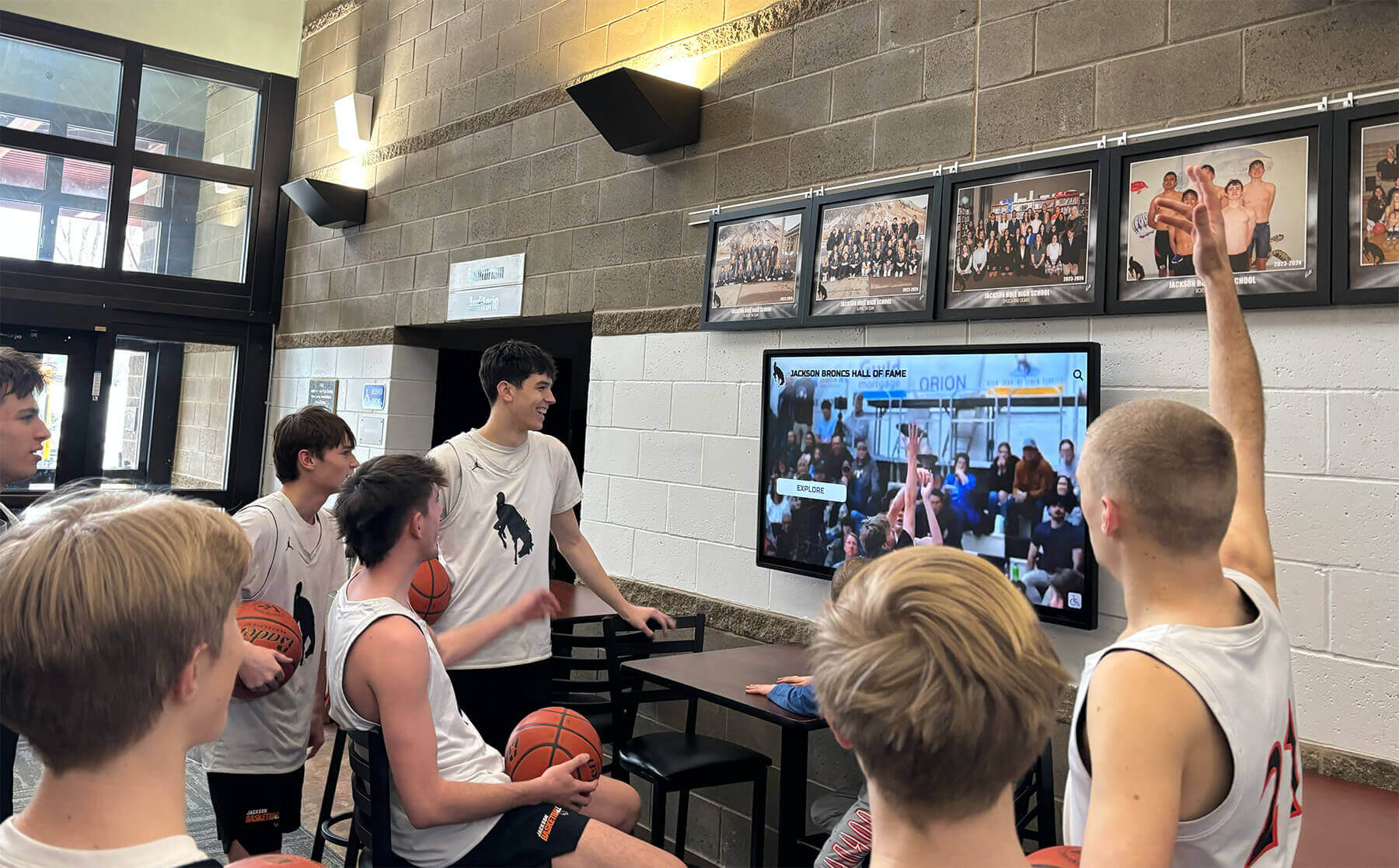
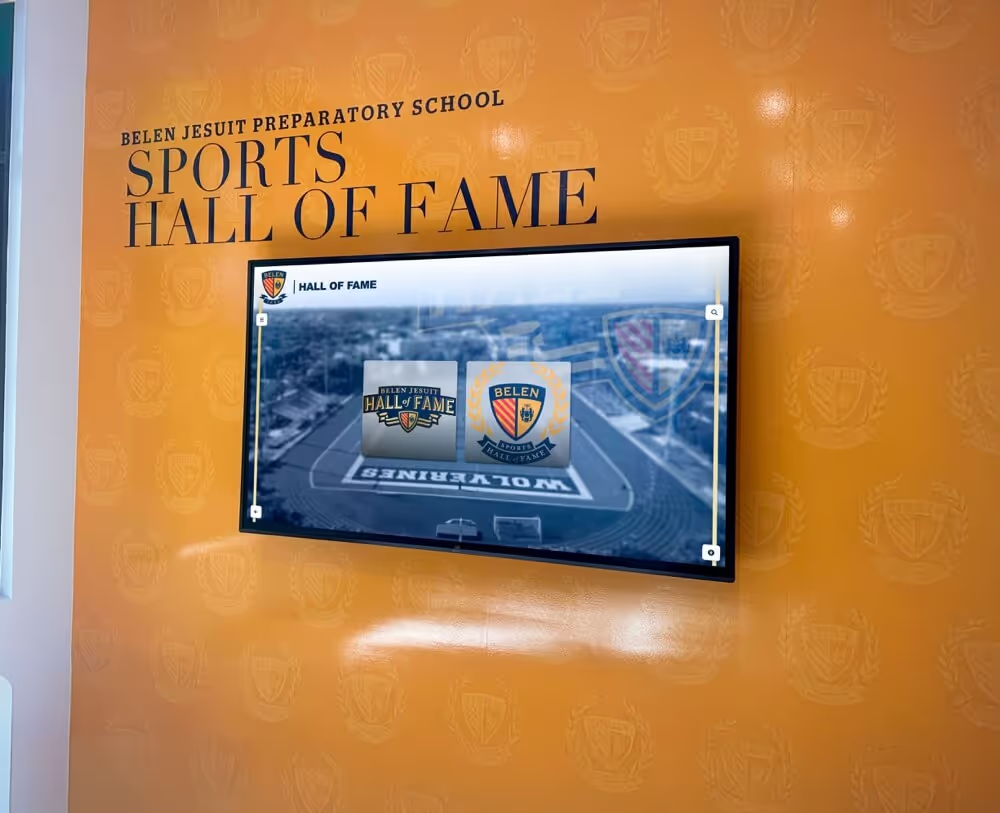
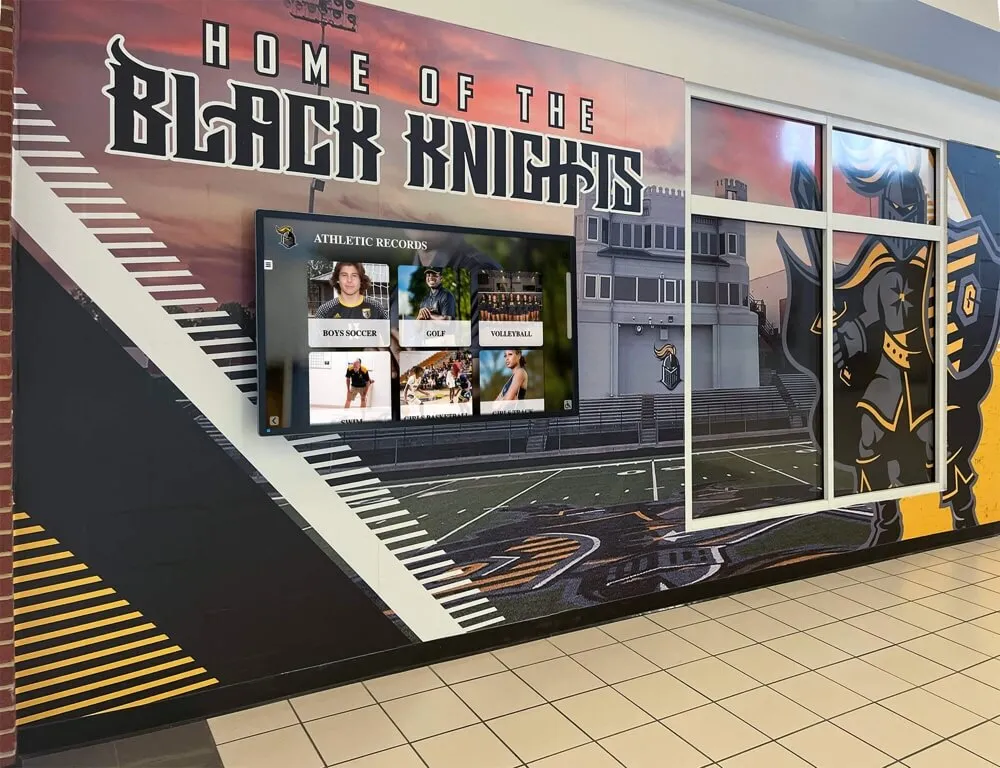
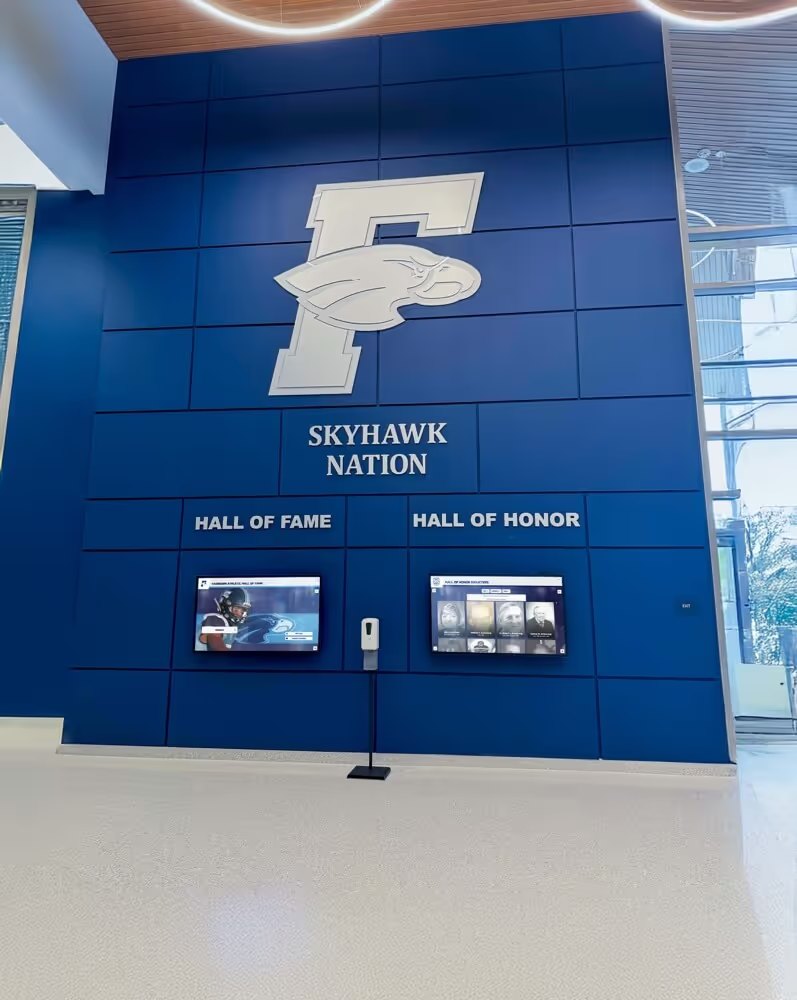
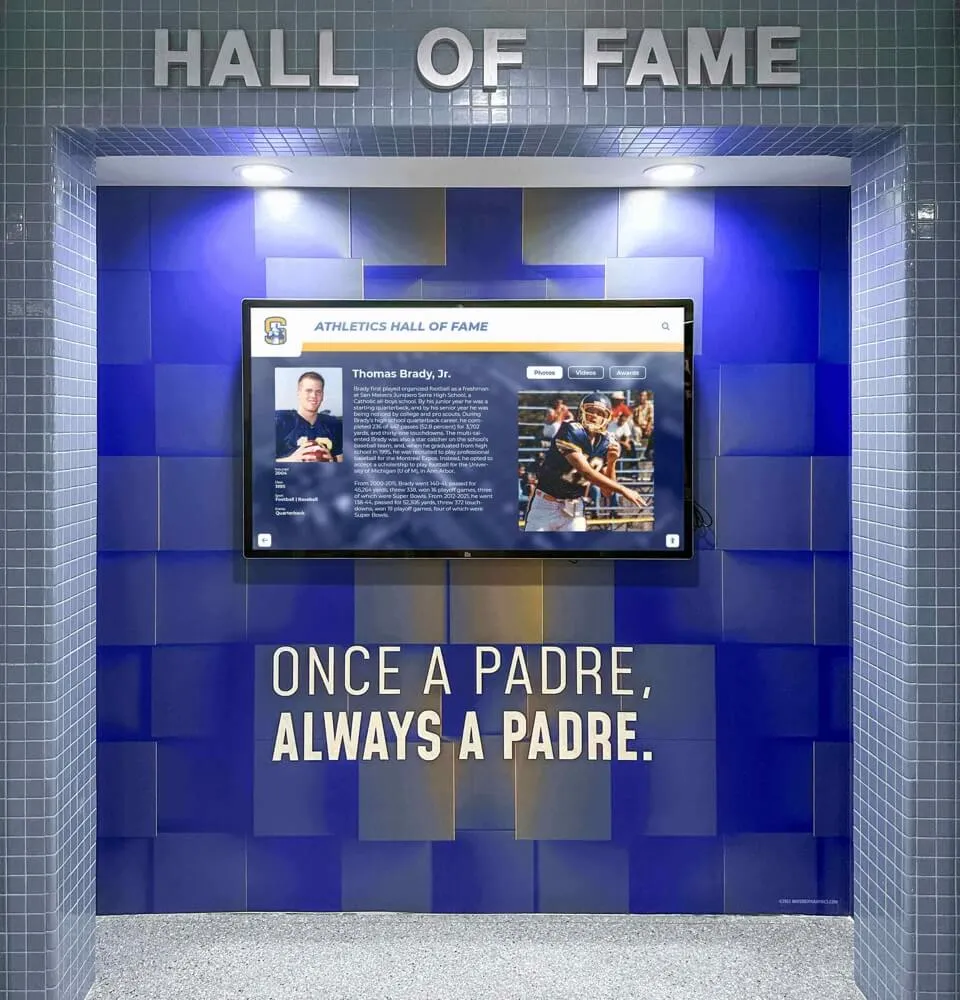
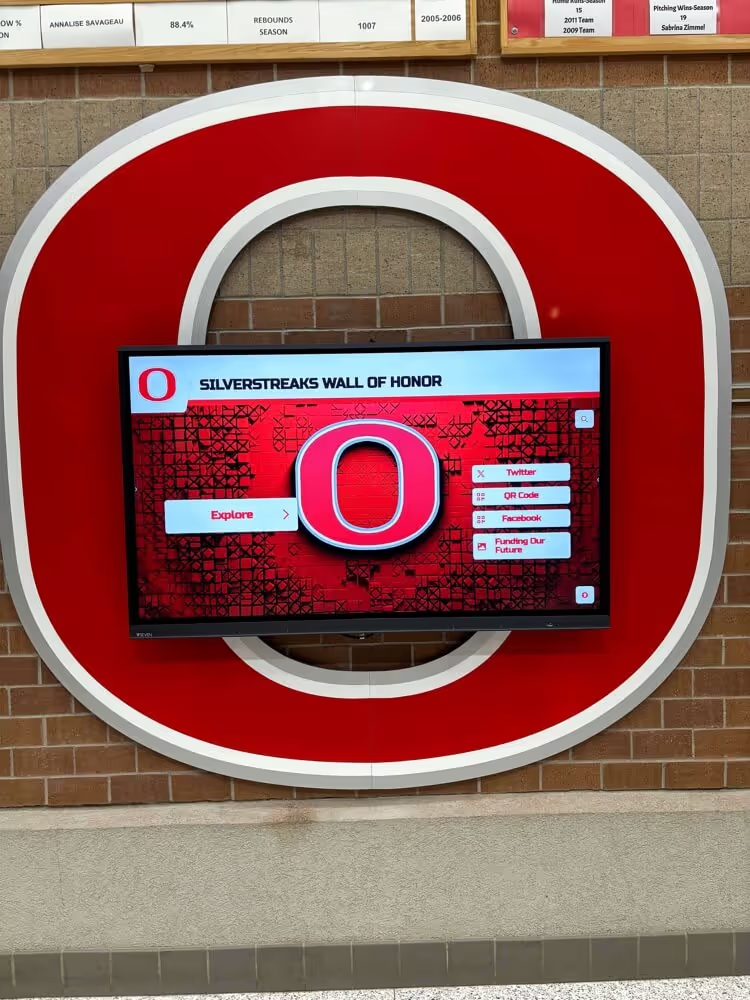
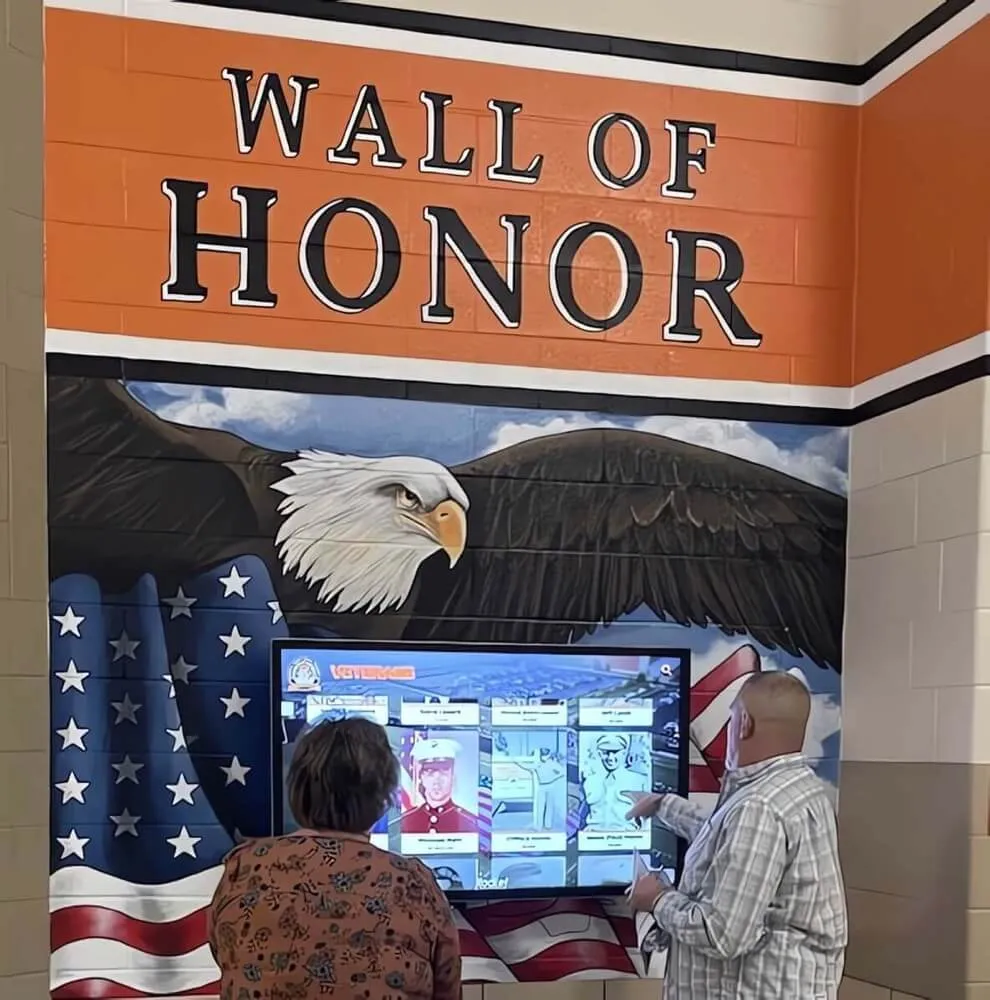
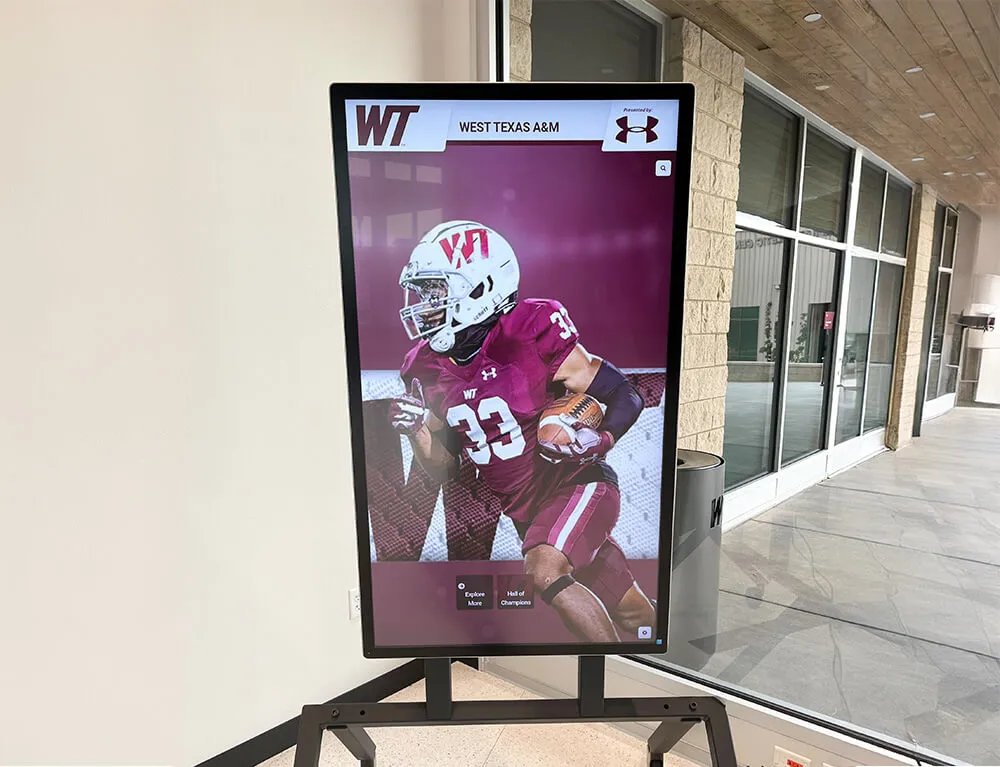
Digital displays showcasing alumni achievements inspire current students while facilitating mentorship conversations
51. Study Break Socials
Alumni visit campus during exam periods providing snacks, encouragement, and stress relief for studying students. Simple presence demonstrates caring alumni community.
Implementation Tip: Include brief informal conversations where alumni share their own academic struggle stories and reassurance, normalizing stress while building connection.
52. Professional Development Workshops for Students
Alumni facilitate workshops teaching professional skills—business communication, presentation skills, workplace etiquette, professional social media—preparing students for career transitions.
Implementation Tip: Offer workshop series throughout academic year creating multiple connection points rather than one-off events.
53. Student Organization Advising
Alumni provide ongoing advisory support to student clubs and organizations related to their expertise—professional associations, entrepreneurship clubs, service organizations, or special interest groups.
Implementation Tip: Formal advisory structures with regular meeting cadences create sustained relationships beyond single events.
54. Scholarship Recipient Appreciation
Events where scholarship donors meet students they’ve supported, hear about academic experiences and future aspirations, and build personal relationships with scholarship recipients.
Implementation Tip: Include both formal program elements (student presentations or performances) and informal conversation time enabling relationship development.
55. Alumni Day on Campus
Comprehensive events welcoming alumni back to campus for full days of student performances, athletic competitions, academic showcases, facility tours, and interactive experiences with current students.
Implementation Tip: Coordinate timing with notable campus events—Homecoming, major performances, championship games—that naturally draw alumni interest.
Learn about creating collegiate experiences for high school communities that prepare students for alumni engagement.
Virtual & Digital Events (10 Ideas)
Technology-enabled programming extends geographic reach, reduces costs, and increases accessibility for alumni unable to attend in-person events.
56. Virtual Coffee Chats
Brief 30-minute video conversations between small alumni groups (3-5 people) facilitate connection without significant time commitments. Recurring series builds ongoing community.
Implementation Tip: Use breakout room features rotating participants through multiple conversations during single sessions, maximizing connection opportunities.
57. Webinar Speaker Series
Educational webinars featuring expert alumni presenting on professional topics, industry trends, or personal expertise provide accessible value to geographically dispersed graduates.
Implementation Tip: Record sessions for on-demand viewing, extending value to those unable to attend live while creating content library supporting ongoing engagement.
58. Virtual Campus Tours
Technology-enabled tours showcasing new facilities, renovations, or campus changes keep alumni connected to evolving institutional realities. Particularly valuable for those unable to visit physically.
Implementation Tip: Include behind-the-scenes access to spaces not available during typical visits, creating special experiences even for local alumni who could visit independently.
59. Online Networking Platforms
Create dedicated alumni networking platforms or social media groups facilitating ongoing connection, conversation, and collaboration beyond episodic events.
Implementation Tip: Seed platforms with engaging content and active moderation, building critical mass before broad promotion.
60. Digital Talent Directories
Online directories where alumni list skills, expertise, and consultation availability enable community members to discover and connect with graduates possessing relevant knowledge.
Implementation Tip: Integrate with event planning so organizers easily identify potential speakers, panelists, or workshop leaders.
61. Virtual Game Tournaments
Online gaming competitions using popular multiplayer games create fun, accessible competitive experiences. Particularly appealing to younger alumni and gaming enthusiasts.
Implementation Tip: Live-stream competitions with commentary creating spectator experiences for non-participants interested in watching.
62. Online Classes from Alumni Experts
Alumni teach short courses on topics ranging from professional skills to hobbies to creative pursuits. Educational offerings provide value while showcasing graduate expertise.
Implementation Tip: Use accessible platforms (Zoom, Google Meet) avoiding specialized software that creates participation barriers.
63. Virtual Happy Hours
Structured online social gatherings with conversation prompts, breakout rooms, and optional themed elements (costume contests, background competitions) create connection despite physical distance.
Implementation Tip: Keep events shorter (45-60 minutes) acknowledging video fatigue while maintaining energy throughout sessions.
64. Alumni Podcast Series
Regular podcast featuring alumni interviews, career stories, expert discussions, or institutional updates creates ongoing engagement touchpoint alumni consume at their convenience.
Implementation Tip: Invite recent guests to suggest future interviewees, organically discovering compelling alumni stories through community recommendations.
65. Digital Scavenger Hunts
Online challenges where participants solve clues, complete tasks, or discover information create gamified engagement. Use platforms enabling global participation.
Implementation Tip: Include institutional history elements teaching alumni about campus updates, historical facts, or current initiatives through interactive discovery.
Resources for digital recognition displays supporting engagement enhance both virtual and in-person programming.
Educational & Cultural Events (10 Ideas)
Intellectually stimulating programming appeals to alumni seeking continued learning and cultural engagement beyond professional development.
66. Distinguished Alumni Awards Ceremonies
Formal events honoring outstanding alumni achievements create aspirational programming while celebrating graduate accomplishments. Include speeches, entertainment, and networking opportunities.
Implementation Tip: Feature award recipients’ stories prominently in marketing materials, demonstrating diverse success definitions and inspiring attendance.
67. Academic Lecture Series
Faculty present research findings, intellectual work, or academic expertise to alumni audiences. Maintains academic connections while showcasing institutional scholarly contributions.
Implementation Tip: Translate academic content for general audiences, avoiding jargon while maintaining intellectual substance.
68. Museums or Cultural Institution Visits
Organize group attendance at exhibitions, performances, or cultural events followed by discussions or receptions. Intellectual shared experiences create conversation foundations.
Implementation Tip: Negotiate group rates and private tours when possible, creating special experiences unavailable to individual attendees.
69. Documentary Screening and Discussions
Feature films about relevant social issues, historical events, or topics connecting to institutional missions, followed by moderated discussions exploring themes.
Implementation Tip: Invite faculty experts or relevant alumni professionals to facilitate post-film discussions adding depth beyond casual conversation.
70. TED-Style Alumni Talks
Alumni deliver brief presentations (10-15 minutes) about ideas, experiences, or insights in TED talk format. Concise, well-prepared presentations maintain audience engagement.
Implementation Tip: Provide speaker training and rehearsal support ensuring presentation quality while building alumni public speaking confidence.
71. Author Events with Alumni Writers
Alumni authors present recent books through readings, Q&A sessions, and book signings. Literary events showcase creative alumni while supporting their professional success.
Implementation Tip: Partner with local bookstores or libraries expanding event visibility and book sales while sharing promotional responsibilities.
72. Historical Campus Walking Tours
Alumni guides lead tours highlighting institutional history, architectural features, historical anecdotes, and campus evolution. Educational experiences strengthen institutional knowledge and pride.
Implementation Tip: Develop specialized tour themes—architectural history, famous alumni connection sites, institutional founding stories—creating multiple tour options.
73. Sustainability and Social Justice Forums
Programs addressing contemporary social challenges demonstrate institutional values while facilitating important conversations. Include diverse perspectives and actionable engagement opportunities.
Implementation Tip: Balance discussion with action, connecting conversations to volunteer opportunities, advocacy pathways, or community engagement.
74. Language Conversation Tables
Recurring gatherings where multilingual alumni practice language skills through informal conversation. Intellectual activity combined with social connection serves continuing education interests.
Implementation Tip: Offer multiple language options based on alumni populations and interests, hosting simultaneous tables for different languages.
75. Alumni Research Symposia
Showcase alumni conducting research across academic, professional, or personal contexts. Intellectual programming celebrates scholarly alumni while maintaining academic culture connections.
Implementation Tip: Include both traditional academic research and applied professional research, broadening definitions beyond purely scholarly work.
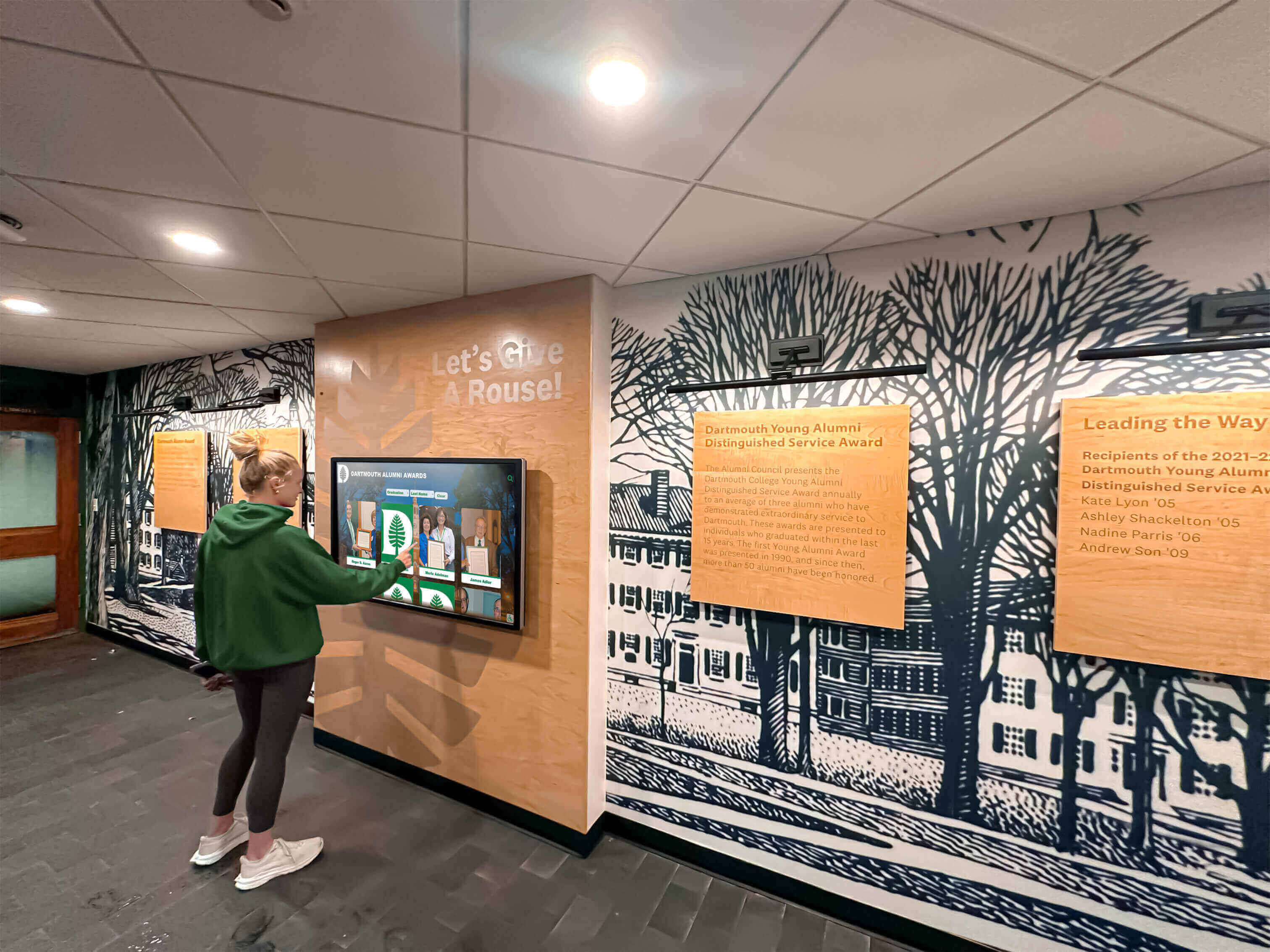
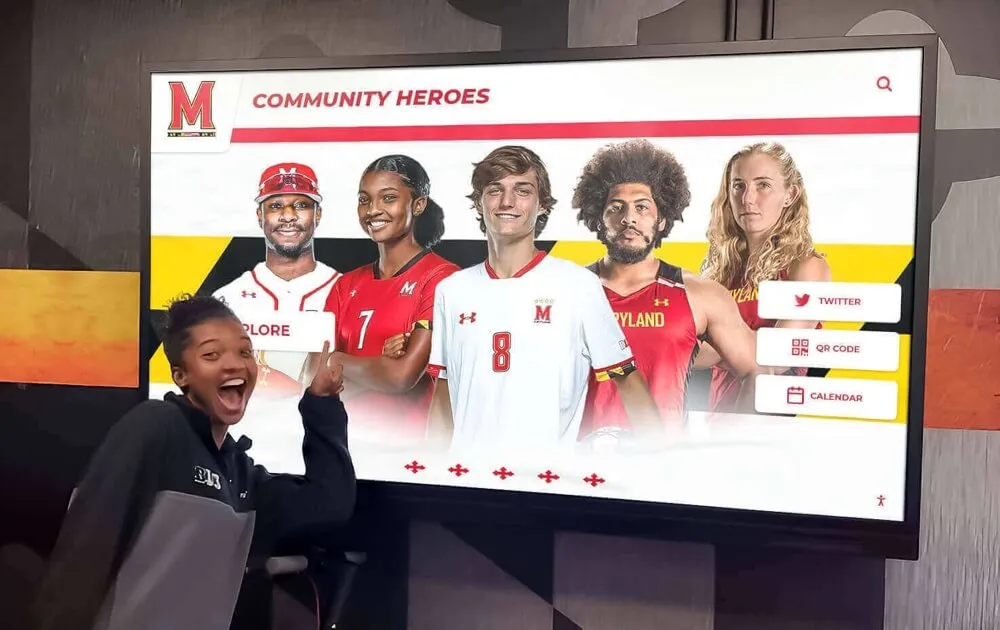
Interactive displays provide ongoing educational content supporting formal event programming
Athletic & Recreational Events (10 Ideas)
Sports and recreational programming creates accessible engagement pathways for athletically-inclined alumni while building community through shared physical activities.
76. Alumni Athletic Competitions
Organize competitions where alumni teams compete in basketball, soccer, softball, volleyball, or other sports. Competitive yet fun atmosphere appeals to athletic alumni.
Implementation Tip: Create age-bracket divisions ensuring competitive balance and realistic physical expectations for various age groups.
77. Current Team vs. Alumni Games
Alumni return to play friendly exhibition matches against current student teams. Nostalgic experiences for alumni combined with student excitement creates memorable events.
Implementation Tip: Time events during Homecoming or reunion weekends when alumni already plan campus visits, maximizing attendance.
78. Recreation League Participation
Establish ongoing alumni recreation leagues with regular seasons providing sustained engagement through repeated interactions. Works particularly well for golf, tennis, bowling, or team sports.
Implementation Tip: League formats create natural team bonding, friendship formation, and sustained participation beyond single events.
79. Fitness Classes and Wellness Workshops
Alumni fitness professionals lead workout classes, yoga sessions, or wellness workshops. Health-focused programming serves growing wellness interests while showcasing alumni expertise.
Implementation Tip: Offer both in-person and virtual attendance options, recognizing that home workout participation removes geographic barriers.
80. Stadium Tours and Behind-the-Scenes Access
Exclusive tours of athletic facilities including locker rooms, training areas, and press boxes create special experiences. Add value through coach or athletic director participation.
Implementation Tip: Coordinate tours during games or competitions enabling both exclusive access experiences and game attendance.
81. Run/Walk Events and Races
Organize 5K runs, fun runs, or charity walks where alumni participate in healthy activities while supporting causes. Family-friendly format broadens participation.
Implementation Tip: Create virtual race options enabling remote participation while maintaining connected experience through shared activities and results.
82. Hiking and Outdoor Adventure Trips
Organize outdoor excursions—hiking trips, camping weekends, kayaking adventures, or skiing outings—for athletically-inclined alumni seeking active connection opportunities.
Implementation Tip: Partner with alumni outdoor industry professionals who provide expertise, equipment discounts, or guided experiences.
83. Fantasy Sports Leagues
Alumni fantasy sports leagues create season-long engagement through friendly competition. Minimal time requirements with regular touchpoints throughout sports seasons.
Implementation Tip: Organize draft parties as in-person or virtual gatherings, creating social events launching league seasons.
84. Tailgate Parties
Pre-game gatherings before athletic competitions combine socializing with school spirit. Accessible format requires minimal planning while creating enjoyable community experiences.
Implementation Tip: Establish consistent locations and times so alumni know where to find community before games without individual promotion.
85. Athletic Hall of Fame Inductions
Ceremonies honoring outstanding former student-athletes create prestigious recognition while attracting athletic alumni. Include formal programs, receptions, and permanent recognition displays.
Implementation Tip: Use modern digital recognition systems like Rocket Alumni Solutions that permanently display honorees while enabling unlimited inductees without space constraints.
Explore comprehensive approaches in school event planning guides applicable to alumni programming.
Fundraising & Giving Events (10 Ideas)
Strategic events that incorporate giving opportunities while providing value ensure fundraising feels natural rather than transactional.
86. Giving Day Celebrations
Coordinate alumni events during institutional giving days, creating social experiences while encouraging participation in time-limited fundraising campaigns. Combine celebration with purpose.
Implementation Tip: Offer matching gift challenges during events, incentivizing immediate giving while alumni gather together.
87. Scholarship Benefit Dinners
Fundraising dinners specifically supporting scholarship funds feature student speakers, faculty participation, and donor recognition. Clear philanthropic purpose justifies premium ticket prices.
Implementation Tip: Include scholarship recipients’ compelling stories demonstrating direct impact of alumni generosity.
88. Legacy Society Receptions
Exclusive events honoring alumni who’ve made planned giving commitments or established legacy gifts. Premium experiences reward major donors while encouraging others toward similar commitments.
Implementation Tip: Intimate settings enabling personal interaction with institutional leadership make events feel special and appropriately exclusive.
89. Crowdfunding Campaign Launch Parties
Kick off specific crowdfunding initiatives with launch events explaining project goals, demonstrating impact, and encouraging immediate participation.
Implementation Tip: Create engaging presentations using multimedia content showcasing exactly what campaigns will accomplish with alumni support.
90. Donor Recognition Events
Appreciation events celebrating alumni donors without additional solicitation. Pure gratitude experiences strengthen relationships while demonstrating institutional appreciation.
Implementation Tip: Personal thank-you elements—handwritten notes, individualized recognition, student thank-you videos—make events feel genuinely appreciative rather than obligatory.
91. Silent Auction Fundraisers
Social events featuring silent auctions with donated items, experiences, or services from alumni and institutional partners. Competitive bidding creates excitement while supporting causes.
Implementation Tip: Include experiences money can’t typically buy—lunch with presidents, naming opportunities, exclusive access—making items uniquely appealing beyond monetary value.
92. Athletic Fundraising Events
Sports-themed fundraising—golf tournaments, basketball shootouts, bowling nights—where registration fees support athletic programs. Combine enjoyable activities with clear athletic support.
Implementation Tip: Recognition opportunities for top fundraisers or performance winners motivate participation while creating friendly competition.
93. Faculty and Alumni Fundraising Dinners
Small, intimate dinners where major gift prospects meet with faculty discussing academic programs, research initiatives, or institutional priorities. Relationship-focused approach to major gift cultivation.
Implementation Tip: Match faculty expertise with prospects’ philanthropic interests, creating natural conversation foundations around shared passions.
94. Campaign Cabinet Events
Volunteer leadership events during major campaigns where alumni cabinet members gather for strategy sessions, progress updates, and relationship building among volunteer fundraising leaders.
Implementation Tip: Balance work sessions with social elements, recognizing that relationship development among volunteers strengthens overall campaign effectiveness.
95. Heritage Society Luncheons
Annual gatherings for multi-generational alumni families celebrating legacy connections. Family-focused events encourage continued generational giving while honoring dynasty loyalty.
Implementation Tip: Include young family members in programming, cultivating next-generation donors through early positive institutional experiences.
Learn about donor recognition approaches complementing giving-focused event programming.
Creative & Extra Fun Events (5 Ideas)
Unexpected, creative programming creates memorable experiences that differentiate your events from competitors and generate excitement.
96. Alumni Escape Room Challenges
Organize custom escape room experiences where teams solve puzzles collaboratively. Interactive format creates shared memories through teamwork and problem-solving.
Implementation Tip: Partner with local escape room businesses offering group rates or mobile services, or create custom institutional-themed puzzles for campus settings.
97. Murder Mystery Dinner Parties
Theatrical dinner experiences where participants solve fictional crimes create immersive entertainment. Playful, engaging format appeals to diverse audiences.
Implementation Tip: Incorporate institutional settings, historical references, or inside jokes making mysteries uniquely relevant to alumni community.
98. Decades Dance Parties
Themed dance parties celebrating specific eras (1980s, 1990s, etc.) combine nostalgia with social celebration. Era-specific music, fashion, and décor create fun atmospheres.
Implementation Tip: Coordinate decade themes with reunion cohorts, aligning party themes with attendees’ coming-of-age eras for maximum nostalgia.
99. Cooking Competition Challenges
Alumni teams compete in “Chopped”-style cooking competitions judged by celebrity alumni chefs. Entertaining format creates spectator experiences alongside participant engagement.
Implementation Tip: Sell spectator tickets making events both participant activities and entertaining shows supporting attendance beyond competitors.
100. Alumni Time Capsule Openings
Ceremonial openings of historical time capsules with receptions celebrating revealed contents. Nostalgic events create media attention while providing reunion-like experiences for capsule creators.
Implementation Tip: When opening historical capsules, create new capsules with current community for future generations, extending tradition forward.
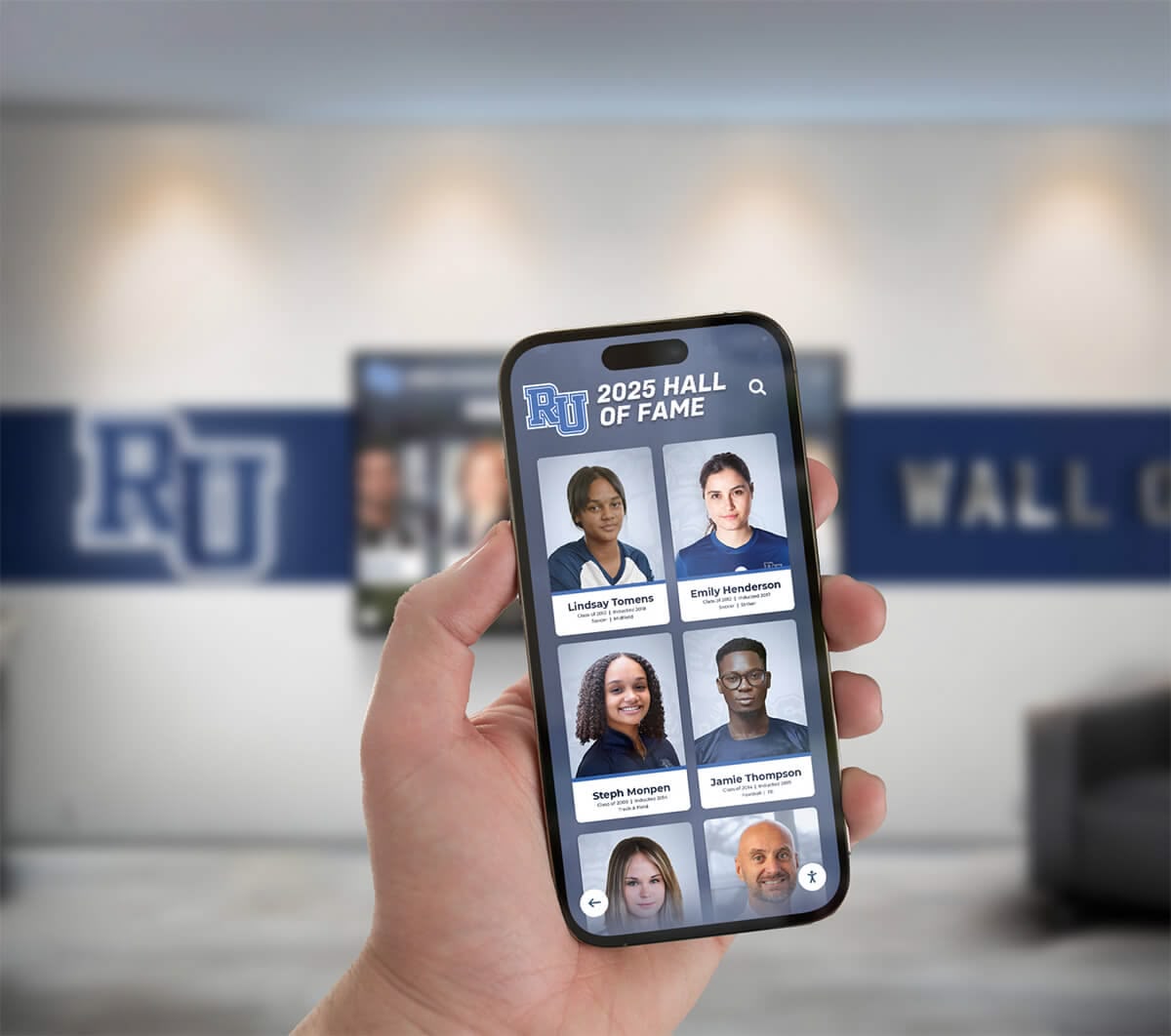
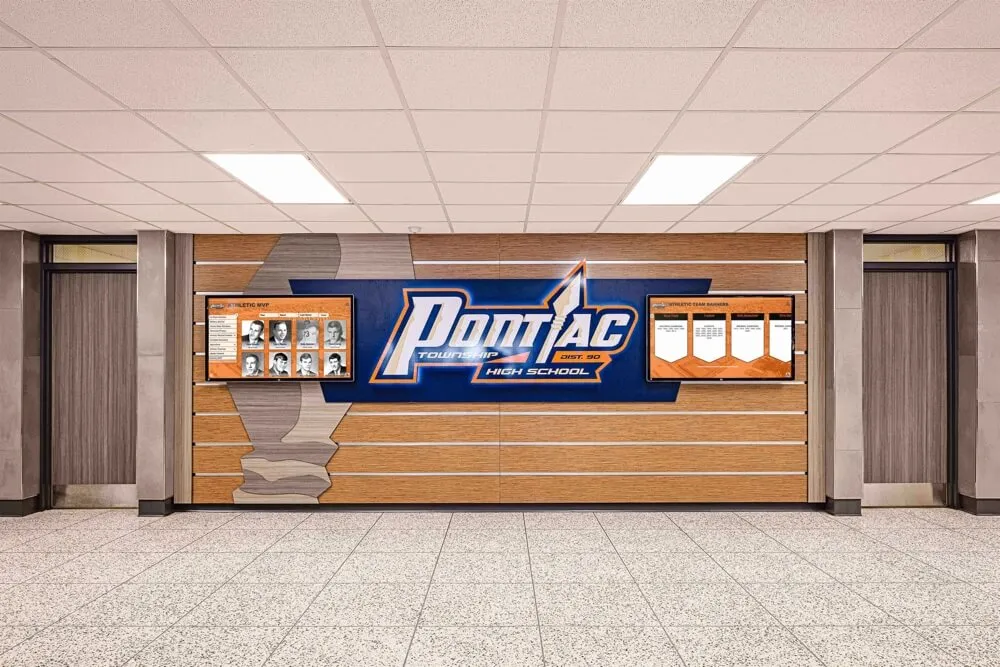
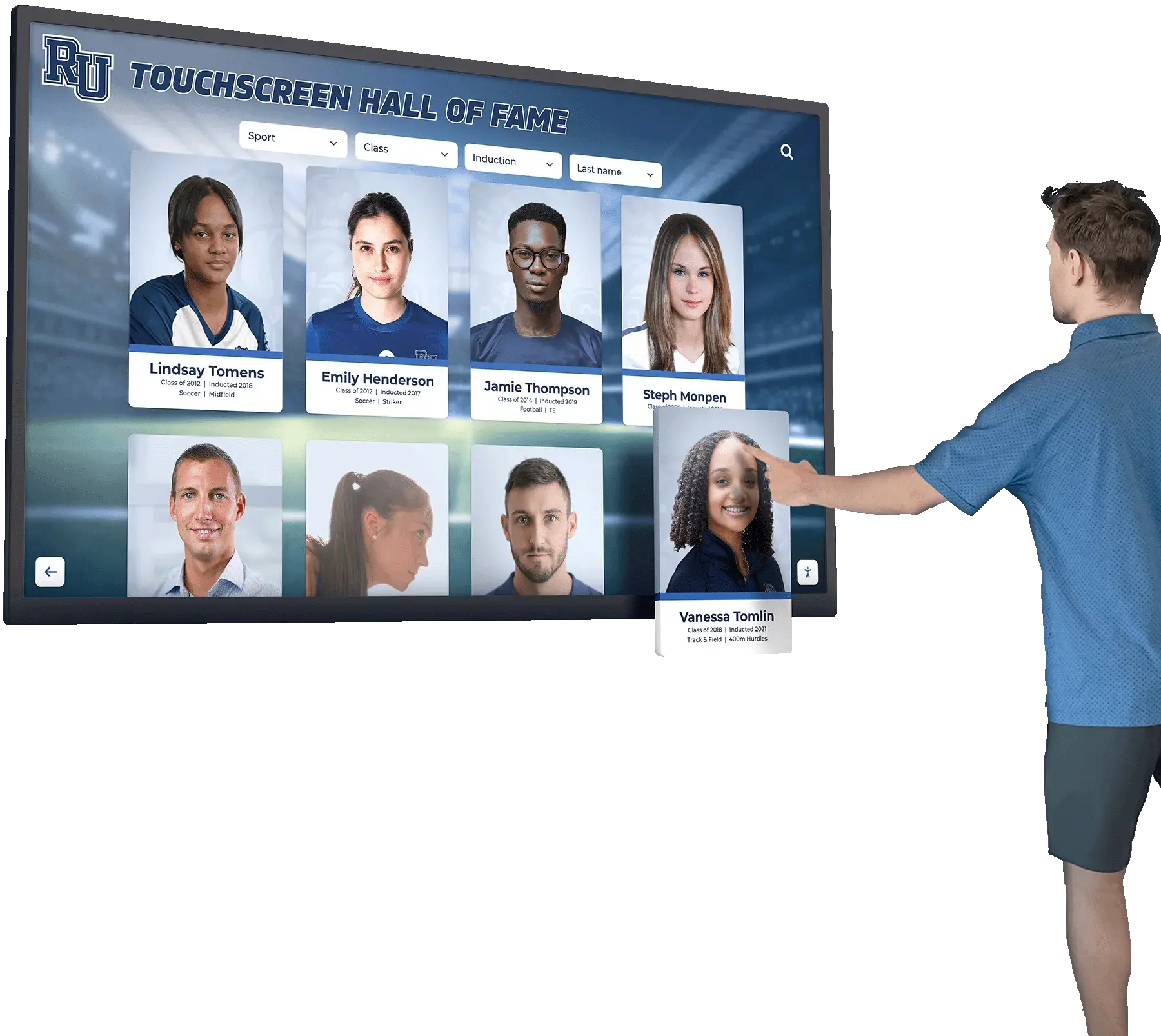
Modern technology enables creative engagement approaches extending event experiences beyond physical gatherings
Implementation Strategies for Successful Alumni Events
Understanding effective event ideas represents only the beginning—successful programming requires systematic planning, execution, and assessment.
Annual Programming Calendar Development
Strategic Planning: Map annual event calendars balancing event types (professional, social, educational), target audiences (all alumni, specific constituencies), formats (large-scale, intimate), and timing (avoiding conflicts while maintaining consistent rhythm).
Seasonal Considerations: Leverage natural gathering times (Homecoming, holidays, summer) while maintaining year-round engagement through strategic spacing.
Capacity Realism: Plan sustainable event quantities matching staff capacity and budget realities rather than over-programming leading to burnout or quality degradation.
Audience Segmentation and Targeted Programming
Demographic Analysis: Study alumni populations identifying natural constituency groups—young alumni, geographic regions, affinity groups, giving levels, or career fields—then create targeted programming serving specific segments.
Inclusive Balance: While targeted programming serves specific groups, maintain broad events welcoming all alumni ensuring no constituencies feel excluded from community.
Feedback Incorporation: Regularly survey attendees and non-participants about event preferences, desired programming, timing, and formats shaping future planning based on community input rather than assumptions.
Marketing and Communication Strategies
Multi-Channel Promotion: Promote events through email newsletters, social media, websites, direct mail, and personal outreach creating multiple awareness opportunities.
Advance Notice: Share annual event calendars providing planning visibility while sending specific event invitations with sufficient lead time for attendee scheduling.
Alumni Ambassador Networks: Recruit engaged alumni as event ambassadors who personally invite classmates and peers, leveraging peer influence more powerful than institutional outreach.
Compelling Storytelling: Marketing materials emphasizing event value, expected experiences, and community benefits outperform bland factual announcements.
Technology Integration
Registration Systems: User-friendly registration platforms with mobile optimization, saved payment methods, and calendar integration remove participation friction.
Digital Recognition Displays: Solutions like Rocket Alumni Solutions create permanent recognition honoring event attendance, volunteer leadership, or participation milestones displayed in high-traffic campus locations. Interactive displays featuring alumni achievements naturally promote events while celebrating community members year-round.
Virtual Platform Selection: Reliable video conferencing technology, breakout room capabilities, and interactive features ensure positive virtual event experiences.
Communication Automation: CRM systems enabling automated reminders, follow-up messages, and segmented outreach streamline event management while maintaining personal touches.
Assessment and Continuous Improvement
Quantitative Metrics: Track attendance numbers, registration conversion rates, demographic participation patterns, and event costs measuring program reach and efficiency.
Qualitative Feedback: Post-event surveys, informal conversations, and focus groups gather experiential feedback identifying what worked, what didn’t, and what alumni want.
Comparative Analysis: Evaluate event performance against previous iterations and similar programming, identifying trends and improvement opportunities.
Iterative Refinement: Systematically incorporate learnings into future planning, strengthening successful elements while addressing weaknesses or exploring new approaches.
Comprehensive event strategies benefit from alumni reunion planning frameworks addressing logistical details.
Creating Institutional Alumni Event Programs
Effective alumni engagement requires moving beyond sporadic events toward comprehensive programming ecosystems serving diverse community needs.
Building Sustainable Event Infrastructure
Dedicated Staffing: Alumni relations professionals with clear event responsibilities ensure consistent execution and institutional memory preserving what works.
Budget Allocation: Predictable funding enables advance planning, quality programming, and appropriate risk-taking exploring new event formats.
Volunteer Leadership: Alumni volunteer committees sharing planning responsibilities, recruiting attendees, and providing community perspective strengthen programs while distributing workload.
Vendor Relationships: Established partnerships with venues, caterers, technology providers, and other vendors streamline planning while often securing preferred pricing through ongoing relationships.
Balancing Institutional Needs and Alumni Desires
Mission Alignment: Event programming should advance institutional goals—fundraising, recruitment, student mentoring, community building—while genuinely serving alumni interests rather than feeling purely transactional.
Value Provision: Alumni attend events offering authentic value—networking, learning, entertainment, nostalgia, community—not primarily to receive institutional messages or fundraising appeals.
Strategic Integration: The most successful programs naturally integrate institutional priorities into valuable alumni experiences rather than treating events as vehicles for institutional asks.
Inclusive Programming Philosophy
Economic Accessibility: Robust free programming alongside premium paid events ensures financial circumstances don’t determine engagement access. Subsidized attendance options broaden participation.
Geographic Distribution: Regional programming in alumni population centers supplements campus-based events, recognizing that most graduates don’t live near institutions.
Life Stage Considerations: Programming serving young professionals, established career alumni, parents with young children, and retirees acknowledges diverse life circumstances affecting engagement capacity and interests.
Interest Diversity: Varied event types ensure different alumni personalities and preferences find relevant opportunities—introverts appreciate small gatherings while extroverts enjoy large celebrations; intellectual alumni value educational programming while others prefer purely social events.
Leveraging Technology for Enhanced Alumni Engagement
Modern technology extends event impact while creating year-round connection opportunities beyond episodic gatherings.
Digital Recognition Systems
Traditional alumni recognition approaches—printed directories, static plaques, or trophy cases—create spatial and capacity constraints limiting comprehensive community celebration. Modern digital recognition platforms enable institutions to honor unlimited alumni through interactive displays showcasing achievement, service, and diverse contributions.
Solutions like Rocket Alumni Solutions provide schools and universities with systems that:
Showcase Event Participation: Permanently recognize alumni who volunteer as speakers, panelists, mentors, or event leaders, demonstrating that engagement contributions matter as much as financial gifts.
Highlight Diverse Achievement: Feature alumni career success, creative accomplishments, community service, and personal milestones through rich multimedia profiles accessible to all campus visitors.
Create Connection Opportunities: Interactive displays enable students, prospective families, and fellow alumni to discover graduates with relevant expertise, shared interests, or inspiring stories, facilitating natural networking and mentorship relationships.
Maintain Current Content: Cloud-based content management enables real-time updates from anywhere, ensuring recognition displays remain fresh and relevant without technical expertise or campus visits.
Extend Beyond Campus: Web-accessible platforms make recognition visible worldwide, enabling geographically distant alumni to explore community achievements and feel connected despite distance.
These comprehensive recognition approaches complement event programming by creating visible celebration of alumni accomplishments, inspiring attendance through seeing honored peers, and demonstrating that institutional appreciation extends far beyond event moments.
Communication Platforms
Dedicated Alumni Networks: Social platforms specifically for alumni communities (Graduway, Hivebrite, or custom solutions) facilitate ongoing connection, discussion, and relationship building between formal events.
Mobile Applications: Alumni apps consolidate event calendars, registration, news, directories, and engagement opportunities in accessible mobile format.
Email Segmentation: Sophisticated email systems enable targeted communications to specific alumni constituencies based on interests, location, graduation year, or engagement history rather than undifferentiated mass messaging.
Learn about digital recognition implementation strategies supporting comprehensive alumni engagement.
Conclusion
Alumni event programming represents strategic investment in community building, institutional advancement, and lifelong educational mission extension. The 100 event ideas presented here span diverse formats, audiences, and purposes—from career development programming serving professional needs to social celebrations building community bonds, from student mentorship creating intergenerational value to creative experiences generating memorable moments that strengthen institutional pride.
Successful alumni engagement requires moving beyond treating graduates as primarily fundraising prospects toward recognizing them as valued community members deserving meaningful connection opportunities throughout lives. Events providing authentic value—professional development, intellectual stimulation, social connection, creative experiences, or pure entertainment—create natural institutional affinity that often leads to philanthropic support, volunteer engagement, and enthusiastic advocacy more effectively than transactional approaches.
Your alumni community encompasses thousands or tens of thousands of graduates living diverse lives, pursuing varied careers, facing different challenges, and seeking different connection types. No single event serves all alumni, making programming diversity essential for comprehensive engagement. By implementing varied event types targeting different constituencies, your institution creates multiple pathways for maintaining relationships that serve individual preferences while strengthening overall community.
Technology now enables engagement strategies impossible in previous generations. From virtual programming extending geographic reach to digital recognition systems celebrating unlimited alumni without space constraints, modern tools solve traditional barriers preventing comprehensive engagement. Institutions leveraging these technologies thoughtfully—enhancing rather than replacing human connection—create engagement ecosystems serving contemporary alumni expectations while maintaining relationship authenticity.
Start where you are. Survey your alumni understanding current engagement patterns, preferred programming, timing preferences, and unmet needs. Identify quick wins requiring minimal resources alongside strategic investments building long-term capacity. Test new event formats learning what resonates with your specific community rather than assuming other institutions’ successful models automatically transfer. Build feedback loops continuously refining programming based on participation data and experiential input.
Most importantly, approach alumni engagement as genuine relationship building rather than primarily transactional resource extraction. Alumni who feel valued as community members, celebrated for diverse achievements, and welcomed regardless of giving capacity develop authentic institutional connections that endure throughout lifetimes. These meaningful relationships ultimately benefit institutions immeasurably—through philanthropic support, volunteer leadership, student mentoring, and enthusiastic advocacy—but the foundation must be authentic appreciation and community rather than strategic cultivation.
Your alumni deserve thoughtful programming honoring their diverse accomplishments, facilitating meaningful connections with fellow graduates, and maintaining relationships with institutions shaping their lives. With strategic planning, creative programming, inclusive approaches, and appropriate technology integration, you can create event ecosystems where alumni engagement thrives across generations and geographies.
Ready to enhance your alumni engagement infrastructure? Talk to our team about comprehensive recognition solutions that complement event programming through permanent celebration of alumni achievements, create year-round engagement touchpoints beyond episodic events, and demonstrate institutional appreciation visible to entire campus communities.