Intent: Demonstrate
Alumni mentorship programs represent invaluable assets for educational institutions—connecting current students with experienced graduates who provide career guidance, industry insights, and professional networks that transform post-graduation outcomes. Yet while schools invest significant resources recruiting mentors, coordinating connections, and facilitating relationships, these generous alumni frequently receive minimal recognition for time commitments that genuinely impact student success.
Traditional appreciation approaches often default to generic thank-you emails sent annually, occasional mentions in alumni newsletters that reach limited audiences, or volunteer recognition events that mentors cannot attend due to professional obligations. Meanwhile, the most dedicated career advisors—those conducting multiple mentoring sessions, providing internship referrals, reviewing countless resumes, and opening doors through industry connections—remain largely invisible to the broader campus community.
This recognition gap creates missed opportunities. When mentorship contributions go uncelebrated, prospective mentors lack visible models demonstrating how alumni give back. Current students cannot discover which graduates work in fields matching their aspirations. Development teams miss natural pathways connecting mentorship engagement to philanthropic support. Alumni relations offices struggle to demonstrate program impact to institutional leadership considering resource allocation.
Modern digital recognition displays solve these challenges while creating engaging platforms that celebrate mentor contributions appropriately, inspire continued advisory relationships, and build cultures where alumni expertise becomes visible institutional assets strengthening student outcomes.
This guide explores how schools and universities implement alumni mentorship recognition programs that honor career advisors, preserve mentor legacy, demonstrate program impact, and create dynamic displays inspiring future participation. Whether your institution launches new mentoring initiatives, seeks to expand existing programs, or wants to celebrate alumni who give back through expertise rather than solely financial contributions, these frameworks provide practical pathways for meaningful recognition.

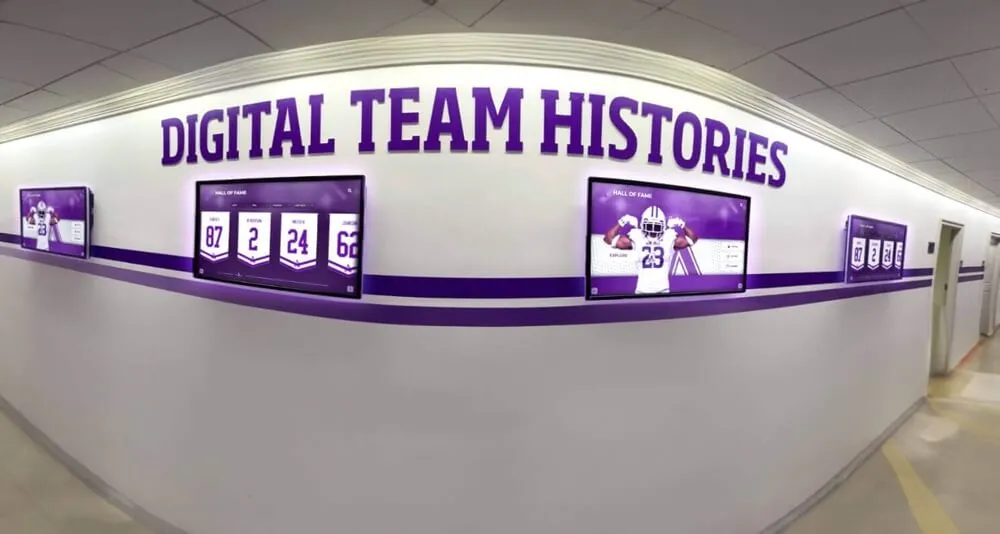
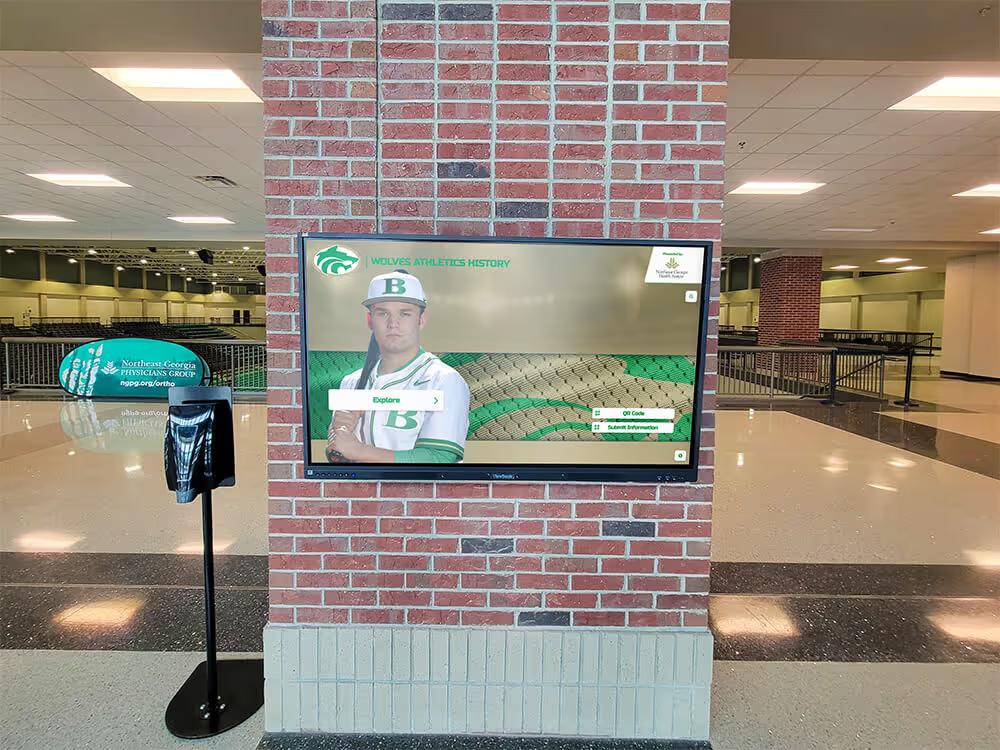
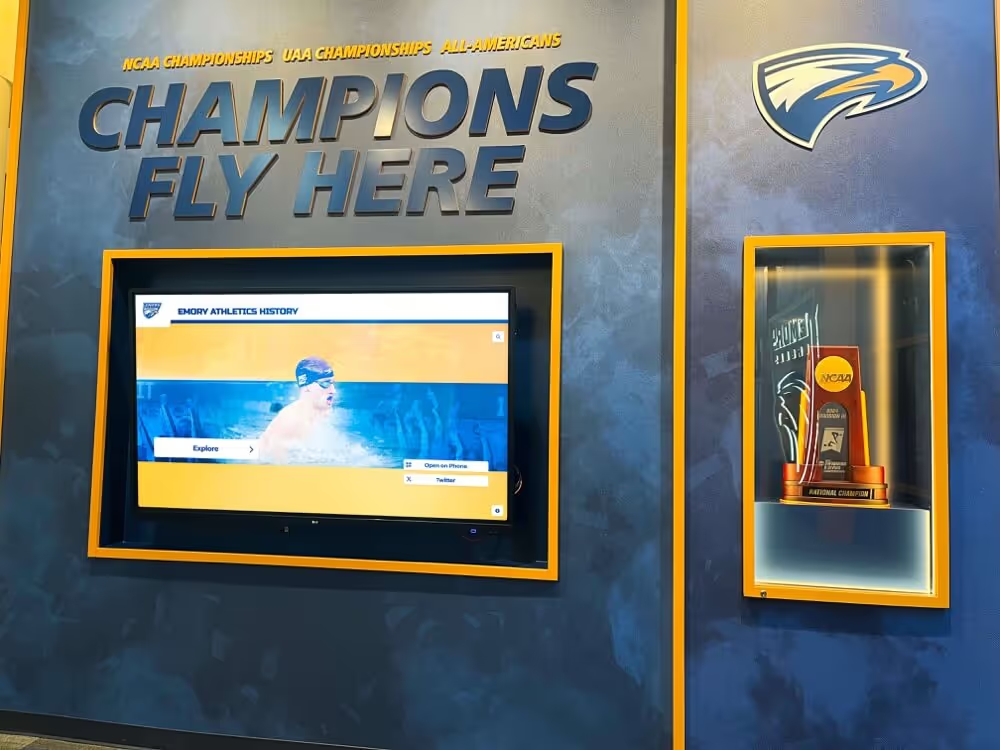
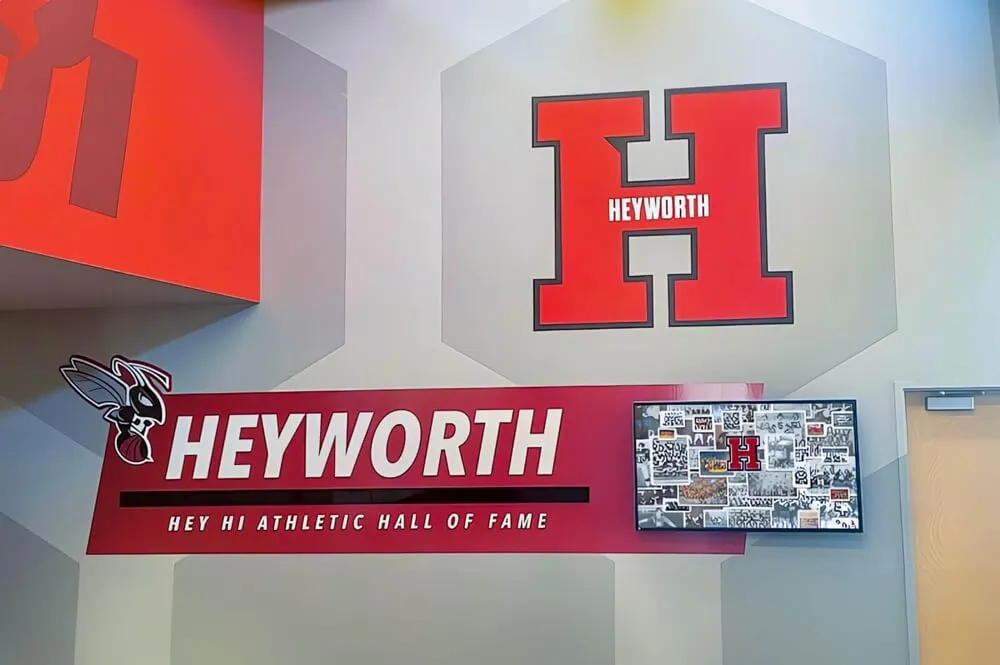
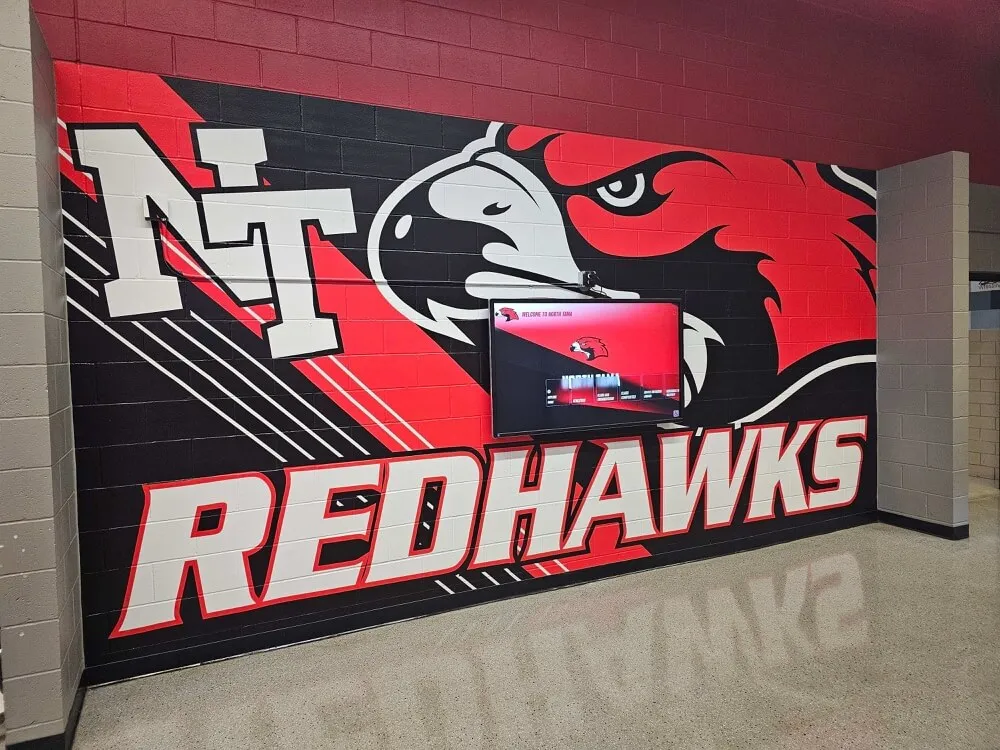
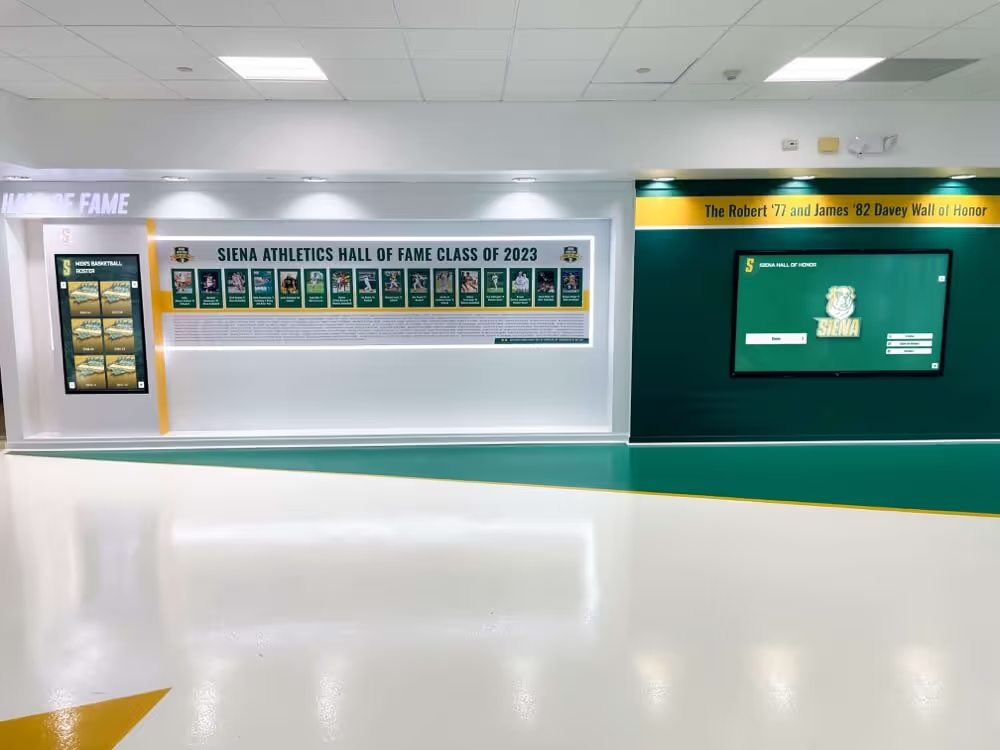
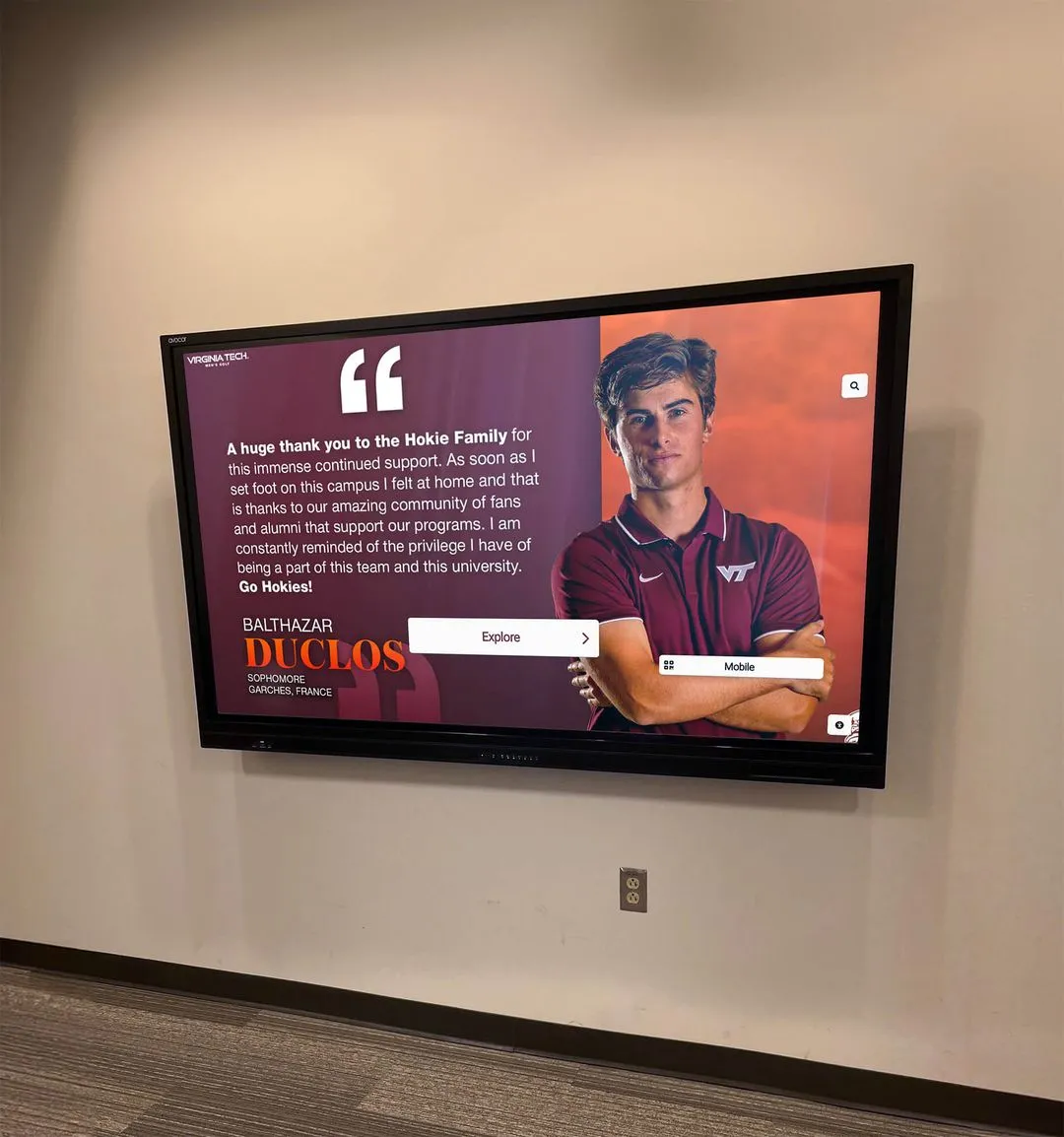
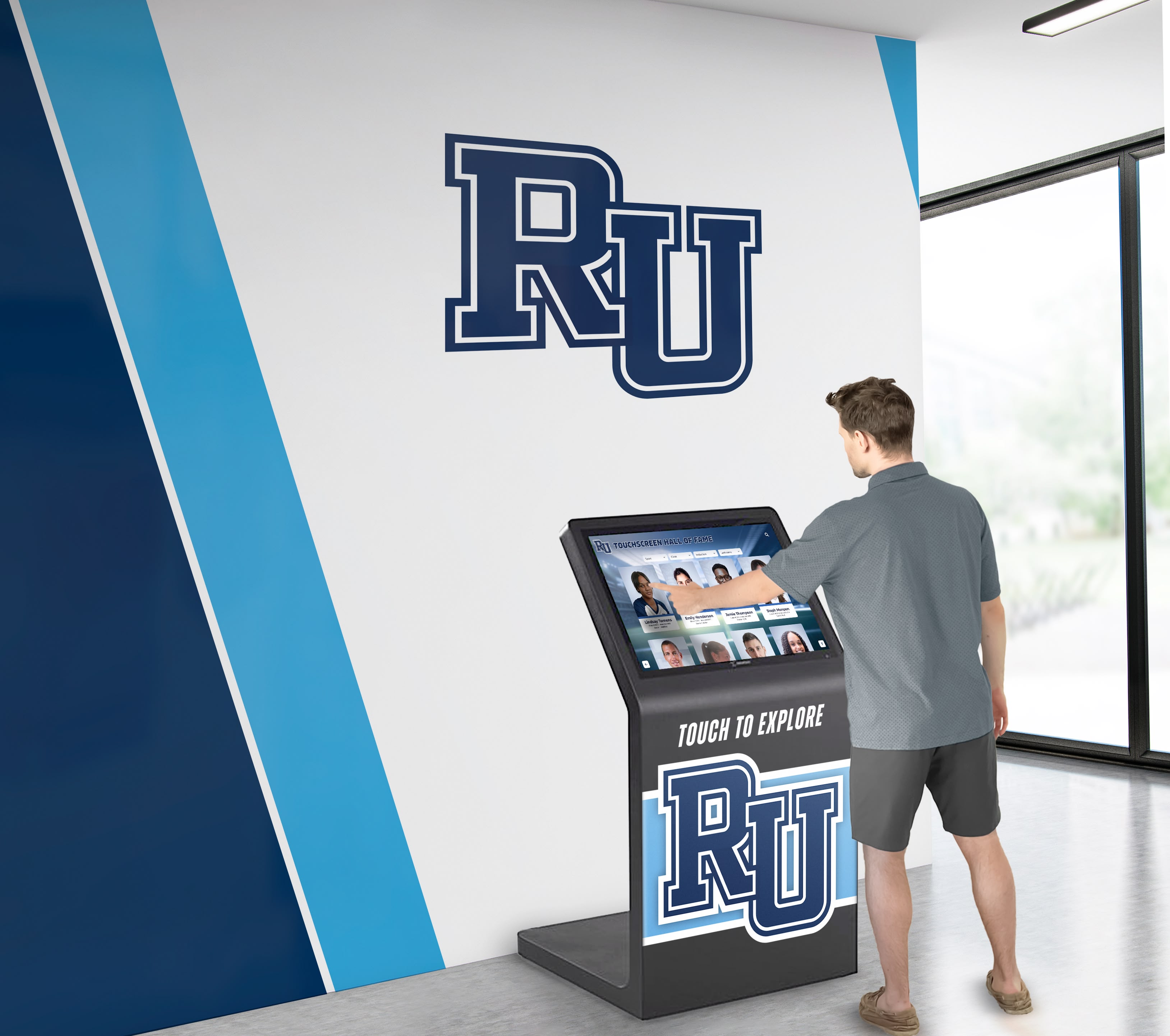
Modern recognition displays create engaging platforms where students discover alumni mentors while celebrating their contributions
Understanding Alumni Mentorship Recognition: Purpose and Impact
Before exploring implementation strategies, understanding what makes mentor recognition unique helps institutions design systems aligned with alumni preferences and program objectives.
The Multi-Dimensional Value of Alumni Mentor Recognition
Alumni mentorship recognition serves interconnected purposes distinguishing it from traditional volunteer acknowledgment:
Celebrating Non-Financial Contributions to Institutional Mission
Most institutional recognition focuses on financial donations—gift societies, donor walls, named spaces, and capital campaign acknowledgment. While philanthropic support remains essential, alumni who contribute professional expertise, career guidance, and industry access provide equally valuable support enabling student success.
Comprehensive recognition systems that celebrate diverse contribution types create cultures where all forms of giving receive appropriate visibility. When mentors see their advisory work honored alongside financial donations, institutions communicate that expertise matters as much as philanthropy in advancing educational missions.
Inspiring Current Students Through Accessible Role Models
Students exploring career paths benefit enormously from discovering which alumni work in fields matching their interests. Recognition displays showcasing mentor profiles—including industry sectors, career trajectories, geographic locations, and areas of expertise—enable students to identify potential advisors whose experiences align with their aspirations.
This visibility transforms abstract alumni networks into tangible resources students can access, while demonstrating concrete pathways from current enrollment to successful careers across diverse industries and roles.
Demonstrating Program Impact and Institutional Commitment
Alumni relations and career services teams often struggle communicating mentorship program scope and value to campus leadership, prospective students, and external stakeholders. Recognition displays that comprehensively document mentor participation, student connections facilitated, industries represented, and years of collective experience provide powerful evidence of program impact.
This documentation serves multiple purposes including justifying continued program investment, attracting prospective students valuing career support, marketing distinctive institutional advantages, recruiting additional mentors through visible participation models, and building cases for expanded programming when demonstrating success.
Creating Natural Pathways to Deeper Alumni Engagement
Research consistently demonstrates that alumni engagement often begins with non-financial involvement before progressing to philanthropic support. Mentors who experience meaningful recognition for advisory contributions develop stronger institutional connections, receive regular program communications maintaining engagement, participate in campus visits reinforcing relationships, and eventually consider financial support after experiencing satisfaction through mentorship.
Recognition that honors mentorship creates stewardship touchpoints strengthening these relationships while positioning institutions to invite deeper involvement when appropriate.
Challenges With Traditional Alumni Mentor Recognition Approaches
Despite their importance, conventional appreciation methods create significant limitations:
Lack of Visibility Beyond Immediate Program Participants
Traditional mentor recognition typically reaches only current mentees and program administrators through direct emails, small appreciation events, or program-specific communications. The broader campus community—prospective mentors, other students, faculty, staff, and visitors—never learns about mentor contributions or program scope.
This limited visibility means recognition fails to achieve secondary benefits including mentor recruitment, student awareness of available resources, institutional marketing advantages, and campus-wide appreciation for alumni who give back through expertise.
Generic Appreciation Lacking Personalization or Specificity
Many institutions send identical thank-you messages to all mentors regardless of contribution levels, experience duration, or engagement depth. These generic acknowledgments—while better than nothing—fail to differentiate between mentors conducting single informational interviews versus those providing multi-year guidance, internship referrals, and ongoing career support.
When recognition doesn’t reflect actual contribution levels, the most dedicated mentors receive the same appreciation as minimal participants, potentially diminishing motivation for sustained engagement.
Inability to Showcase Mentor Expertise and Availability
Current students searching for career guidance often lack efficient methods discovering which alumni mentors work in relevant fields, what expertise they offer, or whether they’re accepting new mentees. Traditional mentor directories exist on career services websites with limited discoverability, while recognition approaches provide no mechanism connecting appreciation with mentor accessibility.
This disconnect means recognition serves purely acknowledgment purposes without facilitating the ongoing connections that benefit students and justify continued mentor participation.
Time-Limited Recognition With No Permanent Record
Appreciation emails get deleted, event attendees forget details, and newsletter mentions disappear into archives. Traditional recognition provides no permanent institutional record of mentor contributions that might inspire future participants or preserve alumni legacy across decades of career guidance.
Without permanent recognition, institutions cannot adequately honor mentors whose cumulative contributions over 5, 10, or 20+ years genuinely shaped hundreds of student careers.
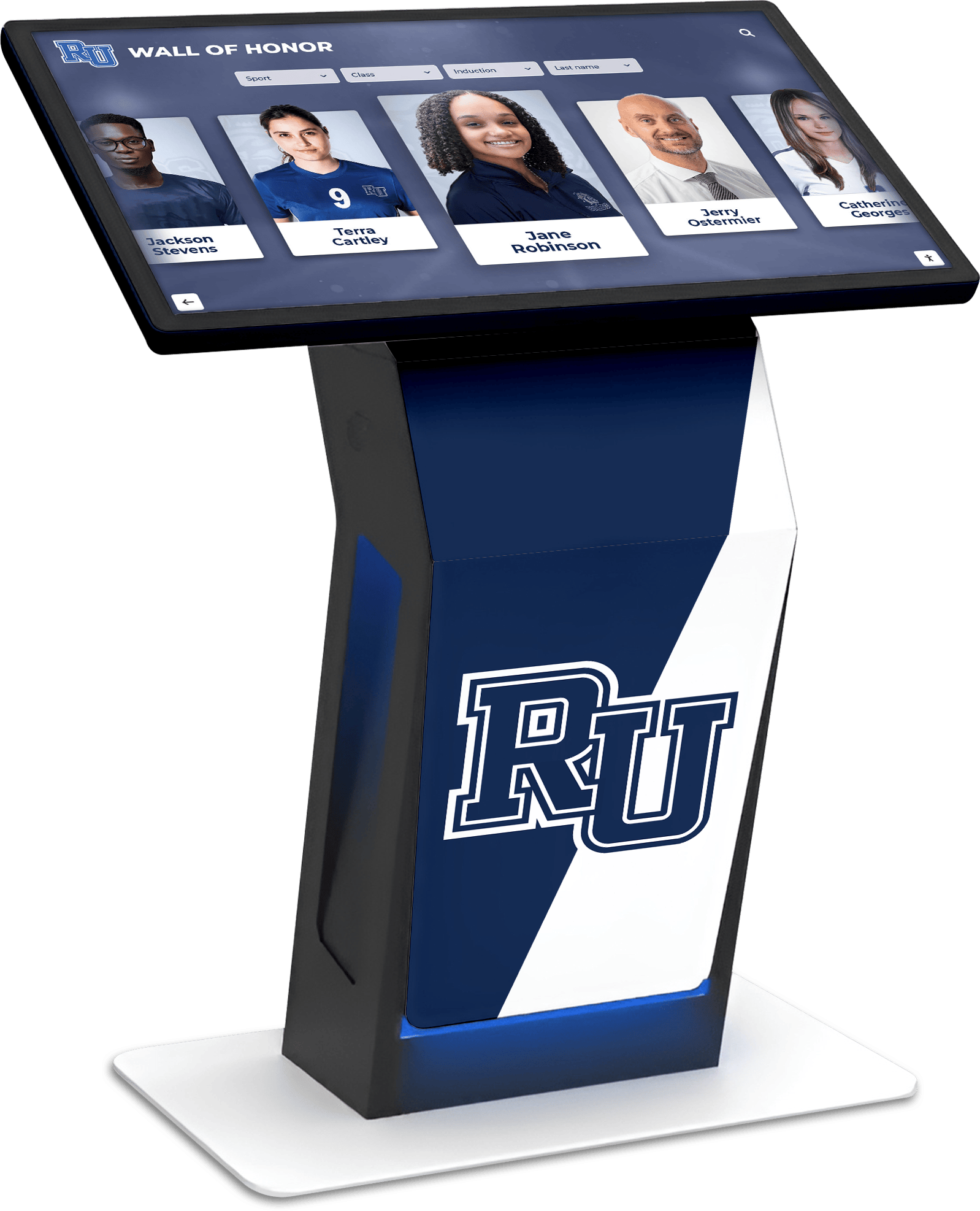
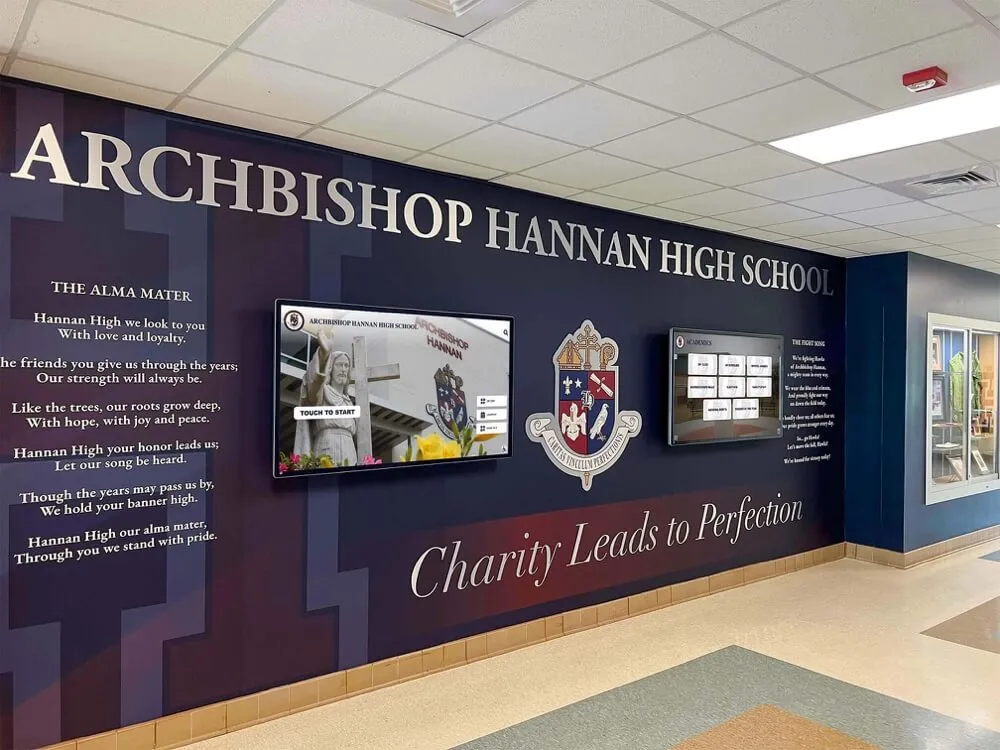
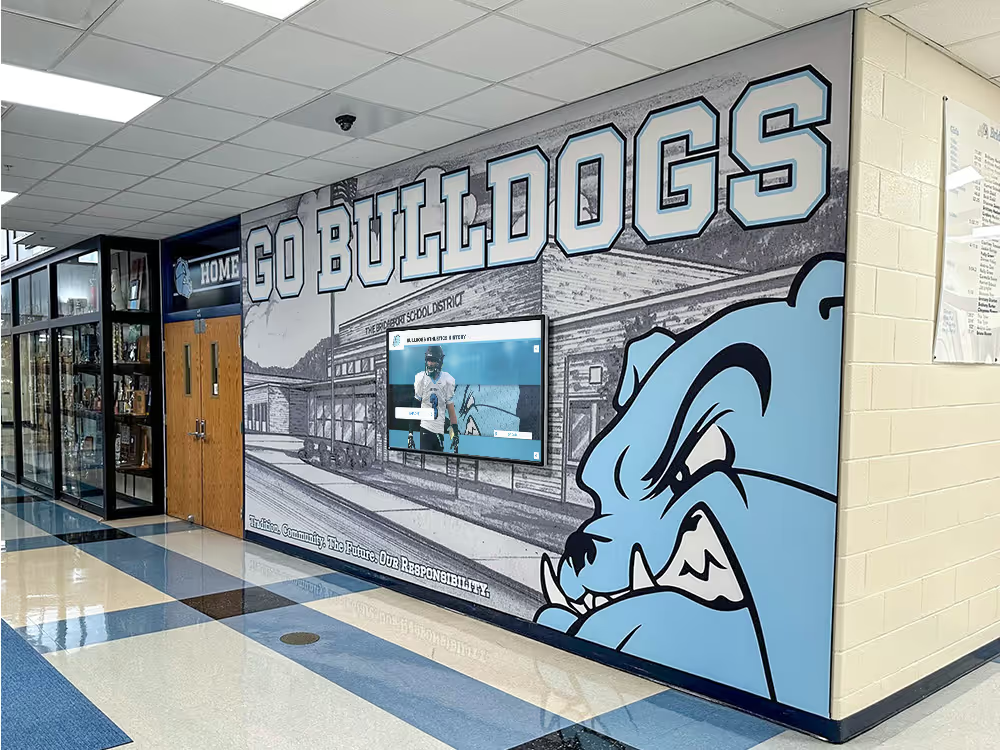
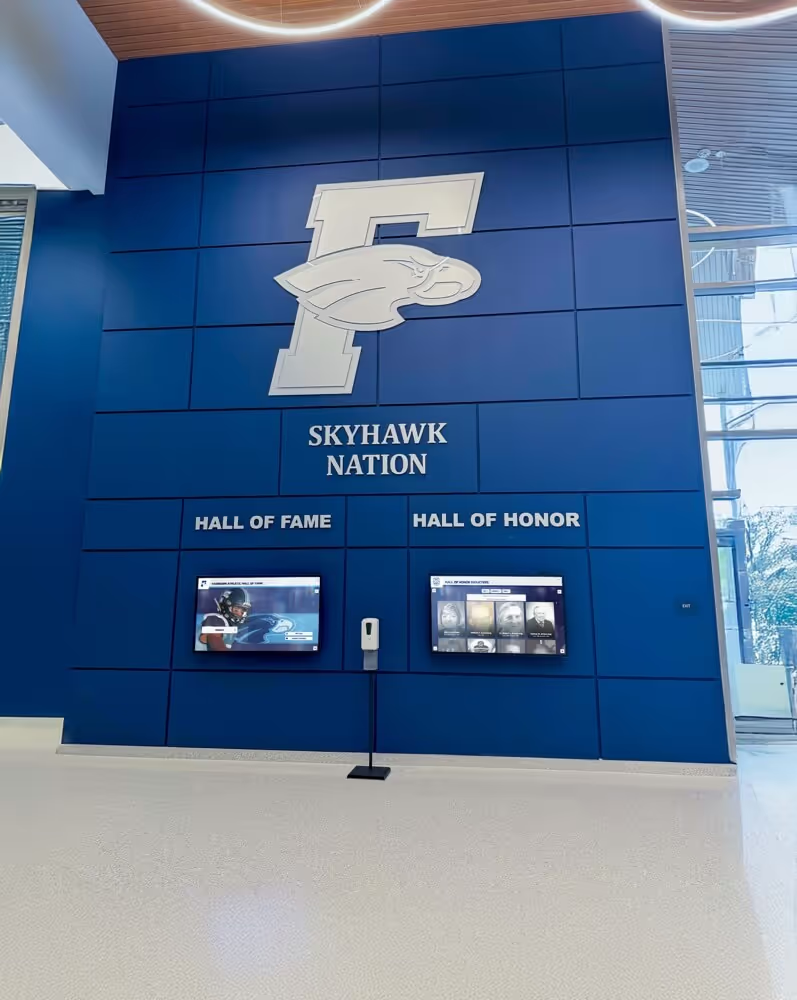
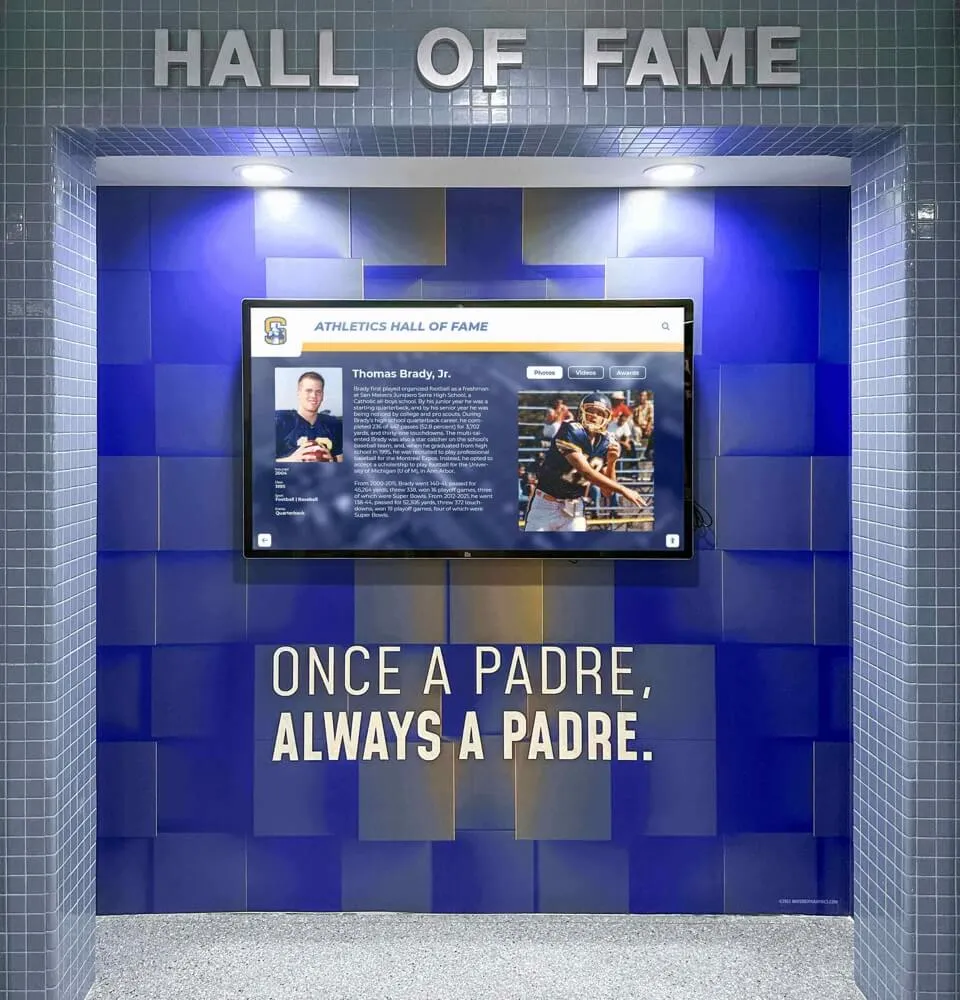
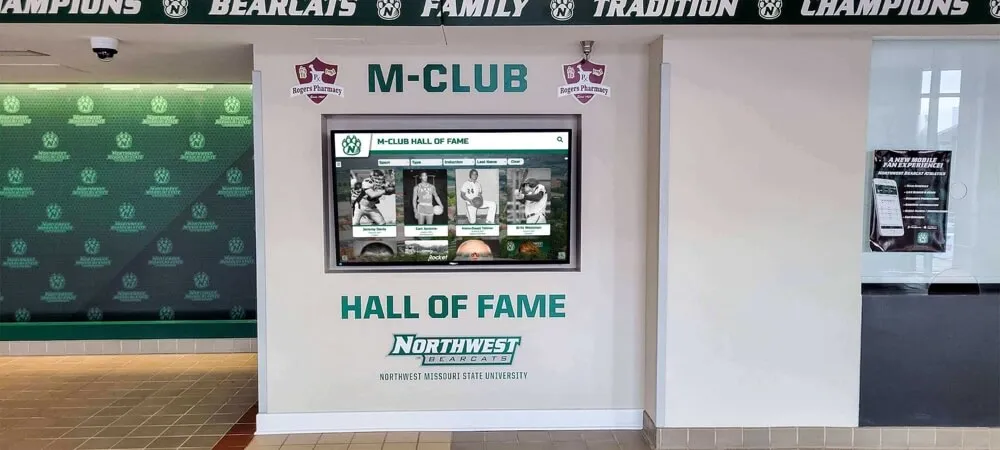
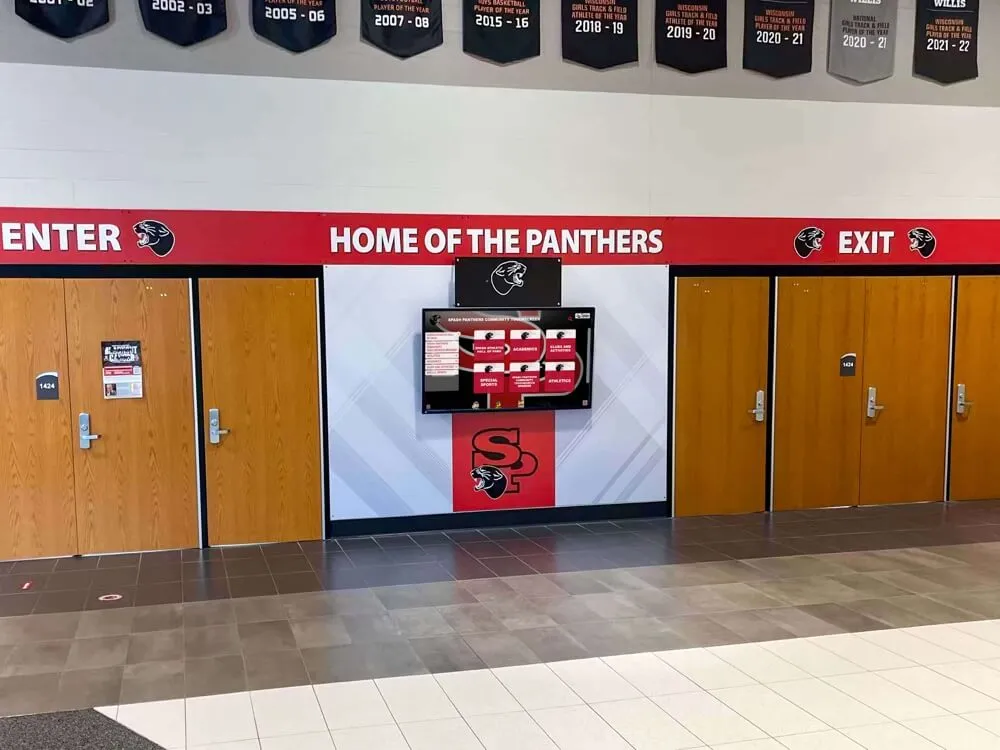
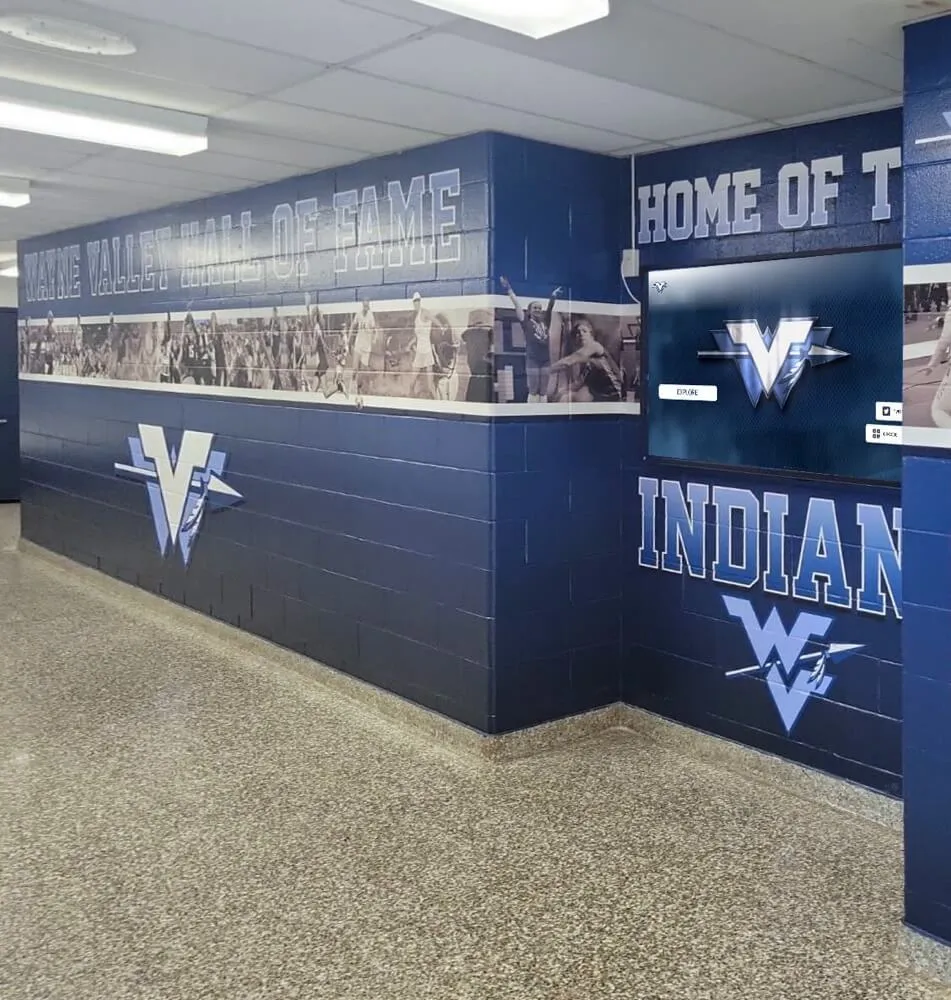
Interactive displays provide permanent recognition while enabling students to discover mentors by industry, expertise, and location
Essential Components of Alumni Mentorship Recognition Systems
Understanding critical capabilities helps institutions select solutions meeting current needs while remaining flexible for years of program growth.
Interactive Display Technology and Platform Features
Modern recognition systems utilize digital displays designed for comprehensive mentor acknowledgment:
Display Specifications for Campus Environments
Alumni mentorship recognition installations typically require 43-inch to 65-inch displays providing optimal visibility in career services centers, alumni affairs offices, student unions, main campus entrances, and academic buildings, commercial-grade panels rated for continuous daily operation, touch capabilities supporting intuitive student interaction, high-resolution screens displaying mentor photos professionally, and professional mounting hardware complementing institutional aesthetics.
Display placement matters significantly. Institutions achieve best results installing recognition systems in high-traffic student areas including career services waiting areas where students seek guidance, campus centers serving as community hubs, main building entrances welcoming visitors, academic department spaces connecting students with field-specific mentors, and alumni event venues celebrating contributors during gatherings.
Searchable Mentor Discovery Functionality
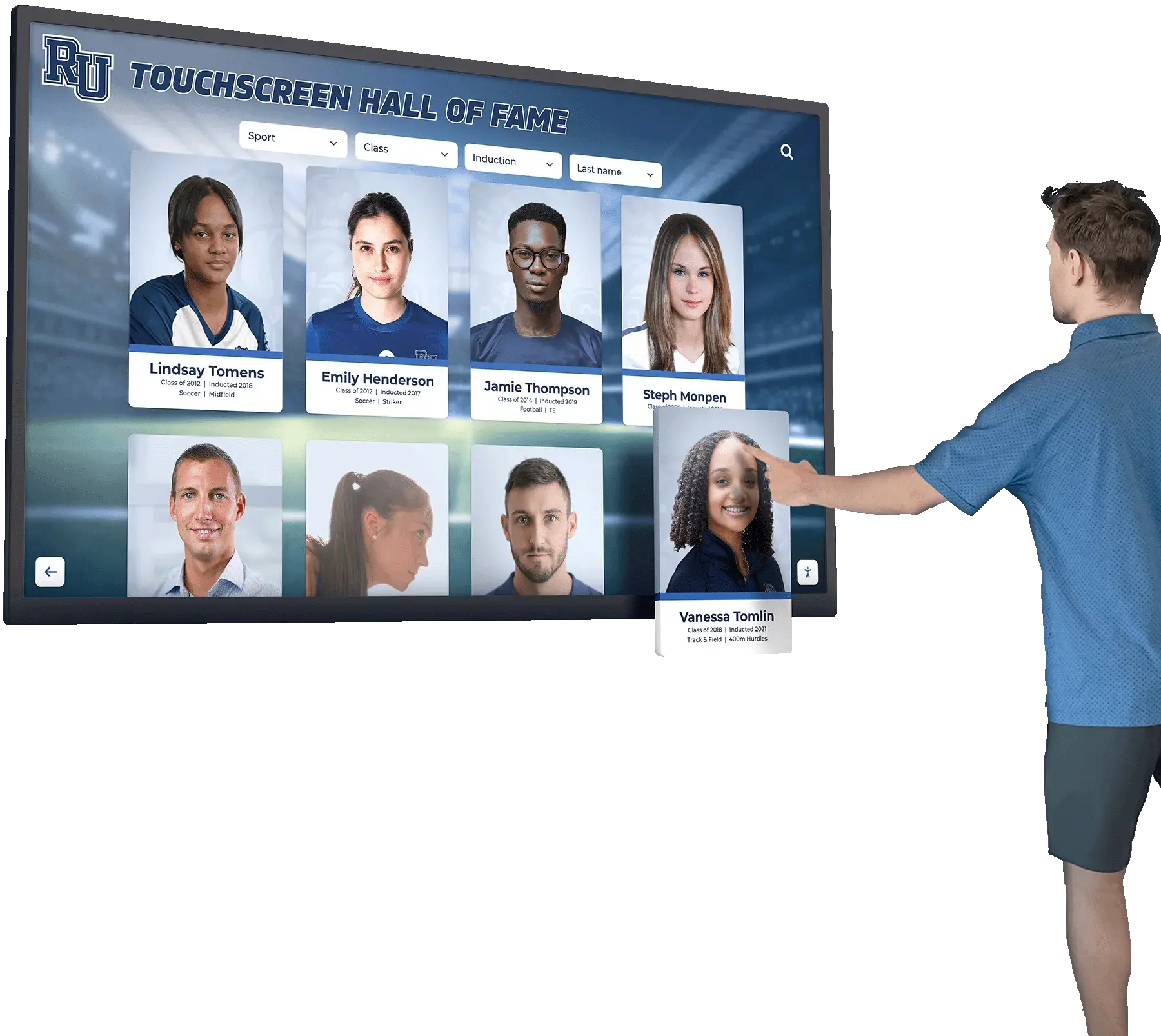
Unlike static plaques simply listing names, effective mentorship recognition enables active exploration through industry and company search helping students find mentors in target fields, geographic location filtering identifying alumni in cities where students seek opportunities, graduation year sorting discovering mentors at various career stages, expertise area categorization connecting students with specific skill guidance, availability status indicating mentors accepting new mentees, and keyword search finding alumni by interests or specializations.
These discovery features transform recognition from passive acknowledgment into active student resources that serve dual purposes—honoring mentors while facilitating the connections justifying their continued participation.
Rich Mentor Profile Content
Comprehensive recognition goes beyond basic name listings to include mentor photographs personalizing connections, current professional roles and companies, career trajectory summaries inspiring students, areas of expertise and guidance offered, mentorship history showing years of participation, geographic locations for local connections, and testimonials from students they’ve helped when appropriate.
This detailed content creates engaging recognition that tells mentor stories while providing students with information needed to identify relevant advisors whose backgrounds align with career aspirations.
Solutions like Rocket Alumni Solutions provide digital recognition platforms specifically designed for alumni engagement programs, offering intuitive interfaces enabling easy mentor profile creation and management without technical expertise.
Cloud-Based Content Management for Easy Updates
Back-end administrative systems determine how efficiently institutions maintain current, accurate mentor recognition:
User-Friendly Administrative Interfaces
Career services staff, alumni relations teams, and program coordinators should be able to update mentor content without IT support through intuitive dashboards requiring no coding knowledge, bulk import tools for historical mentor data migration, drag-and-drop organization enabling easy profile management, role-based permissions providing appropriate access levels, preview functionality showing changes before publication, and template libraries maintaining visual consistency across mentor profiles.
Flexible Recognition Organization
Digital systems accommodate diverse acknowledgment structures including tiered recognition levels distinguishing participation depth, multiple program categorization for different mentoring initiatives, cohort or class year grouping connecting mentors with peers, industry sector organization helping students navigate by field, geographic chapters recognizing regional mentor networks, and special designations for exceptional contributors providing multi-year guidance.
This organizational flexibility enables comprehensive recognition across all mentor types within unified systems that students intuitively understand while exploring for relevant advisors.
Integration Capabilities
Modern recognition platforms can connect with existing systems through data synchronization with mentoring program software, alumni database integration maintaining updated information, career services platform connections linking mentor profiles, event management system coordination tracking program participation, and reporting tools demonstrating engagement and impact metrics.
These integrations reduce manual data entry while ensuring recognition stays current as mentor rosters evolve and program participation fluctuates across academic years.
Learn about comprehensive approaches to alumni recognition displays that celebrate diverse contributions while engaging current community members.
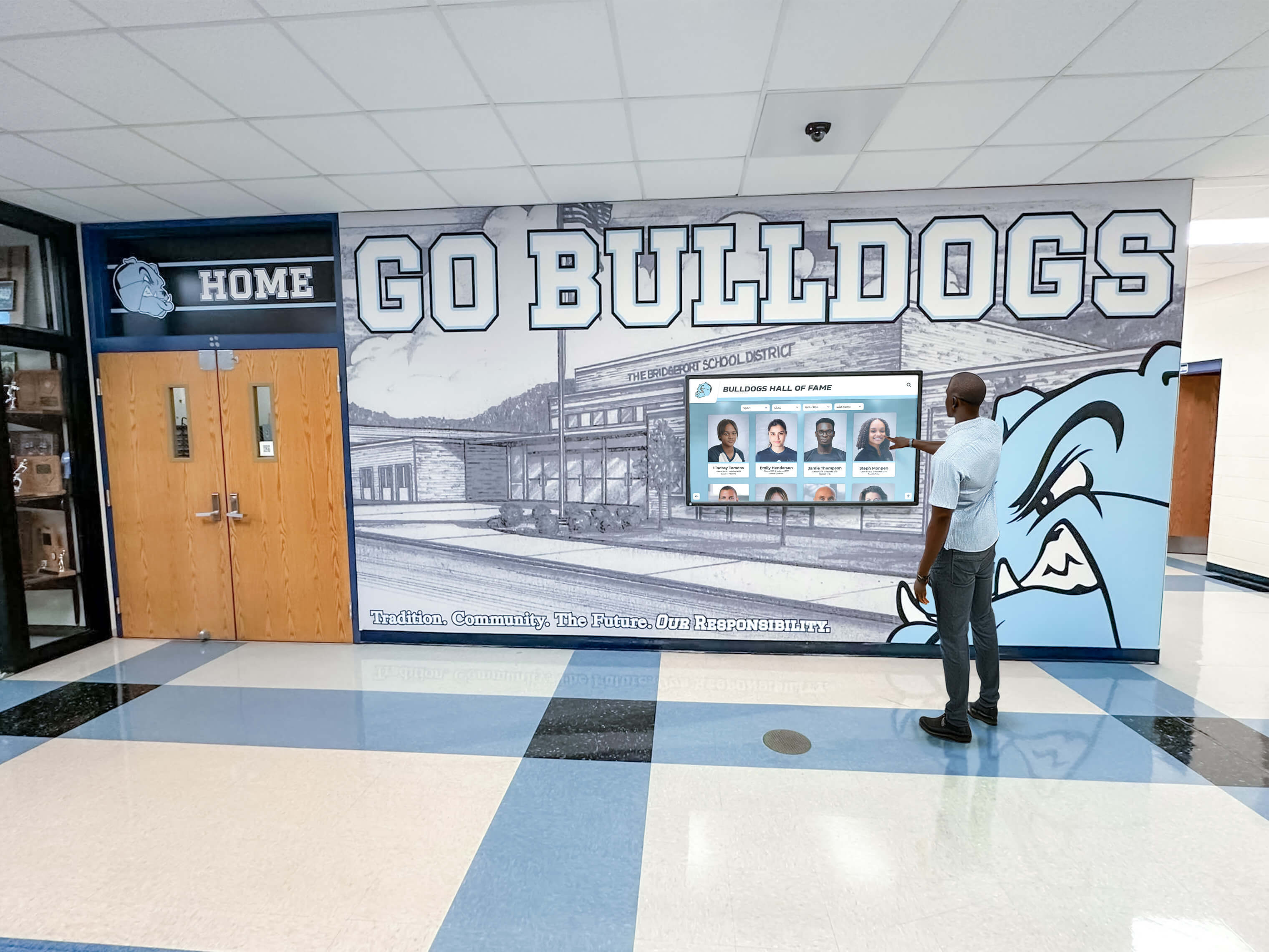
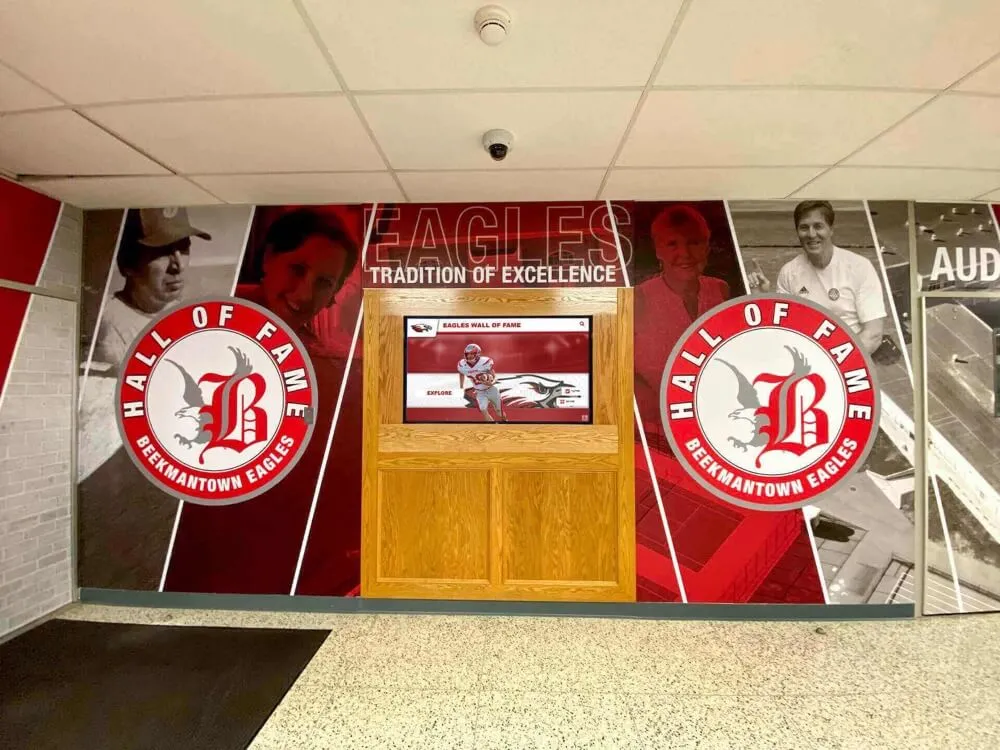
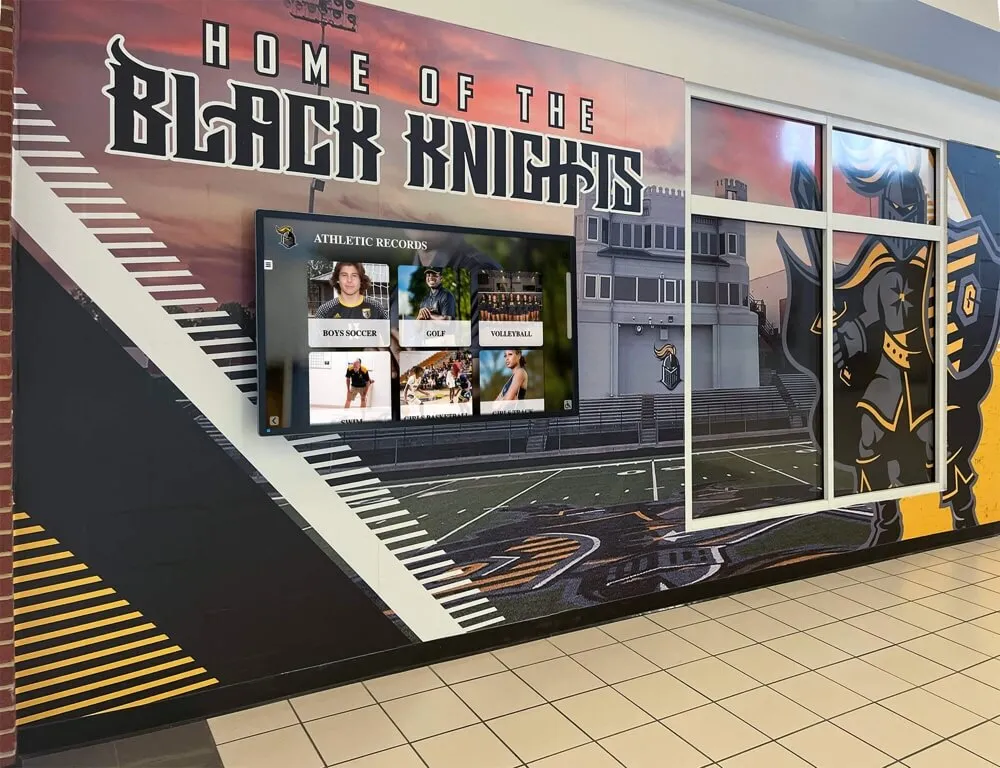
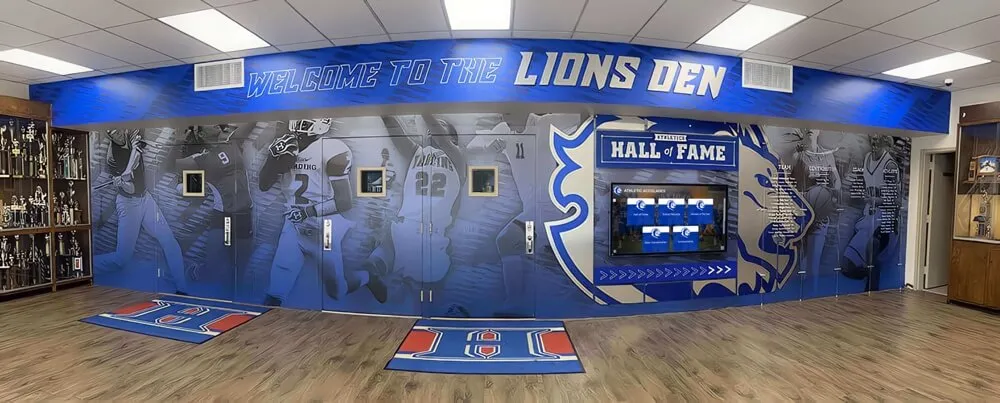
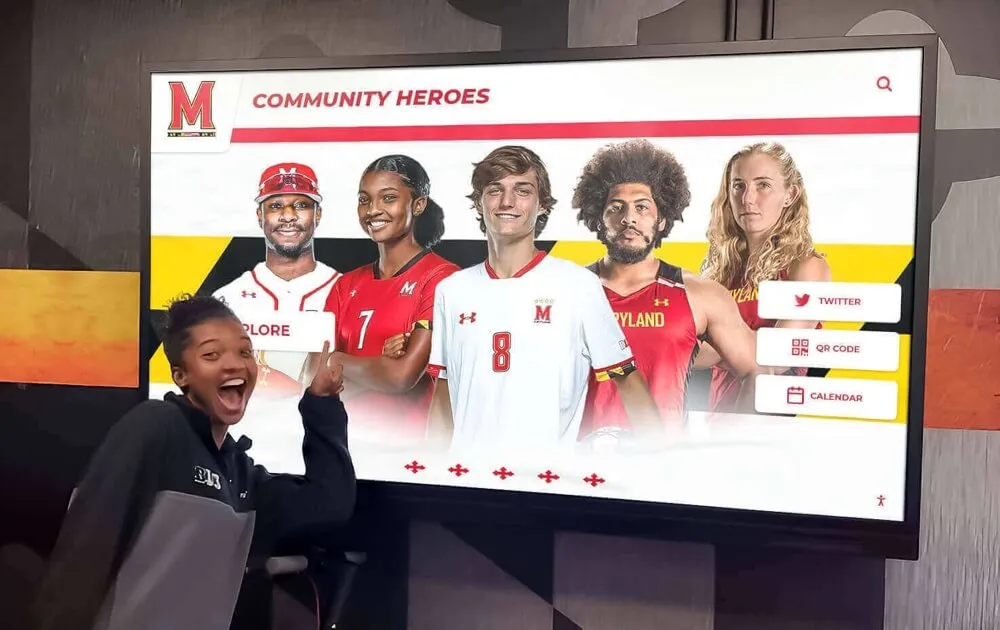
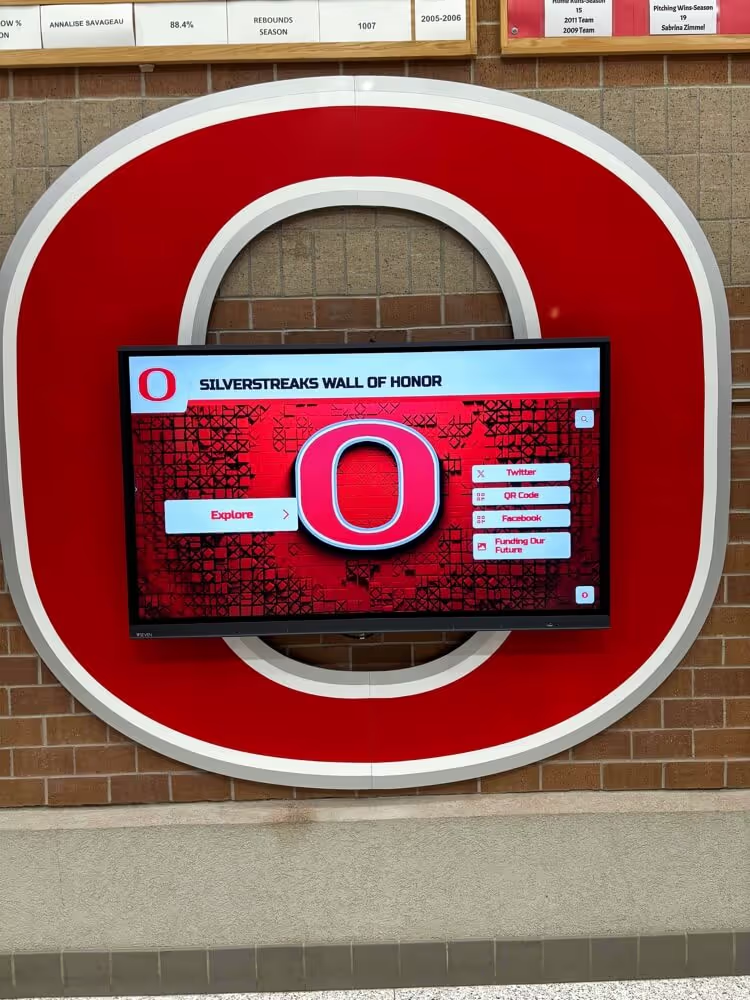
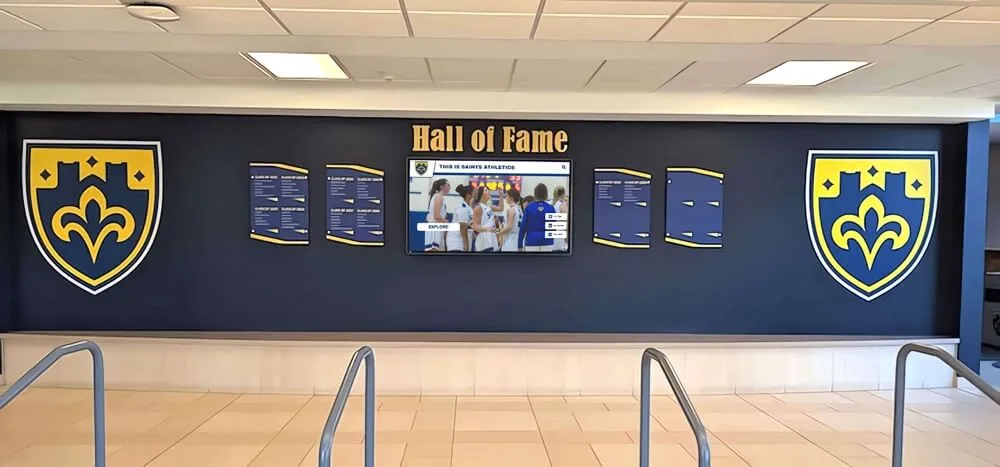
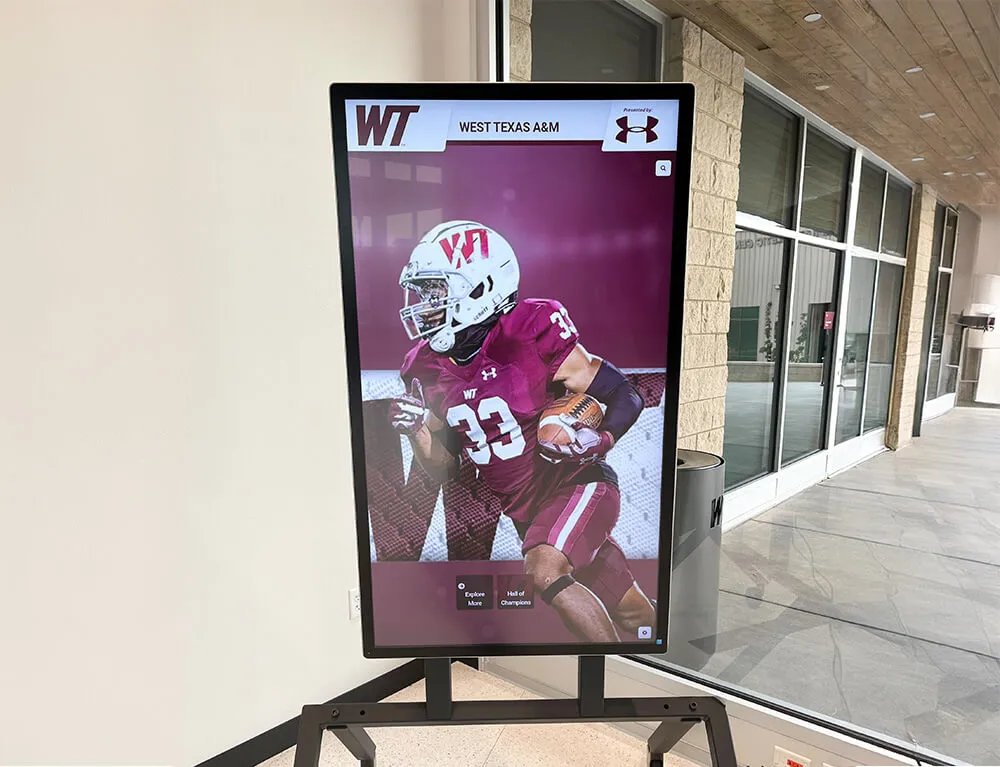
Cloud-based management enables real-time mentor updates while providing students with engaging discovery experiences
Content Strategy: What to Showcase in Alumni Mentorship Recognition
Thoughtful content approaches maximize recognition impact while serving both mentor appreciation and student discovery objectives.
Core Mentor Profile Components
Comprehensive mentor recognition extends beyond simple name listings:
Essential Mentor Information
Every mentor profile should include full names as preferred for recognition, graduation years establishing alumni connection, current professional roles and organizations, years of mentorship participation showing sustained commitment, industries and expertise areas defining guidance offered, and geographic locations for regional connections.
Enhanced Mentor Profiles
For mentors willing to be featured more prominently, profiles can include professional photographs personalizing connections, career journey narratives inspiring students, specific guidance offerings and availability, industry insights and advice for students, testimonials from mentees they’ve helped, contact preferences and connection methods, and LinkedIn profiles or professional links when appropriate.
These enhanced profiles transform mentor directories from basic lists into engaging content demonstrating diverse career pathways while helping students identify advisors whose experiences match their aspirations.
Mentorship Impact Metrics
Recognition displays can showcase program scope through total active mentors demonstrating participation breadth, years of collective mentoring experience, industries and companies represented, geographic distribution showing network reach, student connections facilitated over time, and special achievements like internship placements or job offers resulting from mentor guidance.
These metrics provide evidence of program impact that serves institutional marketing, justifies continued investment, and inspires additional mentor participation through visible demonstration of collective contribution.
Organizing Mentors by Student Discovery Needs
Strategic organization enables efficient student navigation:
Industry and Career Field Categories
Group mentors by sectors including business and finance, technology and engineering, healthcare and life sciences, education and nonprofit, arts and communications, law and public policy, entrepreneurship and startups, and other specialized fields matching institutional programs.
Clear industry organization helps students quickly identify mentors working in fields aligned with career interests, while demonstrating program breadth across diverse professional sectors.
Geographic Location Grouping
Organize mentors by regions including local alumni available for in-person meetings, major metropolitan areas where students seek opportunities, international locations for global connections, and remote mentors offering virtual guidance regardless of location.
Geographic categorization proves especially valuable for students conducting job searches in specific cities or exploring opportunities in particular regions where alumni networks provide advantages.
Expertise and Guidance Type Differentiation
Categorize mentors by offerings including resume and interview preparation, industry insights and informational interviews, internship and job search assistance, graduate school application guidance, entrepreneurship and startup advice, career transition support, and specialized technical skill development.
This expertise-based organization helps students find mentors offering specific types of guidance they need at particular career development stages.
Explore effective content strategies through digital recognition programs that balance appreciation with functional student resources.
Historical Recognition and Legacy Celebration
Comprehensive systems preserve long-term mentor contributions:
Multi-Year Mentor Recognition
Highlight alumni providing sustained guidance through cumulative years of participation, total students mentored over time, milestone celebrations at 5, 10, 15+ years, special legacy designations for exceptional contributors, and historical archives preserving mentor rosters across program decades.
This longitudinal recognition honors mentors whose cumulative contributions genuinely shaped institutional culture and student outcomes across extended periods.
Mentor Success Stories and Impact Examples
Document specific outcomes including student testimonials about transformative guidance, career achievement stories resulting from mentor support, internship and job placements facilitated through connections, graduate school admissions aided by mentor advice, and entrepreneurial ventures launched with mentor guidance.
These concrete examples demonstrate tangible program value while providing compelling content that inspires additional mentor recruitment and ongoing participant engagement.
Program Milestone Celebrations
Mark significant achievements including program anniversary recognition, participation milestones as rosters grow, expansion into new industries or regions, special initiatives or themed programs, and recognition events celebrating mentor communities.
Milestone content creates opportunities for renewed appreciation while documenting program evolution and growth over time.

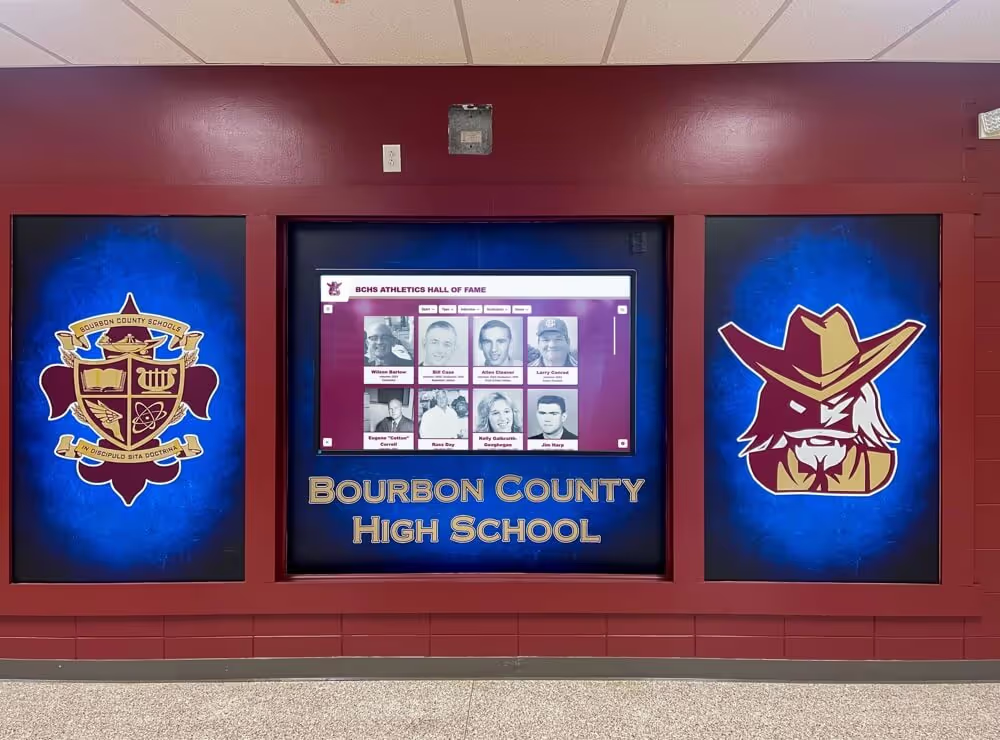
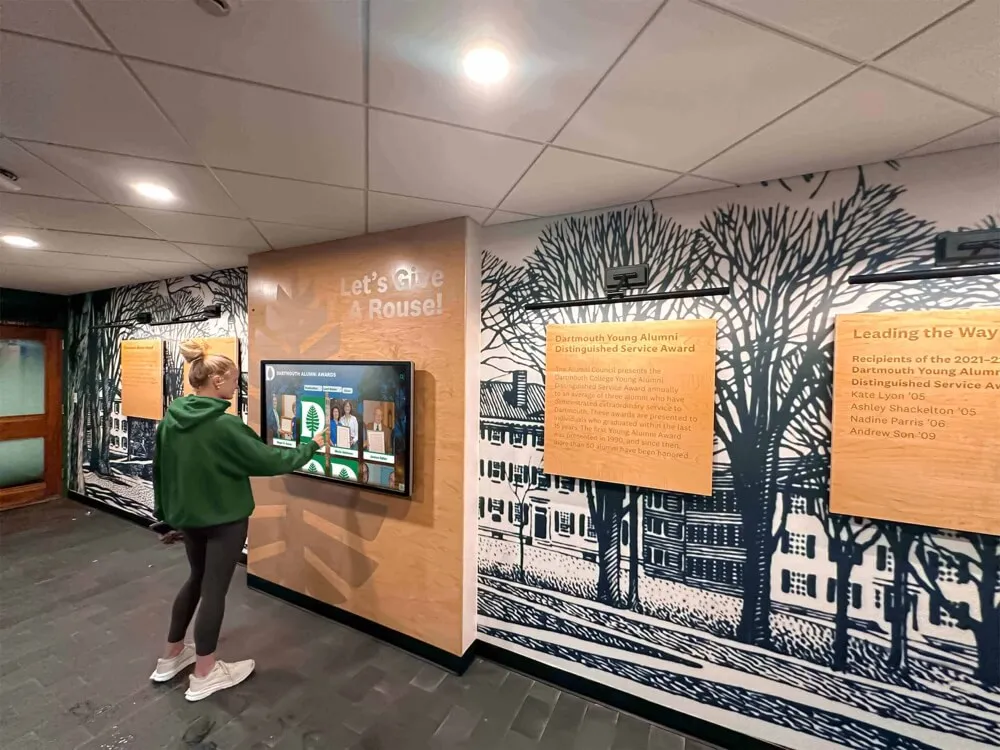
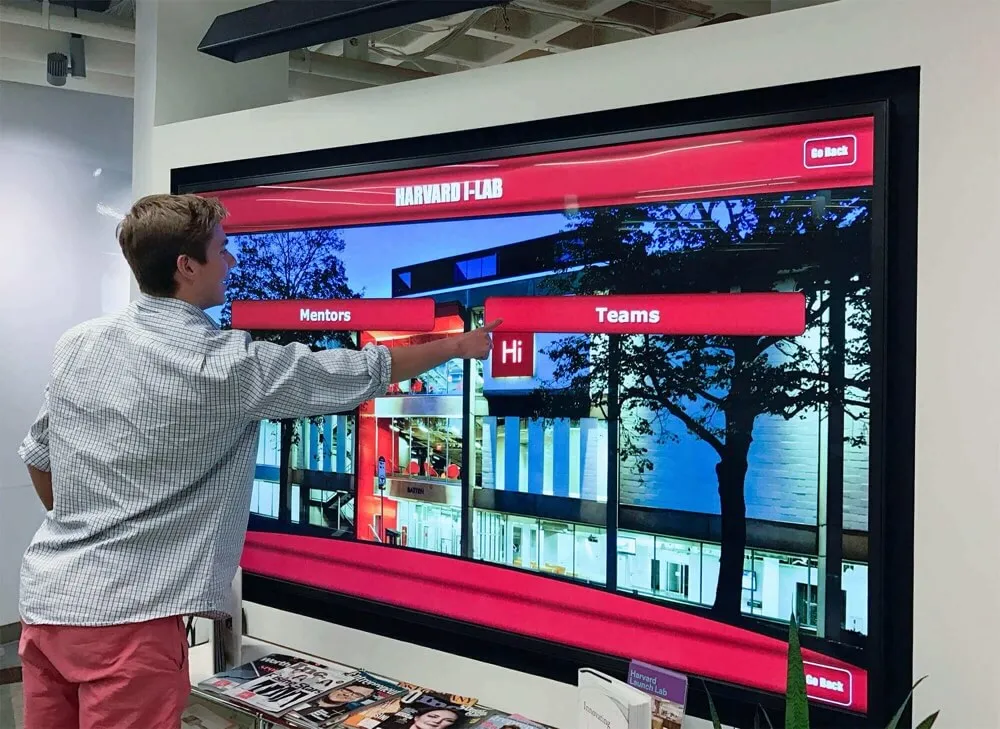
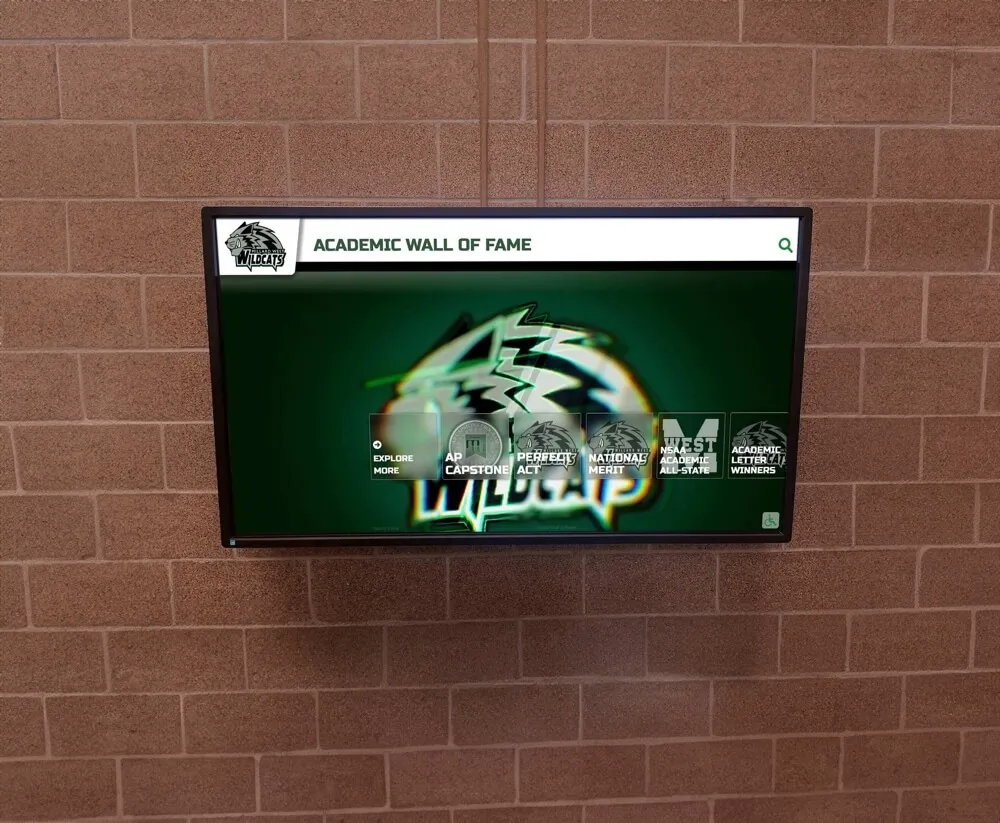
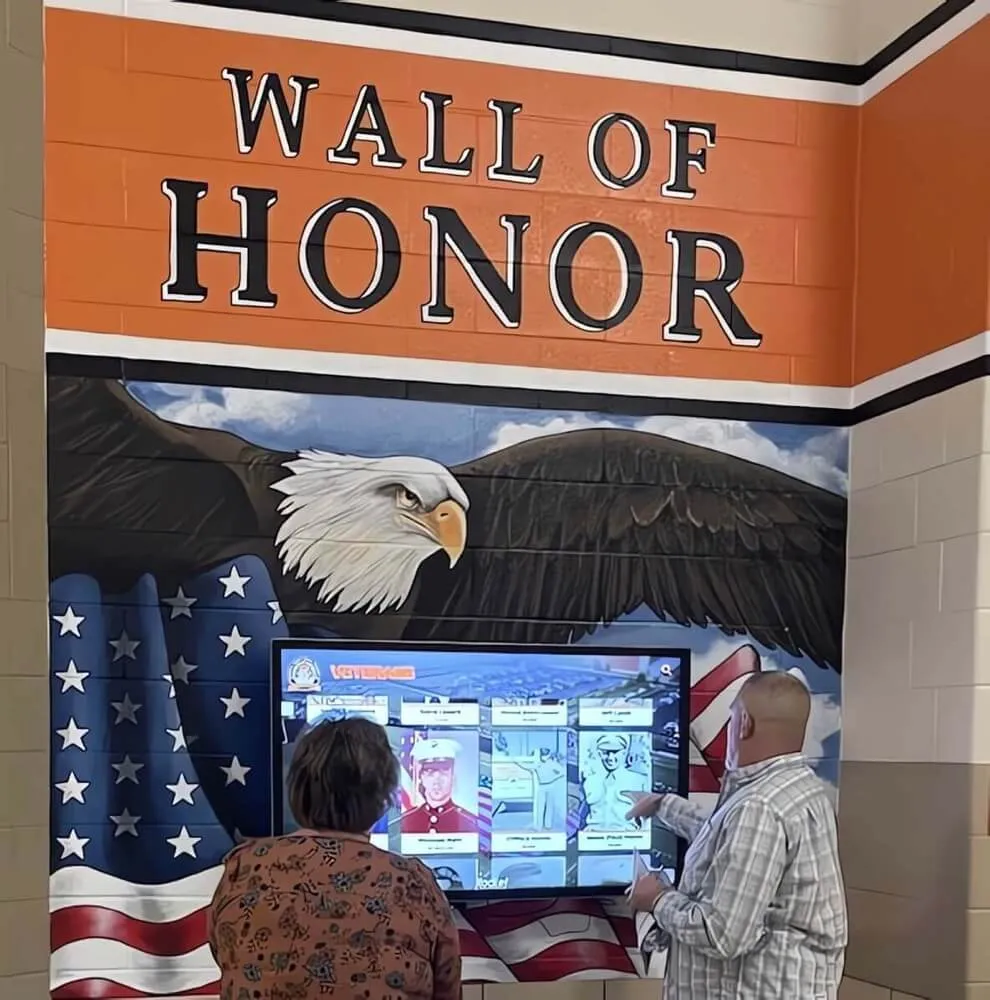
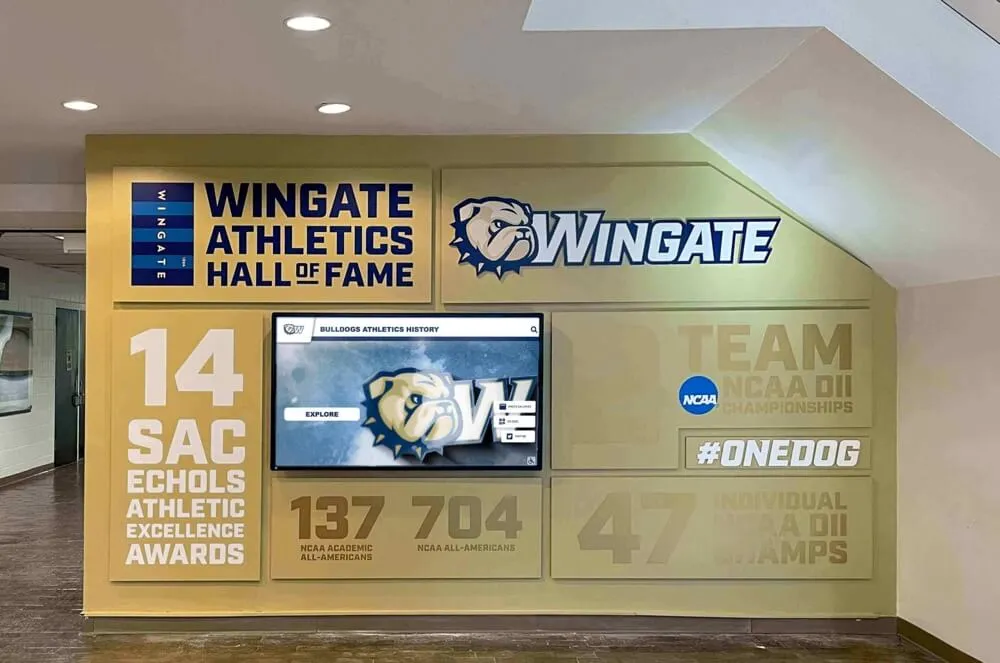
Effective recognition systems balance mentor appreciation with functional tools helping students discover relevant career advisors
Implementation Guide: Launching Alumni Mentorship Recognition Programs
Successful implementation requires systematic planning ensuring solutions align with institutional culture and program objectives.
Pre-Implementation Assessment and Planning
Begin with comprehensive evaluation establishing clear requirements:
Program Needs Analysis
Conduct thorough assessment including current mentor recognition approaches and limitations, evaluation of mentor satisfaction with existing appreciation methods, identification of student awareness gaps regarding available mentors, assessment of available physical spaces for display installation, review of budget availability and resource allocation, and stakeholder input from career services, alumni relations, and mentor program coordinators.
Comprehensive needs analysis ensures recognition solutions address actual requirements rather than assumed needs that may not reflect mentor preferences or student discovery patterns.
Recognition Philosophy and Program Goals
Establish guiding principles including commitment to honoring all mentors regardless of participation levels, balance between appreciation and functional student resources, privacy standards respecting mentor preferences for visibility, integration with broader alumni engagement strategies, and connection to institutional diversity and inclusion goals ensuring representative mentor recognition.
Clear philosophy prevents inconsistent decisions while ensuring recognition aligns with institutional values and program objectives beyond basic appreciation.
Technology Requirements Definition
Specify essential capabilities including content management requirements for non-technical staff, display hardware specifications appropriate for campus environments, search and filtering functionality enabling student discovery, mobile and web accessibility extending recognition beyond physical locations, integration needs with existing mentoring and alumni systems, and budget parameters establishing realistic constraints.
Detailed requirements enable accurate solution selection aligned with institutional needs and available resources.
Vendor Selection and Technology Choices
Choosing appropriate solutions requires careful consideration:
Vendor Evaluation Criteria
Select providers with demonstrated experience including portfolio of higher education installations, client references from similar institutions providing candid feedback, technical support availability and responsiveness, content creation assistance and design services, long-term platform development roadmap, and implementation methodology ensuring successful deployment.
Solutions like Rocket Alumni Solutions specialize in comprehensive alumni recognition displays for educational institutions, offering platforms designed specifically for mentorship programs with proven implementation processes and ongoing support.
Budget Development and Total Cost of Ownership
Establish realistic financial expectations including initial hardware and software investment typically $12,000-$35,000 for comprehensive systems, installation and integration costs for professional mounting, content development and design services for launch, training expenses ensuring staff competence, ongoing subscription and maintenance costs typically $1,500-$6,000 annually, and phased implementation options if appropriate.
Comprehensive budgets prevent surprises while ensuring adequate resources for quality implementations that honor mentors appropriately and function reliably throughout academic years.
Display Location and Installation Planning
Strategic placement maximizes recognition visibility and student engagement through installation in high-traffic student areas where career guidance naturally occurs, appropriate mounting heights for comfortable viewing and interaction, adequate lighting ensuring optimal display visibility, network infrastructure supporting connectivity and remote management, ADA compliance ensuring accessibility for all students, and aesthetic integration complementing campus architecture and design.
Professional installation ensures displays enhance rather than detract from campus environments while providing reliable operation students expect from institutional resources.
Explore technology selection considerations for interactive campus displays in student-facing environments.
Content Creation and Launch Strategy
Successful recognition requires substantial content preparation:
Initial Content Development
Comprehensive preparation includes mentor database organization ensuring accuracy before display, profile template creation establishing consistent format, mentor information gathering with permissions for recognition, photography collection or coordination for professional images, industry and expertise categorization for student discovery, historical content migration from existing systems, and testimonial or impact story curation when available.
Many institutions partner with full-service providers handling content development as part of implementation, significantly reducing internal workload while ensuring professional quality appropriate for prominent campus recognition.
Soft Launch and Community Preview
Thoughtful introduction includes soft launch with program staff identifying issues before promotion, mentor preview events celebrating contributors and gathering feedback, student focus groups testing discovery functionality, campus communications explaining new recognition systems, prospective student tours highlighting mentor resources, and documentation through photography for ongoing marketing.
Celebratory launches demonstrate institutional commitment to mentor recognition while maximizing awareness among students who might benefit from discovering available advisors.
Ongoing Management Protocols
Establish sustainable processes including clear role assignment for content updates, regular update schedules maintaining mentor roster currency, quality assurance preventing display errors, mentor communication about recognition and profile management, technical maintenance ensuring reliable operation, content refreshment keeping displays engaging, and performance monitoring tracking student interaction patterns.
Systematic management ensures recognition remains current, accurate, and valued long after initial excitement fades into operational routine.
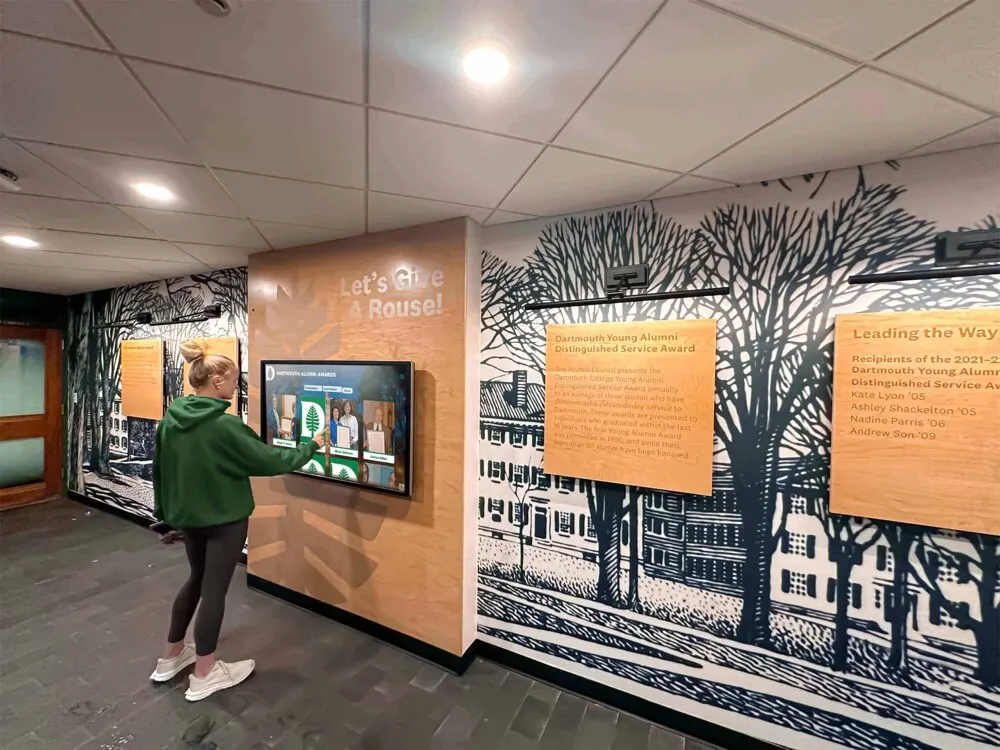
Strategic planning ensures recognition displays become valued resources supporting both mentor appreciation and student career development
Strategic Applications: When Institutions Deploy Mentorship Recognition
Understanding optimal use cases helps institutions maximize recognition system investment.
New Mentor Program Launch and Recruitment
Recognition supports program growth:
Building Participation Through Visible Models
New mentorship initiatives often struggle recruiting initial participants lacking visible examples of how alumni engage. Recognition displays showcasing early mentor cohorts create tangible models demonstrating participation expectations, time commitments, and guidance types offered, while providing social proof that inspires additional alumni to join growing programs.
Featured recognition highlighting founding mentors creates aspirational models while honoring those willing to participate before programs demonstrate established success.
Demonstrating Institutional Commitment
Alumni considering mentorship participation want confidence that institutions value their contributions and will manage programs professionally. Prominent recognition displays signal genuine institutional commitment to mentorship programs through visible investment in appreciation infrastructure, professional presentation honoring mentor contributions, sustained attention beyond initial recruitment enthusiasm, and integration with broader alumni engagement strategies.
This demonstrated commitment helps overcome skepticism that mentorship represents temporary initiatives rather than sustained institutional priorities.
Existing Program Expansion and Re-Engagement
Recognition revitalizes mature programs:
Celebrating Milestone Achievements
Programs reaching 5, 10, or 15+ year anniversaries benefit from recognition refresh highlighting cumulative impact through total mentors participated over program history, aggregate student connections facilitated, industries and companies represented across years, geographic expansion showing network growth, and special recognition for longest-serving mentors providing sustained guidance.
Milestone celebrations create natural opportunities for renewed appreciation, media coverage, and mentor re-engagement through special events or communications tied to anniversary recognition.
Recovering Lapsed Mentor Participation
Many mentorship programs experience participation decline as initial enthusiasm fades and program management becomes routine. Recognition displays that prominently celebrate active mentors create visible reminders inspiring lapsed participants to re-engage, while new recognition approaches demonstrate program evolution and renewed institutional commitment.
Outreach to previously active mentors highlighting their inclusion in new recognition systems provides natural re-engagement hooks that feel appreciative rather than purely transactional requests for renewed participation.
Student Recruitment and Institutional Marketing
Recognition serves external audiences:
Prospective Student Tours and Visit Days
Recognition displays showcasing comprehensive mentor networks provide powerful marketing during campus visits by demonstrating career support resources unavailable at competitor institutions, illustrating alumni network strength and engagement, showcasing industry diversity and geographic reach, providing concrete examples of post-graduation outcomes, and creating opportunities for tour guides to discuss distinctive institutional advantages.
Prospective students increasingly evaluate institutions based on career preparation and alumni network access. Visible recognition documenting robust mentorship programs provides tangible evidence of these advantages.
Parent and Family Communication
Families evaluating institutional investments want confidence their students will receive career support leading to successful outcomes. Recognition displays document available resources while demonstrating that institutions prioritize post-graduation success through alumni engagement, not just academic programming during enrollment years.
This comprehensive support narrative helps justify tuition investments by illustrating ongoing career assistance throughout students’ professional development.
Explore institutional marketing applications through college recruitment displays that highlight distinctive advantages.
Donor Cultivation and Comprehensive Engagement
Recognition creates philanthropic pathways:
Demonstrating Multiple Ways Alumni Contribute
Traditional institutional recognition focuses heavily on financial donations, potentially creating impression that only monetary contributions receive appreciation. Comprehensive recognition celebrating mentorship alongside philanthropy communicates that institutions value diverse contribution types, creating cultures where all forms of giving matter.
This balanced approach provides natural progression pathways where mentors experiencing recognition for expertise might eventually add financial support after developing stronger institutional connections through advisory involvement.
Connecting Expertise to Philanthropy
Many mentors develop specific interests through program participation—scholarship funding enabling students to accept unpaid internships, career center support expanding services, endowed positions strengthening advising capacity, or program-specific gifts supporting industries they represent.
Recognition that maintains ongoing mentor engagement creates stewardship opportunities where development teams can eventually invite philanthropic support aligned with mentors’ demonstrated interests and involvement.
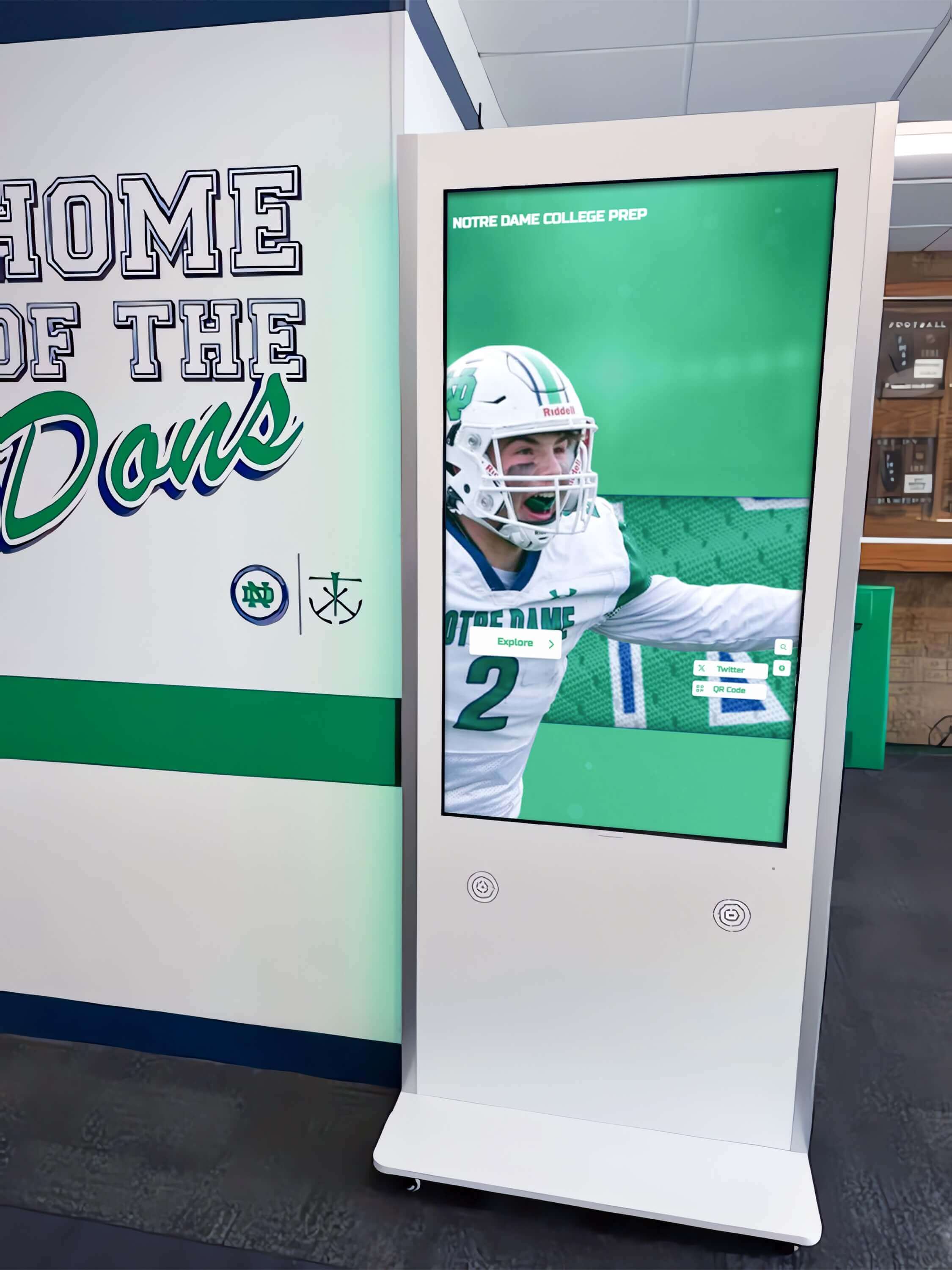
Flexible recognition systems support multiple institutional objectives from mentor appreciation to student recruitment to donor cultivation
Best Practices for Alumni Mentorship Recognition Success
Learning from successful implementations helps institutions avoid common pitfalls while maximizing impact.
Balance Appreciation With Functional Student Resources
Recognition should serve dual purposes:
Avoid Pure Vanity Projects
The most effective mentor recognition provides genuine student value beyond passive acknowledgment. Recognition that enables mentor discovery, facilitates connection, and helps students navigate career resources serves functional purposes justifying prominent placement and ongoing maintenance investment.
Purely commemorative displays that list mentor names without additional context or functionality quickly become ignored background elements rather than actively used campus resources.
Design for Student Navigation and Discovery
Organize content reflecting how students actually search for guidance—by industry, location, expertise type, and availability—rather than alphabetical or chronological structures that serve administrative convenience but frustrate student discovery.
Involve students in design decisions ensuring navigation aligns with their mental models and search patterns rather than institutional organizational preferences.
Maintain Current, Accurate Mentor Information
Nothing undermines recognition faster than outdated content:
Establish Regular Update Cycles
Create systematic processes ensuring mentor rosters remain current including beginning-of-year verification campaigns confirming participation, mid-year reviews updating changed professional information, end-of-year recognition additions honoring new mentors, automated reminders prompting mentors to update profiles, and regular quality assurance reviews preventing obvious errors.
Current information demonstrates that programs are actively managed and that recognition receives ongoing institutional attention rather than representing one-time installations that become neglected over time.
Enable Mentor Self-Service When Appropriate
Consider providing mentors direct access to update their own profiles within appropriate guardrails, reducing administrative burden while ensuring information accuracy. Alumni are best positioned to maintain current professional details, expertise offerings, and availability status.
This self-service approach creates mentor ownership of recognition while distributing maintenance responsibilities across participants rather than concentrating updates with small program staff.
Respect Privacy and Manage Mentor Preferences
Not all mentors want maximum visibility:
Offer Flexible Recognition Options
Provide mentors choice regarding recognition levels including full public profiles with photos and contact information, limited recognition with basic details only, directory inclusion without prominent feature placement, private participation without public recognition, and easy processes for updating preferences as comfort levels change.
Respecting diverse mentor motivations builds trust while honoring various reasons alumni participate in programs, from genuine desire for community visibility to professional networking to humble service without seeking acknowledgment.
Communicate Recognition Plans Transparently
During mentor recruitment and onboarding, clearly explain recognition approaches including what information appears publicly, where displays are installed physically and online, how students use systems to discover mentors, what level of visibility mentors can expect, and how preferences can be modified over time.
Transparent communication prevents surprises while ensuring mentors provide informed consent for recognition approaches rather than discovering unexpected public profiles after joining programs.
Integrate Recognition With Comprehensive Stewardship
Recognition should connect to broader mentor engagement:
Create Recognition-Driven Touchpoints
Use recognition system launches and updates as opportunities for renewed mentor communication including personalized notifications when profiles go live, periodic updates showing student engagement with their profiles, annual recognition events celebrating mentor communities, milestone communications at participation anniversaries, and impact reports demonstrating collective program outcomes.
These recognition-connected touchpoints provide regular, meaningful communications beyond generic program newsletters, strengthening relationships through personalized appreciation tied to actual contributions.
Connect Recognition to Broader Alumni Strategy
Position mentorship recognition as component of comprehensive alumni engagement including coordination with alumni giving campaigns, integration with career networking events, connection to volunteer recruitment for other programs, alignment with diversity and inclusion initiatives, and synergy with institutional communications and marketing.
This strategic integration ensures mentorship recognition advances multiple institutional objectives rather than existing as isolated program initiative without broader connections.
Explore comprehensive engagement strategies through alumni recognition programs that honor diverse contributions.
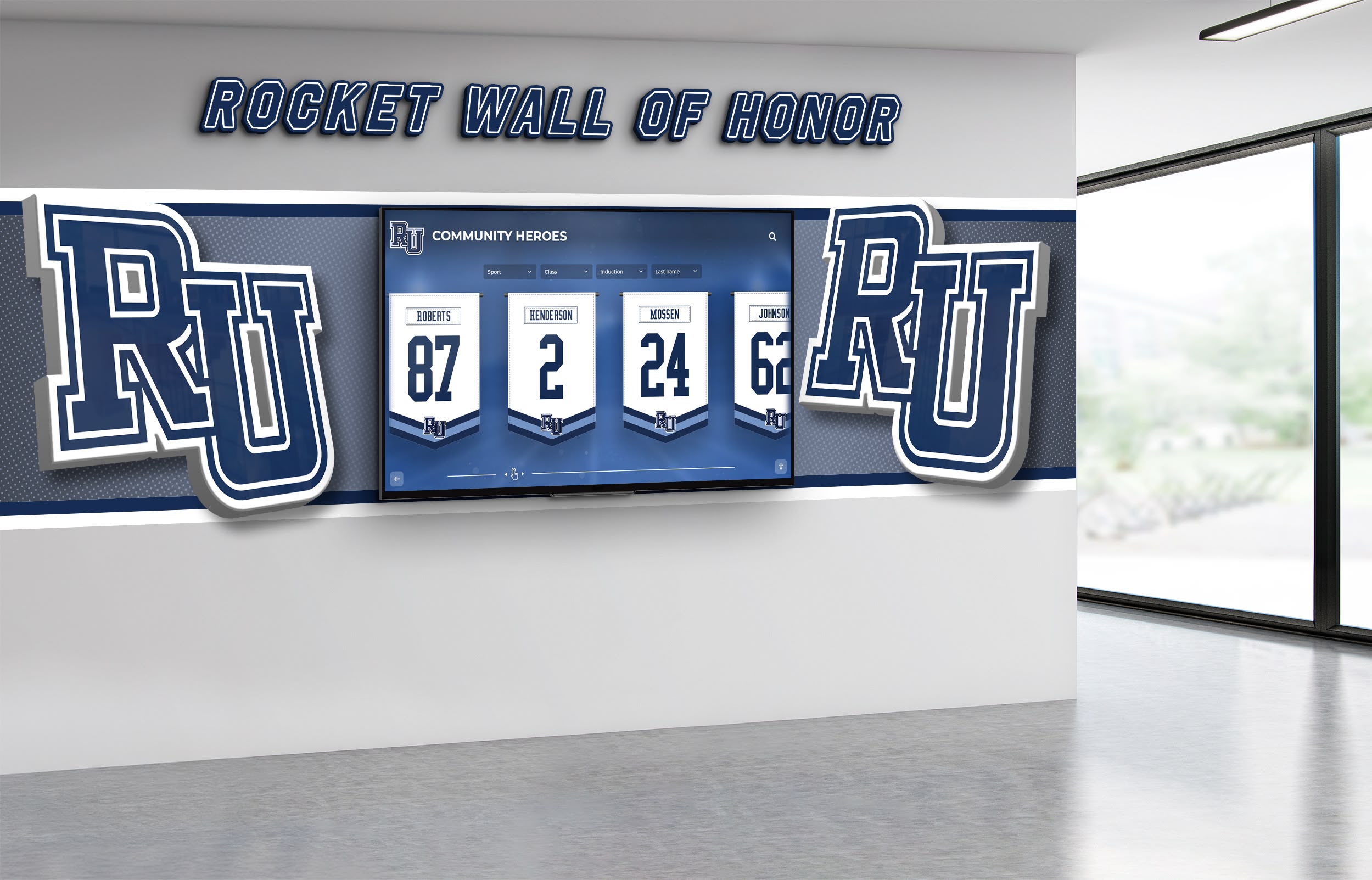
Effective recognition systems create opportunities for ongoing mentor engagement while supporting broader institutional objectives
Measuring Alumni Mentorship Recognition Program Effectiveness
Systematic assessment ensures recognition achieves intended goals while identifying improvement opportunities.
Quantitative Success Metrics
Track measurable indicators of recognition effectiveness:
Mentor Recruitment and Retention Indicators
Primary metrics include total active mentors compared to program goals and previous years, new mentor enrollment rates tracking recruitment effectiveness, mentor retention rates year-over-year showing sustained participation, geographic and industry diversity demonstrating reach breadth, and participation depth measured by mentees served or guidance sessions conducted.
These fundamental metrics demonstrate whether recognition contributes to overall program growth and retention while providing baseline comparisons for future assessment.
Student Engagement Metrics
Assess how students interact with recognition displays through unique visitors tracked through analytics, session duration indicating engagement depth, search patterns revealing which discovery methods students use, profile views showing which mentors generate interest, connection requests resulting from display discovery, and returning visitors demonstrating sustained resource utilization.
High student engagement suggests recognition creates genuine value as career resource while potentially correlating with improved mentorship program outcomes and student satisfaction.
Program Impact Indicators
Measure broader outcomes including student connections facilitated annually, career outcomes attributed to mentor guidance, mentor satisfaction survey results, program reputation metrics from student evaluations, prospective student awareness during recruitment, and institutional marketing effectiveness when featuring mentor resources.
Since recognition aims to support overall program success, effectiveness ultimately manifests through these broader impact indicators rather than recognition metrics alone.
Qualitative Assessment Approaches
Complement quantitative metrics with qualitative feedback:
Mentor Perspectives
Gather insights through post-program surveys about recognition experience, focus groups with active mentors discussing appreciation approaches, informal conversations during mentor events, testimonials from satisfied participants, observation of mentor reactions when viewing displays, and feedback from mentors who discontinue participation.
Understanding how mentors perceive and value recognition helps refine approaches for maximum relationship-building impact aligned with preferences rather than assumptions about what mentors want.
Student User Experience
Student perspectives provide functional insights including ease of mentor discovery and navigation, profile information usefulness for advisor selection, technical issues encountered during exploration, suggestions for improved functionality, awareness levels regarding available resources, and perceived value compared to other career support tools.
Since recognition serves students as functional resource, their experience directly affects system value and utilization beyond mentor appreciation purposes.
Institutional Leadership Feedback
Campus administrators provide strategic insights including perceived program value and impact evidence, adequacy of recognition investment justification, prospective student and parent reactions during tours, suggestions for enhanced institutional marketing integration, comparison with peer institution approaches, and support for continued or expanded recognition investment.
Administrator perspectives affect long-term recognition sustainability through budget allocation decisions and strategic prioritization of mentorship programs within broader institutional initiatives.
Conclusion: Building Mentorship Cultures Through Meaningful Recognition
Alumni mentorship programs thrive when institutions systematically celebrate career advisors who provide invaluable professional guidance, when mentor contributions receive visibility equal to their impact on student outcomes, and when recognition creates cultures where expertise-sharing becomes expected alumni engagement rather than exceptional volunteer service. Modern digital recognition displays enable comprehensive mentor acknowledgment previously impossible with limited newsletter mentions or sporadic appreciation events that reach minimal audiences.
Digital recognition systems transform this dynamic by honoring all mentors regardless of participation levels, preserving institutional memory of advisor contributions across decades, creating functional student resources for mentor discovery, maintaining flexibility as programs evolve and grow, building sustainable systems serving institutions long-term, and inspiring continued engagement through visible celebration of collective mentor impact.
Institutions implementing comprehensive mentorship recognition discover multiple benefits including improved mentor retention as alumni experience ongoing appreciation, enhanced student outcomes through better advisor resource awareness, strengthened prospective student marketing demonstrating career support advantages, more efficient program operations through integrated recognition and discovery functionality, natural pathways to deeper alumni engagement and eventual philanthropy, and demonstrated program impact justifying continued institutional investment.
Transform Your Alumni Mentorship Recognition
Discover how interactive digital displays can help your institution celebrate mentor contributions, connect students with career advisors, and build thriving cultures of alumni engagement supporting student success.
Book a DemoStrategic Implementation Pathway
Institutions considering mentorship recognition should begin with comprehensive needs assessment establishing requirements and stakeholder alignment, engage career services and alumni relations ensuring program coordination, evaluate technology solutions carefully aligning capabilities with objectives, develop realistic budgets accounting for all costs including ongoing maintenance, plan content development including mentor profile creation and organization, create sustainable management protocols ensuring long-term effectiveness, and commit to ongoing optimization continuously improving recognition and student experience.
This systematic approach prevents common problems while ensuring digital recognition achieves intended goals of enhanced mentor appreciation and improved student career support.
The Recognition Investment Imperative
With career preparation increasingly central to institutional value propositions and prospective student decision-making, mentorship recognition represents strategic investment in resources that dramatically affect student satisfaction and post-graduation outcomes. Recognition programs that improve mentor retention, expand participant recruitment, and enhance student resource awareness create substantial competitive advantages compounding over years.
Digital recognition displays enable comprehensive, engaging acknowledgment that honors mentor expertise while providing functional student resources impossible with traditional appreciation approaches. When mentor contributions receive visibility equal to financial philanthropy—not just generic thank-you notes filed away after reading—institutions build inclusive cultures where all forms of alumni giving receive genuine appreciation and celebration.
Technology Serving Relationships and Student Success
The most effective implementations position technology as tools serving mentor relationships and student career development rather than technical showcases. Solutions like Rocket Alumni Solutions provide comprehensive platforms combining powerful mentor recognition with student discovery functionality and user-friendly administration, enabling institutions to focus resources on program management and relationship building rather than technical challenges.
Your alumni mentors’ expertise makes student success possible. They deserve recognition that honors contributions appropriately, demonstrates tangible impact they’re creating, facilitates ongoing connections with students they’re helping, inspires continued participation across years, and positions them as valued institutional partners advancing educational missions.
With thoughtful planning, appropriate technology selection, sustained commitment, and genuine focus on both mentor appreciation and student benefit, you can create recognition systems that transform mentorship from sporadic volunteer activity into visible institutional advantages strengthening outcomes for students, alumni, and your entire educational community.
Ready to explore mentorship recognition for your institution? Discover how digital alumni displays strengthen engagement while interactive recognition systems celebrate contributions across diverse educational communities and programs.