Strong alumni networks transform institutional relationships from transactional graduation moments into lifelong community connections that benefit everyone—current students gain mentorship and career guidance, recent graduates access professional opportunities, established alumni expand their networks, and institutions strengthen fundraising capacity while building brand ambassadors who champion your mission for decades. Yet many alumni relations teams struggle to create networking events that truly resonate, resulting in disappointing attendance, superficial connections, or programming that fails to deliver meaningful value beyond free appetizers and nostalgic small talk.
The difference between alumni networking events that energize your community and those that quietly fade into forgettable calendar entries comes down to intentional design, strategic programming, and genuine understanding of what motivates graduates across different life stages to invest their limited time reconnecting with institutional communities. From intimate professional development sessions to large-scale reunion weekends, from virtual career panels to hybrid regional gatherings, effective alumni networking event programming balances multiple objectives while creating experiences graduates genuinely value.
This comprehensive guide explores proven alumni networking event ideas, practical planning frameworks, engagement strategies, and recognition approaches that help schools, colleges, and universities build thriving alumni communities through thoughtfully designed gathering experiences.
Why Alumni Networking Events Matter for Institutional Success
Before exploring specific event formats and planning strategies, understanding the strategic value alumni networking events deliver helps justify resource investment and shapes programming decisions aligned with institutional priorities.
Fundraising Foundation Building: While networking events shouldn’t function as direct solicitation opportunities, they build relationship capital that eventually translates into philanthropic support. Alumni who feel connected to institutional communities through regular engagement opportunities demonstrate significantly higher giving rates than disconnected graduates. Networking events create touchpoints that keep institutions relevant in alumni lives, establishing foundations for eventual major gift conversations when timing and circumstances align.
Student Career Outcome Enhancement: Meaningful alumni networking programming directly supports student success outcomes by connecting current students with graduates working in target industries. Virtual alumni event ideas that focus on career development help students access informational interviews, internship opportunities, and professional guidance from alumni who understand their educational background and institutional culture. These connections often prove more valuable than generic career services programming because alumni relationships come with built-in credibility and shared institutional identity.
Brand Ambassador Development: Satisfied, engaged alumni become your institution’s most credible advocates. Graduates who participate in regular networking events speak positively about their alma mater in professional contexts, recommend your institution to prospective students, and maintain active involvement that creates visible evidence of institutional value. This organic advocacy influences enrollment decisions, employer perceptions, and community reputation in ways paid marketing cannot replicate.
Alumni Professional Benefit: Beyond institutional advantages, well-designed networking events deliver genuine professional value to participating alumni. Graduates gain access to industry contacts, discover job opportunities, develop business partnerships, and strengthen professional skills through connections made at alumni gatherings. When programming consistently delivers this tangible value, attendance becomes self-sustaining because alumni view events as career investments rather than institutional obligations.
Intergenerational Community Building: Networking events that thoughtfully mix alumni from different graduation decades create intergenerational communities where recent graduates benefit from established alumni wisdom while senior graduates stay connected to current institutional realities and emerging trends through younger participants. These cross-generational connections enrich everyone’s experience and combat the siloed class-year-only reunion model that limits networking value.
Essential Alumni Networking Event Formats and Ideas
Effective alumni engagement programming incorporates diverse event formats that appeal to different alumni segments, serve multiple purposes, and accommodate varying participation preferences from casual drop-in gatherings to structured professional development experiences.
Professional Development and Career-Focused Events
Alumni networking events centered on professional growth and career advancement consistently generate strong attendance because they deliver tangible value beyond social connection:
Industry-Specific Networking Panels: Organize gatherings focused on particular career fields—technology, healthcare, education, finance, creative industries—where alumni working in those sectors share insights, discuss trends, and connect with each other. These focused events attract alumni seeking industry-specific professional networks while providing current students considering those career paths with invaluable exposure to potential mentors. Format these as panel discussions followed by facilitated small-group networking sessions rather than unstructured mingling, which many attendees find awkward and unproductive.
Alumni Career Mentor Matching Events: Host structured events where current students and recent graduates (up to 5 years post-graduation) connect with established alumni who volunteer as career mentors. Use brief “speed mentoring” rotations allowing students to meet multiple alumni before identifying potential ongoing mentor relationships. Follow up these initial matching events with structured mentorship program frameworks that support relationship development beyond the initial introduction.
Professional Skills Workshops: Offer practical skill-building sessions led by alumni experts—negotiation strategies, public speaking, leadership development, personal branding, entrepreneurship fundamentals. These workshop events combine learning opportunities with networking as participants connect around shared professional development interests. Recording these sessions extends their value by making content available to alumni who couldn’t attend live, expanding your programming’s reach and demonstrating ongoing value beyond single events.
Job Search and Career Transition Support: During economic uncertainty or industry disruption, organize networking events specifically designed for alumni navigating career transitions. Include resume review stations, interview practice opportunities, and dedicated networking time with alumni working in hiring roles. These targeted support events demonstrate institutional commitment to alumni success beyond graduation, building goodwill and strengthening community bonds during challenging life circumstances.
Regional and Location-Based Networking Gatherings
Geographic proximity significantly influences alumni event attendance. Regional programming brings institutional community to alumni rather than requiring they return to campus:
City-Based Alumni Chapters: Establish regular networking gatherings in cities with significant alumni populations. Schedule quarterly happy hours, annual dinners, or monthly breakfast meetups that become expected calendar fixtures. Consistency matters more than elaborate programming—alumni value reliable opportunities to maintain institutional connections and build local networks with fellow graduates. Rotate event leadership among active chapter members to distribute organizational workload and build leadership investment.
Regional Professional Networking Events: Beyond social gatherings, organize substantive programming in major metro areas—panels on regional business trends, policy discussions relevant to local issues, or presentations featuring alumni achieving notable regional success. Partner with local businesses, cultural institutions, or community organizations to enhance programming quality while introducing alumni to new venues and expanding institutional visibility within those communities.
Alumni Business Networking: Create events specifically designed to facilitate business relationships among alumni entrepreneurs, business owners, and professionals. Format these as structured networking sessions with brief business spotlight presentations allowing alumni to share their ventures, services, and partnership interests. Many alumni appreciate institutional support in developing mutually beneficial business relationships within trusted institutional communities.
Destination Events and Travel Experiences: Organize alumni travel programs combining networking with experiential learning—cultural tours, educational cruises, service trips, or destination events tied to institutional mission. These extended experiences create deeper relationship development than brief local gatherings while appealing to alumni seeking meaningful travel experiences. Travel programs work particularly well for institutions with strong international programs, distinctive regional ties, or specialized academic focuses that connect naturally to specific destinations.
Social and Celebration-Focused Events
While professional development drives many alumni to networking events, social connection and nostalgic celebration remain powerful engagement motivators worth incorporating into comprehensive programming strategies:
Milestone Reunion Weekends: Traditional 5-year, 10-year, 25-year, and 50-year reunions remain alumni engagement cornerstones, but effective execution requires moving beyond generic dinner formats. Incorporate networking elements specifically designed for reunion years—structured discussion sessions on life stage topics relevant to that cohort, facilitated storytelling opportunities, interactive campus tours highlighting changes since graduation, and class reunion planning elements that honor shared history while creating new connections. Balance nostalgic programming with forward-looking content that reminds alumni of institutional relevance to their current lives.
Affinity Group Networking: Organize events around shared interests beyond graduation year—athletic team alumni, performing arts program graduates, fraternity and sorority members, student organization alumni, academic department connections, or identity-based affinity groups. These focused gatherings often generate stronger attendance and more meaningful connections than general all-alumni events because participants share specific common experiences and interests beyond simply attending the same institution.
Family-Friendly Alumni Events: Many alumni, particularly those with young children, appreciate family-inclusive programming that allows them to maintain institutional connections without arranging childcare. Plan events like family picnics, holiday celebrations, educational activities for children, or campus tours designed for families. These events introduce the next generation to your institution while acknowledging alumni’s current life circumstances.
Homecoming and Athletic Event Networking: Leverage existing campus events by adding structured networking components to homecoming weekends, athletic competitions, or cultural performances. Pre-game tailgates, halftime hospitality suites, or post-event receptions transform passive attendance into active community engagement. Create designated networking spaces at these existing events rather than assuming alumni will naturally connect in crowded stadium or auditorium environments.
Virtual and Hybrid Networking Events
Digital programming expanded dramatically in recent years, and effective alumni relations strategies now incorporate virtual and hybrid formats alongside traditional in-person gatherings:
Virtual Industry Networking Sessions: Host online gatherings organized by professional field, allowing alumni from anywhere to connect with institutional community members working in their industries. Keep these sessions focused—60 to 90 minutes—with structured agendas that respect participants’ time. Use breakout rooms for small-group discussions rather than expecting meaningful networking to happen in large video conferences where most participants remain muted observers.
Hybrid Regional Events: Simultaneously offer in-person gatherings in your primary location while streaming select content and creating dedicated networking opportunities for remote participants. Don’t simply broadcast in-person events to virtual attendees as passive observers—instead, intentionally design dual experiences ensuring remote participants can interact, ask questions, and connect with each other. Hybrid formats work particularly well for panel discussions, keynote presentations, and structured Q&A sessions.
Online Professional Development Series: Create recurring virtual programming—monthly webinars, quarterly skill-building sessions, or seasonal lecture series—featuring alumni experts presenting on professional topics. These ongoing series keep your institution relevant in alumni lives between in-person events while building attendance habits. Record sessions for later viewing, expanding accessibility for alumni across time zones or with scheduling conflicts.
Virtual Coffee Chats and Small Group Conversations: Facilitate small-group video conversations (4-6 participants) matched by shared interests, career fields, geographic locations, or life stages. These intimate virtual gatherings create higher-quality networking than large video events while requiring less coordination than regional in-person programming. Many alumni appreciate low-commitment opportunities to maintain institutional connections from home.
Strategic Planning Framework for Alumni Networking Events
Beyond creative event ideas, successful alumni networking programming requires systematic planning approaches that ensure events deliver value while remaining sustainable for resource-constrained alumni relations teams.
Define Clear Event Objectives and Success Metrics
Every networking event should serve specific strategic purposes beyond “bring alumni together.” Articulate concrete objectives during planning—career outcomes for current students, donor prospect identification, regional chapter growth, young alumni engagement, major gift stewardship, or building pipelines for specific volunteer roles. Different objectives suggest different event formats, attendance targets, and success definitions.
Establish measurable success criteria before events occur. Track metrics like:
- Attendance rates and demographic distribution (graduation years, geographic representation, first-time vs. repeat attendees)
- Student-alumni mentor connections resulting from career-focused events
- Alumni business partnerships or professional referrals initiated at gatherings
- Volunteer recruitment conversions and subsequent volunteer activity
- Post-event survey satisfaction ratings and specific feedback themes
- Social media engagement, content sharing, and organic reach
- Follow-up actions taken (alumni directory registrations, giving portal visits, subsequent event registrations)
- Cost per attendee and cost per meaningful connection facilitated
These metrics inform future programming decisions, justify budget allocation, and help identify which event formats deliver strongest returns on investment for your institution’s specific alumni community.
Segment and Target Alumni Audiences Strategically
Generic “all alumni welcome” events often attract narrow attendance—typically local graduates who already feel connected and need the least engagement support. Strategic programming targets specific alumni segments with tailored experiences addressing their unique needs and interests:
Recent Graduates (0-5 years): Focus on career development, professional networking, and social connection. This cohort values practical support as they establish careers and adult lives. Event formats like young alumni happy hours, career panels, and skill-building workshops resonate strongly. Keep events affordable or free since many recent graduates face student loan obligations and entry-level salaries.
Early Career Alumni (5-15 years): Emphasize professional advancement, leadership development, and business networking. This group often seeks connections that accelerate career progression, expand professional networks, or support entrepreneurial ventures. Industry-specific networking events, executive speaker series, and business-focused programming appeal to this segment.
Established Career Alumni (15-30 years): Highlight leadership opportunities, giving back through mentorship, and meaningful institutional involvement. This cohort typically possesses career stability and may seek purpose-driven engagement. Position networking events as opportunities to guide younger alumni, contribute expertise, or reconnect with institutional mission at deeper levels.
Senior Alumni (30+ years): Focus on legacy, recognition, tradition, and intergenerational connection. Milestone reunion programming, historical retrospectives, major gift stewardship, and legacy planning resonate with this group. Many established alumni appreciate opportunities to stay relevant by engaging with current students and younger graduates.
Affinity-Based Segments: Beyond graduation year, segment by shared experiences—specific academic programs, athletic teams, student organizations, geographic regions, professional industries, or identity-based communities. These affinity segments often demonstrate stronger engagement than class-year-only programming because shared interests create more immediate connection points.
Select Appropriate Event Timing and Frequency
Timing significantly influences attendance. Consider these factors when scheduling alumni networking events:
Seasonal Patterns: Avoid holiday periods, summer vacation weeks, and peak business seasons relevant to your alumni demographics. Fall and spring typically see strongest attendance. For educators, avoid school year beginnings and endings when teacher alumni face intense professional demands.
Day of Week and Time: For working professionals, weekday evening events (6-8pm) or breakfast meetings (7-9am) often work better than weekend commitments that conflict with family time. Young alumni may prefer weekend social gatherings. Test different timing approaches with your specific community and track attendance patterns.
Frequency Balance: Maintain regular programming cadence without overwhelming alumni with excessive invitations. Monthly events risk burnout; annual gatherings lack momentum. Quarterly major programming supplemented by smaller monthly opportunities often strikes effective balance. Consistency matters—establish predictable timing patterns so alumni can plan ahead rather than constantly checking calendars for irregular events.
Lead Time: Promote major events 6-12 weeks in advance to capture alumni calendar space. Smaller, informal gatherings can succeed with 2-4 week lead times. Build multi-event calendars so alumni see upcoming programming beyond single events, encouraging longer-term planning and repeat attendance.
Creating Meaningful Networking Experiences During Events
Event logistics—venue selection, catering arrangements, registration processes—matter, but the networking experience quality during gatherings determines whether alumni find value worth returning for repeatedly.
Structure Intentional Connection Opportunities
Many alumni attend networking events wanting to meet people but feeling uncomfortable initiating conversations in unstructured environments. Effective event design intentionally facilitates connections rather than assuming they’ll happen organically:
Structured Introductions: Begin events with brief activities ensuring everyone meets multiple people—timed rotation conversations, table discussion prompts, or guided introductions. These structured openings reduce anxiety for less socially confident attendees while ensuring no one stands awkwardly alone waiting for conversations to happen naturally.
Name Tags with Conversation Starters: Beyond basic “Hello My Name Is” tags, include additional information prompting conversations—graduation year, current industry, geographic location, or responses to interesting prompts (“Ask me about…,” “I’m currently working on…,” “I’m hoping to connect with alumni who…”). This additional context helps alumni identify common ground and initiate substantive conversations beyond weather small talk.
Facilitated Small Group Discussions: Break large gatherings into small groups (5-8 people) with discussion prompts relevant to event themes. Rotate groups periodically so attendees meet multiple alumni during single events. Assign facilitators to each small group ensuring discussions stay productive and everyone participates rather than extroverts dominating conversations.
Designated Networking Hosts: Recruit engaged alumni to serve as networking hosts who circulate during events specifically watching for isolated attendees and making introductions between alumni with shared interests or complementary professional backgrounds. These designated connectors dramatically improve experience quality for first-time attendees who don’t already know many people.
Activity-Based Networking: Structure events around shared activities—campus tours, service projects, athletic activities, creative workshops—that naturally facilitate conversation through collaborative participation. Many people network more comfortably when interaction happens around activities rather than pure conversation-focused gatherings.
Balance Program Content with Networking Time
A common planning mistake involves packing event agendas so full of presentations, speeches, and formal programming that actual networking gets squeezed into brief, rushed periods. Effective events balance content with ample unstructured time:
For 2-hour evening events, consider roughly 45-60 minutes of structured programming (welcome, panel discussion, speaker remarks) with 60-75 minutes of facilitated networking time. For half-day programs, allocate at least 40% of time to intentional networking versus passive content consumption.
When including speakers or panels, keep presentations concise and focused. Alumni attend networking events primarily to connect with each other, not listen to lengthy speeches. Save longer-form content for dedicated lecture series or virtual webinars where passive learning serves as the primary objective.
Incorporate Technology Thoughtfully
Technology can enhance networking experiences when used intentionally, but excessive app requirements or complex digital platforms sometimes create barriers rather than bridges:
Event Apps for Large Gatherings: For major reunion weekends or large conferences, mobile apps allowing attendees to view participant lists, schedule meetings, and exchange contact information add value. For smaller regional gatherings, simpler approaches like shared contact sheets or low-tech introduction methods work fine without requiring app downloads many alumni won’t use.
Virtual Integration for Hybrid Events: When incorporating virtual participants into primarily in-person events, assign dedicated facilitators ensuring remote attendees can ask questions, share perspectives, and connect with each other. Don’t simply broadcast to passive virtual observers—create genuine dual experiences.
Digital Alumni Directories: Provide access to searchable alumni directories allowing event participants to look up former classmates, identify alumni working at target companies, or find graduates in specific cities or industries. These directories extend networking value beyond single events by enabling ongoing connection throughout the year.
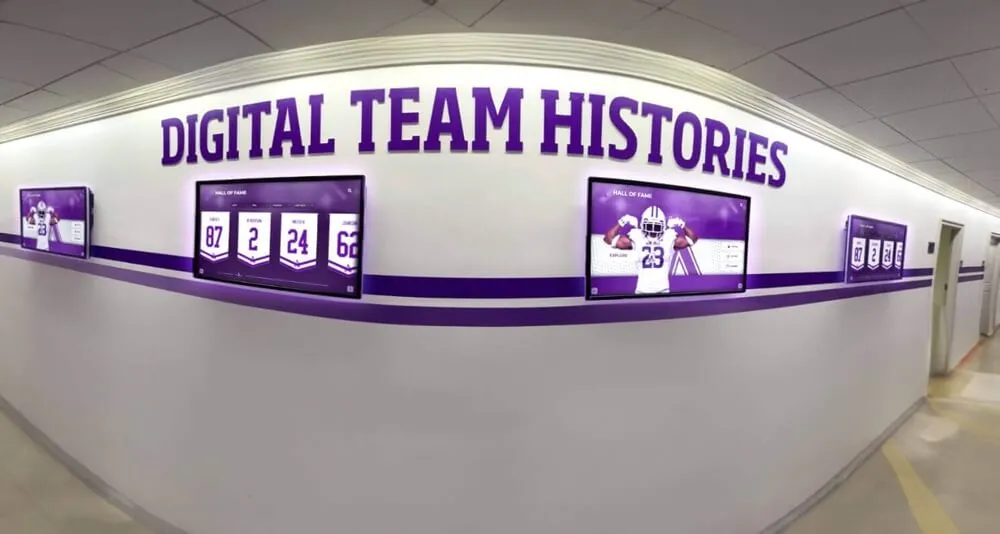
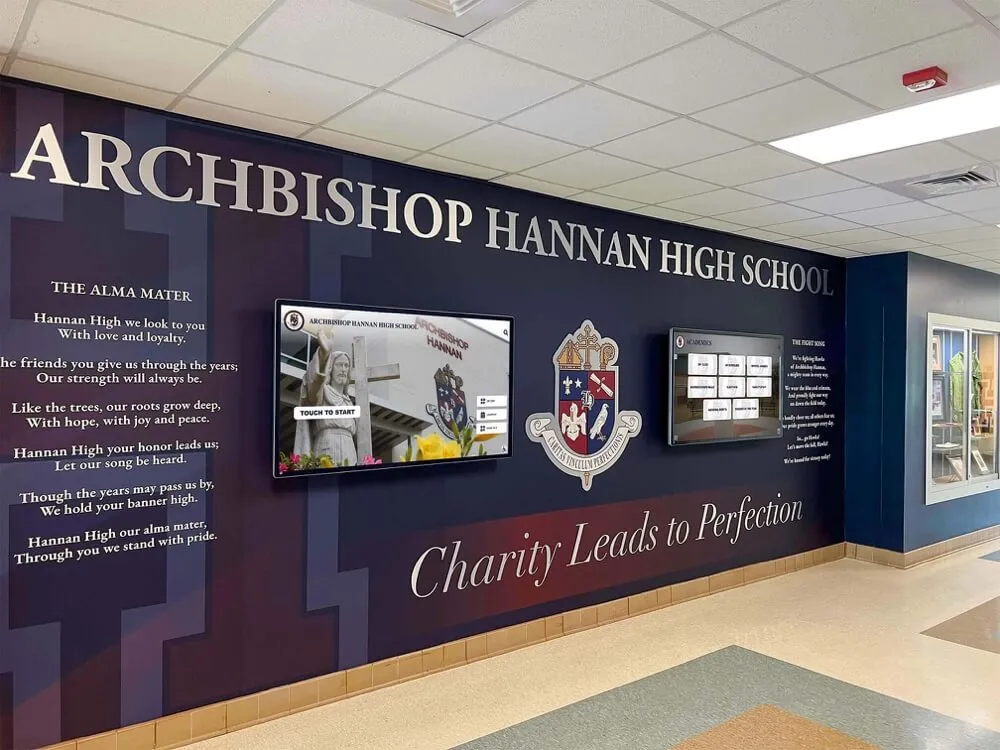
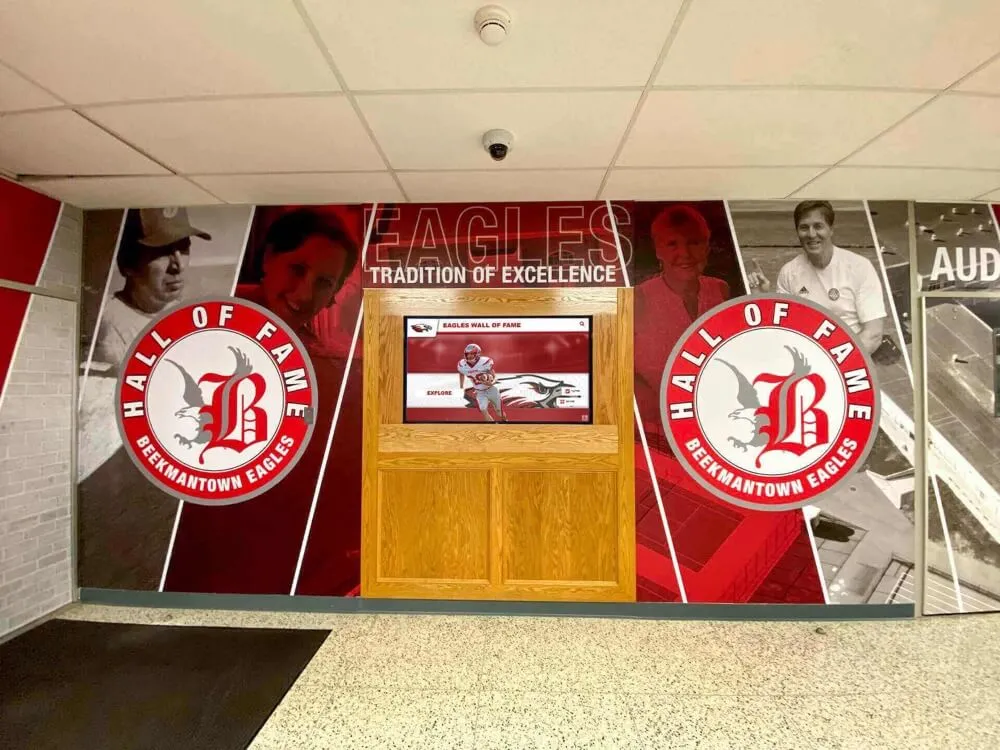
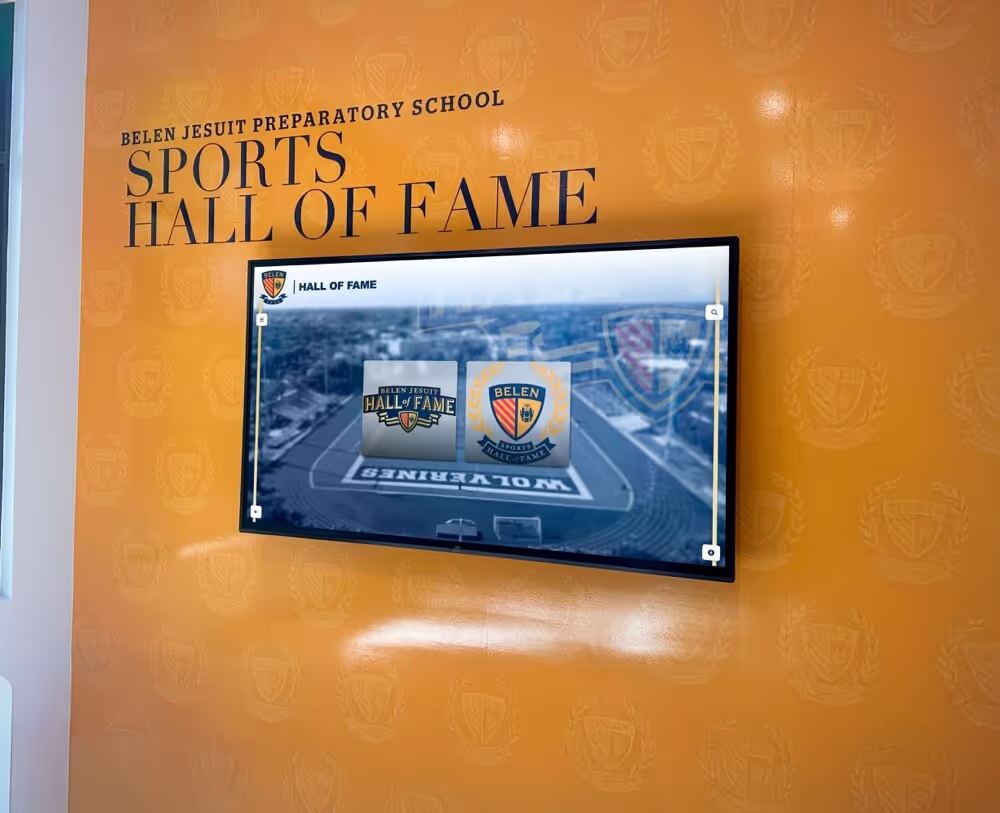
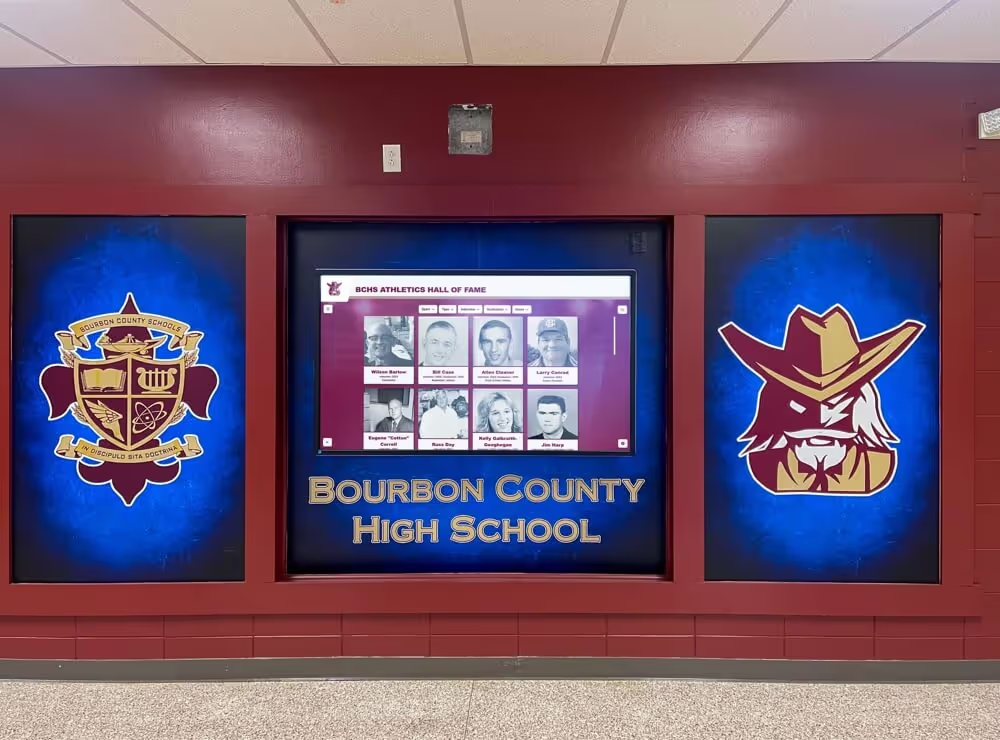
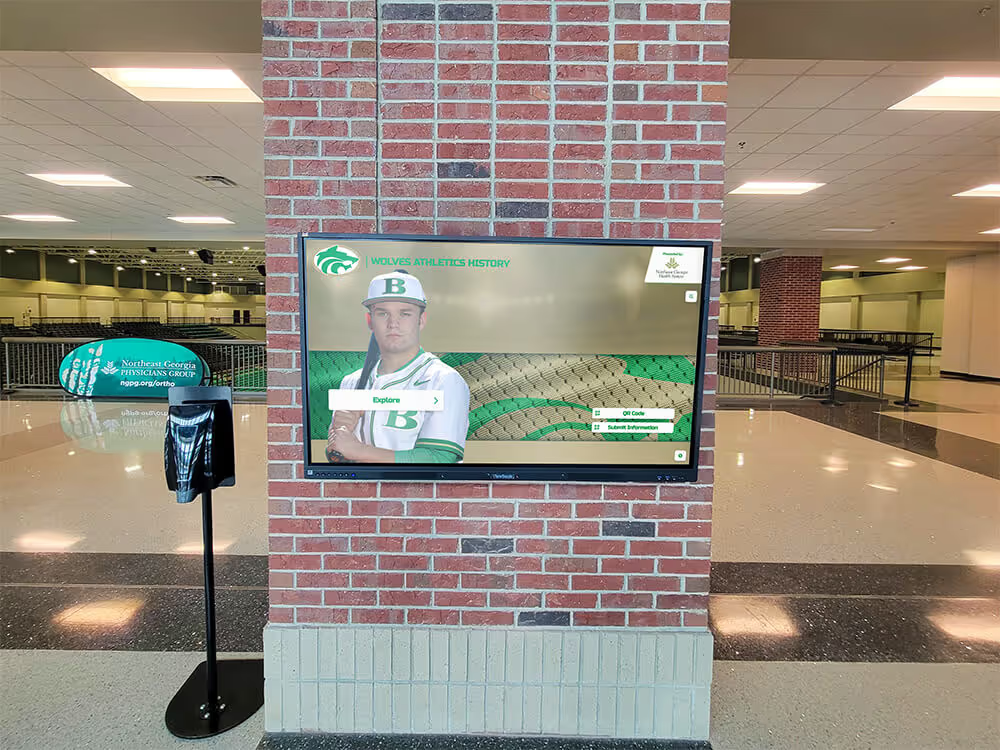
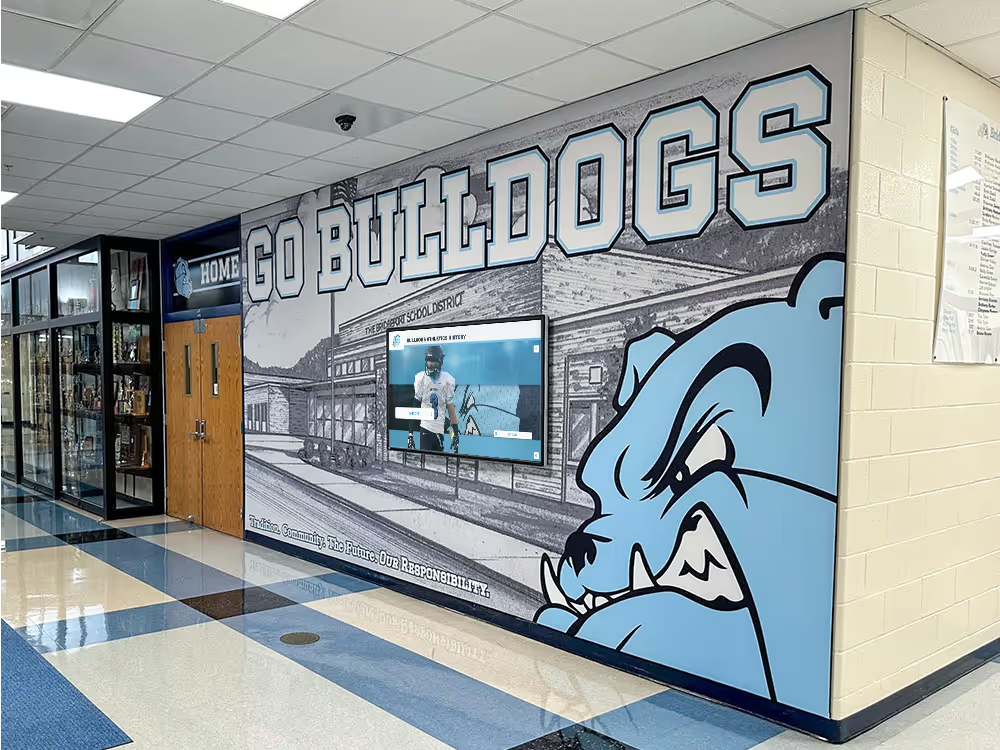
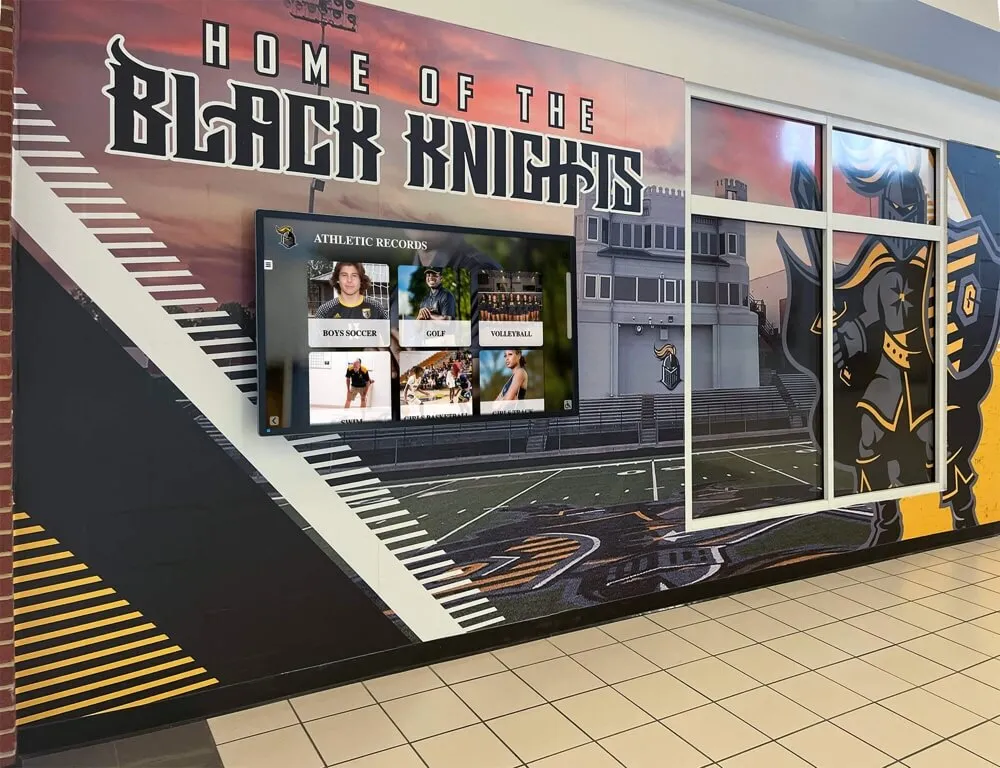
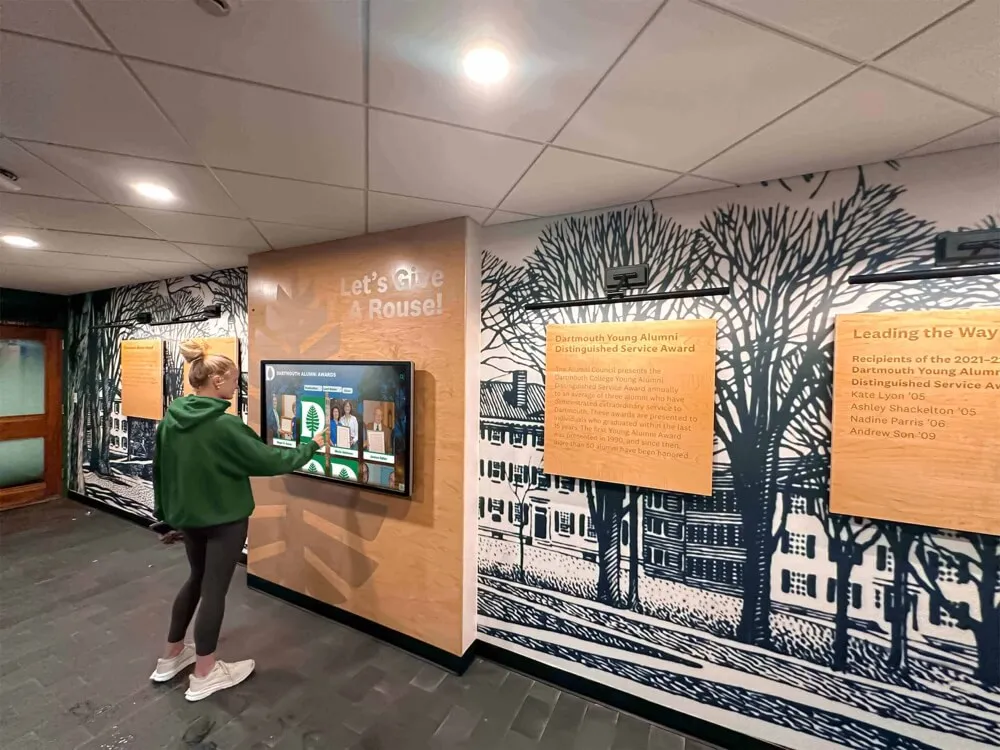
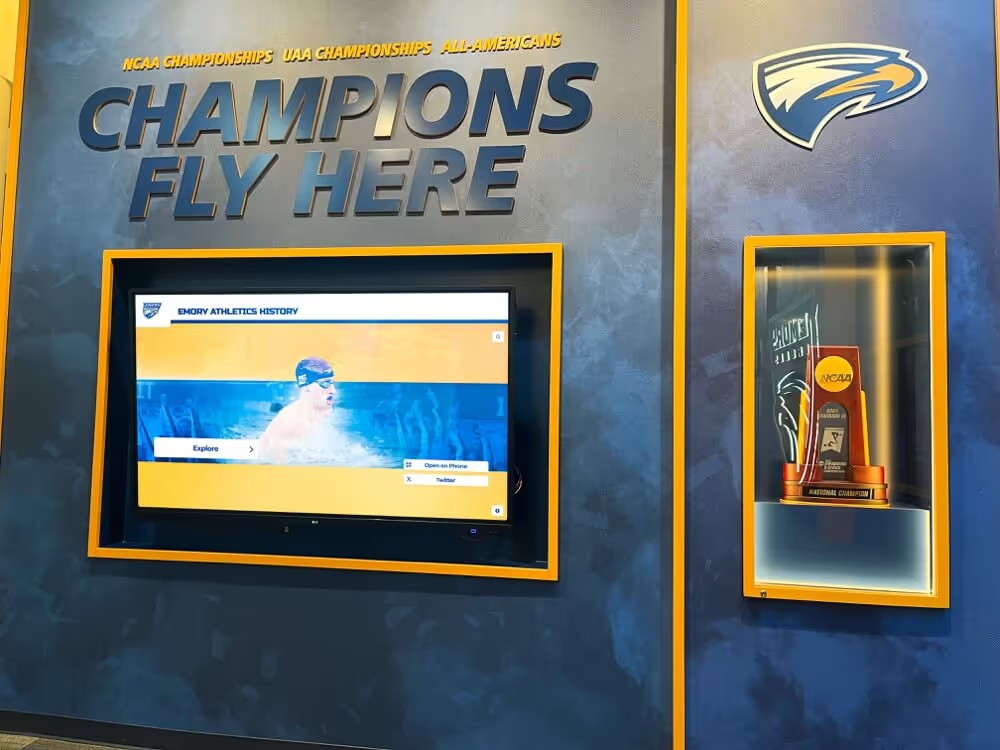
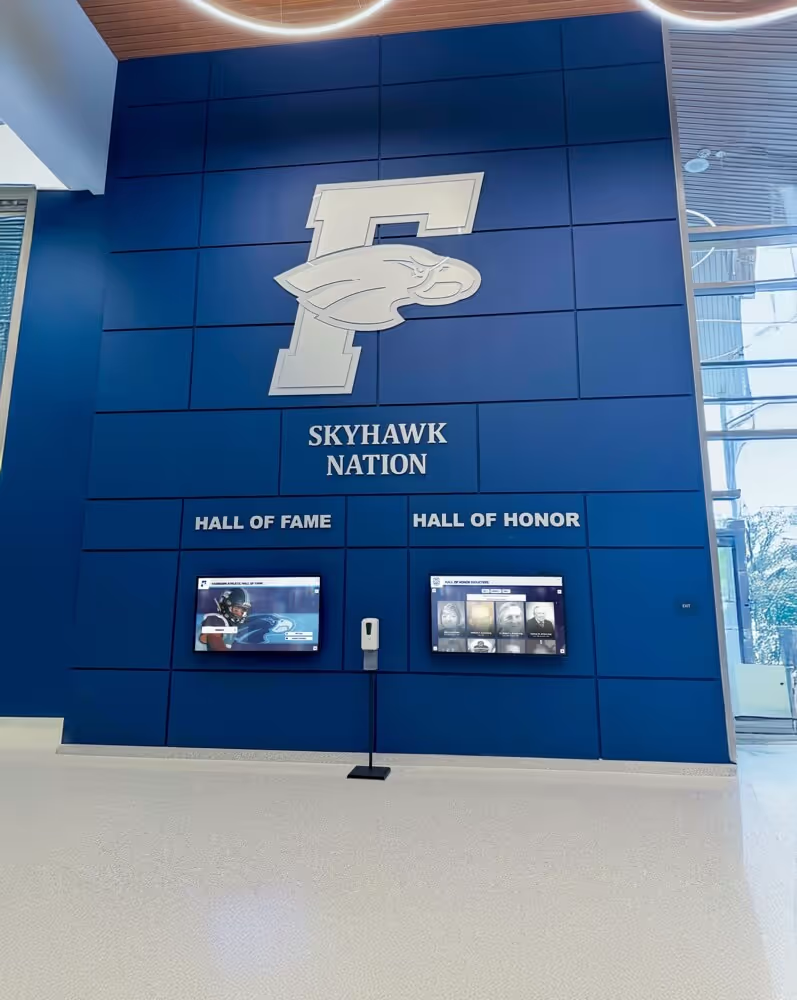
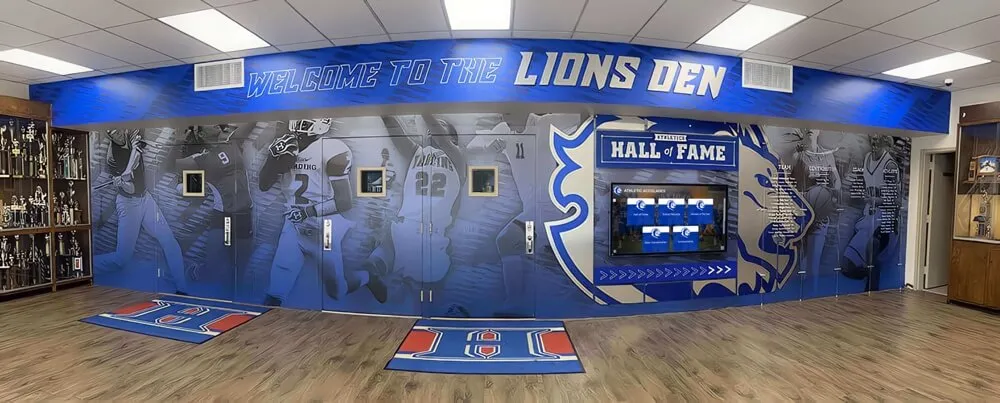
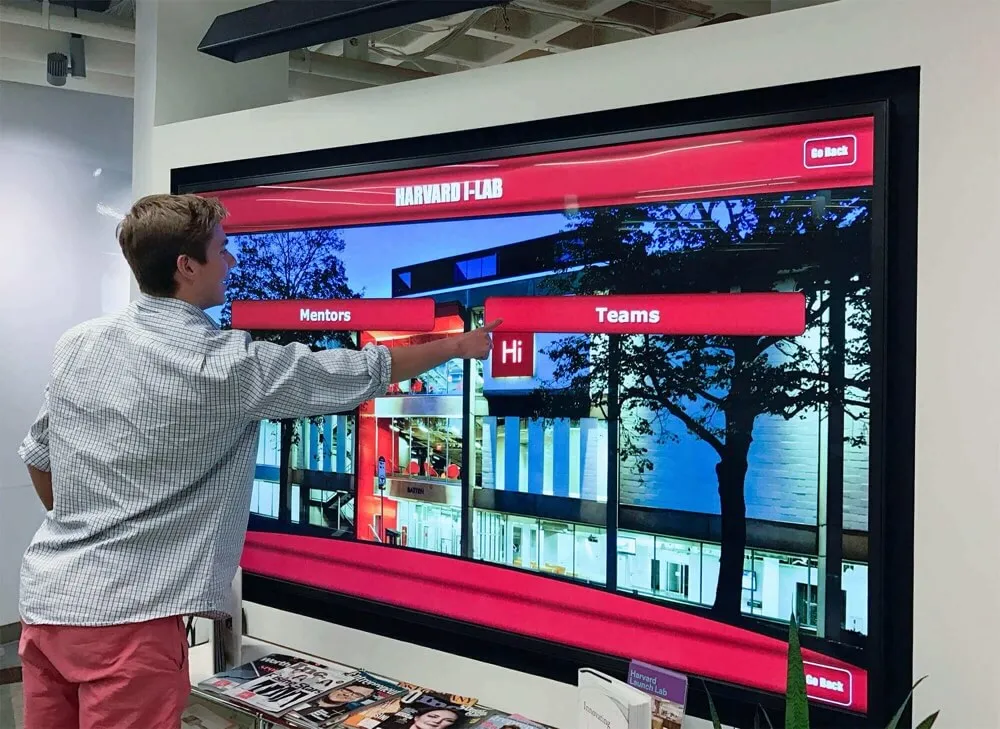
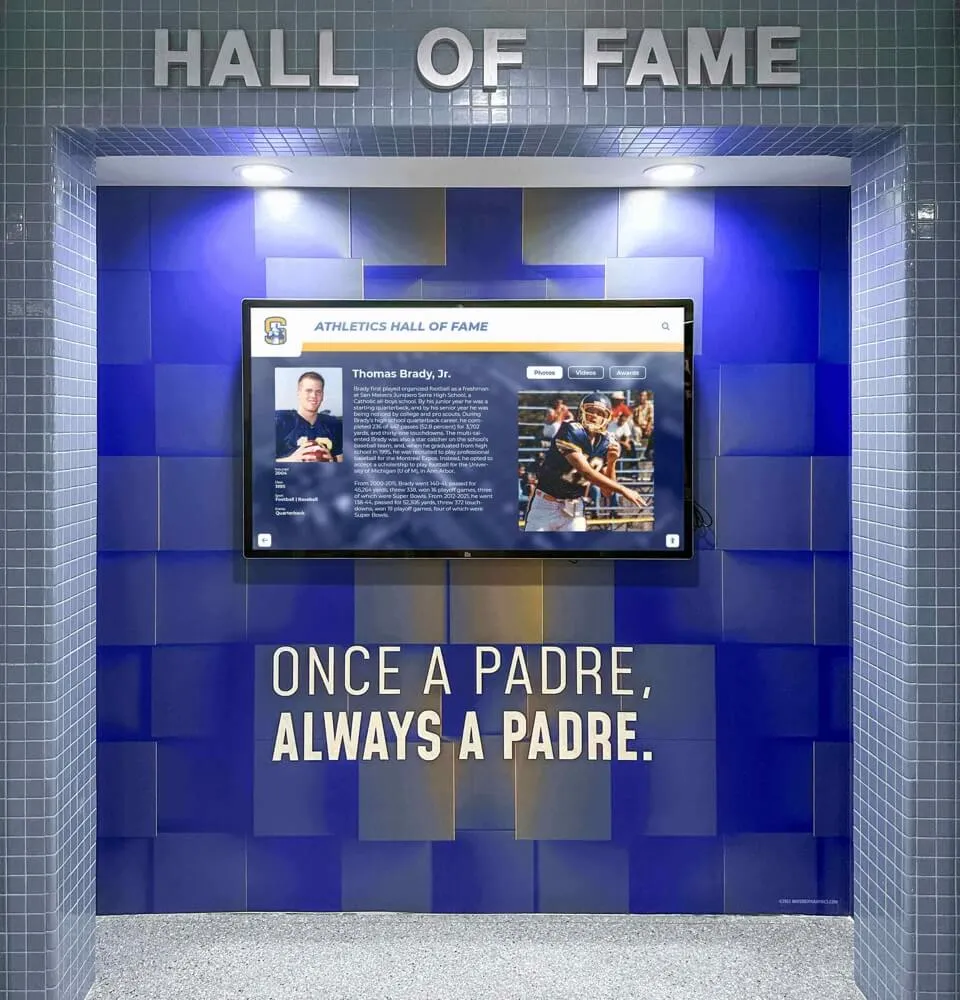
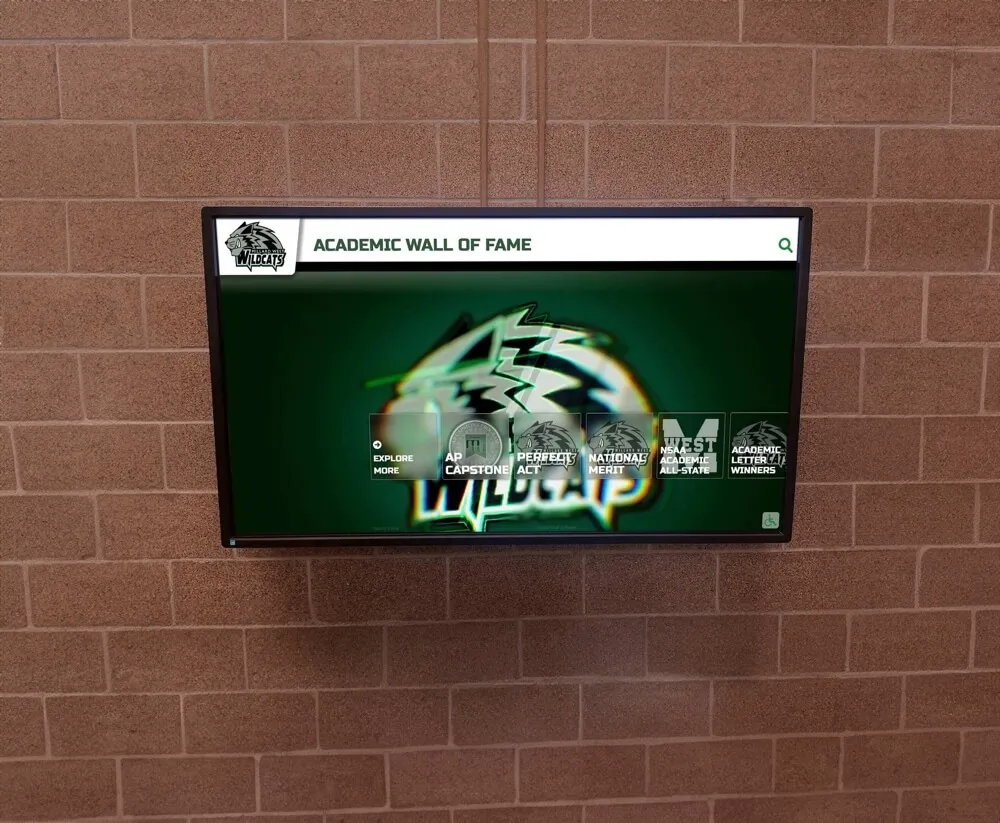
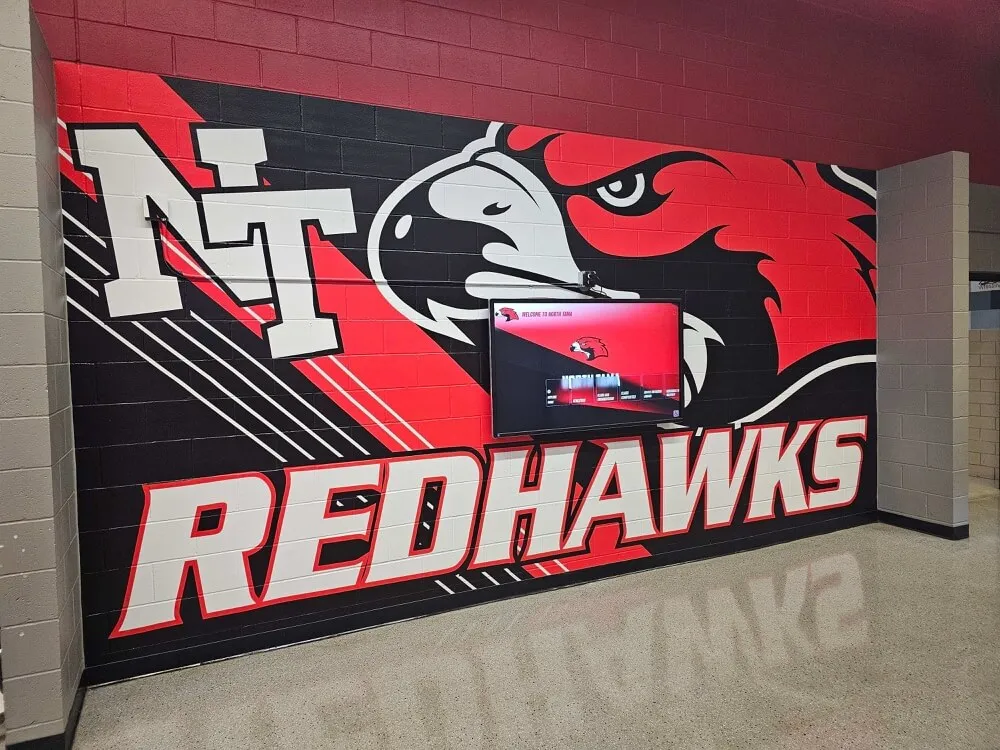
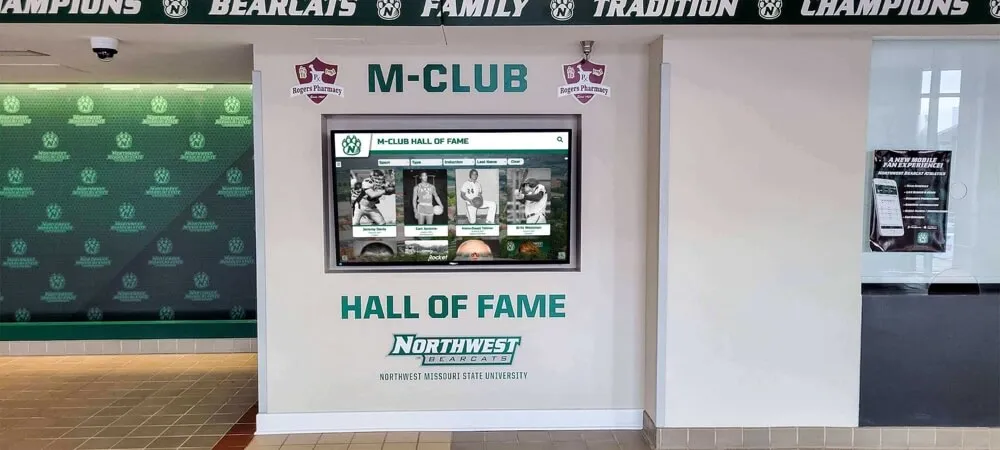
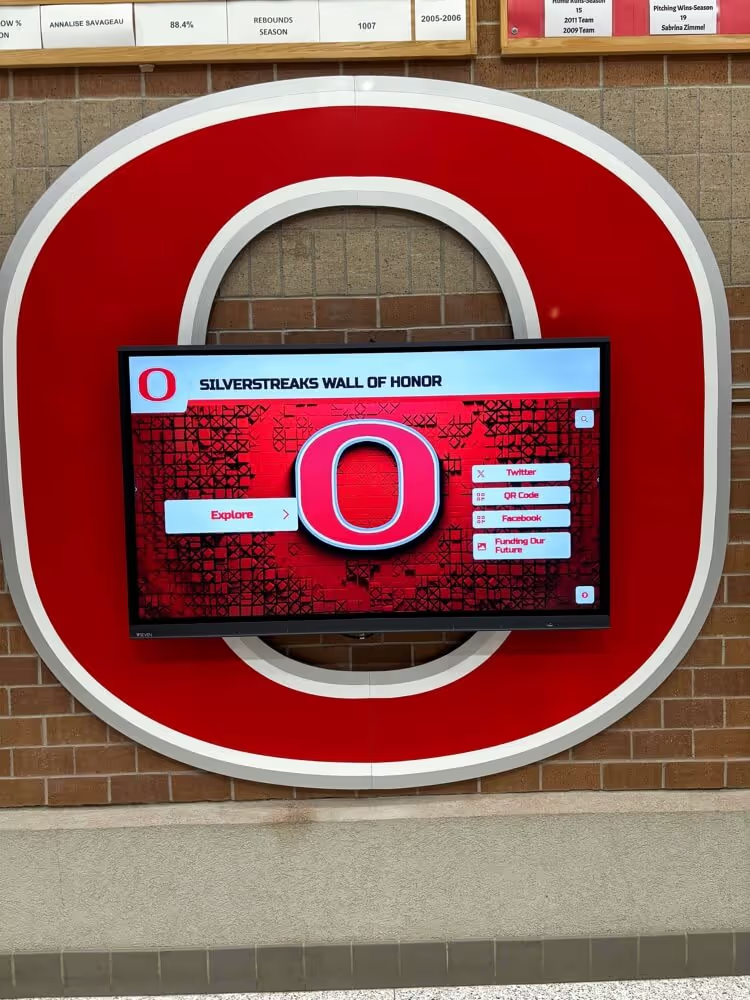
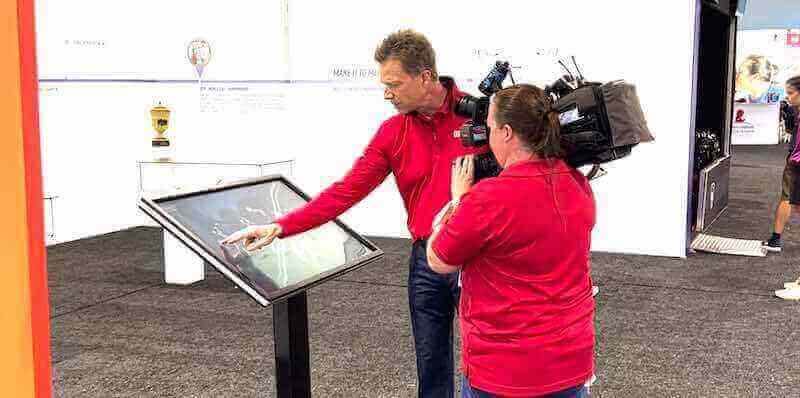
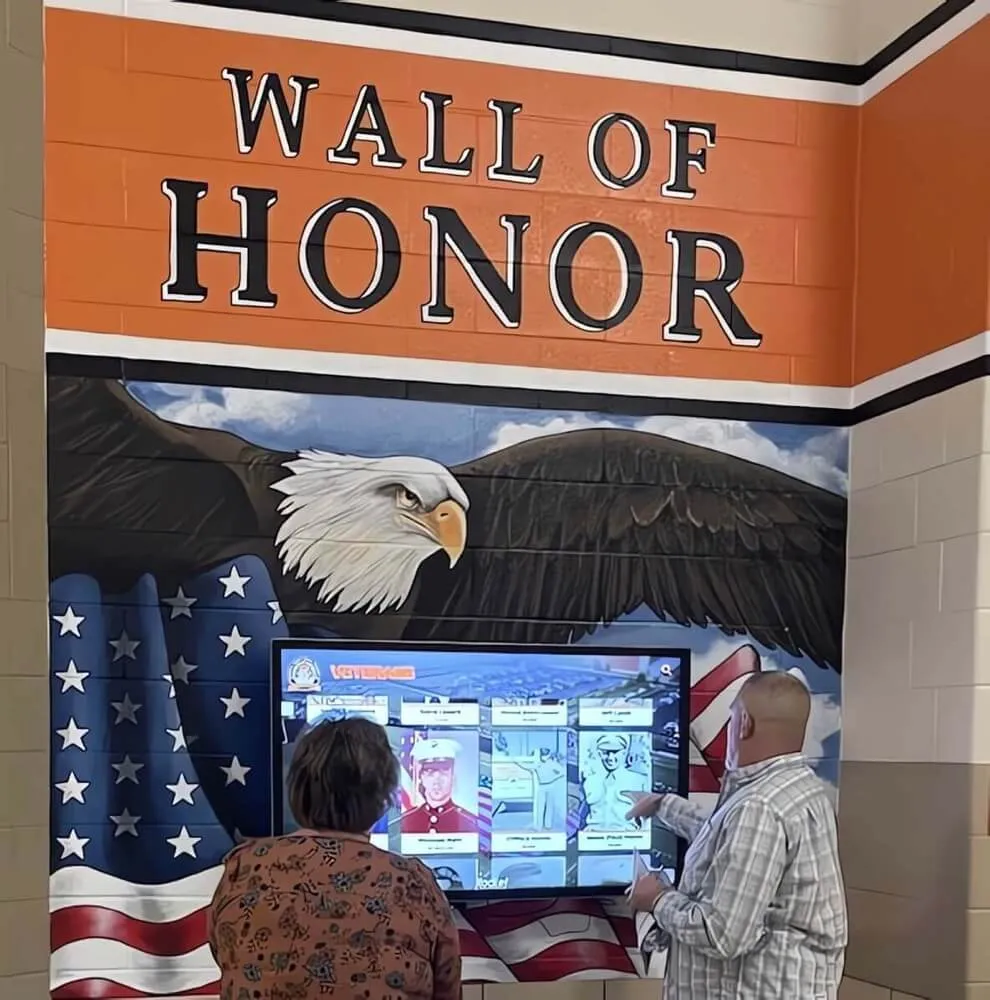
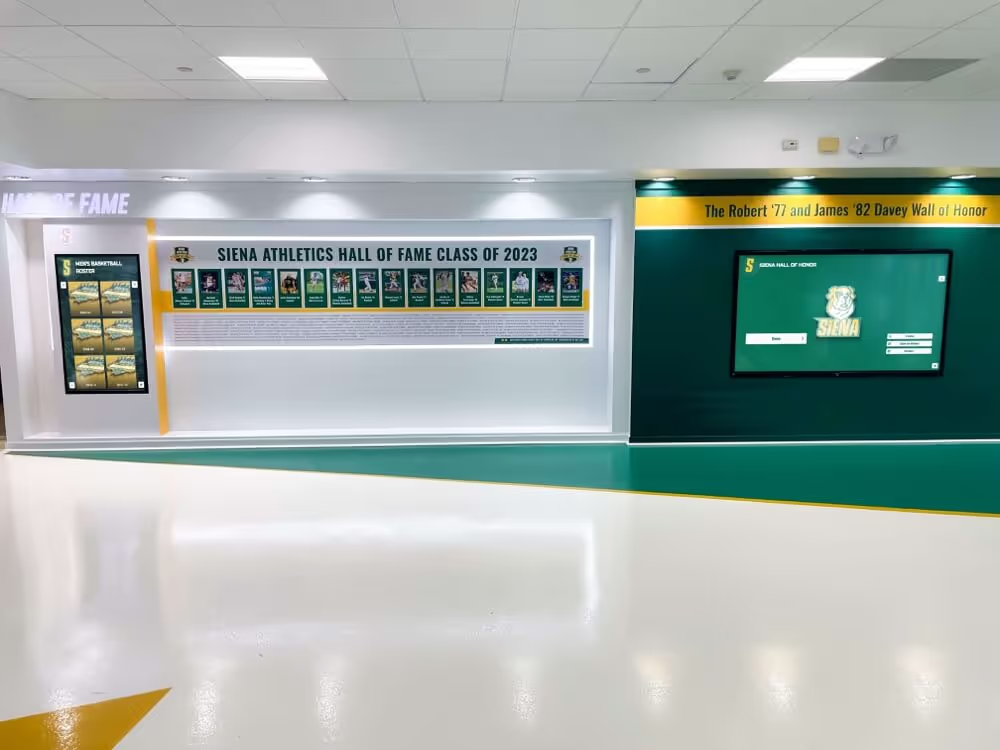
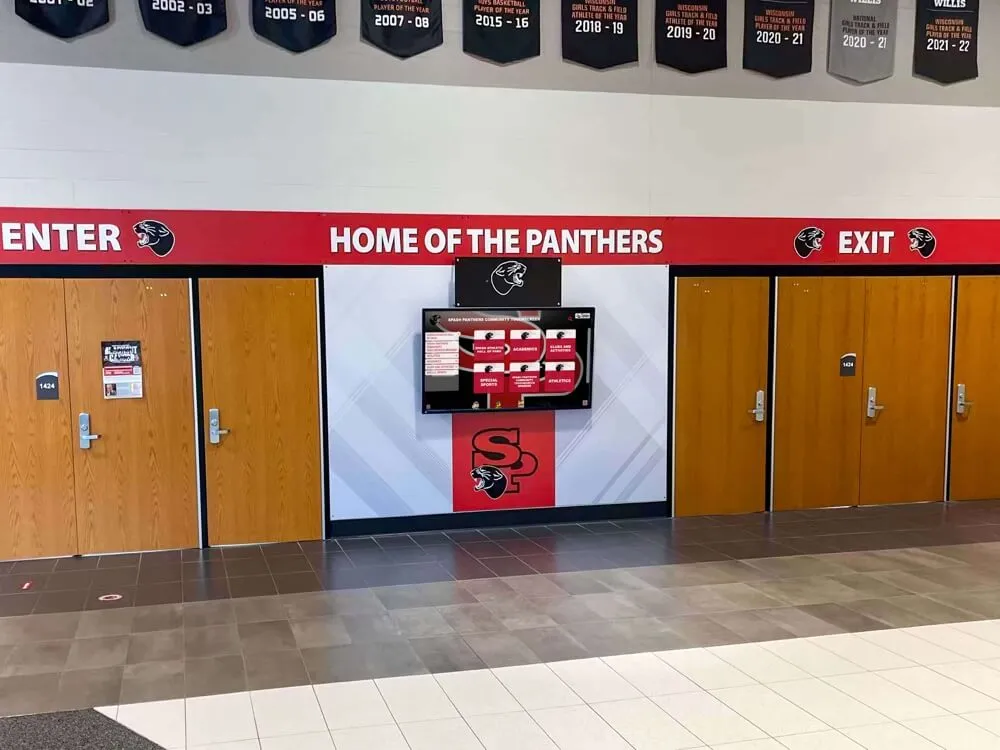
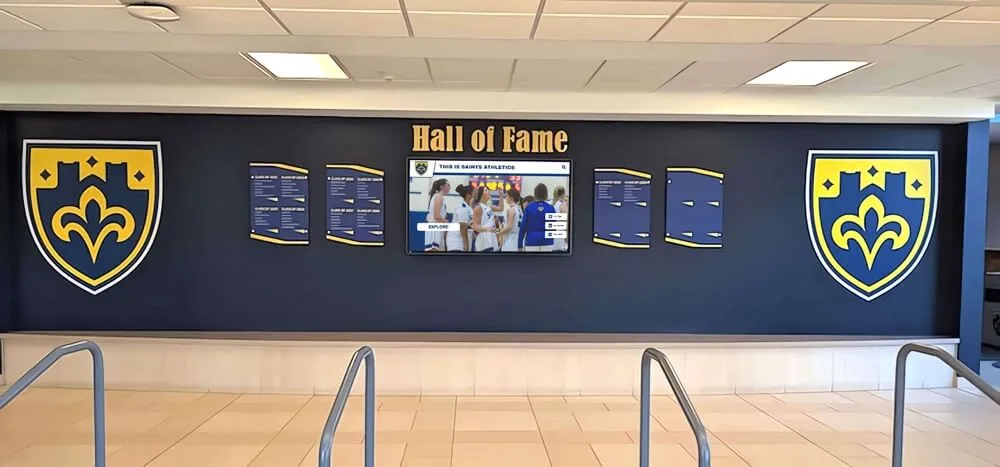
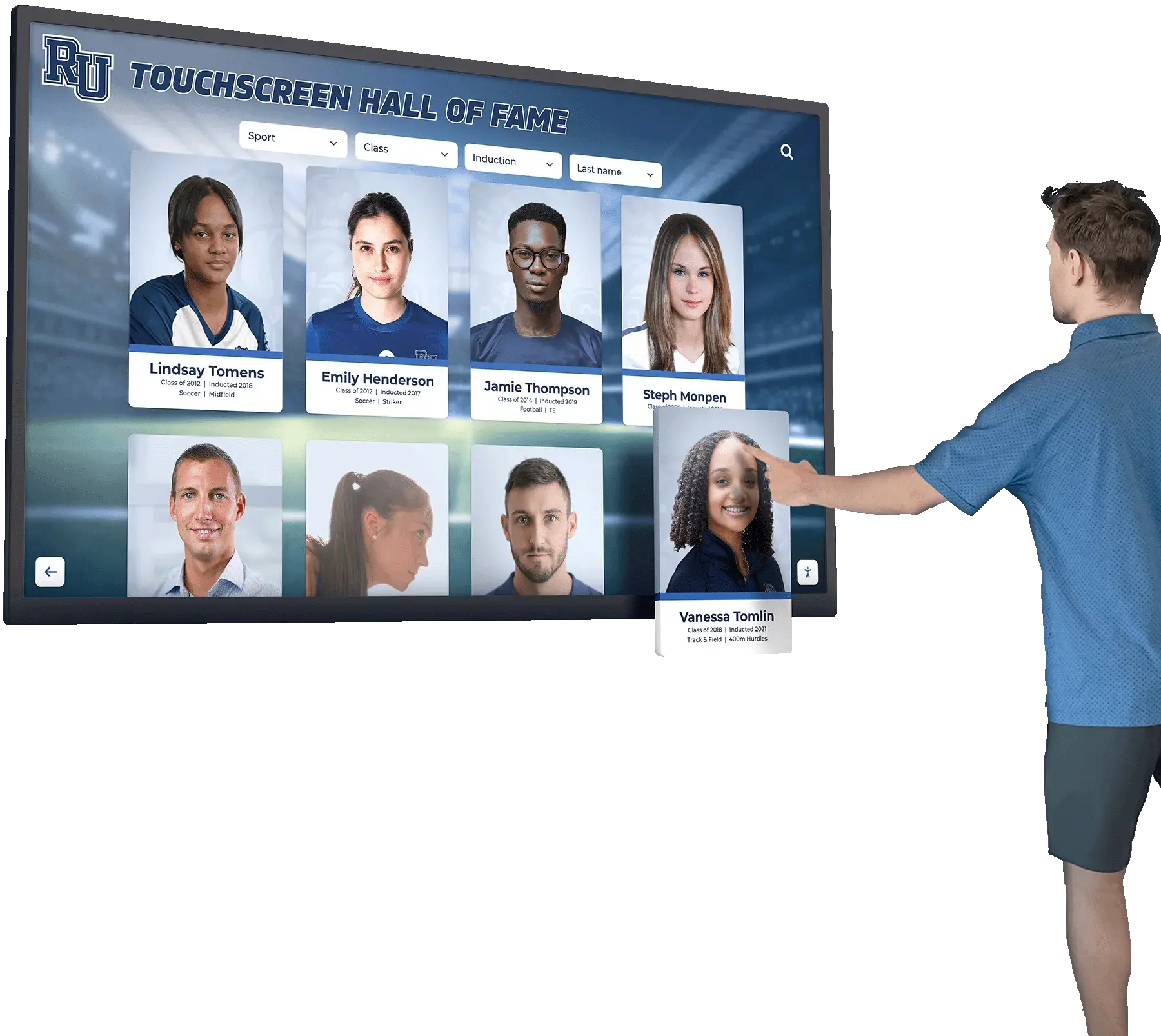
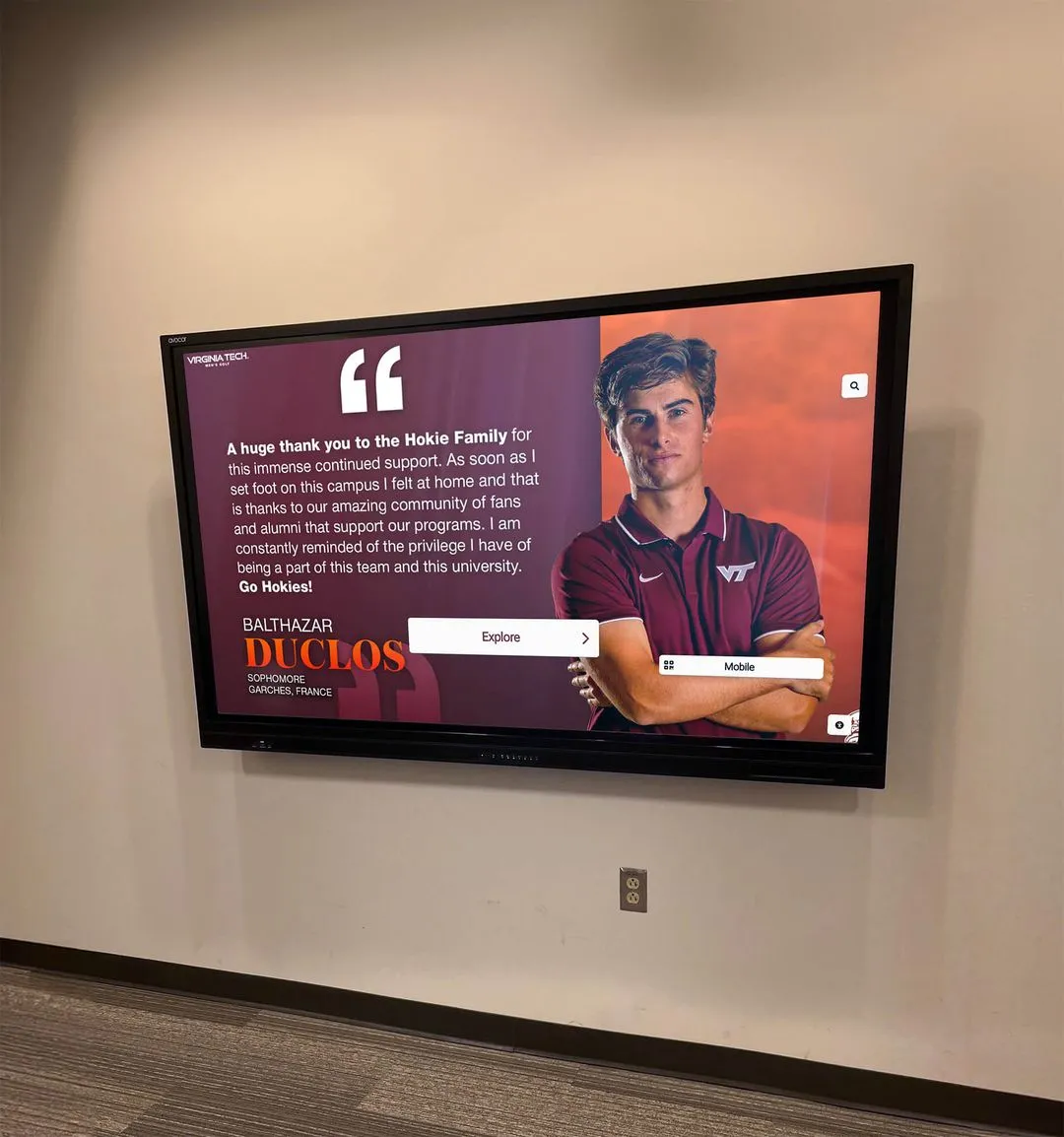
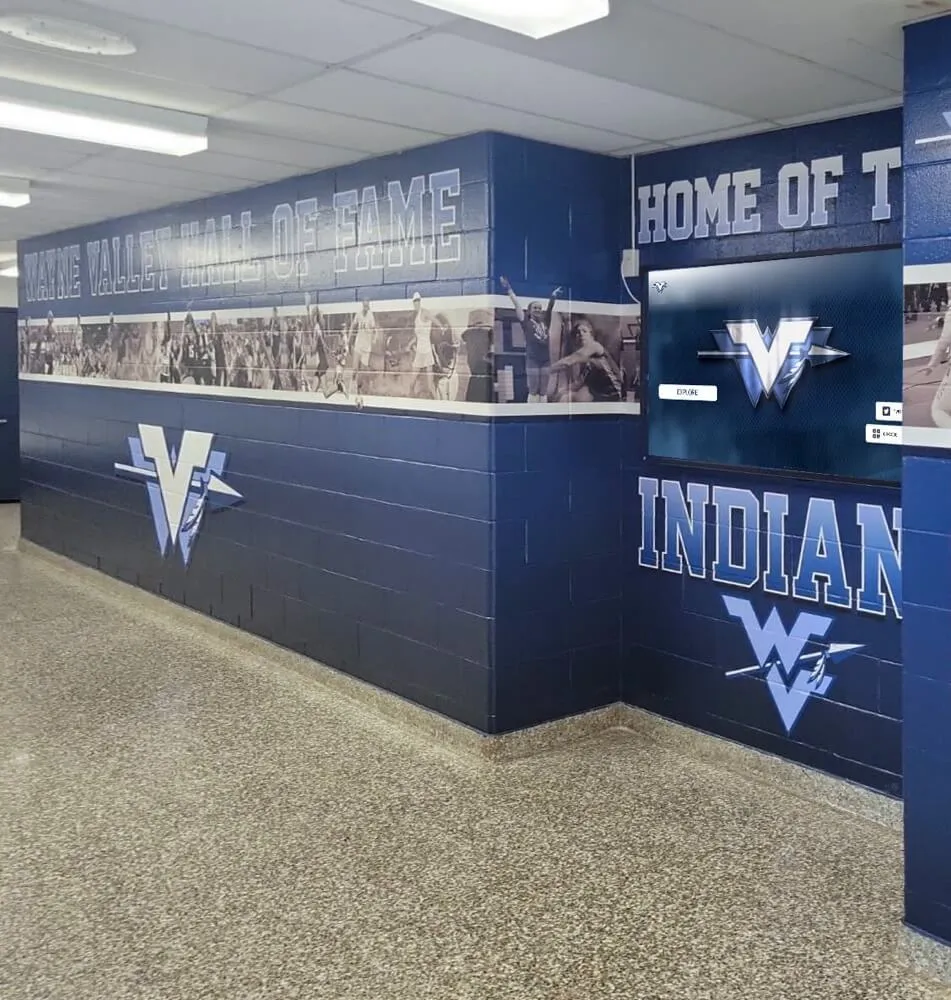
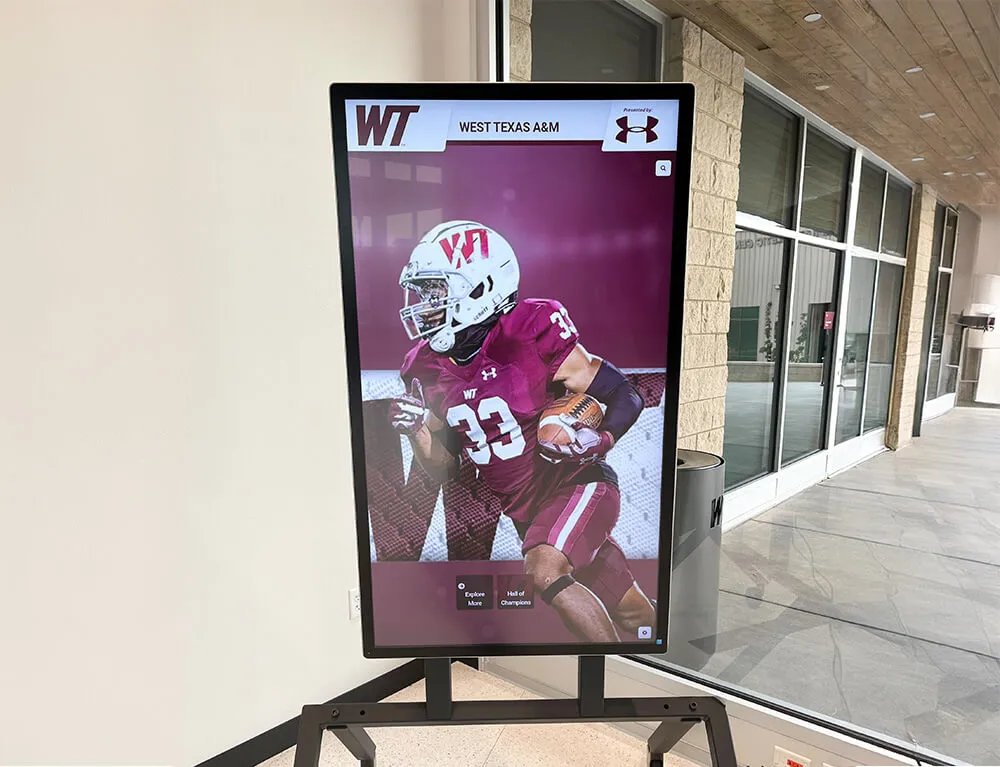
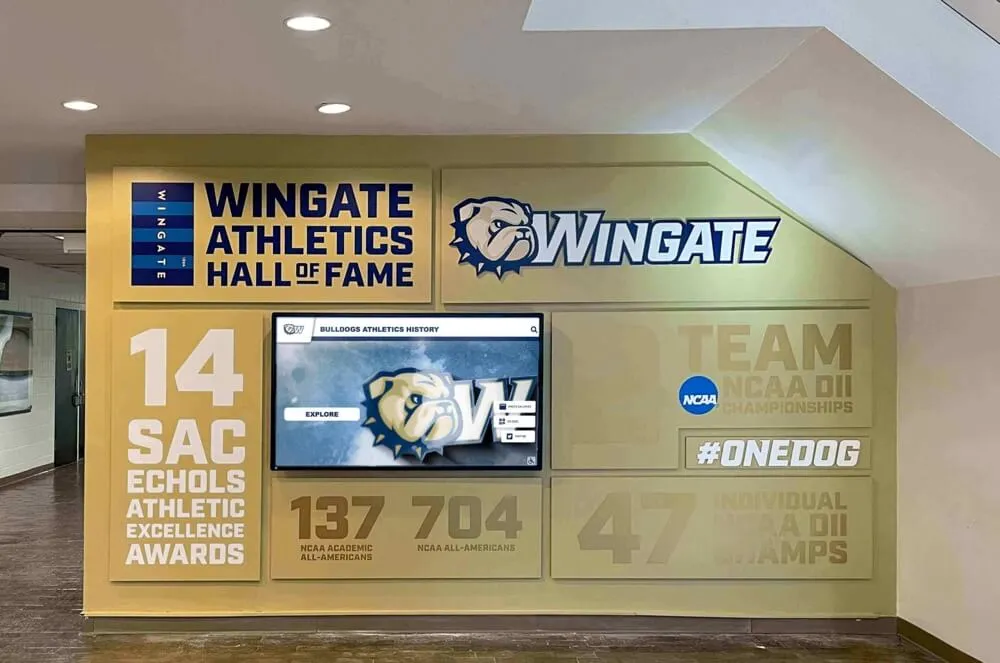
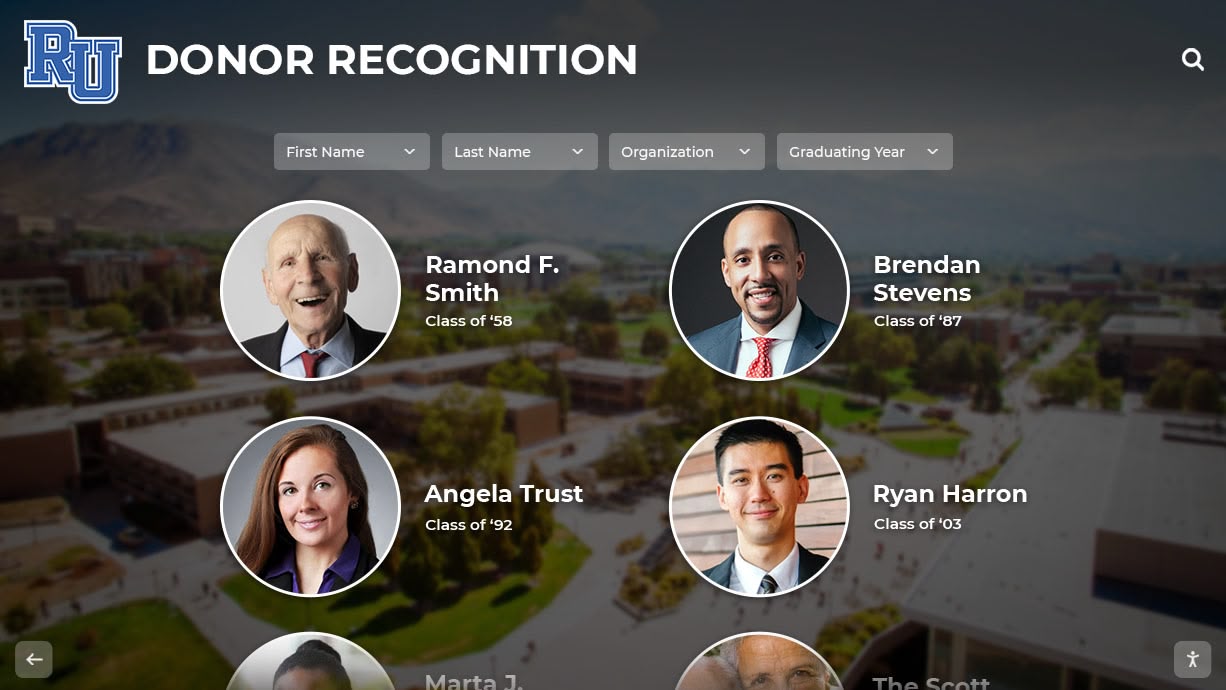
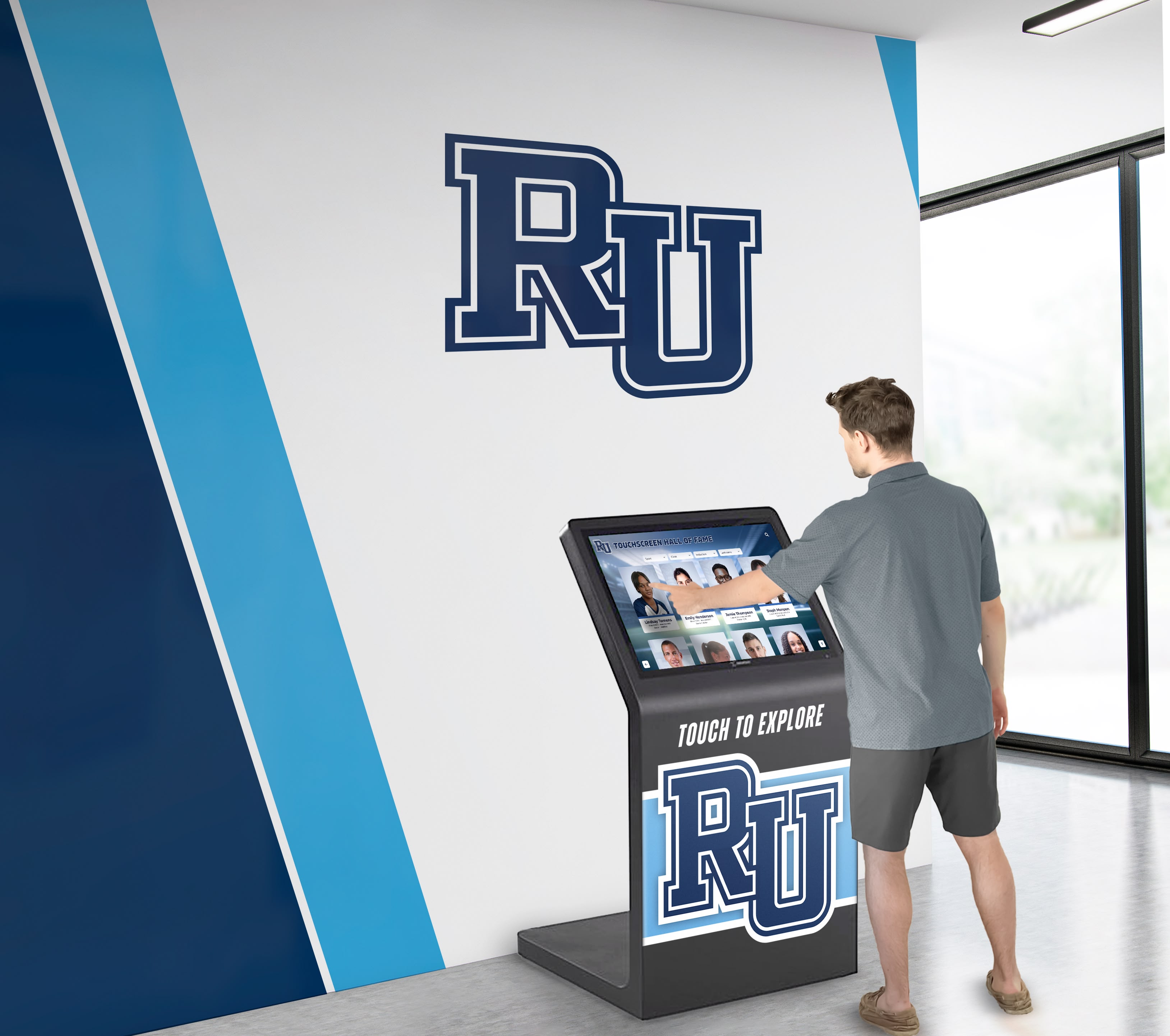
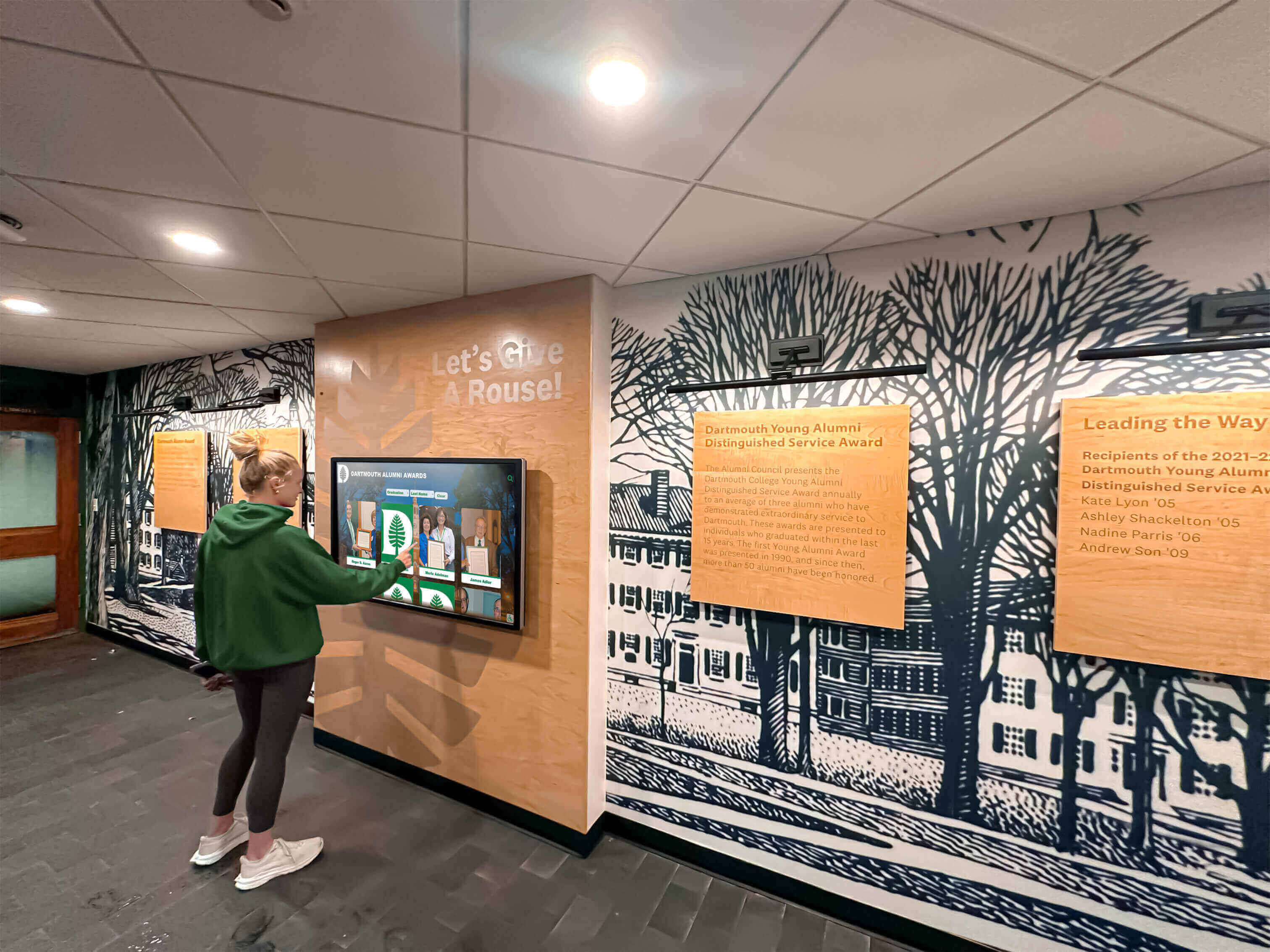
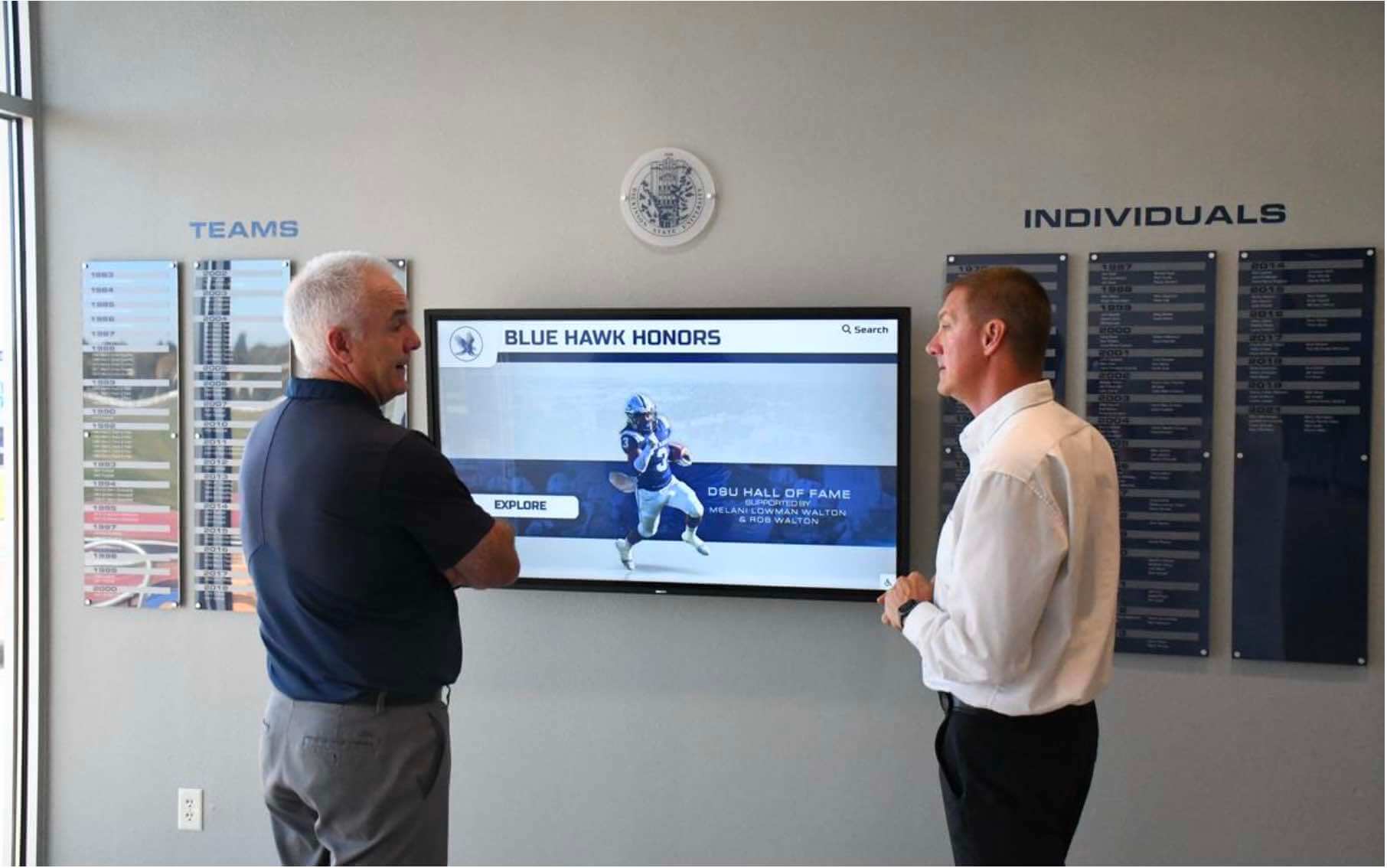
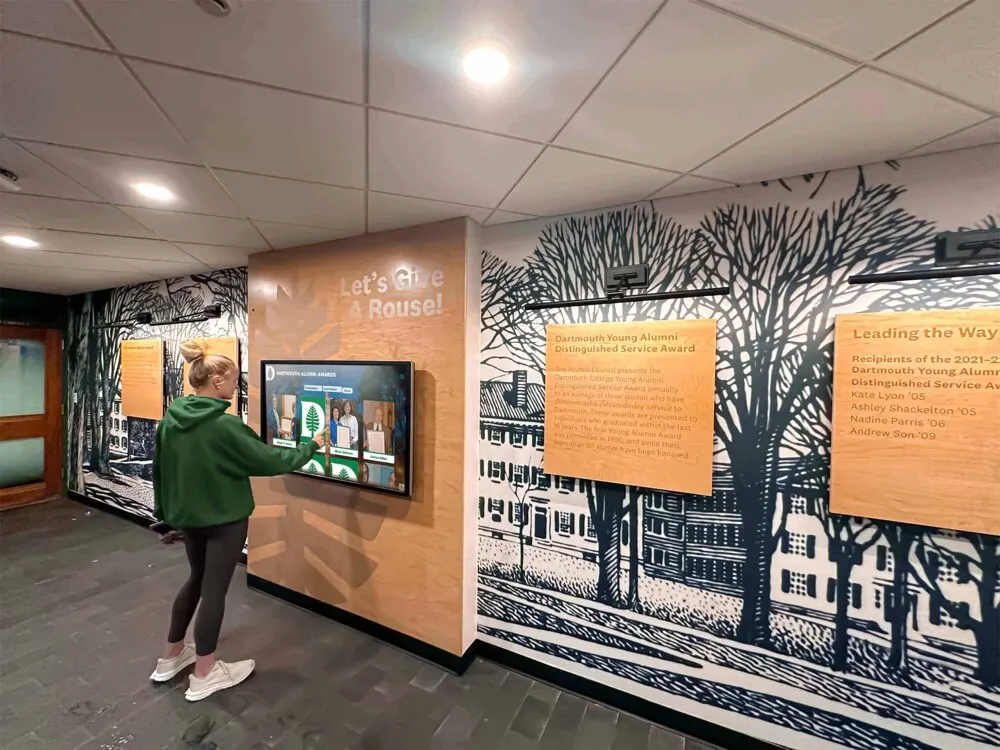
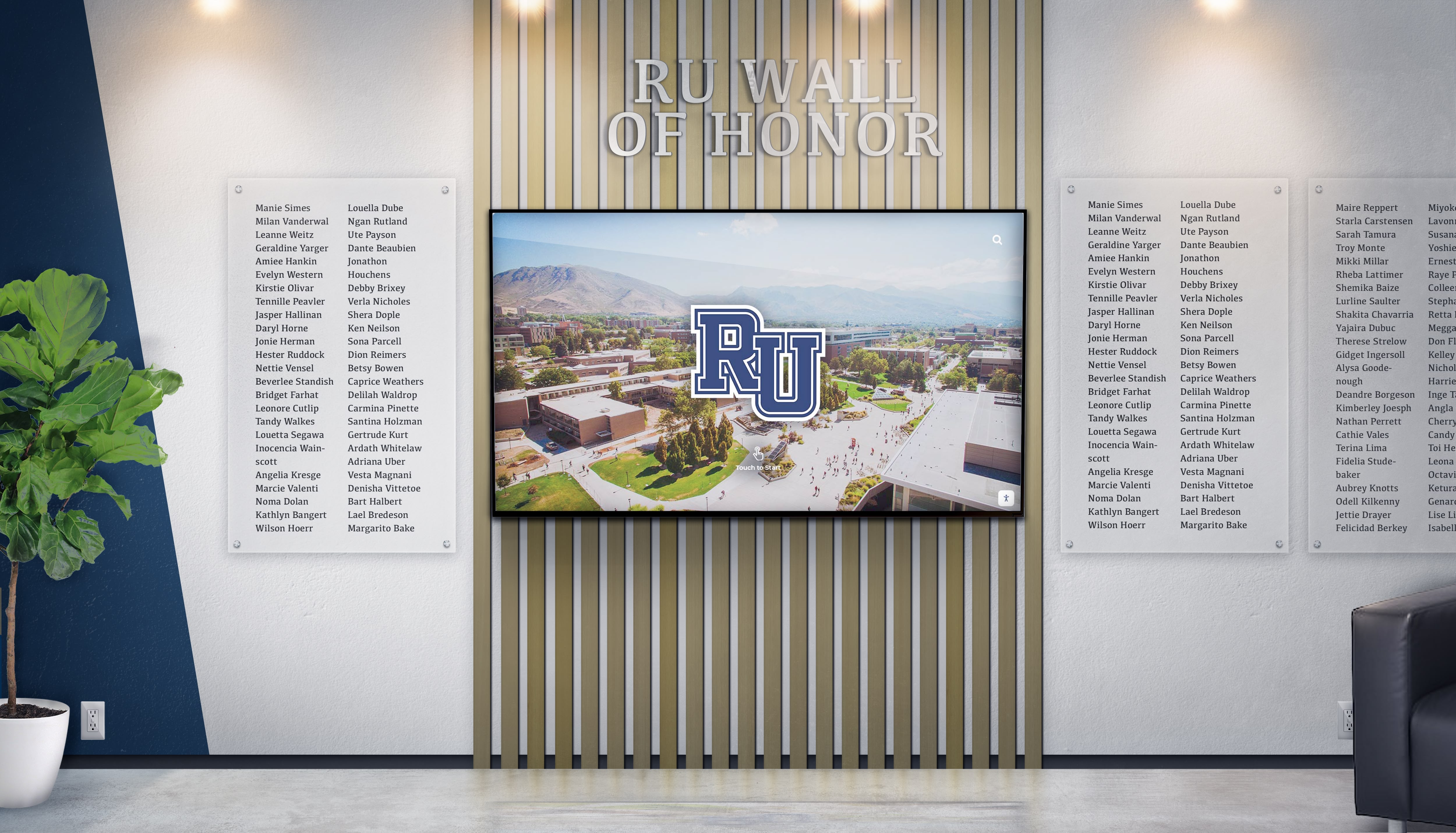
Interactive Recognition Displays: Solutions like Rocket Alumni Solutions’ digital recognition walls installed in event venues allow alumni to explore institutional history, view distinguished graduate profiles, and discover classmates’ achievements through interactive touchscreen displays. These installations create natural conversation starters while showcasing your institution’s commitment to honoring alumni success. Interactive displays work particularly well at reunion events where graduates enjoy exploring their class year’s accomplishments and rediscovering former classmates they’ve lost touch with over the years.
Recognition and Stewardship Elements for Networking Events
Alumni networking events provide natural opportunities to recognize distinguished graduates, honor volunteers, acknowledge donors, and demonstrate appreciation—all while avoiding overtly transactional fundraising approaches that make gatherings feel like solicitation opportunities.
Showcase Alumni Achievement Stories
Dedicate event time to highlighting notable alumni accomplishments, but do so in ways that create inspiration and connection rather than feeling like institutional self-promotion:
Alumni Spotlight Features: Share brief stories (2-3 minutes) of interesting alumni work, community impact, or career achievements. Choose diverse representatives across industries, graduation years, and success definitions rather than only featuring obvious celebrities or major donors. These stories remind attendees of their institutional community’s collective impact while creating connection points for networking conversations.
Student Success Narratives: When including current students in alumni events, showcase how alumni support has tangibly impacted student experiences—scholarship recipients explaining how financial aid made education possible, research students describing mentorship from alumni professionals, or career services testimonials about networking opportunities alumni provided. These stories demonstrate philanthropy’s concrete impact without making direct asks.
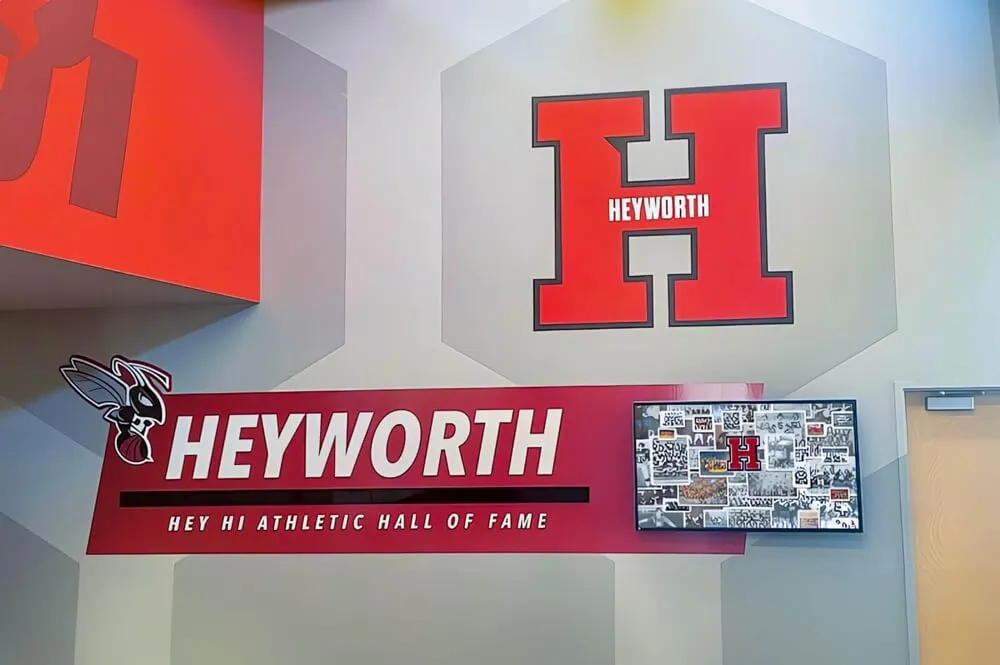
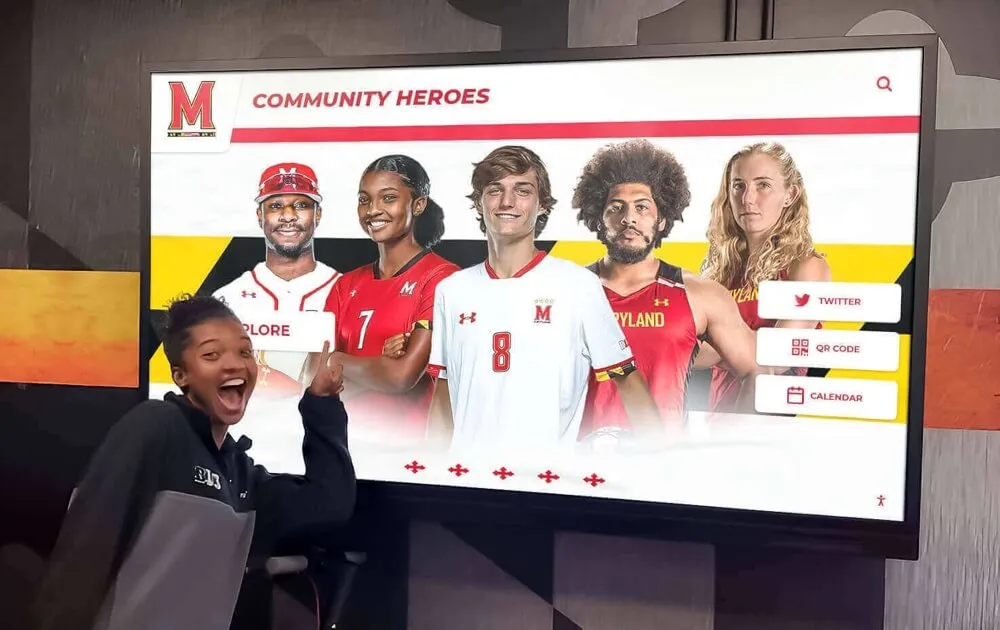
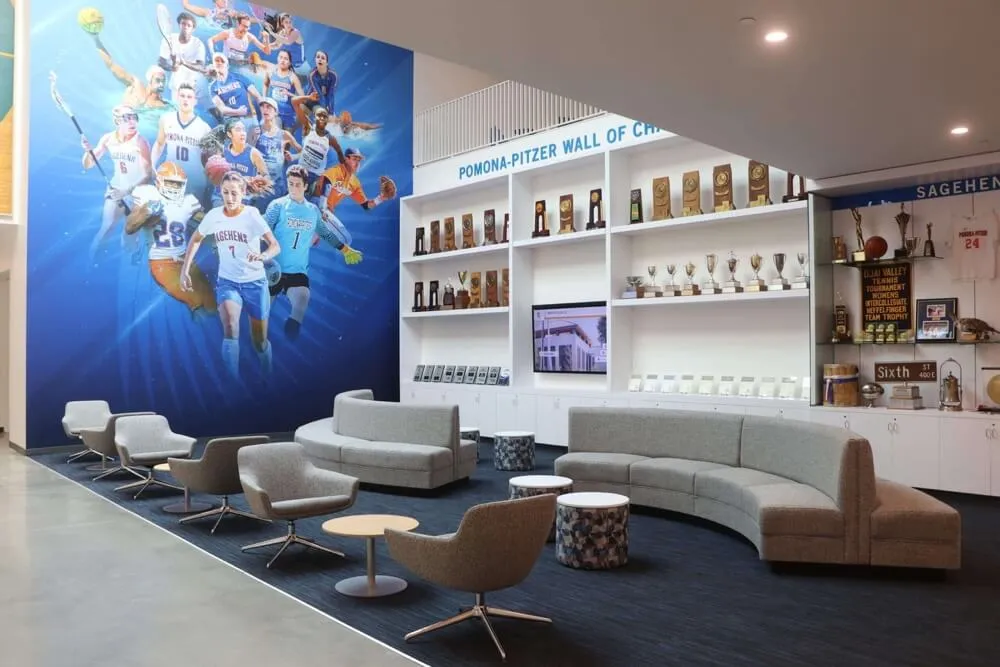
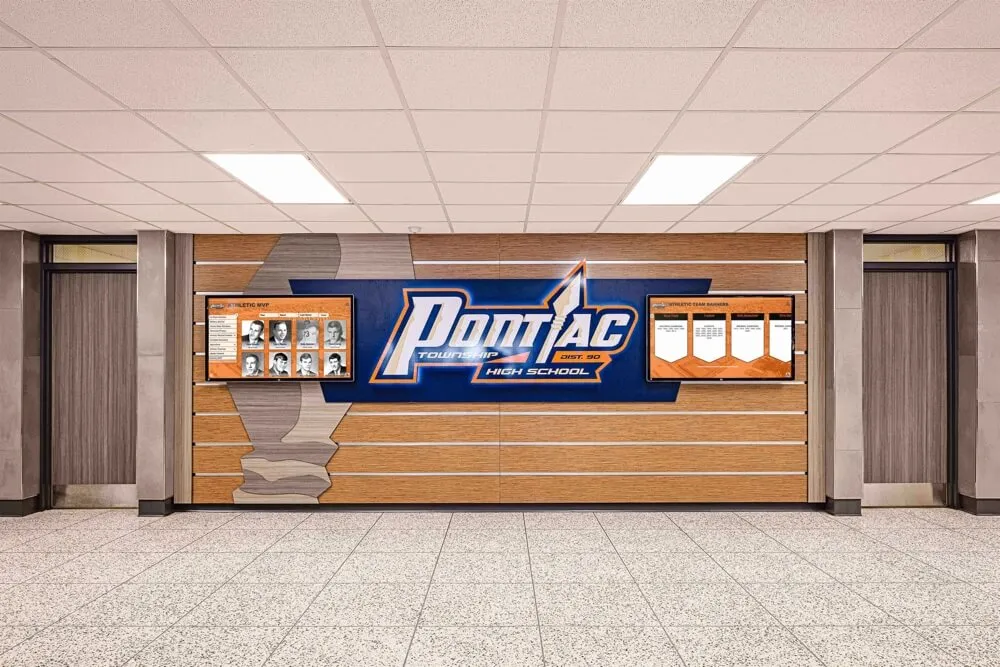
Recognition Wall Displays: Feature prominent digital or physical displays showcasing alumni who’ve achieved distinction in their fields, contributed significant volunteer service, or provided philanthropic support. Interactive digital recognition systems allow event attendees to explore extensive alumni databases, search for specific graduates, and discover the breadth of their institutional community’s accomplishments. These installations honor individual achievement while building collective pride in institutional community.
Balance Appreciation with Solicitation
Alumni networking events should not function as thinly veiled fundraising opportunities, yet they rightfully can incorporate stewardship elements that lay groundwork for eventual giving conversations:
Recognition Without Solicitation: Acknowledge donors and volunteers present at events through simple recognition—brief mentions during remarks, thank-you notes at place settings, or recognition lapel pins—without making giving pitches. This appreciation demonstrates that institutional gratitude extends beyond giving moments to ongoing relationship maintenance.
Information Sharing About Impact: Provide updates on institutional priorities, student outcomes, and program developments alumni support enables. Frame these updates as information sharing that helps alumni understand current institutional realities rather than solicitation setup. When alumni understand your institution’s work, needs, and impact, they make more informed decisions about future engagement and giving.
Natural Next Steps: Make it easy for inspired alumni to take action after events without pressuring participation. Include simple materials explaining volunteer opportunities, mentorship program enrollment, giving options, or other engagement pathways. Let alumni self-select their involvement rather than pushing specific commitments during networking events focused primarily on connection.
Post-Event Follow-Up and Relationship Cultivation
Event success depends as much on post-gathering follow-up as on the gathering itself. Strategic follow-up maintains momentum, demonstrates appreciation, and converts one-time attendees into regular participants.
Immediate Post-Event Communication
Within 48-72 hours of events, send thank-you messages to attendees that:
- Express genuine appreciation for participation
- Highlight event outcomes (connections made, key insights shared, attendance figures)
- Share photos, quotes, or memorable moments from gatherings
- Provide promised resources or information mentioned during events
- Include clear next steps for continued engagement (upcoming events, volunteer opportunities, alumni directory access)
- Request brief feedback to improve future programming
This prompt follow-up sustains positive event feelings while information remains fresh and demonstrates your alumni relations team’s professionalism and attention to detail.
Facilitate Continued Connections
Help alumni maintain relationships initiated at networking events:
Share Contact Information: With permission, distribute attendee lists allowing participants to follow up with interesting contacts made during events. Include enough context (professional information, conversation topics discussed) to help alumni remember who they met.
Create Digital Communities: Establish LinkedIn groups, Facebook communities, or other digital spaces for event attendees to maintain connection. These ongoing communities extend single events into year-round relationship platforms.
Program Continuity: Reference previous events when promoting upcoming gatherings, creating narrative continuity. “Last quarter’s career panel generated such strong response that we’re organizing an expanded version…” This approach builds momentum and reminds one-time attendees to return for subsequent events.
Personalized Outreach: For key attendees—major donor prospects, volunteer candidates, influential connectors, or first-time participants you want to retain—send personalized follow-up beyond mass communications. Brief personal notes or phone calls dramatically strengthen relationships and demonstrate genuine appreciation for individual alumni.
Measure and Analyze Event Effectiveness
Systematic evaluation helps alumni relations teams identify successful programming elements worth repeating and adjust approaches that underperform:
Post-Event Surveys: Send brief surveys (5-7 questions maximum) asking attendees about satisfaction, networking value, programming preferences, and improvement suggestions. Keep surveys short enough that busy alumni actually complete them. Incentivize participation by explaining how feedback shapes future event planning.
Compare Metrics Across Events: Track consistent metrics for all events—attendance rates, cost per attendee, satisfaction scores, volunteer conversions, subsequent event registrations—allowing comparison across formats, locations, and timeframes. This data reveals which event types deliver strongest results for your specific alumni community.
ROI Analysis: Calculate resources invested (staff time, budget, volunteer hours) against measurable outcomes (career connections facilitated, volunteer recruitment, donor cultivation advancement, alumni engagement increases). This analysis helps prioritize limited resources toward programming delivering highest institutional value.
Overcoming Common Alumni Networking Event Challenges
Even well-planned events encounter predictable obstacles. Anticipating these challenges and implementing solutions improves success rates.
Low Attendance and Registration
Challenge: Despite promotion efforts, many events struggle to attract sufficient attendees or experience high registration-to-attendance gaps where confirmed participants don’t show up.
Solutions:
- Survey alumni about preferred event formats, timing, and locations rather than assuming you know what appeals to them
- Test different promotional approaches—email timing, message framing, visual content—tracking which generate strongest response
- Reduce registration friction by eliminating unnecessary form fields and simplifying RSVP processes
- Send reminder communications 1 week and 1 day before events, including compelling attendance incentives
- Create FOMO (fear of missing out) through social media coverage of popular events, showing alumni what they miss by not participating
- Partner with employers to promote events as professional development opportunities worthy of workday attendance
- Offer incentives like parking validation, meal credits, or small tokens that offset attendance costs without feeling transactional
Cliquish Dynamics and Exclusive Groups
Challenge: Existing friend groups cluster together at events, making newcomers feel excluded and preventing fresh connections that expand networks.
Solutions:
- Use assigned seating at seated events, mixing graduation years and social groups intentionally
- Structure activities requiring interaction with multiple people rather than allowing self-selection into comfortable groups
- Deploy networking hosts actively introducing isolated individuals to conversations
- Create name tags identifying first-time attendees, encouraging regulars to welcome newcomers specifically
- Begin events with everyone-introduces-themselves activities ensuring all voices get heard early
- Design small discussion groups with facilitators ensuring balanced participation
Limited Diversity in Participation
Challenge: Events may attract narrow demographic segments—often local alumni, specific graduation decades, or particular professional fields—limiting networking value through homogeneity.
Solutions:
- Analyze attendance data identifying underrepresented segments, then design targeted outreach and programming specifically appealing to those groups
- Vary event formats, locations, timing, and focus areas to appeal across diverse alumni interests and circumstances
- Partner with affinity groups and identity-based organizations ensuring their members feel explicitly welcomed
- Feature diverse alumni in promotional materials, speaker lineups, and recognition moments
- Address accessibility barriers (venue accessibility, virtual options, financial constraints, family-friendly accommodation) that limit participation from alumni with specific needs
- Offer scholarships or subsidized attendance for alumni facing financial barriers to participation
Virtual Engagement Limitations
Challenge: Virtual and hybrid events often struggle to create the spontaneous connection magic of in-person gatherings, with remote participants feeling disconnected or treated as afterthoughts.
Solutions:
- Limit virtual event duration (60-90 minutes) recognizing screen fatigue and competing distractions in home environments
- Use small breakout rooms for substantive discussion rather than expecting engagement in large video conferences
- Assign dedicated facilitators for virtual components ensuring remote participants can ask questions and contribute perspectives
- Create pre-event and post-event digital community spaces where connection continues beyond live sessions
- Provide clear technical support and simplified participation instructions recognizing varying technology comfort levels
- Design virtual programming specifically optimized for remote participation rather than simply broadcasting in-person events to passive observers
Budget-Conscious Alumni Networking Event Strategies
Resource-constrained alumni relations offices can still create effective networking programming through strategic approaches maximizing impact within limited budgets:
Leverage Existing Events: Add structured networking components to athletic competitions, performing arts events, open houses, or academic lectures already occurring on campus rather than creating standalone expensive gatherings from scratch.
Partner with Local Businesses: Secure venue donations, food sponsorships, or in-kind support from alumni-owned businesses or community partners. These partnerships reduce costs while supporting local alumni enterprises.
Volunteer Leadership: Develop alumni volunteer committees who plan and execute regional events, distributing workload and budget responsibility. Engaged alumni often willingly host gatherings in their homes or offices, dramatically reducing venue expenses.
Virtual-First Programming: Online events eliminate venue costs, catering expenses, and travel requirements while reaching geographically dispersed alumni. Balance virtual and in-person programming based on available resources and community preferences.
Simple but Consistent: Modest, regular programming often outperforms infrequent elaborate events. Monthly coffee meetups at consistent locations with minimal structure can build strong local communities without requiring significant budget or complex logistics.
Content Reuse: Record virtual events, capture keynote presentations, and document best practices allowing content reuse across multiple contexts. One well-produced presentation can serve in-person events, virtual programming, website content, and social media—multiplying value from single investments.
Integrating Alumni Recognition into Networking Event Experiences
Throughout this guide, we’ve explored how strategic alumni networking events strengthen institutional communities through professional development, social connection, and intentional relationship cultivation. One additional element that significantly enhances networking event experiences involves prominently showcasing alumni achievement and institutional history through digital recognition platforms.
When alumni attend networking events—particularly those held on campus or in institutional facilities—visible recognition of distinguished graduates, donor contributors, and volunteer leaders creates powerful reinforcement of community identity and shared institutional pride. Interactive displays allow event attendees to explore alumni achievement databases, search for specific graduates, discover classmates’ professional accomplishments, and understand the breadth of their institutional community’s collective impact.
Solutions like Rocket Alumni Solutions provide dynamic platforms that go beyond static plaques or photo walls, offering touchscreen interfaces where alumni can browse by graduation year, search by name, filter by achievement category, or explore donor recognition societies. These installations become natural conversation starters during networking events—alumni discover shared connections, rediscover former classmates they’ve lost contact with, and feel inspired by their community’s accomplishments. The same platforms that honor individual achievement also strengthen collective community identity that makes networking events more meaningful.
For alumni relations teams planning comprehensive engagement strategies, digital recognition displays represent infrastructure investments that enhance multiple programming elements simultaneously—networking events, campus visits, reunion weekends, donor cultivation tours, and prospective student presentations all benefit from impressive, interactive showcases of institutional history and alumni success.
Ready to strengthen your alumni community through strategic networking events and comprehensive recognition? Rocket Alumni Solutions provides digital platforms that honor your distinguished graduates, showcase donor contributors, and create interactive experiences that enhance every networking event and campus gathering. Our touchscreen displays feature unlimited alumni profiles, searchable databases, donor recognition integration, and remote content management—transforming how you celebrate community achievements while supporting the networking experiences that keep alumni engaged for life. Contact us to explore how digital recognition displays can elevate your alumni relations programming and strengthen the community bonds that matter most to institutional success.