Planning an alumni reunion brings both excitement and challenge—you’re bringing together graduates who may span decades of experience, live across multiple time zones, and hold vastly different memories of their shared institutional connection. The activities you choose can transform a simple gathering into a meaningful experience that reignites friendships, builds new professional networks, creates nostalgic joy, and reminds attendees why their alma mater remains important in their lives years or even decades after graduation.
Yet many reunion planners default to predictable formats—dinner banquets with speeches, campus tours that haven’t changed in twenty years, or unstructured social hours where awkward small talk replaces genuine connection. Graduates arrive hoping to recapture meaningful experiences, reconnect with old friends, and feel proud of their institutional community, but leave feeling underwhelmed by programming that fails to deliver emotional resonance or create new memories worth the travel investment and time commitment.
This comprehensive guide explores creative, engaging alumni reunion activities that work for high schools, colleges, universities, and graduate programs across different reunion formats, class sizes, and institutional resources—from milestone anniversary celebrations to casual decade gatherings, from intimate class cohorts to large all-alumni events.
Why Thoughtful Reunion Activities Matter for Alumni Engagement
Before diving into specific activity ideas, understanding why activity planning deserves careful attention helps reunion committees prioritize this aspect of event design rather than treating it as an afterthought to logistics and catering.
Memory Creation and Emotional Connection: Alumni don’t remember reunion dinner menus or venue selections—they remember moments of genuine connection, unexpected laughter, touching recognition, and experiences that made them feel part of something meaningful. Thoughtfully designed activities create these emotional touchpoints that transform ordinary gatherings into memorable celebrations worth attending repeatedly. When alumni leave reunions with new stories, rediscovered friendships, and positive feelings about their institutional community, they’re significantly more likely to attend future events, increase philanthropic support, and maintain ongoing engagement.
Inclusive Participation Across Diverse Groups: Well-designed activities accommodate alumni with different interests, physical abilities, social comfort levels, and connection preferences. Some graduates thrive in large group settings while others prefer intimate conversations. Some want athletic competition while others seek intellectual engagement. Some arrive knowing many classmates while others feel like outsiders in their own class. Diverse activity programming ensures every attendee finds meaningful ways to participate rather than creating experiences that only work for extroverted, physically active, or socially connected subgroups.
Conversation Facilitation and Connection Building: The most common reunion complaint involves difficulty initiating conversations beyond surface-level pleasantries. Activities provide natural conversation starters, shared experiences that create talking points, and structured interaction opportunities that reduce social anxiety. Instead of standing awkwardly wondering what to say to someone you haven’t seen in fifteen years, activities give alumni common ground for rebuilding connections that transcend “So, what do you do for work?” exchanges.
Institutional Pride and Community Identity: Reunion activities that showcase institutional history, celebrate alumni achievement, and highlight current programs remind graduates of their shared community identity. This collective pride strengthens the emotional bonds that drive continued engagement, volunteer participation, and philanthropic support. Activities become opportunities to demonstrate why your institution deserves ongoing loyalty and investment from busy alumni juggling competing priorities.
Interactive Technology and Digital Experience Activities
Modern reunion programming increasingly incorporates technology-enhanced experiences that create engagement opportunities traditional activities cannot match, particularly for showcasing institutional history and facilitating alumni connections.
Digital Memory and Recognition Displays
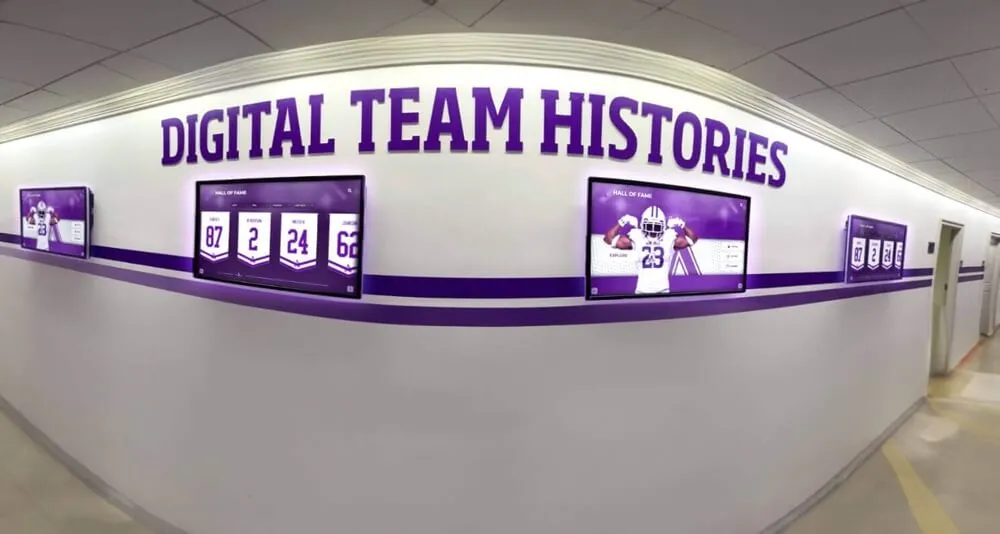
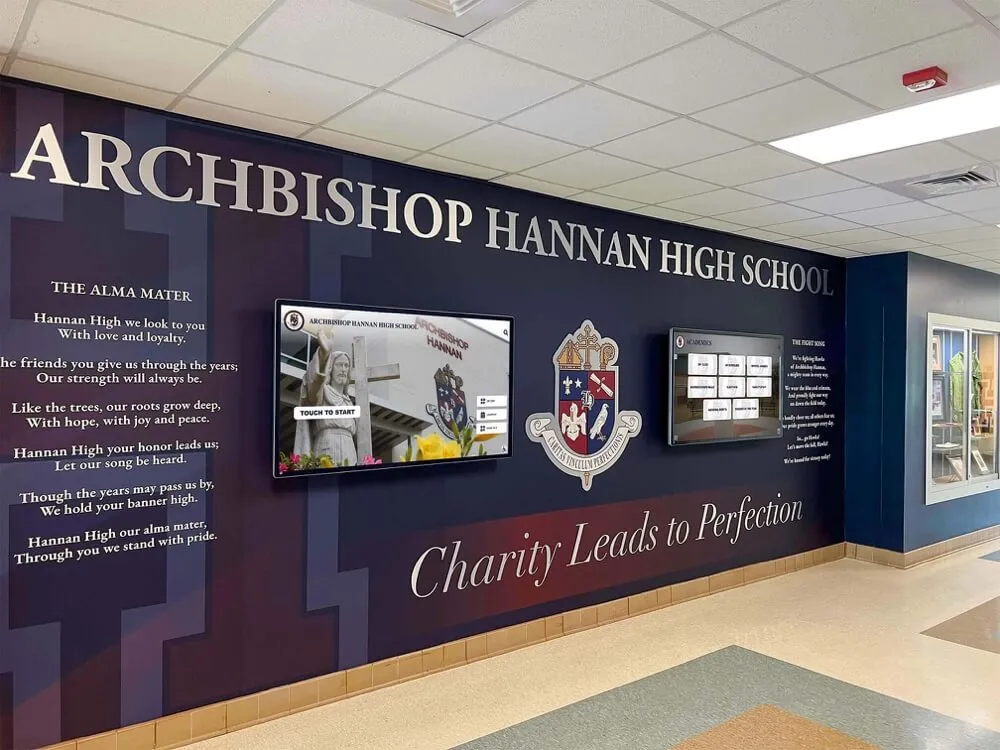
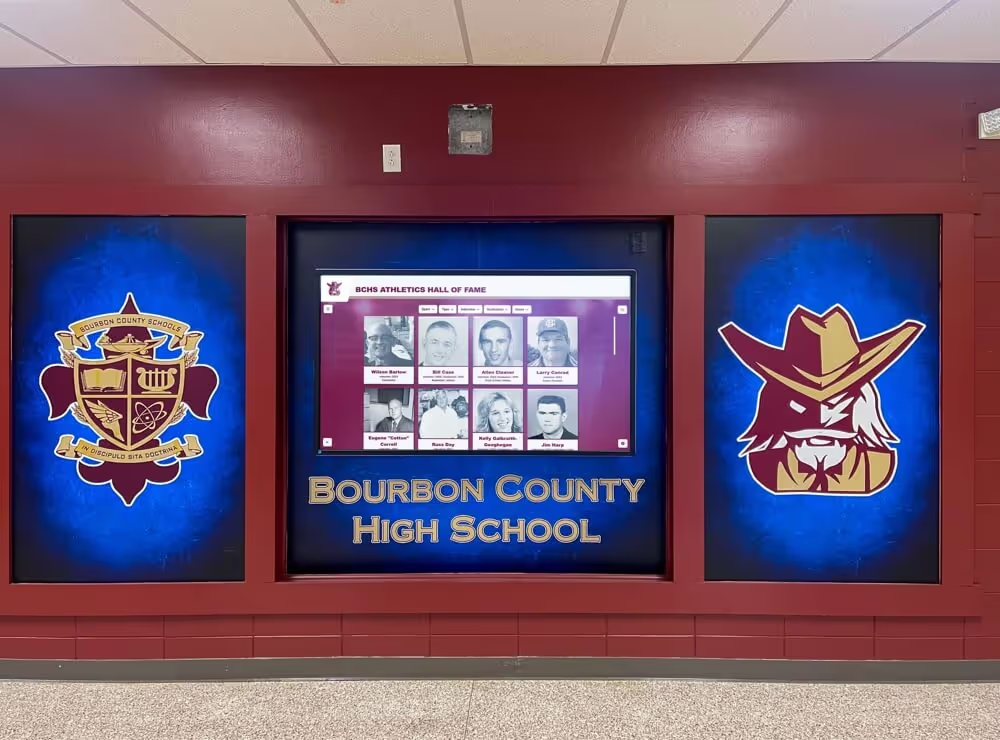
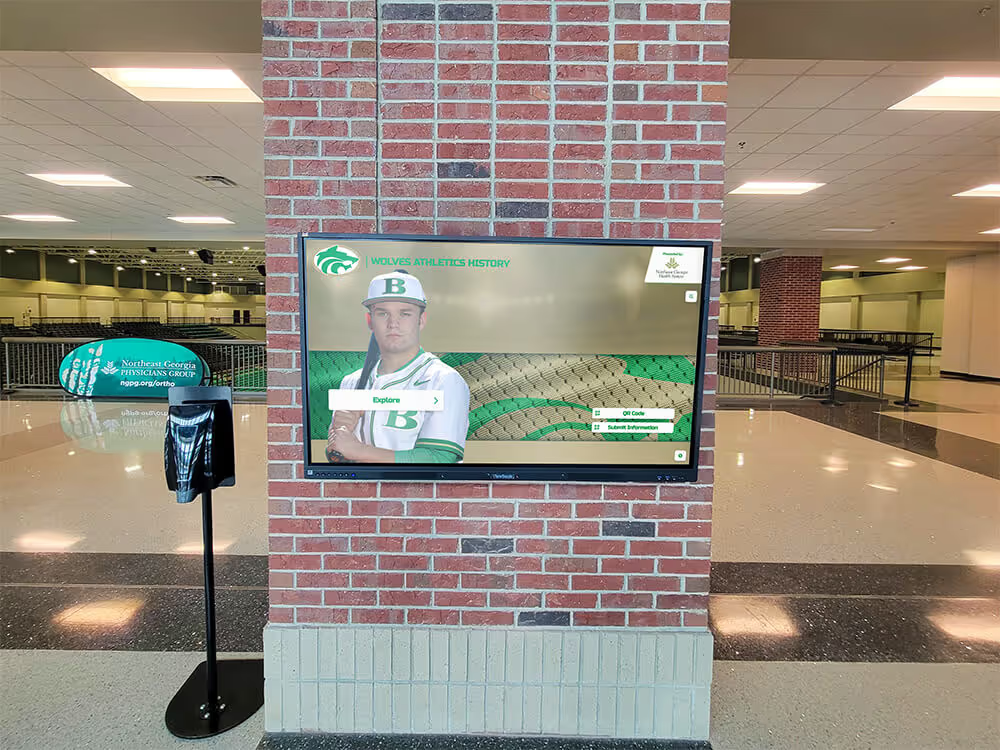
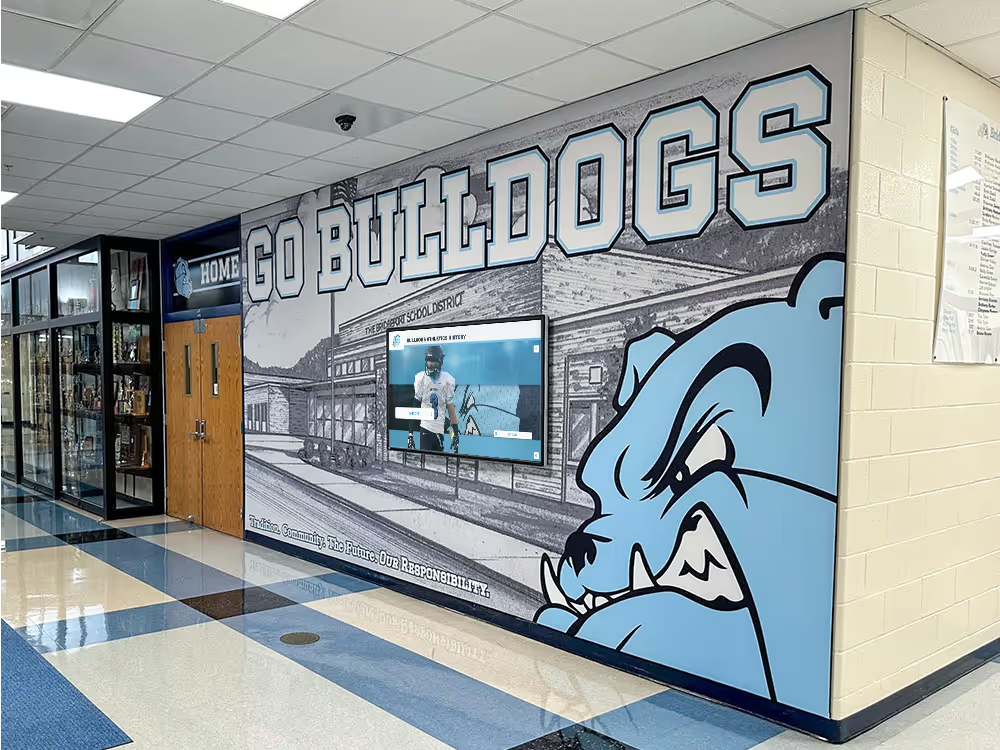
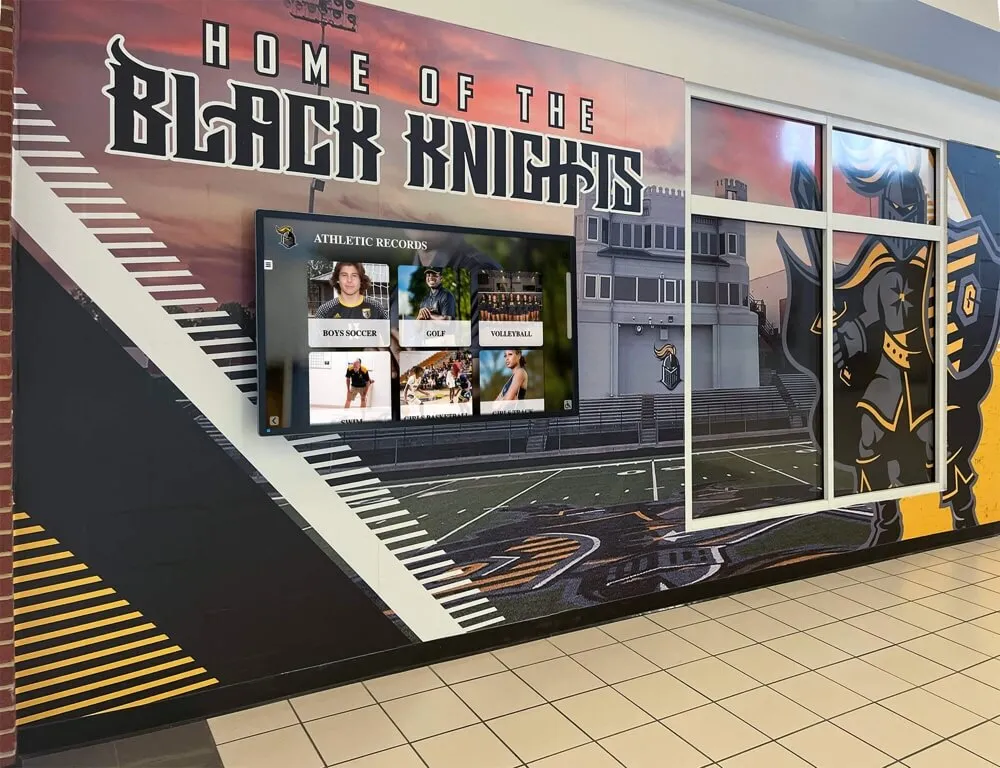
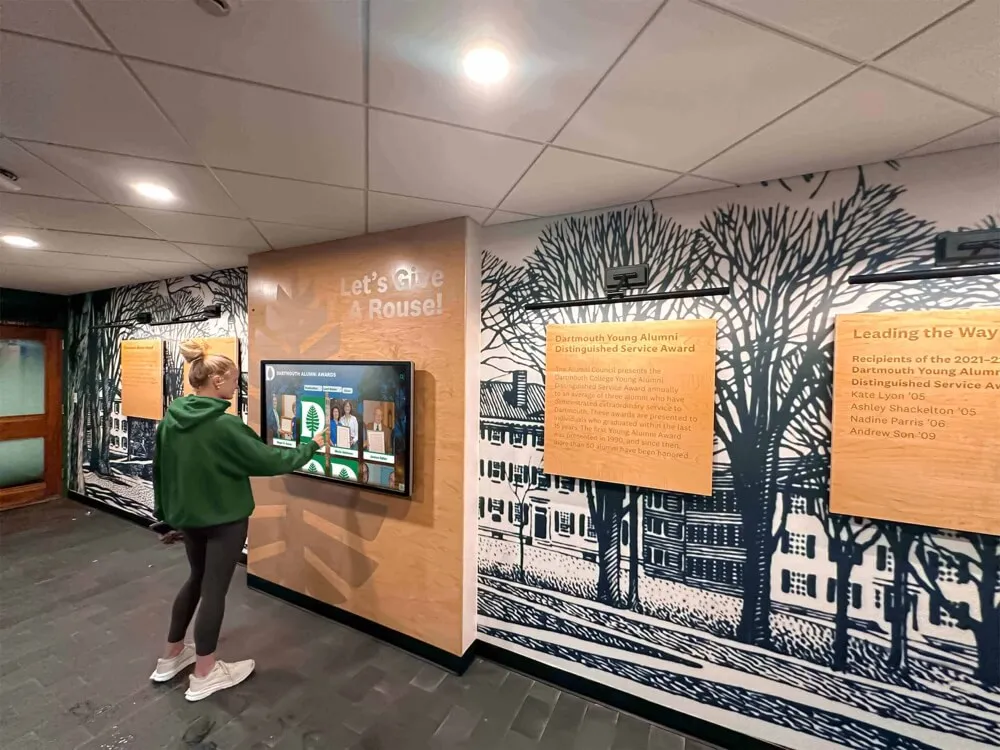
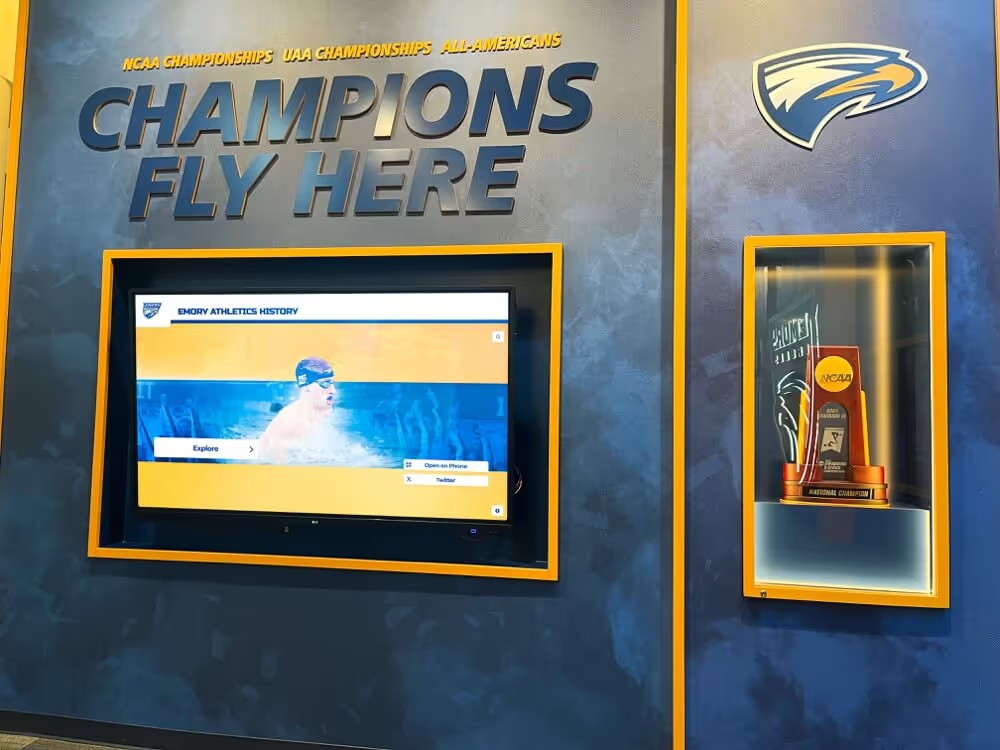
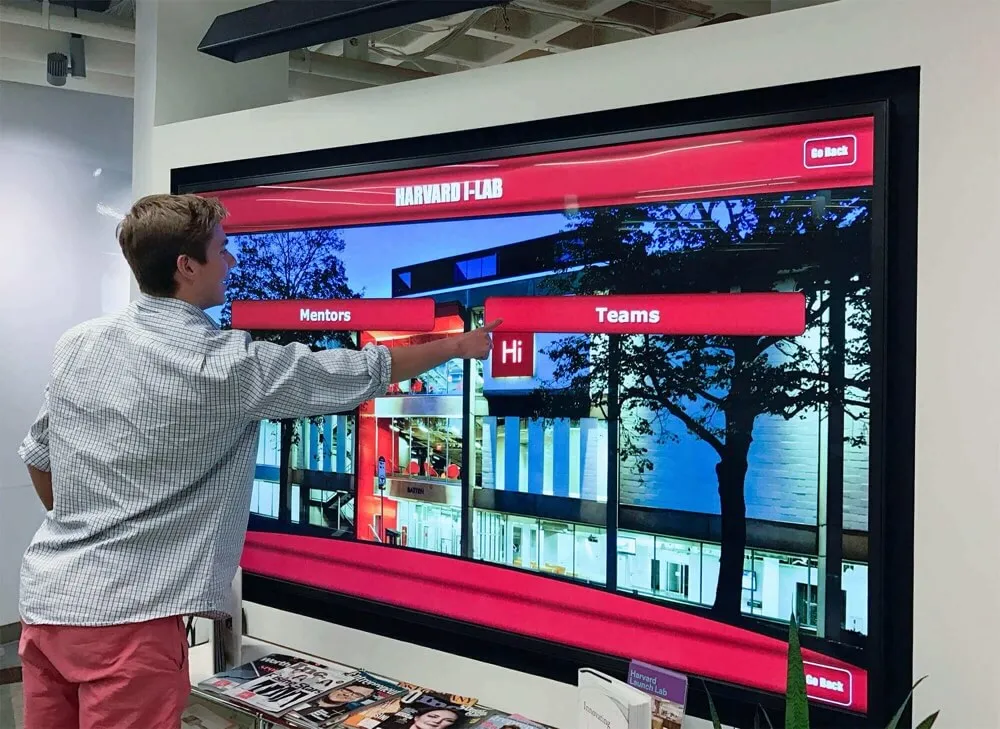
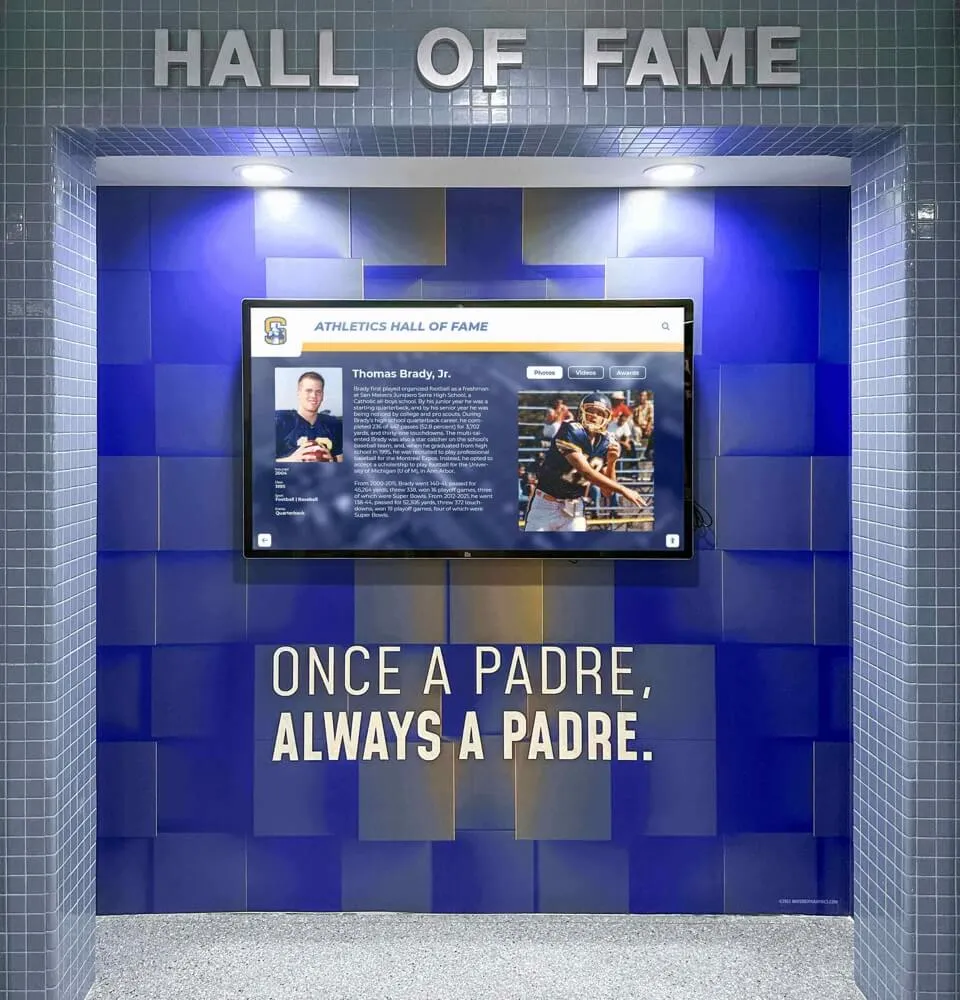
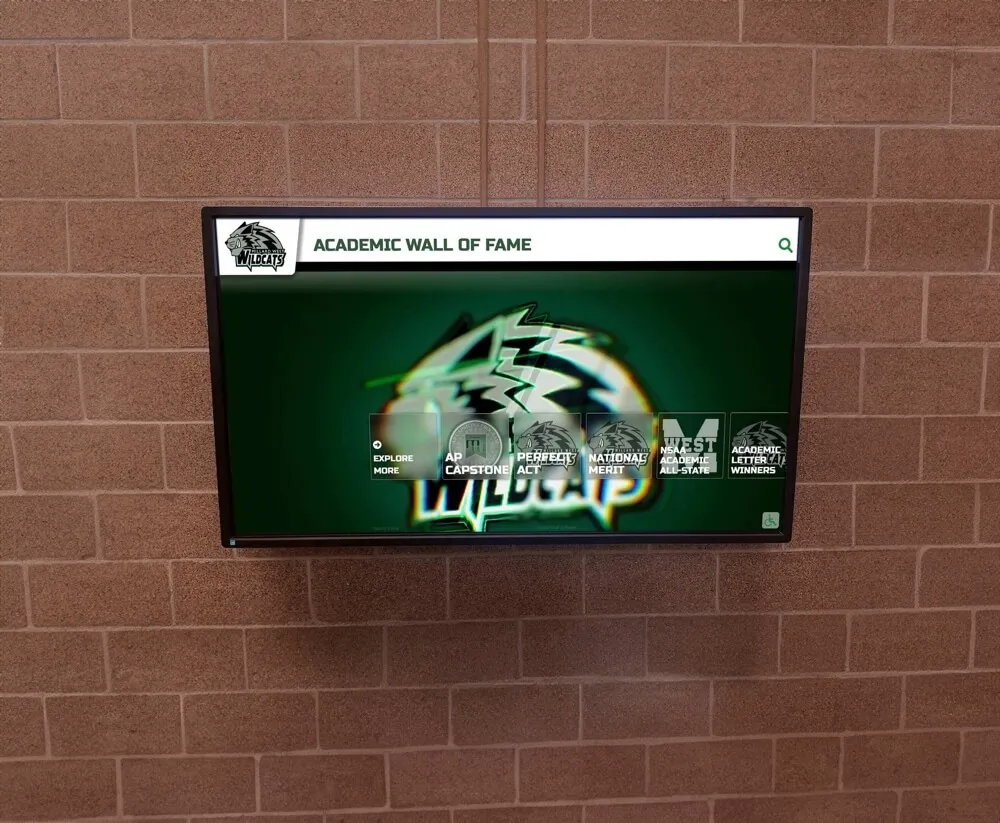
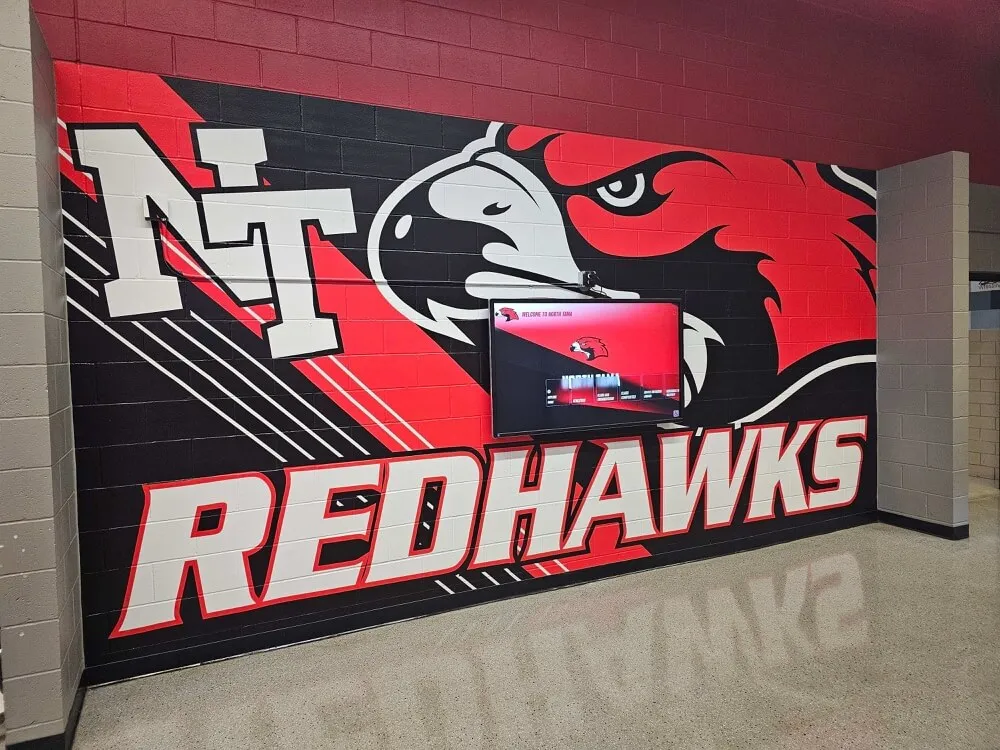
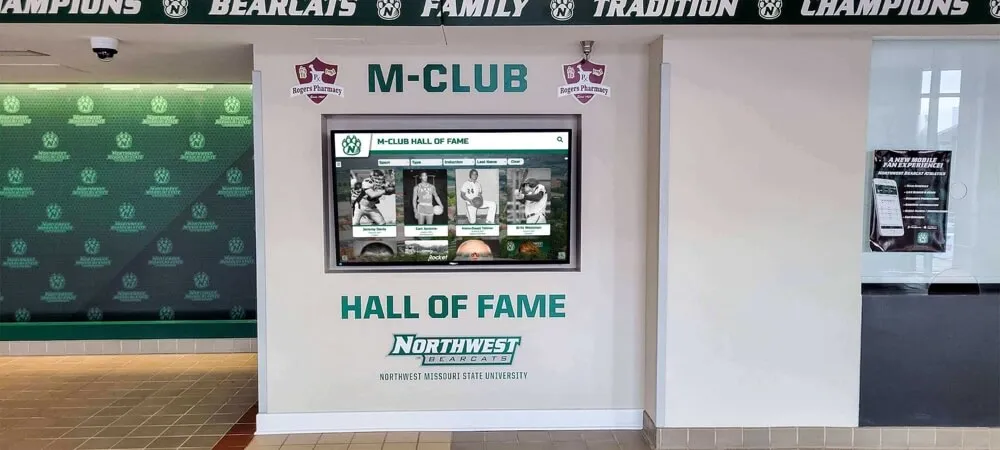
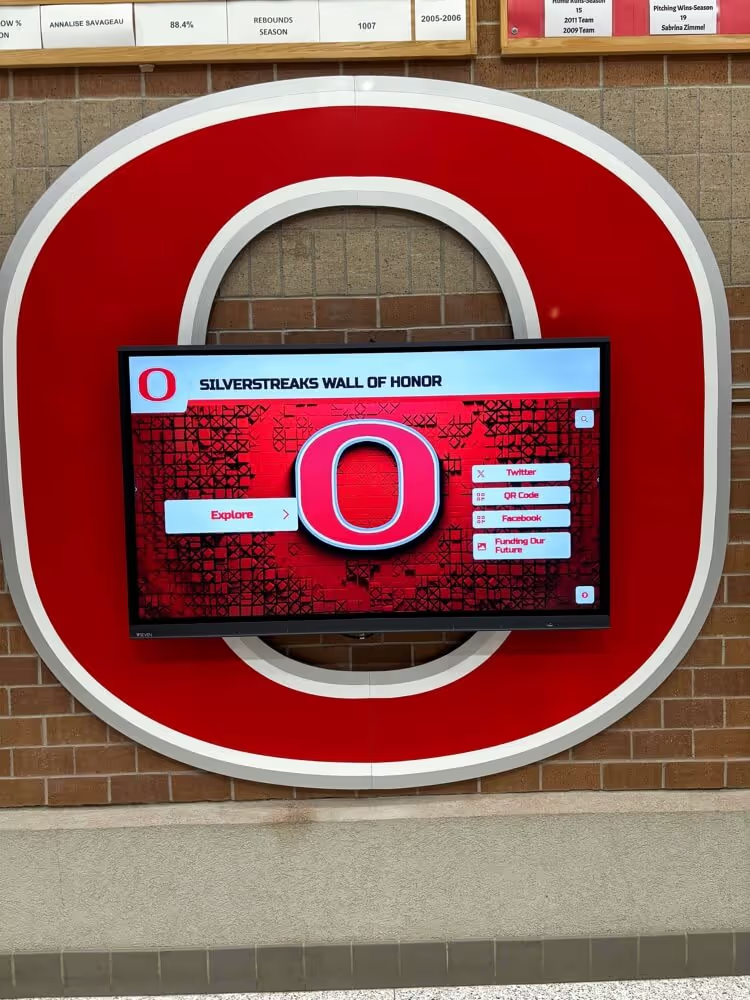
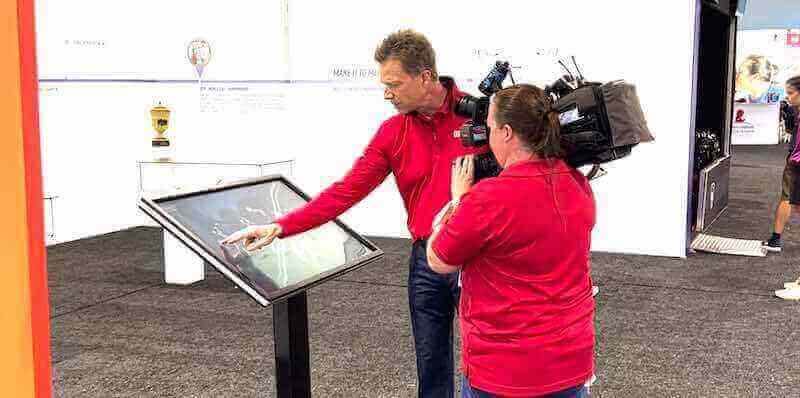
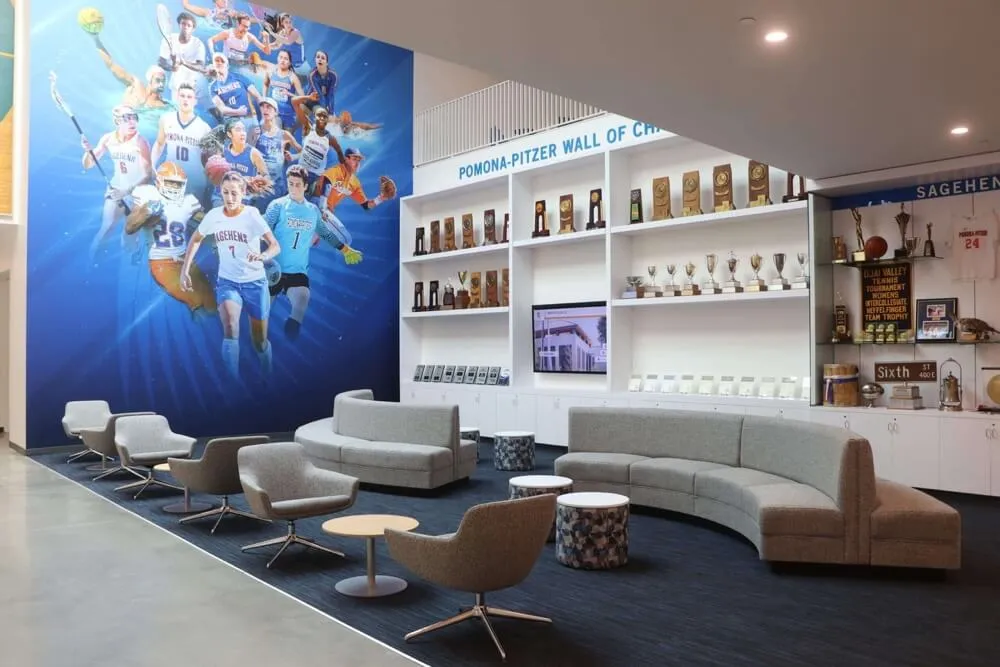
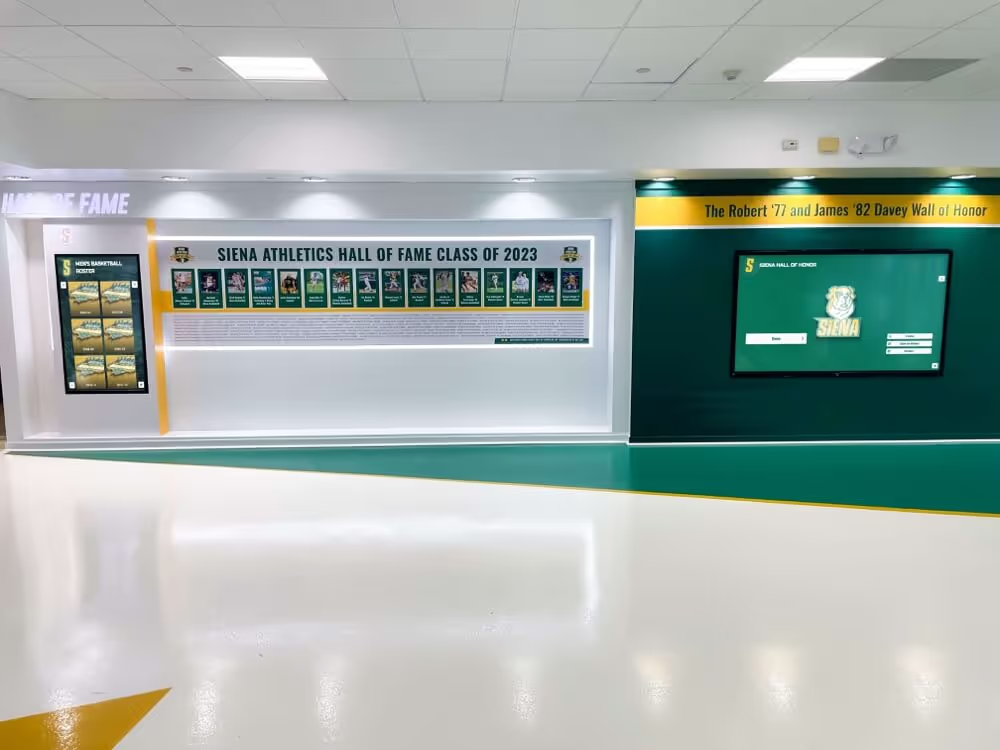
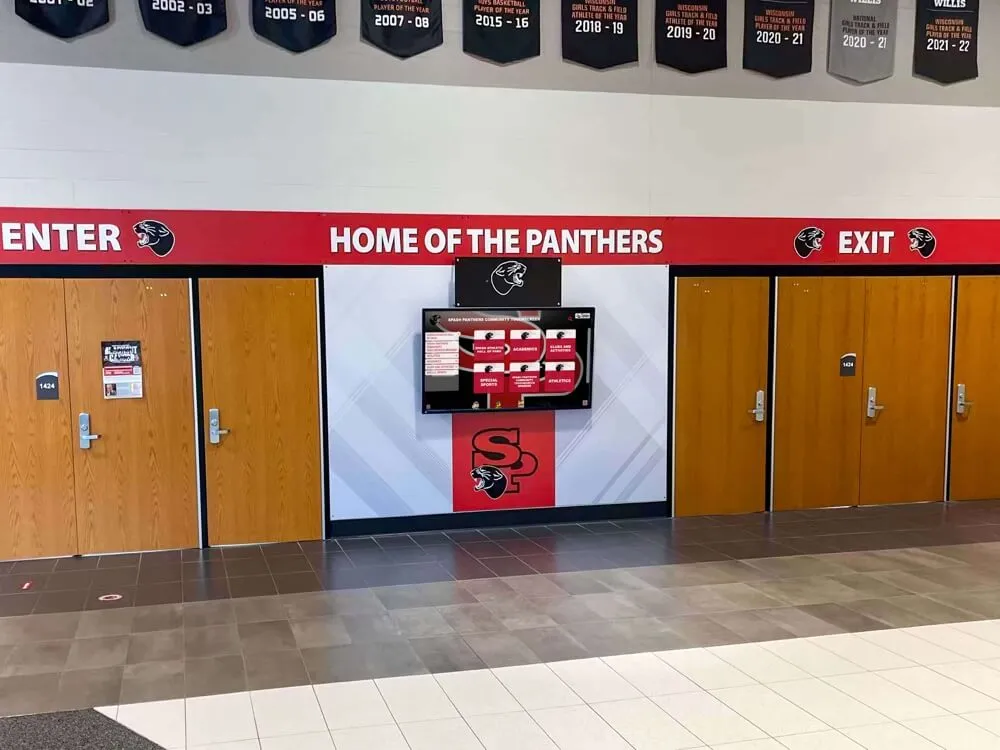
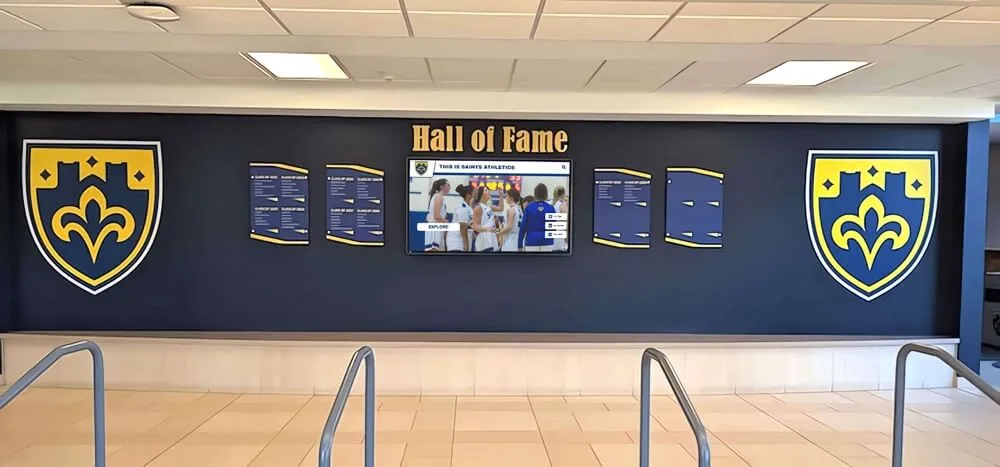
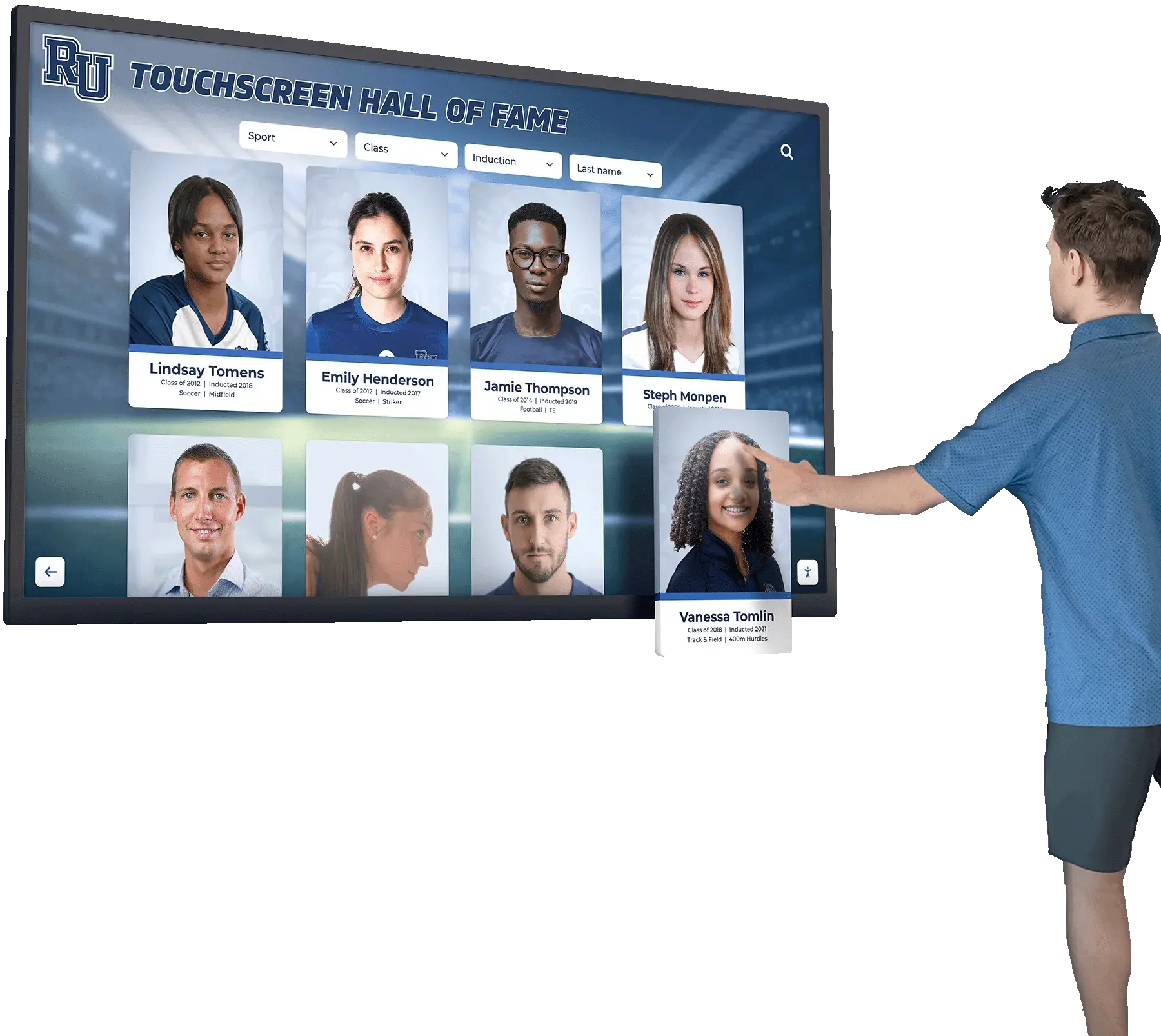
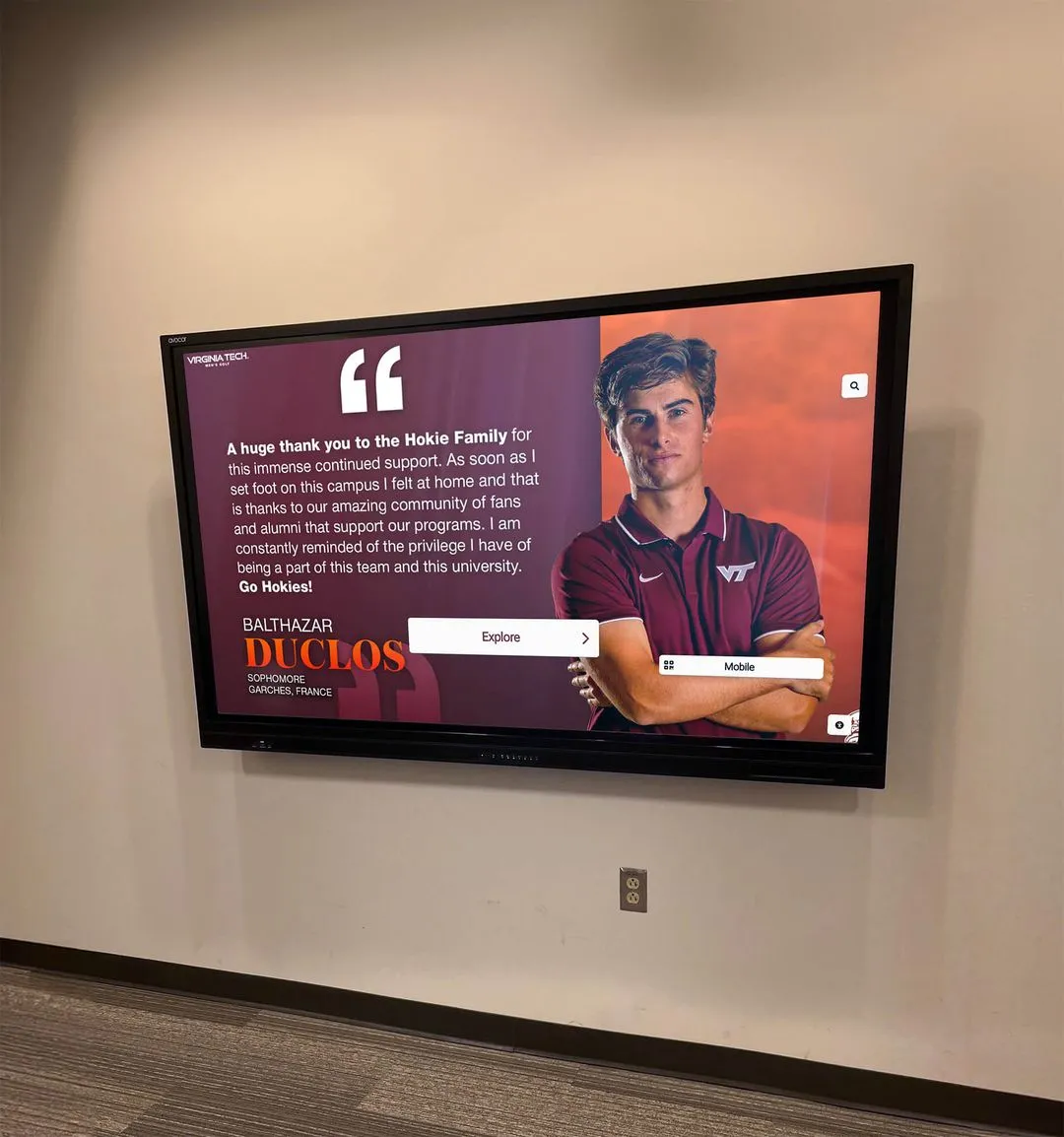
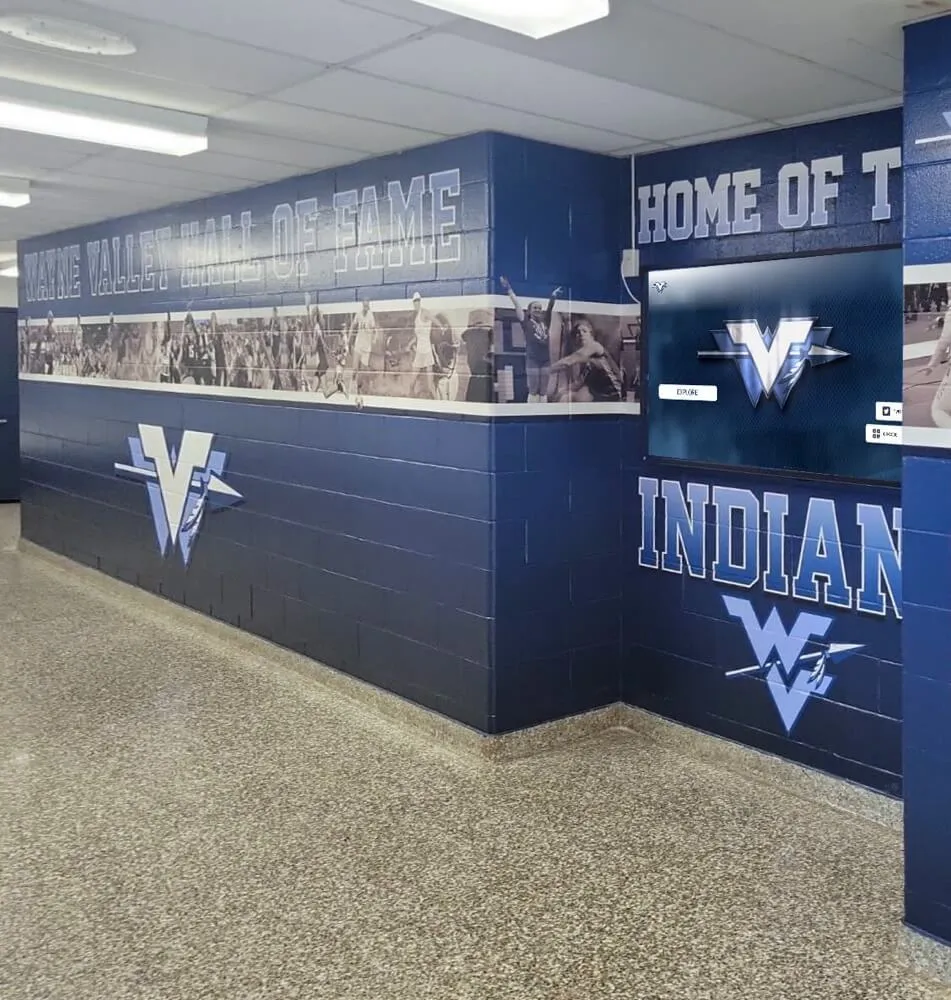
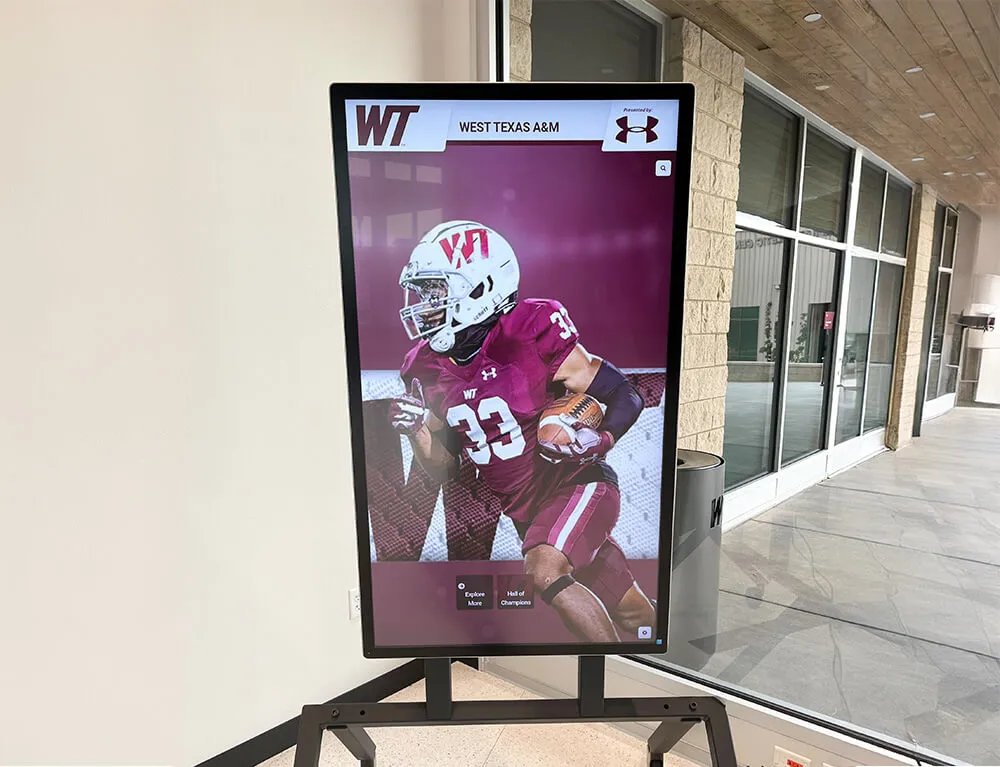
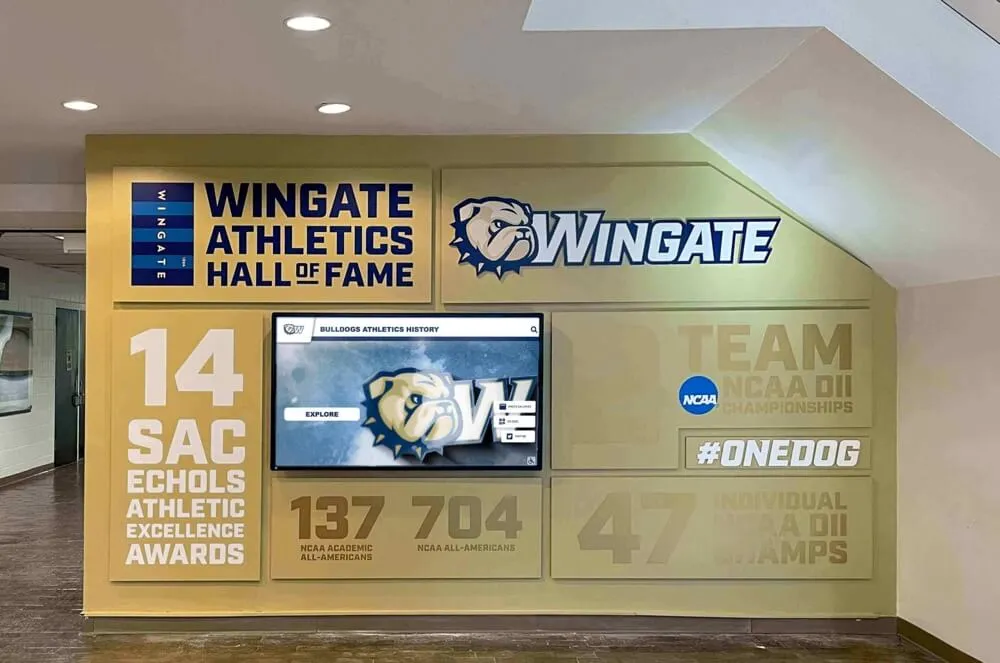
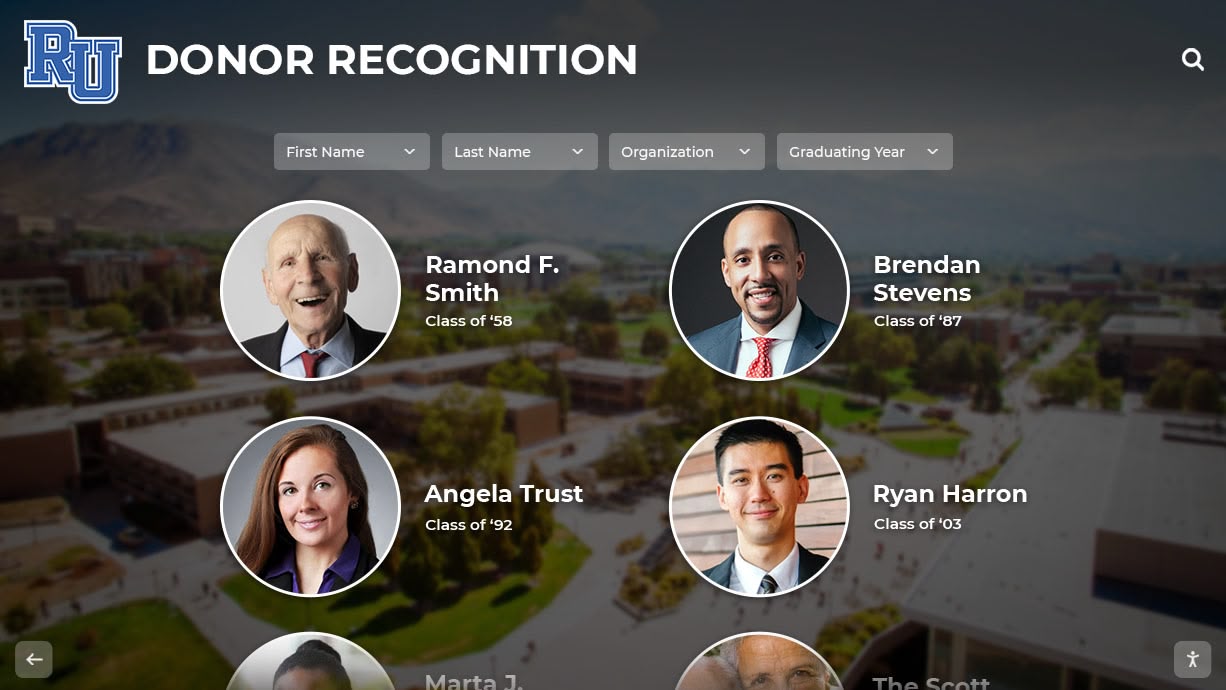
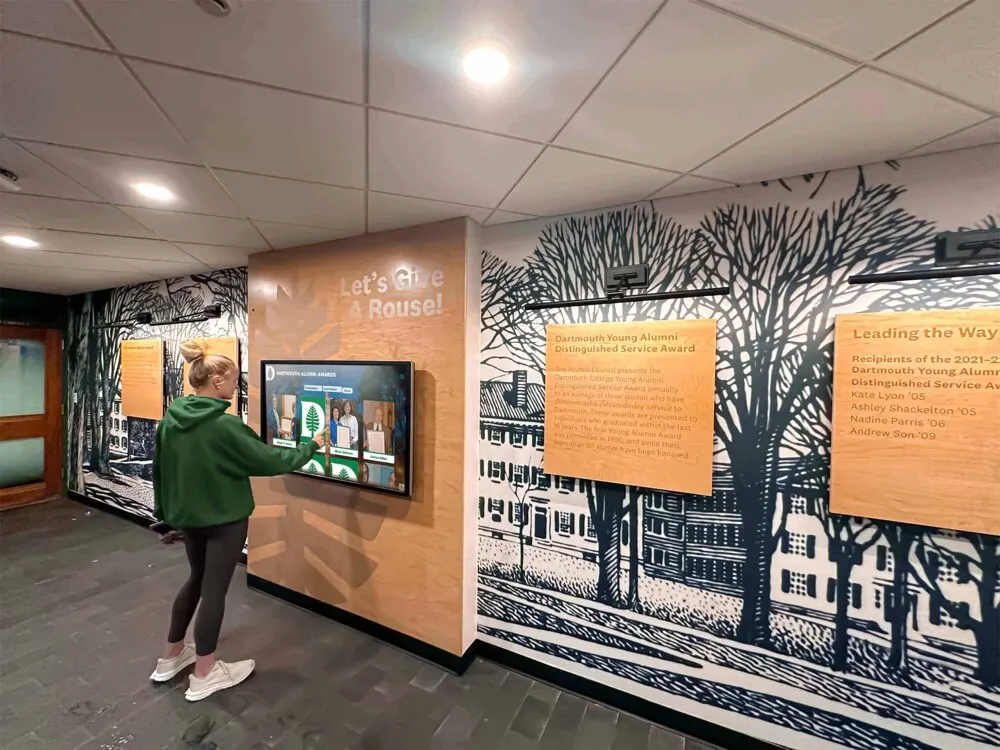
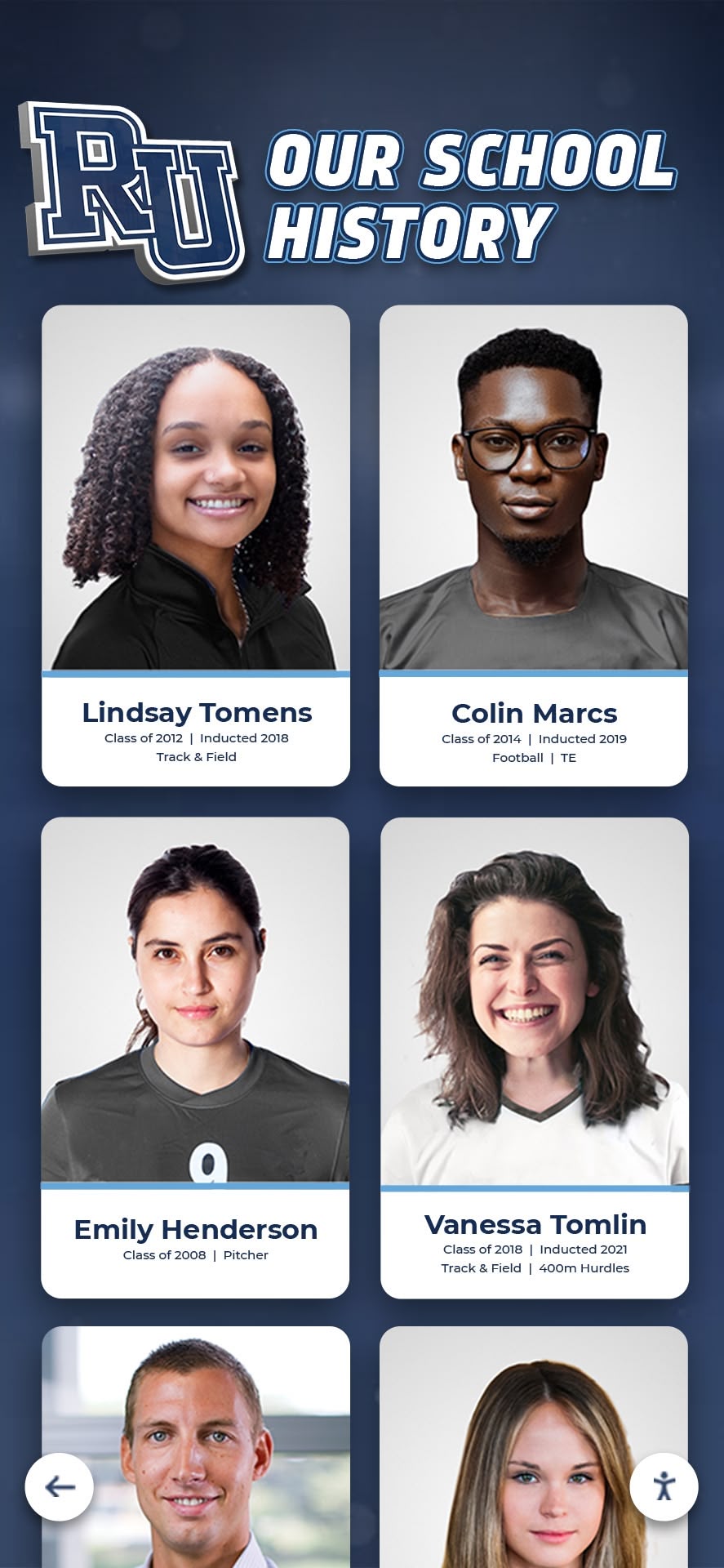
Interactive touchscreen displays transform how alumni explore institutional history and reconnect with their class legacy. Instead of static yearbook photos or dusty trophy cases, digital platforms allow graduates to search for specific classmates, browse achievement galleries, explore historical timelines, and discover how their class fits into broader institutional narratives.
Solutions like Rocket Alumni Solutions provide sophisticated platforms where alumni can navigate by graduation year, search by name, filter by achievement categories, or explore donor recognition societies through intuitive touch interfaces. During reunions, these installations become natural gathering points where graduates spend time rediscovering former classmates they’ve lost touch with, sharing memories about featured alumni, and feeling impressed by their community’s collective accomplishments.
Activity Ideas Using Digital Displays:
- Scavenger Hunt Challenges: Create reunion-specific challenges where attendees use touchscreen displays to find specific alumni, answer trivia about class history, or locate historical photos matching provided clues. Award prizes for first completion or most creative discoveries.
- Memory Lane Stations: Position multiple displays around reunion venues showcasing different eras, programs, or themes—athletics achievements, performing arts history, academic honors, student life evolution. Alumni naturally migrate between stations exploring topics matching their interests while creating conversation opportunities with classmates sharing similar connections.
- Where Are They Now Showcases: Feature updated profiles of classmates highlighting current careers, families, accomplishments, and life journeys. Alumni enjoy discovering how friends’ lives evolved while feeling recognized if their own profiles appear in the showcase.
- Historical Timeline Exploration: Interactive displays showing institutional evolution during attendees’ student years—major events, cultural moments, technology changes, campus developments. These contextual timelines spark nostalgic conversations about shared experiences and help alumni see their student years within broader historical narratives.
Photo and Video Sharing Stations
Create dedicated spaces where alumni can view, contribute to, and interact with visual memories from their student years and beyond:
Digital Photo Slideshows: Curate collections of historical photos from yearbooks, archives, and alumni submissions displayed on large screens throughout reunion venues. Include captions identifying people, events, and dates while encouraging alumni to add stories and context. Digital yearbook solutions make extensive photo collections easily navigable and searchable by year, activity, or person.
Video Memory Booth: Set up recording stations where alumni can record short video messages sharing favorite memories, advice for current students, or updates on their lives since graduation. Compile these recordings into commemorative videos shared after reunions or incorporated into future institutional communications.
Social Media Integration Walls: Create live-updating displays showing photos and posts from reunion attendees using event-specific hashtags. This real-time sharing encourages participation while extending reunion visibility to alumni who couldn’t attend in person.
Throwback Photo Recreation: Identify iconic photos from class yearbooks, then set up recreation stations with props and backdrops where alumni can recreate those images decades later. These side-by-side comparisons generate laughter, nostalgia, and highly shareable content.
Campus and Facility Experience Activities
For reunions held on campus or at institutional facilities, activities that help alumni rediscover changed spaces while honoring nostalgic memories create powerful engagement opportunities.
Guided and Self-Directed Campus Tours
Campus tours rank among the most popular reunion activities, but effective tours require more than simply walking familiar paths:
Then and Now Comparative Tours: Guide alumni through campus highlighting what’s changed since their graduation while honoring spaces that remain unchanged. Share stories about renovations, new buildings, demolished structures, and preserved traditions. Provide historical photos showing locations as they appeared during different eras, helping alumni appreciate evolution while processing nostalgia for spaces they remember differently.
Student Ambassador-Led Tours: Pair alumni groups with current students who share about contemporary campus life, academic programs, student culture, and how experiences differ from past decades. These intergenerational conversations help alumni understand current realities while giving students networking access to established professionals. Current student perspectives often surprise alumni and create appreciation for institutional evolution beyond their personal experience.
Behind-the-Scenes Access: Arrange special access to locations typically restricted—athletic facilities, laboratories, performance venues, archives, or administrative spaces. Exclusive access creates VIP experiences alumni value while showcasing institutional investments and program developments they might not otherwise witness.
Self-Guided Digital Tours: For larger reunions or multi-day events, create app-based or printed self-guided tours allowing alumni to explore at their own pace. Include QR codes linking to historical information, photo galleries, and video content at significant locations. This flexibility accommodates different mobility levels and time constraints while ensuring everyone can participate meaningfully.
Facility Dedication and Recognition Ceremonies
If reunions coincide with facility openings, renovations, or recognition installations, incorporate ceremonial activities that honor alumni contributions:
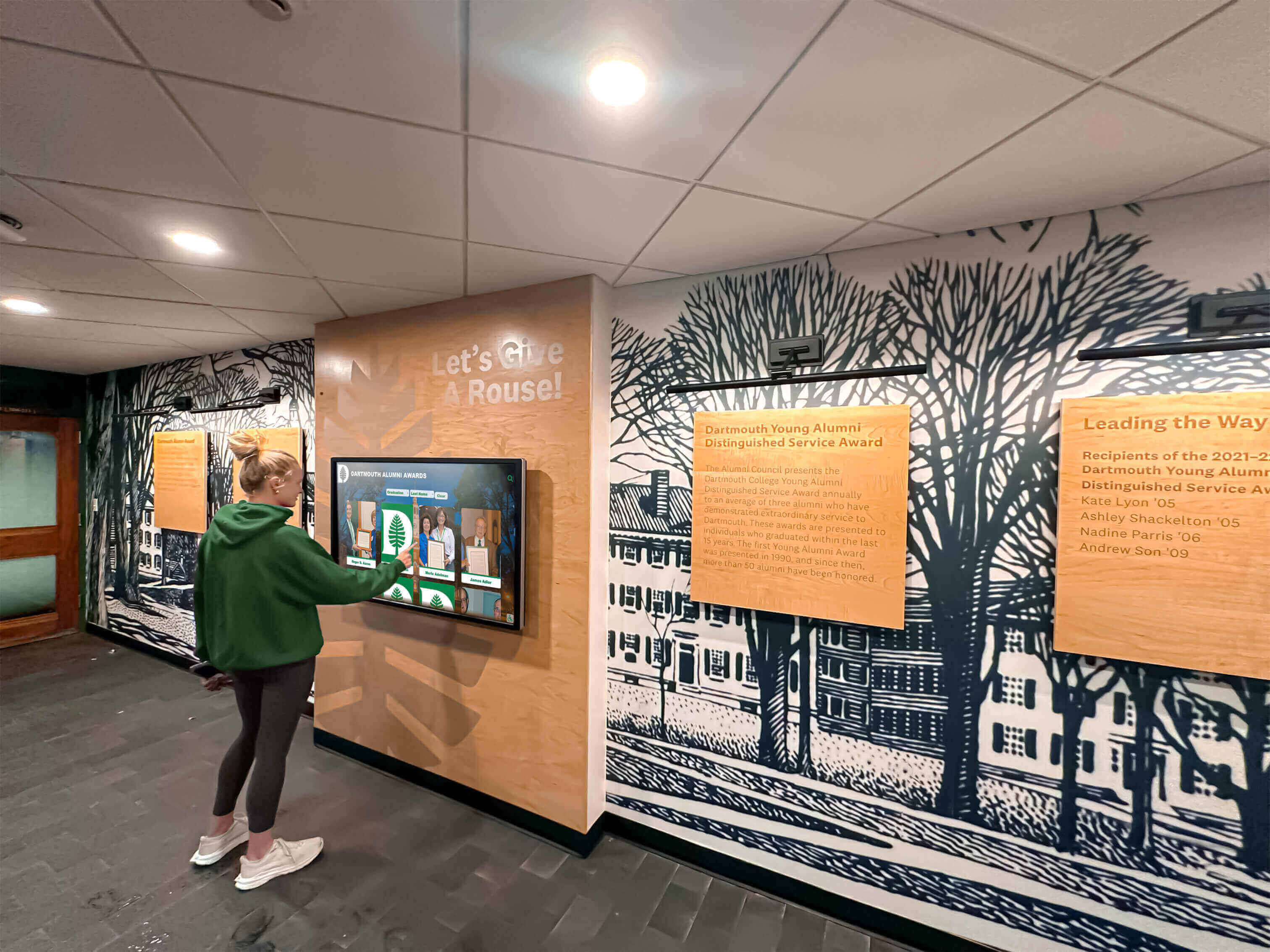
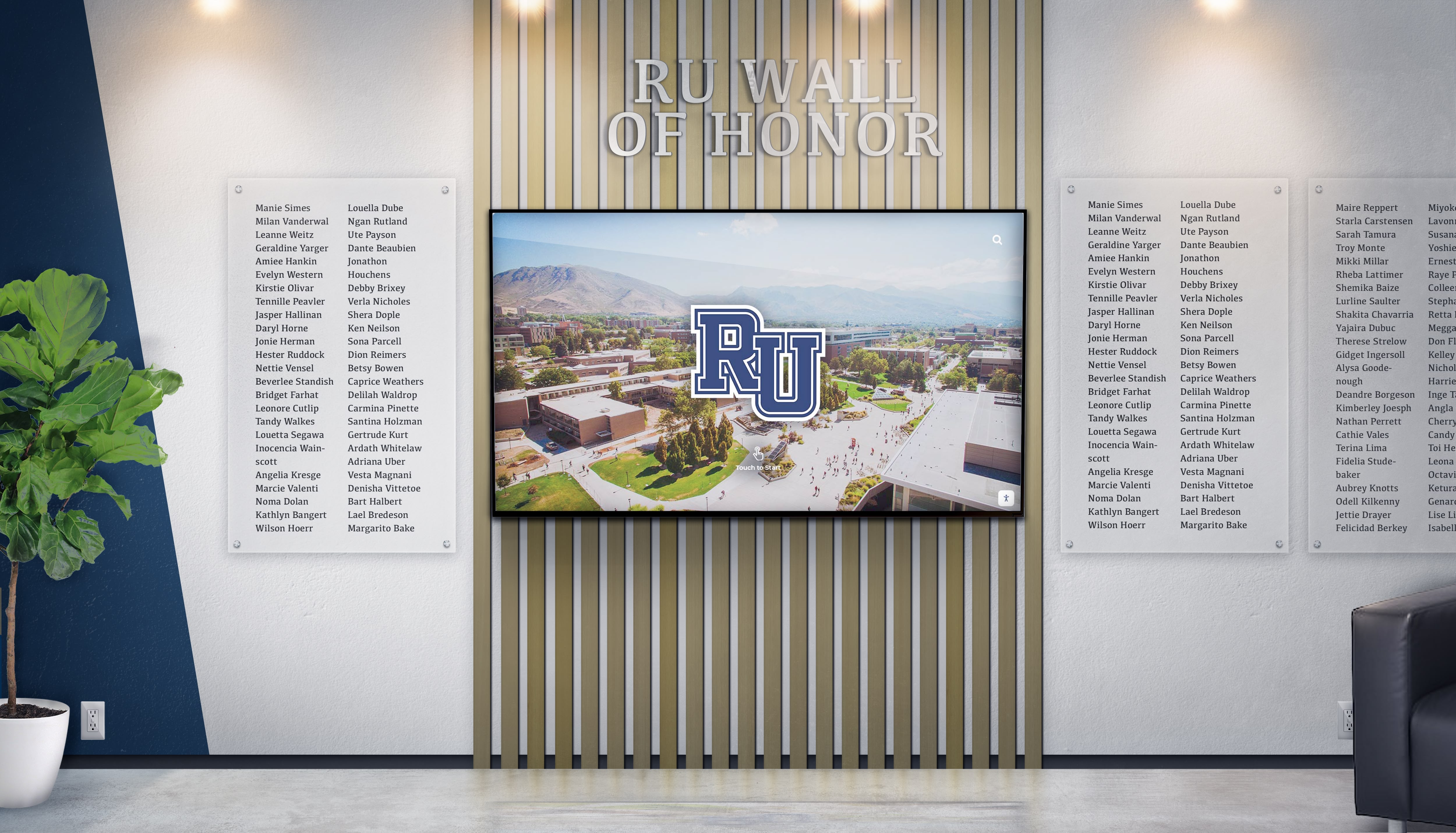
Donor Recognition Unveilings: Dedicate new donor wall installations or recognition displays during reunion gatherings, allowing honored alumni to see their names publicly celebrated while other attendees appreciate the philanthropic culture within their community.
Time Capsule Activities: Create new time capsules with reunion attendees contributing items representing current eras, or open historical capsules from previous reunions. These ceremonial moments connect past, present, and future while creating anticipation for subsequent milestones.
Legacy Tree Plantings: Plant commemorative trees, gardens, or landscape features honoring class legacies. These living monuments create tangible connections to campus while providing meaningful ceremonial activities that accommodate all physical ability levels.
Social and Entertainment Activities
While educational and nostalgic activities hold value, purely social and entertainment-focused programming remains crucial for creating relaxed, enjoyable reunion experiences.
Music and Entertainment from Shared Eras
Music powerfully evokes nostalgia and creates immediate emotional connection to specific time periods:
Era-Specific Playlists and Performances: Curate music from attendees’ student years—whether 1970s rock, 1980s pop, 1990s grunge, or 2000s hip-hop. Live bands performing era-appropriate covers often work better than DJs for creating participatory energy, though budget constraints may dictate alternatives. Consider hiring alumni musicians when possible, showcasing talent from within your community while supporting fellow graduates.
Karaoke and Talent Showcases: Organize informal talent shows or karaoke sessions where alumni perform songs popular during their student years or showcase skills developed since graduation. These activities break down social barriers through shared vulnerability and create memorable entertainment moments. Consider “then and now” formats where alumni who performed in student shows recreate those performances decades later.
Themed Dance Parties: Organize decade-specific dance parties with appropriate music, decorations, and costume encouragement. These high-energy events work particularly well for younger reunion cohorts (10-20 year anniversaries) but can engage any age group when thoughtfully designed. Consider hiring dance instructors to teach popular dances from attendees’ student years, creating participatory activities rather than assuming everyone remembers how to do the Electric Slide or the Macarena.
Games, Competitions, and Recreational Activities
Structured games create interaction opportunities while accommodating different participation levels:
Trivia Competitions: Design trivia games testing knowledge about institutional history, popular culture from student years, classmate facts, or memorable campus events. Format these as team competitions encouraging collaboration and conversation. Include categories spanning different knowledge areas so diverse alumni can contribute regardless of whether they remember every homecoming queen or athletic championship.
Athletic Tournaments: Organize friendly sports competitions—alumni basketball games, softball tournaments, golf outings, volleyball matches, or fun runs. These activities particularly engage former student-athletes while creating spectator experiences for less athletically inclined alumni. Consider alumni versus current student competitions when possible, creating intergenerational connections through friendly rivalry.
Casino Nights: Organize casino-themed events with poker, blackjack, roulette, and other games using play money. These social activities work well in jurisdictions where actual gambling would raise legal complications while creating sophisticated evening entertainment. Alumni enjoy the social aspects of gaming while competition creates natural conversation and interaction.
Outdoor Recreation: For institutions with distinctive outdoor access—lakefront properties, mountain settings, or unique natural features—organize group activities like hiking, kayaking, or nature walks. These experiences showcase location-specific advantages while accommodating alumni seeking active experiences rather than purely social gatherings.
Recognition and Celebration Activities
Honoring alumni achievements, acknowledging institutional impact, and celebrating collective accomplishments create powerful emotional moments that reinforce community identity.
Distinguished Alumni Recognition Ceremonies
Formal recognition activities highlight exceptional graduates while inspiring other alumni:
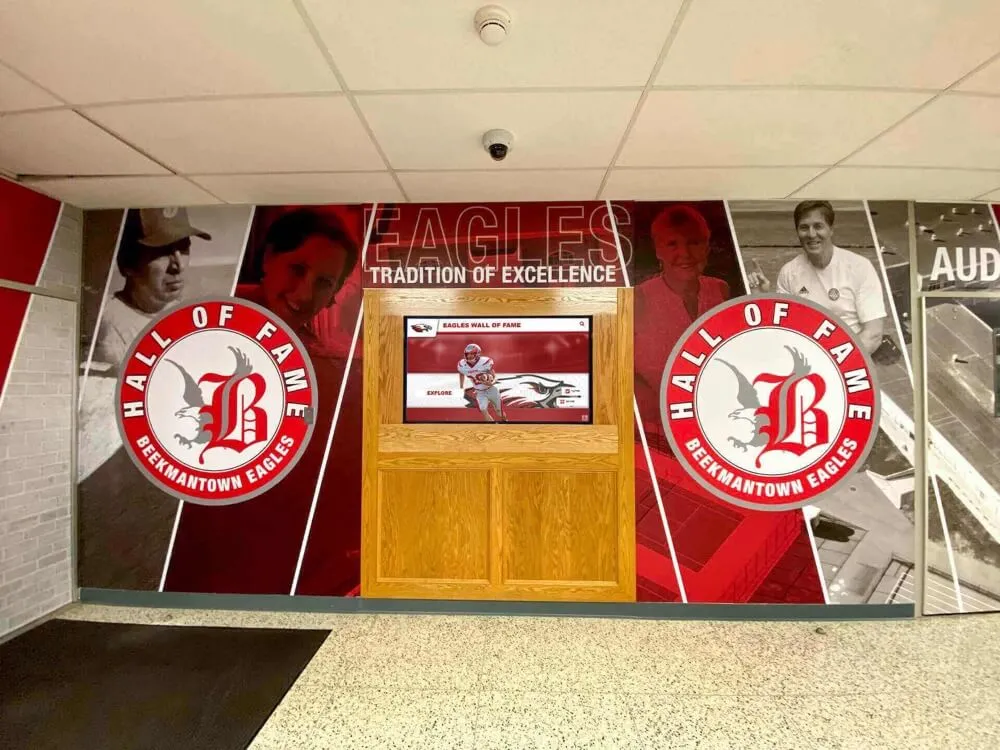
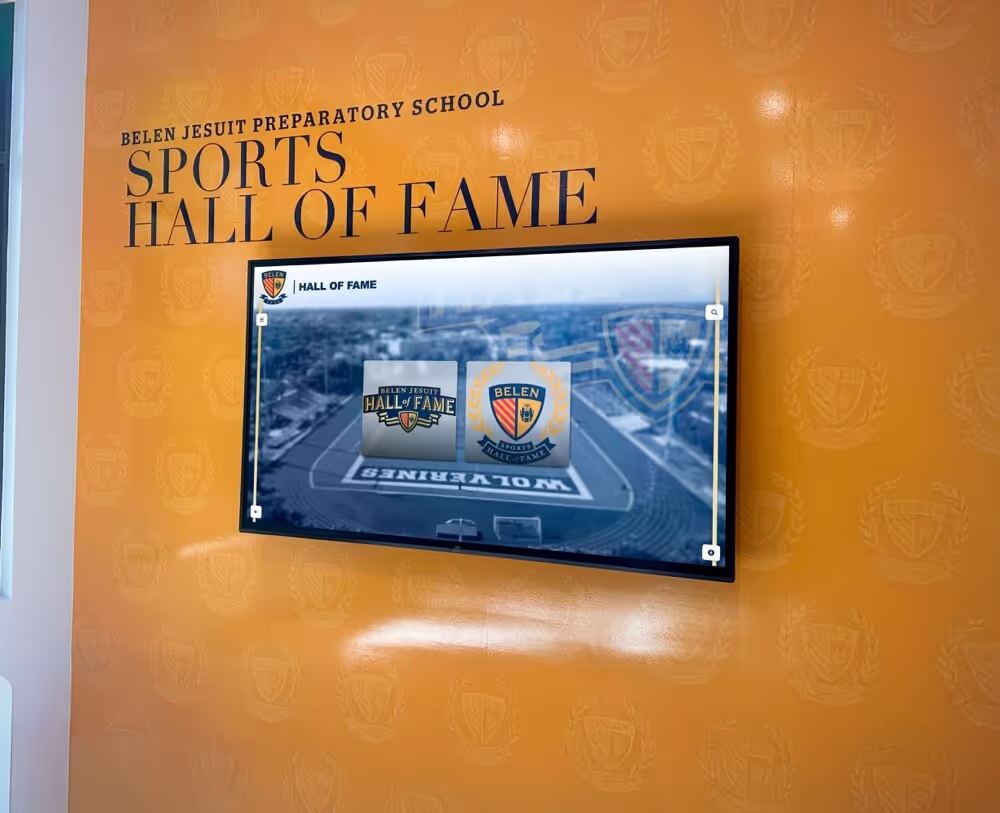
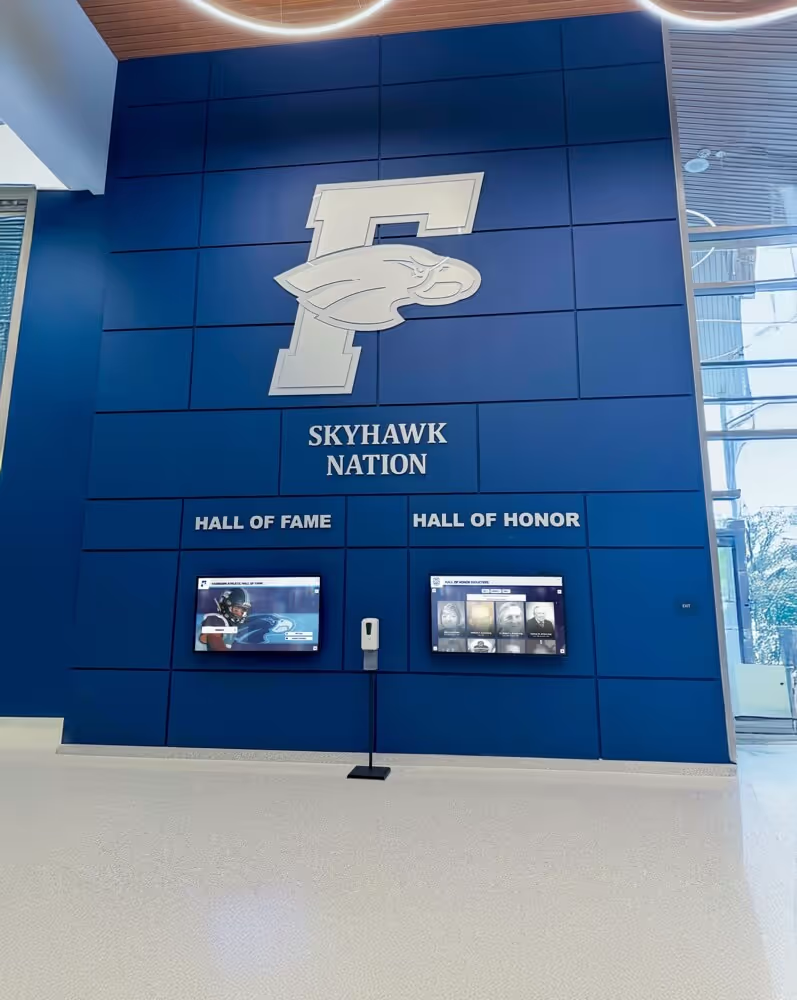
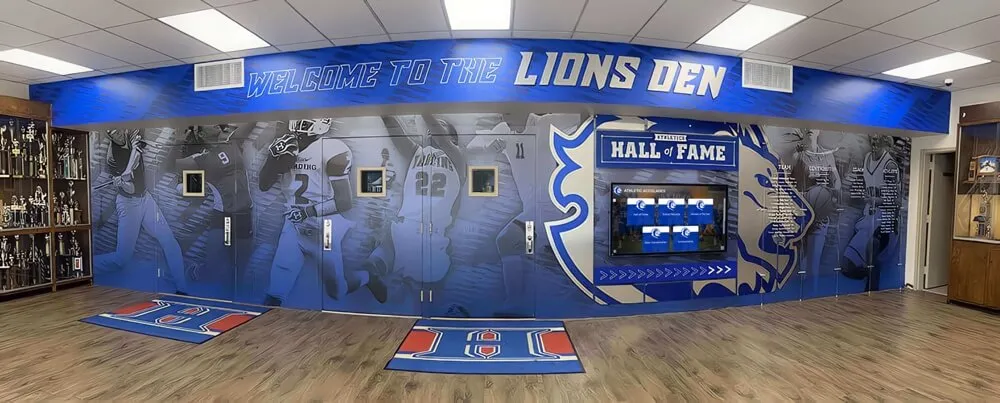
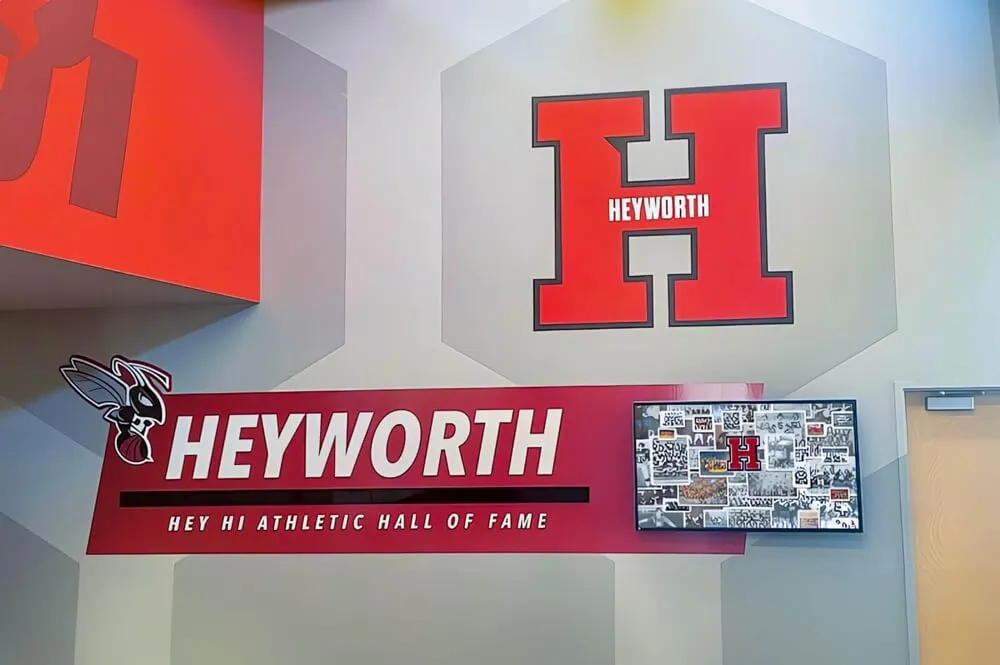
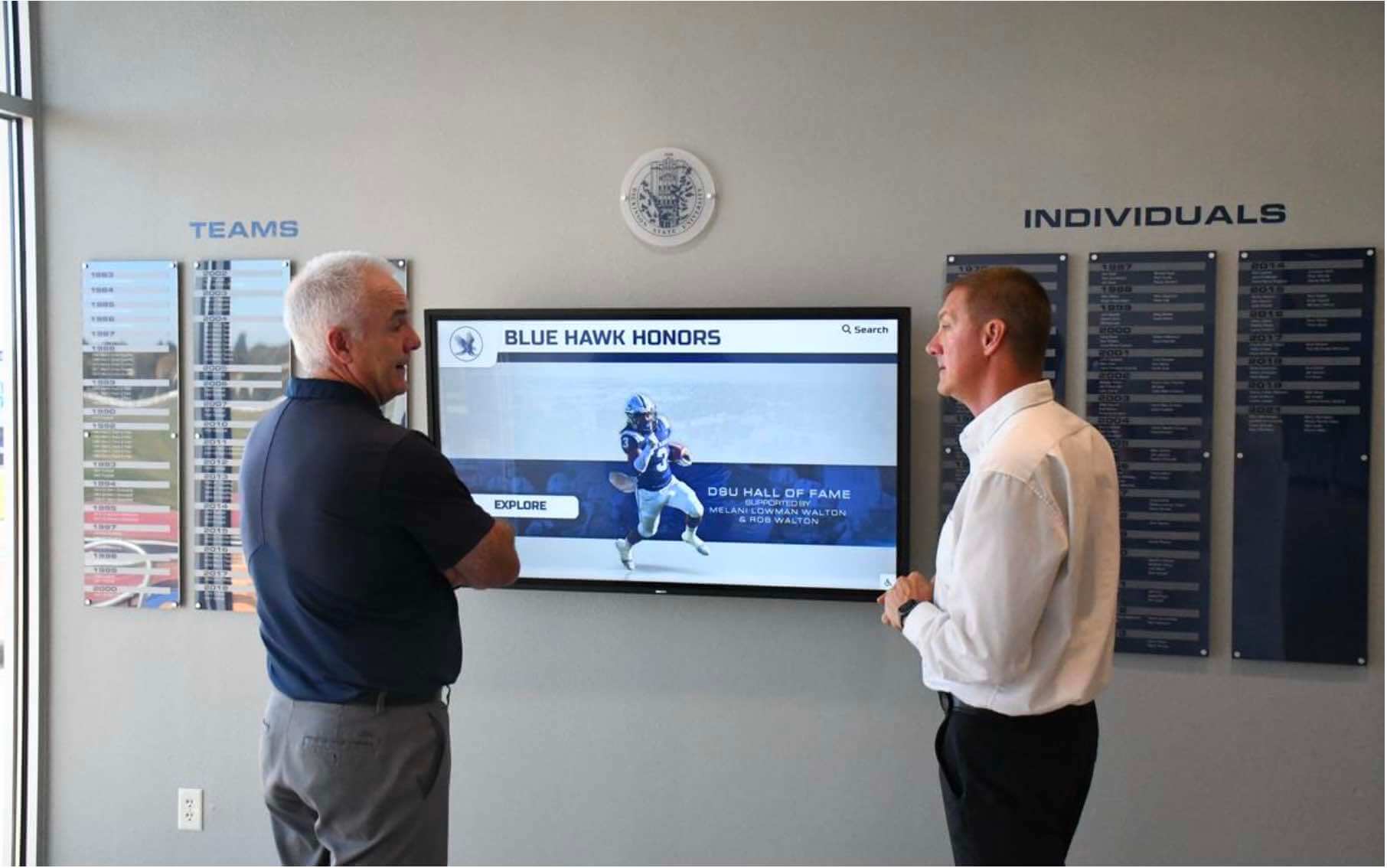
Hall of Fame Inductions: If your institution maintains hall of fame programs for athletic, academic, or general alumni achievement, schedule induction ceremonies during major reunions. These formal recognitions create prestigious moments while allowing broader alumni communities to celebrate distinguished peers. Newly inducted honorees often become more engaged with institutional communities following recognition, and attending alumni appreciate being present for celebratory milestones.
Alumni Award Presentations: Present awards recognizing career achievement, community service, volunteer leadership, or other excellence categories. Share detailed honoree profiles allowing attendees to appreciate recipients’ accomplishments while potentially discovering shared connections or interests. These formal recognitions demonstrate what success means within your institutional community while creating aspirational models.
Class Legacy Celebrations: Rather than only recognizing individual alumni, celebrate collective class achievements—total giving amounts, volunteer hours contributed, career accomplishments represented, or community impact generated. These collective celebrations build class pride and identity while avoiding emphasis solely on individual standouts, which can create hierarchical feelings rather than community bonds.
Memory Sharing and Storytelling Activities
Structured opportunities for sharing memories and stories help alumni feel heard while creating rich narrative experiences:
Story Circles and Memory Sharing Sessions: Organize facilitated small-group sessions where alumni share meaningful stories—favorite memories, influential professors, transformative experiences, or funny incidents. These intimate gatherings create deeper connection than large-scale socializing while honoring diverse voices and perspectives. Rotate groups periodically so alumni hear various stories and meet multiple classmates.
Video Message Compilations: Request alumni to submit short video messages before reunions sharing updates, memories, or thoughts about their class legacy. Compile these into screening presentations during reunion events. This approach includes perspectives from alumni unable to attend in person while creating touching multimedia experiences. Consider organizing submissions around specific prompts—“What did this institution teach you?” or “What memory still makes you laugh?”
Wall of Memories: Create physical or digital spaces where alumni post memories, stories, or updates using sticky notes, index cards, or digital submission forms. These ongoing installations become conversation starters as alumni read others’ contributions while adding their own. Consider organizing by categories—“Favorite Professor,” “Most Embarrassing Moment,” “Best Campus Tradition,” “Biggest Accomplishment Since Graduation”—providing structure that prompts specific recollections.
Alumni Panel Discussions: Organize panels where distinguished or interesting alumni discuss career paths, life lessons, industry trends, or topics relevant to attendees. These educational sessions add substance to social programming while showcasing community expertise. Include Q&A time allowing audience participation and interaction beyond passive listening.
Service and Giving Back Activities
Incorporating philanthropic and service elements into reunions allows alumni to create meaningful impact while celebrating their legacy:
Class Giving Campaigns: Launch or culminate class giving campaigns during reunion events, celebrating collective philanthropic impact. Share how gifts support current students through scholarships, facilities, programs, or other initiatives alumni contributions enable. Avoid overly transactional approaches—focus on impact stories and collective achievement rather than aggressive individual solicitation that makes reunions feel uncomfortable.
Service Project Participation: Organize group service activities—campus beautification projects, volunteer work with community partners, donation drives for local causes, or assistance supporting current student programs. These activities create meaningful shared experiences while demonstrating institutional values and community commitment. Corporate recognition programs often incorporate similar service elements to build team culture—approaches that translate well to alumni communities.
Mentorship Program Launches: Use reunions to recruit alumni mentors for formal programs connecting graduates with current students. Explain program structures, expectations, and impact while facilitating initial sign-ups. Alumni often feel more inclined to commit to ongoing engagement when asked face-to-face during emotional reunion moments than through impersonal email requests.
Family-Friendly and Multigenerational Activities
Many alumni, particularly those with young children, appreciate family-inclusive programming allowing institutional connection without arranging childcare.
Activities for Children and Families
Design programming specifically accommodating families rather than treating children as afterthoughts:
Kids’ Activity Zones: Create dedicated spaces with age-appropriate activities—crafts, games, supervised play areas, or educational activities related to institutional themes. Consider hiring professional childcare providers or college students to supervise children while parents participate in adult programming, or design activities where parents and children participate together.
Campus Mascot Appearances: Arrange for institutional mascots to appear at family-friendly events. Children enjoy mascot interactions while parents appreciate photo opportunities and family-inclusive entertainment. Consider scheduling specific mascot meet-and-greet times rather than random appearances, helping families plan participation.
Educational Demonstrations: Showcase institutional programs through family-friendly demonstrations—science experiments, athletic skills clinics, music performances, art workshops. These activities introduce children to institutional offerings while reminding alumni parents of educational values they experienced. Future admissions recruiting begins with positive childhood campus experiences.
Family Photo Stations: Set up professional or DIY photo stations with institutional backdrops, props, and mascot appearances where families take commemorative pictures. These souvenirs extend reunion impact long after events conclude while creating marketing content (with permission) showcasing family-friendly institutional culture.
Intergenerational Connection Activities
Create programming that intentionally bridges generational gaps between alumni, current students, and future students:
Student Panel Q&A Sessions: Invite current students to share about contemporary campus life, academic experiences, and student culture. Alumni parents considering your institution for their children gain valuable insights while childless alumni appreciate understanding current realities. These intergenerational exchanges combat outdated perceptions while creating networking opportunities for students seeking career mentorship.
Legacy Student Recognition: Honor families with multiple generations who attended your institution—children of alumni, legacy admits, or families with decades-long institutional connections. These celebrations acknowledge family traditions while encouraging continued multi-generational engagement. Consider creating special recognition displays highlighting legacy families during reunion events.
Career Speed Dating: Organize structured brief conversations between alumni and current students interested in specific career fields. Alumni provide industry insights, career advice, and networking connections while students offer perspectives on contemporary campus culture and current program strengths. These mutually beneficial exchanges create value for both groups.
Virtual and Hybrid Reunion Activities
Geographic dispersion, travel costs, and scheduling conflicts prevent many alumni from attending in-person reunions. Virtual and hybrid activities extend participation access while accommodating different engagement preferences.
Pure Virtual Activity Options
For alumni unable to travel to in-person events, dedicated virtual programming maintains their connection:
Virtual Toast and Social Hours: Schedule video conference gatherings where geographically dispersed alumni share drinks and conversation from home. These casual online meetups work particularly well for close-knit class cohorts or affinity groups with established relationships. Keep sessions time-limited (60-90 minutes) respecting screen fatigue while creating reliable connection opportunities.
Online Trivia and Game Competitions: Host virtual trivia nights, online escape rooms, or other digital games bringing alumni together through competitive fun. Many platforms now support sophisticated multiplayer experiences that rival in-person entertainment while eliminating geographic barriers.
Digital Memory Book Creation: Collaborate on virtual yearbooks or memory compilations where alumni contribute updates, photos, stories, or reflections. Use shared platforms allowing everyone to view submissions, comment on classmates’ contributions, and create collaborative documentary records of class experiences and current lives.
Livestreamed Presentations: Broadcast key reunion components—recognition ceremonies, speaker presentations, campus tours, or musical performances—to virtual attendees. While remote participation differs from in-person experience, livestreaming allows alumni to witness major moments they’d otherwise completely miss. Record streams for later viewing, extending access to alumni unable to attend even virtually due to time zone complications or scheduling conflicts.
Hybrid Activity Integration
For reunions offering simultaneous in-person and virtual participation, intentional hybrid design ensures remote attendees aren’t passive afterthoughts:
Dual-Experience Design: Rather than simply broadcasting in-person events to virtual observers, create genuine dual experiences. Use video conferencing breakout rooms for virtual attendees to have private conversations paralleling in-person networking. Assign facilitators ensuring remote participants can ask questions during presentations or contribute to discussions. Create digital interaction options—live polls, Q&A submissions, virtual applause—giving online attendees participation mechanisms beyond passive viewing.
Pre-Recorded Content Accessibility: Create video content—campus tours, facility showcases, historical presentations—accessible to both in-person and virtual attendees before, during, and after reunion events. This approach ensures everyone experiences key content regardless of participation format while accommodating different schedules and time zone challenges.
Hybrid Networking Facilitation: Use technology connecting virtual attendees with in-person participants for structured conversations. Set up stations where in-person attendees can video chat with remote classmates, or schedule specific times when virtual participants join in-person discussions. These intentional bridges prevent complete separation between attendance formats.
Professional Development and Career-Focused Activities
While social connection drives much reunion attendance, professional development programming adds tangible value attracting career-focused alumni while supporting current students.
Industry-Specific Networking
Organize reunion programming around professional fields rather than only class years:
Career Field Roundtables: Facilitate small-group discussions organized by industry—healthcare, technology, education, finance, entrepreneurship, creative fields. These focused conversations allow alumni to build professional networks, discuss industry trends, and potentially discover business opportunities while connecting through shared career interests beyond simply attending the same institution years apart.
Business Card Exchanges: While seemingly old-fashioned in digital networking eras, structured business card exchange activities encourage professional connection. Consider organizing as “speed networking” rotations where alumni briefly share professional backgrounds and exchange contact information before rotating to new partners. Follow up by sharing attendee contact lists (with permission) facilitating continued professional networking after reunions conclude.
LinkedIn Connection Drives: Promote digital professional networking by encouraging alumni to connect on LinkedIn during and after reunion events. Create class-specific LinkedIn groups where alumni can share job opportunities, industry insights, or business partnerships. These digital extensions maintain professional networks initiated during brief in-person gatherings.
Skill-Building and Professional Learning
Incorporate educational programming delivering practical career value:
Workshops and Skill Sessions: Offer brief workshops on relevant professional topics—leadership development, public speaking, personal branding, negotiation strategies, or industry-specific skills. Invite accomplished alumni to lead sessions, showcasing community expertise while providing tangible learning value justifying attendance investment beyond pure socialization.
Career Transition Support: Many alumni at different life stages contemplate career changes. Organize sessions addressing transitions—leaving corporate careers for entrepreneurship, pivoting between industries, preparing for retirement, or returning to workforce after parenting breaks. These practical discussions demonstrate institutional commitment to lifelong alumni success while creating communities around shared experiences.
Mentorship Matching: Use reunions to facilitate formal mentorship relationships. Pair early-career alumni with established professionals, soon-to-be retirees with mid-career alumni considering leadership transitions, or entrepreneurs with corporate professionals contemplating independent ventures. Structure these as formal mentorship programs with ongoing support rather than one-time introductions unlikely to develop into meaningful relationships without institutional scaffolding.
Cultural and Creative Activities
For institutions with strong arts, humanities, or creative traditions, activities celebrating these dimensions create meaningful engagement for alumni who identify strongly with cultural programming.
Performing Arts Showcases
Leverage institutional performing arts resources to create entertainment and nostalgic programming:
Alumni Performance Opportunities: Invite alumni musicians, actors, dancers, or other performers to showcase talents—either skills developed as students or pursued professionally since graduation. These performances entertain while honoring artistic alumni and demonstrating the lasting impact of arts programming.
Current Student Performances: Feature current student ensembles, theater productions, or dance performances showing alumni the continued vitality of programs they participated in during their own student years. These intergenerational artistic connections create pride in institutional arts traditions while supporting current students with appreciative audiences.
Collaborative Performances: Organize special performances combining alumni and current student performers—combined choirs, orchestra collaborations, or theatrical productions. These artistic partnerships create unique experiences impossible to replicate while building powerful intergenerational bonds through creative collaboration.
Creative Workshops and Activities
Hands-on creative activities create memorable experiences while accommodating different participation styles:
Art-Making Stations: Set up spaces where alumni create art—painting, pottery, photography, or craft activities. These low-pressure creative outlets provide alternatives to purely social or athletic programming while generating tangible souvenirs alumni take home. Consider incorporating institutional themes—school colors, mascots, or campus landmarks—into creative prompts.
Cooking and Culinary Activities: Organize cooking demonstrations, food tastings, or culinary competitions celebrating institutional food traditions—beloved cafeteria dishes, local regional cuisines, or cultural foods reflecting diverse alumni communities. Food creates powerful nostalgic connections while offering inclusive participation opportunities for alumni uncomfortable with purely social networking activities.
Creative Writing Workshops: For institutions with strong writing programs, organize sessions where alumni share creative writing, participate in writing exercises, or learn new techniques from alumni authors or current faculty. These intimate activities appeal to literary-minded alumni while creating substantive alternatives to generic reunion programming.
Customizing Activities for Different Reunion Types
Effective activity selection depends heavily on reunion format, class size, institutional type, and attendee demographics:
Milestone Anniversary Reunions (25th, 50th)
Senior alumni often prefer more formal, tradition-oriented programming:
- Focus on nostalgia, historical retrospectives, and memory sharing rather than high-energy social activities
- Emphasize comfortable seating, convenient parking, and accessible venues over physically demanding activities
- Include recognition elements honoring class achievements and acknowledging classmates who’ve passed
- Provide clear schedules and structured programming rather than loosely organized social hours
- Incorporate legacy planning conversations and philanthropic stewardship appropriate for attendees considering estate gifts
Young Alumni Reunions (5th, 10th)
Recent graduates seek social connection and professional networking:
- Emphasize career development, professional networking, and industry connections
- Keep costs reasonable given entry-level salaries and student loan obligations many face
- Incorporate higher-energy social activities—dance parties, bar crawls, outdoor adventures
- Leverage social media and digital engagement channels for promotion and ongoing community building
- Balance on-campus programming with off-campus venues reflecting contemporary entertainment preferences
Small Class Cohorts
Intimate reunions (under 50 attendees) allow different activity approaches:
- Focus on conversation-centric activities rather than large-scale productions requiring bigger audiences
- Leverage small group intimacy through storytelling circles, in-depth discussions, or collaborative projects
- Consider destination reunion formats—group travel, retreat settings, or unique venues—more feasible with smaller groups
- Emphasize personalization and individual recognition easier to accomplish with manageable attendance numbers
Large All-Alumni Events
Mass gatherings require different activity scaling:
- Provide multiple simultaneous activity options allowing alumni to choose preferred experiences
- Design activities accommodating large-scale participation—stadium gatherings, parade events, festival formats
- Incorporate technology supporting mass participation—mobile apps, digital voting, livestreaming
- Create smaller affinity-based activities within larger events, balancing scale with intimacy
Practical Implementation Considerations for Reunion Activities
Beyond creative ideation, successful activity execution requires attention to logistics, budgets, and operational realities:
Budget-Conscious Activity Planning
Not every institution commands extensive reunion budgets. Many effective activities require minimal financial investment:
Leverage Existing Assets: Use campus facilities, athletic fields, performance venues, and outdoor spaces already available rather than renting expensive off-campus venues. Institutional spaces carry nostalgic value external locations cannot match regardless of their sophistication.
Volunteer Leadership: Recruit engaged alumni to plan, organize, and execute activities, distributing workload while building ownership investment. Alumni often willingly contribute time and talent when asked directly and given clear role definitions.
Digital Alternatives: Virtual activities eliminate venue costs, catering expenses, and travel complications while reaching geographically dispersed alumni. While not replacing in-person experiences, digital programming extends access within constrained budgets.
Sponsor Partnerships: Solicit activity sponsorships from alumni-owned businesses, corporate partners, or community organizations. Modest financial support or in-kind donations (food, entertainment, supplies) significantly expand programming capabilities.
Accessibility and Inclusion
Ensure activities accommodate diverse alumni populations:
Physical Accessibility: Design activities considering various mobility levels and physical abilities. Provide wheelchair-accessible venues, seating options for those unable to stand long periods, and activity alternatives for alumni with physical limitations.
Financial Accessibility: Avoid activities requiring significant additional costs beyond base reunion registration. Offer scholarship or subsidized attendance for alumni facing financial barriers to participation.
Cultural Sensitivity: Design activities respectful of diverse religious, cultural, and personal values within your alumni community. Avoid assumptions about alcohol consumption, dating/relationship norms, or cultural references that may not resonate universally.
Introvert-Friendly Options: Not all alumni thrive in high-energy social settings. Provide quieter activity alternatives—small discussion groups, self-guided experiences, creative workshops—allowing meaningful participation for less socially extroverted attendees.
Technology and Digital Infrastructure
Modern reunion activities increasingly require technological support:
Event Apps and Platforms: Use mobile apps or web platforms for schedules, venue maps, attendee directories, and communication. Technology infrastructure improves logistics while facilitating networking and engagement.
Registration and Data Management: Collect adequate attendee information during registration allowing personalized activity recommendations, facilitating intentional connections, and enabling post-reunion follow-up. Balance data collection with privacy concerns and registration friction.
Content Capture and Sharing: Designate photographers or videographers documenting reunion activities. Share content during and after events through websites, social media, or alumni communications. Visual documentation extends reunion impact while creating promotional materials for future events.
Enhancing Reunion Activities with Recognition Displays
Throughout this guide, we’ve explored diverse activity ideas creating memorable reunion experiences—from interactive technology stations to campus tours, from recognition ceremonies to creative workshops. One element that consistently enhances multiple activity types involves prominently showcasing alumni achievement, institutional history, and class legacy through digital recognition platforms.
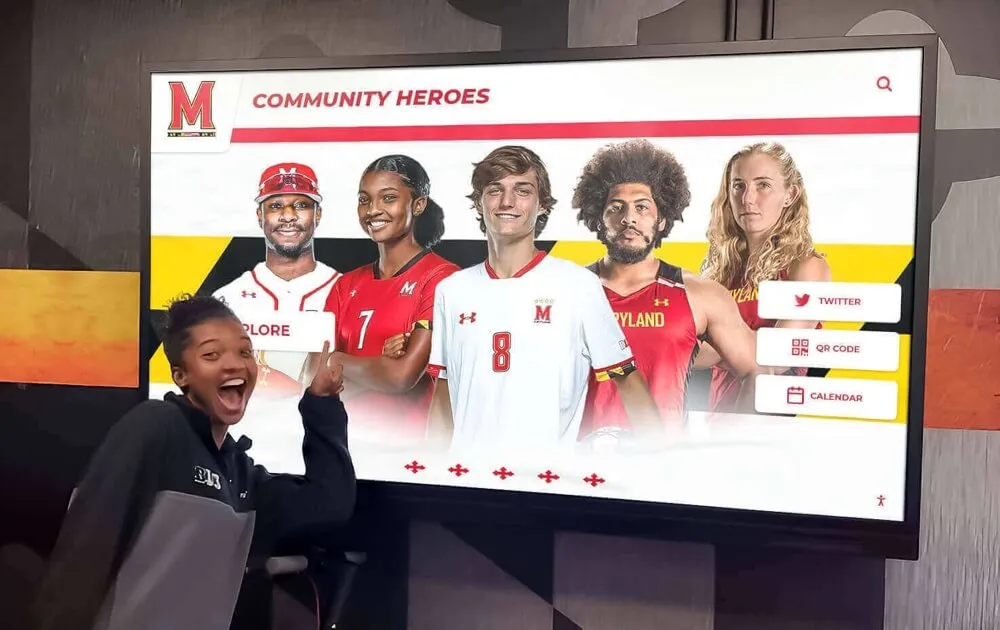
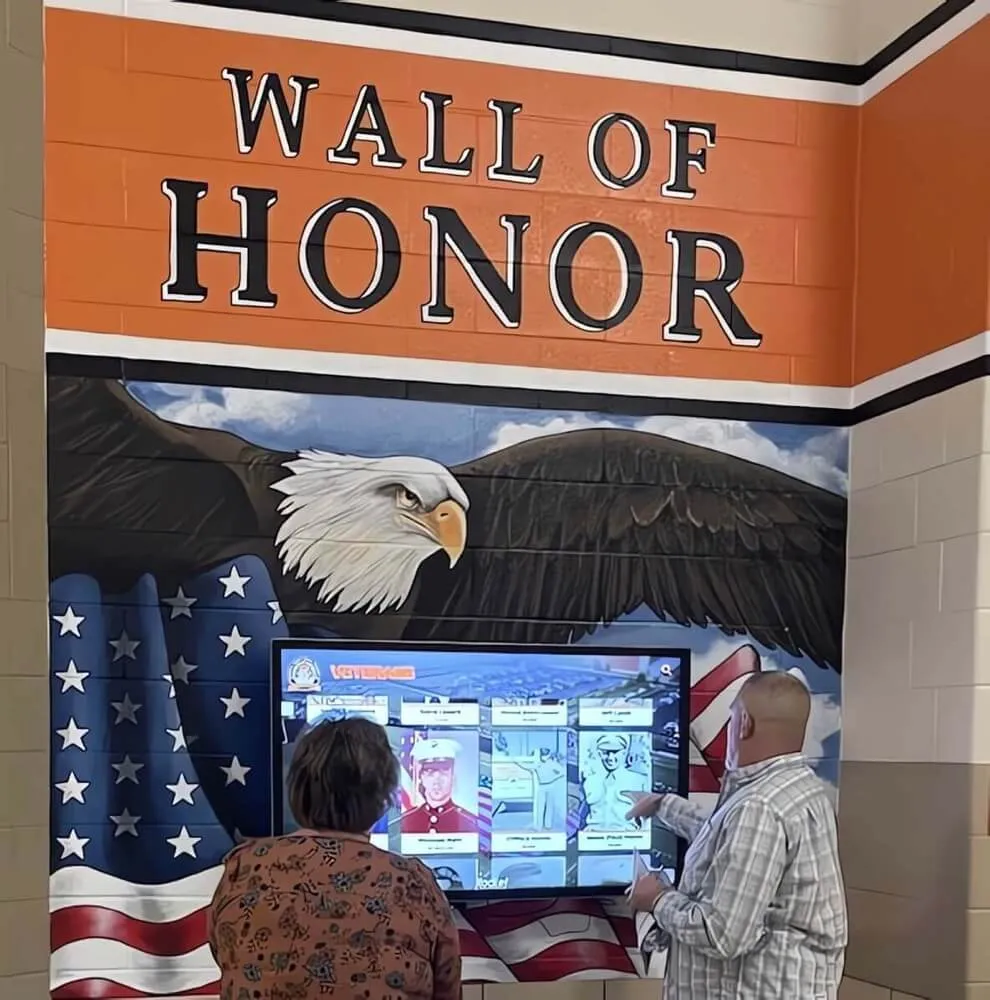
Interactive recognition displays function as both standalone activities and supporting elements for other programming. Alumni naturally gather around touchscreen installations exploring historical photos, searching for classmates, discovering distinguished graduate profiles, or browsing achievement galleries. These digital platforms create conversation starters, facilitate reconnection between alumni who’ve lost touch, and build collective pride in community accomplishments.
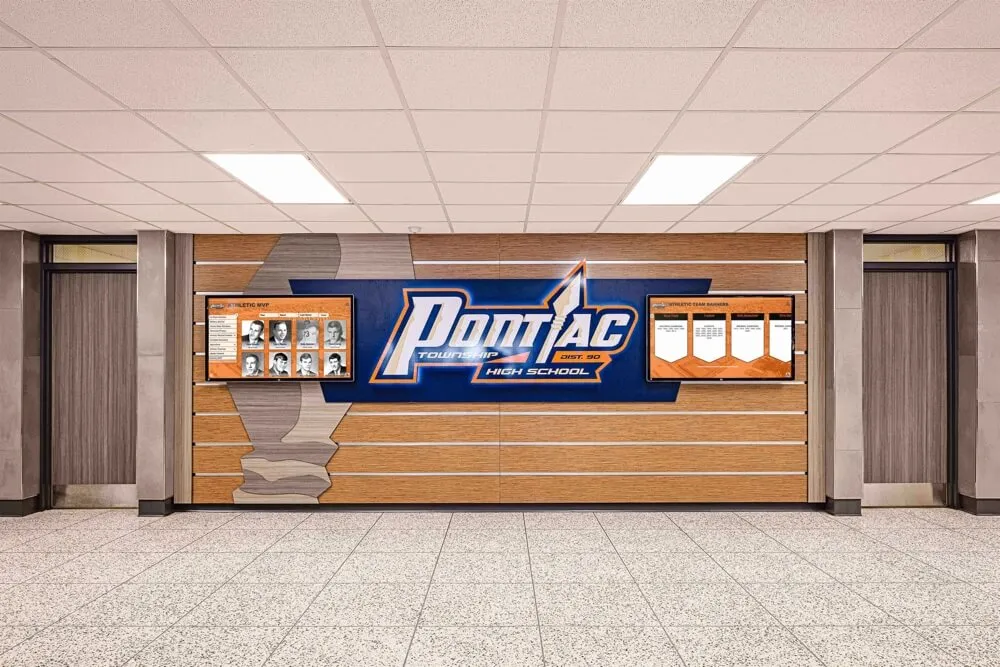
Solutions like Rocket Alumni Solutions transform traditional static recognition—dusty trophy cases and outdated photo walls—into dynamic, searchable, engaging digital experiences. Alumni can browse by graduation year, search by name, filter by achievement category, or explore institutional history through intuitive interfaces. The same platforms that honor individual alumni also strengthen community identity that makes reunions more meaningful. When alumni see their own profiles, discover classmates’ accomplishments, or explore their class’s collective legacy, they feel recognized, connected, and proud—emotions driving continued engagement long after reunions conclude.
For reunion committees planning comprehensive programming, digital recognition displays represent infrastructure investments enhancing multiple touchpoints—registration areas, social hour venues, formal dinner settings, campus tour routes, or dedicated exploration stations all benefit from impressive, interactive showcases of alumni success and institutional history.
Ready to create unforgettable alumni reunion experiences? Rocket Alumni Solutions provides digital recognition platforms that transform reunion activities by showcasing your alumni community’s achievements through engaging, interactive displays. Our touchscreen solutions feature unlimited alumni profiles, searchable databases, customizable achievement categories, historical photo galleries, and remote content management—creating conversation-starting installations that alumni love exploring at reunions and beyond. Whether you’re planning intimate class gatherings or large-scale anniversary celebrations, our platforms help you honor graduate accomplishments while facilitating the connections that make reunions truly memorable. Contact us to discover how digital recognition displays can elevate your next alumni reunion and strengthen the community bonds that last a lifetime.