Annual school 5K fundraiser events represent powerful opportunities for educational institutions to generate revenue, strengthen community connections, and create traditions that unite students, families, staff, and local supporters around shared goals. These running events combine athletic participation, family engagement, and philanthropic giving into memorable experiences that build school spirit while funding essential programs, equipment, and activities.
Yet many schools struggle to maximize the full potential of their annual 5K events. Race organizers find themselves managing disconnected spreadsheets of historical results, struggling to recognize the volunteers and sponsors who make events possible, and missing opportunities to showcase the rich tradition these annual races represent. Meanwhile, participants seek easy access to past race results, want to see their names on leaderboards year after year, and value visible recognition for their support and involvement.
This comprehensive guide explores proven strategies for schools hosting annual 5K fundraiser events to showcase not only year-over-year leaderboards and race history but also sponsor integration, donor recognition walls, volunteer spotlights, photo galleries, and community impact documentation that transforms single-day races into cherished traditions driving sustained engagement and fundraising success.
Effective 5K fundraiser management extends beyond race-day logistics—it creates sustainable systems that preserve event history, celebrate diverse contributions, honor traditions, and build participation growth that compounds year after year. Schools that excel at 5K fundraising create experiences where participants feel genuinely connected to their communities, recognized for their involvement, and motivated to return annually while inspiring others to join.

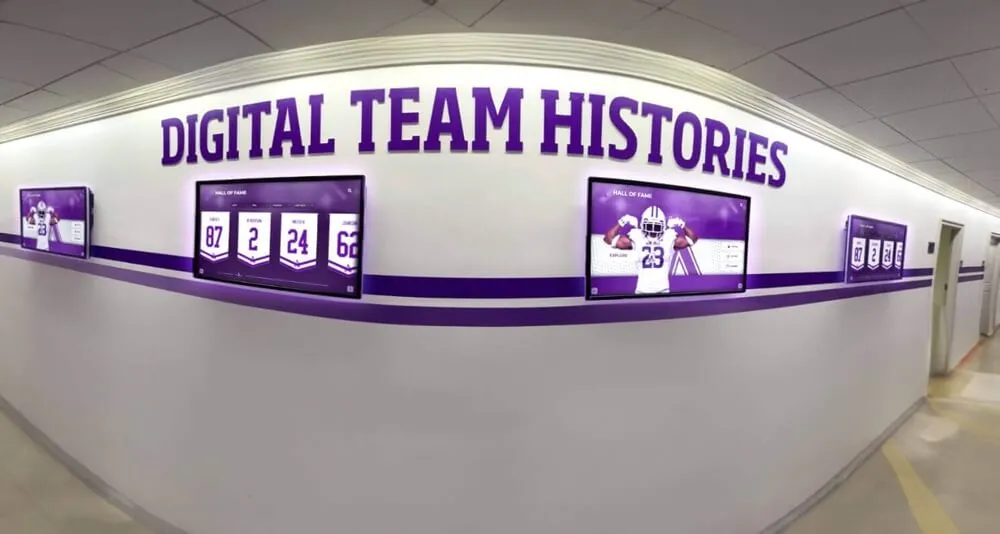
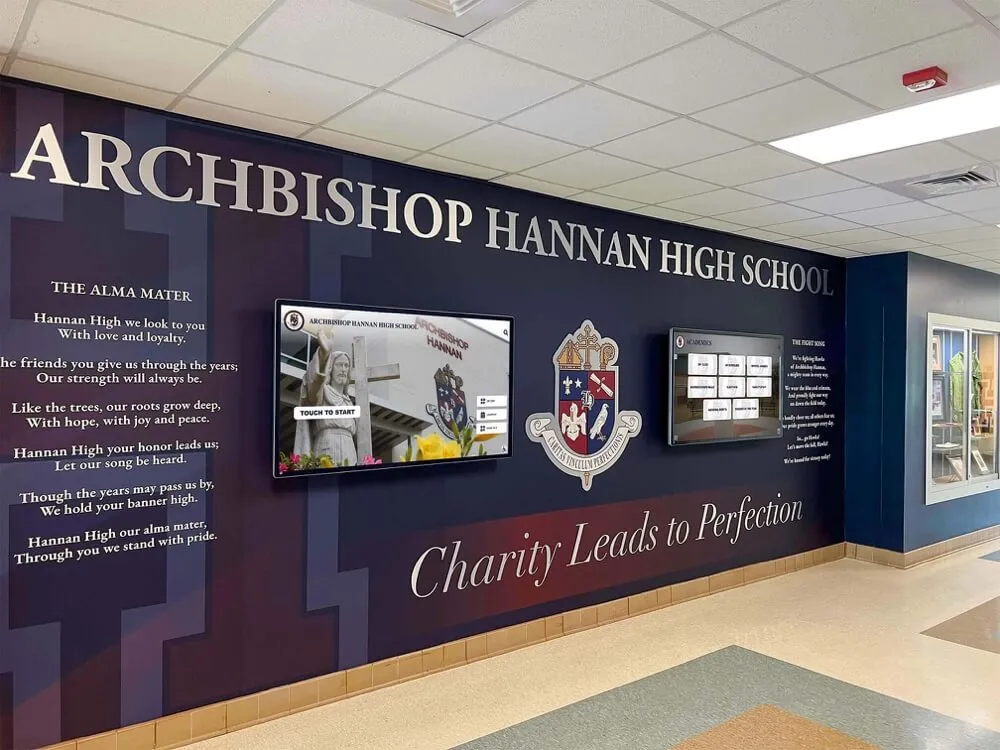
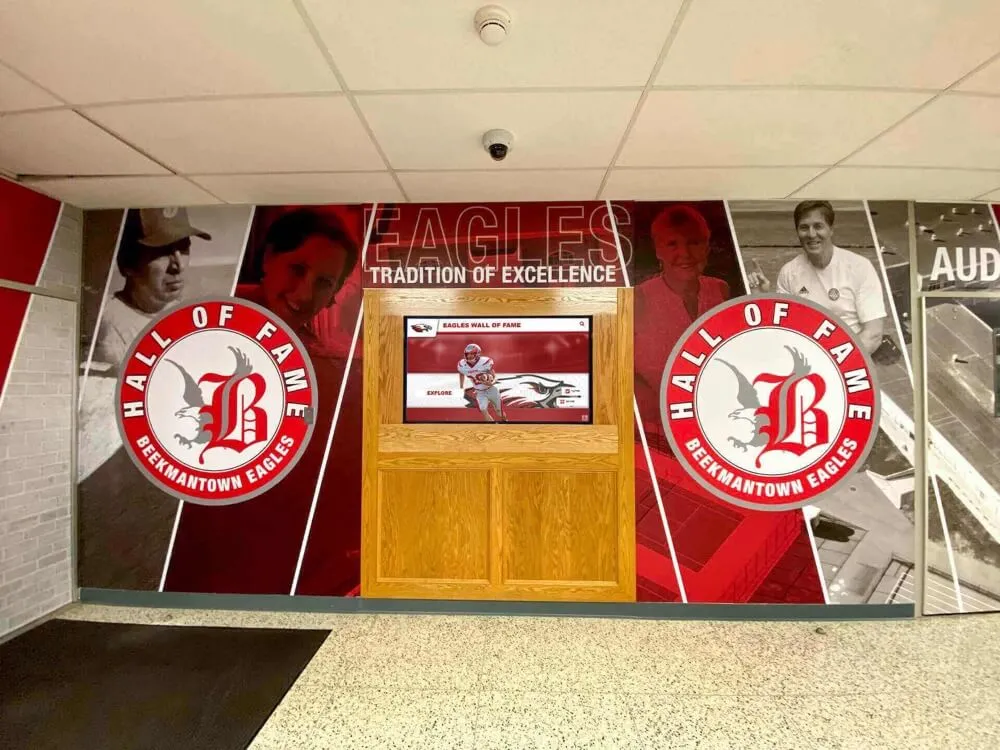
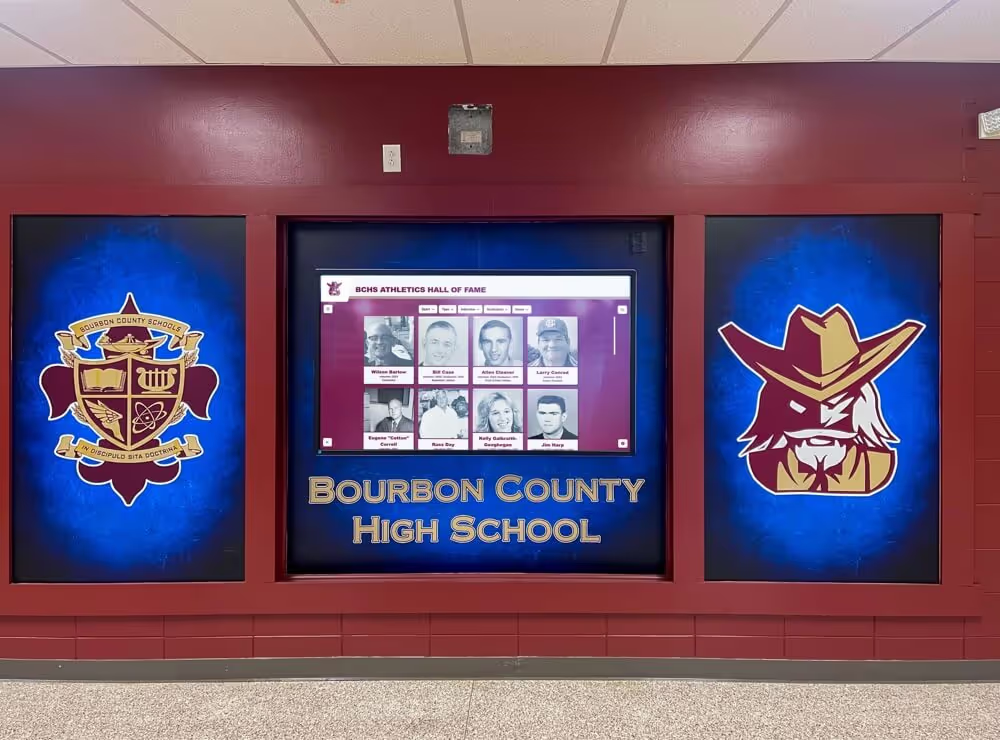
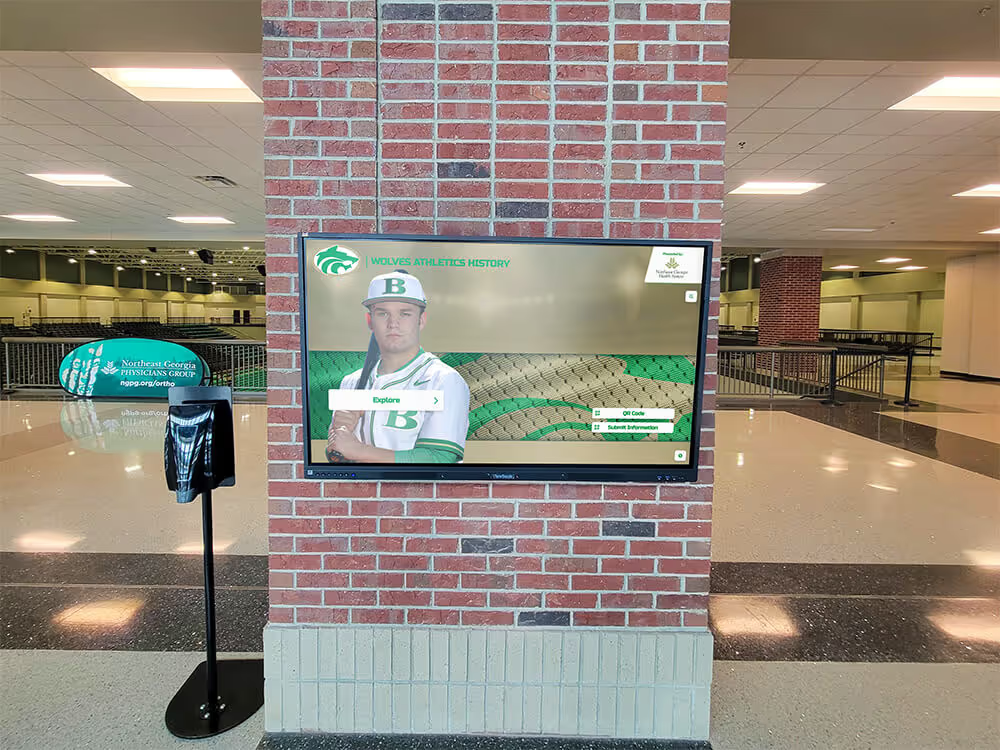
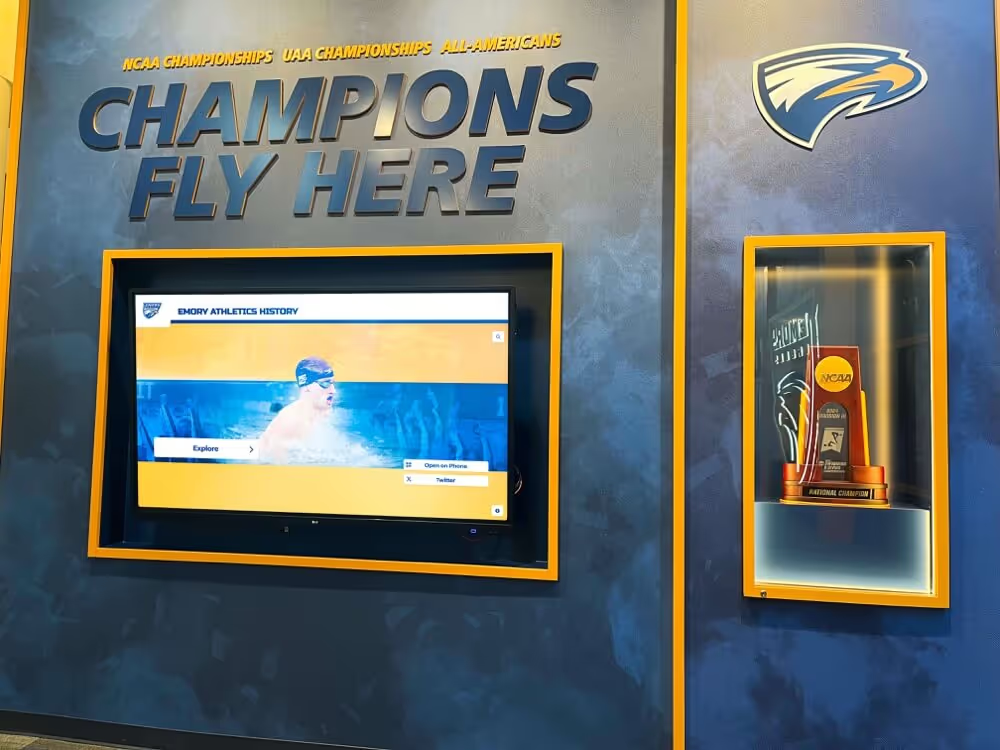
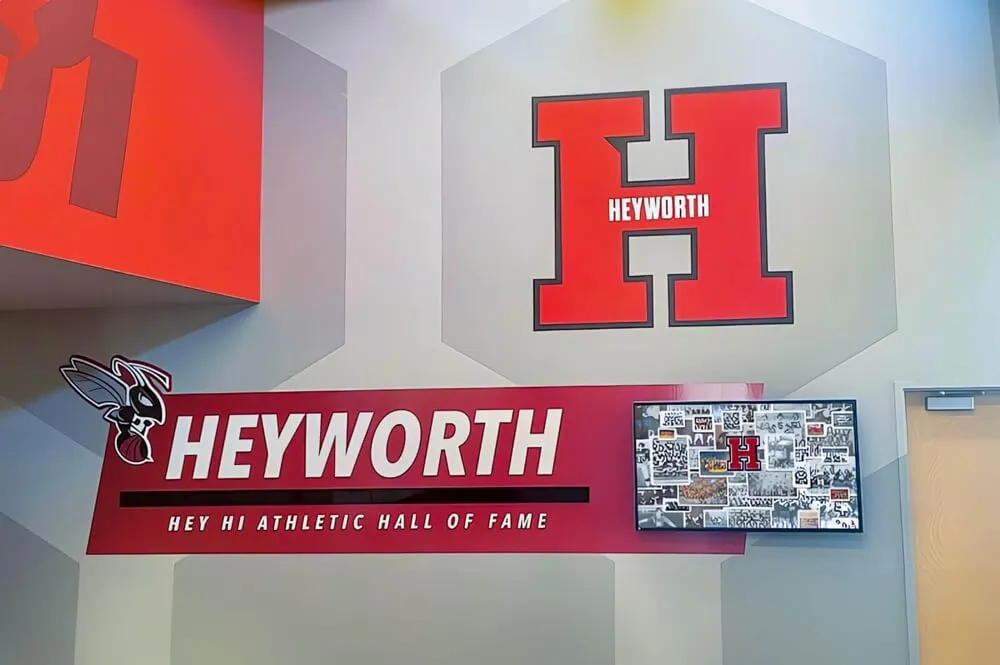
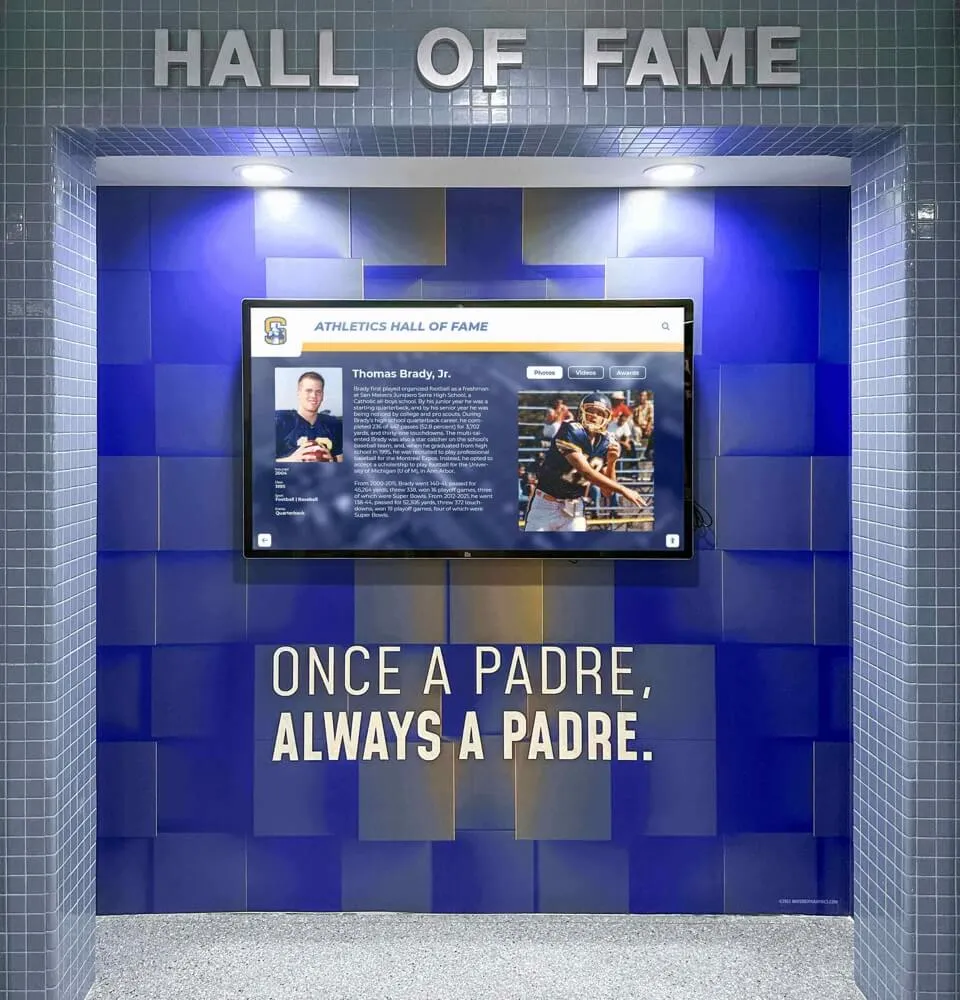
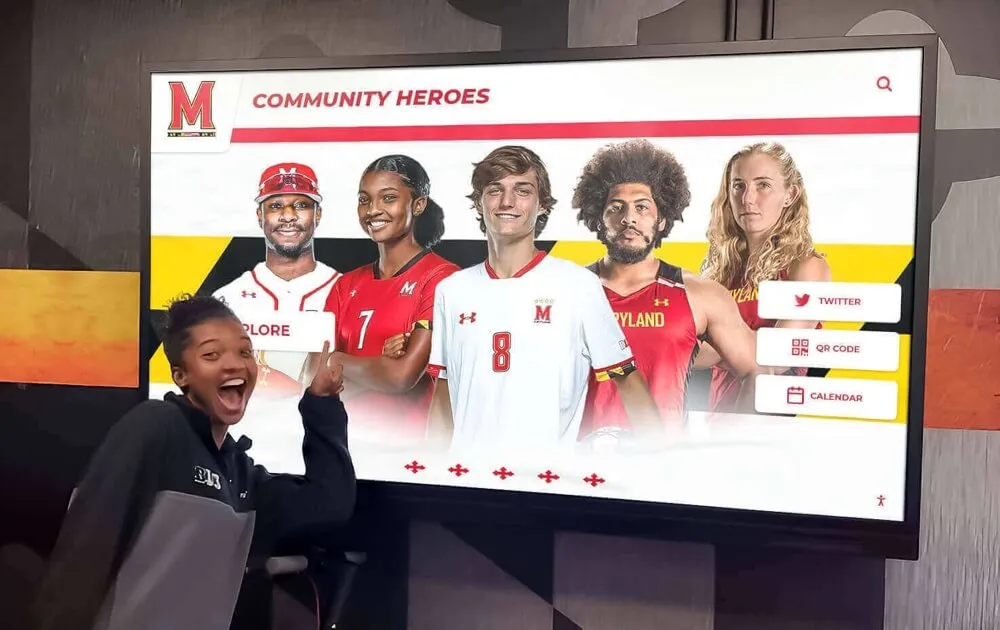
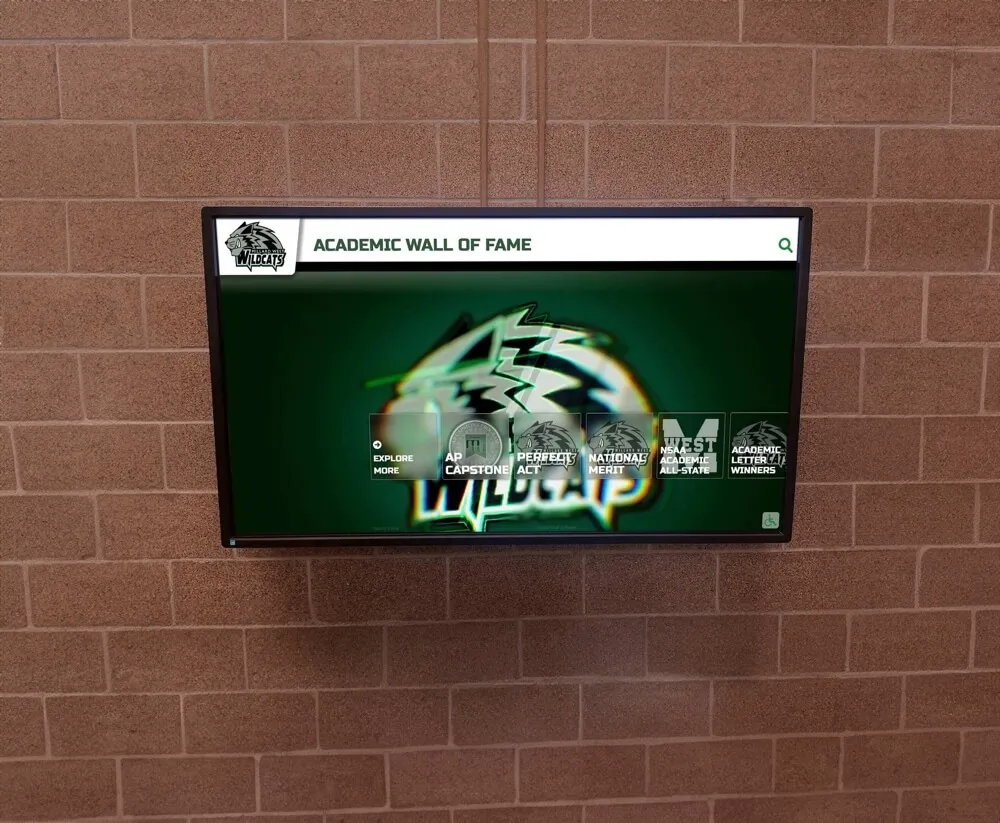
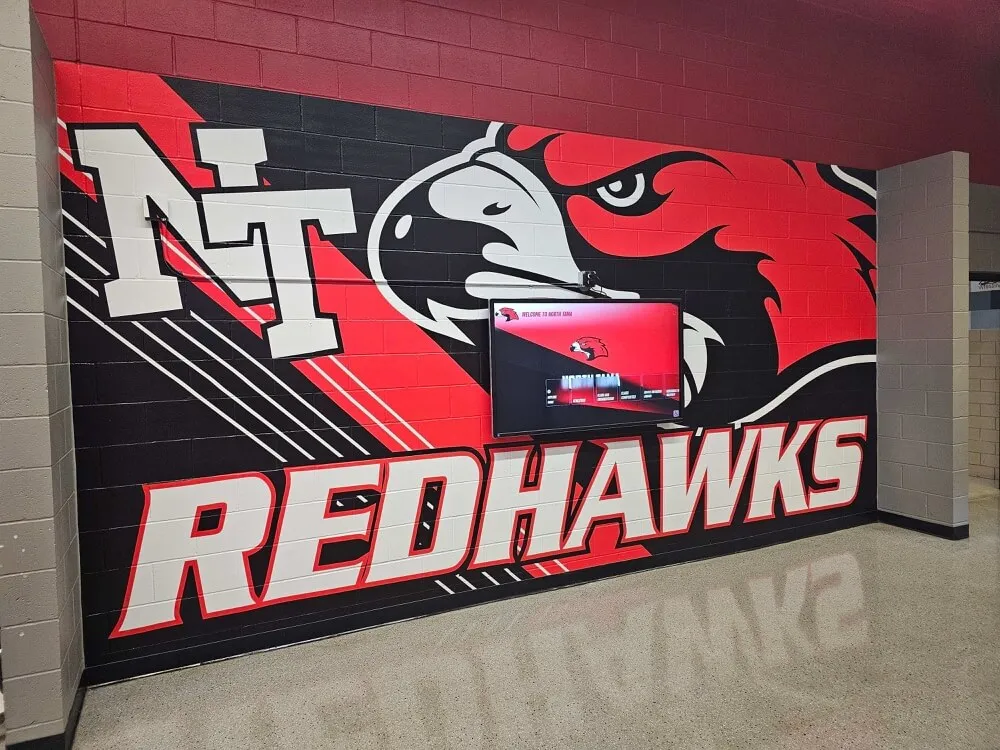
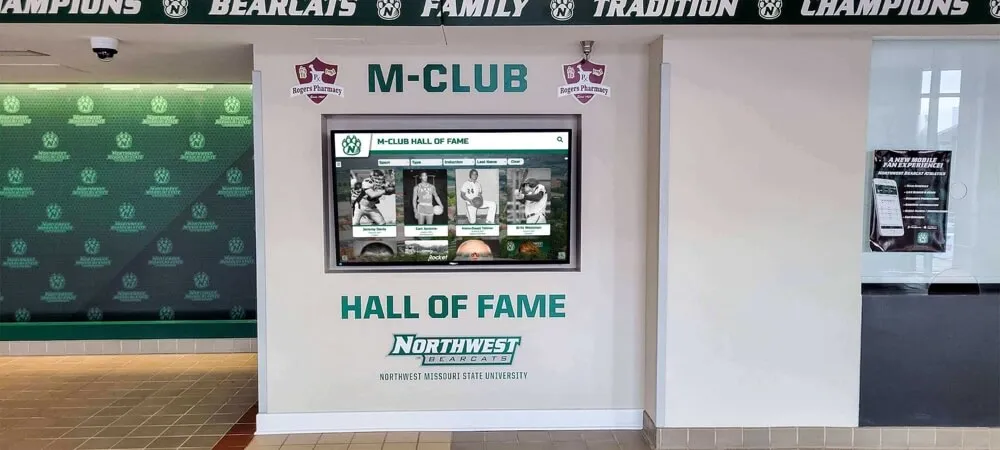
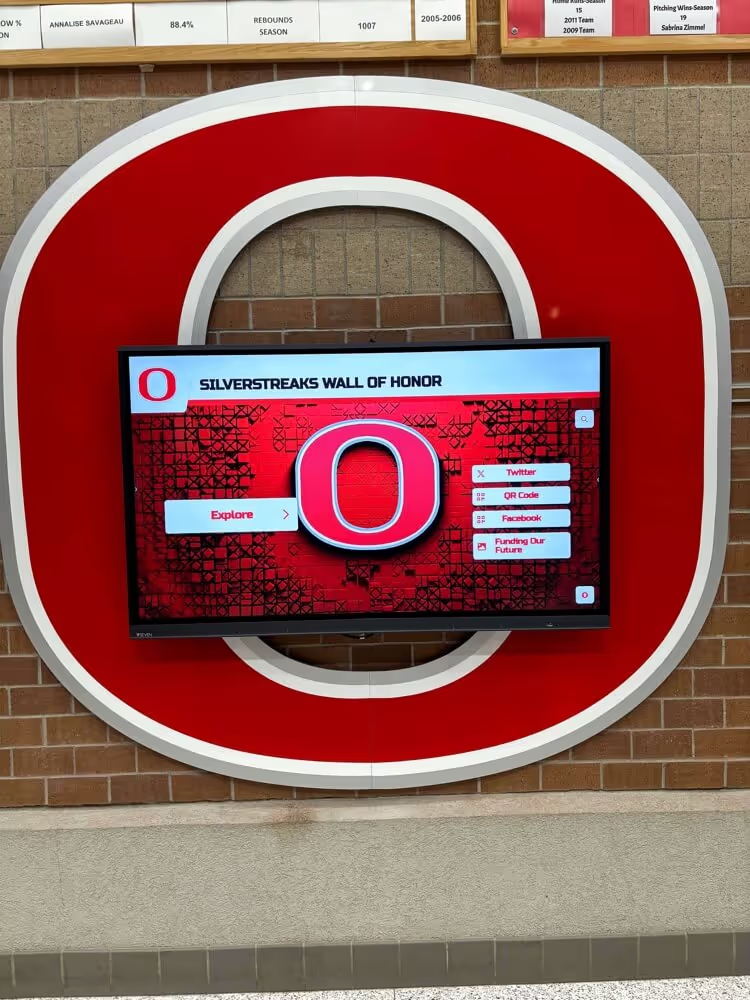
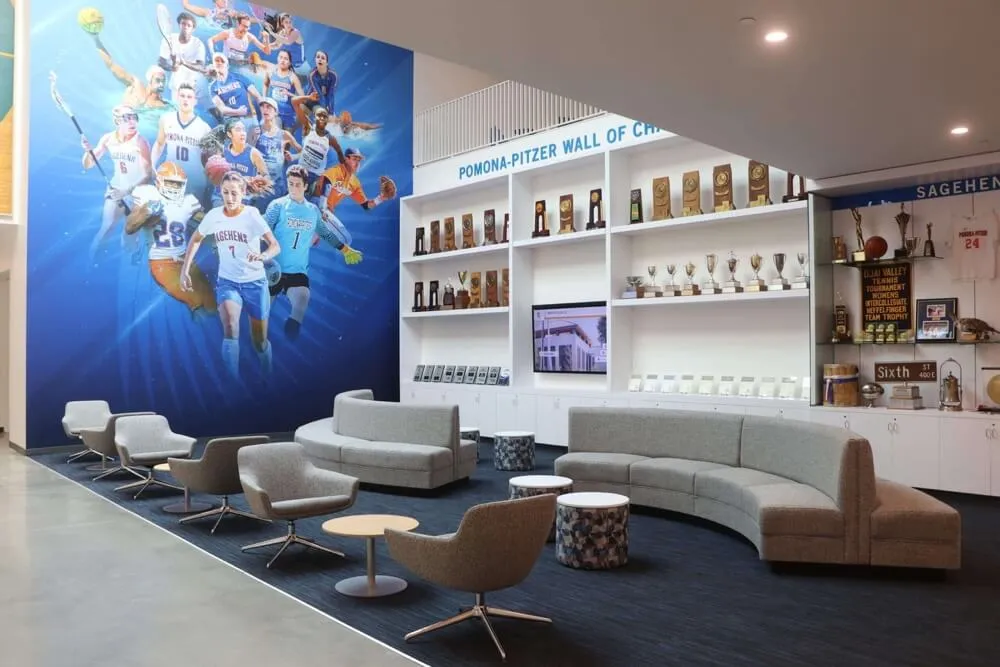
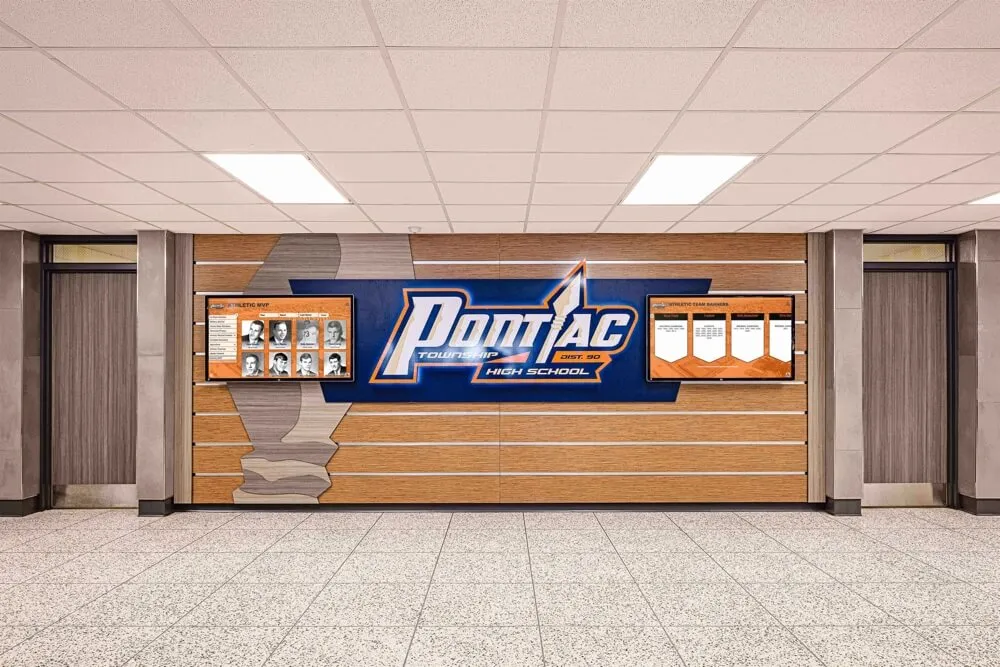
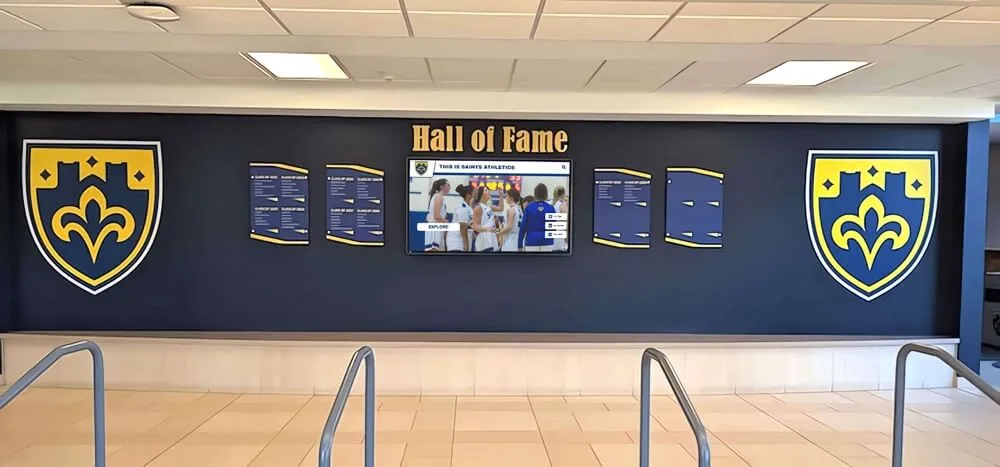
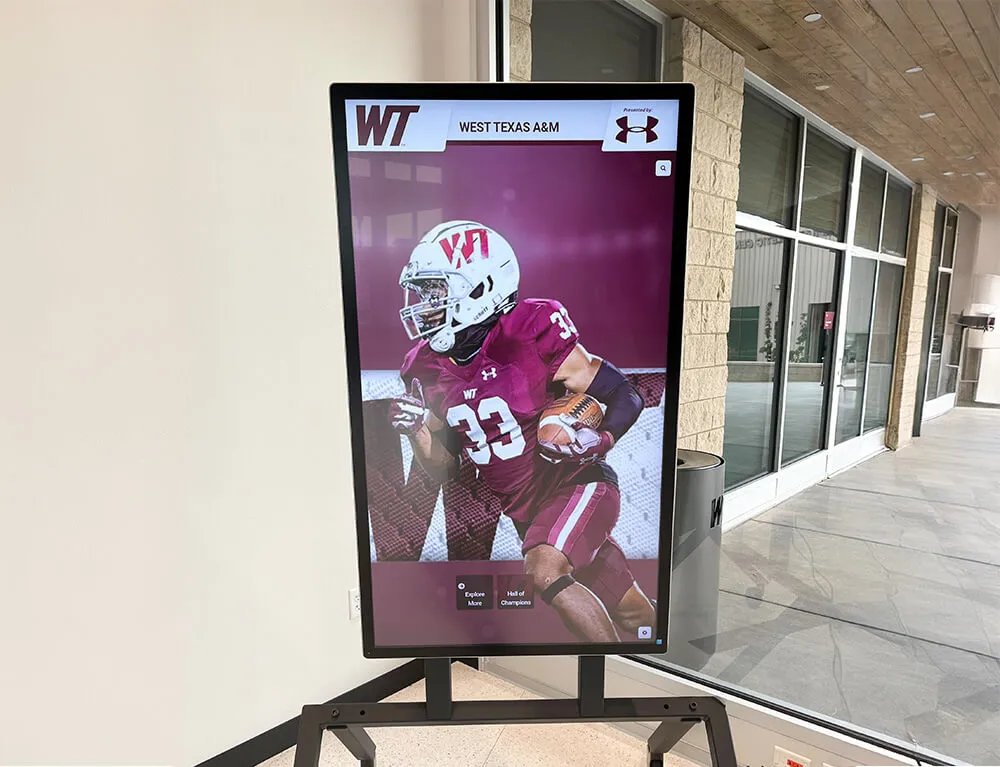
Modern recognition displays enable schools to celebrate 5K event participants, sponsors, volunteers, and community supporters in engaging, accessible formats
Understanding the Value of Annual School 5K Fundraiser Events
Before exploring showcase strategies, understanding what makes school 5K fundraisers uniquely valuable helps organizers design events and recognition systems aligned with broader institutional goals.
Financial Impact and Fundraising Potential
Well-executed school 5K events generate substantial revenue while creating cost-effective community engagement opportunities.
Revenue Generation Opportunities
School 5K fundraisers provide multiple income streams including participant registration fees ranging from $15-$50 depending on community demographics, corporate and local business sponsorships supporting race operations, individual pledge-based fundraising where runners collect donations from supporters, on-site vendor fees from food trucks and community organizations, merchandise sales including event t-shirts and commemorative items, and post-race raffles or auctions featuring donated prizes and experiences.
According to fundraising research, established school 5K events generate between $5,000 and $50,000 annually depending on school size, community engagement, and organizational sophistication. The combination of registration revenue with sponsorship income and individual fundraising creates financial sustainability even when single revenue streams face challenges.
Cost-Effective Community Building
Compared to formal galas or large-scale fundraising events requiring extensive venue costs and catering expenses, 5K races offer favorable cost-to-impact ratios. Most expenses involve timing systems, promotional materials, and participant amenities, with many schools securing donated or deeply discounted services from community partners. The outdoor format requires minimal decoration while providing natural opportunities for family participation, community visibility, and positive institutional exposure.
Community Engagement and School Spirit Building
Beyond financial benefits, annual 5K events create unique relationship-building environments connecting diverse community members.
Inclusive Participation Across Demographics
Unlike many school events that primarily engage specific populations, 5K fundraisers welcome broad participation from current students and families, alumni returning to support alma maters, faculty and staff demonstrating institutional commitment, community members without direct school connections, local business leaders and corporate sponsors, and multi-generational families making events annual traditions.
This demographic diversity creates community-building opportunities impossible to replicate through classroom-focused or sports-specific events. When kindergarteners, parents, grandparents, teachers, and community leaders participate together, schools strengthen the social fabric connecting educational institutions to broader communities.
Tradition Building and Annual Rituals
Multi-year 5K events become beloved community traditions that strengthen institutional identity and pride. When schools properly document and celebrate event history—showcasing past participants, tracking performance over time, recognizing long-term supporters, and highlighting community impact—they transform annual races into cherished rituals that families prioritize in their calendars year after year.
Schools hosting 10th, 15th, or 20th annual 5K events benefit from established tradition that drives automatic participation from families who view attendance as non-negotiable annual commitments rather than optional activities competing for limited time and resources.
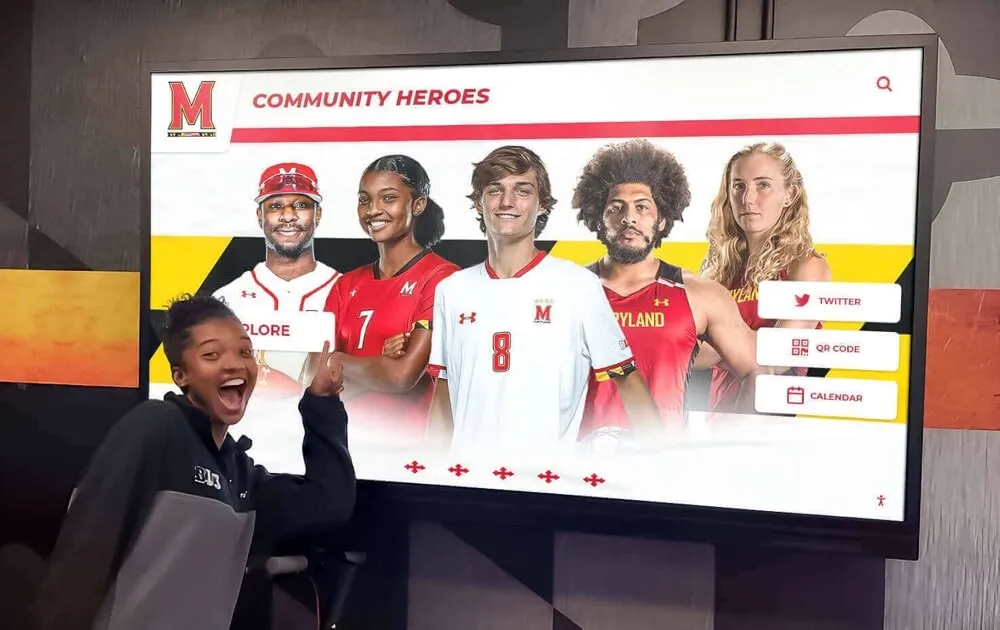
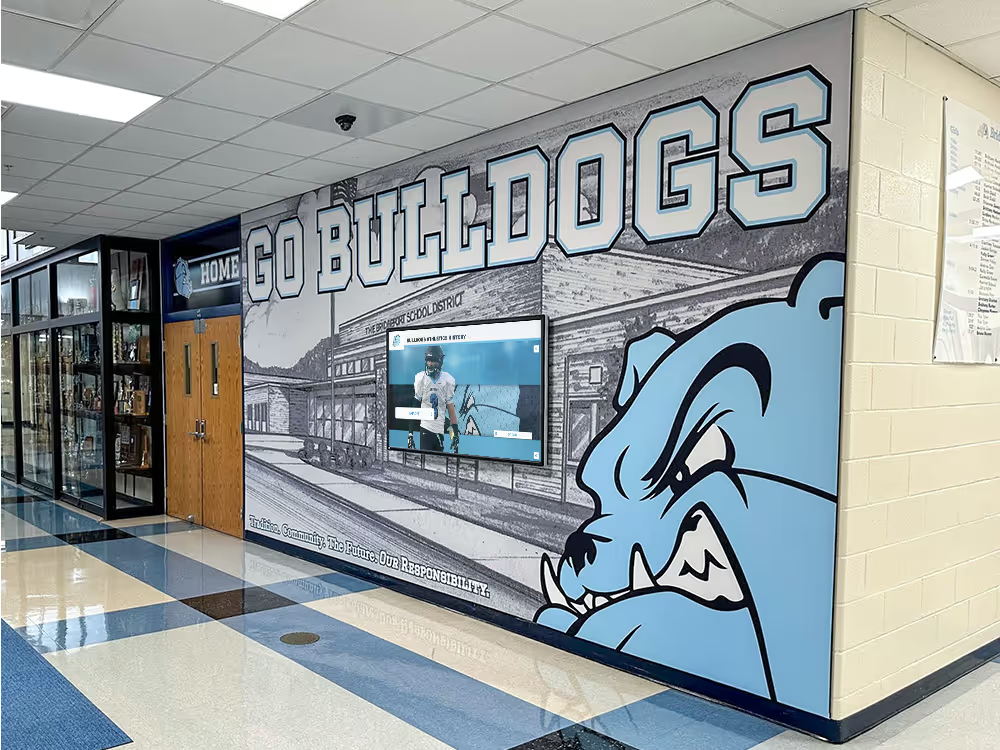
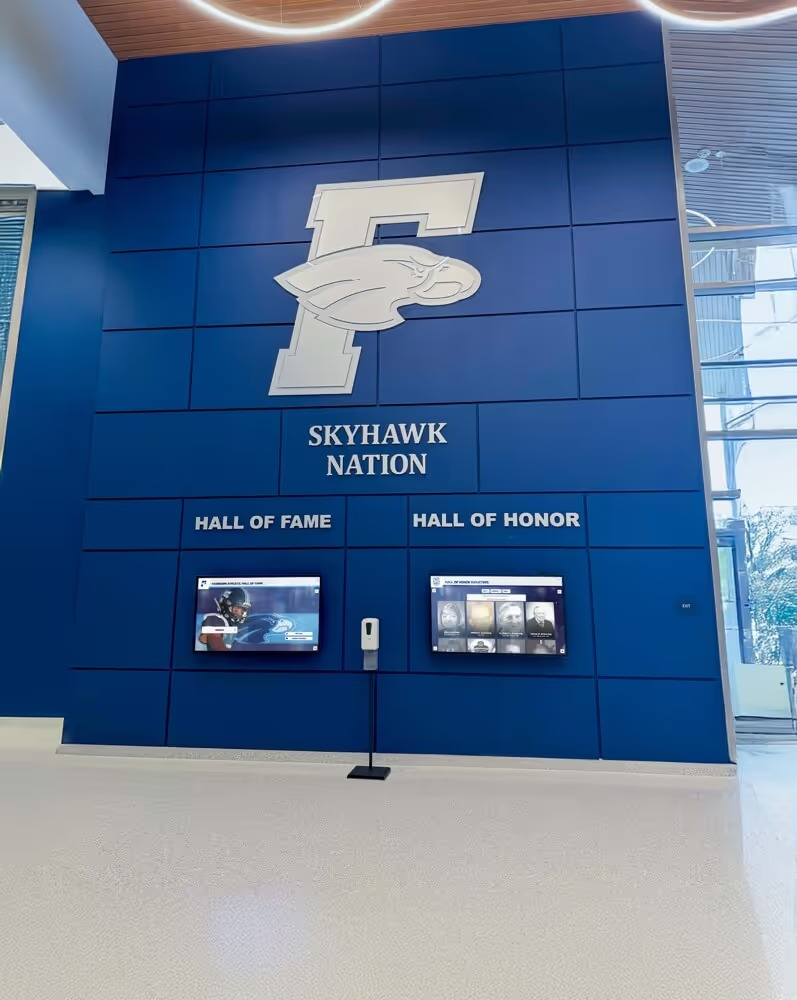
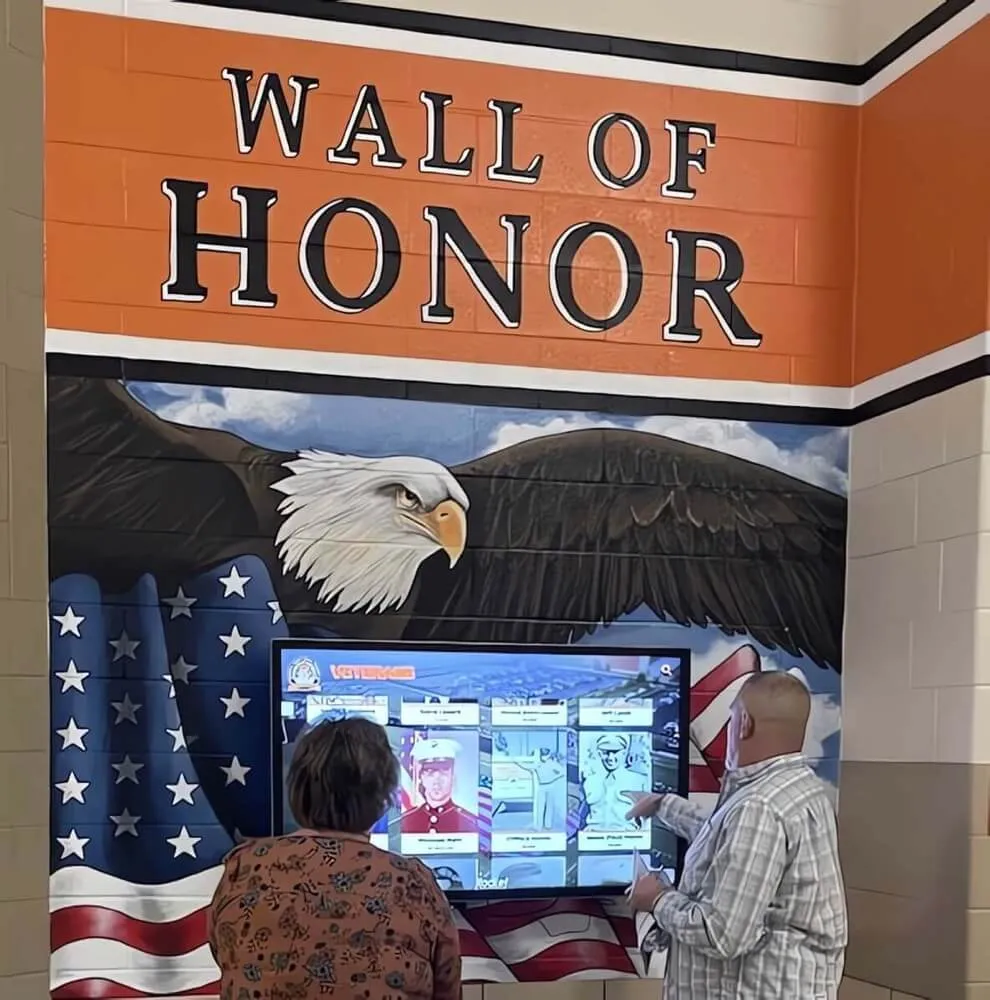
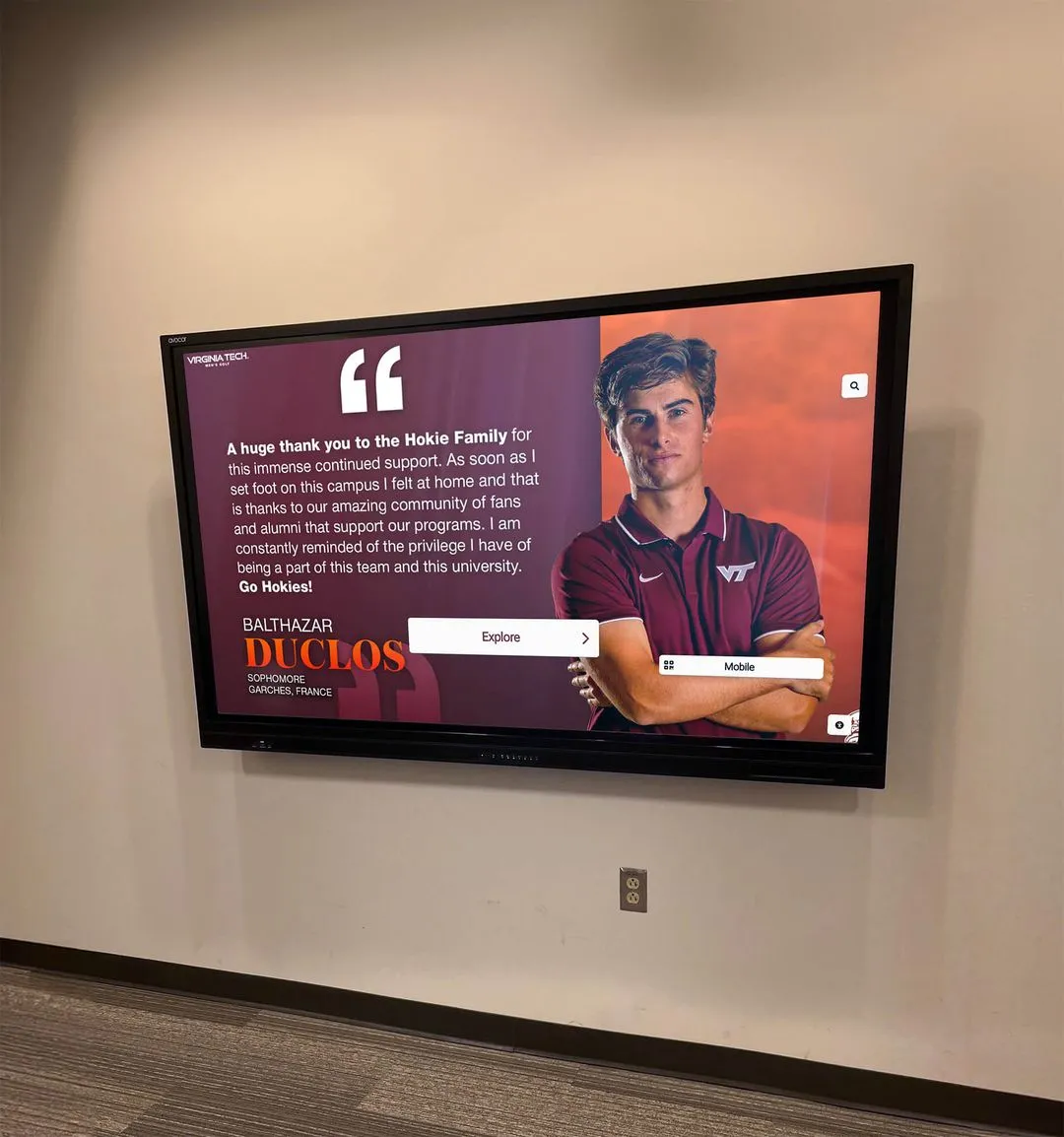
Interactive displays create engagement opportunities where students explore event history and community contributions
Visible Mission Alignment and Program Support
5K fundraisers provide tangible demonstration of community support for school programs and missions.
Direct Connection Between Participation and Impact
Unlike abstract fundraising appeals, 5K events create clear connections between community participation and specific outcomes. When schools communicate that race proceeds fund new playground equipment, library books, arts programs, or technology upgrades, participants understand exactly how their involvement translates to student benefit.
This transparency builds trust and motivation while enabling schools to celebrate concrete achievements resulting from community generosity. Post-event communications showing purchased equipment or funded programs validate participant investment and reinforce motivation for continued support.
Multi-Year Cumulative Impact Demonstration
Schools hosting annual 5K events for multiple years can showcase cumulative community investment through historical documentation. When participants see that the past five years of 5K fundraisers generated $150,000 supporting specific programs and improvements, they understand their participation as part of ongoing community commitment rather than isolated single-year events.
Digital platforms make showcasing this historical impact straightforward through year-over-year participation tracking, cumulative fundraising totals by program area, before-and-after documentation of funded improvements, testimonials from students benefiting from supported programs, and visual timelines connecting annual events to specific institutional enhancements.
Explore comprehensive strategies for donor recognition in schools that complement 5K event participation.
Showcasing Year-Over-Year Leaderboards: Celebrating Performance and Participation
Annual 5K events create natural opportunities for performance recognition and friendly competition that drives engagement when properly showcased.
The Power of Historical Race Results
Comprehensive historical leaderboards transform single-day races into ongoing competitions and personal challenges.
Individual Performance Tracking
Participants value seeing their performance evolution across multiple years. Digital leaderboard systems enable runners to track personal progress including finish times across multiple years showing improvement trends, age-group rankings demonstrating competitive standing, participation streaks celebrating consecutive-year involvement, personal records highlighting best performances, and comparison to previous years showing growth or maintaining excellence.
When a parent sees they’ve shaved two minutes off their 5K time over three years of participation, or a student notices they moved from 45th to 18th place in their age group, these visible achievements create personal satisfaction and motivation to continue improving.
Category-Specific Recognition
Thoughtful leaderboard categories ensure recognition opportunities across diverse participant populations:
Age-Grouped Standings
- Youth categories (under 10, 10-14, 15-19)
- Adult categories in 10-year increments
- Senior categories (65-69, 70-74, 75+)
- Overall male and female winners across all ages
Participation-Based Recognition
- First-time participants
- Consecutive-year participation milestones (5 years, 10 years, 15 years)
- Largest family groups
- School class or grade-level participation leaders
- Staff and faculty participants
Performance-Based Categories
- Fastest overall times by gender
- Age-group winners across all categories
- Most improved from previous year
- Course record holders by age and gender
- Team competition results for organized groups
Diverse recognition categories ensure competitive runners receive acknowledgment for athletic performance while inclusive categories honor participation, loyalty, and family involvement regardless of running speed or ability.
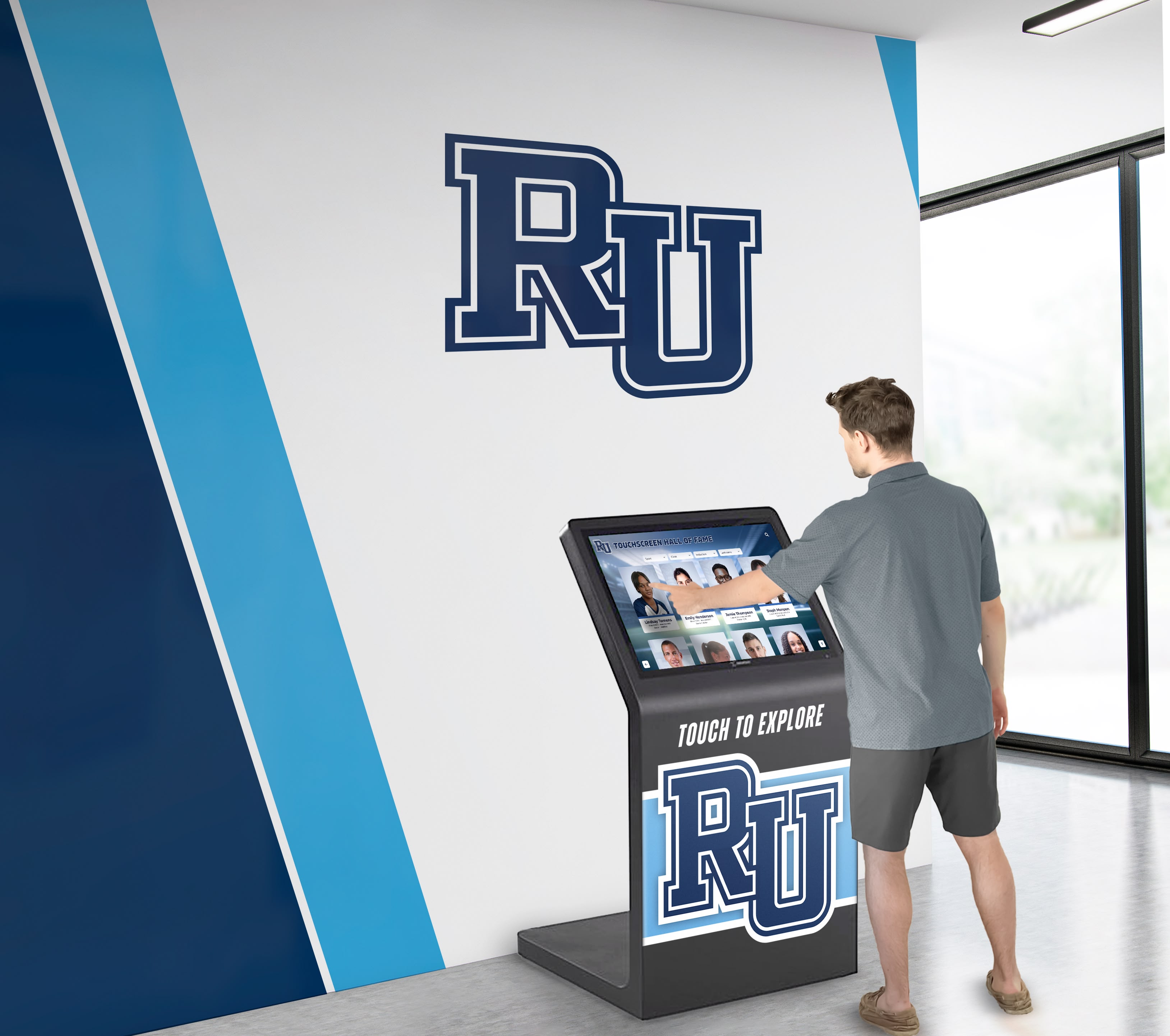
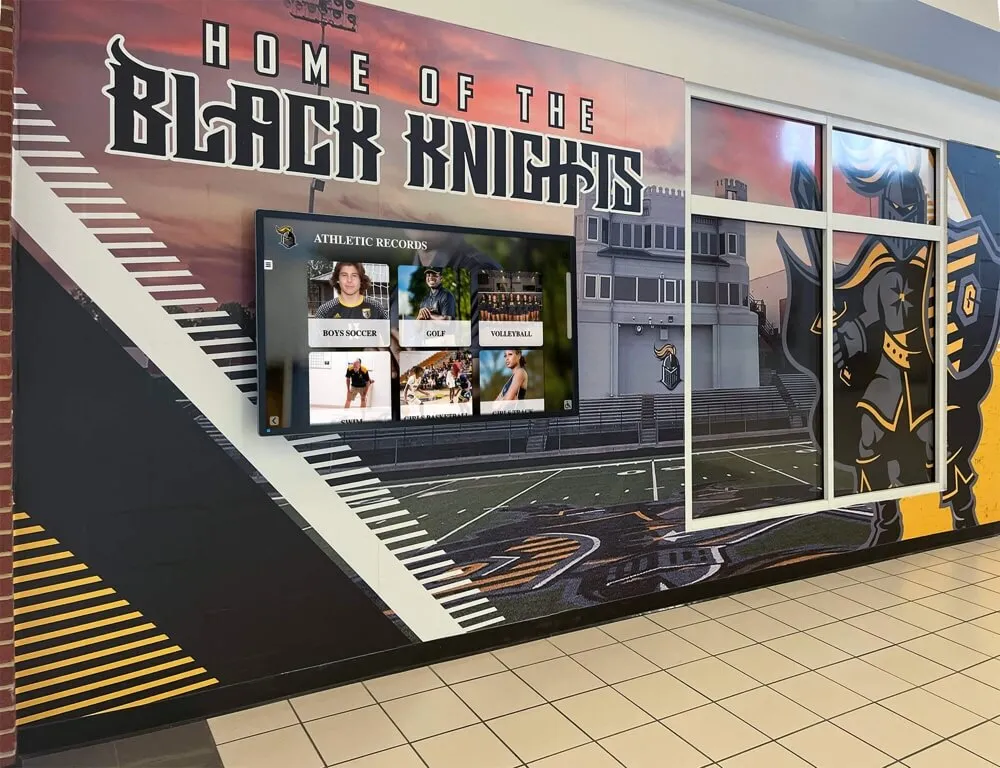
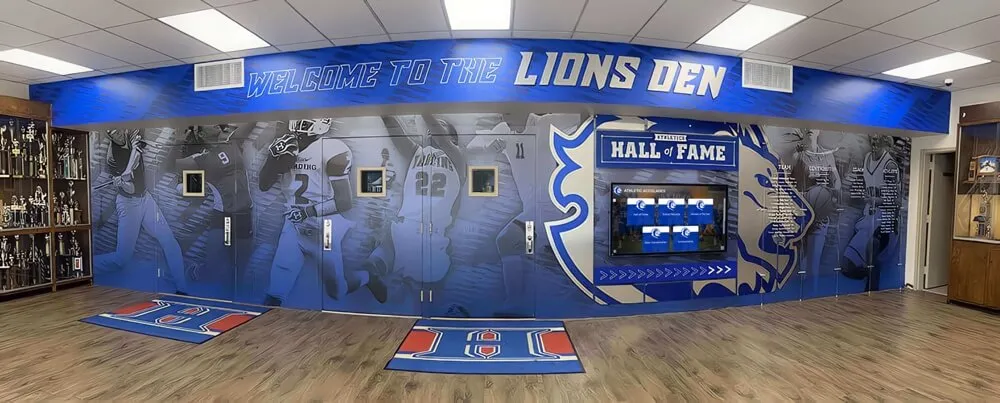
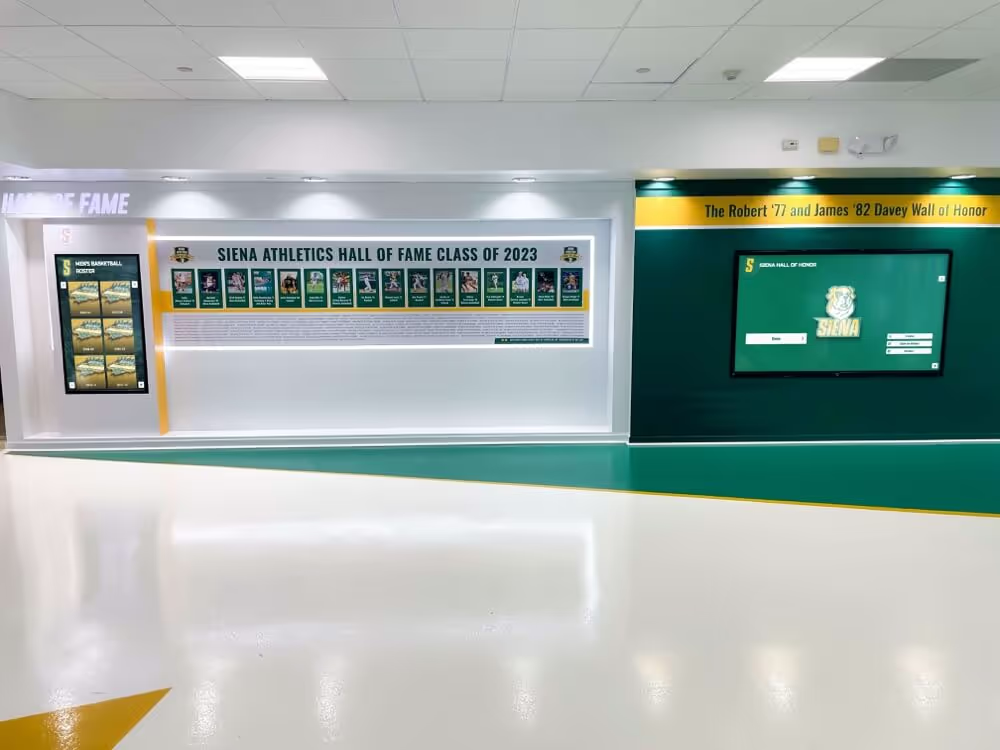
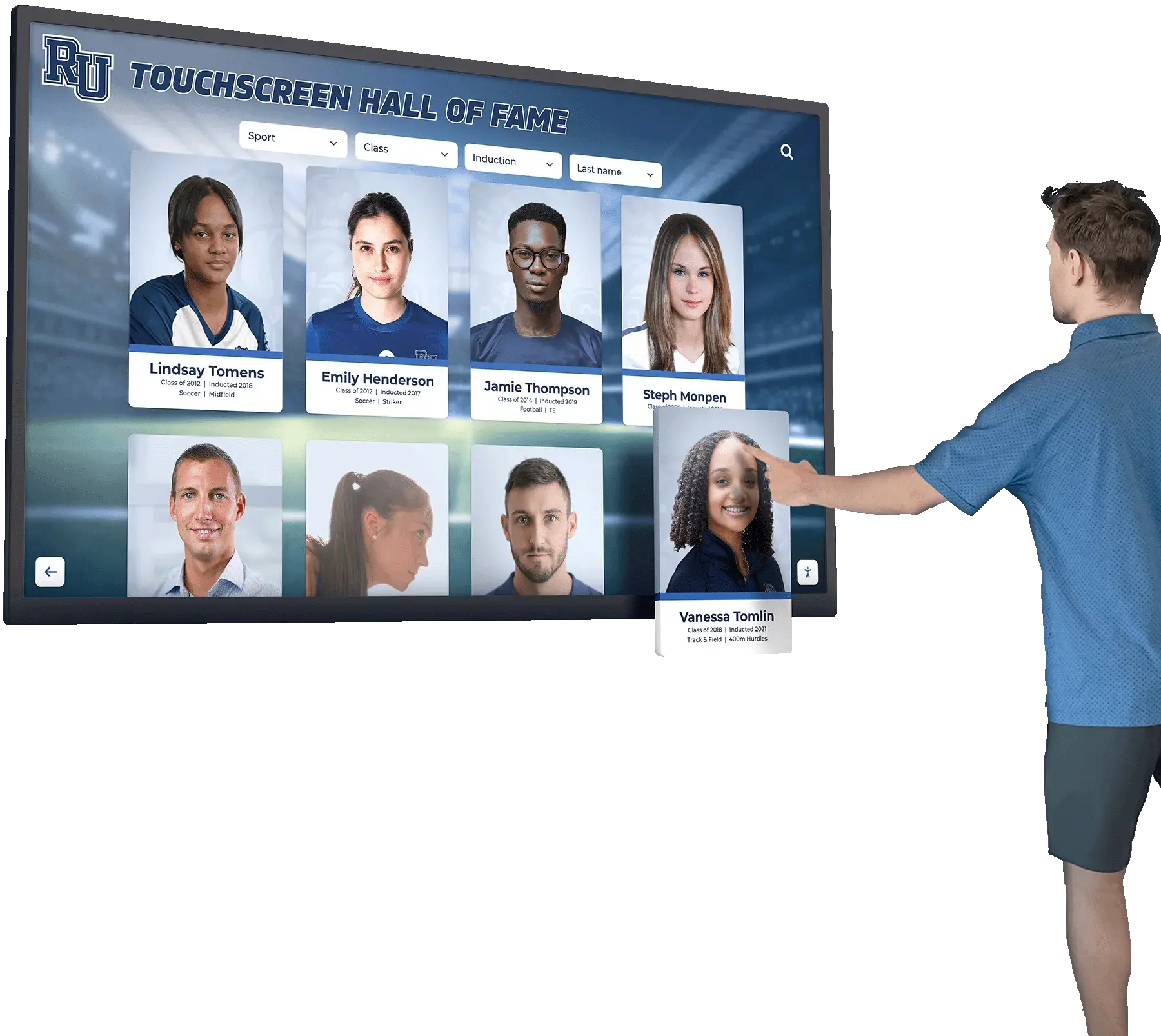
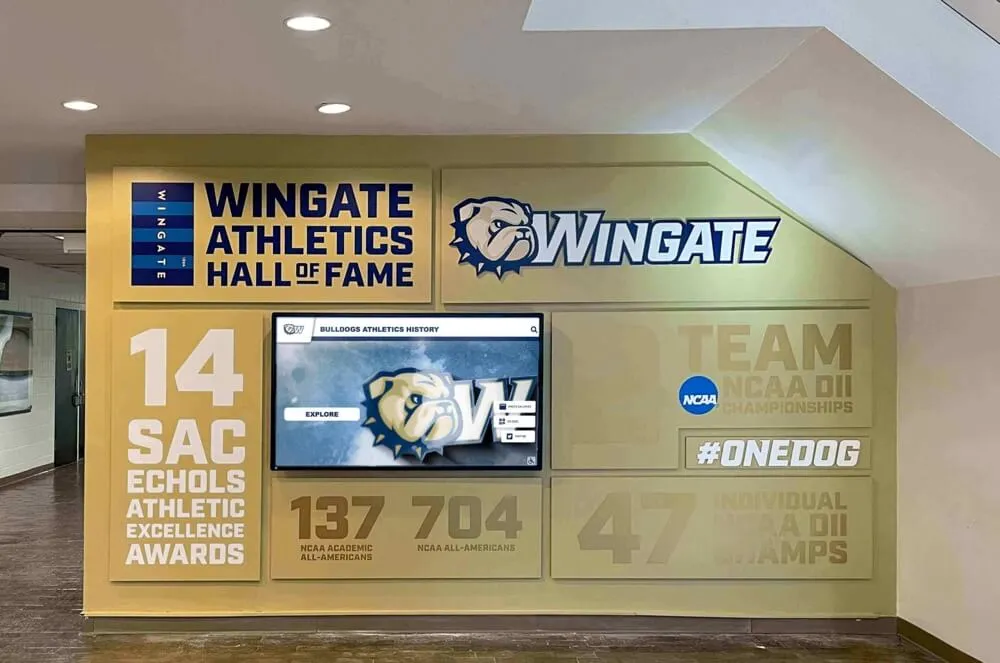
Touchscreen displays make exploring 5K event history, results, and participant achievements engaging and accessible
Digital Platforms for Leaderboard Management and Display
Traditional approaches to race results—paper printouts, static website pages, or disconnected spreadsheets—create significant limitations for showcasing historical performance.
Challenges with Traditional Result Tracking
Schools managing 5K results through conventional methods struggle with historical data stored across disconnected systems or lost files, past participant information in outdated formats or corrupted databases, no easy way for participants to search their personal history, limited ability to compare performance across multiple years, and difficulty showcasing results to community members unable to attend events.
These fragmented systems prevent schools from leveraging race history to build tradition, recognize long-term supporters, and create engaging content that maintains year-round interest in annual events.
Digital Recognition Display Solutions
Solutions like Rocket Alumni Solutions transform 5K result management through interactive platforms that eliminate traditional limitations:
Comprehensive Historical Archives Digital systems enable unlimited storage for complete participant results across all event years, searchable databases allowing individuals to find their personal records, filtering and sorting capabilities by year, age group, and category, photo integration connecting images to specific participants and results, and permanent preservation preventing data loss as technology evolves.
Unlike physical records or static websites that become outdated, cloud-based platforms preserve complete 5K history while enabling instant access from any device at any time.
Interactive Exploration Features Touchscreen and web-based interfaces create engaging experiences including search functionality where participants enter names to find all their results, performance visualization showing individual improvement over time, leaderboard views by category showing competitive rankings, comparison tools enabling side-by-side year analysis, and social sharing features allowing participants to celebrate achievements with networks.
When community members can explore 5K history, see their names on digital leaderboards, and share achievements with friends and family, digital platforms transform passive result lists into engaging experiences that strengthen connections to schools and annual events.
Simple Content Management The most valuable result platforms require minimal technical expertise through intuitive interfaces requiring no coding knowledge, bulk upload capabilities for adding complete race results efficiently, integration with timing system exports for seamless data transfer, template consistency ensuring professional presentation, and cloud-based access enabling updates from any internet-connected device.
Race coordinators can upload results, update leaderboards, and add photos immediately after events without depending on IT departments or website developers, ensuring current information reaches participants while memories remain fresh.
Learn about digital recognition systems for schools that showcase diverse achievements and community contributions.
Documenting and Celebrating 5K Event History
Annual fundraising races become treasured traditions when schools properly preserve and showcase event evolution over time.
The Value of Comprehensive Event Archives
Systematic historical documentation provides multiple benefits extending beyond simple record-keeping.
Tradition Building Through Historical Storytelling
Rich event archives enable schools to tell compelling stories including event origin narratives explaining why 5K fundraisers began, milestone celebrations for 5th, 10th, or 20th annual races, growth documentation showing participation increases over time, program impact stories connecting fundraising to specific achievements, and evolution narratives highlighting how events adapted and improved over years.
These stories create emotional connections transforming functional fundraising races into community traditions with meaningful history and purpose. When new participants understand they’re joining events with 15 years of community support funding tangible student benefits, they feel part of something larger than single-day athletic activities.
Recruitment and Marketing Value
Established event history provides powerful marketing content for future race promotion. Prospective participants, sponsors, and volunteers respond more positively to established traditions than new initiatives lacking track records.
Marketing materials showcasing total historical participation, cumulative funds raised over multiple years, consistent annual growth trends, testimonials from long-term supporters, photo montages spanning multiple years, and specific program achievements funded through event proceeds create social proof that motivates engagement from hesitant prospects.
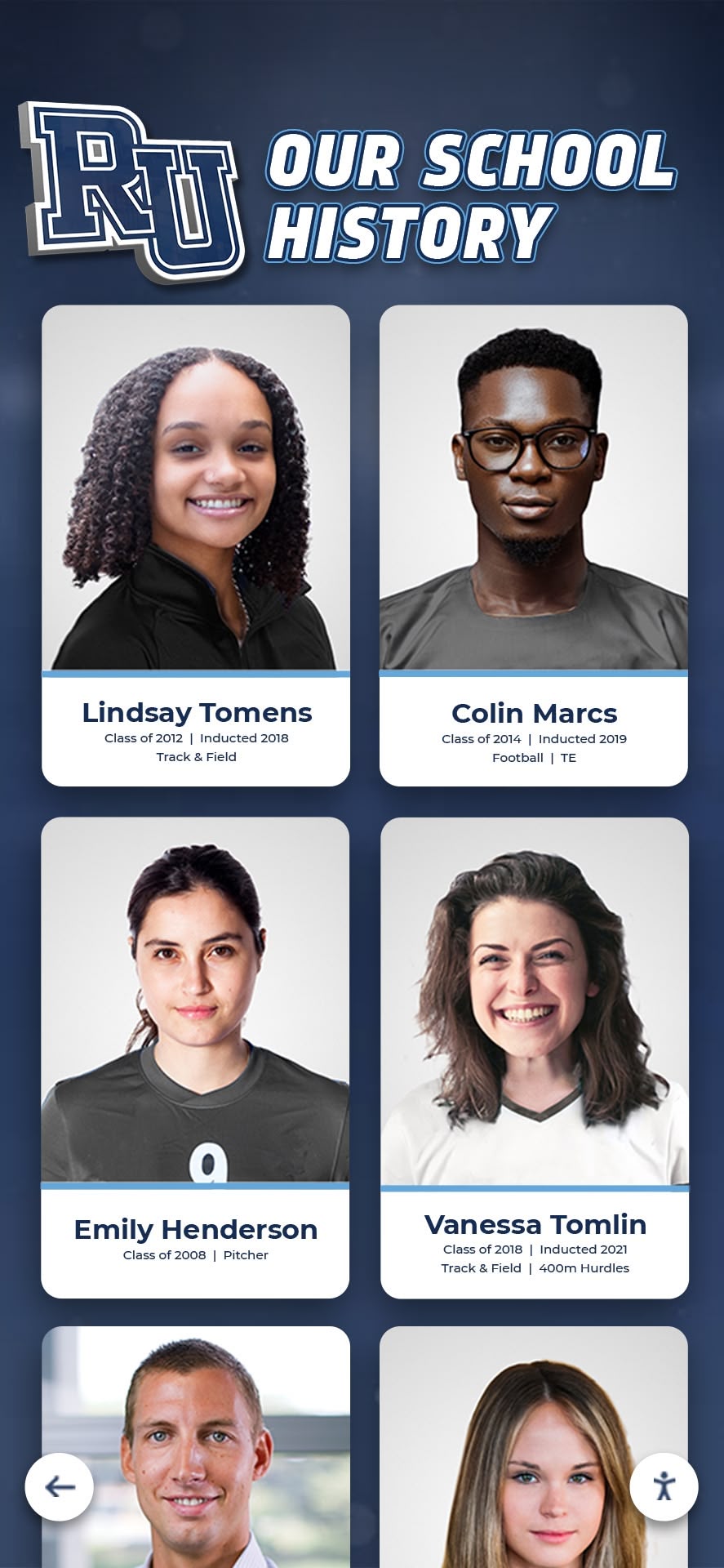
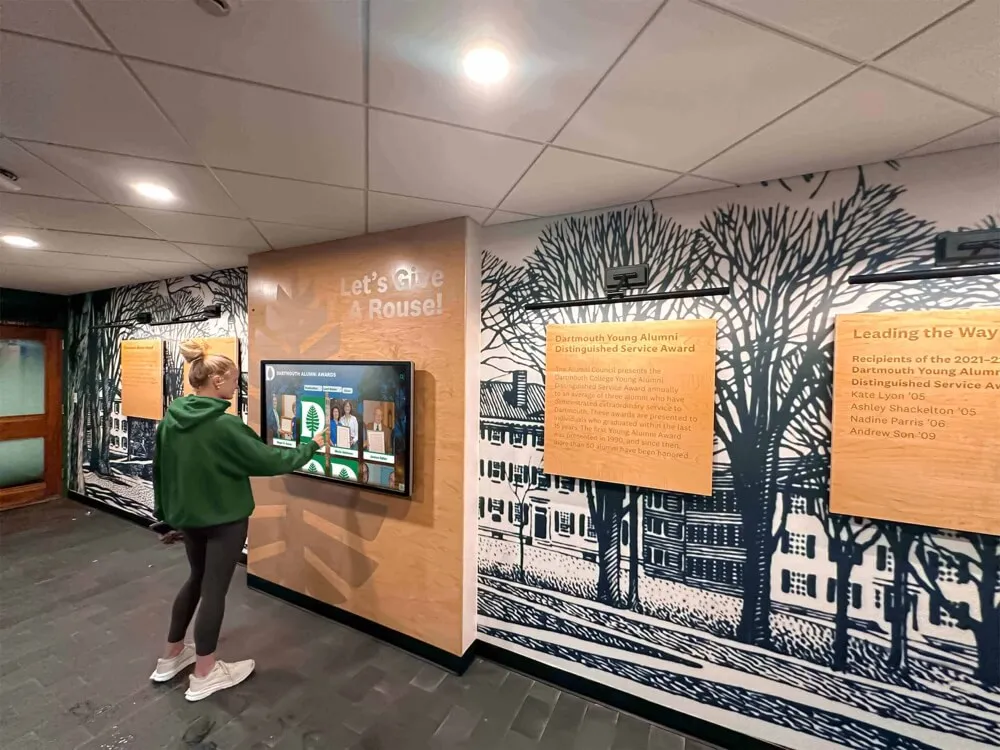
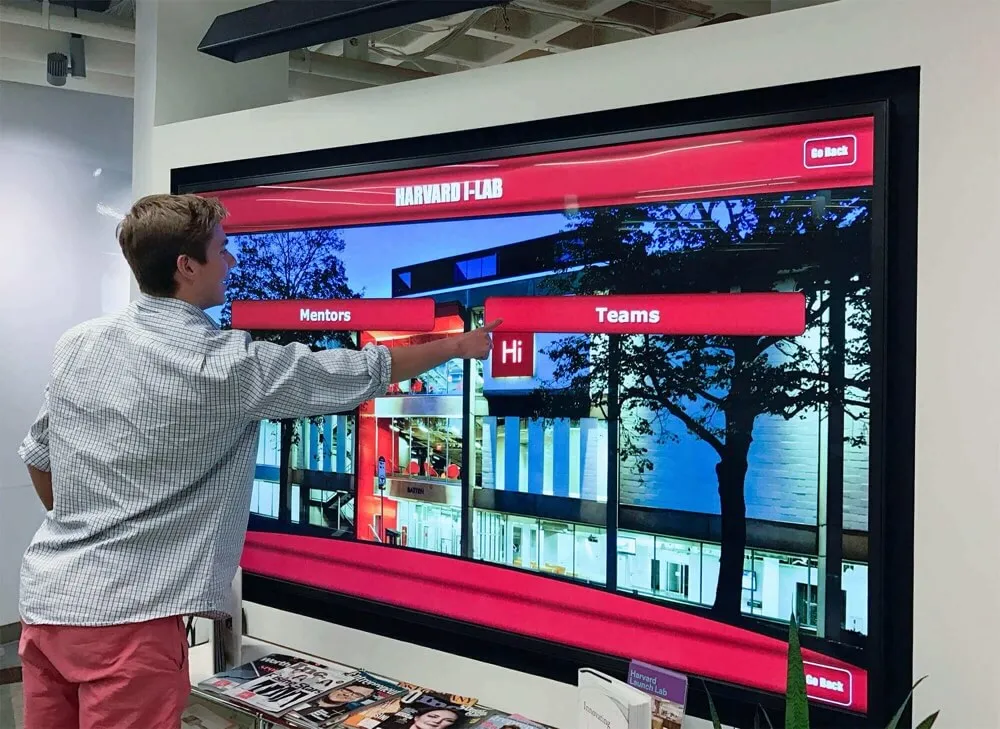
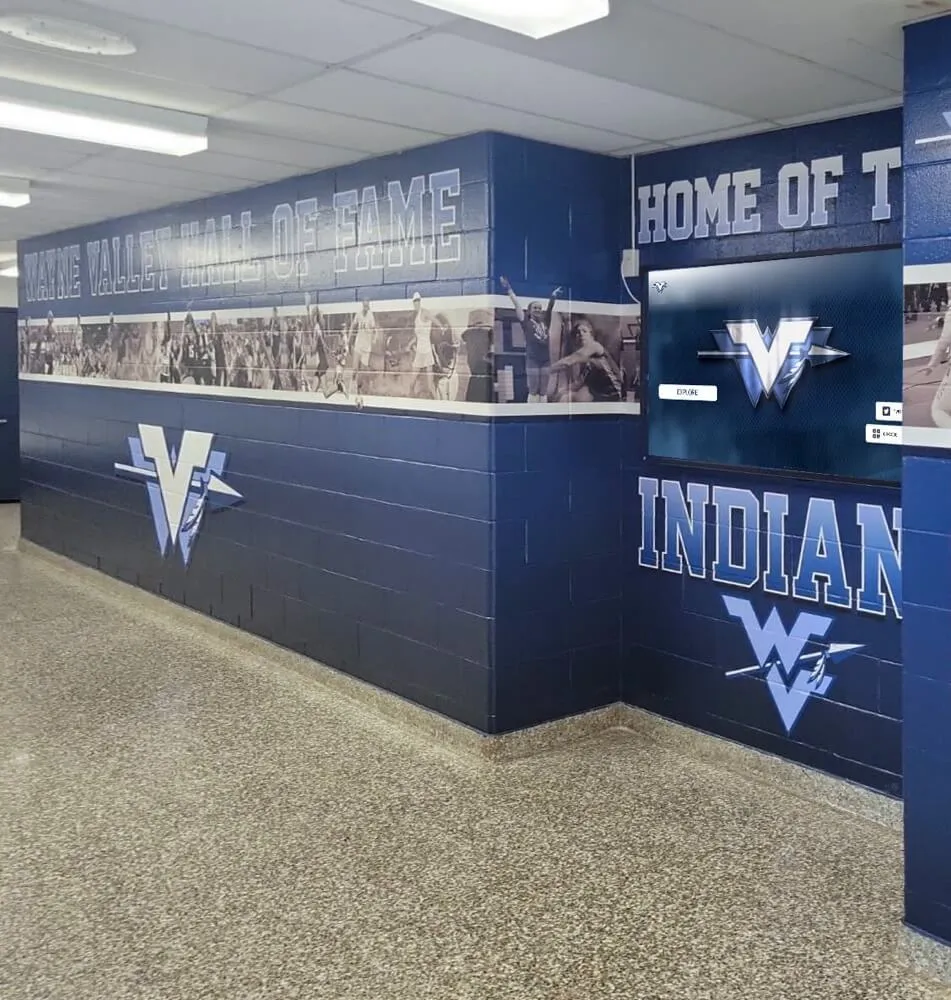
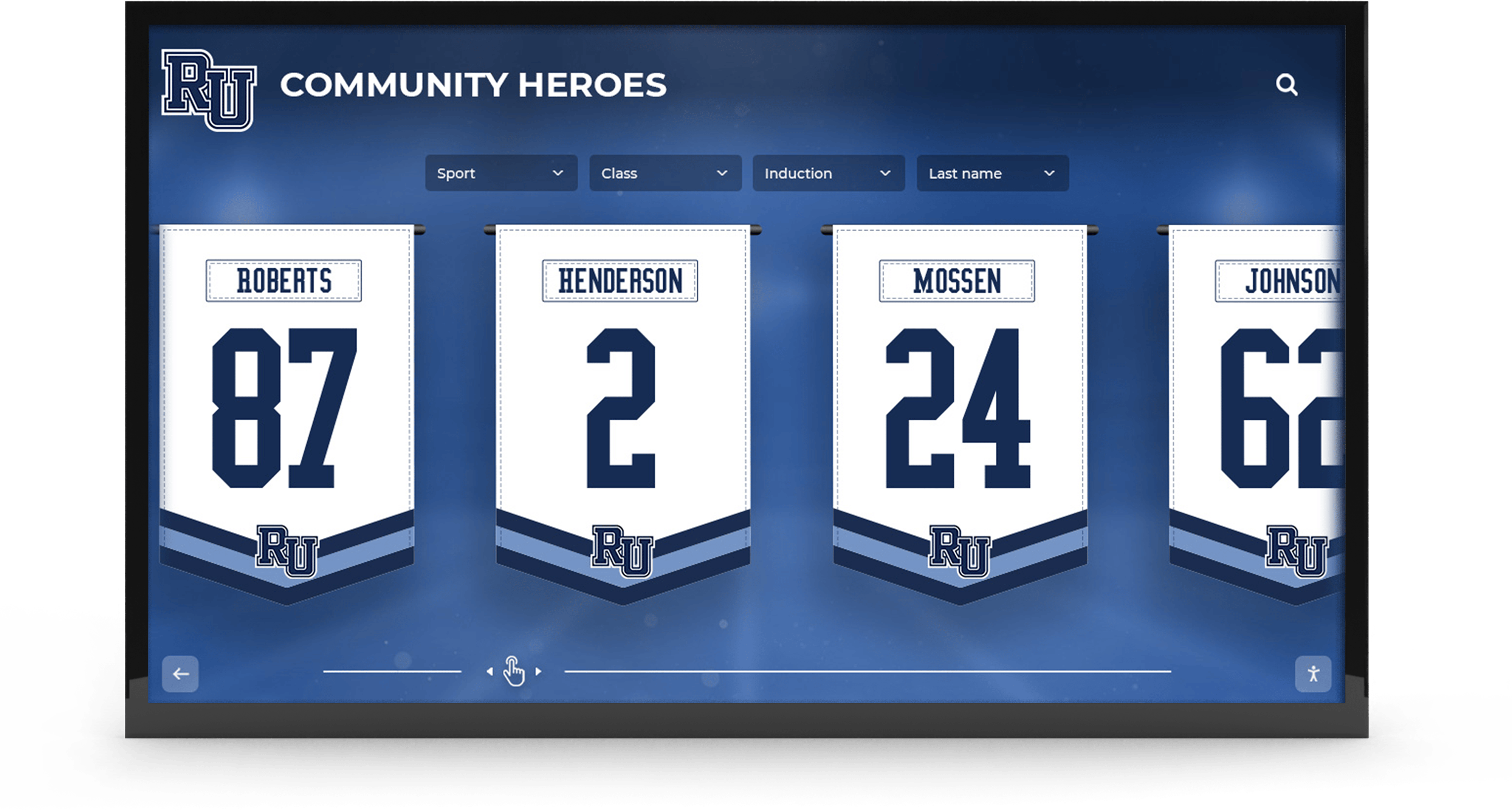
Comprehensive historical profiles honor individuals and document institutional traditions
What to Include in Comprehensive 5K Archives
Thorough event documentation captures multiple dimensions creating engaging historical resources.
Annual Event Information
- Dates, times, and locations for each year
- Weather conditions and course descriptions
- Participation numbers and demographic breakdowns
- Total funds raised and benefiting programs
- Course records and notable performances
- Special circumstances or memorable moments
Participant Recognition
- Complete registration lists (with privacy permissions)
- Top finishers in all age and category groups
- Milestone participant achievements (first-time, consecutive years)
- Special recognition for youngest and oldest participants
- Family participation groups and teams
- Staff, faculty, and community leader involvement
Visual Documentation
- Photo galleries from each year’s event
- Video highlights and finish-line footage
- Before-and-after images of funded improvements
- Candid shots of participants, volunteers, and families
- Promotional materials and event signage evolution
- Celebration photos from awards and recognition ceremonies
Impact Documentation
- Annual fundraising totals and expense breakdowns
- Specific programs and purchases funded each year
- Cumulative financial impact across all events
- Testimonials from students benefiting from supported programs
- Before-and-after program capacity comparisons
- Long-term infrastructure improvements enabled by consistent funding
Comprehensive archives require systematic documentation immediately following each event while information remains accessible and memories fresh. Schools that prioritize historical preservation during race planning rather than as afterthought create significantly richer archives over time.
Digital Platforms for 5K History Preservation
Modern technology solves historical documentation challenges while creating engaging community experiences.
Centralized Digital Archives
Solutions like Rocket Alumni Solutions provide ideal platforms for managing all 5K event information through unified systems where schools can organize complete event history across unlimited years, participant databases searchable by name or category, photo and video galleries organized by year and event section, sponsor recognition documenting historical corporate support, volunteer spotlights celebrating community contributions, and impact documentation connecting fundraising to specific outcomes.
Unlike physical records scattered across filing cabinets or digital files lost in outdated computer systems, centralized cloud-based platforms preserve institutional memory permanently while enabling instant access from anywhere.
Multi-Platform Accessibility
Effective digital archives reach community members through multiple channels including web-based access via any browser on computers or mobile devices, on-site touchscreen displays in school lobbies or common areas, QR code access from printed materials and promotional communications, social media integration for sharing highlights and achievements, and email embedding of historical content in fundraising appeals.
This multi-channel approach maximizes reach while simplifying management compared to maintaining separate systems for different communication purposes.
Discover comprehensive approaches for displaying school history and traditions that strengthen community connections.
Sponsor Recognition and Website Integration: Maximizing Partnership Value
Corporate and local business sponsors provide critical revenue enabling schools to host quality 5K events while expecting professional recognition that delivers marketing value.
The Importance of Sponsor Recognition
Thoughtful sponsor appreciation drives partnership renewal and increases investment over time.
Sponsors Expect Visible Return on Investment
Business sponsors support school fundraisers for multiple reasons including genuine community commitment and philanthropic values, marketing exposure to family demographics, employee engagement and company culture building, and business development through community networking opportunities.
While authentic community support motivates many sponsors, businesses still need visible recognition demonstrating their involvement to customers, employees, and community members. Schools that treat sponsors as valued partners rather than simple revenue sources build long-term relationships that strengthen over time.
Multi-Channel Recognition Maximizes Sponsor Value
Effective sponsor acknowledgment extends beyond race-day signage through pre-event recognition in promotional materials and communications, on-site visibility through banners, booth spaces, and announcements, digital presence on event websites and registration pages, social media mentions highlighting sponsor support, post-event thank-you communications with impact reporting, and year-round recognition through permanent digital displays showcasing ongoing support.
This comprehensive approach provides sponsors extended visibility while demonstrating school professionalism and appreciation that motivates continued partnership.
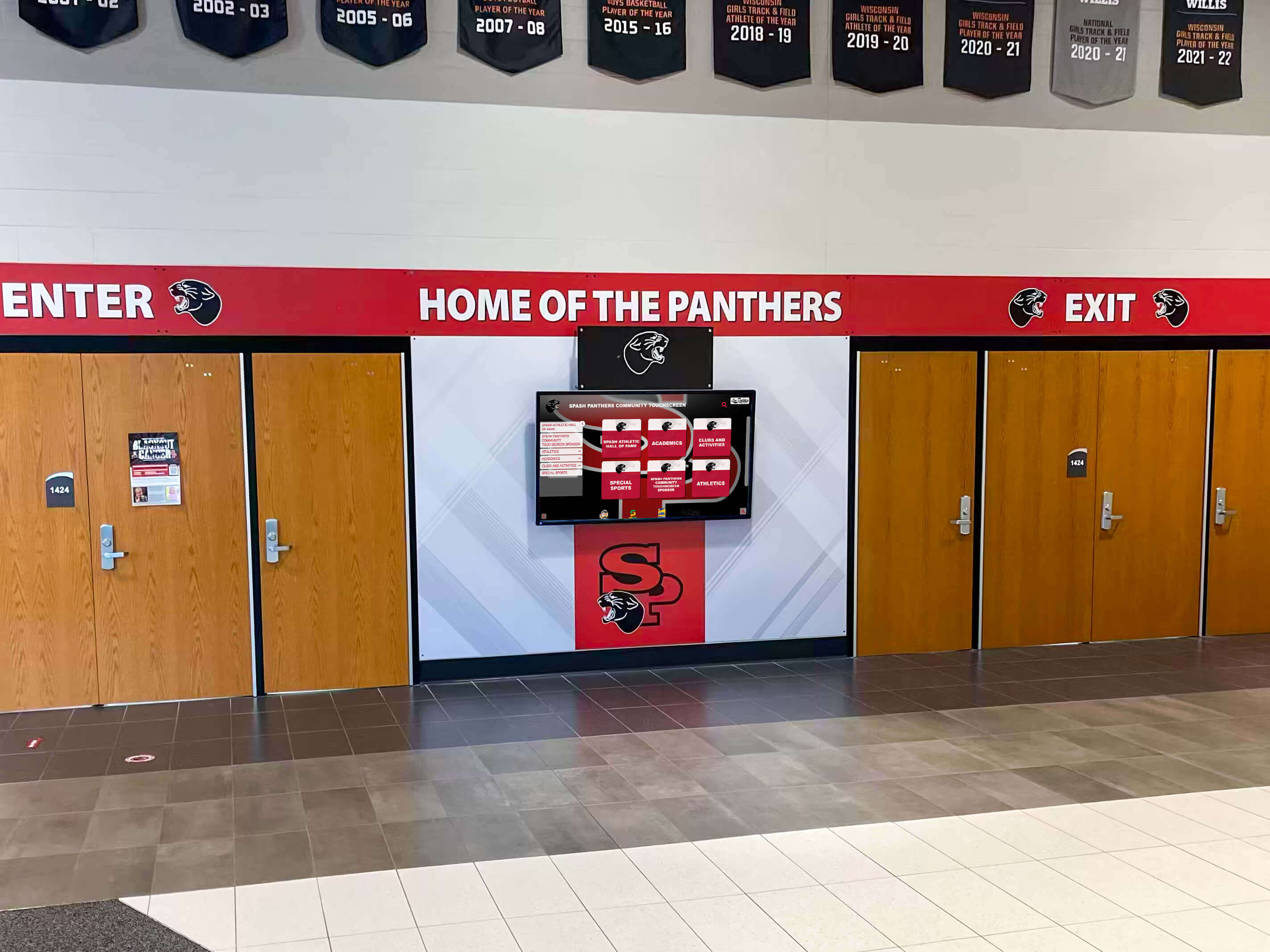
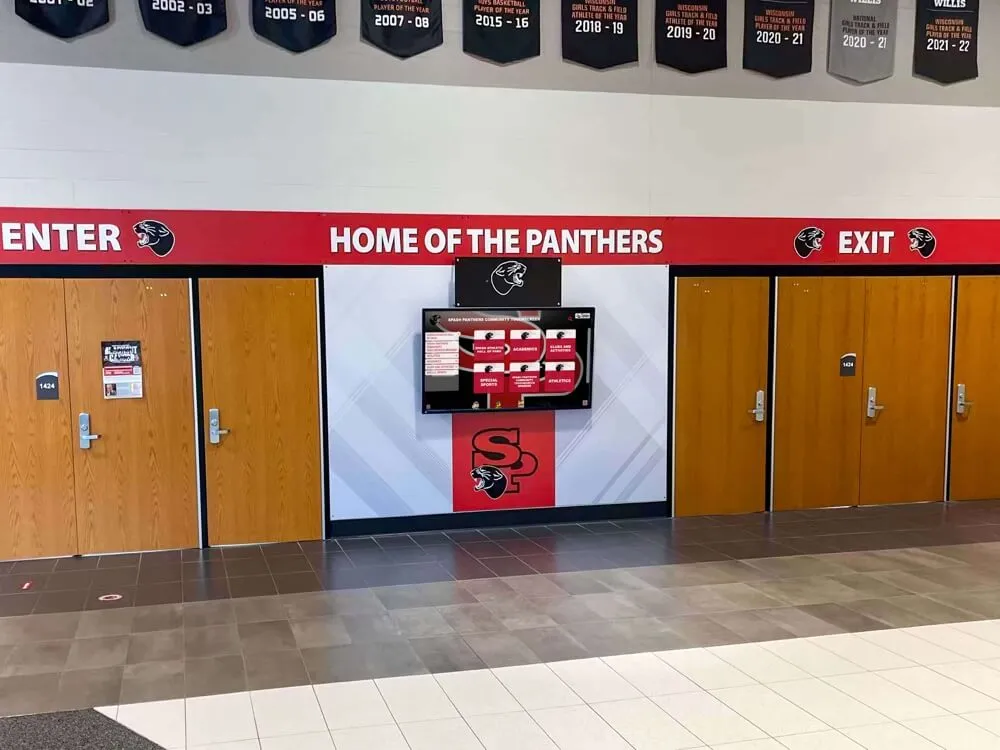
Strategically placed digital displays provide sponsor visibility while sharing school information and community achievements
Creating Tiered Sponsorship Structures
Clear sponsorship levels with defined benefits facilitate sales while ensuring appropriate recognition for all supporters.
Sponsorship Level Examples
Title Sponsor ($5,000+)
- Event naming rights (Company Name School 5K)
- Logo on all promotional materials and race shirts
- Premium placement on digital recognition displays
- Booth space at start/finish area
- Recognition in all media coverage
- Verbal acknowledgment at award ceremonies
- Post-event impact report highlighting their support
Platinum Sponsor ($2,500-$4,999)
- Large logo placement on promotional materials
- Prominent digital display recognition
- Banner placement along race course
- Social media spotlight posts
- Recognition on race bibs or timing chips
- Thank-you mentions in school communications
Gold Sponsor ($1,000-$2,499)
- Medium logo on promotional materials
- Digital display recognition
- Banner at start/finish area
- Social media recognition
- Listing in event program
Silver Sponsor ($500-$999)
- Logo on event website and registration page
- Digital display listing
- Social media thank-you post
- Recognition at award ceremony
Bronze Sponsor ($250-$499)
- Name listing on website and displays
- Social media recognition
- Thank-you acknowledgment
In-Kind Sponsors
- Recognition appropriate to donation value
- Special acknowledgment for product/service donations
- Category-specific branding opportunities
This tiered structure accommodates sponsors with varying budget capacities while maintaining prestige for leadership investments.
Digital Sponsor Integration Strategies
Modern platforms enhance sponsor recognition while simplifying management.
Website and Registration Page Integration
Event websites and online registration systems provide prime sponsor visibility including banner ads or header placements for title sponsors, logo galleries showing all sponsor levels, click-through links to sponsor websites enabling direct traffic, sponsor spotlights with company descriptions and offerings, and thank-you messages from event organizers highlighting sponsor importance.
Registration pages see high traffic as participants sign up, providing sponsors valuable exposure during moments when community members actively engage with events.
Social Media Campaigns
Systematic social media sponsor recognition includes countdown posts featuring different sponsors daily, behind-the-scenes content showing sponsor contributions, spotlight interviews with sponsor representatives explaining their motivation, thank-you posts immediately after events, results posts that include sponsor recognition, and year-round mentions maintaining sponsor visibility between annual events.
Consistent social media acknowledgment demonstrates ongoing appreciation while providing sponsors shareable content they can repost to their own networks, amplifying reach for both schools and supporting businesses.
Permanent Digital Display Recognition
Year-round sponsor visibility through school lobby displays creates extended value beyond single race days. Solutions like Rocket Alumni Solutions enable schools to showcase current and historical 5K sponsors alongside event information, participant recognition, and school achievements through digital recognition walls.
When sponsors see their logos displayed prominently in school buildings throughout the year—not just during race weekends—they perceive greater value in partnerships while community members develop awareness of businesses supporting local education. This permanent recognition strengthens sponsor relationships and facilitates renewal conversations for subsequent events.
Explore strategies for corporate sponsor recognition in schools that maximize partnership value.
Donor Recognition Walls: Celebrating Individual Contributions
Beyond sponsor partnerships, many 5K participants and community members make direct donations supporting school programs, deserving visible appreciation.
Integrating Fundraising with 5K Events
Annual races provide natural opportunities for direct giving campaigns.
Registration-Integrated Donations
Online registration systems should enable additional giving including donation options added to registration fees, recurring donation opportunities beyond single events, memorial or tribute giving honoring others, restricted gifts supporting specific programs, and matching gift information for corporate employees.
When registration systems include simple donation mechanisms, schools capture giving from motivated supporters already engaged with events and committed to institutional success.
Pledge-Based Fundraising Models
Some schools structure 5K events as pledge-based fundraising where participants collect donations from personal networks. This model particularly suits elementary and middle schools where students seek sponsors for their race participation.
Digital pledge tracking systems enable participants to create personal fundraising pages, track collected donations and thank contributors, share progress updates on social media, compete in fundraising leaderboards, and receive recognition for both participation and fundraising achievement.
Schools using pledge-based models commonly generate two to three times the revenue of registration-fee-only structures while creating additional engagement opportunities as participants promote events throughout their personal and professional networks.
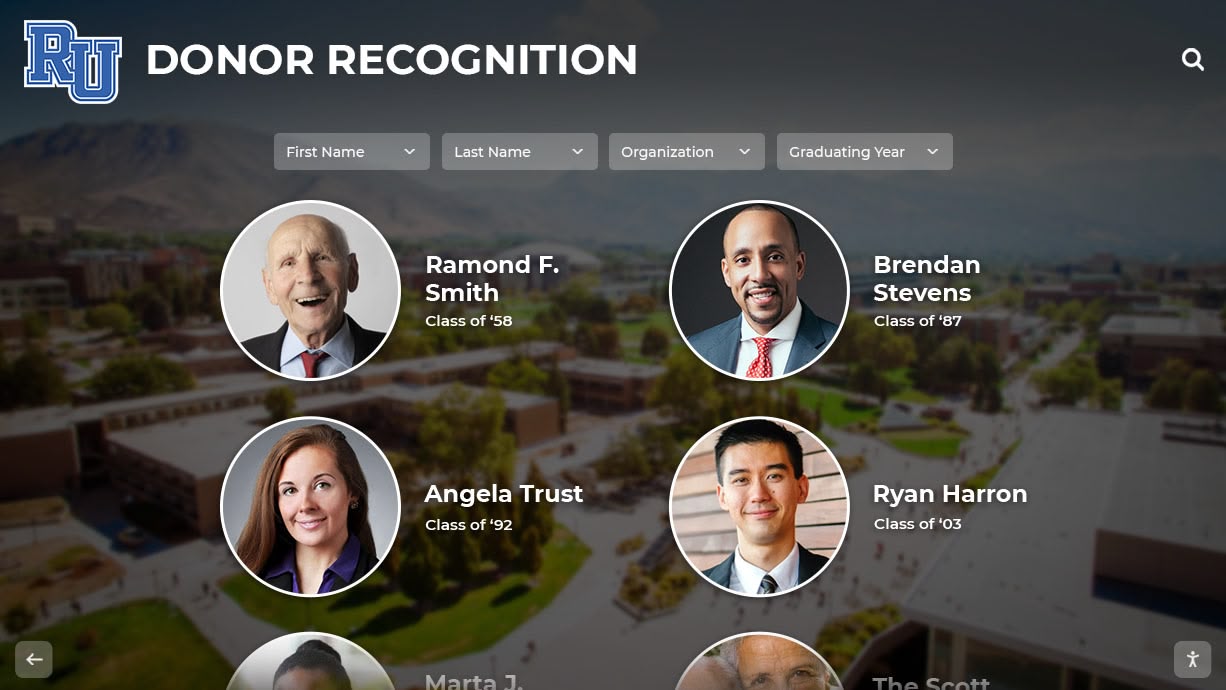
Digital donor walls celebrate contributions while inspiring future giving through visible community support
Digital Donor Recognition Displays
Traditional donor walls using physical plaques face capacity constraints forcing difficult decisions about whose contributions receive visibility. Digital recognition systems eliminate these limitations.
Unlimited Donor Capacity
Solutions like Rocket Alumni Solutions enable schools to recognize unlimited donors at all giving levels through digital displays that showcase all contributors regardless of gift size, historical donor archives preserving recognition permanently, searchable databases allowing community exploration, giving level categorization showing leadership gifts prominently, and cumulative giving recognition honoring sustained support over multiple years.
Unlike physical plaques that fill available wall space within years, digital systems provide permanent recognition for every supporter regardless of total donor population size.
Integration with 5K Event Displays
The most effective recognition systems integrate 5K participation with direct giving acknowledgment. Digital platforms can showcase participants alongside donors, highlight individuals who both run and contribute financially, recognize sponsors who also make direct donations, celebrate multi-year supporters across both participation and giving, and demonstrate total community investment through combined involvement.
This integrated approach shows comprehensive community commitment while simplifying recognition management compared to separate systems for different supporter types.
Donor Privacy and Preference Management
Sophisticated digital systems honor diverse recognition preferences including full public recognition with names and gift details, name-only recognition without gift amounts, anonymous giving acknowledgment, tribute giving honoring others, and no public recognition with private appreciation only.
Privacy controls enable donors to select preferred recognition levels while schools maintain comprehensive internal records for stewardship and reporting purposes.
Learn about comprehensive donor recognition wall strategies for schools and educational institutions.
Volunteer Spotlights: Recognizing Essential Contributors
5K events require extensive volunteer support from race coordinators and timing staff to course marshals and registration volunteers. These contributors deserve visible appreciation.
The Critical Role of Event Volunteers
Quality 5K experiences depend on organized, motivated volunteer teams.
Essential Volunteer Functions
Successful race execution requires help across multiple areas including race director and planning committee leadership, registration and packet pickup coordination, course setup and teardown, water station staffing at multiple locations, course marshals ensuring participant safety, timing system operation and result compilation, photography and social media documentation, awards ceremony coordination, sponsor relations and benefit fulfillment, and first aid and emergency response preparedness.
Schools hosting mid-sized 5K events commonly need 40-75 volunteers across these functions. Without reliable volunteer corps, events become overwhelming for small planning teams while participant experiences suffer from insufficient support.
Volunteer Recruitment Challenges
Many schools struggle to recruit adequate volunteers facing competition for limited community time, volunteer fatigue among frequently asked supporters, unclear role definitions creating recruitment difficulty, lack of appreciation reducing return volunteerism, and insufficient advance notice preventing schedule accommodation.
Systematic volunteer recognition helps address these challenges by demonstrating genuine appreciation, creating positive volunteer experiences, building volunteer identity and community, inspiring continued involvement, and facilitating recruitment through satisfied volunteer referrals.
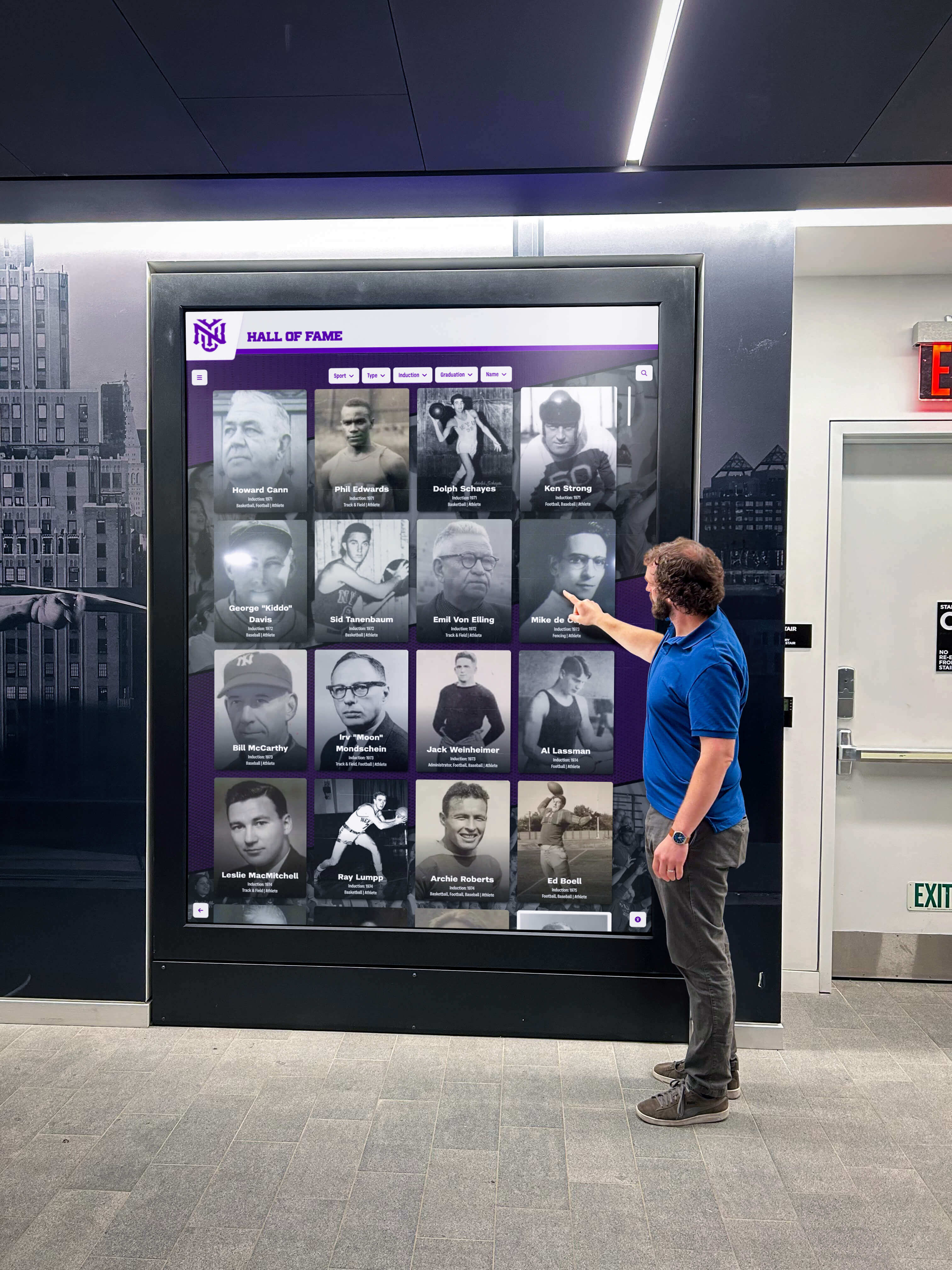
Interactive displays enable schools to spotlight volunteers and celebrate diverse community contributions
Volunteer Recognition Strategies
Thoughtful acknowledgment transforms transactional help into valued partnership.
Race Day Recognition
Immediate appreciation during events includes distinctive volunteer t-shirts or identifiers, volunteer appreciation breakfast or lunch, public thank-you announcements at ceremonies, volunteer-exclusive perks like finish-line access, personal recognition by event leaders, and race photos featuring volunteer contributions.
Visible race-day appreciation demonstrates respect for volunteer time and effort while creating positive experiences that motivate return volunteerism.
Post-Event Follow-Up
Continued appreciation after events reinforces gratitude including personalized thank-you emails within 48 hours, mailed thank-you notes from school leadership, social media recognition spotlighting volunteer contributions, volunteer appreciation events or gatherings, impact reports showing how volunteer support enabled success, and early recruitment invitations for next year’s event.
Multi-touchpoint recognition communicates genuine appreciation while maintaining volunteer engagement between annual events.
Digital Volunteer Recognition Displays
Permanent volunteer spotlights create ongoing appreciation beyond single-event acknowledgment.
Volunteer Highlight Profiles
Digital recognition systems enable schools to showcase volunteers through detailed profiles including volunteer names and photos, description of their contributions and roles, testimonials explaining their motivation, years of consecutive volunteer service, other school involvement beyond 5K events, and professional or community leadership recognition.
These profiles honor individual contributions while demonstrating to prospective volunteers the valued community that exists around school events.
Historical Volunteer Archives
Multi-year volunteer documentation preserves institutional appreciation including volunteer lists across all event years, milestone recognition for 5th, 10th, 15th year volunteers, leadership evolution showing volunteer committee growth, volunteer stories and testimonials across time, and visual documentation through volunteer photos from each year.
Comprehensive volunteer archives demonstrate that schools value and remember contributions, building loyalty and pride among long-term supporters while inspiring new volunteers who want to join honored community traditions.
Integration with Comprehensive Recognition
The most effective systems integrate volunteer recognition with participant results, sponsor acknowledgment, and donor appreciation through unified platforms showing total community investment. When community members exploring 5K history see participants, donors, sponsors, and volunteers all celebrated together, they understand events as comprehensive community efforts rather than isolated activities involving disconnected populations.
This holistic recognition creates powerful narratives about community commitment and shared investment in student success.
Discover approaches for volunteer recognition in schools that honor diverse contributions.
Photo Galleries and Visual Documentation: Preserving Event Memories
Comprehensive visual documentation creates engagement opportunities while building anticipation for future events.
The Power of Event Photography
Quality photos serve multiple strategic purposes beyond simple memory preservation.
Post-Event Engagement and Sharing
Photo galleries extend event impact through social media sharing by participants tagging themselves, website traffic as families search for images, email engagement when galleries link in follow-up communications, sponsor visibility through branded signage in backgrounds, and recruitment content for promoting future events.
Participants actively seek photos of themselves, their children, and their families. Schools that provide easily accessible, well-organized photo galleries create positive post-event experiences while generating ongoing content engagement.
Marketing and Promotional Value
Historical photo collections provide rich marketing assets including website hero images showing event energy, social media countdown content building anticipation, promotional materials featuring diverse participants, press releases with compelling visual content, sponsor presentations demonstrating partnership value, and school publication content celebrating community engagement.
Multi-year photo archives enable schools to select best images from extensive collections rather than relying on limited options from single events.
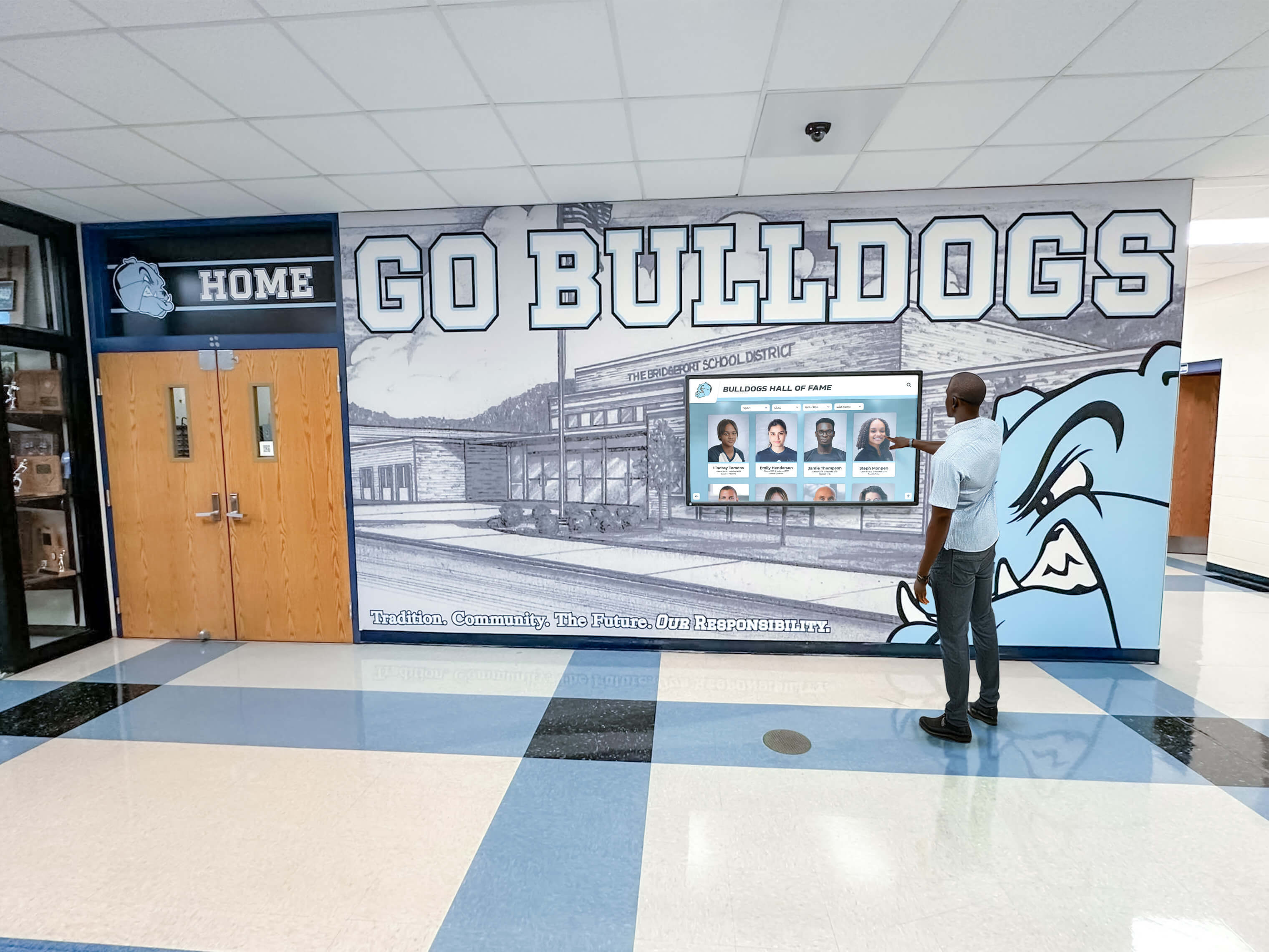
Digital displays make exploring photo galleries and event memories intuitive and engaging
Organizing and Showcasing Photo Collections
Systematic organization maximizes photo value while improving accessibility.
Strategic Photography Planning
Comprehensive event coverage requires intentional planning including designated photographers for different race areas, volunteer photo coordinators using personal devices, professional photography services for quality images, video capture of starts, finishes, and highlights, candid shots throughout event spaces, posed photos at photo booths or backdrops, and sponsor signage inclusion ensuring visibility.
Multi-person photography teams capture significantly more diverse content than single photographers managing all event areas.
Efficient Photo Organization
Post-event photo management includes collecting images from all volunteer photographers, organizing by event section (registration, start, course, finish, awards), culling to remove duplicates and poor-quality images, basic editing for exposure and color correction, privacy review ensuring appropriate subject inclusion, and tagging with metadata enabling searchability.
Schools that establish systematic photo workflows immediately after events create galleries much faster than organizations letting weeks pass before beginning organization.
Digital Photo Gallery Platforms
Modern technology enables engaging photo presentation beyond static website pages.
Interactive Gallery Features
Effective digital systems provide facial recognition search (with privacy controls), tagging capabilities identifying individuals, bib number search finding specific participants, category filtering showing age groups or awards, slideshow modes for passive viewing, download options enabling personal saving, social sharing directly from galleries, and comment features enabling community interaction.
Advanced features transform passive photo viewing into active exploration experiences while providing valuable functionality for participants seeking personal images.
Integration with Recognition Systems
The most powerful approaches integrate photos directly with participant profiles, result listings, volunteer recognitions, sponsor acknowledgments, and donor appreciations. Solutions like Rocket Alumni Solutions enable schools to connect event photos to individual community member profiles, showing participants their personal race images alongside their results, volunteer photos next to appreciation spotlights, and sponsor visibility throughout visual documentation.
This integration creates comprehensive narratives connecting visual memories to broader event stories while simplifying content management through unified platforms.
Multi-Year Photo Archives
Digital systems enable permanent preservation of photo collections across unlimited event years. When schools maintain accessible archives spanning a decade or more, community members can explore event evolution, see their participation growth over time, share nostalgic memories with friends and family, and understand events as established traditions rather than recent initiatives.
Historical photo preservation requires minimal effort with cloud-based systems while providing significant engagement value as archives grow over time.
Learn about digital photo gallery solutions for schools that preserve memories and celebrate community involvement.
Comprehensive Digital Recognition Solutions for 5K Management
Traditional approaches to managing 5K information—disconnected websites, static result pages, physical recognition plaques, and scattered photo folders—create significant limitations for showcasing event history and recognizing diverse contributors.
Challenges with Fragmented Systems
Schools managing 5K events through multiple separate platforms struggle with several obstacles.
Information Silos and Lost History
Common problems include race results stored in timing system databases or disconnected spreadsheets, historical participant data lost when computers or systems change, sponsor information tracked in separate fundraising databases, volunteer records maintained in planning committee files, photo collections scattered across multiple personal devices, donor recognition separate from event participation data, and no unified system connecting these disconnected information types.
This fragmentation makes comprehensive historical preservation nearly impossible while preventing schools from showcasing the full story of community investment and event evolution.
Limited Recognition Capacity
Physical recognition approaches face inevitable constraints including wall space limitations for traditional plaques, expensive engraving costs for adding names, difficult updates requiring professional installation, no capacity for photo or biographical information, static displays lacking searchability or interaction, and removal of past recognition to accommodate new supporters.
These limitations force schools to choose whose contributions receive visibility rather than celebrating all deserving community members.
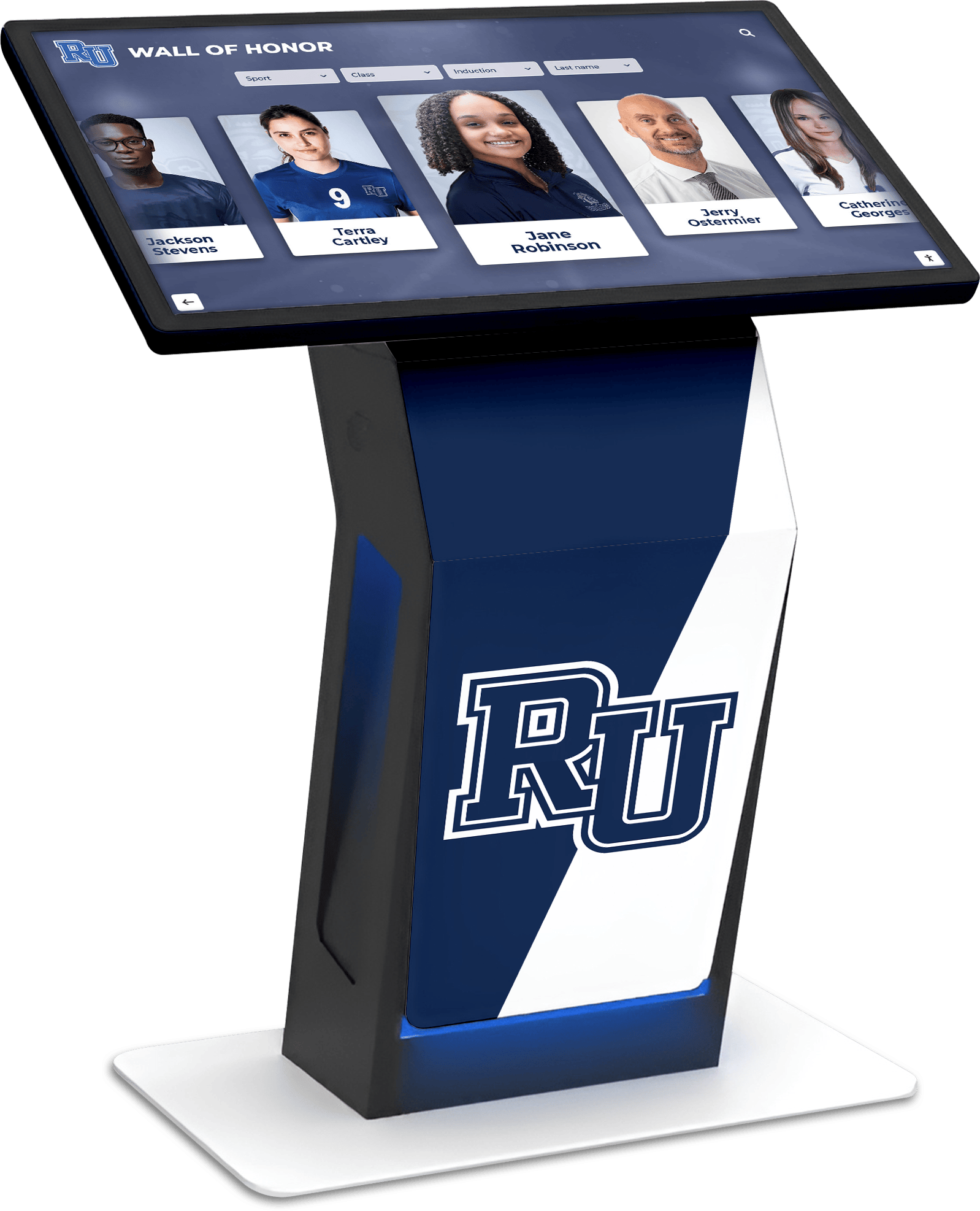
Comprehensive digital platforms enable schools to showcase all aspects of 5K events through engaging, accessible interfaces
Unified Digital Recognition Platforms
Solutions like Rocket Alumni Solutions provide comprehensive systems specifically designed for schools to showcase all dimensions of annual events through single platforms.
Centralized Information Management
Unified platforms enable schools to organize complete 5K event information including year-over-year race results and leaderboards, participant databases across all event years, sponsor recognition at all levels, donor acknowledgment for direct contributions, volunteer spotlights celebrating essential support, photo and video galleries organized by year, and impact documentation connecting fundraising to outcomes.
Rather than managing separate systems for different information types, schools centralize all event content through platforms accessible to community members, staff, sponsors, and participants from any device.
Interactive Exploration Experiences
The most engaging recognition systems provide intuitive interfaces including search functionality enabling individuals to find personal results, filtering options organizing content by year or category, touchscreen navigation for on-site displays, responsive design ensuring mobile accessibility, social sharing features enabling content distribution, QR code integration connecting physical and digital experiences, and analytics showing how community members engage with content.
When participants can easily explore their personal 5K history, sponsors can see their recognition displayed prominently, volunteers can find their spotlight profiles, and families can locate event photos, digital platforms create significantly more engagement than static websites or physical displays offering limited interaction.
Simple Content Management
Effective platforms require minimal technical expertise through drag-and-drop interfaces requiring no coding, bulk upload capabilities for race results and historical data, template consistency ensuring professional presentation, cloud-based access enabling updates from anywhere, automated backups preventing data loss, multi-user permissions allowing distributed management, and integration with timing systems and registration platforms.
Event coordinators can update results, add photos, recognize sponsors, and spotlight volunteers immediately after events without depending on IT departments or website developers, ensuring current content reaches community members while memories remain fresh.
Multi-Platform Accessibility
Modern 5K recognition reaches community members through diverse channels.
On-Site Digital Displays
Touchscreen kiosks in school lobbies or common areas provide walk-up access to event information enabling community exploration during school visits, visitor engagement with event history and achievements, prospective family introduction to school traditions, and prominent sponsor recognition year-round.
Strategic placement in high-traffic areas ensures maximum visibility for participants, sponsors, volunteers, and donors while demonstrating school commitment to celebrating community contributions.
Web-Based Access
Responsive websites accessible from computers, tablets, or phones enable browsing from home or anywhere with internet access, social sharing through personal networks, permanent links in marketing materials, and accessibility for distant community members unable to visit physical locations.
Web access ensures geographic limitations don’t prevent community members from exploring 5K history and seeing their recognition.
QR Code Integration
QR codes on printed materials, promotional signage, race bibs, or school publications provide instant digital access connecting physical experiences to comprehensive online content, enabling immediate information access during events, and bridging traditional and digital communication channels.
This integration creates seamless experiences where community members encounter 5K information through preferred channels whether digital-native or print-oriented.
Explore comprehensive digital recognition platforms for schools that celebrate diverse achievements and community contributions.
Marketing and Promotion: Driving Participation and Engagement
Even excellently organized 5K events with comprehensive recognition systems require effective promotion to maximize participation and fundraising impact.
Year-Round Communication Strategies
The most successful 5K programs maintain consistent community awareness beyond immediate event windows.
Pre-Event Marketing Timeline
Systematic promotion begins months before race day:
6-9 Months Before: Save-the-date announcements to past participants, preliminary sponsor outreach and recruitment, volunteer coordinator recruitment, and initial budget and planning discussions.
3-6 Months Before: Registration system launch with early bird pricing, sponsorship sales campaign with defined deadlines, marketing material design and production, social media campaign initiation, and school communication inclusion in newsletters and announcements.
1-3 Months Before: Participant recruitment intensification through multiple channels, reminder communications to past participants, sponsor recognition in promotional materials, volunteer recruitment campaigns, and media outreach to local news outlets.
Final Month: Daily or weekly social media countdown posts, last-call registration communications, final volunteer recruitment, logistics confirmation with vendors, course finalization and permit confirmation, and participant communication about event details.
This extended timeline builds awareness gradually while creating multiple touchpoints that reach community members through preferred channels.
Leveraging Historical Content
Schools with established 5K traditions possess rich marketing assets through past event photo galleries showing family participation, testimonials from long-term supporters, year-over-year growth statistics, specific program achievements funded through proceeds, participant spotlights across different age groups, sponsor testimonials explaining their continued support, and volunteer stories highlighting meaningful experiences.
This historical content provides authentic social proof more compelling than promotional copy alone while demonstrating established tradition that motivates participation from prospects valuing proven community events.
Target Audience Segmentation
Different community populations require tailored messaging emphasizing relevant benefits.
Current School Families
Messages emphasize direct benefit to their students, opportunities for family participation and tradition-building, convenient timing and location, age-appropriate distance options, and visible impact on school programs and experiences.
Current families represent core participation bases and often most motivated donors given direct stake in school success.
Alumni and Former Families
Communications highlight continued connection to alma maters, opportunities to support current students, nostalgia and tradition participation, reconnection with school communities, and visible recognition celebrating their involvement.
Alumni often become loyal long-term participants and sponsors even after direct family school connections end.
Community Members Without School Affiliation
Outreach emphasizes family-friendly community event, quality race experience and accurate timing, support for local education and youth, competitive age-group recognition, and inclusive participation opportunities for all fitness levels.
Community participants expand event reach while building broader institutional visibility and support networks.
Local Businesses and Corporate Sponsors
Sponsor recruitment focuses on marketing exposure to family demographics, employee engagement opportunities, community partnership visibility, tax-deductible business giving, and year-round recognition extending beyond single event days.
Business development requires different communication than individual participant recruitment, emphasizing partnership value rather than personal participation benefits.
Multi-Channel Promotion Approaches
Comprehensive outreach leverages diverse communication platforms reaching community members through preferred channels.
Digital Marketing
- Email campaigns to school databases and past participants
- Social media promotion across school platforms
- Targeted digital advertising to local audiences
- School website homepage promotion
- Online registration with sharing incentives
Traditional Marketing
- Printed flyers distributed through schools
- Posters in local businesses and community centers
- Newspaper advertisements and press releases
- Bulletin announcements at community organizations
- Direct mail to past participants and prospects
Personal Outreach
- Ambassador recruitment enlisting enthusiastic supporters
- Personal invitations from school leadership
- Classroom challenges encouraging student participation
- Team formation enabling group registration
- Word-of-mouth through satisfied past participants
Multi-channel approaches ensure messages reach diverse populations while reinforcing event importance through repeated exposure across trusted communication sources.
Measuring Success and Continuous Improvement
Systematic assessment enables schools to enhance 5K programs year over year while demonstrating impact to stakeholders.
Key Performance Indicators
Establish metrics for evaluating event success across multiple dimensions.
Financial Metrics
- Total revenue from registrations, sponsorships, and donations
- Net proceeds after all expenses
- Cost per dollar raised efficiency
- Year-over-year revenue growth
- Average gift per participant
- Sponsor retention and upgrade rates
Participation Metrics
- Total registered and actual participants
- New participant acquisition
- Return participant retention rates
- Participant demographic diversity
- Volunteer recruitment and satisfaction
- Participant age distribution
Engagement Metrics
- Website and registration page traffic
- Social media reach and engagement
- Photo gallery views and interactions
- Digital recognition display usage
- Email open and click-through rates
- Post-event survey response rates
Community Impact Metrics
- Specific programs funded through proceeds
- Students directly benefiting from supported initiatives
- Long-term cumulative funding totals
- Community awareness and perception
- Media coverage and visibility
- Sponsor testimonials and feedback
Comprehensive metrics enable evidence-based decision-making about program enhancements, resource allocation, and strategic priorities.
Gathering Feedback and Assessment
Systematic evaluation captures qualitative insights complementing quantitative data.
Participant Surveys
Post-event questionnaires distributed within one week should include rating scales for key experience elements, open-ended questions capturing specific suggestions, comparison to expectations and past events, likelihood to recommend and return analysis, and recognition satisfaction assessment.
Response incentives like prize drawings significantly improve completion rates while demonstrating appreciation for participant input.
Volunteer Debriefs
Planning committee and volunteer feedback sessions provide valuable operational perspectives including what worked well requiring preservation, challenges requiring solutions, resource adequacy assessment, communication effectiveness evaluation, and improvement recommendations for consideration.
Volunteers often identify operational inefficiencies organizers miss, making their feedback essential for continuous enhancement.
Sponsor and Donor Input
Individual conversations with major supporters should explore recognition satisfaction, partnership value perception, renewal likelihood and potential increase, benefit delivery assessment, and suggestions for enhanced partnership.
Understanding sponsor and donor perspectives ensures schools deliver value justifying continued investment while identifying opportunities for enhanced appreciation or benefit delivery.
Conclusion: Building Annual 5K Traditions That Strengthen School Communities
Annual school 5K fundraiser events represent powerful opportunities for educational institutions to generate essential revenue, strengthen community connections, and create traditions that unite diverse populations around shared commitment to student success. When schools invest thoughtful planning, comprehensive recognition systems, and modern technology into 5K programs, they create experiences that participants, volunteers, sponsors, and donors genuinely value year after year.
The most successful school 5K programs extend far beyond race-day execution to create comprehensive systems that preserve event history through accessible digital archives, celebrate participants through year-over-year leaderboards and performance tracking, recognize sponsors with visibility extending beyond single event days, honor donors making direct contributions to school programs, spotlight volunteers providing essential support, showcase visual memories through organized photo galleries, and demonstrate cumulative community impact connecting fundraising to specific outcomes.
The Technology Advantage
Modern digital platforms like Rocket Alumni Solutions transform 5K event management by eliminating fragmentation that prevents schools from telling complete stories about community investment and event evolution. Rather than managing disconnected spreadsheets, static websites, physical plaques, and scattered photo folders, schools can centralize all event information through unified systems that make historical exploration engaging while simplifying ongoing management.
Comprehensive digital recognition creates multiple strategic advantages including unlimited capacity celebrating all contributors regardless of population size, permanent preservation preventing information loss as technology evolves, interactive exploration through searchable, filterable interfaces, multi-platform accessibility reaching community members through preferred channels, simple content management requiring no technical expertise, and integrated storytelling connecting participants, sponsors, donors, volunteers, and outcomes.
Transform Your School 5K Event Recognition
Discover how comprehensive digital solutions can help you showcase event history, recognize all contributors, and create engaging community experiences that drive participation growth and sustained fundraising success.
Explore Recognition SolutionsImplementation Pathway
Schools beginning or enhancing annual 5K programs should assess current event management and recognition approaches, identify gaps in historical preservation and contributor recognition, establish clear objectives for participation and fundraising growth, select appropriate digital platforms for comprehensive information management, develop systematic processes for annual documentation, create year-round communication strategies maintaining community awareness, build authentic sponsor and volunteer relationships, and commit to continuous improvement through regular assessment and refinement.
Building Lasting Traditions
The 5K events you create today become traditions that future generations of students, families, and community members will cherish and prioritize. Every carefully preserved result, every recognized sponsor and volunteer, every celebrated donor contribution, and every documented photo creates institutional memory and community connection that sustains schools through changing educational landscapes.
Your investment in comprehensive 5K event management and recognition generates returns far exceeding single-event fundraising through stronger community relationships, enhanced institutional visibility, sustained engagement across diverse populations, growing sponsorship partnerships, beloved traditions connecting generations, and permanent historical documentation preserving your school’s ongoing story of community commitment and support.
When you provide community members easy access to comprehensive event information, preserve historical records through engaging digital platforms, recognize all contributors through unlimited recognition capacity, and create truly memorable race experiences, you transform ordinary fundraising runs into cherished traditions that strengthen the bonds connecting schools to the communities that sustain them.
Ready to enhance your school 5K program through comprehensive digital recognition and historical preservation? Explore how Rocket Alumni Solutions can help you create engaging platforms that celebrate all contributors while simplifying ongoing event management and building traditions that last for generations.