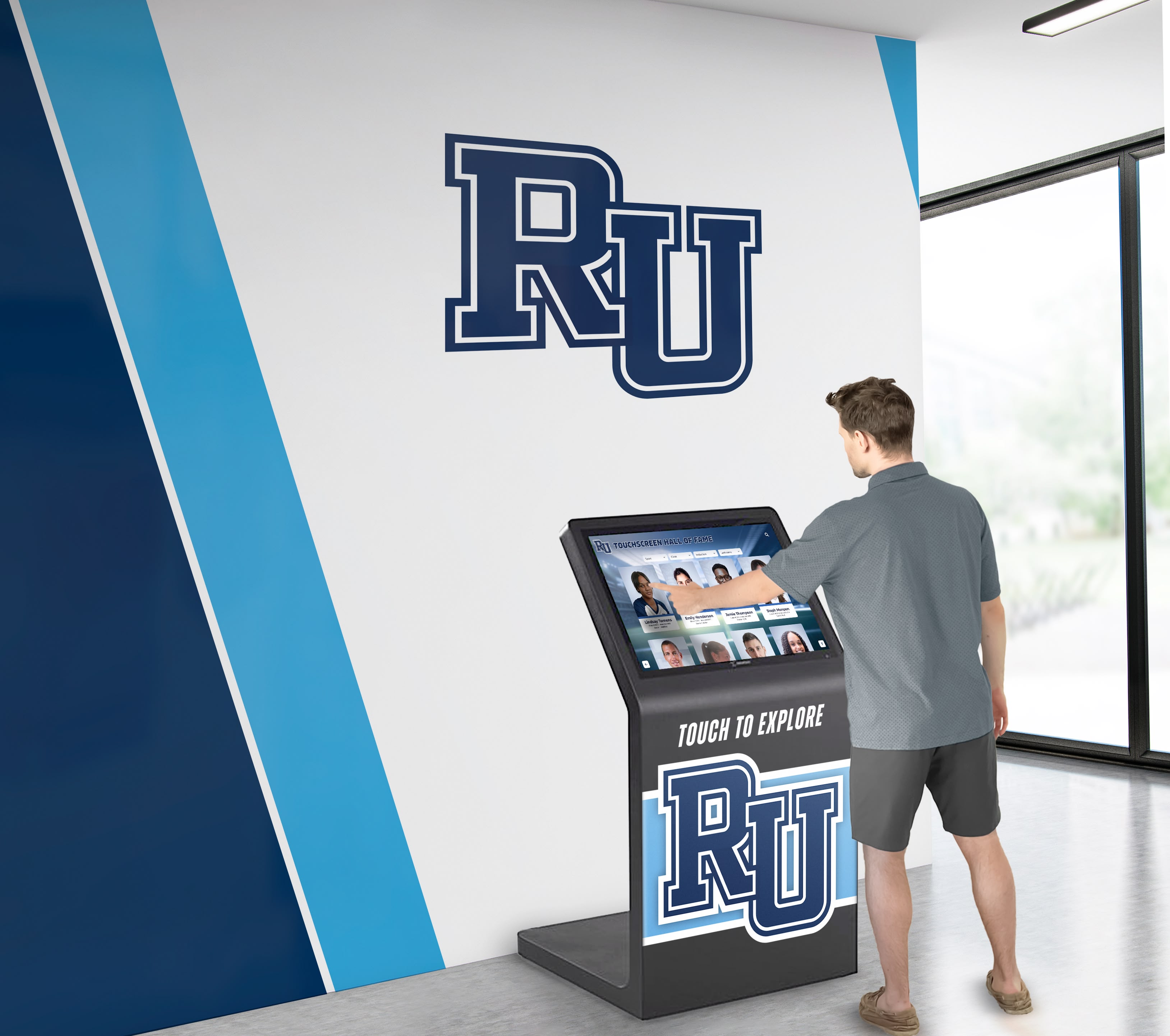
Apartment complex digital displays have evolved from simple bulletin boards to sophisticated communication platforms transforming how property managers engage residents, promote amenities, deliver important information, and create modern living experiences that meet contemporary expectations. Leading multifamily properties now deploy interactive touchscreen systems and digital signage throughout lobbies, fitness centers, mailroom areas, and common spaces—replacing outdated paper notices with dynamic content that captures attention while providing genuine utility to residents.
Traditional apartment communication relied on paper flyers posted in lobbies, notices slid under doors, and emails that often went unread. This conventional approach creates multiple operational challenges including constant maintenance updating outdated information, environmental waste from printed materials, limited space for comprehensive messaging, inconsistent information delivery across buildings, and low engagement rates as residents ignore familiar static postings.
This comprehensive guide explores how apartment complexes, condominiums, and multifamily properties can leverage digital display technology to enhance resident experiences, improve operational efficiency, generate ancillary revenue, and differentiate properties in competitive rental markets while creating the modern, technology-forward environments today’s renters expect.
Digital displays in residential properties extend far beyond simple announcement systems—they represent comprehensive platforms integrating resident communication, wayfinding and directory functions, amenity promotion and scheduling, emergency notification capabilities, and community-building content that together transform how properties communicate with and serve their residents throughout daily interactions.

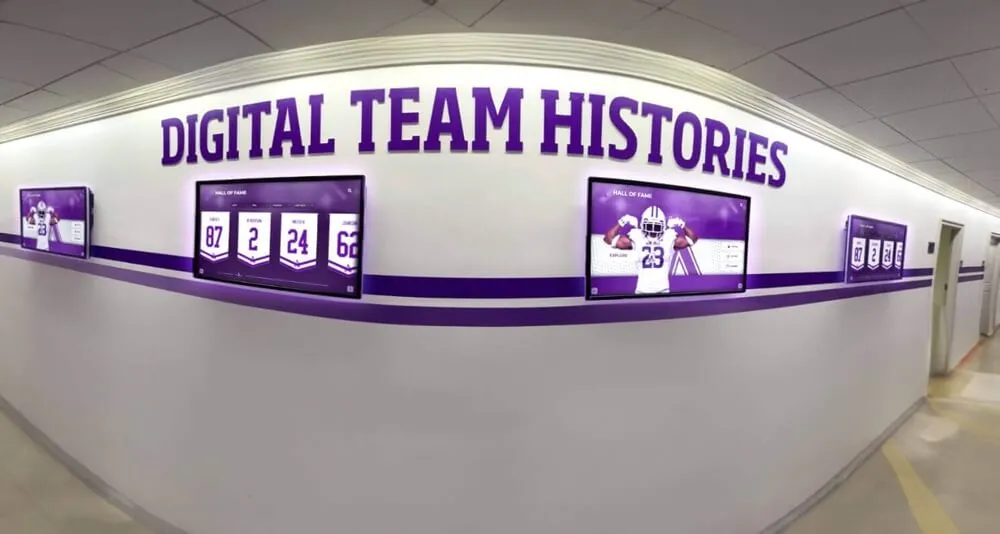
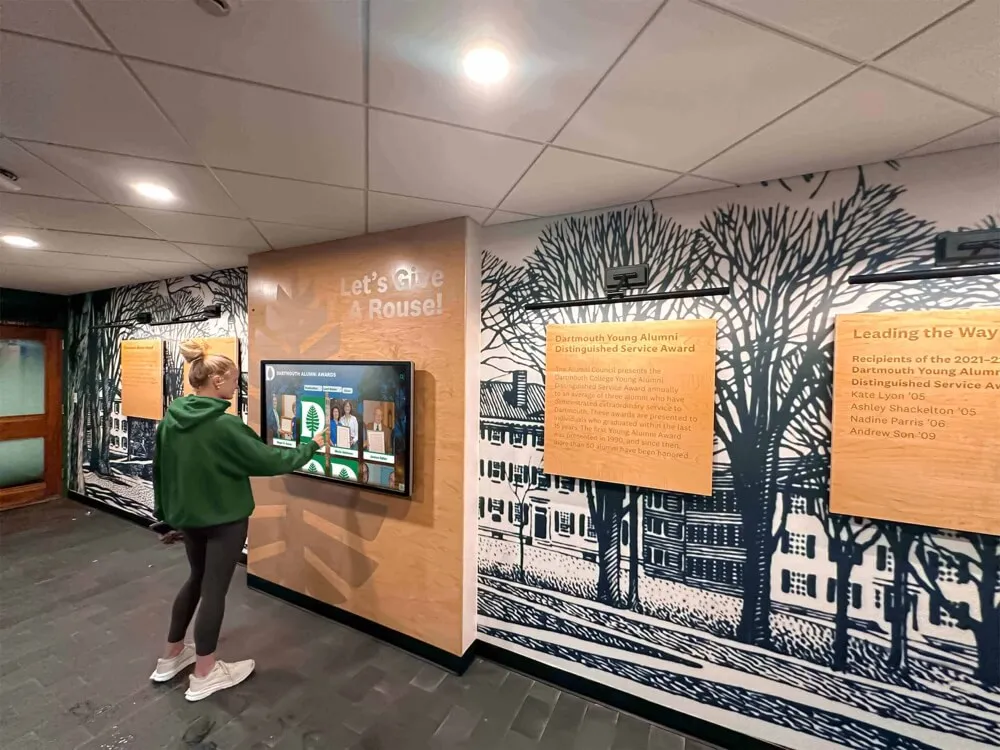
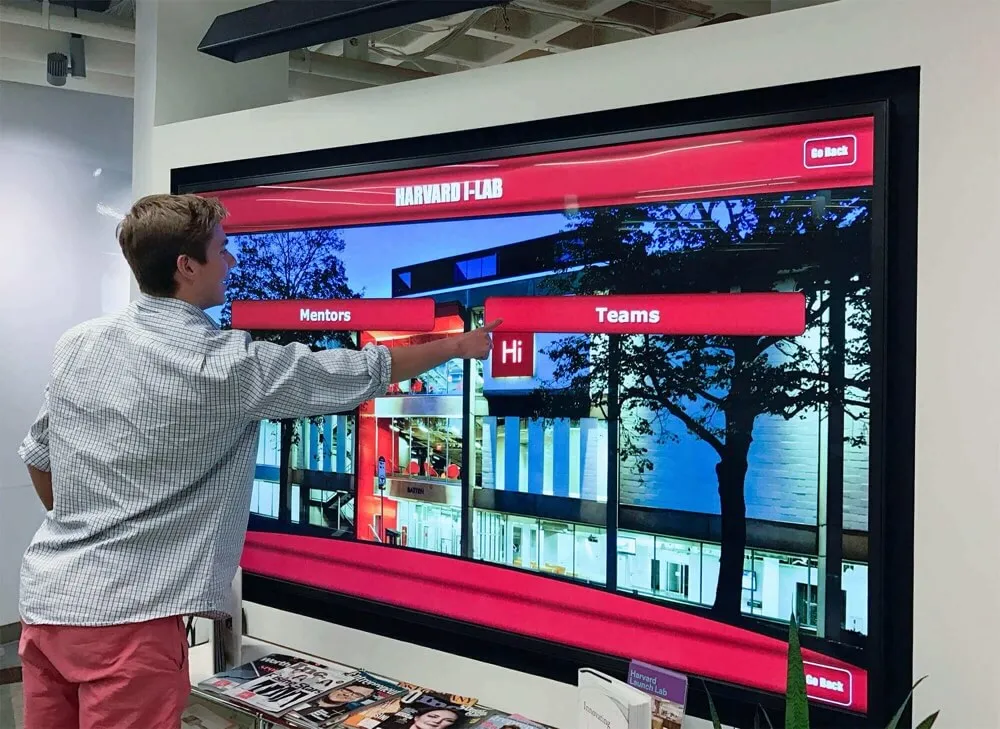
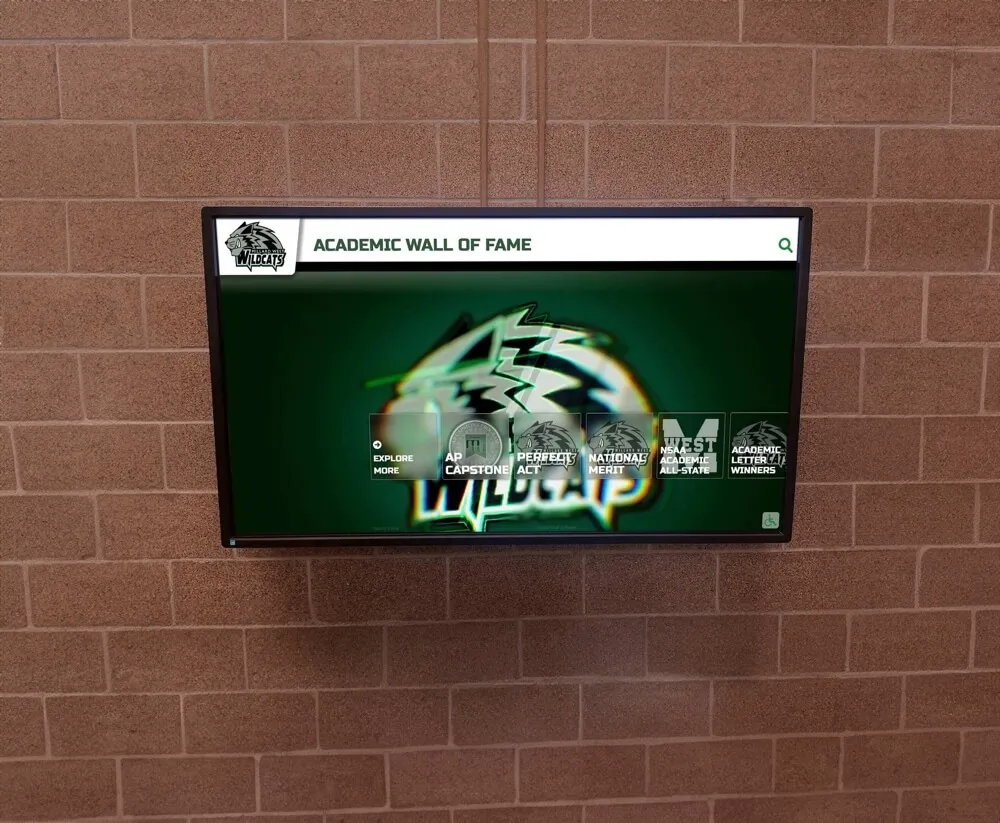
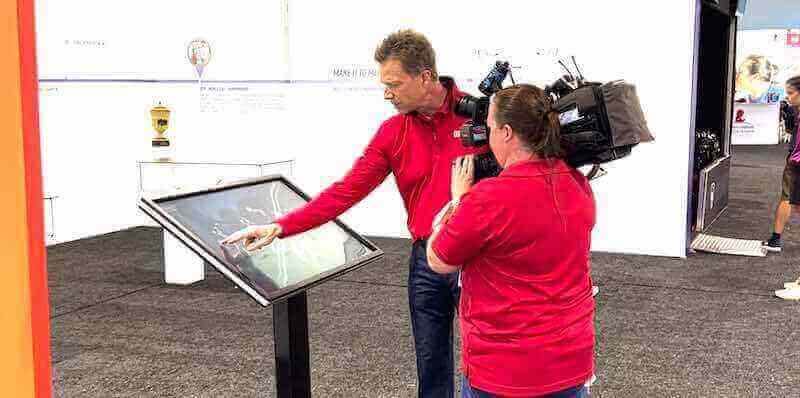
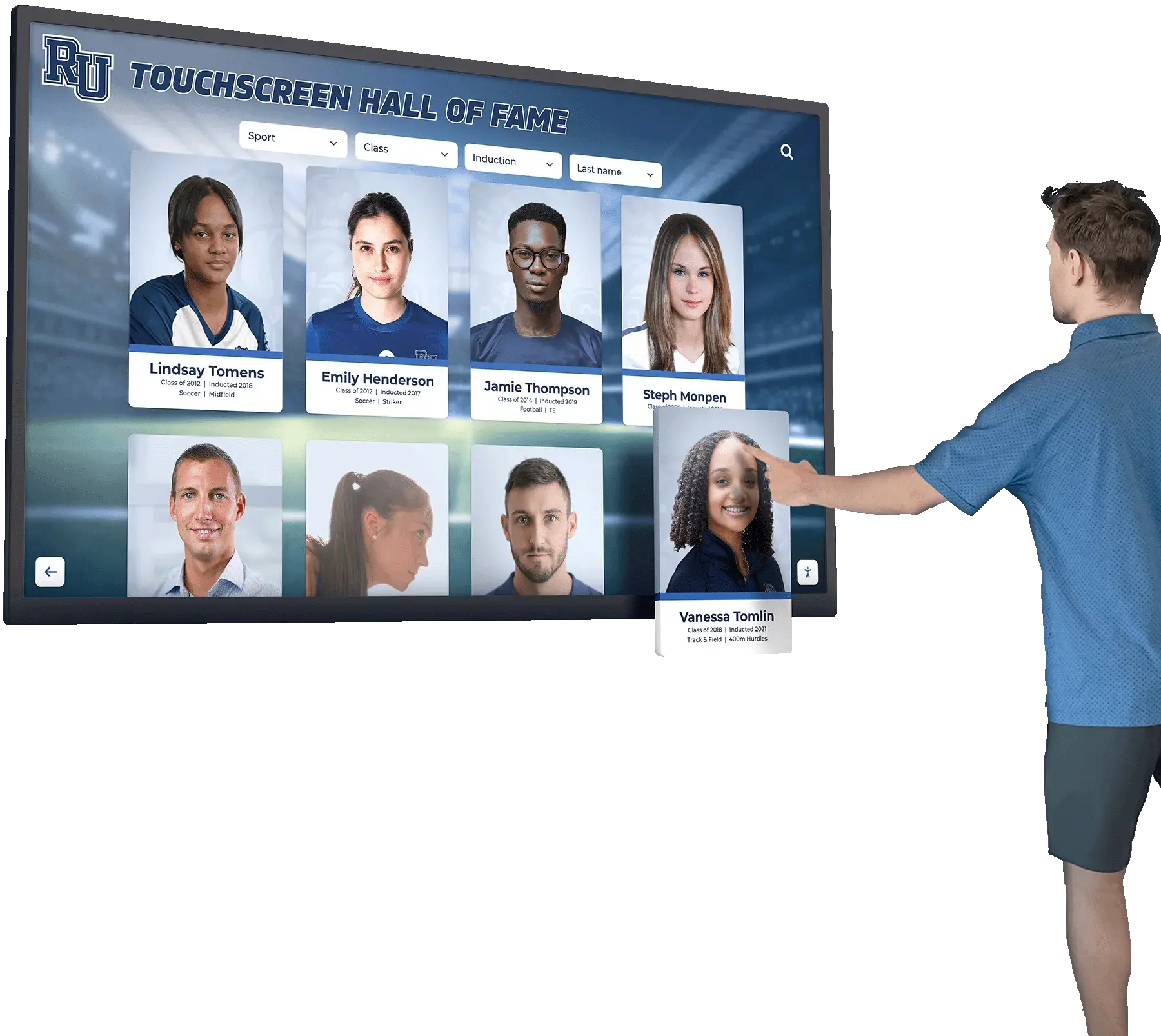
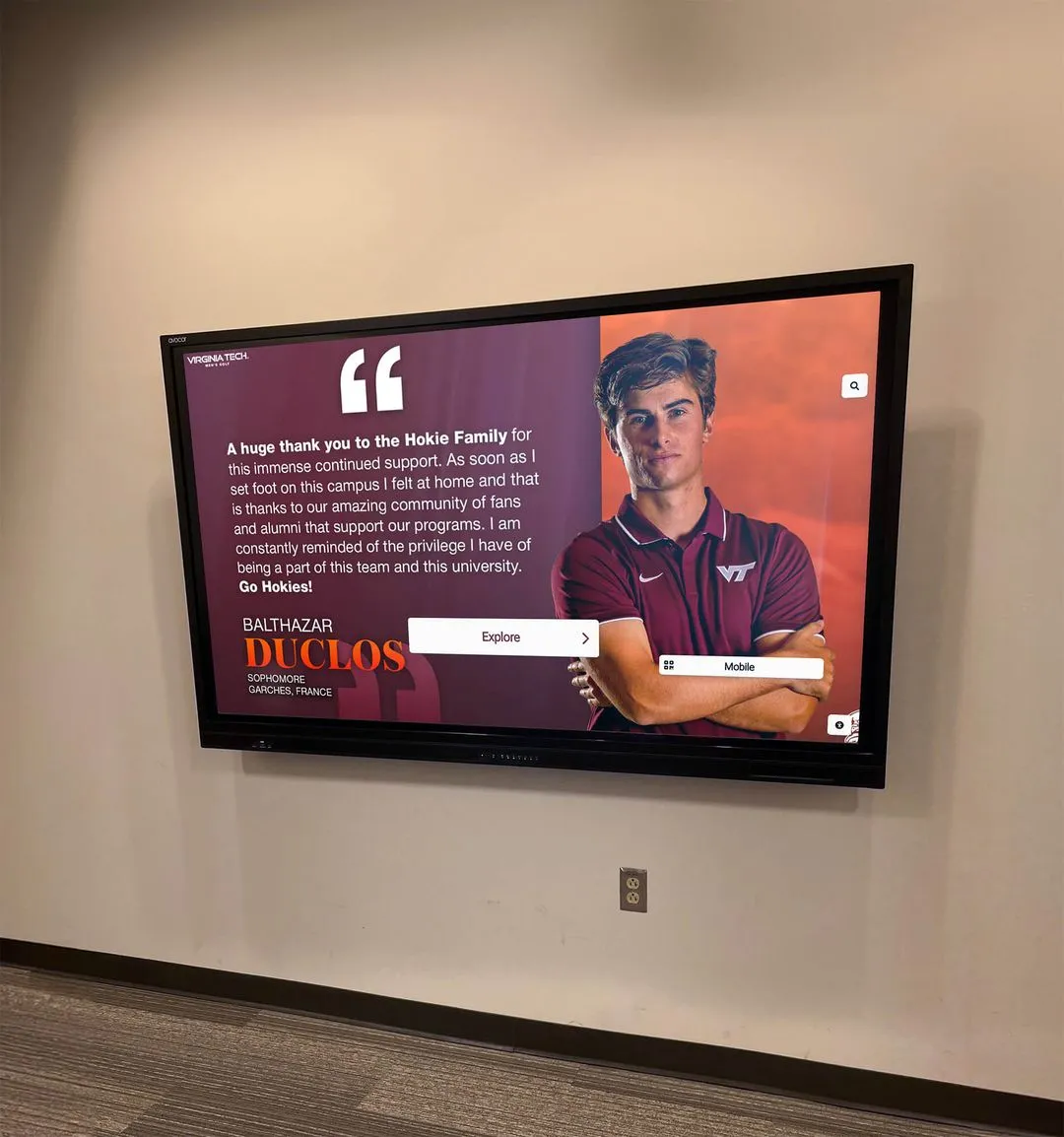
Modern lobby digital displays provide intuitive self-service experiences for residents and visitors
Understanding Apartment Complex Digital Display Systems
Before exploring implementation strategies, understanding what digital display systems encompass and why leading property management companies prioritize these technologies helps organizations develop effective deployment approaches.
What Apartment Complex Digital Displays Represent
Traditional apartment communication concentrated information at single bulletin boards in lobbies, supplemented by door hangers and email blasts that residents frequently ignored. This conventional approach works marginally for basic announcements but faces significant limitations including physical space constraints limiting message quantity and visibility, manual update requirements consuming staff time, information quickly becoming outdated, inability to deliver time-sensitive or emergency communications effectively, and no measurement of resident engagement or information consumption.
Modern apartment complex digital displays address these operational constraints while expanding communication capabilities through dynamic content management updating information instantly across multiple displays, scheduled messaging delivering time-appropriate content throughout the day, interactive touchscreen capabilities enabling residents to access detailed information on demand, emergency alert integration providing critical safety notifications, and analytics tracking demonstrating which content residents actually view and engage with.
According to property management industry research, communities implementing digital communication systems report 40-60% reduction in resident service inquiries about basic property information, 25% higher amenity utilization rates, and measurably improved resident satisfaction scores—particularly among younger demographics expecting digital communication options.
The Multifamily Housing Technology Evolution
The multifamily housing industry has experienced rapid technology adoption over the past decade, with digital communication representing a key component of comprehensive smart building strategies. Property technology now encompasses online leasing platforms enabling virtual tours and digital applications, smart building systems controlling access and utilities, resident mobile apps providing service requests and payment options, package management systems tracking deliveries, and digital display networks complementing these technologies with in-building communication infrastructure.
This integrated technology approach recognizes that modern residents expect seamless digital experiences across all property interactions—from initial leasing inquiries through daily resident communications and renewal decisions. Properties failing to meet these digital expectations face competitive disadvantages in attracting and retaining desirable residents.
Current Market Trends in Apartment Digital Displays
Leading property management companies deploy digital displays for multiple strategic purposes including replacing paper-based communication with environmentally sustainable alternatives, enhancing property modernization perceptions among prospective residents, improving operational efficiency through automated communication workflows, generating ancillary revenue through advertising opportunities, and differentiating properties in competitive markets through visible technology amenities.
Industry analysts project continued growth in apartment digital display adoption, with technology increasingly viewed as essential infrastructure rather than optional enhancement—particularly in luxury and Class A properties where residents expect comprehensive technology integration.
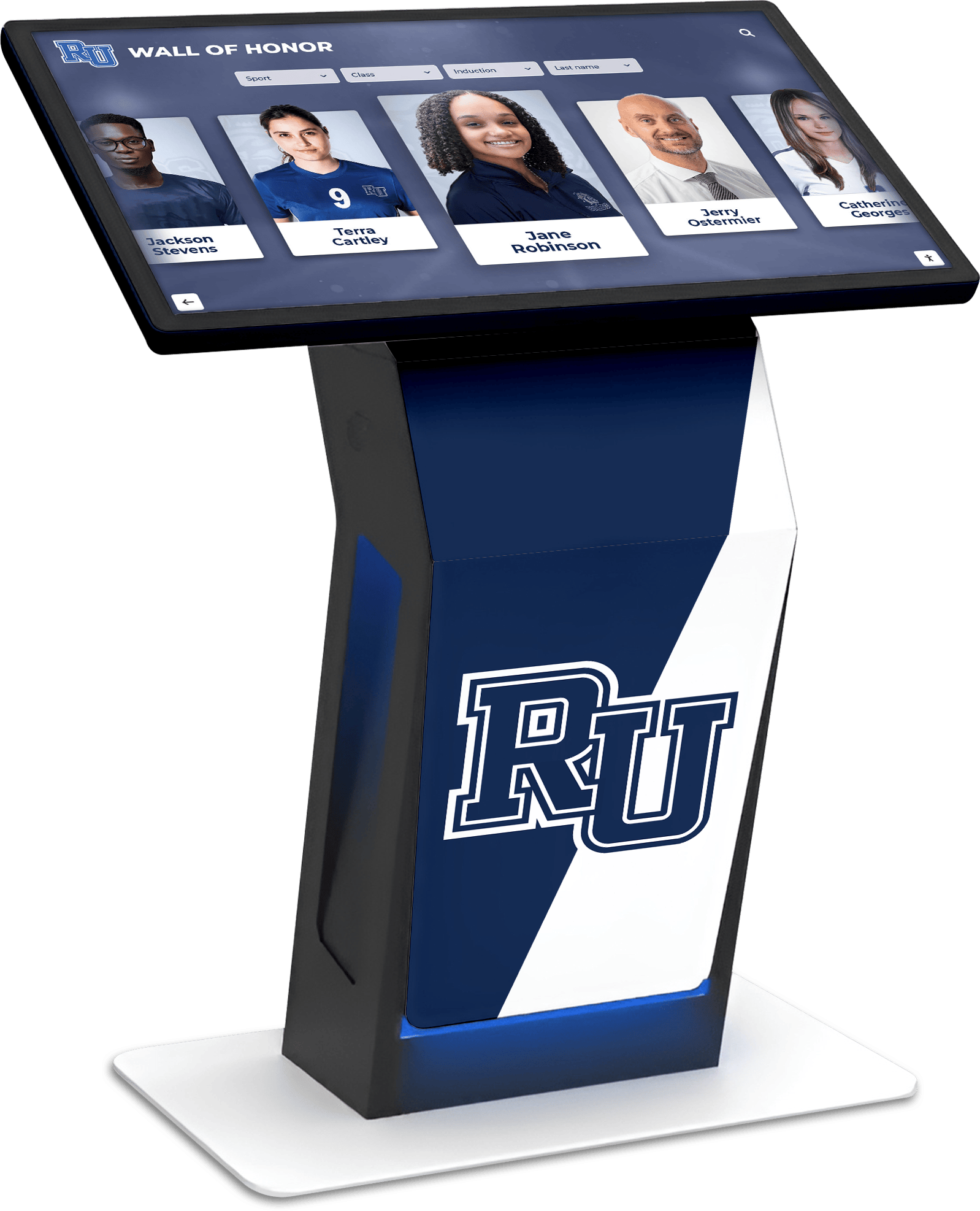
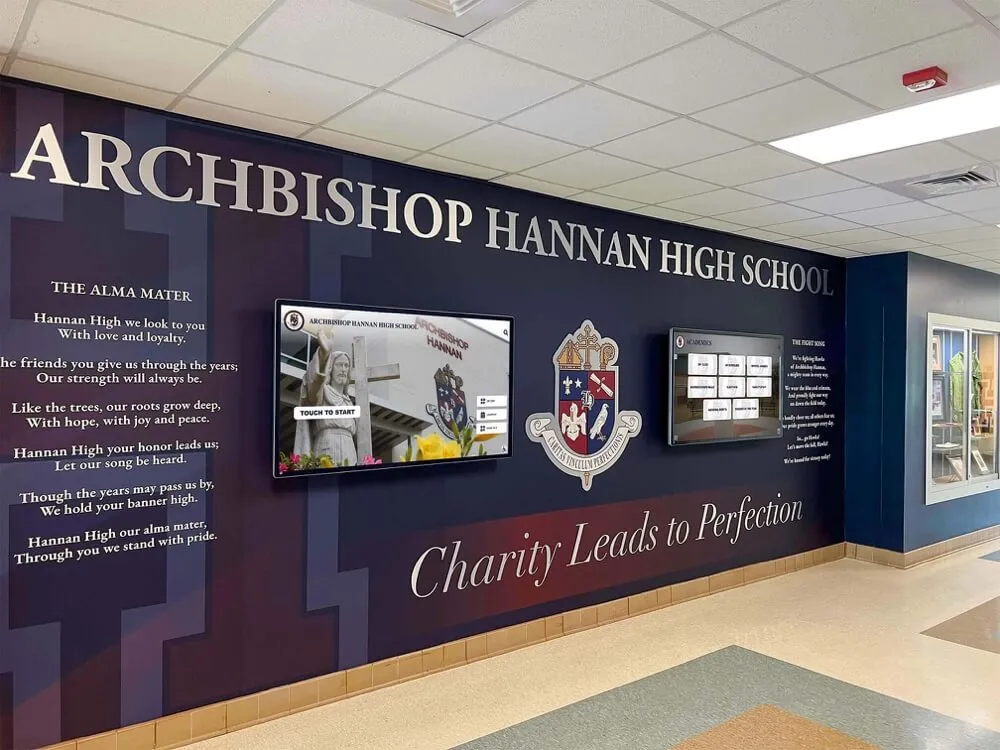
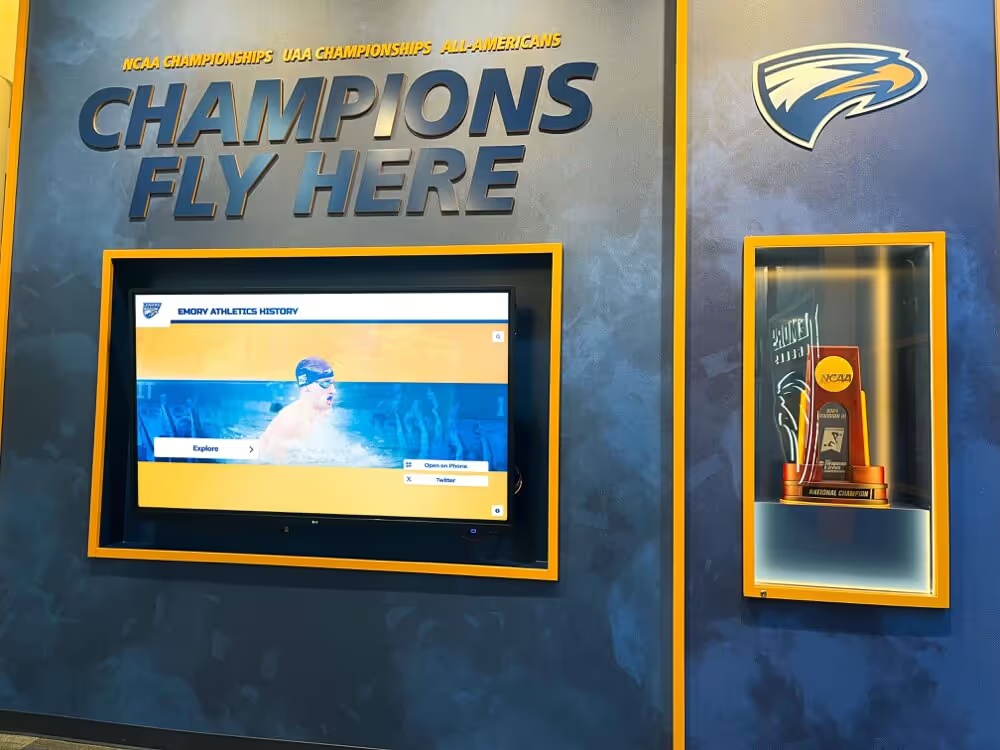
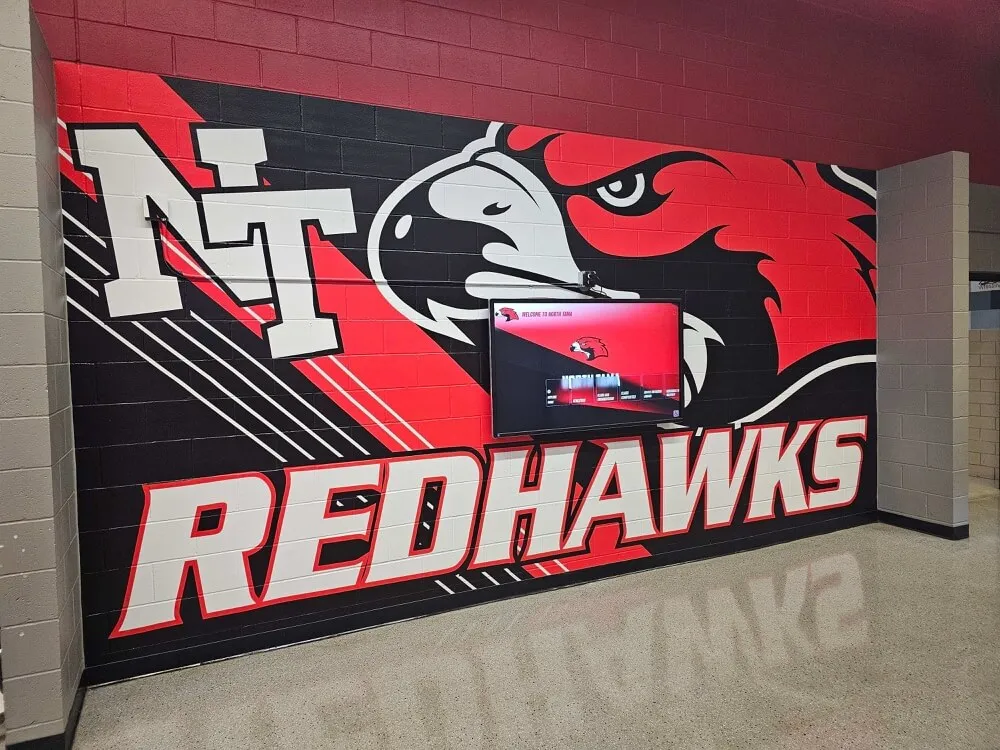
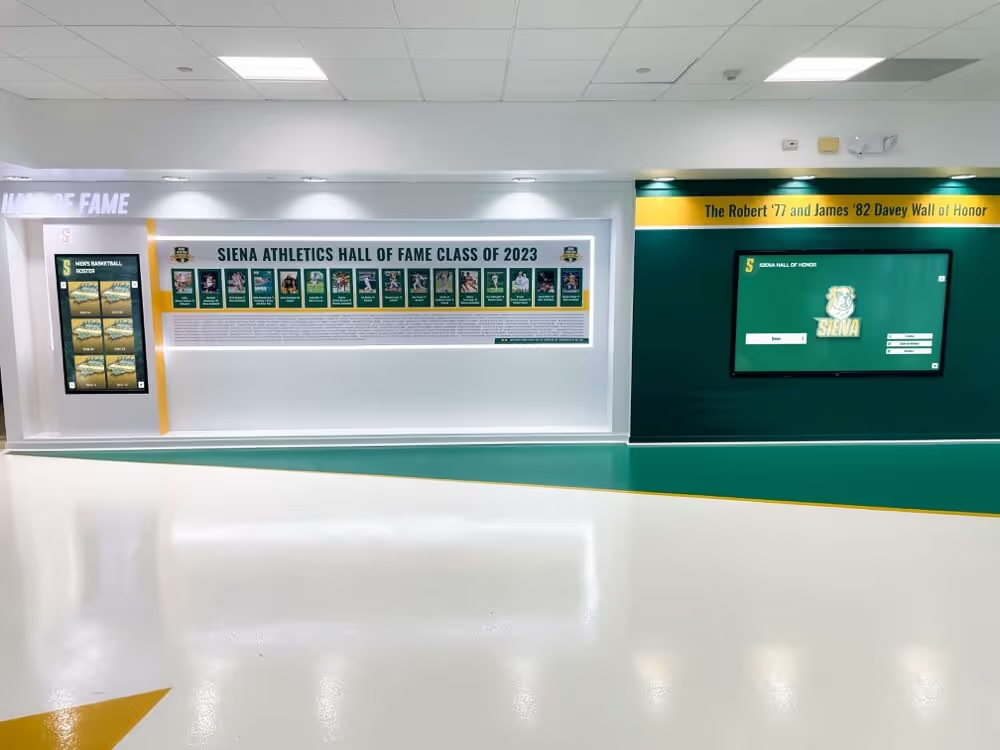
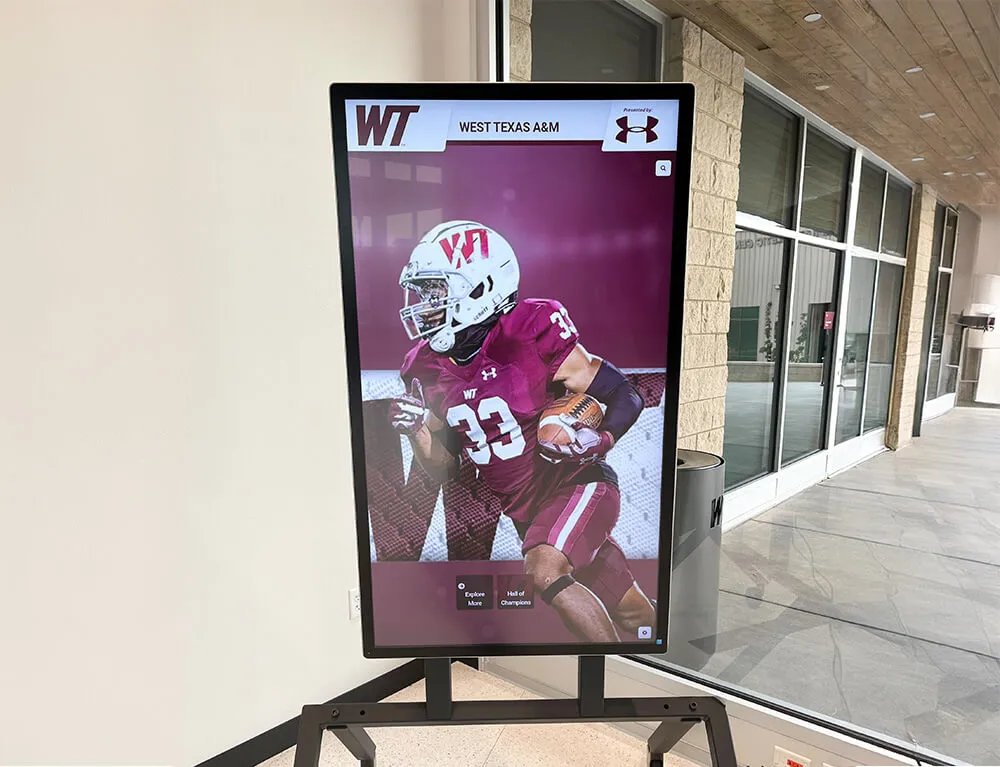
Commercial-grade touchscreen systems deliver reliable performance in high-traffic residential environments
Similar approaches to digital communication and visitor management appear across various facility types, including hospitality environments implementing lobby visitor kiosk systems for guest services and information.
Core Applications and Use Cases for Apartment Digital Displays
Comprehensive digital display systems serve multiple essential functions transforming how properties communicate and engage with resident communities.
Resident Communication and Announcements
The most fundamental application replaces traditional paper notices with dynamic digital messaging that captures attention and delivers information effectively.
Property Updates and Maintenance Notifications
Digital displays provide ideal platforms for communicating property information including scheduled maintenance windows and service interruptions, amenity closures and renovation updates, parking lot maintenance and access changes, pest control treatments and entry notifications, and utility work affecting building operations.
This centralized communication ensures residents receive consistent, timely information without relying on email open rates or physical notice delivery to individual units. Real-time updates allow property teams to adjust messaging instantly when schedules change or emergencies develop—ensuring displayed information remains accurate and helpful.
Property managers report significant reduction in resident inquiries about routine property operations after implementing lobby display systems, as residents can quickly check current information rather than calling the management office.
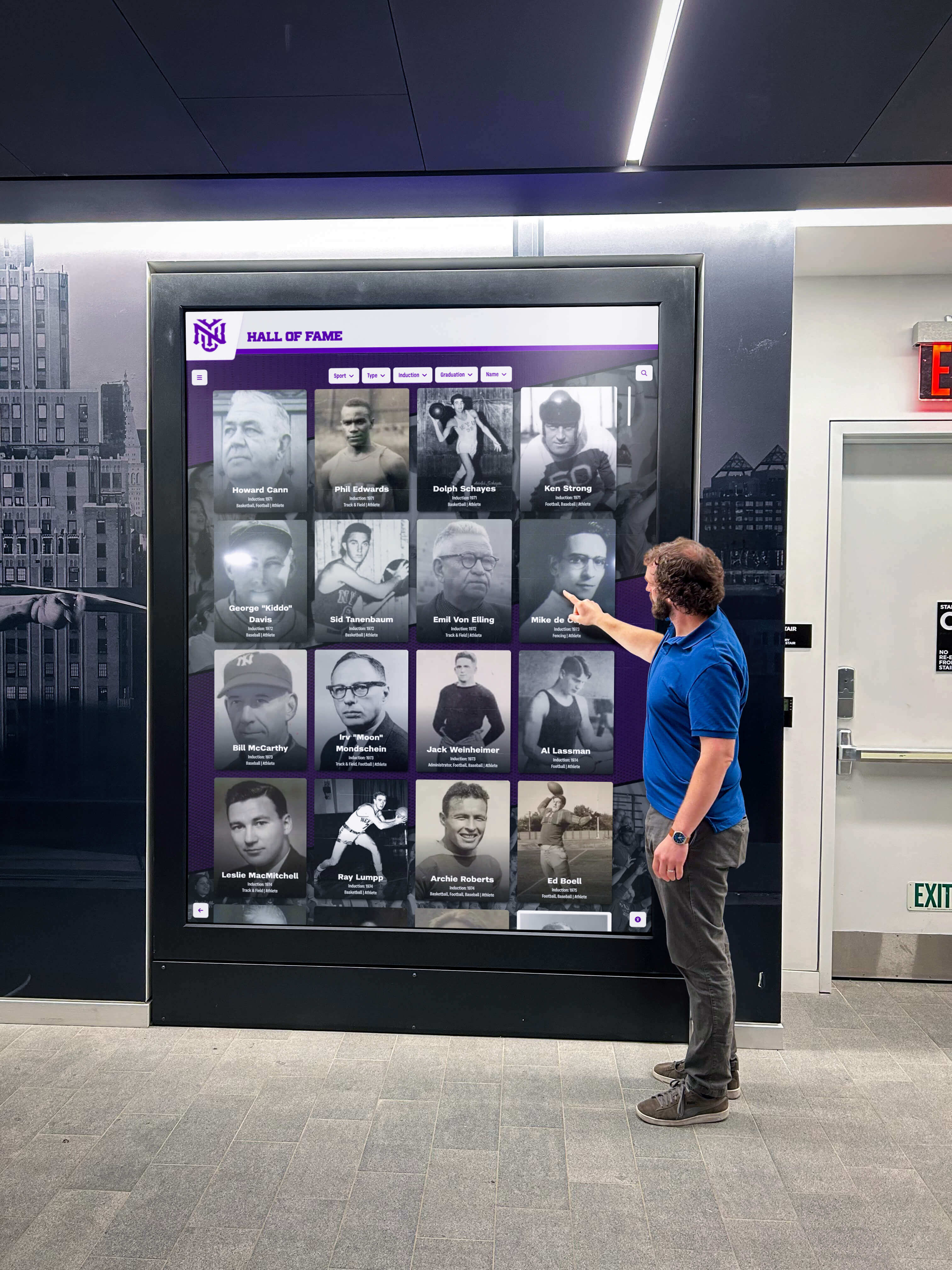
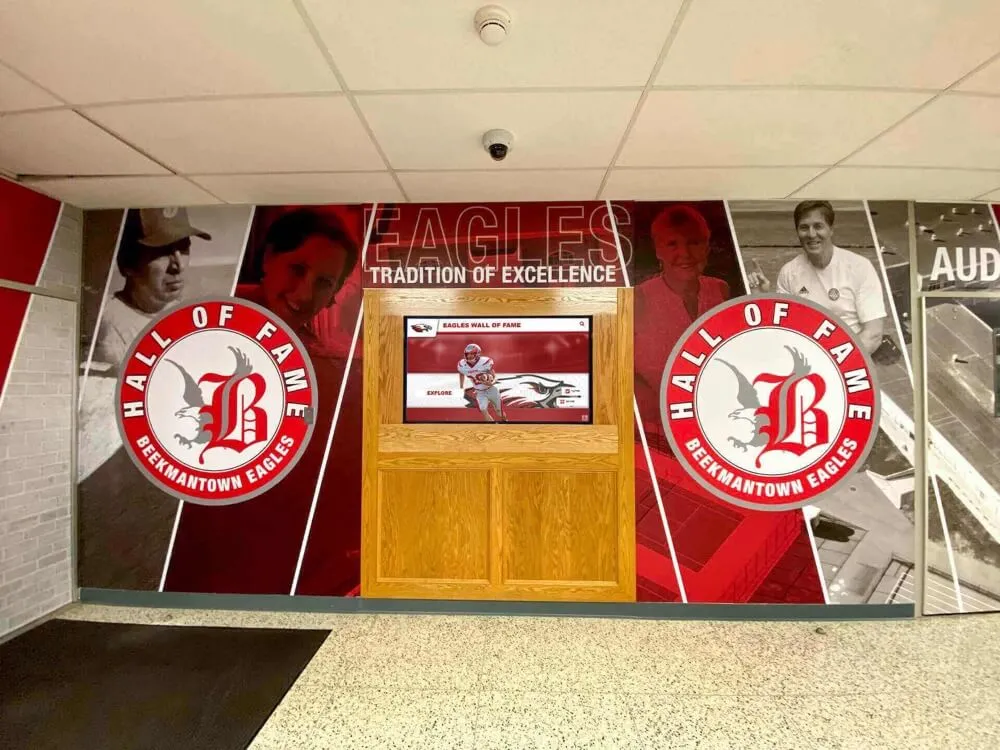
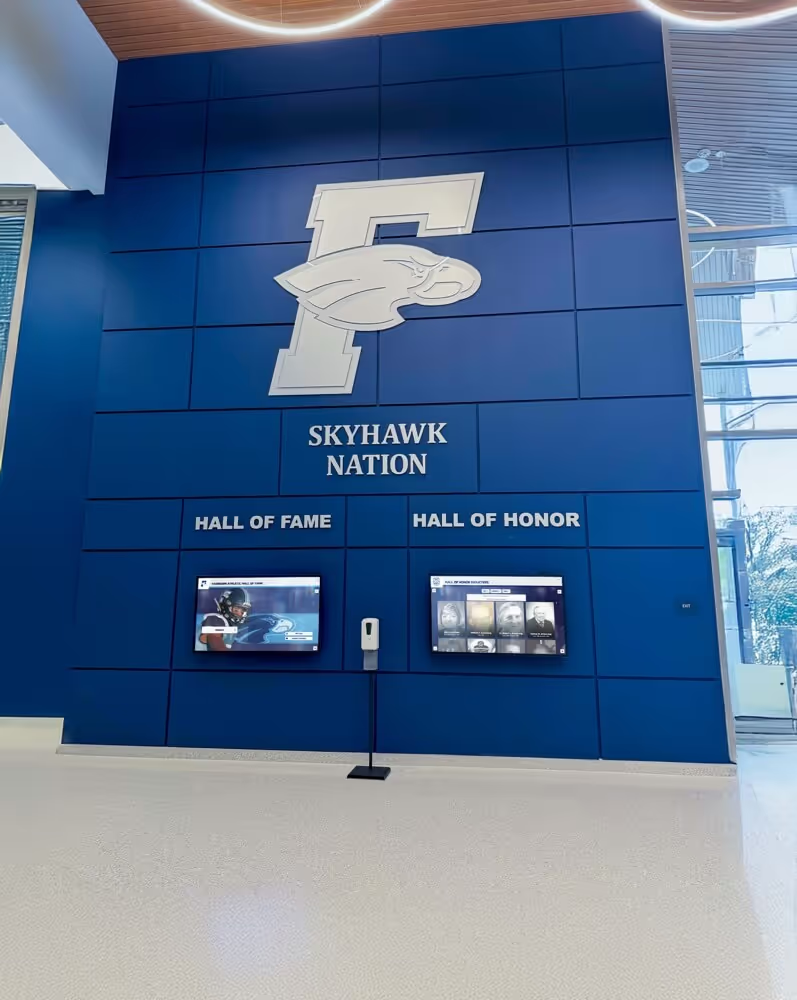
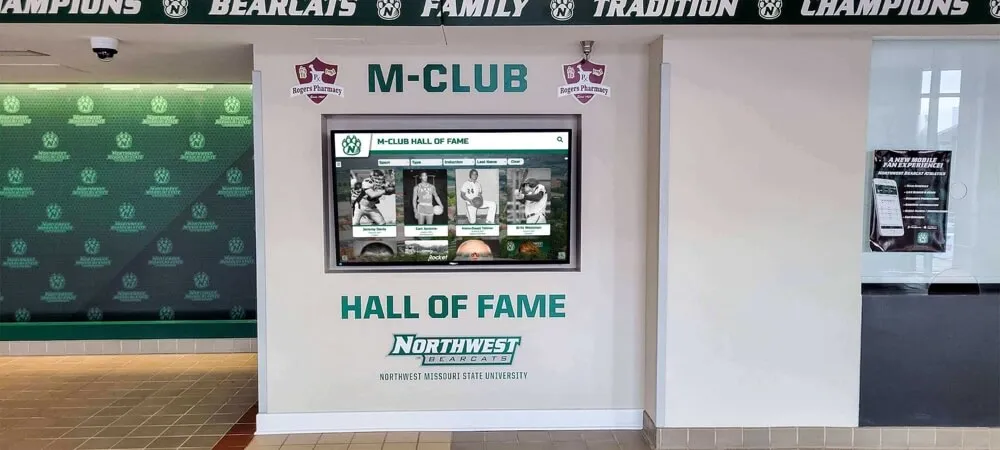
Touchscreen interfaces make property information accessible to residents and visitors of all technical abilities
Community Events and Programming
Properties fostering community through resident events benefit from digital promotion including resident social events and gatherings, fitness class schedules and wellness programming, community volunteer opportunities and charity drives, holiday celebrations and seasonal activities, and tenant appreciation events and property-sponsored outings.
Dynamic promotional content generates higher attendance rates compared to static flyers that blend into surroundings or emails buried in inboxes. Video content showcasing previous events creates excitement while demonstrating community atmosphere to prospective residents during property tours.
Policy Reminders and Compliance Information
Digital displays help reinforce important policies without creating negative confrontational experiences through pet policy reminders and leash requirements, parking regulations and guest parking procedures, noise policy communications and quiet hours, package delivery instructions and mailroom protocols, and move-in/move-out procedures and requirements.
Rotating these reminders through digital content rotations maintains visibility while avoiding the “nagging” perception that can result from permanent signage highlighting restrictions. Strategic scheduling ensures relevant content appears when needed—parking reminders during evening hours when guests arrive, noise policies on weekend evenings, and package information during peak delivery periods.
Wayfinding and Building Directory Functions
Complex properties—particularly high-rise buildings, multi-building communities, and properties with extensive amenity spaces—benefit from wayfinding capabilities helping residents, visitors, and service providers navigate effectively.
Interactive Building Directories
Touchscreen directories enable intuitive navigation including searchable resident directories respecting privacy preferences, amenity location maps showing fitness centers, pools, lounges, and facilities, service provider directories for on-site management, maintenance, and concierge, parking level and zone information helping visitors find appropriate areas, and event space directories for properties with rentable community rooms.
According to facilities management research, visitors to unfamiliar buildings commonly experience navigation difficulties leading to frustration and negative impressions. Effective wayfinding systems create positive technological interactions while reducing demands on front desk or concierge staff for routine directions.
These directory capabilities prove particularly valuable in buildings with complex floor plans, multiple towers, or extensive amenity levels where residents themselves may be uncertain about locations of less-frequently-used facilities.
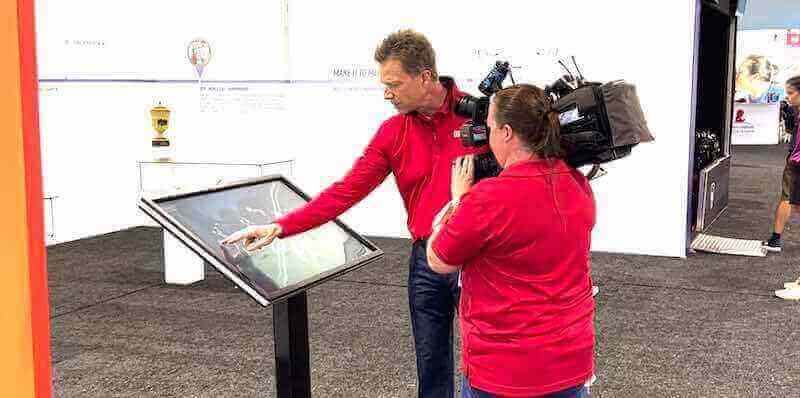
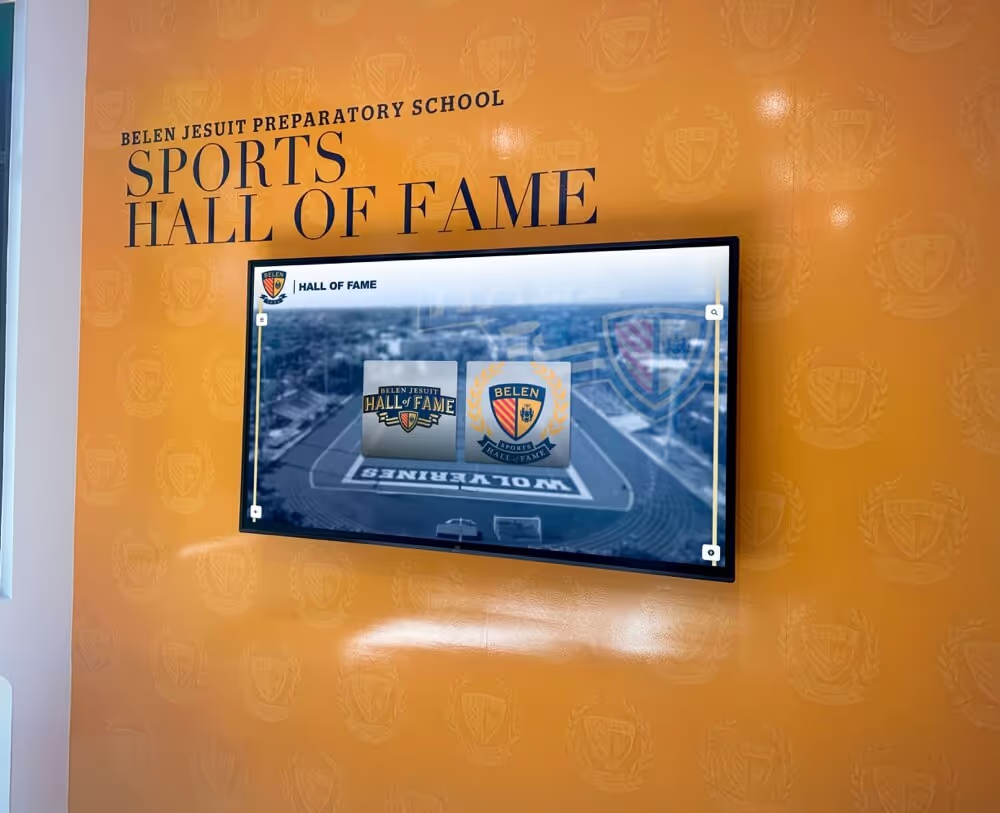
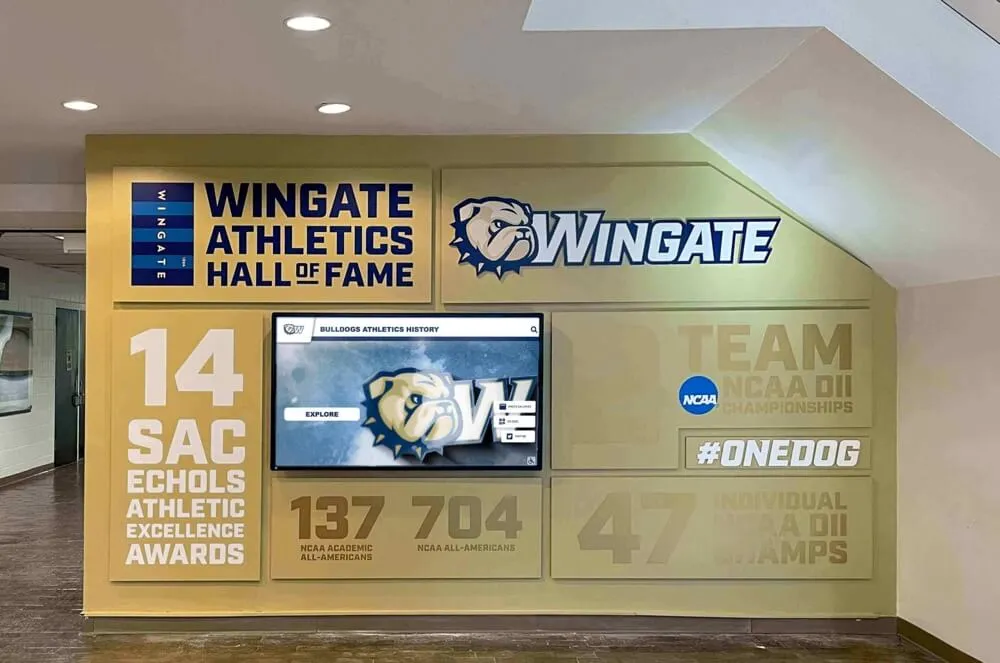
Professional-grade systems support various interaction modes and comprehensive information access
Visitor Check-In and Access Management
Properties with controlled access leverage digital displays for visitor management including delivery driver instructions and package drop-off procedures, visitor check-in processes for guest registration, service provider access instructions for contractors and maintenance vendors, parking validation information for guest vehicles, and after-hours entry procedures for residents and authorized visitors.
Integrating these functions with building access control systems creates seamless experiences while maintaining security protocols. Visitors can complete check-in processes at lobby kiosks, receiving temporary access credentials or notifying residents of arrivals without requiring dedicated front desk staff.
The same wayfinding principles that serve residential properties apply to institutional settings, where interactive church information displays help visitors navigate complex campus facilities and access program information.
Amenity Promotion and Reservation Management
Digital displays drive amenity utilization—a key factor in resident satisfaction and lease renewal decisions—by promoting facilities and streamlining access.
Amenity Showcase and Education
Many residents remain unaware of all available amenities, particularly in properties with extensive offerings. Digital displays provide ongoing education including fitness center equipment demonstrations and class schedules, pool and outdoor space policies and seasonal hours, business center capabilities and reservation procedures, community room features and rental processes, and rooftop lounge, theater rooms, and specialty space access information.
Video content proving particularly effective for showcasing amenities, with property teams creating simple walkthrough videos highlighting spaces and explaining how residents can access and enjoy facilities. This ongoing promotion increases amenity utilization rates—directly impacting perceived value and resident retention.
Reservation Systems and Availability
Interactive displays can integrate with amenity reservation systems enabling fitness class registration and capacity tracking, community room booking for resident events, guest suite reservations for visitor accommodations, equipment checkout for shared items like steam cleaners or tools, and service appointment scheduling for concierge offerings.
By providing convenient self-service reservation capabilities, properties reduce administrative burden while improving resident experience through 24/7 access to booking functions. Real-time availability display helps residents plan activities while understanding demand for popular amenities.

Intuitive touch interfaces enable successful resident interactions across all user populations
This approach to digital amenity management parallels strategies used in other sectors, such as community showcase projects that combine information delivery with engagement opportunities.
Emergency Communication and Safety Information
Digital displays serve critical functions during emergencies while providing ongoing safety education during routine operations.
Emergency Alert Integration
Modern display systems integrate with emergency notification platforms delivering weather alerts and shelter-in-place instructions, fire alarm activations and evacuation procedures, security incidents requiring resident awareness, utility emergencies and safety precautions, and public health announcements and protective measures.
The ability to instantly override regular content with emergency information across all property displays provides critical communication capabilities that paper notices and even email systems cannot match. Visual and audio alerts ensure residents in common areas receive immediate notification of situations requiring action.
Building code authorities in some jurisdictions now recognize digital emergency notification systems as partial fulfillment of life safety communication requirements when implemented with appropriate redundancy and backup power systems.
Ongoing Safety Education
Beyond acute emergencies, displays promote safety awareness through fire safety reminders and prevention tips, severe weather preparedness information, crime prevention and security awareness messages, health and wellness information including seasonal illness prevention, and emergency contact information for property management and local services.
Regular rotation of safety content maintains awareness without creating alarm fatigue that can result from overemphasis on negative scenarios. Educational content frames safety positively—emphasizing preparedness and community care rather than fear.
Benefits of Digital Displays for Apartment Complexes
Understanding specific advantages helps property owners and managers justify technology investments while measuring success after implementation.
Enhanced Resident Experience and Satisfaction
Modern renters increasingly expect technology integration throughout living experiences, with digital communication representing a visible, daily-interaction technology that shapes resident perceptions.
Convenient Information Access
Digital displays deliver measurable experience improvements including 24/7 information availability without requiring staff interaction, centralized information access in high-traffic areas residents naturally pass, visual engagement capturing attention more effectively than email communications, interactive capabilities enabling residents to access detailed information on demand, and consistent messaging ensuring all residents receive identical information simultaneously.
According to recent multifamily industry research, properties implementing comprehensive digital communication systems report 10-15% higher resident satisfaction scores, with particularly strong positive response from millennial and Gen Z renters who expect digital-first communication approaches.
Perceived Property Value and Modernization
Technology serves as visible indicator of property investment and modernization commitment. Residents interpret digital display systems as signals that ownership prioritizes resident experience, invests in property improvements, embraces contemporary technology standards, and maintains competitive positioning versus alternative housing options.
This perception influences retention decisions as residents compare their current property against competitive alternatives during lease renewal considerations. Properties demonstrating ongoing technology investment create impressions of forward-thinking management less likely to allow facilities to deteriorate.
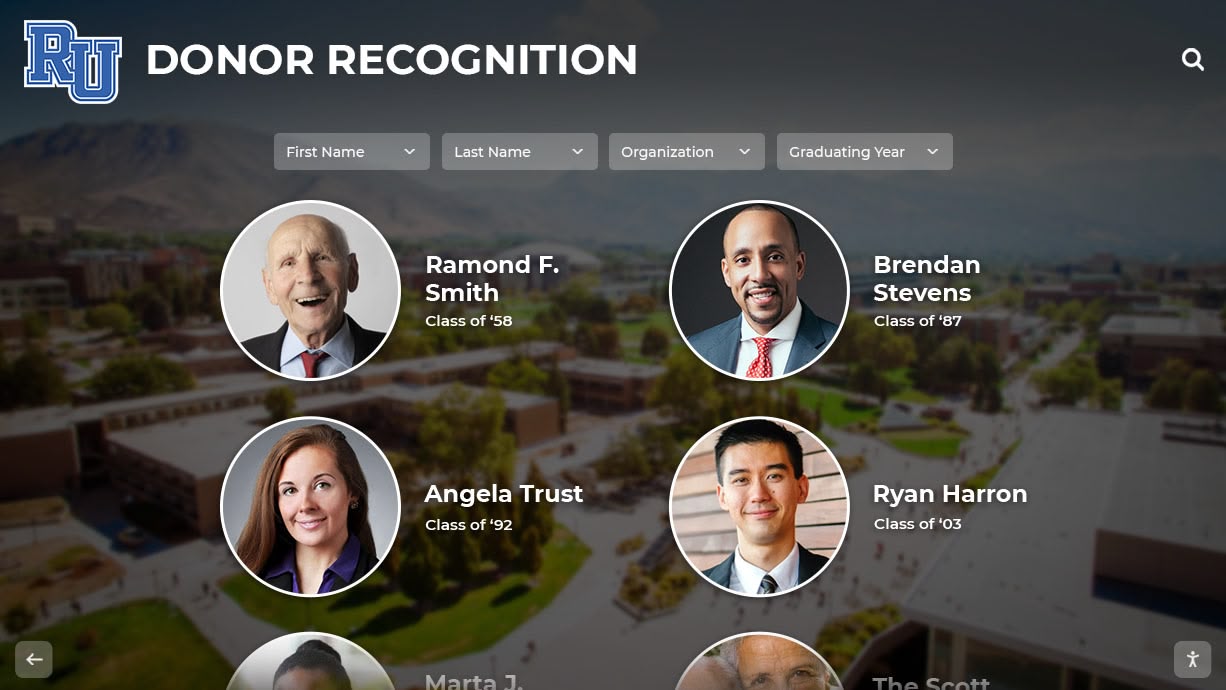
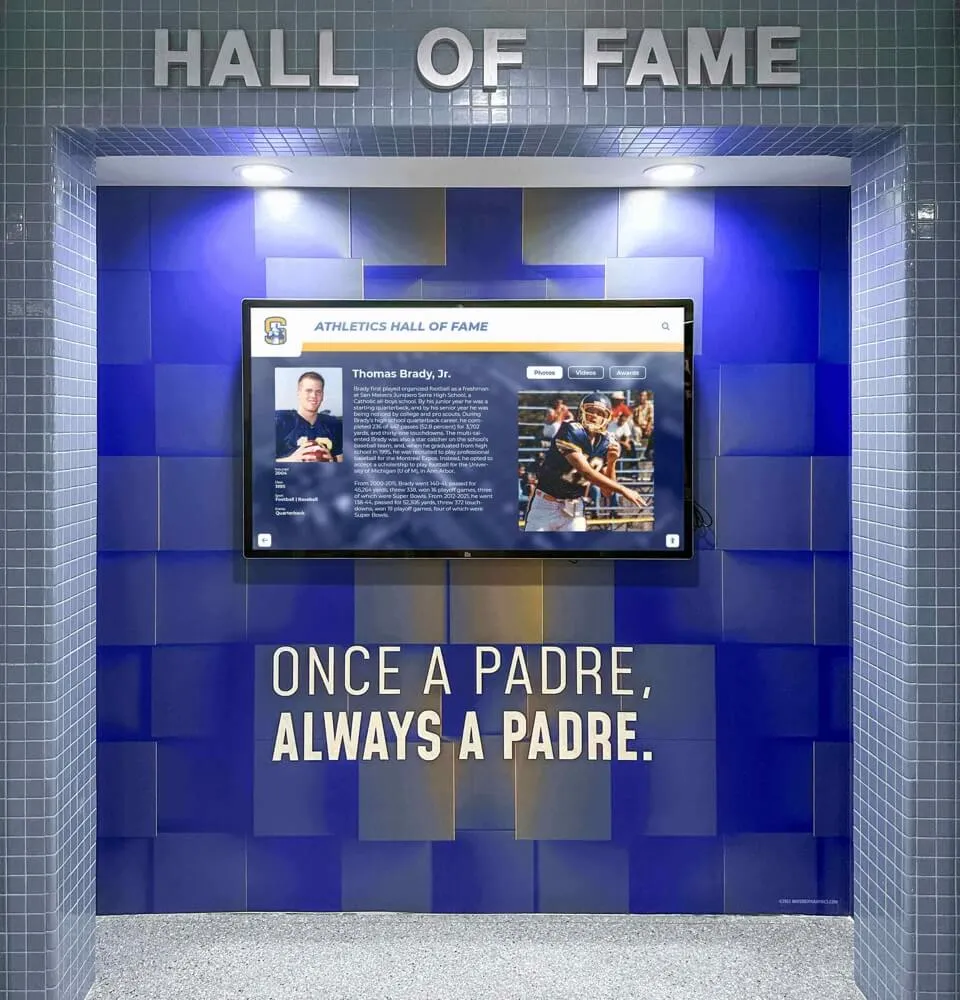
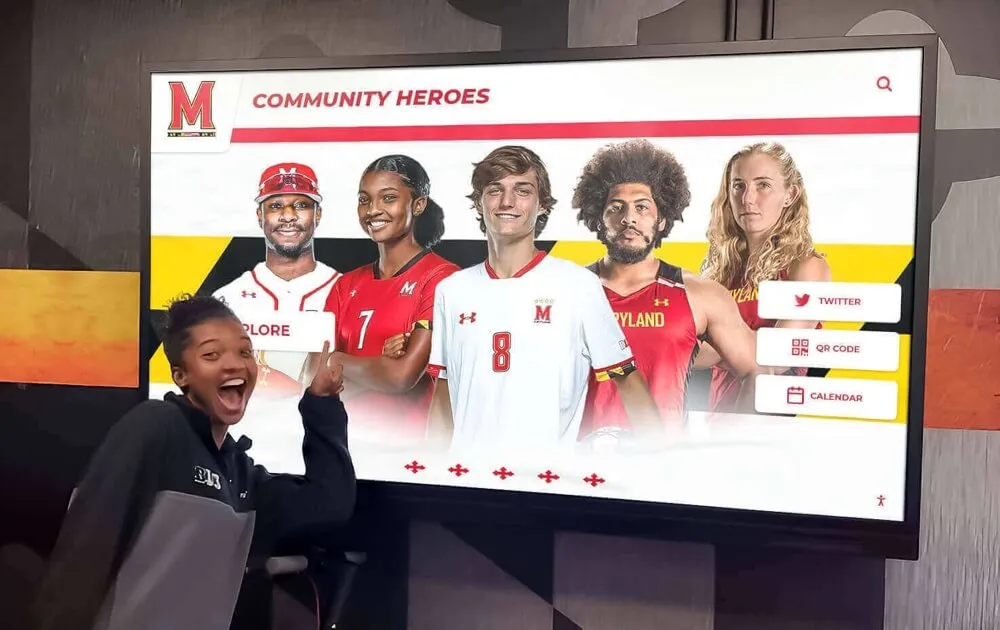
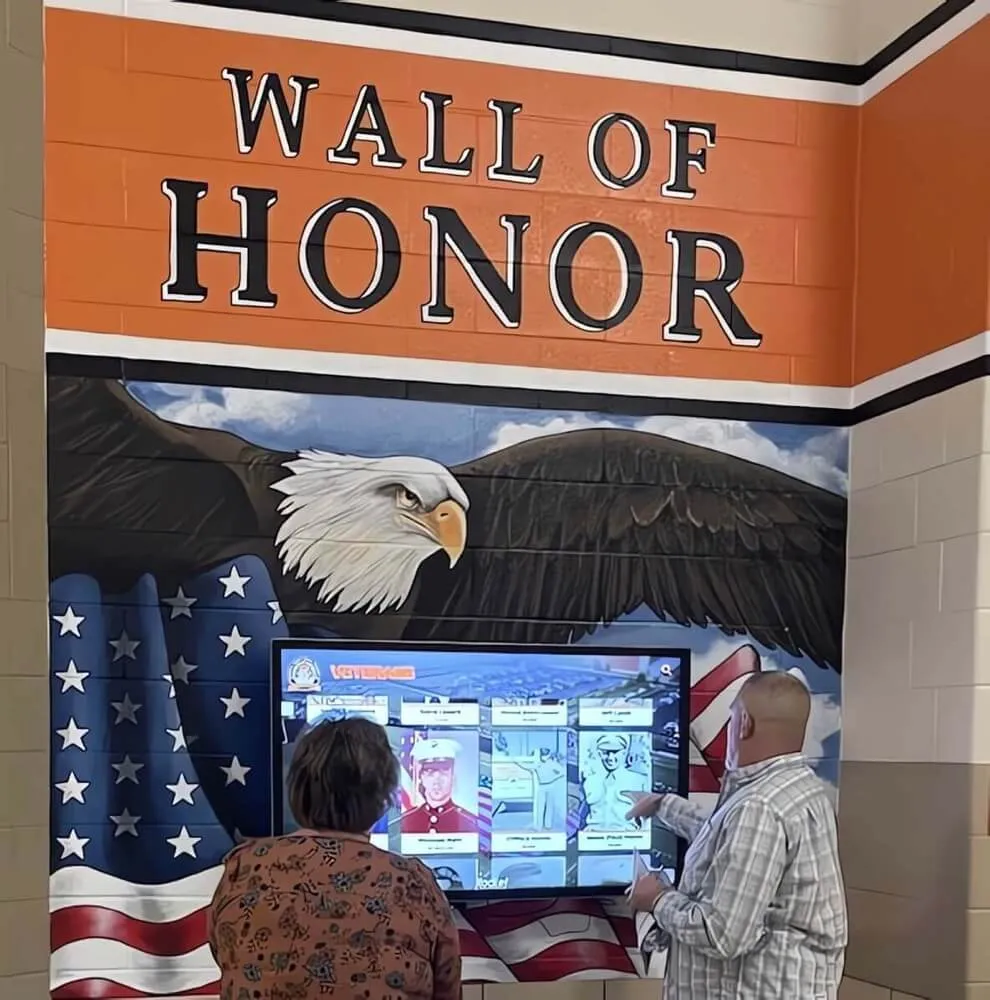
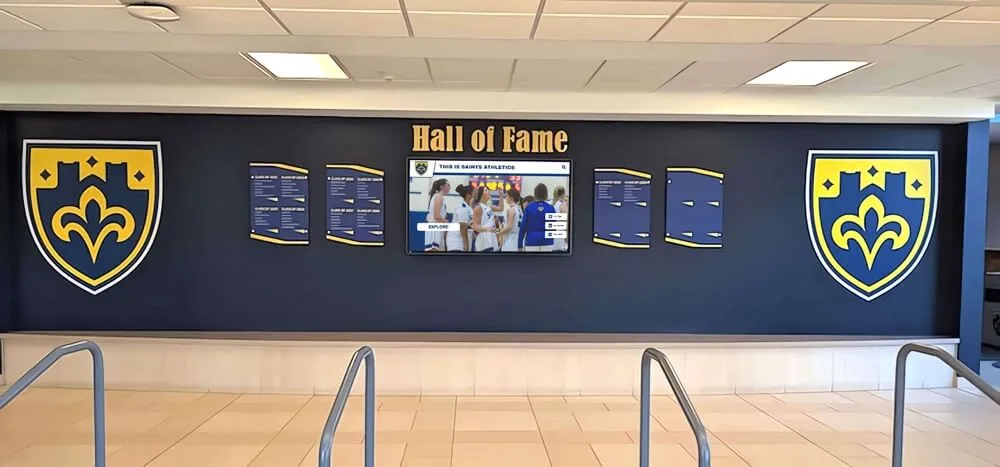
Recognition and community-building content foster resident connection and pride
Operational Efficiency and Cost Reduction
Beyond resident-facing benefits, digital displays deliver significant operational advantages reducing costs while improving communication effectiveness.
Staff Time Optimization
Digital content management enables property teams to reduce time spent printing, posting, and removing paper notices throughout properties, eliminate individual door-hanger delivery for routine announcements, minimize resident inquiries about basic property information available on displays, automate scheduled communications requiring no manual intervention, and manage communication across multiple buildings from centralized platforms.
Properties report 5-10 hours weekly staff time savings after implementing digital display systems—time that can be redirected toward resident relations, property maintenance, and other value-creating activities that paper notice management doesn’t accomplish.
Reduced Printing and Material Costs
Environmental and cost benefits accrue from elimination of printed notices including paper, toner, and printing equipment costs, labor costs for production and distribution, waste disposal for outdated printed materials, and physical bulletin board maintenance and updating.
While individual notice costs appear minimal, properties producing dozens of announcements monthly across multiple buildings spend thousands annually on printing-related costs that digital systems eliminate entirely. Sustainability-conscious residents also appreciate environmental benefits of paperless communication.
Improved Communication Effectiveness
Digital displays create measurably more effective communication through dynamic content that captures attention versus static paper notices, video capabilities explaining complex information more effectively than text, scheduled messaging delivering content at optimal times for resident exposure, emergency override capabilities ensuring critical information reaches residents immediately, and analytics demonstrating which content residents actually view and engage with.
Property managers report significant reduction in “I didn’t see the notice” complaints after implementing prominent lobby displays capturing resident attention during daily building entries and exits.
Revenue Generation Opportunities
Strategic display deployment creates ancillary revenue streams beyond core rental income while enhancing rather than detracting from resident experience.
Local Business Advertising
Display networks in residential properties represent valuable advertising inventory for local businesses seeking to reach affluent, geographically-concentrated consumers including restaurants and food delivery services, fitness studios and wellness providers, pet services including grooming and veterinary care, automotive services including detailing and repair, retail shops and service providers in surrounding neighborhoods, and entertainment venues seeking to attract local patrons.
Properties can directly manage advertising sales or partner with specialized property technology companies that sell inventory while sharing revenue. Advertising content typically rotates with property messaging, occupying 20-30% of content rotation without dominating resident-focused information.
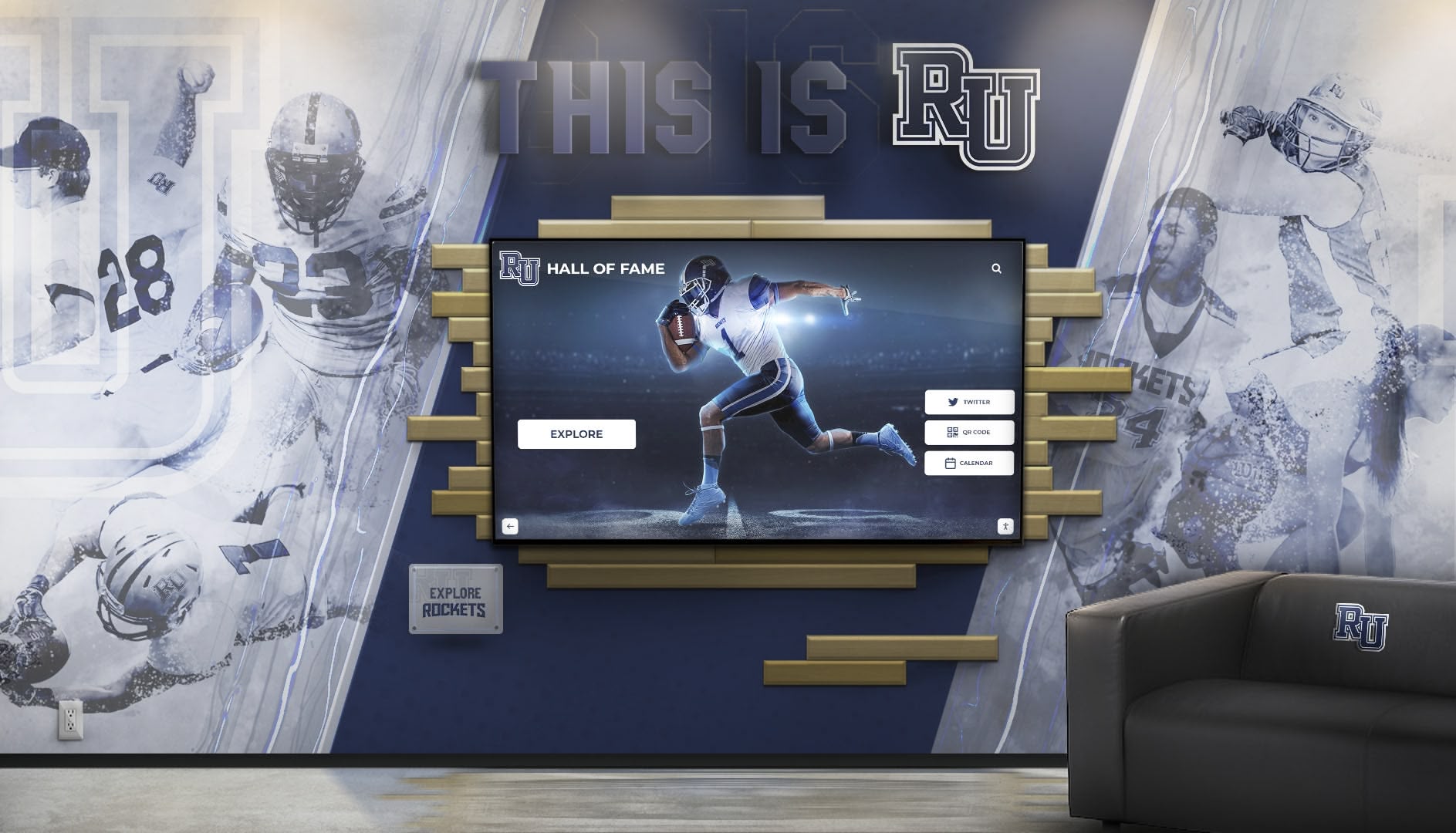
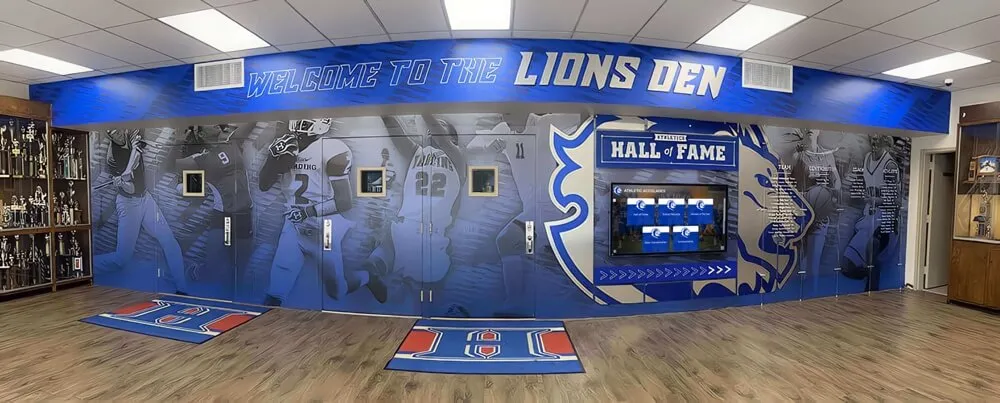
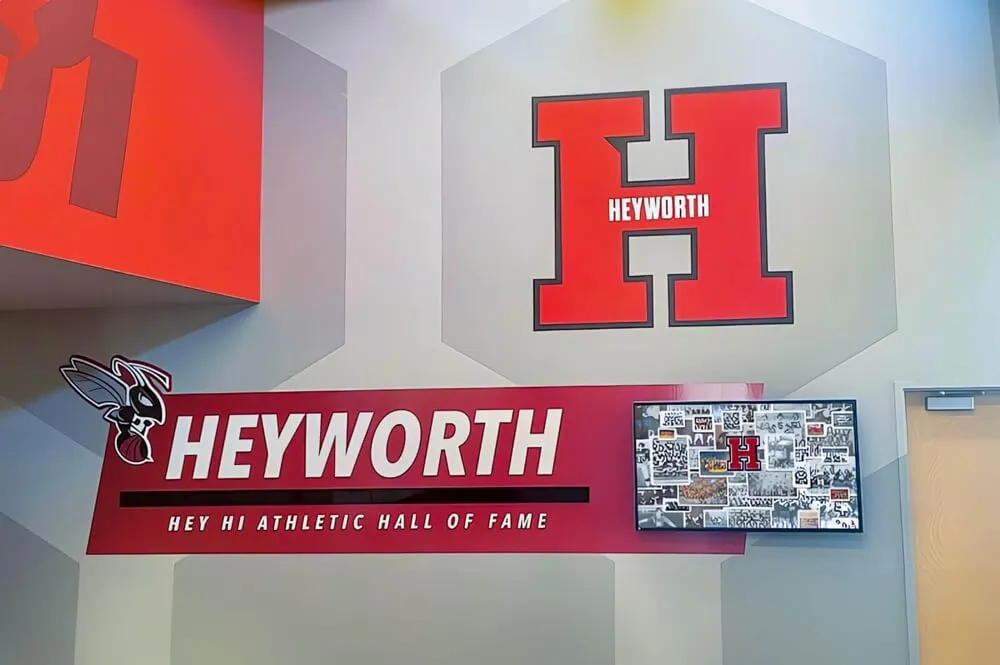
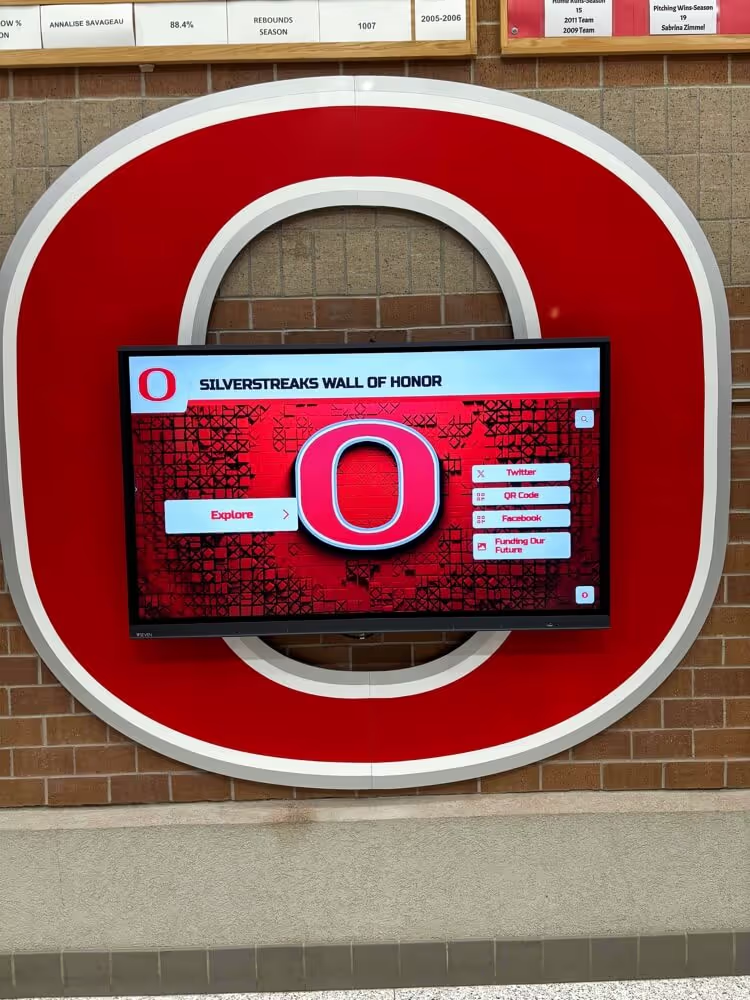
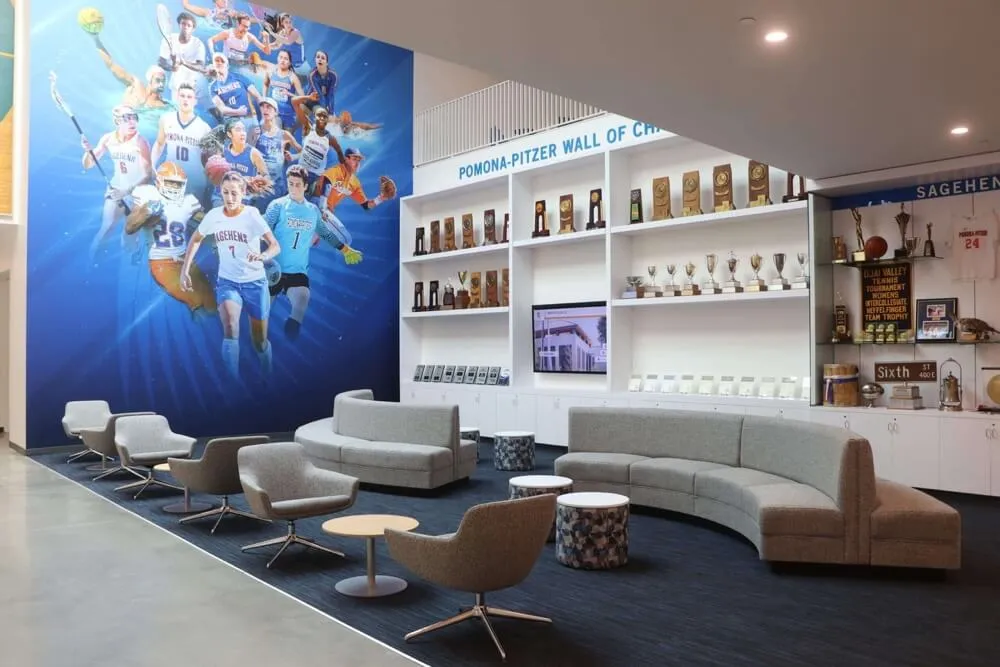
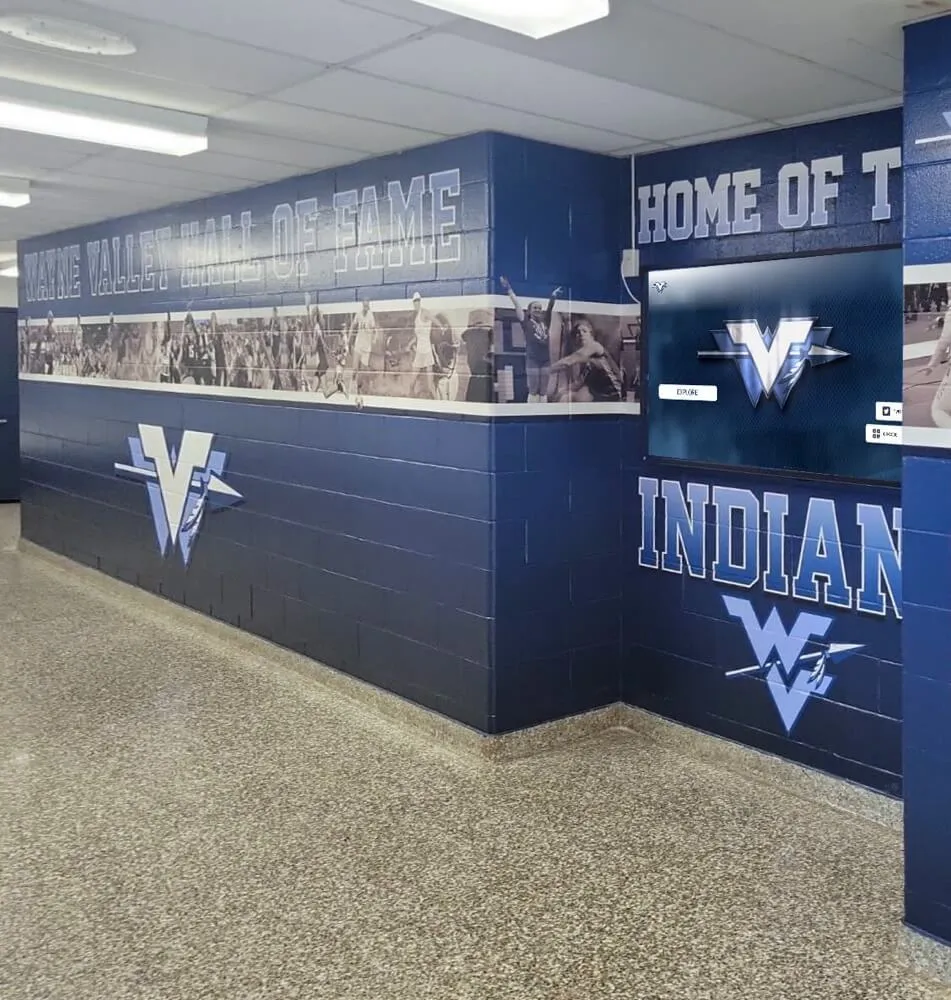
Custom installations integrate property branding and design elements with functional technology
Property Owner and Developer Promotion
Properties under development benefit from displays promoting ownership portfolio including sister property promotions when residents seek to relocate, upcoming development announcements and leasing opportunities, ownership brand building and community presence messaging, and partner business promotions benefiting ownership investments.
For developers managing multiple properties within markets, display networks create valuable cross-promotion opportunities driving referrals between properties and reinforcing brand recognition across ownership portfolios.
Resident Business Directory
Some properties monetize displays while providing resident utility through paid resident business directories where resident-owned businesses can advertise to neighbors, community vendor recommendations for services residents frequently need, preferred partner promotions for businesses offering resident discounts, and local marketplace features facilitating neighbor-to-neighbor commerce.
These revenue opportunities require careful balance ensuring commercial content doesn’t overwhelm resident-focused information or create negative perceptions of excessive advertising. Well-implemented advertising feels like helpful local business information rather than intrusive marketing.
The concept of using interactive displays for both information and revenue generation applies across facility types, as demonstrated by outlet mall interactive kiosks combining wayfinding with promotional content.
Implementation Strategies for Apartment Digital Display Systems
Moving from conceptual benefits to successful deployment requires systematic planning addressing technology selection, content strategy, and operational integration.
Technology Selection and Display Types
Evaluating available solutions requires understanding the distinct display categories serving different functions within residential properties.
Digital Signage Displays
Non-interactive displays provide cost-effective solutions for broadcast messaging including lobby announcement displays showcasing property news and updates, elevator displays providing captive-audience messaging, fitness center displays promoting classes and wellness content, mailroom displays with package pickup instructions, and amenity space displays relevant to specific locations.
Display sizes typically range from 32-inch installations in elevators and smaller spaces to impressive 55-65-inch displays in grand lobby areas commanding attention. Commercial-grade displays designed for continuous operation prove essential, as consumer televisions cannot withstand 12-16 hour daily operation in commercial environments.
Interactive Touchscreen Kiosks
Interactive capabilities enable advanced functions including building directories with searchable resident and business listings, detailed amenity information and reservation systems, community event calendars with registration capabilities, visitor check-in and access request functions, and service request submission and work order tracking.
Touchscreen sizes typically range from 32-inch installations suitable for directory functions to 42-55-inch displays supporting detailed content exploration. Placement requires consideration of ADA accessibility requirements including appropriate mounting heights and clear floor space for wheelchair users.
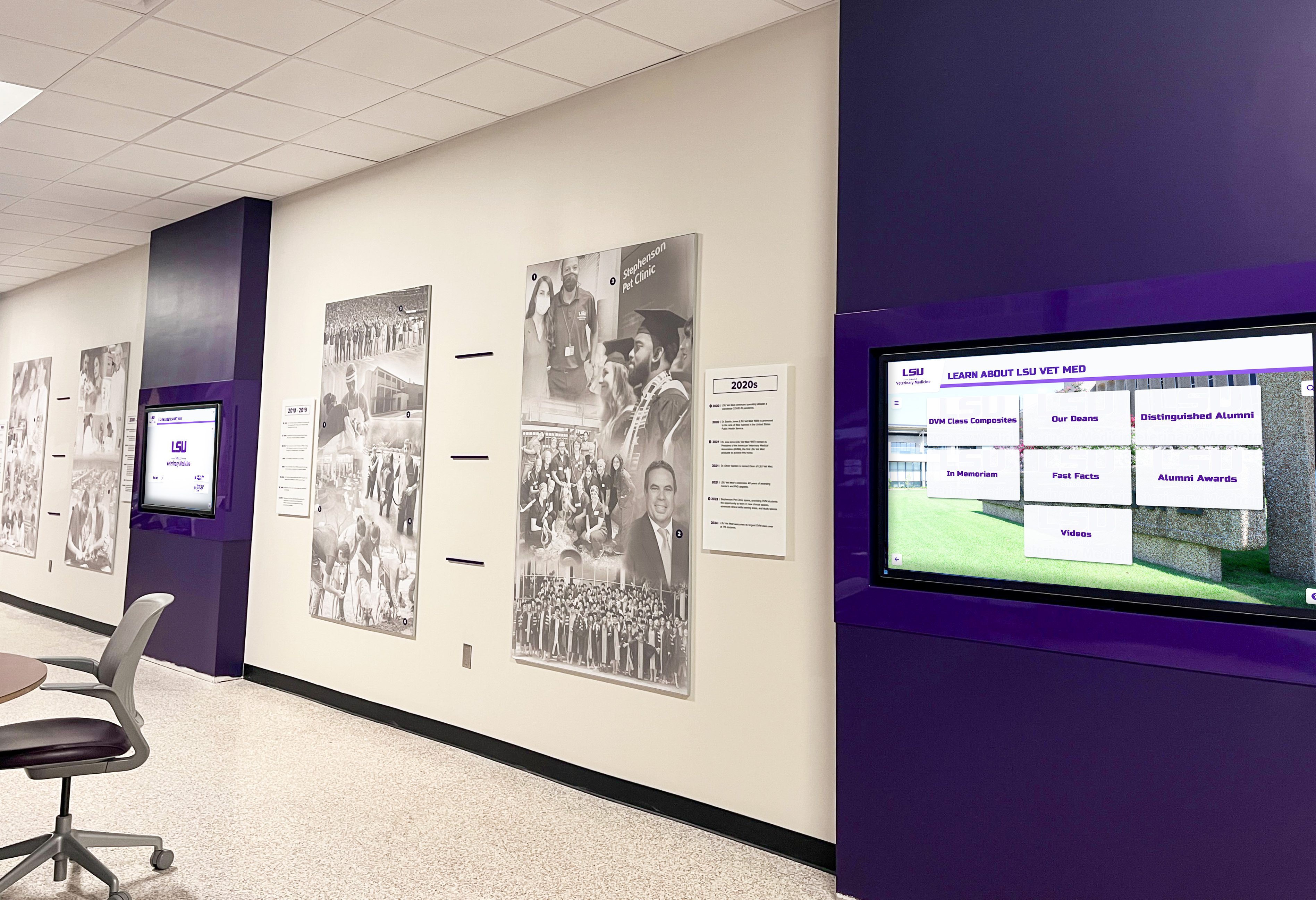
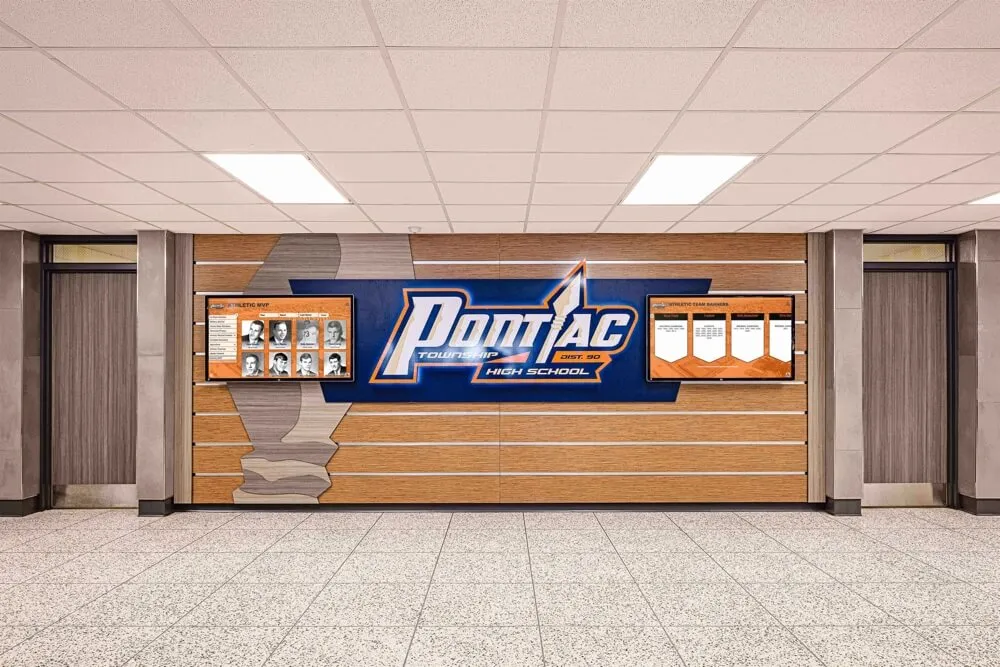
Coordinated display networks create consistent messaging throughout properties
Mobile Integration and Companion Apps
Effective implementations integrate physical displays with mobile access including QR codes enabling residents to transfer content to personal devices, companion mobile apps extending display functionality, push notifications complementing in-building display messaging, mobile content submission allowing residents to share community content, and analytics integration tracking engagement across physical and digital channels.
This integrated approach recognizes that residents may encounter information on displays when unable to fully engage, with mobile transfer enabling later review and action on personal devices.
Similar technology considerations apply across interactive display applications, as seen in touchscreen software implementations requiring hardware selection and software platform decisions.
Content Strategy and Management
Technology alone proves insufficient—successful implementations require thoughtful content strategy ensuring displays remain valuable to residents over time.
Content Categories and Mix
Effective display content balances multiple information types including property announcements and operational information (40-50% of content), amenity promotion and community programming (20-30% of content), resident recognition and community building content (10-15% of content), safety and emergency information (5-10% of content), and advertising or revenue content if applicable (15-20% maximum).
This balanced approach ensures displays provide genuine utility to residents rather than functioning solely as advertising platforms or management bulletin boards. Regular content refreshment maintains resident attention and engagement versus static content that residents learn to ignore.
Content Creation Capabilities
Property teams require appropriate tools and skills for sustainable content management including simple graphic design software like Canva for announcement creation, smartphone video capture capabilities for amenity showcases and testimonials, content templates maintaining consistent branding and professional appearance, stock photo libraries providing professional imagery, and optional professional services for high-impact seasonal or campaign content.
Most properties successfully manage display content with existing staff using intuitive content creation tools, without requiring dedicated graphic designers or communication specialists. Cloud-based display management platforms with template libraries and drag-and-drop interfaces make content creation accessible to property managers without technical backgrounds.
Scheduling and Automation
Strategic content scheduling maximizes relevance and impact including time-of-day scheduling delivering appropriate content for resident traffic patterns, day-of-week variations recognizing different weekday versus weekend building usage, seasonal content rotation highlighting relevant amenities and programming, automated event countdowns building excitement for upcoming programming, and emergency override capabilities ensuring critical information reaches residents immediately.
Sophisticated systems enable playlist creation where content sequences run during defined time periods, automatically transitioning between morning, daytime, evening, and overnight content appropriate to building traffic and resident presence.
Strategic Placement Throughout Properties
Display effectiveness depends significantly on thoughtful placement within properties maximizing resident exposure and functional utility.
Primary Lobby Installations
Main building entrances represent essential display locations including large-format displays commanding attention in grand lobbies, directory kiosks positioned near entry points for wayfinding needs, elevator adjacency capturing waiting residents’ attention, and mailroom area installations reaching residents during daily mail retrieval.
Lobby displays benefit from premium hardware and content curation as they shape first impressions for prospective residents during property tours while serving as daily touchpoints for current residents entering and exiting buildings.
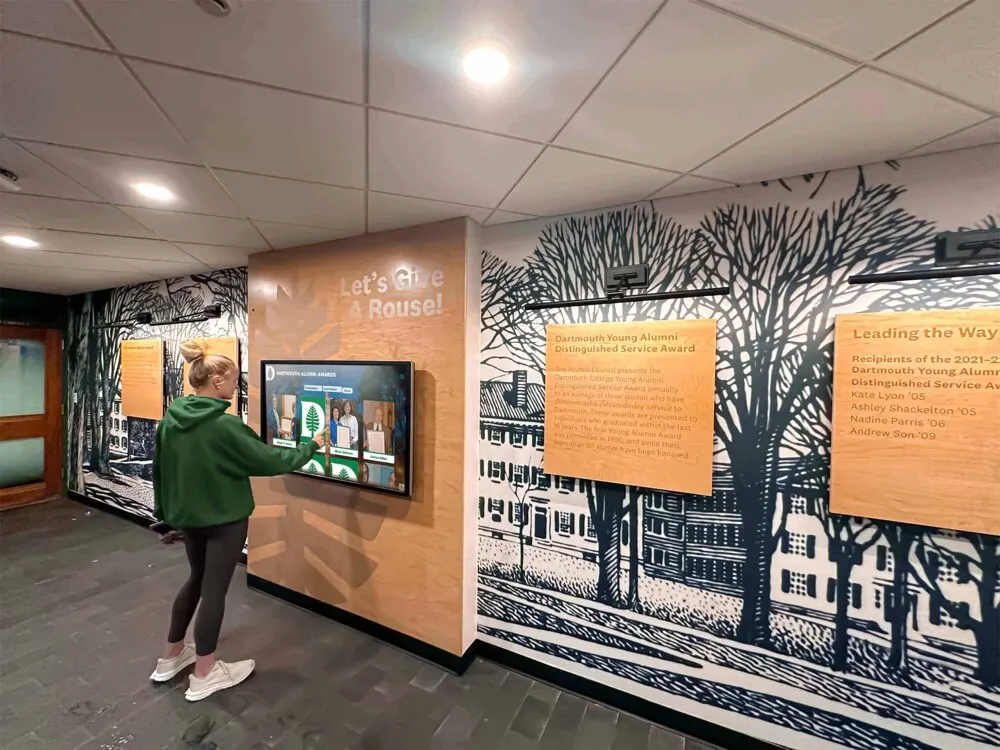
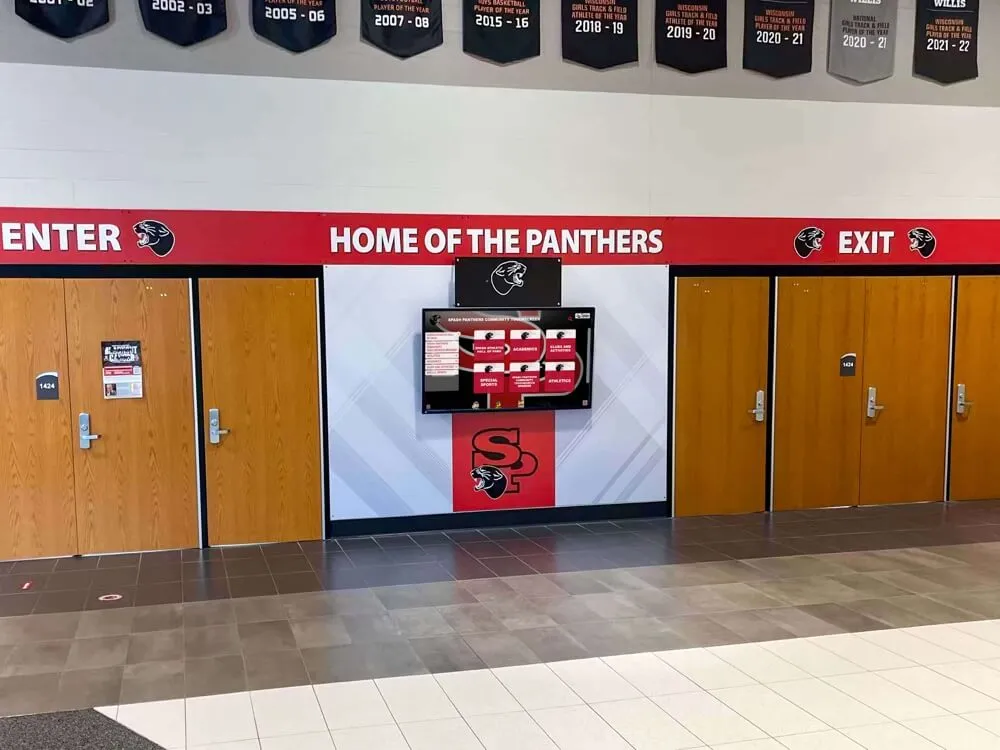
Strategic placement in high-traffic areas maximizes resident exposure and engagement
Amenity Space Installations
Displays within specific amenity areas deliver location-relevant content including fitness center displays with class schedules and equipment instructions, pool and outdoor space displays with policies and event information, business center displays promoting technology resources, community rooms showcasing reservation procedures and upcoming events, and parking garage displays with validation and access information.
Amenity-specific content increases relevance and utility compared to generic building-wide messaging, while promoting awareness of lesser-known features and programs residents may not otherwise discover.
Residential Hallway and Elevator Displays
Some properties extend display networks throughout buildings including elevator cab displays providing captive-audience messaging, residential floor hallway displays reaching residents near unit entries, laundry room displays targeting residents during facility usage, and stairwell displays promoting wellness and physical activity.
These additional placements require cost-benefit analysis balancing hardware investment against incremental communication value. Properties typically prioritize lobby and amenity installations before considering residential floor displays.
Multi-Building Coordination
Portfolio properties and multi-building communities benefit from coordinated display networks including synchronized content across buildings ensuring consistent messaging, building-specific content capabilities for unique announcements, centralized management platforms enabling portfolio-wide communication, and coordinated advertising inventory maximizing revenue potential.
Cloud-based management platforms make multi-property coordination feasible without requiring individual on-site content management at each building location.
Content Best Practices for Maximum Resident Engagement
Creating effective display content requires understanding what captures resident attention and delivers genuine value throughout daily interactions.
Visual Design Principles
Effective content design ensures readability and engagement in busy environments where residents pass quickly.
Clarity and Readability
Display content must communicate clearly including large, readable fonts visible from 6-10 feet minimum, high contrast ensuring visibility in varied lighting conditions, minimal text focusing on essential information only, clear headlines communicating main message at a glance, and visual hierarchy directing attention to most important information first.
Residents typically view lobby displays for 3-7 seconds during passing, requiring content designed for quick comprehension rather than detailed reading. Detailed information should be accessible through interactive exploration rather than presented in broadcast content competing for brief attention.
Consistent Branding and Professional Appearance
Content should reflect property quality and professionalism through consistent color schemes and typography aligned with property branding, professional photography and graphics rather than amateur smartphone images, branded templates ensuring recognizable property communications, and quality standards maintaining premium property positioning.
Inconsistent or unprofessional-appearing content creates negative impressions undermining property image regardless of message importance. Simple template-based design systems enable staff to create professional content without graphic design expertise.
Content Types That Capture Attention
Certain content formats prove consistently effective at capturing resident interest and engagement.
Video Content
Motion naturally attracts attention in otherwise static environments including amenity walkthrough videos showcasing facilities and features, resident testimonial videos building community connection, local area guides highlighting neighborhood attractions and businesses, property improvement updates showing renovation progress, and time-lapse content documenting property changes and seasons.
Short-form video (15-45 seconds) works best for display environments, with longer content available through interactive exploration or QR code links to mobile viewing.
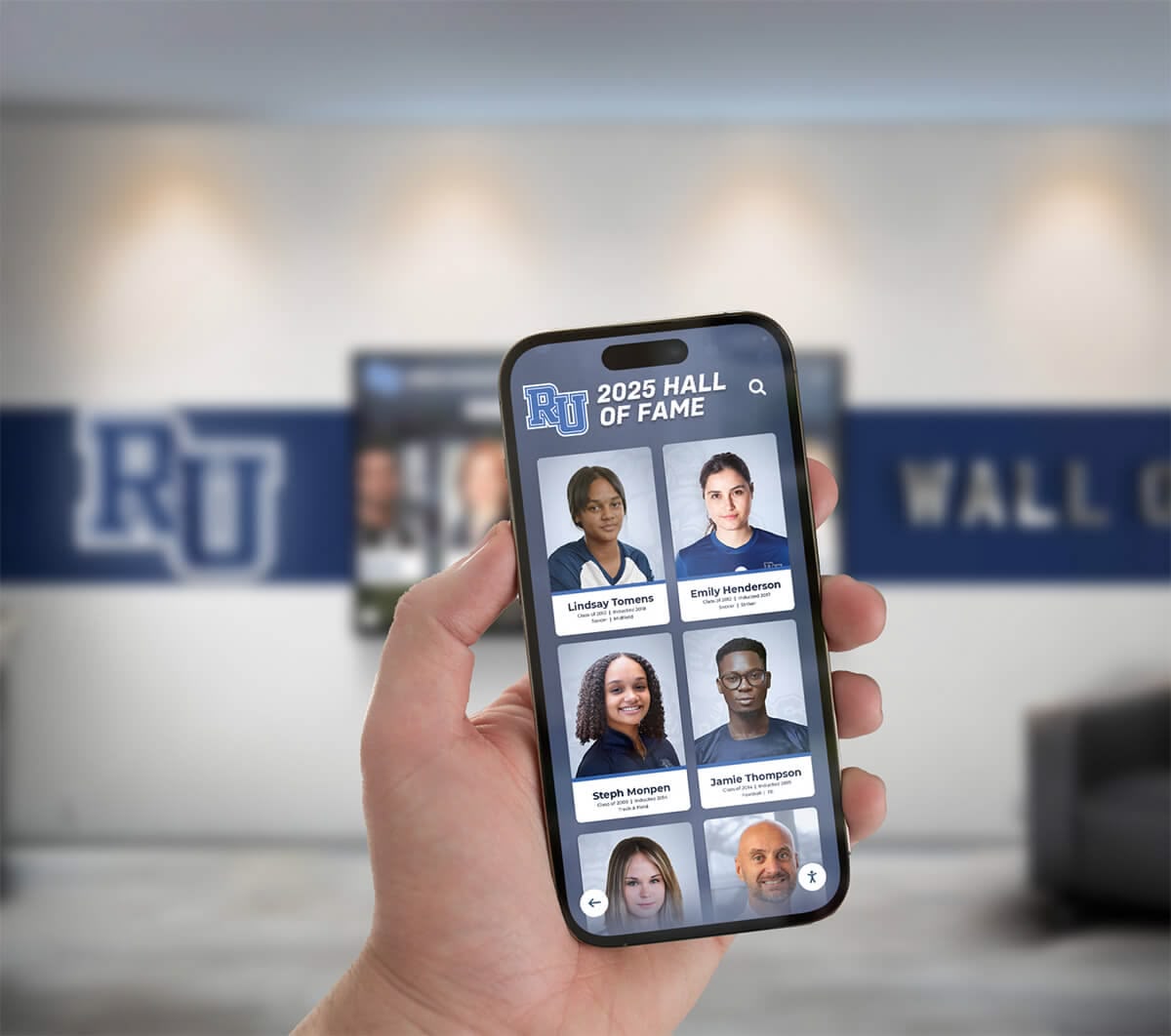
Mobile integration extends display content to resident devices for deeper engagement
Resident-Generated Content
Community connection strengthens through resident contributions including resident spotlight features building neighbor awareness, community photos showcasing property lifestyle and events, resident business directory promoting neighbor enterprises, event photos documenting community activities, and social media integration highlighting resident posts (with permission).
This user-generated content creates authentic community feeling while reducing content creation burden on property staff. Residents appreciate recognition and visibility among neighbors, strengthening community bonds.
Interactive and Gamification Elements
Touchscreen capabilities enable engaging interactions including community polls and surveys gathering resident feedback, trivia contests with prize incentives, photo booth capabilities for event documentation, resident directory searches facilitating neighbor connection, and achievement recognition for participation and engagement.
Interactive elements transform passive information viewing into active engagement, increasing time spent with displays while creating memorable positive experiences associated with property technology.
Content Calendar and Planning
Systematic content planning ensures sustained relevance and resident value over time.
Seasonal Content Rotation
Annual cycles provide natural content themes including winter holiday events and seasonal amenity information, spring fitness challenges and outdoor space promotion, summer pool events and vacation travel tips, fall community programming and seasonal changes, and year-end recognition and community celebration.
Seasonal content feels timely and relevant, demonstrating active management attention while connecting to resident experiences and interests throughout the year.
Event Promotion Cadence
Effective event promotion follows structured timelines including early announcements (4-6 weeks prior) building awareness, regular reminders (2-3 weeks prior) encouraging registration, last-chance messaging (1 week prior) capturing late participants, day-of promotion driving final attendance, and post-event recaps with photos building momentum for future programming.
This structured promotion generates significantly higher attendance compared to single announcement approaches, as residents require multiple exposures before mentally committing to participation.
Special Considerations for Different Property Types
Display strategies should adapt to specific property characteristics and resident populations.
Luxury and Class A Properties
High-end properties require premium implementations reflecting overall property positioning.
Premium Hardware and Design Integration
Luxury properties benefit from custom installations including designer enclosures and mounting systems complementing interior design, larger format displays creating visual impact in grand lobbies, premium finishes matching property hardware and fixtures, architectural integration rather than visible aftermarket additions, and custom software interfaces reflecting property branding and aesthetic.
Premium properties can justify higher technology investment as digital displays contribute to overall luxury positioning and resident expectations of sophisticated amenities.
Concierge-Level Content and Services
Luxury residents expect elevated content including curated local recommendations for dining, entertainment, and services, exclusive resident-only perks and partnership offers, premium amenity showcases highlighting high-end facilities, art and culture programming information, and integration with white-glove concierge services.
Content tone and presentation should align with luxury positioning—sophisticated, curated, and service-oriented rather than basic building announcements.
Student Housing Properties
Student-focused properties require content and features aligned with younger demographics.
Student-Appropriate Content and Features
Student residents respond to social media integration showcasing resident posts and community life, academic calendar integration with key dates and deadlines, campus event information and transportation schedules, study space availability and reservation systems, and gaming and entertainment content building community engagement.
Student properties benefit particularly from mobile integration as this demographic overwhelmingly accesses information via smartphones, with displays serving awareness function and deeper engagement occurring on personal devices.
Move-In/Move-Out Heavy Communication
Student properties face concentrated communication needs during transition periods including move-in instructions and orientation information at semester start, exam schedule accommodations and quiet hour reminders, break period building access and procedures, lease renewal timing and process information, and move-out checklists and procedures at term end.
Display content requires dramatic shift between semester and break periods, accommodating dramatically different information needs based on academic calendar.
Senior Living Communities
Age-restricted properties require accessibility considerations and appropriate content approaches.
Accessibility and Usability Focus
Senior residents benefit from larger text and high-contrast design ensuring readability, simplified navigation with minimal complexity, audio accompaniment for residents with vision limitations, familiar interface metaphors avoiding complex interactions, and physical accessibility including appropriate mounting heights and clear approach zones.
Testing interfaces with actual senior residents during selection ensures chosen systems accommodate community capabilities rather than creating frustrating technology experiences.
Community-Building Content Priority
Senior communities particularly benefit from resident recognition and milestone celebrations, community dining menus and culinary programming, health and wellness programming information, transportation schedules for community outings, and resident interest group activities and club information.
Social connection represents primary value proposition in senior communities, making community-building content particularly important versus transactional building information dominating other property types.
Measuring Success and Optimizing Performance
Continuous assessment and refinement ensure display implementations deliver expected benefits while identifying enhancement opportunities.
Key Performance Indicators
Quantifiable metrics reveal system performance and business impact.
Engagement and Utilization Metrics
Usage statistics demonstrate resident interaction including display interaction rates and session durations for touchscreen systems, QR code scan rates showing mobile content transfer, feature utilization indicating which capabilities residents value, time-of-day usage patterns informing scheduling optimization, and year-over-year engagement trends revealing long-term patterns.
Modern display platforms provide comprehensive analytics dashboards enabling property teams to understand content performance and resident engagement patterns.
Operational Impact Measurements
Business outcome indicators demonstrate tangible results including resident inquiry reduction for information available on displays, amenity utilization rate changes after promotional campaigns, resident satisfaction score improvements in communication categories, leasing tour feedback regarding technology and modernization, and staff time savings in communication and administrative tasks.
Properties should establish baseline measurements before implementation enabling clear demonstration of business case achievement.
Financial Performance Tracking
For displays generating revenue, financial metrics include advertising inventory fill rates and revenue generation, cost per resident communication comparing to previous approaches, return on investment timelines showing payback periods, ancillary income from local business partnerships, and total cost of ownership including ongoing operational expenses.
Properties typically achieve ROI within 18-36 months through combined operational savings and potential advertising revenue, with displays then generating positive returns throughout remaining useful life.
Continuous Improvement Strategies
Regular refinement improves system performance and resident value over time.
Content Performance Analysis
Analytics-driven improvements include identifying high-engagement content types for increased emphasis, removing or reformatting low-engagement content, optimizing scheduling based on resident traffic patterns, testing content variations measuring impact, and gathering resident feedback through polls and surveys.
Quarterly content reviews examining performance data and implementing refinements ensure displays remain valuable rather than becoming ignored background fixtures.
Technology Updates and Enhancements
Ongoing evolution maintains relevance including software platform updates with new capabilities, content library expansion with seasonal templates, integration additions connecting new property systems, hardware refresh as older displays age, and emerging technology adoption as new capabilities develop.
Cloud-based platforms enable continuous feature enhancement without hardware replacement, ensuring systems remain current as technology evolves.
Implementation Costs and Return on Investment
Understanding financial requirements and expected returns helps properties make informed technology investment decisions.
Total Cost of Ownership Components
Comprehensive budgeting accounts for multiple cost categories.
Hardware Investment
Initial technology costs include commercial-grade display screens ranging $800-3,000 per unit depending on size and features, mounting systems and installation services, media players or content management hardware, network connectivity equipment and infrastructure, and interactive touchscreen hardware for kiosk installations.
A typical 200-unit property might invest $15,000-40,000 for comprehensive display system including lobby touchscreen kiosk and 3-4 additional displays in amenity areas and elevators.
Software and Platform Costs
Content management platform expenses include software licensing with perpetual or subscription models ($100-400 monthly for typical properties), initial setup and configuration services, content template libraries and design resources, integration services connecting property management systems, and training and onboarding for property staff.
Software costs typically represent 30-40% of total first-year investment with ongoing annual costs at 20-30% of initial implementation for subscription-based platforms.
Ongoing Operational Expenses
Sustained operation requires budgeting for content creation time and resources, software subscription or maintenance fees, internet connectivity costs, periodic hardware maintenance and repairs, and eventual hardware replacement (5-7 year typical lifecycle).
Properties should plan for total annual operational costs of $2,000-5,000 for typical installations excluding staff time.
Return on Investment Calculation
Justifying investment requires quantifying both cost savings and revenue opportunities.
Operational Cost Reduction
Measurable savings include elimination of printing costs for resident communications, staff time savings on notice production and distribution, reduced phone and email inquiries about routine property information, lower resident turnover through improved satisfaction and communication, and efficiency gains in amenity management and event promotion.
Properties typically calculate $5,000-12,000 annual savings from operational efficiency improvements alone—meaningful portions of implementation costs.
Revenue Generation Potential
Properties monetizing displays through advertising revenue from local business partnerships ($500-2,000 monthly for well-managed programs), premium resident service fees for enhanced features, corporate partner promotions generating referral income, and increased renewal rates through improved resident satisfaction.
Not all properties pursue advertising revenue, but those implementing local business programs report meaningful income offsetting technology costs.
Typical ROI Timelines
Properties typically achieve return on investment within 24-36 months through combined operational savings and potential revenue generation, with displays then providing positive returns throughout remaining 5-7 year useful hardware life. Properties with advertising programs or large-scale implementations realize returns more quickly.
Beyond direct financial returns, improved resident satisfaction, competitive positioning, and property modernization provide meaningful but less quantifiable benefits influencing long-term asset performance.
Emerging Trends in Apartment Digital Display Technology
Understanding developing capabilities helps properties plan forward-looking implementations remaining relevant as technology evolves.
Artificial Intelligence and Personalization
Machine learning enables increasingly sophisticated content optimization.
Audience Detection and Optimization
Emerging systems leverage computer vision to detect audience presence and characteristics (without facial recognition or privacy invasion), optimizing content presentation based on traffic patterns, delivering appropriate content based on time and location, measuring actual viewing attention and duration, and adjusting content mix based on demonstrated engagement.
These capabilities enable displays to function as intelligent communication platforms rather than simple message broadcasting systems.
Predictive Content Delivery
AI-powered platforms can predict optimal content timing based on historical patterns, recommend content types based on engagement performance, automatically schedule messages for maximum impact, identify content gaps requiring creation, and generate performance reports and optimization recommendations.
Properties benefit from intelligent systems reducing management overhead while improving communication effectiveness through data-driven optimization.
Mobile and IoT Integration
Expanding connectivity creates seamless experiences across physical and digital touchpoints.
Smart Building Integration
Display systems increasingly integrate with comprehensive building automation including occupancy sensing optimizing content for actual traffic, access control systems coordinating with visitor management features, package notification systems alerting residents of deliveries, amenity booking platforms reflecting real-time availability, and environmental systems displaying energy usage and sustainability metrics.
This integrated approach transforms displays from standalone communication tools to nodes in comprehensive smart building ecosystems.
Personal Device Synchronization
Emerging capabilities enable transferring content from displays to personal devices via QR codes or NFC, continuing interrupted interactions on mobile devices, receiving personalized content based on resident profiles and preferences, contributing content and feedback through mobile interfaces, and accessing display content remotely when away from property.
Mobile-physical integration recognizes that residents may encounter information on displays when unable to fully engage, enabling later action on personal devices.
Advanced Content Capabilities
Technological advancement enables richer content experiences.
Augmented Reality Experiences
Experimental implementations explore AR-enhanced wayfinding with smartphone-guided navigation, virtual amenity tours allowing prospective residents to explore facilities, interactive property history and architectural information, virtual event previews generating excitement and attendance, and gamification experiences driving resident engagement.
While early-stage, AR capabilities may become standard features as smartphone capabilities improve and resident comfort with technology increases.
Conclusion: Transforming Residential Communication Through Digital Displays
Apartment complex digital displays represent comprehensive communication platforms transforming how properties engage residents, promote amenities, deliver critical information, and create modern living experiences meeting contemporary expectations. Leading property management organizations recognize these systems as essential infrastructure rather than optional enhancements—particularly in competitive markets where residents evaluate properties partially on technological sophistication and modern convenience factors.
Transform Your Property Communication with Digital Display Solutions
Whether you manage luxury apartments, student housing, senior communities, or mixed-use properties, modern digital display technology can enhance resident experiences, improve operational efficiency, and create sophisticated communication environments meeting contemporary expectations. Solutions like Rocket Alumni Solutions provide proven platforms supporting diverse property applications with intuitive interfaces, comprehensive content management, and reliable performance in demanding residential environments.
Explore Property Display SolutionsSuccessful implementation requires systematic planning addressing technology selection matching functional requirements and budget constraints, content strategy ensuring sustained resident value and engagement, strategic placement maximizing exposure throughout properties, staff training and ongoing management processes, and measurement frameworks demonstrating business value and return on investment.
The residential technology landscape continues evolving rapidly with artificial intelligence enabling content optimization and personalization, mobile integration creating seamless cross-channel experiences, smart building connectivity enabling comprehensive automation, and emerging capabilities like augmented reality expanding interactive possibilities. Properties implementing display systems today should select flexible platforms supporting these emerging capabilities through software updates rather than requiring complete hardware replacement.
Beyond immediate operational benefits, digital displays signal to residents that properties prioritize modern convenience, invest in technology and improvements, embrace contemporary communication preferences, and maintain competitive positioning versus alternative housing options. These perceptions influence retention decisions as residents evaluate whether to renew leases or seek properties offering more sophisticated amenities and communication approaches.
For property owners and managers considering digital display implementations, market conditions strongly favor adoption. Technology costs continue declining while capabilities expand, resident expectations increasingly demand digital communication options, competitive pressure mounts as technology adoption becomes standard, and proven ROI models demonstrate financial viability even for modest-scale deployments.
Your residents interact daily with sophisticated digital technology across all life areas—from workplace collaboration platforms to retail environments to entertainment experiences. Meeting these evolved expectations requires bringing comparable sophistication to residential communication through thoughtful digital display implementation enhancing rather than complicating daily property interactions.
Whether you manage a single boutique property seeking operational efficiency, a student housing portfolio requiring engaging resident communication, a luxury high-rise demonstrating technological sophistication, or any residential property where effective communication and resident engagement matter to success, digital display technology offers proven solutions delivering measurable business results while elevating resident experiences.
Ready to modernize your property communication? Explore digital display solutions combining resident-friendly interfaces, comprehensive content management platforms, reliable commercial-grade hardware, and ongoing innovation ensuring your investment remains valuable as technology and resident expectations continue evolving. The future of residential property management combines operational efficiency with resident satisfaction—digital displays represent essential infrastructure making this combination achievable across properties of all types and sizes.