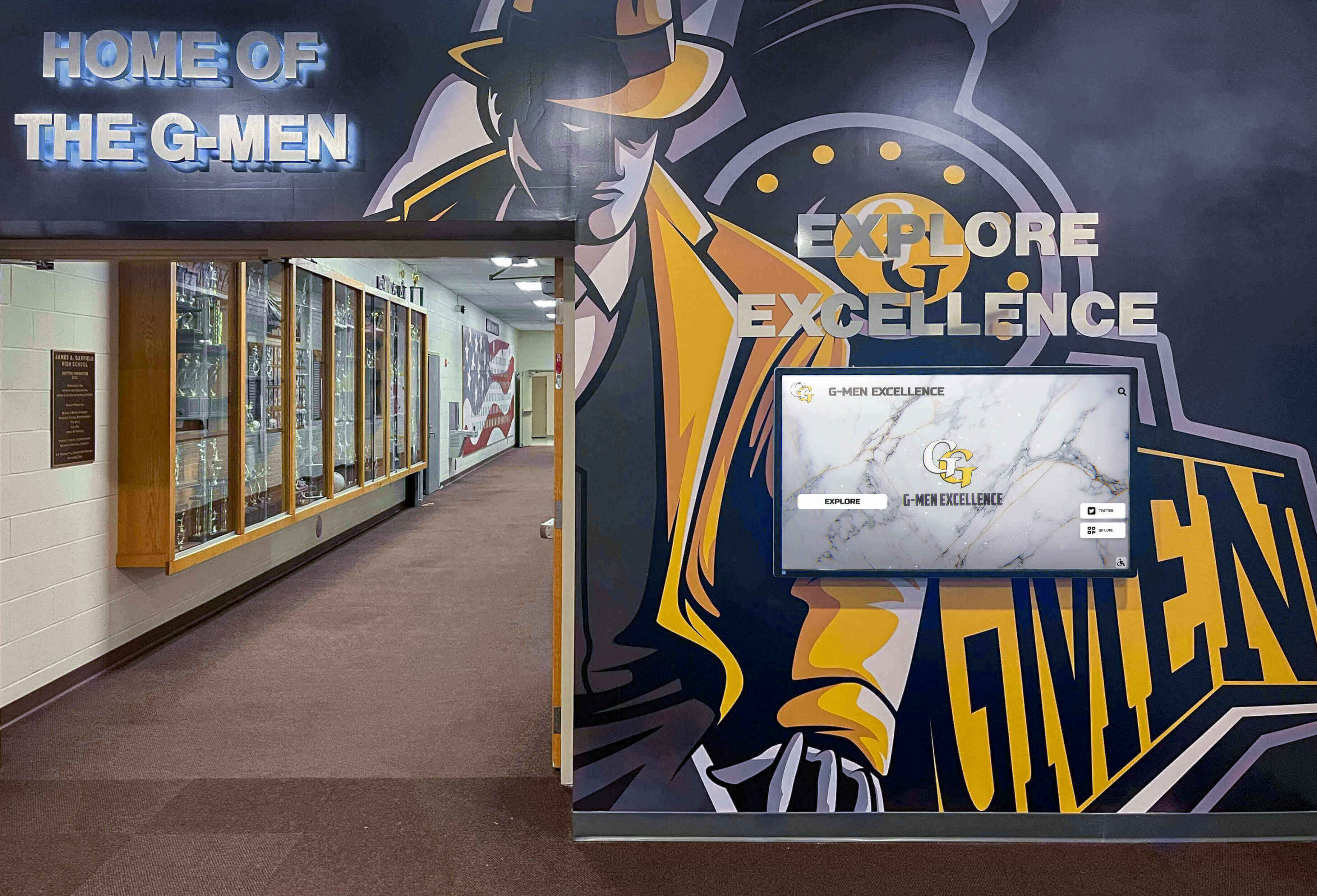
Arizona high school football represents some of the most competitive prep programs in the nation, consistently producing college standouts and NFL talent. From the packed stadiums in Phoenix and Tucson to the passionate communities in smaller towns throughout the Grand Canyon State, arizona high school football rankings matter—to athletic directors seeking recognition, to coaches building championship cultures, and to communities celebrating their programs’ achievements.
The Arizona Interscholastic Association (AIA) governs one of the country’s most respected high school football structures, organizing competition across six conferences that ensure fair matchups while maintaining the competitive intensity that has made Arizona football nationally recognized. Understanding these rankings and the programs that consistently dominate them provides valuable insights for schools seeking to celebrate their own athletic traditions and achievements.
This comprehensive guide explores Arizona’s top football programs, examines the conference structure and ranking systems that determine championship paths, and discusses how successful programs showcase their achievements through recognition systems that inspire future generations while honoring past excellence.
Arizona’s desert landscape produces some of the nation’s toughest high school football, where year-round training opportunities and passionate communities create programs that compete at elite levels. Schools throughout the state build traditions worth celebrating, and understanding how top programs achieve and maintain excellence offers valuable lessons for athletic directors, coaches, and administrators seeking to elevate their own programs.

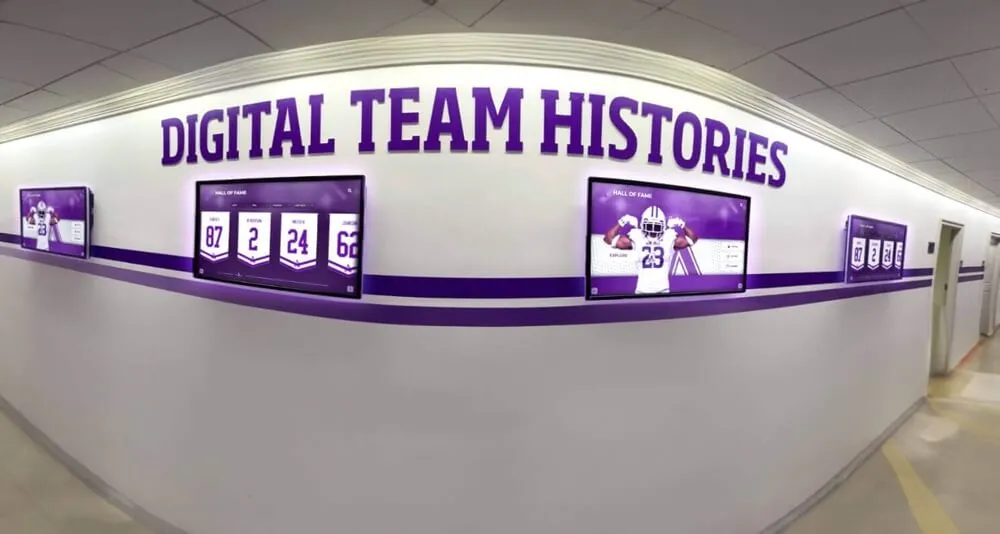
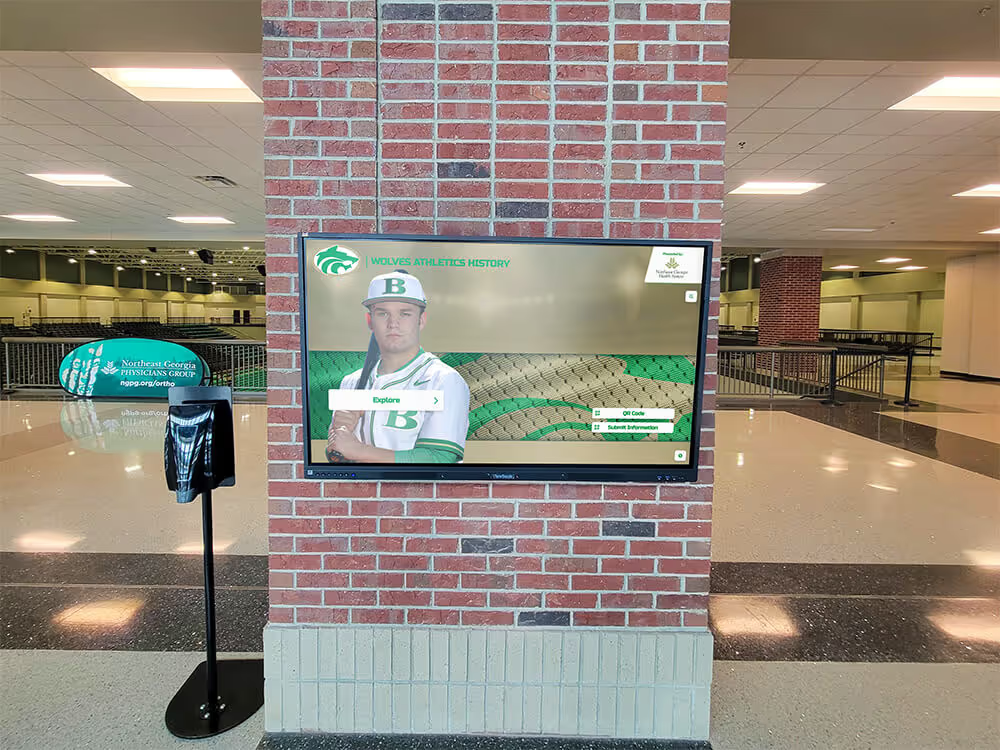
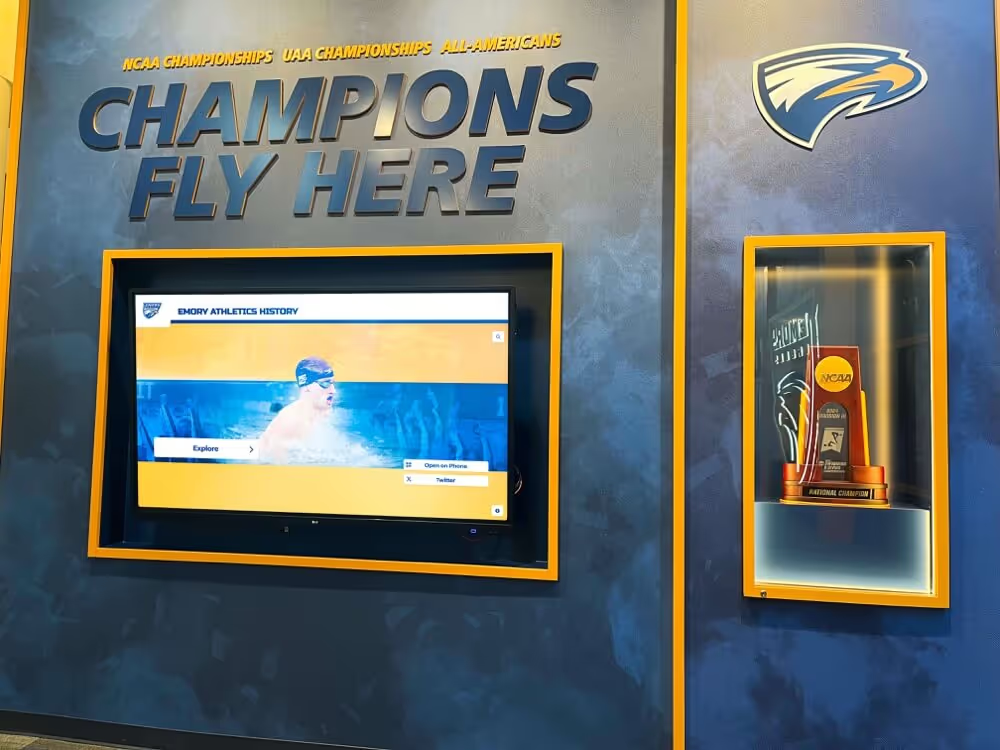
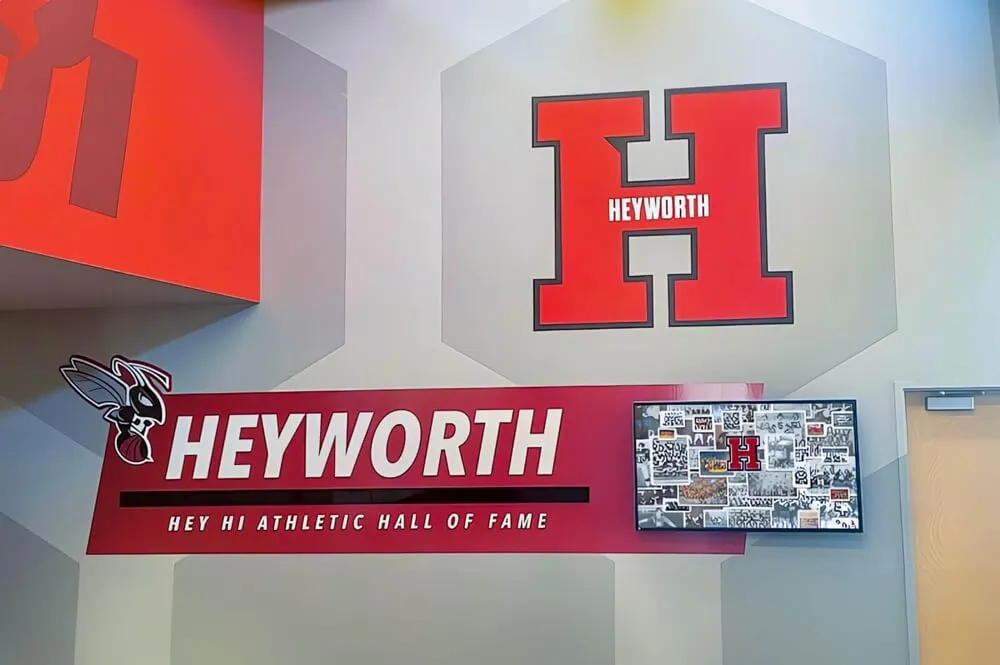
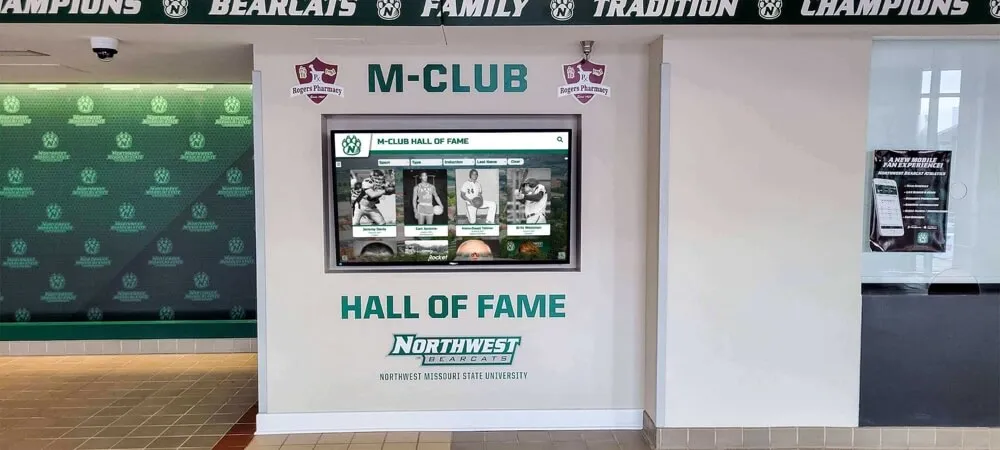
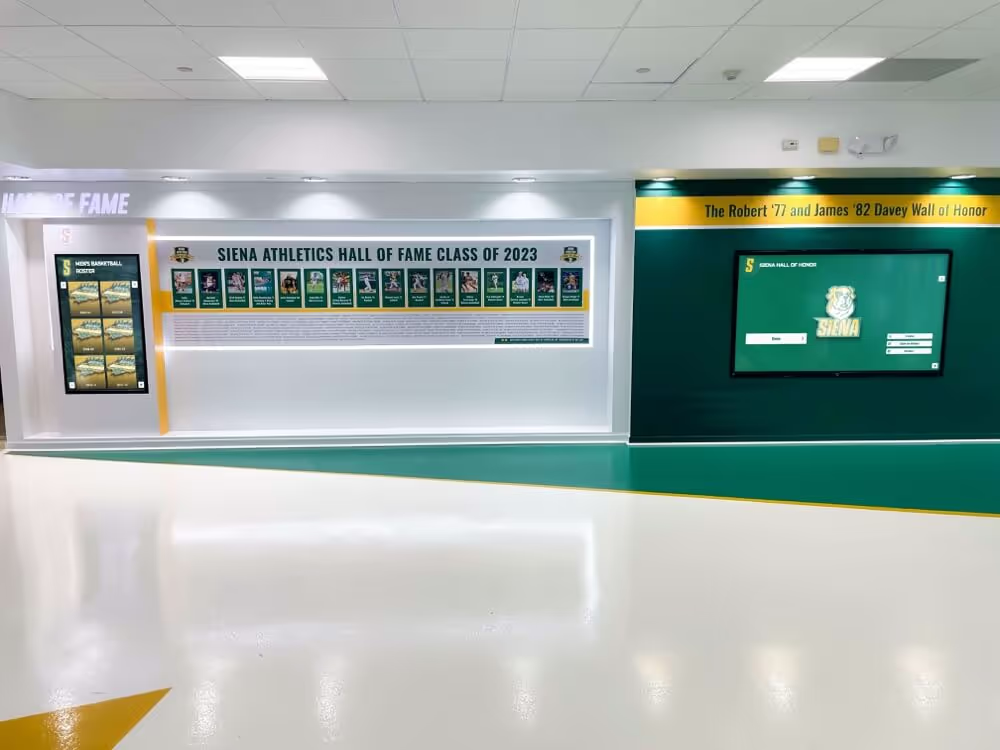
Arizona schools combine traditional trophy displays with modern recognition technology to showcase championship football achievements
Understanding the Arizona Interscholastic Association Football Structure
The AIA organizes high school football through a conference system based primarily on school enrollment, creating competitive balance while allowing programs to compete against similarly sized institutions. This structure has evolved over decades to reflect Arizona’s growth, with the Phoenix metropolitan area’s expansion creating particularly competitive conferences.
The Six-Conference System
Arizona divides its high school football programs into six conferences, ranging from Conference 6A (the largest schools) down to Conference 1A (the smallest programs). Each conference maintains distinct competitive characteristics, championship traditions, and program philosophies shaped by school size, community demographics, and athletic resources.
Conference 6A: Arizona’s Premier Programs
The state’s largest schools compete in Conference 6A, featuring powerhouse programs primarily from the Phoenix metropolitan area and Tucson. These schools typically exceed 2,200 students and field programs with multiple coaches for each position group, state-of-the-art facilities, comprehensive strength programs, and deep talent pools drawing from large student populations and established youth football systems.
Traditional 6A powers include Chandler, Hamilton, Saguaro, Pinnacle, and Centennial—programs that consistently appear in national rankings and regularly produce Division I college recruits. These programs have built championship cultures where excellence becomes expected rather than exceptional, creating sustained success across multiple coaching tenures.
Schools at this level increasingly invest in comprehensive athletic recognition systems that document decades of achievement, showcase individual and team excellence, and reinforce the championship expectations that define program culture.
Conference 5A: Competitive Excellence
The second-tier conference features strong programs from suburban Phoenix communities, Tucson-area schools, and regional centers throughout Arizona. Conference 5A schools typically enroll 1,400-2,200 students and maintain highly competitive programs, with several 5A schools capable of competing against 6A opponents.
Programs like Casteel, Cienega, Higley, and Mesquite have built formidable reputations in 5A, with some choosing to remain in this conference rather than move up despite enrollment that could place them in 6A. These programs demonstrate that success comes from systematic development, strong coaching, and community support rather than merely enrollment size.
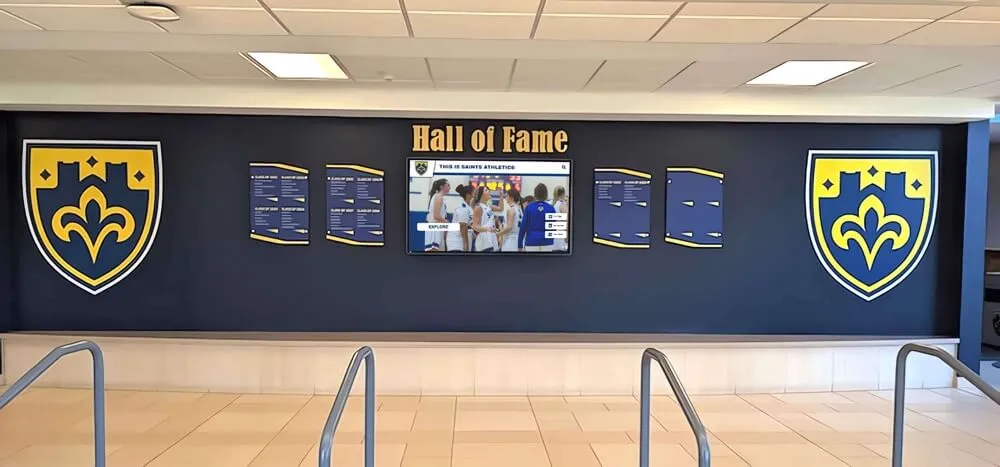
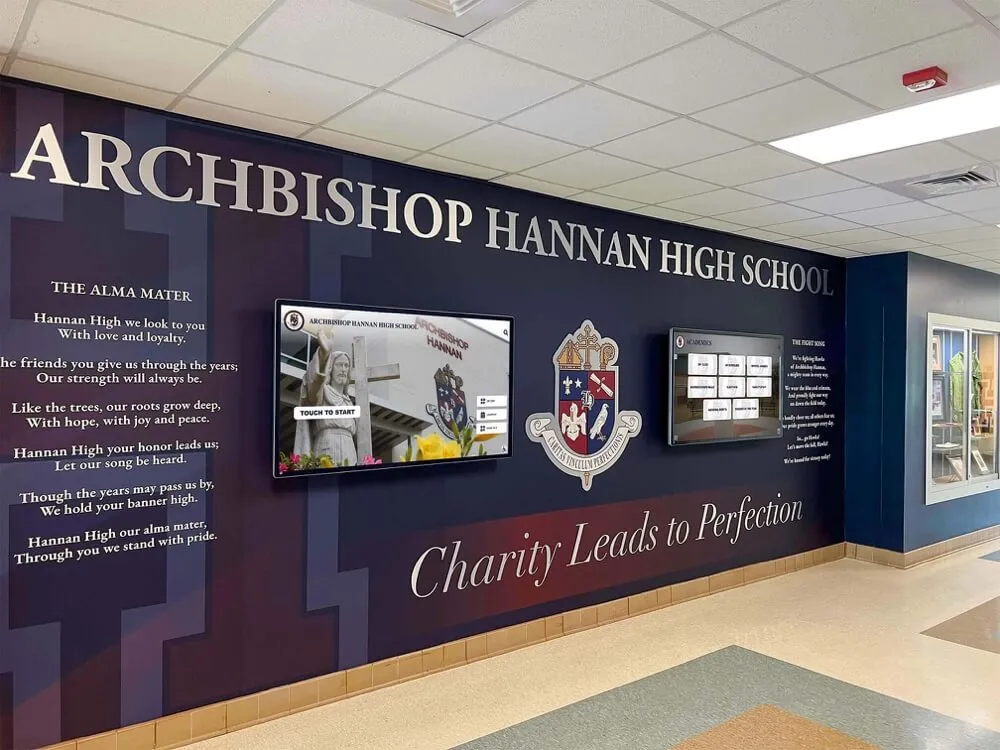
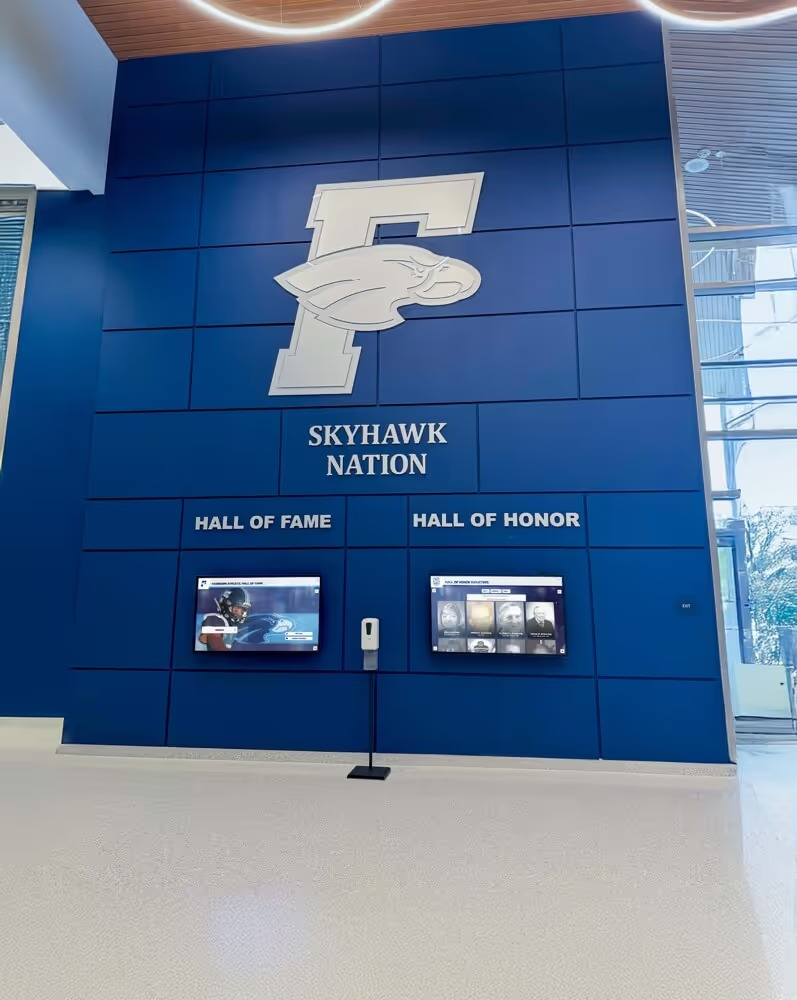
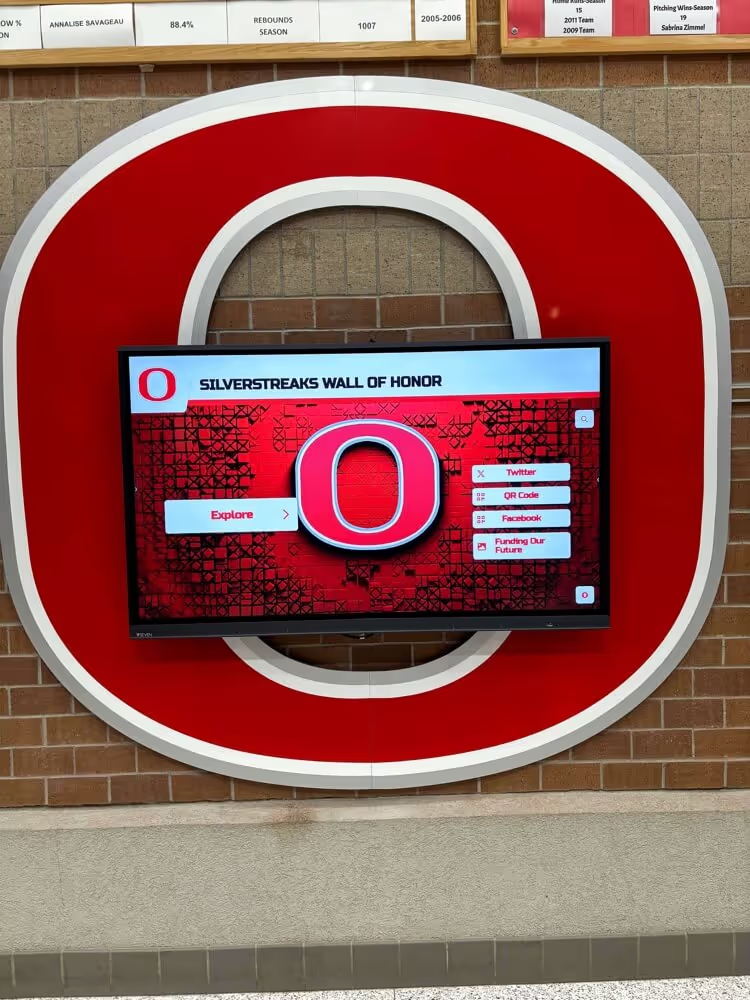
Multi-sport recognition walls honor football achievements alongside basketball, baseball, and other program successes
Conferences 4A Through 1A: Small-School Excellence
Smaller conferences feature programs from communities throughout Arizona where football serves as community centerpieces. Conference 4A and 3A include schools from county seats and smaller cities, while Conference 2A and 1A showcase small-town Arizona football—communities where everyone knows the starting lineup and Friday nights define fall culture.
These conferences produce exceptional competition with programs like Yuma Catholic (2A), Snowflake (3A), Salpointe Catholic (4A competing up in higher conferences), and others demonstrating that small-enrollment schools can build championship programs through systematic development, community support, and strong coaching.
Small-school programs often face unique challenges celebrating their achievements due to limited budgets and facility constraints. However, modern digital recognition solutions make comprehensive athletic recognition accessible regardless of school size, enabling even the smallest programs to showcase their traditions with the same quality as larger schools.
Open Division: Arizona’s Championship Innovation
Arizona introduced an Open Division for football playoffs, featuring the state’s absolute best programs regardless of conference classification. This innovation creates a true state championship where top programs compete for ultimate supremacy, while traditional conference championships remain intact for other qualified teams.
The Open Division typically includes the highest-ranked teams from Conference 6A and occasionally dominant 5A programs, creating playoff brackets featuring Arizona’s most accomplished teams. This structure ensures the state champion represents genuine excellence rather than merely winning within a classification bracket.
Top Arizona High School Football Programs: Historic Powerhouses
Certain Arizona programs have established sustained excellence spanning decades, setting standards other schools aspire to reach while building championship cultures that survive coaching changes and roster turnover.
Chandler High School Wolves
Chandler has dominated Arizona high school football throughout the 21st century, winning multiple state championships and consistently producing college and NFL talent. The program’s success stems from systematic youth development, elite coaching, comprehensive facilities, and a community culture where football excellence defines school identity.
Chandler’s championship tradition creates enormous motivation for current players who see their achievements documented alongside legendary teams and players from past eras. The program demonstrates how proper recognition of past success drives future excellence by establishing standards current players strive to maintain.
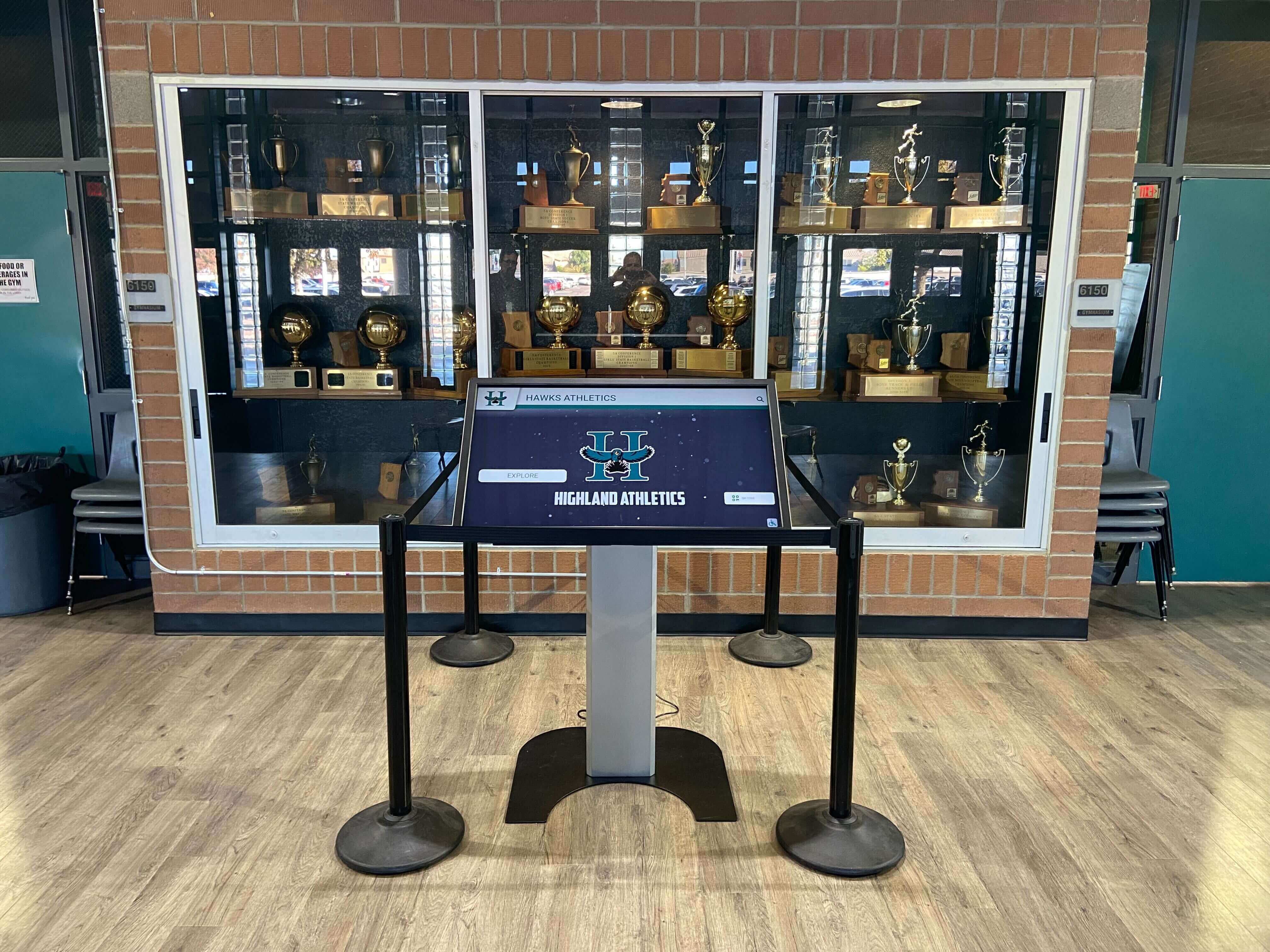
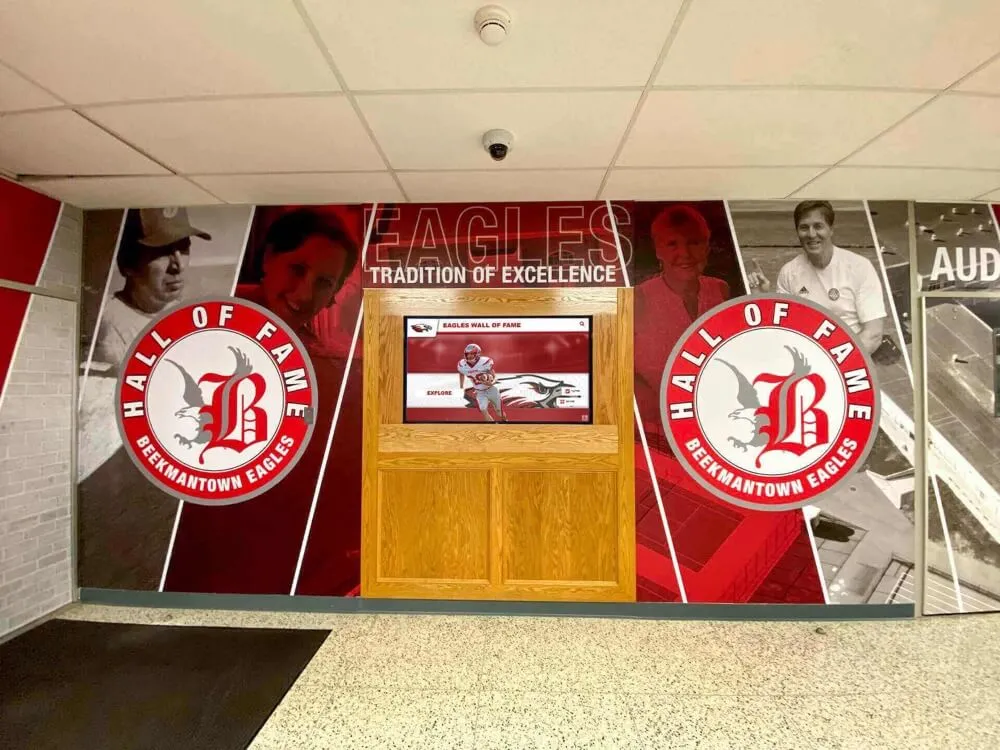
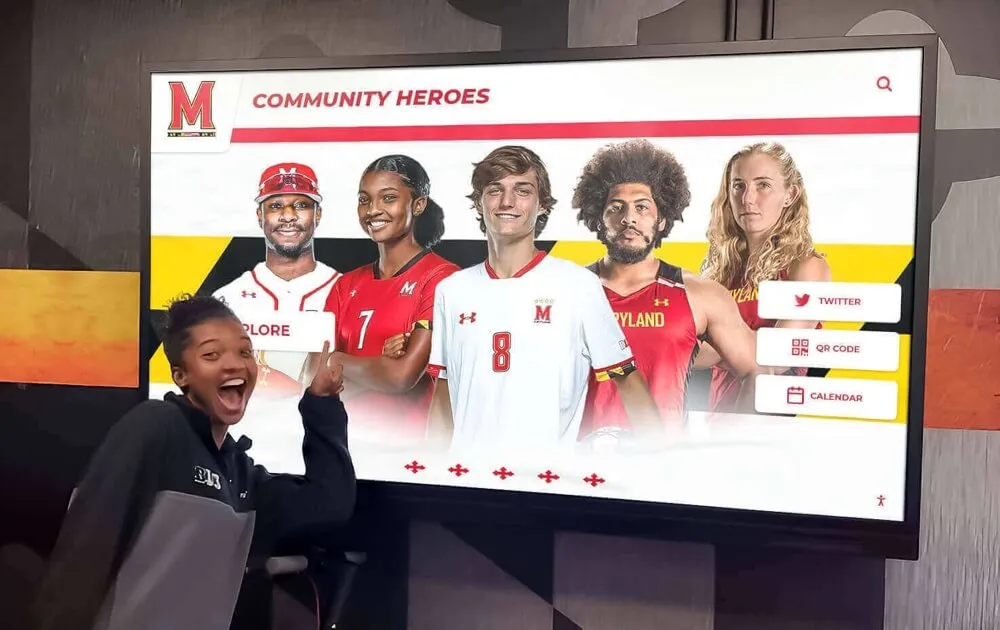
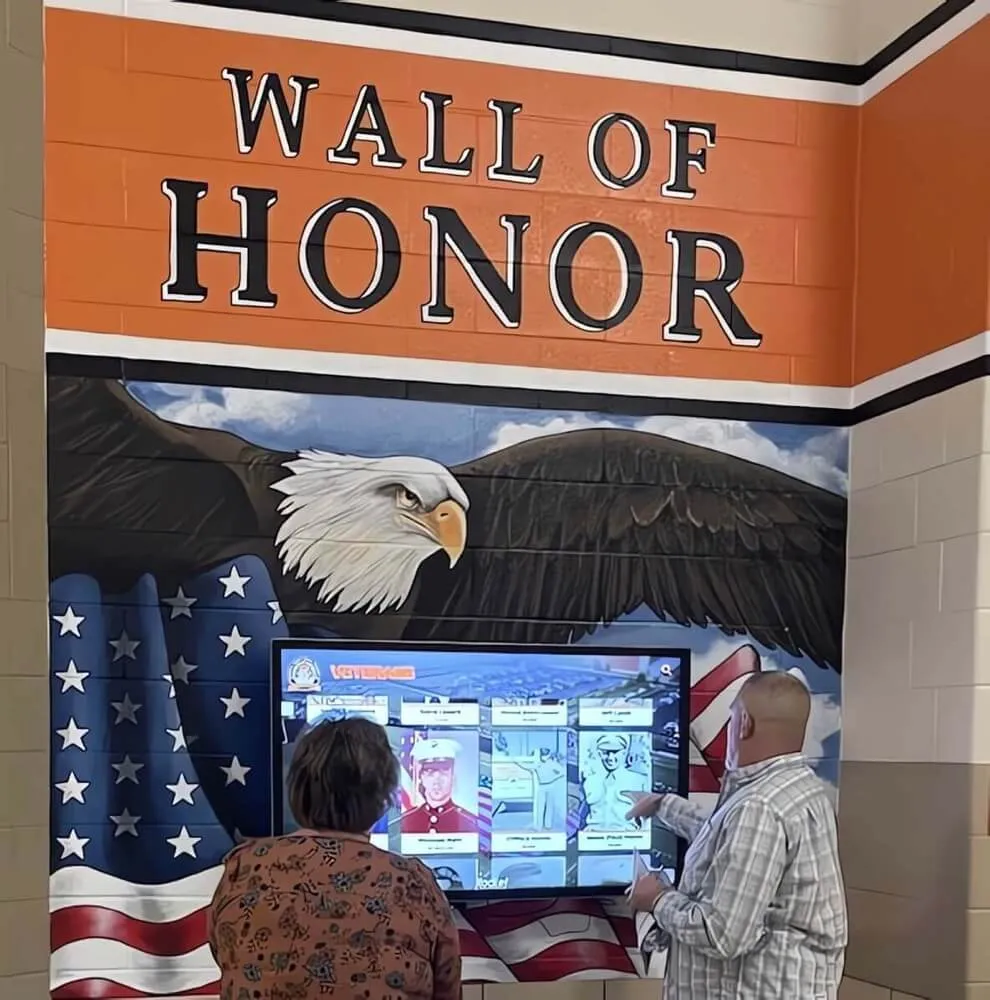
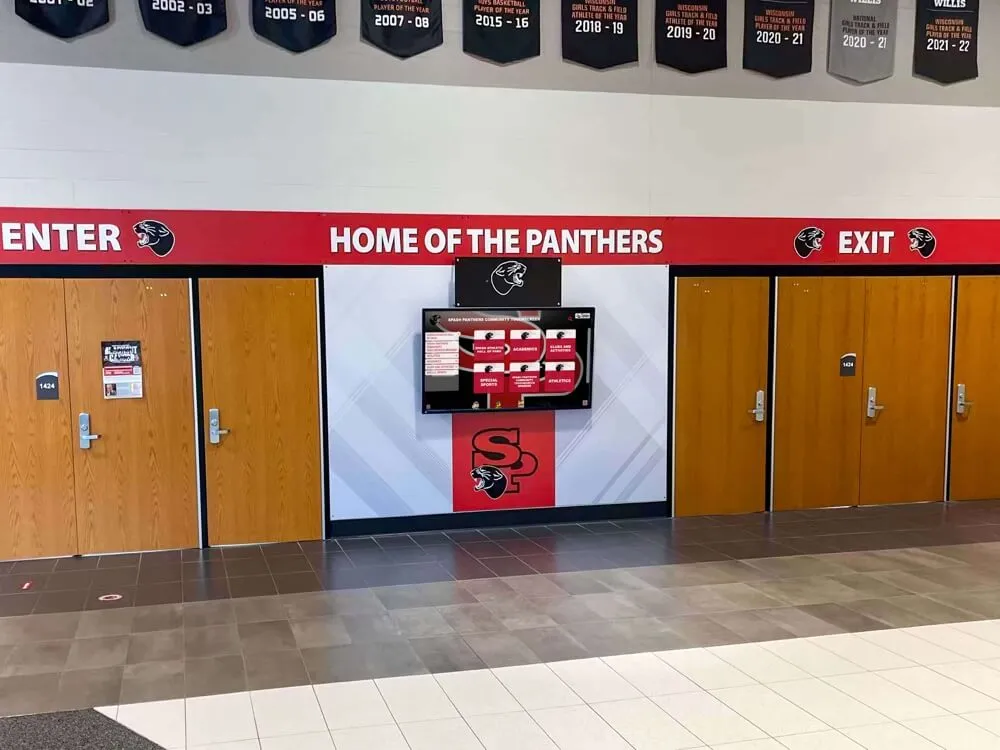
Leading Arizona programs integrate interactive technology within trophy displays, creating engaging recognition experiences
Hamilton High School Huskies
Hamilton represents another Phoenix-area powerhouse with sustained championship success. The program consistently ranks among Arizona’s elite, regularly appearing in national rankings while producing numerous college scholarship athletes. Hamilton’s success reflects strong program culture, exceptional coaching continuity, and comprehensive athlete development systems.
Programs like Hamilton understand that celebrating past achievements through visible recognition reinforces the championship culture that sustains excellence. When current athletes constantly see the accomplishments of teams and players who preceded them, it creates tangible connections to tradition and establishes performance expectations.
Saguaro High School Sabercats
Despite being one of Arizona’s smaller 6A programs by enrollment, Saguaro has built a dynasty featuring numerous state championships and unprecedented success developing college and NFL talent. The program’s achievements demonstrate that success comes from culture, coaching, and systematic development rather than simply enrollment advantages.
Saguaro’s tradition of sending players to elite college programs and the NFL creates remarkable pride within the community. The program effectively leverages this success through recognition systems showcasing alumni achievements, creating aspiration for current players while celebrating the tradition they’re continuing.
Desert Edge High School Scorpions
Desert Edge represents a relatively new program that quickly established itself among Arizona’s elite, demonstrating that sustained excellence can develop rapidly with proper systems. The Scorpions’ quick rise to championship contention shows how strong coaching, systematic development, and program culture create success regardless of historical tradition.
Newer programs like Desert Edge face different recognition challenges than established powerhouses—they’re building traditions rather than celebrating century-old histories. Digital recognition systems prove particularly valuable for developing programs because they enable comprehensive documentation from day one, creating historical records that grow with programs rather than requiring retrofitting decades of achievements.
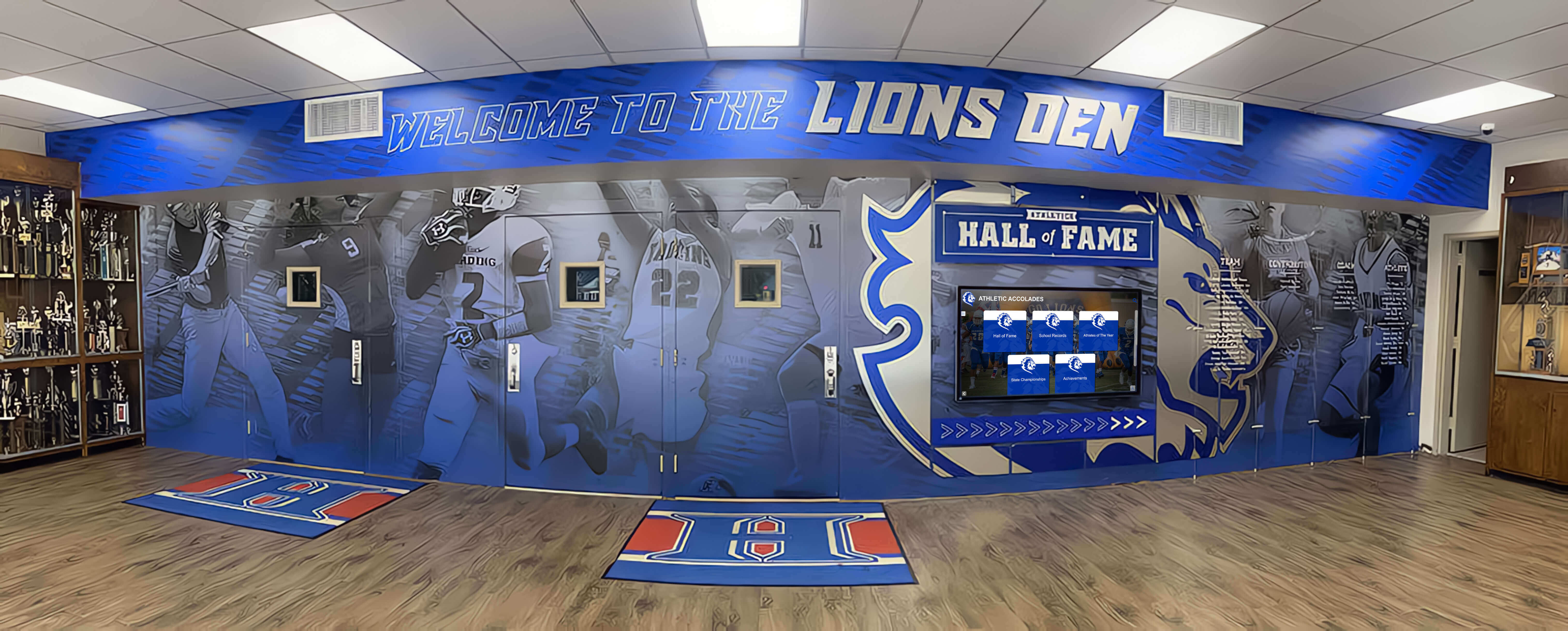
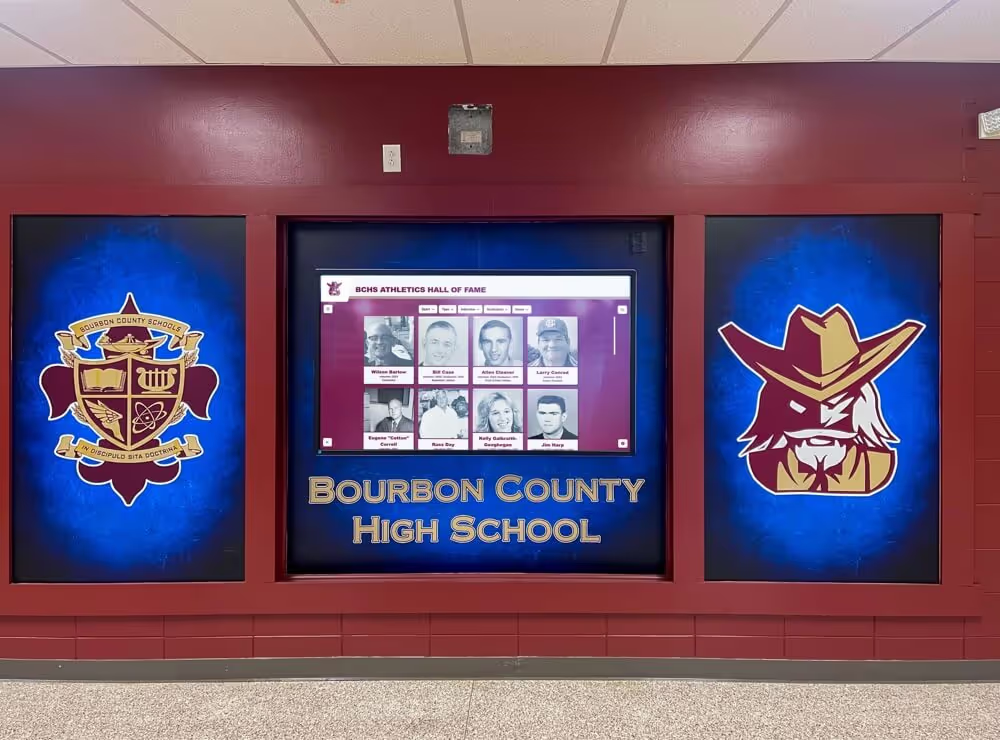
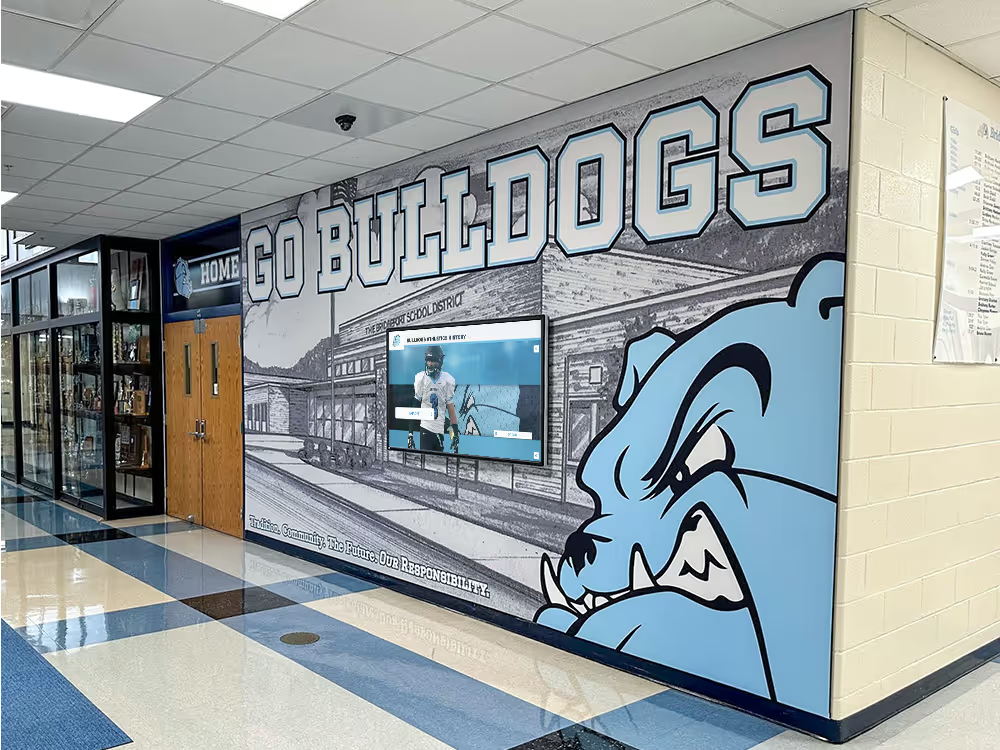
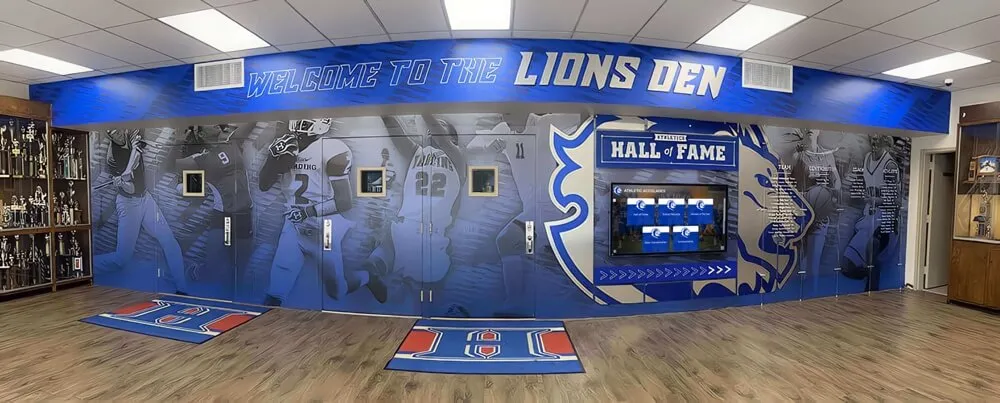
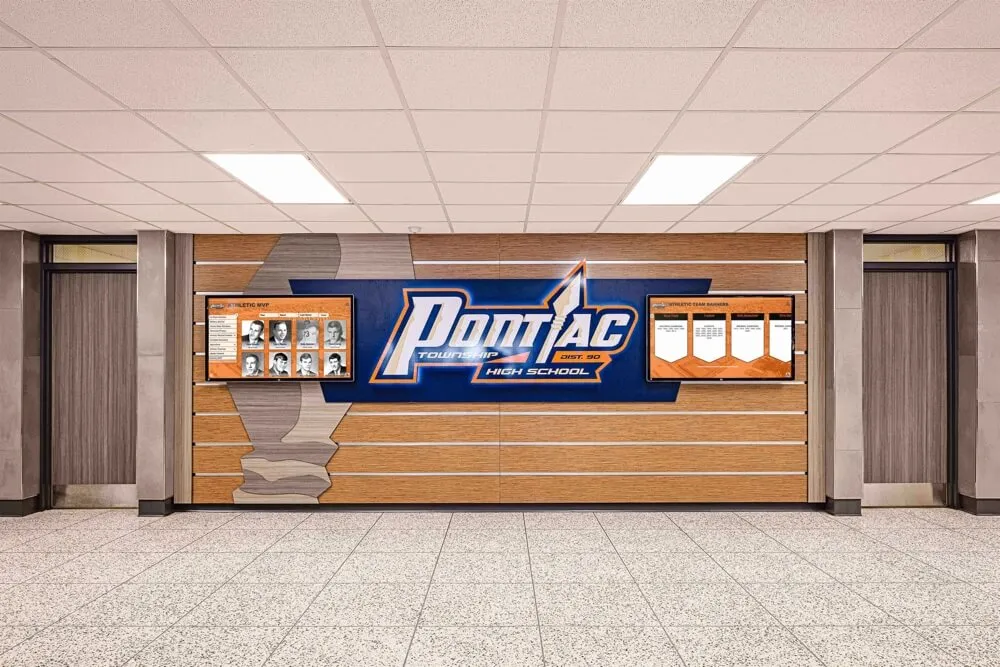
Comprehensive athletic recognition combines traditional trophy cases with branded murals showcasing championship achievements
Regional Powers and Emerging Programs
Beyond the established dynasties, numerous Arizona programs have built strong regional reputations and championship contenders challenging the traditional powers.
Northern Arizona Football Excellence
Programs in Northern Arizona face unique challenges including smaller populations, colder climates affecting practice schedules, and longer travel distances for competition. Despite these factors, schools like Flagstaff, Prescott, and Mingus Union maintain competitive programs that regularly contend for conference championships.
Northern Arizona programs demonstrate exceptional community support, with entire towns supporting their teams through challenging seasons and celebrating achievements that might seem modest compared to Phoenix powerhouses but represent genuine excellence within their competitive contexts. These achievements deserve recognition that honors their significance to communities and athletes.
Tucson Metropolitan Area Programs
Tucson-area schools compete fiercely within their own metropolitan region while occasionally challenging Phoenix powerhouses. Programs like Salpointe Catholic, Cienega, Catalina Foothills, and Sahuaro maintain strong traditions and regularly produce college athletes while building communities around their football programs.
Tucson programs often develop distinct identities from their Phoenix counterparts, creating unique program cultures and traditions worth celebrating through comprehensive recognition that showcases their specific achievements and community connections.
Small-School Championship Programs
Throughout Arizona’s smaller communities, football programs create outsized impact on school and community culture. Programs like Yuma Catholic, Snowflake, Round Valley, and others demonstrate that championship football exists across all enrollment levels when schools commit to systematic development, strong coaching, and community engagement.
These programs frequently face budget constraints limiting traditional recognition options. However, modern digital platforms democratize quality recognition, enabling small schools to showcase their traditions with the same professional quality as the state’s largest programs—without the space requirements and recurring costs of traditional physical displays.
Youth Development and Feeder Systems
Arizona’s top programs almost universally benefit from strong youth football systems that develop players from elementary school through high school. Communities with established Pop Warner programs, junior high football traditions, and coordinated development systems produce the talent pipelines sustaining high school excellence.
Schools increasingly recognize youth program leaders and document the development pathways that produce varsity success. Comprehensive recognition systems can acknowledge these youth program contributions, creating continuity that strengthens community support across all levels.
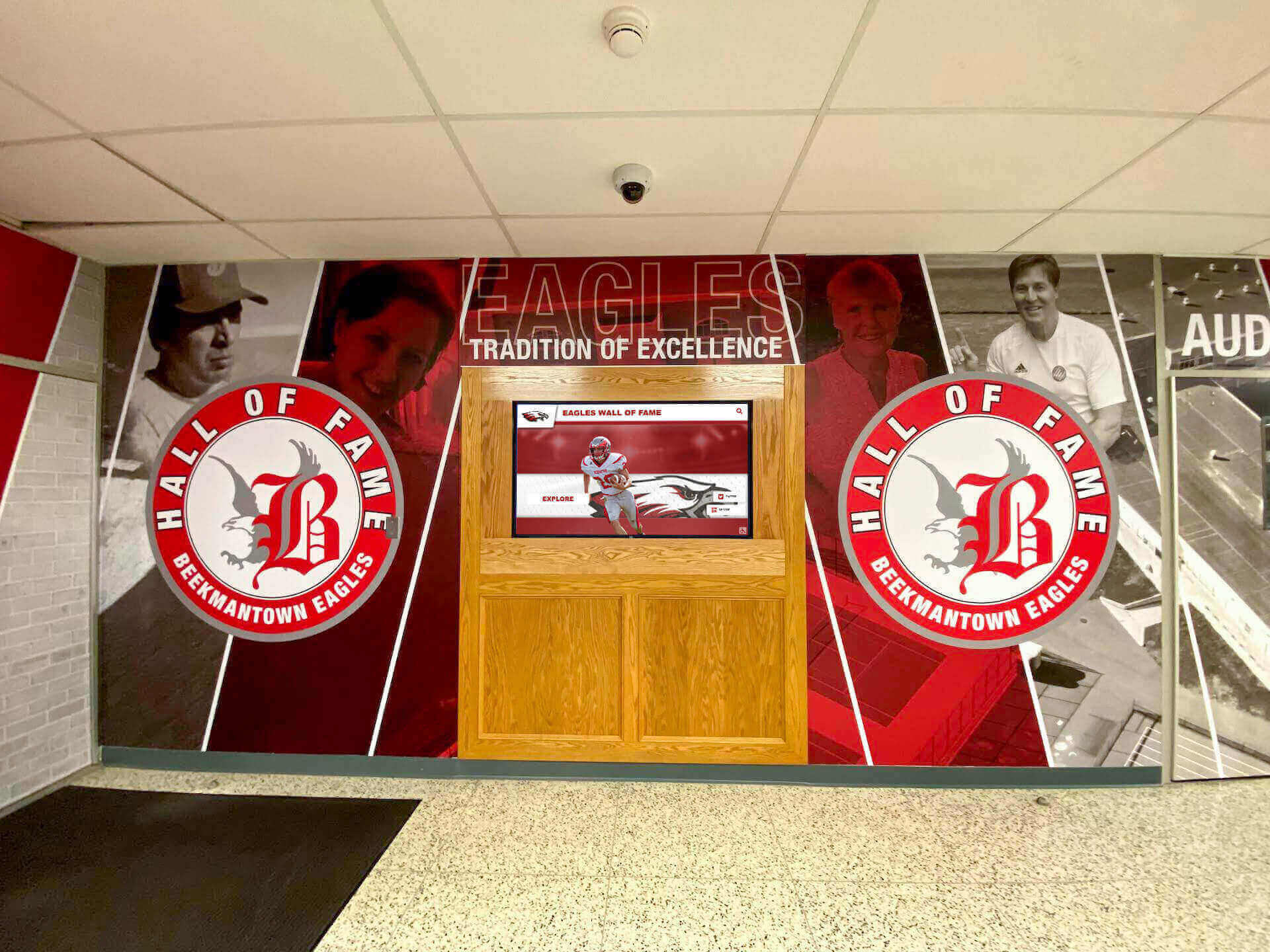
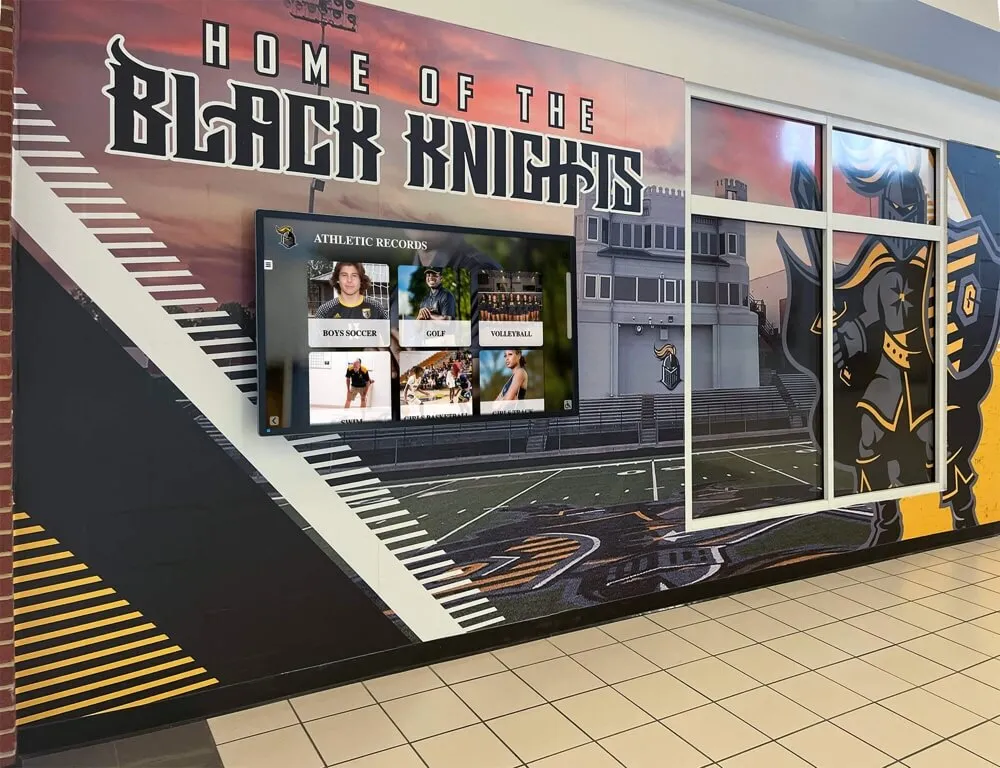
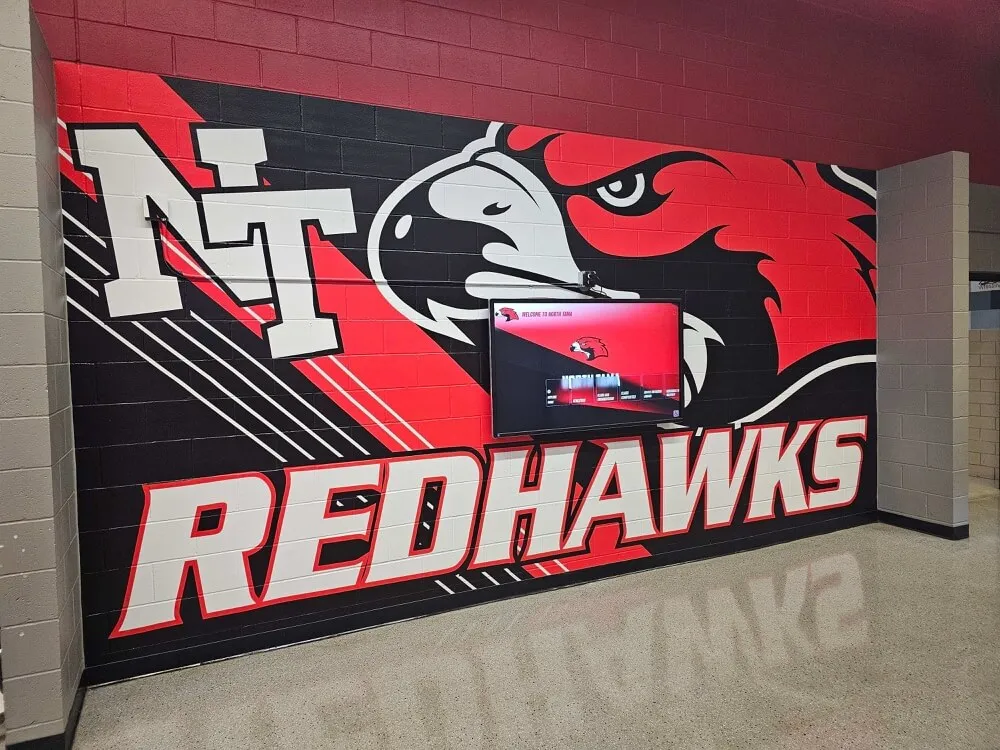
Comprehensive recognition environments combine branded murals with digital displays creating impressive lobby installations
How Rankings Are Determined and Updated
Understanding Arizona’s football ranking systems helps schools appreciate their competitive positions while recognizing achievement appropriately, regardless of where programs rank statewide.
Official AIA Power Rankings
The AIA maintains official power rankings throughout the season using a formula considering wins and losses, strength of schedule, margin of victory (within limits), and opponent records. These rankings determine playoff seeding and bracket placement, directly affecting championship paths.
Power rankings update weekly as teams accumulate results, creating dynamic standings where programs rise or fall based on performance. Athletic directors closely monitor these rankings, understanding that higher seeds provide significant playoff advantages including home games through early rounds.
Media Polls and National Recognition
Beyond official AIA rankings, various media outlets publish rankings based on different criteria and methodologies. Arizona Republic rankings, MaxPreps computer rankings, national ranking services like USA Today, and regional sports media rankings all provide different perspectives on program quality and competitive standing.
Top Arizona programs regularly appear in national rankings, with Chandler, Saguaro, Hamilton, and others frequently ranked among America’s best high school football programs. This national recognition brings pride to schools and communities while providing recruiting advantages for college placement and program prestige.
National recognition deserves celebration through visible acknowledgment that honors the achievement while motivating future teams to maintain those standards. When schools showcase their national ranking achievements alongside state championships and other honors, it creates comprehensive recognition of all forms of program excellence.
Conference-Specific Rankings
Within each conference, schools closely follow their competitive standings relative to direct rivals. Conference championships carry special significance because they come from defeating the teams schools face regularly and the opponents community members discuss most frequently.
Conference supremacy creates local bragging rights that matter enormously to students, alumni, and communities—sometimes even more than state championship achievements. Effective recognition systems acknowledge both state and conference championships, understanding that different achievements resonate differently with various stakeholders.

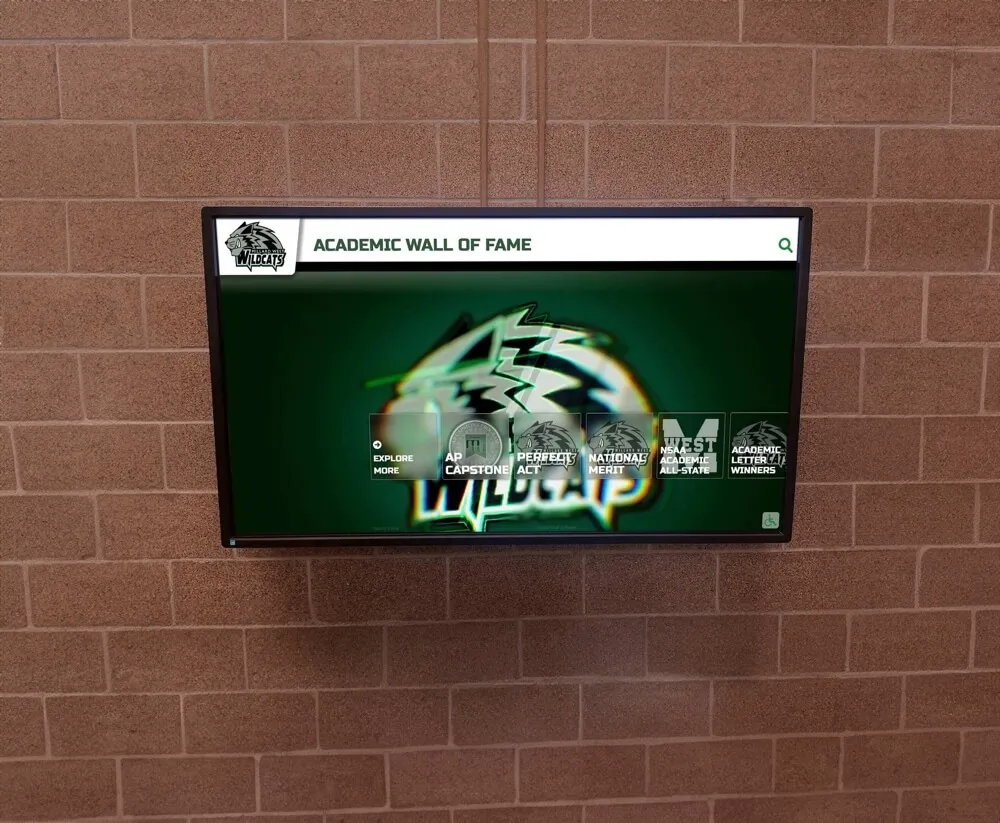
Sleek wall-mounted displays provide championship recognition complementing modern facility aesthetics
Celebrating and Displaying Program Rankings
Schools that effectively showcase their competitive standings and ranking achievements create pride while motivating continued excellence through visible recognition of program accomplishments.
Traditional Recognition Approaches and Limitations
Historically, schools celebrated rankings through physical banners, trophy cases, newspaper clippings displayed on bulletin boards, hall of fame plaques, and championship rings or memorabilia. These traditional approaches face inherent limitations including limited space constraining what can be displayed, static content that quickly becomes outdated, expensive updates requiring new engravings or installations, and limited detail beyond basic acknowledgment.
As programs accumulate achievements over decades, traditional recognition becomes increasingly difficult. Schools face decisions about which accomplishments to display when space runs out, often resulting in older achievements being removed to accommodate recent success—inadvertently diminishing historical tradition.
Modern Digital Recognition Solutions
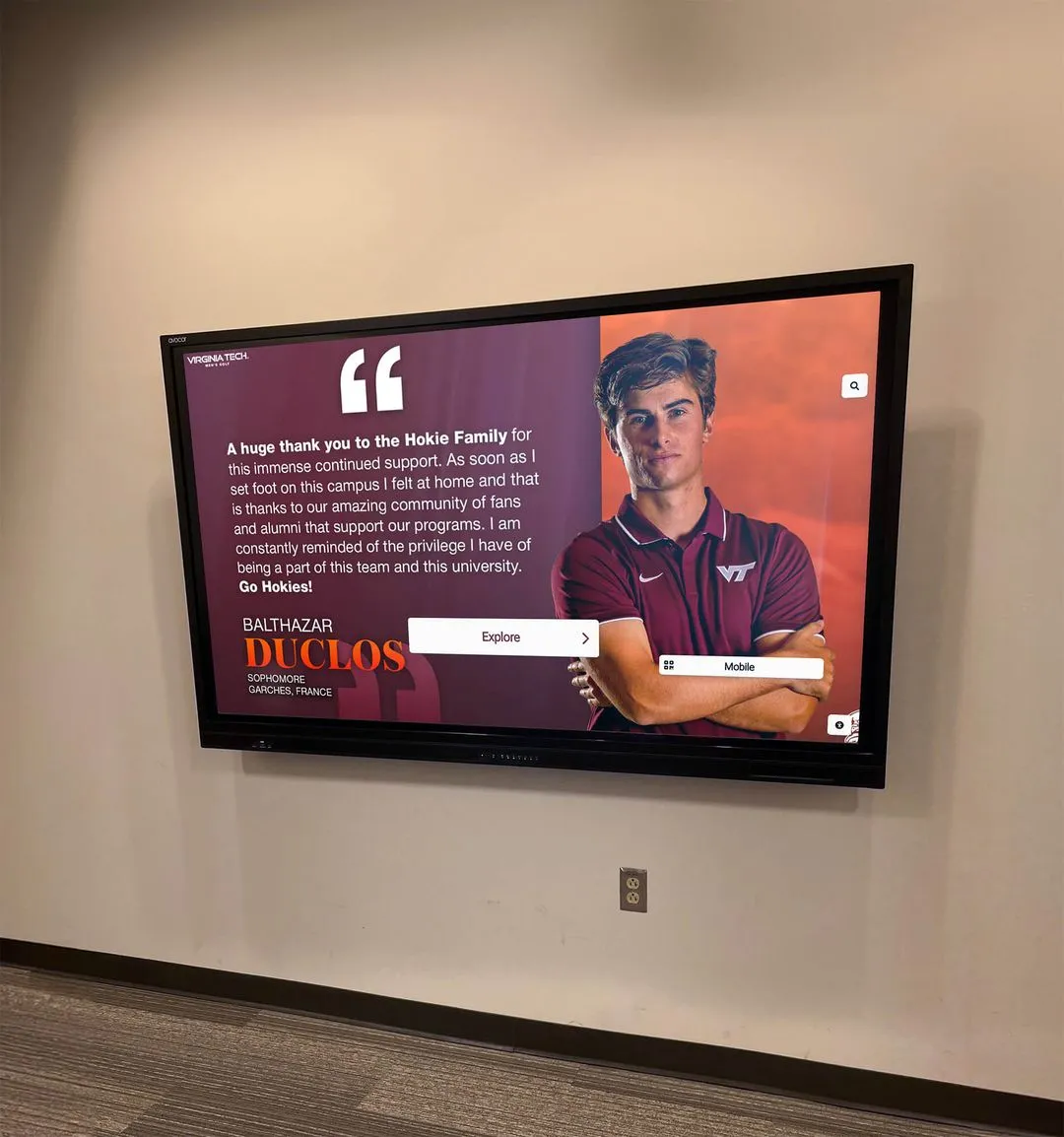
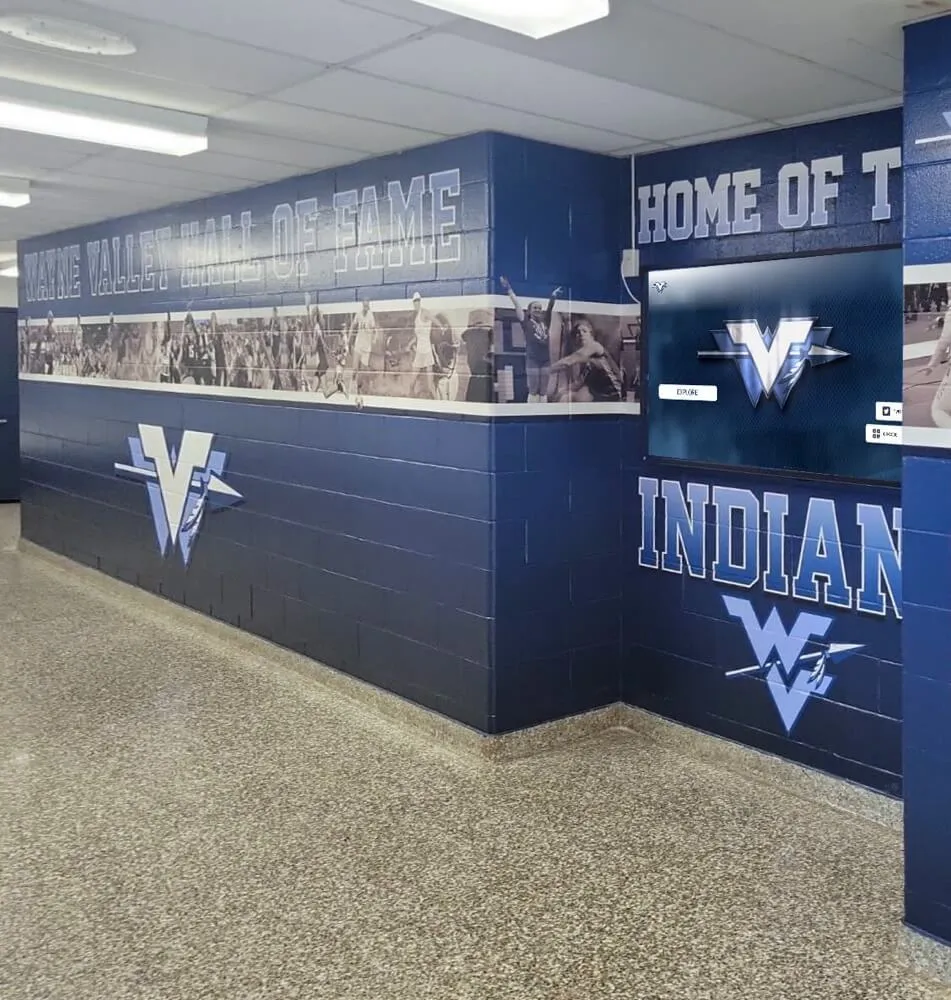
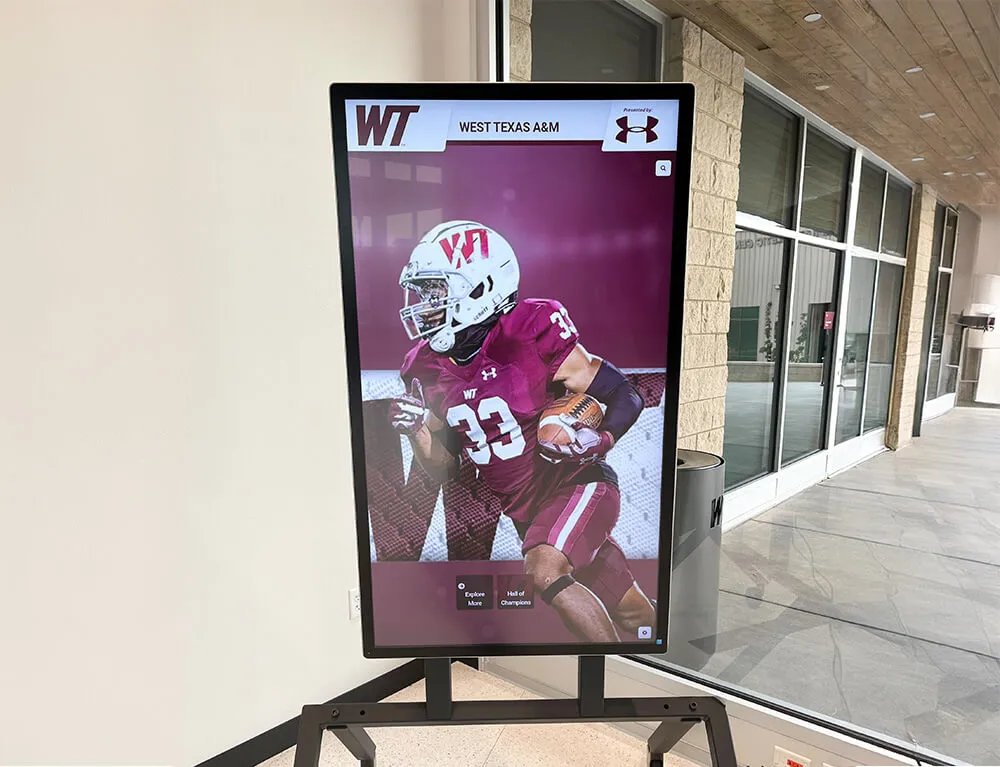
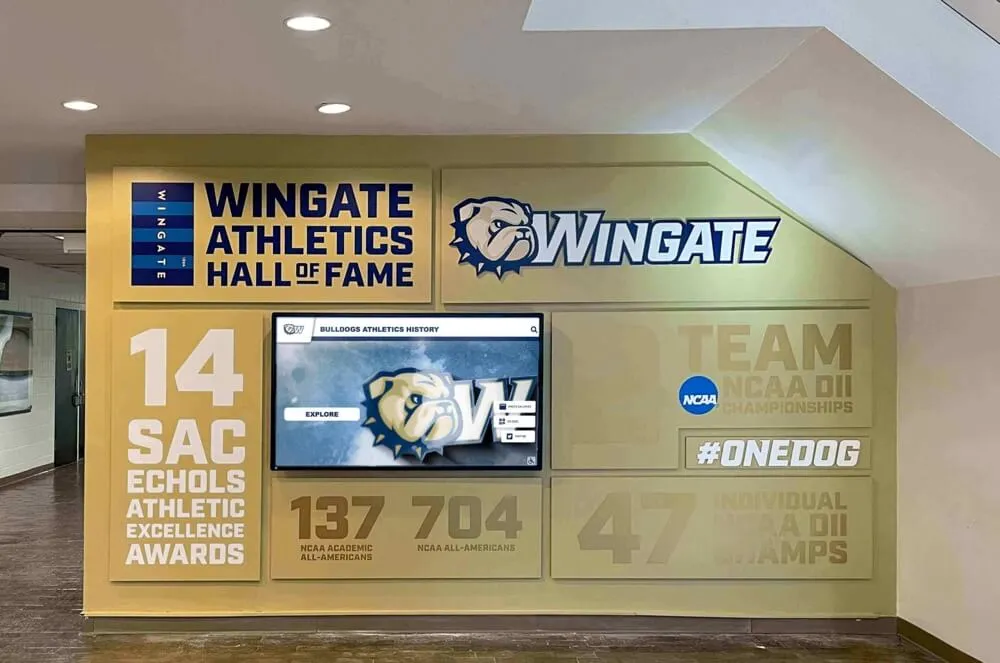
Contemporary schools increasingly adopt digital recognition platforms that solve traditional limitations while providing enhanced recognition capabilities. Digital systems offer unlimited recognition capacity without space constraints, real-time updates as rankings change, multimedia integration featuring photos, videos, and detailed statistics, web accessibility extending recognition beyond physical campus, and searchable databases enabling alumni and community members to explore program history.
Solutions like Rocket Alumni Solutions provide comprehensive platforms specifically designed for educational athletic recognition. These systems enable schools to showcase current rankings alongside historical achievements, honor individual and team excellence, recognize coaching milestones, and preserve complete program histories through engaging displays that inspire current athletes while celebrating past success.
Creating Engaging Recognition Displays
Effective athletic recognition creates experiences rather than merely presenting information. The best recognition systems incorporate multiple elements including current season information with live ranking updates, historical context showing program evolution, individual athlete profiles celebrating personal achievement, coaching legacy recognition honoring program builders, and interactive elements enabling exploration rather than passive viewing.
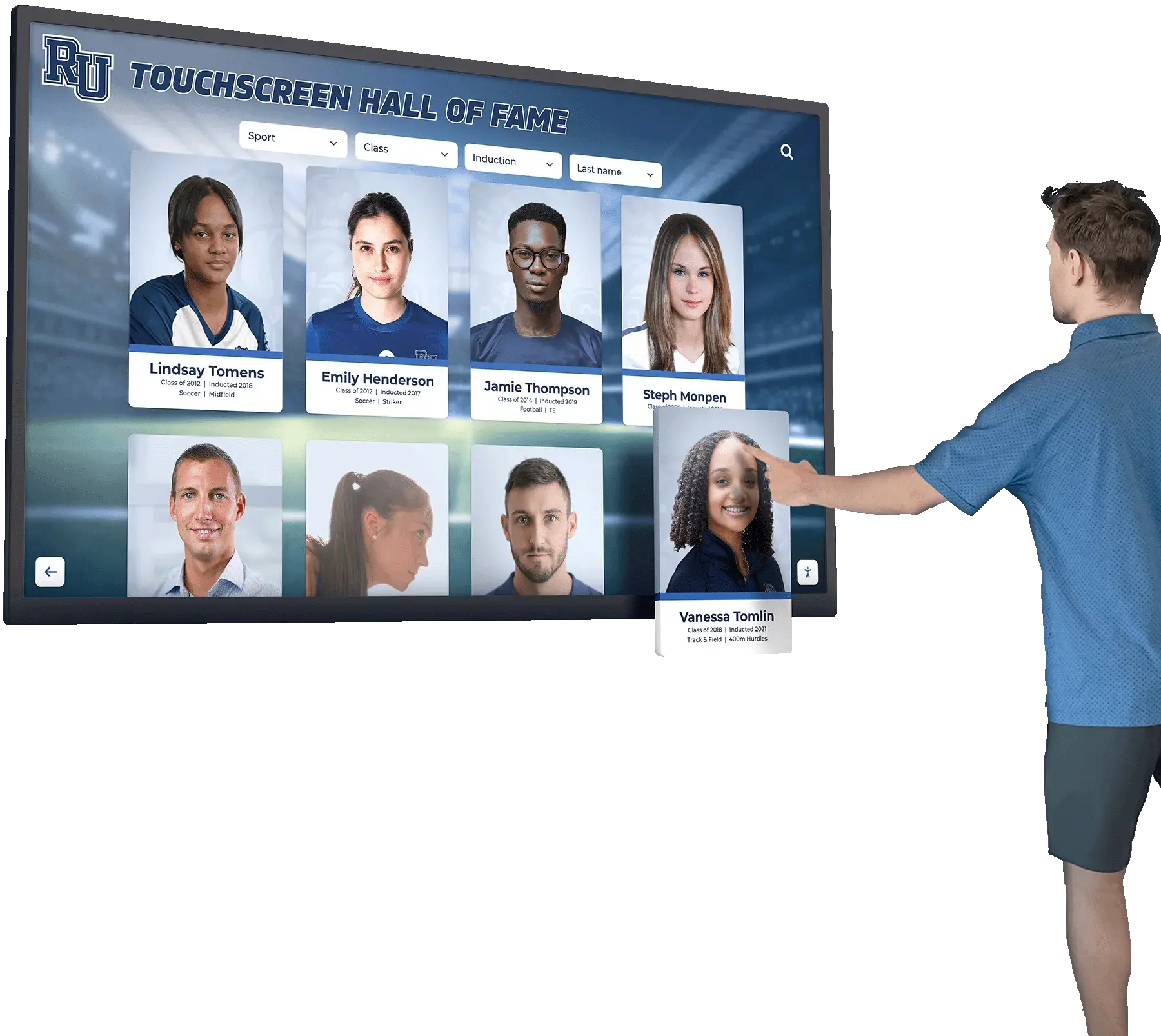
When implemented thoughtfully, recognition systems become destinations where community members actively engage rather than simply pass by. Interactive touchscreen displays enable visitors to explore championship seasons, review individual player statistics, watch highlight videos, and discover connections between current programs and historical traditions.
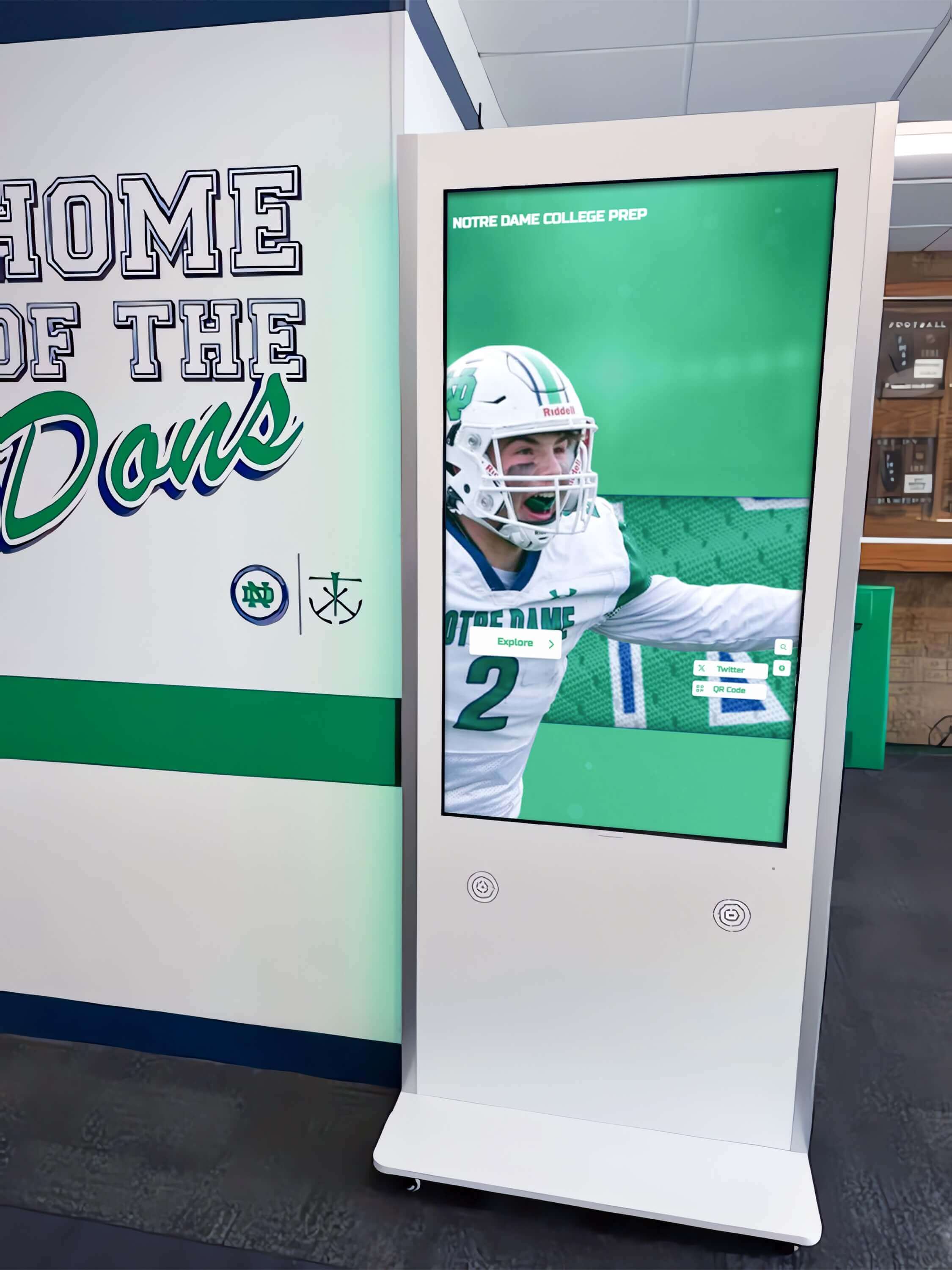
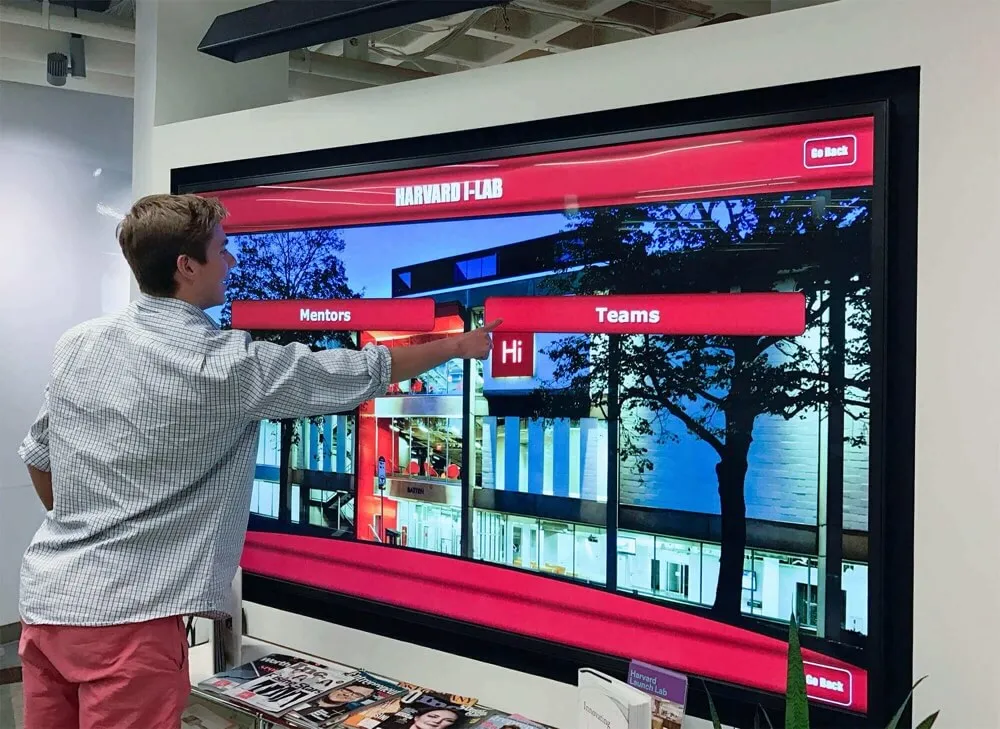
Strategically placed interactive kiosks in high-traffic hallways keep ranking achievements and athletic excellence visible year-round
Building Championship Culture Through Recognition
Arizona’s top-ranked programs share common characteristics beyond talent and resources—they systematically build championship cultures where excellence becomes expected. Recognition systems play crucial roles in establishing and maintaining these cultures.
Making History Visible and Accessible
Championship culture develops when current athletes understand they’re part of ongoing traditions rather than isolated teams. Visible recognition throughout athletic facilities—in locker rooms, training areas, hallways, and lobbies—constantly reminds athletes of the standards their predecessors established and the expectations they’re maintaining.
Digital recognition platforms make comprehensive historical documentation practical, enabling schools to showcase every championship team regardless of how many decades have passed. This completeness matters because it demonstrates sustained excellence rather than occasional success, establishing that winning represents program identity rather than temporary achievement.
Inspiring Current Athletes
When today’s players see detailed recognition of teams and individuals from previous eras, it creates aspiration to earn similar acknowledgment while honoring the tradition they’re continuing. Effective recognition answers questions current athletes naturally ask: Who played my position in previous championship seasons? What records have stood for years that current players might break? Which alumni from our program succeeded at the next level?
Recognition systems that enable this exploration transform athletic history from abstract concepts into tangible connections. When a current linebacker discovers that an NFL player once wore the same jersey number at the same school, it creates powerful motivation and connection to tradition.
Honoring All Forms of Excellence
Top-ranked programs recognize that sustained success requires acknowledging multiple achievement types including team championships at state and conference levels, individual honors like all-state selections and statistical leaders, academic excellence recognizing scholar-athletes, leadership acknowledging team captains and program builders, and alumni achievement celebrating post-high school success.
Comprehensive recognition honoring all these dimensions creates culture where athletes understand that excellence extends beyond game-day performance. Modern recognition platforms enable this multidimensional celebration without the space constraints that force traditional systems to prioritize team championships over individual and academic achievement.
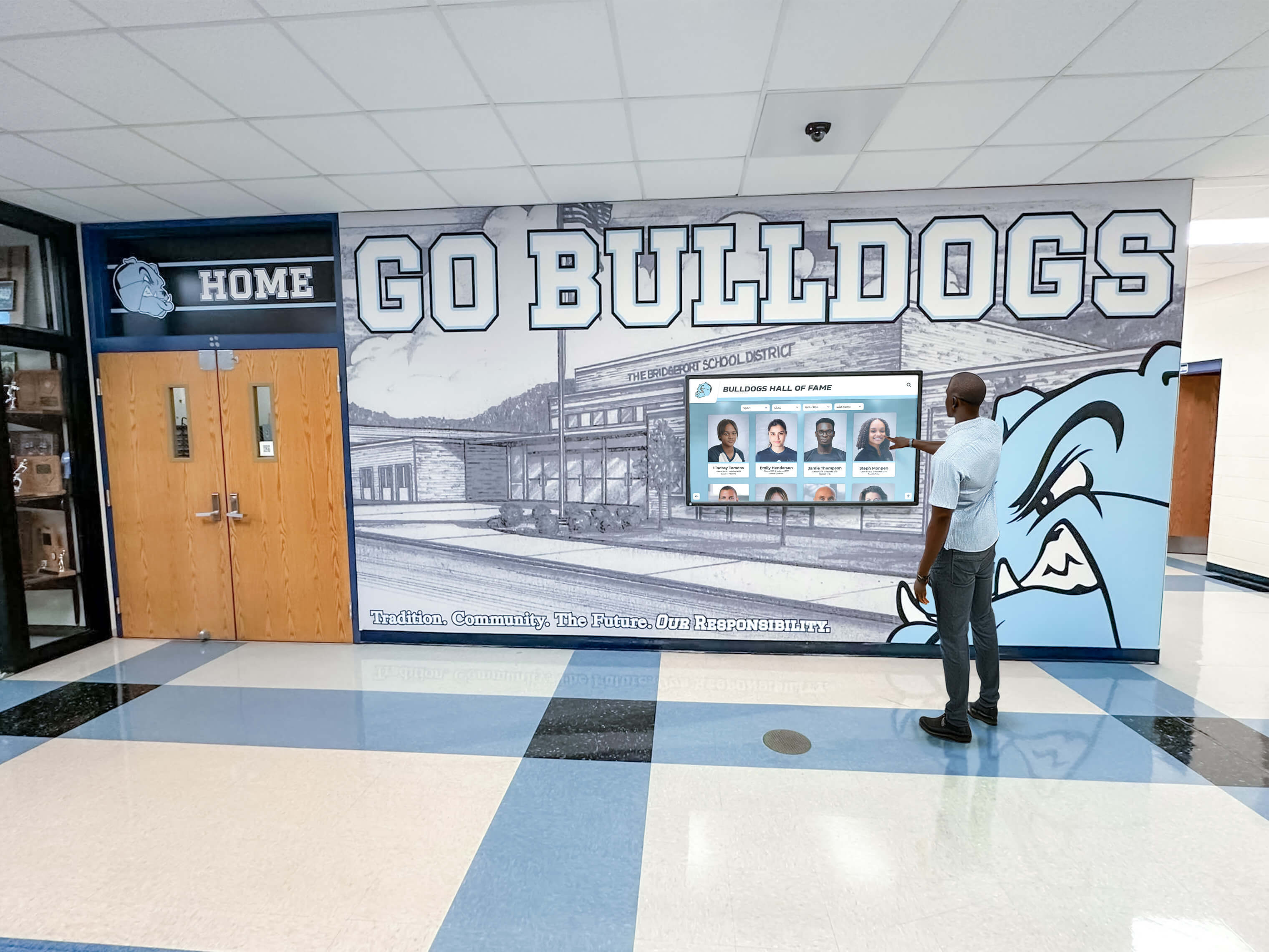
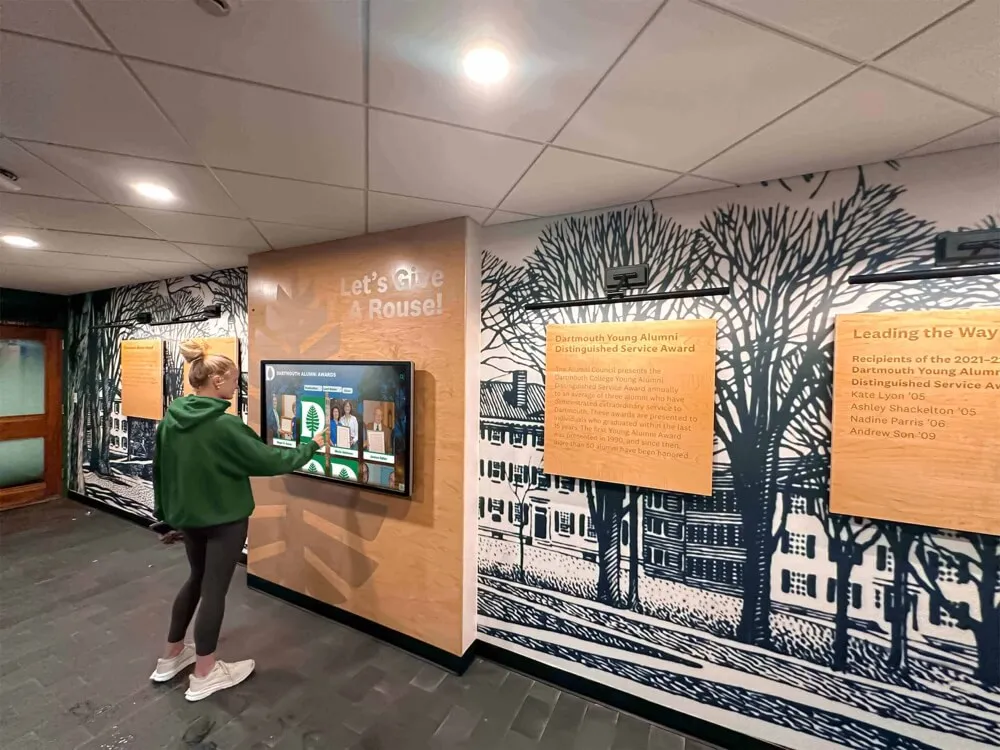
Interactive displays enable community members to explore program rankings, championship history, and individual athlete achievements
Connecting Alumni to Current Programs
Successful programs maintain strong alumni connections, with former players following current teams, attending games, and contributing to program support. Recognition systems strengthen these connections by documenting alumni achievements, maintaining historical rosters accessible to graduates, showcasing where alumni played collegiately, and honoring alumni contributions to program development.
When alumni see themselves acknowledged within program recognition systems, it reinforces their connection to current teams and their willingness to support programs through donations, mentorship, and advocacy. This alumni engagement creates virtuous cycles where program support strengthens over generations.
Leveraging Rankings for Program Development
Smart athletic directors understand that rankings—whether high or low—provide opportunities for program development when approached strategically.
Using High Rankings to Build Support
Programs achieving top rankings should leverage that success to build broader program support through enhanced community engagement, increased booster participation, stronger youth program connection, and improved facility funding. Recognition systems play crucial roles in this process by making achievements visible to all stakeholders and creating pride that translates into tangible support.
When community members see their school ranked among Arizona’s best programs, it generates enthusiasm that schools can channel into program enhancements. Comprehensive recognition of ranking achievements demonstrates institutional commitment to celebrating excellence, which motivates continued community investment.
Addressing Lower Rankings Constructively
Programs ranking lower than desired should avoid treating rankings as embarrassments requiring concealment. Instead, effective programs use competitive standings to identify improvement opportunities, build community support for program investments, set realistic goals establishing paths to higher rankings, and celebrate progress as programs climb rankings over time.
Recognition systems serve important roles even for programs not yet achieving top rankings. Celebrating conference championships, individual achievements, improvement from previous seasons, and other successes demonstrates that excellence exists across multiple dimensions beyond overall state rankings.
Setting and Celebrating Incremental Goals
Few programs transform overnight from mediocrity to state championship contention. Sustained improvement happens incrementally through systematic development over multiple years. Programs climbing Arizona’s rankings should establish and celebrate milestone achievements including first playoff qualification in program history, first playoff victory, first conference championship, first top-10 ranking, and eventual top-5 or championship achievements.
Modern recognition systems enable documentation of this journey, showing program evolution over time rather than only celebrating ultimate achievements. This historical documentation demonstrates improvement trends that build community confidence in program direction while honoring the work producing incremental progress.
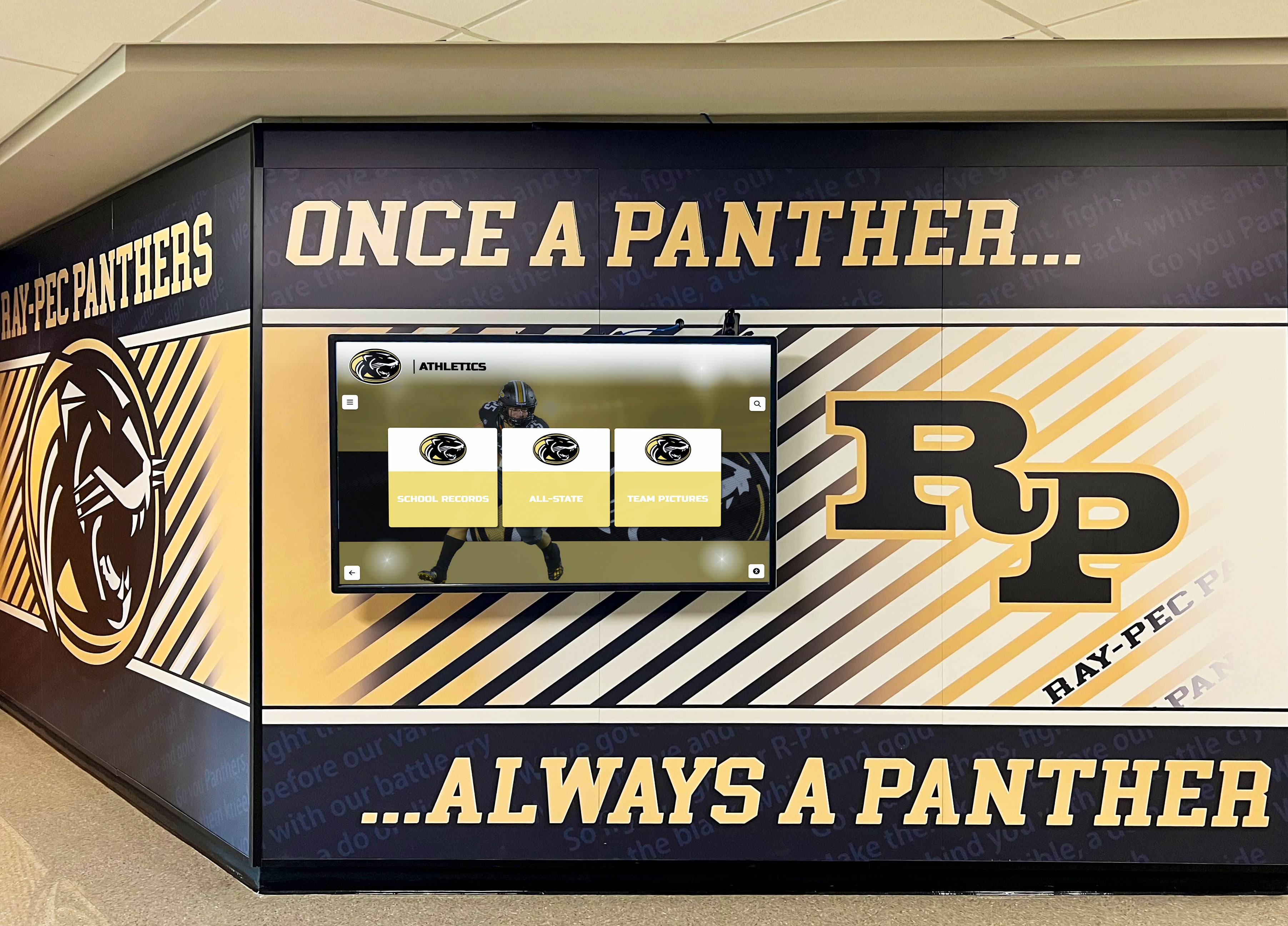
Branded athletic murals combined with digital displays create prominent recognition celebrating program rankings and achievements
Technology Integration for Real-Time Recognition
Arizona’s technology-forward approach to education extends to athletic recognition, with leading programs implementing systems providing real-time updates and enhanced engagement.
Dynamic Content Management
Traditional static recognition becomes outdated the moment new achievements occur. Digital platforms enable real-time content updates including current season rankings updated weekly, playoff bracket progression, live statistical leaders, and immediate championship recognition. This dynamic approach keeps recognition current and relevant rather than reflecting only historical achievements.
Athletic directors report that real-time recognition capabilities transform how schools celebrate athletics. Instead of waiting months for championship banners or updated plaques, digital systems enable immediate acknowledgment creating timely celebration when enthusiasm runs highest.
Web Integration and Accessibility
The best recognition systems extend beyond physical campus displays through web-based platforms accessible to alumni nationwide and prospective students researching schools. This web accessibility serves multiple purposes including alumni engagement keeping graduates connected to programs, recruitment showcasing program excellence to prospective athletes, fundraising demonstrating impact of donor support, and community connection enabling broader stakeholder engagement.
Web-based recognition proves especially valuable for Arizona programs recruiting nationally. When elite prospects research schools, comprehensive digital recognition systems showcasing program rankings, championship history, and alumni success create strong impressions distinguishing programs from competitors.
Mobile Accessibility and Social Sharing
Modern recognition platforms support mobile access and social media integration, enabling schools to share achievements across digital channels. When programs earn high rankings or championship victories, mobile-friendly recognition content facilitates immediate sharing through Facebook, Twitter, Instagram, and other platforms where students, athletes, and community members engage.
This social amplification extends recognition far beyond those who physically visit campus displays, creating broader awareness of program excellence while building school pride across distributed communities.
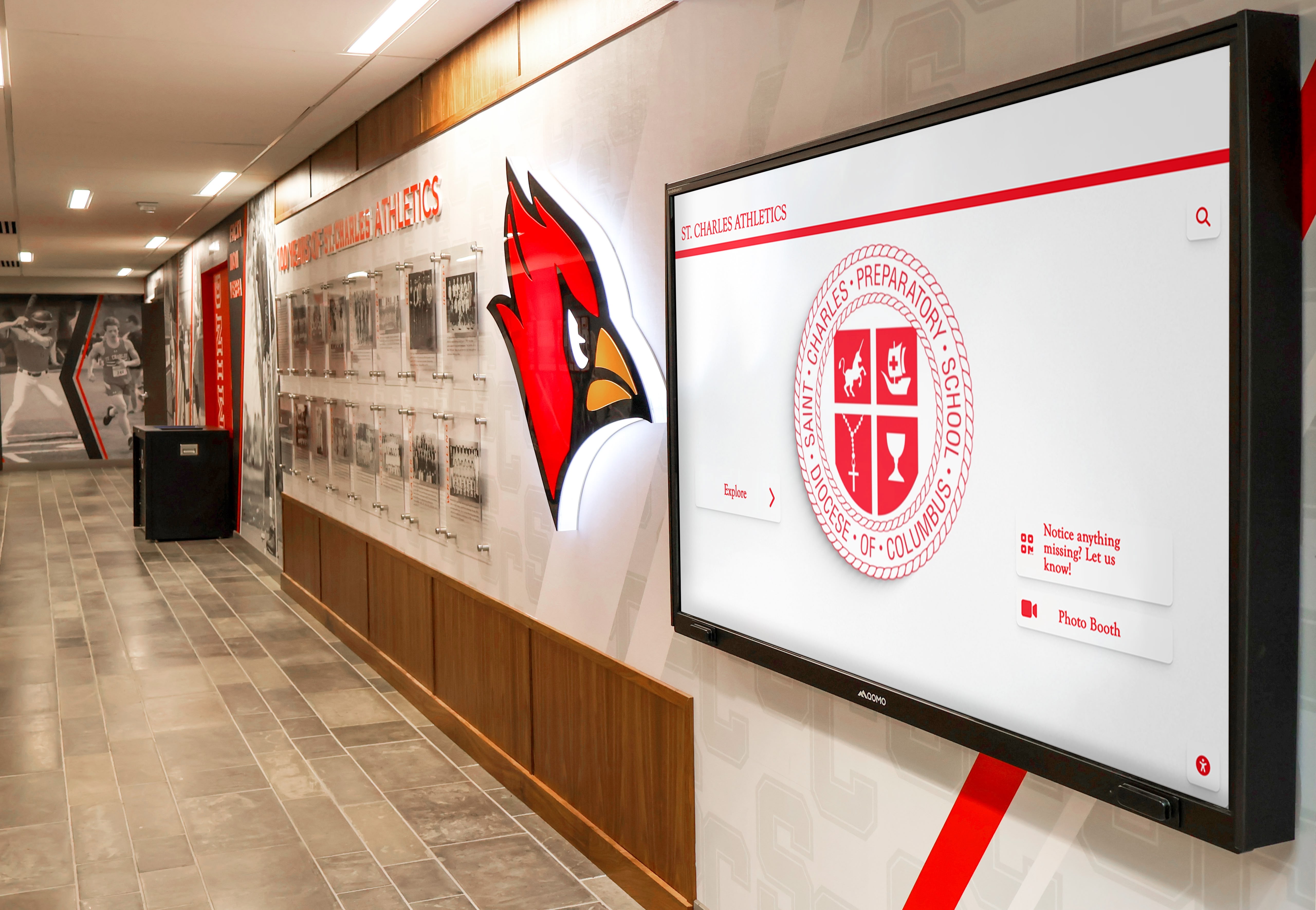
Contemporary athletic hallways integrate digital recognition with school branding, creating cohesive environments celebrating program excellence
Funding Recognition Systems Through Booster Support
Many Arizona schools fund comprehensive recognition systems through booster clubs and community fundraising rather than general school budgets, creating opportunities for community investment in program celebration.
Booster Club Fundraising Strategies
Active booster organizations throughout Arizona support football programs through various fundraising approaches including membership drives with annual giving levels, corporate sponsorships from local businesses, special events like golf tournaments and auctions, game-day activities including concessions and parking, and capital campaigns for major facility improvements including recognition systems.
Recognition systems themselves create fundraising opportunities. Some schools offer naming opportunities within digital platforms, enabling donors to sponsor specific recognition modules. Others sell legacy plaques or profiles as fundraising mechanisms, with proceeds supporting both the recognition system and broader athletic programs.
Demonstrating Return on Recognition Investment
When approaching boosters about recognition system funding, successful athletic directors articulate clear value propositions including enhanced school pride driving broader community support, improved recruitment of quality athletes attracted to programs with visible traditions, stronger alumni connection translating into long-term support, and appropriate celebration of achievements that boosters help fund.
Forward-thinking schools frame recognition system investments as program infrastructure comparable to facilities, equipment, and coaching—essential elements of championship programs rather than optional luxuries.
Multi-Sport Recognition Approaches
Many schools fund recognition systems across multiple athletic programs rather than exclusively for football, creating comprehensive athletic recognition that serves broader purposes. Multi-sport approaches provide several advantages including cost efficiency through shared infrastructure, equitable recognition honoring all athletes, comprehensive athletic program celebration, and broader stakeholder support engaging families across all sports.
While football often drives initial recognition conversations due to its visibility and community engagement, comprehensive athletic recognition better serves institutional missions and creates broader buy-in from diverse stakeholders.
Best Practices for Athletic Recognition in Arizona Schools
Schools throughout Arizona can apply proven practices ensuring their recognition systems effectively celebrate achievements while inspiring continued excellence.
Start With Clear Objectives
Before implementing recognition systems, schools should define what they want to accomplish including which achievements deserve recognition (team championships, individual honors, academic success, etc.), which stakeholders the recognition serves (current athletes, alumni, prospective students, community), what messages the recognition should communicate about program values, and how recognition integrates with broader school culture and identity.
Clear objectives prevent recognition systems from becoming unfocused collections of disconnected content, instead creating coherent narratives about program excellence and institutional values.
Prioritize Accessibility and Engagement
Effective recognition systems enable interaction rather than passive viewing. The most successful implementations include multiple access points throughout campus, intuitive interfaces requiring no explanation, content organized logically enabling easy navigation, search functionality helping visitors find specific information, and compelling visual design drawing attention and maintaining interest.
Recognition systems located only in obscure locations or requiring complex navigation fail to deliver full value regardless of content quality. Prominent placement in high-traffic areas and simple user experiences maximize impact.
Plan for Ongoing Content Management
Recognition systems require ongoing maintenance to remain current and relevant. Schools should establish clear processes for who updates content, how frequently updates occur, what approval processes govern new content, and how historical accuracy gets verified. Without systematic content management, even the best recognition systems become outdated and lose effectiveness.
Digital platforms make content management significantly easier than traditional physical systems, but they still require designated responsibility and consistent attention. Successful schools typically assign athletic department staff or designated volunteers to manage recognition content with appropriate oversight.
Balance Tradition and Innovation
The best recognition systems honor tradition through comprehensive historical documentation while embracing innovation through modern presentation and technology. This balance respects program heritage while demonstrating forward-thinking approaches that attract current students and athletes.
Arizona schools with century-old football traditions should ensure recognition systems document complete program histories, not just recent achievements. Similarly, newer programs should build recognition systems from inception rather than waiting until extensive history accumulates.
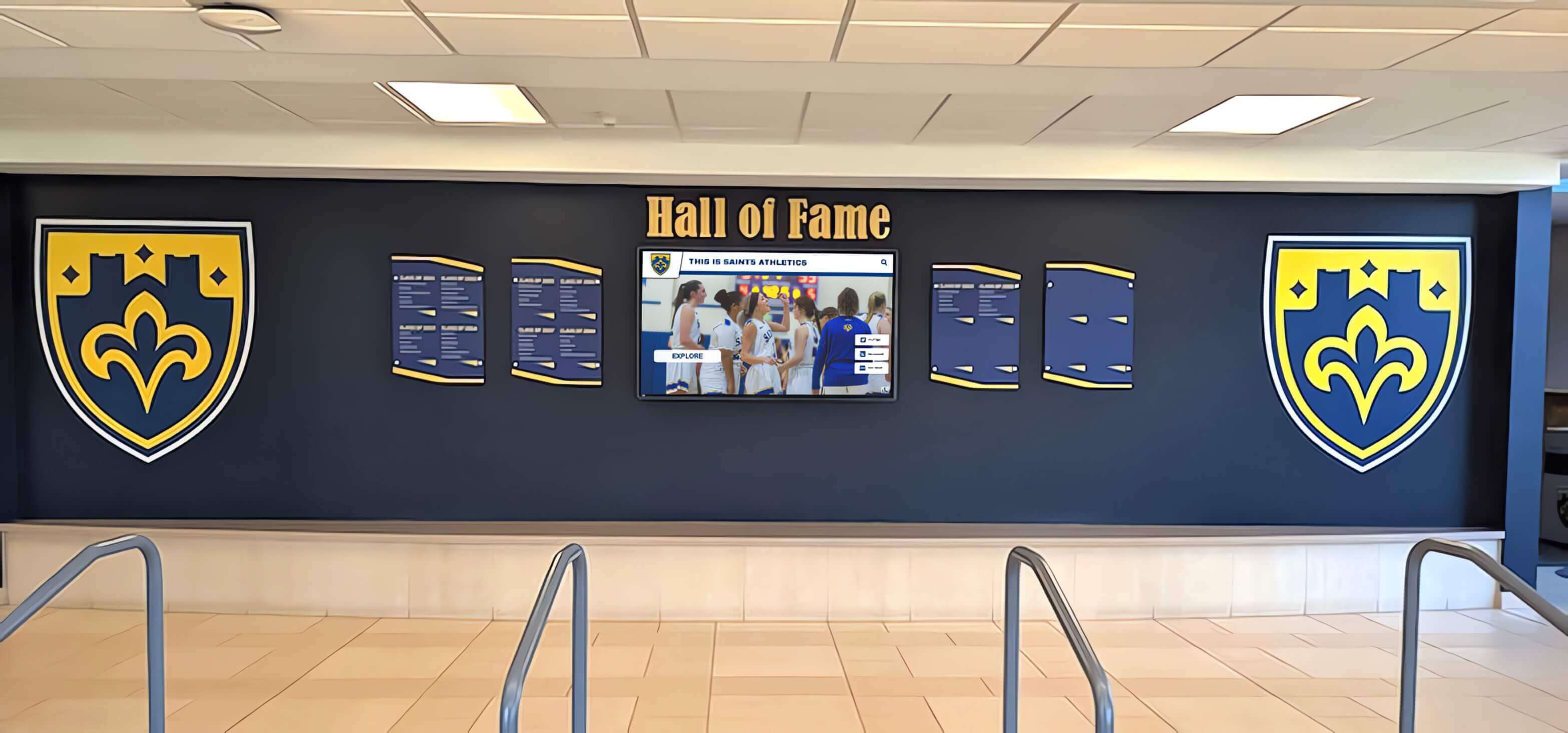
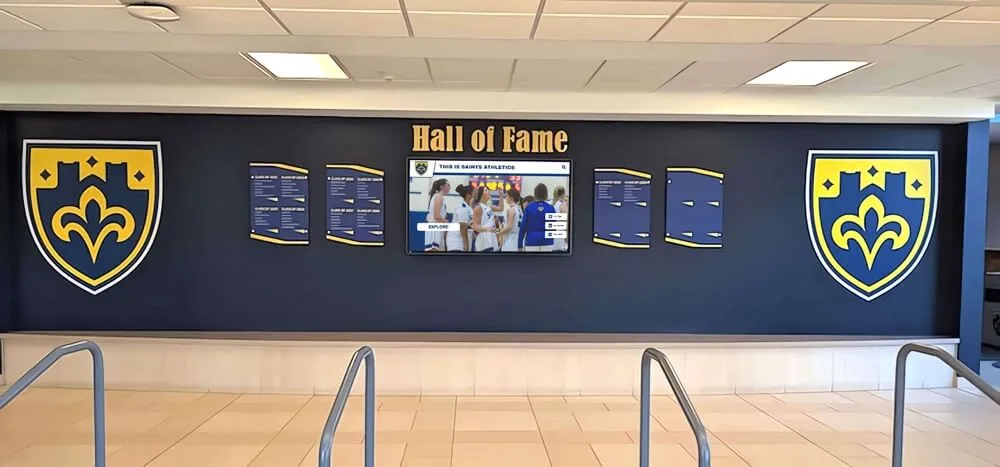
Traditional shield-style recognition combined with digital displays creates comprehensive celebration honoring decades of program excellence
The Future of Athletic Recognition in Arizona
Athletic recognition continues evolving as technology advances and schools explore new approaches to celebrating excellence and inspiring future achievement.
Emerging Technologies
Several technological trends are reshaping athletic recognition including augmented reality enabling virtual trophy cases and enhanced physical displays, artificial intelligence powering personalized content and automatic statistical analysis, video integration featuring game highlights and player interviews, and live statistical feeds providing real-time performance data. These technologies will enable increasingly sophisticated recognition experiences that blur lines between documentation and storytelling.
Increasing Personalization
Future recognition systems will enable unprecedented personalization, with different visitors experiencing customized content based on their connections to programs. Alumni might see enhanced content about their playing years, current athletes could view personalized goal tracking and milestone progress, and prospective students would receive curated content highlighting aspects most relevant to their interests and recruitment.
Integration With Broader School Recognition
Athletic recognition is expanding to integrate with broader school recognition systems honoring academic achievement, arts excellence, community service, and other accomplishments. This holistic approach celebrates the complete student experience rather than isolating athletics from other achievement forms, reflecting contemporary understanding that student development happens across multiple dimensions.
Schools implementing comprehensive digital recognition platforms gain flexibility to showcase athletics alongside academics and other programs, creating unified recognition environments serving broader institutional missions.
Conclusion: Celebrating Arizona Football Excellence
Arizona high school football rankings reflect genuine competitive excellence across programs throughout the Grand Canyon State. From established dynasties like Chandler and Hamilton to emerging programs building new traditions, Arizona football represents some of the nation’s best prep competition. Understanding these rankings—how they’re determined, what they signify, and which programs consistently achieve top positions—provides valuable context for schools throughout Arizona seeking to celebrate their own athletic achievements.
The ranking systems, conference structures, and recognition approaches explored in this guide offer frameworks Arizona schools can adapt to their unique circumstances. Whether your program competes in Conference 6A’s Open Division or builds tradition in smaller classifications, athletic achievements deserve recognition matching their significance to student-athletes and communities.
Showcase Your Program's Rankings and Achievements
Discover how modern digital recognition solutions help Arizona schools celebrate football rankings, honor championship teams, and preserve athletic traditions through engaging displays that inspire current student-athletes while recognizing past excellence.
Explore Recognition SolutionsModern recognition technology eliminates traditional barriers preventing comprehensive athletic acknowledgment. Digital platforms enable schools to showcase current rankings updated weekly, document every championship team regardless of how many titles programs have won, recognize individual all-state athletes and statistical leaders, honor coaching excellence across decades, and preserve complete program histories through searchable databases accessible to current students and alumni worldwide.
As Arizona high school football continues evolving with new champions emerging and traditional powers maintaining excellence, recognition systems must adapt to capture ongoing achievement. Digital solutions provide the flexibility and capacity required for dynamic recognition that grows with programs rather than becoming outdated as new accomplishments accumulate.
For Arizona athletic directors, coaches, and administrators seeking to celebrate competitive excellence appropriately, the path forward involves evaluating current recognition limitations, exploring modern solutions eliminating space and cost constraints, and implementing systems that truly honor the traditions making Grand Canyon State football special. Your program’s rankings and achievements deserve recognition worthy of the dedication required to compete at Arizona’s elite levels—make those accomplishments permanently visible through recognition systems designed for comprehensive, sustainable athletic celebration.
Ready to enhance your athletic recognition program? Explore how solutions like Rocket Alumni Solutions transform championship recognition while learning about college commitment recognition that honors athletes advancing to the next level, and discover comprehensive approaches to football hall of fame recognition that celebrate sustained program excellence throughout your Arizona football program’s history.