Athlete Meal Plan: Comprehensive Nutrition Guide for High School and College Sports Programs

Student athlete performance depends on far more than practice schedules and coaching strategies—proper nutrition provides the foundation that allows athletes to train effectively, compete at their highest level, and recover efficiently between competitions. Yet many high school and college athletic programs struggle to provide student athletes with practical, evidence-based nutrition guidance that fits within typical school and family constraints. Athletic directors and coaches recognize that nutrition matters, but translating that knowledge into actionable meal plans that student athletes can actually follow represents a persistent challenge.
Effective athlete meal plans balance scientific nutrition principles with real-world practicality. Student athletes face unique demands—early morning practices, full academic schedules, limited cooking skills, cafeteria meal options, budget constraints, and varying family food situations—that make textbook nutrition advice difficult to implement. The most successful sports nutrition programs recognize these constraints and provide frameworks flexible enough to work within different contexts while still supporting optimal athletic performance and healthy development.
This comprehensive guide explores evidence-based strategies for developing athlete meal plans tailored to high school and college sports programs, providing athletic directors, coaches, and nutrition staff with practical frameworks that support student athlete success both on the field and in the classroom.

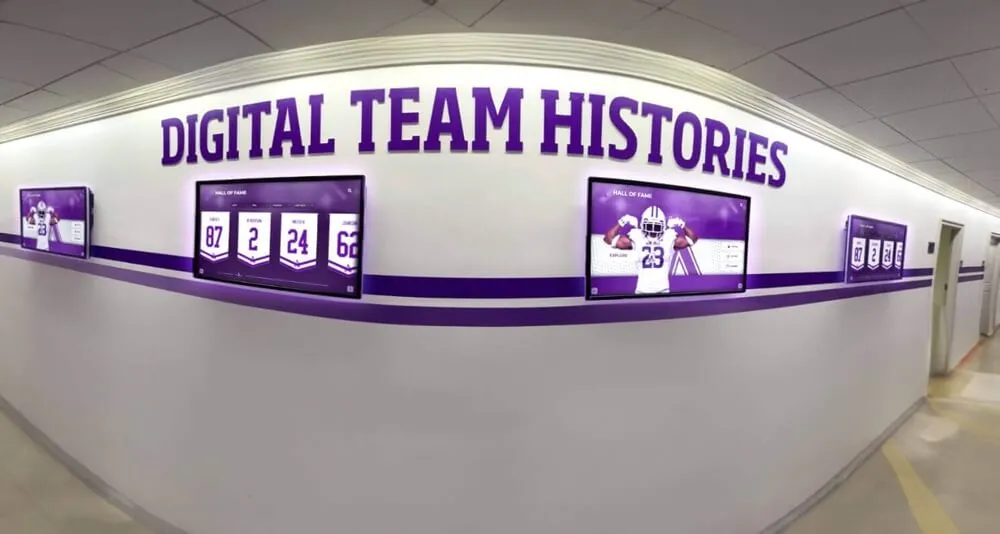
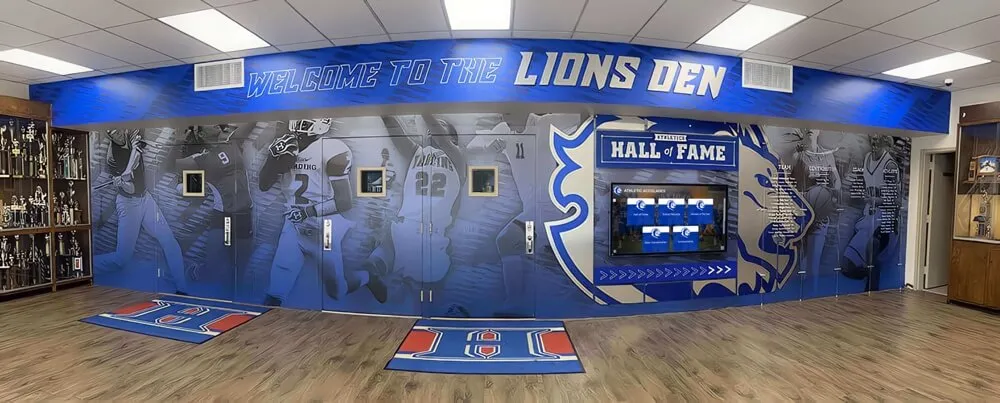
Comprehensive athletic programs support student athlete development through nutrition guidance, training, and recognition of achievement
Understanding Student Athlete Nutritional Needs
Before creating specific meal plans, athletic programs must understand the unique nutritional requirements that distinguish student athletes from their non-athletic peers and how these needs vary across different sports and competitive levels.
Energy Requirements for Student Athletes
Student athletes burn significantly more calories than typical students due to training demands, competitive events, and the energy required for growth and development in adolescent and young adult athletes.
Baseline Energy Expenditure
High school and college student athletes typically require:
- Moderate-intensity sports (baseball, softball, volleyball): 2,200-3,000 calories daily for females, 3,000-4,000 for males
- High-intensity sports (basketball, soccer, lacrosse, wrestling): 2,500-3,500 calories daily for females, 3,500-5,000 for males
- Endurance sports (cross country, swimming, rowing): 2,800-4,000 calories daily for females, 4,000-6,000+ for males
- Power sports (football linemen, throwers): 3,000-4,500 calories daily for females, 4,500-7,000+ for males
These ranges vary based on body size, training volume, competition schedule, and individual metabolism. Growing adolescent athletes require additional calories beyond these baseline estimates to support normal development.
Periodization Considerations
Athletic nutritional needs fluctuate throughout the season:
- Off-season training focuses on building strength and maintaining fitness with moderate caloric needs
- Pre-season conditioning increases energy demands as training volume intensifies
- In-season competition requires peak energy availability for practices, games, and recovery
- Post-season recovery allows reduced intake while maintaining nutritional quality
Programs implementing comprehensive athlete recognition systems understand that celebrating athletic achievement works synergistically with proper nutrition—both demonstrate institutional commitment to student athlete success.
Macronutrient Balance for Athletic Performance
Beyond total calories, the distribution of carbohydrates, proteins, and fats significantly impacts athletic performance, recovery, and body composition goals.
Carbohydrates: Primary Fuel Source
Carbohydrates provide the immediate energy required for high-intensity athletic performance:
- Daily intake: 5-7 grams per kilogram of body weight for moderate training; 7-10 grams per kilogram for intense training
- Timing strategy: Concentrate carbohydrate intake around training and competition when energy demands peak
- Quality sources: Whole grains, fruits, vegetables, legumes provide sustained energy with essential micronutrients
- Simple carbohydrates: Reserve for immediate pre-competition and during competition when rapid energy absorption matters
A 150-pound (68 kg) soccer player engaged in intense training would target approximately 475-680 grams of carbohydrates daily, distributed across multiple meals and snacks timed around training sessions.
Protein: Building and Repair
Protein supports muscle development, tissue repair, immune function, and recovery:
- Daily intake: 1.2-2.0 grams per kilogram of body weight depending on sport demands and training phase
- Distribution strategy: Spread protein intake across 4-5 meals daily for optimal muscle protein synthesis
- Timing considerations: Include protein within 30-60 minutes post-training to maximize recovery
- Quality sources: Lean meats, poultry, fish, eggs, dairy, legumes, and plant-based proteins
That same 150-pound athlete would target approximately 80-135 grams of protein daily, with 20-30 grams per meal supporting continuous recovery and adaptation.
Fats: Essential Functions
Dietary fats support hormone production, nutrient absorption, inflammation management, and provide energy for lower-intensity activities:
- Daily intake: 20-35% of total calories from fat sources
- Quality emphasis: Prioritize unsaturated fats from nuts, seeds, avocados, olive oil, and fatty fish
- Timing flexibility: Fat intake can be distributed throughout the day with less emphasis on precise timing
- Omega-3 focus: Include fatty fish or supplements supporting anti-inflammatory benefits and recovery
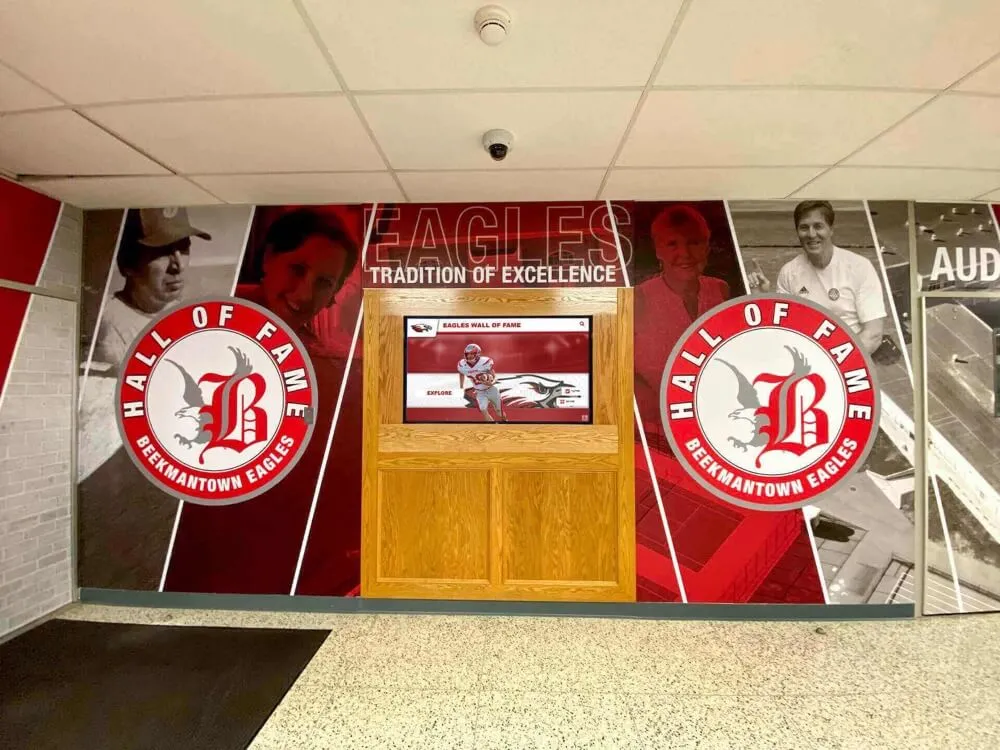
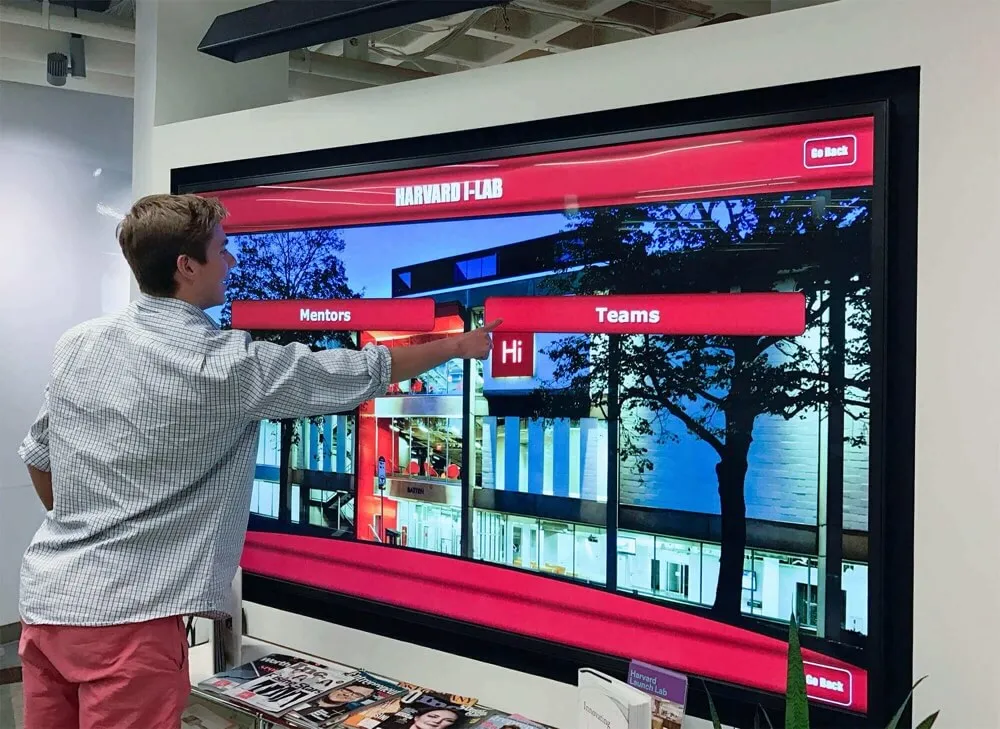
Modern athletic facilities combine nutrition education spaces with digital displays celebrating program achievements
Micronutrients Critical for Athletes
While macronutrients provide energy and building blocks, micronutrients enable the metabolic processes that convert food into performance.
Iron: Oxygen Transport
Iron deficiency represents one of the most common nutritional deficiencies in student athletes, particularly female athletes and endurance competitors:
- Supports hemoglobin production carrying oxygen to working muscles
- Requirements increase for athletes due to training stress and potential losses through sweat
- Food sources include lean red meat, poultry, fish, fortified cereals, beans, and dark leafy greens
- Vitamin C consumption alongside plant-based iron sources enhances absorption
Calcium and Vitamin D: Bone Health
Growing student athletes require robust bone development to prevent stress fractures and support long-term skeletal health:
- Calcium requirements: 1,300 mg daily for adolescent athletes
- Vitamin D supports calcium absorption and has direct effects on muscle function
- Sources include dairy products, fortified plant milks, leafy greens, and sun exposure
- Winter athletes and those training primarily indoors may require vitamin D supplementation
B Vitamins: Energy Metabolism
B vitamins play essential roles in converting food into usable energy:
- B1 (thiamine), B2 (riboflavin), and B3 (niacin) support carbohydrate metabolism
- B6 and B12 support protein metabolism and red blood cell production
- Whole grains, lean proteins, legumes, and fortified foods provide B vitamins
- Athletes restricting food variety may benefit from B-complex supplementation
Electrolytes: Hydration and Function
Sodium, potassium, magnesium, and chloride maintain fluid balance and support muscle function:
- Lost through sweat during training and competition
- Requirements increase dramatically in hot environments and with heavy sweaters
- Replaced through balanced diet and strategic use of sports drinks
- Severe deficiency can impair performance and cause dangerous cramping
Schools developing comprehensive wellness programs often integrate nutrition education with other support systems, similar to how school spirit week activities build community culture supporting student engagement and wellbeing.
Practical Athlete Meal Plan Templates
Understanding nutritional principles matters little if student athletes lack practical frameworks for implementing them within real-world constraints. These meal plan templates provide starting points that coaches and athletic directors can adapt to specific program needs.
Template 1: High School Multi-Sport Athlete
This template serves high school athletes participating in sports with moderate to high energy demands (basketball, soccer, lacrosse, volleyball, baseball, softball).
Daily Caloric Target: 2,800-3,200 calories (adjust based on body size and training volume)
Breakfast (6:30 AM - Before School)
- 2 cups whole grain cereal with 1 cup low-fat milk
- 1 banana
- 1 tablespoon peanut butter
- 8 oz orange juice
- Provides ~650 calories, 95g carbs, 22g protein, 16g fat
Mid-Morning Snack (10:00 AM)
- Greek yogurt (6 oz)
- 1/4 cup granola
- Handful of berries
- Provides ~280 calories, 38g carbs, 18g protein, 6g fat
Lunch (12:00 PM - School Cafeteria)
- Turkey sandwich on whole wheat bread with lettuce, tomato
- Side of fruit (apple or orange)
- Baked chips or pretzels
- Water or low-fat milk
- Provides ~550 calories, 75g carbs, 30g protein, 12g fat
Pre-Practice Snack (2:30 PM)
- Sports bar or granola bar
- Banana or dried fruit
- 16 oz water
- Provides ~250 calories, 45g carbs, 8g protein, 5g fat
Post-Practice Recovery (5:00 PM - Within 30 Minutes of Practice)
- Chocolate milk (16 oz) or protein shake
- String cheese or handful of nuts
- Provides ~350 calories, 45g carbs, 20g protein, 10g fat
Dinner (6:30 PM - Family Meal)
- 4-6 oz grilled chicken breast
- 1.5 cups brown rice or pasta
- 1-2 cups mixed vegetables
- Small dinner roll with butter
- 8-12 oz water or milk
- Provides ~700 calories, 85g carbs, 50g protein, 15g fat
Evening Snack (8:30 PM - Optional)
- Apple slices with 2 tablespoons peanut butter
- 8 oz low-fat milk
- Provides ~280 calories, 30g carbs, 12g protein, 12g fat
Daily Totals: Approximately 3,060 calories, 413g carbohydrates (54%), 160g protein (21%), 76g fat (22%)
This template provides balanced nutrition supporting training while remaining practical for high school students navigating school cafeterias, family meals, and limited preparation time.
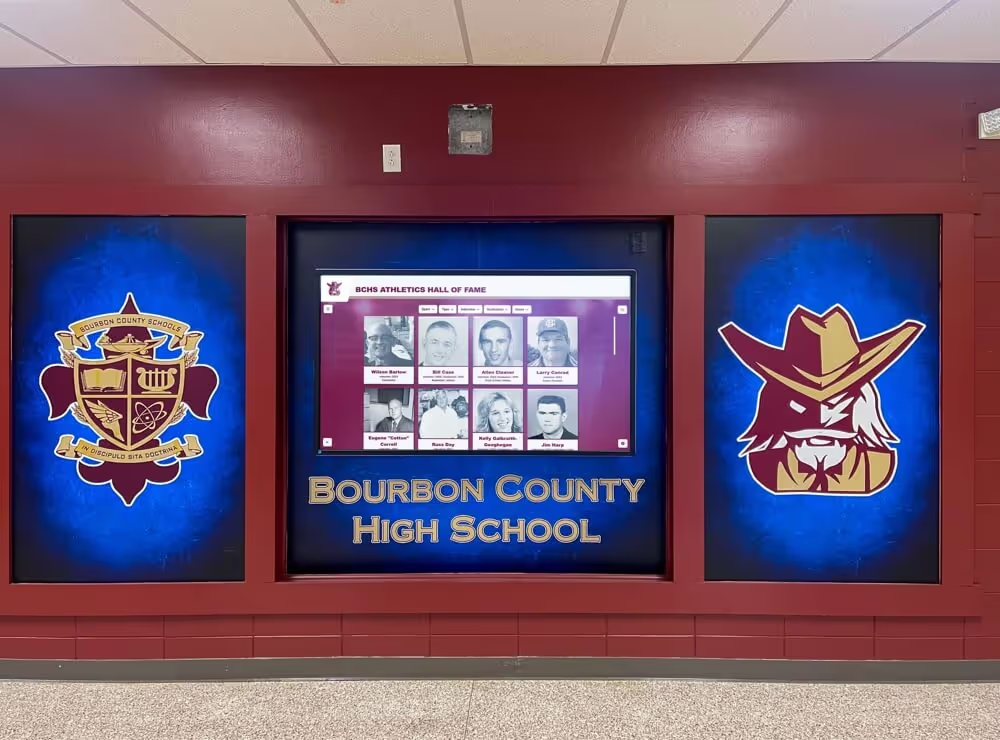
Athletic program spaces integrate nutrition education alongside visual celebration of team success and individual achievement
Template 2: College Football Player (Skill Position)
This template serves college athletes in high-intensity power sports requiring substantial energy and protein for maintaining muscle mass and fueling explosive movements.
Daily Caloric Target: 4,200-4,800 calories
Breakfast (7:00 AM - Training Table)
- 4 scrambled eggs with cheese
- 3 slices whole wheat toast with butter
- 1 cup oatmeal with berries and honey
- 16 oz whole milk
- Provides ~950 calories, 105g carbs, 50g protein, 35g fat
Mid-Morning Snack (10:00 AM)
- Protein shake (2 scoops powder with 12 oz milk)
- 2 pieces of fruit
- Small bagel with cream cheese
- Provides ~600 calories, 75g carbs, 45g protein, 15g fat
Lunch (1:00 PM - Dining Hall)
- 8 oz grilled chicken or fish
- 2 cups brown rice or pasta
- Large salad with vegetables and vinaigrette
- Dinner roll
- 16 oz water or sports drink
- Provides ~900 calories, 110g carbs, 65g protein, 20g fat
Pre-Practice Snack (3:00 PM)
- 2 sports bars
- Banana
- 16 oz sports drink
- Provides ~400 calories, 70g carbs, 15g protein, 8g fat
Post-Practice Recovery (5:30 PM)
- Large protein shake with fruit
- Turkey and cheese sandwich
- Provides ~650 calories, 60g carbs, 55g protein, 20g fat
Dinner (7:00 PM - Training Table)
- 10 oz lean steak or salmon
- 2 cups pasta or potatoes
- 2 cups mixed vegetables
- Side salad
- 16 oz milk
- Provides ~1,100 calories, 120g carbs, 80g protein, 35g fat
Evening Snack (9:30 PM)
- Cottage cheese (1 cup) with fruit
- Handful of almonds
- 8 oz milk
- Provides ~450 calories, 40g carbs, 35g protein, 18g fat
Daily Totals: Approximately 5,050 calories, 580g carbohydrates (46%), 345g protein (27%), 151g fat (27%)
College programs with training tables can implement structured meal plans more easily than high school programs, but the principles of timing, balance, and adequate energy apply across all competitive levels.
Template 3: Female Distance Runner (Cross Country/Track)
This template serves endurance athletes requiring high carbohydrate intake while maintaining lean body composition optimal for distance performance.
Daily Caloric Target: 2,400-2,800 calories
Breakfast (6:00 AM - Before Morning Run)
- Light option: Banana and sports drink before run
- Post-run (7:00 AM): 2 cups whole grain cereal with low-fat milk, berries, and toast with jam
- Total provides ~600 calories, 110g carbs, 18g protein, 8g fat
Mid-Morning Snack (10:00 AM)
- Greek yogurt parfait with granola
- Apple
- Provides ~320 calories, 48g carbs, 18g protein, 6g fat
Lunch (12:30 PM)
- Large whole grain wrap with turkey, hummus, and vegetables
- Side of fruit
- Pretzels
- Water
- Provides ~550 calories, 80g carbs, 28g protein, 12g fat
Pre-Practice Snack (3:00 PM)
- Energy bar
- Orange or banana
- 12 oz sports drink
- Provides ~300 calories, 58g carbs, 8g protein, 5g fat
Post-Practice Recovery (5:30 PM)
- Chocolate milk (12 oz)
- Handful of trail mix
- Provides ~350 calories, 48g carbs, 15g protein, 12g fat
Dinner (7:00 PM)
- 4 oz grilled chicken or fish
- 1.5 cups pasta or quinoa
- 2 cups steamed vegetables
- Small side salad with dressing
- Dinner roll
- Provides ~650 calories, 85g carbs, 45g protein, 15g fat
Evening Snack (Optional, 9:00 PM)
- Slice of whole grain toast with almond butter
- Small glass of milk
- Provides ~220 calories, 22g carbs, 10g protein, 11g fat
Daily Totals: Approximately 2,990 calories, 451g carbohydrates (60%), 142g protein (19%), 69g fat (21%)
Distance runners require higher carbohydrate percentages than power athletes, with strategic timing around morning and afternoon training sessions supporting both workouts and recovery.
Comprehensive athletic programs recognize diverse achievement across all sports, similar to how swimming program celebrations honor accomplishments in sports requiring distinct nutritional approaches and training demands.

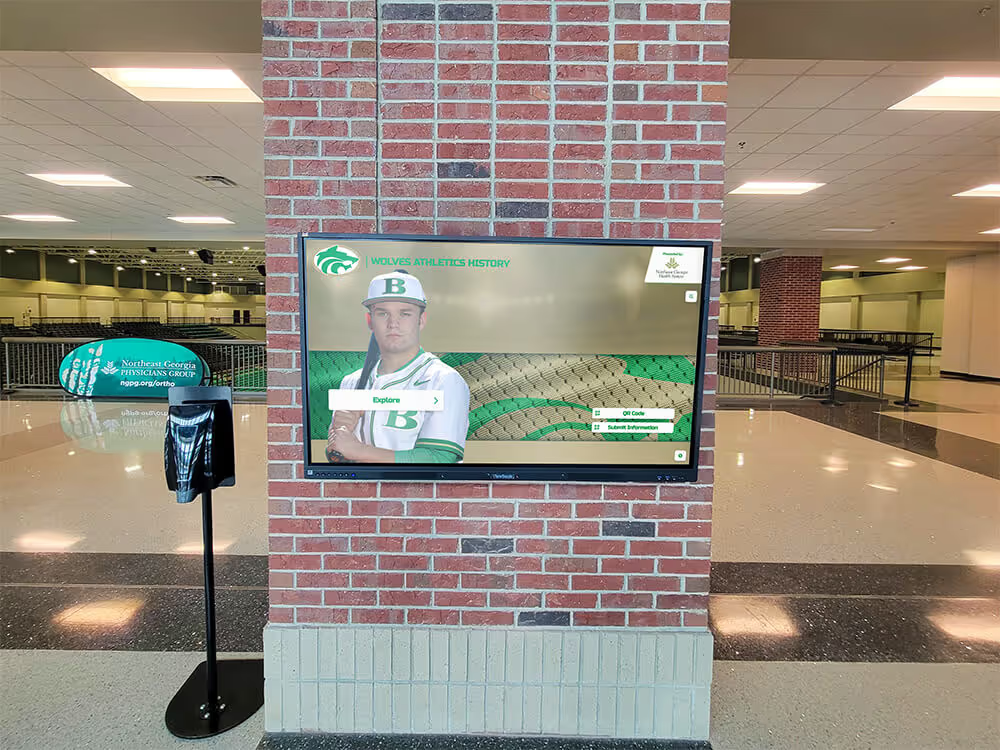
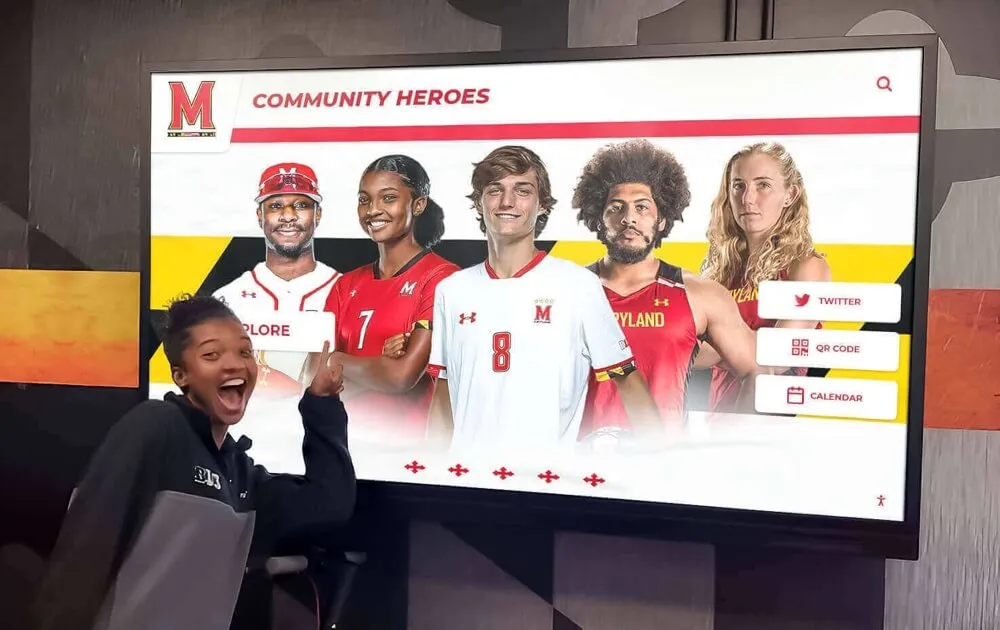
Successful athletic programs integrate nutrition education with comprehensive systems celebrating student athlete achievement
Hydration Protocols for Student Athletes
Proper hydration represents one of the most critical yet frequently neglected aspects of athlete nutrition. Even mild dehydration impairs performance, increases injury risk, and slows recovery, yet many student athletes arrive at practice inadequately hydrated and fail to replace fluid losses during and after training.
Daily Hydration Baseline
Student athletes should maintain baseline hydration throughout the day, not just during training:
Daily Fluid Recommendations
- Minimum baseline: Half of body weight in ounces daily (150 lb athlete = 75 oz minimum)
- Active athletes: Add 16-24 oz for every hour of training
- Hot weather: Increase baseline by 25-50% depending on temperature and humidity
- High altitude: Increase baseline by 20-30% due to increased respiratory water loss
Hydration Monitoring Strategies
- Urine color monitoring: Pale yellow indicates adequate hydration; dark yellow signals need for increased intake
- Morning body weight tracking: Consistent weight suggests adequate hydration; drops indicate chronic dehydration
- Thirst awareness: By the time athletes feel thirsty, they’re already mildly dehydrated
- Daily fluid logs: Simple tracking helps athletes recognize patterns and deficiencies
Training Session Hydration Protocol
Strategic hydration around training maximizes performance and accelerates recovery:
Pre-Training Hydration (2-4 Hours Before)
- 16-20 oz water or sports drink
- Allows time for absorption and restroom breaks before training
- Avoid excessive fluid intake immediately before practice causing stomach discomfort
During Training Hydration
- 7-10 oz fluid every 10-20 minutes of training
- Water sufficient for sessions under 60 minutes at moderate intensity
- Sports drinks appropriate for sessions exceeding 60 minutes or high-intensity work
- Cold fluids (40-50°F) optimize absorption and provide cooling benefit
- Flavored beverages encourage greater voluntary intake than plain water
Post-Training Rehydration
- Replace 150% of fluid lost during training within 2-4 hours post-training
- Calculate losses: weigh before and after training (1 lb loss = 16 oz fluid deficit)
- Include sodium in recovery fluids to enhance retention and replace sweat losses
- Monitor urine output and color to confirm adequate rehydration
Special Hydration Considerations
Hot Weather Protocols
- Increase fluid intake by 50-100% during heat acclimatization (first 7-10 days of heat exposure)
- Mandate regular hydration breaks every 15-20 minutes
- Recognize early warning signs of heat illness: excessive fatigue, dizziness, nausea, headache, cessation of sweating
- Implement ice towels, cooling vests, or shade tents during breaks
- Avoid practice during peak heat hours (11 AM - 3 PM) when possible
Multi-Event Competition Days
- Aggressive rehydration between events critical for maintaining performance
- Sports drinks with sodium help rapid rehydration between morning and afternoon sessions
- Cool fluids provide both hydration and thermoregulatory benefits
- Avoid carbonated beverages causing gastric discomfort during competition
Individual Sweat Rate Considerations
- Athletes vary dramatically in sweat rate (0.5-3.0 liters per hour)
- Heavy sweaters require individualized hydration plans exceeding general guidelines
- Salt stains on uniforms indicate high sodium losses requiring electrolyte replacement
- Regular weigh-ins before and after practice identify individual fluid needs
Programs implementing comprehensive athlete development understand that physical performance support works alongside recognition initiatives, much like how senior night celebrations honor the complete student athlete experience beyond competitive performance alone.
Meal Timing and Competition Day Nutrition
Strategic timing of meals around training and competition can significantly impact performance by ensuring energy availability when demands peak and supporting rapid recovery afterward.
Pre-Competition Nutrition Strategy
The hours leading up to competition require careful nutrition planning balancing energy availability with digestive comfort.
3-4 Hours Pre-Competition
Full meal providing sustained energy throughout competition:
- Composition: High carbohydrate (2-4g per kg body weight), moderate protein (10-20g), low fat and fiber
- Example meal: Pasta with lean meat sauce, white bread roll, small side salad, sports drink
- Rationale: Allows complete digestion, maximizes glycogen stores, minimizes GI distress risk
- Avoid: Heavy fat, excessive fiber, new or unusual foods, large protein portions
1-2 Hours Pre-Competition
Smaller snack maintaining blood sugar without interfering with warm-up:
- Composition: Primarily simple carbohydrates (1-2g per kg body weight), minimal protein and fat
- Example snack: Sports bar, banana with small amount of peanut butter, sports drink, pretzels
- Rationale: Provides immediate energy, easy to digest, familiar and comfortable foods
- Avoid: Dairy for lactose-intolerant athletes, high-fiber foods, anything causing gas or bloating
30 Minutes Pre-Competition
Final energy boost during warm-up if desired:
- Composition: Simple carbohydrates rapidly absorbed (15-30g carbs)
- Example options: Sports gel, sports drink, few graham crackers, small banana
- Rationale: Tops off blood glucose, provides psychological confidence, minimal digestion required
- Individual variation: Some athletes prefer nothing; others benefit from small intake
During Competition Fueling
For competitions or training sessions exceeding 60 minutes, consuming nutrition during the event maintains performance.
Sports Drink Guidelines
- 30-60 grams of carbohydrate per hour for events lasting 1-2.5 hours
- 6-8% carbohydrate concentration optimal (most commercial sports drinks)
- Include sodium (20-30 mmol/L) supporting fluid retention and carbohydrate absorption
- Cool temperature (40-50°F) enhances palatability and provides cooling
Solid Food Options (For Extended Events)
- Energy chews, gels, or blocks providing concentrated carbohydrate
- Bananas, oranges, or other easily digestible fruits
- Sports bars broken into small pieces consumed gradually
- Pretzels or crackers providing carbohydrate and sodium for athletes who dislike sweet options
Practical Implementation
- Practice nutrition strategies during training, never experiment on competition day
- Set reminders or timers for regular intake; athletes commonly forget during competition
- Pre-portion foods and beverages for quick access during breaks
- Account for individual tolerance; some athletes manage solid food well, others require liquids only
Post-Competition Recovery Nutrition
The 30-60 minute window following competition represents critical opportunity for recovery, though recent research suggests the “window” extends several hours for well-nourished athletes.
Immediate Post-Competition (Within 30 Minutes)
Priority is beginning recovery process, especially for athletes competing again within 24 hours:
- Composition: 3-4:1 ratio carbohydrate to protein, 1.0-1.2g carbs per kg body weight
- Example options: Chocolate milk, protein smoothie with fruit, turkey sandwich with sports drink
- Rationale: Initiates glycogen replenishment, begins muscle repair, rehydrates
- Practical concern: Athletes often lack appetite immediately post-competition; liquid options work well
Full Recovery Meal (Within 2 Hours)
More substantial meal supporting continued recovery:
- Composition: Balanced meal with quality carbohydrate, lean protein, vegetables
- Example meal: Grilled chicken with rice and vegetables, salmon with quinoa and salad, turkey wrap with fruit
- Rationale: Continues glycogen restoration, provides full amino acid profile, replenishes micronutrients
- Social context: Often occurs with team meal; provides opportunity for team bonding and positive food relationships
Evening and Next-Day Recovery
Continue elevated nutrition supporting tissue repair and adaptation:
- Maintain regular meal schedule with emphasis on quality whole foods
- Continue aggressive hydration replacing all fluid deficits
- Prioritize sleep quality supporting recovery hormones and tissue repair
- Consider anti-inflammatory foods (fatty fish, berries, leafy greens) supporting soreness reduction
Athletic programs developing comprehensive athlete support systems recognize connections between nutrition, performance, and achievement recognition—similar to how varsity letter award displays honor the cumulative result of dedication, training, and proper preparation.

Elite athletic achievement results from comprehensive support including nutrition, training, and institutional commitment to excellence
Practical Implementation for Athletic Programs
Understanding nutrition principles differs fundamentally from implementing sustainable nutrition programs within real high school and college athletic contexts. Successful implementation requires addressing practical barriers, providing appropriate education, and creating environment supporting healthy choices.
Overcoming Common Implementation Barriers
Athletic directors and coaches face predictable challenges when launching nutrition initiatives:
Limited Budget and Resources
- Partner with school nutrition services for cafeteria meal planning input
- Seek local business sponsorships for post-practice recovery snacks or team meals
- Educate families about cost-effective nutrition strategies using affordable whole foods
- Apply for grants supporting nutrition education or program development
- Focus on education over expensive supplements or specialized products
Varying Family Food Situations
- Provide flexible meal plan templates adaptable to different food access levels
- Offer options for athletes with food insecurity connecting them with school meal programs
- Partner with community organizations addressing food access barriers
- Avoid shaming or singling out athletes facing food challenges
- Recognize cultural food preferences and traditions in nutrition guidance
Time Constraints and Convenience
- Provide quick, simple meal and snack ideas requiring minimal preparation
- Teach basic food preparation skills through team activities
- Identify convenience store and fast food options aligned with nutrition goals
- Create grab-and-go options available to athletes between classes and training
- Respect that perfection isn’t achievable; focus on sustainable improvements
Knowledge Gaps
- Conduct parent education sessions explaining athlete nutrition basics
- Provide coaches with basic sports nutrition training supporting consistent messaging
- Develop simple reference materials athletes can consult independently
- Address common nutrition myths and misinformation
- Connect interested athletes with qualified sports dietitians when available
Building Nutrition Education Programs
Systematic education helps student athletes make informed nutrition decisions independently:
Team Education Sessions
- Conduct 3-4 brief nutrition sessions throughout season
- Topics: basics of athlete nutrition, hydration, meal timing, supplement safety, body composition
- Use interactive activities rather than lectures maintaining engagement
- Involve current athletes sharing practical tips and experiences
- Time sessions strategically (off-season education, pre-season planning, in-season refinement)
Individual Consultations
- Offer optional one-on-one meetings with coach or nutrition professional
- Address individual concerns about weight, body composition, special diets, or performance challenges
- Maintain confidentiality encouraging honest conversations
- Set individualized goals with specific action steps
- Follow up regularly monitoring progress and adjusting strategies
Digital Resources and Tools
- Create team Pinterest boards or shared documents with meal ideas and recipes
- Develop simple meal planning apps or templates athletes can use independently
- Share reliable nutrition websites and social media accounts
- Provide meal and hydration logs if desired by individual athletes
- Use team communication apps for quick tips and reminders
Parent Involvement
- Host pre-season parent meetings addressing athlete nutrition basics
- Provide take-home materials with meal ideas, grocery lists, and preparation tips
- Acknowledge parent role in supporting athlete nutrition at home
- Share budget-friendly strategies recognizing financial constraints
- Create open communication channel for parent questions and concerns
Schools implementing comprehensive student support recognize that athletic nutrition programs complement broader wellness initiatives, similar to how academic recognition systems celebrate diverse forms of student excellence beyond athletics alone.
Creating Supportive Environment
The food environment surrounding student athletes dramatically influences their nutrition behaviors:
School Cafeteria Improvements
- Work with nutrition services identifying and labeling athlete-friendly options
- Request timing changes allowing athletes to access meals around practice schedules
- Advocate for grab-and-go options suitable for athletes rushing between activities
- Suggest recipe modifications improving nutritional quality of popular items
- Ensure adequate portions available for athletes with high energy needs
Training Facility Provisions
- Stock healthy snack options in athletic training room or locker rooms
- Provide water bottles and hydration stations with cold water readily available
- Create space for athletes to store perishable recovery snacks
- Display nutrition education posters and handouts in high-traffic areas
- Eliminate or minimize junk food available in vending machines near athletic spaces
Team Meal Protocols
- Establish guidelines for team meals emphasizing balanced nutrition over just filling stomachs
- Rotate menu options preventing monotony and introducing variety
- Accommodate dietary restrictions and preferences (vegetarian, allergies, religious requirements)
- Model healthy portions avoiding all-you-can-eat encouragement of overconsumption
- Use team meals as education opportunities discussing nutrition choices
Competition Day Support
- Provide appropriate pre-competition snacks and beverages
- Plan logistics ensuring meal timing aligns with competition schedule
- Have emergency options available for athletes who forget or lack access to appropriate foods
- Educate athletes in advance about competition day nutrition strategy
- Debrief after competitions identifying nutrition factors that supported or hindered performance
Monitoring and Adjusting Programs
Continuous improvement requires assessment of program effectiveness and athlete outcomes:
Performance Indicators
- Track injury rates potentially related to nutrition (stress fractures, muscle strains, illness frequency)
- Monitor athlete energy levels and perceived recovery throughout season
- Assess body composition changes ensuring healthy development
- Document performance metrics (strength gains, speed improvements, endurance capacity)
- Survey athlete satisfaction with nutrition support and education
Program Assessment
- Regular athlete feedback on nutrition education usefulness and quality
- Participation rates in optional nutrition activities and consultations
- Knowledge assessment pre- and post-education interventions
- Behavioral observations of cafeteria choices and hydration practices
- Parent feedback on home implementation and support needed
Continuous Refinement
- Adjust education topics based on questions and knowledge gaps identified
- Modify meal templates based on athlete feedback and practical challenges encountered
- Update resources incorporating new research and evidence-based practices
- Celebrate successes and positive changes reinforcing program value
- Address problems promptly when nutrition concerns arise
Comprehensive athletic programs that invest in nutrition education while celebrating achievement create environments maximizing both student athlete performance and wellbeing—these dual commitments demonstrate genuine institutional support for complete athlete development.
Special Considerations and Advanced Topics
Beyond fundamental meal planning, athletic directors managing diverse athletic programs encounter special situations requiring adapted nutrition approaches.
Nutrition for Weight Class Sports
Athletes in wrestling, rowing, and other weight class sports face unique challenges balancing competitive weight requirements with health, development, and performance.
Healthy Weight Management Principles
- Compete at natural, healthy weight minimizing need for aggressive weight loss
- Allow gradual weight loss over weeks rather than rapid loss in days before competition
- Never restrict fluids as primary weight loss strategy
- Maintain minimum body fat levels supporting hormone function and health
- Monitor closely for disordered eating patterns and intervene early
Season-Long Strategy
- Establish realistic competitive weight class based on healthy body composition
- Begin season at or slightly above competition weight allowing small adjustments
- Maintain relatively stable weight throughout season rather than yo-yo patterns
- Plan small controlled reductions timed appropriately before major competitions
- Work with qualified professionals for athletes needing significant body composition changes
Pre-Competition Weight Loss
- Limit rapid weight loss to 2-3% body weight in final days before weigh-in
- Use mild carbohydrate and sodium restriction reducing glycogen and water weight
- Schedule final large meal 24 hours before weigh-in with lighter meals after
- Rehydrate and refuel aggressively between weigh-in and competition
- Abandon weight loss goals if athlete health or safety compromised
Vegetarian and Vegan Athletes
Plant-based athletes can absolutely meet nutrition needs for high-level performance with proper planning:
Protein Considerations
- Combine complementary plant proteins (beans with rice, peanut butter with bread)
- Include variety of protein sources daily: legumes, nuts, seeds, soy products, whole grains
- May need slightly higher total protein intake (1.8-2.2g per kg) compared to omnivorous athletes
- Consider plant-based protein powder supplementing dietary intake if needed
- Focus on complete proteins (quinoa, soy, chia seeds) or complementary combinations
Potential Nutrient Gaps
- Vitamin B12: Mandatory supplementation or fortified food consumption for vegans
- Iron: Plant-based iron less bioavailable; include vitamin C with iron-rich meals
- Calcium: Include fortified plant milks, tofu prepared with calcium, leafy greens
- Zinc: Found in legumes, nuts, seeds, whole grains; absorption enhanced by fermenting or soaking
- Omega-3 fatty acids: Include walnuts, flax seeds, chia seeds, or algae-based DHA supplements
Practical Strategies
- Plan larger meal volumes providing adequate calories from less calorie-dense plant foods
- Include calorie-dense plant foods (nuts, nut butters, avocados, olive oil) meeting energy needs
- Time higher-fiber meals away from training avoiding GI distress during workouts
- Work with knowledgeable sports dietitian optimizing plant-based meal plans
- Monitor bloodwork annually ensuring no deficiencies developing over time
Supplement Safety and Guidance
Student athletes receive constant supplement marketing messages, requiring education about appropriate use and safety concerns.
General Supplement Philosophy
- Food first approach prioritizing whole foods over supplements when possible
- Supplements complement rather than replace balanced diet
- Only consider supplements with strong research evidence supporting efficacy
- Verify third-party testing (NSF Certified for Sport, Informed Sport) reducing contamination risk
- Recognize NCAA and high school athletic association banned substance policies
Evidence-Based Supplements
Limited supplements demonstrate consistent benefit for athletes:
- Creatine monohydrate: Supports power and strength performance with excellent safety profile
- Caffeine: Enhances endurance and high-intensity performance; use strategically
- Vitamin D: Supplement if deficient (common in winter or athletes training primarily indoors)
- Iron: Supplement only if deficiency confirmed through bloodwork
- Protein powder: Convenient protein source but not superior to food-based protein
Supplements to Avoid
- Weight loss supplements (dangerous, often contaminated, ineffective)
- Testosterone boosters or prohormones (ineffective, potentially dangerous, often banned)
- “Proprietary blend” products with undisclosed ingredients and quantities
- Products with extravagant claims or celebrity endorsements rather than research evidence
- Any product not third-party tested for banned substances
Education Messages
- Most supplements provide minimal benefit at substantial cost
- Contamination with banned substances occurs commonly in supplements
- NCAA and WADA testing can detect contaminated supplements causing positive tests
- No supplement replaces proper training, nutrition, recovery, and genetics
- Consult qualified professionals before adding any supplement
Disordered Eating Recognition and Response
Athletic environments, particularly in appearance-focused or weight-class sports, create risk factors for disordered eating requiring vigilant awareness and appropriate response.
Warning Signs
- Dramatic weight loss or fluctuations unexplained by sport demands
- Excessive focus on body weight, shape, or food
- Avoidance of team meals or social eating situations
- Secretive eating behaviors or disappearance after meals
- Excessive exercise beyond team training requirements
- Declining performance despite maintained or increased training
- Frequent GI complaints, dizziness, fatigue, or other unexplained symptoms
- Social withdrawal and mood changes
Appropriate Response
- Express concern privately using non-judgmental, supportive language
- Focus on health and wellbeing rather than weight or appearance
- Refer to appropriate professionals (counselor, sports medicine physician, dietitian with eating disorder expertise)
- Involve parents or guardians as appropriate
- Maintain confidentiality while ensuring athlete safety
- Continue regular check-ins and monitoring
- Adjust training as medically recommended
Prevention Strategies
- Avoid body weight discussions, team weigh-ins, or body fat testing unless medically necessary
- Never comment on athlete bodies, weight, or eating in front of team
- Emphasize performance, effort, and improvement rather than appearance outcomes
- Create team culture celebrating diverse body types and sizes
- Provide education about appropriate nutrition without promoting restrictive practices
- Model healthy attitudes toward food, body, and exercise
- Address weight-related bullying or body-shaming immediately
Early intervention dramatically improves outcomes for athletes developing disordered eating, making coach awareness and appropriate response critically important.
Building Comprehensive Athletic Excellence
Effective athlete meal plans represent one component of comprehensive athletic programs supporting complete student athlete development. The most successful programs recognize that nutrition works synergistically with quality coaching, appropriate training loads, adequate recovery, academic support, mental skills training, and recognition of achievement creating environments where student athletes thrive.
Athletic directors implementing nutrition initiatives demonstrate institutional commitment to student athlete wellbeing extending beyond wins and losses. These programs acknowledge that student athletes deserve support maximizing both their competitive potential and their long-term health, establishing foundations for lifetime wellness habits continuing well beyond their playing careers.
Schools and colleges investing in comprehensive athlete development—combining evidence-based nutrition guidance with celebration of diverse achievements—create cultures where every student athlete receives the support and recognition they deserve. Rocket Alumni Solutions partners with athletic programs implementing digital recognition systems that celebrate student athlete achievement while promoting program values including commitment to excellence, dedication to continuous improvement, and support for holistic athlete development.
Modern athletic facilities increasingly integrate nutrition education spaces with digital displays celebrating program achievements, recognizing that supporting student athletes requires both practical guidance for daily choices and inspiration from those who came before. This comprehensive approach to athlete development produces not just better competitive results, but healthier, more resilient young people equipped with knowledge and habits serving them throughout life.
When athletic programs commit to evidence-based nutrition education, practical meal planning support, and genuine celebration of achievement, they create environments maximizing student athlete potential while demonstrating authentic care for the complete person behind the jersey number.