Athlete recovery and wellness hubs represent a transformative approach to supporting student-athlete health, performance, and long-term wellbeing. As athletic competition intensifies and awareness of athlete wellness grows, schools and colleges increasingly recognize that supporting athletic excellence requires comprehensive facilities and programs addressing physical recovery, mental health, nutrition, injury prevention, and holistic development.
Yet many athletic programs struggle to create wellness environments that truly serve their athletes. Recovery resources often default to basic ice baths and training tables, mental health support remains limited or stigmatized, nutrition education gets minimal attention beyond pre-game meals, and injury prevention happens reactively rather than proactively. Meanwhile, athletes push through pain, manage stress alone, and lack access to recovery technologies that could enhance performance and prevent burnout.
This comprehensive guide explores evidence-based strategies for designing and implementing athlete recovery and wellness hubs that provide holistic support—from cutting-edge physical recovery technologies to mental health resources, from nutrition education to performance optimization tools—creating environments where student-athletes can thrive both athletically and personally.
Effective athlete wellness hubs extend beyond treating injuries—they create proactive, comprehensive support systems that address every dimension of athlete health and performance. Programs that excel at athlete wellness create cultures where recovery receives equal emphasis as training, mental health matters as much as physical health, and long-term athlete development guides all decisions.

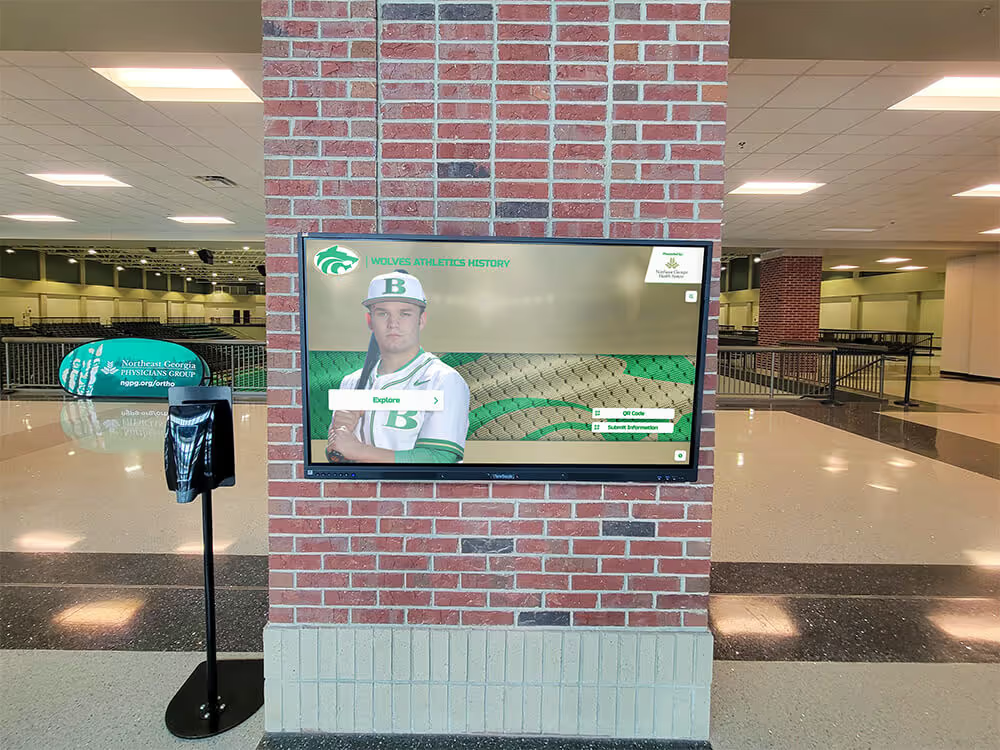
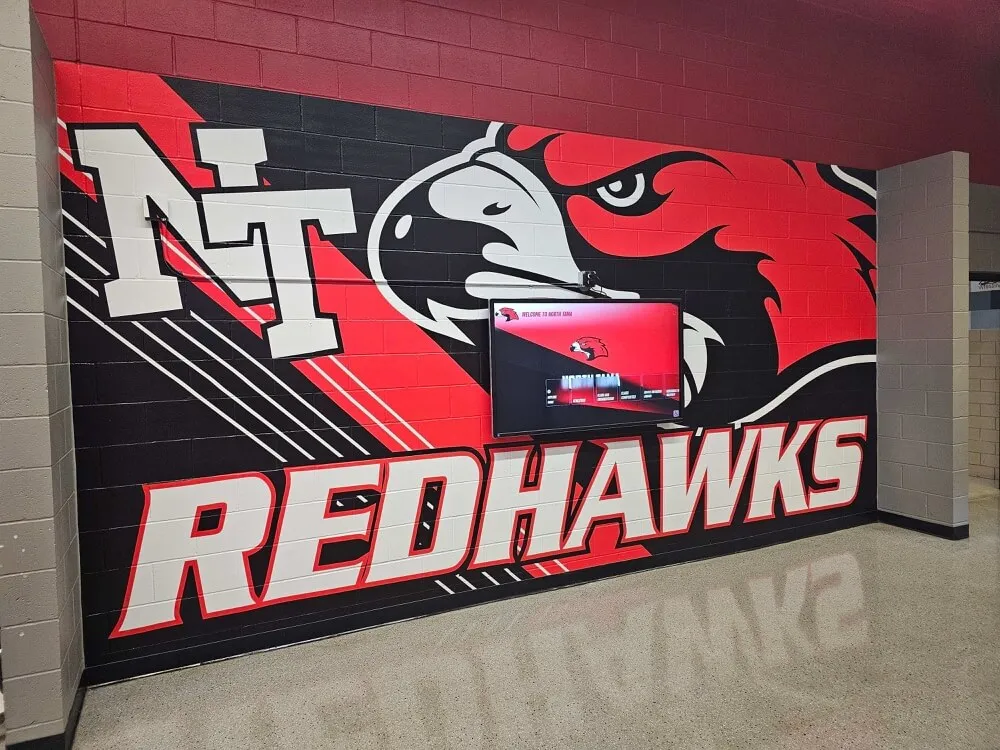
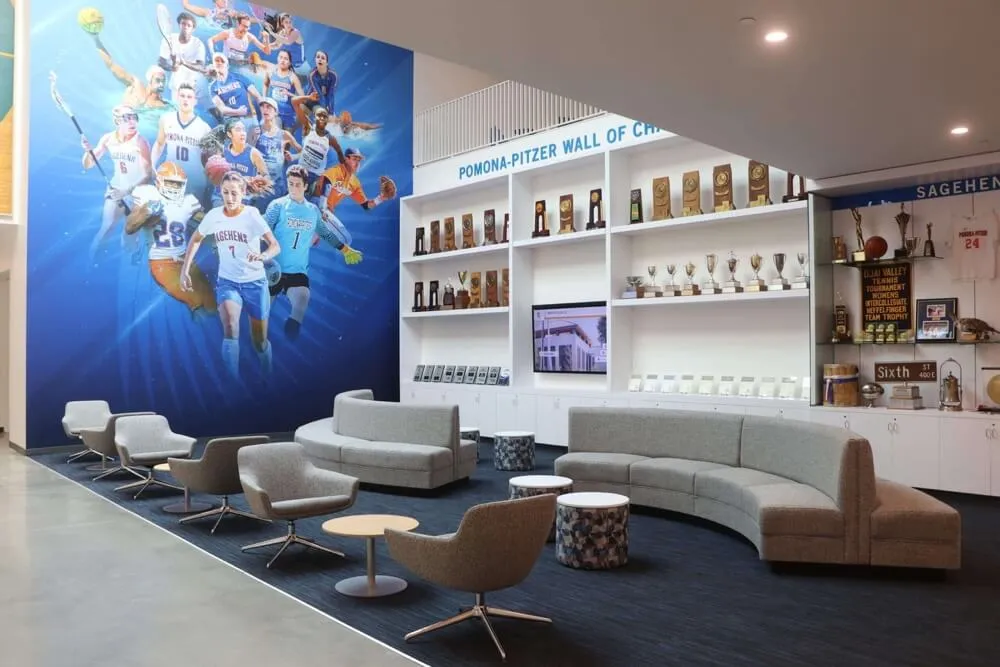
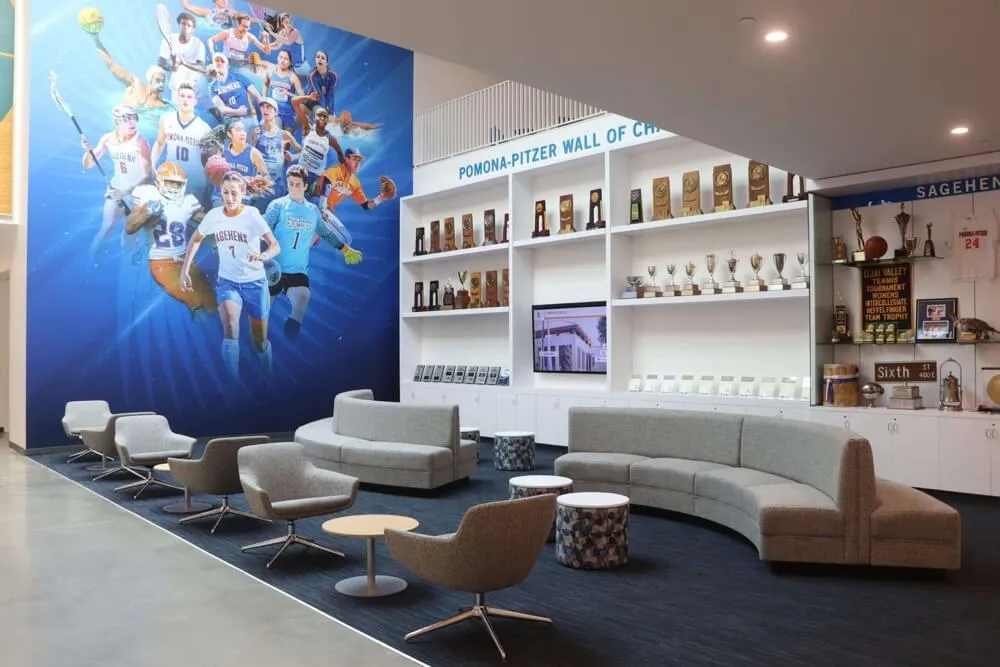
Modern athlete wellness hubs create comprehensive spaces supporting physical recovery, mental restoration, and team culture
The Case for Comprehensive Athlete Wellness Programs
Understanding how holistic wellness support affects athletic performance, injury prevention, and long-term athlete development helps schools design programs that maximize positive impact.
Research-Based Benefits of Athlete Wellness Centers
Athletic research and medical literature consistently demonstrate the value of comprehensive athlete support:
Performance and Recovery Enhancement
According to research on athletic recovery innovations, cutting-edge technologies like Blood Flow Restriction (BFR) therapy help athletes achieve improved strength metrics and faster recovery times, allowing them to return to play stronger with less downtime. The Firefly neuromuscular device, which straps near an athlete’s knee and increases blood flow by up to 400%, represents the type of recovery technology now available to student-athletes.
Modern facilities include hydrotherapy and recovery pools with hot and cold plunge pools, underwater treadmills, and custom lap pools. State-of-the-art recovery labs feature science-backed recovery protocols with custom built cold and hot plunge pools, infrared sauna, red light therapy, vibration therapy and compression therapy.
Injury Prevention and Rehabilitation
Dedicated sports recovery clinics where physical therapists and athletic trainers help student-athletes recover from strenuous practices and competitions teach athletes how to take care of their bodies before and after play. This proactive approach reduces injury rates while accelerating return-to-play timelines when injuries do occur.
Mental Health and Wellbeing Impact
According to a 2026 NCAA survey, one in 12 college athletes reported feeling so depressed that it was difficult to function, while one in four men and one in two female athletes reported feeling overwhelmed. These statistics underscore the critical need for comprehensive mental health support within athletic programs.
Learn about comprehensive approaches to Division III athletics digital recognition that can be integrated into wellness hub spaces.
The Holistic Approach to Athlete Development
Modern wellness centers move beyond treating athletes as performers to supporting complete human development:
Physical Dimension
- Recovery technologies accelerating physical restoration
- Injury prevention through movement screening and corrective exercise
- Strength and conditioning optimization
- Sleep quality monitoring and improvement
- Nutrition supporting performance and recovery
Mental and Emotional Dimension
- Mental health resources and counseling access
- Performance psychology and mental skills training
- Stress management and coping strategies
- Team culture and positive relationship building
- Life skills and personal development programs
Educational Dimension
- Nutrition education and meal planning guidance
- Recovery science and self-care education
- Career planning and academic support
- Financial literacy and life skills development
- Leadership development and communication training
This comprehensive approach recognizes that athletic excellence emerges from integrated support addressing all aspects of athlete wellbeing.
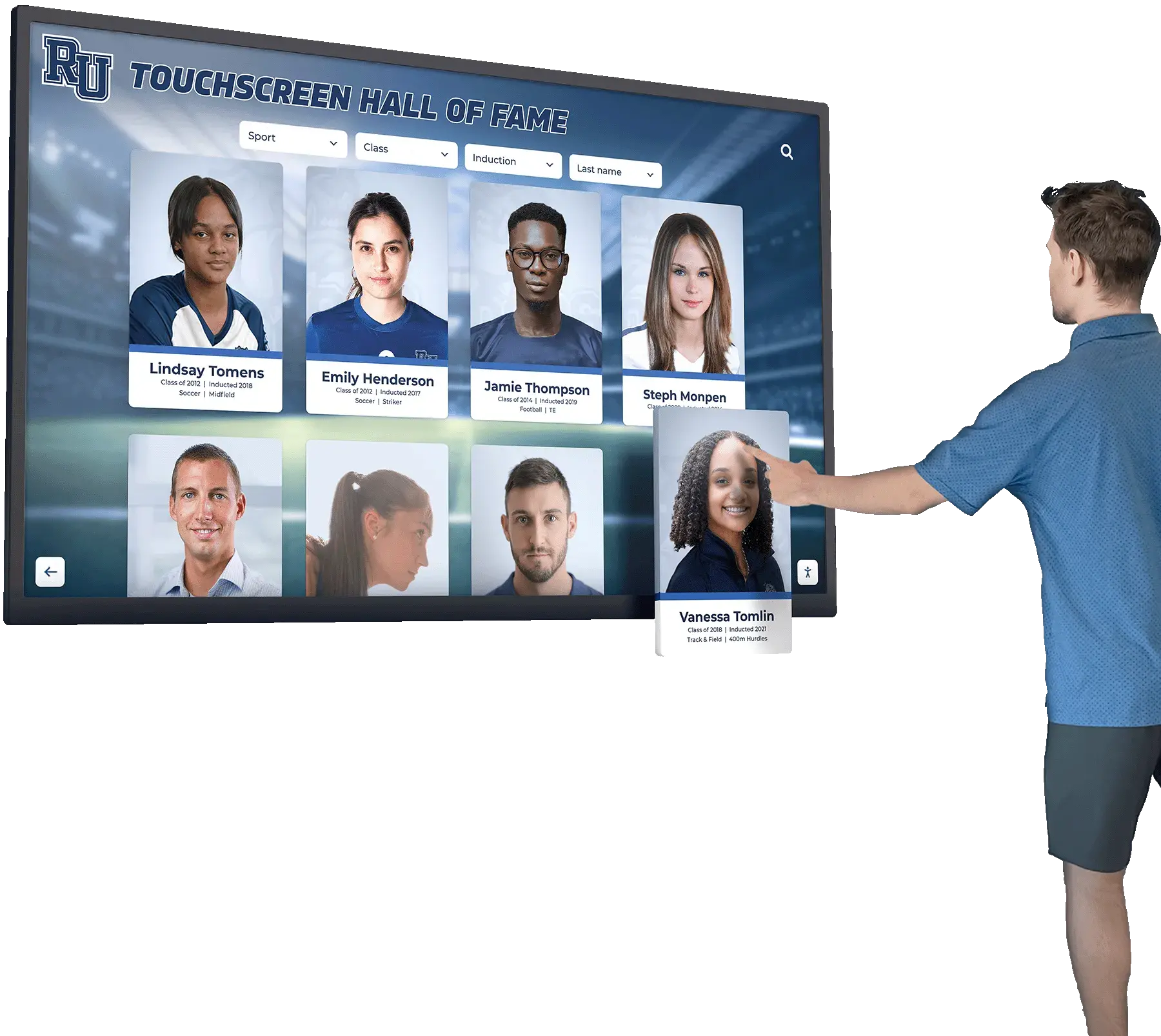
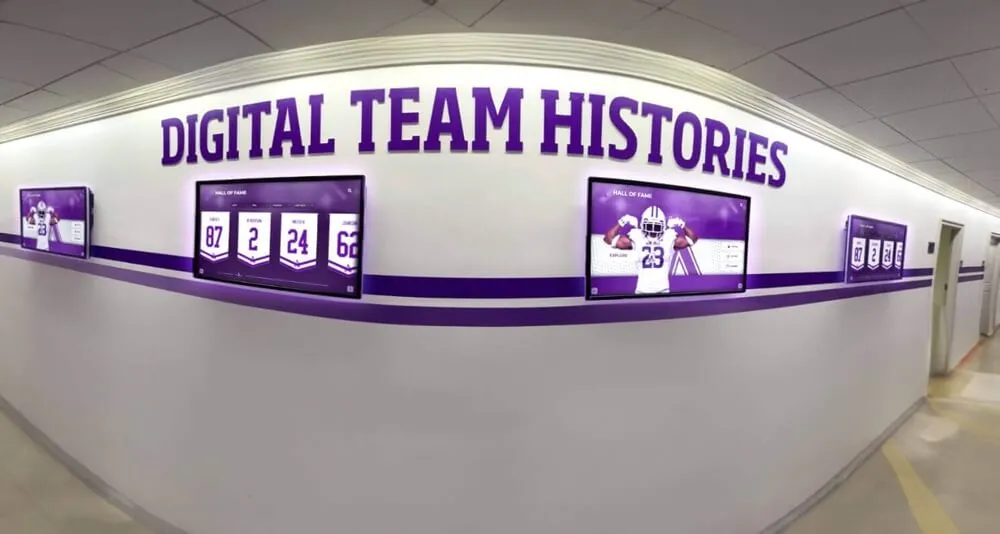
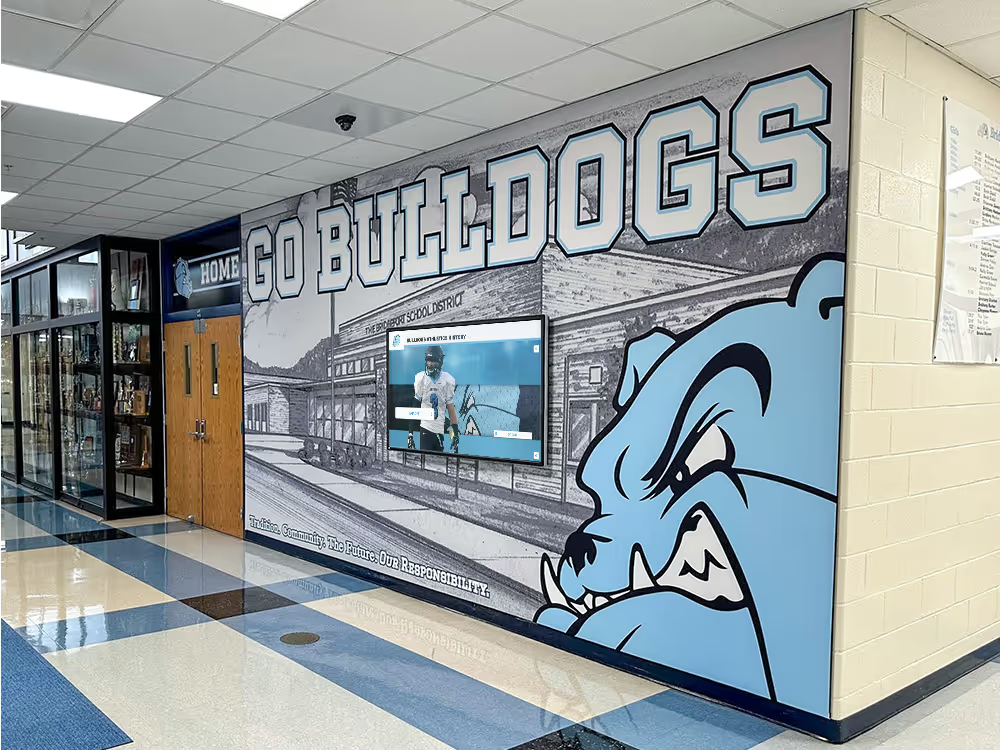
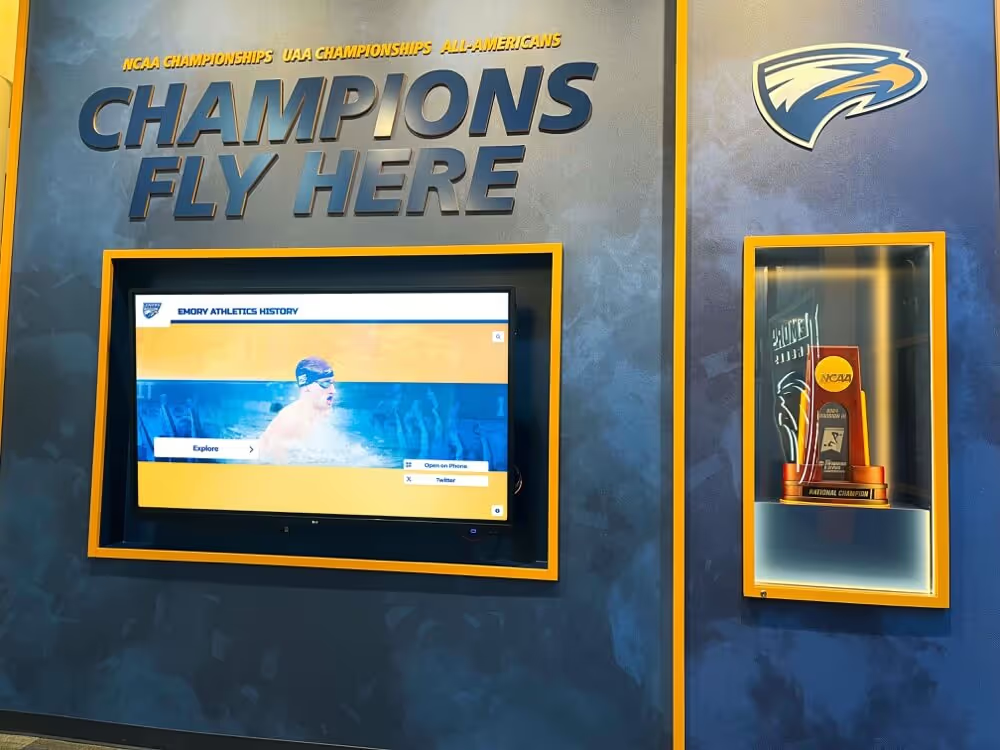
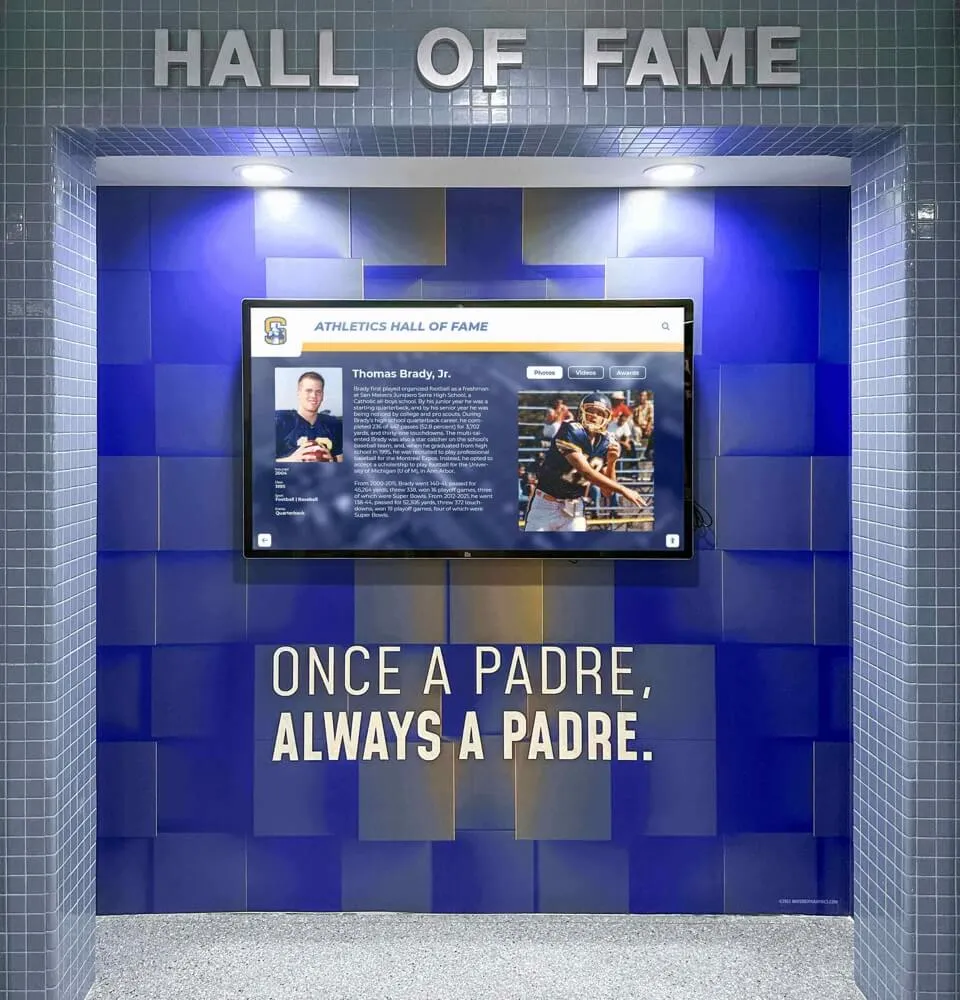
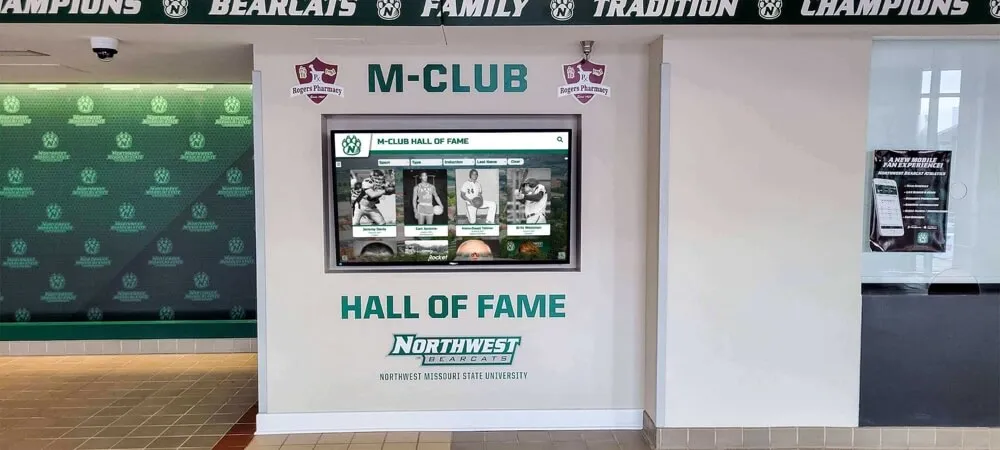
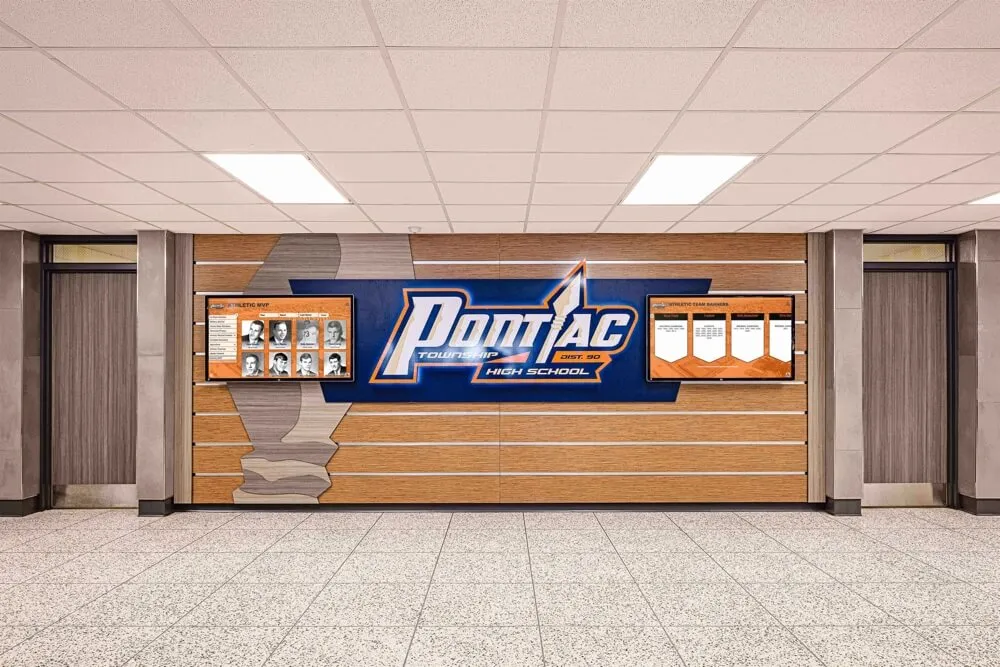
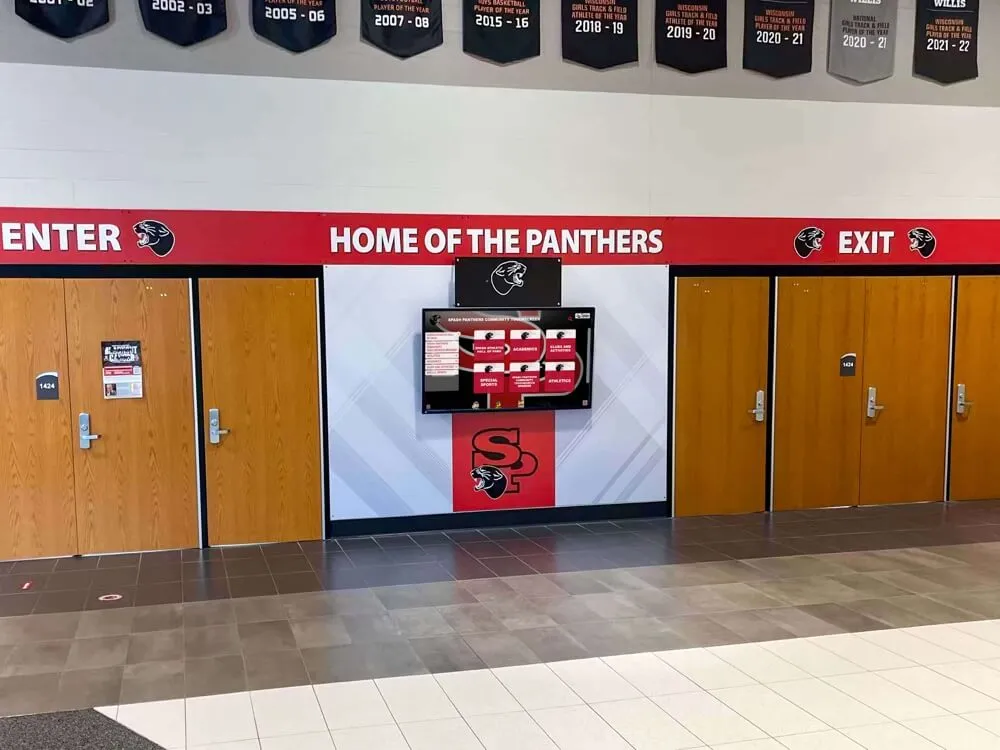
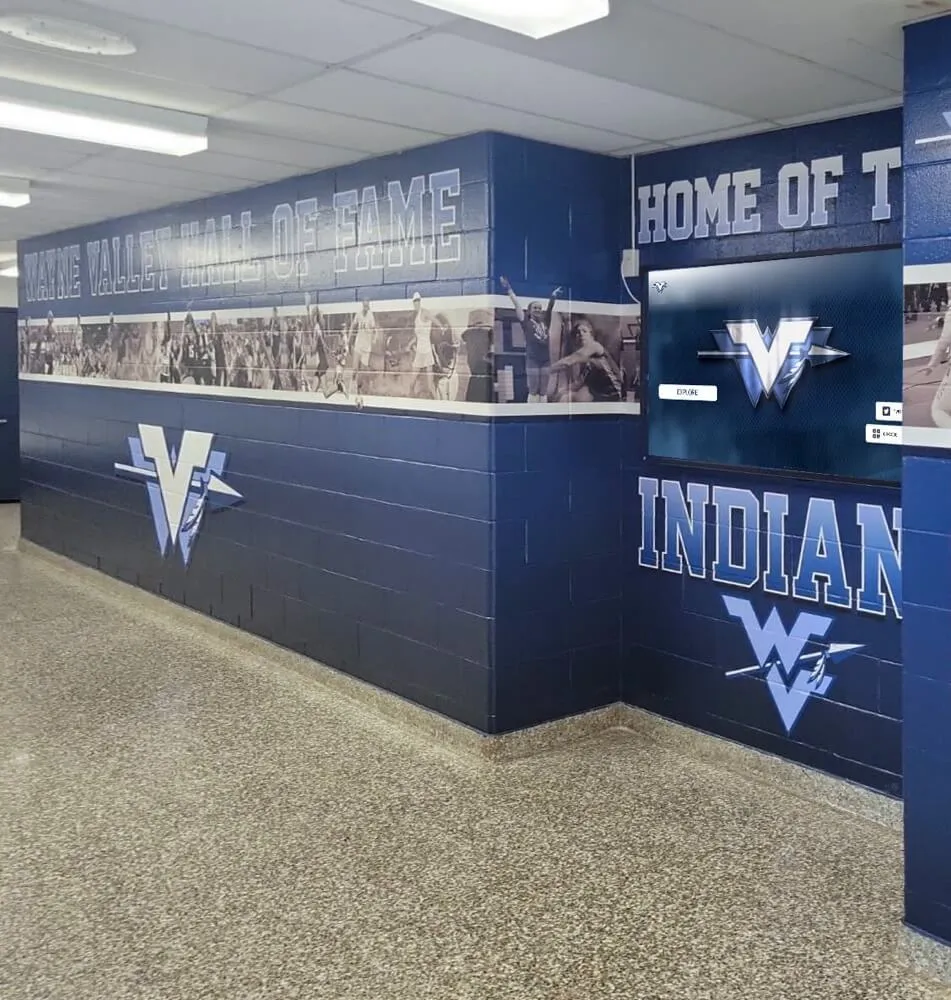
Digital displays in wellness hubs showcase athlete achievements while providing access to wellness resources and education
Core Components of Athlete Recovery and Wellness Hubs
Successful athlete wellness centers integrate multiple specialized areas addressing different dimensions of athlete health and performance.
Physical Recovery Technology and Facilities
Modern recovery facilities provide evidence-based technologies supporting physical restoration:
Hydrotherapy and Contrast Therapy
Cold and hot water immersion creates powerful recovery effects:
- Cold plunge pools (50-59°F) reducing inflammation and muscle soreness
- Hot tubs (100-104°F) promoting blood flow and muscle relaxation
- Contrast therapy alternating hot and cold for enhanced circulation
- Underwater treadmills enabling low-impact training during rehabilitation
- Custom lap pools for swimming-based recovery and conditioning
These hydrotherapy options address the full spectrum of recovery needs from acute injury management to ongoing maintenance recovery.
Compression and Vibration Therapy
Mechanical recovery technologies enhance circulation and reduce muscle tension:
- Pneumatic compression boots promoting lymphatic drainage and reducing soreness
- Full-body compression systems accelerating recovery after intense training
- Vibration therapy platforms enhancing flexibility and accelerating warm-up
- Percussion massage devices targeting specific muscle groups for relief
- Dynamic air compression systems customizing pressure patterns
Athletes can self-administer many of these therapies, making recovery accessible between training sessions.
Infrared and Red Light Therapy
Light-based therapies provide non-invasive recovery support:
- Infrared saunas promoting detoxification and reducing muscle soreness through deep heat penetration
- Red light therapy panels supporting cellular recovery and reducing inflammation at the mitochondrial level
- Near-infrared wavelengths penetrating deep tissue for enhanced healing
- Full-spectrum infrared addressing surface-level and deep tissue recovery
- Combination light therapy maximizing recovery benefits through multiple wavelengths
These technologies complement traditional recovery methods while providing benefits impossible through conventional approaches.
Explore how digital storytelling enhances athletic programs by documenting athlete journeys including recovery and wellness commitments.
Sports Medicine and Athletic Training Facilities
Professional medical support anchors comprehensive wellness programs:
Medical Examination and Treatment Areas
State-of-the-art sports medicine clinics include:
- Dedicated exam rooms for athlete evaluation
- Procedure rooms for minor medical interventions
- X-ray and diagnostic imaging capabilities when possible
- Taping and pre-activity preparation stations
- Emergency equipment and protocols
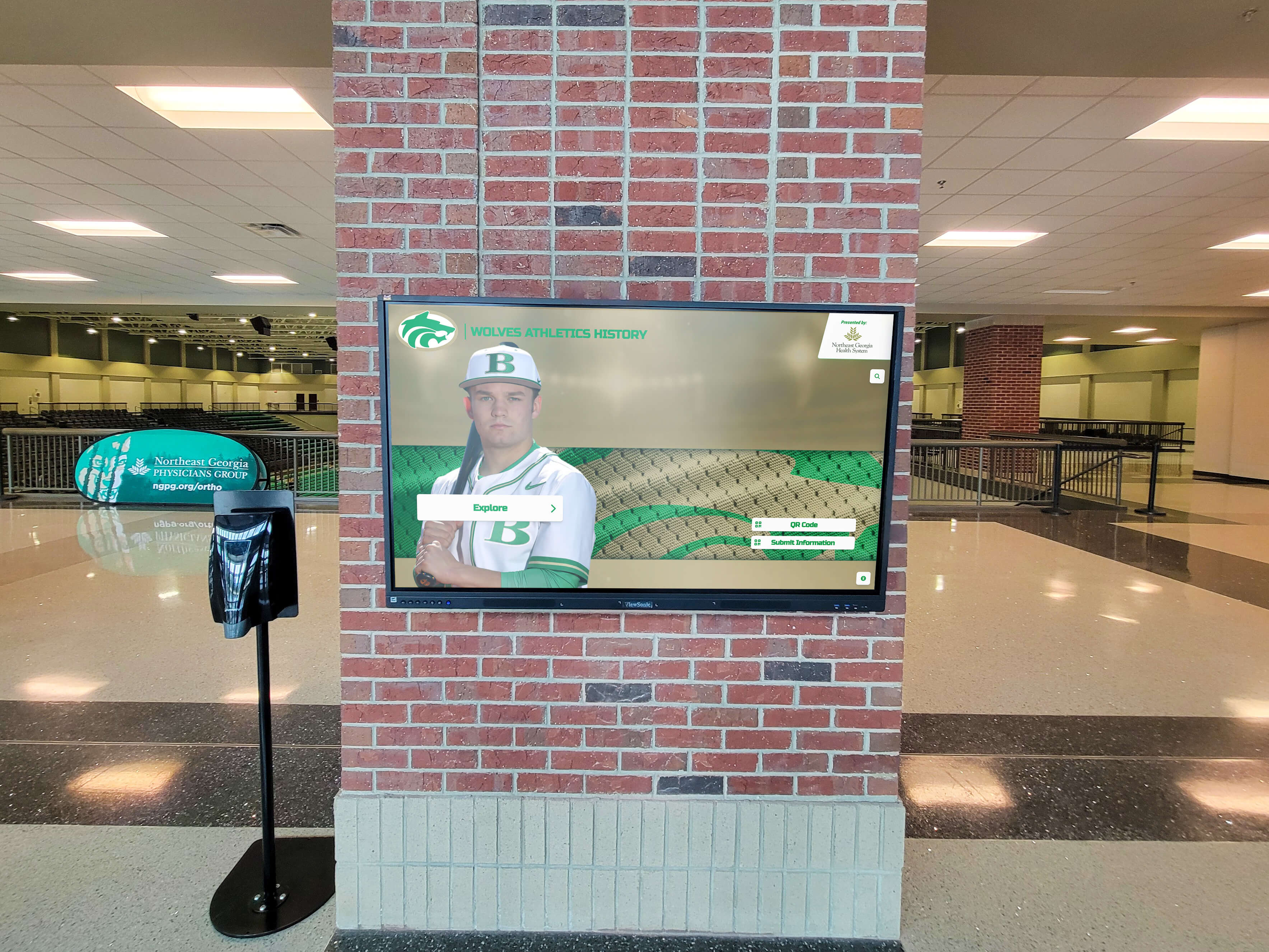
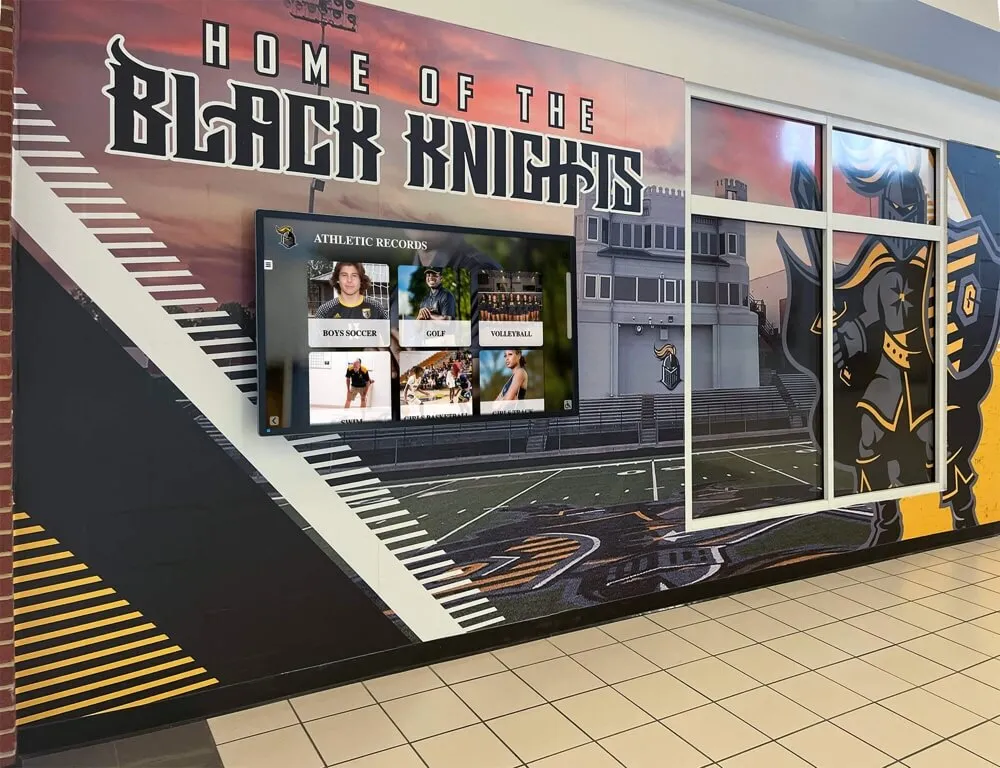
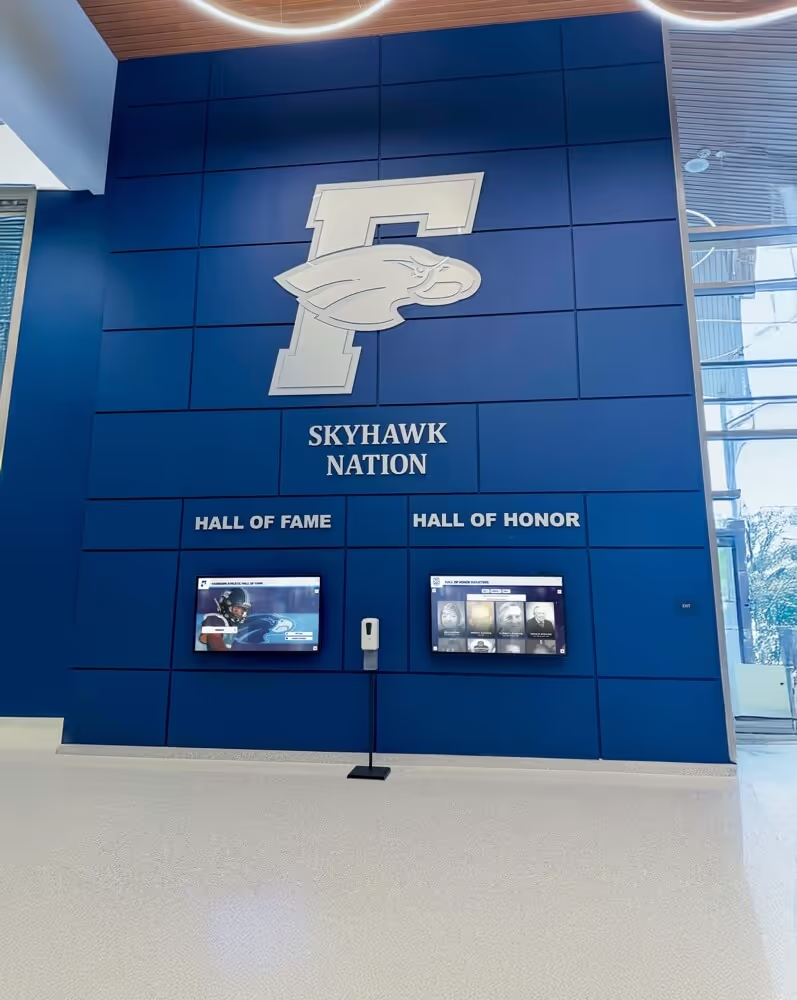
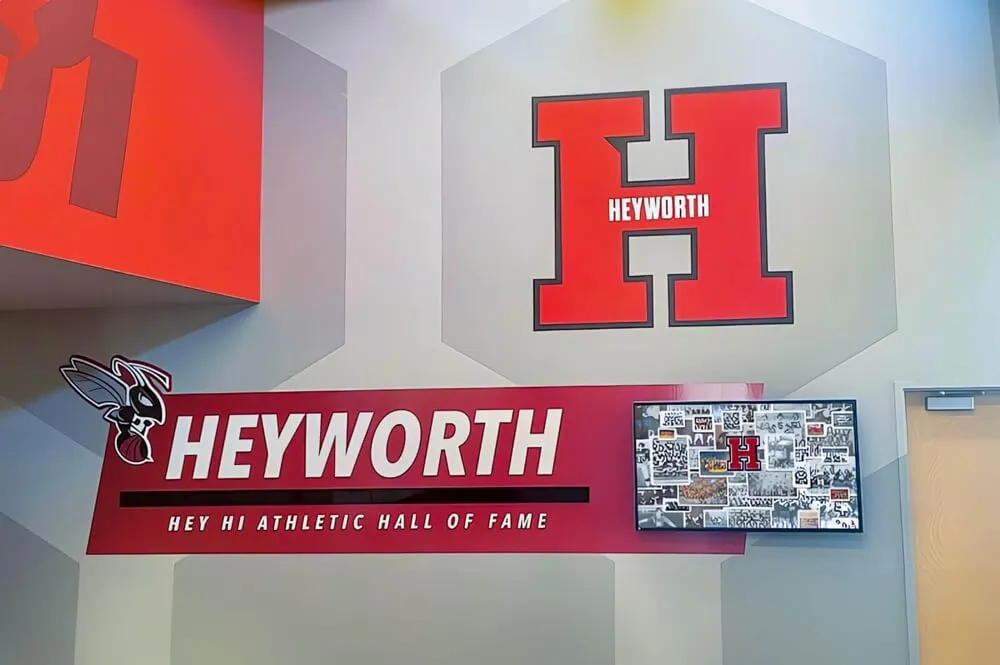
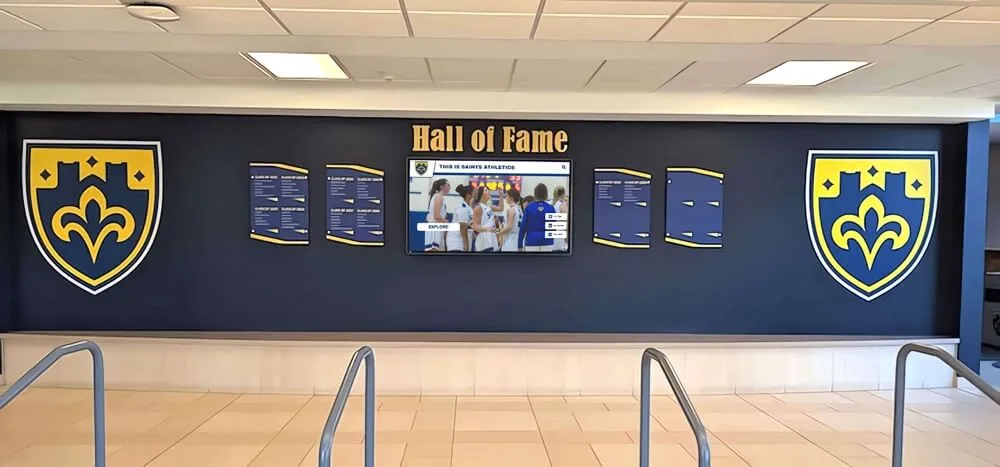
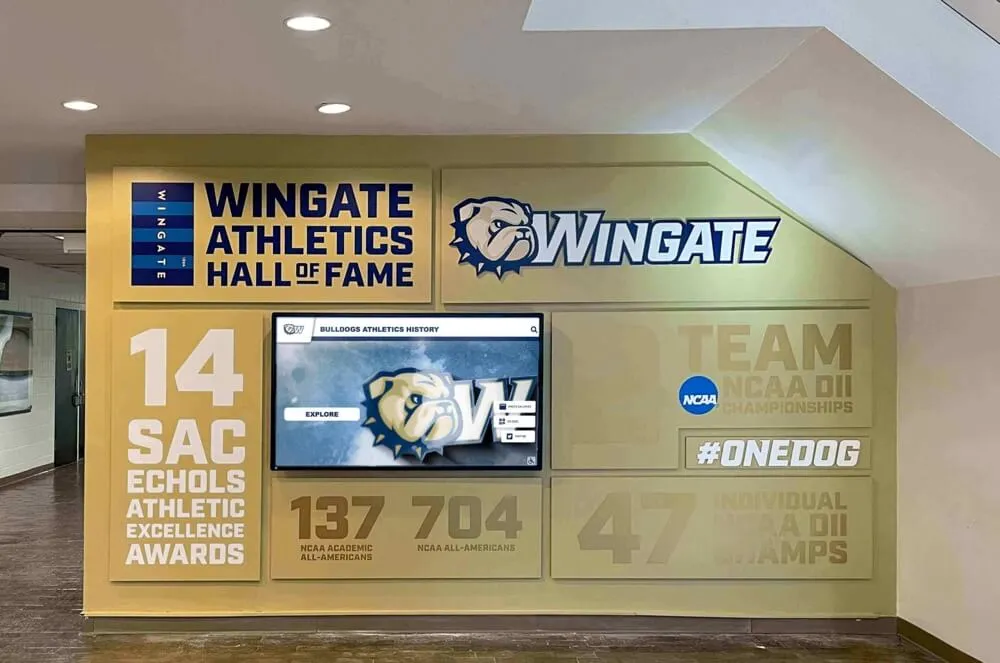
Modern athletic facilities integrate wellness spaces with digital recognition displays celebrating athlete dedication
Rehabilitation and Physical Therapy
Comprehensive rehabilitation capabilities include:
- Exercise and movement therapy equipment for progressive rehabilitation
- Manual therapy treatment tables for hands-on intervention
- Modality equipment including ultrasound, electrical stimulation, and laser therapy
- Balance and proprioception training tools for neuromuscular recovery
- Functional movement screening and assessment technology
Athletic Training Staff
Division I athletics departments commonly employ four or more full-time certified athletic trainers, in-house sports medicine physicians, and registered dietitians/sports nutritionists. Smaller programs should scale appropriately while maintaining comprehensive care through partnerships with local sports medicine providers when dedicated staff isn’t feasible.
Mental Health and Performance Psychology Resources
Mental wellness receives equal priority in comprehensive athlete support:
Counseling and Mental Health Services
While few programs employ full-time licensed psychologists, effective approaches include:
- Partnerships with campus or community mental health resources
- Dedicated mental health coordinators familiar with athlete-specific challenges
- Telehealth platforms offering 24/7 access for athletes with difficult schedules
- Group counseling and support programs for common athlete challenges
- Crisis intervention protocols and referral networks
For student-athletes who are frequently away from campus with difficult schedules, telehealth offers solutions for accessing care that meets them where they are.
Performance Psychology and Mental Skills
Mental skills training enhances both performance and wellbeing:
- Visualization and mental rehearsal techniques for competition preparation
- Breathing and relaxation strategies for anxiety management and recovery
- Focus and attention training for performance optimization
- Goal setting and motivation psychology building intrinsic drive
- Self-talk and cognitive restructuring supporting positive mindset
Mindfulness and Meditation Spaces
Dedicated quiet spaces support mental restoration:
- Comfortable seating and calming environments separated from training areas
- Guided meditation resources and apps accessible to all athletes
- Mindfulness training programs teaching present-moment awareness
- Stress reduction education applicable to sport and life
- Individual and group meditation opportunities
Specialized programs help athletes improve and manage their mental health, focusing on understanding why mental health matters in athletics, exploring identity and core values, creating positive team culture, recognizing red flags, and introducing mindfulness practices.
Learn about comprehensive outstanding student recognition that can acknowledge athletes balancing wellness and performance.
Nutrition and Fueling Support in Wellness Hubs
Proper nutrition fundamentally impacts athletic performance, recovery, and long-term health.
Dedicated Nutrition Facilities
Physical spaces supporting athlete fueling needs:
Training Table and Fueling Stations
Accessible nutrition for athletes between meals:
- Grab-and-go healthy snacks available throughout the day
- Post-workout recovery nutrition immediately after training
- Pre-competition fueling options optimized for performance
- Hydration stations with electrolyte and recovery beverages
- Refrigeration and food storage for athlete meal prep
Team Meal Facilities
Shared dining spaces building team culture around nutrition:
- Common dining areas for pre-competition team meals
- Kitchen facilities for nutrition education and cooking demonstrations
- Meal planning resources and recipe libraries for independent athletes
- Team bonding through shared food experiences emphasizing healthy choices
- Cultural food celebrations honoring athlete diversity
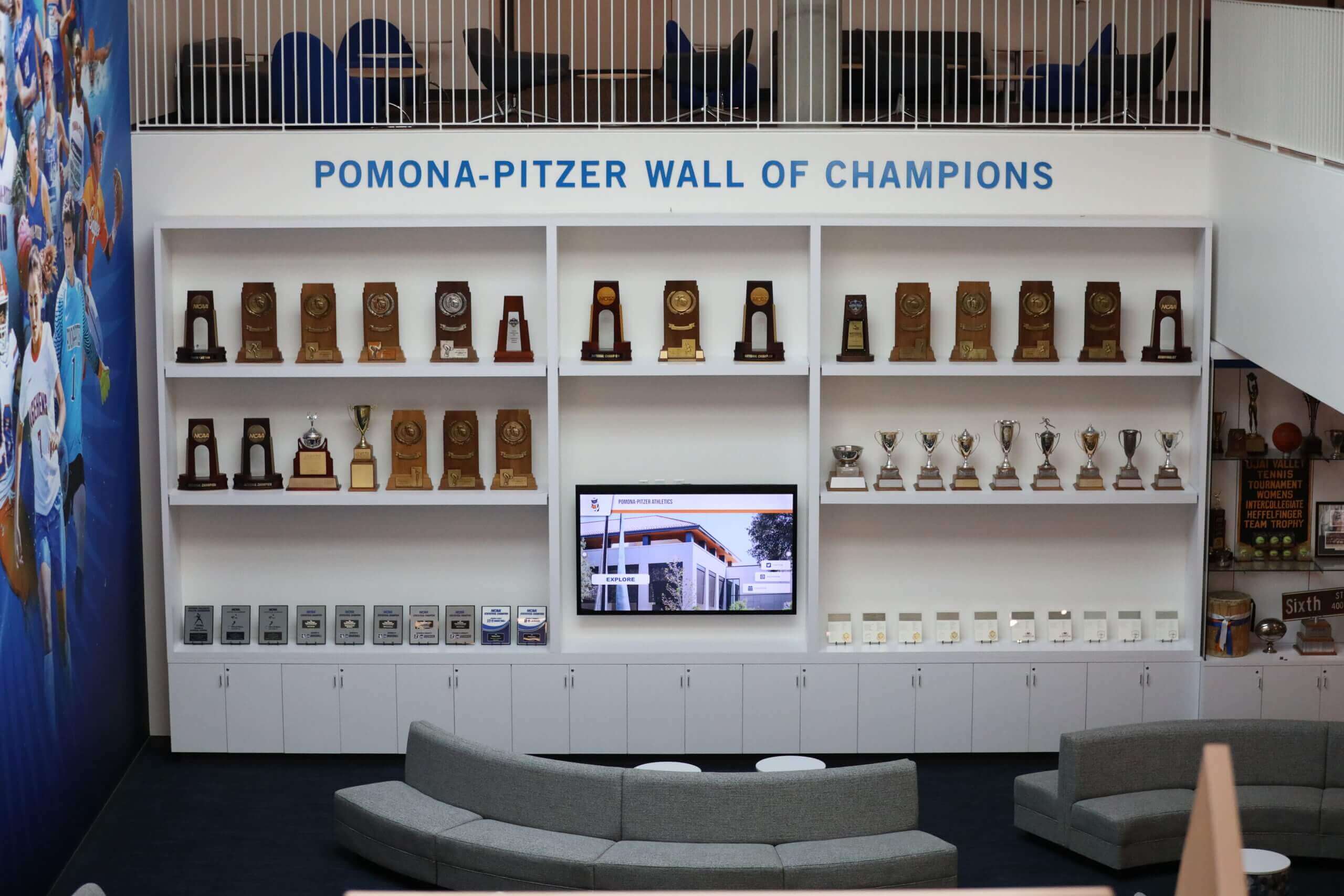
Wellness hub lounges create comfortable spaces where athletes can refuel, connect, and celebrate achievements
Sports Nutrition Services
Professional guidance optimizing athlete nutrition:
Registered Dietitian Support
Comprehensive nutrition services include:
- Individual nutrition assessments and personalized fueling plans
- Body composition analysis and healthy weight management
- Supplement education and evidence-based recommendations
- Eating disorder identification and treatment referral
- Special dietary need accommodation for allergies, restrictions, and cultural preferences
Nutrition Education Programs
Group education building nutrition literacy:
- Workshop series covering performance nutrition fundamentals
- Sport-specific nutrition strategies for different athletic demands
- College athlete cooking classes and meal preparation skills
- Grocery shopping guidance and budget-friendly nutrition
- Restaurant and travel eating strategies for away competitions
Performance Fueling Strategies
Sport and situation-specific guidance:
- Pre-workout and pre-competition fueling protocols optimizing energy availability
- During-activity nutrition for endurance events and tournaments
- Post-exercise recovery nutrition timing and composition
- Hydration strategies preventing performance-limiting dehydration
- Periodized nutrition supporting different training phases
High-quality nutrition support makes recovery protocols effective while preventing the energy deficits that undermine both performance and health.
Mental Health and Wellbeing Programs
Comprehensive mental health support addresses the psychological demands of athletic competition.
Mental Health Resources and Education
Proactive mental health programming normalizes help-seeking:
Mental Health Awareness Education
Programs teaching athletes to recognize and respond to mental health challenges:
- Understanding common mental health issues affecting athletes including depression, anxiety, eating disorders, and substance use
- Recognizing warning signs in yourself and teammates including behavioral changes, performance decline, and social withdrawal
- Reducing stigma around mental health treatment through open dialogue and leadership modeling
- Building help-seeking behaviors and knowing available resources
- Supporting teammates experiencing mental health challenges without becoming their therapist
Stress Management and Coping Skills
Practical strategies for managing athletic and life stressors:
- Time management and organizational skills preventing overwhelm
- Healthy coping mechanisms replacing maladaptive behaviors
- Relaxation techniques applicable in daily life and competition
- Communication skills for navigating relationships and team dynamics
- Problem-solving frameworks for academic, athletic, and personal challenges
Identity Development and Life Skills
Supporting athletes as complete people beyond sport:
Athletic Identity and Role Transitions
Programs addressing the psychological challenges of athletic identity:
- Exploring personal identity beyond athletic achievement
- Preparing for athletic career transitions including graduation and retirement
- Developing interests and skills outside sport
- Career exploration and post-athletic life planning
- Managing injuries and involuntary sport exits
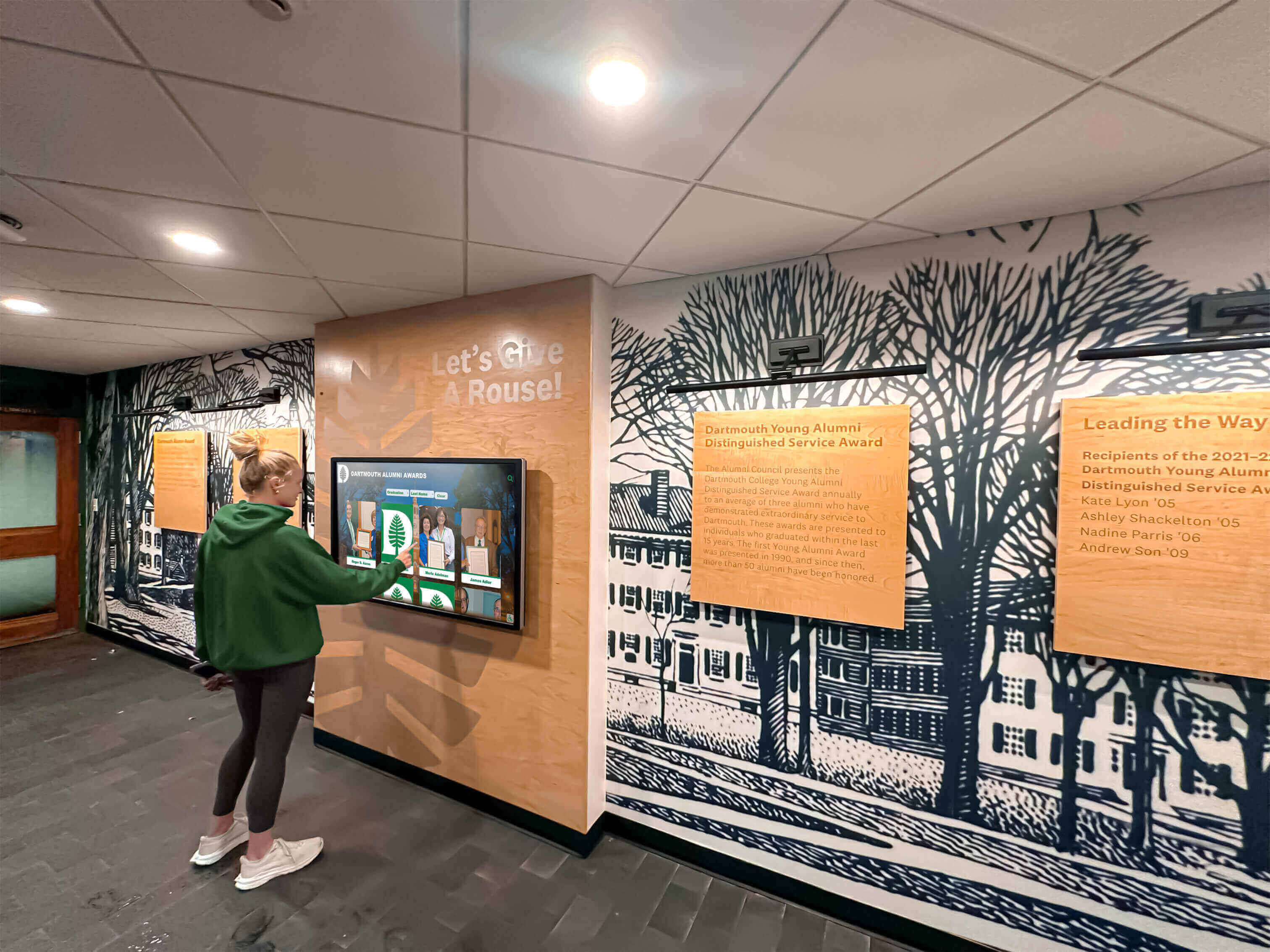
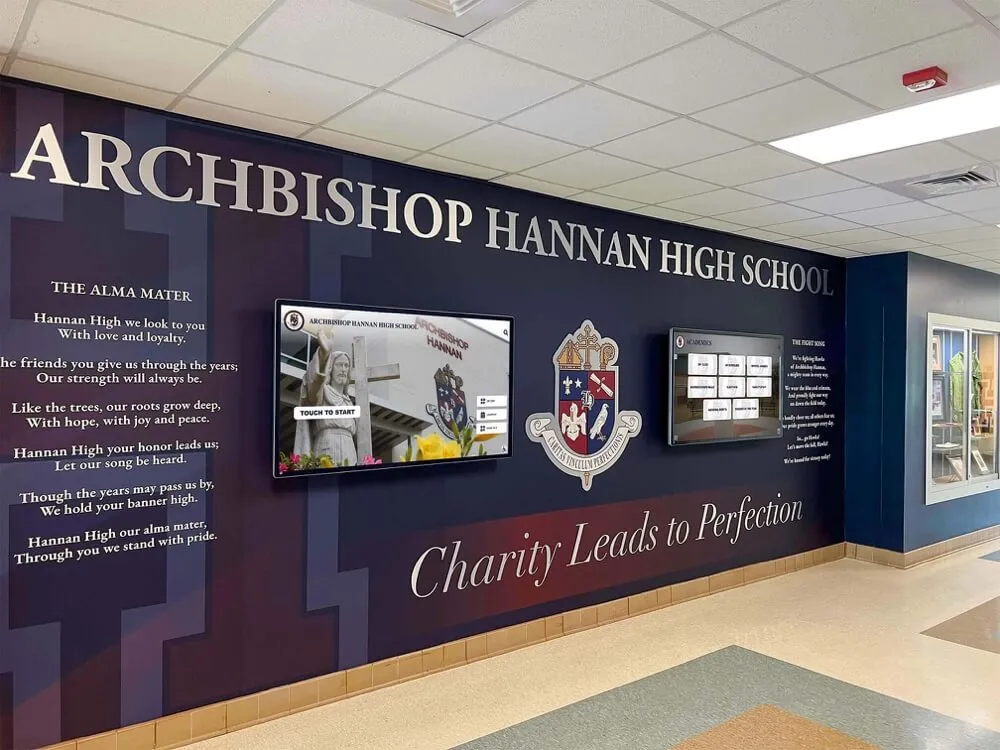
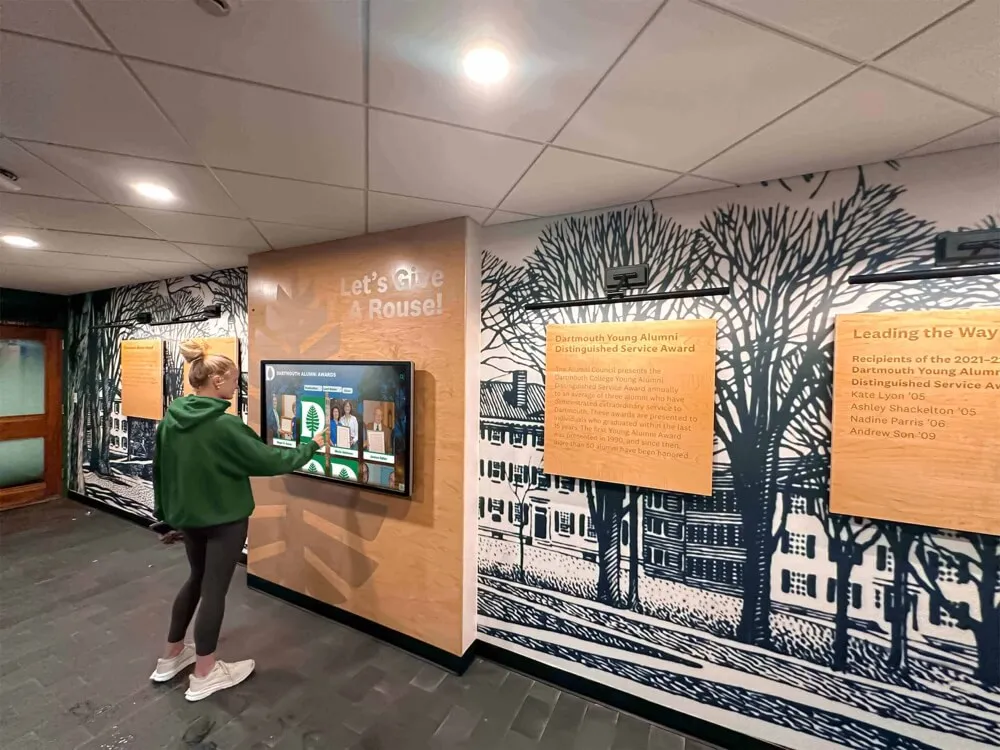
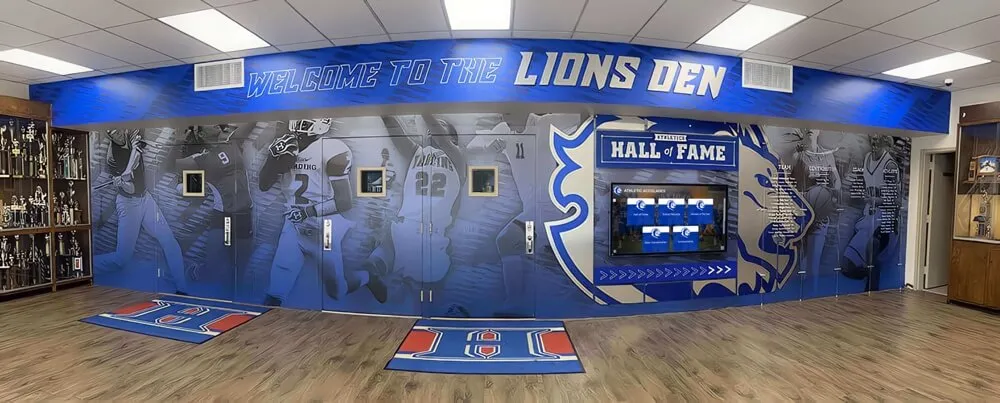
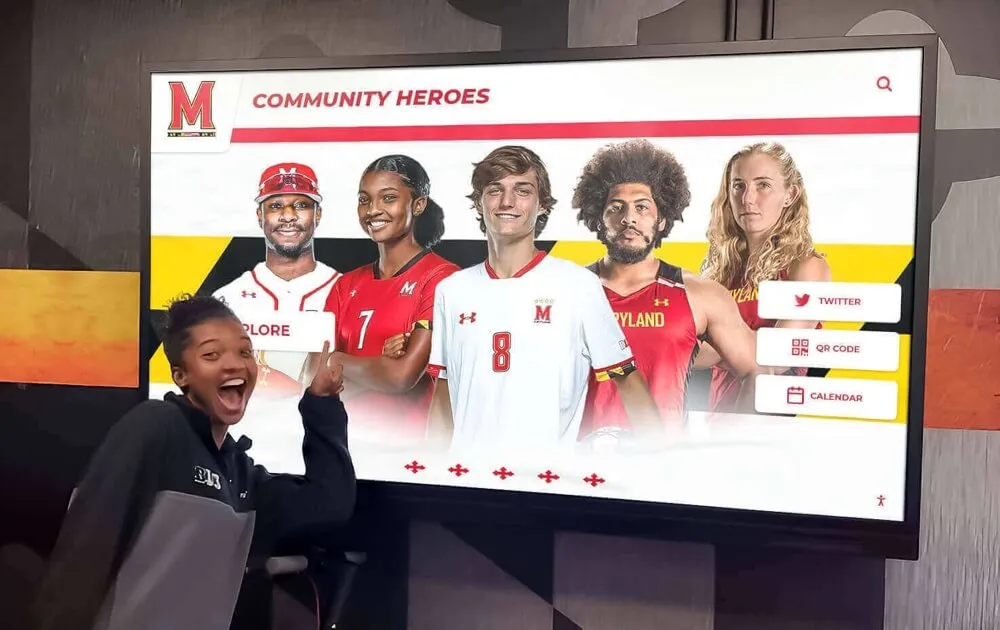
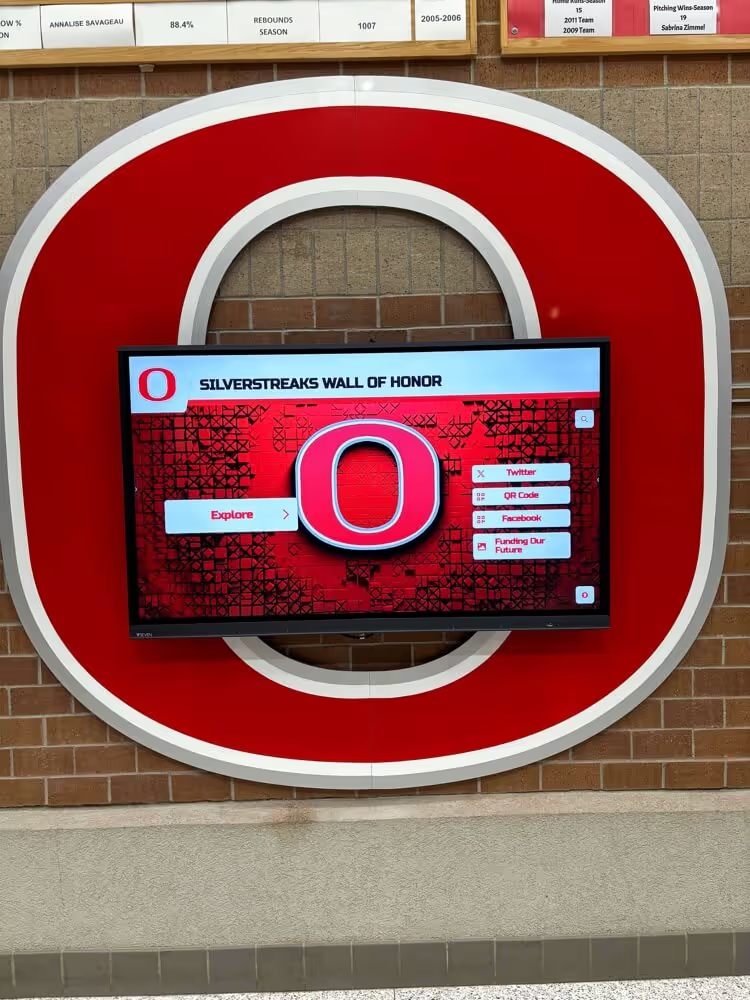
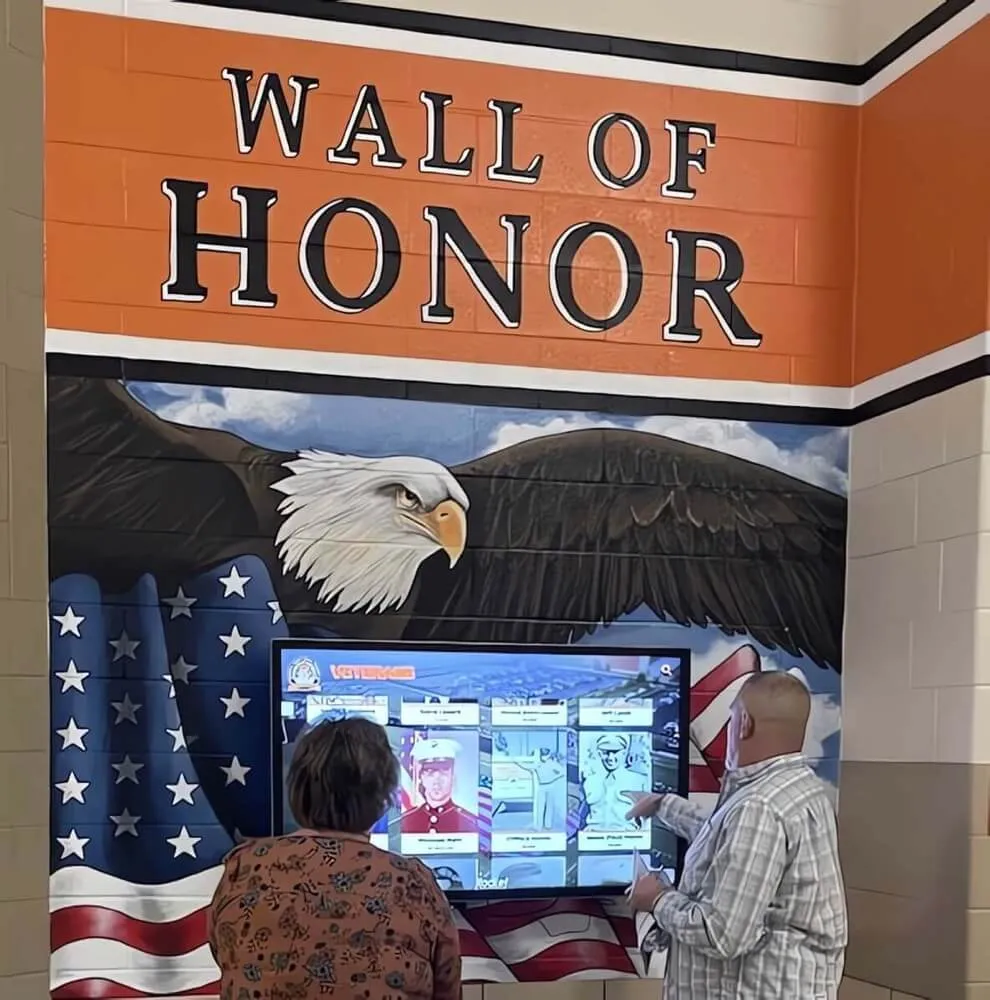
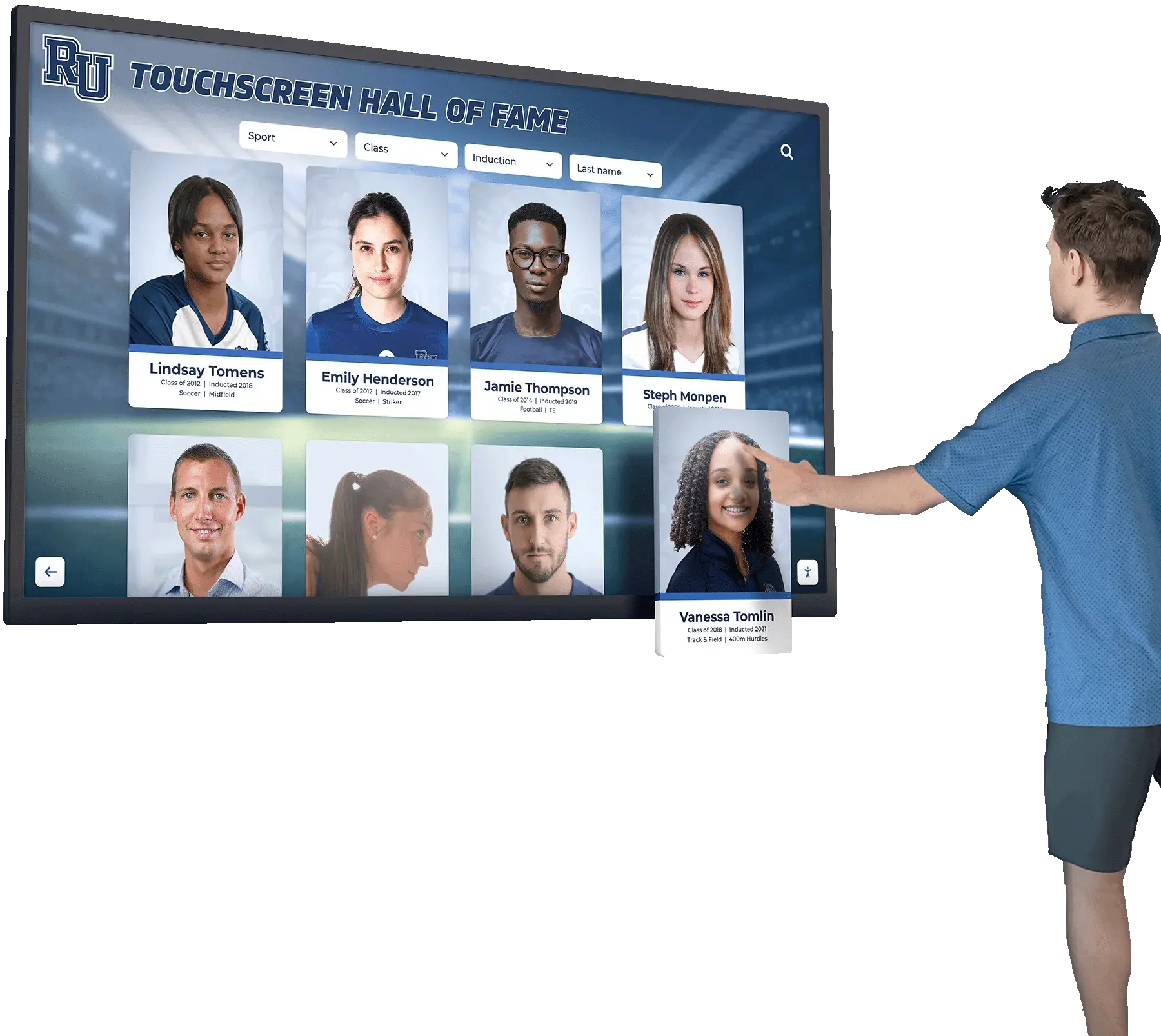
Interactive displays provide athletes access to wellness resources, educational content, and inspirational athlete stories
Personal Development Programming
Life skills supporting success beyond athletics:
- Financial literacy and money management for scholarship athletes
- Leadership development and team captain training
- Communication and interpersonal skills for professional success
- Conflict resolution and difficult conversation navigation
- Time management balancing athletics, academics, and personal life
Universities have created online resource portals offering blogs, videos, research, and support services, providing skills and strategies for improving well-being and supports for students transitioning out of athletics.
Explore approaches for senior mentors highlighted in recognition programs that can include athlete peer mentorship within wellness initiatives.
Team Culture and Social Connection
Positive team environments support mental health and performance:
Team Building and Cohesion
Programs strengthening team relationships:
- Team building activities creating connection beyond competition
- Leadership councils giving athletes voice in team culture
- Mentorship programs pairing veterans with newcomers
- Team values development creating shared cultural foundation
- Celebration of diversity and inclusive team environments
Social Support and Connection
Creating belonging within athletic communities:
- Social events building friendships beyond practice and competition
- Family engagement opportunities connecting athlete support networks
- Alumni connections linking current athletes with successful former athletes
- Community service projects building purpose beyond athletic achievement
- Traditions and rituals creating meaningful shared experiences
Strong social support within teams serves as powerful protective factor for athlete mental health while enhancing athletic performance through cohesion and trust.
Implementing Technology in Wellness Hubs
Digital platforms enhance wellness hub functionality, accessibility, and impact.
Digital Resource and Education Platforms
Technology extending wellness support beyond physical facilities:
Online Wellness Portals
Web-based platforms providing 24/7 resource access:
- Educational content libraries covering physical and mental wellness topics
- Video demonstrations of recovery protocols and techniques
- Nutrition resources including recipes, meal plans, and fueling guides
- Mental health resources and self-assessment tools
- Sleep education and optimization strategies
Mobile Wellness Apps
Smartphone applications supporting daily wellness behaviors:
- Workout and recovery tracking monitoring training loads
- Nutrition logging and meal tracking with athletic performance focus
- Sleep tracking and sleep hygiene recommendations
- Mindfulness and meditation guided practices
- Mental health check-ins and mood monitoring
Telehealth Integration
Remote access expanding service availability:
- Virtual counseling sessions for convenient mental health support
- Remote nutrition consultations for off-campus athletes
- Injury assessment and rehabilitation guidance between in-person visits
- 24/7 crisis support and after-hours consultation
- Family involvement in treatment when appropriate
Learn about touchscreen software security considerations for wellness hub digital systems protecting athlete health information.
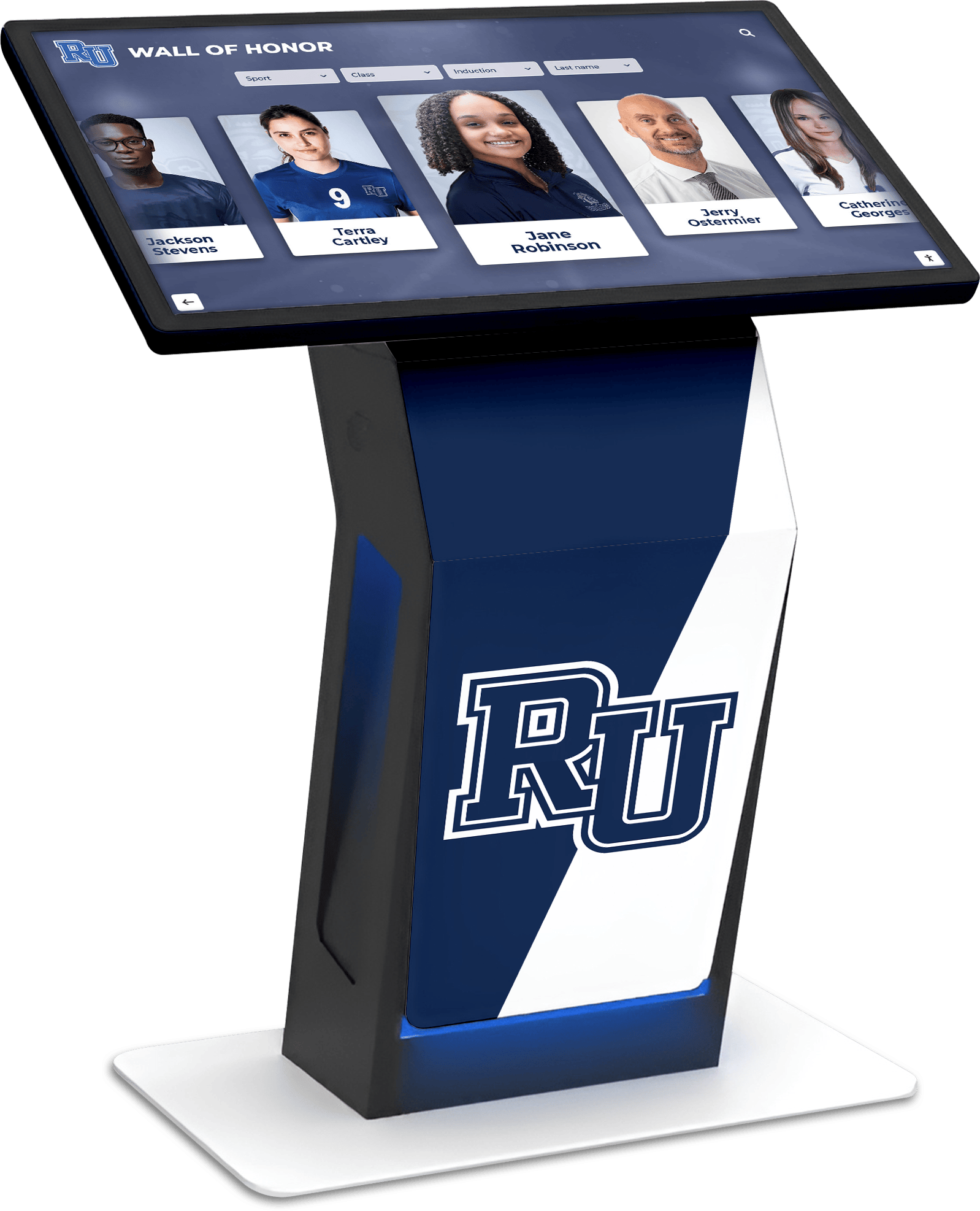
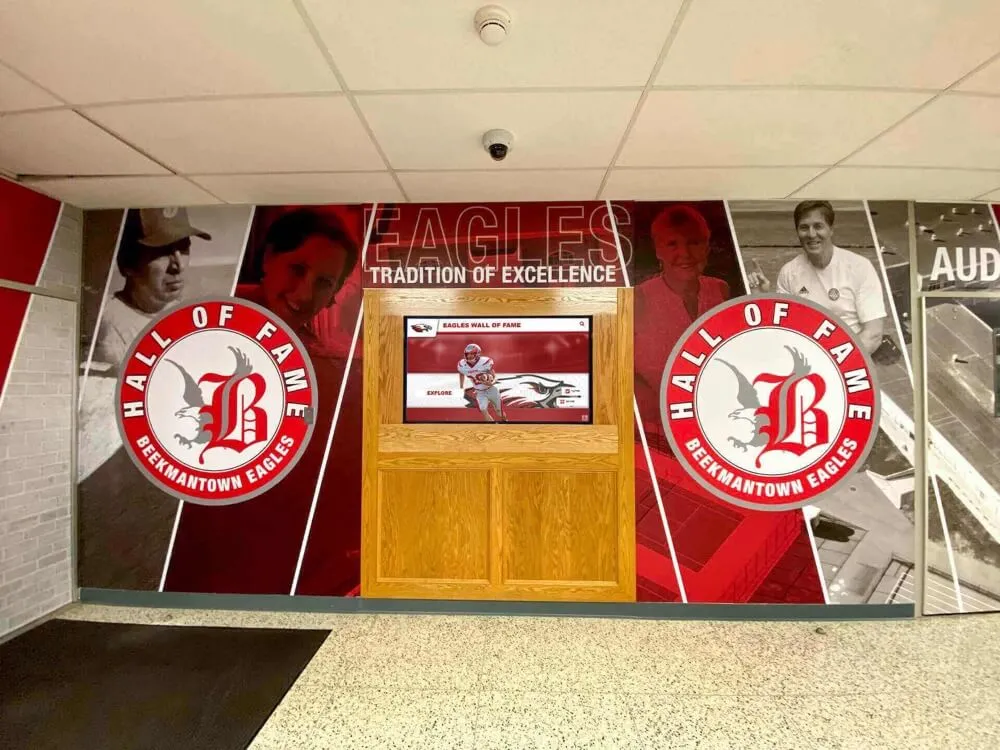
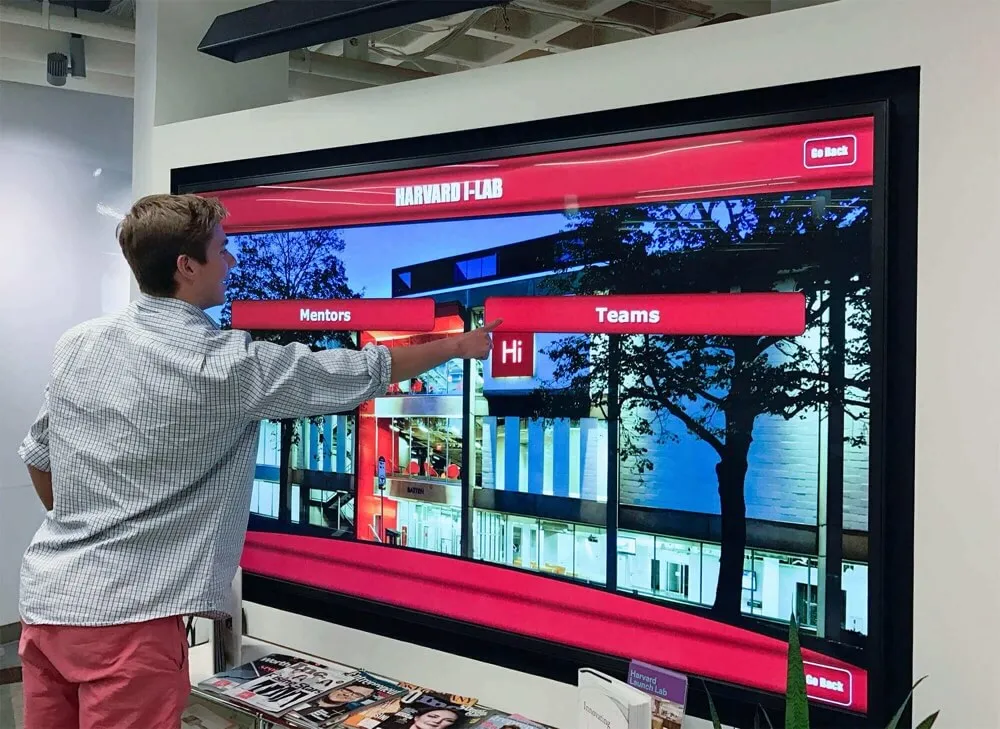
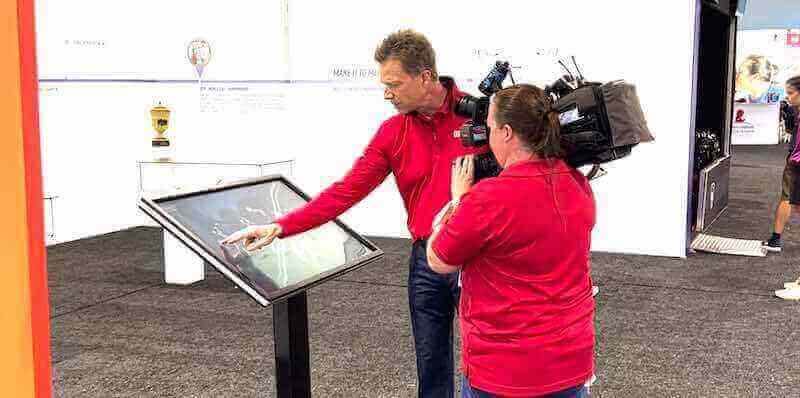
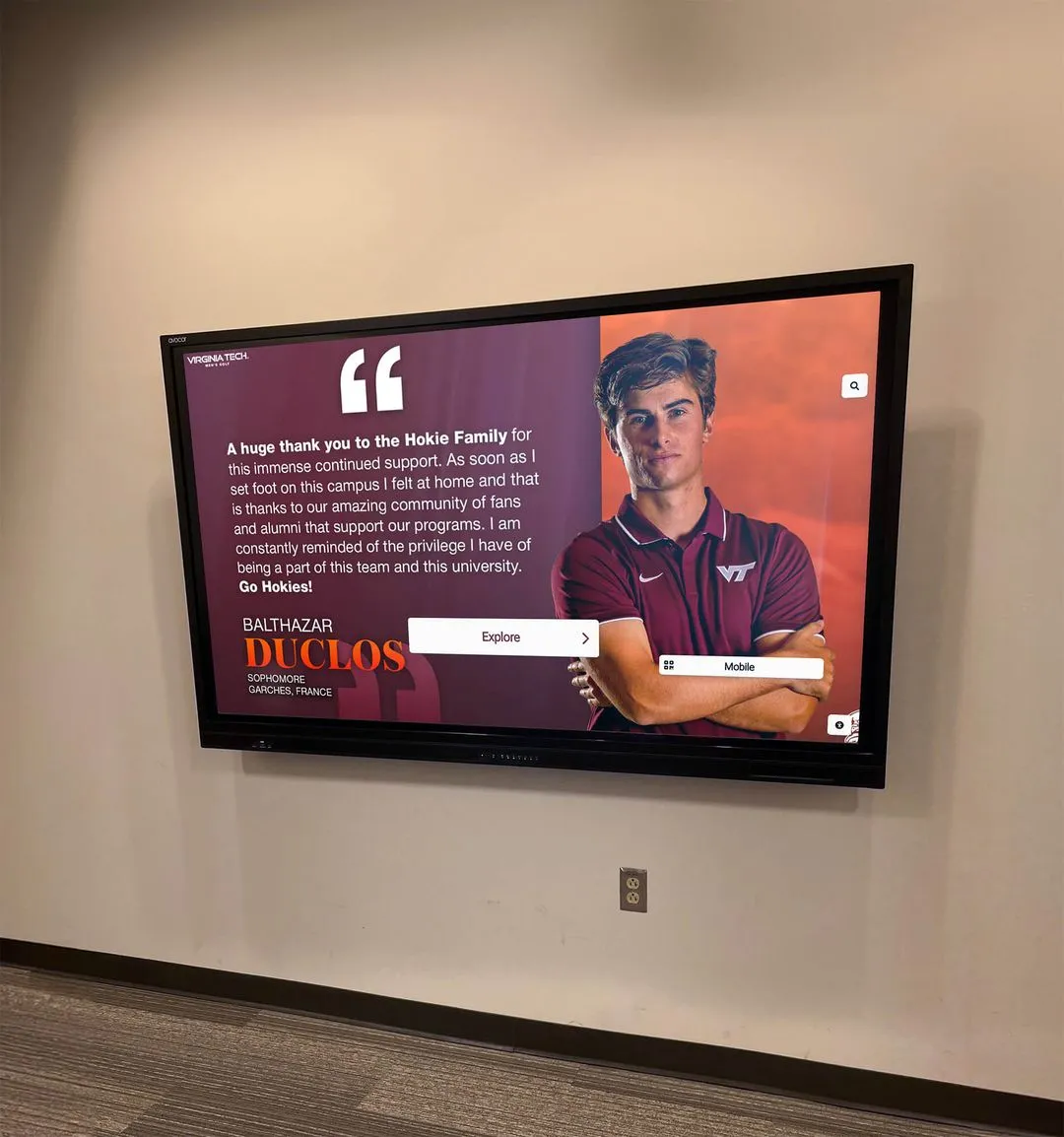
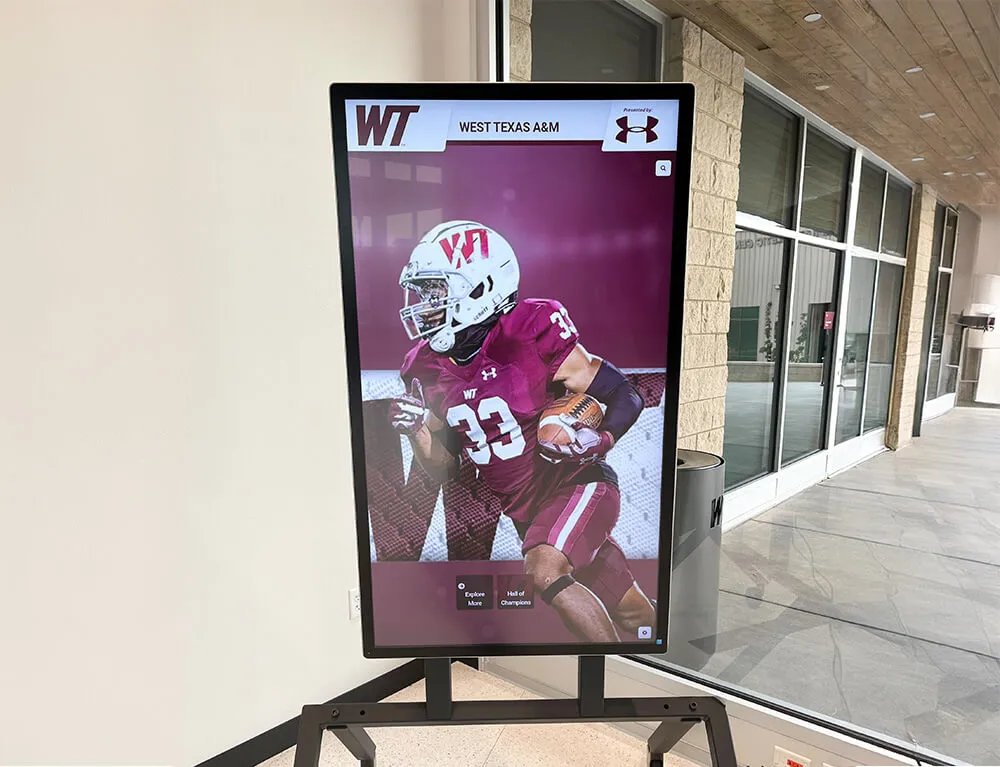
Digital kiosks in wellness hubs provide athletes convenient access to educational resources, scheduling, and recognition
Recognition and Motivation Through Digital Displays
Digital recognition systems within wellness hubs reinforce the connection between wellness commitment and athletic success:
Wellness Achievement Recognition
Solutions like Rocket Alumni Solutions enable athletic programs to celebrate wellness-related achievements:
- Recognition for athletes demonstrating commitment to recovery protocols
- Highlighting athletes overcoming injuries and returning to competition
- Celebrating mental health advocacy and stigma reduction leadership
- Acknowledging nutrition education completion and healthy behaviors
- Honoring holistic athlete development beyond win-loss records
Educational Content Display
Digital screens throughout facilities providing rotating wellness education:
- Nutrition tips and healthy recipe features
- Recovery protocol demonstrations and benefits
- Mental health resources and help-seeking information
- Athletic achievement stories emphasizing recovery and wellness
- Upcoming wellness events and program offerings
Interactive Athlete Profiles
Comprehensive digital profiles linking wellness to success:
- Athlete bios highlighting their wellness practices and routines
- Recovery strategies individual athletes find most effective
- Mental skills techniques athletes use for performance
- Nutrition approaches supporting their specific sport demands
- Lessons learned about balancing training and recovery
These digital recognition elements make wellness visible, valued, and connected to the athletic success athletes and programs pursue.
Discover how Rocket Alumni Solutions transforms athletic recognition through comprehensive digital platforms that can integrate wellness program components.
Facility Design and Space Planning for Wellness Hubs
Physical design significantly impacts wellness hub effectiveness and athlete utilization.
Strategic Location and Access
Wellness hub placement affects athlete engagement:
Proximity to Training Facilities
Location decisions impacting usage:
- Adjacent to locker rooms for convenient pre- and post-training access
- Near practice facilities reducing barriers to recovery protocol completion
- Visible from main athletic spaces normalizing wellness as part of training
- Separate entrance allowing access outside team practice hours
- Connected to athletic training rooms for seamless injury care coordination
Hours and Accessibility
Ensuring availability when athletes need support:
- Extended hours matching athlete schedules including early morning and late evening
- Weekend access during competitive seasons with heavy schedules
- 24/7 access to select areas for teams with varied training times
- Flexible scheduling accommodating diverse sport calendars
- Remote resource access for athletes traveling for competition
Multi-Purpose Space Design
Flexible spaces accommodating diverse wellness functions:
Recovery Zones
Dedicated areas for physical restoration:
- Hydrotherapy room with plunge pools and contrast therapy options
- Compression therapy area with boots, sleeves, and full-body systems
- Infrared sauna and red light therapy room
- Stretching and mobility space with foam rollers, bands, and yoga mats
- Quiet recovery lounge for rest and passive recovery
Active Rehabilitation and Movement
Spaces supporting injury rehabilitation and prevention:
- Functional movement area for physical therapy and corrective exercise
- Strength and conditioning space for controlled return-to-play training
- Assessment area for movement screening and testing
- Treatment tables for manual therapy and athletic training interventions
- Private spaces for sensitive injury management and procedures
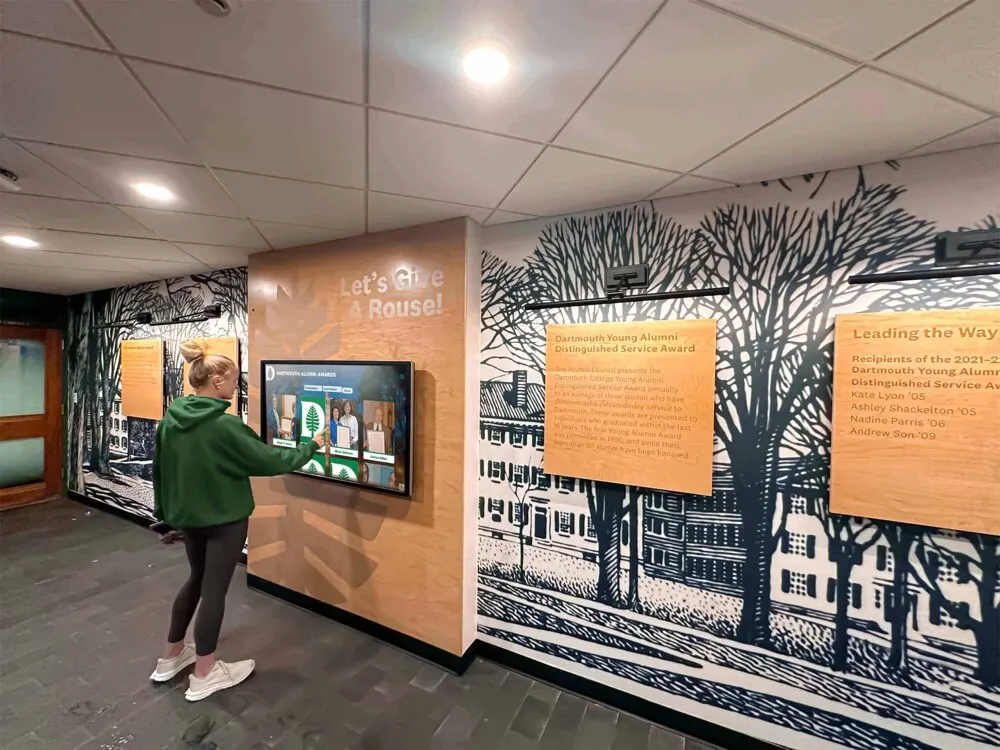
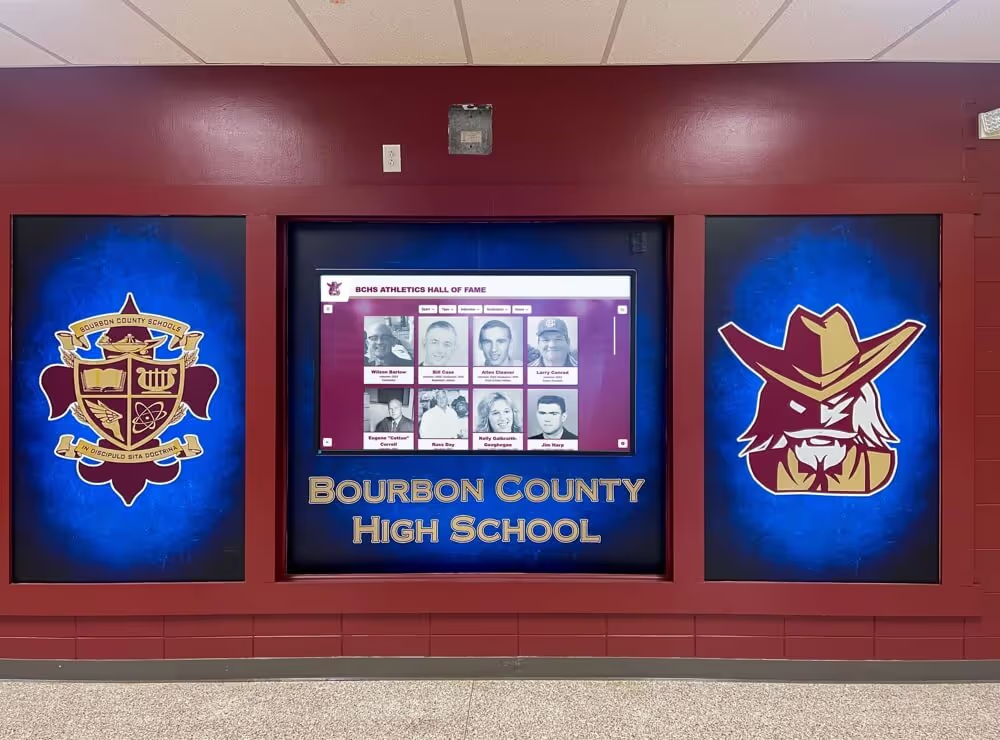
High-traffic hallway locations for digital displays ensure maximum athlete engagement with wellness resources
Mental Wellness and Education Spaces
Areas supporting psychological and educational needs:
- Private counseling offices for confidential mental health support
- Group meeting rooms for team building and educational workshops
- Meditation and mindfulness quiet rooms for mental restoration
- Comfortable lounge spaces for social connection and team bonding
- Computer workstations for academic work and career development
Nutrition and Fueling Areas
Spaces supporting proper athlete nutrition:
- Grab-and-go fueling station with healthy snack and beverage options
- Sit-down dining area for team meals and social connection
- Kitchen space for cooking demonstrations and nutrition education
- Refrigeration and storage for athlete meal prep and supplements
- Nutrition consultation office for private dietary counseling
Aesthetic and Cultural Design Elements
Environmental design influencing athlete experience:
Welcoming and Inclusive Atmosphere
Design choices encouraging utilization:
- Natural lighting and views reducing institutional feel
- Comfortable furniture creating lounge-like rather than clinical environment
- Athlete input in design reflecting their preferences and needs
- Inclusive imagery representing diverse athlete populations
- Warm colors and thoughtful aesthetics creating psychologically positive spaces
Athletic Heritage and Achievement
Recognition elements reinforcing institutional culture:
- Digital displays showcasing athletic achievements and history
- Trophy cases and memorabilia celebrating program traditions
- Athlete quotes and testimonials about wellness importance
- Historical photos documenting program evolution
- Interactive elements telling athlete stories and journeys
These design elements make wellness hubs feel like valued, integral parts of athletic programs rather than clinical add-ons.
Explore athletic gathering area design approaches that inform wellness hub space planning.
Staffing and Professional Support for Wellness Hubs
Qualified personnel make facilities and programs effective:
Athletic Training and Sports Medicine Staff
Medical professionals providing direct athlete care:
Certified Athletic Trainers
Core wellness hub staff:
- Full-time athletic trainers dedicated to specific teams or sports groups
- Graduate assistant athletic trainers supporting staff and gaining experience
- Coverage ratios appropriate for athlete population size and sport injury risk
- Specializations in different injury types and treatment approaches
- Continuing education maintaining current evidence-based practice
Team Physicians
Medical oversight and advanced care:
- Primary care sports medicine physicians overseeing medical care
- Orthopedic surgeons providing specialist consultation and surgical care
- Part-time team physicians for smaller programs
- Partnerships with local sports medicine practices
- Clear referral networks and care coordination protocols
Physical Therapists
Rehabilitation specialists supporting return to play:
- Licensed physical therapists with sports specialization
- Collaboration with athletic trainers on rehabilitation protocols
- Manual therapy and advanced treatment techniques
- Functional testing and return-to-play decision support
- Injury prevention screening and corrective exercise programming
Nutrition and Dietetics Professionals
Specialized nutrition support optimizing athlete fueling:
Registered Dietitian Nutritionists
Professional nutrition services:
- Board-certified specialists in sports dietetics when possible
- Individual nutrition consultations and personalized meal planning
- Team education and group workshops on performance nutrition
- Eating disorder screening, intervention, and treatment coordination
- Supplement evaluation and evidence-based recommendations
Nutrition Assistants
Support staff expanding nutrition services:
- Graduate students in nutrition and dietetics gaining supervised experience
- Meal planning assistance and recipe development
- Fueling station management ensuring healthy options available
- Nutrition education content development and delivery
- Dietary accommodation coordination for special needs
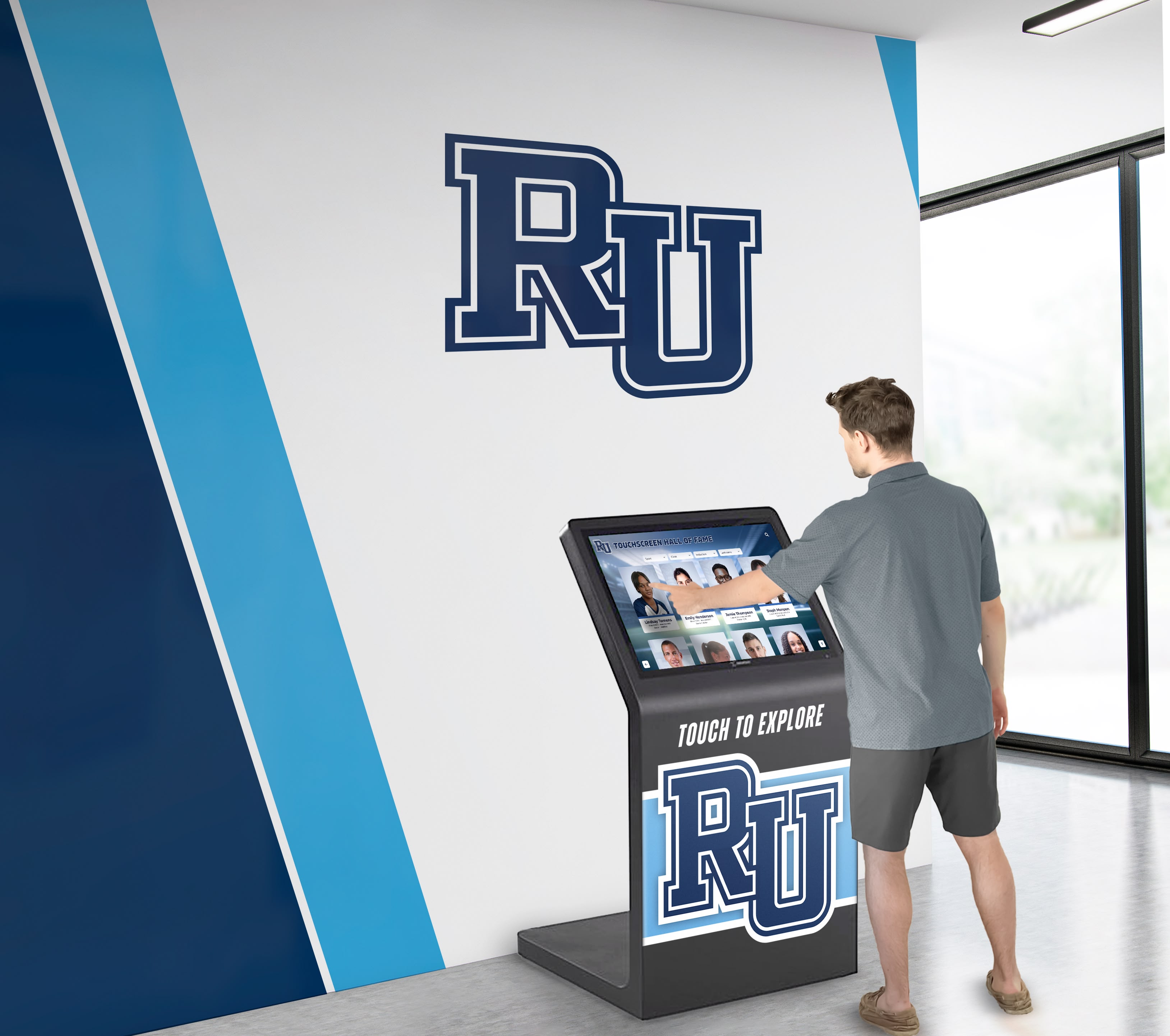
Lobby-located wellness kiosks provide athletes and visitors access to program information and wellness resources
Mental Health and Performance Support Staff
Psychological services addressing mental and emotional wellness:
Licensed Mental Health Professionals
Specialized counseling and therapy:
- Licensed psychologists with sport psychology training ideally
- Licensed clinical social workers experienced with athlete populations
- Licensed professional counselors understanding athletic culture
- Part-time or consulting arrangements when full-time not feasible
- Partnership agreements with campus or community mental health centers
Mental Performance Consultants
Sport psychology and mental skills training:
- Certified mental performance consultants teaching psychological skills
- Individual and team mental skills training
- Performance psychology supporting competition preparation
- Mindfulness and meditation instruction
- Team culture development and leadership training
Wellness Coordinators
Program management and coordination:
- Overall wellness program coordination and administration
- Resource connection linking athletes to appropriate services
- Programming development and event planning
- Assessment and quality improvement initiatives
- Communication and education campaign management
Creating Inclusive and Accessible Wellness Programs
Effective wellness hubs serve diverse athlete populations equitably.
Addressing Barriers to Wellness Service Utilization
Understanding and removing obstacles to athlete engagement:
Stigma Reduction
Cultural change normalizing wellness support:
- Leadership modeling with coaches and administrators publicly supporting wellness
- Athlete testimonials reducing stigma through peer influence
- Education campaigns framing wellness as performance tool rather than weakness
- Mandatory wellness participation removing stigma of voluntary help-seeking
- Success stories connecting wellness commitment to athletic achievement
Schedule and Access Challenges
Practical solutions for time-constrained athletes:
- Extended hours matching diverse practice schedules
- Priority scheduling for in-season athletes with limited availability
- Embedded services with athletic trainers present at practices
- Mobile and telehealth options for athletes traveling for competition
- Efficient service delivery respecting athlete time constraints
Cultural and Identity Considerations
Culturally responsive wellness services:
- Diverse staff reflecting athlete population demographics
- Cultural competency training for all wellness professionals
- Services addressing unique challenges facing marginalized athlete groups
- Multilingual resources and interpretation services when needed
- Recognition of diverse wellness traditions and practices
Learn about approaches for National Heritage Months recognition that can inform culturally inclusive wellness programming.
Serving Athletes Across All Sports and Competitive Levels
Ensuring equitable wellness access:
Resource Distribution
Fair allocation across athletic programs:
- Needs-based allocation considering injury rates and athlete numbers
- Equitable access to recovery technologies across all sports
- Mental health services available to all athletes regardless of team profile
- Nutrition support not limited to revenue-generating sports
- Monitoring utilization patterns ensuring equitable access
Sport-Specific Programming
Tailored support addressing unique demands:
- Recovery protocols matching training load and injury patterns of different sports
- Nutrition strategies reflecting varied energy demands across sports
- Mental skills training addressing specific performance challenges
- Scheduling accommodating different competitive seasons
- Recognition that different sports face different wellness challenges
Supporting Walk-On and Non-Scholarship Athletes
Comprehensive coverage:
- Same wellness access regardless of scholarship status
- Resources for athletes funding their own education and sport participation
- Recognition that walk-on athletes face unique stressors
- Career and academic support for athletes without scholarship security
- Inclusive culture ensuring all team members feel valued
Measuring Wellness Hub Impact and Success
Regular assessment ensures programs achieve goals and justify resource investment.
Quantitative Success Metrics
Utilization and Participation Data
Tracking athlete engagement:
- Percentage of athletes using wellness hub services regularly
- Service utilization rates across different program components
- Frequency of athlete visits and service contacts
- Distribution of usage across sports and demographic groups
- Year-over-year participation trend analysis
Health and Performance Outcomes
Objective impact measures:
- Injury rates and days lost to injury over time
- Illness rates and missed training days
- Strength and performance metric trends
- Academic performance and graduation rates
- Mental health screening scores and symptom reduction
Return on Investment Indicators
Demonstrating program value:
- Athletic performance improvements correlated with wellness program implementation
- Recruitment success and athlete retention rates
- Reduced medical costs through injury prevention
- Decreased emergency care utilization
- Alumni satisfaction and giving rates
Qualitative Assessment
Athlete Feedback and Satisfaction
Understanding athlete experience:
- Athlete surveys about wellness program awareness, quality, and impact
- Focus groups exploring barriers and utilization facilitators
- Testimonials about meaningful wellness experiences
- Exit interviews with graduating athletes and transfers
- Anonymous feedback systems enabling honest input
Cultural Indicators
Observing wellness culture development:
- Athlete attitudes toward recovery and wellness
- Coaching staff support and encouragement of wellness services
- Peer norms around help-seeking and wellness participation
- Integration of wellness into team identity and values
- Reduction in stigma around mental health and injury management
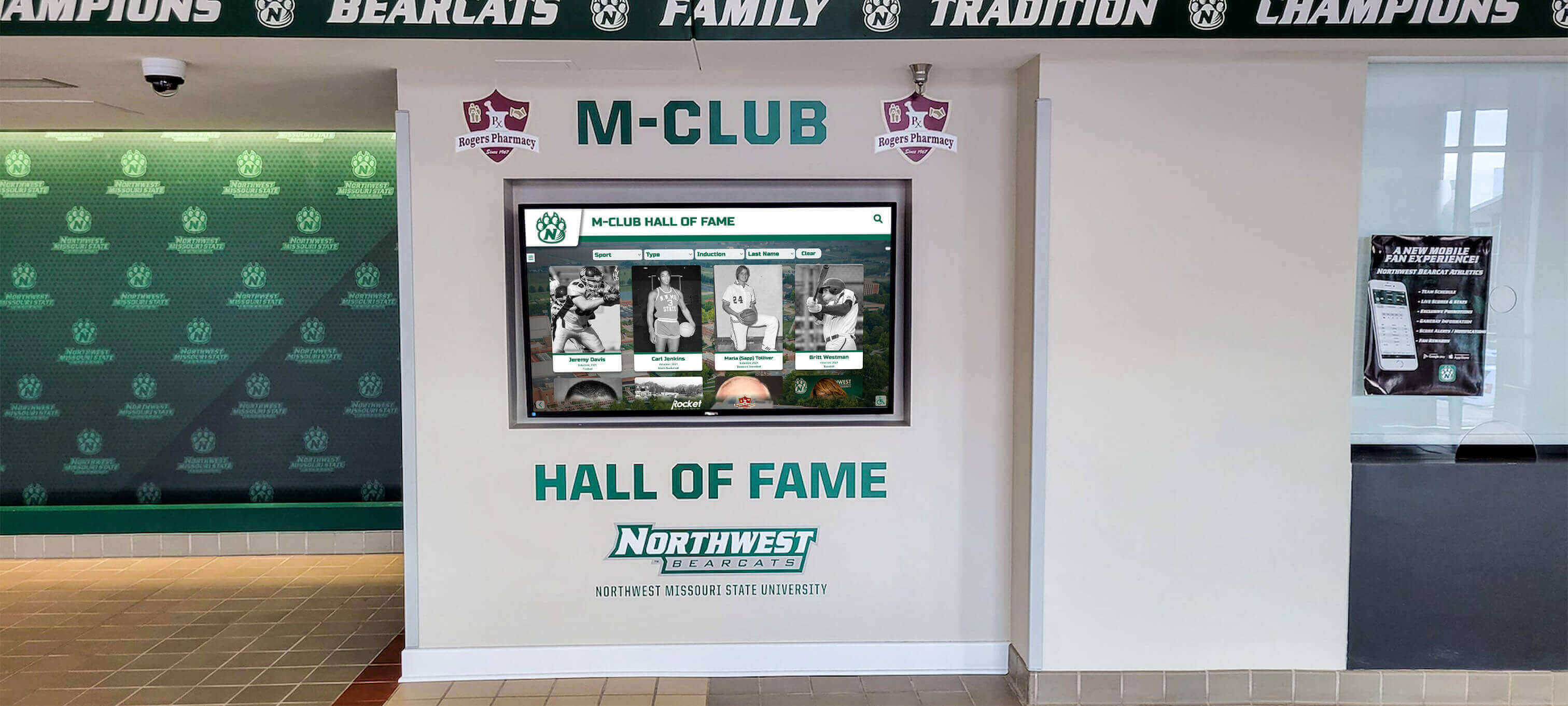
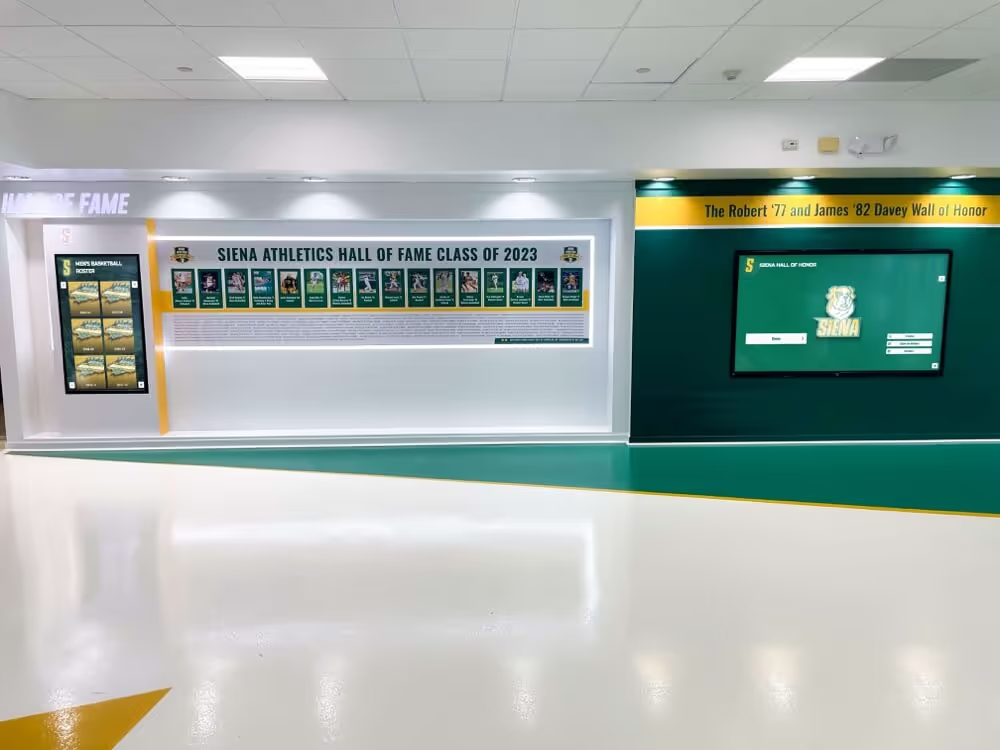
Recognition displays within wellness hubs celebrate athletes who exemplify commitment to holistic development
Funding and Sustainability for Wellness Programs
Strategic funding approaches ensure program longevity.
Funding Sources and Budget Development
Institutional Athletic Budget Allocation
Core operational funding:
- Regular operating budget lines for staffing and ongoing services
- Capital improvement budgets for facility construction and major equipment
- Annual equipment replacement and technology upgrade reserves
- Professional development and continuing education funding
- Assessment and quality improvement budget allocation
Fundraising and Philanthropy
Development opportunities:
- Major gift campaigns for facility construction and naming opportunities
- Annual fund appeals emphasizing athlete wellness and safety
- Alumni engagement through supporting athlete wellbeing
- Corporate partnerships with sports medicine and wellness companies
- Foundation grants supporting specific wellness initiatives
Creative Partnership Models
Leveraging external resources:
- Partnerships with university health centers sharing mental health resources
- Agreements with local sports medicine practices providing services
- Equipment donations from wellness and recovery technology companies
- Academic program partnerships with nutrition, psychology, or athletic training programs
- Community health system collaborations benefiting both parties
Learn about sports fundraising through digital recognition that can support wellness hub funding.
Long-Term Program Sustainability
Gradual Implementation Approach
Phased development matching resources:
- Start with highest-priority services addressing most critical needs
- Expand incrementally as funding allows and demand demonstrates
- Pilot programs before large-scale implementation
- Leverage technology to extend limited staff resources
- Scale services to athlete population size and program maturity
Efficiency and Cost Management
Maximizing limited resources:
- Cross-training staff to provide multiple services
- Technology platforms reducing administrative burden
- Group programming reaching more athletes per staff hour
- Peer education and athlete leadership extending professional staff
- Assessment data informing resource allocation to highest-impact services
Best Practices from Leading Wellness Programs
Learning from institutions successfully implementing comprehensive wellness support.
Clemson University Athletic Performance & Wellness Center
Clemson completed construction on their Athletic Performance & Wellness Center in February 2026, representing significant advancement in collegiate athletic facilities. The project included a 35,000 square foot renovation of Jervey Gym and basement, creating a comprehensive wellness hub featuring:
- State-of-the-art sports medicine clinics with dedicated exam and procedure rooms ensuring swift and comprehensive medical care
- Recovery and wellness spaces equipped with the latest technology and tools that enhance physical recovery and mental restoration
- Facilities housing multiple dimensions of athlete support under one roof
- Cutting-edge technologies supporting student-athlete performance and recovery for both classroom and competitive excellence
This comprehensive model demonstrates institutional commitment to holistic athlete development through integrated facility design.
University of Washington Innovations
The University of Washington implemented game-changing innovations for student-athlete recovery, including:
- Blood Flow Restriction (BFR) therapy helping athletes achieve improved strength metrics and faster recovery times
- The Firefly neuromuscular device increasing blood flow by up to 400%
- Evidence-based recovery protocols combining multiple modalities
- Integration of recovery technologies into regular training cycles
- Assessment of recovery technology effectiveness through outcome measurement
These innovations demonstrate how evidence-based recovery technologies can be strategically integrated into athletic programs.
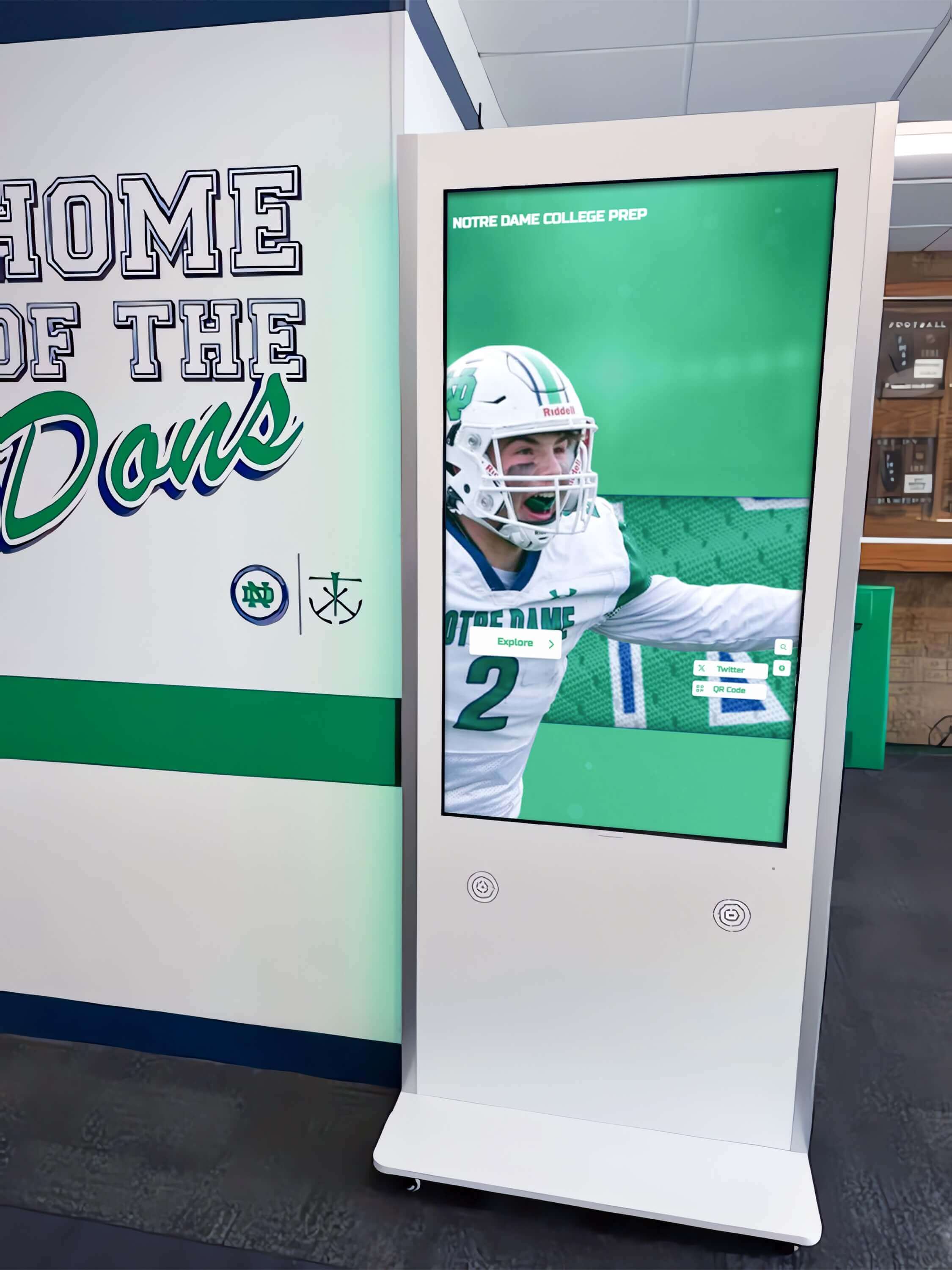
Strategic placement of interactive kiosks in athletic hallways provides constant access to wellness resources and team information
Comprehensive Mental Health Programs
Several institutions have implemented specialized programs improving student athlete mental health:
- Comprehensive assessment identifying at-risk athletes early
- Embedded mental health professionals attending practices and competitions
- Peer support networks trained in mental health awareness
- Mandatory mental health education for all athletes and coaches
- Crisis response protocols and clear referral pathways
- Reducing barriers through telehealth and flexible scheduling
These programmatic approaches demonstrate that mental health support requires systematic, multi-level interventions rather than single services.
Technology Integration and Digital Solutions
Modern wellness hubs leverage technology to extend impact and accessibility.
Wellness Hub Digital Displays
Interactive recognition and education platforms within wellness facilities:
Educational Content Display
Digital screens providing rotating wellness information:
- Recovery protocol demonstrations and instructions
- Nutrition tips and healthy recipes
- Mental health resources and coping strategies
- Upcoming wellness events and workshops
- Athlete testimonials about wellness practices
Achievement Recognition
Celebrating wellness commitment through digital platforms:
- Recognition for athletes demonstrating exemplary recovery practices
- Highlighting injury comeback stories inspiring resilience
- Acknowledging mental health advocacy and leadership
- Celebrating holistic athlete development beyond competition results
- Connecting wellness behaviors to athletic success stories
Solutions like Rocket Alumni Solutions enable athletic programs to create comprehensive digital recognition systems that can integrate wellness program components, making athlete commitment to health and development as visible as competition achievements.
Scheduling and Communication Platforms
Technology streamlining wellness service access:
Appointment and Service Scheduling
Convenient booking systems:
- Online scheduling for nutrition consultations, counseling, and recovery sessions
- Mobile app scheduling enabling booking anywhere anytime
- Automated reminders reducing missed appointments
- Waitlist functionality maximizing service utilization
- Integration with athlete calendars avoiding scheduling conflicts
Communication and Education Distribution
Digital communication strategies:
- Email newsletters featuring wellness tips and resources
- Text message reminders for appointments and program offerings
- Social media campaigns normalizing wellness and reducing stigma
- Mobile push notifications for time-sensitive information
- Video content demonstrating recovery techniques and providing education
Learn about touchscreen kiosk software considerations for wellness hub implementations.
Implementation Timeline and Phased Development
Strategic implementation ensures manageable, sustainable wellness program growth.
Phase 1: Foundation and Core Services (Year 1)
Essential elements establishing basic wellness support:
Staffing Foundation
- Hire or allocate athletic training staff for comprehensive injury care
- Establish partnership with campus or community mental health resources
- Secure nutrition support through consultant or graduate assistant
- Identify wellness coordinator or assign administrative responsibility
- Train coaches on wellness program basics and athlete referral
Basic Facility Development
- Designate wellness hub space even if repurposing existing area
- Implement basic recovery options like ice baths and compression boots
- Create quiet space for counseling and mental health services
- Establish fueling station with healthy snacks and hydration
- Install digital display showcasing wellness resources and athlete achievements
Initial Programming
- Launch basic mental health screening and referral process
- Implement nutrition education workshops covering fundamentals
- Create athlete wellness orientation for incoming student-athletes
- Develop recovery protocol education for all teams
- Establish communication channels promoting wellness resources
Phase 2: Expansion and Enhancement (Years 2-3)
Building on foundation with expanded services:
Enhanced Recovery Technologies
- Add hot and cold plunge pools or contrast therapy options
- Implement comprehensive compression therapy systems
- Install infrared sauna and red light therapy
- Expand stretching and mobility equipment
- Create dedicated recovery lounge with comfortable seating
Specialized Services
- Expand mental health staffing or partnerships
- Increase nutrition services with additional staff or hours
- Develop sport-specific wellness programming
- Launch mental skills training and performance psychology
- Implement mindfulness and meditation programming
Technology Integration
- Develop online wellness resource portal
- Implement scheduling and communication platforms
- Add interactive digital displays throughout facility
- Launch wellness tracking and assessment tools
- Integrate telehealth options for remote access
Phase 3: Comprehensive Programming (Years 3-5)
Creating fully developed, comprehensive wellness ecosystem:
Advanced Capabilities
- Achieve staffing ratios supporting individualized care
- Implement specialized services addressing diverse needs
- Develop leadership development and life skills programming
- Create alumni wellness connections and lifelong health education
- Establish outcome measurement and continuous improvement systems
Cultural Integration
- Embed wellness fully into athletic program culture and identity
- Achieve high utilization rates across all sports and athlete groups
- Demonstrate measurable impact on performance and wellbeing outcomes
- Gain recognition as wellness leader influencing recruitment and retention
- Create sustainable funding model ensuring program longevity
This phased approach enables institutions to begin immediately with available resources while systematically building toward comprehensive wellness support.
Conclusion: Building Cultures of Holistic Athlete Development
Comprehensive athlete recovery and wellness hubs represent strategic investments in student-athlete health, performance, and long-term wellbeing. When athletic programs systematically support physical recovery through evidence-based technologies, prioritize mental health through accessible and stigma-free resources, optimize nutrition through education and convenient healthy options, and address holistic athlete development beyond sport performance, they create environments where student-athletes thrive as both competitors and complete human beings.
The strategies explored in this guide provide comprehensive frameworks for building wellness systems that honor athlete health while remaining sustainable, accessible, and aligned with educational missions. From recovery technologies accelerating physical restoration to mental health resources supporting psychological wellbeing, from nutrition services optimizing performance to life skills programs preparing athletes for success beyond sport, these approaches transform athlete support from reactive injury treatment to proactive wellness promotion.
Enhance Your Athletic Program with Digital Recognition
Discover how modern digital recognition solutions can celebrate athlete commitment to wellness and development while building culture that values holistic athlete support.
Explore Recognition SolutionsModern athletic programs increasingly recognize that supporting athletic excellence requires comprehensive wellness infrastructure. The most successful programs create integrated support systems where physical recovery, mental health, nutrition, and holistic development receive systematic attention and adequate resources.
Technology makes comprehensive wellness support achievable even for programs with limited budgets and staff. Digital platforms extend limited human resources, online portals provide 24/7 education access, telehealth expands service availability, and recognition systems make wellness commitment visible and valued throughout athletic programs.
Start where you are—whether implementing basic recovery options and mental health partnerships or expanding existing services toward comprehensive wellness hubs—then systematically build toward the holistic support your student-athletes deserve. Every athlete who receives proper recovery support, accesses mental health resources without stigma, optimizes nutrition for performance, and develops life skills beyond sport gains advantages extending far beyond their athletic careers.
Your student-athletes’ health and wellbeing deserve investment equal to any performance enhancement technology. With thoughtful planning, appropriate resources, and consistent implementation, you can create wellness systems that honor each athlete’s complete humanity while building positive, sustainable athletic cultures where student-athletes thrive in sport, school, and life.
Ready to begin? Explore additional strategies for digital athletic recognition systems that can integrate wellness program components, or learn about comprehensive school recognition approaches that celebrate holistic student-athlete development alongside competition success.