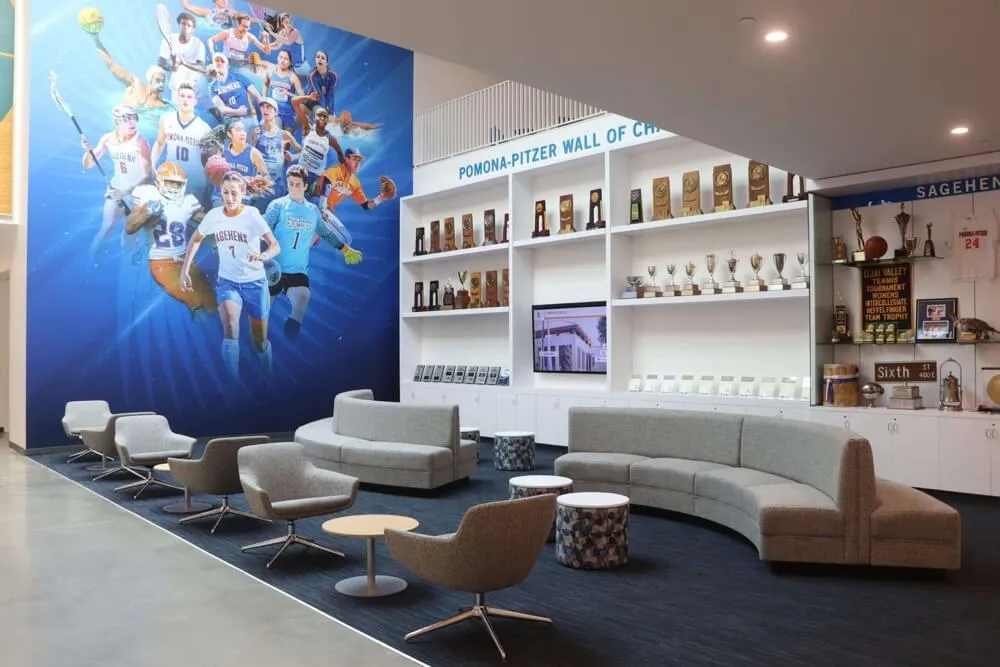
Every school with a sports program has a story worth telling—championship teams from decades past, record-breakers whose names still echo in the gymnasium rafters, coaches who shaped hundreds of young athletes, and alumni who went on to remarkable careers inside and outside of sport. An athletic alumni reunion is one of the most powerful ways to gather those people back together, honor what they accomplished, and remind current students why the program they compete in means something.
Yet most schools underinvest in reunion planning. They send a few emails, rent a banquet hall, and hope the nostalgia does the heavy lifting. The result is an evening that feels like a forgettable dinner rather than a genuine celebration—and a missed opportunity to build the kind of lasting loyalty that drives mentorship, fundraising, and community pride for years.
This guide walks athletic directors, alumni coordinators, and reunion committees through every phase of planning a meaningful athletic alumni reunion: from setting goals eighteen months out to following up with inductees six weeks after the final speech. Whether you’re planning your program’s first-ever reunion or reviving one that hasn’t happened in a decade, these frameworks will help you create an event former athletes travel long distances to attend.
Why Athletic Alumni Reunions Are Worth the Investment
Before diving into logistics, it’s worth understanding what a well-executed athletic alumni reunion actually accomplishes—because “getting former players back together” undersells the strategic value.
Strengthening institutional identity: Athletic programs carry enormous emotional weight in school communities. Reuniting former athletes reinforces a sense of shared tradition that extends well beyond wins and losses. Alumni leave feeling more connected to the institution, not just to their teammates.
Generating philanthropic support: Research consistently shows that alumni who feel recognized and emotionally connected to their institutions give at higher rates. An athletic reunion is a stewardship event first and a fundraising event second—but when done right, it builds the relationship foundation that leads to significant gifts for facilities, scholarships, and equipment.
Mentoring current athletes: There is no more motivating experience for a high school sophomore or college freshman than sitting across from a former program member who played at the professional level, built a successful business, or went on to coach at the collegiate level. Reunions create those mentorship moments organically.
Preserving program history: Every reunion is an opportunity to collect stories, photos, statistics, and artifacts that would otherwise be lost. The institutional memory captured during these events strengthens your program’s identity for decades.

Phase 1: Pre-Event Planning (12–18 Months Out)
The most common mistake reunion planners make is starting too late. A well-attended, well-executed athletic alumni reunion requires at least twelve months of lead time—eighteen months if you’re targeting a milestone anniversary or trying to reach alumni who graduated decades ago.
Define Your Goals and Scope
Start by answering three questions: Who is this reunion for? What do you want them to walk away feeling? What measurable outcomes matter to your institution?
Scope decisions flow from these answers. A reunion celebrating a specific championship team’s 25th anniversary calls for different programming than an all-sports alumni gathering spanning fifty years of program history. A school hoping to launch a capital campaign needs stronger fundraising integration than one focused purely on community building.
Common reunion formats include:
- Milestone anniversary reunions for specific championship seasons (10th, 25th, 50th year)
- Team-specific reunions uniting former members of one sport
- Hall of fame induction weekends where reunion attendance coincides with formal induction ceremonies
- All-alumni athletics weekends that bring together former competitors from every program
Form Your Planning Committee
Recruit a committee that includes at least one former athlete with strong peer connections, one current staff member who controls facilities and scheduling, one person with event management experience, and ideally an alumnus with fundraising or development background. Keep the committee small enough to make decisions efficiently—five to eight people is usually the right size.
Assign clear ownership for each workstream: guest list and outreach, venue and logistics, programming and agenda, recognition and displays, communications and marketing, and budget and finances.
Build a Realistic Budget
Athletic alumni reunion costs vary enormously by scale. A single-sport anniversary dinner for fifty people costs far less than an all-alumni weekend with a hall of fame induction ceremony for two hundred guests. Typical line items include venue rental, catering, audio/visual equipment, printed programs and signage, recognition awards and plaques, photography and video, communications and promotional materials, and staff time.
Look for ways to reduce costs through institutional assets—using your own gym, dining facility, or athletic spaces rather than renting an external venue. Alumni-owned businesses often welcome sponsorship opportunities that offset catering or event costs while building goodwill within the community.
Phase 2: Building Your Guest List and Outreach (6–12 Months Out)
An athletic alumni reunion is only as good as its attendance. Reaching former athletes who graduated twenty or thirty years ago requires systematic effort and multiple outreach channels.
Tracking Down Former Athletes
Start with institutional records: yearbooks, old programs, athletic department files, and lettermen/letterwomen lists. Supplement with LinkedIn searches using your school name and sport as filters. Reach out to coaches who have long tenures—they often maintain informal contact lists spanning multiple decades of players.
Former team captains and team managers are particularly valuable contacts. They tend to maintain stronger peer networks than average alumni and can help spread the word through channels your institution doesn’t have direct access to.
Athletic associations, booster clubs, and alumni chapters often maintain their own contact databases worth tapping. Don’t overlook social media groups where former athletes have self-organized—Facebook groups for specific graduating classes or team eras can hold hundreds of contacts in one place.
Crafting Your Outreach Strategy
Initial outreach should go out at least six months before the event date, with follow-up waves at three months, six weeks, and two weeks. Vary your channels: email works best for older alumni, social media for younger graduates, and personal phone calls or handwritten notes for VIP invitees like hall of fame inductees or prominent program alumni.
When drafting invitations, lean on specificity and nostalgia. “Join us for the 25th anniversary of the 2001 state championship football team” outperforms “Come to our athletic alumni reunion.” Craft sports banquet invitation wording that speaks directly to shared memories, specific team achievements, and what attendees will experience—not just when and where.
Personal outreach from fellow alumni converts at dramatically higher rates than institutional communications. Empower your committee members to make direct personal asks to their peer networks, framing attendance as something they genuinely want rather than something the institution is requesting.
Phase 3: Venue, Logistics, and Environment (3–6 Months Out)
Where you hold the reunion significantly shapes the emotional experience. On-campus venues—your gymnasium, field house, dining hall, or athletics complex—carry nostalgic weight that external banquet halls cannot replicate regardless of how polished they look.
Choosing the Right Venue
Consider traffic flow, accessibility, and capacity when selecting spaces. For smaller reunions, the locker room hallway or the lobby outside your main gym might serve as the gathering point. For larger events, your field house or event center allows for display areas, recognition walls, and programming stations without feeling cramped.
If you’re holding a multi-day reunion, consider using multiple campus spaces across the weekend: a Friday evening reception in the athletic complex, a Saturday morning campus tour, and a Saturday evening banquet in a dining facility. Varied settings keep the experience fresh while allowing alumni to rediscover campus locations they haven’t seen since graduation.
Creating a Welcoming Atmosphere
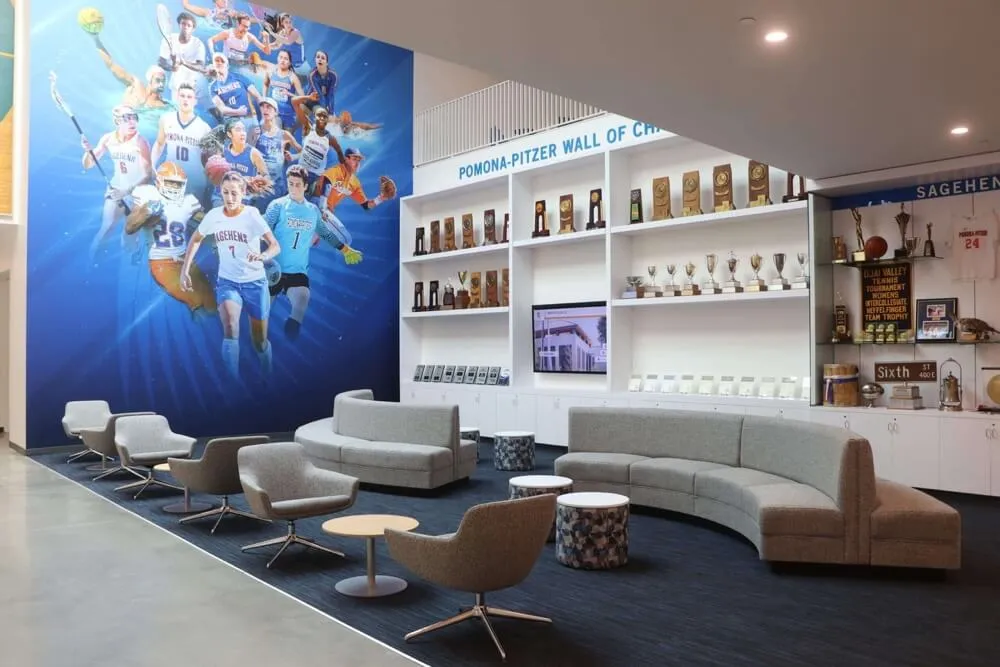
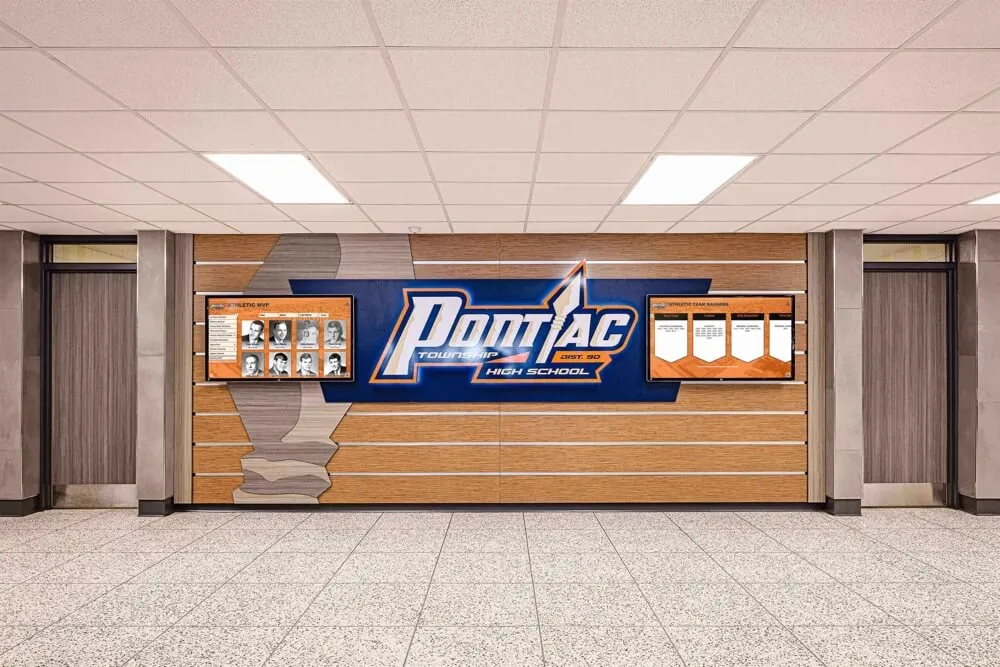
Thoughtful design of your alumni welcome area signals to former athletes that they’re genuinely honored guests rather than afterthoughts. A staffed registration table with name badges that include graduation year and sport creates immediate conversation starters. Displays of historical photos, championship trophies, and program memorabilia near the entrance set the tone before guests have taken off their coats.
Consider dedicating specific display zones to different eras of your program’s history. Former athletes from the 1980s will spend time in a section featuring their era’s photos and records, while more recent graduates gravitate toward displays highlighting accomplishments closer to their time. This zoning approach ensures guests of every graduation decade find immediate connection upon arrival.
Phase 4: Programming and Agenda That Honors Your Legacy
The program you design determines whether guests leave feeling genuinely moved or mildly entertained. Athletic alumni respond strongly to specificity, competition, nostalgia, and recognition—build your agenda around those themes rather than generic “dinner and speeches” formats.
Opening Reception and Informal Gathering
Dedicate the first sixty to ninety minutes of any reunion to unstructured reconnection. Alumni often haven’t seen each other in years or decades; they need time to find familiar faces, exchange updates, and warm up before formal programming begins. Provide food and drinks that encourage movement and mingling rather than seated dinners that anchor people to assigned spots.
Set up conversation-starting display areas throughout the reception space: photo walls from championship seasons, stat boards showing program records across different eras, and memorabilia tables where former athletes can handle old jerseys, game balls, and trophies. These physical touchpoints spark conversations that happen naturally without awkward icebreakers.
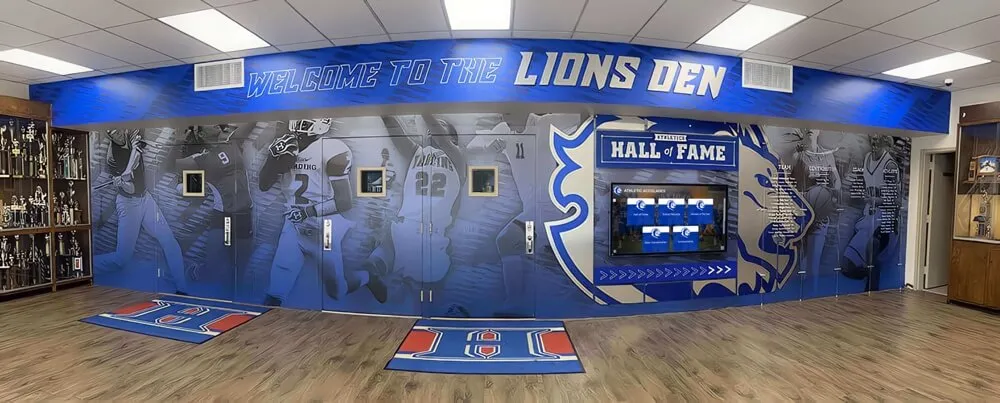
Team photo wall ideas can transform blank event space into immersive historical galleries that former athletes spend significant time exploring. Arrange photos chronologically or by sport, with large format prints that allow guests to identify specific faces and recall specific moments.
Recognition Ceremonies and Hall of Fame Inductions
The formal program should center on recognition—this is the emotional core of any athletic alumni reunion. Whether you’re inducting new hall of fame members, presenting legacy awards, or simply acknowledging championship teams by era, give recognition the time and dignity it deserves.
For hall of fame induction ceremonies, the quality of the induction speech matters enormously. A generic recitation of statistics doesn’t move an audience; a specific, human story does. Prepare presenters with detailed background on each honoree, coaching them to focus on one or two defining moments rather than attempting comprehensive career summaries. Reviewing award speech examples for school hall of fame ceremonies can help presenters understand the difference between a speech that resonates and one that feels bureaucratic.
For championship team recognition, bring entire rosters to the stage rather than singling out only star players. The reserve player who showed up every day for four years deserves acknowledgment alongside the all-state performers—and that inclusive approach generates stronger emotional response from the full audience.
Panel Discussions and Mentorship Moments
Schedule thirty to forty-five minutes for a moderated panel featuring alumni from different eras and life paths. Former athletes discussing how their competitive experience shaped their careers, parenting, and personal development provides genuine value to current athletes in the audience while giving panelists a sense of purpose beyond nostalgic storytelling.
Facilitate brief one-on-one mentorship conversations between current program members and returning alumni. Even a ten-minute conversation between a current team captain and a professional athlete or successful alum creates lasting impressions that outlast any formal speech.
Phase 5: Recognition Displays and Memorabilia
Physical and digital recognition displays are where the reunion’s most lasting impressions get made—and where many schools dramatically underinvest.
Athletic Memorabilia and Trophy Displays
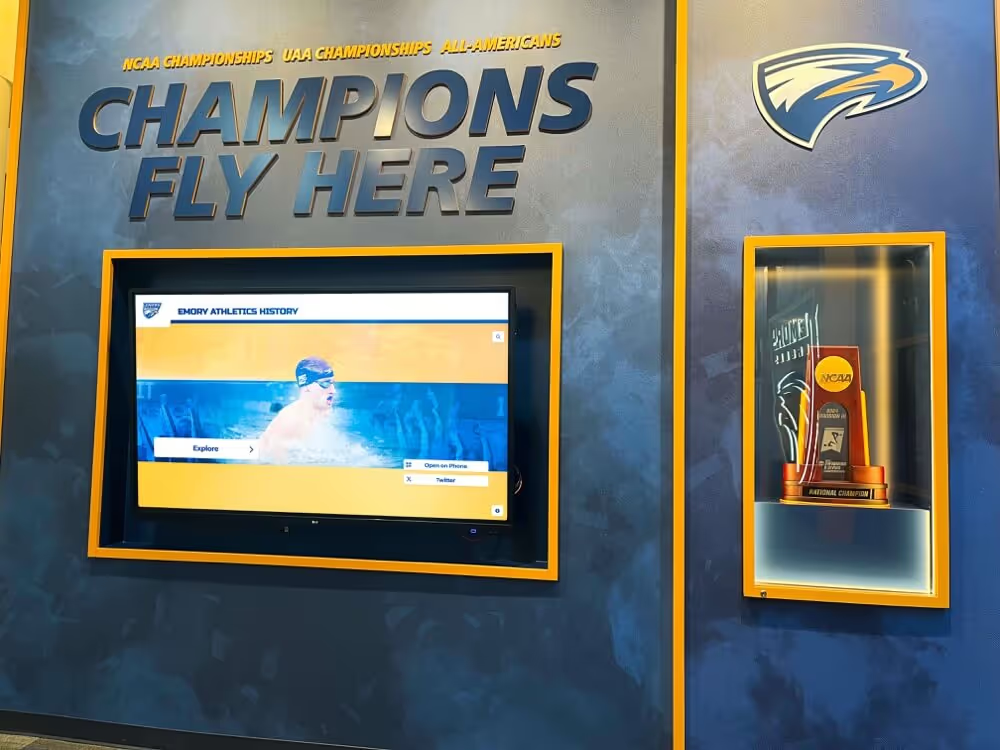
Bring championship trophies, retired jerseys, game balls, and other artifacts out of storage and into the event space. Alumni respond viscerally to handling objects they haven’t seen since they graduated. Create display tables with context—photos from the season, rosters, scores from key games—rather than simply lining up trophies without narrative.
Jersey display cases featuring retired numbers create natural focal points during receptions. Former athletes whose numbers have been retired feel a particular surge of pride when they see their jersey displayed prominently—and their teammates feel that pride by association. For schools that haven’t formalized a jersey retirement program, a reunion is the ideal moment to launch one.
Sports medal display ideas for reunion events can include curated cases showing state championship medals, conference titles, and individual athletic awards organized by year, creating visual timelines of program achievement that alumni enjoy exploring.
Digital and Interactive Recognition Displays
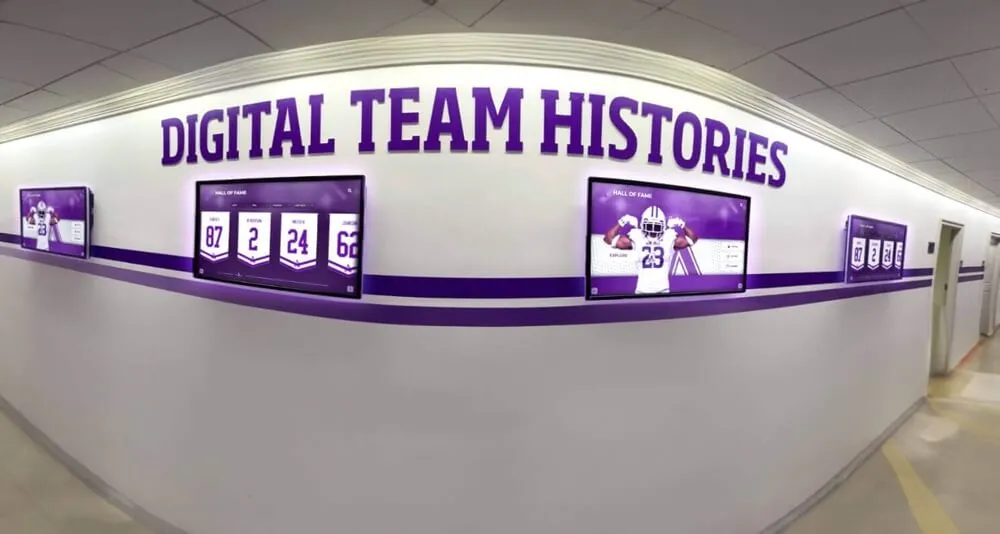
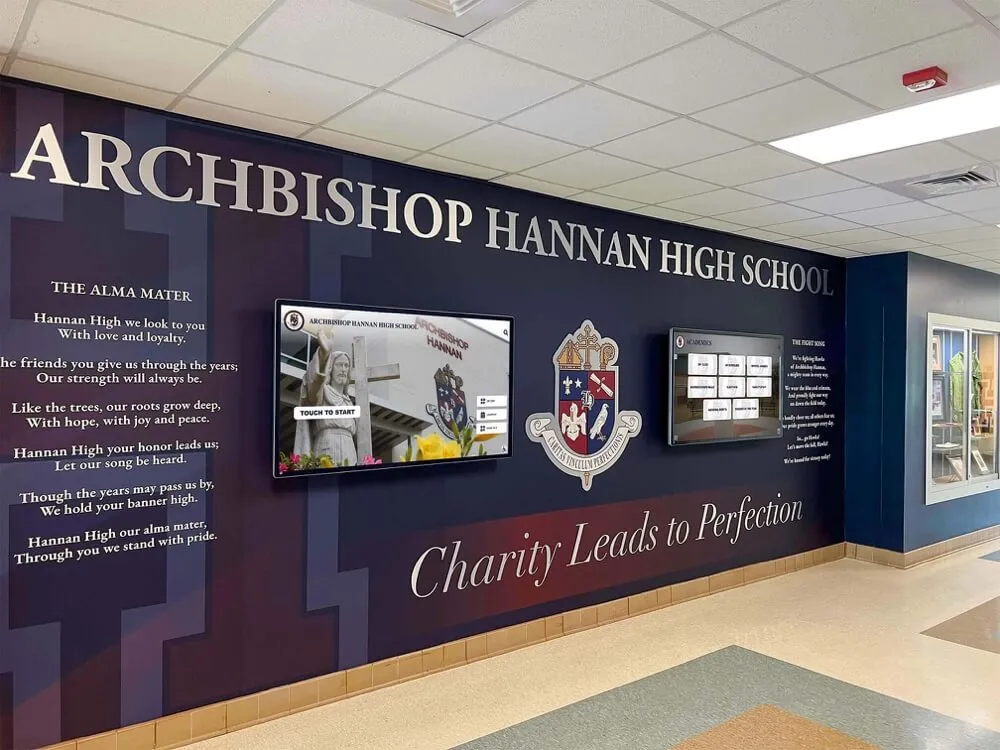
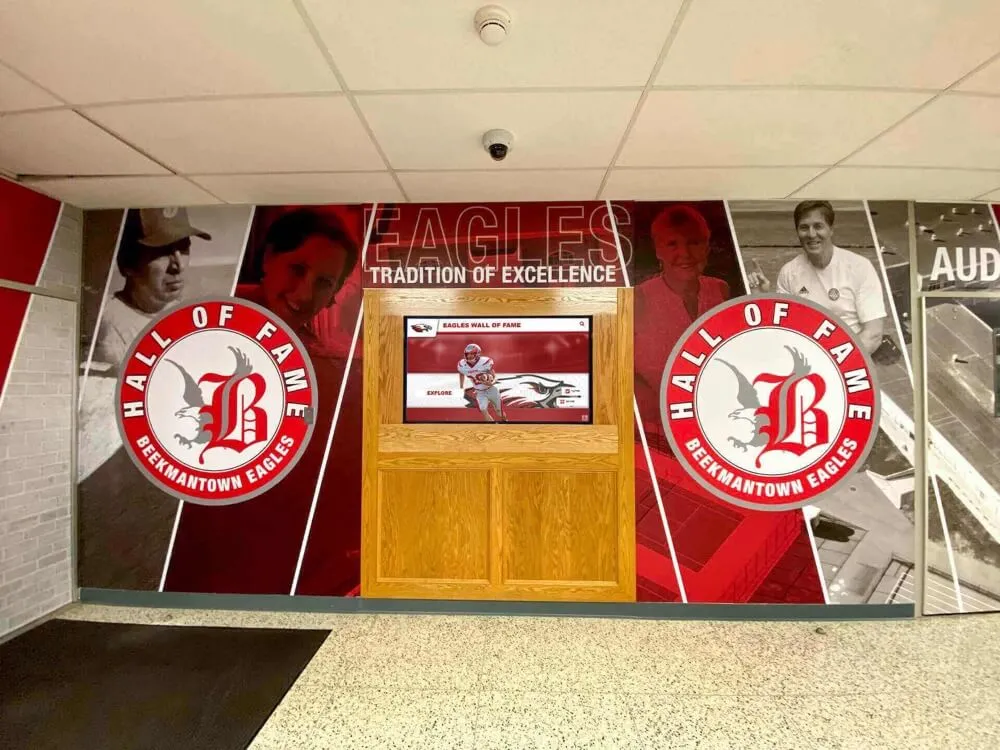
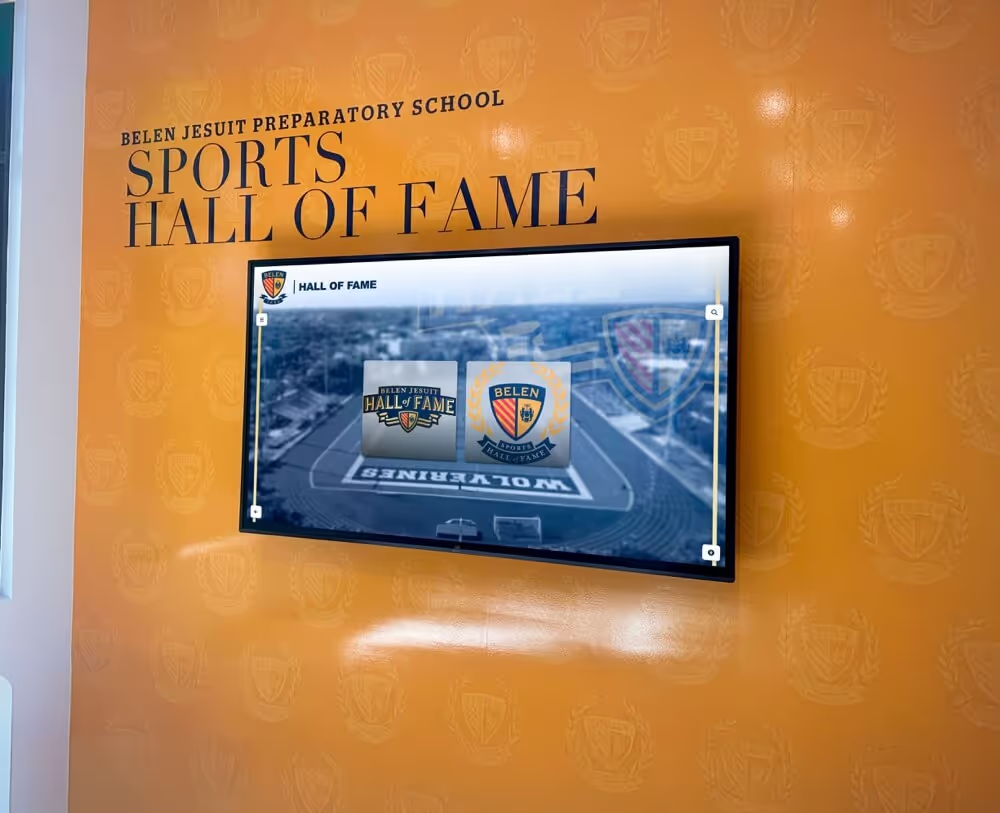
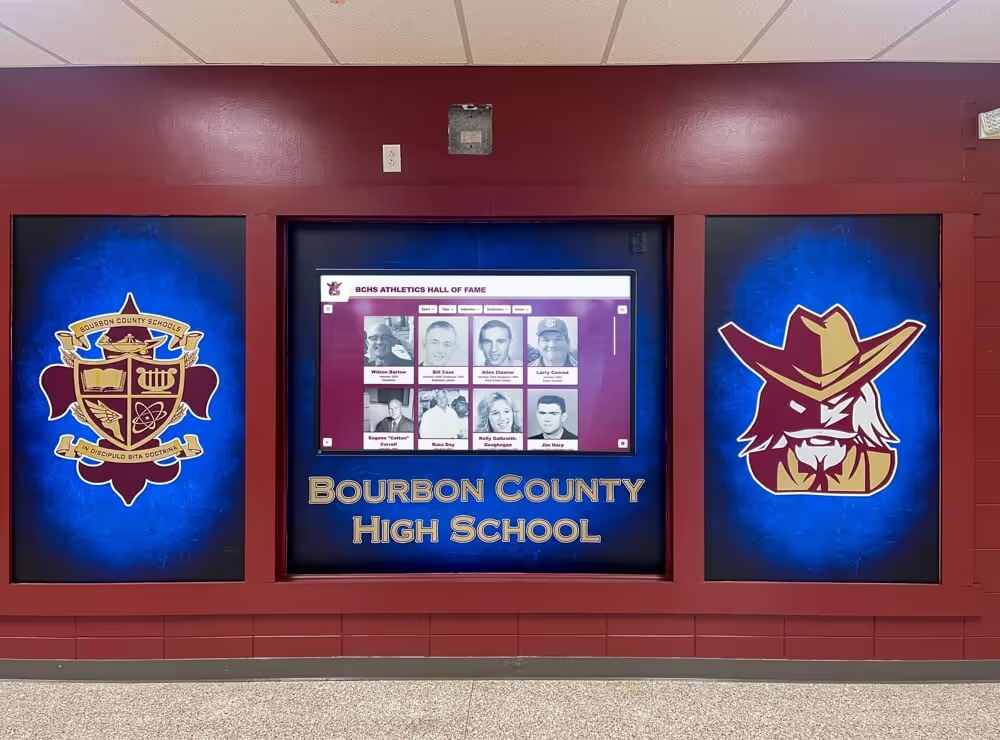
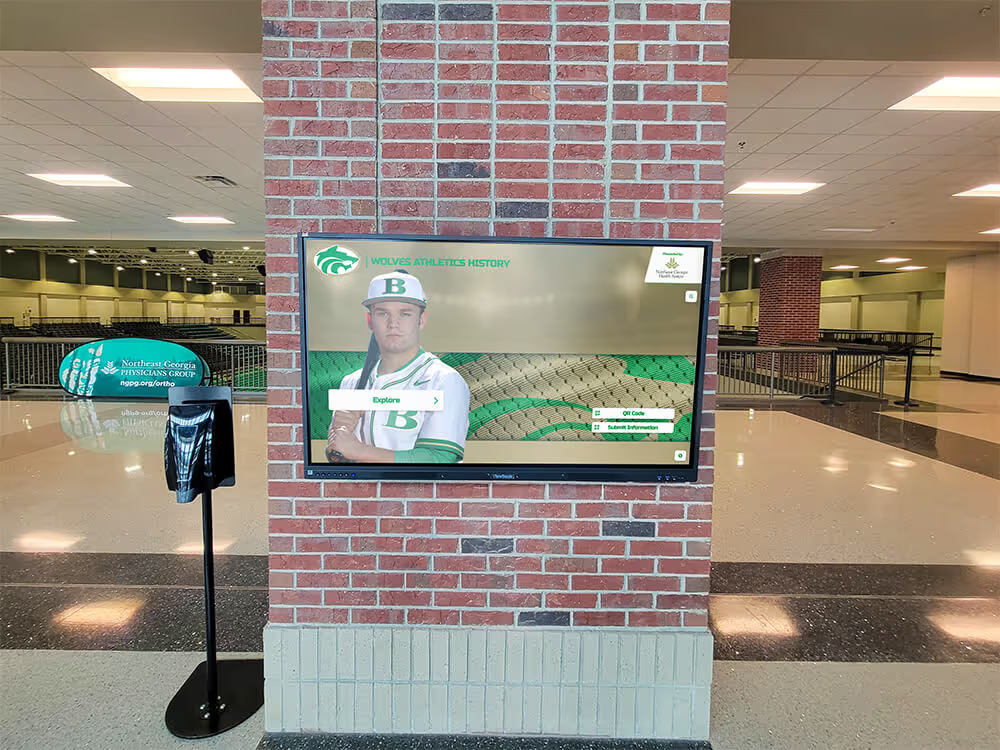
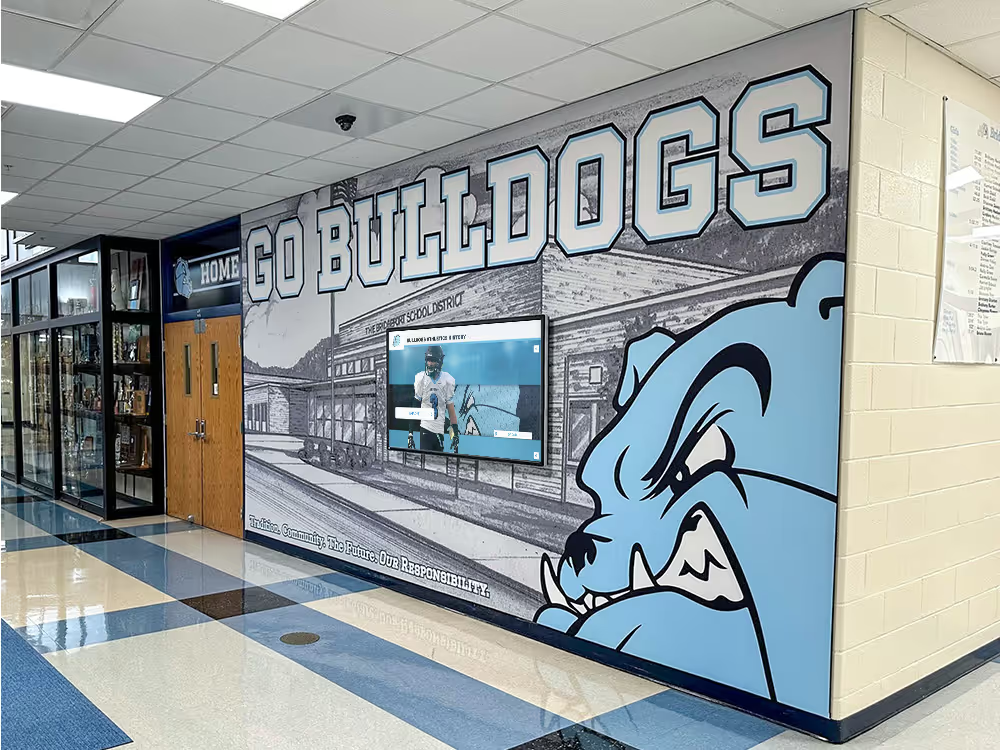
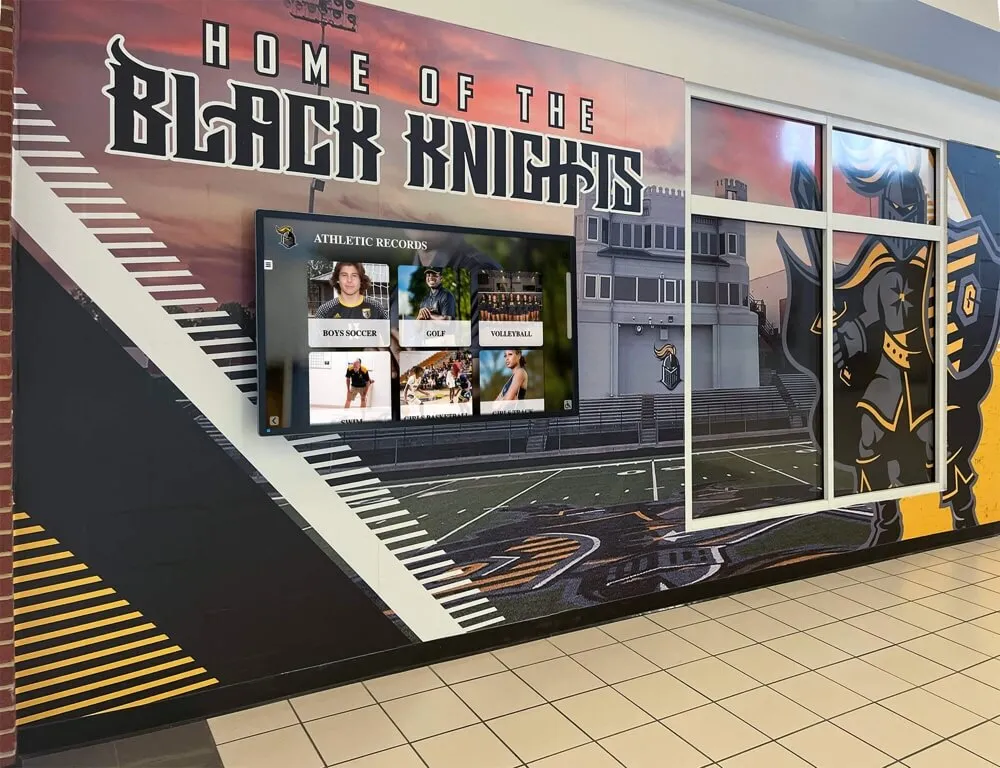
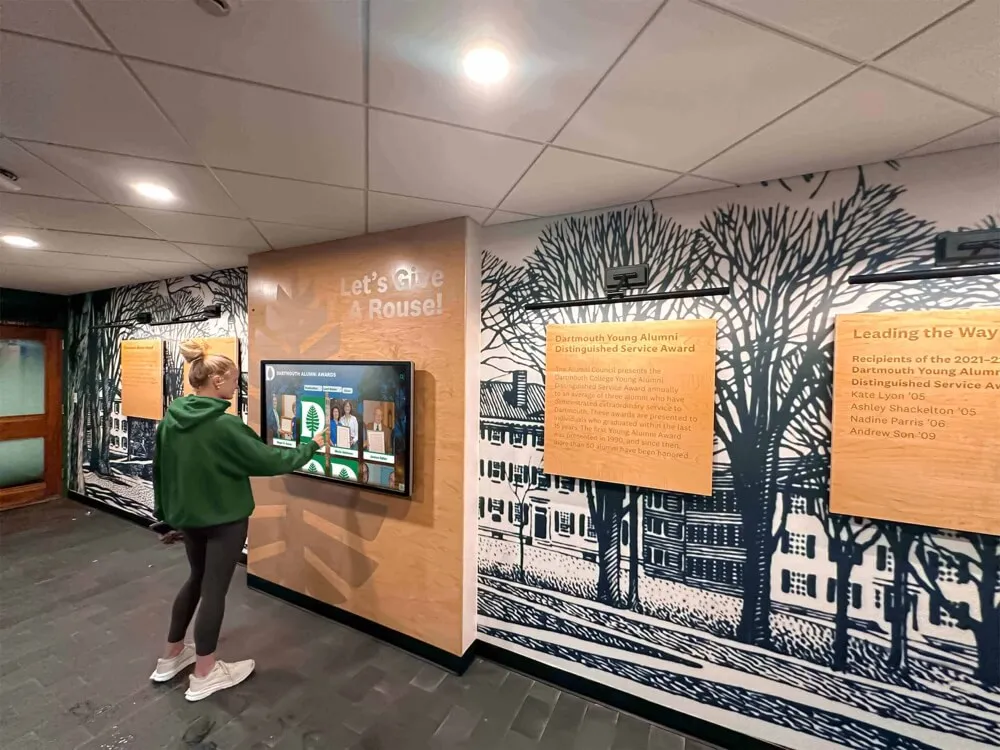
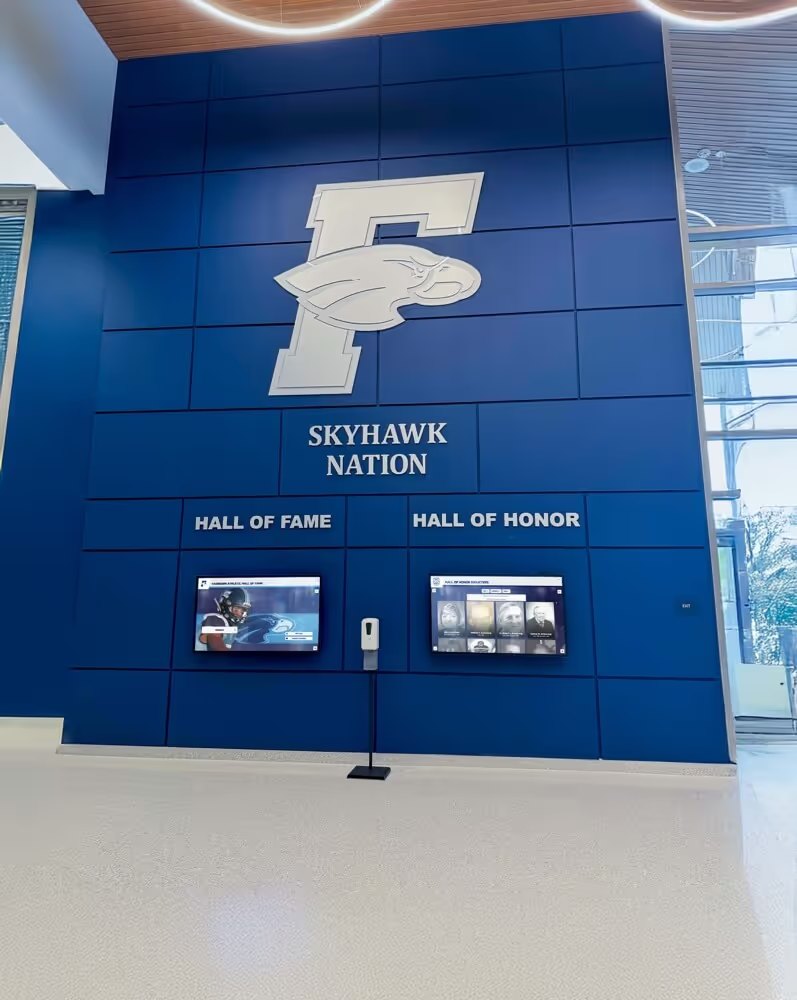
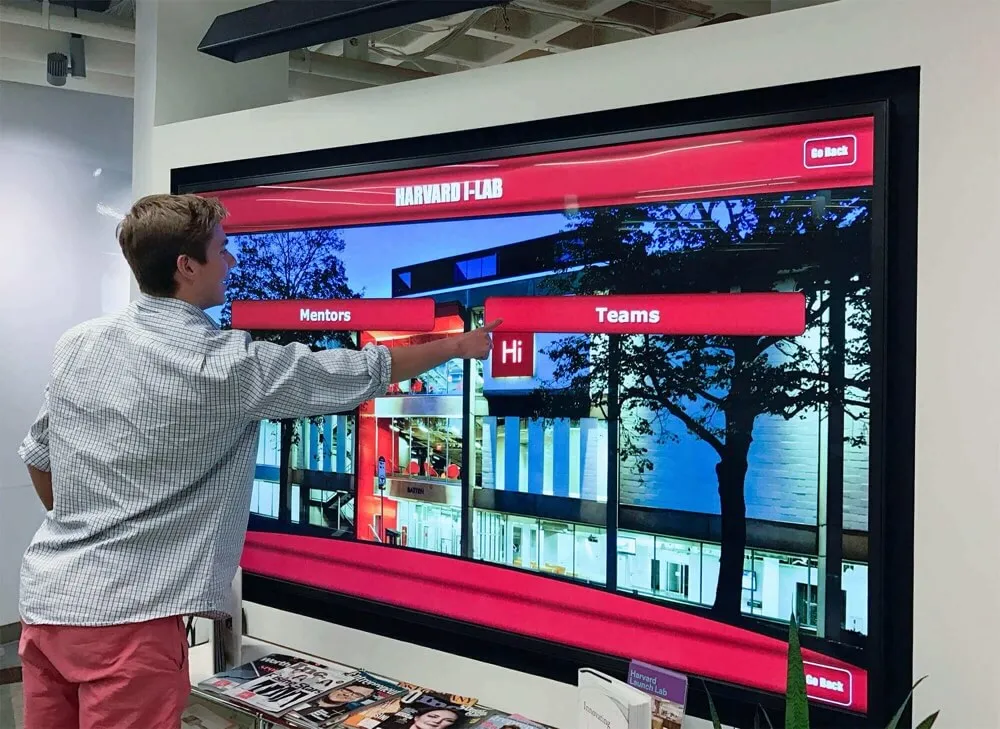
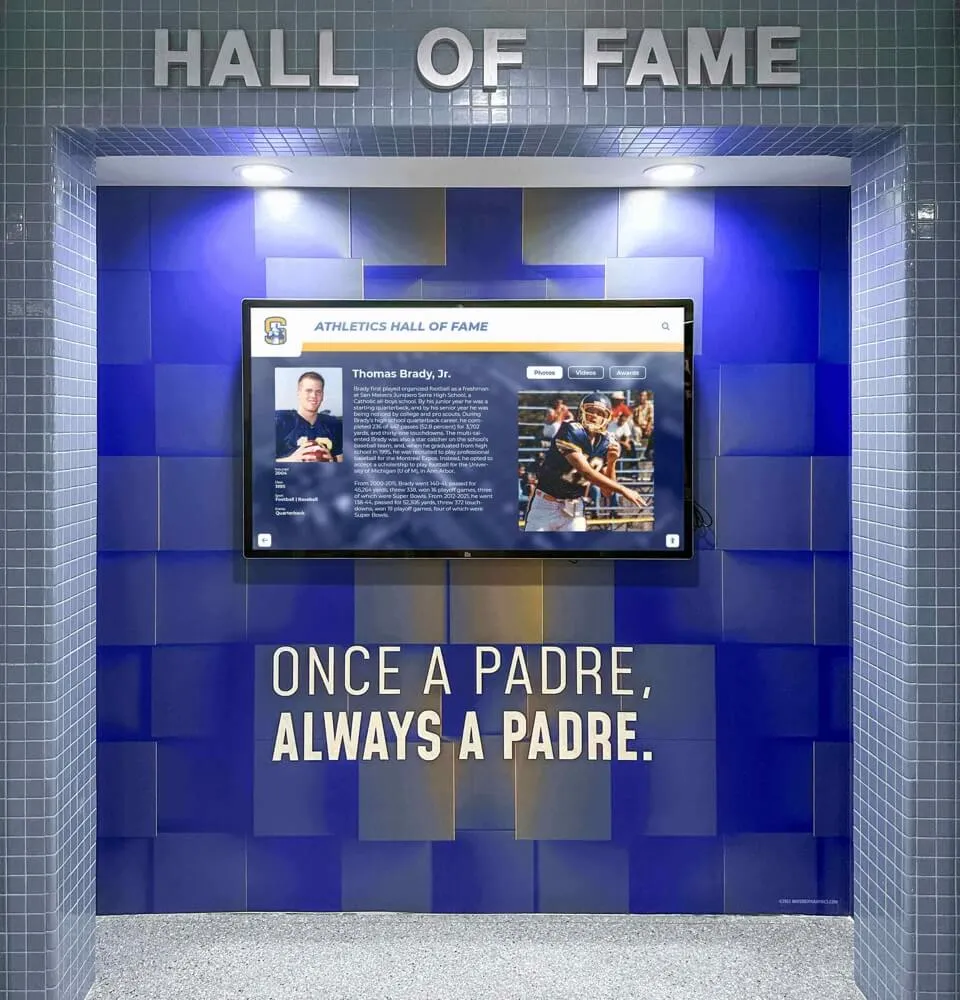
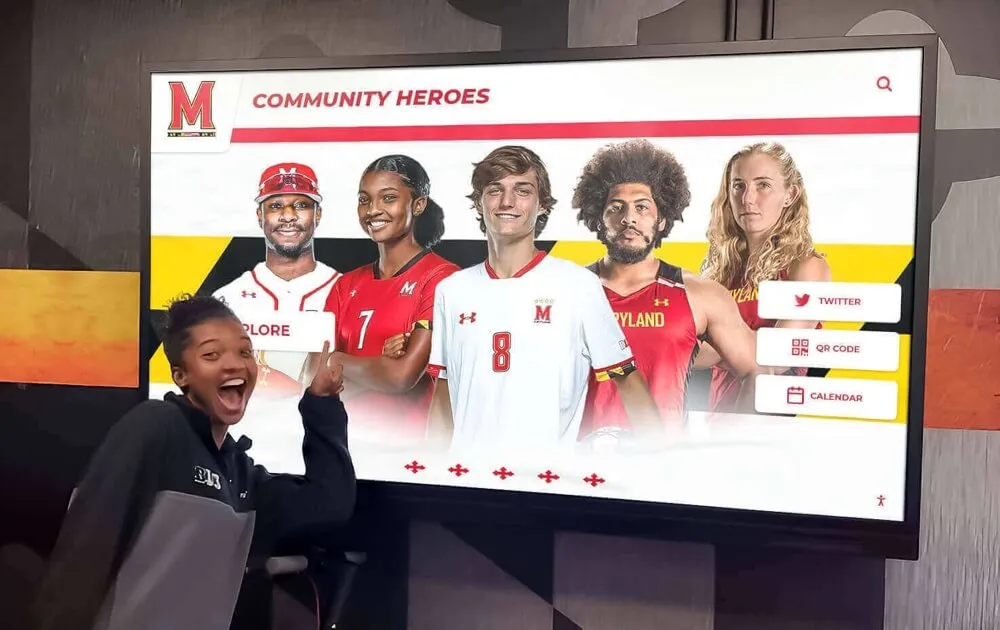
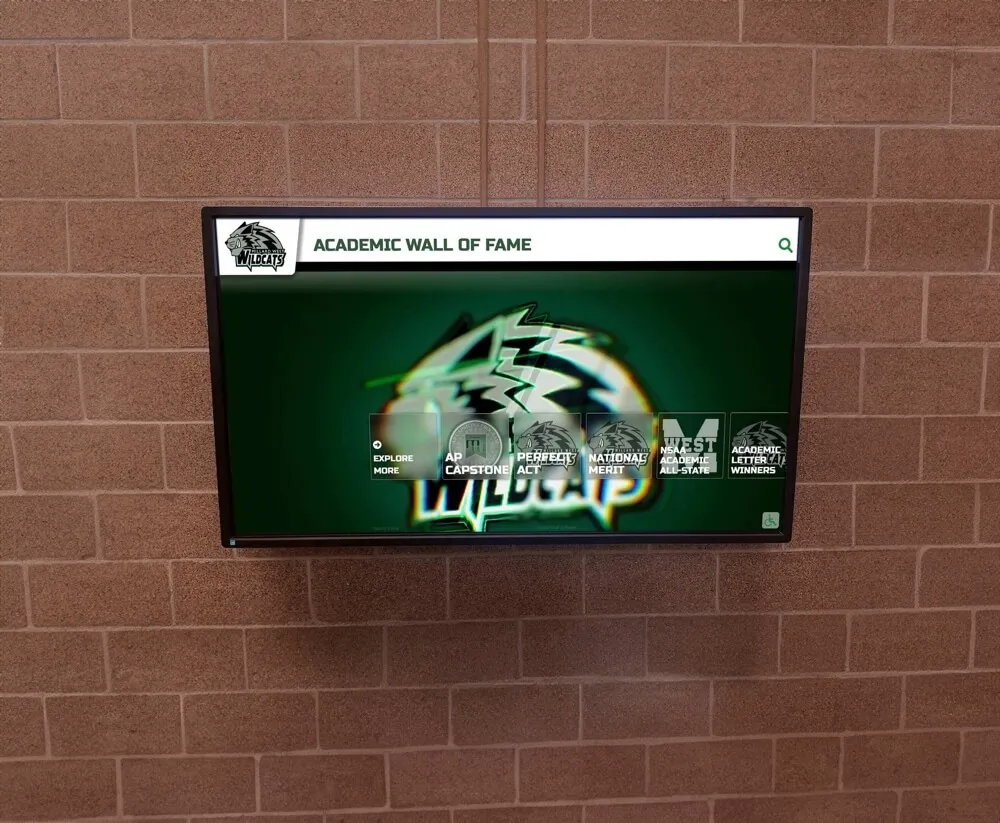
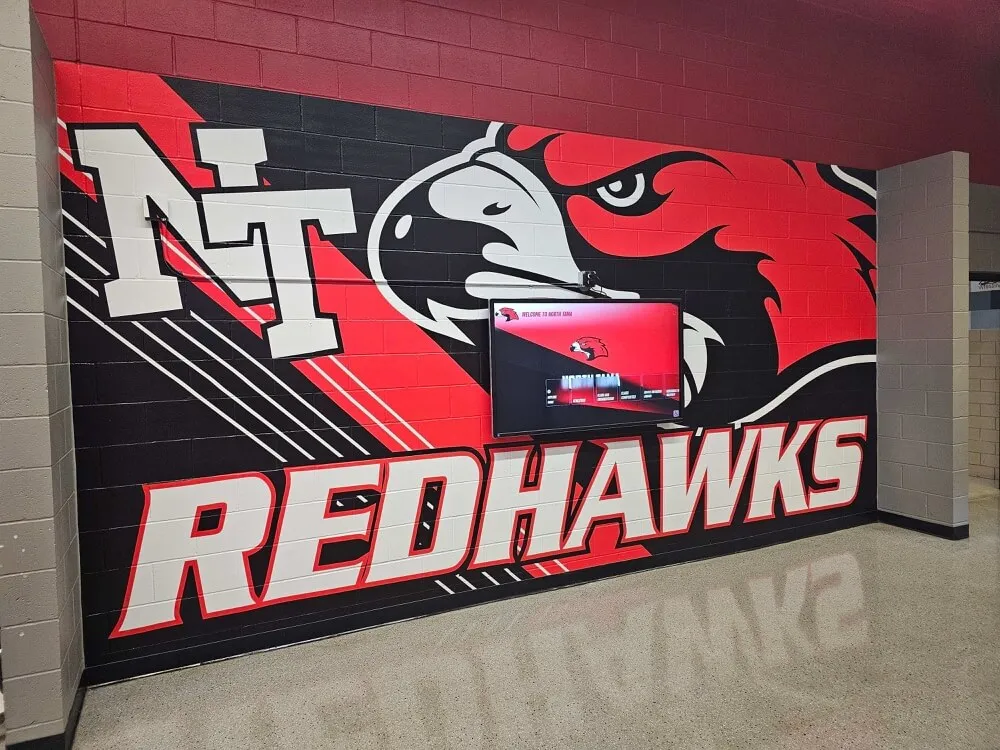
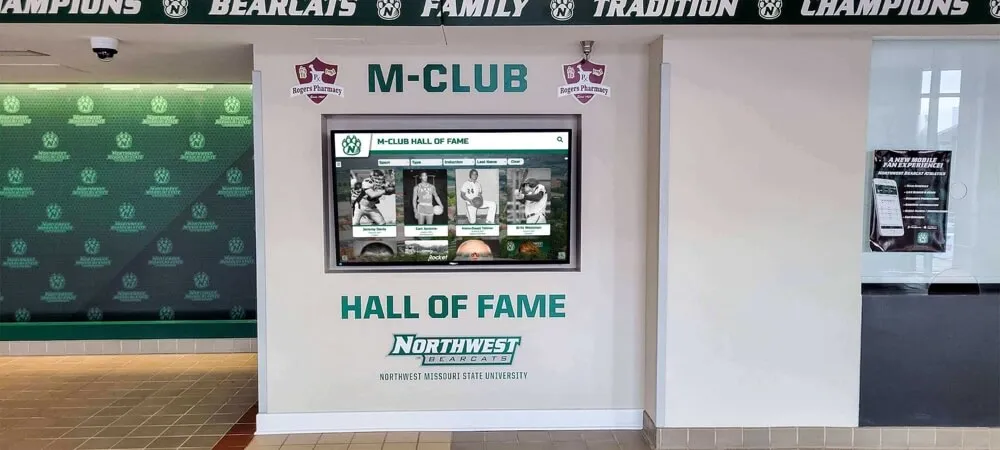
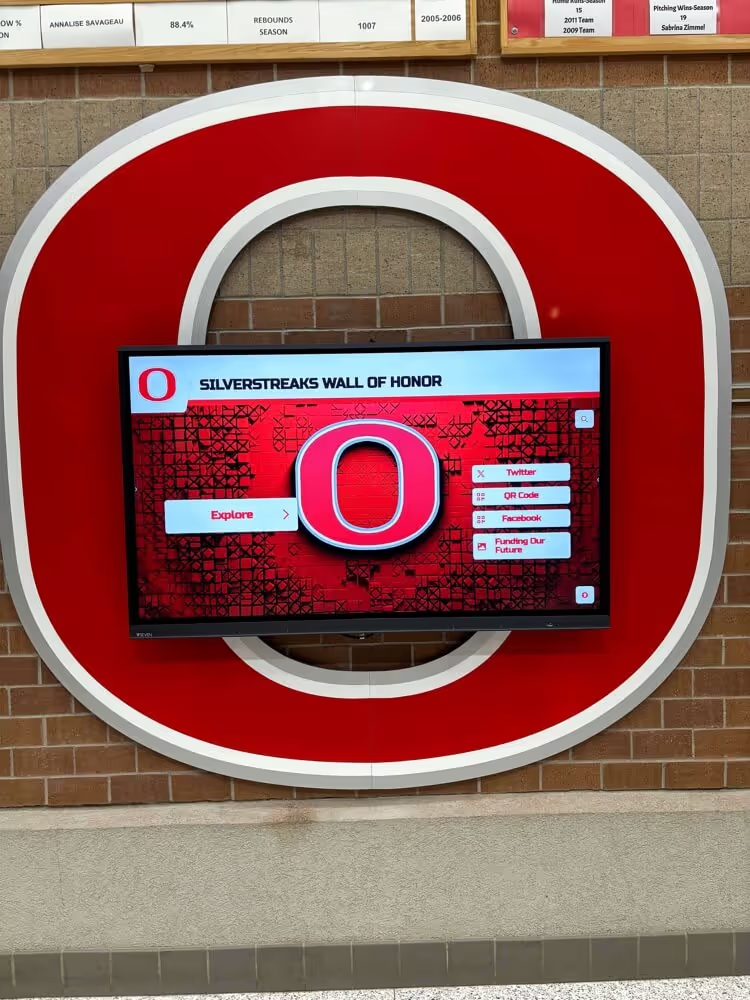
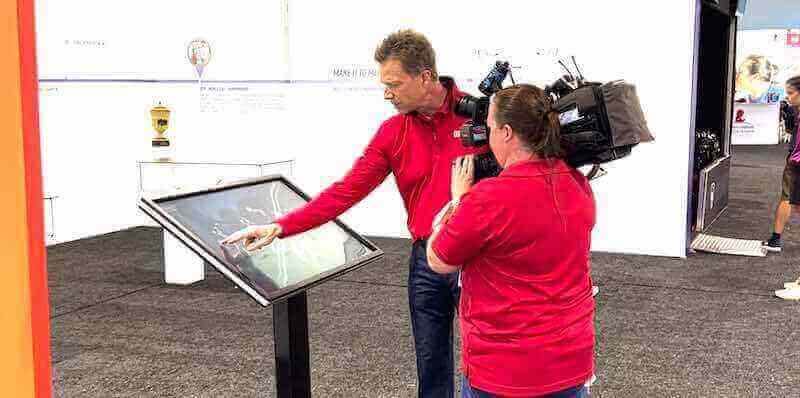
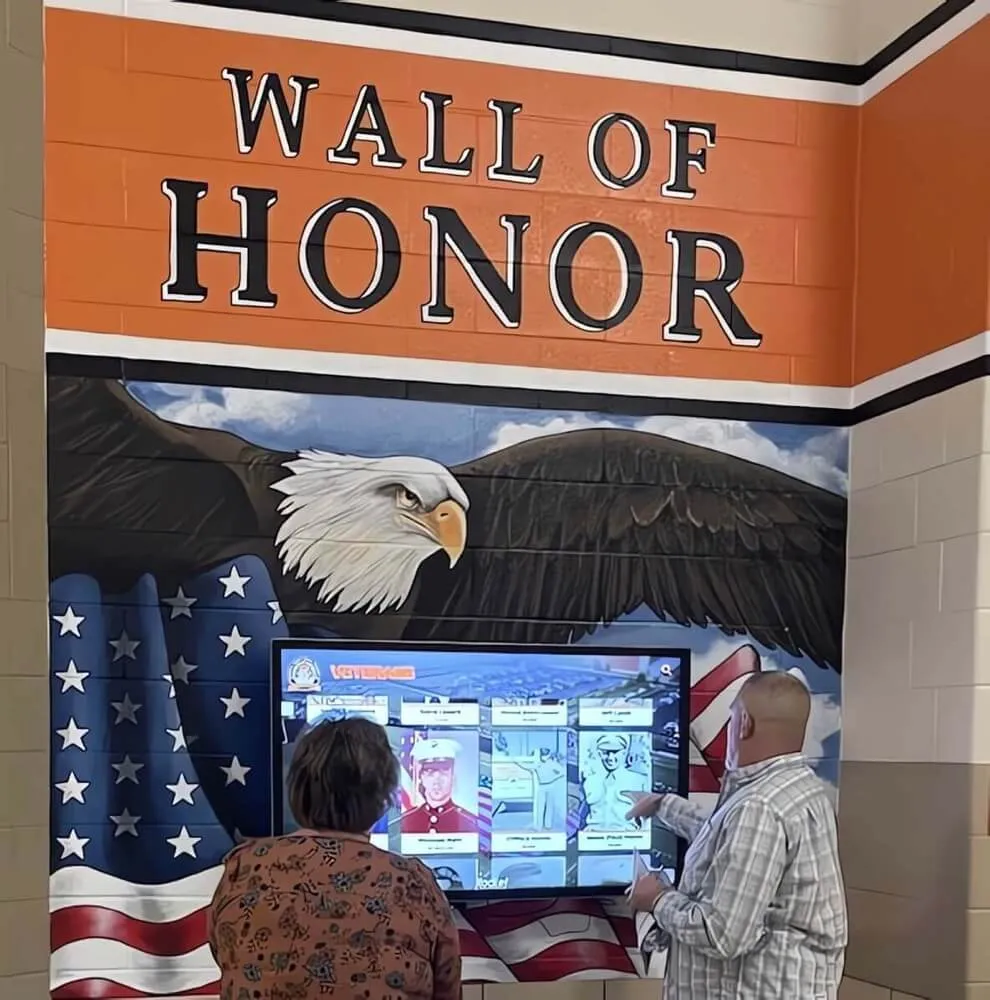
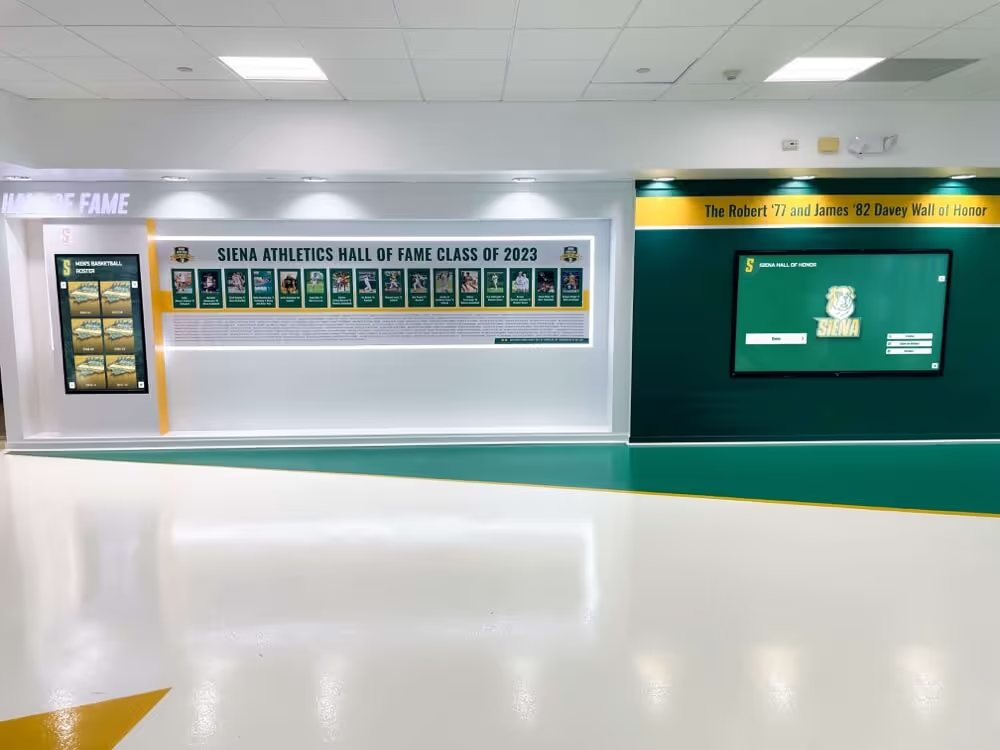
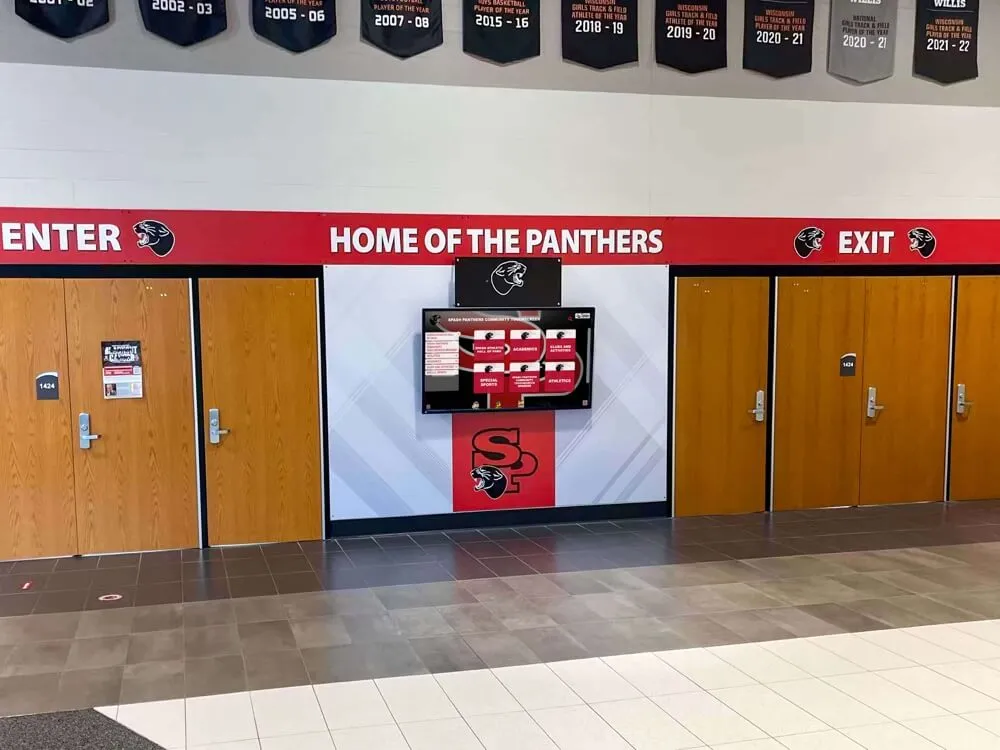
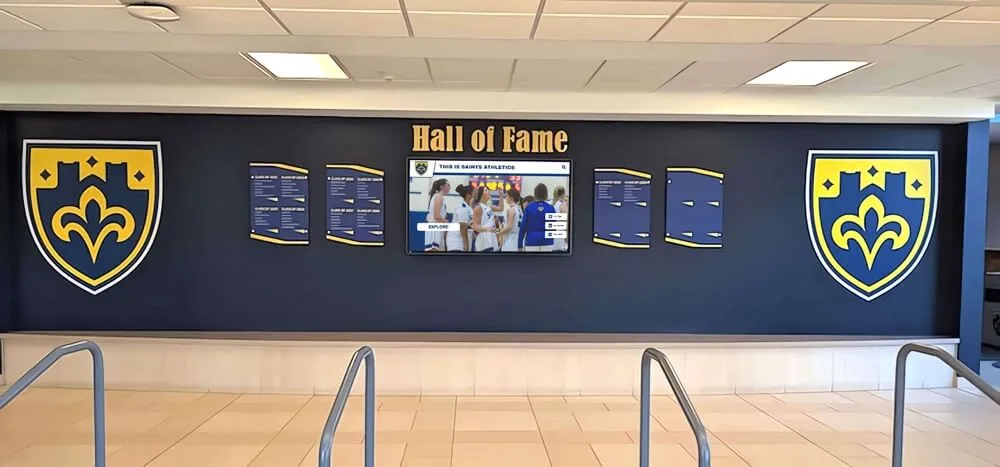
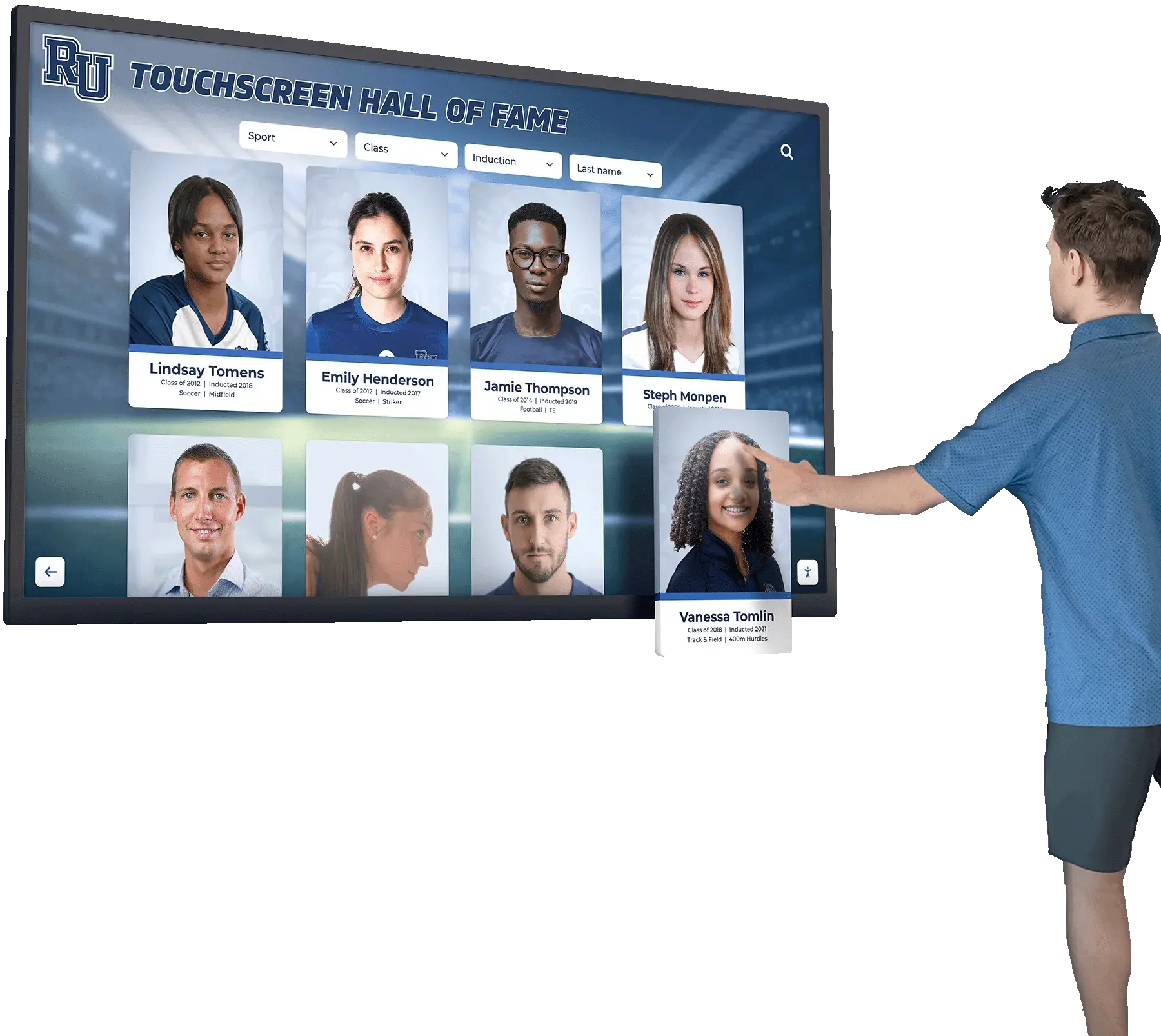
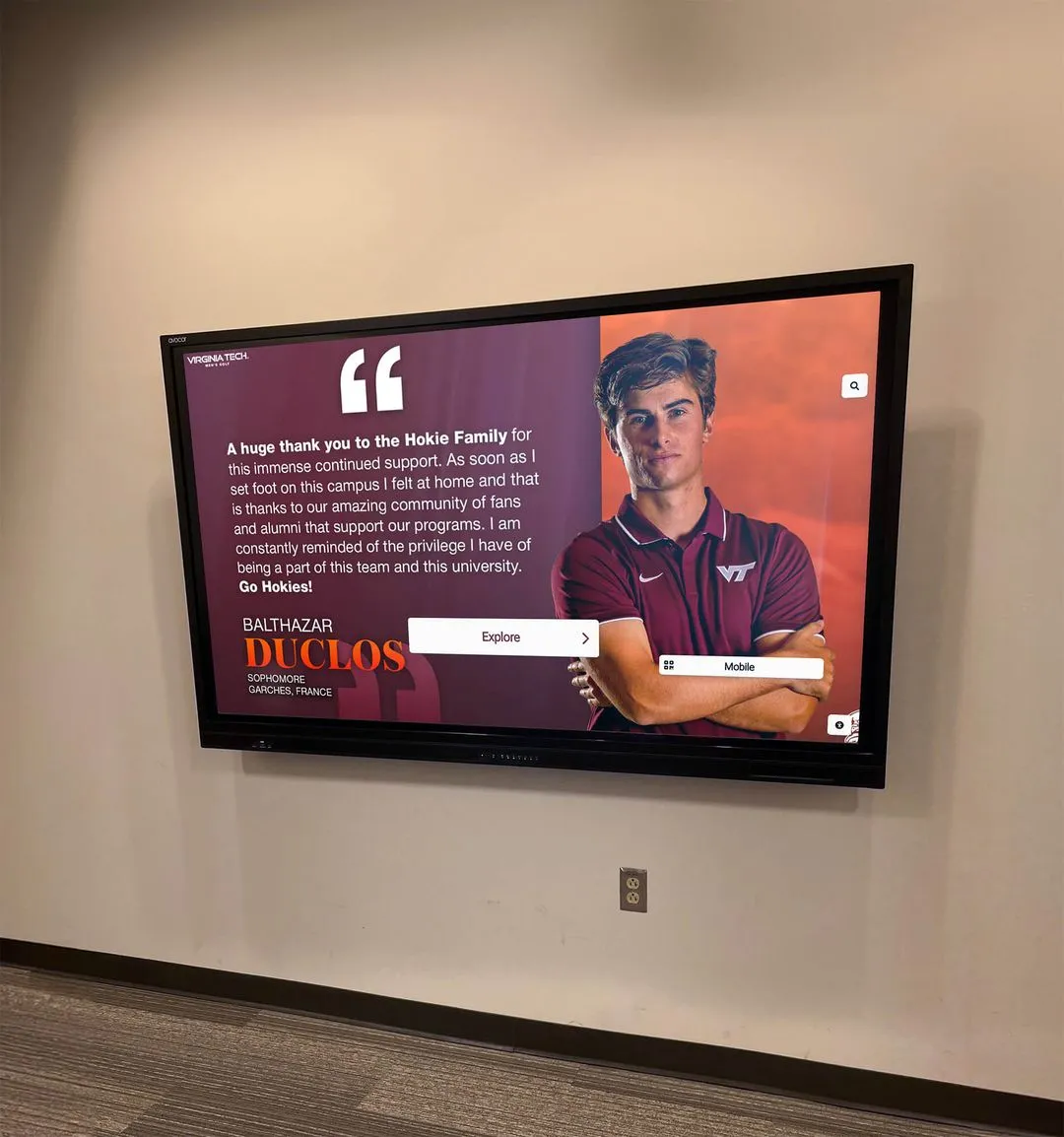
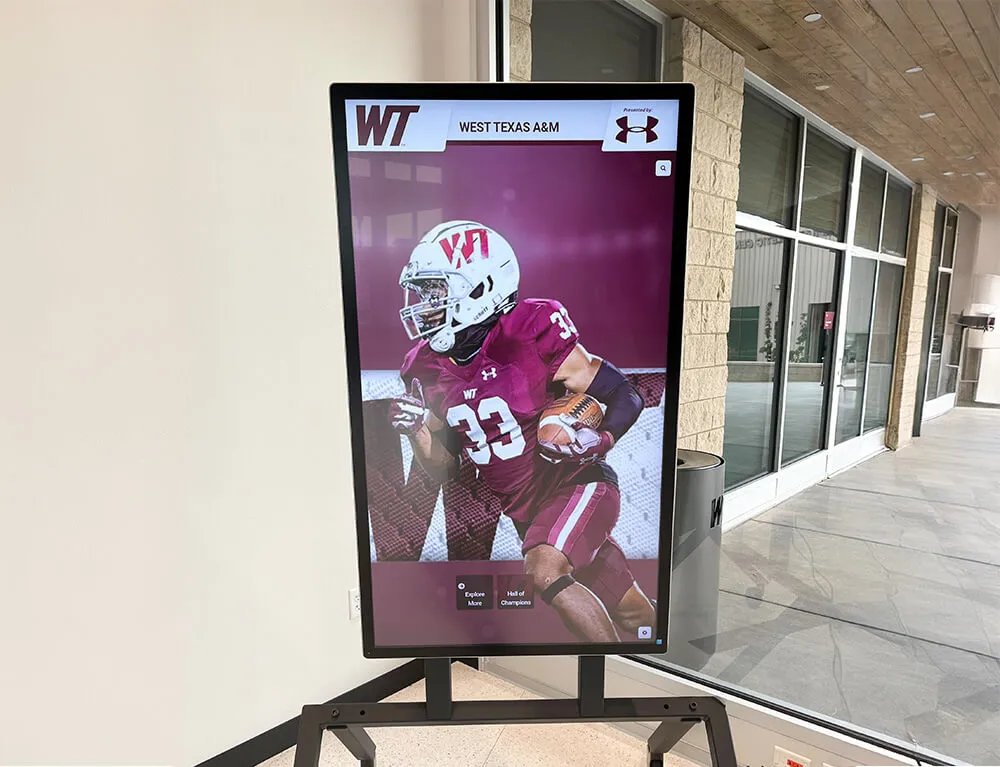
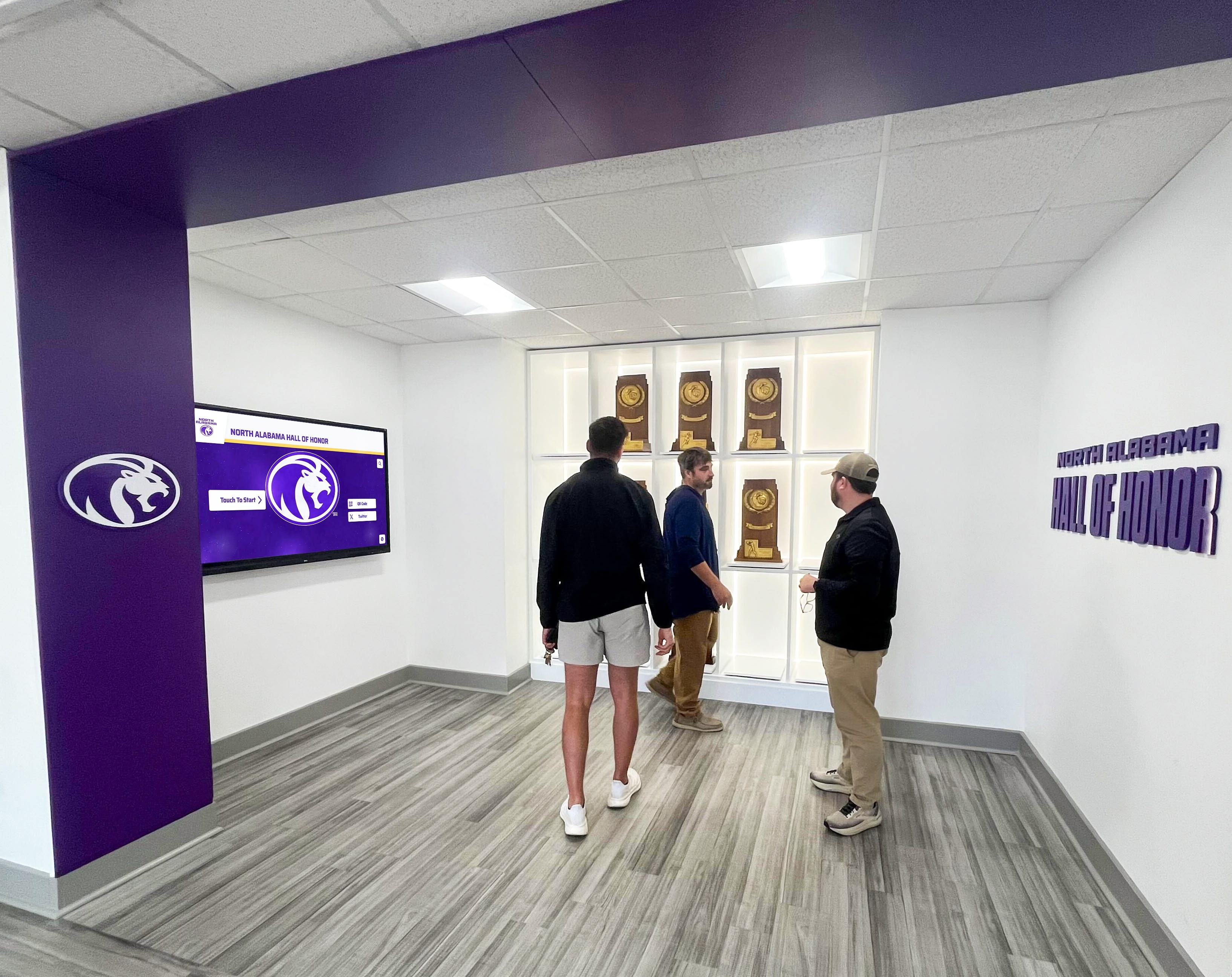
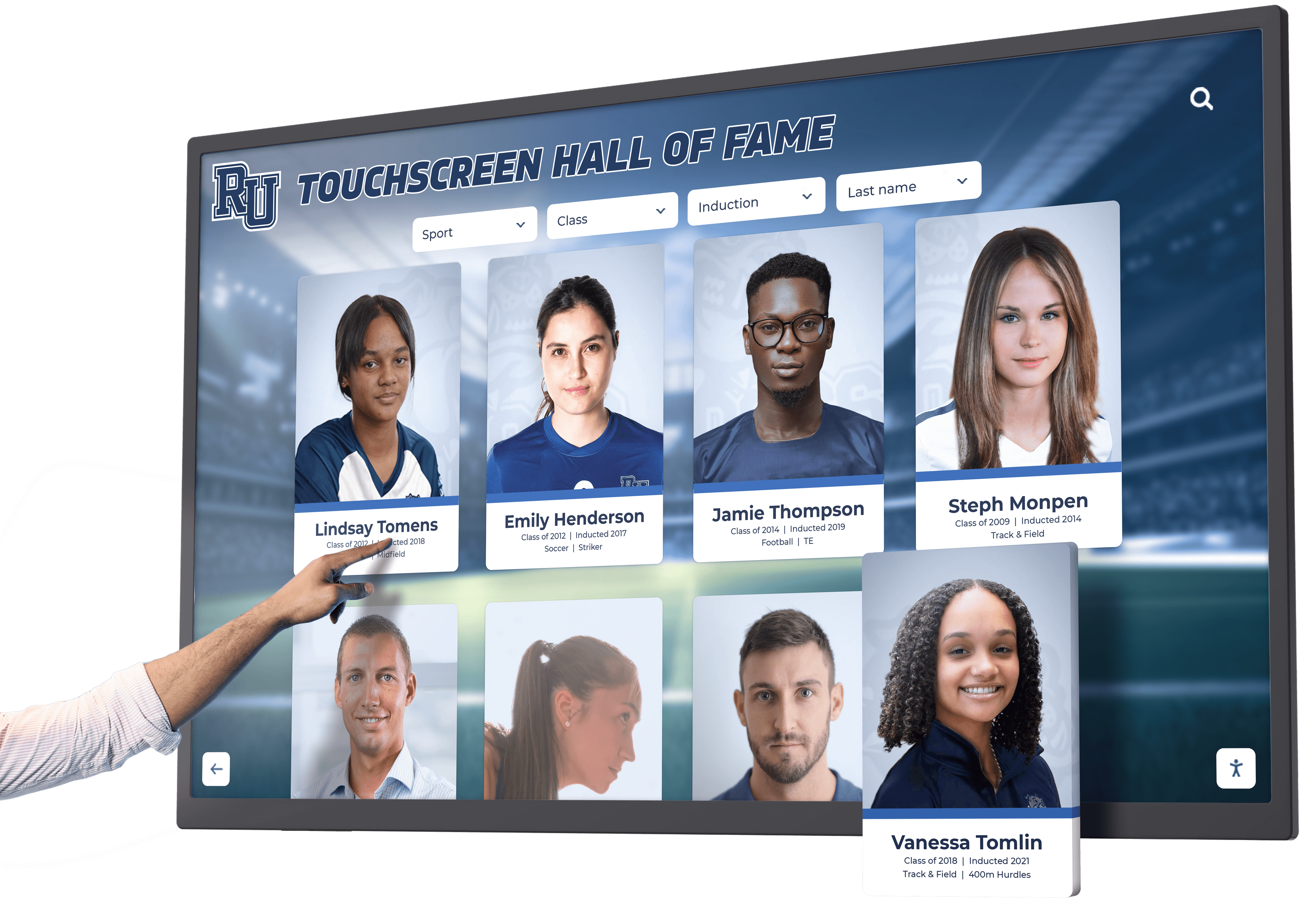
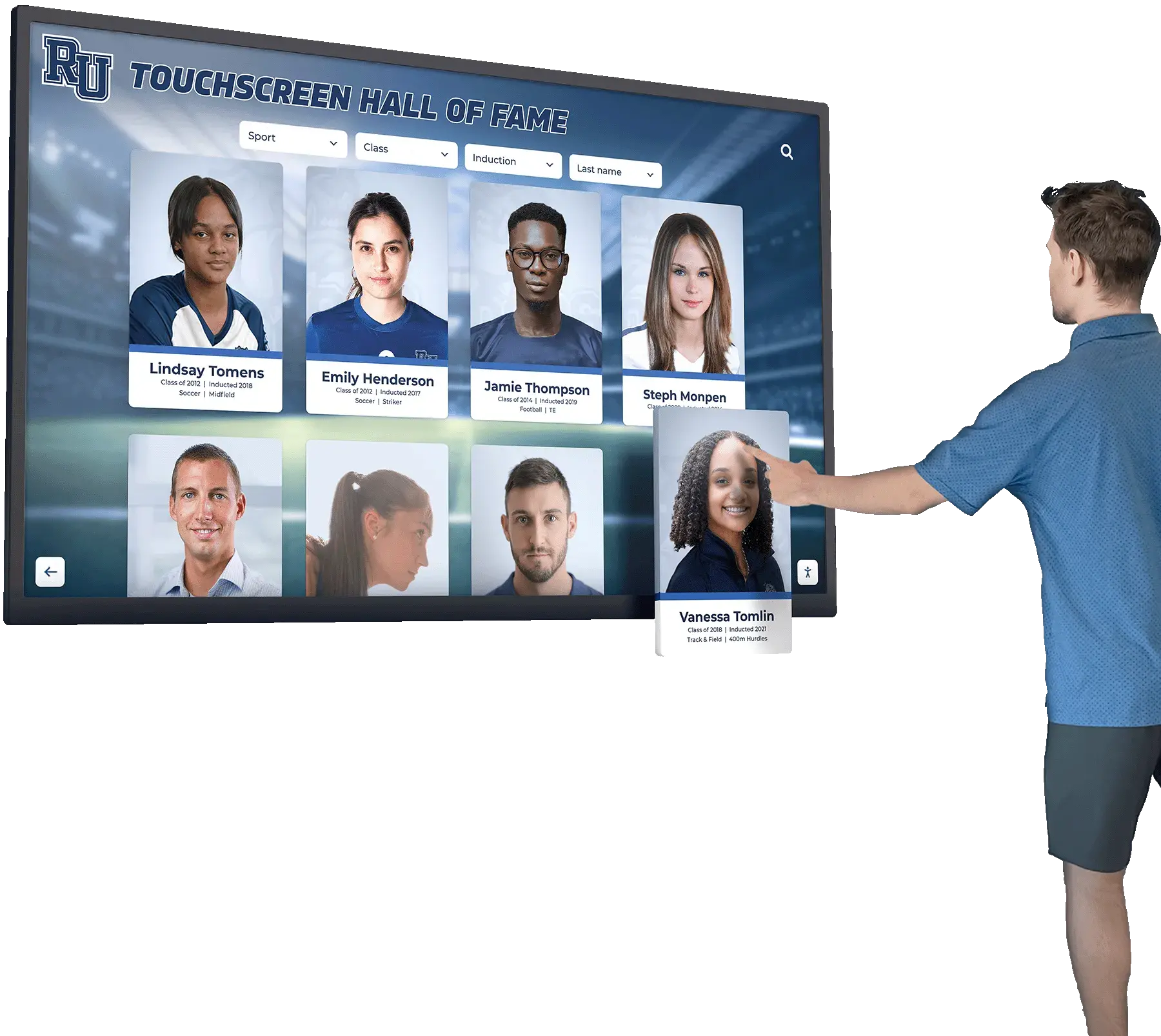
Static trophy cases and framed photos communicate program history, but interactive digital displays transform how alumni engage with that history. Touchscreen platforms allow former athletes to search for their own profiles, browse team records by sport and season, watch historical video footage, and explore the full scope of their program’s achievements in ways that paper programs and mounted plaques cannot match.
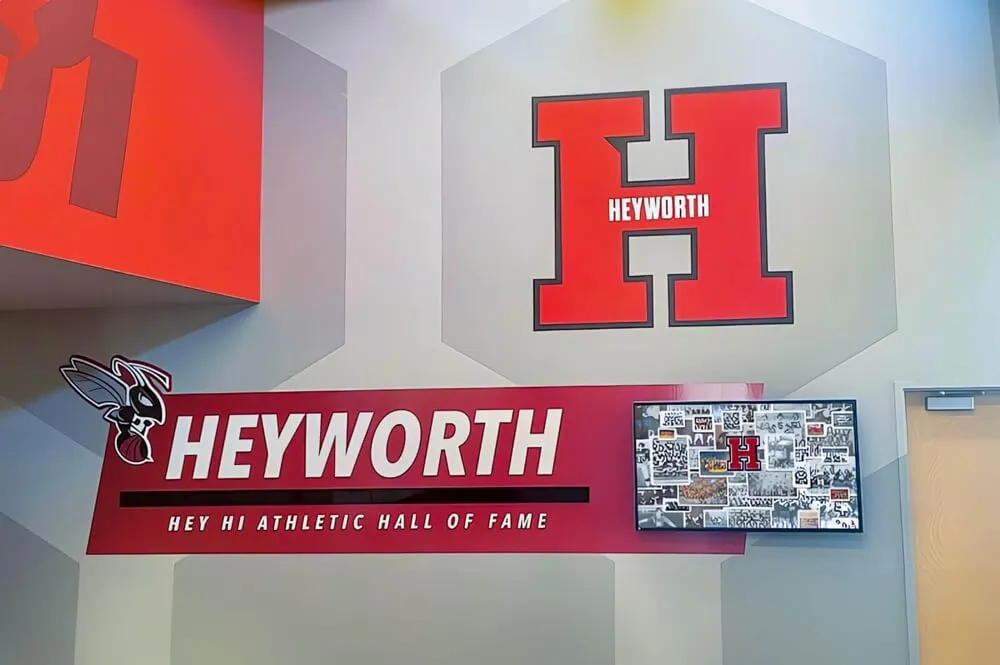
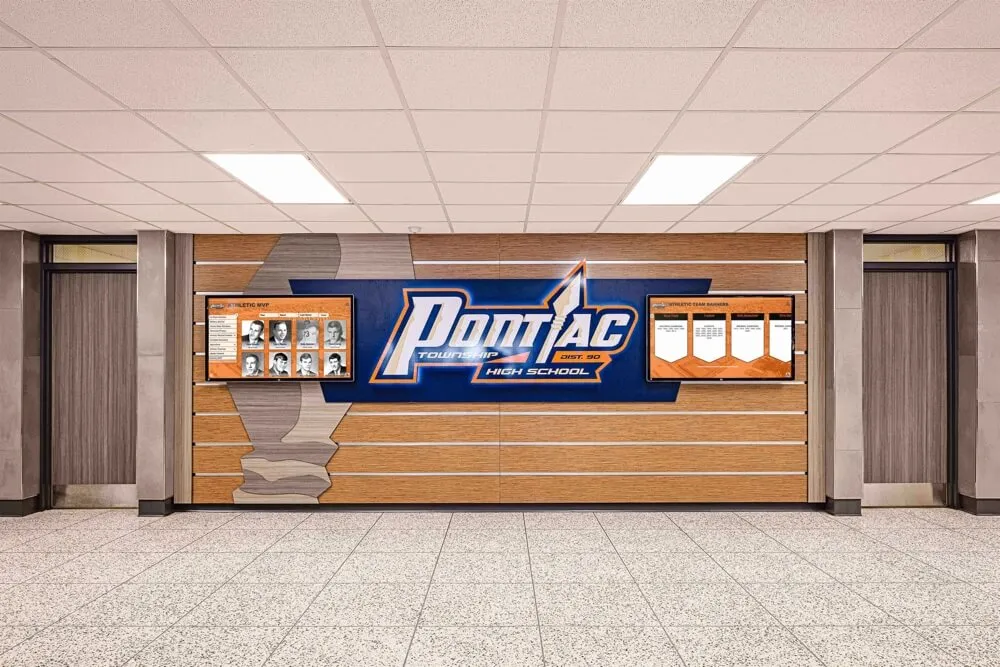
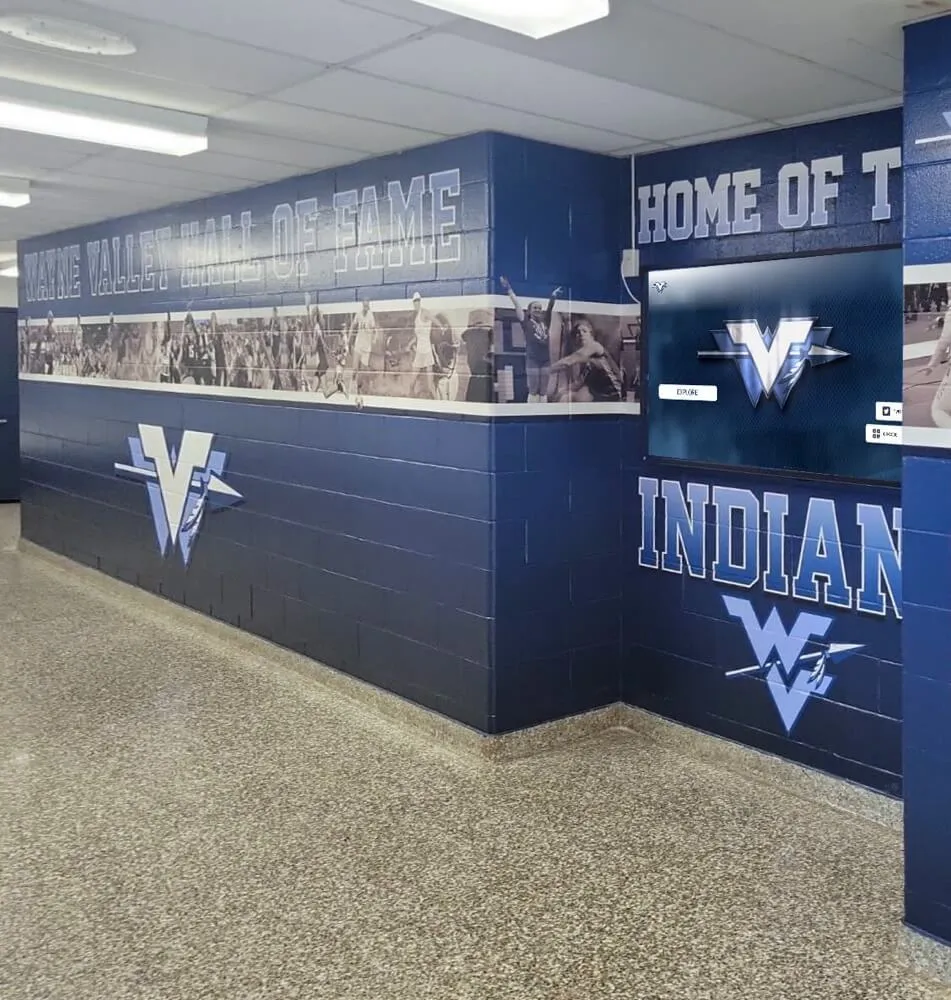
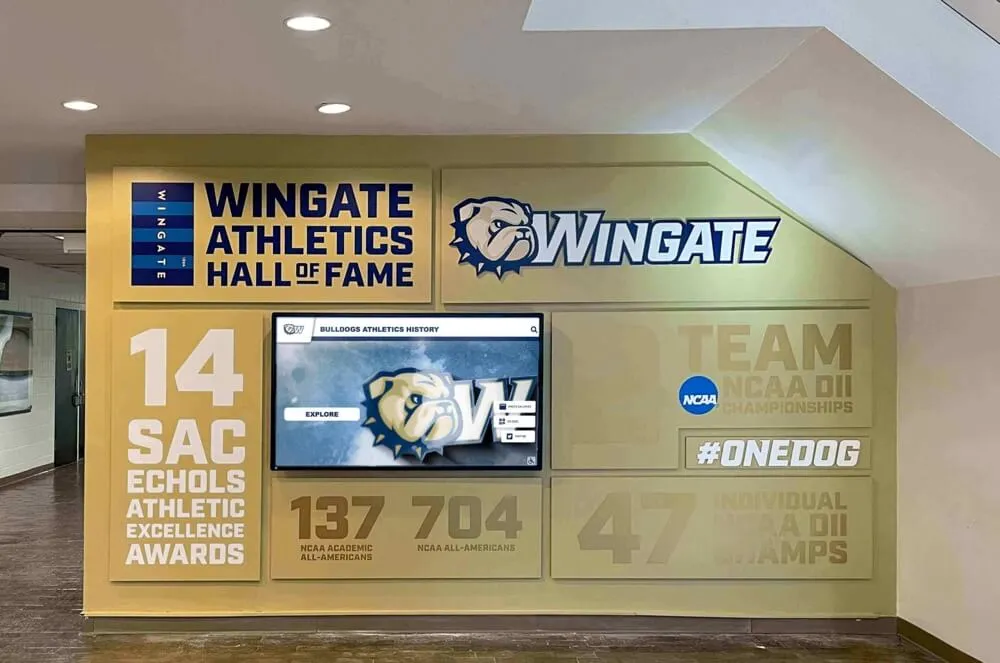
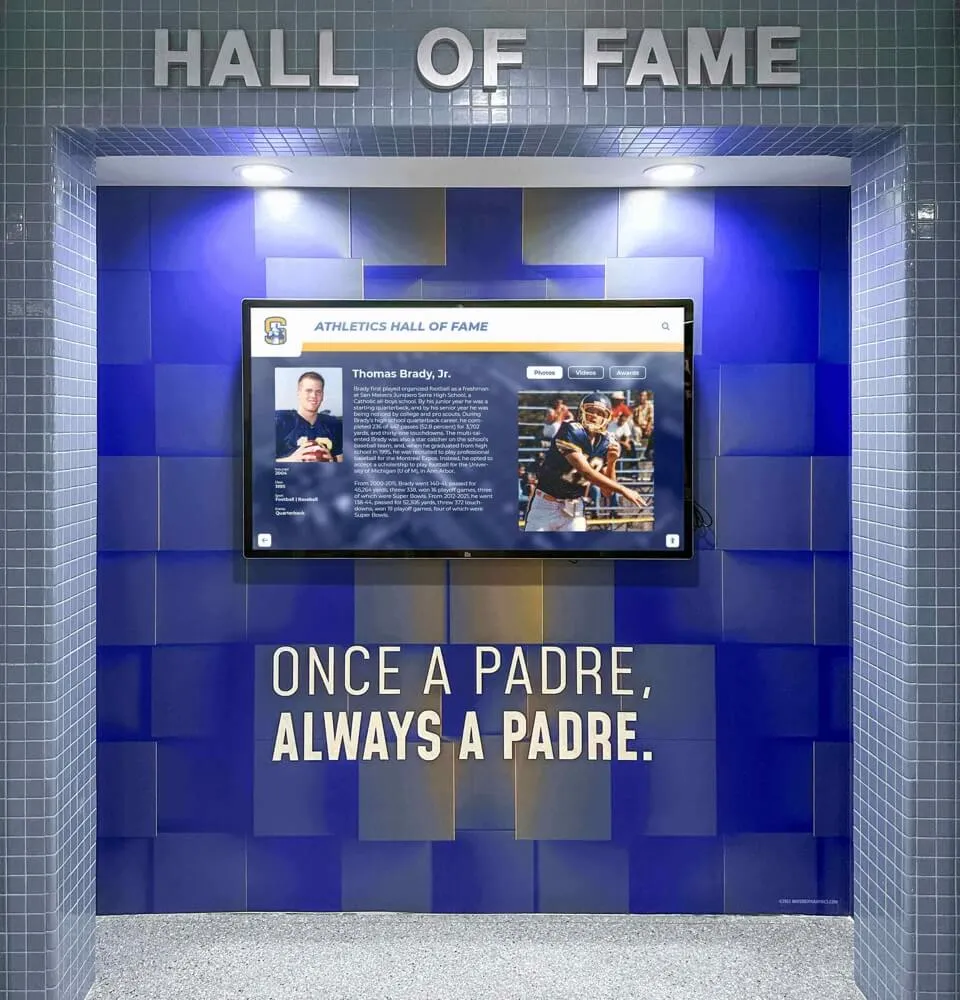
Schools that have invested in alumni wall displays connecting past and present athletes often report that these installations become the most-visited stations during reunion events. Former athletes spend time finding their own profiles, showing their families their old photos, and discovering classmates’ accomplishments in other sports. These moments of recognition—seeing your own name and photo featured alongside the program’s greatest achievements—create emotional connections that drive long-term alumni loyalty.
Solutions like Rocket Alumni Solutions provide interactive touchscreen platforms purpose-built for athletic and institutional recognition. These systems allow schools to feature unlimited alumni profiles, organize achievements by sport and graduation year, display championship records and historical team photos, and update content remotely as new honorees are added over time. During reunion events, these installations become gathering points where alumni spend fifteen to twenty minutes exploring program history, sharing stories with family members they’ve brought, and discovering connections between different eras of the program.
If your school is evaluating options, consulting a comprehensive athletic hall of fame display software buyers guide can help you understand the full range of features to consider—from content management tools to accessibility compliance to integration with existing athletic department databases.
Phase 6: Integrating Fundraising and Development
Athletic alumni reunions and fundraising exist in productive tension: push too hard on philanthropy and the event feels transactional; ignore it entirely and you leave significant institutional value on the table. The goal is to make giving feel like a natural expression of the pride alumni already feel—not a toll booth they have to pass.
Stewardship-First Approach
Before any ask, demonstrate impact. Share specific stories about how existing donations have supported current athletes: scholarship recipients who couldn’t have attended without financial aid, facility upgrades made possible by a major gift, or equipment purchases that leveled the playing field for your program. Alumni who see their prior giving acknowledged and their impact made tangible are far more receptive to future opportunities.
Recognize donors at the reunion itself—acknowledge their contributions from the stage, include their names in printed programs, and if your school has a donor recognition display, point alumni toward it and ensure it’s prominently positioned in event spaces.
Natural Giving Opportunities
Create moments where giving feels connected to the emotional experience of the event rather than disconnected from it. Announce a reunion-week class giving challenge during the ceremony. Launch an endowed scholarship in honor of a beloved former coach. Unveil a capital campaign for an athletic facility renovation.
State qualifier recognition programs that celebrate athletes who reach the highest competitive levels demonstrate to donors that their investments are producing results—a compelling stewardship message that reinforces why athletic programs deserve ongoing philanthropic support.
Athlete recognition displays that prominently feature program alumni who achieved professional or collegiate success serve a dual purpose: they honor individual achievement while demonstrating the pipeline of excellence that makes your program worth supporting.
Phase 7: Post-Reunion Follow-Up and Relationship Cultivation
The reunion ends when guests walk out the door, but the relationship-building it started doesn’t have to. Thoughtful post-event follow-up converts a one-night experience into ongoing alumni engagement.
Immediate Follow-Up (Within One Week)
Send personalized thank-you notes—or at minimum personalized emails—to attendees within five days of the event. Hall of fame inductees and major donors deserve handwritten notes or phone calls from senior administrators or athletic directors. Include photos from the evening where possible; images of alumni engaged in recognition moments make follow-up communications feel genuinely personal rather than automated.
Share a brief post-event recap with attendees: total attendance, amount raised if applicable, new hall of fame inductees, and any announcements made during the program. This recap reinforces the significance of the event while providing content for institutional social media and alumni communications.
Building Long-Term Engagement
Use the reunion as a launch point for ongoing athletic alumni programming rather than treating it as a standalone event. Establish an athletic alumni council that meets periodically to plan future events, support current athletes through mentorship, and advise on program development.
Create a digital community—whether a private social media group, an alumni network platform, or simply a shared email list—where reunion attendees can maintain connections established during the event. Many of the mentorship relationships and professional connections initiated at athletic alumni reunions develop most fully in the weeks and months following the gathering.
Plan your next reunion before the current one ends. Announce the date from the stage, recruit volunteers for the next planning committee on the spot, and capitalize on the emotional energy in the room to build momentum while it’s highest.
Making Your Athletic Alumni Reunion a Lasting Tradition
Schools with the strongest athletic cultures don’t treat reunions as occasional events—they treat them as recurring traditions. Annual or biennial reunion programming creates momentum: each event builds the alumni contact database, strengthens community connections, and makes the next gathering easier to organize and better attended than the last.
The most enduring athletic alumni reunion traditions share a few common features: predictable timing that alumni can plan around years in advance, consistent recognition programming that maintains standards and meaning across editions, physical and digital recognition infrastructure that grows with each cycle, and a genuine commitment to honoring the full range of athletic accomplishment rather than only the most celebrated names.
When former athletes know that their program treats its history with respect—that their names are maintained in searchable displays, that their championship teams receive enduring recognition rather than a single evening of applause—they invest emotionally in ways that drive the mentorship, philanthropy, and community engagement that strong programs depend on.
The investment in planning an exceptional athletic alumni reunion—the timeline, the committee, the recognition displays, the follow-up—pays dividends that extend far beyond a single evening. Former athletes who feel genuinely honored become your program’s most vocal advocates, most committed mentors, and most generous donors. The reunion isn’t just a celebration of what was; it’s infrastructure for what your athletic program becomes next.
Ready to create recognition displays that make your athletic alumni reunion unforgettable? Rocket Alumni Solutions builds interactive touchscreen platforms that bring your program’s history to life—unlimited athlete profiles, searchable by sport and graduation year, featuring championship records, historical photos, and donor recognition. Our displays become the centerpiece of reunion events and remain on your campus year-round, honoring former athletes every time current students and visitors walk through your facility. Contact us to learn how a digital recognition platform can strengthen your program’s legacy and give every athletic alumni reunion a permanent, lasting centerpiece.