For educators and sports professionals considering leadership roles in athletic administration, athletic director salary represents a critical career planning factor. Athletic directors serve as the cornerstone of school sports programs—managing coaches, coordinating facilities, ensuring Title IX compliance, overseeing budgets, and creating recognition systems that celebrate student-athlete achievement. Yet despite the significant responsibilities these positions carry, compensation varies dramatically based on institution type, geographic location, program size, and administrative scope.
Understanding athletic director compensation helps aspiring administrators set realistic career expectations, negotiate competitive offers, and evaluate opportunities strategically. Whether you’re a high school physical education teacher eyeing an AD transition, a college assistant athletic director planning your next career move, or an experienced administrator evaluating new opportunities, comprehensive salary information empowers informed decision-making about career trajectory and professional development investments.
This comprehensive guide examines athletic director salaries across educational levels, explores the factors driving compensation differences, details additional benefits beyond base salary, outlines career advancement pathways, and provides practical negotiation strategies for maximizing earning potential while building programs that honor athletic excellence through both competitive success and meaningful athlete recognition.
Athletic director positions offer more than just competitive compensation—they provide opportunities to shape young athletes’ experiences, build lasting institutional legacies, and lead comprehensive programs celebrating achievement through modern recognition infrastructure. Understanding the complete compensation landscape enables strategic career planning aligned with both financial goals and professional aspirations.

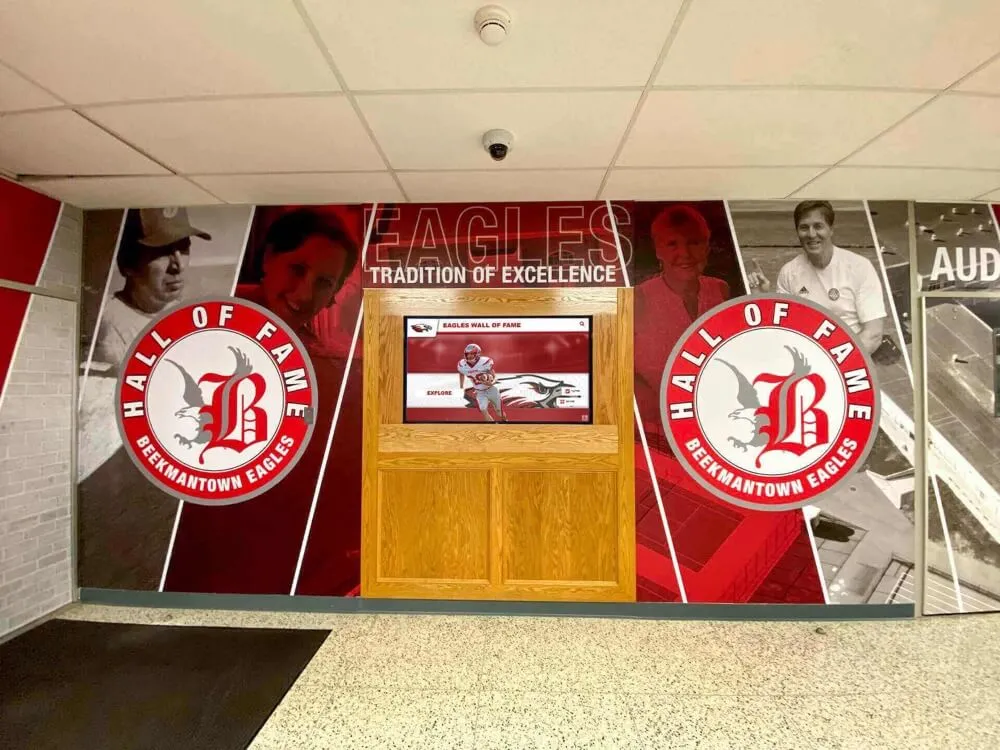
Athletic directors increasingly manage comprehensive recognition systems celebrating athlete achievements through modern digital displays and traditional awards
High School Athletic Director Salary Overview
High school athletic director positions represent the entry point for most athletic administration careers, offering hands-on program leadership while balancing teaching responsibilities at smaller schools or full-time administration at larger institutions.
Average High School AD Compensation
Base Salary Ranges by School Size
High school athletic director salaries vary significantly based on enrollment, program scope, and geographic location:
Small Schools (Under 500 Students): $45,000 - $65,000 annually, typically combining teaching duties with part-time athletic administration. These positions often include stipends added to base teaching salaries rather than dedicated AD compensation.
Medium Schools (500-1,500 Students): $60,000 - $85,000 annually for full-time athletic director positions managing 10-20 sports programs, coordinating multiple coaches, and overseeing facilities used by hundreds of student-athletes.
Large Schools (1,500+ Students): $75,000 - $110,000 annually for comprehensive athletic departments with 20+ sports, significant facility management responsibilities, substantial fundraising expectations, and staffing oversight including assistant athletic directors and support personnel.
These salary ranges reflect 2026 national averages, with considerable regional variation based on cost of living, state education funding models, and local community investment in athletic programs.
Teaching Requirements and Hybrid Positions
Many high school athletic directors maintain classroom teaching responsibilities alongside administrative duties, particularly at smaller schools where budget constraints necessitate multi-role positions. These hybrid appointments typically include:
Part-Time AD/Full-Time Teacher: Base teaching salary ($45,000-$65,000) plus athletic director stipend ($5,000-$15,000), requiring significant after-school and weekend time commitment while maintaining full teaching load.
Full-Time AD/Part-Time Teacher: Primary athletic administration role with reduced teaching assignment (1-3 classes), providing dedicated administrative time while maintaining classroom connection and fulfilling teaching certification requirements.

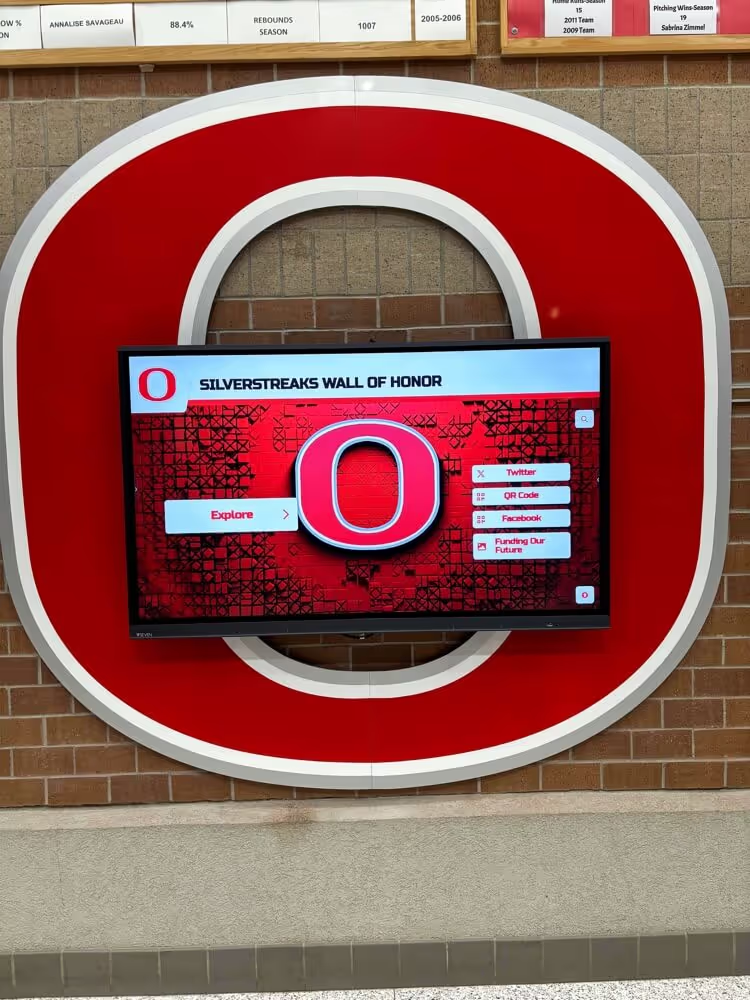
Modern athletic directors manage comprehensive recognition programs showcasing team achievements and individual athlete honors
Geographic Salary Variations
Location significantly impacts high school athletic director compensation. Major metropolitan areas and affluent suburban districts typically offer 20-40% higher salaries than rural districts, though cost of living differences may offset nominal salary advantages.
High-Compensation Regions: Northeastern states, California, Illinois, and affluent suburban districts nationwide frequently offer $80,000-$110,000 for experienced high school athletic directors at competitive programs.
Mid-Range Compensation Regions: Southeastern states, Midwest, and Southwest regions typically provide $55,000-$80,000 for similar positions, reflecting lower cost of living and different state education funding models.
Lower-Compensation Regions: Rural districts, smaller towns, and states with constrained education budgets may offer $45,000-$65,000, often requiring teaching duties to supplement administrative compensation.
High School AD Benefits and Total Compensation
Beyond base salary, high school athletic directors receive benefits packages that significantly enhance total compensation value.
Standard Benefits Packages
Most high school athletic directors employed through public school districts receive comprehensive benefits including:
Health Insurance: Full medical, dental, and vision coverage for employee and dependents, representing $15,000-$25,000 annual value depending on plan quality and family size.
Retirement Contributions: State teacher retirement systems or pension plans typically providing 6-12% employer contribution to retirement funds, with defined benefit pensions offering significant long-term financial security.
Paid Time Off: School calendar alignment providing summers off (though athletic directors often work summer camps, training, and facility projects), plus holiday breaks, sick leave, and personal days totaling 60-80+ days annually.
Professional Development: Conference attendance, certification maintenance, continuing education stipends, and professional organization memberships supporting ongoing skill development.
The total value of benefits packages typically adds 30-40% to base salary, making positions with $70,000 base salary worth $91,000-$98,000 in total compensation when accounting for all benefits.

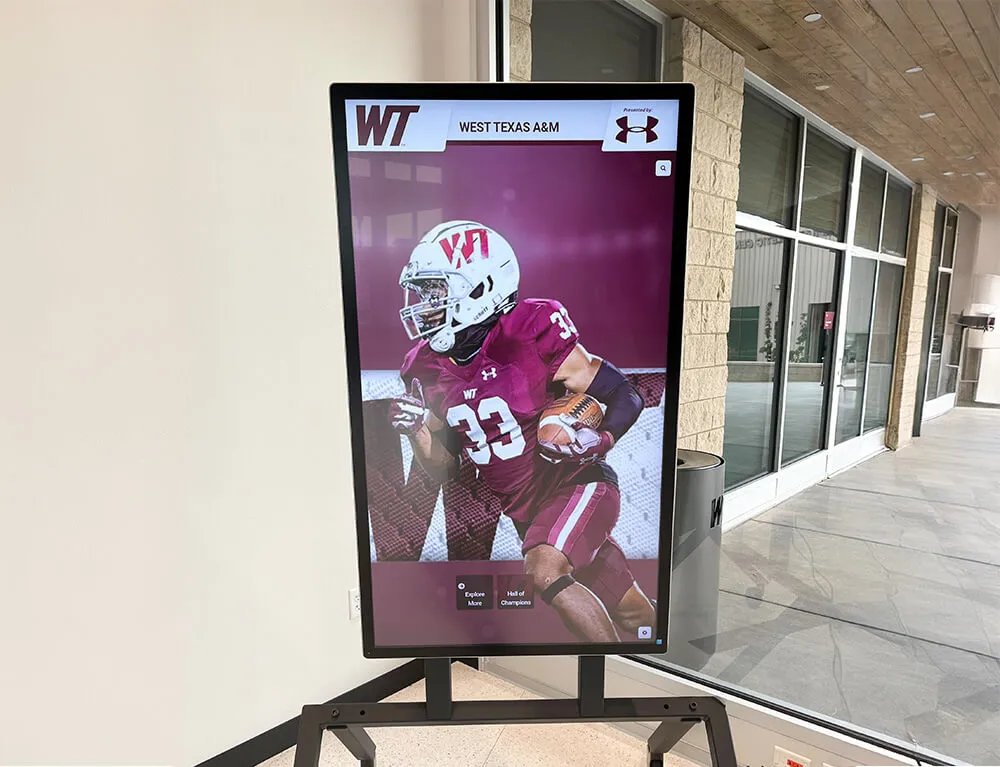
Athletic directors oversee facilities combining traditional trophy cases with [modern digital recognition displays](https://toucharchives.org/blog/touchscreen-display-high-school-gym-lobby-digital-trophies/?utm_source=organic&utm_medium=seo-auto&utm_content=donorswall&utm_campaign=athletic-director-salary&utm_term=seo) celebrating athletic achievement
Additional Compensation Opportunities
Beyond base salary and standard benefits, high school athletic directors often access supplemental compensation through:
Summer Work: Youth camp coordination, facility management, summer league organization, and pre-season preparation activities frequently providing $3,000-$8,000 additional summer income.
Coaching Stipends: Some athletic directors maintain head or assistant coaching roles in addition to administrative duties, earning coaching supplements of $3,000-$10,000 depending on sport and school resources.
Facility Rentals: Schools generating revenue through facility rentals to youth leagues, adult programs, or community organizations may provide athletic directors with oversight stipends or revenue-sharing arrangements.
Fundraising Success: While controversial and less common, some districts provide performance incentives when athletic directors successfully secure major donations, facility improvements, or booster club growth exceeding targets.
College Athletic Director Salary Structure
College athletic director positions represent significant career advancement from high school administration, featuring substantially higher compensation, complex program oversight, and Division-specific responsibilities ranging from small NAIA programs to major NCAA Division I institutions.
NCAA Division I Athletic Director Compensation
Division I athletic directors oversee enterprise-level operations with multi-million-dollar budgets, national media exposure, compliance complexity, and expectations for competitive excellence across all sponsored sports.
Power Conference Compensation
Athletic directors at Power Five conferences (SEC, Big Ten, ACC, Big 12, Pac-12) and other Football Bowl Subdivision schools command compensation reflecting enterprise-level leadership:
Major Programs: $500,000 - $2,000,000+ annually at flagship state universities and prestigious private institutions competing for national championships, managing budgets exceeding $100 million, and overseeing 300+ staff members.
Mid-Tier Division I: $250,000 - $600,000 annually at established Division I programs with competitive aspirations, substantial but not elite budgets, and regional rather than national championship expectations.
Lower-Tier Division I: $150,000 - $350,000 annually at smaller Division I institutions, programs transitioning to Division I status, or schools emphasizing academics over athletic prominence.
These positions require extensive administrative experience, proven fundraising success, compliance expertise, and increasingly, capability managing comprehensive athlete recognition systems celebrating achievement across all sports.
Division I Contract Structures
Unlike high school positions, major college athletic directors negotiate multi-year employment contracts rather than annual appointments, typically including:
Base Salary: Guaranteed annual compensation forming contract foundation, often with annual escalators of 3-5% built into multi-year agreements.
Performance Bonuses: Incentive compensation tied to team performance (conference championships, NCAA tournament appearances), fundraising success, academic achievement rates, and facilities development milestones, potentially adding 15-30% to base compensation.
Supplemental Income: Media appearances, speaking fees, apparel company contracts, and other ancillary income opportunities available to high-profile athletic administrators.
Deferred Compensation: Retirement benefit enhancements, supplemental retirement plans beyond standard pension systems, and retention bonuses encouraging long-term tenure.

College athletic directors increasingly prioritize [digital record boards](https://digital-trophy-case.com/blog/digital-record-boards-complete-guide/?utm_source=organic&utm_medium=seo-auto&utm_content=donorswall&utm_campaign=athletic-director-salary&utm_term=seo) celebrating athlete achievements while preserving program history
Division II and III Athletic Director Salaries
Division II and III athletic directors manage comprehensive programs with more modest budgets, reduced administrative complexity, and greater emphasis on educational mission alignment over commercial athletics.
Division II Compensation
Division II athletic directors typically earn $80,000 - $200,000 annually depending on institution size, regional prominence, and program investment level. These positions balance competitive athletics with academic mission, managing 10-20 sports with budgets of $2-10 million while maintaining compliance with scholarship limits and regional conference requirements.
Most Division II athletic directors receive standard higher education benefits including health insurance, retirement contributions (typically TIAA or state systems), and tuition benefits for family members attending the institution.
Division III Compensation
Division III athletic directors at non-scholarship institutions earn $60,000 - $150,000 annually, with compensation reflecting institutional size, endowment resources, and geographic location more than competitive success. These positions emphasize educational experience, broad participation, and community building rather than commercial athletics, managing comprehensive programs serving 20-30% of undergraduate populations through 20+ varsity sports.
The Division III philosophy prioritizing educational experience over commercial success creates different evaluation criteria for athletic directors, with fundraising for facilities, broad participation rates, and successful integration with academic mission often mattering more than championship victories.
NAIA and Junior College Athletic Director Salaries
Athletic directors at NAIA institutions and community colleges manage smaller programs serving distinct institutional missions with compensation reflecting more modest budgets and organizational complexity.
NAIA Athletic Director Compensation
NAIA athletic directors typically earn $50,000 - $100,000 annually, managing programs at smaller private colleges and universities. These positions often require multiple responsibilities beyond athletics, with many NAIA athletic directors also teaching, managing facilities more broadly, or overseeing recreation programs serving general student populations.
NAIA programs vary dramatically in athletic investment level, from institutions providing minimal scholarship support with basic facilities to more competitive programs resembling Division II operations with corresponding compensation approaching lower-range Division II salaries.
Community College Athletic Director Salaries
Community college athletic directors earn $55,000 - $90,000 annually, managing typically 8-12 sports programs serving transfer-focused student-athletes pursuing NCAA opportunities or completing athletic careers while developing job skills. These positions emphasize compliance with NJCAA regulations, academic support ensuring successful transfer, and facility management often serving both intercollegiate teams and broader campus recreation.
Many community college athletic directors maintain classroom teaching or other campus responsibilities alongside athletic administration, particularly at smaller institutions where dedicated full-time athletic director positions may not justify budget allocation.

Athletic directors at all levels invest in [recognition infrastructure](https://best-touchscreen.com/blog/team-recognition-awards-building-culture-appreciation-athletics/?utm_source=organic&utm_medium=seo-auto&utm_content=donorswall&utm_campaign=athletic-director-salary&utm_term=seo) celebrating athlete achievement and building program pride
Factors Influencing Athletic Director Salary
Multiple variables beyond simple position level affect athletic director compensation, creating significant salary variation even among apparently similar roles.
Experience and Track Record
Athletic administration follows typical career progression patterns where experience, proven success, and professional reputation significantly influence compensation.
Career Stage Compensation Differences
Entry-Level Athletic Directors: First-time athletic directors at small high schools or assistant AD positions at colleges typically earn the lower end of position ranges, compensating for limited experience with enthusiasm and career-building motivation.
Mid-Career Athletic Directors: Administrators with 5-10 years experience managing successful programs, demonstrating fundraising capability, and building positive institutional reputations command middle-range compensation while positioning for advancement to larger programs or higher education.
Veteran Athletic Directors: Experienced administrators with 15+ years of proven program leadership, championship success, major facility development accomplishments, and strong professional networks command premium compensation, particularly when hired to rebuild struggling programs or elevate good programs to elite status.
Demonstrated Success and Marketability
Athletic directors who demonstrate measurable program improvements command higher compensation and stronger negotiating positions:
Competitive Success: Conference championships, state titles, NCAA tournament appearances, and national recognition enhance athletic director marketability and compensation leverage during negotiations or when recruited for other positions.
Fundraising Achievement: Major facility development, successful capital campaigns, endowment growth, and donor cultivation demonstrate capabilities increasingly central to athletic director success and correspondingly valued during hiring and contract negotiations.
Academic Excellence: High graduation rates, academic all-conference selections, and demonstrated commitment to student-athlete academic success increasingly matter for athletic director evaluation, particularly at institutions prioritizing educational mission alongside competitive achievement.
Innovation Leadership: Athletic directors pioneering innovative approaches to athlete recognition, implementing cutting-edge training technologies, or developing novel community engagement strategies build reputations as forward-thinking leaders commanding premium compensation.
Institution Size and Budget
The scope of athletic director responsibilities directly correlates with compensation, with larger programs requiring more complex management justifying higher salaries.
School Enrollment and Program Size
Small Institutions: Schools under 500 students (high school) or 2,000 students (college) typically offer more modest athletic director compensation reflecting limited budgets, smaller programs, and reduced administrative complexity.
Medium Institutions: Mid-size schools with 500-1,500 students (high school) or 2,000-8,000 students (college) support dedicated athletic directors managing comprehensive programs with meaningful budgets and multiple staff members.
Large Institutions: Major universities exceeding 15,000 students or high schools above 2,000 students operate enterprise-level athletic programs requiring sophisticated management and offering compensation reflecting organizational complexity.
Athletic Department Budget
Athletic director compensation typically scales proportionally with budget size:
Under $500,000 Budget: Small program athletic directors managing limited resources with minimal staff support typically earn lower-range compensation.
$500,000 - $5 Million Budget: Mid-size program athletic directors balancing multiple sports, modest staffing, and facility management earn middle-range compensation.
$5 Million - $50 Million Budget: Substantial athletic programs requiring sophisticated financial management, significant staff oversight, and complex operations support upper-range athletic director compensation.
$50 Million+ Budget: Major Division I programs with enterprise-level budgets, substantial staffing, significant media rights, and commercial operations justify top-tier athletic director compensation exceeding $500,000 annually.

Athletic directors managing major programs oversee comprehensive facilities incorporating [interactive touchscreen displays](https://halloffame-online.com/blog/interactive-touchscreen-displays-school-recognition-guide/?utm_source=organic&utm_medium=seo-auto&utm_content=donorswall&utm_campaign=athletic-director-salary&utm_term=seo) throughout athletic buildings
Geographic Location and Regional Variations
Cost of living, state education funding, and regional cultural emphasis on athletics create significant geographic salary disparities for athletic directors.
High-Cost Urban and Suburban Markets
Athletic directors working in expensive metropolitan areas typically earn 25-45% more than counterparts in lower-cost regions, though higher housing, transportation, and living expenses may offset nominal salary advantages:
Northeast Corridor: Metropolitan New York, Boston, Philadelphia, and Washington DC areas offer premium athletic director compensation reflecting high living costs and affluent suburban districts investing heavily in athletic programs.
California: Major California metros including San Francisco Bay Area, Los Angeles, and San Diego provide elevated compensation though extreme housing costs often diminish purchasing power advantages.
Other Major Metros: Chicago, Seattle, Denver, and other major cities typically offer above-average athletic director compensation compared to smaller cities and rural areas in the same states.
Regional Athletic Emphasis
Certain regions place extraordinary cultural emphasis on scholastic and collegiate athletics, driving higher investment and correspondingly elevated athletic director compensation:
Texas High School Football: Texas high school athletic directors at competitive football programs often earn substantially more than counterparts in other states, reflecting massive community investment in Friday night football culture.
Southeastern College Athletics: SEC and ACC schools in football-centric regions offer premium athletic director compensation reflecting intense competitive pressure, substantial revenue generation, and cultural primacy of college athletics.
Basketball-Focused Programs: Schools in Indiana, Kentucky, North Carolina, and Kansas with storied basketball traditions may compensate athletic directors reflecting local basketball culture and expectations.
Additional Responsibilities and Title Variations
Many athletic director positions encompass responsibilities beyond pure athletic administration, with expanded duties typically commanding higher compensation.
Combined Position Responsibilities
Schools and colleges frequently consolidate positions to maximize administrative efficiency, creating hybrid roles with adjusted compensation:
Athletic Director and Facilities Manager: Combining athletic and general facilities oversight typically adds $5,000-$15,000 to base athletic director compensation while requiring broader infrastructure management expertise.
Athletic Director and Dean of Students: Some schools merge athletic administration with student life oversight, creating senior administrator positions with expanded scope and correspondingly higher compensation.
Athletic Director and Recreation Director: Colleges may combine intercollegiate athletics with campus recreation, intramurals, and wellness programming, expanding administrative scope and increasing compensation.
Expanded responsibilities generally increase total compensation 10-25% beyond standard athletic director salaries while requiring broader skill sets and greater time commitment.
Total Compensation Beyond Base Salary
Athletic director compensation extends well beyond annual salary to include substantial benefits, supplemental income, and long-term financial advantages significantly enhancing total compensation value.
Comprehensive Benefits Packages
Standard employment benefits represent significant financial value often equaling 30-40% of base salary when calculated at market rates.
Health and Wellness Benefits
Medical Insurance: Employer-provided health insurance with family coverage represents $15,000-$30,000 annual value depending on plan quality, family size, and local healthcare costs.
Dental and Vision Coverage: Supplemental insurance for dental care, orthodontics, and vision correction adds $2,000-$5,000 annual value, particularly for families with children.
Life and Disability Insurance: Employer-paid life insurance (typically 1-2x annual salary) and long-term disability coverage protecting income if injury or illness prevents work continuation provides significant financial security beyond immediate cash value.
Wellness Programs: Access to campus fitness facilities, wellness coaching, health screenings, and preventive care programs enhances overall health while reducing out-of-pocket healthcare expenses.
Retirement and Long-Term Financial Security
Pension Systems: Public school and many college athletic directors participate in defined benefit pension plans providing guaranteed retirement income based on salary and years of service, representing substantial long-term financial value particularly for career educators remaining in systems for 20-30 years.
403(b) and 401(k) Plans: Employer retirement contributions typically ranging from 5-12% of salary create additional retirement savings, often with employer matching up to specific contribution levels incentivizing employee retirement preparation.
Deferred Compensation: High-level college athletic directors may negotiate supplemental retirement arrangements providing additional retirement security beyond standard pension systems.
Educational Benefits
Tuition Waivers: College athletic directors frequently receive full tuition benefits for dependents attending the employing institution, representing potential value of $40,000-$60,000 annually per child for four-year degrees at private institutions.
Professional Development: Conference attendance, coaching clinics, certification programs, and graduate degree support enhance professional capabilities while providing tax-advantaged education funding.

Modern athletic directors manage [comprehensive recognition programs](https://halloffamewall.com/blog/software-products-athletic-administrators-top-30-must-haves/?utm_source=organic&utm_medium=seo-auto&utm_content=donorswall&utm_campaign=athletic-director-salary&utm_term=seo) requiring specialized software and digital display management
Supplemental Income Opportunities
Beyond base salary and standard benefits, athletic directors access additional compensation through various supplemental activities and performance incentives.
Performance-Based Bonuses
College athletic directors commonly receive incentive compensation tied to measurable achievements:
Team Performance Bonuses: Additional compensation when teams achieve conference championships, NCAA tournament berths, national rankings, or other competitive milestones typically established in employment contracts.
Fundraising Success Incentives: Bonus compensation when annual giving exceeds targets, major gifts are secured, or capital campaigns achieve goals, rewarding athletic directors for development success critical to program advancement.
Academic Achievement Recognition: Some institutions provide incentive compensation when team graduation rates exceed thresholds, student-athletes earn academic all-conference honors, or teams receive NCAA academic progress recognition.
Facility Development Success: Significant bonuses sometimes accompany successful completion of major facility projects, recognizing athletic director leadership securing funding, managing construction, and delivering projects on time and budget.
Speaking Engagements and Consulting
Successful athletic directors, particularly at major programs, receive supplemental income through:
Speaking Fees: Presentations at coaching clinics, athletic director conferences, educational leadership events, and community organizations provide $1,000-$5,000 per engagement for experienced administrators sharing expertise.
Consulting Opportunities: Athletic directors recognized as thought leaders may consult with other institutions on facility planning, program development, Title IX compliance, or recognition system implementation, generating additional income while building professional reputation.
Media Appearances: Athletic directors at high-profile programs may receive compensation for regular media appearances, radio shows, or digital content creation promoting institutional athletics.
Job Security and Career Stability
Beyond immediate compensation, athletic director position stability and career longevity significantly affect total lifetime earnings and financial planning.
Contract Length and Employment Security
High School Tenure: High school athletic directors employed under teacher contracts often enjoy significant job security through tenure provisions, providing employment stability absent in many private sector positions despite more modest compensation levels.
Multi-Year College Contracts: College athletic directors negotiate 3-7 year employment contracts providing income security and buyout provisions protecting compensation if institutions change leadership or direction prematurely.
Performance Pressure: While offering higher compensation, major college athletic director positions carry greater termination risk based on competitive performance, fundraising success, and changing institutional priorities, affecting career planning and financial security.
Career Advancement and Salary Growth
Athletic director careers offer clear advancement pathways enabling substantial salary growth through strategic position moves, professional development, and demonstrated success.
Typical Career Progression Paths
Most athletic directors follow predictable career trajectories progressing from entry-level positions to increasingly responsible roles with corresponding compensation growth.
High School Career Ladder
Teacher/Coach (Salary: $45,000-$65,000): Most athletic directors begin as classroom teachers coaching one or more sports, developing relationships, understanding program operations, and building credibility within athletic departments.
Assistant Athletic Director (Salary: $55,000-$75,000): First administrative step involves assisting lead athletic directors with scheduling, officials coordination, facility management, and compliance while maintaining reduced teaching or coaching responsibilities.
Small School Athletic Director (Salary: $60,000-$80,000): Initial athletic director appointments typically occur at smaller schools managing fewer sports, modest budgets, and limited staff while balancing teaching duties.
Large School Athletic Director (Salary: $75,000-$110,000): Career progression leads to athletic director positions at larger, more competitive programs with comprehensive sport offerings, significant budgets, and full-time administrative focus.
Transition to College Athletics
High school athletic directors frequently transition to college administration through several pathways:
Assistant AD at Small Colleges (Salary: $50,000-$70,000): High school experience often qualifies administrators for assistant athletic director roles at NAIA institutions or Division III colleges, providing entry to collegiate athletics.
Compliance or Operations Roles (Salary: $55,000-$80,000): Specialized positions in compliance, facilities, business operations, or external relations offer college experience while building expertise in specific domains critical to athletic director success.
Senior Associate AD (Salary: $75,000-$150,000): Mid-career progression includes senior administrative roles overseeing multiple sports, major operational areas, or serving as deputy to lead athletic directors at progressively larger institutions.
Athletic Director Appointment (Salary: $80,000-$2,000,000+): Ultimate career goal involves athletic director positions with compensation varying dramatically based on division level, program size, and institutional resources.
Professional Development Investments
Strategic professional development enhances marketability, improves administrative capabilities, and positions athletic directors for career advancement and salary growth.
Advanced Degrees and Certifications
Master’s Degrees: Graduate degrees in sports administration, educational leadership, or business administration increasingly represent minimum qualifications for college athletic director positions, with many major programs requiring or strongly preferring terminal degrees.
CAA Certification: The Certified Athletic Administrator credential offered through the National Interscholastic Athletic Administrators Association demonstrates professional competency and commitment, enhancing credibility for high school athletic directors.
Professional Associations: Active membership and leadership in organizations like NIAAA, NACDA, conference associations, and state athletic director groups builds networks, demonstrates professional engagement, and provides visibility with search committees filling athletic director vacancies.
Skill Development Priorities
Athletic directors enhance marketability and career advancement prospects by developing specialized capabilities increasingly valued across all institutional levels:
Fundraising and Development: Major gift cultivation, corporate partnerships, booster club leadership, and capital campaign management increasingly define athletic director success, making development expertise critical for advancement to larger programs.
Digital Recognition Systems: Understanding modern approaches to athlete recognition, including digital display technologies replacing traditional trophy cases, positions athletic directors as innovative leaders embracing contemporary solutions celebrating achievement.
Compliance Expertise: Navigating Title IX requirements, NCAA regulations, state association rules, and risk management frameworks represents essential expertise for athletic directors at all levels, with specialized compliance knowledge particularly valued at college level.
Facilities Planning and Management: Experience planning, funding, and constructing athletic facilities demonstrates capability managing complex projects and securing resources necessary for program advancement.

Athletic directors planning facility improvements increasingly incorporate [interactive touchscreen kiosks](https://toucharchives.org/blog/touchscreen-kiosk-solutions-interactive-displays-schools-organizations/?utm_source=organic&utm_medium=seo-auto&utm_content=donorswall&utm_campaign=athletic-director-salary&utm_term=seo) celebrating achievements while engaging visitors
Salary Negotiation Strategies
Effective negotiation significantly impacts athletic director compensation, requiring preparation, market awareness, and strategic approach to maximize earning potential.
Researching Comparable Positions
Before negotiating, thoroughly research comparable athletic director compensation through:
Professional Association Salary Surveys: Organizations like NACDA, NIAAA, and state associations periodically publish salary data providing benchmarks for positions at similar institutions.
Public Records Requests: Public institution salaries are often public records accessible through open records requests or published in local media, providing market data for comparable positions.
Network Intelligence: Conversations with peer athletic directors, mentors, and professional contacts reveal compensation norms and negotiation strategies effective at comparable institutions.
Negotiable Compensation Elements
Beyond base salary, athletic directors should negotiate comprehensive compensation packages including:
Housing or Housing Allowances: Some institutions provide housing or housing stipends particularly valuable in high-cost areas or for directors relocating from lower-cost regions.
Vehicle Allowances: Car stipends or vehicle access compensate for extensive local travel, recruiting trips, and off-campus program representation.
Technology Budgets: Dedicated budgets for recognition systems, ticketing software, or communication platforms enable program improvements while demonstrating institutional commitment to modern athletic administration.
Professional Development Funding: Guaranteed funding for conference attendance, continuing education, and professional association participation ensures ongoing skill development regardless of institutional budget constraints.
Performance Review Timing and Salary Increases
Establish clear expectations about salary review timing, performance evaluation criteria, and merit increase frameworks:
Annual Reviews: Ensure employment agreements specify annual performance reviews providing opportunities to discuss compensation adjustments based on program achievements, market changes, and expanding responsibilities.
Multi-Year Salary Schedules: Negotiate predetermined annual increases (typically 2-4% for cost of living, plus potential merit components) rather than leaving increases to annual administrative discretion.
Renegotiation Triggers: Establish agreement provisions allowing contract renegotiation when circumstances change substantially—major facility project completion, extraordinary competitive success, or program transformation justifying compensation review before normal contract expiration.
Managing Athletic Director Responsibilities
Understanding athletic director compensation requires context about the substantial responsibilities justifying salary levels and the complex demands these positions entail.
Core Athletic Director Responsibilities
Athletic directors manage multifaceted programs requiring diverse capabilities spanning educational leadership, business management, and competitive athletics.
Program Administration and Oversight
Athletic directors serve as chief executive officers for athletic departments, providing strategic direction and operational management:
Budget Development and Management: Preparing annual budgets, allocating resources across sports, monitoring expenditures, and ensuring fiscal responsibility across multi-million dollar operations requiring sophisticated financial acumen.
Staff Hiring and Supervision: Recruiting, hiring, evaluating, and when necessary terminating coaches and support staff while managing complex personnel relationships and ensuring coaching quality across all programs.
Scheduling and Operations: Coordinating practice facilities, game schedules, transportation, officials, and countless logistical details ensuring smooth operations for 15-30+ teams competing simultaneously throughout year.
Facility Planning and Maintenance: Overseeing athletic facility maintenance, planning renovations and new construction, and ensuring safe, appropriate spaces for training and competition across all sports.
Compliance and Risk Management
Athletic directors ensure programs operate within complex regulatory frameworks while minimizing institutional liability:
Title IX Compliance: Ensuring gender equity across participation opportunities, scholarship distribution, facilities quality, and resource allocation—arguably the most legally significant athletic director responsibility.
Eligibility Administration: Verifying student-athlete academic eligibility, transfer requirements, and amateur status while maintaining meticulous records demonstrating compliance with association rules.
Safety Protocols: Implementing concussion management, emergency action plans, athlete health screening, and risk mitigation strategies protecting student-athlete wellbeing and limiting institutional liability.
Recognition and Awards Programs
Modern athletic directors increasingly manage comprehensive recognition infrastructure celebrating achievement:
Traditional Recognition: Coordinating end-of-season awards, senior recognition nights, athletic banquets, and hall of fame induction ceremonies honoring athlete, coach, and contributor accomplishments.
Digital Recognition Systems: Implementing modern digital display solutions celebrating real-time achievements, preserving program history, and creating engaging visitor experiences showcasing athletic excellence.
Community Engagement: Leveraging recognition programs to build community pride, engage alumni, attract prospective students, and demonstrate institutional commitment to celebrating student achievement beyond academics.
Challenges Facing Modern Athletic Directors
Athletic director positions carry significant stresses and challenges beyond typical administrative roles, justifying compensation through demands placed on position holders.
Work-Life Balance Considerations
Athletic administration requires extensive evening and weekend commitments often straining family life and personal wellbeing:
Event Attendance: Athletic directors typically attend most home competitions across all sports, requiring presence evenings and weekends throughout fall, winter, and spring seasons simultaneously.
Crisis Management: Athletic emergencies—injuries, discipline issues, parent conflicts, coach concerns—require immediate attention regardless of timing, creating unpredictable demands on personal time.
Year-Round Responsibility: While teacher contracts provide summer breaks, athletic directors work year-round managing summer camps, facilities projects, coach evaluations, budget planning, and pre-season preparation.
Competitive and Community Pressure
Athletic directors navigate intense external pressure from multiple constituencies with competing expectations:
Win-at-All-Costs Pressure: Community members, boosters, alumni, and sometimes administrators prioritize winning over educational mission, creating pressure to compromise values for competitive success.
Resource Allocation Conflicts: Limited budgets force difficult decisions about resource distribution across sports, invariably disappointing coaches, parents, and athletes whose programs receive less than desired investment.
Public Scrutiny: Unlike most educational administrators, athletic directors work in public spotlight where decisions face immediate community reaction, social media criticism, and local media coverage.
Conclusion: Building Rewarding Athletic Director Careers
Athletic director positions offer competitive compensation, meaningful work shaping young people’s lives, and opportunities to build lasting institutional legacies celebrating athletic achievement while maintaining educational values. From high school positions providing entry to athletic administration with $50,000-$110,000 total compensation to major college roles offering $200,000-$2,000,000+ for enterprise-level athletic leadership, the profession provides clear advancement pathways and financial growth potential for dedicated administrators.
Understanding the complete compensation landscape—base salary, comprehensive benefits, supplemental income, and long-term financial advantages—enables aspiring and current athletic directors to evaluate opportunities strategically, negotiate effectively, and plan careers aligned with both financial goals and professional aspirations. The positions carry significant responsibilities, demanding work schedules, and intense public pressure, but offer unmatched opportunities to impact student-athletes’ educational experiences, develop championship programs, and create recognition infrastructure honoring achievement for generations.
Elevate Your Athletic Recognition Program
Discover how modern digital recognition solutions help athletic directors celebrate athlete achievements, preserve program history, and create engaging displays showcasing athletic excellence throughout your facilities.
Explore Recognition SolutionsFor athletic directors planning facility improvements, implementing recognition programs, or seeking innovative approaches to celebrating achievement, modern digital display solutions provide scalable alternatives to space-limited physical trophy cases. These systems enable comprehensive athlete recognition, preserve complete program histories regardless of longevity, and create engaging touchscreen experiences particularly resonating with current student-athletes and visiting families. By combining competitive compensation with opportunities to implement cutting-edge recognition infrastructure, athletic director careers offer both financial rewards and professional fulfillment for educators passionate about sports, student development, and institutional excellence.
Ready to transform your athletic recognition approach? Explore how digital hall of fame solutions help athletic directors celebrate achievement comprehensively, learn about athletic building touchscreen systems, discover approaches to showcasing student achievement, or schedule a consultation to discuss how recognition platforms can support your athletic program goals while fitting within your administrative budget and vision for celebrating the athletes, coaches, and contributors advancing your athletic programs.