Athletic training programs represent essential infrastructure for high schools committed to protecting student-athlete health, preventing injuries, and supporting athletic excellence. As competitive sports intensify and parent expectations around athlete safety increase, comprehensive athletic training programs—complete with certified athletic trainers, proper equipment, and evidence-based protocols—have transitioned from optional amenities to fundamental requirements for responsible athletic departments.
Yet many high schools struggle to establish effective athletic training programs. Budget constraints create staffing challenges, administrators unfamiliar with sports medicine question the investment, and schools lack clear roadmaps for building programs from scratch. Meanwhile, student-athletes compete without immediate access to qualified medical professionals, minor injuries escalate into serious conditions, and schools face liability concerns around inadequate athlete care.
This comprehensive guide provides athletic directors and school administrators with practical frameworks for launching, staffing, equipping, and sustaining athletic training programs that protect student-athletes while elevating the quality and reputation of entire athletic departments.
Effective athletic training extends beyond treating injuries after they occur—it creates comprehensive systems for injury prevention, immediate response, rehabilitation coordination, and long-term athlete health that transform how schools approach student-athlete care and athletic program management.

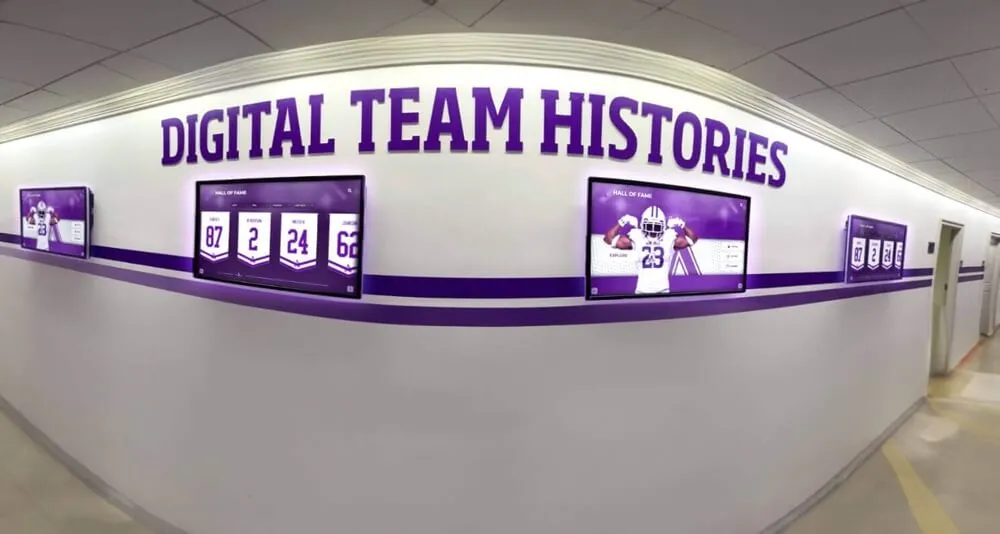
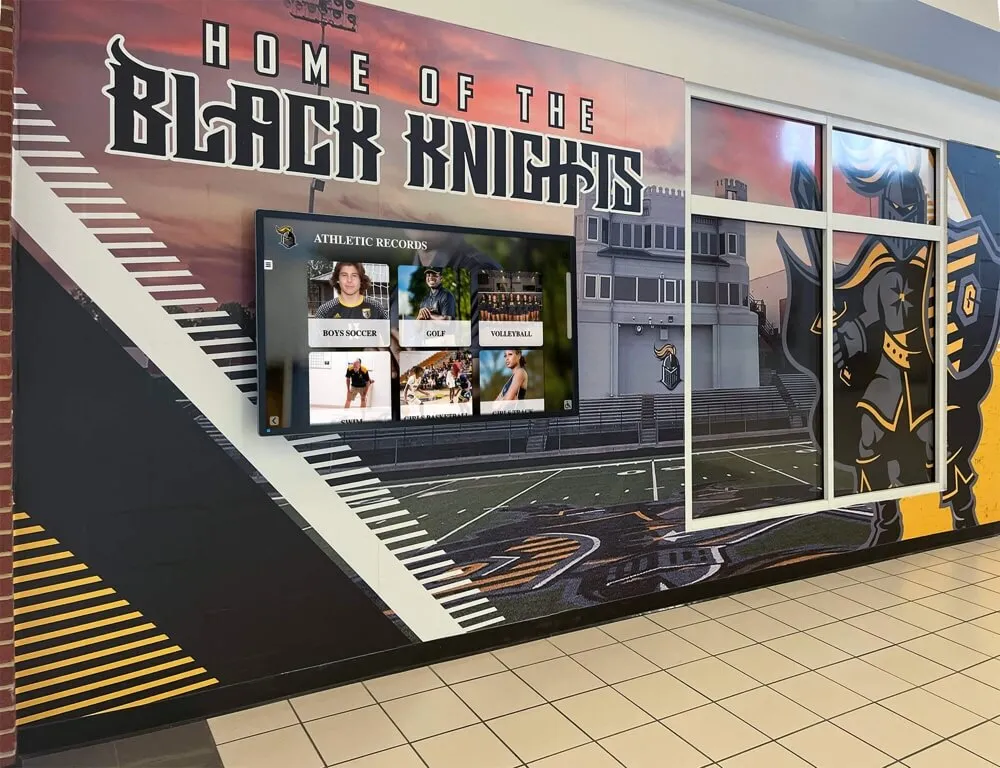
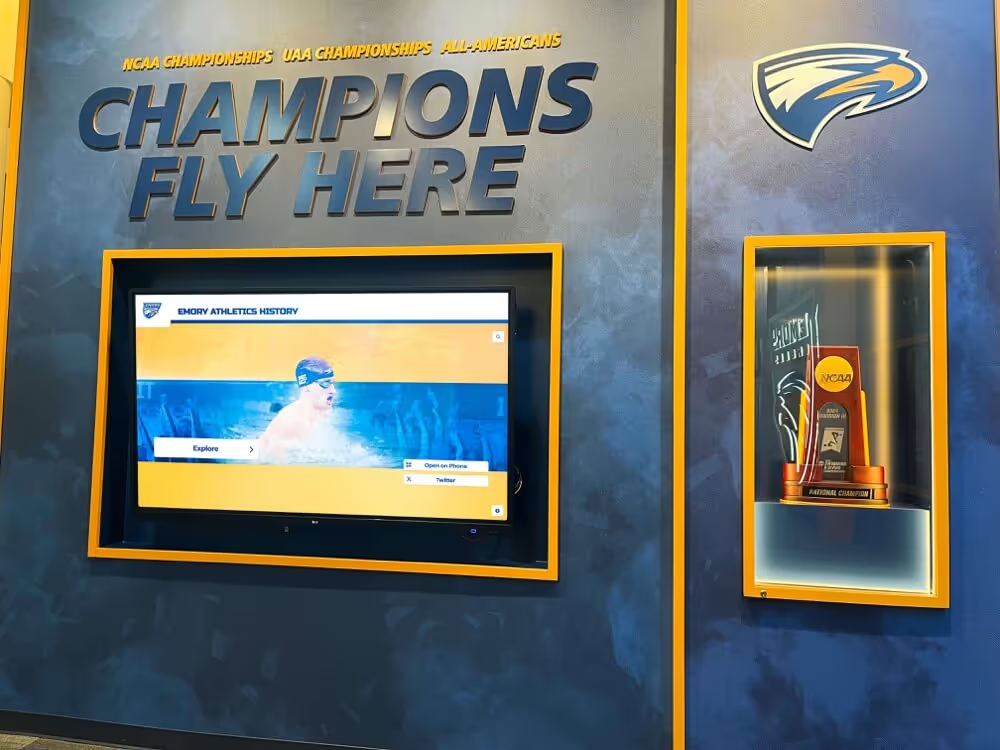
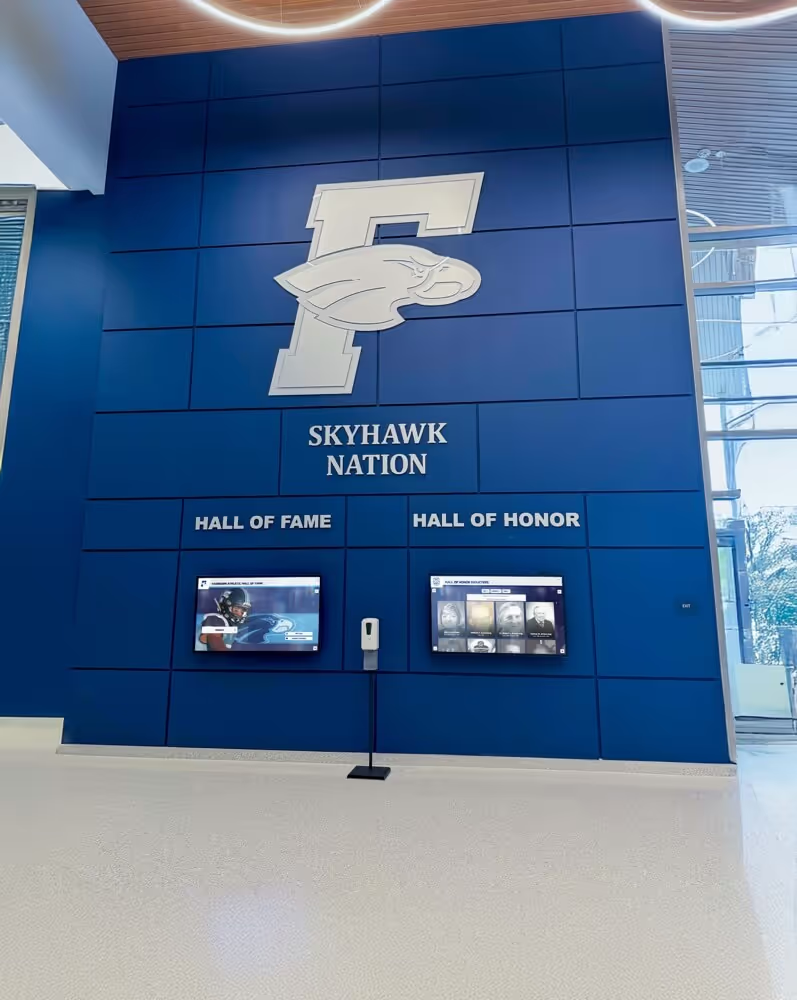
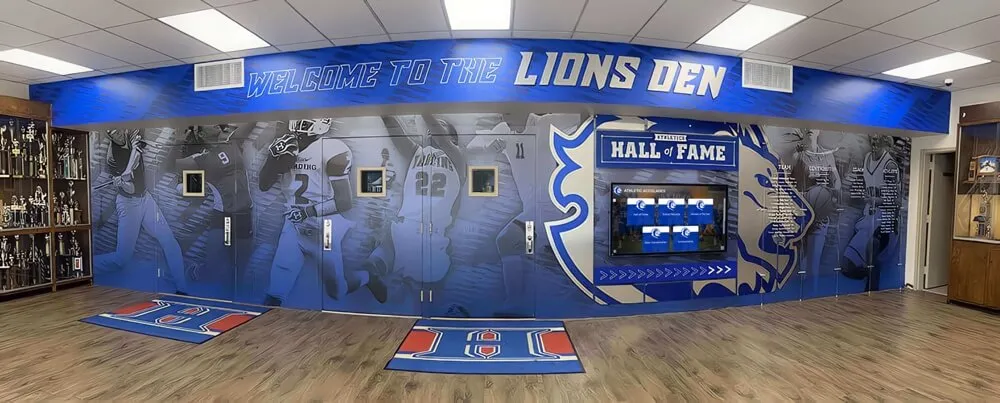
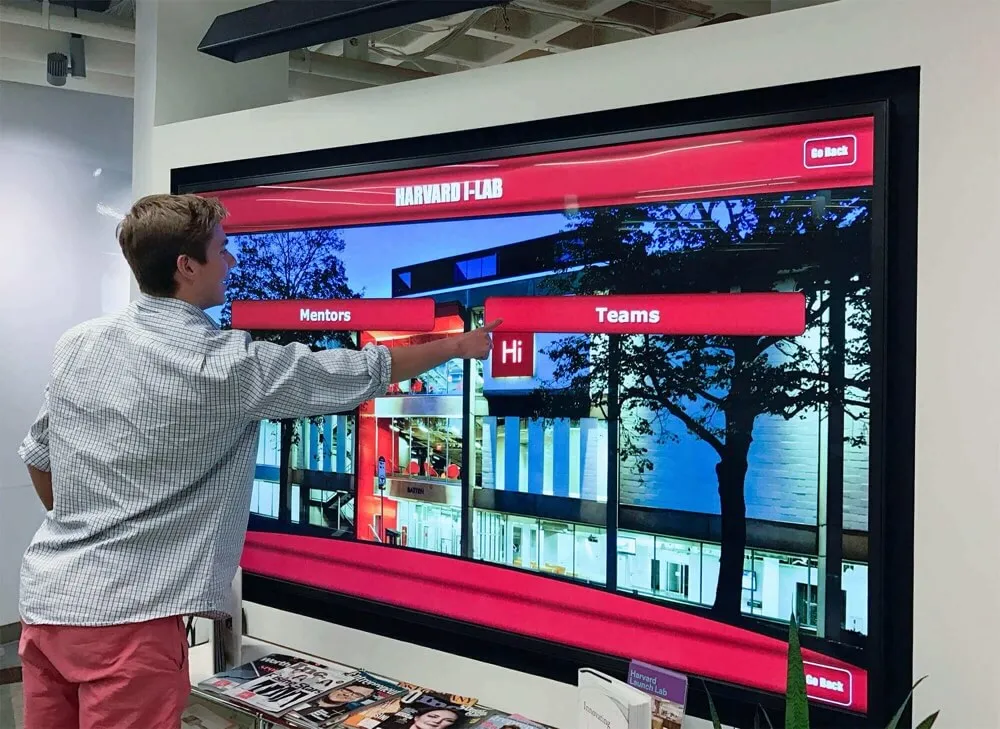
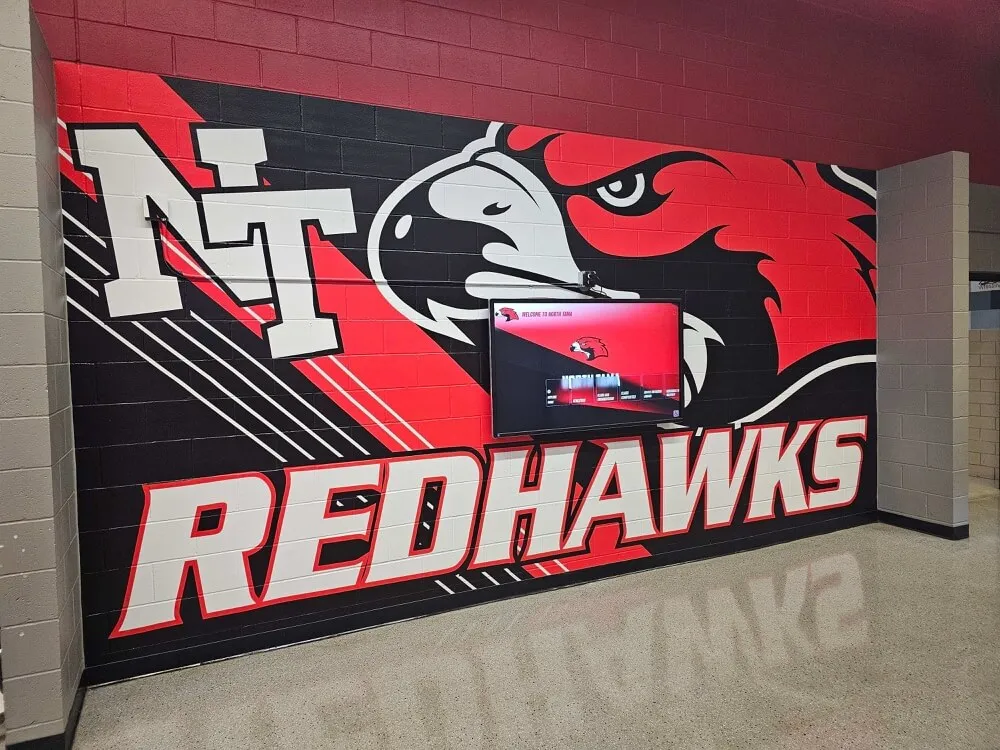
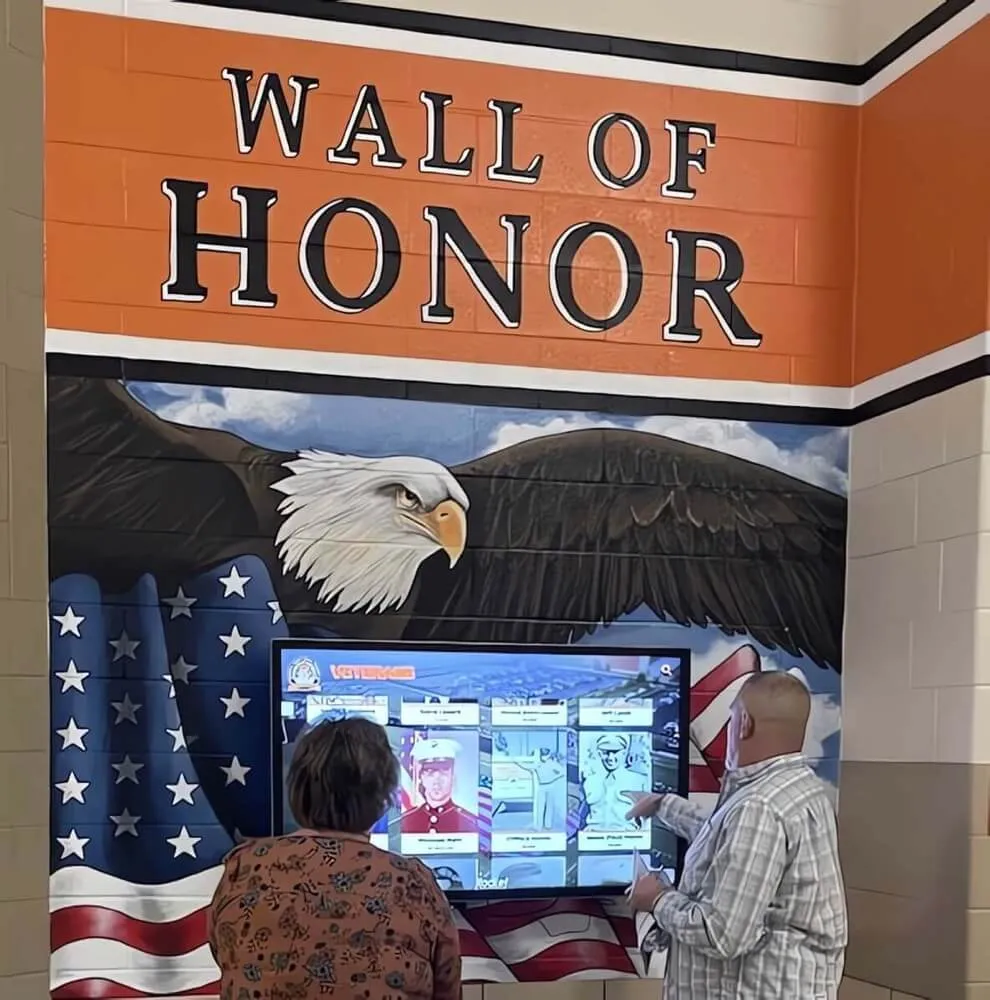
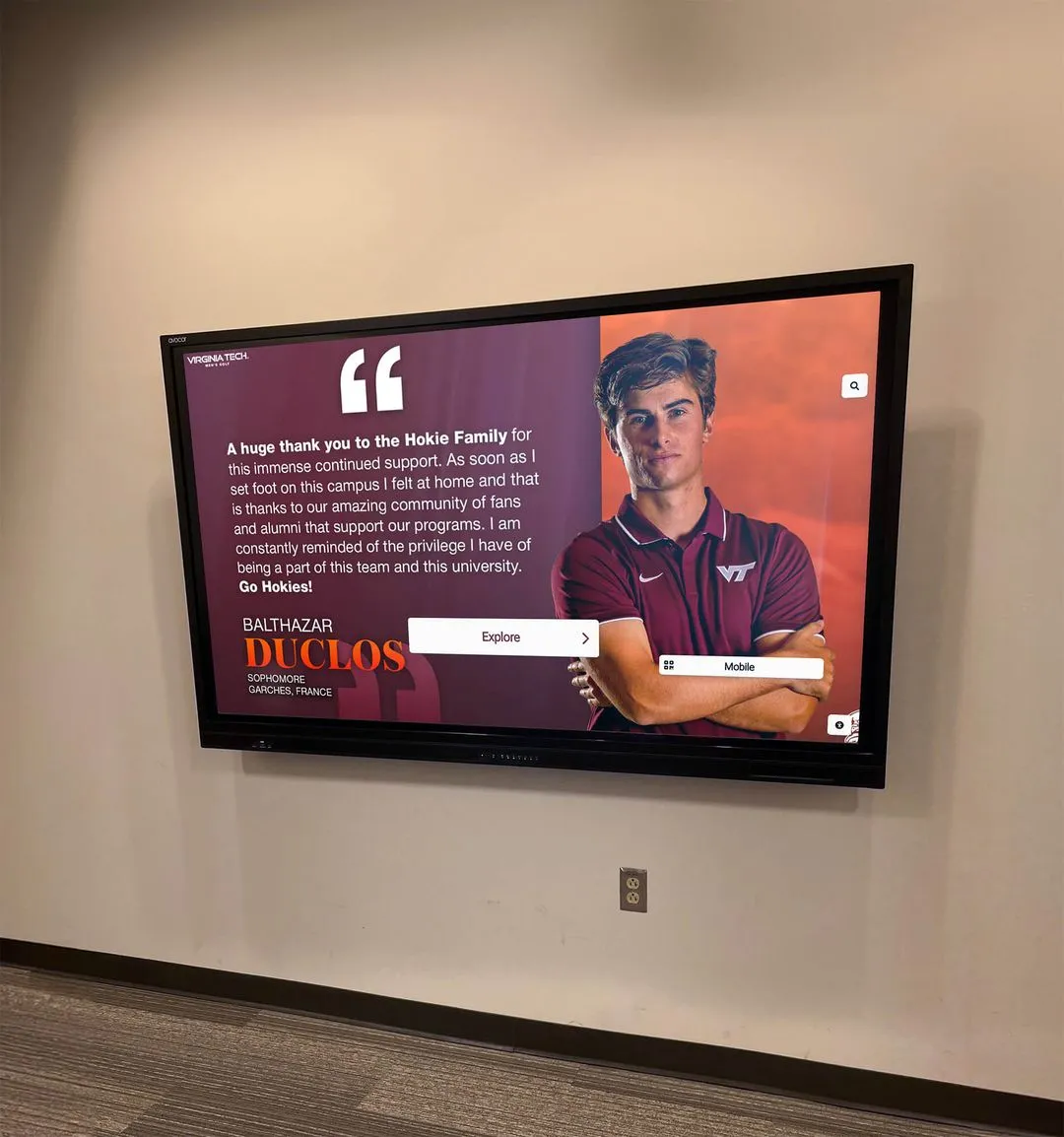
Modern athletic programs integrate comprehensive training and medical support with visible recognition of program excellence
Understanding Athletic Training: What It Is and Why It Matters
Before launching an athletic training program, school leaders need clear understanding of what athletic training encompasses and how it differs from related medical services.
Defining Athletic Training
Athletic training is a distinct healthcare profession recognized by the American Medical Association, focused on prevention, diagnosis, and treatment of muscle and bone injuries and illnesses.
Core Competencies of Certified Athletic Trainers
- Injury and illness prevention: Pre-participation physical assessments, conditioning program design, equipment fitting, environmental monitoring
- Clinical evaluation and diagnosis: Immediate injury assessment, diagnostic evaluation, determination of return-to-play readiness
- Immediate care: Emergency response for catastrophic injuries, acute injury management, field-side treatment decisions
- Treatment and rehabilitation: Therapeutic intervention design, rehabilitation progression, functional return-to-activity protocols
- Organizational and professional health: Healthcare administration, documentation, communication with physicians and families
According to the National Athletic Trainers’ Association (NATA), certified athletic trainers complete rigorous education including bachelor’s or master’s degrees from accredited programs, extensive clinical experience, and national certification examination demonstrating competency across all athletic training domains.
What Athletic Trainers Are NOT It’s essential to distinguish athletic trainers from other roles:
- Not personal trainers (fitness professionals without medical training)
- Not physical therapists (though collaboration is common)
- Not coaches (though many work closely with coaching staff)
- Not team physicians (though they work under physician direction)
Athletic trainers serve as the primary healthcare providers for student-athletes, present at practices and competitions, providing immediate evaluation and care that coaches and administrators cannot legally or practically deliver.
The Case for High School Athletic Training Programs
Research consistently demonstrates that schools with athletic training programs see measurable improvements across health, safety, and program quality metrics.
Student-Athlete Health and Safety Benefits Schools with certified athletic trainers on staff report:
- 50% reduction in injury-related medical costs through early intervention and proper treatment
- Significantly lower rates of catastrophic injuries due to immediate qualified emergency response
- Faster return-to-play timelines through evidence-based rehabilitation protocols
- Better long-term outcomes with fewer chronic issues from improperly managed injuries
- Lower rates of secondary injuries from premature return to competition
A landmark study published in the Journal of Athletic Training found that high schools without athletic trainers experienced injury rates 2-3 times higher than schools with comprehensive athletic training coverage, with particular disparities in concussion identification and management.
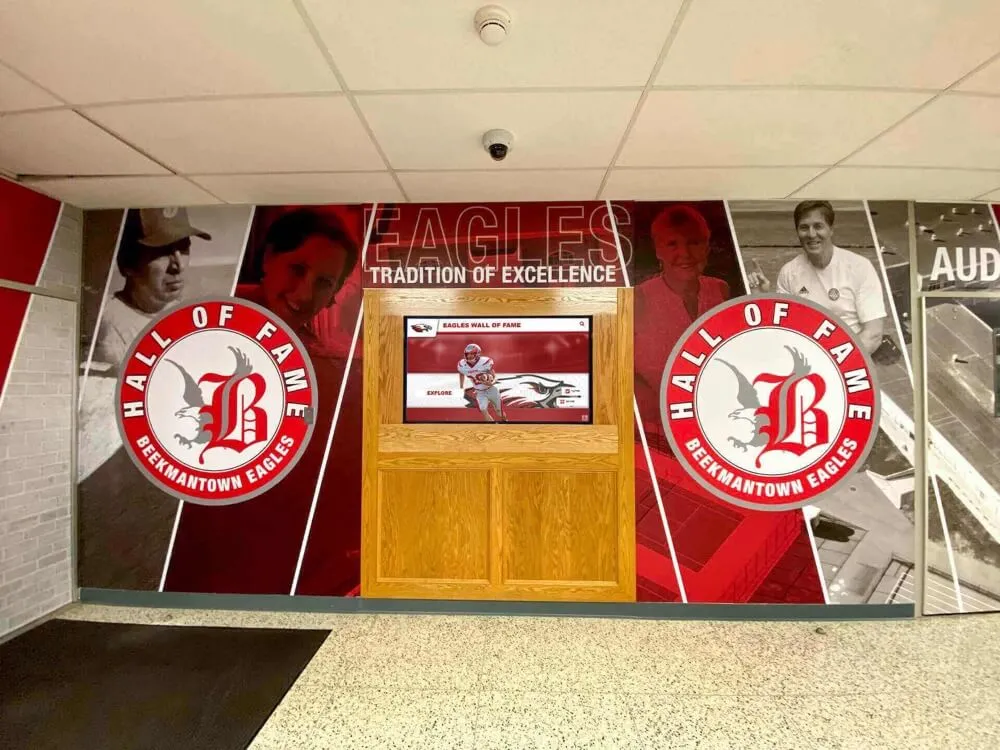
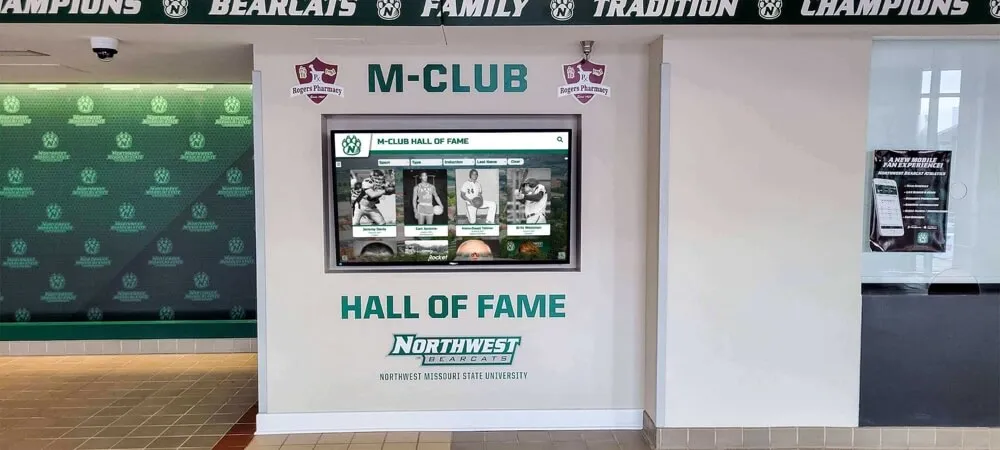
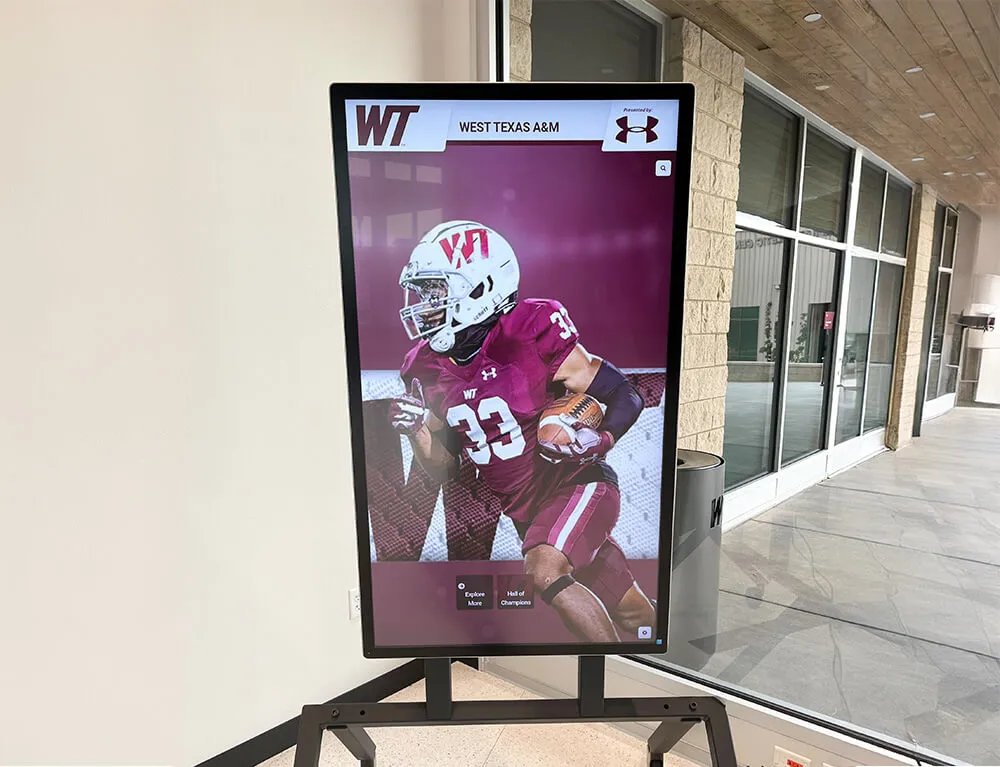
Comprehensive athletic programs balance competitive excellence with athlete health and safety priorities
Legal and Liability Considerations Athletic training programs significantly reduce school liability exposure:
- Qualified medical professionals making treatment decisions rather than coaches or administrators
- Documentation of injuries, treatments, and medical decisions protecting schools in litigation
- Proper emergency action plans developed and implemented by trained professionals
- Compliance with state regulations requiring medical coverage at athletic events
- Better management of high-risk situations like heat illness, cardiac events, and head injuries
Program Quality and Reputation Enhancement Schools with strong athletic training programs enjoy competitive advantages:
- Parents increasingly seek schools demonstrating commitment to athlete safety
- Coaches recruit more effectively when promising comprehensive medical support
- Programs earn reputations for professionalism and athlete care
- College coaches value players from programs with proper training and development
- Championship-level programs build on foundations of athlete health and proper medical support
Models for High School Athletic Training Programs
Schools can structure athletic training programs in multiple ways depending on budget, enrollment, athletic program size, and community resources.
Full-Time Certified Athletic Trainer Model
The gold standard for athletic training coverage involves employing one or more full-time certified athletic trainers (ATC) as school staff members.
Staffing Specifications
- Full-time school district employee with benefits
- Typical salary range $45,000-$75,000 depending on experience and region
- Year-round position covering all athletic seasons plus off-season training
- Office space in or near athletic facilities for treatment and administration
- Integration into athletic department staff meetings and planning
Coverage Capabilities One full-time ATC typically provides:
- Daily coverage during after-school practice hours (approximately 3-6 PM)
- Attendance at home varsity competitions and high-risk away competitions
- Pre-practice/competition availability for treatment and taping
- Morning or lunch-hour appointments for injury follow-up
- Emergency response presence during highest-risk activities
Schools with 500+ athletes often require multiple full-time athletic trainers to provide adequate coverage across all sports and competitive levels.
Best Fit For
- Large high schools (1,500+ students) with extensive athletic programs
- Schools with 15+ athletic teams and year-round competition schedules
- Districts with multiple high schools potentially sharing costs
- Communities with strong athletic traditions and community support for comprehensive programs
- Programs already experiencing significant injury-related challenges or liability concerns
Part-Time or Seasonal Athletic Trainer Model
Schools with budget constraints or smaller programs may employ part-time athletic trainers covering peak seasons or highest-risk sports.
Staffing Approaches
- Part-time position during high-risk seasons (fall football, winter basketball)
- Hourly employees working 20-30 hours per week during athletic seasons
- Graduate assistant athletic trainers from nearby universities seeking clinical experience
- Retired athletic trainers working reduced schedules
- Job-sharing arrangements with multiple part-time professionals
Budget Considerations Part-time arrangements reduce costs while maintaining qualified coverage:
- Typical compensation $20-35/hour for part-time athletic trainers
- Seasonal positions eliminating summer salary obligations
- Reduced or eliminated benefits costs
- Flexibility to increase hours during busiest seasons
- Lower commitment for districts testing athletic training program value
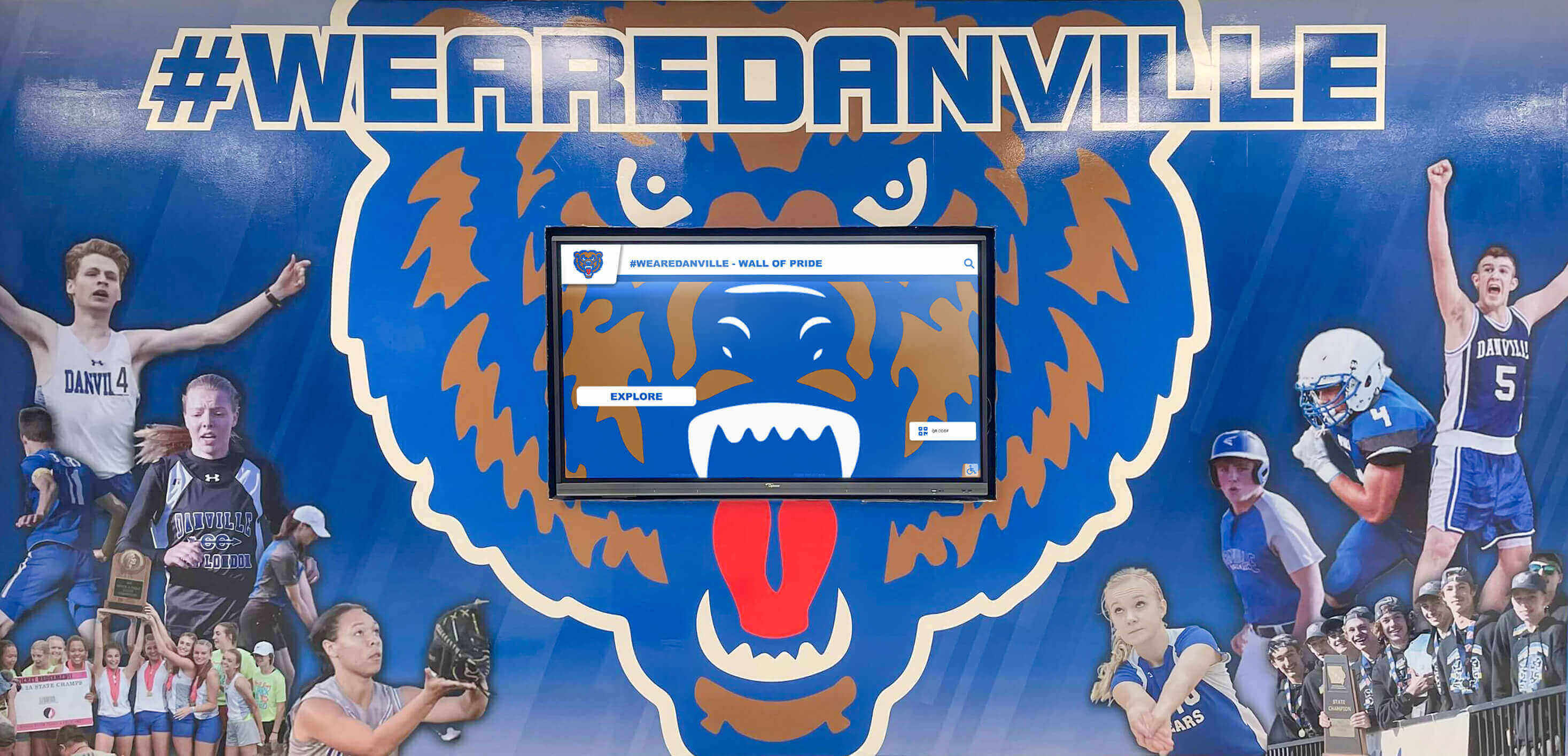
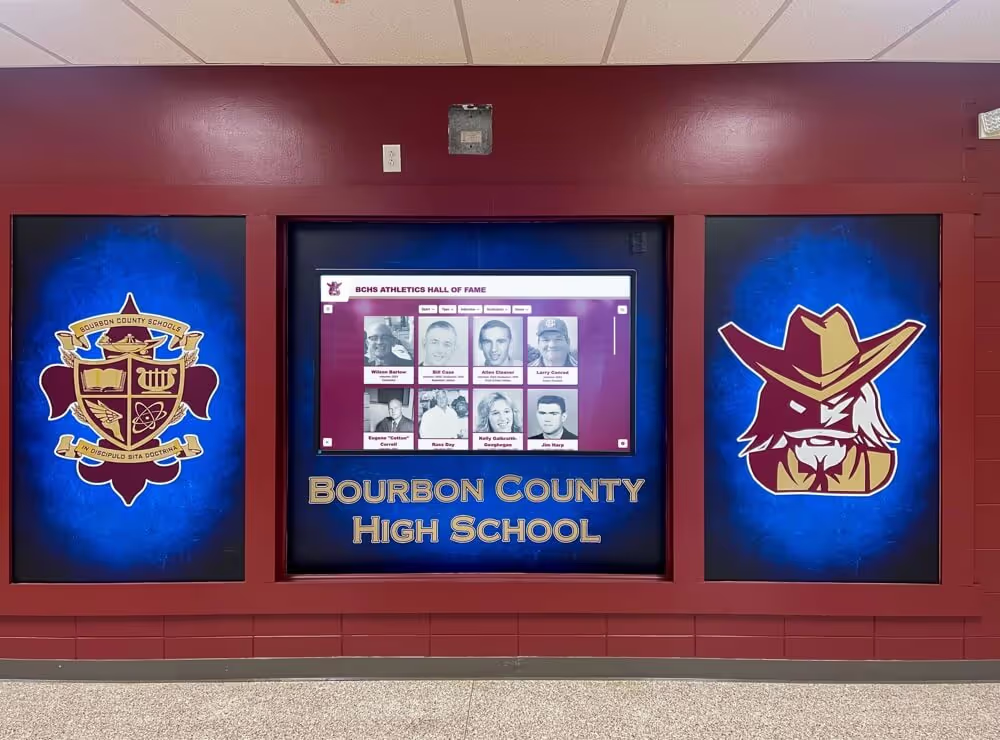
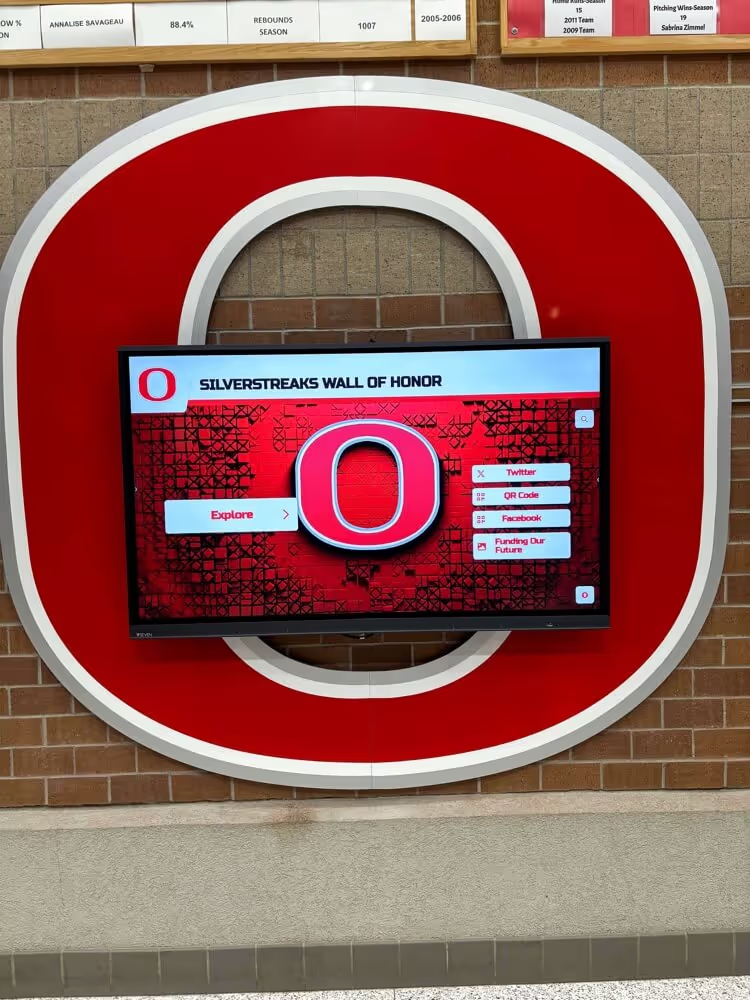
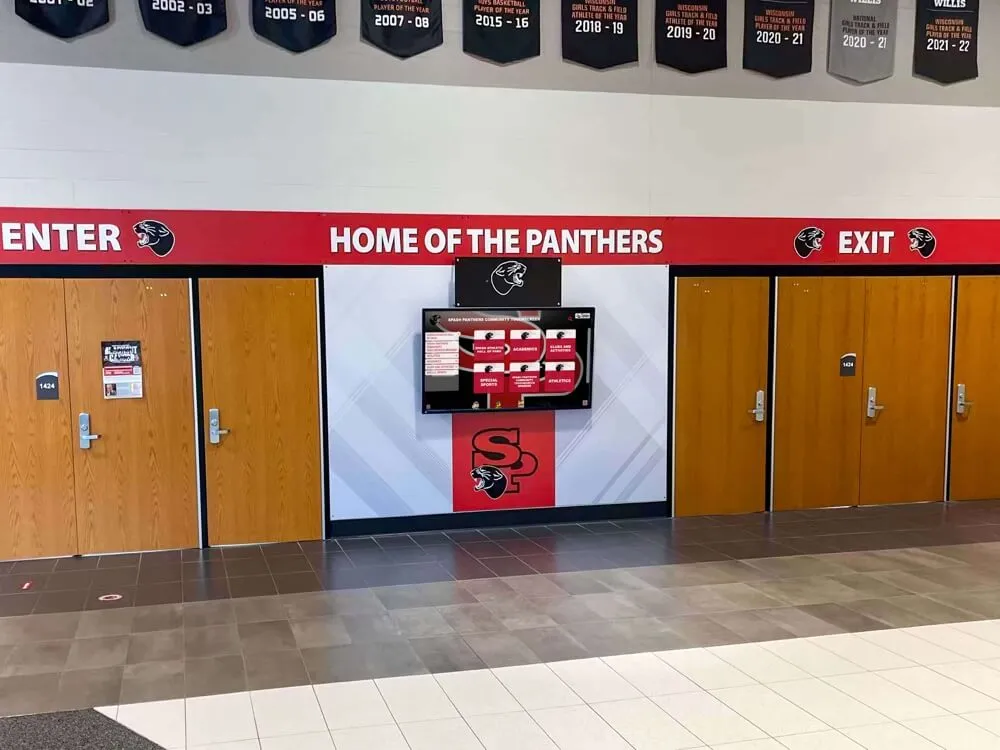
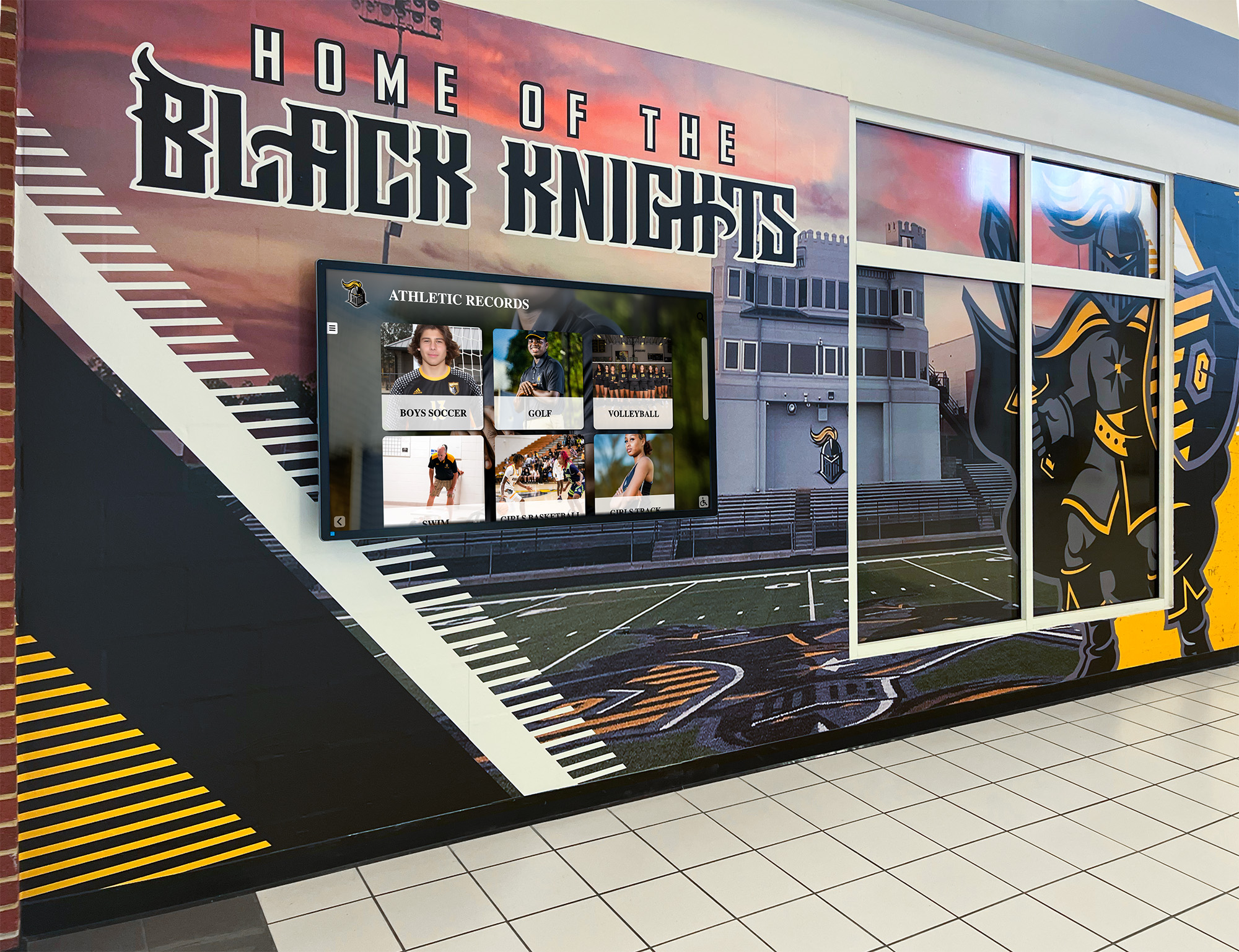
Athletic facilities serve as hubs for training, treatment, and team recognition
Limitations to Consider Part-time models create coverage gaps:
- No athletic trainer presence during uncovered sports or off-seasons
- Limited availability for injury follow-up and rehabilitation
- Reduced relationship-building with athletes and coaches
- Potential continuity issues with rotating part-time staff
- Less integration into school culture and athletic department
Contracted Sports Medicine Services Model
Many schools contract with local hospitals, sports medicine clinics, or physician groups to provide athletic training services.
How Contract Arrangements Work
- Healthcare organization assigns certified athletic trainer(s) to school
- School pays contracted rate (typically $50,000-$100,000 annually for full-time coverage)
- Contract specifies coverage days/hours, sports covered, and additional services
- Healthcare organization maintains employment relationship and provides supervision
- School gains access to broader sports medicine expertise and referral networks
Advantages of Contract Models
- No human resources administration or employment complications for schools
- Access to entire sports medicine team for complex cases
- Built-in physician oversight and consultation
- Coverage continuity if assigned athletic trainer leaves or is absent
- Potential marketing value for healthcare organizations supporting community
- Streamlined referral processes for imaging, specialist consultation, and physical therapy
Considerations and Potential Drawbacks
- Higher costs than direct employment in many markets
- Athletic trainers may have divided loyalties between school and healthcare employer
- Contract renewal uncertainty creating potential program disruptions
- Less school control over specific personnel assignments
- Potential pressure to refer to contracting organization’s services
Learn about comprehensive approaches to supporting athletic programs in building school pride through athletics.
Essential Components of Effective Athletic Training Programs
Regardless of staffing model, successful athletic training programs require specific infrastructure, equipment, protocols, and integration approaches.
Athletic Training Room Facilities
Dedicated space for athletic training significantly improves program effectiveness and efficiency.
Minimum Facility Requirements Even modest athletic training programs need:
- Private treatment area: Minimum 200-400 square feet for evaluation and treatment
- Taping/preparation area: Tables or benches where athletes receive pre-activity preparation
- Ice and cold therapy equipment: Freezer with ice machine, cold therapy units, compression wraps
- Hot therapy equipment: Heating pads, warm whirlpool or hot packs for injury treatment
- Storage: Secure locked storage for supplies, equipment, and medical records
- Office/documentation space: Computer and workspace for record-keeping and communication
Optimal Athletic Training Room Design Larger programs benefit from comprehensive facilities including:
- Multiple treatment tables accommodating simultaneous athlete care
- Rehabilitation equipment including exercise bands, balance equipment, weights
- Modality equipment such as electrical stimulation, ultrasound, and compression units
- Separate office space for confidential consultations and documentation
- Adjacent to locker rooms and athletic facilities for convenient access
- Visibility allowing athletic trainer to monitor multiple areas
- Proper ventilation, lighting, and climate control for year-round comfort

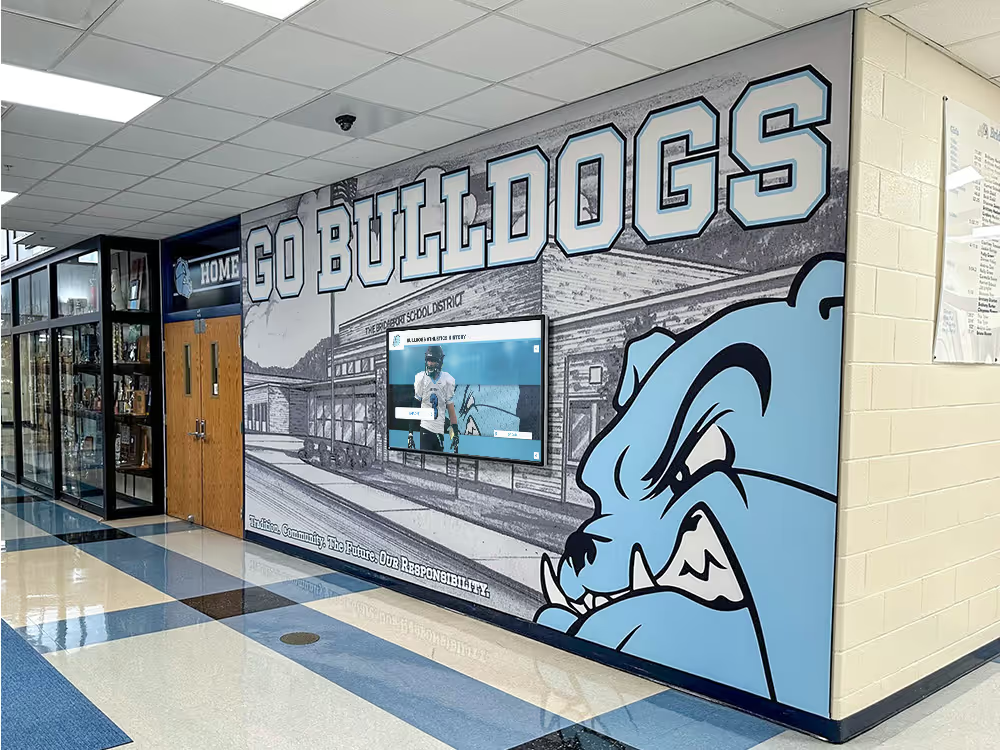
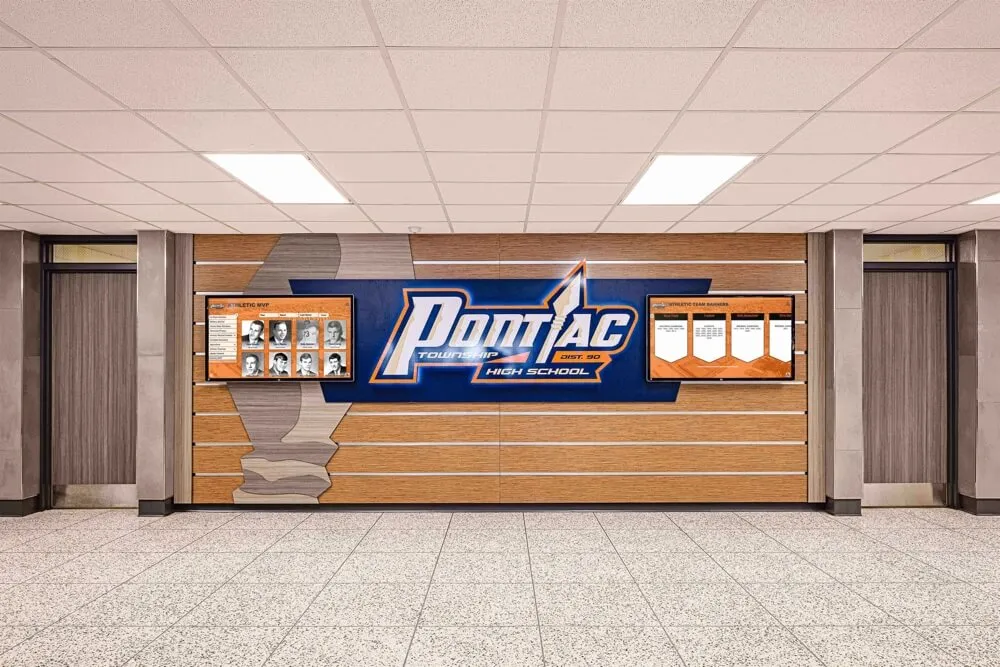
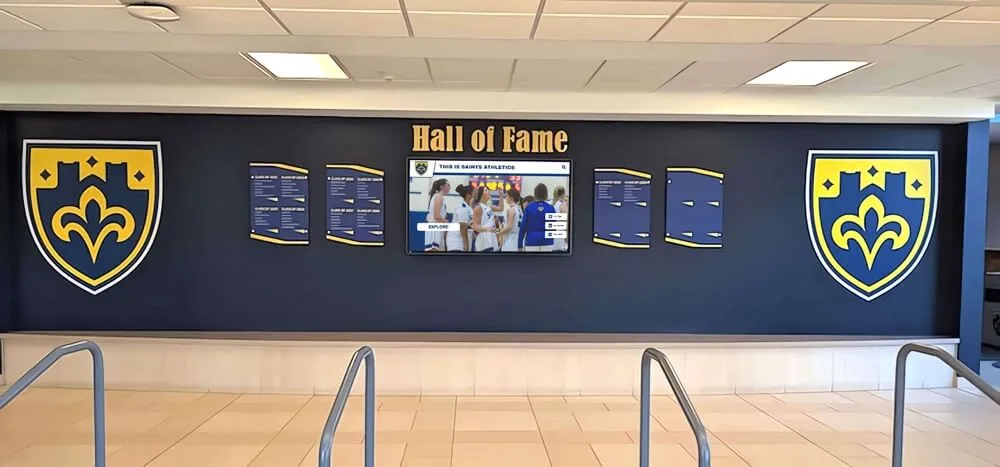
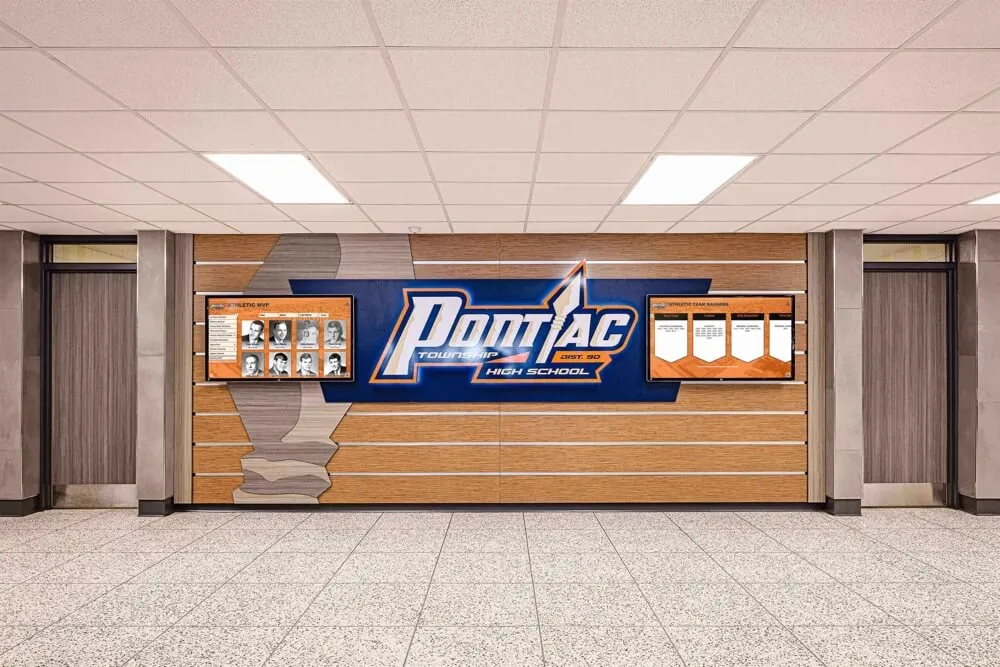
Contemporary athletic facilities integrate medical support areas with spaces celebrating program achievements and athlete recognition
Location Considerations Athletic training room placement significantly affects program effectiveness:
- Ideal: Adjacent to main gymnasium and locker facilities
- Acceptable: Within athletic wing with reasonable access from all athletic spaces
- Problematic: Remote locations requiring athletes to travel significant distances from practice/competition venues
Schools renovating facilities or planning new construction should prioritize appropriate athletic training room placement and size to support comprehensive programs.
Essential Equipment and Supplies
Athletic training programs require specific medical equipment, therapeutic modalities, and consumable supplies for effective athlete care.
Emergency Equipment (Non-Negotiable) Every program must maintain:
- Automated External Defibrillator (AED): Multiple units covering all athletic venues
- Spine boarding equipment: Immobilization devices for catastrophic injury management
- Emergency medical kit: Airway management, bleeding control, splinting materials
- Emergency action plans: Site-specific protocols for all athletic venues
- Communication devices: Reliable phones/radios for emergency service contact
Injury Evaluation and Treatment Supplies Standard athletic training equipment includes:
- Taping supplies (athletic tape, pre-wrap, scissors)
- Bracing and support equipment (ankle braces, knee supports, compression wraps)
- Wound care supplies (bandages, antiseptics, sterile dressings)
- Cold therapy equipment (ice bags, chemical cold packs, ice bath/tub)
- Heat therapy equipment (heating pads, hot packs, warm whirlpool)
- Evaluation tools (goniometers, reflex hammers, assessment forms)
Rehabilitation and Therapeutic Equipment More comprehensive programs invest in:
- Therapeutic modalities (electrical stimulation, ultrasound)
- Exercise equipment (resistance bands, weights, balance equipment)
- Compression therapy systems
- Functional movement assessment tools
- Sport-specific rehabilitation equipment
Budget Planning Initial equipment investment typically ranges:
- Minimum startup: $5,000-$10,000 for basic supplies and emergency equipment
- Comprehensive program: $15,000-$30,000 including therapeutic modalities and rehabilitation equipment
- Annual supplies budget: $3,000-$8,000 for consumables and equipment replacement
Medical Protocols and Documentation Systems
Systematic protocols ensure consistent, evidence-based care while protecting schools legally.
Emergency Action Plans Every athletic venue requires specific emergency protocols:
- Designated roles for coaches, athletic trainers, and administrators
- Specific emergency access points and routes for ambulances
- Location of nearest AED and emergency equipment
- Communication procedures for activating emergency services
- Documentation requirements following emergency situations
- Regular practice drills ensuring everyone knows procedures
NATA recommends reviewing and practicing emergency action plans before each season begins, with all coaches and relevant staff familiar with protocols.
Injury Evaluation and Documentation Proper documentation protects athletes and schools:
- Initial injury evaluation forms capturing mechanism, symptoms, and assessment
- Treatment logs documenting all therapeutic interventions
- Progress notes tracking rehabilitation and return-to-play progression
- Physician referral documentation and clearance letters
- Parent communication records
- HIPAA-compliant storage of medical records
Return-to-Play Protocols Clear return-to-play protocols prevent premature athlete return:
- Concussion protocols: Multi-day symptom-free progression before full return
- Heat illness protocols: Gradual return to full activity following appropriate recovery
- Musculoskeletal injury progression: Functional criteria demonstrating readiness for competition
- Physician clearance requirements: Medical authorization for significant injuries
- Communication systems: Ensuring coaches, parents, and athletes understand restrictions
Many states now mandate specific return-to-play protocols, particularly for concussions. Athletic trainers ensure compliance with state regulations while protecting athlete health.

Programs celebrating athletic achievement increasingly highlight comprehensive athlete care and safety culture alongside competitive success
Injury Prevention: The Foundation of Athletic Training Programs
The most effective athletic training programs emphasize prevention, reducing injury occurrence before athletes require treatment.
Pre-Participation Physical Examinations
Comprehensive pre-participation evaluations identify conditions requiring management before athletic participation.
Screening Components Effective pre-participation physicals assess:
- Medical history including previous injuries, surgeries, and chronic conditions
- Family history of cardiac conditions, sudden death, or significant diseases
- Cardiovascular screening including blood pressure, heart sounds, and cardiac history
- Musculoskeletal evaluation identifying previous injury patterns or risk factors
- Vision testing ensuring adequate visual acuity for safe participation
- Body composition and maturation assessments
Risk Identification Benefits Pre-participation examinations identify:
- Undiagnosed cardiac conditions requiring further evaluation
- Inadequately rehabilitated previous injuries needing attention before competition
- Musculoskeletal imbalances or weaknesses suggesting injury risk
- Medical conditions requiring activity modifications or special equipment
- Athletes needing specific strengthening or flexibility programs
Schools should require updated pre-participation physicals annually, with many states mandating specific timeframes between examinations and first practice.
Sport-Specific Injury Prevention Programs
Evidence-based injury prevention programs significantly reduce injury rates in specific sports.
Lower Extremity Injury Prevention Programs like FIFA 11+ and PEP (Prevent Injury and Enhance Performance) reduce knee injuries:
- Dynamic warm-up protocols emphasizing proper movement patterns
- Neuromuscular training improving landing mechanics and deceleration
- Strength exercises targeting hip, knee, and ankle stability
- Plyometric progressions building explosive power with proper technique
- Sport-specific agility drills emphasizing safe cutting and pivoting
Research demonstrates these programs reduce ACL injuries by 50-70% when consistently implemented across entire seasons, with particular benefits for female athletes at elevated ACL injury risk.
Concussion Risk Reduction While no program eliminates concussion risk, evidence-based approaches reduce occurrence:
- Proper tackling and contact technique instruction
- Neck strengthening programs improving head stability during contact
- Recognition training helping athletes identify and report symptoms
- Rule enforcement reducing dangerous play
- Equipment proper fitting and maintenance
Overuse Injury Prevention Athletic trainers help coaches design training programs preventing overuse injuries:
- Workload monitoring preventing excessive training volume spikes
- Proper progression allowing tissue adaptation to training demands
- Recovery protocols including rest days and active recovery
- Cross-training reducing repetitive stress on specific structures
- Early intervention when athletes report minor discomfort
Learn about comprehensive approaches to recognizing athletic achievement while prioritizing athlete welfare.
Environmental Risk Management
Athletic trainers monitor environmental conditions and implement protocols protecting athletes from heat illness, cold exposure, and air quality concerns.
Heat Illness Prevention Comprehensive heat management protocols include:
- Wet Bulb Globe Temperature (WBGT) monitoring during hot weather practices
- Activity modification based on environmental conditions and heat index
- Hydration protocols ensuring adequate fluid intake before, during, and after activity
- Acclimatization periods gradually increasing practice intensity in heat
- Recognition training for coaches identifying early heat illness symptoms
- Ice baths and cooling equipment available for emergency treatment
According to the Korey Stringer Institute, comprehensive heat safety protocols reduce exertional heat illness by over 90%, with proper equipment and training essential for preventing tragedies.
Cold Weather and Air Quality Management Athletic trainers also address:
- Cold weather modifications protecting athletes from frostbite and hypothermia
- Air quality monitoring during wildfire season or high pollution days
- Lightning detection and evacuation protocols during storms
- Equipment requirements for safe practice in adverse conditions
Building and Sustaining Your Athletic Training Program
Successful program launch requires strategic planning, stakeholder engagement, and sustainable funding approaches.
Developing the Business Case
Administrative approval requires demonstrating value and return on investment.
Cost-Benefit Analysis Present administrators with comprehensive financial analysis:
- Direct medical cost savings: Reduced emergency room visits, lower insurance claims, faster return to activity
- Liability risk reduction: Qualified medical professionals reducing lawsuit exposure
- Program enhancement value: Improved athletic performance and reduced injury-related season losses
- Recruitment advantages: Attracting athletes and families valuing comprehensive support
- Community reputation: Demonstrating commitment to student-athlete welfare
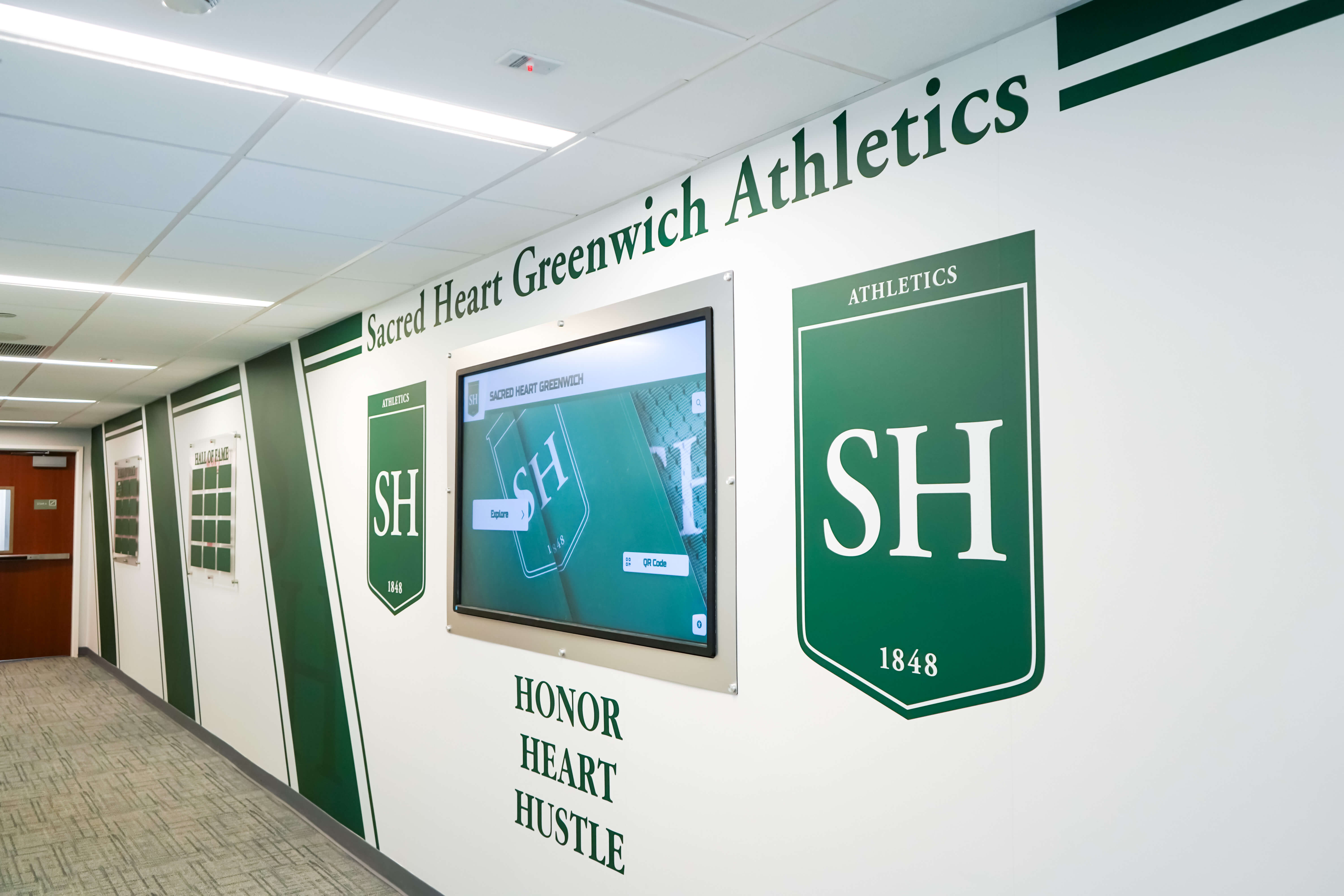
Athletic programs build reputation through visible recognition of achievements alongside commitment to athlete health and development
Addressing Common Administrator Concerns Anticipate and respond to typical objections:
- “We can’t afford it”: Present cost comparison to single catastrophic injury lawsuit or serious medical outcome
- “Coaches handle injuries fine”: Clarify legal and ethical problems with coaches making medical decisions
- “We’ve never had major problems”: Explain liability exposure exists regardless of past fortune, with increasing parent expectations
- “Can we use community volunteers?”: Address credentials, liability, and consistency issues with volunteer models
Funding Strategies and Budget Development
Creative funding approaches make athletic training programs achievable even with constrained school budgets.
School Budget Allocation Traditional funding from general school or athletic department budgets:
- Line item in athletic department budget covering salary and operations
- District-wide health services budget recognizing athletic training as student health service
- Capital improvement funds for facility construction or renovation
- Equipment budgets spread across multiple fiscal years for major purchases
Booster Club and Community Fundraising Community support can offset significant program costs:
- Booster clubs funding athletic trainer salary or specific equipment purchases
- Community fundraising campaigns for athletic training room construction
- Local business sponsorships providing annual program support
- Alumni fundraising targeting graduates who benefited from school athletic programs
- Foundation grants from organizations supporting youth sports safety
Healthcare Partnerships Creative partnerships reduce or eliminate school costs:
- Hospital or sports medicine clinic covering portion of athletic trainer salary in exchange for community visibility
- Physician group providing services as community outreach
- Physical therapy clinics offering athletic training coverage connecting to referral opportunities
- Athletic training education programs providing graduate assistant coverage
Grant Opportunities Multiple organizations offer grants supporting athletic training program development:
- NFL Foundation grants for youth football safety programs
- State athletic trainer association grants and scholarships
- National Athletic Trainers’ Association Foundation funding
- Private foundations supporting youth sports safety initiatives
- State departments of education grants for innovative health programs
Hiring Your Certified Athletic Trainer
Selecting the right athletic trainer significantly impacts program success and school culture.
Essential Qualifications Every athletic trainer candidate should possess:
- Current Board of Certification (BOC) credential demonstrating national certification
- State athletic training licensure where required by state law
- Bachelor’s or master’s degree from CAATE-accredited athletic training program
- Current CPR, AED, and emergency care certifications
- Professional liability insurance coverage
- Clean background check and proper clearances for school employment
Evaluating Experience and Skills Beyond basic qualifications, assess:
- Previous high school athletic training experience and coverage models
- Sport-specific expertise matching your athletic program offerings
- Communication skills for working with athletes, coaches, parents, and administrators
- Emergency response experience and comfort with high-pressure situations
- Relationship-building ability and cultural fit with school community
- Technology competency for documentation and communication systems
Interview Questions to Ask Determine candidate fit through targeted questions:
- “Describe your approach to working with coaches who may not initially understand athletic training roles.”
- “How do you handle situations where parents want athletes to play but you determine they’re not medically cleared?”
- “What injury prevention programs have you implemented and what were the results?”
- “How do you prioritize when multiple athletes need attention simultaneously?”
- “Describe a difficult situation with an athlete, parent, or coach and how you resolved it.”
Explore recognizing athletic program achievements that celebrate comprehensive athlete support alongside competitive success.
Integrating Athletic Training Into Your Athletic Department
Athletic trainers’ effectiveness depends significantly on how well they integrate into existing athletic department culture and operations.
Defining Roles and Establishing Authority
Clear role definitions prevent conflicts and confusion.
Athletic Trainer Authority Areas Athletic trainers must have final authority over:
- Injury evaluation and return-to-play decisions
- Emergency medical response and emergency service activation
- Medical equipment selection and maintenance
- Athletic training room policies and procedures
- Injury documentation and medical record management
- Referrals to physicians and medical specialists
Collaborative Decision-Making Areas Athletic trainers should collaborate with coaches on:
- Practice schedules allowing adequate warm-up and injury prevention time
- Conditioning program design supporting athlete development
- Environmental monitoring and practice modifications
- Athlete workload management preventing overtraining
- Long-term athlete development and career planning
Coach Responsibilities That Remain Athletic trainers do not and should not:
- Make coaching decisions about playing time, strategy, or game management
- Undermine coach authority or relationships with athletes
- Make decisions based on competitive considerations rather than medical criteria
- Bypass coaches in communication with athletes about non-medical matters
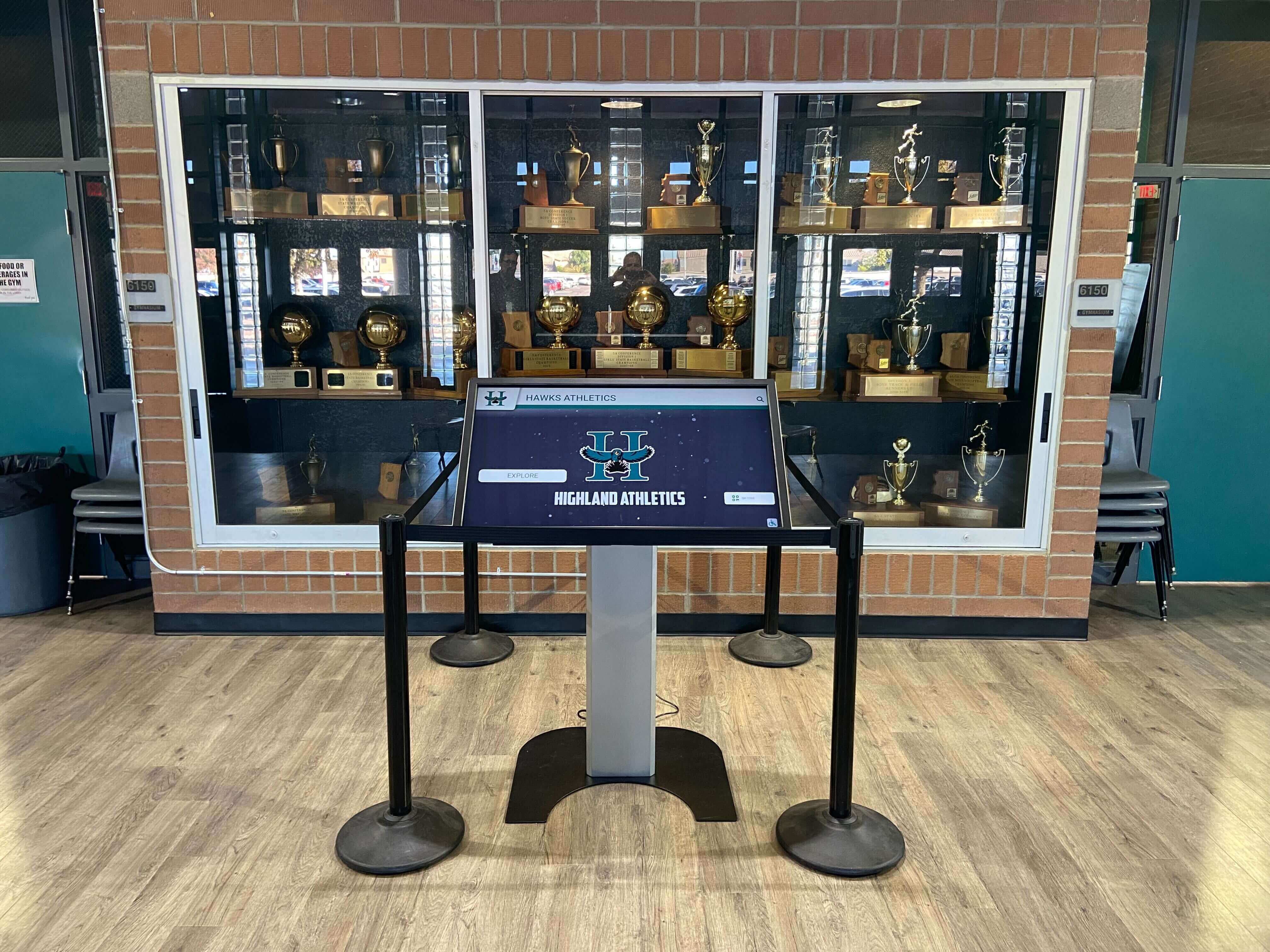
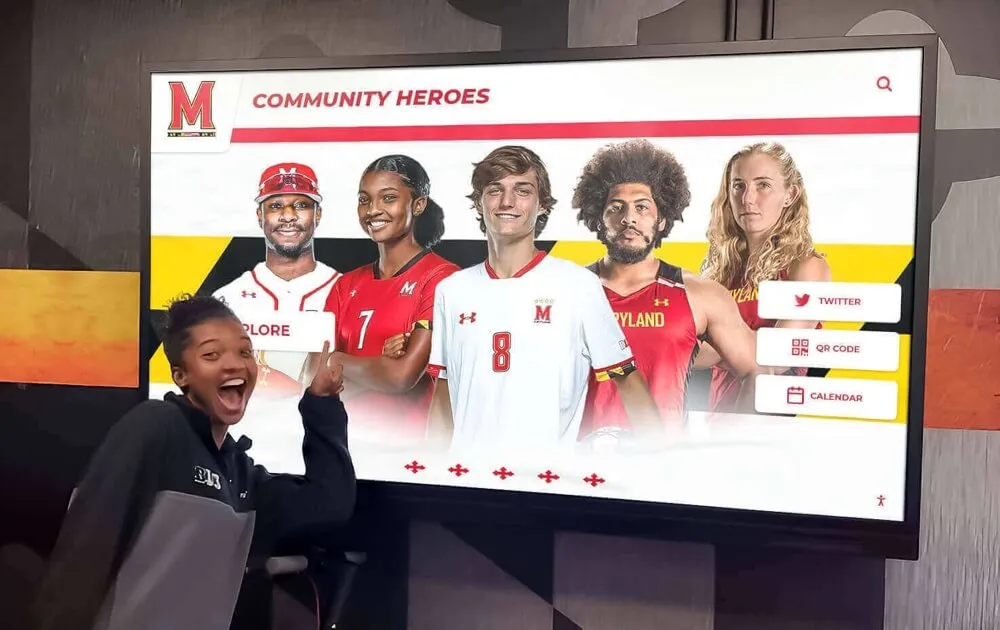
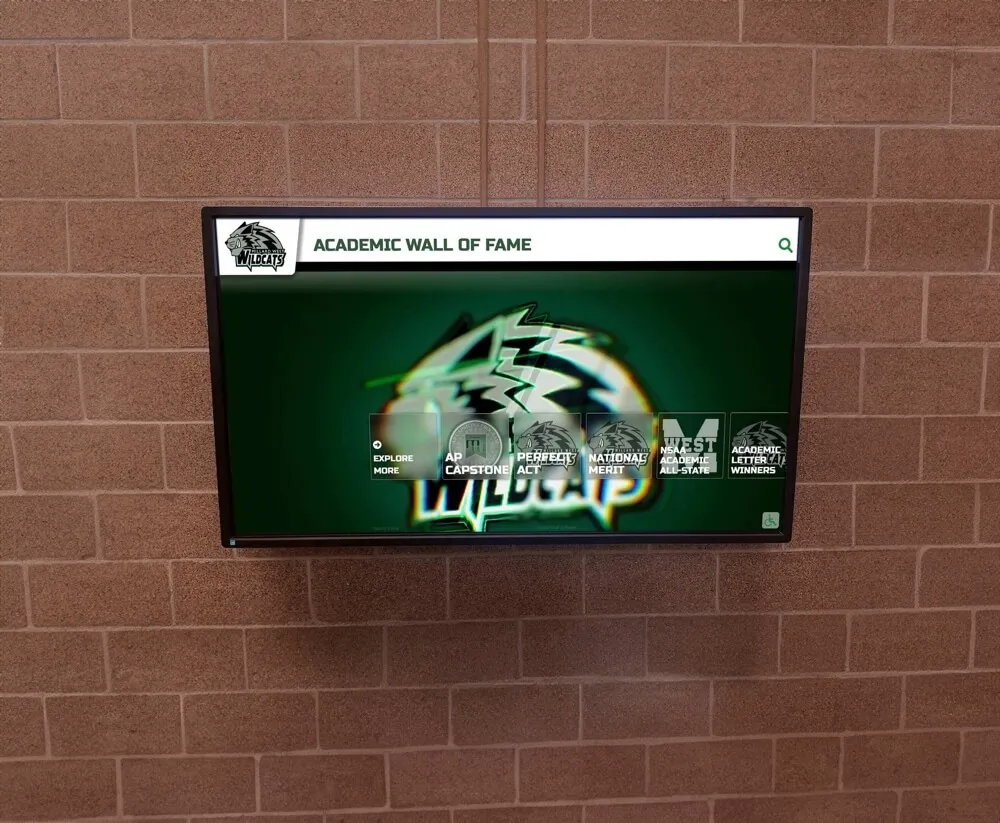
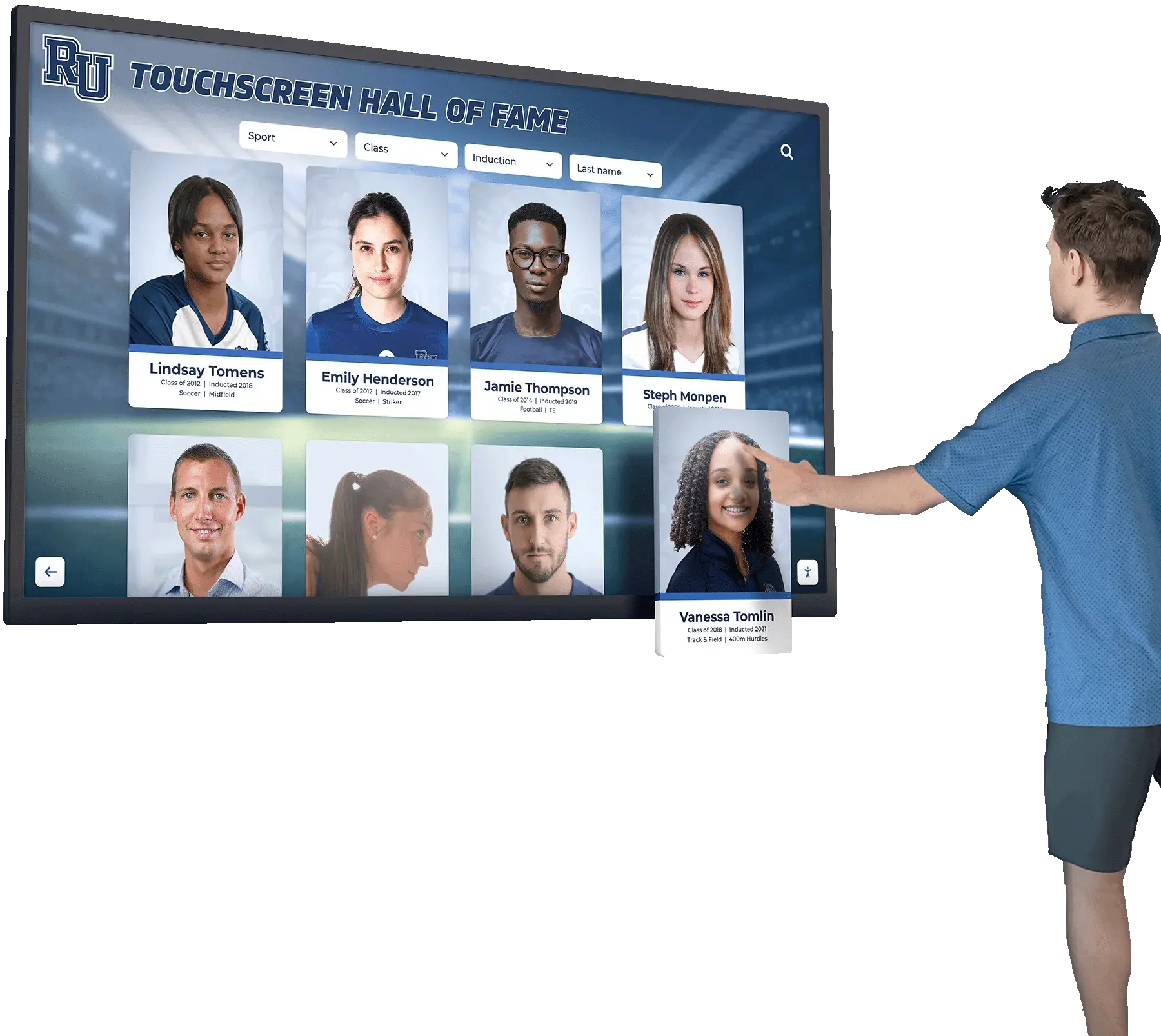
Modern athletic programs use digital recognition systems to celebrate achievements while highlighting comprehensive athlete support programs
Building Productive Coach-Athletic Trainer Relationships
The coach-athletic trainer relationship significantly influences program success and athlete outcomes.
Initial Relationship Building Athletic trainers should:
- Meet individually with each head coach before season begins
- Learn coach communication preferences and style
- Understand sport-specific demands and common injury patterns
- Establish daily communication routines and preferred methods
- Clarify expectations and role boundaries early
- Demonstrate respect for coach expertise and program goals
Maintaining Strong Communication Ongoing communication prevents misunderstandings:
- Daily check-ins during active seasons updating injury status
- Pre-practice communication about athlete limitations or restrictions
- Post-practice debriefs about injuries or concerns arising
- Weekly meetings during intense seasons for planning and coordination
- Season-end reviews assessing what worked and needs improvement
Navigating Disagreements Conflicts occasionally arise requiring professional navigation:
- Focus discussions on athlete health and safety, not competitive considerations
- Provide coaches with clear medical reasoning for decisions
- Offer alternatives when possible rather than only restrictions
- Escalate persistent disagreements to athletic director for mediation
- Document conversations and decisions protecting all parties
Parent Communication and Relationship Management
Effective parent communication builds trust while maintaining appropriate boundaries.
Initial Season Communication Set expectations early through:
- Pre-season parent meetings introducing athletic trainer and services
- Handouts explaining athletic training services, policies, and parent communication procedures
- Contact information and preferred communication methods
- Injury reporting and follow-up communication protocols
- Insurance and referral procedures for injuries requiring physician care
Injury Communication Protocols When injuries occur, parents need:
- Timely notification of significant injuries requiring physician evaluation
- Clear explanation of injury, treatment plan, and expected timeline
- Updates on rehabilitation progress and return-to-play status
- Return-to-play criteria and timelines with realistic expectations
- Documentation they can share with family physicians or specialists
Boundary Setting Athletic trainers must balance accessibility with reasonable limits:
- Establish communication hours and response time expectations
- Direct medical questions to athletic trainer, not coaches
- Clarify what medical information can and cannot be shared due to HIPAA
- Maintain consistent policies across all athletes and families
- Redirect inappropriate demands professionally but firmly
Learn about comprehensive approaches to celebrating athletic achievement and program excellence that recognize all aspects of athletic programs including athlete care.
Measuring Athletic Training Program Success
Regular assessment demonstrates program value while identifying improvement opportunities.
Quantitative Metrics
Injury Rate Analysis Track key injury statistics:
- Total injury count per season and per sport
- Injury rate per 1,000 athlete exposures (practices + competitions)
- Catastrophic injury occurrence (should be zero with proper protocols)
- Injury type distribution identifying patterns
- Recurrent injury rates suggesting rehabilitation or prevention issues
- Year-over-year trend analysis showing program impact
Financial Impact Measures Demonstrate cost savings and return on investment:
- Emergency room visits before and after program implementation
- Average time lost to injury per athlete
- Insurance claims related to athletic injuries
- Lawsuit or legal costs related to athletic injury management
- Physician referral costs and specialist utilization
Service Delivery Metrics Assess program operations:
- Athlete contacts per day/week/season
- Practice and competition coverage hours
- Injury evaluation turnaround time
- Physician referrals completed
- Rehabilitation treatments provided
- Emergency action plan activations and outcomes
Qualitative Assessment
Stakeholder Satisfaction Surveys Regular feedback from key groups:
- Athlete satisfaction with athletic training services, accessibility, and care quality
- Coach satisfaction with communication, coverage, and injury management
- Parent satisfaction with information, accessibility, and athlete care
- Administrator perception of program value and community response
Cultural Indicators Observe changes in athletic department culture:
- Coach respect for athletic trainer authority and medical decisions
- Athlete willingness to report injuries early rather than hiding concerns
- Parent confidence in school athletic health and safety commitment
- Community perception of athletic program professionalism and quality
- Staff integration of injury prevention into coaching philosophy
Compliance and Safety Measures Assess program execution quality:
- Emergency action plan review and practice completion
- Environmental monitoring protocol adherence
- Concussion protocol compliance rates
- Pre-participation physical examination completion rates
- Documentation quality and completeness

Athletic facilities increasingly integrate recognition of program achievements with spaces dedicated to athlete health and performance support
Recognizing Athletic Training Program Success and Impact
As athletic training programs mature and demonstrate value, schools benefit from celebrating and promoting these important services.
Highlighting Athletic Training in Program Recognition
Modern athletic programs recognize that comprehensive athlete support—including athletic training—represents a competitive advantage worth highlighting alongside traditional achievements.
Integration with Athletic Recognition Systems Schools increasingly incorporate athletic training program elements into broader recognition:
- Athletic trainer acknowledgment in digital hall of fame displays celebrating program excellence
- Recognition of injury-free seasons or reduced injury rates as program achievements
- Highlighting athlete recovery stories demonstrating training program effectiveness
- Celebrating athletic training program milestones and certifications earned
- Promoting comprehensive athlete care as program differentiator
Communicating Athlete Health Commitment Athletic training programs represent powerful messages about institutional values:
- Website and recruiting materials highlighting athletic training services
- Social media content featuring athletic trainer work with student-athletes
- Facility tours showcasing athletic training room and equipment
- Parent presentations including athletic training program overview
- Community communications celebrating safety culture and athlete care commitment
Solutions like Rocket Alumni Solutions enable schools to create digital recognition displays that celebrate not only championships and individual achievements but also comprehensive athlete support programs including athletic training services. These displays help schools communicate their commitment to athlete health alongside competitive excellence.
Marketing Athletic Training as Program Differentiator
As families evaluate high school options, comprehensive athletic training programs increasingly influence decisions.
Recruitment Messaging Athletic programs should highlight:
- Certified athletic trainer credentials and experience
- Daily coverage availability and services provided
- Injury prevention programs implemented
- Rehabilitation services supporting athlete recovery
- Emergency preparedness and safety protocols
- College connections and preparedness for next-level athletics
Parent Information Sessions Dedicated athletic training information sessions build confidence:
- Athletic trainer introduction and credential presentation
- Facility tours showing athletic training room and equipment
- Protocol explanations for injury reporting, treatment, and communication
- Parent questions addressed directly by athletic trainer
- Insurance and referral procedures clarified
- Emergency action plan overview providing reassurance
Community Awareness Building Broader community education positions schools as leaders:
- Sports medicine nights with presentations on injury prevention or current topics
- Collaboration with youth programs providing education and support
- Media features highlighting athletic training program and services
- Athletic trainer blog posts or social media presence sharing expertise
- Community recognition of athletic training program achievements and certifications
Learn about comprehensive approaches to recognizing all aspects of athletic program excellence including behind-the-scenes support that makes success possible.
Special Considerations for Athletic Training Programs
Certain situations and populations require adapted approaches and additional planning.
Multi-School or District-Wide Programs
Smaller schools may share athletic training services across multiple campuses.
Shared Services Model One athletic trainer covers multiple schools:
- Rotating schedule providing each school specific coverage days
- Priority coverage for highest-risk sports and activities
- Central base location with satellite visits to other campuses
- Coordinated scheduling avoiding conflicts across schools
- Shared equipment and supply budgets
Benefits and Challenges Shared programs offer:
- Cost efficiency making programs accessible to smaller schools
- Professional community reducing athletic trainer isolation
- Economies of scale for equipment and supply purchasing
- Coverage backup when athletic trainers absent or on vacation
However, limitations include:
- Reduced coverage hours at each individual school
- Relationship building challenges with limited athlete contact
- Scheduling conflicts during simultaneous high-priority events
- Travel time reducing actual athlete care availability
Adaptive Sports and Students with Disabilities
Athletic training programs should provide equal services to adapted athletics and students with disabilities.
Inclusive Program Design Ensure comprehensive coverage:
- Athletic training coverage for adapted sports programs equivalent to traditional sports
- Wheelchair and adaptive equipment maintenance support
- Understanding of disability-specific considerations affecting injury risk and management
- Communication approaches appropriate for athletes with sensory or developmental disabilities
- Coordination with physical and occupational therapists supporting students with disabilities
Specialized Knowledge Requirements Athletic trainers working with adapted athletics need:
- Understanding of common conditions (spinal cord injury, cerebral palsy, amputations, visual/hearing impairments)
- Recognition that typical injury mechanisms may not apply
- Awareness of medication effects and medical management considerations
- Communication strategies for athletes with cognitive or communication disabilities
- Equipment modification knowledge for adaptive sports
Female Athlete Considerations
Research demonstrates specific injury patterns and health considerations for female athletes requiring specialized attention.
Gender-Specific Injury Risks Female athletes face elevated risk for:
- ACL injuries at rates 4-6 times higher than male athletes in similar sports
- Stress fractures, particularly in running and jumping sports
- Patellofemoral pain syndrome and knee conditions
- Eating disorders and disordered eating patterns
- Relative energy deficiency in sport (RED-S) affecting bone health and hormonal function
Prevention and Management Approaches Athletic trainers should implement:
- Neuromuscular training programs proven to reduce ACL injury risk
- Education on menstrual cycle tracking and recognizing concerning patterns
- Screening for Female Athlete Triad (disordered eating, menstrual dysfunction, bone density loss)
- Communication creating safe environment for discussing sensitive topics
- Coordination with physicians addressing hormonal and gynecological health concerns
Research published in the British Journal of Sports Medicine demonstrates that schools implementing comprehensive female athlete health programs see 30-40% reduction in injury rates alongside improved athletic performance and career longevity.

Athletic programs increasingly recognize that excellence includes comprehensive athlete health, safety, and development alongside competitive achievements
Future Trends in High School Athletic Training
Athletic training continues evolving with new technology, research, and best practices shaping program development.
Technology Integration
Modern athletic training programs increasingly leverage technology:
Injury Documentation and Management Systems Cloud-based platforms streamline documentation:
- Electronic medical records accessible from multiple locations
- Automated communication with coaches, parents, and physicians
- Treatment protocols with evidence-based rehabilitation progressions
- Outcome tracking demonstrating program effectiveness
- HIPAA-compliant security protecting athlete medical information
Wearable Technology and Injury Prevention Data-driven approaches identify injury risk:
- GPS and accelerometer data monitoring training load and workload
- Heart rate variability tracking recovery status and overtraining risk
- Biomechanical analysis identifying movement patterns associated with injury risk
- Impact sensor technology detecting concerning contact forces
- Sleep tracking recognizing inadequate recovery
Telehealth and Remote Consultation Technology expands access to expertise:
- Video consultation with physicians reducing unnecessary office visits
- Remote rehabilitation monitoring for injured athletes
- Specialist consultation for complex cases in underserved areas
- Continuing education and case discussion with athletic training communities
Expanding Scope and Recognition
The athletic training profession continues gaining recognition and expanding influence:
Emerging Practice Settings Athletic trainers increasingly work in:
- Performing arts covering dancers, musicians, and theater performers
- Military settings supporting tactical athletes
- Occupational health preventing and managing workplace injuries
- Physician practices expanding access to services
- Community health centers serving underserved populations
Legislative and Policy Advances State and national advocacy increases athletic training access:
- Growing number of states mandating athletic trainer coverage at high school events
- Improved insurance reimbursement for athletic training services
- Medical staff designation laws defining athletic trainers’ role in healthcare
- Concussion legislation requiring qualified medical professionals in return-to-play decisions
- Proposed federal legislation supporting athletic trainer employment in schools
These trends suggest continued growth in athletic training program adoption and resources devoted to student-athlete health and safety.
Conclusion: Building Comprehensive Athletic Training Programs
Athletic training programs represent strategic investments in student-athlete health, athletic program quality, and institutional risk management. When schools commit resources to certified athletic trainers, proper facilities, evidence-based protocols, and comprehensive services, they create environments where athletes compete safely, recover effectively, and develop habits supporting lifelong health and wellness.
The strategies explored in this guide provide administrators and athletic directors with practical frameworks for launching programs regardless of current resources or experience level. From understanding different staffing models to implementing injury prevention protocols to measuring program success, these approaches transform athletic training from aspirational goal to implemented reality.
Modern athletic departments increasingly recognize that excellence encompasses more than championships and individual athletic achievements—it includes comprehensive athlete care, safety culture, and professional medical support. Digital recognition displays from solutions like Rocket Alumni Solutions help schools communicate this comprehensive excellence by celebrating not only competitive success but also the programs and professionals making that success possible through proper athlete support.
Celebrate Your Athletic Program Excellence
Discover how modern digital recognition solutions can help you showcase not only your competitive achievements but also your commitment to comprehensive athlete care, health, and development through athletic training and support programs.
Explore Recognition SolutionsStart where you are with athletic training programs you can implement immediately, then systematically expand services as resources allow and value becomes evident. Even modest programs with part-time coverage or shared services provide significantly better athlete care than schools relying solely on coaches and volunteers.
Every student-athlete deserves access to qualified medical professionals who understand sports medicine, recognize concerning symptoms, manage injuries appropriately, and make return-to-play decisions based on medical criteria rather than competitive pressure. With thoughtful planning, creative funding, and commitment to athlete welfare, your school can provide comprehensive athletic training services protecting student-athletes while elevating your entire athletic program.
Ready to begin? Explore comprehensive approaches to building athletic program excellence or learn more about celebrating achievements across all aspects of school programs including the behind-the-scenes support that makes success possible.