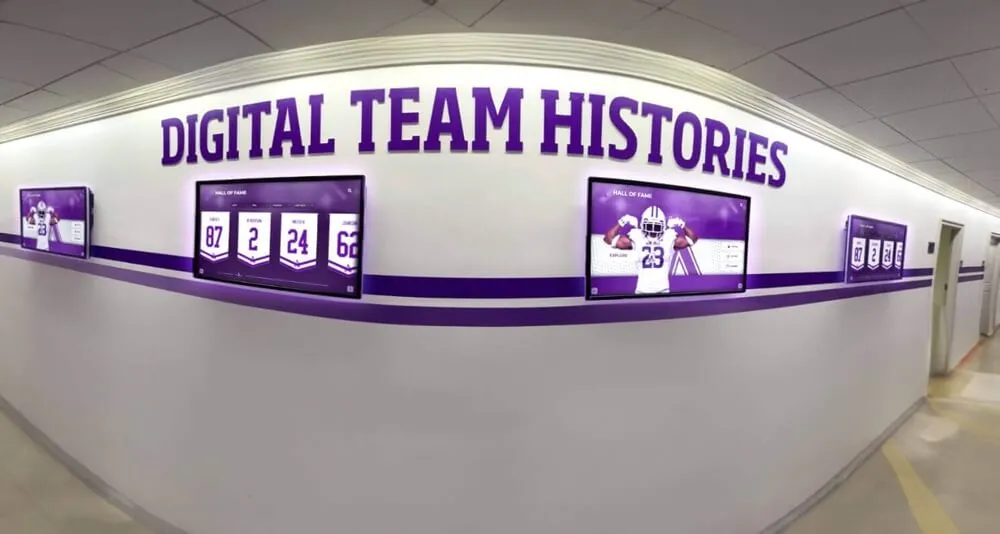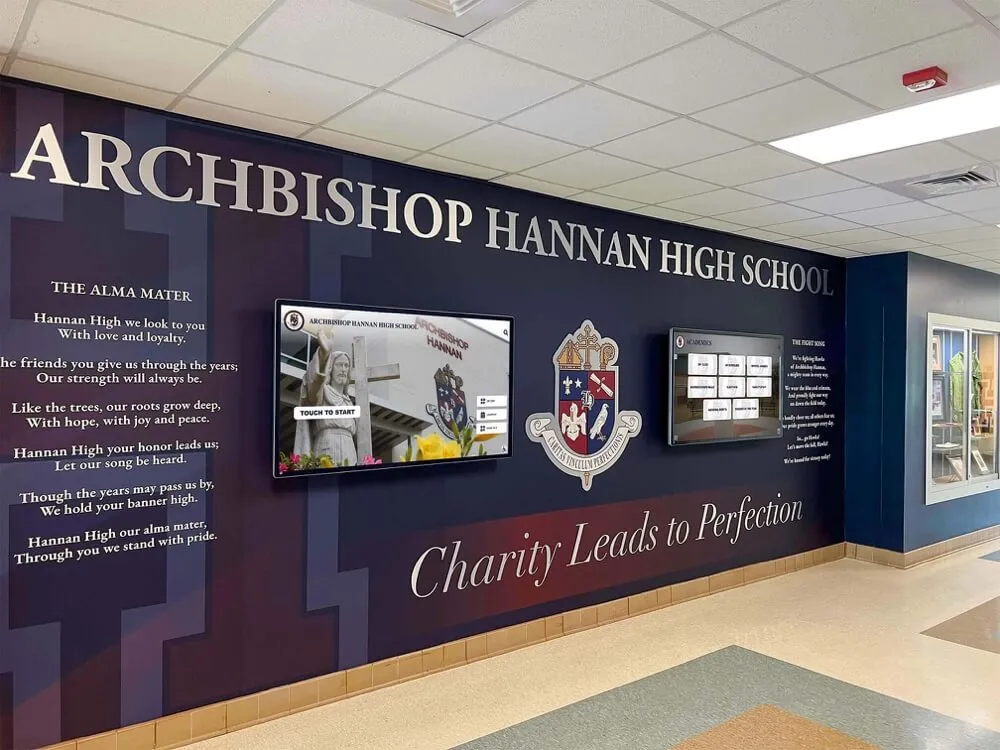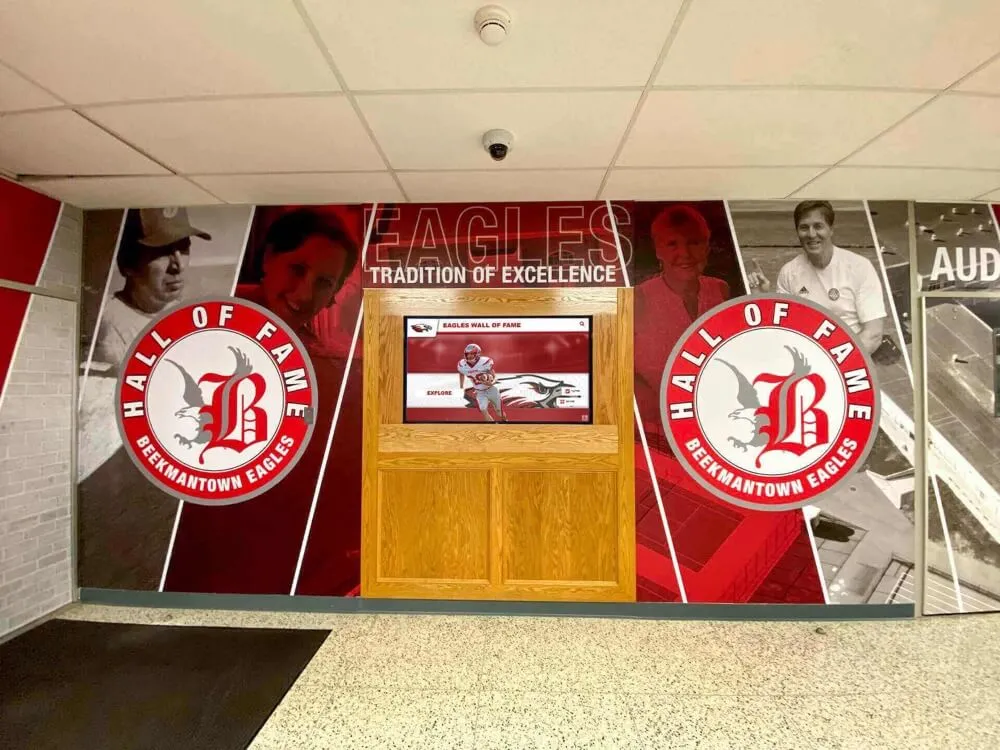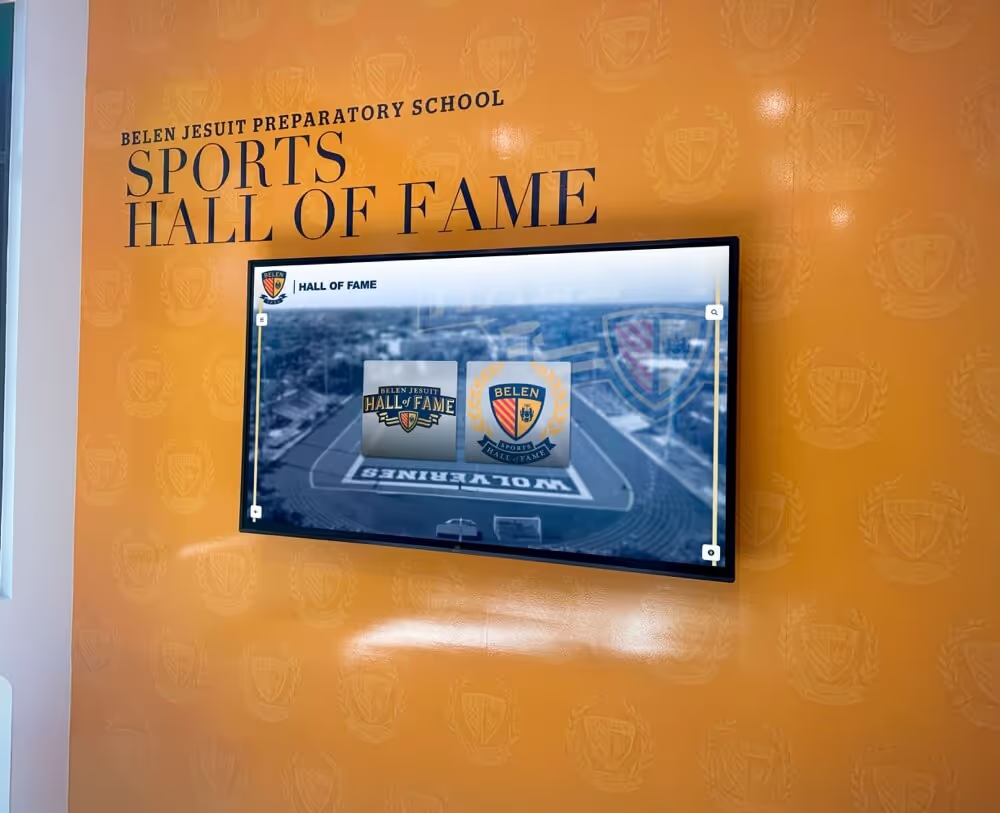
Wrestling programs seeking to honor hall of fame inductees, All-State and All-American wrestlers, weekly standout performers, and maintain current schedules and announcements face distinct challenges with traditional recognition approaches. Physical plaque walls run out of space, static trophy cases can’t display dynamic schedules, and paper announcements become outdated within days.
Awards touchscreens provide comprehensive solutions specifically designed for wrestling program recognition needs. These interactive digital displays eliminate space constraints while enabling real-time updates for schedules and announcements, create engaging multimedia profiles celebrating wrestler achievements, and preserve complete program history accessible to athletes, families, and visitors.
This comprehensive guide provides wrestling coaches, athletic directors, and program administrators with practical frameworks for implementing awards touchscreens that honor hall of fame inductees, recognize weekly standout performers, showcase All-State and All-American achievements, display current schedules, and communicate program announcements through modern recognition platforms designed specifically for wrestling program needs.
Wrestling programs require recognition systems that honor diverse achievements while maintaining current communication about schedules, matches, and program updates. Awards touchscreens consolidate these needs into unified platforms that celebrate historical excellence while supporting day-to-day program operations and community engagement.

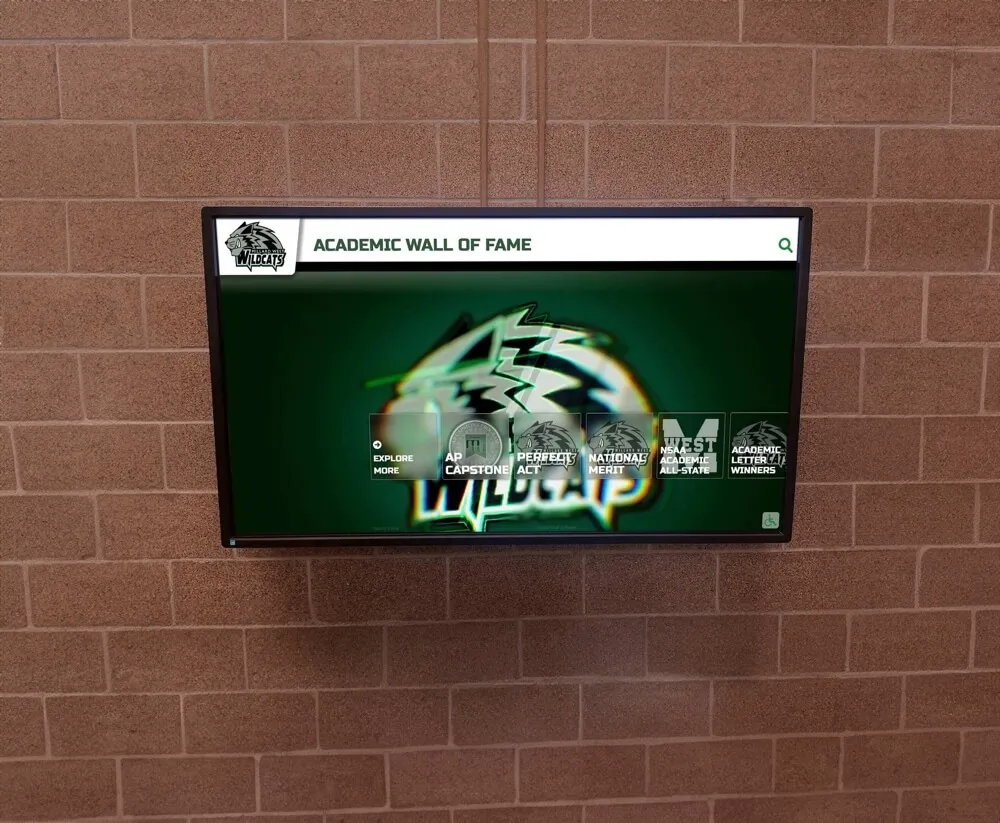
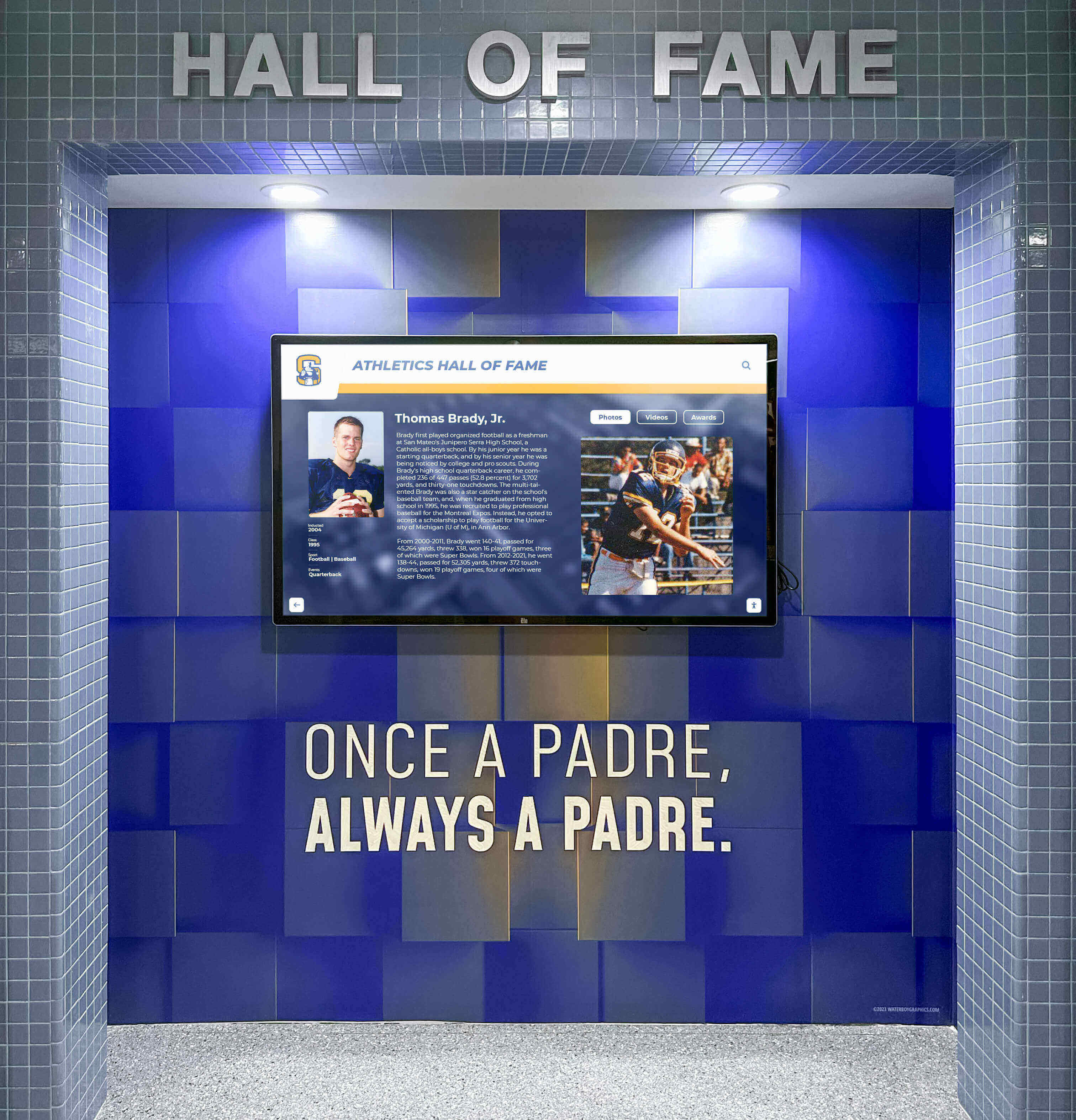
Modern awards touchscreens create comprehensive wrestling recognition environments celebrating hall of fame inductees, current achievements, and program information through engaging interactive displays
Understanding Awards Touchscreen Benefits for Wrestling Programs
Before implementing digital recognition systems, wrestling program administrators need clarity about what awards touchscreens deliver and how they address specific program recognition and communication needs.
Core Capabilities for Wrestling Recognition
Effective awards touchscreens provide specialized features serving wrestling program requirements.
Wrestling Hall of Fame Recognition
Traditional physical halls of fame face inherent space limitations that force impossible prioritization decisions as programs mature. Awards touchscreens eliminate these constraints through unlimited inductee profiles showcasing complete wrestling program history, comprehensive career statistics and achievement documentation, championship team recognition preserving state tournament success, coaching legacy profiles honoring program builders, and historical photo galleries capturing program evolution across decades.
A single touchscreen display can showcase recognition requiring dozens of traditional plaque walls, making comprehensive historical preservation achievable regardless of how long wrestling programs have operated or how many deserving inductees require permanent acknowledgment.
All-State and All-American Wrestler Recognition
Wrestling awards programs recognize excellence at state and national levels requiring systematic documentation. Awards touchscreens provide dedicated recognition through chronological All-State wrestler listings organized by weight class and year, All-American achievement profiles celebrating national tournament success, state placement documentation showing podium finishes across program history, qualifying statistics and season records for honored wrestlers, and photo documentation preserving recognition ceremonies and tournament moments.
This systematic recognition ensures that wrestlers earning state and national honors receive appropriate permanent acknowledgment while creating aspirational targets motivating current team members toward similar achievement.
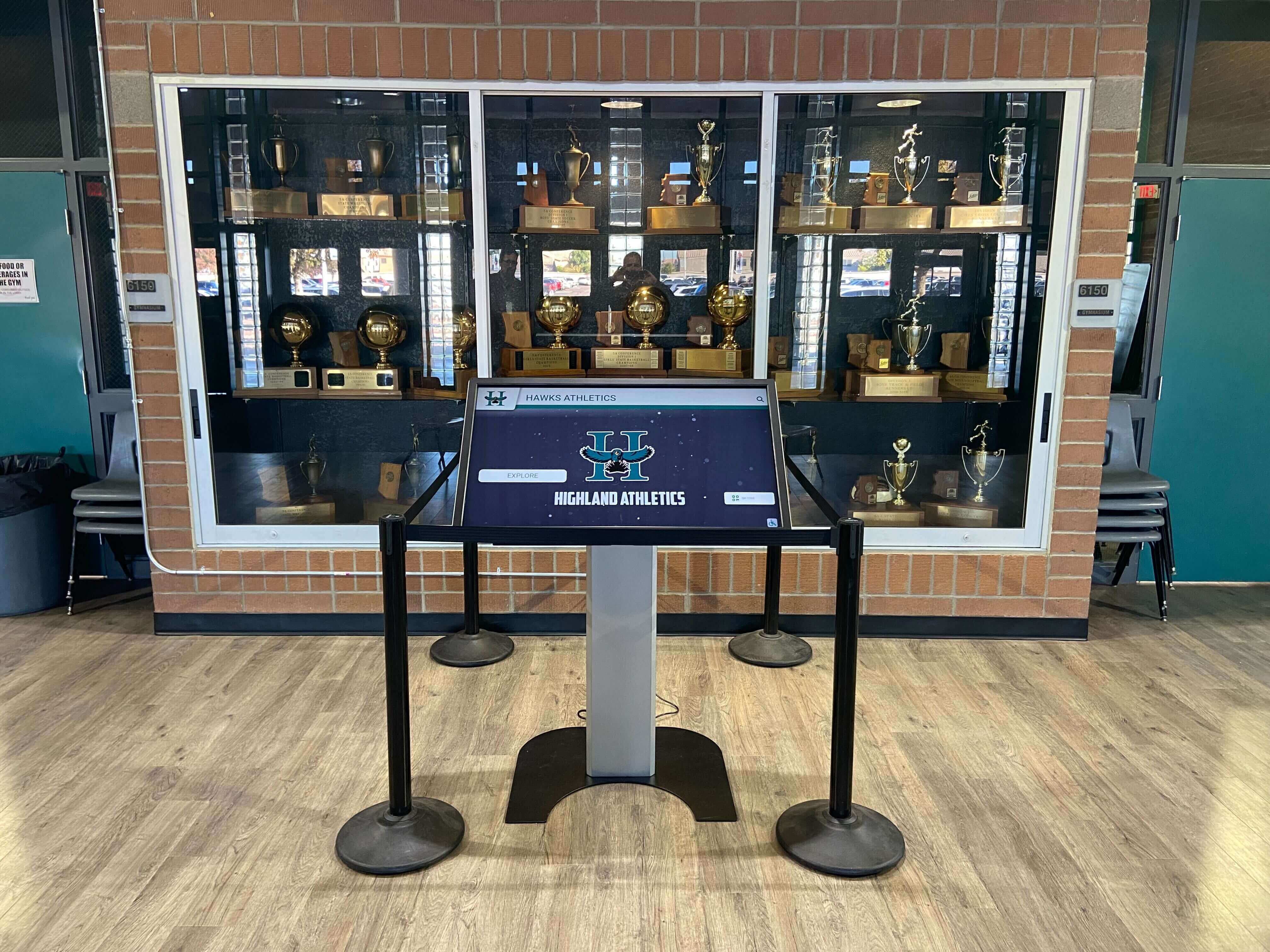
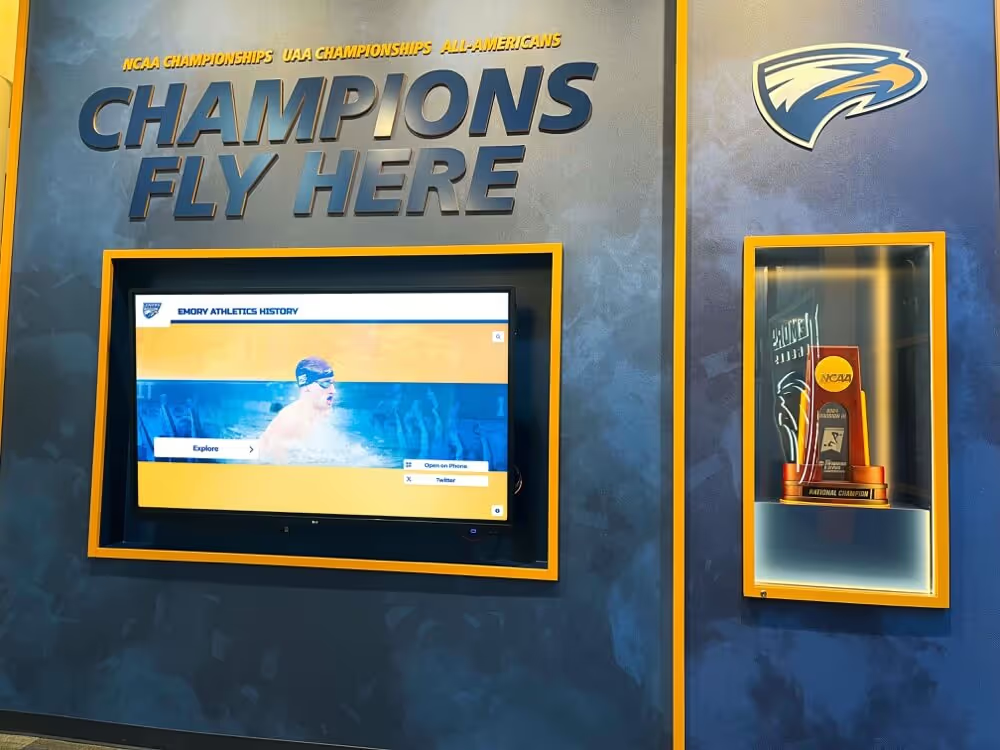
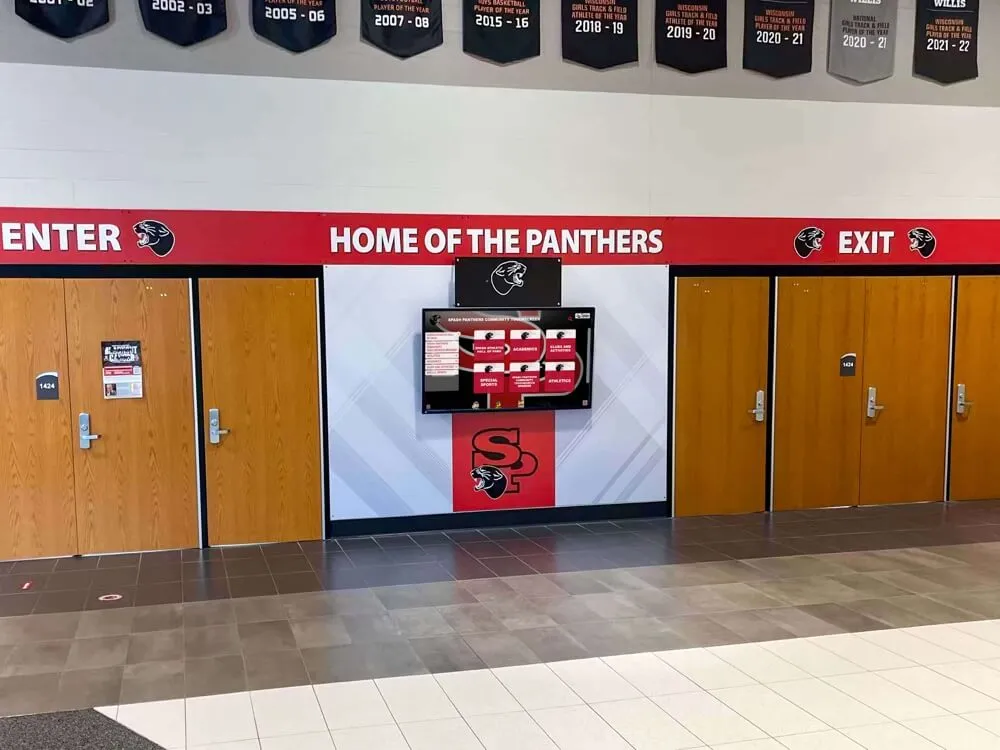
Strategic kiosk placement within trophy case areas integrates awards touchscreens with traditional physical displays creating comprehensive wrestling recognition environments
Wrestler of the Week Recognition Program
Weekly recognition programs celebrate outstanding performances during competitive seasons while providing ongoing motivation for team members. Awards touchscreens enable systematic Wrestler of the Week programs through automated rotation displaying current week honorees prominently, historical archive preserving all weekly recognition across seasons, statistical documentation showing what performances earned recognition, photo and video integration bringing achievements to life, and social sharing features enabling wrestlers to distribute their weekly recognition to family and supporters.
Unlike paper certificates or hallway posters that get taken down and forgotten, digital Wrestler of the Week recognition remains permanently accessible while highlighting current honorees during active recognition periods.
Match Schedules and Tournament Information
Wrestling programs require constant schedule communication for complex dual meet and tournament calendars. Awards touchscreens integrate schedule displays with recognition content through season calendar display showing all matches and tournaments, countdown timers to upcoming competitions building excitement, venue and travel information for away competitions, bracket and seeding information for tournaments, and results integration updating automatically after competitions conclude.
This schedule integration transforms recognition displays into comprehensive program information hubs serving multiple stakeholder communication needs simultaneously.
Program Announcements and Communications
Beyond recognition and schedules, wrestling programs need platforms for ongoing communication. Awards touchscreens provide announcement capabilities through practice schedule changes and facility updates, fundraiser and booster club event promotion, academic achievement recognition celebrating team GPA and honors, recruiting news and college signing announcements, and community recognition thanking supporters and volunteers.
These communication features ensure displays serve daily program operations while maintaining long-term recognition functions creating year-round relevance and engagement.
Digital Recognition Advantages Over Traditional Approaches
Awards touchscreens address fundamental limitations inherent in physical recognition systems.
Unlimited Space Eliminating Prioritization Conflicts
Physical plaque walls force programs to make difficult decisions about whose achievements merit permanent recognition and whose accomplishments remain unacknowledged due to space constraints. Digital systems eliminate these conflicts through capacity for thousands of wrestler profiles without physical expansion, accommodation of complete team rosters not just standout individuals, preservation of comprehensive statistical records across all weight classes, and ability to recognize diverse achievement types from competitive success to academic excellence.
This unlimited capacity ensures that recognition decisions focus on achievement standards rather than availability of physical wall space, creating more equitable and comprehensive recognition programs.

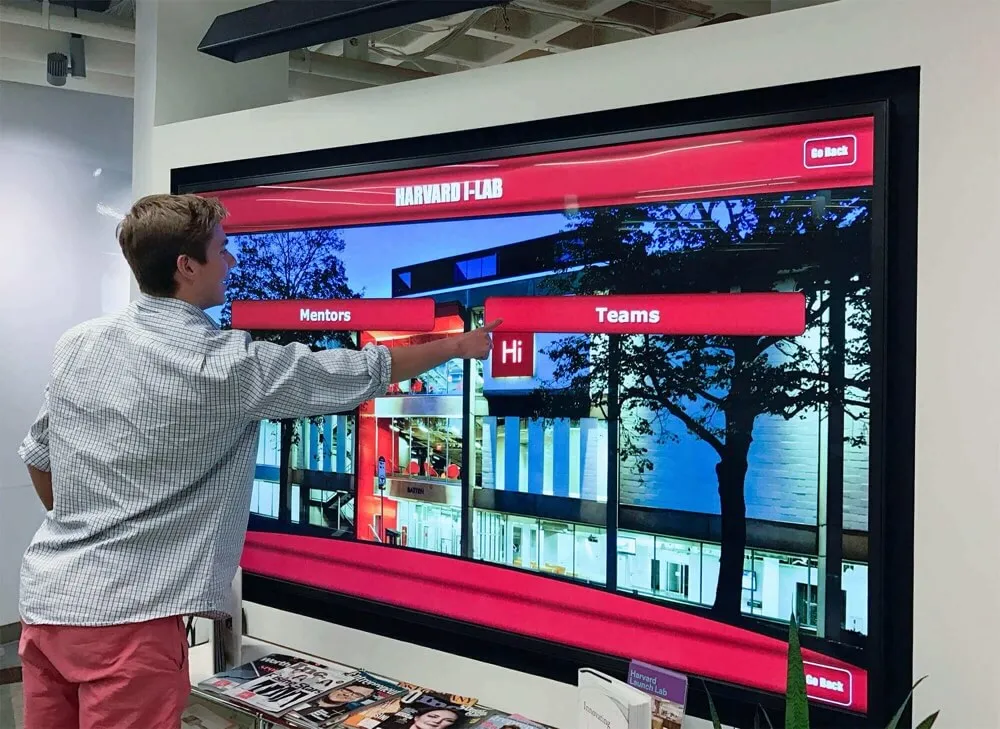
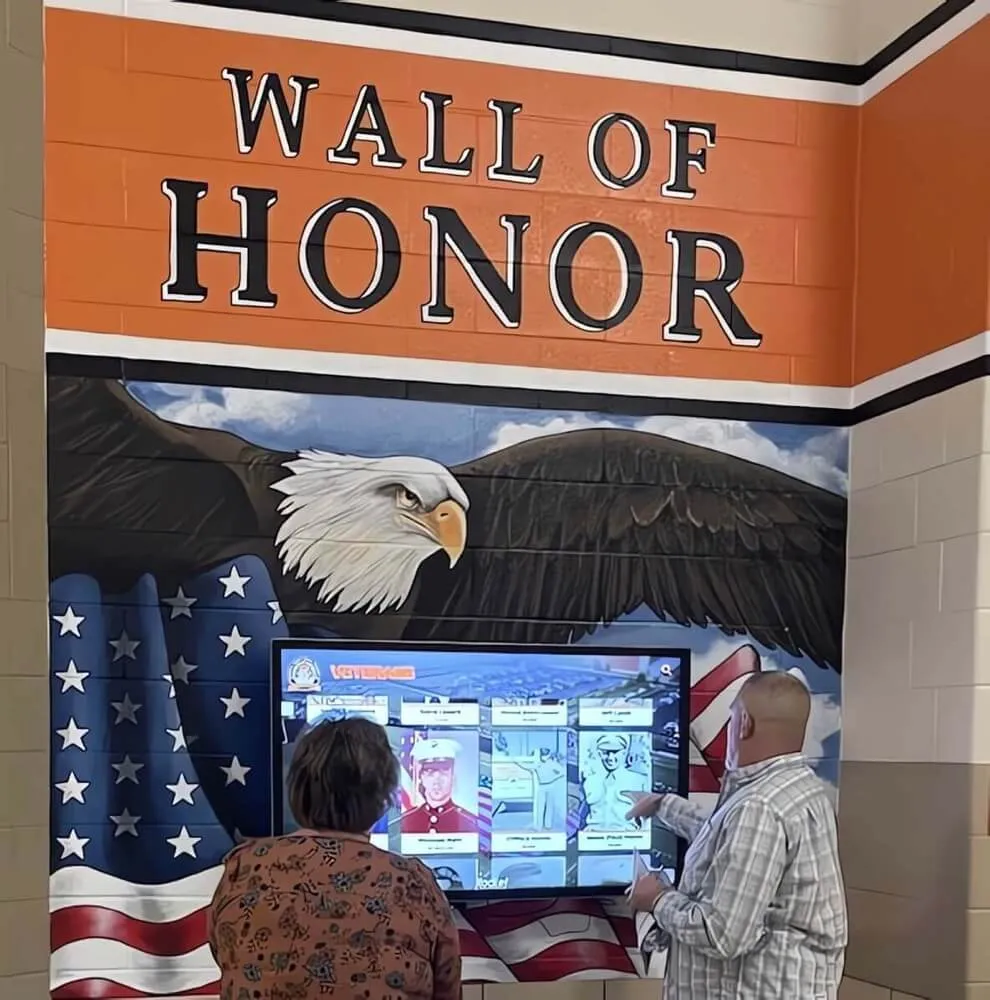
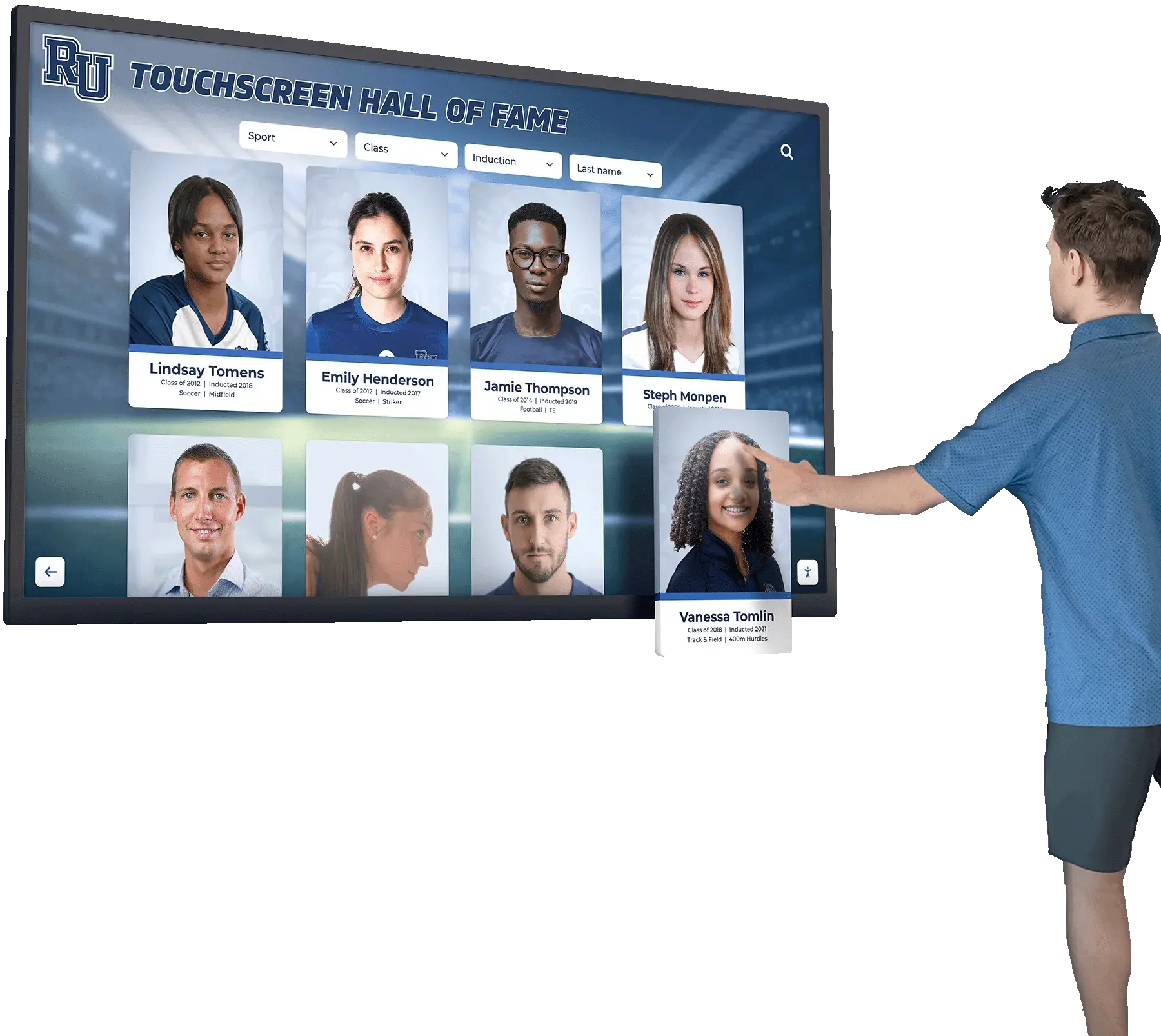
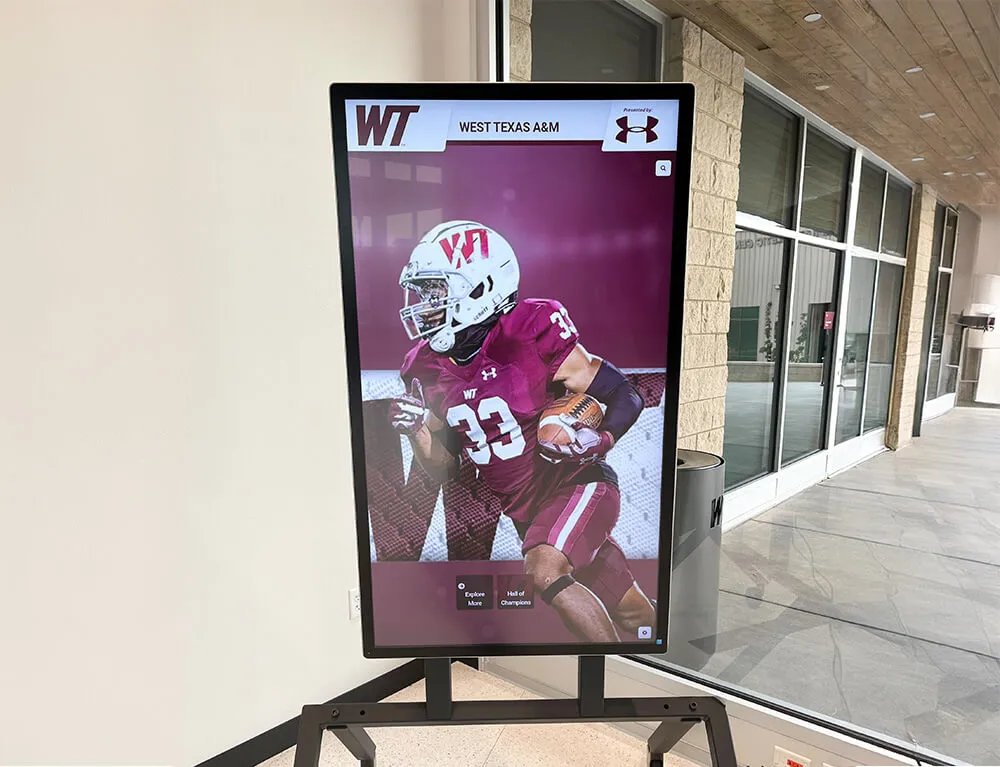
Intuitive touchscreen interfaces enable visitors to explore wrestler profiles, achievements, and program history through simple interactive navigation
Real-Time Updates for Schedules and Announcements
Traditional printed schedules and paper announcements become outdated immediately when changes occur. Digital displays provide instant updates through remote content management enabling changes from any internet-connected device, scheduled publishing automating content appearance at specified times, emergency notification capabilities for urgent communications, and multi-display synchronization ensuring consistent information across all screens.
Wrestling programs report 90% reduction in printed communication costs and significantly improved stakeholder awareness of schedule changes and program updates after implementing digital display systems.
Multimedia Storytelling Capabilities
Physical plaques display only names, dates, and limited statistics. Awards touchscreens enable rich multimedia recognition through high-resolution action photography from matches and tournaments, video highlight integration showing signature moves and tournament success, statistical visualization comparing performance across weight classes and seasons, interview content featuring wrestler reflections on career experiences, and contextual narratives explaining what made specific achievements historically significant.
These multimedia capabilities create emotional engagement that inspires current wrestlers while providing meaningful recognition honoring complete athlete stories rather than simply listing achievements without context.
Web and Mobile Accessibility Extensions
Unlike physical displays visible only to facility visitors, awards touchscreens extend recognition globally through mobile-responsive web displays accessible from any device, individual wrestler profile URLs for social sharing, integration with program websites and athletic department pages, email newsletter content linking to updated recognition, and social media connectivity amplifying recognition reach.
This extended accessibility proves particularly valuable for wrestling programs with geographically dispersed alumni communities and families unable to regularly visit school facilities to view physical recognition displays.
Implementing Wrestling Hall of Fame Recognition
Wrestling program halls of fame require systematic approaches ensuring fair selection while creating engaging recognition that preserves program legacy and inspires current team members.
Hall of Fame Selection Criteria for Wrestling Programs
Clear standards define what level of achievement merits permanent hall of fame recognition.
Competitive Achievement Thresholds
Most wrestling halls of fame establish objective criteria including state tournament participation or placement minimums, career win totals or winning percentage thresholds, conference or regional championship requirements, high school wrestling rankings achievement at state or national levels, and tournament championship victories demonstrating sustained excellence.
These objective standards provide clear pathways to recognition while ensuring consistency across different eras and weight classes within wrestling programs.
Character and Team Contribution Standards
Beyond competitive records, wrestling halls of fame incorporate character criteria including academic eligibility maintenance throughout wrestling careers, leadership demonstration through team captain roles or mentorship, sportsmanship recognition and absence of significant disciplinary issues, practice commitment and work ethic setting positive examples, and post-graduation trajectory reflecting positively on program values.
These character requirements ensure halls of fame honor complete student-athletes who exemplify program values rather than simply rewarding competitive success regardless of other behaviors or contributions.
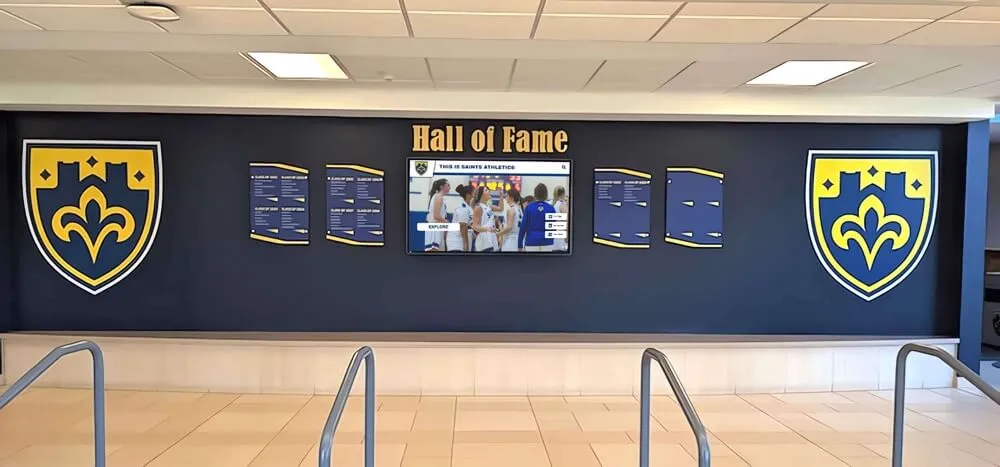
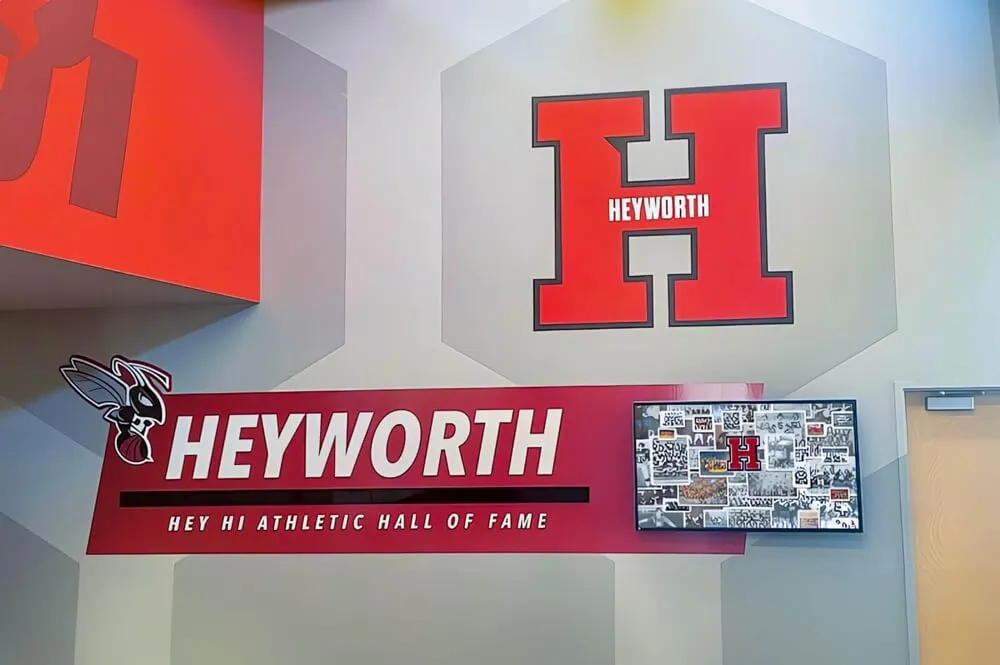
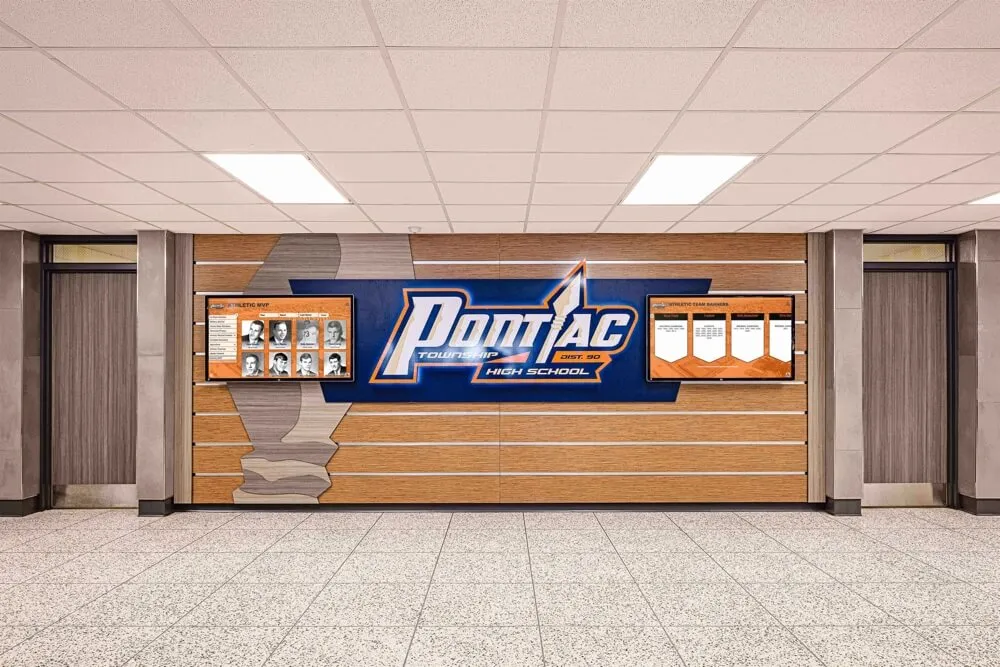
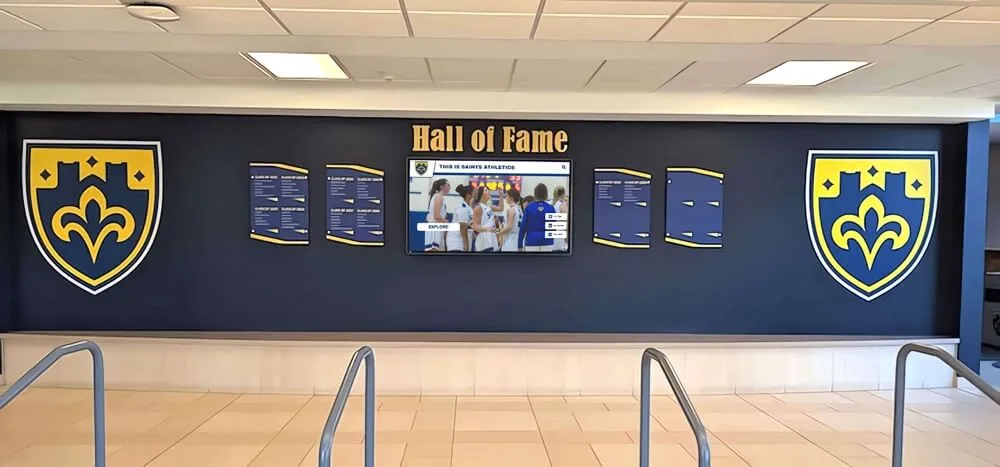
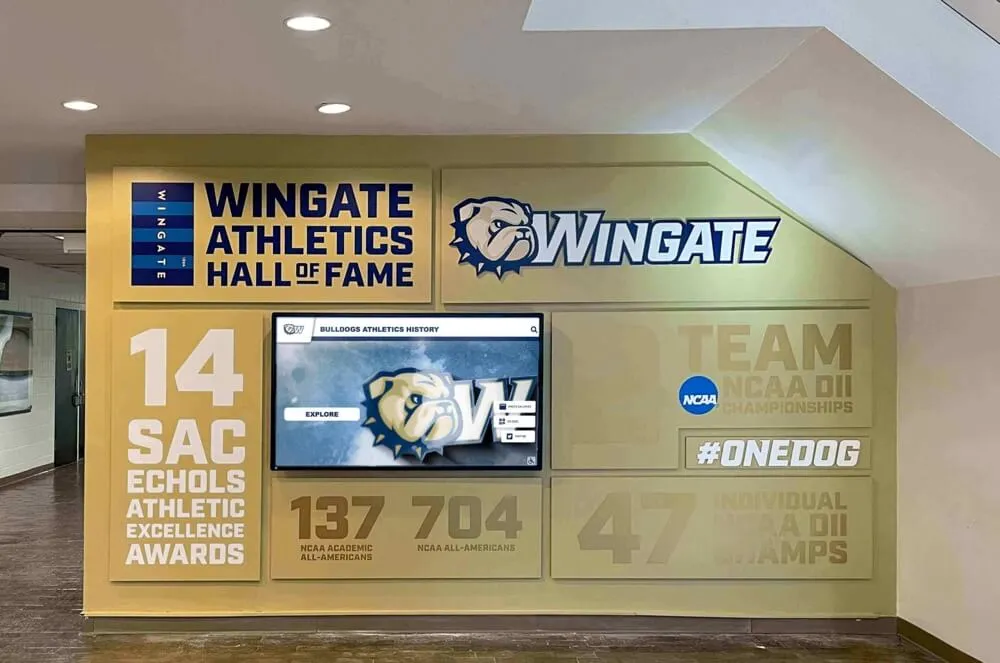
Branded recognition environments integrate institutional identity while celebrating wrestling tradition and competitive excellence through coordinated visual design
Waiting Period and Eligibility Policies
Established halls of fame typically require time between graduation and eligibility consideration through waiting periods of 5-10 years enabling career perspective, exceptions for truly extraordinary immediate impact achievements, opportunity for post-wrestling accomplishments to inform selection, and cooling-off periods preventing emotion-driven selections immediately following competitive careers.
Waiting periods allow selection committees to evaluate complete legacies while ensuring contemporary bias doesn’t distort historical perspective across different program eras.
Hall of Fame Inductee Profile Content
Comprehensive wrestler recognition includes essential information and engaging narrative content.
Core Inductee Information
Every hall of fame profile should include wrestler name and graduation year, weight class(es) competed in, career win-loss record and winning percentage, significant tournament placements and championships, and state wrestling tournament participation and results.
This baseline statistical documentation provides factual foundation while enabling performance comparison across different weight classes and program eras.
Achievement Documentation and Honors
Detailed accomplishment records list All-State and All-American selections by year, conference and regional championship victories, tournament championship titles and placements, program records set or held during career, and post-high school wrestling career including college athletics or coaching.
Comprehensive documentation ensures recognition captures complete wrestling achievement rather than simply highlighting isolated tournament results without broader career context.
Personal Narrative and Wrestling Journey
Move beyond statistics to tell complete athlete stories through personal reflections about wrestling experience and program impact, coaching testimonials providing context for achievements, memorable match descriptions explaining signature victories, training dedication and work ethic that enabled success, and family wrestling legacy for multi-generational program participants.
These narrative elements transform recognition from dry statistics into engaging stories that inspire current wrestlers while honoring complete individuals rather than simply competitive performance.
Visual Content and Media Integration
Quality recognition includes professional media through action photography from matches and tournaments, team photo placement showing broader program context, weigh-in and preparation documentation, medal and award ceremony photos, and video match highlights when available bringing achievements to life.
Visual content significantly increases engagement and makes recognition more memorable and personally meaningful for inductees, current wrestlers, and program visitors.
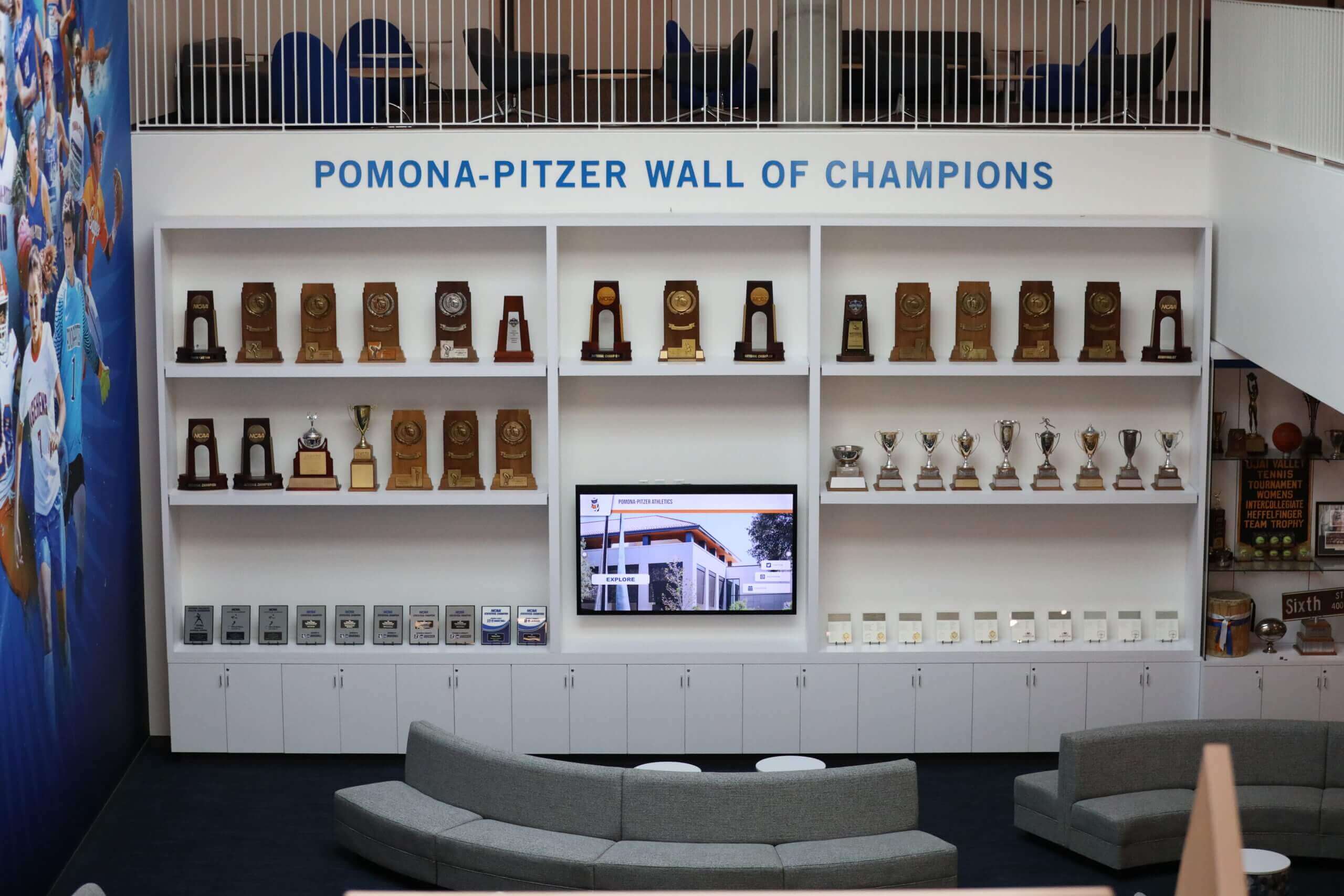
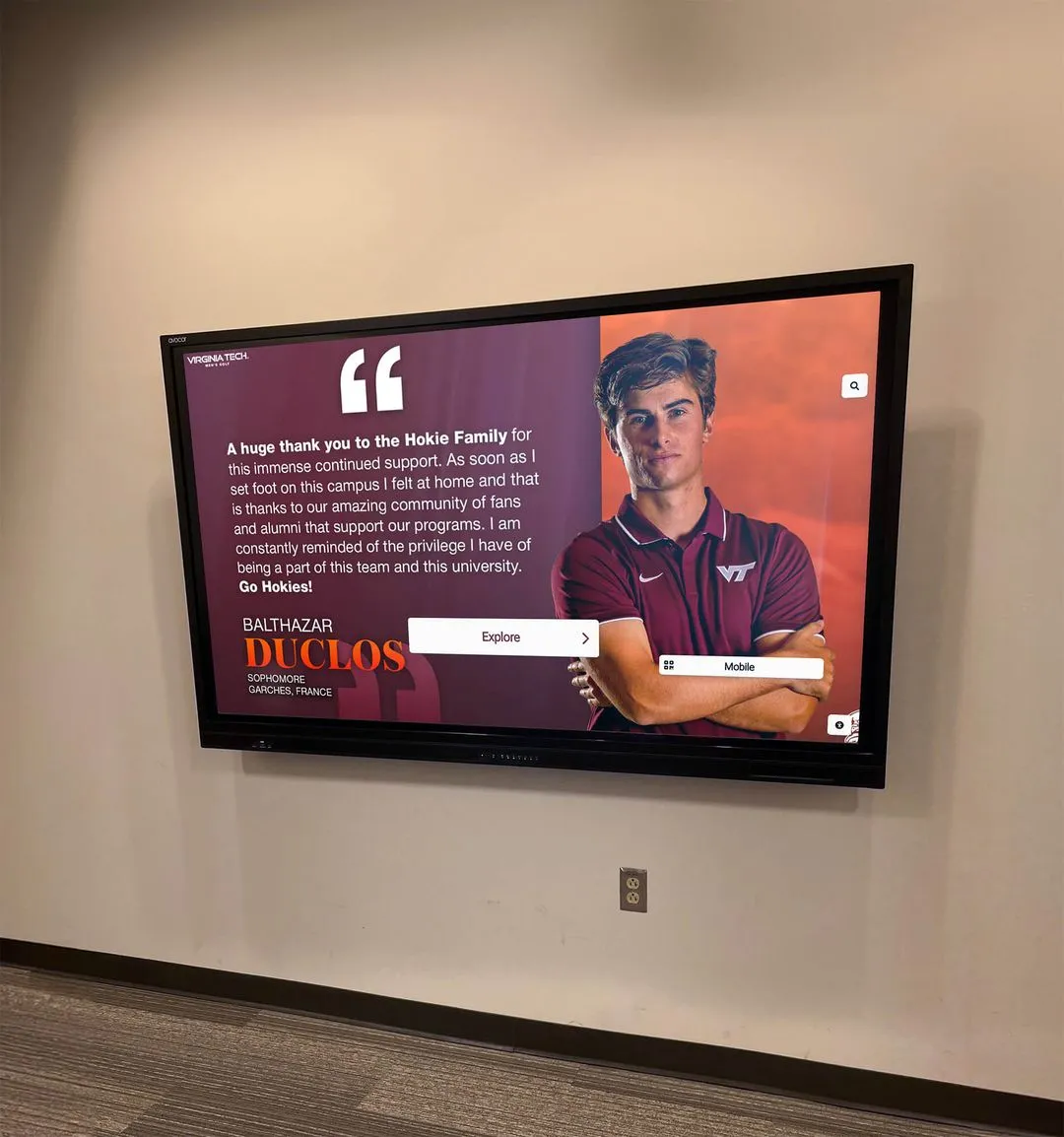
Recognition spaces combine digital displays with physical trophy elements creating destinations where wrestlers explore program heritage and achievement standards
Coaching and Contributor Recognition
Wrestling program success depends on leadership and support beyond competitive athletes.
Coaching Legacy Documentation
Systematic coaching recognition honors program builders through career tenure and longevity milestones, overall team win-loss record and winning percentage, conference and state championship achievements, state tournament qualifier development and placement records, coaching philosophy statements and program values, and wrestler testimonials about coaching impact and mentorship.
Coaching recognition acknowledges that competitive success requires leadership, and those developing programs deserve permanent acknowledgment alongside the wrestlers they coached to achievement.
Team Recognition and Championship Documentation
Beyond individual honors, halls of fame celebrate collective success through state championship team recognition documenting winning squads, complete team rosters for championship seasons, dual meet records and tournament results, individual placement charts showing weight class performance, and team photo documentation preserving championship celebrations.
This comprehensive team recognition ensures collaborative success receives acknowledgment alongside individual excellence while documenting the complete competitive history wrestling programs want preserved.
Creating All-State and All-American Recognition Programs
Wrestling programs should systematically recognize wrestlers earning state and national honors through clear documentation and celebration protocols.
All-State Wrestler Recognition Standards
State-level achievement represents significant accomplishment deserving permanent recognition.
Defining All-State Recognition Criteria
Wrestling programs should establish clear standards for All-State recognition through state tournament placement thresholds (top 3, top 6, or all qualifiers), consistency with state athletic association definitions, weight class organization showing distribution across divisions, multi-year All-State recognition for wrestlers earning repeated honors, and inclusion of runner-up and consolation achievements beyond just champions.
Clear criteria ensure All-State recognition maintains consistency across seasons while honoring diverse levels of state tournament success from participation through championship victory.
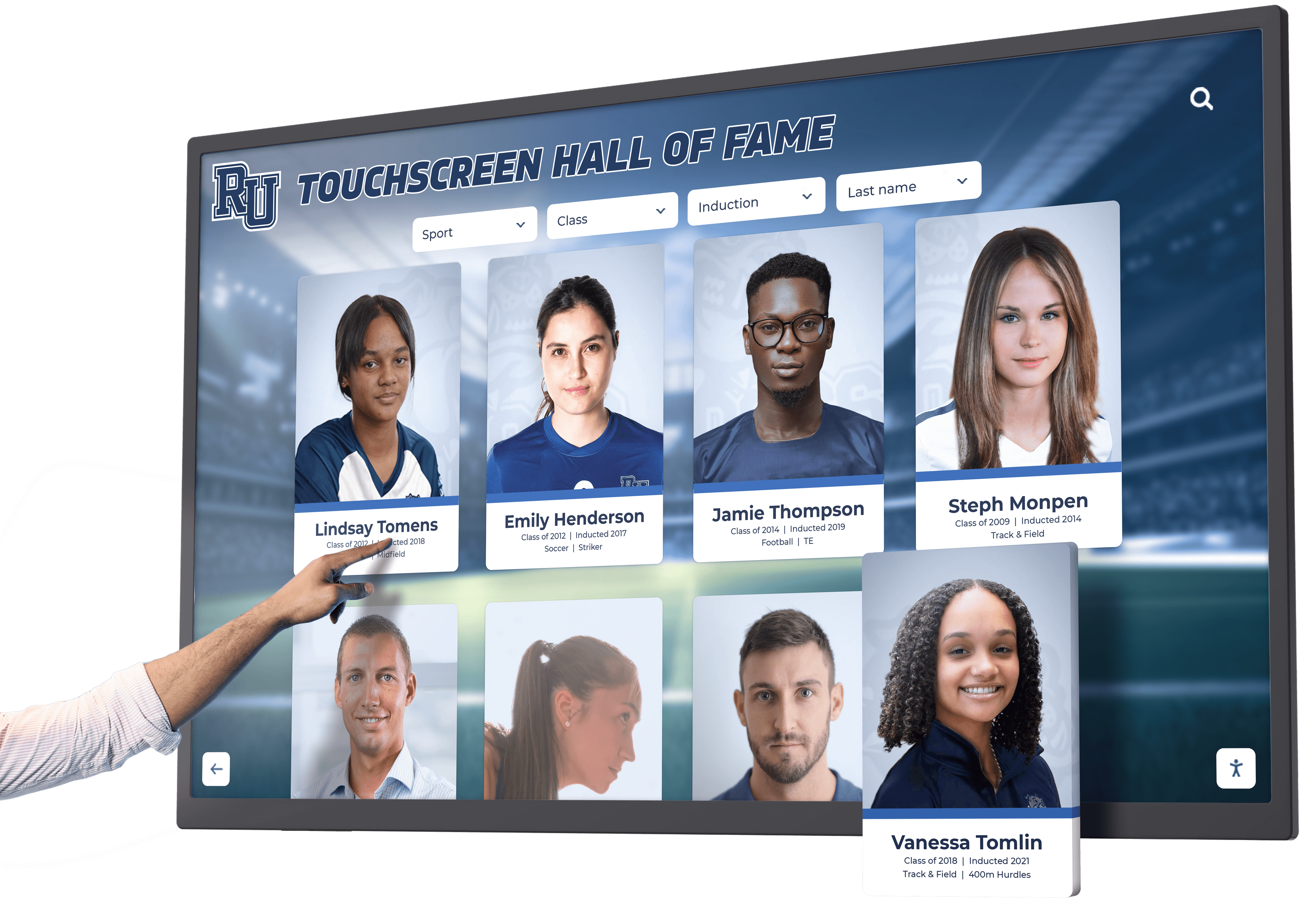
Stadium and practice facility installations bring recognition directly to competitive venues where current wrestlers train daily and see achievement standards
All-State Profile Content Requirements
Comprehensive All-State recognition includes wrestler name and year of state honor, weight class and tournament placement, season record and key victories, path to state tournament (sectional/regional results), tournament bracket position and match results, and photo documentation from state tournament competition.
This complete documentation preserves context around state recognition ensuring future viewers understand the significance and competitive journey behind All-State achievements.
All-American Wrestler Recognition
National tournament success represents the highest achievement level in high school wrestling deserving special recognition.
All-American Achievement Documentation
Wrestling All-American recognition should include tournament name and location (Fargo, USA Wrestling events, etc.), weight class and final placement finish, season statistical performance leading to qualification, tournament bracket progression and key victories, and post-tournament career trajectory showing continued wrestling success.
Comprehensive documentation ensures these rare achievements receive appropriate prominence within program recognition while inspiring current wrestlers toward similar national-level goals.
Visual Recognition Prominence
All-American achievements merit special visual treatment through dedicated display sections or featured positioning, premium photo galleries and action photography, video highlight integration showcasing national tournament performance, comparison with other program All-Americans across history, and celebration of the elite achievement level within program context.
This prominent recognition appropriately honors the exceptional nature of national tournament success while creating aspirational targets for current wrestlers to pursue.
Implementing Wrestler of the Week Recognition
Weekly recognition programs celebrate outstanding individual performances while providing ongoing motivation throughout competitive seasons.
Wrestler of the Week Selection Process
Systematic selection ensures fair recognition across all weight classes and team members.
Selection Criteria and Standards
Establish clear Wrestler of the Week standards through significant match victories (defeating ranked opponents, comeback wins), tournament performance (championships, outstanding placement), technical excellence (major decisions, technical falls, pins), improvement and effort beyond pure results, and leadership and sportsmanship demonstration during competition.
Clear criteria prevent Wrestler of the Week from becoming arbitrary popularity recognition while ensuring awards acknowledge diverse forms of excellence beyond simply winning matches.
Selection Committee and Process
Determine who makes Wrestler of the Week decisions through head coach selection with input from assistant coaches, coaching staff voting system, team captain recommendation with coach approval, or rotation ensuring all weight classes receive recognition opportunity.
Whatever process selected should be transparent to team members while maintaining coaching authority to recognize performances demonstrating program values and competitive standards.
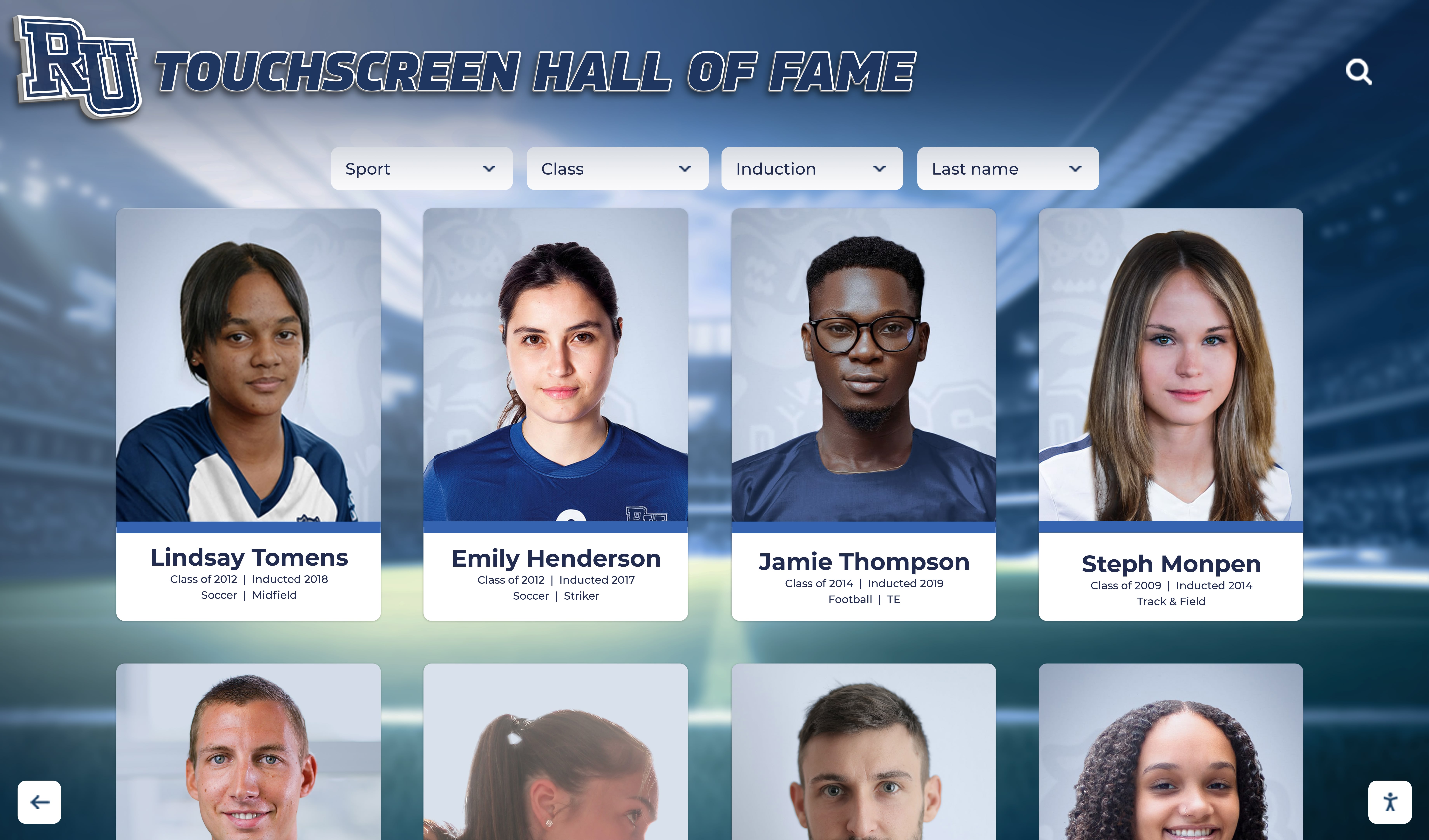
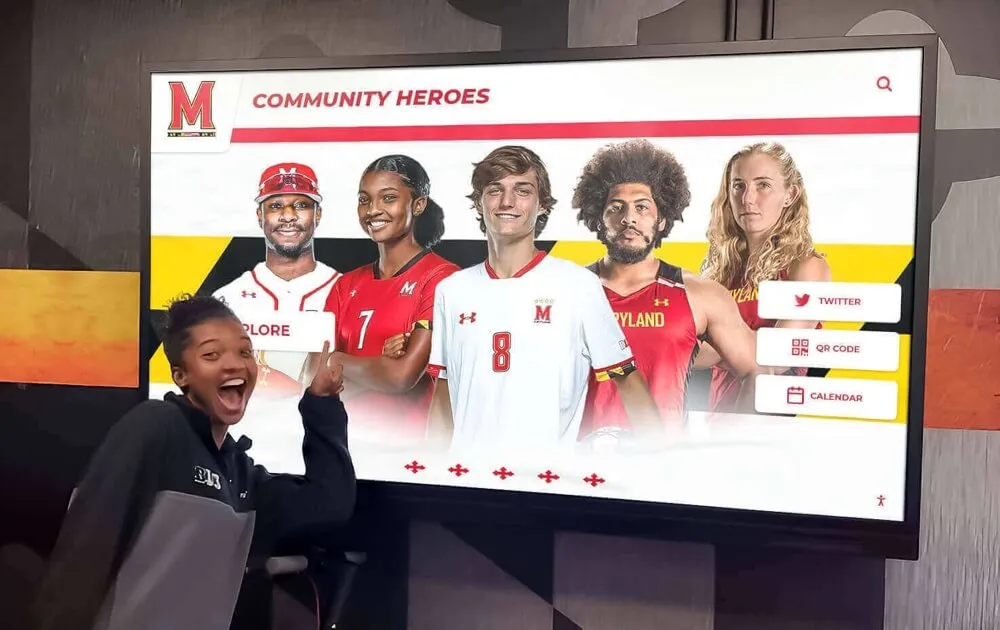
Portrait card interfaces enable quick browsing of wrestler profiles while providing access to detailed achievement information through intuitive navigation
Wrestler of the Week Display Content
Effective weekly recognition includes complete performance documentation and appropriate celebration.
Essential Recognition Information
Every Wrestler of the Week display should include wrestler name, grade, and weight class, recognition week dates and competition context, specific performance that earned recognition (match result, tournament placement), season record and standing within weight class, quote from wrestler about the performance or achievement, and coaching commentary explaining recognition decision.
This complete context ensures Wrestler of the Week recognition provides meaningful acknowledgment beyond simple name announcement while helping other wrestlers understand what performance standards earn weekly recognition.
Visual and Multimedia Elements
Enhance Wrestler of the Week recognition through action photography from the recognized performance, match statistics and scoring breakdown, video highlights when available showing key moments, comparison with previous week and season statistics, and social sharing features enabling family distribution of recognition.
Rich multimedia content makes weekly recognition more engaging and memorable while providing wrestlers with meaningful acknowledgment they can share with family and supporters beyond the team environment.
Historical Wrestler of the Week Archive
Preserve weekly recognition creating complete seasonal documentation.
Comprehensive Weekly Recognition History
Maintain searchable archives including chronological listing of all Wrestler of the Week recipients, filtering by season, weight class, or wrestler name, statistical documentation of recognized performances, photo galleries preserving recognition moments, and season summary showing distribution across weight classes and team members.
Historical archives ensure weekly recognition contributes to permanent program documentation rather than being forgotten after each season concludes, while providing data revealing whether recognition distributes fairly across all wrestlers and weight classes.
Schedule and Announcement Display Integration
Awards touchscreens should integrate recognition content with operational program information serving daily communication needs.
Match Schedule Display Design
Effective schedule presentation balances comprehensive information with clean, readable design.
Essential Schedule Information
Wrestling match schedules should include date, time, and location for each competition, opponent and competition type (dual meet, tournament, invitational), home versus away designation with travel details when applicable, weight class participation when known in advance, ticketing information for home events, and streaming or attendance details for away competitions.
Complete information ensures stakeholders can plan attendance and participation while reducing communication questions directed to coaching staff about basic schedule logistics.
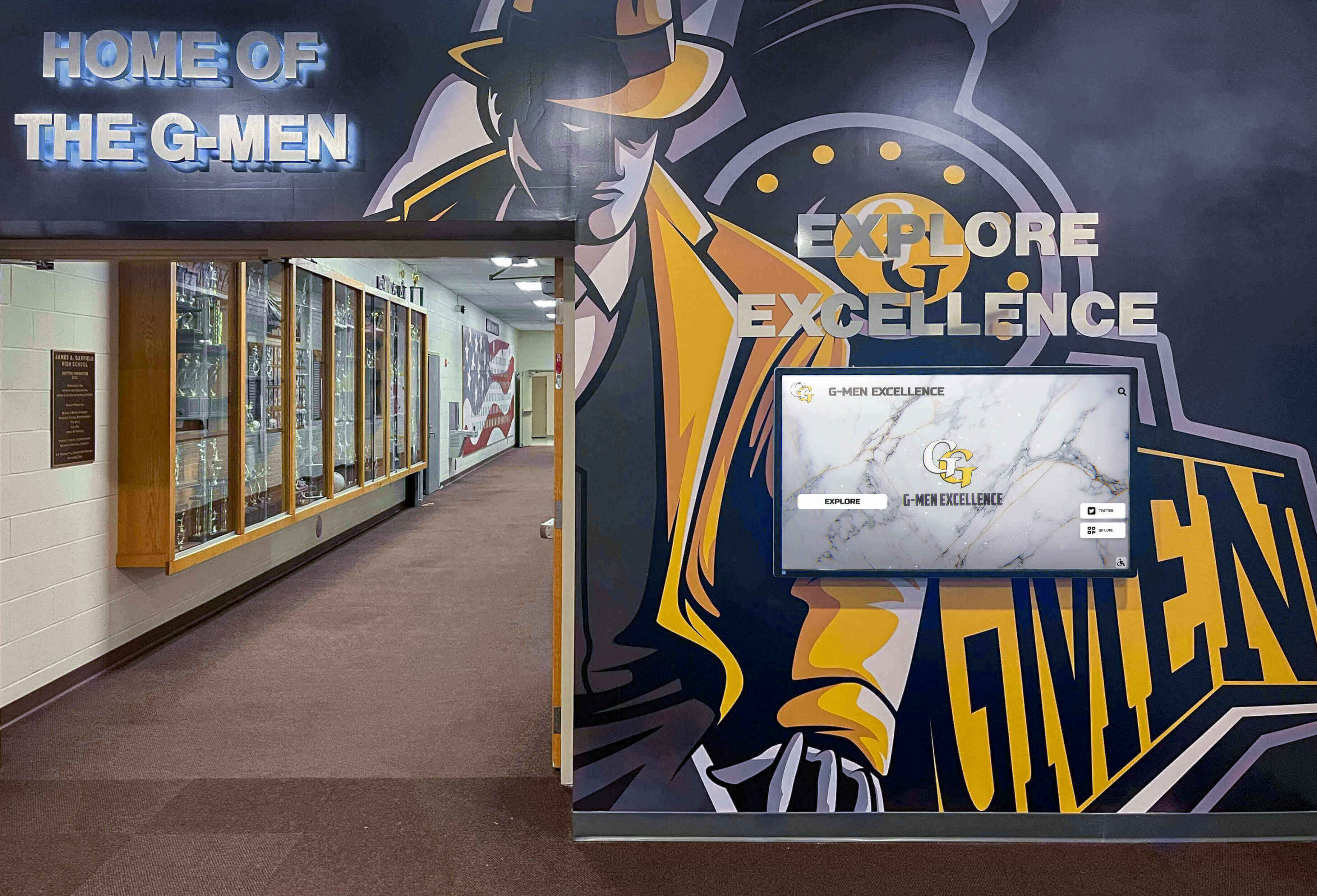
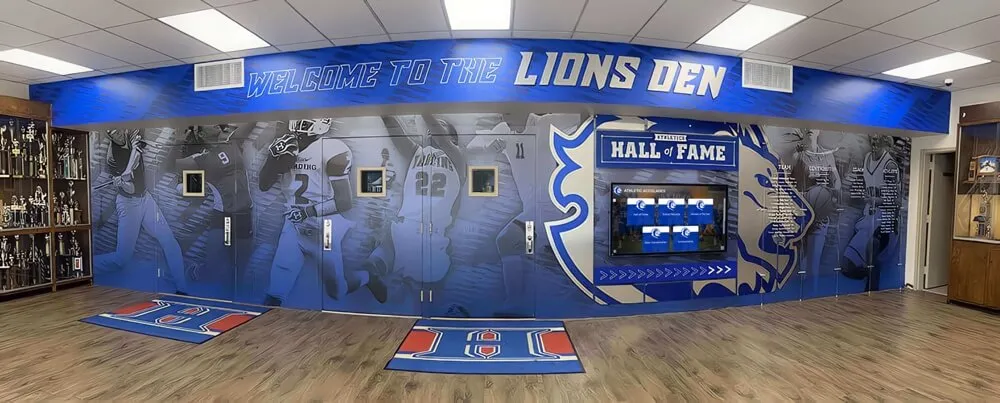
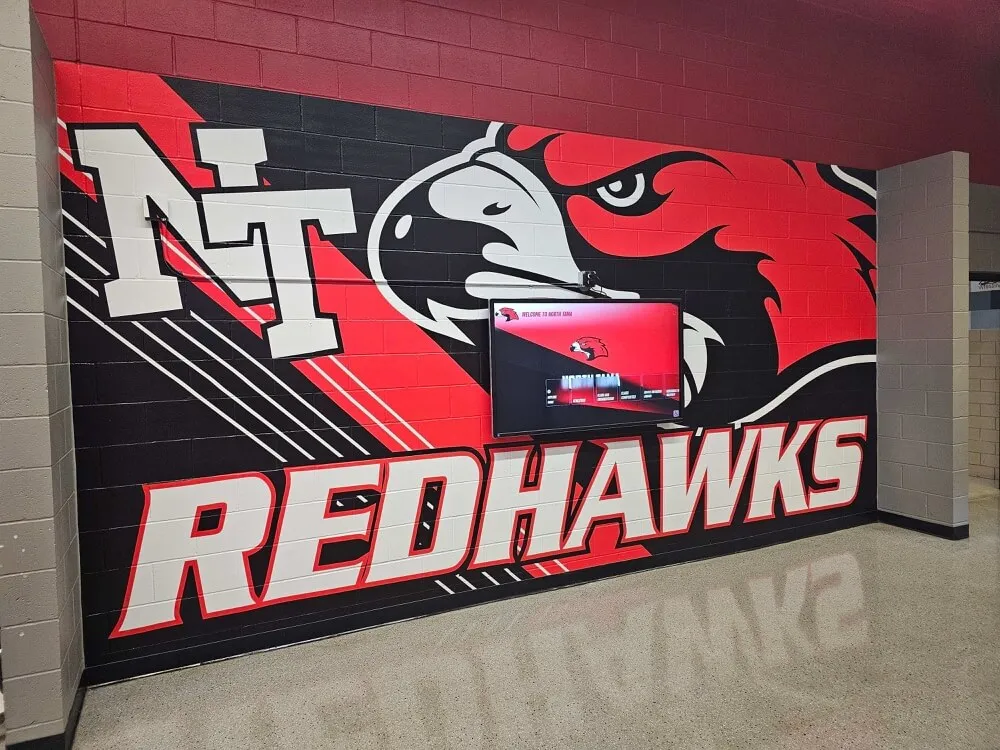
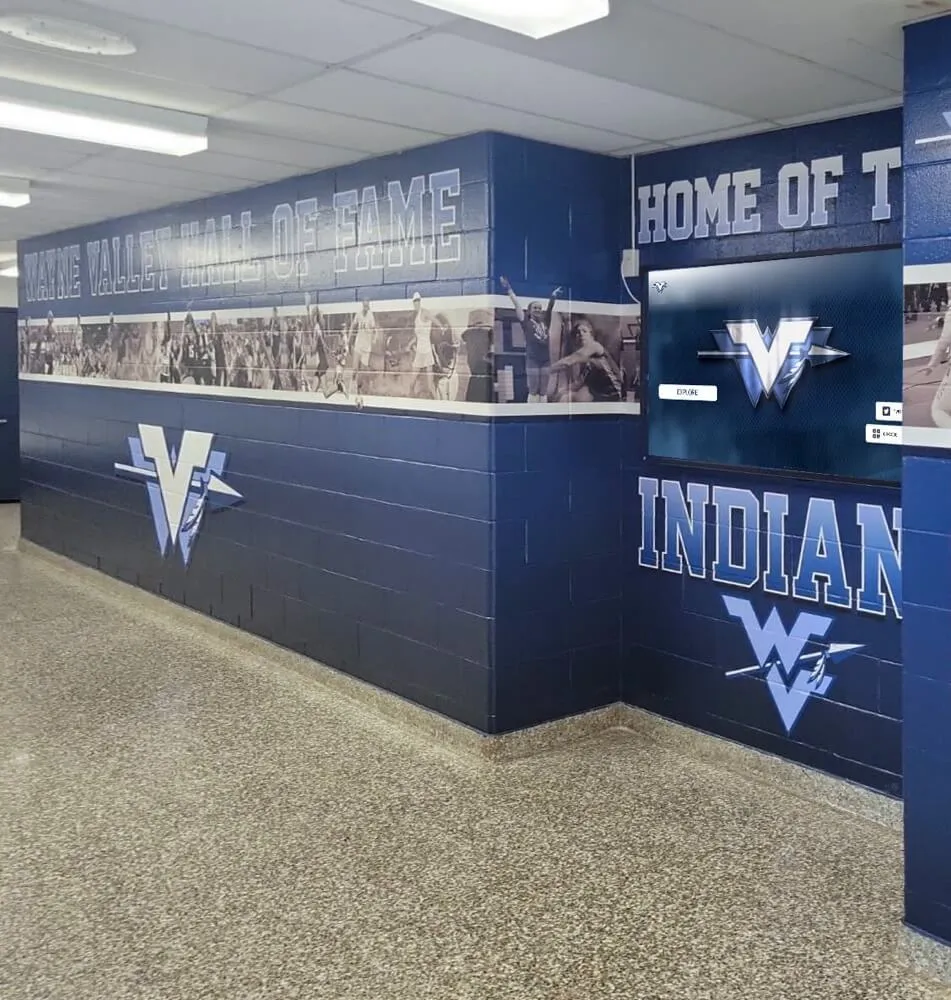
Integrated recognition designs combine awards touchscreens with wrestling program murals and trophy cases creating comprehensive program celebration environments
Dynamic Schedule Features
Enhance basic schedule information through countdown timers to upcoming competitions, automated highlighting of next match on calendar, results integration showing outcomes after competitions, bracket visualization for tournament competitions, and season calendar view providing full schedule overview.
These dynamic features transform static schedules into engaging displays building excitement for upcoming competitions while maintaining historical documentation of completed matches and tournaments.
Tournament Bracket and Seeding Display
Tournament competitions require specialized information presentation.
Tournament Information Content
Comprehensive tournament displays include tournament name, date, and location, team seeding and preliminary rankings, weight class brackets showing match progressions, wrestler assignments by weight class, schedule of sessions and weigh-in times, and facility maps and parking information for host sites.
This complete tournament information reduces parent and athlete confusion while building anticipation for championship competition opportunities.
Live Bracket Updates During Tournaments
For major tournaments, consider real-time bracket updates through match result integration showing progression, placement tracking for all weight classes, photo updates from tournament competition, championship match highlighting for team wrestlers, and celebration of podium finishes as they occur.
Live updates create engagement for stakeholders unable to attend tournaments in person while building excitement among team members and families following competition remotely.
Program Announcement Management
Awards touchscreens should accommodate ongoing communication needs beyond schedules and recognition.
Announcement Content Categories
Wrestling program announcements include practice schedule changes and facility updates, fundraising event promotion and participation requests, booster club activities and volunteer opportunities, academic achievement recognition celebrating team GPA, recruiting news and college commitment celebrations, and community appreciation thanking supporters and volunteers.
Diverse announcement categories ensure displays serve multiple communication functions rather than being limited to recognition and schedule information alone.
Announcement Publishing Workflow
Establish efficient announcement processes through designated staff responsible for display updates, standardized announcement templates ensuring consistent formatting, scheduling features enabling automated appearance and removal, priority levels distinguishing urgent from routine updates, and multi-display synchronization ensuring consistent messaging across all screens.
Streamlined workflows ensure announcements remain current and relevant while preventing displays from becoming neglected due to update difficulty or staff time constraints.
Technical Implementation and Hardware Selection
Successful awards touchscreen deployment requires appropriate technology selection, professional installation, and sustainable content management infrastructure.
Display Hardware and Touchscreen Selection
Choose display technology matching wrestling facility needs and usage patterns.
Commercial-Grade Touchscreen Specifications
Wrestling facility installations require durable technology through commercial-grade panels rated for 16+ hours daily operation, 10-point capacitive touch supporting multi-user interaction, anti-vandal glass protecting against impacts in competitive environments, 4K resolution ensuring visual quality and readability, and 50,000+ hour panel lifespans minimizing replacement frequency.
Consumer-grade televisions or monitors prove inadequate for wrestling facility installations requiring sustained reliability and professional appearance over years of continuous operation in environments where physical contact with displays is likely.
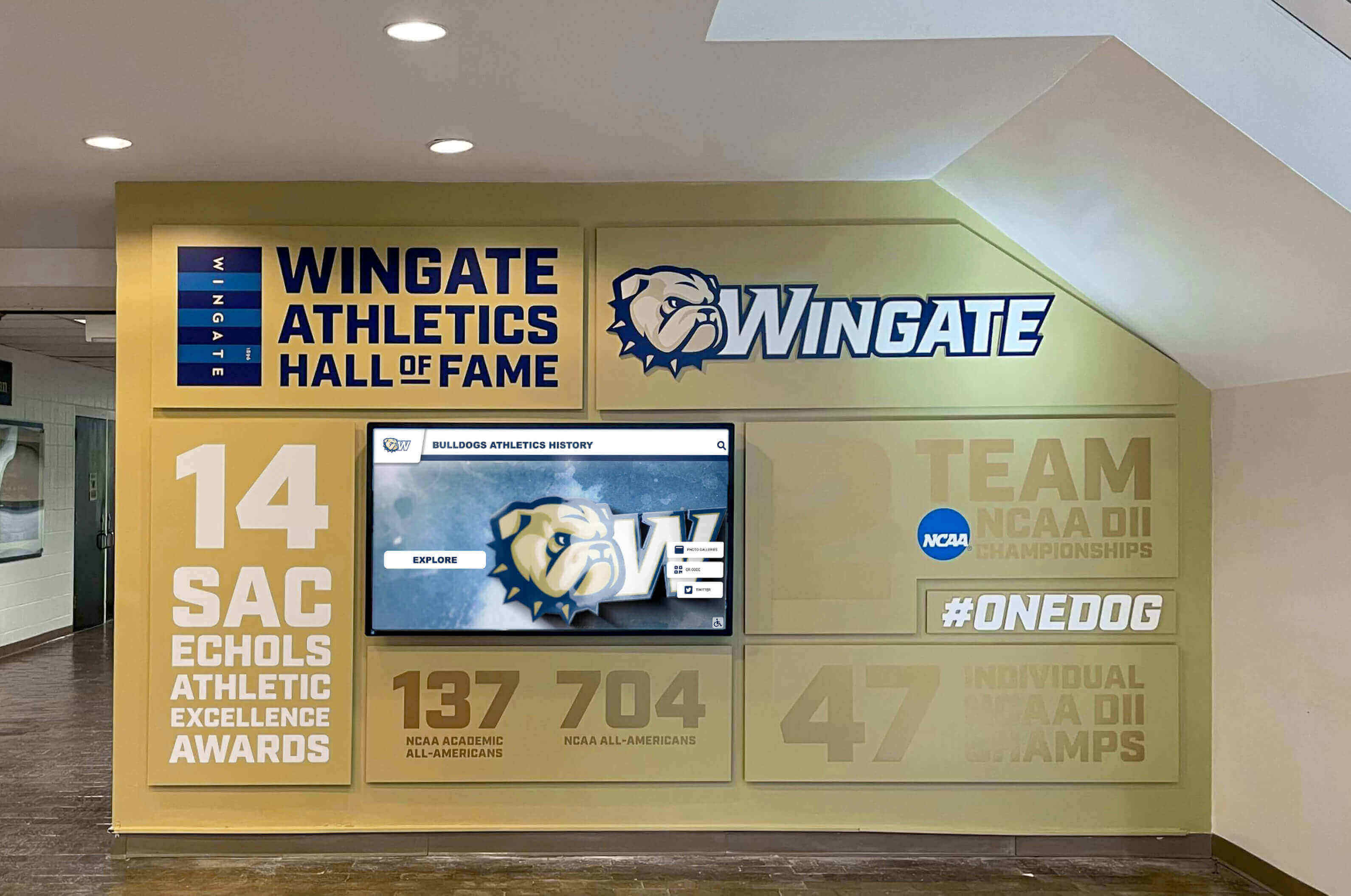
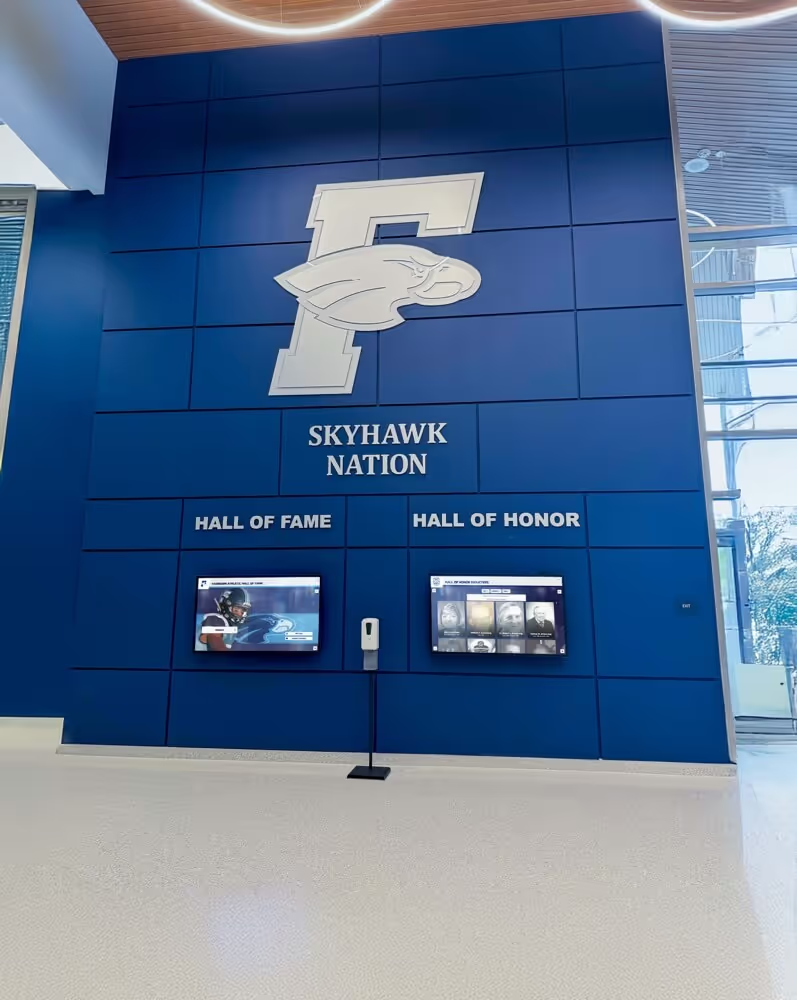
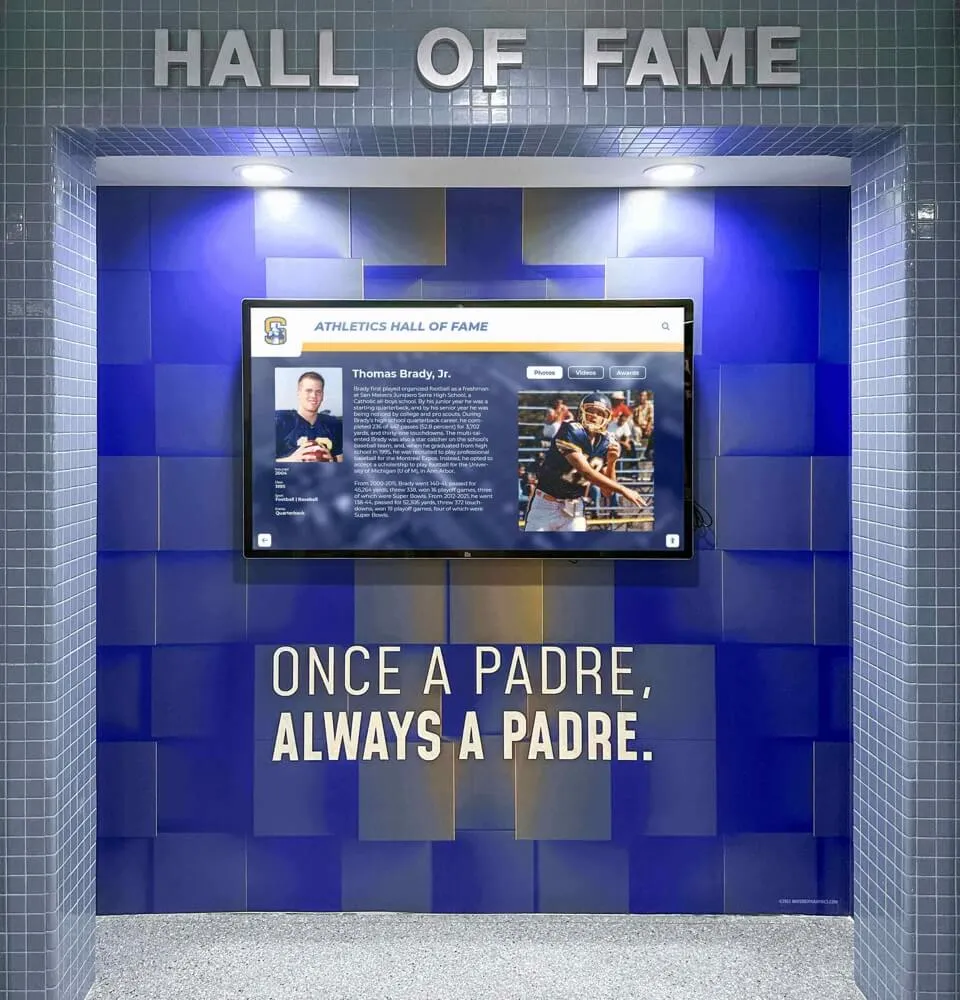
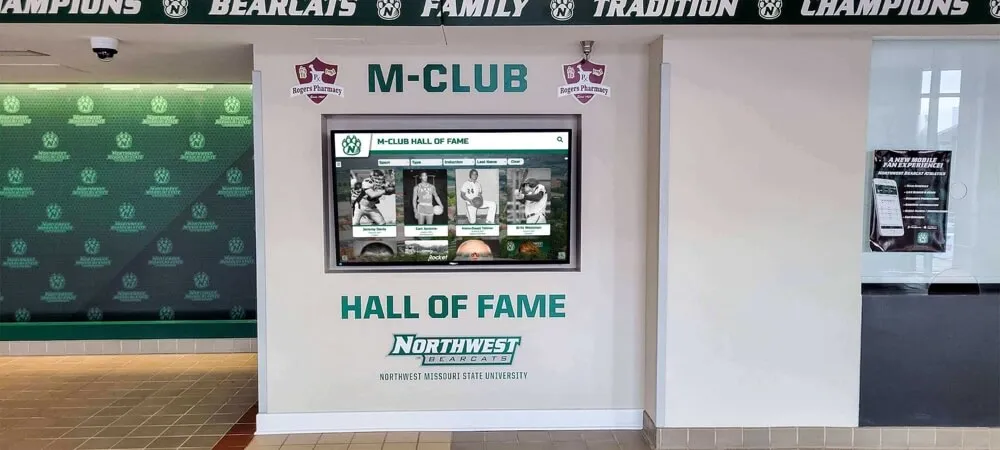
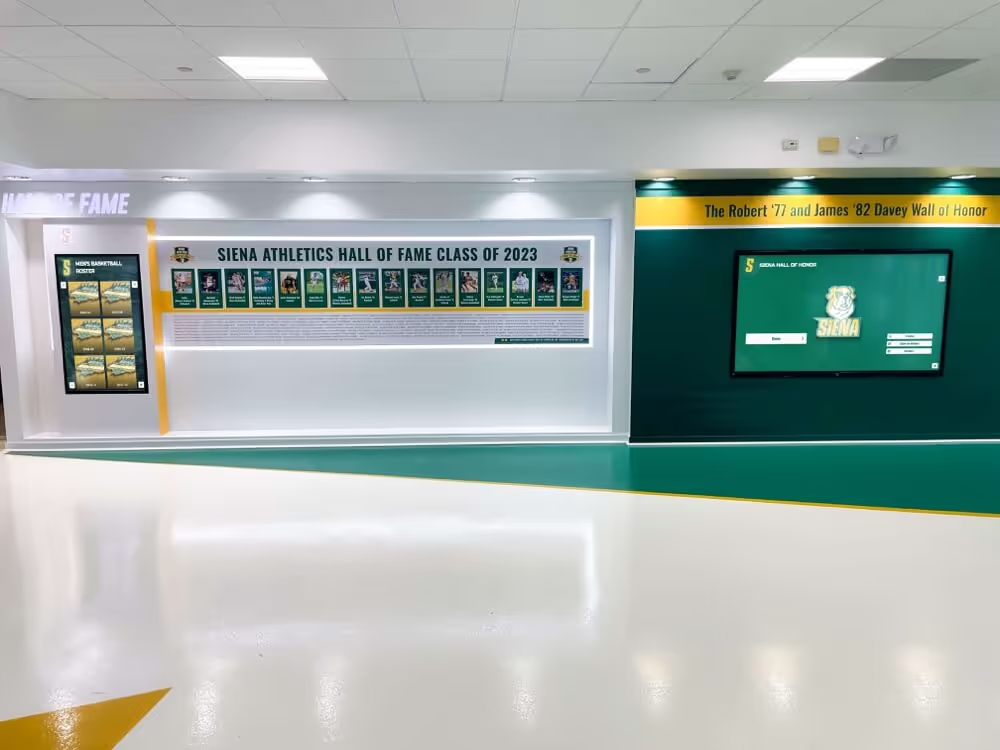
Professional lobby installations create impressive recognition environments greeting visitors and establishing program identity through branded design and comprehensive display
Display Size and Placement Considerations
Match screen dimensions to installation contexts through 43-55 inch displays for hallway or corridor installations, 65-75 inch screens for lobby or large gathering spaces, portrait versus landscape orientation based on content design, and mounting height ensuring touchscreen accessibility from wheelchair height through standing adult viewing.
Proper sizing and placement ensure displays create visual impact without overwhelming spaces while maintaining comfortable interaction for users of all ages and physical abilities.
Installation Planning and Integration
Professional installation ensures reliable long-term operation within wrestling facility environments.
Mounting and Physical Installation
Secure display mounting requires commercial-grade wall mounts or freestanding kiosks designed for educational environments, structural anchoring capable of supporting display weight long-term, cable management concealing power and data connections, ventilation space preventing computing system overheating, and protective enclosures when installing in areas with high physical activity.
Wrestling facilities present unique installation challenges due to physical activity, temperature variations, and humidity from practice areas—installations must account for these environmental factors ensuring reliable operation.
Network Connectivity and Power Infrastructure
Ensure adequate technical infrastructure through dedicated electrical circuits preventing display power issues, surge protection preserving equipment from electrical anomalies, wired ethernet connections ensuring reliable content updates, wireless connectivity backup where wired connections prove impractical, and remote management capabilities enabling off-site troubleshooting and updates.
Infrastructure inadequacies create ongoing frustration and maintenance challenges—proper planning during installation prevents these predictable complications while enabling sustainable long-term operation.
Content Management Platform Selection
Backend systems managing recognition and communication content determine day-to-day operational experience.
Cloud-Based Management Features
Modern awards touchscreen platforms provide web-based content management through browser-based interfaces requiring no specialized software, role-based permissions enabling appropriate staff access, intuitive drag-and-drop content builders, real-time preview showing changes before publication, and automatic backup ensuring content preservation.
Solutions like Rocket Alumni Solutions provide purpose-built platforms specifically designed for athletic recognition and program communication, eliminating need to adapt generic digital signage software lacking wrestling-specific features and templates.
Mobile and Web Integration
Recognition content should extend beyond physical displays through responsive web displays accessible from any device, individual wrestler profile URLs for social sharing, integration with athletic department websites and program pages, email newsletter content linking to updated recognition, and social media connectivity enabling recognition amplification beyond facility visitors.
Multi-channel distribution maximizes recognition reach while ensuring wrestlers can share their achievements with family, friends, and college recruiters regardless of ability to visit physical display locations.
Sustainable Program Management and Administration
Long-term awards touchscreen success requires administrative systems ensuring consistent operation through coaching transitions and program evolution.
Administrative Structure and Responsibilities
Clear accountability prevents recognition and communication systems from becoming inconsistent or dormant.
Staff Assignment and Role Definition
Designate specific responsibilities including head coach oversight and strategic direction, assistant coach content contribution for specific recognition areas, booster club liaison for community announcements and schedule updates, athletic director approval for policy-level recognition decisions, and technical support contact for troubleshooting and system maintenance.
Written role descriptions prevent confusion while ensuring critical tasks have assigned ownership regardless of staff changes or coaching transitions that inevitably occur within wrestling programs.
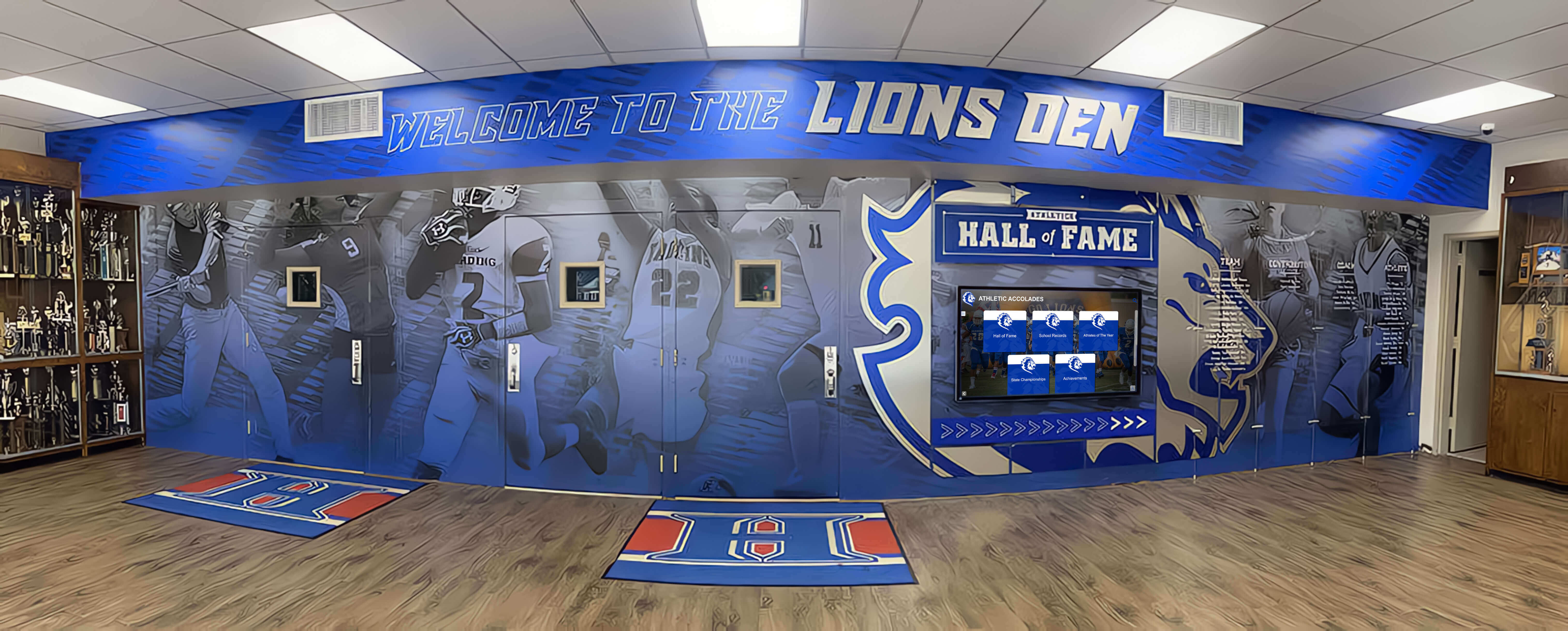
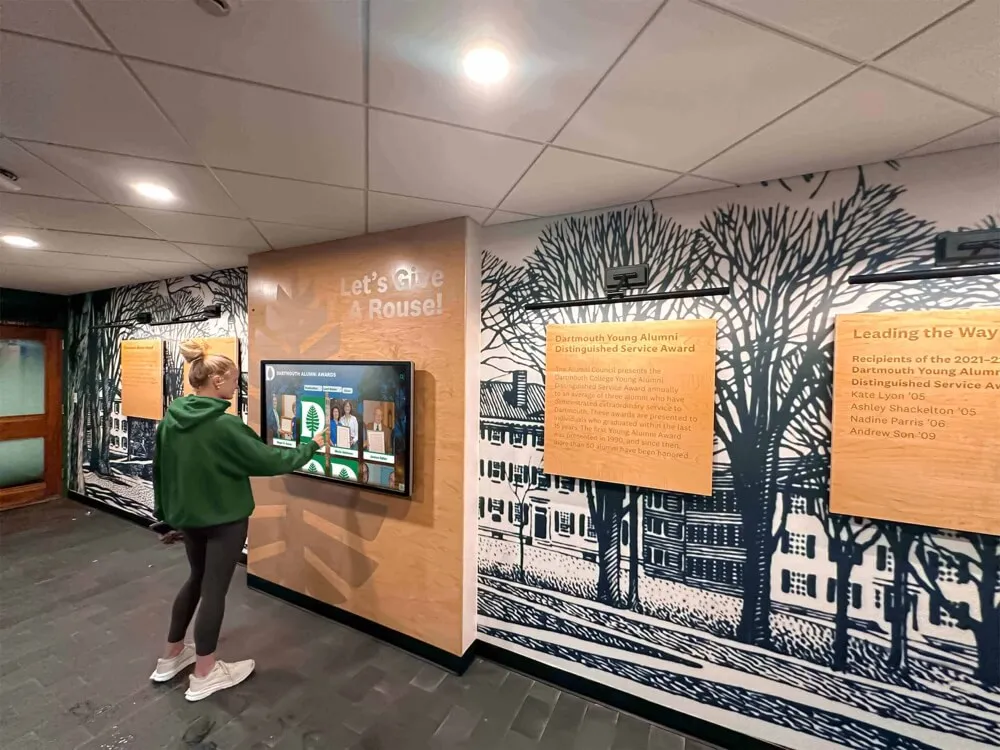
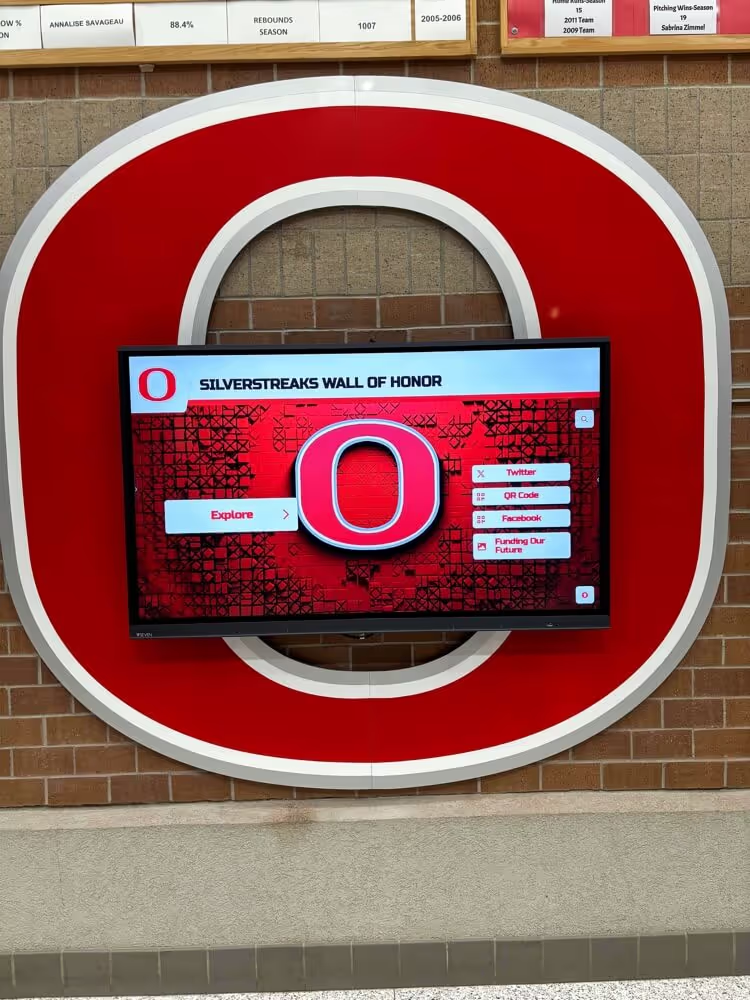
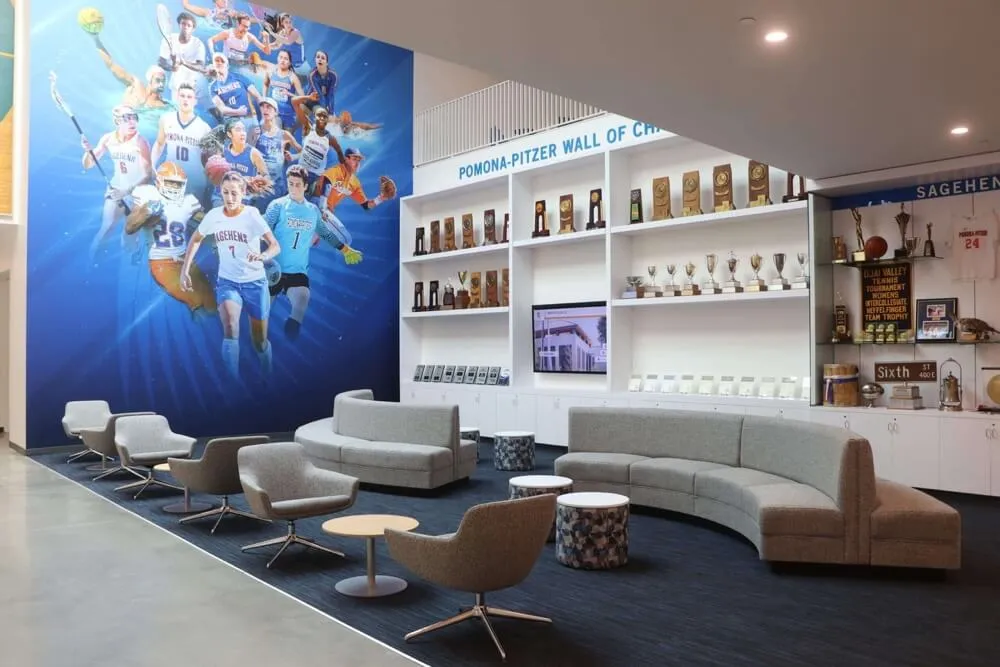
Comprehensive recognition environments integrate awards touchscreens within broader branded spaces including murals, trophy cases, and comfortable viewing areas
Content Development Workflows
Establish efficient content creation processes through standardized wrestler profile templates, photo acquisition protocols during tournaments and matches, weekly recognition update schedule, post-season content development timeline, and historical content research methodology for building comprehensive archives.
Standard workflows with clear deadlines ensure quality content development while distributing workload across appropriate staff members rather than creating unsustainable burdens on single individuals.
Budget Planning and Resource Allocation
Sustainable programs require adequate funding across multiple cost categories.
Initial Implementation Costs
Wrestling program awards touchscreen budgets should include display hardware and touchscreen technology purchase, mounting equipment and professional installation, content management platform licensing, initial content development for historical recognition, photography and media production for wrestler profiles, and launch ceremony or unveiling event expenses.
Complete initial budgeting prevents mid-implementation funding surprises while ensuring programs launch with professional quality rather than compromise due to inadequate resource allocation.
Ongoing Operational Expenses
Plan for recurring costs including cloud platform subscription fees for content management, annual content updates adding new inductees and weekly recognition, photography and videography for current season documentation, technical support and maintenance contracts, and hardware replacement reserves planning for eventual equipment end-of-life.
Multi-year budget planning ensures programs remain funded through coaching transitions and competing budget priorities that characterize most school athletic departments.
Measuring Recognition Program Success
Systematic assessment demonstrates value while identifying improvement opportunities for wrestling program awards touchscreens.
Engagement and Awareness Metrics
Track indicators revealing how wrestlers, families, and community interact with recognition displays.
Physical Display Interaction Data
Monitor on-site usage through daily interaction counts and visitor session frequency, average session duration indicating engagement depth, search term analysis revealing what visitors seek (specific wrestlers, weight classes, seasons), profile view patterns showing whose recognition receives most attention, and time-of-day usage patterns informing optimal content scheduling.
These metrics help coaches and administrators understand whether displays achieve intended engagement goals while identifying opportunities to enhance content or improve placement based on actual visitor behavior patterns.
Web-Based Access Analytics
Track online recognition engagement through web platform visits and unique visitor counts, geographic distribution showing where online visitors originate, device analytics revealing mobile versus desktop access patterns, social share frequency indicating recognition amplification, and referral sources showing how visitors discover recognition content.
Web analytics demonstrate recognition reach beyond physical facility visitors while revealing whether wrestlers and families engage with recognition remotely as digital platforms enable for distributed stakeholder communication.
Stakeholder Satisfaction and Feedback
Beyond quantitative metrics, gather perceptions about program effectiveness from key stakeholders.
Wrestler and Family Feedback
Systematically collect input from current wrestlers about motivational impact of recognition displays, families regarding communication effectiveness for schedules and announcements, inductees about hall of fame recognition experience, team alumni reflecting on whether recognition appropriately honors achievement, and prospective wrestlers considering program participation.
Regular feedback enables continuous improvement ensuring programs evolve based on stakeholder input rather than administrative assumptions about what recognition and communication approaches work most effectively.
Program Cultural Impact
Monitor less tangible but meaningful effects including current wrestler awareness of program tradition and achievement standards, school pride and community identity around wrestling program, local media coverage quality and recognition significance, parent perception of program professionalism and communication effectiveness, and coach confidence in recognition and communication infrastructure.
These cultural indicators reveal whether awards touchscreens achieve broader program objectives beyond simply creating recognition displays and schedule communication tools.
Conclusion: Transforming Wrestling Program Recognition
Awards touchscreens represent significant advances in how wrestling programs honor hall of fame inductees, recognize All-State and All-American achievements, celebrate weekly standout performances, communicate schedules and tournaments, and maintain program announcements. By eliminating physical space constraints, enabling real-time schedule and announcement updates, providing rich multimedia recognition, and extending visibility through web and mobile access, modern touchscreen systems serve wrestling program needs that traditional approaches cannot adequately address.
The strategies explored in this guide provide wrestling coaches, athletic directors, and program administrators with comprehensive frameworks for implementing awards touchscreens that honor competitive excellence, preserve program history, motivate current wrestlers, and support daily communication needs through unified platforms designed specifically for wrestling program requirements. From hall of fame selection criteria and content development to Wrestler of the Week protocols and schedule integration, these evidence-based approaches ensure recognition systems achieve intended goals while remaining sustainable through coaching transitions and program evolution.
Transform Your Wrestling Program Recognition
Discover how awards touchscreen solutions can help you honor your Wrestling Hall of Fame, All-State and All-American wrestlers, weekly standouts, and maintain current schedules through engaging displays designed specifically for wrestling program needs.
Explore Wrestling Recognition SolutionsWhether implementing first comprehensive recognition systems for wrestling programs seeking to formalize hall of fame standards, enhancing existing physical displays with modern digital capabilities, or creating unified platforms consolidating recognition with schedule and announcement communication, awards touchscreens provide practical solutions specifically designed for wrestling program needs. Begin with clear goal definition understanding what recognition and communication systems must achieve, comprehensive needs assessment evaluating current approaches and improvement opportunities, realistic budget development accounting for initial implementation and ongoing management, and stakeholder engagement ensuring programs reflect wrestling community values and priorities.
With thoughtful planning, appropriate technology selection, and commitment to sustainable content management, awards touchscreens provide recognition and communication platforms serving wrestling programs effectively while adapting to changing needs as programs grow and evolve. The investment in touchscreen infrastructure pays dividends through enhanced wrestler motivation, preserved program history, improved stakeholder communication, and strengthened community connections supporting broader program development and competitive success.