Baseball Field Turf: Choosing the Right Surface for Your School's Athletic Excellence and Donor Recognition Opportunities

When athletic directors face the decision of choosing baseball field turf for their school, they’re making an investment that affects athlete safety, program quality, maintenance budgets, and facility utilization for decades to come. Modern baseball field surfaces have evolved dramatically, with artificial turf technology now offering performance characteristics that rival or exceed natural grass in many applications, while natural grass continues to provide benefits that artificial alternatives struggle to match.
The stakes extend beyond athletics. Baseball field improvements represent significant capital investments—typically ranging from $500,000 to over $1.5 million for complete field installations—creating natural opportunities for donor engagement, naming rights, and recognition programs that strengthen community connections while funding facility excellence.
This comprehensive guide examines the critical factors athletic directors should consider when selecting baseball field turf, from performance and safety characteristics to maintenance requirements, budget implications, and the donor recognition opportunities that can help fund these transformative facility improvements.
Baseball field surface decisions affect every aspect of your program—from player development and injury prevention to scheduling flexibility and community utilization. The right choice balances immediate budget constraints with long-term operational costs while considering your specific climate, usage patterns, and program goals.

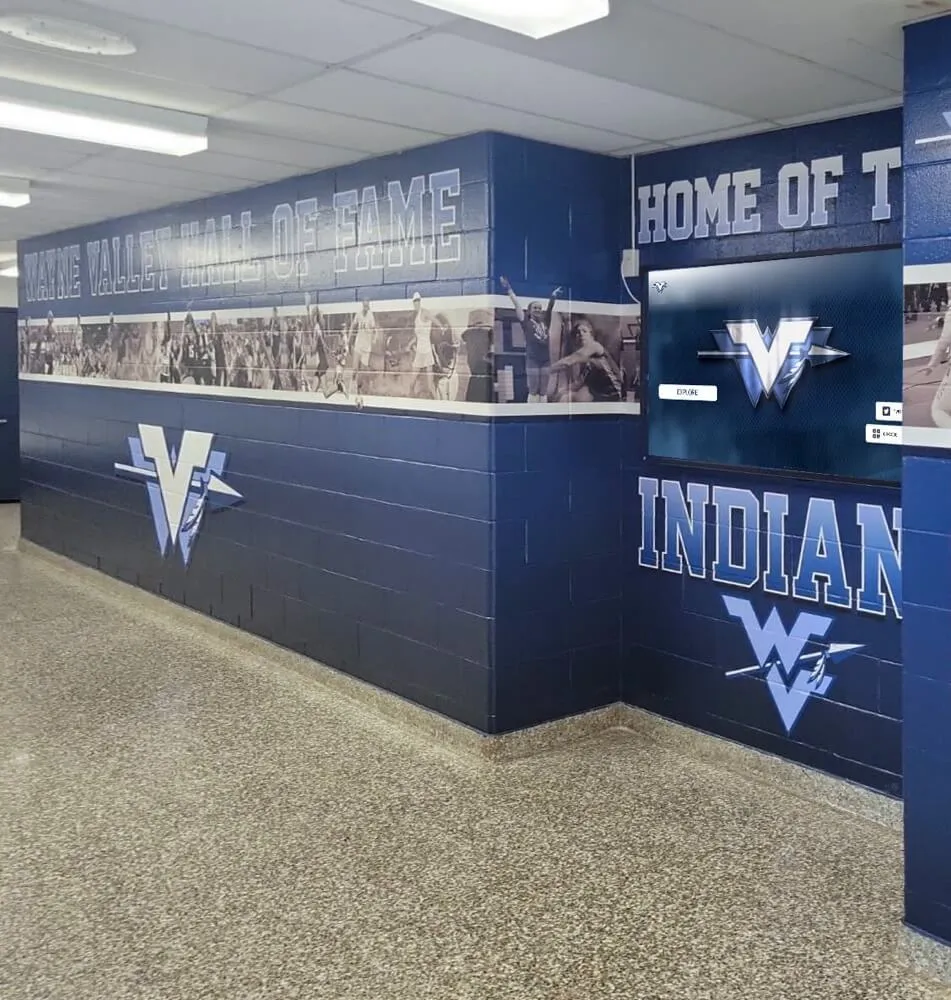
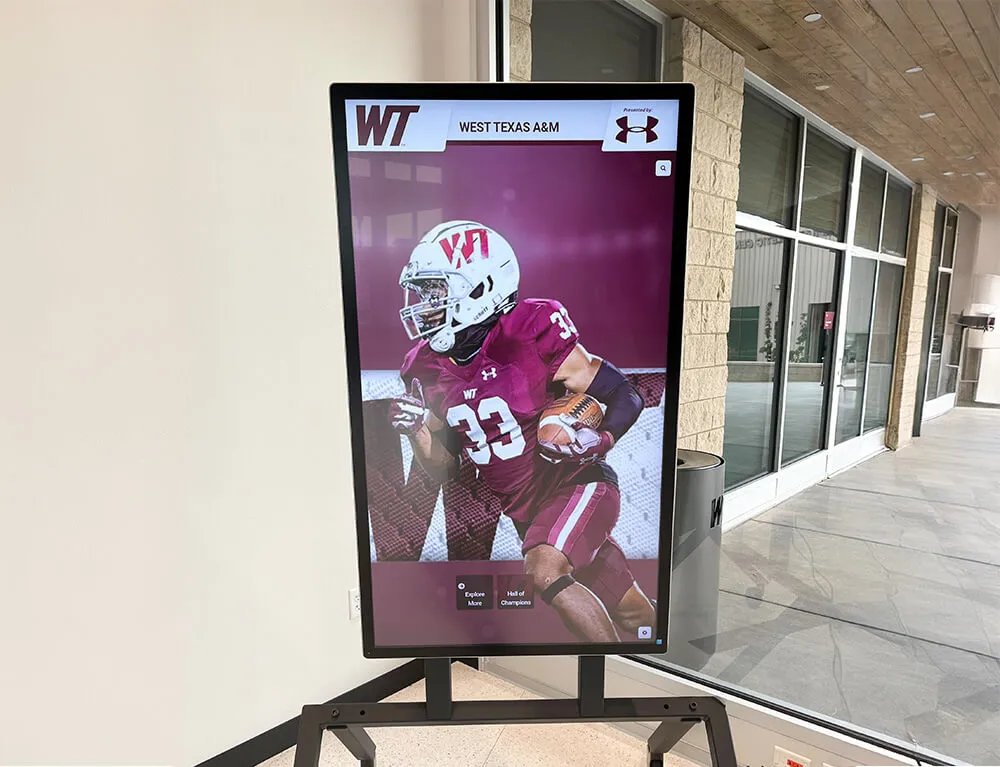
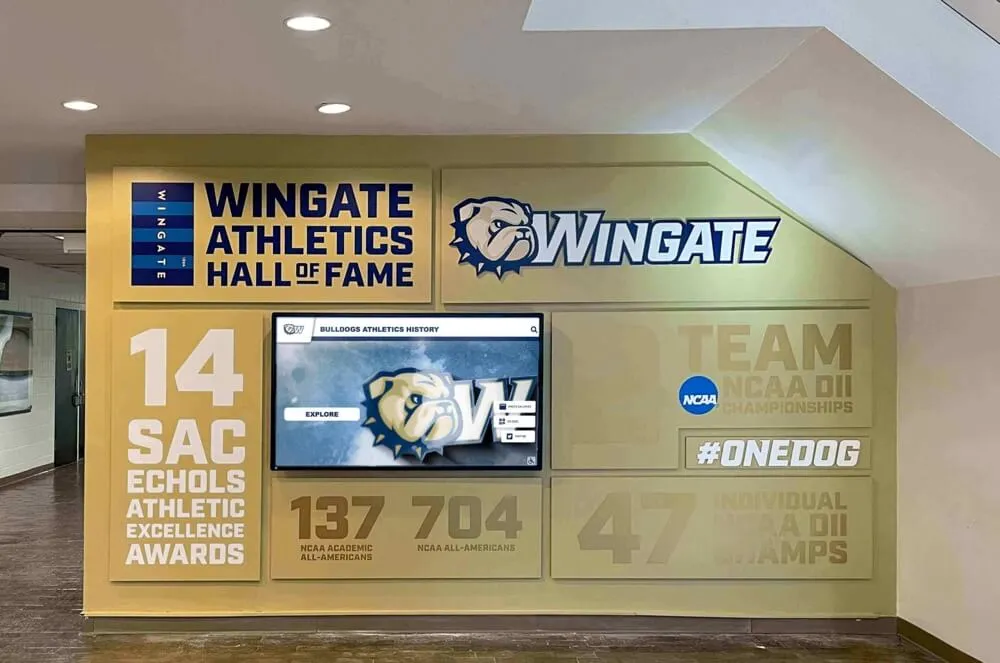
Quality baseball field surfaces create environments where athletes can develop skills safely and perform at their highest level
Understanding Baseball Field Turf Options
Athletic directors today face more choices than ever when selecting baseball field surfaces, each with distinct performance characteristics, maintenance requirements, and cost implications.
Natural Grass Baseball Fields
Traditional natural grass remains the preferred surface for many baseball programs, particularly at competitive high school and college levels where tradition and playing characteristics matter significantly.
Performance Characteristics
- Authentic playing experience matching professional and college standards
- Superior ball response and predictable ball behavior
- Natural traction without concerns about surface heat
- Preferred surface for most competitive tournaments and showcases
- Aesthetic appeal valued by players, coaches, and communities
Maintenance Requirements Natural grass baseball fields demand consistent, skilled maintenance:
- Regular mowing, fertilization, and watering throughout growing season
- Aeration, overseeding, and renovation during off-season
- Infield grooming and dragging after each use
- Irrigation system operation and maintenance
- Weather-dependent field preparation and recovery
- Specialized equipment and trained grounds crew
Climate Considerations Natural grass performance varies significantly by region:
- Cool-season grasses (Kentucky bluegrass, perennial ryegrass) excel in northern climates
- Warm-season grasses (Bermuda grass, Zoysia) thrive in southern regions
- Transition zones require careful species selection or overseeding programs
- Drought conditions create significant maintenance challenges
- Extreme heat or cold limits playability during portions of season
Cost Structure
- Lower initial installation costs ($100,000-$300,000 for complete field)
- Ongoing annual maintenance ($15,000-$40,000 depending on quality standards)
- Water costs varying significantly by region and climate
- Equipment investment for mowing, grooming, and field preparation
- Labor costs for skilled grounds maintenance staff
Artificial Turf Baseball Fields
Modern synthetic turf systems have evolved dramatically from early installations, now offering sophisticated playing surfaces designed specifically for baseball applications.
Technology Evolution Today’s baseball turf systems feature:
- Longer fibers (1.5-2.5 inches) creating realistic playing characteristics
- Advanced infill materials (silica sand, rubber granules, organic alternatives) affecting ball behavior and safety
- Specialized infield and outfield configurations matching traditional field characteristics
- Improved drainage systems preventing standing water
- UV-resistant fibers maintaining color and integrity across seasons
Performance Benefits
- Consistent playing surface regardless of weather conditions
- Extended playing season with immediate post-rain availability
- Multi-sport functionality maximizing facility utilization
- Predictable ball bounce and roll characteristics after proper installation
- Elimination of divots, bare spots, and inconsistent infield conditions
Maintenance Requirements While less intensive than natural grass, artificial turf requires regular care:
- Weekly brushing and grooming to maintain fiber orientation
- Periodic infill redistribution ensuring even coverage
- Seam and edge inspection preventing separation
- Surface cleaning removing organic debris
- Annual deep cleaning and sanitization
- Infill replenishment compensating for displacement and degradation
Durability and Lifespan Quality baseball turf installations typically provide:
- 8-12 year functional lifespan under normal use patterns
- Warranty coverage typically 8 years for materials and construction
- Gradual degradation rather than catastrophic failure
- Higher usage capacity than natural grass (2,000+ hours annually vs. 500-800 hours)
- Consistent performance throughout lifespan with proper maintenance
Cost Considerations
- Higher initial investment ($500,000-$1,500,000 for complete installation)
- Lower ongoing annual maintenance ($5,000-$15,000)
- Replacement reserves necessary for end-of-lifecycle replacement
- Utility cost savings from eliminated irrigation
- Expanded revenue opportunities from increased utilization
Athletic facility improvements of this magnitude create natural opportunities for donor engagement and recognition. Schools successfully funding baseball field projects often leverage donation wall ideas that celebrate contributors while inspiring additional giving.
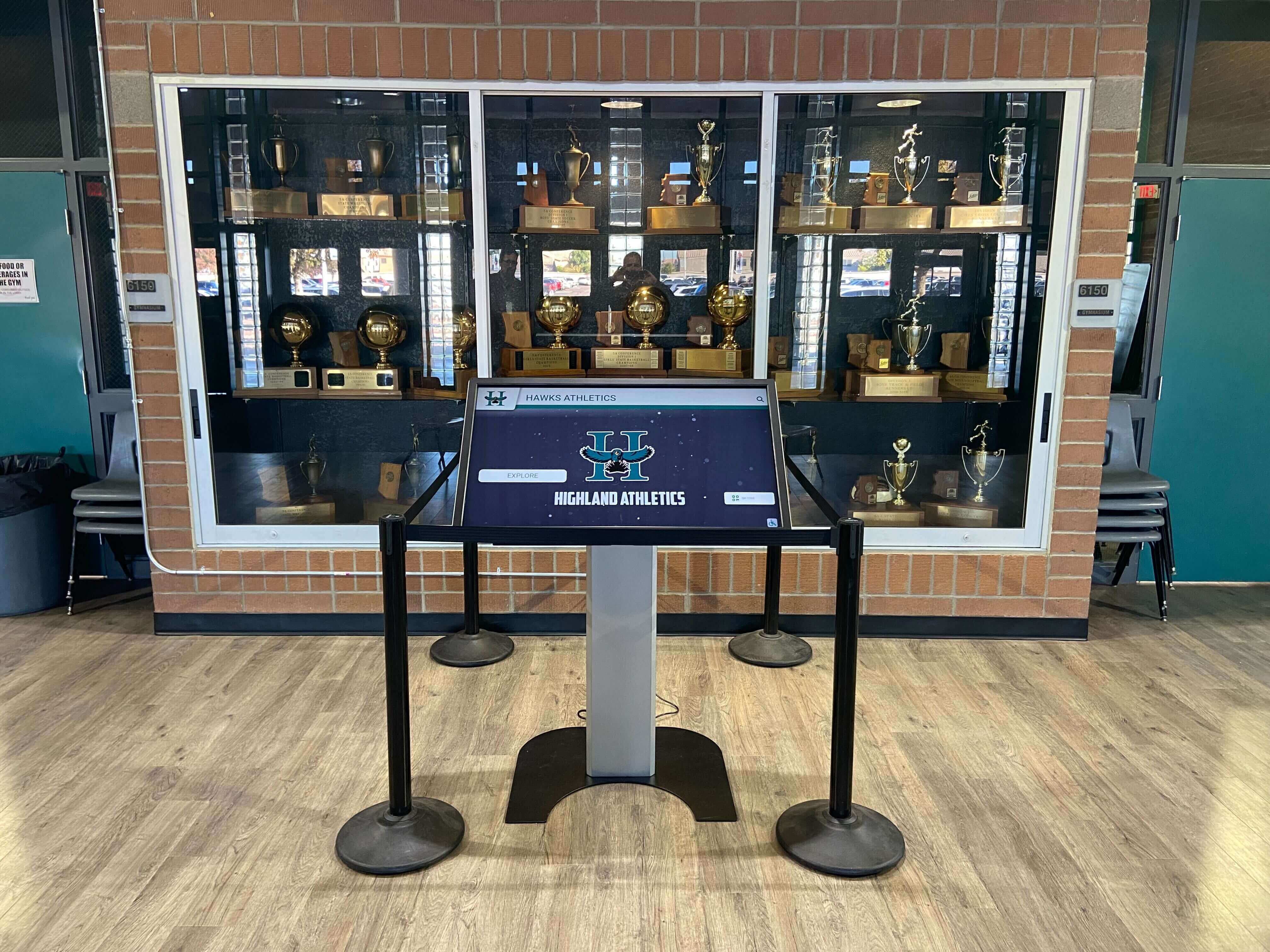
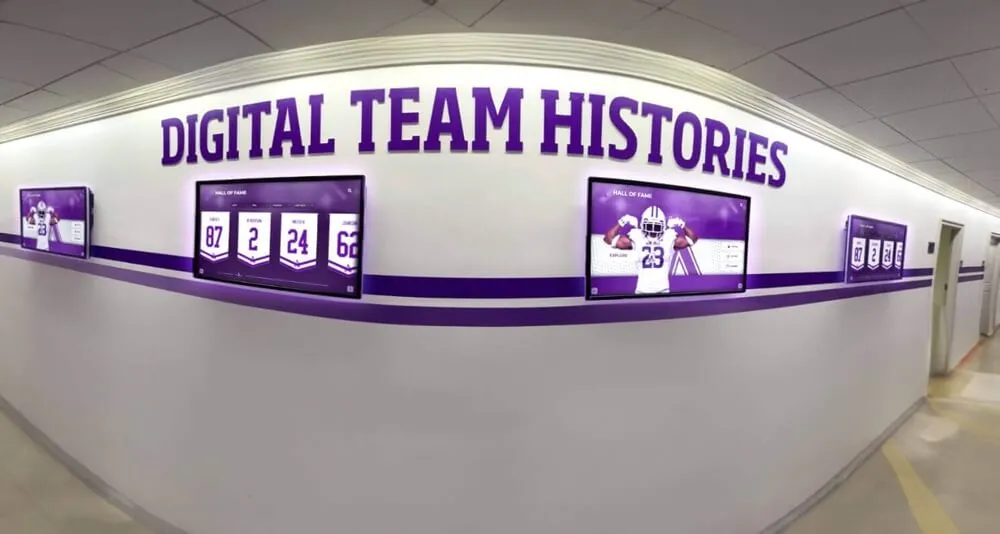
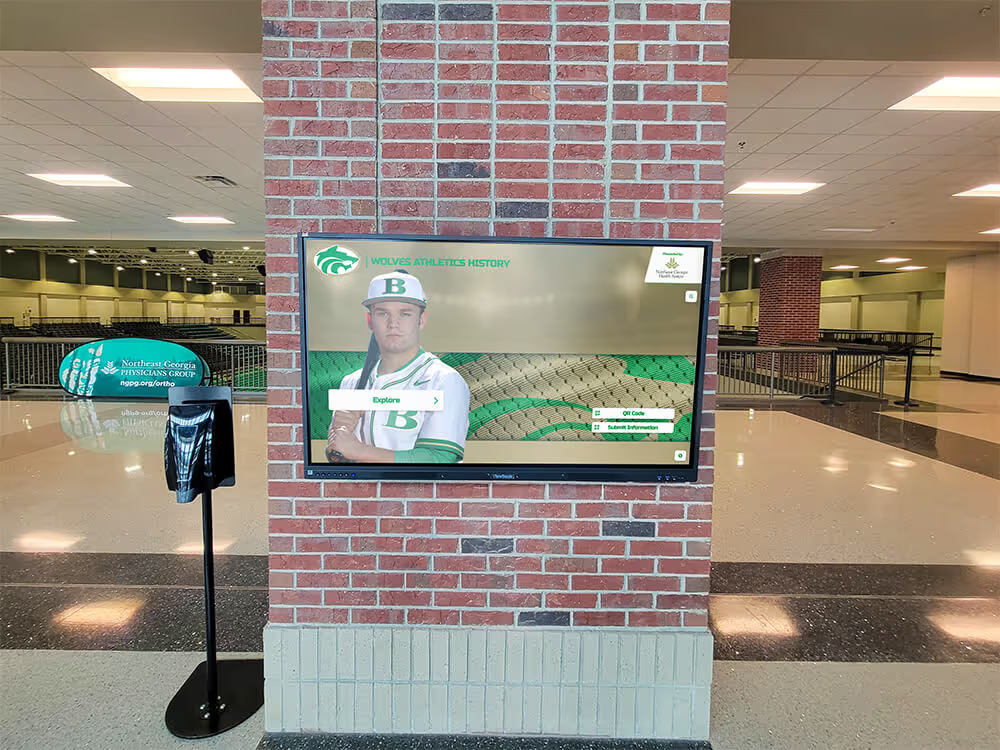
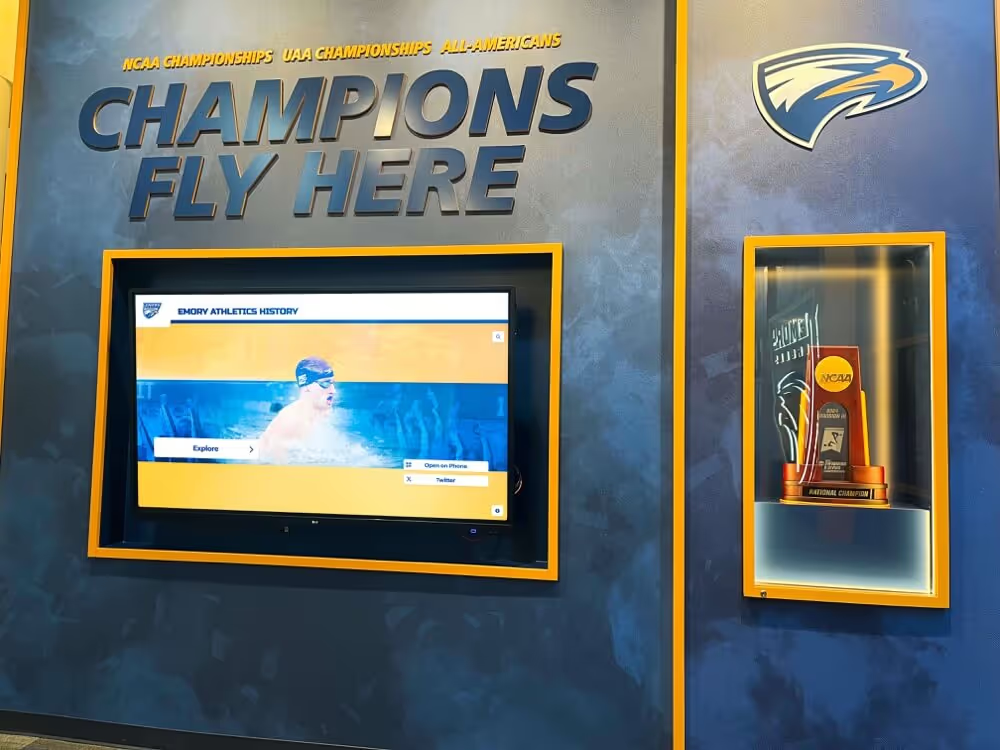
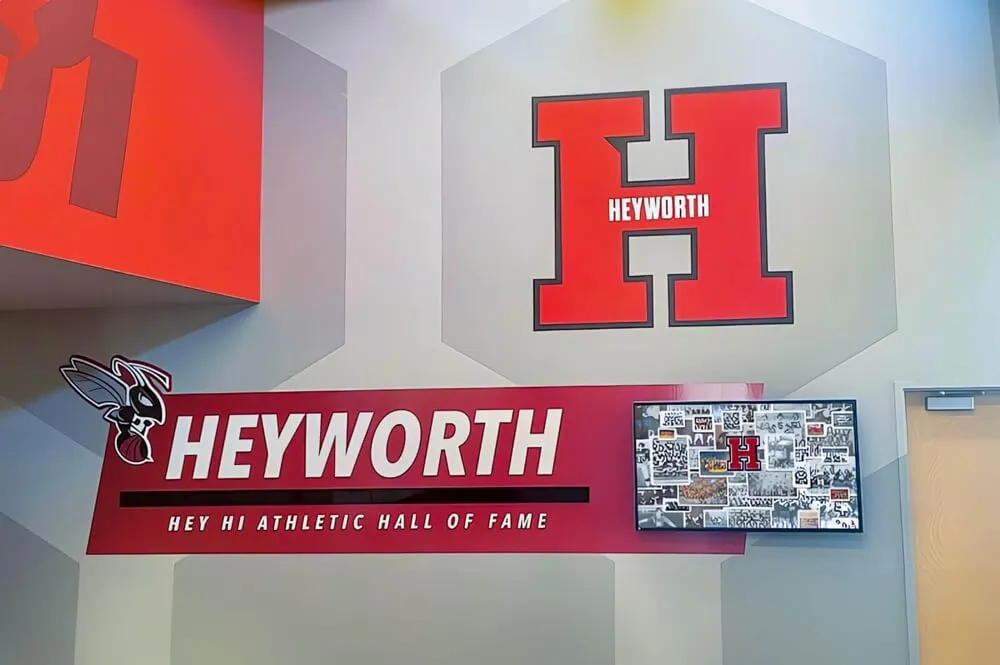
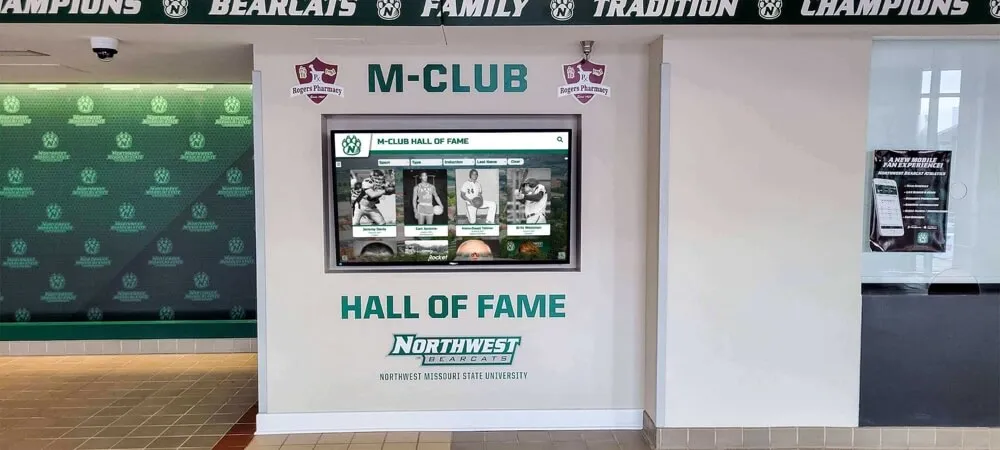
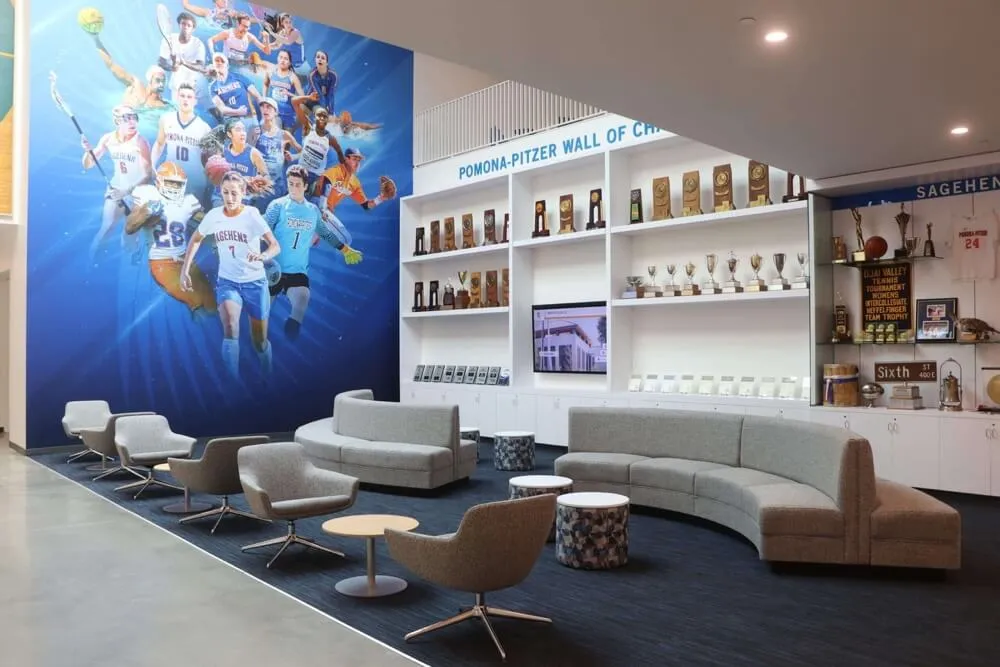
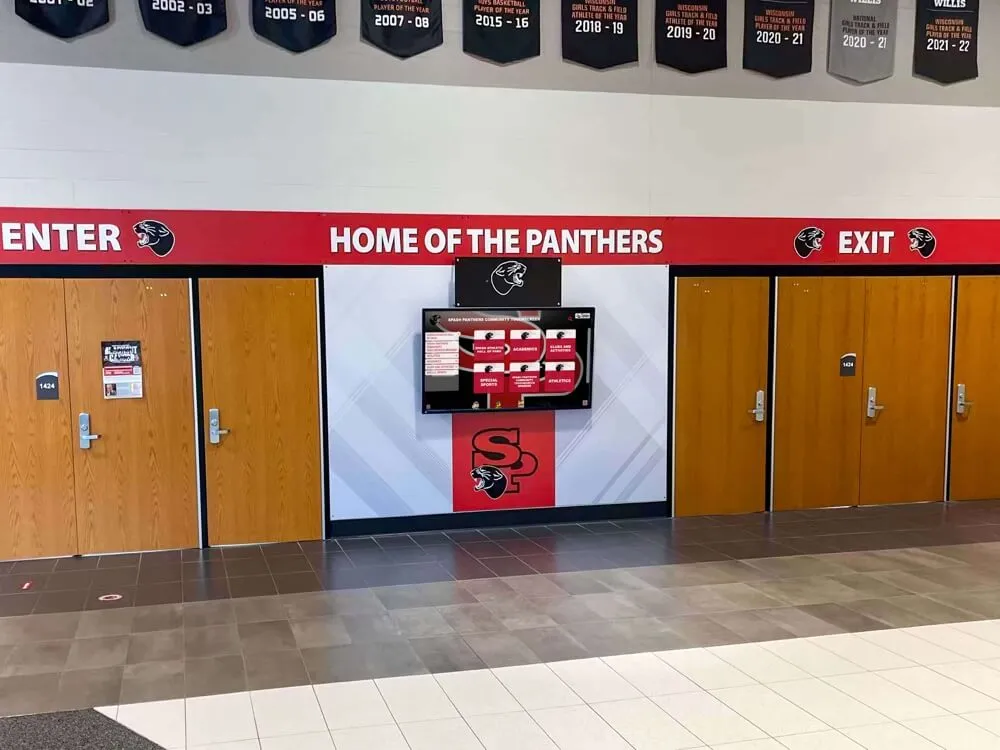
Modern recognition displays in athletic facilities celebrate both athletic achievements and the donors who make excellence possible
Key Factors in Baseball Field Surface Selection
Athletic directors should evaluate multiple dimensions when choosing between natural grass and artificial turf for baseball facilities.
Climate and Geographic Considerations
Your location dramatically affects which surface option makes most sense:
Northern Climate Advantages for Turf
- Extended playing season with early spring availability
- Immediate post-rain playability crucial during wet spring seasons
- Elimination of winter damage requiring extensive spring renovation
- Snow removal leaving turf ready for use when temperatures permit
Southern Climate Considerations
- Surface heat concerns with artificial turf during summer months
- Natural grass potentially playable year-round in warmest regions
- Irrigation costs for natural grass during drought conditions
- Turf temperature management through infill selection and light-colored fibers
Regional Weather Patterns Consider your area’s typical conditions:
- High-rainfall regions benefit from superior turf drainage
- Drought-prone areas face significant natural grass maintenance challenges
- Extreme temperature swings affect both surface types differently
- Humidity levels influencing maintenance requirements and playability
Usage Patterns and Facility Demands
The intensity and variety of field use should guide surface selection:
Single-Sport Baseball-Only Fields Natural grass remains viable when:
- Field receives moderate use (500-800 hours annually)
- Program can limit access during wet conditions
- Sufficient recovery time exists between heavy use periods
- Resources support professional-quality maintenance
- Competitive standards favor natural grass
Multi-Sport Athletic Complexes Artificial turf advantages intensify with:
- Multiple teams sharing facility (baseball, softball, soccer, lacrosse)
- Year-round programming maximizing community investment
- Limited alternative practice and competition venues
- Community recreational programs generating additional use
- Revenue generation through facility rentals
Community Access and Programming Many schools enhance facility ROI through:
- Youth baseball and softball league partnerships
- Summer camp programming utilizing athletic facilities
- Community recreation programs during school off-hours
- Tournament hosting generating visibility and revenue
- Adult recreational leagues providing additional funding
Expanded utilization strengthens the case for donor recognition programs celebrating facility investments. Learn how athletic director digital displays can showcase both athletic achievements and the community support making excellence possible.
Player Safety and Injury Prevention
Surface selection directly affects athlete safety—a primary concern for athletic directors:
Natural Grass Safety Profile
- Lower surface temperatures preventing heat-related concerns
- Natural shock absorption reducing joint stress
- Fewer abrasion injuries from sliding
- Familiar traction characteristics reducing ACL and ankle injuries
- Organic surface eliminating concerns about infill materials
Artificial Turf Safety Considerations Modern turf has addressed many historical concerns:
- Improved shock-absorption padding reducing impact forces
- Advanced infill systems providing appropriate traction
- Consistent surface eliminating holes and uneven areas causing injuries
- Temperature management through light-colored fibers and cooling infills
- Third-party testing and certification ensuring safety standards
Injury Research and Data Recent studies on turf safety show:
- Quality artificial turf installations show similar injury rates to well-maintained natural grass for most injury types
- Surface temperature monitoring and activity modification protocols mitigating heat concerns
- Proper installation and maintenance critical to safety performance
- Individual sport characteristics affecting relative safety profiles
Athletic recognition programs can celebrate player achievements while honoring the donors who invest in safe, quality facilities. Explore high school awards ceremony ideas that connect facility improvements to comprehensive recognition.
Performance and Playing Characteristics
Surface choice affects player development and competitive experience:
Ball Behavior Considerations
- Infield ground ball consistency and predictability
- Outfield ball roll and stopping characteristics
- Batted ball bounce height and trajectory
- Base path traction for running and sliding
- Pitcher’s mound stability and traction
Player Skill Development Quality surfaces support skill mastery:
- Consistent conditions enabling reliable technique development
- Predictable ball behavior building defensive confidence
- Safe surfaces encouraging aggressive play
- Professional-standard experience preparing players for higher levels
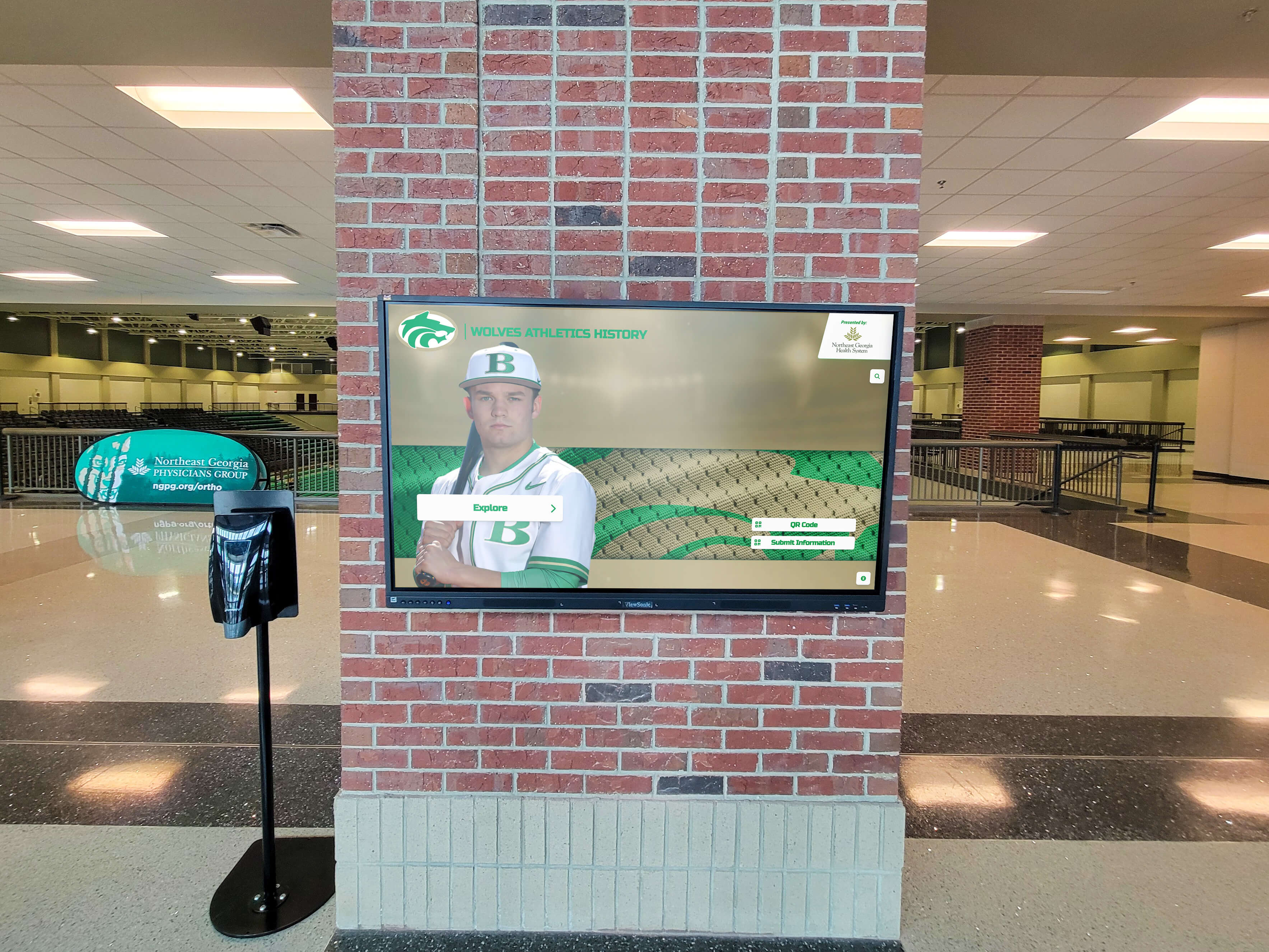
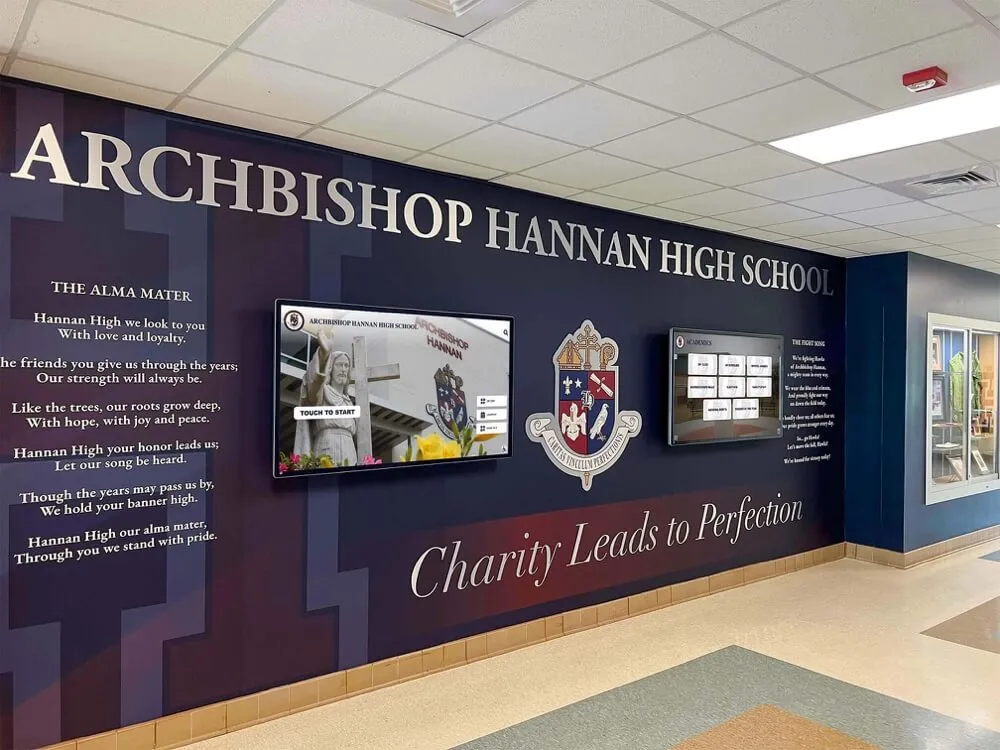
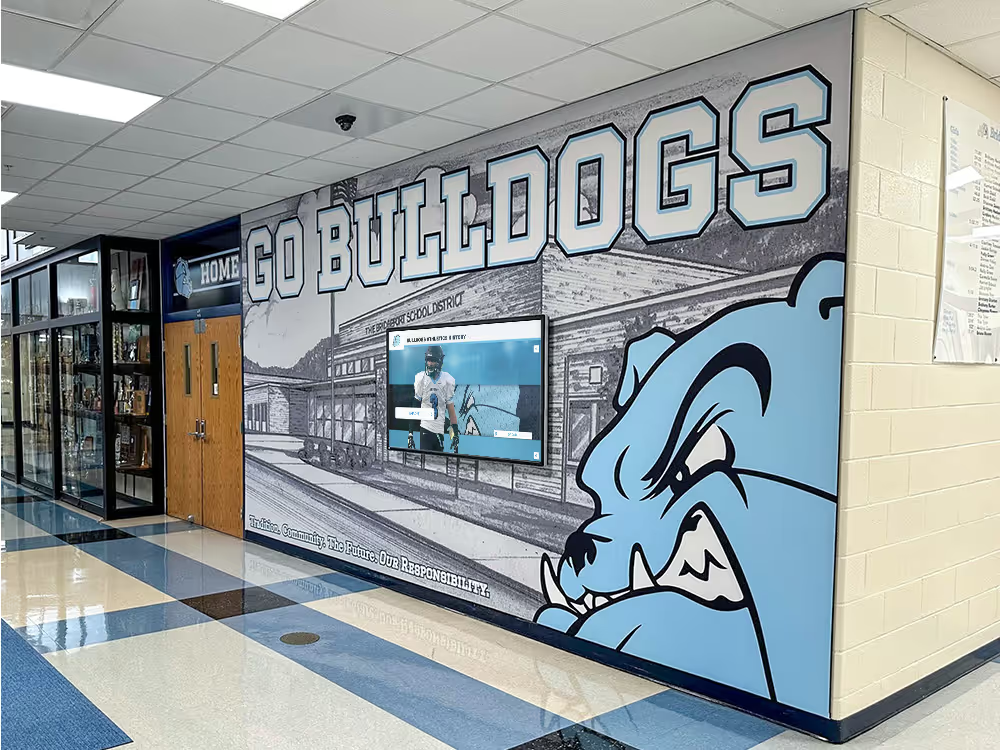
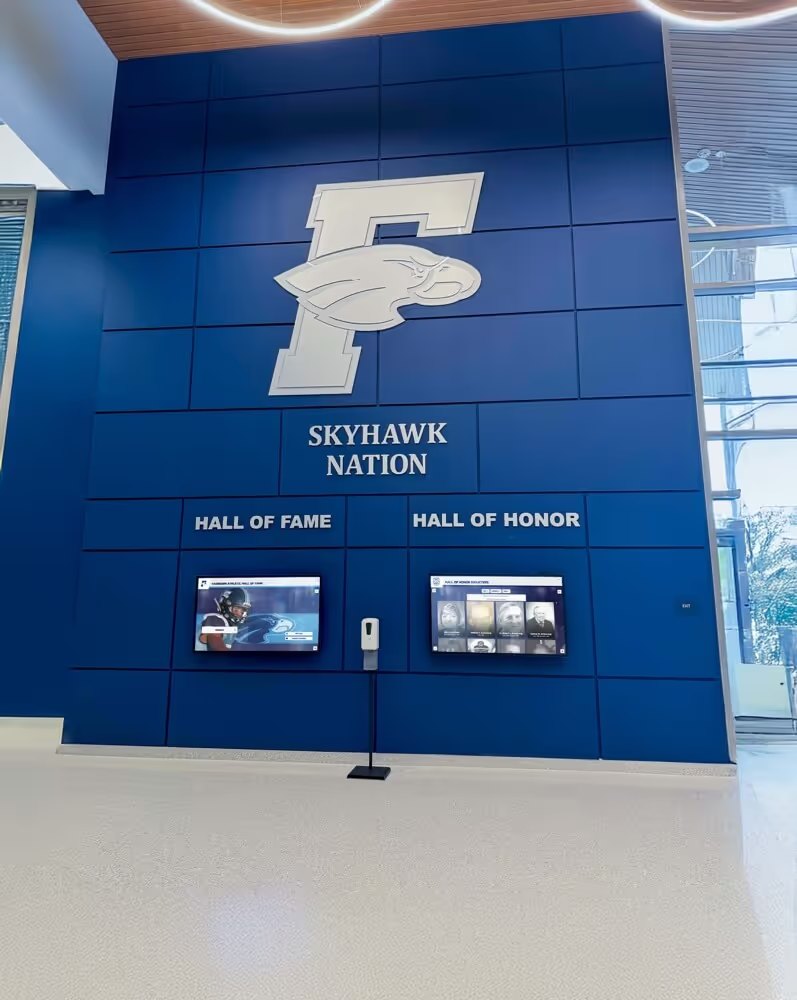
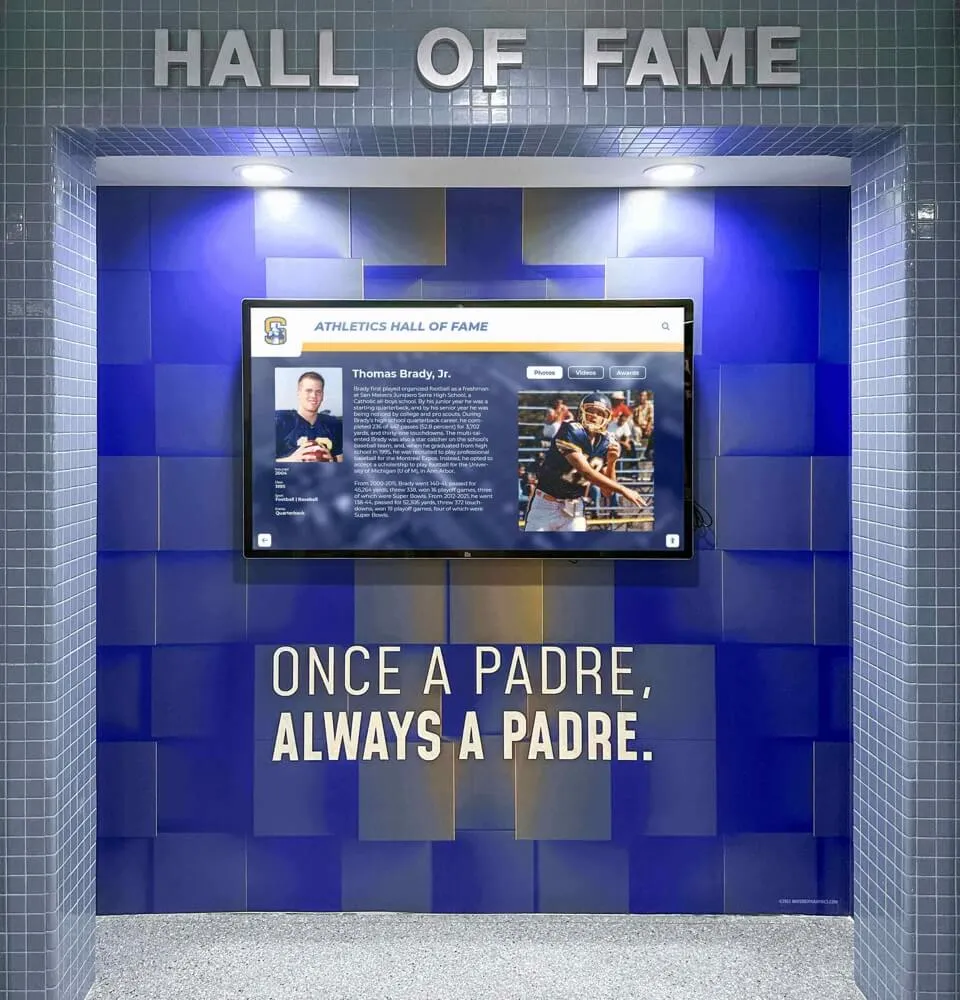
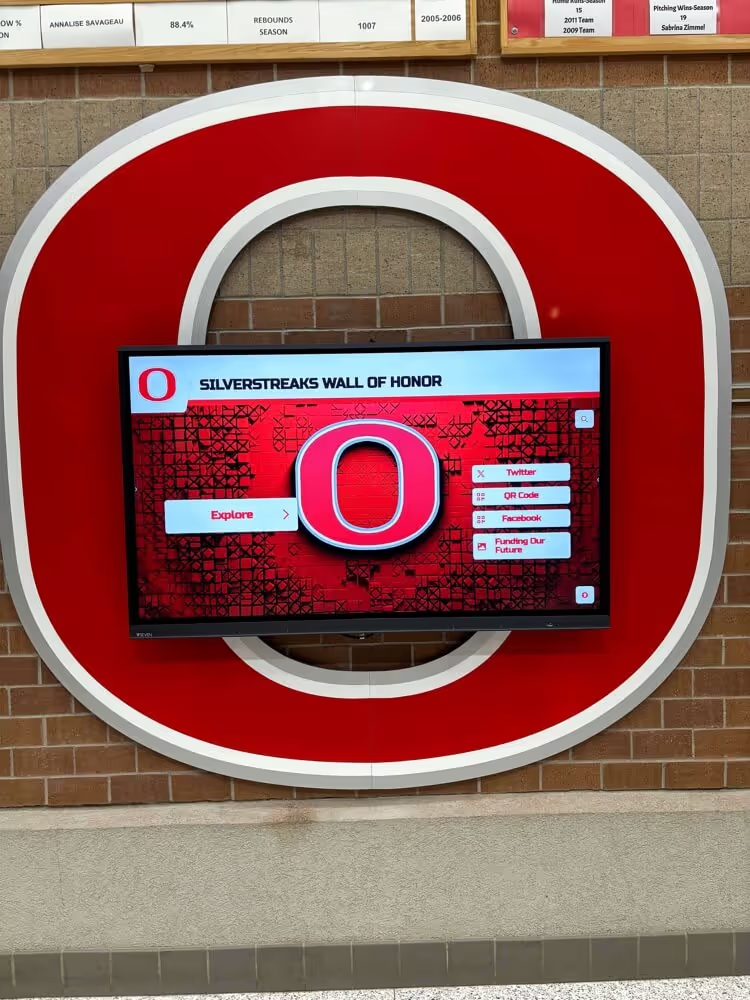
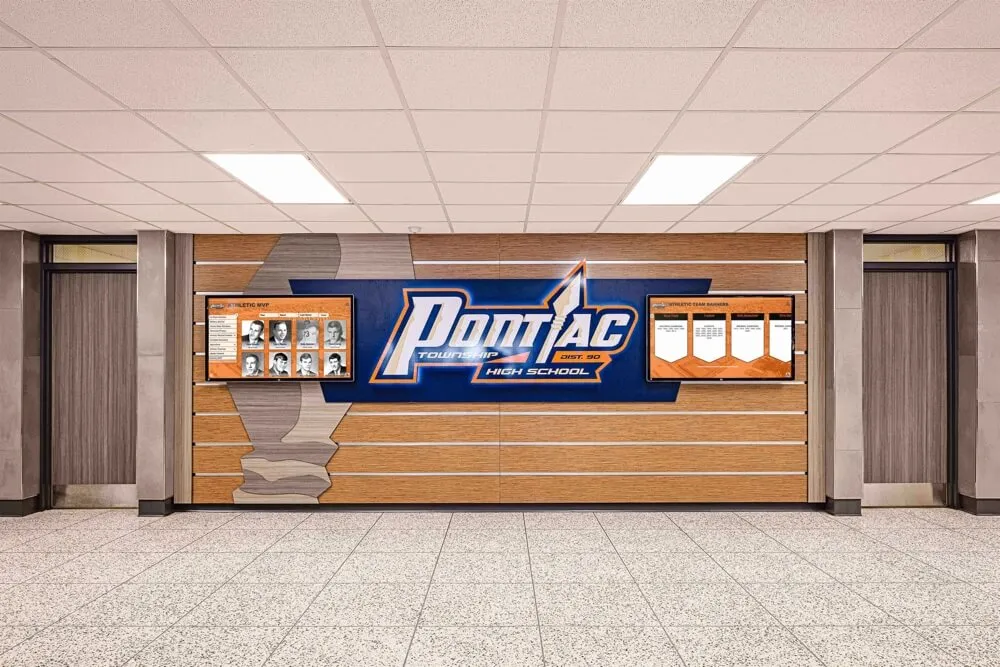
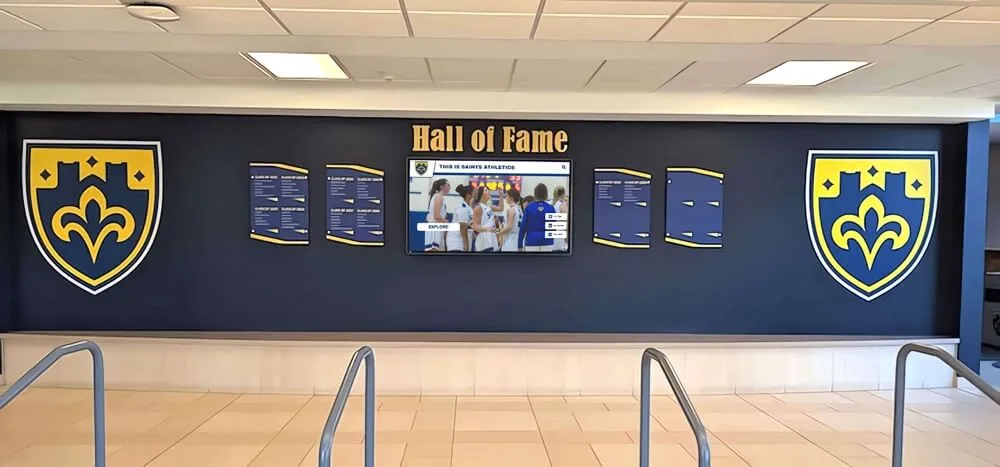
Integrated recognition displays in athletic facilities celebrate program history and donor support
Budget and Financial Considerations
Understanding the complete financial picture helps athletic directors make sustainable surface decisions.
Initial Installation Costs
Capital budgets must account for comprehensive project expenses:
Natural Grass Field Installation
- Field grading and drainage systems: $40,000-$80,000
- Irrigation system installation: $30,000-$60,000
- Soil preparation and amendments: $20,000-$40,000
- Sod or seeding with establishment: $15,000-$30,000
- Infield materials and laser grading: $25,000-$50,000
- Fencing, dugouts, and field amenities: $50,000-$100,000
- Total project cost: $180,000-$360,000
Artificial Turf Field Installation
- Field excavation and base preparation: $100,000-$200,000
- Drainage and irrigation (reduced systems): $40,000-$80,000
- Shock-absorption pad installation: $120,000-$180,000
- Synthetic turf and infill materials: $200,000-$400,000
- Specialized infield and warning track: $80,000-$150,000
- Fencing, dugouts, and field amenities: $50,000-$100,000
- Total project cost: $590,000-$1,110,000
These significant capital requirements create natural opportunities for donor engagement through naming rights, recognition programs, and phased giving campaigns.
Annual Maintenance and Operating Costs
Long-term budgets must reflect ongoing expenses:
Natural Grass Annual Maintenance
- Mowing, fertilization, and chemicals: $5,000-$12,000
- Irrigation water and system maintenance: $3,000-$8,000
- Infield grooming materials (clay, conditioner): $2,000-$5,000
- Equipment maintenance and replacement: $2,000-$5,000
- Labor costs (in-house or contracted): $8,000-$20,000
- Annual maintenance budget: $20,000-$50,000
Artificial Turf Annual Maintenance
- Regular grooming and brushing: $2,000-$4,000
- Infill replenishment and redistribution: $1,500-$3,000
- Deep cleaning and sanitization: $2,000-$4,000
- Repairs and seam maintenance: $1,000-$2,000
- Professional inspections: $500-$1,000
- Annual maintenance budget: $7,000-$14,000
Lifecycle Cost Analysis
Comprehensive financial planning requires examining total cost of ownership:
20-Year Natural Grass Costs
- Initial installation: $270,000 (average)
- Annual maintenance (20 years × $35,000): $700,000
- Major renovations (3 cycles × $50,000): $150,000
- Equipment replacement and upgrades: $75,000
- 20-year total: $1,195,000
20-Year Artificial Turf Costs
- Initial installation: $850,000 (average)
- Annual maintenance (20 years × $10,000): $200,000
- Surface replacement (after 10 years): $600,000
- Base and drainage maintenance: $30,000
- 20-year total: $1,680,000
While artificial turf shows higher 20-year costs in this analysis, benefits include expanded utilization, revenue generation opportunities, and facility availability that may justify the premium.
Major facility investments benefit from structured donor recognition that celebrates contributors appropriately. Consider digital donor recognition walls that honor athletic facility donors alongside academic and general institutional supporters.

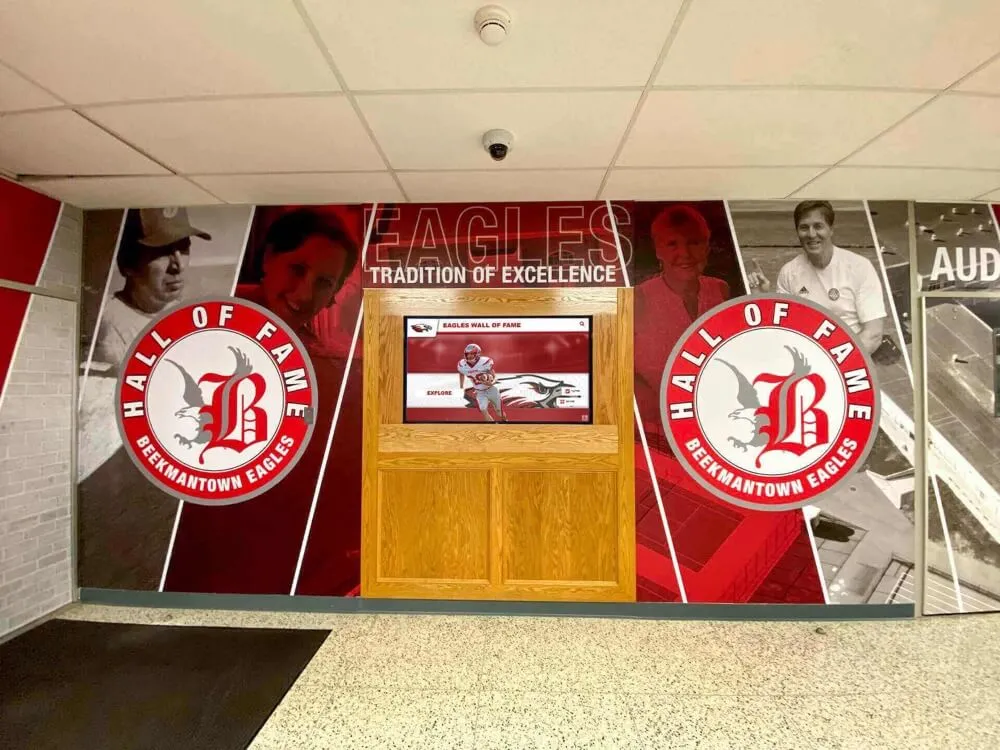
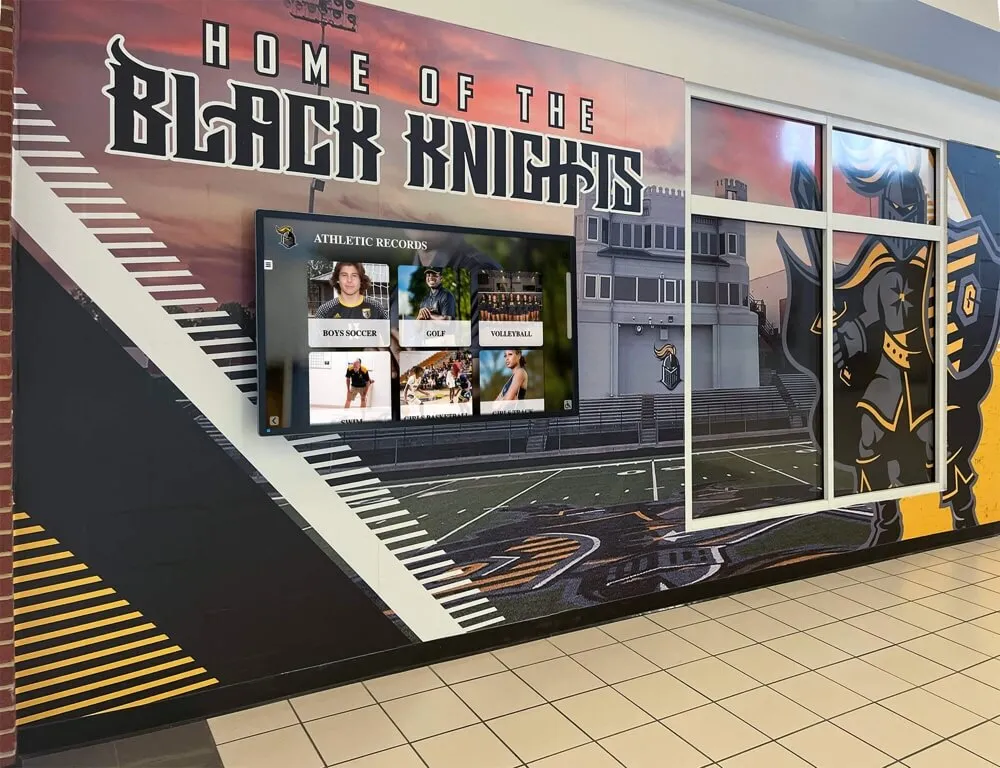
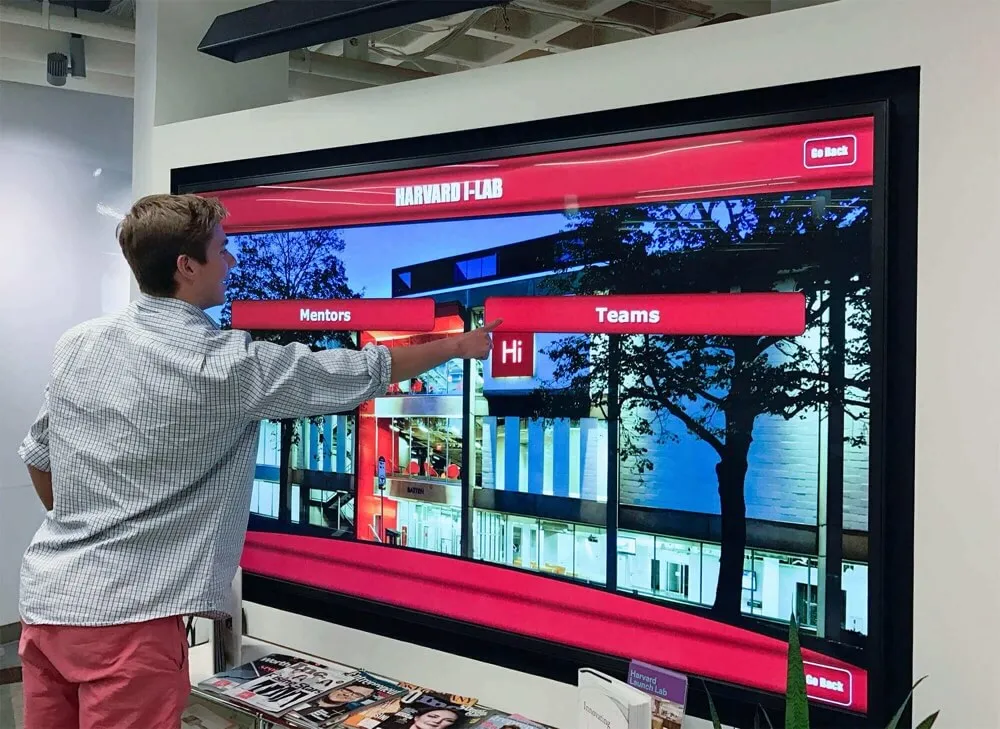
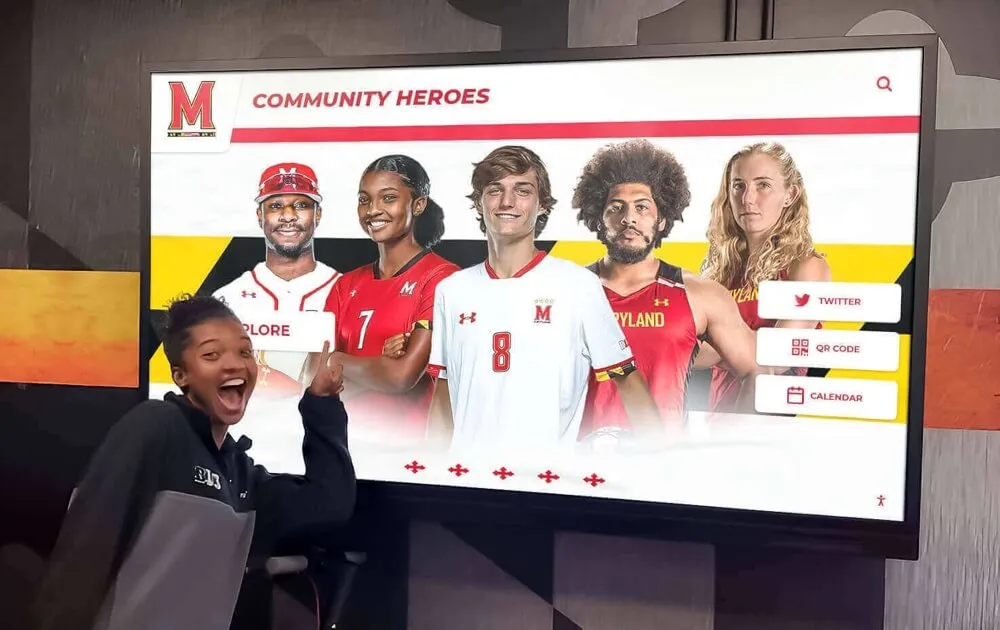
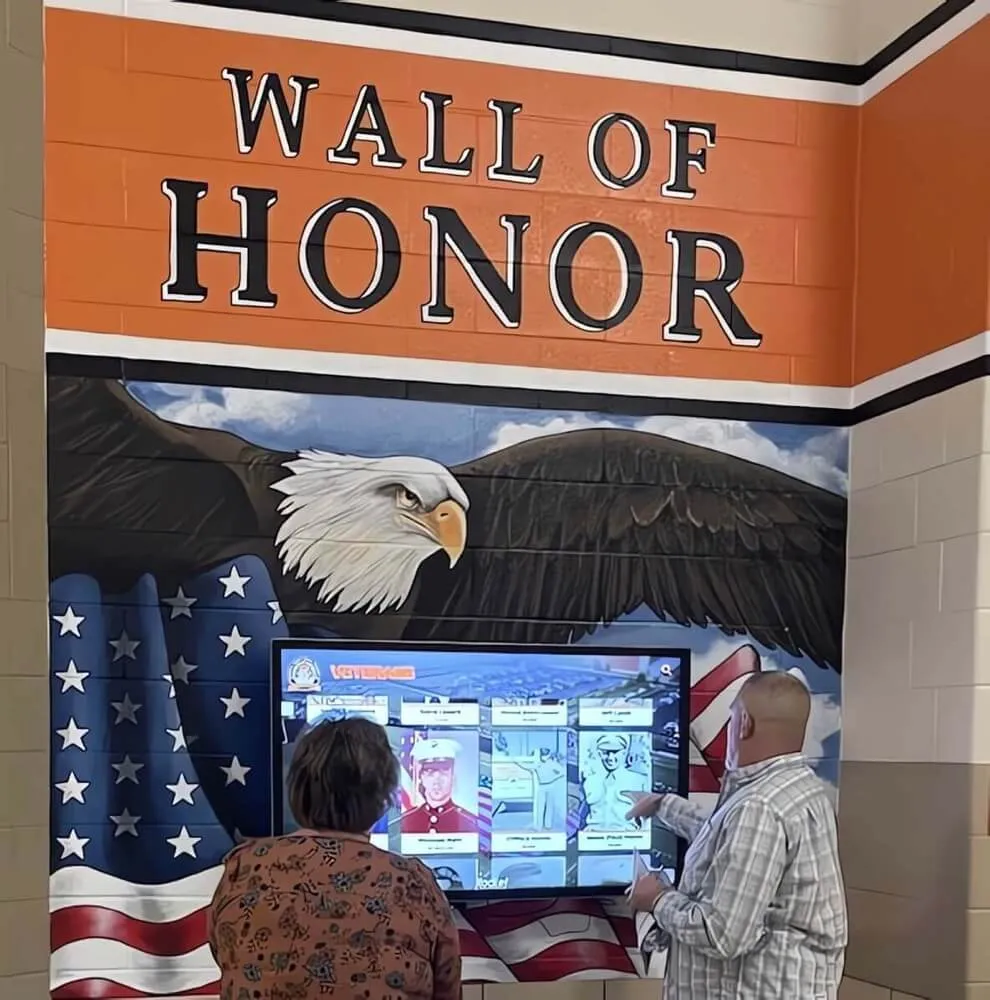
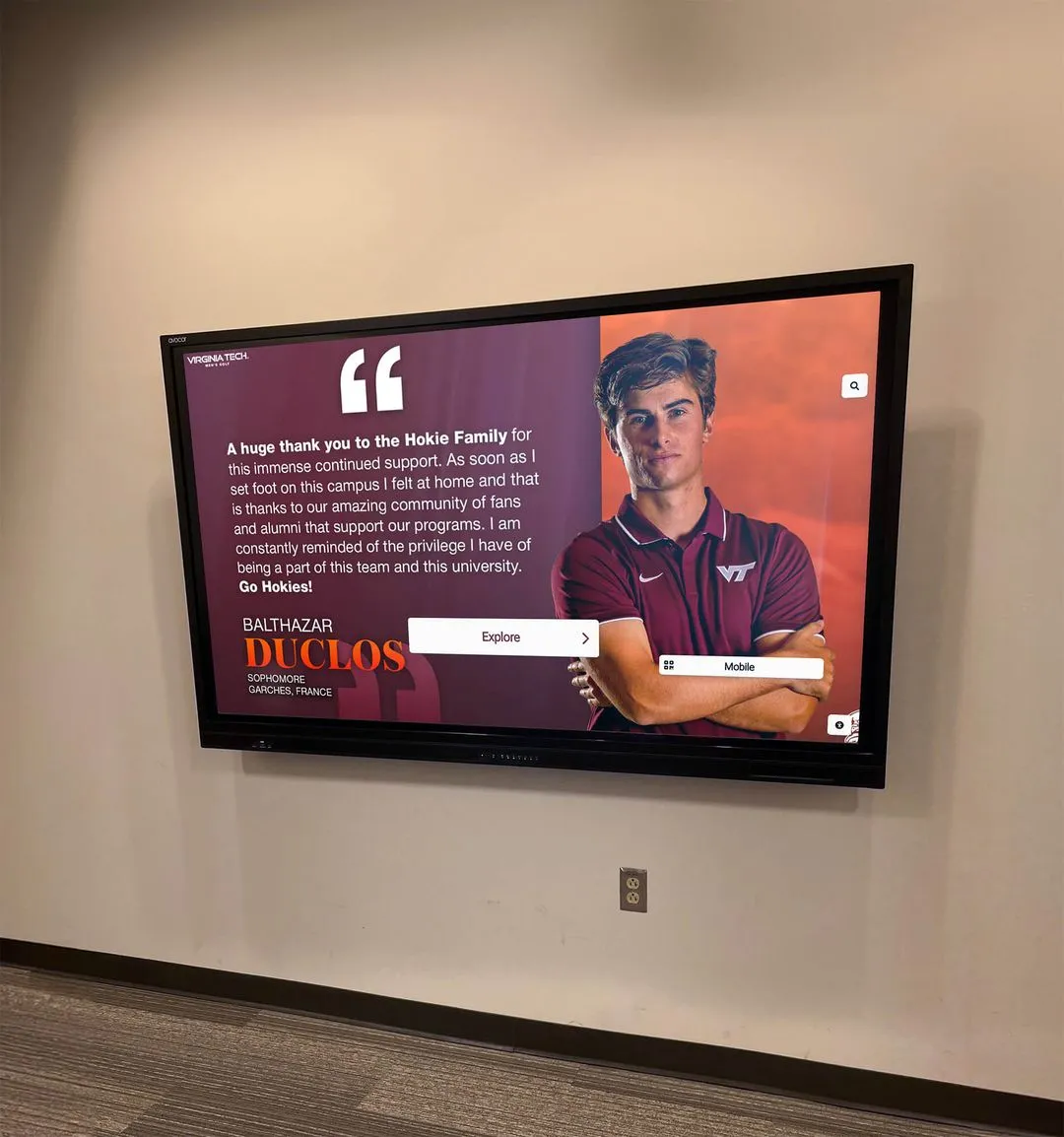
Permanent recognition displays in athletic facilities create lasting tributes to donors who invest in student-athlete excellence
Environmental and Sustainability Considerations
Modern athletic directors must consider environmental impacts alongside performance and cost factors.
Natural Grass Environmental Profile
Traditional grass fields present mixed environmental considerations:
Environmental Benefits
- Carbon sequestration through photosynthesis
- Oxygen production improving air quality
- Groundwater recharge through natural percolation
- Habitat for beneficial insects and microorganisms
- Absence of synthetic materials and plastics
Environmental Concerns
- Significant water consumption (especially in arid regions)
- Chemical fertilizers and pesticides entering watersheds
- Fuel consumption from mowing and maintenance equipment
- Maintenance vehicle emissions and noise pollution
- Irrigation system energy requirements
Sustainability Improvements Progressive programs enhance natural grass sustainability through:
- Organic lawn care programs reducing chemical applications
- Drought-resistant grass species minimizing water needs
- Electric or manual mowing equipment reducing emissions
- Rainwater harvesting for irrigation water
- Native grass species requiring minimal intervention
Artificial Turf Environmental Considerations
Synthetic surfaces create different environmental challenges and benefits:
Environmental Advantages
- Elimination of irrigation water consumption (major benefit in drought-prone regions)
- No chemical fertilizers, pesticides, or herbicides
- Reduced equipment emissions from eliminated mowing
- Extended facility lifespan reducing construction frequency
- Potential LEED certification contribution
Environmental Concerns
- Petroleum-based materials in turf fibers and infill
- Microplastic shedding contributing to environmental contamination
- Urban heat island effects from dark surfaces
- End-of-life disposal challenges for synthetic materials
- Manufacturing energy and emissions for production
Sustainable Turf Innovations The industry has developed more sustainable options:
- Recycled materials in backing and infill systems
- Organic infill alternatives (cork, coconut fiber, rice husks)
- Recyclable turf systems designed for end-of-life recovery
- Light-colored fibers reducing heat absorption
- Bio-based synthetic fibers from plant materials
Donor Recognition Opportunities for Baseball Field Projects
Baseball field improvements represent significant capital investments that schools typically fund through multi-year campaigns, donor partnerships, and recognition programs.
Naming Rights and Recognition Levels
Athletic facilities provide natural opportunities for major donor recognition:
Facility-Level Naming Rights
- Complete field naming for leadership gifts ($250,000-$1,000,000+)
- Long-term or permanent naming recognition
- Prominent signage visible from stands and community
- Media mentions and promotional materials
- Dedication ceremonies and ongoing celebration
Component Recognition Opportunities Baseball facilities include multiple nameable elements:
- Dugouts and team areas ($25,000-$75,000)
- Bullpen areas ($15,000-$40,000)
- Batting cages and practice facilities ($30,000-$100,000)
- Press box or announcer’s booth ($40,000-$100,000)
- Scoreboard and video board ($50,000-$200,000)
- Concession and restroom facilities ($30,000-$80,000)
Donor Recognition Displays Modern athletic facilities increasingly incorporate dedicated donor recognition:
- Digital displays showcasing all contributors by giving level
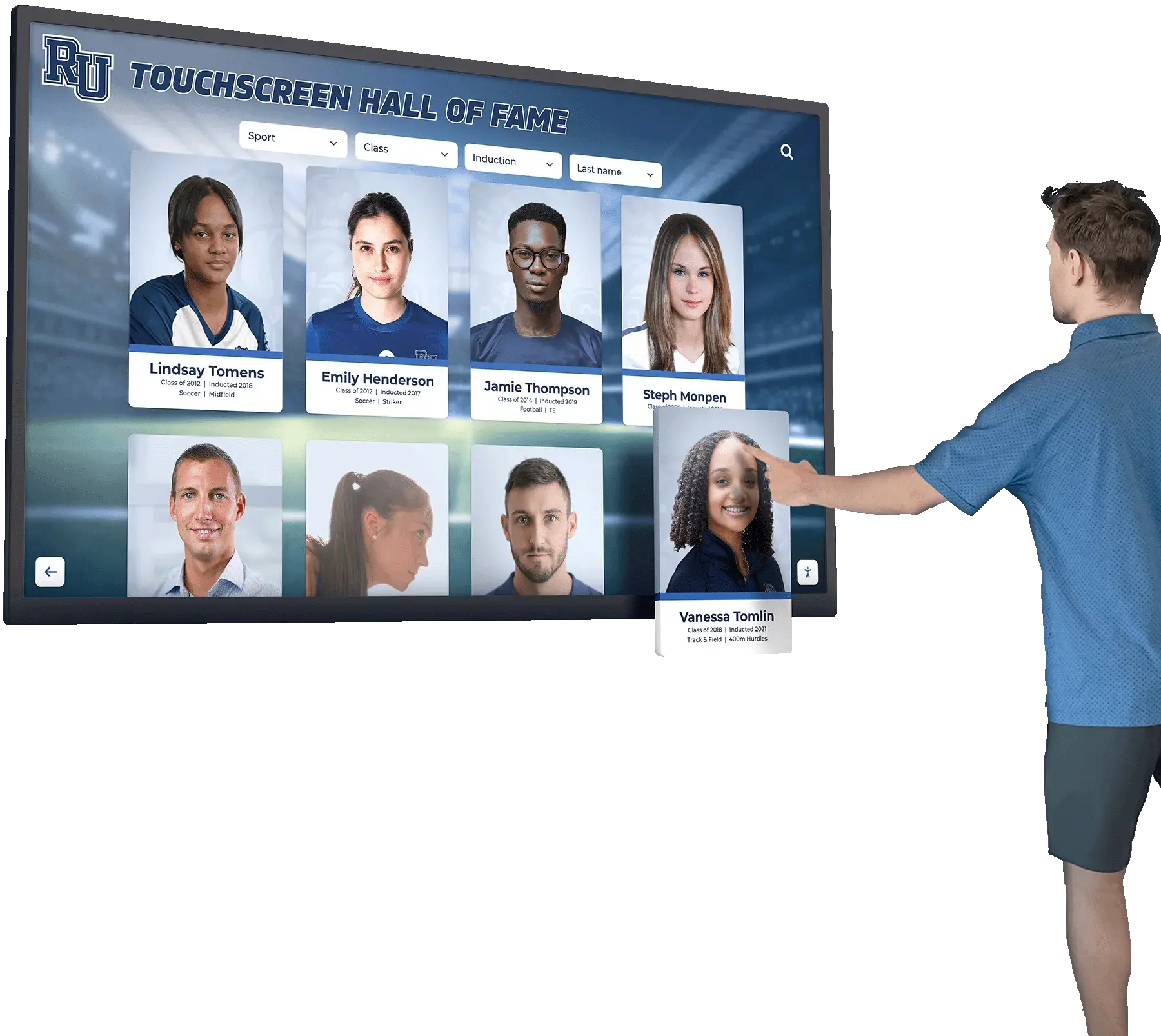
- Interactive touchscreens exploring facility history and donor impact
- Traditional plaques and recognition walls at facility entrances
- Integration with broader athletic recognition systems
Programs celebrating athletic excellence alongside donor contributions create powerful recognition environments. Learn about booster club fundraising ideas that can support facility improvements.
Phased Campaign Strategies
Large field projects often benefit from multi-phase approaches:
Phase 1: Critical Infrastructure
- Field grading, drainage, and base preparation
- Immediate safety and playability improvements
- Lower cost threshold enabling earlier project start
- Demonstrated progress building momentum for additional phases
Phase 2: Primary Surface Installation
- Turf or grass installation completing playing surface
- Lighting systems enabling night games and expanded use
- Fencing and backstop ensuring safety
- Basic spectator seating
Phase 3: Amenities and Enhancements
- Premium dugouts and team areas
- Concessions and restroom facilities
- Scoreboard and sound systems
- Landscaping and aesthetic improvements
This phased approach allows multiple donor recognition opportunities across project timeline while enabling earlier facility utilization.
Integrating Athletic and Donor Recognition
The most effective athletic facilities celebrate both student achievement and donor generosity:
Comprehensive Recognition Systems Modern platforms enable:
- Baseball program history and championship celebrations
- Individual player achievements and records
- Team rosters and season results across decades
- Donor recognition by giving level and naming rights
- Integrated storytelling connecting donor support to student success
Solutions like Rocket Alumni Solutions provide digital platforms that showcase athletic achievements alongside donor contributions, creating facilities that honor excellence while inspiring continued support.
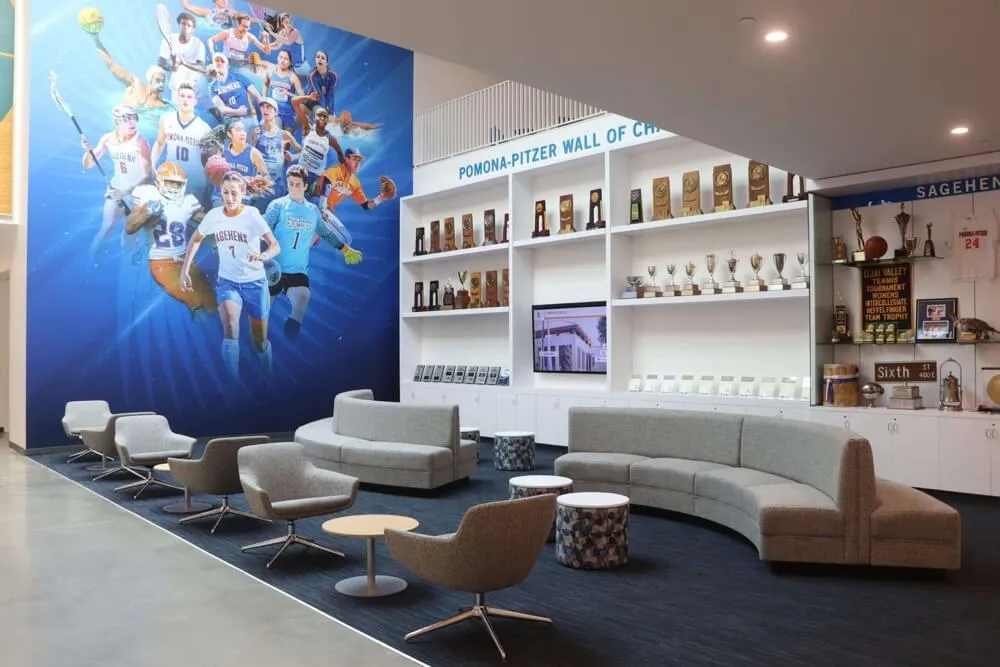
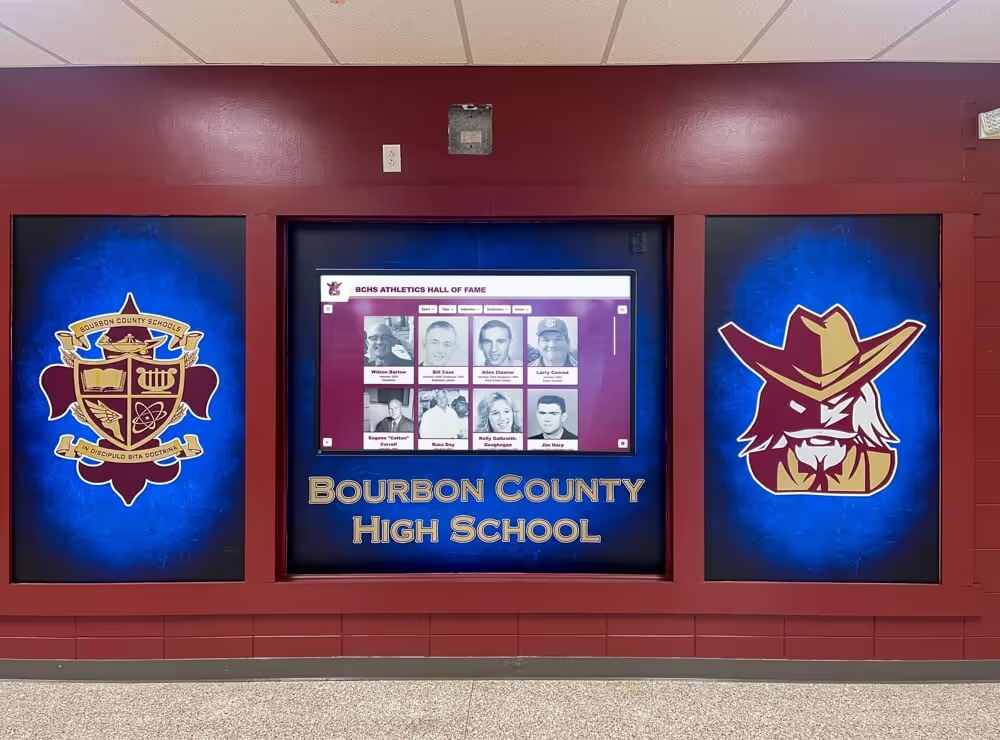
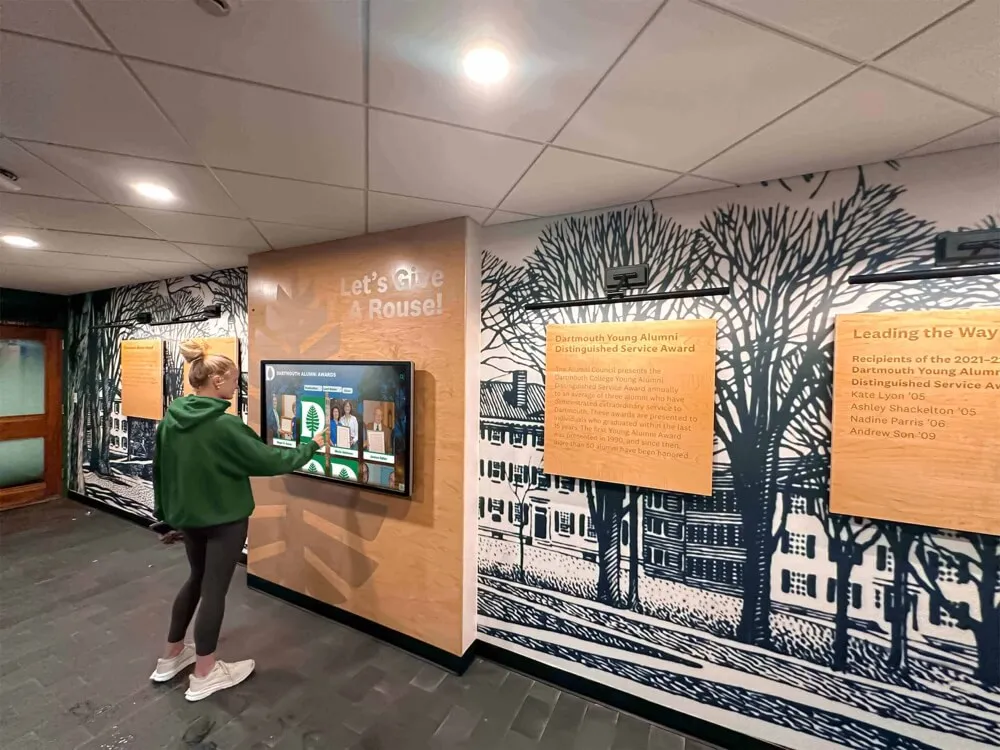
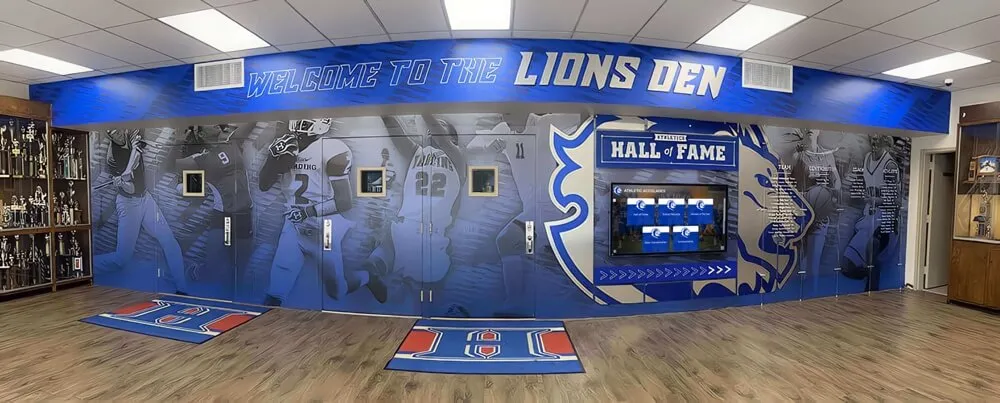
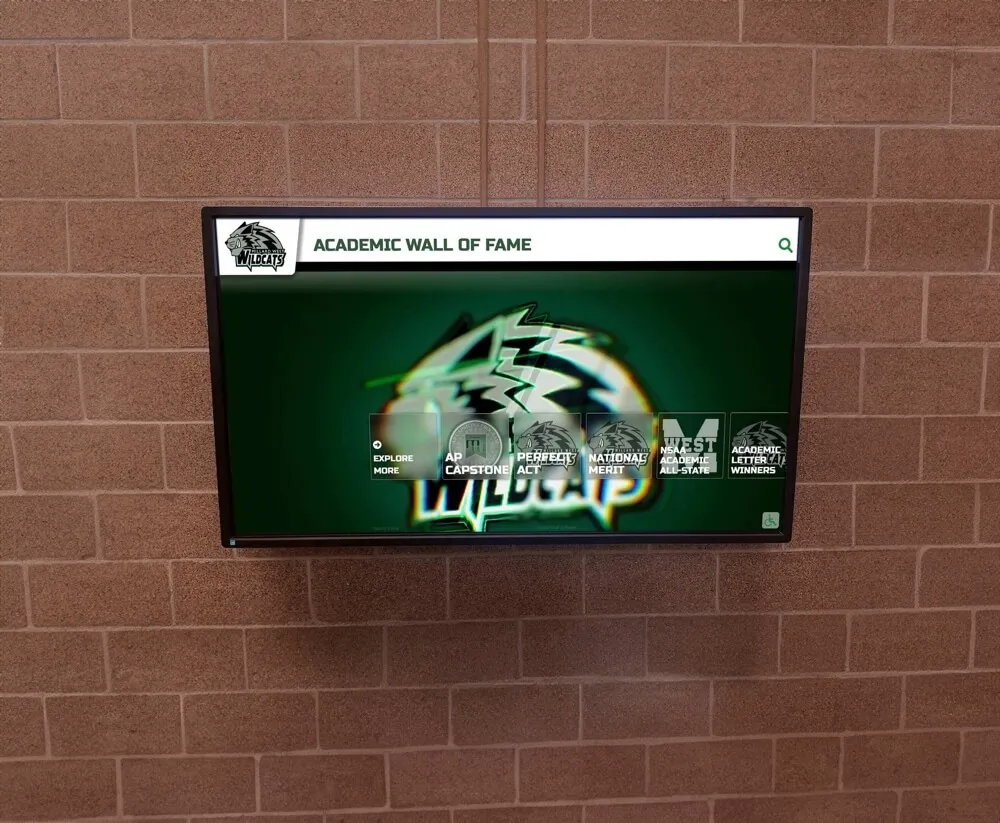
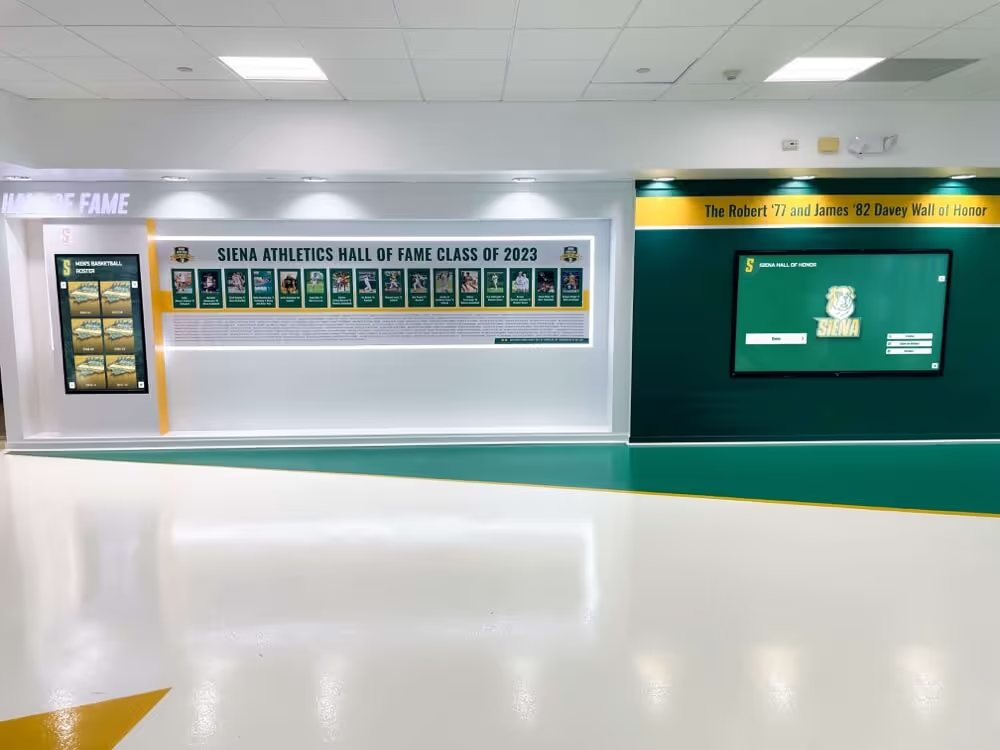
Comprehensive athletic spaces integrate trophy displays, team recognition, and donor acknowledgment in cohesive facility design
Selection Process and Decision Framework
Athletic directors can approach baseball field turf selection systematically through structured evaluation.
Stakeholder Engagement
Effective decisions involve multiple perspectives:
Internal Stakeholders
- Baseball coaching staff providing player development and competitive insights
- Facilities and grounds maintenance teams offering operational expertise
- School administration contributing budget and strategic priorities
- Athletic director coordinating across programs and facility needs
- Athletic trainers addressing safety and injury prevention
External Stakeholders
- Baseball parent organizations and booster clubs
- Community partners sharing facility access
- Potential donors considering facility naming opportunities
- Local baseball organizations using facilities
- Professional consultants providing technical expertise
Engagement Strategies
- Facility tours of both natural grass and artificial turf fields
- Coach and athlete feedback sessions
- Community forums presenting options and gathering input
- Donor cultivation events showcasing facility vision
- Professional presentations from turf and grass specialists
Evaluation Criteria Matrix
Develop structured comparison addressing key decision factors:
| Criterion | Natural Grass | Artificial Turf | Weight | Notes |
|---|---|---|---|---|
| Initial Cost | Higher score (lower cost) | Lower score | 20% | Budget constraints |
| Annual Maintenance | Lower score (higher cost) | Higher score | 15% | Ongoing resources |
| Playability/Season | Lower in wet climates | Higher score | 20% | Critical for utilization |
| Player Preference | Often higher | Variable | 15% | Coach/athlete input |
| Safety Profile | High with maintenance | High with quality | 20% | Primary concern |
| Environmental Impact | Mixed considerations | Mixed considerations | 5% | Growing priority |
| Donor Appeal | Strong tradition | Modern innovation | 5% | Fundraising considerations |
Customize weighting based on your specific institutional priorities and constraints.
Site Analysis and Technical Evaluation
Professional assessment should examine:
Soil and Drainage Analysis
- Existing soil composition and drainage characteristics
- Groundwater levels and seasonal variations
- Slope and grading requirements
- Drainage system needs and costs
Climate Data Review
- Annual precipitation patterns
- Temperature extremes and growing season
- Humidity and disease pressure for natural grass
- Heat index concerns for artificial turf
Usage Projections
- Expected annual usage hours across all programs
- Peak usage periods and scheduling demands
- Community partnership and rental opportunities
- Future program growth and facility expansion
Many facilities integrate baseball field improvements with broader athletic facility modernization. Understanding how to update and maintain digital record boards ensures recognition systems remain current as programs evolve.
Implementation Best Practices
Once surface selection is made, proper implementation ensures optimal results.
Contractor Selection and Management
Quality installation requires experienced professionals:
Qualification Criteria
- Demonstrated experience with similar baseball projects
- References from schools with comparable installations
- Financial stability and bonding capacity
- Warranty terms and ongoing support commitments
- Technical expertise specific to chosen surface type
Contract Considerations
- Detailed specifications preventing ambiguity
- Performance standards and acceptance criteria
- Timeline with weather contingencies
- Payment schedules tied to milestone completion
- Warranty coverage for materials and workmanship
Project Management
- Regular progress meetings and site inspections
- Quality control testing at critical installation phases
- Change order management and budget tracking
- Stakeholder communication throughout construction
- Punch list completion and formal acceptance
Maintenance Program Development
Establish sustainable care protocols from project inception:
Staff Training and Development
- Manufacturer training for maintenance staff
- Sport-specific grooming and care techniques
- Safety protocols and equipment operation
- Seasonal maintenance calendars
- Troubleshooting and repair procedures
Equipment and Resource Planning
- Specialized equipment acquisition
- Maintenance supply budgeting
- Storage and workspace needs
- Replacement cycle planning
- Service contracts for specialized work
Documentation and Record-Keeping
- Maintenance logs tracking all field care activities
- Expense tracking for budget management
- Warranty claim documentation
- Usage tracking informing maintenance needs
- Photographic records of field condition over time
Recognition and Celebration Planning
Major facility improvements deserve appropriate celebration:
Dedication Events
- Formal dedication ceremonies recognizing donors
- First game or tournament showcasing new facility
- Community open house events
- Media coverage and promotional opportunities
- Permanent dedication plaques and signage
Ongoing Recognition Programs Digital recognition platforms provide:
- Perpetual donor acknowledgment in facility
- Integrated displays connecting facility to achievements
- Mobile and web access extending recognition reach
- Updates celebrating program success made possible by facility
- Alumni engagement connecting past and present athletes
Consider recognition approaches similar to sports banquet planning that celebrate both immediate achievements and long-term facility investments.
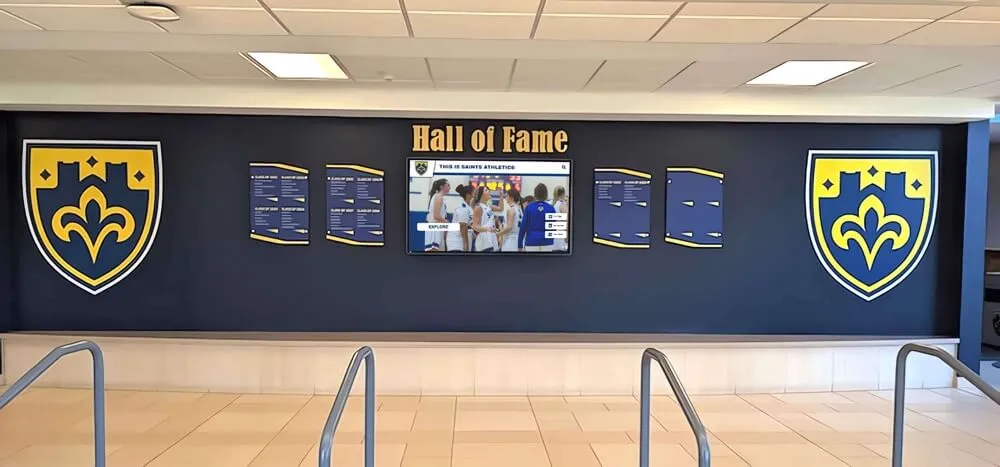
Permanent athletic recognition installations honor both competitive excellence and the donors who make outstanding facilities possible
Long-Term Success Factors
Maximizing baseball field investment requires attention beyond initial installation.
Facility Utilization Optimization
Expand field value through strategic programming:
Extended Season Use
- Early spring practice enabled by artificial turf or covered systems
- Fall ball programs utilizing facility year-round
- Indoor/outdoor transition facilities in northern climates
- Weather-protected practice areas maximizing availability
Multi-Sport Applications
- Softball program sharing field during appropriate seasons
- Soccer and lacrosse use during baseball off-season
- Physical education classes utilizing quality athletic space
- Intramural programming building broader participation
Community Partnerships
- Youth baseball and softball league hosting
- Summer camp programming
- Adult recreational leagues
- Tournament hosting and showcase events
- Corporate and community event rentals
Revenue generation from expanded utilization can help offset maintenance costs while strengthening community connections.
Program Development and Excellence
Quality facilities should support program growth:
Competitive Advantages
- Recruiting benefits from professional-quality facilities
- Tournament hosting attracting regional competition
- Showcase opportunities increasing college recruiting exposure
- Practice quality improving player development
- Community pride building program support
Comprehensive Athletic Recognition Connect facility excellence to achievement celebration:
- Baseball program championships and milestone achievements
- Individual player records and honors
- Coach recognition and program history
- Integration with broader academic recognition programs
- Alumni success stories connecting facility to outcomes
Continuous Improvement and Assessment
Monitor facility performance and gather ongoing feedback:
Regular Evaluation
- Annual field condition assessments
- User satisfaction surveys from coaches and athletes
- Safety inspection protocols
- Maintenance effectiveness reviews
- Financial performance tracking
Adaptive Management
- Maintenance protocol adjustments based on performance data
- Technology upgrades and enhancement opportunities
- Expanded recognition as additional donors contribute
- Programming adjustments maximizing facility utilization
- Long-term planning for eventual renovation or replacement
Quality athletic facilities deserve quality recognition programs. Explore school digital signage implementation that celebrates both athletic achievements and facility donor contributions.
Conclusion: Building Excellence Through Thoughtful Surface Selection
Choosing baseball field turf for your school represents far more than a facilities decision—it’s an investment in athlete safety, program quality, community engagement, and institutional excellence that shapes athletic experiences for decades. Whether your analysis leads to natural grass, artificial turf, or a hybrid approach, thoughtful evaluation of performance characteristics, financial implications, safety considerations, and donor recognition opportunities ensures decisions aligned with your school’s unique needs and priorities.
The most successful baseball field projects recognize that facility excellence and donor stewardship work together synergistically. Major capital improvements create natural opportunities to celebrate donor generosity through naming rights, recognition displays, and ongoing acknowledgment that strengthens community connections while funding transformative athletic facilities.
Celebrate Your Baseball Field Donors with Meaningful Recognition
Discover how modern digital donor recognition solutions can help you honor the contributors who make athletic facility excellence possible while creating inspiring spaces that celebrate both donor generosity and student-athlete achievement.
Explore Donor Recognition SolutionsModern athletic directors balance competing priorities—budget constraints, safety requirements, program quality expectations, environmental considerations, and donor stewardship responsibilities. Baseball field surface decisions sit at the intersection of all these factors, requiring comprehensive analysis that examines both immediate installation considerations and long-term operational implications.
The guidance provided in this comprehensive review equips athletic directors with frameworks for systematic evaluation, stakeholder engagement strategies, financial analysis tools, and implementation best practices. Whether you manage a small school with a single baseball field or oversee multiple athletic complexes serving diverse programs, these principles apply to decisions at every scale.
Begin by assembling your stakeholder team—coaches, facilities staff, administrators, donors, and community partners who bring diverse perspectives to the decision. Conduct thorough site analysis understanding your unique climate, soil conditions, and usage patterns. Develop realistic financial projections examining both capital and operating costs across extended time horizons. Most importantly, connect facility decisions to broader institutional goals around student development, community engagement, and donor recognition.
Quality baseball facilities create lasting legacies—spaces where student-athletes develop skills, build character, and create memories while donors receive meaningful recognition for their transformative generosity. Your surface selection shapes these experiences for generations of student-athletes, making thoughtful, comprehensive evaluation one of the most impactful decisions athletic directors make.