Youth basketball leagues face a unique challenge when it comes to recognition. Young athletes range from tentative beginners just learning to dribble to emerging talents showing competitive promise. Coaches must balance celebrating achievement with encouraging participation, recognizing skill development while building self-esteem across diverse ability levels, and motivating continued involvement without creating discouragement that drives players away from the sport.
Research from the Aspen Institute’s Project Play indicates that nearly 70% of youth drop out of organized sports by age 13, often citing lack of fun, excessive pressure, or feeling undervalued as primary reasons. Recognition programs designed thoughtfully can reverse these trends by creating inclusive environments where every young athlete feels valued for their unique contributions while maintaining meaningful standards that celebrate genuine excellence.
This comprehensive guide presents creative basketball awards for youth leagues, recreation programs, school teams, and community organizations. Whether you coordinate recreational leagues emphasizing fun and participation or competitive travel teams developing serious basketball skills, these recognition ideas help you celebrate young athletes appropriately while supporting positive athletic development.

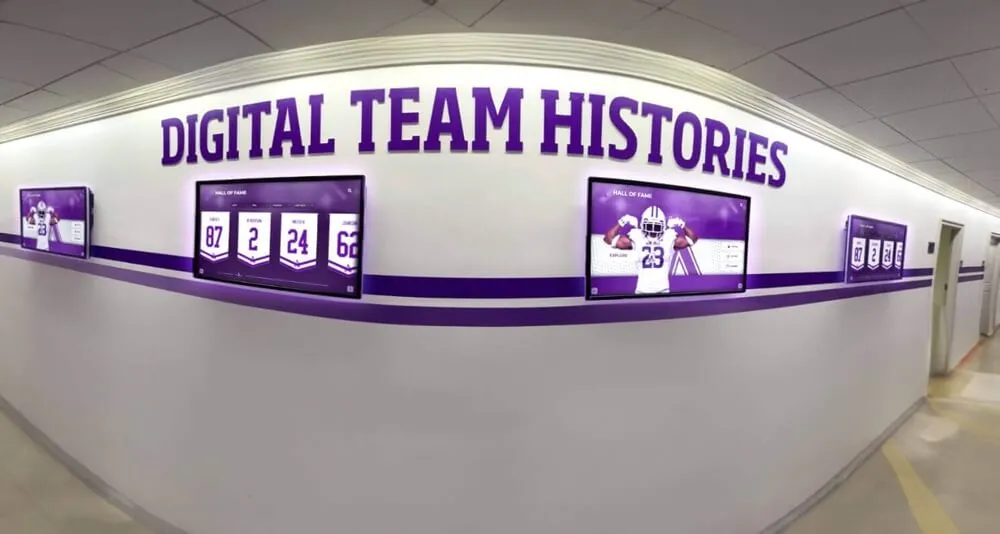
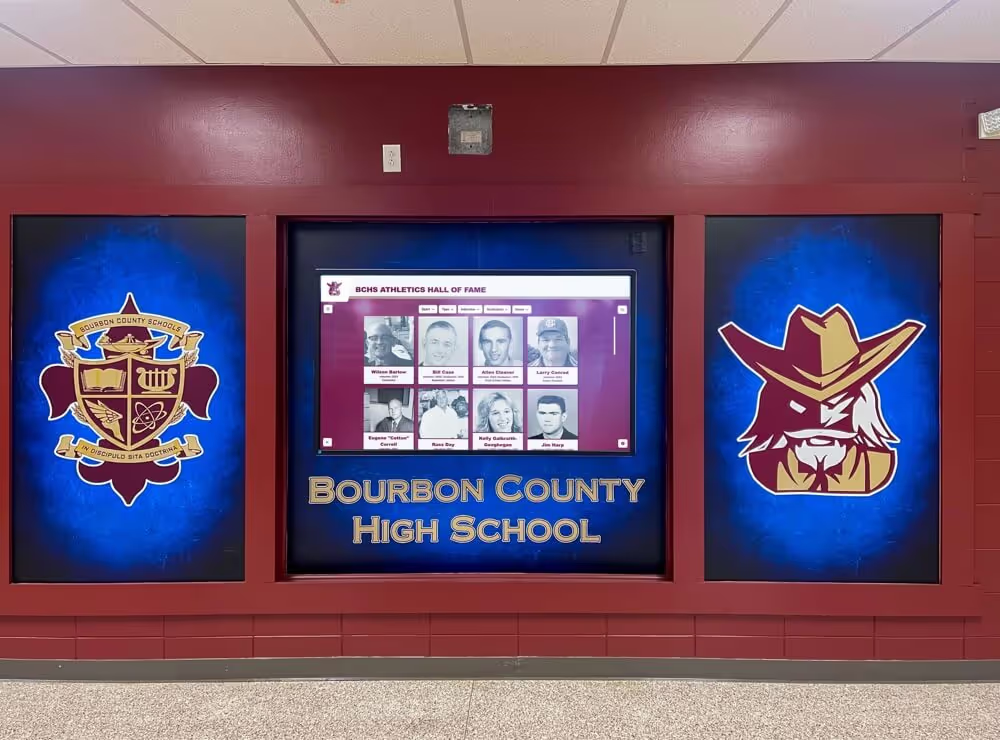
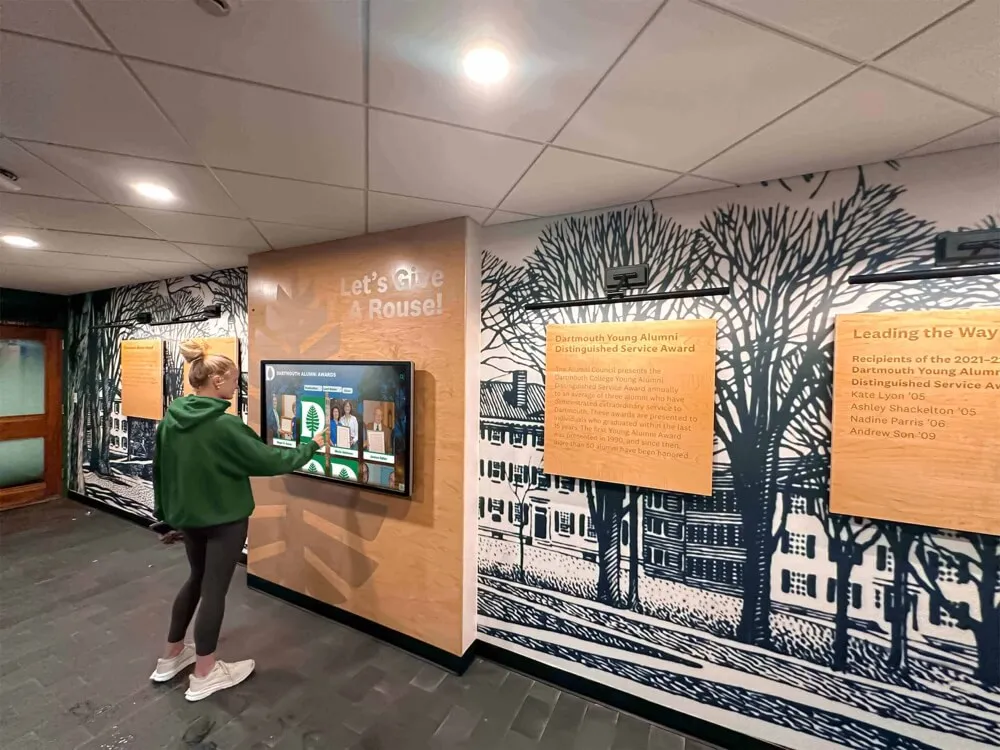
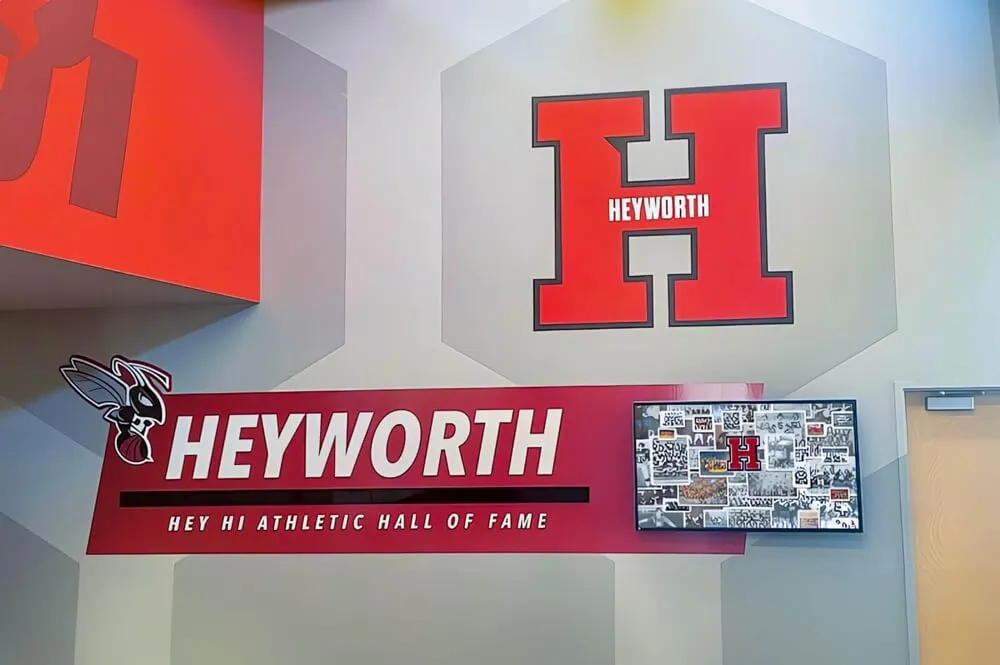
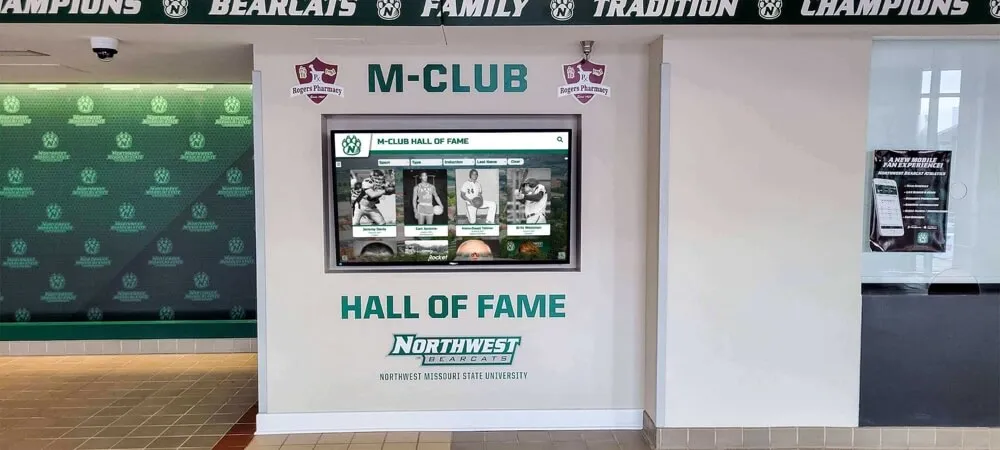
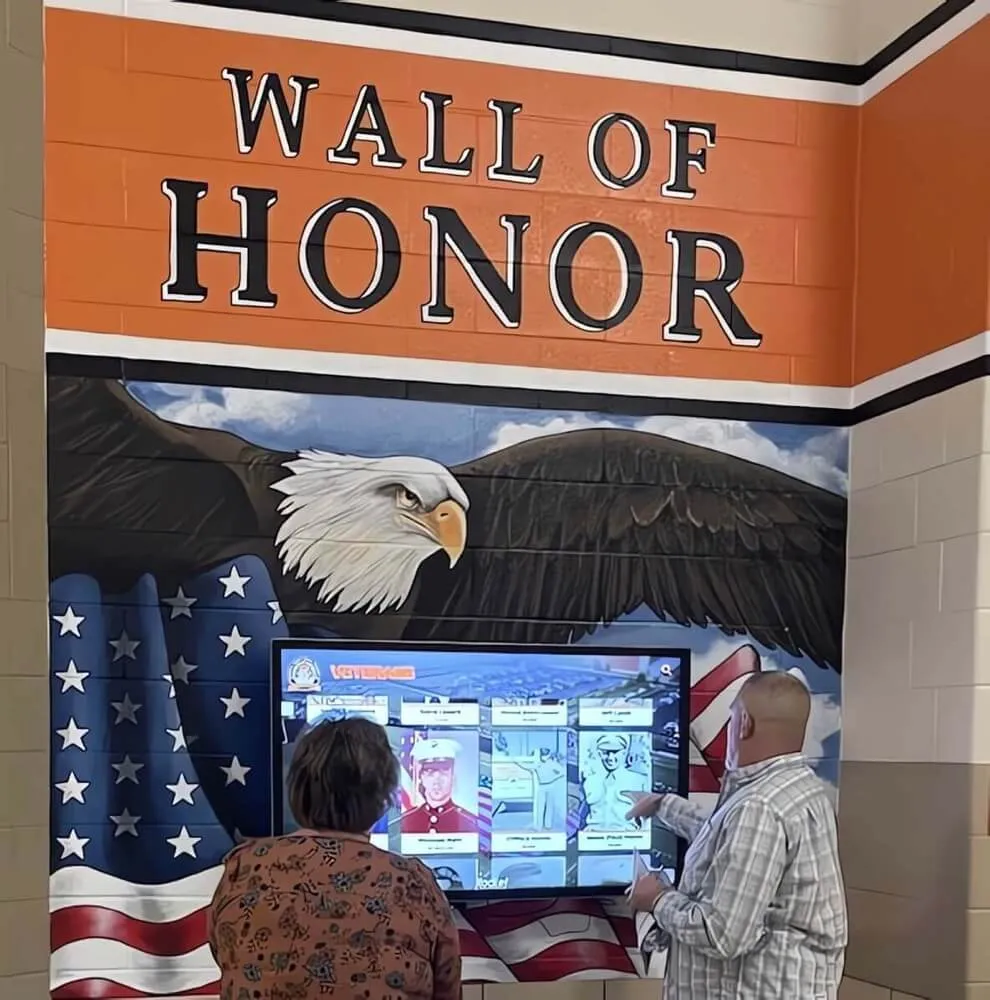
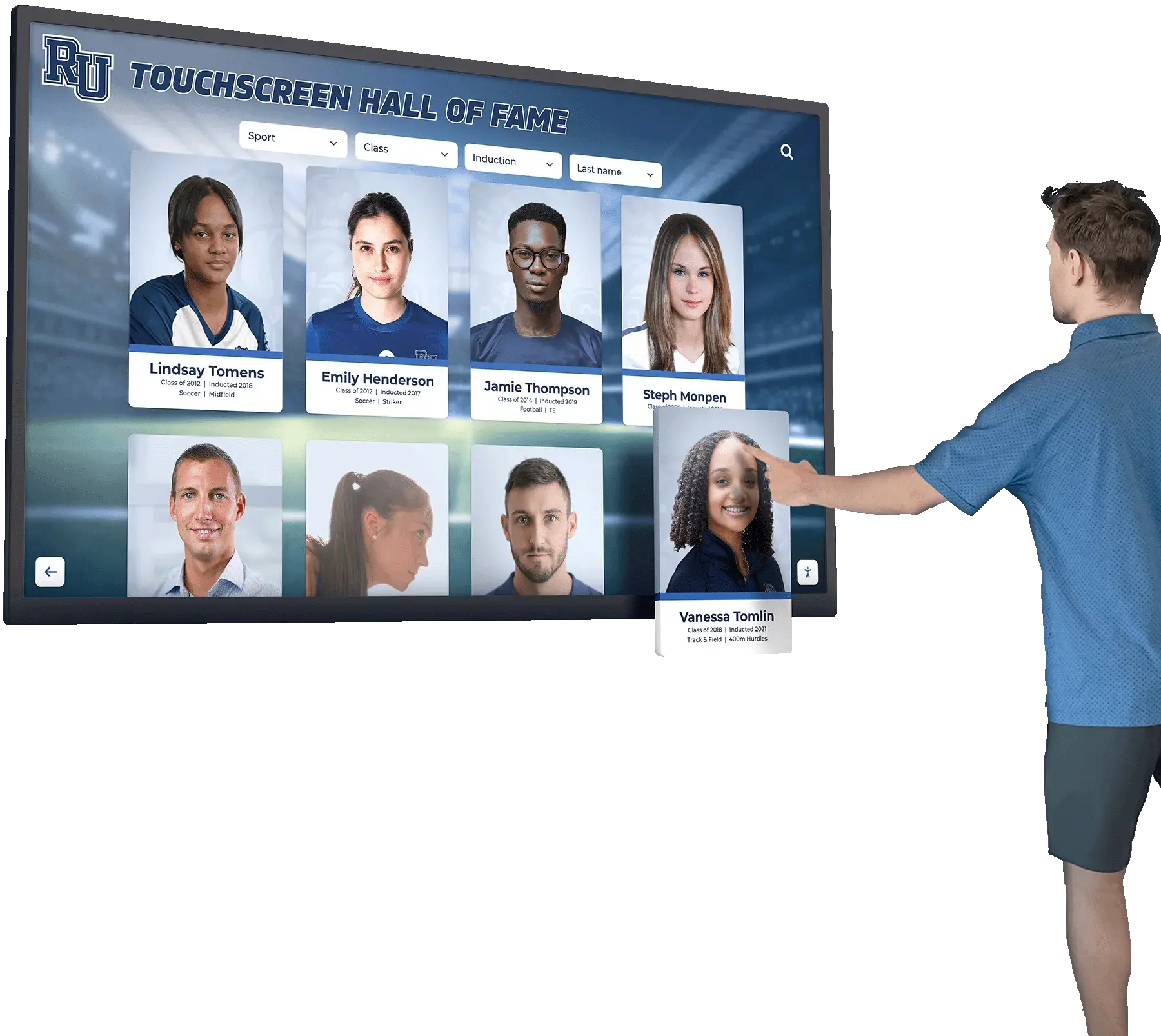
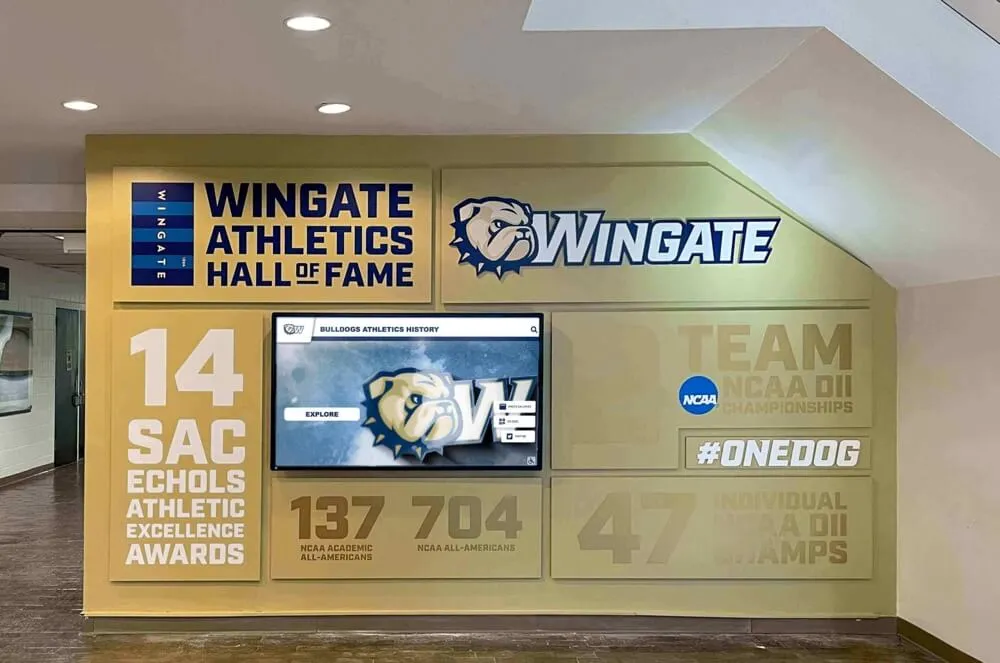
Modern recognition displays create engaging ways to celebrate youth basketball achievements at every skill level
Understanding Youth Basketball Recognition Needs
Before exploring specific award categories, understanding developmental stages and recognition psychology helps programs design systems that maximize positive impact while avoiding common pitfalls.
Age-Appropriate Recognition Strategies
Different age groups require distinct recognition approaches aligned with developmental stages.
Ages 5-7 (Beginning Basketball)
Young children at this stage are discovering whether they enjoy basketball, developing fundamental motor skills, and building initial self-confidence through athletic participation. Recognition should emphasize participation, effort, and fun rather than competitive outcomes or skill comparisons.
Effective recognition approaches include participation awards for all players, fun superlative categories everyone can win, character-based recognition celebrating kindness and teamwork, and encouragement for trying new skills regardless of execution quality. Avoid competitive awards at this stage—every child should feel successful simply for participating and showing effort.
Ages 8-10 (Skill Development Stage)
Elementary-age athletes begin developing basketball-specific skills while still prioritizing fun and social connection. Recognition can introduce achievement elements alongside continued emphasis on improvement, effort, and sportsmanship.
Appropriate recognition includes skill milestone celebrations when players master specific techniques, improvement awards tracking individual progress, balanced achievement recognition celebrating excellence without creating excessive pressure, and continued character awards reinforcing values beyond just basketball performance. Create multiple award categories ensuring most players receive some form of specific recognition beyond generic participation acknowledgment.
Ages 11-14 (Competitive Development)
Middle school athletes develop competitive maturity while navigating social pressures and identity formation. Recognition should acknowledge growing skill differentiation while supporting athletes who may never become stars but remain valuable team contributors.
Effective approaches include achievement awards recognizing genuine excellence in clearly defined areas, improvement categories celebrating growth trajectories rather than absolute ability, leadership and character recognition validating contributions beyond statistics, and position-specific or role-based awards ensuring diverse paths to recognition. Maintain inclusive elements ensuring all committed players receive meaningful acknowledgment while creating prestigious awards genuinely earned through exceptional performance or dedication.

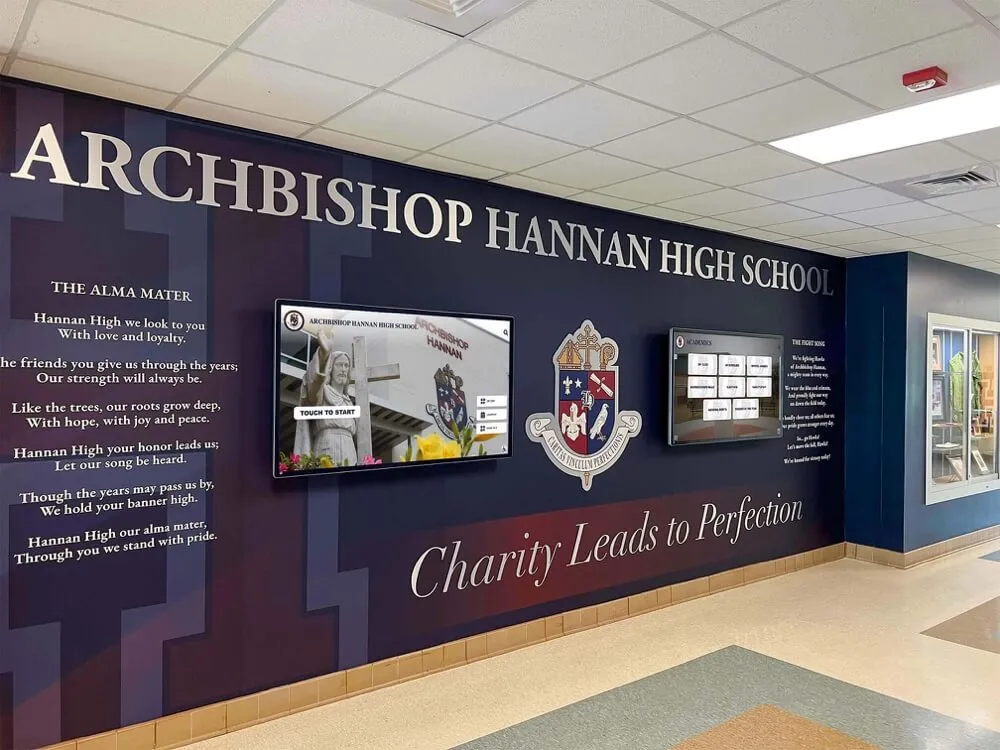
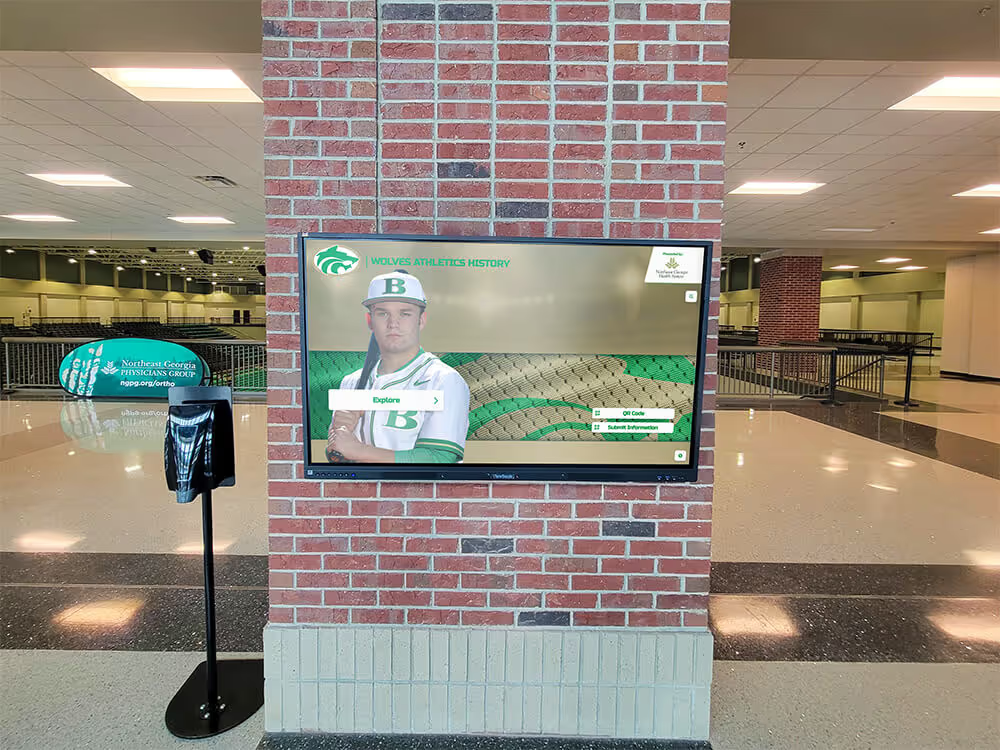
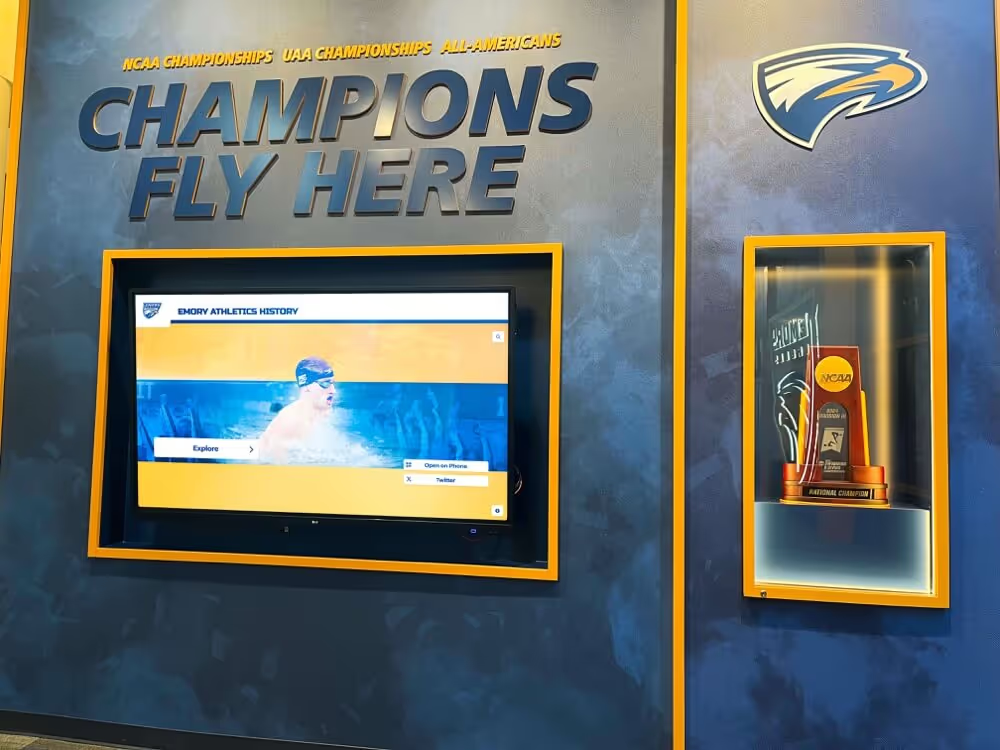
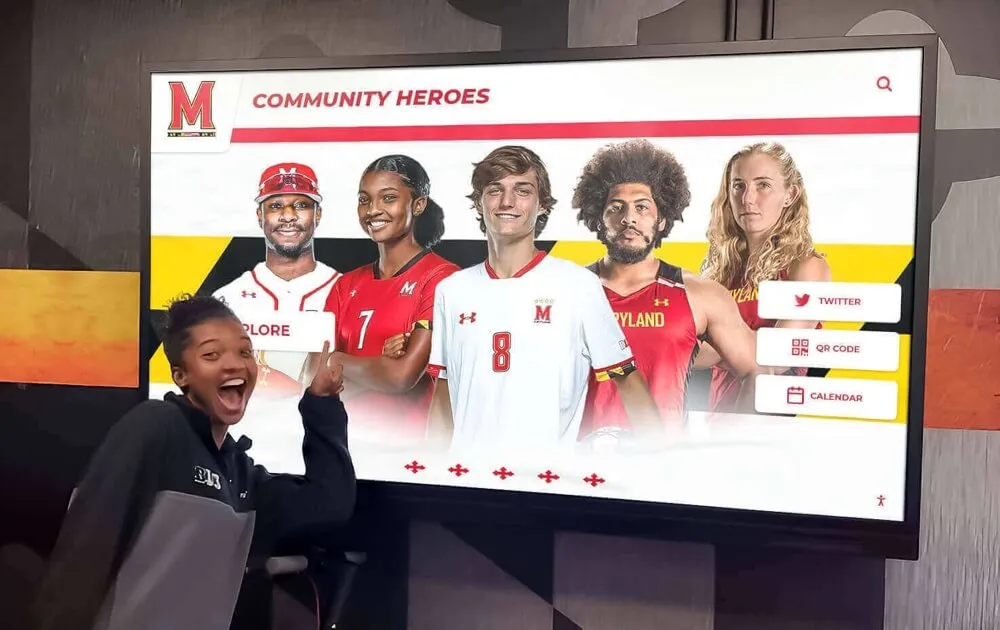
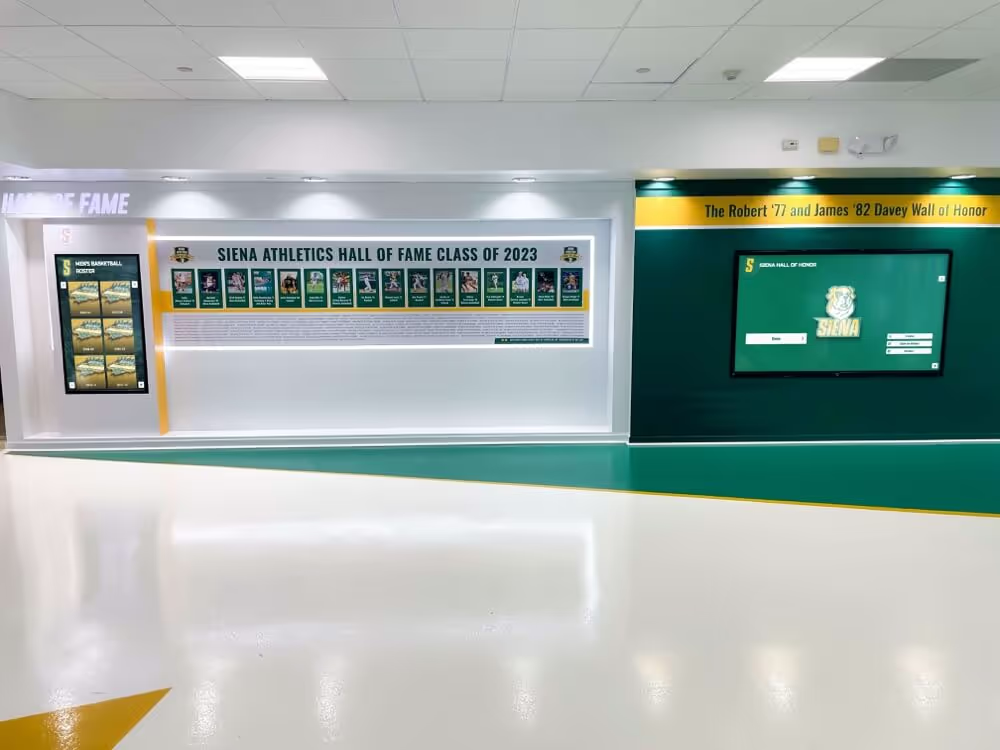
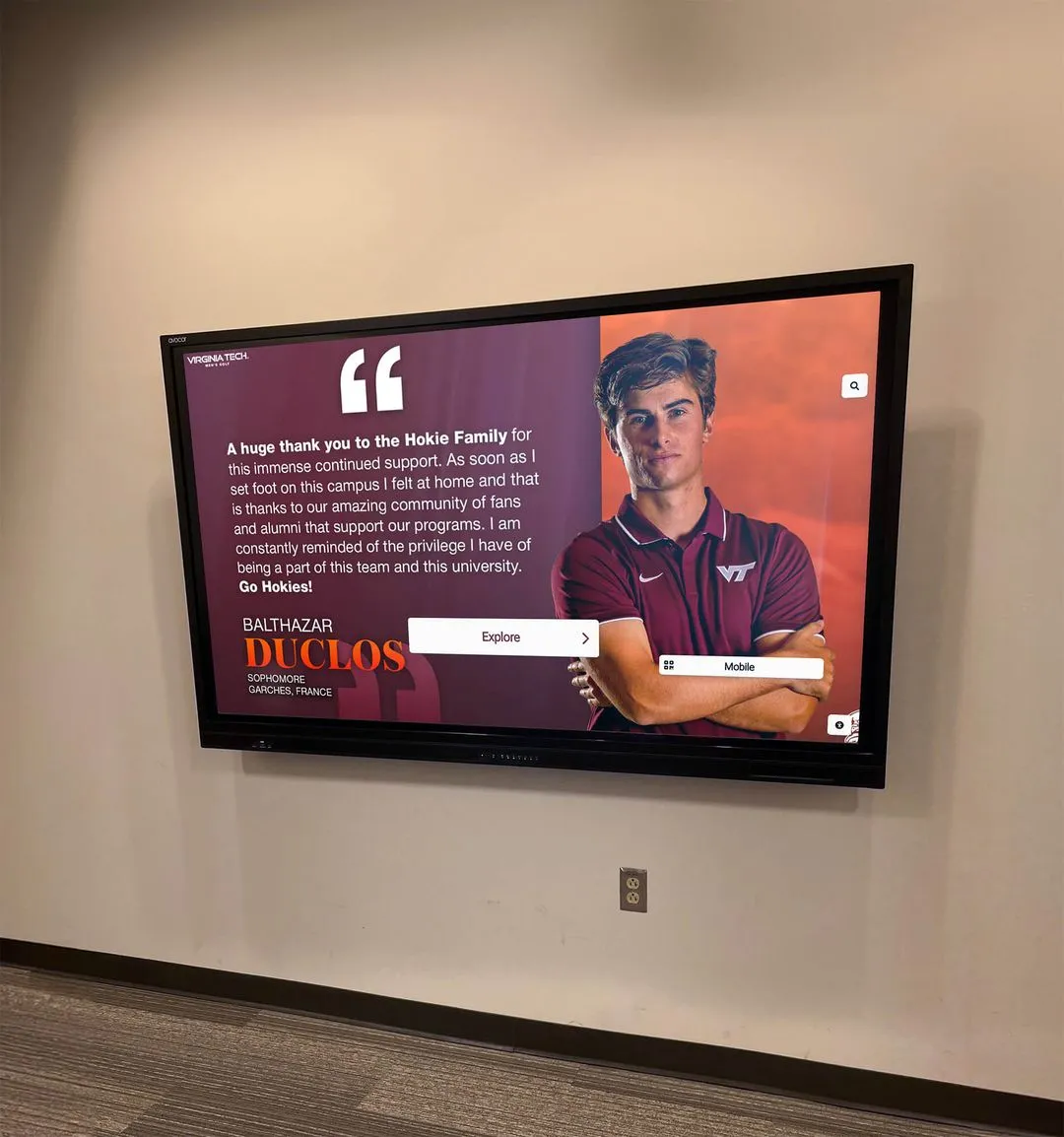
Professional recognition systems celebrate youth basketball achievements alongside older athletes, establishing traditions that motivate long-term participation
Balancing Achievement and Participation Recognition
One of youth sports’ most debated topics involves whether “everyone gets a trophy.” Research suggests the optimal approach combines inclusive participation recognition with meaningful achievement awards rather than choosing one extreme.
Participation Recognition Framework
Every young athlete who completes a season deserves acknowledgment for their commitment, showing up to practices and games, and contributing to team experience. Participation recognition might include end-of-season certificates for all players, team photos and memory items everyone receives, and basic awards or medals acknowledging season completion.
This baseline recognition validates participation value without diminishing achievement awards. When combined with achievement recognition for exceptional performance, participation awards create inclusive environments while maintaining meaningful standards.
Achievement Recognition Standards
Beyond participation, certain athletes demonstrate excellence, exceptional improvement, or outstanding character deserving special recognition. These awards maintain higher standards, use objective criteria when possible, recognize diverse excellence types (scoring, defense, leadership, effort), and carry greater prestige precisely because not everyone receives them.
Youth programs exploring comprehensive recognition approaches benefit from understanding how various sports implement age-appropriate awards that balance inclusion with meaningful standards across different developmental stages.
Core Basketball Achievement Awards for Youth
These fundamental awards recognize on-court performance and skill development that every youth basketball program should consider.
Most Valuable Player (MVP)
The classic MVP award honors the player who made the greatest overall impact on team success through combination of skill, leadership, game performance, and practice dedication.
Implementation for Youth: For younger age groups (8-10), consider creating multiple MVP categories rather than forcing a single selection. “Offensive MVP” and “Defensive MVP” allow recognition of excellence in different dimensions. For older youth (11-14), a single MVP award becomes more appropriate as competitive maturity develops.
Selection should consider multiple factors including statistical contributions measured objectively, impact in crucial game moments, practice intensity and focus, and influence on teammates through leadership or example. When coaches explain specific reasons for MVP selection during presentation, they teach young athletes what excellence looks like while making recognition meaningful.
Most Improved Player
Perhaps the most motivating youth basketball award recognizes players who demonstrated the greatest skill development over the season. This celebrates dedication to practice, coachability, and growth mindset rather than natural talent.
Implementation Approach: Document beginning-of-season and end-of-season skill assessments for each player, tracking specific capabilities like shooting accuracy, dribbling confidence, defensive positioning, or free throw percentage. Present concrete improvement examples during award ceremony—“Sarah increased her free throw percentage from 35% to 72%” or “Marcus went from struggling with left-hand dribbles to confidently driving left in games.”
This evidence-based approach makes the award objective and transparent while teaching young athletes that improvement itself represents success regardless of where they started. Most Improved often becomes players’ most treasured award because it validates personal growth they worked hard to achieve.
Best Offensive Player
This award recognizes the player who contributed most effectively on offense through scoring ability, playmaking, or creating opportunities for teammates.
Youth Implementation: Consider age-appropriate metrics for selection. For younger players, this might recognize consistently good shooting form, enthusiasm for attempting shots, or unselfish passing. For older youth, use statistics like points per game, shooting percentages, or offensive rating when available.
Emphasize that offensive contribution isn’t just scoring—highlight how the recipient created opportunities for teammates, made smart decisions with the ball, or executed plays effectively. This teaches young athletes that basketball offense involves more than individual scoring.
Best Defensive Player
Defense often receives less attention than scoring, yet defensive commitment wins games and represents teachable skills any athlete can develop regardless of natural offensive talent.
Youth Implementation: Create observable criteria for defensive excellence appropriate to age level including staying in defensive stance, contesting shots without fouling, communicating defensively with teammates, pursuing loose balls aggressively, and taking charges or making position plays. Track defensive statistics like steals, rebounds, or charges taken when possible, but also recognize defensive intensity and effort visible to anyone watching games.
This award validates that defensive commitment matters and that players can excel defensively even if they’re not primary scorers. Understanding complete athletic recognition approaches helps programs celebrate diverse basketball contributions beyond just scoring.
Best Shooter / Sharpshooter Award
Pure shooting ability deserves recognition, celebrating players with the most accurate shooting or best shooting technique.
Youth Implementation: Base selection on objective shooting statistics when available—field goal percentage, free throw percentage, or three-point shooting accuracy for older youth who shoot from that distance. For younger players who don’t maintain statistics, base recognition on coaches’ observations of shooting form quality, improvement in shooting confidence, or successful shooting in practice and games.
This award motivates players to work on shooting fundamentals while recognizing one of basketball’s most valuable skills. Consider including shooting tips or a basketball training gift with this award to support continued shooting development.
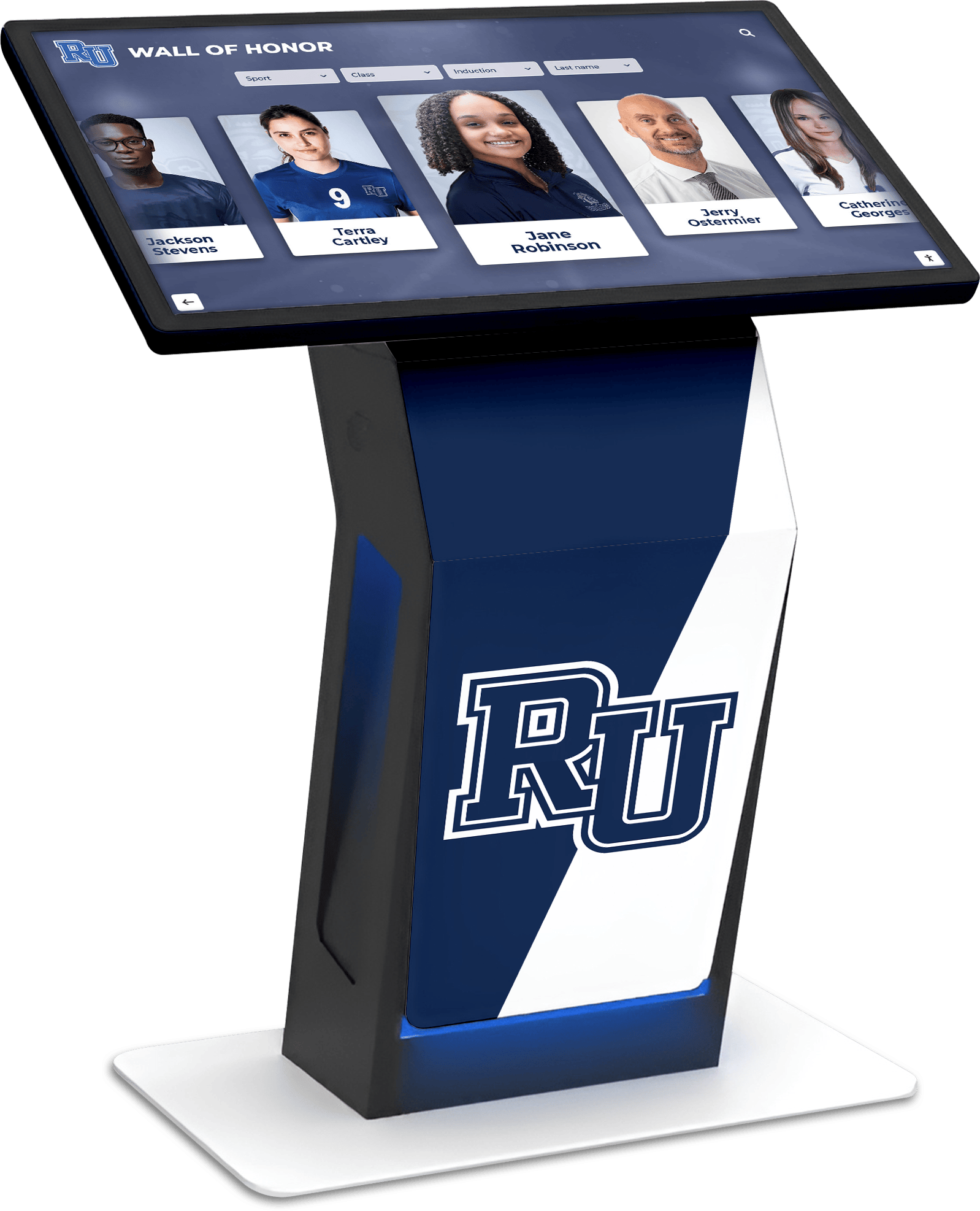
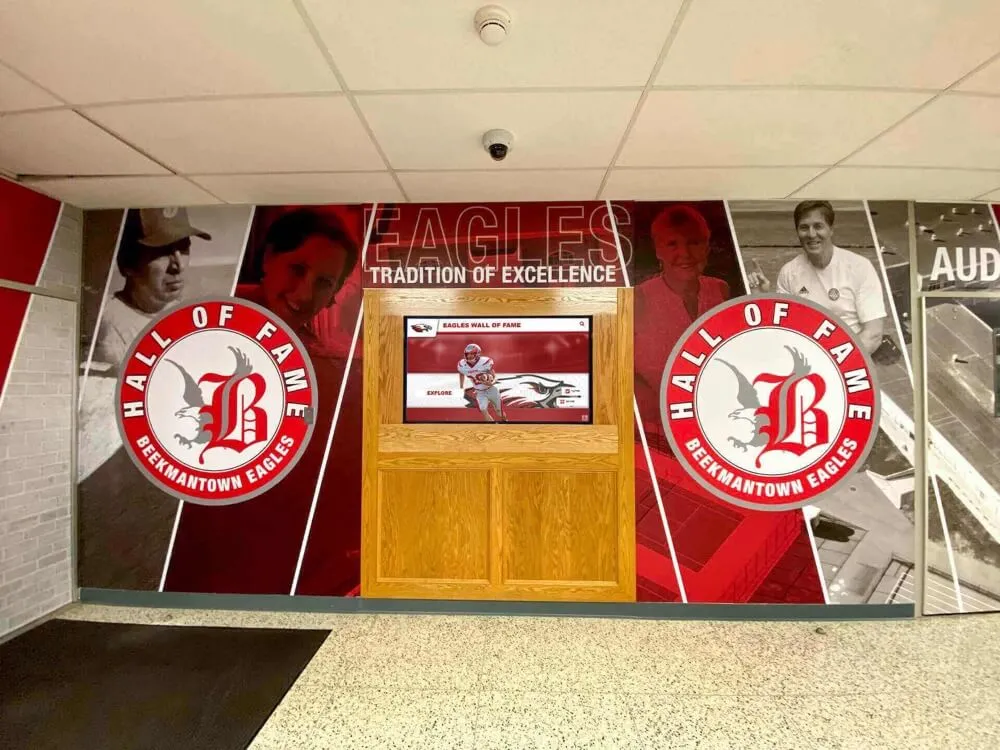
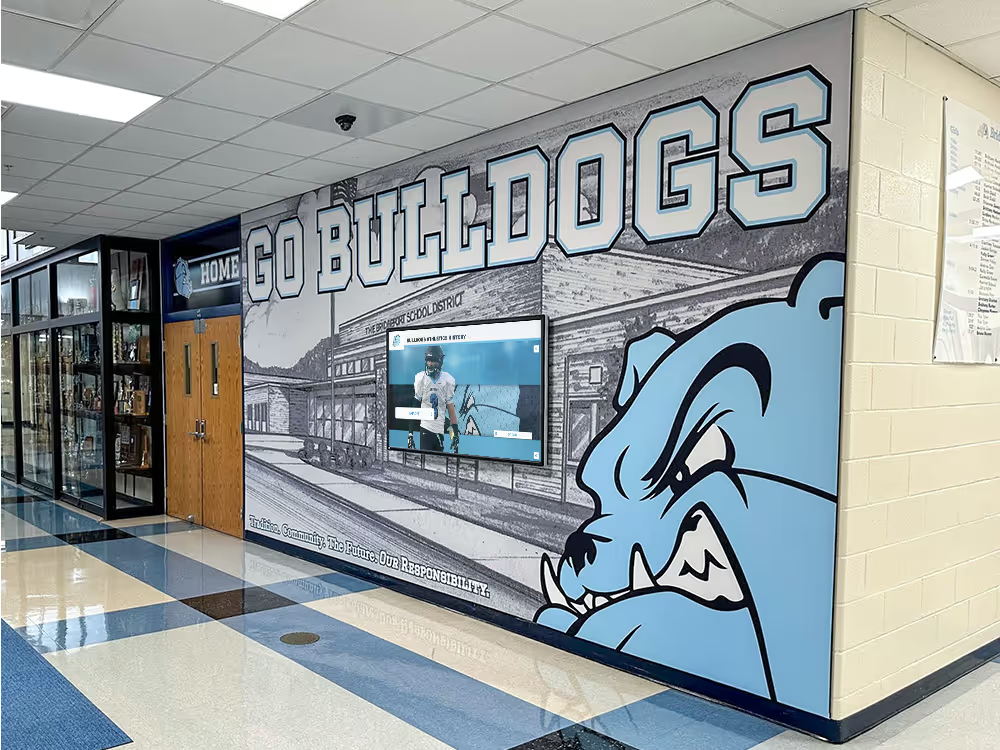
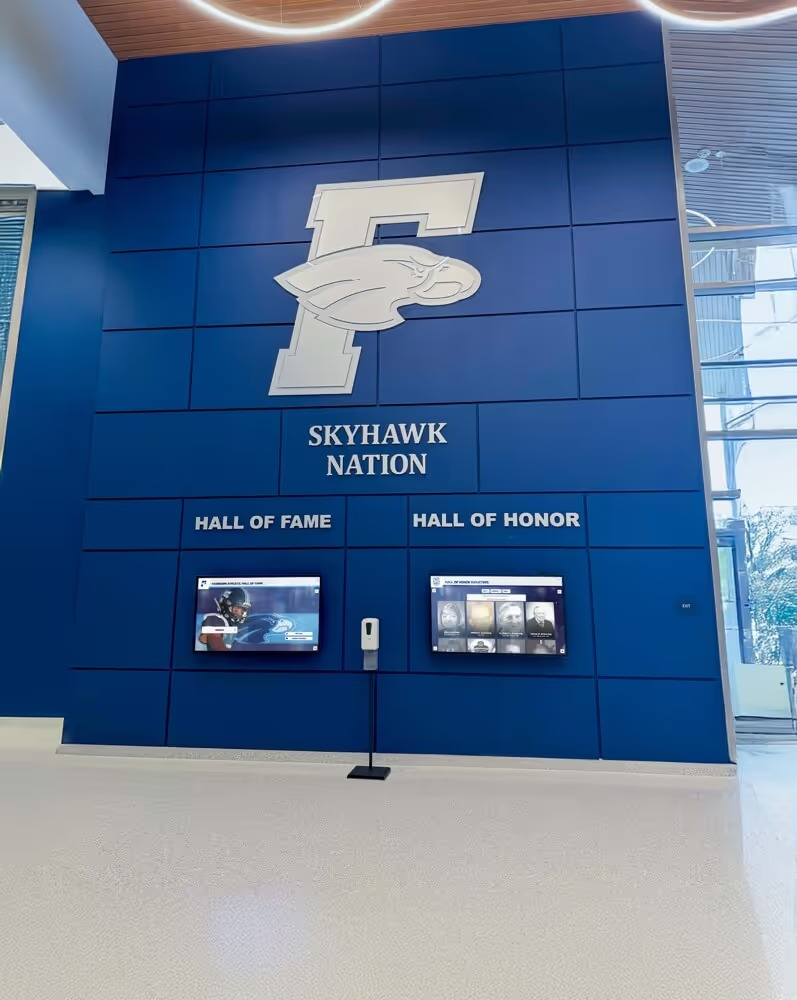
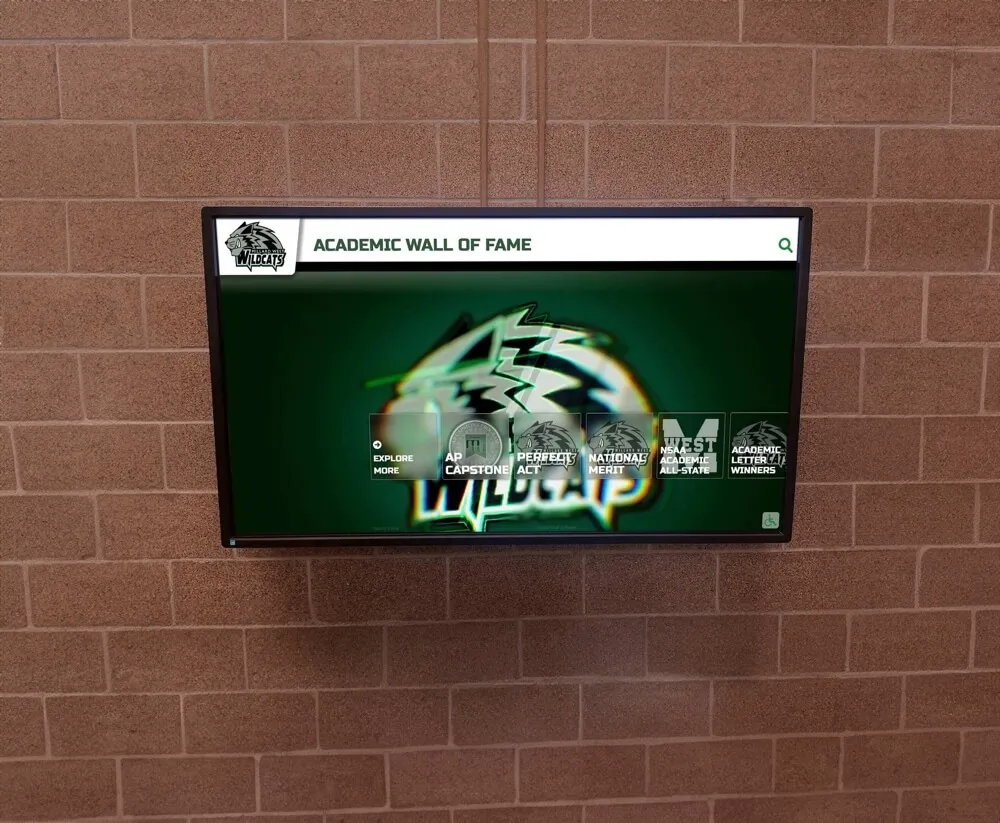
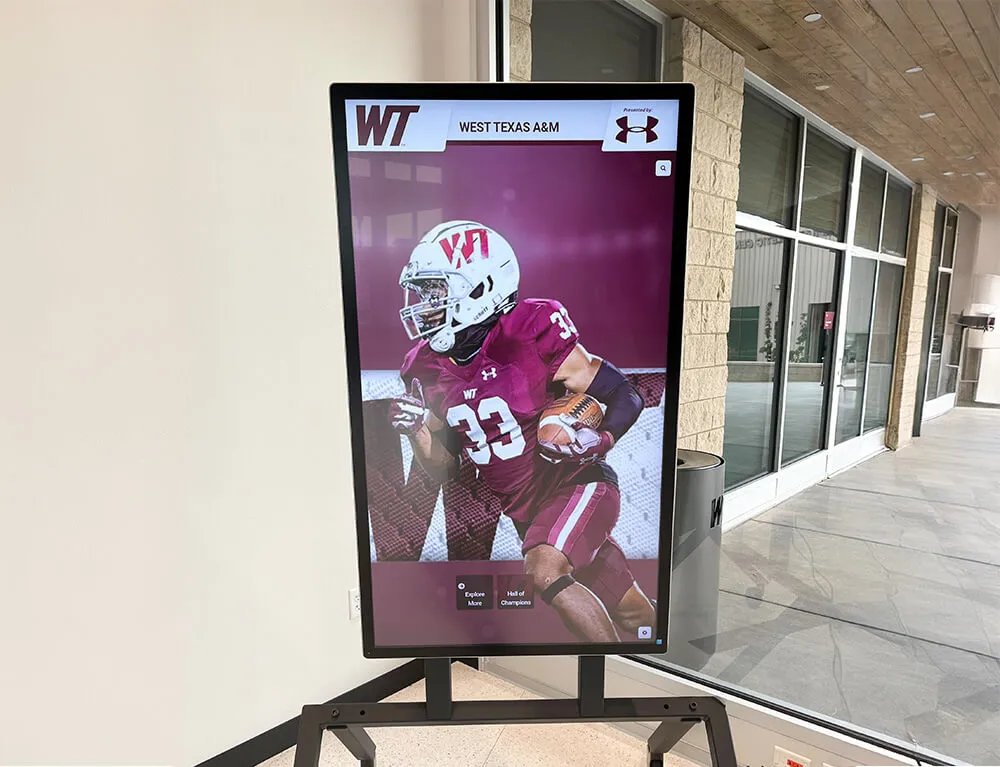
Digital recognition kiosks allow young athletes to explore their achievements and career progression in engaging, interactive formats
Best Ball Handler / Dribbling Excellence
Ball handling represents fundamental basketball skill requiring dedicated practice to master. This award recognizes the player with best dribbling ability and ball control.
Youth Implementation: Evaluate dribbling through observable criteria including ability to dribble with both hands confidently, maintaining control under defensive pressure, executing crossovers and advanced moves appropriately, and rarely losing the ball due to poor handling. Consider conducting dribbling skills challenges measuring control while weaving through cones, dribbling with alternating hands, or maintaining dribbles during defensive pressure.
Presenting this award with basketball handling drills or training resources reinforces that continued practice improves these crucial skills.
Best Rebounder
Rebounding requires positioning, timing, effort, and toughness—all coachable attributes that reward dedication regardless of height or natural ability.
Youth Implementation: Track rebound statistics throughout the season when possible, recognizing the player with most total rebounds or best rebounding average. For programs not tracking statistics, base recognition on coaches’ observations of rebounding effort, positioning, and success.
Emphasize during presentation that rebounding involves technique and effort as much as size—proper positioning, boxing out, and pursuing every missed shot creates rebounding success. This teaches young athletes that effort-based skills provide paths to recognition for all body types and athletic levels.
Best Passer / Playmaker Award
Unselfish play and court vision deserve celebration. This award recognizes players who excel at creating opportunities for teammates.
Youth Implementation: Track assist statistics for older youth who can reasonably maintain these numbers. For younger players, recognize playmaking through coaches’ observations of unselfish play, making smart passes rather than forcing shots, setting up teammates for easy baskets, and demonstrating court awareness.
This award teaches that basketball success involves team play, not individual glory. Highlighting specific examples of great passes or unselfish plays during presentation reinforces these values. Programs developing comprehensive recognition often explore how various awards celebrate team-oriented play across different sports.
Character and Effort-Based Basketball Awards
Character awards recognize personal qualities extending beyond basketball skill, teaching young athletes that who they are matters as much as how they play.
Best Teammate Award
Being an exceptional teammate represents one of basketball’s most important qualities. This peer-nominated award recognizes the player teammates most valued for support, encouragement, and positive presence.
Implementation Approach: Conduct anonymous peer voting where each player selects the teammate who made their season most positive. Provide simple guidance like “Vote for the teammate who best supported you, encouraged you, and made playing basketball more fun.” Tabulate votes and present this as peer recognition, explaining that teammates themselves chose the recipient.
This award often means more to young athletes than coach-selected recognition because it represents genuine appreciation from the people they share their basketball experience with daily. Players receiving Best Teammate recognition frequently treasure this award above all others because it validates their character and impact on others.
Coaches’ Award
This flexible award allows coaching staffs to recognize athletes who embody program values, demonstrate exceptional character, or made special impact not captured by other categories.
Implementation Approach: Rather than simply announcing the recipient, coaches should explain specifically what earned the athlete this recognition. Share anecdotes illustrating qualities being honored—moments when the player demonstrated program values, helped younger teammates, maintained positive attitude through challenges, or showed exceptional dedication.
This personal explanation from coaches makes the award meaningful while teaching all players what qualities coaches most value. The specificity transforms this from a generic award into powerful recognition validating character as much as basketball ability.
Heart and Hustle Award
Effort represents a choice every athlete controls. This award honors players who demonstrated maximum work ethic, determination, and competitive spirit regardless of natural ability or statistics.
Implementation Approach: Track observable effort indicators throughout the season including intensity during practices and conditioning, diving for loose balls, sprint-back defense, volunteering for difficult defensive assignments, and extra work before or after official practices. Keep a “hustle log” documenting specific effort moments, then reference these examples during award presentation.
This award teaches that effort itself deserves recognition and that players control their hustle level regardless of natural talent. Young athletes learn that commitment and work ethic provide paths to recognition available to everyone willing to give maximum effort.
Sportsmanship Award
Demonstrating respect for opponents, officials, teammates, and the game itself represents crucial character development. This award recognizes players who consistently displayed exemplary sportsmanship.
Implementation Approach: Observe sportsmanship throughout the season, noting players who graciously accept referee decisions without arguing, congratulate opponents after games, encourage teammates after mistakes, and represent the program with class in all situations. Consider soliciting feedback from referees who worked your games about which players displayed exceptional respect and sportsmanship.
This external perspective adds credibility to recognition. When presenting the award, share specific examples of the recipient’s sportsmanship, teaching all players what respectful competition looks like. Programs often explore how academic and athletic recognition intersect when celebrating complete athlete development.
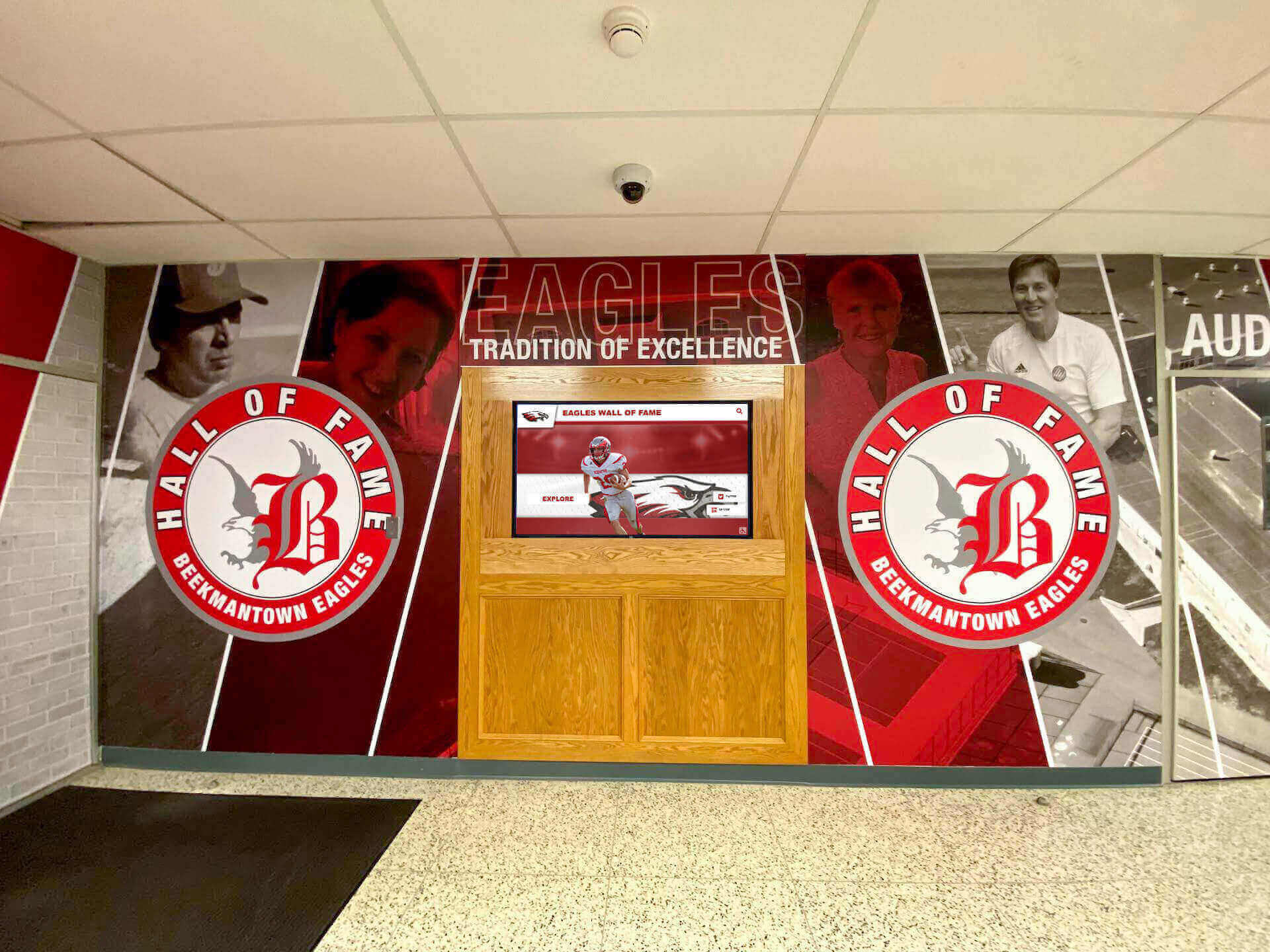
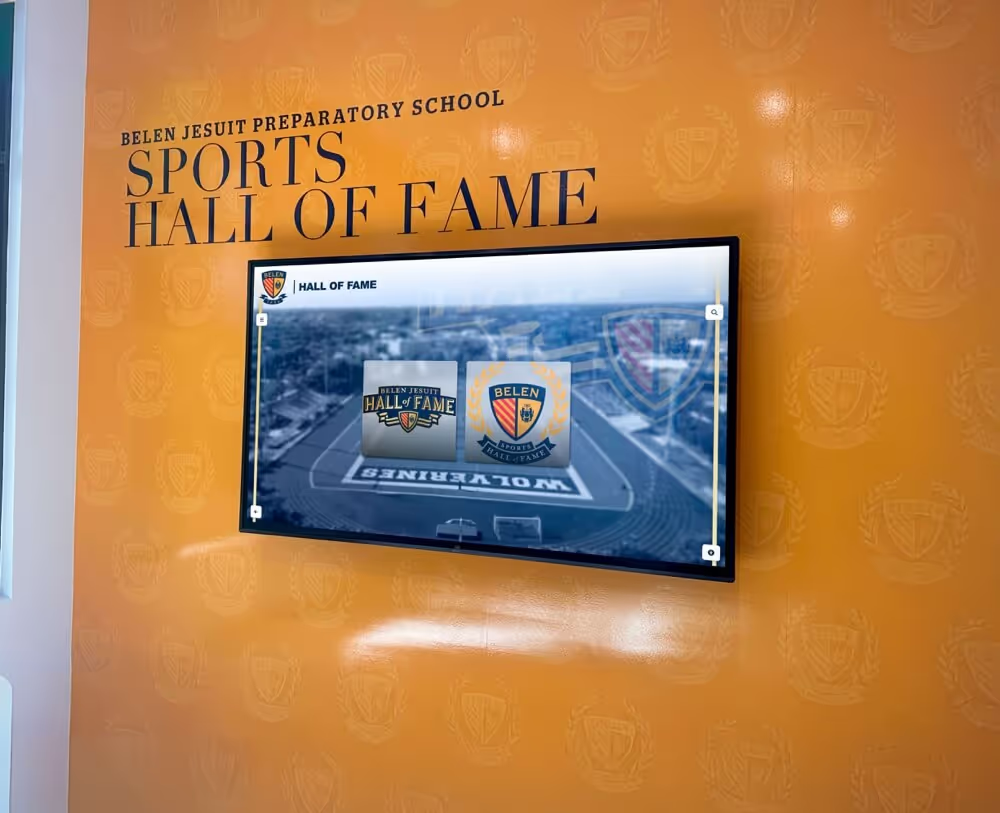
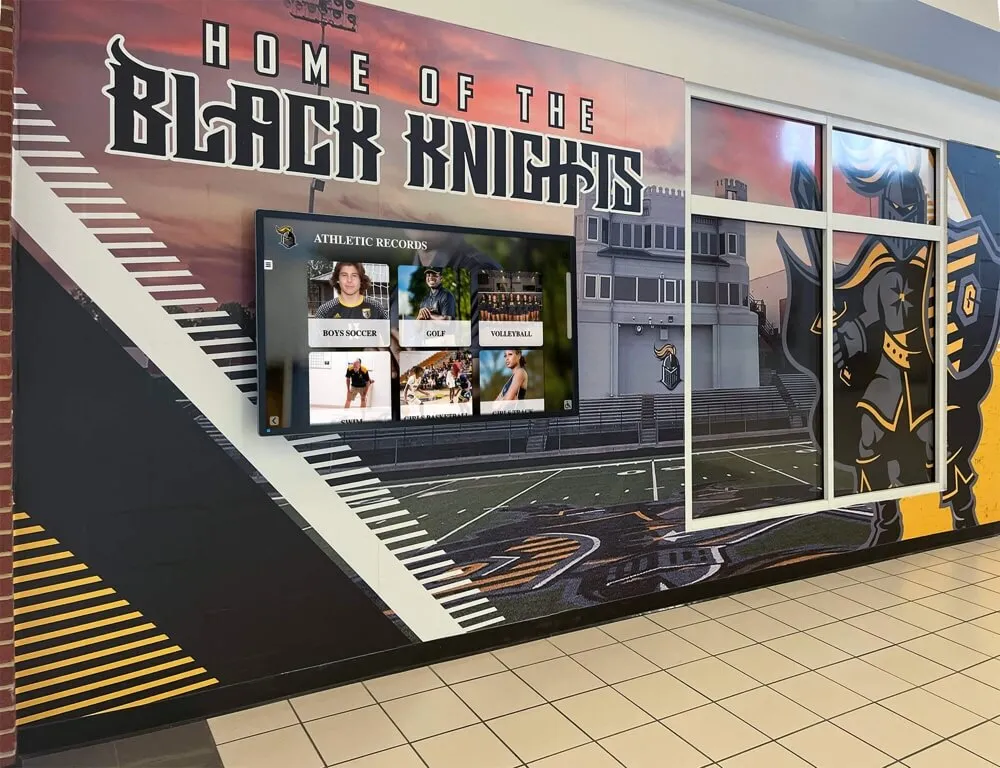
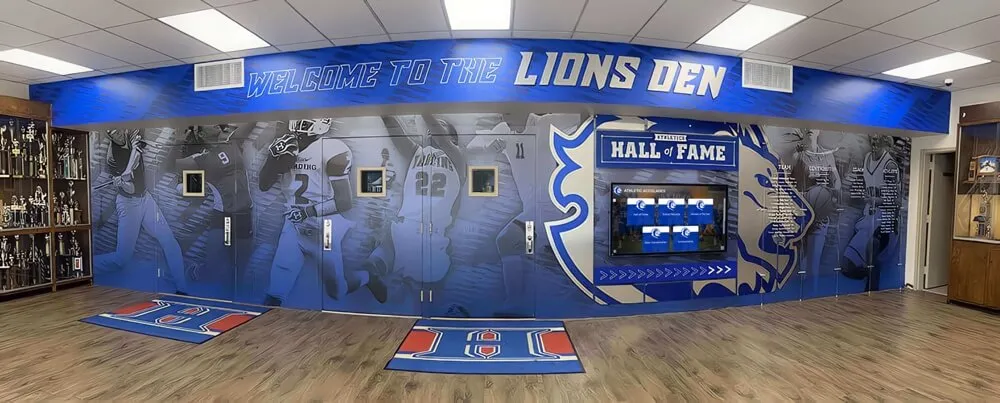
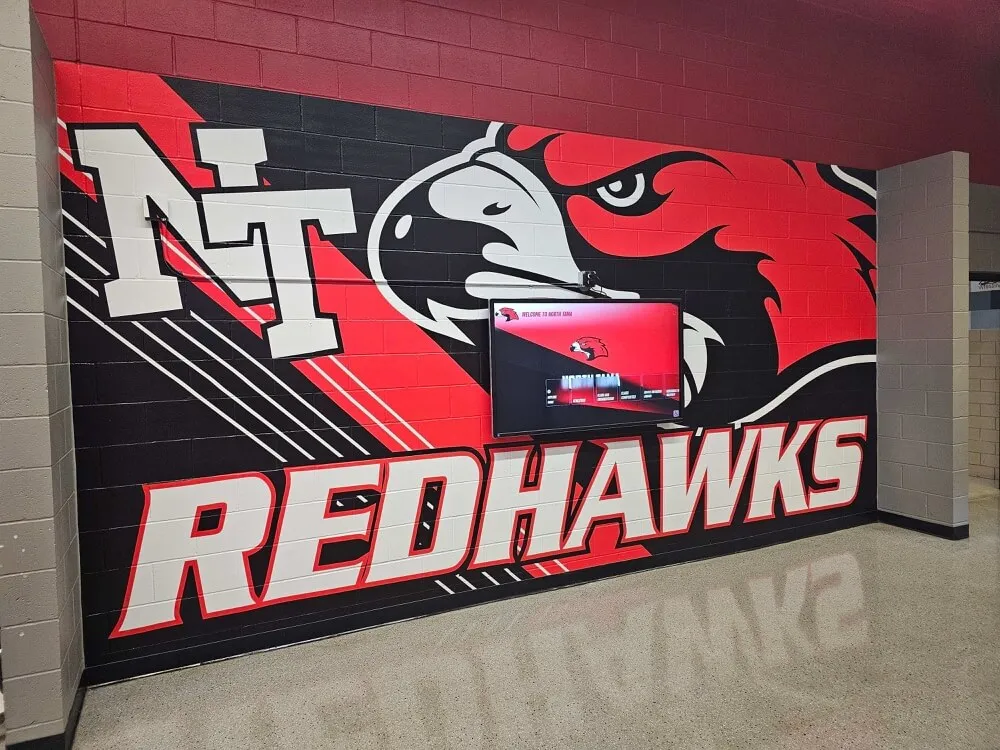
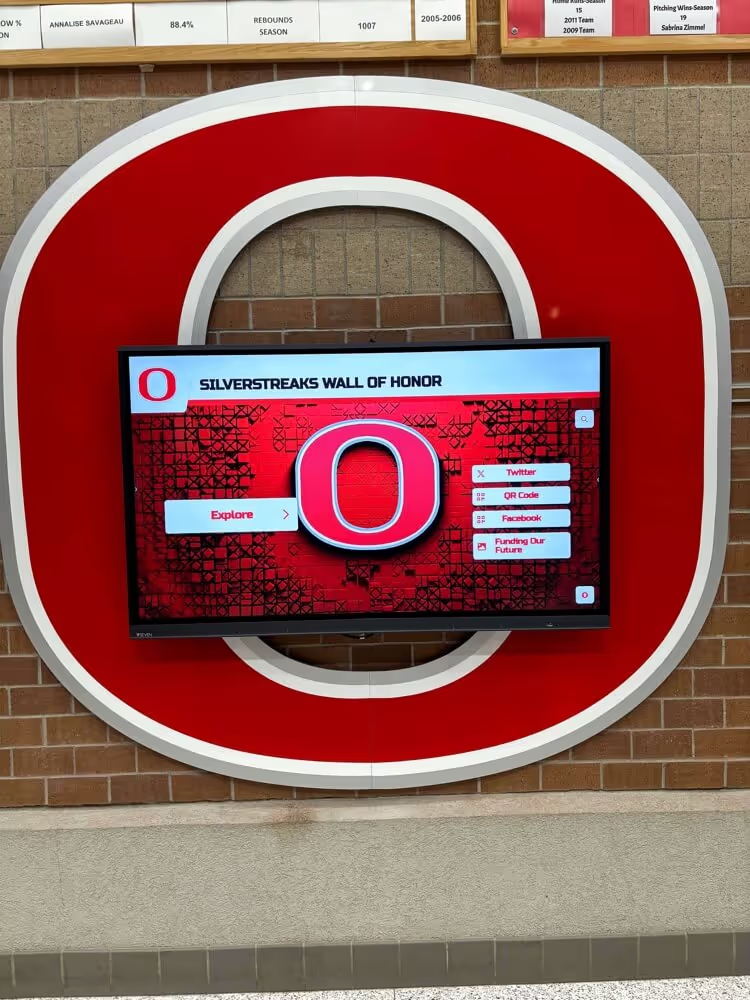
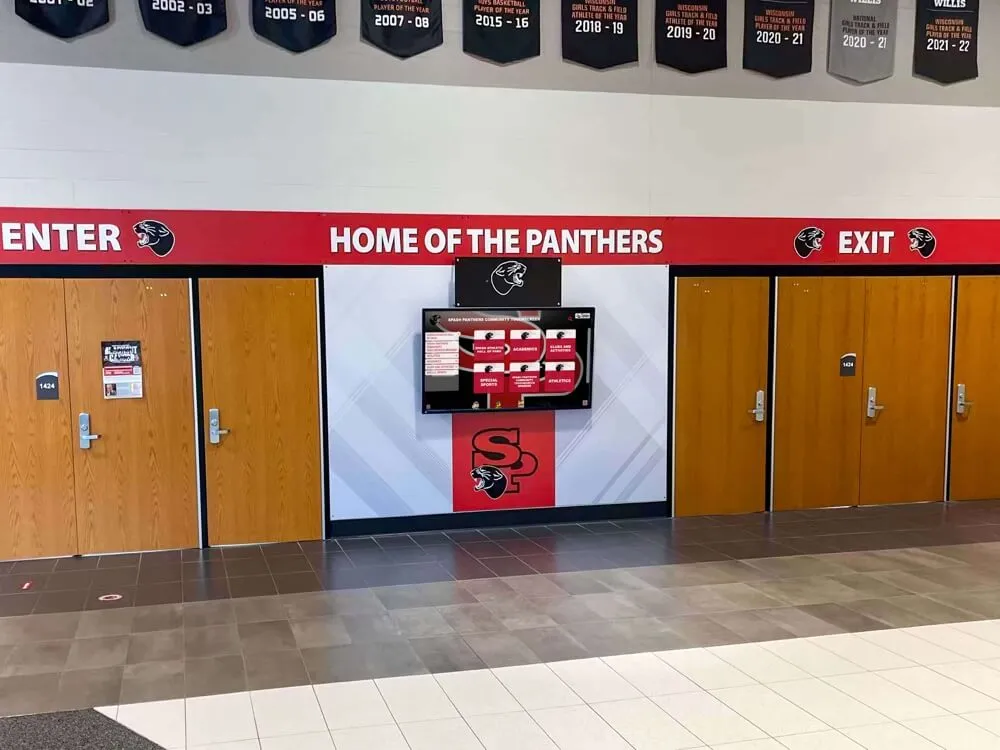
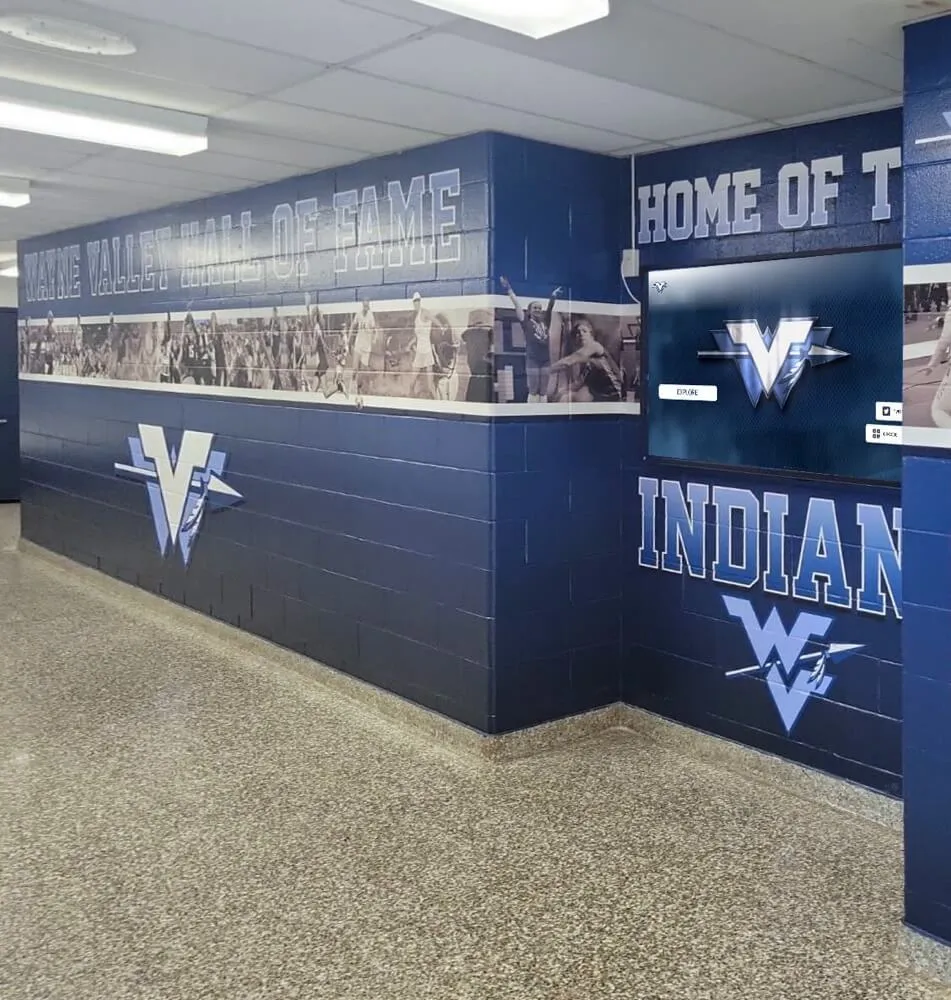
School entrance displays featuring youth athletic recognition create welcoming environments that celebrate participation at all levels
Most Dedicated Player
Beyond attendance, true dedication shows through commitment to improvement, consistent practice effort, and maintaining focus on team goals throughout entire seasons.
Implementation Approach: Document dedication through practice attendance records, optional training participation, skill development evidence, and sustained effort regardless of playing time or team success. Recognize players who attended nearly every practice and game, consistently arrived early or stayed late to work on skills, maintained positive attitude even during losing streaks, and dedicated themselves to team success.
This award validates commitment itself as worthy of recognition, teaching young athletes that dedication represents success independent of wins, losses, or individual statistics.
Positive Attitude Award
Maintaining optimism through challenges, encouraging teammates during difficult moments, and bringing energy to every practice creates value extending far beyond basketball skills.
Implementation Approach: Identify players whose positive attitudes consistently lifted team spirits, remained enthusiastic even during challenges or limited playing time, celebrated teammates’ successes genuinely, and made practices more enjoyable through their optimistic presence. Share specific moments when the recipient’s positive attitude made a difference—when they encouraged a struggling teammate, maintained enthusiasm during a losing streak, or brought energy that changed practice atmosphere.
This recognition teaches that attitude represents a choice that significantly impacts team experience regardless of basketball ability or playing time.
Fun and Creative Youth Basketball Awards
Beyond serious recognition, fun awards add personality to ceremonies while ensuring every young athlete receives acknowledgment.
Best Pre-Game Ritual
Some players have memorable pre-game routines or rituals. Recognizing the most entertaining or unique routine adds humor while celebrating personality.
Loudest Cheerleader
Every team has players who bring incredible energy from the bench, cheering for teammates and engaging crowds. This award recognizes valuable bench contribution and team support.
Best Basketball Shoes
A lighthearted award recognizing the player with the coolest, most colorful, or most creative basketball shoe collection.
Fastest Player Award
Speed contributes to basketball success. This award celebrates quickness and foot speed.
Implementation Approach: Conduct timed trials—40-yard dash, suicide drill timing, or other speed measures—making the award objective and creating benchmark data players can work to improve.
Best Celebration / Victory Dance
Players who have signature celebrations or victory dances get recognized for their entertaining expressions of joy after baskets or wins.
Team Spirit Award
Athletes who bring infectious enthusiasm, rally teammates, and maintain positivity through adversity deserve recognition for spirit contributions. This often goes to players who don’t receive performance awards, ensuring spirited contributors receive acknowledgment they’ve earned.
Funniest Team Member
Every team has someone who keeps everyone laughing. This lighthearted award celebrates personality and team chemistry, making younger players feel valued for who they are beyond basketball skills.
Most Likely to Play in College / Go Pro
A fun projection award that celebrates current talent while adding aspirational elements young athletes enjoy imagining.
Best Team Photographer
Many teams have someone who documents moments through photos. Recognizing this contribution shows appreciation for memory preservation and validates contributions beyond playing.
Understanding comprehensive youth sports award frameworks helps programs create diverse recognition categories ensuring all young athletes receive meaningful acknowledgment.
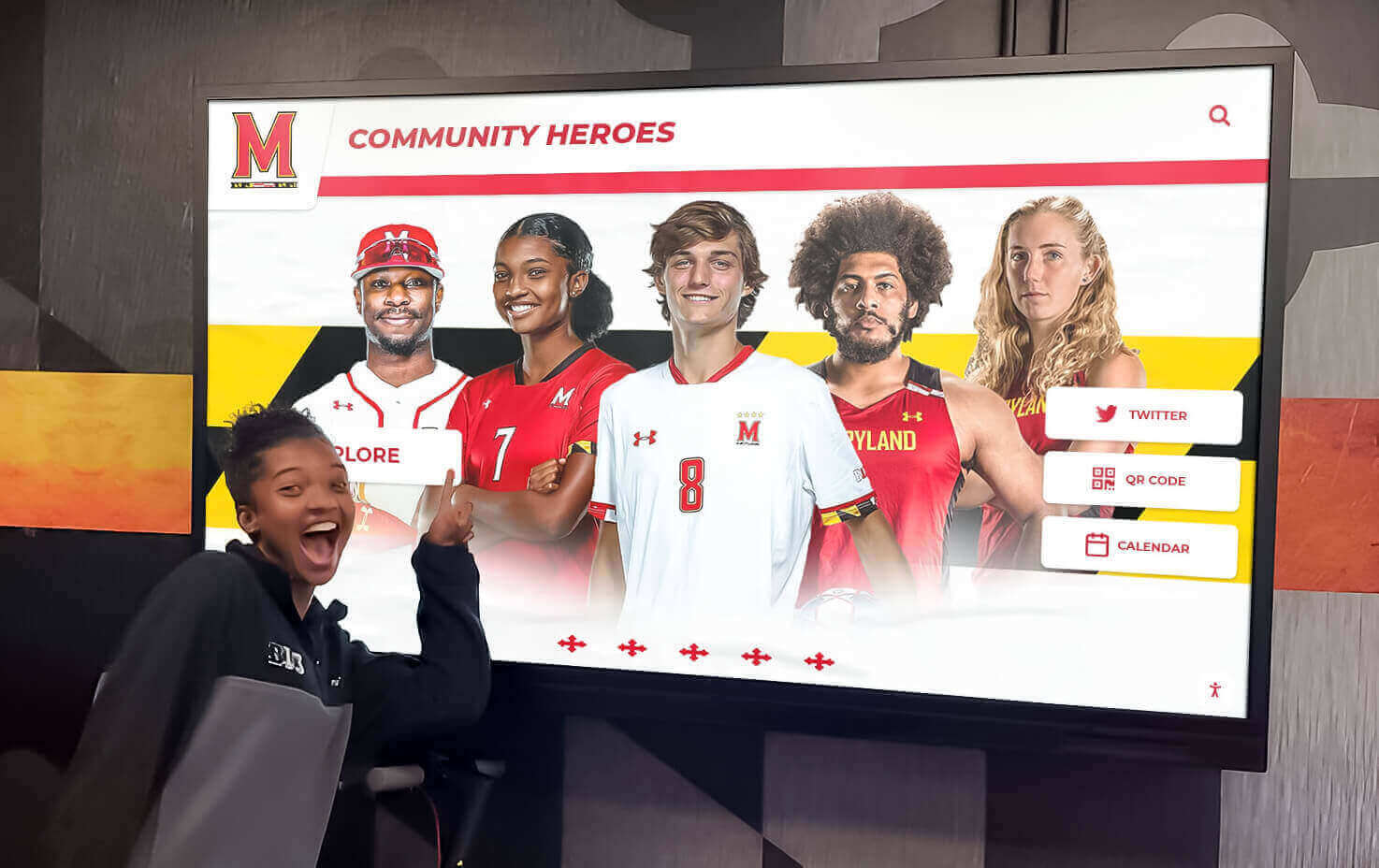
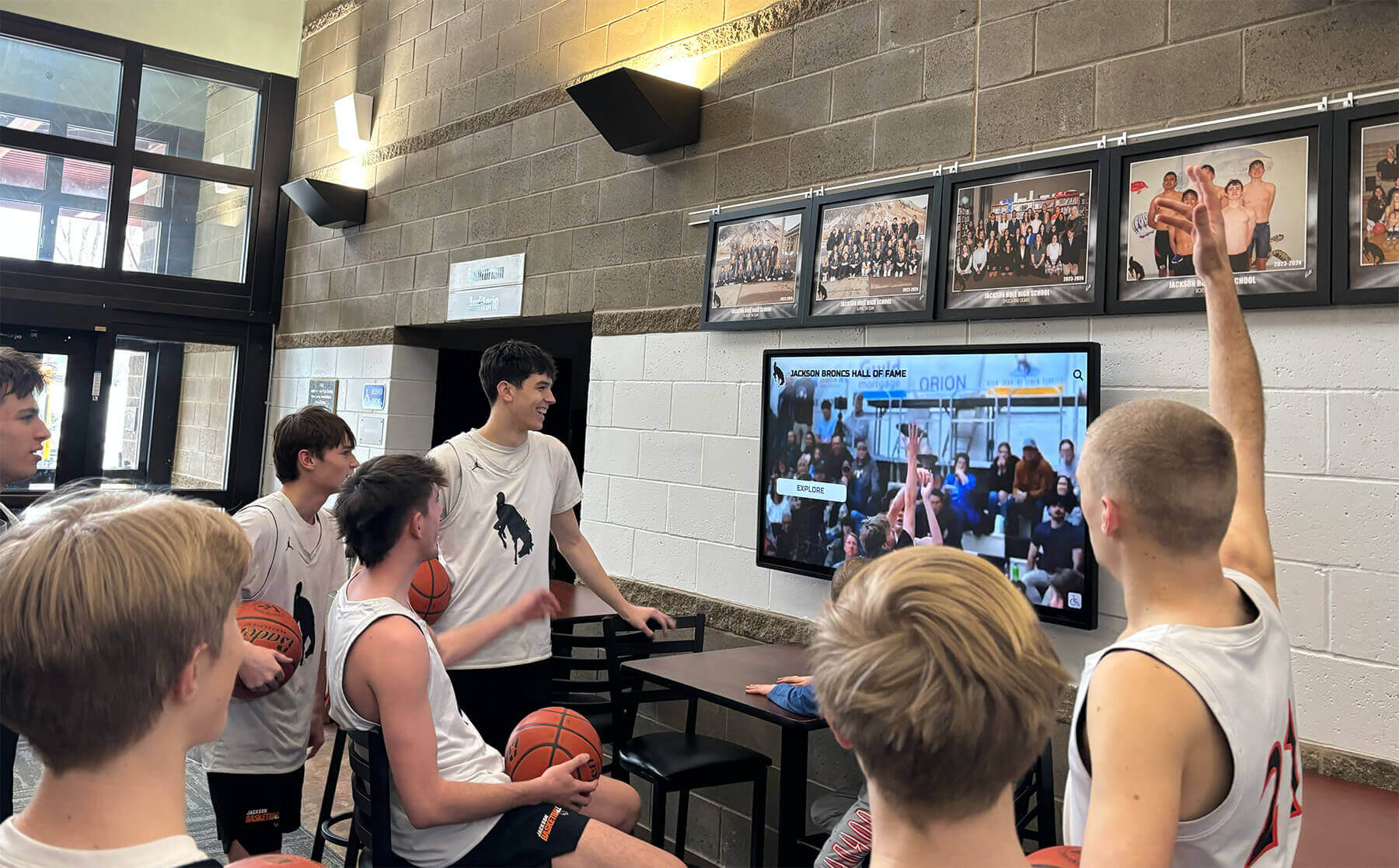
Interactive displays engage young athletes by allowing them to explore team histories and individual achievements
Position-Specific Youth Basketball Awards
Basketball positions require specialized skills deserving targeted recognition.
Best Point Guard
Point guards serve as floor generals requiring ball handling, court vision, leadership, and decision-making. This award recognizes the guard who best directed the offense and demonstrated leadership.
Selection Criteria: Evaluate assist-to-turnover ratio when tracking statistics, leadership during games, decision-making and play execution, and ability to control game tempo. For younger players not maintaining statistics, base recognition on observable leadership, smart passing, and floor direction.
Best Shooting Guard
Shooting guards provide offensive firepower through perimeter scoring and off-ball movement. Recognize the shooting guard with best scoring ability and shooting consistency.
Selection Criteria: Consider scoring average, shooting percentages, ability to score in multiple ways, and consistent offensive production. Emphasize that shooting guards contribute through defense and playmaking as well as scoring.
Best Forward
Forwards operate in versatile roles requiring rebounding, interior scoring, and defensive positioning. This award recognizes the forward who contributed most effectively in these areas.
Selection Criteria: Evaluate rebounding statistics or effort, scoring around the basket, defensive positioning, and overall versatility in the forward role.
Best Center
Centers anchor teams defensively while providing interior presence on offense. Recognize the center who most effectively controlled the paint on both ends.
Selection Criteria: Consider rebounding average, shot blocking or defensive presence, interior scoring, and overall impact on both ends of the court.
Sixth Man Award
Recognizing the best player coming off the bench validates contributions from non-starters and teaches that value extends beyond starting lineups. This award celebrates players who provided energy, scoring, or defensive intensity in reserve roles.
Skills-Based Youth Basketball Awards
These awards recognize specific basketball competencies young athletes develop through dedicated practice.
Free Throw Champion
Free throw shooting represents skill any athlete can develop through practice regardless of natural talent. This award recognizes the player with best free throw percentage or the most free throw improvement.
Implementation Approach: Track free throw shooting throughout the season or conduct end-of-season free throw contests. Make this objective and data-driven, teaching players that consistent practice produces measurable improvement in this crucial skill.
Best Defender
While team defense matters most, individual defensive commitment deserves recognition. This award celebrates the player most committed to defensive principles.
Selection Criteria: Track defensive statistics like steals or deflections when possible, but also evaluate defensive positioning and fundamentals, on-ball defense intensity, team defense communication, and willingness to take charges or make physical plays.
Lockdown Defender
A specialized defensive award recognizing the player most effective at shutting down opponent scorers in one-on-one situations.
Hustle and Grit Award
This recognizes relentless effort through diving for loose balls, fighting for rebounds, and giving maximum intensity on every possession.
Basketball IQ Award
Some young players demonstrate exceptional understanding of basketball concepts, strategies, and game situations. This award recognizes court intelligence.
Selection Criteria: Observe decision-making quality in games, understanding of plays and strategies, helping teammates with positioning, and making smart basketball plays that show high basketball intelligence.
Exploring how other sports recognize diverse athletic skills provides models for creating comprehensive skill-based recognition in basketball programs.
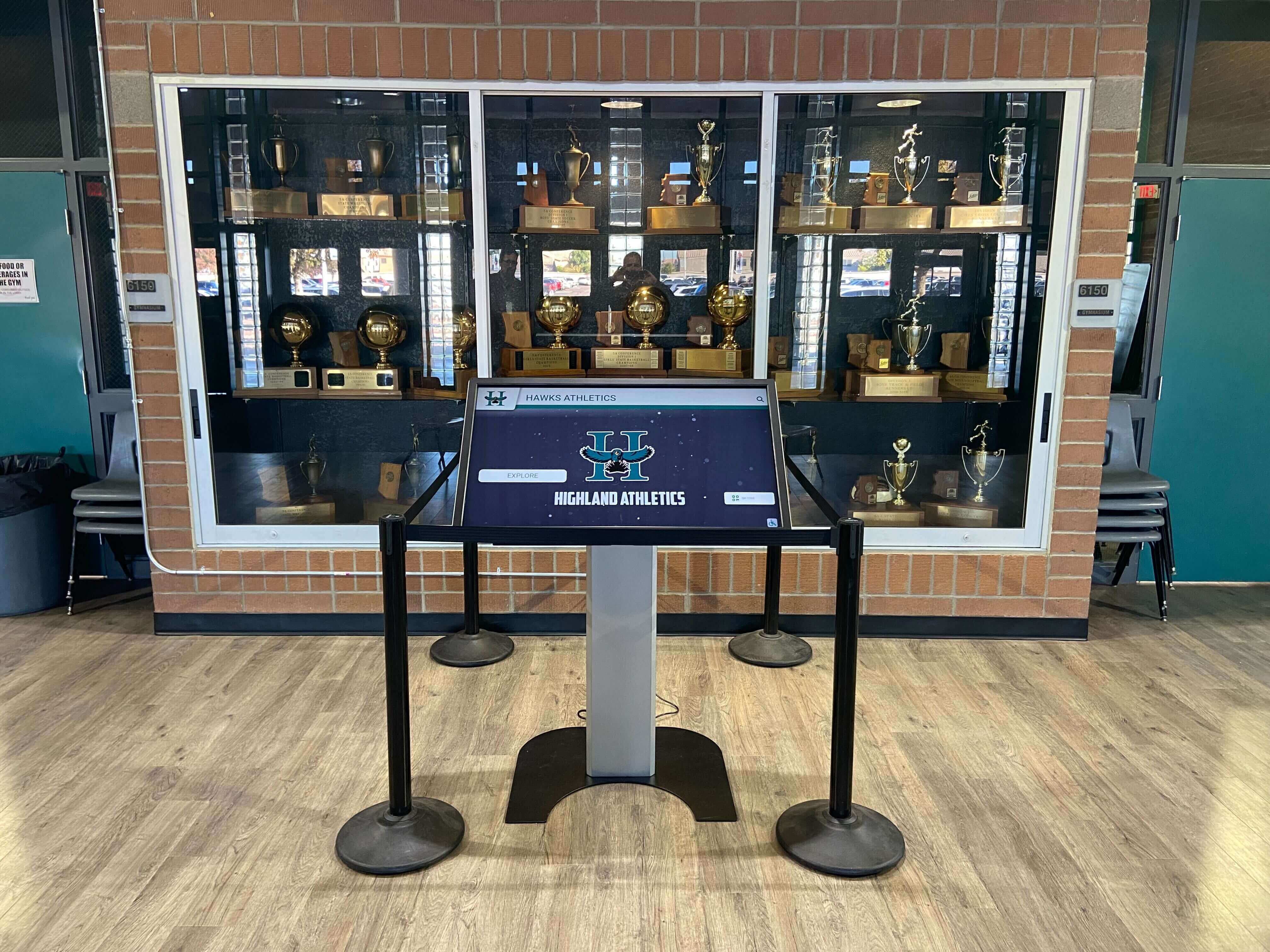
Modern trophy cases integrate digital displays allowing programs to showcase individual youth player achievements alongside team awards
Implementing Your Youth Basketball Awards Program
Understanding how to effectively implement recognition ensures awards achieve their intended positive impact on young athletes.
Planning Your Awards Ceremony
Timing Considerations: Schedule ceremonies within 1-2 weeks of season ending while memories remain fresh. Consider holding ceremonies during end-of-season team parties, pizza celebrations, or final team gatherings where families naturally attend.
Ceremony Format: Structure ceremonies to maintain energy and engagement appropriate for young athletes’ attention spans. Open with season highlight videos or photo slideshows, move through fun awards first to build enthusiasm, progress to achievement and character awards, and close with team recognitions and coach remarks.
Presentation Best Practices: Have coaches personally present each award with specific commentary about why the athlete earned recognition. Keep speeches concise—45 minutes total ceremony length works well for younger players, up to 75 minutes for older youth. Encourage photo opportunities as each recipient receives their award without rushing the moment.
Budget-Friendly Award Ideas
Youth sports programs often operate with limited budgets. Effective recognition doesn’t require expensive trophies when thoughtful alternatives create equal or greater meaning.
Under $5 Per Award: Printed certificates with personalized messages, ribbons with award categories, team photo prints with award designation, custom stickers or magnets, and printed achievement cards that families can frame.
$5-$20 Per Award: Medal assortments for different categories, personalized water bottles or basketballs, custom team apparel items with award recognition, mini trophies for major awards, and gift cards to sporting goods stores.
$20-$50 Per Award: Traditional trophies for major honors, basketballs signed by team with award engraved, framed photos with achievement descriptions, contribution to team equipment or scholarship fund, and basketball training gear packages.
Digital Recognition Investment: Rather than spending $15-25 per player annually on trophies that gather dust, programs can invest in digital recognition displays that recognize entire rosters permanently. Solutions like Rocket Alumni Solutions allow programs to shift budgets from annual trophy expenses to one-time technology investments serving programs for many years while providing superior recognition.
Age-Appropriate Recognition Guidelines
Ages 5-7: Every athlete should receive recognition, emphasizing participation and fun over competition. Use only fun superlatives and character awards—no competitive achievement awards at this stage. Keep ceremony short (20-30 minutes) matching young children’s attention spans.
Ages 8-10: Balance participation recognition with introduction of achievement awards based on objective criteria. Include multiple award categories ensuring most athletes receive at least one specific recognition beyond generic participation acknowledgment. Ceremony length can extend to 45 minutes.
Ages 11-14: Achievement awards become more prominent as athletes develop competitive maturity. Maintain character awards as important reminders that personal qualities matter. Be transparent about selection criteria and processes. Ceremonies can extend to 60-75 minutes.
Communicating Awards Philosophy
Pre-Season Communication: Explain during parent meetings which awards the program offers, how winners will be selected, and what the program values. This transparency sets expectations and reduces post-season disappointment.
Selection Process Clarity: When awards involve subjective decisions, explain who makes selections (coaching staff, peer voting, external evaluations) and what criteria guide choices. This transparency builds trust in recognition systems.
Handling Disappointment: Despite best efforts, some athletes will feel disappointed about not receiving certain awards. Private coach conversations acknowledging their contributions while explaining selection rationales help young athletes process disappointment constructively and learn that not everyone wins everything.
Understanding comprehensive student athletic recognition approaches helps programs develop systems that balance achievement recognition with inclusive participation acknowledgment.

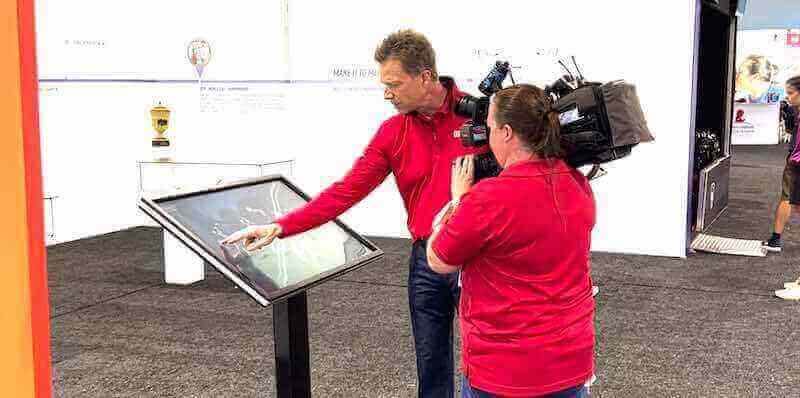
Touchscreen interfaces make exploring youth basketball achievements engaging for young athletes and their families
Leveraging Digital Recognition for Youth Basketball
Modern digital recognition platforms extend award impact far beyond ceremonies while solving common youth basketball recognition challenges.
The Case for Digital Youth Sports Recognition
Unlimited Capacity: Digital systems recognize every athlete comprehensively without space constraints that limit traditional physical displays. Youth programs with rotating rosters year after year can honor all participants without removing previous recognition when adding current players.
Rich Storytelling: Beyond listing awards, digital platforms showcase athlete photos, season statistics when available, highlight videos, personal statements about favorite memories, and progression across multiple seasons for players who return year after year.
Permanent Documentation: Unlike trophies that may get lost or discarded as children grow up, digital recognition remains accessible permanently. Athletes and families can revisit achievements years later, sharing accomplishments with extended family or using basketball documentation for future school applications.
Multi-Year Growth Tracking: Following athletes from youth leagues through high school and beyond creates longitudinal recognition showing complete athletic journeys. Student athlete recognition programs can begin with youth leagues and continue building recognition for years as players advance through basketball levels.
Cost-Effective Scaling: Initial technology investment eliminates ongoing trophy expenses while providing superior recognition capabilities. Programs typically achieve cost parity within 3-5 years while delivering significantly enhanced recognition that families can access remotely and share digitally.
Implementing Digital Recognition
Organizations like Rocket Alumni Solutions specialize in digital recognition displays designed specifically for youth sports organizations, schools, and athletic programs. These systems provide:
Professional Hardware: Commercial-grade touchscreen displays installed in recreation centers, school lobbies, or gymnasium entrances where families and community members encounter them regularly. Professional installation ensures displays integrate aesthetically while functioning reliably.
Intuitive Content Management: Cloud-based platforms allowing coaches or program administrators to manage recognition content without technical expertise—adding new player profiles after awards ceremonies, uploading photos and achievement information, updating statistics and accomplishments, and organizing content by season or team.
Engaging User Experience: Interactive interfaces enabling athletes and families to explore basketball recognition through searching by player name, browsing by season or team, filtering by award category, and discovering featured athletes or recent additions.
Comprehensive Content Support: Integration of diverse content types including individual and team photos, achievement descriptions and awards received, season statistics when programs track them, video highlights from games or skills demonstrations, and personal statements from young athletes about their basketball experience.
Youth programs exploring how to transition from traditional recognition to modern approaches benefit from understanding how digital displays enhance athletic recognition while providing unlimited recognition capacity.
Creating Lasting Recognition Impact
The ultimate goal of youth basketball awards extends beyond ceremony moments to create lasting positive impact on young athletes’ development and continued participation.
Building Recognition That Motivates
Effective recognition motivates future improvement rather than simply acknowledging past achievement. Award programs accomplish this by:
- Celebrating effort alongside outcomes so athletes learn they control recognition through commitment
- Recognizing improvement trajectories showing that growth itself represents success
- Highlighting character qualities athletes control regardless of natural talent
- Creating clear paths to different awards so multiple recognition opportunities exist
- Connecting current recognition to future basketball aspirations as players advance through levels
Research indicates that recognition emphasizing controllable factors—effort, attitude, dedication—motivates more effectively than recognition based purely on talent or natural ability. Young athletes learning that their choices and commitment determine recognition develop stronger work ethics and growth mindsets serving them throughout life.
Teaching Life Lessons Through Recognition
Youth basketball awards programs offer opportunities to teach valuable life lessons including:
- Success takes multiple forms beyond just being the highest scorer
- Character and sportsmanship matter as much as athletic achievement
- Improvement represents success regardless of final ranking
- Team contributions extend far beyond individual statistics
- Excellence requires sustained commitment and effort over time
Coaches who use award presentations as teaching moments—explaining why certain qualities merit recognition, connecting basketball lessons to life beyond sports—maximize the developmental value of recognition programs. Understanding how various recognition programs support character development helps youth sports leaders implement systems that develop complete young people.
Preventing Recognition Pitfalls
While recognition creates many benefits, poorly designed awards programs can inadvertently harm young athletes:
Preventing Excessive Comparison: When awards create harmful comparisons among athletes, they undermine team culture. Multiple award categories, emphasis on individual improvement, and recognition of diverse contributions reduce destructive comparison. Young players should leave awards ceremonies feeling valued rather than inadequate.
Avoiding Favoritism Perceptions: Selection processes that appear biased toward certain athletes damage program credibility. Objective criteria, transparent processes, and diverse award categories mitigate favoritism concerns. When coaches explain selection reasoning clearly, most families understand and accept decisions even when their children don’t win major awards.
Preventing Exclusion: Recognition programs where some athletes receive no acknowledgment create hurt and resentment. Ensuring every athlete receives meaningful recognition—even if through fun awards or participation certificates—prevents exclusion feelings while teaching that everyone contributes value to team experience.
Balancing Competition and Inclusion: The tension between recognizing excellence and including everyone requires thoughtful navigation. Programs successfully balance these values through tiered award structures celebrating both exceptional achievement and participation.
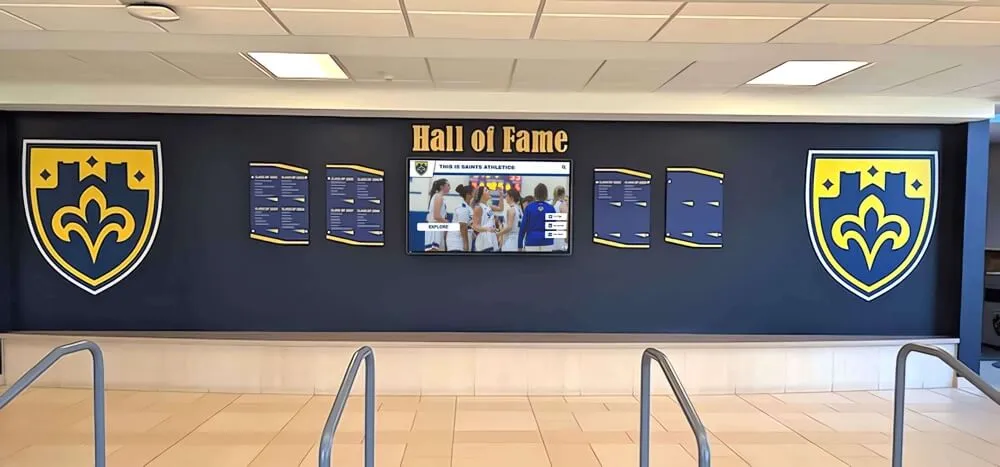
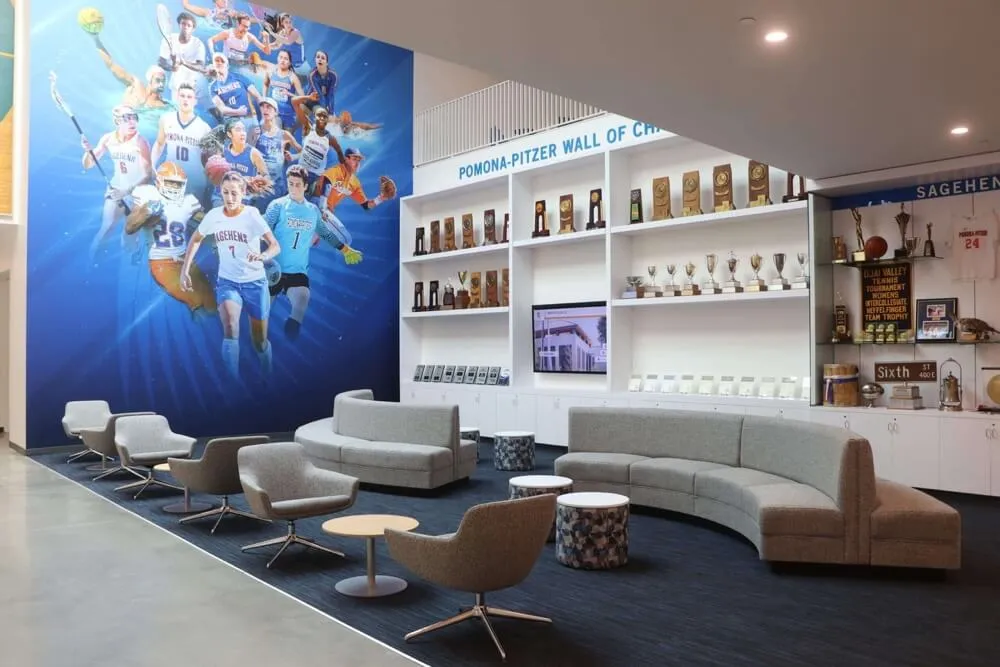
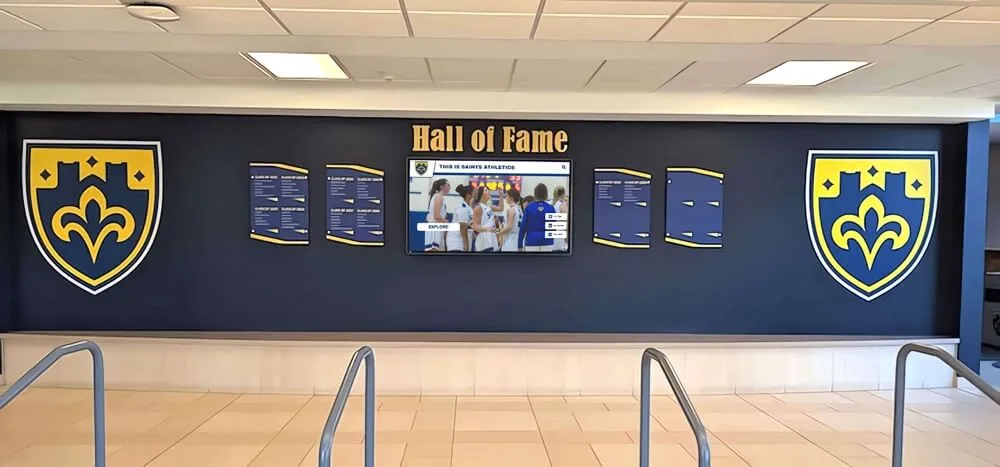
Comprehensive recognition walls integrate traditional elements with modern digital screens, honoring youth basketball program history while providing unlimited capacity for ongoing recognition
Conclusion
Youth basketball awards represent far more than trophies and certificates. Thoughtfully designed recognition programs teach life lessons about excellence, character, teamwork, and perseverance while celebrating the diverse contributions young athletes make at all skill levels. The award ideas presented here provide frameworks for creating comprehensive recognition honoring achievement, character, improvement, and fun.
The most effective youth basketball awards programs balance competition with inclusion, celebrate excellence while recognizing participation, honor performance alongside character, and create memorable moments that motivate continued athletic participation. Whether your program operates with modest budgets or substantial resources, recognition reflecting your values and celebrating your young athletes appropriately creates lasting positive impact.
Modern recognition approaches, particularly digital solutions that document athletic journeys permanently, provide youth programs with scalable, cost-effective ways to honor every athlete appropriately. As young athletes grow from recreational leagues through competitive travel teams and eventually high school programs, recognition systems that follow their development create compelling documentation of basketball careers that athletes and families treasure for lifetimes.
By implementing thoughtful awards programs celebrating the full spectrum of basketball experience, youth organizations create environments where young athletes feel valued, motivated, and inspired to continue pursuing basketball excellence while developing character qualities serving them throughout life far beyond sports.
Ready to create a comprehensive recognition program for your youth basketball organization? Explore how Rocket Alumni Solutions helps youth programs, schools, and athletic organizations build lasting recognition systems that celebrate young athletes from their first seasons through high school careers, creating permanent documentation of basketball achievement and character development that motivates continued participation and supports positive athletic development.