High school state championship brackets represent the pinnacle of athletic competition—systematic tournament structures where teams advance through qualifying rounds, regional playoffs, and championship finals to determine state champions. Schools invest tremendous resources displaying these bracket progressions, yet traditional static posters, printed brackets, and temporary signage fail to capture the dynamic nature of tournament advancement while limiting opportunities to recognize individual student athletes who earned championship achievements.
The challenge extends beyond tournament weekends. Once championships conclude, bracket documentation often disappears into storage, archived yearbooks, or forgotten folders—eliminating opportunities for current students to explore championship history, prospective athletes to research program excellence, and alumni to reconnect with their tournament experiences. Schools need display solutions that celebrate bracket progressions during active tournaments while preserving championship documentation permanently for ongoing recognition and program promotion.
This comprehensive guide explores the best display solutions for high school state championship brackets, from temporary tournament tracking through permanent digital recognition systems that document bracket structures, celebrate individual achievements, and inspire future championship pursuits through engaging interactive platforms accessible both on-site and online.
State championship tournaments create unique display challenges—schools must track multiple bracket progressions simultaneously during tournaments, update results in real-time as games conclude, celebrate championship achievements prominently afterward, and preserve tournament documentation for historical reference. Effective display solutions address all these needs while recognizing the student athletes whose performance determined tournament outcomes.

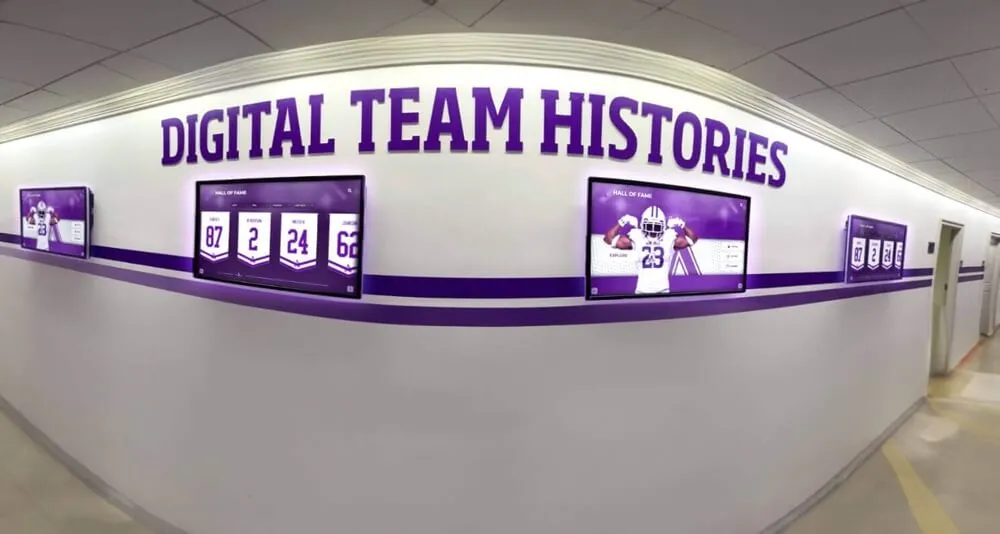
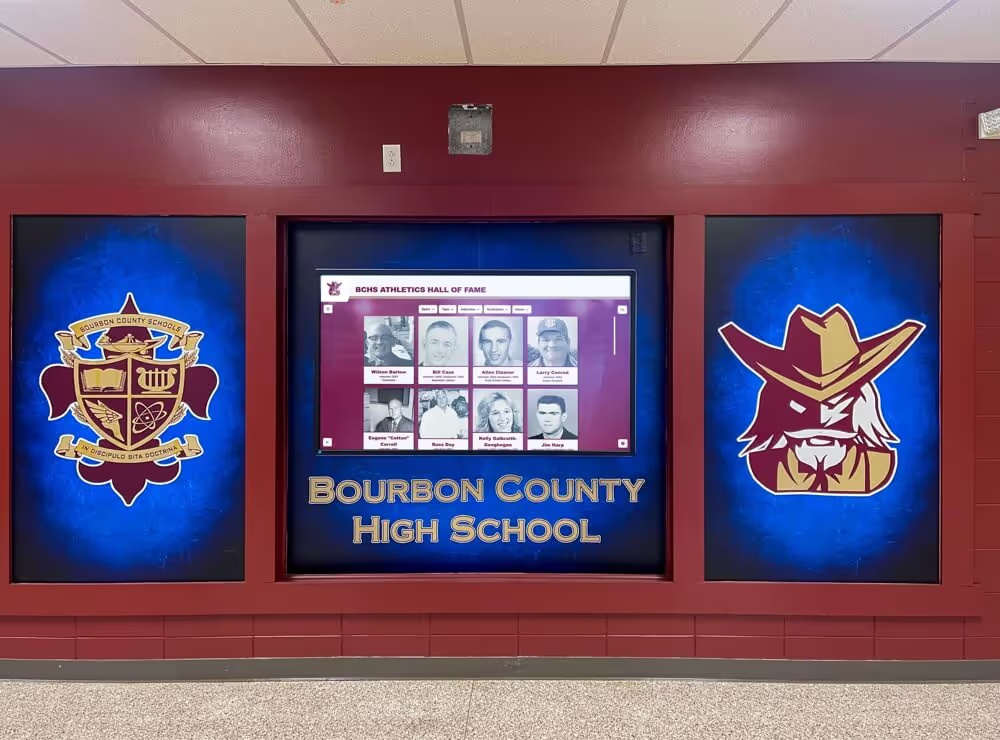
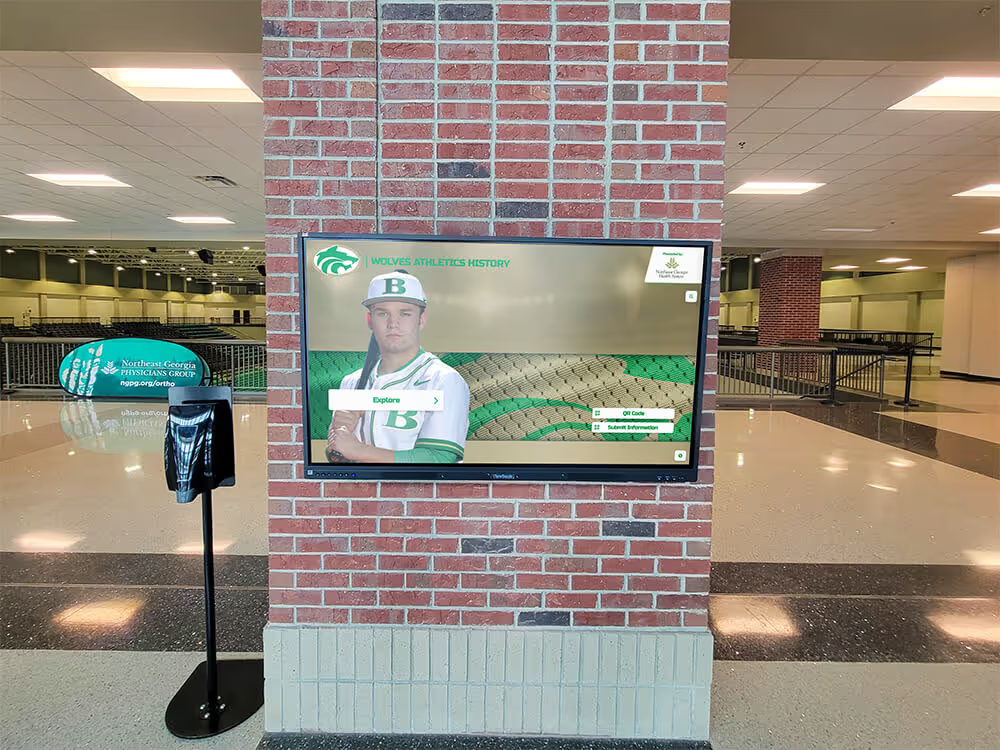
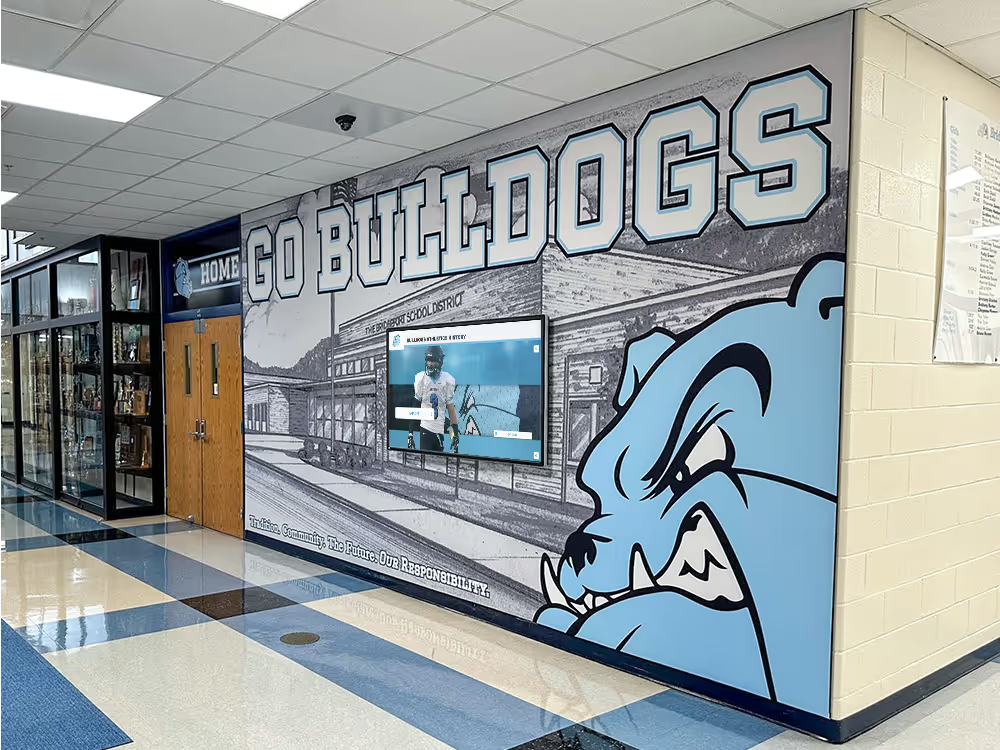
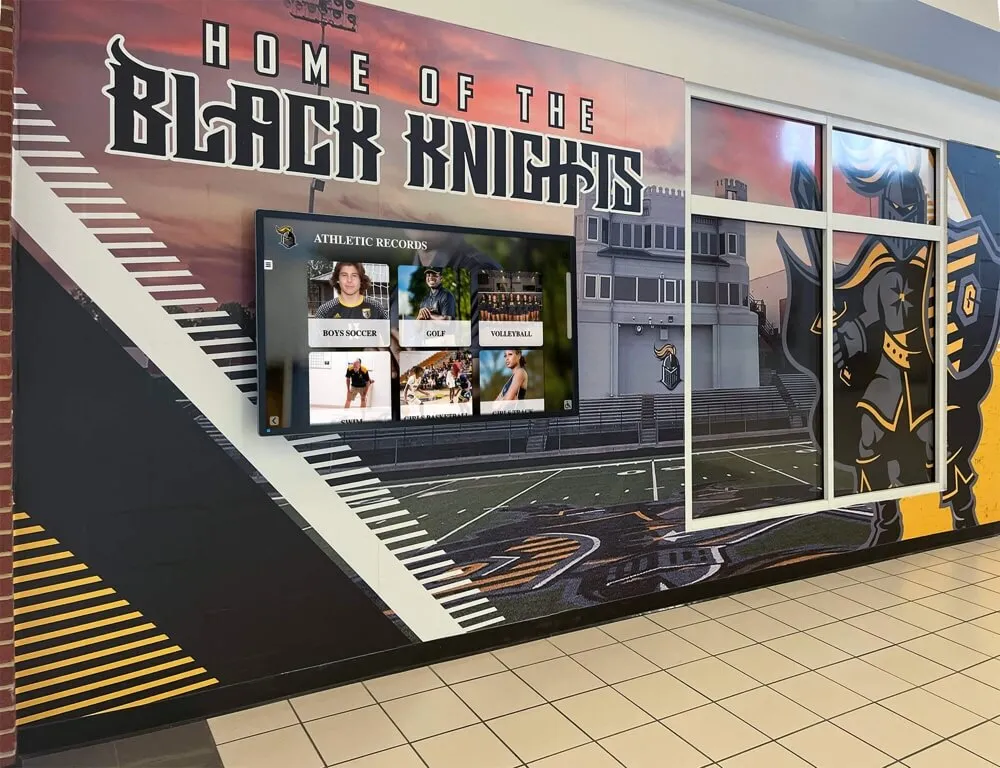
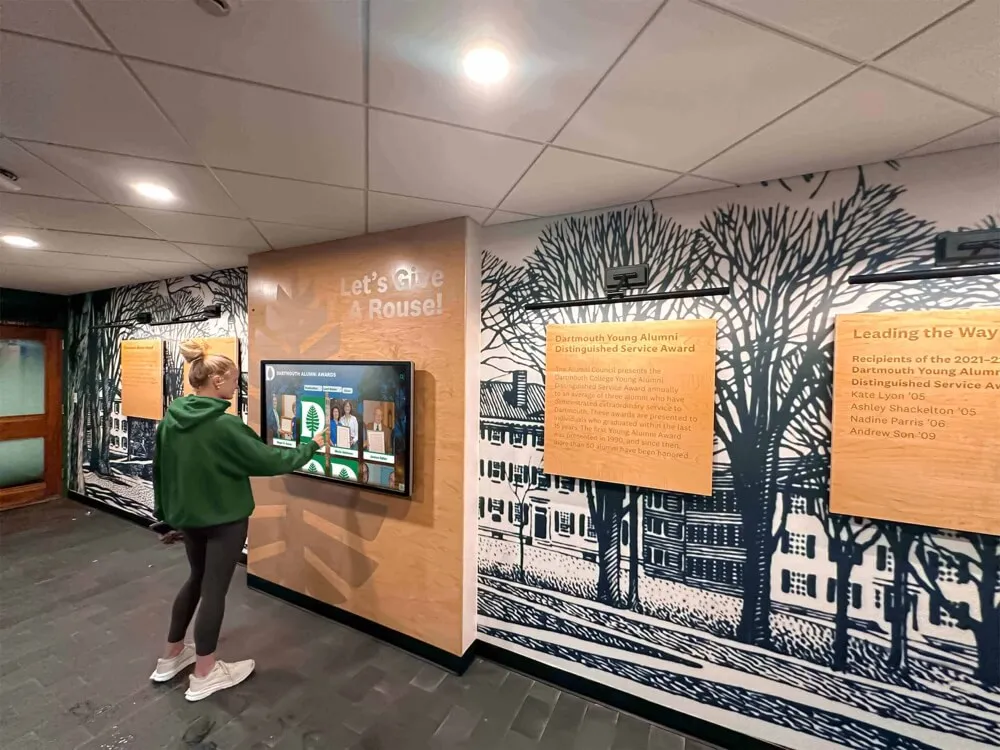
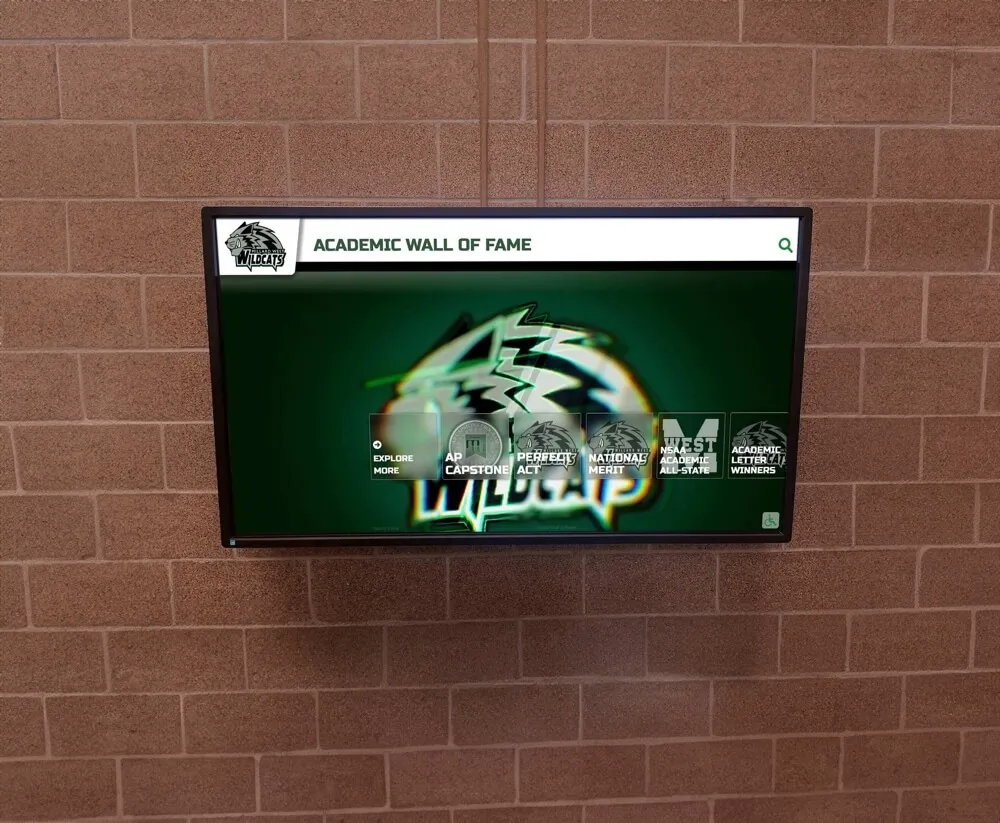
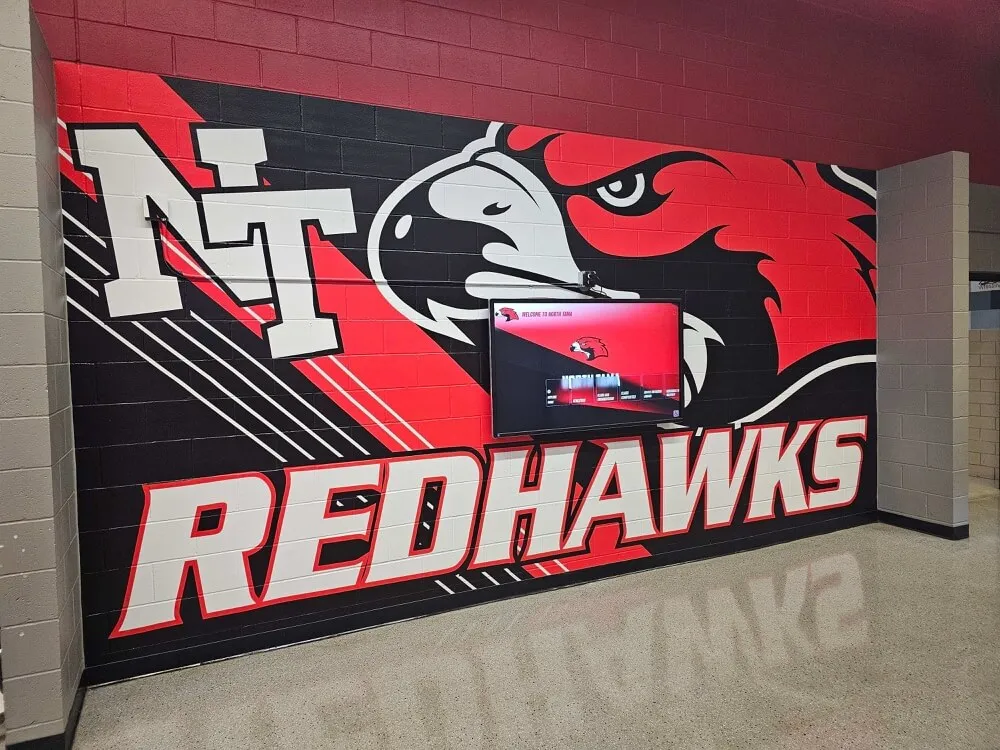
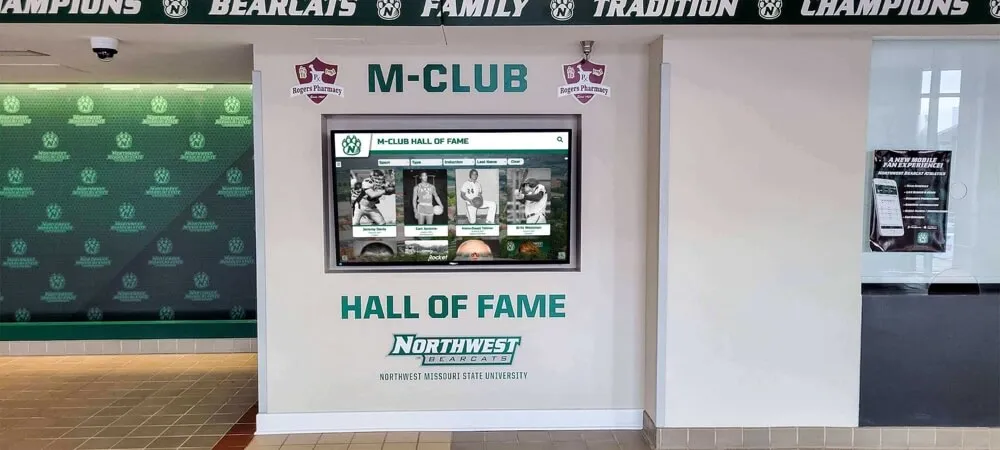
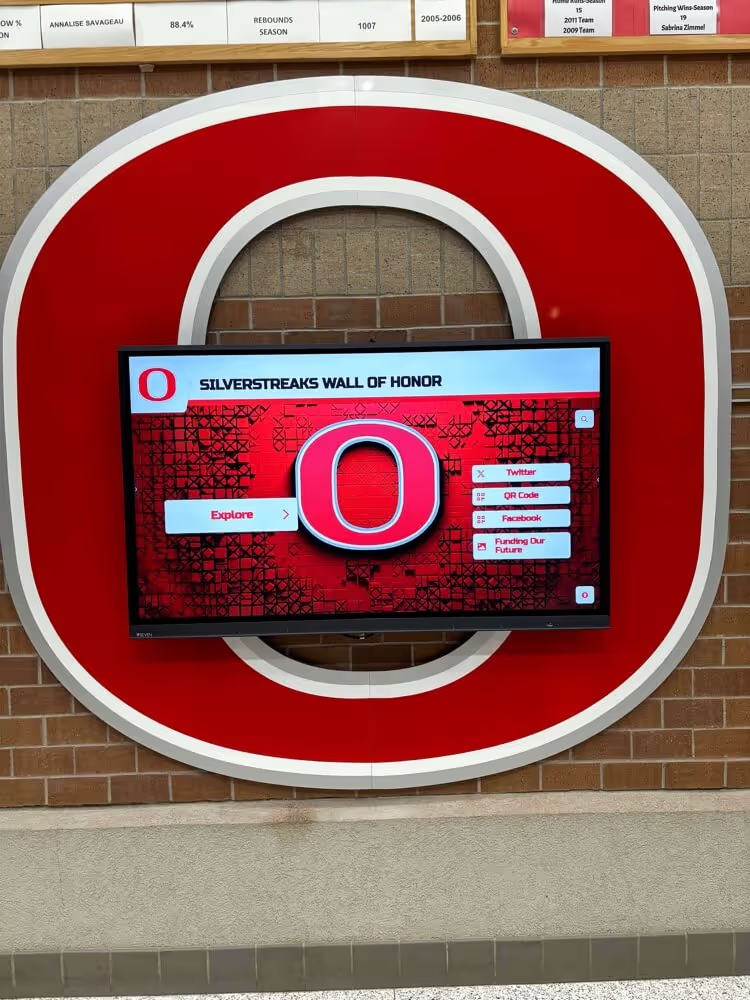
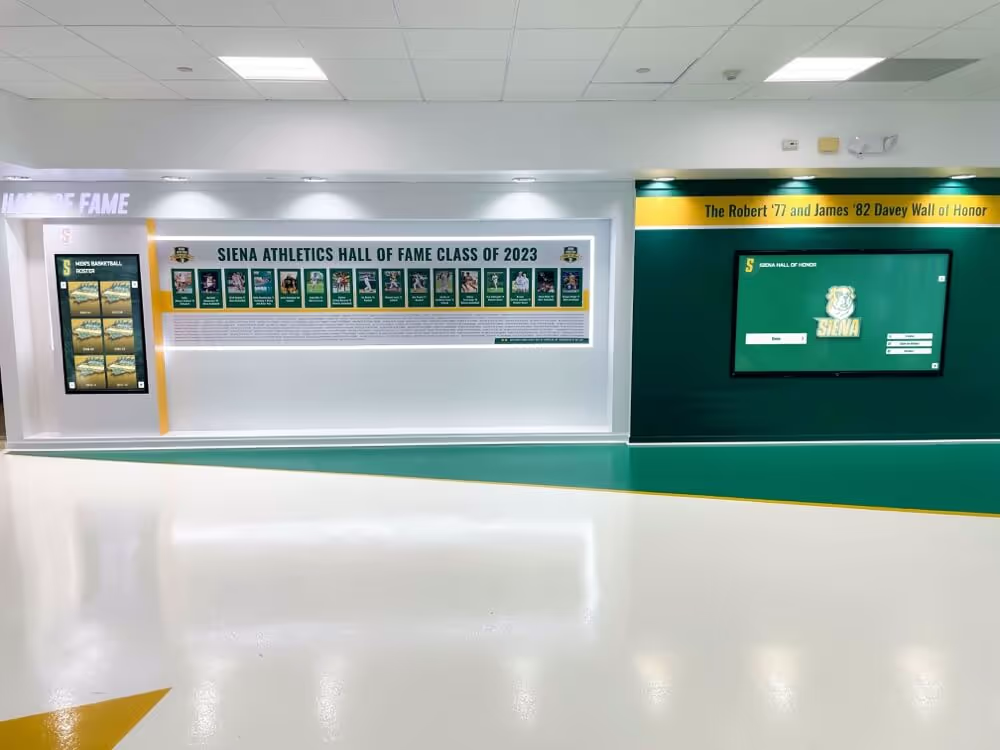
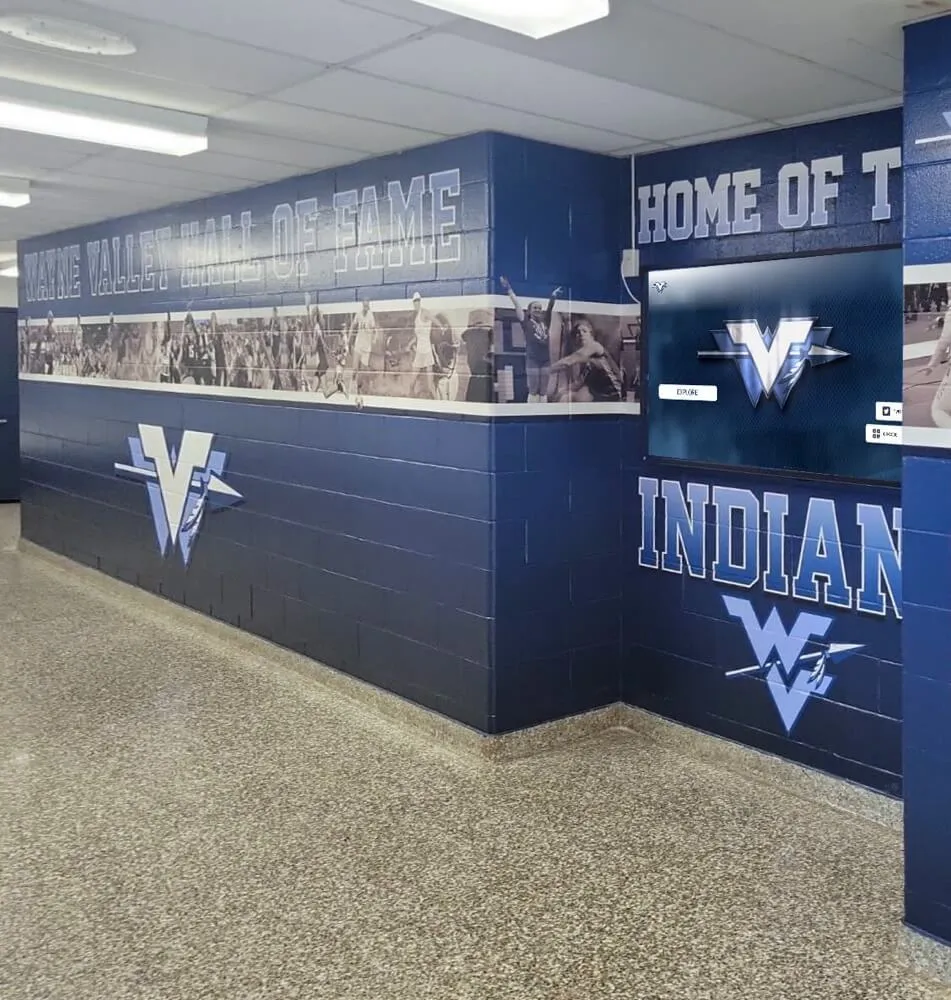
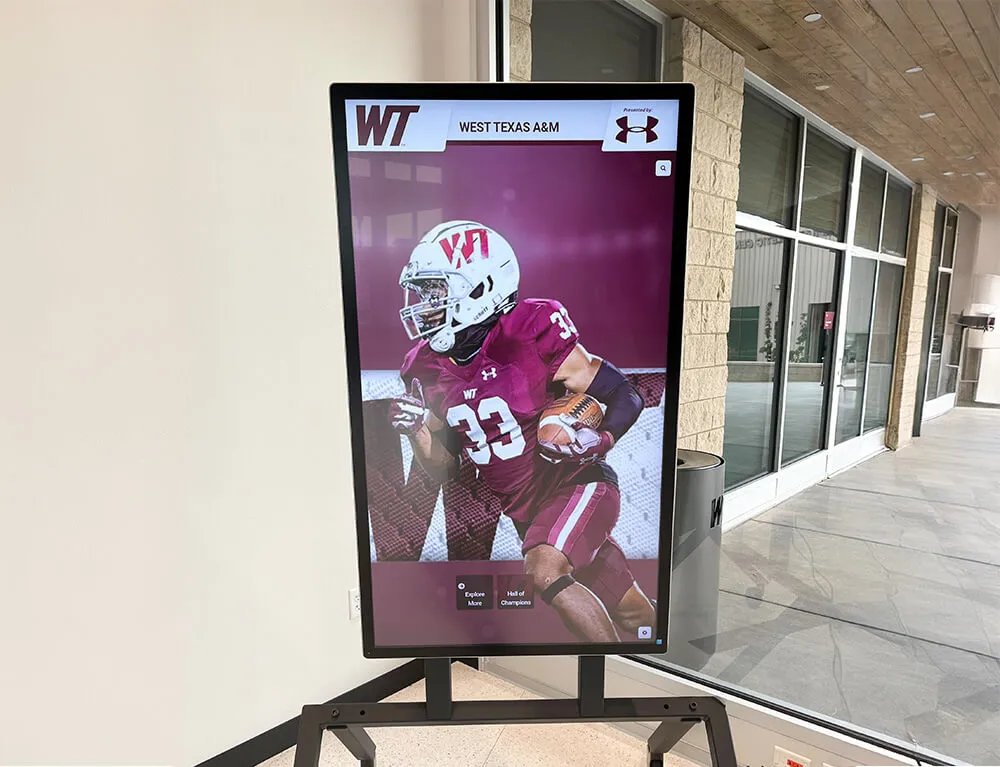
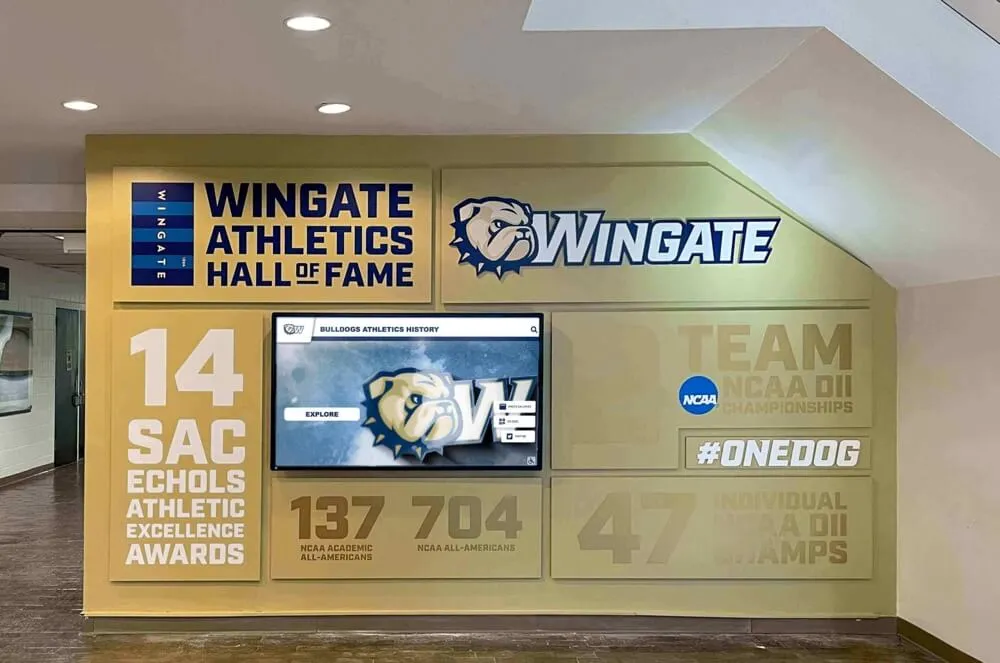
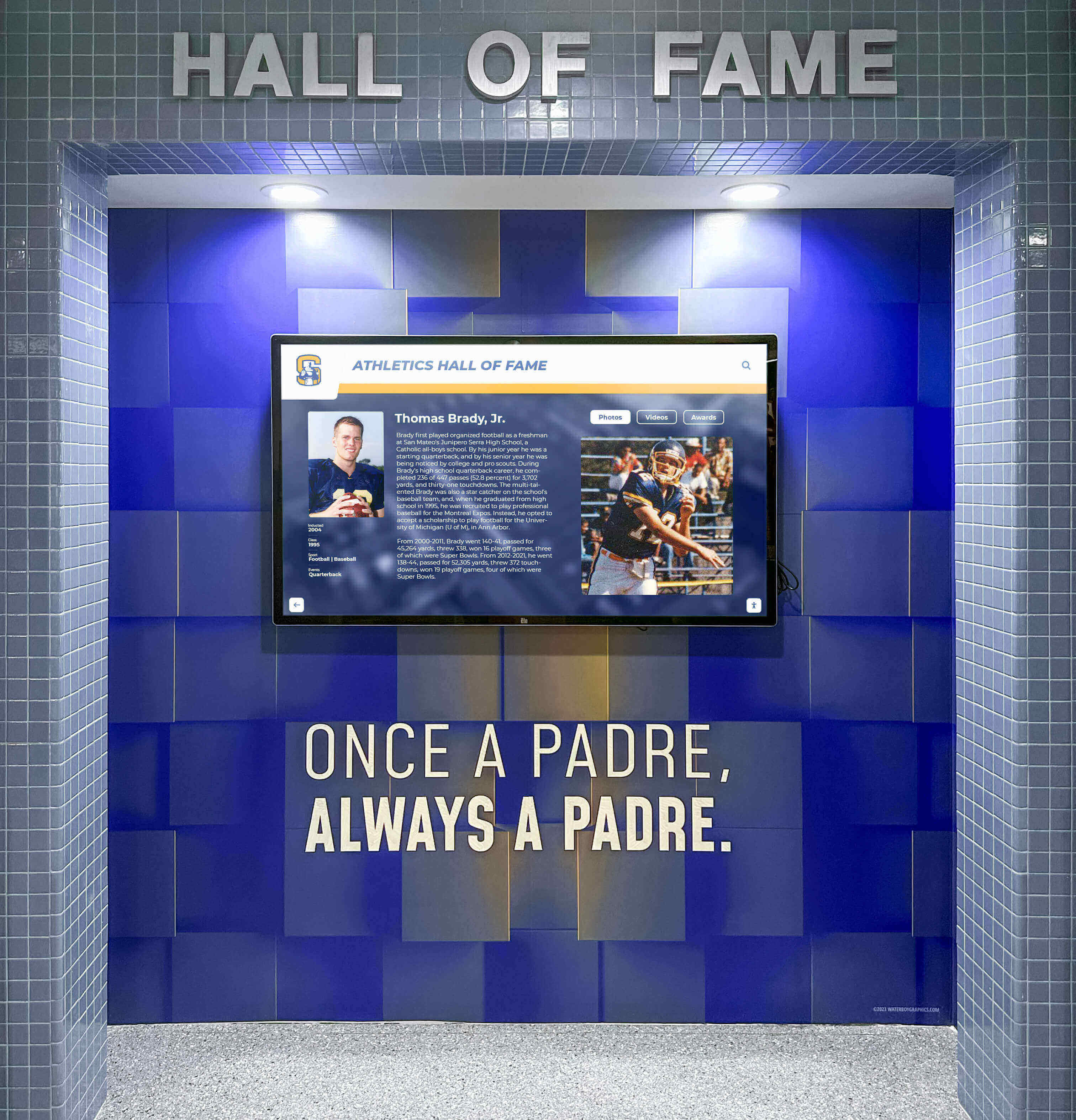
Modern digital displays provide comprehensive championship bracket tracking and permanent tournament recognition
Understanding State Championship Bracket Display Requirements
Before selecting display solutions, schools should understand the specific requirements state championship brackets present across different tournament stages and long-term recognition goals.
Tournament Weekend Display Needs
Real-Time Bracket Tracking During Championships
State championship tournaments create immediate display requirements as teams advance through bracket structures:
Multi-Bracket Management - Many state associations conduct simultaneous tournaments across multiple classifications, divisions, or gender categories. A comprehensive basketball state championship might include Class 1A through 5A boys and girls brackets—ten separate tournament structures requiring parallel tracking.
Frequent Updates - As games conclude throughout tournament weekends, bracket advancement requires immediate updates showing winning teams progressing to next rounds while documenting final scores and eliminating defeated opponents.
Spectator Information - Students, families, and community members attending state tournaments need clear bracket visibility understanding tournament structure, identifying upcoming matchups, and following their school’s advancement path toward championship finals.
Multiple Location Access - Display needs exist both at tournament venues where competitions occur and back at home schools where supporters unable to attend follow tournament progress remotely.
Traditional solutions like printed bracket posters require manual updates with markers, create visual clutter with cross-outs and corrections, become illegible from distance when heavily annotated, and provide no mechanism for remote viewing by supporters unable to attend tournament sites.
Post-Tournament Recognition Requirements
Permanent Championship Documentation
Once tournaments conclude, display needs shift from real-time tracking to permanent recognition:
Complete Bracket Archives - Championship brackets deserve permanent preservation showing complete tournament structures, advancement progressions, all participating teams, game scores, and paths to championship finals.
Individual Athlete Recognition - Brackets document team advancement, yet schools must also recognize individual student athletes whose performance determined tournament outcomes—roster documentation, individual statistics, and personal achievement recognition.
Historical Context - Current championship brackets gain meaning through comparison with previous tournament results, program championship history, and multi-year achievement patterns demonstrating sustained excellence.
Accessible Documentation - Championship recognition proves most valuable when readily accessible to current students researching program traditions, prospective athletes evaluating programs, alumni reminiscing about their tournament experiences, and community members maintaining connections to school athletics.
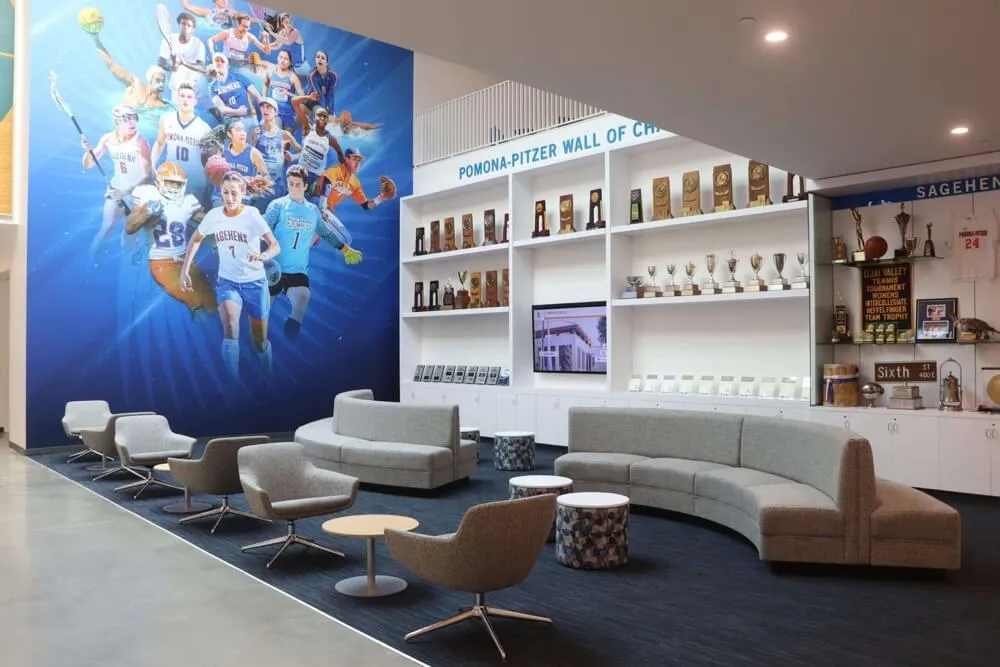
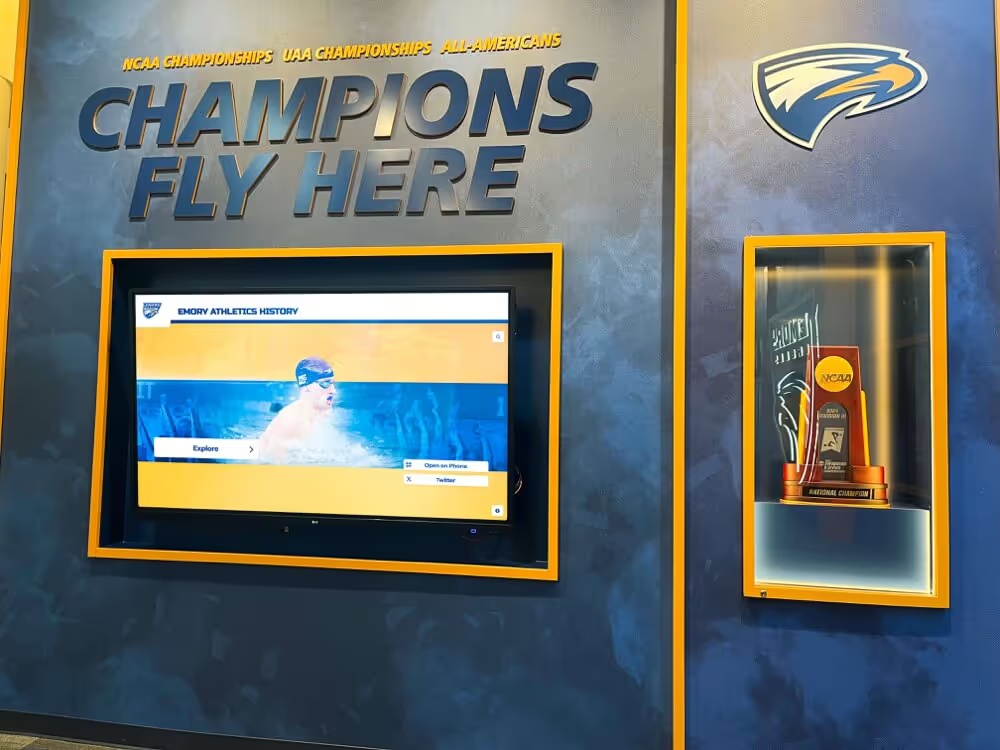
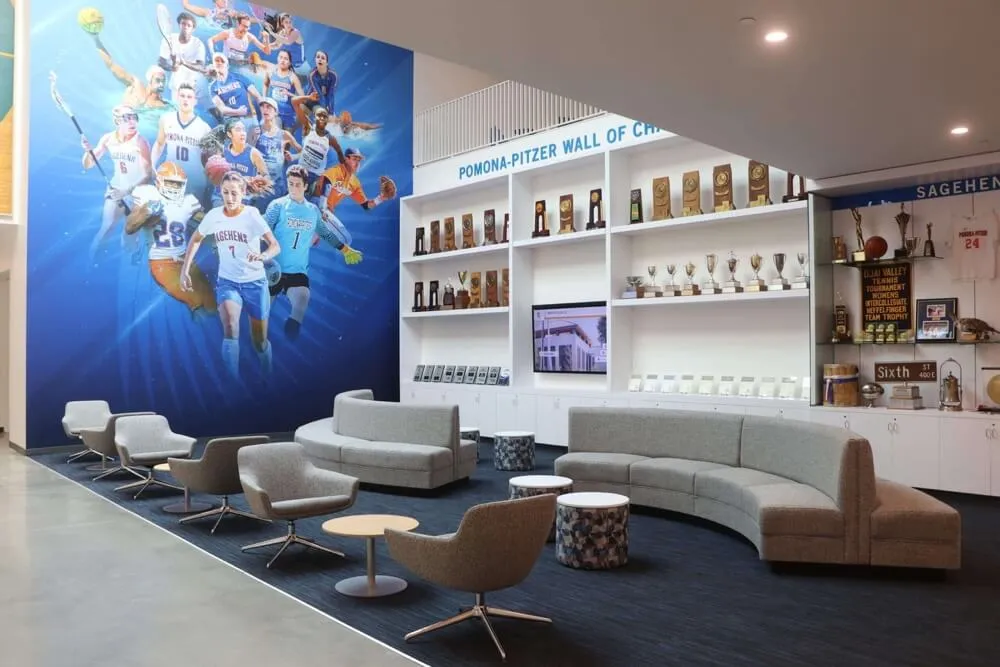
Traditional trophy displays capture championship moments but lack bracket documentation and athlete-specific recognition
Multi-Sport Tournament Coordination
Comprehensive Athletic Recognition Systems
State championship brackets occur across multiple sports throughout school years, creating coordination requirements:
Consistent Recognition Standards - Effective displays maintain consistent visual design, information organization, and recognition depth across all sports regardless of when state tournaments occur or which teams advance to championship levels.
Scalable Systems - Display solutions must accommodate variable numbers of championships—some years bringing multiple state titles across different sports while other seasons produce fewer championship achievements without requiring physical display modifications.
Sport-Specific Adaptations - While maintaining overall consistency, effective systems adapt to sport-specific tournament structures—single-elimination brackets in basketball versus double-elimination formats in baseball, individual weight class brackets in wrestling, or relay team progressions in track championships.
Integrated Historical Archives - Rather than isolated displays for individual sports or seasons, comprehensive systems integrate all championship brackets within unified platforms enabling cross-sport exploration, multi-year comparisons, and complete program championship documentation.
Schools exploring state championship trophy case displays discover that coordinated recognition systems provide superior experiences compared to fragmented sport-specific approaches.
Traditional Display Solutions and Their Limitations
Understanding conventional bracket display approaches helps schools recognize why modern alternatives deliver superior results.
Printed Bracket Posters
Paper-Based Tournament Tracking
Many schools rely on printed bracket posters during state tournaments:
Common Implementation Approach
- Print large-format brackets before tournaments begin
- Mount posters in athletic facilities, main hallways, or cafeterias
- Update manually with markers as tournament results occur
- Remove or archive after tournaments conclude
- Store in filing cabinets or coaching offices for historical reference
Significant Limitations
Manual Update Requirements - Every game result requires someone physically present with markers to update brackets, creating delays between games concluding and results appearing on displays.
Visual Degradation - Repeated annotations, corrections for mistakes, and dense information create cluttered appearances reducing readability and professional presentation.
Single Location Access - Physical posters exist only where mounted, preventing remote viewing by supporters unable to attend school facilities during tournament weekends.
Temporary Nature - Most schools remove bracket posters shortly after tournaments conclude, eliminating long-term recognition and historical documentation.
No Athlete Recognition - Bracket formats show team names and scores but provide no mechanism for recognizing individual student athletes who earned tournament achievements.
Limited Archival Value - Paper posters deteriorate over time, become lost in storage, or get discarded during facility renovations, permanently erasing championship documentation.
Gymnasium Banner Displays
Permanent Championship Banners
Schools commonly hang championship banners in gymnasiums celebrating state tournament victories:
Standard Banner Approach
Typical championship banners include sport name, championship level, year achieved, and sometimes final scores or tournament locations—all printed on fabric and suspended from gymnasium ceilings or mounted on walls.
While banners provide permanent visible recognition, they present significant limitations for bracket documentation:
No Bracket Information - Banners announce championship achievements but provide no details about tournament structures, bracket progressions, semifinal matchups, or paths to championship finals.
Space Constraints - As programs accumulate championships across decades and multiple sports, available gymnasium space fills quickly. Schools face difficult decisions about which championships deserve banner recognition when wall and ceiling space reaches capacity.
Individual Athlete Omission - Championship banners typically list only years and sports, omitting roster information documenting which student athletes earned these achievements.
Static Information - Once manufactured and installed, banner content cannot be updated or enhanced as additional information becomes available or recognition standards evolve.
Programs addressing championship banners and gym wall space challenges discover that supplementing traditional banners with comprehensive digital systems provides optimal solutions respecting tradition while enabling expanded recognition.
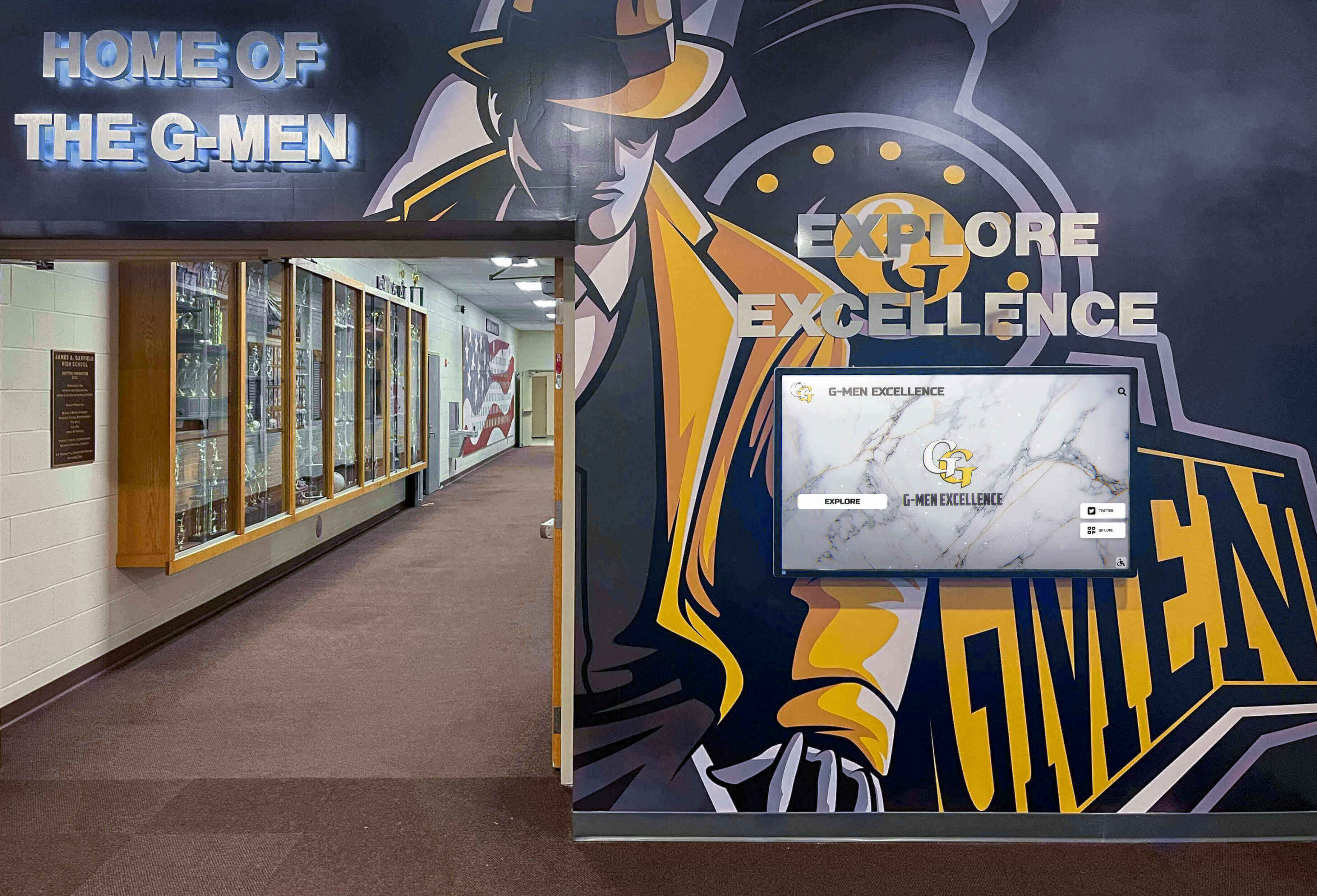
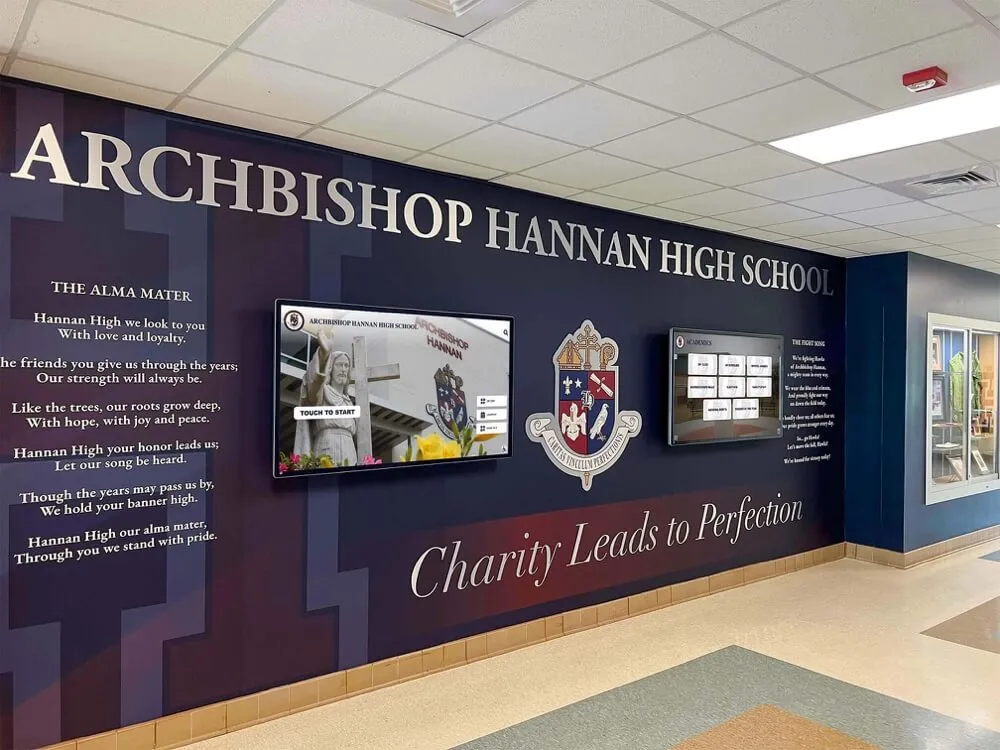
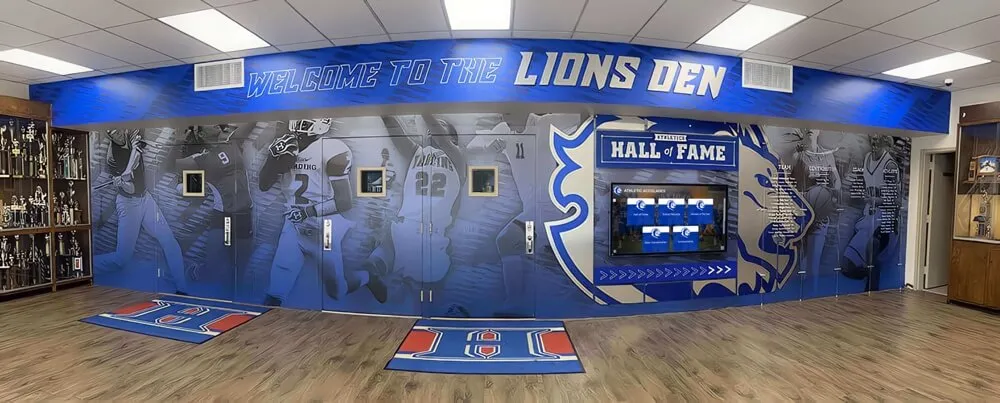
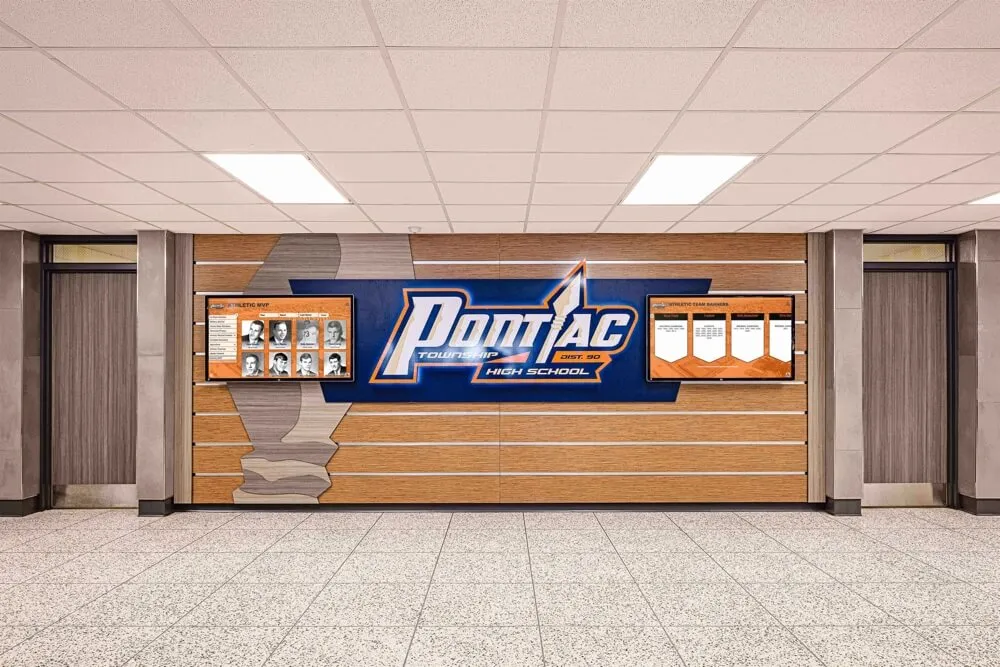
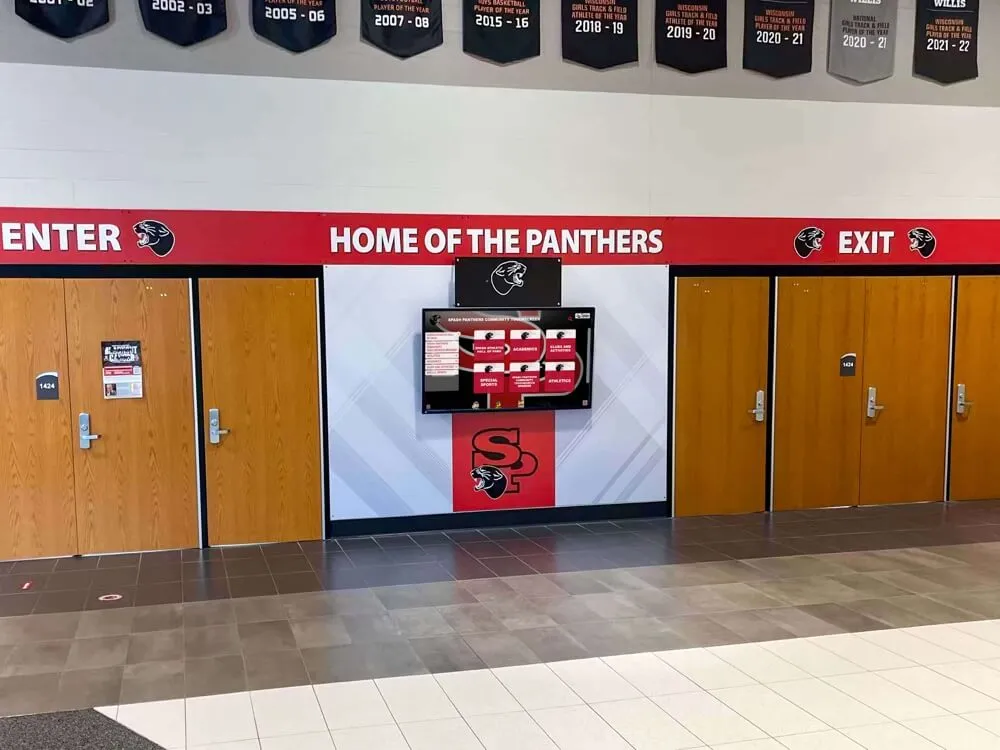
Integrated displays combine traditional elements with digital systems for comprehensive championship celebration
Yearbook Documentation
Annual Publication Archives
School yearbooks typically document state tournament participation through game photos, bracket results, and team rosters:
Yearbook Championship Coverage
Most yearbooks dedicate multiple pages to state tournament seasons including team photographs, action shots from championship games, bracket diagrams showing tournament progressions, final scores and statistics, and roster listings with student names and class years.
Accessibility Limitations
While yearbooks provide valuable documentation, they present significant access barriers:
Limited Distribution - Only students purchasing yearbooks during championship years receive documentation, excluding future students, prospective athletes researching programs, and alumni from non-championship years.
Physical Storage Requirements - Accessing historical championship brackets requires locating specific yearbook editions, often stored in libraries, administrative offices, or personal collections rather than readily available to broad audiences.
No Digital Accessibility - Most yearbook documentation exists only in print, preventing online access by alumni living elsewhere, prospective families researching remotely, or current students working on projects outside school hours.
Static Presentation - Yearbook formats allow no interactive exploration, searchability by athlete names or years, filtering by specific sports, or dynamic updates as additional information becomes available.
Incomplete Bracket Details - Space constraints limit yearbook bracket coverage to condensed formats omitting game-by-game statistics, individual player contributions, and comprehensive tournament narratives.
Modern Digital Display Solutions for Championship Brackets
Digital recognition technology transforms state championship bracket displays from temporary tracking exercises into permanent, engaging, comprehensive celebration systems that honor both team achievements and individual student athlete contributions.
Interactive Touchscreen Bracket Displays
Real-Time Tournament Tracking and Permanent Recognition
Interactive digital displays serve dual purposes—providing real-time bracket tracking during active tournaments while maintaining permanent championship archives accessible indefinitely after tournaments conclude.
Tournament Weekend Functionality
During state championships, digital displays provide superior real-time tracking:
Instant Updates - Cloud-based content management enables instant bracket updates from any internet-connected device as games conclude, eliminating delays between results and display updates while ensuring accuracy across all viewing locations.
Multiple Concurrent Brackets - Single displays accommodate unlimited simultaneous tournament brackets across different classifications, divisions, or sports—viewers select specific tournaments from menus rather than schools needing separate displays for each bracket.
Detailed Game Information - Beyond basic scores, digital formats include game locations, tip-off times, streaming links when available, notable performances, running statistics, and tournament narratives that printed brackets cannot accommodate.
Remote Accessibility - Web-based platforms enable supporters anywhere to follow tournament progress through smartphones, tablets, or computers rather than requiring physical presence at school facilities.
Multimedia Integration - Digital displays incorporate live score feeds, video highlights from tournament games, photo galleries documenting tournament experiences, and social media content connecting championship celebrations across platforms.
Solutions like Rocket Alumni Solutions provide purpose-built platforms specifically designed for athletic recognition including tournament bracket tracking, championship documentation, and student athlete recognition that traditional display methods cannot match.
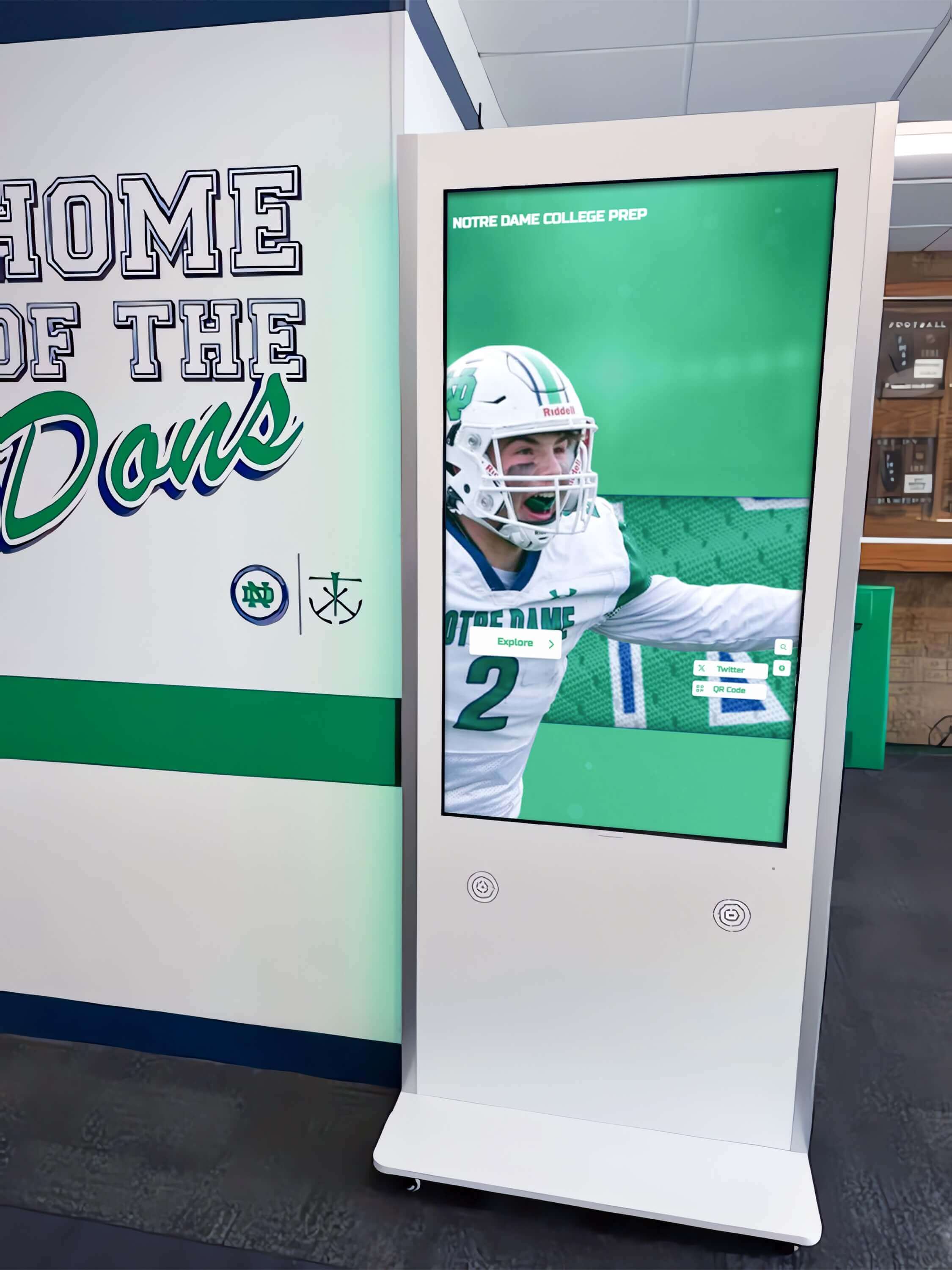
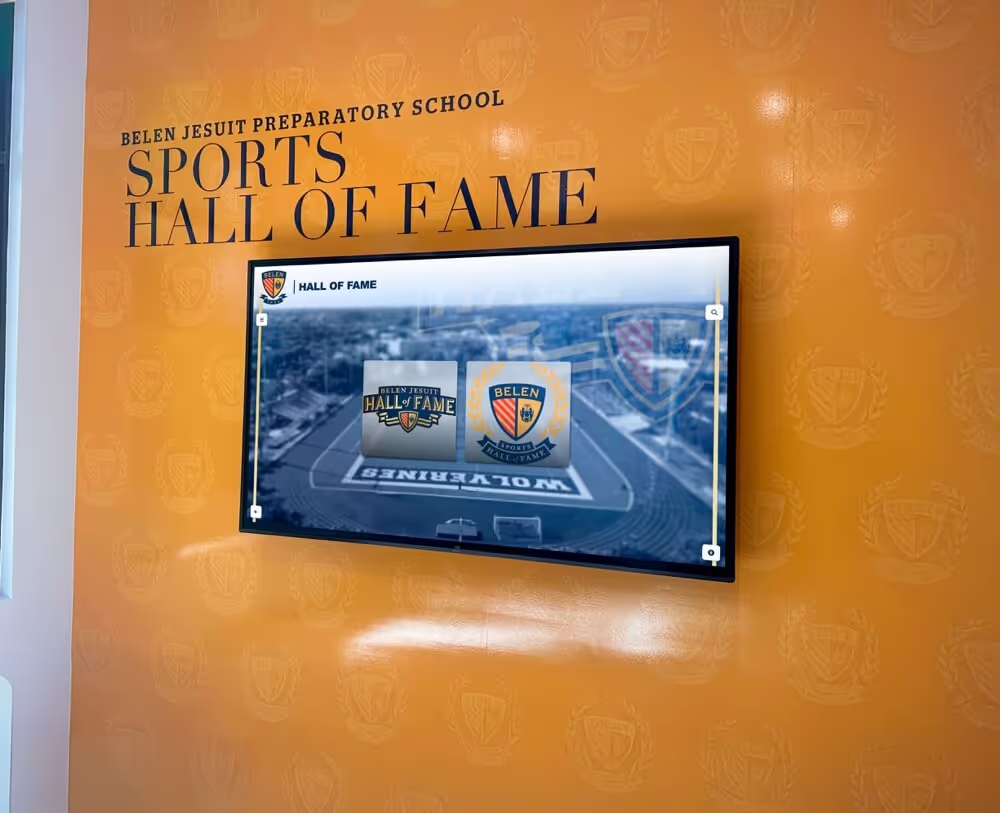
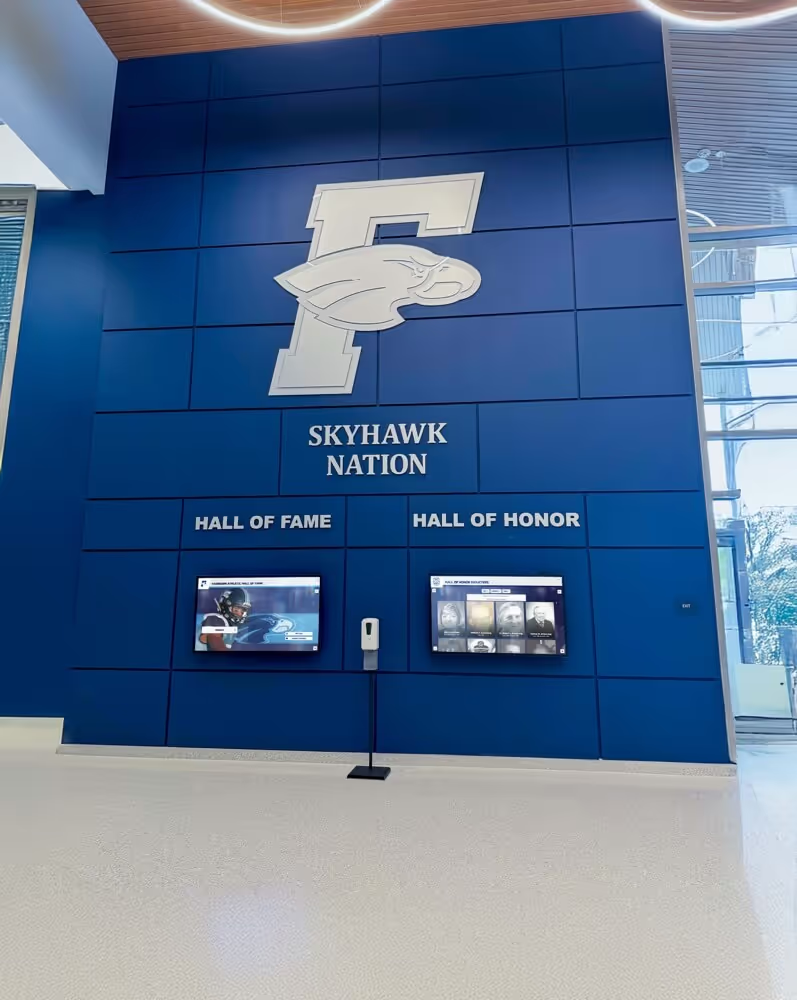
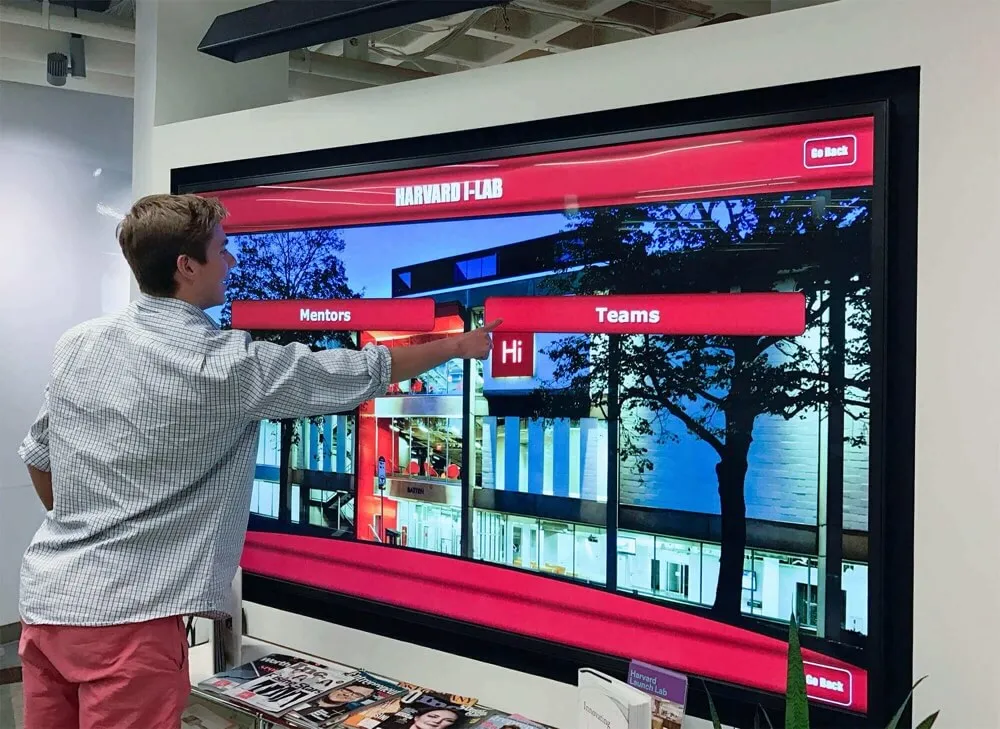
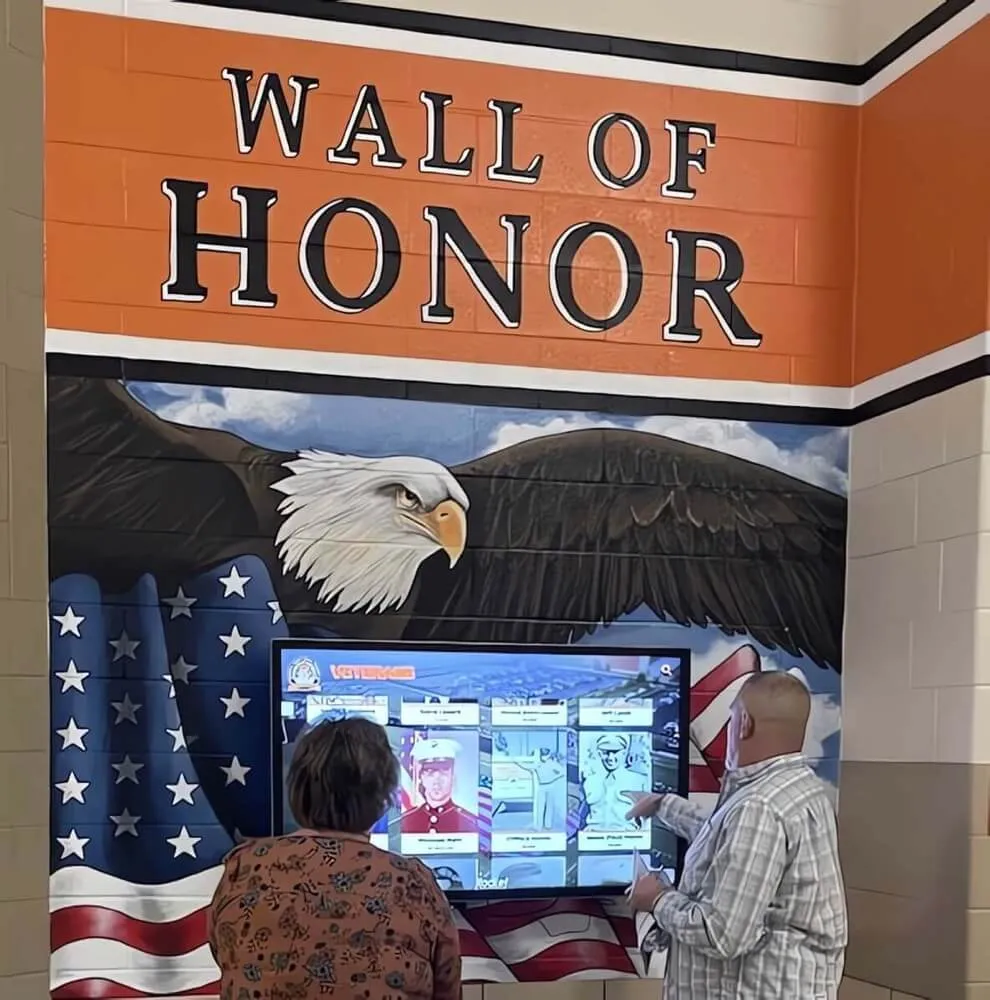
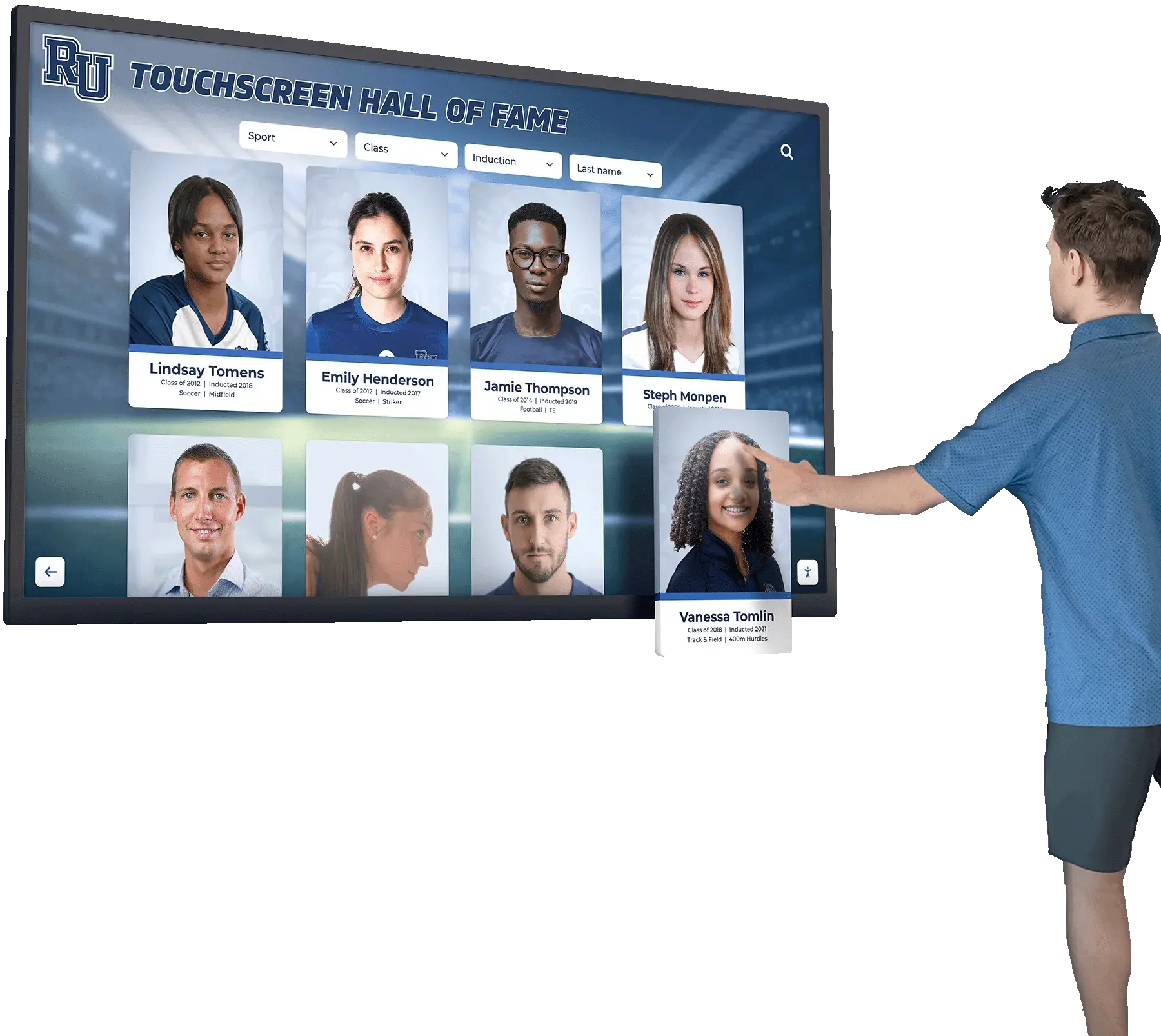
Touchscreen displays enable interactive bracket exploration and comprehensive tournament documentation
Permanent Championship Archives
After tournaments conclude, the same digital platforms transition seamlessly to permanent recognition:
Complete Bracket Preservation - Every championship bracket remains permanently accessible showing complete tournament structures, all participating teams, every game score, advancement progressions through quarterfinals and semifinals, and paths to championship finals.
Searchable Databases - Powerful search capabilities enable instant location of specific tournaments by year, sport, team performance, or individual athlete participation rather than requiring manual searches through archived materials.
Historical Comparisons - Digital systems facilitate comparison across championship eras, identification of program excellence patterns, documentation of coaching tenures, and recognition of multi-year achievement trends demonstrating sustained competitive excellence.
Unlimited Capacity - Digital platforms accommodate unlimited championship brackets spanning complete program histories without space constraints forcing prioritization decisions about which tournaments deserve recognition.
Continuous Enhancement - Schools continuously improve bracket documentation by adding newly discovered photos, incorporating alumni reminiscences, updating athlete information as post-high school achievements occur, and enriching content quality over time.
Comprehensive Student Athlete Recognition
Individual Achievement Documentation
Perhaps the most significant advantage digital bracket displays offer—the ability to recognize individual student athletes comprehensively rather than celebrating only team accomplishments.
Roster Integration with Bracket Displays
Modern platforms connect tournament brackets with detailed roster information:
Complete Team Rosters - Every championship bracket links to comprehensive team rosters listing all student athletes who participated in tournament runs, including starters, reserves, practice squad members, team managers, and support personnel whose contributions enabled championship achievements.
Individual Athlete Profiles - Each roster name connects to dedicated athlete profiles documenting complete high school athletic careers across all sports, seasons, and achievement levels—not just state tournament participation.
Tournament Statistics - Beyond bracket advancement, profiles include individual tournament statistics, notable performances during championship runs, game-by-game contributions, and specific achievements during semifinal and championship games.
Personal Recognition Elements - Profiles incorporate student photos, biographical information, class years and graduation dates, academic honors, college commitments, and post-high school achievement updates maintaining long-term connections.
Cross-Sport Recognition - Multi-sport athletes receive integrated recognition connecting championship achievements across different sports, documenting complete athletic excellence rather than fragmenting recognition by individual programs.
This comprehensive approach ensures that role players, developing athletes, and team contributors receive equal recognition to statistical leaders and championship game stars—accurately reflecting that tournament success requires complete team efforts.
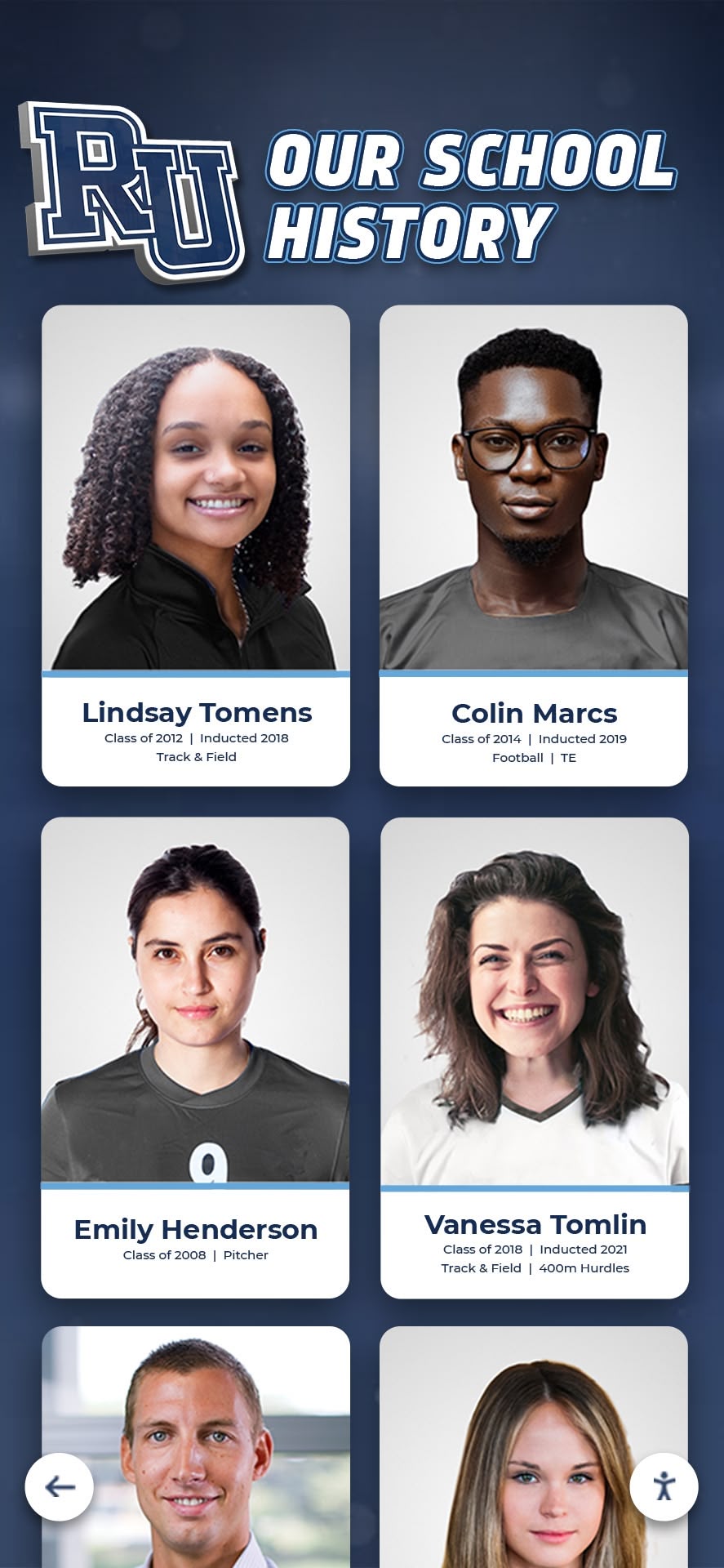
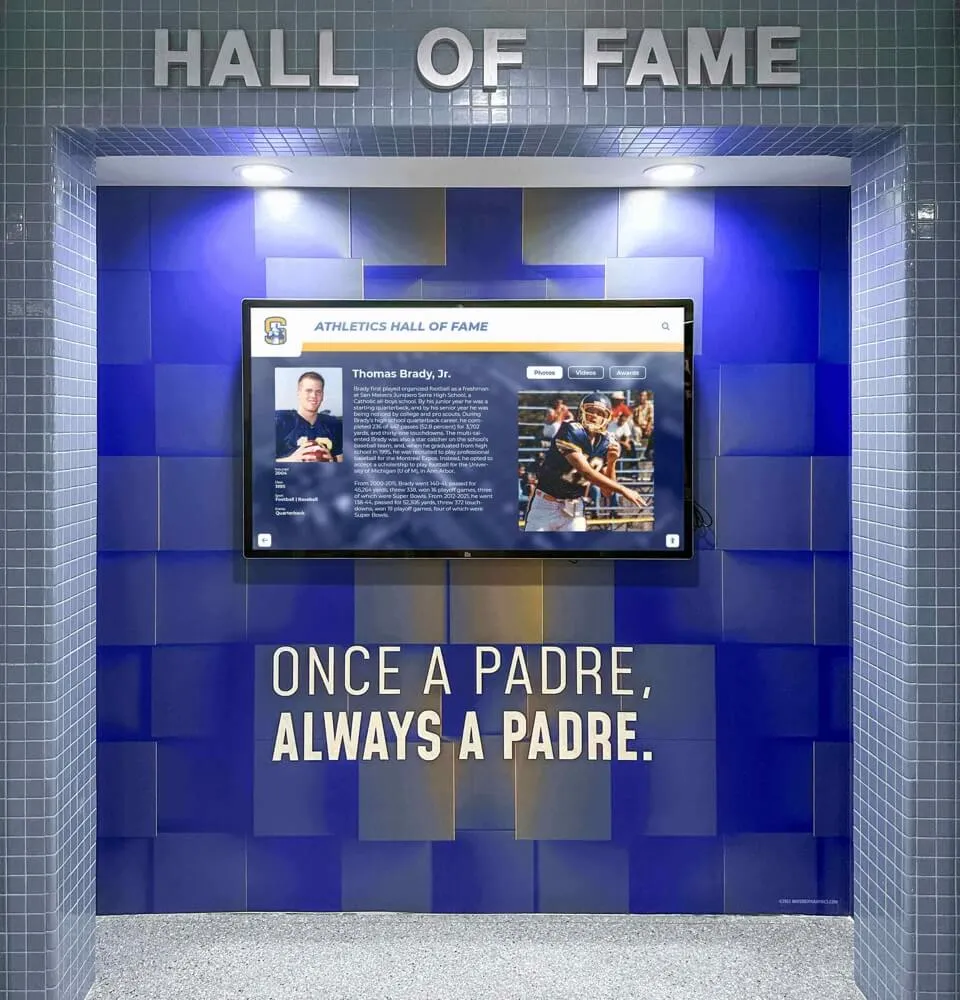
Individual athlete profiles preserve personal achievements and tournament contributions
Web-Based Accessibility and Social Sharing
Extending Recognition Beyond School Facilities
Digital championship bracket displays provide value far beyond on-site viewing:
Universal Web Access
Modern recognition platforms publish content via web browsers accessible from any device:
Alumni Connections - Former student athletes reconnect with their championship experiences regardless of current geographic location, exploring tournament brackets they participated in decades earlier and sharing memories with former teammates.
Prospective Family Research - Families evaluating high school options explore program championship traditions, review recent tournament performances, and assess competitive excellence during decision-making processes.
Current Student Inspiration - Athletes preparing for upcoming seasons study previous championship runs, identify performance standards, understand tournament structures, and visualize their own potential championship opportunities.
Community Engagement - Local supporters maintain connections to school athletics through championship documentation, celebrating current achievements while preserving institutional pride in program traditions.
Media Coverage Support - Local journalists researching stories, documentary producers exploring school histories, and content creators developing championship narratives access comprehensive bracket documentation supporting their projects.
Social Media Integration
Digital platforms enable seamless social sharing extending recognition reach:
Individual Achievement Sharing - Student athletes share their tournament participation and championship recognition through personal social channels, celebrating achievements with extended networks while promoting program excellence organically.
Program Promotion - Athletic departments share bracket progressions during active tournaments, celebrate championship victories immediately after finals, and highlight historical championship achievements during recruiting seasons.
Reunion Event Support - Alumni organizations leverage championship documentation for reunion planning, anniversary celebrations of significant tournament victories, and nostalgic content maintaining alumni engagement year-round.
Schools implementing digital archives for athletic programs report dramatically expanded recognition reach compared to purely physical displays accessible only to campus visitors.
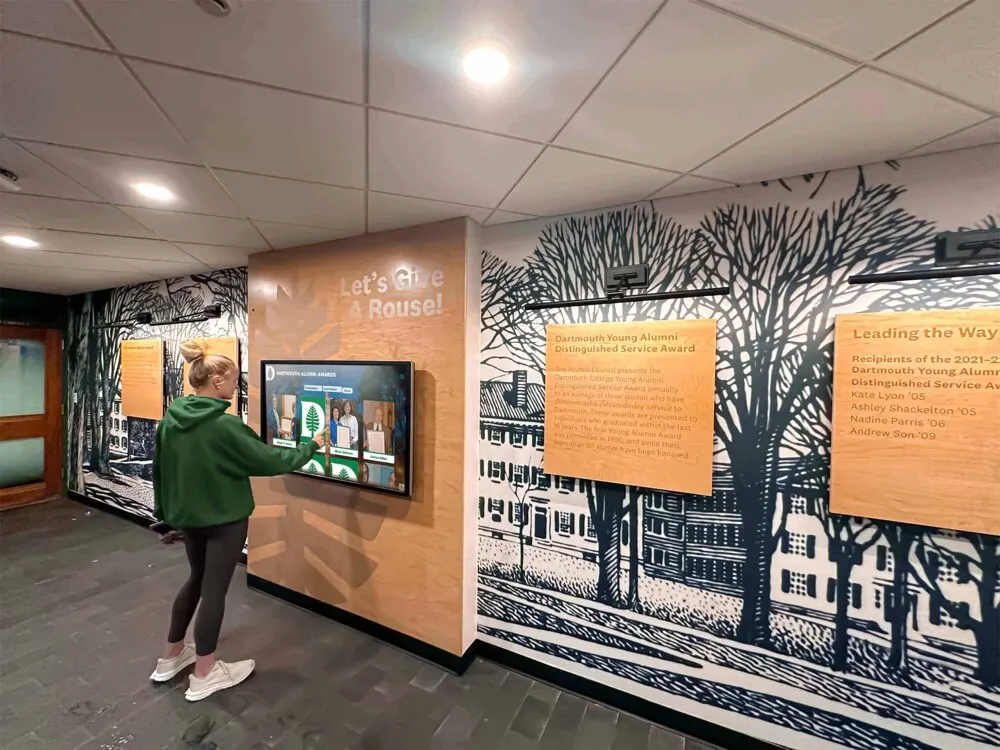
Web-accessible displays enable tournament exploration from any location at any time
Implementation Strategies for Digital Bracket Display Systems
Schools ready to modernize championship bracket displays should follow systematic approaches ensuring successful implementation and long-term sustainability.
Assessing Current Tournament Display Practices
Comprehensive Recognition Audit
Begin by documenting existing bracket display methods:
Current Practice Inventory
- Document how brackets are currently displayed during active tournaments
- Identify who manages bracket updates and how frequently information changes
- Review post-tournament recognition including banners, trophy cases, and yearbook coverage
- Survey athletic directors, coaches, and athletes about recognition satisfaction
- Gather feedback from alumni about accessing historical championship information
- Assess current display costs including printing, mounting materials, banner fabrication, and labor
Stakeholder Input
Gather perspectives from multiple constituencies:
Athletic Staff - Coaches and athletic directors understand recognition priorities, tournament documentation needs, and administrative burden of current systems versus desired improvements.
Current Athletes - Student perspectives reveal what recognition motivates them, whether they know program championship history, and how they prefer to explore athletic achievements.
Alumni - Former athletes provide insights about long-term recognition value, desire to maintain connections with championship experiences, and willingness to contribute historical content.
Prospective Families - Understanding what information families seek during school evaluation processes helps prioritize recognition features supporting recruitment objectives.
Technology Staff - IT personnel confirm network capabilities, device management preferences, and integration requirements with existing school systems.
This comprehensive assessment ensures implementation addresses genuine needs rather than assumed priorities while building support for recognition enhancement initiatives.
Content Development and Historical Research
Building Comprehensive Bracket Archives
Creating engaging digital displays requires systematic content development:
Historical Bracket Documentation
Primary Source Research
- Review state athletic association archives for official tournament brackets and results
- Examine school yearbooks documenting championship seasons with team photos and rosters
- Consult local newspaper archives for tournament coverage and game reports
- Interview championship coaches preserving institutional knowledge and personal perspectives
- Engage championship athletes gathering reminiscences and historical details
- Search athletic department files for programs, score books, and saved materials
Information Organization
Systematic data entry creates searchable, comprehensive archives:
Essential Bracket Elements
- Complete tournament structures showing all participating teams
- Round-by-round results with scores for every game
- Dates and locations where tournament games occurred
- Advancement progressions from opening rounds through championship finals
- Team rosters listing all student athletes who participated
- Individual statistics and notable performances when available
- Photos documenting tournament competition and celebration moments
- Coaching staff recognition for championship seasons
- Context about tournament significance within program history
Phased Implementation Approach
Complete historical reconstruction proves time-consuming. Practical strategies include:
Phase 1 - Current Season - Implement digital tracking for current year tournaments, establishing workflows and demonstrating value immediately.
Phase 2 - Recent Championships - Document past 5-10 years comprehensively, creating relevant content for current students and recent alumni.
Phase 3 - Historic Milestones - Add particularly significant championships like first state titles, championship dynasties, or record-breaking seasons.
Phase 4 - Systematic Completion - Work backward filling remaining years during summer months when demands reduce.
Phase 5 - Alumni Contributions - Invite championship participants to submit additional photos, memories, and information enriching archives continuously.
This phased approach provides immediate value while working toward complete historical documentation over time without overwhelming available resources.

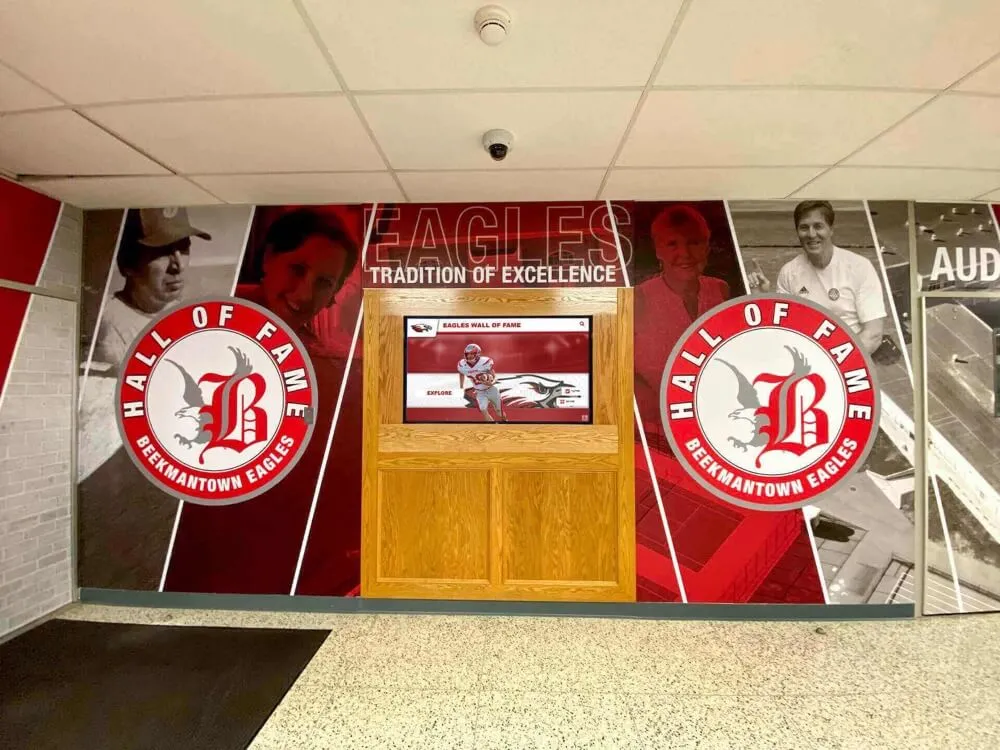
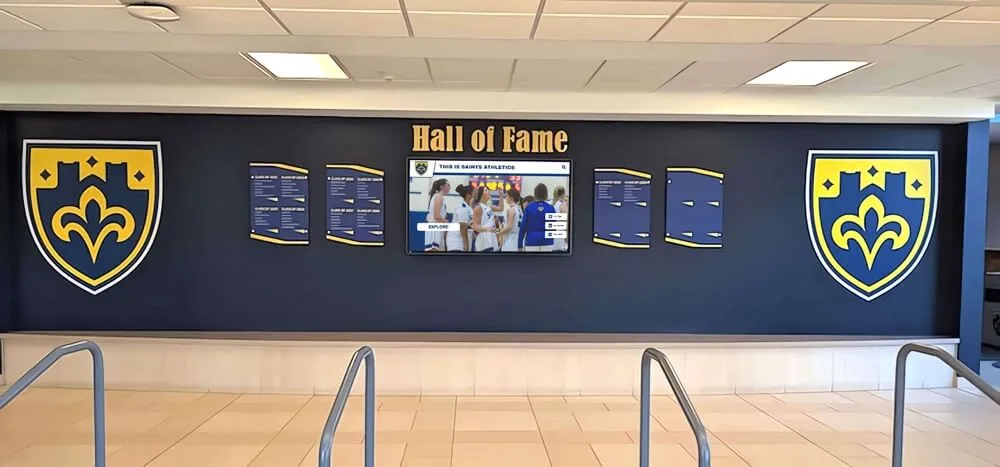
Comprehensive displays document tournament brackets alongside traditional trophy recognition
Technology Selection and Platform Features
Choosing Appropriate Display Solutions
Digital bracket display systems vary significantly in capabilities and costs:
Essential Platform Requirements
Real-Time Update Capabilities - Systems must enable instant bracket updates from multiple devices including smartphones, ensuring timely information during active tournaments regardless of who manages updates or where they’re located.
Unlimited Storage Capacity - Platforms should accommodate complete program championship history without storage limitations forcing deletion of older content to make room for new tournaments.
Flexible Display Formats - Effective systems present bracket information in multiple formats including traditional bracket trees, list views showing results chronologically, team-centric views displaying all games for specific schools, and athlete-focused displays connecting individuals to tournament participation.
Robust Search Functionality - Users must locate specific information instantly through searches by year, sport, team name, athlete name, opponent, tournament round, or final placement rather than browsing entire archives.
Responsive Design - Content must display effectively across all devices from large touchscreen kiosks to smartphones, maintaining readability and functionality regardless of viewing platform.
Content Management Tools - Administrative interfaces should enable non-technical staff to add new brackets, update existing information, upload photos, and manage content without requiring specialized technical knowledge.
Integration Capabilities - Systems should connect with existing school websites, integrate with athletic scheduling platforms, and enable content sharing across multiple channels without duplicating data entry.
Analytics and Engagement Tracking - Understanding which brackets receive most views, what search terms users employ, and how people interact with content helps optimize recognition effectiveness over time.
Solutions like Rocket Alumni Solutions provide comprehensive platforms specifically designed for athletic recognition that address these requirements while offering ongoing support and continuous platform enhancements.
Installation and Physical Display Considerations
On-Site Touchscreen Deployment
Physical display installations require careful planning:
Optimal Placement Locations
Athletic Facility Entrances - Main gymnasiums, field houses, or athletic complexes where most sporting events occur provide natural locations for championship bracket displays accessible to spectators during competitions.
School Main Lobbies - Central entrances expose championship recognition to broadest audiences including prospective families during tours, community members attending events, and students passing between classes.
Athletic Department Offices - Displays in coaching areas and athletic administrative offices serve recruitment purposes during campus visits by prospective athletes and families.
Hallway Locations - High-traffic corridors connecting athletic facilities to academic buildings ensure current students regularly encounter championship recognition inspiring athletic participation.
Multiple Display Strategy - Rather than single displays, comprehensive approaches include touchscreens in multiple locations serving different audiences and purposes while pulling content from unified platforms maintaining consistency.
Display Size and Mounting
Installation considerations affect recognition impact:
Appropriate Screen Sizes - 55-inch displays typically provide optimal balance between visibility from distance and reasonable installation costs, though smaller tablets work for administrative offices while larger 65-75 inch screens suit large lobbies.
Mounting Methods - Wall-mounted displays minimize floor space requirements, freestanding kiosks enable placement flexibility, and integrated trophy case installations combine traditional and digital recognition elements.
ADA Compliance - Touchscreen heights must accommodate wheelchair users, with displays mounted at appropriate levels ensuring access for all community members.
Network Requirements - Reliable WiFi or ethernet connections enable real-time updates and content management, with backup cellular data options for critical tournament weekend tracking.
Schools can explore digital hall of fame implementation guides for detailed technical planning information supporting successful installations.
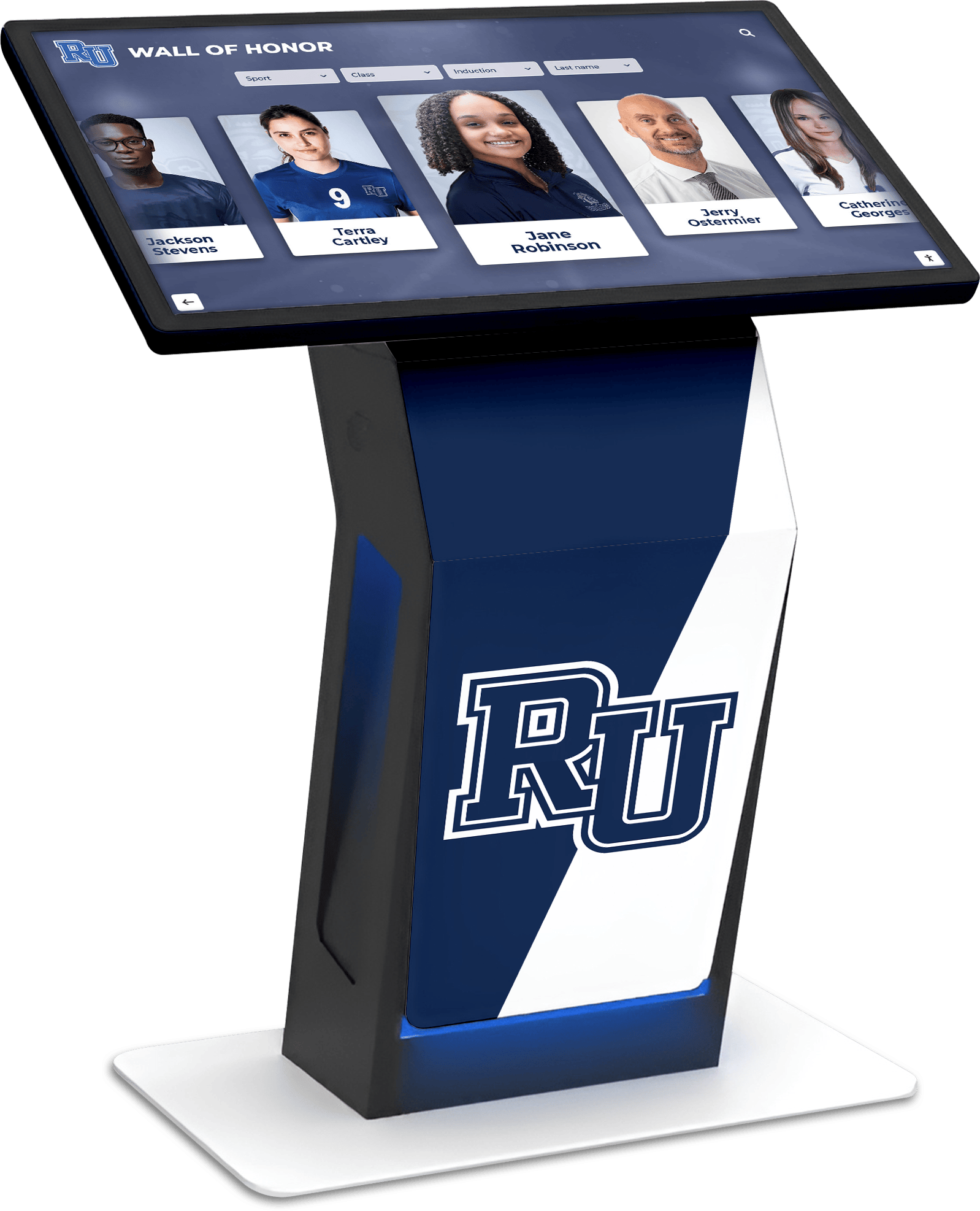
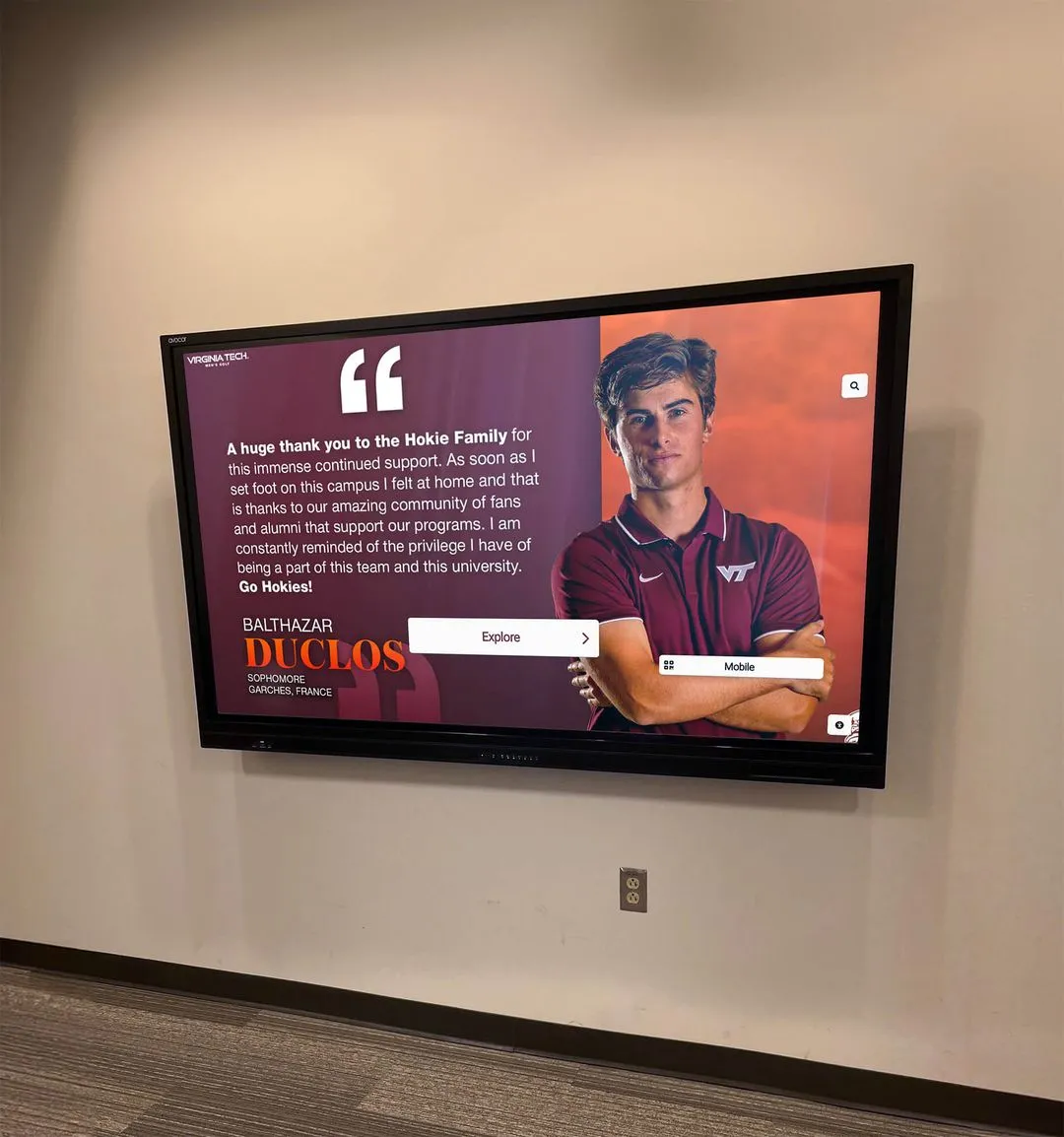
Professional touchscreen kiosks provide engaging bracket exploration experiences
Sport-Specific Bracket Display Considerations
Different sports present unique tournament structures requiring adapted display approaches while maintaining overall recognition consistency.
Team Sport Tournament Brackets
Basketball, Volleyball, and Soccer State Championships
Team sports typically employ single-elimination tournament brackets:
Display Format Requirements
Traditional Bracket Trees - Visual representations showing tournament structure with teams advancing through rounds toward championship finals work effectively for sports fans familiar with March Madness-style presentations.
Upset Highlighting - Digital displays can emphasize surprising results where lower-seeded teams defeat favorites, adding narrative interest to bracket progressions.
Path to Championship Documentation - For schools advancing to finals, displays should highlight complete tournament journeys showing every opponent defeated, scores from each round, and progression from opening games through championship victories.
Team Statistics Throughout Tournaments - Beyond individual game scores, comprehensive displays include cumulative statistics across tournament runs, player performance trends, and team achievement patterns.
Semifinal Documentation - Even for teams eliminated before championship finals, semifinal achievements deserve recognition showing depth of tournament advancement and competitive excellence.
Programs implementing basketball tournament recognition systems discover that comprehensive bracket documentation increases current student awareness of program traditions while supporting prospective athlete recruitment.
Individual Sport Tournament Structures
Wrestling, Track, and Swimming State Championships
Individual sports present different documentation challenges:
Wrestling Weight Class Brackets
State wrestling tournaments feature simultaneous competitions across 12-14 weight classes, each with separate brackets:
Multi-Bracket Display Organization - Displays must organize weight class brackets logically, enable navigation between different weights, and maintain individual wrestler recognition within team championship context.
Consolation Bracket Documentation - Wrestling’s unique consolation systems determining third through eighth place finishers deserve documentation showing complete tournament paths including both championship and consolation matches.
Individual Wrestler Profiles - Beyond bracket positions, displays should document individual wrestler achievements including match statistics, technical fall victories, and placement finishes connected to complete wrestling career information.
Schools can reference wrestling state tournament bracket guides for detailed approaches to multi-weight tournament recognition.
Track and Field Championship Results
Track championships don’t follow bracket structures but still deserve comprehensive display:
Event-by-Event Results Organization - Displays should organize results by event categories, enable filtering between running events and field competitions, and document relay team compositions.
Performance Progression Documentation - Beyond final placements, displays can show qualifying times from preliminary heats, improvement through semifinals, and championship finals performances.
School Points Accumulation Tracking - Team championship scoring depends on individual event placements, so displays should document how individual results contributed to overall team finishes.
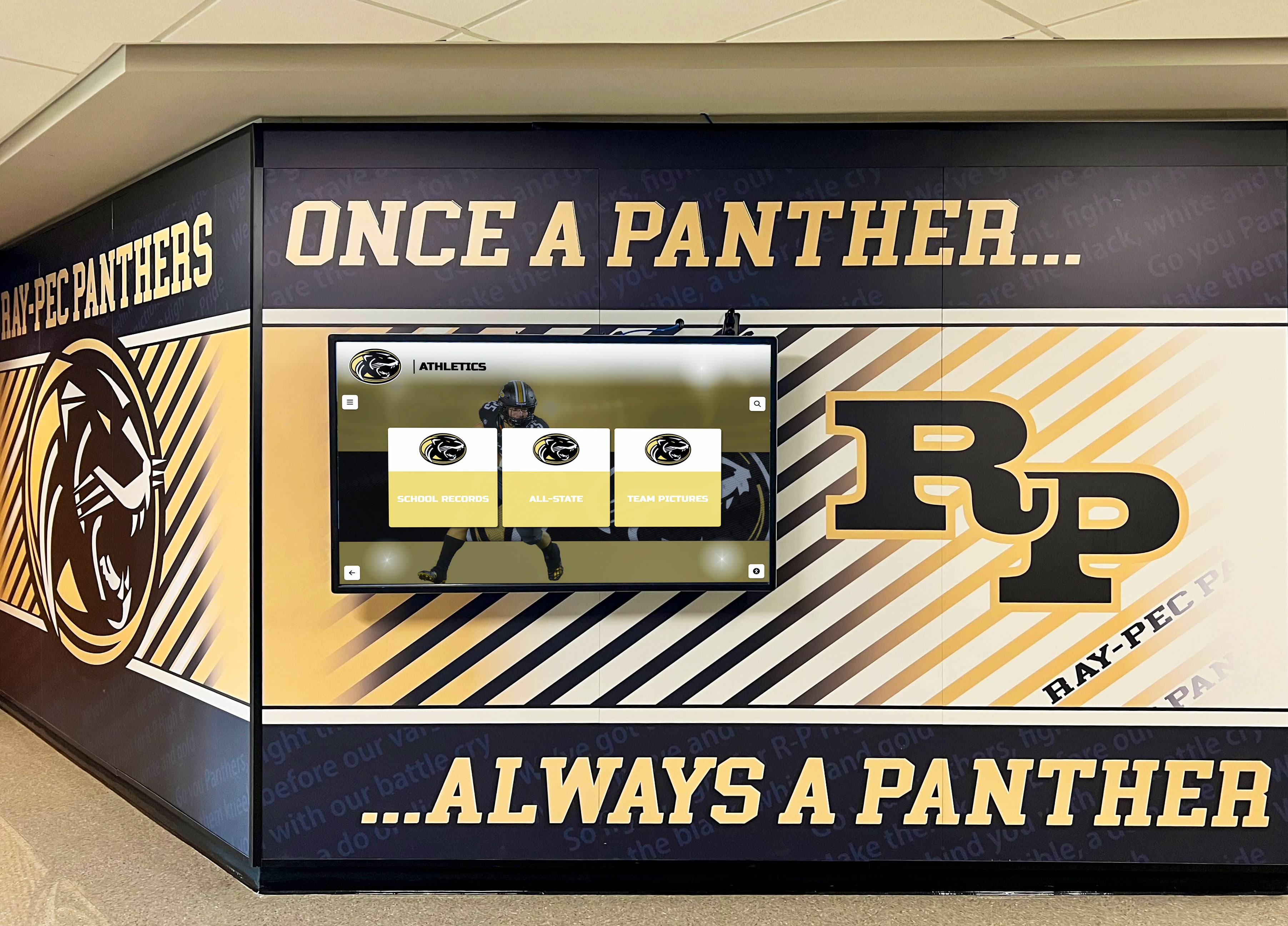
Versatile displays accommodate different tournament structures across various sports
Playoff System Documentation
Football State Championship Progressions
Football playoffs use different structures than tournament brackets:
Multi-Round Playoff Display
Rather than traditional bracket trees, football playoffs advance through distinct rounds:
Regional Tournament Brackets - Early playoff rounds often employ regional brackets before statewide semifinals, requiring displays showing both regional and state-level advancement.
Classification System Recognition - Many states conduct separate football championships across multiple classifications (Class 1A through 6A), necessitating clear organization distinguishing between different championship levels.
Playoff Game Details - Football playoff recognition should include home versus away designations, weather conditions affecting championship games, attendance figures, and detailed scoring progressions beyond simple final scores.
Championship Game Emphasis - State final games deserve enhanced recognition including detailed game recaps, statistical leaders, MVP recognition, and celebration documentation.
Programs exploring football playoff recognition approaches discover that comprehensive documentation strengthens program identity and recruitment appeal.
Additional Benefits Beyond Bracket Display
Digital championship bracket systems deliver value extending beyond tournament documentation alone.
Recruitment and Program Marketing
Demonstrating Excellence to Prospective Athletes
Championship bracket documentation plays significant roles during athlete recruitment:
Facility Tour Highlights - Interactive displays become featured stops during campus tours with prospective athletes and families, providing concrete evidence of program competitive excellence through comprehensive tournament documentation.
Remote Research Capabilities - Families researching programs from distance explore championship history thoroughly via web platforms, reviewing recent tournament performances and historical achievement patterns informing decision-making.
Competitive Differentiation - Comprehensive bracket documentation distinguishes programs from competitors where championship recognition remains fragmented or limited, demonstrating institutional commitment to celebrating athletic excellence.
Development Pathway Visibility - Prospective athletes reviewing championship team rosters understand progression from freshman participation through varsity tournament contribution, visualizing their potential development trajectories.
Coach Recruitment Tool - Athletic directors report that championship displays become highlighted features they reference repeatedly during recruiting conversations, with prospects commenting positively about visible achievement celebration.
Alumni Engagement and Connection
Maintaining Lifelong Relationships Through Championship Memories
Tournament participation creates powerful emotional connections that digital displays leverage:
Reunion Event Integration - Championship bracket displays become natural focal points during alumni gatherings, with former athletes seeking their tournament teams, sharing memories with teammates, and introducing families to their athletic achievements.
Anniversary Celebrations - Schools organize championship anniversary events bringing together 10-year, 25-year, or 50-year reunion teams, using digital archives to promote gatherings and document celebrations.
Social Media Engagement - Sharing historical bracket content generates alumni comments, reactions, and sharing that maintains institutional connections across geography and graduation years.
Mentorship Program Foundations - Connecting current athletes with championship alumni from their sports creates mentorship relationships benefiting both parties while maintaining alumni engagement.
Fundraising Opportunities - Alumni pride in championship traditions converts to philanthropic support when schools demonstrate commitment to honoring athletic legacy appropriately through comprehensive recognition.
Schools implementing alumni recognition programs discover that championship celebration strengthens lifelong school relationships generating tangible benefits across multiple dimensions.
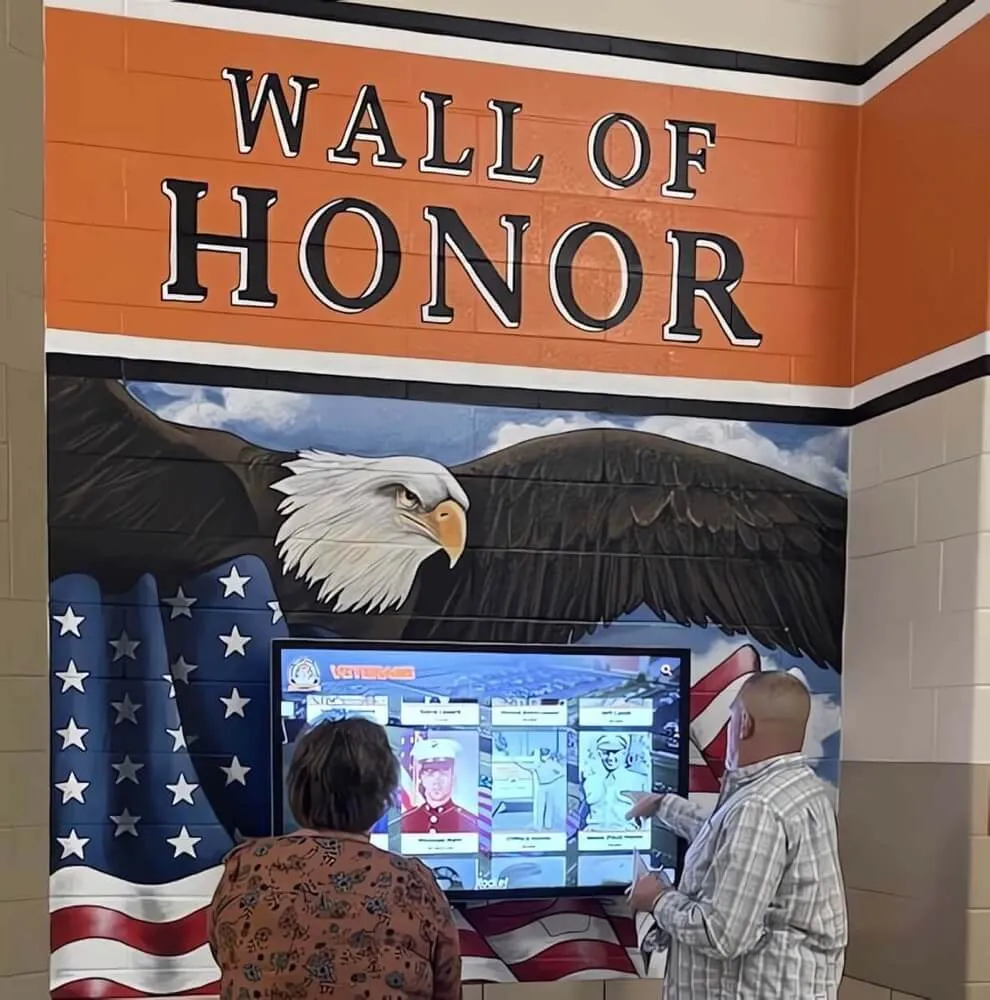
Interactive displays create engagement opportunities for alumni and current community members
Educational Applications
Teaching Through Athletic History
Championship bracket documentation provides educational opportunities:
History Research Projects - Students conduct research about school athletic history for class assignments, developing research skills while learning institutional heritage through tournament documentation.
Statistical Analysis Studies - Mathematics classes analyze championship data exploring probability, performance trends, and competitive patterns using authentic local datasets.
Media Production Projects - Journalism and broadcasting classes create documentary features about championship seasons, developing professional skills through meaningful projects connecting to school identity.
Writing Assignments - English classes conduct oral histories with championship coaches and athletes, creating narratives preserving institutional knowledge while practicing interview and writing skills.
Leadership Case Studies - Championship stories provide examples about teamwork, perseverance, preparation, and excellence applicable beyond athletics in any competitive or collaborative endeavor.
These educational applications transform championship recognition from simple celebration into learning resources benefiting entire school communities.
Community Pride and Institutional Identity
Strengthening School-Community Bonds
Athletic championships serve as focal points for community identity:
Shared Heritage - Championship brackets document shared community experiences that residents across generations participated in or witnessed, creating collective institutional memory.
Conversation Catalysts - Displays create natural conversation during games and community events where alumni and current families interact, discovering connections through shared championship memories.
Multi-Generational Recognition - When multiple family generations earned championship recognition, these connections become powerful sources of family and institutional pride strengthening school loyalty.
Media Coverage Opportunities - Local media coverage of championship recognition initiatives generates positive publicity demonstrating community investment in youth development and educational excellence.
Economic Development Impact - Successful athletic programs attract families during school selection processes, contributing to enrollment vitality and broader community economic health.
This community connection benefits schools through enhanced support, volunteerism, event attendance, and the intangible but valuable sense of collective institutional pride distinguishing thriving programs from ordinary ones.
Maintaining and Updating Championship Bracket Displays
Sustainable recognition requires systems enabling easy ongoing updates as new tournaments occur.
Annual Update Workflows
End-of-Season Documentation Protocols
Establishing systematic processes ensures consistent recognition quality:
Immediate Post-Tournament Activities
Bracket Finalization - Within days of state tournaments concluding, athletic staff should finalize complete bracket documentation including all game scores, final placements, and tournament progressions.
Roster Collection - Gather complete team rosters with accurate name spelling, class years, and jersey numbers while information remains fresh and students are available for verification.
Photo Documentation - Collect team photos, tournament action shots, celebration images, and award ceremony documentation from multiple sources including coaches, parents, and professional photographers.
Statistical Compilation - Compile tournament statistics, individual performance highlights, and notable achievement information enriching bracket documentation beyond basic scores.
Coach Interviews - Conduct brief interviews with championship coaches capturing tournament memories, team perspectives, and recognition priorities before details fade.
Digital Publication - Upload complete bracket information to digital platforms within weeks of tournaments concluding, ensuring timely recognition while interest remains high.
Verification Procedures
Quality control prevents embarrassing errors:
Multi-Person Review - Multiple staff members review bracket information before publication, catching spelling mistakes, incorrect scores, or missing information.
Athlete Confirmation - Allow student athletes to review their recognition for accuracy, particularly names, class years, and statistical information.
Source Cross-Reference - Verify information against multiple sources including state athletic association records, newspaper coverage, and official tournament documentation.
Correction Protocols - Establish clear processes for fixing errors discovered after publication, ensuring mistakes get corrected promptly without requiring extensive administrative procedures.
Schools implementing digital recognition maintenance systems report that systematic workflows make ongoing updates manageable even for busy athletic departments.
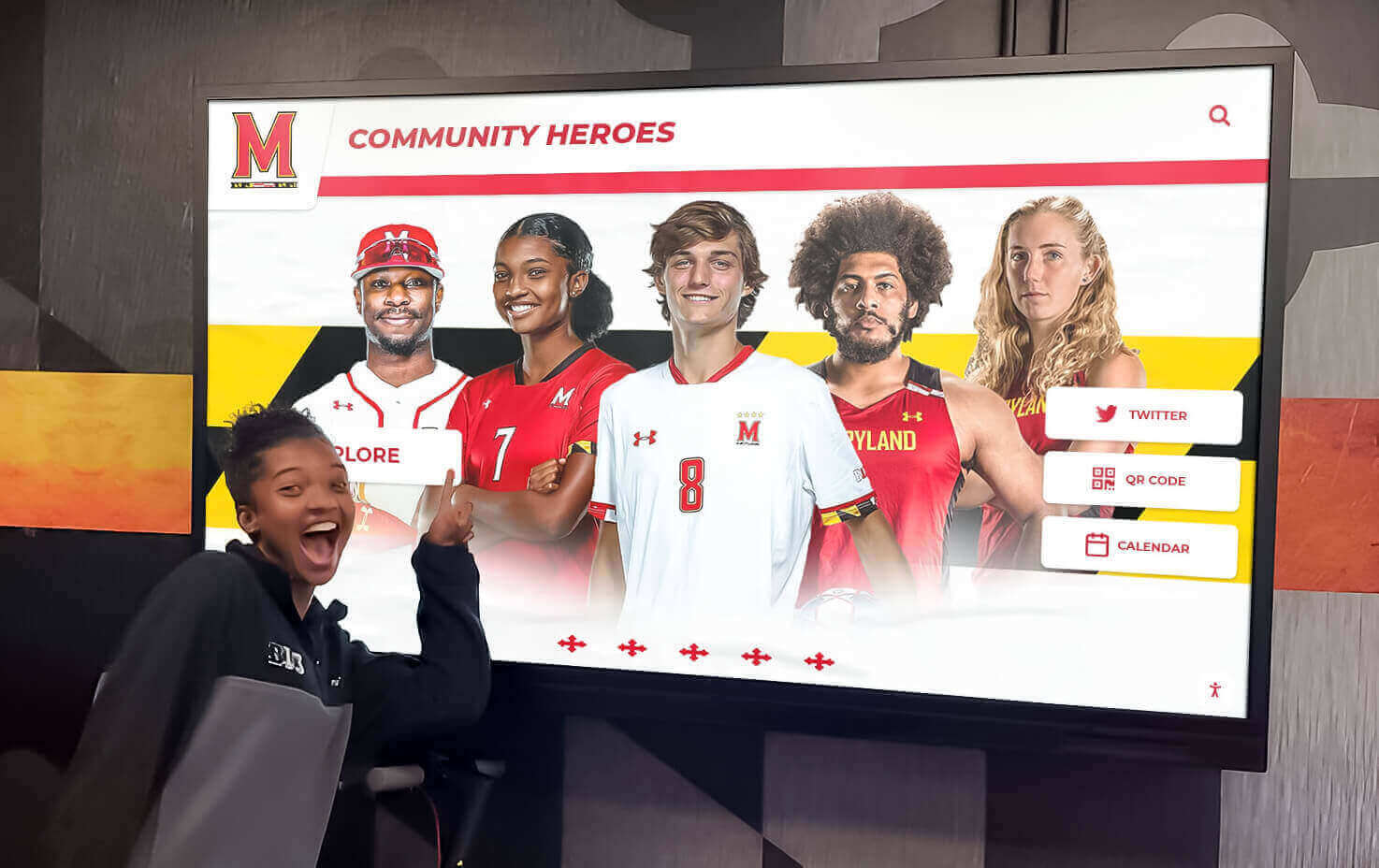
Well-maintained displays provide current information and historical documentation simultaneously
Continuous Content Enhancement
Improving Recognition Over Time
Digital platforms enable ongoing improvement beyond initial publication:
Progressive Enhancement Opportunities
Additional Photo Discovery - As families share personal photo collections or alumni contribute historical images, continuously enhance bracket documentation with newly available visual content.
Alumni Update Integration - When championship athletes achieve post-high school success, update recognition connecting tournament achievements to college athletics, professional careers, or life accomplishments.
Oral History Addition - Conduct anniversary interviews with championship teams creating narrative content enriching bracket documentation with personal perspectives and memorable stories.
Statistical Research - Discover additional performance statistics, tournament records, or historical context enhancing understanding of championship significance within program traditions.
Technology Upgrades - As display platforms improve with new features, enhance older bracket documentation taking advantage of capabilities unavailable during original publication.
Community Contributions - Invite community members to share memories, photos, or information about championships they witnessed, creating crowdsourced historical documentation.
This continuous improvement approach ensures recognition quality increases over time rather than degrading as occurs with static physical displays.
Conclusion: Transforming Championship Bracket Recognition Through Digital Innovation
High school state championship brackets represent systematic tournament structures determining champions through competitive excellence, yet traditional display approaches fail to capture tournament complexity while limiting opportunities to recognize individual student athletes whose performance created championship achievements. Printed bracket posters require manual updates, serve only those physically present, disappear after tournaments conclude, and provide no mechanism for athlete-specific recognition. Gymnasium banners announce championship victories but omit bracket details, face space constraints as achievements accumulate, and exclude roster information. Yearbook documentation offers valuable archives but remains inaccessible to most audiences and allows no interactive exploration or searchability.
Modern digital display solutions fundamentally transform championship bracket recognition from temporary tournament tracking into permanent, engaging, comprehensive celebration systems. Interactive touchscreens provide real-time bracket updates during active tournaments while maintaining unlimited historical archives accessible indefinitely. Web-based platforms extend recognition globally, enabling alumni connections regardless of location, supporting prospective family research, and maintaining community engagement year-round. Comprehensive student athlete recognition finally documents individual contributions through detailed roster integration, personal profile systems, and tournament statistics connecting bracket progressions to the specific students whose talents determined championship outcomes.
Elevate Your Championship Bracket Recognition
Discover how digital recognition solutions can transform tournament bracket displays from temporary tracking tools into permanent celebration systems that honor championship achievements, recognize individual student athletes, and inspire future tournament excellence through engaging interactive platforms.
Book a demoImplementation proves straightforward through systematic approaches assessing current display practices, developing comprehensive bracket archives through historical research, selecting appropriate technology platforms with essential features, and establishing maintenance workflows ensuring ongoing recognition quality. Sport-specific adaptations address unique requirements across team sports employing traditional brackets, individual sports featuring concurrent weight class or event structures, and playoff systems using regional advancement formats—all within unified platforms maintaining recognition consistency.
Beyond bracket documentation alone, digital championship displays deliver additional value through enhanced recruitment demonstrating program excellence to prospective athletes, strengthened alumni engagement maintaining lifelong connections through championship memories, educational applications supporting student learning projects, and reinforced community pride celebrating shared institutional identity.
Your state championship achievements represent countless hours of student dedication, exceptional coaching, and competitive excellence—these tournament accomplishments deserve recognition matching their significance through comprehensive digital systems documenting bracket progressions, celebrating individual athletes, and preserving championship legacies for generations. Whether implementing real-time tournament tracking for upcoming championships or developing historical bracket archives spanning decades of program tradition, modern display solutions ensure every achievement and every student athlete receives the lasting, accessible, engaging celebration they rightfully deserve.
Ready to transform your championship bracket recognition? Explore comprehensive approaches to high school wrestling tournament brackets for sport-specific guidance, discover strategies for state championship display systems documenting tournament excellence, or learn about digital athletic recognition platforms that celebrate championships alongside complete program histories inspiring current students while honoring past achievements.