



Intent: Decide
Organizations seeking to build virtual halls of fame in 2025 face critical decisions about platforms, technology, and implementation approaches that will serve their recognition needs for years to come. The right platform transforms how institutions honor achievements, celebrate legacies, and engage communities—while the wrong choice leads to limited functionality, expensive updates, and frustrated administrators.
Traditional physical halls of fame face mounting limitations including fixed capacity that fills within years, expensive updates costing hundreds per addition, static displays offering no interactivity, space constraints limiting what can be recognized, and maintenance challenges as plaques deteriorate. Meanwhile, digital recognition technology has matured significantly, offering solutions that overcome these constraints while providing unprecedented flexibility and engagement.
This comprehensive guide examines the best platforms for building virtual halls of fame in 2025, comparing key features, pricing structures, implementation considerations, and use cases to help you select solutions that match your organization’s specific needs, budget, and technical capabilities.
Building a virtual hall of fame requires more than selecting attractive software—it demands platforms combining robust content management, engaging display capabilities, sustainable administration, and long-term vendor viability. The most effective solutions balance powerful functionality with user-friendly operation, ensuring recognition systems administrators can manage confidently while creating experiences visitors find compelling and memorable.

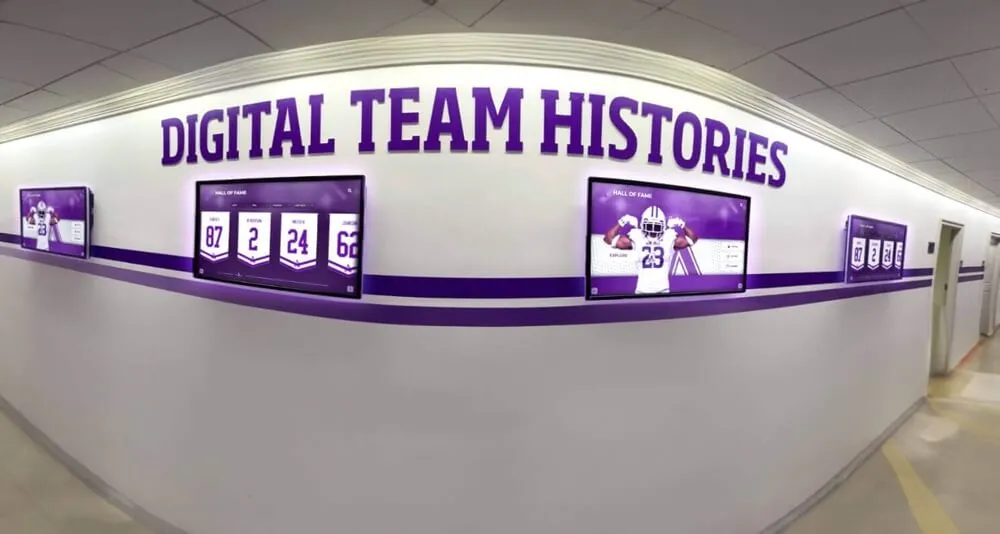
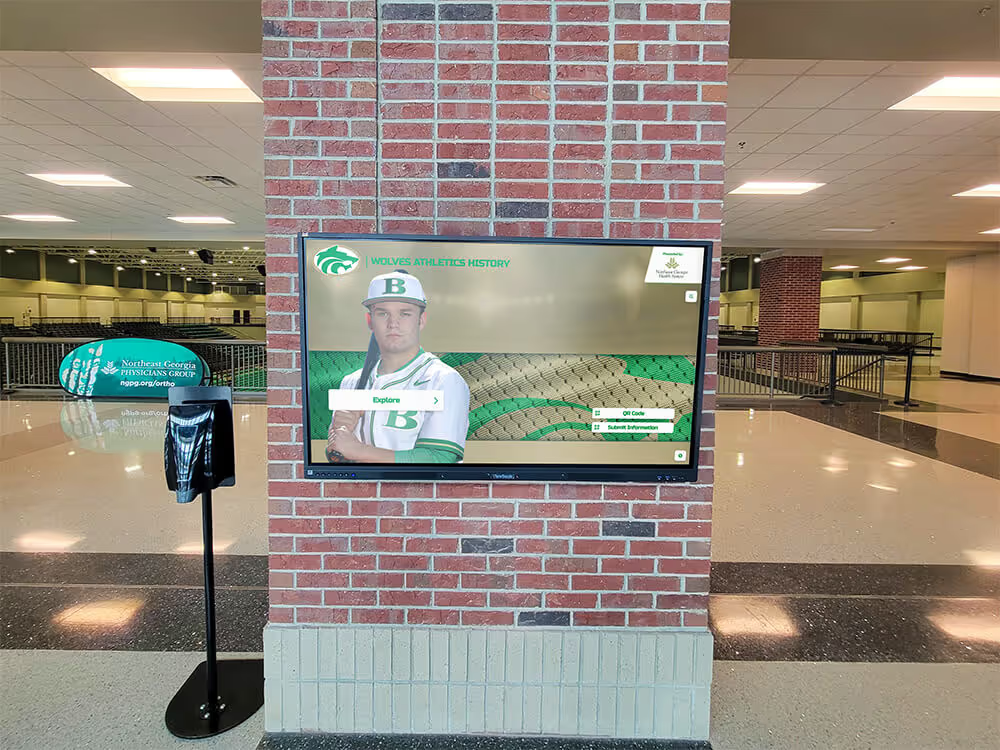
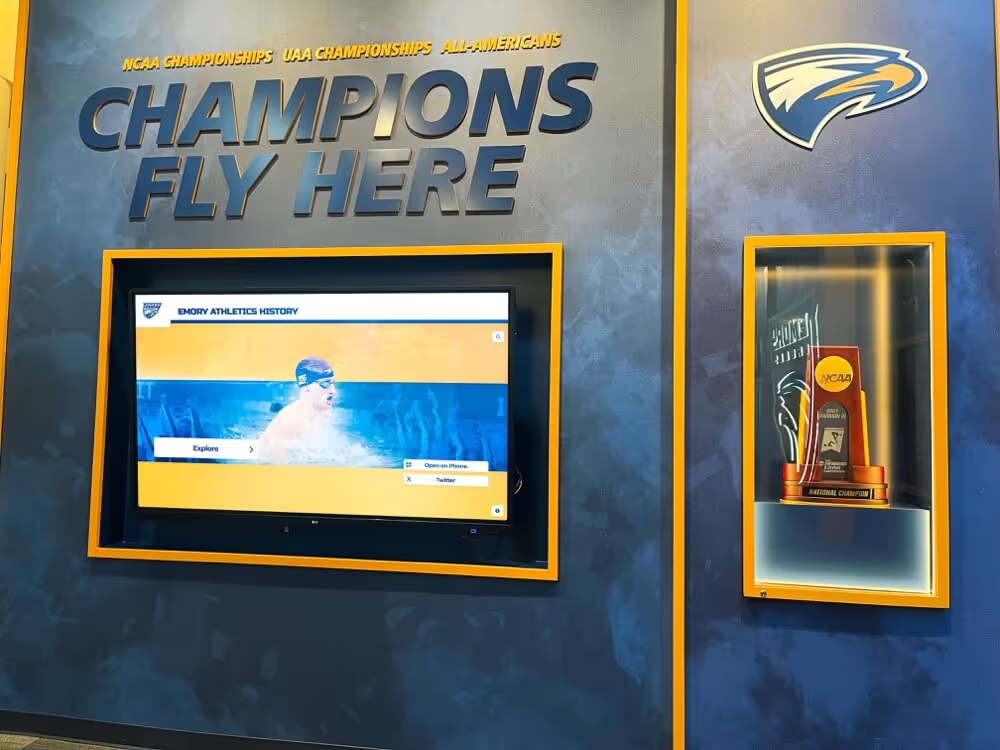
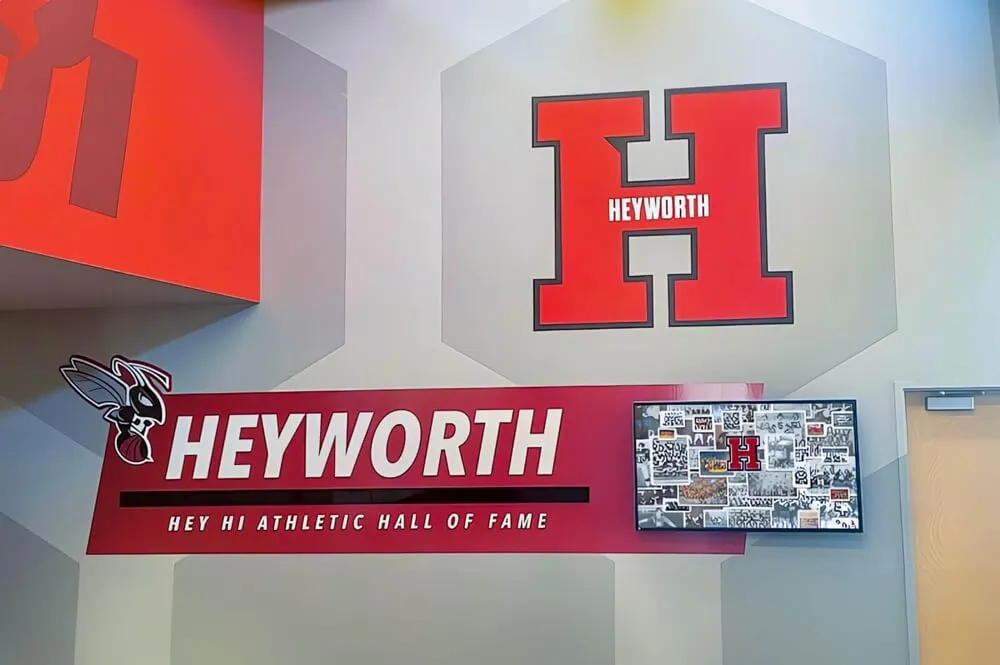
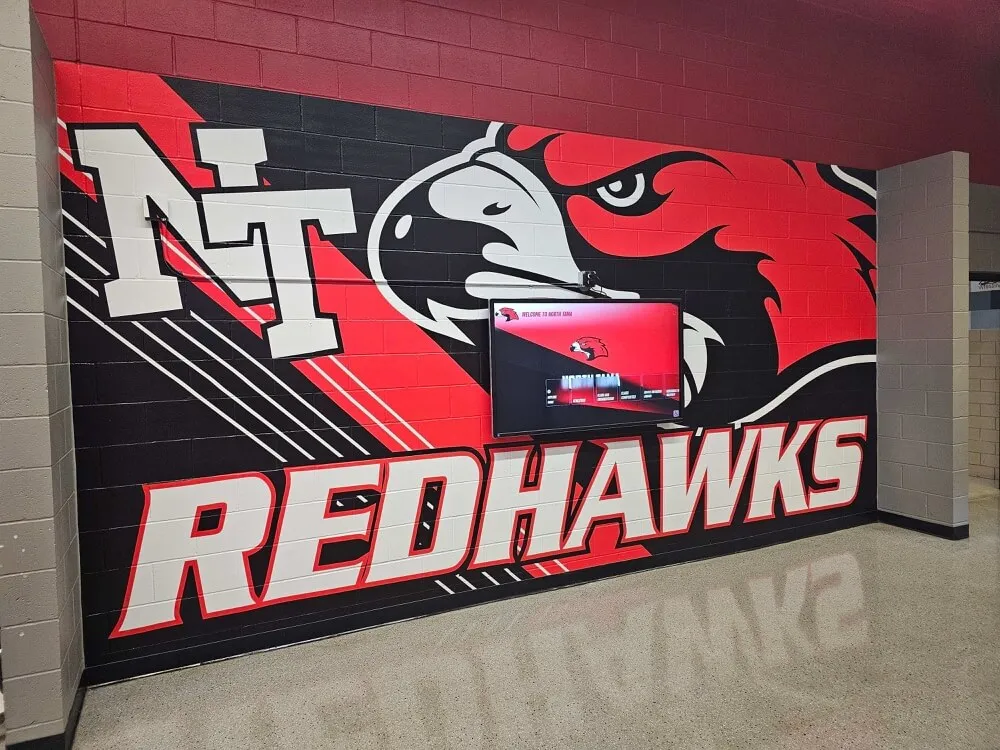
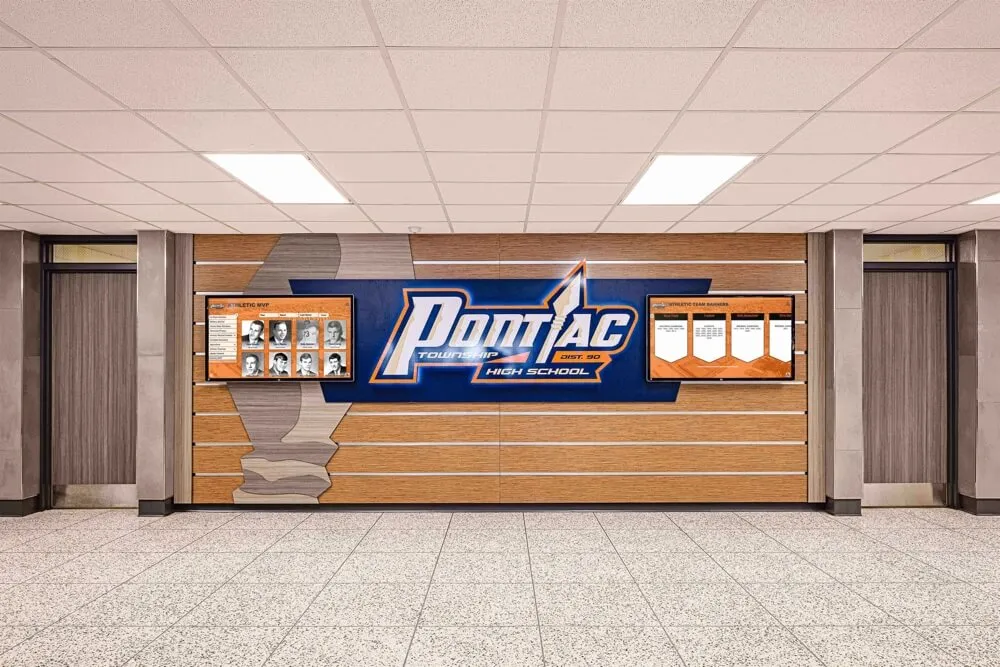
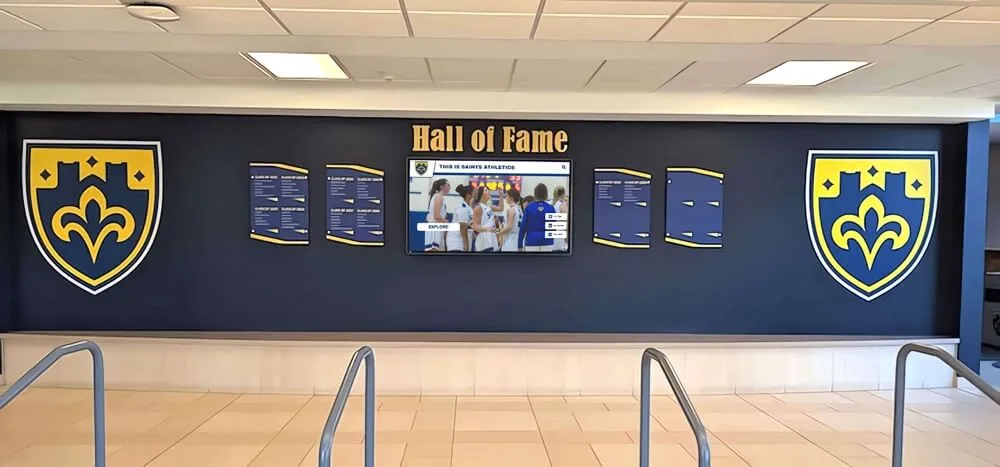
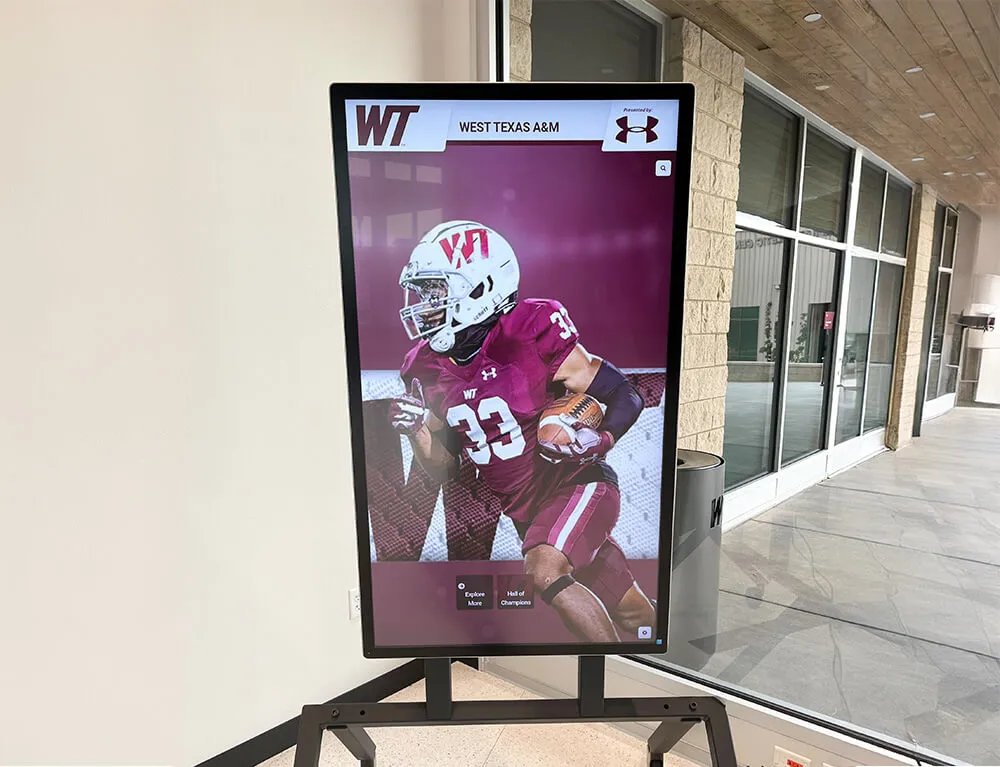
Modern virtual hall of fame platforms create engaging interactive experiences that honor achievements while inspiring communities
Why Organizations Are Transitioning to Virtual Halls of Fame
Understanding the drivers behind widespread adoption of digital recognition helps organizations evaluate whether virtual platforms align with their strategic goals and operational realities.
The Limitations of Traditional Physical Halls of Fame
Physical recognition installations face inherent constraints that eventually limit effectiveness:
Space and Capacity Challenges
- Fixed wall space accommodates limited inductees before reaching capacity
- Adding recognition levels or categories requires complete reinstallation
- Growing organizations quickly exhaust available physical space
- Historical inductees may need removal to accommodate new honorees
- Expansion requires significant construction and renovation costs
- Multiple locations need separate physical installations
Update and Maintenance Issues
- Each addition or change requires physical engraving or plaque production
- Updates cost $200-$800 per new inductee for materials and installation
- Changes require on-site access and facilities coordination
- Lead times between induction and physical recognition span weeks or months
- Physical deterioration necessitates periodic refurbishment
- Cleaning and maintenance require ongoing staff time and resources
According to facilities management research, traditional recognition walls require major refurbishment every 8-12 years at costs often exceeding original installation, creating ongoing financial obligations many organizations struggle to budget adequately.
Limited Engagement and Storytelling
- Static plaques display only names and perhaps dates or achievements
- No capacity for photographs, biographical information, or multimedia
- Visitors cannot search or filter to find specific inductees
- No integration with organizational archives or historical records
- Impossible to update inductee information as stories evolve
- Missed opportunities to inspire through achievement narratives
These limitations become increasingly problematic as organizations recognize that effective recognition extends beyond simple name listing to comprehensive celebration of achievements, context, and legacy.
The Advantages Virtual Hall of Fame Platforms Provide
Digital solutions address traditional limitations while adding capabilities impossible with physical installations:
Unlimited Recognition Capacity
Virtual platforms eliminate space constraints through unlimited digital capacity accommodating any number of inductees, flexible categorization across multiple criteria, searchable databases enabling instant discovery, comprehensive archives preserving complete organizational history, and scalability supporting organizational growth indefinitely.
Solutions like digital hall of fame displays provide comprehensive recognition regardless of physical space limitations.
Rich Multimedia Storytelling
Digital platforms enable recognition extending far beyond names including high-resolution photographs and image galleries, video interviews and achievement highlights, biographical narratives and personal stories, achievement documentation with detailed context, related artifacts and historical materials, and interactive timelines showing career progressions.
This storytelling capability transforms recognition from simple acknowledgment to meaningful celebration of individual legacies and organizational history.
Dynamic Updates and Flexibility
Cloud-based management enables instant updates including real-time inductee additions without physical intervention, biographical updates as stories develop, correction of errors immediately without re-engraving, content refreshes maintaining engagement over time, and seasonal or thematic feature rotations.
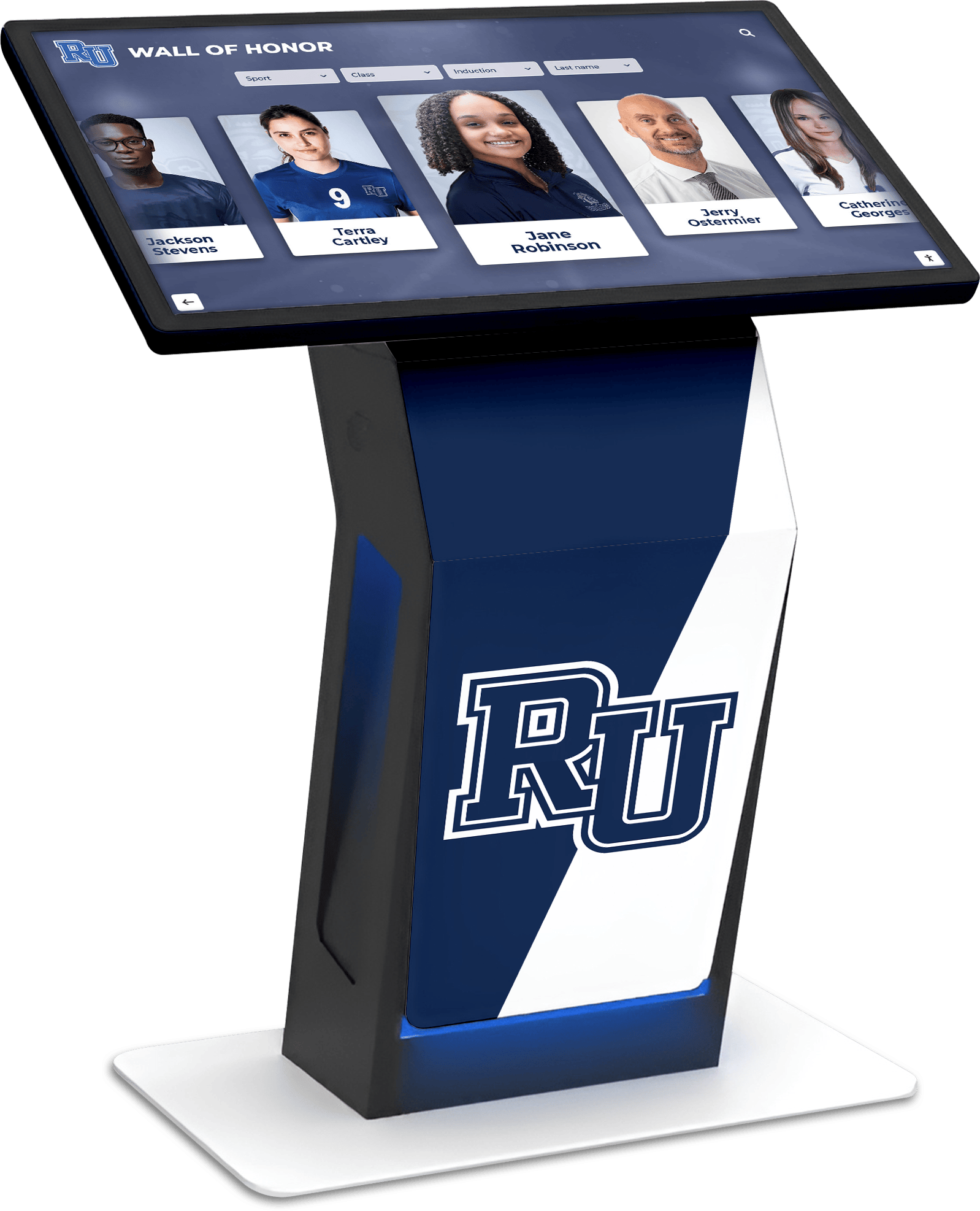
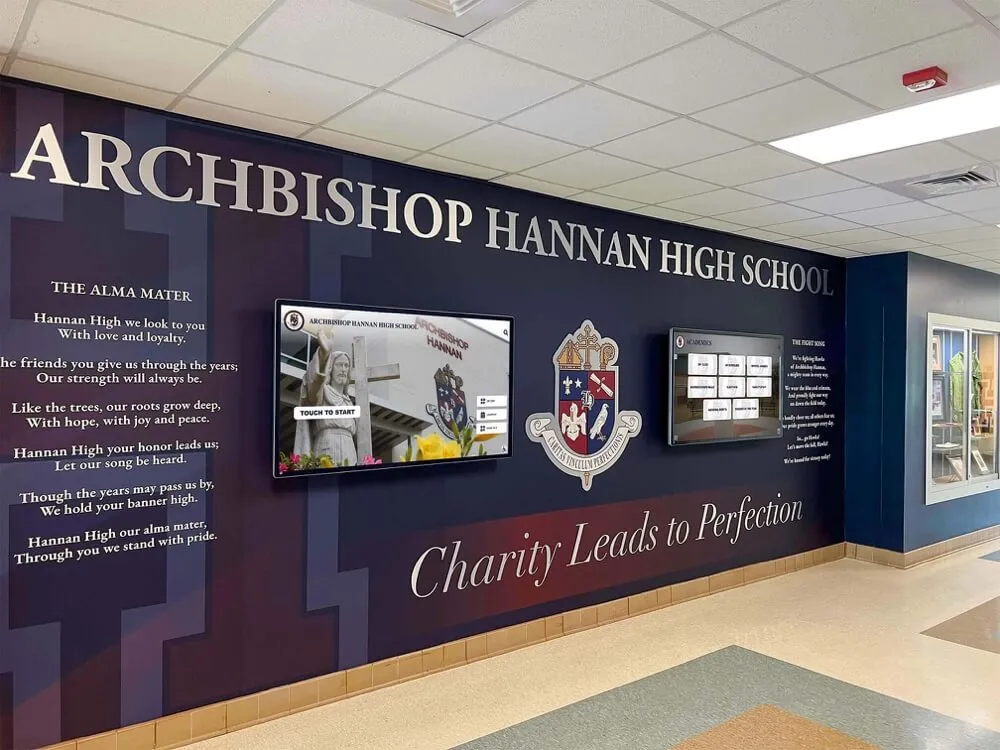
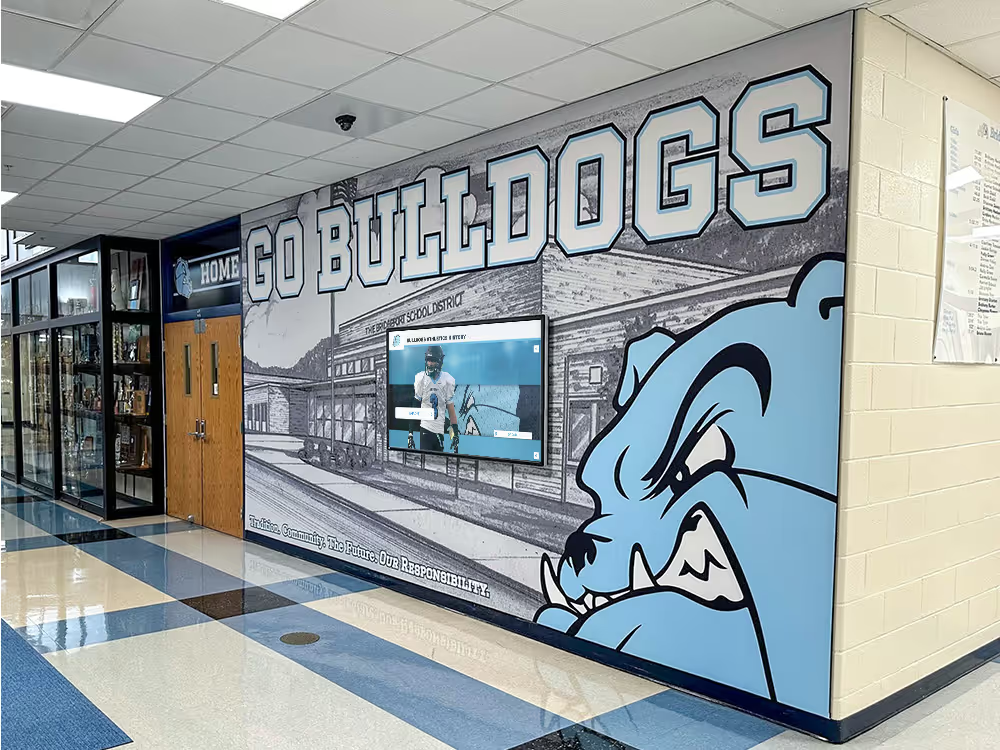
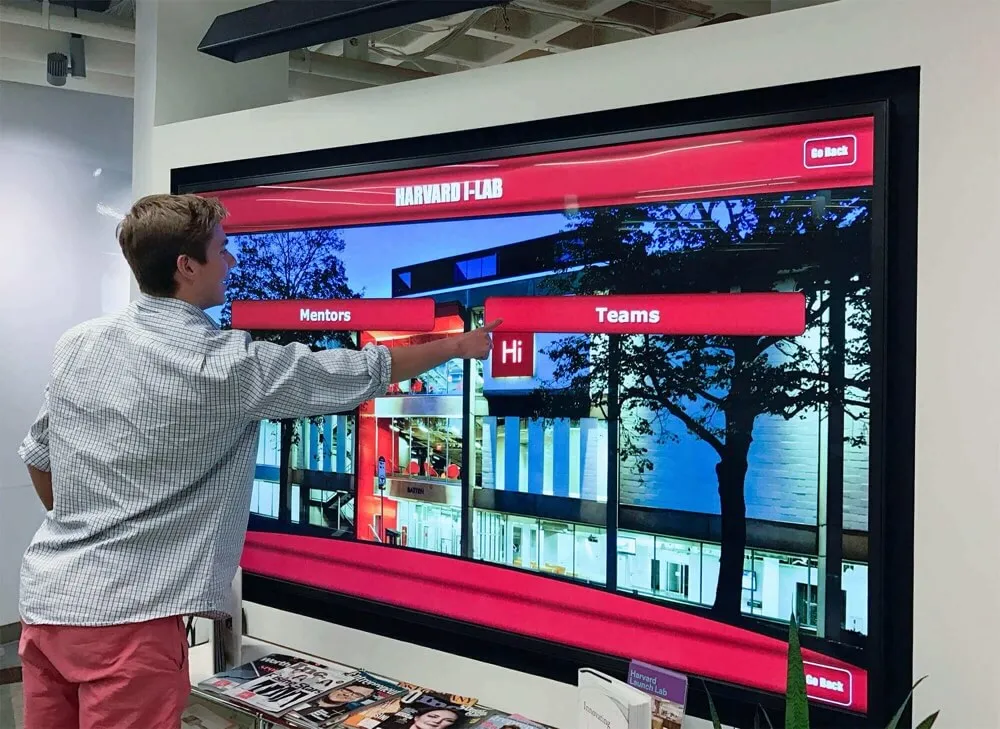
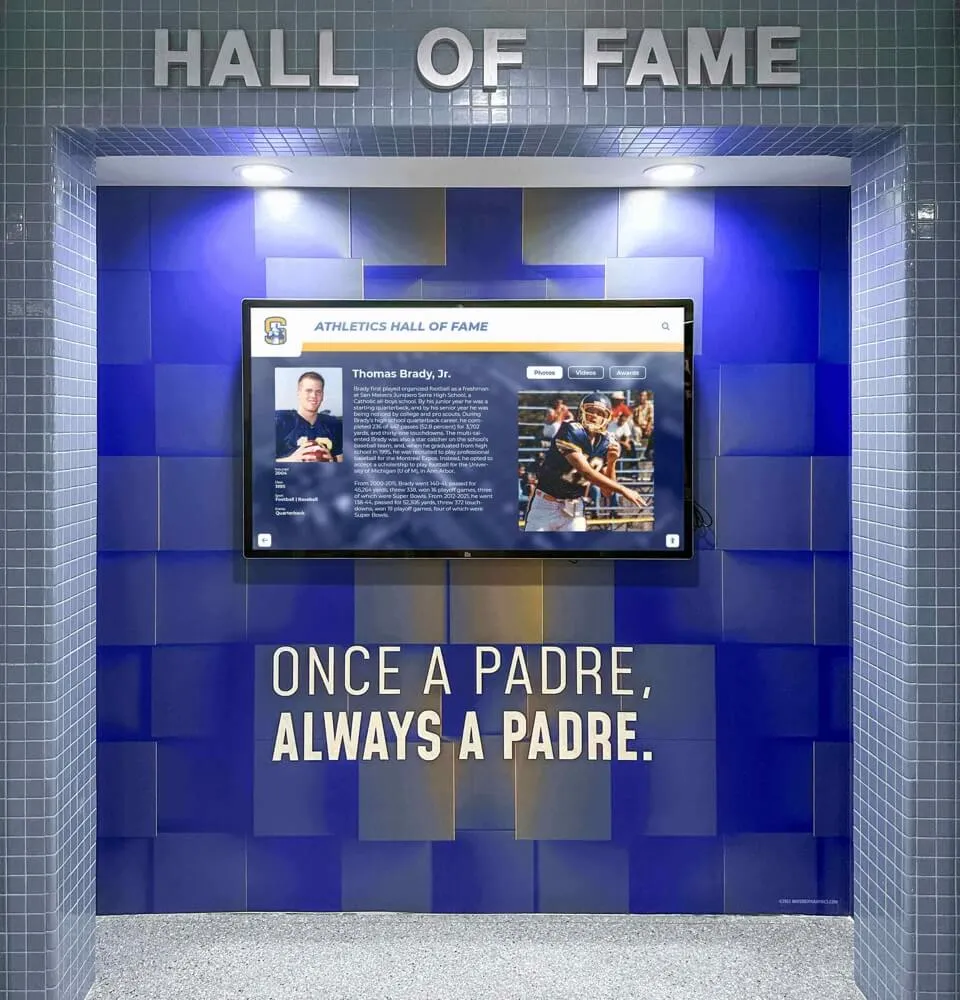
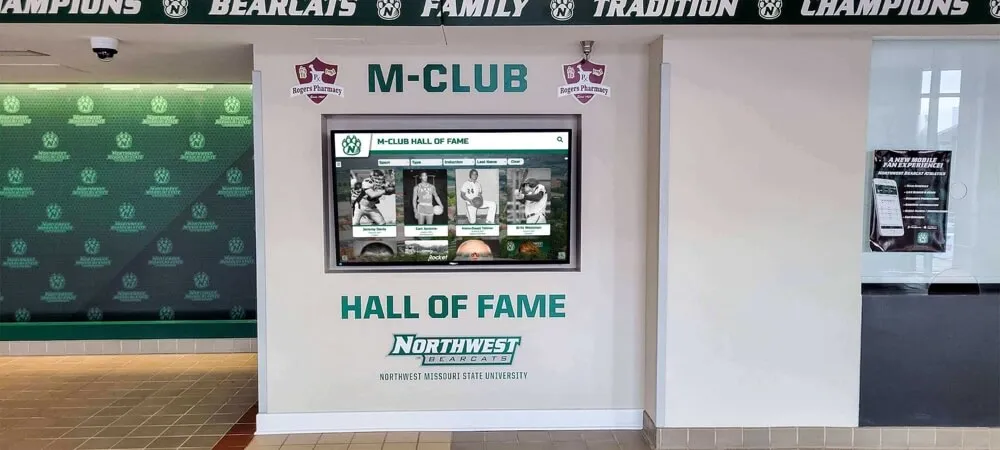
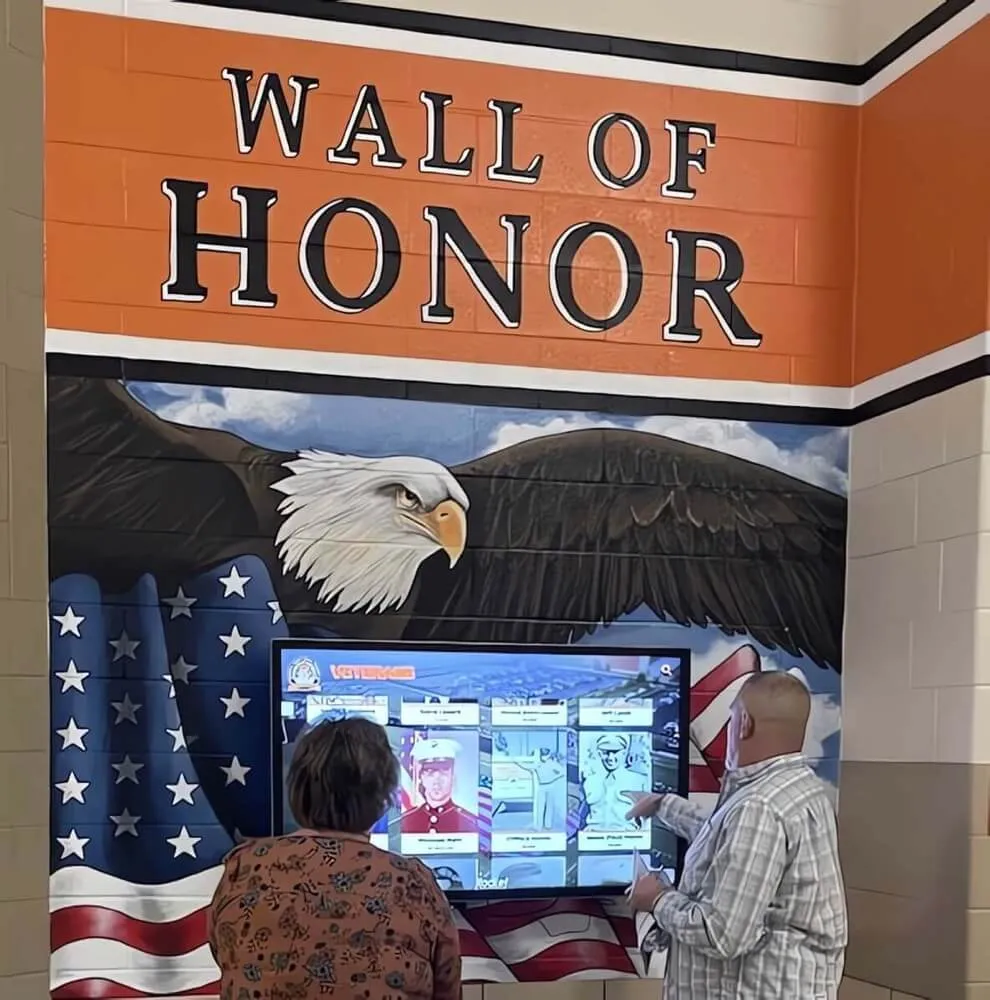
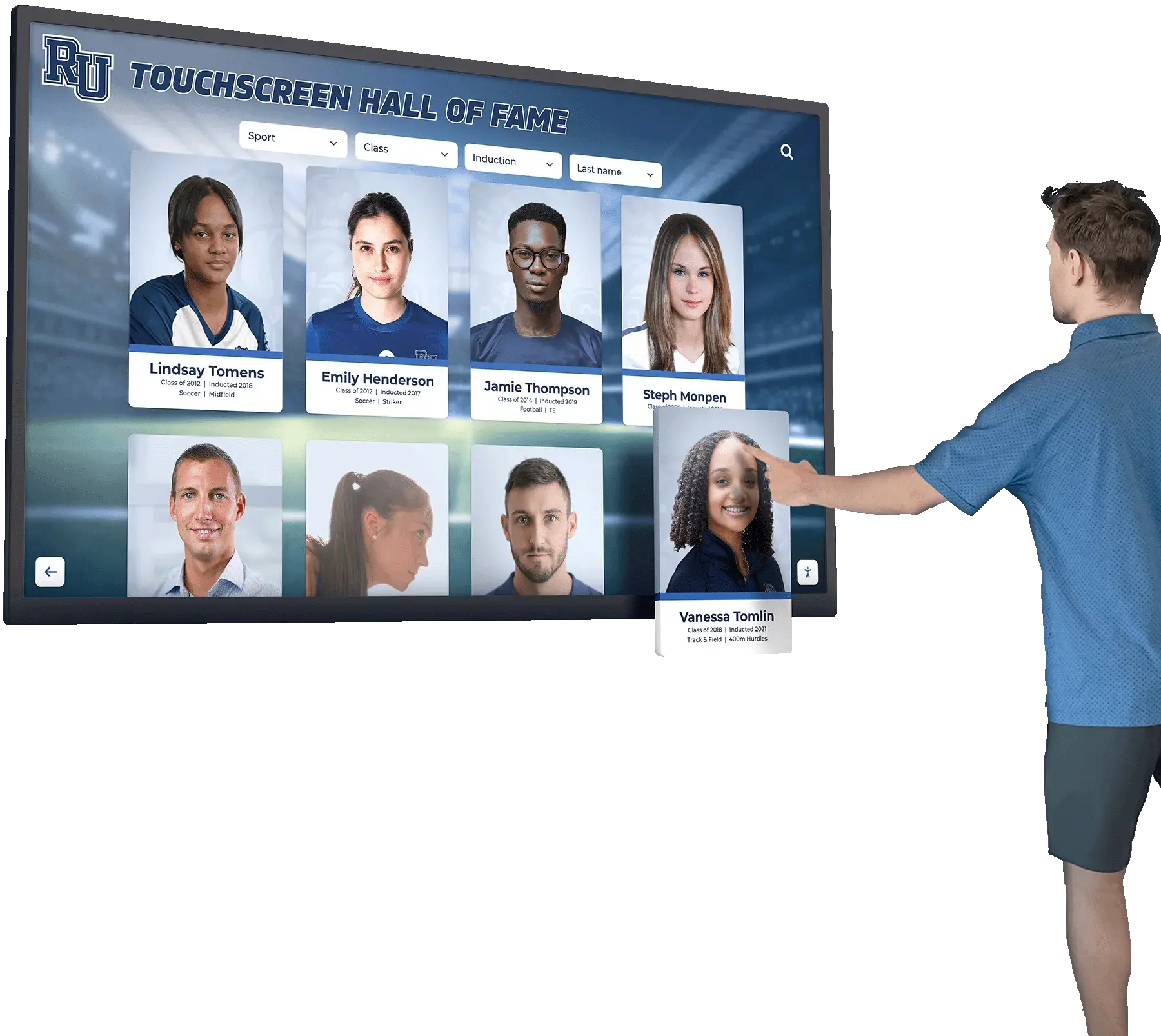
Touchscreen kiosks provide intuitive interfaces making hall of fame exploration accessible to all visitors
Enhanced Visitor Engagement
Interactive displays create experiences impossible with static plaques through intuitive touchscreen navigation, search and filter functionality, detailed profile exploration, social sharing capabilities, related content discovery, and data visualization of achievements.
Research from digital engagement platforms indicates visitors spend 3-5 times longer engaging with interactive recognition displays compared to traditional static installations, significantly increasing impact and awareness.
Web and Mobile Access
Modern platforms extend recognition beyond physical locations including web-accessible versions reaching global audiences, mobile-responsive design enabling smartphone access, social media integration amplifying visibility, remote viewing for alumni and supporters, 24/7 accessibility beyond facility hours, and integration with broader digital ecosystems.
Long-Term Cost Effectiveness
While initial investment may equal or exceed traditional installations, virtual halls of fame provide superior long-term value through elimination of per-addition engraving costs, no reinstallation expenses as recognition grows, reduced maintenance requirements, flexibility repurposing systems as needs change, and enhanced fundraising or engagement potentially offsetting costs.
Organizations report that virtual halls of fame typically reach cost parity with traditional approaches within 3-5 years, after which ongoing savings compound significantly while providing dramatically enhanced functionality.
Essential Features of Virtual Hall of Fame Platforms
Understanding critical capabilities helps organizations evaluate platform options and ensure selected solutions meet both current needs and future requirements.
Content Management System Requirements
Effective hall of fame platforms require robust content management enabling non-technical administrators to maintain recognition easily:
Intuitive Administrative Interfaces
- Dashboard designs requiring no technical expertise or coding knowledge
- Drag-and-drop content organization and layout management
- WYSIWYG editors showing appearance before publishing
- Bulk upload tools for importing multiple inductees simultaneously
- Template systems ensuring visual consistency
- Preview functionality confirming changes before making live
Flexible Data Organization
- Custom fields accommodating diverse information types
- Categorization across multiple dimensions simultaneously
- Tagging systems enabling flexible content relationships
- Hierarchical organization supporting nested structures
- Timeline and date-based arrangement
- Achievement type classification and filtering
Media Management Capabilities
- Support for high-resolution photographs and image galleries
- Video hosting or embedding from popular platforms
- Document upload for achievement documentation
- Audio file integration for oral histories
- Automated image optimization for performance
- Media library organization and search
User and Permission Management
- Role-based access controlling who can edit content
- Workflow approval processes for quality control
- Activity logging tracking changes and administrators
- Secure authentication protecting sensitive information
- Multi-user support enabling collaborative administration
- Granular permissions for different content types
Solutions like interactive touchscreen software provide the content management sophistication virtual halls of fame require.
Display and Presentation Capabilities
Recognition effectiveness depends on attractive, engaging presentations visitors find compelling:
Visual Design and Customization
- Professional templates matching organizational branding
- Color scheme customization reflecting identity
- Logo and graphic integration throughout interface
- Typography controls for readability and style
- Layout flexibility supporting diverse content types
- Responsive design adapting to different screen sizes
Navigation and User Experience
- Intuitive menu structures requiring no training
- Search functionality with autocomplete and suggestions
- Filter and sort options by multiple criteria
- Breadcrumb navigation showing location within system
- Featured content highlighting priority inductees
- Random inductee showcases ensuring all receive visibility
Interactive Features
- Touch-optimized interfaces for kiosk deployment
- Gesture support including pinch, zoom, and swipe
- Smooth animations enhancing experience quality
- Related content suggestions encouraging exploration
- Social sharing enabling visitors to celebrate inductees
- QR code generation linking physical and digital
Accessibility Considerations
- WCAG compliance ensuring inclusive access
- Screen reader compatibility for visual impairments
- Keyboard navigation alternatives to touch
- Adjustable text sizes for readability
- High contrast modes for visibility
- Multi-language support serving diverse communities
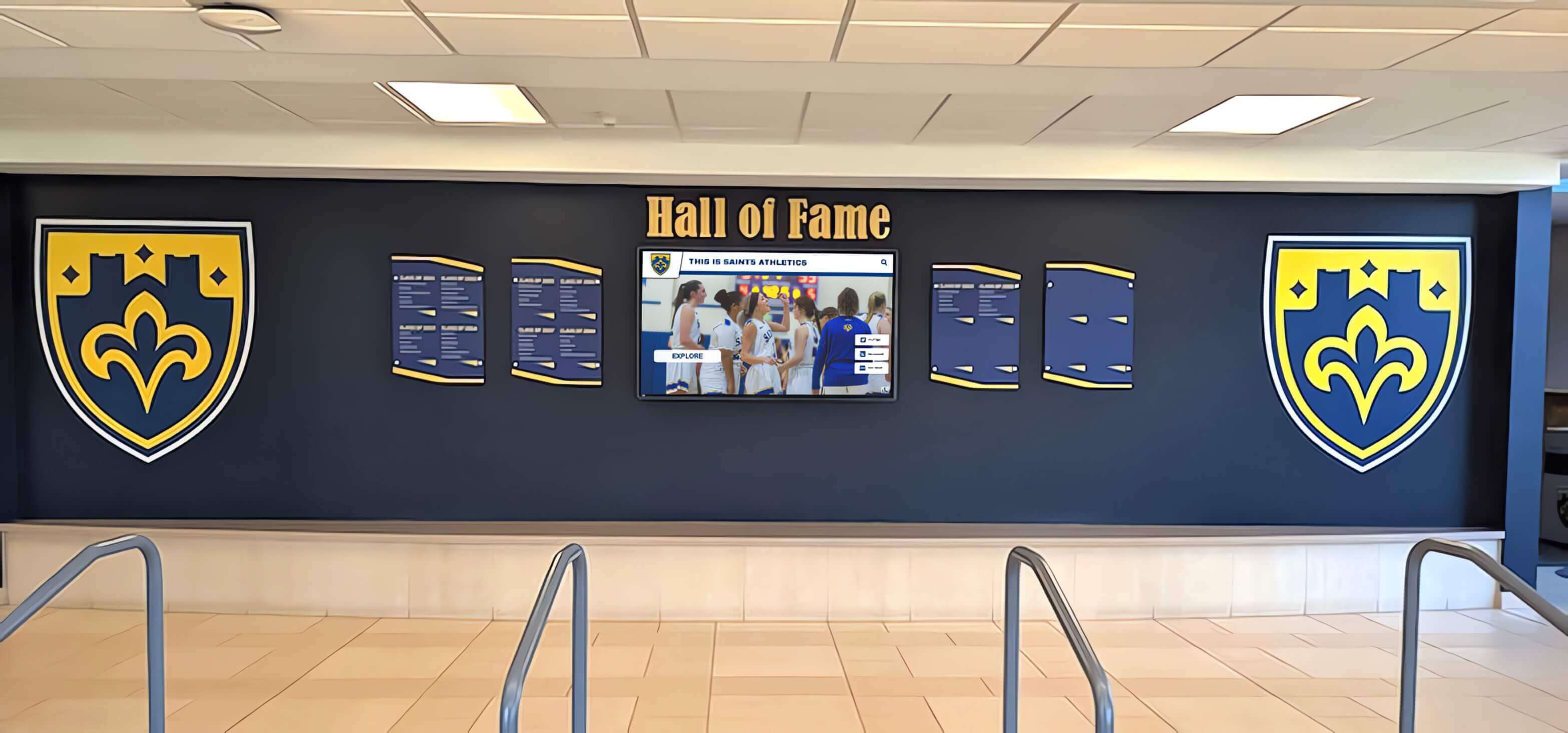
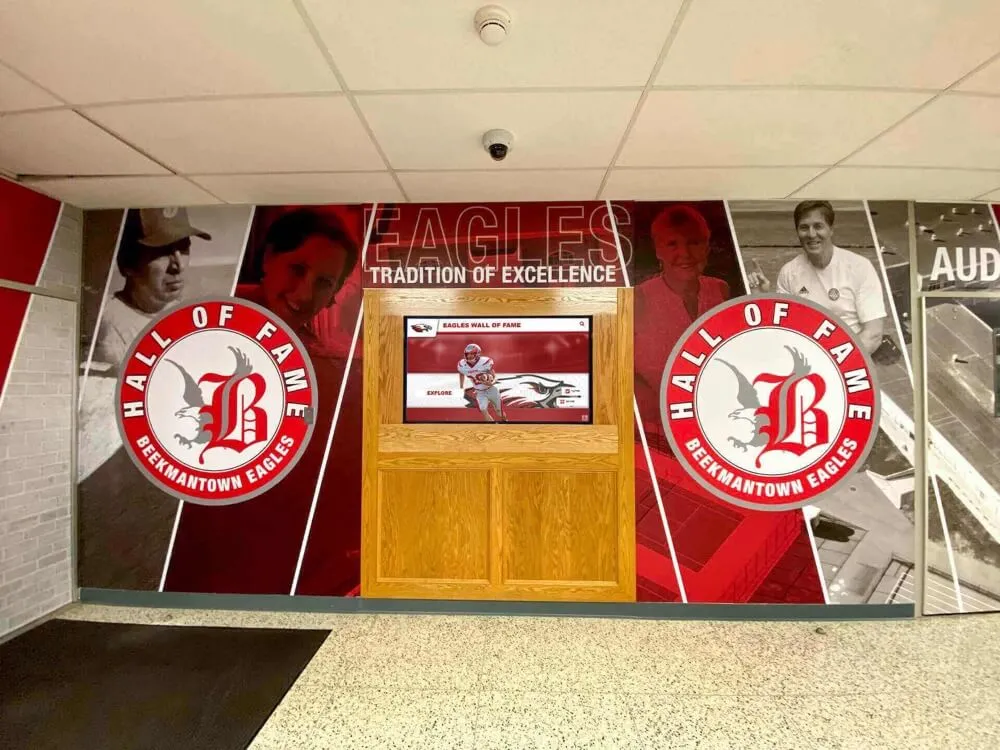
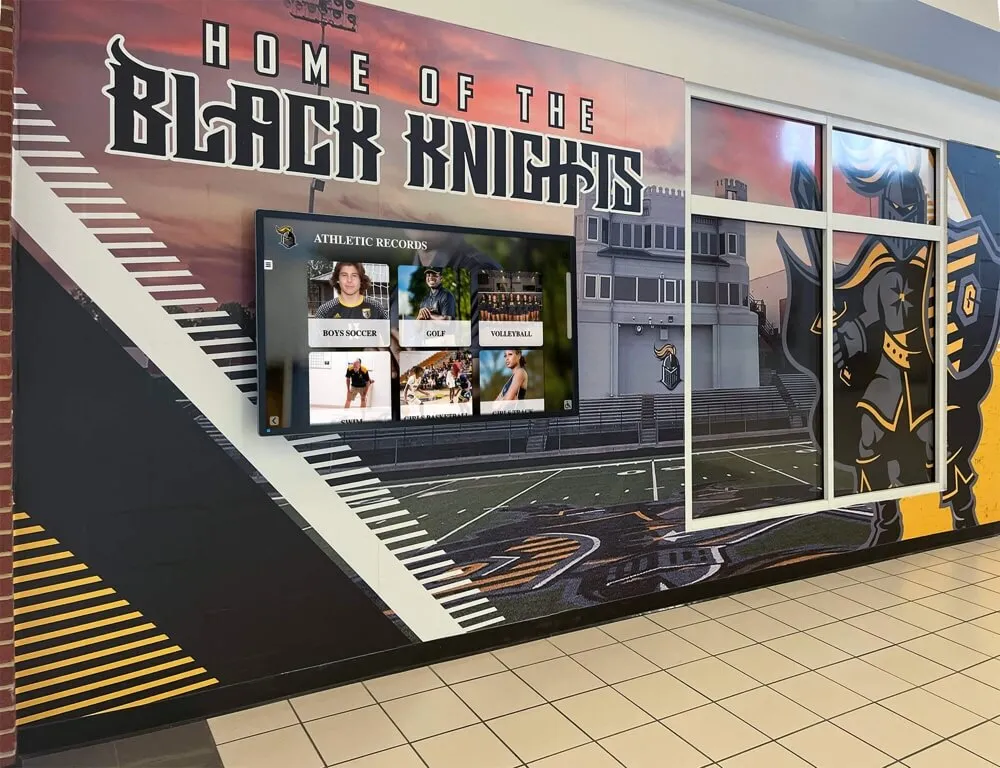
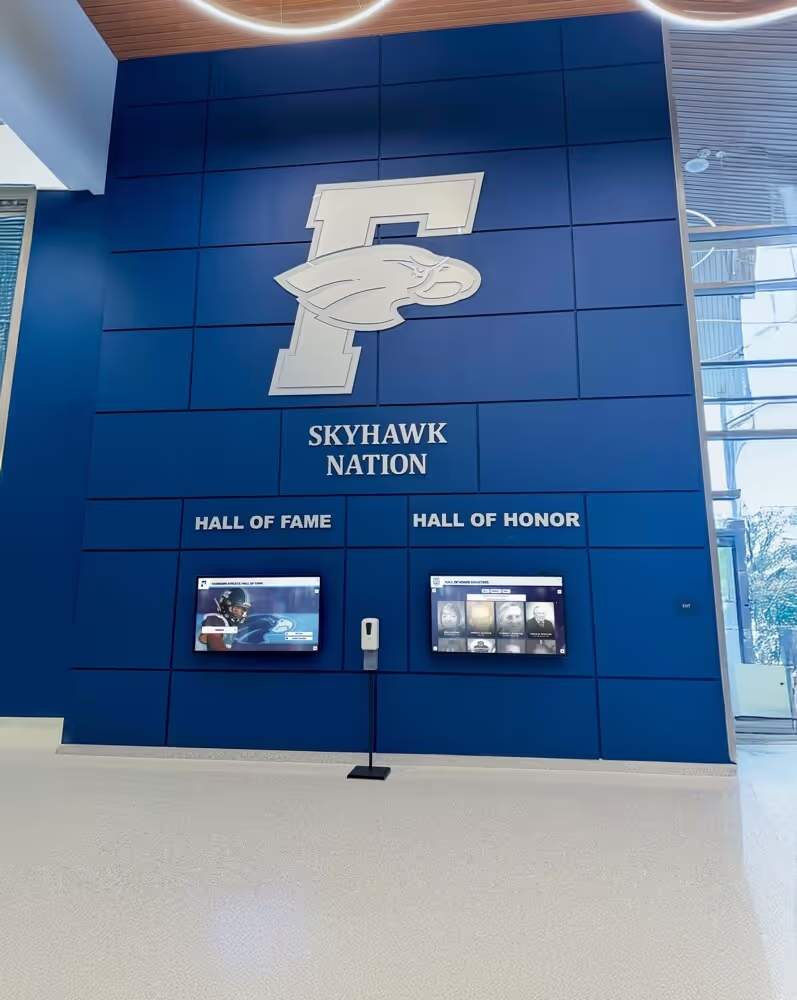
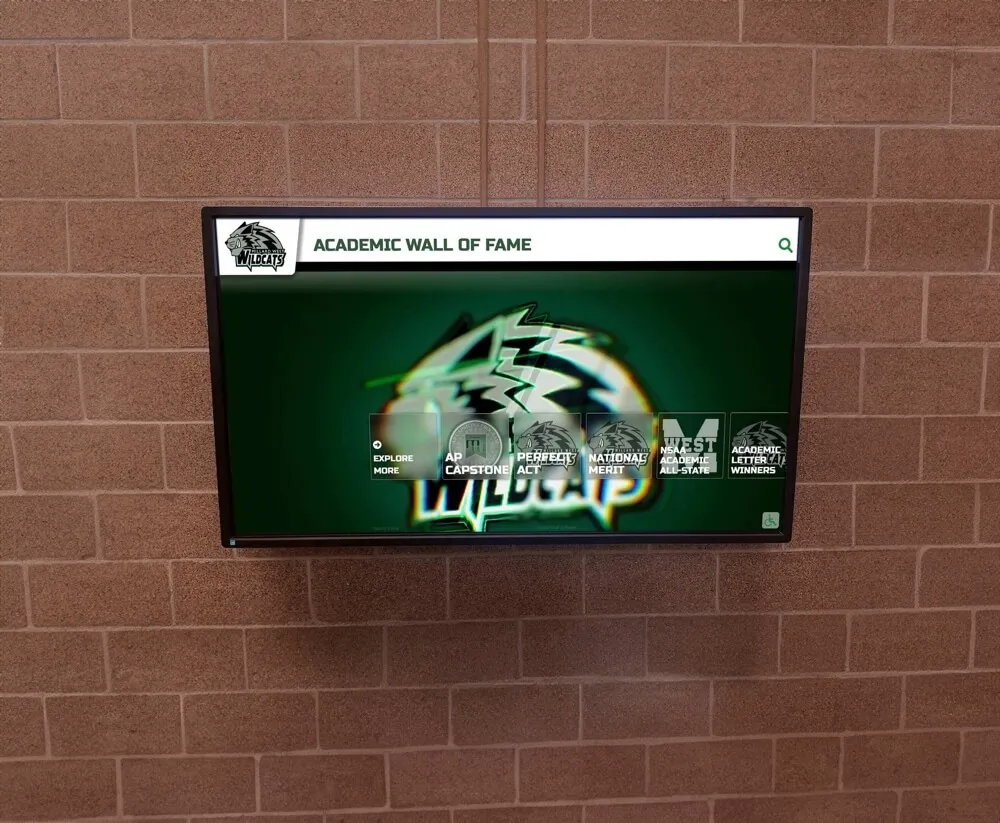
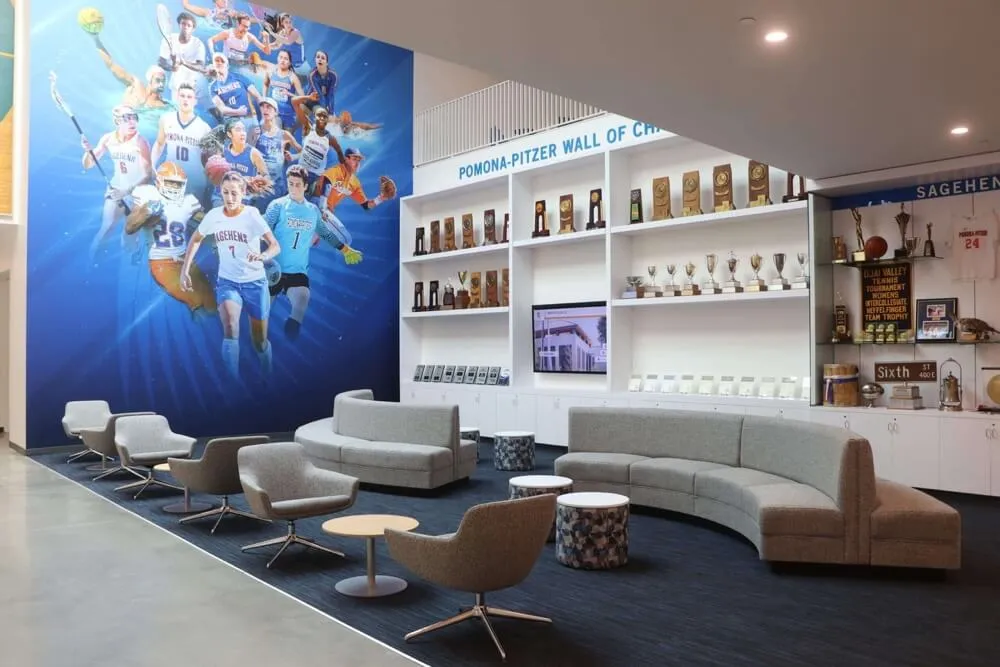
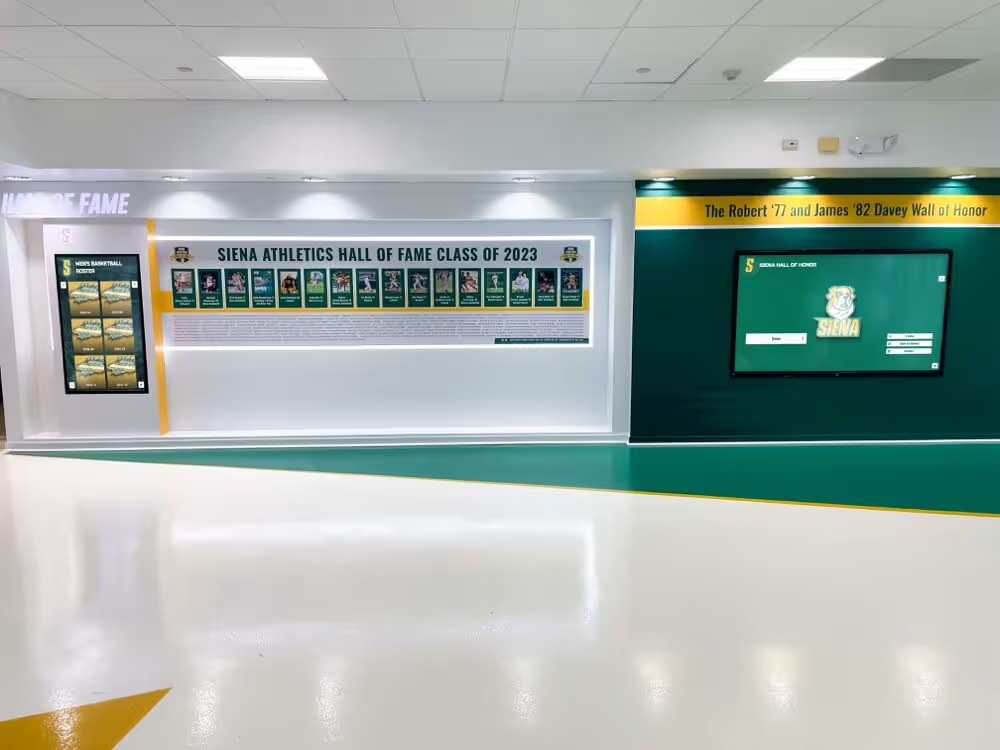
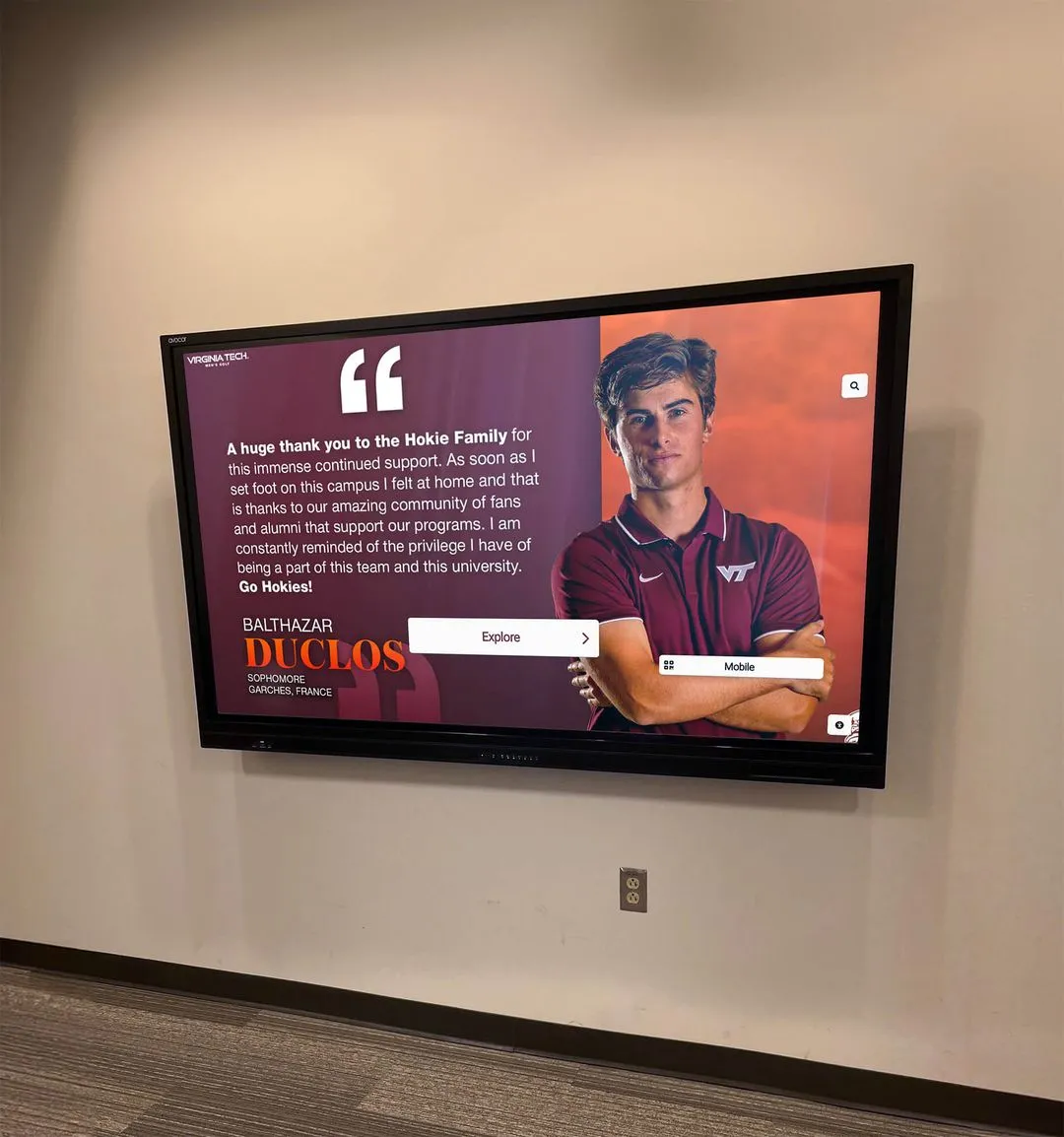
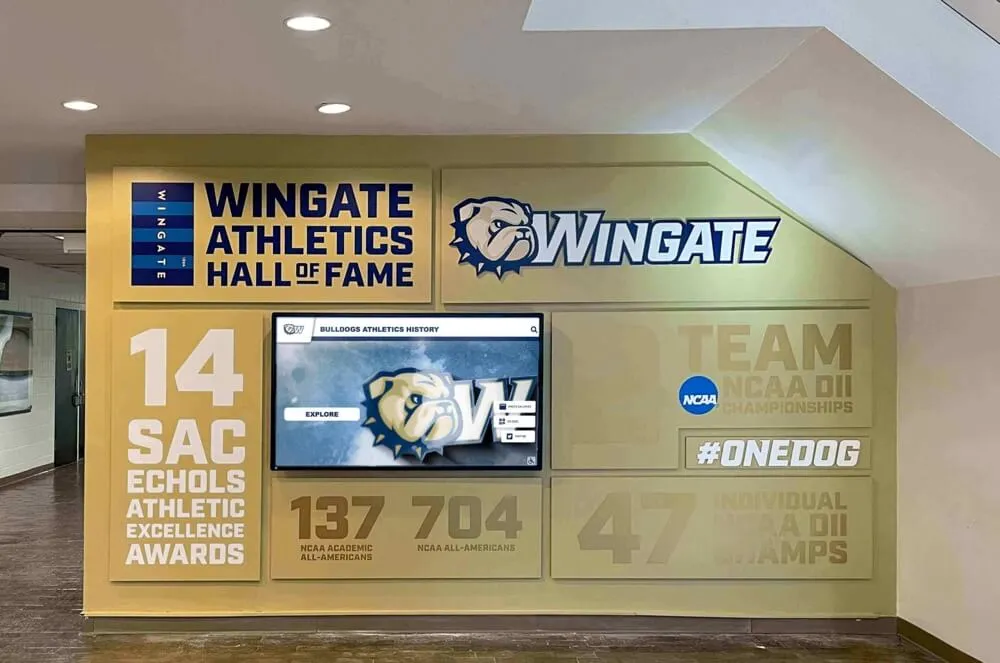
Virtual hall of fame displays integrate seamlessly with existing recognition elements and architectural features
Technical Infrastructure and Integration
Platform architecture affects performance, reliability, and integration with existing systems:
Hosting and Deployment Options
- Cloud-hosted SaaS platforms requiring no local infrastructure
- On-premise installation for organizations with security requirements
- Hybrid approaches combining cloud management with local display
- Content delivery networks ensuring fast loading globally
- Automatic backups protecting against data loss
- Disaster recovery and redundancy systems
Hardware Compatibility
- Support for various display sizes and resolutions
- Touchscreen integration with leading manufacturers
- Media player and computer requirements clearly documented
- Operating system compatibility (Windows, macOS, Linux)
- Mobile and tablet optimization for personal device access
- Web browser support across all major platforms
Integration Capabilities
- API access enabling custom integrations
- Single sign-on compatibility with existing authentication
- Data import from common formats (CSV, Excel, databases)
- Integration with alumni or constituent databases
- Connection to archival and records management systems
- Social media platform integration for sharing
Performance and Reliability
- Fast loading times even with extensive content
- Offline functionality for network-disconnected displays
- Uptime guarantees and service level agreements
- Automatic updates with minimal disruption
- Error handling and graceful degradation
- Technical support availability and responsiveness
Organizations should carefully evaluate technical requirements against existing infrastructure and IT capabilities to ensure selected platforms align with operational realities. Learn more about technical considerations in touchscreen software implementation guides.
Analytics and Reporting Features
Understanding engagement helps organizations optimize recognition and demonstrate value:
Usage Metrics and Analytics
- Visitor interaction tracking and session duration
- Most-viewed inductee profiles and content
- Search queries revealing visitor interests
- Geographic data for web-based access
- Device type and browser analytics
- Time-based patterns showing peak engagement
Content Performance Insights
- Identification of underperforming content needing improvement
- Comparison of different inductee profile formats
- Media type engagement analysis
- Navigation path analysis revealing user behavior
- Exit point identification showing where visitors leave
- A/B testing capabilities for optimization
Reporting and Exports
- Automated reports delivered on schedules
- Custom report building for specific metrics
- Data exports for external analysis
- Dashboard visualizations for quick insights
- Benchmarking against industry standards
- ROI calculation tools demonstrating value
Comparing Virtual Hall of Fame Platform Options
Organizations choosing virtual hall of fame platforms should evaluate multiple solution types understanding how each approach aligns with specific needs, budgets, and technical capabilities.
Specialized Recognition Display Platforms
Purpose-built platforms designed specifically for recognition combine comprehensive features with recognition-specific workflows:
Rocket Alumni Solutions
Rocket Alumni Solutions provides comprehensive interactive recognition platforms optimized for schools, universities, athletic programs, and organizations. The platform combines powerful content management with engaging touchscreen displays specifically designed for hall of fame applications.
Key Capabilities:
- Unlimited inductee capacity with flexible categorization
- Rich multimedia support including photos, videos, and documents
- Cloud-based content management accessible from anywhere
- Professional design templates customizable to organizational branding
- Interactive touchscreen kiosks or wall-mounted displays
- Web-accessible versions extending reach beyond physical locations
- Comprehensive analytics tracking engagement and usage
- White-glove implementation support and ongoing customer success
Best For: Schools, universities, athletic programs, and organizations seeking comprehensive recognition solutions with professional implementation support and long-term platform viability.
Pricing: Custom pricing based on display configuration, number of installations, and feature requirements, typically ranging $8,000-$25,000 for initial implementation with annual software subscriptions of $1,500-$4,000.
Explore comprehensive capabilities in Rocket Alumni Solutions touchscreen platforms.
Custom Web Application Development
Organizations with specific requirements or existing technical infrastructure may develop custom platforms:
Custom Development Advantages:
- Complete control over features and functionality
- Integration with existing organizational systems
- Unique user experiences matching brand identity
- No vendor lock-in or ongoing licensing fees
- Potential for sophisticated custom capabilities
Custom Development Considerations:
- Significant upfront development costs ($25,000-$150,000+)
- Longer implementation timelines spanning months
- Ongoing maintenance and update responsibilities
- Technical staff requirements or consultant dependencies
- Security and performance optimization challenges
- Documentation and knowledge transfer needs
Best For: Large institutions with development resources, highly specialized requirements, or strategic technology investments where custom platforms align with broader initiatives.
Digital Signage Platforms Adapted for Recognition
General digital signage software can be adapted for hall of fame applications:
Digital Signage Approach:
- Content scheduling and playlist management
- Multiple display support from central management
- Template systems for consistent presentation
- Media library organization and management
- Display health monitoring and remote management
Recognition Application Limitations:
- Not optimized for interactive touchscreen experiences
- Limited search and filtering capabilities
- Minimal inductee profile and biography support
- Generic templates lacking recognition-specific design
- Less sophisticated content organization for halls of fame
- Limited analytics specific to recognition engagement
Best For: Organizations already using digital signage platforms seeking to add recognition content to existing infrastructure or requiring primarily passive display rather than interactive exploration.
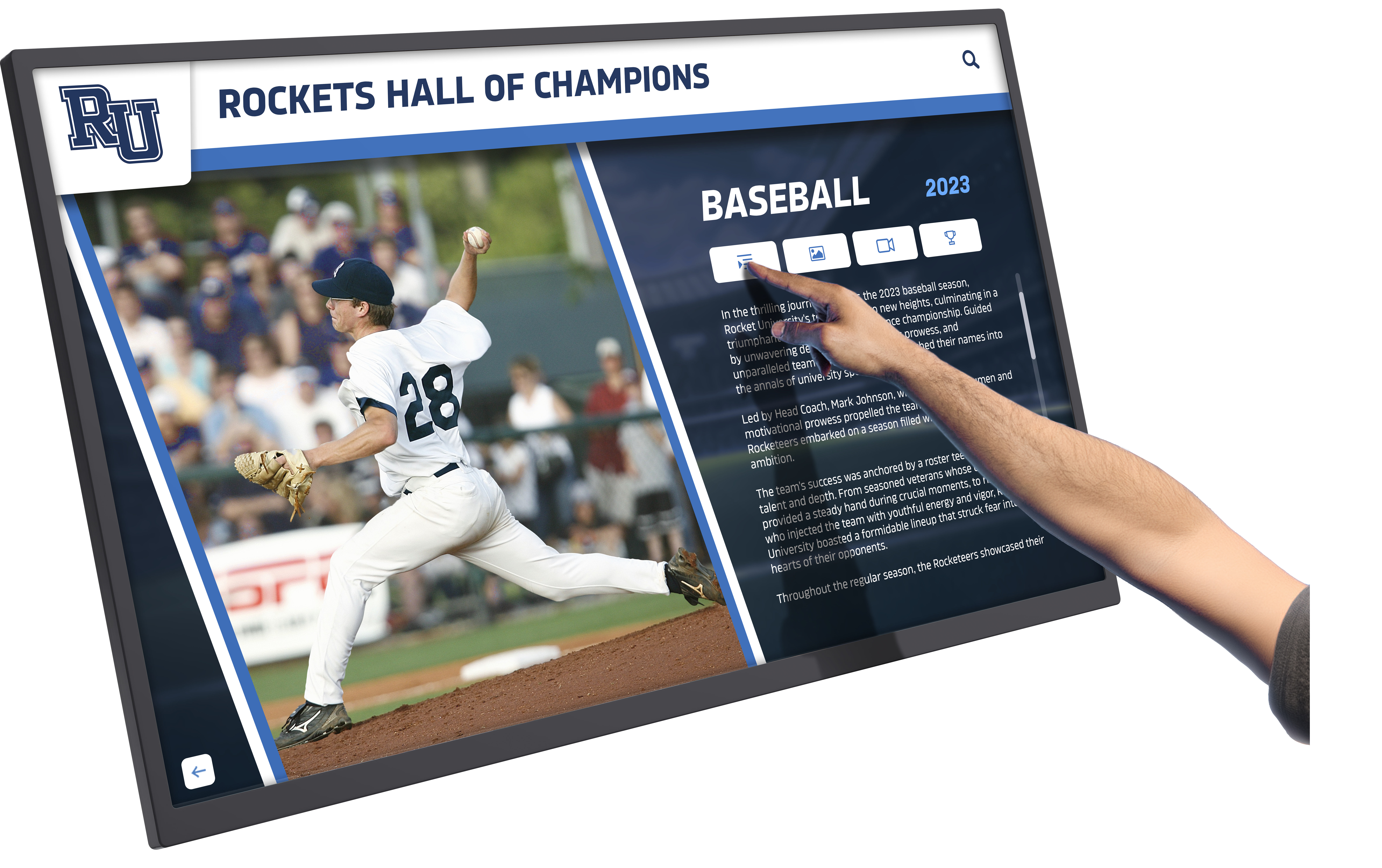
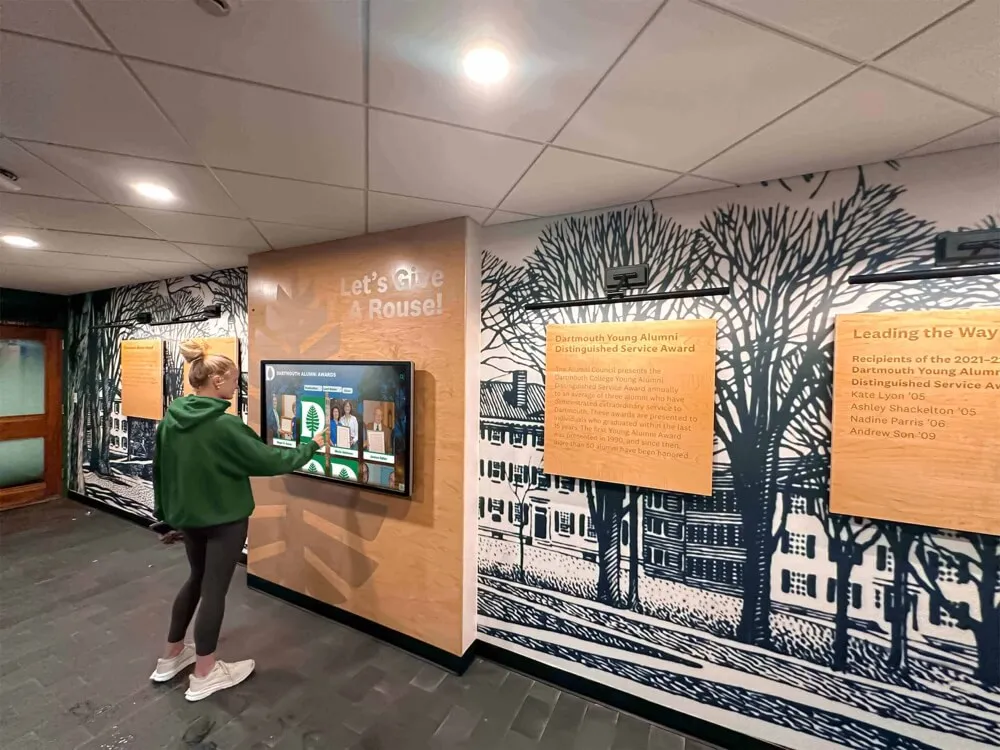
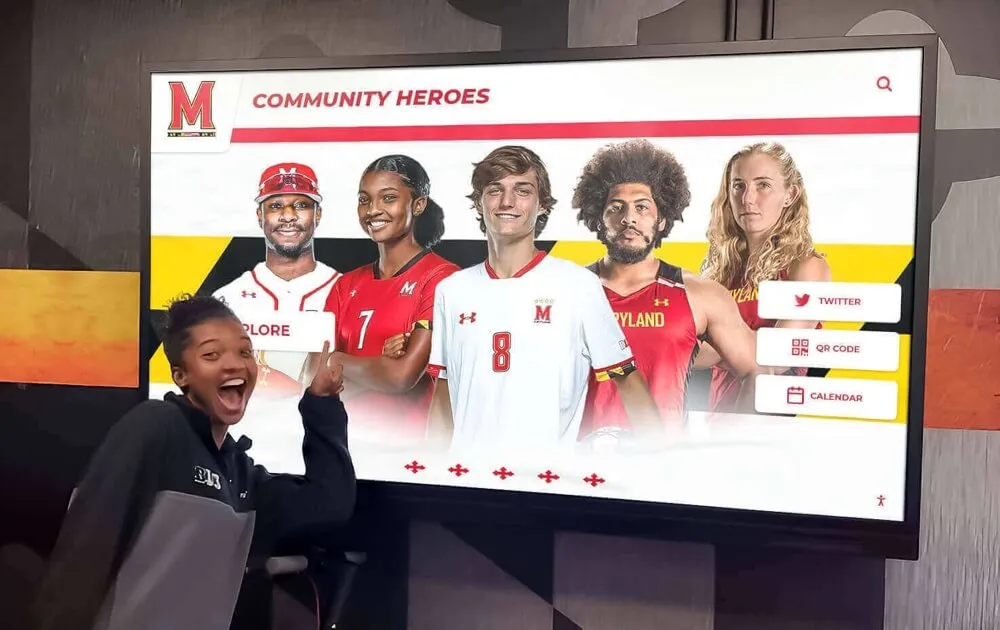
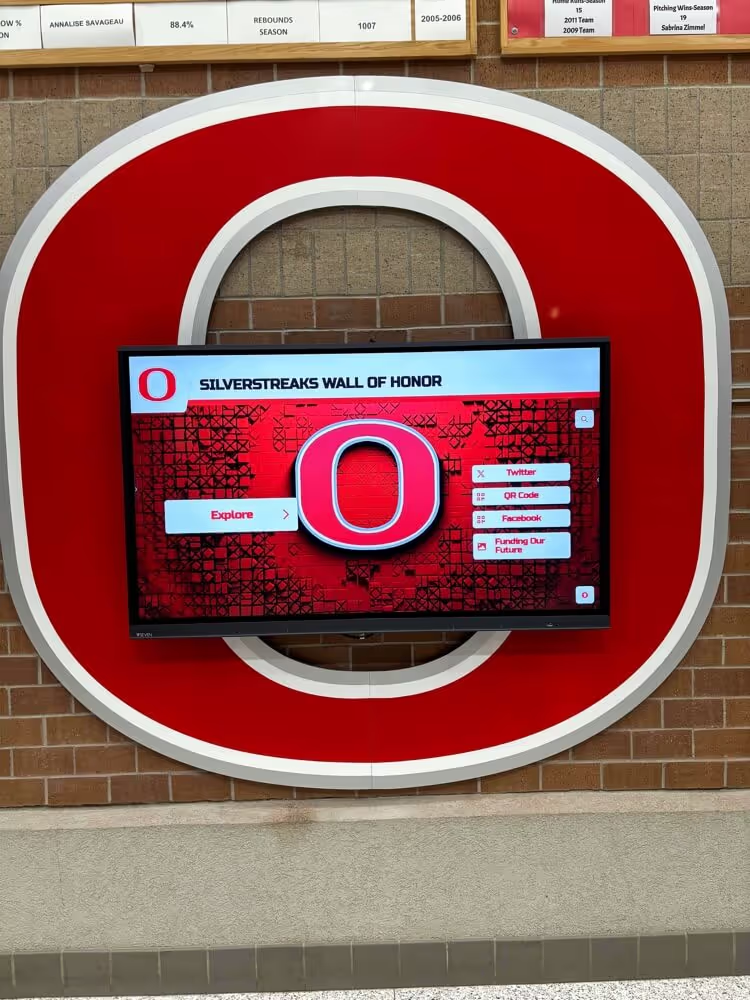
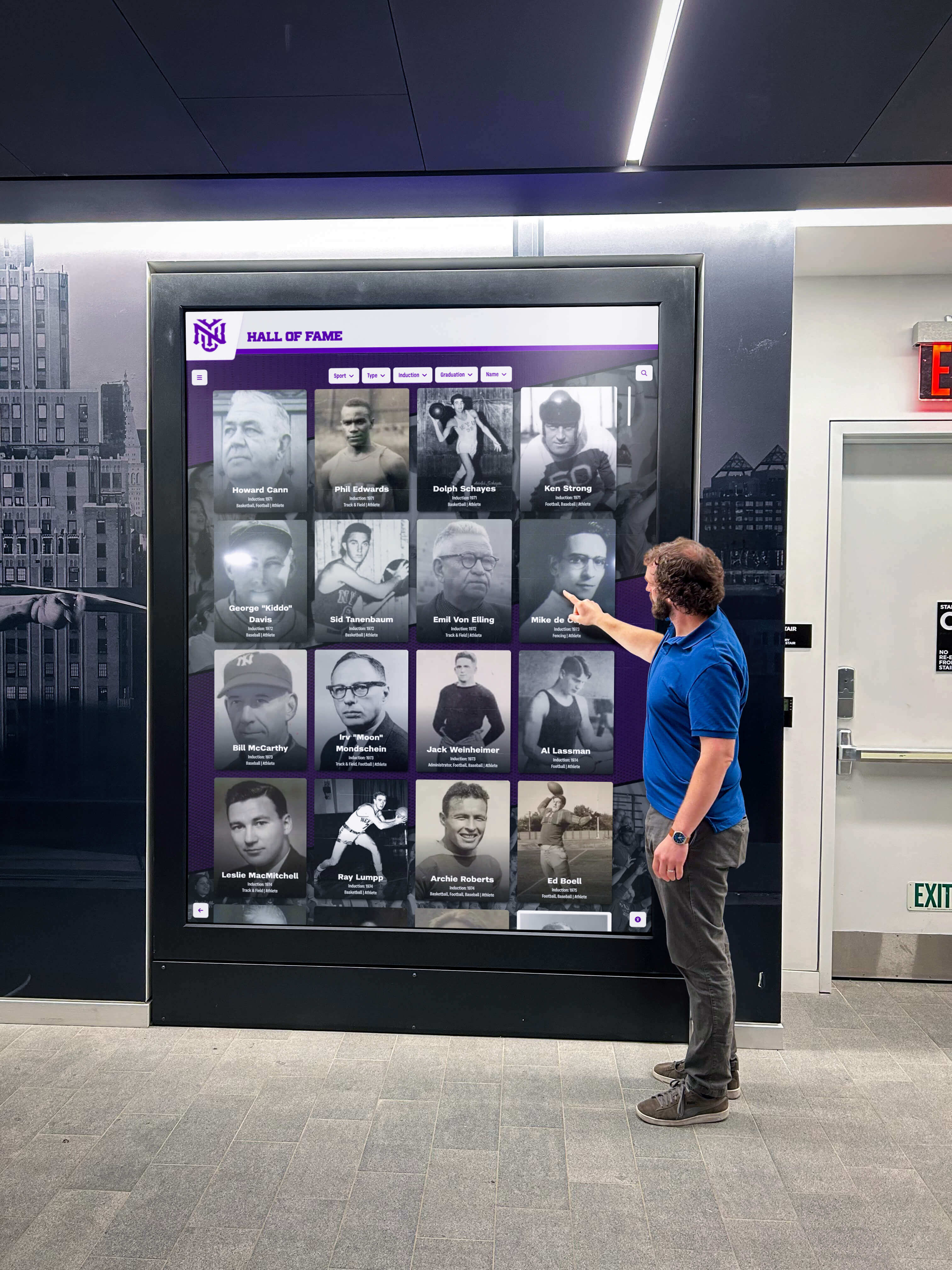
Touch-optimized interfaces enable intuitive exploration of detailed inductee profiles and achievement documentation
Website and Content Management Systems
Standard CMS platforms can power web-based halls of fame:
CMS Platform Options:
- WordPress with custom themes and plugins
- Drupal with recognition-specific modules
- Squarespace or Wix using directory templates
- Custom CMS implementations
Web-Based Hall of Fame Advantages:
- Immediate accessibility from anywhere with internet
- Lower initial costs leveraging existing platforms
- Familiar administration for web-savvy staff
- Integration with organizational websites
- Mobile responsiveness built into modern platforms
Web-Based Limitations for Physical Displays:
- Not optimized for touchscreen kiosk deployment
- Generic interfaces lacking recognition-specific design
- Limited offline functionality if network fails
- Less sophisticated interactivity than dedicated platforms
- Typically require technical customization for optimal results
Best For: Organizations prioritizing web-accessible recognition over physical displays, or seeking cost-effective starting points before investing in dedicated platforms.
Implementation Considerations and Best Practices
Successful virtual hall of fame deployment requires thoughtful planning and systematic execution ensuring systems meet organizational needs effectively.
Planning and Requirements Definition
Begin with comprehensive assessment establishing clear requirements:
Needs Analysis and Stakeholder Engagement
- Identify who will be inducted and what information will be captured
- Determine physical display locations and viewing contexts
- Assess web accessibility requirements and audience reach
- Evaluate technical infrastructure and IT capabilities
- Define budget constraints and funding sources
- Engage stakeholders including leadership, inductees, and administrators
Content and Data Preparation
- Inventory existing inductee information and historical records
- Establish data standards for consistency and completeness
- Gather biographical information, photos, and achievement documentation
- Define required versus optional information fields
- Plan data entry workflows and responsible parties
- Establish content review and approval processes
Learn about comprehensive planning through high school wall of fame guides that translate to broader hall of fame applications.
Technical Requirements Assessment
- Evaluate display locations for power, networking, and mounting
- Determine display sizes appropriate for viewing distances
- Assess touchscreen requirements versus passive display
- Identify integration needs with existing systems
- Review security and authentication requirements
- Confirm IT support availability for ongoing management
Hardware Selection and Installation
Physical installations require careful hardware choices:
Display Hardware Options
- Commercial-grade touchscreen displays sized 43"-86" depending on location
- Freestanding kiosk enclosures for open areas
- Wall-mounted displays for corridors and lobbies
- Landscape versus portrait orientation based on content
- 4K resolution for clarity at close viewing distances
- Commercial panels rated for 16-24 hour daily operation
Media Player and Computer Requirements
- Specifications supporting platform software requirements
- Operating system compatibility with selected platform
- Adequate storage for media libraries and content
- Reliable networking through ethernet or WiFi
- Remote management capabilities for troubleshooting
- Warranty coverage and replacement options
Installation Considerations
- Professional mounting ensuring security and safety
- ADA compliance for height and accessibility
- Electrical infrastructure for power requirements
- Network connectivity through hardwire or robust wireless
- Cable management and concealment for professional appearance
- Lighting evaluation ensuring optimal screen visibility
Environmental and Security Factors
- Temperature and humidity appropriate for electronics
- Protection from direct sunlight causing glare or heat
- Physical security preventing theft or vandalism
- Cleaning accessibility for display maintenance
- Acoustics if incorporating audio content
- Wayfinding ensuring visitors can locate displays
Explore hardware considerations through digital recognition display hardware guides providing detailed specifications.
Content Development and Organization
Thoughtful content strategy maximizes recognition impact:
Inductee Profile Structure
- Consistent information captured for all inductees
- Biographical narratives telling meaningful stories
- Achievement documentation with specific context
- Photographs showing inductees during achievement periods
- Quotes or testimonials when available
- Induction year and recognition category
- Related individuals or teams for connections
Multimedia Content Guidelines
- High-resolution photographs meeting quality standards
- Video content edited to appropriate lengths
- Document scanning at sufficient resolution
- Audio recordings cleaned for clarity
- File format standards for compatibility
- Metadata and descriptive information for accessibility
Content Organization Strategies
- Chronological arrangement by induction year
- Categorical organization by achievement type
- Alphabetical listing for easy browsing
- Featured inductees highlighting historically significant individuals
- Related content linking connected achievements
- Search and filter enabling multiple discovery paths
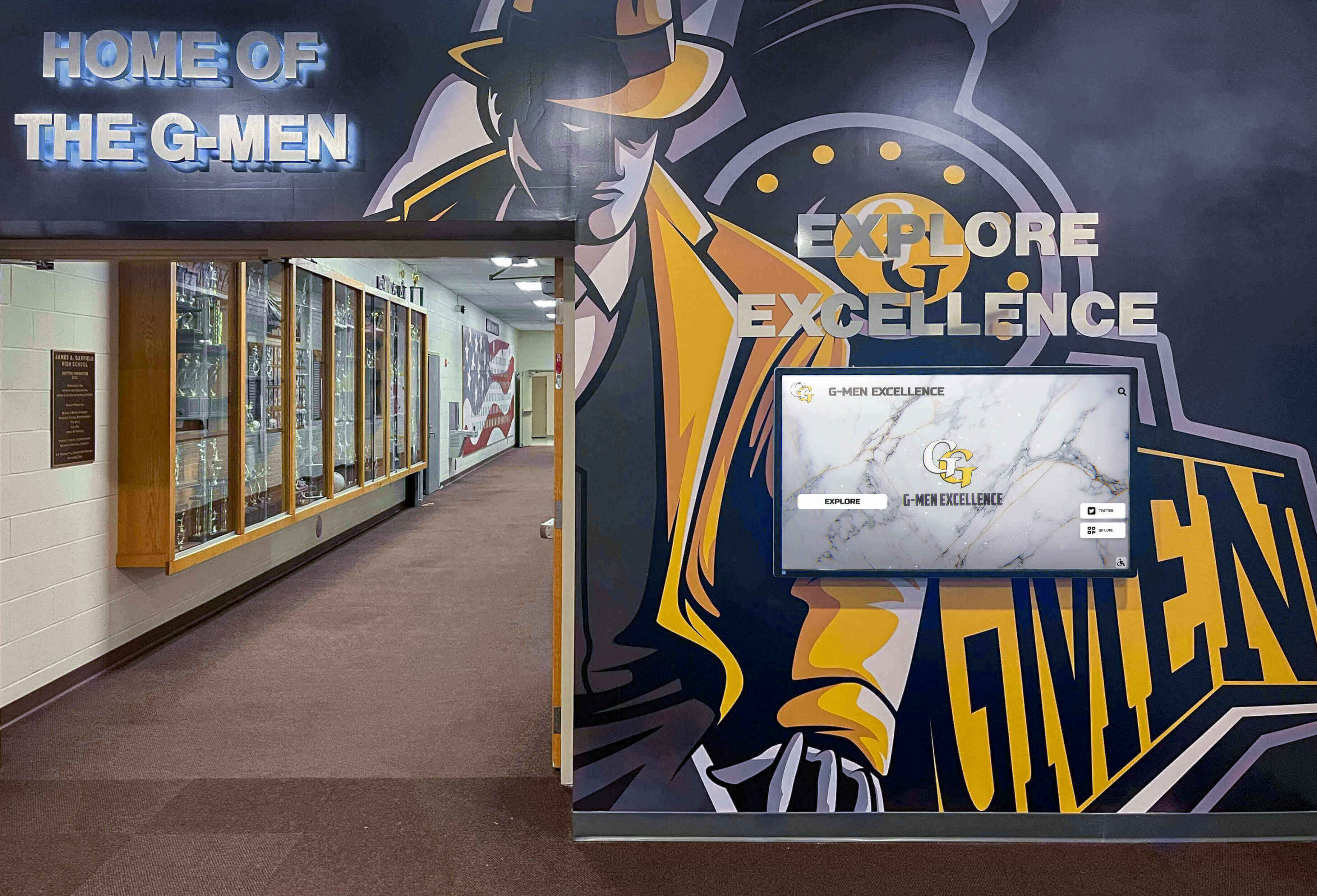
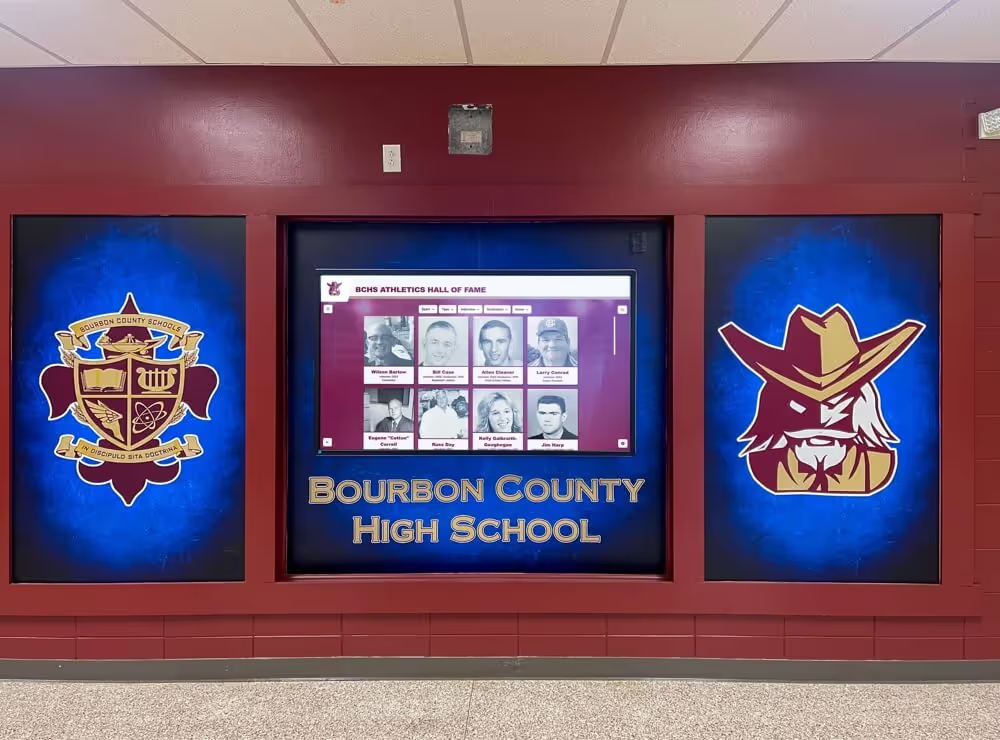
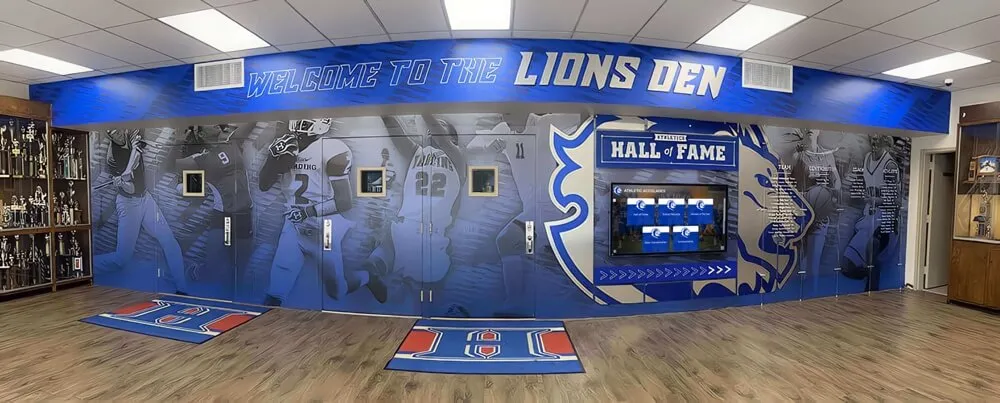
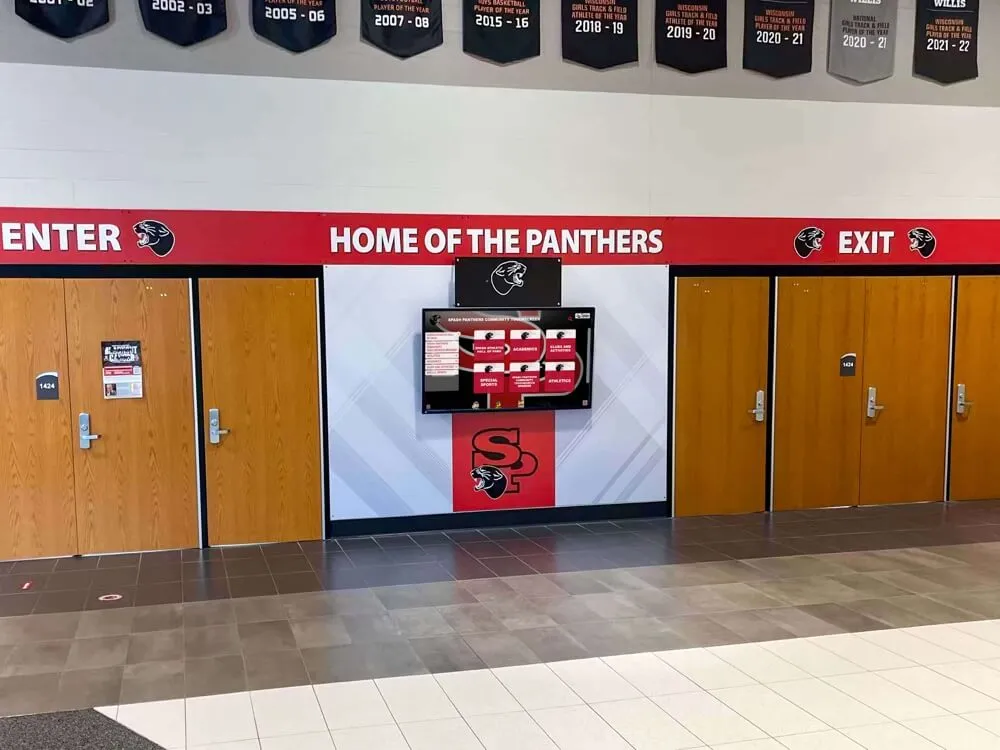
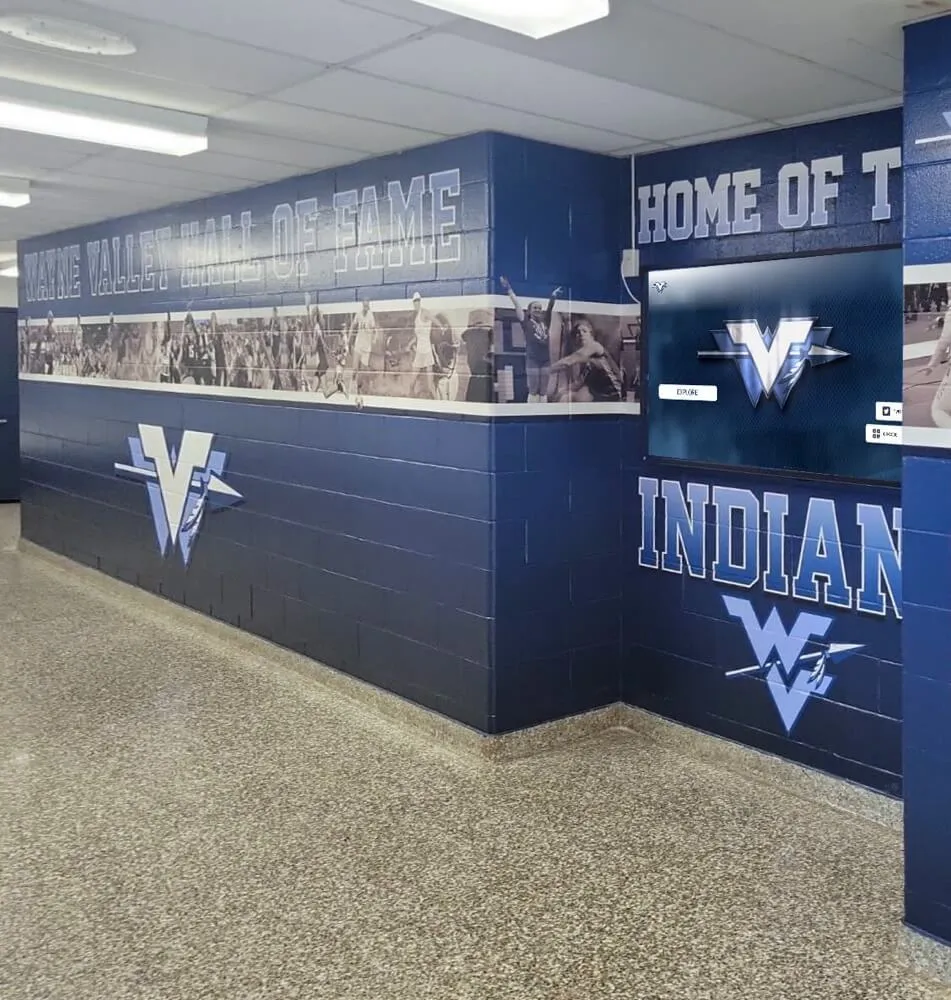
Virtual halls of fame integrate with existing recognition elements creating comprehensive celebration spaces
Launch and Ongoing Management
Sustainable operations ensure long-term success:
Launch Strategy
- Soft launch with stakeholder preview and feedback
- Staff and administrator training on content management
- Publicity through newsletters, social media, and events
- Ceremonial unveiling celebrating new recognition system
- Documentation of processes for future administrators
- Feedback collection identifying improvement opportunities
Ongoing Administration
- Regular induction cycles adding new honorees
- Annual content reviews updating information
- Periodic design refreshes maintaining engagement
- Technical maintenance ensuring reliable operation
- Analytics review optimizing content and presentation
- Administrator training as staff transitions occur
Long-Term Evolution
- Platform feature additions as technology advances
- Expansion to additional physical locations
- Enhanced web integration extending reach
- Content enrichment adding historical depth
- User experience optimization based on engagement data
- Integration with evolving organizational systems
Organizations implementing academic recognition programs can apply similar management approaches to hall of fame administration.
Cost Analysis and Return on Investment
Understanding comprehensive costs and value helps organizations make informed investment decisions:
Initial Investment Components
Platform and Software Costs
- Specialized recognition platform setup: $2,000-$8,000
- Annual software licensing or subscription: $1,500-$4,000
- Professional design and customization: $2,000-$10,000
- Content management platform training: $500-$2,000
- Custom development (if applicable): $25,000-$150,000+
Hardware and Installation Expenses
- Commercial touchscreen displays: $2,000-$8,000 per location
- Media players or computers: $500-$2,000 per display
- Kiosk enclosures (if applicable): $2,000-$6,000
- Mounting hardware and installation: $500-$2,000
- Electrical and networking infrastructure: $1,000-$5,000
Content Development Costs
- Historical research and data gathering: $2,000-$10,000
- Photography and scanning services: $1,000-$5,000
- Video production for inductee interviews: $3,000-$15,000
- Biographical content writing and editing: $2,000-$8,000
- Data entry and quality assurance: $1,500-$6,000
Total Initial Investment Range
Most organizations invest $15,000-$50,000 for comprehensive virtual hall of fame implementation including single display installation, platform licensing, content development, and professional support. Costs vary based on scope, customization, number of locations, and content complexity.
Ongoing Operational Costs
Annual Platform and Support
- Software subscription or licensing: $1,500-$4,000
- Technical support and updates: typically included in subscription
- Cloud hosting and data storage: usually included
- Analytics and premium features: $300-$1,500 additional
Maintenance and Updates
- Display hardware service contracts: $300-$1,000 annually
- Content updates and additions: 4-8 hours monthly staff time
- Periodic design refreshes: $1,000-$3,000 every 2-3 years
- Technical troubleshooting: minimal with reliable platforms
Annual Ongoing Investment
Expect $2,500-$7,000 in annual operating costs including software subscriptions, maintenance, and content management. These costs remain relatively stable regardless of how many inductees are added, creating substantial advantages over traditional plaques requiring $200-$800 per addition.
Value and Return on Investment
Virtual halls of fame provide returns beyond simple cost comparisons:
Engagement and Visibility Benefits
- Dramatically increased visitor interaction compared to static plaques
- Extended reach through web accessibility to global audiences
- Enhanced inductee celebration through multimedia storytelling
- Improved organizational culture celebrating achievement
- Increased community pride and connection to legacy
Operational Efficiencies
- Elimination of per-inductee engraving and installation costs
- Reduced administrative time maintaining recognition
- Simplified updates requiring no physical access
- Flexibility responding to changing needs without reinstallation
- Centralized management across multiple display locations
Institutional Value
- Enhanced advancement and development efforts
- Improved donor engagement through visible recognition
- Strengthened alumni relations and engagement
- Positive public relations and media coverage
- Recruitment advantages showcasing institutional pride
Organizations implementing donor recognition through digital walls report similar value propositions applicable to hall of fame contexts.
Special Considerations for Different Organizations
Various institution types have unique requirements affecting platform selection:
Schools and Universities
Educational institutions balancing recognition across academics, athletics, and community:
Academic Institution Priorities
- Integration with alumni databases and records systems
- Balance across multiple recognition categories
- Student and visitor accessibility considerations
- Educational storytelling connecting past to present
- Archive preservation of institutional history
- Mobile access for distant alumni
K-12 School Considerations
- Budget constraints requiring cost-effective approaches
- Simplified administration matching staff capabilities
- Durability for high-traffic student areas
- Celebration of diverse achievements beyond athletics
- Community engagement and pride building
- Integration with school communications
Athletic Programs and Sports Organizations
Sports-focused organizations emphasizing achievement celebration:
Athletic Recognition Requirements
- Statistics and performance data integration
- Team and individual achievement categories
- Video highlight integration showcasing moments
- Championship and record documentation
- Coach and contributor recognition alongside athletes
- Fan engagement and interactive features
Explore athletic applications through athletic recognition display guides showing sport-specific implementations.
Professional Associations and Industry Groups
Organizations honoring professional excellence and contributions:
Professional Organization Needs
- Member access requiring authentication
- Industry-specific achievement categories
- Geographic distribution across chapters
- Virtual access for remote members
- Integration with membership systems
- Professional credential and honor documentation
Museums and Historical Societies
Institutions preserving and interpreting history:
Museum and Archive Requirements
- Archival-quality documentation standards
- Contextual interpretation and educational content
- Integration with broader collections and exhibits
- Preservation of historical materials digitally
- Accessibility for researchers and scholars
- Sophisticated media presentation capabilities
Conclusion: Selecting the Right Virtual Hall of Fame Platform
Choosing platforms for virtual halls of fame requires balancing comprehensive requirements including current needs and future growth, budget constraints and long-term costs, technical capabilities and support requirements, content richness and visitor engagement, and vendor stability and platform viability.
The strategies explored in this guide provide frameworks for evaluation ensuring selected solutions serve organizations effectively for years to come. From specialized recognition platforms like Rocket Alumni Solutions offering comprehensive turnkey systems to custom development for highly specific requirements to adapted digital signage and CMS approaches, organizations can find solutions matching their unique contexts.
Build Your Virtual Hall of Fame
Discover how specialized recognition platforms can help you celebrate achievements, preserve legacy, and engage communities through compelling interactive experiences.
Schedule a Platform DemoStrategic Implementation Pathway
Organizations should begin with comprehensive needs assessment defining requirements, evaluate platform options comparing features and costs, engage stakeholders ensuring buy-in and input, plan content development systematically, implement with professional support when needed, train administrators for sustainable management, and commit to ongoing optimization improving over time.
This systematic approach prevents common implementation problems while ensuring virtual halls of fame achieve intended goals of meaningful recognition, community engagement, and institutional pride.
The Recognition Technology Imperative
Physical space constraints and maintenance expenses make traditional halls of fame increasingly impractical, especially for growing organizations with expanding recognition needs. Virtual platforms eliminate these limitations while adding capabilities impossible with static plaques—from comprehensive biographical storytelling to multimedia achievement documentation to searchable databases enabling discovery.
Organizations implementing virtual halls of fame in 2025 gain recognition infrastructure serving them for decades, adapting as needs evolve without expensive reinstallation or space expansion. When every worthy achievement can receive appropriate recognition—not just those fitting on limited wall space—institutions build cultures where excellence is visible, legacy is preserved, and community pride flourishes.
Your inductees’ achievements deserve recognition that honors their contributions appropriately, tells their stories comprehensively, remains accessible to communities they inspired, and preserves their legacies permanently. With thoughtful platform selection, professional implementation, and sustained commitment, you can create virtual halls of fame that transform recognition from limited physical plaques into dynamic celebrations engaging current and future generations.
Ready to begin exploring virtual hall of fame platforms? Learn more about interactive recognition technology or discover how digital displays transform achievement celebration across diverse organizational settings.