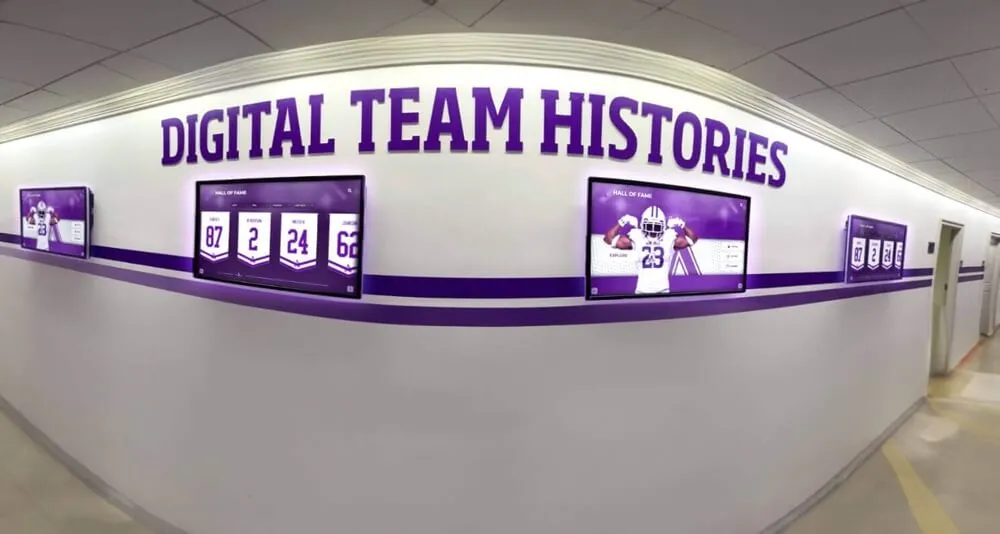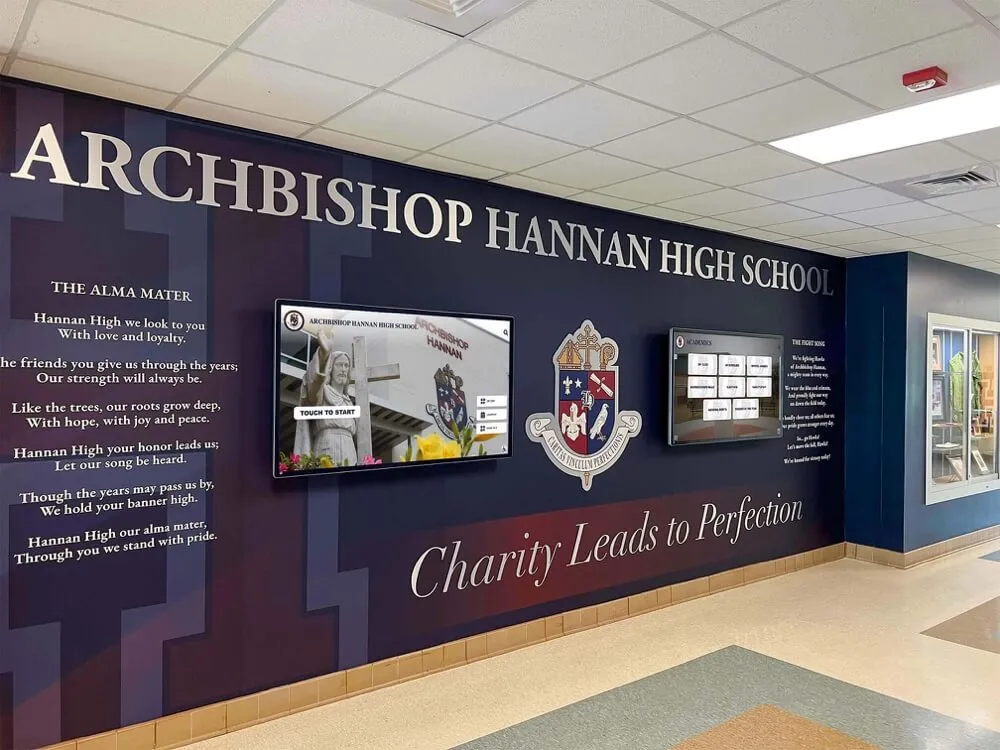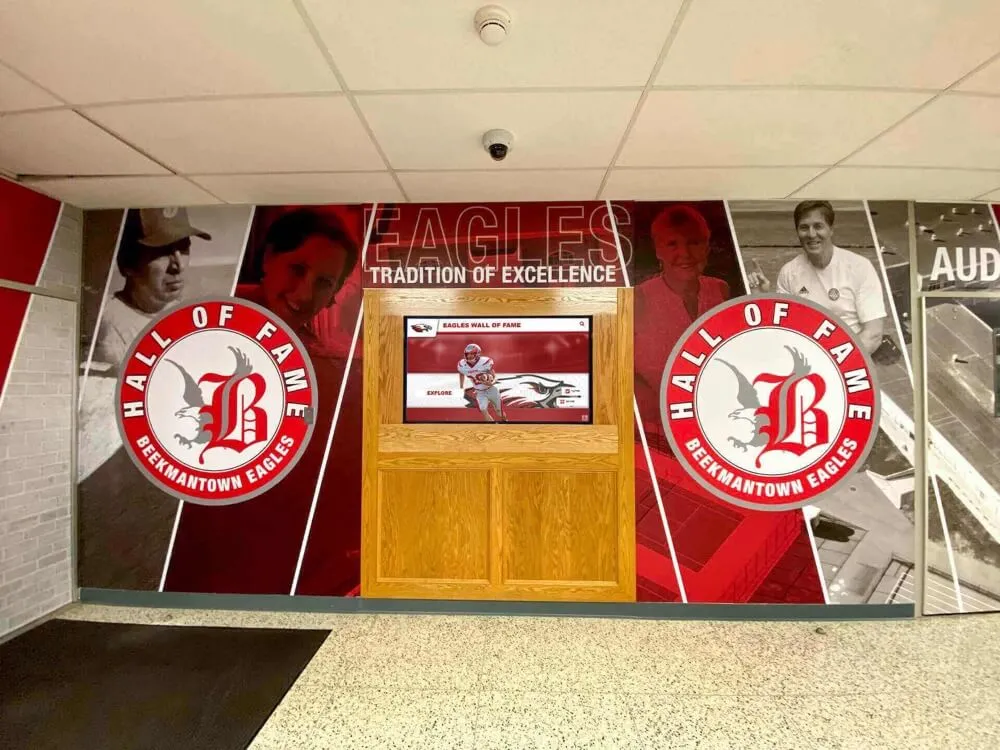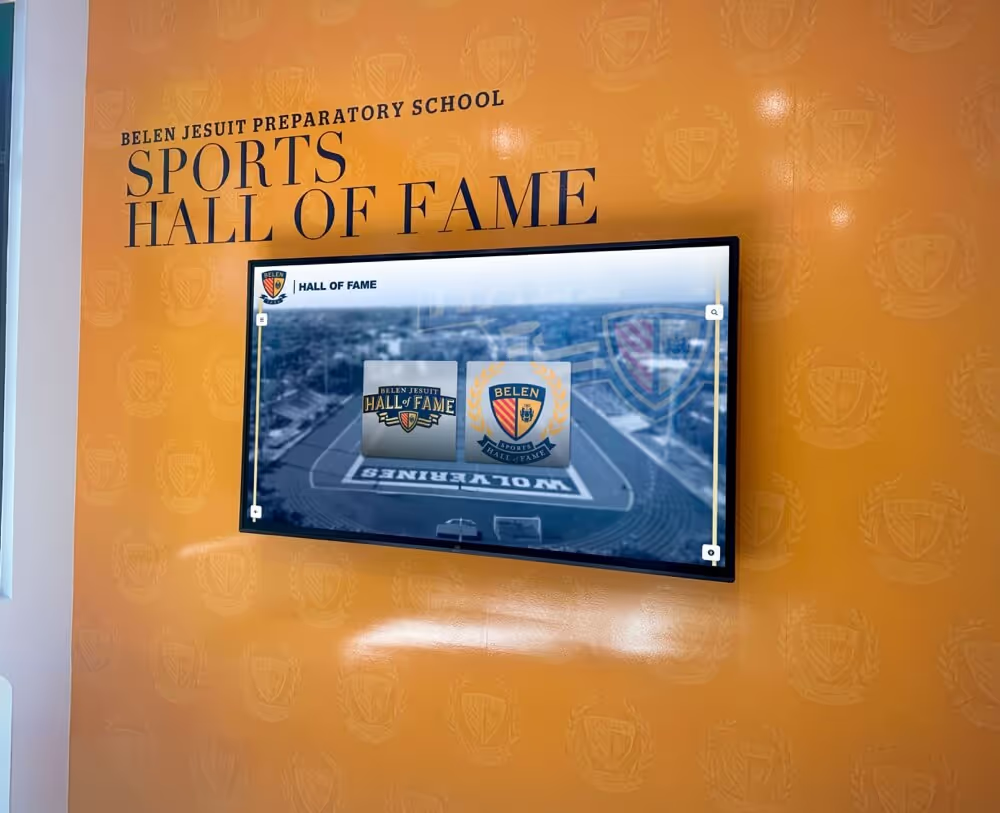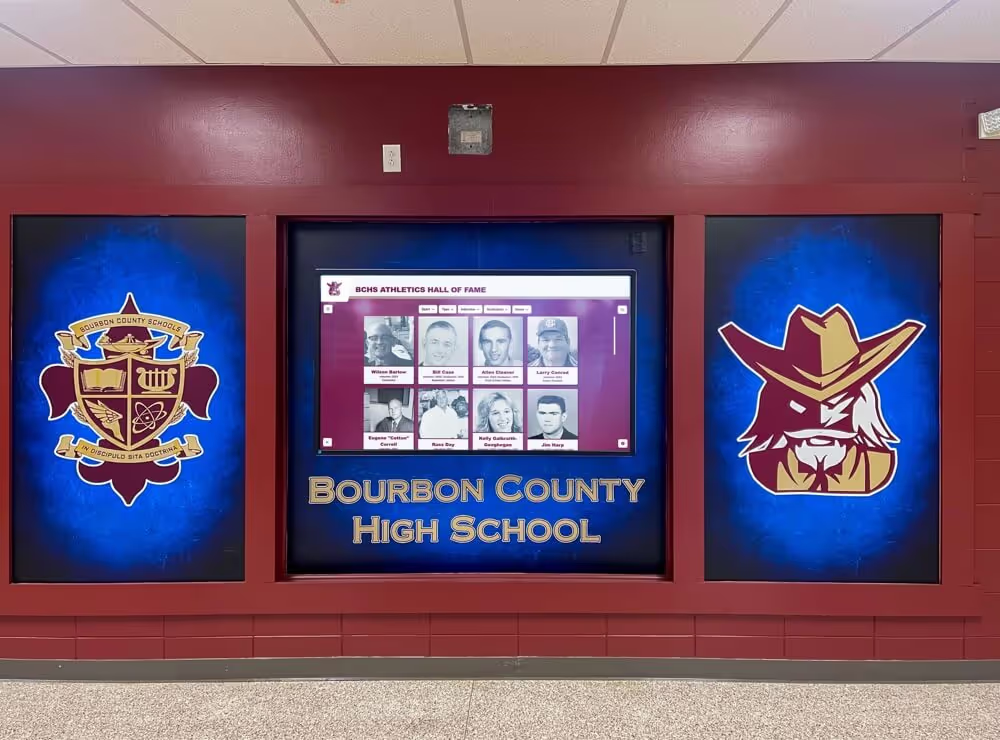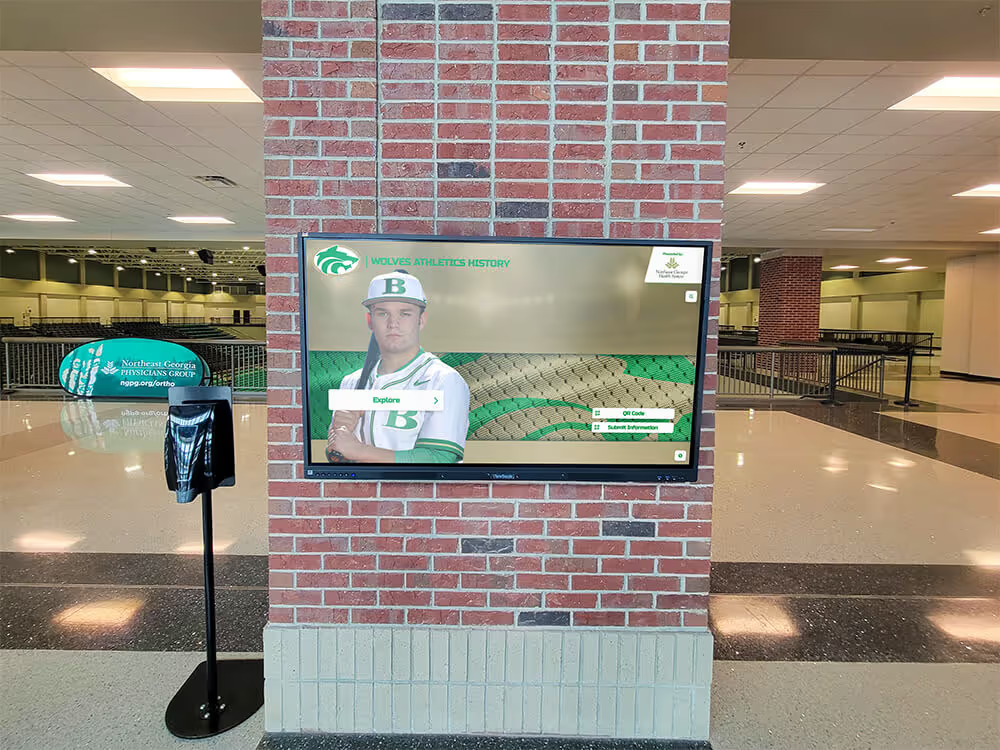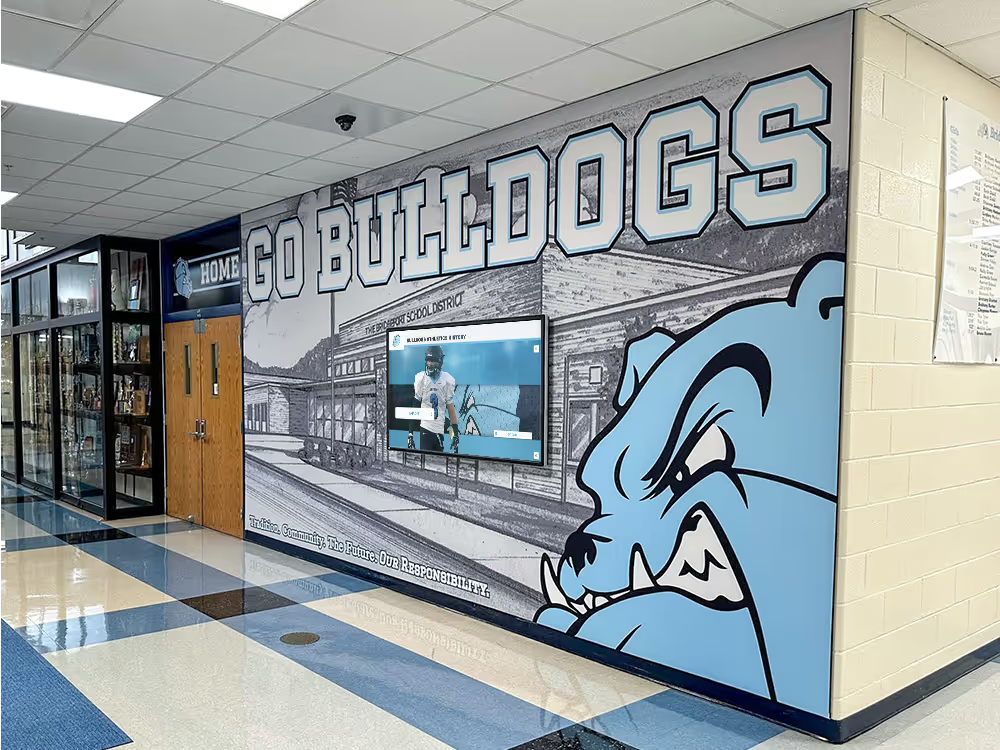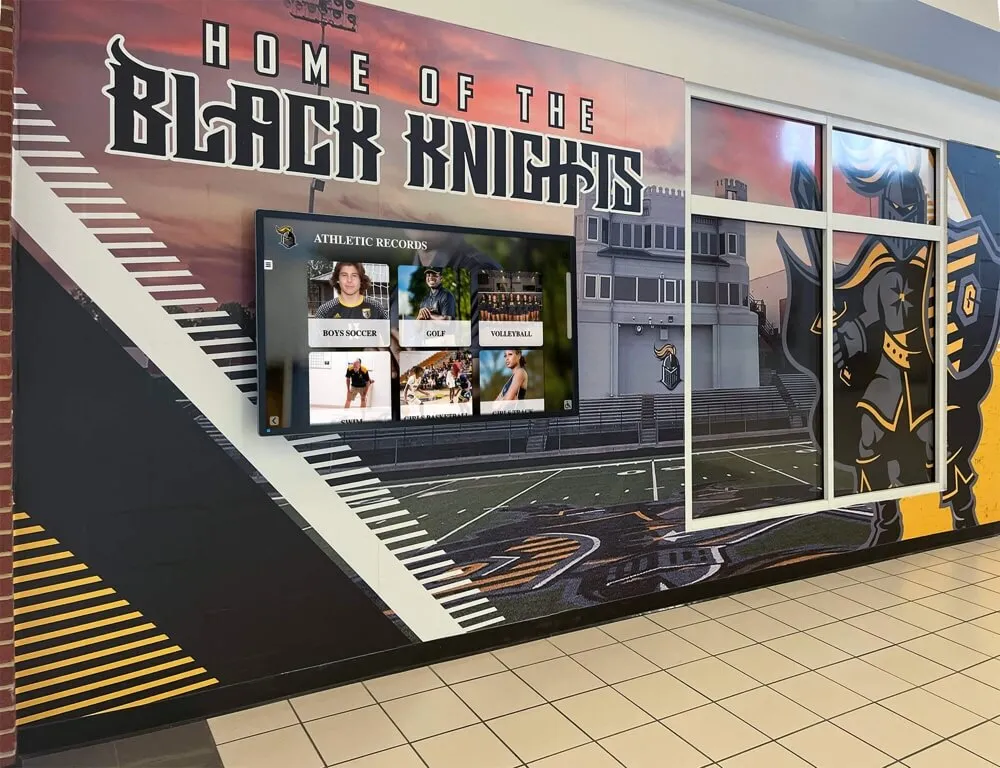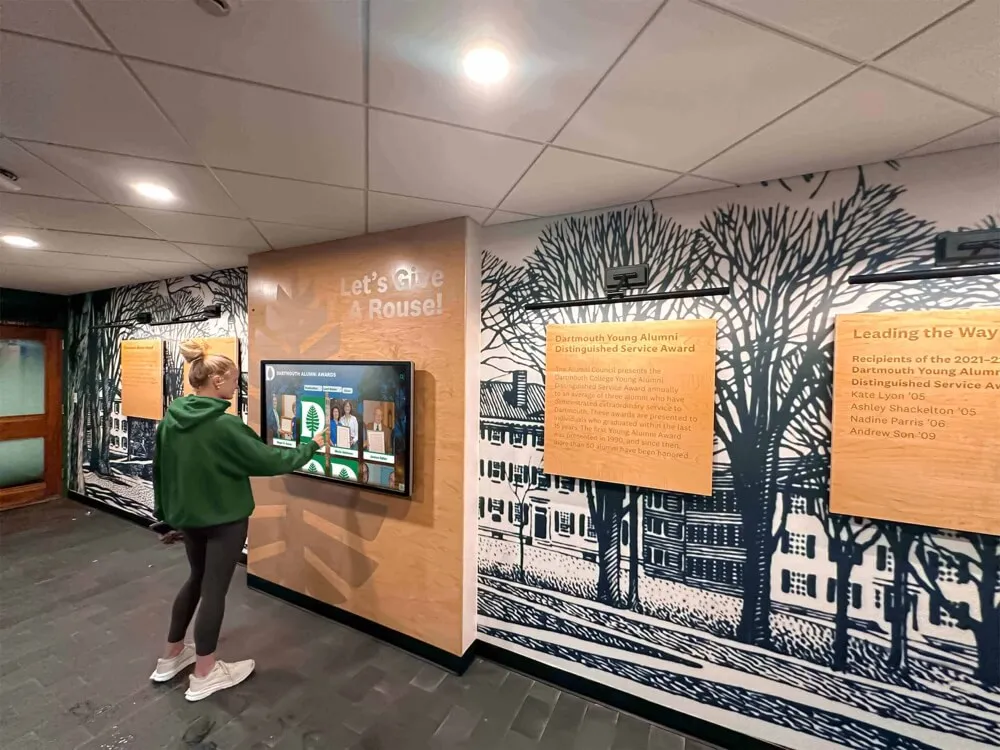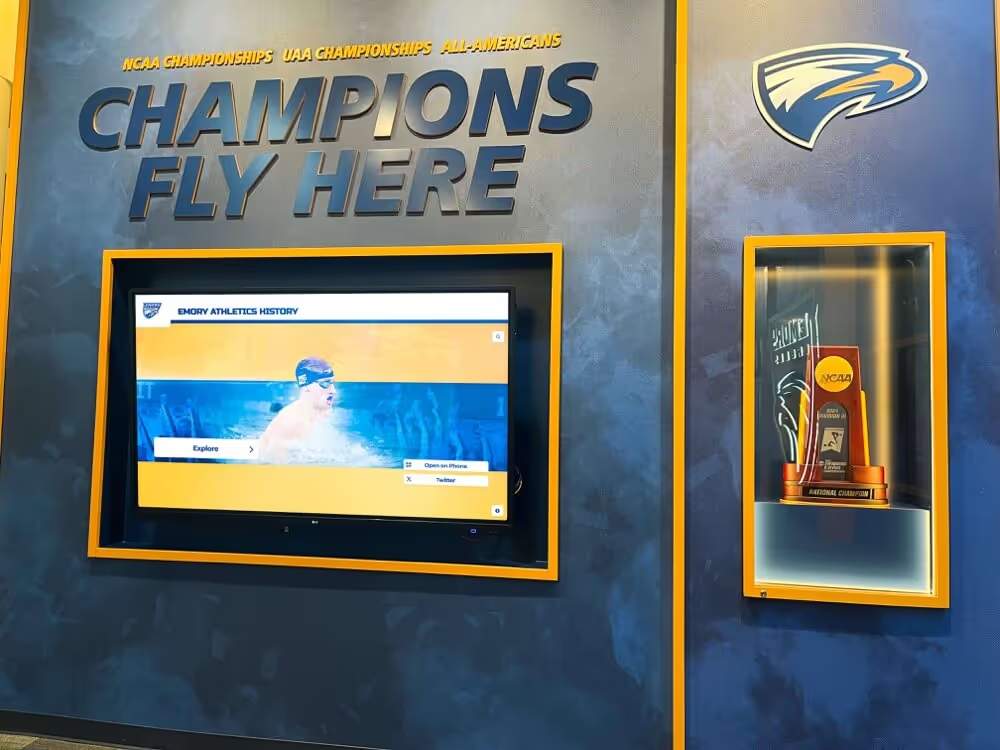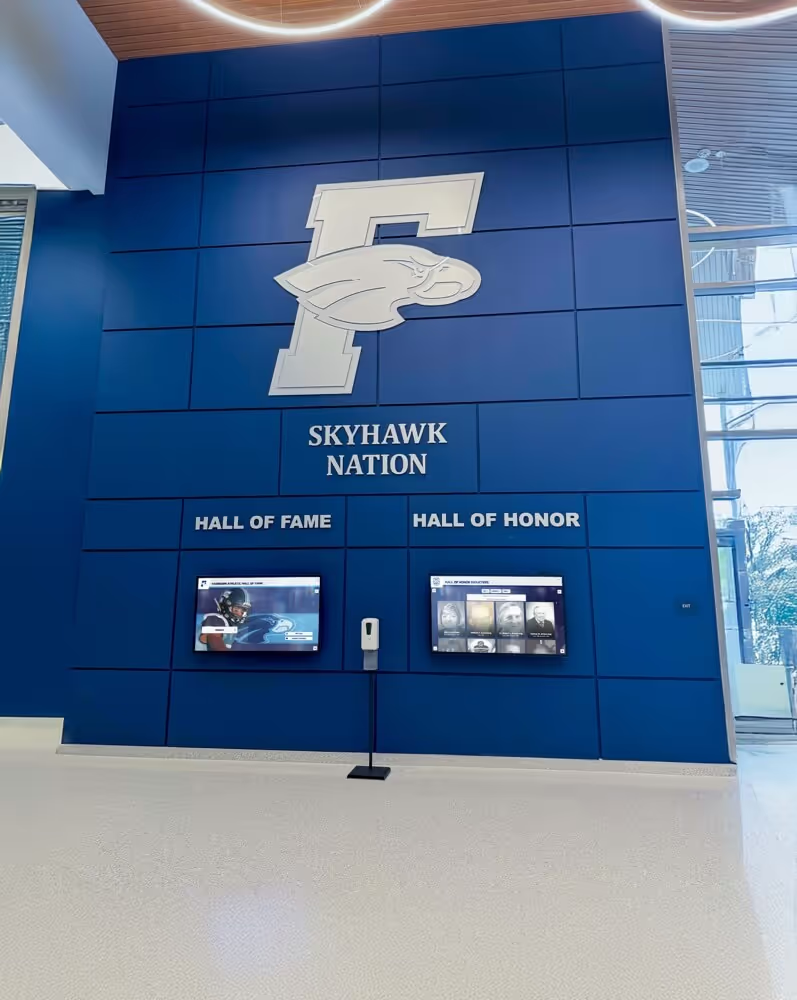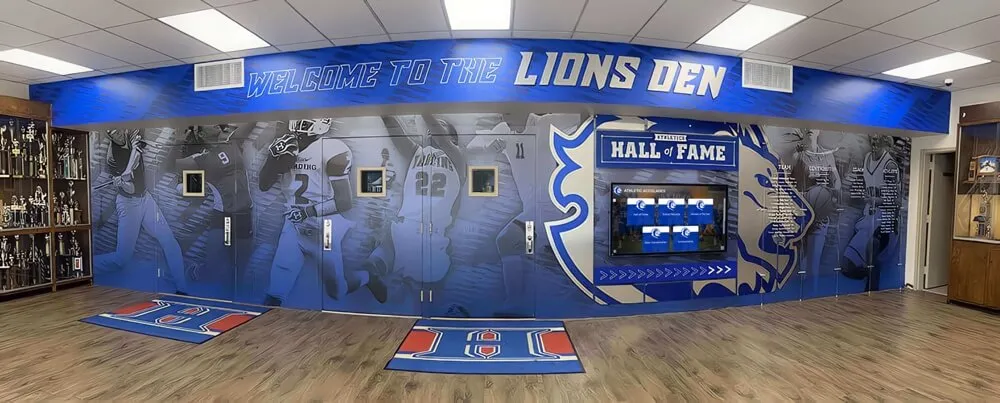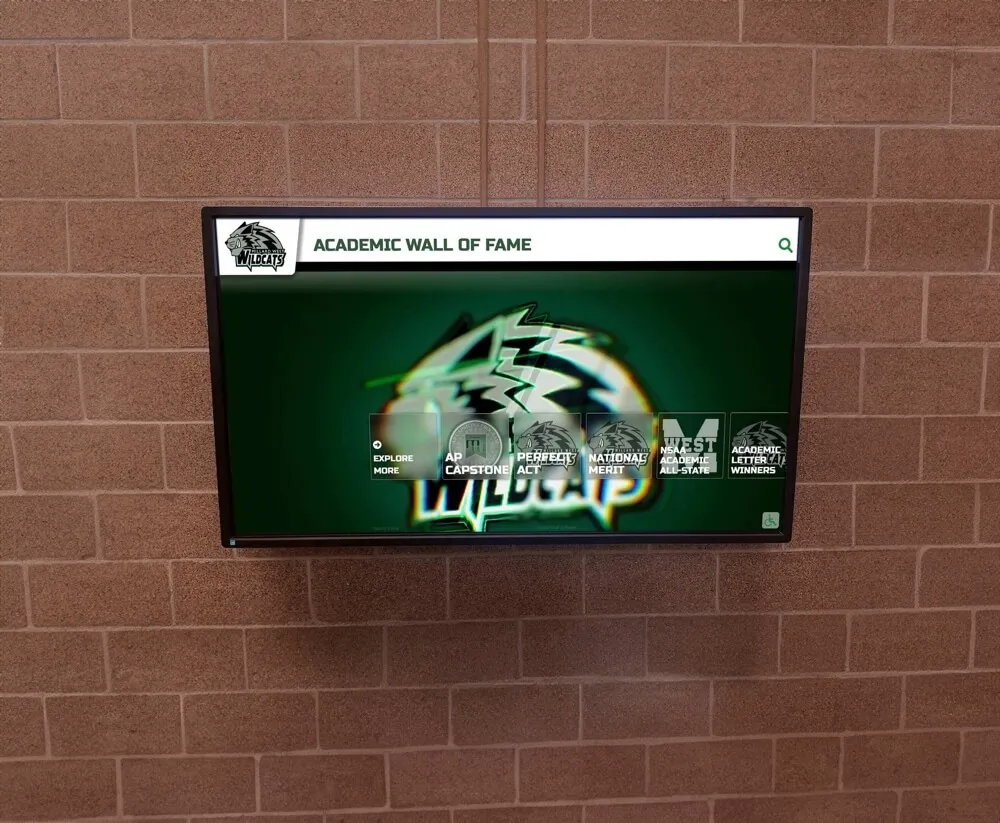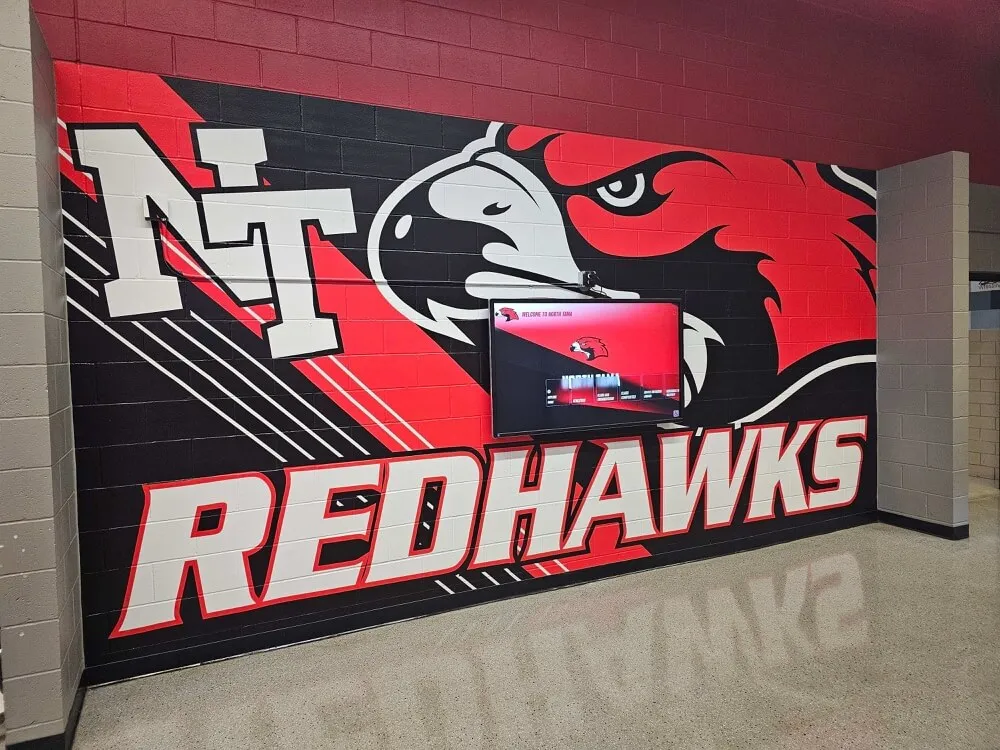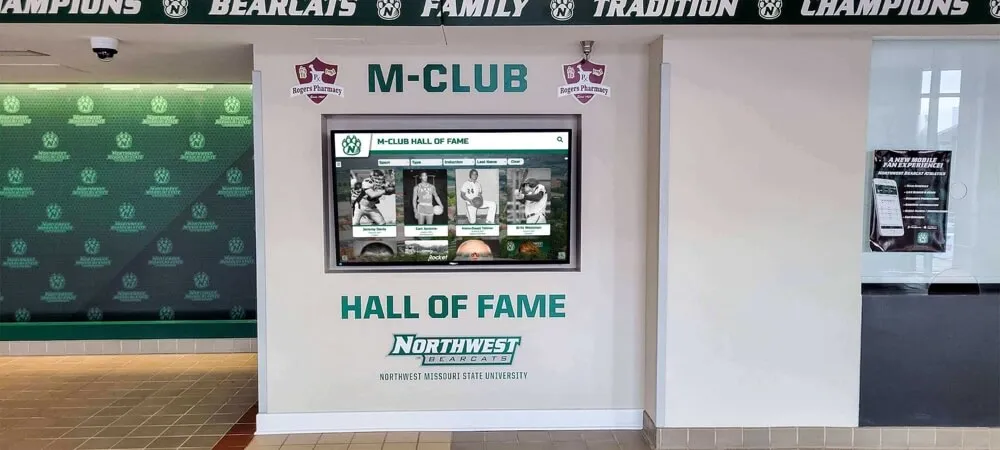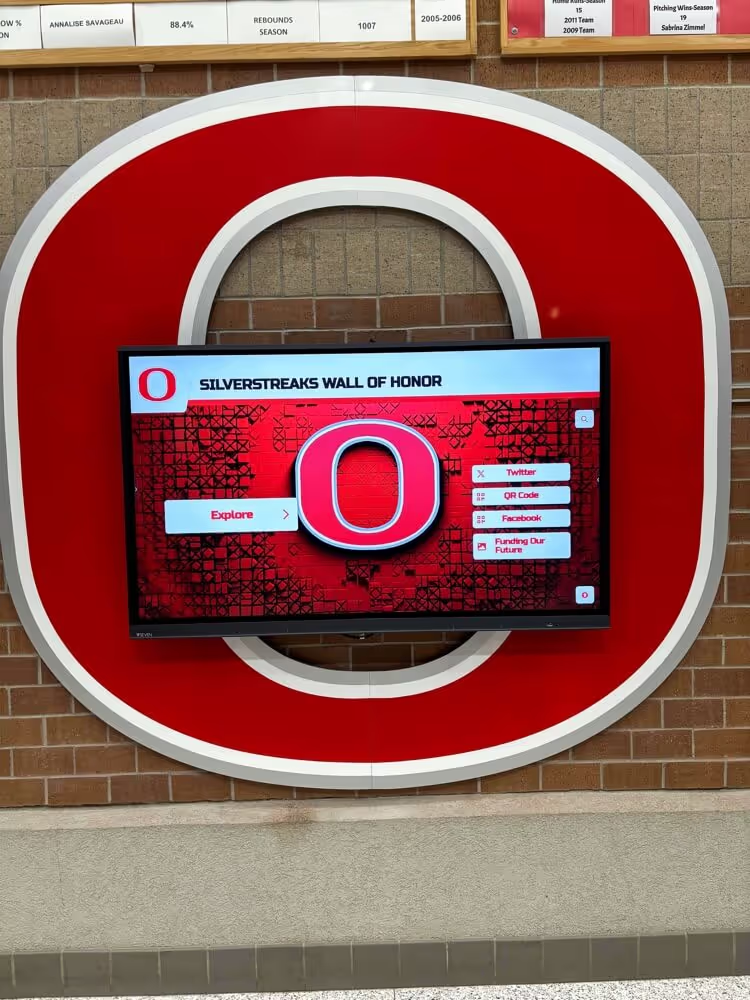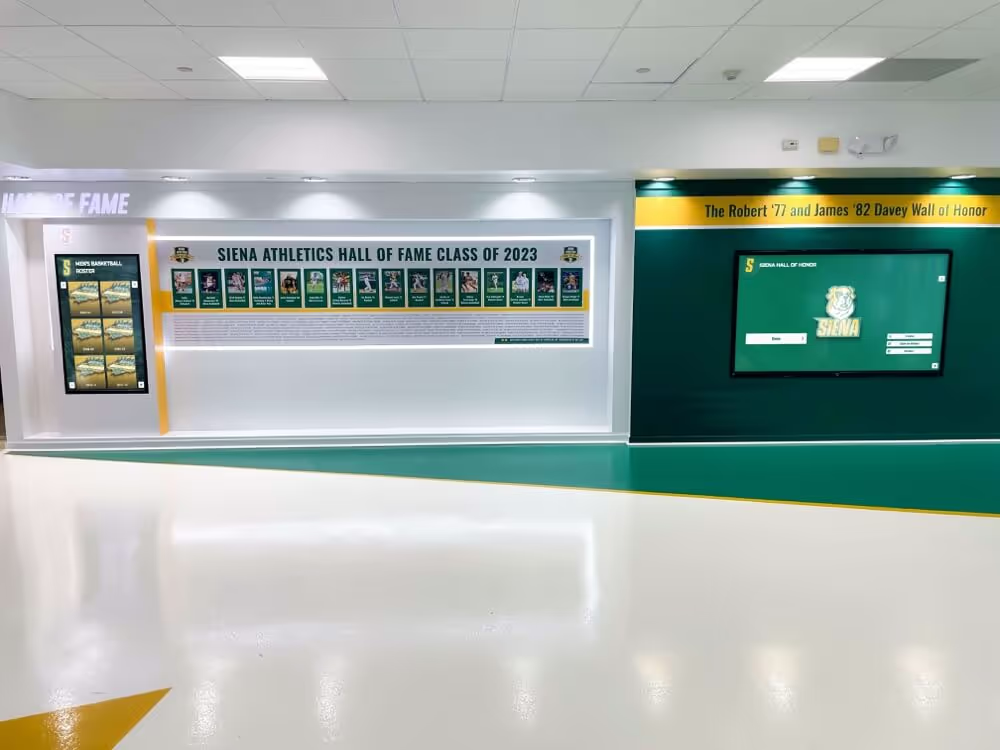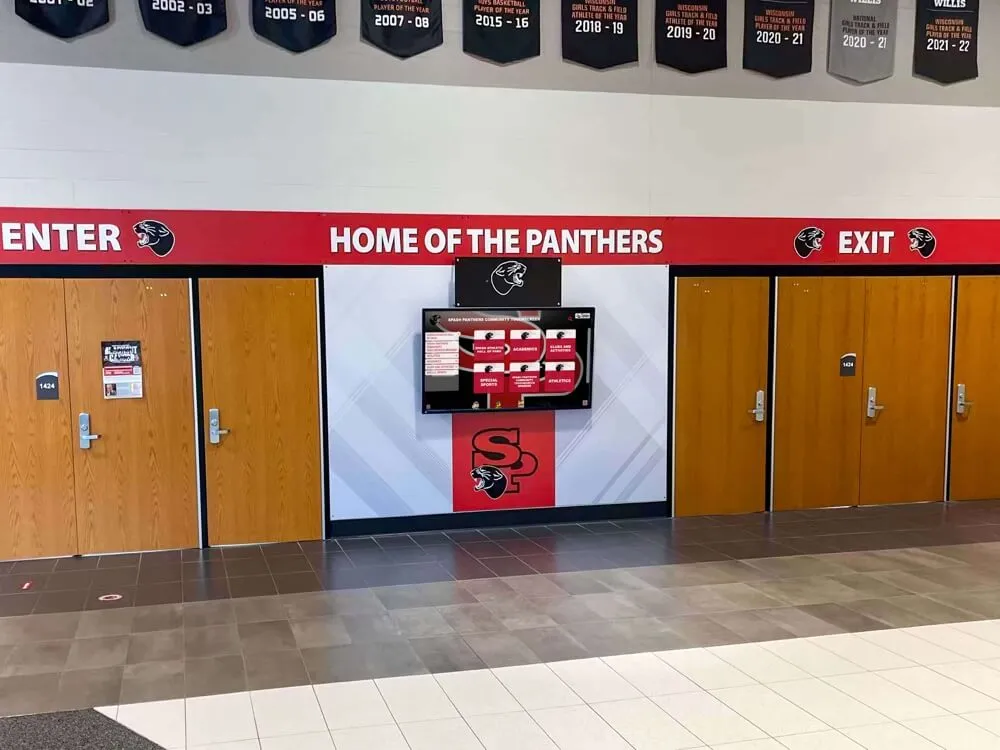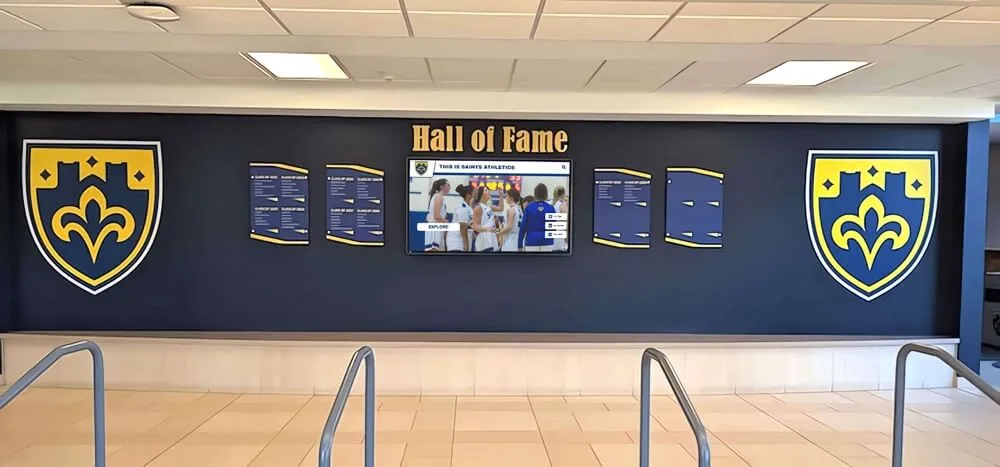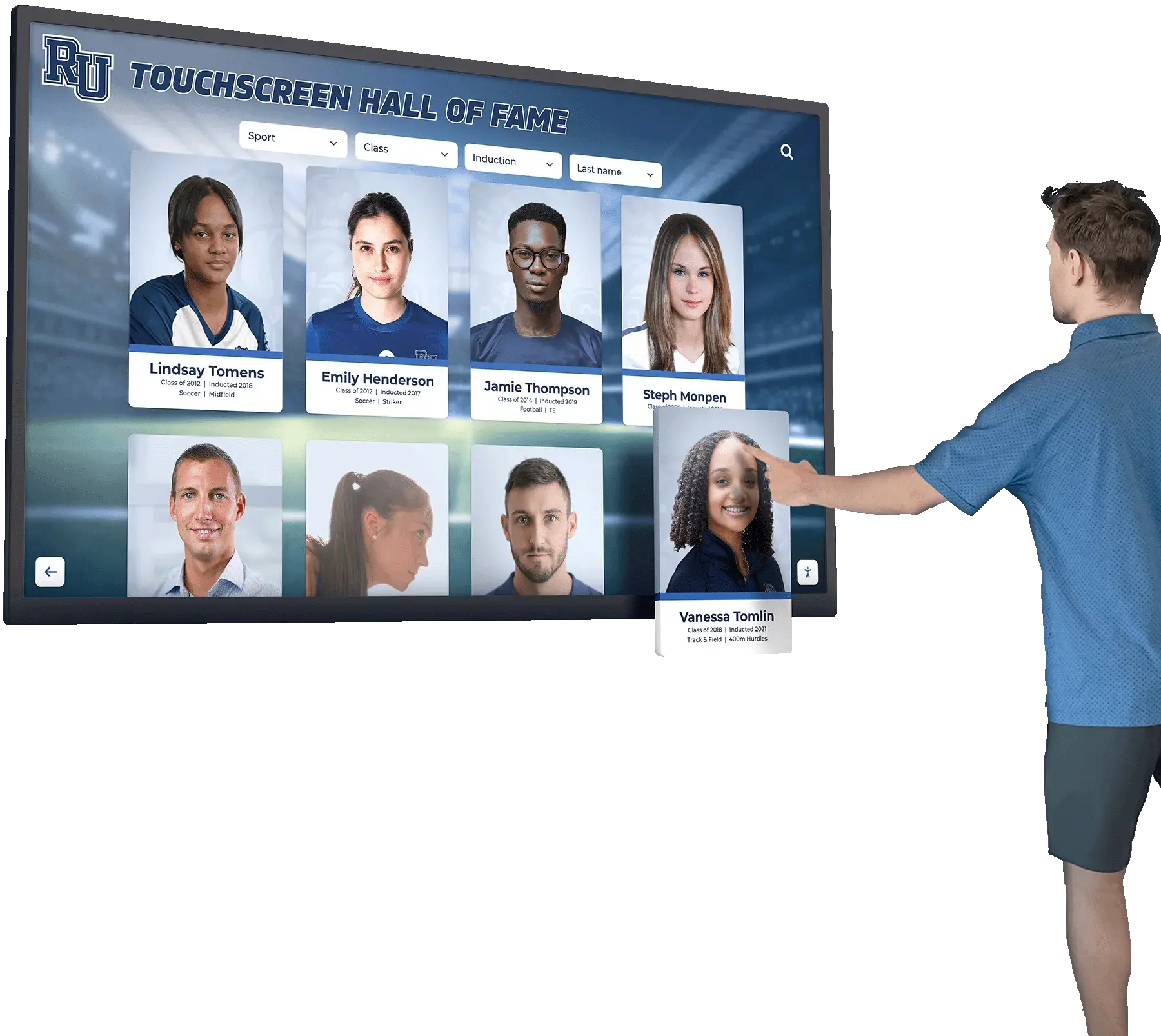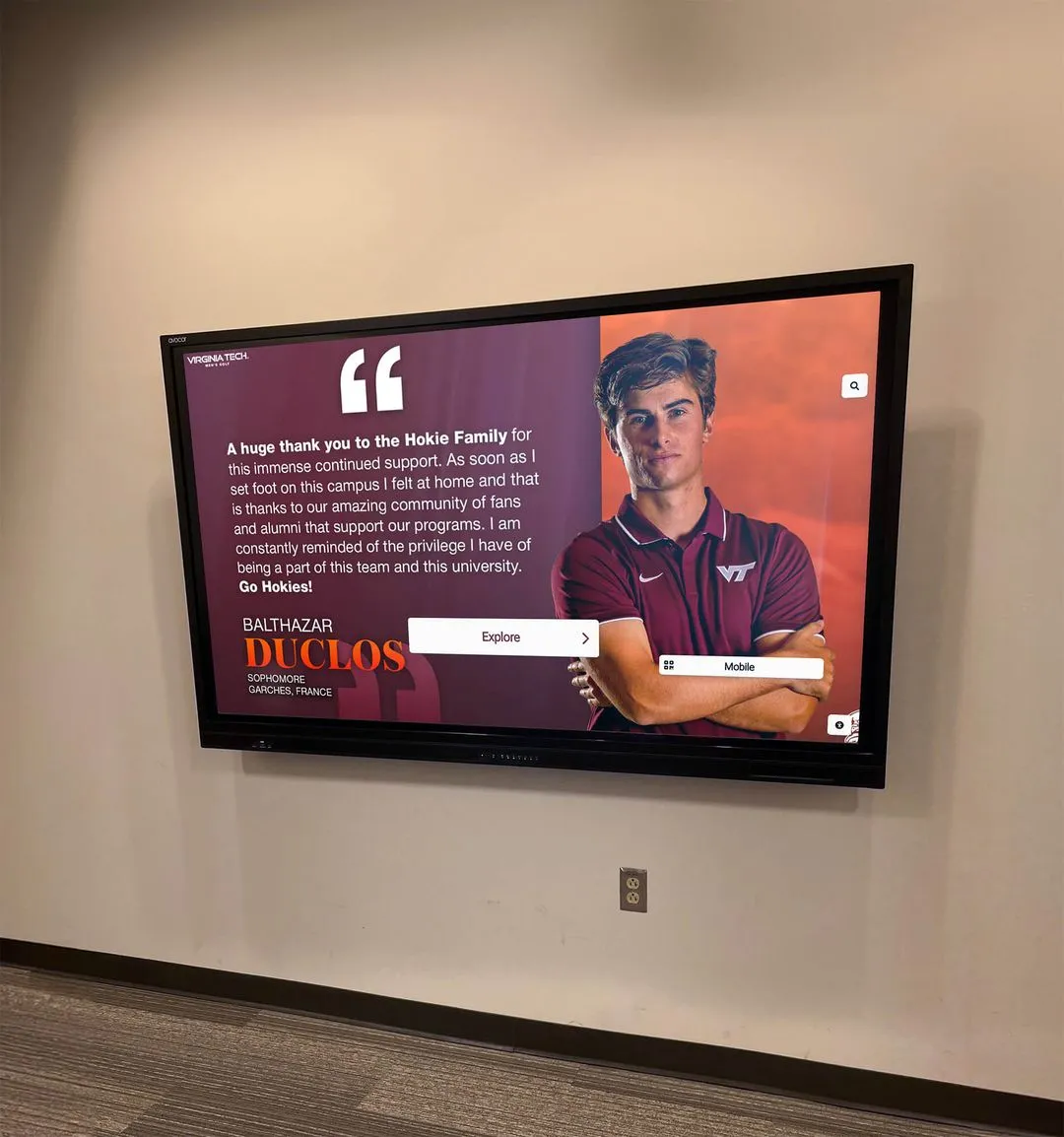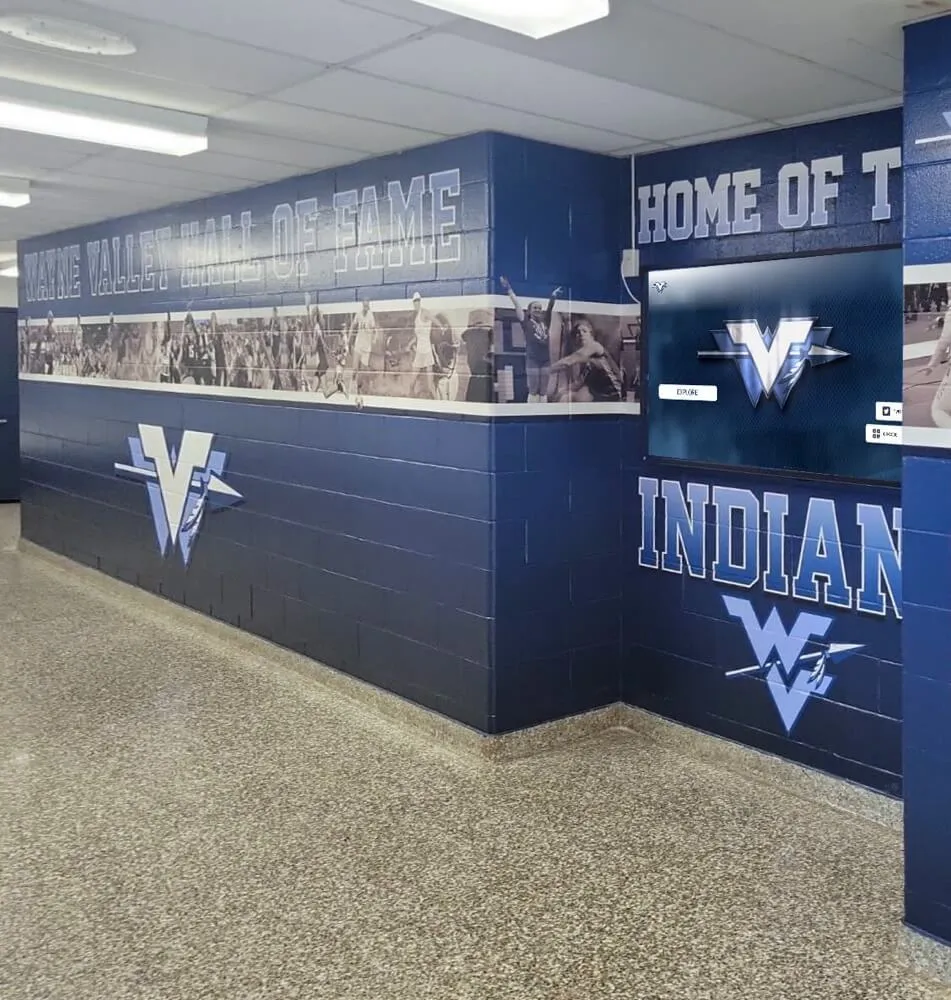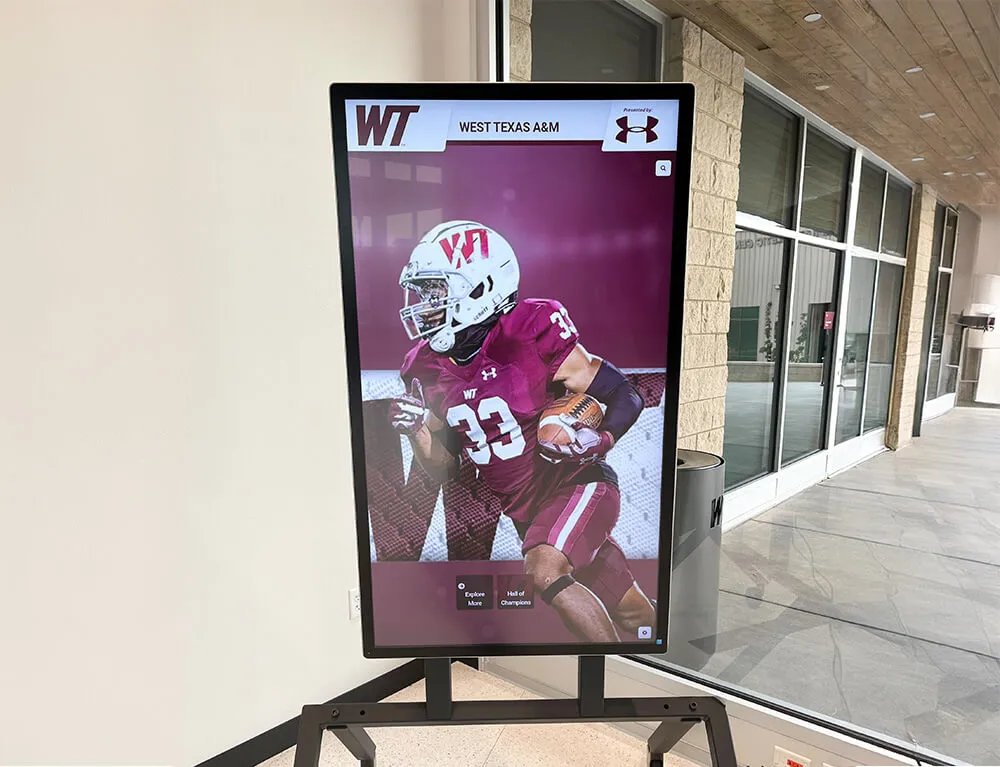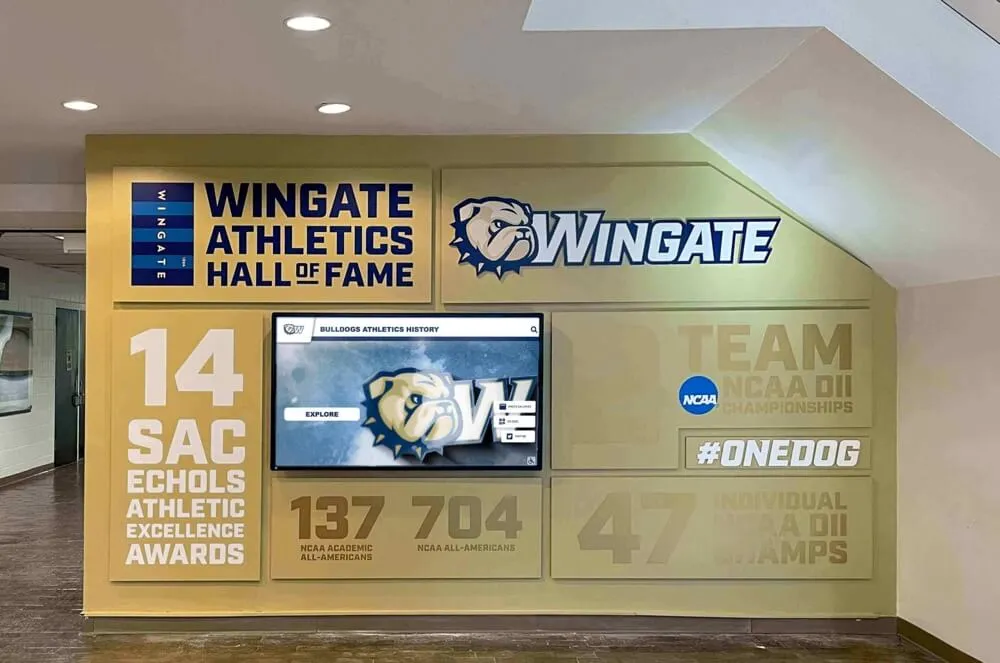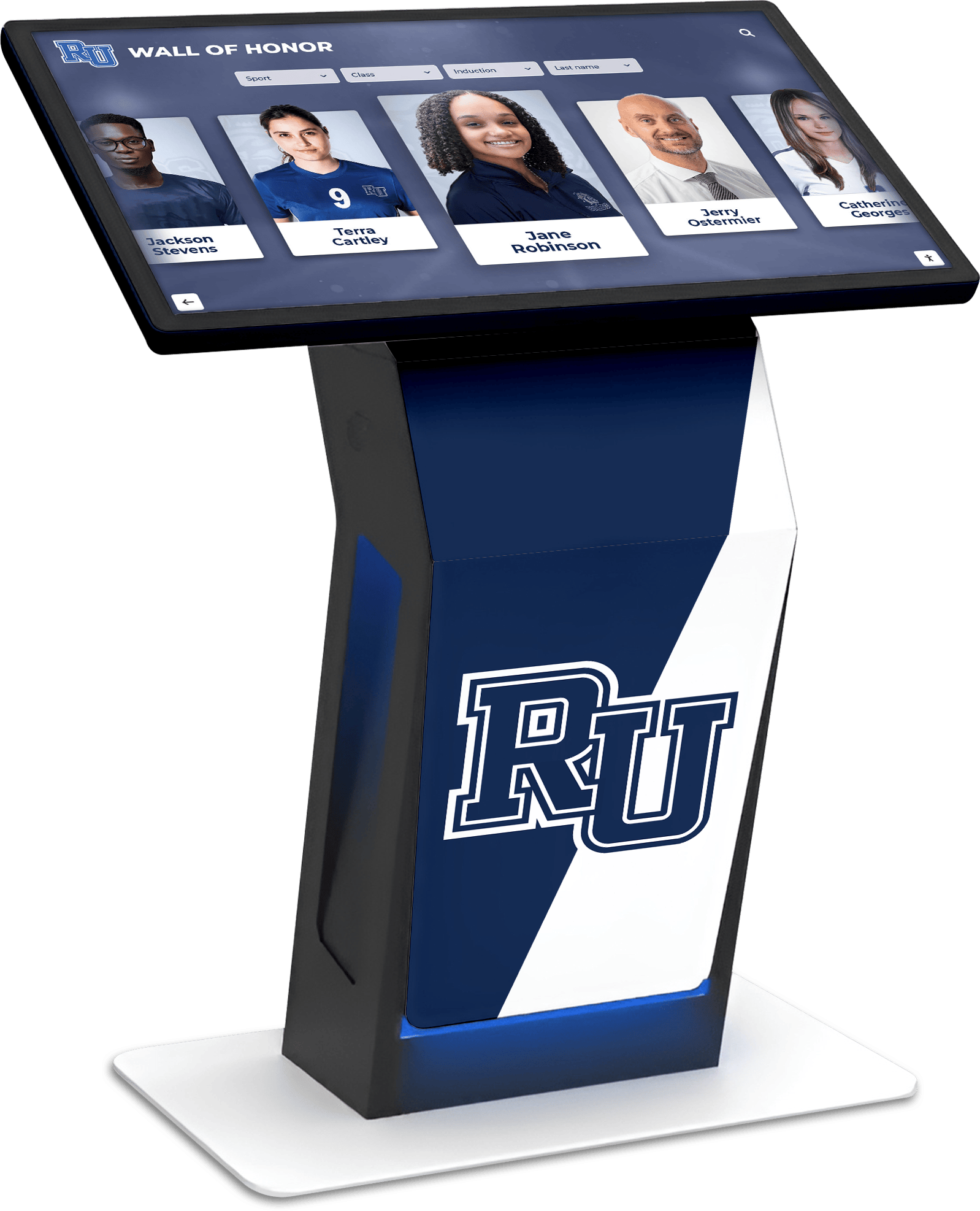
Touchscreen halls of fame represent the next generation of recognition technology, transforming how organizations celebrate achievement, honor contributors, and preserve institutional legacy. Unlike traditional plaques and static trophy cases that become outdated and overcrowded within years, interactive touchscreen displays offer unlimited capacity, engaging multimedia experiences, real-time updates, and accessible exploration that turns passive recognition into compelling storytelling that inspires visitors, donors, and stakeholders.
Organizations investing in recognition solutions face important decisions in 2026. Physical plaques require expensive re-engraving for every update, trophy cases run out of space as achievements accumulate, printed materials become outdated before installation completes, and traditional recognition methods fail to communicate the stories behind accomplishments. Meanwhile, deserving honorees whose contributions sustain organizational missions receive acknowledgment that feels static, impersonal, and disconnected from the transformative impact their achievements created.
Modern touchscreen hall of fame technology solves these challenges by providing dynamic platforms where unlimited honorees receive rich multimedia profiles, content updates happen instantly from anywhere, visitors explore achievements through intuitive touch interfaces, and recognition experiences adapt as organizations grow. This comprehensive guide examines what makes touchscreen hall of fame solutions exceptional, key features development teams should evaluate, implementation strategies that maximize engagement, and how to select systems that serve institutional needs for decades.
Understanding Touchscreen Hall of Fame Technology
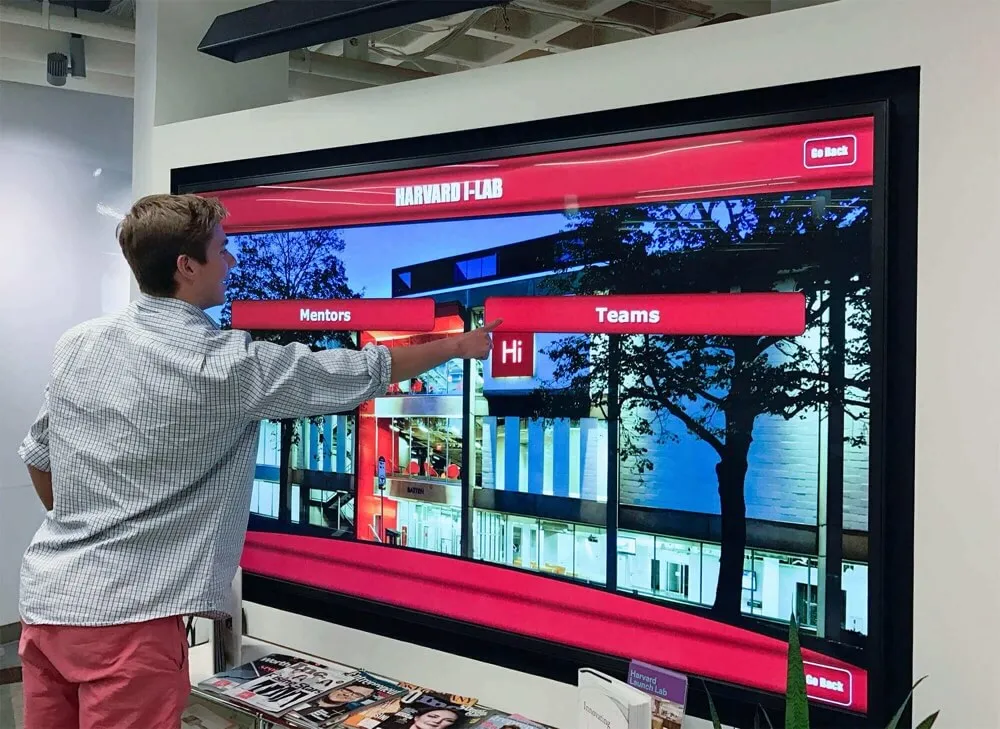
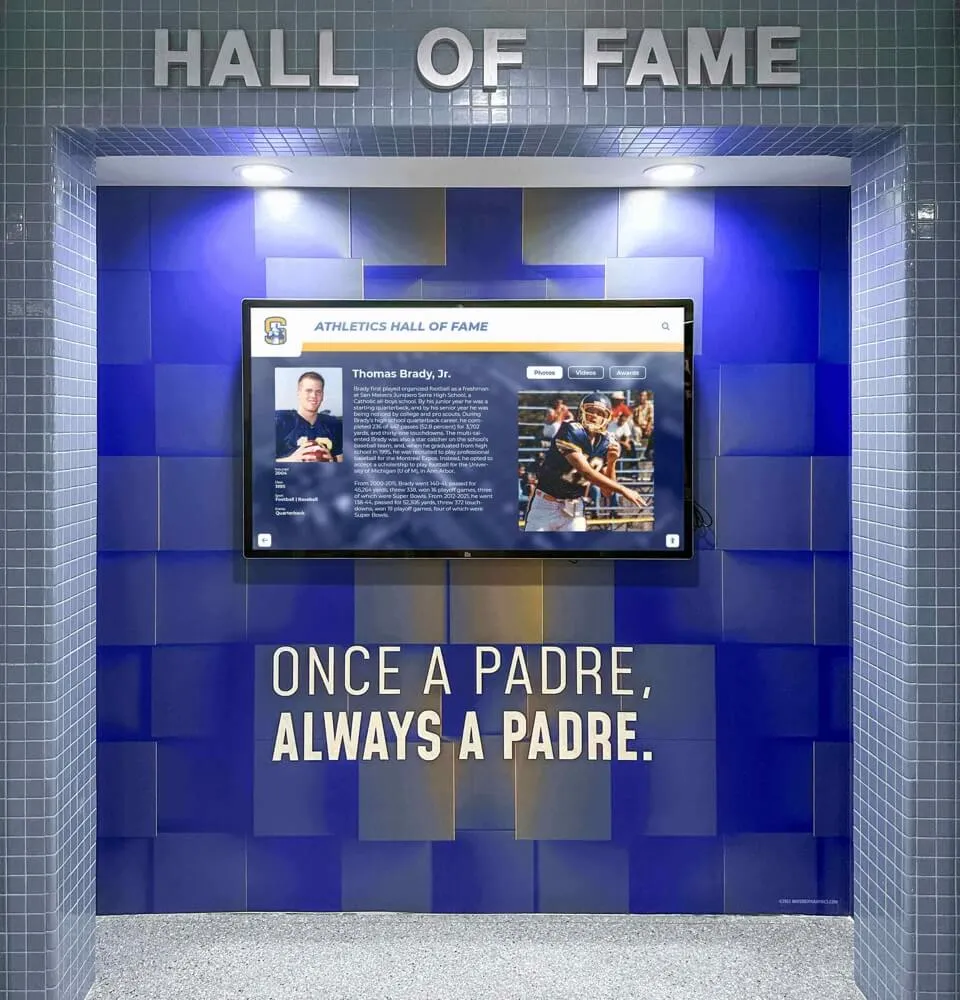
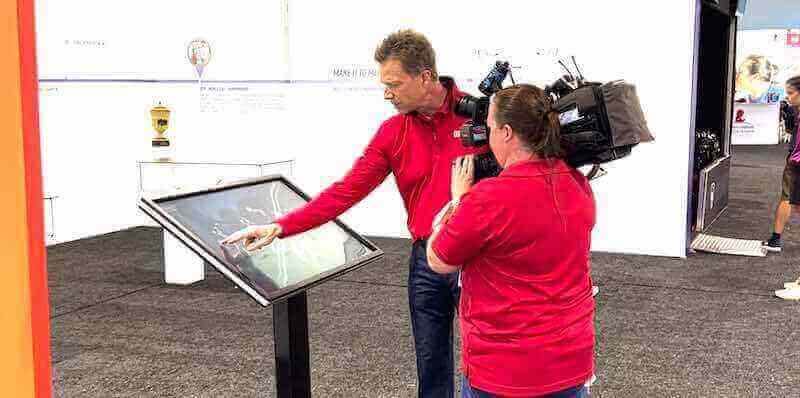
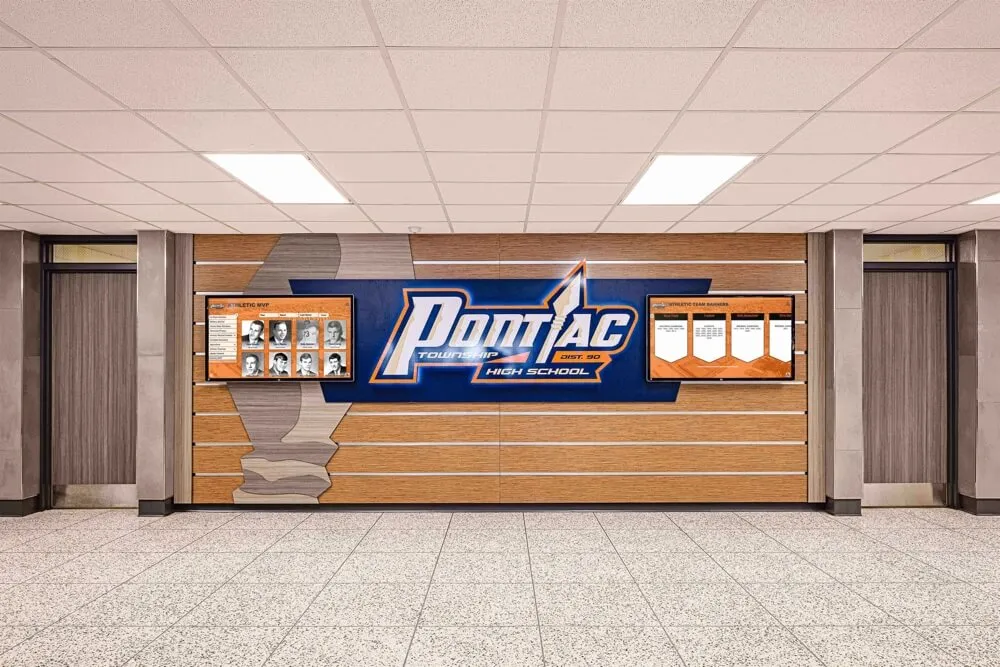
Touchscreen halls of fame utilize large-format interactive displays to present achievements, honor contributors, and tell institutional stories through engaging digital experiences. Rather than limiting recognition to engraved names on plaques, these systems present rich multimedia profiles including photos, videos, achievement timelines, biographical information, and searchable databases that visitors explore through intuitive touch interfaces.
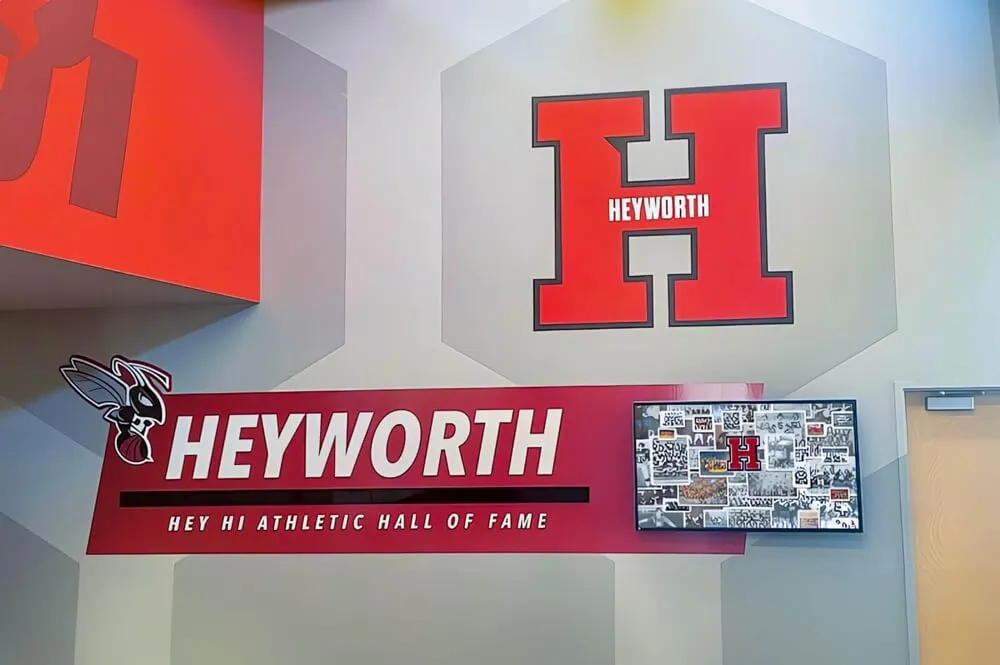
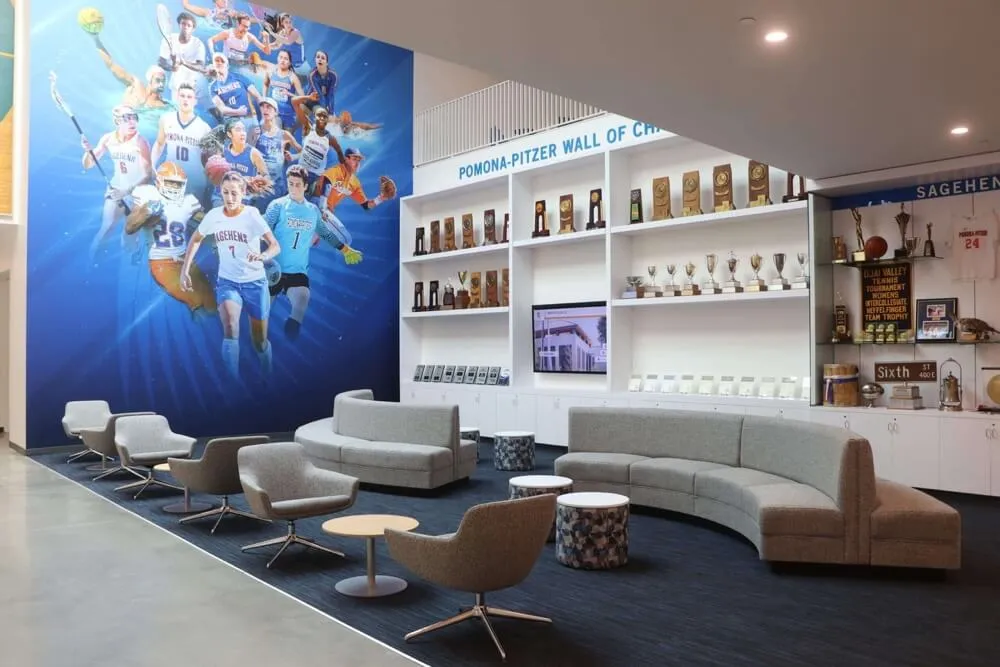
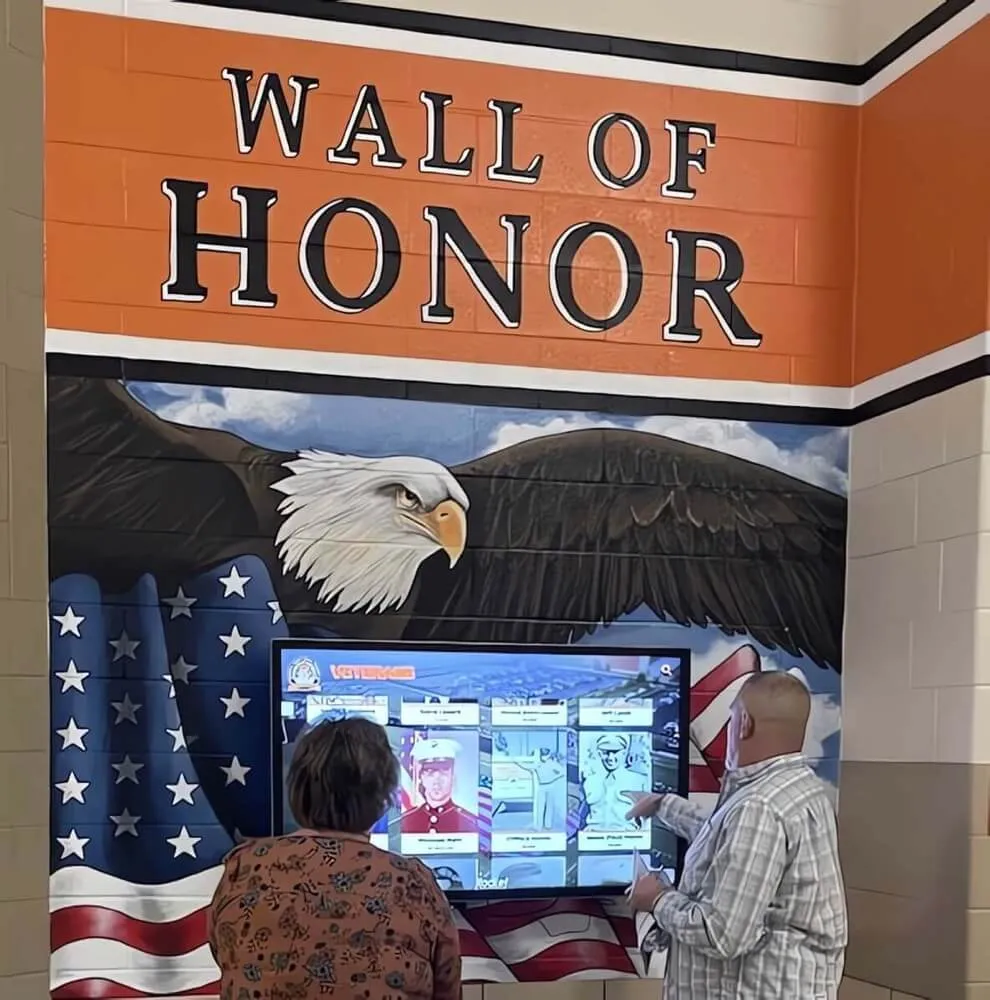
The technology serves diverse recognition needs across educational institutions, athletic programs, nonprofit organizations, museums, corporations, and community organizations. Schools deploy touchscreen displays to honor athletic achievements, celebrate academic excellence, and feature alumni success. Museums use interactive technology to present historical collections and featured exhibits. Nonprofit organizations implement digital donor walls to recognize contributions while communicating campaign progress and impact stories.
Core Components of Excellence
The best touchscreen hall of fame solutions combine several essential elements that separate exceptional systems from basic digital signage:
Unlimited Scalability Superior platforms accommodate unlimited honorees without space constraints. Organizations add new inductees indefinitely without replacing hardware, redesigning displays, or worrying about physical capacity limitations that plague traditional recognition methods.
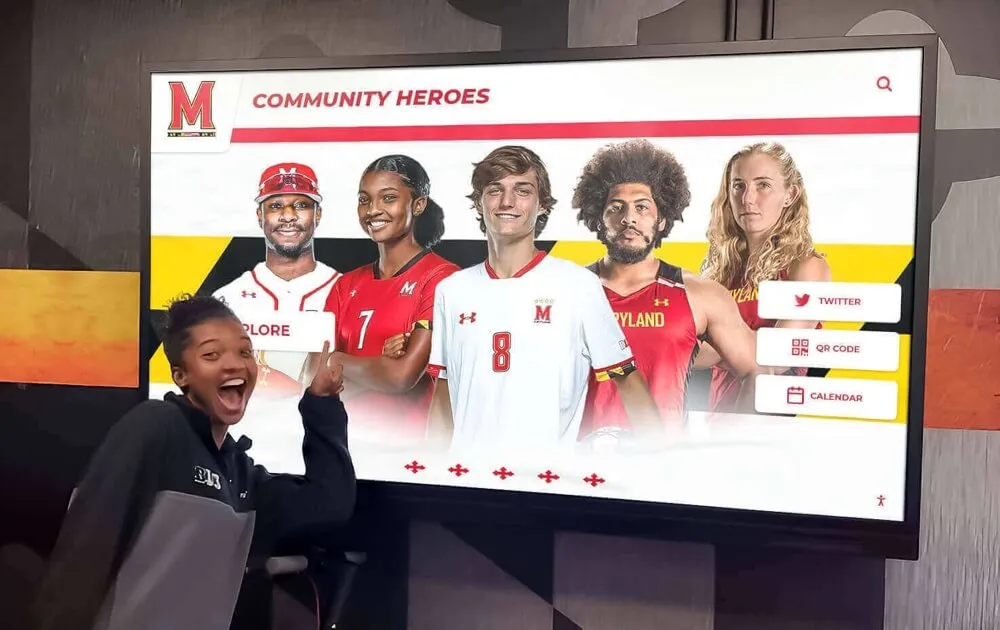

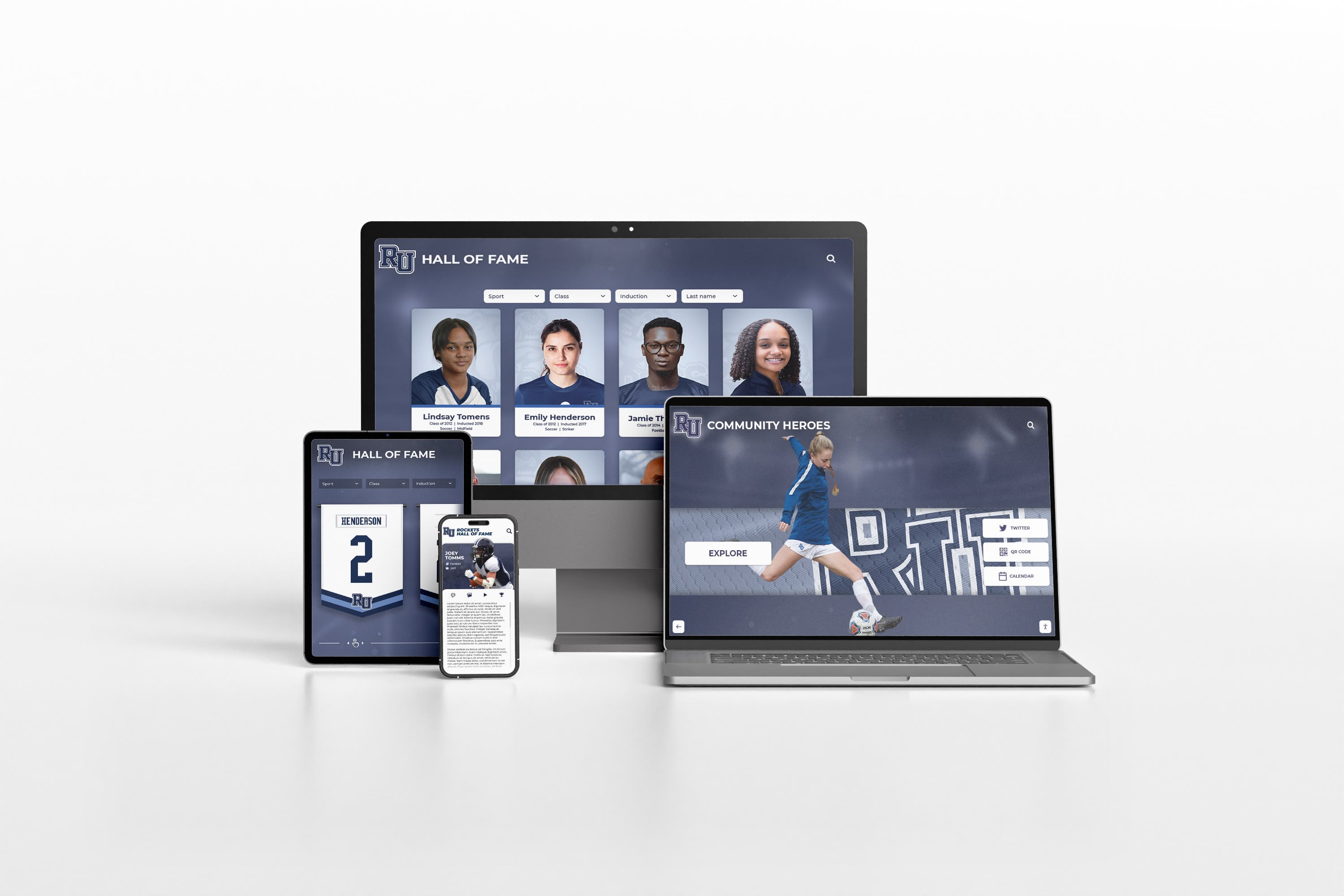
Intuitive Navigation Exceptional systems feature user-friendly interfaces that visitors navigate effortlessly. Search functionality allows quick access to specific honorees, browsable categories organize achievements logically, and touch-responsive design creates engaging exploration experiences that encourage extended interaction.
Rich Multimedia Support Top-tier solutions present comprehensive profiles combining photos, videos, biographical narratives, achievement timelines, and supporting documentation. This multimedia approach transforms simple name listings into compelling stories that communicate the full impact of honoree contributions.
Accessibility Compliance Professional-grade systems meet ADA accessibility requirements, ensuring recognition experiences serve all visitors regardless of physical abilities. This includes appropriate screen height, text sizing options, high-contrast display modes, and assistive technology compatibility.
Key Features That Define Superior Solutions
When evaluating touchscreen hall of fame platforms, development teams and facility managers should assess specific capabilities that determine long-term success and user satisfaction.
Content Management Systems
The best platforms provide web-based content management that authorized administrators access from any location. This enables real-time updates, collaborative editing workflows, and content scheduling without requiring physical access to display hardware or specialized technical expertise.
Look for systems offering:
- Browser-based editing interfaces that work on any device
- Role-based permissions controlling who can add, edit, or publish content
- Media libraries organizing photos, videos, and documents efficiently
- Preview modes showing exactly how content appears before publishing
- Version history tracking changes and enabling content restoration
Organizations benefit from digital hall of fame systems that make content updates as simple as updating a website, eliminating technical barriers that prevent timely recognition.
Display Quality and Hardware
Visual excellence matters when presenting institutional achievements. Superior touchscreen displays utilize commercial-grade panels designed for continuous operation, high-brightness output for various lighting conditions, and responsive touch technology that registers inputs accurately.
Hardware considerations include:
- Screen size appropriate for viewing distance and space constraints
- Resolution supporting crisp text and detailed images at scale
- Touch technology (capacitive vs. infrared) suited to usage patterns
- Enclosure design protecting components while complementing architectural aesthetics
- Mounting options (wall-mount, floor kiosk, custom integration) fitting installation requirements
Search and Filtering Capabilities
Robust search functionality transforms large recognition databases into easily navigable experiences. Visitors should find specific honorees quickly through name searches, discover achievements by filtering categories (sport, year, department, award type), and explore related content through intelligent linking.
Advanced systems offer:
- Auto-complete search suggestions guiding visitors to correct results
- Multiple filter combinations narrowing results by various criteria simultaneously
- Featured content displaying notable honorees or recent inductees
- Random profile displays introducing visitors to achievements they might not seek specifically
- Related content suggestions connecting similar achievements or time periods
Integration Capabilities
Modern touchscreen halls of fame should integrate with existing institutional systems rather than creating isolated data silos. Integration enables automated data synchronization, reduces administrative burden, and ensures consistency across recognition platforms.
Key integration opportunities include:
- Student information systems providing achievement data automatically
- Athletic management platforms supplying statistics and records
- Fundraising databases connecting donor information to recognition displays
- Digital yearbook archives linking historical photos and biographical content
- Social media feeds displaying current achievements and celebrating honorees
Schools implementing interactive touchscreen technology benefit from systems that complement existing technology ecosystems rather than requiring parallel data entry and maintenance.
Implementation Strategies for Maximum Impact
Successful touchscreen hall of fame installations require thoughtful planning beyond hardware selection. Strategic implementation ensures displays serve intended purposes, engage target audiences, and deliver lasting value.
Location and Placement
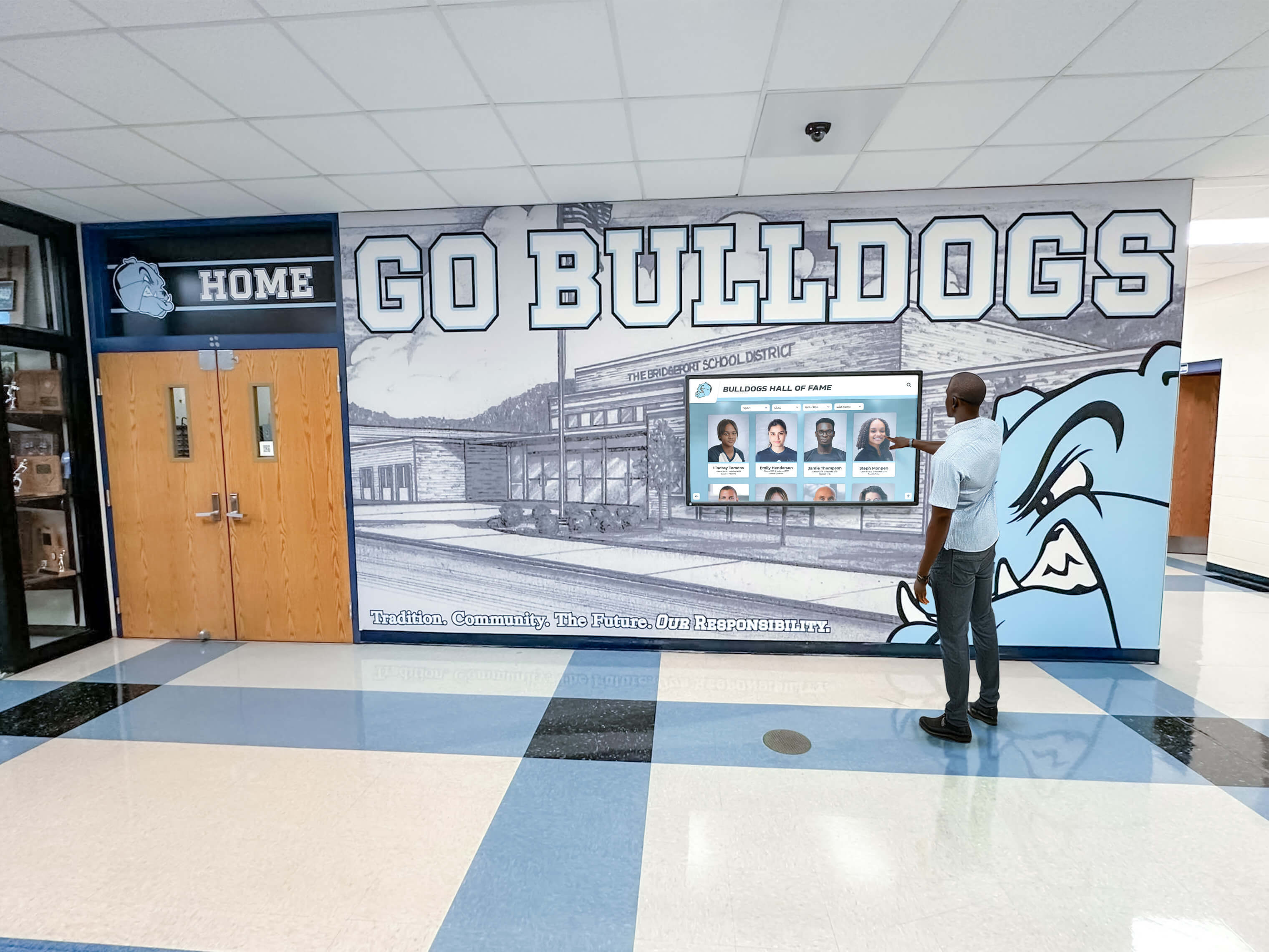
Strategic placement maximizes visibility and usage. High-traffic areas where visitors naturally congregate create more engagement than isolated locations requiring intentional detours. Consider installing touchscreen displays in:
School and University Settings
- Main lobbies and entrance areas welcoming visitors
- Athletic facilities featuring sports achievements
- Alumni centers celebrating graduate accomplishments
- Development offices supporting fundraising conversations
- Commons areas where students, staff, and visitors gather
Museum and Cultural Institutions
- Exhibit entrances providing context and background information
- Gallery spaces complementing physical displays with digital depth
- Education centers supporting learning programs
- Memorial halls honoring historical figures and events
Corporate and Community Organizations
- Lobby areas greeting visitors and clients
- Conference rooms supporting presentations and meetings
- Employee recognition areas celebrating team achievements
- Event spaces facilitating donor appreciation and ceremonies
Content Strategy and Messaging
Recognition messaging shapes how honorees feel valued and how audiences understand institutional priorities. Development teams should establish clear content guidelines ensuring consistency, appropriate tone, and meaningful recognition that honors contributors while advancing organizational mission.
Effective donor recognition examples demonstrate how thoughtful messaging combines gratitude, impact storytelling, and institutional values in ways that inspire continued engagement and future giving.
Content Guidelines Should Address:
- Profile length and formatting standards
- Photo requirements (resolution, orientation, style)
- Biographical information scope and privacy considerations
- Achievement descriptions emphasizing impact over simple listing
- Tone and voice reflecting institutional values
- Update frequency maintaining currency and relevance
Recognition Messaging Best Practices:
- Lead with honoree impact rather than organizational needs
- Include specific achievement details that make recognition meaningful
- Connect individual contributions to broader institutional mission
- Acknowledge supporting relationships (coaches, mentors, family)
- Use inclusive language honoring diverse achievement types
- Balance historical recognition with contemporary celebrations
User Experience Design
Interface design significantly impacts whether visitors engage with touchscreen halls of fame or simply walk past. Professional designs prioritize intuitive navigation, clear visual hierarchy, and responsive interactions that make exploration rewarding.
Design elements supporting positive user experiences include:
- Large, clearly labeled buttons accommodating various user abilities
- High-contrast color schemes ensuring readability in different lighting
- Logical information architecture grouping related content sensibly
- Consistent navigation patterns reducing learning curves
- Appropriate text sizing readable from typical viewing distances
- Loading indicators providing feedback during content transitions
Organizations planning digital trophy case implementations should prioritize user experience design as critically as hardware specifications, recognizing that technical capability means nothing if visitors don’t engage with content.
Selecting the Right Touchscreen Hall of Fame Platform
Organizations face numerous options when choosing interactive recognition technology. Understanding key evaluation criteria helps development teams, facility managers, and institutional leaders select platforms delivering long-term value.
Total Cost of Ownership
Initial purchase price represents only one component of total investment. Complete cost analysis should include:
Upfront Costs
- Display hardware (screens, enclosures, mounting systems)
- Content management software licensing
- Installation and integration services
- Initial content creation and data migration
- Staff training and documentation
Ongoing Expenses
- Software subscription or maintenance fees
- Content updates and media production
- Hardware warranty and technical support
- Electricity and facility costs
- Future expansion and upgrades
Organizations should request detailed pricing covering the complete ownership lifecycle rather than comparing isolated hardware quotes that obscure true investment requirements.
Vendor Support and Longevity
Technology partnerships extend beyond initial installation. Organizations depend on vendors for ongoing support, software updates, content assistance, and hardware service throughout system lifecycles often spanning decades.
Evaluate vendor capabilities including:
- Company history and financial stability indicating long-term viability
- Support availability (hours, response times, communication channels)
- Update frequency demonstrating commitment to product improvement
- Customer references from similar organizations and use cases
- Training resources helping staff manage systems independently
- Replacement part availability and hardware service options
Customization and Branding
Recognition displays should reflect institutional identity through customized design incorporating brand colors, logos, typography, and visual styles. The best platforms offer extensive customization without requiring custom development or additional fees for basic branding needs.
Customization options to evaluate:
- Color scheme adjustments matching institutional branding
- Logo placement and sizing control
- Typography selection using institutional font families
- Layout modifications adapting to specific content types
- Background imagery incorporating campus or facility photos
- Interface language for multilingual recognition needs
Schools implementing hall of fame selection criteria benefit from systems flexible enough to present diverse achievement types through customized display formats while maintaining consistent institutional branding.
Comparing Traditional vs. Digital Recognition
Understanding how touchscreen halls of fame compare with traditional recognition methods helps organizations make informed decisions about recognition investments.
Capacity and Scalability
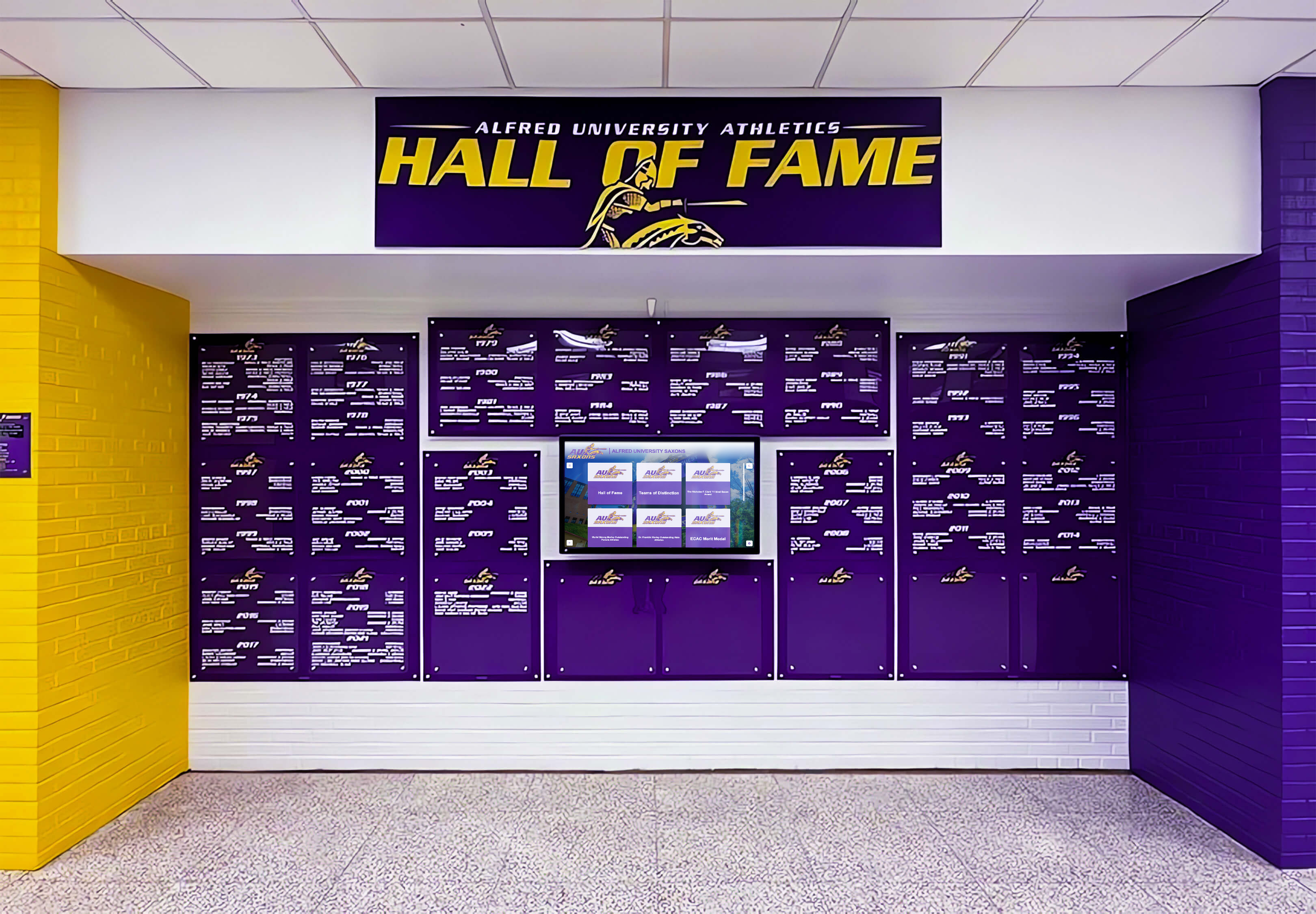
Traditional plaques and trophy cases face inevitable space limitations. Physical displays accommodate finite numbers of honorees before requiring expansion, redesign, or difficult decisions about what recognition to remove. This creates ongoing costs and logistical challenges as achievements accumulate.
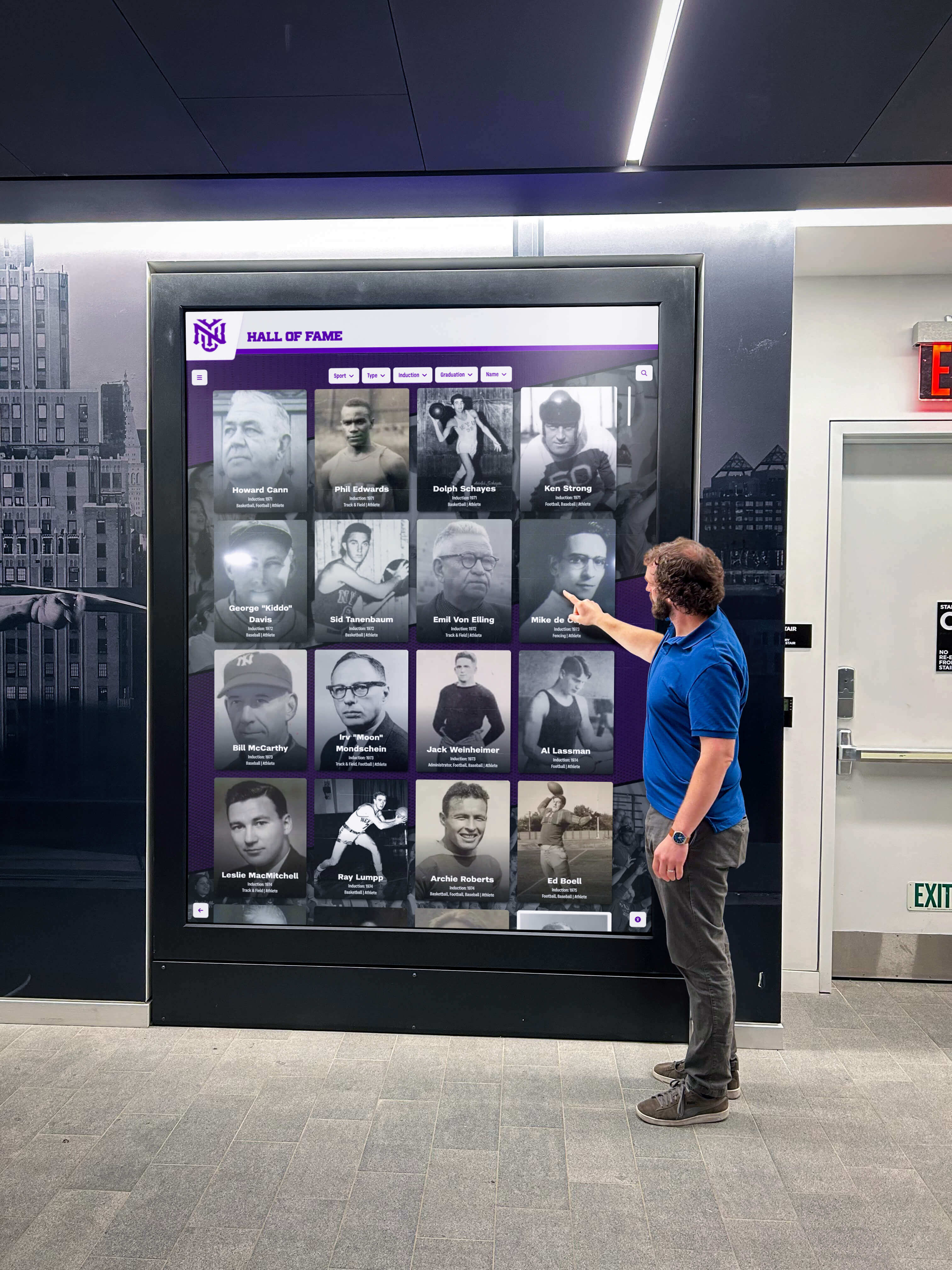
Digital platforms eliminate capacity constraints entirely. Organizations add unlimited honorees without space concerns, include extensive biographical content impossible on physical plaques, and present multiple recognition programs through single displays. This scalability proves particularly valuable for institutions with long histories and numerous achievement categories.
Update Flexibility and Accuracy
Engraved plaques become permanent once installed. Correcting errors, updating information, or adding context requires expensive re-engraving or replacement. This permanence often leads to delayed recognition while committees finalize details, creating frustration for honorees awaiting acknowledgment.
Touchscreen systems enable instant updates from any location. Organizations correct errors immediately, update profiles as new achievements occur, and maintain current information reflecting honoree accomplishments. This flexibility supports timely recognition while ensuring accuracy throughout honoree lifetimes.
Engagement and Storytelling
Physical plaques communicate limited information—typically names, years, and basic achievement descriptions. Visitors receive minimal context about honoree contributions, accomplishments, or impact on institutional missions. This brevity fails to inspire emotional connections or demonstrate the significance of achievements being recognized.
Interactive displays transform recognition into engaging storytelling. Rich multimedia profiles include photos from honoree careers, video interviews sharing personal perspectives, achievement timelines showing progression and impact, and narrative descriptions explaining contribution significance. This depth creates meaningful connections between visitors and institutional heritage.
Accessibility and Inclusion
Traditional recognition often presents accessibility challenges. Plaques mounted high on walls prove difficult for wheelchair users to read, small engraving text challenges visitors with visual impairments, and physical arrangement makes navigation challenging for visitors with mobility limitations.
Digital platforms designed with accessibility in mind serve all visitors effectively. Appropriate screen placement accommodates various heights and approaches, text sizing adjusts to individual needs, high-contrast modes assist visitors with visual challenges, and logical navigation supports visitors with cognitive differences.
Maximizing Return on Recognition Investment
Touchscreen halls of fame deliver value beyond basic recognition when organizations implement strategic approaches maximizing system capabilities and audience engagement.
Multi-Purpose Display Utilization
Rather than dedicating expensive displays to single-purpose recognition, forward-thinking organizations configure systems supporting multiple functions. This approach maximizes investment value while ensuring displays remain relevant and utilized.
Multi-purpose implementations might include:
- Athletic recognition during sports seasons, academic achievement during graduation periods
- Donor walls during fundraising campaigns, event information during gatherings
- Historical archives as permanent content, temporary exhibits for special occasions
- Directory information for daily use, recognition content for celebrations and tours
- Community announcements between recognition browsing sessions
Organizations implementing interactive display technology for recognition should evaluate platforms flexible enough to serve evolving institutional needs beyond initial implementation purposes.
Data-Driven Content Optimization
Modern touchscreen systems can track usage patterns revealing which content visitors engage with most frequently, how long visitors interact with displays, which navigation paths prove most popular, and where visitors abandon exploration. This data informs content improvement strategies maximizing engagement.
Analytics applications include:
- Identifying underutilized content requiring better promotion or presentation
- Recognizing popular profiles worthy of featured placement
- Understanding peak usage times informing content update scheduling
- Discovering common search terms suggesting missing content or categories
- Evaluating navigation patterns revealing confusing interface elements
Social Media and Marketing Integration
Recognition content developed for touchscreen displays serves broader institutional marketing and communications needs. Organizations can repurpose honoree profiles for social media posts, incorporate recognition content into fundraising materials, share achievement stories through alumni communications, and utilize multimedia assets across multiple platforms.
This integration extends recognition impact beyond physical display locations while maximizing return on content creation investments. Schools celebrating team recognition ideas through touchscreen displays can share the same stories, photos, and videos through social media channels, creating multiple touchpoints with stakeholders.
Future Trends in Interactive Recognition Technology
Touchscreen hall of fame technology continues evolving as new capabilities emerge and organizational expectations advance. Understanding emerging trends helps organizations select platforms positioned to incorporate future innovations.
Artificial Intelligence and Personalization
Emerging systems utilize artificial intelligence to personalize recognition experiences based on visitor interests, browsing history, and stated preferences. AI applications might include intelligent content recommendations suggesting related honorees, automated content generation creating achievement summaries from structured data, or natural language interfaces allowing visitors to ask questions about institutional history.
Augmented Reality Integration
Some platforms now incorporate augmented reality features enabling visitors to experience recognition content through smartphone cameras. This technology might overlay historical photos onto current facility views, present 3D models of trophies and artifacts, or enable virtual “conversations” with honorees through video presentations.
Remote Access and Virtual Tours
Modern recognition platforms increasingly provide web-based access extending reach beyond physical display locations. Alumni browsing from anywhere in the world can explore halls of fame, prospective students can experience institutional achievement during virtual tours, and donors can see their recognition from home. This remote access maximizes recognition investment while serving geographically distributed stakeholder communities.
Organizations implementing digital archives should prioritize platforms supporting both physical touchscreen displays and web-based access, ensuring recognition reaches audiences regardless of location or visitation patterns.
Environmental Sustainability
Sustainability considerations increasingly influence technology purchasing decisions. Modern touchscreen displays utilize energy-efficient LED backlighting, automatic brightness adjustment reducing unnecessary power consumption, and scheduled operation turning displays off during unoccupied hours. Organizations should evaluate environmental impact alongside functionality when selecting recognition technology.
Implementation Checklist: Planning Your Touchscreen Hall of Fame
Organizations planning touchscreen hall of fame implementations should address key questions and decisions systematically:
Strategic Planning
- What recognition purposes will the system serve (athletics, donors, academics, history)?
- Who comprises our target audience (visitors, donors, students, alumni)?
- What success metrics will we use to evaluate effectiveness?
- How does digital recognition support broader institutional priorities?
Technical Requirements
- What physical space constraints affect display sizing and placement?
- What existing systems should integrate with the recognition platform?
- What accessibility requirements must the solution meet?
- What network infrastructure supports the installation location?
Content Preparation
- What existing recognition data requires migration to the new system?
- What photo and video assets are available for honoree profiles?
- Who will manage ongoing content updates and maintenance?
- What approval workflows ensure content accuracy and appropriateness?
Budget and Resources
- What total budget covers hardware, software, installation, and content creation?
- What ongoing operational budget supports subscriptions and maintenance?
- What staff time is available for system management and content updates?
- What timeline constraints affect installation and launch?
Vendor Evaluation
- What vendor experience and references demonstrate capability?
- What support and training resources ensure successful implementation?
- What contractual terms protect organizational interests?
- What upgrade paths accommodate future growth and needs?
Why Rocket Alumni Solutions Leads Touchscreen Hall of Fame Technology
When organizations seek the best touchscreen hall of fame solutions, they increasingly turn to platforms that combine unlimited scalability, intuitive interfaces, comprehensive support, and flexible pricing designed for educational and nonprofit budgets.
Solutions like Rocket Alumni Solutions address common recognition challenges through web-based content management enabling updates from anywhere, unlimited honoree capacity accommodating institutional growth indefinitely, and multimedia support presenting rich achievement stories that inspire stakeholders. The platform serves diverse recognition needs including athletic halls of fame, donor walls, academic achievement displays, and historical archives through a single flexible system.
Organizations benefit from implementation support that includes hardware procurement guidance, content strategy consultation, staff training, and ongoing technical assistance ensuring long-term success. Rather than purchasing basic digital signage and attempting to build recognition functionality independently, institutions access purpose-built platforms designed specifically for hall of fame applications.
The approach prioritizes accessibility, ensuring recognition experiences serve all visitors regardless of physical abilities. ADA-compliant design, intuitive navigation, and responsive touch interfaces create engaging experiences that traditional recognition methods cannot match.
Ready to transform institutional recognition through interactive touchscreen technology? Book a demo to explore how modern hall of fame solutions serve your organization’s unique recognition needs.