Booster Club Accounts Payable Aging Report: Track Bills Before They Become Problems

A booster club accounts payable aging report is a snapshot of every bill the organization owes, sorted into time buckets—typically 0–30 days, 31–60 days, 61–90 days, and 90-plus days—so the board can see at a glance which invoices are current, which are approaching their due date, and which are already overdue. For programs managing vendor payments across uniform orders, equipment purchases, event production, awards, and sponsor benefit fulfillments, the aging report is the single document that prevents a late payment from quietly becoming a relationship problem, a late fee, or a disputed deliverable.
Running the report monthly—and reviewing it at every board meeting—closes the gap between receiving an invoice and issuing payment before that gap grows large enough to cause harm.
This guide is for informational purposes only and does not constitute legal, accounting, financial, or compliance advice. Consult your organization’s licensed CPA, attorney, or district policy owners for guidance specific to your structure, tax-exempt status, and jurisdiction.

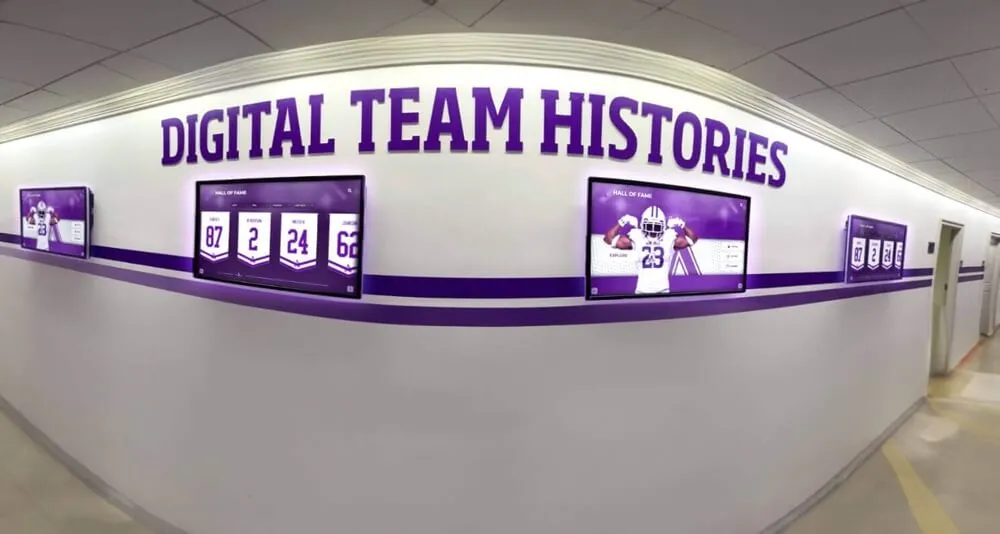
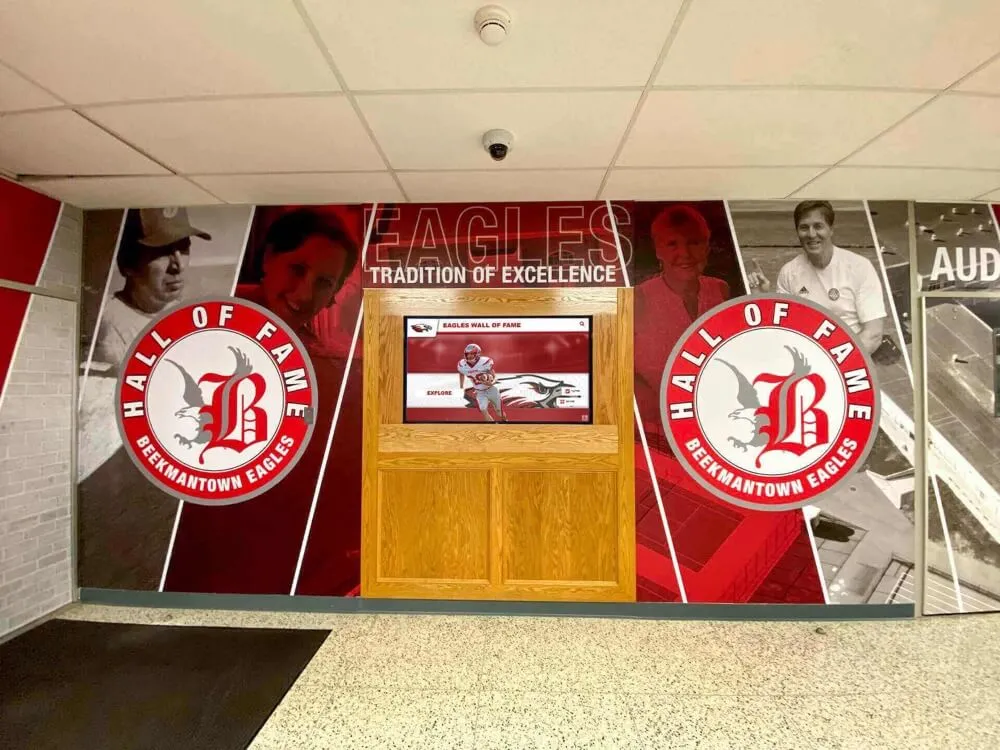
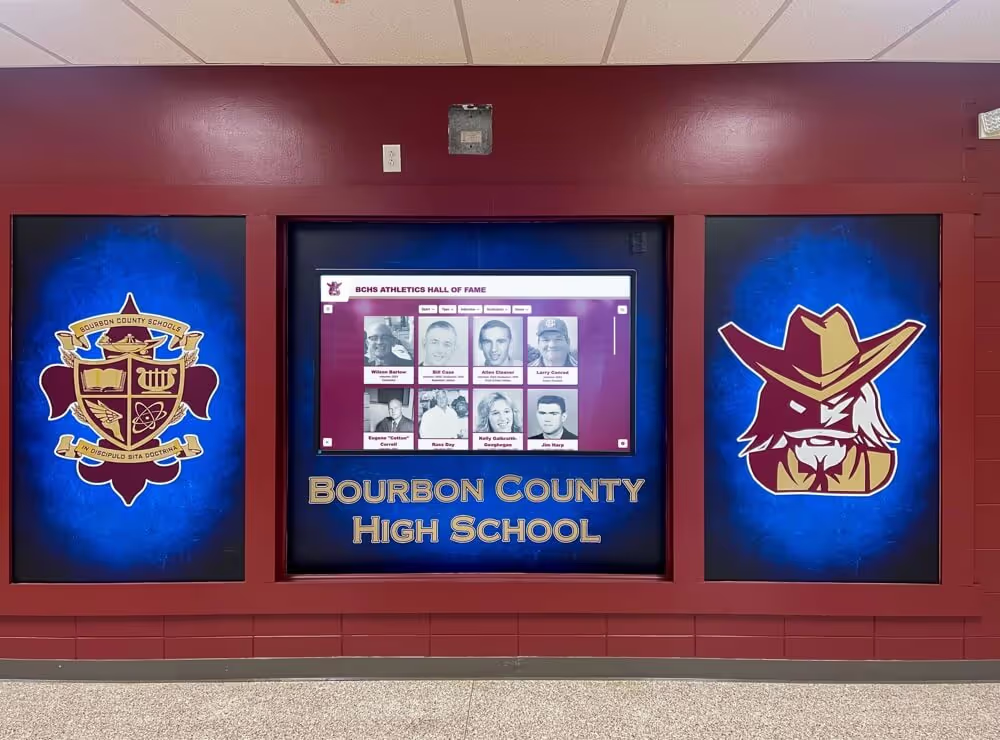
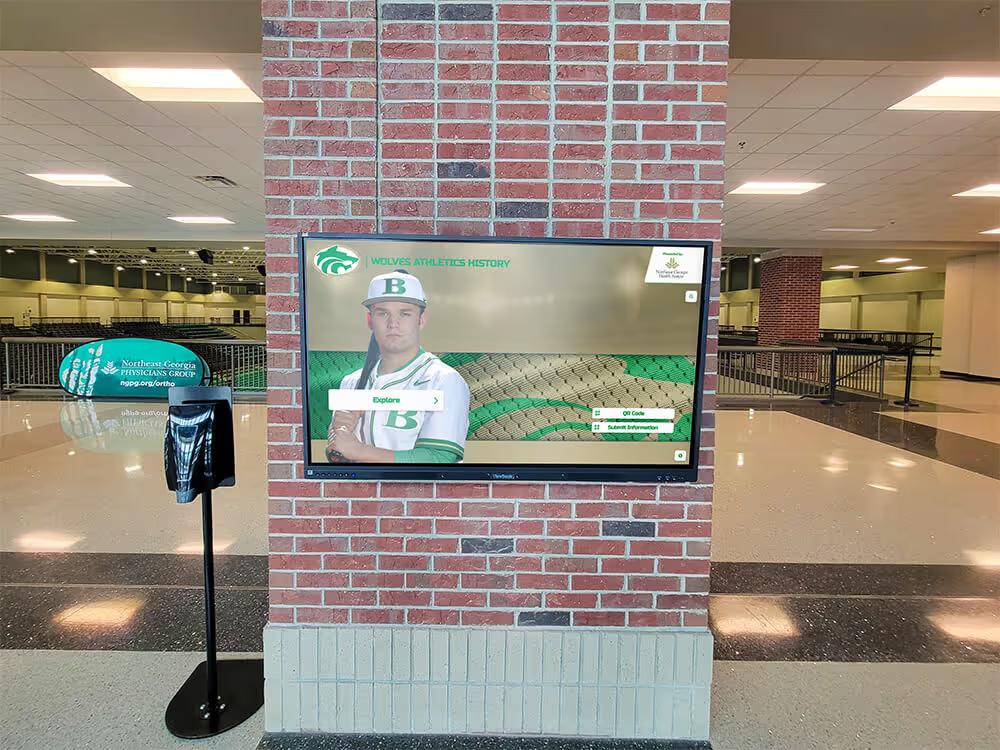
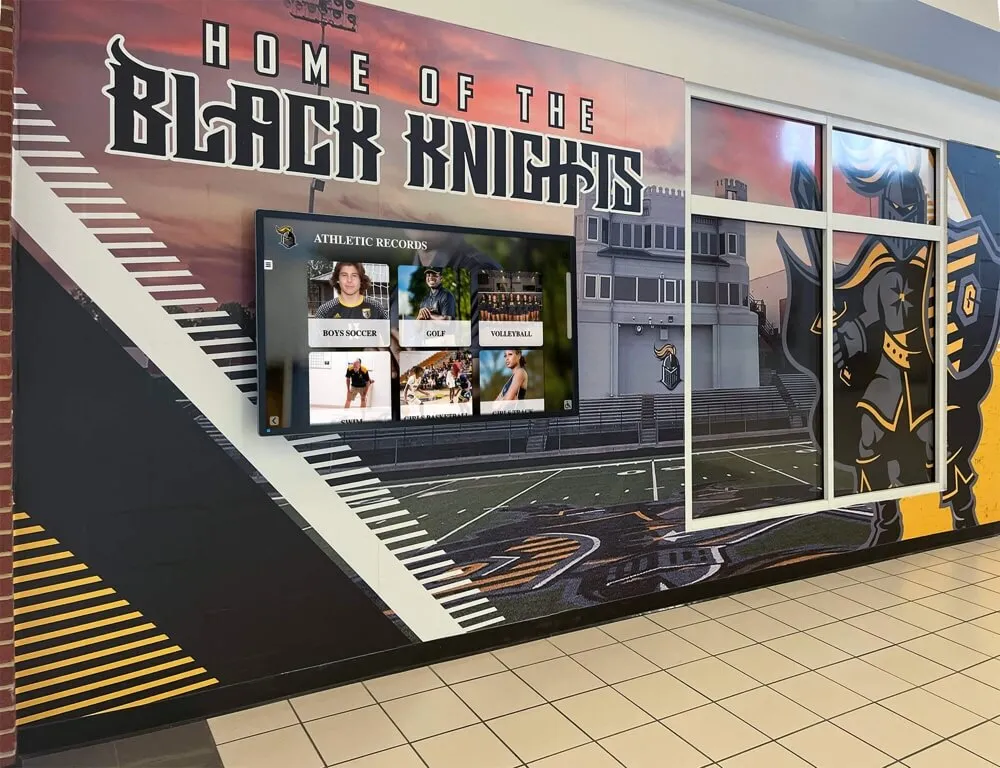
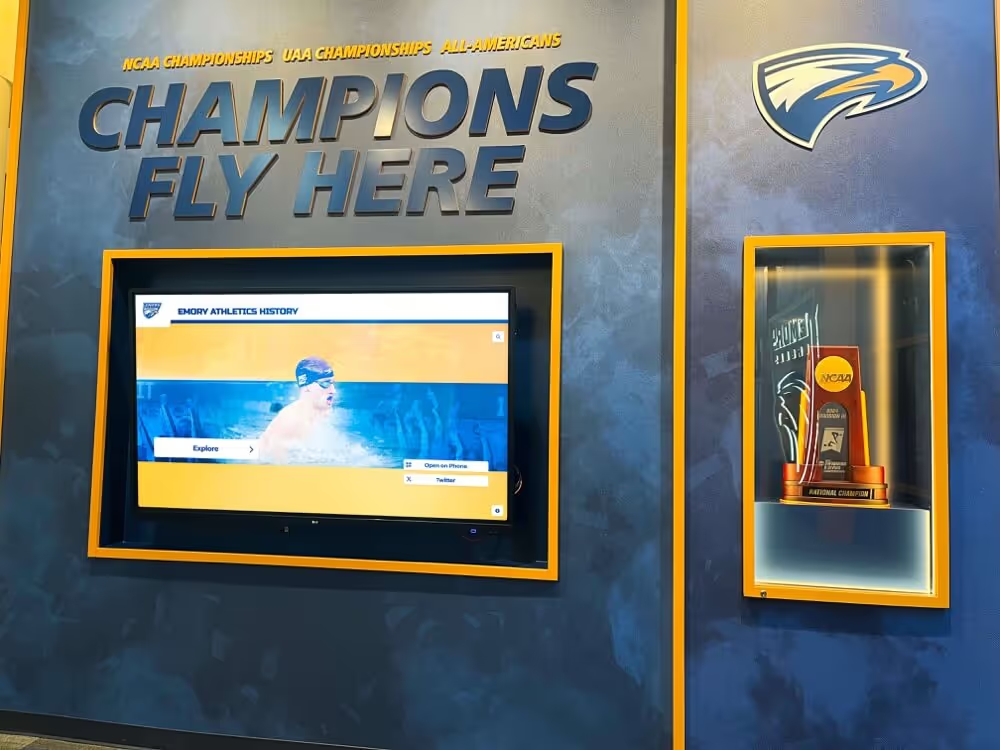
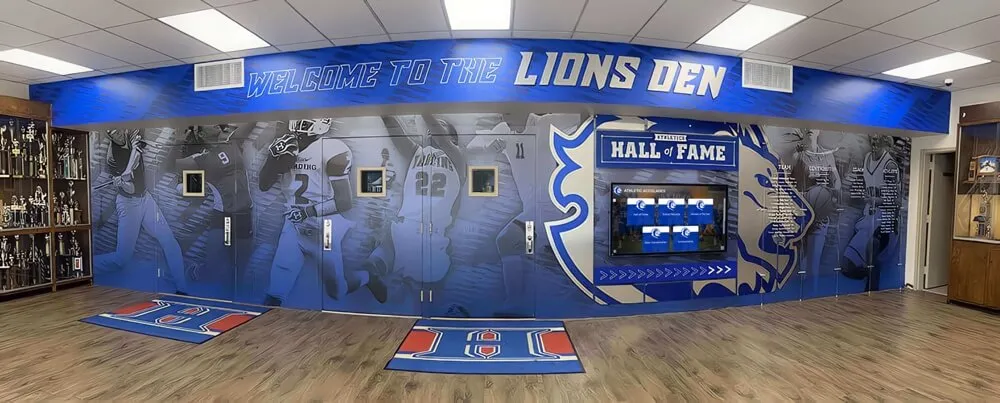
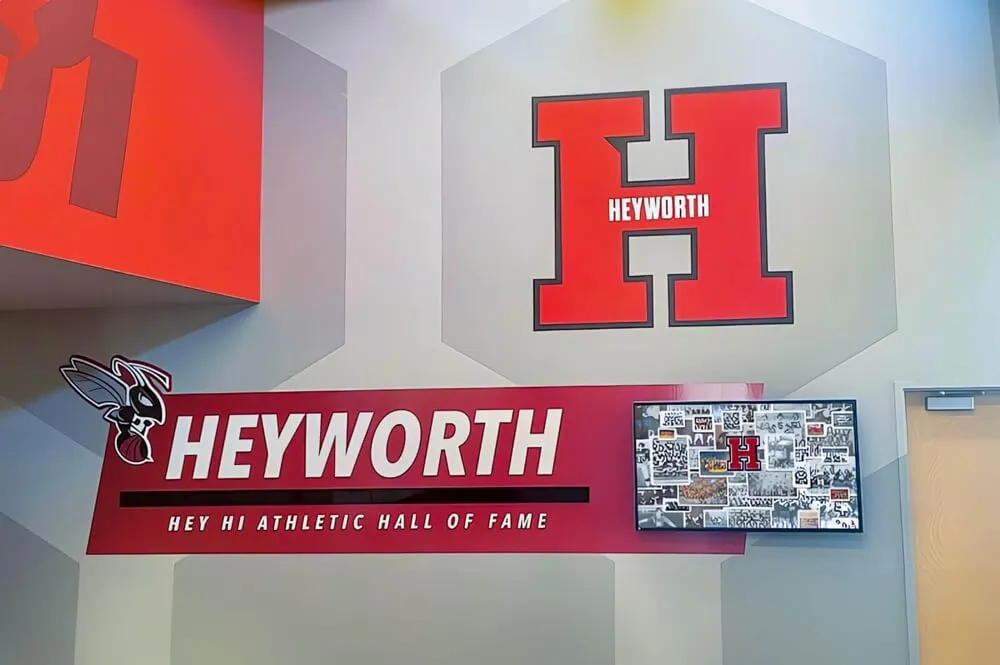
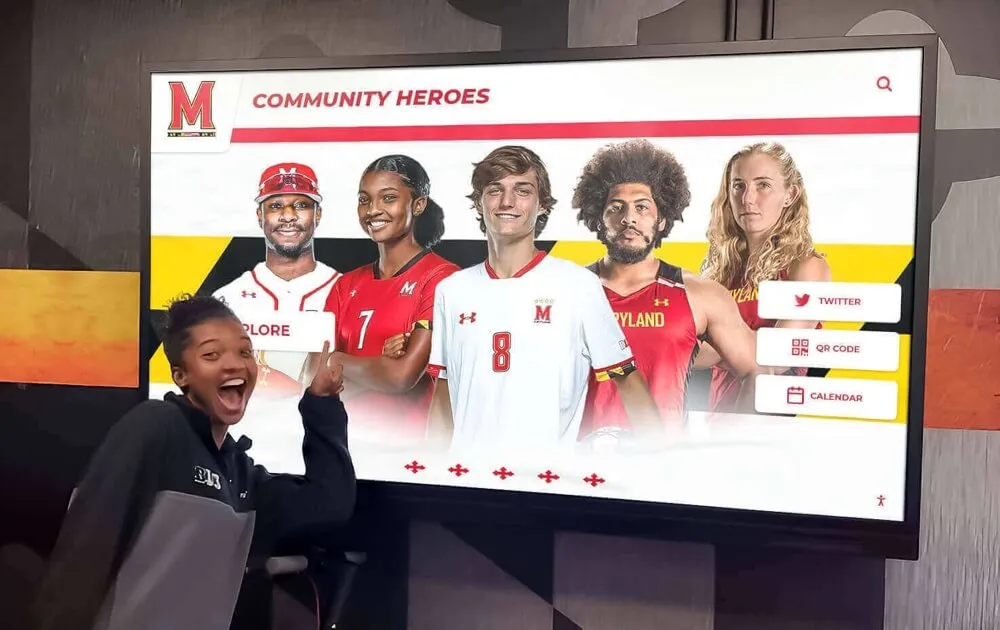
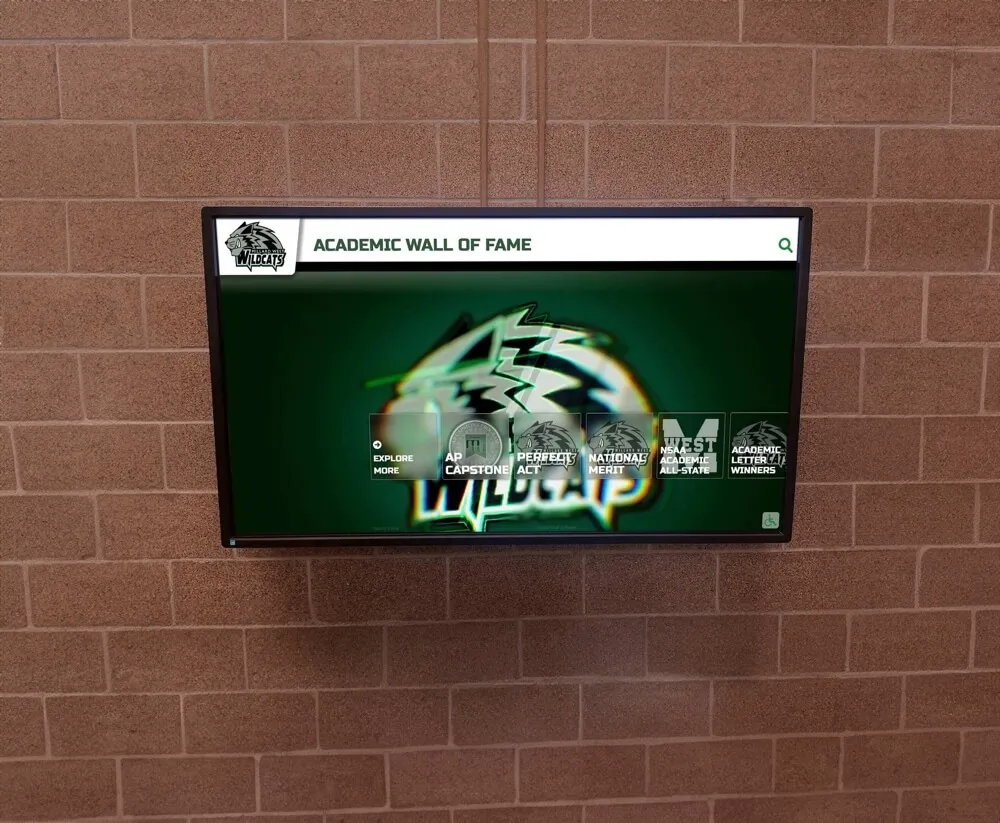
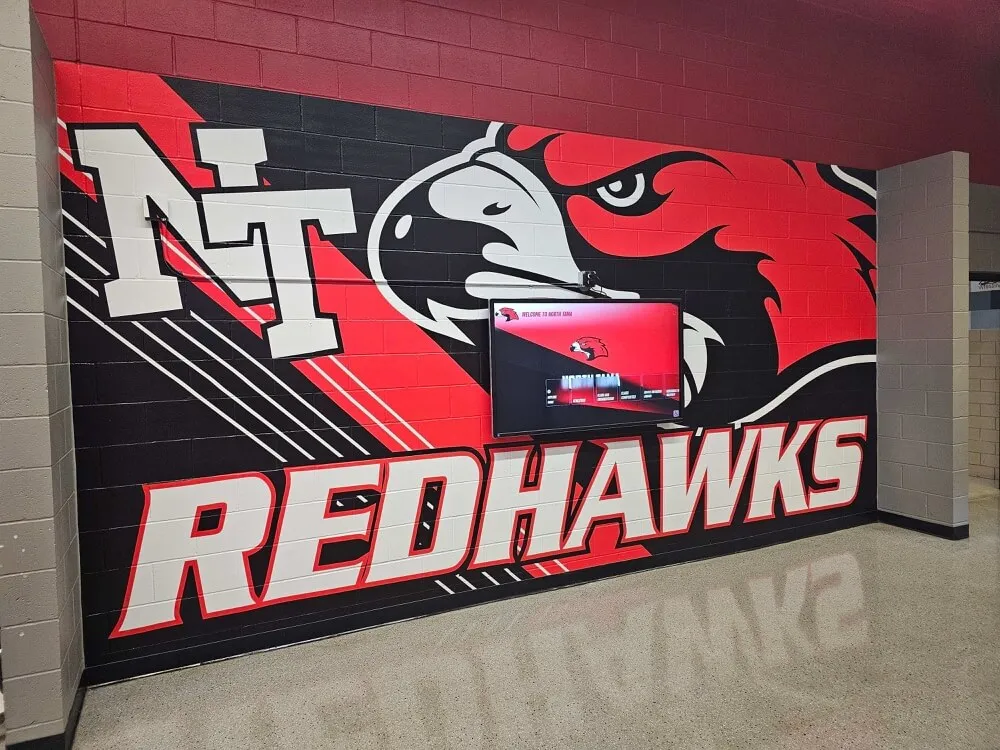
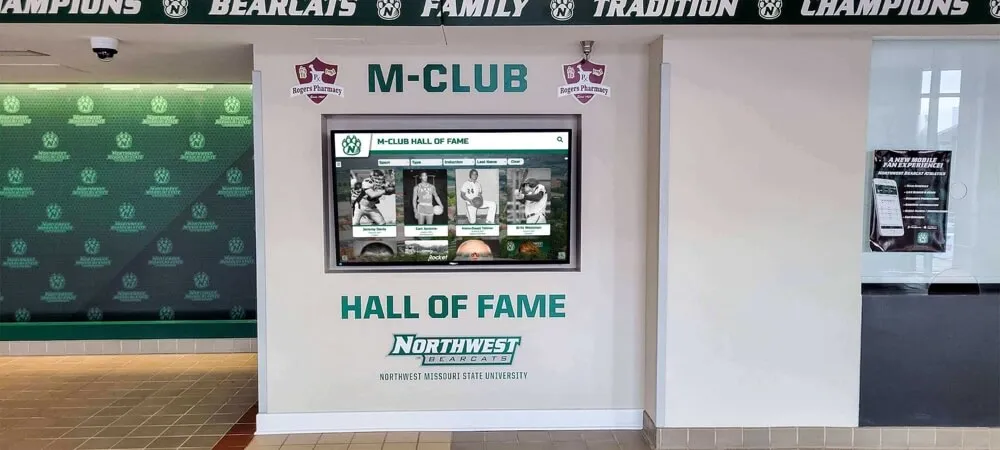
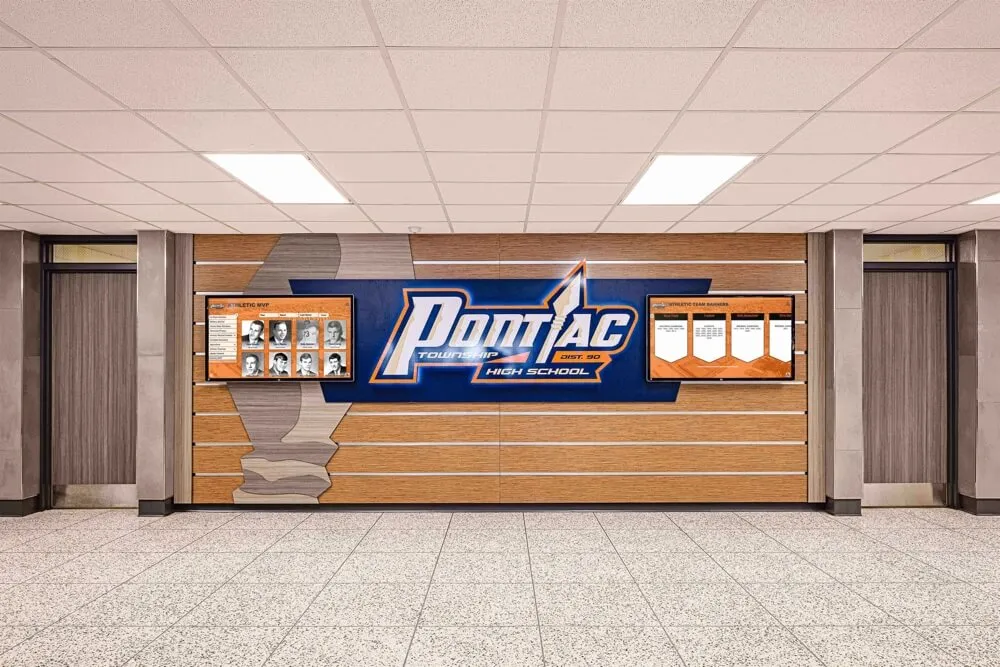
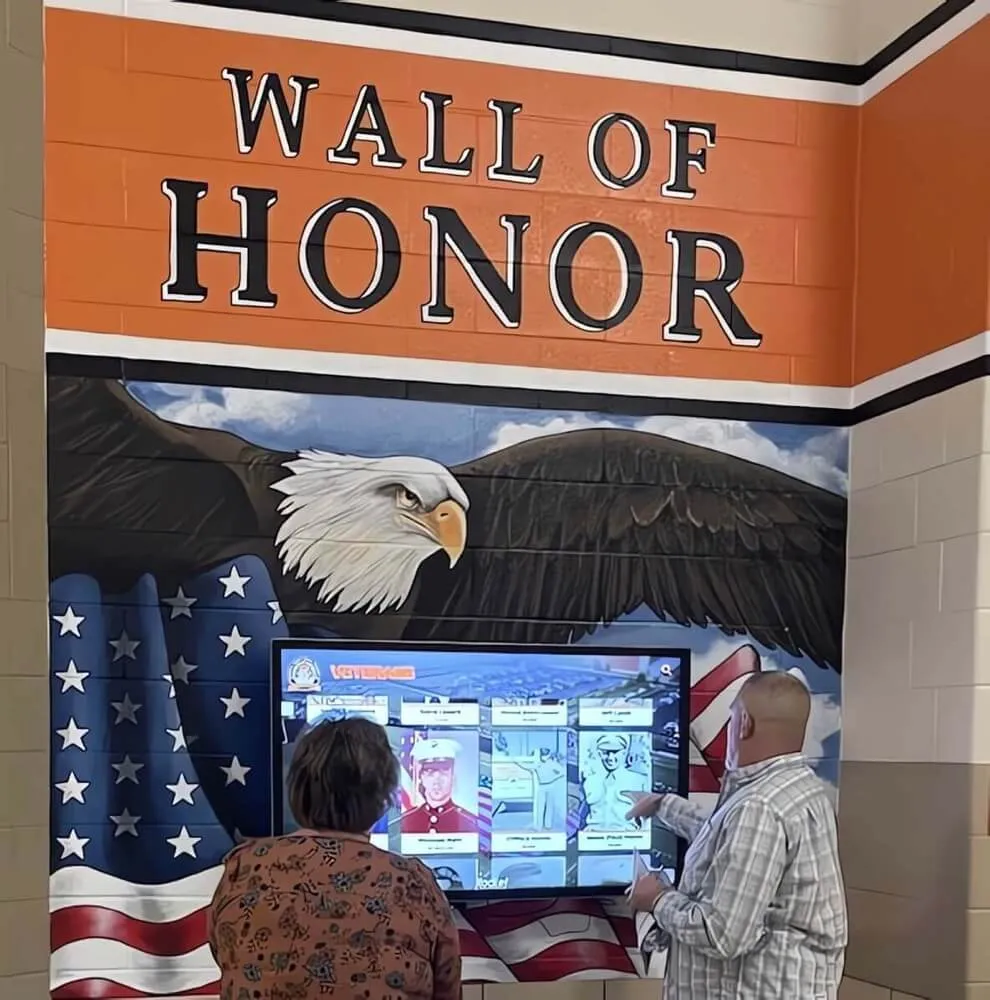
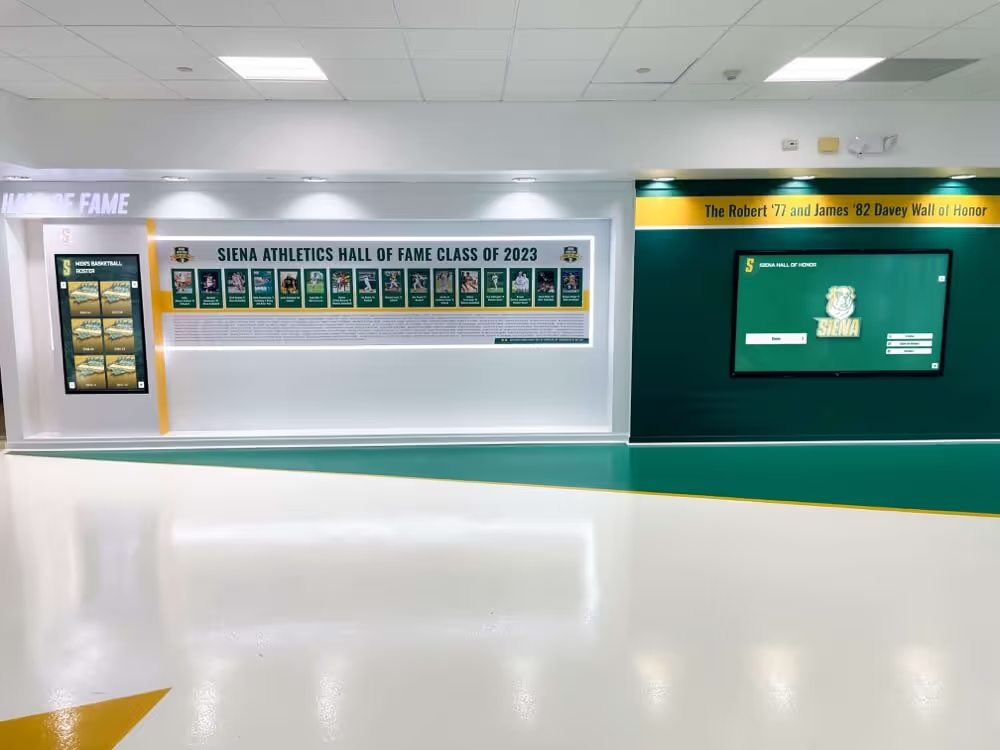
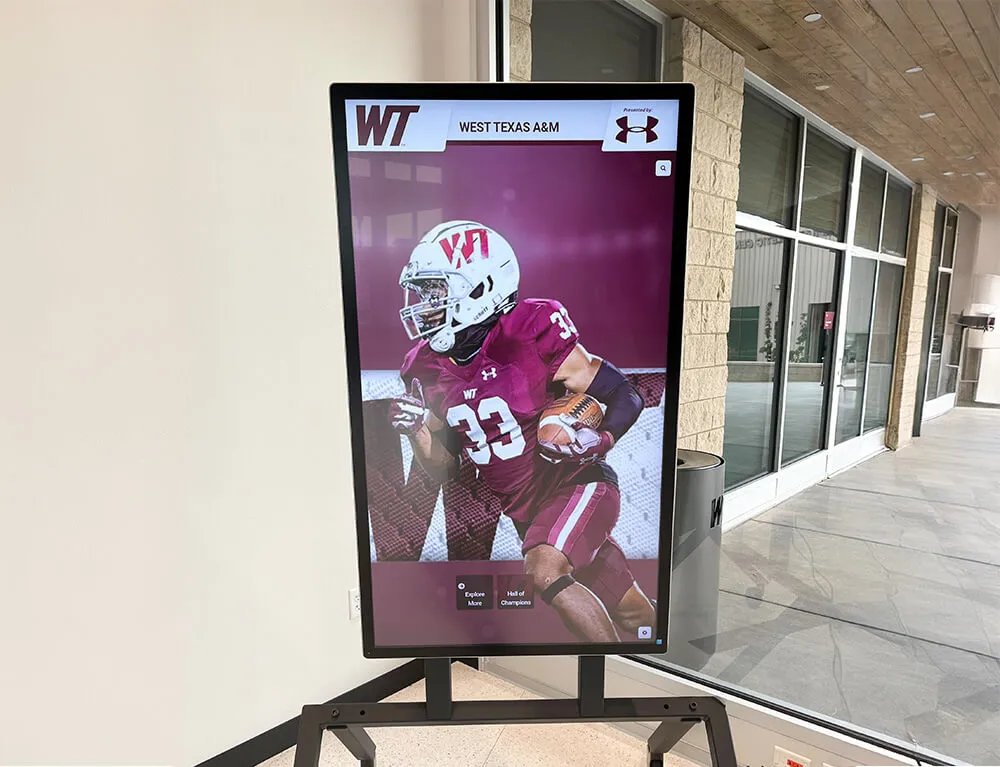
Trophy walls, recognition displays, and sponsor signage begin as vendor invoices. A booster club accounts payable aging report ensures those bills are tracked and paid before they become overdue, disputed, or a liability to the program's sponsor relationships
What a Booster Club Accounts Payable Aging Report Is
An accounts payable aging report—commonly called an AP aging report—organizes unpaid bills by the number of days they have been outstanding since their invoice date or due date. In a corporate accounting system, the software generates it automatically. In a booster club, where financial tools range from spreadsheets to basic bookkeeping software, the treasurer typically builds it manually at the close of each period.
The report answers four questions the board needs every month:
- What do we owe? A complete list of outstanding invoices with vendor names, amounts, and due dates.
- How old is each bill? The number of days each invoice has been outstanding, sorted into aging buckets.
- What is overdue? Invoices past their due date that require immediate action.
- What is at risk? Bills approaching their due date that need approval routed within the current cycle.
For booster programs, the aging report carries additional significance: many unpaid invoices represent sponsor commitments in progress. A banner vendor waiting on payment may be holding the completed panels. An engraver who hasn’t received approval may not release trophies in time for the end-of-season ceremony. The aging report is the system that makes those dependencies visible before a deadline passes.
The Booster Club AP Aging Report Table
The following table shows the standard aging structure. Adapt column widths and thresholds to your organization’s payment terms—programs with net-30 terms may treat anything in the 31–60 column as first-alert, while programs that pay on receipt treat the 0–30 column as the action window.
| Aging Bucket | Days Outstanding | Status | Board Action Required |
|---|---|---|---|
| Current | 0–30 days | Invoice received; within payment terms | Review at next meeting; confirm approval is routed |
| First alert | 31–60 days | Approaching or just past due | Treasurer contacts vendor; confirms payment is queued |
| Second alert | 61–90 days | Overdue; late fees may be accruing | President and Treasurer review; written vendor contact documented |
| Critical | 91–120 days | Significantly overdue; relationship at risk | Board vote on resolution; CPA or legal consult if amount is material |
| Delinquent | 121+ days | Severely overdue; dispute or service interruption likely | Formal board resolution; all vendor communication in writing |
How to read the table at a meeting. Start from the bottom. Any invoice in the Delinquent or Critical column needs a motion and a resolution before the board moves on to other business. Second-alert invoices need a named officer assigned to resolve them before the next meeting. First-alert invoices need the treasurer to confirm that payment has been approved and queued. Current invoices need a reminder that approval must be completed within the payment term.
Why buckets matter more than totals. A single “total accounts payable” figure hides the distribution of risk. A program with $8,000 outstanding but all of it current is in a different position than a program with $8,000 outstanding and $3,000 of that sitting in the 90-plus-day column. The aging report shows the distribution, not just the sum.
How to Build a Booster Club AP Aging Report
The following steps apply whether the organization tracks invoices in a spreadsheet, a bookkeeping application, or a dedicated accounting tool. Run through them at the close of each month, before the next board meeting.
Pull every open invoice from the invoice log. The invoice log is the authoritative source. Do not rely on vendor statements alone—a vendor statement may omit invoices that were disputed or not yet acknowledged on their end.
Record the invoice date, due date, and current date for each bill. The aging calculation is the difference between the due date (or invoice date if no due date is specified) and the date the report is run.
Calculate days outstanding. Subtract the due date from the report date. A positive number means the invoice is past due; a negative number means it is still within terms.
Sort each invoice into its aging bucket. Assign each bill to the appropriate column (Current, 31–60, 61–90, 91–120, or 121+) based on the calculated days.
Sum each column. Total the dollar amount within each bucket. This gives the board a quick view of how much of the total payable balance is current versus overdue.
Flag invoices tied to sponsor commitments or recognition deliverables. Mark any bill where payment release is connected to a pending delivery—a banner not yet received, a trophy order not yet confirmed, a display installation not yet complete. These require delivery verification before payment and before the vendor relationship can be considered settled.
Note contact status for any overdue invoice. For every bill in the 31-plus column, record whether the organization has contacted the vendor, whether a payment arrangement is in place, and whether any dispute is active. This documentation protects the organization if the vendor later claims they received no communication.
Present the report at the board meeting. The aging report is a board document, not a treasurer-only document. Every officer reviewing the report shares responsibility for addressing what it shows.
Athletic record and financial documentation systems that standardize how records are stored and retrieved make the monthly AP aging process significantly faster—when invoice logs are organized consistently, pulling open items for the report takes minutes rather than a morning of reconstructive work.
Review Cadence: When to Run the Report and What to Do
The value of an AP aging report depends entirely on running it on a consistent schedule and acting on what it shows. The following cadence turns the report from a one-time diagnostic into an ongoing financial control.
Monthly — Before Each Board Meeting
Run the full aging report before preparing the board meeting packet. Include it as an agenda item. The treasurer presents total outstanding payable, the column breakdown, and any invoices requiring board action. The board records in the meeting minutes which invoices were discussed and what resolution was assigned to whom.
Weekly — During Active Seasons
During high-activity seasons—fall sports kickoff, spring awards season, end-of-year banquet preparation—run a lighter weekly check covering only invoices in the 31-plus columns. This prevents a bill that arrived mid-month from aging into the second-alert column before the next board meeting.
On Vendor Contact — Anytime an Overdue Invoice Is Identified
When the treasurer contacts a vendor about an overdue invoice, update the aging report immediately to reflect the contact date, the vendor’s response, and any revised payment timeline. Do not wait until month-end to document the exchange. If a payment arrangement is reached, note the terms and set a calendar reminder for the date the payment is due.
At Officer Transition — Before the Outgoing Treasurer Hands Off
An outgoing treasurer should run a final aging report as part of the transition package and walk the incoming treasurer through every open invoice: what is owed, who approved each purchase, what the delivery status is, and whether any invoices are in dispute. This transition review prevents an incoming officer from inheriting unresolved payable issues without context.
School archives and records retention policies that govern how long financial documents must be kept also apply to aging reports and invoice packages. Treat the aging report as a permanent financial record, not a working document that can be discarded once invoices are paid.
Invoice Categories Commonly Found in Booster Club Aging Reports
Not every unpaid invoice carries the same urgency or the same risk. Understanding which categories appear most often in aging reports—and why they age out—helps treasurers prioritize which overdue bills need attention first.
Recognition Display and Signage Invoices
Vendor invoices for banner production, sponsor name panels, digital display installations, and trophy case fabrication are among the most consequential items in a booster club’s accounts payable. These invoices are often tied to sponsor commitments: the sponsor paid for their logo on a banner, the banner vendor produced it, and the invoice is waiting for payment before the vendor releases the panels or schedules installation.
An aging display invoice is not just a financial issue—it is a sponsor relationship issue. If the banner isn’t up at the start of the season because an invoice sat unpaid, the sponsor’s expectation has not been met. The aging report is what makes that risk visible before the season opener.
Digital donor walls and interactive recognition displays that involve multi-phase installation often generate multiple invoices at different project milestones. Tracking each milestone invoice in the aging report—rather than treating the entire project as a single payable—prevents a partial payment from obscuring the fact that the final project invoice is overdue.
Awards and Engraving Invoices
End-of-season award ceremonies generate a predictable cluster of invoices: engraving vendors, trophy suppliers, plaque manufacturers, and print shops producing program materials. These invoices tend to arrive close together in the weeks before the ceremony, and they have hard deadlines tied to event dates rather than standard payment terms.
An engraving invoice sitting in the 31–60 day column the week before the banquet is not simply overdue—it may mean the trophies have not been released for delivery. The aging report’s value here is forcing that issue onto the board’s radar early enough to resolve it.
Awards night planning and ceremony coordination that involves multiple vendors benefits from a dedicated review of the aging report at least four weeks before the event date. Any award-related invoice in the first-alert column at that point should be escalated immediately.
Equipment and Uniform Invoices
Uniform and equipment vendors frequently offer early-payment discounts that go uncaptured when invoices age into the 31-plus column. The aging report, run weekly during ordering season, makes those discount windows visible. An early-payment discount on a $4,000 uniform order can represent a meaningful budget recovery—and the same invoice paid 60 days late may carry a late fee that erases any prior savings.
Event Production and Venue Invoices
Invoices for event venues, catering, audio-visual production, and photography are common sources of aging issues because they often arrive after the event—sometimes weeks later—and the receiving officer may not connect a post-event invoice to a prior purchase authorization. The aging report identifies these invoices as new entries, prompting the treasurer to match each one to its purchase record before routing for approval.
Sponsor Commitment Fulfillment Invoices
When a sponsor’s benefit package includes a named display, a printed acknowledgment, or a digital content entry, the vendor invoices for those deliverables should be tracked separately in the aging report with a notation linking them to the sponsor agreement. If a fulfillment invoice ages past 60 days, the treasurer should confirm whether the deliverable has been received and whether the delayed payment is affecting the vendor’s willingness to release the completed work.
Data integrity in recognition systems depends in part on whether vendor deliverables—name entries, display content, engraving proofs—have been received and confirmed before payment is released. An aging report that flags unreceived deliverables alongside overdue invoices keeps both the financial record and the recognition record accurate.
Connecting AP Aging to Recognition and Display Commitments
Booster club accounts payable is not abstract bookkeeping—it is the financial expression of every commitment the organization has made to its vendors, sponsors, donors, and athletes. An aging report that shows a $6,500 display vendor invoice sitting at 75 days outstanding is telling the board that a recognition commitment is at risk.
Programs investing in permanent recognition infrastructure—Hall of Fame displays, donor walls, digital trophy cases, sponsor recognition panels—typically manage the largest and most complex invoices in their accounts payable. These invoices often involve:
- Deposits paid at project kickoff, with balance invoices due at installation
- Multiple vendor invoices across fabrication, installation, and content setup
- Annual renewal invoices for software subscriptions and content management platforms
- Supplemental invoices for content updates, added athlete entries, or design revisions
Each of these invoice types has a different aging risk profile. Deposit invoices are typically paid promptly because they are tied to project initiation. Balance invoices—due at installation—are the ones most likely to age, because installation timelines slip and the invoice may arrive before the board has processed approval for final payment. Annual renewal invoices are the ones most commonly missed, because they arrive at predictable intervals but are not tied to an active project, so they may not be routed for approval before their due date passes.
The aging report catches all three categories in the same document, sorted by urgency. That visibility is what prevents a display vendor from putting a project on hold, delaying content updates, or escalating to a collections contact because a renewal invoice sat unreviewed for three months.
School recognition programs and the display systems that support them represent long-term institutional commitments. When those commitments are funded through a consistent, auditable accounts payable process—one that generates a monthly aging report reviewed at every board meeting—the program’s recognition infrastructure is protected by financial governance, not just goodwill.
If your program manages digital displays, donor walls, or interactive Hall of Fame systems through an institution-administered platform, the invoice and renewal workflow becomes simpler: platform invoices arrive on a predictable schedule, renewal terms are documented in the original agreement, and the aging report for platform-related payables becomes a brief, reviewable item rather than an investigative exercise.
Request a demo from Rocket Alumni Solutions to see how institution-managed recognition platforms simplify the vendor invoice and renewal cycle for booster programs managing donor walls, Hall of Fame displays, and sponsor recognition panels.
AP Aging Tracking Template
Use this template as the structure for a monthly booster club accounts payable aging report. Maintain it in a spreadsheet or shared document. Update it before every board meeting and retain completed copies as part of the organization’s permanent financial records.
BOOSTER CLUB ACCOUNTS PAYABLE AGING REPORT
[Organization Name] | [School / Program]
Report Date: [Date] | Prepared By: [Treasurer Name]
Period Covered: [Month / Year]

────────────────────────────────────────────────────────────────
SECTION 1 — OPEN INVOICE REGISTER

Vendor Name | Invoice # | Invoice Date | Due Date | Amount | Days Out | Bucket | Delivery Confirmed | Sponsor Link | Contact Status
────────────────────────────────────────────────────────────────
[Vendor]    | [Inv#]    | [MM/DD]      | [MM/DD]  | $X,XXX | [#]      | [0-30] | Y/N/Pending        | Y/N          | [None/Contacted on MM/DD]

[Repeat for each open invoice]

────────────────────────────────────────────────────────────────
SECTION 2 — AGING SUMMARY BY BUCKET

Bucket          | # of Invoices | Total Amount | Action Required
────────────────────────────────────────────────────────────────
Current (0–30)  |               | $            | Confirm approval is routed
31–60 days      |               | $            | Treasurer contacts vendor
61–90 days      |               | $            | President + Treasurer review
91–120 days     |               | $            | Board vote; consider CPA/legal
121+ days       |               | $            | Formal resolution; all written

TOTAL ACCOUNTS PAYABLE:  $

────────────────────────────────────────────────────────────────
SECTION 3 — FLAGGED ITEMS

Invoices requiring board action this meeting:
[List each invoice in the 61-plus column with vendor, amount,
days outstanding, and proposed resolution]

Invoices tied to unreceived sponsor deliverables:
[List each invoice where payment is contingent on confirmed
delivery of a sponsor benefit or recognition commitment]

────────────────────────────────────────────────────────────────
SECTION 4 — ACTIONS FROM PRIOR MEETING

[List resolutions assigned at the prior board meeting and
their current status: resolved, in progress, or escalated]

────────────────────────────────────────────────────────────────
SECTION 5 — TREASURER NOTES

[Free-text notes on unusual invoices, vendor disputes, pending
credits, or items requiring board awareness beyond the table]

────────────────────────────────────────────────────────────────
REVIEW SIGN-OFF

Treasurer: _________________________  Date: ________________
President: _________________________  Date: ________________
Board meeting at which report was presented: _______________
Meeting minutes reference: ________________________________
Frequently Asked Questions
What is a booster club accounts payable aging report?
A booster club accounts payable aging report is a document that lists all unpaid vendor invoices sorted by how long they have been outstanding. Invoices are grouped into time buckets—typically 0–30 days, 31–60 days, 61–90 days, and 90-plus days—so the board can see at a glance which bills are current and which are overdue. Running it monthly gives the treasurer and board the information they need to prevent overdue invoices from becoming late fees, vendor disputes, or unfulfilled sponsor commitments.
How is an accounts payable aging report different from a budget?
A budget sets spending limits by category for the year. An accounts payable aging report shows what has already been spent but not yet paid—the bills that have arrived and are waiting for payment. The two documents serve different purposes: the budget governs spending decisions before they are made; the aging report governs payment follow-through after purchases have been authorized and invoices received.
How often should a booster club run its AP aging report?
Monthly is the minimum—run the report before every board meeting so it can be presented and discussed. During high-activity periods (fall kickoff, spring awards season, banquet preparation), run a lighter weekly check covering only the 31-plus columns. At officer transition, the outgoing treasurer should run a final report as part of the handoff package.
What should the board do when an invoice is in the 90-plus-day column?
An invoice outstanding for more than 90 days requires a board-level resolution, not just a treasurer note. The board should determine why the invoice has not been paid, whether the underlying delivery or service has been confirmed, whether the invoice is in dispute, and what the plan is for resolution. If the amount is material, the board should consult the organization’s CPA or legal counsel before deciding whether to pay, dispute, or escalate. Document the discussion and resolution in the meeting minutes.
Can a booster club use a spreadsheet for its aging report?
Yes. A spreadsheet with columns for vendor name, invoice number, invoice date, due date, dollar amount, and a calculated days-outstanding field is sufficient for most booster club programs. Sorting by the days-outstanding column and grouping by bucket can be done manually or with basic formulas. The important thing is that the report is run consistently, reviewed at every board meeting, and retained as a permanent financial record.
What happens if a vendor invoice ages past 90 days and the organization doesn’t have the funds to pay it?
This situation should be disclosed to the full board immediately, not managed by the treasurer alone. Options may include a payment arrangement with the vendor, an emergency fundraising measure, or a draw from reserves—but the decision belongs to the board, not to any individual officer. Document the board’s discussion and resolution in the meeting minutes. If the outstanding balance represents a pattern rather than an isolated shortfall, the board should review the budget and purchasing authorization process to identify where the breakdown occurred.
How does the AP aging report connect to sponsor recognition commitments?
Many booster club invoices represent deliverables tied to sponsor benefit packages: banners, display panels, engraved awards, digital content entries, and printed materials. When an invoice for a sponsor deliverable ages past its due date, it often means the deliverable is in limbo—the vendor may be waiting for payment before releasing the completed work. The aging report flags those invoices alongside their delivery status, giving the board early warning that a sponsor commitment may be delayed before the sponsor experiences the delay directly.
Should digital display platform subscription invoices appear on the aging report?
Yes. Every unpaid invoice—including annual subscription renewals for display platforms, content management services, and software licenses—should appear on the aging report until payment is confirmed and logged. Subscription invoices are among the most commonly overlooked items in booster club accounts payable because they arrive on a fixed schedule without a preceding purchase order, and the officer who handles them may have changed since the original subscription was set up. Keeping them in the aging report ensures they are reviewed and paid on time rather than quietly missed.
How long should aging report records be retained?
Retain completed aging reports for the same period as the underlying invoice records they reference—generally a minimum of seven years, or as required by applicable law, your state’s nonprofit retention requirements, and your district’s records policy. Consult your CPA for guidance specific to your organization’s structure and tax-exempt status. Records retention frameworks for school programs that define minimum retention windows and storage standards can serve as a reference when the organization is developing its own financial records policy.
A booster club accounts payable aging report is not an accounting formality—it is the financial discipline that keeps vendor relationships intact, sponsor commitments on schedule, and recognition programs funded. When every unpaid bill is visible by age at every board meeting, the board can address overdue items while they are still manageable, before a routine invoice becomes a dispute, a late fee, or a vendor that declines to work with the program again.
Programs that govern their payable process with the same attention they give to fundraising and recognition earn the trust of vendors and sponsors who see their bills paid consistently and on time.
If your program is building or upgrading its recognition infrastructure—from digital donor walls to Hall of Fame displays to sponsor recognition panels—request a demo from Rocket Alumni Solutions to see how institution-managed recognition platforms create a clean, documented invoice and renewal workflow from the first purchase order to the final display panel.