A booster club annual compliance calendar consolidates every recurring governance obligation—federal tax filings, state registration renewals, insurance policy renewals, donor acknowledgment deadlines, sponsor stewardship touchpoints, and recognition program milestones—into a single month-by-month reference so the board can plan ahead rather than react. Volunteer-led organizations that miss a Form 990 filing or allow a state charitable solicitation registration to lapse risk IRS penalties, automatic loss of tax-exempt status, and the inability to legally solicit donations in their state. Missing the 1099 deadline for a concession contractor or allowing the fidelity bond to expire mid-year creates personal liability exposure for individual officers.
This guide provides a month-by-month compliance calendar template calibrated for a school-aligned fiscal year (July 1–June 30), with adjustments for calendar-year organizations, plus category-specific tables for tax, insurance, state filing, and recognition program deadlines, and a master checklist for board adoption.
This guide is for informational purposes only and does not constitute legal, accounting, tax, or insurance advice. Federal deadlines apply to most tax-exempt booster clubs, but state registration requirements, renewal cycles, and exemption thresholds vary significantly by jurisdiction. Consult a licensed CPA, attorney, and insurance professional for guidance specific to your organization’s structure, exempt status, and state.

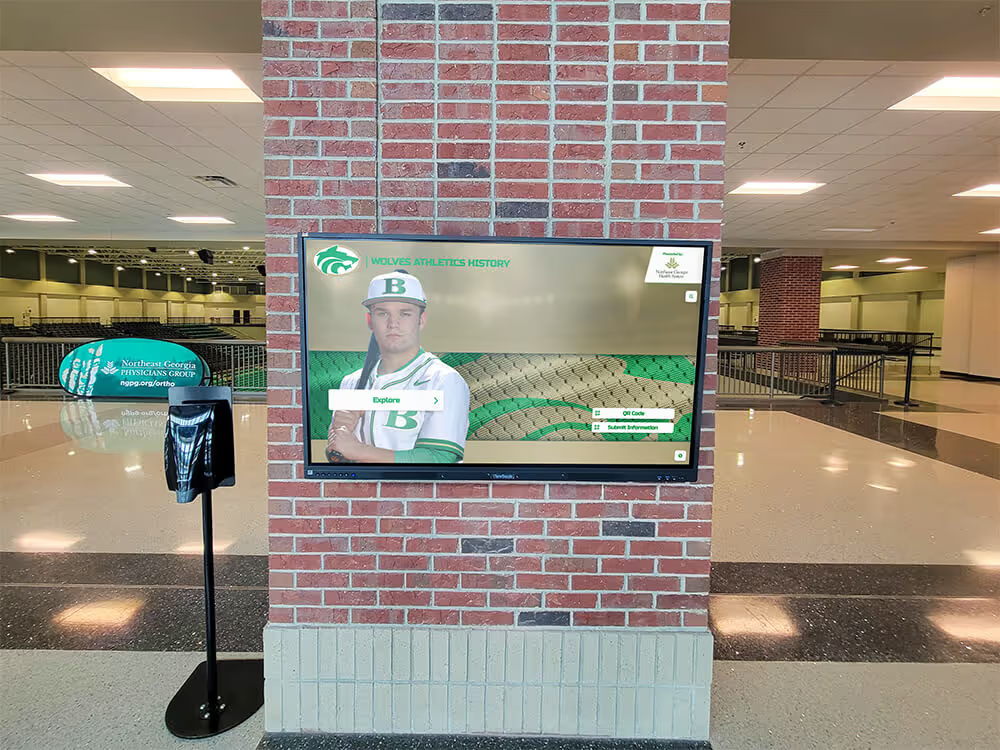
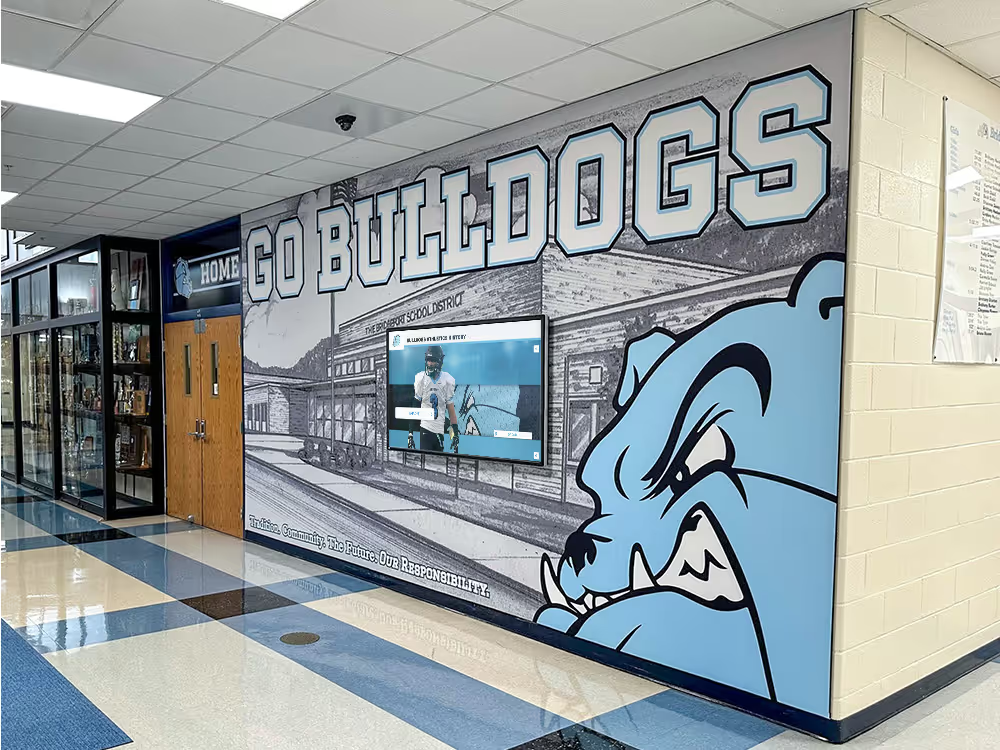
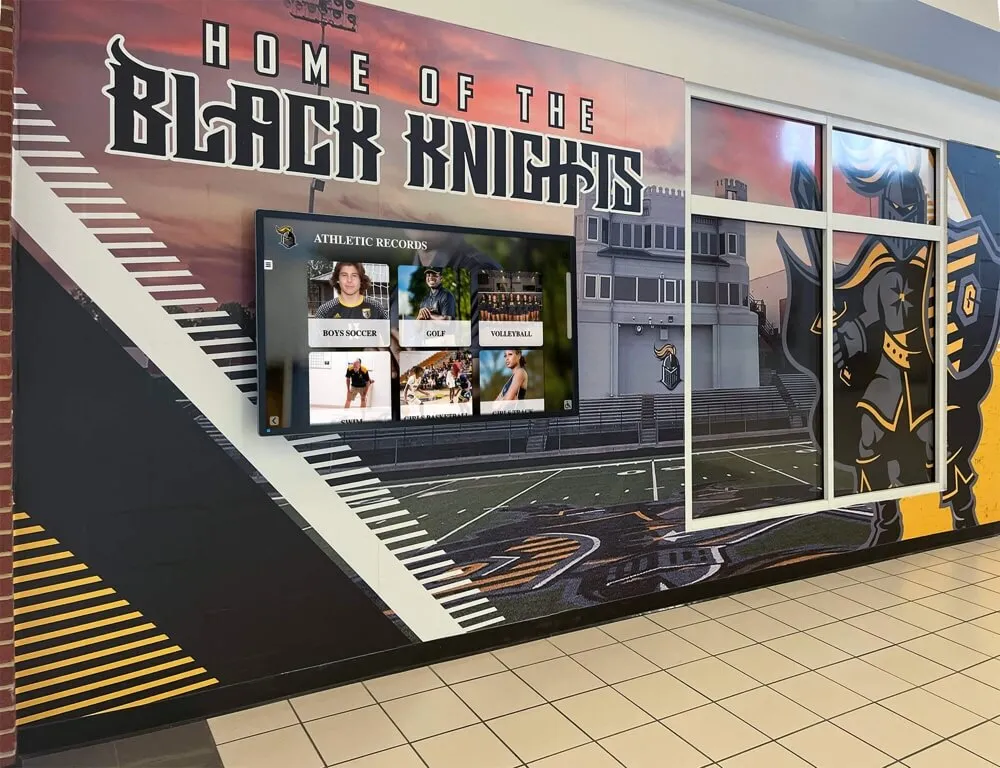
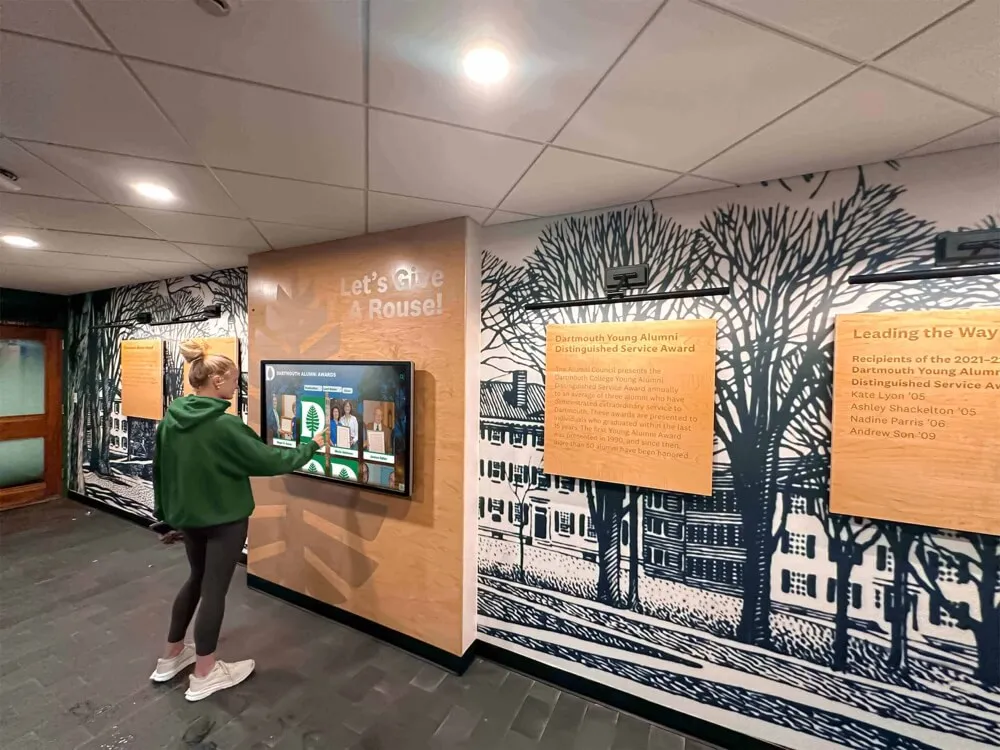
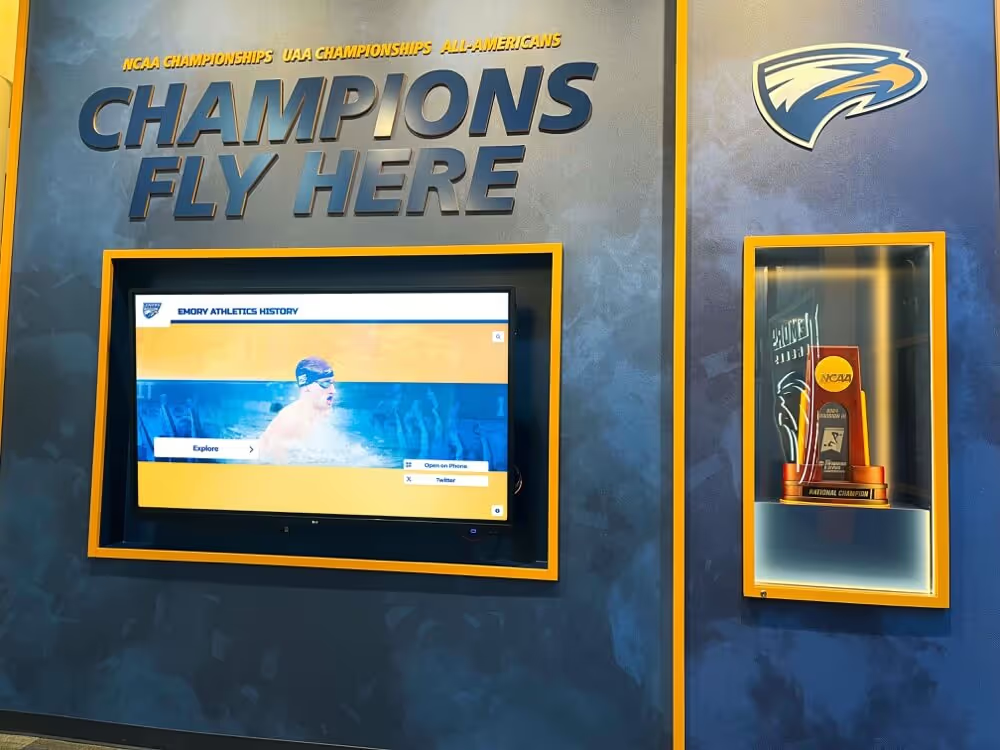
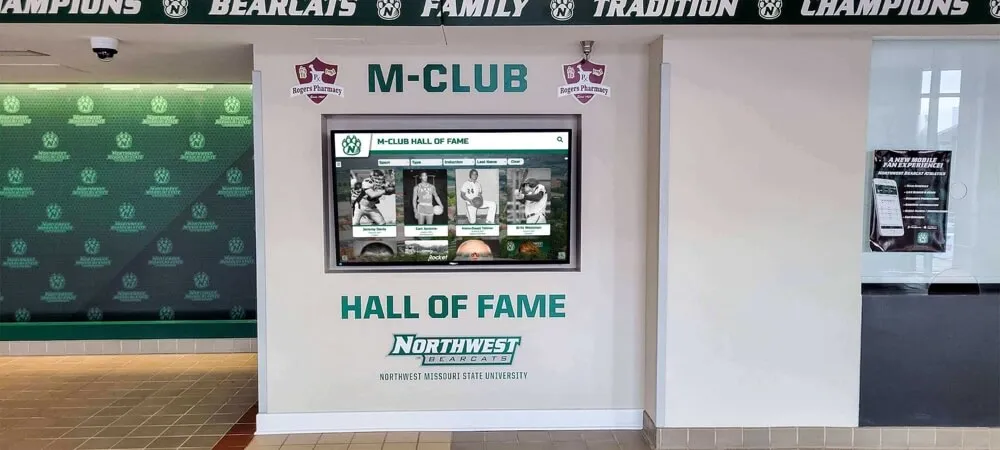
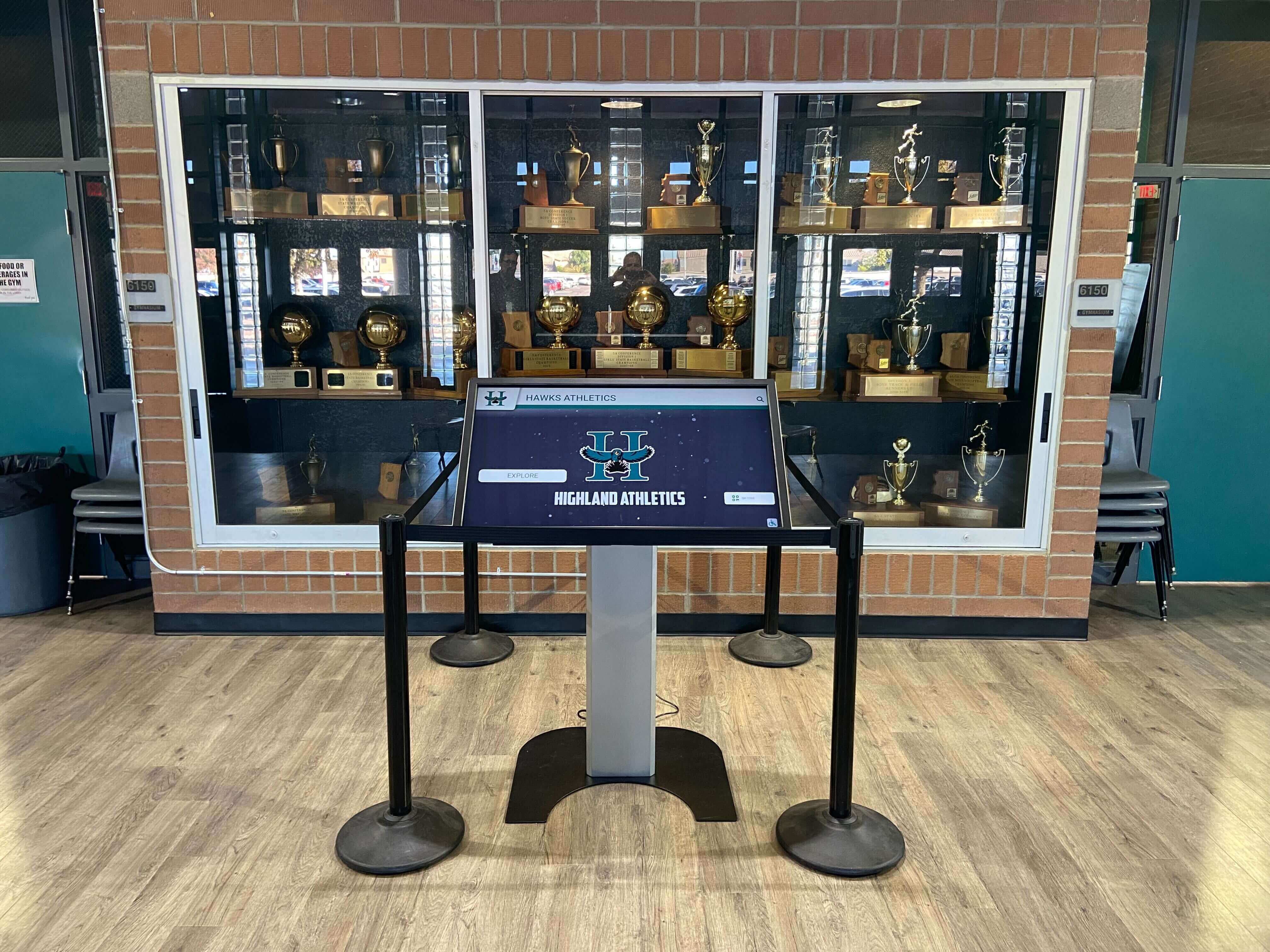
Trophy cases and digital recognition kiosks depend on the booster club's continued compliance with tax, insurance, and registration requirements—which is exactly what an annual compliance calendar is designed to protect year after year
What a Booster Club Annual Compliance Calendar Covers
A complete booster club annual compliance calendar spans six categories of recurring obligation. Each category has its own deadlines, responsible parties, and consequences for non-compliance.
| Category | Key Deadlines | Who Owns It |
|---|---|---|
| Federal Tax Filings | Form 990 series (4.5 months after FY end); Form 1099-NEC/MISC (January 31) | Treasurer / CPA |
| State Registration & Renewals | Annual report, charitable solicitation registration (varies by state) | Secretary / Treasurer |
| Insurance Renewals | General liability, D&O, fidelity bond, event cancellation, cyber (annual) | President / Treasurer |
| Board Governance | Annual elections, conflict-of-interest review, policy updates, officer transition | Board Chair / Secretary |
| Donor & Sponsor Stewardship | Gift acknowledgment letters, sponsor renewal outreach, recognition display updates | Fundraising Chair / Board |
| Recognition & Award Programs | Nomination windows, ceremony dates, display maintenance, hall of fame installations | Athletics Liaison / Board |
The calendar does not replace professional accounting or legal counsel. Its value is in giving volunteer leaders—who rotate annually—a documented starting point so that no deadline is discovered for the first time after it has already passed.
Month-by-Month Booster Club Annual Compliance Calendar
The calendar below is organized around a July 1–June 30 fiscal year, which aligns with the academic year for most school-affiliated booster clubs. Organizations operating on a calendar year (January 1–December 31) should shift the Form 990 deadline to May 15 and adjust fiscal milestones accordingly. Each row identifies the deadline or action item, the compliance category, and the responsible party.
| Month | Deadline or Action Item | Category | Owner |
|---|---|---|---|
| July | Officer transition meeting; document handoff of compliance calendar, active deadlines, and pending filings | Governance | President / Secretary |
| July | Board approves new annual budget | Governance | Full Board |
| July | Update authorized signatories with bank, insurance carriers, and state registration on file | Finance | Treasurer |
| July | Confirm state annual report or registration renewal due date for the coming fiscal year | State Filing | Secretary / Treasurer |
| July | Open new fiscal year financial records; reconcile June 30 closing balances | Finance | Treasurer |
| August | Annual fundraising plan adopted by board | Governance | Full Board |
| August | Sponsor solicitation and renewal outreach begins for fall season | Donor/Sponsor | Fundraising Chair |
| August | Confirm all insurance policies are current; request renewal quotes if policy anniversary falls within 90 days | Insurance | Treasurer |
| August | Volunteer credentialing and background check compliance review for new volunteers | Governance | Secretary |
| September | Issue tax acknowledgment letters for gifts received in August (and any prior gifts not yet acknowledged) | Donor/Sponsor | Fundraising Chair |
| September | Fall season fundraising events begin; confirm event insurance coverage is bound | Insurance / Finance | Treasurer |
| September | Update sponsor and donor recognition displays for the new season | Recognition | Athletics Liaison |
| September | Confirm compliance with state charitable solicitation registration before fall fundraising | State Filing | Secretary |
| October | If FY ended June 30: Form 990 due November 15—verify return is in preparation or extension (Form 8868) was filed | Tax | Treasurer / CPA |
| October | Mid-year financial review presented to board | Finance | Treasurer |
| October | Hall of fame and athletic award nomination period opens (if running a spring ceremony cycle) | Recognition | Athletics Liaison |
| October | Fidelity bond reviewed; confirm coverage reflects current officer roster after July transition | Insurance | Treasurer |
| November | Form 990 due: November 15 (for June 30 FY end)—or confirm 6-month extension (Form 8868) was timely filed | Tax | Treasurer / CPA |
| November | Annual board election (if bylaws specify fall cycle); document results in meeting minutes | Governance | Board Chair |
| November | Year-end donor stewardship letters sent for calendar-year deductibility planning | Donor/Sponsor | Fundraising Chair |
| December | Calendar year-end donation cutoff communications to supporters | Donor/Sponsor | Fundraising Chair |
| December | Award and recognition nomination period opens (if running a spring cycle beginning in January) | Recognition | Athletics Liaison |
| December | Review and confirm fidelity bond coverage reflects any officer changes from November election | Insurance | Treasurer |
| January | Form 1099-NEC due to contractors and IRS: January 31 | Tax | Treasurer / CPA |
| January | Form 1099-MISC (rent, prizes, and other applicable payments) due to recipients: January 31 | Tax | Treasurer / CPA |
| January | State annual report filing—confirm due date with state secretary of state (many states: January–March) | State Filing | Secretary |
| January | Sales tax exemption certificate renewal (state-specific; confirm renewal cycle with state revenue authority) | State Filing | Treasurer |
| January | Mid-year insurance review: confirm all coverage active and request renewal quotes for spring anniversary dates | Insurance | Treasurer |
| February | Award and recognition nomination deadline for spring ceremony cycle | Recognition | Athletics Liaison |
| February | Annual athletic awards planning meeting: set ceremony date, budget, and vendor contracts | Recognition | Athletics Liaison / Board |
| February | Charitable solicitation registration renewal (many states require annual renewal; confirm deadline for your state) | State Filing | Secretary / Treasurer |
| March | Spring sports season fundraising begins | Finance | Fundraising Chair |
| March | Sponsor renewal outreach for spring season; update recognition commitments | Donor/Sponsor | Fundraising Chair |
| March | Board conflict-of-interest policy review; officer certifications signed | Governance | Board Chair |
| April | Spring fundraising events; confirm event insurance bound for each event | Insurance / Finance | Treasurer |
| April | Award finalists selected; begin recognition display and program planning for ceremony | Recognition | Athletics Liaison |
| April | Begin end-of-year financial review and annual report preparation | Finance | Treasurer |
| May | Form 990 due: May 15 (for December 31 FY end)—or confirm 6-month extension (Form 8868) was timely filed | Tax | Treasurer / CPA |
| May | Annual award ceremony and recognition event | Recognition | Athletics Liaison / Board |
| May | Year-end donor stewardship outreach; preview recognition programs for the coming year | Donor/Sponsor | Fundraising Chair |
| May | End-of-year financial statements completed; present to board for approval | Finance | Treasurer |
| June | Officer elections and formal leadership transition; document incoming officer roster | Governance | Board Chair |
| June | Annual audit, financial review, or agreed-upon procedures engagement completed | Finance | Treasurer |
| June | Year-end recognition events; trophy case and digital display updates for the new academic year | Recognition | Athletics Liaison |
| June | Archive governance documents: meeting minutes, contracts, financial records, award records | Governance | Secretary |
| June | Confirm all state filings and compliance obligations are complete before fiscal year close | State Filing | Secretary / Treasurer |
Tax Filing Deadlines
Form 990 Series
Tax-exempt booster clubs organized as 501(c)(3) or 501(c)(7) entities file an annual information return with the IRS. The specific form depends on gross receipts and total assets:
| Gross Receipts | Applicable Form | Base Deadline |
|---|---|---|
| $50,000 or less | Form 990-N (e-Postcard) | 15th day of the 5th month after FY end |
| $200,000 or less AND total assets $500,000 or less | Form 990-EZ | 15th day of the 5th month after FY end |
| Over $200,000 OR total assets over $500,000 | Form 990 | 15th day of the 5th month after FY end |
An automatic 6-month extension is available by filing Form 8868 before the original due date. The extension applies to the filing deadline only—it does not waive penalties for late filing or extend the time for any tax payment that may be due. An organization that files neither the return nor the extension request for three consecutive years faces automatic revocation of its federal tax-exempt status by the IRS, which requires a formal reinstatement application to correct.
Common fiscal year deadline scenarios:
| Fiscal Year End | Form 990 Due (No Extension) | Extended Deadline |
|---|---|---|
| June 30 | November 15 | May 15 (following year) |
| December 31 | May 15 | November 15 |
| August 31 | January 15 | July 15 |
| March 31 | August 15 | February 15 (following year) |
1099 Information Returns
Booster clubs that pay $600 or more to non-employee individuals or unincorporated businesses during the calendar year are generally required to file information returns with the IRS and provide copies to payment recipients.
| Form | When Required | Recipient Copy Due | IRS Filing Due |
|---|---|---|---|
| Form 1099-NEC | Nonemployee compensation ($600+): contractors, referees, event staff, entertainers | January 31 | January 31 |
| Form 1099-MISC | Rent paid ($600+), prizes and awards (non-employee), and other applicable payments | January 31 | February 28 (paper) / March 31 (electronic) |
Before each season, the Treasurer should review whether paid workers are correctly classified as independent contractors. Misclassification—treating an employee as an independent contractor—creates payroll tax liability and potential penalties that can extend to individual officers personally.
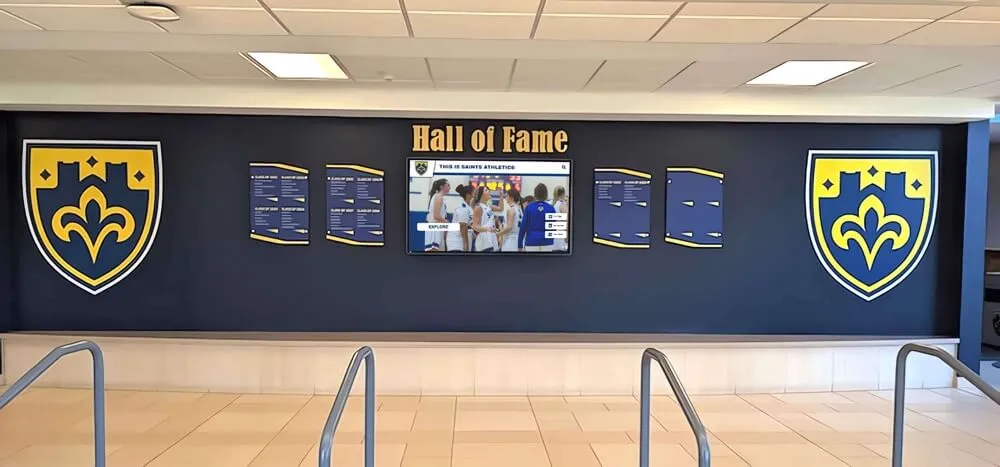
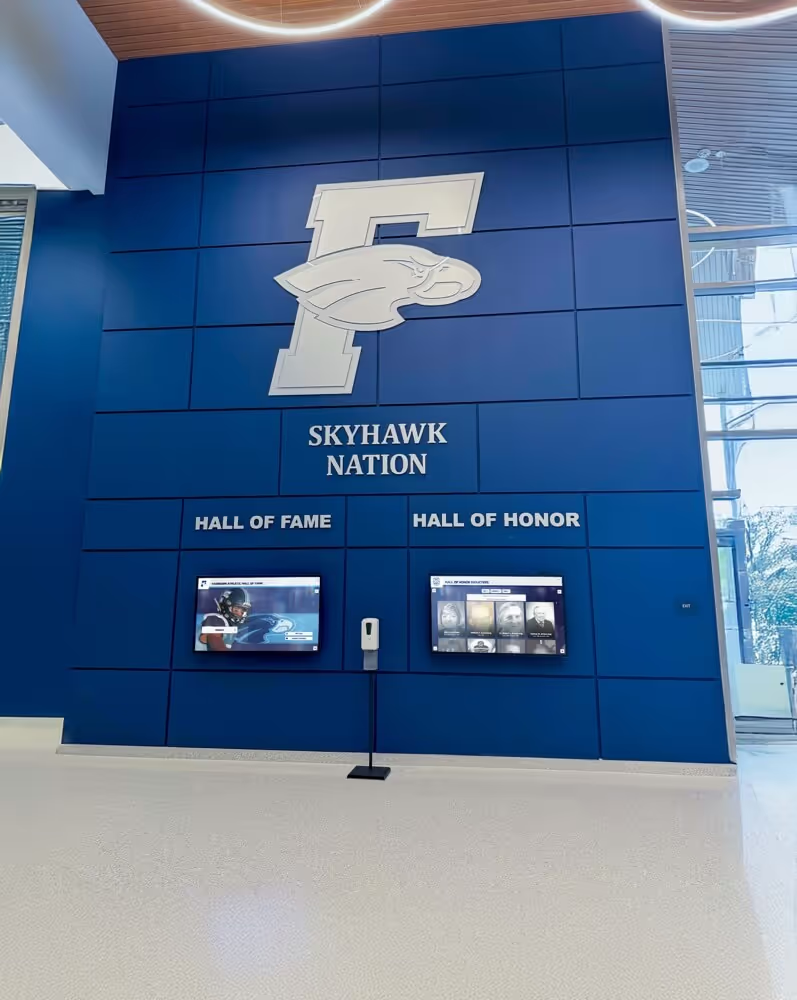
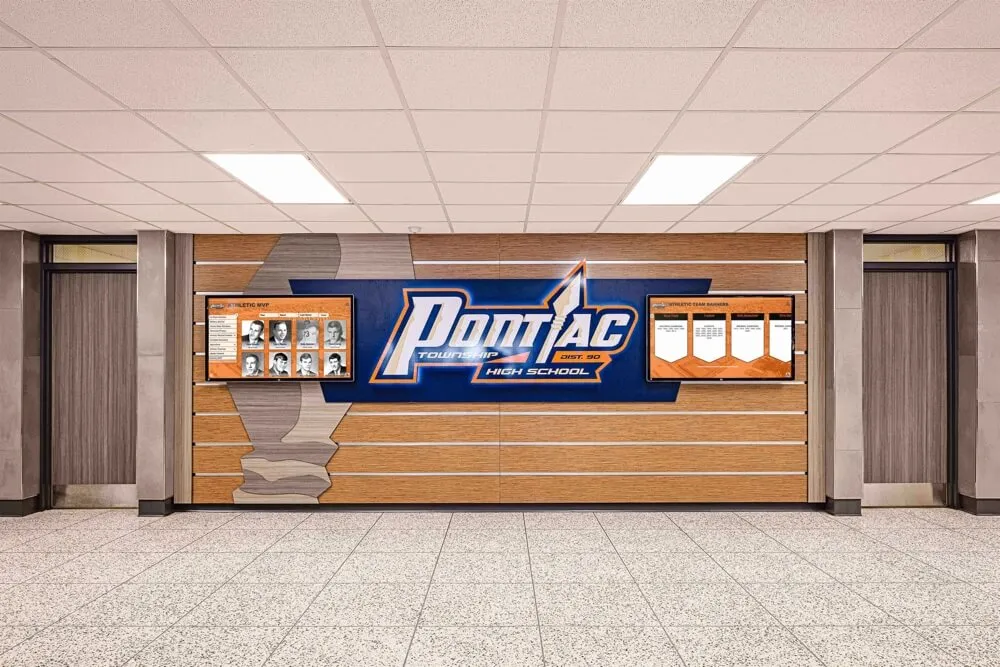
Athletic hall of fame walls and plaque programs depend on the booster club maintaining its tax-exempt status—a direct consequence of keeping the Form 990 filing on the annual compliance calendar
State Registration and Renewal Deadlines
State requirements vary significantly from jurisdiction to jurisdiction. The following categories represent the most common state-level obligations that booster clubs encounter:
| Filing Type | What It Covers | Typical Renewal Frequency | Where to File |
|---|---|---|---|
| State annual report | Updates registered agent, officer roster, and principal address with the state | Annual | State secretary of state |
| Charitable solicitation registration | Authorization to solicit charitable contributions from the public in the state | Annual | State attorney general or charitable trust division |
| Sales tax exemption certificate | Confirms the organization’s exemption from state sales tax on qualifying purchases | Annual or multi-year (varies by state) | State department of revenue |
| State income tax exemption confirmation | Confirms state income tax exempt status for the fiscal year | Annual in some states; automatic in others | State department of revenue |
Critical compliance risk: Many states automatically suspend or revoke a charity’s solicitation authority when the annual registration is not renewed on time. A booster club that continues accepting donations after its charitable solicitation registration lapses is soliciting without legal authorization, which can expose individual officers to personal liability and enforcement action. Each state’s charity registration office is the authoritative source for current deadlines, renewal fees, and required documentation.
Because recognition programs—award plaques, donor recognition displays, and athletic hall of fame installations—are typically funded through solicited contributions, the organization’s ability to legally raise those funds depends directly on keeping state registrations current and in good standing.
Insurance Renewal Deadlines
Core Coverage Types and Renewal Calendar
Most booster club insurance policies renew annually. Tracking renewal dates in the compliance calendar prevents coverage lapses that can leave the organization and its individual officers personally exposed to liability during a fundraising event or leadership transition.
| Coverage Type | What It Protects | Typical Renewal Cycle | Key Renewal Actions |
|---|---|---|---|
| General liability | Third-party bodily injury and property damage at events and facilities | Annual | Request renewal quote 60–90 days before policy anniversary |
| Directors and officers (D&O) | Individual officer decisions challenged by third parties or regulatory actions | Annual | Confirm coverage extends to volunteer officers and committee members |
| Fidelity bond | Loss of funds due to dishonest acts by officers, employees, or volunteers who handle money | Annual | Update covered individuals and coverage amount after each officer election |
| Event cancellation | Non-refundable event costs if a covered cause prevents a fundraising event from proceeding | Per-event or annual endorsement | Bind coverage before each major fundraising event |
| Cyber liability | Data breach, payment processing incidents, and ransomware affecting organizational systems | Annual | Review policy limits if accepting online payments or storing member payment data |
| Workers’ compensation | Paid workers injured in the course of their work for the organization | Annual | Confirm whether paid event staff and contracted referees trigger WC requirements in your state |
The fidelity bond requires particular attention at each officer transition. A bond that identifies covered individuals by name—rather than by role—may not automatically extend to a newly elected Treasurer or President. Within 30 days of any officer election or change, the Treasurer should confirm with the insurer that the bond covers the current officer roster at an amount reflecting the organization’s current reserve and activity level.
Sponsor recognition programs and athletic award display commitments are funded through the same insurance-protected fundraising activity. A general liability lapse that forces the cancellation of a spring fundraiser can disrupt the entire recognition calendar for the academic year.
Donor and Sponsor Stewardship Renewal Calendar
Sustaining the recognition programs that honor student-athletes, donors, and community sponsors requires consistent stewardship touchpoints spread throughout the year. These touchpoints should appear on the annual compliance calendar alongside governance and tax deadlines, because they are equally important to the organization’s long-term operational continuity.
| Stewardship Touchpoint | Recommended Timing | Purpose |
|---|---|---|
| Sponsor renewal outreach (fall season) | August–September | Confirm fall season sponsorships; document recognition commitments for the season |
| Written gift acknowledgment (each gift of $250+) | Within 30 days of gift receipt | IRS-required written acknowledgment for donor to claim charitable deduction |
| Year-end donor stewardship letter | November–December | Recognize cumulative annual support; preview recognition programs for the coming year |
| Spring sponsor renewal outreach | February–March | Confirm spring season sponsorships; update recognition display commitments |
| Annual impact letter or stewardship summary | May–June | Document how funds were used; affirm recognition commitments honored during the year |
Youth athlete recognition programs and annual award ceremonies create natural stewardship moments that sponsors value. A booster club that connects sponsor recognition to visible award milestones—display updates, ceremony signage, program acknowledgments—gives sponsors a concrete experience of their investment’s impact and a reason to renew.
Written gift acknowledgments carry a compliance dimension as well as a stewardship one. For gifts of $250 or more, the IRS requires a written acknowledgment before the donor files the tax return for the year in which the gift was made. The acknowledgment must state the amount received, confirm whether any goods or services were provided in exchange, and—if goods or services were provided—state their fair market value. Organizations that fail to issue timely acknowledgments can leave their most committed donors unable to claim a deduction, which damages trust and can reduce future giving.
Recognition Program and Award Continuity Deadlines
The recognition calendar intersects with the compliance calendar in ways that are easy to overlook until a deadline has already been missed. Award program deadlines, display installation schedules, and recognition event dates all depend on the organization maintaining its legal standing, operating funds, and active insurance coverage.
| Recognition Milestone | Typical Timing (Spring Cycle) | Compliance Dependency |
|---|---|---|
| Hall of fame nomination window opens | October–November | Requires active IRS exempt status; communication authorized only if state solicitation registration is current |
| Nomination deadline | January–February | Requires documented nomination process in current board policy; conflict-of-interest policy current |
| Selection committee review | February–March | Committee members must have completed current-year conflict-of-interest certification |
| Inductee notification and communications | March | Requires authorized officer to execute; updated officer roster filed with board |
| Award ceremony date confirmed and venue contracted | January–February (for May ceremony) | Contract within board authorization limits; event insurance bound before venue deposit |
| Award ceremony | April–May | Event liability insurance confirmed; recognition displays and programs prepared |
| Display installation or plaque update | May–June | Available funds confirmed; vendor contract within board-authorized limits |
| Year-end trophy case and digital display update | June | Coordination with school athletic department; access and installation timeline confirmed |
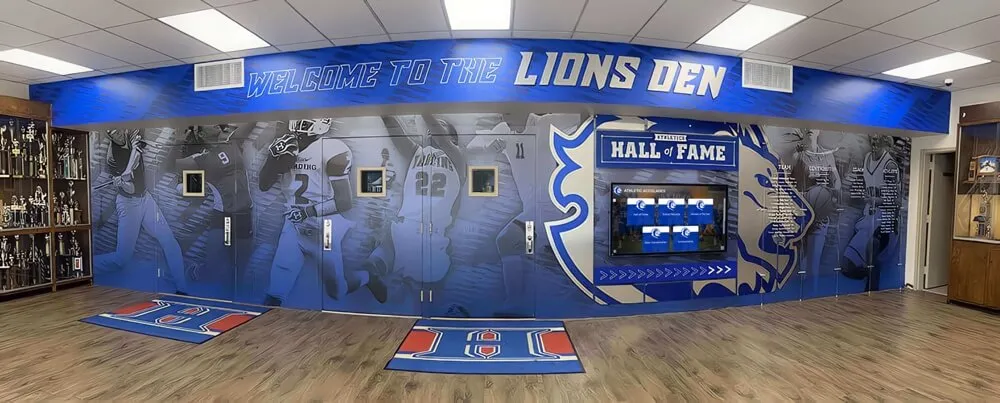
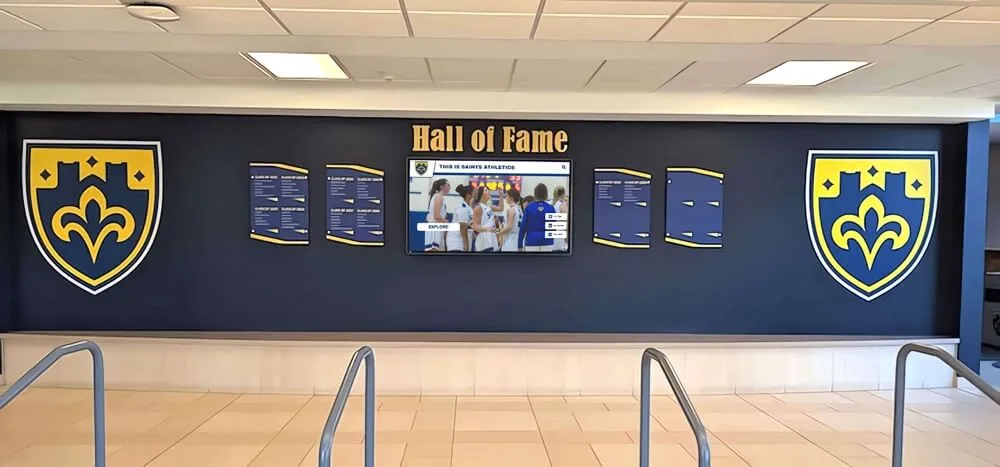
Letterman jackets, championship banners, and athletic shield displays that fill school hallways and trophy cases represent multi-year accumulations of booster club investment in athletic recognition. Keeping those programs running through officer transitions, off-seasons, and governance changes requires the advance planning that a compliance calendar makes possible.
Award programs for track and field and other individual sports often involve year-over-year records and multi-category recognition that depend on institutional continuity. A booster club that loses its exempt status or misses a state filing mid-award cycle creates a gap in that continuity that can take significant time and cost to repair.

Champions walls and trophy displays represent cumulative booster club investment across multiple academic years; an annual compliance calendar is what keeps the organization legally and financially capable of sustaining that investment
Award programs for clubs including FBLA and FFA illustrate how recognition infrastructure built over years depends on organizational stability. The compliance calendar is the tool that preserves that stability through leadership turnover and changing fiscal conditions.
Annual Compliance Master Checklist
The following checklist can be adopted by the board as a standing annual procedure. The Treasurer and Secretary jointly review it at the July board meeting to confirm the current year’s obligations, assign ownership, and set calendar reminders for each deadline. A second review at the January board meeting catches any mid-year changes.
BOOSTER CLUB ANNUAL COMPLIANCE CHECKLIST
[Organization Name]
Fiscal Year: _____________ to _____________
Adopted: ___________
Reviewed July: Treasurer _________________  Secretary _________________
Reviewed January: Treasurer _________________  Secretary _________________

FEDERAL TAX FILINGS
☐ Form 990 series (990, 990-EZ, or 990-N) filed or extension (Form 8868) submitted by: _____________
☐ Confirmed which 990 form applies based on current gross receipts and total assets
☐ Form 1099-NEC issued to all contractors paid $600+ by January 31
☐ Form 1099-MISC issued for rent and other applicable payments by applicable deadline
☐ IRS determination letter confirming exempt status on file and accessible for incoming officers
☐ Prior year Form 990 available for public inspection (required for 501(c)(3) organizations)
☐ Worker classification reviewed for all paid event staff and contractors

STATE FILINGS
☐ State annual report filed by: _____________ (confirm date with state secretary of state)
☐ Charitable solicitation registration renewed by: _____________ (confirm date with state AG office)
☐ Sales tax exemption certificate current (expiration date: _____________)
☐ State income tax exemption confirmed or filing completed (if required in your state)
☐ All state compliance confirmed before fall fundraising season begins

INSURANCE
☐ General liability policy current (renewal date: _____________)
☐ Directors and officers (D&O) policy current; coverage extends to volunteer officers (renewal date: _____________)
☐ Fidelity bond current; covered officers confirmed after last election (renewal date: _____________; amount: $_________)
☐ Event cancellation coverage confirmed for all major fundraising events
☐ Cyber liability policy current if accepting online payments (renewal date: _____________)
☐ Workers' compensation compliance confirmed for paid event workers

GOVERNANCE
☐ Annual officer elections completed; new officer roster filed with bank, state, and insurance carrier
☐ Authorized signatory list updated with all financial institutions
☐ Conflict-of-interest policy reviewed; officer certifications signed and filed
☐ Bylaws reviewed; any amendments adopted by required vote and filed with state if required
☐ Meeting minutes complete for all regular and special board meetings
☐ Compliance calendar updated and distributed to all incoming officers at July transition

DONOR AND SPONSOR STEWARDSHIP
☐ Written gift acknowledgments issued within 30 days of all gifts of $250 or more throughout the year
☐ Year-end donor stewardship letters sent (fall/calendar year-end)
☐ Sponsor recognition commitments documented; recognition displays current for each season
☐ Annual stewardship report or impact letter distributed to major donors and sponsors
☐ Spring sponsor renewal outreach completed before spring season begins

RECOGNITION AND AWARD PROGRAMS
☐ Hall of fame / award nomination period opened and communicated to community
☐ Nomination deadline enforced; received nominations logged
☐ Selection committee conflict-of-interest disclosures completed
☐ Award ceremony date confirmed; venue contract and event insurance in place
☐ Recognition displays (trophy cases, digital screens, plaque walls) updated for new season
☐ Prior year award and recognition records archived in permanent organizational records

FINANCIAL RECORDS
☐ Annual audit, financial review, or agreed-upon procedures engagement completed
☐ Prior year financial statements approved by board
☐ All vendor contracts and commitments within board-authorized limits
☐ CD register reconciled to bank statements (if applicable)
☐ Records retention schedule reviewed; documents past retention period destroyed per policy

Confirmed complete by:
Treasurer: ___________________________ Date: _____________
Secretary: ___________________________ Date: _____________
Board Chair: _________________________ Date: _____________
How the Compliance Calendar Connects to Recognition and Award Programs
Booster clubs that operate recognition programs—named plaque walls, digital hall of fame displays, athletic record archives, and award ceremonies—make multi-year commitments to their athletes, donors, and school community. A scholarship award presented at the May ceremony depends on funds being available, the organization having current legal standing to disburse them, and volunteer leadership being in place to run the event. Each of those conditions requires compliance work that is easy to deprioritize during a busy season and difficult to recover from when missed.
The officer transition in June and July is the highest-risk compliance moment for most booster clubs. Incoming officers who do not receive a documented handoff—including the compliance calendar, current insurance certificates, state filing due dates, and the Form 990 preparation timeline—are likely to let at least one deadline pass unnoticed in their first year. Building the compliance calendar into the formal transition package gives the incoming Treasurer and Secretary a starting point that does not require them to reconstruct the organization’s obligations from scratch or discover them through a penalty notice.
Yearbook and archival recognition programs that preserve an institution’s athletic history across decades depend on organizations that outlast individual administrations. The compliance calendar is a practical tool for ensuring that governance infrastructure survives leadership changes—because the recognition commitments made to athletes, donors, and sponsors are only as reliable as the organization’s continuous ability to honor them.
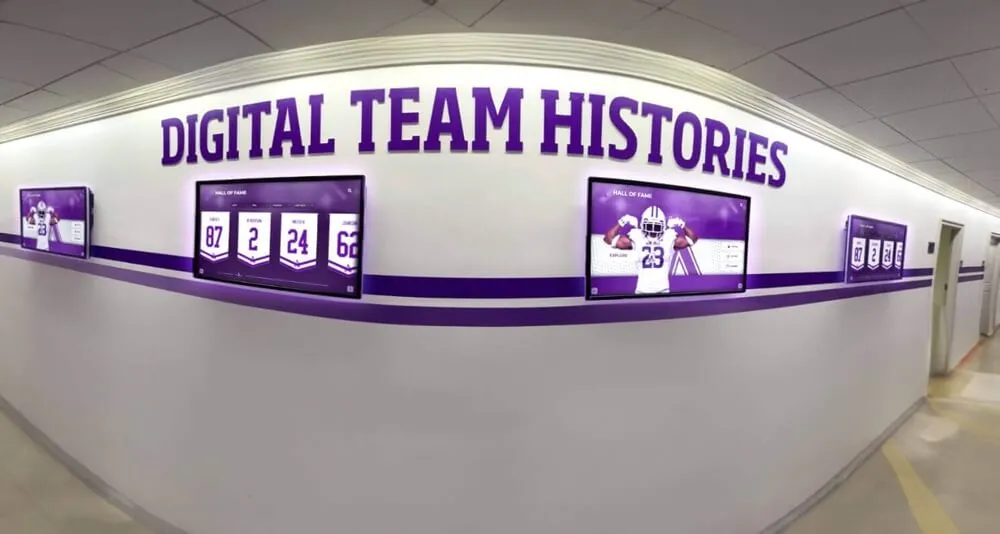
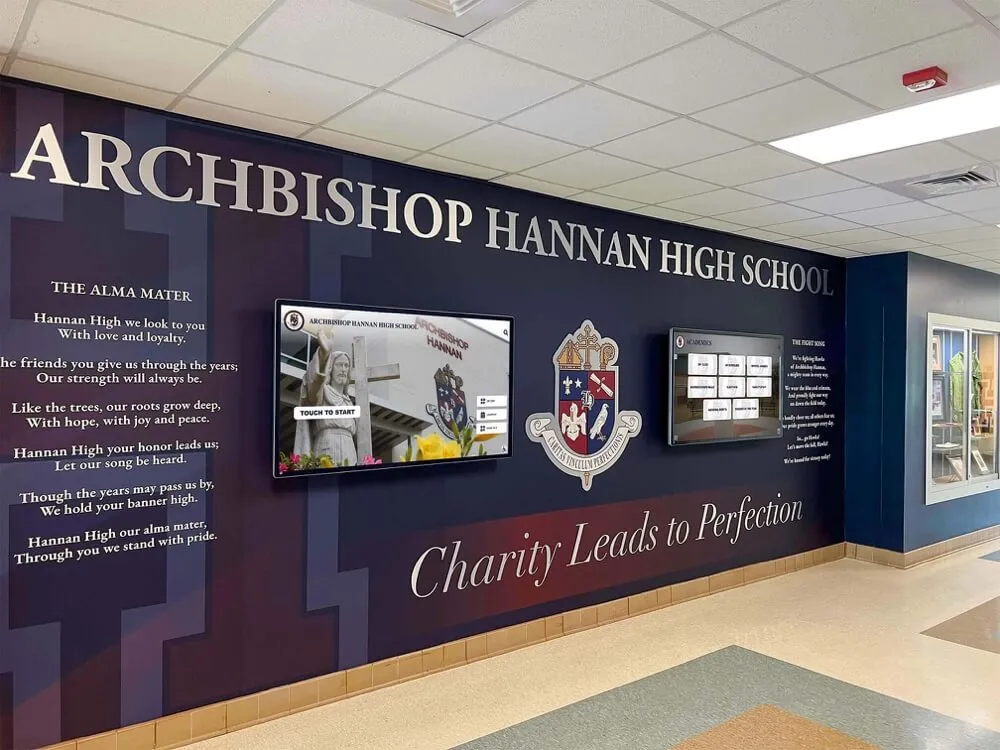
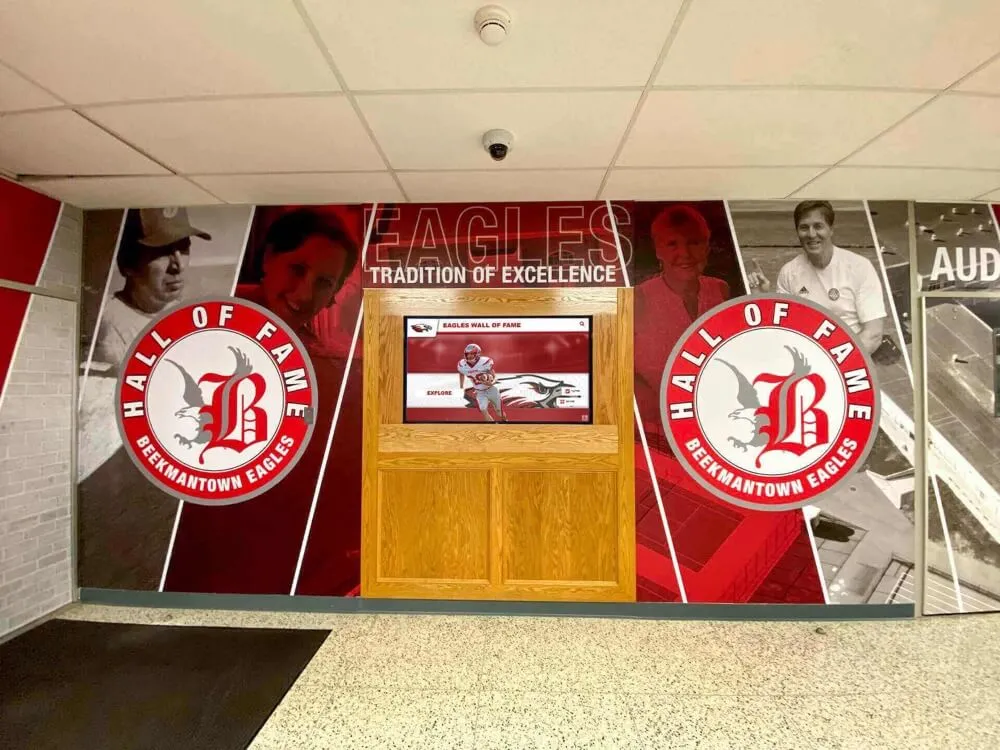
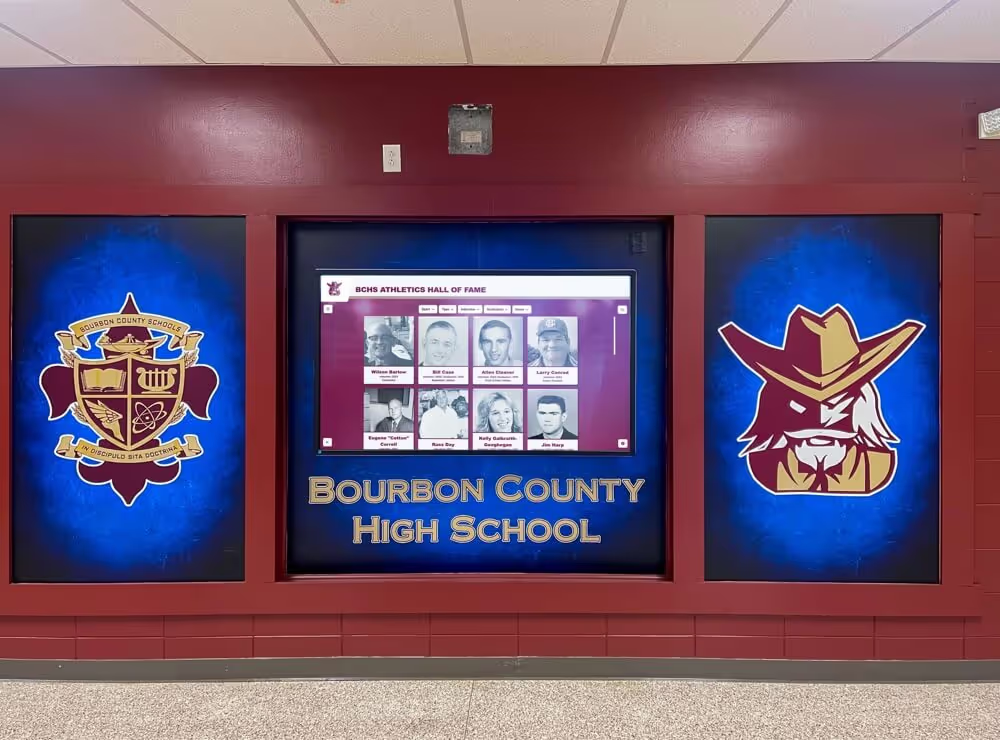
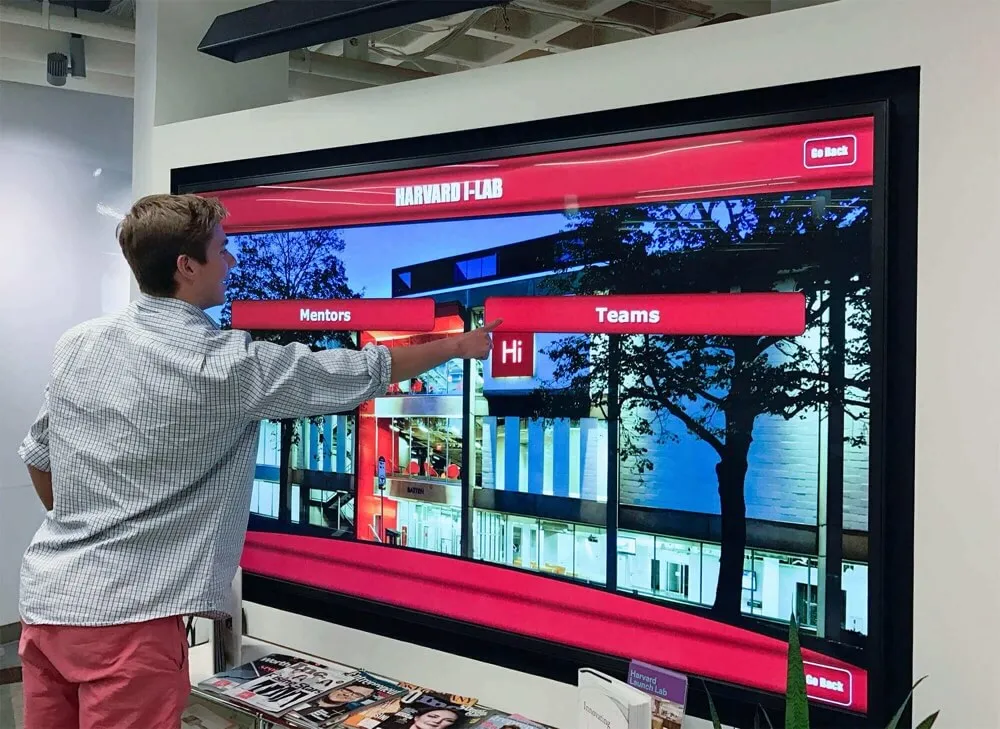
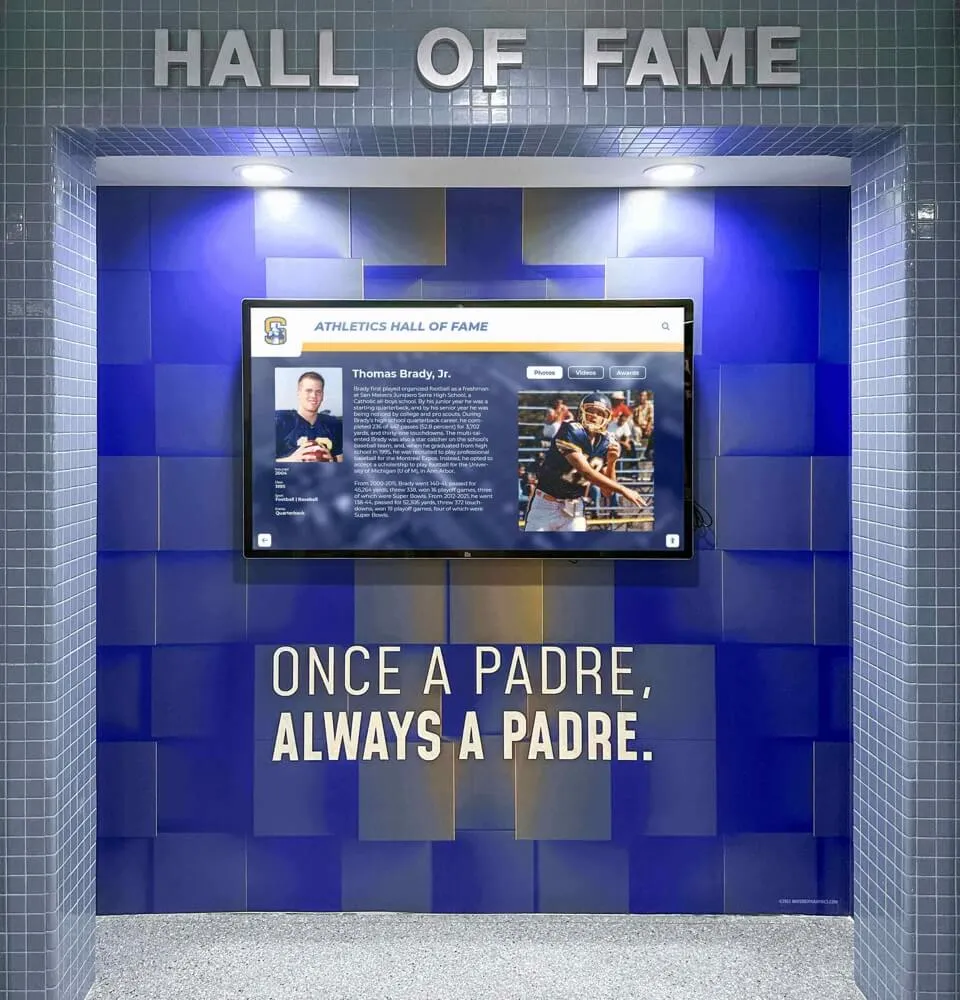
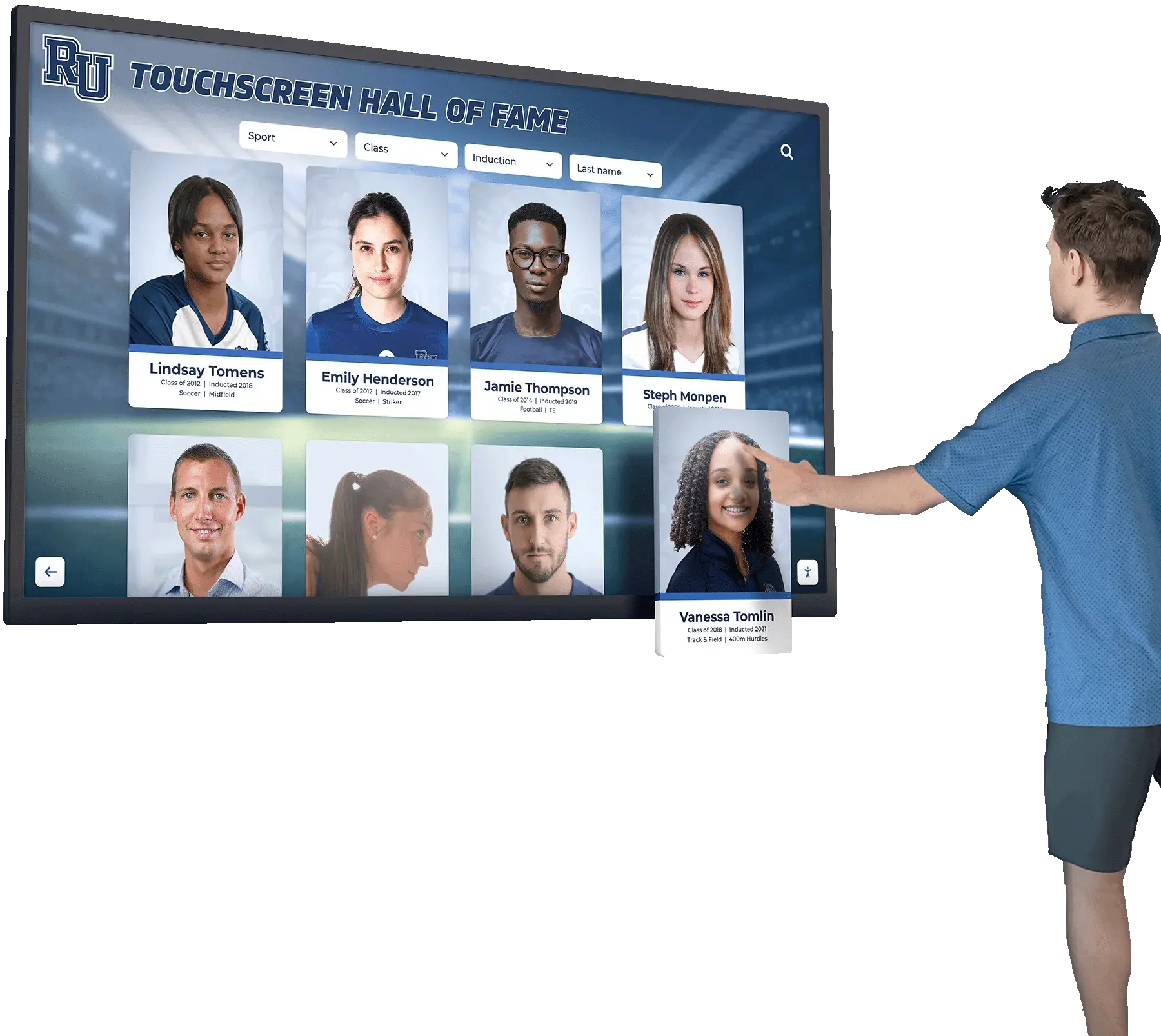
Digital recognition platforms—interactive hall of fame kiosks, touchscreen donor walls, and remote-managed display systems—add a technology stewardship dimension to the compliance calendar. Software licensing renewals, content update schedules, and hardware maintenance agreements belong on the calendar alongside insurance and tax deadlines so that recognition displays remain current and functional throughout the academic year.
Field day events, spirit activities, and community-building recognition programs illustrate the breadth of activities that school booster clubs coordinate—all of which depend on insurance coverage, state registration, and organizational continuity that an annual compliance calendar is designed to maintain.
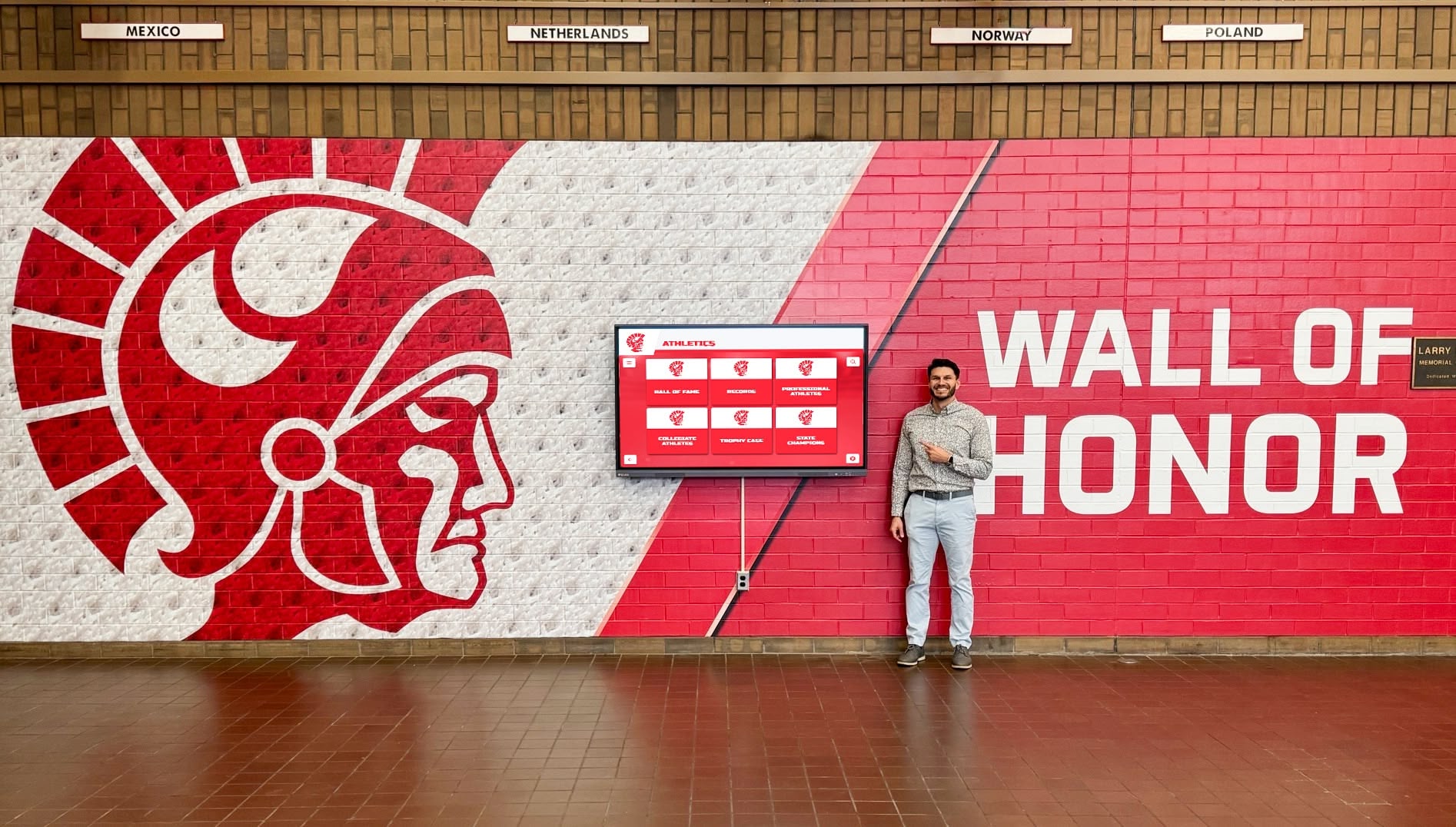
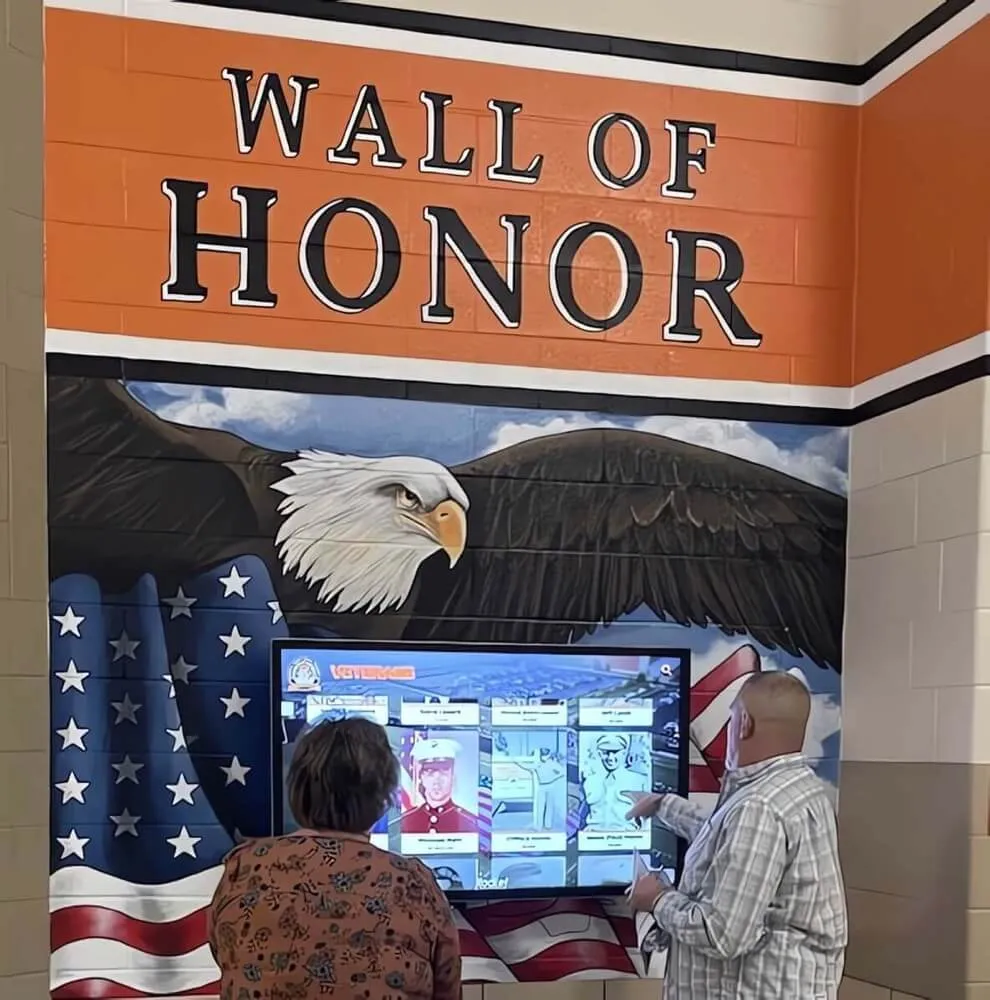
A wall of honor in a school hallway represents years of booster club investment in athlete recognition—investment that continues only if the organization maintains its exempt status, insurance coverage, and state registration through consistent annual compliance
Programs that plan digital donor recognition installations or campus-facing recognition displays should include the installation timeline in the compliance calendar alongside the vendor contract execution and board authorization dates. A recognition infrastructure project that requires a board vote, a signed contract, and a facilities agreement with the school cannot proceed on the schedule the community expects if those steps are not calendared in advance.
For programs building toward a digital hall of fame platform, touchscreen recognition wall, or interactive donor display—solutions offered by Rocket Alumni Solutions and others in the recognition technology space—the procurement and licensing timeline should be coordinated with the compliance calendar so that board authorization, budget allocation, and installation scheduling all occur within the same fiscal plan.
If your booster club is building the governance infrastructure to support a long-term recognition program—donor walls, athletic record displays, hall of fame installations, or award endowments—and you want to understand how a managed recognition platform supports both compliance continuity and donor stewardship, explore what Rocket Alumni Solutions offers athletic programs and booster clubs.
Frequently Asked Questions
What is a booster club annual compliance calendar?
A booster club annual compliance calendar is a month-by-month governance reference that lists every recurring obligation the organization must meet during the fiscal year: federal tax filings, state registration and charitable solicitation renewals, insurance policy renewals, board governance requirements, donor gift acknowledgment deadlines, and recognition program milestones. It is designed to be handed from one officer cohort to the next at the annual transition so that incoming leaders know what deadlines exist, when they fall, and who is responsible for each one.
When is the Form 990 due for a booster club?
The Form 990 is due on the 15th day of the fifth month after the organization’s fiscal year ends. For a June 30 fiscal year, the due date is November 15. For a December 31 fiscal year, the due date is May 15. A 6-month extension is available by filing Form 8868 before the original due date. Organizations with $50,000 or less in gross receipts file the Form 990-N e-Postcard, which follows the same due date schedule.
What happens if a booster club misses the Form 990 filing?
Late filing of the Form 990 or Form 990-EZ can result in a penalty of $20 per day for smaller organizations (with a maximum penalty per return). More significantly, an organization that fails to file a required annual return—990, 990-EZ, or 990-N—for three consecutive years is automatically stripped of its federal tax-exempt status by the IRS. Reinstatement requires filing a new application for recognition of exemption, paying the associated fees, and waiting for IRS processing, during which time the organization cannot represent itself as tax-exempt and donors cannot claim a charitable deduction for gifts.
Does a booster club need a charitable solicitation registration to accept donations?
Most states require charities—including school booster clubs that solicit donations from people beyond their immediate membership—to register with the state attorney general’s charitable trust or charity registration office before soliciting and to renew that registration annually. Exemptions based on gross receipts, member-only solicitation, or school-affiliation status vary significantly by state. Operating without a required registration can subject the organization and its officers to enforcement actions and personal liability. The National Association of State Charity Officials (NASCO) website is a useful starting point for identifying each state’s requirements.
Why does the fidelity bond need to be updated after each officer election?
A fidelity bond protects the organization against financial losses caused by the dishonest acts of individuals who handle its funds. If the bond identifies covered individuals by name, an incoming Treasurer or President who is not added to the bond is not covered, leaving the organization unprotected against a loss caused by that officer. Even when coverage is role-based, the coverage amount should be reviewed against the current reserve level and activity volume each year. The review should occur within 30 days of each officer election, and the insurer should provide written confirmation that the updated officer roster is reflected in the policy.
What are the IRS requirements for donor gift acknowledgment letters?
The IRS requires a written acknowledgment for every charitable gift of $250 or more. The acknowledgment must state the dollar amount of a cash gift (or a description—not a value—of property received), must confirm whether any goods or services were provided to the donor in exchange for the gift, and—if goods or services were provided—must state their fair market value. The acknowledgment must be provided to the donor before the donor files the tax return for the year of the gift. Organizations that fail to provide timely acknowledgments leave donors unable to substantiate deductions, which damages credibility and can reduce future support for the programs—including recognition programs—the booster club exists to fund.
How does compliance status affect the booster club’s recognition programs?
Recognition programs funded through charitable contributions depend directly on the organization’s legal standing to solicit those contributions. If the state charitable solicitation registration lapses, the organization cannot legally accept donations to fund the award ceremony, hall of fame installation, or recognition display update it has committed to. If the federal tax-exempt status is revoked—through three consecutive years of missed 990 filings—donors cannot claim a charitable deduction, which reduces motivation to give and shrinks the fundraising base that supports recognition programs. The compliance calendar protects recognition continuity by ensuring that the legal and financial infrastructure supporting those programs remains intact year after year.
What records should a booster club retain, and for how long?
Standard nonprofit recordkeeping guidance includes the following categories and retention periods:
| Document Type | Retention Period |
|---|---|
| Articles of incorporation, bylaws, IRS determination letter, board minutes | Permanent |
| Form 990 series returns and supporting workpapers | 7 years |
| Form 1099 returns and backup documentation | 7 years |
| Vendor contracts | 7 years after expiration |
| Insurance policies | 7 years after expiration |
| Gift acknowledgment letters and donor records | 7 years |
| Bank statements, financial records, and receipts | 7 years |
| Event records and volunteer logs | 7 years |
| Award and recognition program records | Permanent (or aligned with athletic archive policy) |
State-specific retention requirements may differ. The IRS does not publish a mandatory retention schedule for tax-exempt organizations, and state charity registration offices may have their own requirements. A licensed CPA or attorney familiar with nonprofit governance in your state is the appropriate resource for jurisdiction-specific guidance.
Booster clubs that maintain an annual compliance calendar—introduced at the July transition meeting, distributed to all incoming officers, and reviewed at mid-year—reduce the risk that a missed deadline disrupts the recognition programs, award ceremonies, and community-building events their athletic communities depend on. The calendar does not replace the CPA who prepares the Form 990 or the attorney who reviews state filing requirements. Its role is simpler: to give volunteer leaders a written, transferable record of what the organization owes the government, its insurers, its donors, and its community in the year ahead.
Ready to connect your governance and stewardship infrastructure to a recognition platform that documents every award, maintains donor and sponsor records, and supports the long-term continuity your athletic community has built? Request a demo of Rocket Alumni Solutions to see how a managed recognition platform supports the compliance standards your calendar is already building.