A booster club audit checklist covers three interconnected systems: financial controls that govern how money moves, sponsor records that document what was promised and delivered, and display commitments that confirm recognition obligations are being fulfilled. When all three are in order, your program enters every sponsor renewal conversation with complete documentation and zero outstanding disputes.
Most booster club governance guides stop at financial review. This checklist goes further—covering the sponsor contract records, digital display inventory, and donor acknowledgment documentation that financial auditors typically do not examine but that determine whether your program’s sponsor relationships survive year-over-year scrutiny.
This guide is for informational purposes only and does not constitute legal, accounting, or compliance advice. Consult a licensed CPA or attorney for guidance specific to your organization’s structure, tax-exempt status, and jurisdiction.

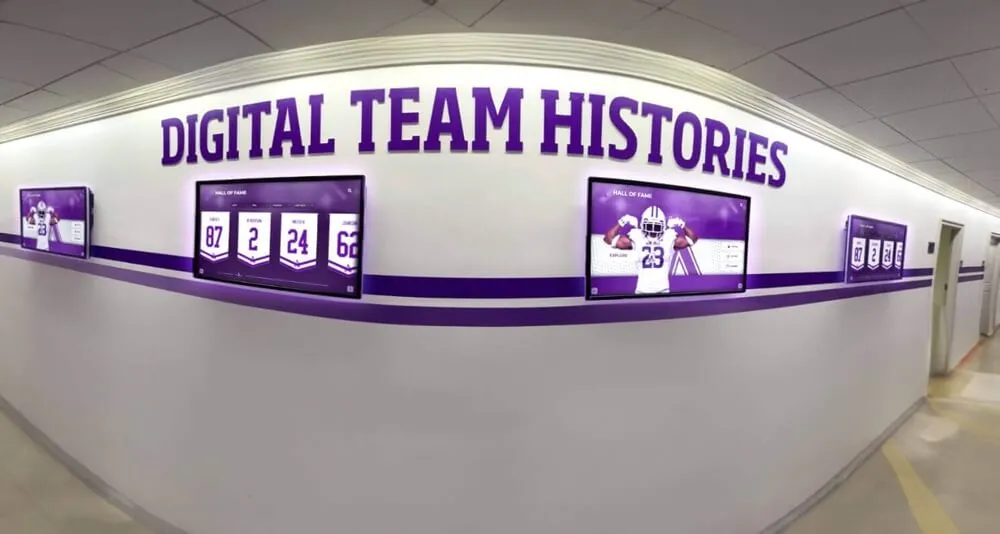
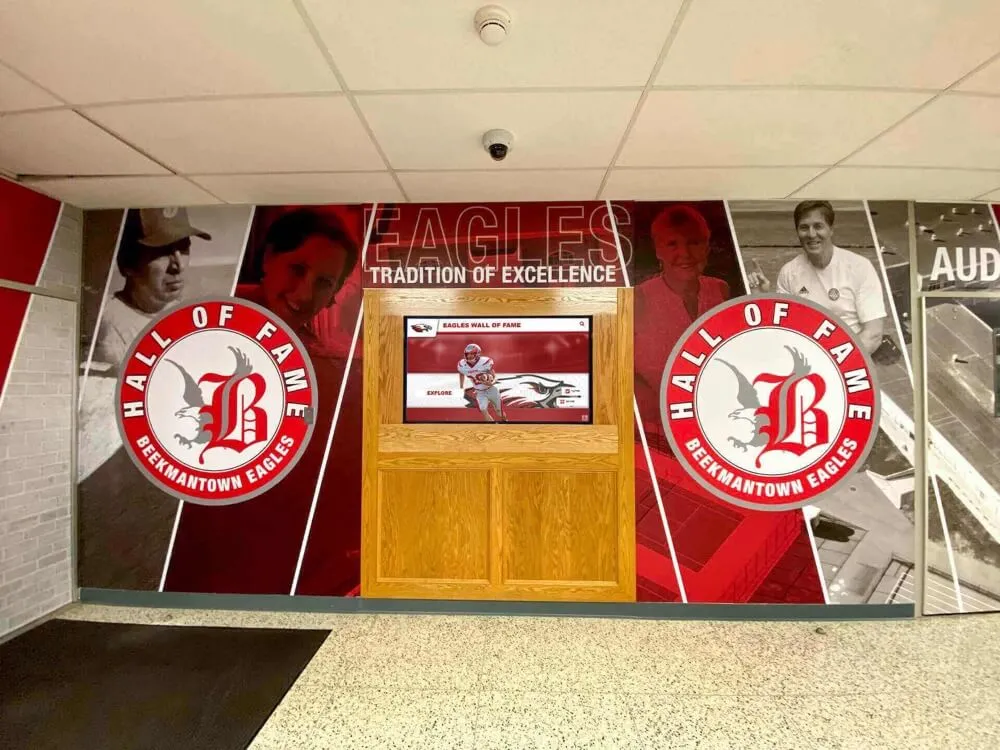
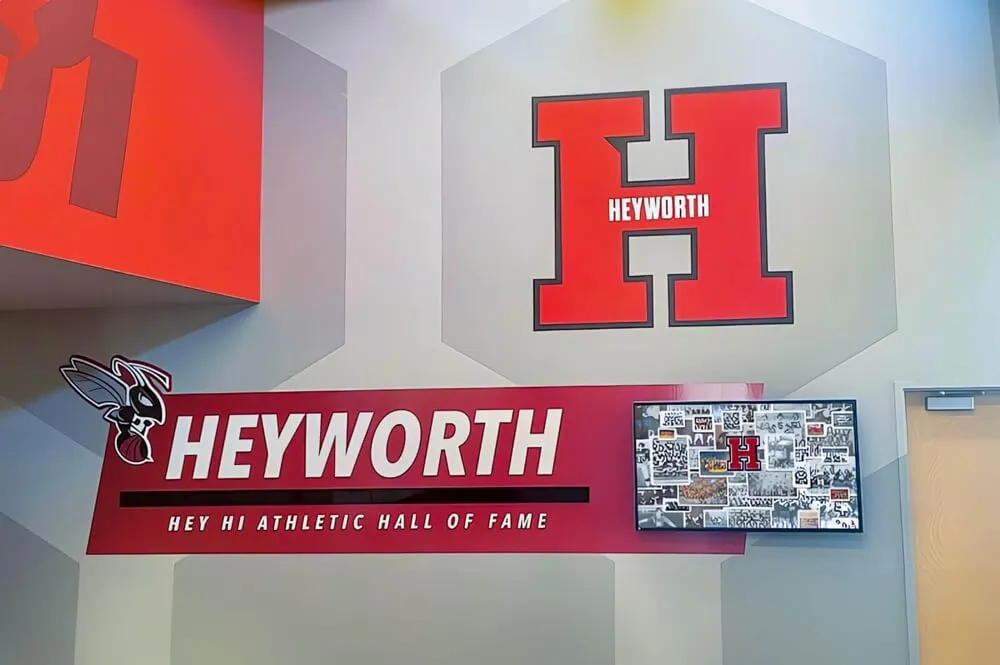
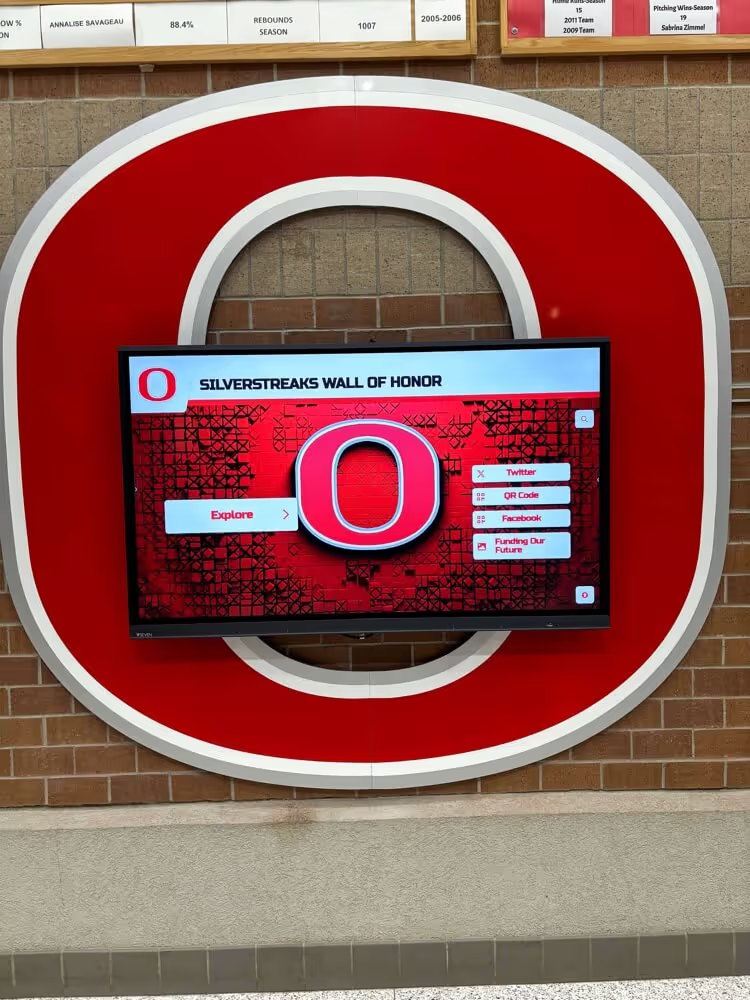
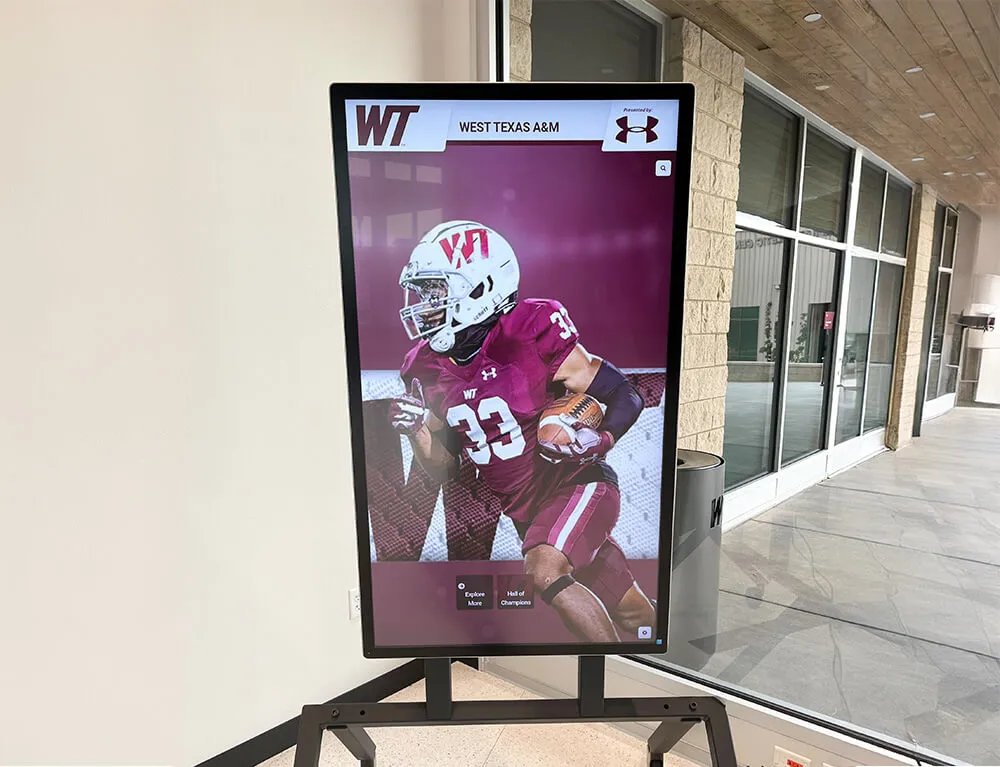
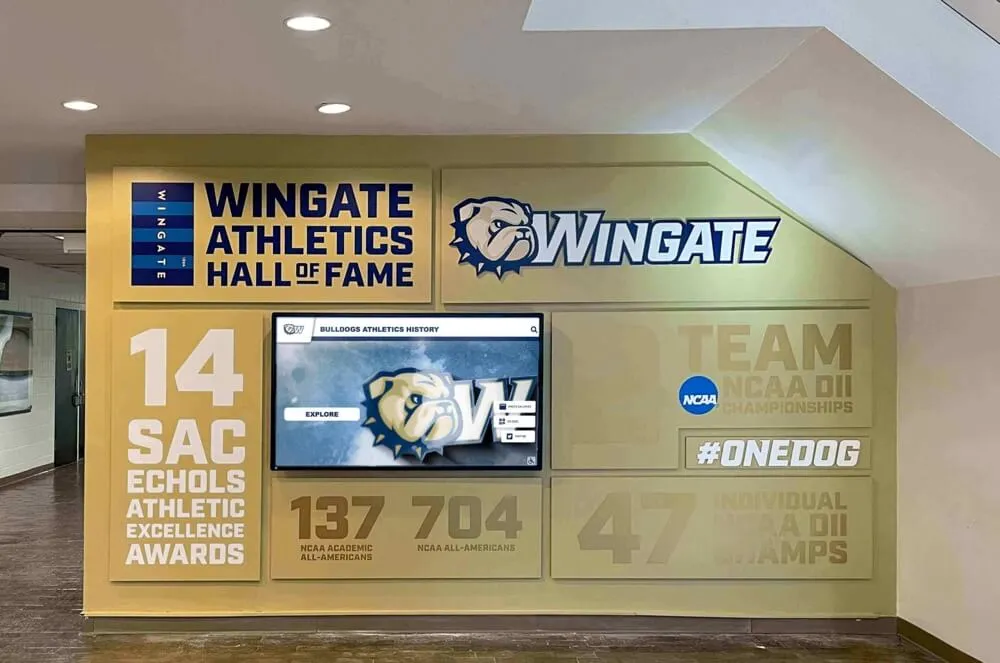
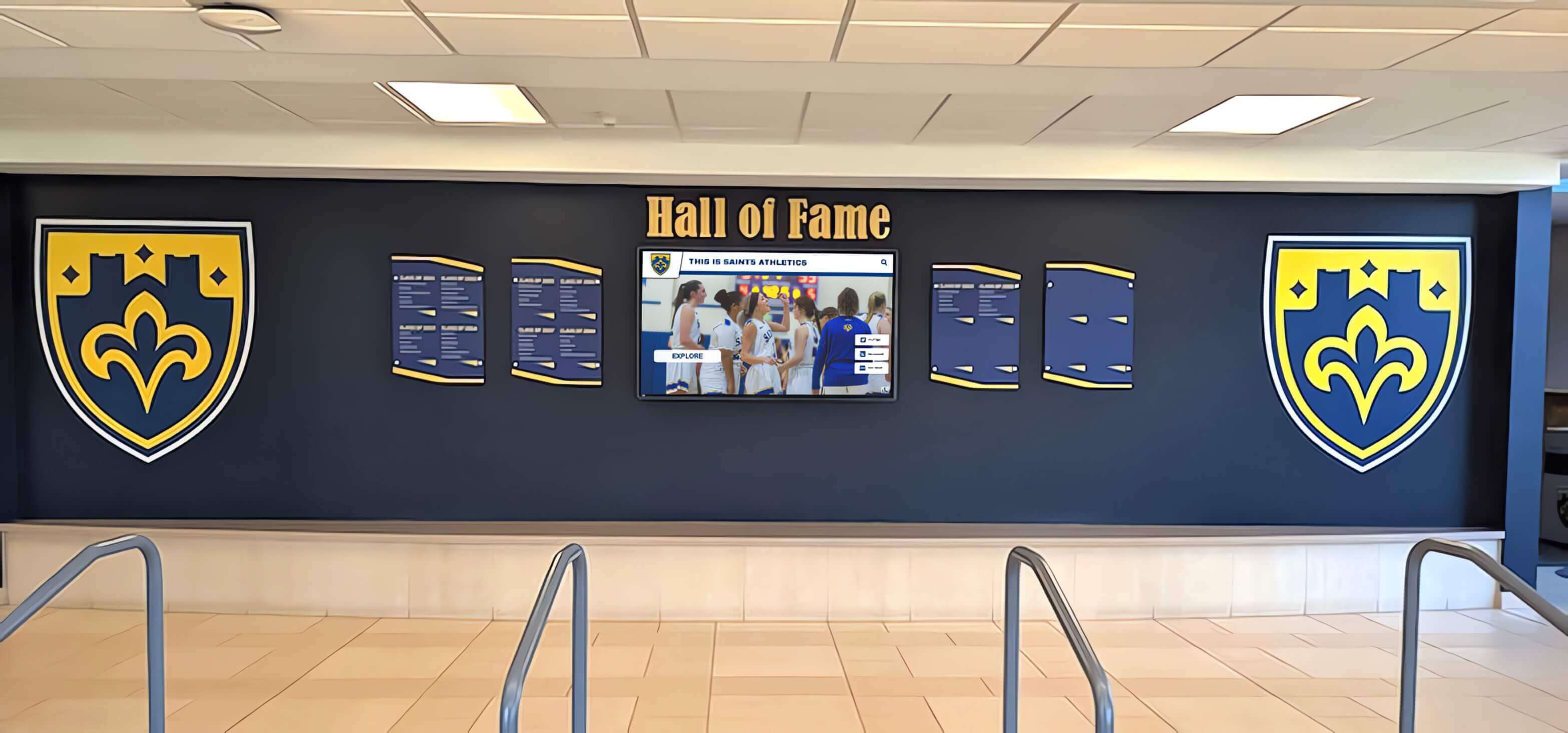
A complete booster club audit covers not just financial ledgers but the recognition displays and sponsor name records tied to every active sponsorship agreement
What a Booster Club Audit Should Cover
The term “audit” in booster club contexts typically refers to an internal review conducted by a committee member, a CPA engaged by the organization, or a district oversight team—not a formal IRS examination. Regardless of who conducts it, a thorough review should examine three areas:
- Financial controls — bank account reconciliation, expense approval procedures, dual-signature requirements, and fund segregation
- Sponsor and donor records — signed agreements, benefit delivery documentation, correspondence files, and renewal histories
- Display commitments — inventory of active recognition displays, verification that promised sponsor placements exist, and confirmation that donor names appear correctly in all physical and digital systems
Programs that audit only their financials leave the second and third categories unexamined. Those gaps tend to surface at the worst possible time: during a sponsor renewal conversation when the sponsor asks to see proof of delivery, or during a district review when a board member asks which donors are recognized in the lobby and by what authority.
Financial Controls Checklist
Financial controls are the most commonly reviewed area and the one most likely to be examined by outside auditors if the booster club is incorporated as a nonprofit or affiliated with a school district.
| Control Area | Audit Item | Status |
|---|---|---|
| Bank accounts | All accounts registered in the organization’s name, not an individual’s | ☐ |
| Bank accounts | Reconciled monthly; reconciliation reviewed by a second officer | ☐ |
| Bank accounts | No personal transactions commingled with club funds | ☐ |
| Expense approval | Written approval required before expenditures above a defined threshold | ☐ |
| Expense approval | Dual-signature requirement on checks above a defined dollar amount | ☐ |
| Expense approval | Receipts filed for all reimbursed expenses | ☐ |
| Fund segregation | Fundraising proceeds tracked separately by campaign | ☐ |
| Fund segregation | Restricted gifts and sponsor payments held in designated accounts | ☐ |
| Cash handling | Written cash-handling policy in place for events and concessions | ☐ |
| Cash handling | Two-person rule for counting and depositing cash receipts | ☐ |
| IRS compliance | 990 or 990-EZ filed if gross receipts exceed applicable threshold (verify with your CPA) | ☐ |
| IRS compliance | Annual filing status reviewed with district or legal counsel | ☐ |
| Officer transition | Prior-year records transferred to incoming treasurer at year-end | ☐ |
| Officer transition | Prior treasurer’s account access removed upon departure | ☐ |
These controls reflect widely accepted nonprofit governance standards. The CASE (Council for Advancement and Support of Education) and AFP (Association of Fundraising Professionals) both publish ethics guidelines addressing financial accountability for organizations managing donor and sponsor funds.
Sponsor Records Checklist
Sponsor records are where most booster club audits have significant gaps. A financial audit confirms that the money arrived; a sponsor records audit confirms that what was promised in exchange for that money was actually delivered.
| Record Category | Audit Item | Status |
|---|---|---|
| Signed agreements | Current-year contract on file for every active sponsor | ☐ |
| Signed agreements | Multi-year agreements identified and indexed | ☐ |
| Signed agreements | Expired agreements retained per the organization’s record-retention policy | ☐ |
| Benefit delivery | Written checklist of promised benefits for each sponsor tier | ☐ |
| Benefit delivery | Documentation that each promised benefit was delivered (photos, dates, confirmation) | ☐ |
| Benefit delivery | Sponsors notified in writing when promised benefits were fulfilled | ☐ |
| Naming rights | All naming arrangements documented in writing with duration terms | ☐ |
| Naming rights | Named spaces or displays inventoried against current agreements | ☐ |
| Renewal tracking | Prior-year renewal rates by tier calculated and recorded | ☐ |
| Renewal tracking | Non-renewing sponsors identified and exit notes documented | ☐ |
| Correspondence | Key sponsor communications archived (email, letters, agreements) | ☐ |
| Correspondence | Contact information current for all active sponsor representatives | ☐ |
One of the most common findings in informal booster club sponsor record reviews is a mismatch between what a prior-year officer promised verbally and what the current file documents. Maintaining a structured booster club meeting agenda that includes sponsor benefit review as a standing agenda item is one of the most reliable ways to keep records current across officer transitions.
Sample Benefit Delivery Confirmation Log Entry
Use a record like this for each sponsor benefit delivered, kept in the sponsor’s file:
SPONSOR BENEFIT DELIVERY LOG
Organization: ___________________________________
Sponsor Name: ___________________________________
Agreement Year: _________________________________
Benefit Delivered: ______________________________
Delivery Date: __________________________________
Delivery Location: ______________________________
Documented By (name + title): ___________________
Documentation On File: ☐ Photo  ☐ Screenshot  ☐ Email Confirmation
Notes: _________________________________________
Signature: _____________________________________ Date: ___________
A simple log entry like this—kept in a shared folder accessible to current officers—eliminates the reconstructive documentation scramble that typically precedes sponsor renewal conversations.
Display Commitments Checklist
Display commitments are the recognition obligations embedded in every sponsorship and donation agreement: the specific places, formats, and durations where a sponsor’s or donor’s name must appear. These are contractual deliverables, not goodwill gestures, and they require an inventory-level audit to verify.
| Display Area | Audit Item | Status |
|---|---|---|
| Physical signage | All active sponsor banners and signs installed and undamaged | ☐ |
| Physical signage | Sponsor logos and names on signage match current brand guidelines | ☐ |
| Physical signage | Placement matches the location specified in the sponsorship agreement | ☐ |
| Digital displays | Active sponsor profiles verified on all digital display systems | ☐ |
| Digital displays | Sponsor name spelling confirmed against the signed agreement | ☐ |
| Digital displays | Content currency confirmed (no outdated logos, expired campaign dates) | ☐ |
| Donor wall | All donor names verified against the recognition ledger | ☐ |
| Donor wall | Tier placement correct for each donor’s cumulative giving level | ☐ |
| Donor wall | Recent additions (past 90 days) confirmed as installed or scheduled | ☐ |
| Athletic records board | Displayed records and achievement names verified against source data | ☐ |
| Athletic records board | Updates from the most recent season incorporated | ☐ |
| Program and print | Sponsor names in printed programs match signed tier benefits | ☐ |
| Program and print | Digital versions of print materials accessible for archival reference | ☐ |
| Removal obligations | Former sponsor signage removed or updated after agreement expiration | ☐ |
| Removal obligations | Former donor names that requested removal have been processed | ☐ |
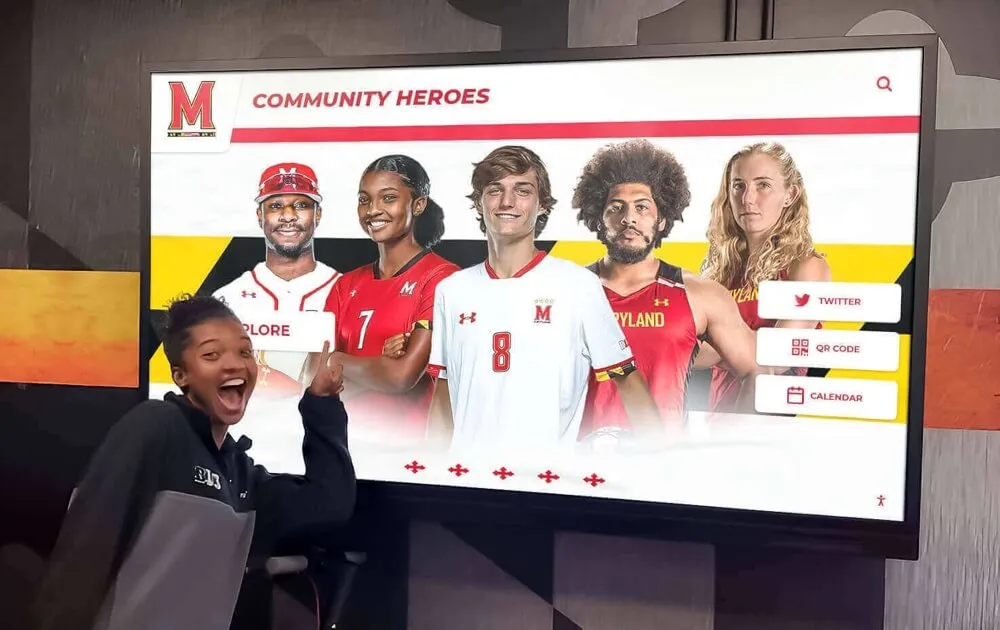
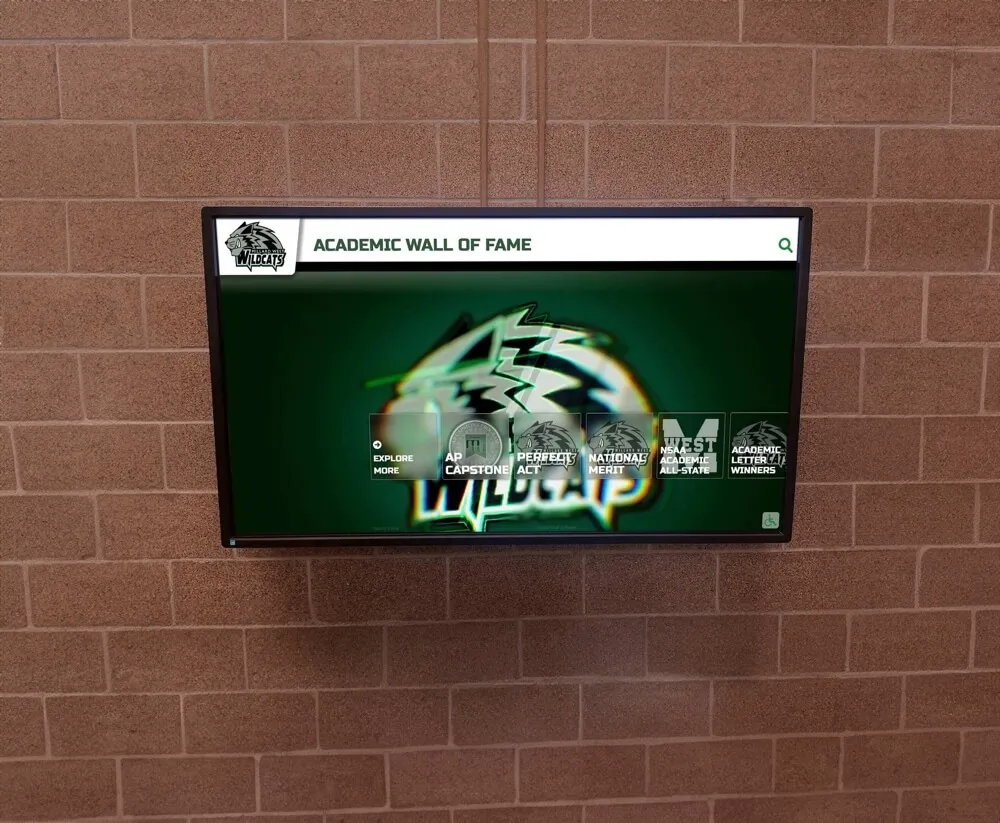
Display commitment audits are the governance counterpart to financial controls: they confirm that the program’s recognition obligations are current, accurate, and documented. Schools that have built interactive recognition displays tied to a managed content system can generate this documentation automatically—platforms that log content changes create a built-in audit trail for recognition delivery.
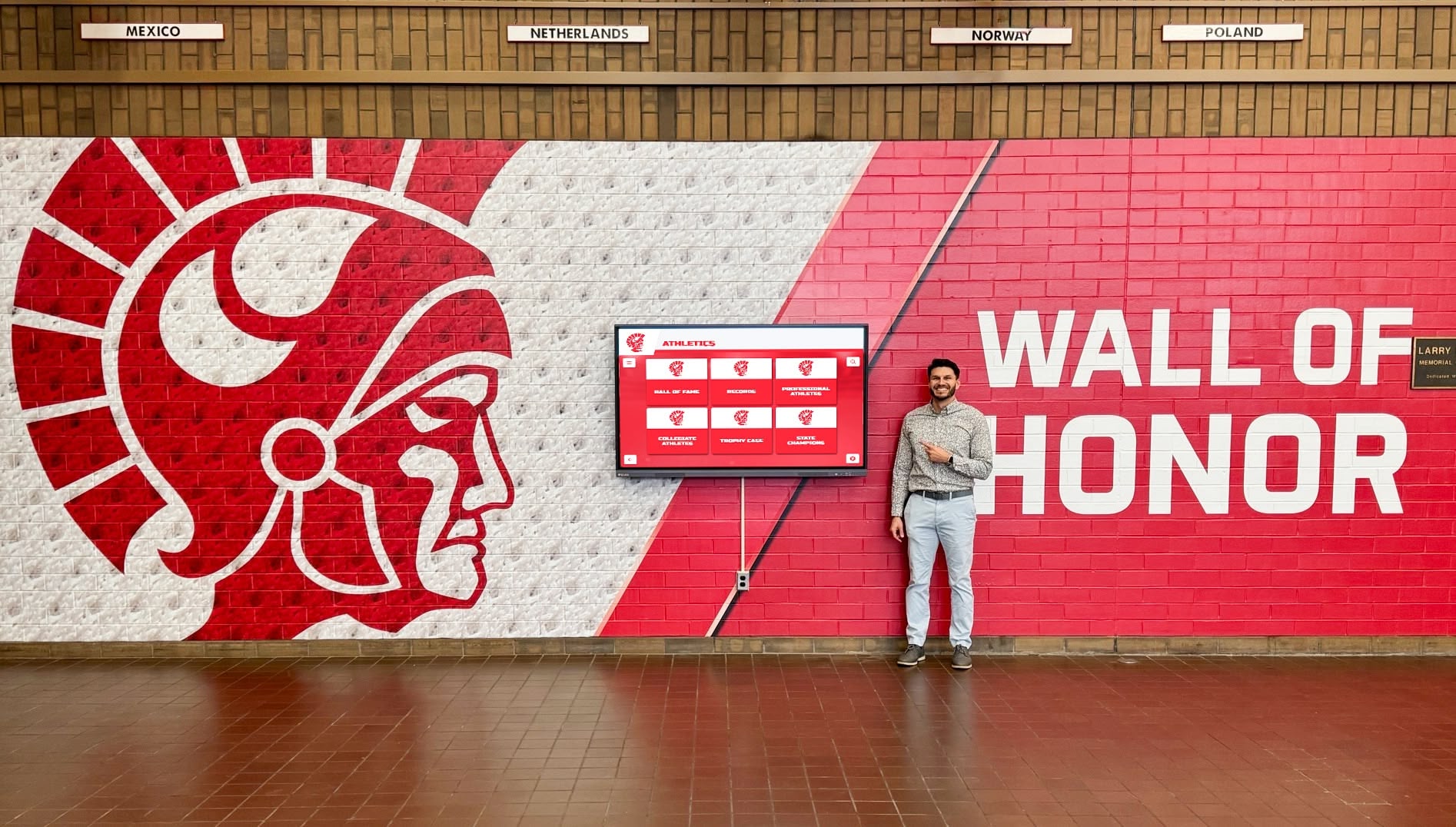
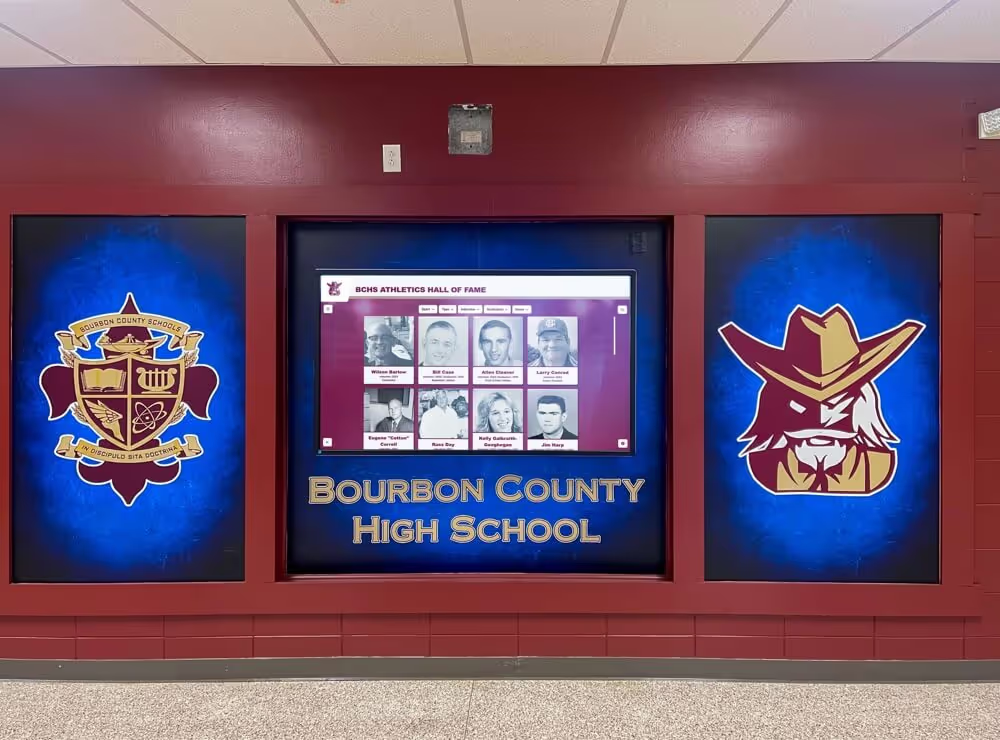
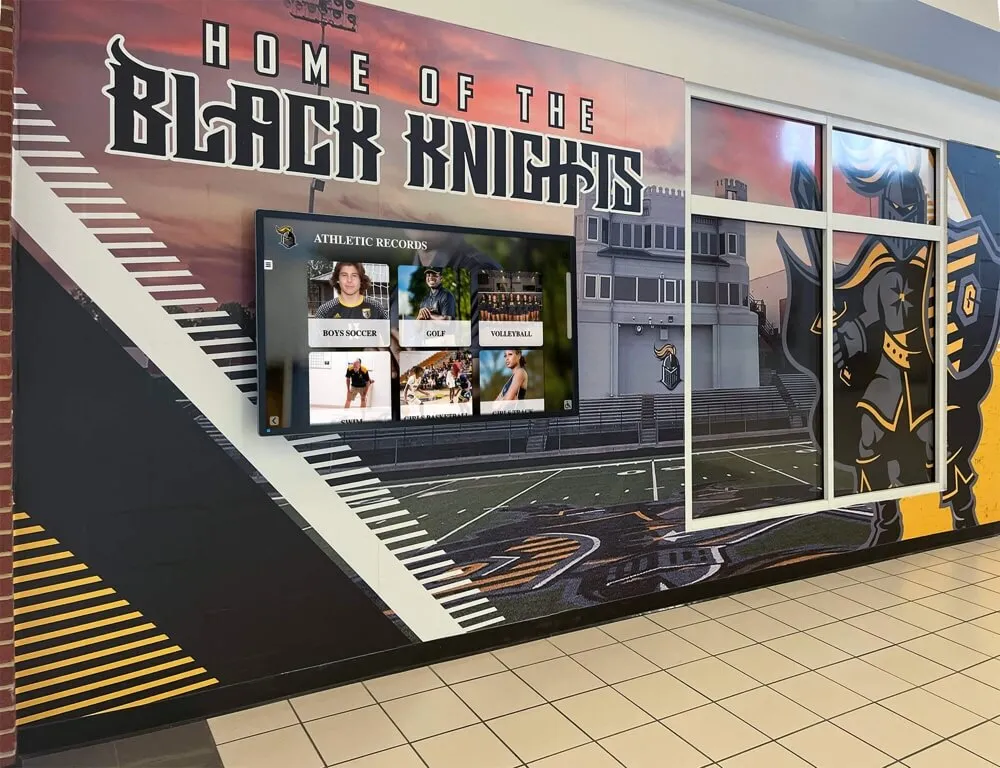
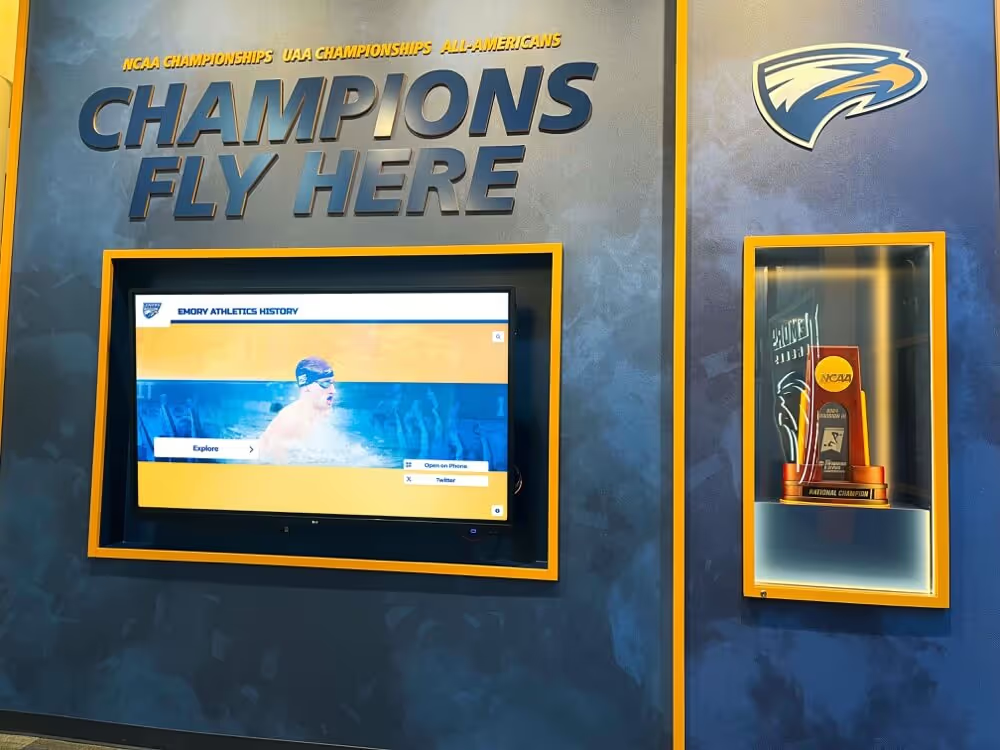
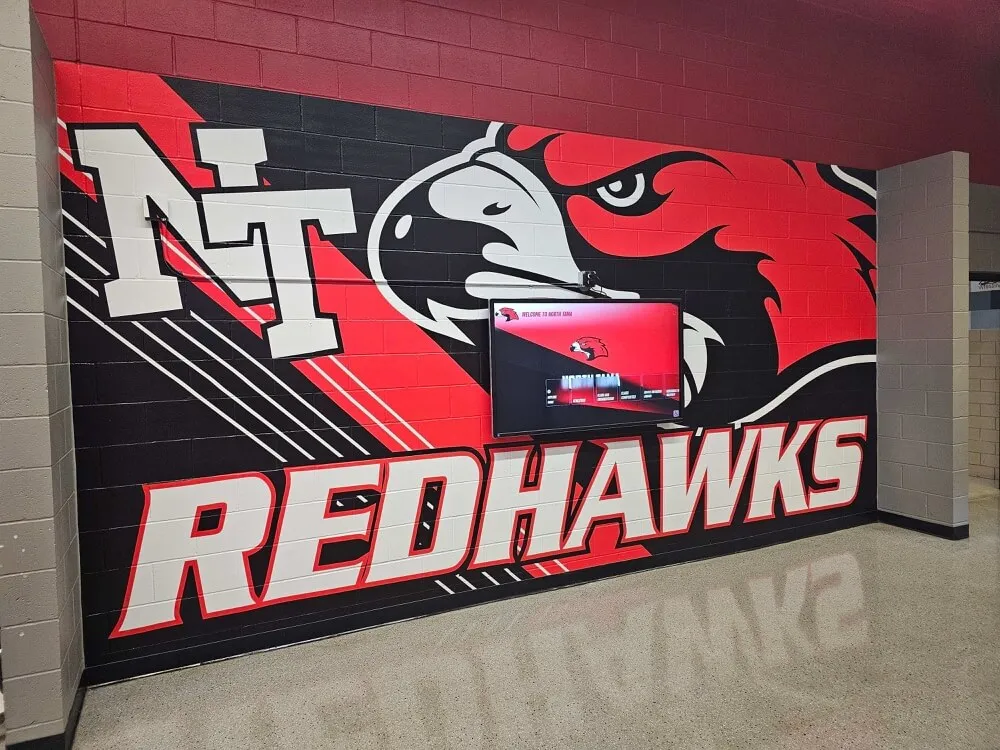
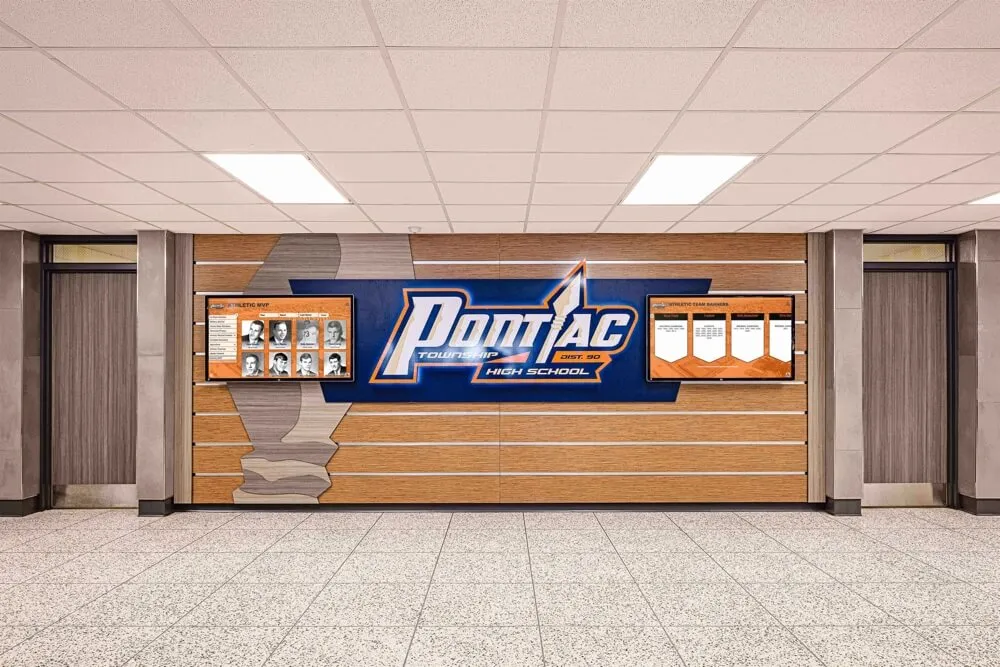
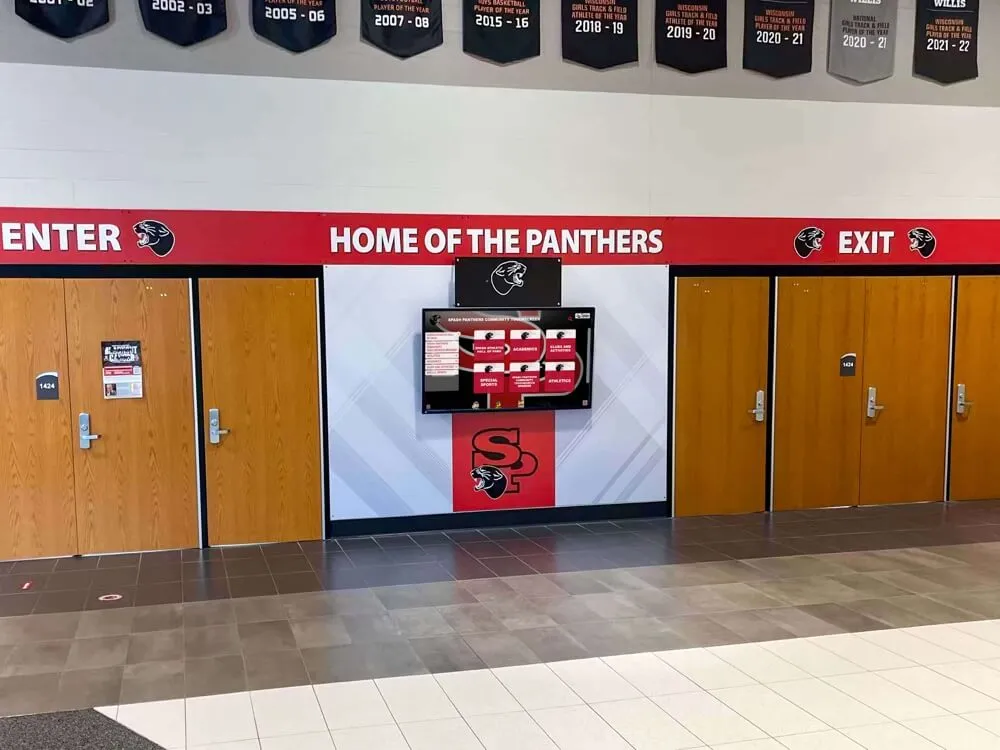
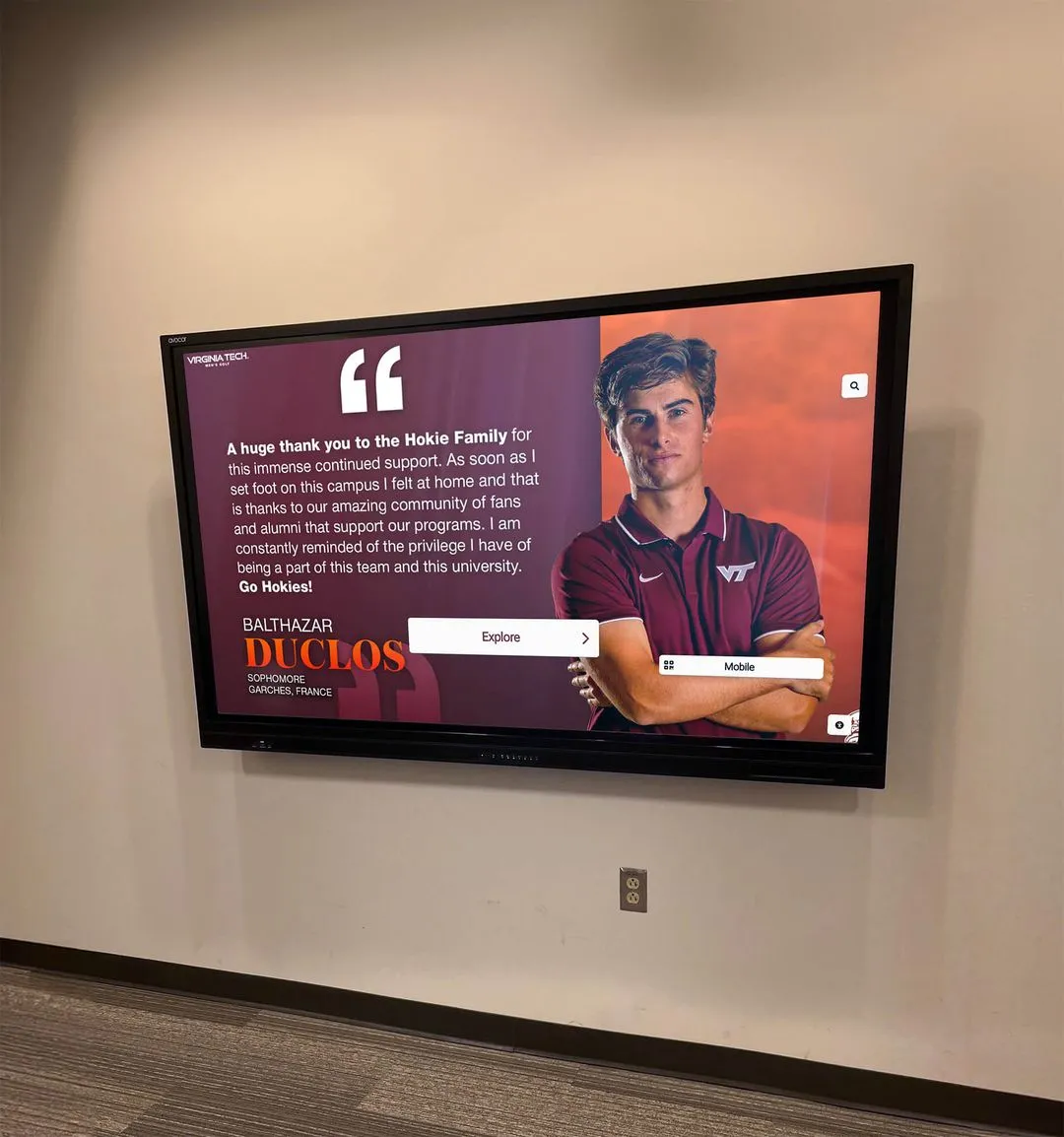
Physical and digital recognition displays should be inventoried against active sponsor agreements during every annual audit cycle—verifying that names, tiers, and placements match contractual commitments
Combined Audit Snapshot: Quick-Reference Summary Table
Use this condensed table as an executive summary for board review or district reporting. All three categories must pass before closing an audit cycle.
| Category | Key Verification Points | Pass / Fail |
|---|---|---|
| Financial Controls | Bank accounts reconciled; dual-signature policy active; cash-handling procedures documented; IRS filing current | |
| Sponsor Records | Signed agreements on file; benefit delivery documented; renewal history recorded; correspondence archived | |
| Display Commitments | Physical signage installed and current; digital profiles accurate; donor wall verified; removal obligations processed |
A pass in all three categories indicates a program that can satisfy sponsor inquiries, withstand district review, and support officer transitions without material gaps. A failure in any category identifies a specific remediation task rather than a general finding of “poor recordkeeping.”
How Display Infrastructure Affects Audit Readiness
Programs with managed digital recognition systems—lobby displays, donor walls, and athletic records boards connected to a content management platform—consistently perform better on display commitment audits than programs relying on static physical signage alone.
The reason is documentation. A digital display platform that logs every content update creates a timestamped record of when each sponsor name was activated, when it was modified, and when it was removed. That log serves as the audit trail for display commitments. Academic recognition programs that incorporate digital display systems report that content management records substantially simplify annual governance reviews by providing ready-made documentation for every recognition entry.
Static signage, by contrast, produces no documentation unless someone photographs the installation and files the image. Programs relying entirely on physical signage must reconstruct display delivery documentation manually—a process that becomes increasingly difficult as time passes and institutional memory turns over with officer transitions.
Digital wall of fame systems built for school athletics and donor recognition typically include content logging, version history, and export functionality that translates directly into audit-ready documentation. When evaluating recognition platforms, audit trail capability should be part of the evaluation criteria alongside content management features and display options.
Sponsor Record Retention: What to Keep and for How Long
Booster clubs often have informal record-retention practices that create problems during audit reviews. The following guidance reflects general nonprofit best practice; consult your organization’s legal counsel or CPA for retention requirements specific to your jurisdiction and corporate structure.
| Document Type | Suggested Retention Period |
|---|---|
| Signed sponsorship agreements | 7 years after expiration |
| Bank statements and reconciliations | 7 years |
| IRS returns and supporting documents | Permanent |
| Gift acknowledgment letters | 7 years |
| Board meeting minutes | Permanent |
| Correspondence with major donors or sponsors | 7 years |
| Display installation records | Duration of naming arrangement plus 3 years |
| Benefit delivery documentation | Duration of agreement plus 3 years |
Transitioning these records to a digital archive—scanned agreements, photographed displays, exported system logs—reduces physical storage requirements and makes retrieval faster during audits. Programs that build their recognition infrastructure around managed digital systems benefit from a secondary advantage: the content history inside those platforms serves as a living institutional record. School history timeline displays that preserve recognition across decades demonstrate how digital documentation compounds in value over time, serving future governance reviews as well as current stewardship needs.
Connecting the Audit to Sponsor Stewardship
An audit is not just a compliance exercise. The verification steps in a booster club audit checklist—confirming that every sponsor name is correctly displayed, that every promised benefit was delivered, that every agreement is on file—are the same steps that make a renewal conversation credible.
When a sponsor asks “Is our banner still up?” and you can show them a photograph from last week’s audit walk-through, that is stewardship. When a donor asks “Is my name still on the wall?” and you can pull the entry from the content management system, that is accountability. Recognition programs built around consistent stewardship practices consistently outperform those built around year-end scrambles to document what was delivered.
The booster clubs that build the strongest sponsor pipelines are also the ones where the annual audit is a low-drama exercise—because records were maintained continuously, not reconstructed under deadline. Building school spirit and community recognition traditions is easier when the underlying recognition infrastructure is documented, maintained, and verifiable year-round.
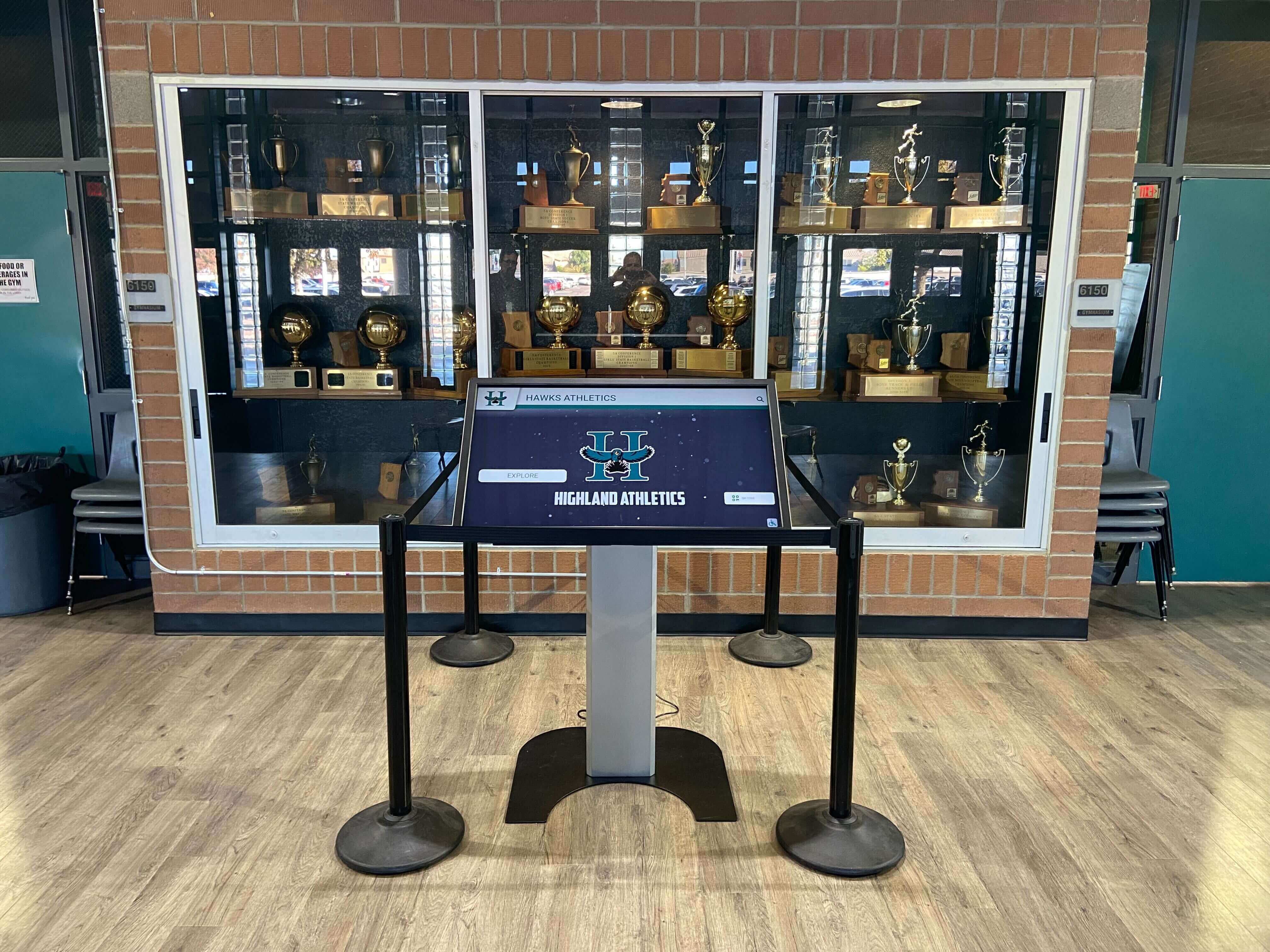
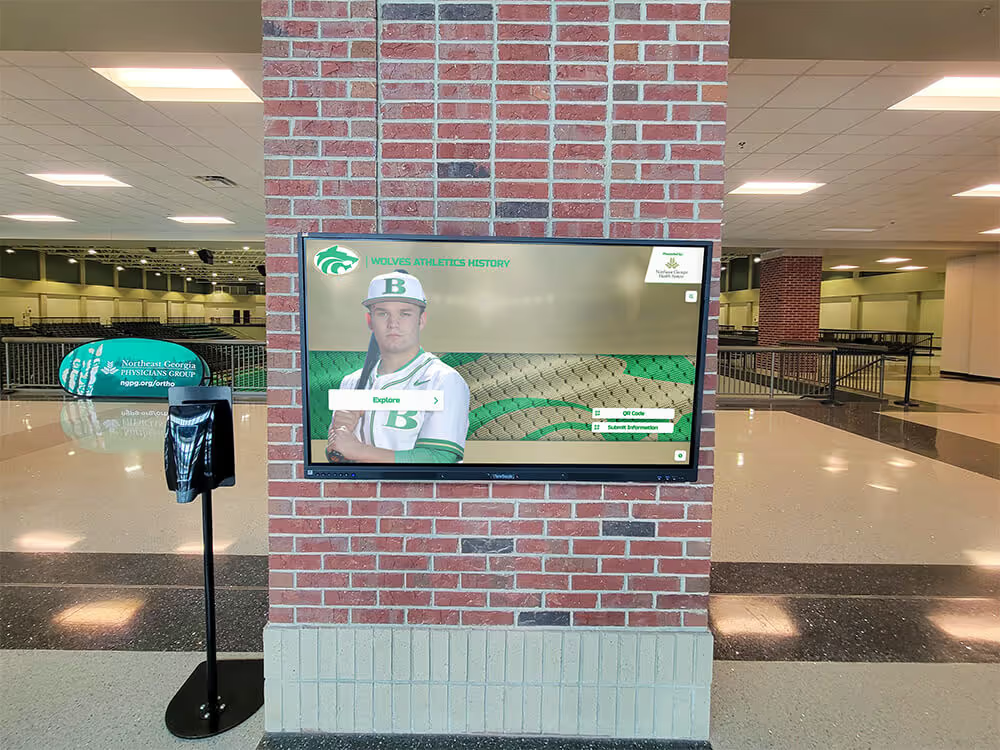
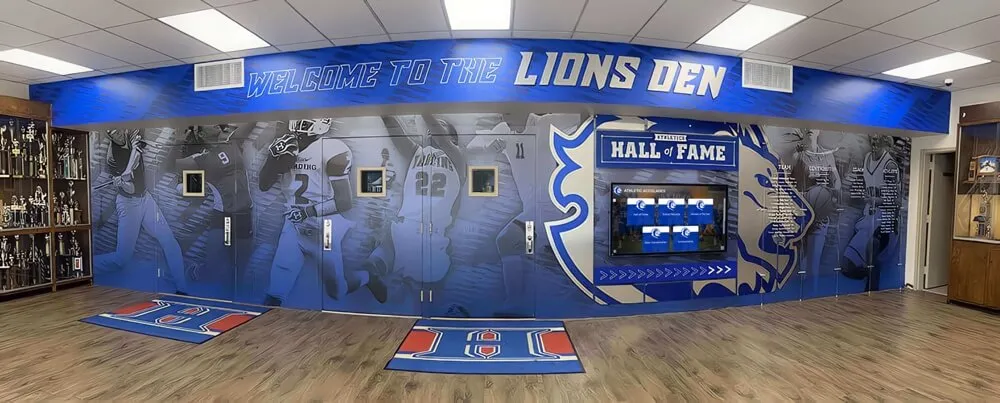
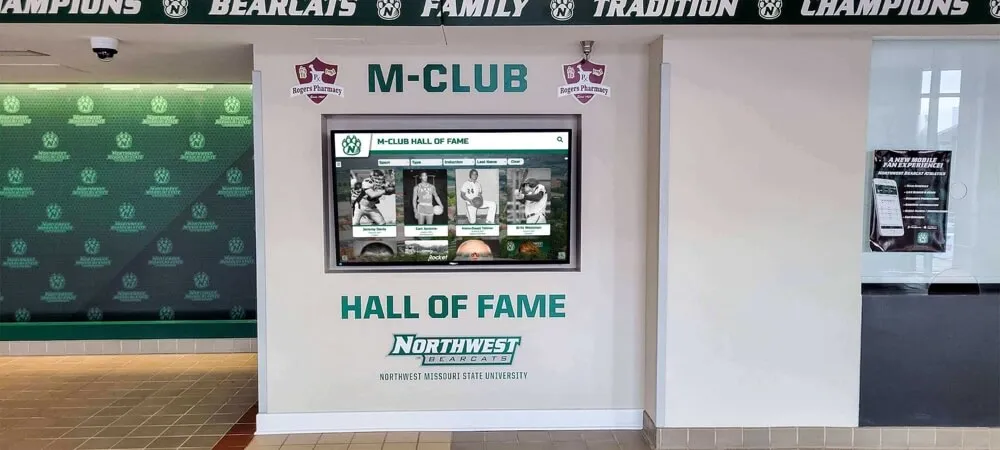
Digital recognition systems integrated into lobby and trophy case environments generate the content logs and version histories that make display commitment audits straightforward rather than reconstructive
Frequently Asked Questions
How often should a booster club conduct an internal audit?
Most governance frameworks recommend an annual internal review timed to the fiscal year-end or leadership transition—whichever comes first. Programs with complex sponsor portfolios (five or more active sponsors with multi-year agreements) benefit from a mid-year display commitment check to catch recognition gaps before the season ends. Financial controls should be reviewed by a party independent of the treasurer on an annual basis.
Who should conduct the audit?
For financial controls, a CPA not otherwise affiliated with the organization is the standard recommendation for incorporated nonprofits. For sponsor records and display commitments, an internal committee review—typically the booster club president, athletic director, and a board member without financial signing authority—is appropriate. The goal is independent verification: the reviewer should not be the same person who created the records being reviewed.
What happens if the audit finds that a sponsor name is missing from a display?
Address it immediately and document the correction. Contact the affected sponsor, acknowledge the gap, and provide written confirmation—a photograph or system record—when the display is updated. A sponsor who learns about a recognition gap and sees it corrected promptly is far less likely to withdraw from renewal conversations than one who discovers the problem independently. The display commitment audit exists specifically to find these gaps before sponsors do.
Does a booster club audit need to cover donor wall records?
Yes. Donor wall entries represent recognition commitments—typically made in writing at the time of the gift. Every name on a donor wall should be traceable to a signed gift acknowledgment, a giving record at the correct tier, and a display entry that matches both. Discrepancies between giving records and displayed recognition create both relationship risk (the donor notices the wrong tier) and accuracy risk (the displayed information does not match program records). Including donor wall verification in the annual audit closes both gaps.
How does digital display infrastructure simplify the audit process?
Platforms with content management logging generate a timestamped record of every entry added, modified, or removed from the display. This record serves as the primary evidence for display commitment audits—replacing manual walk-throughs and reconstructive documentation with an exportable log. When evaluating recognition platforms, ask vendors whether the system maintains a content change history and whether that history can be exported in a format suitable for governance review. Comprehensive guides to touchscreen display systems cover the content management and documentation features that distinguish platforms built for institutional use from simpler display tools.
What is the most common finding in a booster club display commitment audit?
Outdated content. Sponsor logos reflecting prior branding, names that no longer match current legal entity names, and display entries for sponsors whose agreements have expired are the most frequently cited findings. A quarterly content review—separate from the annual audit—catches these issues before they become compliance findings. Maintaining a scheduled content review practice is the most reliable way to prevent outdated recognition from reaching an annual audit cycle.
When your program is ready to build the recognition infrastructure that makes sponsor audits straightforward and renewal conversations credible—lobby displays with automatic content logging, digital donor walls with complete entry histories, and athletic records boards built for governance review—explore how Rocket Alumni Solutions supports booster clubs with recognition systems designed for long-term sponsor stewardship.