A booster club certificate of deposit policy defines which officers are authorized to open or close a CD, establishes the minimum liquid reserve the organization must maintain before any funds may be committed to a time deposit, sets the process for monitoring and acting on maturity dates, and determines how donor-restricted funds are classified and reported when held in a CD. Programs that hold fundraising proceeds, major gifts, or reserve balances in certificates of deposit without a written policy risk unauthorized placements, inadvertent liquidity gaps that delay vendor payments, and auto-renewals that lock funds into unfavorable terms without board knowledge.
This guide covers the four controls that make a CD policy functional—authorization, liquidity floors, maturity tracking, and restricted-fund reporting—and provides a policy template and decision checklist for board adoption.
This guide is for informational purposes only and does not constitute legal, accounting, tax, or investment advice. Consult a licensed CPA, attorney, or financial advisor for guidance specific to your organization’s structure, tax-exempt status, investment authority, and jurisdiction.

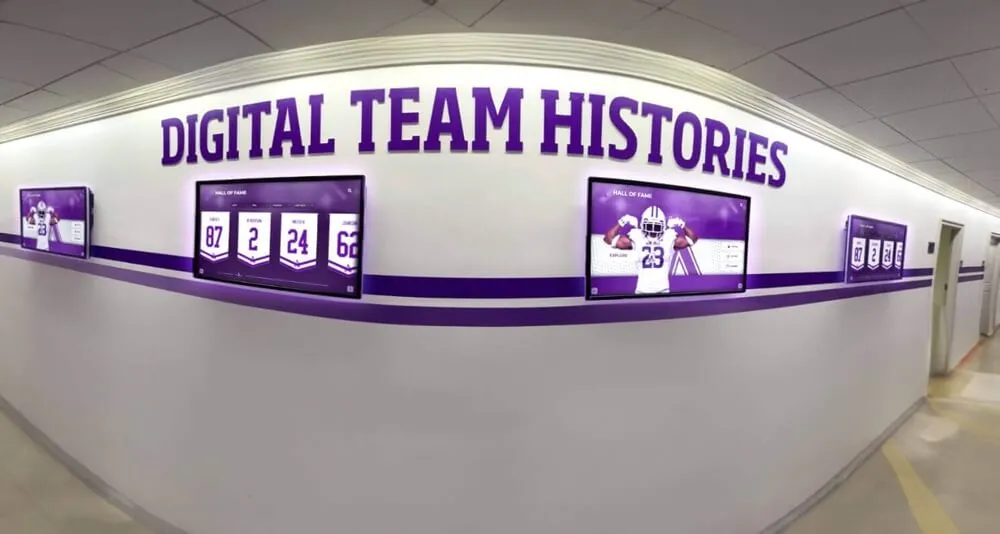
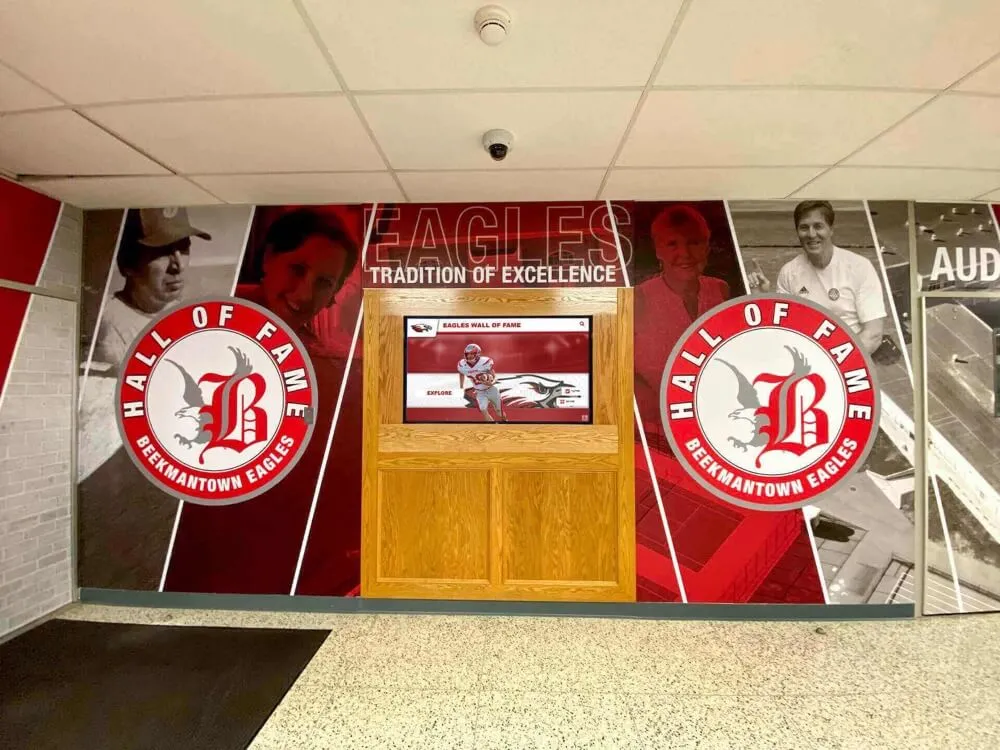
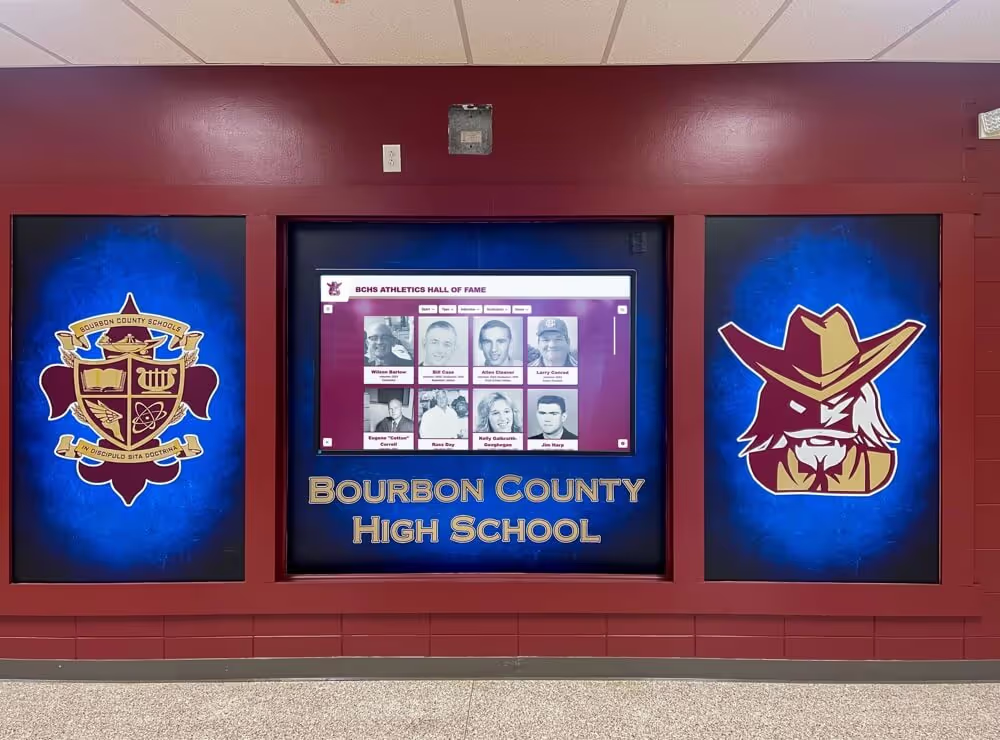
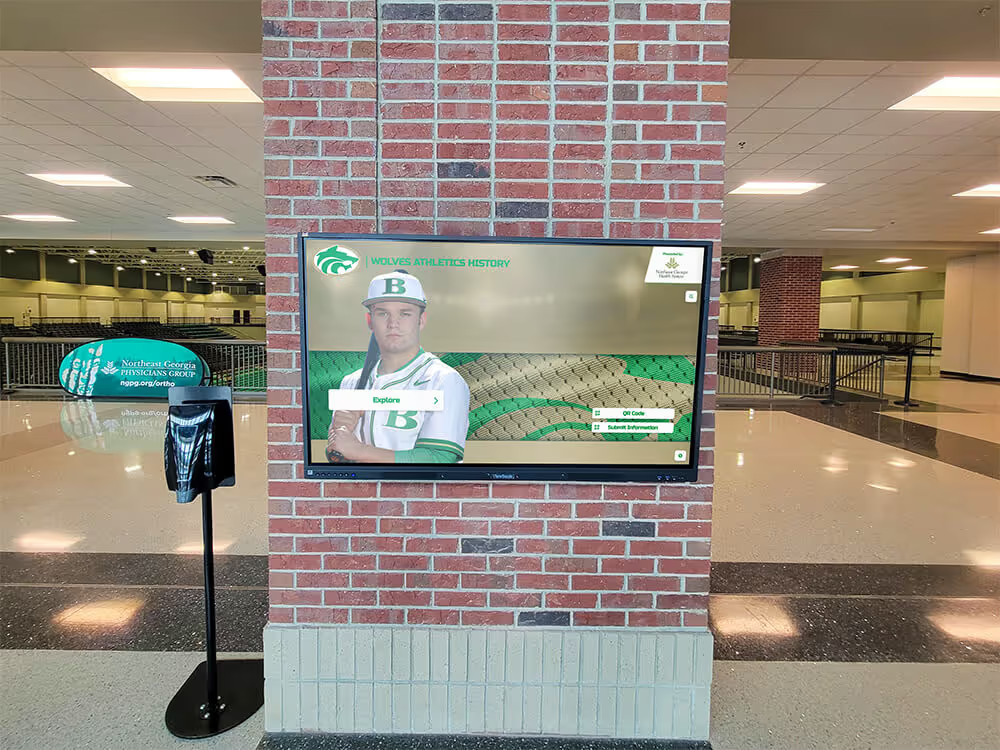
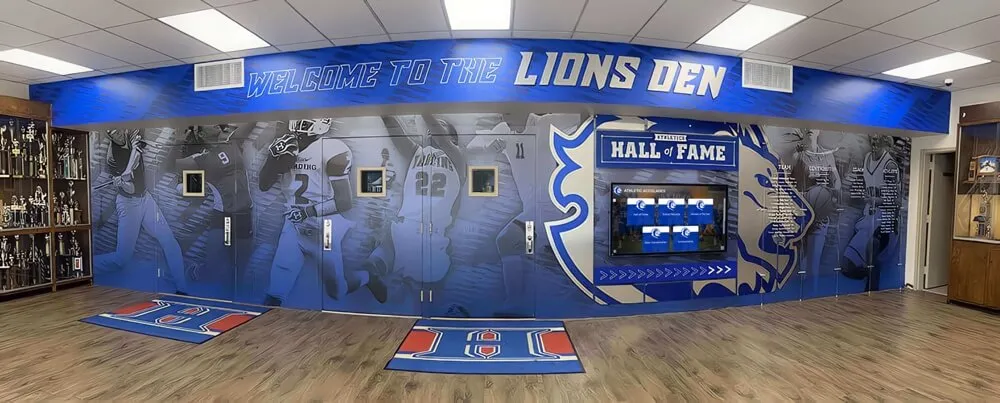
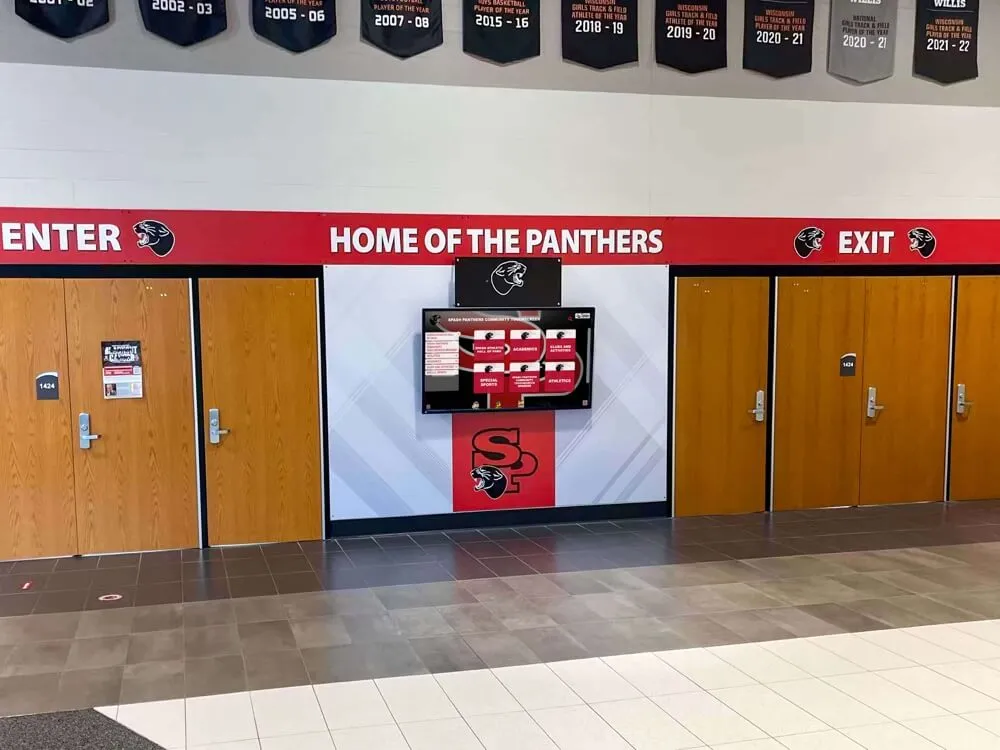
Booster club reserve funds that flow into certificates of deposit are often the same funds earmarked for recognition infrastructure, award programs, and hall of fame installations—which is why the authorization and liquidity controls governing those CDs matter directly to the program commitments the organization has made
What a Booster Club Certificate of Deposit Policy Is
A booster club certificate of deposit policy is a written governance document that answers four questions before any CD is opened:
- Who is authorized to open or close a CD? Authorization should be defined by officer role—Treasurer, President—and should require board approval above a defined dollar threshold.
- How much cash must remain liquid? A policy that allows CDs without a liquidity floor can leave the organization unable to pay vendors or meet payroll for event staff while its reserve sits in a 12-month term deposit.
- How are maturity dates tracked and acted on? Without a formal tracking process, CDs auto-renew under whatever terms the bank sets, which may not reflect the organization’s current needs or interest rate environment.
- How are restricted funds handled? Donor-designated gifts placed in a CD must be classified correctly in financial reports, and restrictions must follow the funds through any renewal or reinvestment decision.
The policy does not need to be long. Its value is in specificity. A vague policy—“the treasurer may invest reserve funds as appropriate”—produces inconsistent practice and creates personal liability for whichever officer makes a placement decision without documented authorization.
Authorization Controls: Who May Open a CD
Defining Authorized Principals
Authorization should be role-based, not name-based, so the policy survives officer transitions without amendment.
| Decision Type | Authorization Required | Notes |
|---|---|---|
| Open a CD up to the single-placement limit | Treasurer + President co-signature | Both sign the bank authorization form; documentation filed in financial records |
| Open a CD above the single-placement limit | Full board vote + Treasurer + President co-signature | Board resolution documented in meeting minutes before placement |
| Close or withdraw from a CD before maturity | Treasurer + President co-signature + written notification to board | Early withdrawal penalty must be disclosed in board notification |
| Renew a maturing CD at new terms | Board vote or written board consensus within 14 days of maturity notice | Automatic renewal requires specific prior board authorization |
| Reinvest CD proceeds in a different institution | Full board vote | Change of institution is treated as a new placement decision |
Single-placement limit. The single-placement limit is the maximum dollar amount the Treasurer and President may place in a CD without a prior board vote. This threshold should reflect the organization’s annual operating budget; a common starting point is 25% of prior-year operating expenditures. Whatever the number, it must appear as a specific dollar figure in the written policy.
Co-signature requirement. Just as a dual-signature check control prevents unilateral spending from the operating account, a co-signature requirement on CD placements prevents any single officer from committing the organization’s reserves without a second officer’s review. The two signatures should appear on the bank’s authorization document, not only on an internal form.
Board notification. Even when a placement does not require a prior board vote, the Treasurer should report every CD opening and maturity to the board at the next regular meeting. The report should include the institution, the term, the rate, the maturity date, and whether the funds include any restricted component.
What to Document at Placement
Each CD placement should produce a documentation package filed in the organization’s financial records:
CD PLACEMENT DOCUMENTATION CHECKLIST

Institution Name: ____________________________________
Account Number (last 4 digits): ______________________
Principal Amount: $___________________________________
Annual Percentage Yield (APY): _______________________%
Term: _______ months   |   Maturity Date: ____________
Early Withdrawal Penalty: ___________________________

Authorized by (Treasurer): __________________________ Date: ________
Authorized by (President): __________________________ Date: ________
Board approval on file (if required): ☐ Yes  ☐ N/A

Restricted funds component: ☐ None  ☐ Yes — see attached restriction memo
Budget line funding this placement: _________________________

Filed by: _______________________________ Date: ____________
Liquidity Controls: Protecting Operating Reserves
Why a Liquidity Floor Matters
A certificate of deposit earns a higher yield than a savings account because the depositor accepts a restriction on access. For a booster club, that restriction is a governance risk if the organization commits more than its true surplus to a term deposit. Programs that hold most of their reserves in CDs while paying vendors by check on rolling 30-day cycles can find themselves in a position where the operating account is insufficient to cover a routine disbursement and the reserve is locked for another eight months.
A liquidity floor establishes the minimum balance that must remain in immediately accessible accounts—checking or savings—before any funds may be moved into a CD. The floor is not a suggestion; it is a condition of authorization. A CD placement that would reduce liquid balances below the floor requires a board vote to override, documented in minutes.
Setting the Liquidity Floor
| Liquidity Component | Recommended Minimum | How to Calculate |
|---|---|---|
| Operating checking account | Two months of average monthly expenditures | Prior 12 months of total disbursements ÷ 12 × 2 |
| Event reserve (active season) | Estimated event costs for the next 60 days | Budget projection for scheduled events |
| Commitment reserve | Outstanding vendor deposits and signed contracts | Sum of all commitments not yet paid |
| Emergency access buffer | One additional month of expenditures | Provides margin for unplanned expenses |
The total of these components is the minimum liquid balance the organization must maintain at all times. The policy should state this calculation method explicitly—not just a fixed dollar amount—so the floor adjusts automatically as the organization’s activity level changes.
Seasonal considerations. Many booster clubs have highly seasonal cash flows, with large fundraising receipts in fall and major expenditures in spring. A liquidity floor policy should account for this: the floor may need to be higher during the pre-event preparation period and can be relaxed once the season’s obligations are settled.
Liquidity Review Timing
The Treasurer should verify that the organization remains above the liquidity floor at:
- Any CD placement
- Any large non-routine disbursement
- The start of each high-expenditure season
- The monthly reconciliation that precedes the board meeting
A single-sentence liquidity certification—“As of [date], liquid balances of $[amount] exceed the required floor of $[amount]"—filed with each CD placement documentation package satisfies this requirement without creating a burdensome process.

Recognition programs, athletic record displays, and award installations depend on the booster club's ability to pay vendors on time—which is exactly what a liquidity floor in the CD policy is designed to protect
Maturity Controls: Tracking and Acting on Maturity Dates
The Auto-Renewal Risk
Most bank CDs automatically renew at maturity unless the depositor instructs otherwise. The renewal term is typically the same as the original term; the rate is whatever the institution is offering at that moment. For a booster club, an unmonitored auto-renewal can lock reserve funds into a multi-month term at a rate the board never reviewed, during a period when the organization needs those funds for a scheduled capital expenditure.
A maturity tracking process eliminates this risk by ensuring that every CD has a responsible party, a notice date, and a board decision before auto-renewal occurs.
Maturity Tracking Calendar
| Control Step | Responsible Party | Timing |
|---|---|---|
| Record maturity date in CD register at placement | Treasurer | Same day as placement |
| Set calendar reminder for maturity notice review | Treasurer | 45 days before maturity date |
| Notify board of upcoming maturity and options | Treasurer | 30 days before maturity date |
| Board votes on renewal, reinvestment, or withdrawal | Full board | At or before the regular board meeting preceding maturity |
| Deliver bank instruction (renew, modify, or withdraw) | Treasurer + President | No later than 10 days before maturity |
| File maturity action documentation | Treasurer | Same day as bank instruction |
| Report final outcome to board | Treasurer | Next regular board meeting |
The 30-day notice rule. Thirty days before maturity is the minimum time needed for the Treasurer to present options, the board to deliberate, and the bank instruction to be delivered before the auto-renewal window closes. Programs with monthly board meetings should confirm that the 30-day trigger falls within the regular meeting cycle; if not, the Treasurer should call a special meeting or obtain written consensus from board members before the window closes.
CD Register
The CD register is the single document that tracks every active certificate of deposit. It should be maintained by the Treasurer, reviewed by the President, and presented to the board at each monthly meeting.
BOOSTER CLUB CERTIFICATE OF DEPOSIT REGISTER

Organization: ___________________________________
Maintained by (Treasurer): ______________________
Last Updated: ___________________________________

| CD # | Institution | Principal | APY | Term | Open Date | Maturity Date | 45-Day Alert | 30-Day Alert | Board Action | Restricted? |
|------|-------------|-----------|-----|------|-----------|---------------|-------------|-------------|--------------|-------------|
|      |             |           |     |      |           |               | ☐           | ☐           |              | ☐           |
|      |             |           |     |      |           |               | ☐           | ☐           |              | ☐           |
|      |             |           |     |      |           |               | ☐           | ☐           |              | ☐           |

Total CD principal: $__________________
Total liquid reserves: $_______________
Liquidity floor: $____________________
Floor met: ☐ Yes  ☐ No (board override required)
An up-to-date CD register is also the document an incoming Treasurer needs at an officer transition. A program that holds $30,000 in CDs with staggered maturities, without a register, is creating a handoff risk: the incoming officer may not know what exists, where it is held, or when decisions are required.
Restricted Funds: Classification and Reporting
Can Restricted Funds Be Placed in a CD?
Donor-restricted funds—gifts designated for a specific purpose, such as a named scholarship, an equipment fund, or a recognition display installation—may be placed in a CD if the restriction does not require the funds to be spent before the CD matures. Before placing a restricted gift in a CD, the Treasurer should confirm:
- The gift agreement or donor designation does not specify a spending timeline that precedes the proposed maturity date.
- The organization’s accounting records will separately identify the restricted component within the CD.
- The board resolution authorizing the CD placement acknowledges the restriction and confirms the maturity date is consistent with anticipated spending.
When restrictions prohibit CD placement. If a donor has designated a gift for a specific project scheduled within the next 90 days—a trophy case installation, a digital display upgrade, a scholarship award in the upcoming academic year—placing those funds in a 12-month CD is inconsistent with the restriction. The funds must remain liquid until they can be deployed as the donor intended.
Reporting Restricted CDs in Financial Statements
| Reporting Requirement | What the Policy Should Specify |
|---|---|
| Balance sheet presentation | Restricted CD principal is reported separately from unrestricted reserves; it is not netted against operating liabilities |
| Board financial report | Monthly report should identify each restricted CD by purpose, principal, maturity date, and the obligation it funds |
| Annual report to donors | Restricted funds should be reported by purpose, confirming that the funds are held intact pending the designated expenditure |
| CD register annotation | Each restricted CD carries a notation indicating the restriction, the funding source, and the gift agreement on file |
Maintaining complete athletic records and award documentation requires the same institutional discipline as managing restricted CD accounts: both depend on documentation that survives officer transitions, is accessible to authorized parties, and accurately reflects what the organization has committed to and what it has delivered.
Restriction Release
When a restricted CD matures and the funds are deployed for the designated purpose, the release from restriction should be documented:
- A board resolution confirming the deployment
- A receipt or contract confirming the expenditure
- An updated financial report removing the restricted classification
- A notification to the donor if the gift agreement requires it
The restriction release documentation is part of the donor stewardship record. Programs that manage recognition commitments—named plaques, hall of fame installations, award endowments—benefit from a complete paper trail connecting the restricted gift to the final deliverable. Advancement teams that pair digital recognition infrastructure with sound financial governance build the kind of documented accountability that supports major gift renewal and institutional credibility.
Sample Booster Club Certificate of Deposit Policy Template
The following template provides the core policy elements for a medium-sized school booster club. Adapt dollar thresholds and terms to your program’s financial profile. Have this document reviewed by your organization’s CPA or legal counsel before adoption.
BOOSTER CLUB CERTIFICATE OF DEPOSIT POLICY
[Organization Name]
Adopted: [Date]  |  Last Reviewed: [Date]

SECTION 1 — PURPOSE
This policy governs the placement, authorization, monitoring, and reporting
of organizational funds in certificates of deposit to protect reserve
integrity, preserve operating liquidity, and ensure accurate reporting of
restricted fund components.

SECTION 2 — AUTHORIZATION

2.1 Single-Placement Limit
    CDs up to $[AMOUNT] may be opened by co-signature of the Treasurer and
    President. No single officer may open a CD unilaterally.

2.2 Board Approval Threshold
    CDs above $[AMOUNT], or any CD involving restricted funds, require a
    prior board vote documented in meeting minutes.

2.3 Early Withdrawal
    Closing a CD before maturity requires co-signature of Treasurer and
    President, written notification to the board within 5 business days,
    and documentation of the early withdrawal penalty in the financial
    records.

2.4 Institution Changes
    Moving a CD to a different financial institution requires a full board
    vote, treated as a new placement decision.

2.5 Documentation
    Every CD placement produces a placement checklist, filed within 5
    business days, including: institution, principal, APY, term, maturity
    date, authorized signatures, and restricted-fund notation if applicable.

SECTION 3 — LIQUIDITY FLOOR

3.1 Minimum Liquid Balance
    Before any CD placement, the Treasurer must verify that liquid balances
    (checking + savings) will remain at or above the liquidity floor after
    the placement.

3.2 Floor Calculation
    Liquidity floor = (2 × average monthly expenditures) + event reserves
    for next 60 days + outstanding vendor commitments.

3.3 Seasonal Adjustment
    The Treasurer may recommend a seasonal floor increase to the board
    during high-expenditure periods; the adjustment requires a board vote.

3.4 Floor Override
    Placing funds in a CD that reduces liquid balances below the floor
    requires a specific board resolution stating the override and the
    reason, documented in meeting minutes.

SECTION 4 — MATURITY TRACKING

4.1 CD Register
    The Treasurer maintains a CD register updated within 5 business days
    of any placement, renewal, or maturity action.

4.2 Maturity Notification
    The Treasurer notifies the board of any upcoming maturity no later than
    30 days before the maturity date.

4.3 Board Decision
    The board votes to renew, modify, or withdraw no later than 10 business
    days before maturity. Absent a board decision, the Treasurer delivers a
    withdrawal instruction before the auto-renewal window closes.

4.4 Default on Inaction
    If the board has not voted and cannot convene in time, the default
    action is withdrawal and transfer to the operating savings account.
    The Treasurer documents this outcome and reports it at the next meeting.

SECTION 5 — RESTRICTED FUNDS

5.1 Placement of Restricted Funds
    Donor-restricted funds may be placed in a CD only if: (a) the
    restriction does not require spending before the maturity date, and
    (b) the board resolution authorizing the placement acknowledges the
    restriction.

5.2 Separate Tracking
    Restricted fund principal is tracked separately in accounting records
    and the CD register. It is not netted against unrestricted reserves in
    financial reports.

5.3 Restriction Release
    Upon deployment of restricted funds, the Treasurer files a restriction
    release memo, confirmed by board resolution, and updates all financial
    records accordingly.

SECTION 6 — REPORTING

6.1 Monthly Board Report
    The Treasurer presents the CD register at each monthly board meeting,
    including current principal, APY, maturity dates, upcoming decisions,
    and restricted-fund status.

6.2 Annual Financial Report
    CDs are listed separately from operating accounts in the annual
    financial report, with restricted components identified by purpose.

SECTION 7 — RECORD RETENTION
    CD placement documentation:       7 years
    CD register (all versions):        7 years
    Board resolutions re: CDs:         Permanent
    Restriction release documentation: 7 years from release date
    Maturity action documentation:     7 years

Approved by: ___________________________________  Date: ____________
[Board Chair or President]
CD Policy Decision Checklist
Use this checklist at each placement decision and at each maturity review.
Before Opening a CD
| Decision Point | Check | Status |
|---|---|---|
| Liquidity floor calculated for current period | Liquid balance after placement will remain at or above floor | ☐ |
| Authorization level confirmed | CD amount is within single-placement limit, or board vote obtained | ☐ |
| Restricted-fund review completed | If restricted funds are involved, maturity date precedes required spending date | ☐ |
| Board notification prepared | Board will be informed at next regular meeting even if vote not required | ☐ |
| Institution verified | Financial institution is FDIC-insured; coverage limits reviewed against total deposits at that institution | ☐ |
| Term consistent with projected need | Maturity date does not coincide with a high-expenditure period without board review | ☐ |
| Co-signature obtained | Both Treasurer and President have signed the bank authorization document | ☐ |
| Placement documentation filed | Checklist complete and filed within 5 business days | ☐ |
At the 30-Day Maturity Review
| Review Item | Check | Status |
|---|---|---|
| CD register reviewed for accuracy | Principal, APY, and maturity date match bank statement | ☐ |
| Liquidity forecast prepared | Projected liquid balance at maturity compared to floor | ☐ |
| Renewal rate obtained | Institution has provided a renewal rate for comparison | ☐ |
| Restricted-fund status reviewed | If restricted, deployment timeline reviewed against renewal terms | ☐ |
| Board presented with options | Renew, modify term, move to different institution, or withdraw | ☐ |
| Board decision documented | Vote or written consensus filed in meeting records | ☐ |
| Bank instruction delivered | Renewal, modification, or withdrawal instruction sent with at least 10 days before maturity | ☐ |
| CD register updated | Register reflects final action within 5 business days of maturity | ☐ |
Annual Governance Review
| Review Item | Status |
|---|---|
| Policy dollar thresholds reviewed against current operating budget | ☐ |
| Liquidity floor recalculated for new fiscal year | ☐ |
| CD register reconciled to bank statements | ☐ |
| Authorized signatory list confirmed against current officer roster | ☐ |
| Restricted-fund accounts reviewed for release eligibility | ☐ |
| Record retention compliance verified | ☐ |
| Policy document updated if thresholds or procedures have changed | ☐ |
How CD Policy Connects to Recognition and Award Programs
Booster clubs that operate recognition programs—hall of fame installations, athletic records displays, donor walls, and award endowments—frequently carry reserve balances that fund those commitments over multiple fiscal years. A named-gift wall installation may be planned for year three of a multi-year campaign. A scholarship endowment fund may accumulate for five years before the first award is made. A trophy case renovation may be scheduled for the off-season after a capital fundraising push.
Each of these scenarios involves funds that sit in reserve between receipt and deployment. Certificates of deposit are a reasonable vehicle for those reserves—they preserve principal while generating modest yield—but only when the CD terms are matched to the deployment timeline and the authorization, liquidity, and maturity controls are in writing.
Hall of fame and recognition display programs built on institutional continuity require governance infrastructure that treats financial reserves as the connection between today’s fundraising and tomorrow’s recognition commitment. When a major donor gives to a named display, the organization has made a promise. That promise depends on the funds being available when the installation is scheduled. A CD policy with a liquidity floor and maturity tracking is part of what makes that promise keepable.
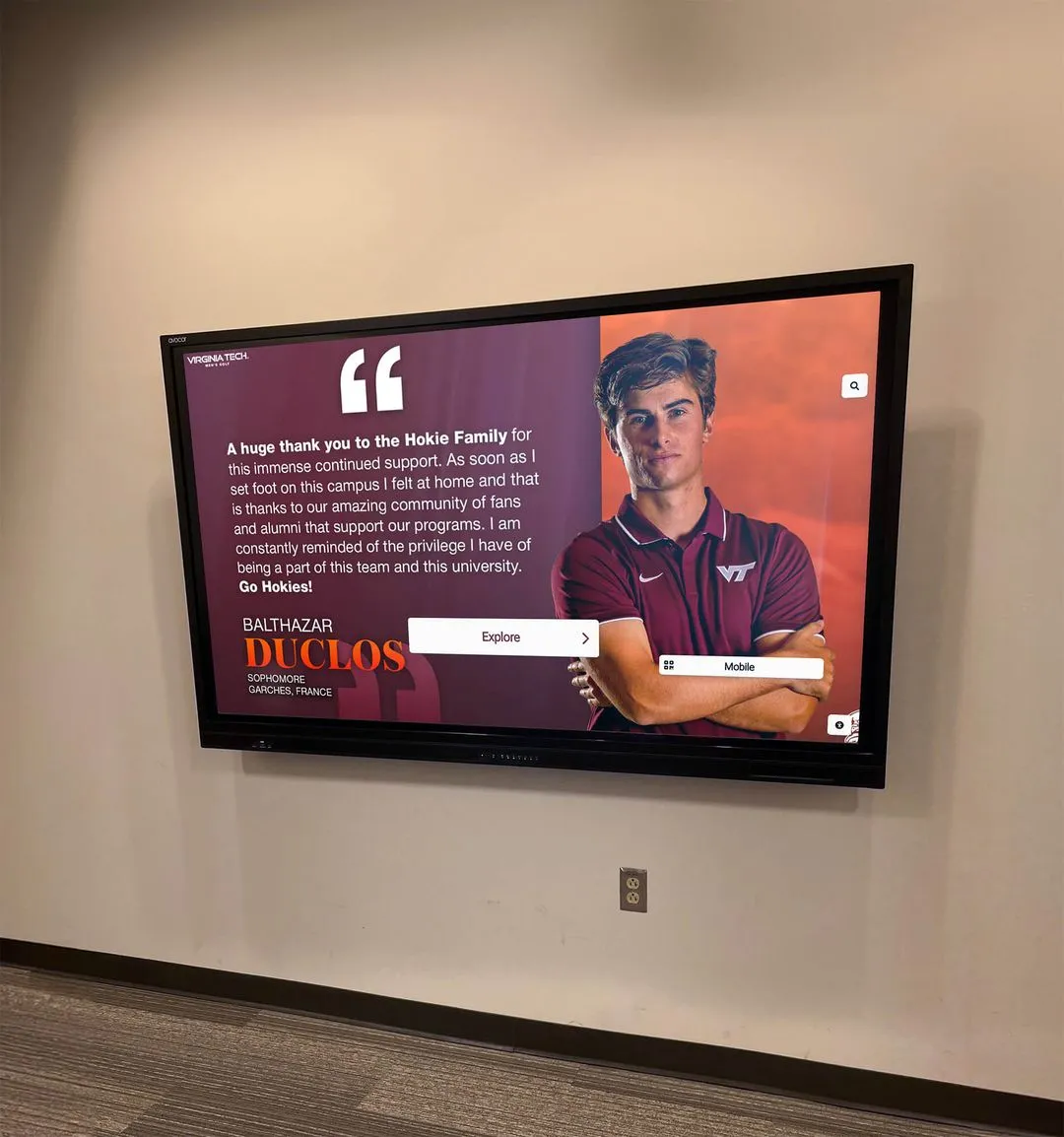
Digital recognition platforms designed for athletics programs and alumni organizations represent a category of multi-year commitment that benefits from the same governance structure as a major capital project: advance board authorization, clear cost timelines, and reserves managed through a policy that protects liquidity and tracks maturities before the contract is signed.

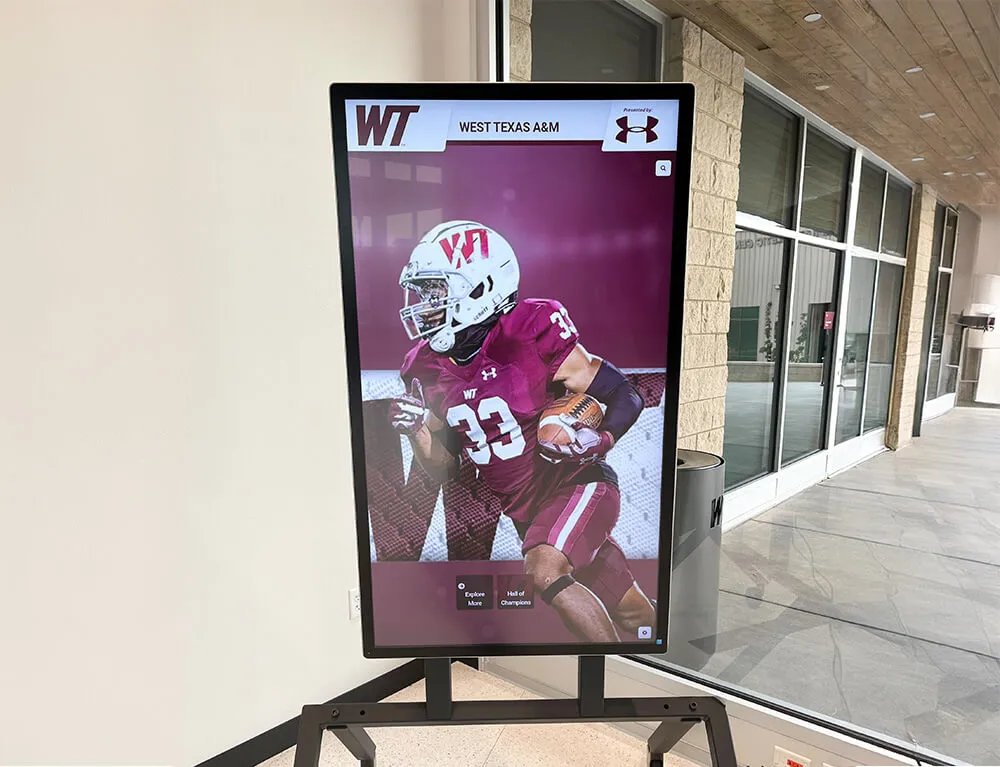
Trophy walls, named-gift displays, and hall of fame installations are often funded through reserves accumulated over multiple fiscal years—precisely the kind of multi-year reserve management that a CD policy is designed to govern
Programs that invest in digital class composite displays, interactive recognition archives, and yearbook-style hallway installations face the same financial governance challenge as any capital installation project: the funds must be available when the vendor is ready, the terms must have been reviewed by the board, and the reserve account must not be locked in a CD that matures three months after the contract is due.
Evaluating the full landscape of digital hall of fame and recognition display options for the coming year helps boards understand the full cost timeline before committing reserves to any fixed-term deposit. A program that is planning a significant display investment in the next 12 to 18 months should structure its CD portfolio to ensure that the necessary funds are liquid or maturing before the payment schedule begins—not after.
If your booster club is building the governance infrastructure to support a long-term recognition program—donor walls, athletic record displays, hall of fame installations, or award endowments—and you want to understand how a managed recognition platform supports both financial stewardship and donor acknowledgment, explore what Rocket Alumni Solutions offers athletic programs and booster clubs.
Frequently Asked Questions
What is a booster club certificate of deposit policy?
A booster club certificate of deposit policy is a written governance document that specifies which officers may open or close a CD, what dollar amount requires a full board vote, the minimum liquid balance the organization must maintain before committing funds to a time deposit, how maturity dates are tracked and acted on before auto-renewal occurs, and how donor-restricted funds are classified and reported when held in a CD. The policy’s purpose is to ensure that reserve funds are committed to term deposits only by proper authorization, that operating liquidity is preserved, and that no CD matures unnoticed.
How much of the booster club’s reserves can be placed in CDs?
The right amount depends on the organization’s current operating needs, upcoming expenditure commitments, and seasonal cash flow. The policy should not specify a fixed maximum percentage—instead, it should require that the liquidity floor be met before any placement. Once the floor is satisfied, the remaining surplus may be placed in CDs, subject to the authorization controls in the policy. Programs with large, predictable reserve balances and low near-term expenditure commitments can typically place more in CDs; programs in active fundraising or installation seasons should maintain larger liquid buffers.
What happens if a CD matures and the board has not voted on renewal?
The policy should specify a default action—typically withdrawal and transfer to the operating savings account—that the Treasurer executes if the board has not voted and cannot convene before the auto-renewal window closes. This default prevents the organization from being locked into a renewal under terms the board never reviewed. The Treasurer documents the action and reports it at the next regular meeting.
Can a booster club use donor-restricted funds for a CD?
Yes, provided that the restriction does not require the funds to be spent before the CD matures. A gift restricted for a trophy case installation scheduled in 90 days cannot be placed in a 12-month CD. A gift restricted for a scholarship endowment that will not award until the following academic year may be placed in a CD that matures before the award date. The placement decision requires a board resolution acknowledging the restriction and confirming that the maturity date is consistent with the anticipated deployment.
How often should the booster club’s CD policy be reviewed?
The policy should be reviewed annually, at the start of the fiscal year or before the first placement decision of the year. Dollar thresholds—the single-placement limit, the liquidity floor calculation—should be recalculated against the current operating budget and updated if they no longer reflect the organization’s actual financial profile. Authorized signatory roles should be confirmed against the current officer roster. The CD register should be reconciled to bank statements as part of the same annual review.
What is the difference between a liquidity floor and an emergency fund?
A liquidity floor is a minimum balance calculation based on operating needs—it ensures the organization can meet routine vendor payments, event costs, and outstanding commitments from immediately accessible accounts. An emergency fund is a discretionary reserve maintained above routine operating needs to address unexpected costs. Some organizations combine these concepts by setting a higher liquidity floor that effectively includes an emergency buffer; others maintain them separately. Either approach is workable as long as the floor figure is specified in the policy and verified before each CD placement.
Does a CD policy protect individual officers from liability?
A written policy that requires co-signatures and board authorization for CD placements protects individual officers by distributing the approval responsibility and documenting that placements were authorized by more than one person. An officer who makes a unilateral CD placement—without the required co-signature or board vote—has acted outside the policy, which may increase personal exposure if the placement is later questioned. A policy that is consistently followed protects officers; a policy that exists but is not enforced provides much less protection.
How should CD maturities be reported to the board?
The CD register presented at each monthly board meeting should include the maturity date of every active certificate of deposit and flag those maturing within the next 45 days. The 30-day maturity notification should be a separate agenda item at the board meeting preceding the maturity month, presenting the current renewal rate, the projected liquid balance at maturity, and the board’s options. The board’s decision—or the default action taken by the Treasurer if the board could not convene—should be documented in meeting minutes.
Booster clubs that establish a certificate of deposit policy before placing the first CD avoid the governance gaps that surface when a maturity is missed, a renewal locks reserve funds during a high-expenditure period, or a restricted gift is unavailable when the recognition commitment it funds is due for delivery.
Ready to connect your financial reserve governance to a recognition and donor stewardship program that documents every commitment, tracks every award, and supports the institutional continuity your community has invested in? Request a demo of Rocket Alumni Solutions to see how a managed recognition platform supports the stewardship standards your CD policy is already building.