A booster club cyber insurance checklist covers two parallel tasks: the coverage questions every board treasurer should ask a broker or insurer before binding a policy, and the internal records review that determines whether the organization’s current data practices qualify for the coverage it needs. Booster clubs collect more personally identifiable information than most volunteers realize—donor payment histories, sponsor contact files, online registration forms, and digital recognition databases all represent data a cyber incident can expose. A structured checklist ensures the board understands what it is insuring, what the policy actually covers, and what gaps remain after the policy is bound.
This checklist is organized as a two-stage workflow: first, the coverage questions to ask the insurer; second, the internal records review that should precede any application.
This guide is for informational purposes only and does not constitute legal, insurance, or compliance advice. Consult a licensed insurance broker, attorney, or CPA for guidance specific to your organization’s structure, tax-exempt status, data practices, and jurisdiction.

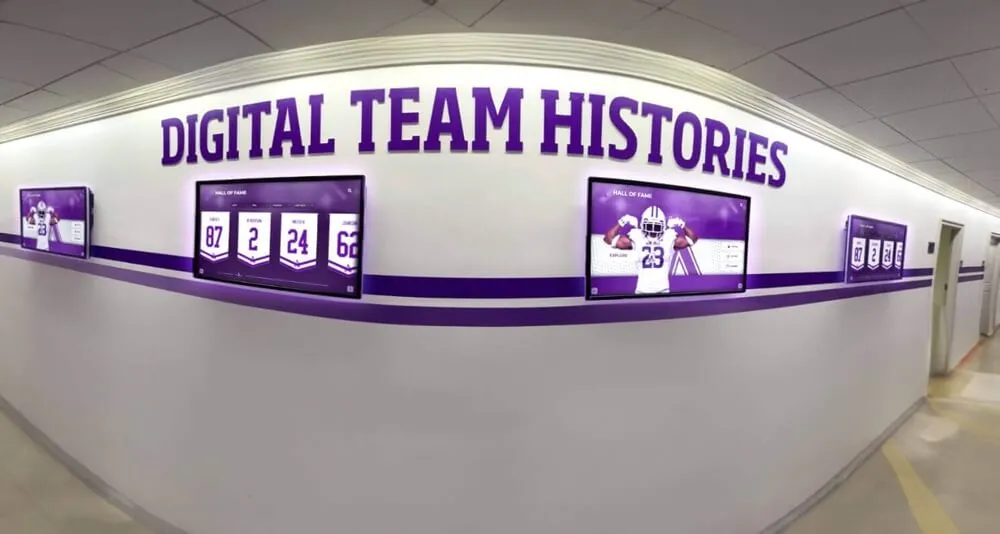
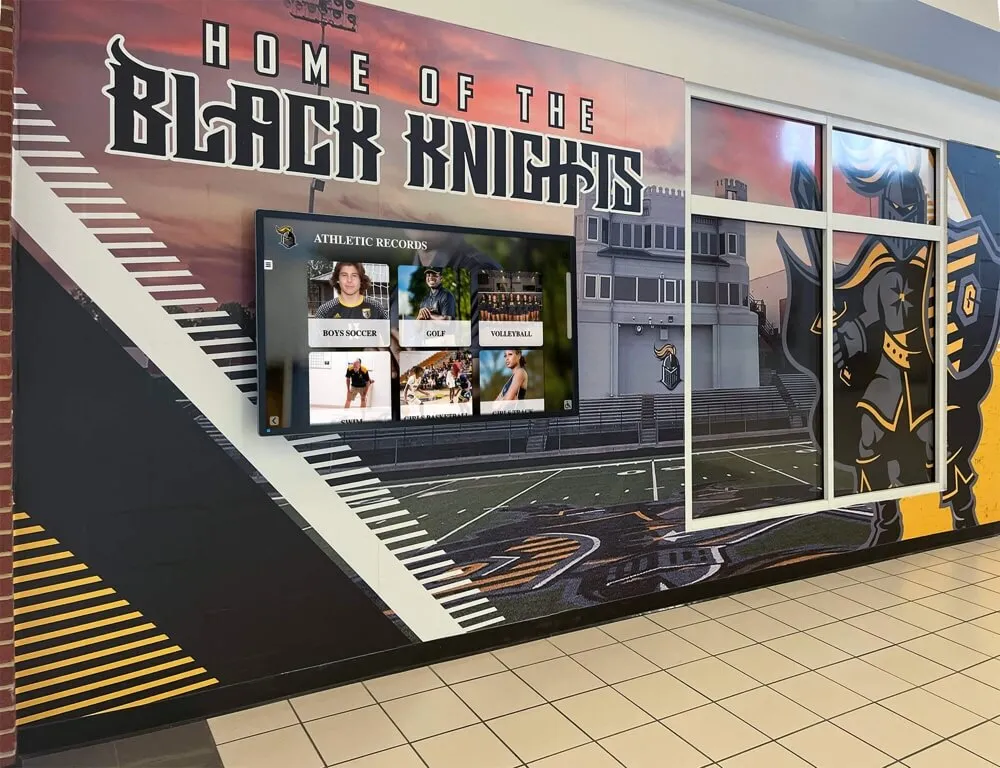
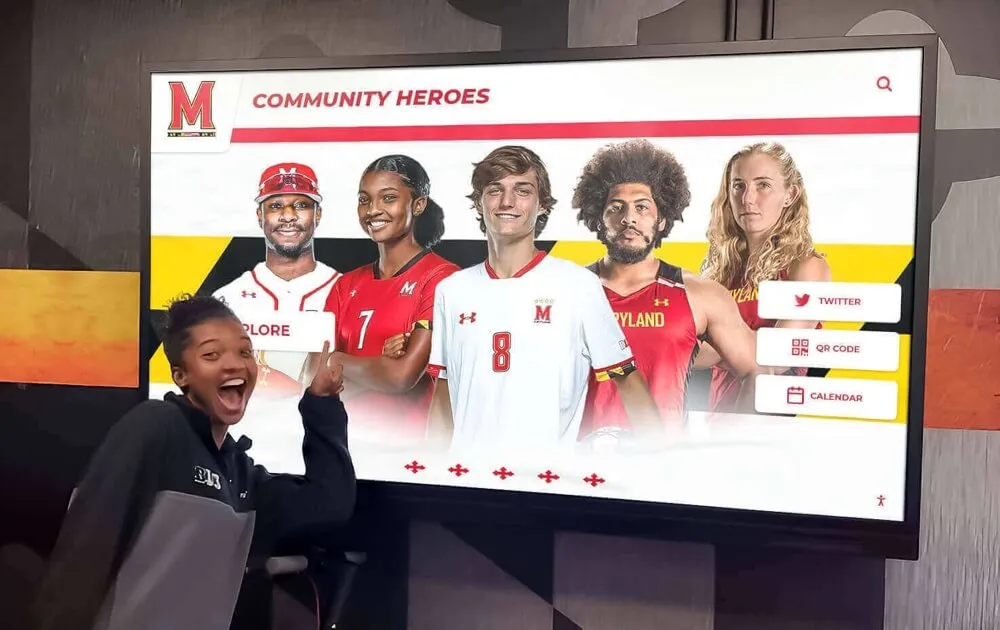
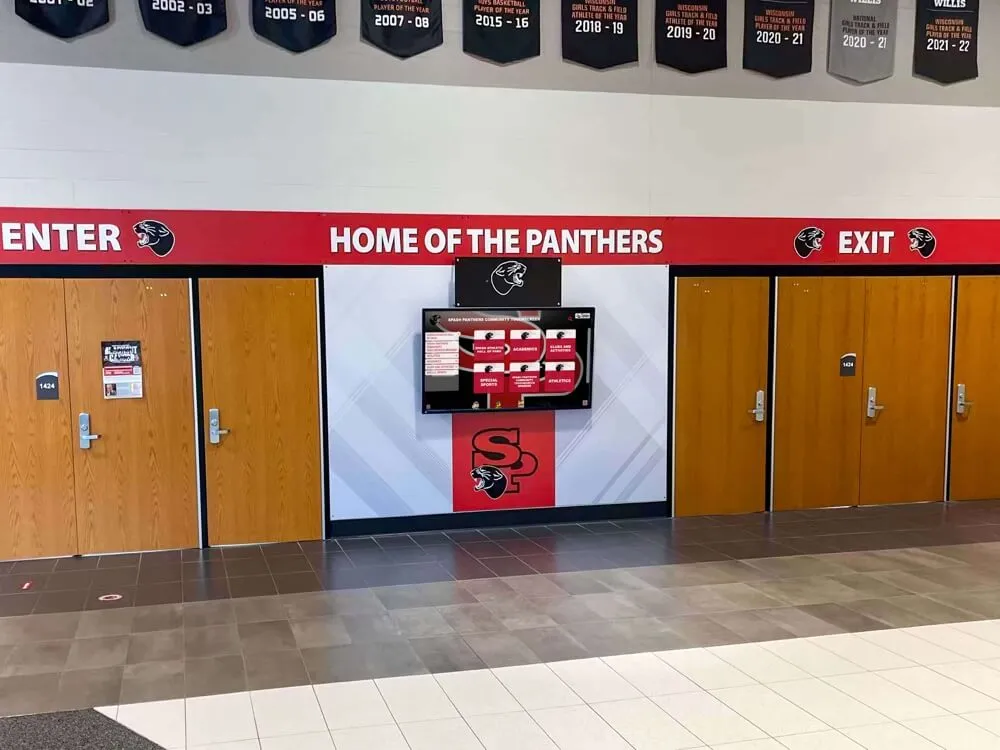
Booster club recognition infrastructure—including digital donor walls, sponsor display systems, and online archives—holds the same categories of personally identifiable information that cyber insurers evaluate during the underwriting process
What Cyber Insurance Covers: The Direct Answer
Cyber insurance is a standalone policy or endorsement that covers costs arising from unauthorized access to data, ransomware attacks, network outages caused by malicious activity, and related incidents. For booster clubs, the relevant exposures cluster into two categories.
First-party coverage pays the organization’s own costs directly: breach notification to affected individuals, forensic investigation to determine what was accessed, credit monitoring services for affected donors or supporters, ransomware response costs, and business interruption losses when a system goes offline.
Third-party liability coverage responds when affected individuals sue the organization for failing to protect their information, or when a regulatory body imposes fines for notification or data-protection violations.
Not every policy includes both categories, and the sublimits on individual coverages vary significantly between carriers. Understanding which category applies to each risk your program faces is the first step in reading a cyber insurance quote accurately.
Part 1: Coverage Questions to Ask the Insurer
Use this table during the initial broker conversation or when reviewing a quote. The “Why It Matters” column explains the booster club context for each question.
| Coverage Question | Why It Matters for Booster Clubs |
|---|---|
| Does the policy cover breach notification costs, including state-mandated written notice to affected individuals? | Booster clubs that collect donor email addresses, mailing addresses, or payment card data may be subject to state breach notification laws requiring written notice within a defined timeframe. |
| Is ransomware response covered, including the cost of a negotiator and any payment made to restore access? | Fundraising platform credentials and donor records stored on volunteer-managed systems are a known target for opportunistic ransomware. |
| Does the policy cover social engineering losses—specifically, fraudulent wire transfer requests impersonating a vendor or officer? | Some cyber policies exclude social engineering; others cover it with a sublimit. This is a separate question from standard fraud coverage. |
| Are third-party liability claims covered if a donor or sponsor sues over a data breach? | If a breach exposes names, addresses, and giving histories of major donors, the organization faces reputational and legal exposure from those individuals. |
| What is the sublimit for regulatory defense and fines? | Several states impose fines for late or inadequate breach notification. The policy sublimit for regulatory coverage determines whether those costs are meaningfully offset. |
| Does the policy cover business interruption losses when the fundraising or registration platform goes offline due to a covered incident? | Many booster clubs process significant fundraising volume through online platforms; downtime during a high-revenue event window has direct financial consequences. |
| Is cyber liability covered under the existing general liability or directors and officers policy, or is a standalone policy required? | Some insurers offer cyber as an endorsement; others require a standalone product. The scope of each differs, and the endorsement may exclude first-party costs entirely. |
| What security controls must be in place for coverage to remain valid after binding? | Insurers increasingly require multi-factor authentication on financial accounts and email, offsite data backups, and documented incident response procedures as conditions of coverage. Failing to maintain these controls can void a claim. |
| Does the policy include access to a breach response vendor or forensics firm, or does the insured arrange their own response? | Some policies include pre-negotiated vendor access; others require the insured to engage their own forensics team, which affects both response time and out-of-pocket costs. |
| How does the policy define “computer system”—does it include cloud platforms, third-party software, and volunteer-managed accounts? | Booster clubs frequently rely on cloud-based fundraising platforms, digital display management systems, and email marketing tools managed through personal accounts. The policy definition determines whether incidents on these platforms are covered. |
| What is the retroactive date, and does the policy cover incidents discovered after a prior policy expired? | If your organization is switching carriers, confirm that the new policy’s retroactive date does not create a gap for incidents that occurred during the prior coverage period. |
| Is there a waiting period before business interruption coverage activates? | Many cyber policies require a system to be offline for a defined period (often eight to twelve hours) before business interruption coverage begins. Verify this threshold against your organization’s operational exposure. |
Part 2: Records to Review Before Applying
Cyber insurers underwrite based on the type and volume of data an organization collects, the security controls protecting that data, and the organization’s history of prior incidents. Completing this internal review before submitting an application reduces the risk of coverage gaps and ensures that the policy’s representations accurately reflect the organization’s current practices.
Donor and Supporter Data Inventory
| Record Type | Review Question | Status |
|---|---|---|
| Online donation processing | Which platform processes online donations, and does it maintain PCI DSS compliance documentation? | ☐ |
| Donor contact files | Where are donor names, addresses, email addresses, and giving histories stored? Are those systems password-protected and access-controlled? | ☐ |
| Recurring donation records | Are recurring payment card authorization records held by a third-party processor, or does the organization store any payment card data locally? | ☐ |
| Donor acknowledgment correspondence | Are donor thank-you letters and tax acknowledgment files stored in a shared cloud folder or a locally managed system? | ☐ |
| Email marketing lists | How many individuals are in the organization’s fundraising email list, and who has access to the platform credentials? | ☐ |
| Recognition and display records | Are digital donor wall entries, named-gift agreements, and recognition tier records stored in a managed content system or an individual’s local drive? | ☐ |
Sponsor and Vendor Records
| Record Type | Review Question | Status |
|---|---|---|
| Sponsorship agreements | Are signed agreements stored in a shared organizational system or in a personal folder belonging to the officer who negotiated them? | ☐ |
| Sponsor contact and payment records | Are sponsor ACH or check payment records accessible to multiple authorized officers through a shared system? | ☐ |
| Vendor W-9 files | Where are vendor tax identification forms stored, and who can access them? | ☐ |
| Vendor contracts and invoices | Are signed vendor agreements retained in a system that survives officer transitions? | ☐ |
Financial and Operational Systems
| System or Record | Review Question | Status |
|---|---|---|
| Online banking credentials | Does every financial account use multi-factor authentication? Is the recovery email address an organization-owned account rather than a personal address? | ☐ |
| Fundraising and ticketing platforms | Does the organization maintain a list of all platform credentials, who holds them, and what level of access each credential provides? | ☐ |
| Accounting software | Is the bookkeeping software accessed through a shared organizational login or individual personal accounts? | ☐ |
| Prior incident history | Has the organization experienced any unauthorized access to systems, ransomware, phishing attacks, or data breaches in the past five years? Is any incident documented in writing? | ☐ |
| Cyber incident response procedure | Does the organization have a written procedure for responding to a cyber incident, including who is notified, what data is preserved, and what breach notification obligations apply? | ☐ |
Understanding the full scope of organizational risk before purchasing coverage is a prerequisite to selecting a policy that matches the program’s actual exposure—coverage that does not account for digital records, donor databases, and recognition systems may leave the most significant exposures unaddressed.

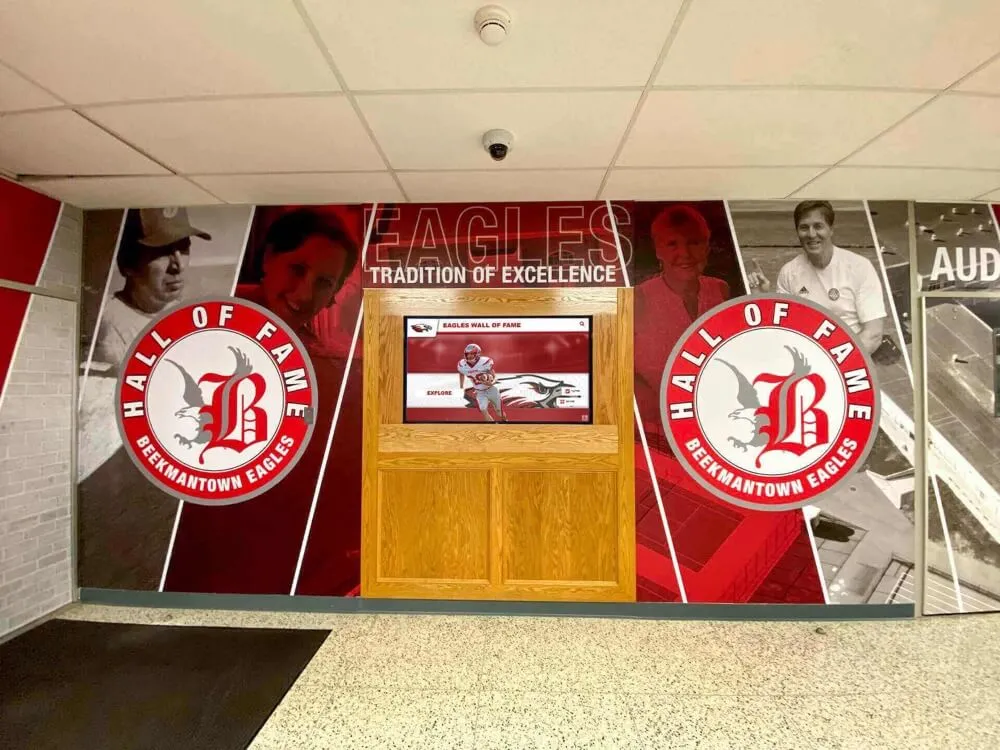
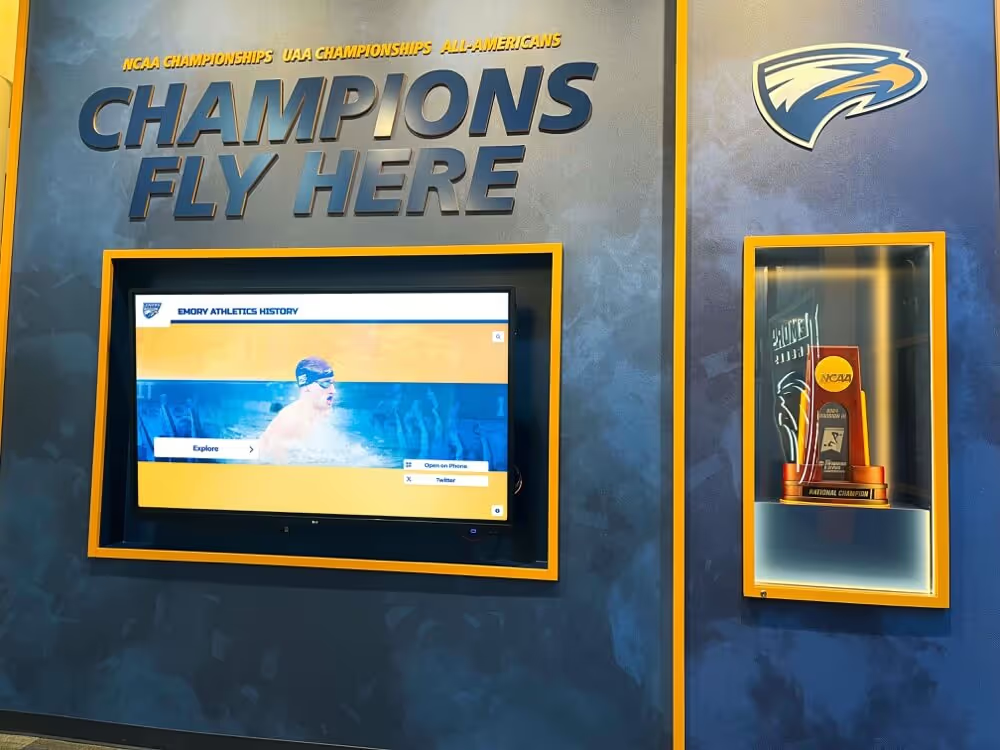
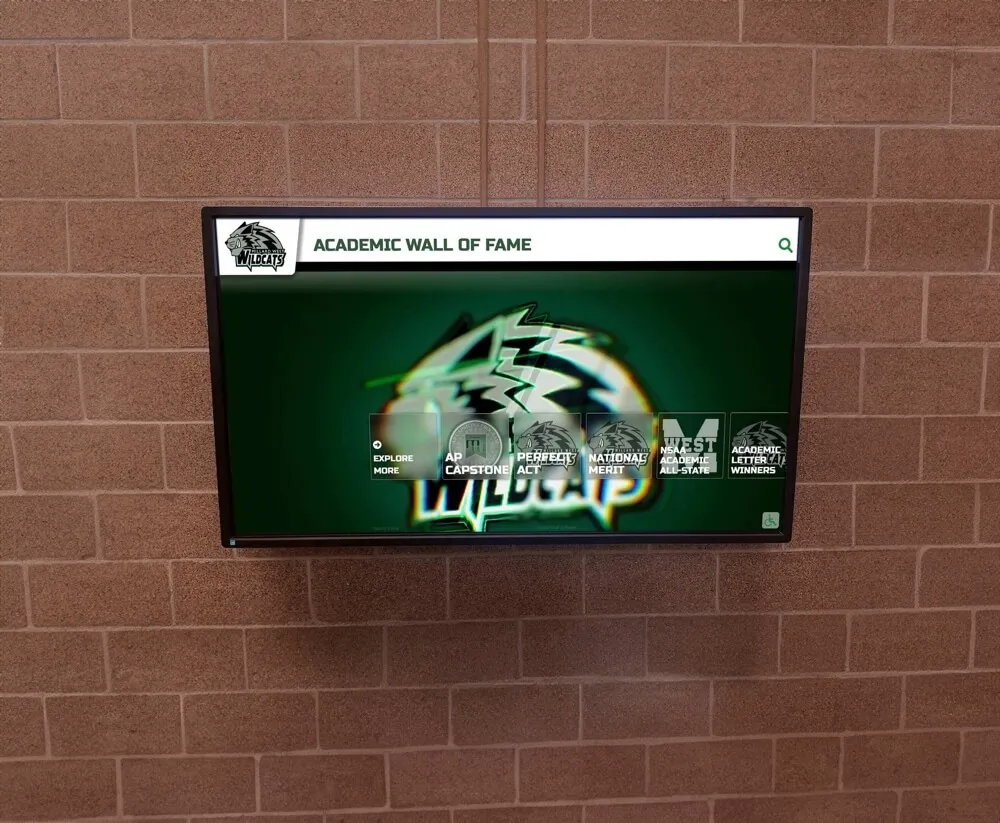
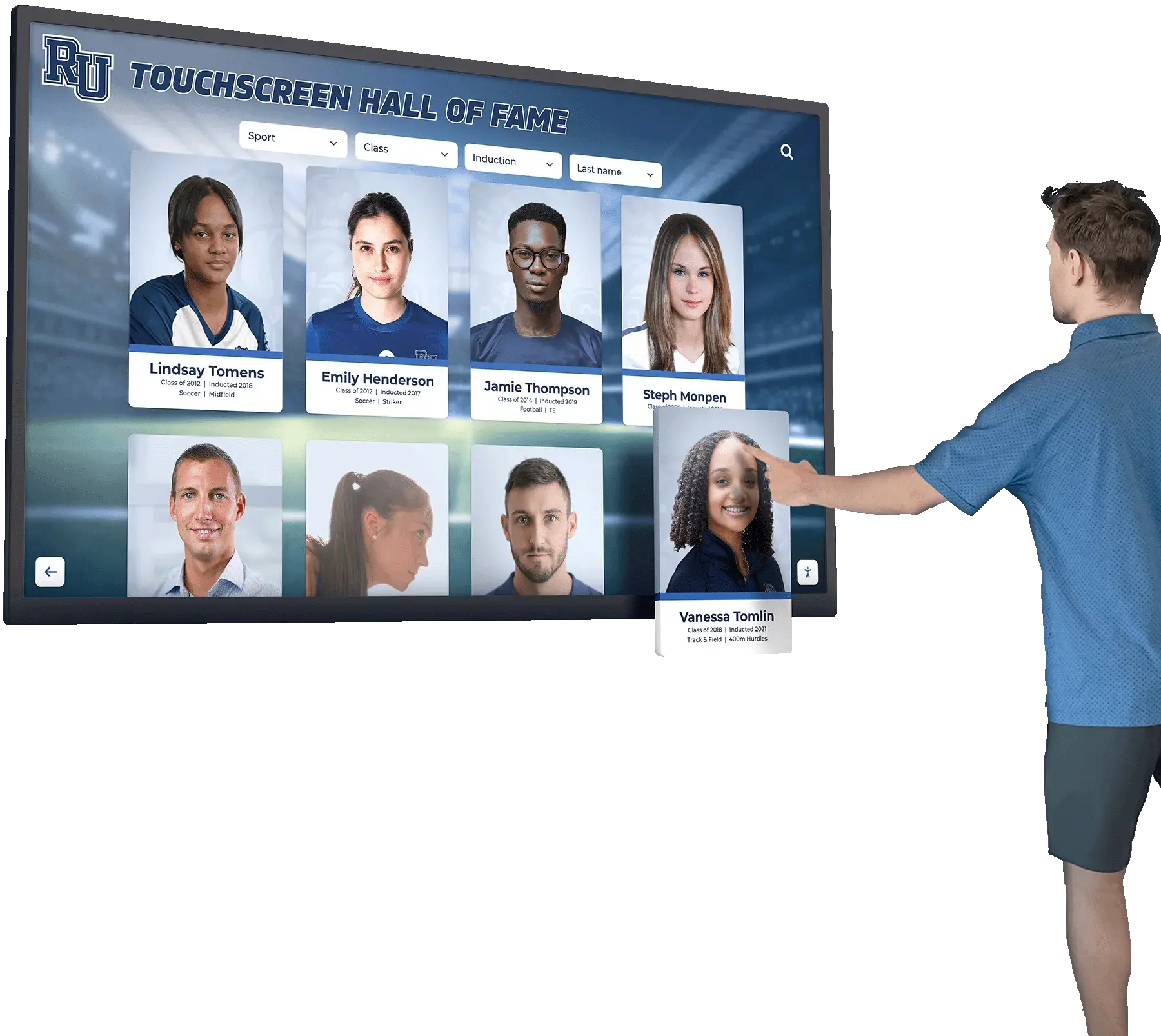
Donor and supporter recognition systems—physical walls, digital displays, and the databases that drive them—hold contact information and giving histories that require the same data-protection practices insurers evaluate during cyber underwriting
Common Cyber Insurance Exclusions to Verify
Most cyber policies contain exclusions that limit coverage in specific circumstances. Review each exclusion below against the organization’s current practices to identify where additional controls or supplemental coverage may be needed.
| Exclusion Category | What It Typically Means | Booster Club Implication |
|---|---|---|
| Unencrypted device exclusion | Claims arising from a lost or stolen device that did not have encryption enabled may be excluded | If board members store donor records or sponsor contracts on personal laptops or USB drives without encryption, a theft may not be covered |
| Prior acts exclusion | Incidents that began before the policy’s retroactive date are excluded | Switching carriers without confirming the retroactive date can leave pre-existing breaches uninsured |
| Criminal act exclusion | Intentional theft or fraud by an authorized user may be excluded, or covered under a separate crime policy | Internal fraud by an officer is typically a crime insurance claim, not a cyber claim |
| War and nation-state exclusion | Incidents attributable to state-sponsored actors may be excluded under evolving policy language | Verify how the policy defines “war” and whether the language has been updated in recent policy years |
| Social engineering sublimit | Wire fraud resulting from impersonation may have a separate, lower sublimit than the main policy limit | If a board member wires funds to a fraudulent vendor based on a spoofed email, the covered amount may be significantly lower than the face value of the policy |
| Bodily injury and property damage arising from cyber | Physical damage caused by a cyber event (e.g., a display system failure) may be excluded from the cyber policy and from the general liability policy simultaneously | Confirm with the broker whether physical damage to recognition display hardware caused by a cyber incident is covered under any policy |
| Failure to maintain security controls | If required controls (MFA, backups, patching) lapse after binding, claims may be denied | Document the security controls the policy requires and conduct a semi-annual review to confirm they remain in place |
What Digital Records Are Most at Risk
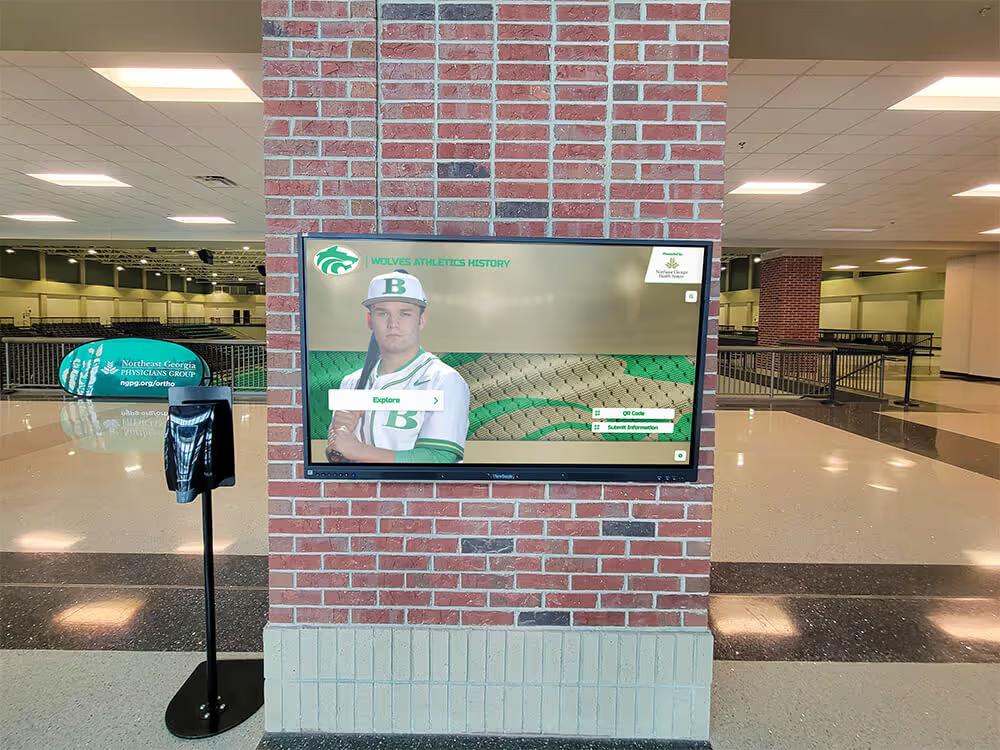
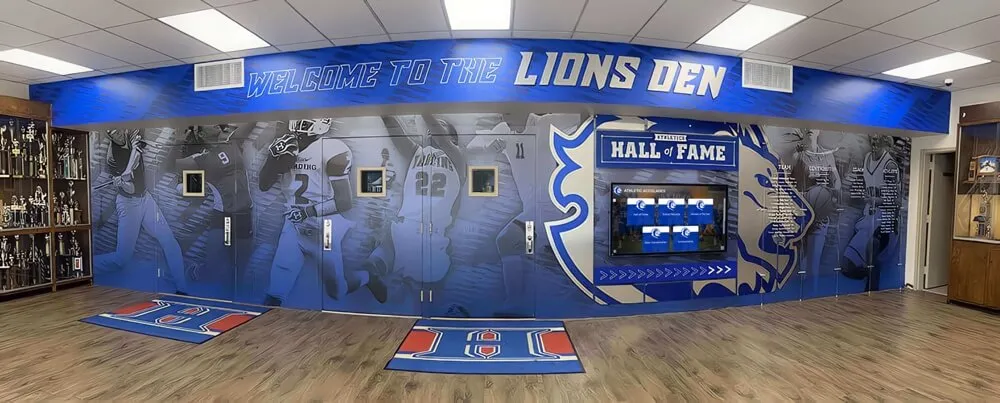
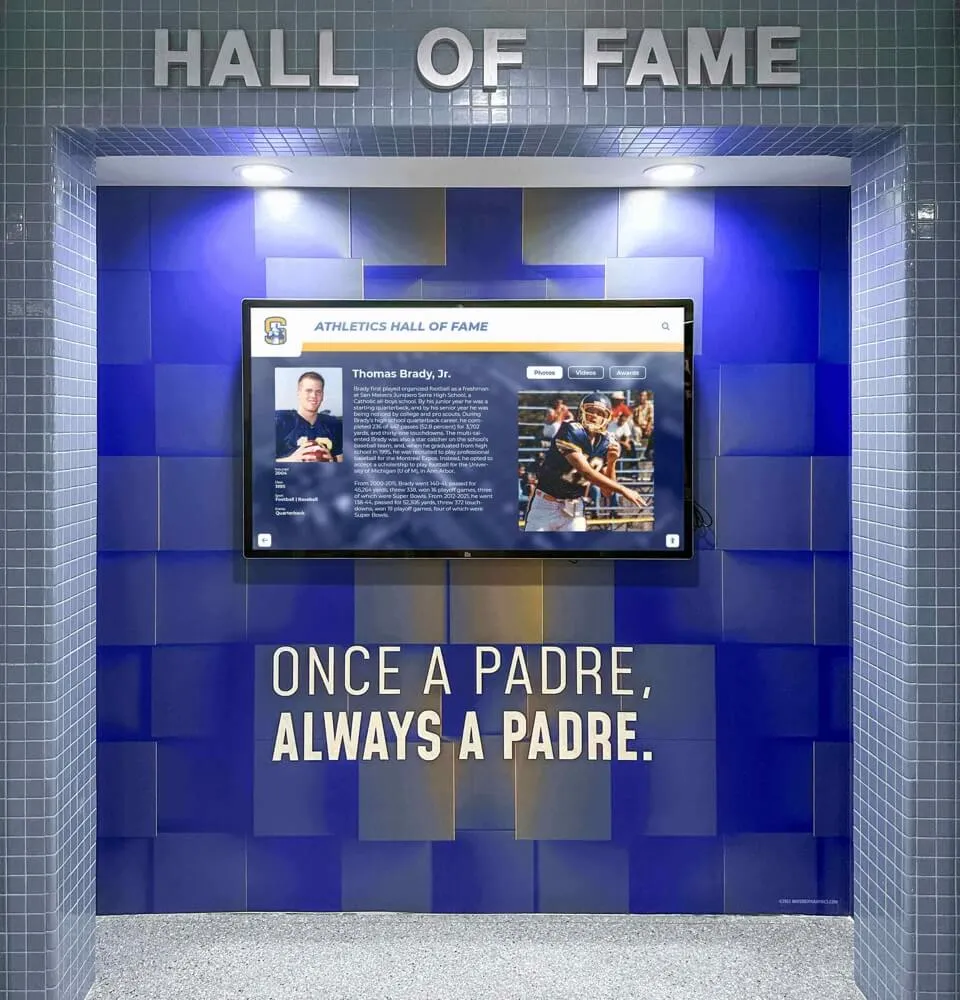
Booster clubs that have invested in digital recognition infrastructure—online donor walls, athletic records displays, touchscreen hall of fame kiosks, and content management platforms—hold a category of data that often goes unaccounted for in a standard cyber risk inventory.
A digital donor wall or recognition database typically contains full legal names, giving histories, tier classifications, and sometimes contact information for every donor the program has ever acknowledged. That data is routinely accessed by multiple officers across officer transitions, managed through shared credentials, and stored in platforms that are updated infrequently and monitored less closely than financial systems.
Annual content review and audit procedures for digital recognition systems serve a dual purpose: they maintain the accuracy of the recognition record and create an opportunity to verify that access controls, credential management, and backup procedures are current. A recognition platform that has not had its access credentials reviewed in two years is a meaningful cyber exposure, regardless of whether the program has purchased cyber insurance.
Programs building or expanding their digital recognition infrastructure should evaluate platforms that support role-based access controls, audit logs, and organizational credential management—features that directly reduce the underwriting risk profile for cyber insurance and improve the program’s ability to respond if an incident occurs. When comparing recognition platform options, Rocket Alumni Solutions offers content management capabilities that support institutional-grade access controls alongside its display and recognition features.
If you are evaluating digital recognition infrastructure for your booster club’s donor wall, athletic records board, or hall of fame display, and want to understand how managed content platforms support governance and data-protection practices, explore what Rocket Alumni Solutions offers booster clubs.
Building the Internal Checklist: Pre-Application Summary
Use this consolidated table to summarize readiness across all categories before submitting a cyber insurance application or meeting with a broker. A complete column indicates a record or control that is documented, accessible to multiple authorized officers, and current.
| Category | Key Questions | Complete |
|---|---|---|
| Donor data | Payment processing is PCI-compliant; donor records stored in access-controlled shared system; email list credentials documented | |
| Sponsor records | Signed agreements in shared system; payment records accessible to multiple officers; contact files transferable across officer transitions | |
| Financial systems | All accounts use MFA; credentials use organization-owned email; prior incidents documented | |
| Security controls | Backup procedures documented and tested; incident response procedure exists in writing; access credentials reviewed within the past 12 months | |
| Platform access | Fundraising, ticketing, and recognition platform credentials inventoried; access levels documented; personal accounts separated from organizational access | |
| Exclusion review | Unencrypted device risk assessed; social engineering sublimit reviewed; retroactive date confirmed if switching carriers |
A complete row in every category does not guarantee coverage—the insurer’s underwriting process makes that determination—but it substantially improves the accuracy of the application and reduces the likelihood of a post-claim coverage dispute over a pre-existing gap.
How Recognition and Archive Infrastructure Connects to Cyber Risk
Starting a booster club with a focus on building long-term sponsor and donor relationships means creating records: gift acknowledgments, sponsorship agreements, recognition commitments, and historical archives of every athlete and supporter the program has honored. Over time, those records accumulate across platforms, email accounts, shared drives, and content management systems—each representing a potential access point in a cyber incident.
The programs that manage cyber risk most effectively are the same ones that treat their recognition infrastructure as institutional property rather than officer-managed personal data. That means organizational credentials, documented backup procedures, and access controls that survive the annual officer transition. Booster club ideas that center on building lasting community recognition also tend to prioritize the infrastructure decisions that protect what the program has built: managed platforms, offsite backups, and governance practices that do not depend on any single volunteer.
When a program can demonstrate to a cyber insurer that its donor records are held in a managed platform with role-based access controls, that its fundraising credentials use multi-factor authentication, and that its recognition archive is backed up to an organizational account—that program is not just better positioned for coverage. It has also protected the relationships and recognition commitments that represent years of community investment.
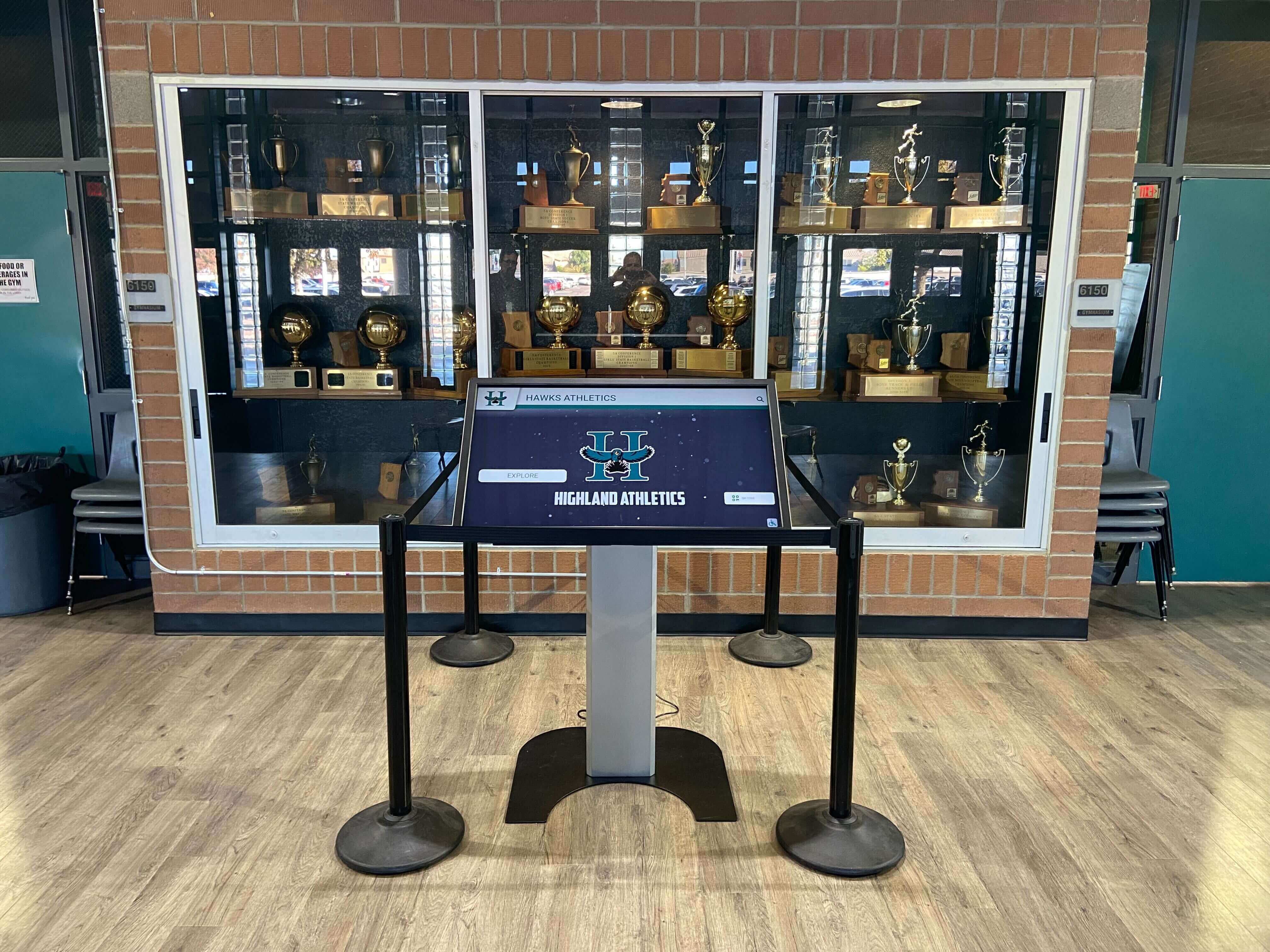
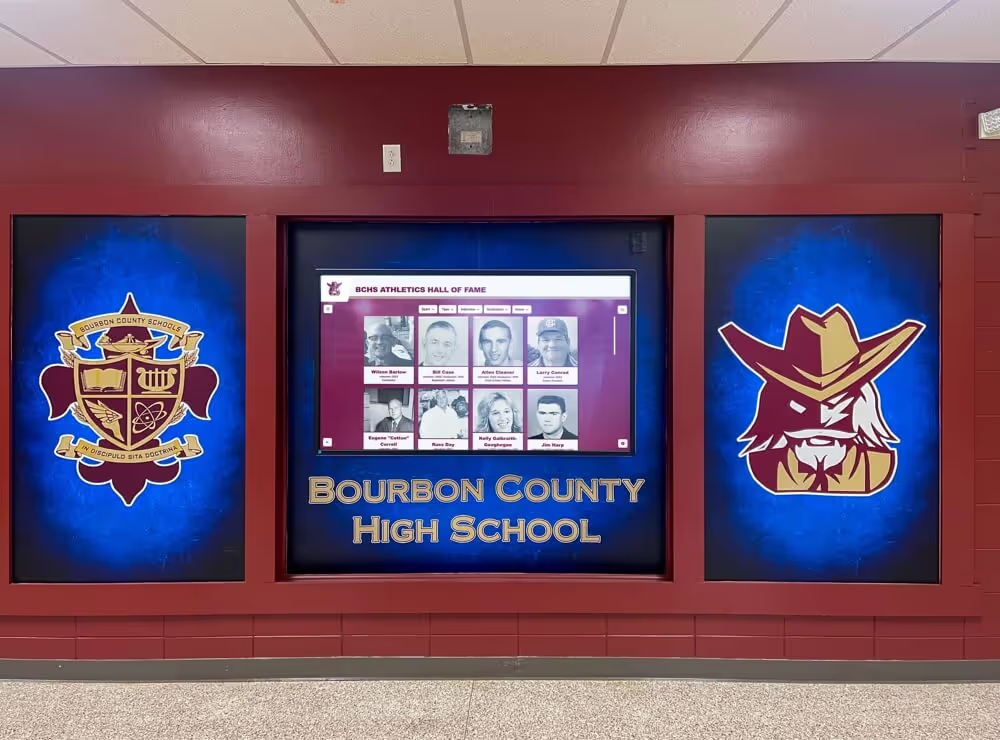
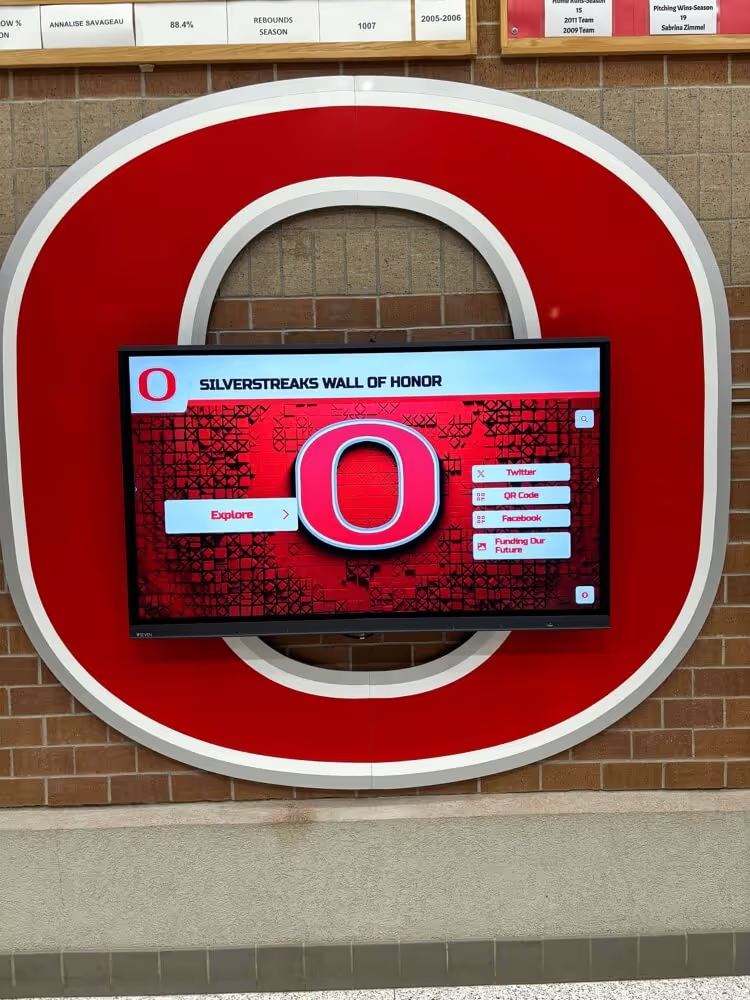
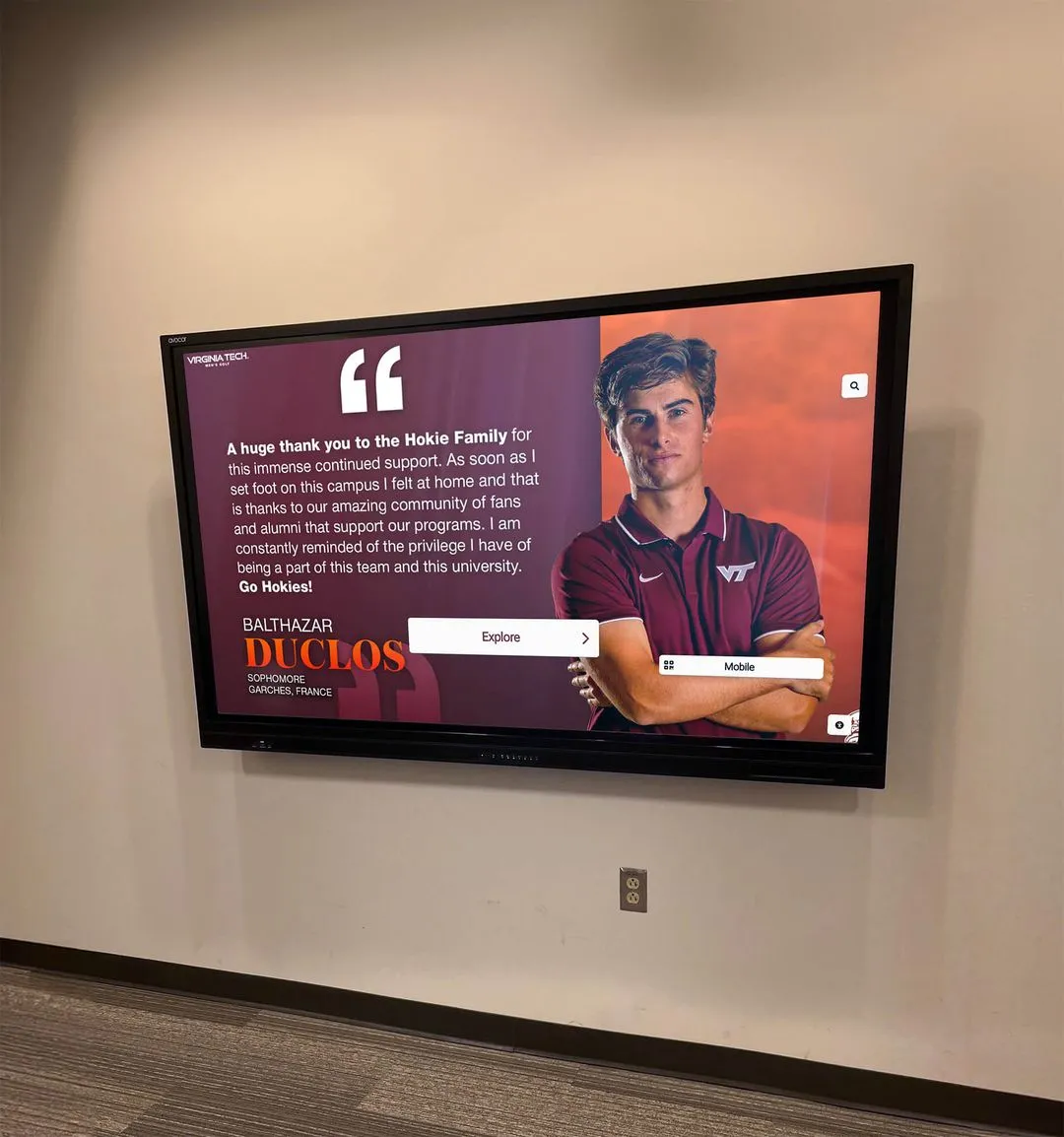
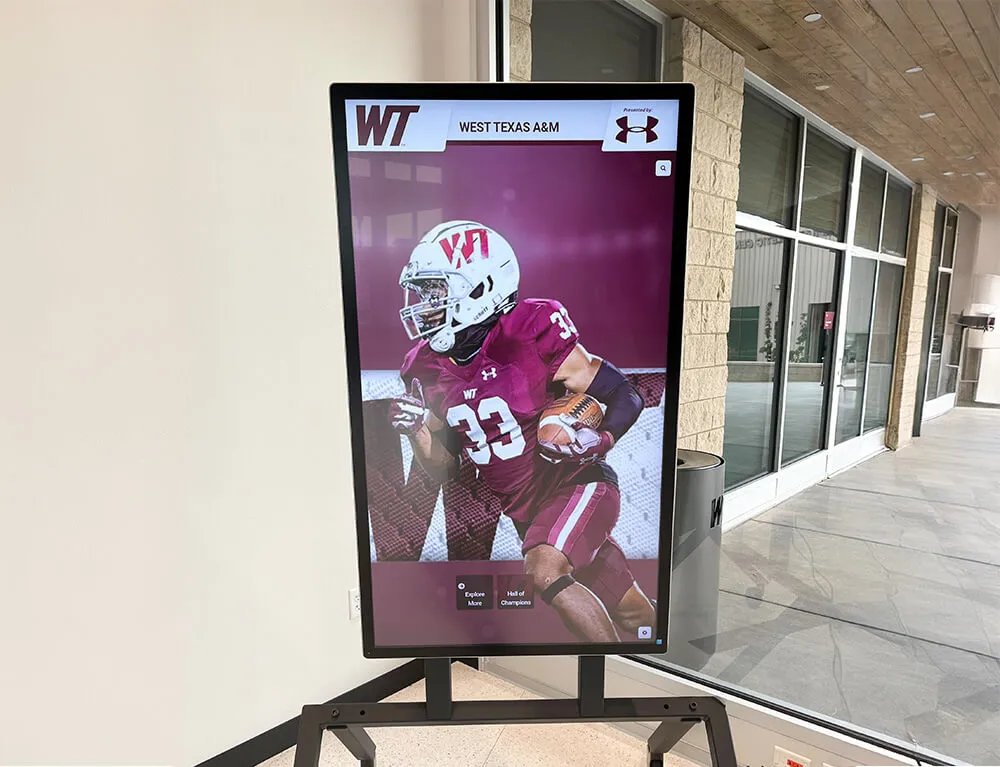
Digital recognition kiosks and interactive displays connect to content management platforms that hold donor information, recognition histories, and supporter records—assets that belong in every booster club's cyber risk inventory
Frequently Asked Questions
Does a booster club need cyber insurance if it uses a third-party fundraising platform?
Using a third-party platform does not eliminate the organization’s cyber exposure—it shifts some of it. The platform provider bears responsibility for securing its own systems, but the organization typically remains responsible for how it accesses the platform, how it stores exported data, and what happens to donor records held outside the platform (in email, spreadsheets, or local drives). A cyber policy covers incidents involving the organization’s own systems and access practices, not just those attributable to a platform provider. Review the platform’s terms of service for indemnification provisions and consult your broker about how platform-related incidents are treated under the policy you are considering.
What security controls do most cyber insurers require?
Underwriting requirements vary by carrier and policy year, but the controls most commonly required or strongly recommended include: multi-factor authentication on all financial accounts and email, offsite or cloud-based data backups tested within the past six months, documented incident response procedures, and some form of employee or volunteer awareness training. Some insurers are now requiring MFA as a condition of coverage rather than a rating factor—failure to maintain it after binding can void a claim. Confirm the specific control requirements with your broker before and after binding, and document that those controls are in place.
Is cyber insurance different from general liability or directors and officers coverage?
Yes. General liability covers bodily injury and property damage claims. Directors and officers coverage responds to claims against individual officers for decisions made in their governance capacity. Neither policy was designed to respond to data breaches, ransomware, or cyber incidents. Some insurers offer cyber as an endorsement to one of these policies, but the endorsement’s scope is typically narrower than a standalone cyber policy and may exclude first-party costs entirely. Ask your broker to compare the scope of any endorsement against a standalone cyber product before choosing.
How should a booster club respond if it discovers a potential data breach?
Isolate the affected system or credential immediately—change passwords, revoke access, and prevent further unauthorized activity. Contact your cyber insurer’s breach response line before taking significant remediation steps; most cyber policies require the insurer to be notified promptly and may require pre-approval for certain response costs. Consult an attorney experienced in data breach notification, because state laws set strict timelines for notifying affected individuals and, in some cases, state regulators. Document every step of the response, including what was discovered, when, by whom, and what actions were taken.
Should the booster club’s cyber insurance checklist be reviewed annually?
Yes. The organization’s data practices, platform use, and officer roster change every year. An insurance checklist that was accurate in the prior year may no longer reflect the current exposure if a new fundraising platform was adopted, if credentials were transferred during a leadership change without updating access controls, or if a recognition database was moved to a new system. Reviewing the checklist annually—ideally before each policy renewal—ensures that the coverage in force matches the organization’s current risk profile. Fundraising programs that invest in long-term infrastructure benefit from treating the annual insurance review as part of the same governance calendar as the audit, the officer transition checklist, and the recognition content review.
What should the booster club look for in a cyber insurance broker?
Look for a broker with experience placing coverage for nonprofit organizations or small associations, not just for-profit businesses. Nonprofit cyber exposures differ from commercial exposures in several ways: the organization often lacks a dedicated IT function, access controls are enforced through volunteer compliance rather than employment agreements, and officer transitions create credential-management gaps that commercial organizations rarely face. A broker familiar with these characteristics will ask more relevant underwriting questions and will be better positioned to identify policy provisions that matter for the organization’s specific risk profile.
Do digital donor walls and recognition displays create a cyber liability exposure?
Yes, if the platform that manages the display holds personally identifiable information—donor names, giving histories, contact records, or tier classifications—and if that platform is accessed through shared credentials without audit logging. The liability arises not from the display itself but from the data that drives it. Booster club fundraising programs that build robust recognition archives over many years accumulate significant datasets that represent meaningful cyber exposure. Managed platforms with institutional access controls and content logging reduce that exposure and improve the organization’s standing during cyber insurance underwriting.
When your booster club is ready to build recognition infrastructure—digital donor walls, athletic records displays, hall of fame kiosks—on a platform designed for institutional governance, with the access controls and audit capabilities that support both sponsor stewardship and cyber risk management, explore what Rocket Alumni Solutions builds for school athletics programs.