Booster Club Event Cancellation Policy: Refunds, Sponsors, Donors, and Clear Communication
A booster club event cancellation policy defines what happens when a fundraiser, banquet, or tournament cannot proceed as scheduled: who receives a refund and on what timeline, what sponsors are owed in exchange for a commitment that was not fulfilled, how donors are informed when a recognition milestone tied to an event is delayed, and who is authorized to send each communication. Programs that document these decisions before a cancellation happens handle the situation in hours. Programs without a written policy spend weeks managing refund disputes, sponsor calls, and donor confusion while trying to plan the makeup event simultaneously.
This guide covers the core components of a defensible cancellation policy, including a refund decision matrix, a sponsor make-good framework, donor communication templates, and a step-by-step communication sequence for officers to follow the moment a cancellation becomes certain.
This guide is for informational purposes only and does not constitute legal, accounting, or compliance advice. Consult a licensed CPA or attorney for guidance specific to your organization’s structure, tax-exempt status, applicable state nonprofit law, and any jurisdiction-specific consumer refund requirements.

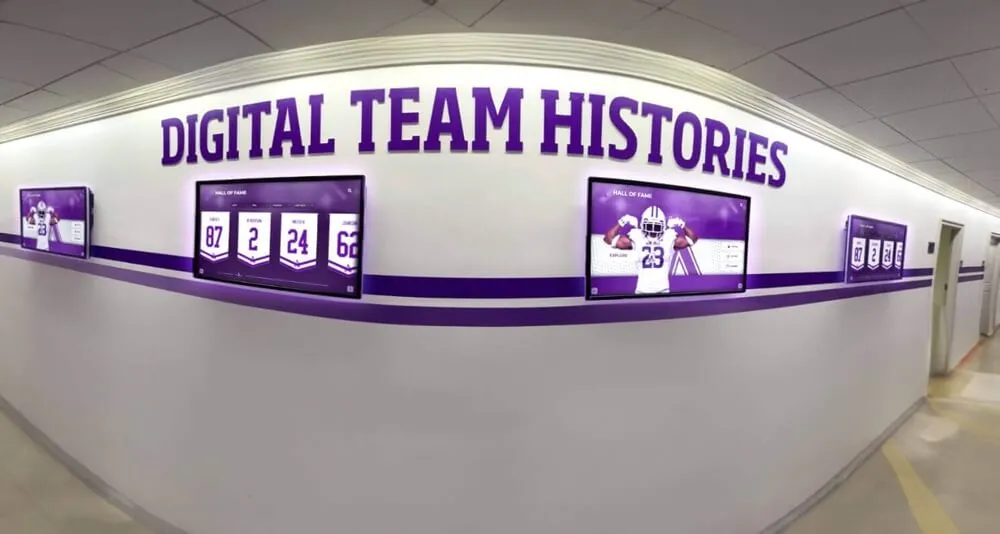
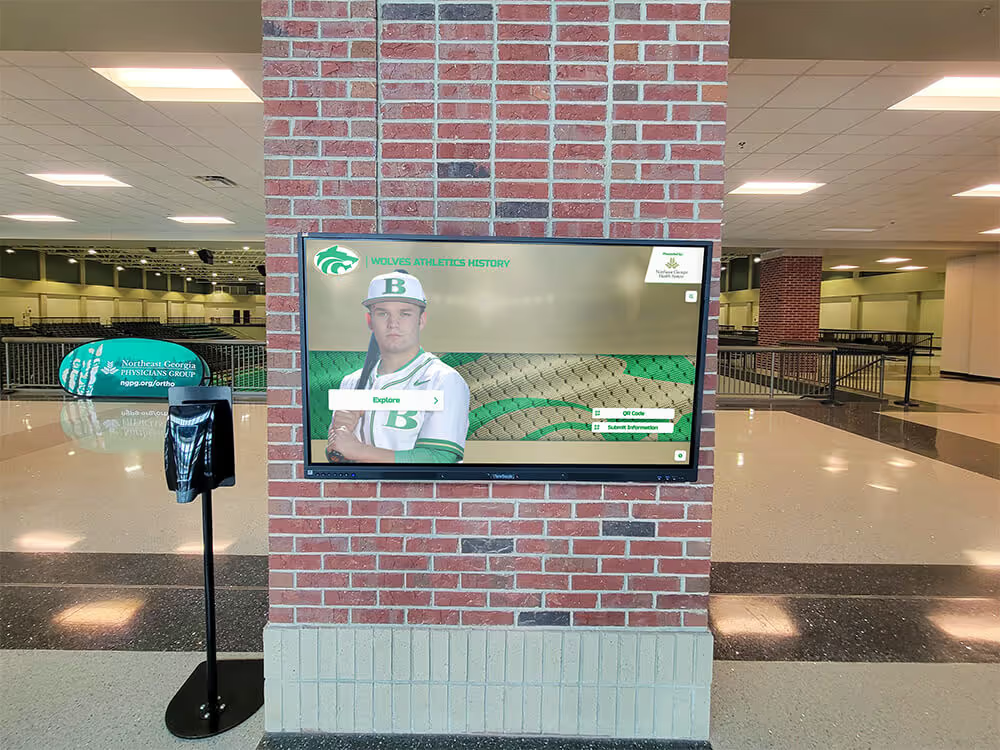
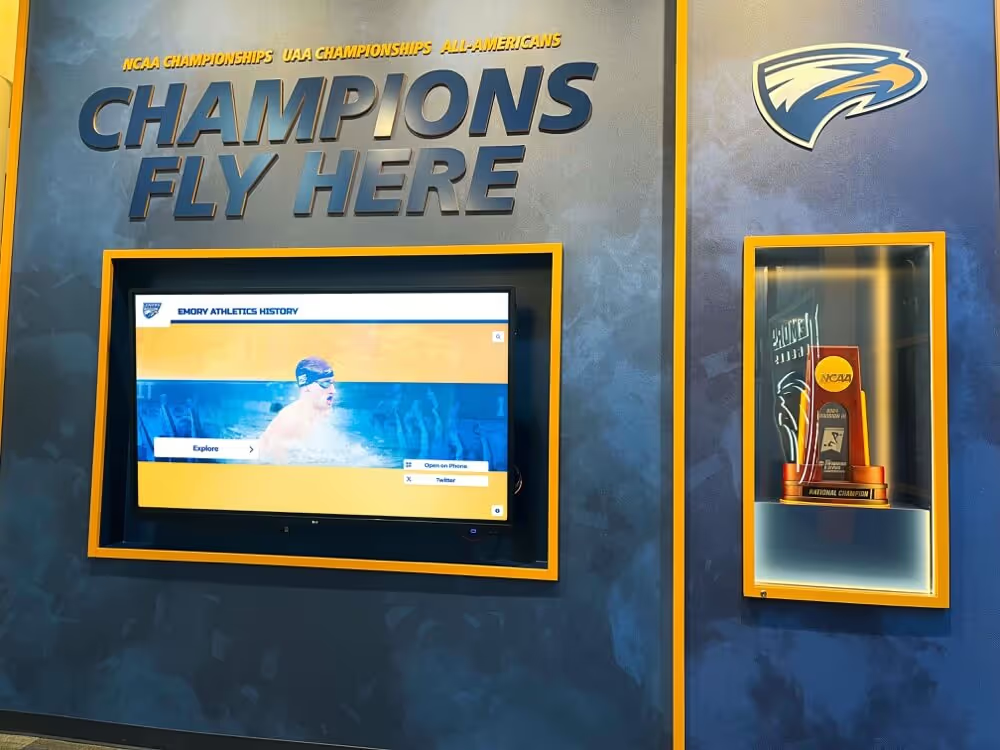
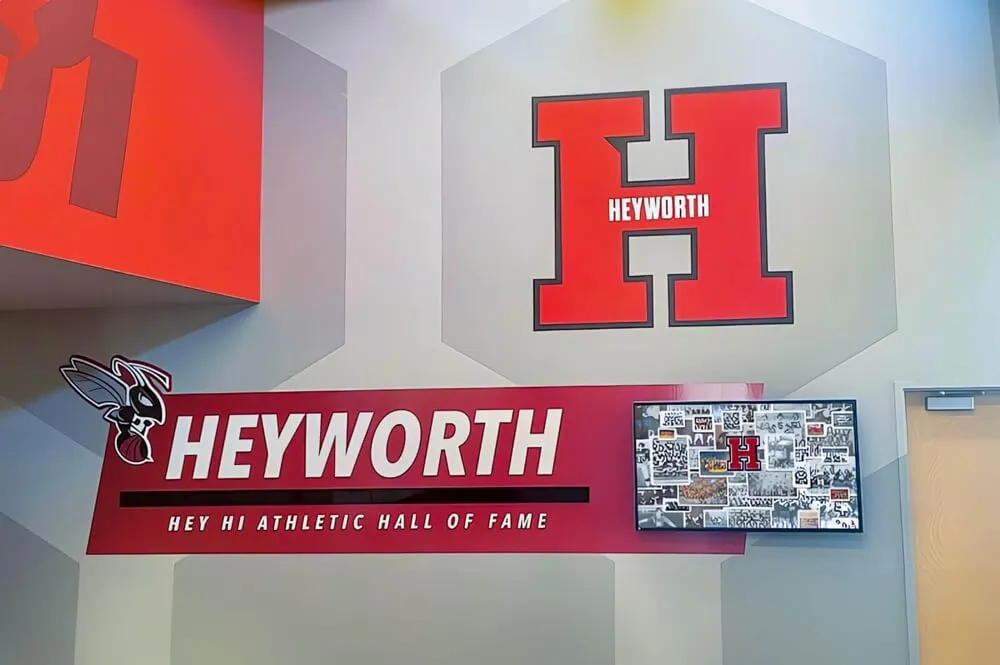
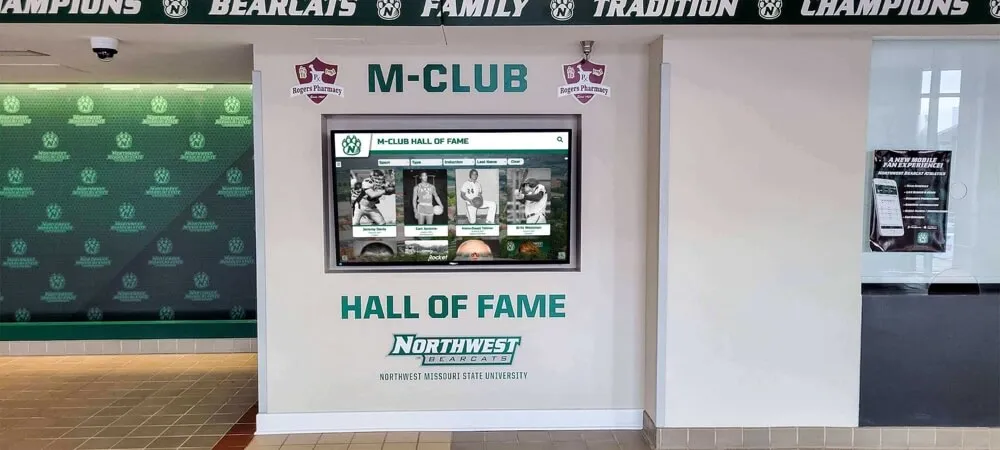
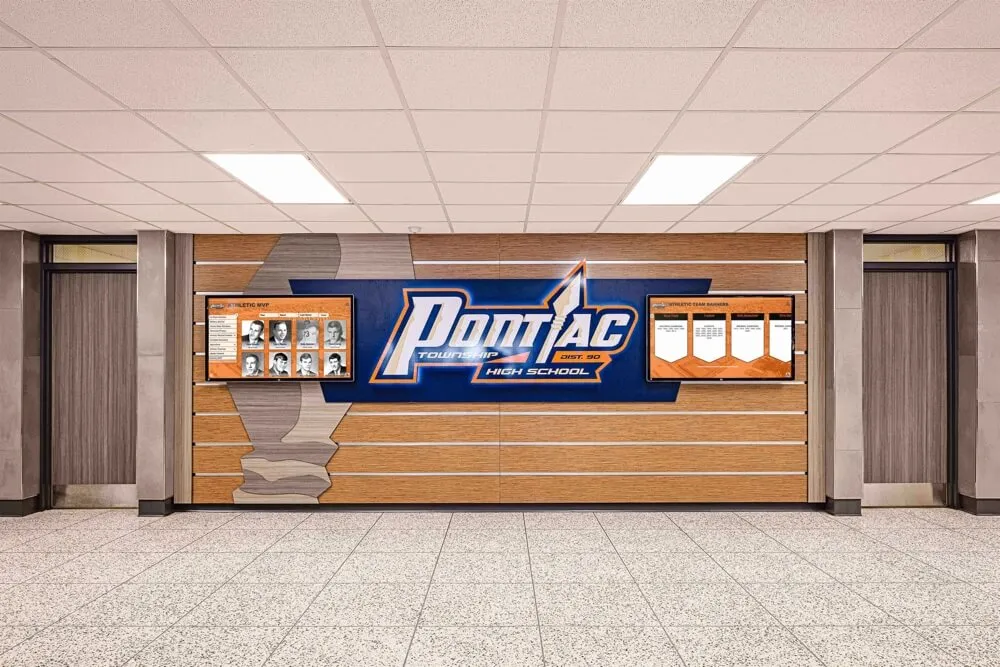
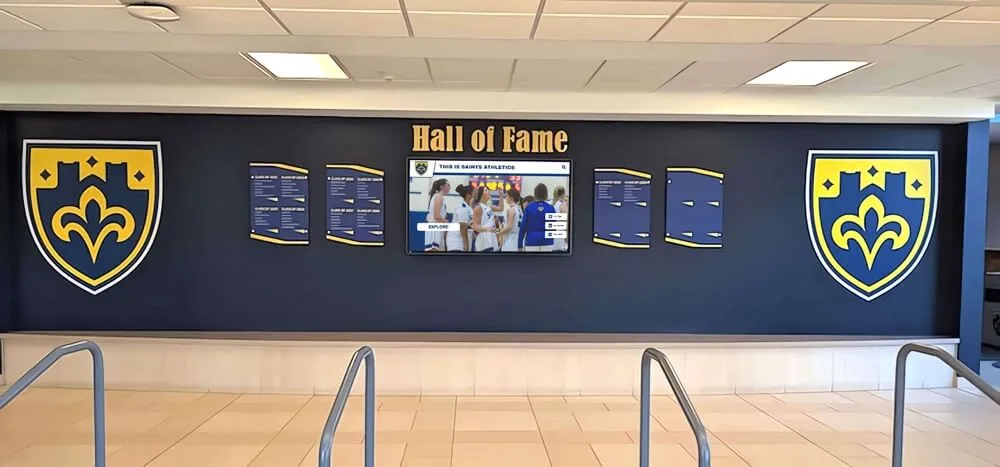
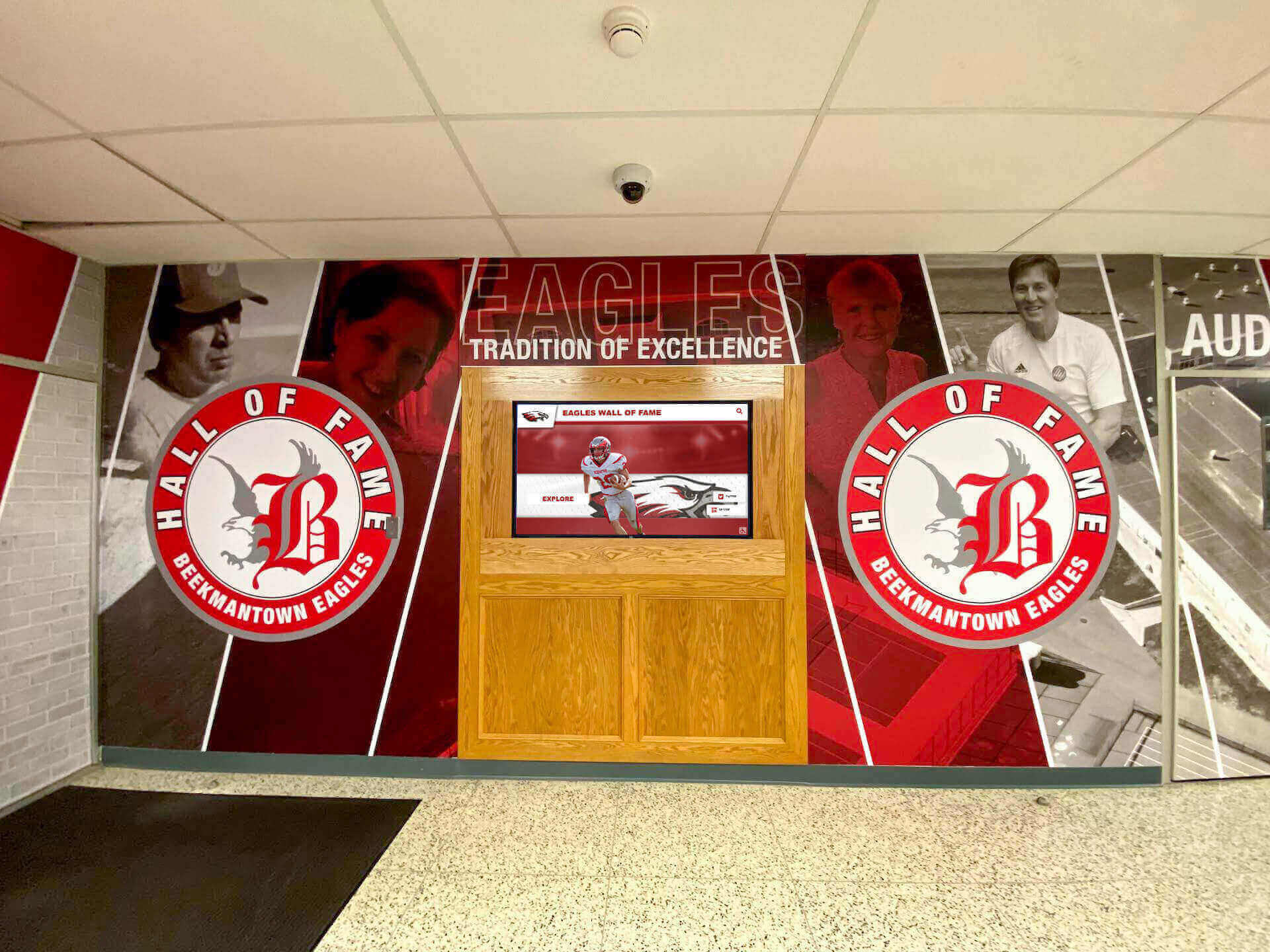
Donor and sponsor recognition tied to a permanent display rather than a single event survives cancellations intact—which is why building recognition commitments into durable infrastructure matters before a cancellation occurs
Why Every Booster Club Needs a Written Cancellation Policy
Event cancellations happen for reasons entirely outside a booster club’s control: severe weather, facility closures, public health guidance, vendor failures, or scheduling conflicts created by school calendar changes. The cancellation itself is rarely the reputational problem. The problem is what follows—inconsistent refund decisions, conflicting sponsor communications, and donors who hear about the cancellation from someone other than the organization.
A written booster club event cancellation policy addresses three simultaneous obligations:
- Refund obligations — ticket purchasers, raffle participants, and pre-paid registrants have a financial claim the club needs to process consistently and promptly
- Sponsor obligations — sponsors who paid for benefits tied to a specific event (banner placement, logo in the program, a speaking opportunity) may be entitled to make-good provisions or contract modifications
- Donor communication — donors whose contributions were recognized through an event-based presentation or whose recognition milestone was connected to the canceled event need timely, accurate information about what comes next
Each of these obligations requires a different communication approach and a different resolution timeline. A written policy separates them, assigns ownership, and prevents the conflation that leads to the most common failure: an officer sending one message that attempts to address all three audiences and satisfies none of them.
Programs that work with athletic booster club fundraising approaches that span multiple events throughout the year face particular exposure—a cancellation mid-season affects not just the canceled event but the recognition calendar, sponsor renewal timeline, and donor stewardship sequence for the remainder of the year.
Part One: Refund Policy Framework
What Triggers a Refund
The refund policy should specify, in writing, which scenarios create a refund obligation and which do not. Common trigger categories include:
| Cancellation Trigger | Refund Category | Notes |
|---|---|---|
| Organization-initiated cancellation (event will not be rescheduled) | Full refund to all ticket and registration purchasers | Process within the timeline defined in the policy |
| Postponement to a defined future date | Option for full refund or credit transfer to the new event | Give purchasers a window (typically 14–30 days) to choose |
| Force majeure cancellation (weather, facility closure, public health) | Full refund or credit transfer based on board decision | Document the triggering condition in writing before issuing communications |
| Partial cancellation (event proceeds but specific component canceled) | Partial refund for that component only; calculate prorated amount | Define who calculates the proration and how |
| No-show after event proceeded as scheduled | No refund obligation; note any exceptions in the policy | Clarify this explicitly to avoid confusion with cancellation refunds |
The policy should name the board position responsible for approving refund decisions (typically the president or treasurer), specify the payment method for refunds (check, electronic transfer, or original payment method where reversible), and define the maximum processing timeline.
Dual-Signature Requirement for Refunds
Any refund disbursement above a defined dollar threshold should require dual signature or dual authorization—the same control that governs routine expenditures. A cancellation that requires processing fifty individual refunds is an elevated-risk period for the program’s finances. Maintaining the dual-authorization control during that period protects the officers processing refunds as much as it protects the funds.
Sample Refund Authorization Template
Use this record for each refund processed during a cancellation:
BOOSTER CLUB EVENT CANCELLATION REFUND AUTHORIZATION
Organization: ___________________________________
Event Name: ____________________________________
Cancellation Date: _____________________________
Cancellation Reason (documented): ______________
Payee Name: ___________________________________
Original Payment Amount: ______________________
Refund Amount: ________________________________
Refund Method: ________________________________
Authorized By (name + title): __________________
Second Authorization (name + title): ____________
Refund Processed Date: ________________________
Confirmation Sent to Payee: ☐ Yes  ☐ No
Notes: _________________________________________
Maintaining a log of every refund processed—with dual authorization documented—protects the program against later disputes about whether a refund was issued and provides the treasurer with a complete reconciliation record once all refunds are closed.
Part Two: Sponsor Obligations When an Event Is Canceled
Sponsorship agreements tied to events are contracts. When the event does not occur, the sponsor’s recognition obligations under that agreement may also be suspended—but the resolution depends on the specific language of the agreement and the nature of the promised benefits.
Reviewing Active Agreements Before Communicating
Before contacting sponsors after a cancellation, the person responsible for sponsor communications should pull every active agreement and categorize the promised benefits:
- Event-specific benefits — banner placement at the venue, logo in a printed program, a table or seats at a gala, an on-stage recognition announcement — these are the benefits most directly affected by a canceled event
- Season-long benefits — digital display placement, website logo presence, recognition on a donor wall, inclusion in year-end print materials — these survive the cancellation and continue running through the agreement period
- Hybrid benefits — some agreements bundle event-specific and ongoing benefits; the make-good analysis applies only to the event-specific portion
Once each sponsor’s active benefits are categorized, the club has a clear picture of what make-good is required versus what continues unchanged. This analysis should be completed before the first sponsor call, not discovered during it.
Make-Good Provisions
A make-good is a substitute benefit offered in place of an event-specific benefit that could not be delivered. Common make-good approaches include:
- Extending the agreement period so the sponsor’s name remains in ongoing recognition channels for an additional month, quarter, or season
- Transferring the event-specific recognition to the rescheduled event (if a date is confirmed)
- Upgrading the sponsor’s placement in a digital display or donor recognition system for a defined period
- Applying the event-specific portion of the payment as a credit toward next year’s agreement
The policy should specify what make-good the organization is authorized to offer without additional board approval and what requires a board vote. This prevents officers from making financial commitments during a cancellation conversation that the board later cannot support.
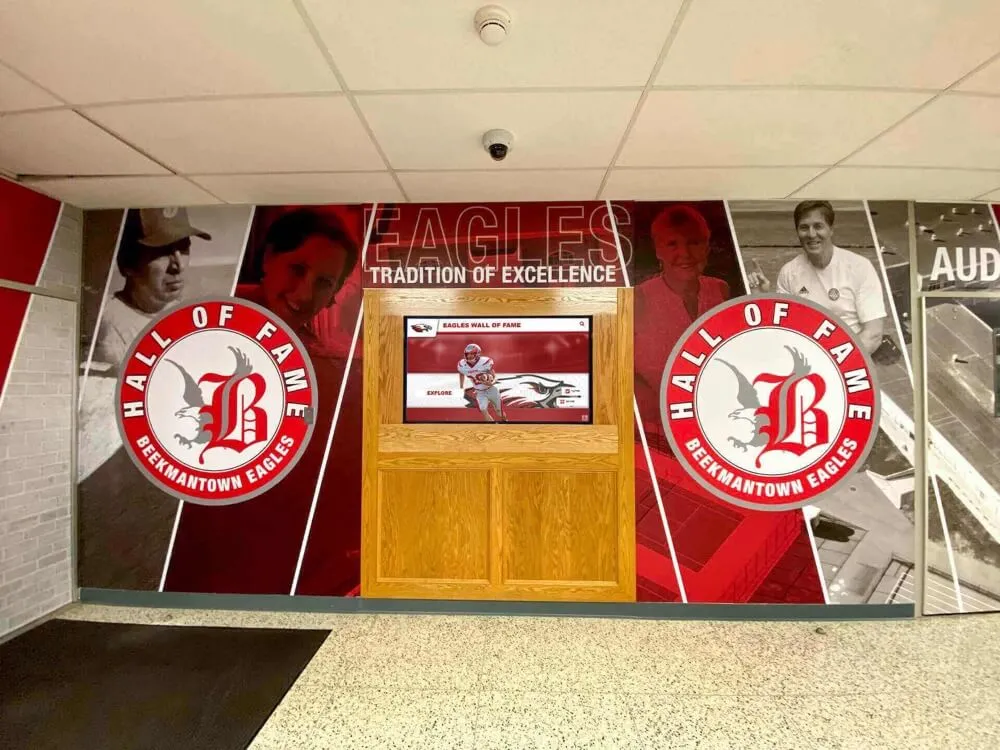
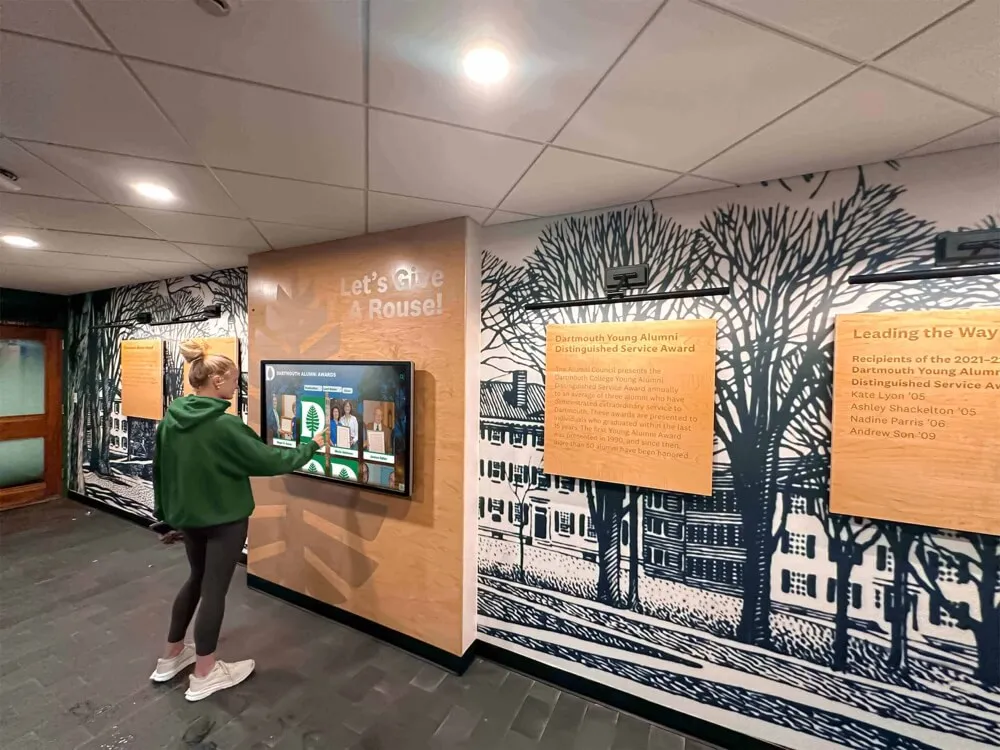
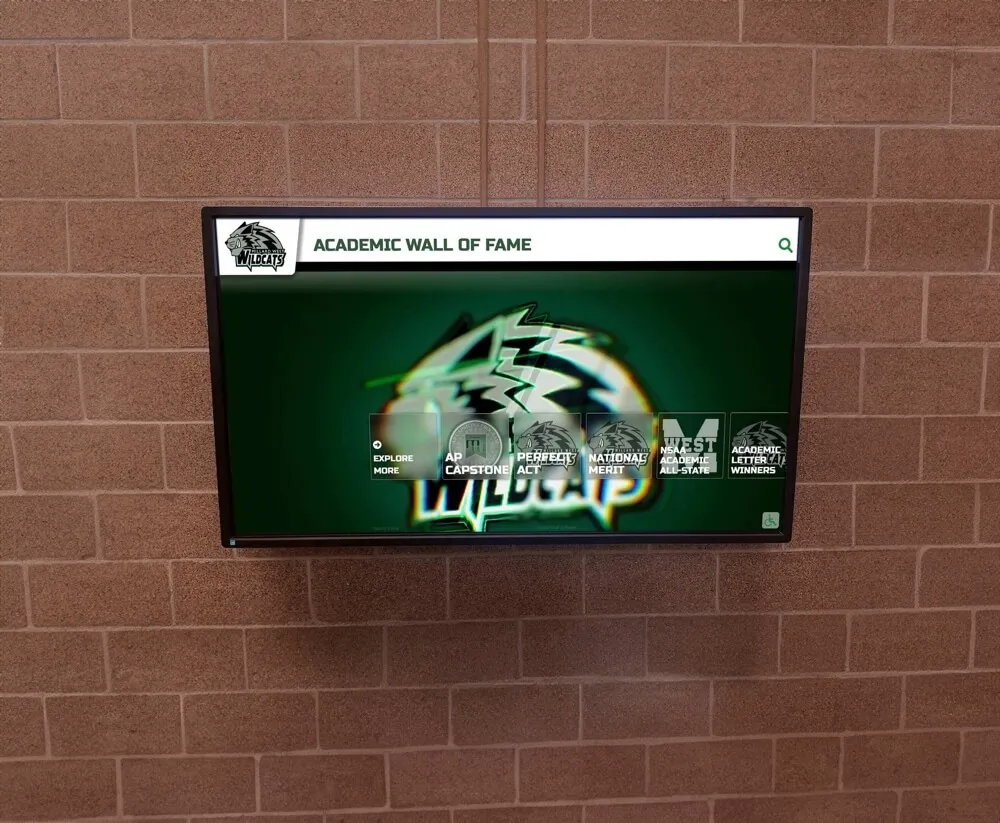
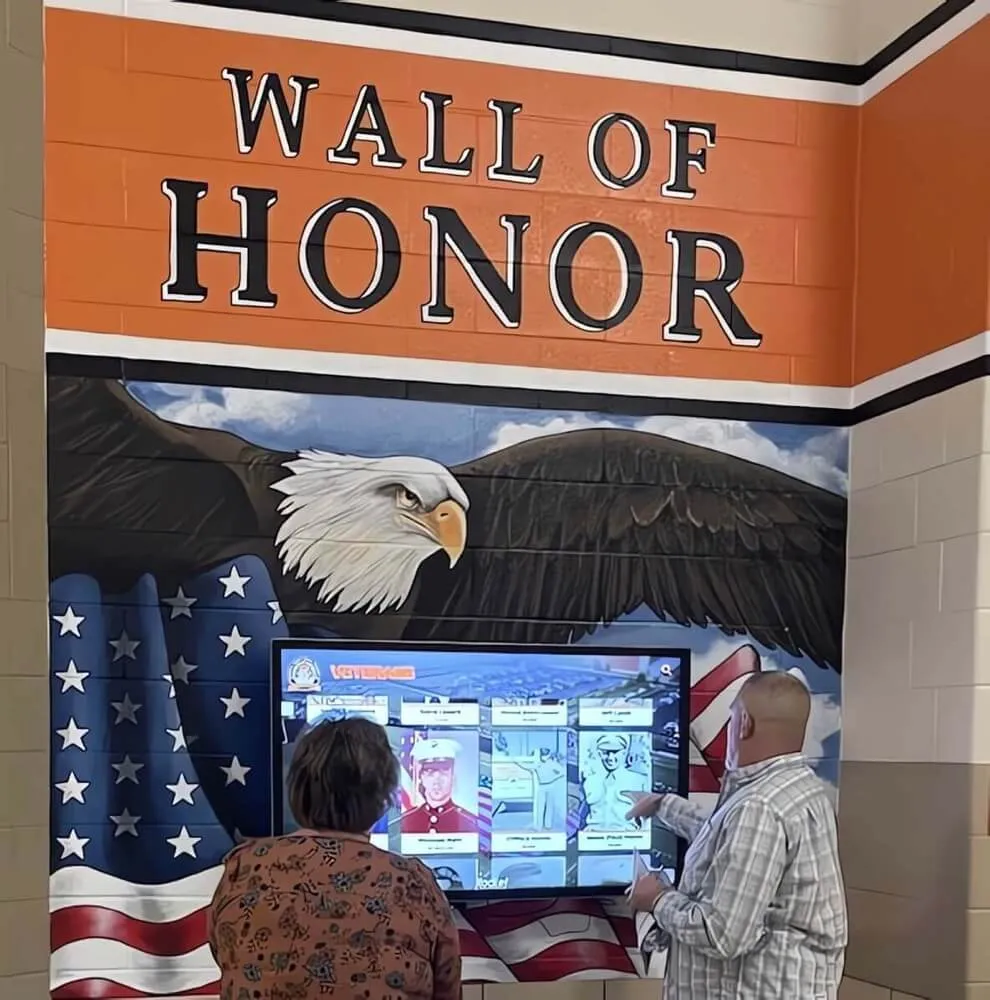
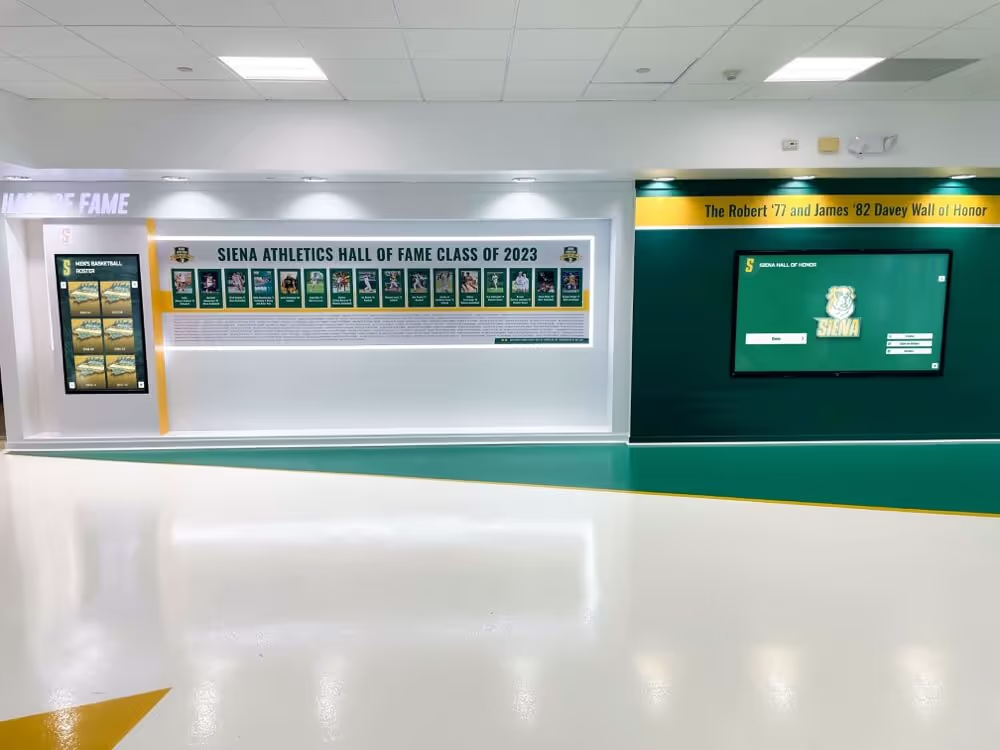
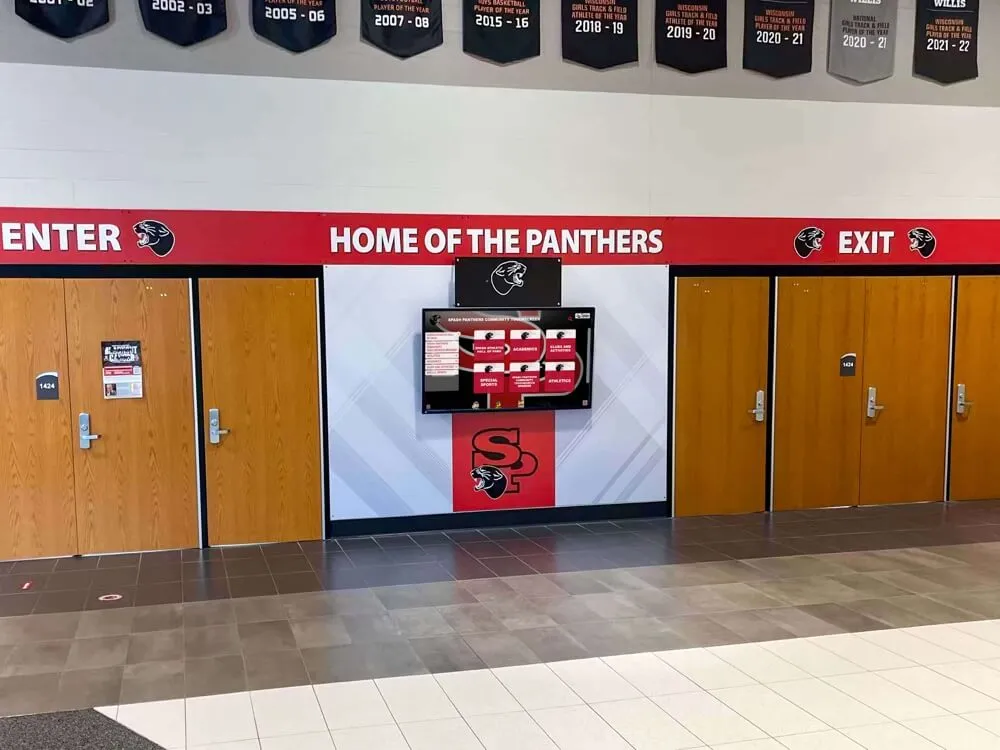
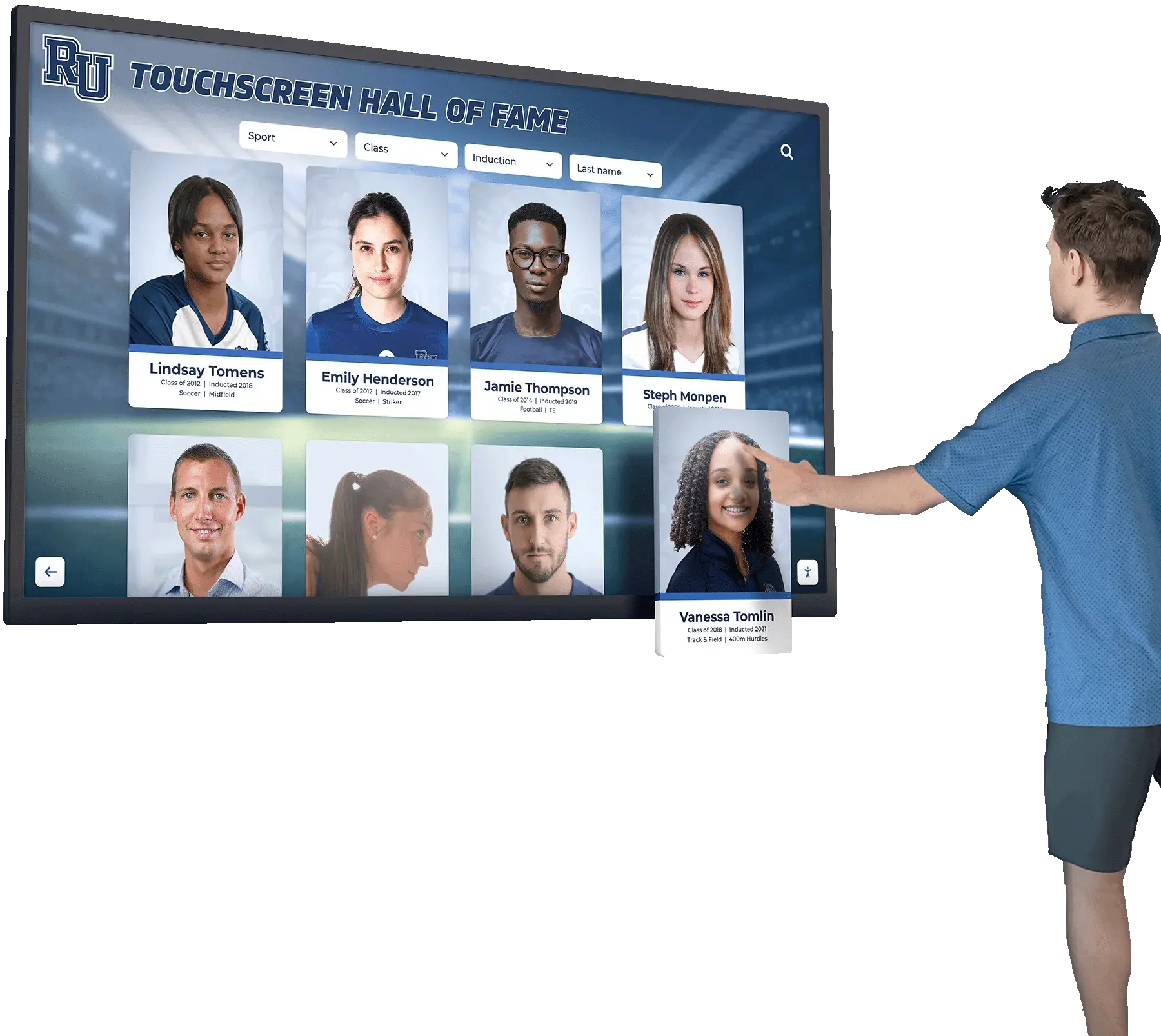
Digital wall of fame systems and recognition displays provide one of the most practical make-good channels available to booster clubs: a sponsor whose gala recognition was canceled can be given a featured placement on a lobby or hallway display for the remainder of the season at essentially no additional cost to the program. The sponsor receives visible recognition, the club fulfills its obligation, and the digital content is updated remotely without requiring a physical print run.
Sponsor Communication Sequence
Sponsors should receive individual outreach—not a mass email—within 48 hours of the cancellation decision. The communication should:
- Confirm the cancellation and the reason (without over-apologizing or hedging)
- Identify specifically which promised benefits were affected
- Propose a make-good arrangement or ask for a conversation to discuss options
- Confirm which benefits continue unchanged
- Provide a named contact and direct phone number for questions
Sponsors who hear about a cancellation on the organization’s social media before receiving a direct call or email are significantly less likely to renew. The communication sequence should prioritize sponsors with the largest active commitments first.
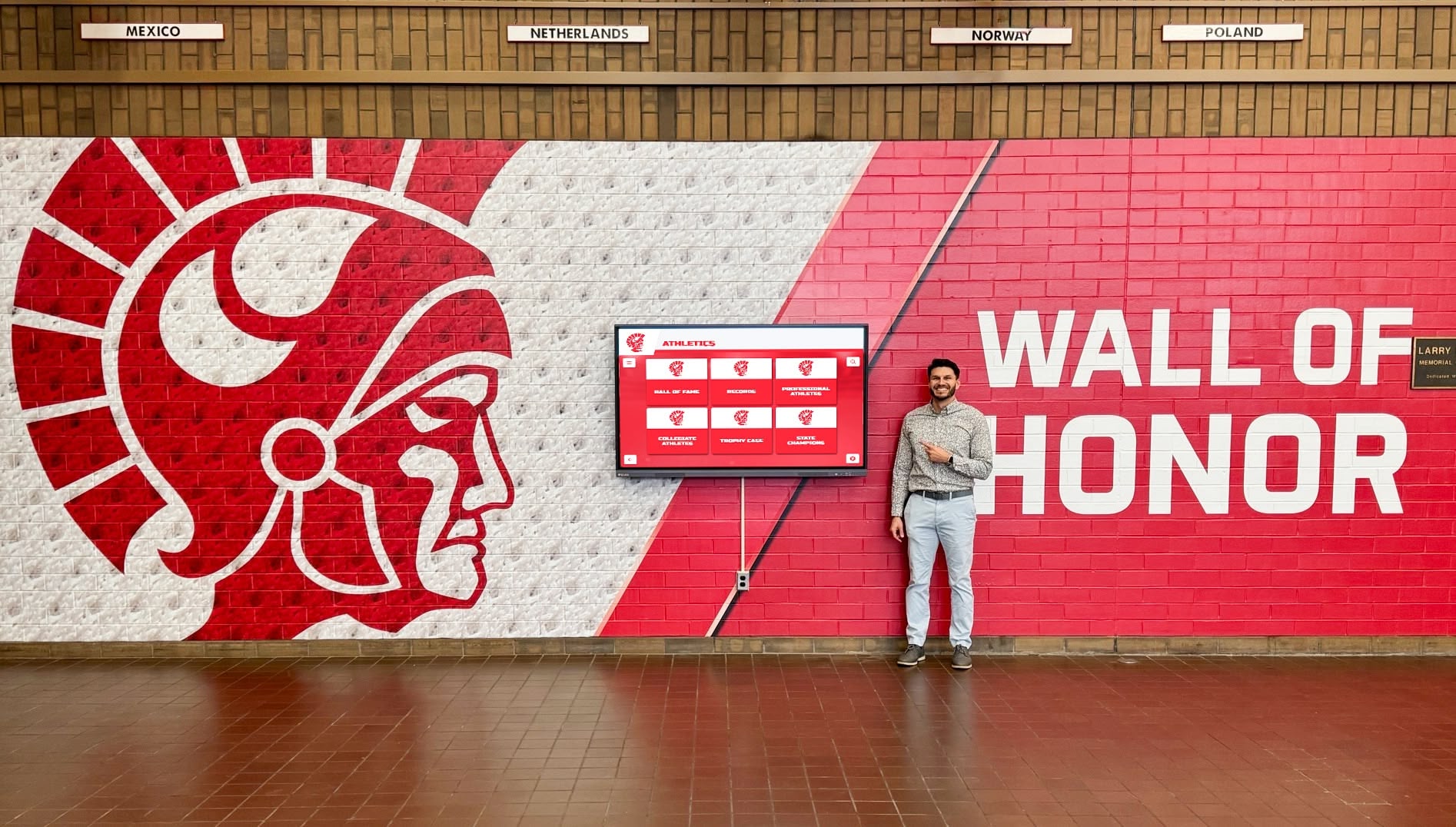
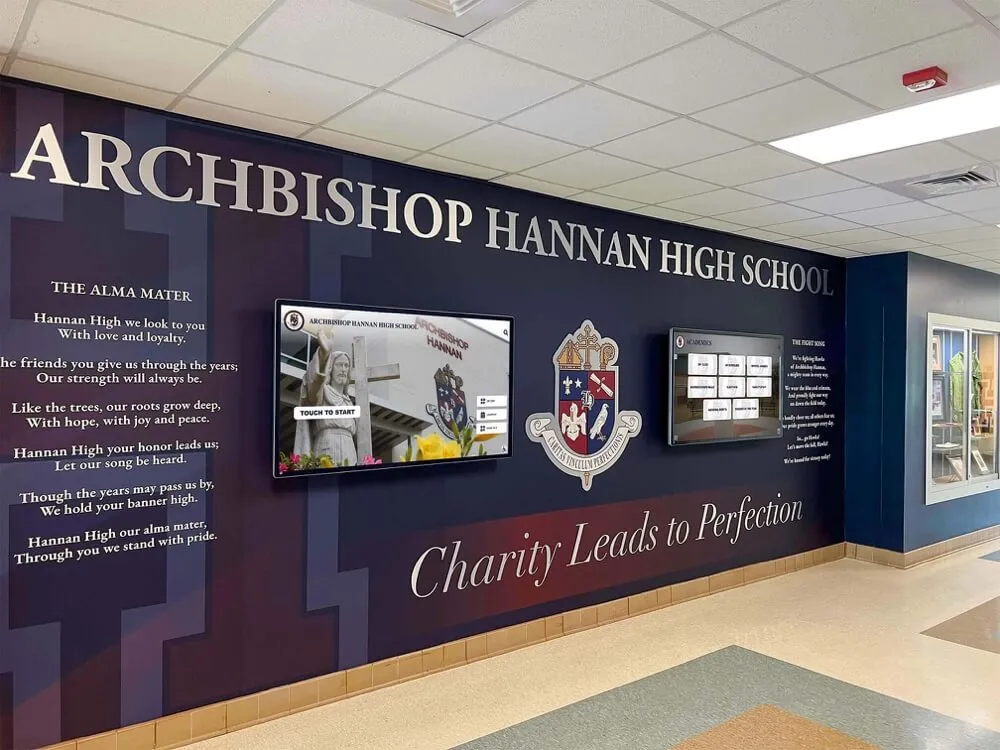
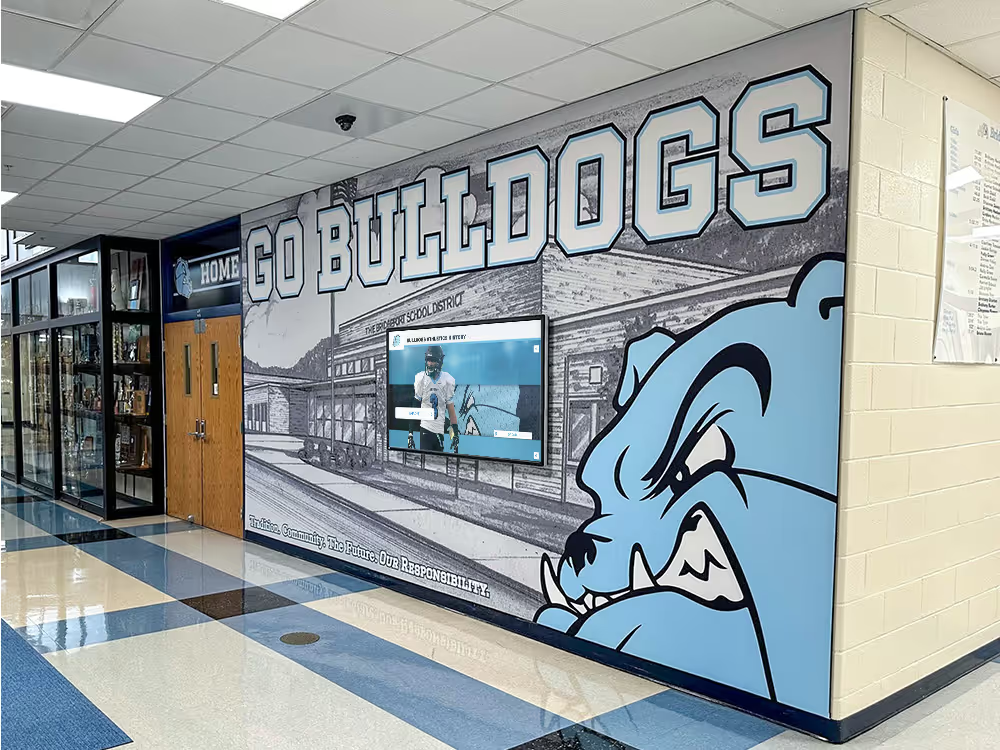
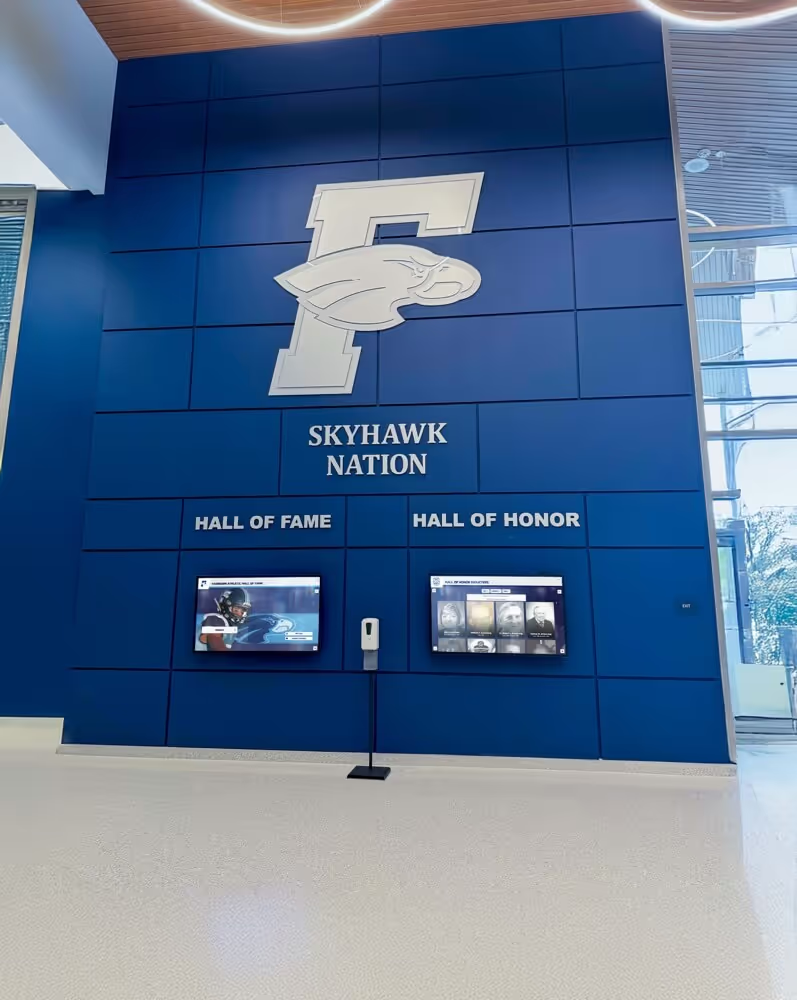
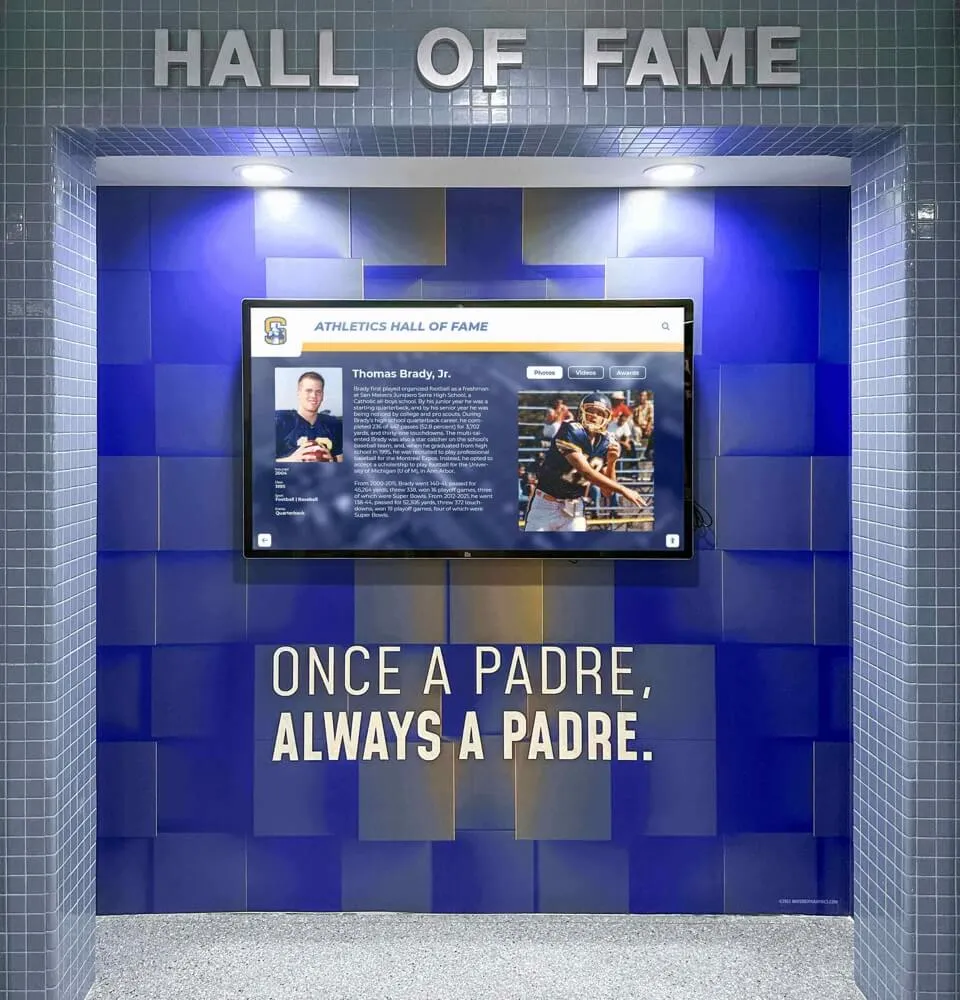
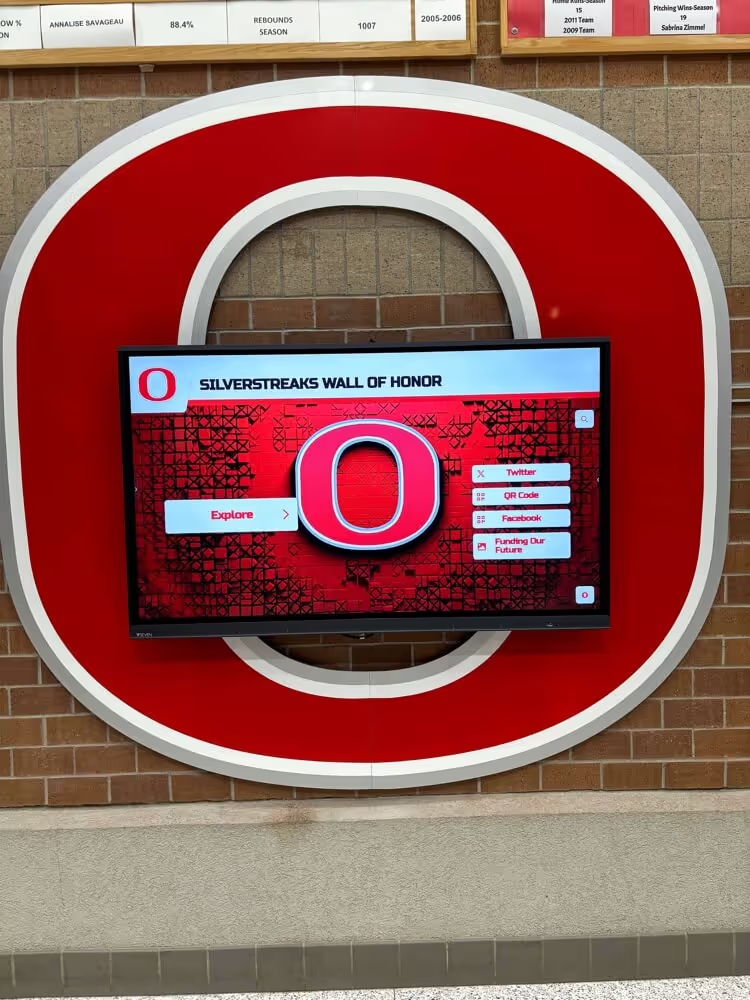
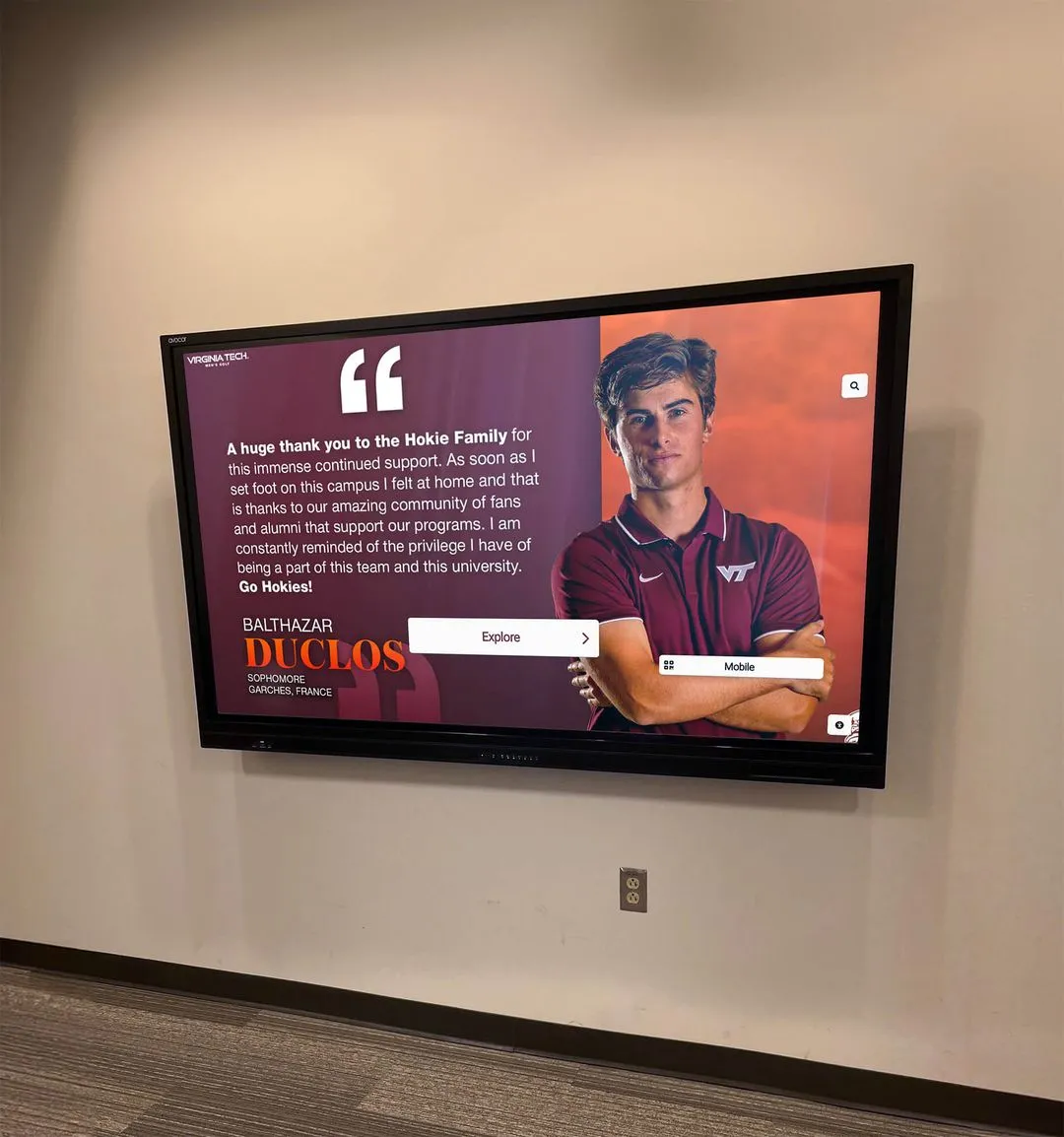
Sponsors recognized on permanent school displays receive ongoing value independent of any individual event—making durable recognition infrastructure a natural make-good provision in a cancellation scenario
Part Three: Donor Communication After a Canceled Fundraiser
Donors occupy a different position than sponsors in a cancellation scenario. A sponsor has entered a commercial agreement with defined benefits and remedies. A donor has made a charitable gift with a reasonable expectation of stewardship—and, in many cases, a specific recognition commitment tied to the gift.
Identifying Recognition Commitments Affected by the Cancellation
Before communicating with donors, identify which donors had recognition commitments connected to the canceled event:
- Milestone presentations — donors scheduled to receive a recognition tier upgrade announcement at the event
- Named space dedications — donors scheduled to witness a ribbon-cutting or naming ceremony tied to the event
- Annual giving society acknowledgments — donors whose cumulative giving level was scheduled to be publicly acknowledged at the event
- New donor wall additions — donors who made qualifying gifts expecting to be recognized at the event venue with a display addition
None of these recognition commitments is extinguished by the cancellation—they are postponed, and the donor needs to know what happens next. A donor who made a significant gift expecting to see their name added to a recognition display at the event will notice if no communication arrives.
Donor Communication Framework
Donor communications after a cancellation should distinguish clearly between the cancellation itself and the status of the donor’s recognition commitment. These are two different messages. Conflating them—mentioning the cancellation and the recognition update in the same paragraph without clarity—is the most common source of donor confusion.
Message 1: Cancellation notification (within 24 hours)
Send this message to all donors who had any connection to the event. Keep it brief:
Dear [Donor Name],

[Organization Name] has made the difficult decision to cancel [Event Name],
originally scheduled for [Date]. [One sentence explaining the reason, if
appropriate to share.]

Your generosity to [program name] is not affected by this cancellation.
We will be in touch separately regarding the recognition commitments
connected to your gift and what our timeline looks like for the next
steps. If you have any immediate questions, please contact [Name] at
[phone / email].

Thank you for your continued support of our student-athletes.

[Officer Name and Title]
[Organization Name]
Message 2: Recognition follow-up (within 7 days)
Send this message individually to donors whose specific recognition commitments were connected to the event:
Dear [Donor Name],

We wanted to follow up on your recognition commitment in connection
with your gift to [program name]. As you know, we recently canceled
[Event Name], and we want to be transparent about the next steps for
your recognition.

Your recognition commitment: [Specific recognition—name addition to
display, tier upgrade, naming acknowledgment, etc.]

Current status: [e.g., "Your name addition to the [Display Name] is
confirmed and will be completed by [Date]" / "We are scheduling a
rescheduled ceremony for [Date Range] and will confirm your attendance
details separately."]

We remain committed to honoring your recognition commitment in full.
Please reach out to [Name] at [phone / email] with any questions.

With gratitude,

[Officer Name and Title]
[Organization Name]
The separation between these two communications is intentional. The first message reaches every donor quickly and manages the cancellation. The second message is personal, specific, and focused entirely on the individual donor’s relationship with the program.
Part Four: The Communication Sequence for Officers
A cancellation creates a brief window in which clear, coordinated communication is possible before social media, community networks, and word-of-mouth fill the information gap. The following sequence assigns ownership and timelines for each communication.
Within 2 Hours of the Cancellation Decision
- Board president or designee notifies the athletic director and school administration
- Treasurer pulls all active ticket sale records, registration lists, and sponsor agreements
- Communications lead drafts the public-facing cancellation announcement for website and social channels (pending board review)
Within 6 Hours
- Public-facing cancellation announcement posted to website and social channels
- Refund policy language included in the public announcement
- Sponsor communications drafted and reviewed by board president before sending
- Refund authorization log opened; first entries populated from ticket sale records
Within 24 Hours
- Mass donor cancellation notification sent (Message 1 template above)
- Individual sponsor calls or messages completed, starting with the largest active commitments
- Refund processing initiated for any fully automated payment reversals
Within 7 Days
- Individual donor recognition follow-up messages sent (Message 2 template above)
- Make-good arrangements with sponsors confirmed in writing
- Refund processing completed for all eligible requests
- Reconciliation record updated to reflect refunds disbursed
Within 30 Days
- All sponsor make-good provisions executed or formally documented with agreed timeline
- All donor recognition commitments confirmed in writing to each affected donor
- Cancellation financial summary prepared for board review: refunds processed, outstanding make-good commitments, impact on annual budget projections
School athletic recognition programs that document their stewardship processes—including how they handle cancellation scenarios—build the institutional reputation that makes sponsors and donors willing to maintain commitments even when a single event does not proceed. The communication sequence above is how programs demonstrate that they take recognition obligations seriously regardless of what happens to the event those obligations were originally tied to.
Connecting Recognition Commitments to Durable Infrastructure
The most reliable way to protect donor and sponsor recognition from event cancellation risk is to document recognition commitments in a permanent, managed system rather than tying them exclusively to a single event.
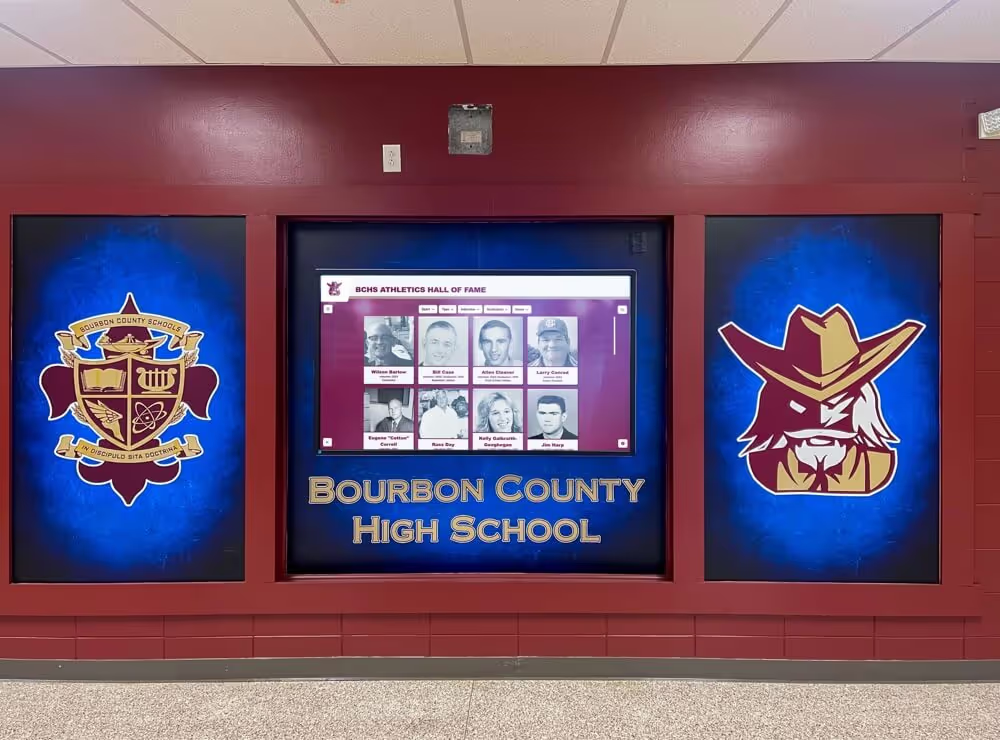
A donor who gives at a naming level should have that commitment recorded in a platform that generates a permanent display entry—not just announced at a gala. When the gala is canceled, the recognition continues on the display. A sponsor whose name is managed in a digital lobby display continues receiving recognition even when the tournament they sponsored cannot be held.
This is not a workaround for cancellations—it is how sound recognition stewardship works. Recognition programs that archive athlete achievements and donor contributions in searchable digital systems demonstrate that institutional recognition is a year-round commitment, not an event feature. The event is an occasion to celebrate recognition; the display is where recognition lives.
When a booster club’s recognition infrastructure is built around durable displays—lobby walls, donor recognition panels, athletic record boards—the cancellation of a single event becomes a communication and scheduling challenge rather than a recognition crisis. Sponsors still appear on the display. Donors still see their names in the system. The event-specific presentation can be rescheduled; the recognition itself was never lost.
Athlete signing days and commitment recognition practices reflect the same principle: the recognition documentation in a managed system outlasts any individual event and creates a permanent record that donors, sponsors, and community members can reference long after a specific fundraiser has come and gone.
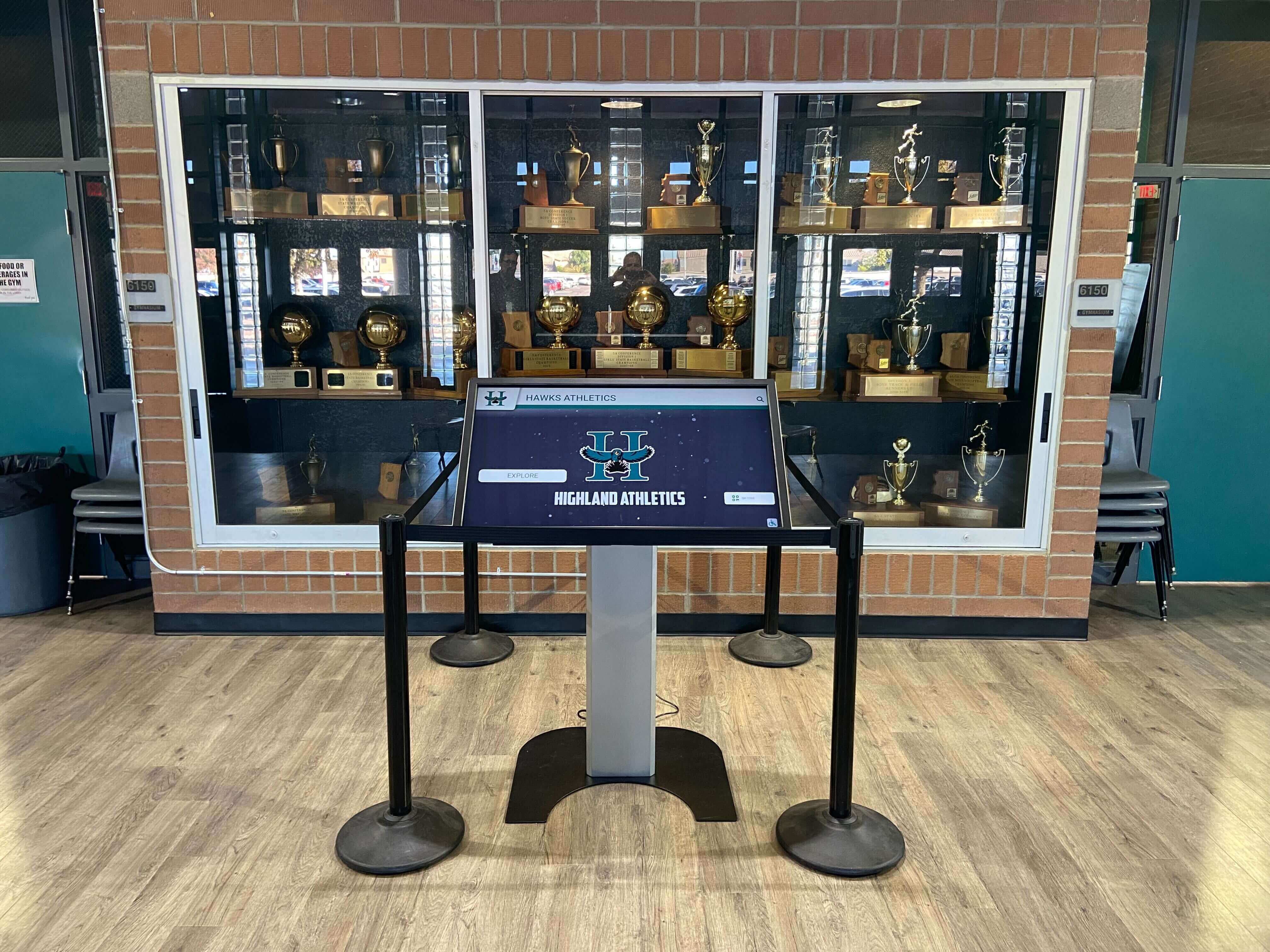
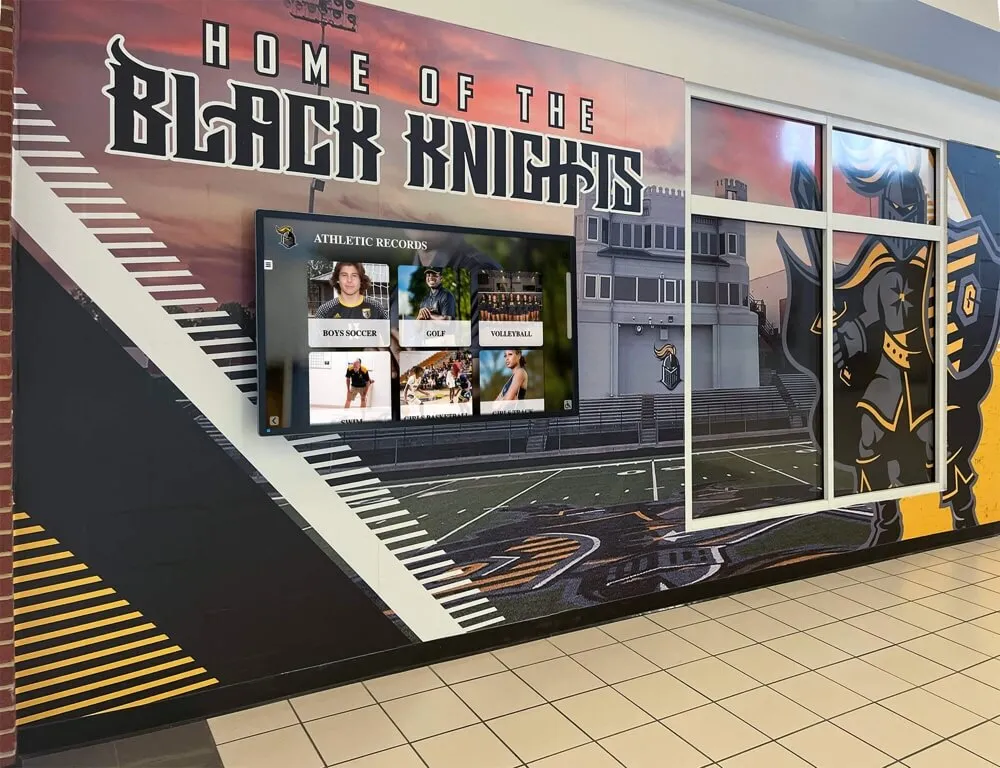
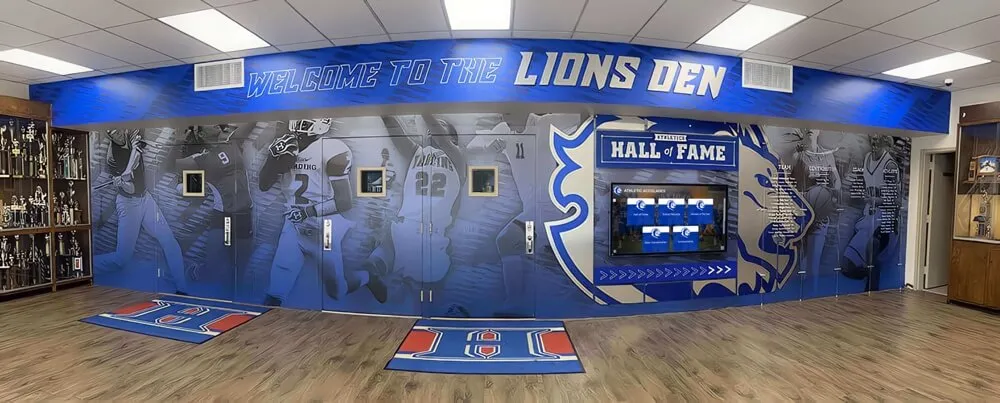
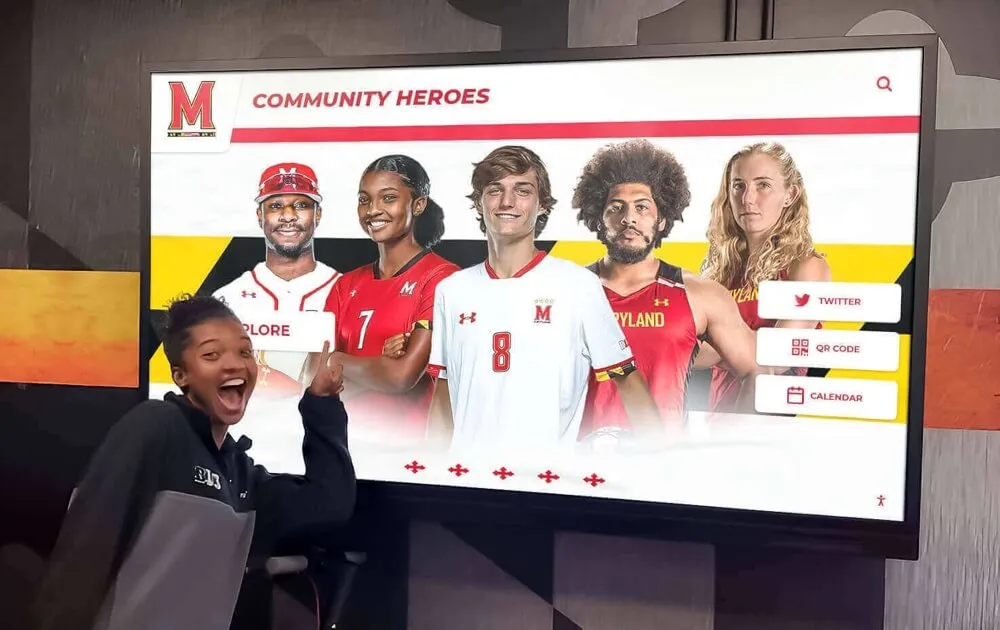
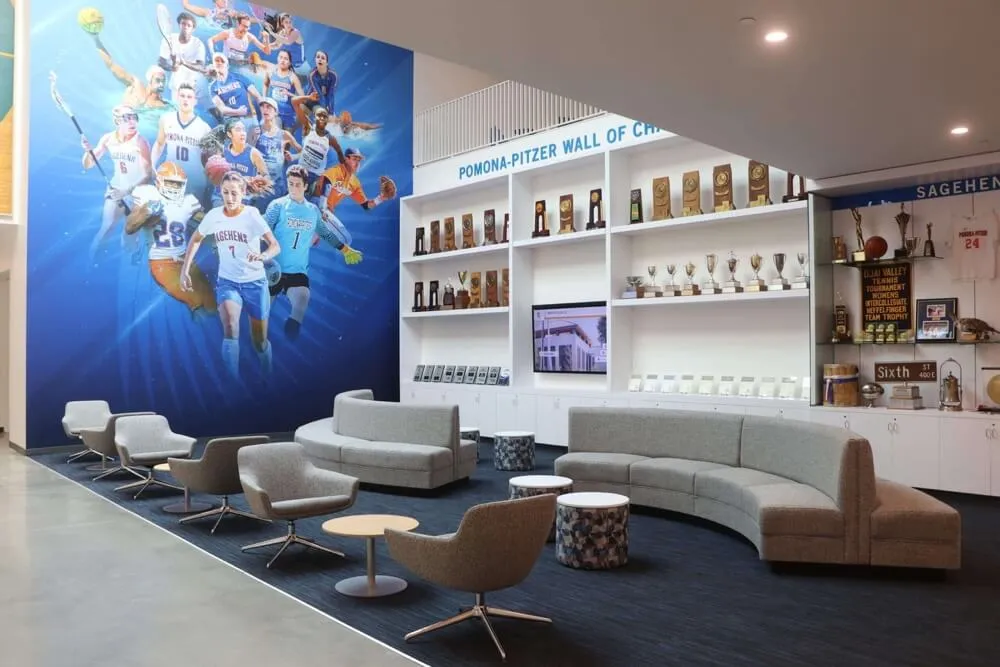
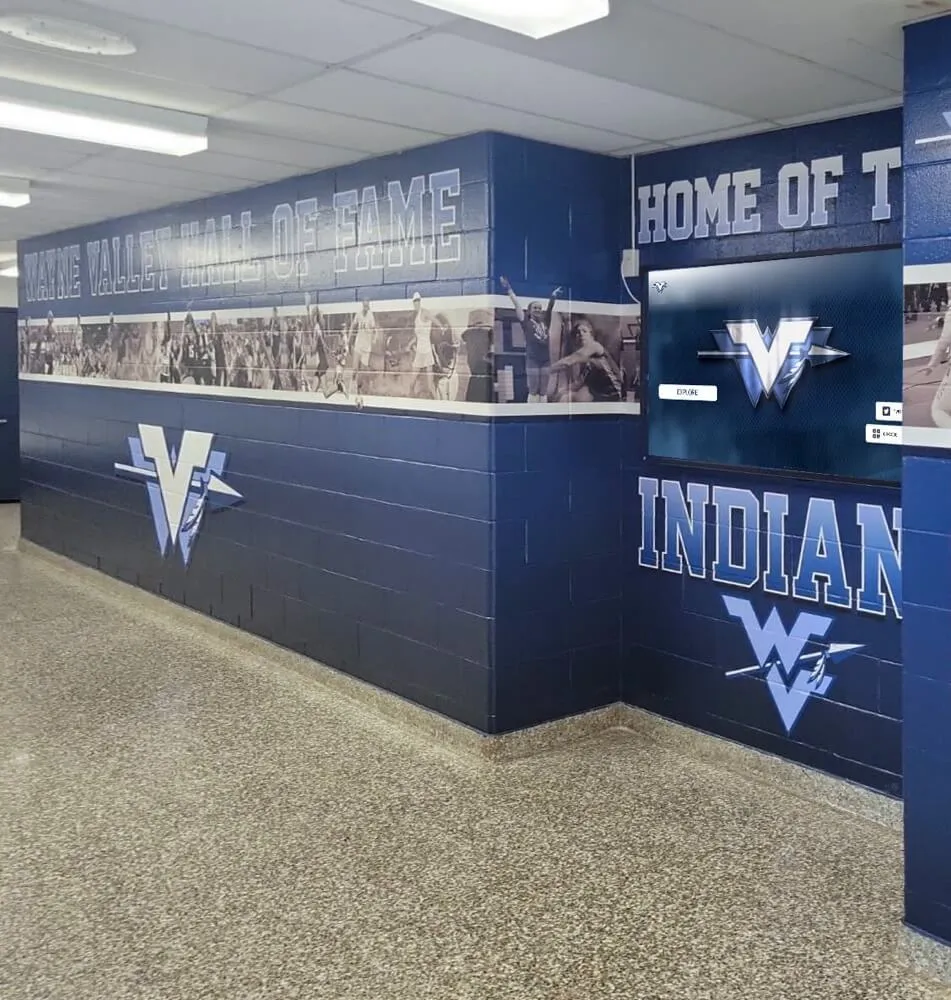
Recognition systems integrated into permanent lobby and trophy case displays continue delivering value to donors and sponsors even when individual fundraising events are canceled or postponed
Building the Policy Document
A written booster club event cancellation policy should be a standalone document, approved by the full board, reviewed annually, and stored in the organization’s permanent governance file alongside the bylaws and financial policies.
The policy document should include:
- Cancellation authority — who has authority to declare an event canceled (typically the board president in consultation with the full board, with emergency authority to cancel granted to two named officers)
- Refund decision matrix — the table of trigger conditions and corresponding refund categories
- Refund processing timeline — the maximum number of days from cancellation to refund disbursement
- Refund authorization controls — the dual-authorization requirement and the threshold above which board review is required
- Sponsor communication protocol — who contacts sponsors, in what sequence, with what authority to offer make-good provisions without additional board approval
- Donor communication protocol — who sends the cancellation notification and the recognition follow-up, with the approved templates attached
- Documentation requirements — what records must be created and where they are stored (refund log, sponsor make-good agreements, donor follow-up confirmations)
- Board reporting requirement — the post-cancellation financial summary required before the file is closed
Programs that build this policy before they need it find that a cancellation—when it eventually happens—becomes a documented, managed process rather than an organizational crisis.
Frequently Asked Questions
Does a booster club have a legal obligation to issue refunds when an event is canceled?
Refund obligations depend on the specific terms of the ticket sale or registration, the organization’s state of incorporation, applicable state nonprofit or consumer protection law, and whether the sale was made with an express refund policy. As a general governance matter, issuing full refunds when an organization cancels an event without rescheduling is standard practice and protects the organization’s donor and community relationships. Consult a licensed attorney for guidance specific to your organization’s structure and jurisdiction. Clearly communicating a refund policy at the point of sale—before the event—reduces ambiguity significantly.
What if a force majeure clause is included in a sponsor agreement?
Many booster club sponsorship agreements do not include explicit force majeure language, but the principle—that parties are excused from performance when an event is canceled due to circumstances outside anyone’s control—is generally recognized. If a sponsor raises force majeure in the context of seeking a refund of their sponsorship payment, review the agreement language with legal counsel before responding. The more common scenario is the inverse: the club is considering how much make-good it owes the sponsor. Agreements with explicit make-good language control; agreements without it are resolved by negotiation.
How should the booster club handle a cancellation that results from a weather emergency?
Weather cancellations should be documented immediately: the forecast or emergency notice that triggered the decision, the date and time the decision was made, and who authorized it. This documentation serves as the “triggering condition” record required under the refund policy and protects officers if a sponsor or ticket purchaser later disputes whether the cancellation was necessary. The communication sequence runs the same way regardless of the reason for cancellation.
What happens to donor recognition commitments if the event where recognition was planned is not rescheduled?
Recognition commitments survive the cancellation and must be fulfilled through alternative channels—typically by accelerating the display addition or naming acknowledgment through the program’s ongoing recognition infrastructure rather than waiting for another event. Donors who were expecting a public acknowledgment at the event should receive a written confirmation that their recognition has been completed in the permanent display system, along with documentation (a photograph or system record) confirming the entry.
Can a booster club retain ticket revenue if the event is rescheduled rather than canceled?
Generally yes, if ticket holders are given a clear choice between receiving a full refund and having their tickets honored at the new date. The policy should define the window during which ticket holders can request a refund before the rescheduled date, typically 14 to 30 days after the rescheduled date is announced. Ticket holders who do not respond within that window should have a documented default outcome—typically, their ticket transfers to the new date—and the policy should communicate that default clearly in the cancellation announcement.
How does a digital recognition platform help manage recognition obligations after a cancellation?
A managed digital recognition platform maintains a complete record of every donor and sponsor recognition entry—what the commitment was, when it was made, and what its current display status is. During a cancellation, that record allows the program to identify immediately which recognition commitments were event-connected and which are ongoing, pull contact information for each affected donor or sponsor, confirm that existing display entries are current and accurate, and produce documentation showing that recognition was delivered even when the event was not. Programs without a centralized recognition record reconstruct that information from multiple sources under time pressure—a process that introduces errors and delays at exactly the moment when accuracy and speed both matter.
When your program is ready to build the recognition infrastructure that protects donor and sponsor commitments regardless of what happens to individual events—durable digital displays, managed donor wall platforms, and recognition systems built for long-term stewardship—explore how Rocket Alumni Solutions supports booster clubs with recognition platforms designed to outlast any single fundraising calendar.