Booster Club Events: Fundraising, Recognition, and Community Building Ideas
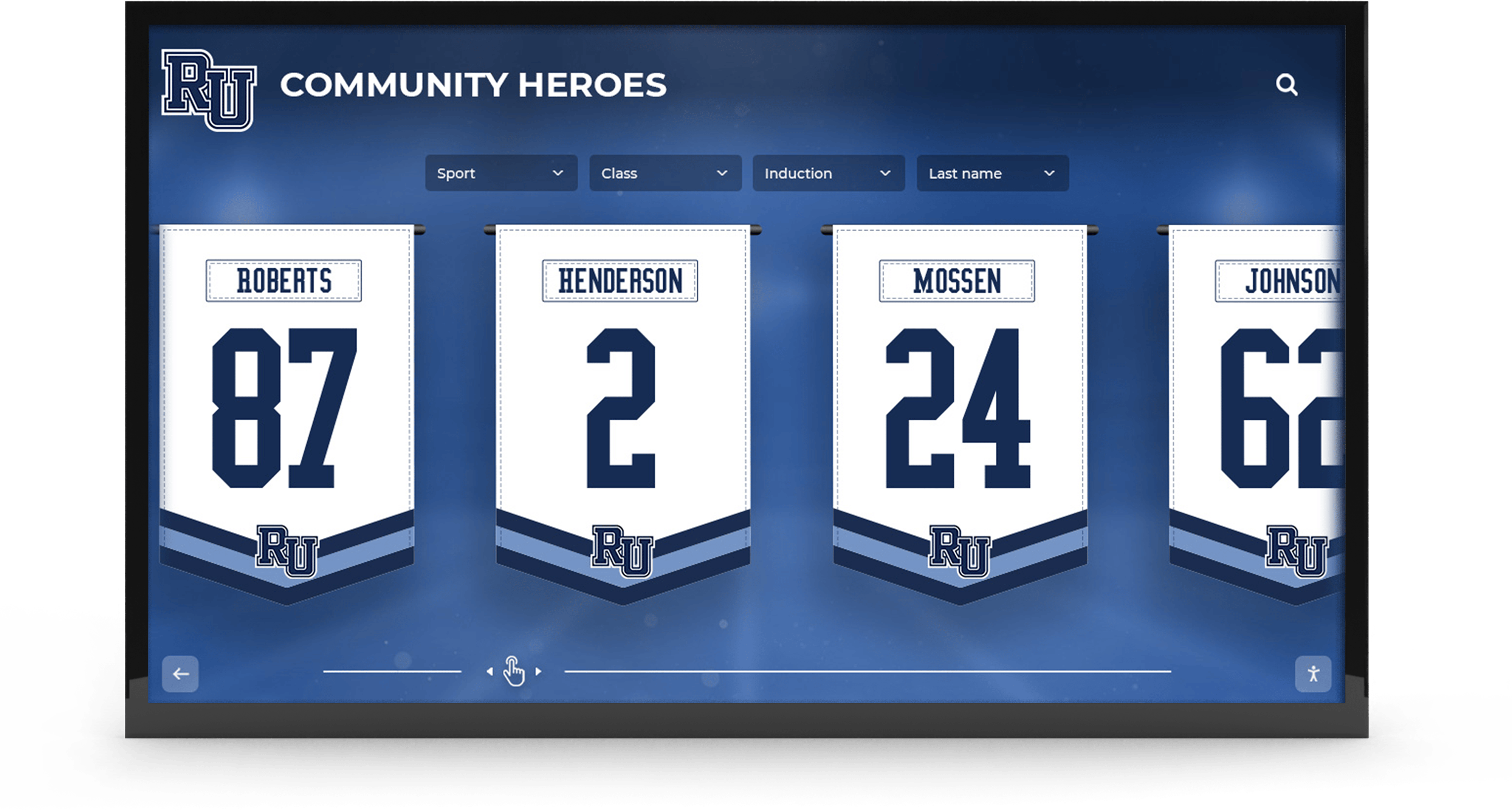
Booster clubs thrive on connection—bringing together parents, community members, businesses, and school leaders around a shared commitment to student success. While fundraising campaigns and membership drives generate essential revenue, it’s the events these organizations host throughout the year that transform financial transactions into meaningful relationships, celebrate achievements that inspire continued support, and create the community spirit that sustains programs through multiple seasons.
Yet many booster clubs find their event calendars dominated by the same repetitive activities year after year: another bake sale, another car wash, another concession stand shift. These necessary efforts generate modest revenue but rarely create the memorable experiences that convert casual supporters into passionate advocates, inspire major gifts from businesses and families, or build the lasting community connections that ensure long-term program sustainability.
The most successful booster clubs recognize that events serve multiple strategic purposes beyond immediate fundraising. The right mix of activities generates revenue, recognizes supporters and athletes, builds community pride, recruits new volunteers, and creates year-round engagement that maintains program visibility and enthusiasm even during off-seasons.
This comprehensive guide explores proven booster club events across three essential categories: fundraising events that generate substantial revenue while building community participation, recognition events that celebrate athletes and supporters while inspiring continued engagement, and community-building events that strengthen program identity and expand your supporter base. Whether your booster club supports a single sport or manages comprehensive athletic department funding, these tested approaches provide practical frameworks for creating events that advance multiple organizational objectives simultaneously.
Successful booster club event programming requires balancing immediate needs with long-term relationship building. The most effective organizations don’t just schedule activities to fill a calendar—they design strategic event sequences that move supporters through deepening levels of engagement, from first-time attendees to regular volunteers to major donors who champion programs throughout their communities.

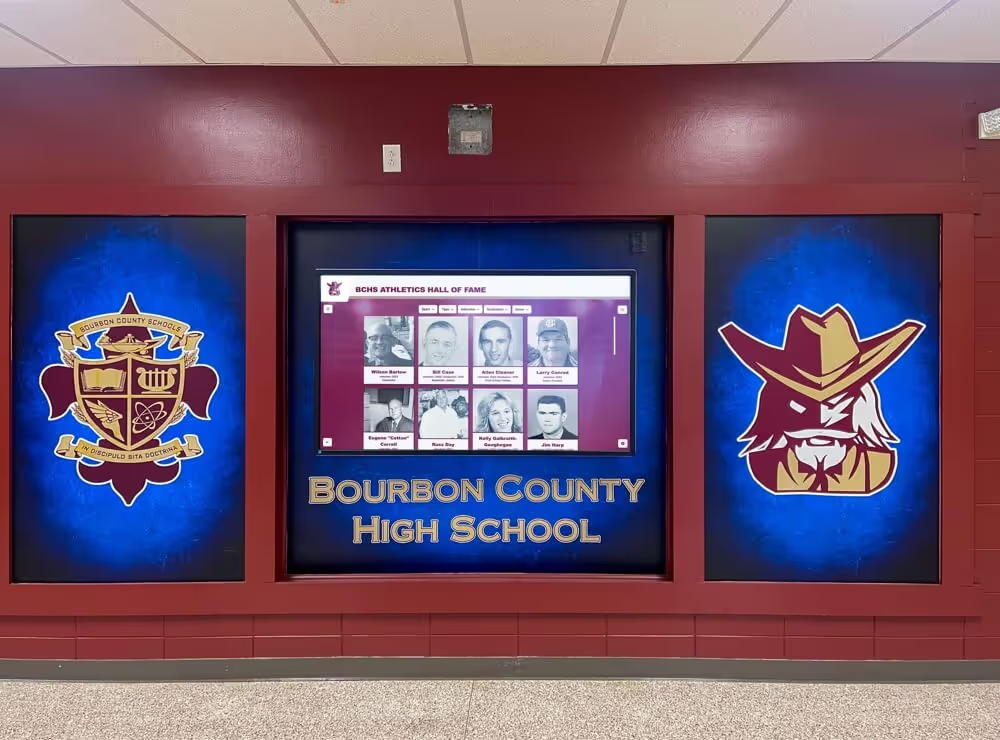
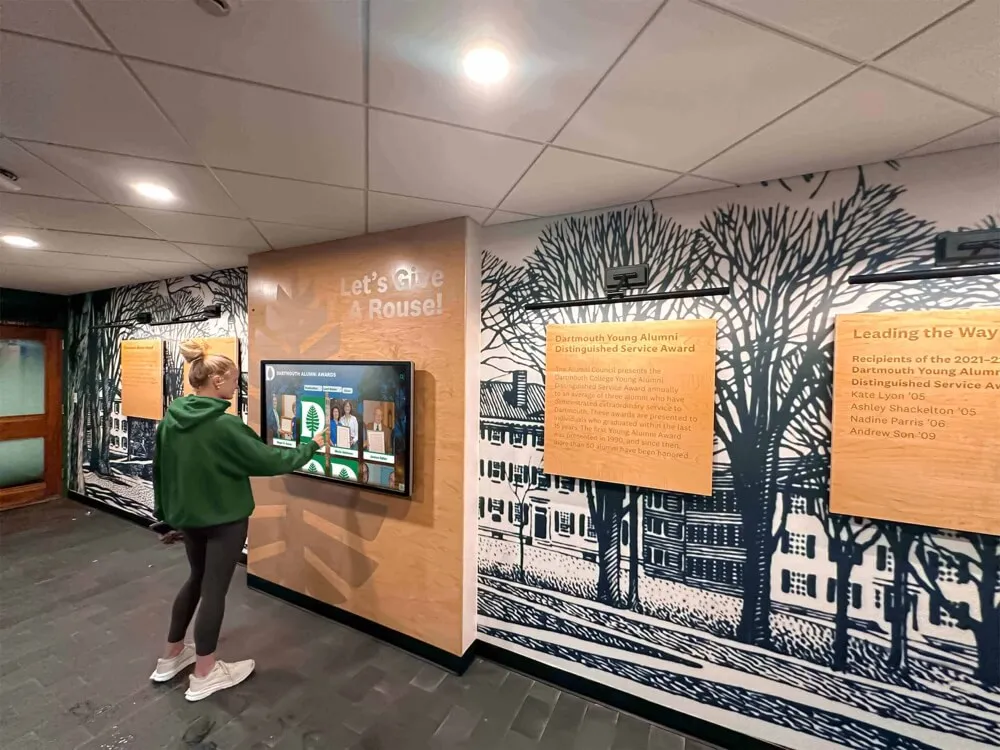
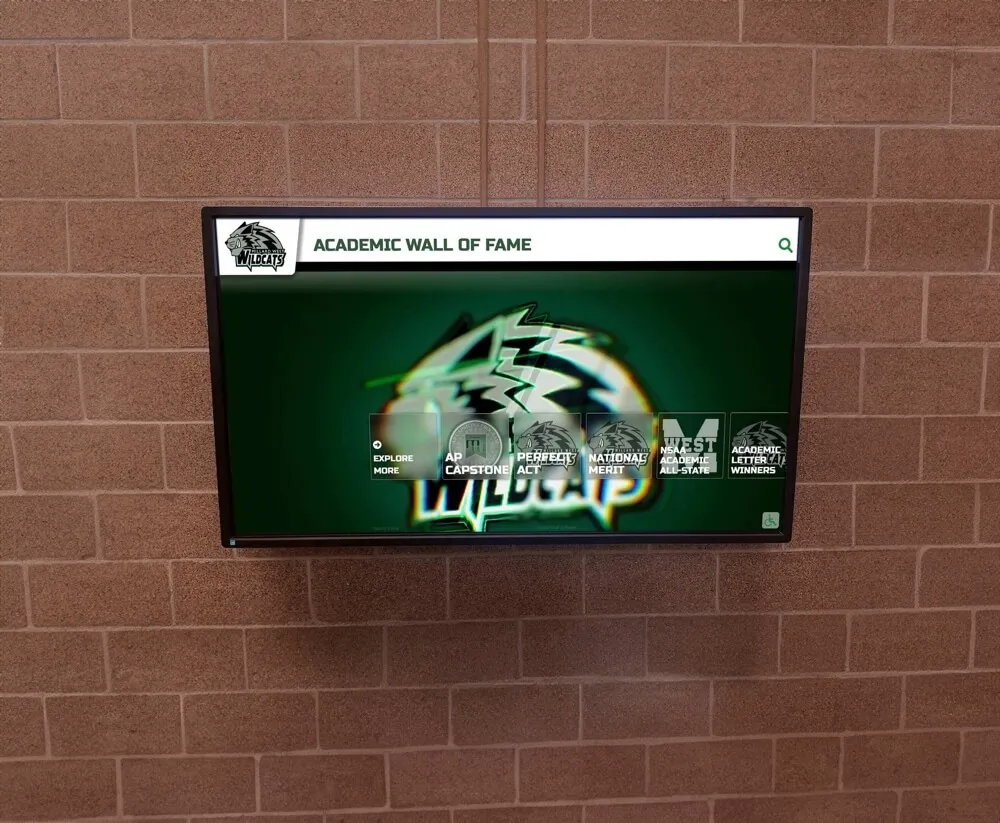
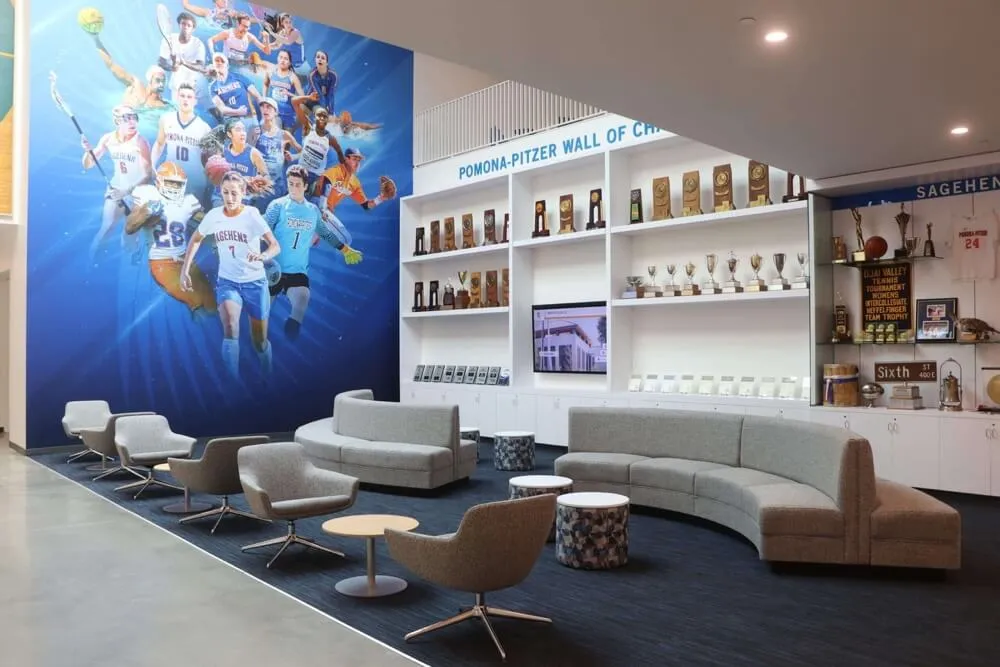
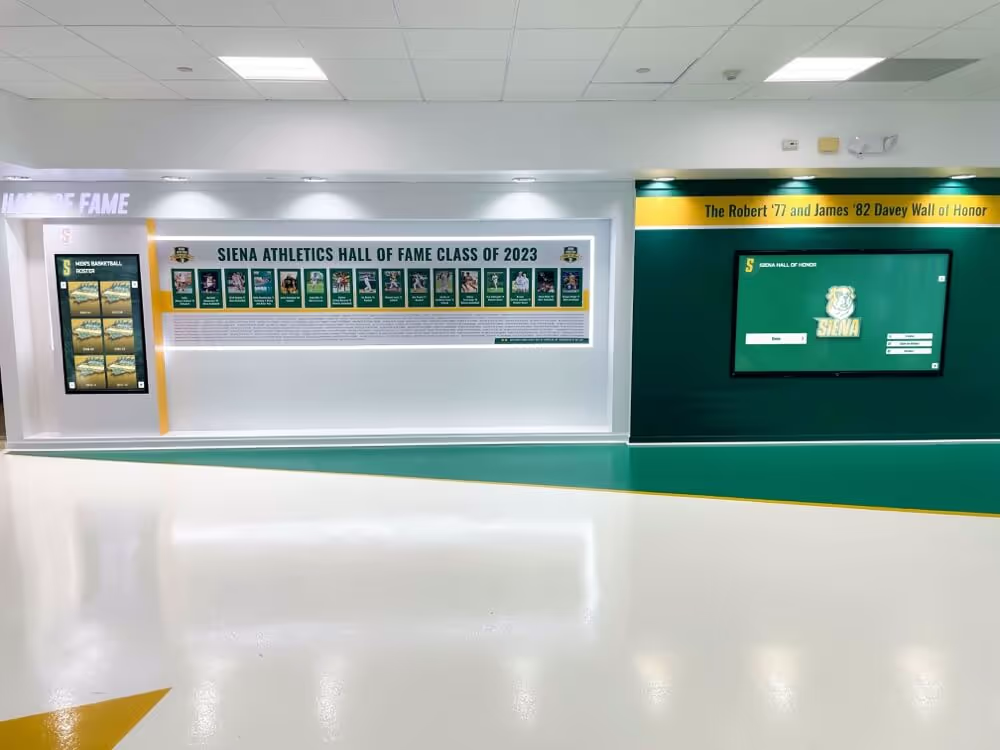
Effective booster club events create visible celebrations that honor supporters while building community pride in athletic programs
Understanding the Strategic Purpose of Booster Club Events
Before exploring specific event ideas, understanding what makes booster club events effective helps organizations design activities aligned with their unique community dynamics and program needs.
Why Events Matter Beyond Fundraising
While generating revenue remains a primary objective, the most successful booster club events accomplish multiple strategic goals that compound over time:
Building Personal Connections
Digital communications and online giving platforms provide convenient ways to support programs, but events create face-to-face interactions that transform transactional relationships into personal commitments. When donors meet coaches, watch student-athletes they support, and connect with other community members who share their values, they develop emotional investments in program success that sustain giving through multiple seasons.
Research in nonprofit fundraising consistently demonstrates that donors with personal connections to organizations give more generously, continue supporting longer, and recommend programs to others more frequently than those who maintain purely financial relationships. Events provide the engagement opportunities that build these valuable connections.
Creating Shared Experiences and Memories
Well-executed events generate positive memories that become part of community identity and family traditions. When supporters attend the same annual golf tournament, banquet, or recognition ceremony year after year, these experiences create continuity that helps programs weather leadership transitions, coaching changes, budget challenges, and other inevitable disruptions.
Families remember celebrating their student-athlete at an awards night for years afterward. Business sponsors develop relationships with other community leaders at networking events. These shared experiences build social capital that extends far beyond single transactions.
Demonstrating Program Impact and Value
Events provide natural opportunities to showcase what booster club support makes possible—new equipment, facility improvements, expanded travel schedules, additional coaching support, and enhanced athletic experiences that would be impossible without community contributions.
When supporters see tangible results from their investments displayed at recognition events, featured at award ceremonies, or utilized during competitions, they gain confidence that their contributions create meaningful impact rather than disappearing into general budgets.
Recruiting New Supporters and Volunteers
Every event participant represents a potential advocate who might recruit friends, family members, and business colleagues to support programs. Events that create positive experiences naturally generate word-of-mouth promotion that expands supporter bases organically through trusted peer recommendations rather than impersonal marketing messages.

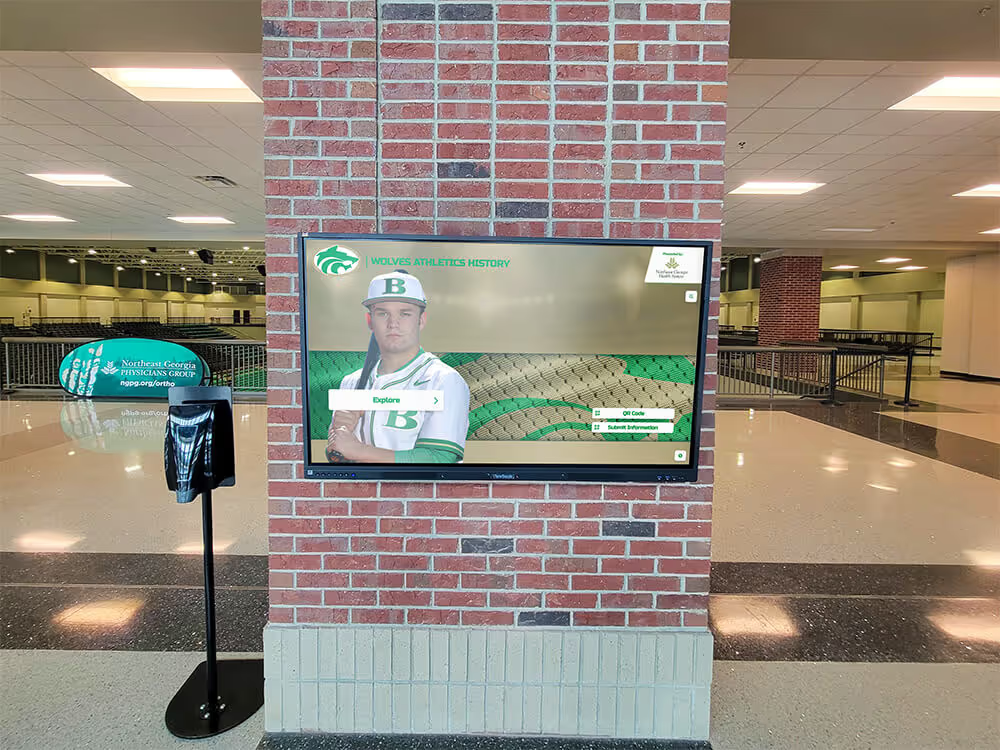
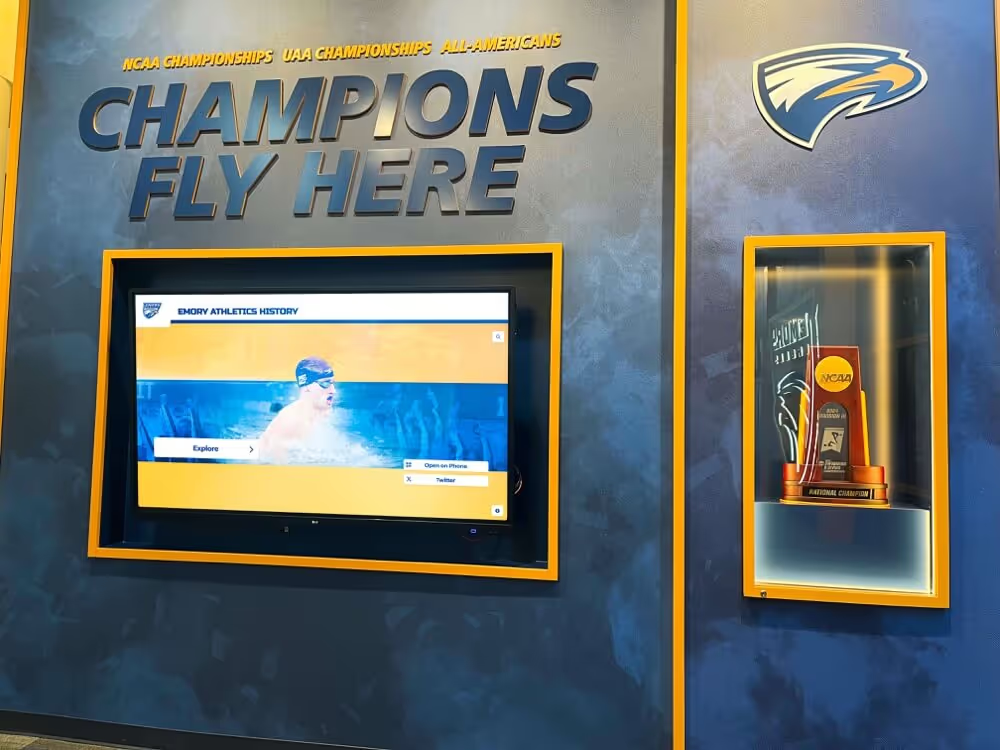
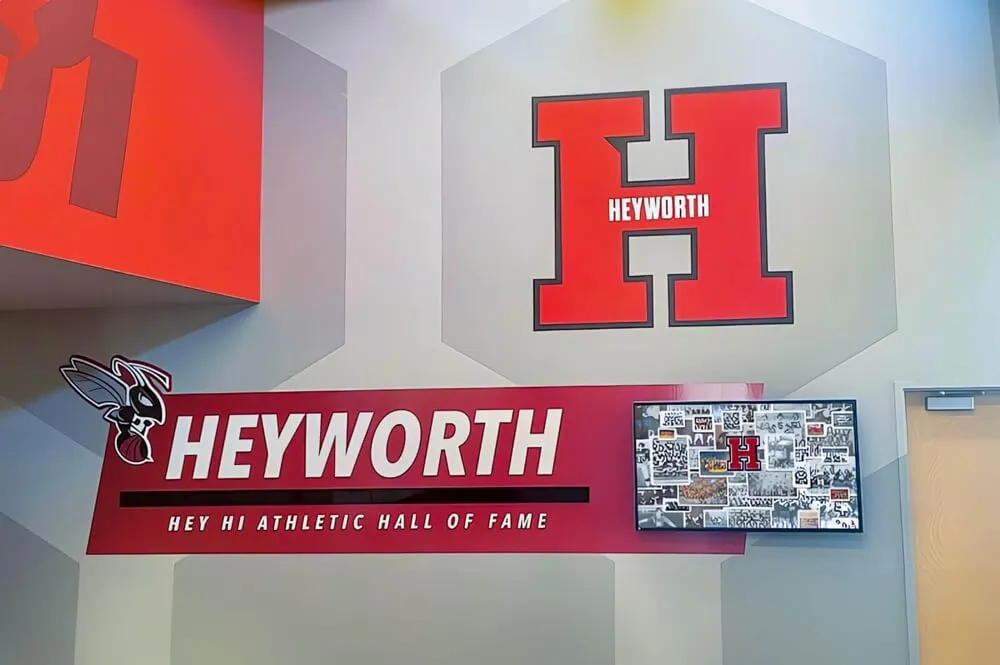
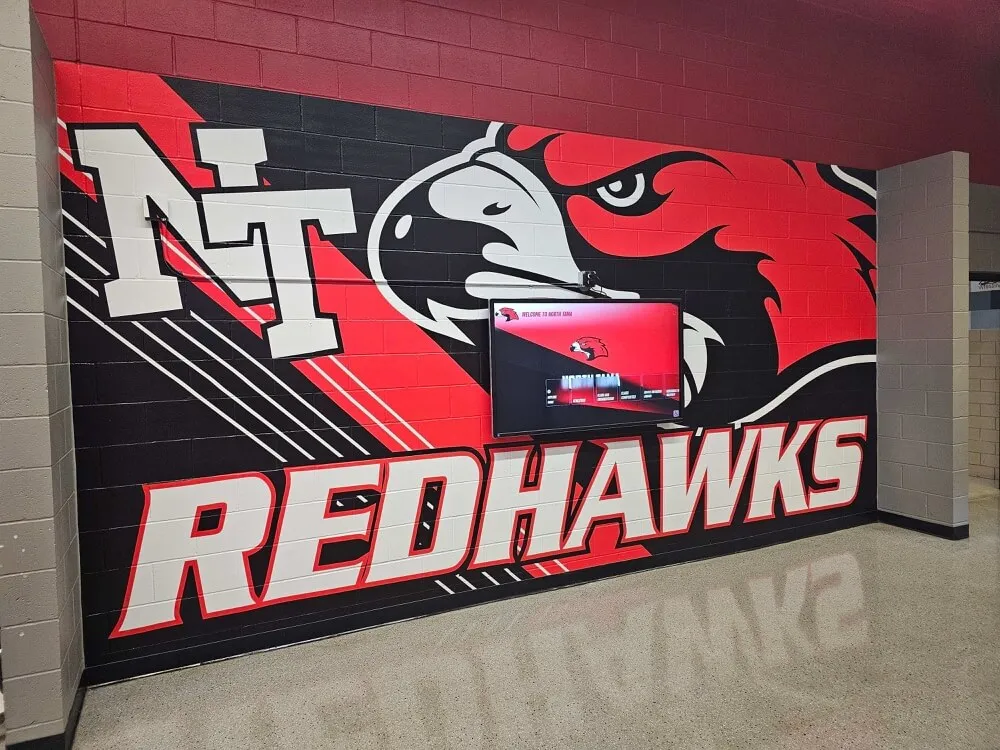
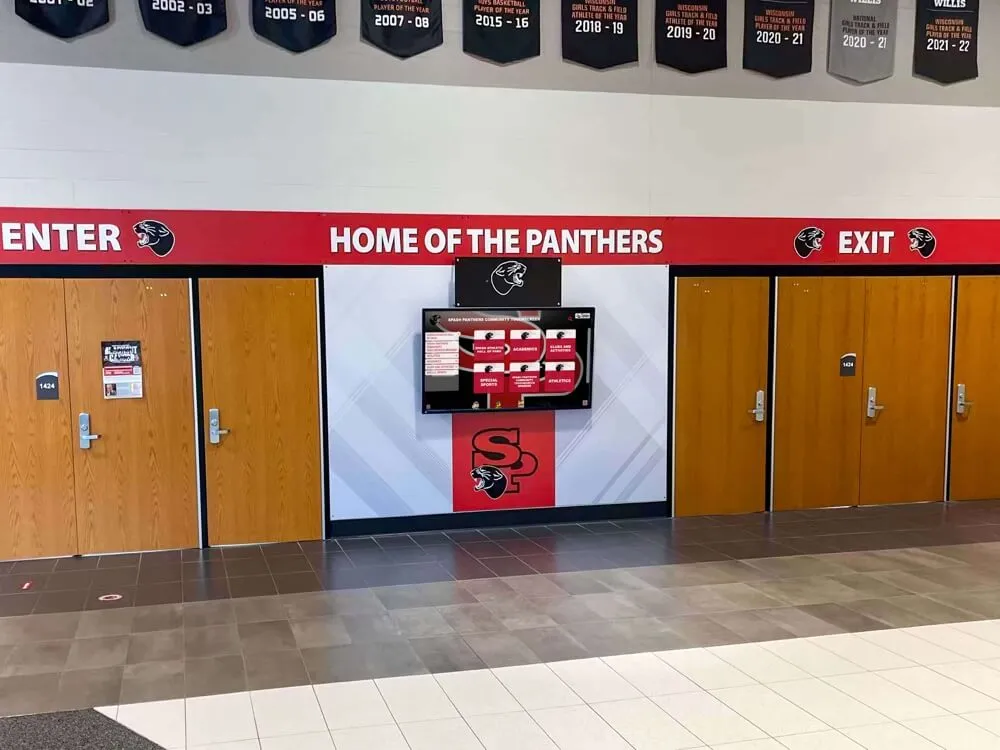
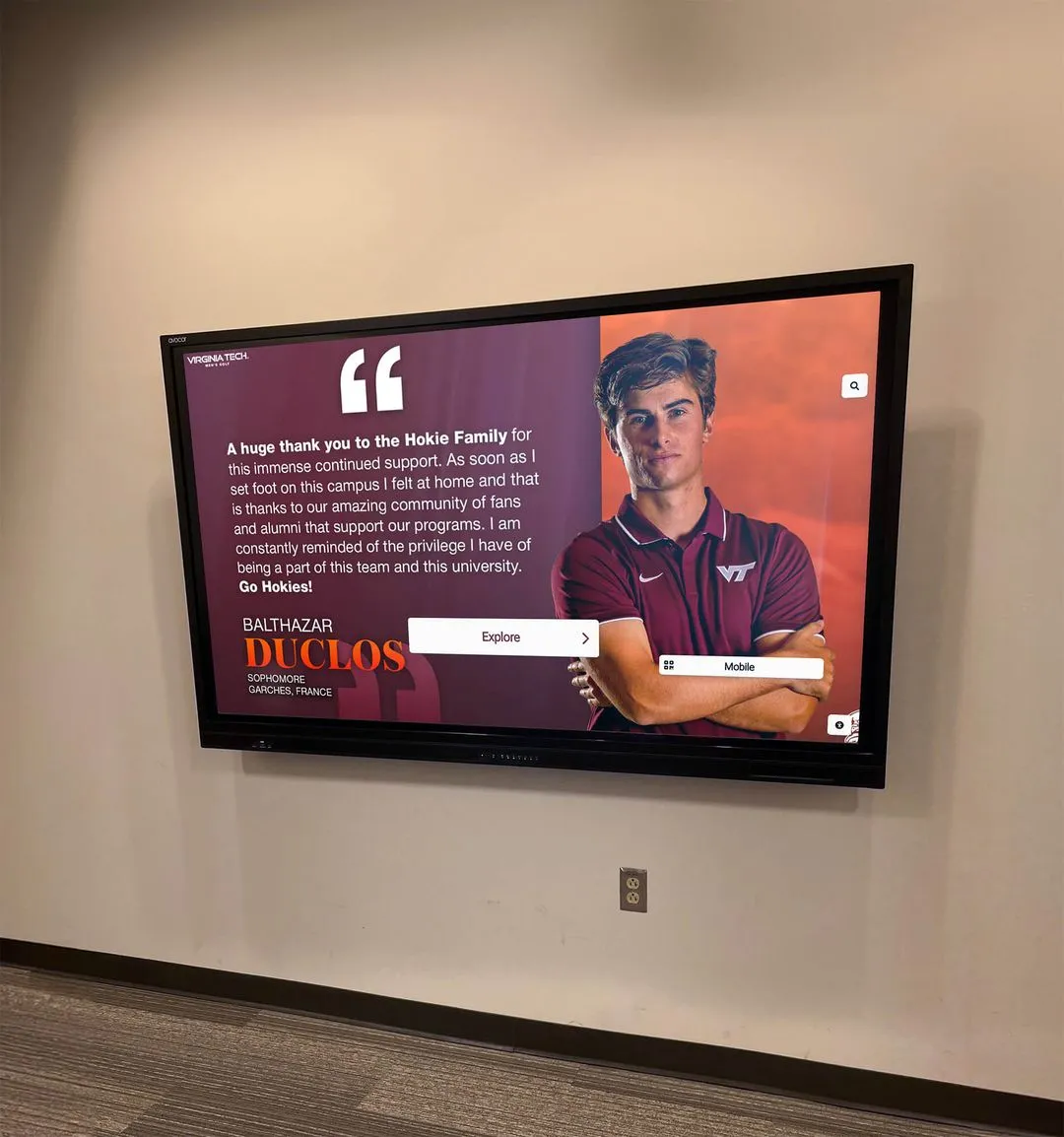
Recognition events showcase athletic excellence while celebrating the community support that makes achievement possible
The Three Pillars of Effective Booster Club Event Programming
Successful booster clubs maintain balanced event calendars addressing three distinct but complementary purposes:
Revenue-Generating Fundraising Events
These activities exist primarily to generate net revenue supporting program operations. Success metrics focus on dollars raised per participant, net revenue after expenses, return on volunteer time invested, and year-over-year growth. While these events may include elements that build relationships or provide recognition, their primary purpose remains financial.
Recognition and Celebration Events
These gatherings honor student-athletes, celebrate achievements, acknowledge supporters, and demonstrate appreciation for everyone who makes programs successful. While they may include fundraising components like silent auctions or program advertisements, their primary value lies in building goodwill, inspiring continued support, and creating positive program visibility. Success metrics emphasize attendance, participant satisfaction, recognition coverage, and impact on subsequent giving.
Community-Building and Engagement Events
These activities exist primarily to expand awareness, recruit new supporters, build program identity, and maintain year-round visibility. They may generate modest revenue and include recognition elements, but their core purpose involves community engagement and relationship development. Success metrics focus on new participant recruitment, community reach, volunteer development, and program awareness growth.
Most effective events incorporate elements from multiple categories. A golf tournament generates substantial revenue while providing networking opportunities and recognizing sponsors. An awards banquet celebrates athletes while raising funds through advertising and inspiring donors through impact demonstrations. The key involves clearly identifying primary purposes while designing complementary elements that advance multiple objectives.
Fundraising Events That Build Community While Generating Revenue
The most profitable booster club events balance revenue generation with community engagement, creating activities that feel like celebrations rather than obligation-driven fundraisers.
Annual Sports Tournaments and Athletic Competitions
Athletic competitions aligned with your program focus create natural engagement while generating substantial revenue through multiple income streams.
Golf Tournaments
Golf tournaments consistently rank among the highest-revenue booster club fundraising events when properly structured. Successful tournaments generate revenue through:
- Entry fees: $100-200 per golfer ($400-800 per foursome)
- Hole sponsorships: $250-1,000 per hole (18 holes = $4,500-18,000)
- Putting contest and skills challenges: $10-25 per entry
- Silent auctions during post-round meals
- Beverage cart sponsorships: $500-2,000
- Corporate title sponsorships: $5,000-15,000
Well-organized 18-hole tournaments with 36 teams can generate $30,000-70,000 in net revenue when sponsorship cultivation and auction planning receive proper attention. Partner with golf courses offering fundraising packages that include discounted green fees, meals, and tournament coordination assistance to minimize volunteer workload while maintaining profitability.
Organizations report that establishing tournaments as annual traditions improves results year over year as sponsor relationships develop, participation becomes habitual, and auction procurement becomes more sophisticated.
5K Runs and Walk-a-Thons
Running events combine entry fees with pledge-based fundraising while building broad community participation. Revenue sources include race entry fees ($25-40 per participant), corporate sponsorships for race materials and prizes, vendor booth fees for health and wellness businesses, and team challenge competitions with entry fees.
Discover comprehensive approaches to senior night celebrations that honor graduating athletes while building community support.
Alternative Tournament Options
If golf doesn’t suit your community demographics or venue availability, consider bowling tournaments with similar sponsorship structures, pickleball or tennis tournaments requiring less time commitment, cornhole tournaments with minimal setup requirements, or basketball three-point shooting competitions.
The key involves selecting activities that match your community’s interests while providing multiple sponsorship opportunities and attracting participants beyond just current booster club members.
Banquets and Formal Recognition Dinners
Well-executed banquets serve dual purposes as both fundraising events and recognition celebrations that strengthen community connections to programs.
Ticketed Award Ceremonies with Silent Auctions
Annual sports banquets generate revenue through ticket sales covering meal costs ($30-75 per person) while silent auctions provide net fundraising revenue. Successful auctions feature 30-60 items including:
- Professional sports memorabilia and signed equipment
- Vacation packages and weekend getaway experiences
- Restaurant, entertainment, and retail gift certificates
- Themed baskets (spa packages, grilling supplies, wine collections)
- High-value items from local businesses and national donors
Organizations report that properly planned banquet auctions generate $15,000-40,000 in net revenue while creating memorable recognition experiences families treasure for years. The dual-purpose nature makes these events particularly valuable for building donor relationships while generating funds.
Program Books with Advertising and Sponsorship
Banquet programs create additional revenue through full-page sponsor recognition ($500-1,500), half-page business advertisements ($250-750), quarter-page family congratulations ads ($100-250), and individual message space ($25-75).
Programs with 50-100 pages of sponsored content generate $12,000-35,000 in revenue while creating keepsakes families preserve alongside trophies and team photos. These programs also provide year-round marketing value for business sponsors, making them attractive advertising opportunities beyond single-event visibility.
Learn how football banquet planning creates meaningful recognition celebrations that double as effective fundraising events.
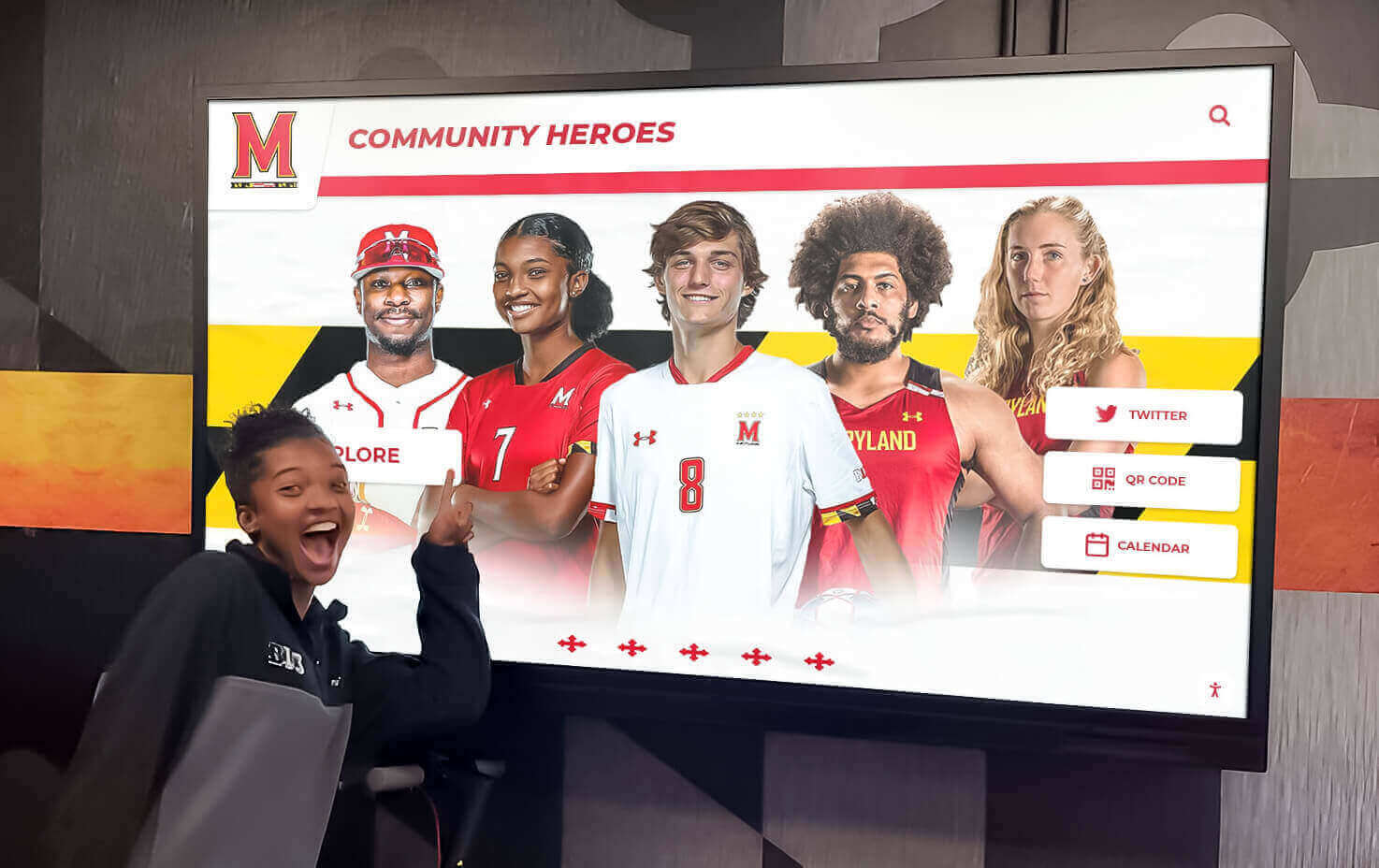
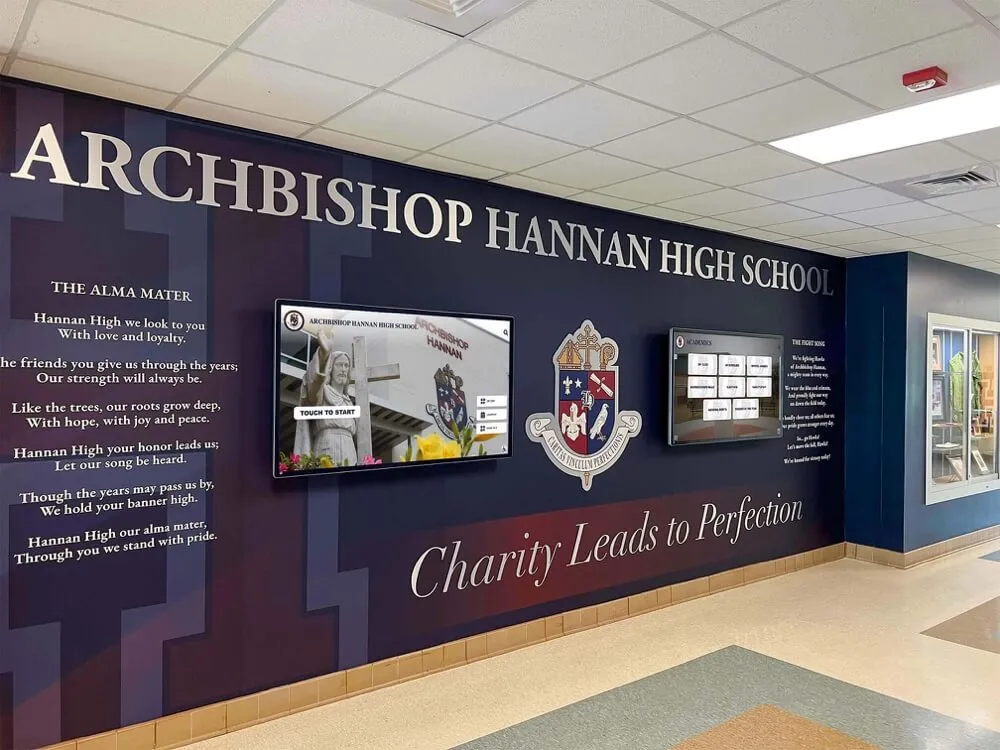
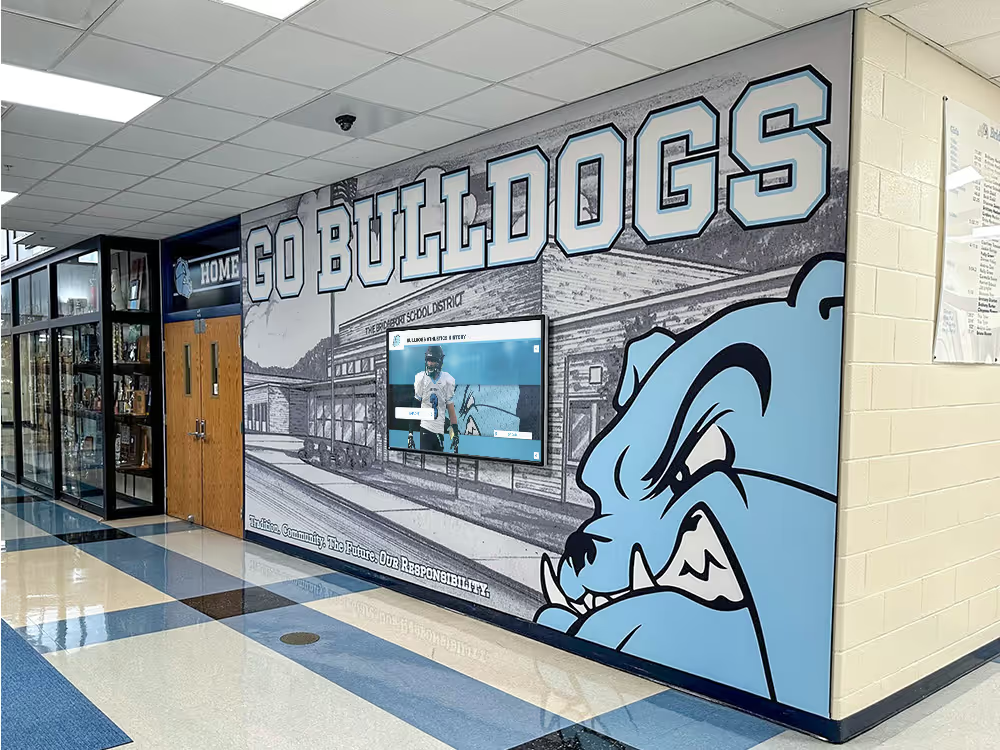
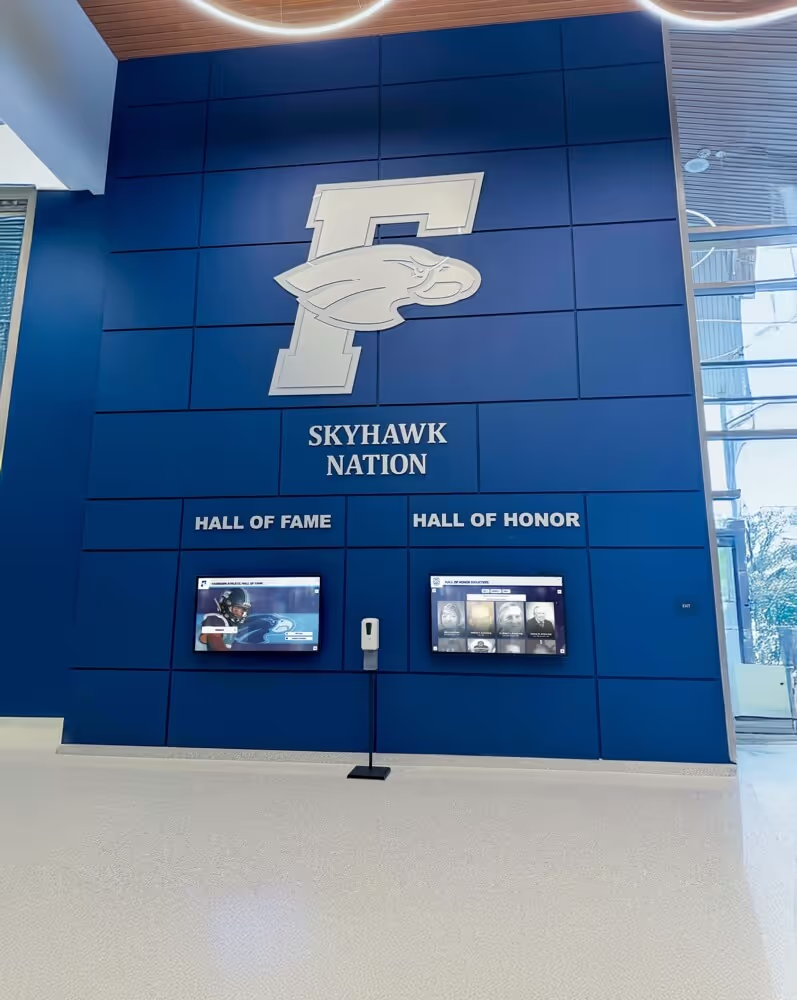
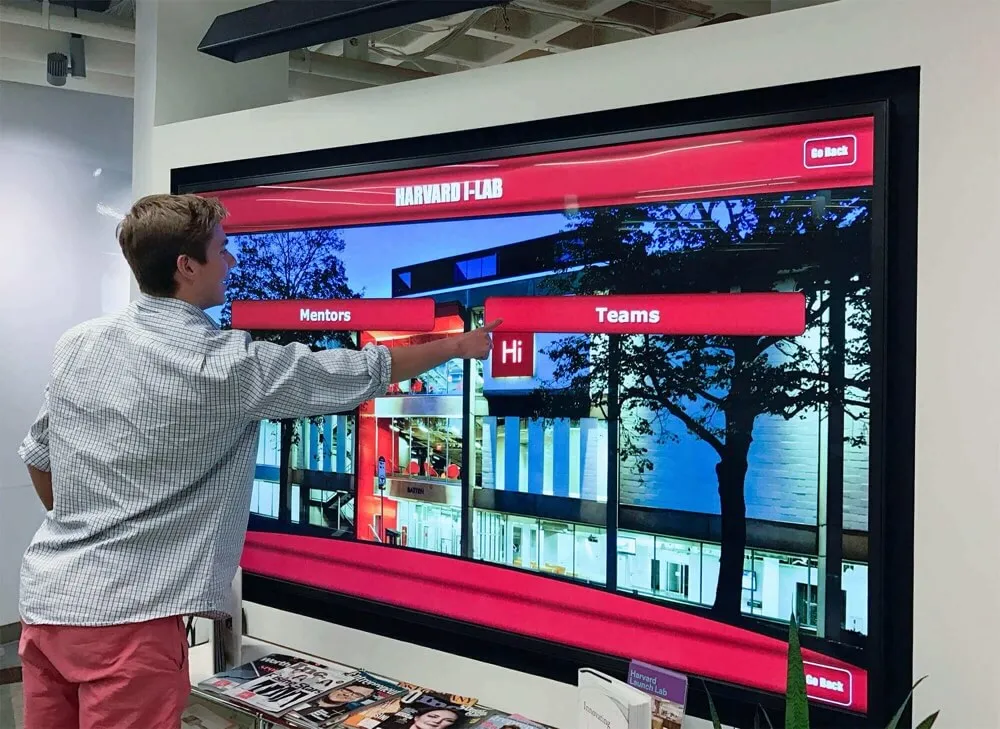
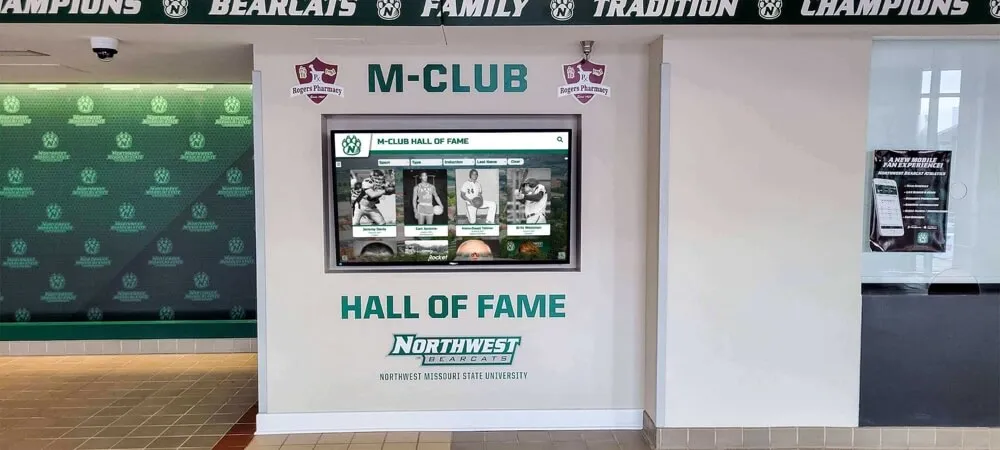
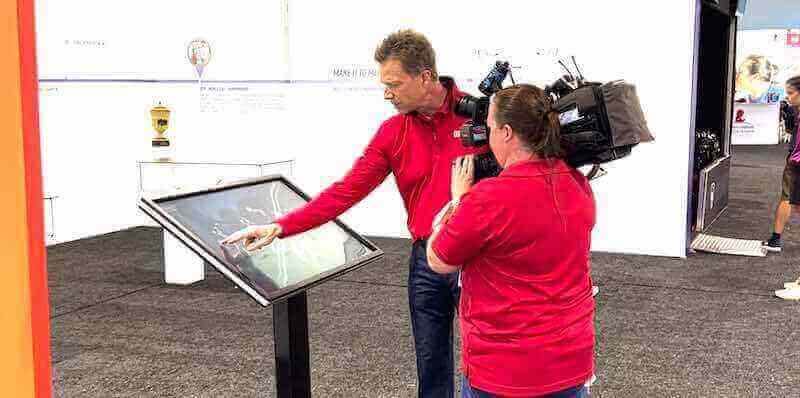
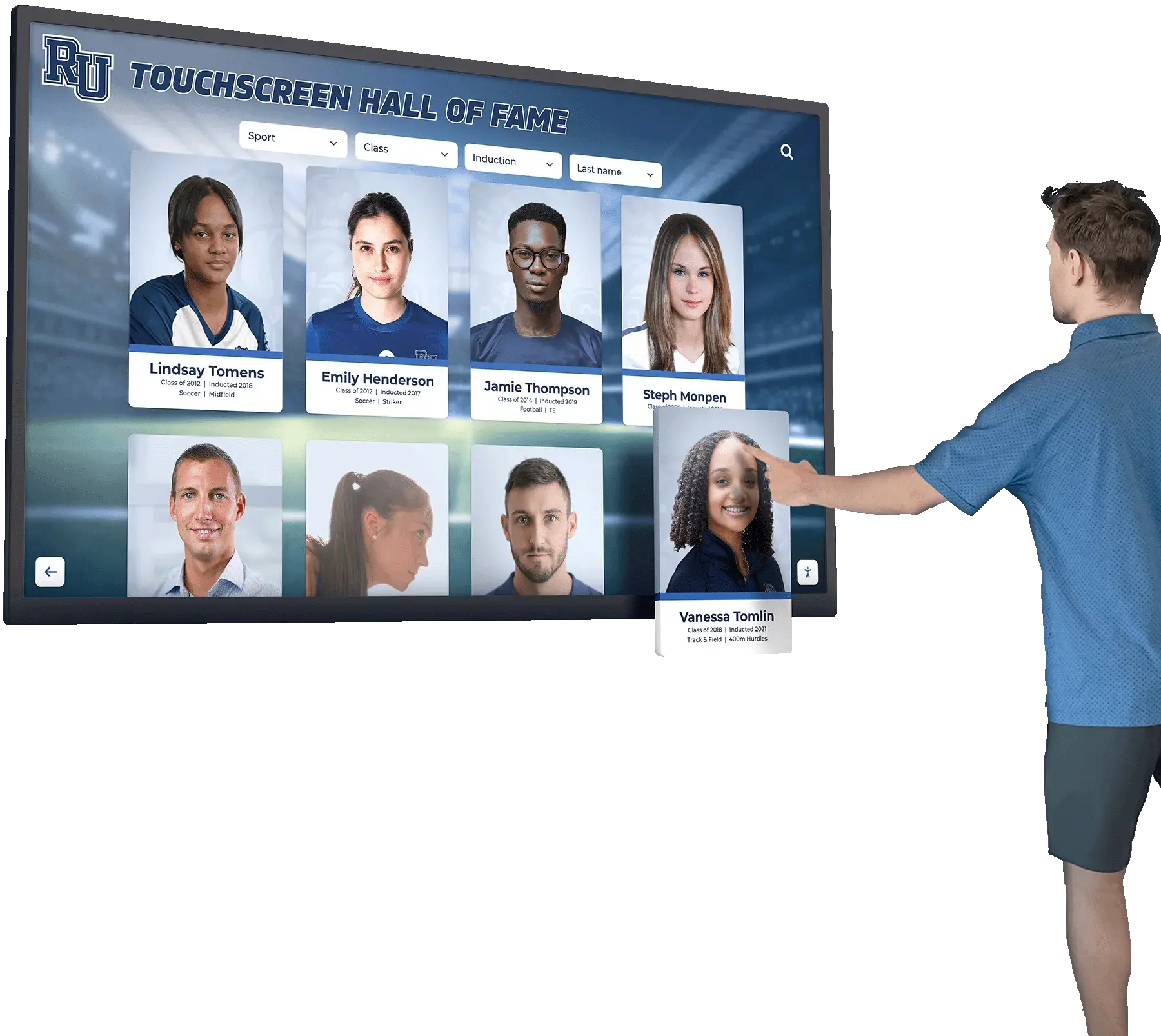
Interactive displays at events engage attendees while showcasing program achievements and supporter contributions
Seasonal Community Events and Festivals
Community-wide events aligned with seasonal traditions build broad participation while generating revenue through multiple small-scale income streams.
Fall Festival and Homecoming Celebrations
Pre-game tailgate events and homecoming festivals create festive atmospheres generating revenue through food and beverage sales ($5-15 per person), spirit wear and merchandise tables, 50/50 raffles and prize drawings, carnival games and children’s activities ($2-5 per activity), and vendor booth rentals ($50-200 per booth).
These events build program visibility among families who may not typically engage with athletics while creating casual entry points for new supporter recruitment.
Holiday and Winter Events
Seasonal celebrations aligned with community traditions including pancake breakfasts with Santa ($8-15 per family), holiday craft fairs with vendor booth rentals, Christmas tree or wreath sales with delivery services, holiday tournament hosting fees from visiting teams, and seasonal photo opportunities with professional photographers.
Winter events maintain program visibility during off-seasons while building year-round community connections rather than limiting booster club presence to specific sport seasons.
Spring and Summer Activities
Warm weather enables outdoor events through outdoor movie nights in stadium parking lots ($5-10 admission plus concessions), pool parties or swim meets at local facilities, car shows combining entry fees with spectator donations, and food truck festivals collecting vendor fees while providing community gathering opportunities.
Explore how spring sports programs leverage seasonal events to build momentum and community support.
Product Sales and Ongoing Fundraising Campaigns
While not traditional “events,” organized sales campaigns create recurring engagement opportunities and steady revenue streams between major events.
Spirit Wear and Merchandise Sales
Coordinated merchandise campaigns generate revenue while building visible program support throughout communities. Successful approaches include:
- Online team stores with print-on-demand fulfillment (no inventory risk)
- Seasonal merchandise launches before each sport season
- Senior night and championship celebration items
- Customized family apparel featuring player names and numbers
Organizations report that professional online stores generate $8,000-25,000 annually with minimal volunteer time compared to traditional order forms and bulk inventory management.
Discount Card and Coupon Book Sales
Community discount cards featuring offers from local businesses provide ongoing value for purchasers while generating immediate revenue. Cards typically sell for $10-20 with costs of $3-5 per card, creating 50-75% profit margins. Success requires recruiting sufficient participating businesses to provide compelling value that justifies purchases.
Sponsorship of Ongoing Concession Operations
Rather than organizing concessions as separate events, establishing systematic concession sponsorship programs creates reliable revenue. Approaches include named sponsorship of entire concession stands ($2,500-10,000 annually), individual menu item sponsorships (each drink station, snack category), equipment sponsorships (refrigerators, serving equipment), and supply sponsorships (all beverages, all paper products).
Recognition Events That Celebrate Achievement and Build Loyalty
Recognition events serve different purposes than fundraising activities, focusing on celebrating accomplishments, honoring supporters, and building emotional connections that inspire sustained engagement.
End-of-Season Award Ceremonies and Banquets
Beyond the fundraising aspects discussed earlier, award ceremonies provide essential recognition that validates student-athlete efforts while demonstrating program values.
Individual Achievement Awards
Comprehensive award categories recognize diverse contributions rather than limiting acknowledgment to top statistical performers. Effective categories include most valuable player and statistical leaders, most improved player recognizing growth, team leadership and captain awards, academic achievement and scholar-athlete honors, sportsmanship and character awards, and coaches’ awards highlighting qualities beyond statistics.
Discover creative student awards ideas that celebrate diverse achievements beyond traditional recognition categories.
Team Recognition and Season Highlights
Beyond individual awards, ceremony programming should celebrate team accomplishments, season highlights, memorable game moments, record-setting performances, and playoff/tournament achievements. Video highlight reels create emotional moments families remember while demonstrating what booster club support makes possible.
Booster Club Supporter Recognition
Award ceremonies provide natural opportunities to recognize major donors, long-time volunteers, business sponsors, and community supporters whose contributions made the season possible. This public acknowledgment inspires continued support while demonstrating to families that program success depends on community investment beyond just coaching and athletes.
Learn how end-of-year banquet displays create memorable recognition experiences that celebrate achievements while honoring supporters.
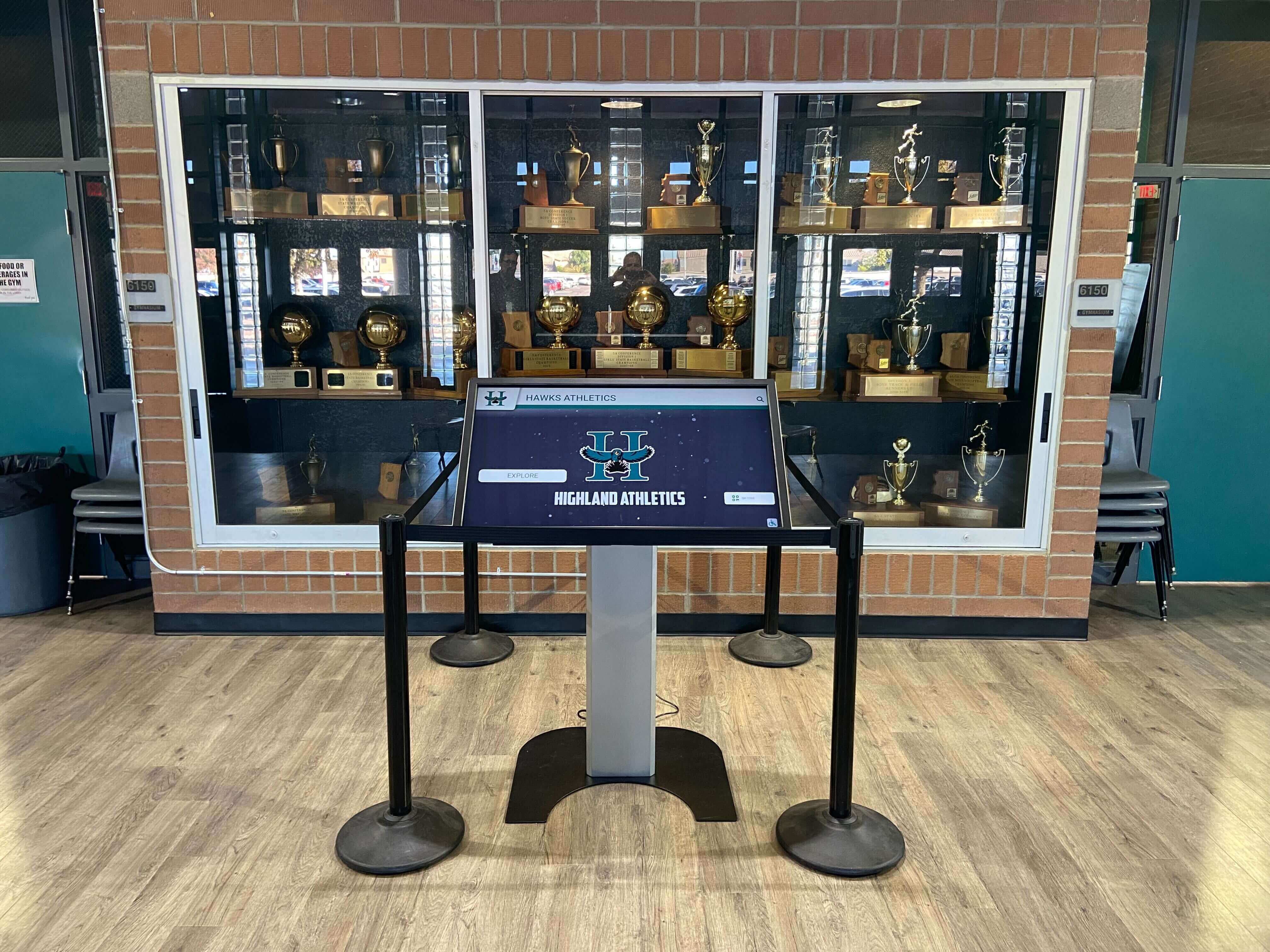
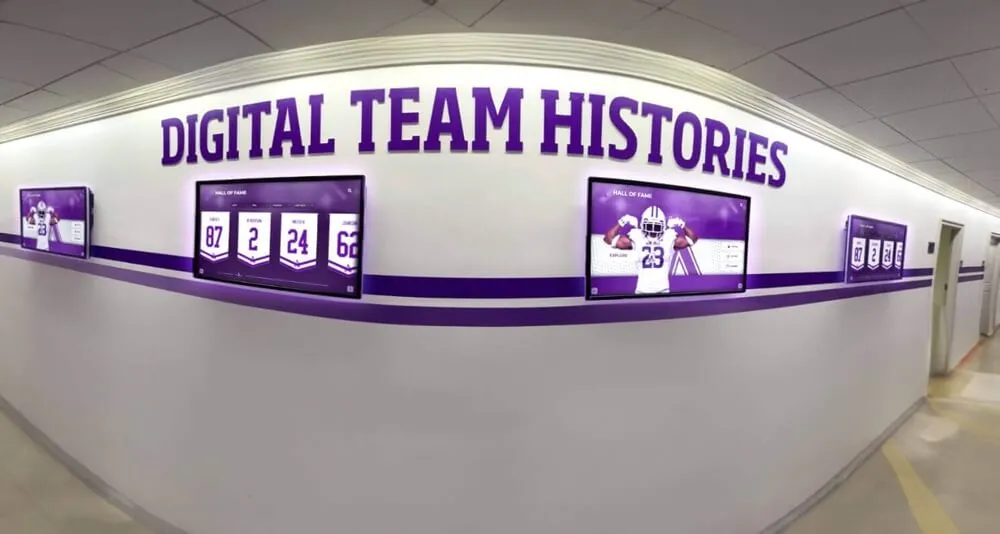
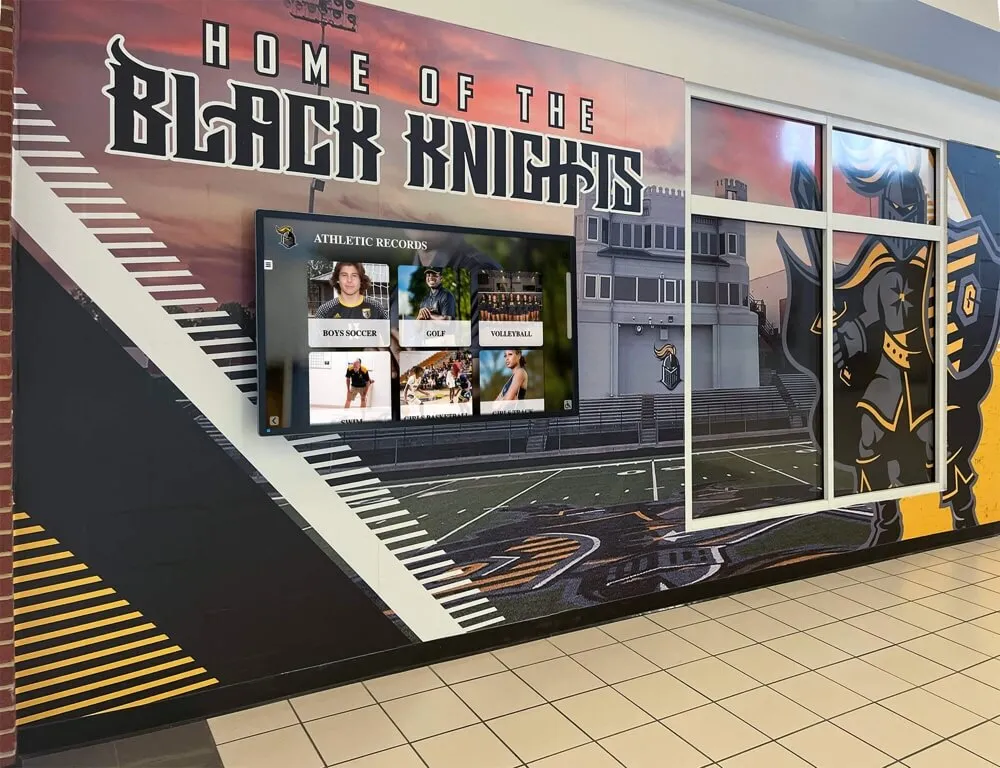
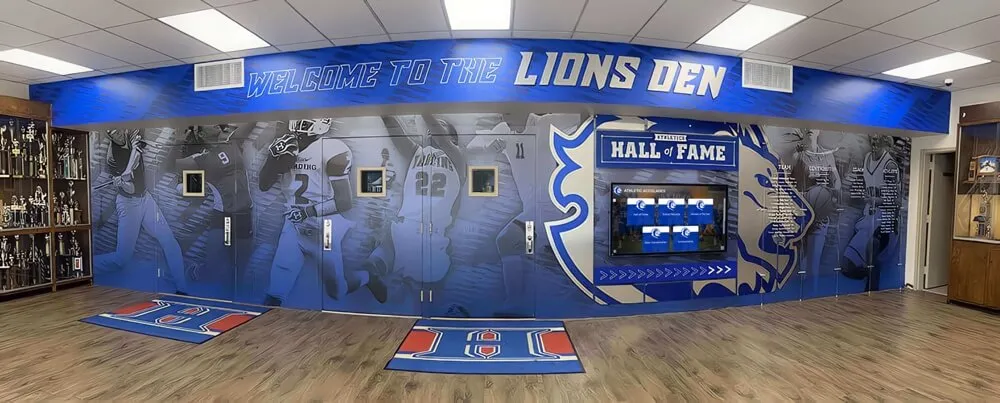
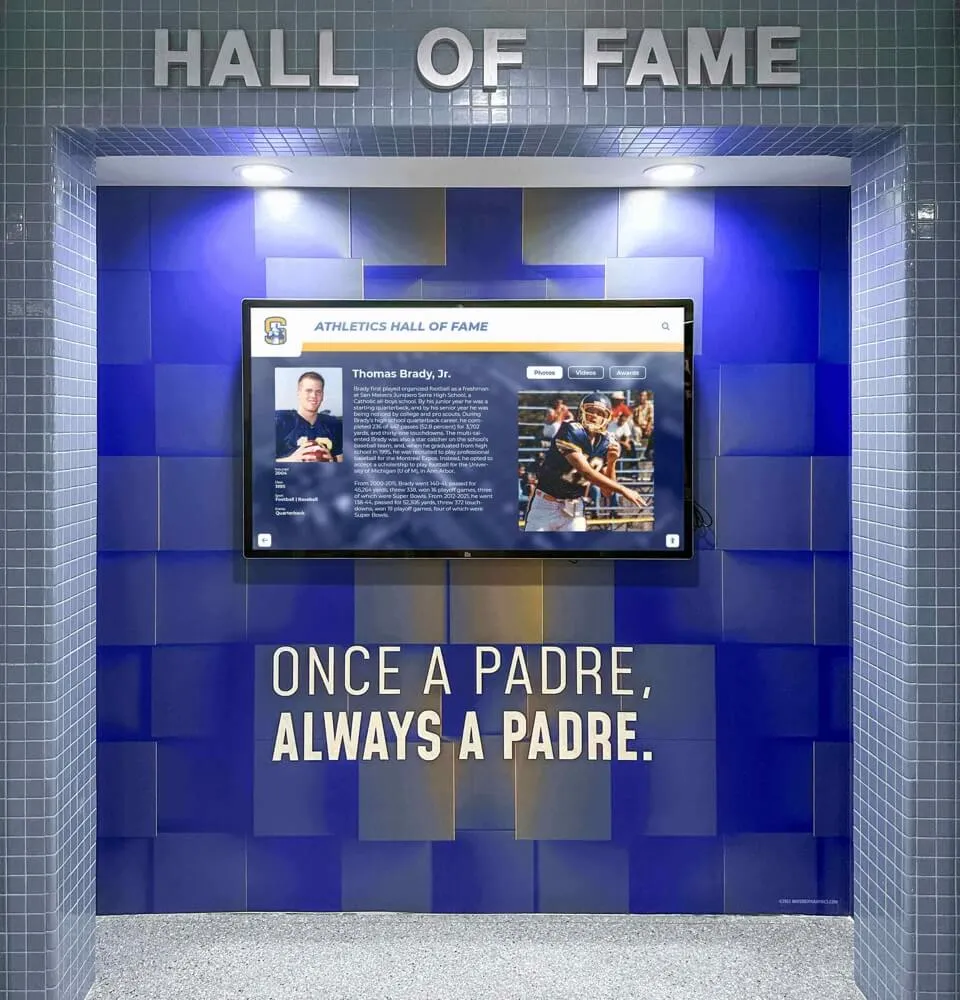
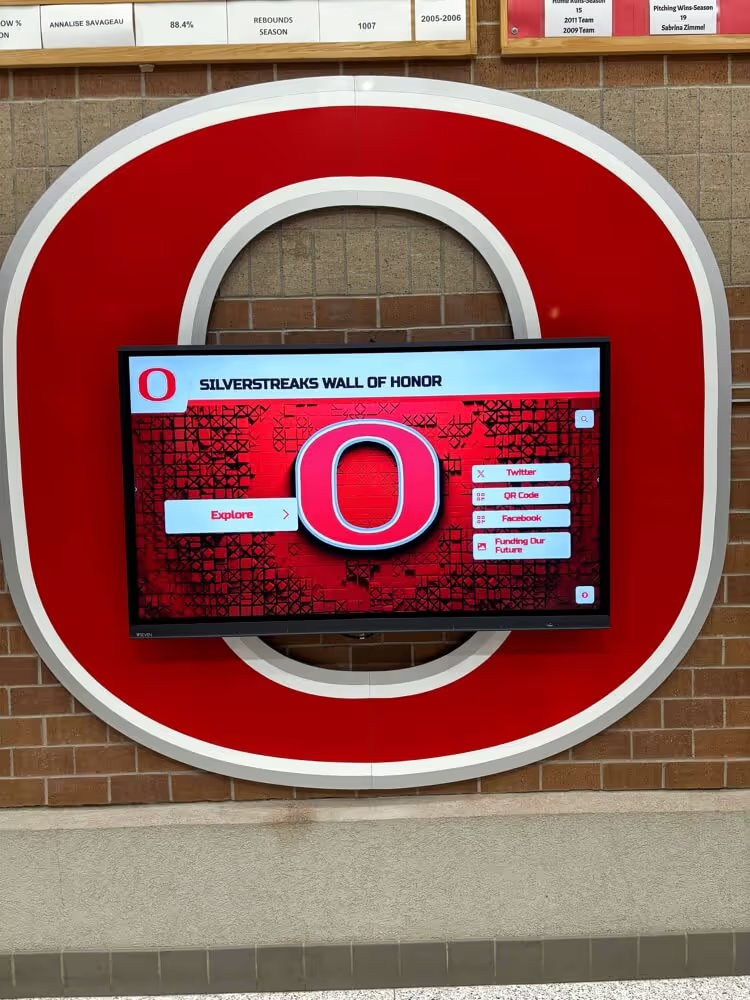
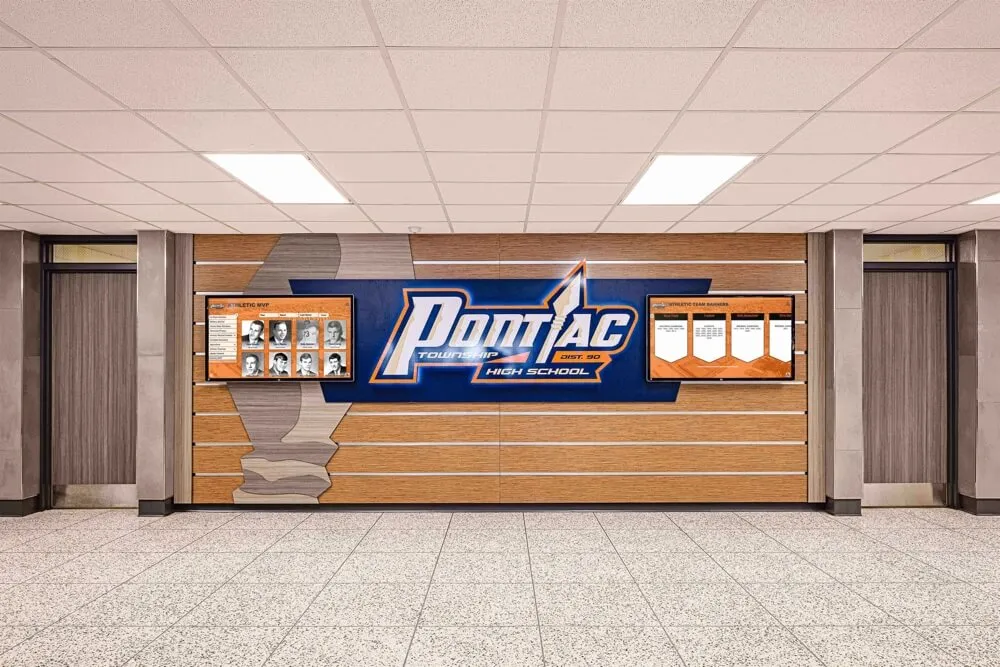
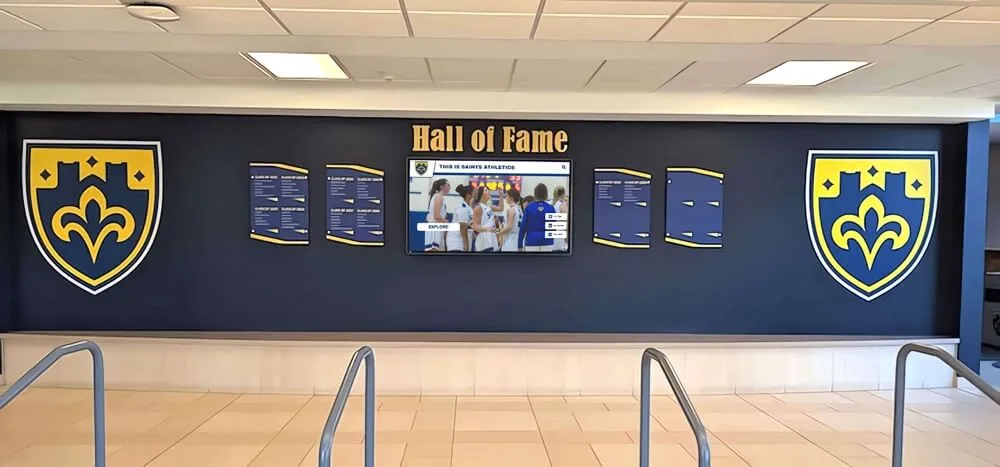
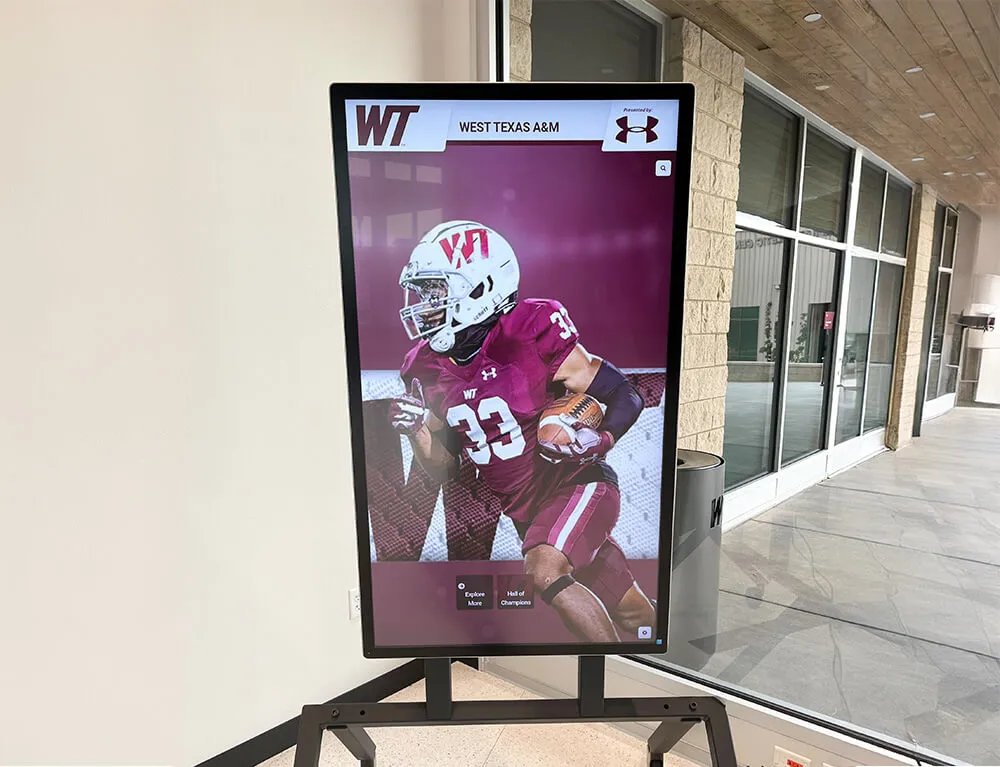
Modern recognition displays provide year-round acknowledgment that extends celebrations beyond single events
Senior Night and Graduation Recognition Events
Senior celebrations provide emotional milestone moments that create lasting memories for families while building program traditions that strengthen community identity.
Pre-Game Senior Recognition Ceremonies
Traditional senior night ceremonies honor graduating athletes through formal introductions with parents/guardians, senior accomplishment highlights and statistics, flowers/gifts presentation, photo opportunities on the field/court, and recognition of post-high-school plans.
These ceremonies provide natural opportunities for booster club president remarks acknowledging family support and community contributions while building emotional connections that inspire continued giving even after students graduate.
Senior Night Enhancements
Beyond basic introductions, memorable senior nights include personalized video tributes featuring childhood photos and career highlights, displays showcasing senior achievements and memorable moments, special commemorative items (framed jerseys, engraved awards, memory books), and post-ceremony receptions allowing extended celebration and photo opportunities.
Academic Recognition Integration
Combining athletic recognition with academic achievement acknowledgment reinforces that booster clubs support student-athletes holistically. Highlight academic honors, scholarship awards, college commitments and athletic continuation, and career technical education program completions alongside athletic accomplishments.
Supporter Appreciation and Volunteer Recognition Events
While athletes and coaches receive regular recognition, systematic acknowledgment of supporters and volunteers remains equally essential for maintaining engagement.
Annual Donor Appreciation Events
Exclusive events for donors and sponsors provide intimate recognition opportunities including facility tours showcasing improvements donors funded, meet-and-greet opportunities with coaches and athletic directors, preview presentations of upcoming season plans and goals, and informal social atmospheres building personal relationships.
These events typically avoid direct fundraising asks, focusing instead on relationship building and impact demonstration that cultivate long-term loyalty resulting in future gifts.
Volunteer Recognition Programs
Systematic volunteer acknowledgment including annual recognition events, milestone awards for years of service, featured volunteer spotlights in newsletters and social media, and small tokens of appreciation (team apparel, commemorative items) demonstrate that organizations value time contributions alongside financial support.
Organizations report that consistent volunteer recognition significantly improves retention rates and recruitment success as acknowledged volunteers become enthusiastic recruiters bringing friends and family members into booster club service.
Explore effective basketball awards ideas that can be adapted for recognition events across multiple sports.
Community-Building Events That Expand Engagement
Beyond fundraising and recognition, strategic events build program awareness, recruit new supporters, and maintain year-round visibility in communities.
Youth Engagement and Feeder Program Events
Events connecting high school programs with youth leagues and middle school athletes build early loyalty while developing future participants and supporters.
Youth Clinics and Skills Development Days
Free or low-cost clinics led by high school athletes and coaches build positive associations while introducing families to programs. Effective formats include age-appropriate skills instruction, small-group stations allowing individual attention, high school athlete mentorship creating role models, and informal Q&A sessions with coaches and players.
These events generate long-term value by building positive relationships with families years before their students reach high school, creating natural pipelines for both athlete recruitment and future booster club participation.
Middle School Recognition Programs
Honoring middle school athletes at high school events creates aspirational connections. Approaches include invitations to attend high school competitions as honored guests, recognition during halftime or pre-game ceremonies, exclusive team merchandise items, and meet-and-greet opportunities with high school athletes.
Discover comprehensive youth sports awards ideas that build early engagement with athletic programs.
Alumni Engagement Events
Former athletes represent valuable supporter populations with emotional connections to programs and often increased financial capacity compared to current families.
Alumni Games and Reunion Events
Annual alumni competitions invite former athletes to reconnect with programs while introducing current athletes to program history and traditions. Successful formats include alumni versus current team competitions (scaled appropriately for safety), multi-class reunions bringing together multiple graduating classes, milestone celebrations (10, 25, 50-year reunions), and formal hall of fame inductions.
These events build multi-generational program communities that provide stability and institutional memory beyond current participants. Alumni who remain engaged often become major donors, volunteer leaders, and influential advocates within communities.
Alumni Mentorship Programs
Structured mentorship connecting current athletes with former team members creates valuable relationships while building alumni engagement. Approaches include career day panels featuring alumni discussing post-athletic careers, one-on-one mentorship matching current students with alumni in fields of interest, networking events for students exploring college and career options, and informal social events building inter-generational connections.
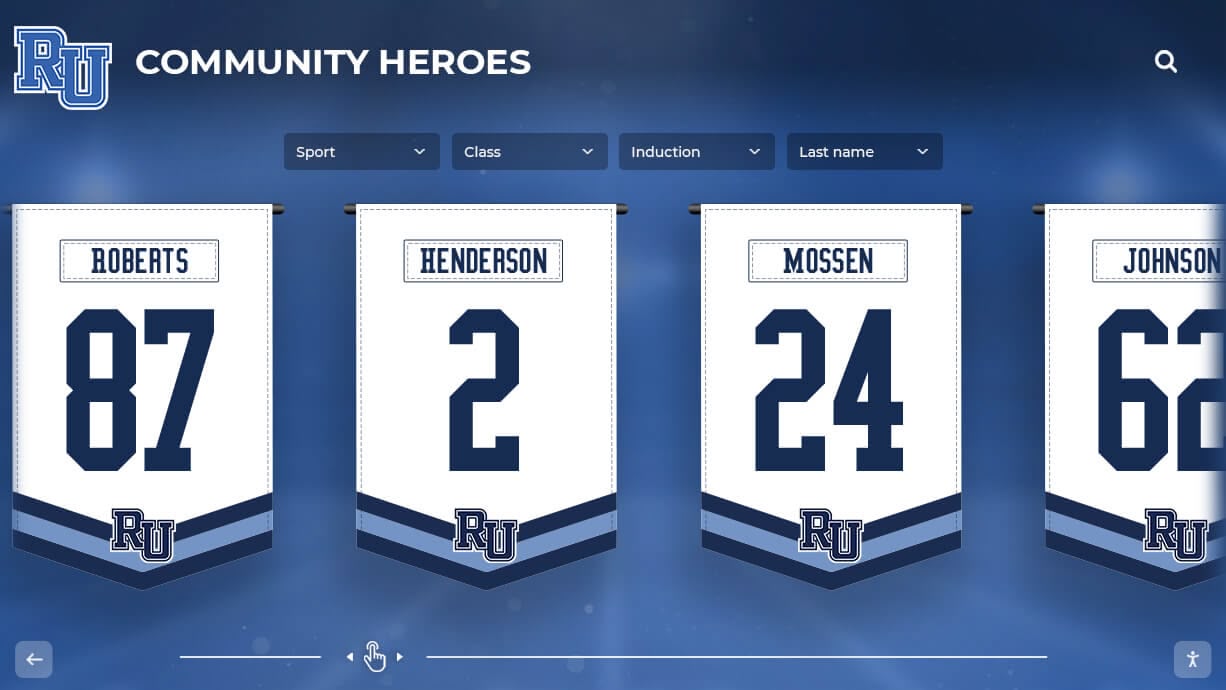
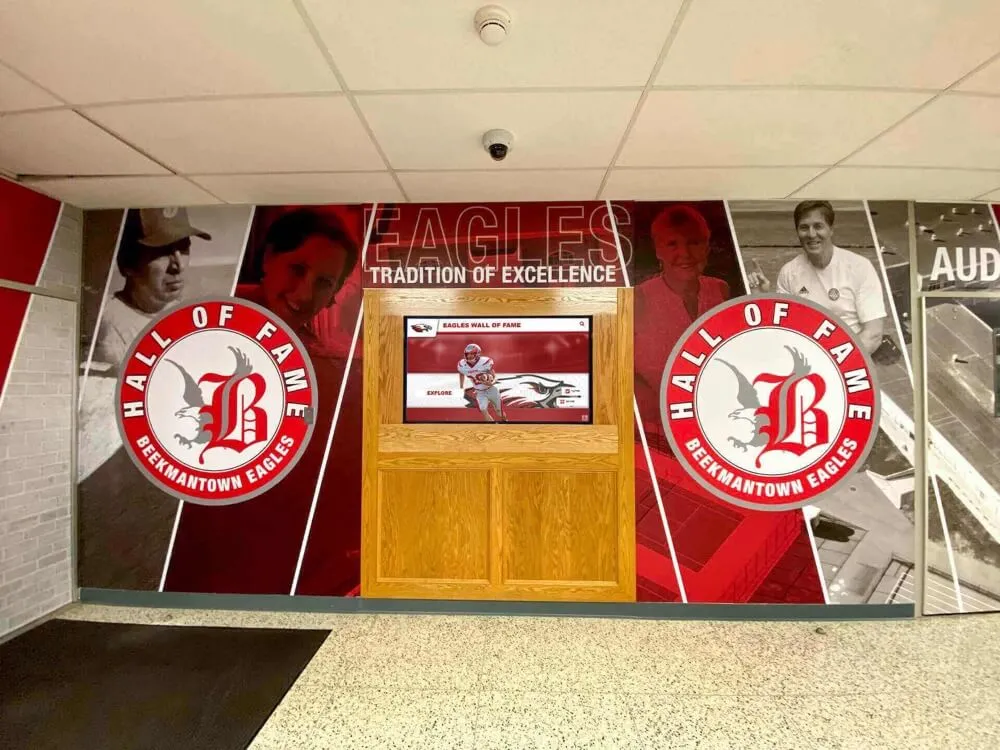
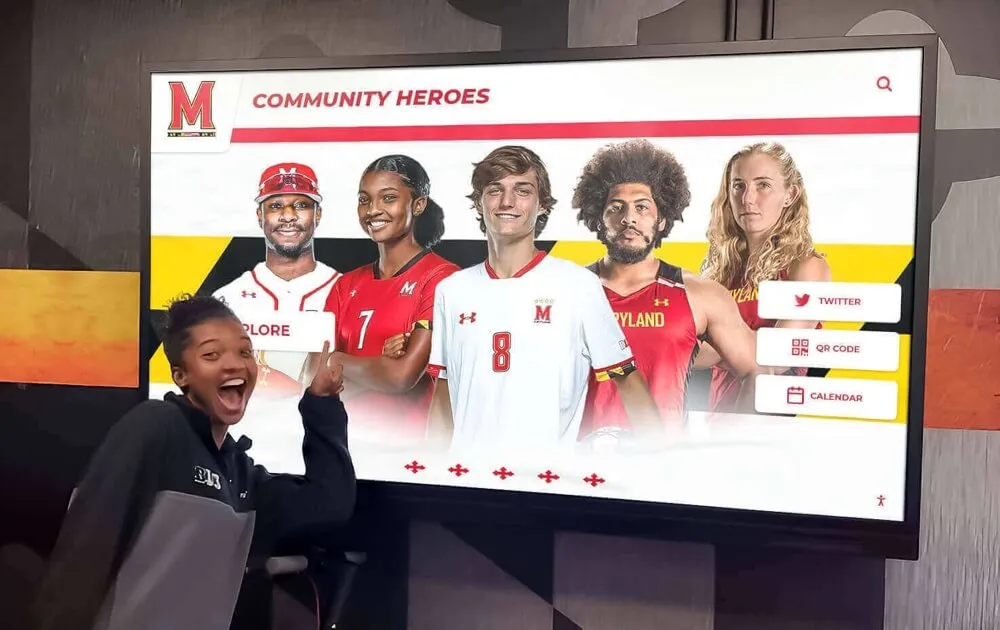
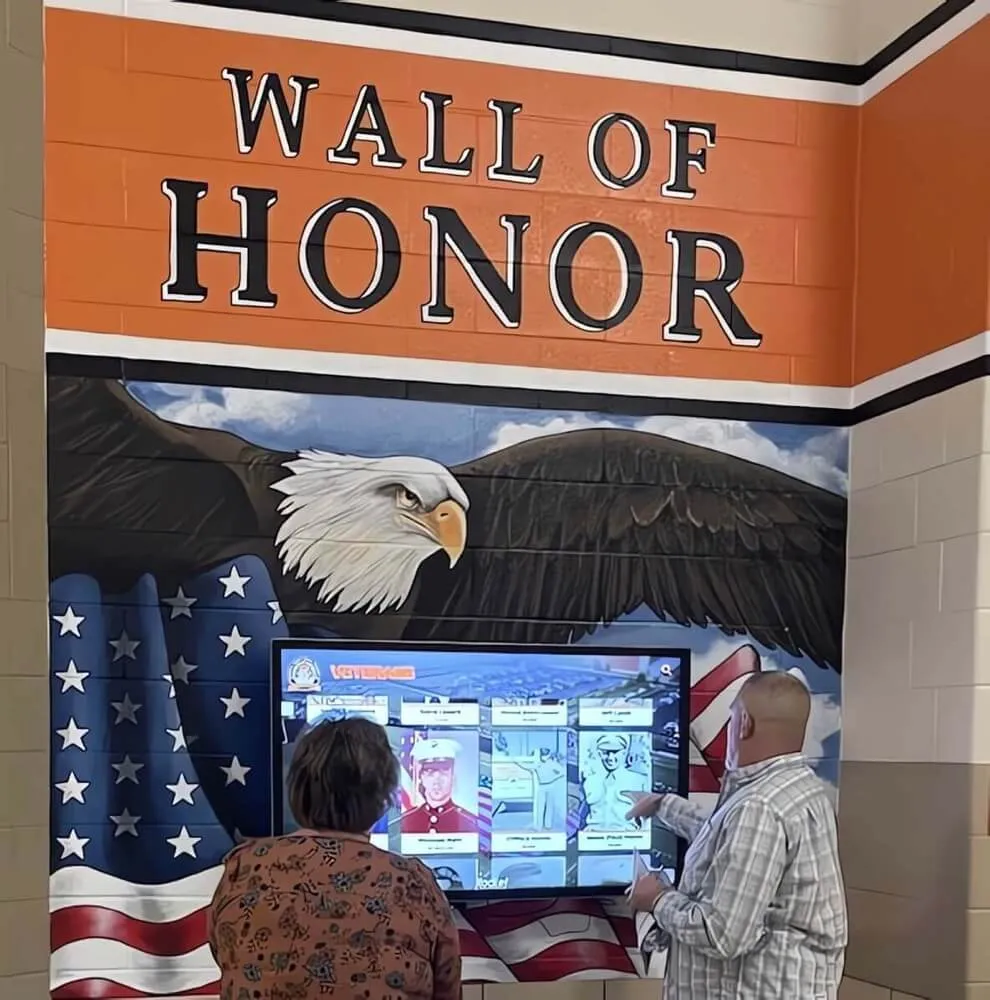
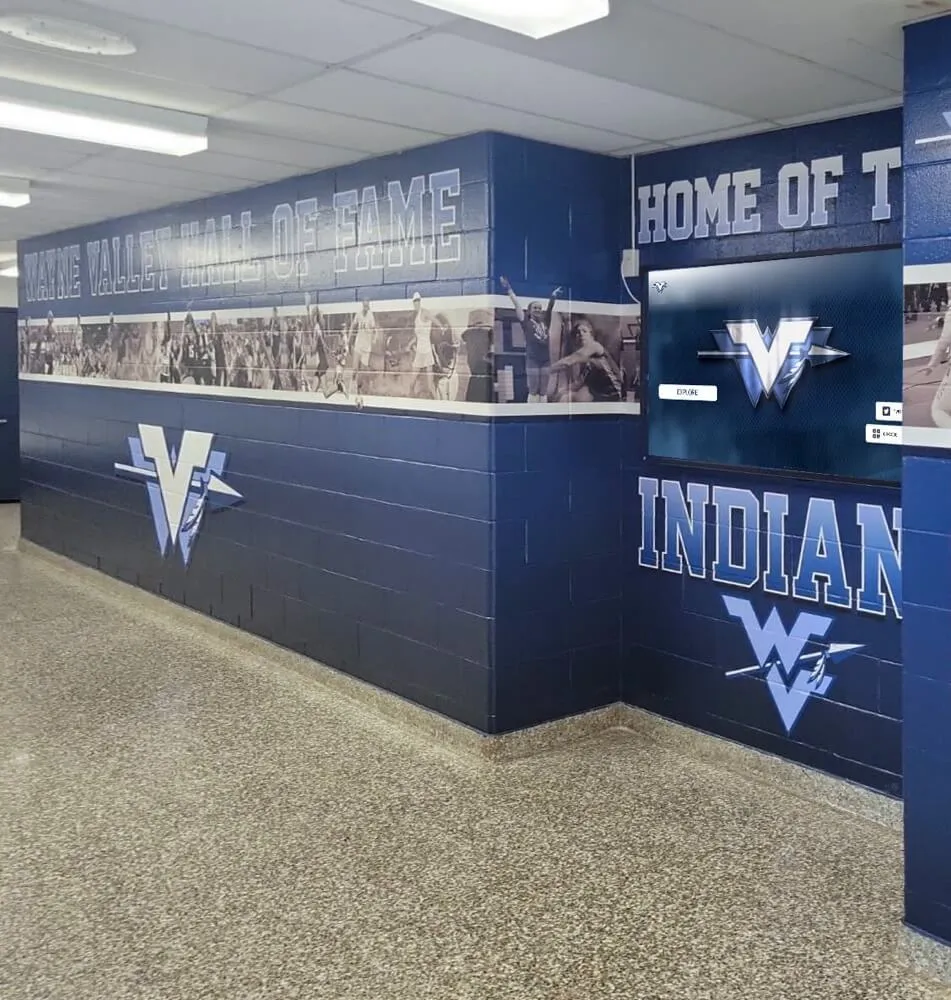
Community-wide recognition displays celebrate both athletes and supporters while building program pride across generations
Family-Friendly Social Events
Low-pressure social events build community among current families while creating welcoming environments that ease new family integration.
Pre-Season Kickoff Celebrations
Season-opening events build excitement while introducing new families to programs. Effective formats include team introductions and roster announcements, coaching staff presentations of season goals, informal social time allowing families to connect, and booster club membership drives with easy sign-up opportunities.
These events set positive tones for seasons while making booster club participation feel inclusive and accessible rather than exclusive or cliquish.
Team Building and Social Activities
Events bringing together athletes, families, and supporters through team barbecues and potluck dinners, movie nights and video game tournaments, holiday parties and seasonal celebrations, and service projects benefiting local communities build cohesion while reducing volunteer burnout by making participation feel enjoyable rather than obligatory.
Community Partnership Events
Collaborations with other organizations expand reach while building valuable institutional relationships.
Joint Events with School Organizations
Partnerships with student councils, parent-teacher associations, other booster clubs (music, theater, academic), and community service organizations share workload and costs while introducing booster clubs to new potential supporters.
Business Community Networking Events
Events designed specifically for business sponsors and potential commercial donors including business-focused networking breakfasts, corporate partner appreciation receptions, business leader advisory councils providing input on programs, and economic development organization partnerships build commercial support beyond traditional parent-based fundraising.
Planning Successful Booster Club Events: Practical Frameworks
Understanding event categories and ideas provides value only when paired with effective planning and execution frameworks.
Establishing Annual Event Calendars
Strategic event planning requires multi-year perspectives rather than reactive single-event approaches.
Creating Balanced Event Sequences
Effective annual calendars balance fundraising intensity with volunteer capacity, maintain year-round visibility without event fatigue, alternate large-scale events with smaller activities, and coordinate with academic calendars and competing community events.
Most booster clubs find optimal results with 2-3 major fundraising events annually, 4-6 medium-scale activities, and monthly small touchpoint events or communications maintaining engagement between larger gatherings.
Developing Event Traditions
Establishing signature annual events creates community anticipation and habit. Whether it’s an annual golf tournament held the same weekend each year, a traditional banquet format families expect, or seasonal events aligned with school traditions, consistency builds participation by making attendance habitual rather than requiring constant promotion and recruitment.
Building Volunteer Leadership Teams
Successful events require distributed leadership preventing volunteer burnout while developing organizational capacity.
Creating Event-Specific Committees
Rather than expecting small core groups to manage all activities, establish dedicated committees for major events including tournament committees managing golf/athletic competitions, banquet committees handling recognition dinners, sponsorship committees cultivating business relationships, and social committees organizing family-friendly activities.
Committee structures allow volunteers to contribute at comfortable levels rather than requiring year-round intensive involvement that leads to burnout.
Developing Event Documentation and Playbooks
As volunteer leadership inevitably transitions, documented planning guides ensure institutional knowledge preservation. Effective documentation includes event timelines and task lists, vendor contact information and contracts, budget templates and financial tracking systems, and lessons learned notes capturing what worked and what should change.
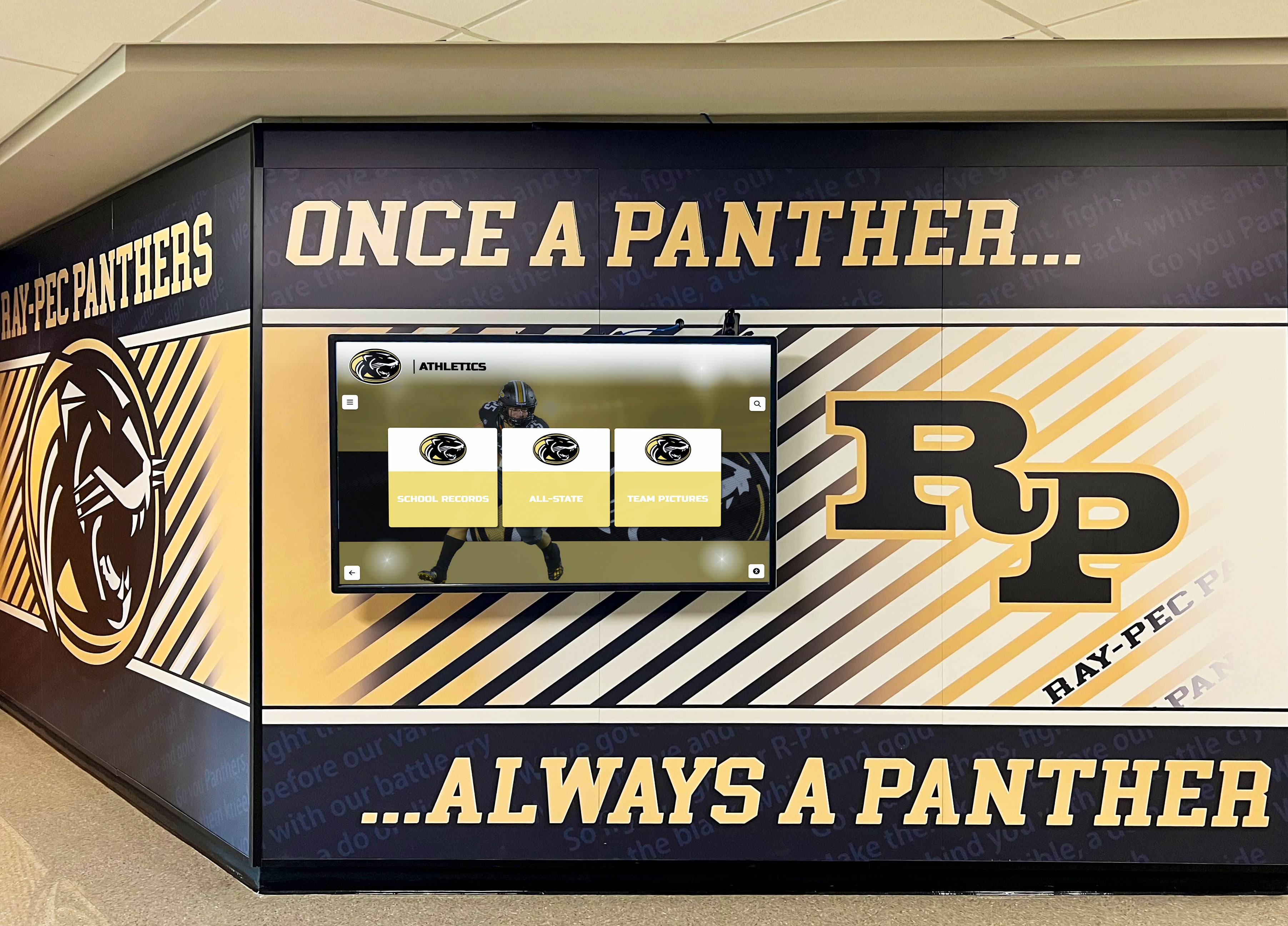
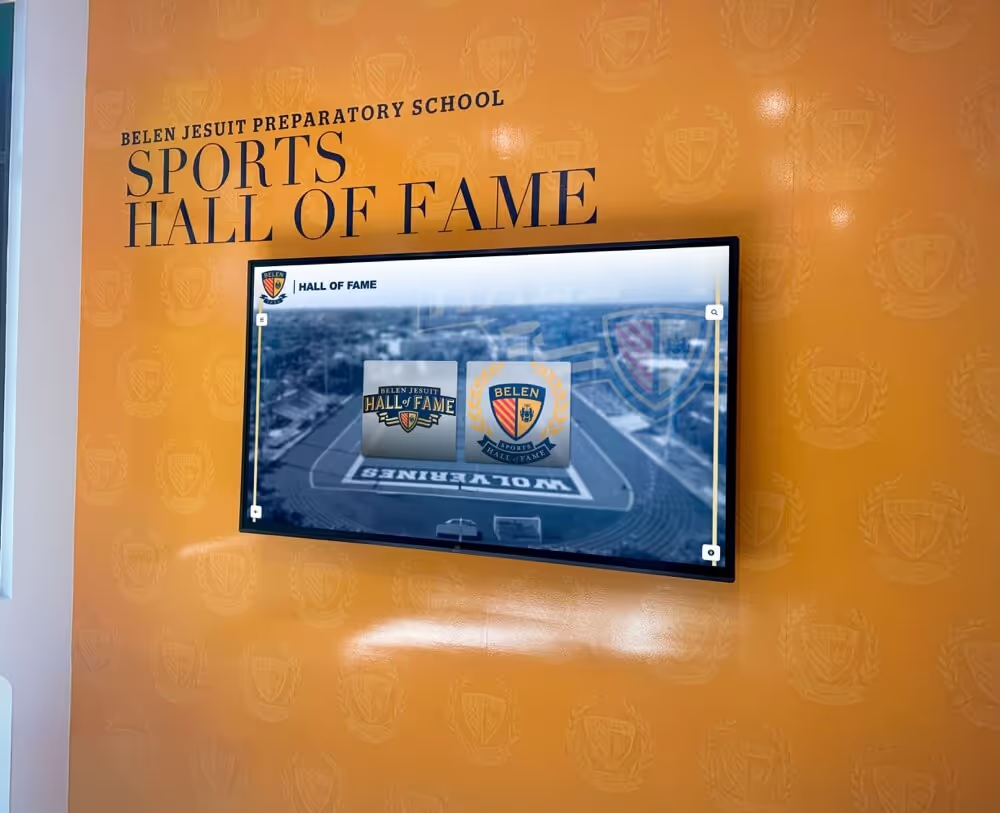
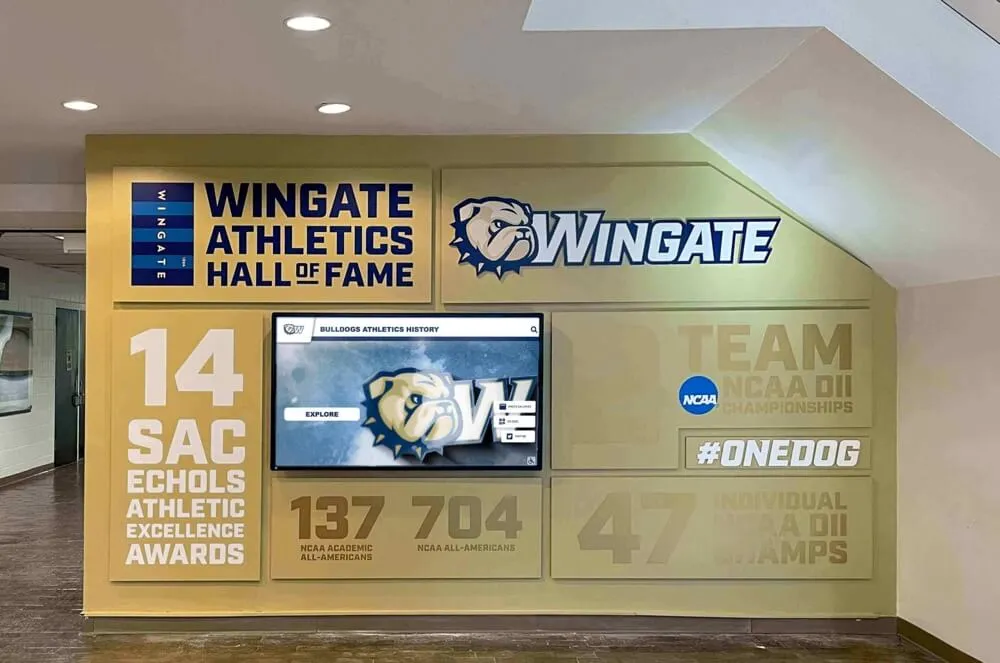
Permanent displays complement event-based recognition by maintaining year-round visibility for achievements and supporter contributions
Maximizing Event Revenue While Minimizing Volunteer Burden
The most sustainable events balance financial goals with realistic volunteer capacity.
Leveraging Professional Partners and Vendors
External partners reduce volunteer workload including event planning companies managing logistics, catering services eliminating food preparation needs, auction management platforms handling bidding and checkout, and fundraising consultants providing expertise for major events.
While these services carry costs, the increased net revenue from professional management often exceeds self-managed approaches while dramatically reducing volunteer stress.
Implementing Sponsorship-Heavy Funding Models
Events funded primarily through advance sponsorships rather than day-of revenue generation reduce financial risk and volunteer workload. When 60-80% of event revenue comes from pre-secured sponsorships, even disappointing attendance doesn’t create financial problems while volunteers can focus on participant experience rather than constant revenue maximization pressure.
Using Digital Tools for Event Management
Technology platforms streamline event administration including online registration and payment processing, digital auction platforms replacing manual tracking, email marketing automation for event promotion, volunteer coordination software managing task assignments, and fundraising platforms integrating event revenue with overall campaigns.
Digital Recognition Solutions That Extend Event Impact
While events create powerful moments of celebration and community building, their impact remains limited to specific dates and attendees. Modern digital recognition solutions amplify event-based acknowledgment through year-round visibility.
Permanent Digital Recognition Displays
Interactive touchscreen displays installed in athletic facilities provide constant recognition complementing episodic events. These solutions showcase donor recognition walls celebrating all supporters, hall of fame displays honoring achievement history, current season highlights featuring recent accomplishments, and upcoming event promotion maintaining awareness.
Unlike traditional plaques requiring expensive updates and physical modifications, digital displays accommodate unlimited content updates ensuring recognition remains current as new supporters contribute and new achievements occur. They also provide flexible presentation formats including photos, videos, career statistics, and biographical information impossible with static recognition methods.
Explore comprehensive donor recognition wall solutions that extend event-based celebration through permanent displays.
Event Content Integration
Digital recognition systems designed specifically for athletic programs enable seamless integration of event content extending celebration beyond single occasions. Post-event integration includes banquet ceremony photos and video highlights, award recipient profiles and achievement details, sponsor recognition maintaining year-round visibility, and event fundraising impact documentation.
This ongoing visibility ensures that recognition moments celebrated at events continue inspiring pride and engagement long after gatherings conclude while demonstrating to supporters that their contributions receive sustained rather than fleeting acknowledgment.
Cross-Event Recognition Continuity
Rather than treating each event as isolated occurrence, integrated digital recognition creates narrative continuity connecting activities throughout years and across programs. Systems can track cumulative giving across multiple events and years, showcase multi-year supporters demonstrating sustained commitment, highlight volunteer service spanning multiple roles and activities, and celebrate athletic achievements from youth programs through high school careers.
This comprehensive approach helps supporters understand their relationship with programs as long-term partnerships rather than transactional single-event participation, inspiring sustained engagement rather than episodic involvement.
Creating Your Booster Club Event Strategy
Successful booster club event programming requires more than copying individual ideas—it demands strategic planning aligned with your unique community dynamics, program needs, and organizational capacity.
Start by assessing your current event calendar against the three core purposes: Which events generate substantial revenue? Which create meaningful recognition? Which build community and recruit new supporters? Identify gaps where your programming lacks balance, over-burdens volunteers, or fails to serve essential functions.
Next, engage your volunteer leadership and key supporters in collaborative planning. What events do long-time supporters remember most fondly? Which activities have consistently succeeded? Which efforts have consumed enormous volunteer energy for disappointing results? This institutional knowledge guides strategic decisions better than external recommendations alone.
Then, design a multi-year event sequence rather than planning year-by-year. Establish 2-3 signature events that become annual traditions while creating flexibility for experimenting with new approaches. Build volunteer leadership teams around major events to distribute workload and prevent burnout. Develop documentation systems ensuring smooth transitions as leadership inevitably changes.
Finally, create integration between event-based recognition and permanent acknowledgment systems. Ensure that moments celebrated at banquets, highlighted at ceremonies, and showcased at fundraisers receive sustained visibility throughout years rather than remaining confined to single occasions. This continuity amplifies event impact while demonstrating to supporters that organizations value their contributions beyond immediate fundraising needs.
Building Sustainable Support Through Strategic Events
Booster club events represent far more than fundraising activities, recognition obligations, or community relations exercises. When strategically planned and effectively executed, they serve as the connective tissue binding together communities around shared commitment to student-athlete success, transforming financial transactions into emotional investments and converting casual supporters into passionate program advocates.
The most successful booster clubs recognize that different events serve distinct but complementary purposes. Revenue-generating fundraisers provide essential financial resources programs require. Recognition celebrations honor achievements and supporters while inspiring continued engagement. Community-building activities expand awareness and recruit new participants. Together, these event categories create comprehensive engagement systems that sustain programs through multiple seasons and leadership transitions.
Success requires balancing ambition with realistic capacity. Rather than overwhelming volunteers with constant events generating diminishing returns, focus on establishing signature activities that become anticipated traditions while creating sustainable volunteer structures that prevent burnout. Leverage technology and professional partners where appropriate to maximize revenue while minimizing administrative burden. Most importantly, create integration between episodic events and permanent recognition systems ensuring that celebrations extend beyond single occasions.
Whether your booster club currently manages a full event calendar or seeks to expand beyond basic fundraising activities, these frameworks provide practical starting points for developing programming that advances multiple organizational objectives simultaneously—generating revenue, building relationships, celebrating achievements, and creating the community connections that enable athletic programs to thrive year after year.
Elevate Your Recognition Strategy with Modern Solutions
Ready to extend your event-based recognition through permanent displays that celebrate achievements and supporters year-round? Rocket Alumni Solutions provides interactive touchscreen displays designed specifically for athletic programs, enabling booster clubs to showcase donor recognition, hall of fame honorees, current team rosters, season highlights, and program achievements through engaging digital experiences that complement your event programming while maintaining constant visibility in your facilities.