Every high school athletic program depends on a community that shows up—not just in the stands on game night, but throughout the year when equipment needs replacing, uniforms need updating, and travel budgets run short. Booster club fundraisers are the engine that keeps those programs running, and the difference between a booster club that scrapes by and one that thrives often comes down to a handful of high-impact ideas executed with consistency and community buy-in.
Whether your booster club supports a single sport or an entire athletic department, the challenge is the same: motivate busy families, local businesses, and alumni to open their wallets—and keep coming back year after year. The best fundraisers accomplish this by delivering genuine value, creating memorable experiences, and showing donors exactly where their money goes.
This guide covers 30 proven booster club fundraiser ideas organized by category, along with practical advice for selecting the right mix of activities for your program’s size, community, and goals.

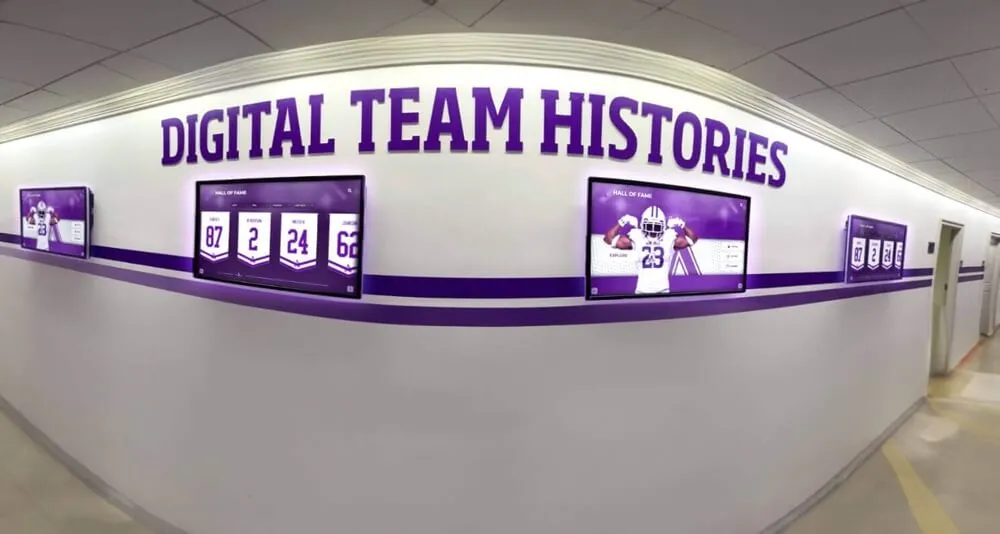
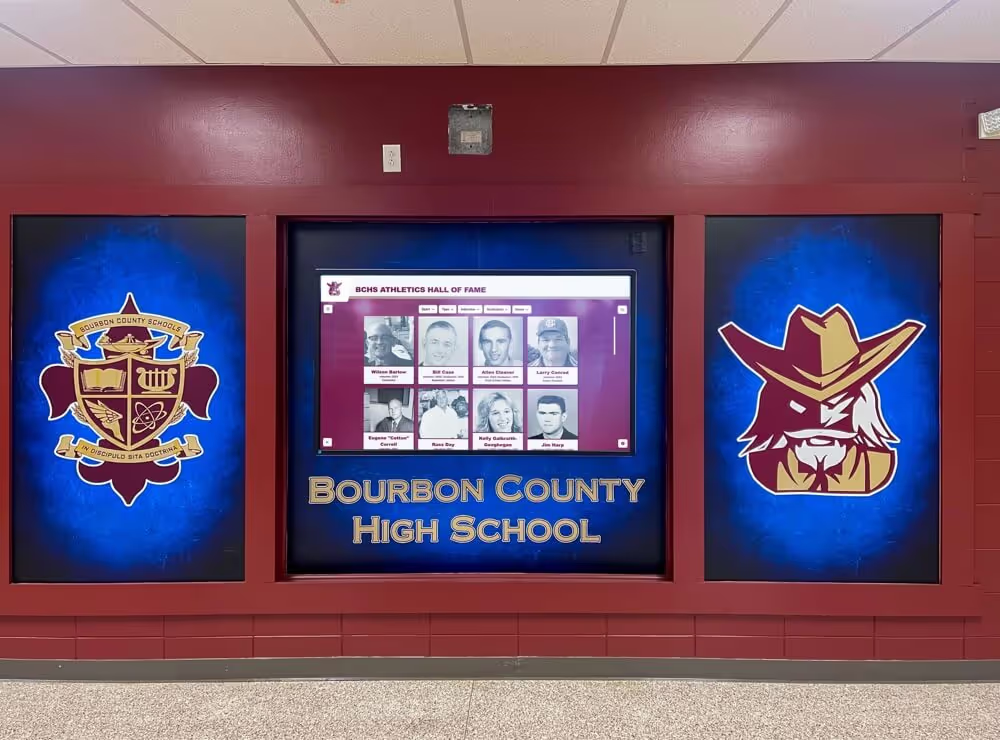
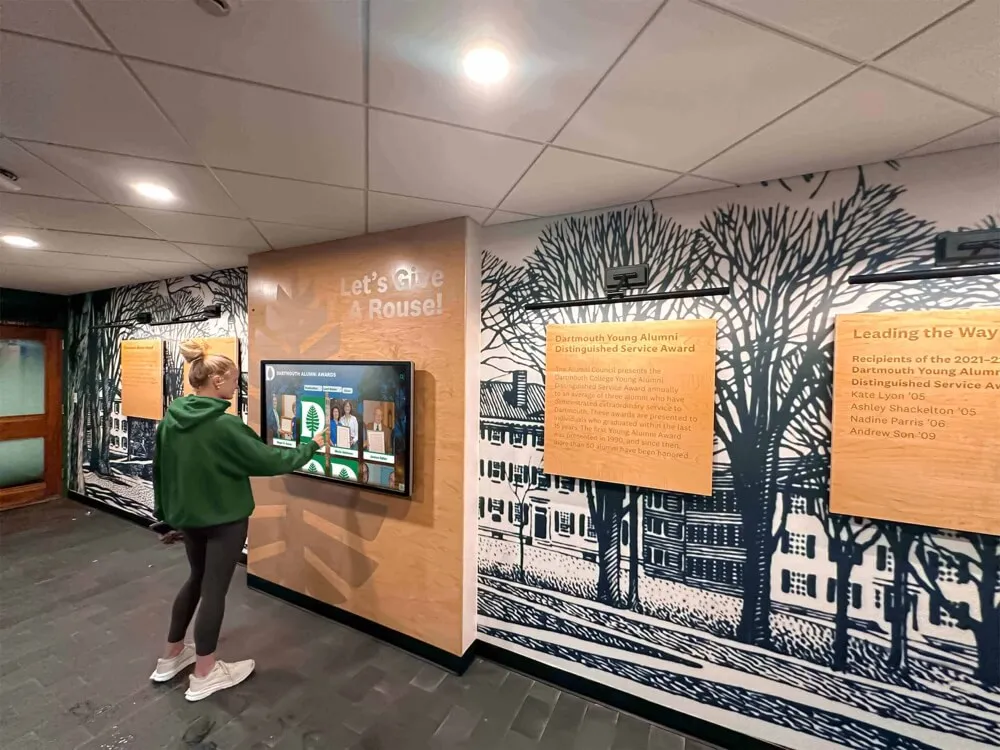
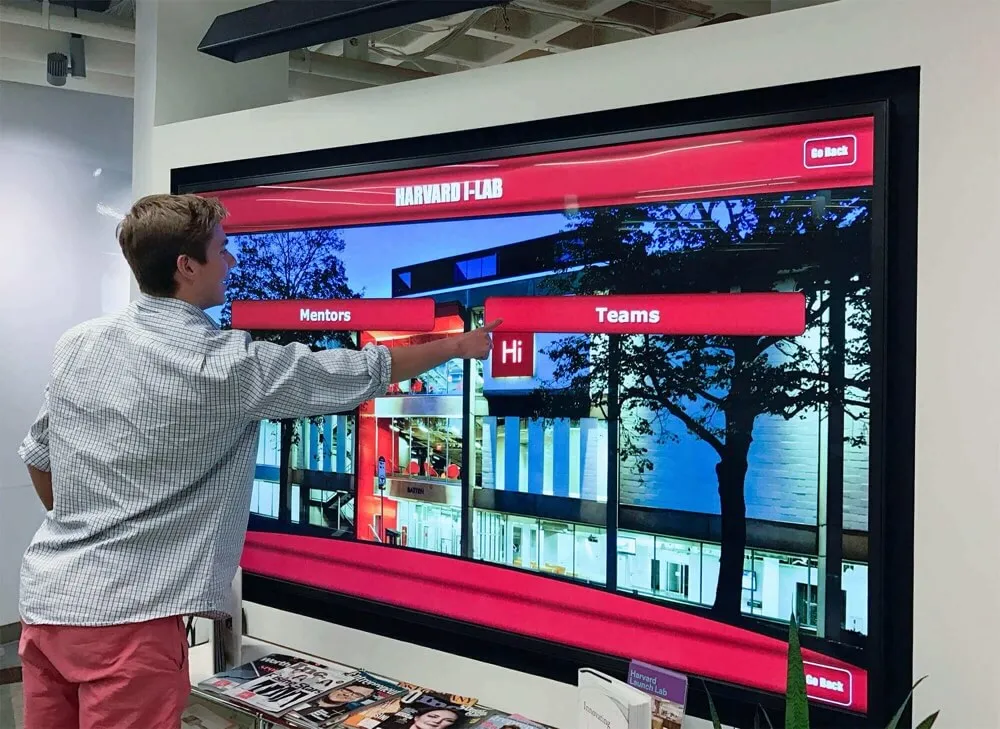
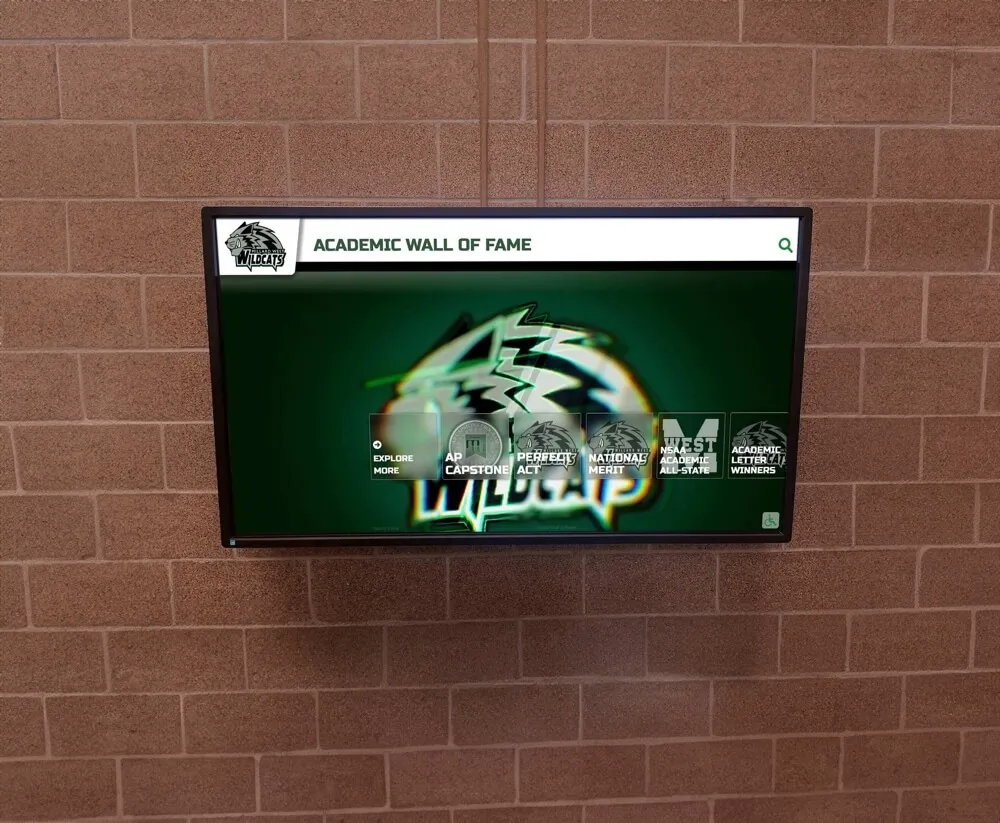
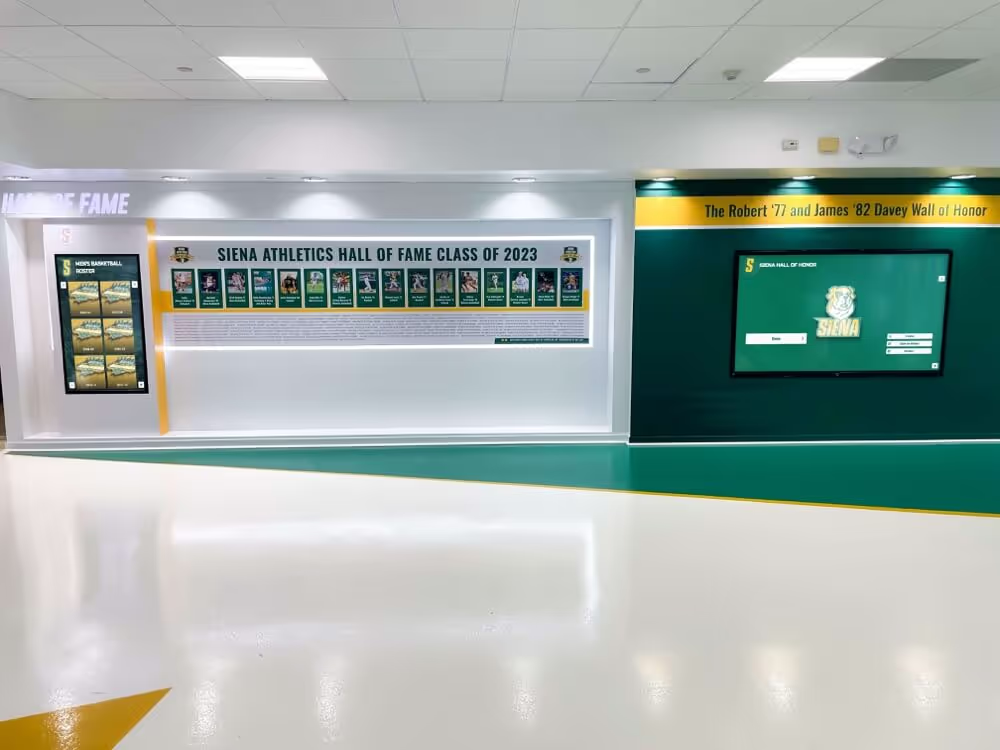
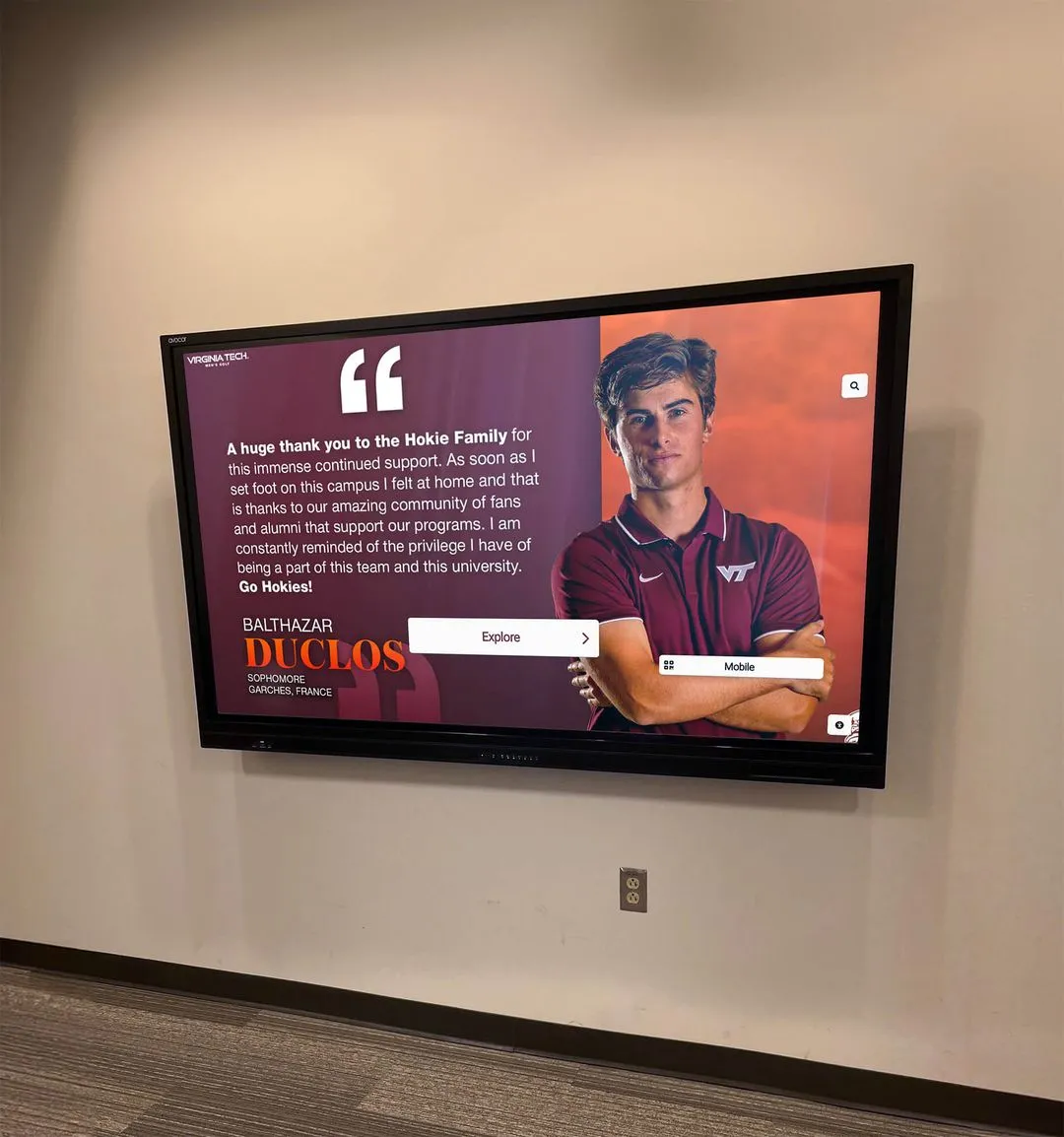
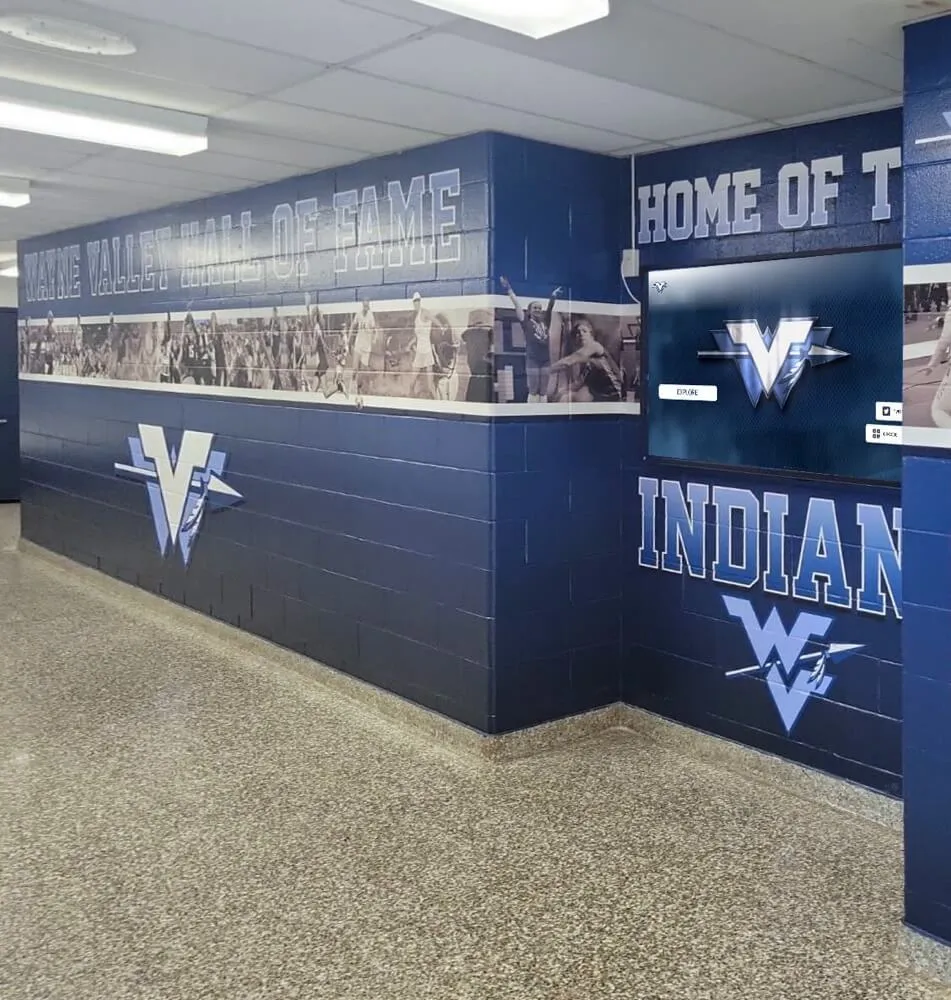
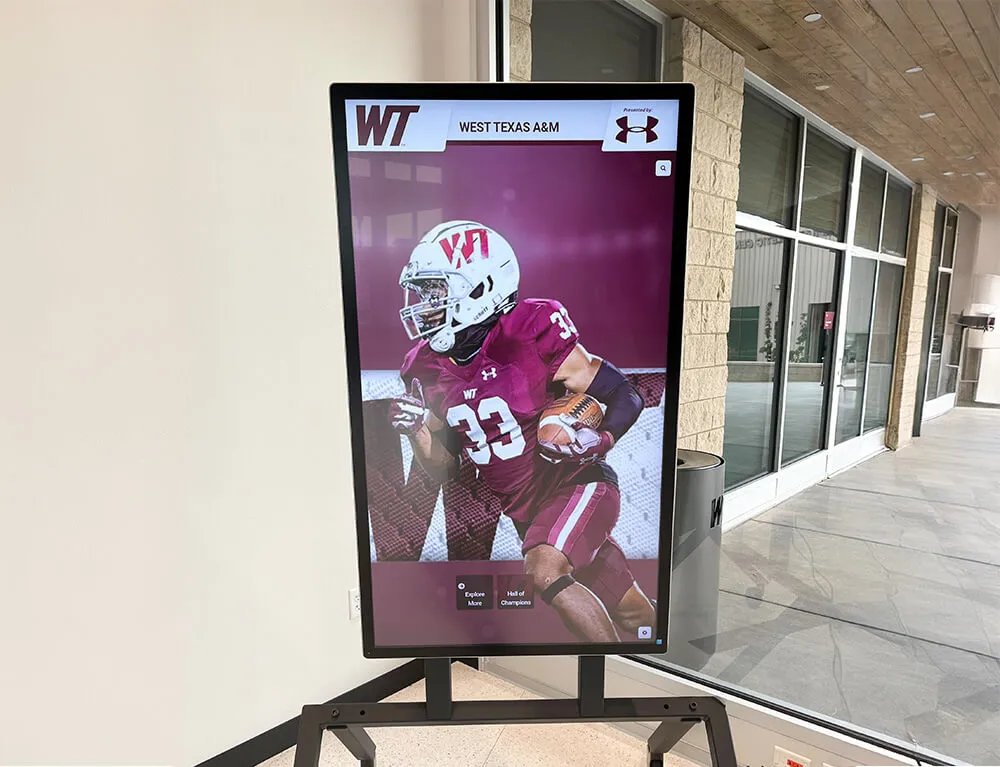
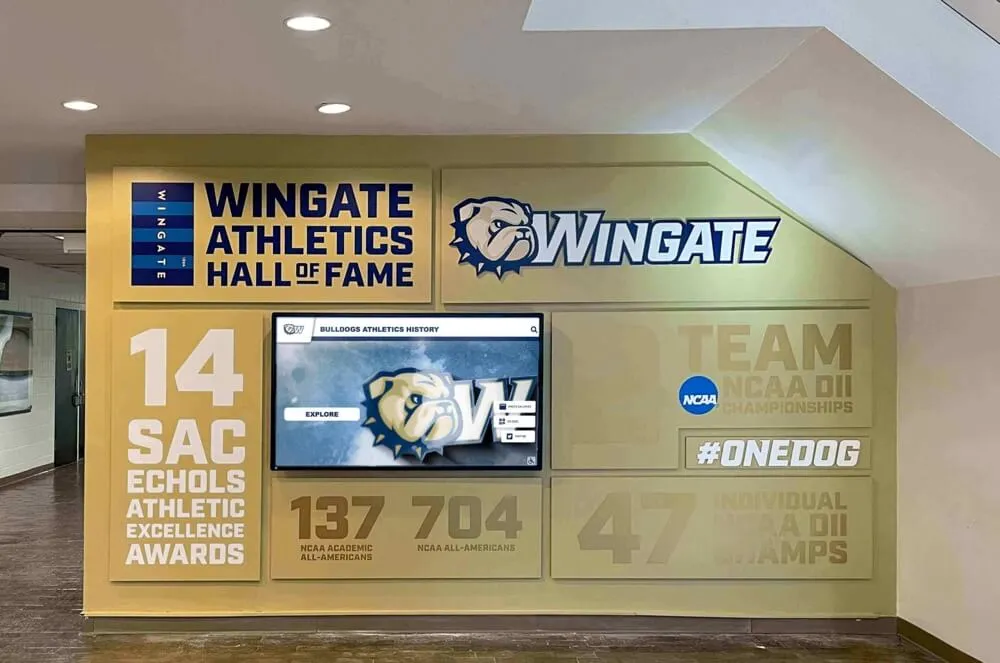
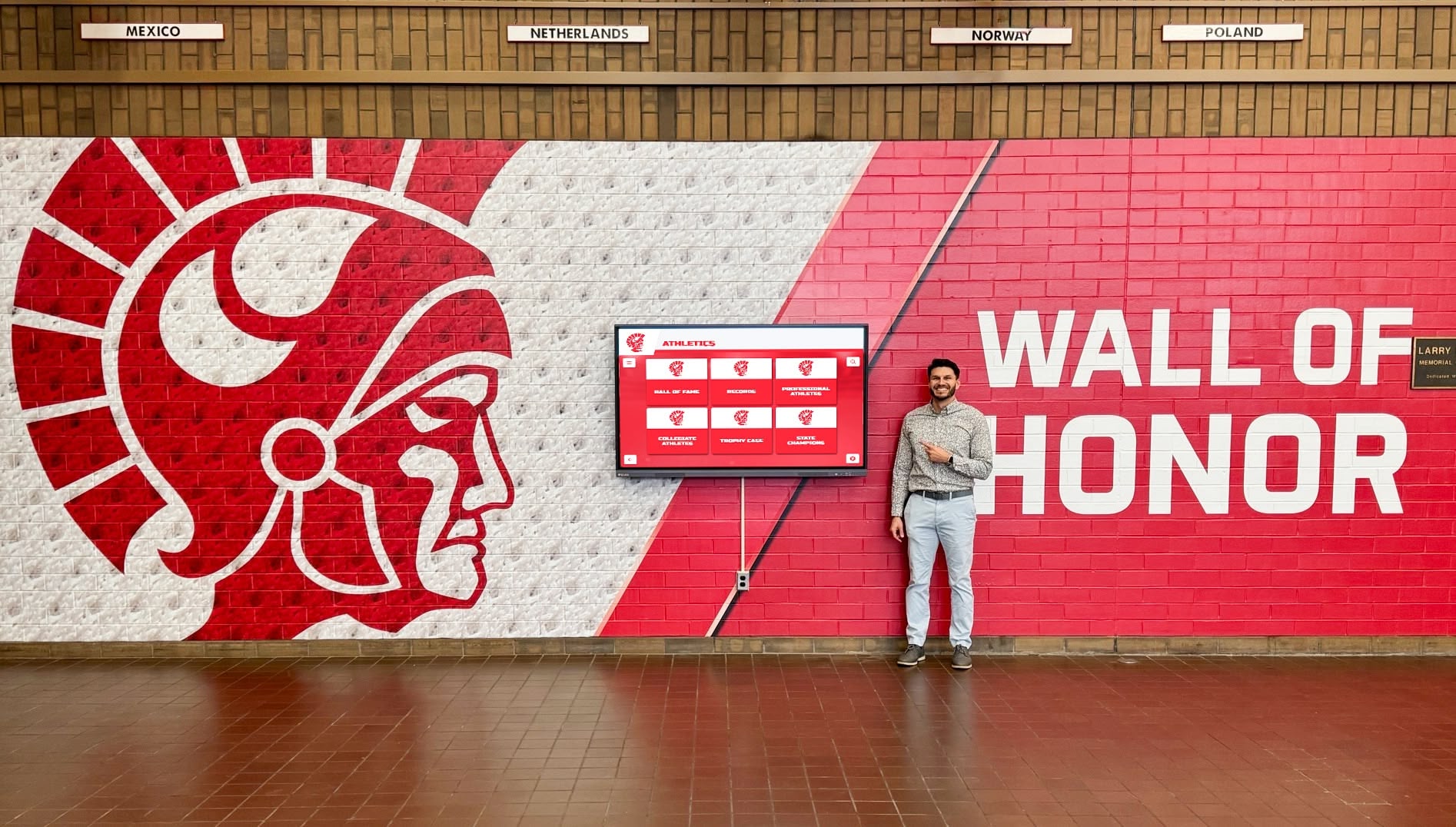
Recognition walls funded by booster clubs honor athletes and inspire future generations of student-athletes
What Makes a Booster Club Fundraiser Succeed
Before diving into specific ideas, it helps to understand what separates fundraisers that generate real money from those that burn out volunteers. The most effective booster club fundraisers share a few common traits:
Clear purpose and visible impact. Donors give more—and give again—when they understand exactly what their contribution funds. Communicating a specific goal (“We’re raising $8,000 for new varsity uniforms”) consistently outperforms vague appeals.
Low barrier to participate. Fundraisers requiring significant time, travel, or upfront cost from families face lower turnout. The best ideas make it easy for everyone in the community to contribute something, whether that’s $5 or $500.
Built-in recognition. People want to feel appreciated. Fundraisers that publicly recognize donors, participants, and volunteers generate stronger loyalty and higher repeat engagement than those that treat giving as a transaction.
Volunteer sustainability. A fundraiser that exhausts your core volunteers is a net loss, even if it raises money. The best ideas balance revenue potential against the realistic capacity of your parent volunteer base.
With those principles in mind, here are 30 high-impact booster club fundraisers worth adding to your planning calendar.
Classic Events: Proven Crowd-Pleasers
1. Concession Stand Operation
Running the concession stand at home games remains one of the most consistent revenue generators for any high school booster club. Margins on food and beverages are high, setup costs are minimal once you have equipment, and the customer base is captive. Work with your athletic director to secure rights to multiple sports, and consider expanding to school events like theater productions and dances to maximize shifts throughout the year.
2. Car Wash Fundraiser
Student-athlete car washes require almost no startup cost, generate strong community goodwill, and give athletes a visible way to contribute to their own program. Place car washes at high-traffic locations on weekends before big games or at the start of a season. Consider a donation-based model rather than a flat fee—many supporters will give more than the listed price when the cause feels personal.
3. Golf Tournament
A golf tournament targets local business leaders and alumni who have disposable income and value networking opportunities. Sponsoring a foursome at a well-organized golf fundraiser is one of the easiest “yes” decisions for a local business owner. Add hole sponsorships, a skills competition, and a dinner reception to increase revenue tiers and accommodate non-golfers who want to support the cause.
4. Sports Banquet
An annual end-of-season sports banquet serves double duty: it recognizes your athletes and coaches while generating ticket and sponsorship revenue. The key is creating an event families genuinely want to attend. Honoring coaches as part of the program—drawing inspiration from ideas used for National Coaches Day celebrations—elevates the experience and drives attendance year after year.
5. Trivia Night
A community trivia night is a low-cost, high-energy event that appeals to a broad age range. Teams of 6–8 pay an entry fee, and revenue can be boosted through drink ticket sales, raffle prizes, and table sponsorships. Sports-specific trivia rounds naturally connect the event to your program’s history and create memorable moments for longtime fans.
6. Fun Run or 5K
A school 5K or fun run reaches families who want to participate in something active rather than simply write a check. Pair a base registration fee with pledge-based fundraising for student-athlete participants, and add a sponsorship tier for local businesses. These events build year-over-year traditions that families put on their calendars automatically.
7. Auction Event
Live and silent auctions generate competitive bidding energy that flat-rate sales can’t replicate. Solicit high-value donated items from local businesses, parents, and alumni—vacation packages, signed memorabilia, restaurant experiences, and behind-the-scenes sports access are perennial favorites. A well-run auction evening can generate as much revenue in three hours as months of smaller fundraising activities.
Sport-Specific Fundraisers
8. Alumni Game or Scrimmage
Bringing back former athletes for a scrimmage against current varsity players creates a compelling event that motivates alumni giving in a way that generic appeals rarely do. Charge admission, sell concessions, and add a post-game reception with a program highlighting current team needs. Understanding how to build a sustained alumni engagement ecosystem helps booster clubs convert one-time event participants into reliable annual donors.
9. Skills Competition or Combine
A public skills competition—quarterback throw-offs, basketball shooting contests, track time trials—draws paying spectators and creates natural social media content. Charge entry fees for student participants and admission for fans. Add a “challenge the varsity” component to increase engagement.
10. 3-on-3 Tournament
A weekend 3-on-3 basketball or soccer tournament invites community teams—students, parents, alumni, faculty—to compete on the home court or field. Understanding how basketball scoring records are tracked and celebrated can inspire fun competitive elements that honor program history while generating entry fee revenue.
11. Season Program Book
Printed or digital season program books sold at home games provide excellent visibility for local business advertisers while generating per-copy sales revenue. Businesses pay for ad placement; fans pay for the program. Include athlete profiles, historical records, and sponsor recognition to increase perceived value and advertising demand.
12. Team Jersey Auction
Auction game-worn, autographed jerseys from graduating seniors or notable alumni athletes. This works especially well after championship seasons when nostalgia and school pride run high. Pairing jersey auctions with championship banner programs creates a cohesive recognition-driven fundraising initiative.
Online and Digital Campaigns
13. Crowdfunding Campaign
Platforms designed for school and nonprofit fundraising allow booster clubs to run time-limited campaigns with a specific dollar goal and clear use of funds. Share the campaign link through school communication channels, social media, and email. Matching gift challenges—where a lead donor agrees to match contributions up to a certain amount—dramatically increase urgency and total giving.
14. Spirit Wear Online Store
An always-open online store selling branded athletic apparel, hats, bags, and accessories generates passive revenue year-round without requiring events or volunteer coordination. Use a print-on-demand provider to eliminate inventory risk and upfront costs. Promote new items at the start of each season and around championships.
15. Social Media Challenge
An athletic challenge tied to your sport—free throw challenge, 40-yard-dash, skills test—invites community participation through social media. Participants make a donation to join and tag others to follow. Well-designed challenges spread organically when athletes, coaches, and enthusiastic boosters participate visibly.
16. Text-to-Give Campaign
A text-to-give setup allows fans to donate during games and events with a single text message. Display the donation number on the scoreboard, in PA announcements, and in printed programs. The low friction of mobile giving captures impulse donations from supporters who are emotionally engaged at live events but wouldn’t think to write a check later.
17. Online Auction
Online auction platforms extend your reach far beyond the families who can attend an in-person event. List high-demand items—signed memorabilia, experience packages, vacation rentals donated by parents—and promote the auction through email and social media for a 7–10 day window. Online auctions are particularly effective for alumni giving campaigns.
Community Partnership Fundraisers
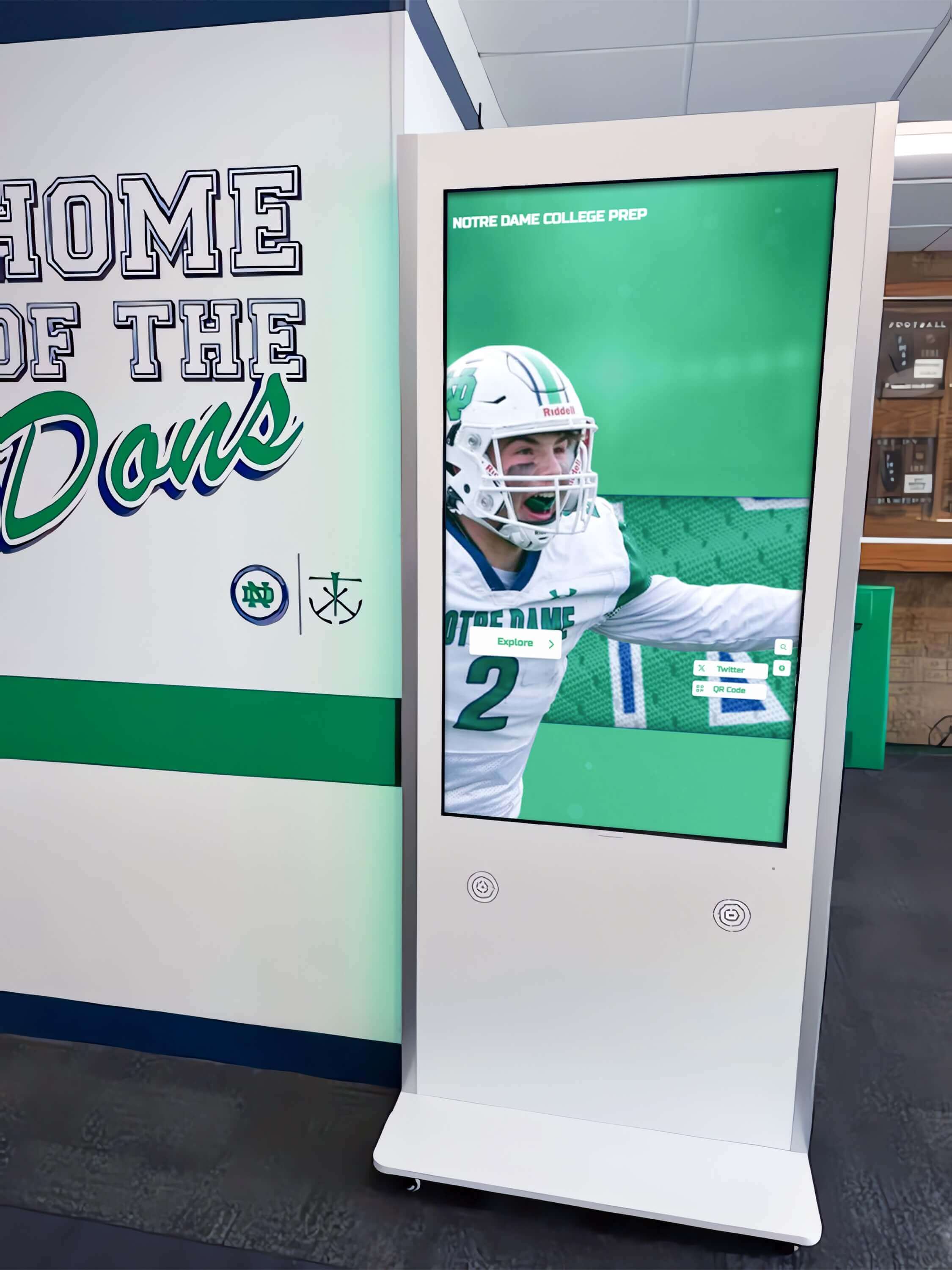
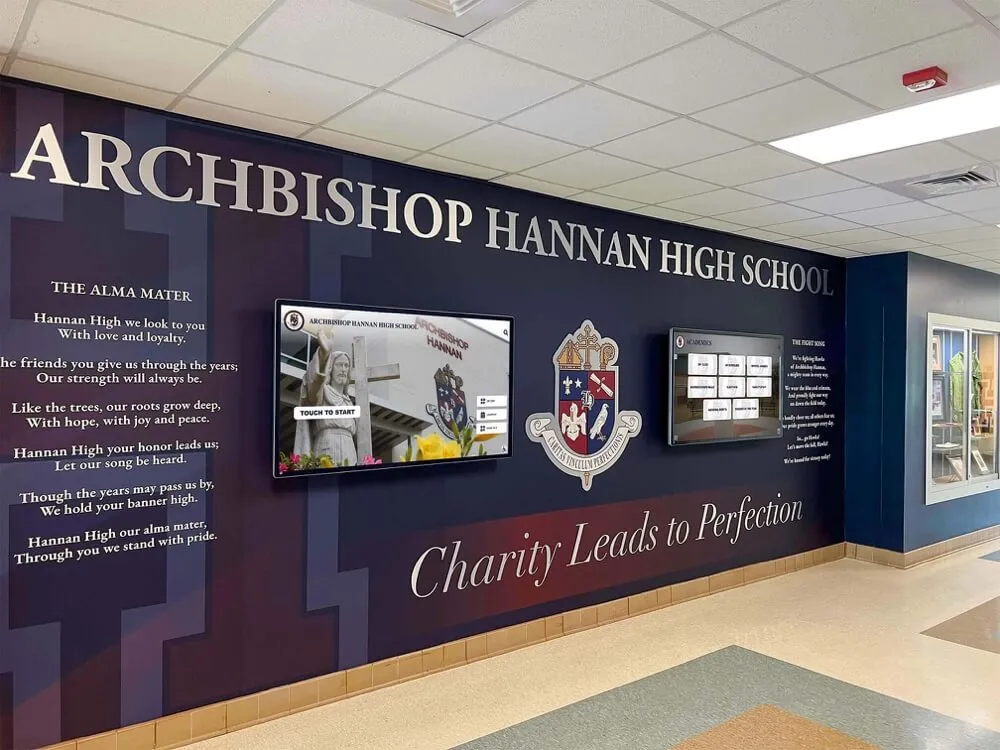
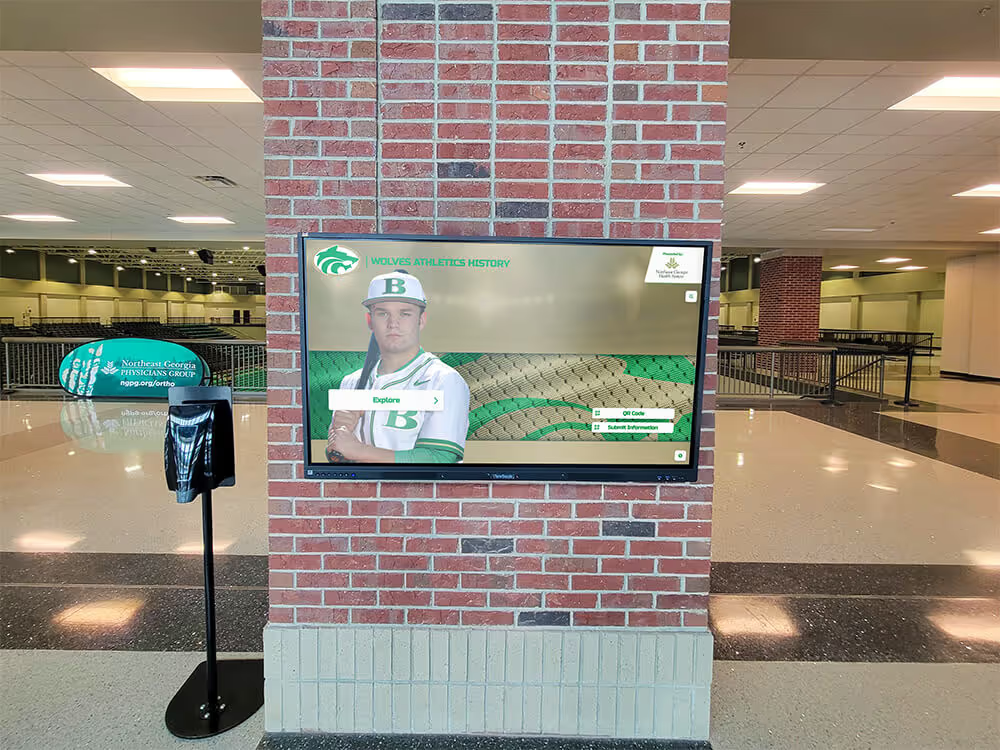
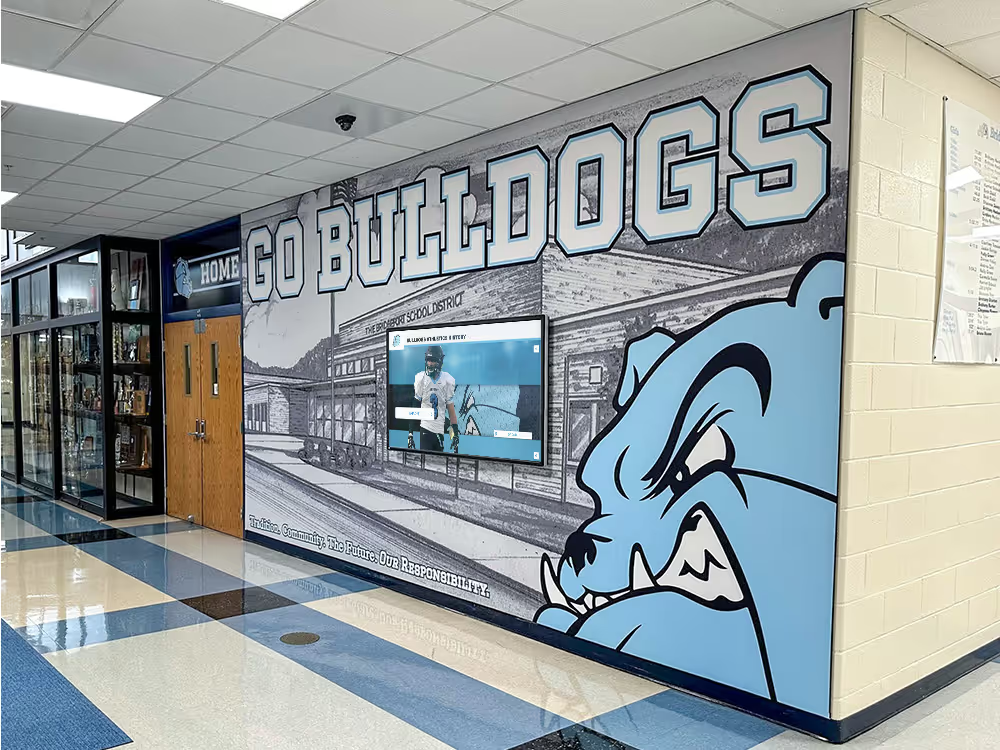
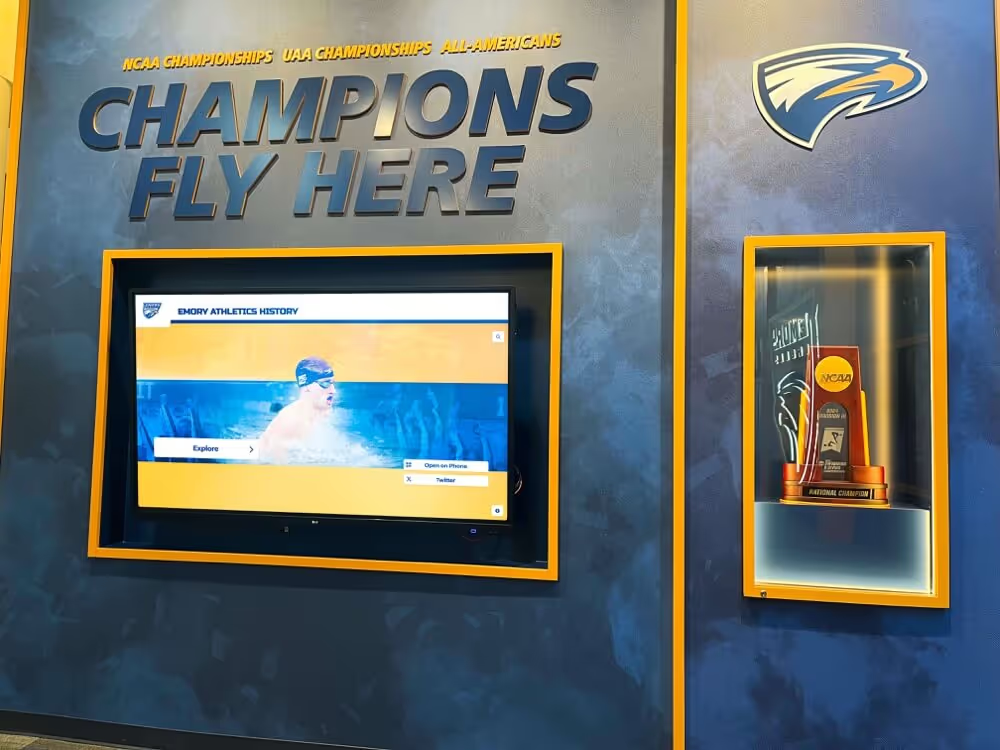
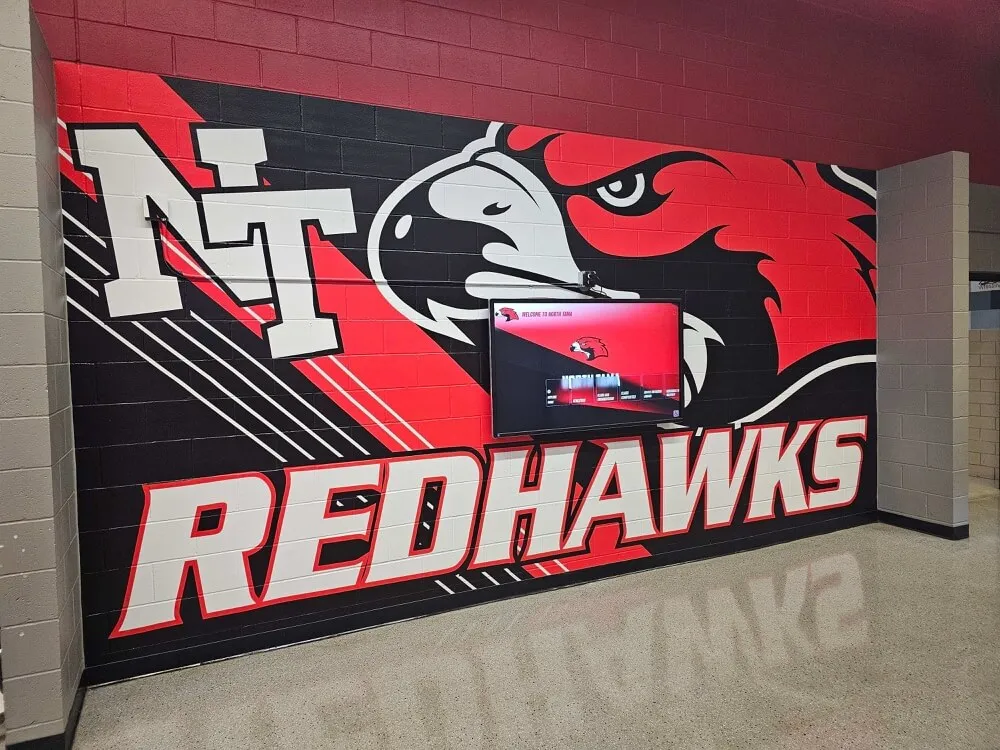
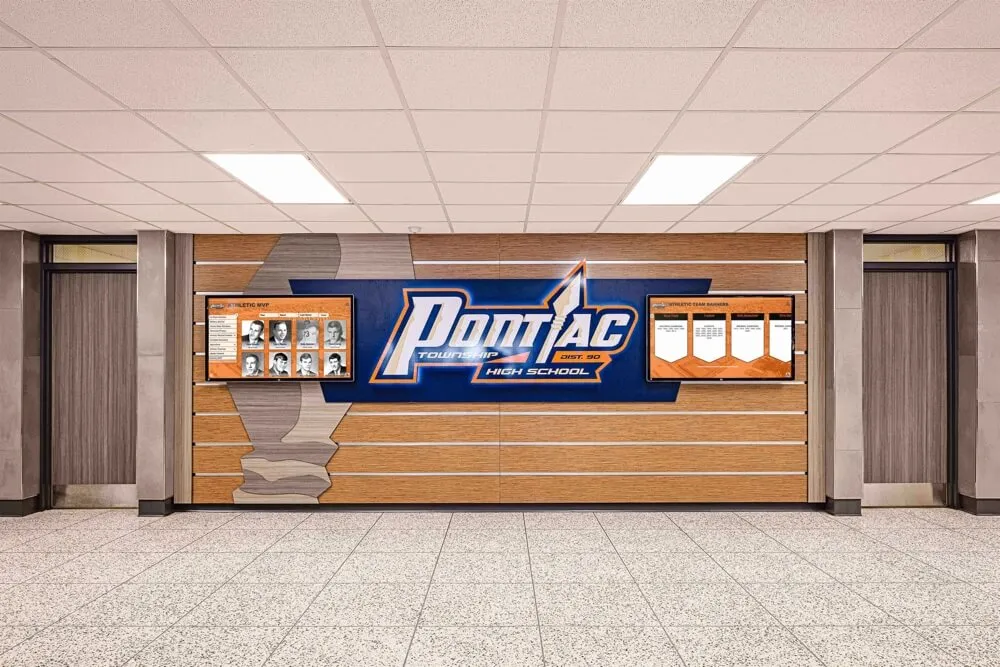
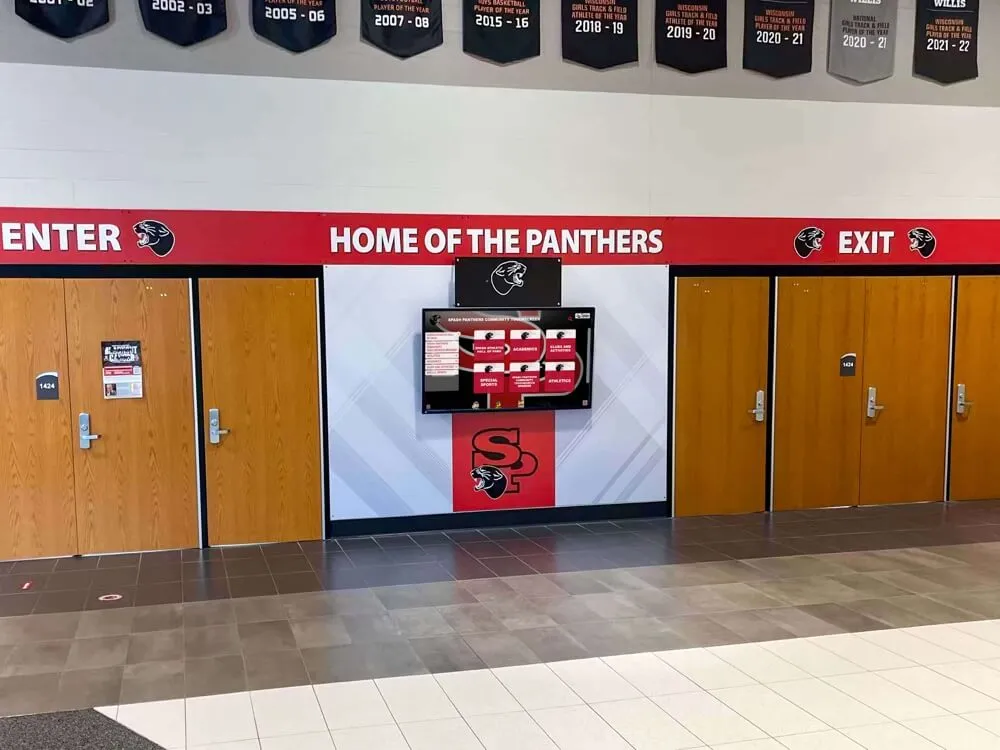
Digital displays in athletic hallways create engagement touchpoints that reinforce the value of community investment in school programs
18. Restaurant Night
Partner with a local restaurant that agrees to donate a percentage of sales during a designated evening or week when customers mention the booster club. These require minimal volunteer time, cost nothing to organize, and build relationships with local businesses who appreciate the increased foot traffic. Rotate through several restaurants across the school year.
19. Local Business Sponsorship Program
A tiered sponsorship program gives local businesses a structured way to support your program throughout the full year. Create clearly defined tiers (Platinum, Gold, Silver, Bronze) with specific benefits at each level—logo placement on banners and programs, PA announcements at games, digital recognition displays in the athletic facility. Year-round visibility justifies larger investments than single-event sponsorships.
20. Corporate Matching Gift Campaign
Many employers match their employees’ charitable donations at ratios of 1:1 or 2:1. Educating your donor base about matching gift programs and making it easy to submit match requests can double or triple the value of contributions you’re already receiving. Designate a volunteer to help families navigate their employer’s matching process.
21. Community Yard Sale or Swap Meet
Organize a community yard sale or athletic equipment swap meet where families donate items and the booster club collects a percentage of sales or charges table fees. Athletic equipment swaps are particularly popular because families can both donate outgrown gear and find affordable replacement items—making the event feel mutually beneficial rather than purely transactional.
22. Homecoming Parade and Game Sponsorships
Homecoming events generate concentrated community energy that’s highly monetizable. Sell parade float sponsorships to local businesses, premium seating packages for the game, halftime program advertising, and homecoming dance tickets. A well-executed homecoming fundraising strategy can generate a significant portion of the year’s total booster revenue in a single week. Use a thorough championship parade planning guide to organize logistics, vendor coordination, and sponsorship tiers that maximize community participation and revenue.
Merchandise and Product Sales
23. Discount Card Program
Sell discount cards that give holders deals at participating local businesses throughout the year. The card typically retails for $10–$20 and pays for itself with a single use. Local businesses benefit from new customer traffic; families get genuine value; the booster club earns the margin on each card sold.
24. Branded Merchandise Catalog
Beyond apparel, consider a broader merchandise catalog: car magnets, water bottles, stadium chairs, blankets, koozies, and yard signs. Items with practical everyday use generate stronger ongoing demand than purely decorative pieces. Offer pre-order windows before seasons begin to gauge demand and avoid unsold inventory.
25. Specialty Food Sales
Seasonally relevant food sales—holiday cookie boxes, candy grams, pizza kits, flower arrangements, poinsettias at Thanksgiving—generate reliable revenue when timed correctly. These work especially well in elementary and middle school feeder programs where younger families are highly engaged but less likely to attend evening events.
Recognition and Legacy Fundraisers
Recognition-based fundraisers occupy a special place in the booster club toolkit because they accomplish something most fundraising can’t: they turn a gift into a permanent legacy that the donor and their family can point to for years.
26. Senior Athlete Banner Program
Selling recognition banners for graduating senior athletes—displayed in the gymnasium, hallway, or field house—gives families a tangible tribute that lasts beyond high school. Programs that include professional photography, personalized statistics, and prominent permanent display generate strong demand and pricing power. Incorporating track and field record board displays into the athletic recognition environment makes individual banner programs feel part of a broader legacy worth investing in.
27. Hall of Fame Induction Event
An annual or biennial athletic hall of fame induction ceremony is one of the highest-ceiling fundraising events a booster club can host. Alumni who are inducted—or whose former teammates are being honored—are highly motivated to give generously. Pair induction ceremonies with gala dinners, program advertisements, and naming opportunities for the display itself.
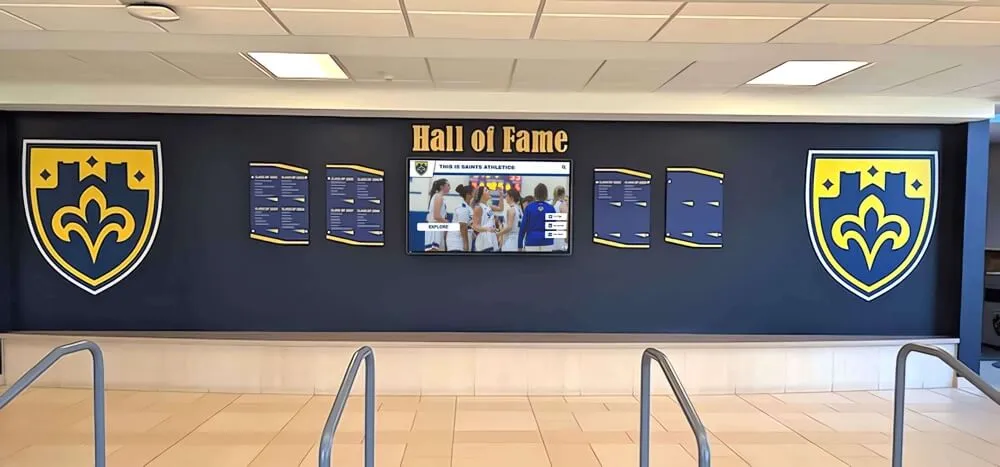
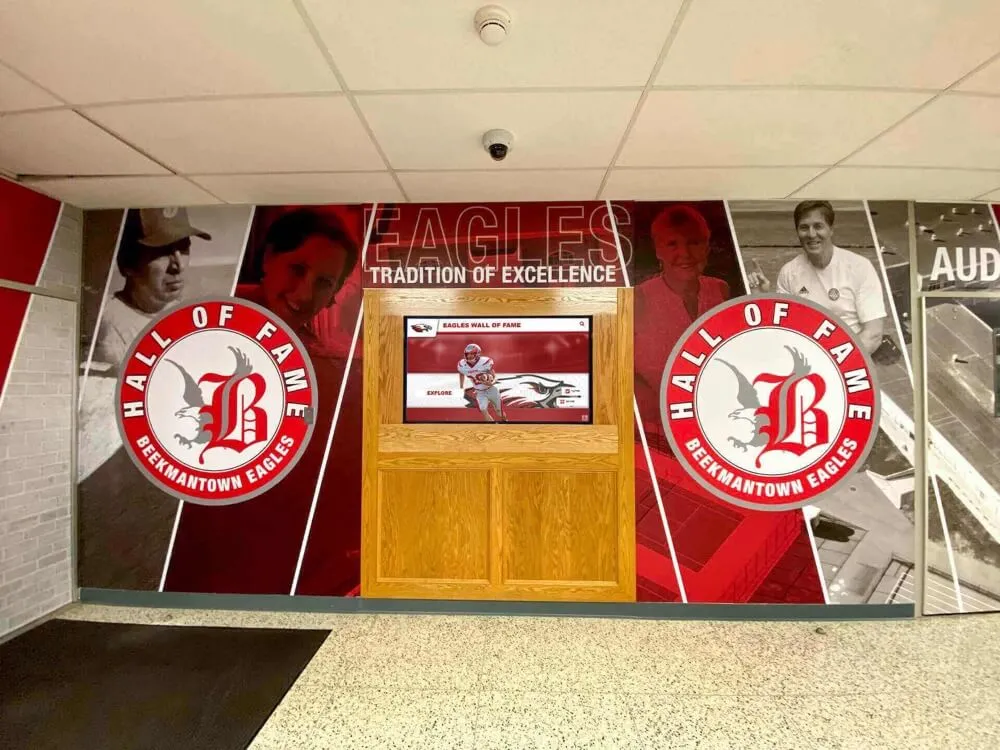
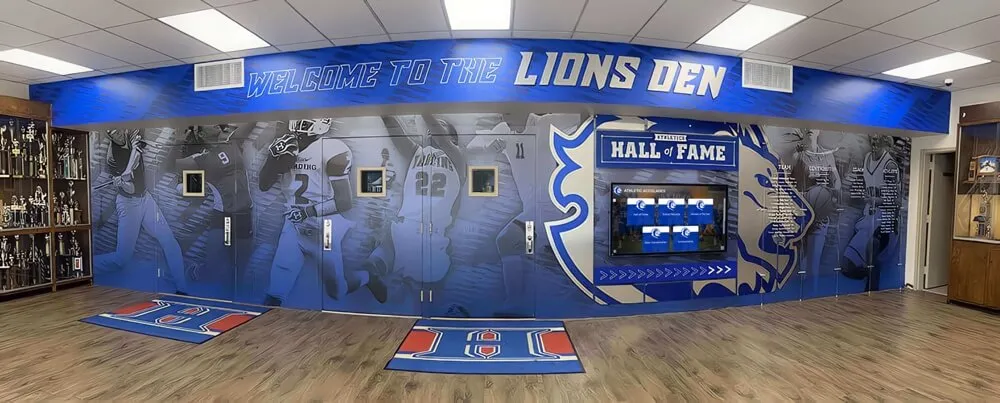
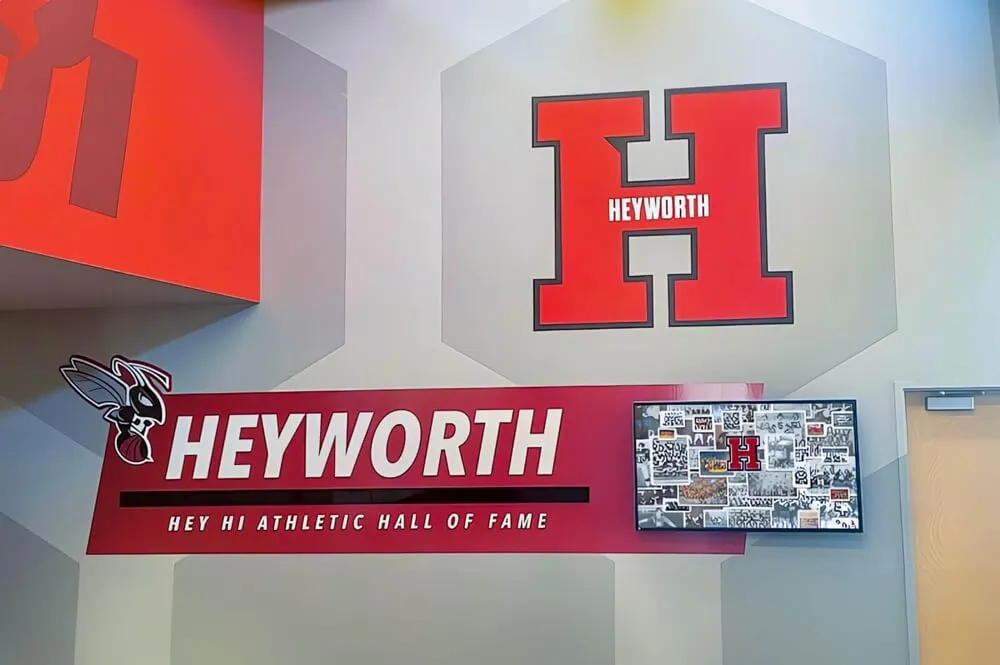
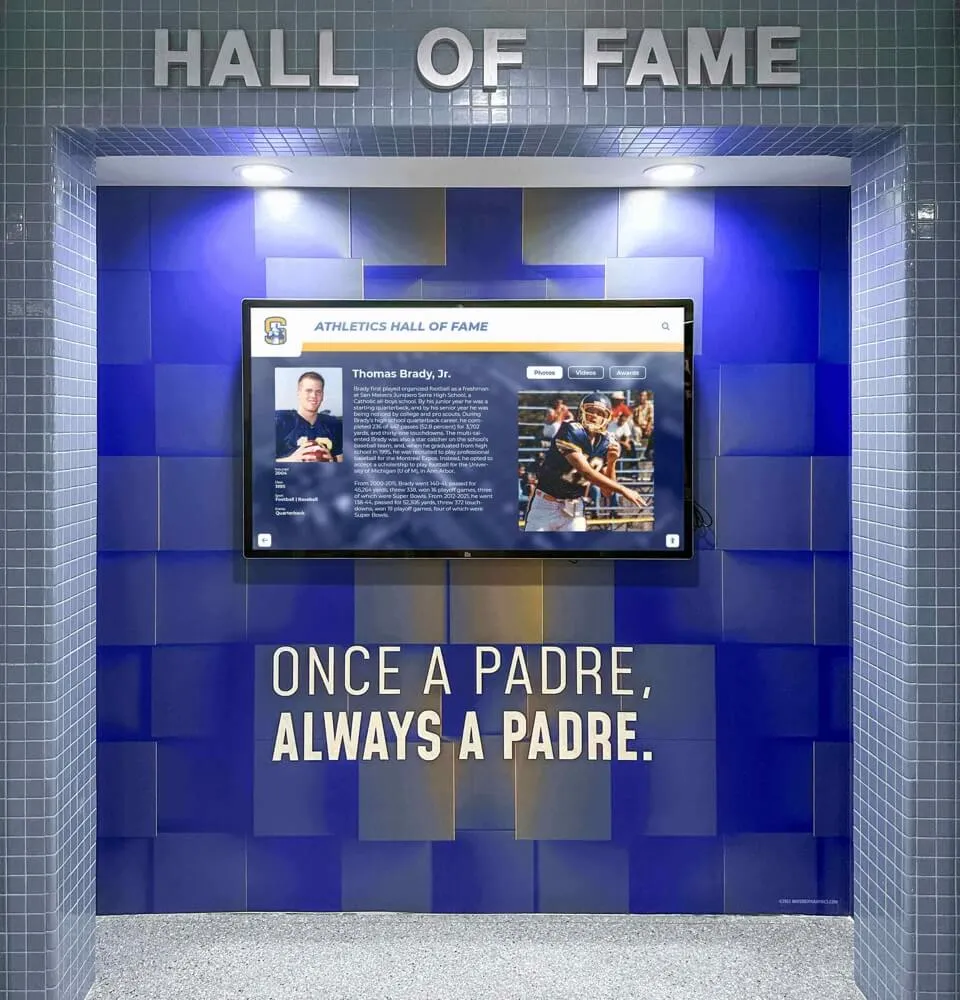
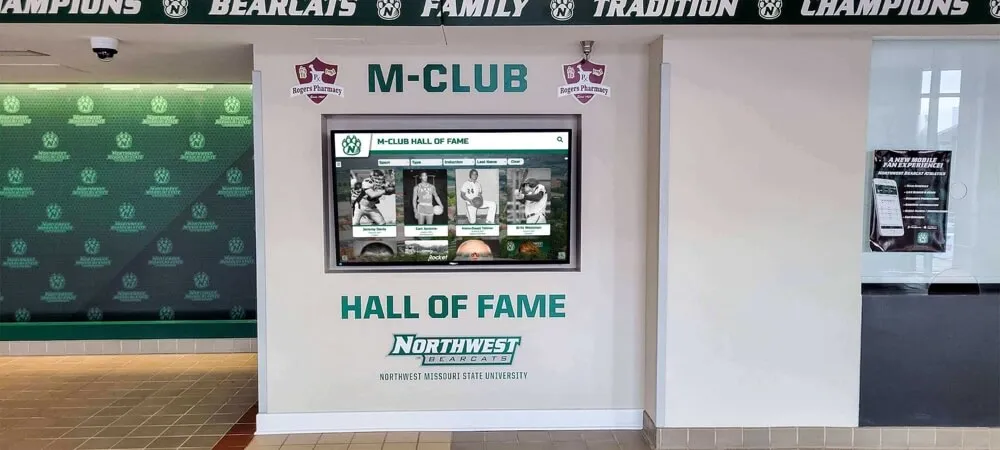
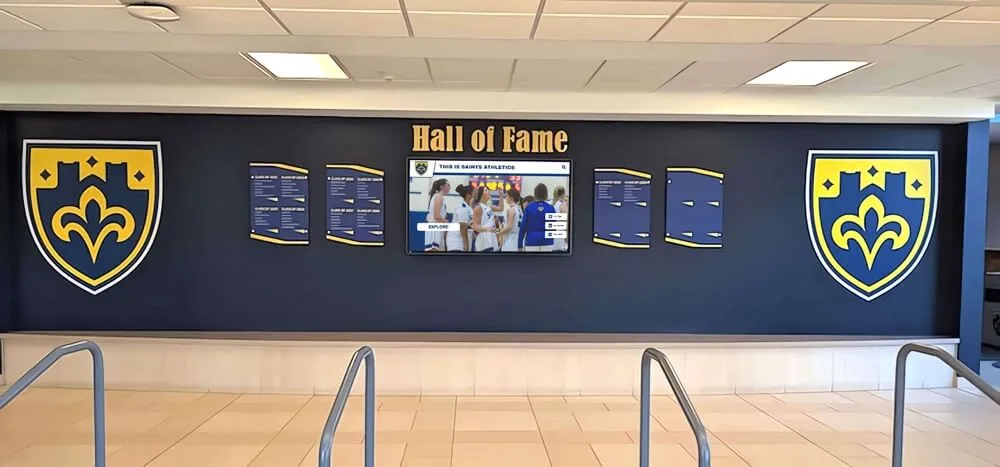
Athletic hall of fame displays become centerpieces of school identity and powerful motivators for donor campaigns
28. Athletic Facility Naming and Naming Rights
Major donors respond to naming opportunities that create lasting visibility—the weight room, the film room, the press box, the trophy case, individual seats in the gymnasium. Tiered naming programs accommodate gifts at multiple levels, from a single seat ($500) to a renovated facility ($50,000+). Work with school administration to develop a formal naming rights policy that protects both donors and the institution.
29. Donor Wall Campaign
A dedicated donor wall campaign invites families, alumni, businesses, and community members to purchase recognition on a permanent display installed in a high-visibility location. Unlike general fundraising asks, donor wall campaigns connect the gift to a specific, lasting tribute. Understanding what makes a digital donor recognition display effective for educational institutions helps booster clubs design campaigns that generate stronger response rates and higher average gift sizes.
30. Digital Recognition Display Campaign
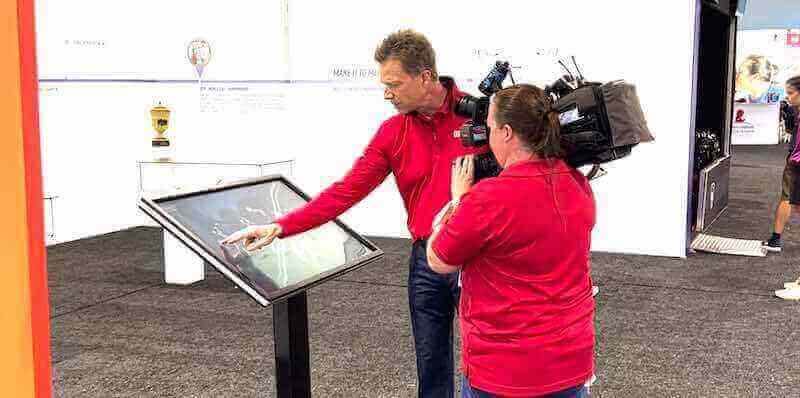
A modern twist on the traditional donor wall, a digital recognition display campaign raises funds to install an interactive touchscreen that showcases athletes, donors, champions, and school history in one engaging platform. These campaigns succeed because the end result—a permanent, visible tribute in the athletic facility—is something the entire community can see and be proud of. Understanding the comparison between digital hall of fame displays and traditional trophy cases helps booster clubs make a compelling case to donors for why a digital display investment is worth every dollar raised.
Building a Balanced Fundraising Calendar
Thirty ideas is a long list. Most booster clubs are not equipped to execute all of them in a single year, and trying to do too much divides volunteer energy and community attention. The goal is to build a balanced annual calendar that includes:
One major event (golf tournament, gala, auction) that generates the largest share of revenue and builds year-over-year momentum.
Two or three recurring events (concession stands, spirit wear sales, restaurant nights) that generate consistent lower-effort revenue throughout the year.
One recognition or legacy campaign (donor wall, senior banners, naming rights) that deepens community investment in the program’s long-term future.
One digital or online campaign that reaches alumni and community members who don’t attend games regularly.
This combination of high-effort/high-reward events with ongoing passive revenue and one meaningful legacy initiative creates financial stability while building the donor relationships that sustain programs through lean years.
How Recognition Drives Fundraising Success
The most effective booster clubs understand that fundraising and recognition aren’t separate activities—they reinforce each other. When donors see their contributions celebrated publicly and permanently, they give more the next time. When athletes see their achievements displayed with pride in the hallway or on a digital screen, they become advocates who bring their families deeper into the program.
This is especially true for programs that use spirit week and community engagement to build school-wide enthusiasm before and after fundraising campaigns. When the entire school community is energized, fundraising messages land with greater impact.
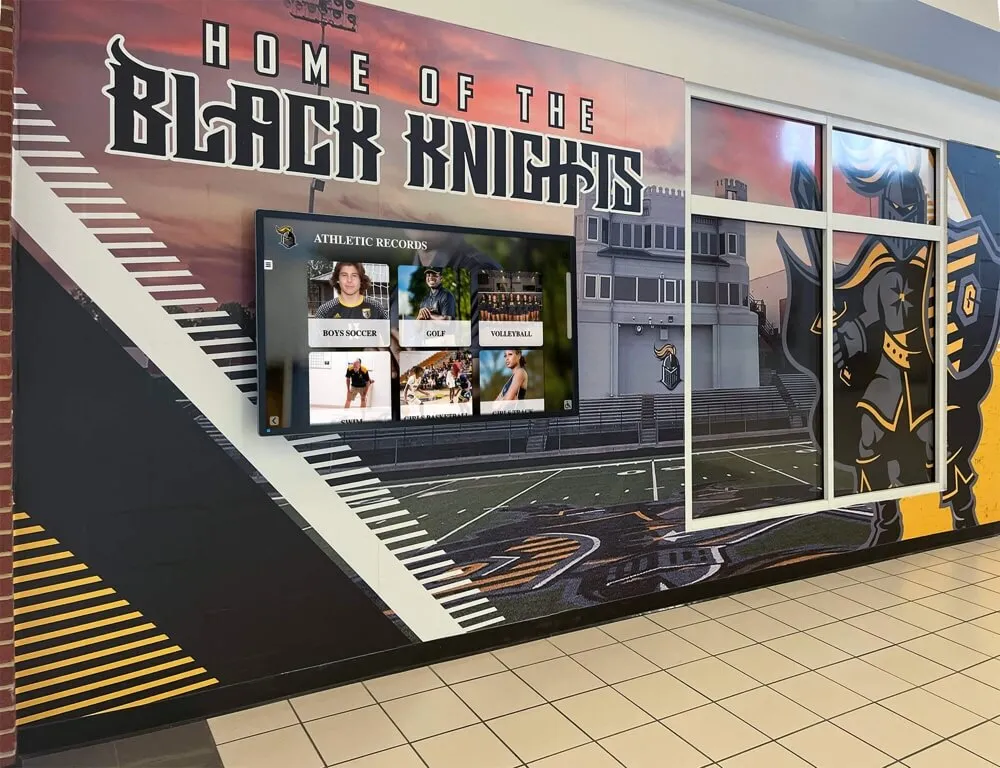
Recognition infrastructure pays compounding dividends. Touchscreen athletic displays that showcase donors, record holders, hall of fame inductees, and championship teams don’t just honor the past—they tell every visitor to your athletic facility that this is a community that takes care of the people who take care of it.
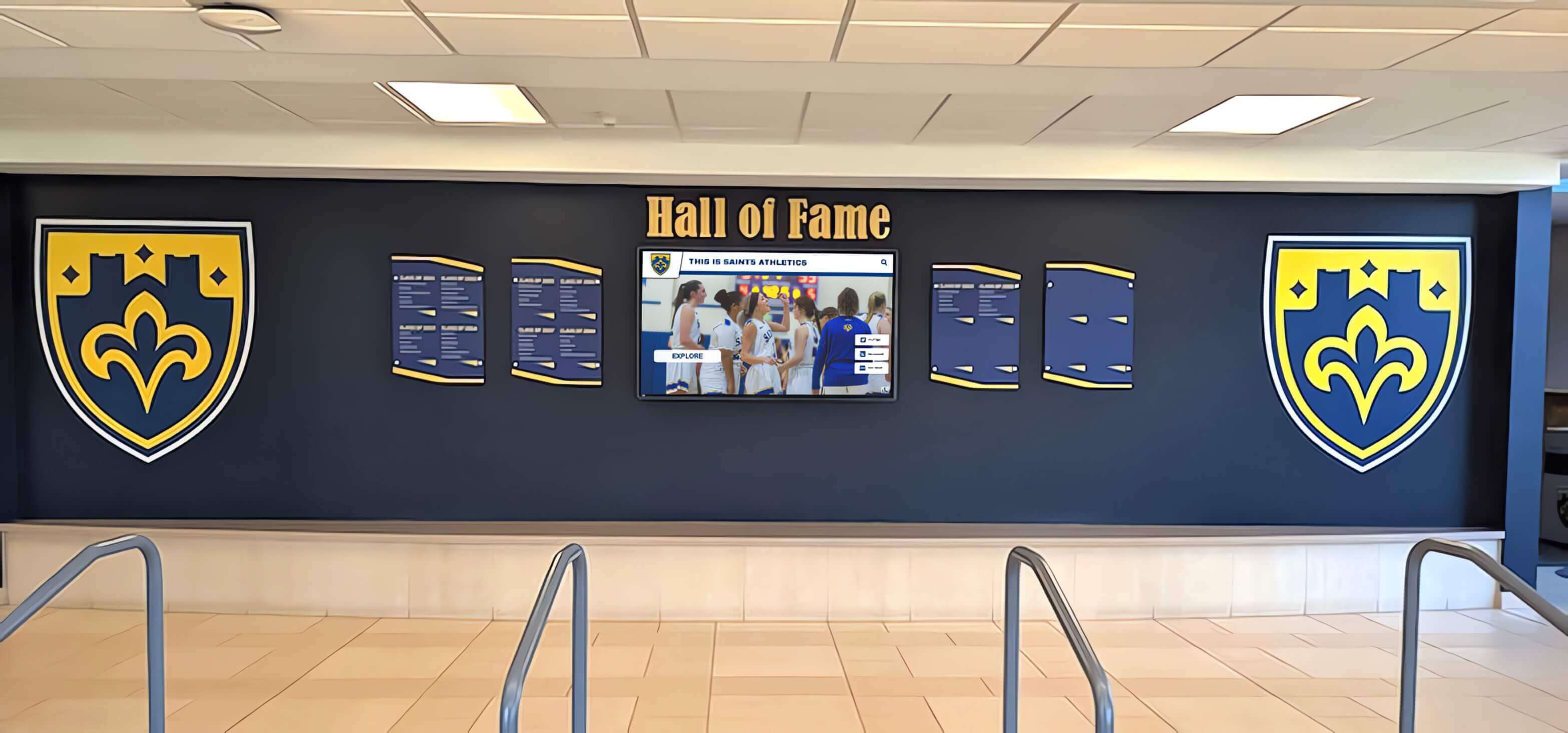
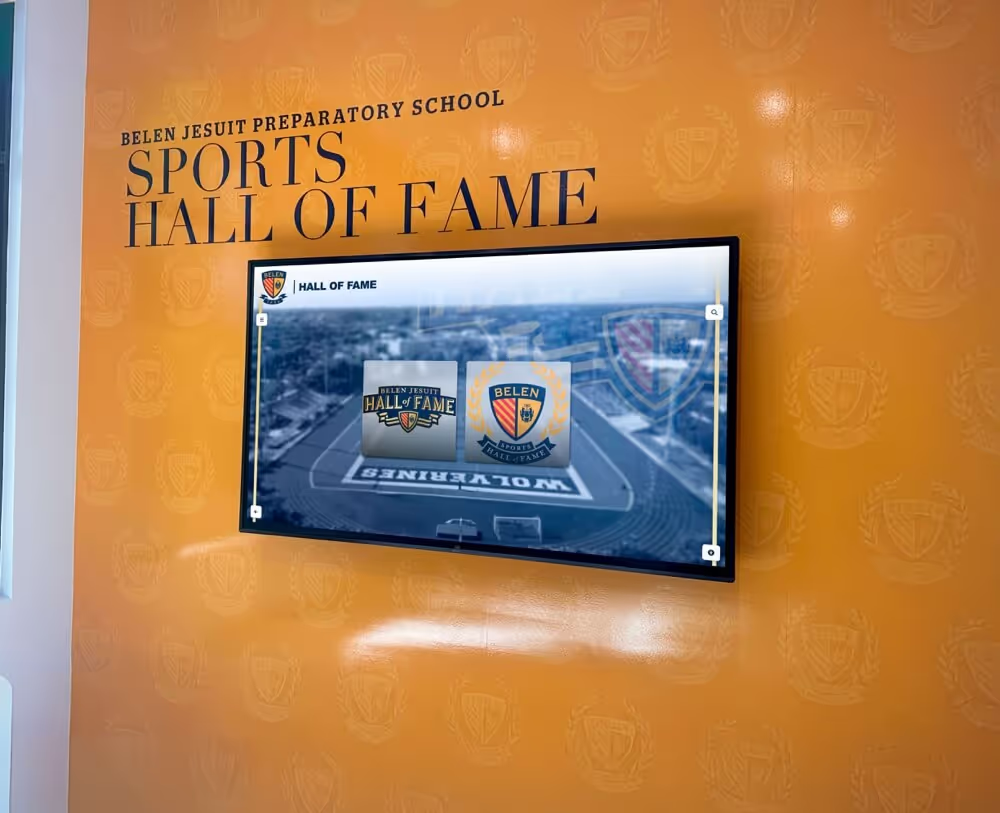
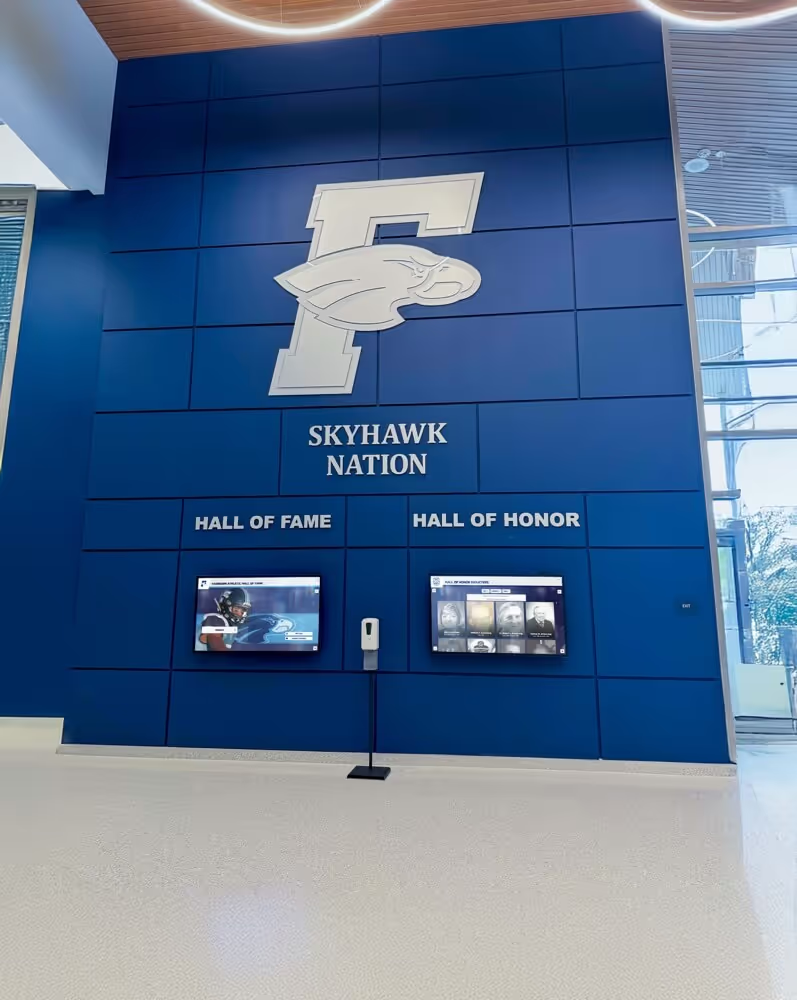
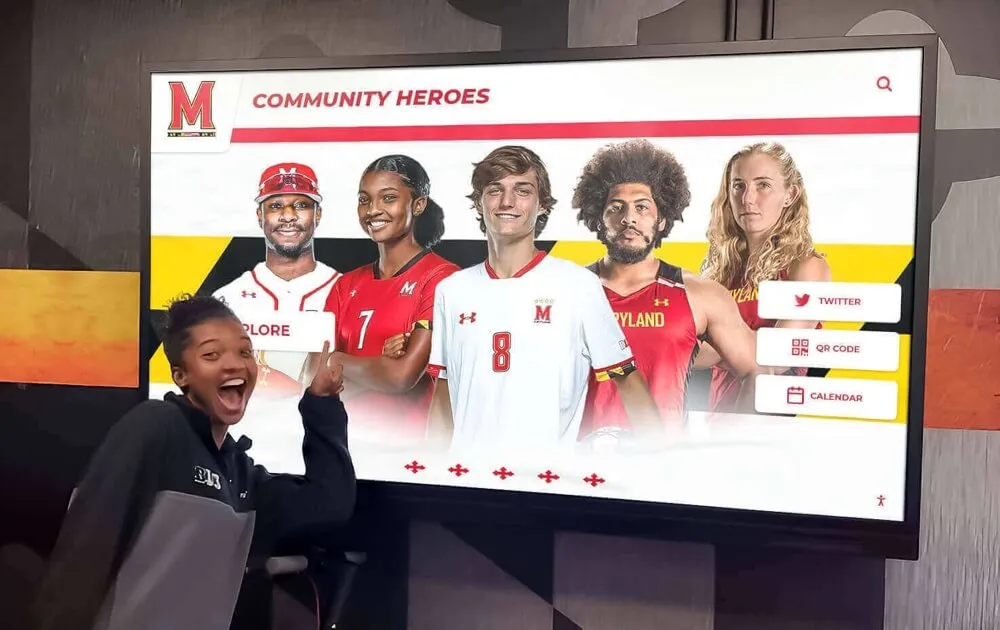
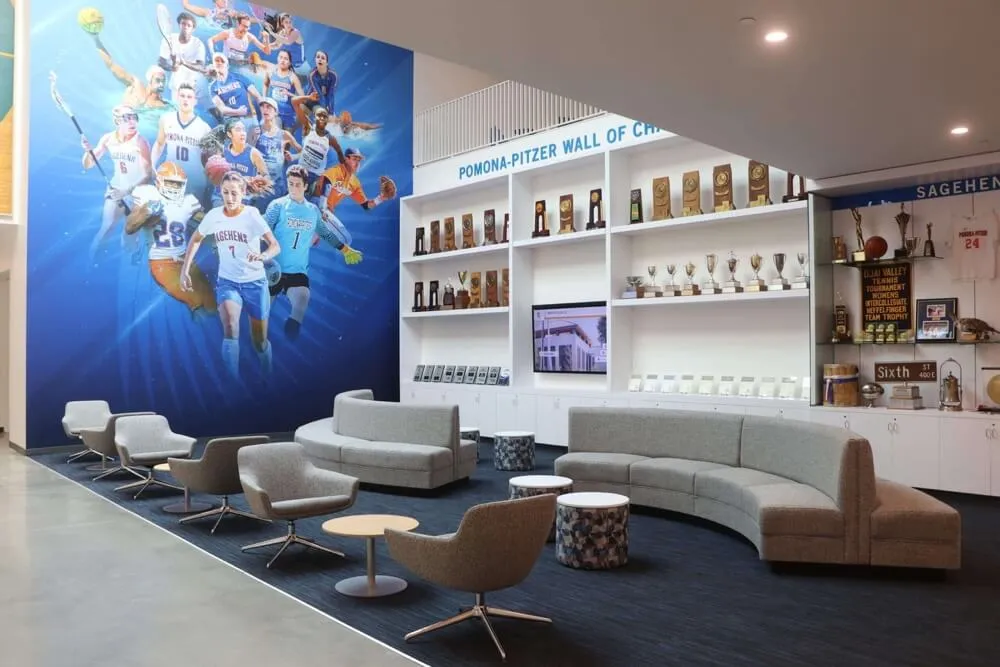
Recognition displays in athletic lobbies communicate institutional pride and motivate alumni and parent donors to invest in programs
Connecting Fundraisers to Donor Stewardship
The booster clubs that raise the most money over time aren’t just good at running events—they’re good at making donors feel valued between events. This means closing the loop after every campaign: communicating the total raised, sharing what the money will fund, and publicly recognizing the people who made it possible.
Connecting annual fundraising to broader National Philanthropy Day celebrations is one creative way to formalize donor appreciation and signal that your booster club takes stewardship seriously. Donors who feel genuinely honored—not just thanked in a form email—become the most reliable contributors your program will ever have.
Making Your Fundraising Results Visible
One of the most overlooked steps in booster club fundraising is closing the loop with donors. After each campaign, communicate:
- The total raised and how it compared to the goal
- Exactly what the money will purchase or fund
- A timeline for when donors will see the results
- Recognition of top donors, sponsors, and volunteers who made it possible
This transparency transforms donors into invested partners rather than one-time contributors. Donors who see their contributions acknowledged, who watch the recognition display they funded get installed, and who see their names honored alongside the athletes their support made possible become the most reliable contributors your booster club will ever have.
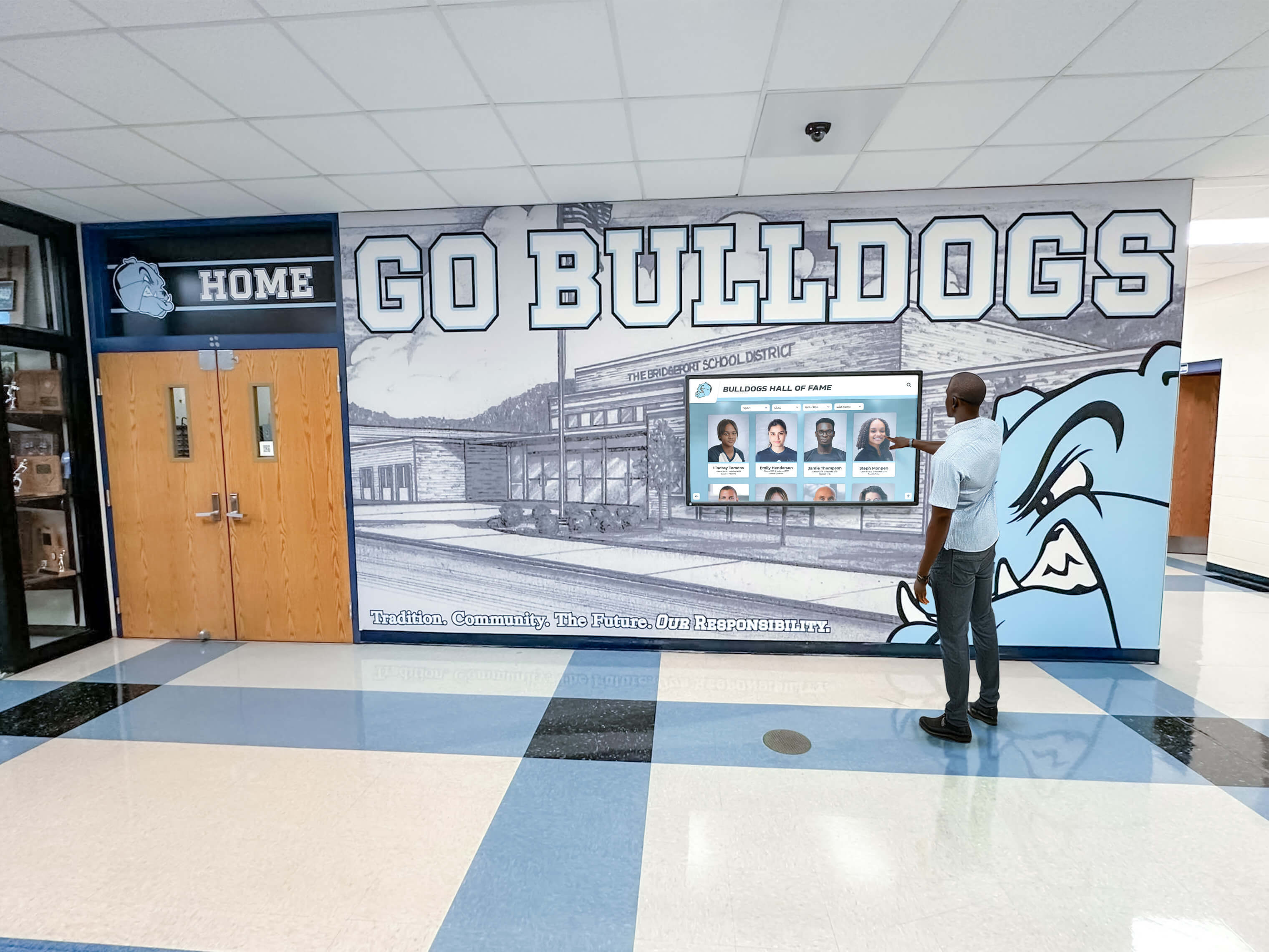
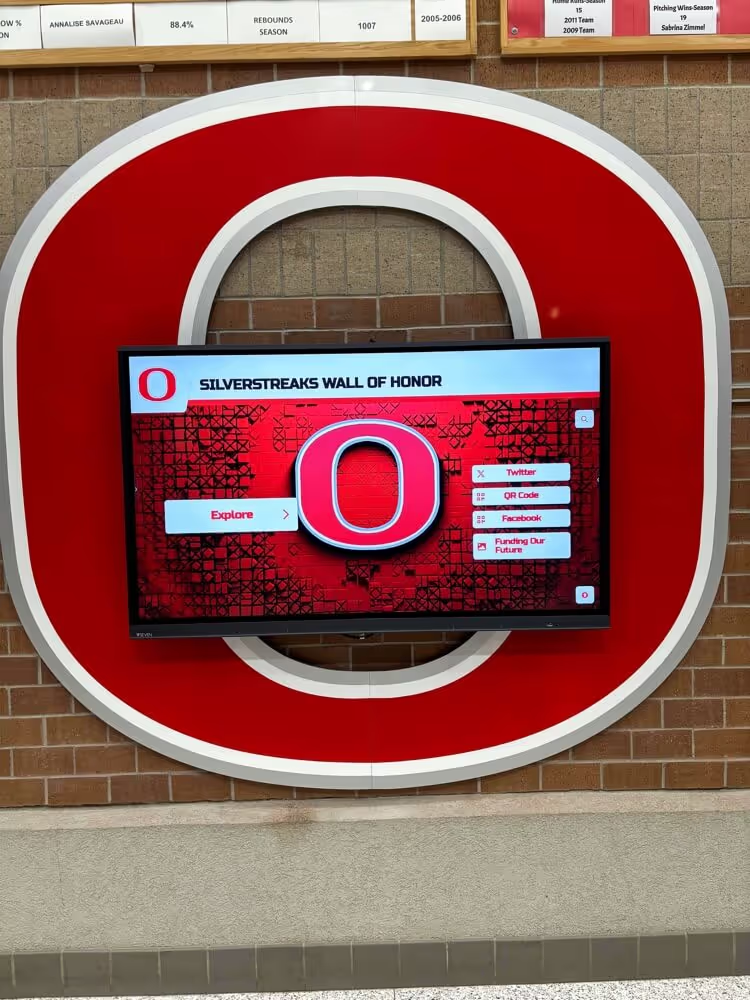
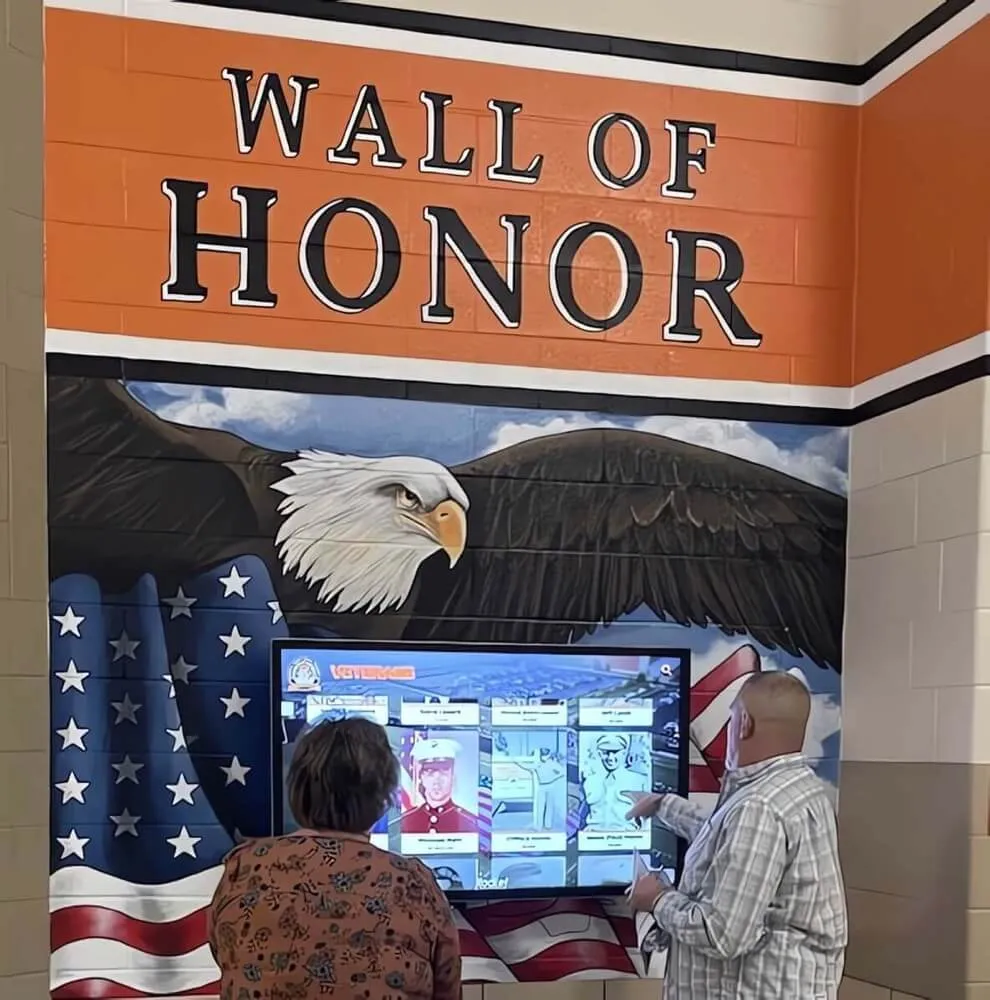
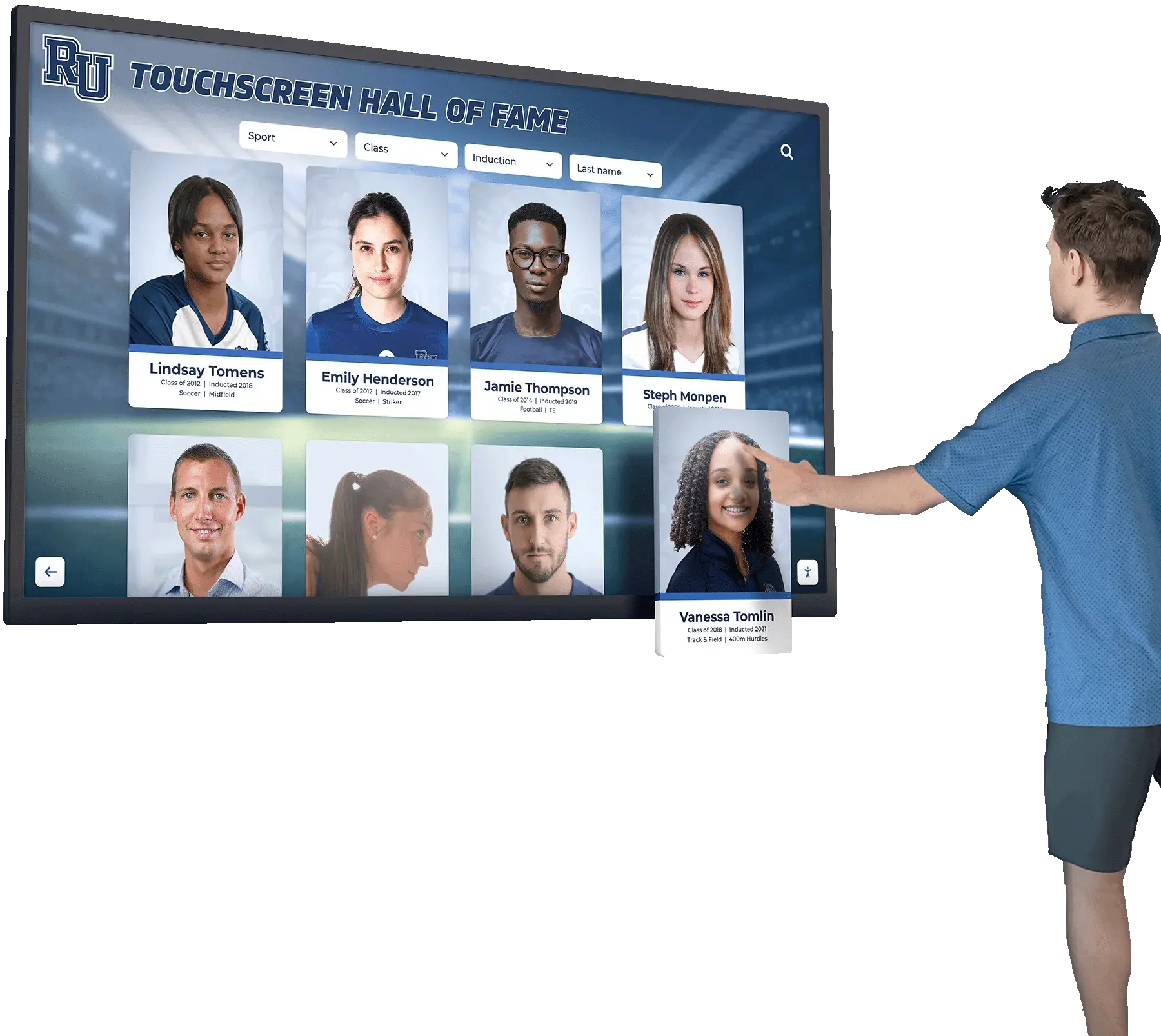
Interactive digital recognition systems engage visitors and communicate the impact of booster club investment throughout the school year
Final Thoughts
Booster club fundraisers succeed when they combine short-term revenue generation with long-term community investment. The 30 ideas in this guide offer a range of approaches suited to programs of every size, budget, and volunteer capacity. The most important step is simply to start: pick two or three ideas that fit your community, execute them well, recognize everyone who contributed, and build from there.
The booster clubs that thrive year after year aren’t necessarily the ones with the most elaborate events—they’re the ones that make donors and volunteers feel genuinely valued, show them tangible results, and give them a community worth belonging to.
Turn Booster Club Fundraising into Lasting Recognition
Rocket Alumni Solutions helps high school athletic programs build donor walls, digital halls of fame, and touchscreen recognition displays that celebrate athletes, honor donors, and inspire future generations. See how your booster club can create recognition infrastructure that makes every fundraising dollar go further.
Explore Recognition Solutions