Booster Club Grant Policy: Eligibility, Approval, Tracking, and Recognition

A booster club grant policy defines which programs and individuals may apply for funds, who reviews and approves applications, how awarded funds are tracked through disbursement, and what recognition obligations the club incurs when a grant is tied to a named award, equipment purchase, or display installation. Athletic directors, booster leaders, and school administrators who manage grant programs without a written policy discover the gaps the same way: a disputed eligibility decision, an untracked disbursement, or a recognition commitment that no current officer can locate in writing.
The grant policy sits at the intersection of financial governance and recognition stewardship. Money authorized through a grant process eventually funds equipment that earns banners, awards that appear on recognition boards, and infrastructure that becomes part of the school’s institutional display record. This guide covers the four components a complete booster club grant policy requires—eligibility, approval, tracking, and recognition—along with a sample policy template and the documentation practices that connect grant outcomes to the recognition programs athletic directors and hall-of-fame committees maintain.
This guide is for informational purposes only and does not constitute legal, accounting, or compliance advice. Consult a licensed CPA or attorney for guidance specific to your organization’s structure, tax-exempt status, and jurisdiction.

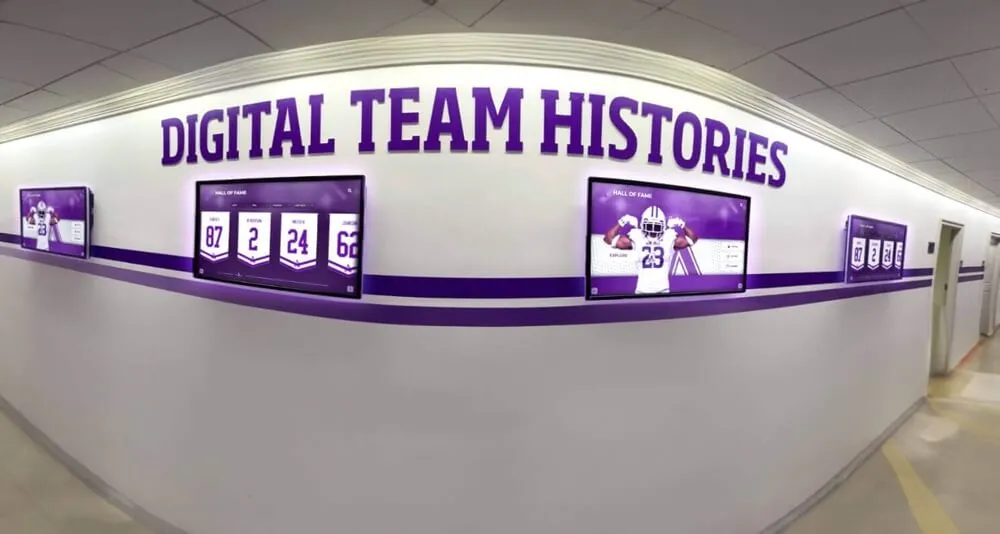
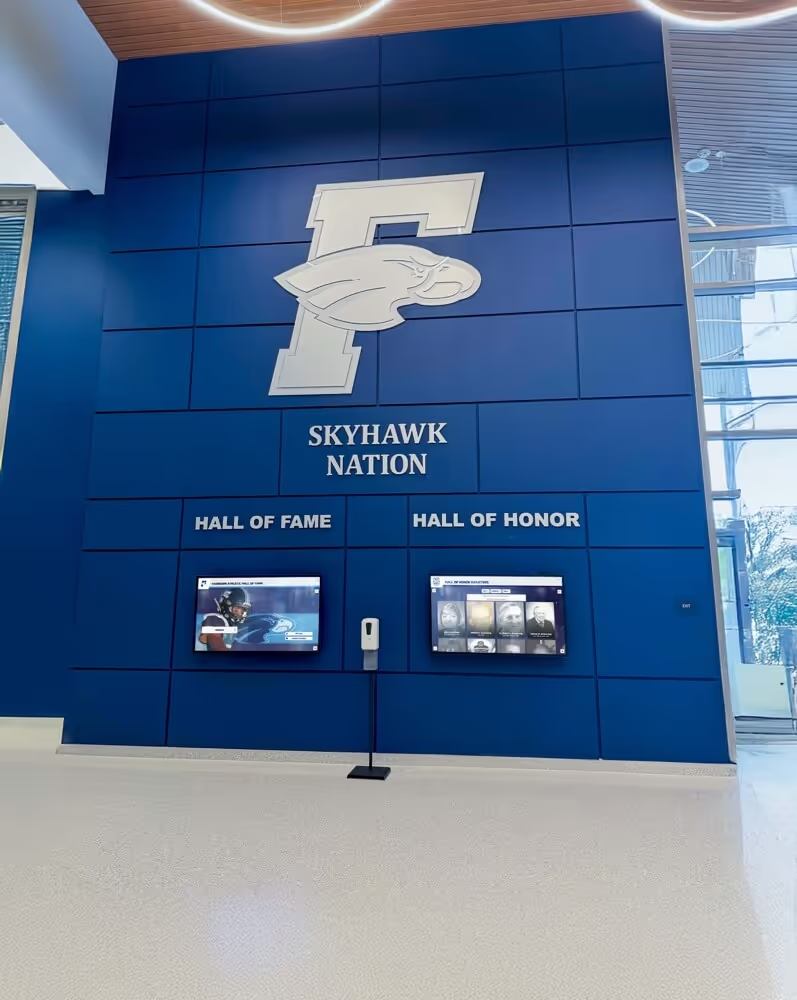
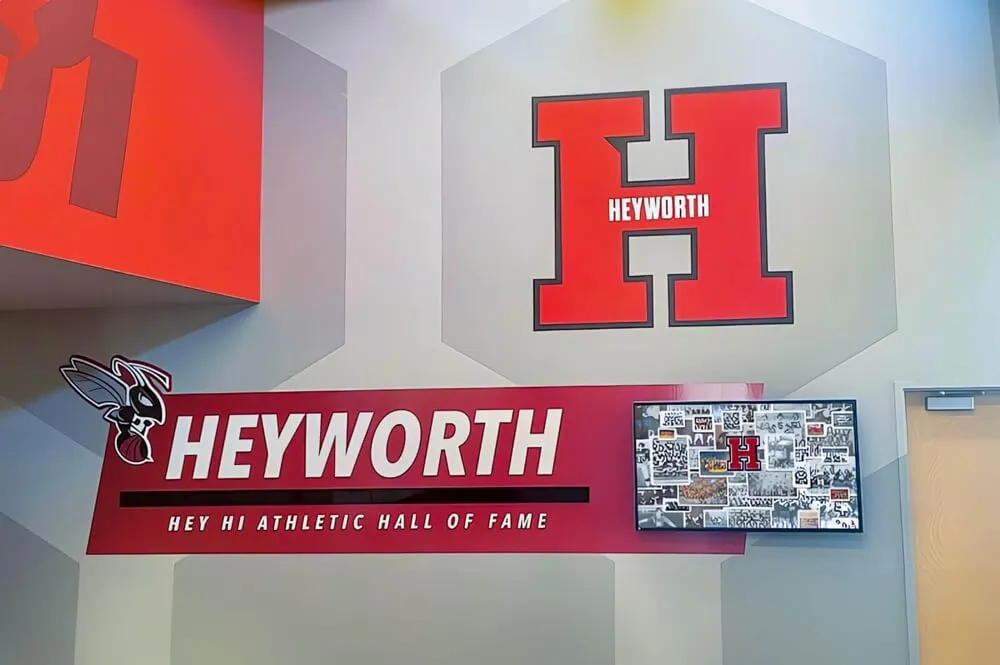
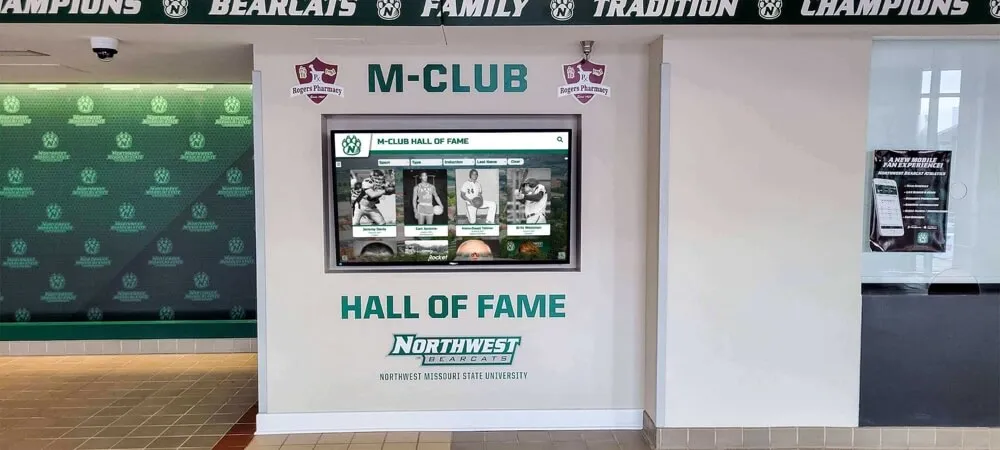
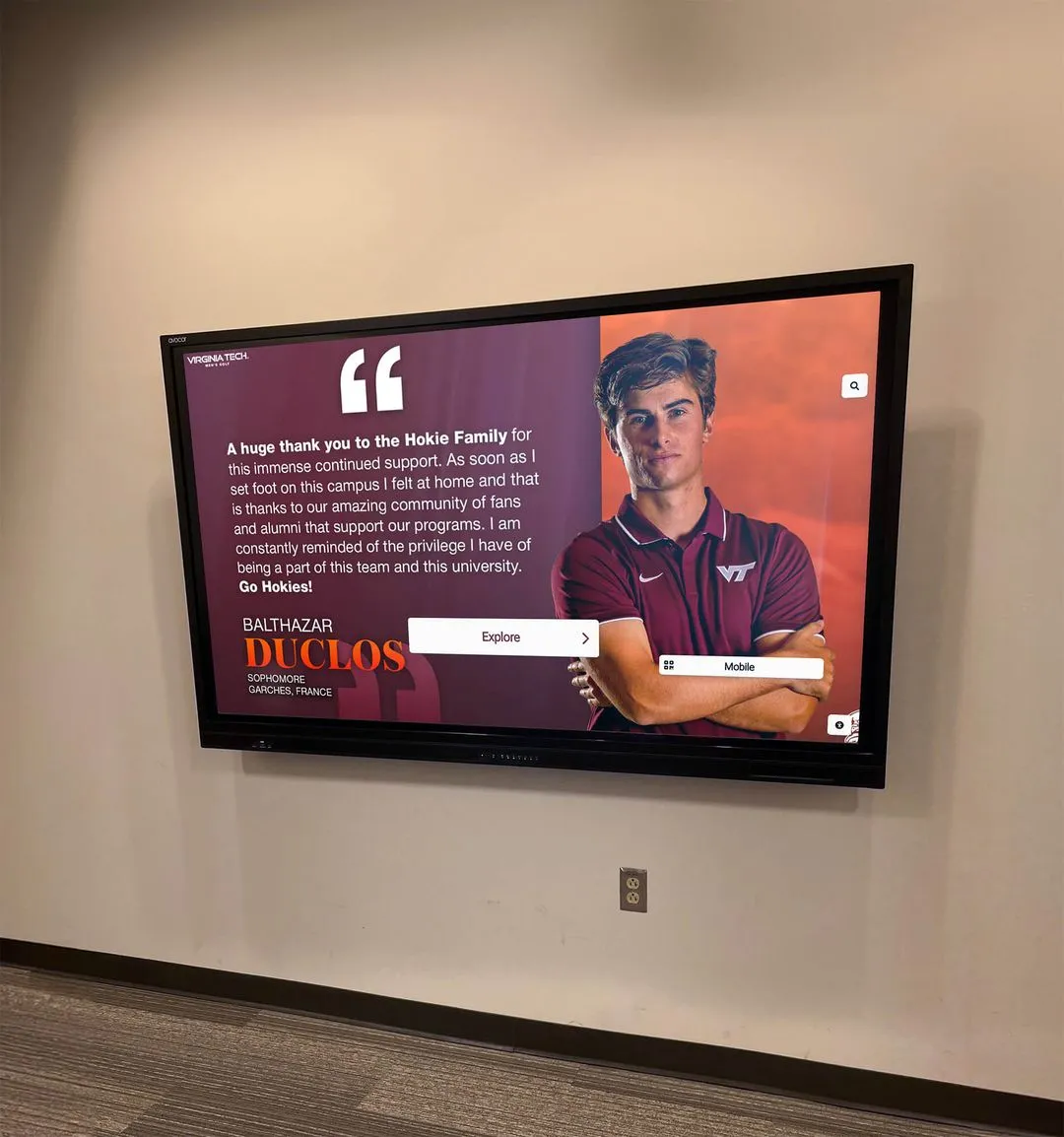
Hall of fame displays and athletics recognition panels are often funded through grant programs; a written grant policy creates the approval and tracking record that confirms how each element was authorized and what recognition obligations accompanied the funding
What a Booster Club Grant Policy Is
A booster club grant policy is a written governance document that specifies which programs and individuals may apply for booster-funded grants, what application and review steps must be completed before funds are awarded, how awarded amounts are disbursed and tracked, and what recognition or reporting obligations accompany each grant. It is distinct from a general spending policy in one important respect: grants involve an external applicant—a sports team, a coaching staff, an athletic program, or an individual student-athlete—making a request that the booster club evaluates and decides upon according to defined criteria.
Programs that operate grant programs without a written policy face three recurring problems:
- Eligibility disputes — applicants who were turned down for reasons that were never communicated in advance, or accepted under criteria that no longer reflect the organization’s actual priorities
- Approval inconsistency — grant decisions made differently by different officer generations because no documented standard governs how applications are evaluated
- Tracking failures — funds awarded but not connected to a use report, a recognition commitment, or a documentation trail that the next officer cohort can locate
A written policy resolves all three by establishing the criteria, the process, and the documentation requirements in a form that any officer can apply consistently, regardless of when they joined the board.
Grant Eligibility Criteria
Eligibility criteria define who may apply, for what categories of expense, and under what conditions. A well-constructed eligibility section prevents the most common source of grant disputes—an application submitted in good faith for a purpose the organization was never prepared to fund.
Who May Apply
Eligibility should be defined by role and relationship to the program, not by individual name. Common eligibility categories for school booster club grant programs include:
| Applicant Category | Typical Eligibility Conditions |
|---|---|
| Varsity sport programs | Active status; coach in good standing; application submitted by head coach |
| Junior varsity and sub-varsity programs | Same conditions as varsity; may carry lower award ceiling |
| Individual student-athletes | Enrolled and academically eligible; nominated by head coach or athletic director |
| Athletic department projects | Application submitted by athletic director; ties to documented program need |
| Hall-of-fame or recognition committee | Formal committee status; application approved by committee chair |
| School archive or history programs | Documented relationship to athletics program; institutional endorsement |
The policy should state explicitly that eligibility does not guarantee an award—meeting the eligibility conditions qualifies an applicant for review, not for automatic funding.
Eligible Expense Categories
Define which types of expenses the grant program is designed to fund. Programs that leave expense eligibility open-ended receive applications for expenses that were never contemplated in the original program design and must decline them without clear policy authority to do so.
| Expense Category | Eligible | Conditions |
|---|---|---|
| Athletic equipment purchases | Yes | Equipment must be for program use; not for individual ownership |
| Uniforms and team apparel | Yes | For team-issued items only; not individual personal items |
| Travel for championship competition | Yes | Post-season, invitational, or qualifying events; budget documentation required |
| Recognition and award program costs | Yes | Trophies, plaques, display installations, hall-of-fame induction materials |
| Facility improvements related to athletics | Case-by-case | Board approval required; district facilities review recommended |
| Coaching clinics and professional development | Yes | Directly connected to program improvement; attendance documentation required |
| Academic support for student-athletes | Case-by-case | Defined relationship to athletic program participation required |
| General operating expenses | No | Grant funds are for program enhancement, not base operating costs |
| Salary supplements or personal payments | No | Grant funds may not supplement individual compensation |
Grant Ceiling and Floor
The policy should define a maximum award amount, a minimum request threshold below which informal officer approval is sufficient, and any limits on repeat grants within a fiscal year. These parameters shape the program’s scope and set realistic expectations for applicants before they invest time in an application.
A typical structure for a mid-sized booster program:
- Minimum grant request: $200 (requests below this amount are handled through standard purchasing or petty cash)
- Standard grant ceiling: $2,500 per application
- Maximum per program per year: $5,000 across all grants combined
- Emergency grants: Up to $1,000 with expedited review for documented urgent needs

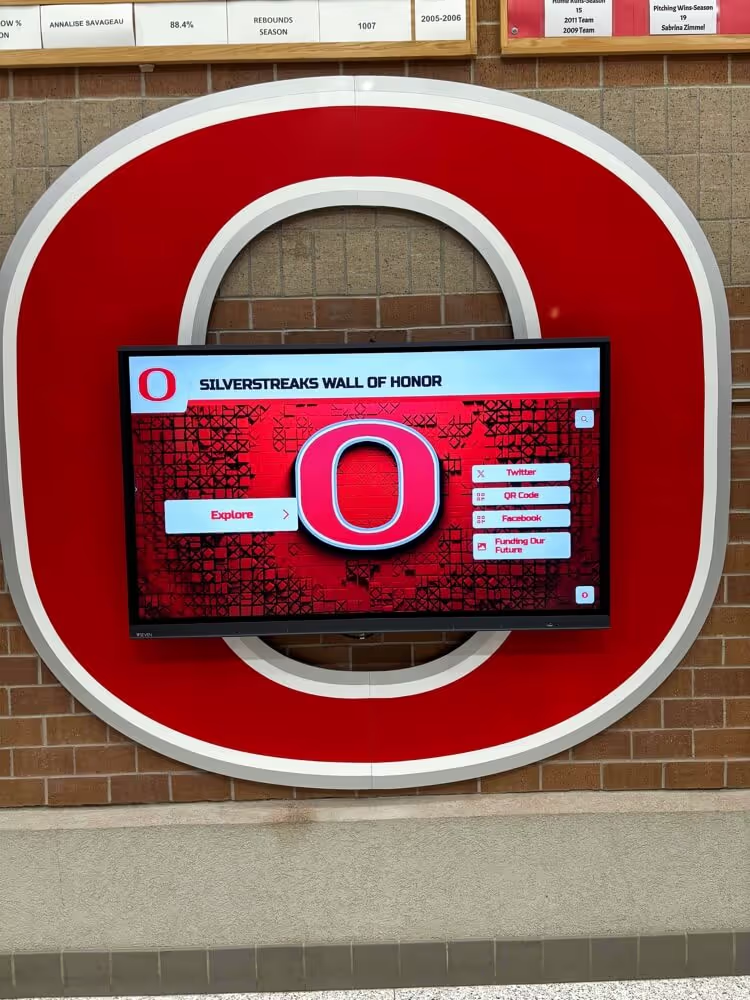
Athletic honor walls and portrait recognition displays frequently begin as approved grant projects—the policy that governed the original award determines whether the documentation behind the display is retrievable by the administrators who maintain it years later
Grant Approval Workflow
The approval workflow defines the steps between application submission and funds disbursement. A documented workflow ensures that every grant receives the same review, regardless of who is on the board when the application arrives.
Application Requirements
Every application should capture the same information, regardless of the applicant or the requested amount. A standardized application form prevents the common situation where informal grant requests—submitted by email or raised verbally at a board meeting—receive different levels of documentation than formal written applications.
Required application elements:
- Applicant name, role, and program
- Requested amount and specific line-item budget breakdown
- Description of the purpose and how it serves the athletic program
- Timeline for the expenditure
- Vendor name or source (if known at time of application)
- Whether a vendor quote has been obtained, and if so, the amount
- Whether the request has been submitted to or declined by another funding source
- Recognition or reporting commitment the applicant agrees to fulfill if funded
Applications submitted without all required elements should be returned for completion before the review clock starts—not reviewed with missing information and subsequently reconsidered.
Review Process
The review process should specify who evaluates applications, what criteria they apply, and how the decision is documented.
| Stage | Responsible Party | Action | Documentation |
|---|---|---|---|
| Completeness check | Grant committee or treasurer | Verify all required fields submitted | Checklist signed; deficient applications returned |
| Eligibility verification | Grant committee | Confirm applicant and expense categories meet policy | Eligibility confirmation noted in review record |
| Budget review | Treasurer | Confirm requested amount is within available grant budget | Available balance confirmed in writing |
| Merit evaluation | Grant committee (3–5 members recommended) | Score application against defined criteria | Score sheet completed for each application |
| Award decision | Board vote (for awards above defined threshold) | Majority vote to approve, modify, or decline | Decision recorded in board minutes |
| Applicant notification | Grant committee chair | Written notification of decision | Approval or decline letter filed with application |
| Disbursement authorization | Treasurer + second signatory | Award check or electronic transfer with dual authorization | Payment record cross-referenced to grant file |
Merit evaluation criteria (sample scoring rubric):
| Criterion | Weight | Scoring Guide |
|---|---|---|
| Program need and impact | 30% | Is this expense necessary for the program to function or improve? |
| Number of student-athletes served | 25% | Does the grant benefit a team or group rather than a single individual? |
| Budget documentation | 20% | Is the expense estimate documented with quotes or invoices? |
| Alignment with booster mission | 15% | Does the request serve the booster club’s stated athletic support goals? |
| Reporting commitment | 10% | Has the applicant committed to a use report at completion? |
Approval Thresholds
Not every grant award requires a full board vote. Define approval authority by award amount so the process is fast enough to be useful while maintaining appropriate oversight for larger awards.
| Award Amount | Approval Authority |
|---|---|
| Under $500 | Grant committee approval (majority of committee members) |
| $500–$2,500 | Grant committee recommendation + board vote at next meeting |
| Above $2,500 | Board vote required before disbursement; cannot be delegated |
| Emergency awards (any amount under ceiling) | Expedited committee approval with board ratification within 30 days |
Building a school pride culture through recognition programs is one of the goals that grant-funded awards, displays, and recognition infrastructure directly serve—and the approval workflow that governs which projects receive funding is as important to that culture as the projects themselves. A community that sees consistent, fair, and documented grant decisions trusts the organization making them.
Tracking Awarded Grants
Tracking is the component most often absent from informal grant programs. An organization that awards grants without a tracking system cannot answer the questions that arise at audit time, at officer transition, or when a donor asks how their contribution was deployed: Was the grant used for its stated purpose? Was a use report submitted? Is the recognition obligation the grant created fulfilled?
Grant Register
Every awarded grant should be entered into a grant register—a running record of all awards made in the current fiscal year and any open awards from prior years whose reporting obligations have not yet been fulfilled.
Grant register fields:
GRANT REGISTER ENTRY

Grant ID:           [sequential number, e.g., GR-2026-007]
Applicant:          [name and role]
Program:            [sport or program area]
Award Date:         [date of board approval]
Awarded Amount:     $
Purpose:            [one-sentence description matching the application]
Disbursement Date:  [date funds were transferred or check issued]
Disbursement Method:[check number / ACH reference]
Reporting Deadline: [date by which use report is due]
Recognition Obligation: [describe any display, award, or naming commitment]
Use Report Received: [Yes / No / Date received]
Grant Closed:       [Yes / No / Date closed]
Notes:              [any modifications, partial disbursements, or open items]
The grant register should be reviewed at every board meeting as a standing agenda item—not only when a specific grant is raised. Open grants whose reporting deadlines have passed represent unfulfilled commitments that should be followed up by the grant committee chair before the register is reviewed at the board level.
Use Reporting Requirements
A grant awarded without a use reporting requirement is a disbursement, not a grant. Use reports create the accountability link between the awarded amount, the stated purpose, and the actual expenditure—and they generate the documentation that connects grant outcomes to the recognition records athletic directors and hall-of-fame committees maintain.
Minimum use report elements:
- Grant ID and original award amount
- Actual amount spent and purpose of each expenditure
- Vendor name(s) and invoice number(s) for all expenditures
- Any unspent balance and its disposition (returned to grant fund or applied with board approval to a related expense)
- Outcome description: how the funds served the program
- Recognition element description: if the grant funded an award, display, or named recognition item, describe it and confirm it has been installed or issued
- Submitted by and date
Grant recipients who do not submit use reports within the defined period should become ineligible for future grants until the outstanding report is received. This policy should appear explicitly in the grant policy document and be communicated to applicants at the time of award.
Connecting Tracking to Recognition Records
When a grant funds an award, a recognition display element, or equipment that generates an athletic record, the grant register entry should be cross-referenced to the recognition record in the athletic department’s or hall-of-fame committee’s systems. That cross-reference creates an institutional trail: the trophy on the display case, the name on the donor wall, or the equipment that enabled a record-setting season can be traced back to the grant award that funded it.
Sport end-of-year award programs generate exactly this kind of documentation opportunity—the grant that funded the award trophies, the award ceremony that recognized the recipients, and the hall-of-fame or record board entry that preserves the achievement are all connected through documentation. A well-maintained grant register is part of the governance chain that makes that connection traceable.

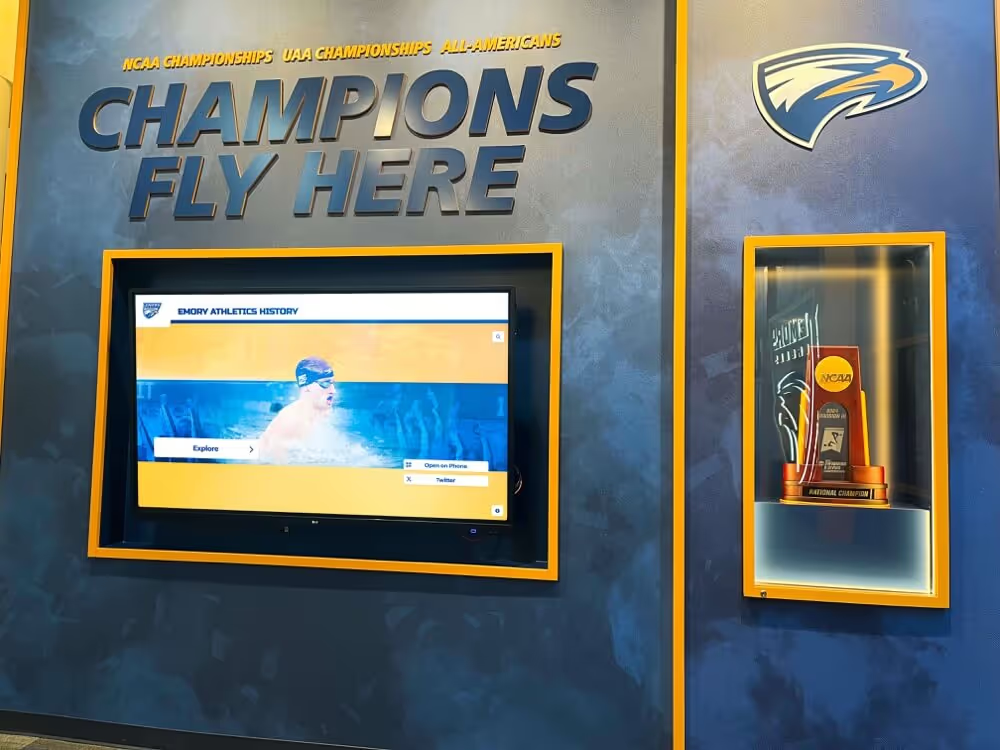
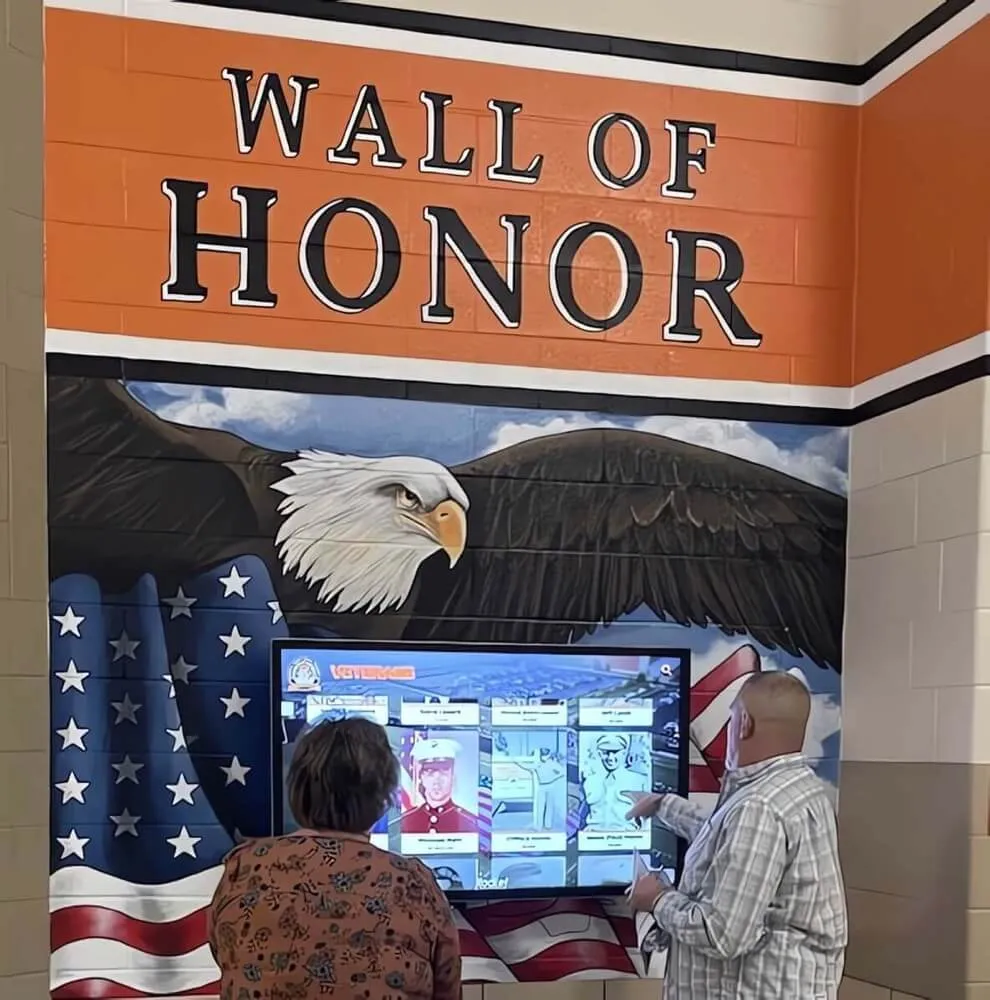
Championship displays and trophy walls represent recognized achievement funded over many seasons—the grant policy records behind equipment purchases, award programs, and display installations form the governance foundation that incoming leaders can review and extend
Connecting Grant Outcomes to Recognition Programs
The grant policy’s most important long-term function is not financial—it is institutional. Every grant awarded by a booster club creates one of two types of outcomes: a consumed expenditure (supplies purchased, travel completed) or a lasting artifact (award presented, display installed, record board updated). The lasting artifacts are the ones that generate recognition obligations.
Grants That Create Recognition Obligations
Recognition obligations arise when a grant funds:
- A named award — a perpetual trophy, a scholarship award, or a season-ending award in a specific sport category that will be awarded again in future years
- A recognition display element — a donor plaque, a hall-of-fame panel, a record board installation, or a digital display profile funded through the grant program
- Equipment with display history — game-winning equipment, championship-season gear, or record-breaking apparatus that eventually enters the archive or the physical display space
- A ceremony or event with documented honorees — an awards banquet, a hall-of-fame induction event, or a senior recognition ceremony whose honorees should appear in the program’s institutional record
When a grant creates any of these outcomes, the grant register entry should include a recognition obligation field that describes what is owed, where it will be displayed or recorded, and how long the obligation runs.
Documentation Chain from Grant to Display
A complete documentation chain runs from the grant application through the award decision, the disbursement, the use report, and the recognition installation or event record. Programs that maintain this chain create an institutional resource that serves multiple audiences:
- Athletic directors can identify which recognition elements were funded through the grant program and which were funded through other sources
- Hall-of-fame committees can verify when a display element was installed, what it represents, and what governance decision authorized it
- Incoming officers can find the original grant authorization for any recognition commitment they inherit, rather than relying on the memory of a predecessor
- Donors and sponsors who contributed to the booster fund can see how grants connected their contributions to visible outcomes in the school’s recognition space
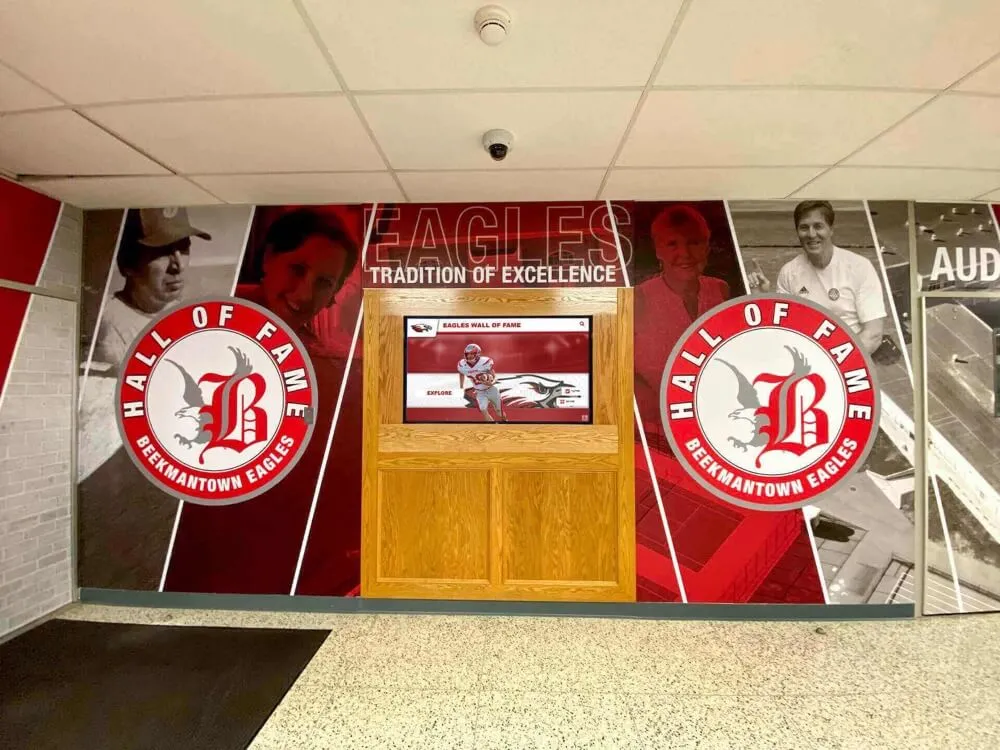
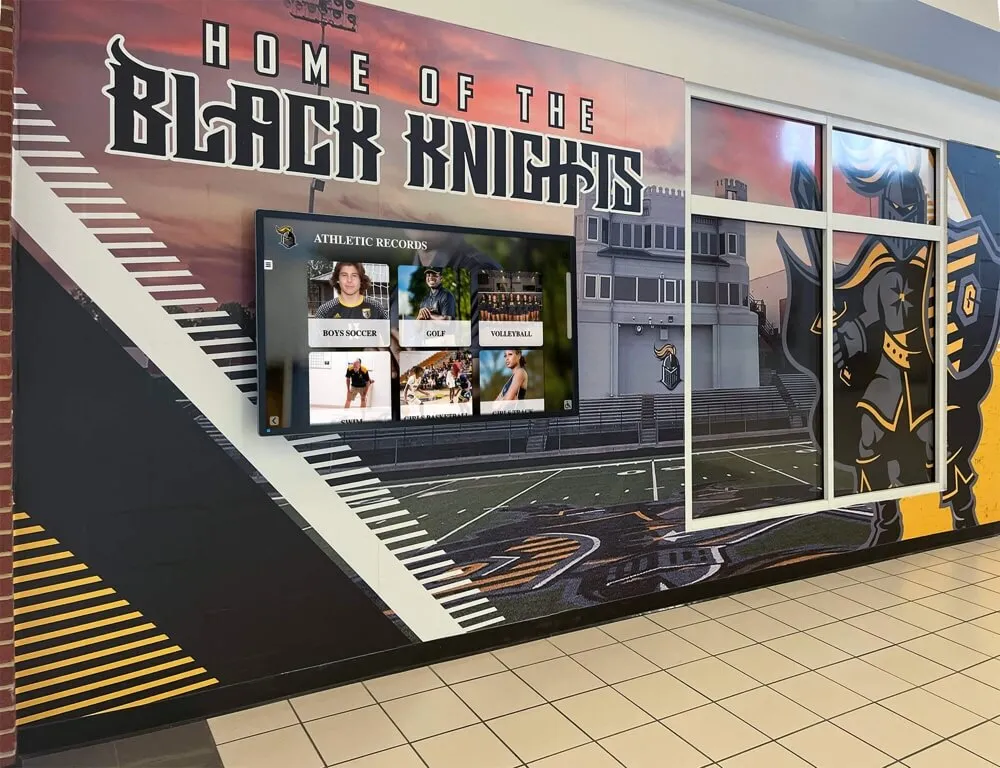
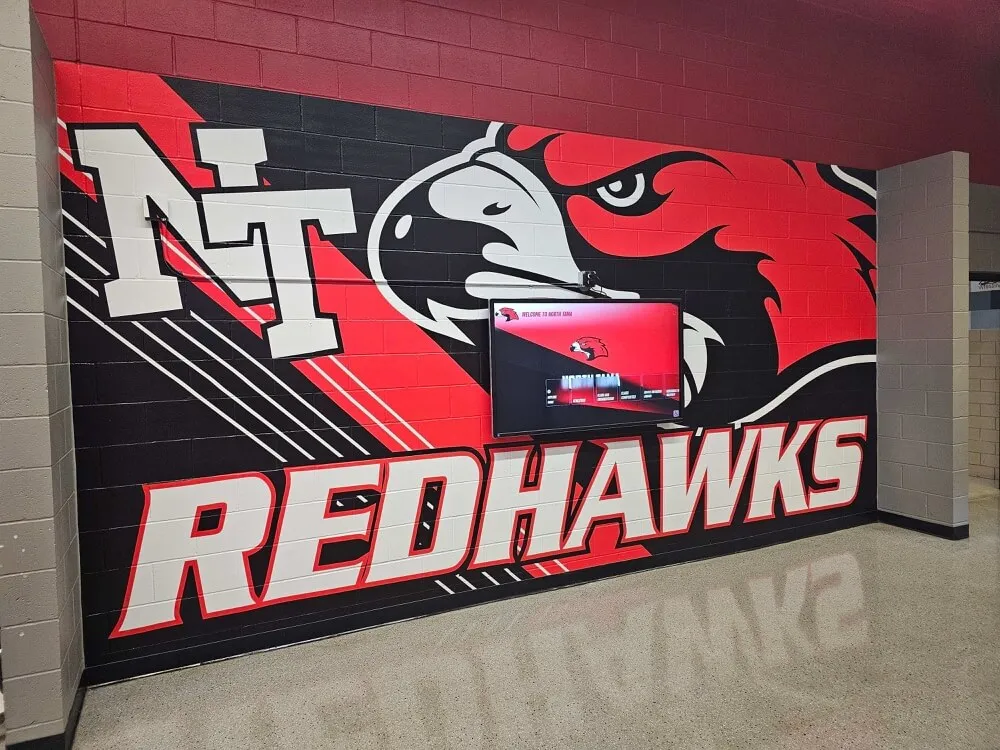
Wall wraps and school recognition installations are a category of grant-eligible display project where the documentation chain matters most: a wall wrap or mural is a major capital expenditure with a long display life, and the approval record behind it should be accessible to every facilities manager and athletic administrator who interacts with the space over the next decade. A grant register entry, cross-referenced to the board minutes that authorized the award and the use report that confirmed installation, is that record.
Grants Tied to Academic and Multi-Sport Recognition
Some booster club grant programs extend beyond purely athletic outcomes to support academic recognition for student-athletes—honor roll displays, academic all-state recognition panels, or scholarship award programs that honor academic achievement alongside athletic performance. Academic recognition program design covers the structural considerations for programs that honor student-athletes across both athletic and academic dimensions—a useful framework for grant committees evaluating applications where the purpose spans both domains.
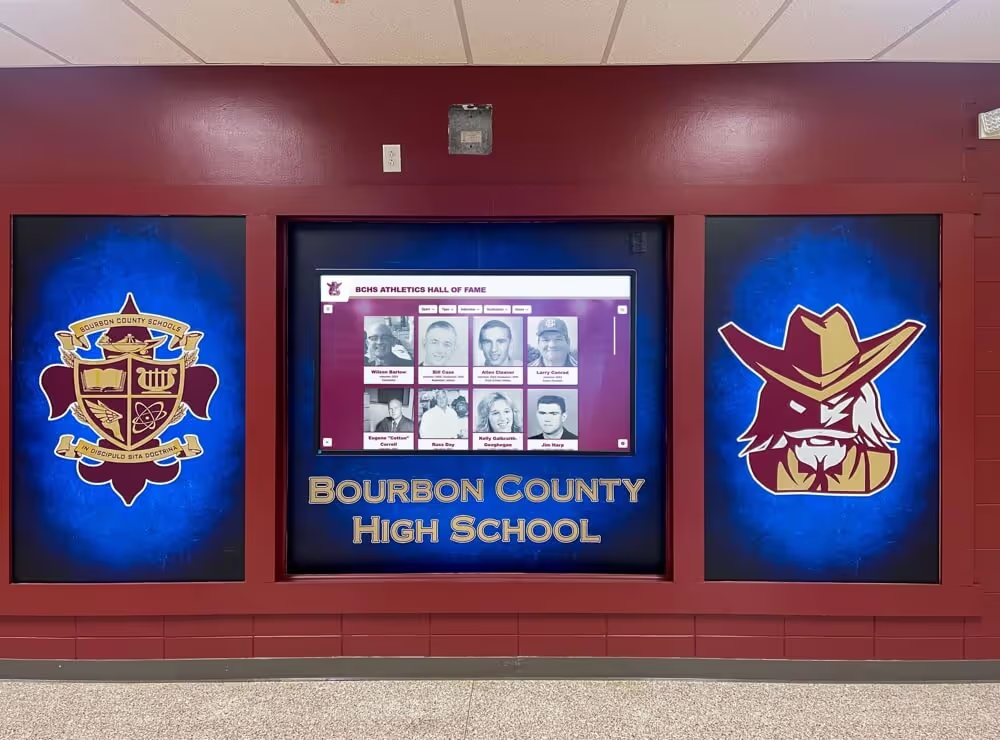
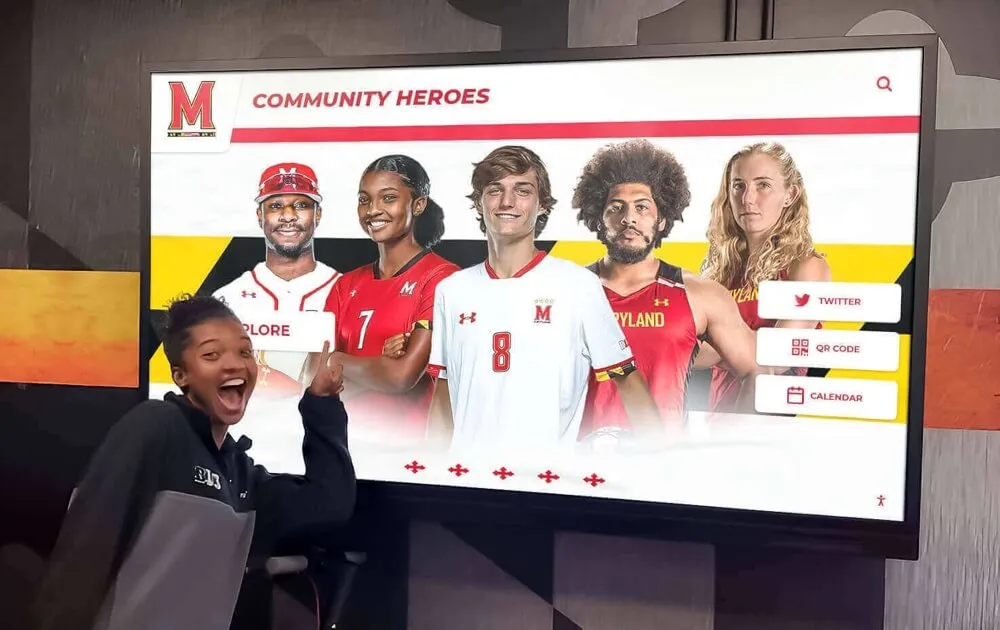
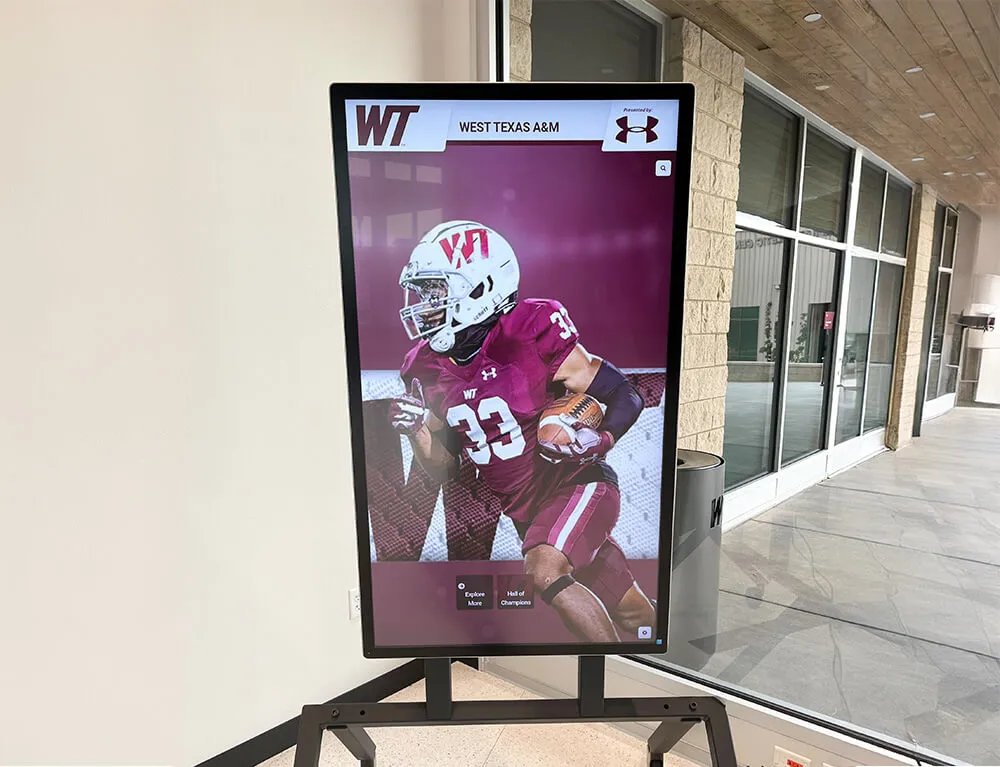
Interactive touchscreen recognition systems are increasingly common grant-eligible projects for programs that want to build digital recognition infrastructure—lobby kiosks, hallway touchscreens, or multi-sport hall-of-fame displays—that can be updated over time as new honorees are added and new achievements are recognized. A grant that funds the initial installation of such a system creates a recognition obligation that extends far beyond the fiscal year in which the award was made, which is precisely the kind of long-term commitment the grant policy’s recognition section must document.

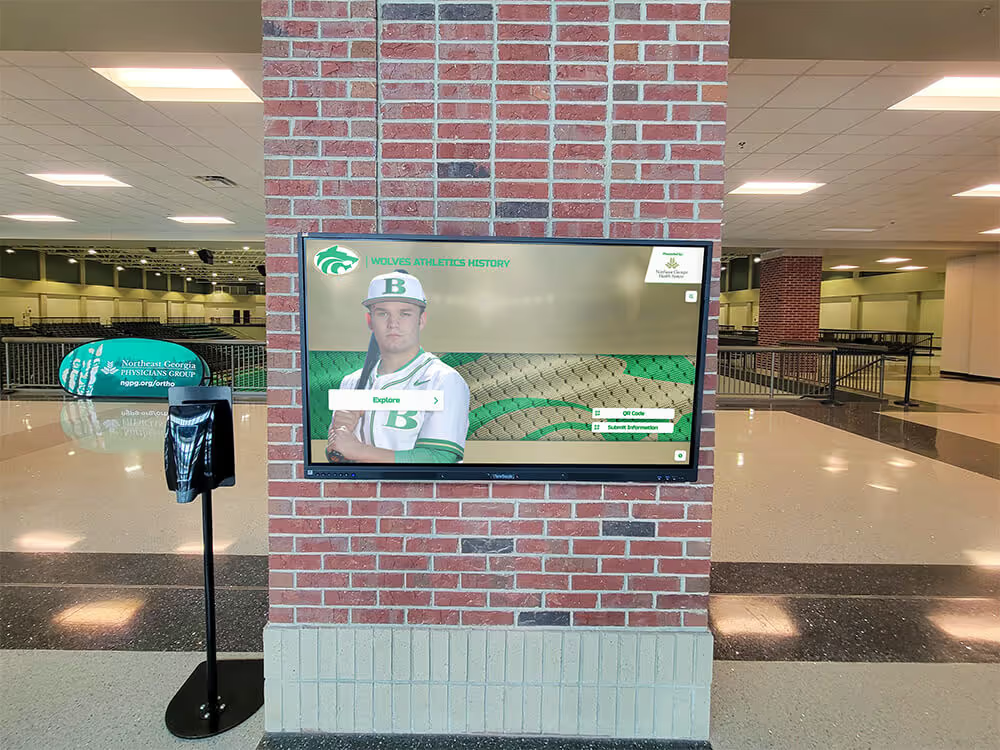
Lobby hall of fame systems with integrated digital displays combine a physical installation with an ongoing content management obligation—the grant record that authorized the project should document both the initial purchase and the recognition commitments that follow it
Sample Booster Club Grant Policy
The following template is a starting point for programs that have been managing grants informally and are formalizing the process for the first time. Adapt the thresholds and eligibility categories to match your program’s annual grant budget and governance structure.
BOOSTER CLUB GRANT POLICY
[Organization Name]
Adopted: [Date] | Last Reviewed: [Date]

SECTION 1 — PURPOSE
This policy establishes the eligibility criteria, application requirements,
approval workflow, tracking standards, and recognition obligations for all
grants awarded by the organization to athletic programs, student-athletes,
and school athletic initiatives.

SECTION 2 — ELIGIBILITY
2.1 Eligible applicants: Varsity and sub-varsity sport programs; individual
    student-athletes nominated by a head coach or athletic director; the
    athletic department; and formally established hall-of-fame or recognition
    committees.

2.2 Eligible expenses: Athletic equipment for team use; uniforms for
    team-issued items; travel for championship or qualifying events; recognition
    and award program costs including trophies, plaques, and display
    installations; coaching clinics and professional development directly
    connected to program improvement.

2.3 Ineligible expenses: Salary supplements or personal payments; general
    operating expenses; expenses that duplicate district-funded program costs;
    expenses for items already purchased without prior grant approval.

2.4 Grant limits: Minimum request $[200]; standard ceiling $[2,500] per
    application; maximum per program per year $[5,000] combined.

SECTION 3 — APPLICATION REQUIREMENTS
All grant applications must be submitted on the organization's standard
application form and must include: applicant name and role; requested
amount with line-item budget; purpose description; timeline; vendor
information if available; confirmation of whether other funding sources
have been consulted; and a signed reporting commitment.

Incomplete applications will be returned for completion. The review
period begins only when a complete application is received.

SECTION 4 — APPROVAL WORKFLOW
4.1 Awards under $500: Grant committee majority vote.
4.2 Awards $500–$2,500: Grant committee recommendation plus board vote.
4.3 Awards above $2,500: Board vote required before disbursement.
4.4 Emergency awards: Grant committee approval with board ratification
    within 30 days; documented explanation of urgency required.

All decisions above the officer level are recorded in board minutes.
Applicants receive written notification of all decisions within
[10] business days of the deciding vote.

SECTION 5 — DISBURSEMENT
Funds are disbursed only after formal written approval. Disbursements
above the dual-signature threshold defined in the organization's dual
signature policy require two-officer authorization before funds are
transferred. All disbursements are entered in the grant register at
the time of payment.

SECTION 6 — TRACKING AND REPORTING
6.1 Grant register: All awarded grants are entered in the organization's
    grant register within [5] business days of the award decision.

6.2 Use reports: Grant recipients must submit a use report within
    [60] days of completing the funded activity or by the end of the
    fiscal year, whichever is earlier. Use reports must include actual
    expenditures, vendor documentation, outcome description, and
    recognition element confirmation if applicable.

6.3 Non-compliance: Recipients who do not submit required use reports
    within the specified period are ineligible for future grants until
    the outstanding report is received.

SECTION 7 — RECOGNITION OBLIGATIONS
7.1 When a grant funds a named award, recognition display element, or
    institutional archive item, the grant register entry must document:
    the recognition form, its location or display plan, the duration of
    the recognition commitment, and the officer responsible for
    confirming installation or issuance.

7.2 Recognition obligations created by grant awards are treated as
    organizational commitments that survive officer transitions. Incoming
    officers must be briefed on open recognition obligations at the time
    of transition.

SECTION 8 — ANNUAL REVIEW
The grant policy is reviewed by the board of directors at least once
per fiscal year. The grant register for the closing fiscal year is
presented at the year-end meeting, with a summary of awards made, use
reports received, and open reporting obligations. Threshold amounts
and eligibility categories may be revised by majority board vote.

Approved by: ______________________________ Date: ___________
[Board Chair or President signature block]
Connecting Grant Documentation to Athletic Program Records
A booster club grant policy is a governance document, but its downstream effects are recognizable in the school’s physical and digital spaces: the trophy case with the award funded by last year’s grant, the lobby display panel installed under a three-year-old award that required a use report, the hall-of-fame induction funded through an emergency grant application that was later ratified by the board.
Donor recognition plaque design and materials is a practical reference for grant committees evaluating applications for recognition display projects—when a grant application requests funds for a recognition installation, the committee benefits from understanding what different display formats cost, how they are maintained, and what materials are appropriate for the intended display environment before approving the award.
When booster clubs connect grant decisions to a larger capital or recognition campaign timeline, the grant program functions as a distributed funding mechanism that advances larger institutional goals over multiple years. Capital campaign timelines and planning frameworks are a useful reference for programs that are managing grant cycles alongside longer-horizon recognition or facility projects—particularly when a grant-funded display installation is one phase of a multi-year recognition infrastructure build.
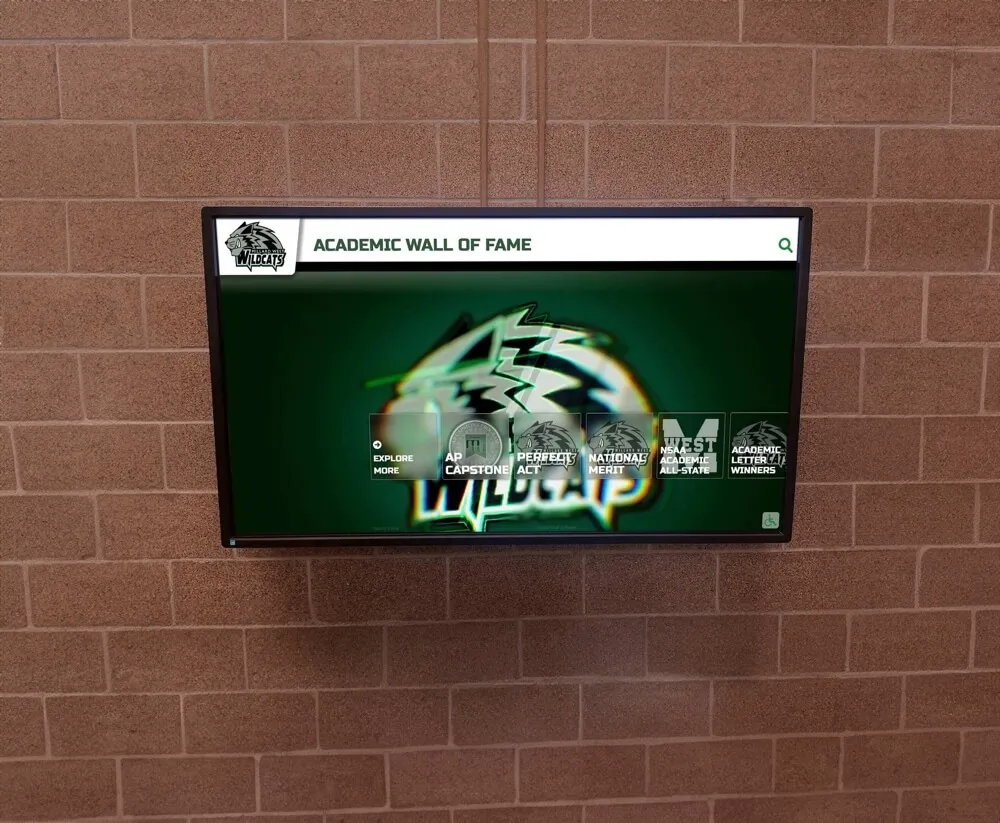
National Merit scholar and high-achieving student recognition through touchscreen displays illustrates how the same digital recognition infrastructure that honors athletic achievement can extend to academic and community achievement—context that is directly relevant to booster programs whose grant policy includes academic support categories or cross-domain recognition projects.

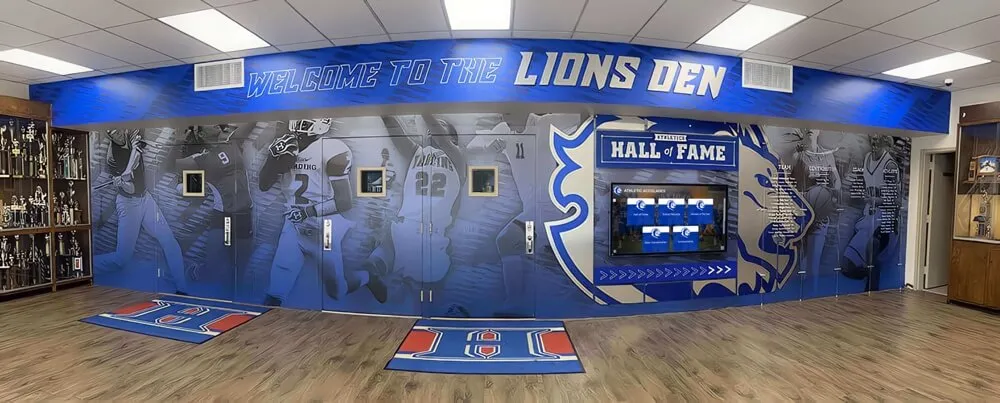
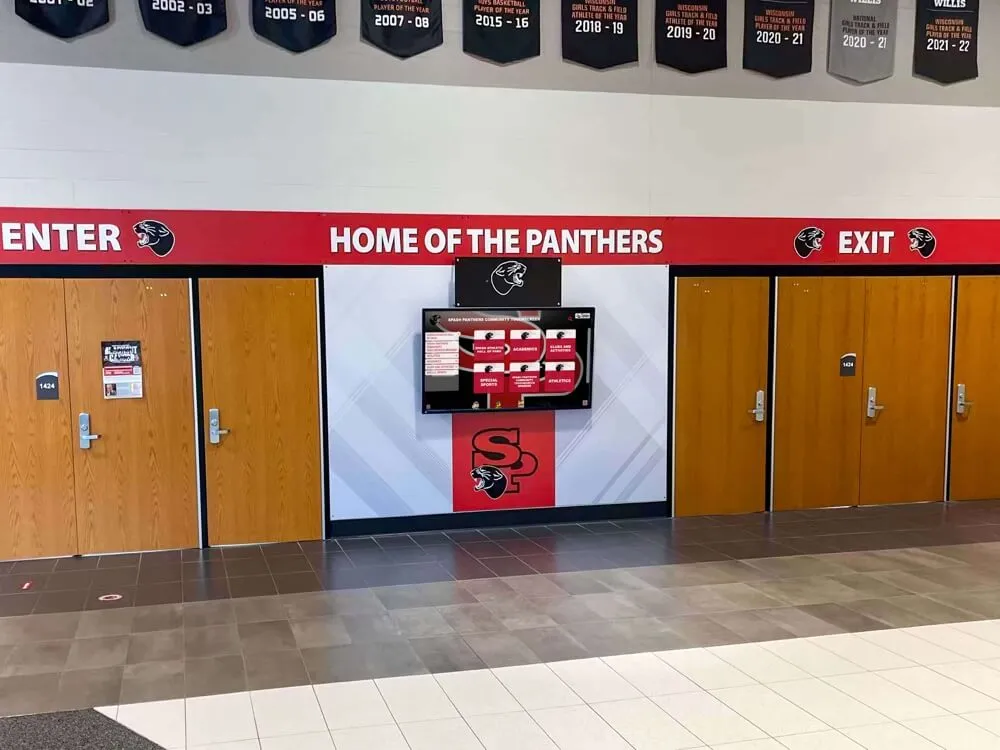
Athletic hallway displays and record boards reflect grant-funded projects that were documented, approved, and tracked according to a written policy—the governance record behind each display element is what makes it maintainable and verifiable by future athletic directors and administrators
Frequently Asked Questions
What is a booster club grant policy?
A booster club grant policy is a written governance document that defines which programs and individuals may apply for booster-funded grants, what application and review steps are required, how awards are approved and documented, how funds are tracked through disbursement and use reporting, and what recognition obligations accompany awards that fund display elements, named awards, or institutional archive items. It distinguishes grant funding from general spending by establishing an external applicant process, defined eligibility criteria, and a use-reporting requirement that connects the award to its stated outcome.
Who is eligible to apply for booster club grants?
Eligibility varies by organization, but most booster club grant policies extend eligibility to sport program heads, the athletic department, formally constituted hall-of-fame or recognition committees, and in some cases individual student-athletes nominated by a head coach. The policy should define eligibility by role, not by individual name, so it remains valid through coaching and officer transitions. Eligibility confirms that an applicant may submit a review-ready application; it does not guarantee an award.
What expenses are typically eligible for booster club grant funding?
Common eligible categories include athletic equipment for team use, uniforms for team-issued items, travel to championship or qualifying events, and recognition and award program costs such as trophies, plaques, display installations, and hall-of-fame induction materials. Most policies exclude salary supplements, personal payments, general operating costs, and expenses that duplicate district-funded program costs. The policy should define these categories explicitly so applicants can determine before applying whether their proposed expense is eligible.
How should grant applications be reviewed and approved?
A documented review process typically proceeds through a completeness check, an eligibility verification, a budget confirmation, a merit evaluation by a grant committee, and a board vote for awards above a defined threshold. Grant committee members evaluate applications against published criteria—commonly including program need, number of student-athletes served, budget documentation, and alignment with the booster mission. The decision, whether approval, modification, or decline, should be recorded in board minutes for awards at or above the board-vote threshold and communicated to applicants in writing within a defined period.
What should a use report include?
A use report submitted by a grant recipient should include the grant ID and original award amount, actual expenditures with vendor names and invoice numbers, any unspent balance and its disposition, a description of how the funds served the program, and a description of any recognition element that was installed or issued as part of the funded project. Programs that fund recognition displays, award trophies, or named installations should require confirmation in the use report that the recognition element has been installed, placed, or issued as described in the application.
How does a grant policy connect to recognition displays and hall-of-fame programs?
When a grant funds a recognition display element, a named award, or equipment that becomes part of the school’s institutional record, the grant register entry should document the recognition obligation: the form of recognition, its location, its duration, and the officer responsible for confirming installation. That documentation creates a cross-reference between the financial governance record and the recognition record maintained by the athletic director or hall-of-fame committee. Incoming officers who inherit recognition commitments created by prior grant awards can locate the authorization in the grant register rather than relying on institutional memory.
What happens if a grant recipient does not submit a use report?
The policy should state explicitly that recipients who fail to submit required use reports within the defined period become ineligible for future grants until the outstanding report is received. The grant committee chair should follow up on overdue reports before the next board meeting and report open obligations to the board as part of the grant register review. For grant-funded recognition projects, an overdue use report also signals that a recognition obligation may be unfulfilled—which should prompt direct follow-up with the recipient to confirm the display or award was actually installed or issued as planned.
Should the grant policy address pep rallies and recognition events?
If the booster club funds athletic events with a recognition component—pep rallies, spirit events, or school-wide athletic celebrations—the policy’s eligible expense categories should specify whether event funding falls within the grant program or is handled through a separate event budget. Events that include a display component, an award presentation, or a recognition ceremony whose honorees should appear in institutional records may warrant grant treatment precisely because the recognition commitment they create is long-lived, even if the event itself is a single occasion.
When your program is ready to connect its grant documentation to the recognition infrastructure that displays award recipients, hall-of-fame inductees, and sponsor acknowledgments in your lobby, corridor, or hallway, explore how Rocket Alumni Solutions supports booster clubs with managed recognition display systems built for long-term stewardship and governance accountability.
Ready to Connect Your Grant Program to a Recognition System?
Rocket Alumni Solutions helps booster clubs and athletic programs build managed recognition displays that reflect the investments your grant program makes—accurately, durably, and with the documentation your governance record requires.
Request a Demo