School athletic programs face a persistent challenge: institutional budgets rarely cover the full costs of competitive sports. Equipment, uniforms, facility maintenance, travel, coaching supplements, and program enhancements require funding beyond what most school districts can provide. This gap between available resources and program needs threatens athletic opportunities for thousands of student-athletes across the country.
Booster clubs bridge this critical funding gap. These volunteer-led parent organizations raise hundreds of thousands of dollars annually, enabling athletic programs to provide quality competitive experiences, maintain safe equipment, travel to competitions, upgrade facilities, and support student-athletes in ways that institutional budgets simply cannot match.
Yet building and sustaining an effective booster club requires far more than organizing occasional fundraisers. Successful programs need clear organizational structure, systematic fundraising approaches, engaged volunteer leadership, transparent financial management, strategic athlete recognition, and sustainable operations that survive leadership transitions and enrollment fluctuations.
This comprehensive guide provides practical frameworks for building booster clubs that generate reliable revenue, engage community supporters, minimize volunteer burnout, maintain financial accountability, and create lasting support systems ensuring athletic programs thrive across multiple sport seasons. Whether you’re launching a new booster organization or revitalizing an existing club struggling with participation or revenue, these strategies help create sustainable athletic support that benefits student-athletes for years to come.
Effective booster clubs balance multiple objectives simultaneously: raising sufficient funds to meet athletic program needs, protecting volunteer capacity through efficient operations, maintaining community engagement beyond current parent participation, demonstrating financial transparency building donor trust, recognizing supporters appropriately to inspire continued giving, and building organizational sustainability that endures through inevitable leadership changes.

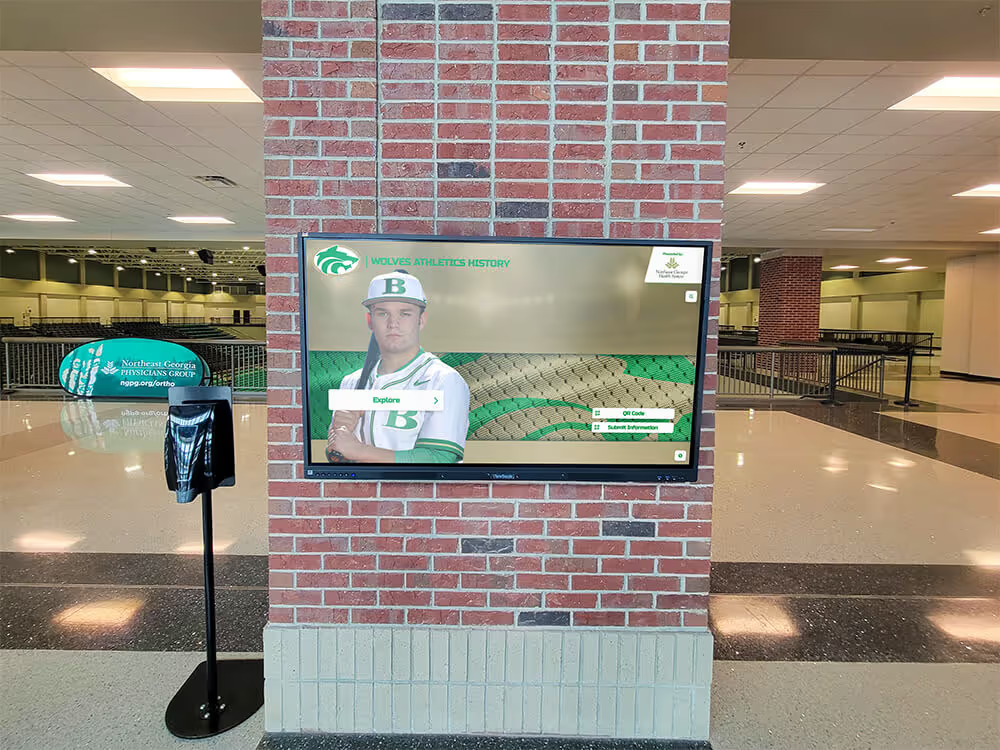
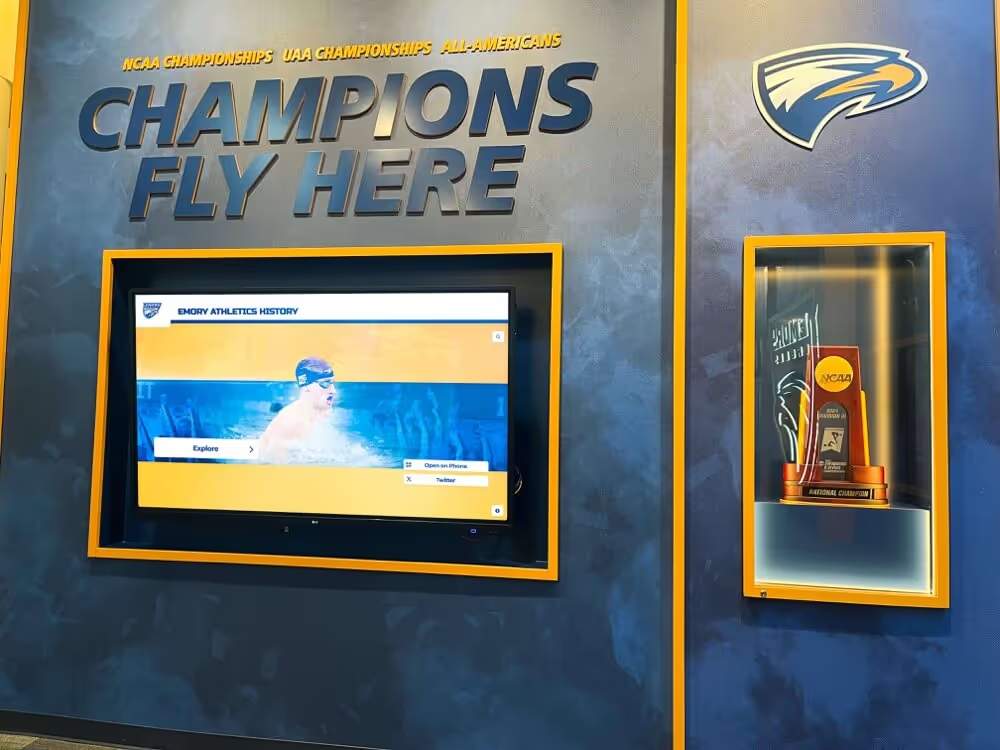
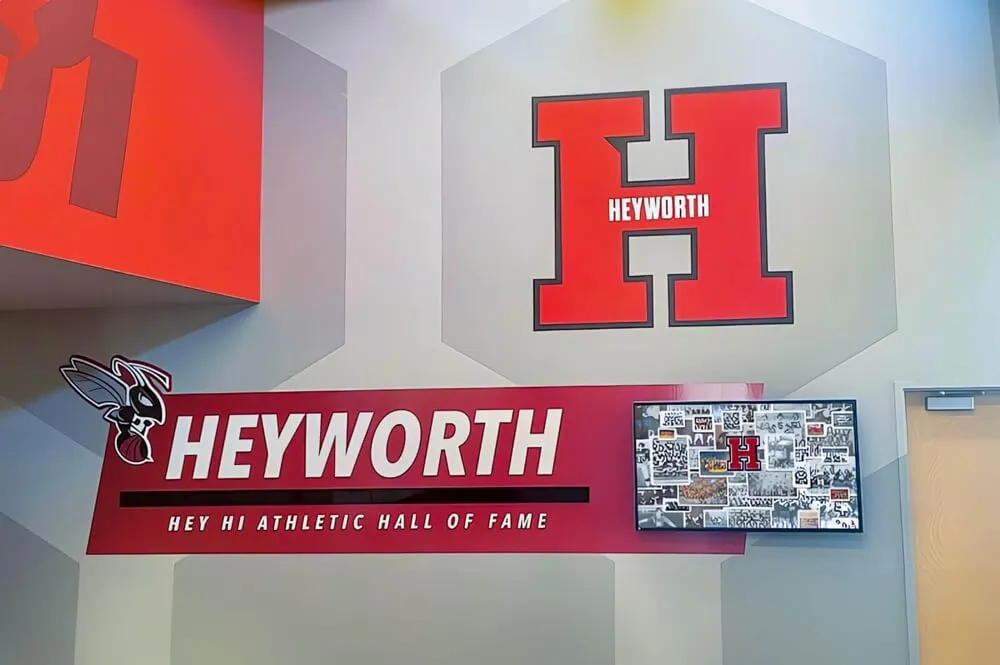
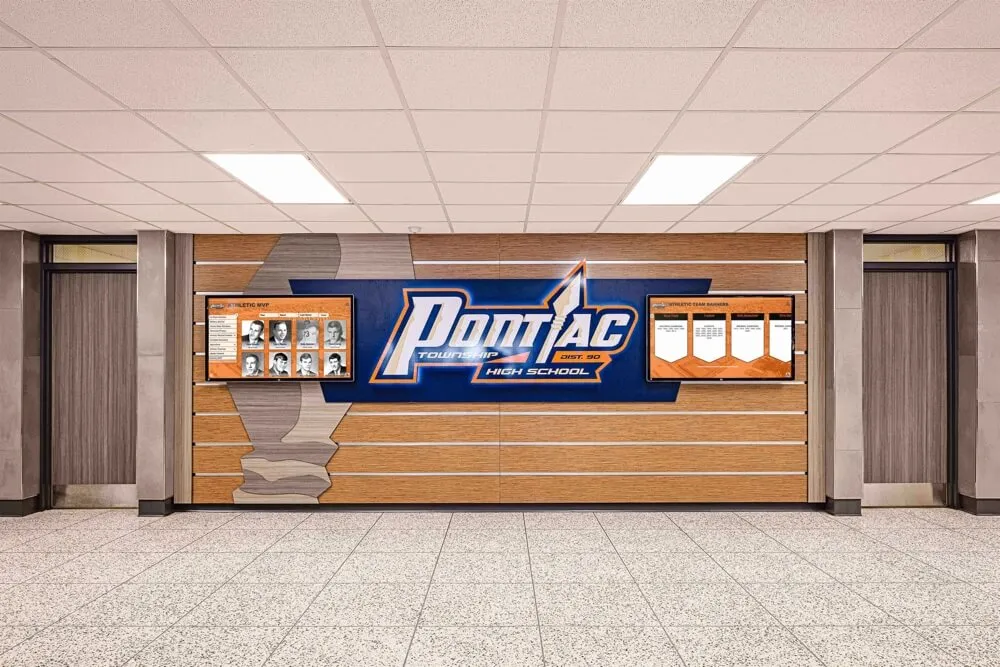
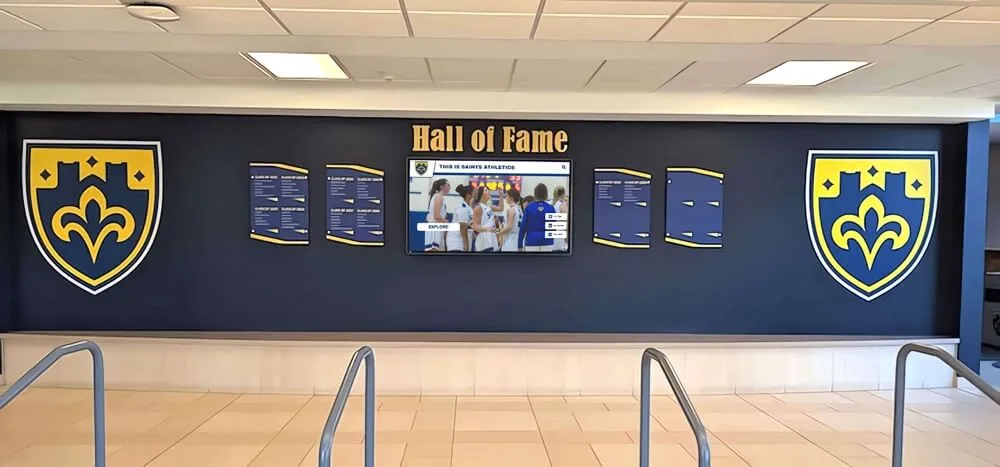
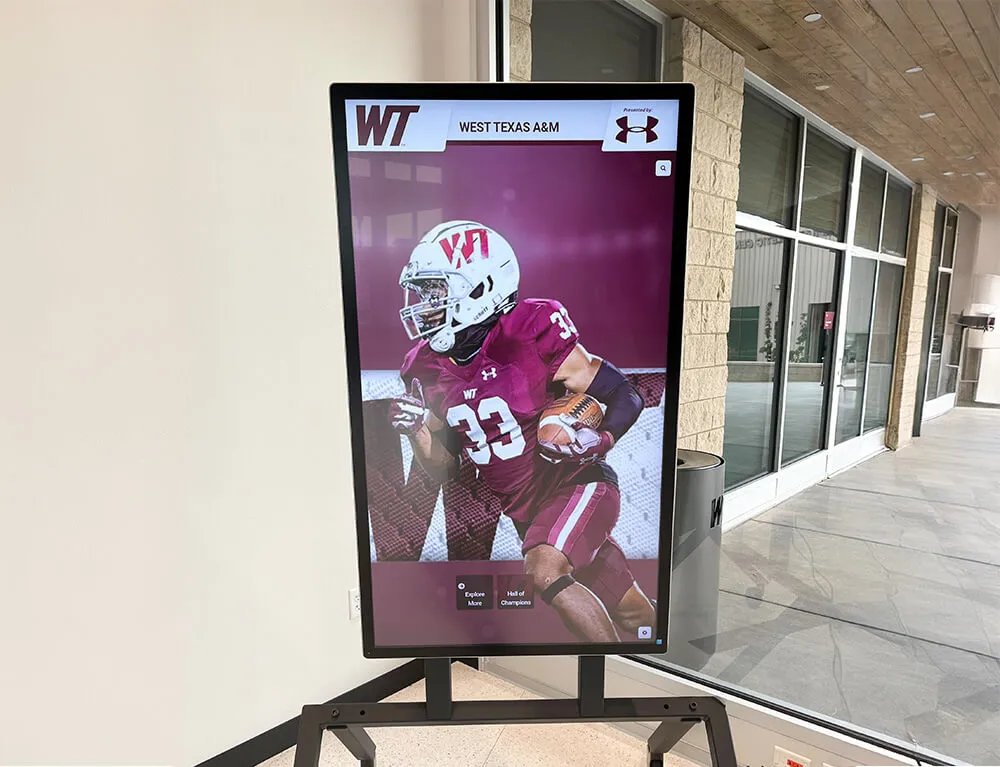
Successful booster clubs create visible connections between community support and athletic program excellence
Understanding Booster Club Purpose and Structure
Before launching fundraising campaigns or recruiting volunteers, establishing clear organizational foundations ensures booster clubs operate effectively and legally while serving athletic programs appropriately.
Defining Your Booster Club Mission
Successful booster clubs articulate specific purposes guiding all organizational decisions and activities:
Program Support Scope
Determine what your organization will fund and support. Some booster clubs focus exclusively on single sports like football or basketball, while others provide comprehensive support across entire athletic departments. Sport-specific boosters often generate more intense support from dedicated parents but can create inequities between programs. All-sports boosters distribute resources more equitably but may struggle to inspire the same passionate engagement from families whose students participate in specific programs.
Consider your school’s context including the number and diversity of athletic programs, existing funding gaps across different sports, parent engagement patterns and community dynamics, facility needs and improvement priorities, and administrative preferences for coordinated versus independent support organizations.
Many schools successfully operate both comprehensive athletic boosters and supplemental sport-specific clubs, with clear agreements about funding responsibilities and coordination preventing duplication or gaps.
Financial Relationship with School District
Clarify your booster club’s legal and financial relationship with the school. Most operate as independent nonprofit organizations separate from school districts, providing flexibility while requiring careful coordination. Key structural decisions include whether to pursue 501(c)(3) tax-exempt status enabling tax-deductible contributions, how funds will be transferred to schools for program use, approval processes for expenditures and purchases, insurance requirements and liability coverage, and facility access for meetings and events.
School administrators should actively participate in defining these relationships, ensuring booster club operations complement rather than complicate institutional oversight while maintaining appropriate independence for parent-led fundraising.
Clear Operational Boundaries
Establish what boosters will and will not do. Effective organizations typically focus on financial support, recognition, and community engagement while respecting that coaching decisions, athletic administration, and competitive matters remain with school staff. Clearly defined boundaries prevent conflicts between well-meaning volunteers and professional educators responsible for student-athlete welfare and program management.
Document these boundaries in founding documents and regularly communicate them to new volunteers who may not initially understand appropriate organizational scope.

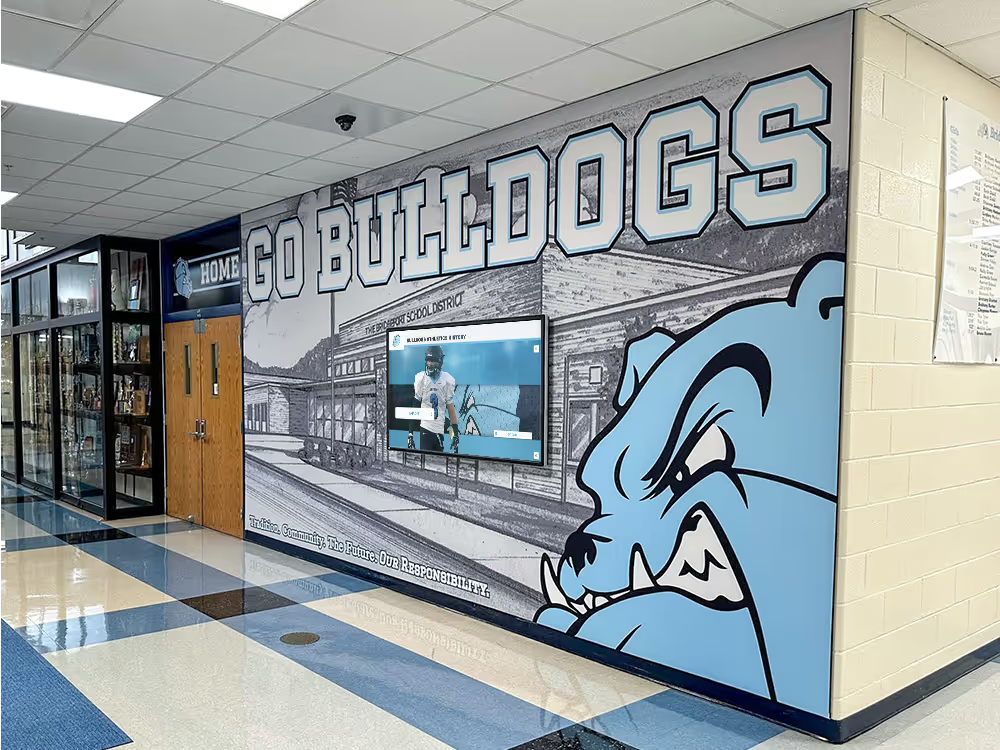
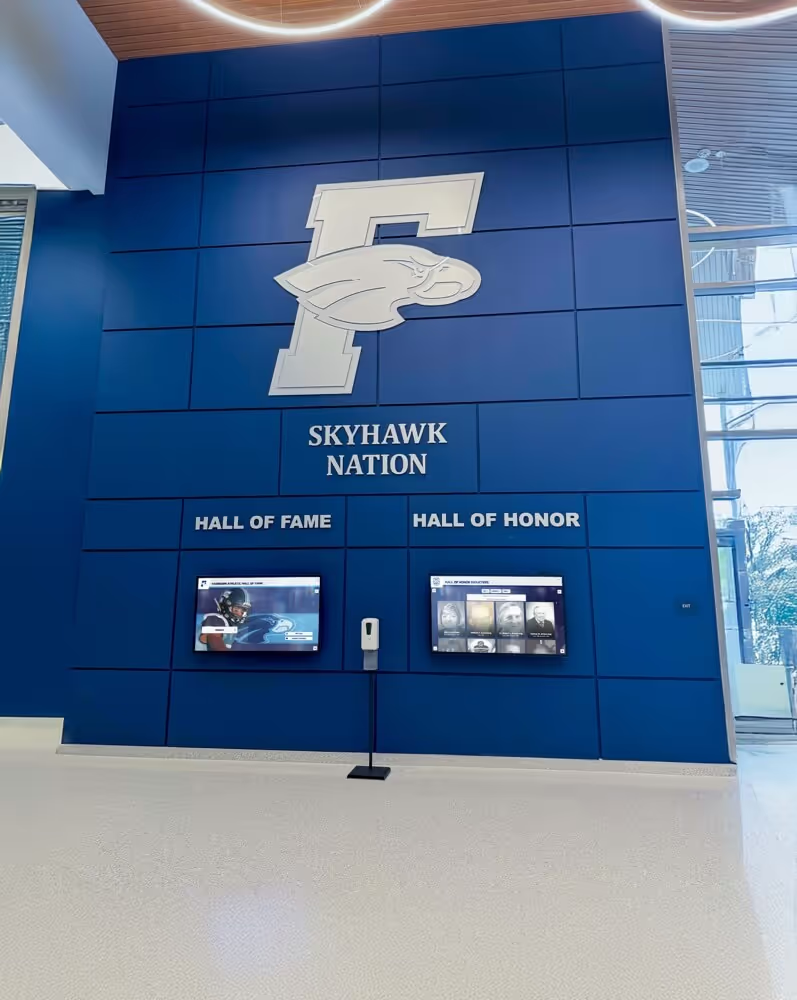
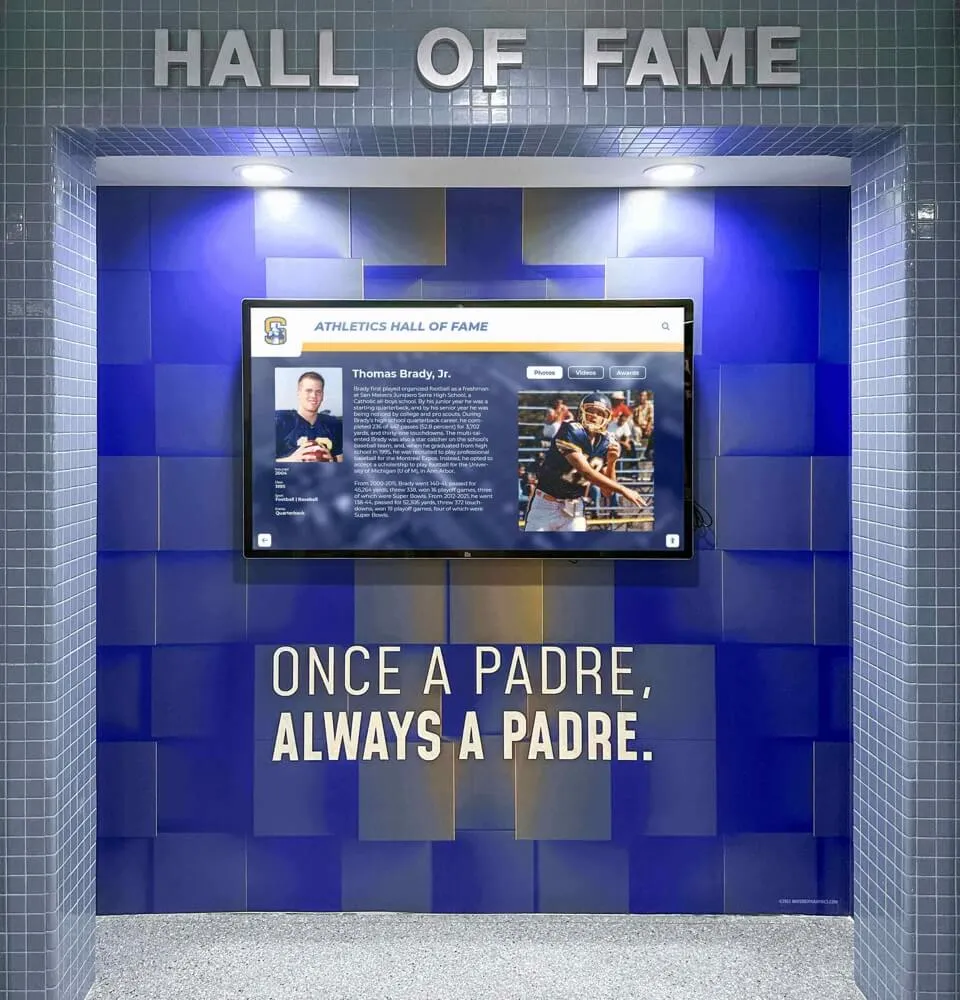
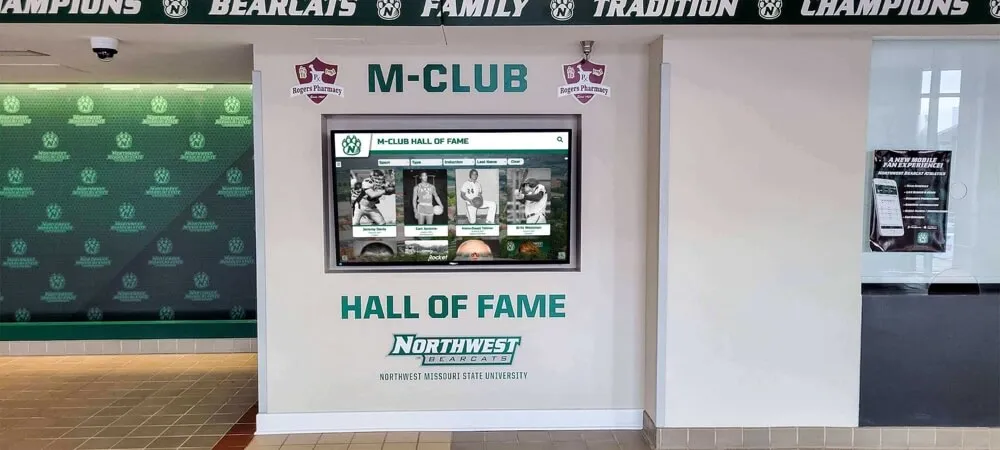
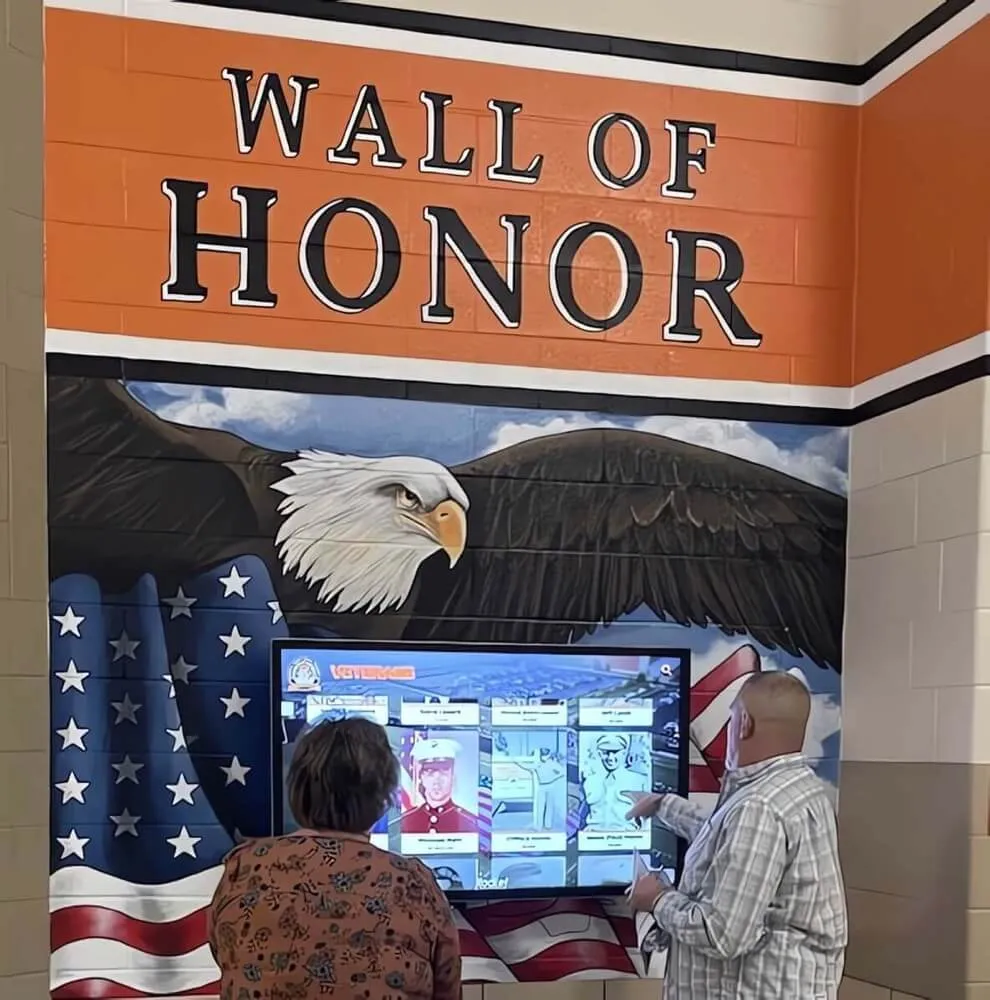
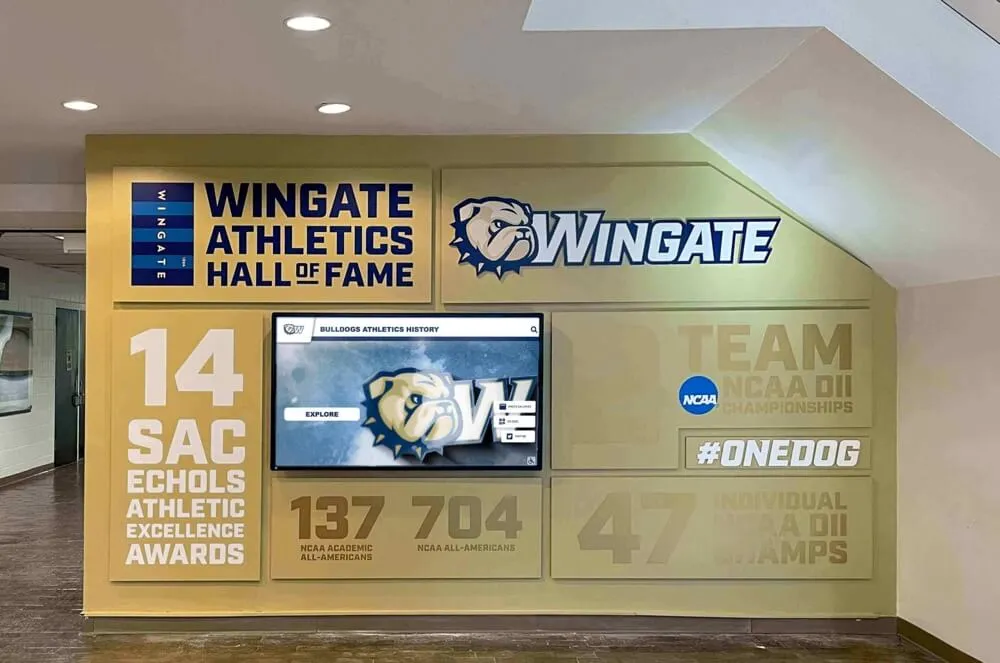
Booster clubs celebrate athletic achievement while providing financial support enabling program success
Establishing Legal and Organizational Structure
Proper legal foundations protect volunteers, ensure financial accountability, and enable effective operations:
Incorporation and Tax-Exempt Status
Most established booster clubs incorporate as nonprofit organizations and pursue IRS 501(c)(3) tax-exempt status. This formal structure provides important benefits including tax-deductible contributions increasing giving potential, liability protection for individual volunteers, financial transparency through required reporting, credibility with donors and sponsors, and access to grants restricted to qualified nonprofits.
The incorporation process requires filing articles of incorporation with your state, drafting organizational bylaws governing operations, obtaining an Employer Identification Number from the IRS, applying for 501(c)(3) recognition through IRS Form 1023 or 1023-EZ, and registering for state charitable solicitation where required.
While this process involves legal complexity and modest fees, the long-term benefits typically justify the investment for organizations raising more than $25,000 annually. Smaller clubs may operate as unincorporated associations initially, formalizing structure as operations grow.
Governance Documents and Bylaws
Comprehensive bylaws establish clear operational frameworks including organizational purpose and mission, membership eligibility and voting rights, leadership positions and election procedures, meeting frequency and decision-making processes, financial management and oversight requirements, amendment procedures for updating governance, and dissolution provisions addressing what happens if the organization closes.
Well-crafted bylaws prevent conflicts by establishing clear procedures everyone understands. Involve school administrators in bylaw development, ensuring alignment between booster club governance and institutional requirements.
Leadership Structure and Roles
Typical booster club organizational structures include:
Executive Board providing overall direction through president, vice president, secretary, and treasurer positions. These officers coordinate major decisions, represent the organization externally, ensure legal compliance, and guide strategic planning.
Committee Chairs managing specific functions including fundraising coordination, volunteer recruitment and scheduling, communications and marketing, event planning and execution, and sponsorship development and stewardship.
General Membership comprising all participating parents, community members, and supporters who attend meetings, volunteer for activities, provide input on priorities, and vote on major organizational decisions.
Clear position descriptions prevent confusion about responsibilities while enabling smooth transitions as volunteers rotate through leadership roles.
Understanding comprehensive approaches to team recognition programs helps booster clubs develop systems honoring both athletes and the volunteers supporting programs.
Building Effective Fundraising Systems
Sustainable booster clubs implement diversified fundraising approaches generating reliable revenue while protecting volunteer capacity.
Developing Annual Fundraising Plans
Strategic planning prevents reactive scrambling while ensuring sufficient revenue for program needs:
Budget-Based Goal Setting
Begin with clear financial targets derived from athletic program needs. Work with coaches and athletic directors to document equipment replacement schedules, uniform needs across all programs, facility improvement priorities, travel expenses for competitions, coaching supplements or professional development, and program enhancements enabling competitive excellence.
Aggregate these needs into comprehensive budgets establishing fundraising targets. Organizations raising funds for specific projects find donors respond more generously when they understand exactly what their contributions will purchase rather than giving to general operating funds without tangible connection to outcomes.
Diversified Revenue Strategies
Successful booster clubs avoid overreliance on single fundraising approaches by developing balanced portfolios including individual donor campaigns generating 25-35% of revenue, corporate and business sponsorships providing 20-30%, special events like golf tournaments or banquets contributing 20-30%, concession operations and game-day sales producing 15-25%, and product sales and other sources completing the mix.
This diversification ensures that if one revenue stream underperforms, overall budgets don’t collapse. Economic downturns might reduce business sponsorships, but loyal individual donors continue supporting programs. Poor weather might damage outdoor event revenue, but concession operations and direct appeals compensate.
Multi-Year Strategic Planning
Effective organizations plan 3-5 years ahead, considering major facility projects requiring capital campaigns, anticipated enrollment changes affecting parent participation, leadership transition timelines and succession planning, competitive landscape changes and program investments, and community demographic trends influencing fundraising approaches.
Long-range planning enables proactive fundraising for major needs rather than crisis responses when critical equipment fails or facilities deteriorate beyond acceptable conditions.
Individual Giving and Direct Appeals
Personal contributions from parents and community members typically provide booster clubs’ most reliable revenue:
Annual Membership Programs
Many boosters structure giving through membership levels creating psychological commitment while generating predictable revenue. Typical structures include supporting member ($100-$249), bronze member ($250-$499), silver member ($500-$999), gold member ($1,000-$2,499), and platinum member ($2,500+).
Clear membership benefits might include recognition in programs and communications, priority seating or parking at select events, exclusive member appreciation events, regular program updates and insider information, and visible acknowledgment through digital displays or donor walls.
Membership frameworks convert one-time donations into renewable annual commitments, creating sustainable funding models that grow as programs cultivate relationships with supporters.
Direct Appeal Campaigns
Systematic fundraising communications including professional appeal letters explaining specific needs, compelling stories connecting contributions to student-athlete impact, multiple giving level suggestions making contributions easy, convenient online donation options, and peer-to-peer fundraising where athletes and families solicit personal networks.
According to fundraising research, campaigns with specific goals and tangible impact stories raise 40-60% more than generic requests for athletic program support without clear purpose or outcome connections.
Planned Giving and Legacy Support
While most booster club fundraising focuses on immediate needs, larger organizations cultivate legacy support through multi-year pledges for major projects, estate planning discussions with long-term supporters, memorial giving programs honoring deceased community members, and endowment funds providing perpetual program support.
These sophisticated approaches suit established programs with donor bases including affluent families, successful alumni, and community members with deep institutional connections and capacity for transformational contributions.
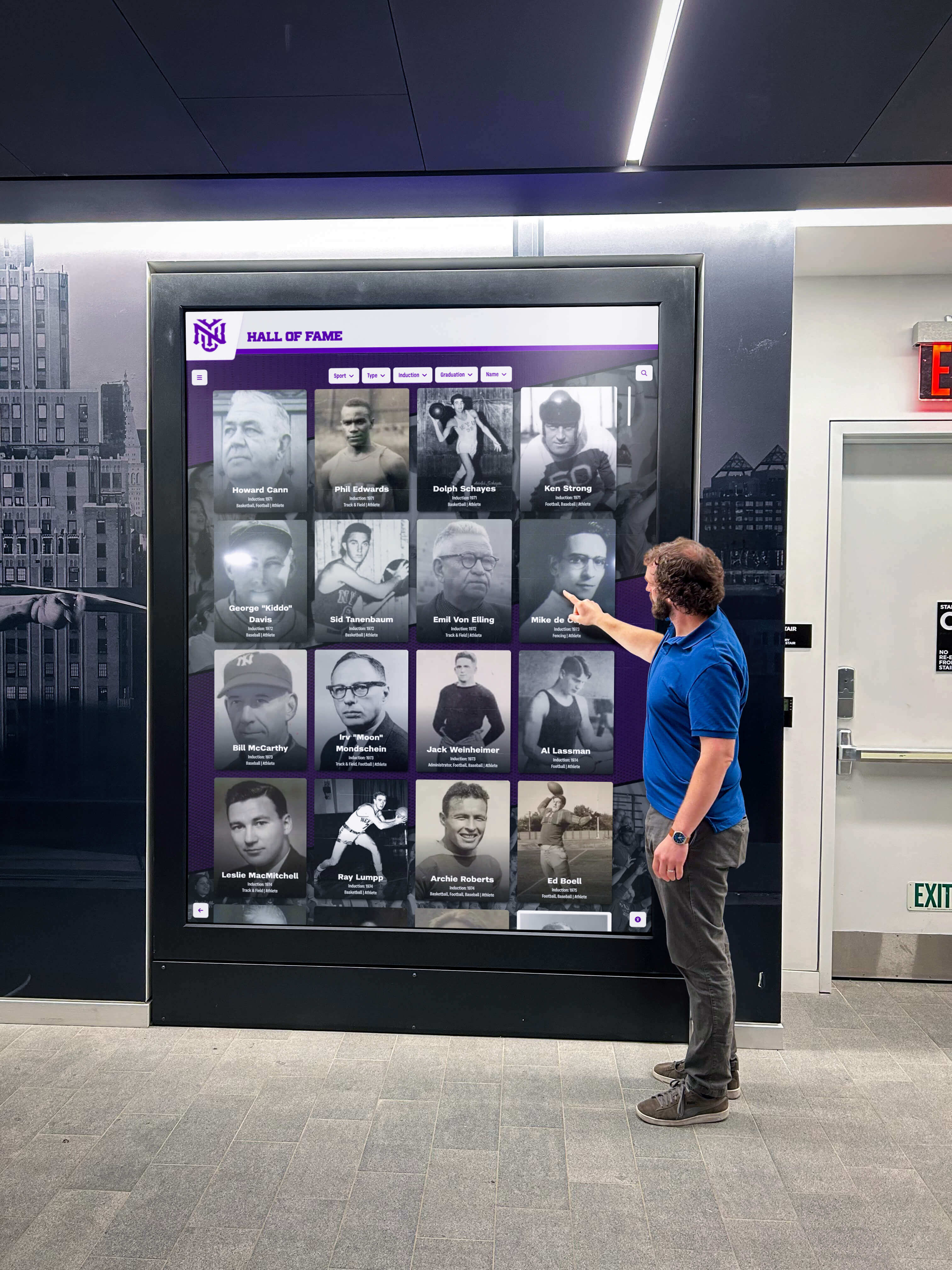
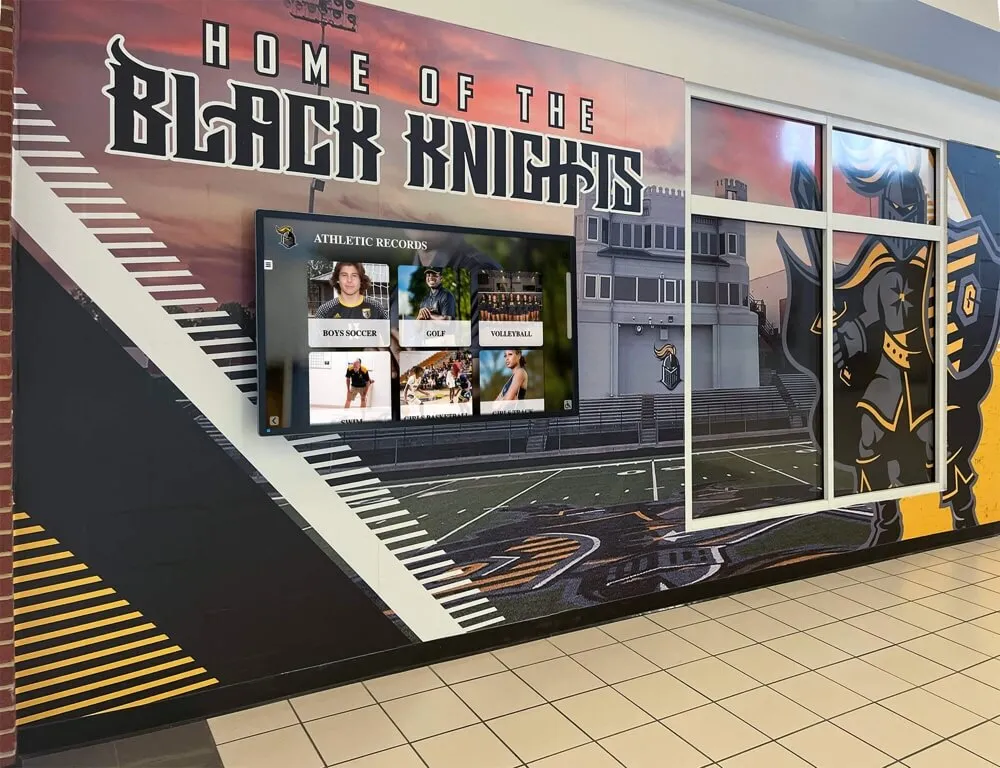
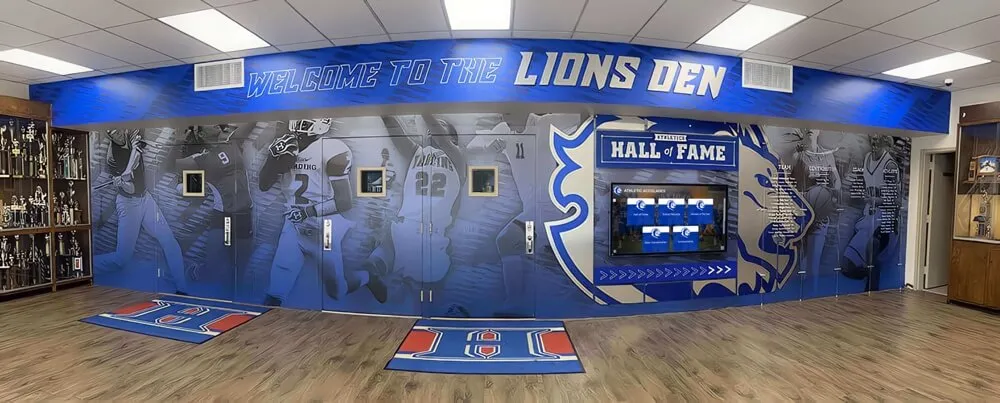
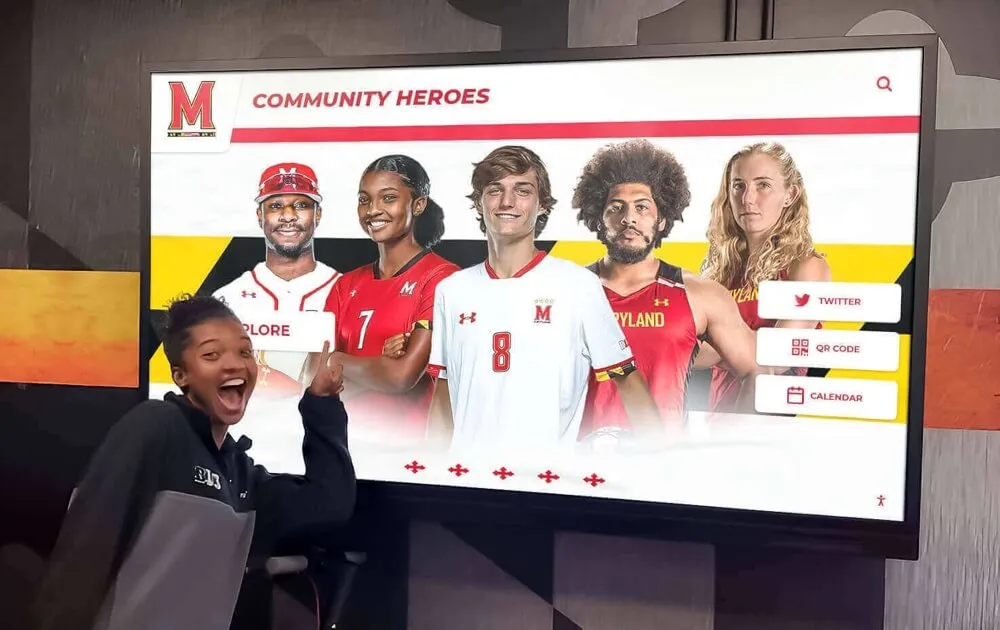
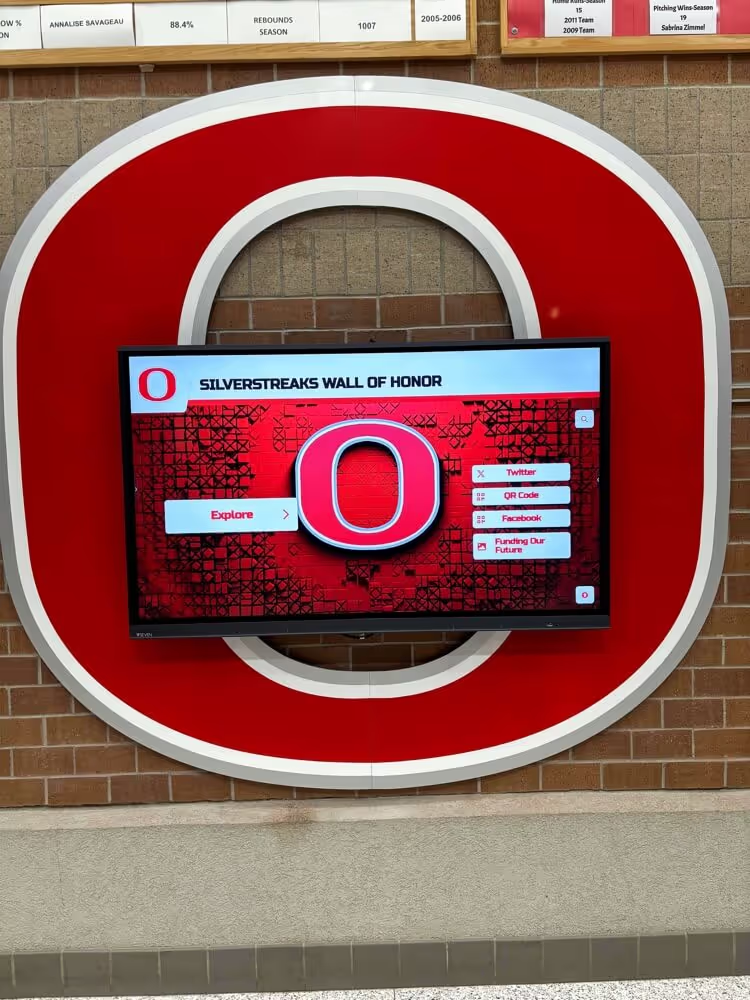
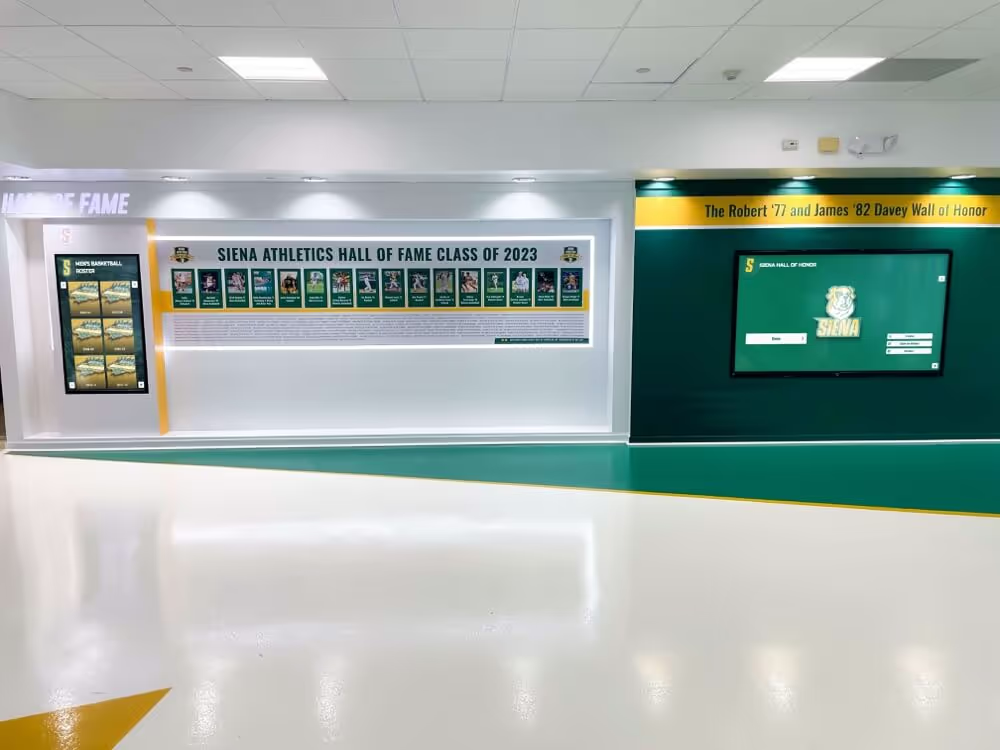
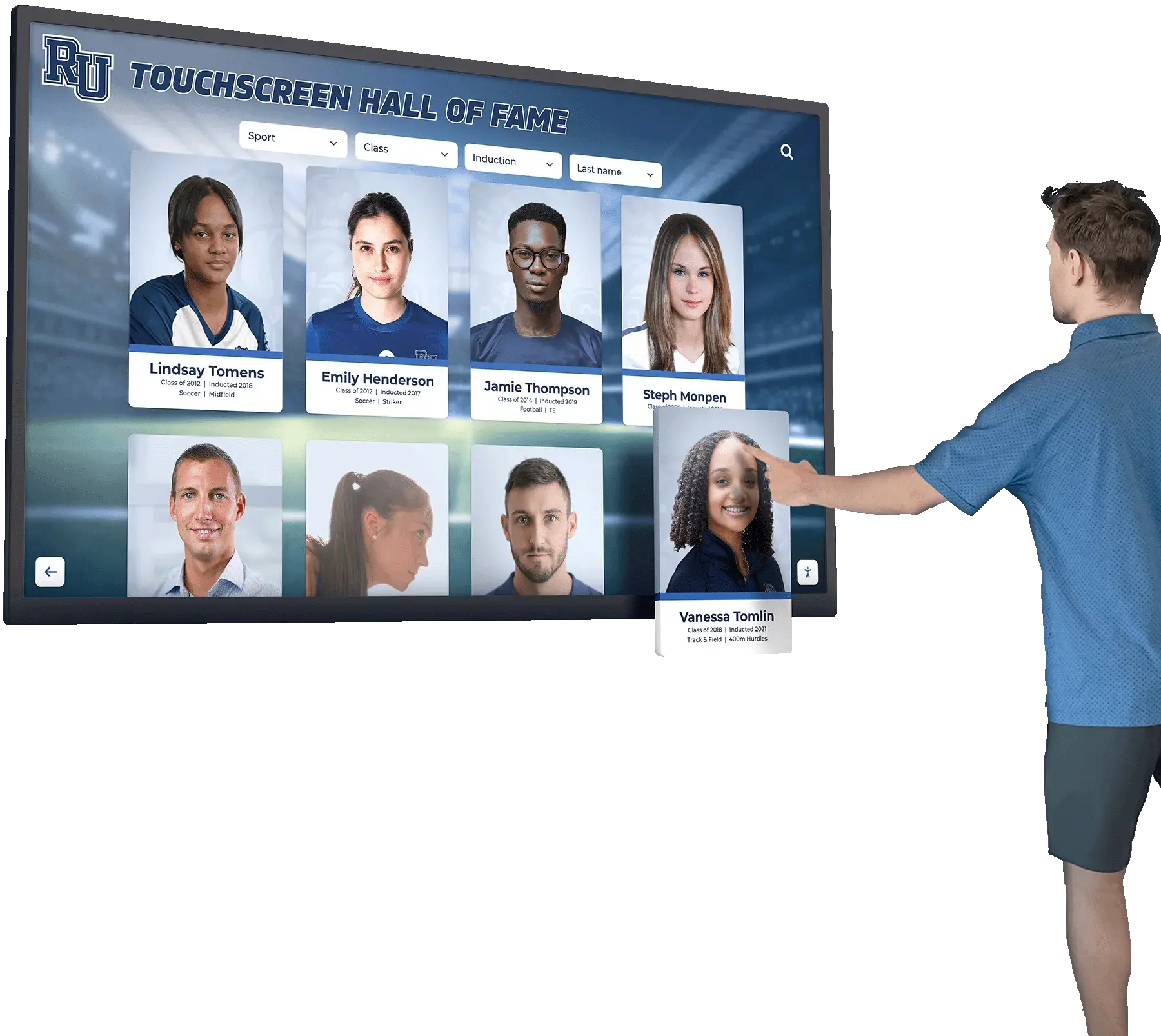
Interactive recognition displays engage community members while celebrating supporters who make athletic programs possible
Corporate Sponsorships and Business Partnerships
Local business support provides substantial revenue while offering companies community visibility and positive brand association:
Developing Sponsorship Packages
Professional sponsorship structures clearly articulate value propositions for business partners. Effective packages include title sponsorships ($5,000-$25,000) offering maximum visibility, major sponsorships ($2,500-$4,999) providing prominent recognition, supporting sponsorships ($1,000-$2,499) creating accessible entry points, and category-exclusive options preventing direct competitors from simultaneous sponsorship.
Document specific benefits at each level including logo placement sizes and locations on banners, programs, websites, and facilities, social media recognition frequency and formats, hospitality opportunities for client entertainment, and duration of sponsorship recognition and renewal rights.
Sponsor Cultivation and Sales
Systematic sponsor development includes identifying prospects through businesses frequented by booster families, companies with community involvement histories, previous event sponsors or donors, alumni-owned enterprises, and businesses targeting youth and family demographics.
Personalized outreach explaining sponsorship benefits, audience demographics, and community impact proves far more effective than generic form proposals. Emphasize return on investment through visibility, positive brand association, and community goodwill rather than positioning sponsorships purely as charitable donations.
Sponsor Stewardship and Retention
Maintain business partnerships through regular impact reporting showing what sponsorships accomplished, social media acknowledgment throughout seasons, prompt recognition delivery matching promised benefits, exclusive sponsor appreciation events, and early renewal opportunities before opening sponsorships to competitors.
According to corporate philanthropy research, retaining existing sponsors costs 5-7 times less than acquiring new ones. Organizations investing in sponsor relationships typically achieve 70-85% renewal rates compared to 30-50% for those treating sponsorships as purely transactional.
Special Events and Community Engagement
Well-executed events generate revenue while strengthening community connections to athletic programs:
High-Impact Fundraising Events
Popular booster club events include golf tournaments offering accessible participation across skill levels with substantial sponsorship inventory, sports banquets combining athlete recognition with silent auctions, 5K runs or fun runs appealing to active families, gala celebrations for milestone anniversaries or major campaigns, and community festivals with food, entertainment, and family activities.
Successful events balance revenue potential against volunteer workload. A golf tournament might generate $40,000 but require 500 volunteer hours ($80/hour efficiency), while a direct appeal campaign could raise $35,000 with just 50 volunteer hours ($700/hour efficiency). Calculate return on volunteer investment, not just gross revenue.
Game Day Revenue Operations
Capitalize on athletic event attendance through concession stands offering high-margin items like beverages and snacks, spirit wear and merchandise sales, 50/50 raffles and prize drawings, parking fees at high-demand competitions, and program sales combining team information with business advertisements.
Well-managed game day operations provide reliable revenue requiring relatively modest volunteer commitment for established systems with clear procedures and sufficient backup coverage preventing burnout.
Explore how team celebration planning creates recognition events that honor athletes while supporting fundraising objectives.
Managing Volunteers and Building Sustainable Operations
Protecting volunteer capacity ensures long-term organizational sustainability while preventing the burnout that destroys many booster clubs.
Volunteer Recruitment and Engagement
Successful clubs systematically recruit and retain volunteers rather than relying on the same exhausted core group year after year:
Targeted Recruitment Strategies
Diversify volunteer bases through welcome events for families of incoming athletes, specific asks for defined roles with clear expectations, skills-based recruitment matching volunteers to appropriate responsibilities, recognition programs celebrating volunteer contributions, and peer recruitment where volunteers personally invite friends and neighbors.
Generic requests for volunteers typically generate minimal response. Specific asks—“We need someone to manage our social media accounts for two hours weekly”—attract far more commitment than vague appeals for general help.
Reducing Volunteer Burden Through Efficiency
Protect volunteers by prioritizing work-efficient fundraising approaches requiring minimal ongoing labor, outsourcing logistics for product fundraisers and events, implementing technology automating manual tasks, establishing clear procedures preventing confusion and mistakes, and rotating responsibilities preventing individual burnout.
Meaningful Recognition for Volunteers
Volunteer appreciation includes public recognition at athletic events and booster meetings, volunteer appreciation events celebrating service, featured spotlights in communications, small tokens of appreciation like T-shirts or gifts, and leadership opportunities for those seeking greater involvement.
Research consistently demonstrates that recognized volunteers serve longer, recruit others more actively, and contribute at higher levels than those whose service goes unacknowledged.
Financial Management and Accountability
Transparent financial practices build donor trust while ensuring legal compliance and institutional credibility:
Establishing Financial Controls
Protect organizational and volunteer integrity through multiple signature requirements for expenditures over specified amounts, segregated duties where different people authorize, execute, and record transactions, regular reconciliation of accounts against bank statements, audit trails documenting all financial decisions, and annual independent financial reviews or audits.
These controls prevent both intentional fraud and honest mistakes while demonstrating to donors that their contributions are managed responsibly.
Budget Development and Monitoring
Professional financial management includes detailed annual budgets approved by leadership, monthly financial reports comparing actual results to budget, variance analysis investigating significant budget deviations, reserve policies ensuring adequate operating cash, and restriction tracking for designated or restricted donations.
Regular financial reporting to general membership and school administration demonstrates accountability while enabling informed decision-making about fundraising priorities and expenditures.
Tax Compliance and Reporting
Organizations with tax-exempt status must fulfill compliance requirements including annual IRS Form 990 filing documenting revenue and expenses, state charitable registration and reporting where required, contribution acknowledgment letters enabling donor tax deductions, proper documentation for all expenditures, and gaming and raffle licensing for permitted fundraising activities.
Failure to maintain compliance jeopardizes tax-exempt status while potentially exposing organizations and volunteers to legal liability. Many booster clubs engage accountants or bookkeepers ensuring proper financial management beyond volunteer expertise.
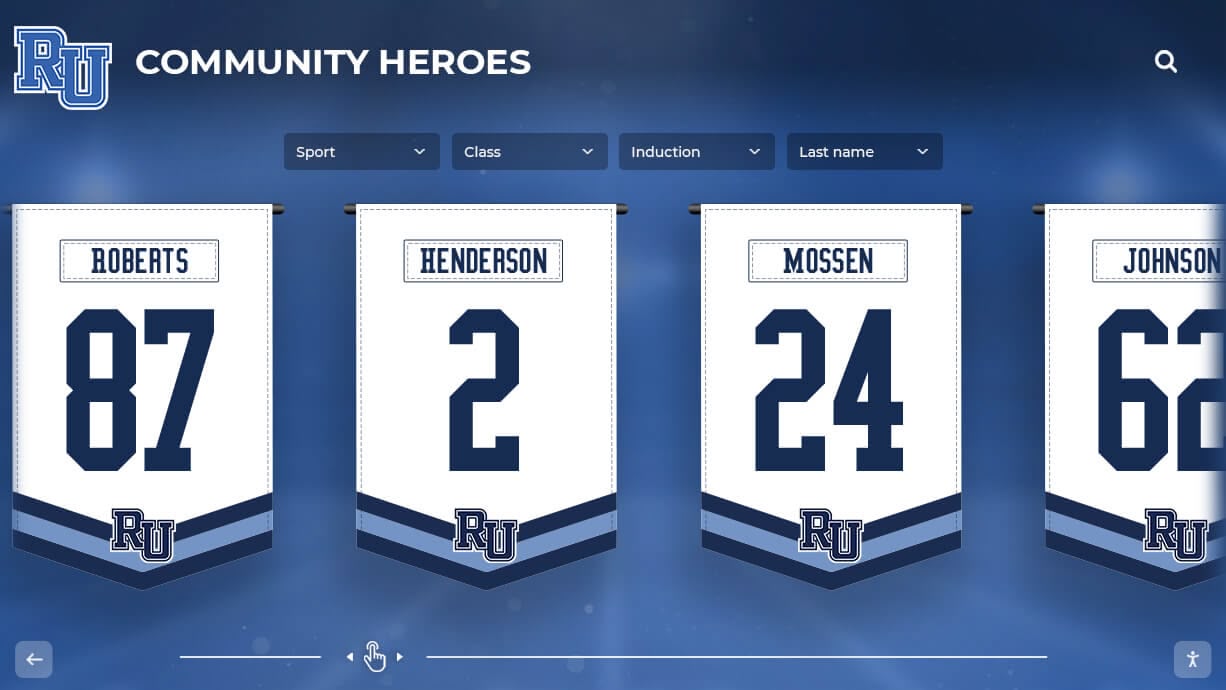
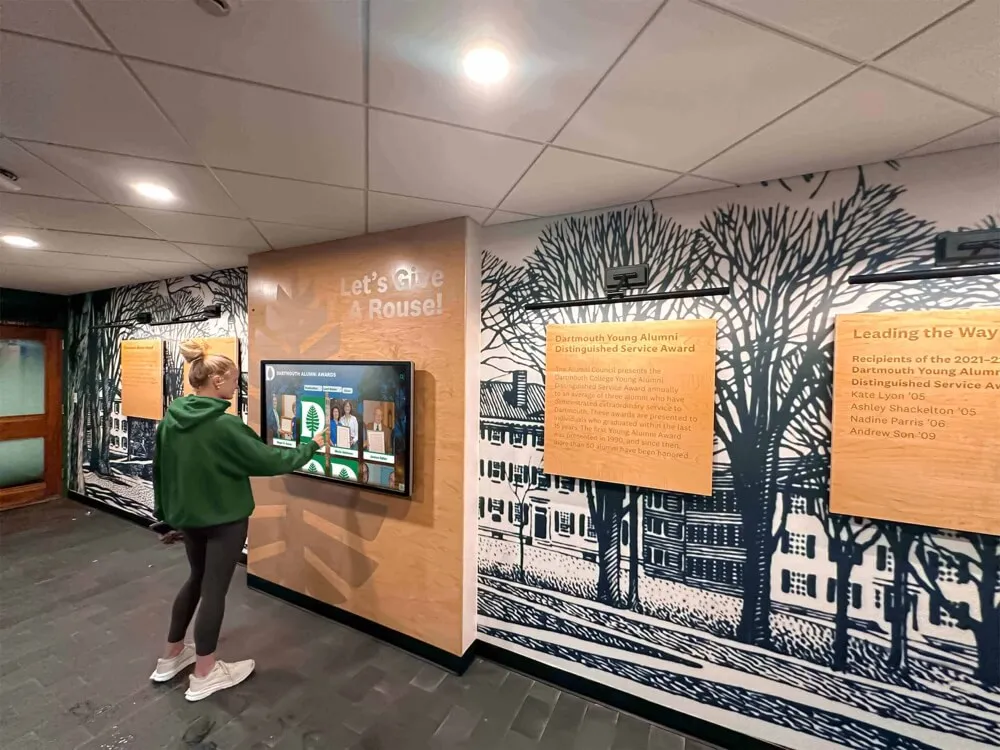
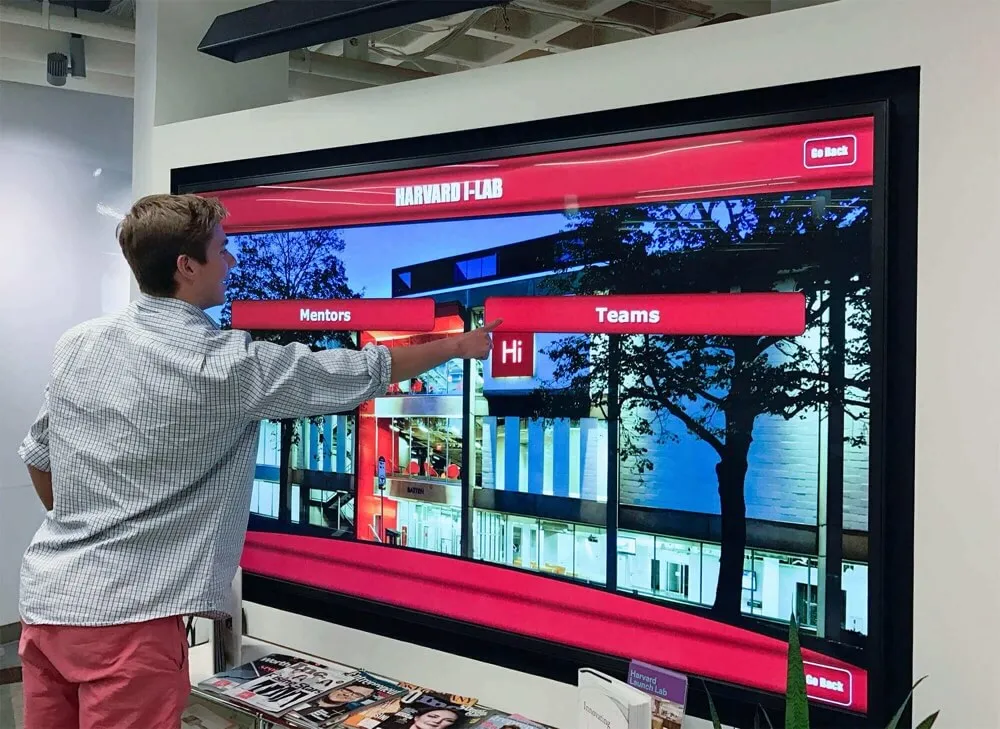
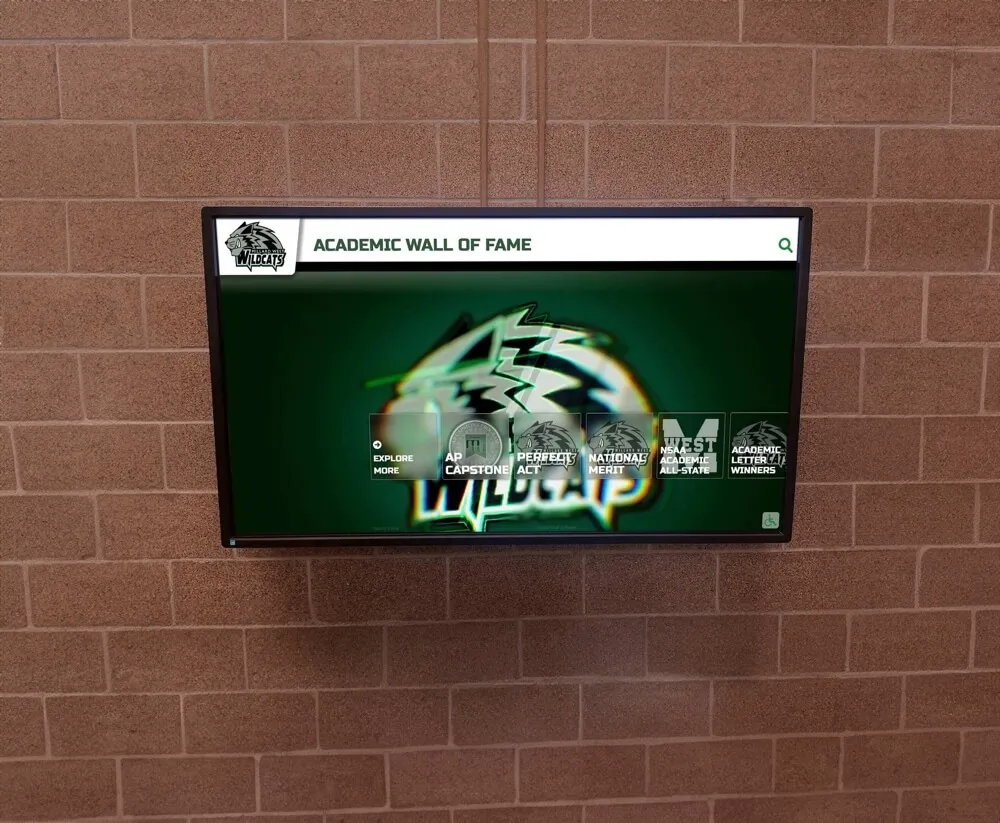
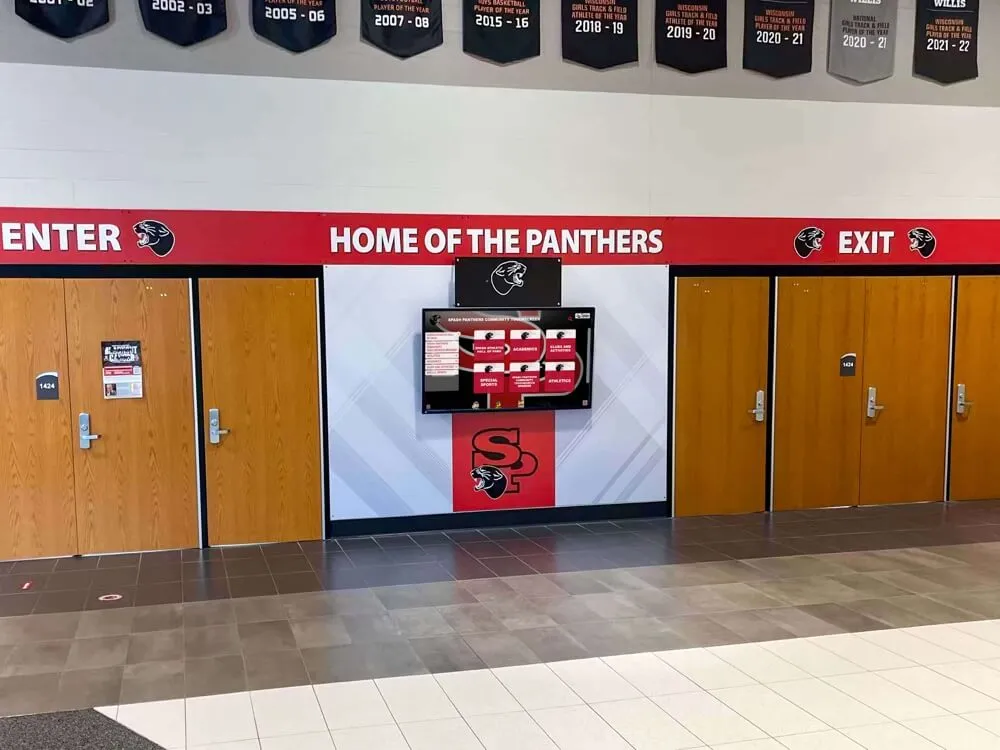
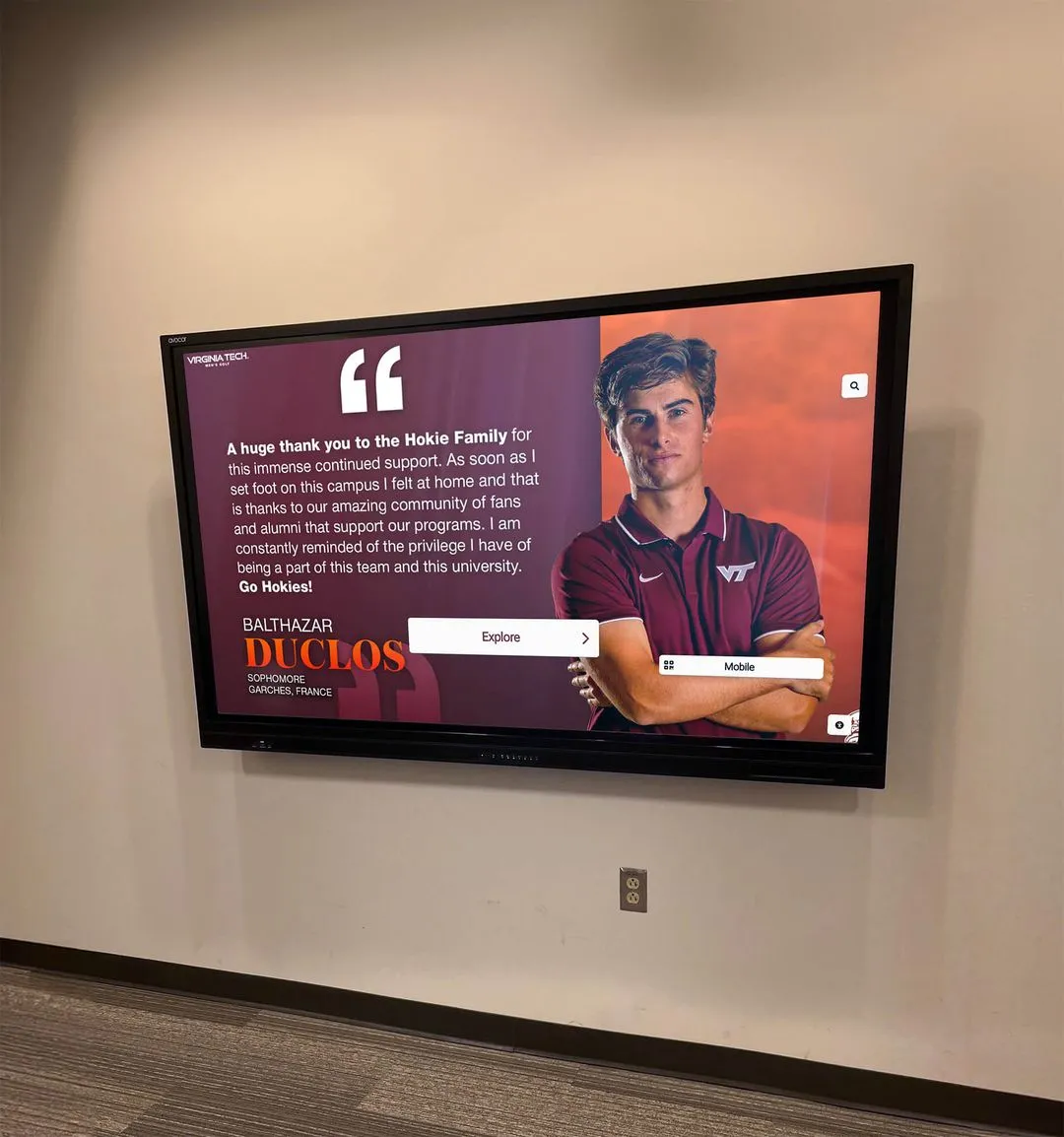
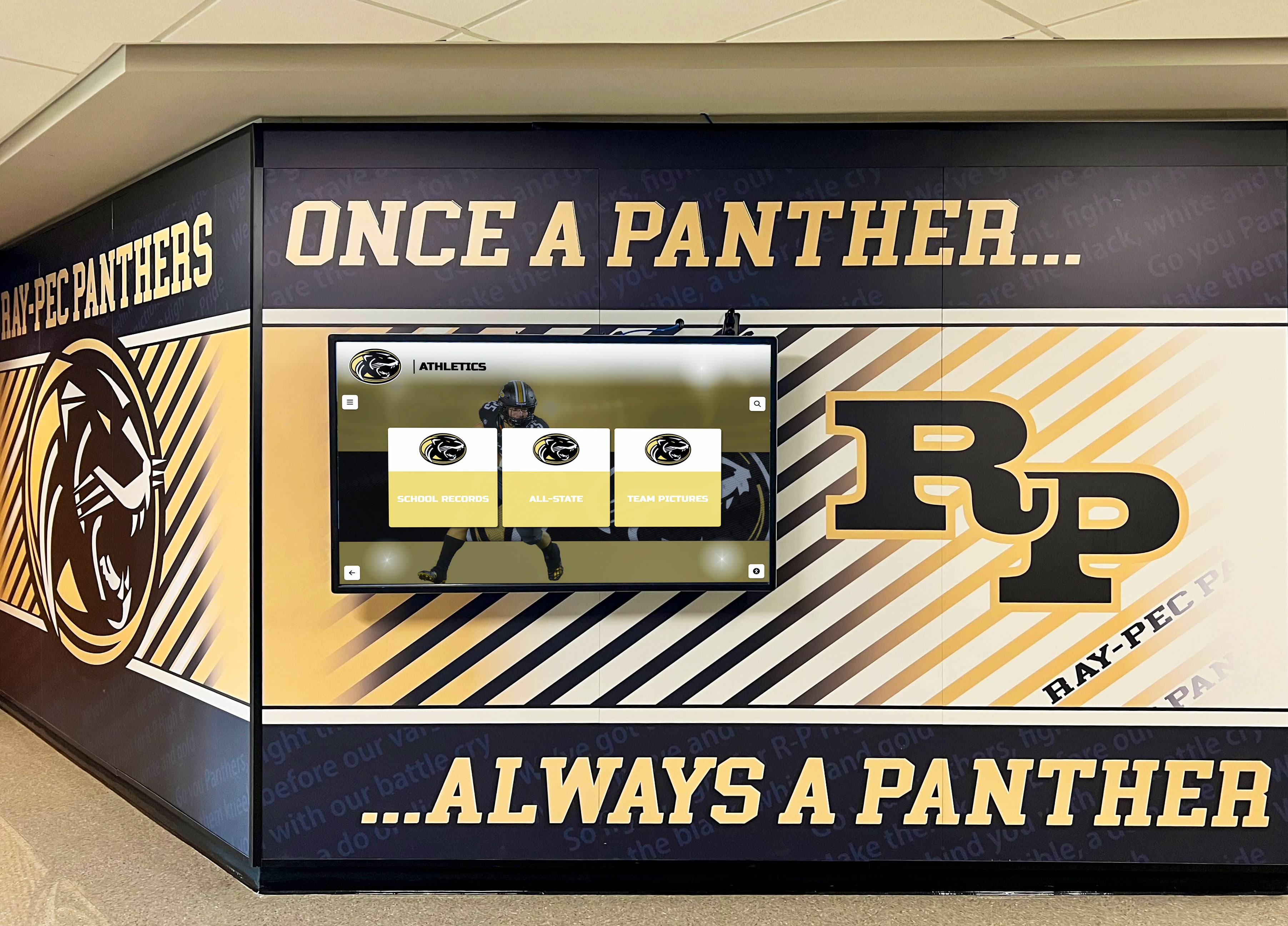
Recognition displays celebrate community support while inspiring continued engagement with athletic programs
Creating Effective Recognition Programs
Strategic recognition transforms one-time contributors into sustained supporters while building community pride in athletic programs:
Acknowledging Diverse Contribution Types
Comprehensive recognition honors the full spectrum of support athletic programs receive:
Financial Contribution Recognition
Create tiered giving structures acknowledging donors at every level from modest annual contributions to transformational facility gifts. Recognition approaches include digital donor displays enabling unlimited capacity without space constraints, traditional plaques or donor walls for major contributors, program book and website acknowledgment, social media recognition throughout seasons, and special appreciation events celebrating supporters.
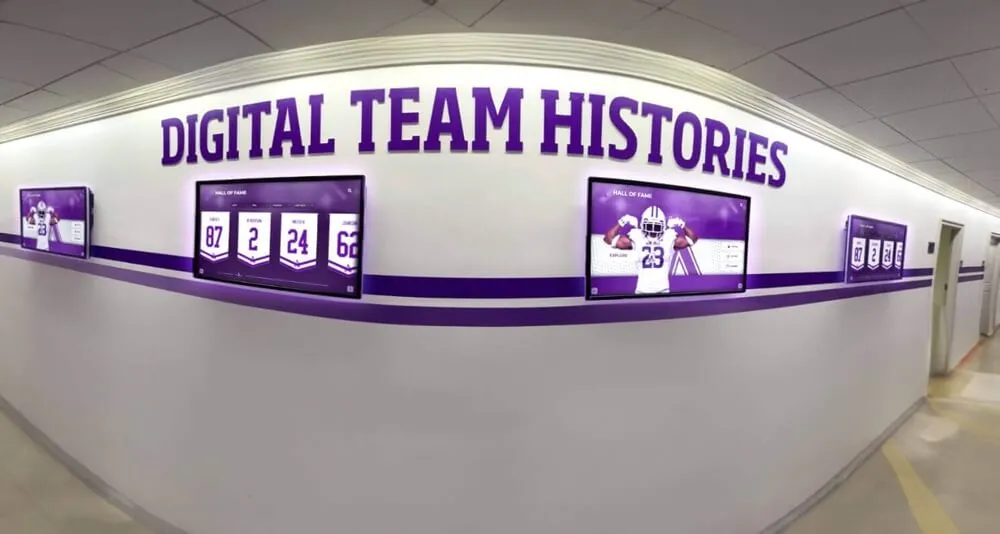
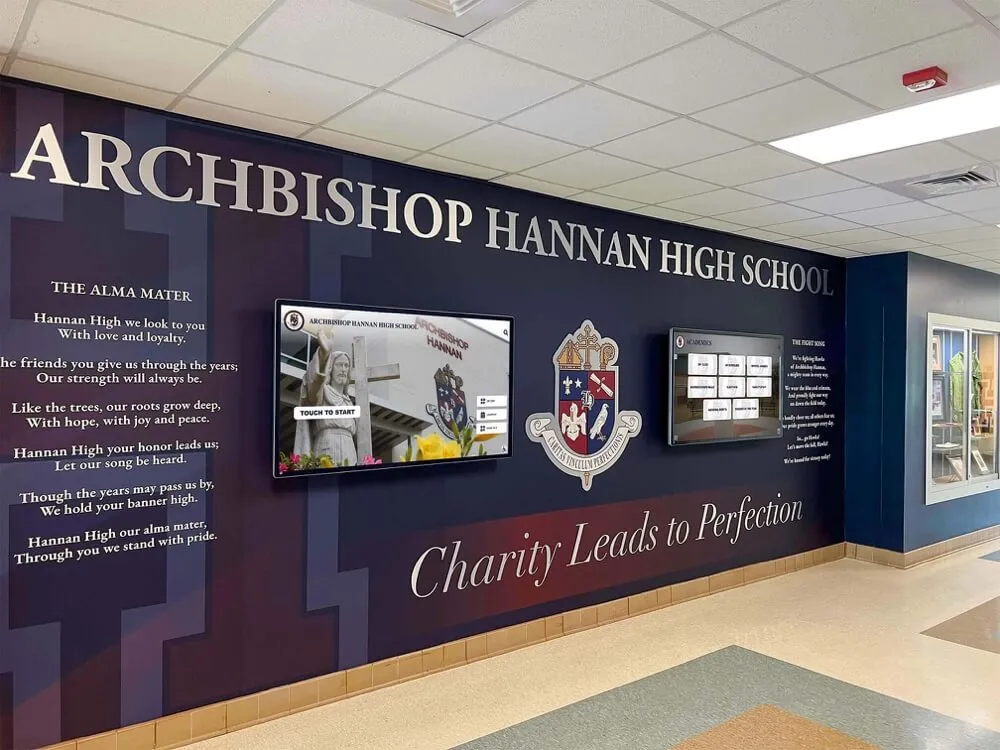
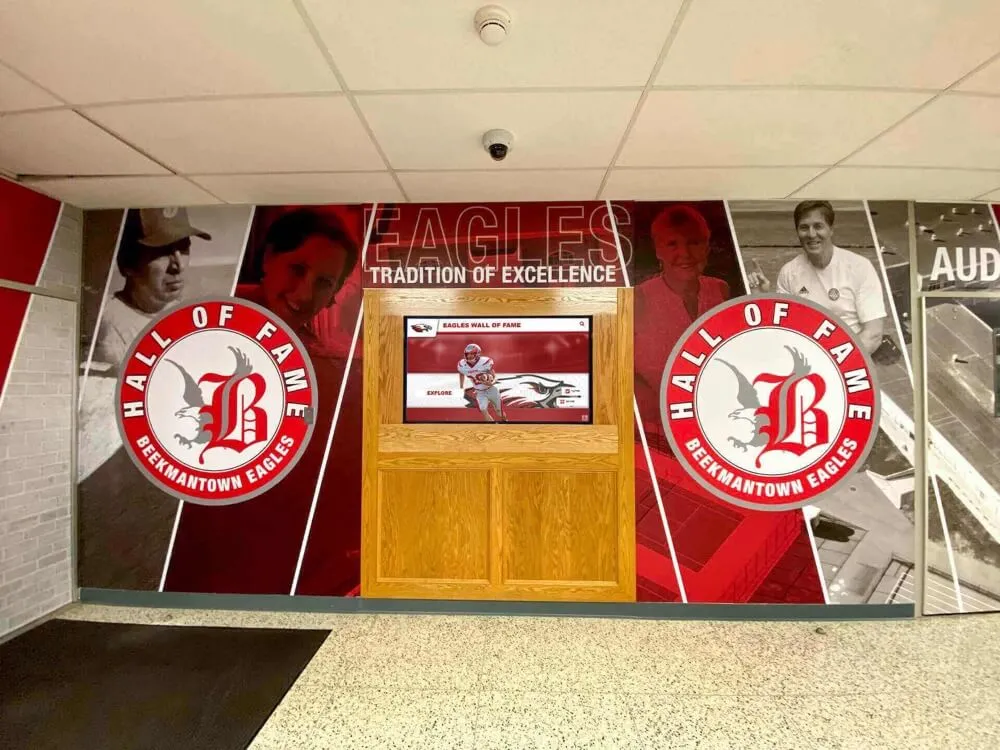
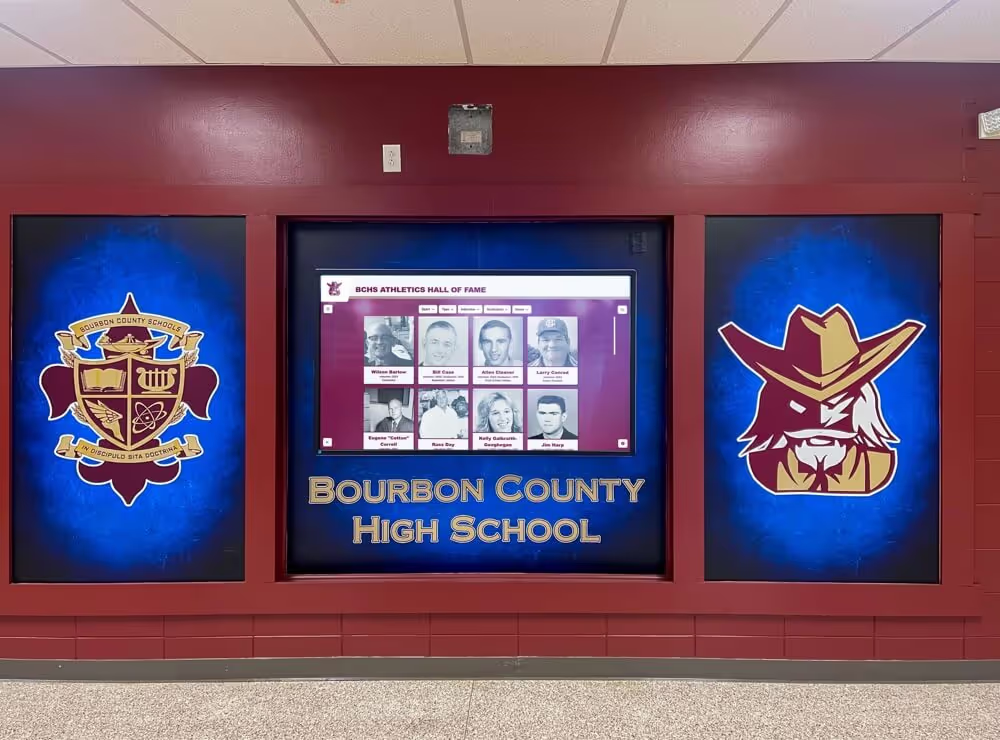
Modern digital recognition systems overcome traditional limitations by accommodating unlimited donors, enabling effortless updates as new supporters contribute, providing rich multimedia content beyond simple name listings, demonstrating real-time campaign progress, and creating searchable interfaces enabling easy donor discovery.
Organizations like Rocket Alumni Solutions specialize in digital recognition platforms designed specifically for school athletic programs and booster clubs.
Volunteer Service Acknowledgment
Many booster clubs value volunteer hours at $25-30 per hour for recognition purposes, enabling time contributors to qualify for donor recognition levels through service. This equitable approach acknowledges that programs require both financial and labor support while ensuring recognition doesn’t inadvertently communicate that only money matters.
Business Sponsor Recognition
Corporate partners deserve acknowledgment matching their investment through logo placement at specified sizes and locations, social media recognition at agreed frequencies, hospitality opportunities for client entertainment, exclusive sponsor events, and prominent facility recognition for major sponsors.
Professional sponsor recognition builds lasting business partnerships rather than transactional annual requests requiring constant resolicitation.
Building Recognition into Athletic Culture
Integrate acknowledgment throughout athletic programs rather than limiting recognition to isolated events:
Athlete Achievement Celebration
Connect donor recognition to athlete success through digital displays combining donor acknowledgment with athlete profiles and achievements, recognition messaging emphasizing community support enabling athletic excellence, student-athlete testimonials thanking supporters, and integrated displays showcasing both competitive accomplishments and the supporters making them possible.
Learn about comprehensive athletic hall of fame programs that combine athlete and donor recognition in cohesive presentations.
Year-Round Visibility
Effective recognition extends beyond single banquet events to sustained visibility through permanent digital or physical displays in athletic facilities, recognition at all home competitions throughout seasons, regular social media acknowledgment, quarterly impact updates to all contributors, and annual reports documenting what support accomplished.
Sustained recognition maintains top-of-mind awareness with donors while continuously inspiring additional community participation through visible social proof of widespread support.
Memorial and Legacy Recognition
Many families value opportunities to honor deceased loved ones through memorial gifts supporting athletic programs they cared about. Facilitate legacy giving through memorial gift options in fundraising appeals, permanent recognition for memorial contributions, scholarship funds honoring community members, and facility naming opportunities for transformational gifts.
These emotionally meaningful opportunities often inspire contributions far exceeding typical annual giving while creating lasting connections between families and athletic programs.
Discover how recognition awards programs celebrate both athletic achievement and community support.
Communicating Effectively with Stakeholders
Systematic communication maintains engagement while building support for fundraising initiatives:
Multi-Channel Communication Strategies
Reach diverse audiences through varied platforms including email newsletters providing regular program updates and fundraising appeals, social media showcasing athletic achievements and donor recognition, website content documenting program history and current needs, printed programs at athletic events, text messaging for time-sensitive communications, and in-person meetings for major decisions and relationship building.
Different stakeholders prefer different communication channels. Parents often engage through email and school apps, while community members and alumni may rely more heavily on social media and website content. Multi-channel approaches ensure all audiences receive consistent messaging through their preferred platforms.
Storytelling and Impact Demonstration
Effective fundraising communication connects contributions to tangible outcomes through athlete success stories enabled by booster support, specific examples of what donations purchased or accomplished, facility improvement documentation with before/after comparisons, championship celebration connecting community support to competitive success, and volunteer spotlights recognizing service while inspiring additional participation.
Generic requests for donations generate minimal response. Compelling stories demonstrating exactly how contributions improve student-athlete experiences inspire generous support from community members who understand their gifts’ impact.
Transparency and Trust Building
Maintain donor confidence through regular financial reporting showing how funds are used, documentation of organizational decision-making processes, accessible leadership responding to questions and concerns, compliance with all legal and institutional requirements, and systematic acknowledgment of all contributions and support.
Trust represents booster clubs’ most valuable asset. Organizations demonstrating financial accountability, operational transparency, and genuine appreciation for support build lasting relationships with donors who give year after year across multiple student enrollments.
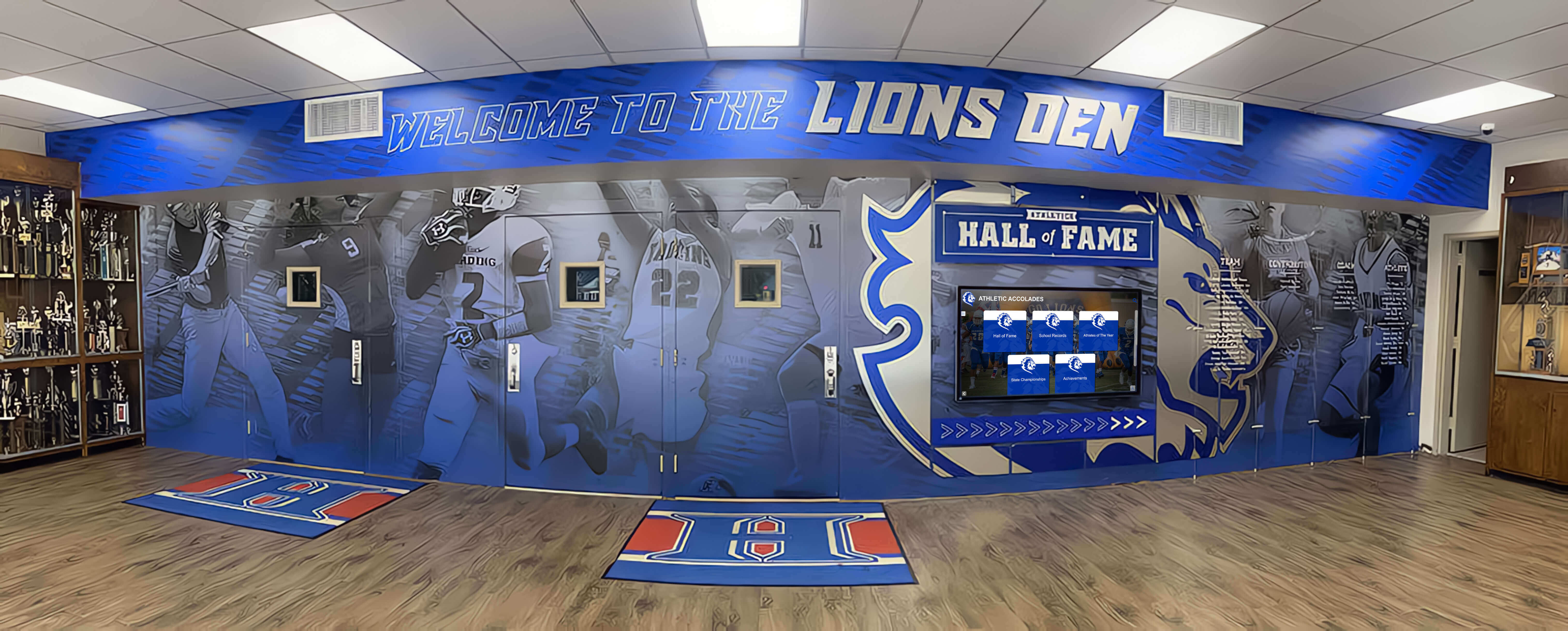
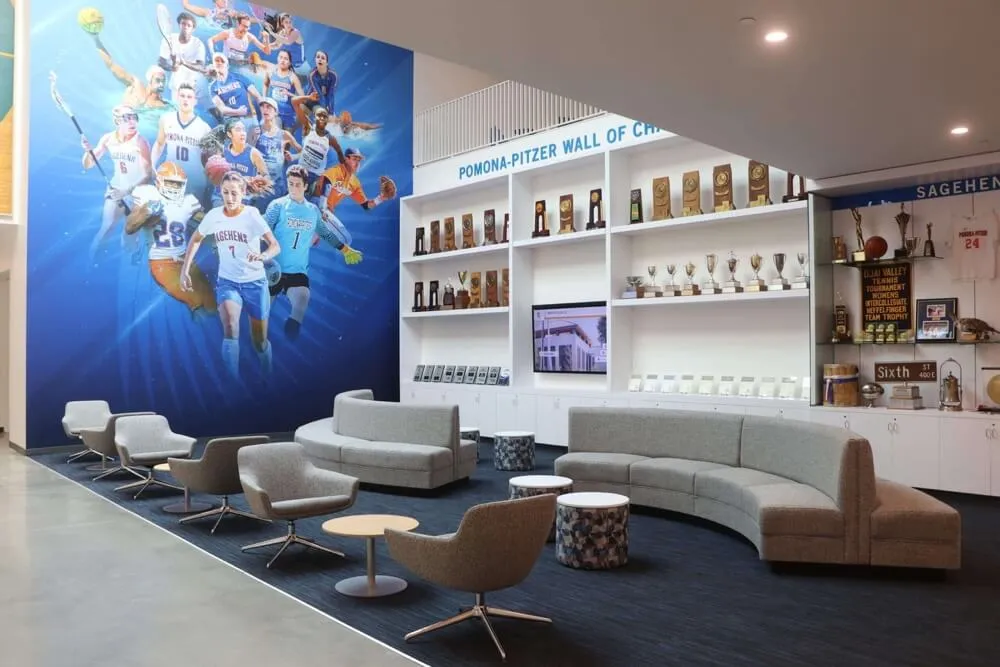
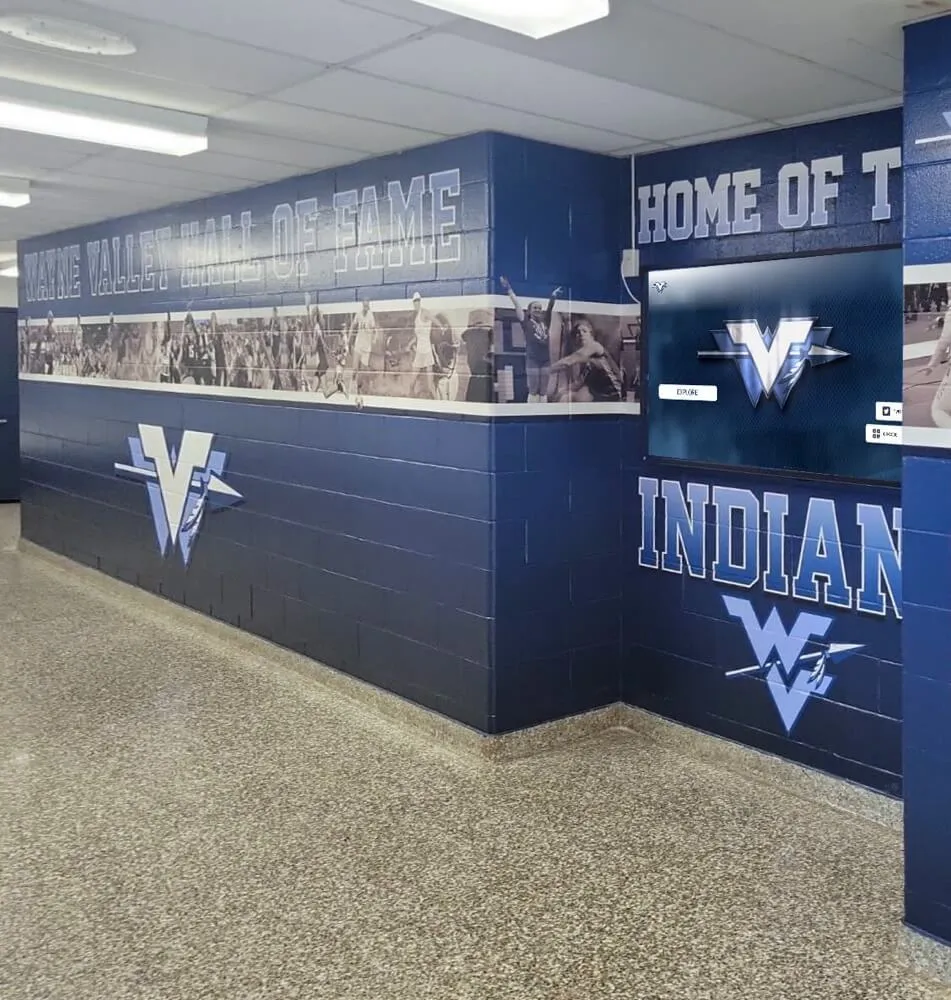
Comprehensive athletic facilities integrate recognition, achievement celebration, and program history
Building Long-Term Sustainability
Creating booster clubs that endure requires intentional planning for inevitable changes and challenges:
Leadership Transition Planning
Organizational sustainability depends on systematic leadership development:
Succession Planning Processes
Avoid leadership crises through intentional succession including staggered board terms preventing complete turnover simultaneously, vice president positions grooming future presidents, documentation of all procedures and institutional knowledge, mentorship pairing experienced leaders with newer volunteers, and advance recruitment identifying future leaders before positions become vacant.
Many booster clubs collapse when long-serving leaders exhaust themselves and resign simultaneously, leaving no one prepared to assume responsibilities. Proactive succession planning prevents these organizational crises.
Institutional Knowledge Preservation
Document critical information including comprehensive procedure manuals for all major functions, contact lists for vendors, sponsors, and key relationships, historical fundraising data informing future planning, donor records and recognition commitments, and governance documents and organizational policies.
Cloud-based file storage ensures this institutional knowledge remains accessible despite volunteer transitions rather than disappearing when individual volunteers move on.
Adapting to Changing Circumstances
Resilient organizations anticipate and adapt to inevitable changes including enrollment fluctuations affecting parent participation, economic conditions impacting giving capacity, competitive landscape changes requiring program investments, facility aging necessitating major capital needs, and regulatory or institutional policy changes.
Regular strategic planning sessions enable proactive responses to emerging challenges rather than reactive crisis management. Diversified fundraising approaches provide flexibility when individual revenue streams face headwinds.
Measuring Success and Continuous Improvement
Data-driven assessment enables organizational learning and improvement:
Key Performance Indicators
Track critical metrics including total revenue by source category, donor retention rates year over year, volunteer participation and hour contributions, cost per dollar raised by fundraising approach, new donor acquisition trends, and stakeholder satisfaction through periodic surveys.
Regular metric review identifies underperforming programs requiring adjustment while enabling organizations to double down on most effective approaches.
Stakeholder Feedback Collection
Systematic input gathering through donor surveys about communication preferences and satisfaction, volunteer feedback about workload and support needs, coach and athletic director input about program priorities, student-athlete perspectives on how support impacts experiences, and community perception assessment.
This feedback often reveals opportunities or challenges that internal leadership perspectives miss, enabling responsive adjustments improving organizational effectiveness.
Benchmarking and Best Practice Adoption
Learn from peer organizations through participation in regional or state booster club associations, networking with boosters from comparable schools, professional development for leadership volunteers, adoption of proven practices from successful programs, and periodic consultations with fundraising or nonprofit management professionals.
Booster clubs need not reinvent approaches when proven best practices exist. Strategic learning from others’ successes and failures accelerates organizational development.
Explore digital trophy case solutions that showcase athletic achievement while recognizing community support.
Technology and Tools for Modern Booster Clubs
Strategic technology adoption simplifies operations while enhancing effectiveness:
Fundraising and Financial Management Platforms
Modern software streamlines critical functions including online donation platforms with recurring giving options, donor database systems tracking contributions and relationships, financial management software simplifying accounting, sponsorship management tools organizing business partnerships, and event registration and ticketing systems.
Cloud-based platforms enable volunteer administrators to manage operations from anywhere without specialized technical expertise or software installation.
Communication and Marketing Tools
Effective outreach relies on accessible technology including email marketing platforms for systematic donor communication, social media management tools enabling consistent posting, website content management systems requiring no coding knowledge, graphic design platforms creating professional materials, and text messaging services for time-sensitive alerts.
Many vendors offer nonprofit pricing making sophisticated tools affordable even for smaller booster organizations operating on modest budgets.
Recognition and Display Systems
Modern recognition technology includes interactive digital displays for donor and athlete acknowledgment, content management platforms enabling easy updates, integration with donor databases ensuring accuracy, mobile-responsive designs accessible across devices, and analytics tracking engagement with recognition content.
Organizations implementing comprehensive digital recognition report 90% reduction in recognition maintenance time while improving donor satisfaction through contemporary presentation and comprehensive inclusion impossible with traditional static displays.
Explore how varsity letter recognition programs celebrate athletic achievement while acknowledging community support.
Common Booster Club Challenges and Solutions
Understanding frequent obstacles enables proactive responses preventing common failures:
Declining Participation and Volunteer Burnout
Challenge: Core volunteers exhaust themselves while broader parent bases remain uninvolved, creating unsustainable workload concentrations.
Solutions: Reduce volunteer burden through work-efficient fundraising selection and technology adoption, create specific time-limited asks rather than open-ended commitments, implement robust volunteer recognition programs, rotate responsibilities preventing individual burnout, and recruit leadership successors before current volunteers reach exhaustion.
Inconsistent Fundraising Results
Challenge: Revenue fluctuates dramatically year to year based on individual volunteer energy or economic conditions.
Solutions: Diversify revenue streams reducing dependence on single approaches, implement multi-year pledges creating predictable income, build reserve funds buffering temporary downturns, invest in donor retention generating sustained giving, and develop professional systems less dependent on individual volunteer personalities.
Conflicts with School Administration
Challenge: Well-meaning volunteers overreach into coaching or administrative decisions, or schools impose restrictions that booster leadership perceives as unreasonable.
Solutions: Establish clear written agreements defining roles and boundaries, maintain regular communication with athletic directors and administration, involve school representatives in booster governance, follow all institutional policies regarding purchasing and facility use, and remember that boosters exist to support—not direct—athletic programs.
Equity Concerns Between Programs
Challenge: Sport-specific boosters create disparities where well-funded programs enjoy abundant resources while others struggle, or all-sports boosters face pressure to distribute funds equally regardless of actual needs.
Solutions: Coordinate between sport-specific organizations preventing harmful competition, establish transparent allocation formulas balancing equity and need, create baseline support levels for all programs with additional fundraising capacity supplementing basics, communicate clearly about funding priorities and decision-making processes, and focus on expanding total resources rather than fighting over fixed pools.
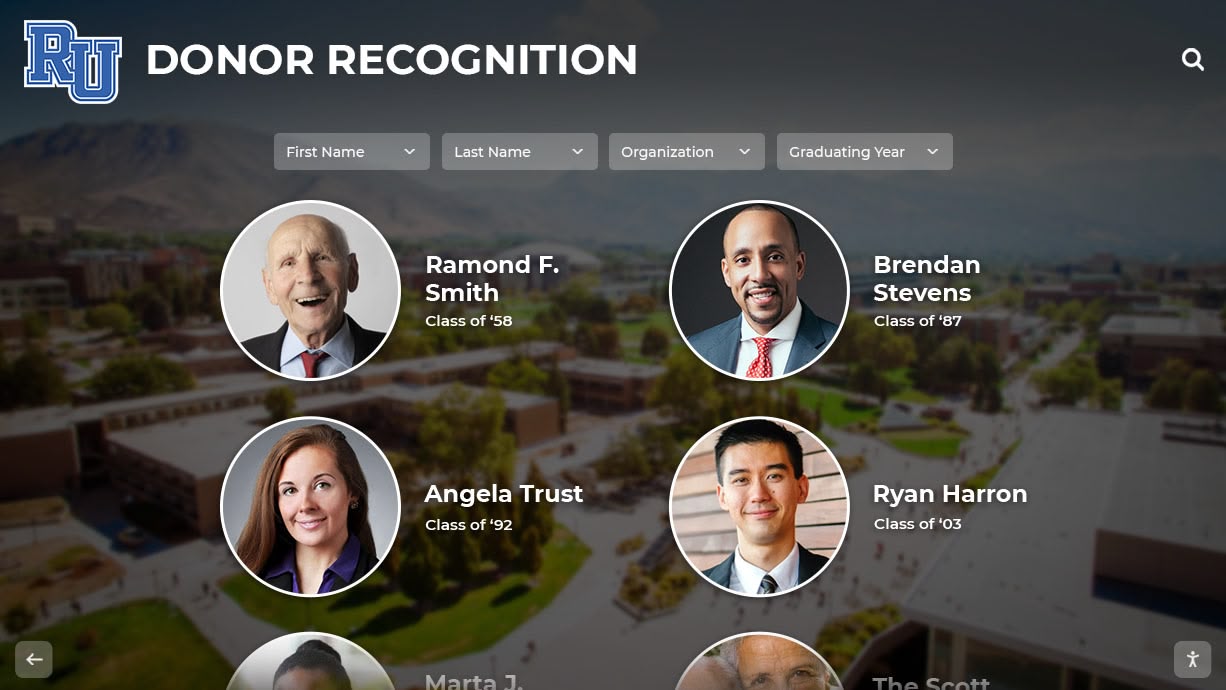
Strategic donor recognition builds sustainable support systems ensuring long-term athletic program excellence
Starting Your Booster Club: Practical Implementation Steps
Organizations ready to launch new booster programs or revitalize struggling ones can follow systematic implementation processes:
Initial Planning and Formation
Months 1-2: Foundation Building
Gather interested parents and community members to assess needs and gauge support. Meet with school administrators to discuss mission, structure, and institutional relationship. Research legal requirements for nonprofit incorporation and tax exemption in your state. Draft preliminary mission statement, bylaws, and organizational structure. Form interim leadership team guiding initial development.
Months 3-4: Legal Formation
File articles of incorporation with state authorities. Obtain Employer Identification Number from IRS. Draft comprehensive bylaws and governance policies. Apply for 501(c)(3) tax-exempt status if appropriate for organizational size. Open bank account and establish financial controls. Secure liability insurance protecting organization and volunteers.
Months 5-6: Operational Launch
Recruit initial volunteers for key roles and committees. Develop first annual budget and fundraising plan based on athletic program needs. Create communication systems including website, email lists, and social media. Plan initial fundraising activities and donor appeals. Schedule regular meeting calendar and communication cadence. Launch membership campaign or initial donor outreach.
First Year Priorities
Focus initial efforts on achievable wins building organizational credibility and momentum:
Establish Core Operations: Implement basic financial systems, communication platforms, and volunteer structures before attempting sophisticated programs.
Build Relationships: Develop strong partnerships with school administration, coaching staff, and athletic department ensuring aligned objectives and institutional support.
Start Simple: Launch with proven fundraising approaches requiring modest volunteer capacity rather than attempting complex programs beyond organizational capability.
Demonstrate Impact: Document and communicate early wins showing community members their support makes tangible differences for student-athletes.
Create Recognition Systems: Implement donor acknowledgment from the beginning, establishing culture of appreciation that inspires sustained support.
Discover comprehensive team photo and recognition programs that celebrate athletes while honoring community supporters.
Conclusion: Building Athletic Support That Endures
Effective booster clubs represent far more than fundraising organizations—they create communities united around supporting student-athletes, celebrating competitive excellence, and ensuring quality athletic programs accessible to all students regardless of institutional budget limitations. When booster clubs implement thoughtful organizational structure, diversified sustainable fundraising, efficient volunteer management, transparent financial accountability, strategic recognition programs, and systematic succession planning, they build athletic support systems benefiting hundreds of student-athletes across multiple sport seasons and school generations.
The comprehensive strategies explored throughout this guide provide frameworks for booster clubs that balance multiple critical objectives including generating sufficient revenue meeting athletic program needs, protecting volunteer capacity ensuring sustainable operations, engaging broad community support extending beyond current parent participation, maintaining financial transparency building donor trust and institutional credibility, recognizing all supporters appropriately inspiring continued generosity, and creating organizational resilience surviving inevitable leadership transitions and environmental changes.
Strategic Implementation Priorities
Organizations launching new booster programs or revitalizing struggling clubs should prioritize clear mission definition and institutional relationship building, appropriate legal structure and governance, diverse fundraising systems beyond single revenue sources, efficient operations protecting volunteer capacity, comprehensive recognition honoring all contribution types, transparent financial management and reporting, systematic succession planning and knowledge preservation, and continuous assessment enabling ongoing improvement.
The Recognition-Sustainability Connection
Strategic donor recognition directly enhances booster club sustainability through improved retention among acknowledged supporters who give year after year, increased contribution levels from recognized donors receiving visible appreciation, peer inspiration as community members observe widespread support, volunteer recruitment as recognition demonstrates organizational values, and enhanced reputation attracting new supporters and business sponsors.
Booster clubs investing in comprehensive recognition—whether through modern digital donor walls, traditional plaques, or hybrid approaches combining multiple methods—consistently report improved fundraising outcomes that exceed recognition program costs within 2-3 years while building stronger community relationships with athletic programs.
Creating Lasting Impact
The most successful booster clubs view their mission as relationship building rather than transactional fundraising. They create compelling giving opportunities connecting contributions to tangible outcomes, celebrate supporters visibly and meaningfully through thoughtful recognition, demonstrate concrete impact showing what donations accomplish, communicate regularly about programs they enable, and build communities where supporting student-athletes feels personally rewarding rather than obligatory.
Your student-athletes deserve athletic programs providing excellent competitive experiences, safe modern equipment, quality coaching, necessary travel opportunities, and facilities matching their dedication and talent. Well-structured booster clubs make these experiences possible while building community pride in athletic excellence that extends far beyond individual seasons or student enrollments. With strategic planning, professional operations, appropriate technology, and genuine commitment to supporter relationships, your booster club can create sustainable athletic support ensuring long-term program success benefiting students for generations to come.
Ready to enhance your booster club’s impact through strategic recognition that transforms supporters into lasting partners? Discover how comprehensive digital recognition solutions can help you celebrate every contributor while building the sustainable support systems athletic programs require. Explore recognition platforms designed specifically for school athletic booster clubs and community-based fundraising programs, enabling recognition that inspires continued generosity while honoring the community commitment making athletic excellence possible.