A booster club internal controls checklist organizes the day-to-day procedures that prevent financial errors, protect volunteer officers, and ensure that every sponsorship benefit and donor recognition commitment is delivered as promised. School athletics programs that rely entirely on good intentions—without documented authorization procedures, cash-handling rules, and recognition delivery controls—tend to discover their governance gaps during a district review, a sponsor renewal conversation, or an officer transition when institutional memory walks out the door.
Internal controls are not the same as an annual audit. An audit looks backward to see whether controls were followed. Internal controls are the procedures that run continuously—governing who approves each expenditure, how cash is counted at every event, which records must be kept and where, and who verifies that every donor name on the lobby wall matches the program’s giving records. This checklist covers all six areas, formatted for immediate use by athletic directors, booster club officers, and school administrators who need governance documentation that can withstand outside scrutiny.
This guide is for informational purposes only and does not constitute legal, accounting, or compliance advice. Consult a licensed CPA or attorney for guidance specific to your organization’s structure, tax-exempt status, and jurisdiction.

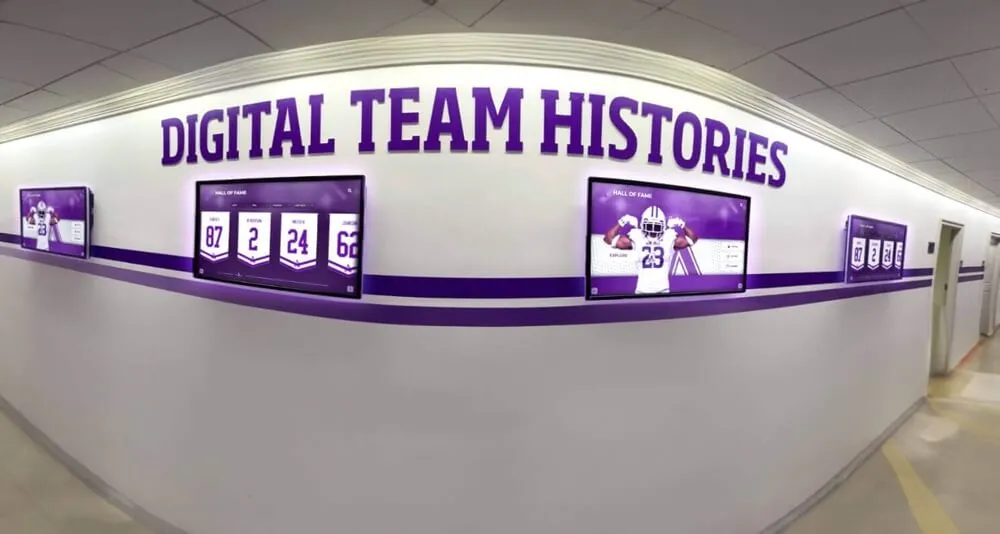
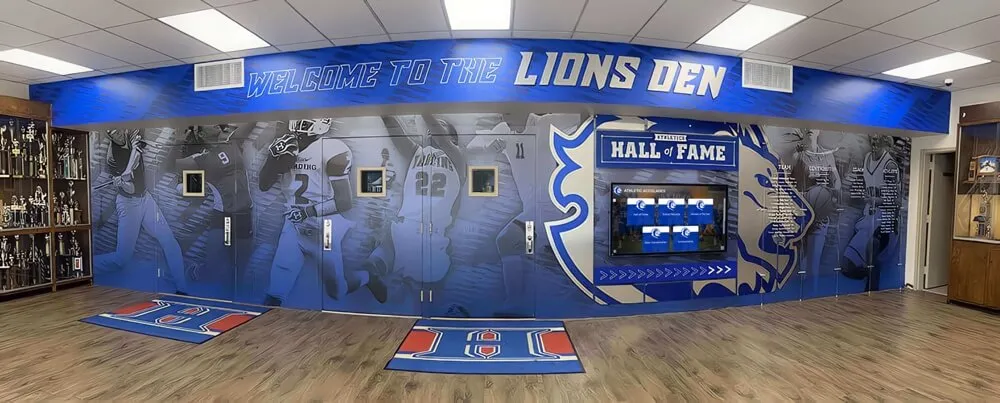
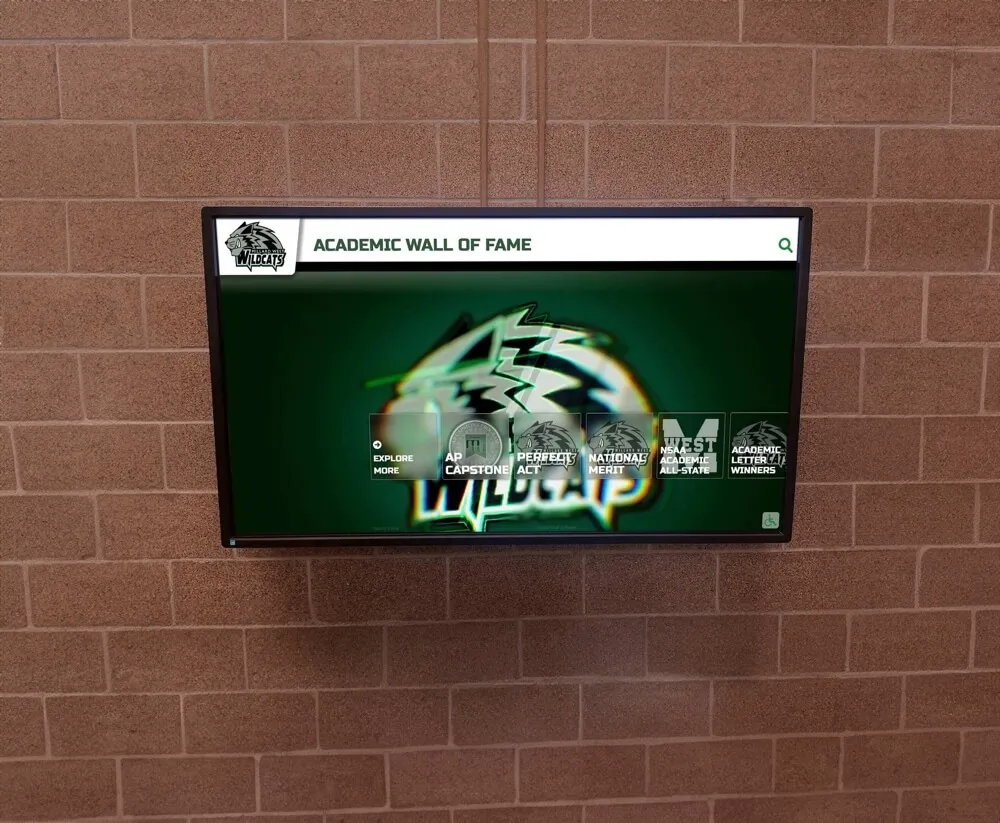
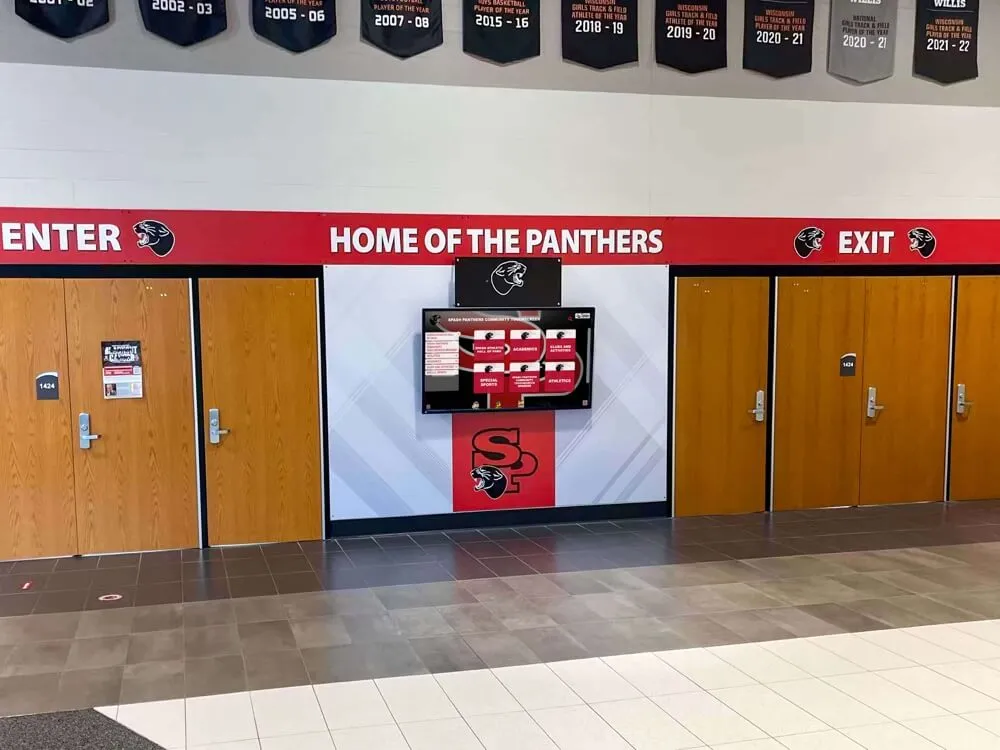
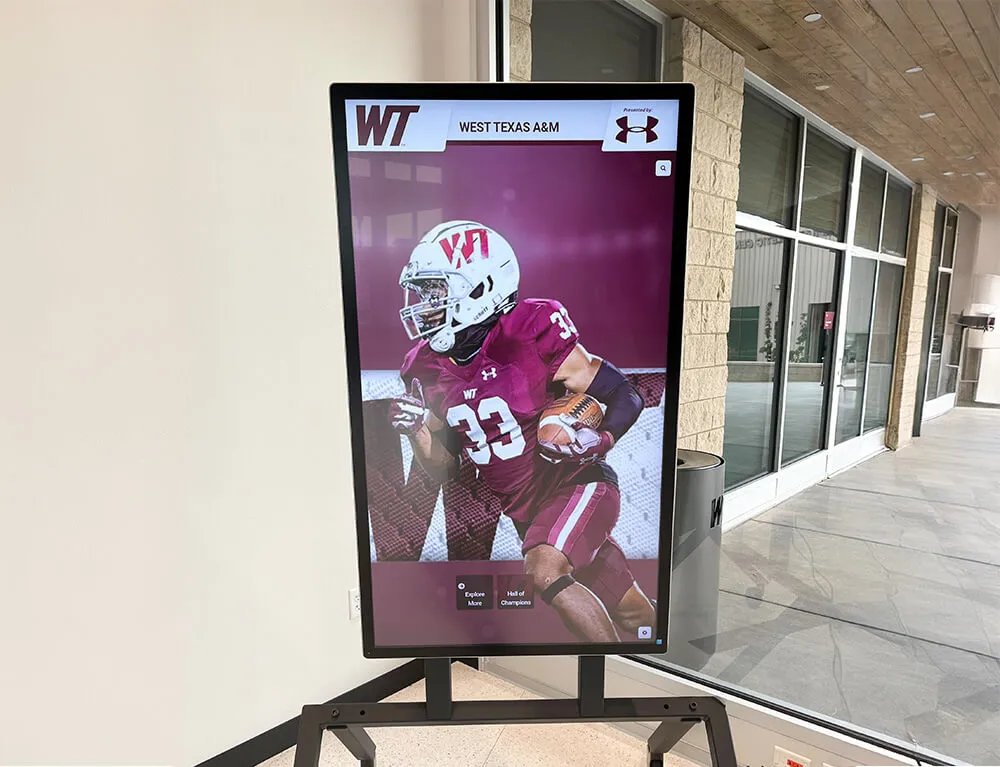
Lobby recognition walls, sponsor panels, and digital displays represent commitments that internal controls help fulfill accurately—the procedures in this checklist keep those commitments current year-round, not just at audit time
What Booster Club Internal Controls Are
Internal controls are the written procedures, approval requirements, and separation-of-duties rules that a booster club puts in place to protect its finances, its volunteers, and its recognition obligations before problems occur. They differ from audits, reviews, and inspections in one critical way: controls are preventive rather than detective. They are designed to make errors and irregularities unlikely to happen in the first place, not to discover them after the fact.
For school athletics booster clubs, internal controls span six interconnected areas:
- Authorization and approval — who can commit the organization to a purchase, contract, or recognition obligation
- Cash handling — how event and concession proceeds are counted, documented, and deposited
- Bank account and financial reporting — how accounts are reconciled, who has access, and what reports go to the board
- Expense documentation — what records must exist before reimbursements are issued or invoices paid
- Recognition and display commitments — how sponsor deliverables, donor name accuracy, and display content are verified on a continuous basis
- Officer transition — how records, access credentials, and institutional knowledge transfer when leadership changes
Programs that have documented controls in all six areas can answer the questions that district administrators, sponsors, and donors actually ask: “Who approved this?” “Where is the documentation?” “Is our name still on the wall?” A program without written controls can rarely answer those questions quickly.
Authorization and Approval Controls Checklist
Authorization controls establish who can make financial and contractual commitments on behalf of the organization. Without them, purchases accumulate without board knowledge, recognition agreements get made verbally, and the organization cannot trace the chain of approval when a dispute arises.
| Control | Requirement | Status |
|---|---|---|
| Spending authority | Written policy designating who may authorize expenditures by dollar threshold | ☐ |
| Spending authority | Expenditures above the defined threshold require advance board approval | ☐ |
| Spending authority | No officer may authorize a payment to themselves or a vendor in which they hold an interest | ☐ |
| Check signing | Dual-signature requirement for checks above the defined threshold | ☐ |
| Check signing | Signatories listed are current officers with valid terms | ☐ |
| Contracts and agreements | All sponsorship agreements reviewed and signed by a designated officer before payment is accepted | ☐ |
| Contracts and agreements | All vendor contracts reviewed by a designated officer before work begins | ☐ |
| Recognition commitments | Named recognition obligations (donor walls, sponsored display spaces) approved by the board in writing | ☐ |
| Recognition commitments | Recognition tier assignments for donors reviewed against giving records before display | ☐ |
| Conflict of interest | Annual conflict-of-interest disclosure completed by all officers and board members | ☐ |
Authorization controls protect officers as much as they protect the organization. A volunteer who makes a purchase without following the required approval process may face personal liability for that expenditure if the organization declines to ratify it. Written controls that are communicated clearly to every officer remove ambiguity about what is and is not within an individual’s authority.
Cash Handling Controls Checklist
Cash handling is the area where most booster club financial losses occur—both accidental shortfalls and intentional diversions. Events, concession stands, gate operations, and spirit-wear sales all generate cash that passes through volunteer hands in high-activity environments. Controls that may feel bureaucratic at a small table sale become essential when cash volumes increase.
| Control | Requirement | Status |
|---|---|---|
| Two-person rule | At least two unrelated individuals present during all cash counting at events | ☐ |
| Two-person rule | Neither counter is the officer who manages the organization’s bank account | ☐ |
| Starting cash | Documented starting cash amount for each event, signed by two people | ☐ |
| Event reconciliation | Cash count sheet completed and signed at the close of every event | ☐ |
| Event reconciliation | Actual receipts reconciled against expected sales for each event | ☐ |
| Deposit timing | All event proceeds deposited within two business days of the event | ☐ |
| Deposit documentation | Deposit slips retained and matched to bank statements | ☐ |
| Change funds | Change funds segregated from proceeds and documented separately | ☐ |
| Access restriction | Cash storage between event and deposit limited to designated officers | ☐ |
| Discrepancy reporting | Discrepancies above a defined threshold reported to the president or board in writing | ☐ |
A two-person counting rule is the single most widely recommended cash-handling control in nonprofit governance frameworks, including guidance published by the Association of Fundraising Professionals (AFP). The protection it provides runs in both directions: it deters intentional diversion and it protects any individual counter from false accusations when a discrepancy occurs. Programs that adopt only one cash-handling control should adopt this one.
Bank Account and Financial Reporting Controls Checklist
Bank account controls ensure that the organization’s funds are held properly and that the board receives accurate financial information on a schedule that allows meaningful oversight.
| Control | Requirement | Status |
|---|---|---|
| Account registration | All accounts held in the organization’s legal name, not an officer’s personal name | ☐ |
| Account access | Authorized signatories reflect current officers; access reviewed at each officer transition | ☐ |
| Account access | Former officers’ access removed within five business days of departure | ☐ |
| Reconciliation | All accounts reconciled monthly against bank statements | ☐ |
| Reconciliation | Monthly reconciliation reviewed by an officer other than the person who performed it | ☐ |
| Financial reporting | Treasurer’s report presented at each board meeting, including receipts, disbursements, and current balances | ☐ |
| Financial reporting | Year-end financial summary prepared and distributed to the board within 60 days of fiscal year close | ☐ |
| Restricted funds | Restricted and designated gifts tracked in separate ledger lines, not commingled with general operating funds | ☐ |
| Restricted funds | Restricted fund disbursements require written authorization confirming the expenditure matches the designation | ☐ |
| IRS filing | Annual filing status reviewed with a CPA or legal counsel; Form 990 or 990-N filed as required | ☐ |
Restricted fund segregation deserves particular attention for programs that manage named scholarship funds, display project funds, or sport-specific restricted accounts. A donor who designates a gift for the school’s hall-of-fame renovation or a specific athletic program has a legal and relational expectation that the funds will be applied accordingly. The internal control is the ledger-level separation that makes it possible to verify at any time that restricted funds remain available for their designated purpose.

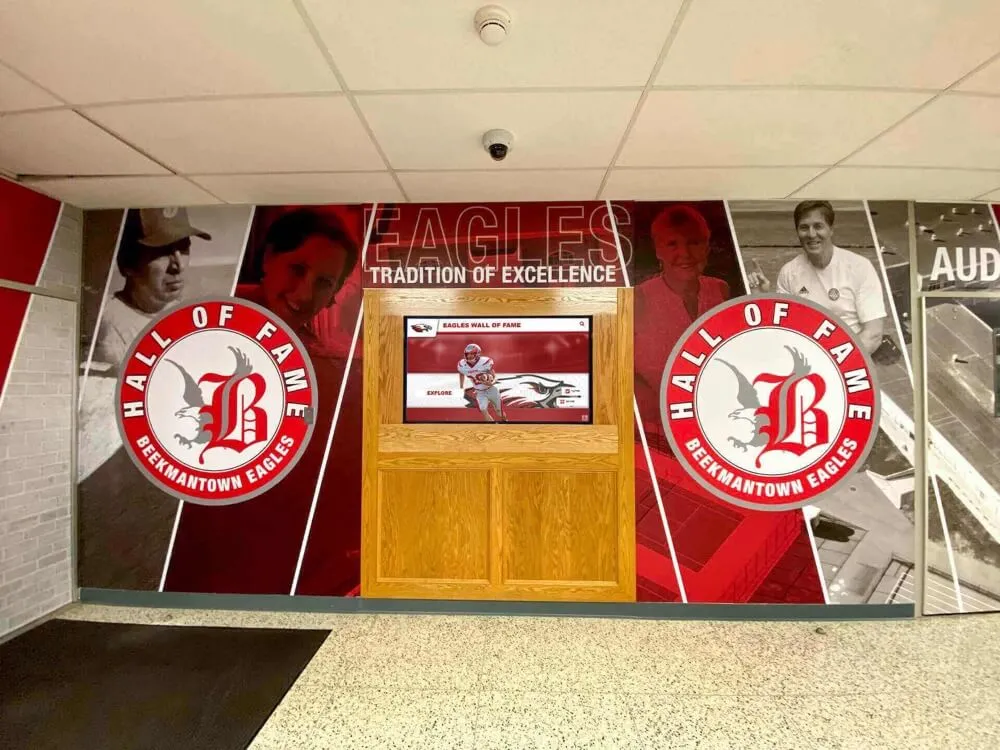
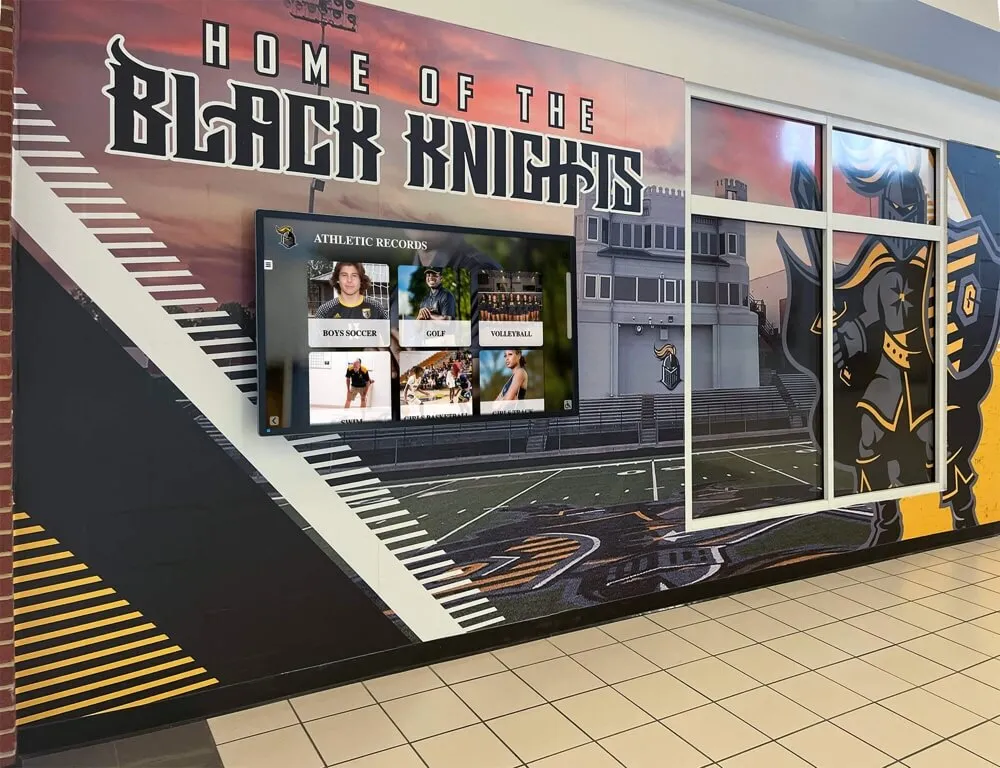
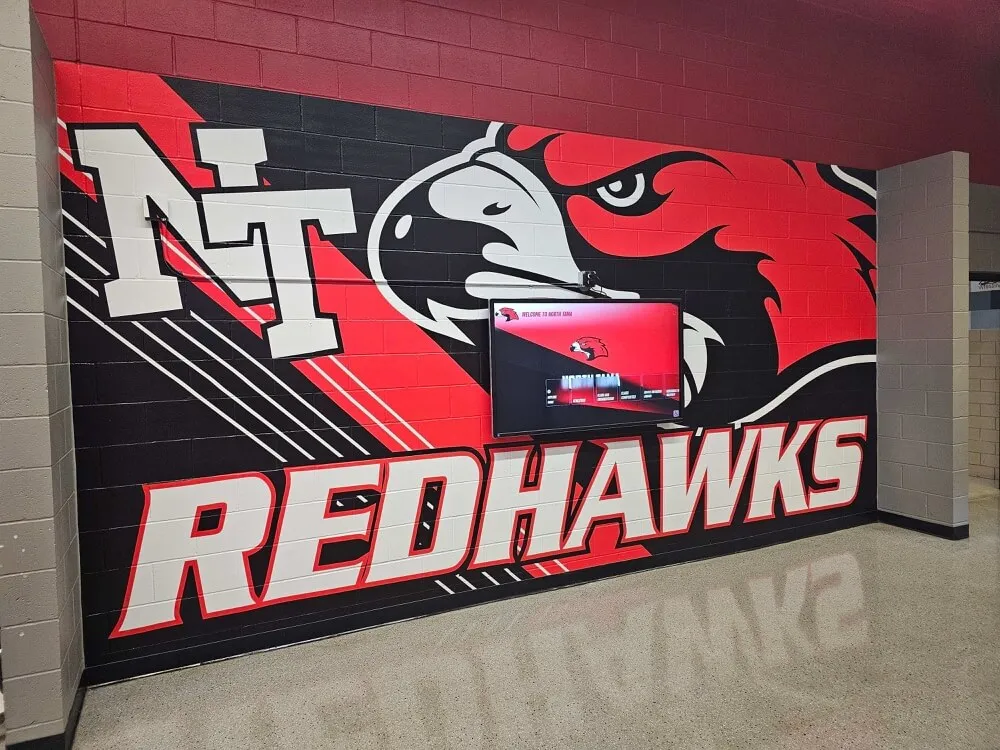
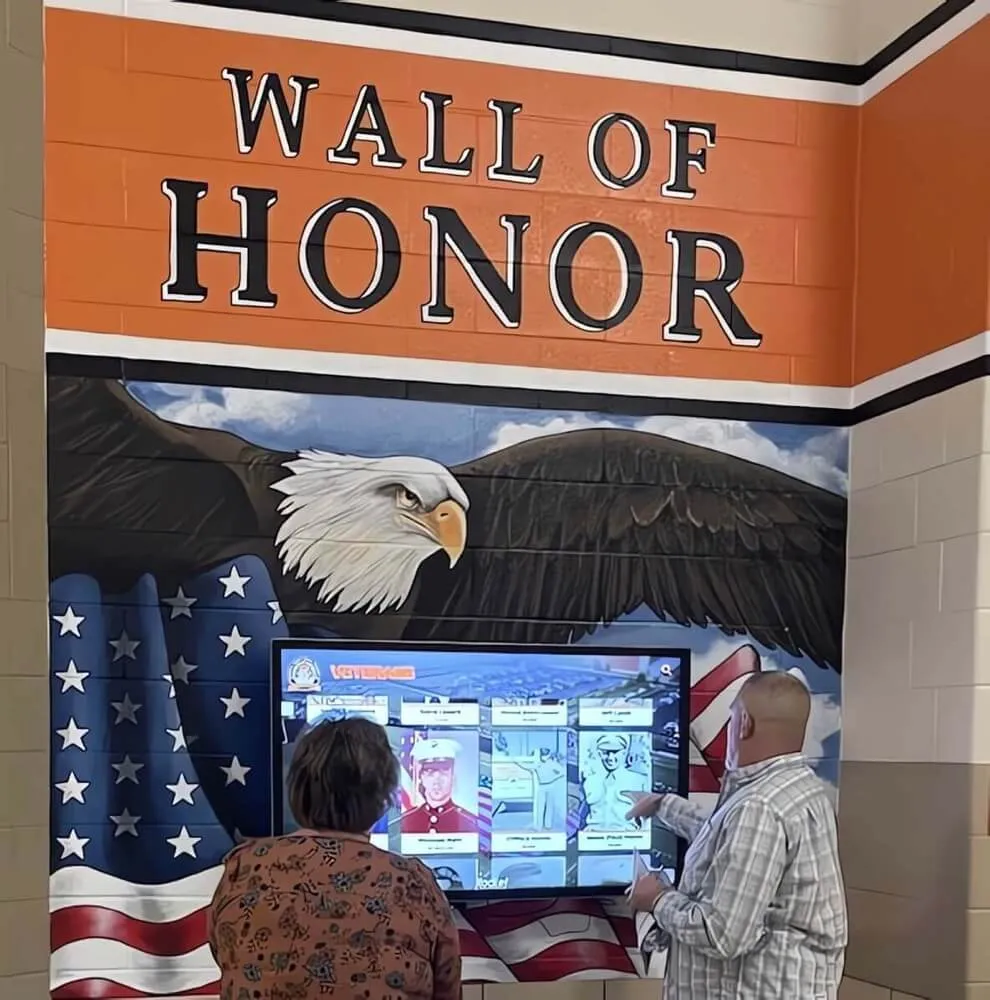
Athletic records displays and hallway recognition murals represent ongoing commitments that internal controls help honor accurately—the expense documentation, authorization, and display verification controls in this checklist keep those commitments current across officer generations
Expense Documentation Controls Checklist
Expense documentation controls establish what must exist before the organization pays an invoice, reimburses a purchase, or issues a check. They close the gap between approved budgets and actual expenditures, making it possible to trace every disbursement to an authorization.
| Control | Requirement | Status |
|---|---|---|
| Receipts | Original receipt required for all reimbursements; electronic receipts accepted if clearly legible | ☐ |
| Receipts | Receipt must show vendor name, date, itemized purchases, and total amount | ☐ |
| Pre-approval | Expenditures above the defined threshold require written pre-approval before the purchase occurs, not after | ☐ |
| Pre-approval | Pre-approval documentation filed with the reimbursement or invoice packet | ☐ |
| Vendor invoices | Invoices reviewed against contract terms or purchase order before payment | ☐ |
| Vendor invoices | Payment not issued for work not yet completed or materials not yet delivered | ☐ |
| Reimbursement timing | Reimbursement requests submitted within 30 days of the expense | ☐ |
| Reimbursement timing | Reimbursements older than 90 days require board approval | ☐ |
| Documentation filing | Expense documentation organized by fiscal year and accessible to auditors and successor officers | ☐ |
| Credit card use | If organizational credit cards exist, monthly statements reconciled against receipts by a second officer | ☐ |
The pre-approval requirement—that spending decisions above a threshold require written authorization before the purchase, not a retroactive receipt afterward—is the single most effective expense documentation control available to volunteer organizations. It changes the culture from “spend now and reconcile later” to “document the decision before the commitment is made,” which is the standard against which outside auditors and district reviewers evaluate program governance.
Sample Expenditure Pre-Approval Form
Programs can use a simple form like the one below for any expenditure above the organization’s pre-approval threshold:
BOOSTER CLUB EXPENDITURE PRE-APPROVAL FORM
Organization: ___________________________________
Date of Request: ________________________________
Requested By (name + title): ____________________
Vendor or Payee: ________________________________
Amount Requested: _______________________________
Purpose / Description: __________________________
Budget Category: ________________________________
Funding Source (general / restricted fund name): _
If Restricted Fund, Donor-Designated Purpose: ___
Supporting Documentation Attached: ☐ Quote  ☐ Contract  ☐ Invoice  ☐ Other: ____

Authorized By: __________________________________ Date: ___________
(Officer with authority per spending policy)

Notes: _________________________________________
Keeping completed forms in a shared folder accessible to current and successor officers ensures that the authorization chain for every expenditure survives officer transitions.
Recognition and Display Commitment Controls Checklist
Recognition commitments are financial obligations expressed in display form. A donor who contributes at a named giving tier is entitled to specific recognition—their name, correctly spelled, at the correct tier, in the locations and formats the organization committed to when the gift was made. A sponsor whose agreement includes a lobby digital display placement has a contractual right to that display. Internal controls in this category ensure those obligations are fulfilled accurately and continuously.
| Control | Requirement | Status |
|---|---|---|
| Donor name accuracy | All donor names verified against the signed gift acknowledgment before display entry | ☐ |
| Donor name accuracy | Tier placement for each donor confirmed against cumulative giving records, not individual gift amounts | ☐ |
| Donor name accuracy | Donor wall reviewed for accuracy at least once per year, prior to major donor-facing events | ☐ |
| Sponsor display delivery | Promised sponsor placements installed and photographed before the sponsored event or season begins | ☐ |
| Sponsor display delivery | Delivery confirmation documentation (photos, system records, dates) filed in the sponsor’s agreement folder | ☐ |
| Sponsor display delivery | Expired sponsor agreements removed from active display within 30 days of expiration | ☐ |
| Digital display content | Active digital display profiles verified for accuracy at the start of each season | ☐ |
| Digital display content | Content currency confirmed—no outdated logos, expired campaign dates, or former-officer names | ☐ |
| Athletic records board | Records and achievement names verified against source documentation at least annually | ☐ |
| Athletic records board | New records or honors from the most recent season added within 60 days of the season’s conclusion | ☐ |
| Hall of fame accuracy | Inductee name, sport, achievement record, and induction year verified against nomination documentation | ☐ |
| Hall of fame accuracy | All inductees confirmed as represented in the physical or digital system | ☐ |
| Naming commitments | Named facilities, display spaces, or recognition areas inventoried against signed agreements | ☐ |
| Naming commitments | Duration terms for all naming arrangements documented and calendared for upcoming expirations | ☐ |
Recognition controls close the governance gap between the financial record of a gift or sponsorship and the recognition experience the donor or sponsor actually receives. Programs evaluating the full range of tools available for managing athletic and donor recognition displays benefit from understanding how different platform types handle content logging, tier management, and version history—capabilities that affect how easily recognition controls can be verified and documented.
Athletic records boards carry their own accuracy obligations separate from donor and sponsor commitments. The names and records displayed on a school’s athletic records board represent the institution’s official acknowledgment of achievement. A record that is misattributed or absent is both a recognition failure and a historical inaccuracy. Digital record board platforms built for school athletics programs address this through content verification features and update workflows that make records-board accuracy a manageable ongoing responsibility rather than a periodic reconstruction project.
Officer Transition Controls Checklist
Officer transitions are the moment when internal controls either prove their value or collapse. A program with strong documentation and access management survives transitions with continuity. A program that relies on institutional memory stored in a departing treasurer’s personal files, or on bank accounts that still carry a former officer’s credentials, faces an immediate governance gap.
| Control | Requirement | Status |
|---|---|---|
| Records transfer | Outgoing officer prepares and transfers a complete records packet to the successor before departure | ☐ |
| Records transfer | Records packet includes: bank statements, reconciliations, signed agreements, expense documentation, and vendor contacts | ☐ |
| Records transfer | Transition meeting scheduled between outgoing and incoming officers before the end of the officer’s term | ☐ |
| Access credentials | Bank account signatory updated within five business days of the officer change | ☐ |
| Access credentials | Outgoing officer’s email access, platform accounts, and vendor portals deactivated upon departure | ☐ |
| Access credentials | New officer’s access verified and documented before outgoing officer’s access is removed | ☐ |
| Recognition system access | Digital display platform access updated to reflect current officers | ☐ |
| Recognition system access | Recognition system vendor notified of authorized account contacts for the new term | ☐ |
| Open commitments | Outgoing officer documents all pending sponsor renewals, recognition deliverables, and unresolved obligations | ☐ |
| Open commitments | Incoming officer confirms receipt and understanding of open commitments before outgoing officer departs | ☐ |
| Password management | Shared account passwords updated at every officer transition | ☐ |
| Policy handoff | Copies of all current governance policies—purchasing policy, cash-handling policy, this internal controls checklist—transferred to the incoming officer | ☐ |
The records transfer and access credential controls are the most operationally critical items on this list. Bank accounts that still carry a departed officer’s credentials, and digital display platforms that send renewal notifications to an email address no longer monitored by a current officer, create gaps that compound over time. Academic recognition programs and athletic display programs that have documented their transition protocols demonstrate how structured handoff procedures protect institutional continuity even when officer generations turn over frequently.
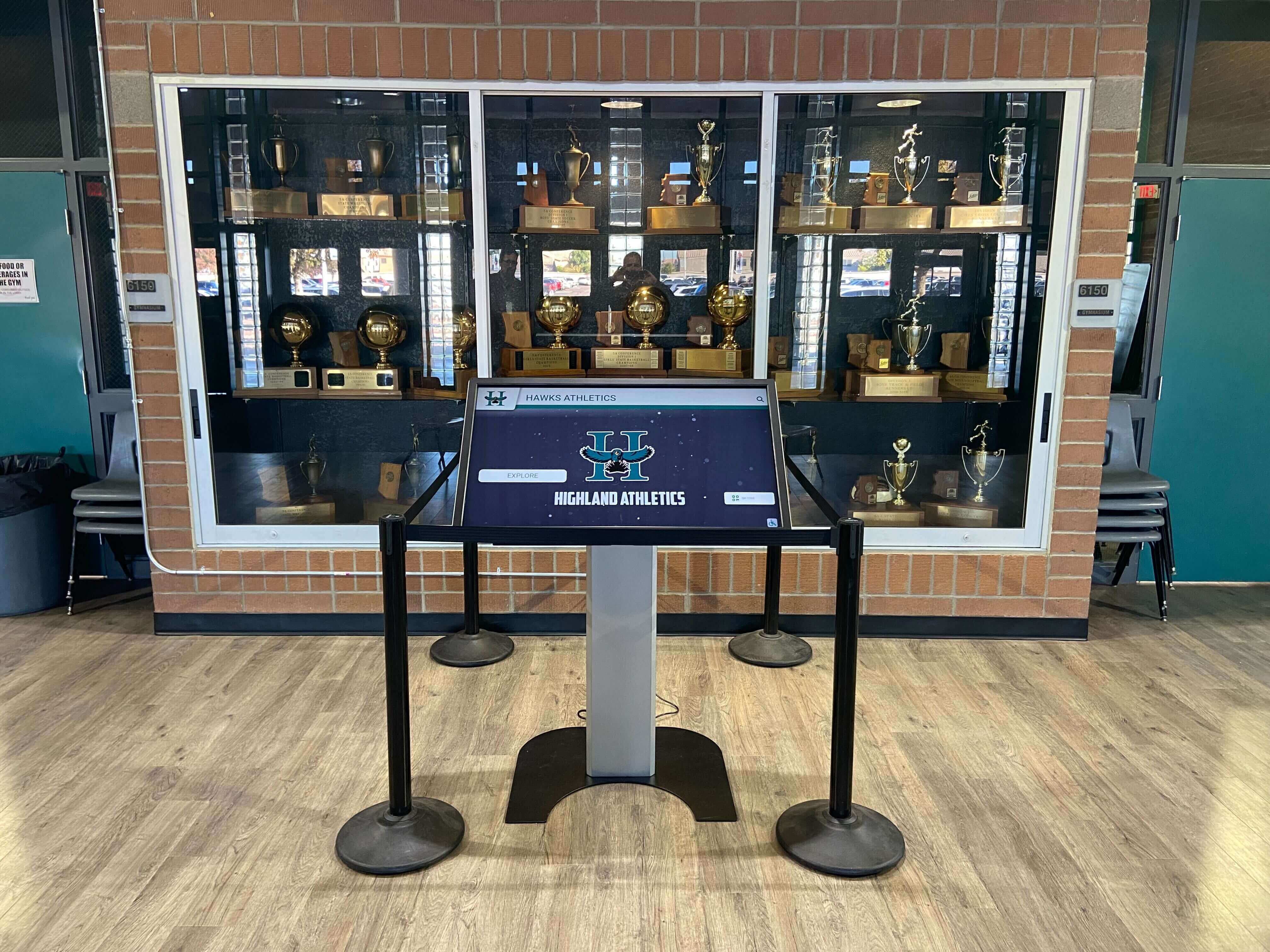
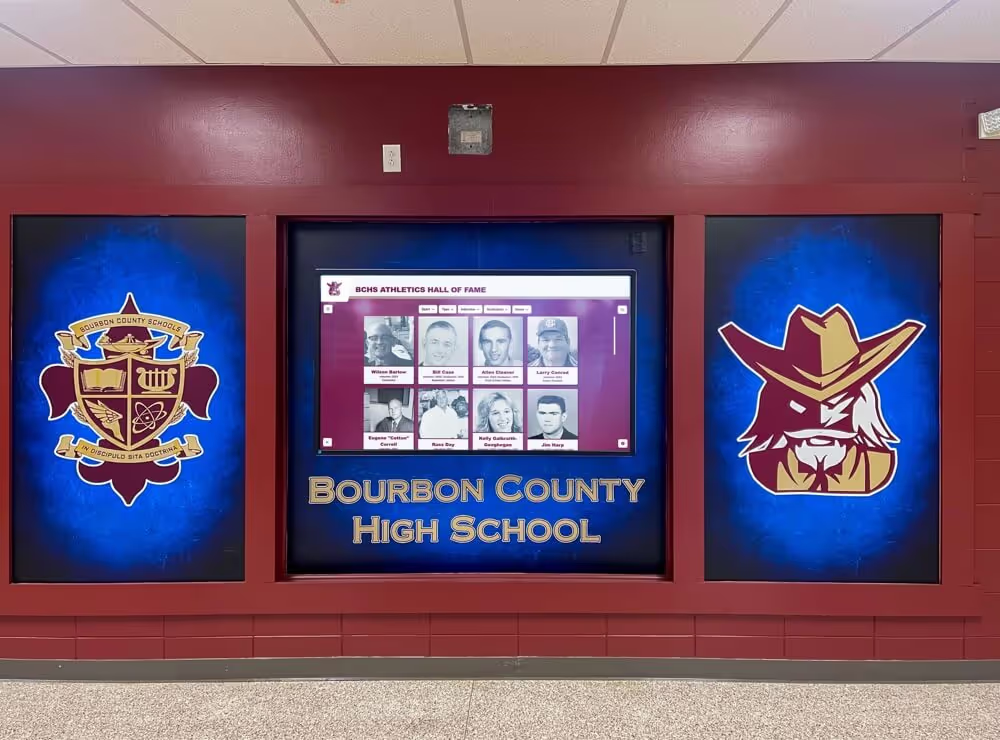
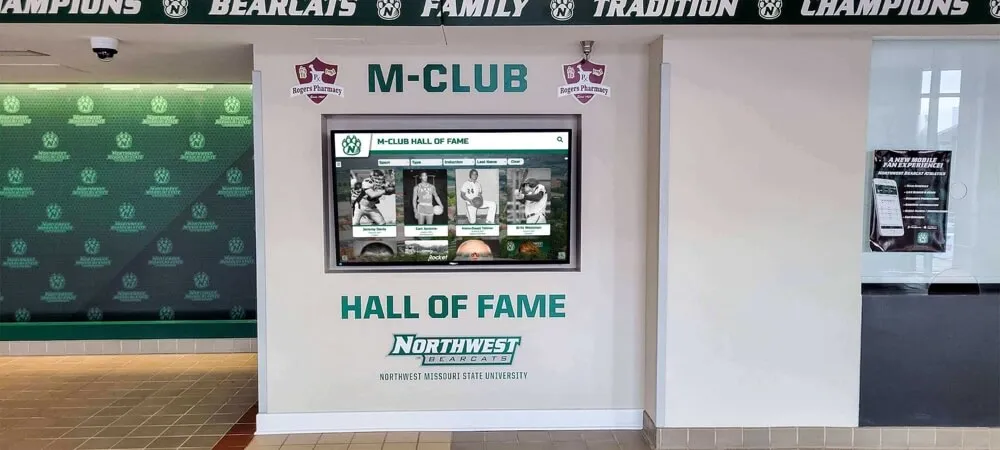
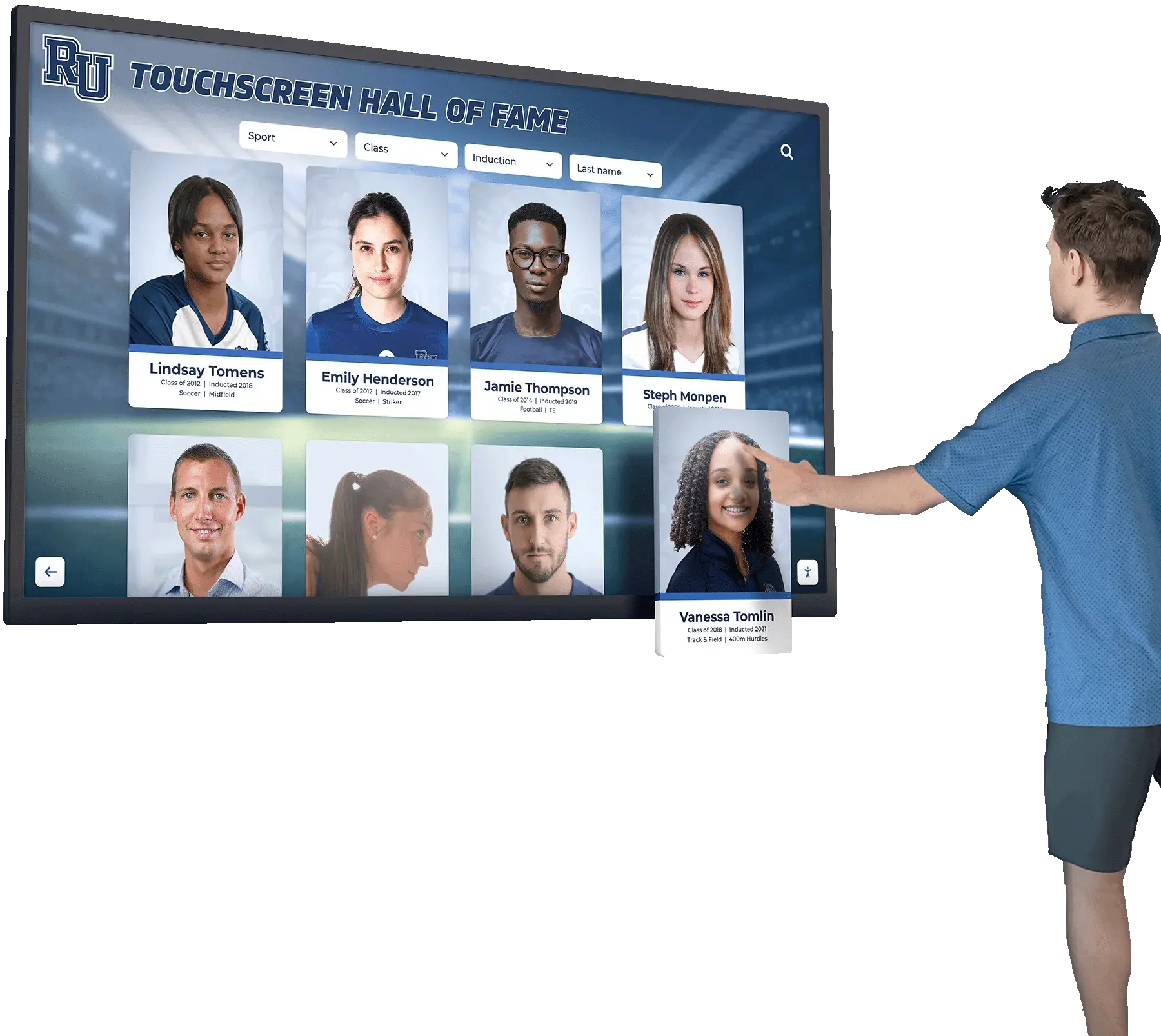
Digital recognition kiosks and trophy case display systems create the content history and access management infrastructure that supports internal controls—their logs and version histories serve as built-in documentation for recognition commitment verification
Master Internal Controls Summary Table
Use this condensed table as an executive overview for board approval, district reporting, or annual governance review. All six control areas should be verified before closing each fiscal year.
| Control Area | Key Procedures | Verification Frequency | Status |
|---|---|---|---|
| Authorization and Approval | Spending thresholds documented; dual-signature active; conflict-of-interest disclosures current | Annually, plus each time a new officer is seated | |
| Cash Handling | Two-person counting rule in place; count sheets completed and signed at every event; deposits within two business days | Each event | |
| Bank Account and Financial Reporting | Accounts reconciled monthly; reconciliation reviewed by second officer; treasurer’s report at each board meeting | Monthly | |
| Expense Documentation | Pre-approval required above threshold; receipts on file for all reimbursements; vendor invoices matched to contracts | Per transaction | |
| Recognition and Display Commitments | Donor wall verified annually; sponsor delivery documented per agreement; digital content current; records board updated | Seasonally, plus annually | |
| Officer Transition | Records transferred; access credentials updated; open commitments documented; policies handed off | Each officer change |
A program that can mark all six areas as current has a controls framework that satisfies the expectations of district administrators, outside auditors, and sponsor representatives asking for delivery documentation. A gap in any single area identifies a specific remediation task—not a general finding of “poor governance”—that can be addressed without disrupting the rest of the program’s operations.
How Digital Recognition Infrastructure Strengthens Internal Controls
Internal controls in the recognition and display category depend on documentation: proof that a sponsor’s banner was installed, that a donor’s name appears at the correct tier, that an inductee’s record is accurate. Static physical signage requires manual documentation—photographs, walk-through checklists, handwritten logs—to satisfy these controls. Digital recognition platforms with content management and logging capabilities satisfy many of the same requirements automatically.
A digital display system that logs every content change creates a timestamped record of when each entry was created, modified, or removed. That log is the documentation behind the recognition delivery controls in the checklist above. When a sponsor asks whether their profile was active during a specific season, the content log answers the question. When a donor inquires about their tier placement, the system record confirms it. When a district administrator asks to review what was displayed during a specific period, the version history provides the audit trail.
Touchscreen hall-of-fame and recognition platforms built for school athletics programs vary significantly in their content management and documentation capabilities. Programs evaluating platforms should ask specifically whether the system maintains a content change history, whether that history is exportable, and whether the platform supports role-based access management—the capability that makes officer transition controls operational rather than theoretical.
Academic and athletic recognition programs that use managed digital display systems report that the content management infrastructure serves governance purposes as well as display purposes: the same platform that shows donors and honorees their recognition records provides the documentation that satisfies recognition delivery controls during annual governance reviews.
For programs that maintain school history timelines, class archives, and multi-decade athletic records, digital archive platforms that preserve recognition and achievement records across generations provide additional governance value: historical content remains retrievable, accurate, and verifiable even as the officers who originally created it move on. That retrievability is itself an internal control—one that prevents the institutional memory losses that create recognition accuracy failures years after the original commitment was made.
Connecting Internal Controls to Donor and Sponsor Trust
Internal controls are not just a governance requirement—they are the operational foundation of the trust that makes sponsor relationships and donor recognition programs sustainable. A sponsor that renews year after year does so because every promised benefit was delivered, documented, and reported accurately. A donor who increases their giving does so because their previous recognition experience matched the commitment the program made when the gift was made.
The recognition commitment controls in this checklist—verifying donor name accuracy, documenting sponsor delivery, maintaining current digital display content—are the same procedures that make those conversations credible. When a sponsor asks at renewal time whether their digital display profile was active for the entire season, the program with current recognition controls can answer yes and show the documentation. The program without those controls must reconstruct the answer from memory, photographs, and emails—a process that communicates unreliability regardless of whether the commitment was actually honored.
Community legacy projects and school reunion initiatives that incorporate recognition displays illustrate how recognition accuracy serves relationships that span decades—the same principles that make a 50th reunion display accurate apply to the year-to-year accuracy requirements in every active sponsorship and donor recognition program. Internal controls are what make that accuracy manageable rather than aspirational.

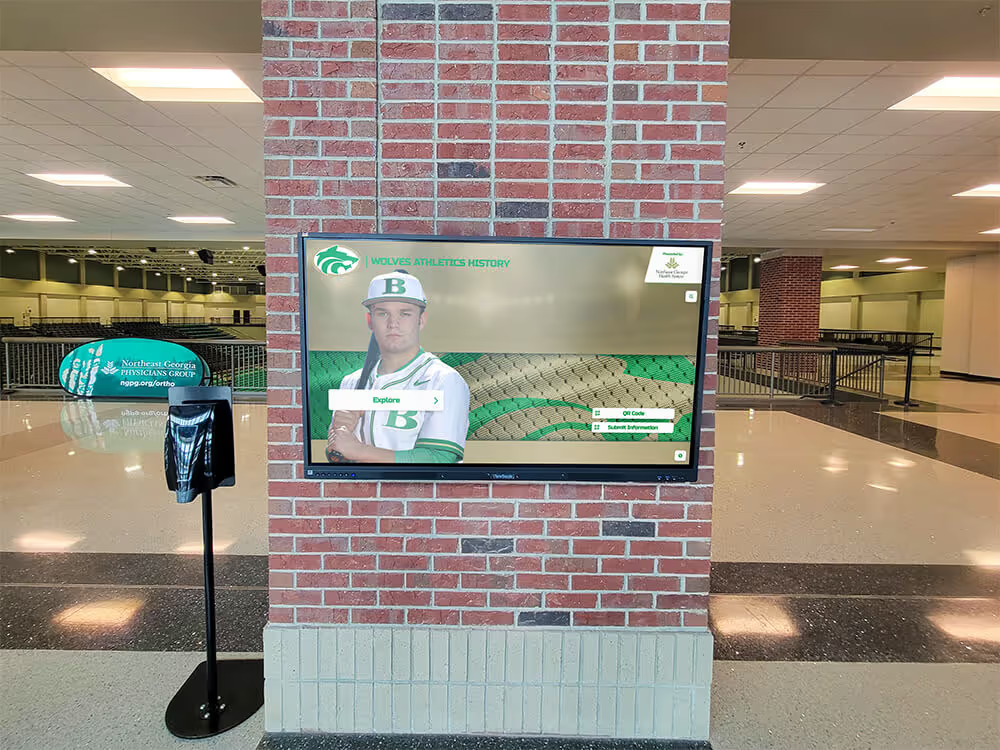
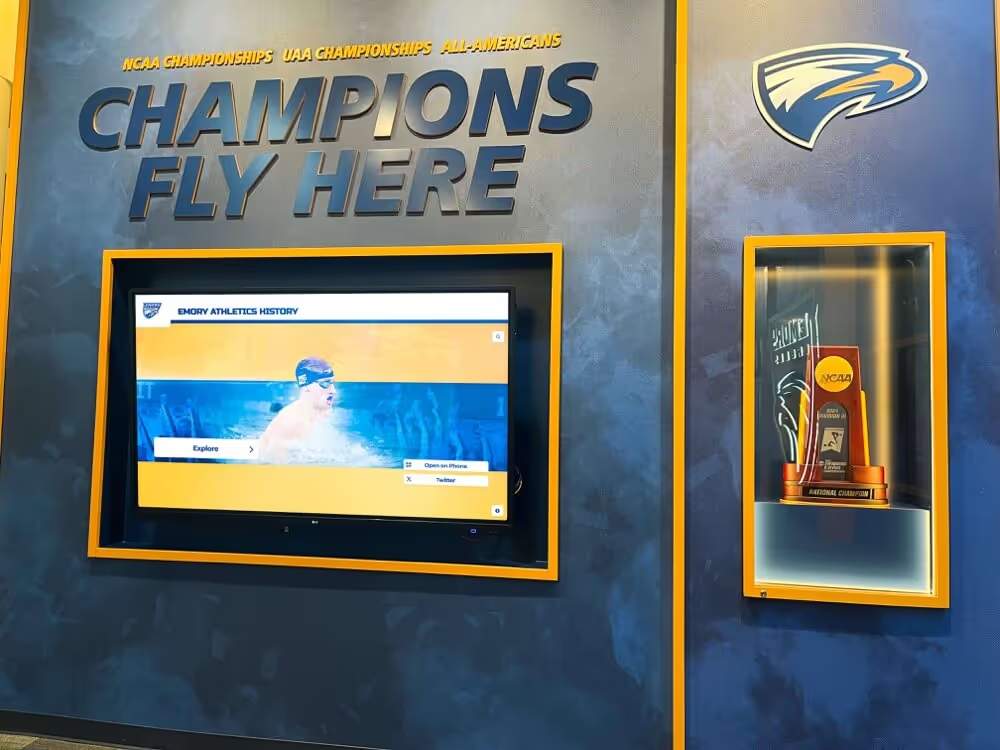
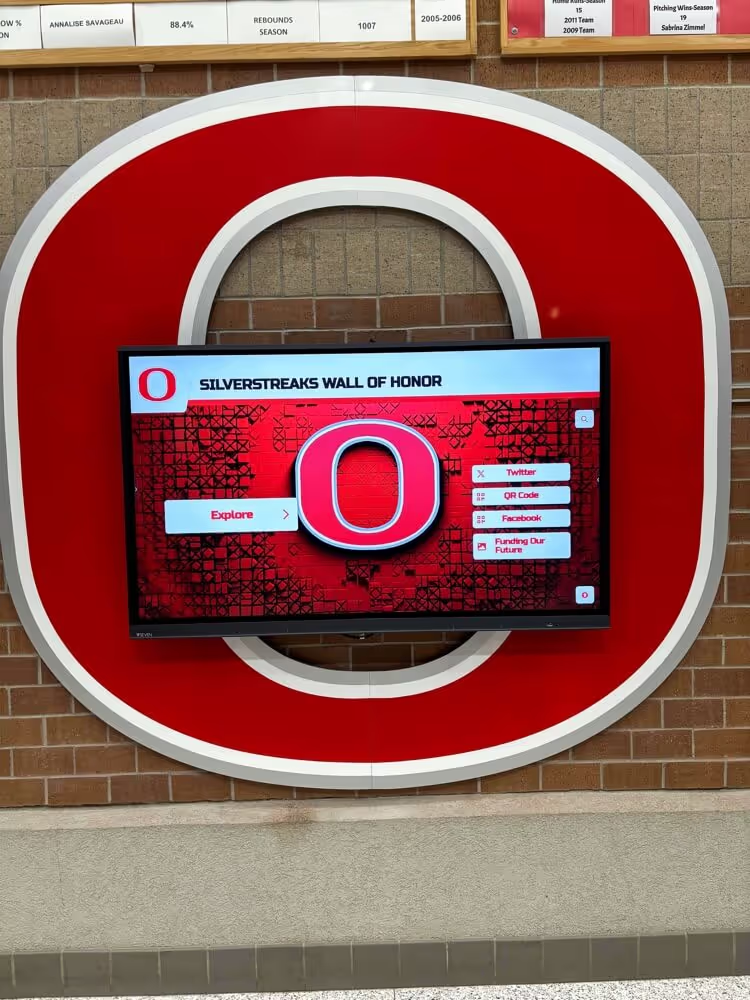
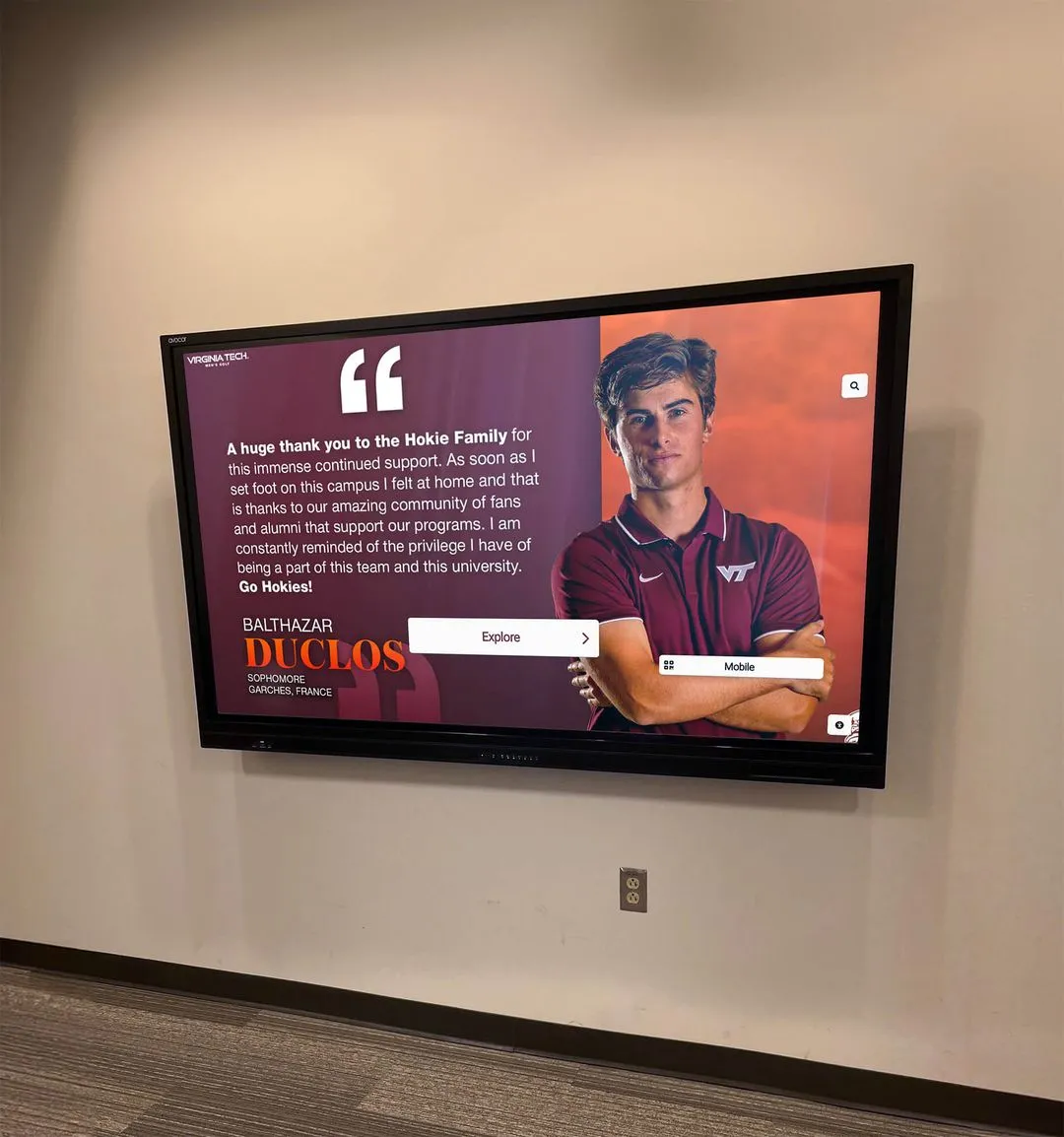
Wall of champions and trophy display spaces represent the visible outcome of internal controls working correctly—accurate names, current sponsor placements, and verified achievement records maintained through documented procedures rather than periodic reconstruction
Frequently Asked Questions
What is a booster club internal controls checklist?
A booster club internal controls checklist is a documented set of procedures, approval requirements, and verification steps that govern how the organization handles money, maintains records, fulfills recognition obligations, and transitions between officer generations. Unlike an annual audit, which reviews whether controls were followed, an internal controls checklist is the operational reference that officers follow continuously throughout the year to prevent financial errors, protect volunteers, and ensure recognition commitments are delivered accurately.
How is an internal controls checklist different from an audit checklist?
An internal controls checklist defines the procedures an organization follows day-to-day and event-by-event: who signs checks, how cash is counted, how donor names are verified before display. An audit checklist is used periodically—typically annually—to verify that those procedures were followed. The controls come first and run continuously; the audit tests whether they worked. Programs that conduct annual audits but do not have written internal controls often find that the audit identifies the same gaps year after year because the controls that would have prevented those gaps were never put in place.
Which internal control is most important for a small booster club?
The two-person cash-handling rule is the most consistently valuable single control for volunteer organizations that handle event cash. It deters intentional loss, protects individual counters from false accusations, and requires no technology or significant administrative overhead to implement. The second most impactful control is the expense pre-approval requirement—establishing that purchases above a defined threshold require written authorization before the expenditure occurs, not a receipt afterward. Together, these two controls address the majority of financial loss scenarios in school athletics booster club contexts.
How often should the recognition and display commitment controls be reviewed?
Display commitment controls should be reviewed at two points: seasonally (before major events or at the start of each sports season, to confirm sponsor placements are active and donor names are current) and annually (as part of the fiscal year-end governance review, to confirm all agreements are documented and all recognition obligations are fulfilled). Programs with digital display platforms that log content changes can generate much of this documentation automatically; programs relying on static physical signage must conduct manual walk-throughs and photograph-based documentation to satisfy the same controls.
What should an officer transition checklist include for recognition systems?
An officer transition for booster clubs with active recognition programs should include: deactivation of the outgoing officer’s access to digital display platforms; activation and documentation of the incoming officer’s access credentials; transfer of vendor contacts for display maintenance and content management vendors; documentation of all open recognition commitments—pending donor wall additions, active sponsor agreements with display deliverables, and scheduled hall-of-fame additions; and a review of the current display content to confirm accuracy before the incoming officer assumes responsibility for it. Without this checklist, recognition systems are among the first areas to accumulate errors after an officer transition, because no one with current knowledge is accountable for their accuracy.
Do internal controls need to be board-approved?
Yes. Internal control procedures that are not formally adopted by the board have no authority in a governance dispute. When a district administrator or outside reviewer asks how the organization ensures that expenditures are authorized, the answer must reference a written, board-approved policy—not an informal understanding between current officers. The board adoption process also ensures that every officer has received and acknowledged the controls they are expected to follow, closing the “I didn’t know” gap that creates liability when controls are violated.
How do digital recognition systems help with internal controls compliance?
Digital recognition platforms support internal controls compliance in three ways. First, content logging creates automatic documentation of when each display entry was created, changed, or removed—satisfying recognition delivery controls without manual record-keeping. Second, role-based access management enforces the separation-of-duties principle in digital display environments, ensuring that only authorized officers can make content changes. Third, exportable content histories provide the documentation that satisfies both sponsor delivery controls and annual governance reviews. When evaluating platforms, programs should ask specifically about content logging, access controls, and export capabilities—these features determine whether the platform supports governance or merely provides display functionality.
What record retention applies to internal controls documentation?
General nonprofit governance guidance suggests retaining financial records—bank statements, reconciliations, expense documentation, and signed agreements—for seven years. Board minutes and IRS returns are typically retained permanently. Internal controls documentation itself—the written policy, board adoption records, and annual governance review summaries—should be retained permanently as part of the organization’s governance history. Consult a licensed attorney or CPA for retention requirements specific to your organization’s jurisdiction, corporate structure, and tax-exempt status.
When your program is ready to build the recognition infrastructure that makes display commitment controls straightforward—managed digital donor walls with content logs, sponsor delivery documentation, and role-based access management that survives officer transitions—explore how Rocket Alumni Solutions supports booster clubs with recognition systems designed for institutional governance and long-term stewardship.