Booster Club Lost Receipt Affidavit: Document Exceptions Without Weakening Controls
A booster club lost receipt affidavit is a signed, written statement that substitutes for a missing original receipt when a volunteer or officer cannot produce documentation for a legitimate organizational expense. It does not eliminate the documentation requirement—it replaces the missing physical document with a sworn attestation that records the vendor, amount, date, and business purpose, and requires a second officer’s approval before the expense can be closed.
Used correctly, a lost receipt affidavit preserves audit readiness when a receipt is unavailable despite reasonable effort to recover it. Used incorrectly—as a routine workaround for documentation discipline—it converts an exception form into a gap in your control framework. This guide covers the required fields, a ready-to-use template, and the approval workflow that keeps the affidavit process an exception rather than a habit.
This guide is for informational purposes only and does not constitute legal, accounting, or tax advice. Consult a licensed CPA or attorney for guidance specific to your organization’s tax-exempt status, IRS documentation requirements, and jurisdiction.

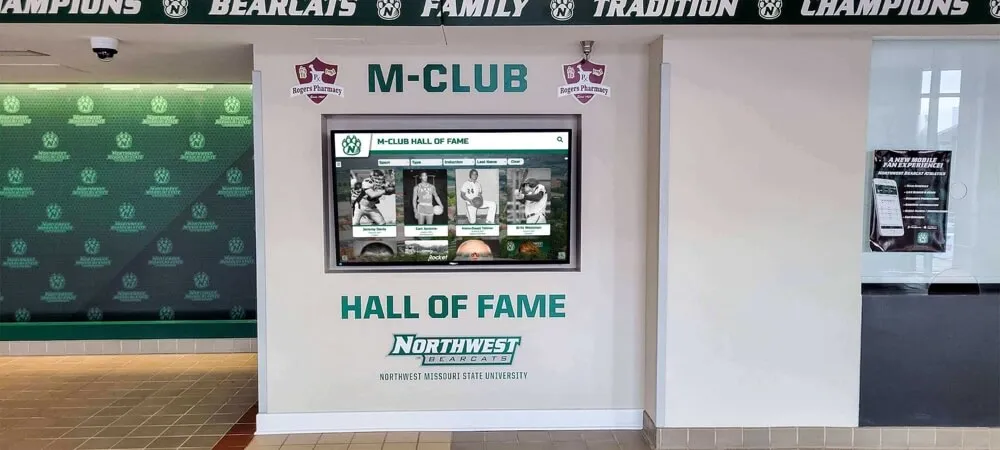
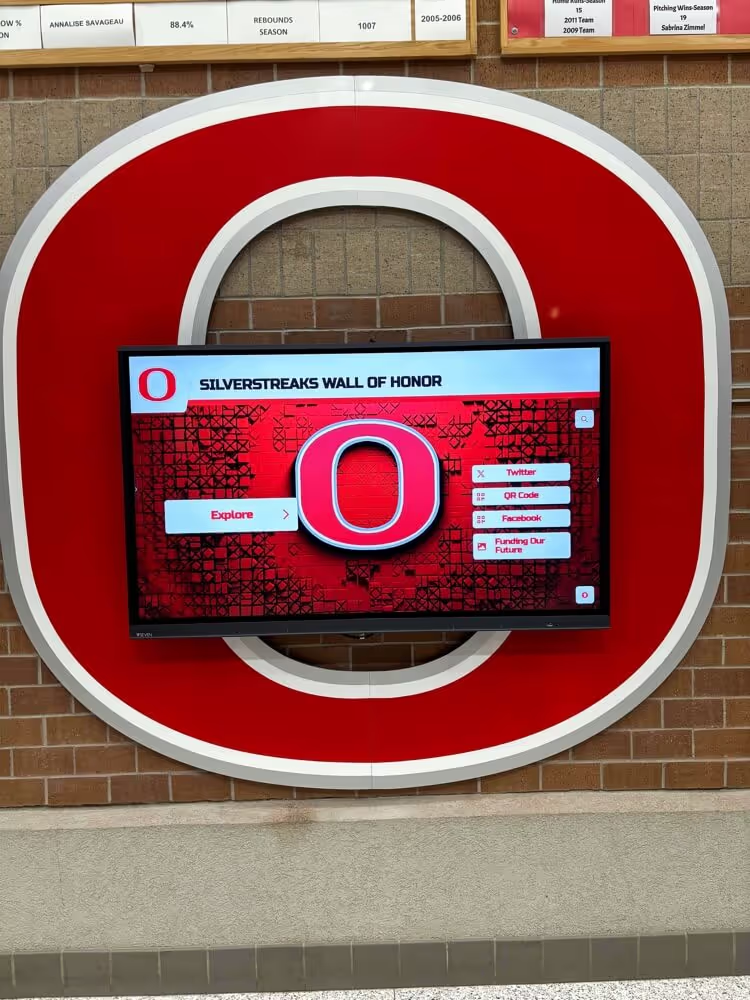
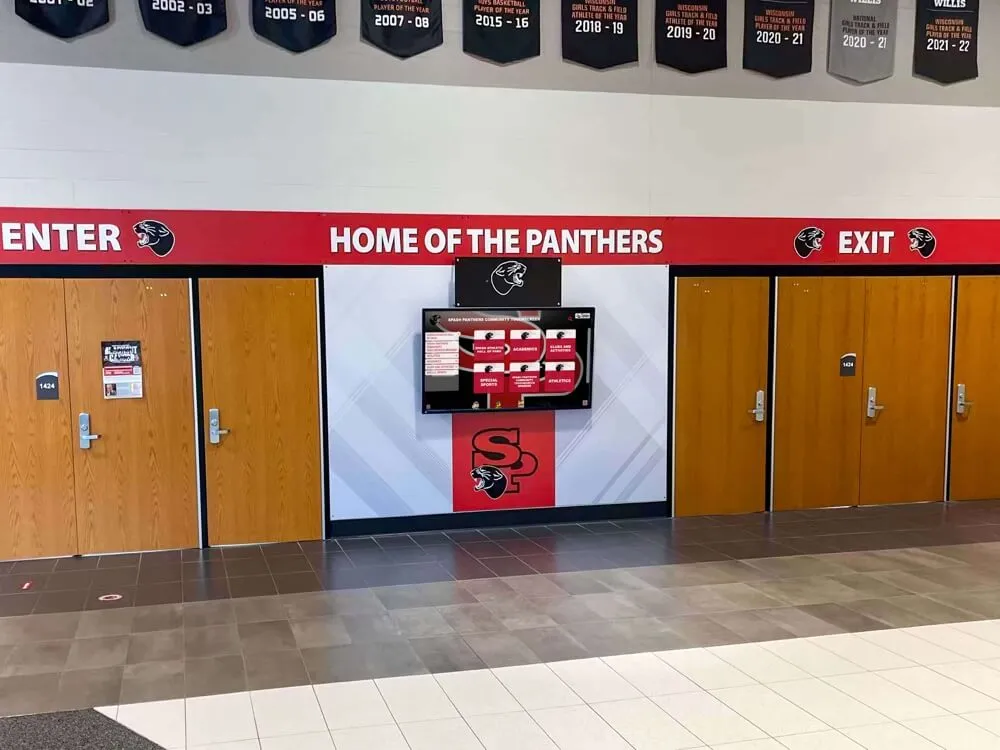
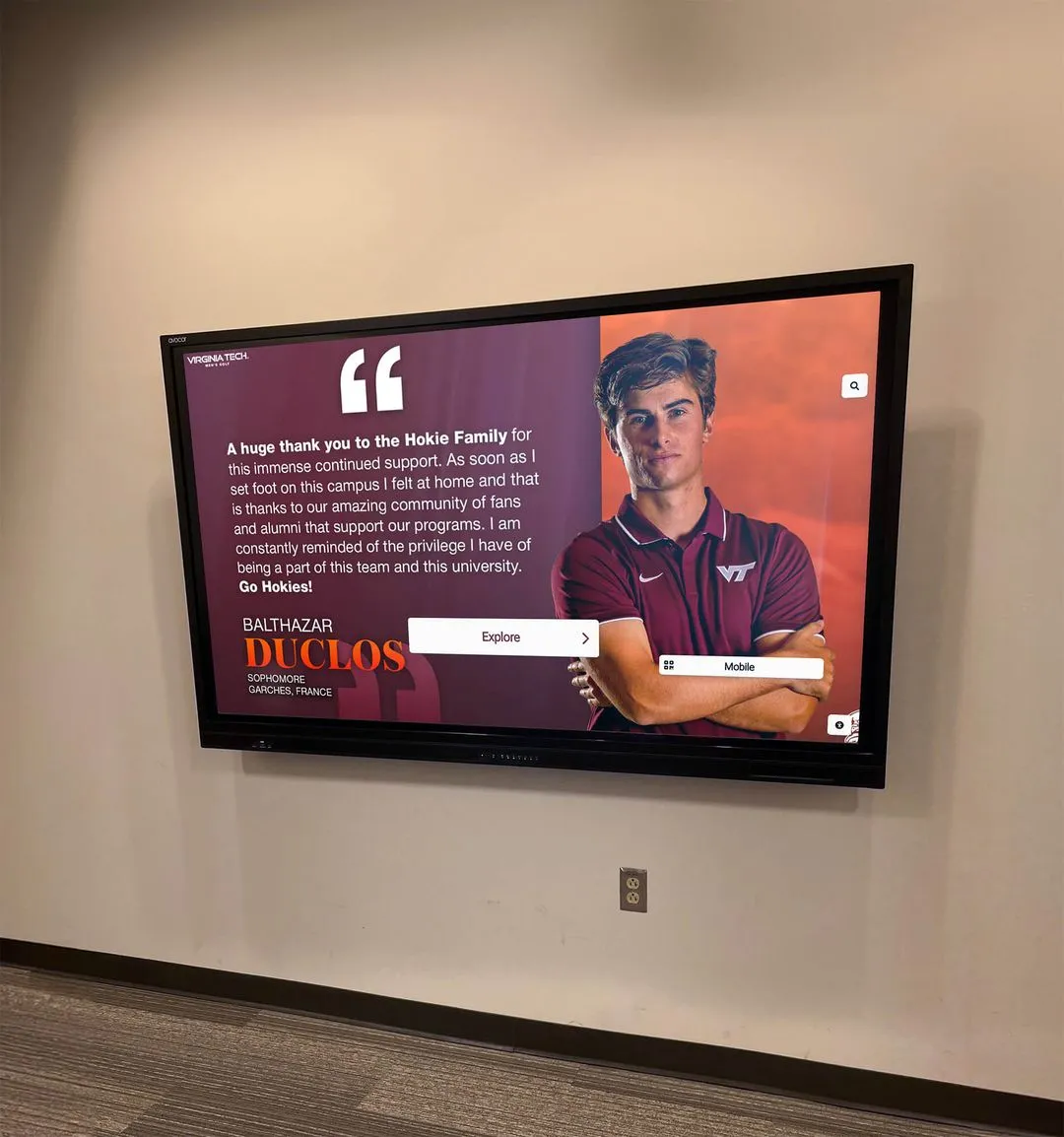
Recognition displays, award placements, and sponsor acknowledgments generate purchase records that must be documented—a lost receipt affidavit is the exception procedure that closes a transaction when the original receipt cannot be recovered
What a Booster Club Lost Receipt Affidavit Is
A lost receipt affidavit is a formal, signed document that takes the place of a missing original receipt for a specific organizational expense. It is an exception document, not a standard transaction record. Its purpose is to close an otherwise undocumented expense in a way that:
- Identifies the transaction by vendor, amount, and date with sufficient specificity to be auditable
- Provides a written attestation from the person who made or authorized the purchase
- Requires review and approval from a second officer who did not make the purchase
- Creates a paper trail that satisfies the IRS requirement that tax-exempt organizational expenditures have a documented business purpose
The affidavit does not make a missing receipt acceptable as a routine matter. A program that processes more than one or two affidavits per cardholder per year has a documentation discipline problem that the affidavit form cannot solve.
When Is a Lost Receipt Affidavit Appropriate?
The affidavit is appropriate in a limited set of circumstances. It is not an acceptable general substitute for receipt collection.
| Situation | Affidavit Appropriate? | Notes |
|---|---|---|
| Receipt lost after purchase despite reasonable retention effort | Yes | Cardholder must attempt to obtain a duplicate from the vendor first |
| Vendor unable to provide a duplicate receipt | Yes | Document the attempt to obtain a duplicate in the affidavit |
| Receipt damaged or illegible beyond use | Yes | Retain the damaged receipt alongside the completed affidavit |
| Receipt never collected at point of purchase | No — documentation failure | Affidavit should not substitute for receipts that were never obtained |
| Purchase made by a third party on organizational behalf | No — requires separate approval | Third-party purchases need a pre-authorization form, not an affidavit |
| Cash purchase at a venue with no receipt capability | Yes, with additional safeguards | Two-officer co-signature strongly recommended for cash purchase affidavits |
| Subscription or recurring charge with no emailed confirmation | Use only after vendor portal retrieval fails | Retrieve confirmation from vendor portal before filing an affidavit |
Before filing an affidavit, the cardholder must make a documented attempt to obtain a duplicate receipt from the vendor—by calling, emailing, or logging into the vendor’s payment portal. Many vendors can reissue electronic receipts for recent transactions. The affidavit should note whether a duplicate request was made and what the vendor’s response was.
Required Fields in a Booster Club Lost Receipt Affidavit
The fields below are required for an affidavit to satisfy basic documentation standards for a tax-exempt organization. Your organization may add fields; do not omit any field listed here.
| Field | Required | Purpose |
|---|---|---|
| Organization name | Yes | Ties the document to a specific entity |
| Date of original transaction | Yes | Establishes the time period for audit purposes |
| Vendor name and location | Yes | Identifies where the purchase was made |
| Amount of transaction | Yes | Establishes the dollar amount for reconciliation |
| Payment method used (card, check, cash) | Yes | Connects to the financial record being reconciled |
| Itemized description of purchase | Yes | Documents what was purchased, not just the total |
| Business purpose statement | Yes | IRS requirement for tax-exempt organizations |
| Budget line reference | Yes | Confirms the expense falls within an approved category |
| Reason receipt is unavailable | Yes | Distinguishes a genuine exception from non-collection |
| Statement that a duplicate receipt was requested | Yes | Documents reasonable effort to recover the original |
| Cardholder or purchaser signature and date | Yes | Attests to the accuracy of the information provided |
| Second officer approval signature and date | Yes | Independent verification before the expense is closed |
| Treasurer filing notation | Recommended | Confirms the document was received and filed in records |
Booster Club Lost Receipt Affidavit Template
The following template provides the core elements for most booster club contexts. Have this document reviewed by your organization’s CPA before adoption.
BOOSTER CLUB LOST RECEIPT AFFIDAVIT

Organization: ___________________________________________________
Form Number: _____________ (assign a sequential number to each affidavit)

TRANSACTION INFORMATION

Date of purchase: _____________ Vendor: _________________________
Vendor location (city/state): ___________________________________
Amount: $____________  Payment method: ☐ Card  ☐ Check  ☐ Cash  ☐ Other

Itemized description of purchase (list specific items, not just category):
_______________________________________________________________
_______________________________________________________________

Business purpose (who, what, when, why — one sentence minimum):
_______________________________________________________________
_______________________________________________________________

Budget line reference (category from approved budget):
_______________________________________________________________

RECEIPT STATUS

☐  Receipt was obtained but subsequently lost or damaged
☐  Receipt was not available from vendor at point of purchase
☐  Vendor could not provide a duplicate receipt when requested

Reason receipt is unavailable:
_______________________________________________________________

Duplicate receipt requested from vendor: ☐ Yes  ☐ No
If yes, vendor response: _______________________________________

CERTIFICATION

I certify that the information above is accurate and complete, that this
was a legitimate organizational expense, and that I have made reasonable
effort to obtain or recover the original receipt.

Purchaser signature: _________________________ Date: ____________
Printed name: _________________________ Title: ________________

APPROVAL

This expense has been reviewed and is approved for processing.

Second officer signature: ____________________ Date: ____________
Printed name: _________________________ Title: ________________

TREASURER FILING NOTATION

Received by: _________________________ Date filed: ____________
Reconciliation month: _________________ File reference: ________
Approval Workflow: Steps Before the Expense Is Closed
A completed affidavit does not close a transaction by itself. It initiates an approval sequence that must be completed before the expense is recorded as properly documented.
Step-by-Step Approval Process
- Cardholder completes the affidavit. All required fields must be filled in before submission. Incomplete forms are returned without approval.
- Cardholder submits to treasurer with supporting documentation. Supporting documentation may include a damaged receipt, a bank statement line, a screen capture of the vendor’s order confirmation, or the email thread showing a duplicate receipt request was denied.
- Treasurer reviews for completeness. The treasurer confirms that all required fields are present, the business purpose is specific, the budget line reference is valid, and the stated reason for the missing receipt is plausible given the transaction type.
- Second officer provides written approval. A second officer—typically the president or board chair—reviews the affidavit and supporting documentation before signing the approval field. The approving officer must not be the person who made the purchase.
- Treasurer files the approved affidavit. The approved affidavit is filed with the monthly financial records in place of the original receipt, with a notation in the reconciliation log identifying it as a lost receipt exception.
- Board is informed at monthly reconciliation. Affidavits processed during the month are identified as exceptions in the board reconciliation report so the board maintains visibility into exception volume and frequency.
Approval Workflow Table
| Step | Responsible Party | Deadline | Output |
|---|---|---|---|
| Complete affidavit form | Cardholder or purchaser | Within 5 business days of transaction date | Completed affidavit + supporting documentation |
| Treasurer completeness review | Treasurer | Within 2 business days of receipt | Returned for correction or passed to second officer |
| Second officer approval | President or board chair | Within 3 business days of completeness confirmation | Signed approval returned to treasurer |
| Filing and reconciliation log entry | Treasurer | Before monthly board report | Filed exception document + reconciliation notation |
| Board visibility | Full board | Monthly reconciliation meeting | Affidavit count and amounts included in reconciliation report |
Threshold Guidance: How Many Affidavits Is Too Many?
The affidavit process creates a closed exception—but exception volume is itself a governance signal. Programs that track affidavit frequency by cardholder can identify documentation discipline problems before they become audit findings.
| Affidavit Frequency | Assessment | Recommended Response |
|---|---|---|
| 0–1 per cardholder per year | Expected exception rate | No action required |
| 2 per cardholder per year | Acceptable; monitor for pattern | Treasurer notes pattern; no escalation required |
| 3 per cardholder per year | Elevated; review warranted | Treasurer speaks with cardholder; board informed |
| 4+ per cardholder per year | Documentation discipline problem | Board review required; card privileges evaluated |
| Any affidavit for a cash purchase at a program event | Higher-risk exception category | Two-officer co-signature required; board informed at next meeting |
Boards conducting annual governance reviews should include the prior year’s affidavit count as a standard metric alongside cash handling records and monthly card reconciliation exceptions.
Record Retention for Lost Receipt Affidavits
Affidavit retention follows the same schedule as the underlying transaction records.
| Record Type | Minimum Retention | Notes |
|---|---|---|
| Completed, approved affidavits | 7 years | File with monthly reconciliation records |
| Supporting documentation (duplicate requests, damaged receipts) | 7 years | File with the affidavit, not separately |
| Reconciliation log entries identifying affidavit exceptions | 7 years | Part of the monthly financial record |
| Board meeting minutes noting exception counts | Permanent | Standard component of monthly meeting minutes |
| Affidavits related to restricted fund expenses | Longer of 7 years or term of the restriction | Restricted gifts require documentation of how funds were spent |
Consult your CPA or legal counsel for jurisdiction-specific retention requirements. The seven-year figure is a general starting point; your state, district, or donor agreements may impose different standards.
Affidavit Documentation for Sponsor and Award Purchases
Lost receipt affidavits become more consequential when the underlying purchase fulfills a sponsor commitment or funds a recognition award. When a missing receipt represents a courtside banner deposit, an athletic plaque order, or an event award procurement, the affidavit must include enough specificity to connect the expense to the commitment it fulfills.
For purchases tied to sponsor agreements, the affidavit should note the agreement section or benefit being fulfilled. For recognition award purchases—trophies, plaques, certificates, or display materials—the affidavit should identify the event or honorees the purchase serves.
School record holder recognition programs that document award procurement through a formal approval process maintain benefit-delivery evidence that serves both audit reviews and sponsor renewal conversations—regardless of whether the original receipt is available.
When recognition display programs archive historical records, having complete procurement documentation matters beyond the current fiscal year. Preserving and digitizing school records, display content, and recognition archives is more straightforward when underlying purchase records—including exception documents—have been retained and organized consistently from the outset.

Recognition display installations represent both a fulfillment commitment to sponsors and donors and an ongoing procurement record—exception documents like lost receipt affidavits for display-related expenses should be retained with the agreement documentation they support
Connecting Affidavit Discipline to Long-Term Recognition Stewardship
Exception documentation becomes part of the institutional record that supports long-term recognition stewardship. When a display program spans multiple years—or when officer transitions bring in leadership unfamiliar with earlier procurement decisions—the paper trail connecting a recognition commitment to its delivery may depend on records that include affidavit documentation for individual purchases.
Academic recognition programs that maintain complete records of award procurement, display installations, and donor acknowledgment documentation are better positioned for leadership transitions and external reviews than programs that rely on institutional memory rather than organized filing systems.
Resources for preserving school history and recognition archives can help programs that want to digitize and organize historical records—including the procurement documentation behind displays, awards, and donor recognition installations—without significant budget commitments.
For programs managing yearbook or achievement archives alongside athletic recognition, consistent documentation practices across all purchase types—including exception handling—protect the evidentiary record that future administrators and auditors will rely on. Yearbook archive digitization guidance can serve as a reference when a school is building the broader documentation infrastructure that makes archive retrieval manageable.
Hall of fame and recognition tools that support multi-year program management also create a content audit trail—noting when display records were added, updated, or verified—that complements the procurement documentation maintained through policies like the lost receipt affidavit process.
Integrating the Affidavit Into Your Existing Controls
A lost receipt affidavit does not stand alone. It is most effective when explicitly referenced in the controls already governing card transactions, cash handling, and purchasing approvals.
| Existing Control | How the Affidavit Integrates |
|---|---|
| Credit card policy | Affidavit is the required exception procedure when a card receipt cannot be produced; the credit card policy should name it explicitly |
| Dual-signature check requirement | Affidavit second-officer approval mirrors the dual-signature principle applied to check issuance |
| Monthly reconciliation | Affidavits are logged separately in the reconciliation report; exception volume tracked as a governance metric |
| Cash handling policy | Affidavits for event cash purchases require a two-officer co-signature, not a single attestation |
| Purchasing policy | Pre-authorization requirements for large purchases reduce undocumented expenses at the source |
| Annual audit or review | Affidavit log reviewed as part of the annual financial review; outlier patterns flagged for board attention |
Digital hall of fame and recognition display tools that maintain content audit logs—tracking every update, addition, or verification made to a display system—create an analogous exception-visibility record on the recognition side of the program. Booster clubs that document procurement exceptions rigorously and choose recognition platforms that maintain content histories build governance infrastructure where every commitment can be traced from authorization through delivery.
Digitizing yearbook and hall of fame records without damaging originals reflects the same archival discipline: keeping records complete, organized, and accessible across officer transitions so that no future question about what was purchased, displayed, or recognized requires reconstruction from memory.
Frequently Asked Questions
What is a booster club lost receipt affidavit?
A booster club lost receipt affidavit is a signed, written statement that substitutes for a missing original receipt when a volunteer or officer cannot produce documentation for a legitimate organizational expense. It records the vendor, amount, date, payment method, business purpose, and the reason the original receipt is unavailable—and requires a second officer’s signature before the expense can be closed in the monthly reconciliation. It is an exception document, not a standard receipt substitute.
When should a booster club use a lost receipt affidavit instead of finding the original receipt?
An affidavit is appropriate only after a reasonable attempt to recover the original receipt has failed. The cardholder should first contact the vendor to request a duplicate—many vendors can reissue electronic receipts for recent transactions through a payment portal or customer service channel. If the vendor cannot provide a duplicate, or if the receipt was damaged beyond legibility, the affidavit documents that exception. An affidavit should not be the first response to a missing receipt; it should be the last option after recovery attempts are exhausted.
Who must sign a lost receipt affidavit for it to be valid?
At minimum, a booster club lost receipt affidavit requires two signatures: the person who made or authorized the purchase, and a second officer who did not make the purchase. The second officer’s role is independent verification—confirming that the described expense is plausible, the business purpose is legitimate, and the budget line reference is valid. The second officer’s approval is not a formality; it is the control that makes the affidavit a closed rather than an open exception.
How many lost receipt affidavits per year is too many?
One or two affidavits per cardholder per year is within the expected exception range for an active booster program. Three per cardholder per year warrants a direct conversation between the treasurer and the cardholder, with board notification. Four or more affidavits per cardholder per year indicates a documentation discipline problem the affidavit process cannot solve—and should trigger a board review of card privileges and whether additional cardholder training is needed.
How long should a booster club retain completed lost receipt affidavits?
Retain completed, approved affidavits for a minimum of seven years with the monthly reconciliation records they support. If the affidavit documents a purchase that fulfilled a restricted donor fund—a display installation, a named scholarship award, or a designated capital expense—retain the affidavit for the longer of seven years or the duration of the underlying recognition commitment. Consult your CPA or legal counsel for jurisdiction-specific requirements.
Can a lost receipt affidavit be used for cash purchases at booster events?
Yes, with additional safeguards. Cash purchases at booster events—from a concession vendor, a supply booth, or a petty cash transaction—require an affidavit if no receipt was issued or retained, but a single-signature approval is not sufficient for this transaction type. A two-officer co-signature is strongly recommended for cash purchase affidavits because cash transactions carry higher inherent risk than card transactions. The affidavit should identify the event, the approximate time of purchase, and any witnesses present.
Does an affidavit satisfy the IRS documentation requirement for booster club expenses?
A signed, specific affidavit can satisfy the documentation requirement when an original receipt is unavailable—but it does not make missing receipts acceptable as a routine practice. The IRS requires that tax-exempt organizations document the business purpose and amount of organizational expenditures; an affidavit with a specific business purpose statement addresses that requirement for a genuine exception. Frequent affidavit use, particularly for cash transactions, creates audit risk. Consult a licensed CPA for guidance specific to your organization’s tax-exempt status and current IRS guidance.
When your booster program is ready to build the recognition infrastructure that maintains its own documentation trail—connecting every display installation, sponsor commitment, and award recognition to a verifiable content history—explore how Rocket Alumni Solutions supports booster clubs with managed recognition platforms designed for institutional accountability and long-term stewardship.