Booster Club Procurement Card Policy: Spending Limits for Awards, Events, and Display Purchases

A booster club procurement card policy is a written governance document that specifies who may hold an organization-issued purchasing card, what dollar limits apply to each category of program spending, what documentation is required before and after every transaction, and how charges flow through an approval process before payment is issued. Programs that put these controls in writing before issuing any card avoid the audit findings, unauthorized charges, and sponsorship credibility gaps that surface when procurement runs on informal practice rather than documented policy.
This guide covers the specific spending controls that govern the purchase categories most frequently placed on booster club procurement cards: awards and trophies, event supplies and materials, banners and signage, and recognition display purchases. It includes a spend-limit control table organized by category, an approval workflow, a policy template in a reusable format, and a compliance checklist connecting procurement discipline to the long-term recognition programs that depend on accurate purchasing records.
This guide is for informational purposes only and does not constitute legal, accounting, or compliance advice. Spending limits, documentation requirements, and procurement card eligibility rules vary by school district, state law, tax-exempt status, and individual organization policy. Consult a licensed CPA or attorney before adopting any procurement card policy.

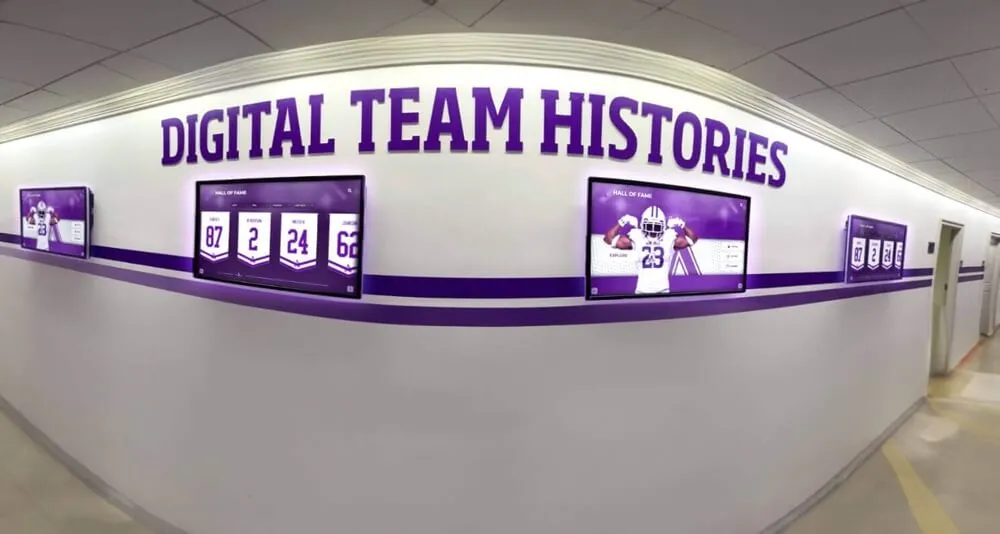
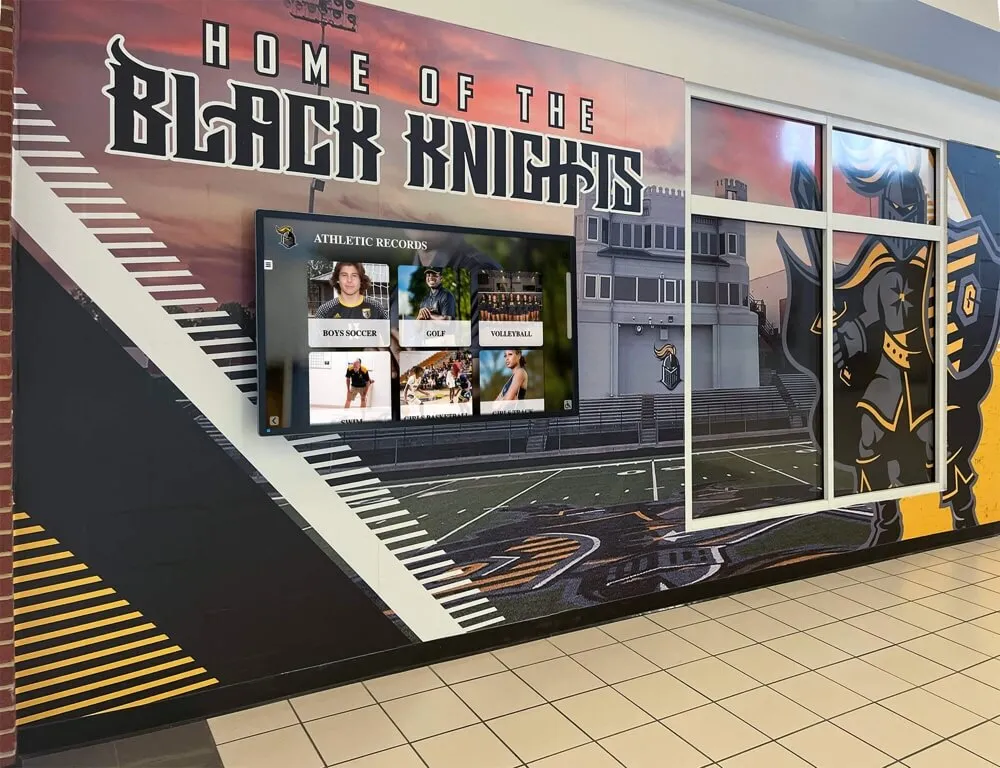
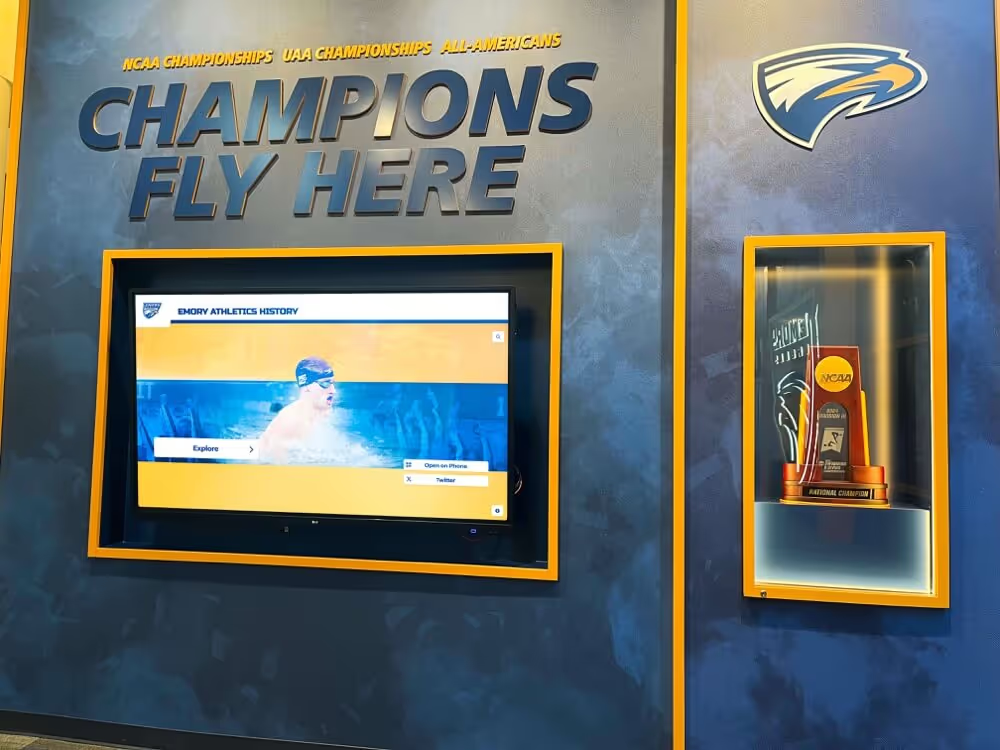
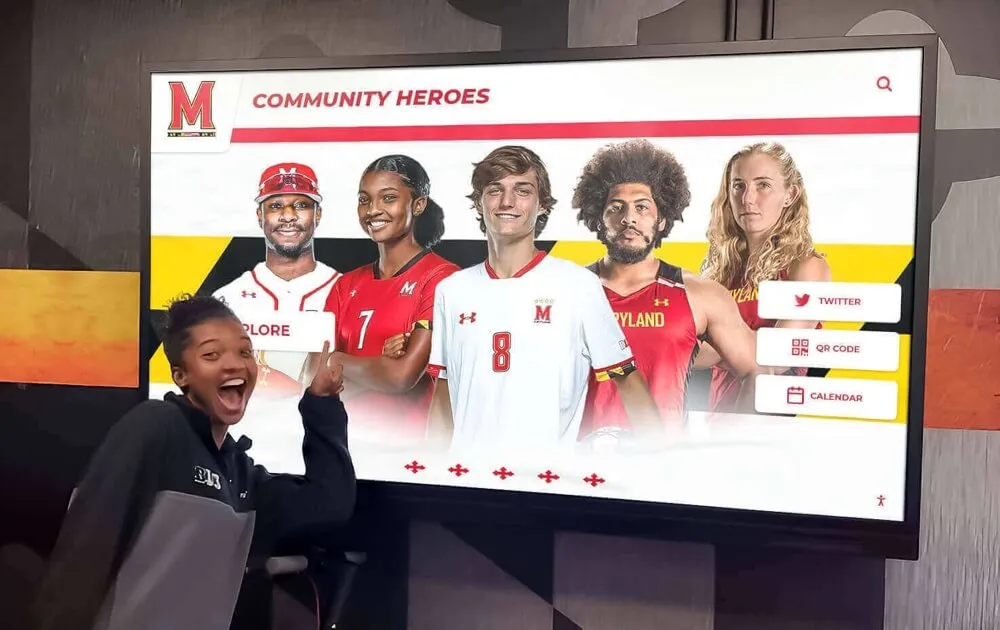
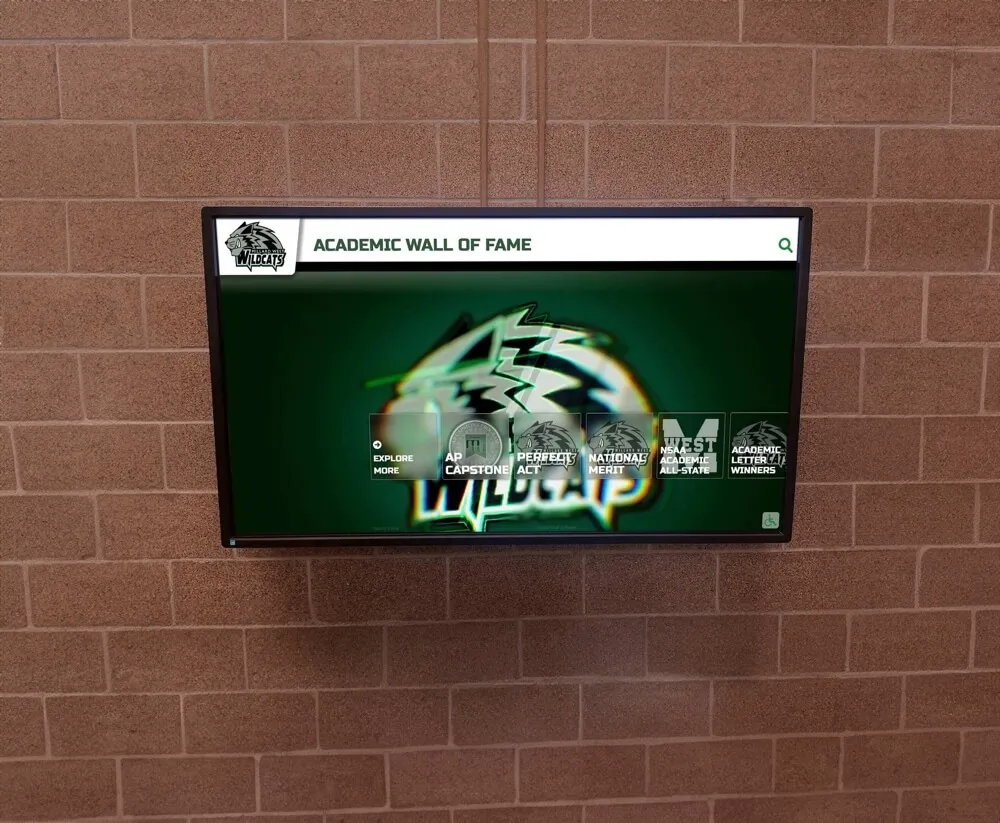
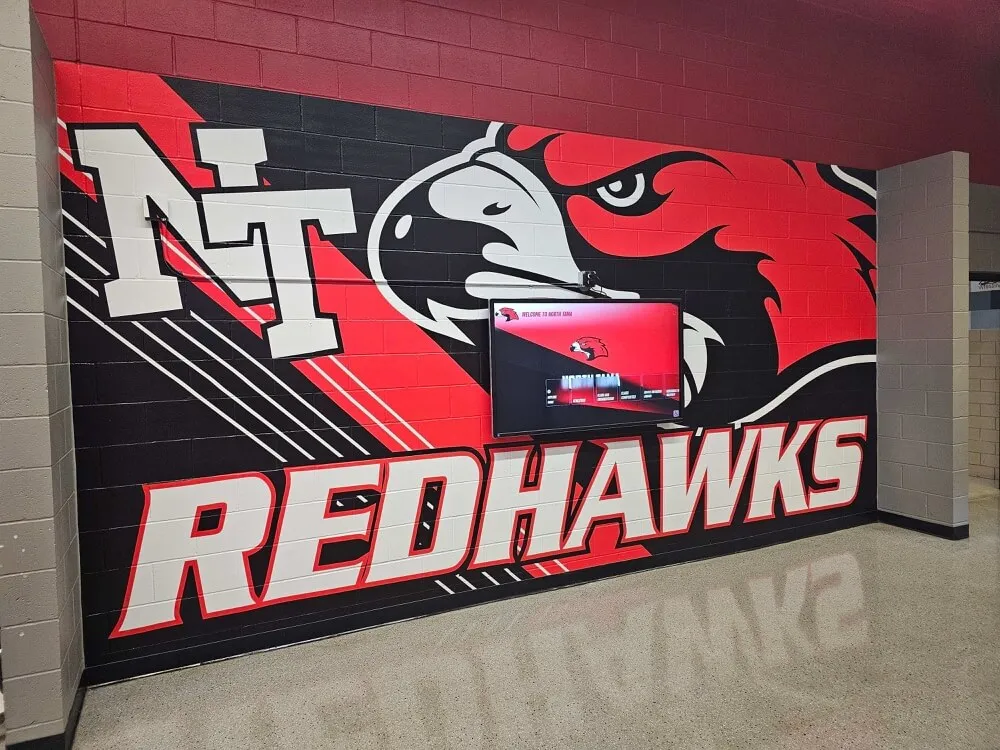
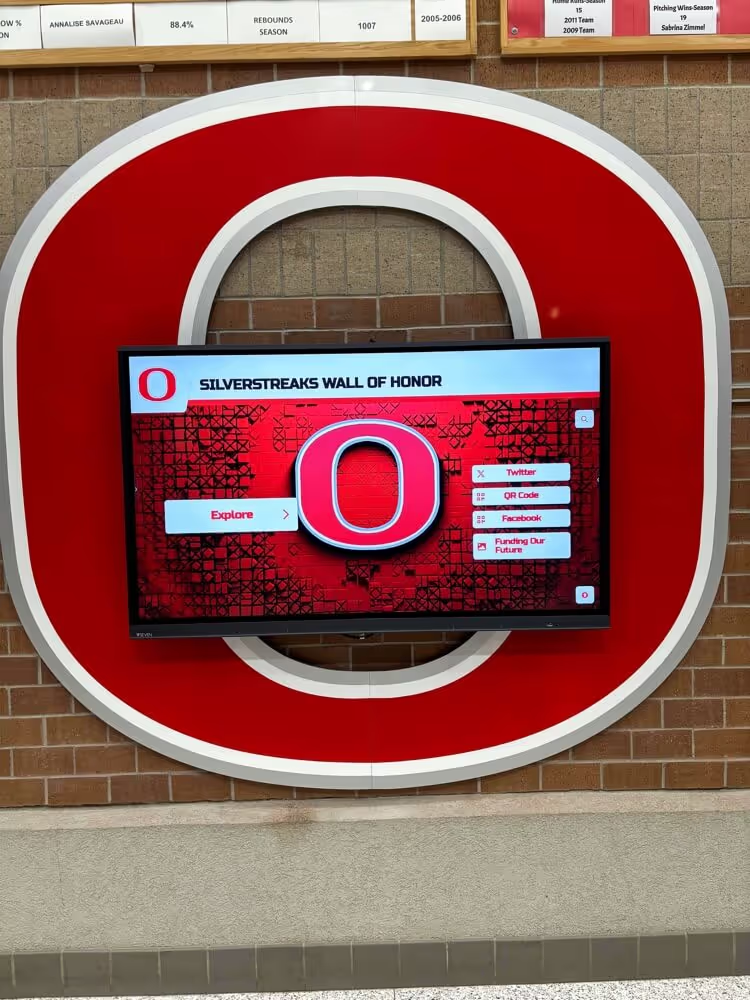
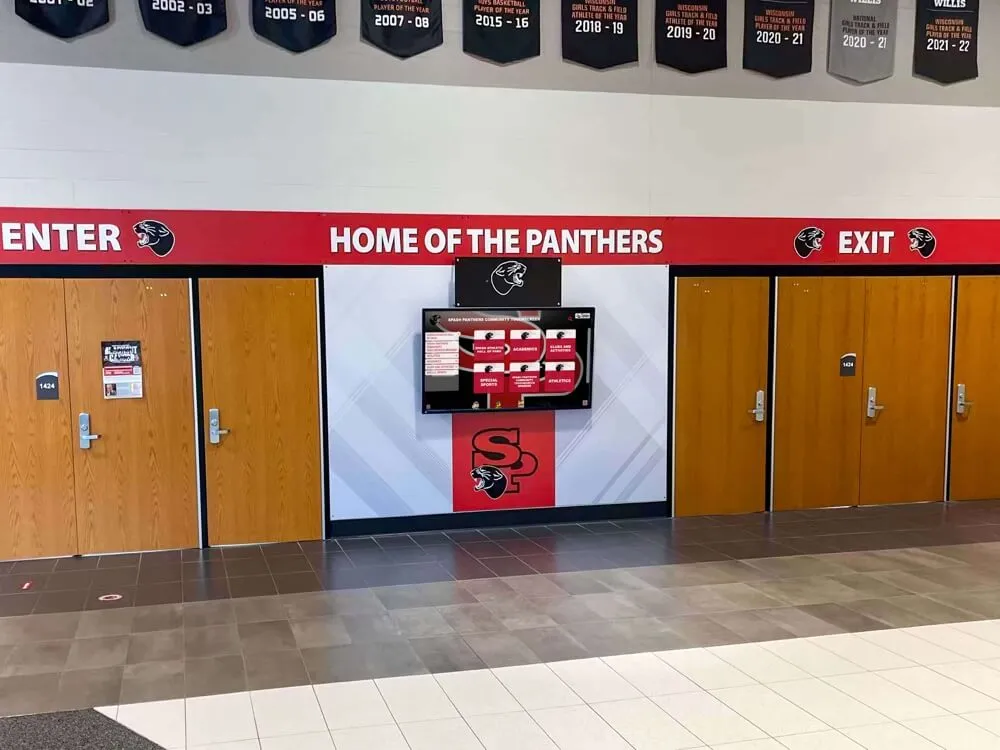
Recognition walls, trophy displays, and award panels represent common procurement card purchases—each transaction requires a receipt, a written business purpose, and officer approval to remain audit-ready
What a Booster Club Procurement Card Policy Is
A booster club procurement card policy—often called a p-card policy—is the written document that governs organizational purchasing cards issued to specific officers for program spending. It differs from a general credit card policy in that it focuses on the point-of-purchase controls applicable to the categories of goods and services a booster club regularly procures: event supplies, awards materials, signage, display components, and vendor deposits for recognition programs.
The policy answers four questions before any card is issued or any charge is made:
- Who is authorized to carry a procurement card? Card issuance should be limited to named officers, typically the treasurer and president. All other purchases should flow through reimbursement, purchase orders, or pre-approved vendor accounts.
- What may the card be used for? Permitted categories—and the dollar limits governing each—must be stated in writing. Ambiguity in this section is the source of most cardholder disputes.
- What documentation is required? Each transaction requires an original itemized receipt, a written business purpose statement, and a budget line reference. For purchases above the single-transaction limit, a prior written approval from a second officer is required before the charge is made.
- Who reviews and approves? A cardholder should never be the final approver of their own transactions. A monthly reconciliation with second-officer review and board approval closes every charge in the policy record.
The policy document is typically two to four pages. Its value is in specificity—vague policies produce inconsistent practice, and inconsistent practice produces audit findings.
Cardholder Authorization
Restricting card issuance to the smallest number of named officers needed to run the program is the most effective single control in any procurement card policy. Common configurations for school booster clubs:
| Cardholder Role | Rationale |
|---|---|
| Treasurer | Primary financial officer; responsible for monthly reconciliation |
| President | Operational authority for time-sensitive purchases |
| No additional cardholders | All other purchases use reimbursement or purchase orders |
Programs that issue cards to committee chairs, coaches, or event volunteers expand their control surface without proportional operational benefit. A reimbursement process with a documented 14-day turnaround handles the majority of volunteer purchase needs without creating additional card risk.
Card agreements—signed by each cardholder at the time of issuance—document the individual’s acknowledgment of the policy terms, spending limits, and personal liability for unauthorized charges. Cards must be cancelled immediately when an officer transitions out of their role; the departing cardholder is responsible for surrendering the card within 48 hours.
Spend Limits by Purchase Category
The central control table in a booster club procurement card policy sets per-transaction and monthly spending limits for each purchase category. The thresholds below reflect common practice for mid-sized school booster clubs; boards should adjust dollar amounts to reflect their program’s actual annual expenditure volume and adopt revised limits by board resolution.
| Purchase Category | Per-Transaction Limit | Prior Approval Threshold | Monthly Category Cap | Notes |
|---|---|---|---|---|
| Awards and trophies | $400 | $250 — written approval required | $2,000 | Includes medals, plaques, trophies, and certificates |
| Event supplies and materials | $500 | $500 — written approval required | $3,000 | Consumables and non-durable event goods |
| Banners and signage | $750 | $500 — written approval required | $2,500 | Includes sponsor name panels and recognition banners |
| Display and fabrication deposits | $1,000 | $750 — written approval required | $3,000 | Vendor deposits for recognition wall components, plaque fabrication, and display panels |
| Platform subscriptions | $0 — board pre-approval required | N/A | N/A | All recurring SaaS or platform fees require board vote before initial charge |
| Cash advances | $0 — prohibited | N/A | N/A | No exceptions |
| Gift cards | $0 — prohibited | N/A | N/A | Creates untraceable value transfers |
Prior written approval must be obtained before the charge is made—not after. Email confirmation from a second officer satisfies this requirement; text messages do not. The approval email is filed with the receipt as part of the transaction documentation package.
Awards and Trophies
Trophy orders, plaque fabrication, medals, and certificate printing are among the most common procurement card purchases for athletic booster clubs and academic recognition programs. Each order must specify the honoree names, quantity, inscription text, and delivery date in the purchase record—not just the dollar amount. This specificity protects the program if the vendor delivers incorrect items and creates the documentation that supports accurate recognition on permanent displays.
Award ideas for youth sports recognition programs span a wide range of formats, from traditional trophies to custom plaques and digital recognition entries. Programs planning multi-season award cycles benefit from setting procurement card limits that reflect the full-year ordering pattern, not just a single event.
Event Supplies and Materials
Consumable event supplies—concession materials, table coverings, ticketing stock, wristbands, and signage—are high-frequency, lower-dollar purchases that must still meet full documentation standards. Business purpose statements for event supply purchases should identify the specific event by name and date, not simply describe the item category.
Banners, Signage, and Display Materials
Banner and signage purchases frequently straddle two governance categories: operational event materials on one hand, and sponsor benefit fulfillments on the other. When a procurement card charge pays for a banner that fulfills a specific sponsorship agreement benefit—a courtside display, an entrance banner featuring a sponsor’s logo—the transaction documentation must include a reference to the agreement section authorizing that benefit. The purchase record becomes delivery evidence for sponsor stewardship purposes.
Digital signage and display options for school programs range from fabricated banner systems to interactive kiosk installations. Regardless of the format, procurement card charges for any display component require the same itemized receipt, business purpose statement, and approval chain as any other purchase.
Recognition Display Purchases
Deposits and progress payments for recognition walls, trophy case components, hall of fame panels, and digital display installations represent some of the highest-dollar procurement card purchases a booster club makes. These transactions require:
- Prior written approval from a second officer before the charge is made (regardless of whether the amount exceeds the standard threshold)
- A reference to the vendor agreement or installation contract in the transaction documentation
- Confirmation that the board approved the underlying procurement during the vendor selection process
Platform subscriptions for digital recognition systems—donor walls, touchscreen hall of fame displays, and athletic record boards—are not appropriate for procurement card use at cardholder discretion. Any recurring platform subscription requires a board vote before the initial charge is established, must appear in the approved operating budget, and must be reconciled monthly as a standing card item. Academic award display programs that run on managed platforms involve multi-year subscription commitments that belong in the capital budget conversation, not in routine card spending.
Permitted and Prohibited Uses
State permitted and prohibited categories explicitly in the policy document. Common exclusions for school booster clubs:
Permitted:
- Event and program supplies purchased for an authorized booster club activity
- Awards, trophies, plaques, and recognition materials for program honorees
- Banners, signage, and display materials within approved budget lines
- Vendor deposits for recognition display fabrication after board-approved vendor selection
- Travel expenses for pre-approved organizational travel, within per-diem limits
Prohibited:
- Personal purchases of any kind, including meals not directly tied to an authorized event
- Cash advances or ATM withdrawals under any circumstances
- Gift cards or stored-value instruments
- Alcohol, tobacco, or any substance subject to age restriction
- Purchases from vendors in which the cardholder has an undisclosed personal or financial interest
- Online subscription services not approved by board vote
A cardholder who makes a prohibited charge is personally responsible for reimbursing the organization within 10 business days, regardless of whether the purchase was unintentional.
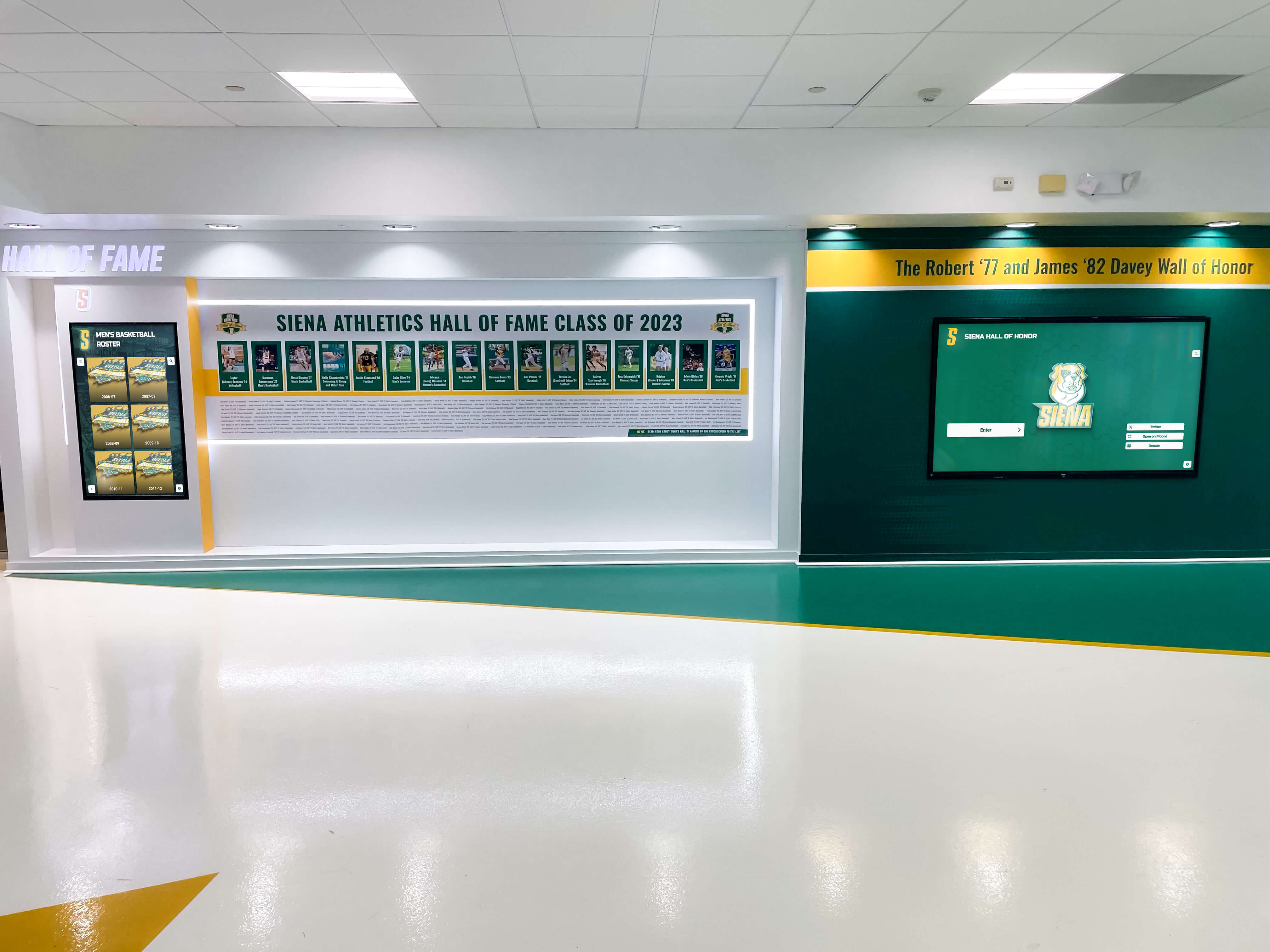
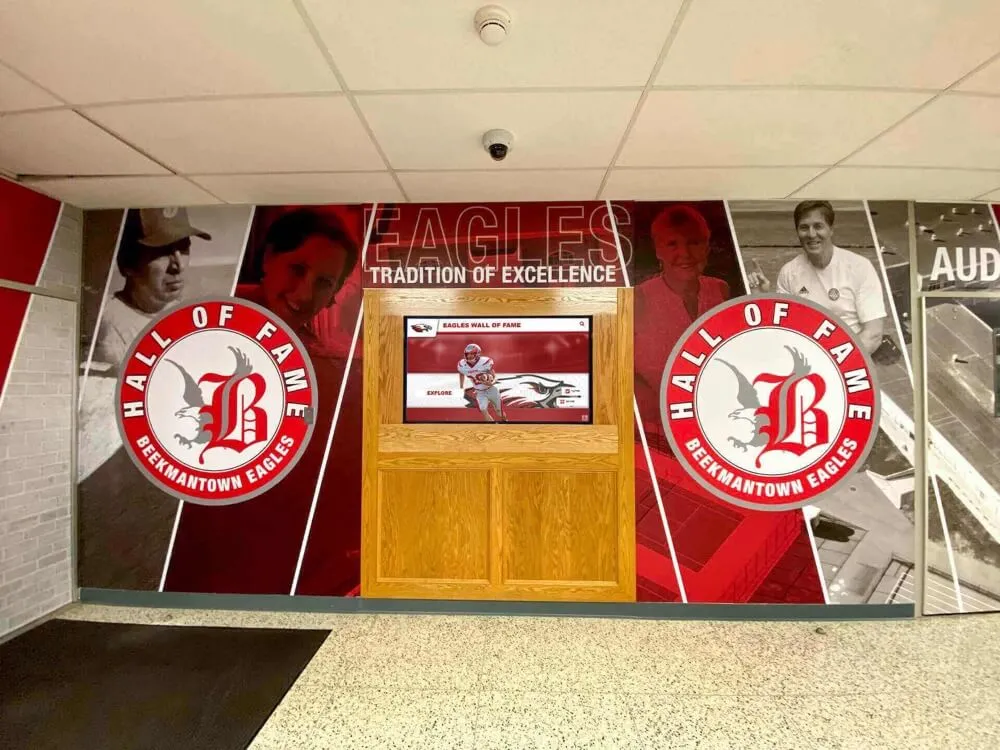
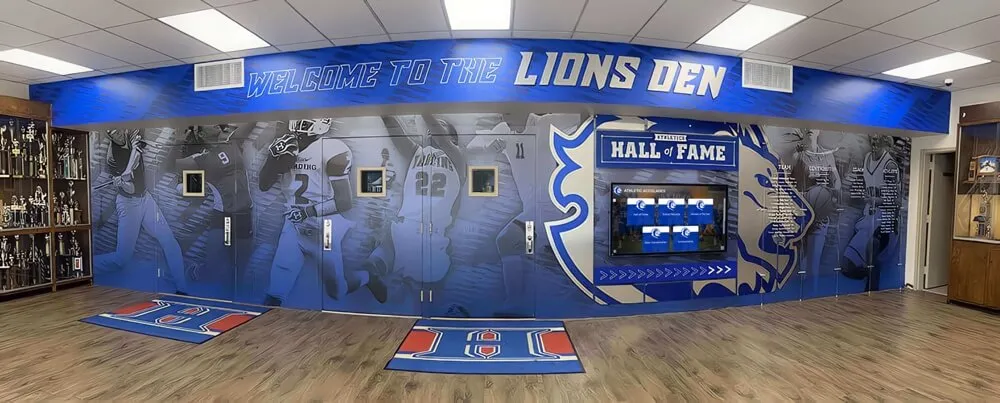
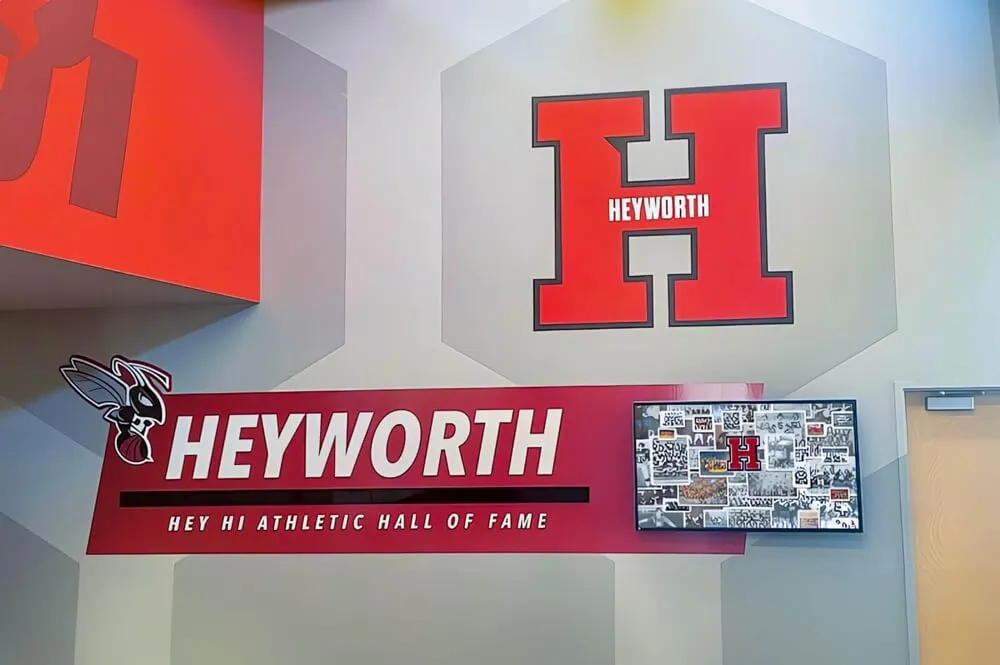
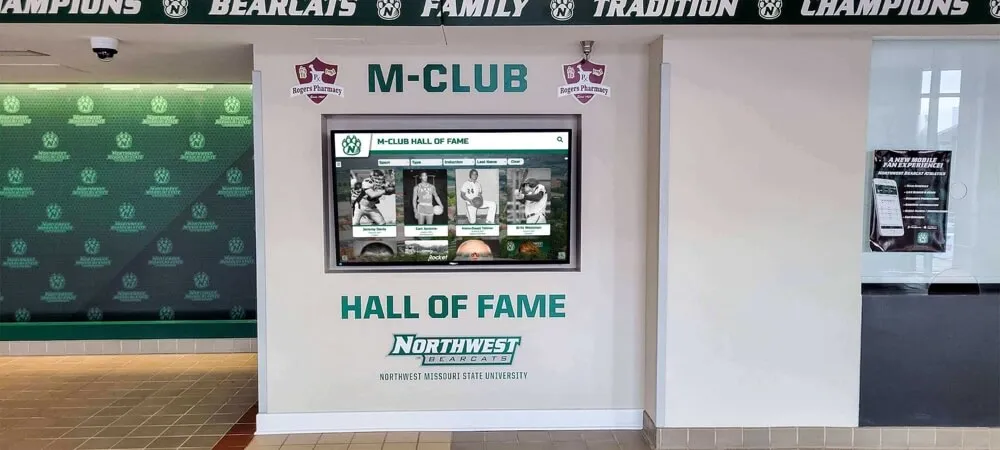
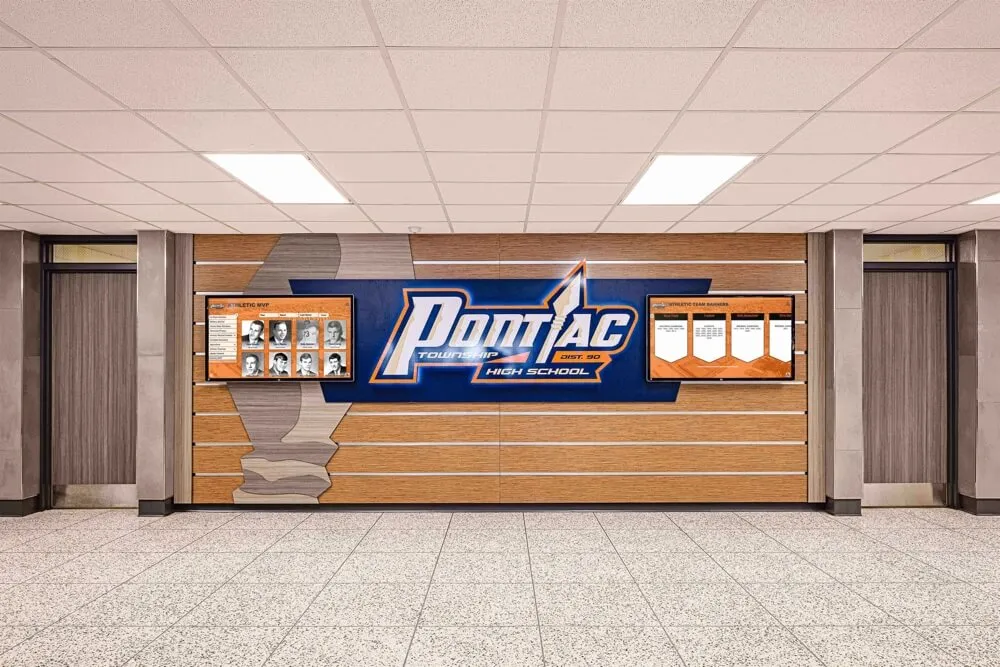
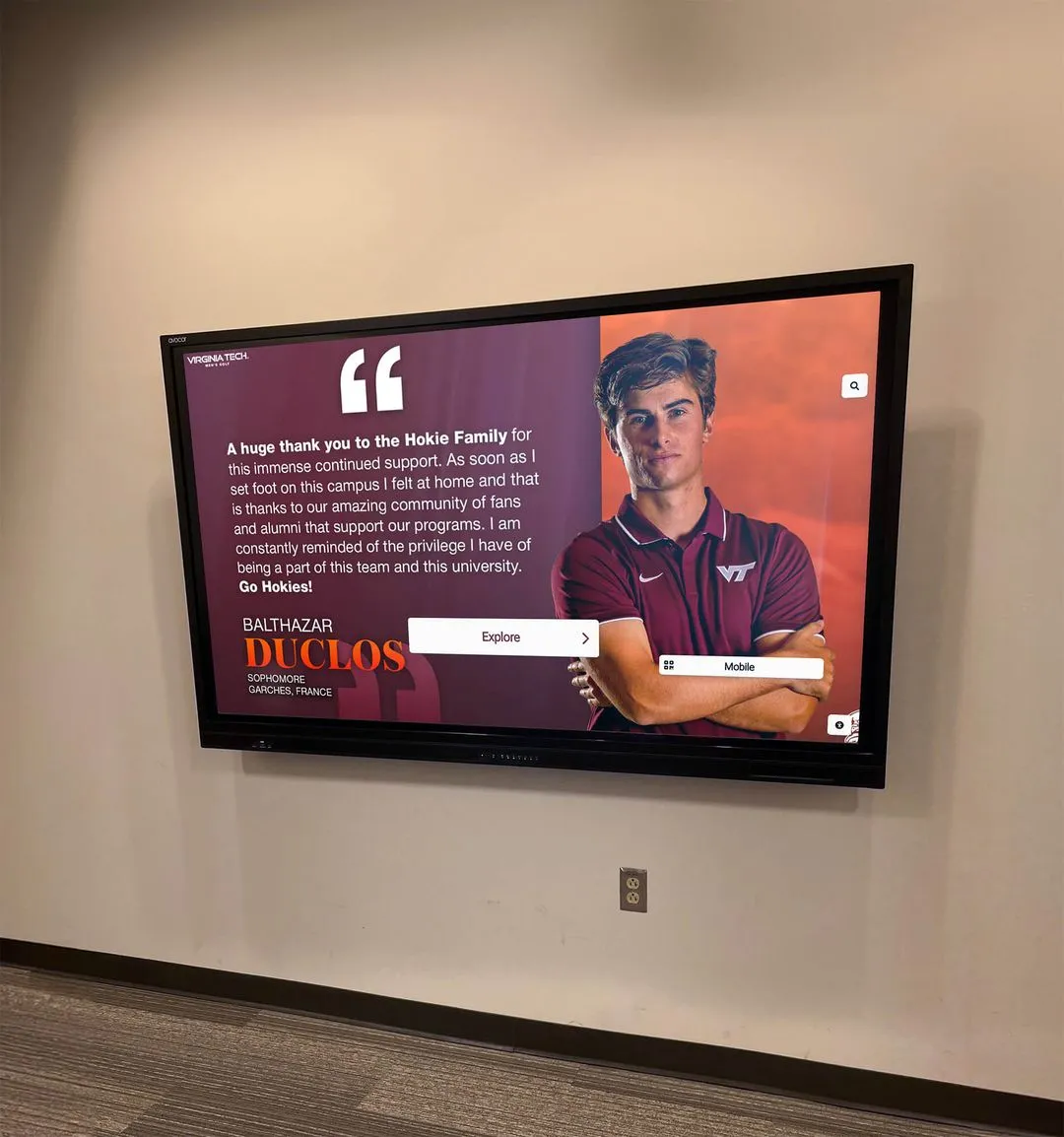
Hall of fame displays, trophy panels, and recognition walls represent the visible output of procurement card spending that must be governed by written policy from vendor selection through installation confirmation
Documentation Requirements
Receipt documentation is the most frequently cited deficiency in booster club financial reviews. Every procurement card transaction must have a complete documentation package filed within five business days of the transaction date.
Required Documents for Every Transaction
PROCUREMENT CARD TRANSACTION DOCUMENTATION CHECKLIST

Transaction Date: ____________________
Cardholder Name: ____________________
Vendor Name: ________________________
Purchase Category: ___________________
Amount: $___________________________

Required Documents:
☐  Original itemized receipt (not a summary slip or statement alone)
☐  Business purpose statement (who, what, when, why — one sentence minimum)
☐  Budget line reference (which approved line does this charge satisfy?)
☐  Prior written approval (required if charge exceeds category threshold)
☐  Sponsor agreement reference (required if charge fulfills a contract benefit)
☐  Vendor quote on file (required for charges above solicited quote threshold)
☐  Board approval reference (required for display installations and subscriptions)

Filed By: __________________________ Date: ____________
Reviewed By: _______________________ Date: ____________
Business purpose statements must be specific. “Event supplies” fails the IRS standard for nonprofit expenditure documentation. “Concession stand cups and napkins — homecoming game, October” meets it. “Plaque fabrication — six senior athlete recognition awards, spring banquet” is acceptable. Train cardholders to write the business purpose before leaving the vendor.
Lost receipt affidavits are required when a receipt cannot be obtained. A cardholder who loses a receipt must complete a signed affidavit describing the purchase, attesting it was a legitimate organizational expense, and obtaining a second-officer signature. Lost receipt affidavits should be rare; more than two per cardholder per year indicates a documentation discipline problem that the treasurer should escalate to the board.
The Approval Workflow
The following numbered sequence governs procurement card charges from initial purchase through closed transaction. Every charge, regardless of dollar amount, flows through this process.
Step 1 — Pre-purchase authorization (if required)
If the planned charge exceeds the category’s prior-approval threshold, the cardholder must request written authorization from a second officer before making the purchase. The approval email is retained as part of the transaction documentation.
Step 2 — Purchase and immediate documentation
The cardholder obtains an original itemized receipt at the point of purchase. Before leaving the vendor, the cardholder writes the business purpose statement on the receipt or on a separate documentation form attached to it.
Step 3 — Documentation package submission
The cardholder submits the complete documentation package—receipt, business purpose, budget line reference, and any required approvals—to the treasurer within five business days. Late submissions are flagged; a second late submission in a rolling year is escalated to the board.
Step 4 — Treasurer review
The treasurer reviews each documentation package against the statement of charges, confirms that prohibited categories were not used, verifies that charges above the threshold have prior written approvals on file, and flags any discrepancies for cardholder follow-up.
Step 5 — Second-officer review
A second officer—typically the president—reviews the matched statement and documentation for completeness and appropriateness. Charges that do not satisfy policy requirements are sent back to the cardholder for resolution before proceeding to board approval.
Step 6 — Board approval
The reconciled statement is presented at the monthly board meeting. The board votes to approve payment. The vote is recorded in meeting minutes. Payment is issued only after board approval; no cardholder authorizes payment of their own statement.
Step 7 — Archiving
The approved statement, all transaction documentation packages, and the board approval minutes are filed together in the monthly financial records. Recognition-related charges—awards orders, display deposits, sponsor fulfillment payments—are cross-indexed to the relevant sponsor agreement or recognition program file.
Monthly Reconciliation Timing
| Step | Responsible Party | Deadline |
|---|---|---|
| Submit transaction documentation | Cardholder | 5 business days before board meeting |
| Complete line-by-line match | Treasurer | 3 business days before board meeting |
| Second-officer review | President or designee | 2 business days before board meeting |
| Board approval vote | Full board | Monthly board meeting |
| Payment issued | Treasurer | Within 5 days of board approval |
| Records filed | Treasurer | Same day as payment |
Connecting Procurement Card Controls to Recognition Programs
Procurement card discipline and recognition program management are more closely linked than most governance guides acknowledge. The purchasing records that satisfy an auditor are the same records that answer a school administrator’s question about what was ordered for the hall of fame, confirm delivery of a sponsor’s recognition benefit, or document what was procured for the senior athlete banquet.
Academic All-Americans recognition and display programs illustrate how recognition commitments translate into procurement obligations: honoree plaques must be ordered, proofs approved, and delivery confirmed. Each step in that chain is a procurement card transaction that requires the same documentation rigor as any other organizational purchase.
Academic honor roll recognition programs face a similar challenge when recognition materials—framed certificates, display panels, and program entries—must be procured for a fixed event date. Programs with documented procurement card policies handle these time-sensitive purchases consistently rather than relying on individual officer judgment about what shortcuts are acceptable.
Digital hall of fame market dynamics mean that recognition platform options are expanding quickly—and that purchasing decisions once made informally by a single cardholder now carry multi-year financial implications. A procurement card policy that requires board approval before any subscription is established ensures that platform commitments are evaluated by the full organization, not adopted at cardholder discretion.
Data integrity considerations in digital recognition displays are directly connected to the procurement record: a hall of fame platform procured through a documented, board-approved process is more likely to have clear vendor accountability and contractual terms for data handling than one adopted informally on a card charge.
When your program is ready to evaluate managed recognition display platforms for donor walls, hall of fame touchscreens, or athletic records boards, request a demo of Rocket Alumni Solutions to see how the procurement, installation, and content management chain is structured for school programs.
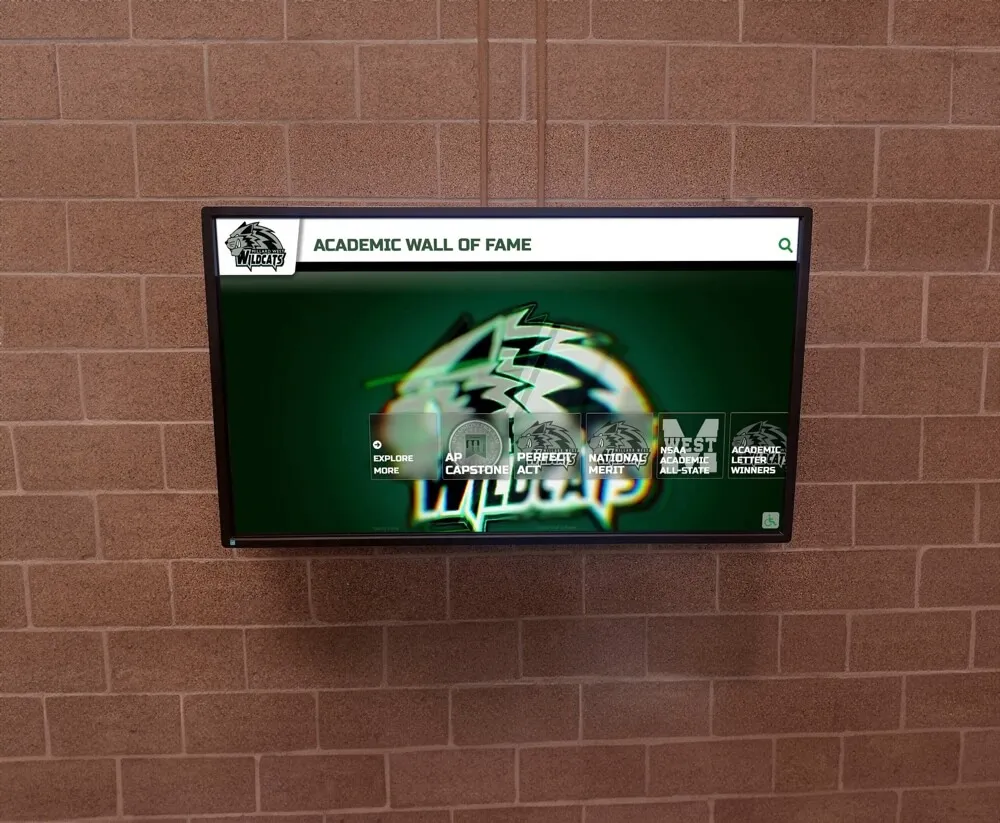
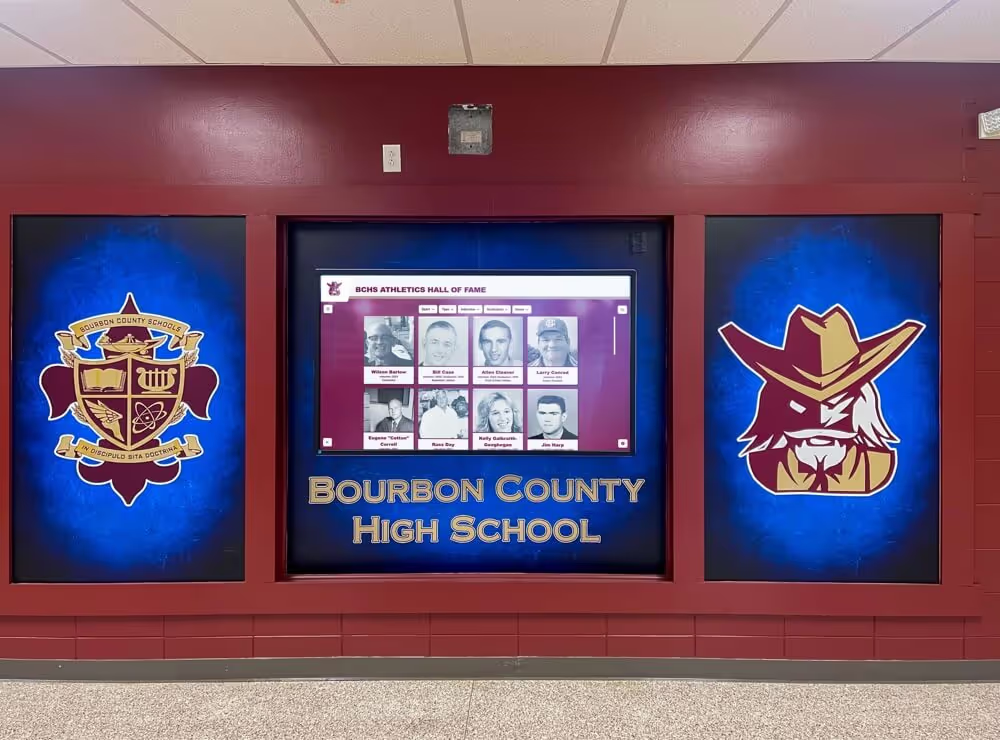
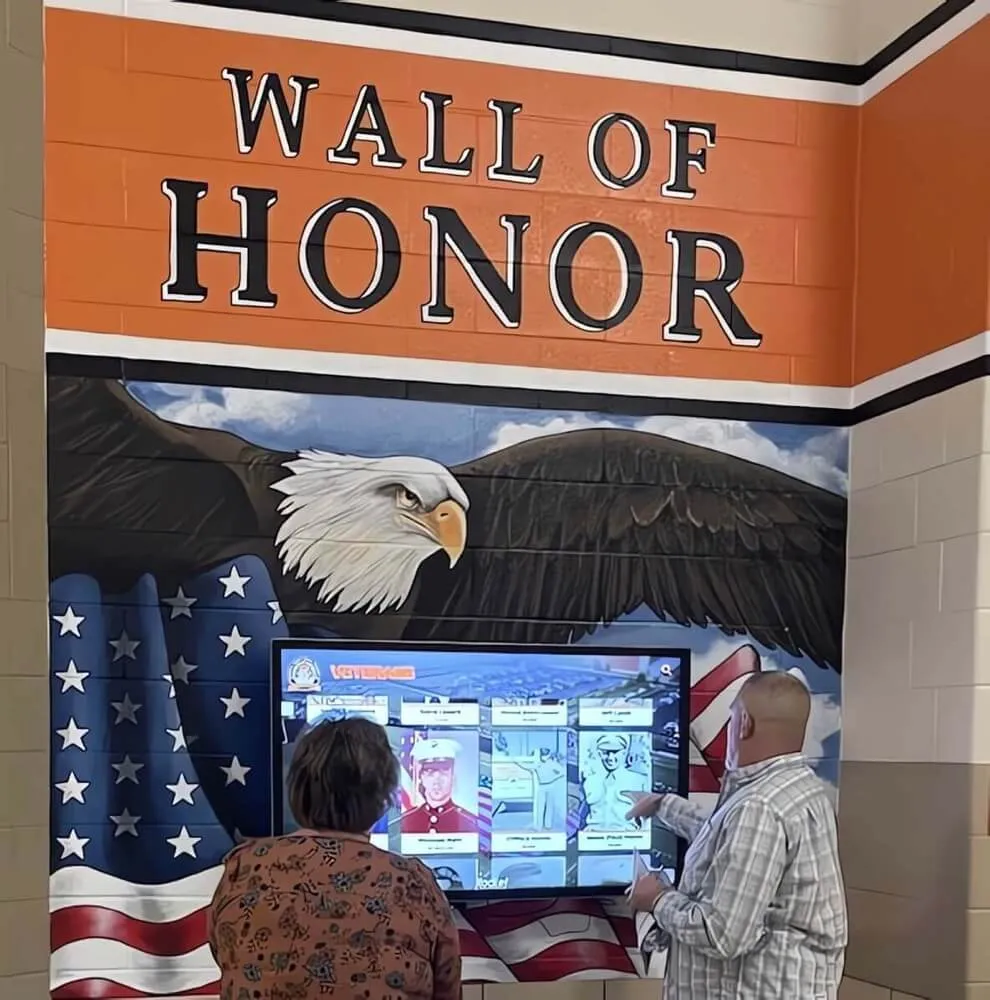
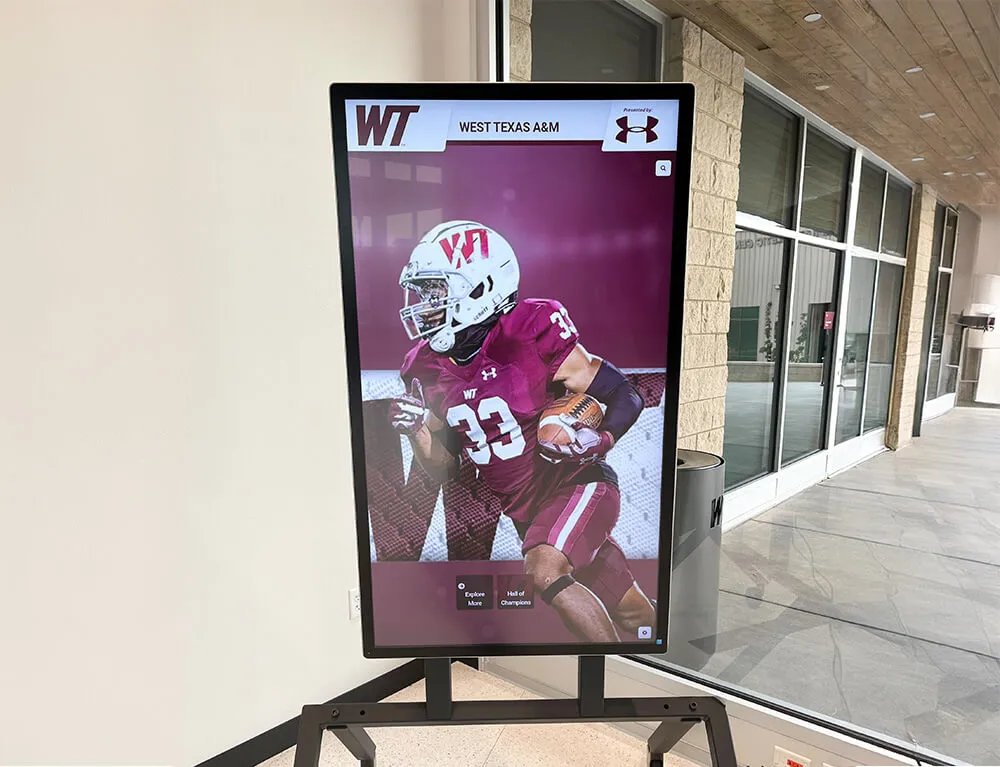
Academic recognition displays and digital hall of fame installations represent recurring platform commitments that require board-level procurement approval—not cardholder discretion
Sample Booster Club Procurement Card Policy
The following template covers the core policy elements for a school booster club operating one or two organizational procurement cards. Adapt dollar thresholds to your program’s annual volume. Have this document reviewed by your organization’s CPA or legal counsel before adoption.
BOOSTER CLUB PROCUREMENT CARD POLICY
[Organization Name]
Adopted: [Date]  |  Last Reviewed: [Date]

SECTION 1 — PURPOSE
This policy establishes controls governing procurement cards issued to
authorized officers, including permitted purchase categories, spending
limits, documentation requirements, and monthly reconciliation standards.

SECTION 2 — CARDHOLDER AUTHORIZATION
Cards are issued only to:
  - Treasurer (primary cardholder)
  - President (secondary cardholder)

Additional cardholders require a full board vote. Cards are non-transferable.
Cardholders must sign a card agreement at issuance acknowledging policy terms
and personal liability for prohibited charges. Cards are cancelled within 48
hours of an officer's departure from their role.

SECTION 3 — SPEND LIMITS BY CATEGORY
  Awards and trophies:          $400 per transaction; $2,000 monthly
  Event supplies and materials: $500 per transaction; $3,000 monthly
  Banners and signage:          $750 per transaction; $2,500 monthly
  Display and fabrication deposits: $1,000 per transaction; $3,000 monthly
  Platform subscriptions:       $0 — board pre-approval required
  Cash advances:                $0 — prohibited

Prior written approval required for charges above category thresholds (see
Section 5). Limits reviewed annually at [month] board meeting.

SECTION 4 — PERMITTED USES
  - Event and program supplies for authorized booster club activities
  - Awards, trophies, plaques, and recognition materials
  - Banners, signage, and display materials within approved budget lines
  - Vendor deposits for recognition display fabrication (post-board approval)
  - Pre-approved organizational travel expenses within per-diem limits

SECTION 5 — PROHIBITED USES
  - Personal purchases of any kind
  - Cash advances or ATM withdrawals
  - Gift cards or stored-value instruments
  - Alcohol or tobacco
  - Purchases from vendors with undisclosed cardholder relationships
  - Subscriptions not approved by board vote

Cardholder reimburses within 10 business days for any prohibited charge.

SECTION 6 — DOCUMENTATION REQUIREMENTS
Every transaction requires, filed within 5 business days:
  - Original itemized receipt
  - Written business purpose statement
  - Budget line reference
  - Prior approval email (if above category threshold)
  - Lost receipt affidavit (if original receipt unavailable)
  - Sponsor agreement reference (if fulfilling contract benefit)

SECTION 7 — APPROVAL AND RECONCILIATION WORKFLOW
  - Cardholder submits documentation 5 business days before board meeting
  - Treasurer completes line-by-line match 3 business days before meeting
  - Second officer reviews 2 business days before meeting
  - Board votes to approve at monthly board meeting; vote recorded in minutes
  - Payment issued within 5 days of board approval
  - No cardholder approves payment of their own statement

SECTION 8 — VIOLATIONS
Prohibited charges:       Personal reimbursement within 10 business days
Missing documentation:    Treasurer escalates to board; card suspended
                          pending resolution
Pattern violations:       Card revoked; board review required for reissuance

SECTION 9 — RECORD RETENTION
  Card statements:            7 years
  Transaction documentation:  7 years
  Reconciliation records:     7 years
  Board approval minutes:     Permanent

Adopted by: _______________________________  Date: ___________
[Board President or Chair]

Every award, trophy, and recognition display funded through an organizational procurement card must connect back to a specific budget line, a documented business purpose, and board-approved payment
Compliance Checklist
Use this checklist at each monthly reconciliation and at the annual governance review.
Cardholder Controls
- Card issuance limited to named officers approved by board vote
- Card agreement signed by each cardholder at issuance
- Cards cancelled immediately upon officer departure (within 48 hours)
- No cards issued to volunteers, coaches, or committee members who are not named officers
- Per-transaction and monthly limits set by category in the written policy
- Cash advance limit set at $0 in writing
Transaction Documentation
- Original itemized receipt on file for every charge
- Business purpose statement filed within 5 business days
- Budget line reference included for every transaction
- Prior written approval on file for charges above category thresholds
- Sponsor agreement reference included for purchases fulfilling contract benefits
- Lost receipt affidavits completed, approved, and filed for any missing receipts
Approval and Reconciliation
- Statement downloaded promptly after billing cycle closes
- All charges matched to documentation packages before board meeting
- Second-officer review completed before board meeting
- Board vote approving statement recorded in meeting minutes
- Payment issued only after board approval
- All records filed in monthly financial folder
Recognition Purchase Controls
- Award and trophy orders include honoree name list, inscription text, and delivery date in documentation
- Display fabrication deposits cross-referenced to board-approved vendor selection
- Sponsor benefit fulfillments cross-referenced to applicable agreement sections
- Platform subscriptions approved by board vote before initial charge is established
Annual Governance Review
- Policy reviewed and thresholds updated if spending patterns have changed
- Cardholder list confirmed against current officer roster
- Annual category caps reviewed and reset for new fiscal year
- Lost receipt count reviewed; pattern issues escalated if threshold exceeded
- Vendor relationship disclosures renewed for all active cardholders
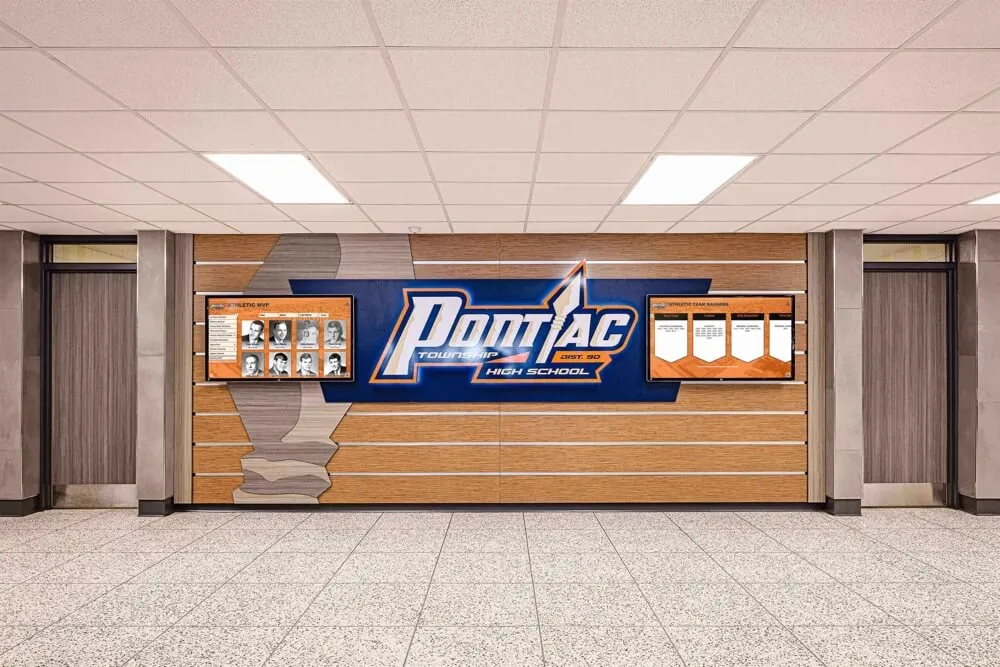
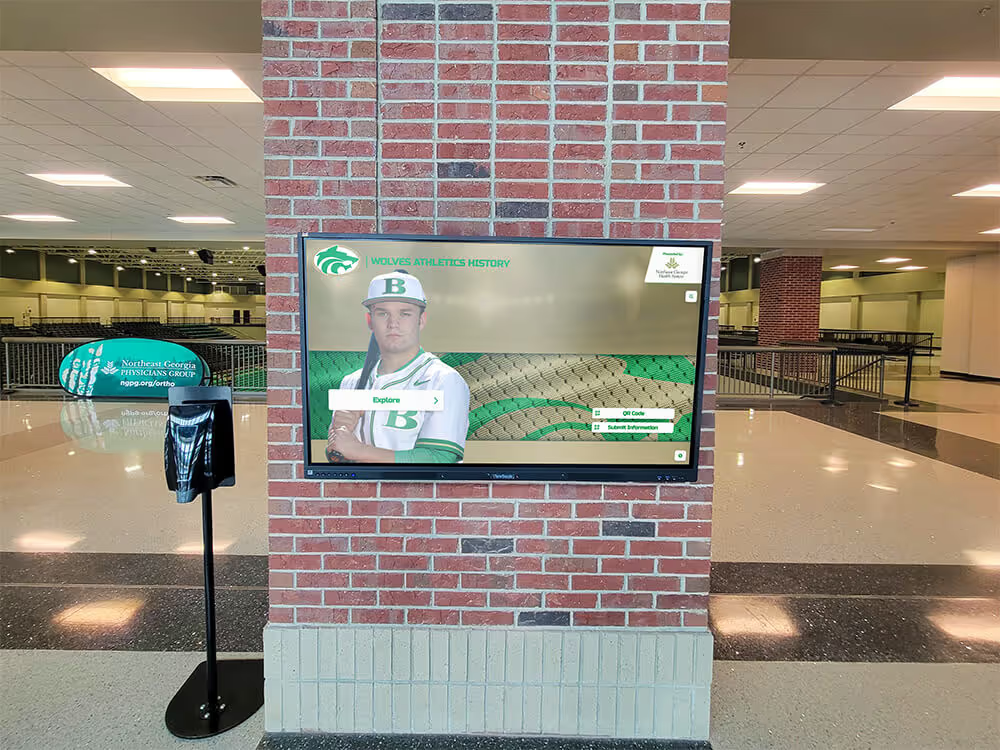
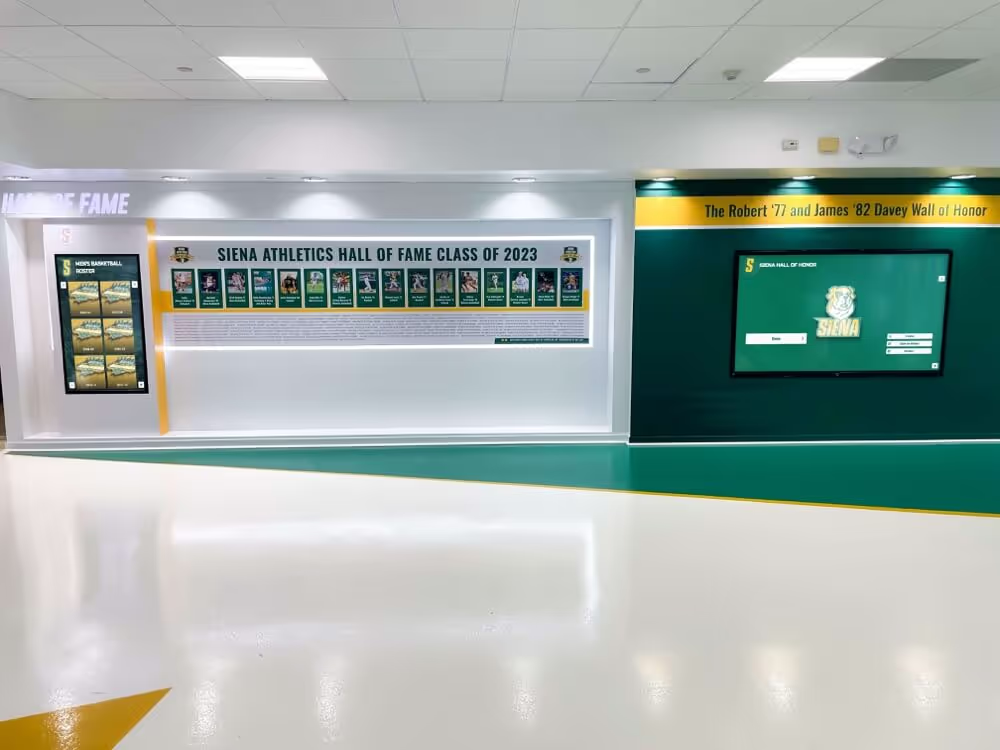
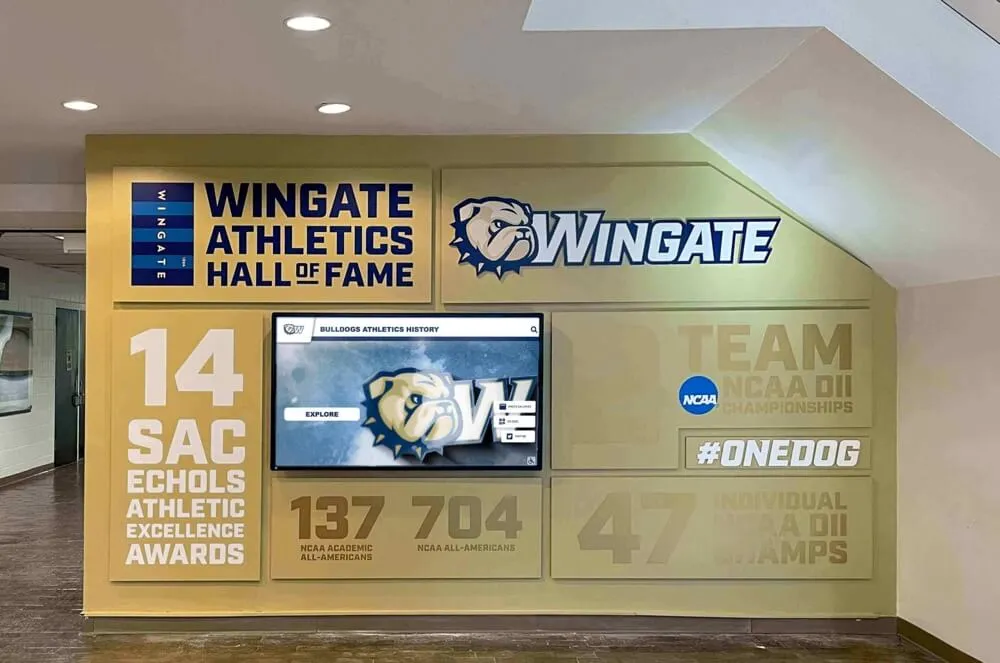
Permanent recognition installations depend on procurement records that document the full vendor-to-installation chain—the same records that satisfy an auditor also confirm delivery when a sponsor asks about their display
Frequently Asked Questions
What is a booster club procurement card policy?
A booster club procurement card policy is a written governance document that specifies who may hold an organization-issued purchasing card, what spending limits apply to each category of program spending, what documentation is required for every transaction, and how charges flow through a review and approval process before payment is issued. The policy differs from a general financial policy in that it establishes the specific controls applicable to the categories of goods and services a booster club regularly buys—awards, event supplies, banners, and recognition display materials—rather than addressing organizational finances broadly.
What spending limits should a booster club procurement card policy set?
Spending limits should be set by purchase category rather than as a single universal threshold. A common structure for a mid-sized school booster club includes a per-transaction limit of $400–$500 for awards and event supplies, $750 for banners and signage, and $1,000 for recognition display deposits, with monthly category caps that reflect the program’s actual annual expenditure pattern. Cash advances and gift card purchases should be prohibited at any dollar amount. Boards should adopt specific limits by resolution and review them annually.
Who should be authorized to hold a booster club procurement card?
Card issuance should be limited to the smallest number of named officers needed to run the program—typically the treasurer and the president. Issuing cards to committee chairs, event volunteers, or coaches significantly expands the program’s control surface without proportional operational benefit. Other purchases should flow through reimbursement, purchase orders, or pre-approved vendor accounts. Any expansion beyond the two primary cardholders requires a full board vote.
What documentation is required for an award or trophy purchase on a procurement card?
Every award or trophy purchase requires an original itemized receipt, a written business purpose statement identifying the honorees and the event for which the items are intended, a reference to the budget line the purchase satisfies, and—if the charge exceeds the category’s prior-approval threshold—written authorization from a second officer obtained before the purchase is made. The documentation package should also include the order confirmation specifying honoree names, inscription text, and delivery date so the record is complete if the vendor delivers incorrect items.
Do platform subscriptions for digital hall of fame systems require procurement card approval?
Yes—but at a higher level than routine card spending. Recurring platform subscriptions for digital recognition systems, donor walls, or athletic hall of fame displays should not be established at cardholder discretion. These commitments require a board vote before the initial subscription charge is established, must appear in the approved operating budget, and must be reconciled monthly as a standing card item. Annual renewals that change the cost or contract terms require the same board approval as the initial subscription.
How do procurement card records support sponsor stewardship?
When a procurement card charge fulfills a specific sponsor agreement benefit—a courtside banner deposit, a recognition panel fabrication payment, a digital display content update—the transaction documentation package should include a reference to the agreement section authorizing that benefit. This creates a record connecting the card charge to the sponsor commitment. Programs that maintain this documentation enter renewal conversations with verifiable delivery evidence rather than informal assurances, which consistently produces stronger outcomes when sponsors review their benefit packages.
What happens when a cardholder makes an unauthorized purchase?
The cardholder is personally responsible for reimbursing the organization for any charge that violates the policy—prohibited category, missing documentation, or spending above approved limits. Reimbursement is typically required within 10 business days. A pattern of violations—more than one or two policy exceptions in a rolling year—should result in card revocation and a board review before reissuance. Accountability must be explicit in the written policy; without it, enforcement is inconsistent across officer transitions.
How often should a booster club procurement card policy be reviewed?
At minimum, the policy should be reviewed annually at the fiscal year-end governance review. The review should confirm that spending limits still reflect the program’s actual expenditure patterns, that the cardholder list matches the current officer roster, that category caps are reset for the new fiscal year, and that any vendor relationship disclosure requirements are refreshed. Policy updates require board approval and should be documented in board minutes. If state law, school district policy, or insurance carrier requirements change during the year, the policy should be reviewed promptly rather than waiting for the annual cycle.
Booster clubs that establish a written procurement card policy before any card is issued avoid the governance gaps that surface during audits, officer transitions, and sponsor review conversations. The policy does not need to be complex—it needs to be specific, applied consistently, and supported by a monthly reconciliation process that closes every transaction with documented board approval.
Ready to connect your procurement governance framework to a recognition and stewardship display program that documents every commitment, every delivery, and every renewal? Request a demo of Rocket Alumni Solutions to see how a managed recognition platform supports the documentation standards your procurement card policy is already building.