A booster club purchasing policy defines who can authorize expenditures, what documentation is required before money changes hands, how vendors are selected, and how purchasing decisions connect to the sponsor commitments already embedded in signed agreements. Programs that operate without a written purchasing policy discover the gap at the worst possible time—when a disputed vendor invoice threatens a sponsor relationship, when an unauthorized purchase surfaces in an audit, or when a recognition display is delivered to the wrong specification because no one confirmed the order against the agreement.
Most booster club governance guides treat purchasing as a subset of financial controls. This guide goes further—covering the specific procurement steps that govern signage fabrication, digital display platform selection, recognition material ordering, and the fulfillment chain that turns sponsor contract line items into delivered, documented benefits.
This guide is for informational purposes only and does not constitute legal, accounting, or compliance advice. Consult a licensed CPA or attorney for guidance specific to your organization’s structure, tax-exempt status, and jurisdiction.

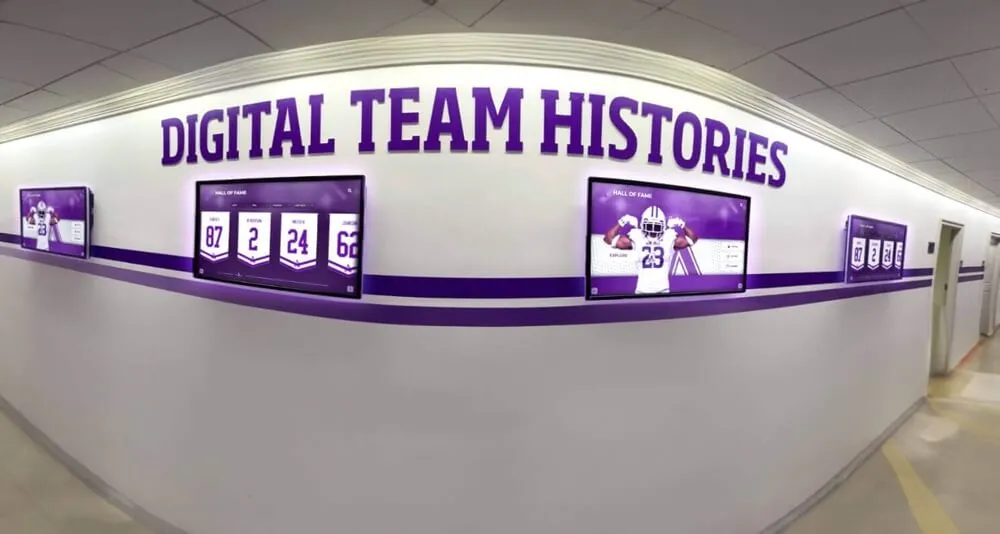
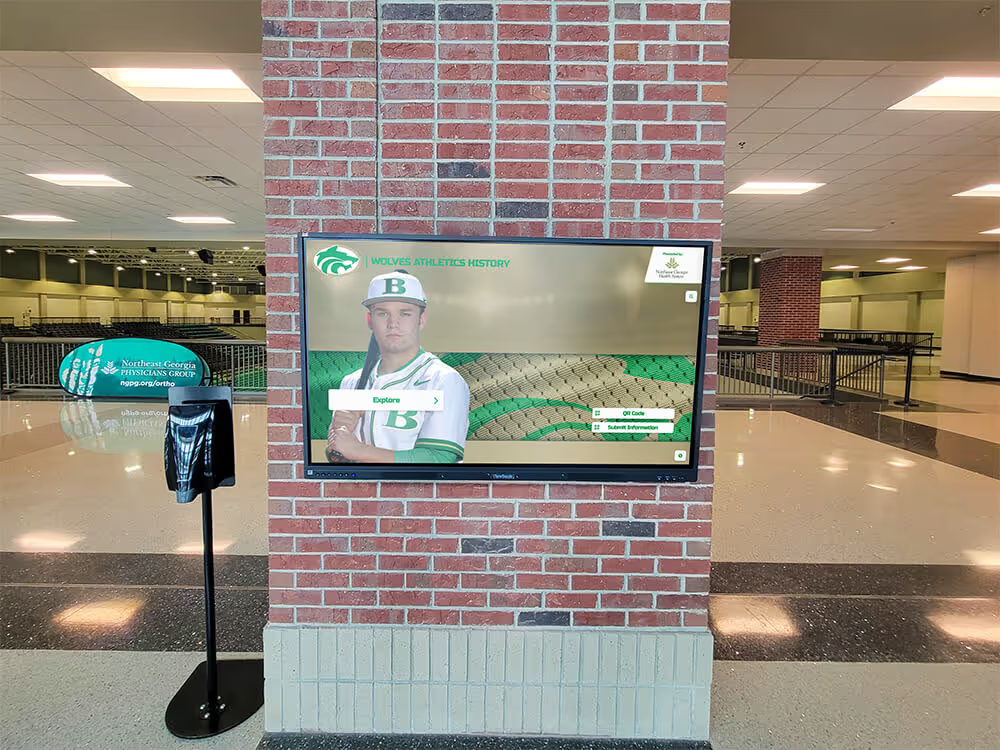
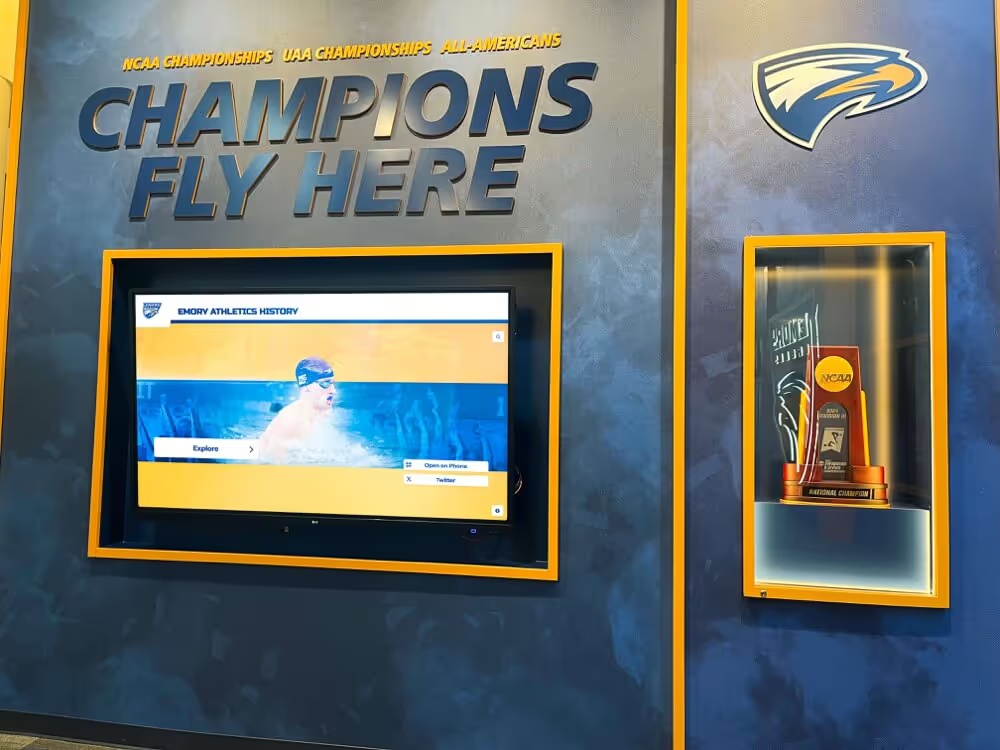
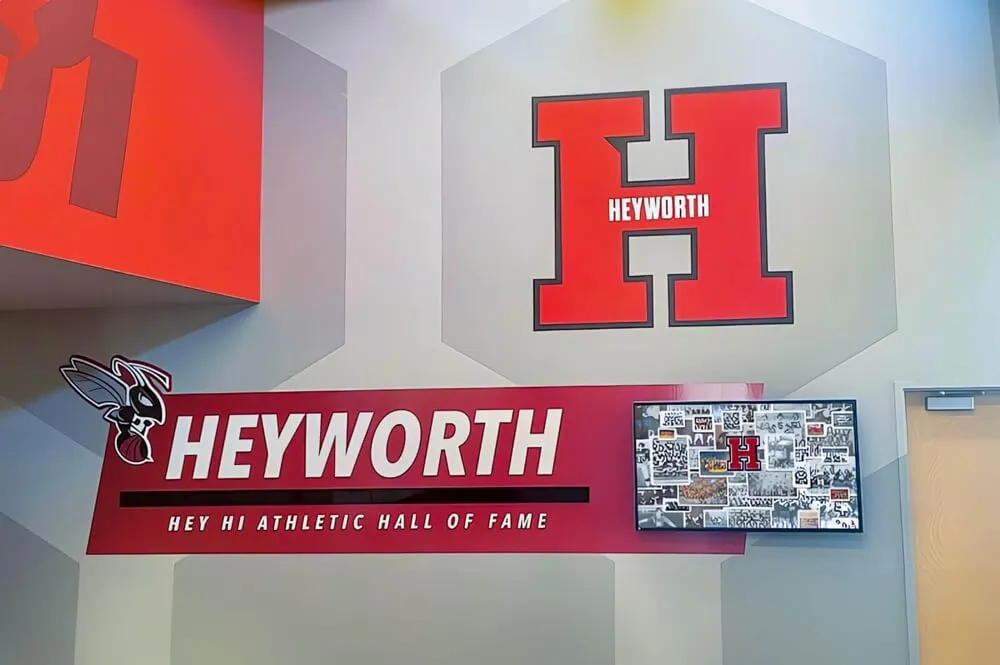
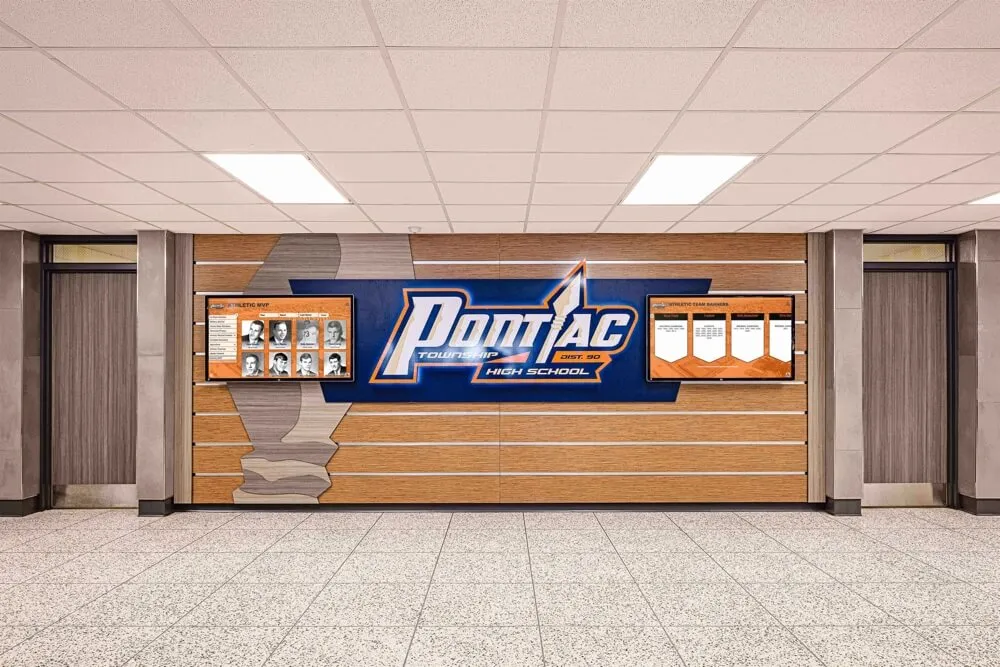
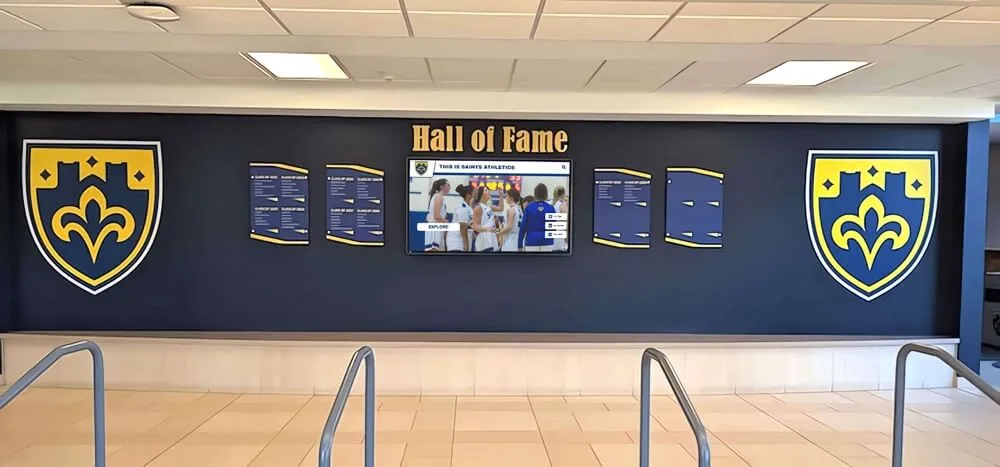
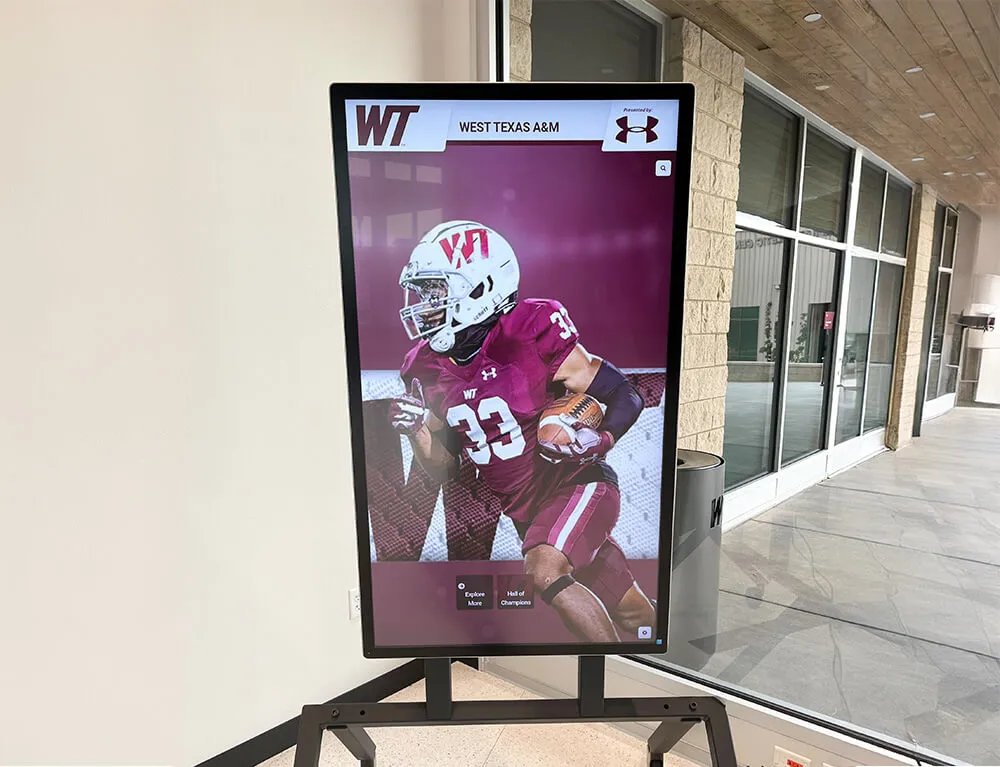
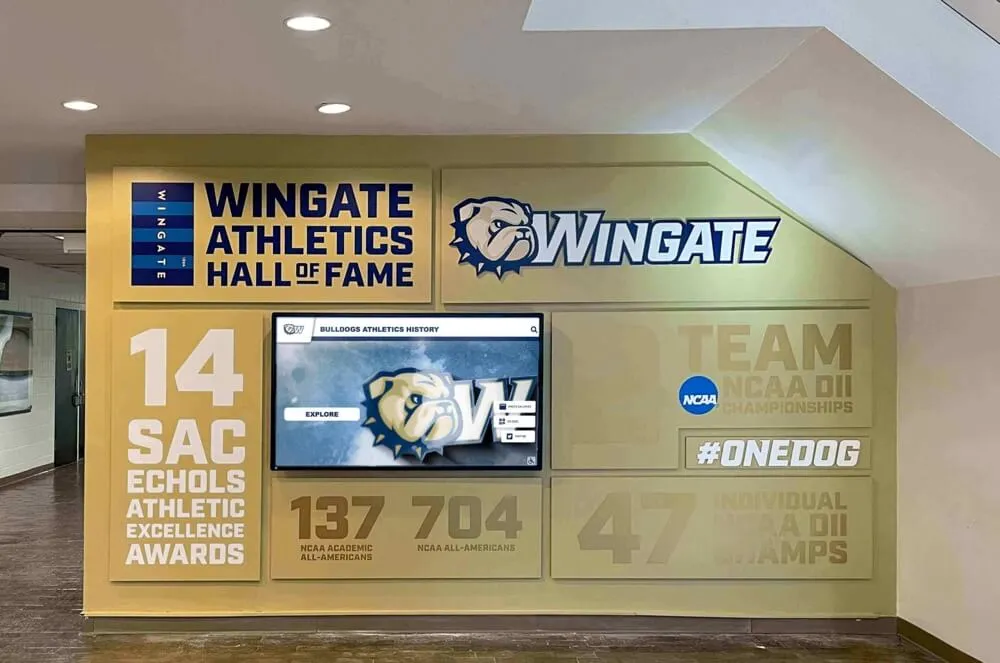
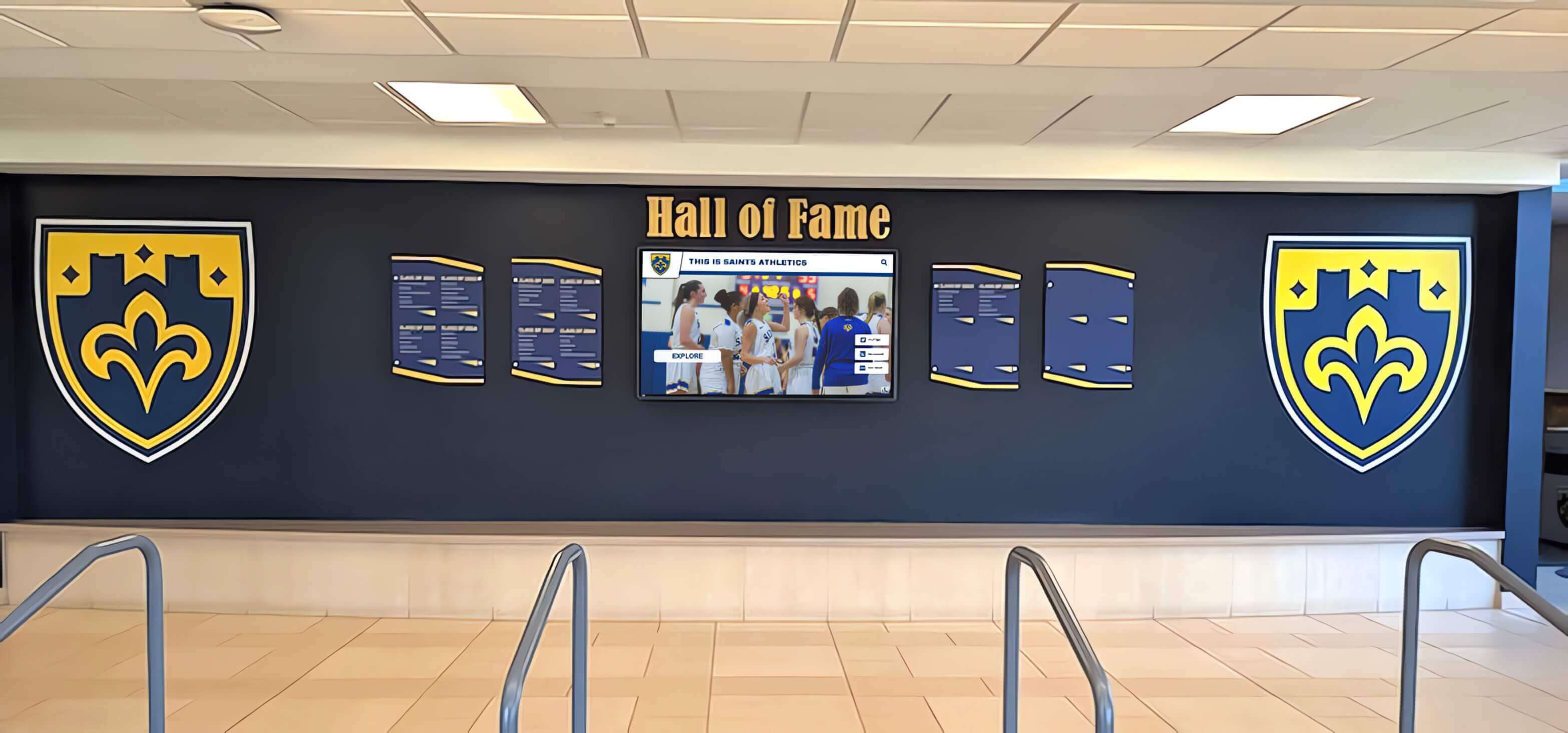
Recognition displays and sponsor name panels represent purchase commitments that must be approved, documented, and delivered against specific contract terms—a purchasing policy makes that chain auditable
What a Booster Club Purchasing Policy Is
A booster club purchasing policy is a written document specifying how the organization approves, documents, and executes expenditures across all spending categories. It is not a budget—that document establishes what can be spent. A purchasing policy establishes how the spending happens: what approvals are required, what documentation must exist before payment is issued, how vendors are selected and evaluated, and what happens when a purchase does not go through the required process.
The policy has three functional components:
- Bid thresholds and quote requirements — the dollar levels at which different degrees of competitive sourcing are required before committing to a vendor
- Approval authority matrix — who can authorize purchases at each dollar tier and for which spending categories
- Vendor selection and documentation standards — how vendors are evaluated, approved, and retained in the organization’s records
A fourth component applies specifically to programs with active sponsor relationships: procurement controls for sponsor commitment fulfillment. When a sponsor agreement specifies that their logo will appear on a 4×8 banner at courtside, the purchasing process that produces that banner—vendor selection, proof approval, installation confirmation—must be documented as delivery evidence. Purchasing policy and sponsor stewardship are the same process, viewed from different angles.
Bid Thresholds and Quote Requirements
Competitive sourcing requirements protect the organization against overpaying, against vendor favoritism, and against the appearance of preferential purchasing that can attract district scrutiny. Thresholds vary by organization size; the structure below reflects widely adopted nonprofit governance practice and should be adapted to your program’s annual expenditure volume.
| Expenditure Tier | Dollar Range | Required Process |
|---|---|---|
| Petty cash / incidental | Under $100 | Receipt required; no advance approval needed; monthly report to treasurer |
| Standard purchases | $100–$499 | Officer approval (president or treasurer); receipt and vendor invoice on file |
| Solicited quote tier | $500–$1,499 | Two informal written quotes required; officer approval; quotes filed with invoice |
| Competitive bid tier | $1,500–$4,999 | Three written quotes required; board approval before commitment; all quotes archived |
| Major procurement | $5,000 and above | Formal RFP process or board-voted vendor selection; dual-officer sign-off on contract |
Why two-quote minimums apply at $500. A single vendor’s price is a data point; a second price is a market check. This threshold is deliberately set below what most programs think of as “significant” because recognition and signage purchases—where sponsor commitment delivery is at stake—frequently land in the $500–$1,500 range. Requiring a second quote on a $700 banner order is not bureaucracy; it is the documentation chain that proves the program exercised its financial duty to the organization’s members and sponsors.
Recognizing quote equivalence. Quotes must be genuinely comparable: same specifications, same materials, same delivery timeline. A quote for a vinyl banner and a quote for an acrylic panel are not equivalent. The person requesting quotes is responsible for confirming specifications match before submitting for approval.
Emergency purchase exceptions. Define the conditions under which a single-vendor purchase below the competitive bid threshold is permissible without advance approval—typically limited to true operational emergencies where delay would cause immediate program harm. Require retroactive board approval within 30 days and a written explanation of why the standard process could not be followed.
Approval Authority Matrix
The approval matrix distributes purchasing authority across officer roles in proportion to financial risk. Programs with a small officer team may collapse some columns; larger programs with dedicated committees may add layers. The key principle is that no officer approves their own expense reimbursement.
| Purchase Amount | Approval Authority | Second Review Required | Board Notification |
|---|---|---|---|
| Under $100 | Any officer self-certifies | No | Monthly summary |
| $100–$499 | President or Treasurer | No | Monthly summary |
| $500–$1,499 | President and Treasurer (both) | No | Meeting minutes |
| $1,500–$4,999 | Full board vote or designated committee | Yes — second officer countersigns | Board vote required |
| $5,000+ | Full board vote | Yes — second officer countersigns | Recorded board resolution |
| Expense reimbursement (any amount) | Any officer except the requestor | Treasurer countersigns | As applicable to amount |
Recognition and signage purchases. These frequently fall in the $500–$3,000 range and require the two-quote minimum alongside board-level review for larger orders. Because signage fulfills specific sponsor contract terms, the approval package for any signage order should include a copy of the relevant sponsor agreement section confirming the benefit that the purchase is delivering. This creates a paper trail that connects the purchase to the contract—essential documentation for renewal conversations and audit reviews.
Multi-year platform contracts. Digital display platform subscriptions and content management agreements—typically annual SaaS arrangements—require board-level approval even when the annual fee falls below the major procurement threshold, because they establish a multi-year vendor relationship and potentially a multi-year financial obligation. Understanding the range of recognition display tools available to athletic programs helps boards make informed vendor selections rather than defaulting to the first platform quoted.
Vendor Selection and Management
A vendor selection process protects the organization from dependence on a single supplier, from undocumented vendor relationships, and from the favoritism claims that arise when a board member’s business receives program contracts without competitive review.
Vendor Qualification Criteria
Before adding a vendor to the organization’s approved list, confirm:
- The vendor is a legitimate business entity (verifiable business registration or tax ID)
- The vendor carries adequate liability insurance for the work being performed
- The vendor can provide two or three client references from comparable programs
- Any vendor with a personal relationship to an officer has disclosed that relationship and recused from the approval vote
Preferred Vendor List
Maintaining a documented preferred vendor list—updated annually—reduces the friction of competitive sourcing for common purchases. Once a signage fabricator, an awards supplier, or a digital platform provider has been competitively selected and documented, subsequent purchases from that vendor below the competitive bid threshold require only officer approval rather than a full new quote process. The preferred vendor list should include:
| Vendor Category | Vendor Name | Contact | Last Reviewed | Annual Spend Estimate |
|---|---|---|---|---|
| Signage / banners | ||||
| Trophy / awards | ||||
| Print materials | ||||
| Digital display platform | ||||
| Engraving / plaques | ||||
| Event supplies | ||||
| Photography / documentation |
Reviewing the preferred vendor list annually confirms that pricing remains competitive and that vendor relationships continue to meet the organization’s standards.
Vendor Conflict of Interest Policy
Any officer, board member, or family member who has a financial relationship with a vendor under consideration must:
- Disclose the relationship in writing before the vendor is evaluated
- Recuse from the selection discussion and approval vote
- Have the recusal and disclosure documented in meeting minutes
This policy applies to both new vendor approvals and annual preferred vendor list renewals. Programs where vendor selection is perceived as influenced by personal relationships lose credibility with sponsors and district overseers faster than those with almost any other governance failure.
Purchasing for Sponsor Commitment Fulfillment
Sponsor commitments create purchasing obligations. When your sponsorship agreement promises a Gold-tier sponsor a courtside banner, a digital logo display in the lobby kiosk, and a recognition panel in the athletics corridor, you have committed the organization to three distinct procurement transactions. A purchasing policy that does not address how those transactions are authorized and documented is incomplete.
Connecting Purchases to Contract Terms
Every purchase that fulfills a sponsor benefit should include a reference to the specific agreement section authorizing that benefit. A practical approach:
SPONSOR COMMITMENT PURCHASE AUTHORIZATION

Sponsor Name: ___________________________________
Agreement Year: ________________________________
Sponsorship Tier: _______________________________
Benefit Being Fulfilled: ________________________
Agreement Section Reference: ___________________
Quoted Vendor: _________________________________
Quote Amount: $_________________________________
Alternate Quote on File: ☐ Yes  ☐ N/A (under threshold)
Approved By: ___________________________________ Date: ___________
Delivery Deadline per Agreement: ________________
Proof of Delivery Required: ☐ Photo  ☐ System Record  ☐ Signed Delivery Receipt
Using a form like this for every sponsor benefit purchase creates a documentation chain that runs from signed contract to approved purchase to delivered benefit. That chain is the evidence base for a renewal conversation and the audit trail for a governance review.
Signage Fabrication and Installation
Sponsor signage orders carry higher documentation requirements than general supply purchases because they fulfill specific contractual obligations. Beyond the standard quote and approval process, signage orders should include:
Proof approval by sponsor. Before finalizing any signage order carrying a sponsor’s name or logo, submit a proof to the sponsor contact for written approval. This prevents disputes about logo rendering, name spelling, or format that can arise after installation. File the approval confirmation with the purchase record.
Installation confirmation. After installation, photograph the completed display showing placement context (not just a close-up) and date-stamp the image. File the photograph with the purchase record as delivery confirmation.
Agreement cross-reference. Note on the purchase record which agreement section the installation fulfills and the deadline within which delivery was required.
Evaluating athletic recognition display tools for school programs covers the range of fabrication and platform options across different budget tiers—information that helps purchasing committees compare quotes against realistic market pricing for signage and display work.
Digital Display Platform Procurement
Selecting a digital recognition platform—for lobby touchscreens, donor walls, or athletic records displays—involves a higher-stakes procurement decision than most signage orders. Platform contracts typically run one to three years, create data dependencies (donor records, sponsor profiles, achievement archives), and require integration with your recognition program’s content management workflow.
Platform selection should follow the full competitive bid process regardless of annual contract value, because the switching cost embedded in a multi-year platform relationship makes vendor selection significantly harder to reverse than a signage purchase. Evaluation criteria should include:
| Criterion | Why It Matters for Purchasing |
|---|---|
| Content ownership on contract termination | Ensures donor records and sponsor data remain accessible if you change platforms |
| Export and audit trail functionality | Determines whether the platform generates purchasing-quality delivery documentation |
| Annual price escalation terms | Prevents budget surprises in years two and three of a multi-year agreement |
| Implementation and training costs | Frequently quoted separately and omitted from headline pricing |
| Support response SLA | Determines what happens when a display fails during a recognition event |
Evaluating hall of fame and recognition display platforms for data integrity addresses the data stewardship considerations that matter most when a platform holds your organization’s donor and sponsor records—criteria that a purchasing policy should surface explicitly before a vendor selection is finalized.
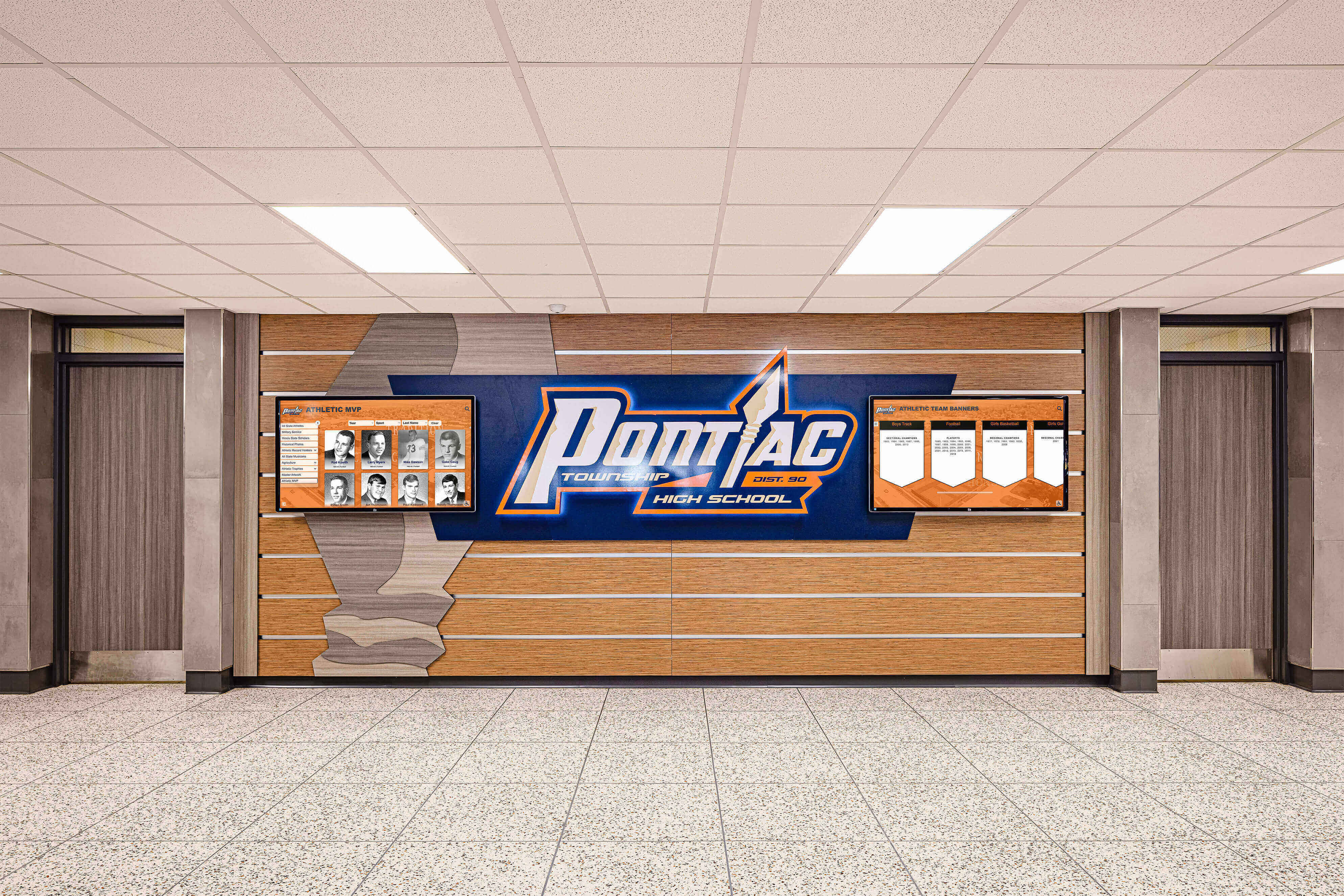
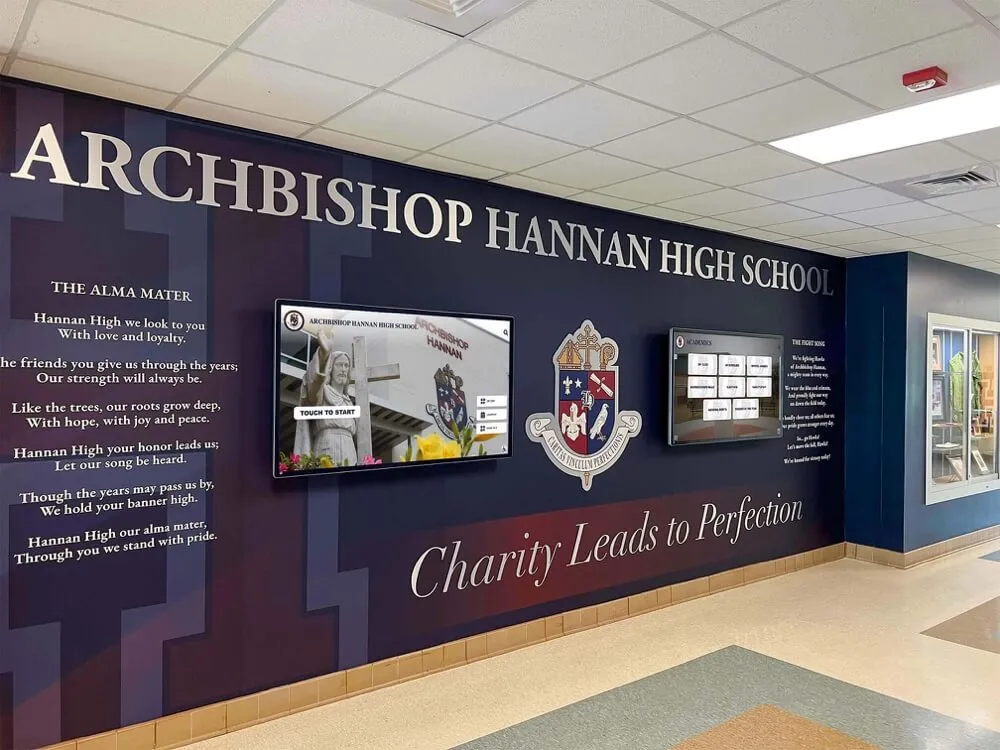
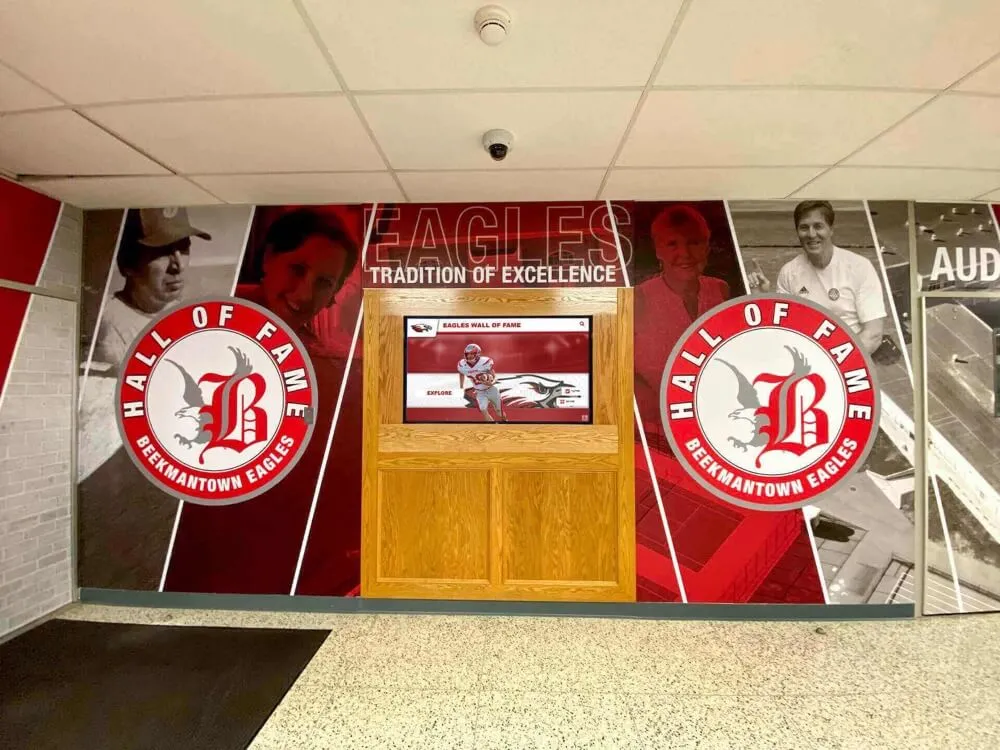
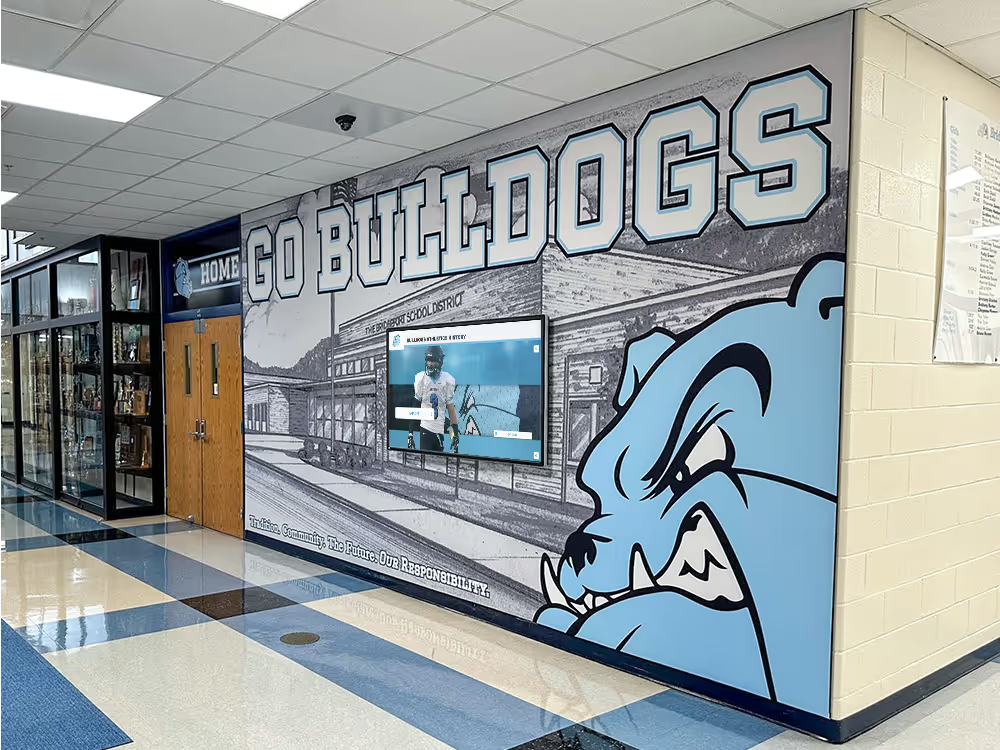
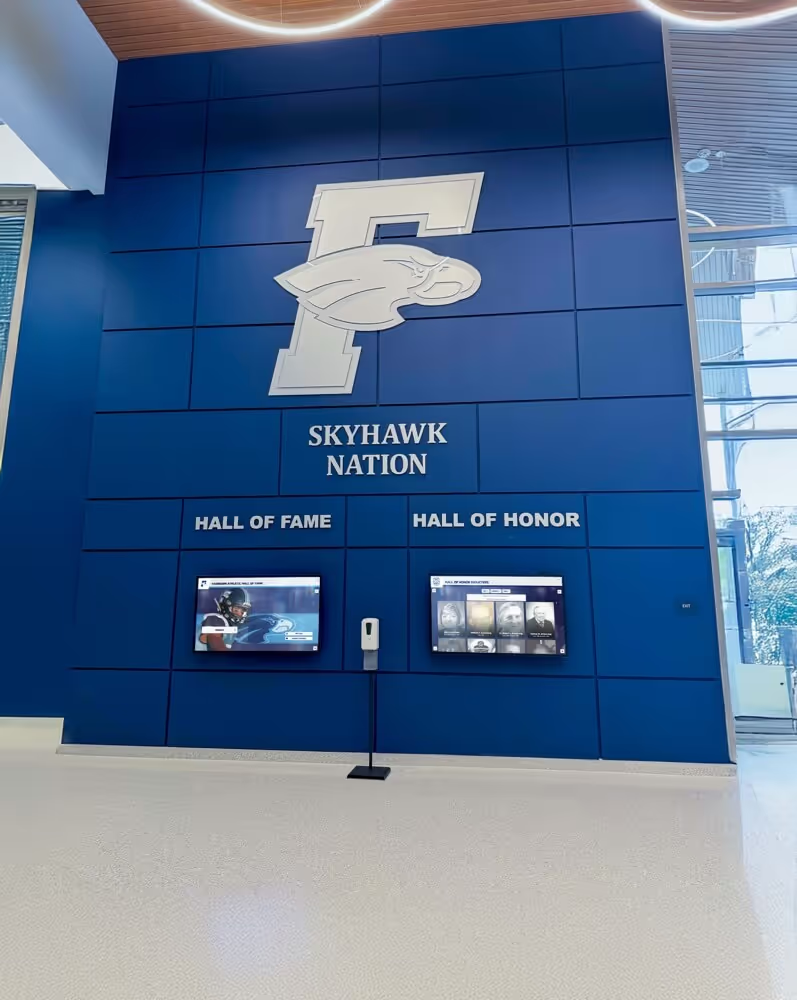
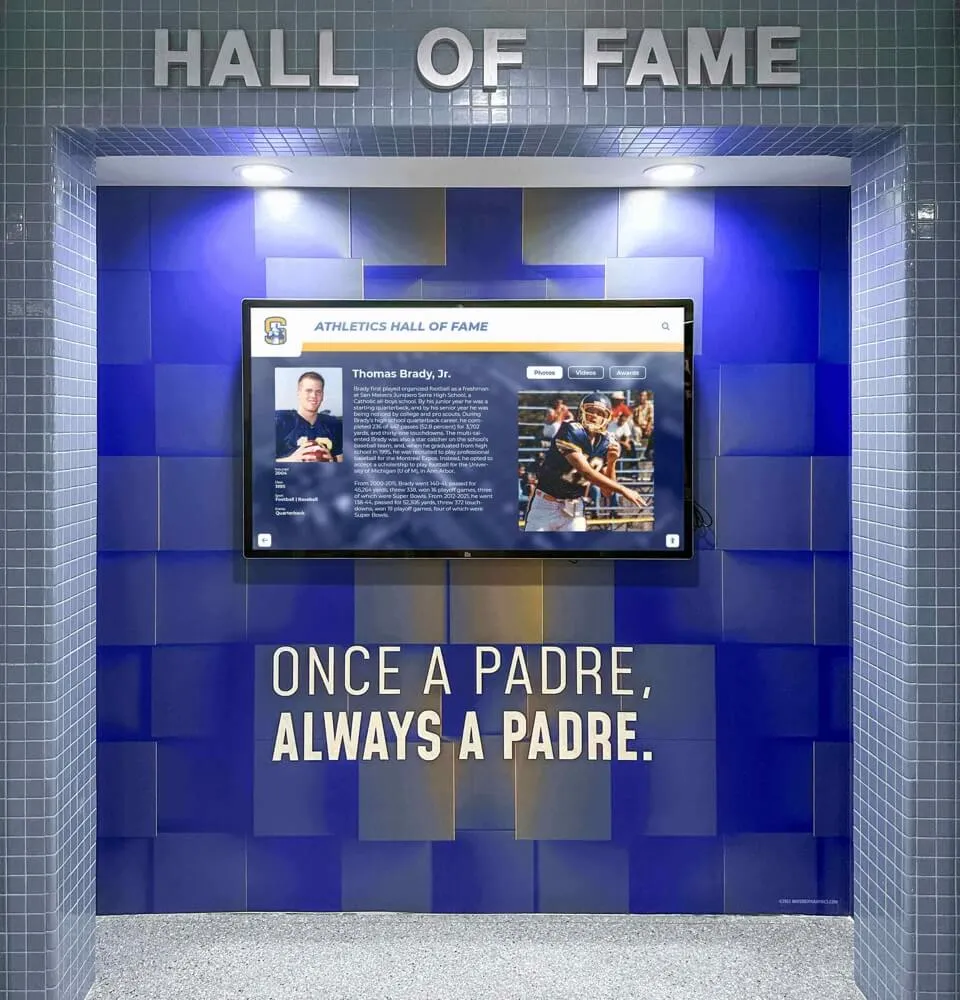
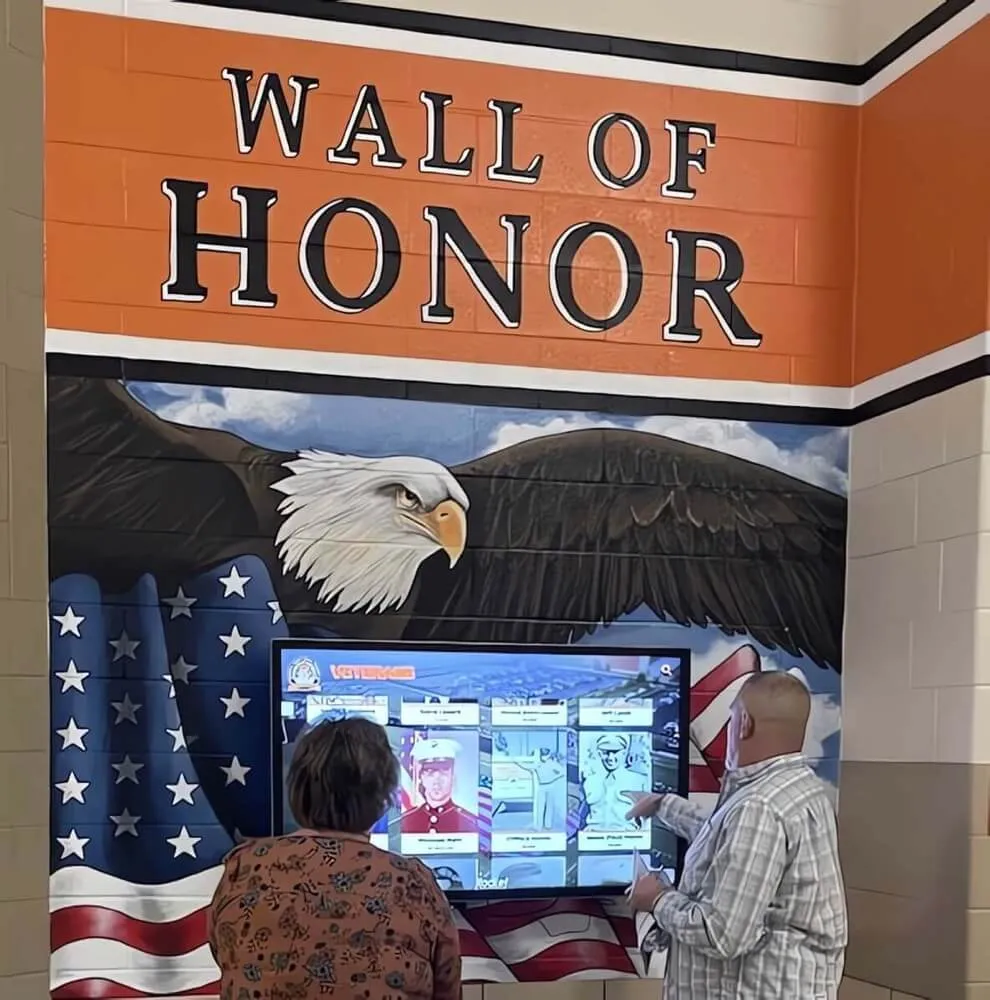
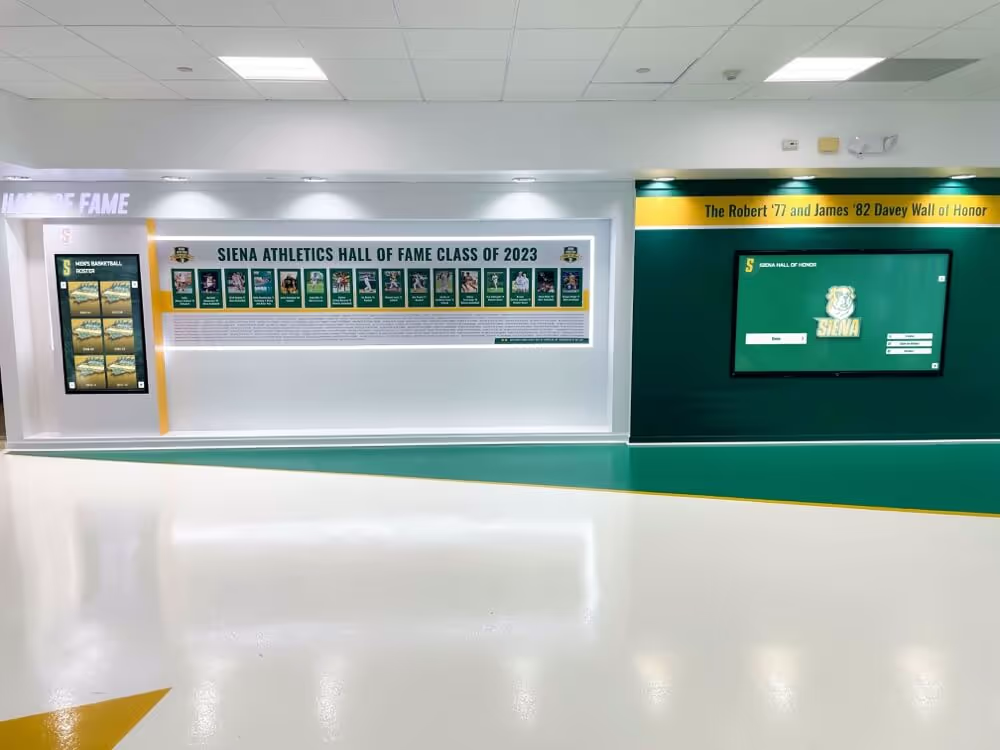
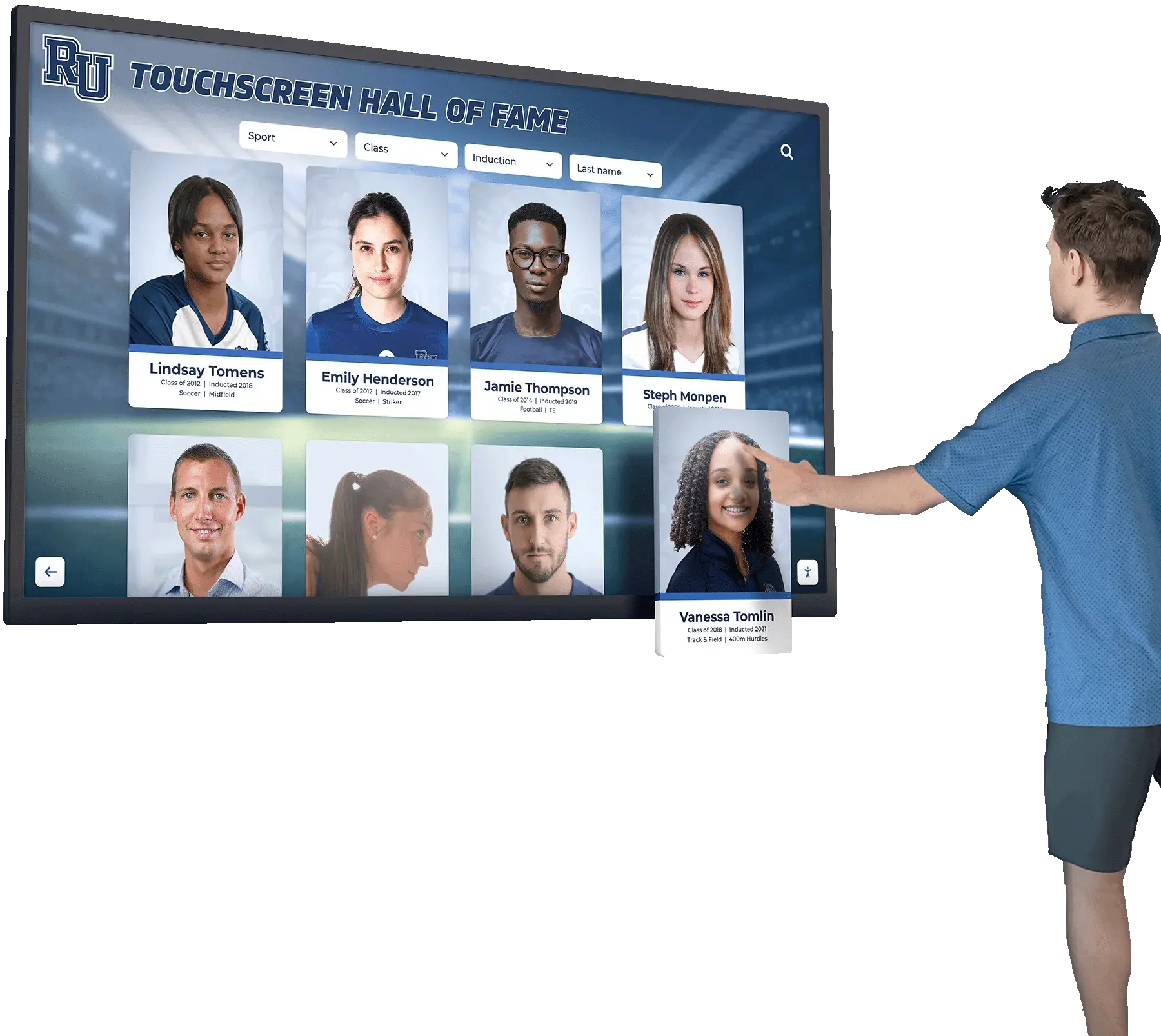
Athletic recognition displays purchased to fulfill sponsor commitment terms require a procurement trail connecting the approved vendor quote to the signed agreement section—documentation that transforms a purchase into verifiable sponsor benefit delivery
Sample Booster Club Purchasing Policy Template
The following template covers the core policy elements for a medium-sized school booster club. It is a starting point for internal review and should be reviewed by your organization’s CPA or legal counsel before adoption.
BOOSTER CLUB PURCHASING POLICY
[Organization Name]
Adopted: [Date] | Last Reviewed: [Date]

SECTION 1 — PURPOSE
This policy establishes procedures for authorizing, documenting, and executing
expenditures in support of the organization's programs and sponsor commitments.

SECTION 2 — SCOPE
Applies to all officers, committee chairs, volunteers, and contractors
purchasing on behalf of the organization.

SECTION 3 — BID THRESHOLDS AND QUOTE REQUIREMENTS
Under $100:        Receipt required. No advance approval.
$100–$499:         Officer approval. Invoice on file.
$500–$1,499:       Two written quotes. Officer approval. Quotes archived.
$1,500–$4,999:     Three written quotes. Board approval. All quotes archived.
$5,000+:           Formal bid process. Board resolution. Dual-officer contract sign.

SECTION 4 — APPROVAL AUTHORITY
Under $500:        President or Treasurer
$500–$1,499:       President AND Treasurer (both must approve)
$1,500+:           Board vote required before commitment
Expense reimb.:    Any officer except requestor; Treasurer countersigns

SECTION 5 — VENDOR SELECTION
New vendors above $500 threshold must:
- Provide two client references
- Confirm business registration and liability insurance
- Disclose any board member relationship before evaluation

Preferred vendor list reviewed annually at [month] board meeting.

SECTION 6 — SPONSOR COMMITMENT PURCHASES
Purchases fulfilling sponsor contract benefits must:
- Reference the agreement section authorizing the benefit
- Include sponsor proof approval for branded materials
- Include photographic delivery confirmation after installation
- Be filed in the sponsor's documentation folder

SECTION 7 — CONFLICT OF INTEREST
Officers with personal or financial relationships to a vendor under
consideration must disclose in writing and recuse from the vote.
Disclosure and recusal documented in meeting minutes.

SECTION 8 — EMERGENCY PURCHASES
Single-vendor emergency purchases permitted when delay causes immediate
program harm. Retroactive board approval required within 30 days.
Written justification filed with purchase record.

SECTION 9 — RECORD RETENTION
Purchase orders and quotes:    7 years
Vendor contracts:              7 years after expiration
Sponsor commitment records:    Duration of agreement plus 3 years

Approved by: __________________________________ Date: ___________
[Board Chair or President signature block]
Adapt section 3 thresholds to your program’s annual spend volume. Programs with annual budgets under $50,000 may set the competitive bid threshold at $1,000; programs managing $200,000 or more in annual activity may require formal bids at $2,500 or above. The threshold values matter less than their consistent application.
How Purchasing Controls Connect to Donor Stewardship
The link between purchasing discipline and donor stewardship is more direct than most booster club governance guides acknowledge. When your program commits a donor to a specific recognition tier—a plaque in the Hall of Honor, their name on the Wall of Champions—you have created a purchasing obligation. The materials that fulfill that commitment—the engraved plaque, the panel insert, the digital profile—must be procured, approved, and installed. If the purchasing process for those materials is informal, the risk of recognition errors rises correspondingly.
Recognition errors damage donor relationships in ways that are genuinely difficult to repair. A donor who gave at the Wall of Champions level and whose name is missing, misspelled, or assigned to the wrong tier has visible evidence that the program did not honor its commitment. No renewal conversation starts from a worse position than that one.
Athletic and donor recognition display tools that serve institutional continuity address how platform selection intersects with governance—the records a content management system generates become part of the purchasing documentation trail for recognition fulfillment. Programs with managed digital recognition platforms can export content logs that serve simultaneously as delivery confirmation records for donor commitments and as audit evidence for purchasing compliance.
Academic achievement recognition and awards programs similarly depend on a purchasing process that ties award procurement—trophy orders, plaque materials, certificate production—to the recognition criteria governing who receives them. The purchasing policy is the mechanism that ensures what was committed in the recognition framework is actually ordered, verified, and delivered.
Purchasing Records: What to Keep and Why
A purchasing policy without a retention framework creates documentation gaps that surface at audit time. The following categories should be explicitly addressed in your policy or in a companion records-retention policy:
| Document Type | Suggested Retention | Why |
|---|---|---|
| Vendor quotes (selected) | 7 years | Basis for approved purchase; audit evidence |
| Vendor quotes (not selected) | 3 years | Documents competitive process was followed |
| Purchase orders | 7 years | Transaction record |
| Vendor contracts | 7 years after expiration | Governs warranty claims and disputes |
| Expense reimbursements | 7 years | IRS and district audit standard |
| Sponsor commitment purchase records | Duration of agreement plus 3 years | Delivery evidence for renewal and disputes |
| Board approval minutes | Permanent | Governance record for major procurement decisions |
Digital document management—scanned quotes, photographed delivery confirmations, exported platform logs—reduces physical storage requirements and makes retrieval faster when records are needed under deadline. Programs that maintain purchasing records in a shared digital folder accessible to any current officer resolve audit inquiries faster and sustain institutional knowledge through officer transitions more reliably than those relying on paper files in a single officer’s possession.
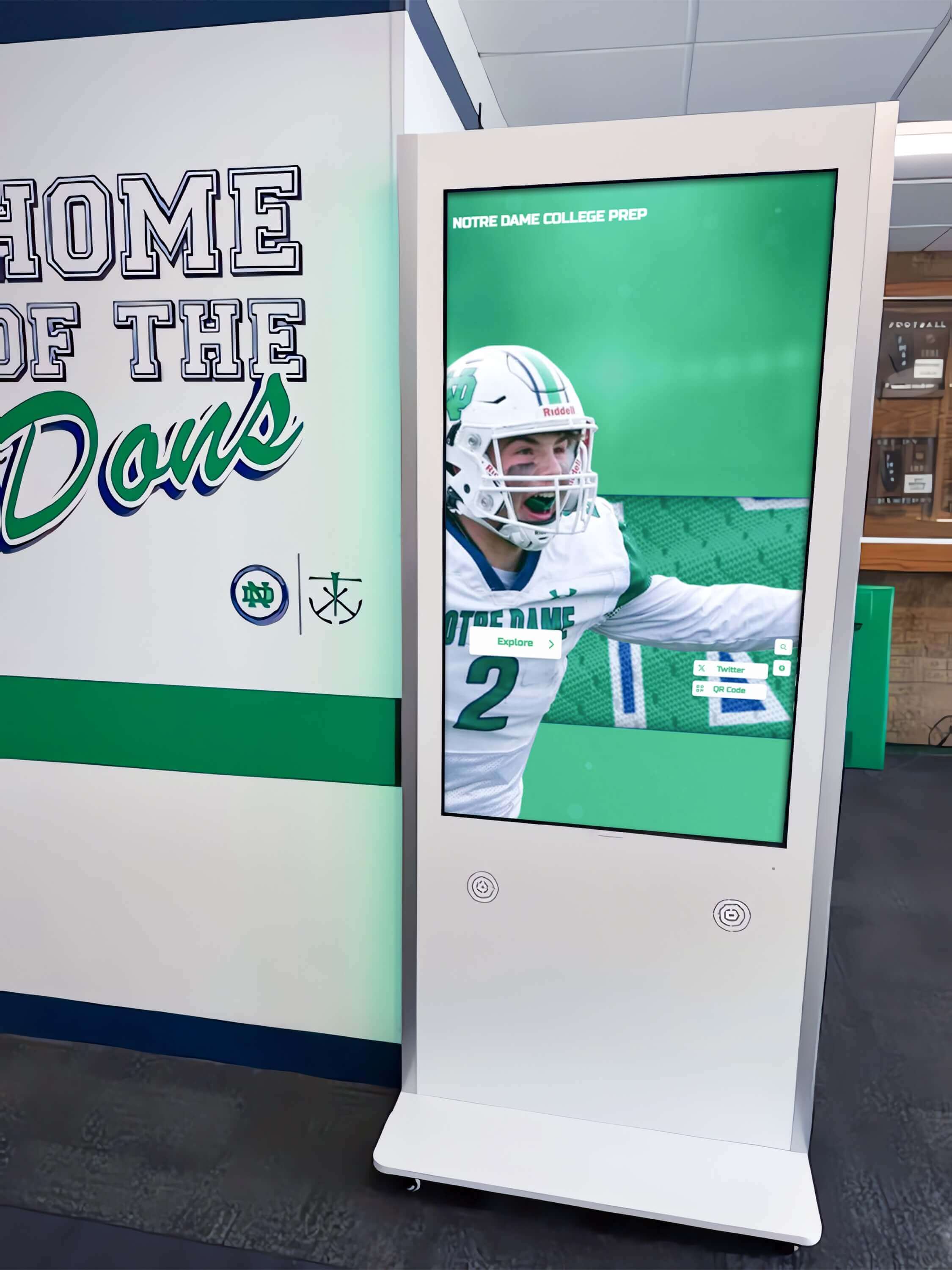
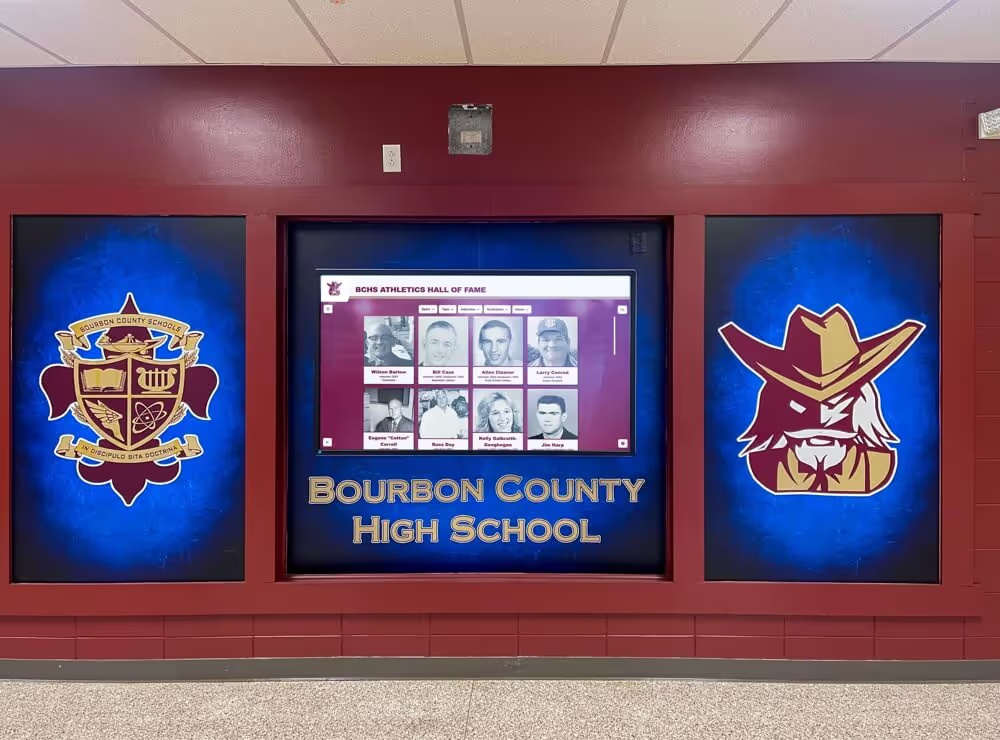
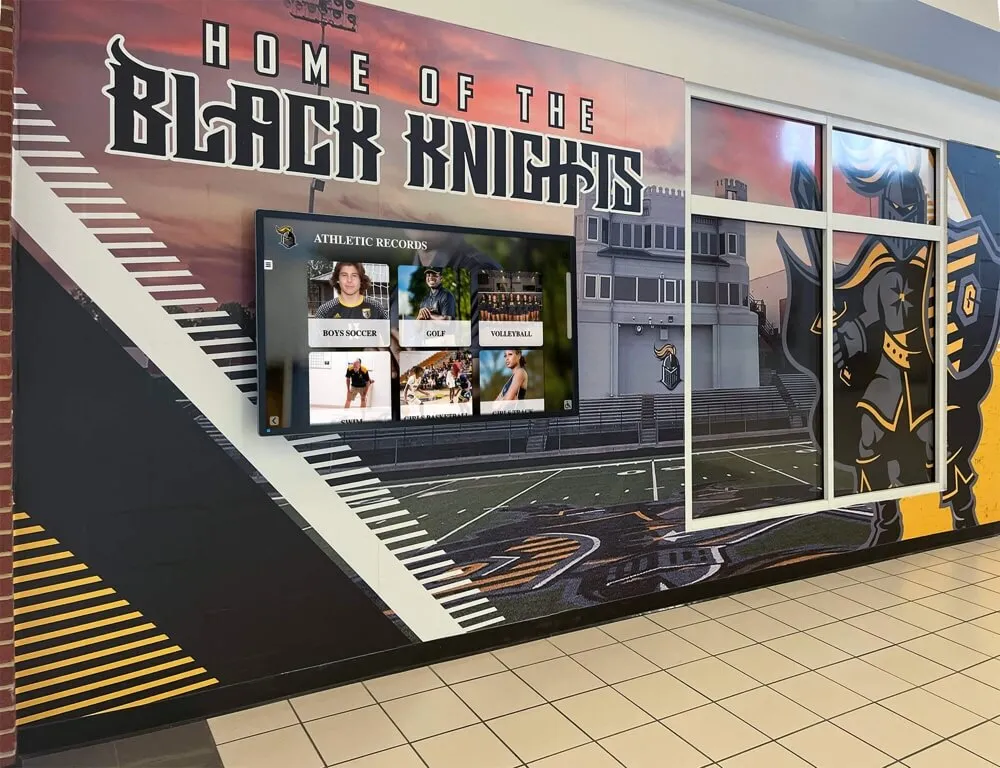
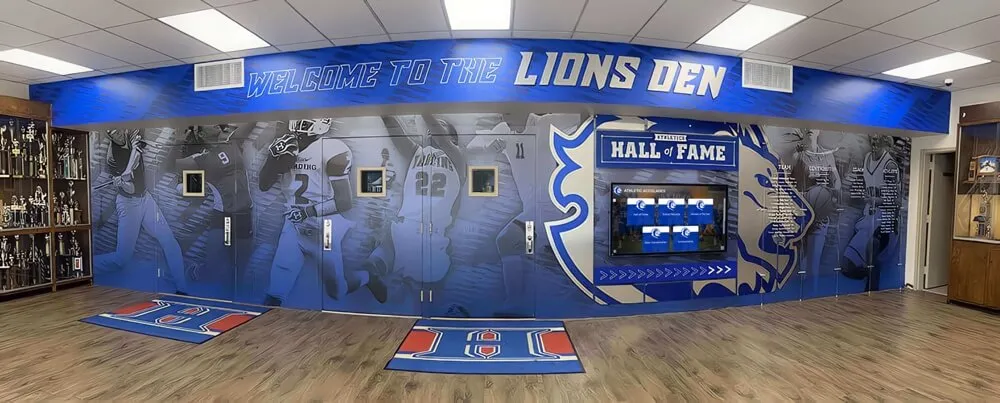
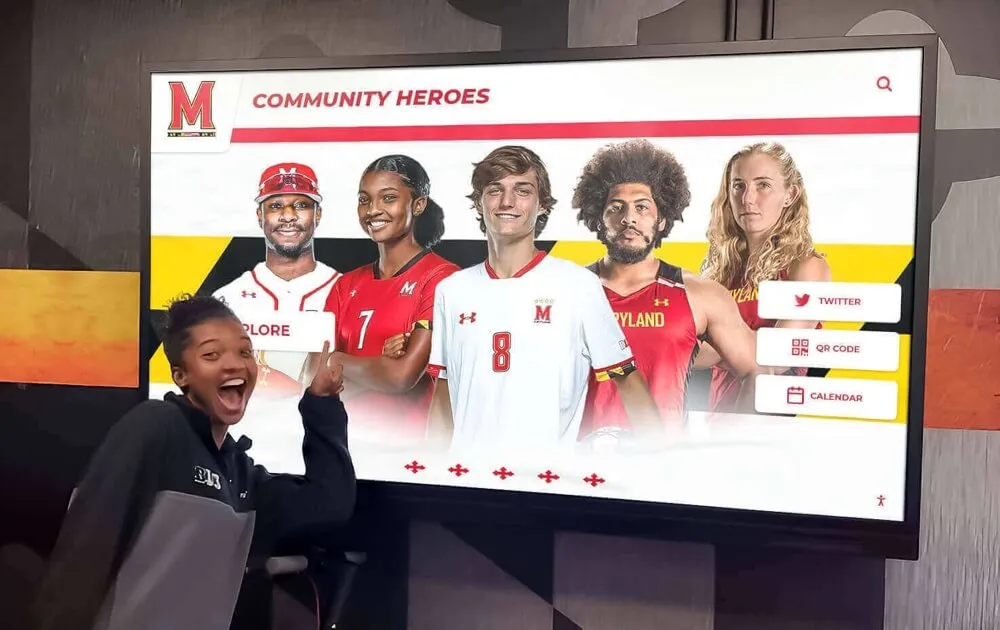
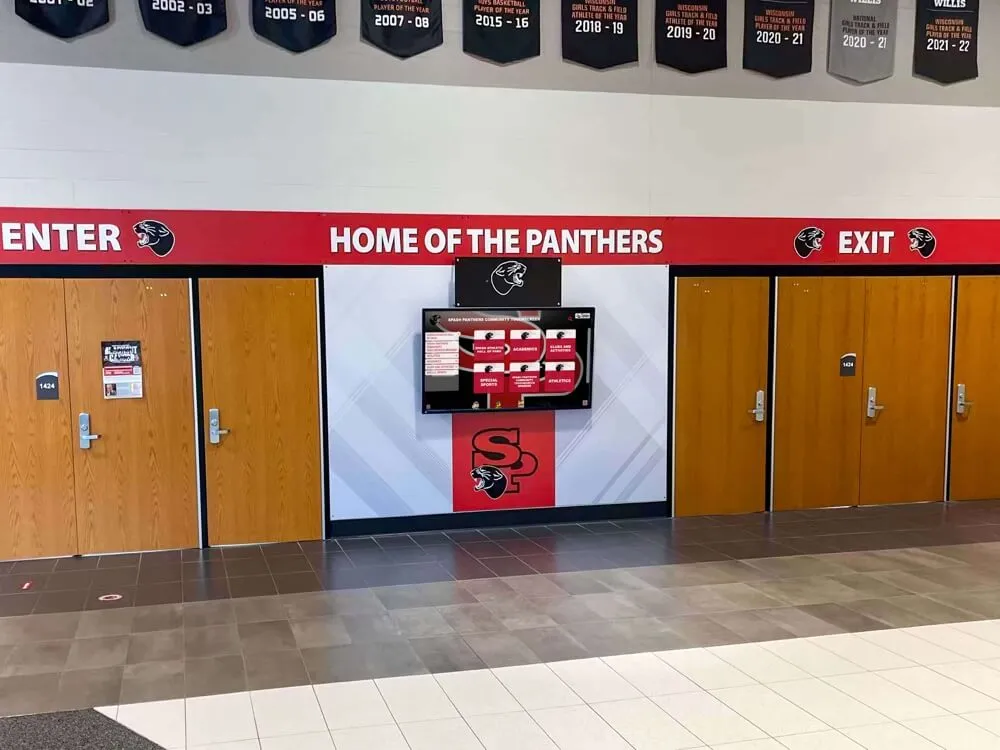
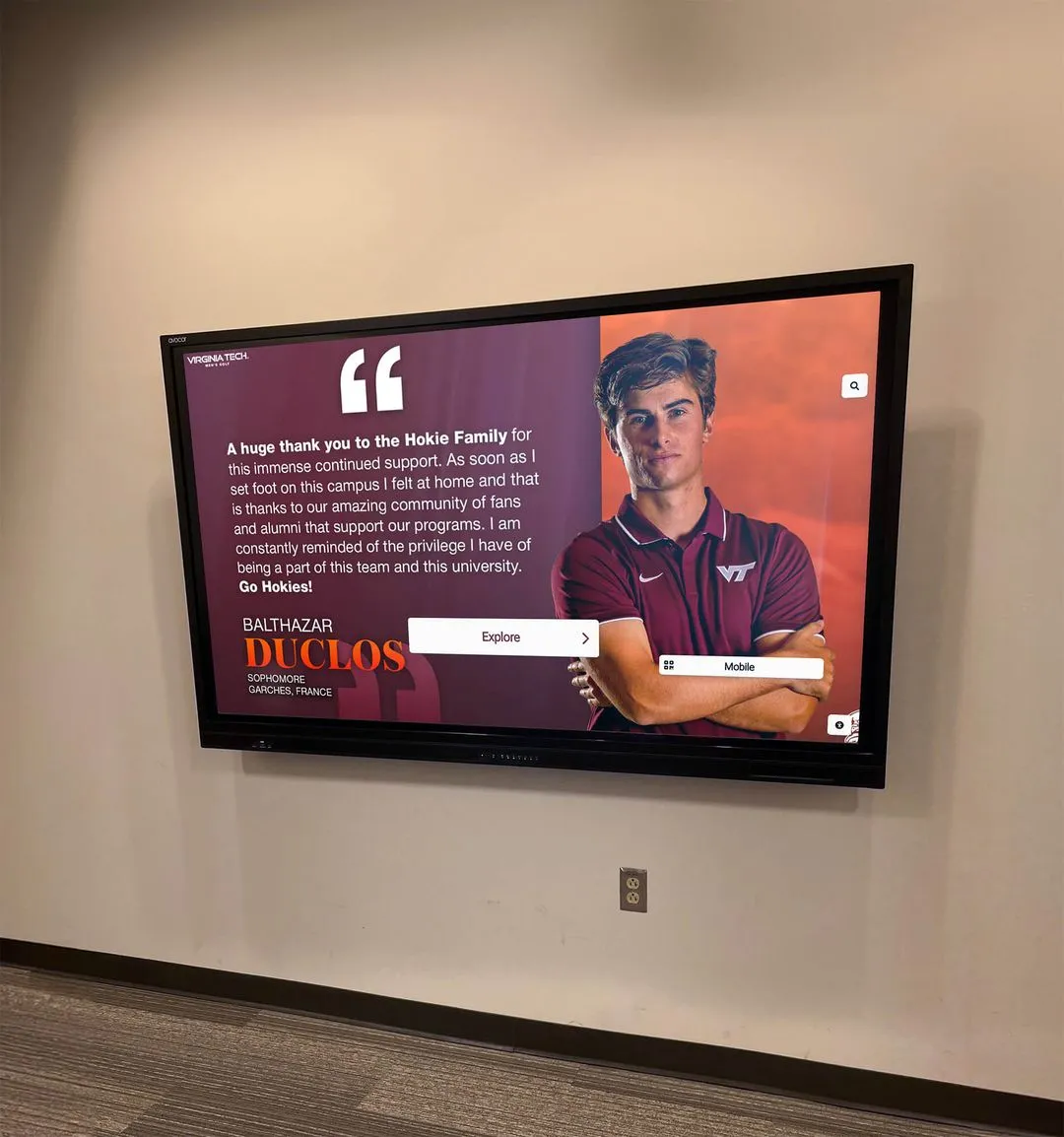
Digital recognition platform procurement decisions carry multi-year financial and data obligations—a purchasing policy should require formal vendor evaluation and board approval before any platform contract is signed
Integrating Purchasing Policy with Sponsor Renewal
A purchasing policy that is well maintained through the year becomes a renewal asset. When a sponsor asks for documentation that their benefits were delivered, a booster club with a complete purchasing record—vendor quote, board approval, sponsor proof sign-off, installation photograph, and date-stamped delivery confirmation—can respond in minutes rather than scrambling to reconstruct what happened nine months ago.
Sponsors who receive complete benefit delivery documentation at renewal time consistently show higher renewal rates than those receiving verbal assurances. The purchasing record is not just a compliance file; it is a stewardship document that demonstrates organizational competence.
Institutional history tools for athletics and donor recognition address how recognition programs that maintain complete procurement and delivery records build the kind of institutional continuity that supports sponsor relationships across multiple officer generations. A recognition display program supported by documented purchasing controls signals to sponsors that the program will outlast any individual officer—because the records, not the people, are holding the commitments.
Programs should design their purchasing documentation workflow with the renewal conversation in mind. Structure each sponsor’s purchase file so that a new officer who has never met the sponsor can pick it up, understand what was promised, confirm what was delivered, and enter the renewal conversation from a position of documented credibility.
Frequently Asked Questions
What is a booster club purchasing policy?
A booster club purchasing policy is a written document governing how the organization authorizes, documents, and executes expenditures. It specifies bid thresholds requiring competitive quotes, the approval authority for purchases at each dollar tier, how vendors are selected and retained on an approved list, and the documentation standards that must be met before payment is issued. Purchasing policies protect the organization from overpaying, vendor favoritism, and the undocumented spending that creates audit exposure.
How many quotes does a booster club need before making a purchase?
The number of required quotes depends on the purchase amount. A common framework requires two informal written quotes for purchases between $500 and $1,499 and three written quotes for purchases between $1,500 and $4,999. Purchases above $5,000 typically require a formal bid process with board approval. Purchases below $500 typically require officer approval and a receipt but no competitive quote. These thresholds should be specified in your written purchasing policy and reviewed annually to reflect the organization’s current expenditure volume.
Do booster clubs need a purchasing policy if they have a small budget?
Yes. A small budget creates the same accountability obligations as a larger one—it simply reduces the number of transactions the policy governs. Small organizations are at least as vulnerable as large ones to the informal purchasing practices that create audit risk: a president who pays vendors directly from personal funds and reimburses themselves without board approval, volunteer purchasing that bypasses any officer oversight, or vendor selection based on personal relationships without disclosed conflict-of-interest review. A two-page purchasing policy prevents these patterns regardless of organization size.
How does a purchasing policy protect sponsor relationships?
A purchasing policy requires that purchases fulfilling sponsor contract benefits be documented against the specific agreement terms they satisfy. This creates a paper trail connecting the signed sponsor agreement to the approved purchase order to the delivery confirmation—exactly the documentation a sponsor can request during a renewal conversation. Programs without this documentation chain must reconstruct delivery evidence from memory and informal records, a process that frequently reveals gaps that damage sponsor confidence at the worst possible moment.
What happens when a volunteer makes an unauthorized purchase?
Address it transparently and immediately. Retroactively document the purchase within whatever approval process would have applied, present it for board review, reimburse from the appropriate budget line if the purchase was within scope, and use the incident to reinforce purchasing policy expectations at the next officer meeting. If the unauthorized purchase involved a vendor with a personal relationship to the volunteer, apply the conflict-of-interest policy retroactively. The goal is correction and documentation, not discipline—most unauthorized purchases result from confusion about the policy, not intentional circumvention.
How should a booster club handle purchases for recognition displays and signage?
Signage and recognition display purchases should follow the standard quote and approval process, with two additional requirements: a sponsor proof approval for any branded materials before the order is placed, and photographic delivery confirmation after installation. The delivery photo should show the installed display in context—not just a close-up—and be filed with the purchase record alongside the approved quote and the relevant sponsor agreement section. This documentation package transforms the purchase record into delivery evidence that directly supports sponsor renewal conversations.
When does a digital recognition platform require a formal purchasing process?
Always. Multi-year platform contracts—even when the annual fee falls below the organization’s standard competitive bid threshold—should require full board approval because they establish a vendor relationship that is difficult and costly to exit. Platform selection also carries data dependency: your donor records, sponsor profiles, and recognition archives may be held within the platform, making vendor selection significantly harder to reverse than a signage purchase. Treat any platform contract as a major procurement decision regardless of its annual dollar value.
How does a purchasing policy help during officer transitions?
A purchasing policy maintained through the year creates a complete expenditure record that incoming officers can review without relying on the outgoing officer’s memory. Every approved purchase, every vendor quote on file, and every sponsor commitment delivery record becomes institutional knowledge preserved in the organization’s documents rather than a departing officer’s head. This continuity is particularly valuable for recognition commitments—incoming officers can confirm what was promised, what was purchased, and what was delivered without reconstructing the history from informal sources.
When your program is ready to build the recognition and display infrastructure that completes the purchasing-to-delivery chain—managed donor wall platforms with exportable content logs, lobby touchscreen systems with built-in audit trails, and sponsor display tools that generate delivery documentation automatically—explore how Rocket Alumni Solutions supports booster clubs with recognition systems designed for long-term sponsor stewardship.