A booster club sponsor renewal letter is not a sales document—it is a proof-of-delivery document. The sponsors who renew without hesitation are not responding to persuasion; they are confirming that what you promised last year was actually delivered. The letter is the moment you connect what they funded to what they received, set expectations for the year ahead, and make returning as easy as possible.
Most booster clubs send a renewal letter that reads like an initial ask. They describe the program’s mission, recap the season, and invite the business to “continue their support.” That structure works for cold outreach. For sponsors who have already given, it skips the only information they actually want: proof their investment was worth it and a clear picture of what they will receive if they say yes again.
This guide covers what every effective booster club sponsor renewal letter must include, how to time and sequence outreach for maximum retention, and how to use your recognition display infrastructure to provide the evidence sponsors need to say yes again. A complete letter template is included.

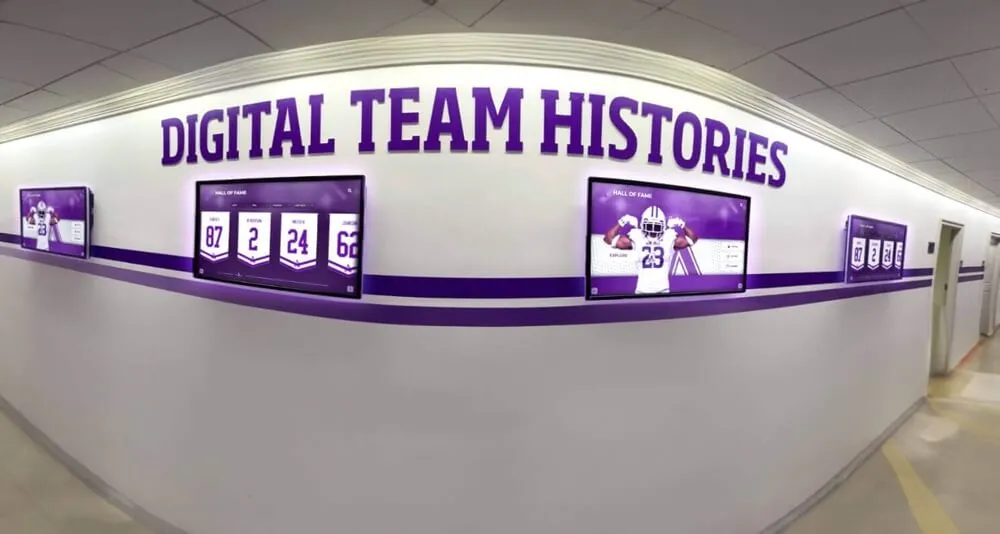
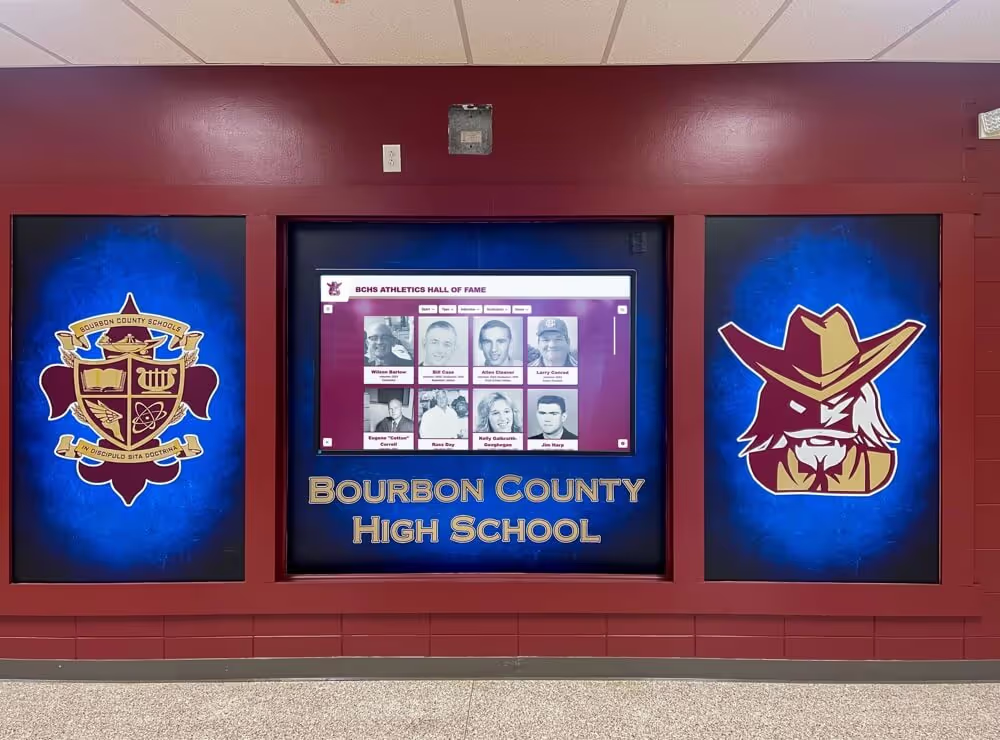
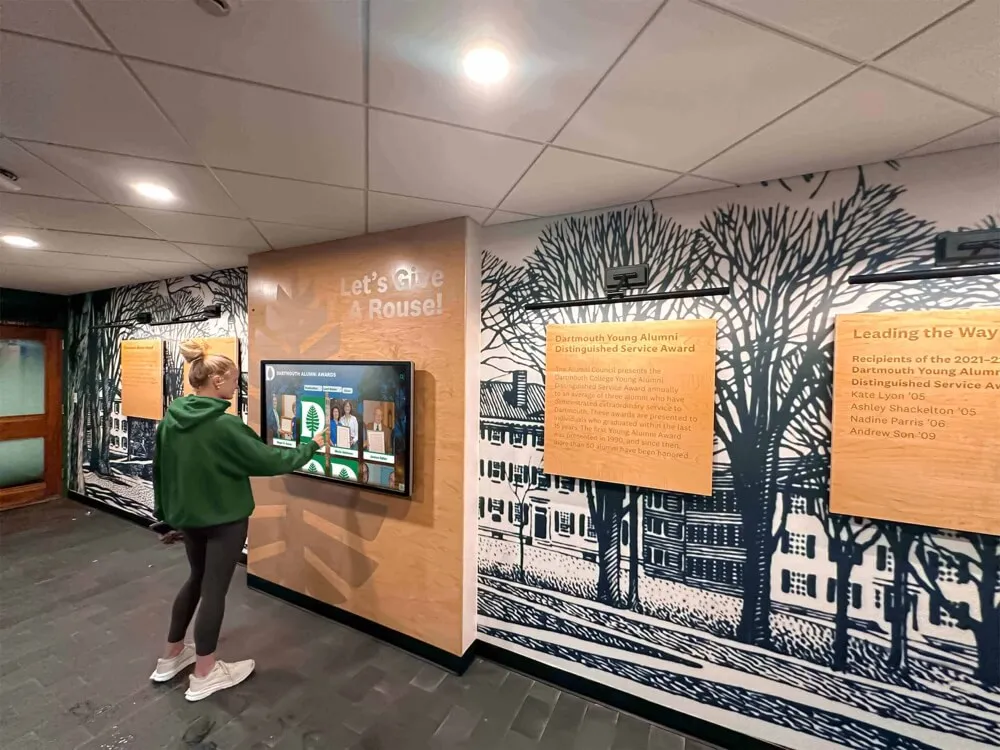
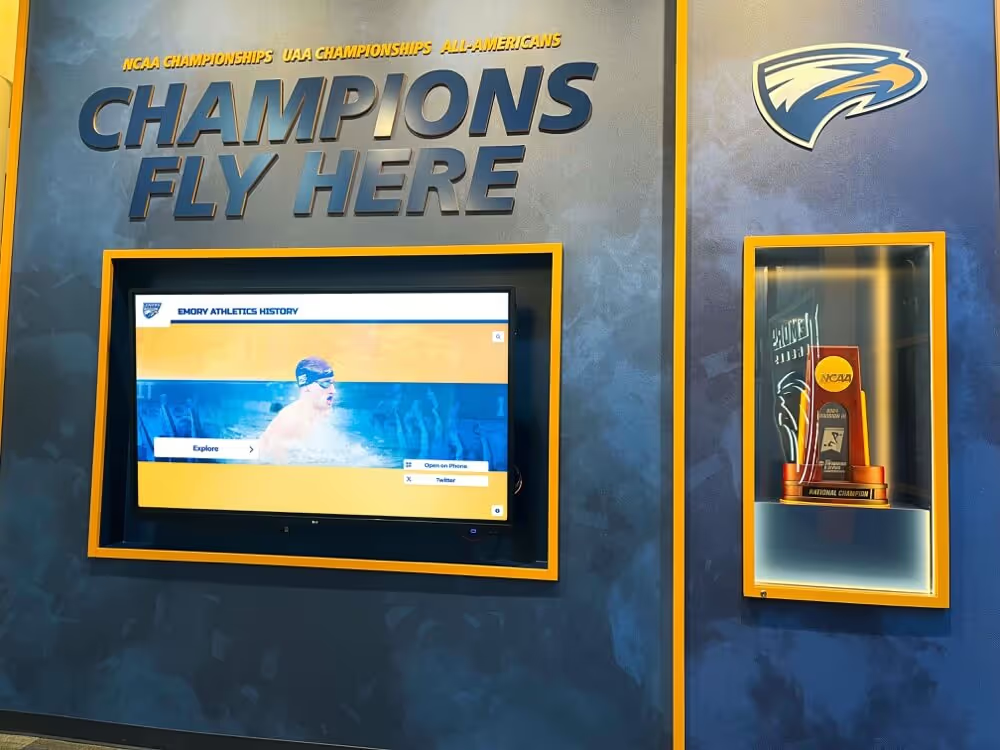
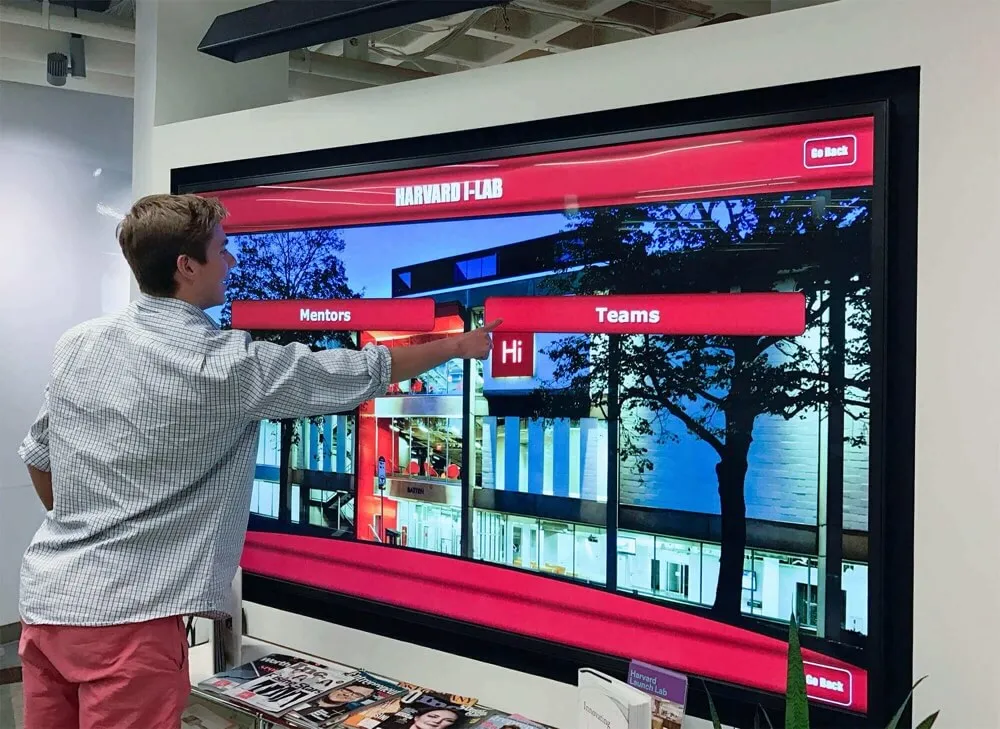
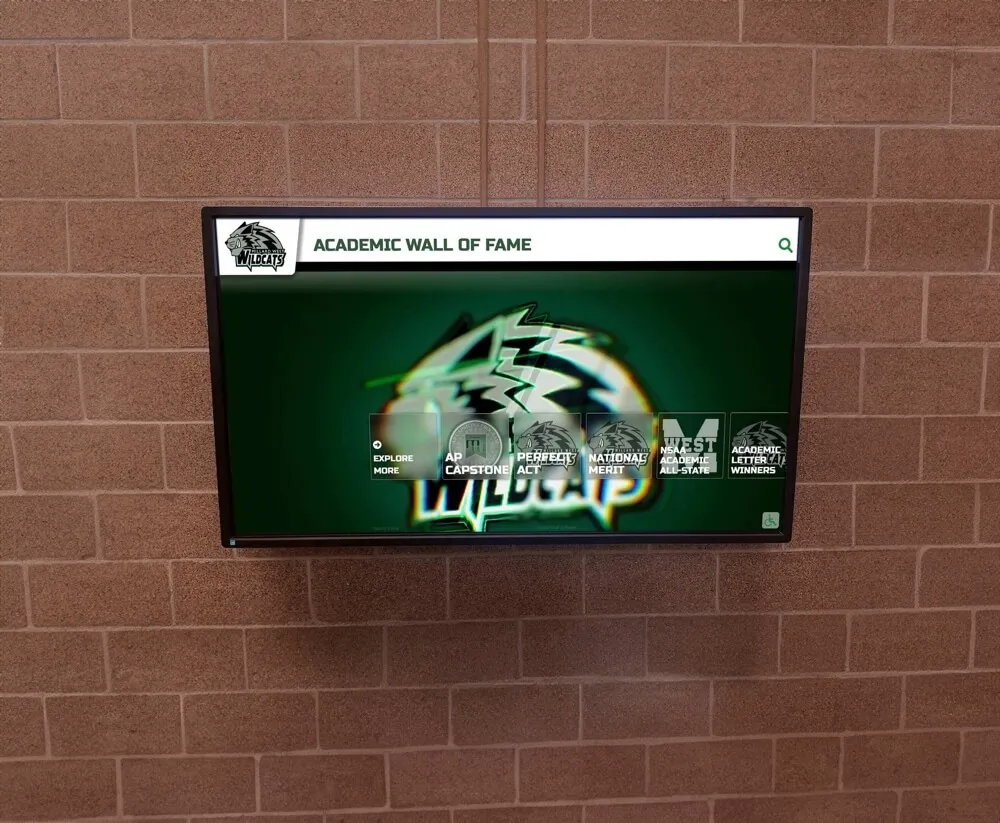
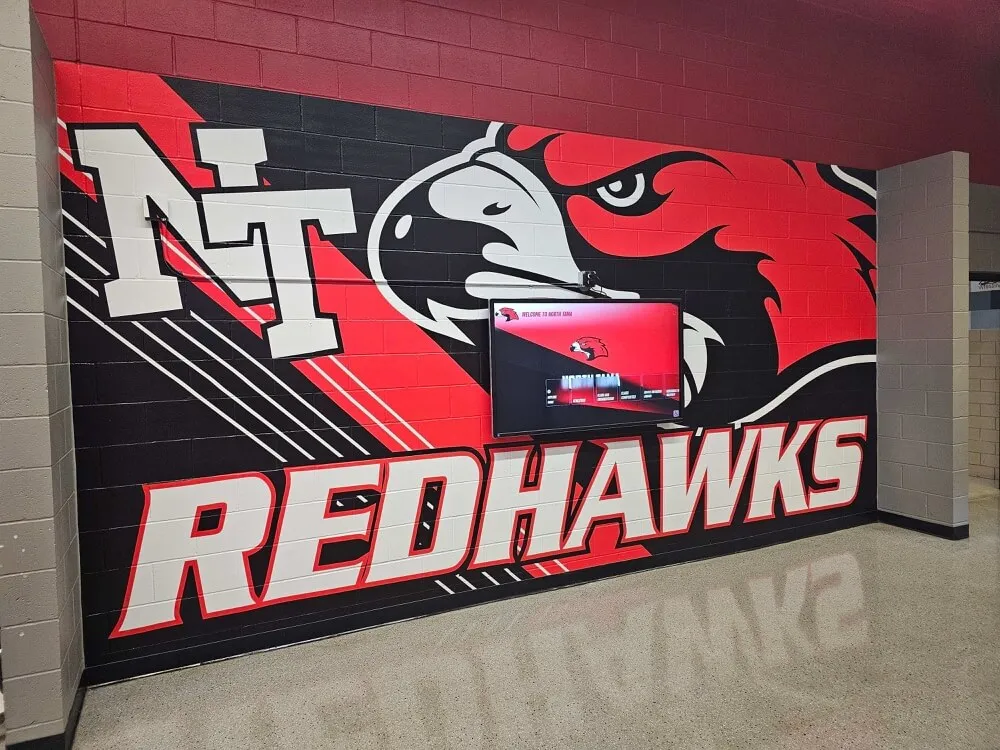
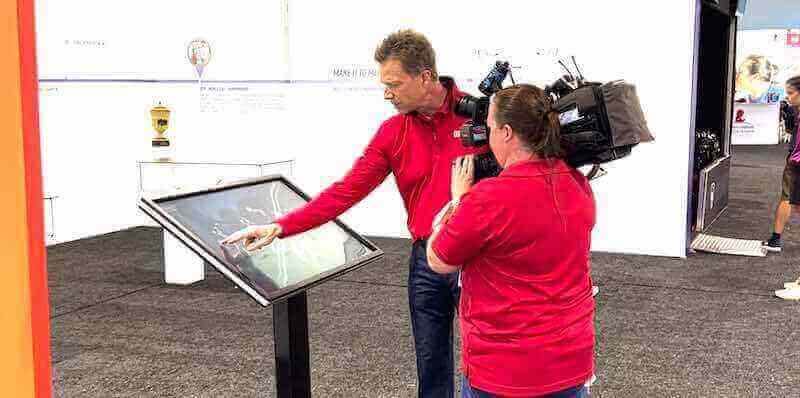
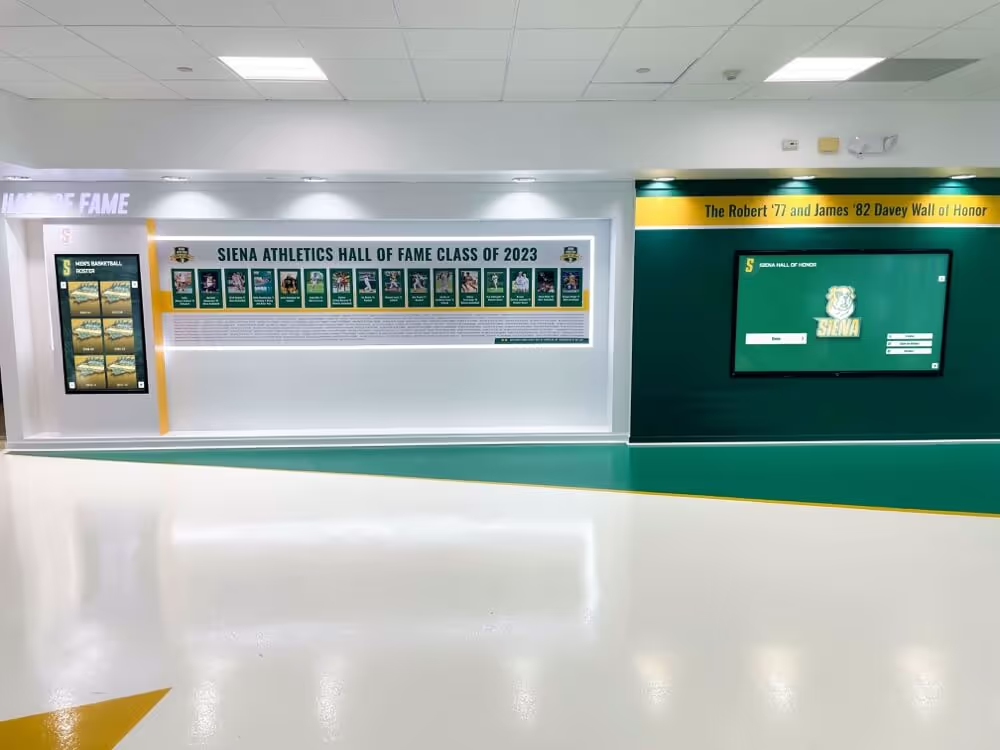
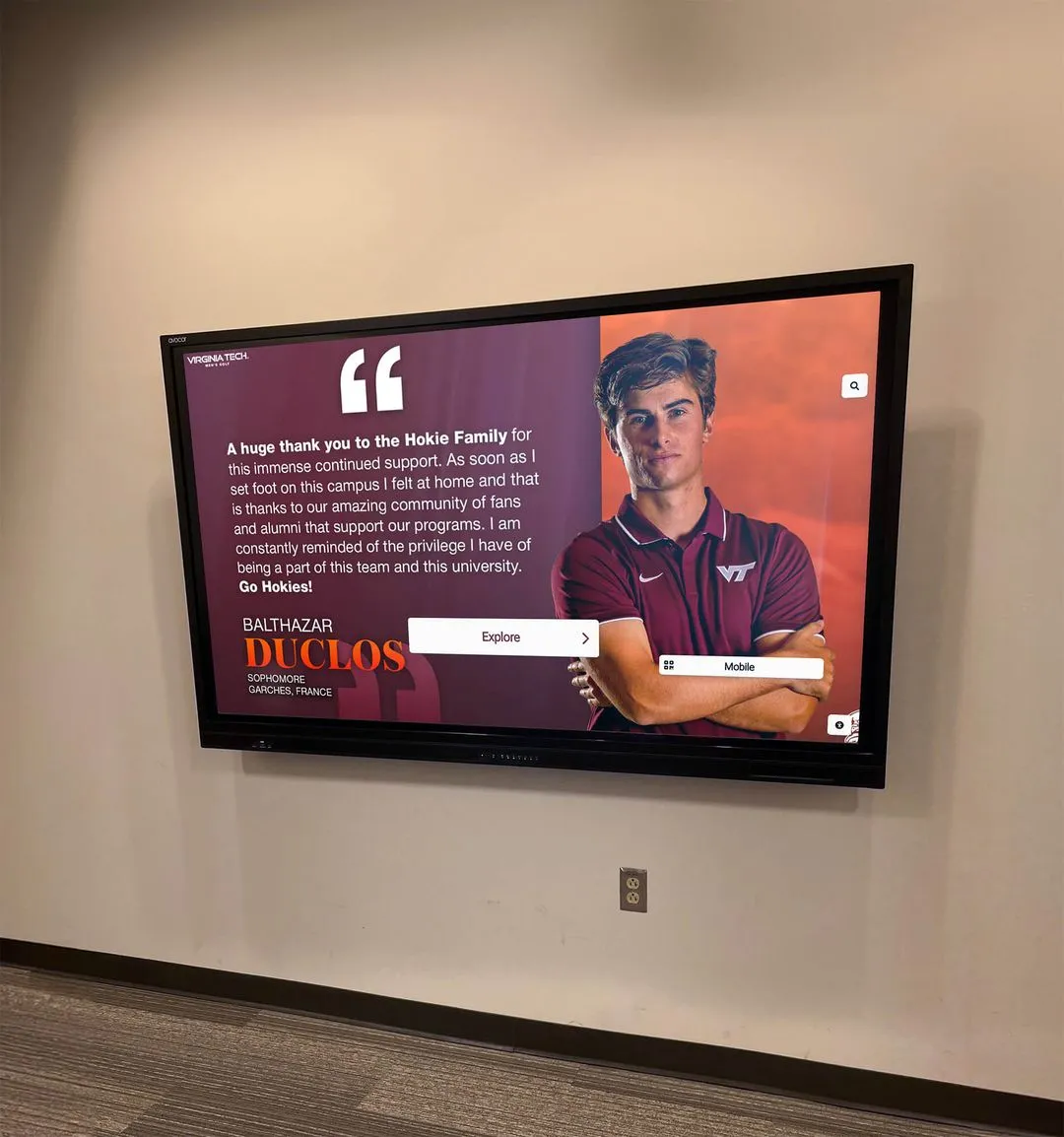
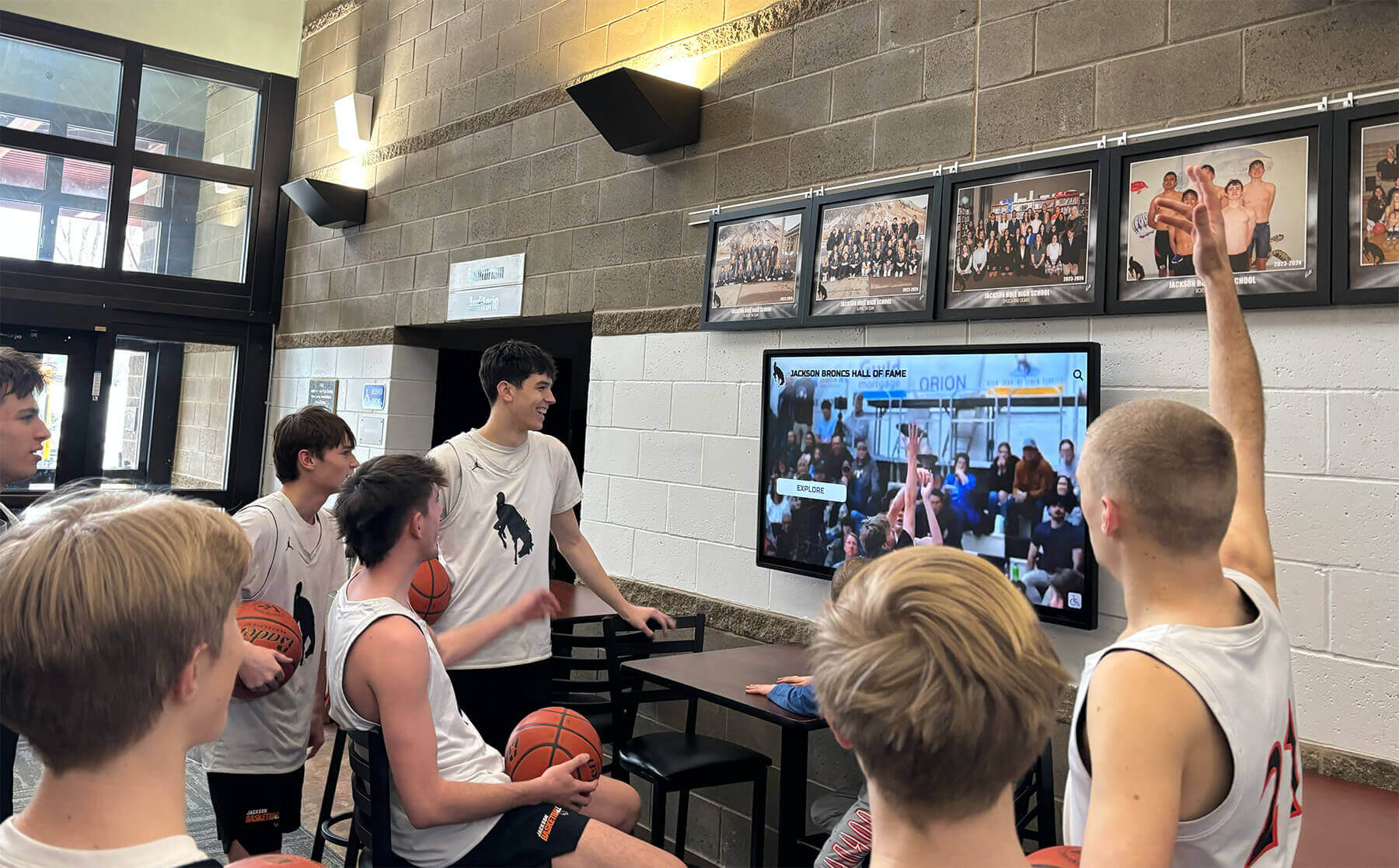
Year-round sponsor visibility on lobby displays and digital screens creates the proof-of-delivery that makes a renewal letter credible rather than aspirational
Why Renewal Outreach Fails When It Reads Like Initial Outreach
When a sponsor opens a renewal letter that sounds identical to the letter they received before they ever gave, they face a practical problem: they cannot distinguish between what you promised and what you delivered. The letter tells them what their support means to the program. It does not show them that their name appeared where you said it would, that their logo was included in season materials, or that their business received the recognition level they paid for.
That gap between promise and proof is where renewals are lost—not because the sponsor had a bad experience, but because they do not have enough information to confirm they had a good one. Renewal letters that re-pitch the program from scratch invite the sponsor to weigh whether to start the relationship over rather than confirming they want to continue it.
The better approach treats the renewal letter as a sponsor impact report first and a renewal invitation second. Document what was delivered. Name the specific benefits the sponsor received. Describe where recognition appeared and for how long. Then present the coming season, introduce any updated benefits at their tier, and invite them to renew.
Programs that build permanent digital recognition infrastructure have a meaningful advantage here. When sponsor logos and names appear year-round on lobby kiosks and touchscreen systems, renewal documentation is straightforward: you can show sponsors exactly where their recognition lived, how many days it was visible, and what their profile included. Understanding the range of hall of fame tools available for athletics and donor recognition helps programs choose infrastructure that makes this kind of documentation possible.
The Four Elements of an Effective Sponsor Renewal Letter
1. A Specific, Evidence-Based Thank-You
The opening of a renewal letter should name the sponsor’s actual contribution and reference at least one specific thing that happened as a result. Generic gratitude (“Thank you for your generous support of our athletic program”) lands differently than specific acknowledgment (“Thank you for your Silver Sponsor investment in the 2024–25 season. Your logo appeared on the gymnasium entrance banner throughout the home season, and your business was listed in both the fall and spring program booklets”).
Specific acknowledgment confirms to the sponsor that their contribution was tracked and honored, and it establishes your program’s credibility as a reliable stewardship partner. Sponsors who feel genuinely seen are more likely to renew than those who receive a form letter.
2. A Recognition Delivery Summary
After the thank-you, include a brief recap of what was delivered at the sponsor’s recognition tier. A bulleted list of three to five fulfilled benefits is sufficient. The goal is to give the sponsor something concrete to point to when their business partner asks whether the sponsorship was worth it.
If your program uses digital displays or a touchscreen recognition system, this section is an opportunity to reference the ongoing visibility those systems provide. A sponsor whose name appears on a lobby screen year-round—not just during the season—has received something more valuable than they may realize. The renewal letter is the right moment to make that visible.
Programs exploring options for better recognition infrastructure can review the best tools for hall of fame and donor recognition displays to understand what permanent digital recognition looks like in practice.
3. Updated Recognition Benefits for the Coming Season
After confirming what was delivered, transition to what the sponsor will receive in the upcoming season. If benefits have changed—new digital platforms, upgraded signage, additional event acknowledgments—describe them specifically. If you are introducing new tier enhancements, present them here.
Be careful in this section: sponsors who are renewing expect continuity. Presenting dramatically different benefits without explanation can create confusion or concern. If you are upgrading a tier’s benefits, frame the changes as additions, not replacements. If benefits are the same as last year, say so directly—it builds trust and eliminates uncertainty.
This section should also name where recognition will appear. Sponsors care about visibility, and naming specific locations—lobby screen, gym entrance, program booklet, website sponsor page, end-of-season banquet—is more compelling than general assurances. The more concrete the benefit description, the more confident the sponsor feels about the renewal.
For programs developing their recognition benefit packages, reviewing award and recognition approaches used across youth sports programs can surface naming and display ideas that translate well to sponsor recognition structures.
4. A Clear, Low-Friction Renewal Path
The renewal request itself should be the shortest section of the letter. By the time a sponsor reaches this paragraph, they have seen proof of delivery and a clear picture of what they will receive. The ask should be direct: include the renewal amount, a clear deadline, and a specific action (enclosed invoice, payment link, or contact instruction).
Remove language that introduces ambiguity. “We hope you’ll consider continuing your support” is weaker than “Please return the enclosed renewal form by [date] to confirm your Gold Sponsorship for the 2025–26 season.” The sponsor should not have to infer what you want them to do.
Including a direct contact name—not a general booster club email—for follow-up questions closes the letter with a personal connection. Sponsors who have a specific person to call are more likely to reach out when they have questions rather than letting the renewal lapse.
Complete Booster Club Sponsor Renewal Letter Template
The following template can be adapted for any recognition tier. Replace bracketed fields with actual sponsor and program information.
[Booster Club Letterhead or Logo]

[Date]

[Sponsor Contact Name]
[Business Name]
[Business Address]

Dear [Contact Name],

Thank you for your [Gold / Silver / Bronze / Presenting] Sponsorship of [School Name] Athletics
during the [Year] season. Your support directly contributed to [specific program outcome:
new uniforms, travel funding, facility improvements, etc.], and we are grateful for your
commitment to our student athletes.

Here is a summary of the recognition benefits you received this season:

• [Specific benefit 1 — e.g., Logo displayed on gymnasium entrance banner from September
  through May]
• [Specific benefit 2 — e.g., Business listing in fall and spring program booklets]
• [Specific benefit 3 — e.g., Verbal acknowledgment at all home basketball games]
• [Specific benefit 4 — e.g., Named profile on our lobby touchscreen recognition display]
• [Specific benefit 5 — e.g., Inclusion in end-of-season sponsor appreciation reception]

We are proud of what we accomplished together and look forward to the [upcoming year] season.

For the [upcoming year] season, your [Gold] Sponsorship includes:

• [Updated or confirmed benefit 1]
• [Updated or confirmed benefit 2]
• [Updated or confirmed benefit 3]
• [Any new benefits added at this tier]

[If benefits have changed, add a sentence here explaining how the change improves visibility
or value for the sponsor.]

To renew your sponsorship, please [complete the enclosed renewal form / visit [link] / contact
us at [email or phone]] by [Renewal Deadline Date]. Your investment for the [upcoming year]
season is $[Amount].

If you have any questions or would like to discuss your sponsorship package, please contact
[Booster Club Contact Name] directly at [phone] or [email].

Thank you again for your partnership. The [School Name] athletic program is stronger because
of businesses like [Business Name], and we look forward to another successful season together.

Sincerely,

[Booster Club President Name]
[Title]
[School Name] Booster Club
[Contact Phone]
[Contact Email]
Timing Your Renewal Letter for Maximum Impact
The timing of a booster club sponsor renewal letter matters as much as its content. Letters sent too close to the end of the prior season—or too early in the planning cycle—encounter sponsors who are not ready to make a commitment.
The most effective renewal window for most school athletic programs is six to eight weeks before new season budget decisions are made. For fall sports programs, that generally means late spring to early summer outreach, when businesses are finalizing their marketing and community investment plans for the following fiscal year. Sending earlier risks the letter being filed and forgotten; sending later puts you in competition with commitments already made elsewhere.
A three-touch sequence works well for most programs:
Pre-renewal contact (two weeks before the letter): A brief call or email from the booster club president or athletic director thanking the sponsor personally and letting them know the renewal letter is coming. This creates a warm handoff from acknowledgment to ask.
Renewal letter: Sent as described above, with full documentation of what was delivered and what the coming season includes.
Follow-up contact (two weeks after the letter): A phone call or in-person visit to answer questions and confirm the decision. Many renewals happen in this follow-up, not in response to the letter itself.
Programs that hold an end-of-season sponsor appreciation event have a natural opportunity to preview the renewal ask in person—making the letter that follows feel like a confirmation rather than a cold ask.
Updating Your Recognition Display Before Outreach Begins
One practical step that improves renewal outcomes is auditing your recognition display infrastructure before sending renewal letters. If the lobby screen, trophy case, or sponsor banner that was supposed to feature a sponsor’s logo is outdated, missing, or was never installed, that gap will be apparent when the renewal letter arrives—or visible when a sponsor visits the facility.
Programs that use permanent digital recognition systems have a structural advantage here. Updating a sponsor’s logo, adjusting their tier placement, or adding new season information requires no physical materials change. Digital platforms allow updates in hours, meaning the recognition environment a sponsor sees when their renewal letter arrives can reflect the most current version of their relationship with the program.
For programs evaluating how to modernize their recognition infrastructure, reviewing youth sports recognition and award display approaches offers perspective on what effective, visible recognition looks like in school athletic environments.
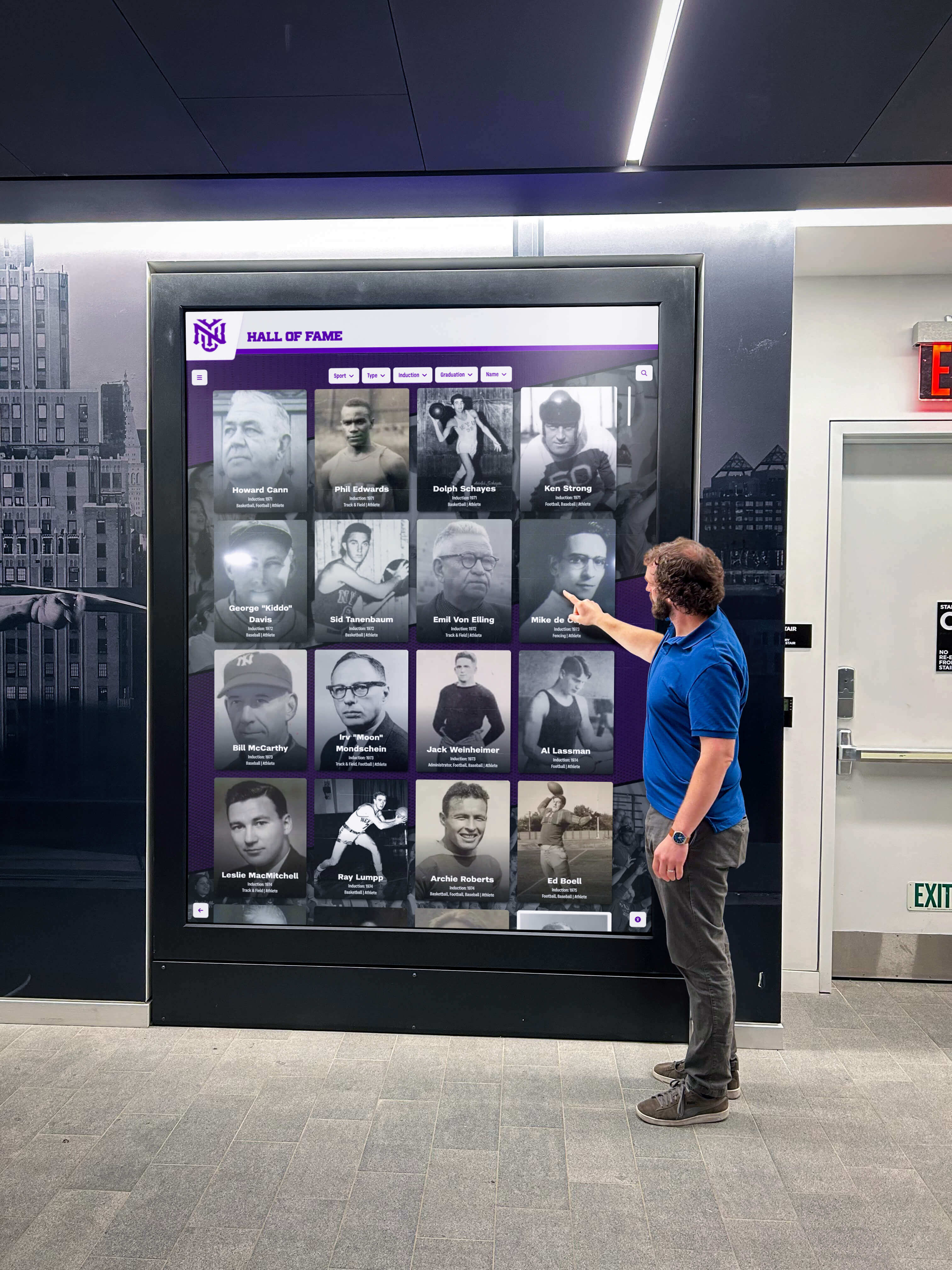
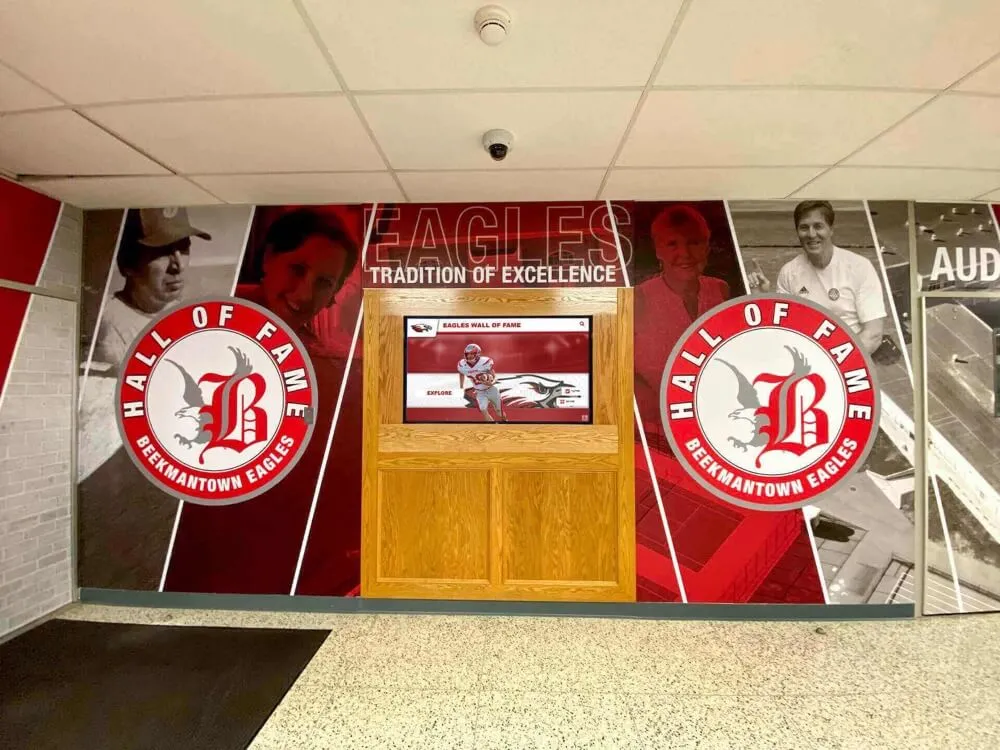
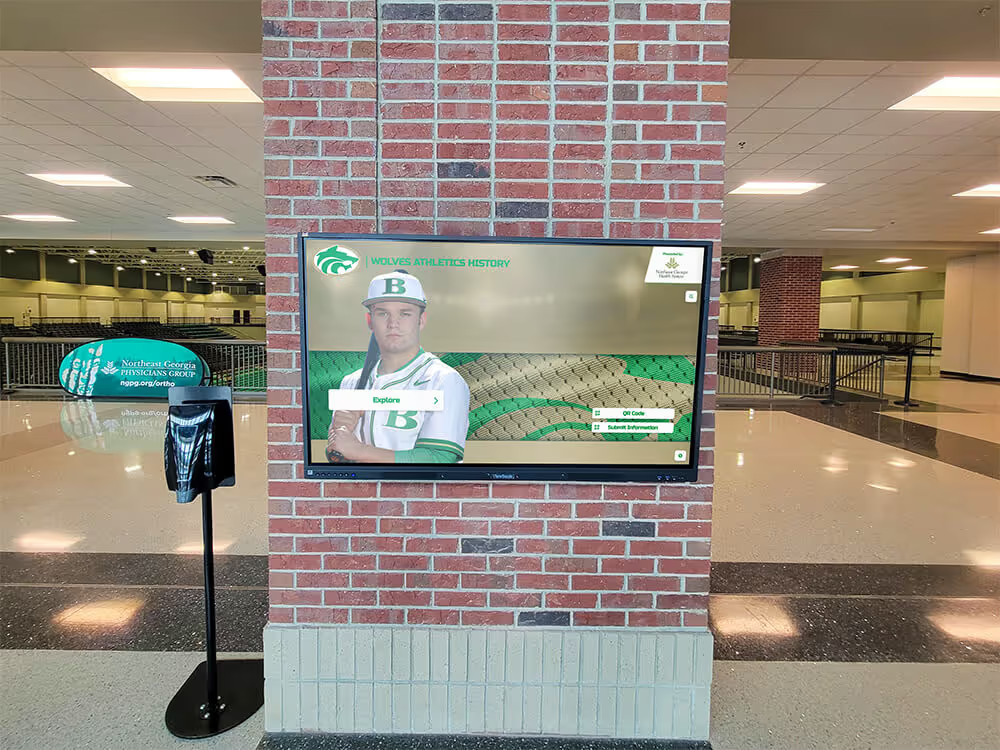
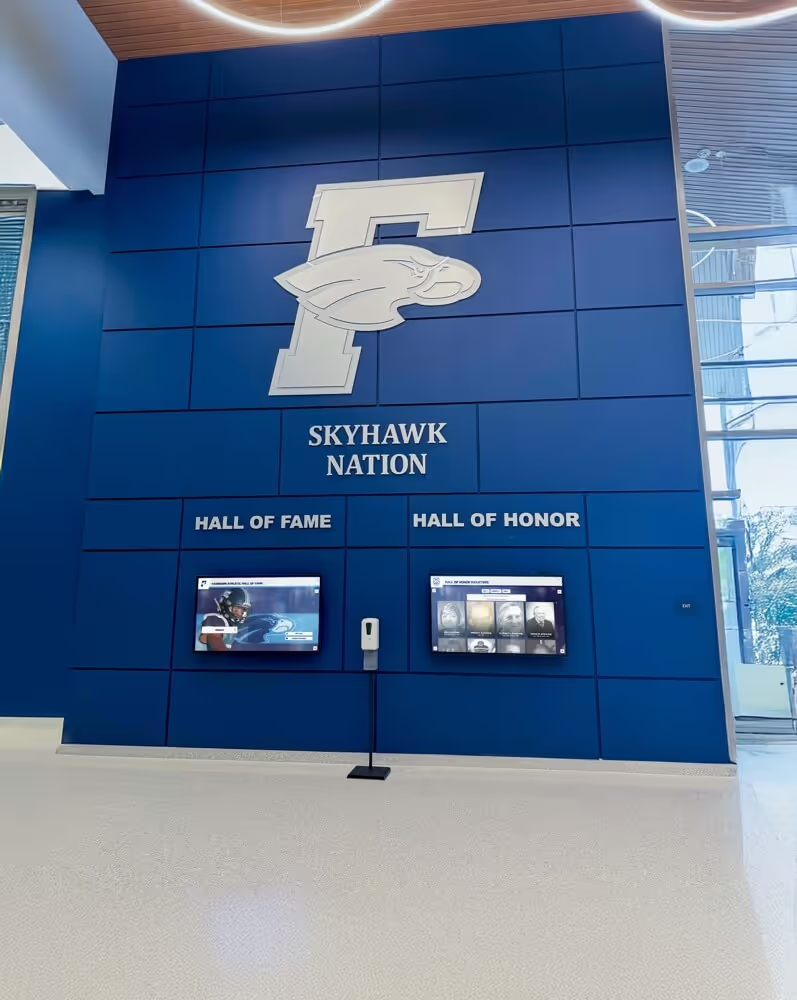
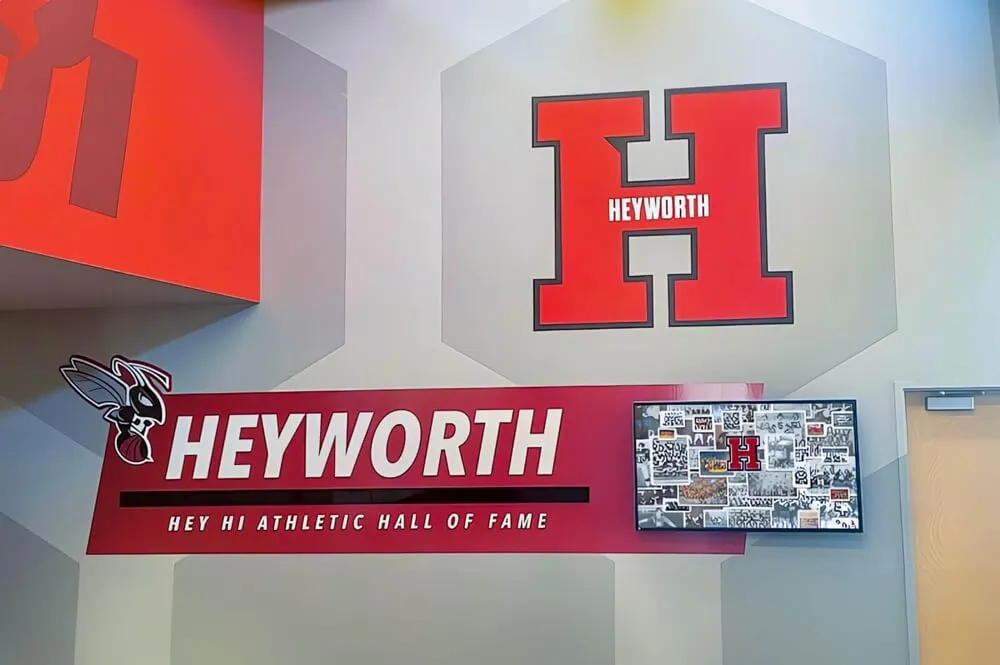
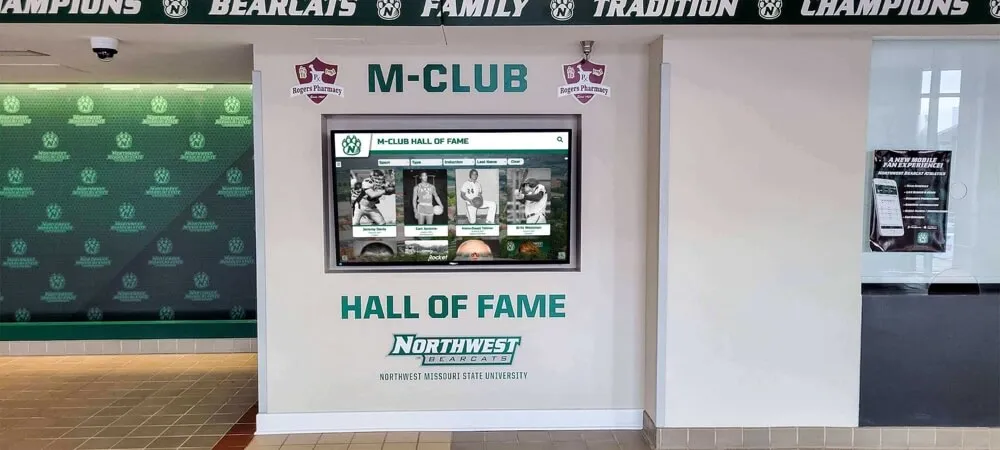
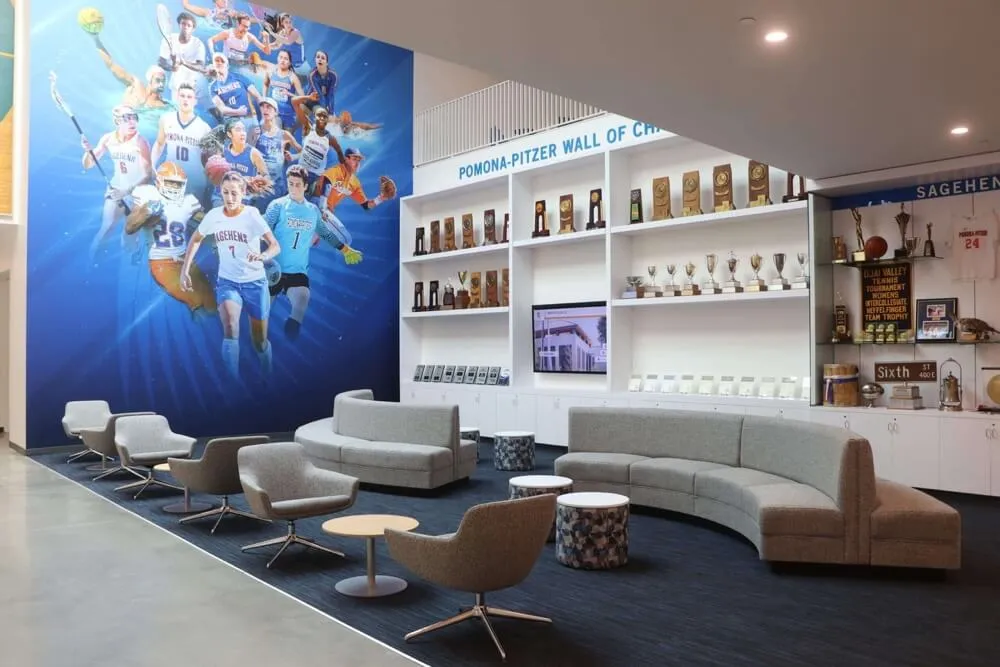
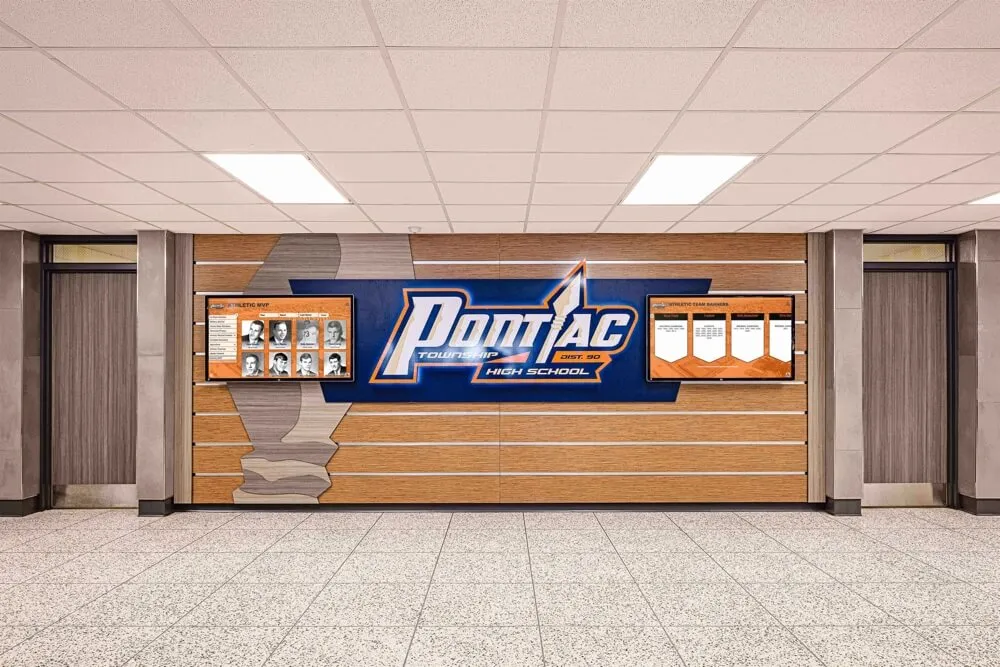
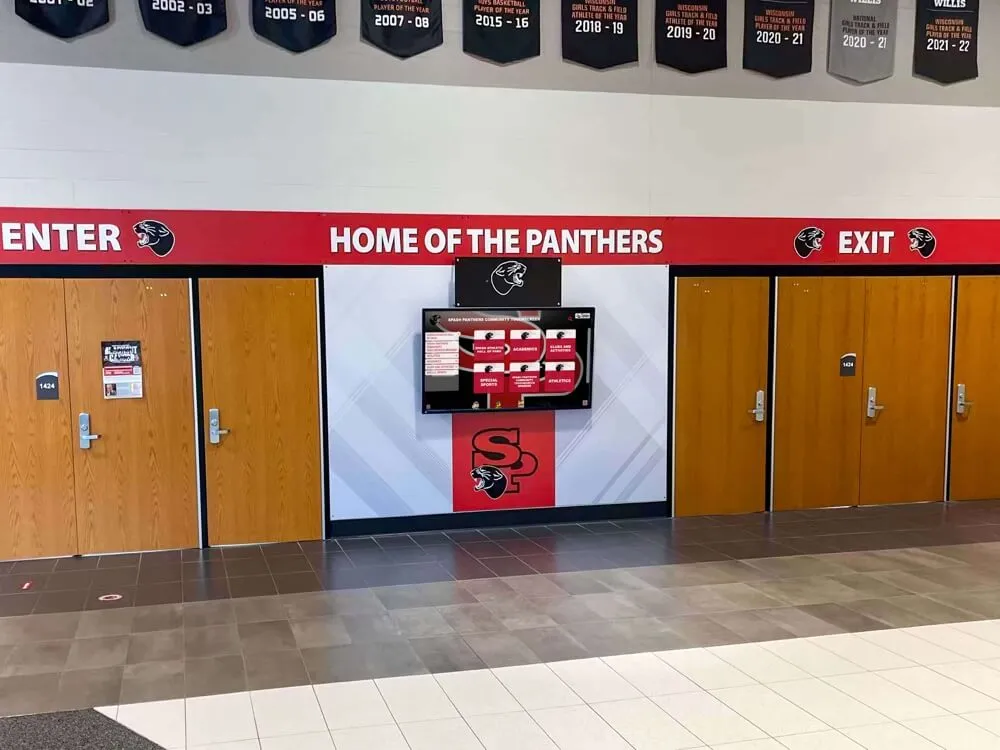
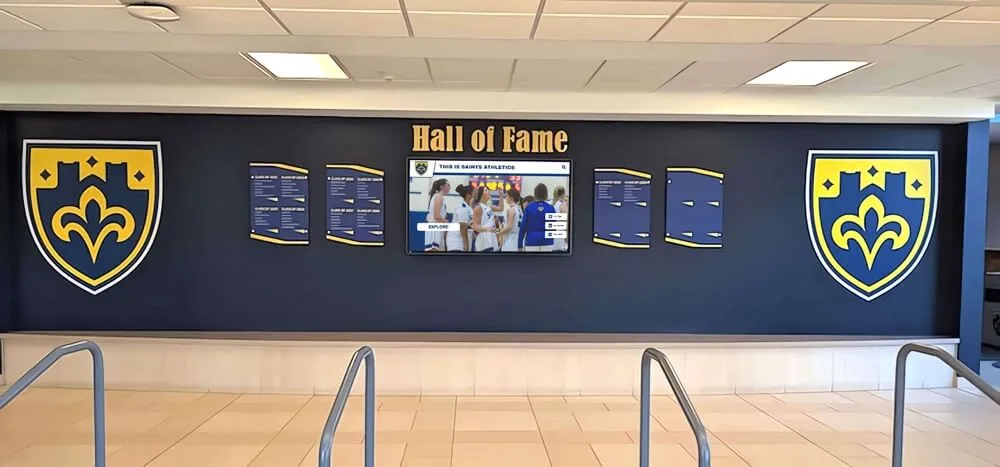
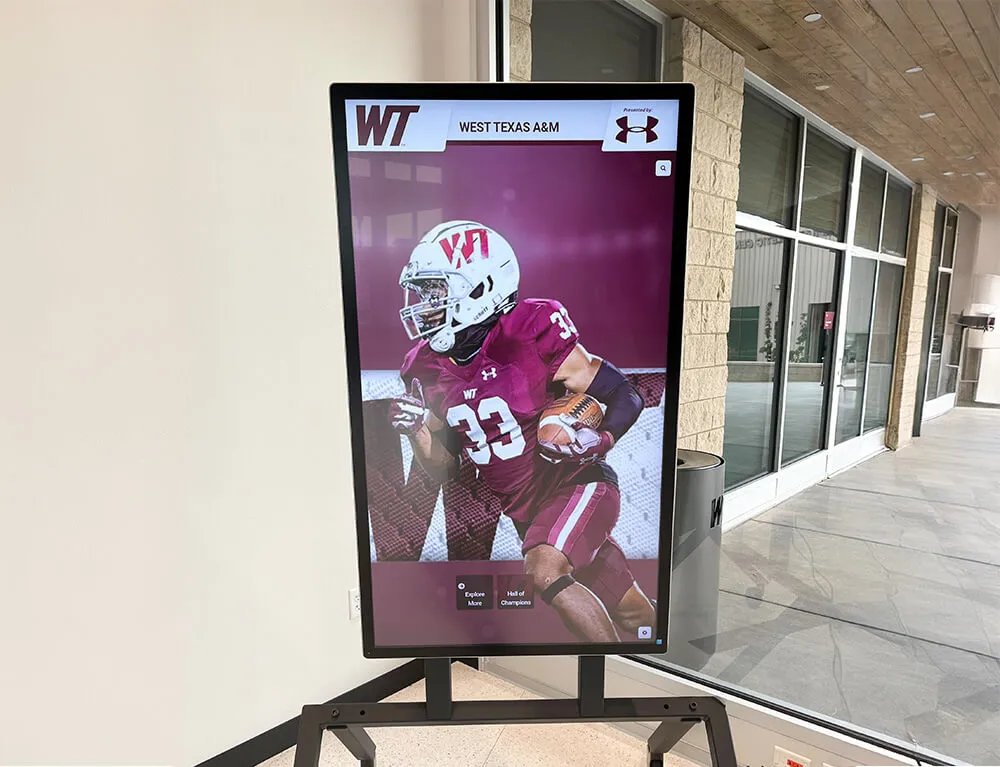
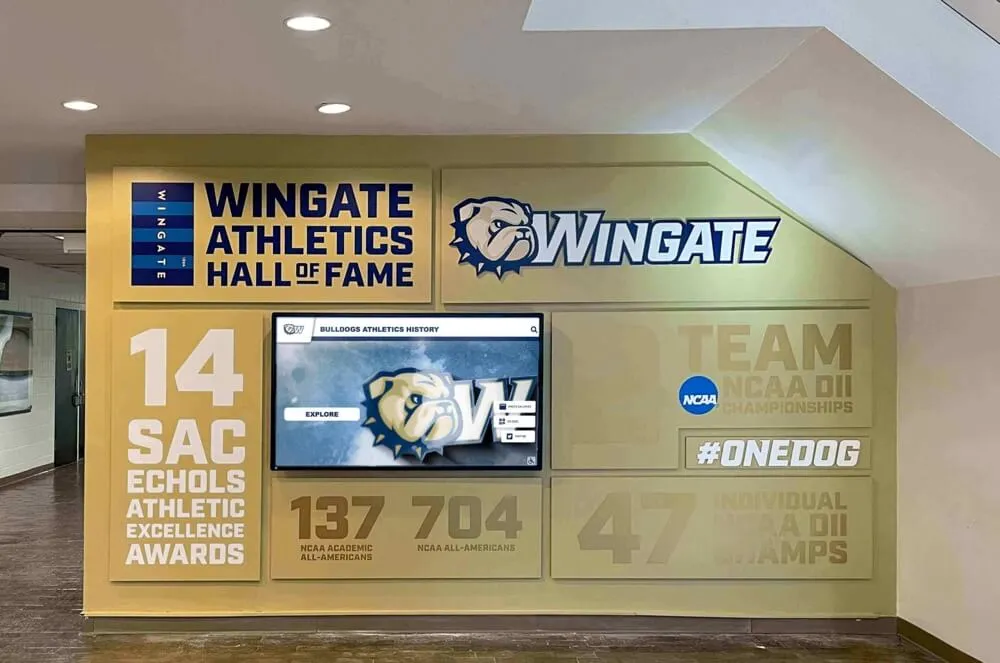
Digital recognition displays that keep sponsor names visible year-round provide ongoing proof of delivery that makes renewal letters credible at any point in the season cycle
Sponsor-facing updates worth completing before renewal outreach include:
- Confirming that all current sponsors appear correctly on digital display systems
- Auditing physical signage for worn, faded, or outdated sponsor materials
- Updating any sponsor profiles on your program website or recognition pages
- Preparing season-end acknowledgment photos or screen captures to include with the renewal letter as documentation of display
Programs that maintain touchscreen kiosk systems for athletic recognition can export screen captures or usage data that shows sponsors exactly where and how their recognition appeared. That kind of documentation turns the renewal letter from an appeal into an invoice: the work was done, and here is the receipt.
Understanding how touchscreen recognition tools work in school and athletic settings helps programs choose systems that generate the kind of documentation sponsors find credible at renewal time.
Building a Sponsor Stewardship Calendar Around the Renewal Letter
A booster club sponsor renewal letter is most effective when it is one touchpoint in a year-round stewardship calendar, not the only communication a sponsor receives between sign-up and renewal request. Sponsors who hear from your program twice a year—at sign-up and at renewal—experience the relationship as transactional. Sponsors who receive regular updates, event invitations, and acknowledgments throughout the season experience it as a partnership.
A simple stewardship calendar for most programs:
- Season launch: Welcome communication confirming the sponsor’s tier benefits and where recognition will appear
- Mid-season update: A brief note with photos of their recognition in use—banner installed, digital display active, program published
- Season end: Thank-you note with season highlights and a sponsor acknowledgment recap
- Pre-renewal contact: Warm outreach previewing the renewal letter
- Renewal letter: Full documentation and coming-season benefits presentation
- Renewal follow-up: Personal call or visit to confirm the decision
This cadence does not require significant staff time. Each touchpoint can be brief—a short email, a photo sent via text, a call under five minutes. What matters is that sponsors feel their relationship with the program extends beyond the check they wrote and the line item on their budget.
Programs that combine a structured stewardship calendar with permanent recognition display infrastructure build the kind of sponsor relationships that renew automatically—not because of a well-crafted letter, but because the relationship has earned it. Exploring alumni event ideas that integrate sponsor recognition into community programming offers approaches for weaving sponsor visibility into broader engagement activities.
Connecting Sponsor Renewal to Long-Term Recognition Infrastructure
The most durable sponsor relationships in school athletic programs are built on the same foundation as long-term donor recognition: permanent, visible, and maintained infrastructure that keeps names in front of the community year-round.
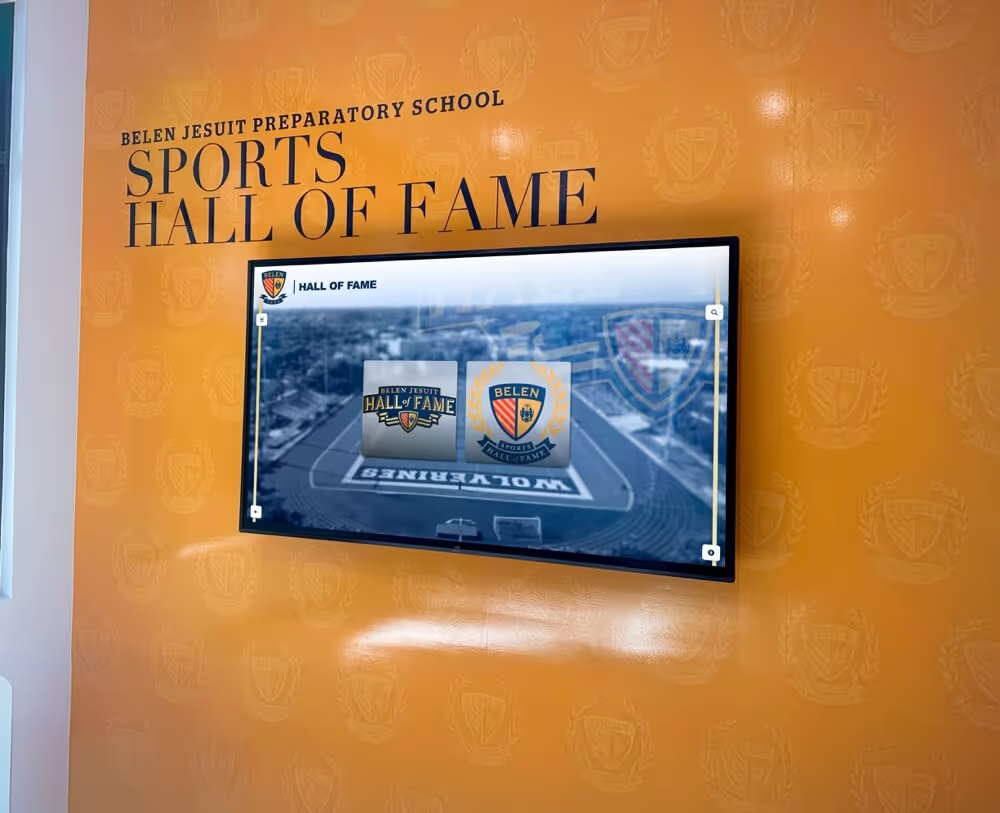
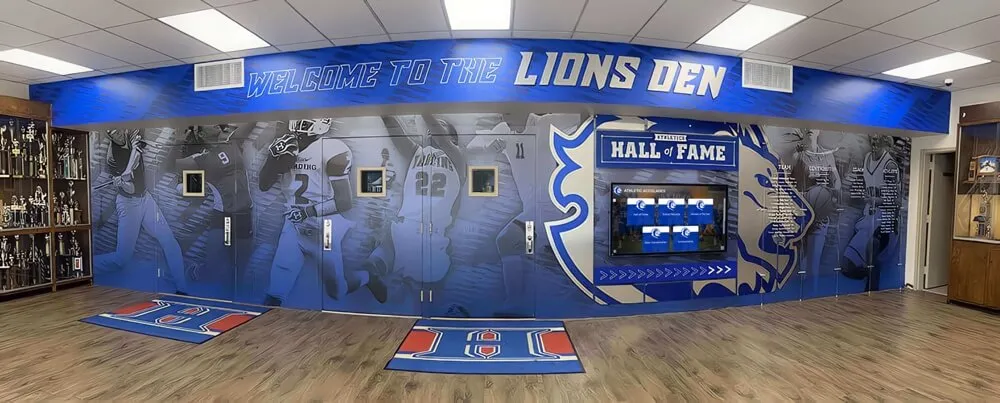
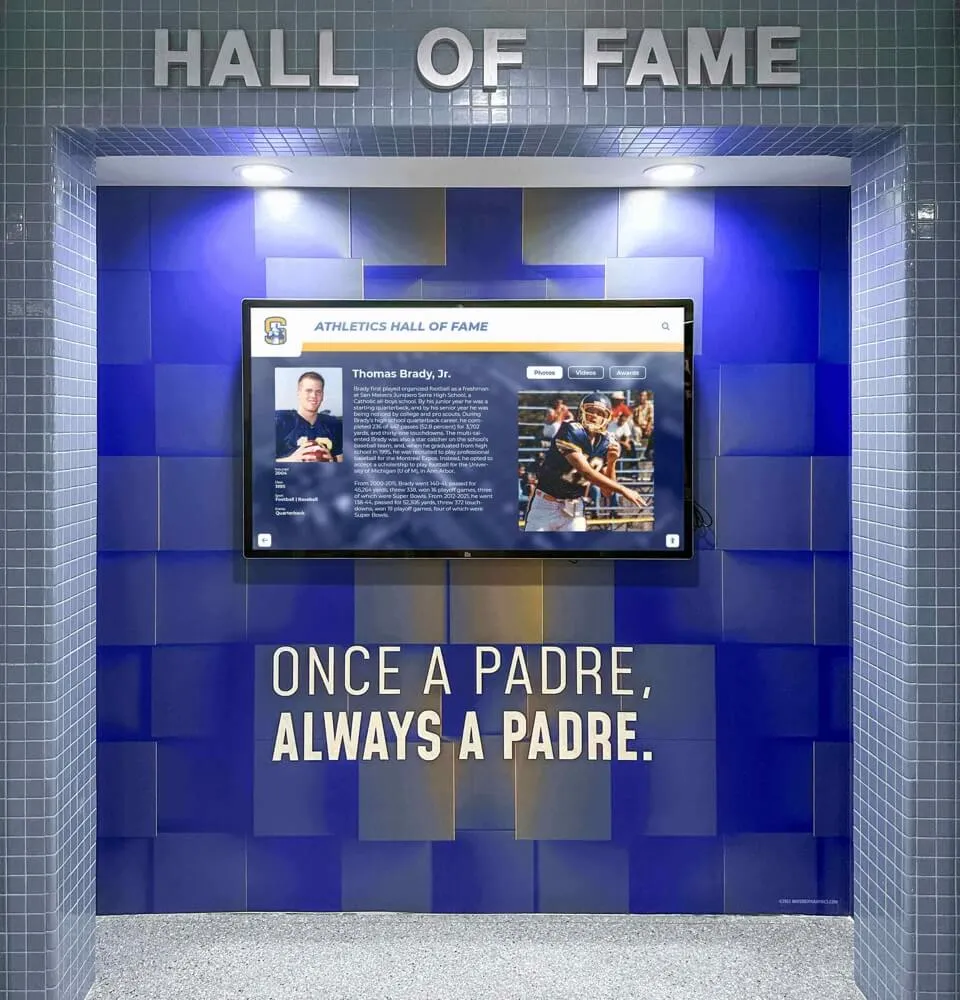
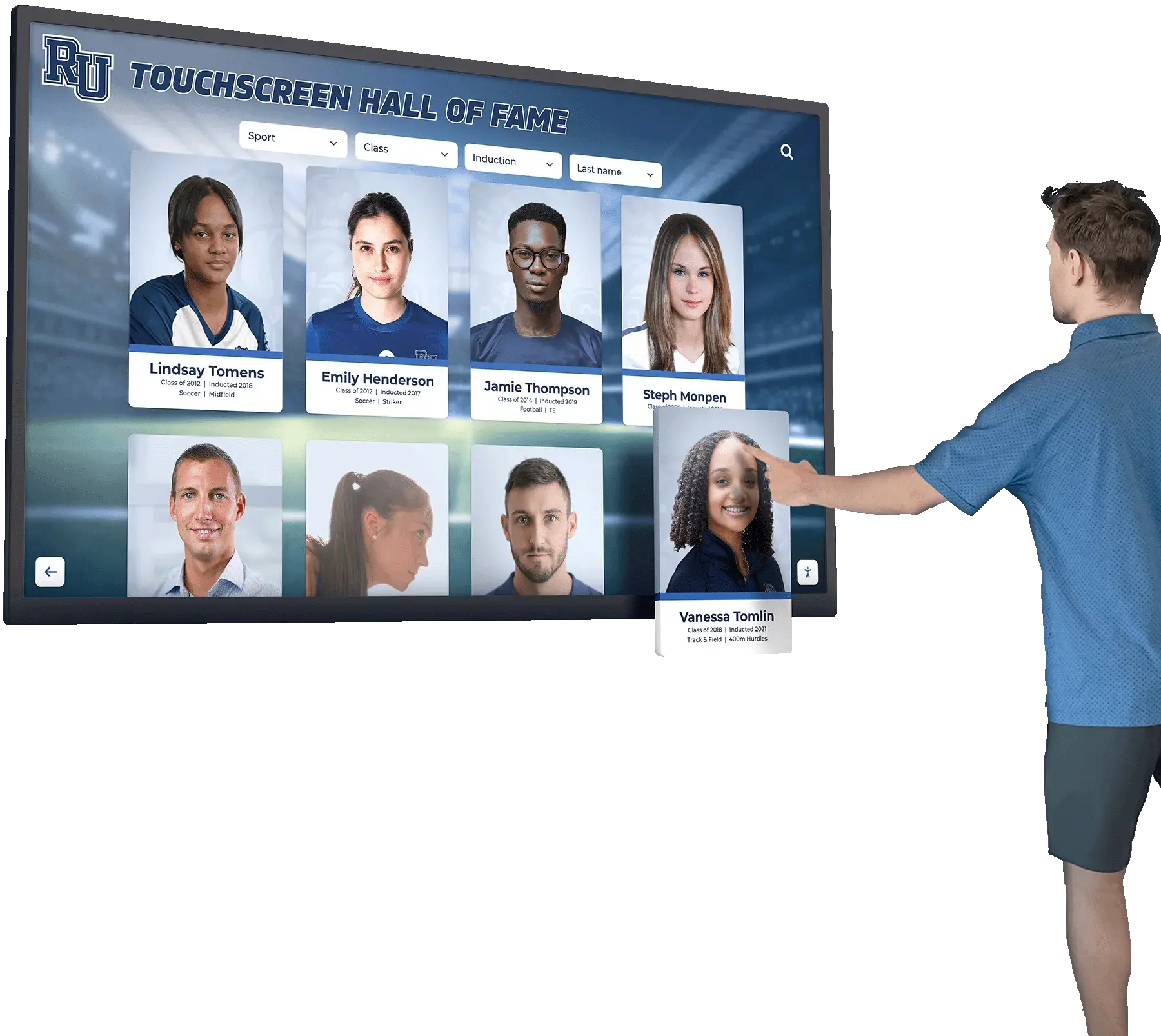
Touchscreen kiosks and digital lobby displays—systems that schools use to power interactive halls of fame and athletic recognition—serve sponsors well because they require no physical replacement to update. When a sponsor upgrades their tier, their recognition updates immediately. When they renew for a fifth consecutive year, their profile can reflect that history. That kind of institutional continuity is something no banner or program listing can match.
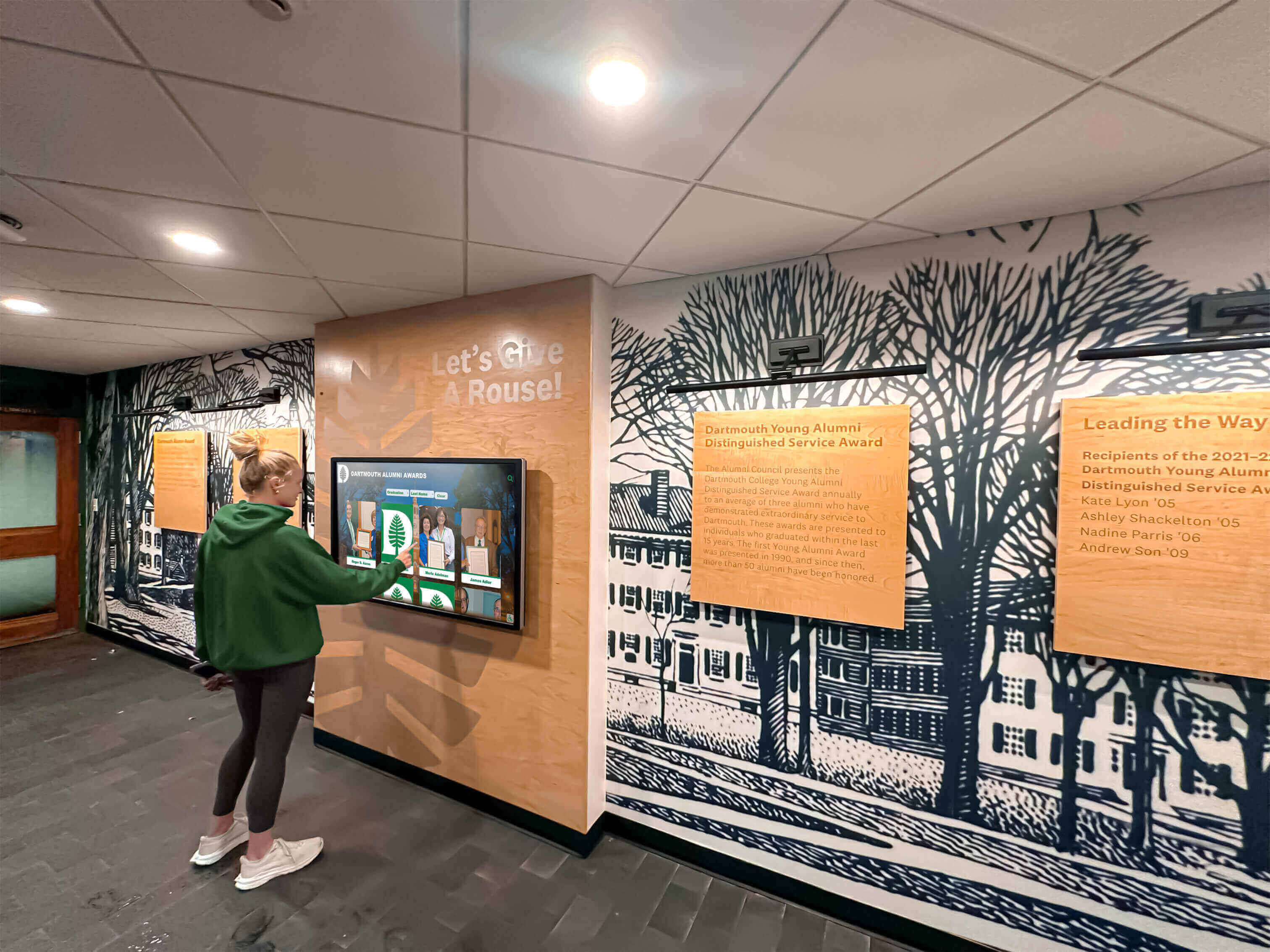
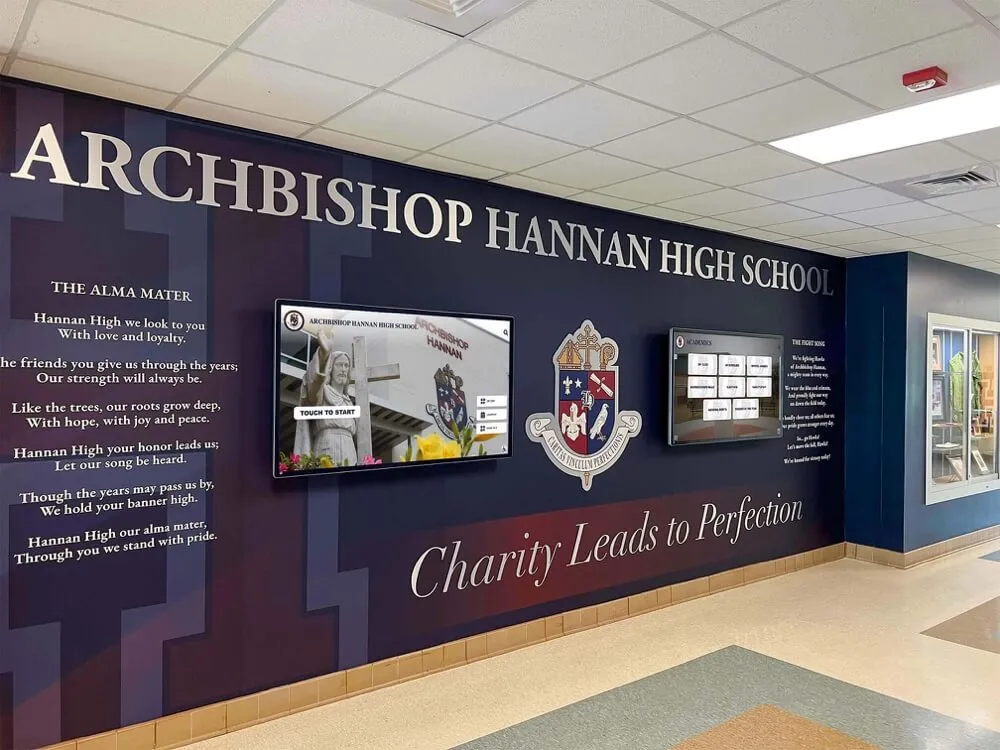
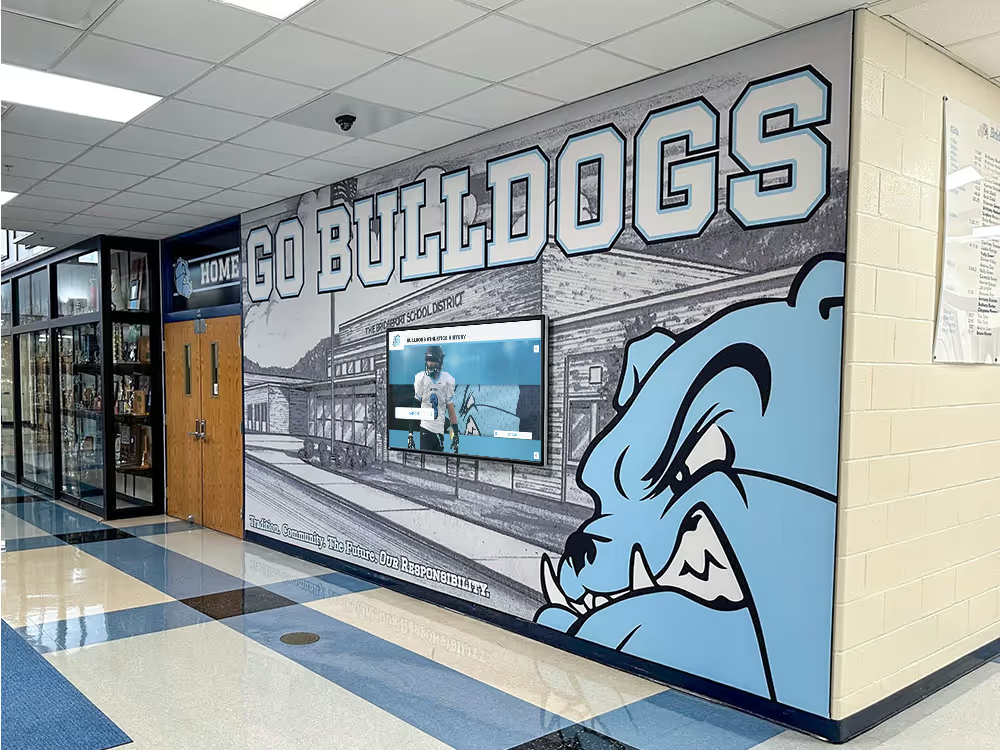
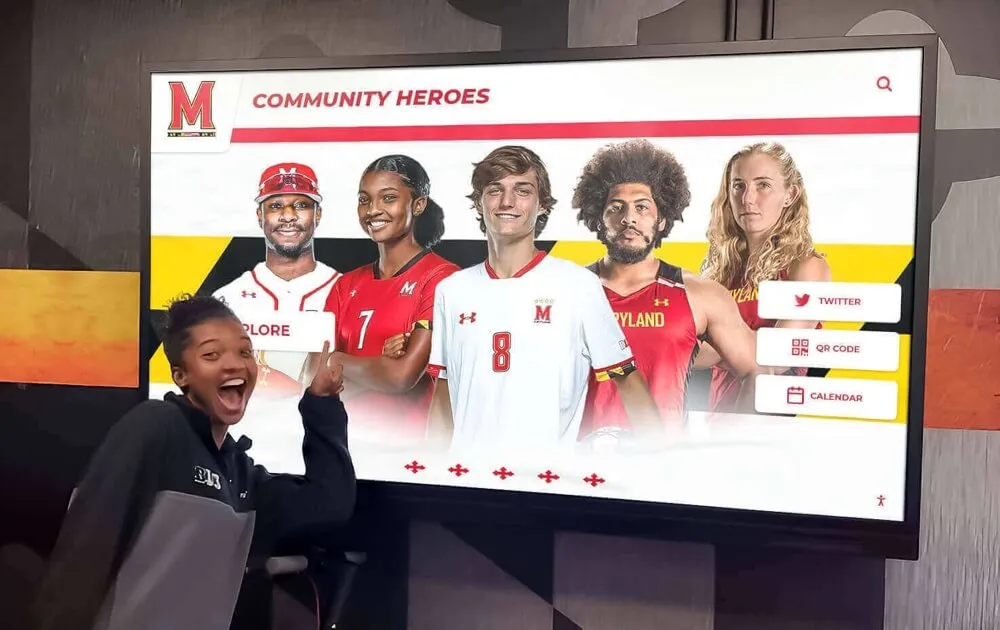
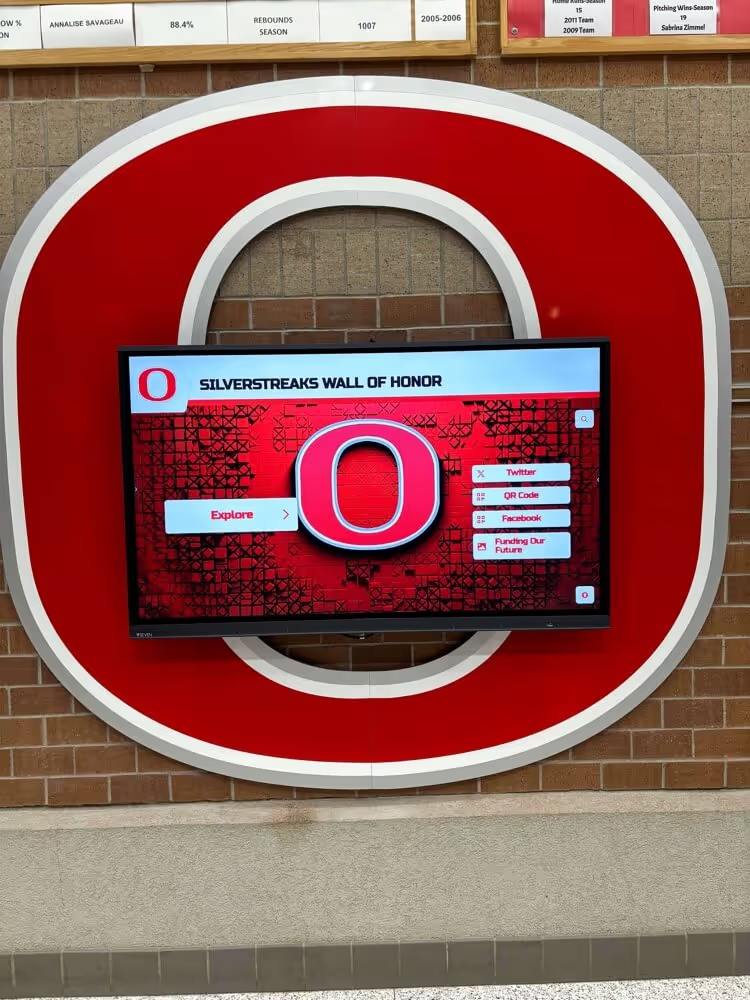
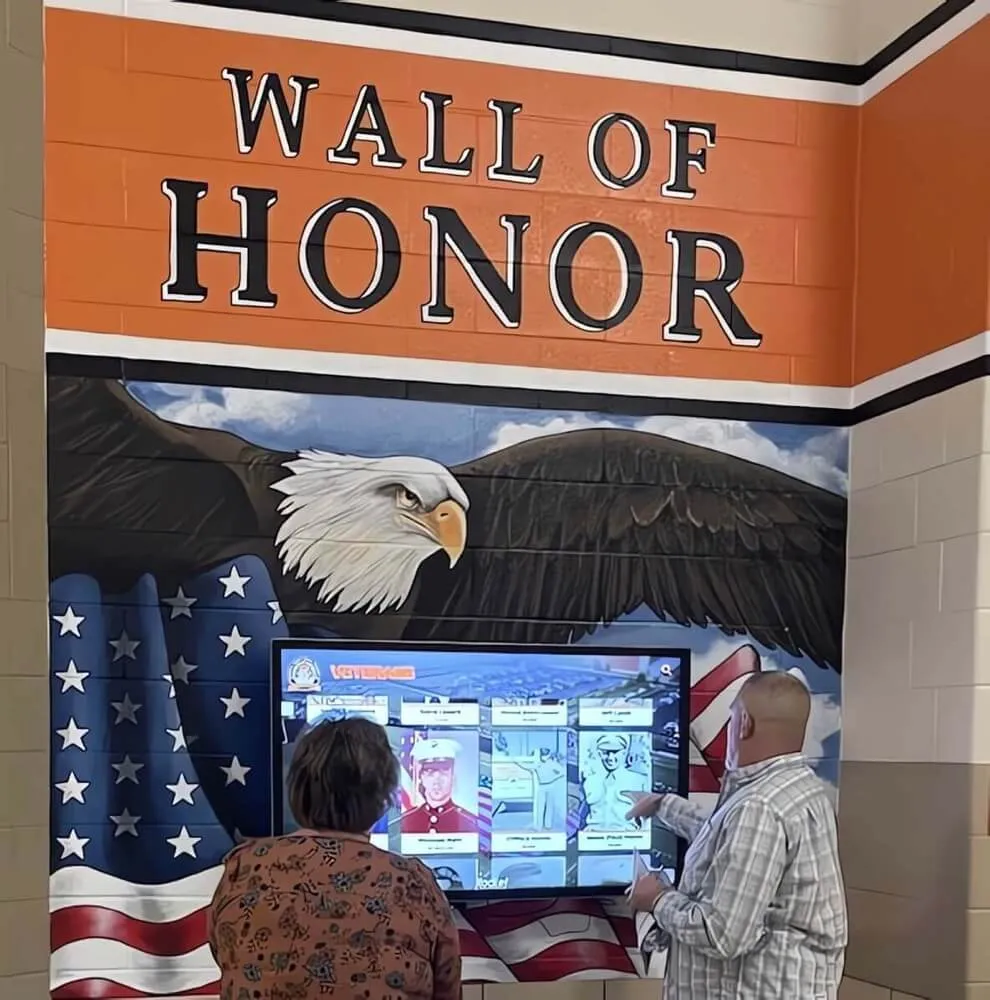
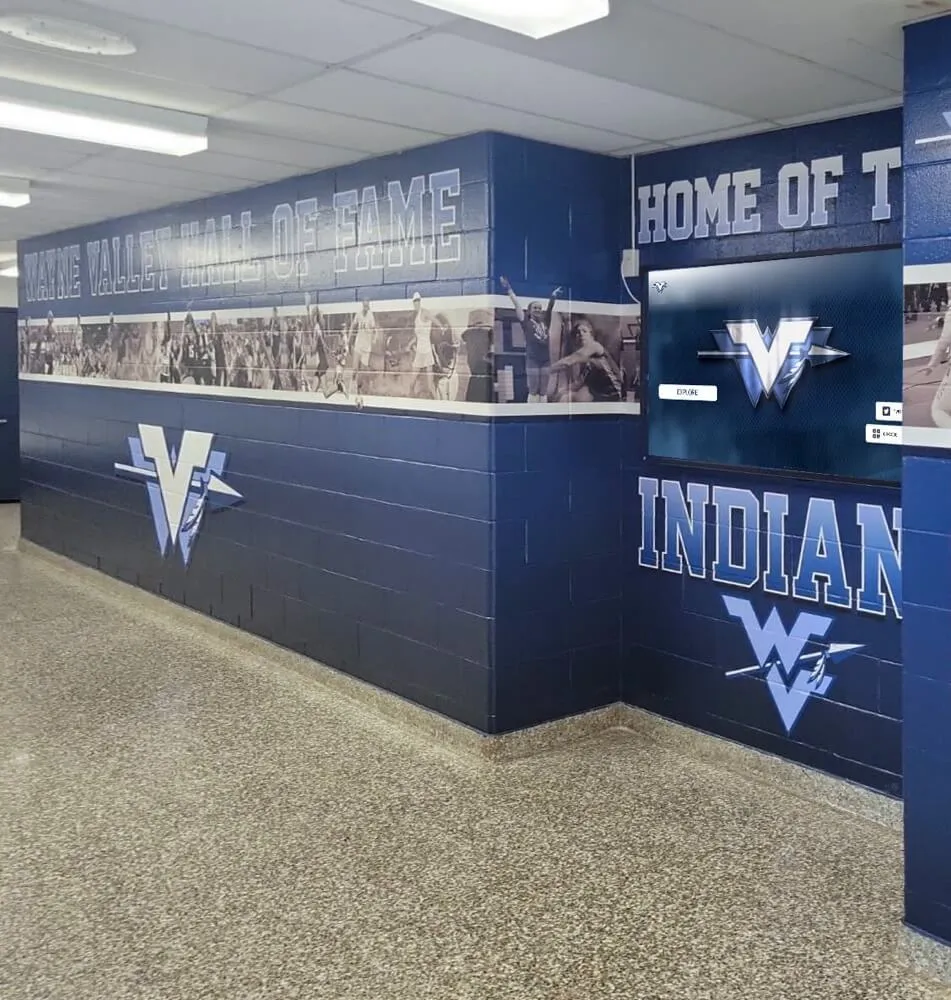
Interactive recognition systems in school hallways keep sponsor names visible to students, families, and community members throughout the year—creating genuine impressions rather than seasonal placements
A sponsor who has appeared on your lobby screen for three consecutive seasons has a fundamentally different relationship with your program than a sponsor who bought a banner once. The renewal letter for that sponsor is not a pitch—it is a natural continuation of a partnership both parties already value.
Building toward that kind of relationship starts with the first renewal cycle. A well-constructed booster club sponsor renewal letter—specific in its thanks, honest in its documentation, clear in its benefits, and easy in its ask—is the mechanism that converts a one-season transaction into a multi-year partnership. The letter cannot create a relationship that recognition delivery failed to build, but it can confirm, codify, and accelerate one that already exists.
If your program is ready to build the recognition infrastructure that makes sponsor stewardship easier year-round—and renewal conversations more credible when they arrive—explore how Rocket Alumni Solutions supports athletic programs with digital recognition displays and touchscreen systems.