A booster club succession plan is a documented process for transferring officer roles, financial records, institutional contacts, sponsor commitments, and recognition obligations from outgoing to incoming leadership—ensuring the program continues without the gaps that typically follow a board transition.
Most school booster clubs rotate leadership annually. Without a written handoff plan, every rotation risks losing the sponsor contacts that only the outgoing president knew, donor commitments made verbally and never documented, recognition promises that live in someone’s inbox rather than the organization’s files, and the institutional memory that makes the program credible to long-term supporters.
This guide provides a comprehensive leadership handoff checklist, a role-transfer reference table, and the specific record categories that incoming officers need on day one.
This guide is for informational purposes only and does not constitute legal or financial advice. Consult your organization’s legal counsel or CPA for guidance specific to your jurisdiction, corporate structure, and tax-exempt status.

Leadership transitions are the most common cause of recognition and sponsor documentation gaps in booster club programs—a structured succession plan prevents institutional knowledge from leaving with outgoing officers
What a Booster Club Succession Plan Is
A booster club succession plan is a written framework that documents what each officer role is responsible for, what records that officer holds, and exactly what must be transferred when that officer’s term ends. It is not a strategic roadmap for the organization’s future direction—it is an operational handoff protocol designed to prevent the program from starting from scratch each time leadership changes.
The plan has three core components:
- A role inventory — what each officer position does and what documentation it generates
- A transfer checklist — the specific records, accounts, and contacts that must change hands at the end of each term
- A transition timeline — when handoff steps must be completed relative to the leadership transition date
Programs that have a written succession plan execute transitions faster, experience fewer sponsor relationship disruptions, and retain institutional knowledge across multiple leadership generations. Programs without one spend the first two months of each new term reconstructing what outgoing officers took with them.
Why Booster Club Leadership Transitions Go Wrong
The most common failure mode is not negligence—it is the informal knowledge problem. Outgoing officers carry program knowledge in their heads, their personal email, their phone contacts, and their sense of what is still open and what has been resolved. When they leave, that knowledge leaves with them.
Specific examples of what gets lost:
- A sponsor contact’s direct phone number that the prior president used to negotiate renewals
- A verbal commitment made to a donor about where their name would appear on a recognition display
- A multi-year naming agreement that was signed but never scanned and filed centrally
- The password to the booster club’s fundraising platform or digital display management system
- The specific name on a donor plaque that was ordered but not yet installed
- The history of why a particular sponsor received adjusted pricing in a prior year
Booster club program continuity challenges often begin with leadership transitions that underestimated how much institutional knowledge lived outside the filing system. A succession plan cannot fix every gap—but it creates the structure that makes gaps visible before the outgoing officer leaves rather than after.
The Booster Club Succession Handoff Checklist
Complete every item before the outgoing officer’s final day. Incoming officers should countersign each section to confirm receipt.
Administrative Records
- Articles of incorporation and bylaws — confirm the current copy is filed centrally and that the incoming president has reviewed it
- Tax-exempt status documentation — transfer the IRS determination letter and copies of the three most recent annual filings (verify applicable requirements with your CPA)
- Meeting minutes — current-year minutes and a directory of where prior-year minutes are archived
- Officer contact directory — current roster of all officers with personal email and phone, plus emergency contact for each
- Registered agent information — confirm who holds this role and whether any annual state filings are coming due during the incoming term
Financial Records and Access
- Bank account signature authority — remove outgoing signatories and add incoming officers; confirm with the bank in writing before the transition date
- Bank statements and reconciliations — transfer the current-year file and confirm the location of prior-year archives
- Expense documentation — all open purchase orders, pending reimbursements, and approved-but-unpaid commitments with amounts and due dates
- Platform credentials — online banking portals, fundraising platforms, social media accounts, payment processors, and any digital display management systems
- Outstanding invoices and receivables — an itemized list of all open payables and receivables with due dates noted
Sponsor Records and Commitments
- Active sponsor agreements — signed copies of every current-year agreement, indexed by sponsor name and tier
- Multi-year agreements — specifically flagged with expiration dates and any auto-renewal provisions identified
- Sponsor contact directory — the key contact person (direct line and title, not just the general business number) for every active sponsor
- Benefit delivery documentation — the delivery confirmation log for every benefit delivered this year, including photographs, dates, and confirmation records
- Renewal pipeline notes — status notes on any sponsor currently in renewal conversation, including any pricing discussions or commitments made to date
A booster club budget template with explicit sponsor recognition line items helps incoming officers understand the full financial scope of the recognition commitments they are inheriting—including obligations budgeted by their predecessors that must be funded from current-year resources.
Donor Records and Recognition Commitments
- Gift acknowledgment files — signed gift records for every donor currently recognized on any display, organized by donor name and gift date
- Donor wall inventory — a current list of every name displayed, confirmed against the gift record, with tier placements noted
- Pending recognition entries — any donor whose recognition was promised but not yet installed, including the specific display location, format, and expected timeline
- Naming arrangement documentation — any facility area named for a donor or sponsor, including the written agreement governing duration, conditions, and removal terms
- Major donor contact directory — current contact information for donors with multi-year giving histories or active naming arrangements
Recognition Infrastructure
- Display inventory — a complete list of every physical and digital recognition display in operation, with location, content summary, and maintenance notes
- Platform credentials — login credentials for any digital recognition system, donor wall platform, or content management tool, transferred with account access confirmed
- Content update schedule — any scheduled recognition additions, removals, or updates that must happen during the incoming term
- Vendor and contractor contacts — the signage fabricator, platform support contact, and any facility contractor who handles display installation or maintenance
- Documentation archive — the current folder or drive location of all recognition photography, delivery confirmations, and sponsor impact records filed during the outgoing term
Role Transfer Reference Table
Use this table to confirm that each position’s primary records and authorities have been transferred. Both outgoing and incoming officers should initial each completed row.
| Role | Primary Records to Transfer | System/Account Access | Key Contacts to Transfer | Completed |
|---|---|---|---|---|
| President | Bylaws, board minutes, vendor contracts, sponsor agreements | Social media, email listservs, online platforms | Key sponsor contacts, district liaison, facility manager | ☐ |
| Vice President | Event planning files, volunteer roster, logistics notes | Volunteer coordination platforms, event ticketing systems | Venue contacts, established vendor relationships | ☐ |
| Treasurer | Bank statements, reconciliations, tax filings, expense records | Banking portals, payment platforms, accounting software | Bank representative, CPA or accountant | ☐ |
| Secretary | Meeting minutes, correspondence archive, membership roster | Email archives, document storage, communication platforms | Meeting notification lists, district contacts | ☐ |
| Sponsor Coordinator | Sponsor agreements, benefit delivery logs, renewal pipeline notes | Sponsor portals, digital display management, marketing platforms | Sponsor contacts (direct line), advertising vendors | ☐ |
| Recognition Chair | Display inventory, donor wall records, pending recognition additions | Content management systems, display platforms, design tools | Signage vendors, engravers, platform support contacts | ☐ |
| Fundraising Chair | Campaign histories, donor records, platform accounts and transaction logs | Fundraising platforms, payment processors | Corporate match contacts, major donor contacts | ☐ |
Programs that do not have separate Sponsor Coordinator or Recognition Chair roles should map those record categories to whoever currently manages them. The goal is that every record category has a named current owner and a named incoming owner before the transition closes.
Sponsor Contacts: The Highest-Risk Transfer Item
Of all the records that must transfer in a leadership handoff, sponsor contacts carry the most risk and are most frequently lost. The outgoing president who managed sponsorships for three years does not hold only contact information—they hold relationship context: the sponsor who prefers a phone call over email, the business owner who is particular about where their logo appears, the Gold-tier sponsor who received adjusted pricing in year two because of a fulfillment gap and who expects the new leadership to know that history.
None of that context appears in a signed agreement. It lives in the relationship.
A succession plan cannot replicate the relationship—but it can preserve the context that gives the incoming officer the best chance of continuing it. A sponsor relationship notes document—one page per sponsor, capturing key contacts, relationship history, open commitments, and communication preferences—is the most valuable document a departing sponsor coordinator can leave behind.
Creative approaches to athletic program fundraising and sponsor engagement often depend on sponsor relationships built over multiple years. Those relationships do not automatically transfer when officers rotate—only documentation and deliberate introductions preserve them.
Sponsor transition best practice: Before the outgoing officer’s last day, schedule a brief introduction call between the outgoing sponsor coordinator, the incoming sponsor coordinator, and each Gold-tier or higher sponsor. Let the outgoing officer make the introduction. This single step—when done consistently across all major sponsor accounts—prevents the relationship reset that often costs programs significant renewal revenue when leadership changes without notice.
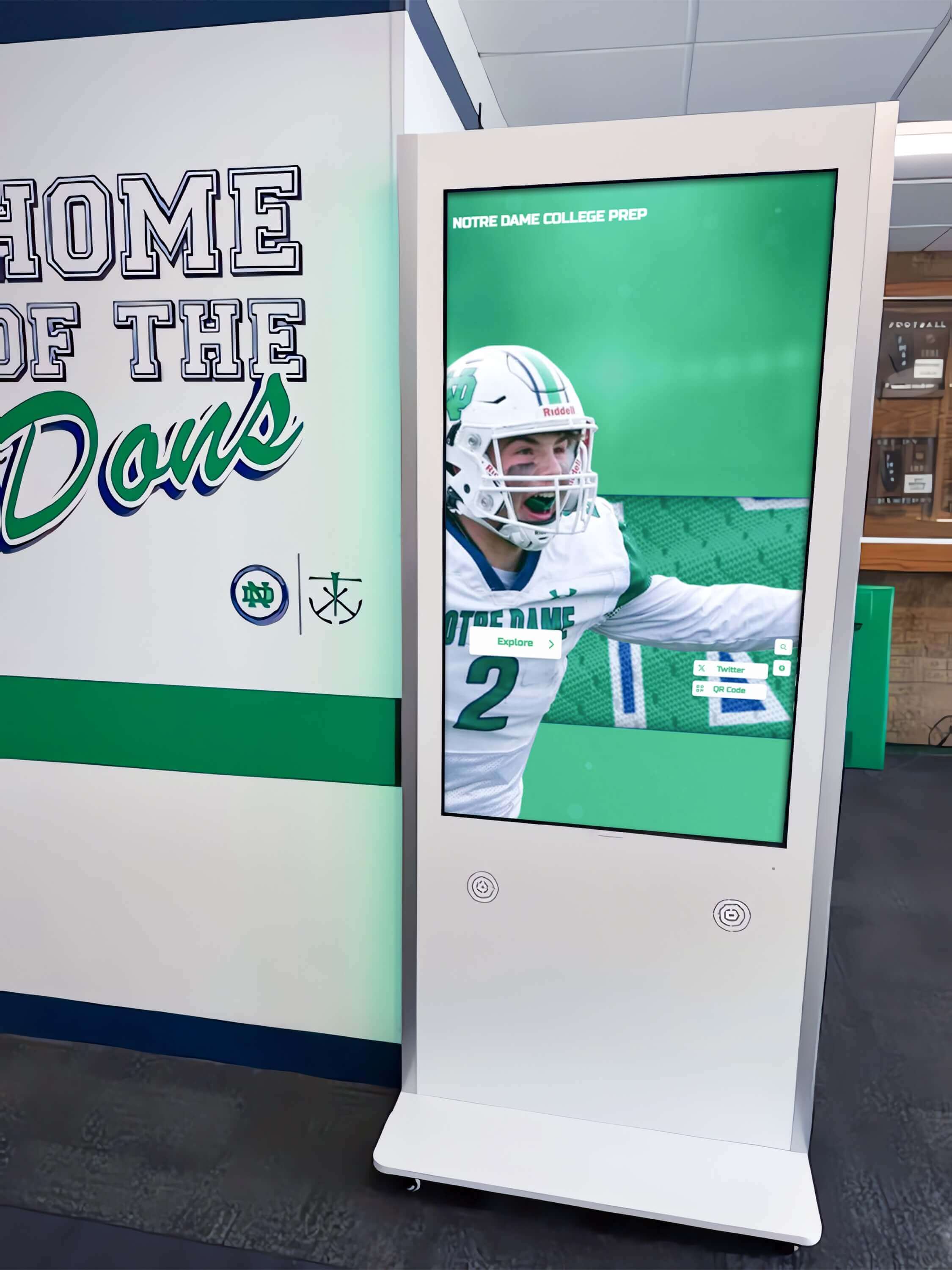
Recognition infrastructure connected to a managed content platform preserves display history across officer transitions—incoming leaders can review what was added, when, and why, without depending on the prior officer's recollection
Donor Commitments That Outlast Officer Terms
Donor commitments made during one officer’s term do not expire when that officer leaves. A family that donated at the Wall of Honor level and was told their name would appear in a specific lobby location has that expectation regardless of who currently holds the president or recognition chair role.
The most common donor commitment failures in leadership transitions:
Verbal commitments with no written record. An outgoing recognition chair told a major donor that their name would appear on the new display when it is installed. Nothing was written. The incoming chair has no record of this commitment and cannot fulfill it. The donor eventually notices and concludes their gift was mishandled.
Multi-year giving recognition not carried forward. A donor who has given at the Silver level for four consecutive years was told verbally that reaching year five would trigger a tier upgrade to Gold recognition. The outgoing treasurer knew this. The incoming treasurer does not.
Pending installations not documented. A donor’s name was approved for the wall, the engraving was ordered, and delivery was expected within weeks. The outgoing recognition chair did not document this as an open item. The incoming chair receives no order tracking information and the engraving is never followed up on.
These failures are preventable with two practices:
- Never make recognition commitments verbally without creating a written record the same day
- Include pending recognition commitments explicitly in the succession handoff checklist as open items
Building booster club programs with sustained community confidence depends on recognition delivery that is consistent regardless of who currently holds the officer seat. That consistency requires documentation that lives in the organization’s files, not in any individual’s memory or personal inbox.
Institutional Knowledge Beyond the Files
Documentation preserves facts. It does not fully preserve judgment. Some institutional knowledge—why a particular decision was made, what the culture of a sponsor relationship is, how the community responds to specific types of recognition—cannot be fully captured in a handoff document.
The best succession plans address this through overlap and structured orientation, not paperwork alone:
Officer overlap period. If the organization’s structure allows it, incoming officers should work alongside outgoing officers for four to eight weeks before the formal transition. This creates a knowledge transfer channel that paperwork cannot replicate.
Exit interviews. A structured 60-minute conversation between each outgoing officer and their incoming replacement—using the succession checklist as a discussion guide rather than a form to initial—surfaces tacit knowledge that does not appear in any file.
Program history documentation. A written narrative covering major milestones, sponsor relationships, and governance decisions over the past three to five years gives incoming officers the context that no single handoff conversation can fully convey. School athletic programs that build institutional history into their recognition infrastructure are consistently better positioned to sustain program culture across transitions because the institutional record is embedded in the display systems, not the officers managing them.
Community engagement archives. How schools document year-round community involvement and alumni engagement demonstrates that programs maintaining a continuous record of recognition milestones, sponsor relationships, and giving histories navigate leadership changes with less disruption than those relying on informal knowledge transfer.
Annual succession review. Build the handoff checklist into the governance calendar as a standing annual exercise—not only when a major transition is imminent. A checklist updated continuously is far easier to execute at transition time than one reconstructed from memory under a deadline.
How Digital Recognition Infrastructure Supports Succession
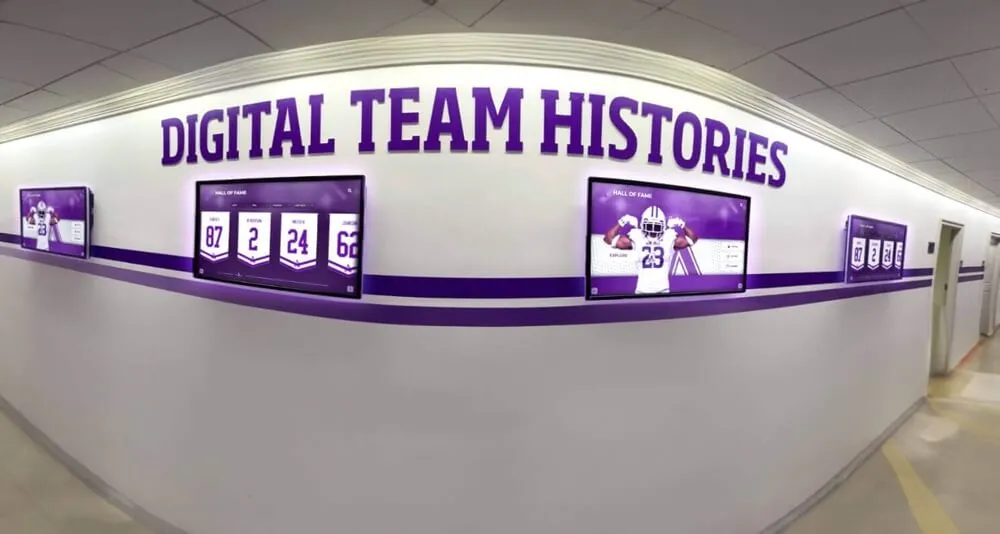
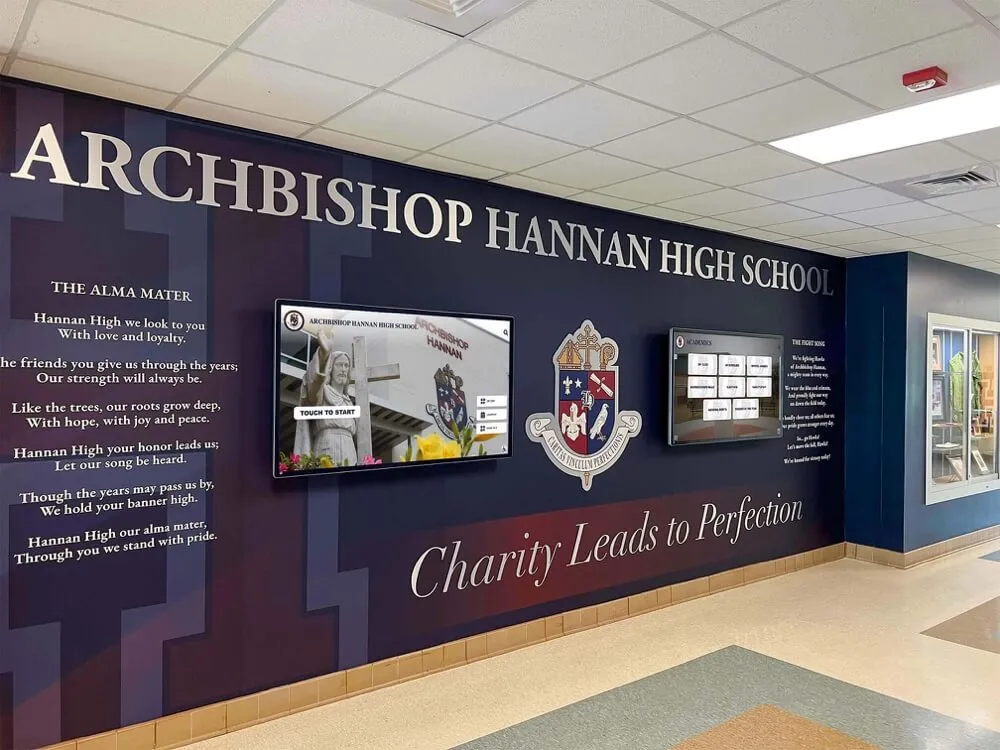
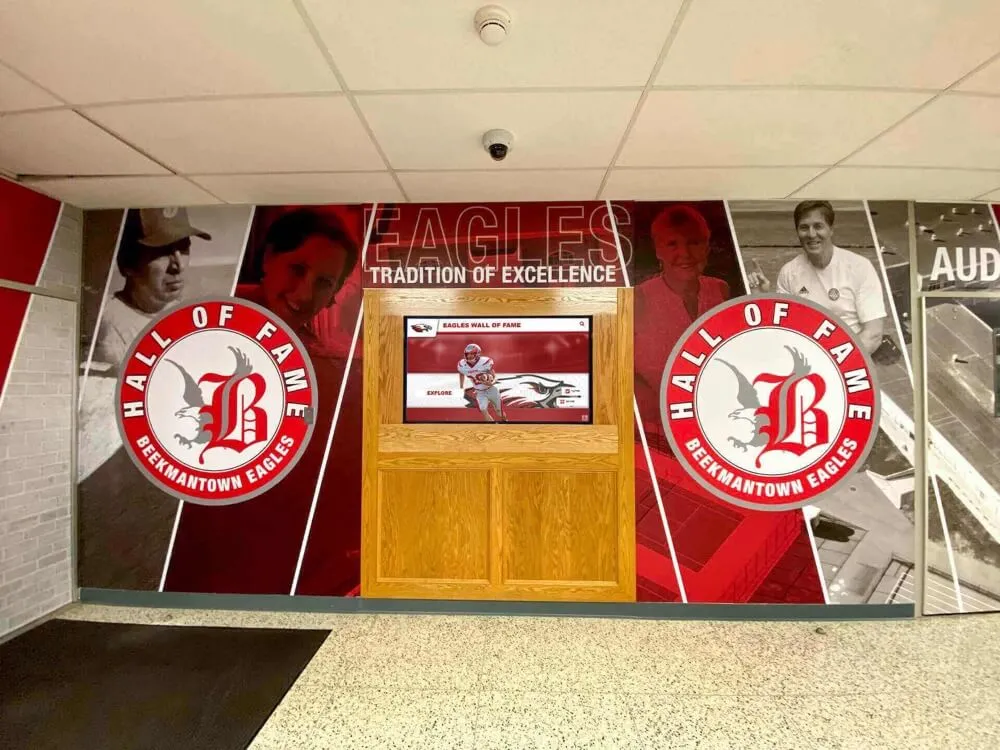
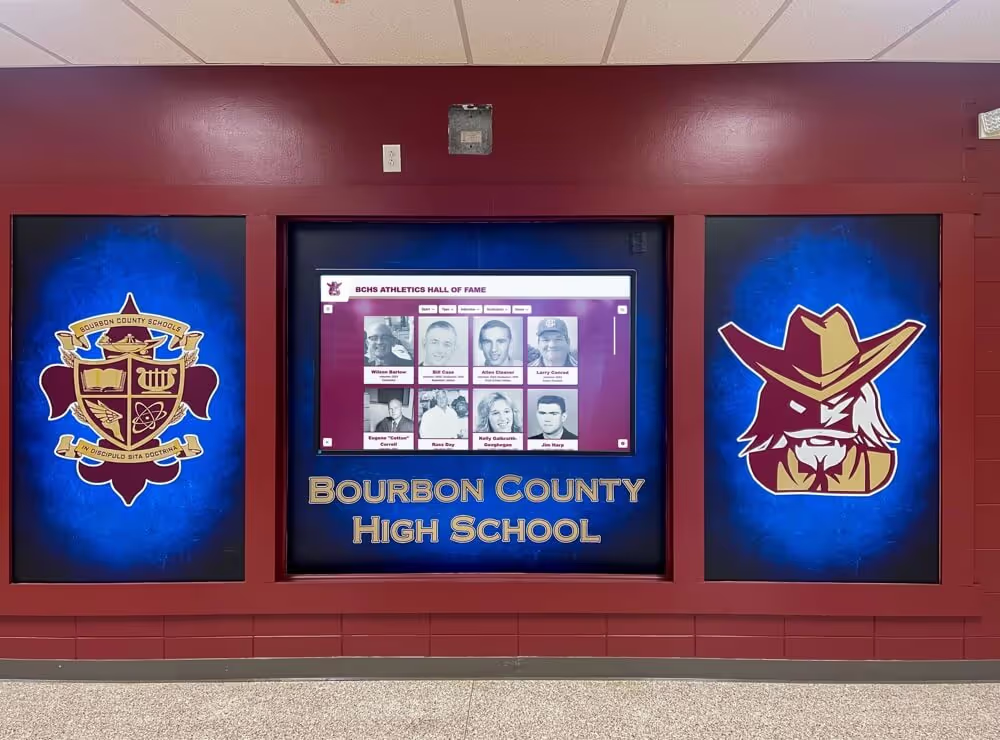
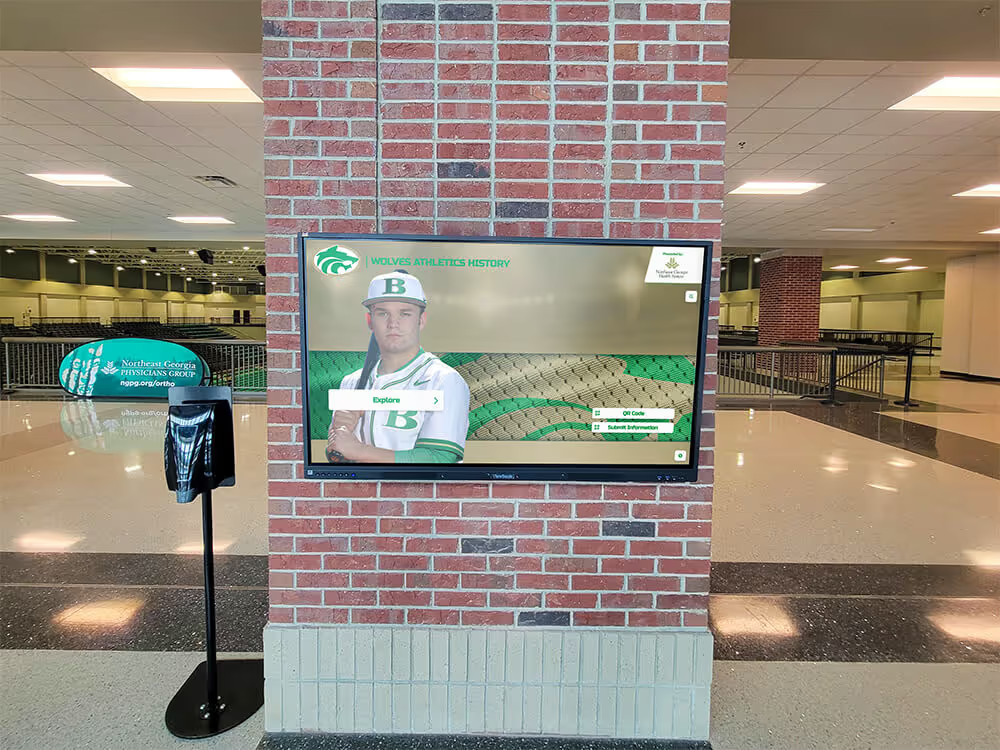
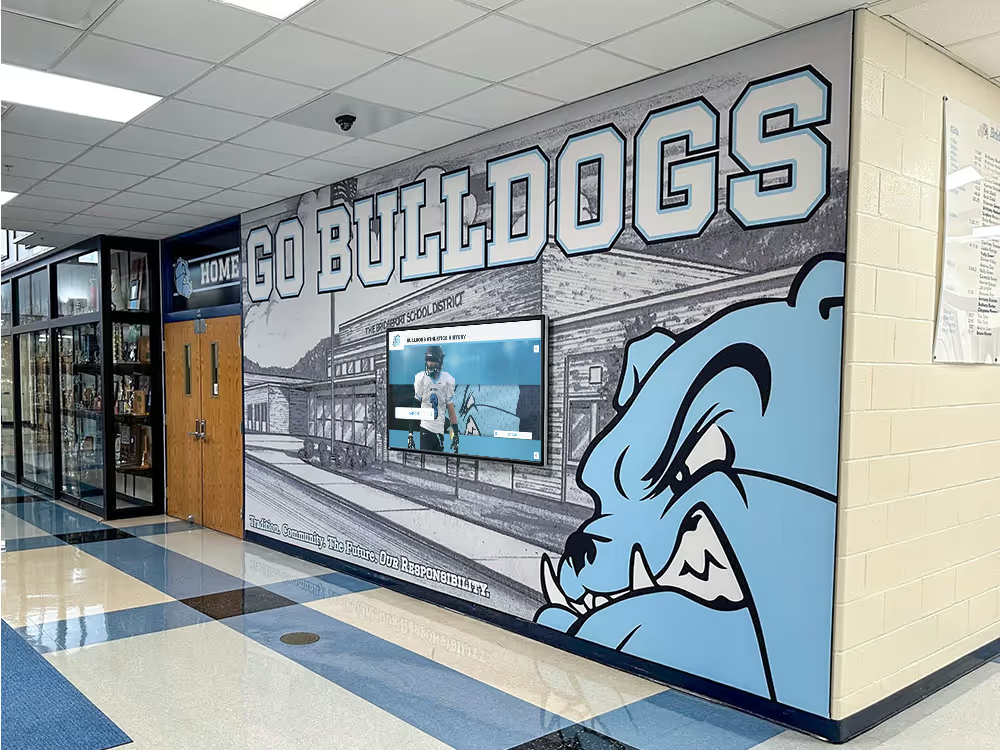
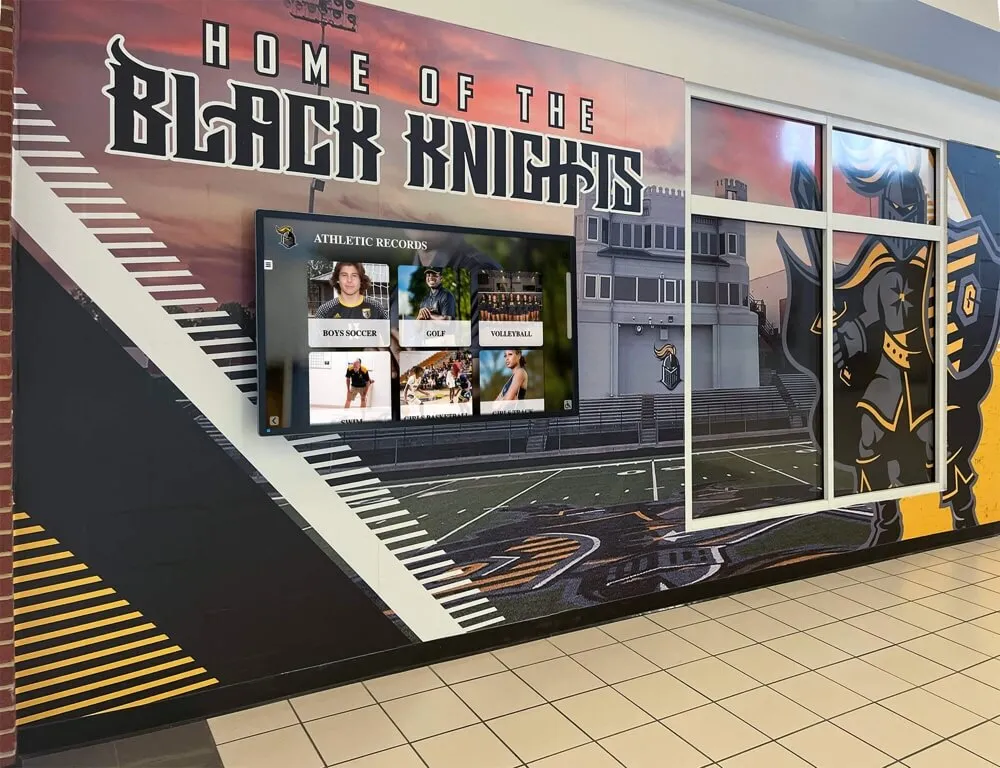
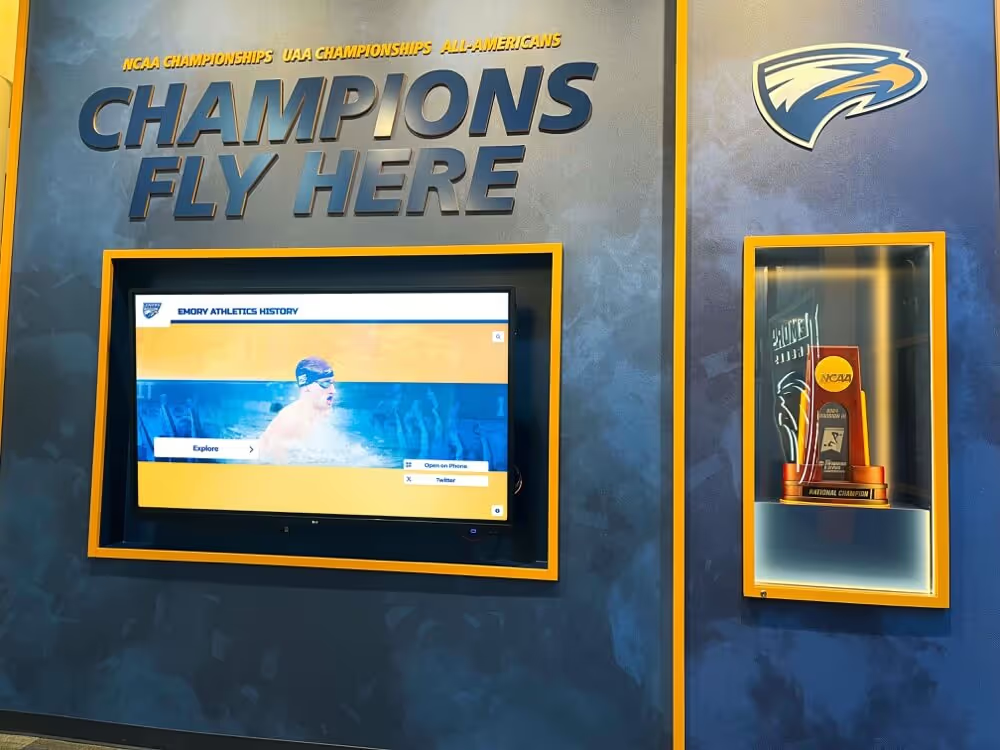
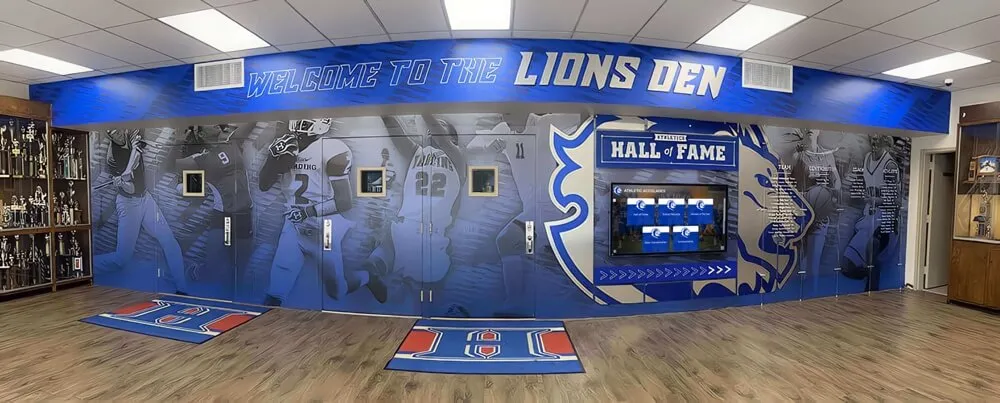
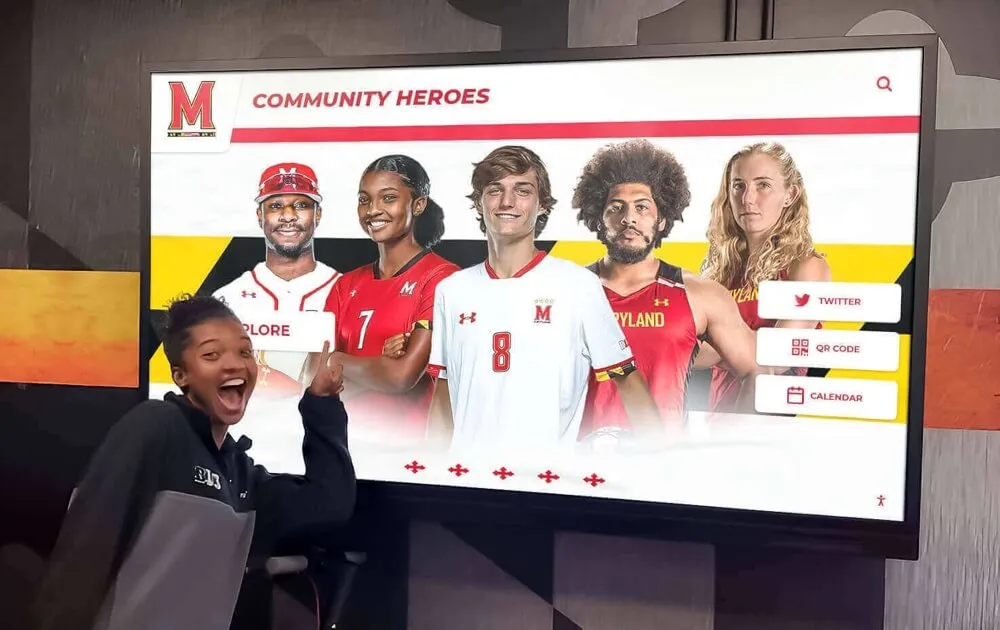
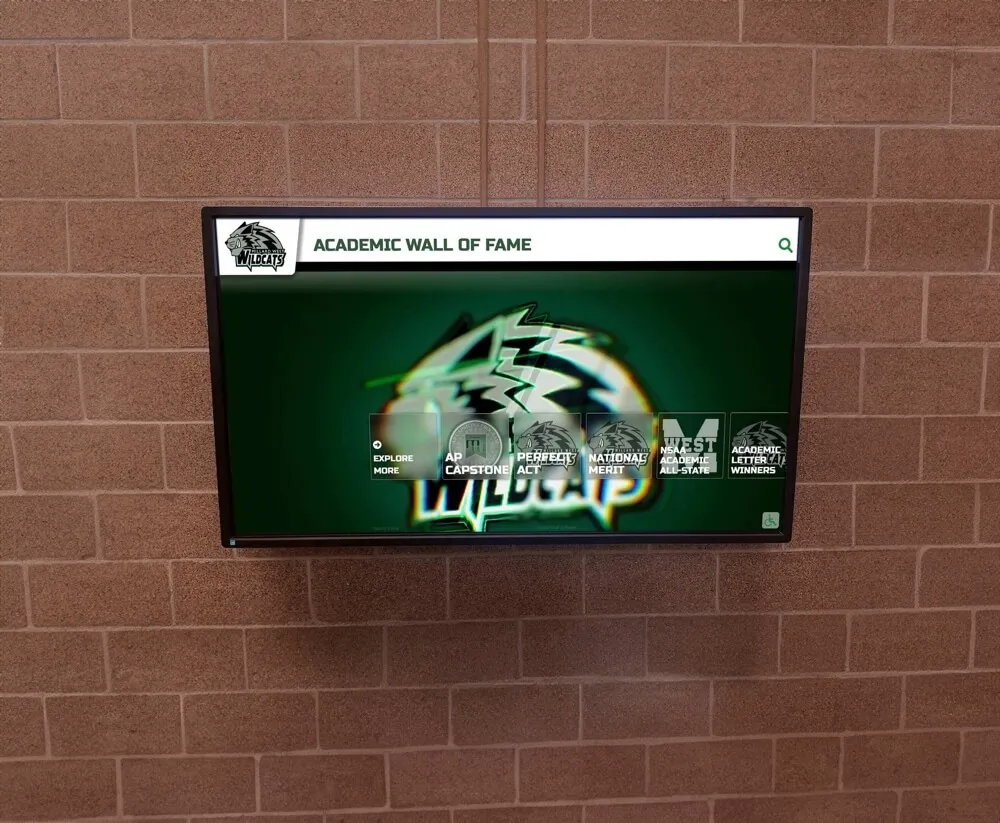
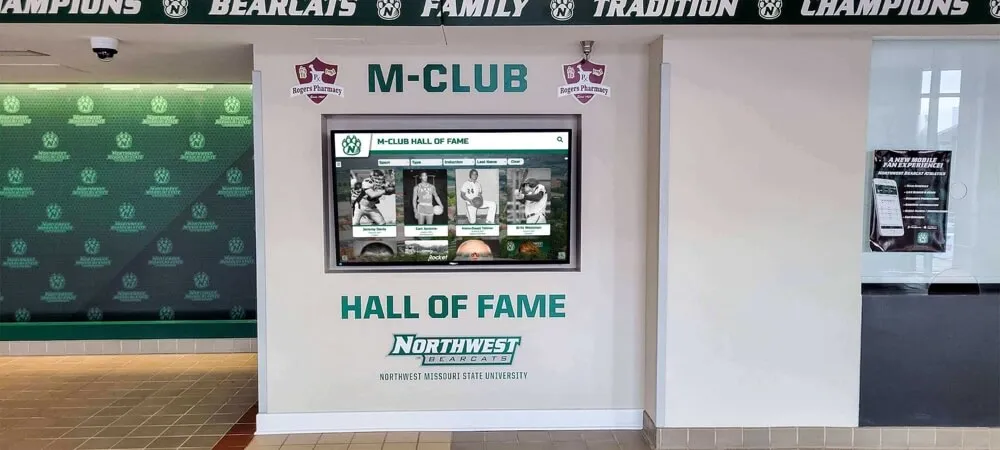
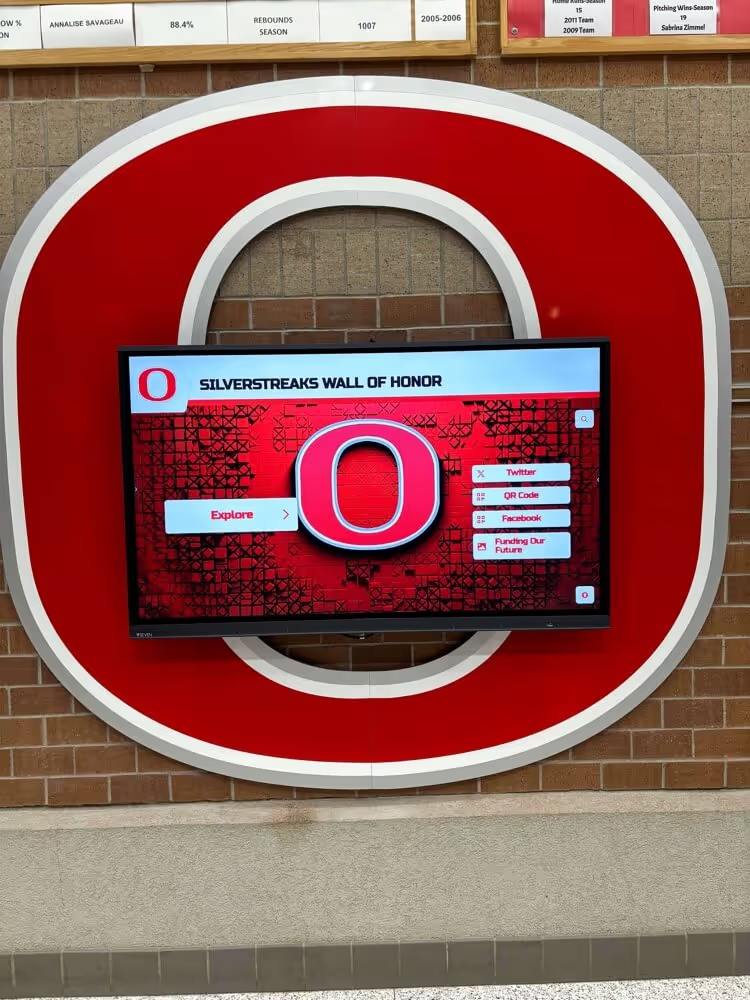
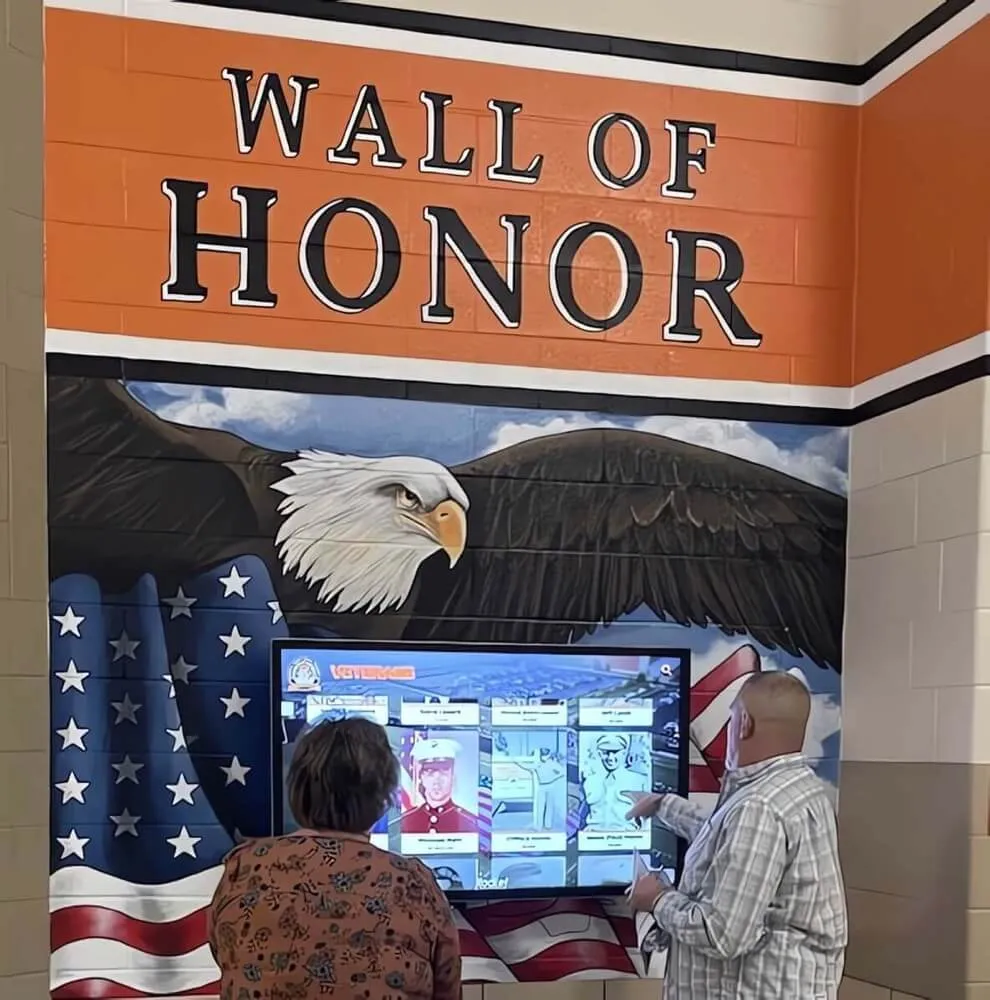
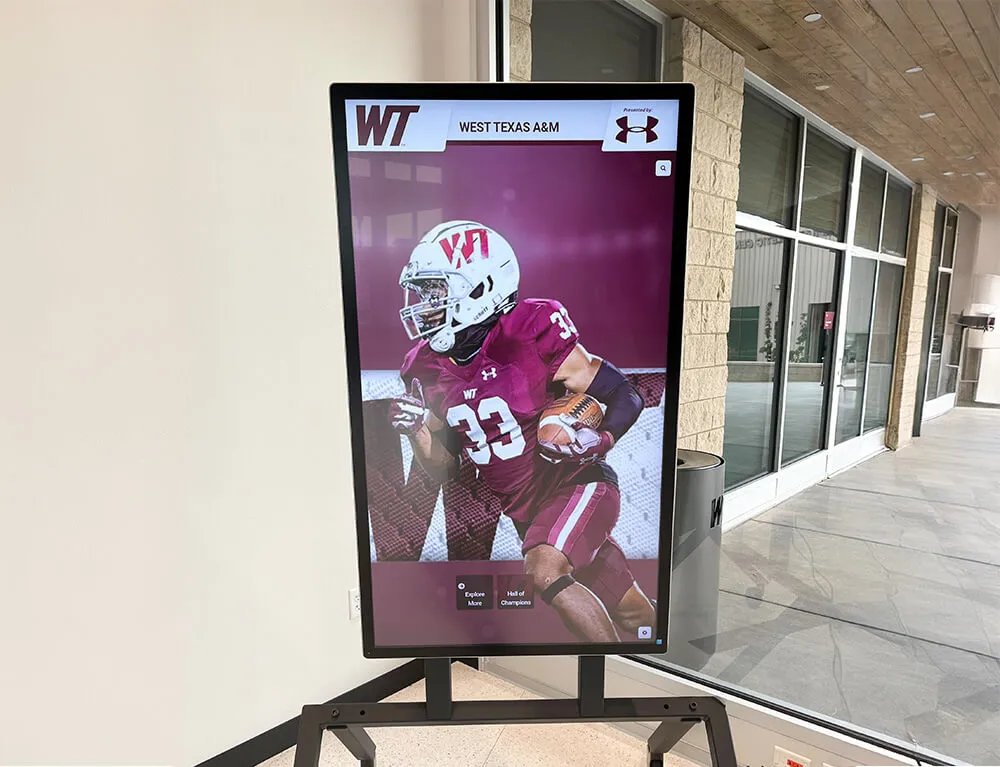
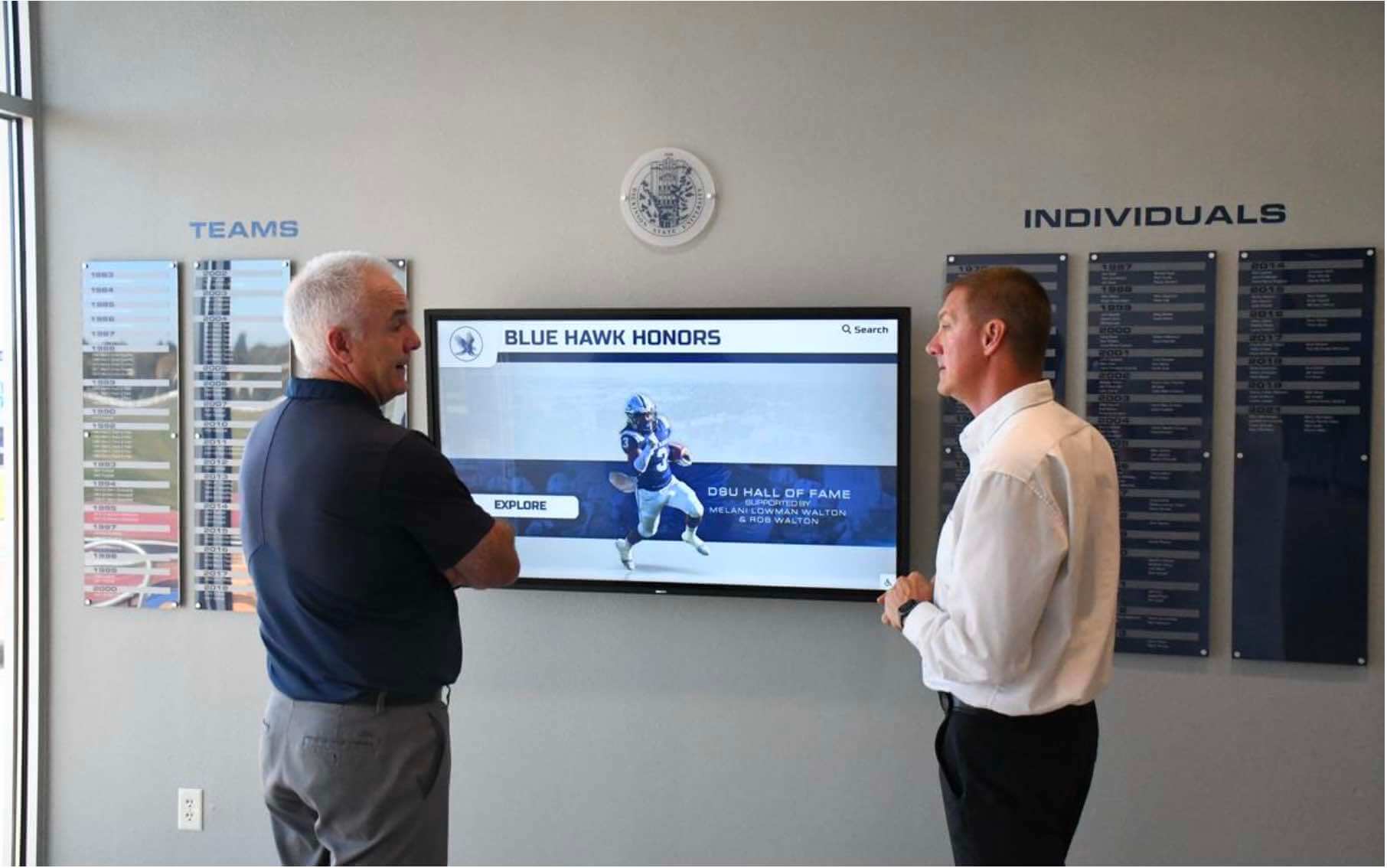
Programs that operate managed digital recognition systems—lobby touchscreen kiosks, donor walls with content management platforms, athletic records boards with logged histories—have a built-in succession advantage that programs relying on physical signage and informal records do not.
When a content management system logs every recognition entry, every modification, and every removal with a timestamp and user record, that log becomes the institutional memory of the recognition program. An incoming recognition chair can review what was added, when it was added, what tier was assigned, and who approved it—without relying on any documentation the outgoing officer chose to transfer.
Physical signage produces no such log unless someone creates it manually. A banner installed in October by an outgoing officer who departed in June is a fact with no provenance: when was it installed, under what agreement, by which vendor, at what cost? The incoming officer either finds this in the files or reconstructs it under deadline.
Fundraising and recognition program continuity for school athletics increasingly depends on digital infrastructure that creates institutional continuity as a byproduct of normal operation. A recognition platform that generates its own audit trail eliminates the reconstruction problem that plagues transitions relying on informal knowledge transfer.
When selecting a recognition platform or donor wall system, include succession value as an explicit evaluation criterion. Ask vendors: Can I export a complete log of every entry in the system? Is the content history accessible to a new administrator without training from the prior one? Does the platform support role-based access management so incoming officers can be granted access while departing officers are removed cleanly?
The 30-60-90 Day Succession Timeline
Rather than treating succession as a single handoff event, plan it across three phases:
30 days before transition:
- Complete the full succession checklist and identify any gaps requiring resolution before the outgoing officer departs
- Schedule introduction calls between outgoing and incoming officers and key sponsors at Gold tier or above
- Confirm that all bank account, platform, and system credentials can be transferred without locking the organization out during the changeover
At the transition date:
- Complete all access transfers: banking portals, platform logins, email accounts, and display management systems
- Confirm the new officer has reviewed and initialed each section of the handoff checklist
- Notify key sponsors and vendors of the leadership change in writing, with the incoming officer’s contact information
30-60 days after transition:
- New officers complete a display and record audit against the handoff checklist to confirm nothing was missed
- Any gaps identified are documented and resolved before the first sponsor renewal conversation of the new term
- The succession document is updated to reflect the current organizational structure for the following year’s handoff
Booster club support programs that strengthen long-term community engagement depend on the institutional stability that structured succession creates. Programs where community members observe consistent organizational behavior across leadership changes—new officers, same commitment level—build a credibility that is very difficult to recover once lost to a disorganized transition.
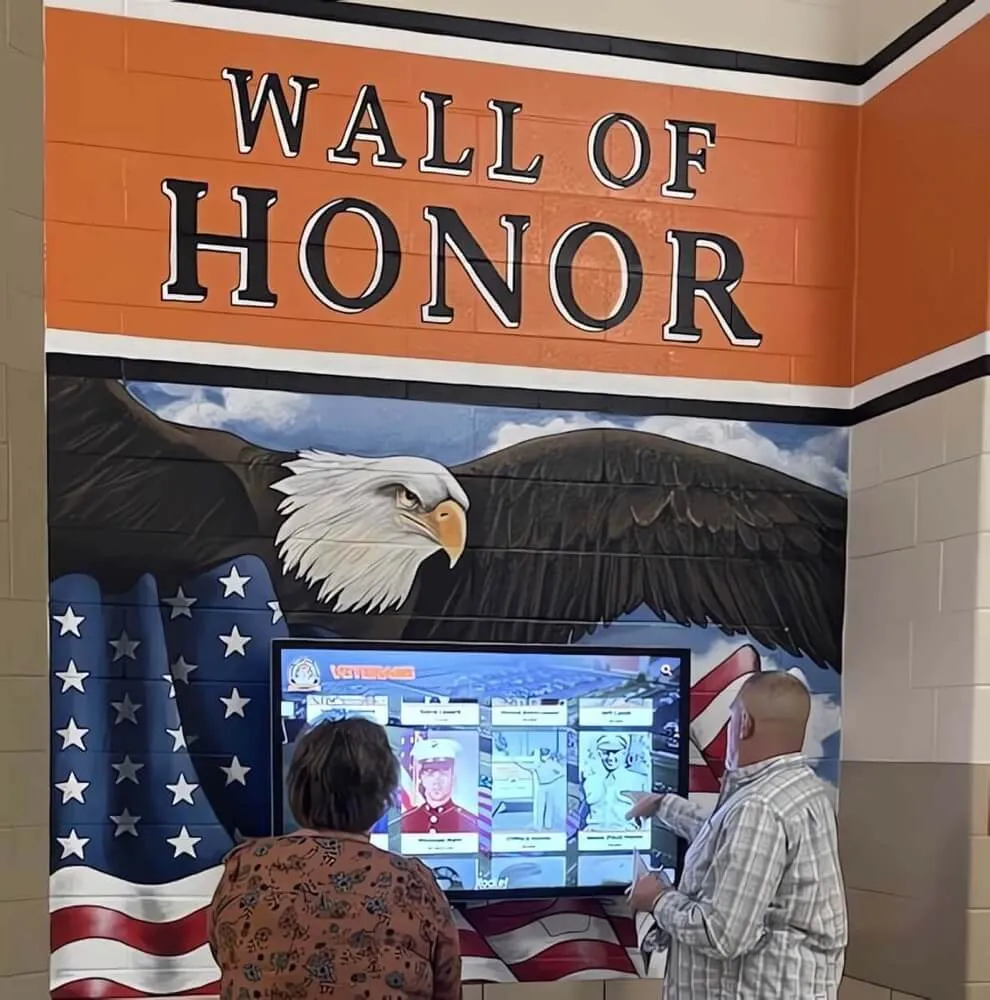
Recognition walls and digital displays are institutional commitments that outlast any individual officer term—the succession plan must ensure incoming leadership knows exactly what every display represents and what obligations come with it
Frequently Asked Questions
What is a booster club succession plan?
A booster club succession plan is a written document identifying what each officer role is responsible for, what records and accounts that officer controls, and the specific steps required to transfer those responsibilities when the officer’s term ends. It functions as a leadership continuity protocol rather than a strategic plan—its purpose is operational handoff, not long-term goal setting.
When should the succession plan be completed?
The succession plan should be completed before it is needed—ideally during the first month of each leadership term so the document reflects the current year’s structure rather than the prior year’s. Update it quarterly as sponsor agreements, donor records, and platform credentials change. Begin the active handoff process at least 30 days before the scheduled leadership transition.
What records are most often missing after a booster club leadership transition?
Sponsor contact notes containing relationship context beyond basic contact information, verbal donor commitments not documented in writing, multi-year agreement documentation, platform and system passwords, and pending recognition orders that had not yet arrived at the time of transition. These gaps are preventable only with a checklist that explicitly names each category and requires countersignature confirming transfer.
How do we handle a situation where an officer leaves unexpectedly?
Address account access first: banking portals, email accounts, and platform credentials should be recoverable through administrative processes even if the outgoing officer cannot transfer them directly. For relationship knowledge, contact key sponsors directly with a brief leadership change notification and request a brief orientation call. Review every sponsor agreement file and donor recognition record immediately to identify any commitments the departed officer may have been managing informally.
Should the succession plan be shared with sponsors?
The checklist itself is an internal governance document and does not need to be shared externally. What sponsors should receive is a brief leadership change notification—a short written communication introducing the new contact person and confirming the program’s continuing commitment to sponsor benefit delivery. Proactively sharing the incoming officer’s name and role with Presenting and Gold sponsors before the transition is complete builds the confidence that the program is organized and the relationship is secure.
How does digital recognition infrastructure reduce succession risk?
A content management system that logs every display entry, modification, and removal with a timestamp and user record creates an institutional archive that persists regardless of officer turnover. Incoming officers can access the full history of the recognition program without depending on documentation the prior officer chose to transfer. This capability is particularly valuable for donor wall and sponsor recognition records, where the gap between what was promised and what was delivered is the highest-risk area in any leadership transition.
What is the most important single step in a booster club succession plan?
The in-person introduction between the outgoing and incoming sponsor coordinator and each major sponsor. Paperwork can reconstruct almost any record given enough time. Sponsor relationships interrupted by an unannounced leadership change without a proper handoff introduction are far more difficult to restore than any documentation gap. Schedule the introductions before the outgoing officer departs and confirm each one in writing.
When your program is ready to build the recognition and display infrastructure that creates institutional continuity across every leadership transition—donor walls with complete content histories, touchscreen recognition systems with built-in audit logs, and sponsor display platforms that give every incoming officer immediate access to the full recognition record—explore how Rocket Alumni Solutions supports booster clubs with recognition systems designed to outlast any individual officer term.