A booster club three-way match policy is a financial control that requires the program to verify three documents—the purchase order, the receiving record or receipt, and the vendor invoice—against each other before any payment is released. All three must agree on vendor identity, item description, quantity, and price. When they match, payment proceeds. When they do not, payment is held until the discrepancy is investigated and resolved.
For programs that fund recognition displays, athletic award ceremonies, and sponsor benefit fulfillment, the three-way match is not optional administrative overhead—it is the internal control that confirms each dollar of donor and sponsor trust was spent on exactly what was authorized and actually delivered before the check was signed.
This guide is for informational and educational purposes only and does not constitute legal, accounting, or financial advice. Consult a licensed CPA, attorney, or financial advisor for guidance specific to your organization’s structure, tax-exempt status, and jurisdiction.

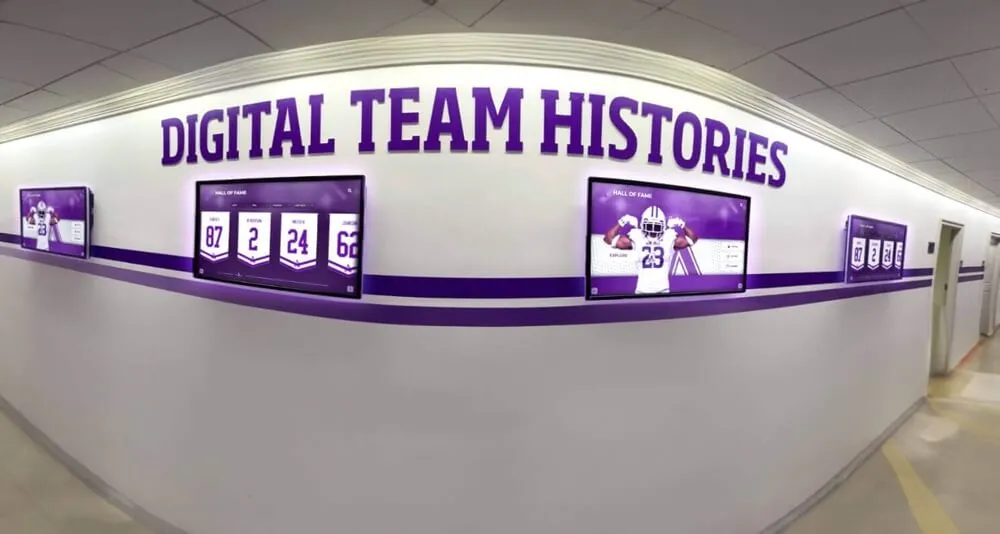
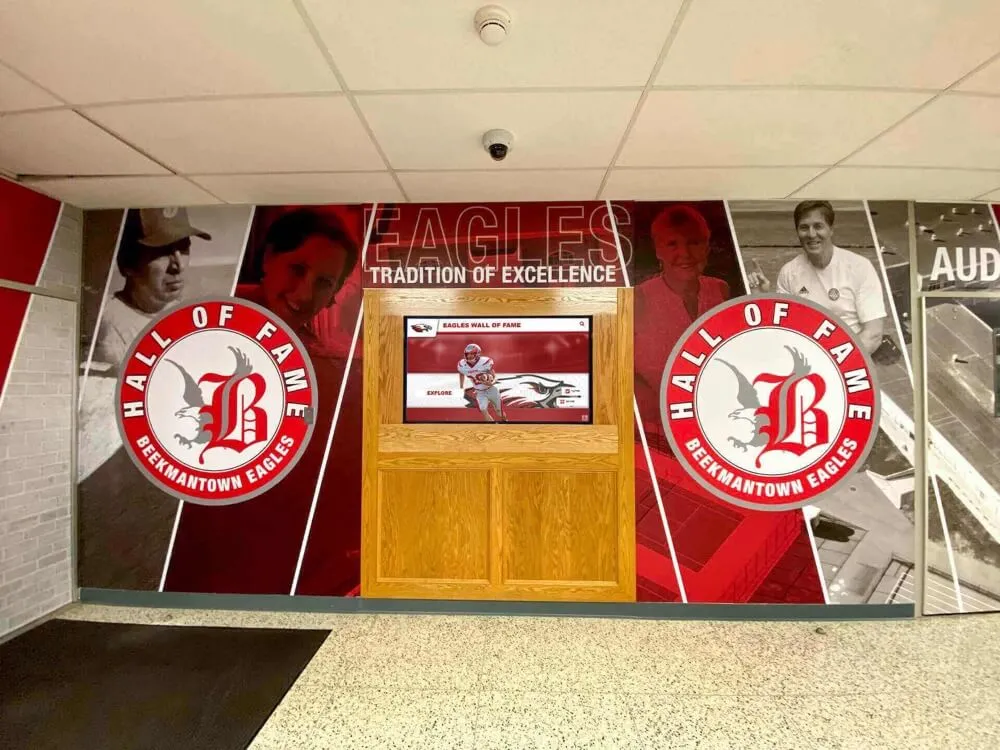
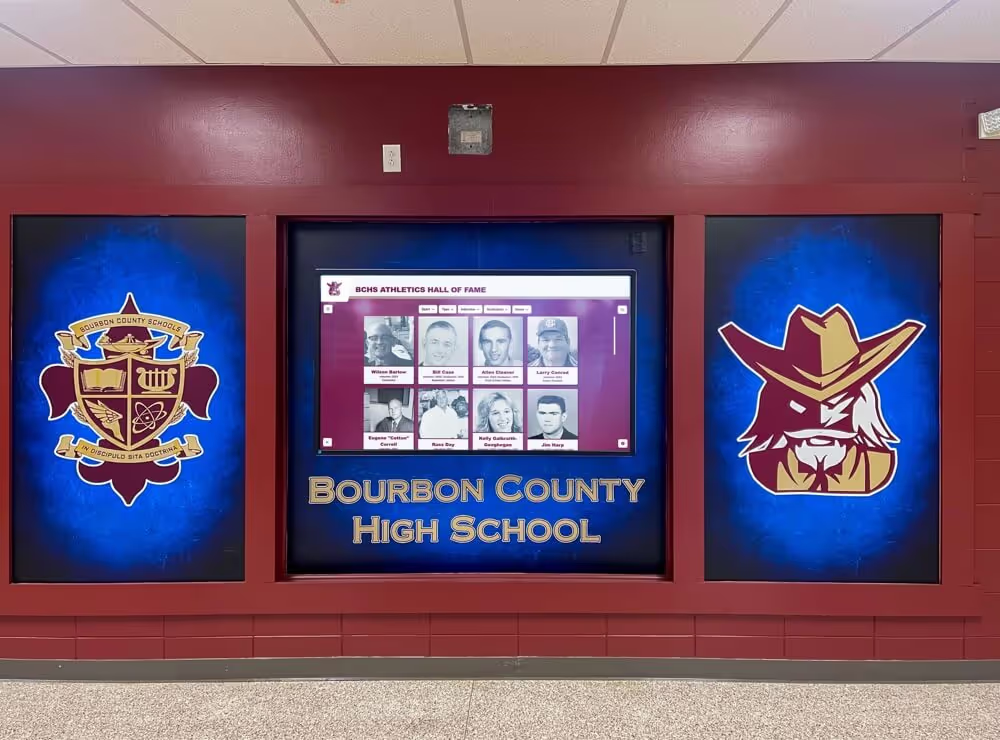
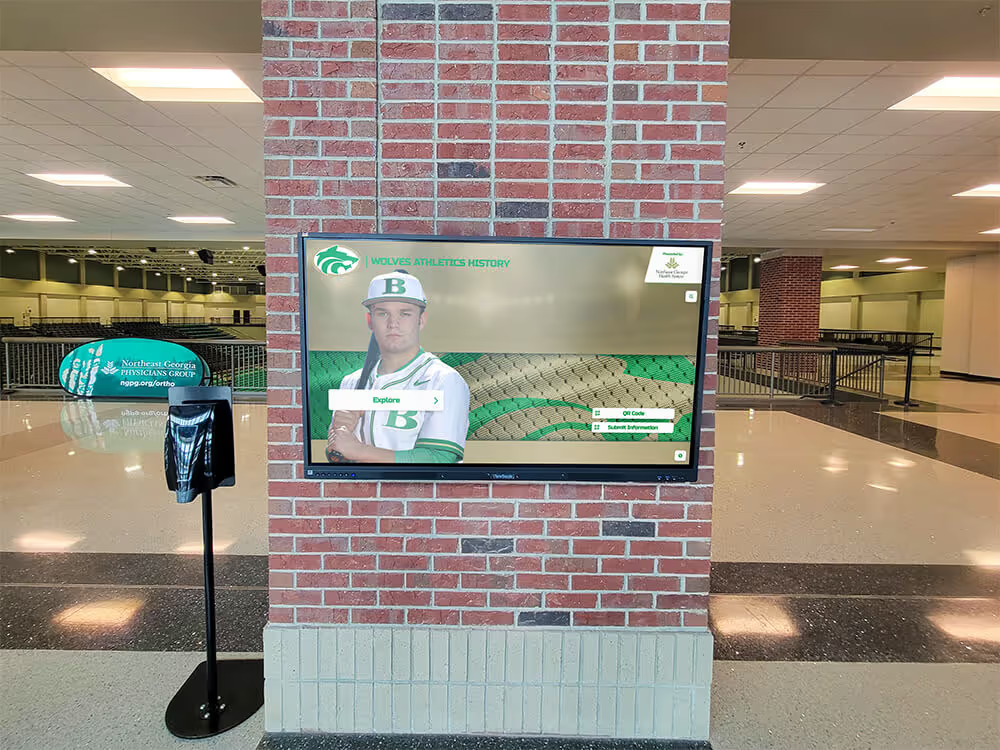
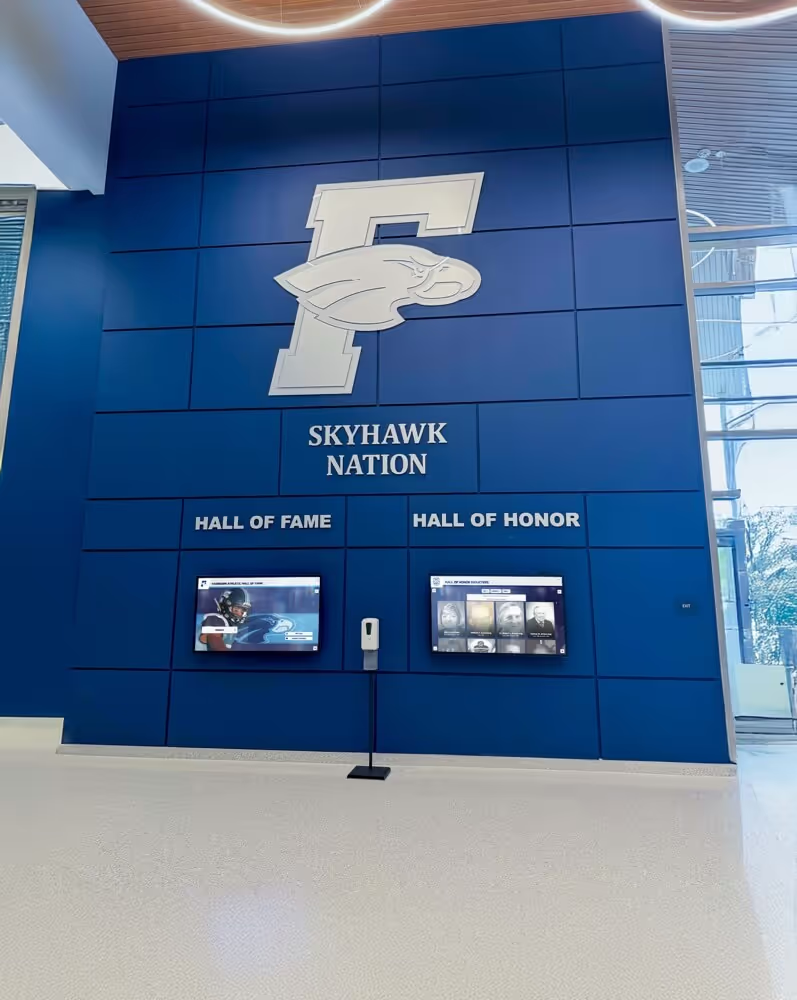
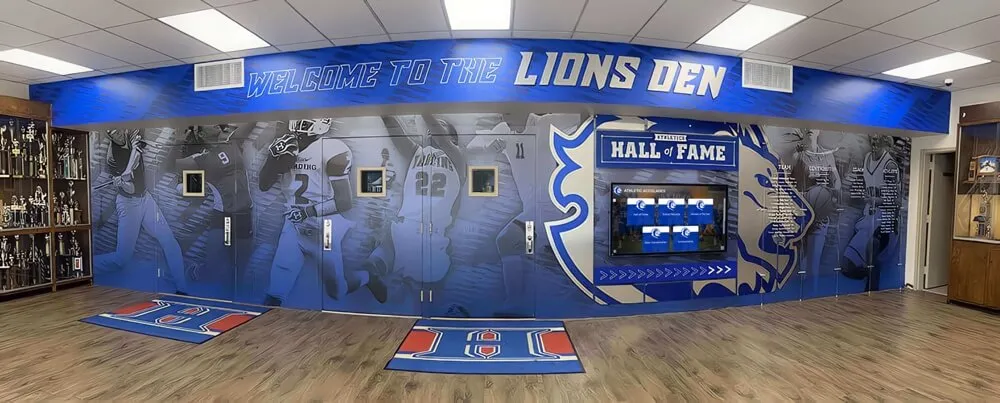
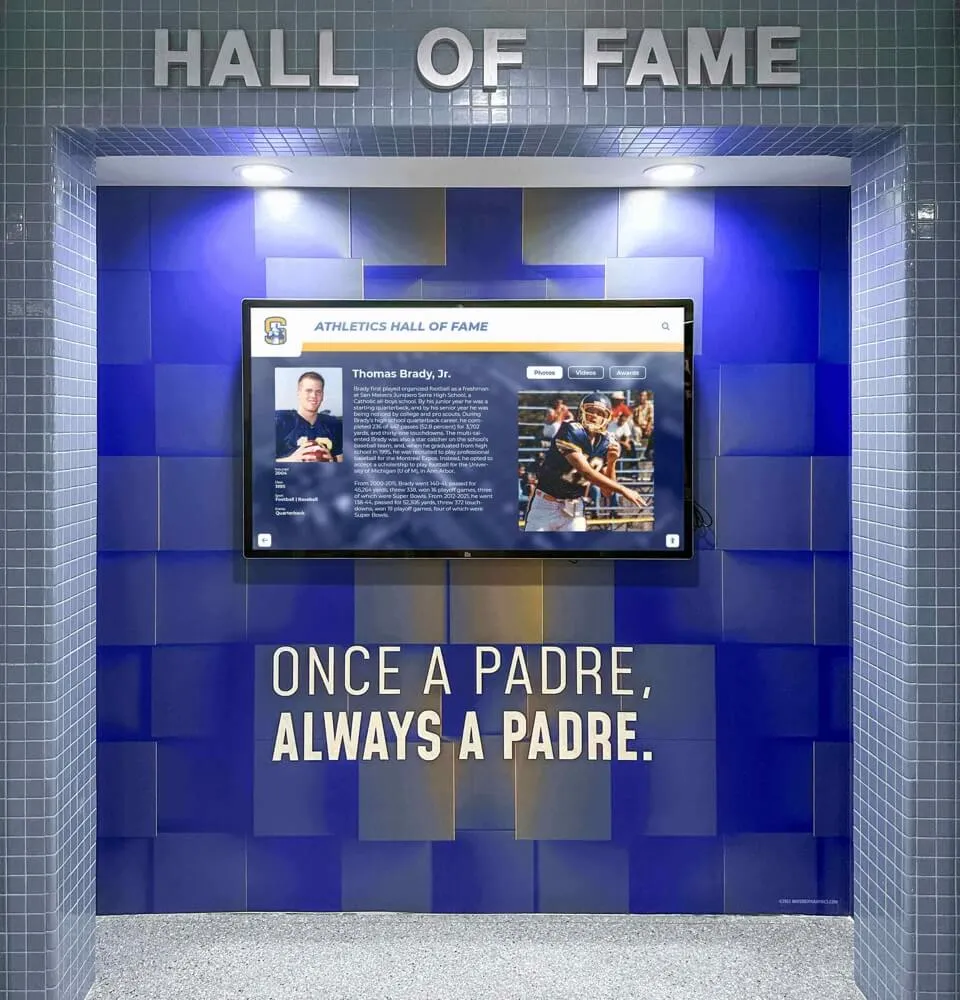
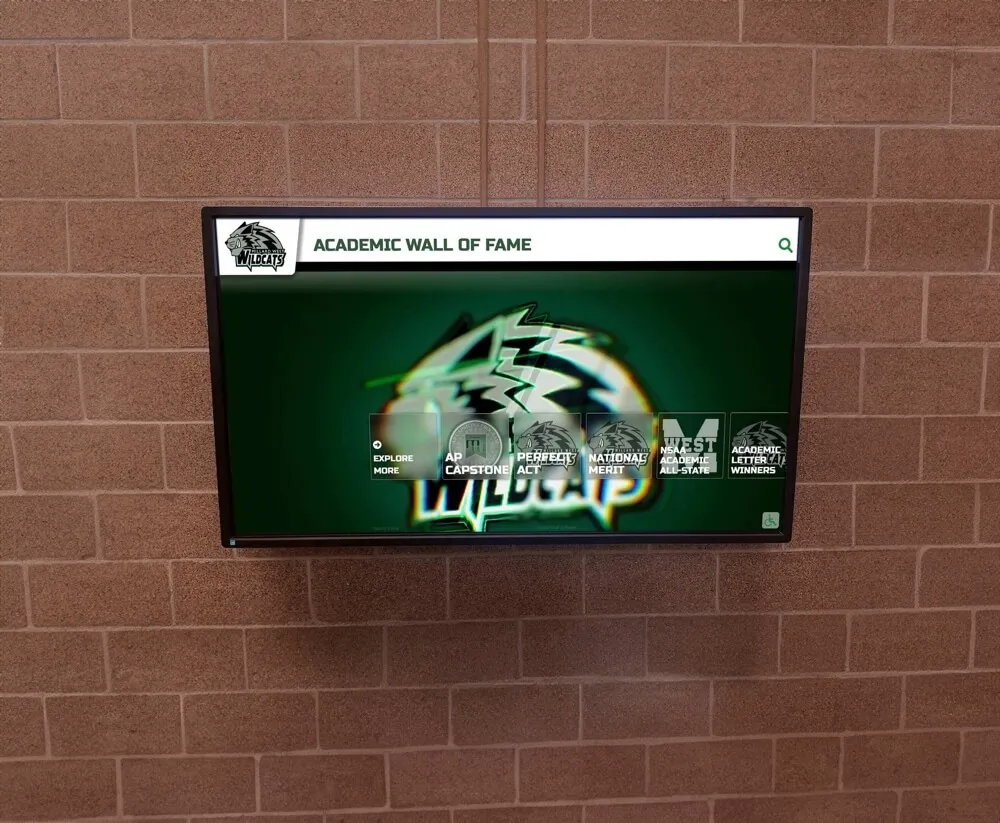
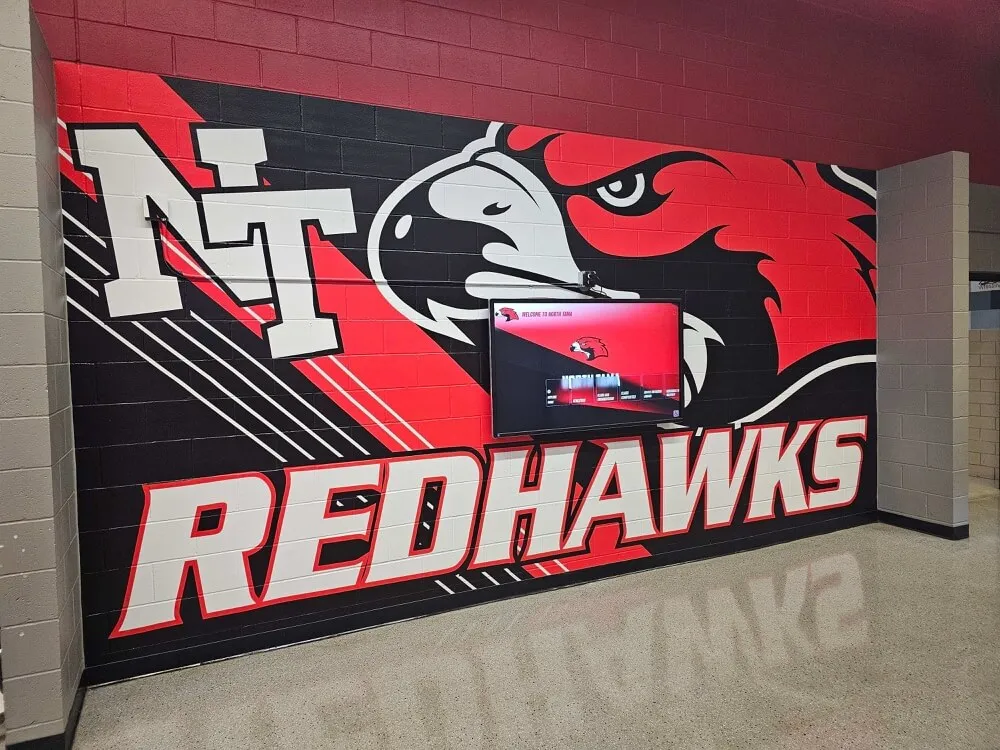
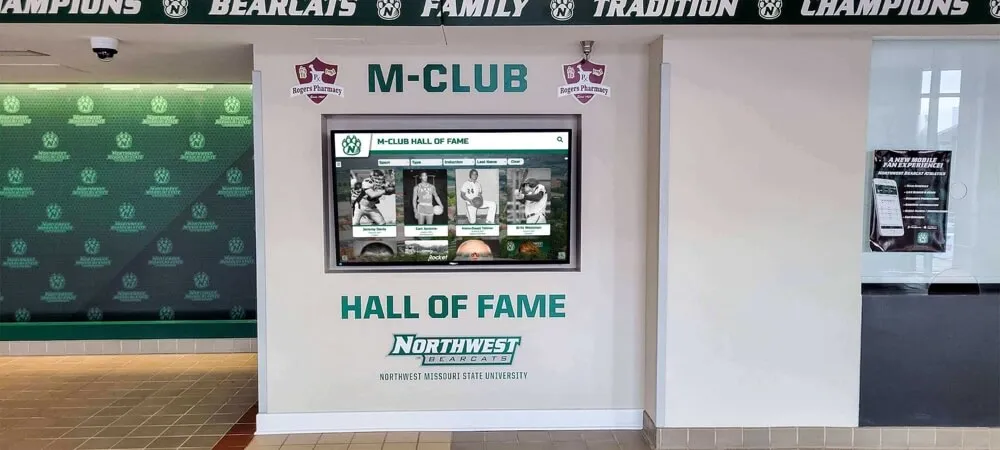
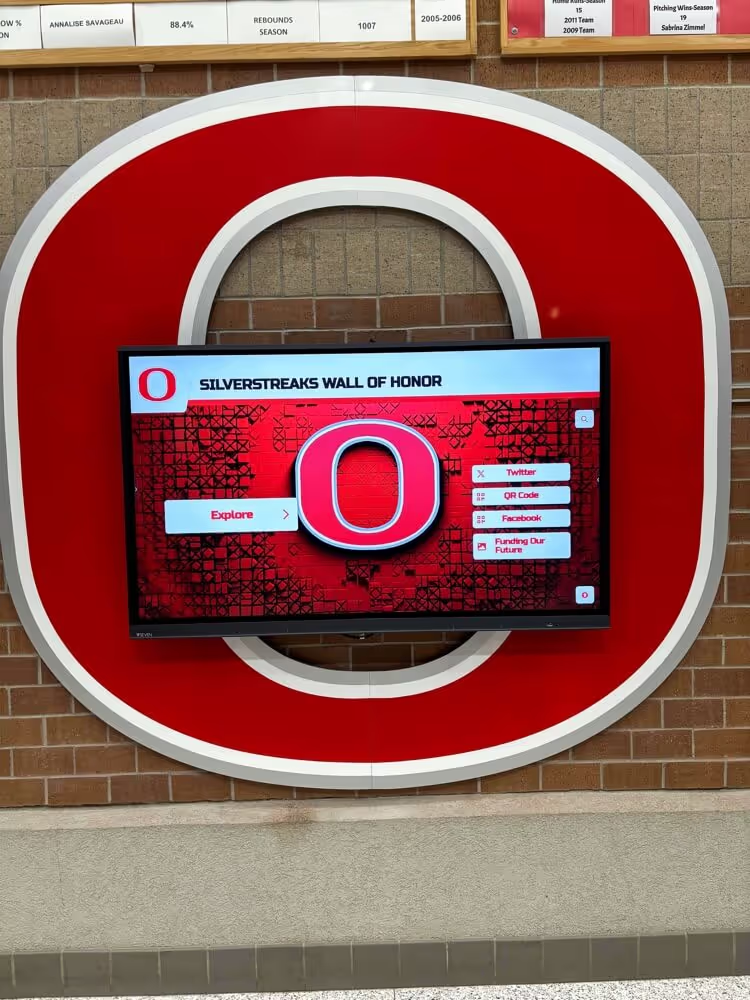
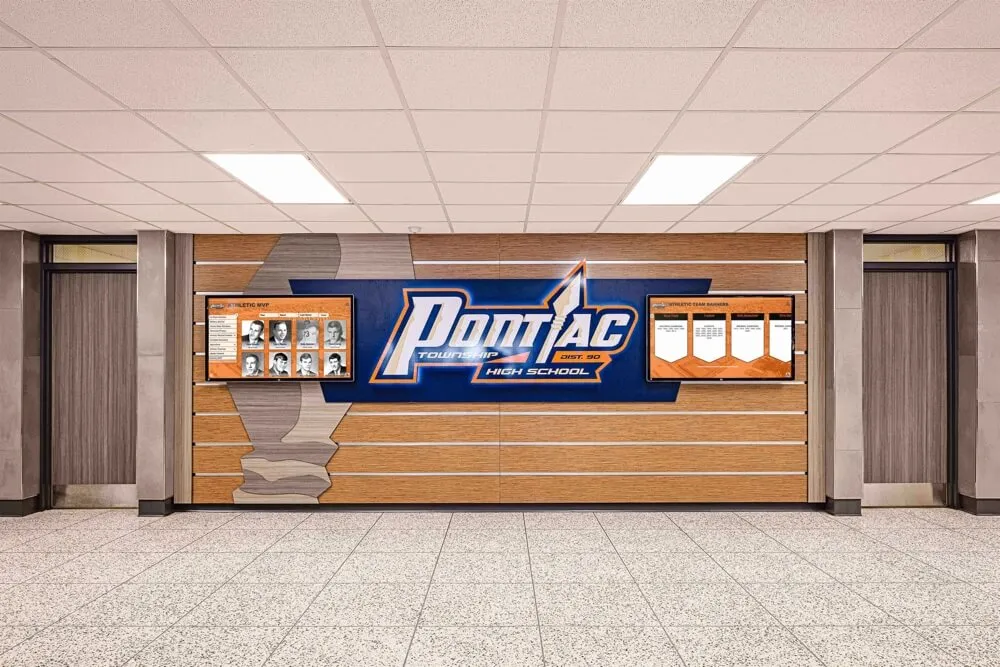
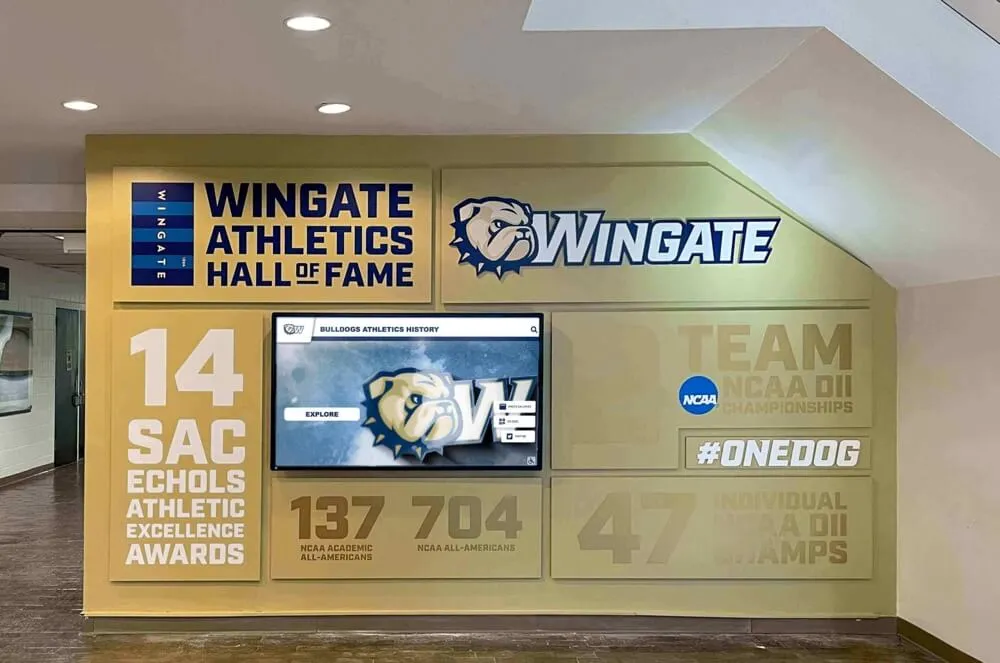
Every recognition shield and award display on a booster club hall of fame wall began as a purchase order—a three-way match policy ensures the invoice, the delivery, and the original authorization all align before payment is issued
What Is a Three-Way Match in a Booster Club Context?
A three-way match is the side-by-side comparison of three independent documents created at three different points in the purchasing cycle:
- The purchase order (PO) — created before the purchase, authorizing the vendor, item, quantity, and agreed price
- The receiving record or receipt — created at delivery, confirming what was actually received, in what condition, and by whom
- The vendor invoice — created by the vendor after delivery, requesting payment for the items provided
The match is complete when all three documents agree. A two-way match—comparing only the invoice to the purchase order—misses the critical question of whether the goods or services were actually delivered. A one-way review of the invoice alone answers nothing about authorization or delivery. Three-way matching closes both gaps.
For recognition-intensive programs—those commissioning sponsor banners, athletic trophies, engraved plaques, or hall of fame display installations—the receiving record is especially important because it confirms that the specific deliverable outlined in the sponsor agreement was physically produced and installed before the vendor was paid.
The Three-Way Match Control Table
The following table defines what each document must contain and what the reviewer is checking at each verification step. Adapt field labels to your program’s tracking system.
| Document | When Created | Key Fields to Verify | Match Checkpoint |
|---|---|---|---|
| Purchase Order | Before vendor commitment | Vendor name, item description, quantity, unit price, total amount, authorizing officer, approval date | Is the vendor on this invoice the same vendor named on the PO? Does the item description match? |
| Receiving Record / Receipt | At delivery or service completion | Date received, item(s) received, quantity received, condition notes, receiving officer name and signature | Was the correct quantity received? Does the description match the PO? Were items in acceptable condition? |
| Vendor Invoice | After delivery, from vendor | Invoice number, vendor name, invoice date, item description, quantity billed, unit price, total due | Does the billed quantity match what was received? Does the billed price match the PO price? |
Green light to pay: All three documents agree on vendor, item, quantity, and price, and delivery is confirmed. Route for payment approval per the dollar-tier authority matrix.
Yellow flag — hold for clarification: One field differs in a way that could reflect a clerical error (unit price rounding, partial delivery billed separately). Contact the vendor for written confirmation before releasing payment.
Red flag — do not pay: Invoice vendor does not match PO vendor, billed quantity exceeds received quantity, or no receiving record exists. Escalate to president or board per policy before any payment action.
Step-by-Step Three-Way Match Process
Apply this sequence to every vendor invoice the program receives. For recognition deliverables tied to sponsor commitments, complete all seven steps and retain the full package in the sponsor’s file.
Retrieve the purchase order. When an invoice arrives, locate the corresponding PO in the program’s purchasing file. If no PO exists, the invoice must not be paid until a retroactive authorization review is completed and documented. Programs with active purchasing policies should not receive invoices without prior POs for any amount above the petty-cash threshold.
Retrieve the receiving record. Locate the receiving log entry, signed packing slip, or delivery confirmation for the goods or services described on the invoice. If no receiving record exists—because the item has not yet been delivered, or because no one documented delivery—hold payment and obtain documentation before proceeding.
Compare invoice to purchase order. Verify that the vendor name, item description, quantity, and unit price on the invoice match the purchase order. Note any discrepancy in the matching worksheet, even if small.
Compare receiving record to purchase order. Verify that the quantity and item description on the receiving record match what was authorized on the purchase order. Partial deliveries must be documented as such; the PO should reflect which portion remains open.
Compare invoice to receiving record. Confirm that the vendor is billing for what was actually delivered—not more, not a different specification, and not items documented as damaged or refused. This step catches the most common type of invoice discrepancy: a vendor billing for the full order when only a partial delivery was accepted.
Document the match result. Record the outcome of each comparison—match confirmed, discrepancy noted, or hold initiated—in the invoice tracking log. Initial and date each entry. For programs without a formal tracking system, a notation on the invoice itself with three confirmation initials (one per comparison) satisfies the documentation requirement.
Route for payment approval. If all three match, route the invoice—with the attached PO and receiving record—to the appropriate approver per the dollar-tier authority matrix. Payment must not be released on the basis of the invoice alone; the matching package travels with the invoice to the approver.
Applying the Three-Way Match to Recognition and Sponsor Deliverables
Booster club recognition programs generate a category of expenditure where the three-way match has a fourth purpose beyond payment accuracy: it creates the delivery documentation that protects the program’s relationship with sponsors and donors when they ask whether their commitment was fulfilled.
When a sponsor agreement specifies a 3×5 banner at the scorer’s table with the sponsor’s logo at a minimum size, the receiving record must confirm that a banner matching those specifications was produced and installed—not just that a vendor delivered “one banner.” A receiving record that says “banner received, OK” does not establish that the specifications were met. The receiving officer must note the dimensions, placement, and logo presentation as part of delivery confirmation.
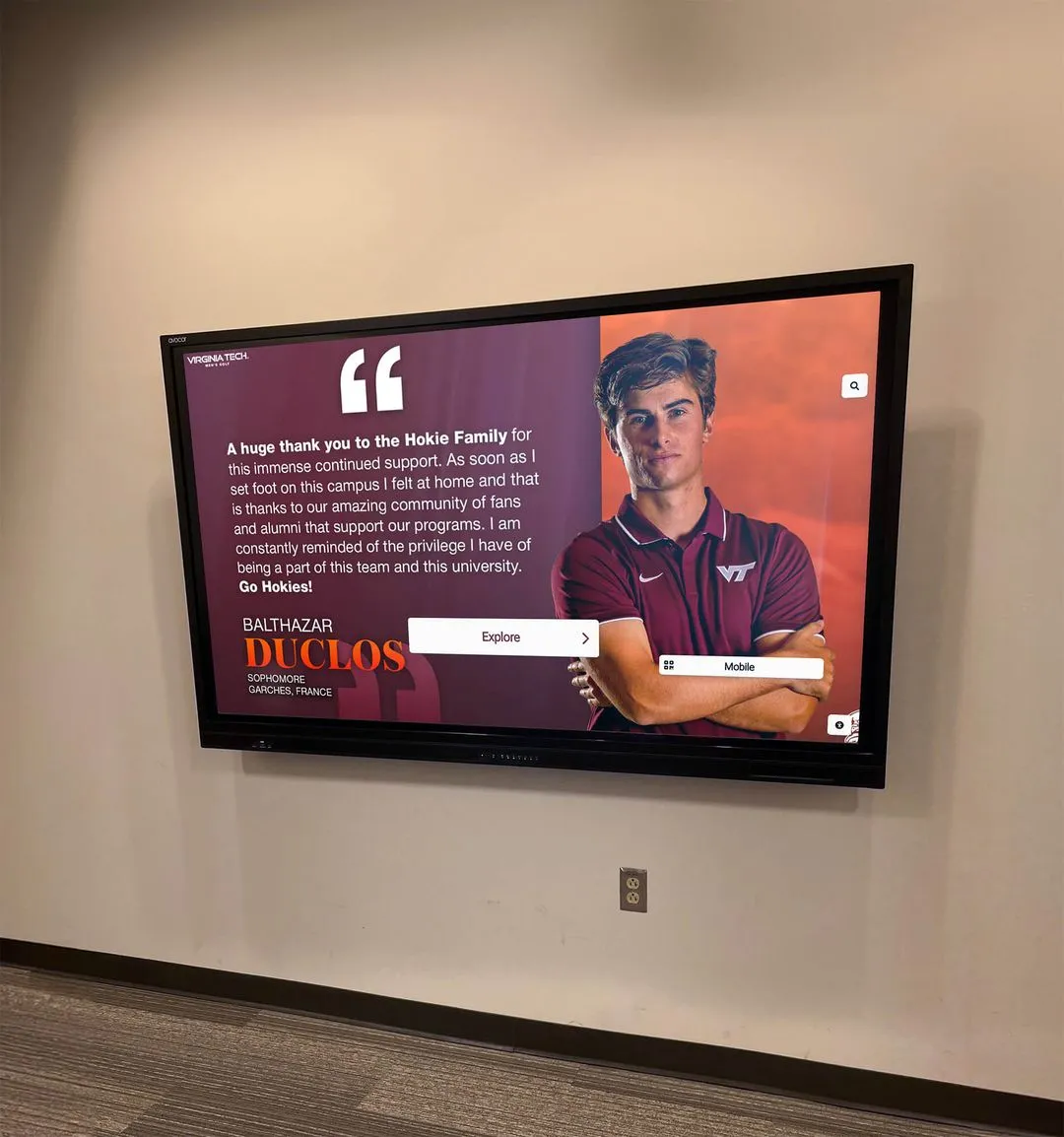
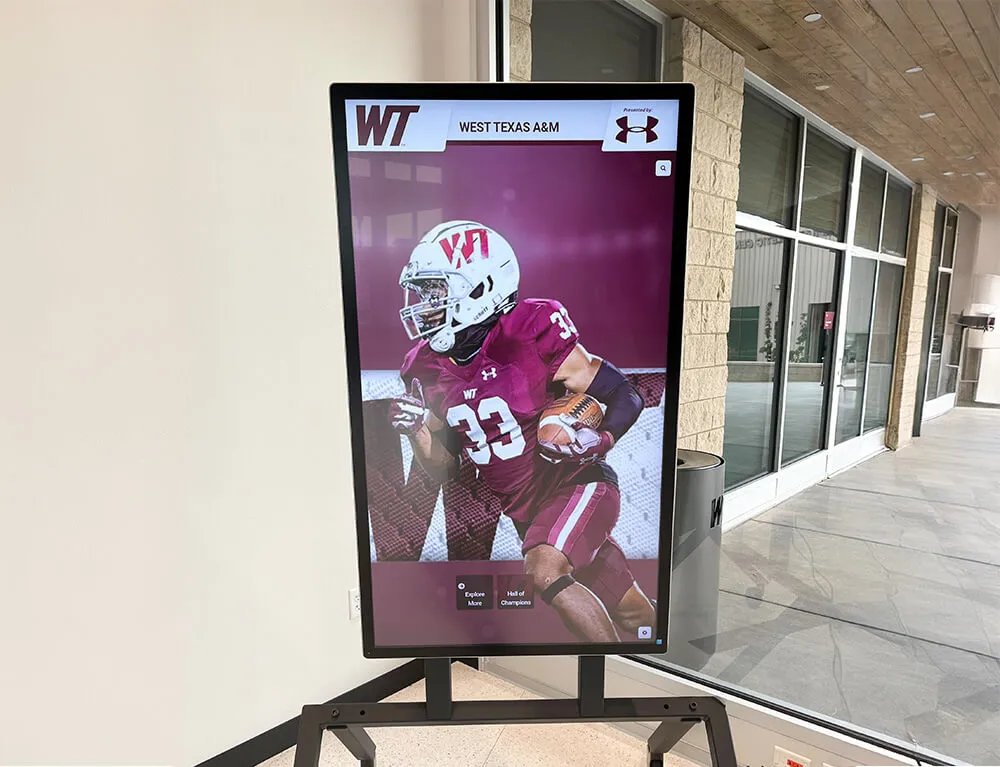
For programs building digital recognition displays for athletic programs, the receiving record should capture the content loaded, the display location, and the date the display went live—because these are the specific deliverables the sponsor paid for and the program committed to provide.
Programs that document recognition deliverables with this level of detail have a ready answer when a sponsor renews: the prior year’s matching package shows exactly what was delivered, verified, and paid for. That documentation is also the foundation for recognition programs that survive officer transitions—new leadership can open the file and understand what was committed, delivered, and paid without asking predecessors to reconstruct events from memory.
Athletic recognition archives for high school programs depend on the same kind of systematic documentation: when every award production invoice is matched against a purchase order and a delivery confirmation, the program can account for every recognition item in its history.
When the Three Documents Do Not Match
Most three-way match discrepancies fall into one of four categories. Knowing the standard resolution for each allows the treasurer to resolve common issues without escalating every question to the board.
Quantity discrepancy — invoice exceeds receiving record. The vendor billed for ten trophies; the receiving record confirms eight were delivered. Contact the vendor in writing, request a corrected invoice for the eight items received, and document the communication. Do not pay the full invoice while the shortage is unresolved. If the remaining two items are on backorder, confirm the timeline in writing and flag the open portion of the PO.
Price discrepancy — invoice price differs from PO price. The vendor invoiced at a unit price higher than the agreed PO price. Determine whether the PO price was a firm quote or an estimate. If firm, request a corrected invoice at the PO price and document the vendor’s acknowledgment. If the PO price was an estimate and market prices changed, obtain board approval for the price difference before releasing payment above the authorized amount.
Vendor name discrepancy — invoice vendor does not match PO vendor. This can reflect a legitimate parent-company billing arrangement (e.g., a local supplier billing under a regional distribution entity) or, in rare cases, a fraudulent invoice from a vendor who had no relationship with the program. Verify the billing entity’s relationship to the contracted vendor before releasing any payment. Do not assume a name difference is administrative without written confirmation.
Missing purchase order — invoice arrives with no corresponding PO. The most common situation requiring immediate attention. Determine whether the purchase was authorized verbally, forgotten, or genuinely unauthorized. If authorized but undocumented, require a retroactive purchase authorization signed by the appropriate officer before payment proceeds. If unauthorized, escalate to the president or board. Programs with consistent three-way match enforcement see the frequency of no-PO invoices decline quickly once vendors and officers understand that payment requires prior authorization.
Documentation and Recordkeeping Standards
A three-way match policy is only as durable as its documentation. The following retention standards align with general nonprofit recordkeeping practices; consult your CPA or legal advisor for jurisdiction-specific requirements.
| Document Type | Minimum Retention Period | Storage Requirement |
|---|---|---|
| Purchase orders | 7 years | Physical or electronic; organized by fiscal year |
| Receiving records / delivery confirmations | 7 years | Attached to corresponding PO or stored in vendor file |
| Vendor invoices | 7 years | Attached to matching package; invoice number indexed in log |
| Matching worksheets or notations | 7 years | Part of invoice file; reviewer initials preserved |
| Discrepancy correspondence | 7 years | Attached to invoice file; flagged in tracking log |
| Sponsor commitment delivery records | Duration of sponsor relationship plus 7 years | Sponsor file with agreement and matching package |
Programs that store matching packages digitally—scanned and filed by vendor and fiscal year—reduce the physical storage burden while making audit-response faster. Digital hall of fame platforms for schools offer a parallel model: systematic digital organization of recognition records that can be retrieved quickly and presented confidently, regardless of how many officer transitions have occurred since the original installation.
For recognition programs that issue academic or athletic awards funded by booster expenditure, the documentation chain connects the award to the invoice to the delivery record to the sponsor or donor whose contribution made it possible. Academic achievement award programs at high schools are most defensible—and most credible to funders—when every underlying expenditure is backed by a complete matching package.
Connecting Three-Way Match to Donor and Sponsor Trust
Donors and sponsors who fund booster club programs are making a trust-based commitment. They are not reviewing your check register, but they are watching whether the recognition they were promised appears at the game, whether their name is spelled correctly on the display panel, and whether the scholarship was awarded as described. A three-way match policy is what connects their contribution—documented in the giving record—to the specific expenditure that produced the recognition they see.
When a sponsor asks at renewal whether their investment produced what was committed, the answer is not in the sponsor’s memory of the event. It is in the program’s matching package: the purchase order for the banner, the receiving record confirming dimensions and placement, and the invoice showing the specific amount applied against their sponsorship. Programs with this documentation close renewals faster and at higher levels because they can show—not just tell—that commitments were met.
Social media recognition tools for sponsors and donors extend this transparency into ongoing stewardship, but the underlying credibility depends on the same financial controls that verify every dollar of sponsor investment reached the deliverable it was designated for.
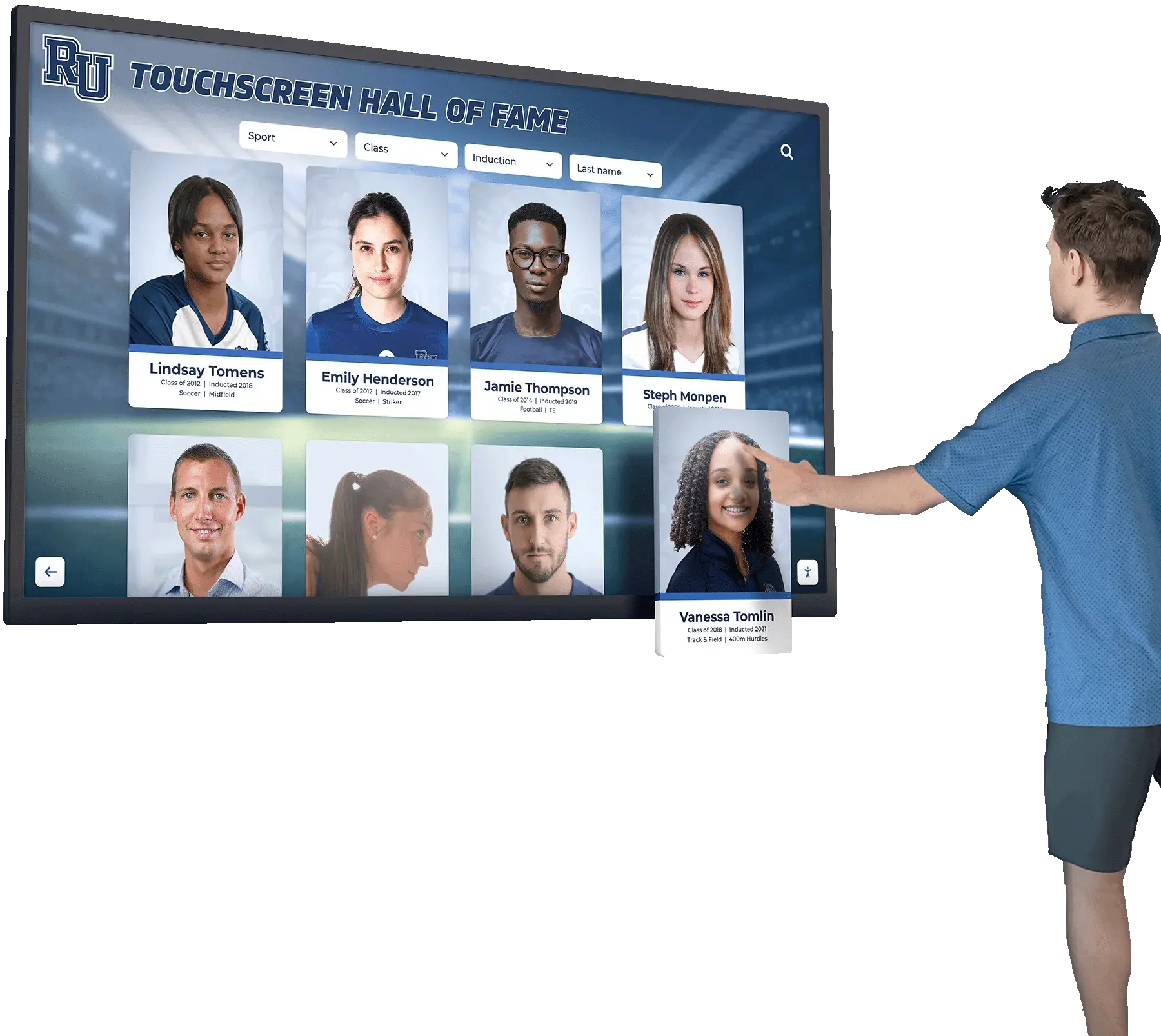
For programs that aspire to AP Scholar-level recognition programs and touchscreen displays funded by community donors, the three-way match is the governance foundation that makes those programs sustainable: it ensures the money raised for recognition actually produces recognition, verifiably, before payment clears.
Frequently Asked Questions
What is a booster club three-way match policy?
A booster club three-way match policy is a financial control requiring that three documents—the purchase order, the receiving record or receipt, and the vendor invoice—be compared and verified against each other before any payment is authorized. All three must agree on vendor, item description, quantity, and price. The policy prevents unauthorized payments, overbillings, and payments for goods or services that were not actually delivered.
Why is the receiving record the most important document in the three-way match?
The purchase order confirms authorization and the invoice confirms what the vendor claims to have delivered—but only the receiving record confirms what was actually received. Without a signed receiving record, a program cannot prove that goods were delivered at all, which creates both a payment-control gap and a sponsor documentation gap. Programs that skip receiving records regularly pay for items that were never delivered or delivered in unacceptable condition.
Can a booster club do a two-way match instead?
A two-way match—comparing the invoice to the purchase order without a receiving record—confirms authorization but not delivery. For services that cannot be physically received (design work, photography, consulting), a two-way match with a written completion confirmation from the service recipient is an acceptable substitute. For physical goods—trophies, banners, display hardware, uniforms—a two-way match without delivery confirmation is insufficient and leaves the program unable to challenge an overbilling or a non-delivery claim.
What happens if an invoice arrives and there is no purchase order?
Payment must be held until a retroactive purchase authorization is created, signed by the appropriate officer, and reviewed by a second officer per the program’s approval authority matrix. The treasurer should also investigate how the purchase was committed without a prior PO, and whether the authorization policy needs to be reinforced with vendors and officers. Consistent hold enforcement—where no PO reliably means no payment—reduces unauthorized purchases quickly.
How does a three-way match policy support sponsor renewal conversations?
The matching package for each sponsor-related expenditure—purchase order, receiving record, and invoice—constitutes the delivery record for the sponsor’s contracted benefits. When a sponsor asks at renewal whether last year’s commitments were fulfilled, the treasurer can produce the documented evidence rather than relying on memory or photos. Programs that present sponsors with delivery documentation during renewal conversations report fewer disputes and stronger retention because the record replaces ambiguity with verified fact.
Does the three-way match apply to digital products and services?
Yes, with adaptation. For digital deliverables—website listings, social media graphics, display content uploads, or email recognition campaigns—the receiving record becomes a completion confirmation: a dated record of when the digital deliverable went live, who confirmed it, and what specific content or specifications were verified. Screenshot records, platform-generated confirmation emails, and written sign-offs from the receiving officer all qualify as receiving documentation for digital deliverables.
How should the three-way match be integrated into the monthly reconciliation cycle?
The invoice tracking log—which records every invoice received, its matching status, and its payment status—should be reviewed as part of the monthly reconciliation process. Any invoice in a “hold” or “discrepancy” status should be flagged for treasurer attention. Unresolved holds older than 30 days should be escalated to the president or board for awareness. The reconciliation review catches matching failures that would otherwise sit unresolved in the payables queue past the point where the vendor and receiving records can be easily reconstructed.
What is the difference between three-way matching and a purchase order policy?
A purchase order policy governs how and when POs are created—the dollar thresholds, who can issue a PO, and what the PO must contain. A three-way match policy governs how the PO is used at payment time—verifying it against the receiving record and invoice before payment is released. The two policies work together: the PO policy ensures authorization documentation exists before purchase; the three-way match policy ensures that documentation is verified before payment. Programs need both to maintain a complete purchasing control cycle.
When your program is ready to build the recognition infrastructure that sound financial controls are designed to protect—digital donor walls with accurate giving histories, lobby displays with verified sponsor tier placements, and athletic hall of fame systems built for year-round governance review—explore how Rocket Alumni Solutions helps school booster programs plan, fund, and maintain permanent recognition environments.