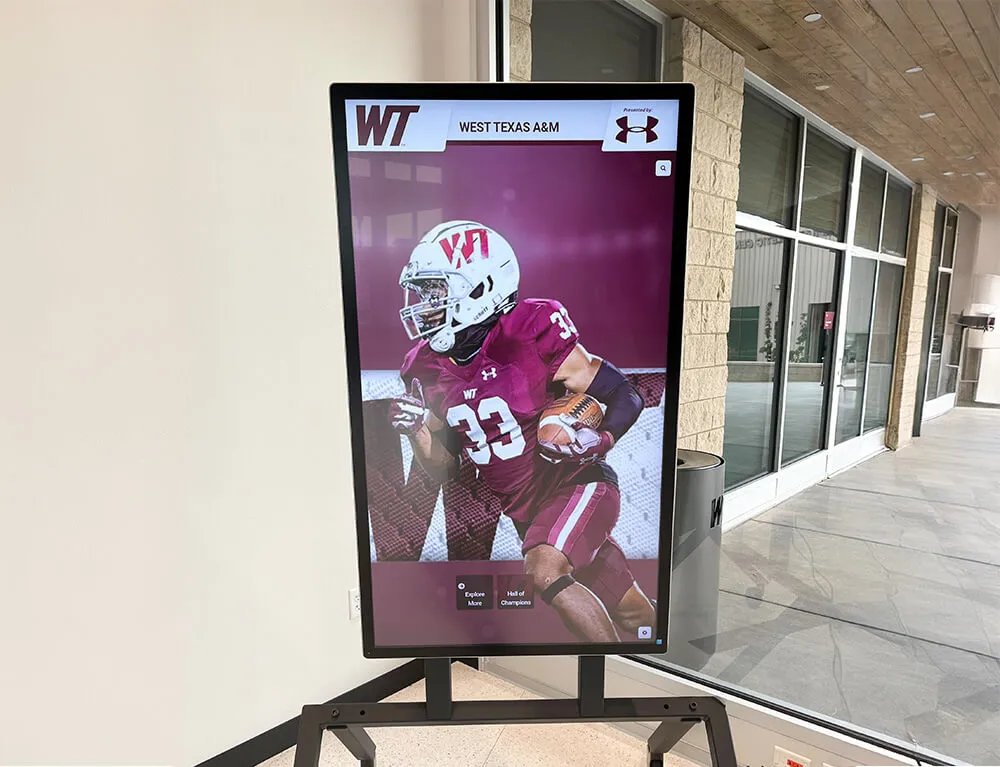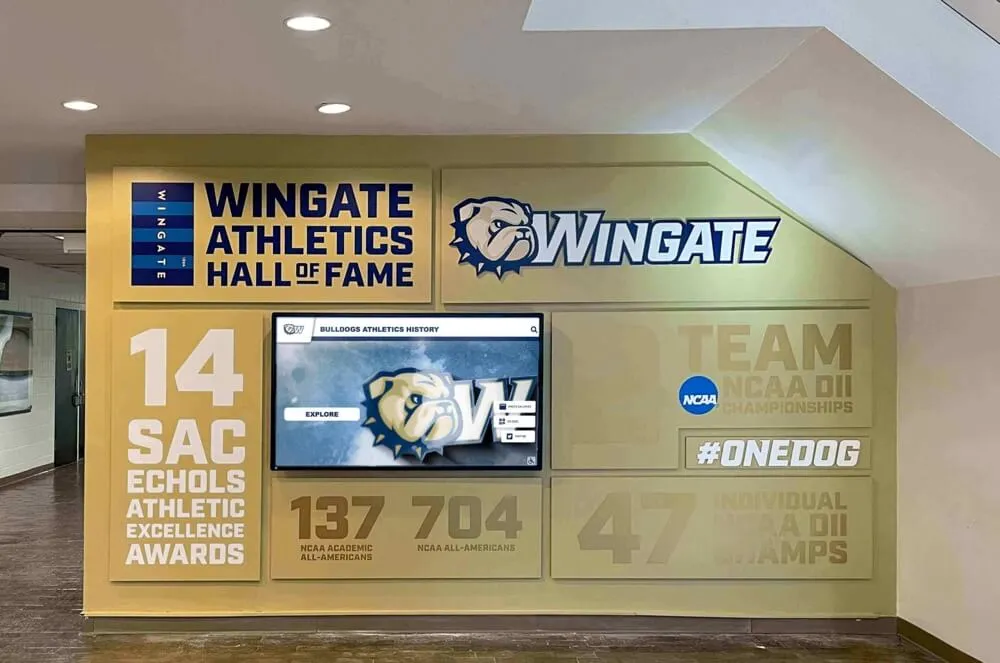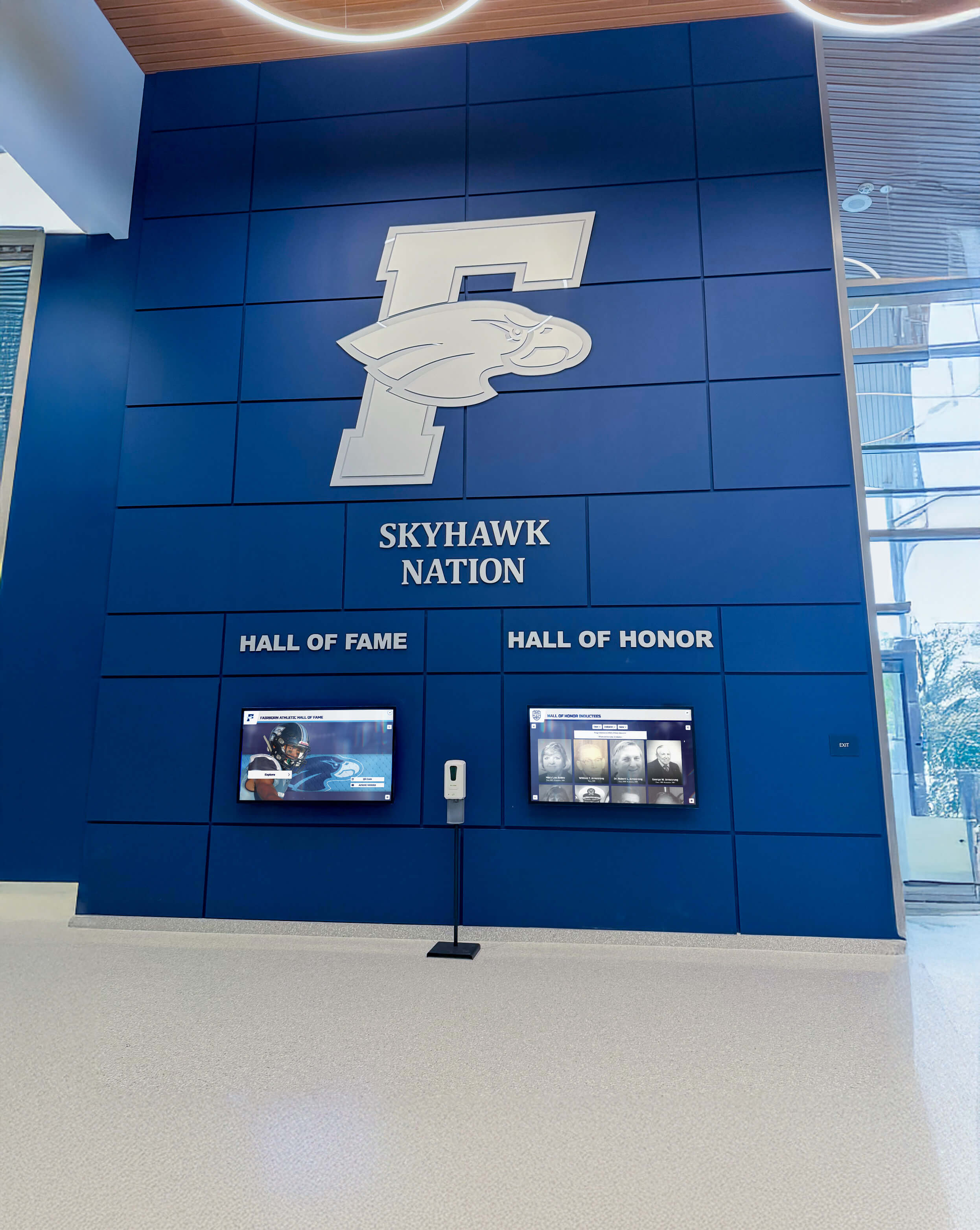
A booster club whistleblower policy establishes a protected channel for officers, volunteers, coaches, and community members to report suspected financial irregularities, sponsor misrepresentations, and recognition commitment failures without fear of retaliation. Athletic directors, booster club presidents, and school administrators who serve programs with active sponsorship portfolios, digital donor walls, and ongoing hall-of-fame displays face a governance gap that good intentions alone cannot fill: the people most likely to observe a problem—a treasurer counting cash at a concession stand, a display committee member noticing that a sponsor’s promised banner was never installed, a volunteer who overhears a conversation about redirected funds—are also the people with the most to lose if reporting that problem creates personal or professional consequences.
A written whistleblower policy addresses that gap directly. It defines what the organization considers a reportable concern, names the people and channels through which reports can be made, describes the investigation process that follows a report, and commits the organization in writing to protecting reporters from retaliation. For booster clubs that manage sponsorship agreements with delivery obligations, donor recognition tiers with public display commitments, and financial flows that pass through volunteer hands at every fundraising event, the policy is not a formality—it is the governance mechanism that makes accurate recognition and accountable stewardship possible across officer generations.
This guide is for informational purposes only and does not constitute legal, tax, accounting, or compliance advice. Whistleblower protections, reporting obligations, and organizational liability vary significantly by jurisdiction, corporate structure, and the nature of the organization’s tax-exempt status. Consult a licensed attorney or CPA for guidance specific to your booster club’s situation before adopting any whistleblower policy.

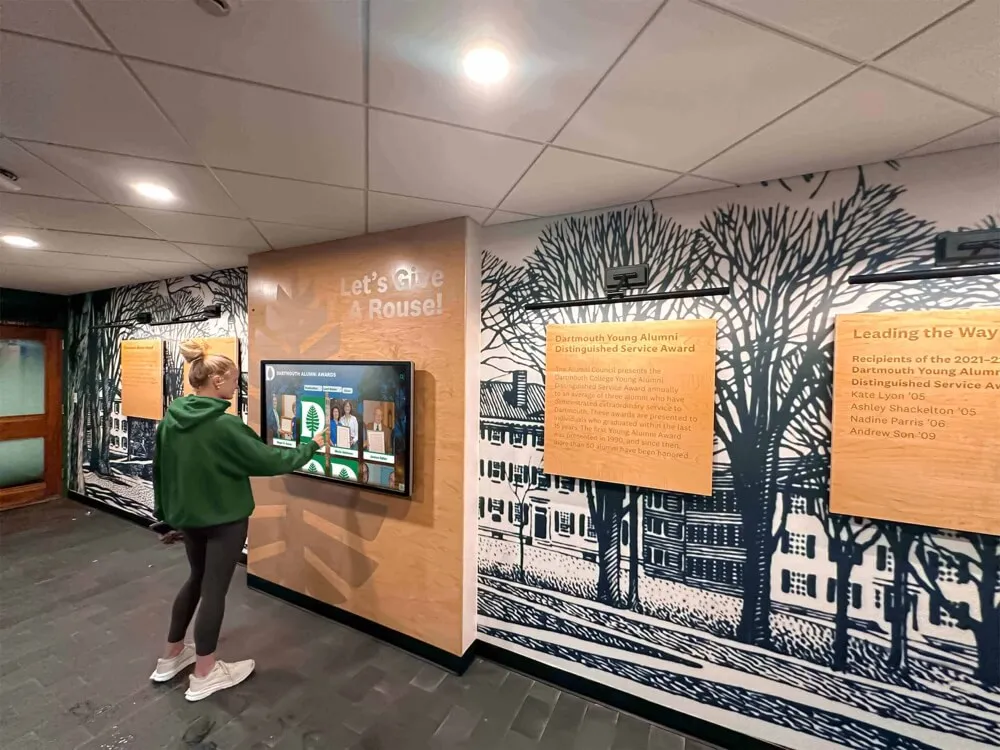
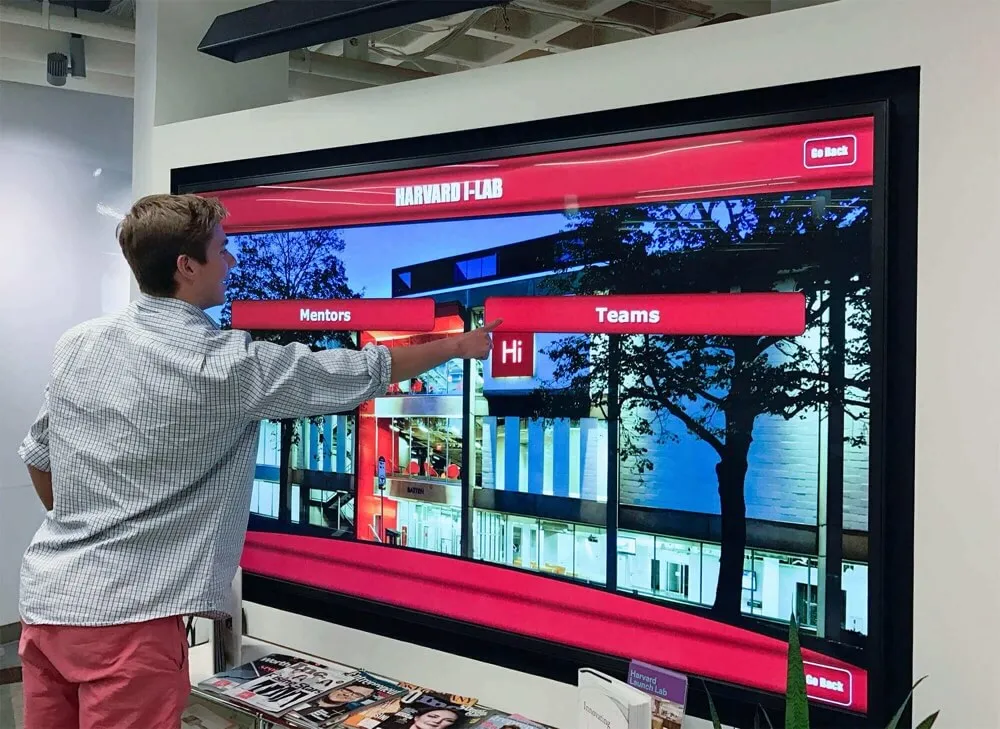
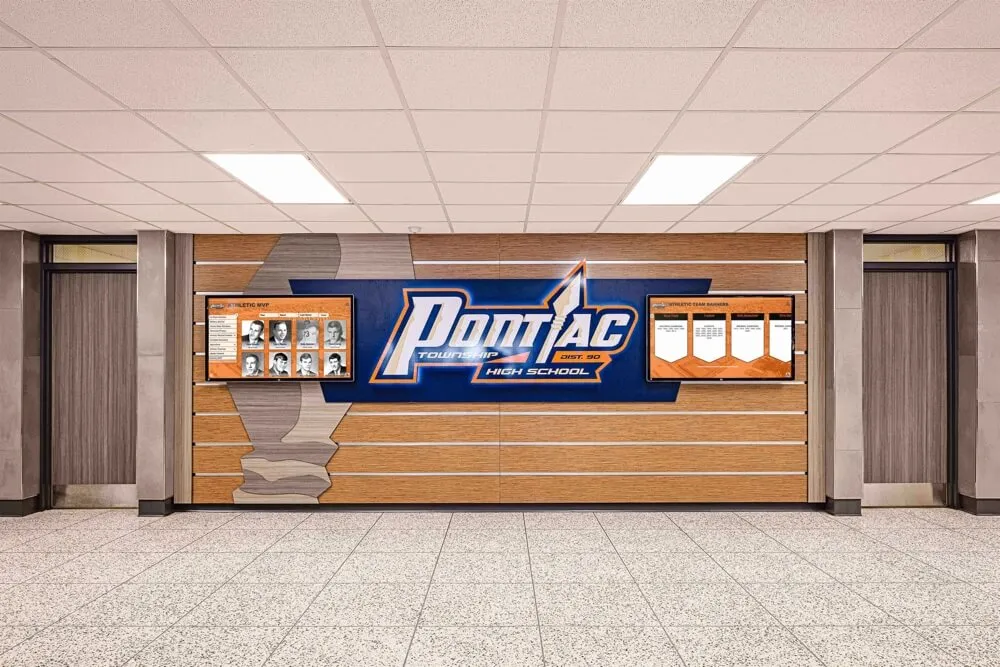
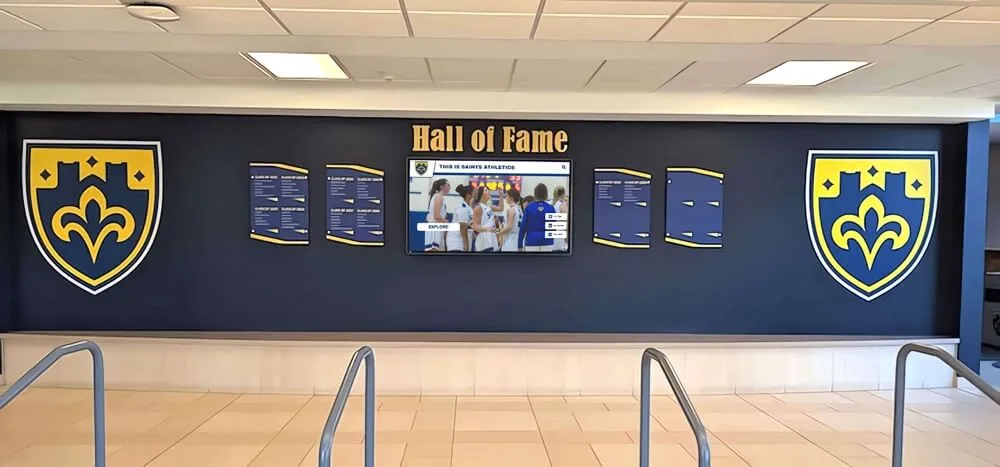
Lobby recognition spaces represent years of sponsorship commitments, donation acknowledgments, and display obligations—a whistleblower policy protects the people who notice when those commitments are not being honored
What a Booster Club Whistleblower Policy Is
A booster club whistleblower policy is a written governance document that defines:
- Reportable concerns — what types of conduct the organization treats as warranting formal review
- Reporting channels — who can report, to whom, and through what method
- Investigation procedures — what steps the organization takes after receiving a report
- Non-retaliation protections — the specific protections available to good-faith reporters
- Confidentiality standards — how the organization handles the identity of reporters and the content of reports during investigation
Booster clubs organized as nonprofits—whether incorporated independently or operating under a school district’s umbrella—face governance expectations similar to those of larger charitable organizations. Many state nonprofit statutes require organizations above certain revenue or employee thresholds to have whistleblower policies in place. Even where a policy is not legally required, the IRS Form 990 (required of nonprofits with gross receipts over $50,000) includes a question about whether the organization has a written whistleblower policy. Organizations that answer no to that question without explanation invite scrutiny during district or donor audits.
Booster clubs that have not yet reached the filing threshold should still evaluate whether a written policy serves their governance needs. A policy adopted before a problem surfaces is infinitely more useful than one drafted in response to a crisis.
What a Booster Club Whistleblower Policy Should Cover
Financial Concerns
Financial irregularities in booster club contexts typically fall into several categories:
- Unauthorized expenditures — funds spent without required approval, or without supporting receipts
- Misapplied restricted funds — contributions designated for a specific purpose (a particular sport, a scholarship, a display project) spent on unrelated expenses
- Cash-handling violations — concession proceeds or event receipts that are not counted by two people, not deposited promptly, or not reconciled against expected totals
- Undisclosed conflicts of interest — an officer directing a purchase to a vendor in which the officer has an undisclosed financial interest
- Falsified records — financial documents that do not reflect actual transactions, including acknowledgment letters, bank statements, or treasurer reports
Reporters who observe any of these conditions should have a clear path to report the concern without approaching the officer who may be involved in the conduct.
Sponsor Concerns
Sponsor relationships carry contractual delivery obligations. When a business sponsors an athletic program at a named tier, the organization commits to specific recognition benefits—banners at designated locations, digital display placements, program listings, scoreboard acknowledgments, social media recognition, or other deliverables specified in the agreement. A reportable sponsor concern includes:
- Undelivered sponsor benefits — recognition placements promised in a signed agreement that were never installed or activated
- Misrepresented reach or audience — reporting to sponsors about attendance, viewership, or display traffic that does not reflect actual numbers
- Expired agreements treated as current — displaying or acknowledging sponsors whose agreements have lapsed, or collecting sponsorship payments without executing updated agreements
- Documentation gaps — the absence of signed agreements, proof-of-delivery records, or acknowledgment documentation that a sponsor could reasonably expect to exist
Evaluating the full range of recognition display tools available to school athletics programs provides context for what sponsor recognition delivery looks like across different display formats and platforms—useful background for anyone tasked with evaluating whether a particular recognition commitment is being honored.
Recognition and Display Concerns
Recognition commitments—the specific terms under which donors, sponsors, and honorees are displayed in a lobby, corridor, digital system, or hall of fame—create ongoing obligations that persist across officer generations. Reportable recognition concerns include:
- Incorrect donor or sponsor names — names misspelled, displayed under the wrong tier, or absent from a display where they were promised
- Unfulfilled naming commitments — a named facility, trophy case, or display space that was promised in a written agreement but never executed
- Unauthorized removal of names or recognition — removing a donor, sponsor, or honoree from a display without board authorization or donor consent
- Recognition tier misrepresentation — publicly representing a donor’s giving level at a higher or lower tier than their actual cumulative gift history supports
- Digital display accuracy failures — recognition entries in managed digital systems that contradict the written agreements governing them
Programs that maintain digital record board displays and interactive hall-of-fame systems should ensure that display content can be traced back to the documentation that authorizes it—a practice that makes recognition concerns easier to identify and resolve, and that gives whistleblower reports a factual foundation that can be verified through the system’s own records.
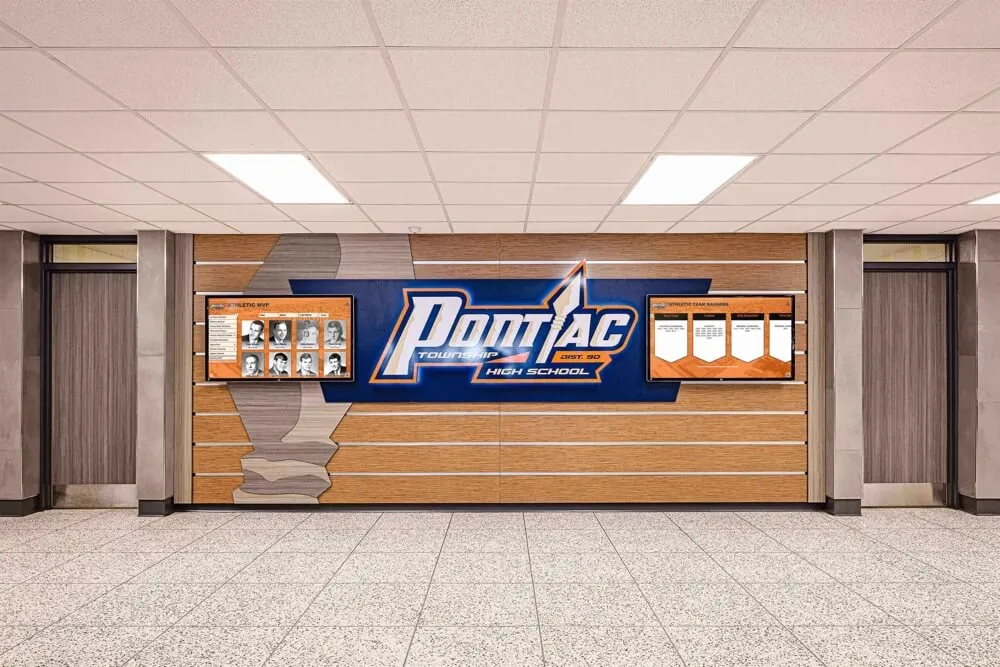
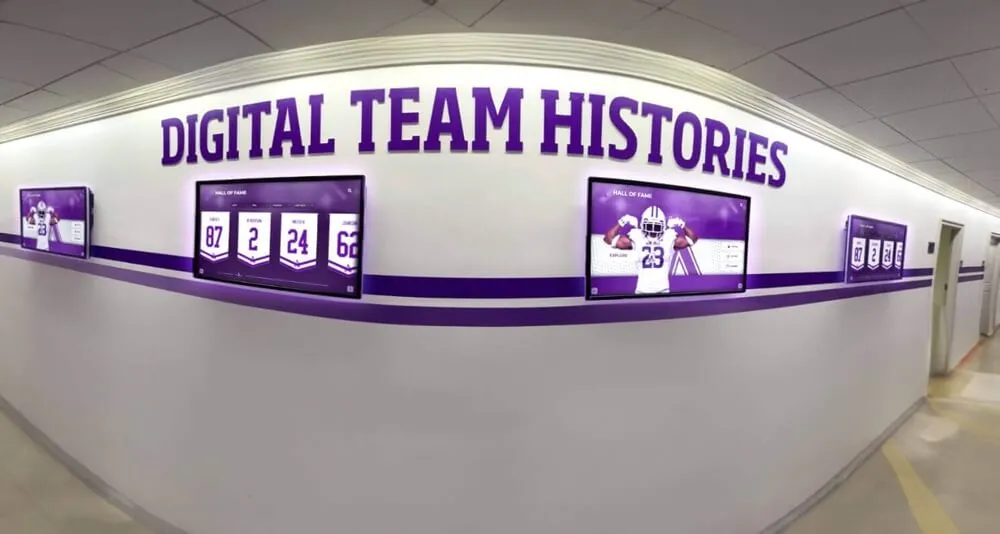
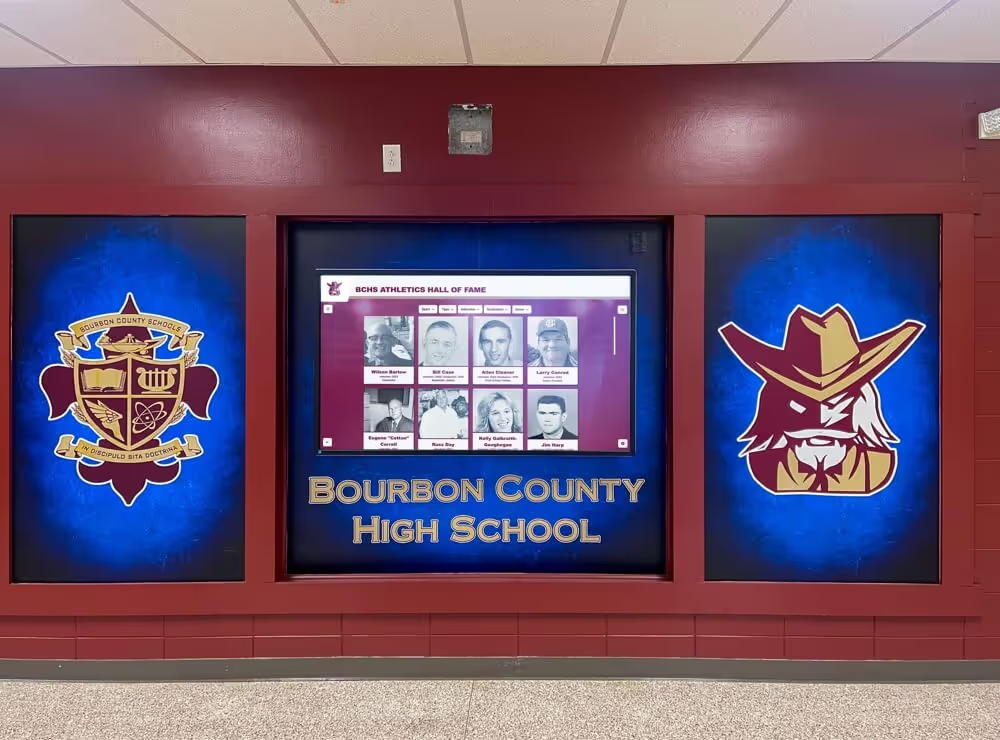
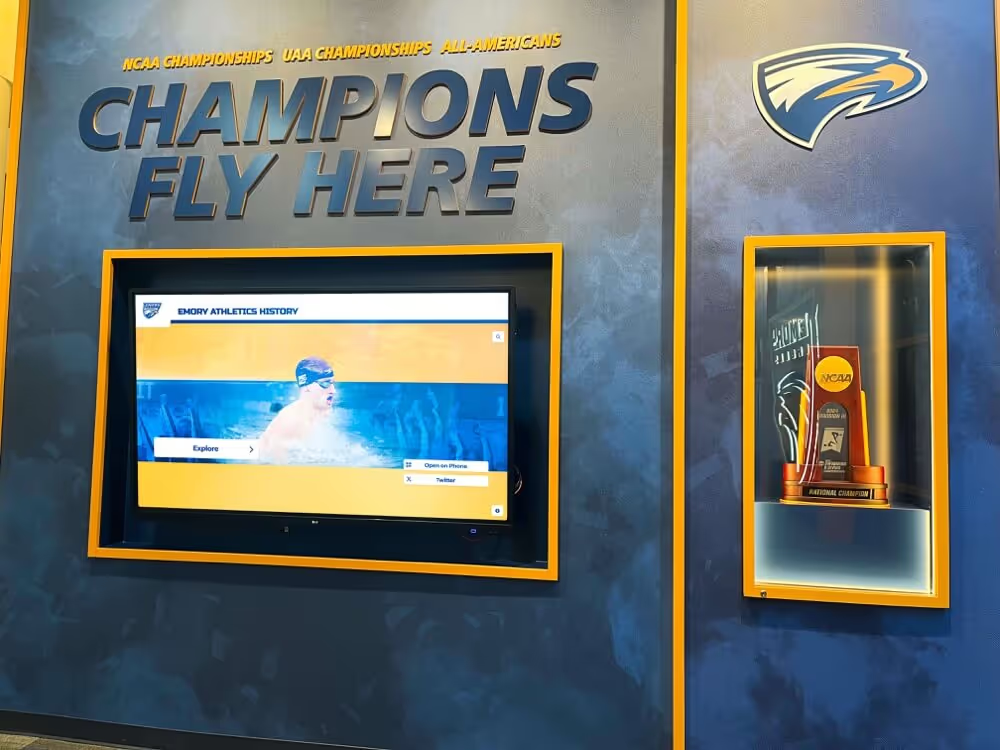
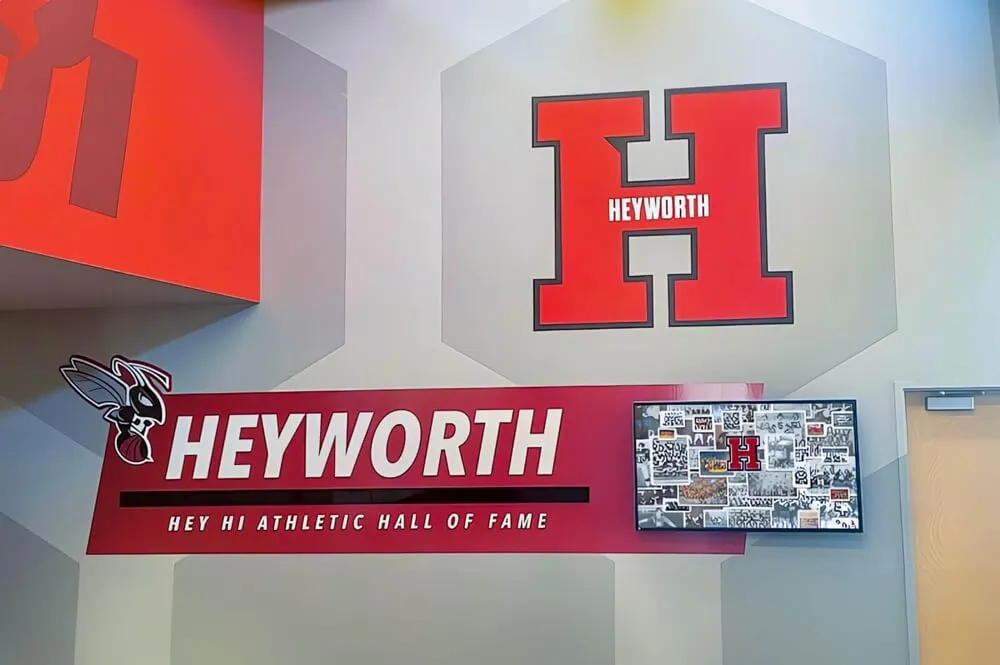
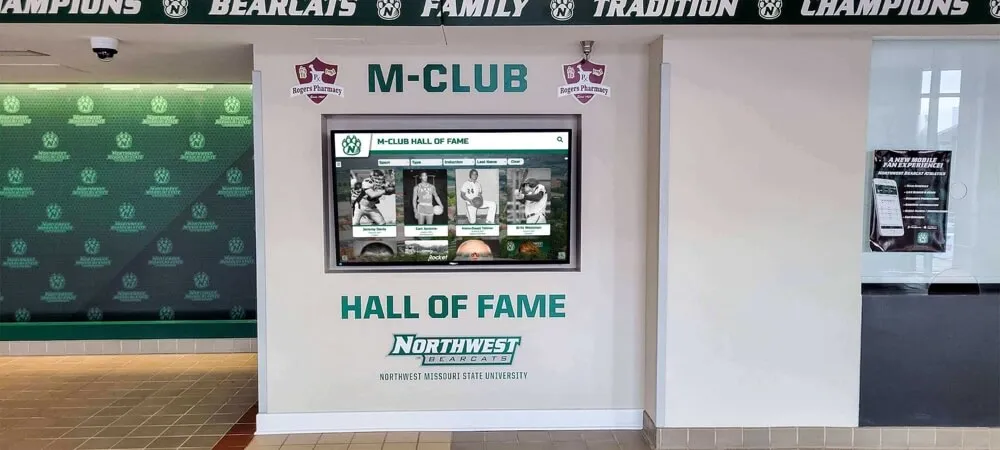
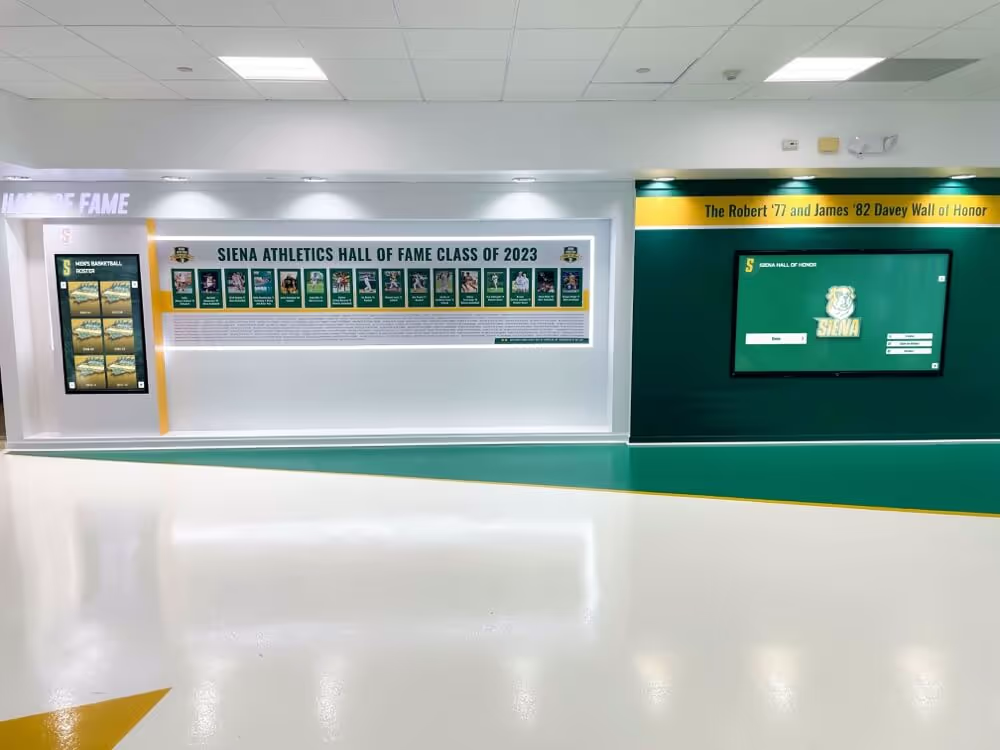
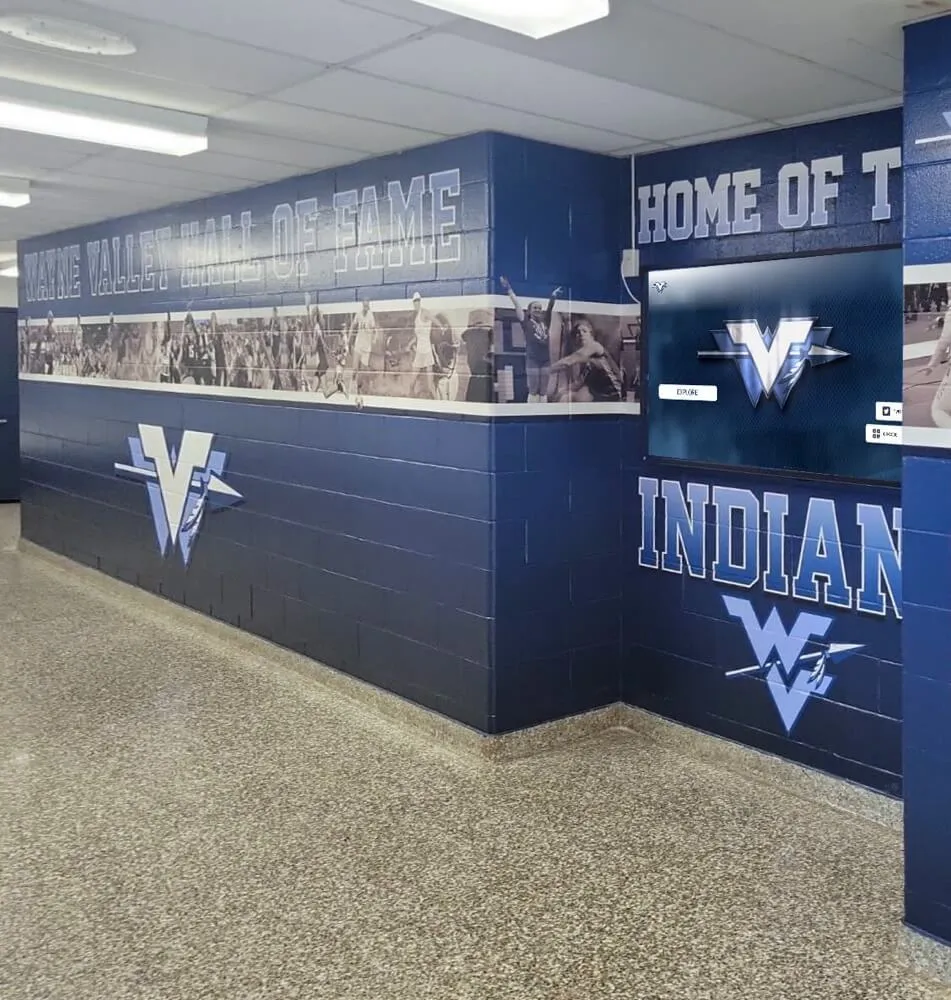
Athletic hallway honor displays are high-visibility governance artifacts—accuracy errors are immediately apparent to the community the policy exists to serve, making recognition concerns a legitimate category of whistleblower reporting
The Numbered Reporting Workflow
A whistleblower policy is only useful if the people who need it can follow it under pressure. The following six-step workflow provides a starting-point structure that programs can adapt. The specific names, roles, and timelines should be modified to match the organization’s governance structure.
BOOSTER CLUB WHISTLEBLOWER REPORTING WORKFLOW

Step 1 — Identify the Concern
  The reporter identifies specific conduct that appears to violate the
  organization's financial controls, sponsor agreements, or recognition
  commitments. Vague concerns can be reported; the investigation process
  is responsible for clarifying scope, not the reporter.

Step 2 — Select a Reporting Channel
  The reporter selects the appropriate channel based on who is involved:

    Primary channel:
      Written report (email or form) submitted to the Booster Club
      President or a designated Compliance Officer not involved in the
      reported conduct.

    Alternate channel (if the President or Compliance Officer is involved
    in the reported conduct):
      Written report submitted directly to the School Athletic Director
      or the school district's designated reporting contact.

    Anonymous channel:
      Anonymous written reports may be submitted via [method designated
      by the organization, e.g., sealed envelope to the school office,
      online form with anonymity option]. Anonymous reports will be
      investigated to the extent possible given the information provided.

Step 3 — Acknowledgment of Receipt
  The receiving officer acknowledges receipt of the report in writing
  within [5 business days]. The acknowledgment confirms only that the
  report was received; it does not represent a conclusion about the
  reported conduct.

Step 4 — Preliminary Review
  The designated reviewer conducts a preliminary review within
  [10 business days] of acknowledgment to determine whether the report
  describes a matter within the policy's scope and whether sufficient
  information exists to proceed to formal investigation.

    If out of scope or insufficient: The reporter is notified in writing.
    If within scope: Proceed to Step 5.

Step 5 — Investigation
  A formal investigation is conducted by a party independent of the
  reported conduct—typically the Board President, a designated committee,
  the school Athletic Director, or an outside advisor depending on the
  nature of the concern and the parties involved. The investigation
  may include:

    - Review of financial records, sponsor agreements, or display
      documentation relevant to the reported concern
    - Interviews with officers, volunteers, or other parties with
      direct knowledge of the reported conduct
    - Physical or digital inspection of recognition displays,
      signage, or digital systems relevant to the concern

  The investigation timeline should be documented. A target of
  [30 business days] from initiation to preliminary findings is
  appropriate for most concerns; complex financial matters may require
  longer review periods.

Step 6 — Resolution and Documentation
  The investigation produces a written finding—confirmed, partially
  confirmed, or unconfirmed—and, where applicable, a corrective action
  plan. The reporter is notified of the outcome in writing. All
  documentation related to the investigation is retained in a secure
  file accessible only to authorized officers and, where applicable,
  to legal counsel or the school district's compliance designee.
Non-Retaliation Protections
A whistleblower policy without enforceable non-retaliation protections is not a whistleblower policy—it is a reporting procedure. The distinction matters because reporters who do not believe they are protected will not report. The non-retaliation section of a booster club whistleblower policy should specify:
What retaliation means. Define the conduct the organization prohibits: removal from committee positions, exclusion from volunteer opportunities, social pressure or intimidation directed at the reporter, disclosure of the reporter’s identity without consent, adverse changes to a reporter’s child’s participation opportunities, and any other action taken in response to a good-faith report.
What protection covers. The policy should confirm that protection applies to any person who makes a report in good faith—meaning the reporter had a reasonable basis for believing the reported conduct occurred, regardless of whether the investigation ultimately confirms the concern. Protection does not apply to reports made in demonstrably bad faith or with the intent to harm a specific individual without factual basis.
How protection is enforced. The policy should name the party responsible for receiving retaliation complaints (typically the School Athletic Director or a board member designated as the compliance contact), describe the process for reviewing a retaliation complaint, and specify the corrective actions available—including removal from leadership positions—when retaliation is confirmed.
What anonymous reporters can expect. Anonymous reporters cannot receive direct non-retaliation protection because their identity is not known to the organization. The policy should acknowledge this limitation honestly while committing the organization to investigate anonymous reports on their merits and not pursue identification of anonymous reporters through internal communication channels.
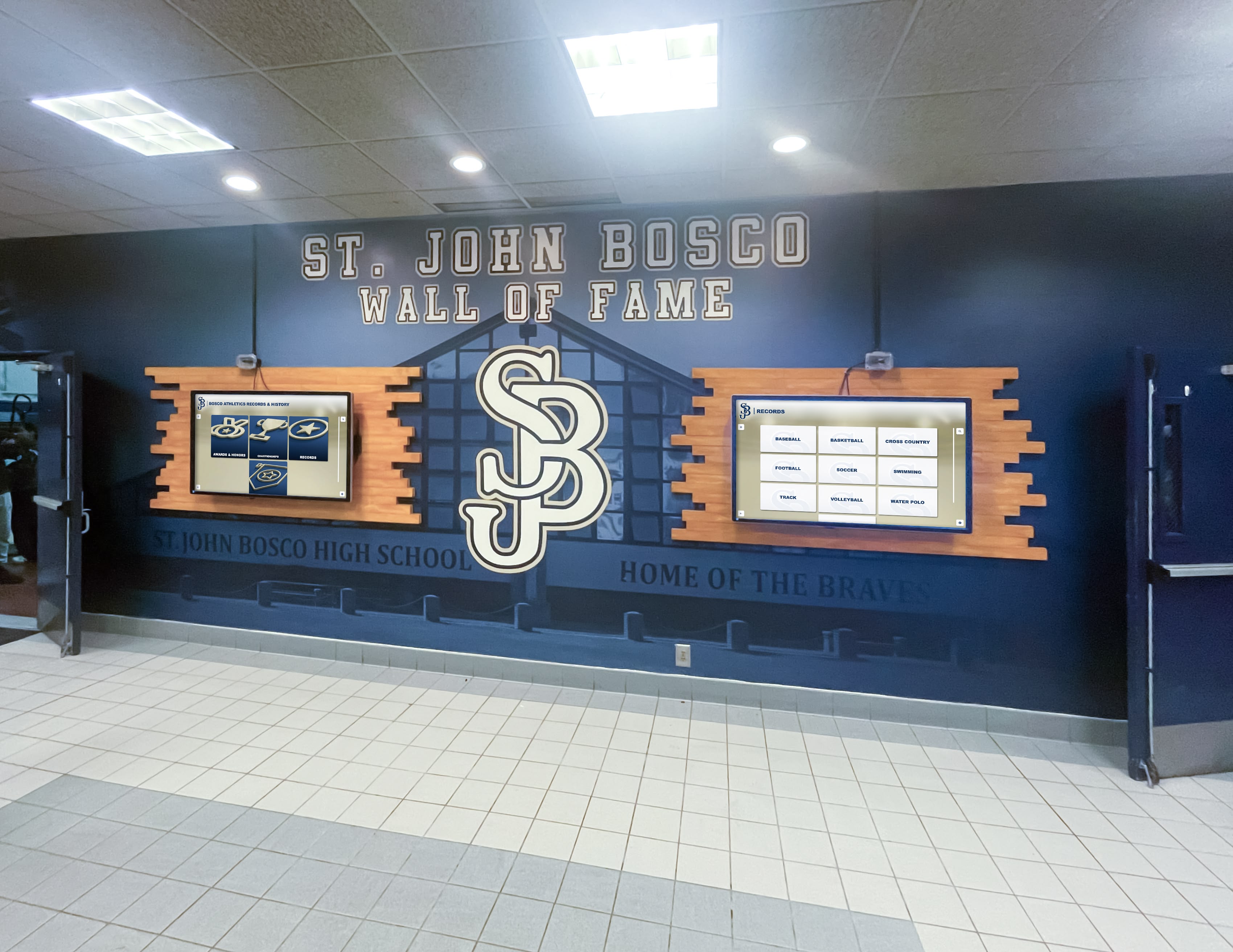
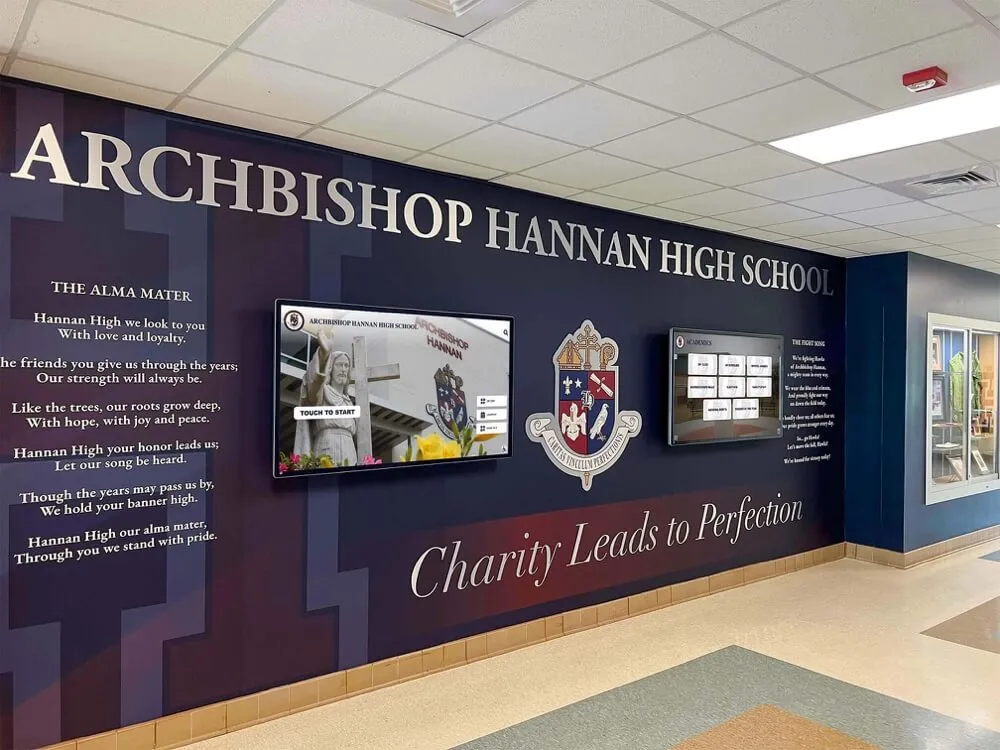
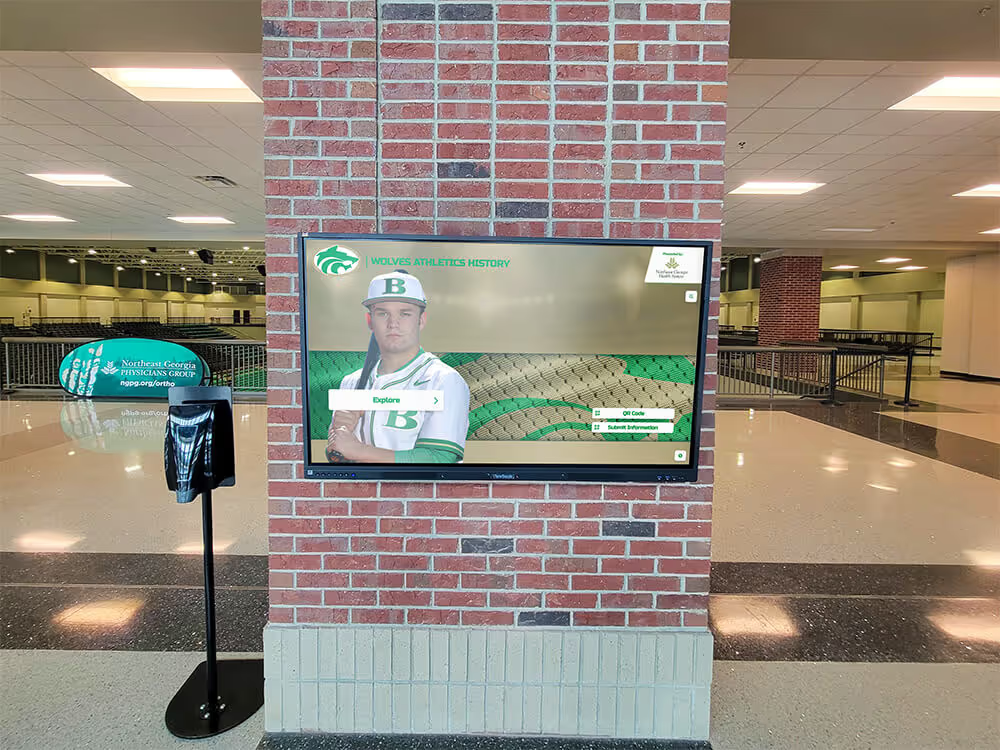
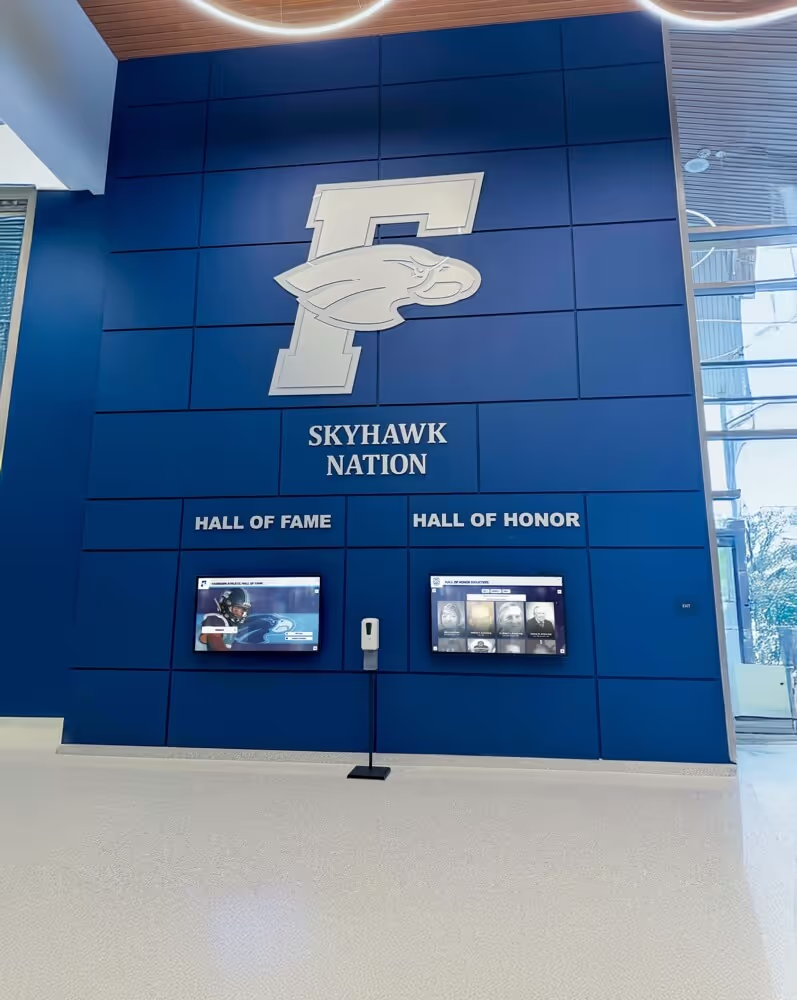
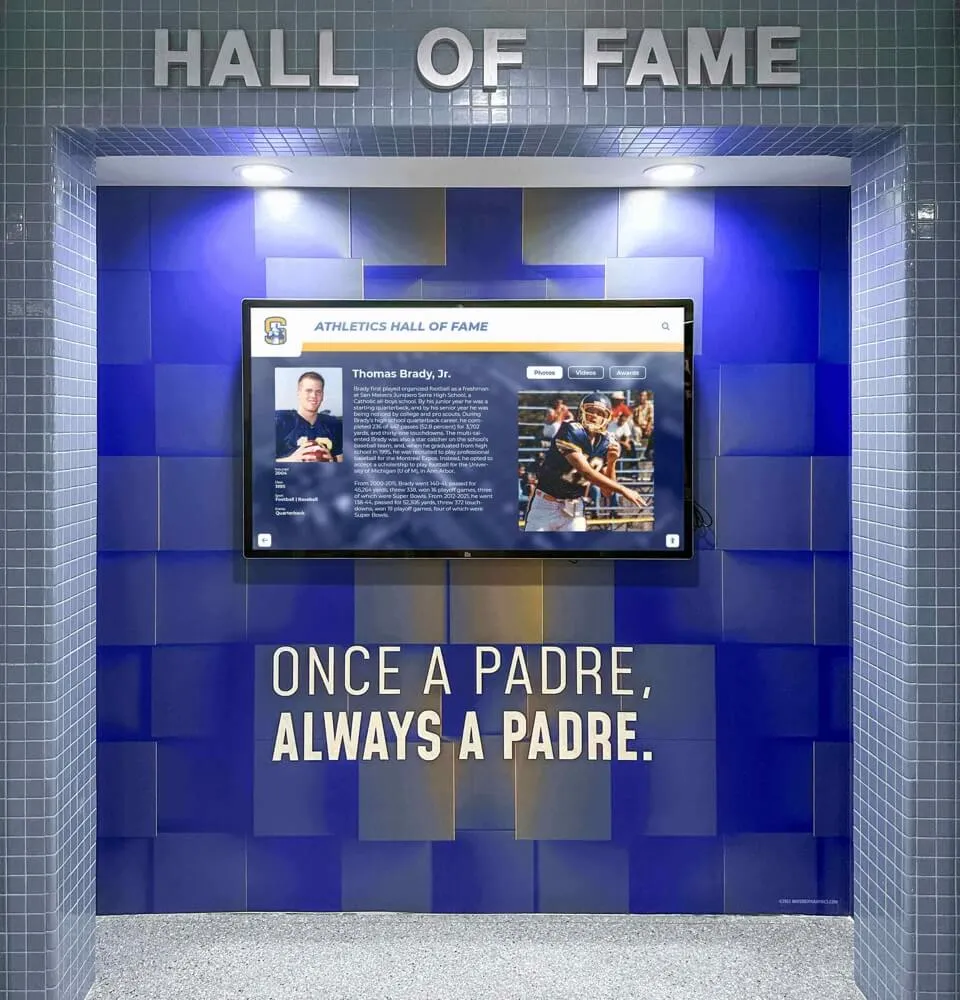
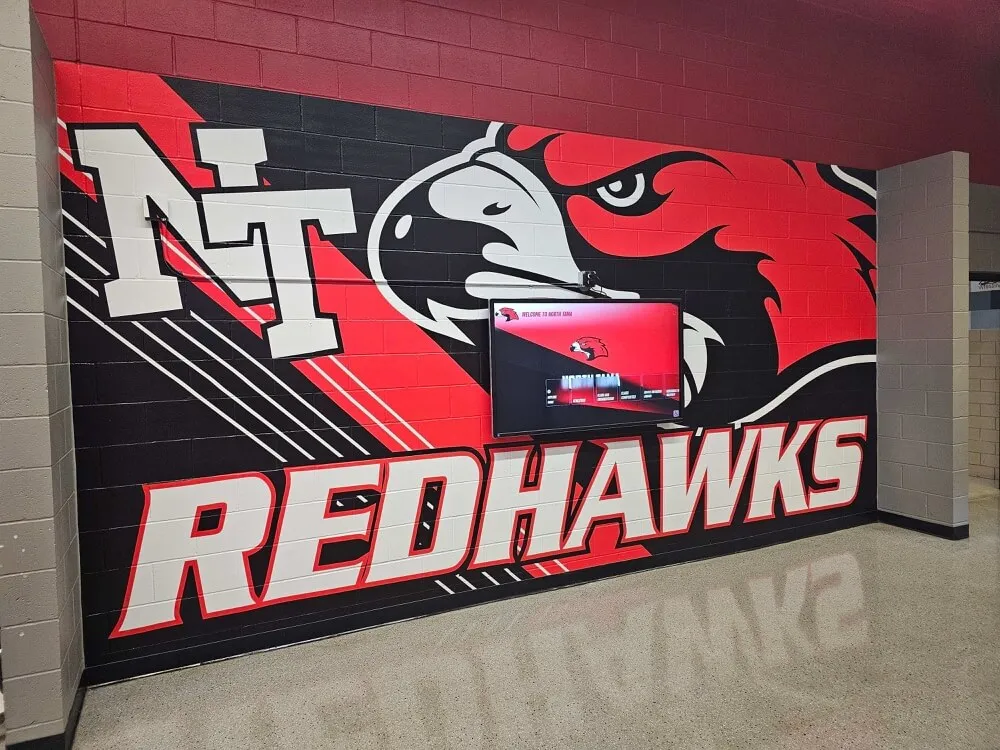
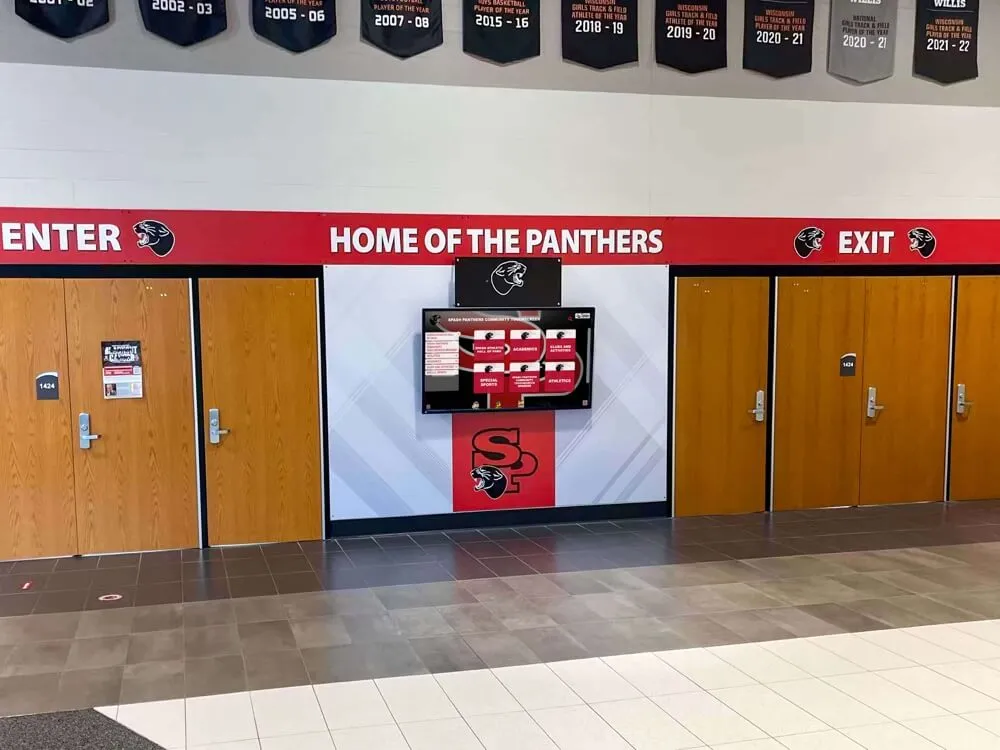
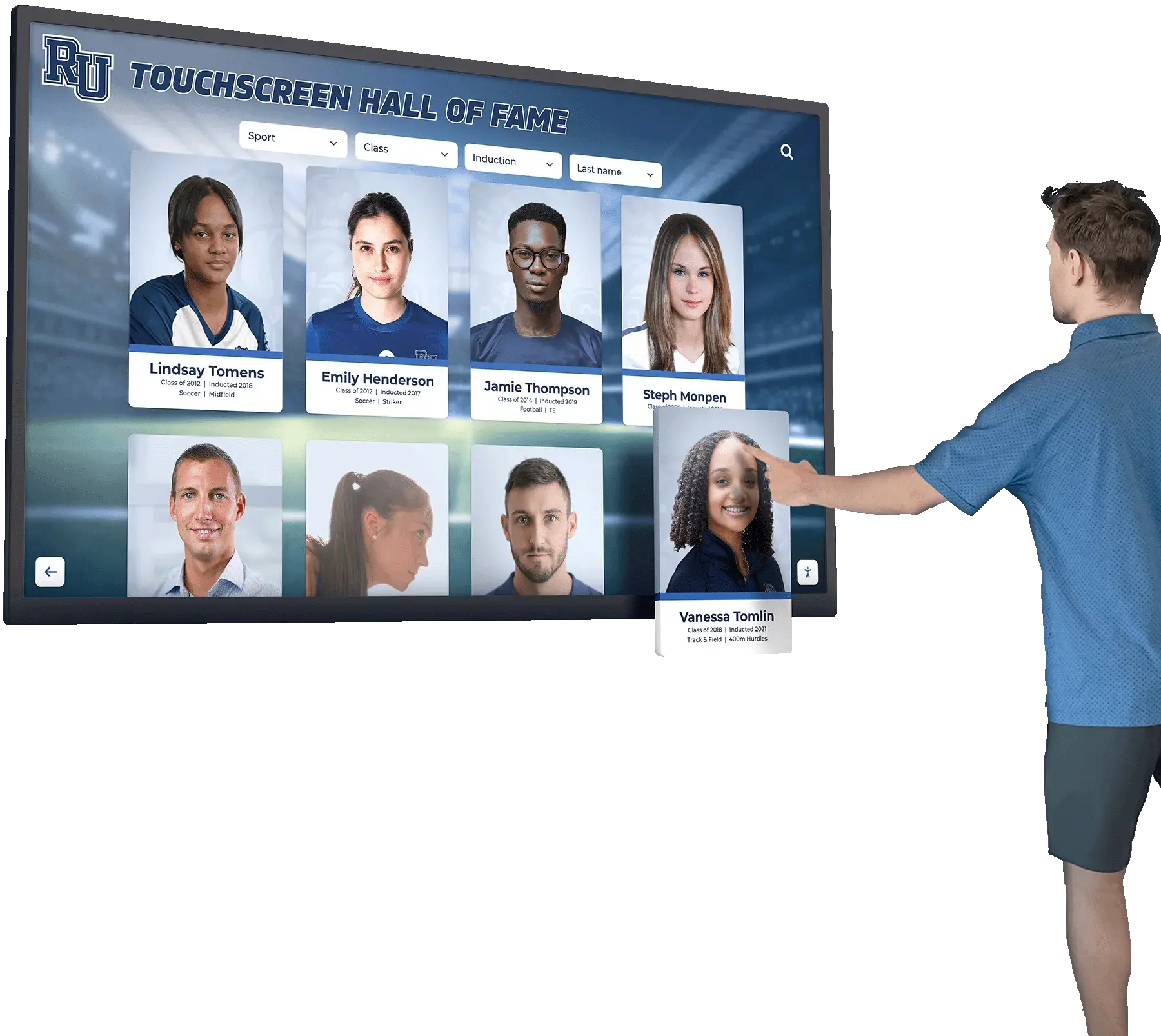
Digital recognition systems in school hallways are public-facing governance commitments—the accuracy of what appears on these screens is a stewardship obligation that a written whistleblower policy helps protect
Financial Reporting: What the Policy Should Specifically Address
Booster club financial concerns have specific characteristics that differ from larger nonprofit contexts. The most common financial concerns arise not from sophisticated fraud but from informal practices that feel acceptable in volunteer cultures but create material governance risks:
Cash handling at events. Booster clubs routinely handle significant cash at concession stands, gate operations, and fundraising events. Cash that moves through informal channels—counted by one person, deposited days after the event, or reconciled against estimates rather than actual counts—is vulnerable to losses that may be accidental or intentional and are equally difficult to investigate after the fact. The whistleblower policy should establish cash handling as a reportable concern when the organization’s written procedures are not followed, and give volunteers who observe a deviation a protected path to report it without accusing a specific officer of misconduct.
Expense approvals and reimbursements. Unauthorized expenditures—purchases made without the required board approval or documentation—are among the most common booster club financial issues. A volunteer or committee member who notices that a purchase was made without a receipt, that a reimbursement was approved by the same officer who incurred the expense, or that spending in a particular category is inconsistently documented should have a clear reporting path.
Fund designation accuracy. When a donor contributes to a specific restricted fund—a scholarship, a facility project, a display system upgrade—the organization commits to applying those funds to the designated purpose. A treasurer who observes that restricted funds are being spent on general operations, or that restricted fund balances are being reported inaccurately to donors, has a reportable concern under a policy that covers financial irregularities.
Athletic director resource guides covering budget management and program governance provide useful background on how athletic program financial decisions are typically made and documented—context that helps program leaders understand where financial controls should be in place and where informal practices create the kind of governance gaps that a whistleblower policy helps address.
Sponsor Concerns: Recognition Delivery and Misrepresentation
Sponsor relationships are contractual. When a business signs a sponsorship agreement that includes specific recognition deliverables—a banner in a named location, a digital display placement, a listing in the annual program, a social media acknowledgment schedule—those deliverables are the organization’s obligation. A volunteer who installs banners before a season-opening game and notices that a sponsor’s banner is absent, or a committee member who reviews the digital display before a major event and finds a sponsor profile missing, has observed a delivery failure that the whistleblower policy should make reportable.
Sponsor misrepresentation concerns are more sensitive but equally important. If an officer reports to a sponsor that a display received a specific number of impressions, that a banner was installed at a specific location, or that the program achieved a specific attendance figure, those claims should be verifiable. A volunteer or staff member who knows those claims are inaccurate should be able to report the concern without approaching the officer who made them.
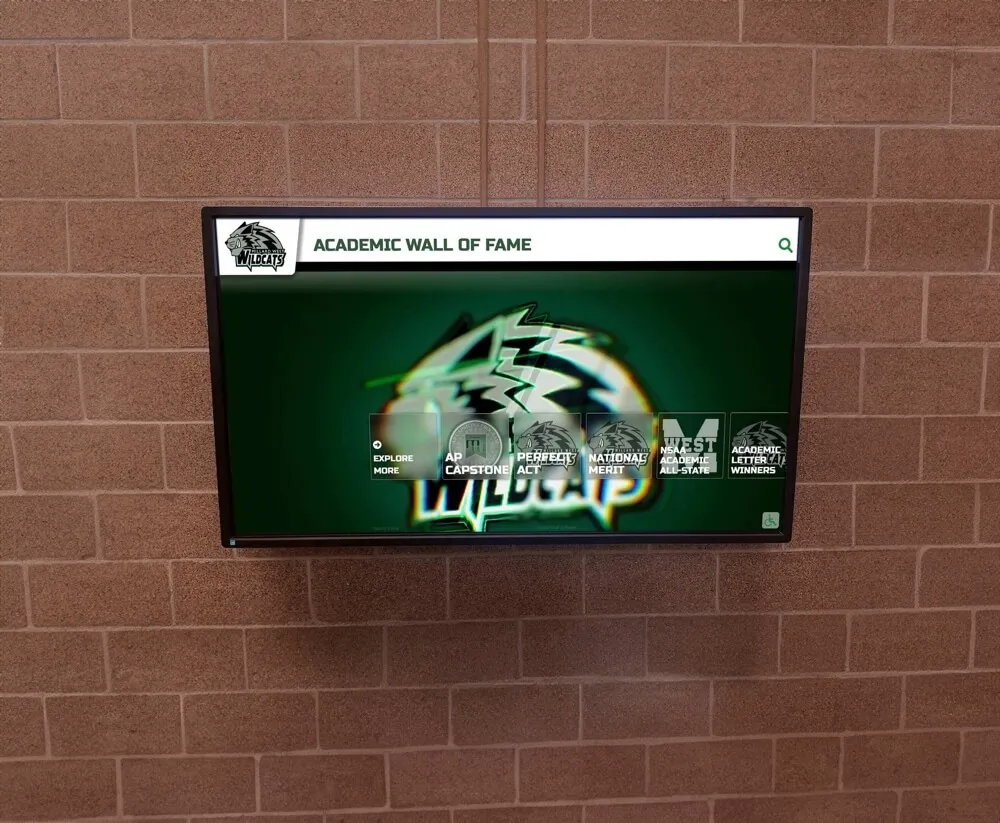
Digital recognition showcases built for student achievements and academic honors illustrate how managed recognition systems create the documentation trail that makes sponsor delivery verification straightforward—the same documentation infrastructure that makes misrepresentation concerns both identifiable and reportable.
Sponsor relationship governance connects directly to the program’s long-term recognition reputation. A sponsor that discovers its promised recognition was not delivered, or that the delivery claims it received were not accurate, is unlikely to renew. The whistleblower policy creates the internal accountability mechanism that catches delivery failures before they become sponsor relationship failures.
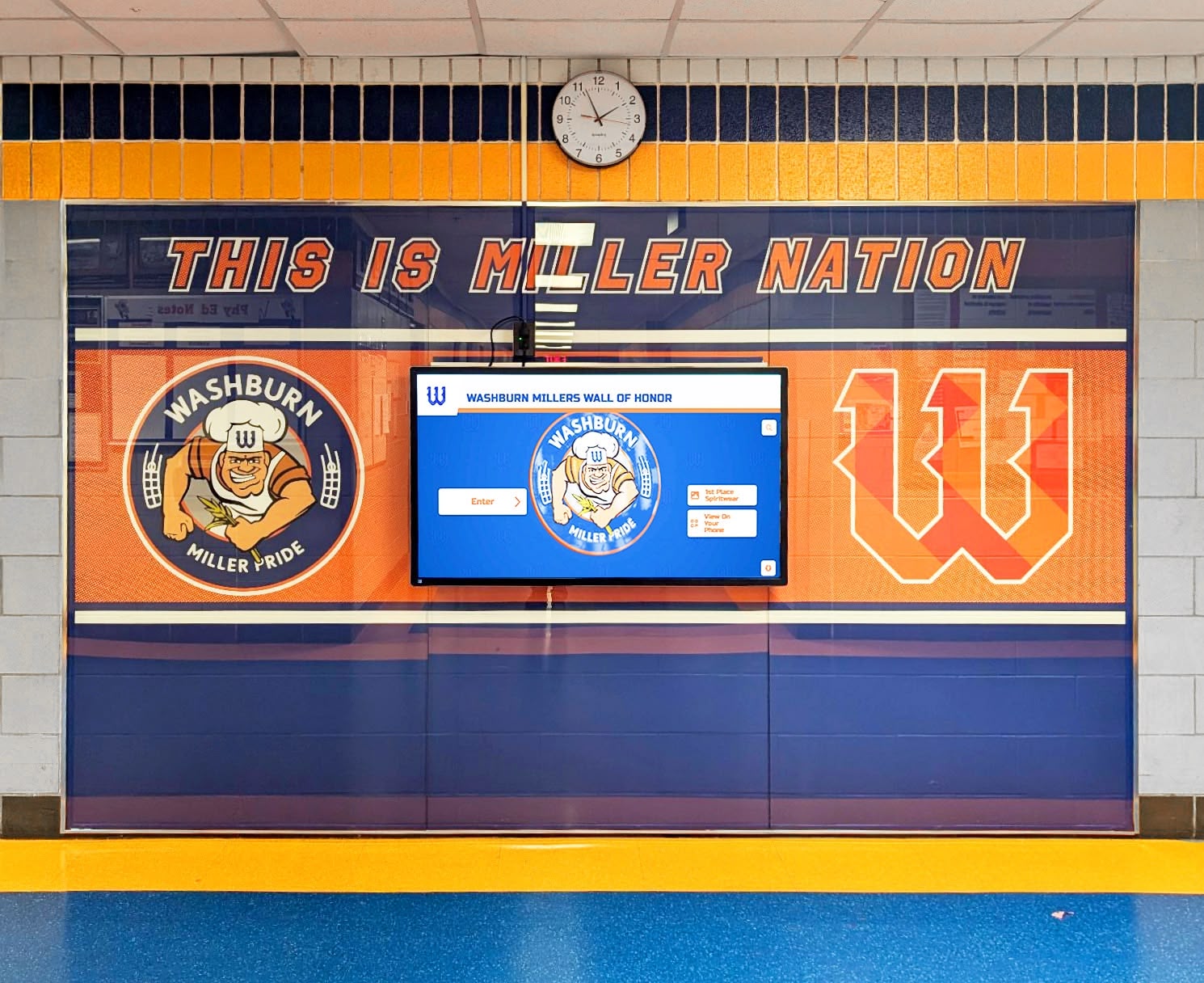
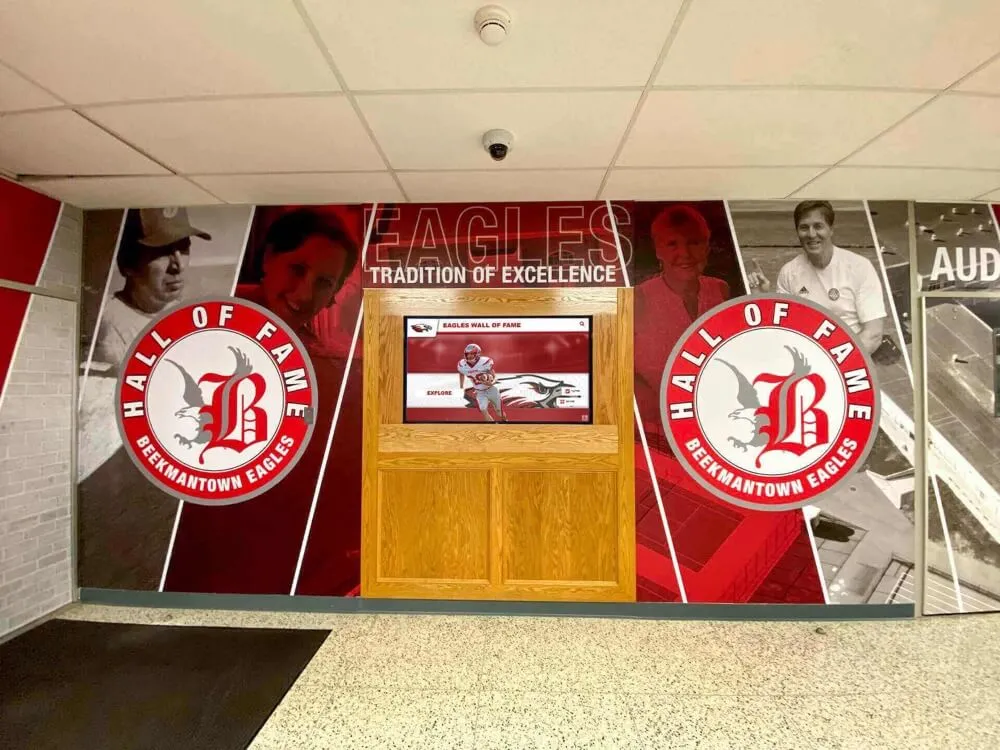
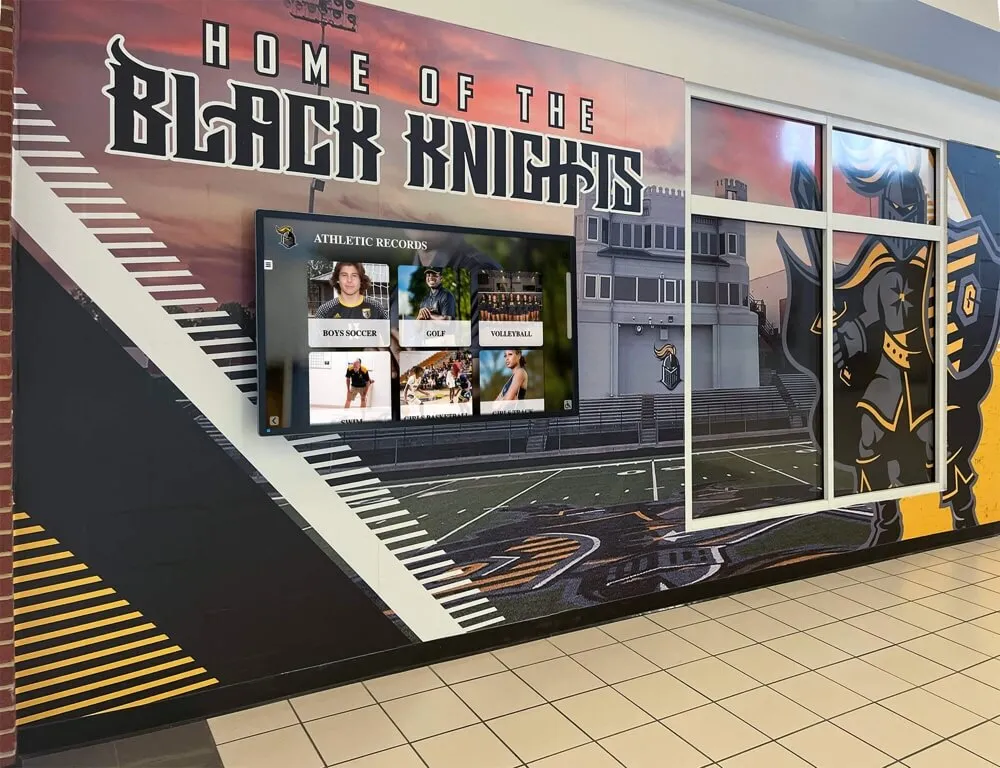
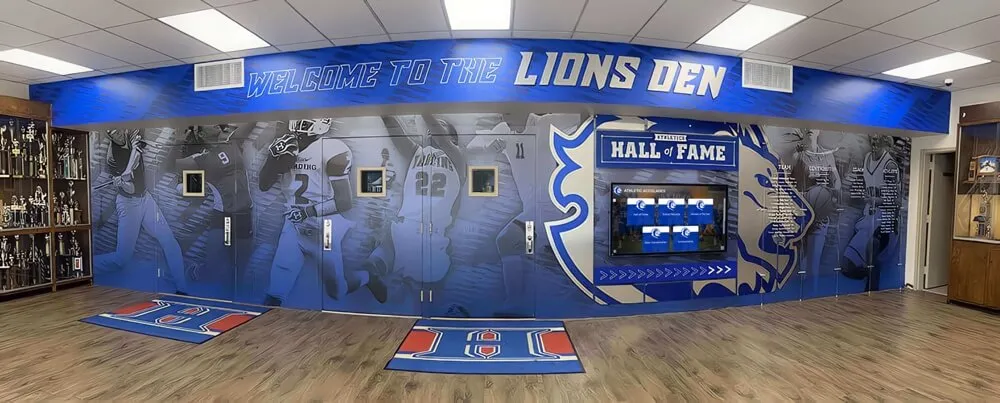
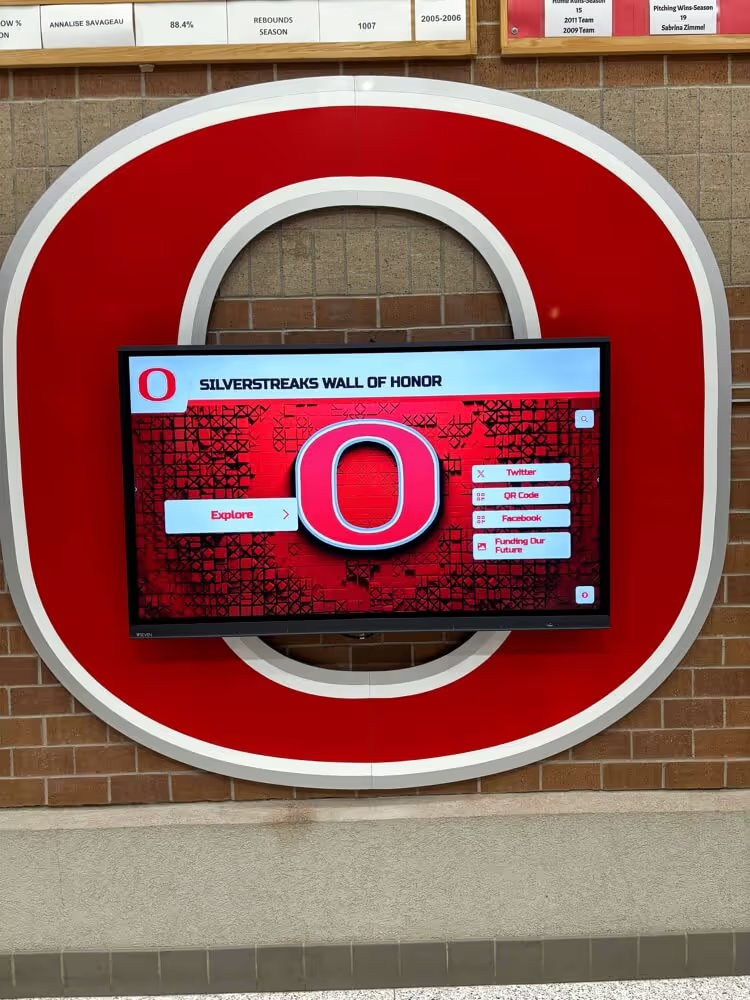
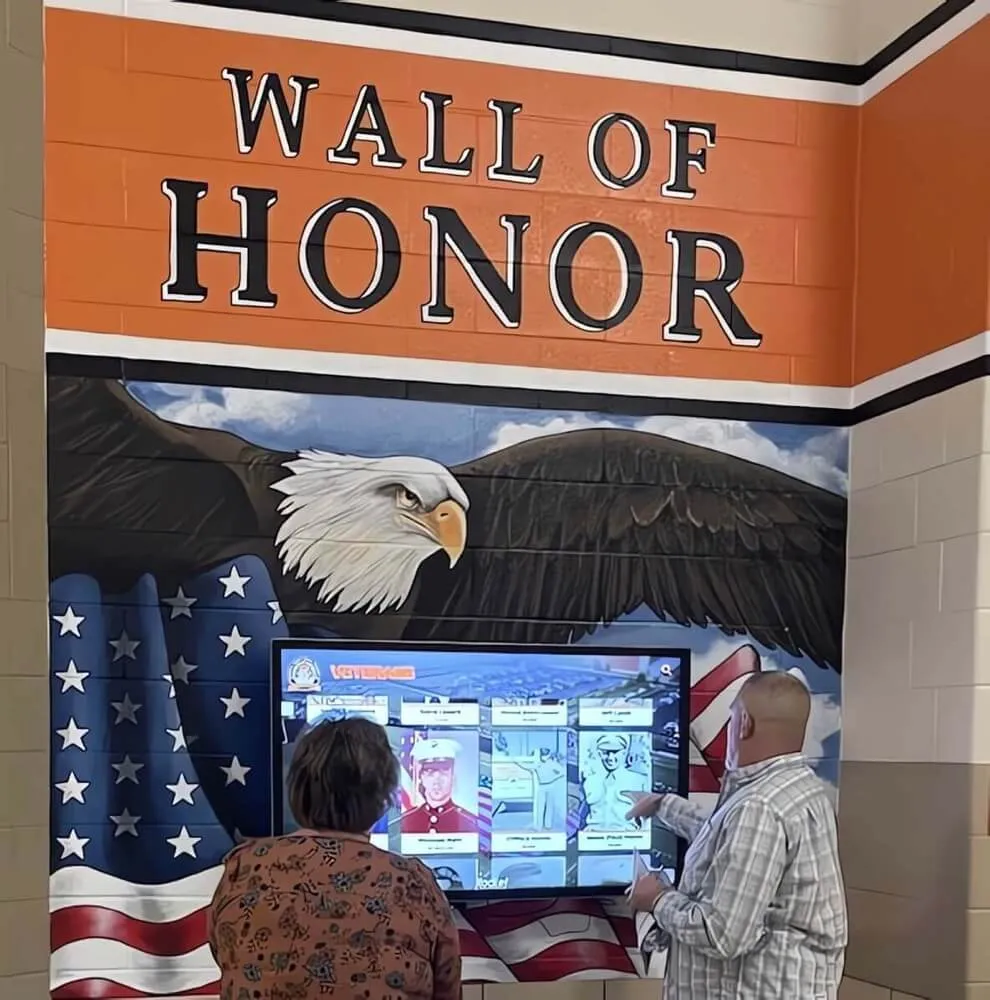
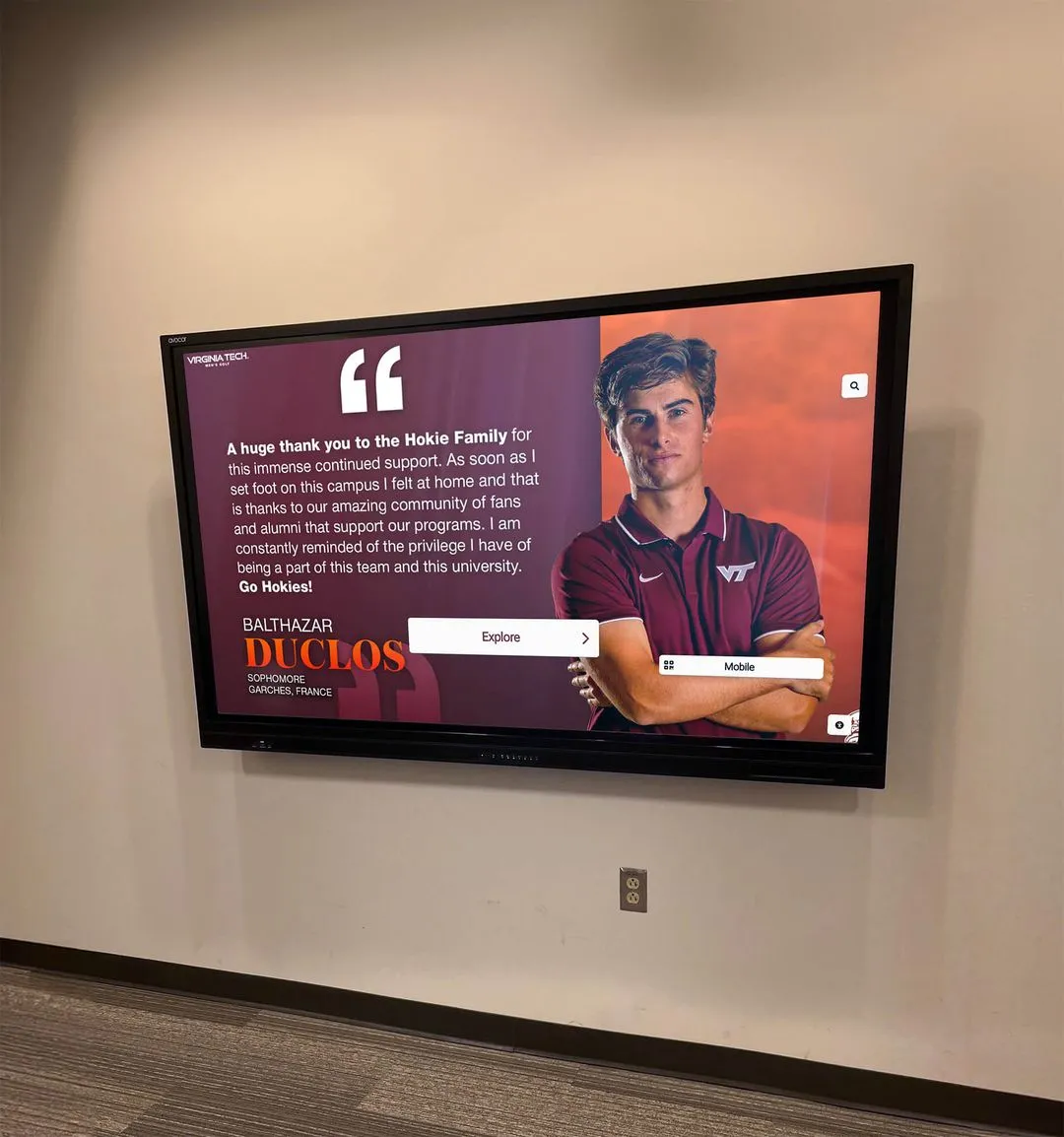
Wall of honor displays with digital screens make sponsor and donor recognition visible to the entire school community—a whistleblower policy creates the protected reporting channel for anyone who notices a commitment that is not being honored
Recognition and Display Concerns: Hall of Fame, Donor Wall, and Archive Integrity
The connection between whistleblower governance and athletic recognition systems is direct: recognition displays represent commitments—made in writing, to specific donors, sponsors, and honorees—that the organization has an ongoing obligation to honor. When those commitments are not being honored accurately, the people most likely to notice are often volunteers, display committee members, and coaches who interact with the display systems regularly but lack formal authority to require corrections.
Donor wall accuracy. A donor who contributes at a specific tier has a written commitment that their name will appear on the donor wall at the corresponding recognition level. A display committee member who notices that a donor’s name is absent, misspelled, or displayed at the wrong tier has observed a recognition failure. If that committee member also notices that the discrepancy has been raised informally without resolution, the whistleblower policy provides a formal escalation path.
Hall of fame commitment integrity. Hall-of-fame induction represents one of the most significant recognition commitments an athletic program can make. When a program commits to inducting an honoree, that commitment includes accurate display of the inductee’s name, sport, achievement record, and induction year. Digital recognition approaches for academic and athletic achievement awards illustrate how formal recognition programs structure their commitment to accuracy in displayed achievement records—the same commitment that applies to athletic hall-of-fame entries and that creates a reportable concern when it is not met.
Trophy case and archive accuracy. Physical trophy cases, memorabilia displays, and school archives represent the institutional history of the athletics program. When artifacts in those spaces are mislabeled, when provenance documentation is inaccurate, or when items committed to archive or display are absent without explanation, those represent recognition accuracy concerns that a committee member or volunteer may be the first to notice. Digital history archive practices for school programs describe how institutions structure their archival documentation to ensure that recognition records are accurate, retrievable, and verifiable—practices that both prevent accuracy concerns and make those that do arise easier to investigate.
Award and record board integrity. Athletic record boards—displaying school records, all-state honors, and achievement milestones—carry their own accuracy obligations. A record that is misattributed, a name that is absent from an all-state recognition display, or an award record that has been modified without authorization represents a reportable concern. How recognition is structured for student-athletes on basketball teams and across sports programs provides context for how athletic awards and recognition commitments are typically documented and displayed, which informs what constitutes a deviation from those standards.
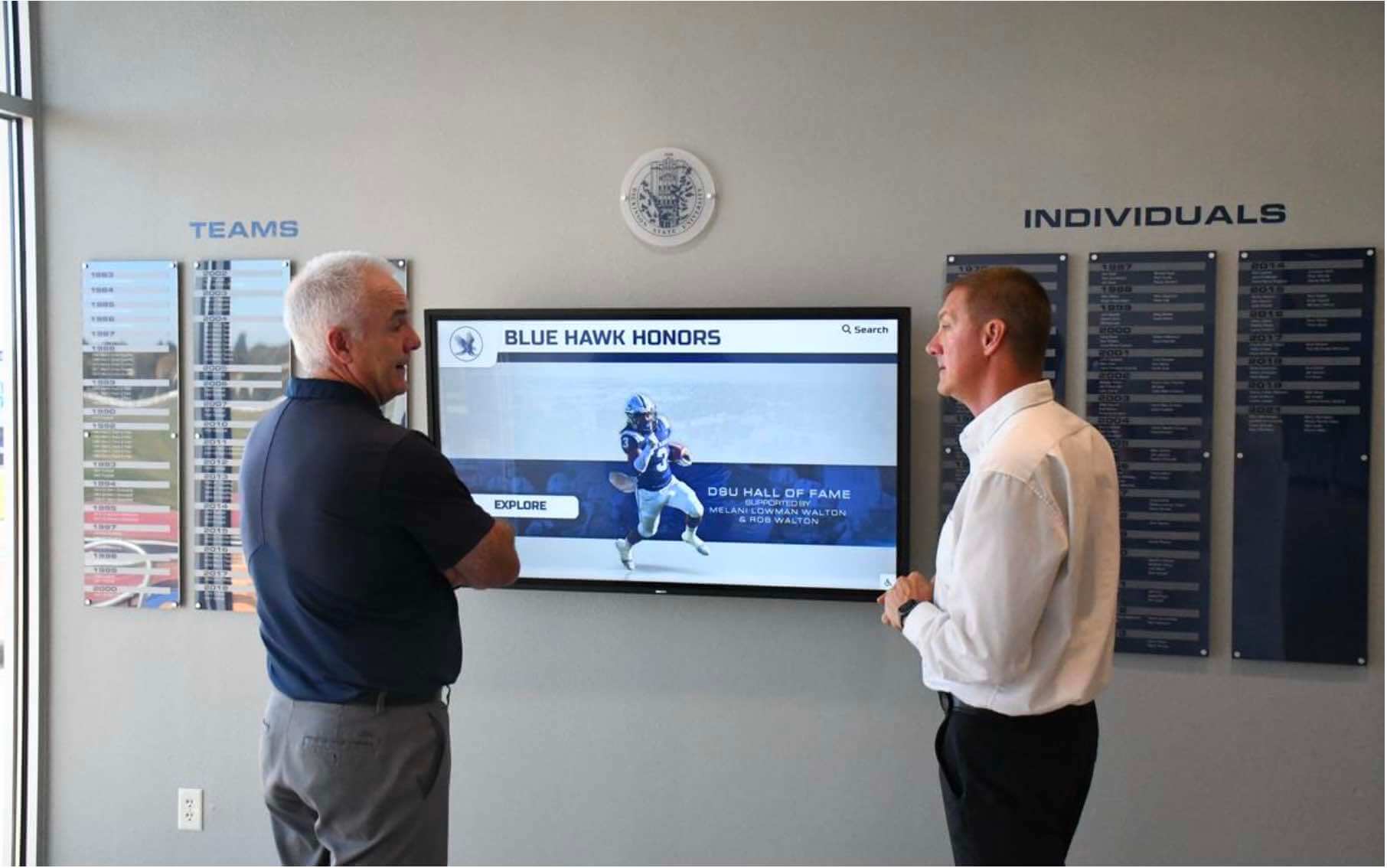
Regular display review by program administrators is a governance best practice—a whistleblower policy complements that review by creating a protected escalation path for anyone who observes accuracy concerns that informal channels have not resolved
Connecting the Policy to Digital Recognition Infrastructure
A booster club that maintains managed digital recognition systems—lobby displays, donor walls, hall-of-fame platforms, digital showcase boards—has an additional governance advantage: those systems create their own documentation trail. Content logs, entry histories, and system records can serve as evidence in a whistleblower investigation, providing objective documentation of when a display entry was created, modified, or removed.
When a volunteer reports that a sponsor’s display placement was missing for three weeks before the program’s biggest home game, a content management log can confirm or refute that claim. When a reporter asserts that a donor’s name was displayed at the wrong tier for an entire season, a display history can clarify the timeline. When an investigation needs to reconstruct what was displayed at a specific point in time, a platform with version history makes that reconstruction straightforward rather than dependent on photographs taken by whoever happened to be in the lobby.
Class-year and milestone recognition showcases built on managed digital platforms illustrate how digital recognition systems create the kind of content history that supports governance review—including the review that follows a whistleblower report about recognition accuracy or display commitment failures.
Programs evaluating recognition infrastructure should include governance documentation capability in their evaluation criteria. A platform that logs content changes, maintains entry histories, and supports content export provides a foundation for both sponsor delivery verification and whistleblower investigation that static signage cannot match.
When your program is ready to connect its recognition governance framework to a digital display system built for institutional accuracy and long-term stewardship—explore how Rocket Alumni Solutions supports booster clubs with managed recognition platforms designed for sponsor delivery verification, donor wall accuracy, and display governance.
Sample Booster Club Whistleblower Policy Sections
The following template provides a starting point for a medium-sized booster club. It should be reviewed by a licensed attorney or CPA before adoption and adapted to reflect the organization’s actual governance structure, applicable state law, and corporate form.
BOOSTER CLUB WHISTLEBLOWER POLICY
[Organization Name]
Adopted: [Date] | Last Reviewed: [Date]

SECTION 1 — PURPOSE
This policy establishes a protected reporting process for concerns about
financial irregularities, sponsor misrepresentation, and recognition
commitment failures, and commits the organization to protecting good-faith
reporters from retaliation.

SECTION 2 — SCOPE
This policy applies to all booster club officers, committee members,
volunteers, coaches, and parent representatives acting in connection with
organizational activities.

SECTION 3 — REPORTABLE CONCERNS
The following conduct is reportable under this policy:

  Financial concerns:
    - Unauthorized expenditures or reimbursements
    - Misapplication of restricted or designated funds
    - Cash-handling violations
    - Financial record inaccuracies
    - Undisclosed conflicts of interest in procurement decisions

  Sponsor concerns:
    - Undelivered sponsor recognition benefits
    - Inaccurate reporting to sponsors regarding delivery or reach
    - Expired agreements treated as active
    - Missing or falsified sponsor documentation

  Recognition and display concerns:
    - Donor, sponsor, or honoree names absent from, or inaccurately
      displayed in, recognition systems where a written commitment exists
    - Unauthorized removal or modification of recognition entries
    - Recognition tier misrepresentation
    - Display accuracy failures in physical or digital systems

SECTION 4 — REPORTING CHANNELS
  Primary channel:
    Written report submitted to the [President / Compliance Officer].

  Alternate channel (when the primary contact is implicated):
    Written report submitted to the [School Athletic Director] or
    the school district's designated compliance contact.

  Anonymous channel:
    [Anonymous reporting method designated by the organization].
    Anonymous reports will be investigated on their merits. The
    organization will not attempt to identify anonymous reporters
    through internal communication channels.

SECTION 5 — REPORTING PROCESS
  Step 1 — Report submitted through designated channel
  Step 2 — Acknowledgment of receipt within 5 business days
  Step 3 — Preliminary scope review within 10 business days
  Step 4 — Formal investigation, if within scope, by a party
            independent of the reported conduct
  Step 5 — Written findings and corrective action plan, if applicable
  Step 6 — Reporter notified of outcome in writing

SECTION 6 — NON-RETALIATION
  The organization prohibits retaliation against any person who submits
  a good-faith report under this policy. Prohibited retaliation includes
  removal from volunteer positions, exclusion from program activities,
  social pressure or intimidation, unauthorized disclosure of the
  reporter's identity, and any adverse action connected to program
  participation.

  A good-faith report is one made with a reasonable basis for believing
  the reported conduct occurred. Protection does not extend to reports
  made demonstrably without factual basis or with intent to harm a
  specific individual.

  Retaliation complaints are submitted to [designated contact, typically
  the School Athletic Director or district compliance officer]. Confirmed
  retaliation may result in removal from leadership positions and other
  corrective actions available to the board.

SECTION 7 — CONFIDENTIALITY
  The organization treats the contents of reports and the identity of
  non-anonymous reporters as confidential information, disclosed only to
  those whose involvement in the investigation is necessary. Confidentiality
  cannot be guaranteed where disclosure is required by applicable law
  or where the investigation requires it.

SECTION 8 — RECORD RETENTION
  Whistleblower reports and all investigation documentation:
    Retain for a minimum of 5 years or as required by applicable law.
  Board minutes referencing whistleblower matters:
    Permanent.

SECTION 9 — POLICY REVIEW
  This policy is reviewed annually by the board and updated as needed
  to reflect changes in applicable law, organizational structure, or
  governance requirements.

  Approved by: __________________________________ Date: ___________
  [Board Chair or President signature block]
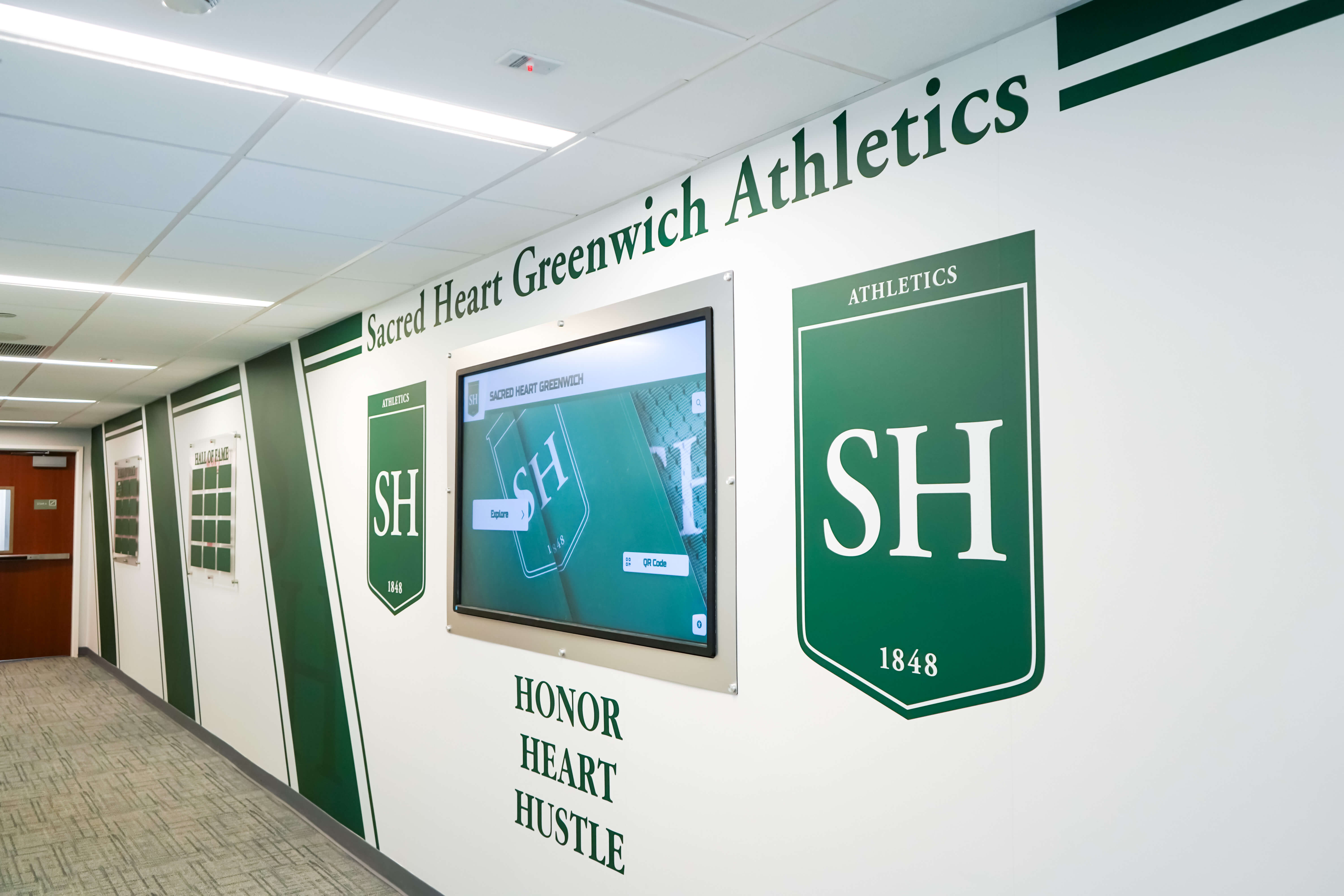
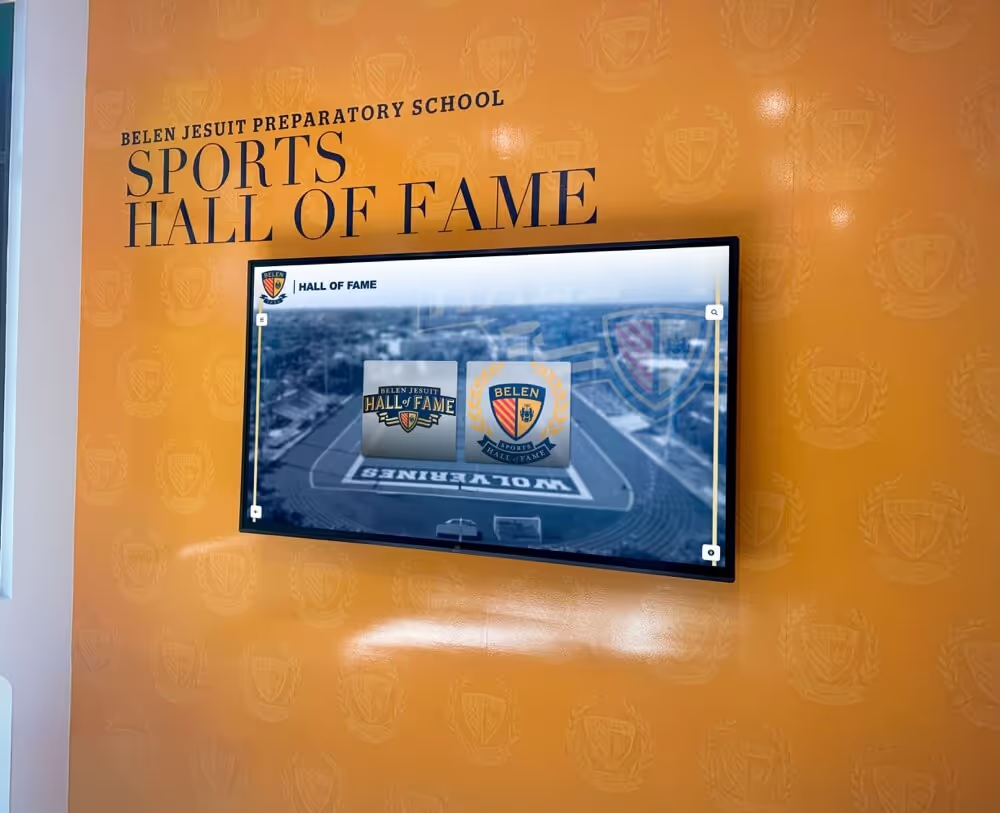
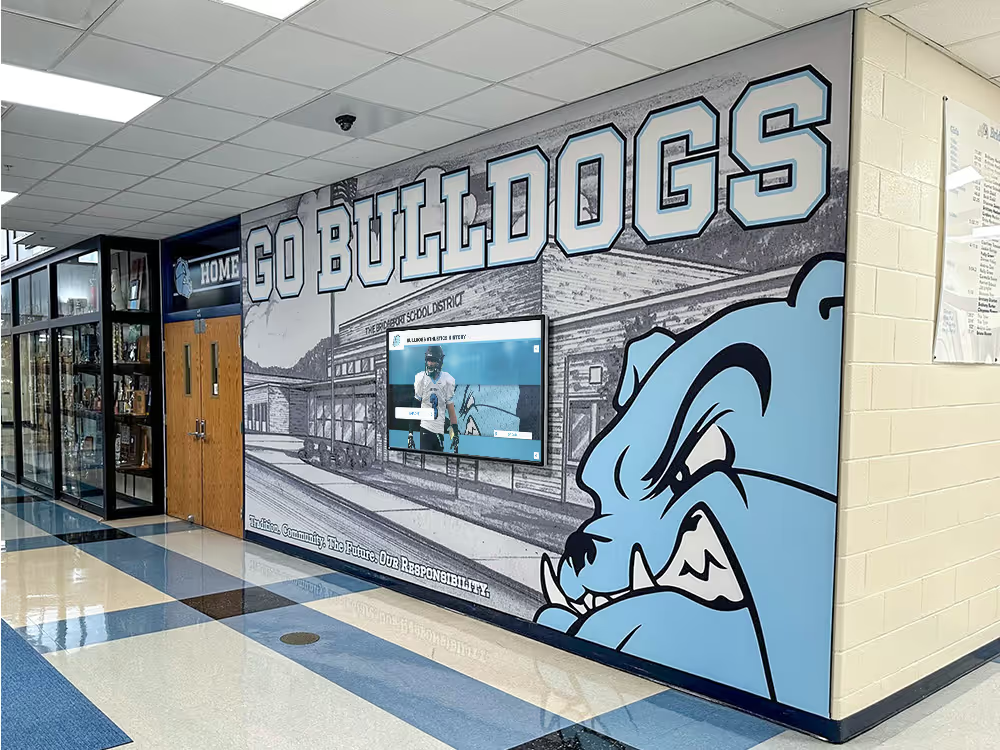
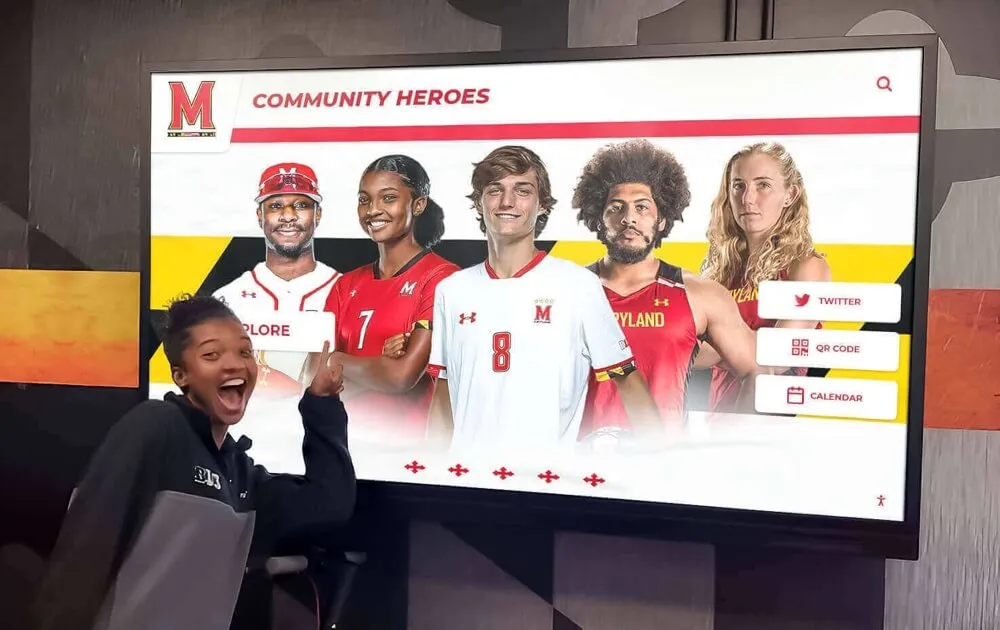
Shield displays and corridor recognition systems carry the weight of commitments made to donors, sponsors, and honorees—a whistleblower policy protects the people who enforce those commitments from the inside
Frequently Asked Questions
What is a booster club whistleblower policy?
A booster club whistleblower policy is a written governance document that defines which concerns are reportable, who can report them, how reports are investigated, and what protections apply to good-faith reporters. It covers the three categories of concern most relevant to booster club operations—financial irregularities, sponsor misrepresentation, and recognition commitment failures—and commits the organization to non-retaliation protections that make the policy usable rather than theoretical. Policies and legal requirements vary by jurisdiction; organizations should consult an attorney or CPA before adopting any policy.
Does a booster club need a whistleblower policy?
Many state nonprofit statutes and the IRS Form 990 both address whistleblower policies for organizations that meet applicable thresholds. Whether or not a written policy is legally required for a specific organization, it serves a practical governance function: it gives the people most likely to observe financial irregularities, sponsor delivery failures, or recognition accuracy concerns a protected and structured path to report them. Organizations that rely on good intentions and informal channels alone tend to discover governance problems after they have compounded rather than when they could still be corrected.
What financial concerns can be reported under this policy?
Financial concerns reportable under a booster club whistleblower policy typically include unauthorized expenditures, misapplication of restricted funds, cash-handling violations, financial record inaccuracies, and undisclosed conflicts of interest in procurement. The policy should define each category specifically so reporters can evaluate whether what they have observed falls within scope, rather than leaving the scope determination entirely to the individual reporter’s judgment.
Can a volunteer report a concern anonymously?
Yes, if the organization establishes an anonymous reporting channel—a sealed submission method, an online form with anonymity options, or a designated drop-off location. The policy should acknowledge honestly that anonymous reporters cannot receive direct non-retaliation protection because their identity is unknown, while committing the organization to investigate anonymous reports on their merits and not to pursue reporter identification through internal channels.
What happens if a sponsor’s recognition display commitment is not being honored?
A recognition delivery failure—a missing banner, an absent digital display entry, a sponsor name displayed inaccurately—is a reportable concern under the sponsor concerns section of a whistleblower policy. The report triggers a review of the signed sponsor agreement, the delivery documentation, and the physical or digital display to determine whether a commitment was made and whether it was fulfilled. If the investigation confirms a failure, the corrective action plan addresses both the delivery gap and the documentation practices that allowed it to persist.
How does a whistleblower policy connect to donor recognition systems?
Every donor recognition commitment—a named display tier, a listed name on a donor wall, a plaque in a trophy case—creates an ongoing obligation that any officer or committee member may observe is not being met. A whistleblower policy gives those observers a protected escalation path when informal channels have not resolved the concern. Managed digital recognition systems support this process by creating content logs and entry histories that can serve as objective evidence during a whistleblower investigation, confirming or clarifying what was displayed, when, and at what recognition level.
What protections apply to someone who reports in good faith but whose concern is not confirmed?
Non-retaliation protections apply to good-faith reports—those made with a reasonable basis for believing the reported conduct occurred—regardless of whether the investigation ultimately confirms the concern. A reporter who observes what appears to be a cash-handling violation, reports it through the designated channel, and discovers through investigation that the officer followed procedure correctly should face no adverse consequences for having reported. The policy’s definition of good faith should make this standard clear so that reporters do not withhold legitimate concerns out of fear that an unconfirmed report will be treated as an unfounded accusation.
When your program is ready to build the recognition infrastructure that supports both sponsor delivery accountability and donor recognition accuracy—managed display systems with content logging, complete entry histories, and governance documentation that makes whistleblower investigations straightforward—explore how Rocket Alumni Solutions supports booster clubs with recognition platforms built for institutional stewardship and long-term display integrity.