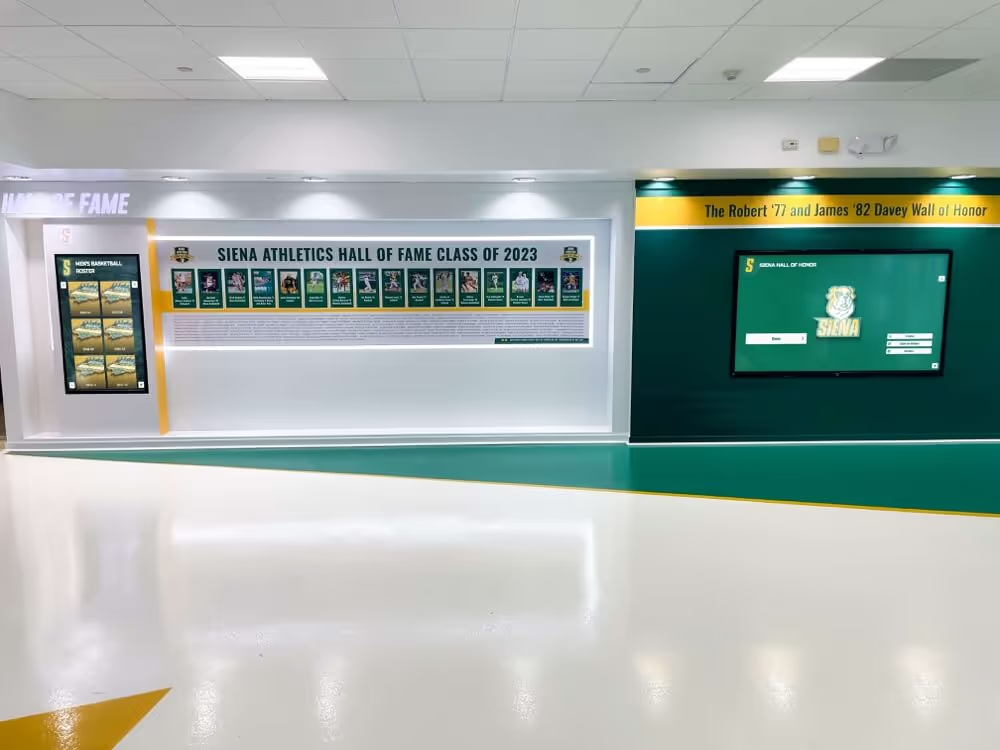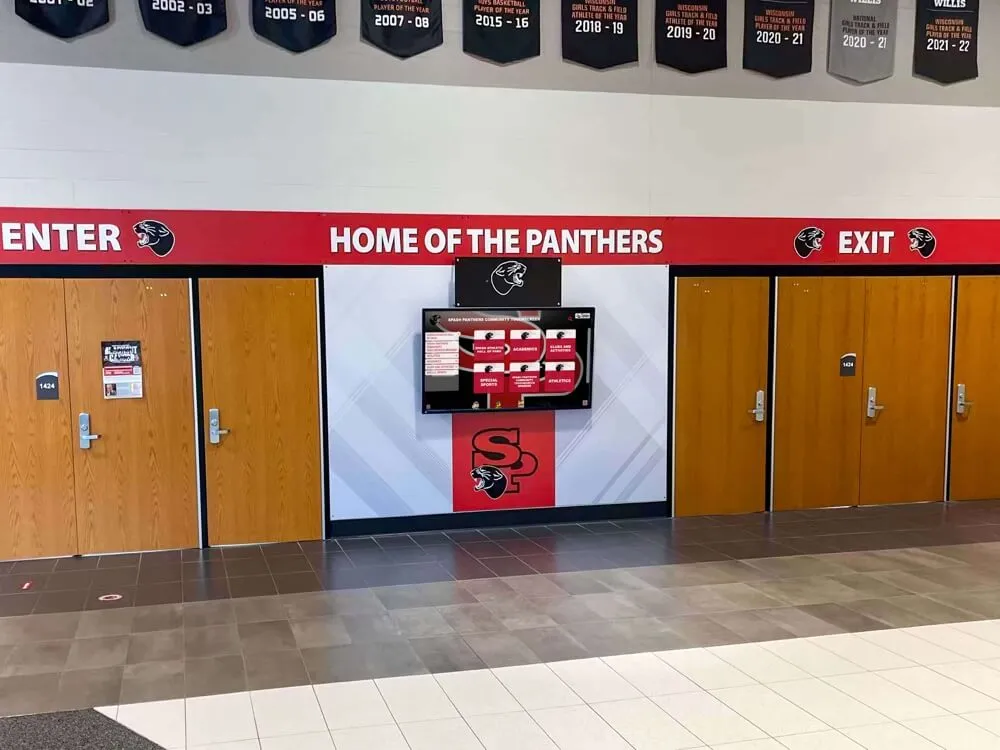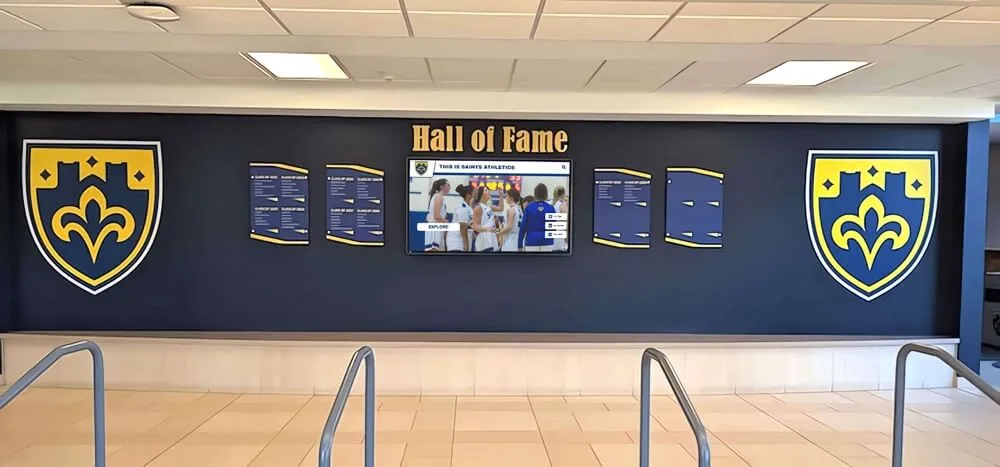
Interactive campus storytelling represents one of the most powerful yet underutilized strategies for boosting college and university admissions in 2026. While traditional campus tours rely primarily on tour guide narratives and physical facility walkthroughs, prospective students increasingly expect immersive, technology-enabled experiences that allow them to explore institutional history, connect with student success stories, and envision their own future on campus through engaging digital interactions.
Admissions teams face mounting pressure to differentiate their institutions in an increasingly competitive recruitment landscape. According to the National Association for College Admission Counseling, the average college acceptance rate has declined as more students apply to multiple institutions, while prospective students report that campus visits remain the single most influential factor in their enrollment decisions. First impressions formed during these brief campus interactions can determine whether talented students choose your institution over competitors.
Interactive storytelling technology—including touchscreen displays, digital recognition walls, and multimedia campus history presentations—transforms standard campus tours into memorable experiences that showcase institutional values, celebrate student achievements, honor donor impact, and create emotional connections that influence enrollment decisions.
This comprehensive guide explores evidence-based strategies for implementing interactive storytelling on campus tours, maximizing admissions impact through technology-enabled experiences, and creating recognition systems that prospective students, families, and campus communities value throughout the recruitment cycle.
The shift toward interactive campus experiences reflects broader generational preferences among digitally-native prospective students. Research consistently shows that Generation Z students—those born between 1997 and 2012 who now comprise the majority of college applicants—prefer interactive, self-directed learning experiences over passive information consumption. Universities implementing comprehensive interactive storytelling report measurable improvements in prospective student engagement metrics, increased yield rates among admitted students, and enhanced campus community pride that supports retention efforts.

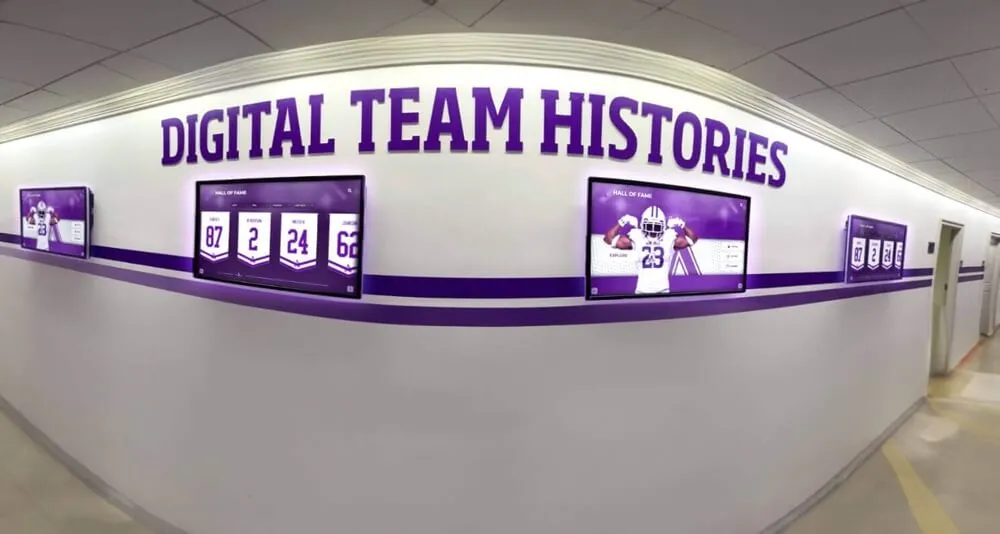
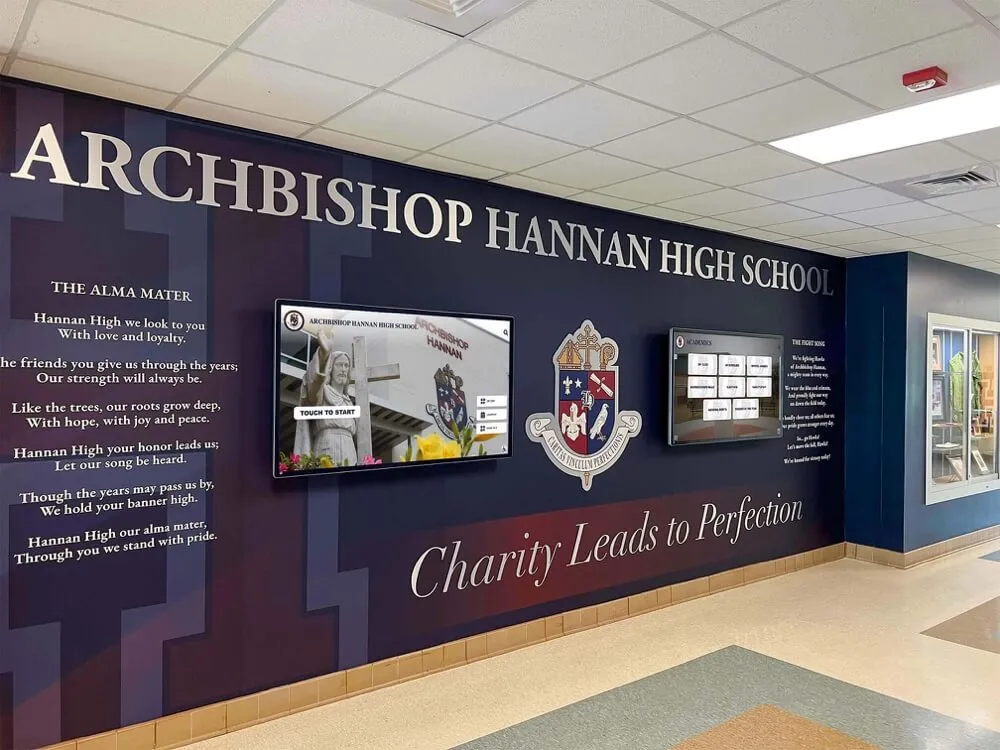
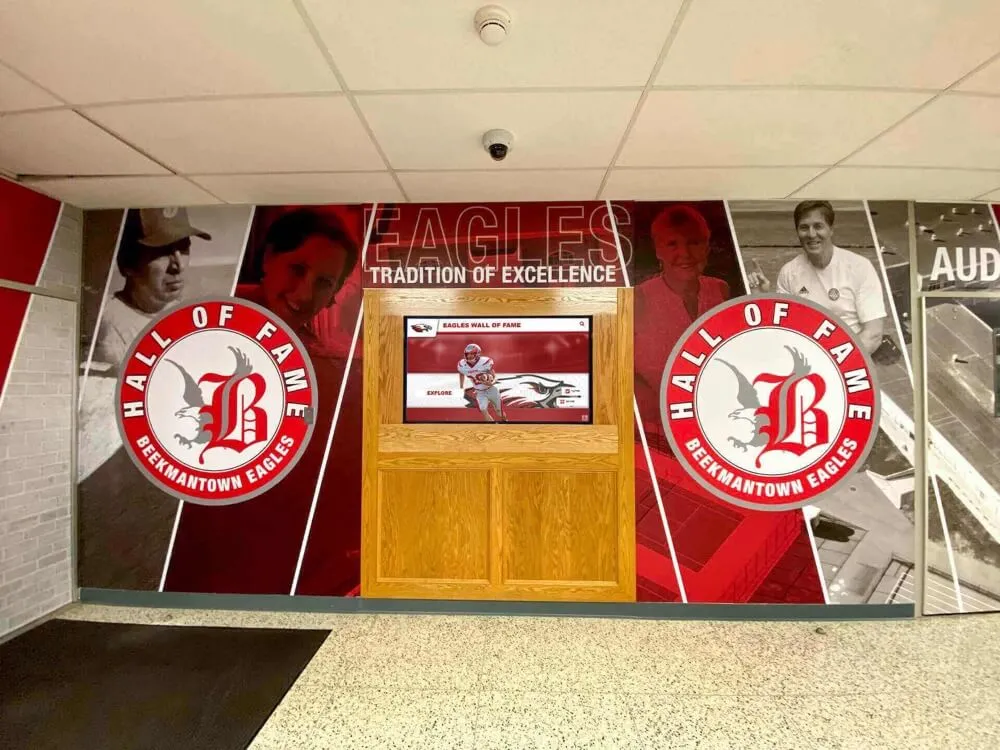
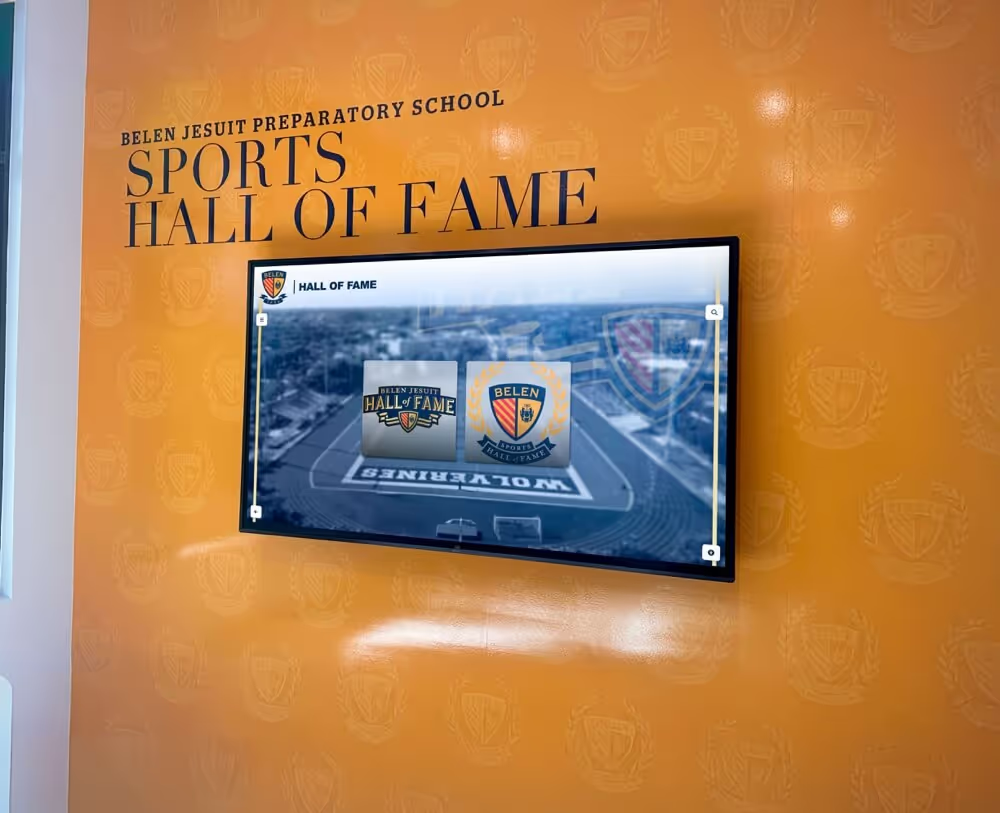
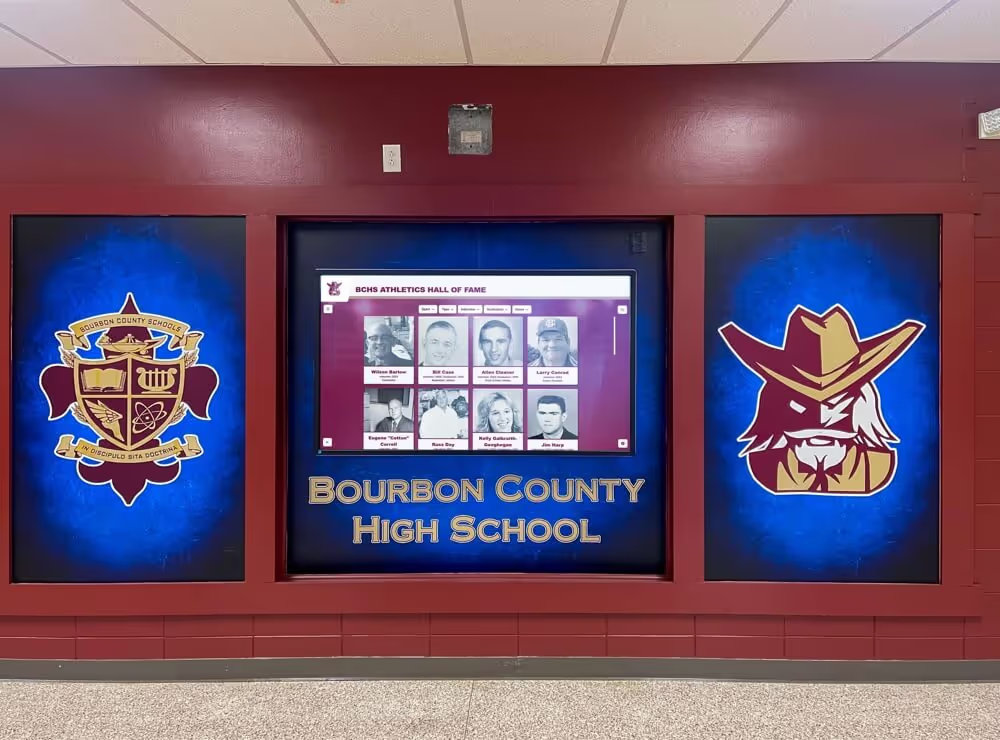
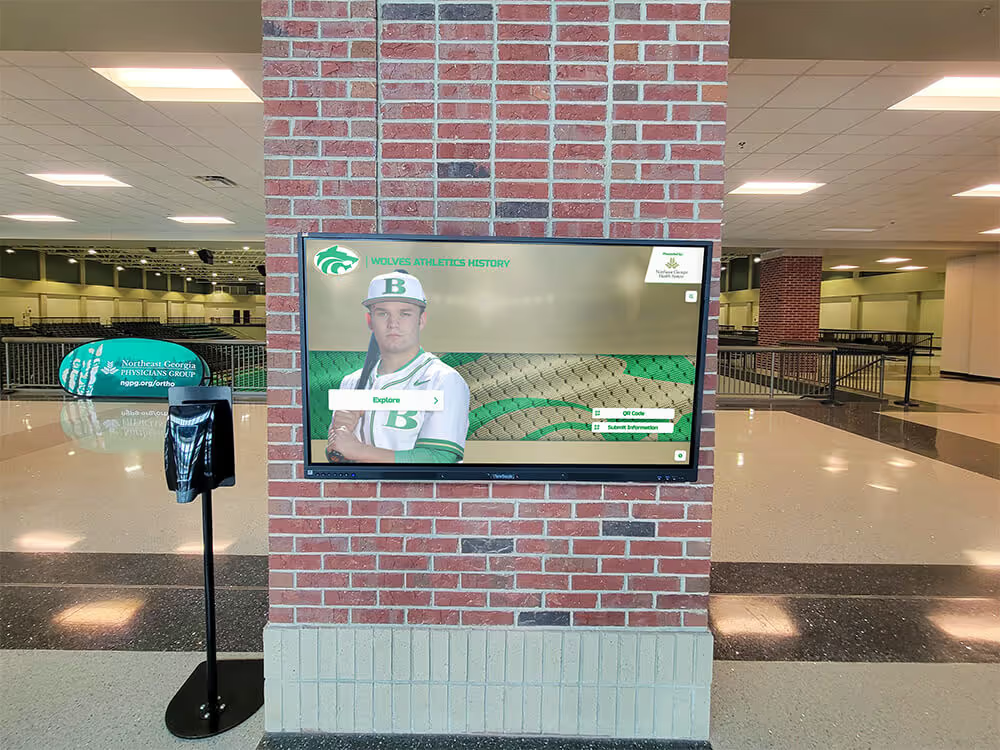
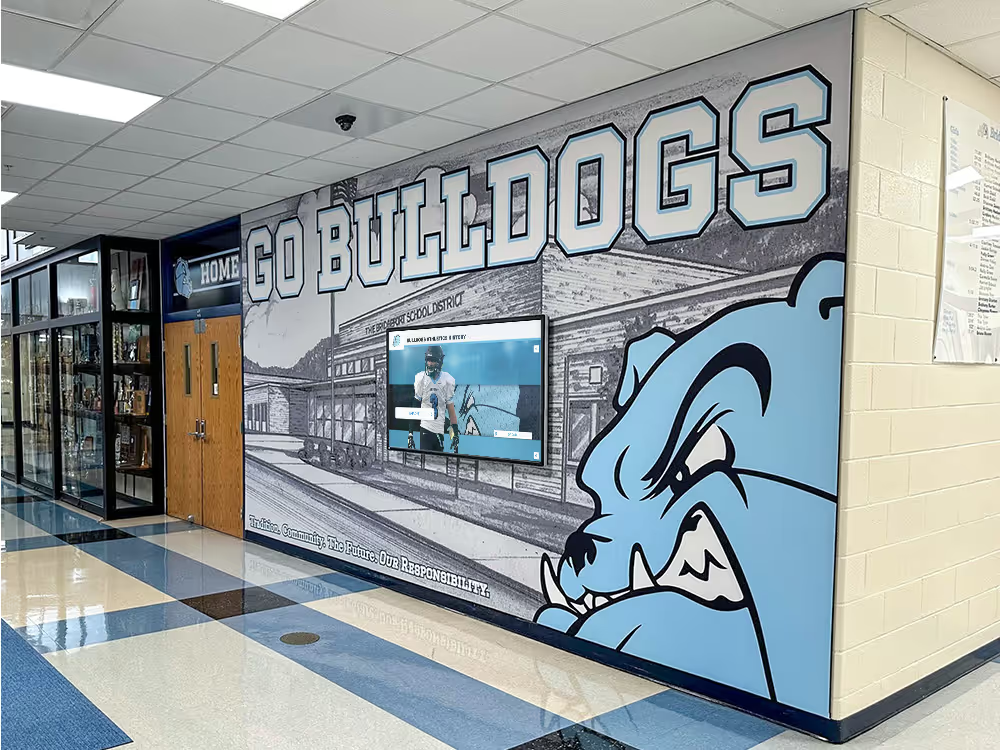
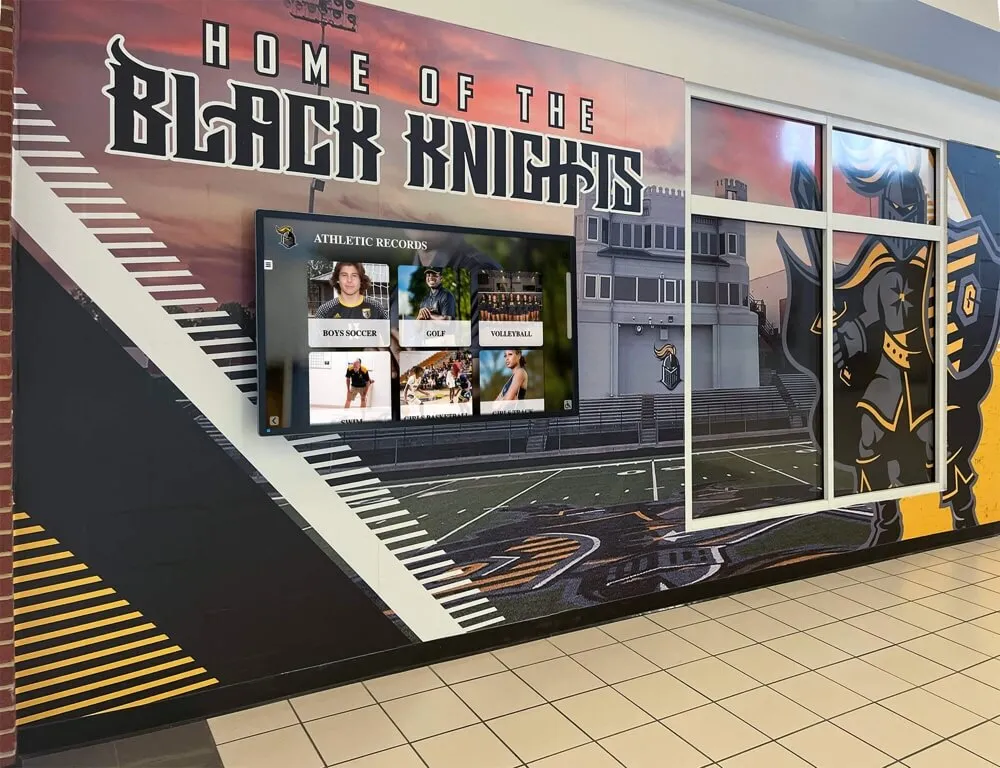
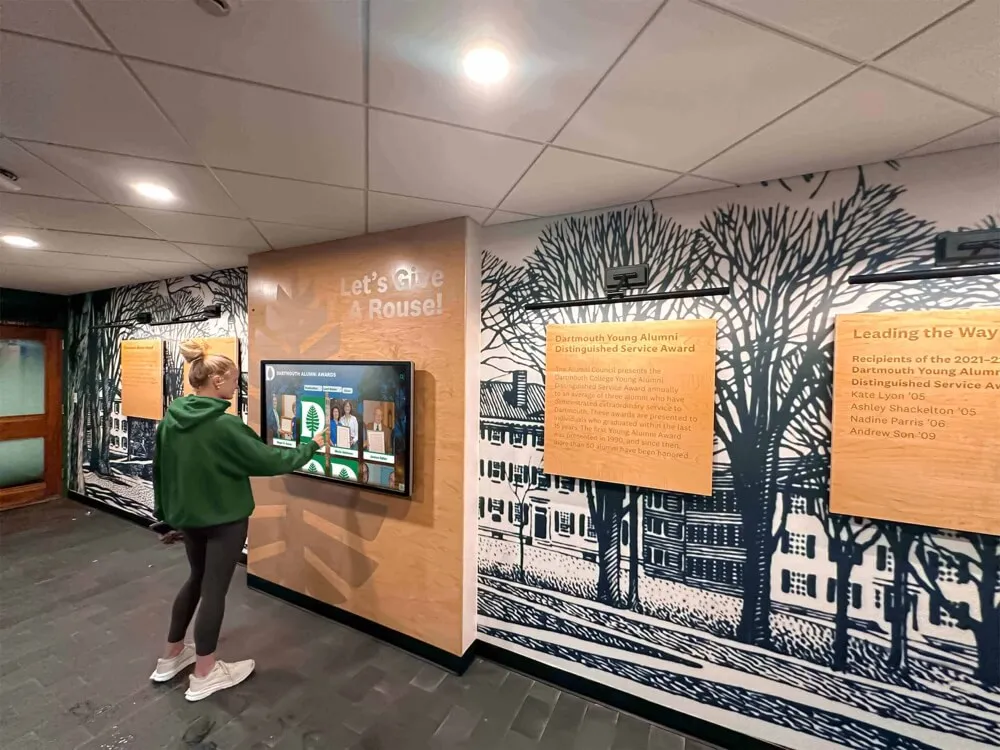
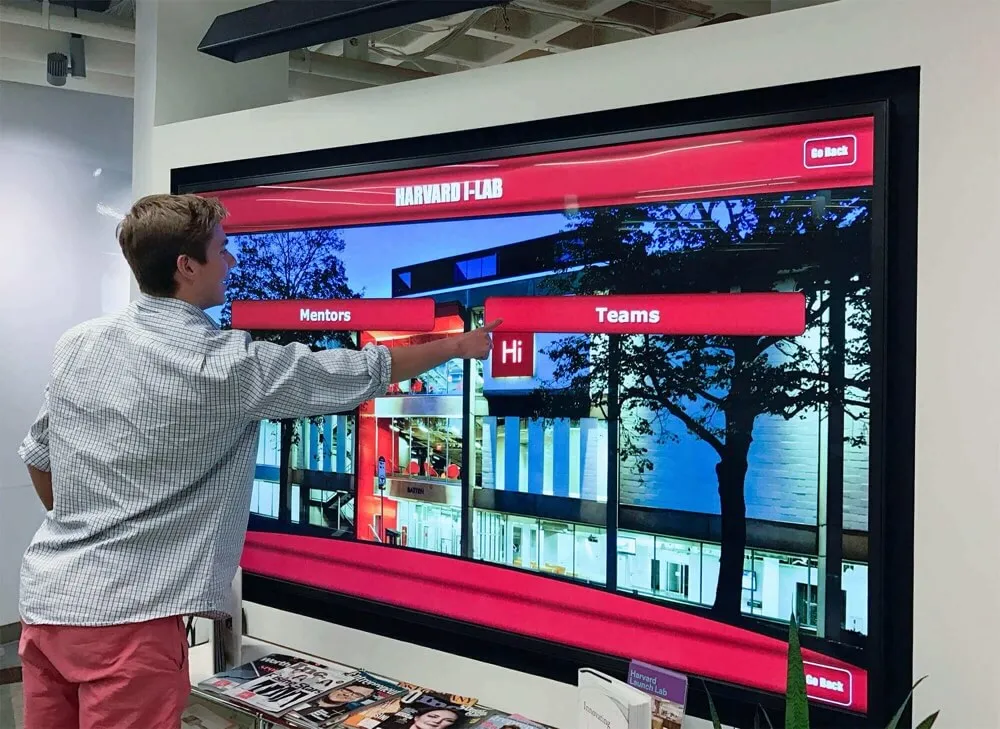
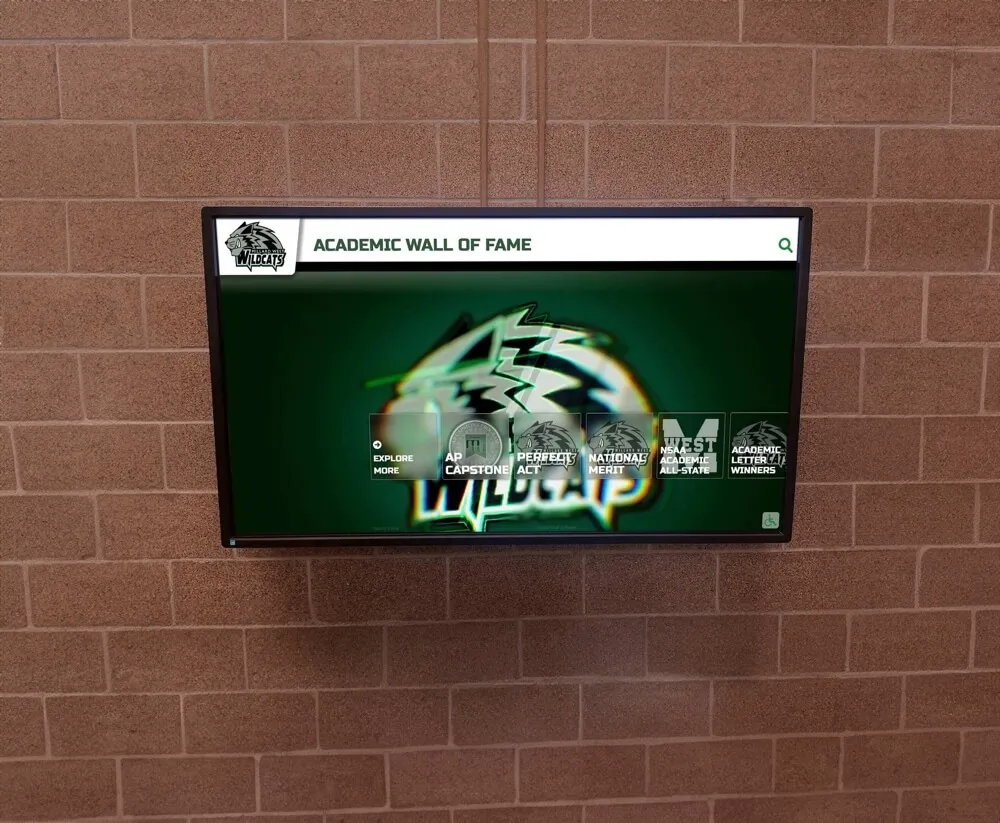
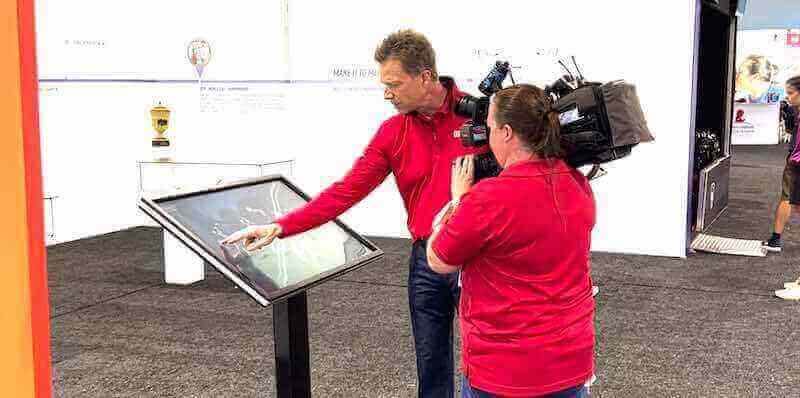
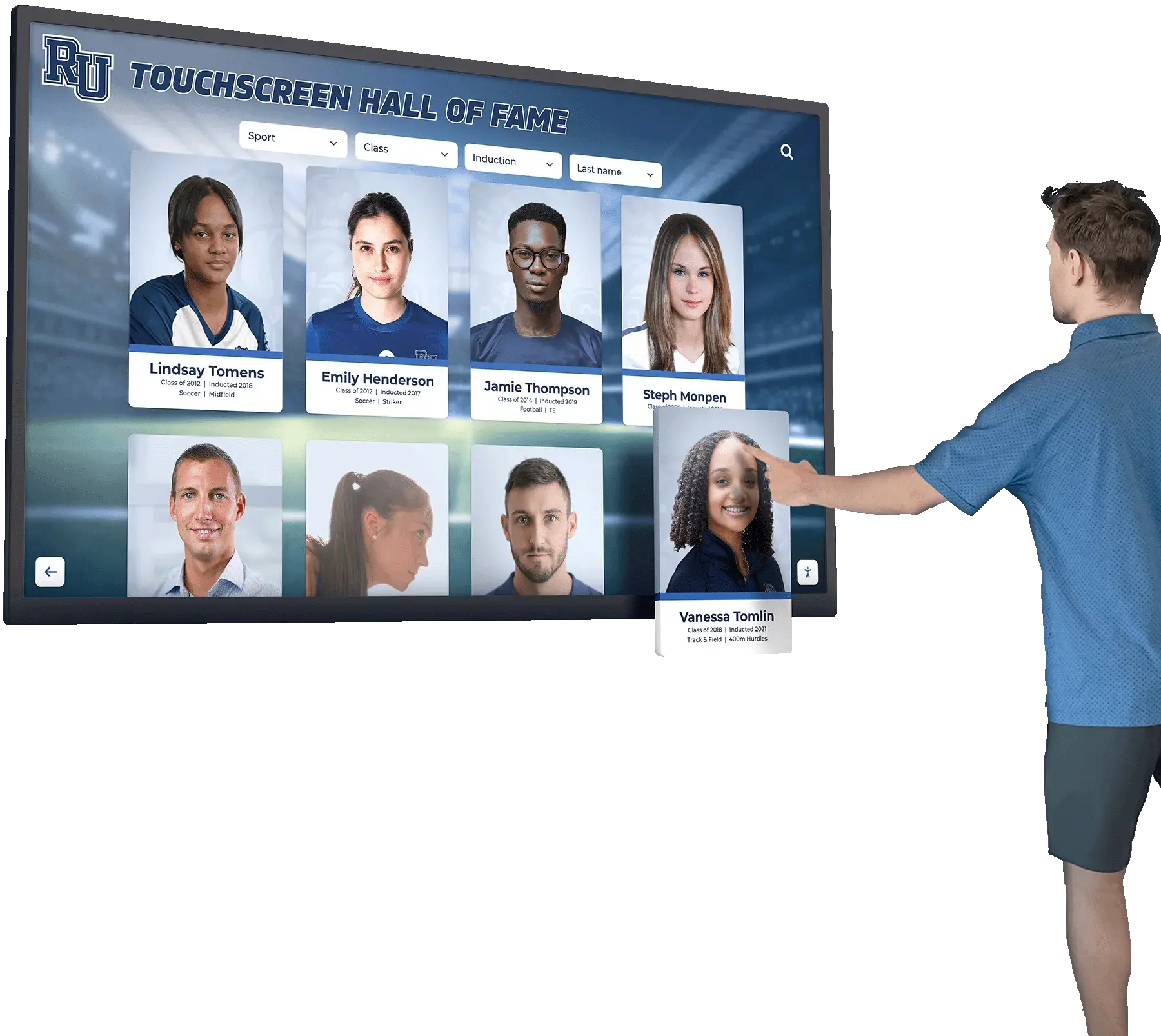
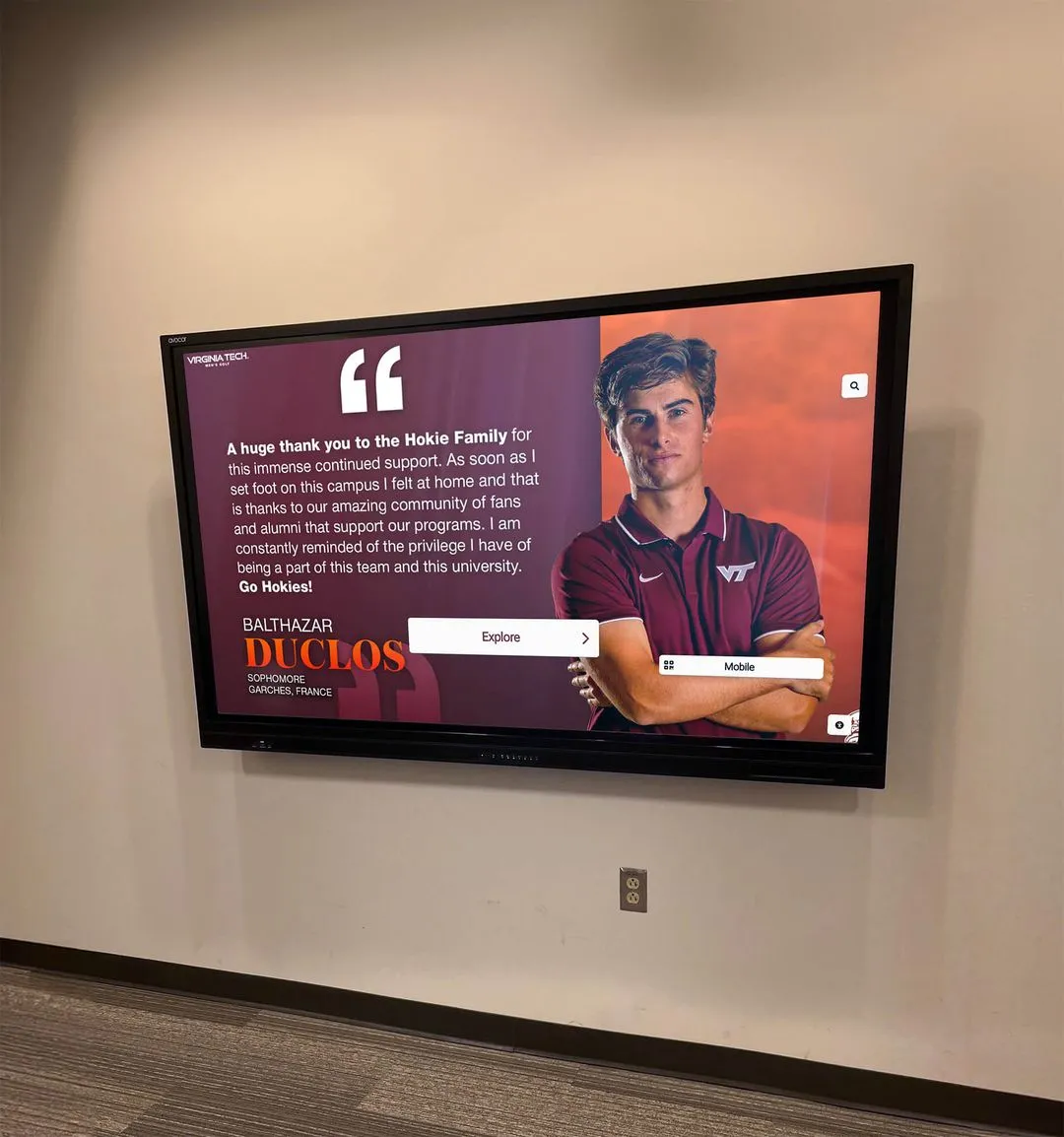
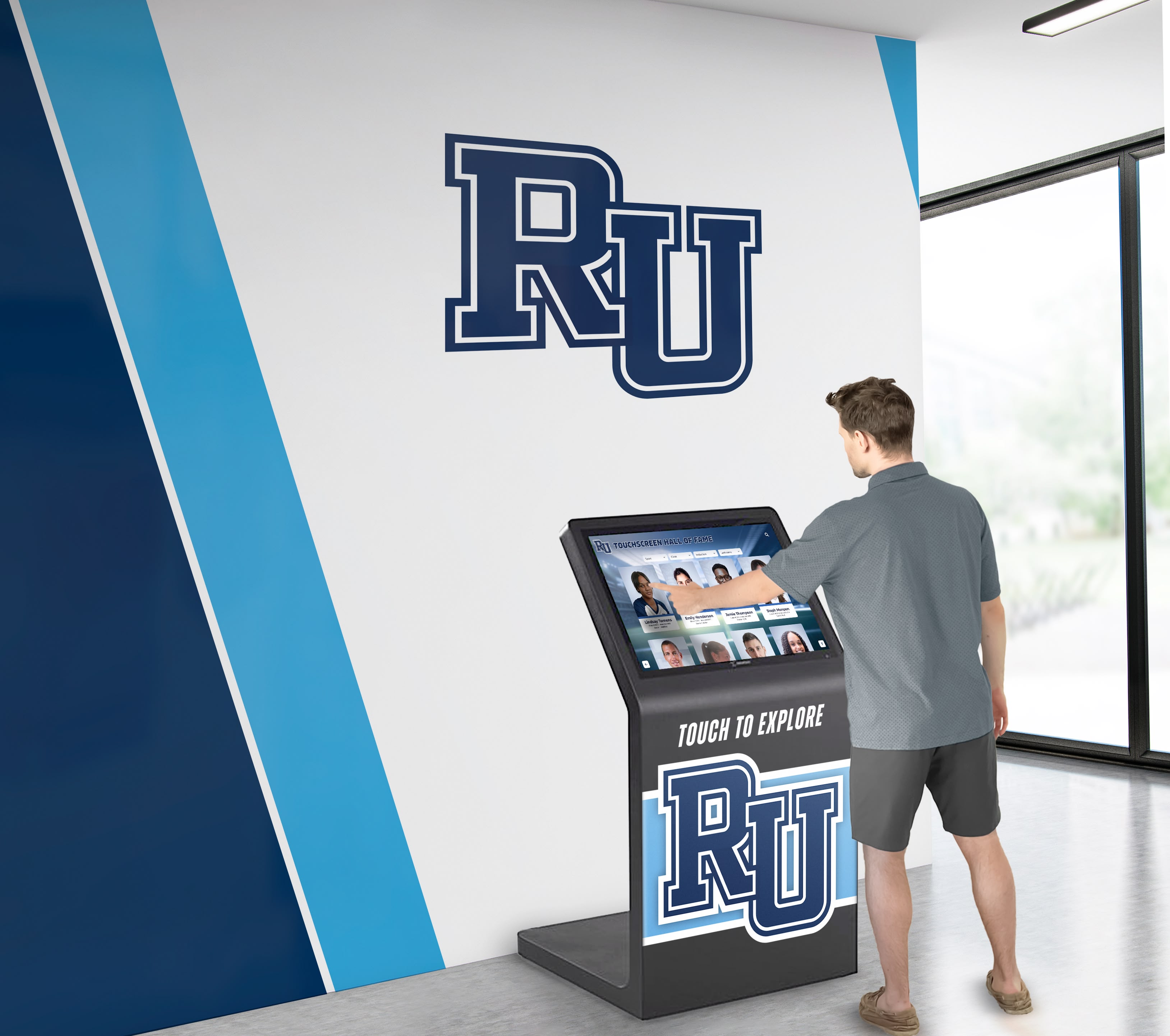
Interactive touchscreen displays enable prospective students to explore campus history, achievements, and community at their own pace during admissions tours
Why Interactive Storytelling Transforms Campus Tours and Admissions Outcomes
Understanding how interactive storytelling affects prospective student behavior and enrollment decisions helps admissions teams design tour experiences that maximize positive impact and differentiate their institutions from competitors.
The Campus Visit Decision Impact
Campus visits remain the most influential factor in college selection decisions, making every tour interaction critically important:
Prospective Student Expectations and Preferences
Modern prospective students arrive on campus with specific expectations shaped by digital experiences in other contexts:
- Self-directed exploration opportunities allowing them to focus on personally relevant information
- Access to authentic student stories and outcomes beyond marketing materials
- Interactive experiences demonstrating institutional investment in student success
- Visual and multimedia content that communicates campus culture more effectively than verbal descriptions alone
- Technology integration reflecting institutional commitment to innovation and student experience
According to higher education research, prospective students form lasting impressions within the first 15 minutes of campus visits. Interactive storytelling creates immediate engagement opportunities that positively influence these critical early moments.
Competitive Differentiation in Admissions
As application volumes increase across higher education, admissions teams must differentiate their institutions through memorable tour experiences:
- Traditional campus tours become difficult to distinguish from competitors offering similar facility walkthroughs
- Interactive storytelling showcases unique institutional history, achievements, and values that define campus culture
- Technology-enabled experiences demonstrate institutional innovation and investment in student success
- Self-service exploration accommodates diverse family schedules and information preferences
- Multimedia content provides consistent messaging regardless of tour guide experience level
Solutions like interactive touchscreen displays specifically designed for educational environments create these differentiation opportunities through engaging, professional installations.
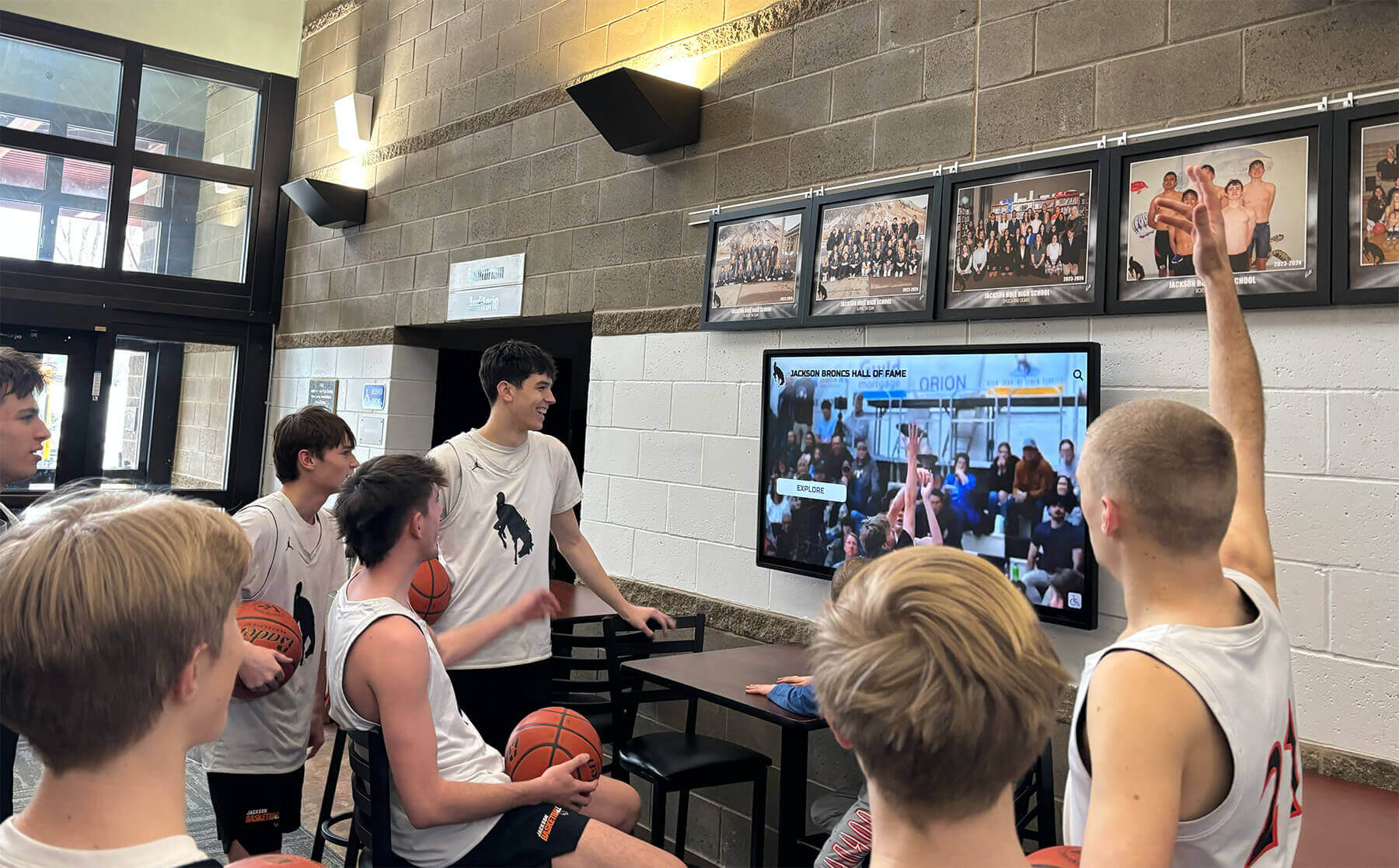
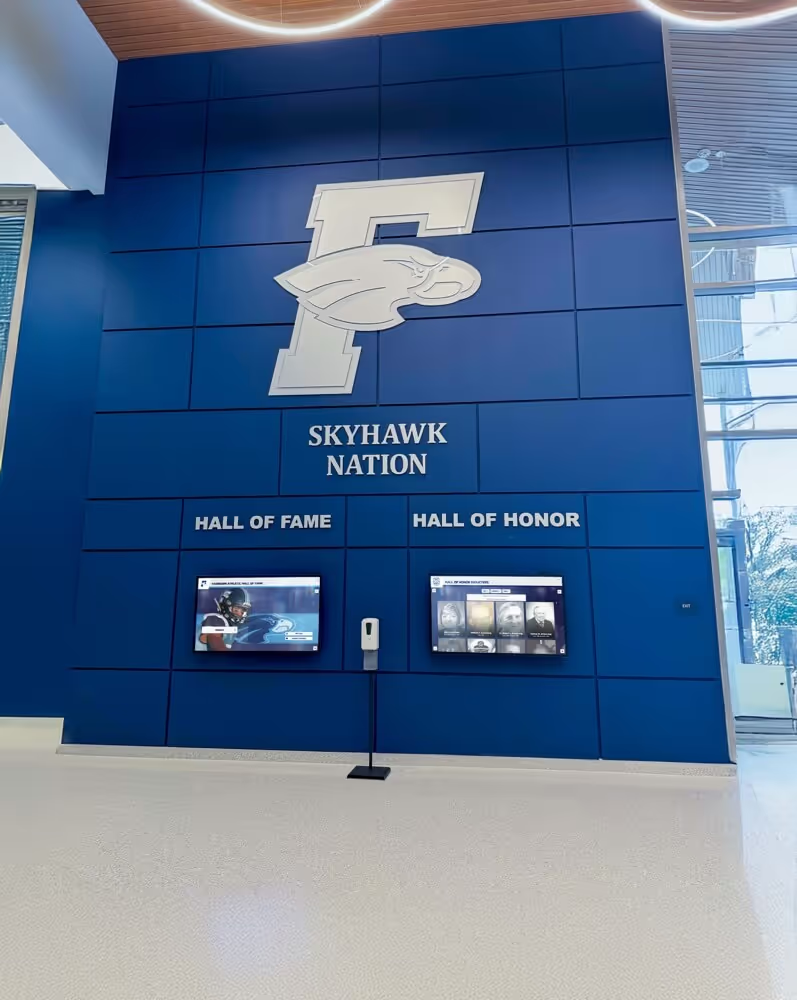
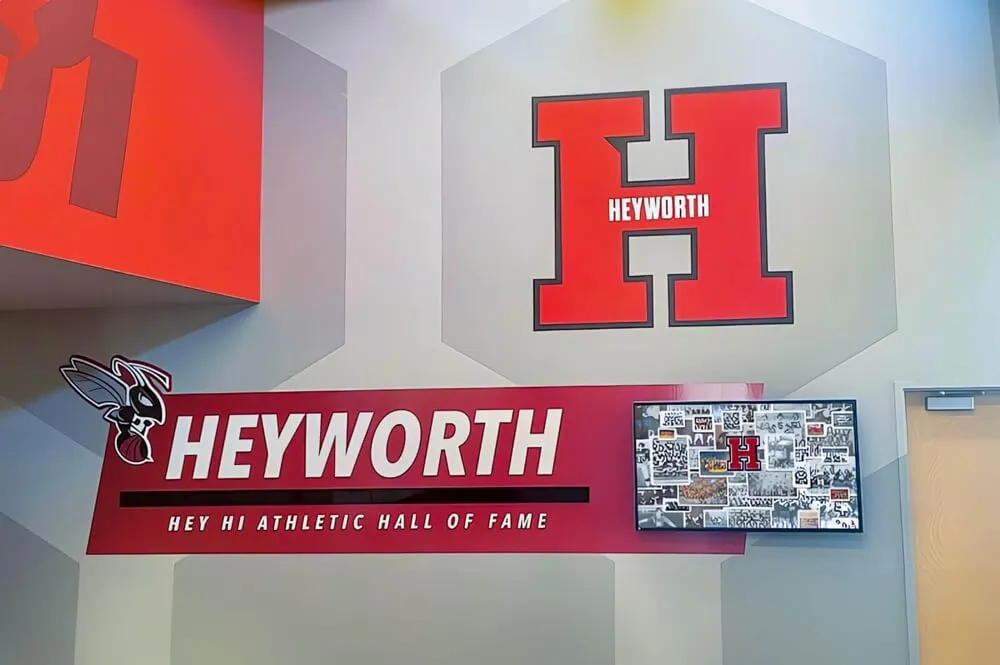
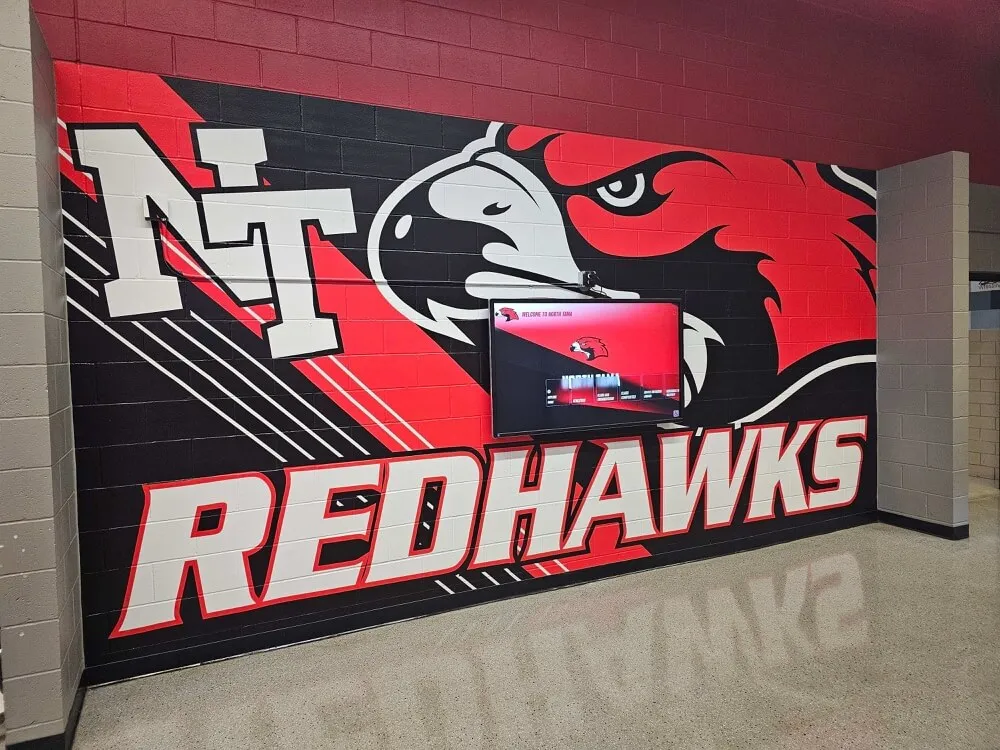
Group-friendly interactive displays create social viewing experiences that engage entire tour groups simultaneously
Research-Based Benefits of Interactive Campus Storytelling
Institutions implementing comprehensive interactive storytelling report measurable improvements across multiple admissions and institutional advancement metrics:
Enhanced Prospective Student Engagement
Interactive displays create engagement traditional tour elements cannot match:
- Average interaction time of 3-5 minutes per display compared to brief glances at static recognition plaques
- Self-directed exploration enabling prospective students to focus on personally relevant content
- Memorable experiences that prospective students reference in admission essays and interviews
- Increased family participation as parents and siblings explore alongside prospective students
- Positive social media sharing as families photograph and post about unique campus experiences
Improved Institutional Storytelling
Digital displays enable comprehensive storytelling impossible through traditional tour approaches:
- Unlimited content capacity showcasing hundreds of student success stories, historical milestones, and achievement examples
- Multimedia integration combining photographs, videos, timelines, and interactive exploration
- Current information updated instantly as new achievements occur or campaigns progress
- Consistent messaging across all tour experiences regardless of tour guide knowledge or presentation skills
- Layered content allowing both quick overviews for casual exploration and deep dives for engaged visitors
Research from educational technology implementations shows that multimedia presentations improve information retention by 65% compared to verbal-only communication, making interactive storytelling particularly effective for communicating complex institutional values and differentiators.
Donor Recognition Integration
Interactive storytelling naturally integrates donor recognition into admissions experiences:
Showcasing Philanthropic Impact
Prospective students and families value seeing how donor support translates to student opportunities:
- Scholarship displays connecting specific donor generosity to current student success stories
- Facility recognition showing how contributions created spaces prospective students tour
- Campaign progress visualization demonstrating community investment in institutional mission
- Historical giving timelines connecting past philanthropy to present institutional excellence
This integration serves dual purposes—honoring donors appropriately while demonstrating to prospective students that the institution receives strong alumni and community support.
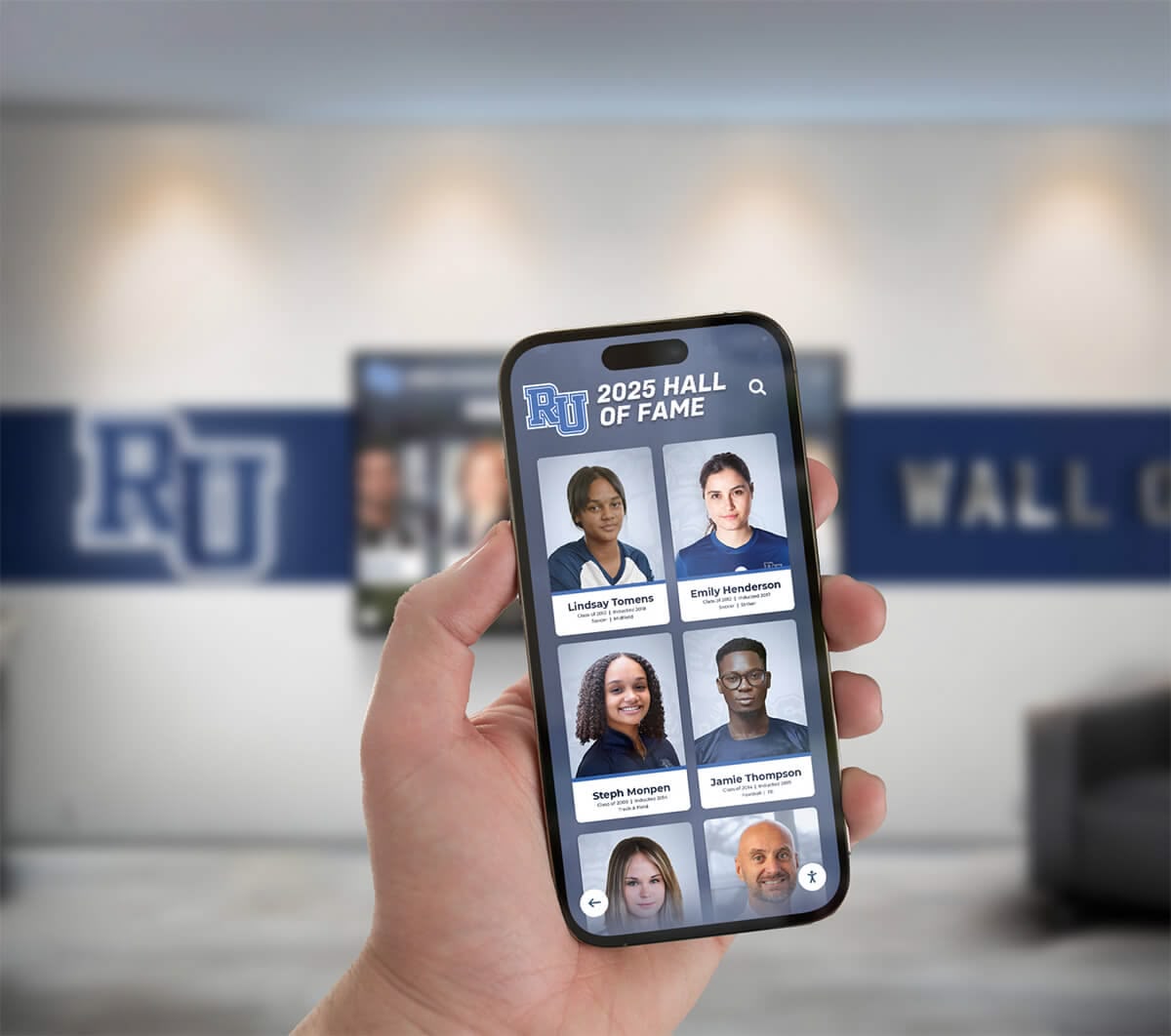
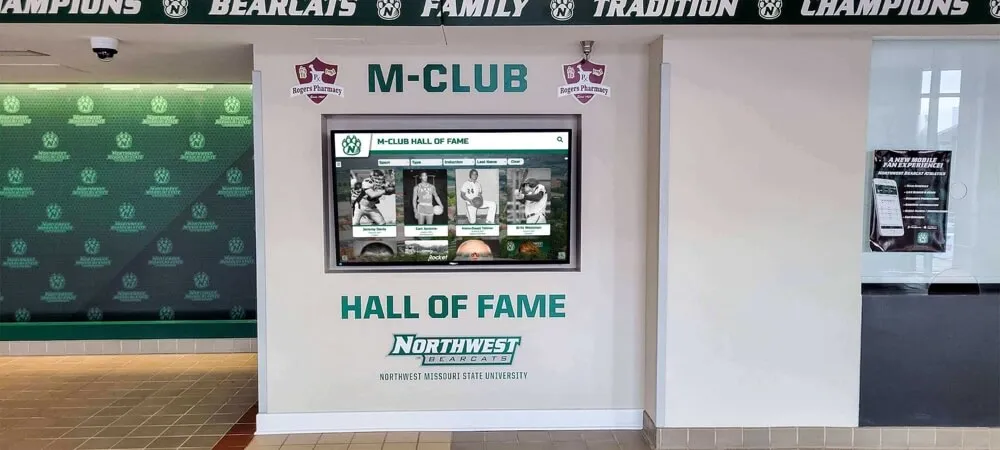
Mobile integration extends interactive experiences beyond physical displays, enabling prospective students to explore campus stories throughout their visit
Building Culture of Philanthropy
Visible donor recognition during tours creates positive impressions about campus culture:
- Demonstrates strong alumni connection and institutional loyalty that prospective students notice
- Shows that contributions are valued and publicly acknowledged, potentially influencing future giving
- Communicates that the institution successfully secures resources to support student success
- Creates aspirational models where students envision themselves as future supporters
Learn comprehensive approaches in donor recognition systems that translate effectively to admissions tour integration.
Creating Emotional Connections Through Stories
Interactive storytelling’s greatest power lies in creating emotional connections that influence enrollment decisions:
Student Success Story Showcase
Prospective students connect most strongly with stories of students like themselves:
- Achievement profiles highlighting diverse student backgrounds, majors, and success pathways
- Video testimonials where current students explain why they chose the institution
- Alumni outcome tracking showing career paths and graduate school placements
- Research highlights demonstrating student-faculty collaboration opportunities
- Co-curricular achievement recognition celebrating well-rounded student experiences
These authentic stories help prospective students envision their own success on campus more effectively than any statistics or marketing materials.
Historical Legacy Communication
Institutional history creates context that helps prospective students understand campus culture and values:
- Founding stories explaining institutional mission and values
- Historical milestone timelines showing institutional growth and evolution
- Tradition explanations helping prospective students understand campus culture
- Notable alumni profiles demonstrating long-term institutional impact
- Comparative timelines placing institutional history within broader social and educational contexts
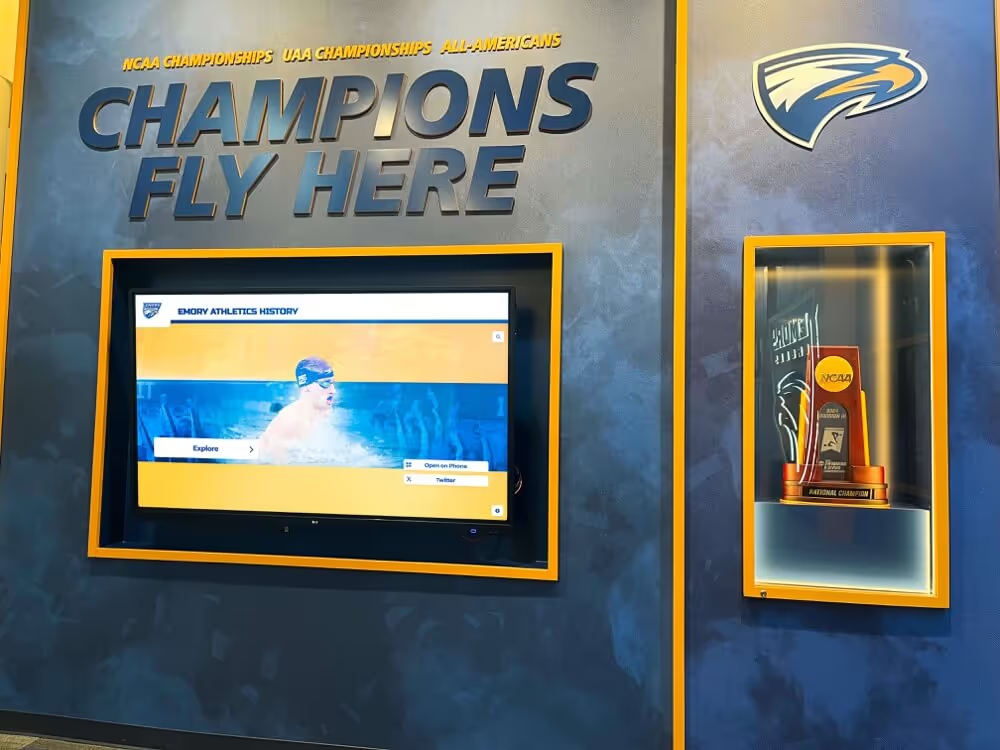
Effective digital storytelling approaches used in athletic contexts translate directly to comprehensive campus tour experiences.
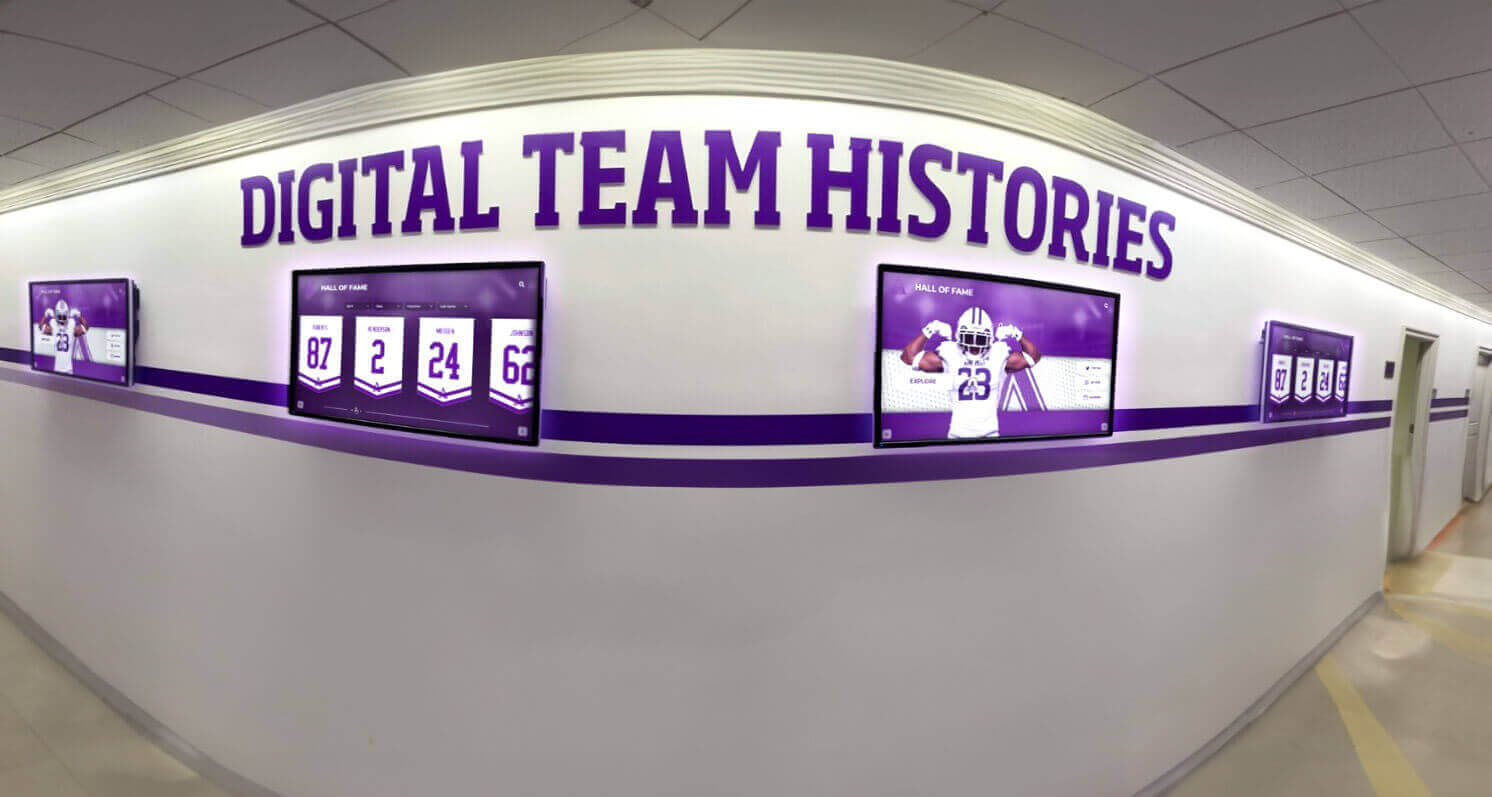
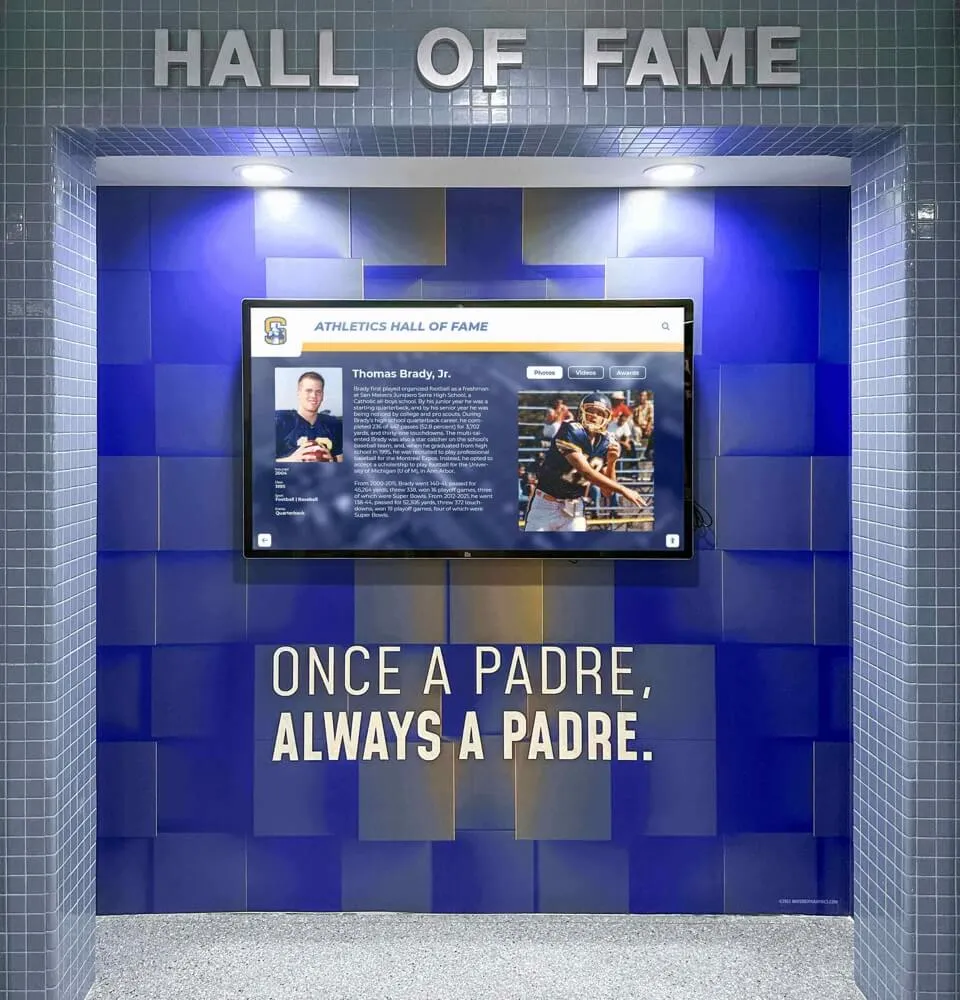
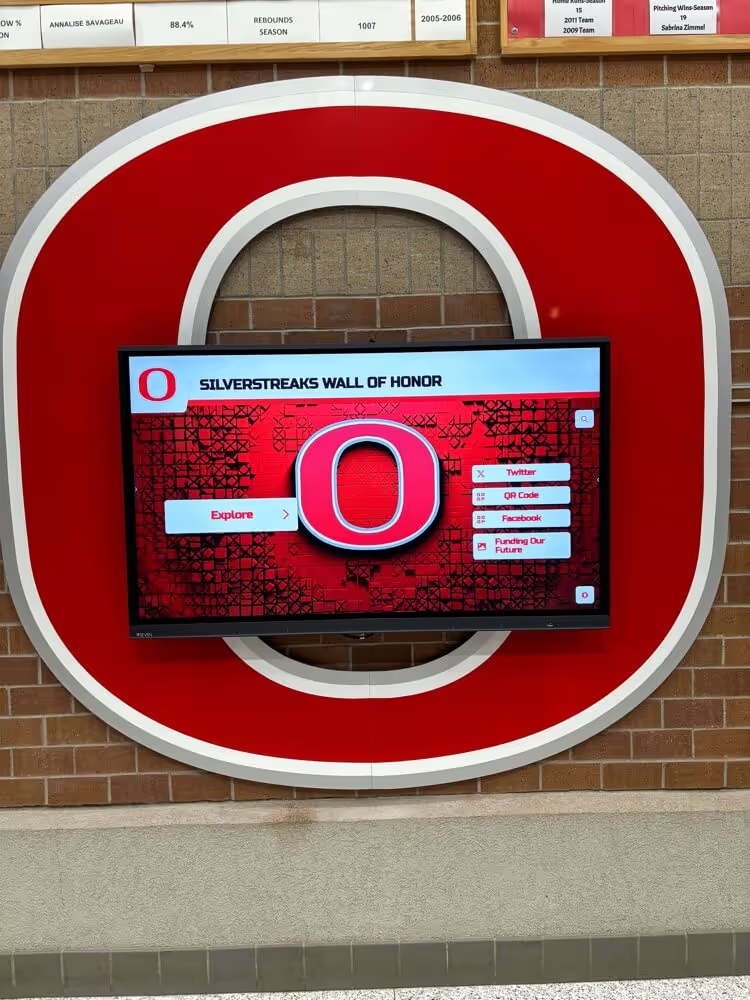
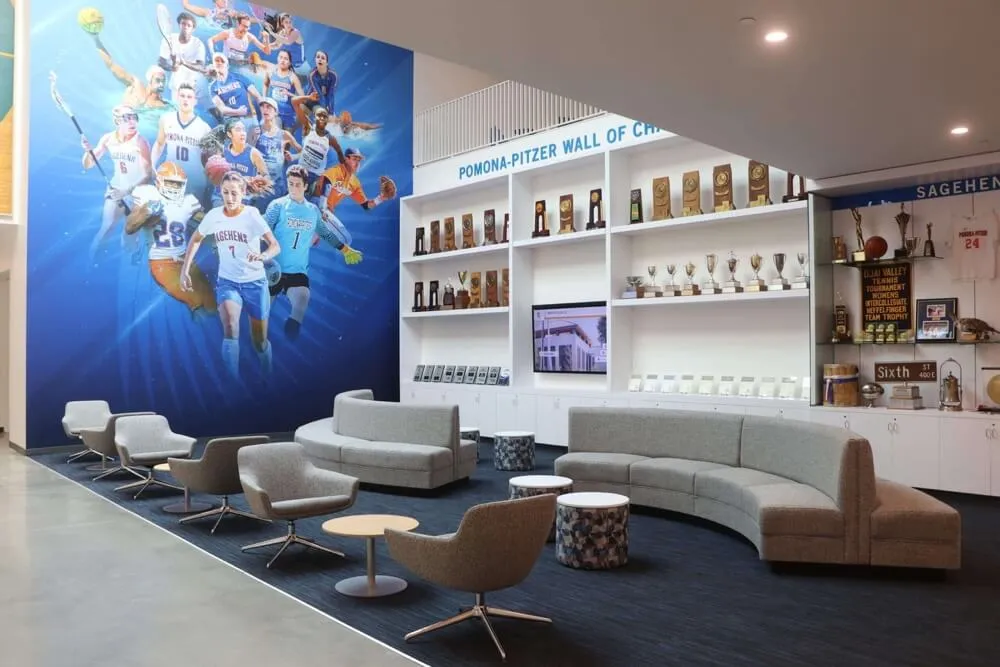
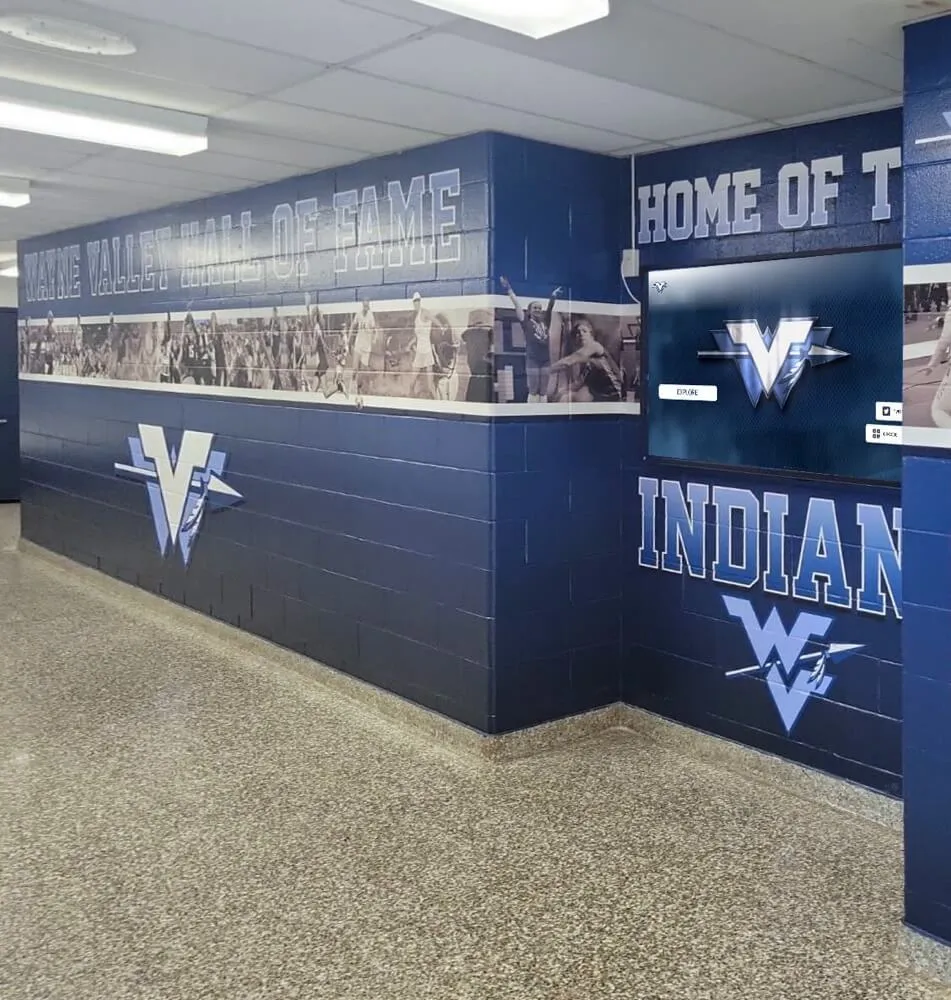
Strategic display placement throughout campus enables storytelling integration at multiple tour stops rather than single-location experiences
Strategic Implementation: Where and How to Deploy Interactive Storytelling
Successful interactive storytelling requires strategic planning around content, placement, and tour integration to maximize admissions impact.
Optimal Display Placement for Tour Impact
Location selection determines whether interactive storytelling becomes tour highlights or overlooked additions:
Admissions Office and Welcome Center Integration
Tour starting points offer critical first-impression opportunities:
- Welcome displays introducing institutional values and tour highlights while families wait for tours to begin
- Check-in area installations providing engagement opportunities during administrative processes
- Information request terminals enabling self-service material access and additional information gathering
- Campaign progress displays demonstrating institutional momentum and community support
- Historical timeline installations providing context before campus exploration begins
These strategic placements ensure every prospective student encounters interactive storytelling regardless of tour length or route variations.
High-Traffic Campus Hub Locations
Central gathering spaces maximize exposure across diverse campus populations:
- Student union installations where prospective students observe current student engagement
- Library entrance displays showcasing academic achievements and research highlights
- Dining hall recognition systems demonstrating community and student life
- Recreation center installations highlighting wellness resources and student activities
- Academic building lobbies featuring department-specific achievements and faculty-student collaborations
Prospective students value seeing how current students interact with campus spaces, making authentic student traffic locations particularly effective for storytelling installations.
Strategic Tour Route Integration
Align installations with standard tour routes ensuring consistent exposure:
- Major facility entrances where tours naturally pause for building introductions
- Transition points between campus areas where brief engagement opportunities fit tour timing
- Signature spaces that define campus character and receive emphasis during tours
- Donor-funded facilities where recognition connects philanthropy to tangible student benefits
- Athletic facilities showcasing competitive success and student-athlete experiences
Effective campus directory systems demonstrate strategic placement approaches that support both wayfinding and storytelling objectives.
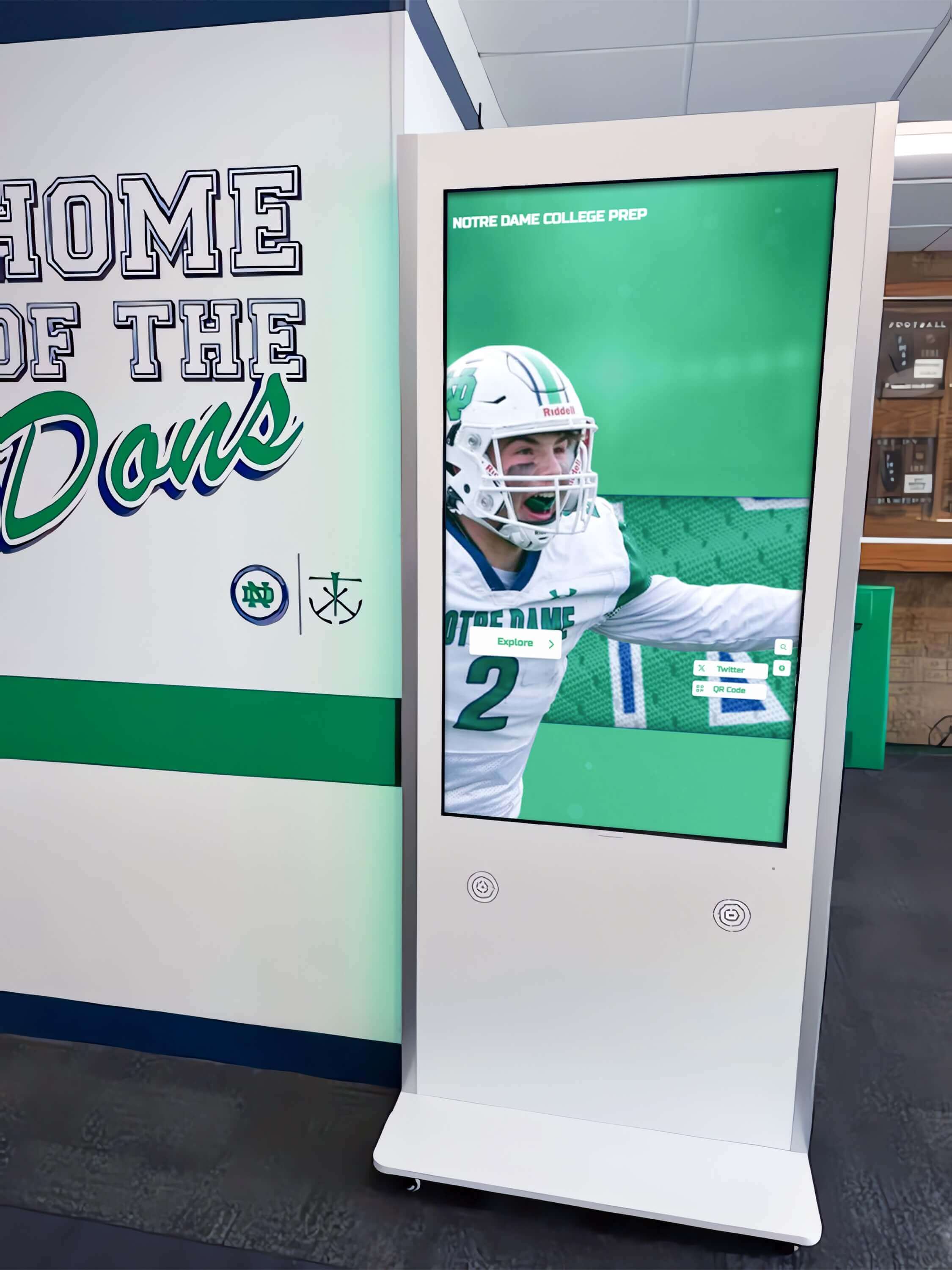
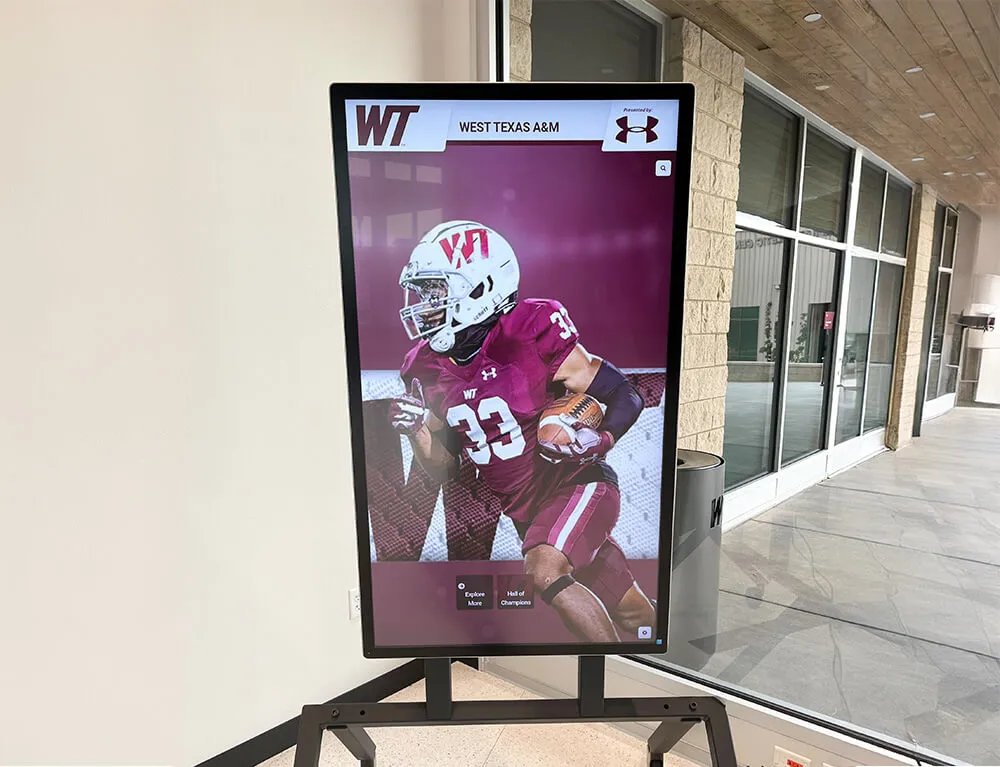
Freestanding kiosks offer flexible placement options that can be positioned optimally as tour routes evolve
Content Strategy: Stories That Resonate with Prospective Students
Content selection and presentation determine whether interactive displays create meaningful connections or become ignored installations:
Student-Centered Achievement Recognition
Focus content on stories that help prospective students envision their own success:
Academic Excellence Highlights
- Honor roll recognition celebrating diverse academic achievements across all majors
- Research showcase profiles demonstrating undergraduate research opportunities
- Academic competition results highlighting intellectual community and peer excellence
- Capstone project galleries showing culminating academic experiences
- Graduate school placement tracking demonstrating post-graduation success pathways
Consider approaches used in academic recognition programs that effectively celebrate diverse achievement types.
Student Life and Co-Curricular Success
- Leadership position recognition showcasing student organization opportunities
- Service learning highlights demonstrating community engagement commitments
- Study abroad participant profiles illustrating global education experiences
- Internship and career placement stories showing professional development support
- Creative achievement galleries celebrating artistic and performance accomplishments
These varied content categories ensure every prospective student finds personally relevant stories regardless of their intended major or interests.
Authentic Student Voice Integration
First-person narratives create emotional connections that institutional messaging cannot replicate:
- Video testimonials where students explain their college choice decisions
- “Day in the life” content showing typical student experiences across majors
- Advice from current students addressing common prospective student questions
- Transition stories where students describe their first-year adjustment and support experiences
- Senior reflections capturing what students value most about their educational experience
This authentic content helps prospective students imagine themselves as part of the campus community.
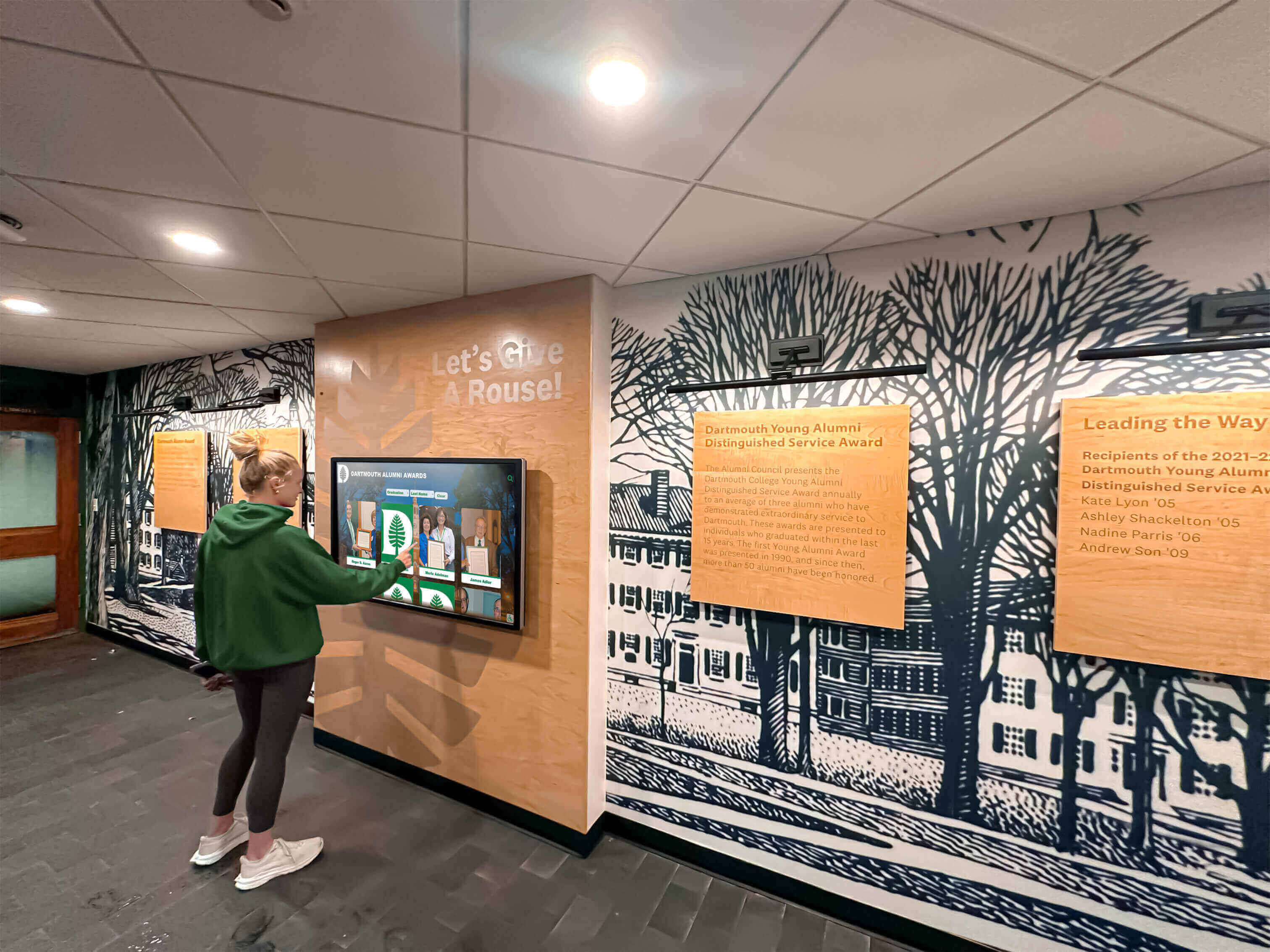
Current student engagement with displays demonstrates their value to prospective students observing authentic campus culture
Technical Considerations and Implementation Approaches
Successful interactive storytelling requires appropriate technology selection and implementation planning:
Hardware Selection for Campus Environments
Educational installations require specific technical specifications:
Durability and Reliability Requirements
- Commercial-grade touchscreens designed for high-interaction volume
- Vandal-resistant housings protecting displays in public campus spaces
- Weather-resistant specifications for covered outdoor installations
- High-brightness displays ensuring visibility in varied lighting conditions
- Accessibility-compliant positioning and interface design supporting diverse user needs
Connectivity and Content Management
- Reliable network connectivity supporting real-time content updates
- Cloud-based content management enabling remote updates across multiple displays
- Scheduled content rotation ensuring fresh material throughout admissions seasons
- Analytics capabilities tracking interaction patterns and popular content
- Integration compatibility with existing campus systems and databases
Solutions like Rocket Alumni Solutions provide comprehensive platforms combining robust hardware with flexible content management specifically designed for educational environments.
Content Management and Update Workflows
Sustainable interactive storytelling requires efficient content creation and maintenance processes:
- Clear content governance defining who approves and publishes material
- Streamlined submission processes for students, faculty, and staff to contribute stories
- Regular content refresh schedules preventing displays from becoming stale
- Seasonal variation aligning content with admissions cycles and campus events
- Quick-update capabilities for time-sensitive achievements and announcements
Institutions report that cloud-based management systems reduce content maintenance time by 85% compared to locally-managed solutions requiring physical access for updates.
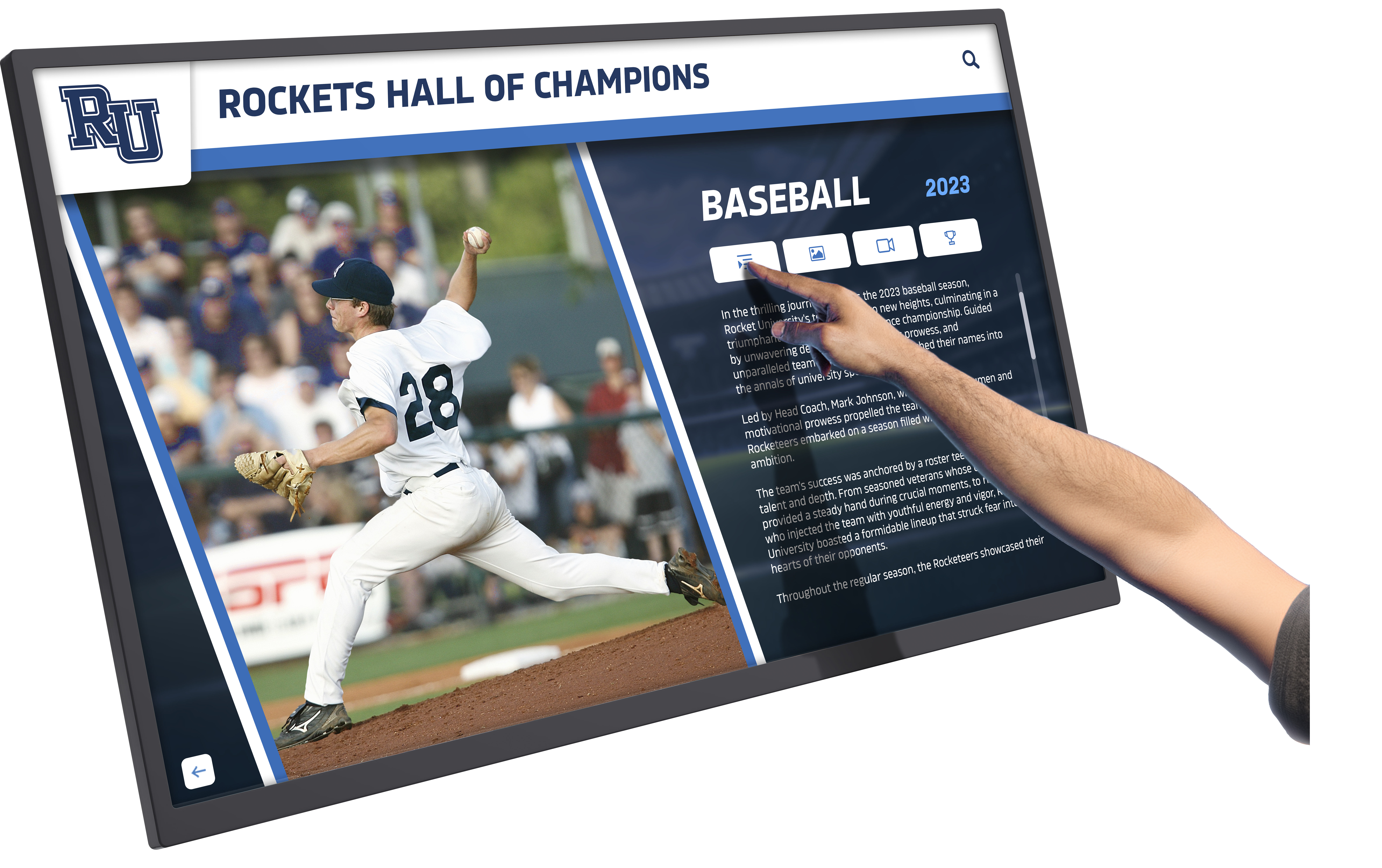
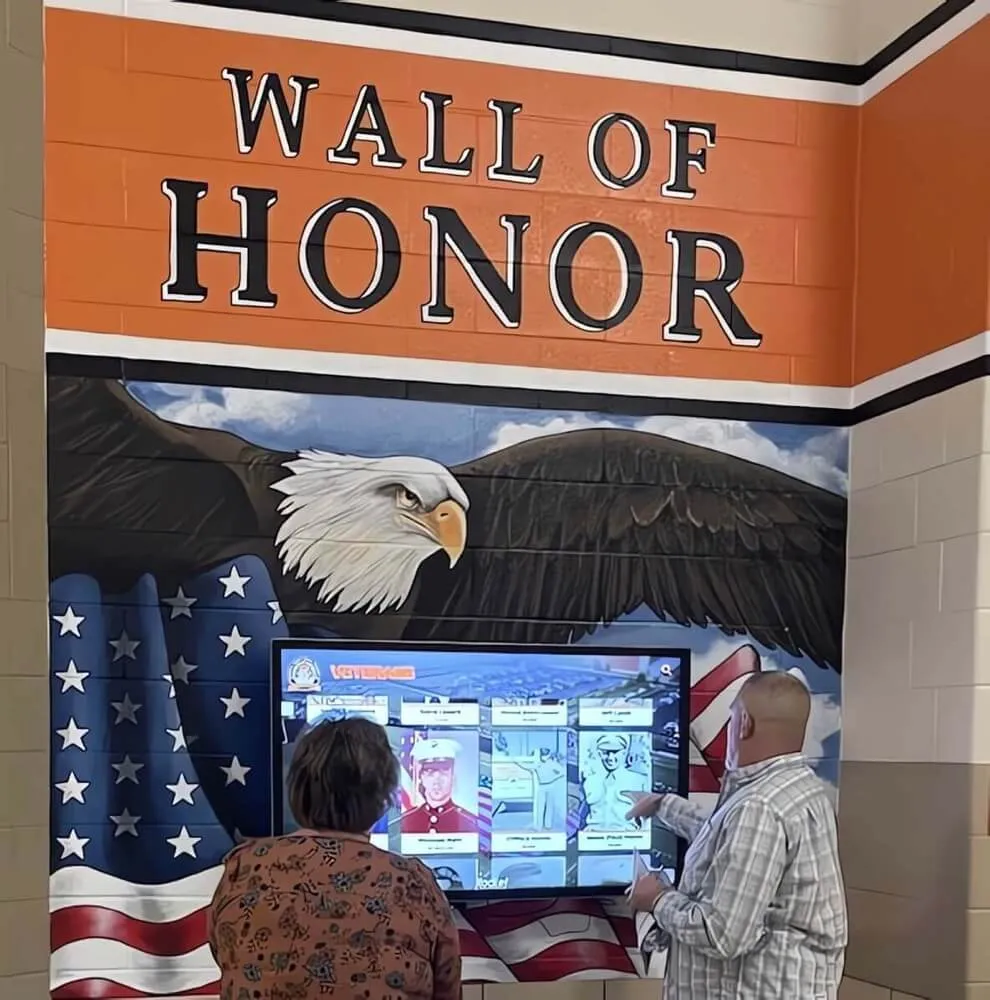
Intuitive touch interfaces enable visitors of all ages and technical abilities to explore content independently
Tour Guide Integration: Training and Implementation Strategies
Interactive storytelling enhances rather than replaces tour guide roles when properly integrated into tour protocols and training.
Incorporating Displays into Tour Narratives
Effective integration requires intentional planning around how tour guides reference and utilize interactive installations:
Strategic Pause Points
Plan natural interaction opportunities within tour timing:
- 2-3 minute engagement windows allowing meaningful exploration without extending tour length
- Group demonstration where guides model display interaction before allowing independent exploration
- Guided highlights drawing attention to specific stories aligned with tour themes
- Self-exploration time enabling prospective students to focus on personally relevant content
- Transition utilization using displays as natural break points between tour segments
This balanced approach ensures interactive storytelling enhances rather than disrupts tour flow.
Flexible Presentation Approaches
Train guides to adapt display integration based on group composition and interests:
- Quick overview approach for groups on tight schedules or showing limited engagement
- Extended exploration opportunities when groups demonstrate high interest
- Targeted content highlighting based on expressed student interests or intended majors
- Family engagement encouraging parents and siblings to explore alongside prospective students
- Accessibility accommodation ensuring all visitors can access and benefit from content
Consistent Messaging Reinforcement
Interactive displays ensure key institutional messages reach all tour participants:
- Core values communication through curated story collections
- Competitive differentiator emphasis highlighting unique institutional strengths
- Mission alignment demonstration connecting achievements to institutional purpose
- Diversity showcase celebrating varied student backgrounds and experiences
- Success pathway illustration showing support systems and student outcomes
This consistency proves particularly valuable for institutions with large tour guide teams where individual presentation quality varies.
Tour Guide Training and Support
Comprehensive training ensures confident, effective display integration:
Technology Familiarization
- Hands-on practice sessions where guides explore all display content and features
- Navigation training ensuring guides can efficiently locate relevant content
- Troubleshooting preparation for common technical issues like unresponsive screens
- Demonstration techniques modeling effective visitor engagement approaches
- Update notifications keeping guides informed about new content additions
Content Knowledge Development
- Background information on featured students, alumni, and donors enabling guides to provide context
- Story connection training linking display content to tour themes and talking points
- Question response preparation addressing common visitor inquiries prompted by display content
- Narrative integration practice weaving display content into broader tour stories
- Highlight identification training helping guides select most relevant content for different audiences
Inclusive Practice Guidance
- Accessibility support techniques assisting visitors with disabilities
- Multilingual content awareness for tours serving international families
- Cultural sensitivity training ensuring respectful discussion of diverse achievements
- Accommodation strategies for large groups or visitors with special needs
Consider comprehensive student achievement showcase strategies that translate to effective tour guide integration.
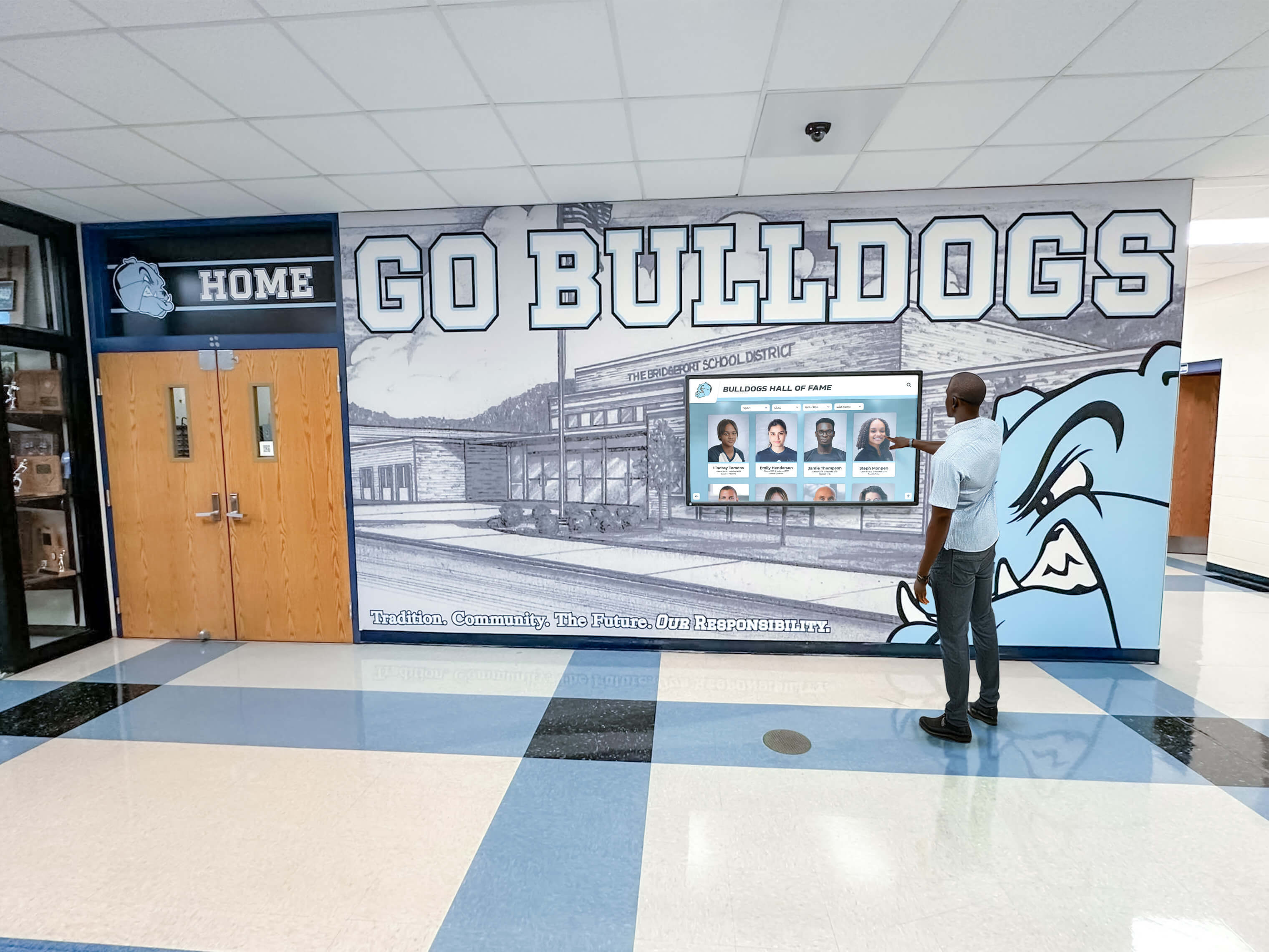
Tour guides who confidently demonstrate display features encourage prospective student engagement and exploration
Content Development: Gathering and Presenting Compelling Stories
Sustainable interactive storytelling requires systematic approaches to identifying, collecting, and presenting authentic student and institutional narratives.
Identifying Stories That Resonate
Not all achievements translate equally to prospective student interest:
Achievement Selection Criteria
Focus on stories that help prospective students envision their own success:
- Relatable journeys featuring students from diverse backgrounds and circumstances
- Transformation narratives showing growth and development throughout educational experience
- Challenge-and-support stories demonstrating how the institution helps students overcome obstacles
- Unexpected opportunity highlights revealing possibilities students might not anticipate
- Community connection examples illustrating campus culture and peer relationships
These narrative types create emotional connections that influence enrollment decisions more effectively than simple achievement listings.
Diversity and Representation Priorities
Ensure featured stories reflect the full campus community:
- Demographic diversity across race, ethnicity, gender, socioeconomic background, and other identities
- Academic diversity representing all major programs, disciplines, and schools
- Geographic representation including local, national, and international students
- Achievement type variety celebrating academic, athletic, artistic, service, and leadership accomplishments
- Year-level distribution showing first-year through senior experiences
Prospective students need to see themselves reflected in campus stories to envision their own belonging.
Content Collection Systems and Workflows
Systematic approaches ensure continuous content development:
Student Story Submission Processes
- Clear submission guidelines explaining what information to provide
- Simple collection forms minimizing barriers to participation
- Multiple submission pathways including online forms, email, and in-person interviews
- Incentive programs encouraging participation through recognition or small rewards
- Regular solicitation campaigns timed around major achievements and milestones
Faculty and Staff Nomination Systems
- Advisor and professor recommendations identifying outstanding students and achievements
- Department coordinator contributions ensuring coverage across academic programs
- Student life staff input highlighting co-curricular accomplishments and leadership
- Career services connections identifying internship and employment successes
- Research office coordination showcasing undergraduate research participation
Administrative Data Integration
- Automated feeds from registrar data for academic honors and distinctions
- Student activities database connections for leadership positions and involvement
- Alumni office records tracking post-graduation outcomes and career paths
- Development office information linking donor support to scholarship recipients
- Admissions data identifying students who can speak to recruitment and college choice experiences
Effective digital archives demonstrate systematic content collection approaches that support ongoing storytelling initiatives.
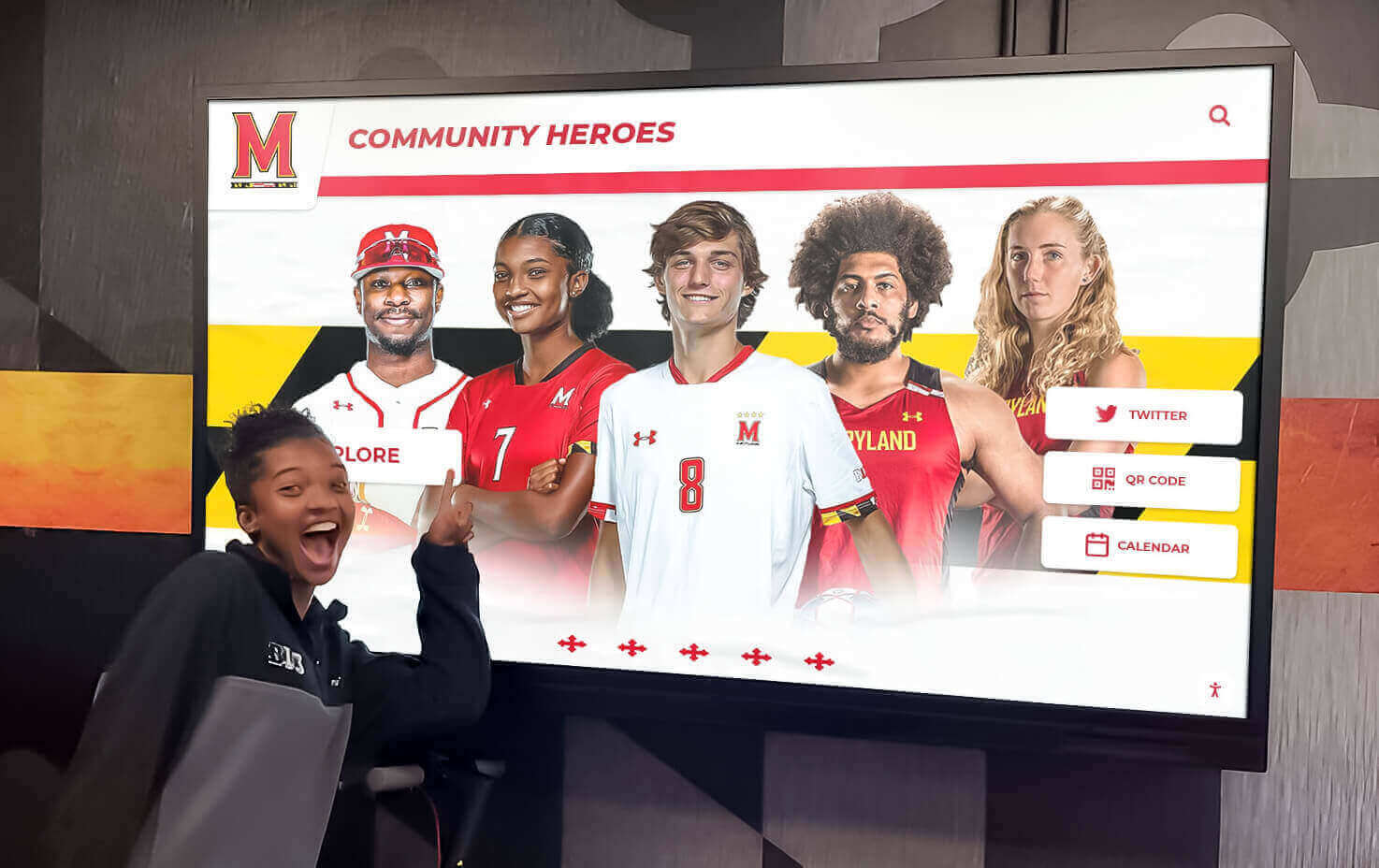
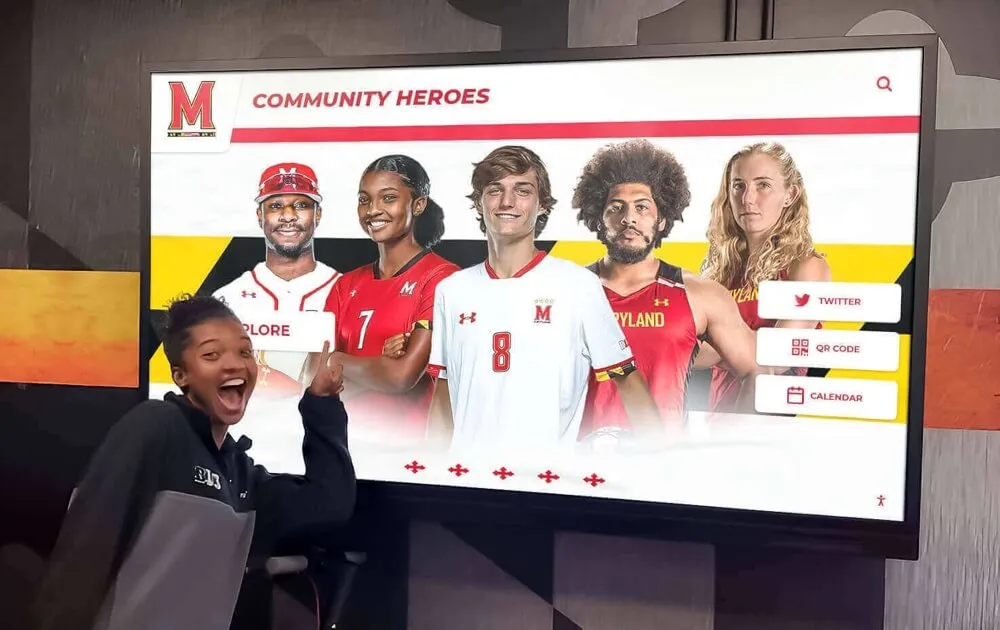
Student enthusiasm about recognition displays demonstrates their motivational impact on current students while impressing prospective visitors
Multimedia Content Production Considerations
Professional presentation quality affects credibility and engagement:
Photography Standards
- High-resolution images suitable for large display rendering
- Consistent visual style creating cohesive experience across content
- Diverse settings showing varied campus locations and activities
- Release agreements ensuring appropriate permissions for public display
- Regular updates maintaining current, relevant visual content
Video Production Approaches
- Short-form testimonials optimized for browsing attention spans
- Authentic, conversational tone prioritizing genuine emotion over polish
- Accessible captions supporting visitors with hearing impairments
- Mobile-optimized formats ensuring quality across all display sizes
- Archival footage integration connecting historical context to current stories
Text Content Guidelines
- Concise writing optimized for screen reading and scanning
- Student voice preservation maintaining authentic language and perspective
- Accessibility compliance ensuring readability for all literacy levels
- Searchable keywords enabling visitors to find relevant content
- Multiple depth levels allowing both quick overviews and detailed exploration
Measuring Impact: Analytics and Continuous Improvement
Effective interactive storytelling programs include measurement systems tracking engagement and informing ongoing optimization.
Engagement Metrics and Analytics
Modern display systems provide detailed interaction data:
Usage Pattern Analysis
- Daily and hourly traffic patterns informing optimal content scheduling
- Popular content identification revealing which stories resonate most strongly
- Average interaction duration indicating content engagement quality
- Navigation pathway tracking showing how visitors explore and discover content
- Return visitor patterns suggesting content that prompts multiple engagements
These metrics enable data-driven content decisions replacing guesswork with evidence.
Tour Group Specific Tracking
- Peak tour timing analysis ensuring displays function reliably during high-traffic periods
- Group size correlations identifying optimal installation types for different spaces
- Guide integration observation noting how tour leaders incorporate displays
- Seasonal variation tracking comparing engagement across admissions cycles
- Demographic pattern identification when privacy-compliant data collection occurs
Admissions Outcome Connections
Connect interactive storytelling to enrollment funnel metrics:
Prospective Student Feedback Collection
- Post-visit surveys specifically asking about interactive display experiences
- Admission interview references noting whether students mention specific stories
- Social media monitoring tracking visitor posts and reactions
- Parent feedback gathering through family surveys and focus groups
- Yield analysis comparing students who visited versus those admitted without touring
Enrollment Decision Influence
- Admitted student surveys asking which tour elements most influenced decisions
- Matriculation rate comparisons between students who toured versus those who didn’t
- Merit scholarship recipient feedback on factors affecting college choice
- Transfer student perspectives comparing experiences at multiple institutions
- Alumni retrospective surveys about factors that influenced their original enrollment
Consider approaches used in advanced analytics systems for measuring digital recognition engagement and outcomes.

Backend analytics systems track which content sections receive most engagement, informing content development priorities
Iterative Improvement Processes
Use data and feedback to continuously enhance storytelling effectiveness:
Content Optimization Cycles
- Regular content audits identifying outdated or underperforming material
- A/B testing comparing different presentation approaches for similar stories
- Seasonal refresh schedules aligning content with admissions calendar events
- Feedback incorporation adjusting content based on visitor comments and questions
- Best practice adoption implementing learnings from high-performing content
Technical Enhancement Planning
- User experience refinement addressing navigation friction points
- Performance optimization ensuring responsive interactions across all displays
- Accessibility improvement implementing additional accommodation features
- Integration expansion connecting displays with other campus systems and touchpoints
- Capacity planning sizing infrastructure for growing content libraries and user volumes
Beyond Tours: Extended Interactive Storytelling Applications
Interactive storytelling infrastructure supports multiple institutional objectives beyond admissions recruitment:
Orientation and New Student Transition
Continue storytelling engagement with confirmed students:
- New student welcome content introducing campus resources and support systems
- Upperclassman advice libraries helping first-year students navigate transition challenges
- Campus tradition explanations building cultural knowledge and community connection
- Academic support showcase highlighting tutoring, advising, and success resources
- Social integration tips from current students about making friends and getting involved
These applications extend initial admissions investment to support retention and student success.
Alumni Engagement and Development
Repurpose storytelling infrastructure for advancement objectives:
- Alumni profile libraries celebrating graduate achievements and career success
- Historical timeline content connecting alumni to institutional legacy and evolution
- Giving impact demonstrations showing how donor support enables current student success
- Reunion content customized for specific class years visiting campus
- Legacy family recognition honoring multi-generational institutional connections
Learn comprehensive alumni recognition approaches that leverage existing storytelling infrastructure.
Campus Community Building
Strengthen current student engagement and institutional pride:
- Current student achievement recognition celebrating ongoing accomplishments
- Campus event promotion highlighting upcoming opportunities and activities
- Historical education helping students understand institutional values and traditions
- Community spotlight features recognizing staff, faculty, and community partners
- Progress tracking for campaigns, initiatives, and institutional goals
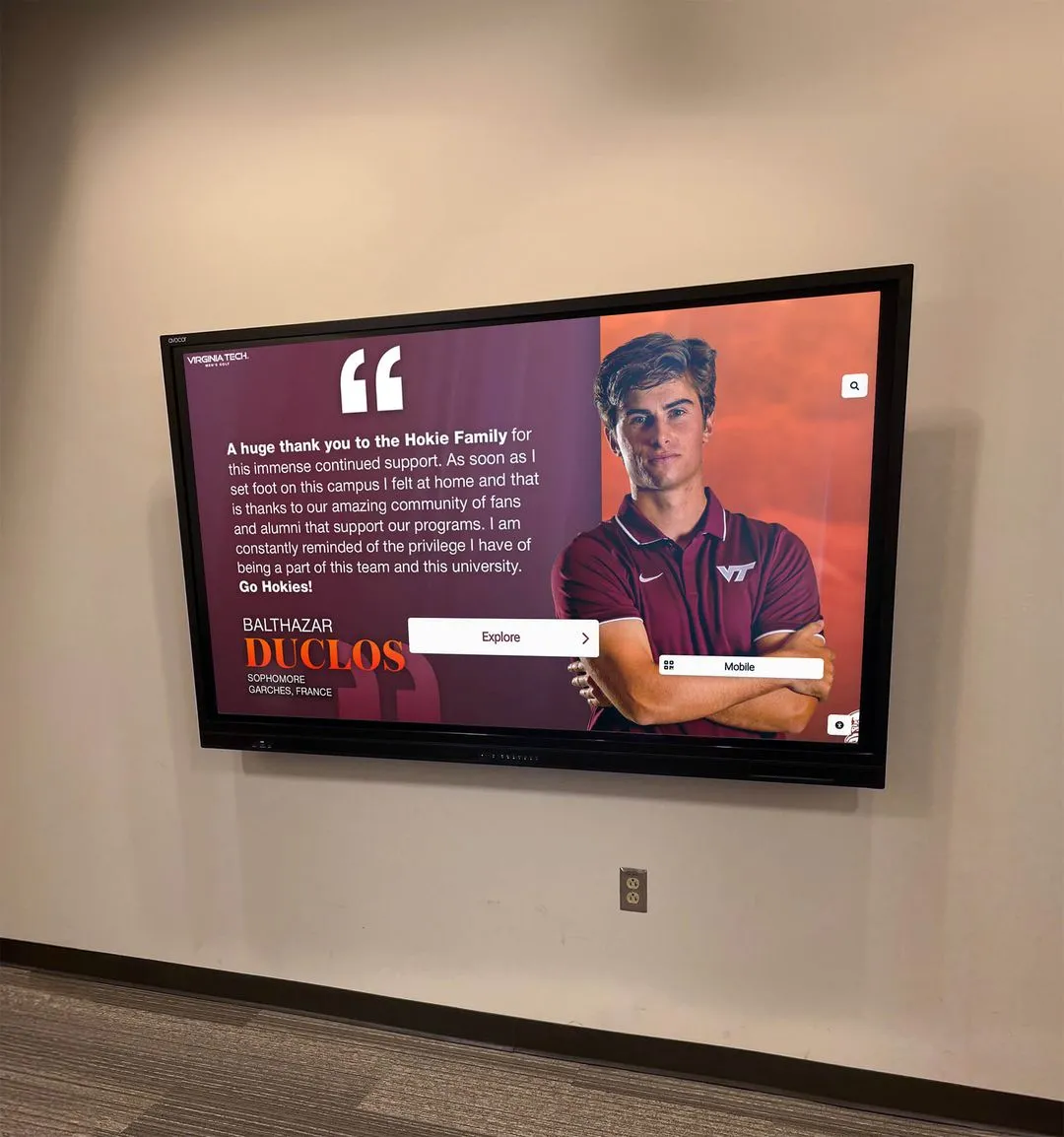
Displays celebrating current students create pride and motivation among campus community while impressing prospective visitors
Investment Considerations and Implementation Planning
Understanding costs, timelines, and resource requirements helps institutions plan successful interactive storytelling implementations.
Budget Planning and Cost Factors
Interactive storytelling investments vary based on scope and specifications:
Hardware and Installation Costs
- Display hardware ranging from $3,000-$15,000 per installation depending on size, features, and durability specifications
- Installation expenses including mounting, electrical work, and network connectivity
- Kiosk enclosures for freestanding installations in high-traffic public spaces
- Protective features like tempered glass and vandal-resistant housings for unsecured locations
- Accessibility accommodations ensuring ADA-compliant positioning and features
Software and Content Management
- Platform licensing for content management systems and interactive software
- Initial content development creating launch libraries of stories and achievements
- Design and user experience customization aligning displays with institutional branding
- Training programs ensuring staff can effectively manage and update content
- Ongoing technical support and maintenance agreements
Long-Term Operating Costs
- Content production resources for photography, videography, and story collection
- Staff time for content management, updates, and quality assurance
- Network and hosting fees for cloud-based management platforms
- Hardware maintenance and eventual replacement planning
- Analytics services and reporting systems tracking engagement and outcomes
While initial investments may appear significant, institutions report that interactive displays achieve cost recovery through enhanced yield rates, reduced tour staffing needs, and multi-purpose applications supporting admissions, advancement, and campus community objectives simultaneously.
Implementation Timeline and Milestones
Realistic planning ensures successful deployments:
Planning and Design Phase (2-3 months)
- Needs assessment and objective definition
- Location selection and technical feasibility evaluation
- Content strategy development and initial story identification
- Vendor selection and specification finalization
- Budget approval and procurement processing
Development and Production Phase (2-4 months)
- Hardware procurement and custom fabrication
- Software configuration and customization
- Initial content collection and production
- User interface design and testing
- Staff training program development
Installation and Launch Phase (1-2 months)
- Physical installation and network integration
- Content loading and quality assurance testing
- Staff training delivery and practice sessions
- Soft launch with limited audience testing
- Official launch and promotion to campus community
Plan implementations during summer months when campus activity levels allow installation work without disrupting academic year operations.
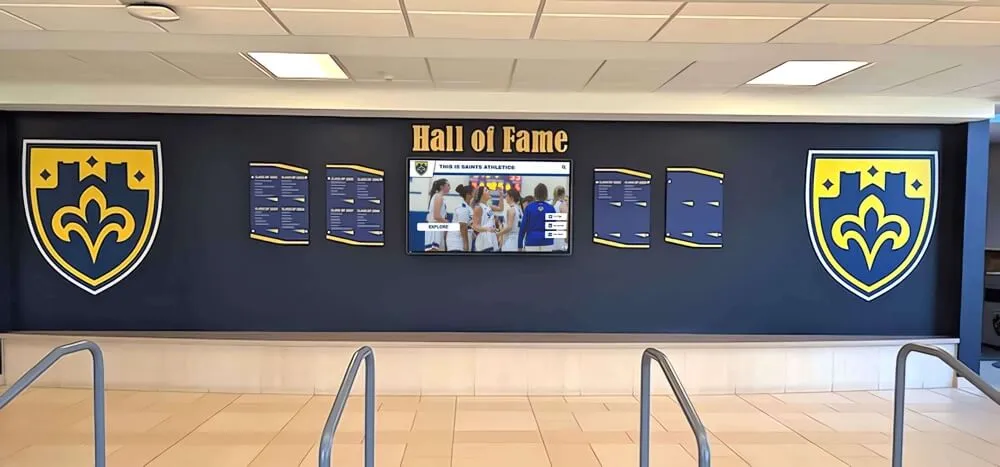
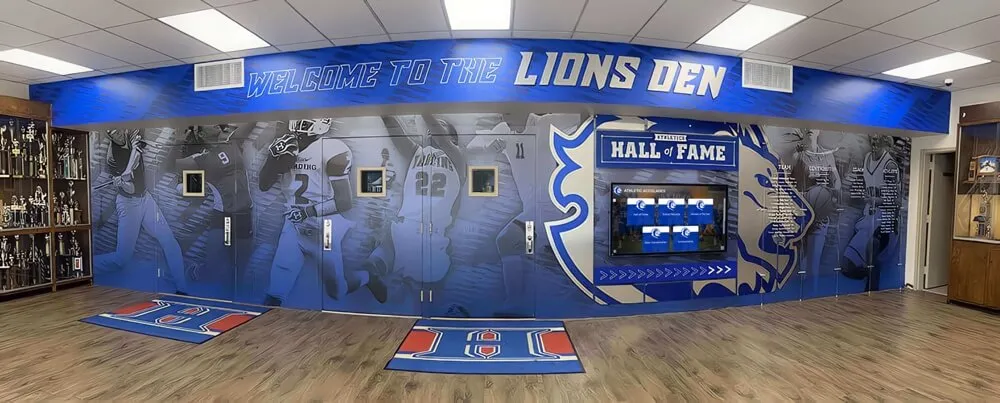
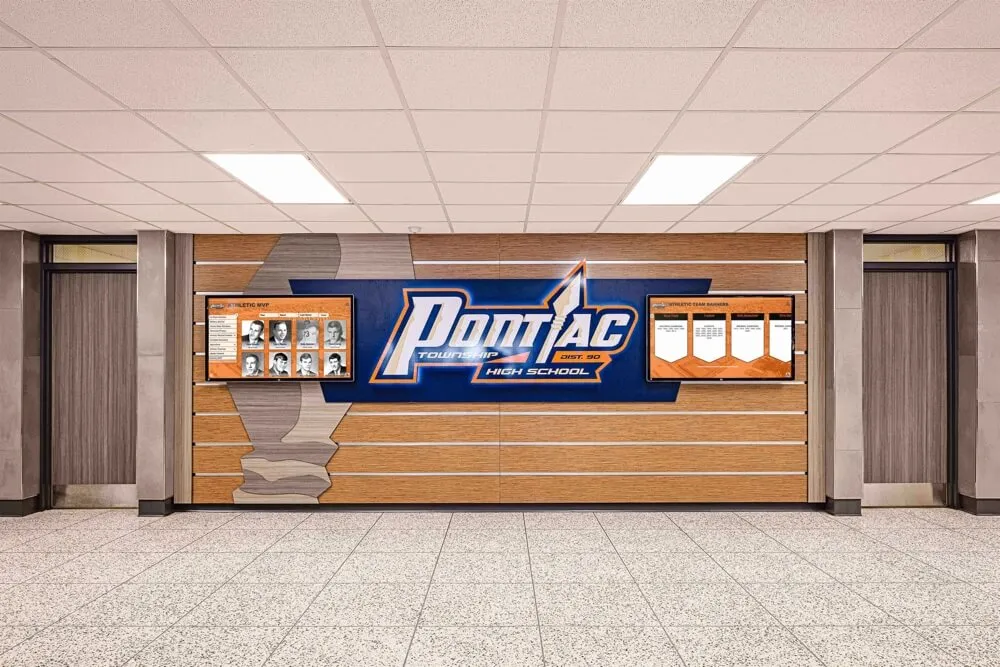
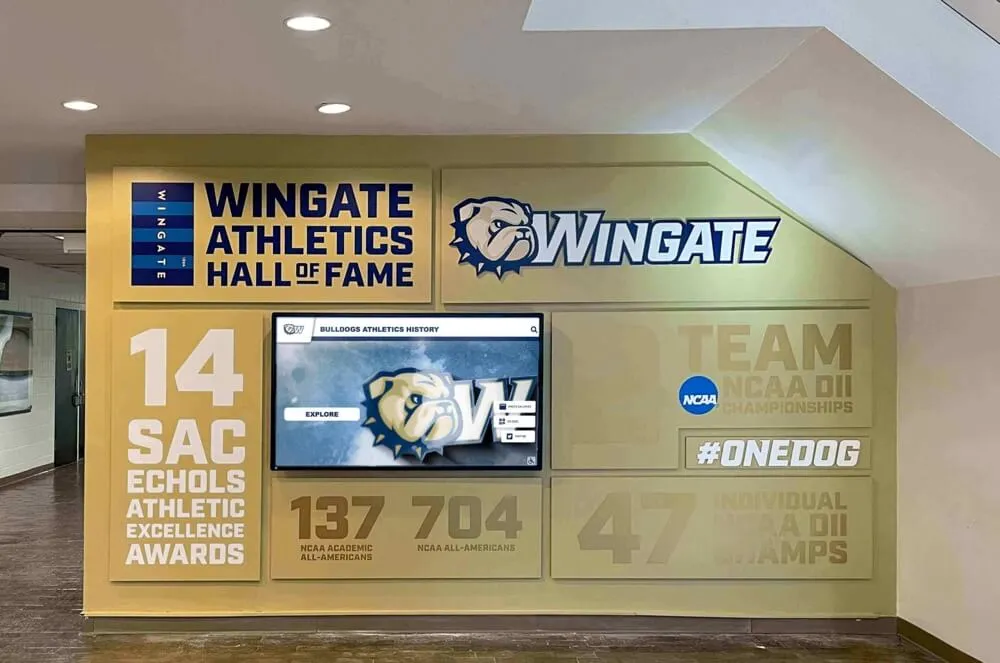
Hybrid installations combining traditional recognition elements with digital displays provide flexibility while respecting existing campus aesthetics
Future Trends and Emerging Technologies
Interactive storytelling continues evolving as new technologies create additional engagement opportunities:
Artificial Intelligence and Personalization
Emerging AI capabilities enable increasingly sophisticated experiences:
- Content recommendation systems suggesting stories based on expressed interests and navigation patterns
- Natural language processing enabling conversational interfaces and voice interaction
- Automated content generation creating initial drafts from submitted information
- Sentiment analysis identifying which stories create strongest emotional responses
- Predictive analytics forecasting which content will resonate with different visitor types
Augmented Reality Integration
AR technologies add immersive storytelling dimensions:
- Historical overlays showing how campus locations appeared in different eras
- Spatial storytelling placing narratives in physical locations where events occurred
- Virtual tour extensions enabling remote exploration of facilities and stories
- Interactive wayfinding with real-world overlay directions and information
- Achievement visualization showing awards and recognition in physical context
Mobile and Social Media Integration
Seamless multi-channel experiences extend engagement beyond physical displays:
- QR code connections enabling content continuation on personal devices
- Social sharing features encouraging prospective students to post experiences
- Mobile app synchronization allowing visitors to save stories for later review
- Virtual follow-up providing continued access to content after campus visits conclude
- Peer-to-peer sharing where current students recommend content to prospective visitors
Explore comprehensive digital wall of fame benefits that continue expanding with technological advancement.
Making Interactive Storytelling a Reality at Your Institution
Successful interactive storytelling implementations require comprehensive planning that addresses technical, content, and organizational dimensions. Institutions that excel at this approach create cross-functional teams including admissions leadership, campus tour program directors, advancement and development staff, information technology representatives, facilities and physical plant coordinators, and student affairs professionals who ensure content represents the full campus experience.
Start small with pilot installations in high-impact locations like admissions welcome centers or main campus hubs, then expand based on measured success and lessons learned. This phased approach manages investment risk while building internal expertise and demonstrating value to stakeholders.
Content quality determines whether interactive displays become tour highlights or ignored installations. Invest adequate resources in story collection, multimedia production, and ongoing content refreshment. Prospective students quickly recognize authentic student voices versus marketing content—prioritize genuine narratives over polished institutional messaging.
Most importantly, remember that interactive storytelling represents a means rather than an end. The ultimate objective remains creating emotional connections that help talented prospective students envision their success at your institution, ultimately choosing enrollment when admission offers arrive. Every content decision, placement choice, and technical specification should serve this foundational goal.
Student enthusiasm about campus recognition systems impresses prospective visitors while strengthening current student pride and engagement
Interactive storytelling transforms campus tours from facility walkthroughs into memorable experiences that showcase institutional values, celebrate community achievements, and create emotional connections influencing enrollment decisions. By implementing strategic displays, developing authentic content, training tour guides effectively, and measuring impact systematically, institutions can differentiate their admissions programs while creating infrastructure that supports advancement, retention, and community-building objectives throughout the student lifecycle.
The prospective students visiting your campus today expect interactive, technology-enabled experiences that allow self-directed exploration of the stories and achievements defining your institutional community. Solutions like Rocket Alumni Solutions provide comprehensive platforms combining robust hardware, flexible content management, and proven educational design specifically supporting admissions, advancement, and campus community objectives.
Ready to transform your campus tours with interactive storytelling that boosts admissions outcomes? Book a demo to explore how digital recognition displays can create memorable prospective student experiences while honoring the donors, students, and community members who make your institution exceptional.