Every school has them—former athletes who excelled in your gymnasium, on your fields, and in your pool, then graduated and quietly drifted away from the institution that shaped their competitive spirit. They’re now coaches, executives, physicians, and community leaders. Many would eagerly give back if asked the right way. Building a deliberate athletic alumni network closes the gap between these accomplished graduates and the programs that forged them, creating pipelines for mentorship, recognition, and long-term institutional support that benefit everyone from today’s student-athletes to your next capital campaign.
The challenge isn’t finding former athletes—they exist in every graduating class. The challenge is creating the infrastructure, the culture, and the recognition systems that make re-engagement feel worthwhile rather than transactional. Schools that crack this code discover that athletic alumni are among the most loyal, enthusiastic, and generous supporters in the entire alumni base.
This guide walks athletic directors, alumni relations staff, and advancement teams through the strategic building blocks of an athletic alumni network that actually works—from initial outreach frameworks to digital recognition tools that keep former athletes connected year after year.

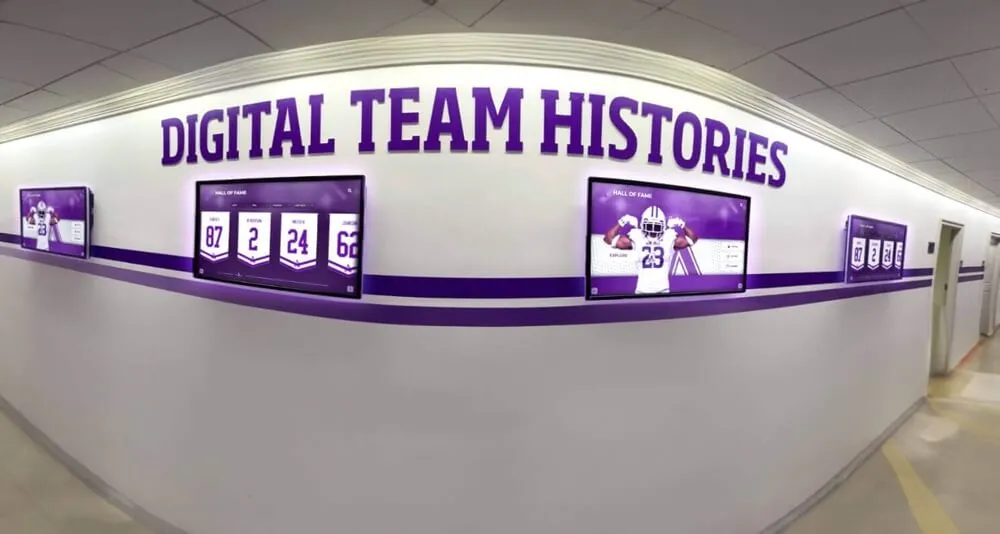
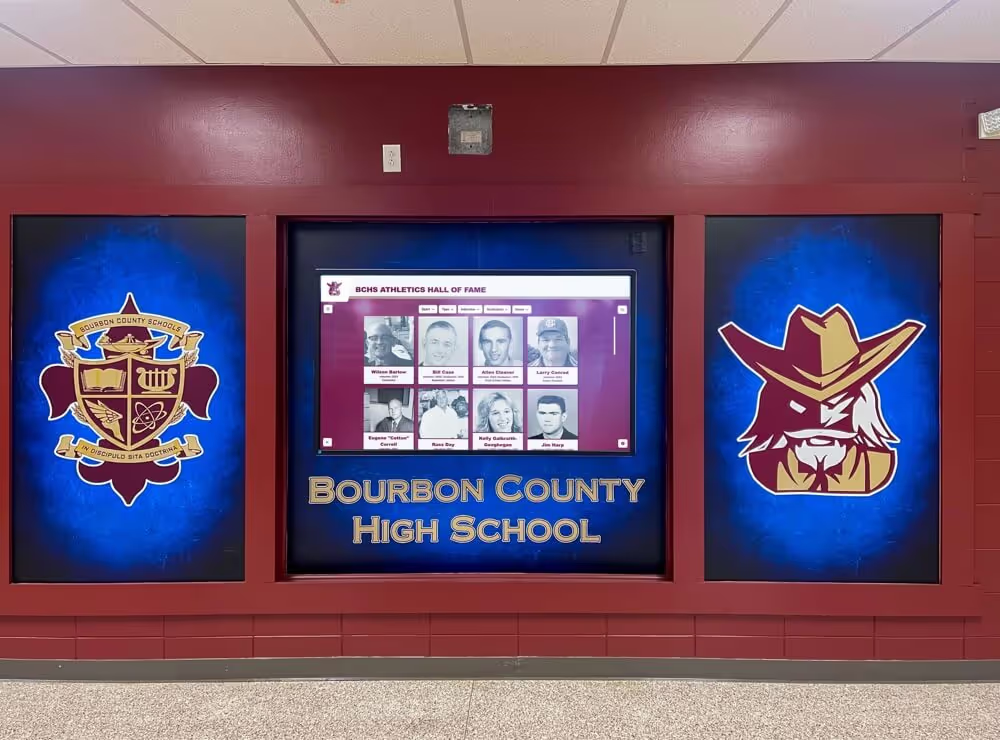
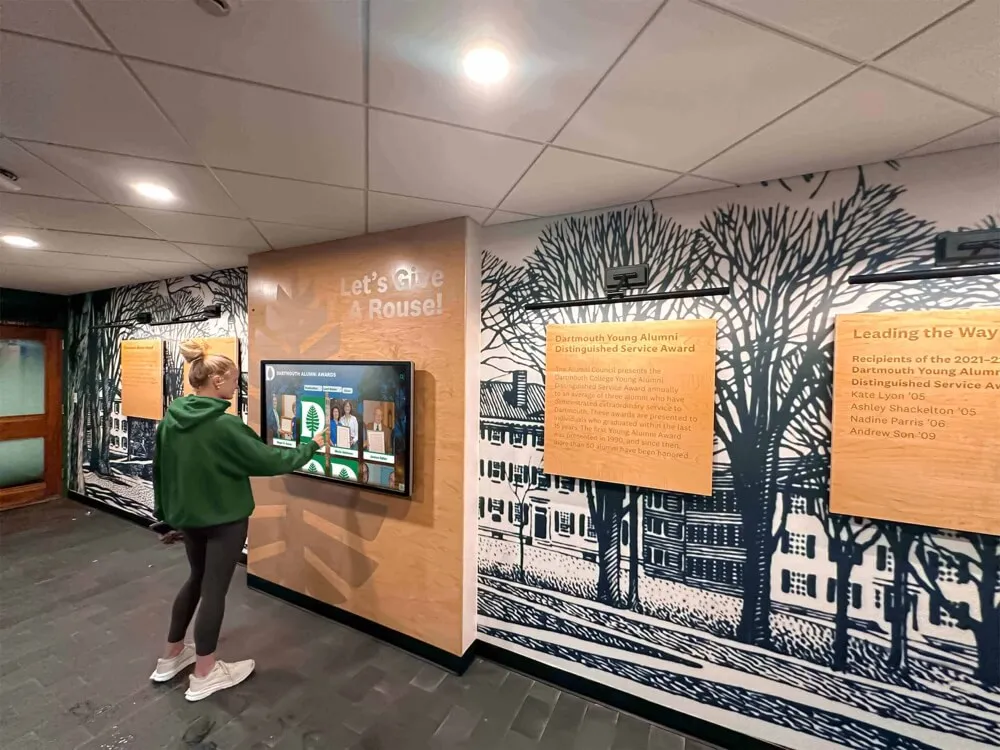
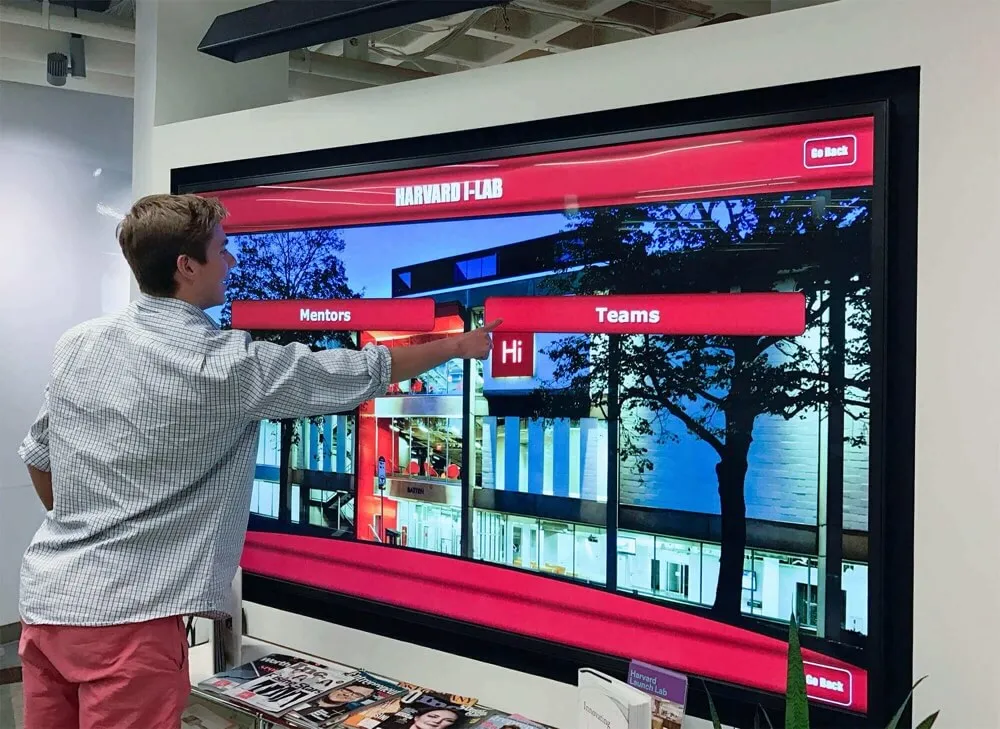
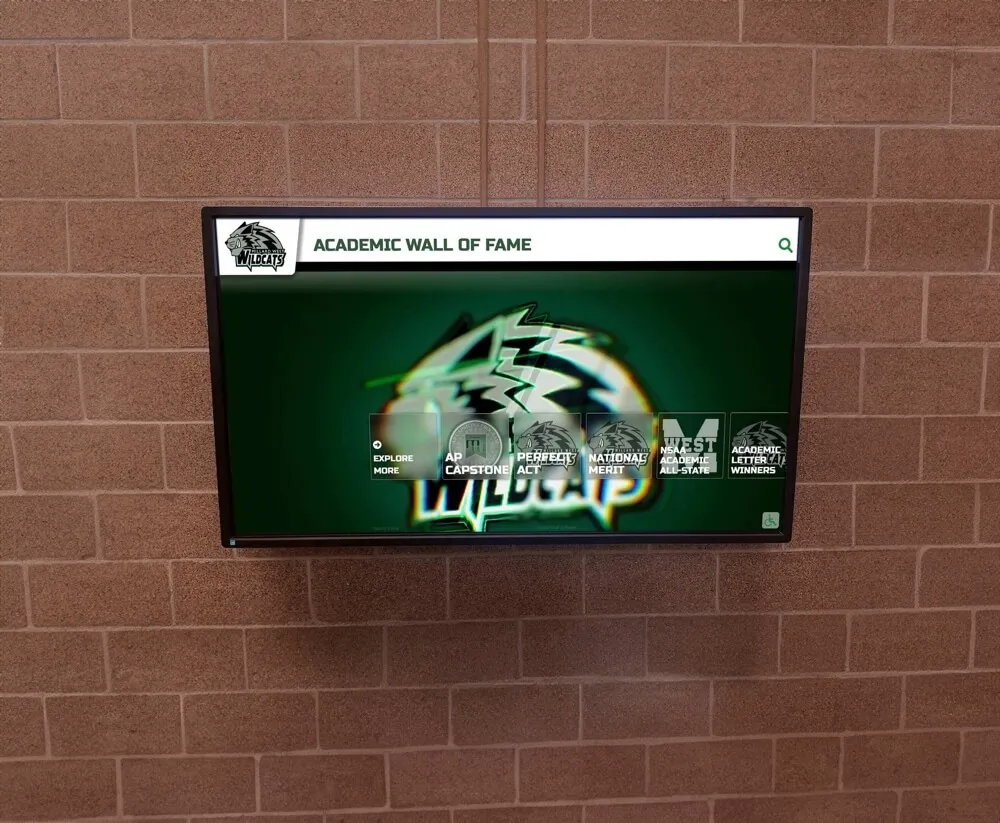
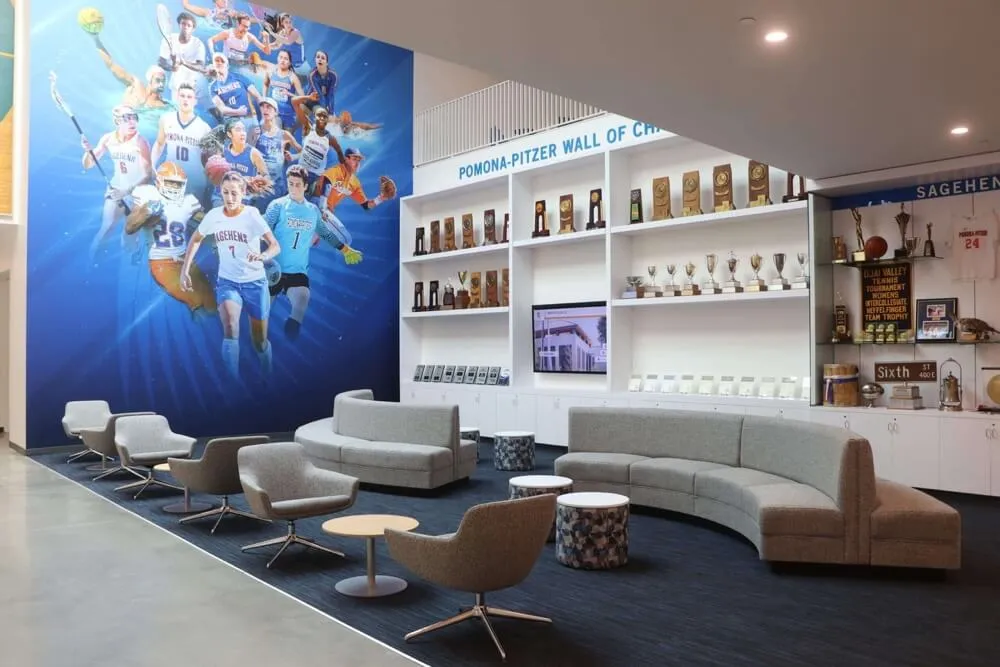
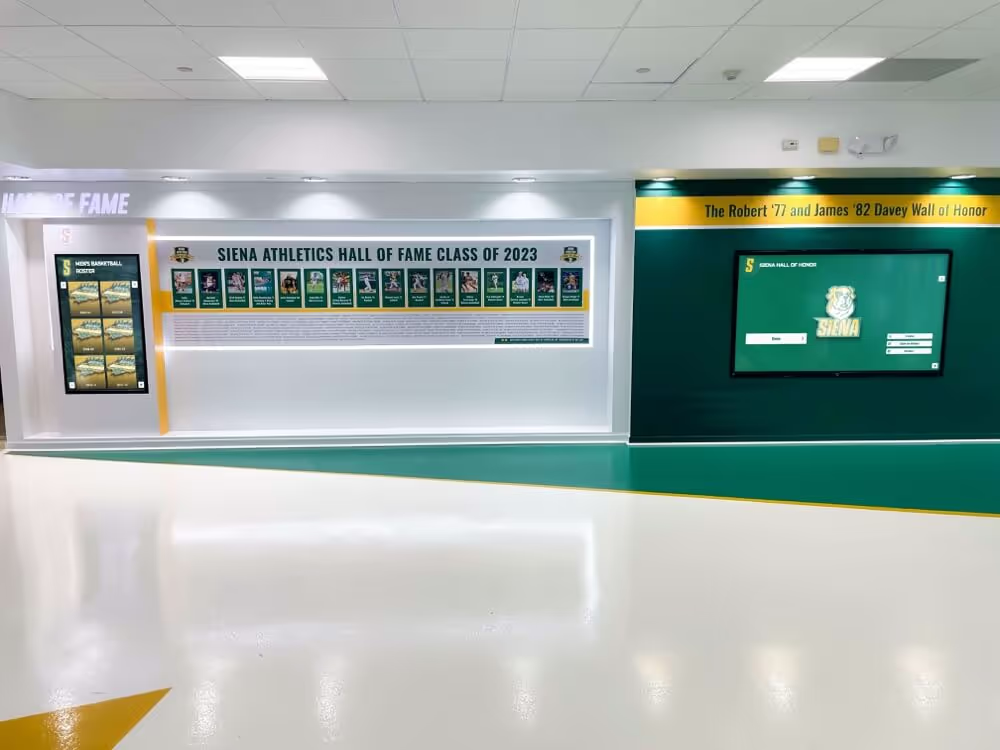
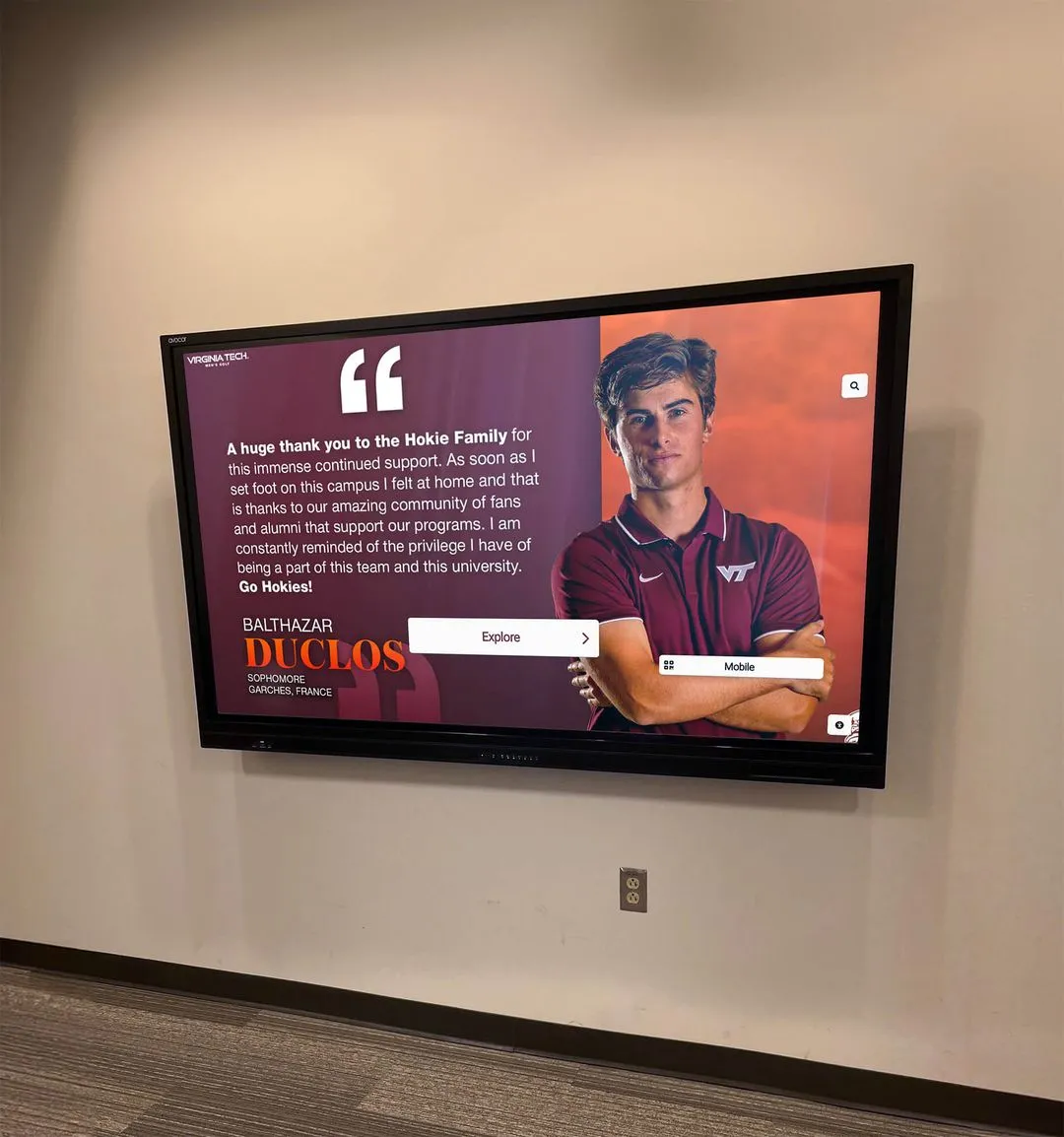
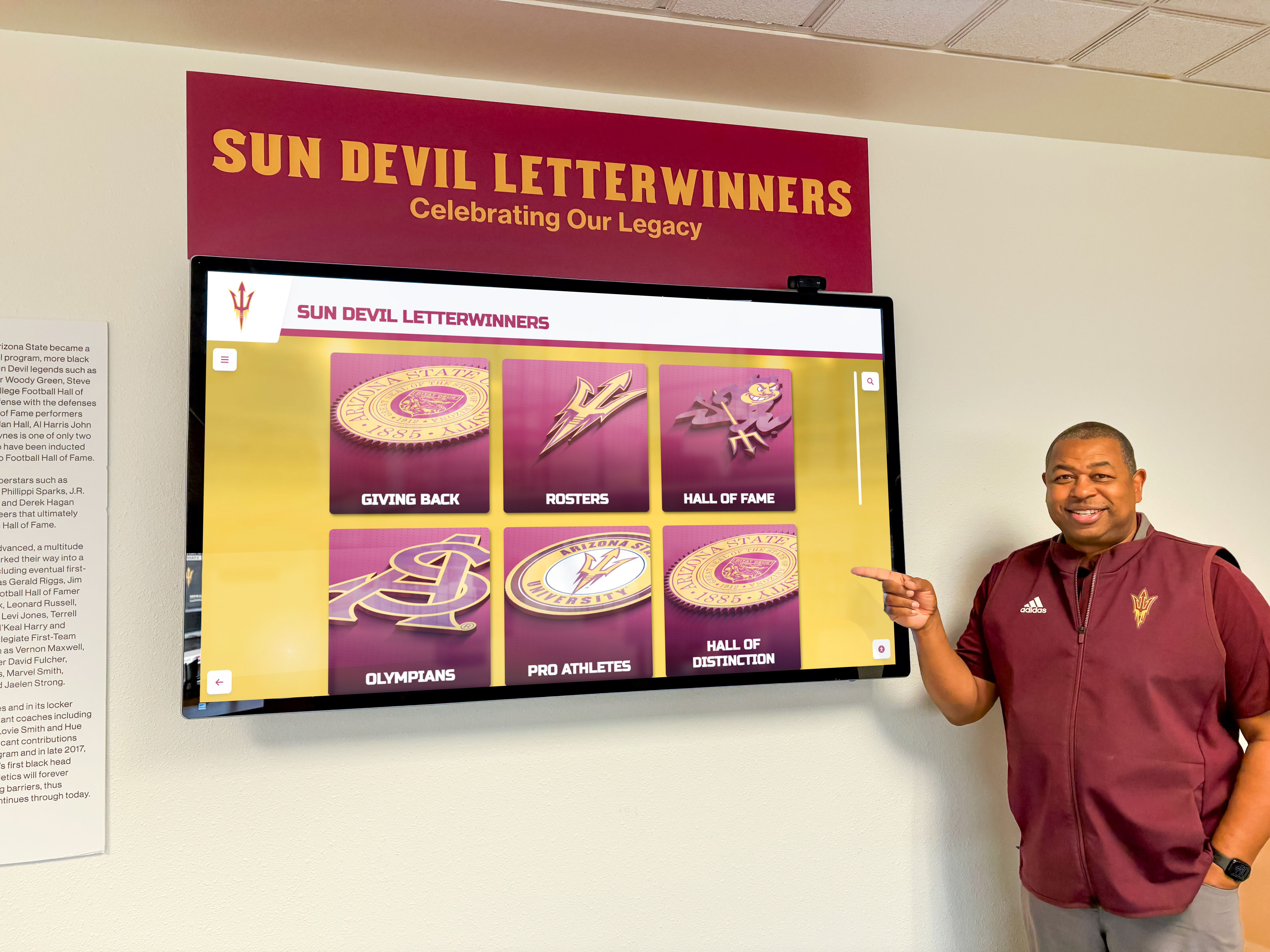
Letterwinners displays give former athletes a permanent, visible stake in the institution they represented—a powerful anchor for ongoing engagement
Why Former Athletes Are Your Most Re-Engageable Alumni Segment
Sports create bonds that academic experiences alone rarely match. Former athletes share insider language, shared suffering through conditioning, the emotional memory of big wins and heartbreaking losses, and an identity tied to representing their school. Those emotional anchors remain potent decades after graduation.
Research from CASE (the Council for Advancement and Support of Education) consistently finds that alumni who participated in varsity athletics give at higher rates and larger amounts than non-athlete peers. More importantly, they respond to outreach at higher rates—meaning the investment in building an athletic alumni network delivers measurable returns relative to other engagement efforts.
Several factors make former athletes particularly re-engageable:
Identity continuity: Unlike club or intramural participation, varsity sports becomes part of how athletes define themselves. A former point guard or starting midfielder doesn’t stop being that person after graduation; they carry it forward. Recognition programs that honor that identity tap into something deep and lasting.
Competitive pride in program success: Former athletes care whether the program they sacrificed for continues to thrive. Winning seasons, state titles, and strong recruiting classes motivate them to stay connected and even contribute to ensure the program remains competitive.
Natural mentorship impulse: Many former athletes already informally mentor younger players from their hometown or former team. A structured athletic alumni network channels that impulse productively, connecting their coaching instincts with current student-athletes who need guidance.
Visible recognition as motivation: When former athletes see classmates honored on hall of fame walls, letterwinners displays, or digital recognition kiosks, they want to be part of that legacy—especially if the recognition is current, impressive, and publicly visible.
The Five Pillars of a Strong Athletic Alumni Network
Building an athletic alumni network that sustains itself over years requires intentional architecture, not just a mailing list and a homecoming invitation. These five pillars provide the structural foundation.
1. A Living, Updated Recognition System
Static plaques and dusty trophy cases do not drive re-engagement. Former athletes engage when recognition feels alive—when new names appear alongside legends, when their records are displayed prominently, and when the physical environment communicates that the program honors its history.
Digital record boards for high schools solve the limitation problem of traditional displays by allowing unlimited entries, automatic updates, and multimedia storytelling that static plaques cannot deliver. When a former athlete walks back into your facility and sees their name in a clean, modern display alongside current champions, the emotional impact is immediate and lasting.
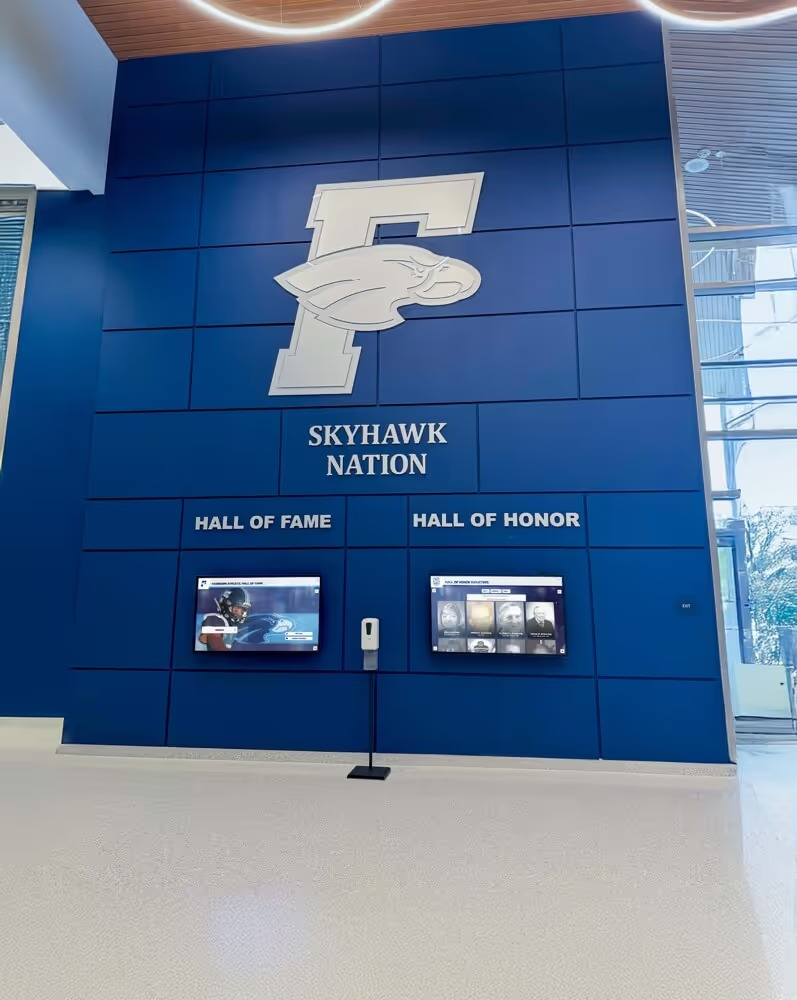
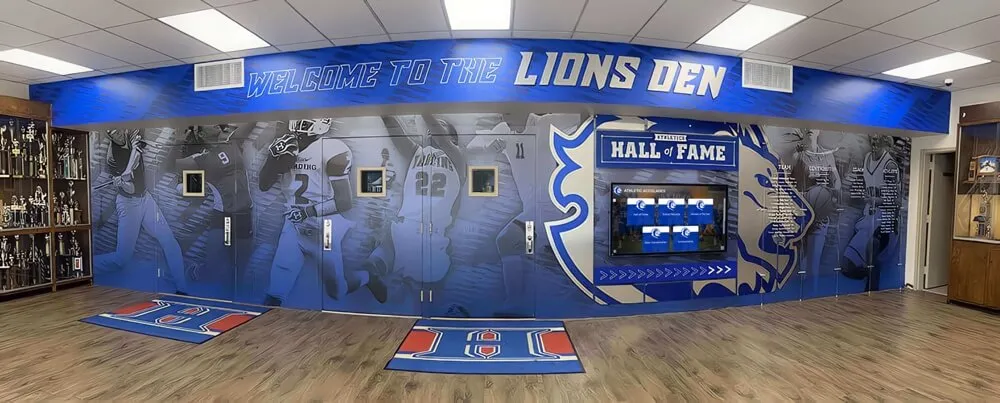
Similarly, creating an alumni hall of fame provides a formal recognition tier that gives distinguished former athletes a permanent, visible stake in program history. The induction process itself—with ceremonies, announcements, and public celebration—creates re-engagement moments that ripple through your entire athletic alumni community.
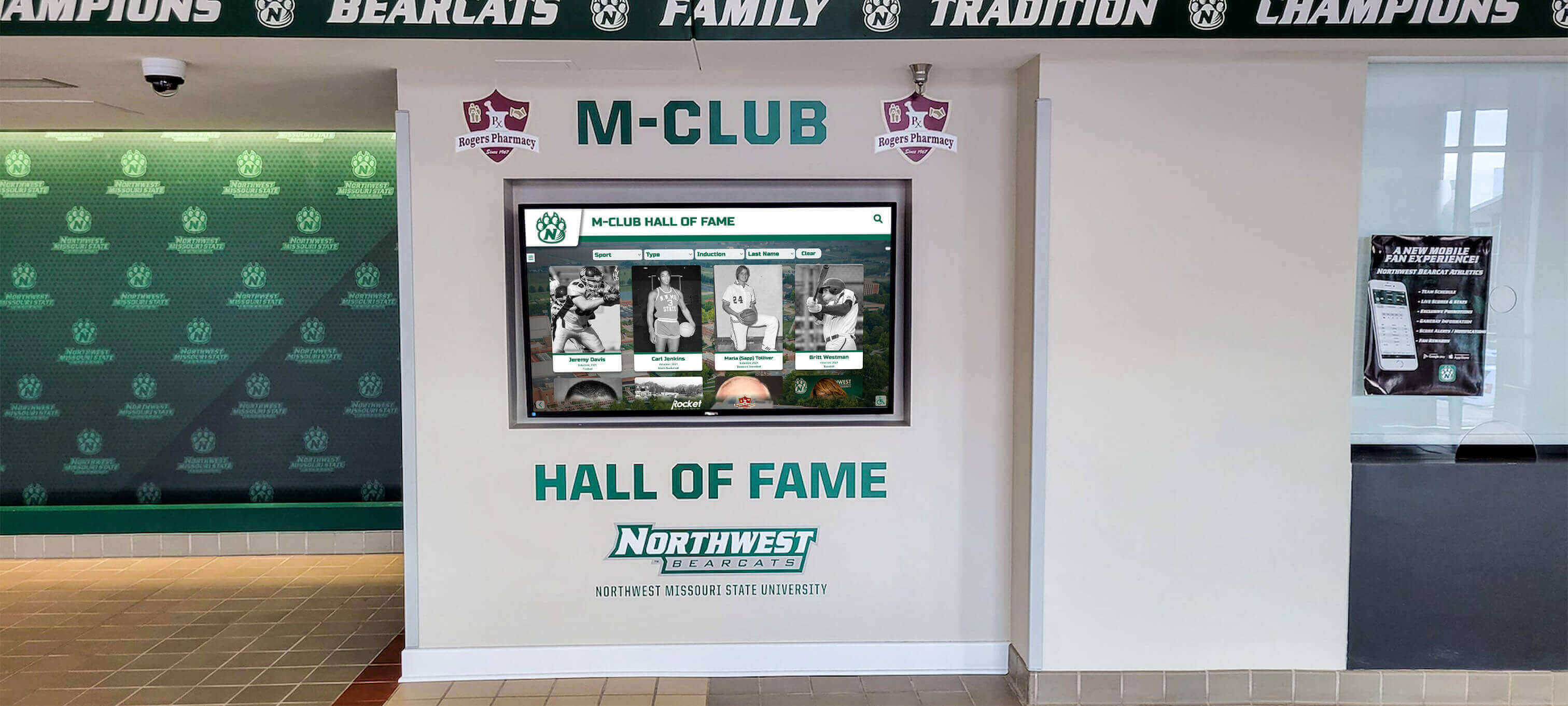
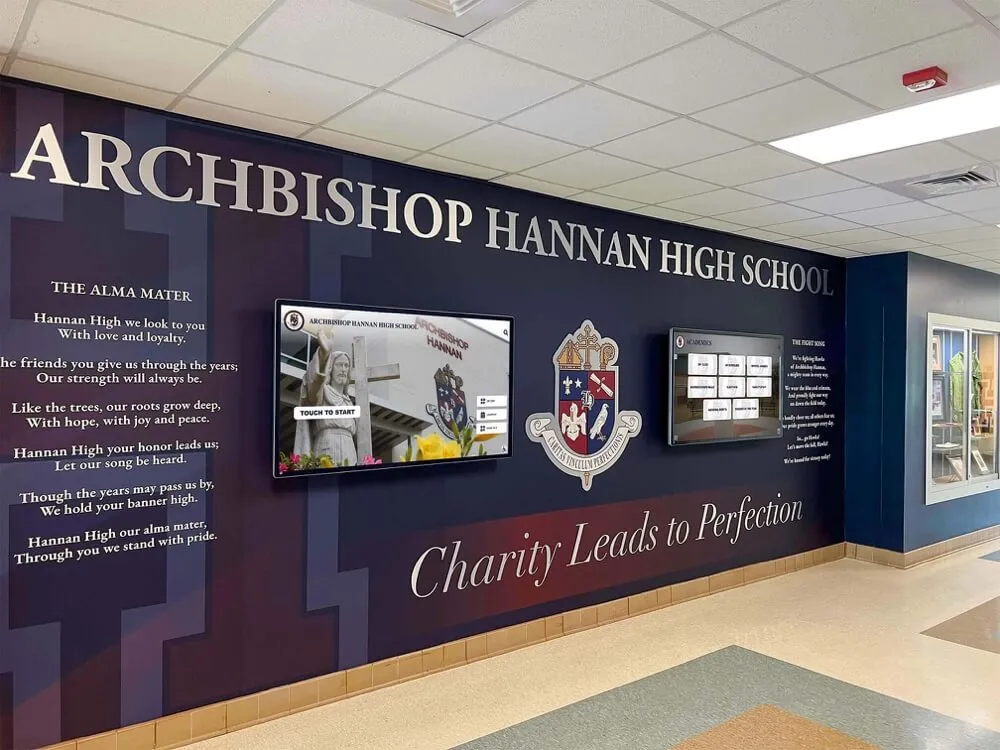
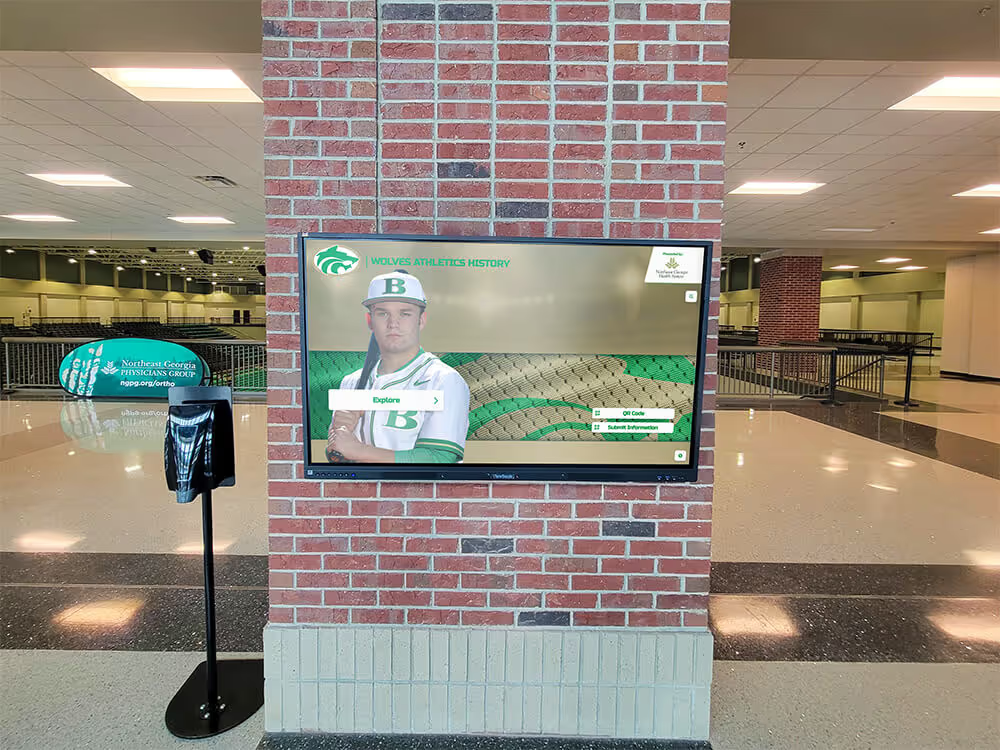
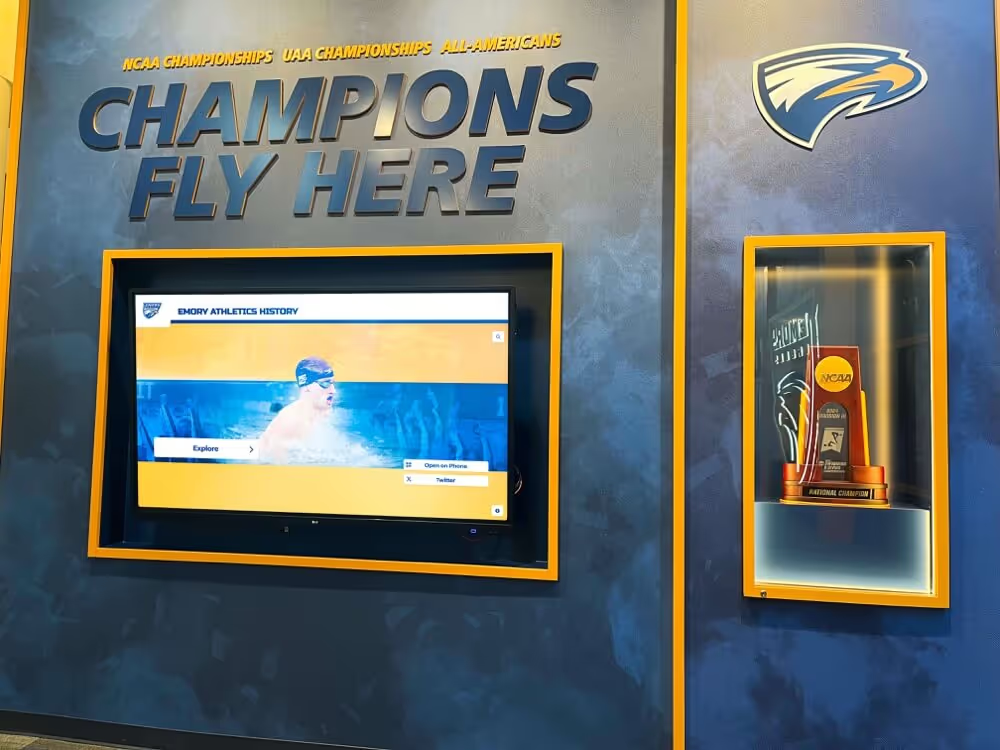
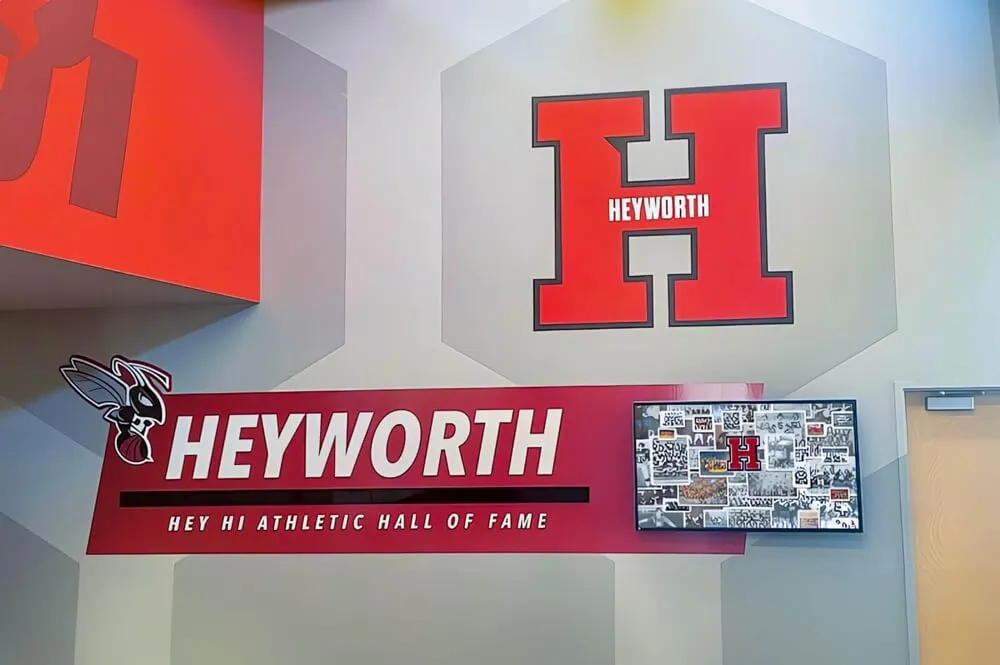
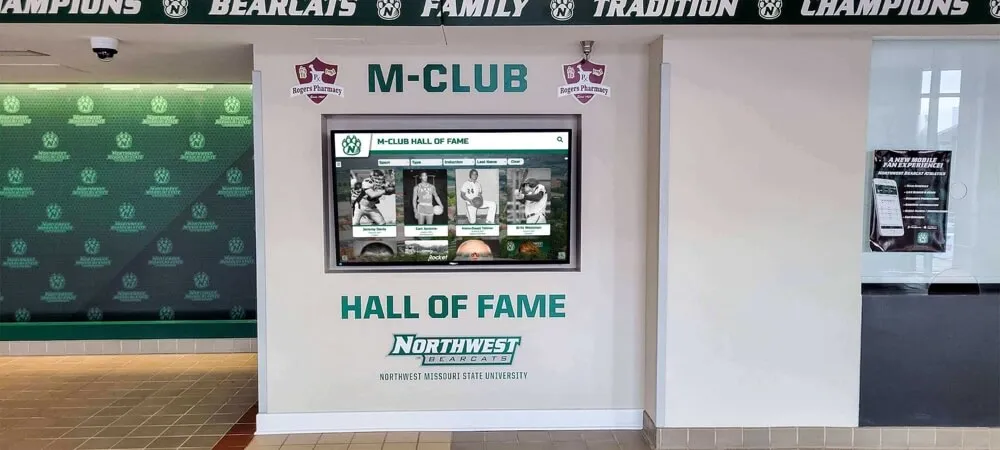
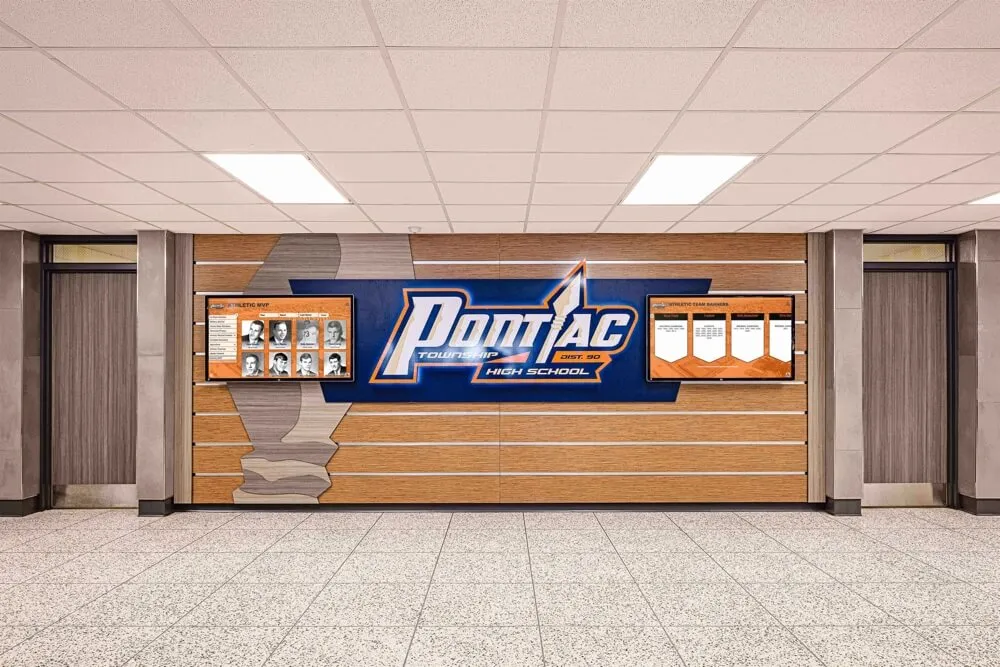
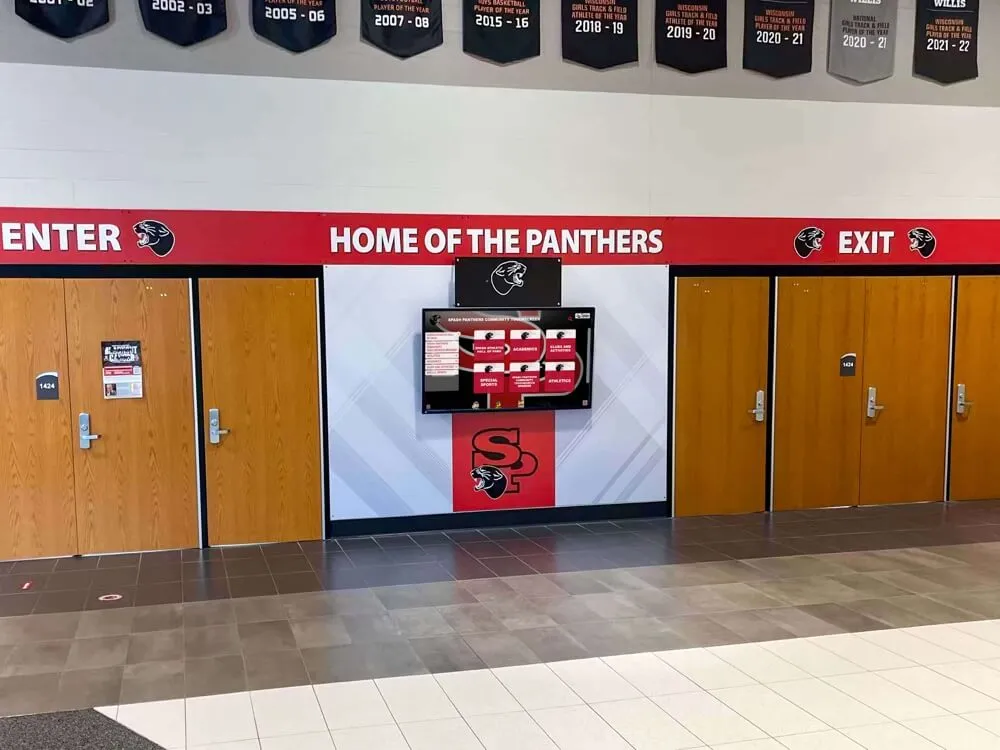
Letter-winner organizations and M-Club displays give athletic alumni a community identity that extends well beyond their playing years
2. Structured Mentorship Programming
Recognition without connection fades. The most effective athletic alumni networks pair recognition with mentorship programming that gives former athletes a specific, meaningful role in current student-athlete development.
Mentorship within an athletic alumni network typically takes three forms:
Career mentorship: Former athletes who became professionals in diverse industries connect with current student-athletes exploring post-playing career paths. This is especially valuable for programs where most athletes know they won’t play professionally but need help translating athletic skills—discipline, teamwork, performance under pressure—into career narratives that resonate with employers.
Athletic development mentorship: Former standouts who went on to collegiate or professional careers provide position-specific coaching, recruiting process guidance, and training insights that coaching staff alone cannot always deliver. Many current student-athletes are more receptive to advice from someone who recently navigated the process than from coaches several generations removed from the recruiting experience.
Life skills mentorship: Former athletes who have navigated challenges—injury recovery, balancing academics with training, transitioning out of sports identity—provide peer-level guidance that resonates precisely because it comes from someone who shared the same experience in the same program.
Tracking athletic director conference and professional development opportunities helps administrators stay current on mentorship program best practices, ensuring your network design reflects what leading programs have learned about effective engagement structures.
3. Strategic Communication That Celebrates Rather Than Solicits
Many athletic alumni relationships go dormant because every communication from the institution carries an implicit or explicit ask. Former athletes begin to associate their alma mater with fundraising requests rather than genuine community, and they disengage to avoid the pressure.
The antidote is a communication strategy deliberately weighted toward celebration and sharing rather than solicitation. Consider this ratio: for every direct fundraising message, send at least three communications that celebrate former athletes, share program news, highlight mentorship successes, or showcase digital recognition features honoring alumni contributions.
Effective celebration-forward communications include:
- Alumni spotlights that highlight what former athletes have accomplished professionally and personally
- “Where are they now” features that maintain human connection with the broader athletic alumni community
- Milestone recognition for significant career achievements, community service, or athletic accomplishments post-graduation
- Video tributes or photo archives documenting memorable moments from their playing days
- Invitations to hall of fame inductions, sports banquets, and recognition ceremonies as honored guests rather than donors
Planning sports banquets effectively transforms these events from end-of-season formalities into meaningful moments that connect athletic generations—particularly when alumni are featured alongside current award recipients.
4. Technology Infrastructure That Scales Engagement
Spreadsheets and email lists cannot sustain an athletic alumni network as it grows. Schools that invest in appropriate technology infrastructure—even modestly—see dramatically better outcomes because they can personalize outreach, track engagement, and maintain connections at scale.
The most impactful technology investments for athletic alumni networks include:
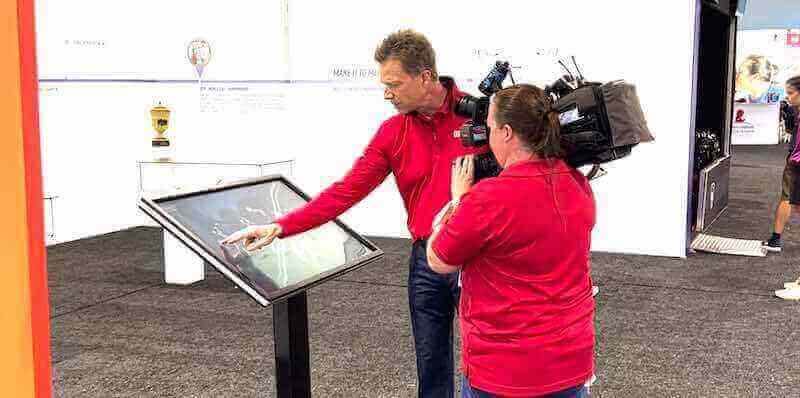
Interactive digital recognition displays: Touchscreen kiosks in athletic facilities allow visitors—including former athletes returning to campus—to search the entire history of a program, find their records, explore hall of fame inductees, and share their profiles. This self-service discovery creates spontaneous re-engagement moments that no email campaign can replicate.
Division I athletics digital recognition systems demonstrate how large programs use technology to maintain comprehensive recognition across decades of athletic history. The principles apply equally to high school and smaller college programs—scale the technology to fit your context, but invest in the digital infrastructure.
Digital storytelling platforms: Former athletes respond strongly to narrative—not just statistics and records, but the stories behind them. Digital storytelling for athletic programs explores how schools use multimedia displays to capture and share the human stories that make athletic history emotionally resonant rather than just numerically impressive.
Alumni database and CRM systems: Maintaining accurate contact information, engagement history, and communication preferences for hundreds or thousands of former athletes requires dedicated systems. These investments pay dividends when you can segment outreach by sport, graduation year, or geographic location for more relevant, personalized communications.
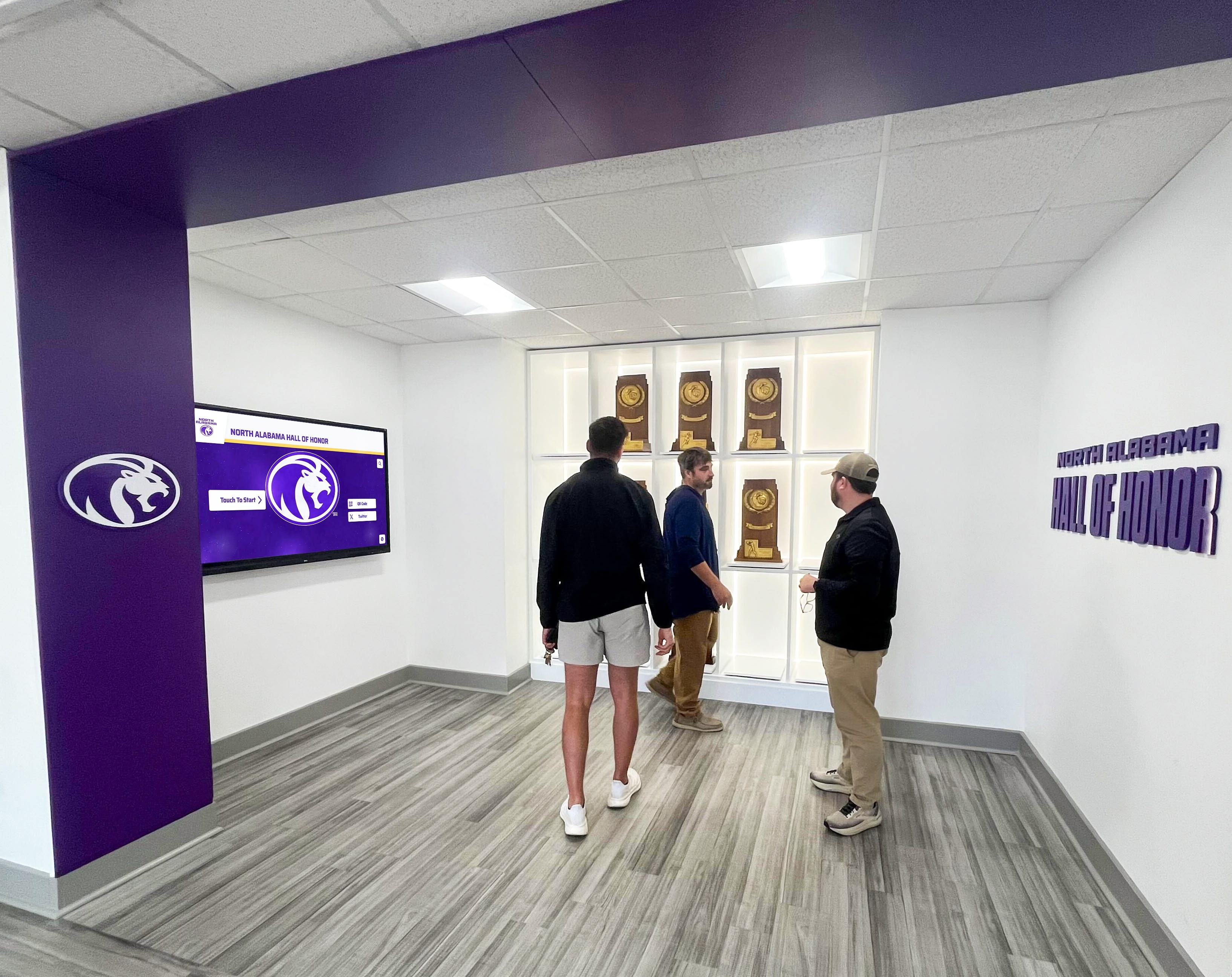
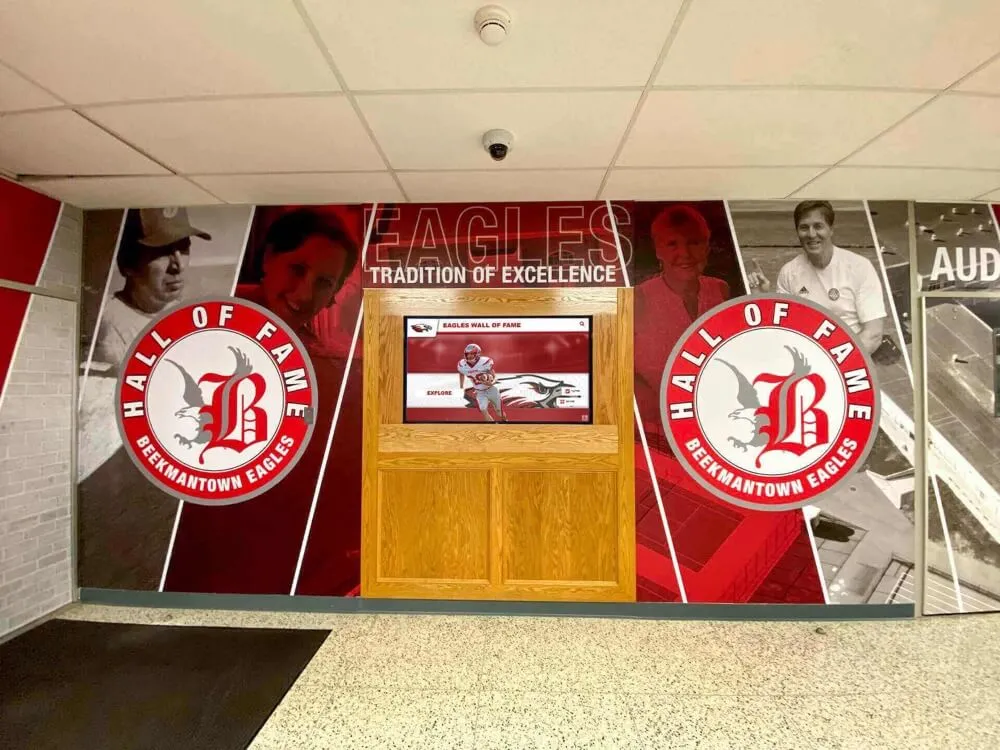
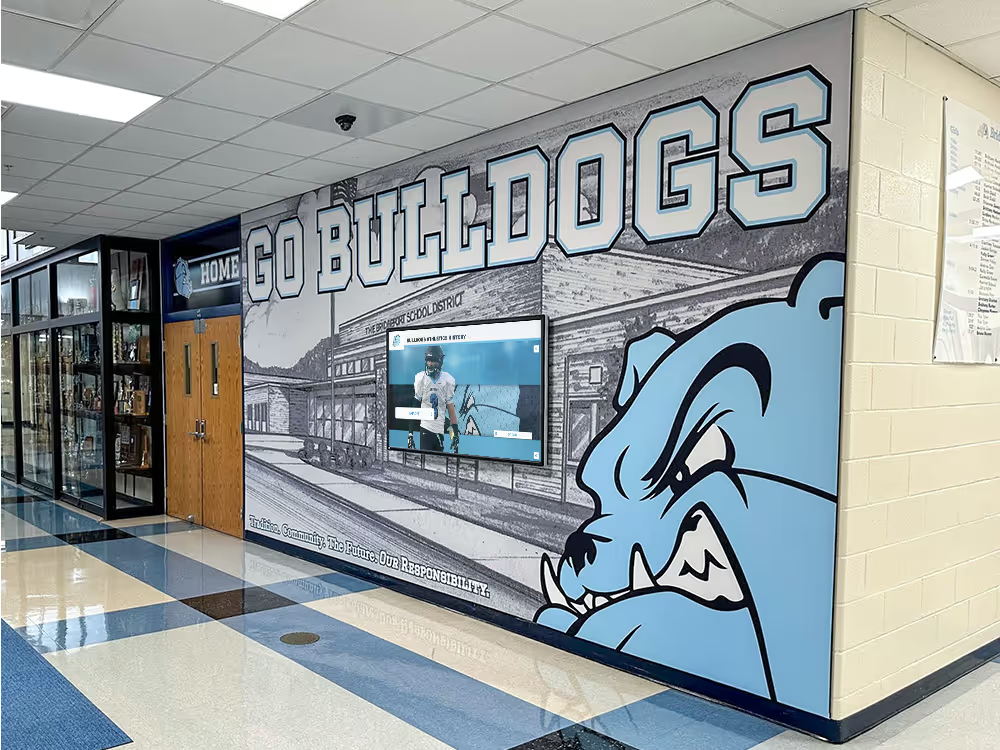
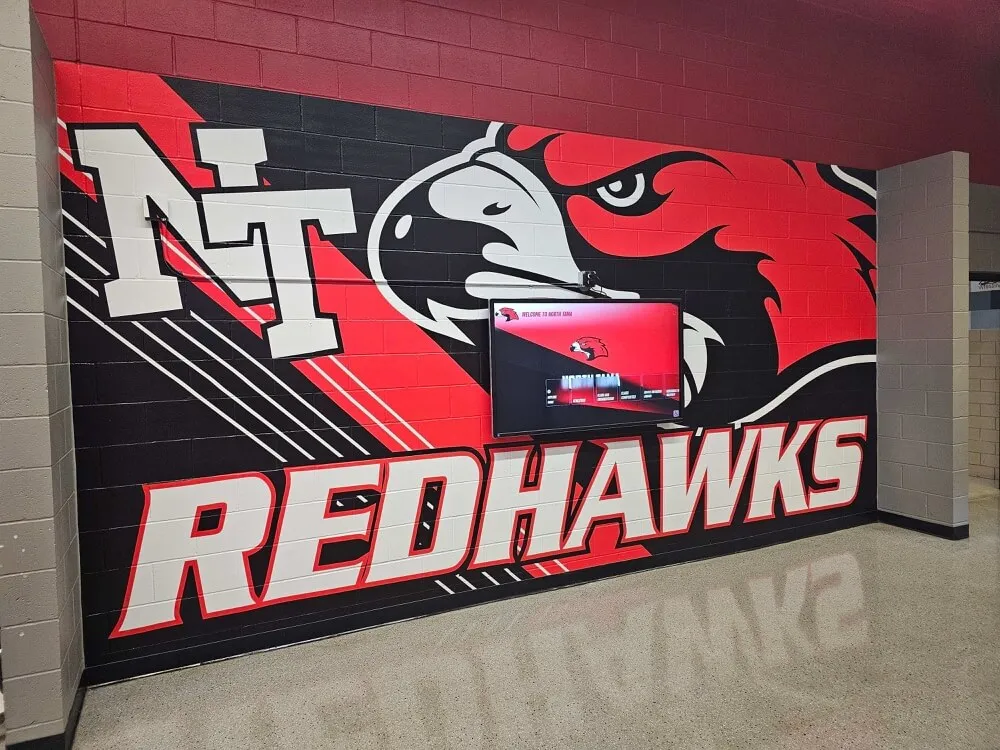
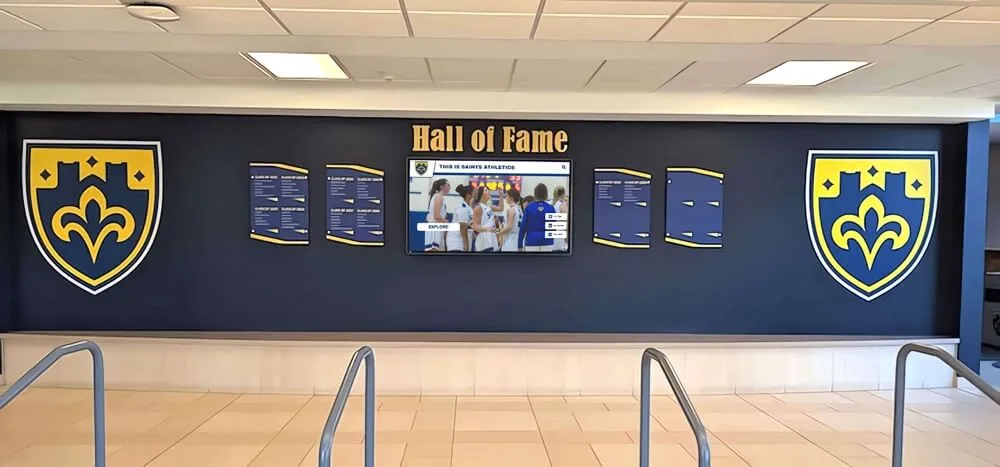
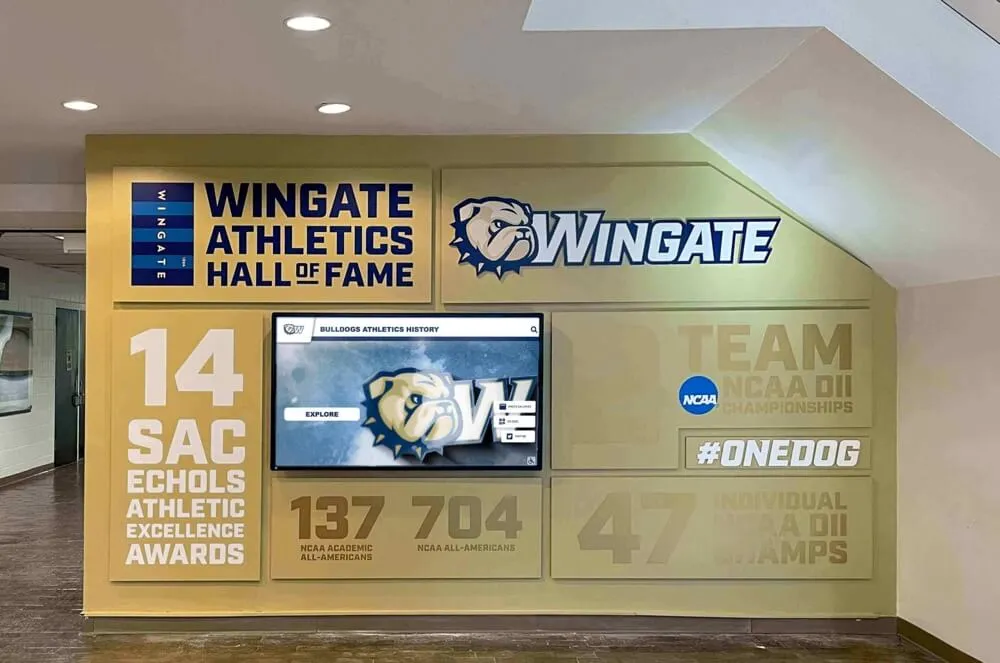
Physical visits to campus recognition displays create powerful re-engagement moments—former athletes seeing their legacy alongside current champions
5. Inclusive Recognition Across Sports and Eras
Athletic alumni networks fail when recognition skews heavily toward revenue sports or recent graduates. Former athletes from decades past who see only football and basketball names on display walls, or who notice that their graduation era is poorly represented, feel excluded rather than celebrated.
Genuinely inclusive recognition that spans all varsity sports—from swimming and wrestling to lacrosse and volleyball—and covers multiple graduating eras communicates that every former athlete who competed for your institution belongs to this community.
Varsity letter meaning and how schools honor recipients explores the deep symbolic value of athletic recognition that persists long after playing days end—a reminder that the honor of earning a letter creates a lasting identity worth celebrating across all sports.
For older alumni who predated digital records, creating recognition often requires deliberate archival work: gathering physical records, scanning photographs, interviewing coaches and teammates, and digitizing historical achievements that otherwise exist only in dusty yearbooks and faded newspaper clippings. This investment signals that your institution values its entire athletic history, not just the easily documented recent past.
Connecting Athletic Alumni Recognition to Donor Engagement
The overlap between athletic alumni network development and donor engagement is substantial and strategically important. Former athletes who feel recognized and connected to their program’s ongoing success naturally progress toward philanthropic support—but the relationship requires careful stewardship rather than aggressive solicitation.
Athletic alumni recognition wall ideas for showcasing former players offers specific approaches for translating recognition investment into tangible displays that serve both alumni engagement and donor stewardship functions simultaneously.
The natural engagement progression for former athletes typically follows this arc:
- Discovery — Former athlete learns about the recognition program through social media, campus visit, or peer communication
- Validation — They see their own achievements or teammates’ names honored appropriately
- Community — They attend an event, connect with former teammates, meet current student-athletes
- Investment — They offer mentorship time, promote the program in their network, or make a financial contribution
- Stewardship — Continued recognition and genuine appreciation sustains their engagement year over year
Development teams that understand this progression avoid short-circuiting it by soliciting too early. Former athletes who feel rushed to give before they feel genuinely welcomed disengage quickly. Patience in the early stages of the engagement arc pays substantial dividends later.
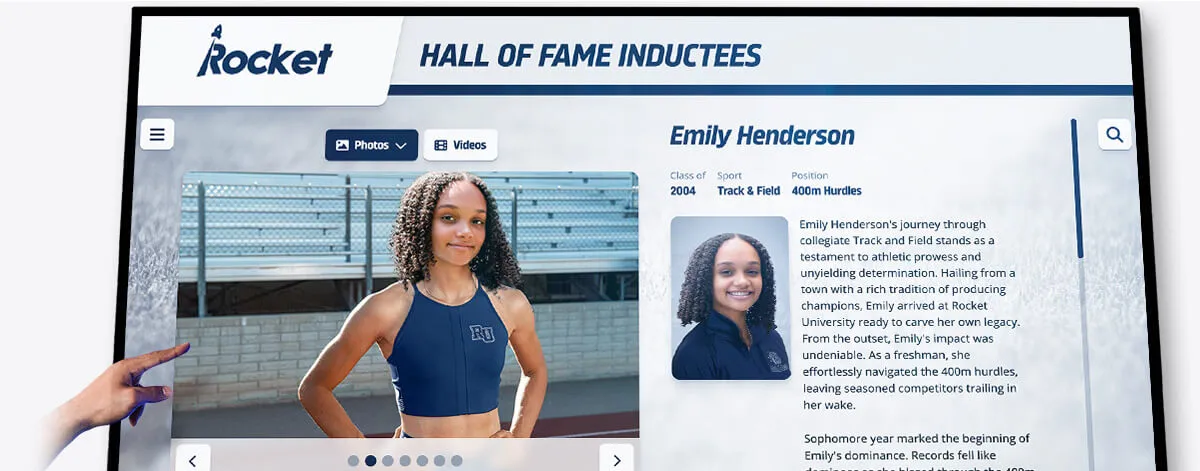
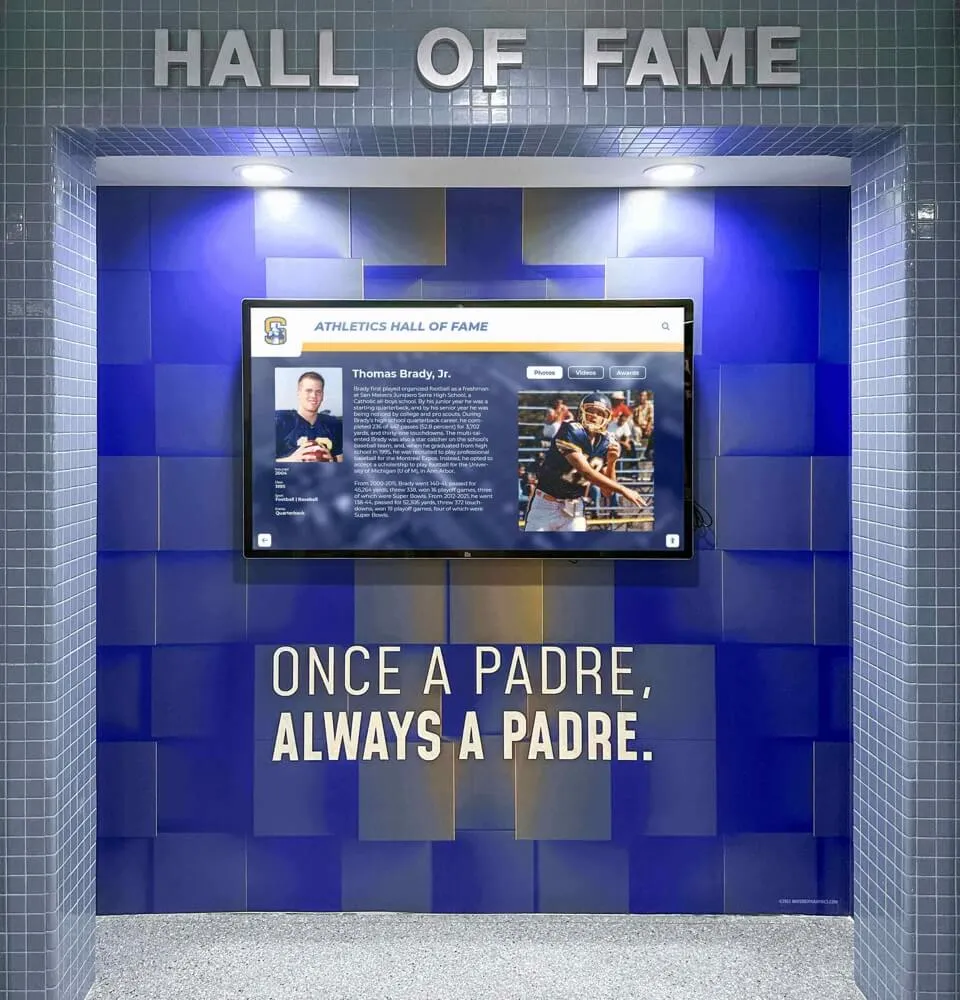
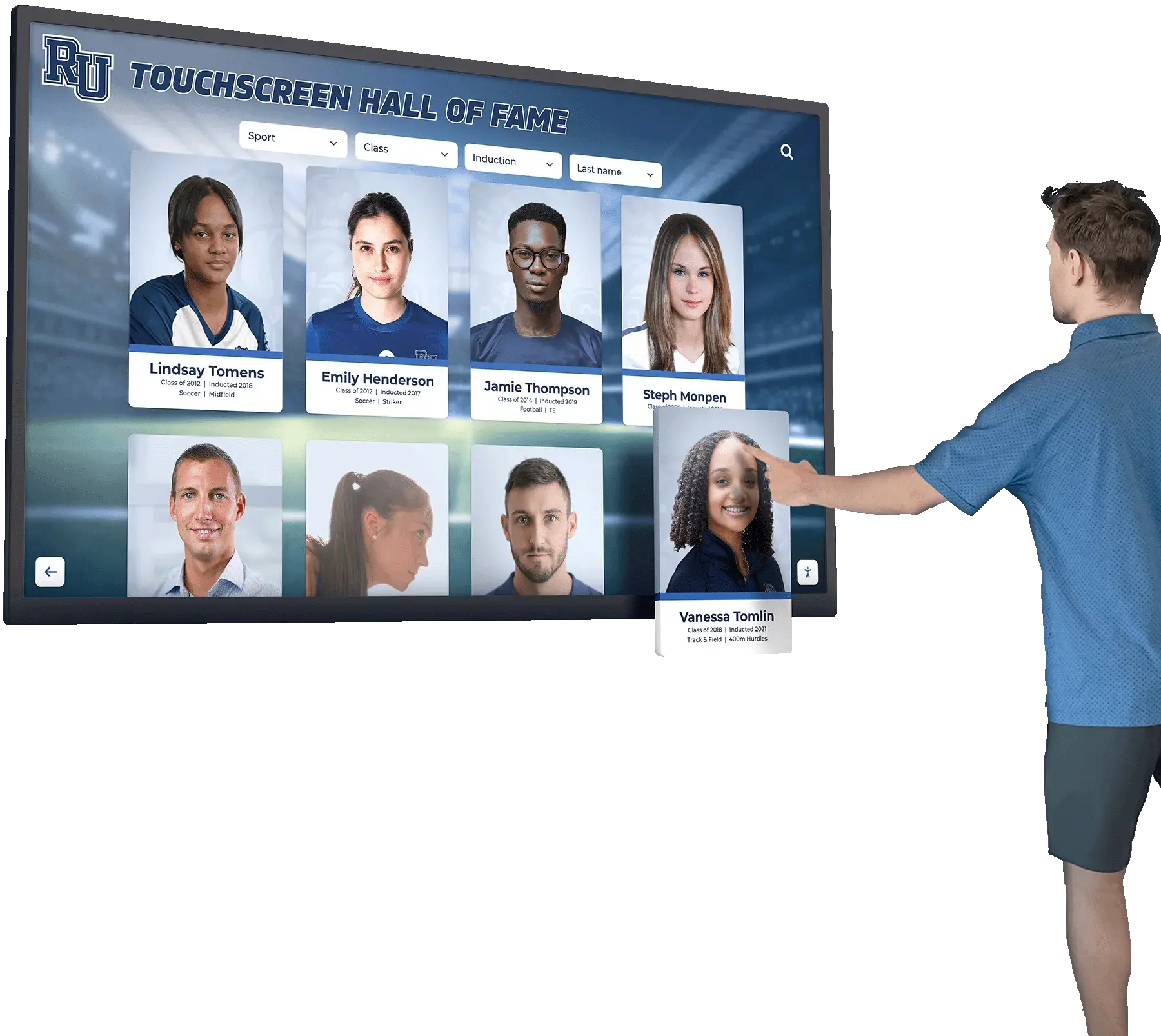
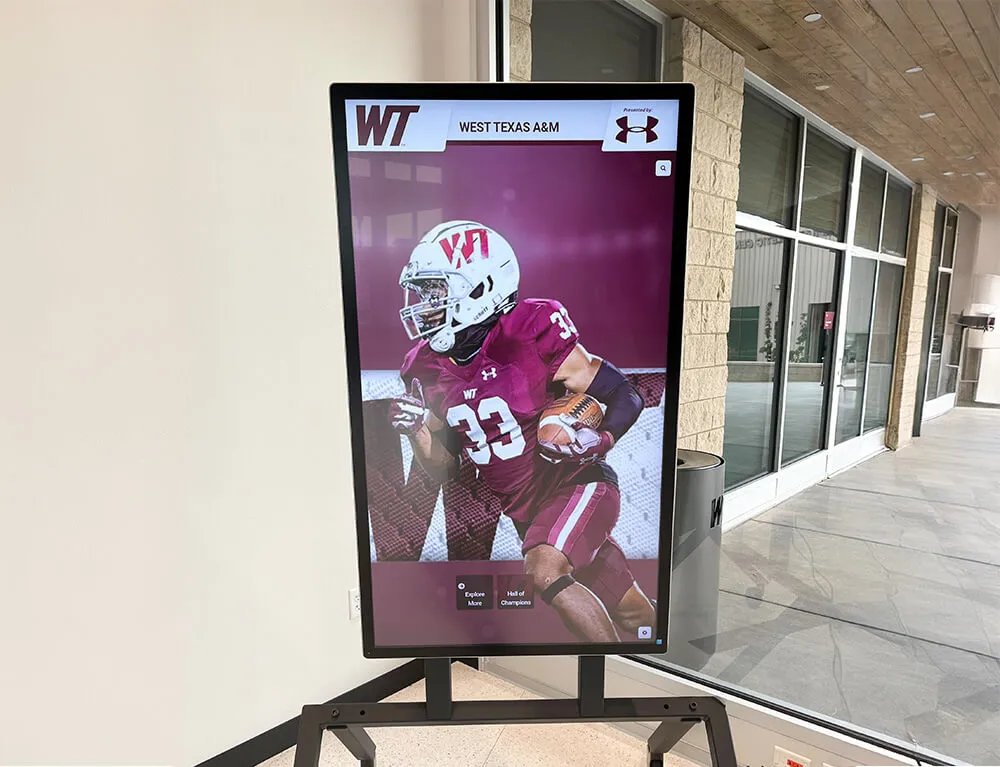
Individual athlete profiles with detailed statistics, photos, and career highlights give recognition depth that motivates former athletes to stay connected
Practical Launch Strategies for Schools Starting from Scratch
Many schools have strong athletic traditions but no formal athletic alumni network to show for it. Building from scratch feels daunting, but a phased approach makes the work manageable while delivering early wins that build momentum.
Phase 1: Audit and Archive (Months 1-3)
Before you can recognize former athletes, you need to know who they are and what they achieved. This phase involves:
- Auditing existing records to identify former athletes by sport, graduation year, and achievement
- Gathering contact information through alumni office coordination, social media research, and coach networks
- Prioritizing high-profile candidates for initial outreach and recognition
- Assessing current physical and digital recognition assets against your vision
Phase 2: Launch Recognition Infrastructure (Months 3-6)
With records in hand, build the recognition systems that give the network its physical and digital home:
- Install or upgrade digital recognition displays in athletic facilities
- Launch an athletic hall of fame or letterwinners recognition program
- Create a dedicated section of your institution’s website or alumni portal for athletic alumni
- Develop the communication templates and content calendar for ongoing engagement
College recruitment and digital recognition programs shows how schools leverage recognition infrastructure to serve both alumni engagement and prospective student recruitment simultaneously—a dual return on a single investment.
Phase 3: Activate the Network (Months 6-12)
With infrastructure in place, focus on outreach and activation:
- Host an inaugural hall of fame induction ceremony or letterwinners reunion
- Launch mentorship matching between former athletes and current student-athletes
- Send first alumni spotlight communications to the broader athletic alumni database
- Solicit feedback from early participants to refine the program before scaling
Phase 4: Sustain and Expand (Year 2 and Beyond)
Successful networks expand organically when early participants become ambassadors. Annual inductions, consistent mentorship programming, and celebration-forward communications keep engagement high. Track participation metrics, gather testimonials, and document mentorship outcomes to demonstrate program value to institutional leadership.
Alumni engagement ideas for building lasting connections provides additional programming frameworks applicable to athletic alumni specifically—helping teams think beyond the standard events and communications toward more creative, sustained engagement strategies.

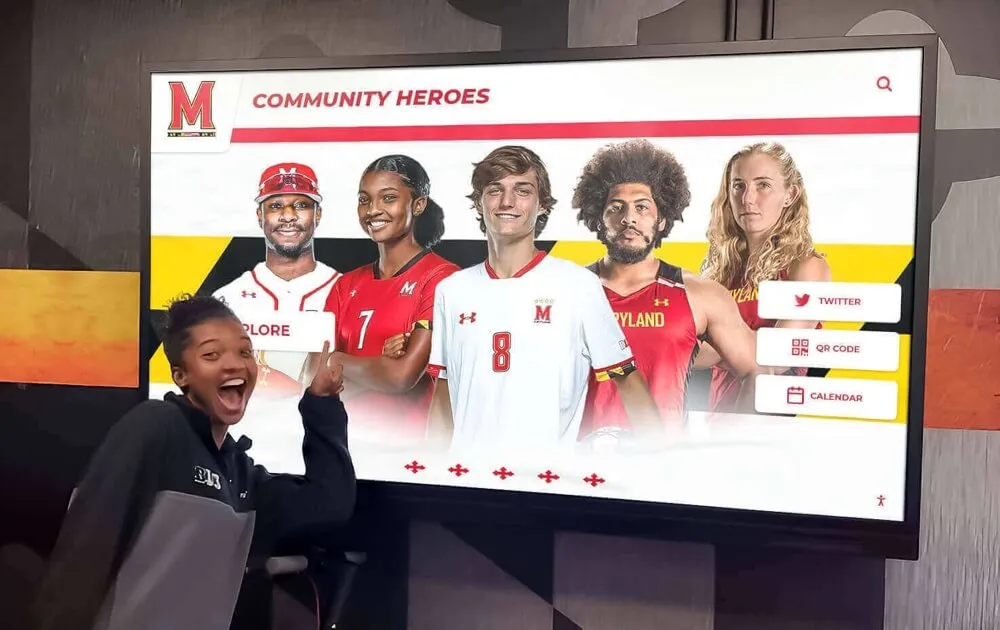
When recognition displays include mentor profiles and contact information, they bridge the gap between honoring former athletes and connecting them with current student-athletes
Measuring Athletic Alumni Network Success
Investing in network-building requires accountability. Track these metrics to assess program health and demonstrate ROI to institutional leadership:
Engagement metrics:
- Number of registered athletic alumni in the network database
- Open rates and click-through rates on alumni communications
- Attendance at hall of fame inductions, sports banquets, and network events
- Digital display interaction rates (touchscreen analytics)
- Social media engagement on alumni spotlight content
Mentorship metrics:
- Active mentor-mentee pairs per academic year
- Session frequency and total hours contributed by mentors
- Career outcomes attributable to mentorship connections
- Student-athlete satisfaction scores with mentorship programming
- Mentor retention rates year over year
Philanthropic progression metrics:
- Athletic alumni giving rates versus overall alumni giving rates
- Average gift size from former athlete donors
- Year-over-year growth in athletic alumni donors
- Percentage of athletic alumni transitioning from engaged non-donors to first-time donors
- Major gift conversations initiated through network engagement
These metrics together tell the story of whether your athletic alumni network is generating genuine value—not just warm feelings—for student-athletes, former athletes, and the institution’s long-term advancement goals.
The Role of Digital Display Technology in Athletic Alumni Re-Engagement
Physical spaces speak loudly. When former athletes return to campus—for homecoming, their child’s game, a coaching clinic, or a reunion—they read the environment immediately. Dusty trophy cases with peeling plaques signal neglect. Modern, dynamic digital displays signal investment and pride.
Rocket Alumni Solutions provides interactive touchscreen recognition systems specifically designed for school and university athletic programs—enabling comprehensive recognition displays that grow alongside your program’s history without the space limitations of traditional physical installations.
These systems support athletic alumni network goals in several practical ways:
- Searchable athlete databases that allow any visitor to find a specific former athlete by name, sport, or graduation year
- Dynamic hall of fame integration that prominently features inducted alumni with photos, statistics, and career highlights
- Record board functionality that contextualizes current athletes’ achievements against historical standards
- Mentor directory integration that connects alumni profiles with contact information for network participation
- Remote content management that allows staff to add new inductees, update records, and refresh content without technical expertise
The complete guide to Rocket recognition systems provides detailed information about what these platforms include and how schools implement them as the technical backbone of their athletic alumni network infrastructure.
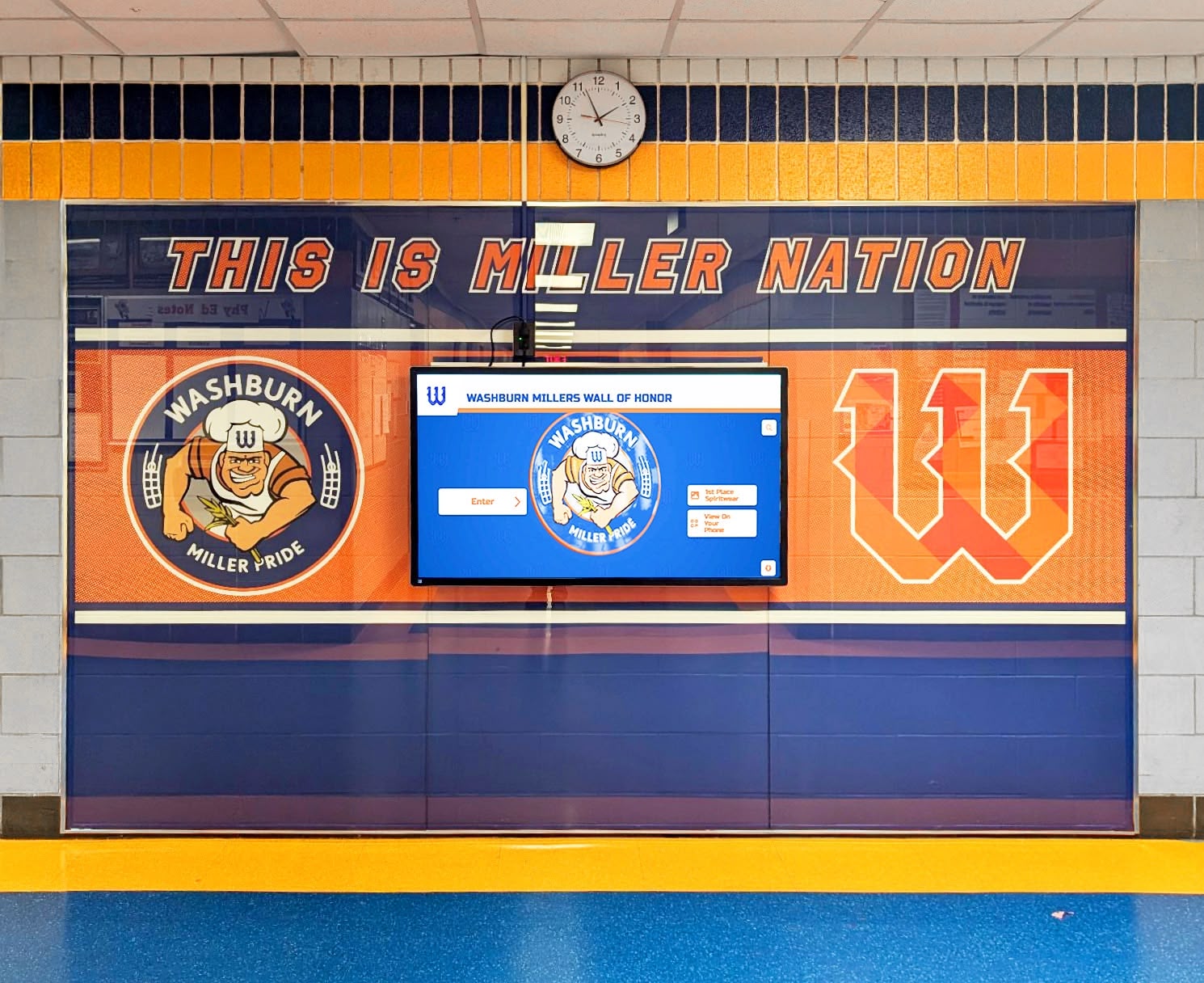
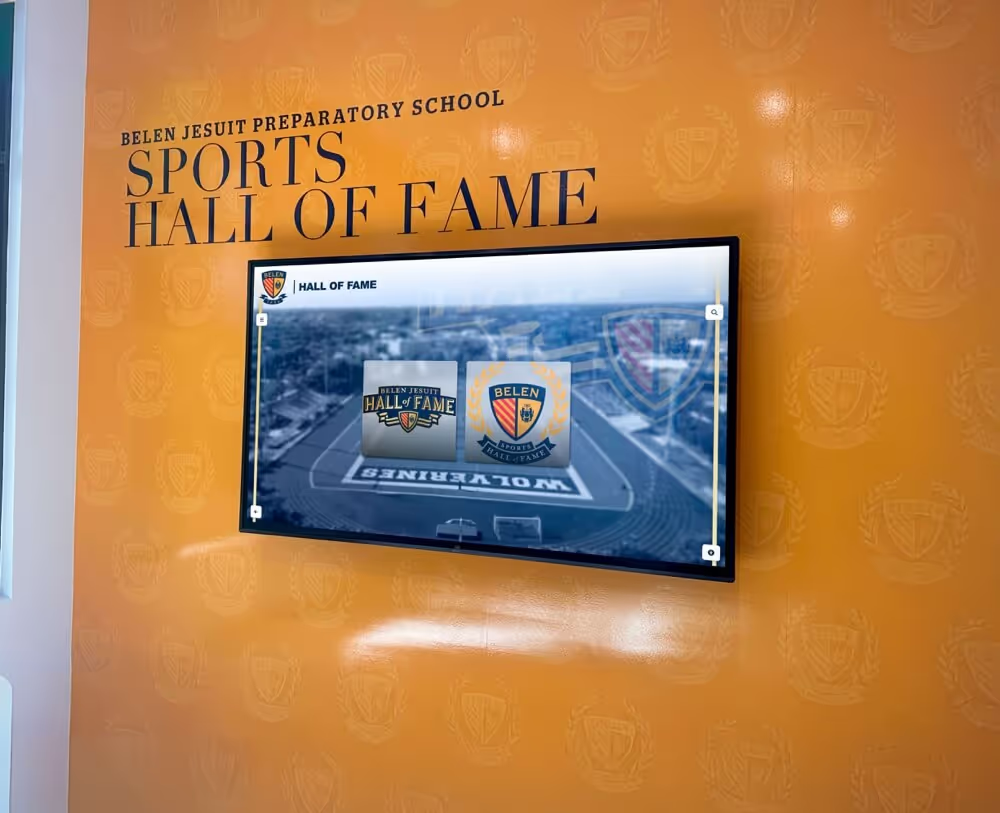
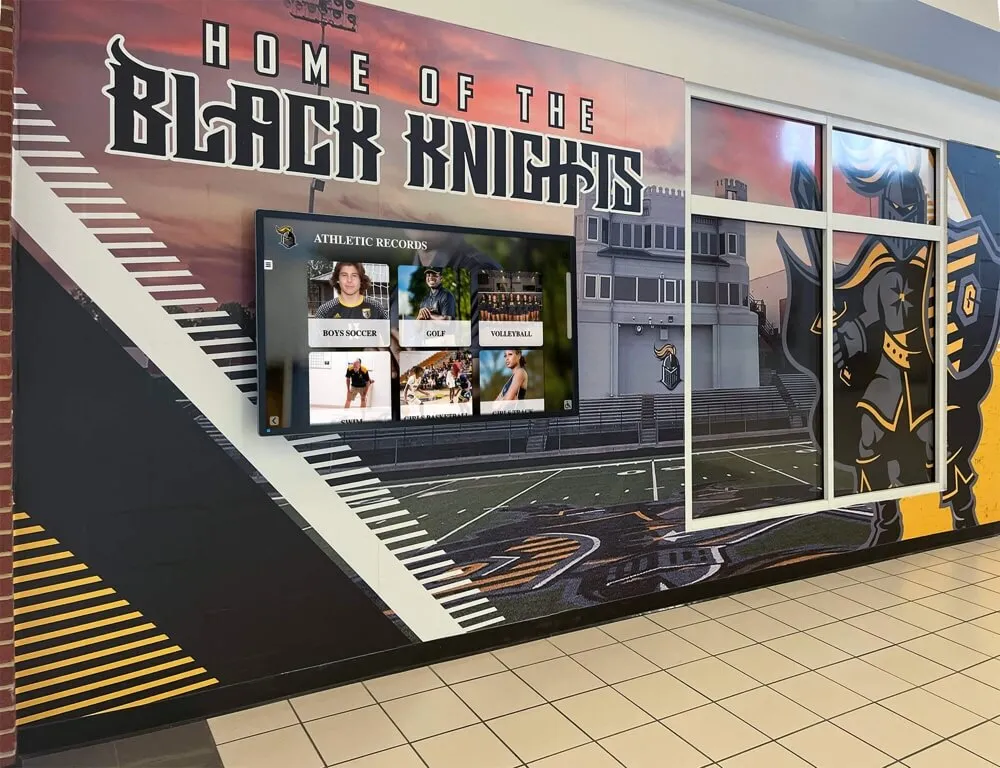
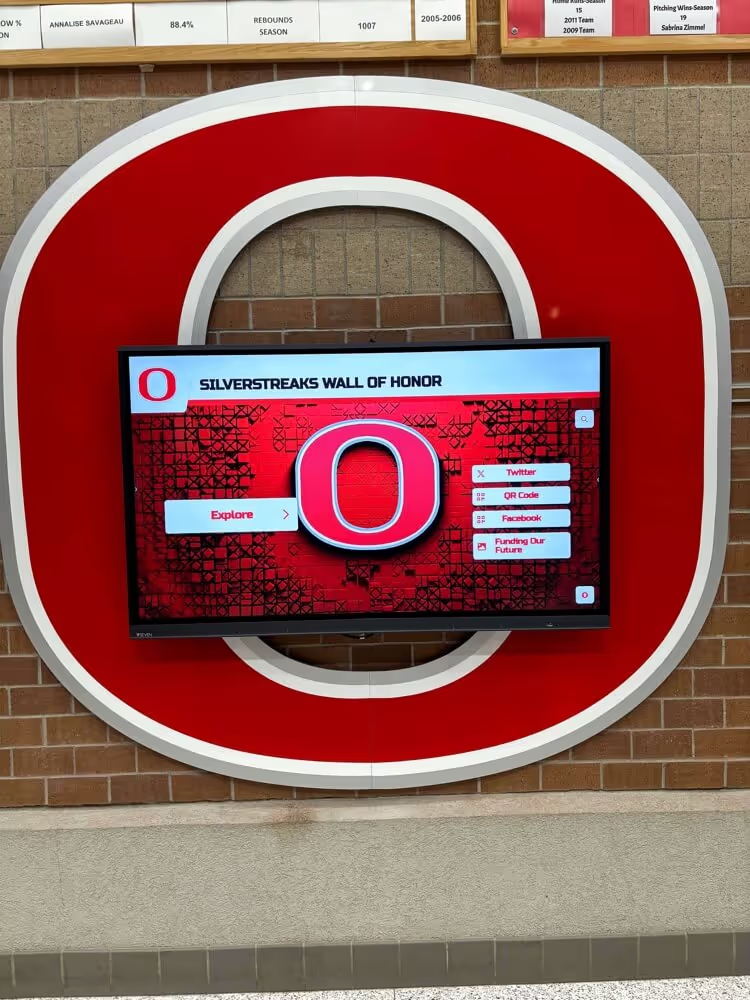
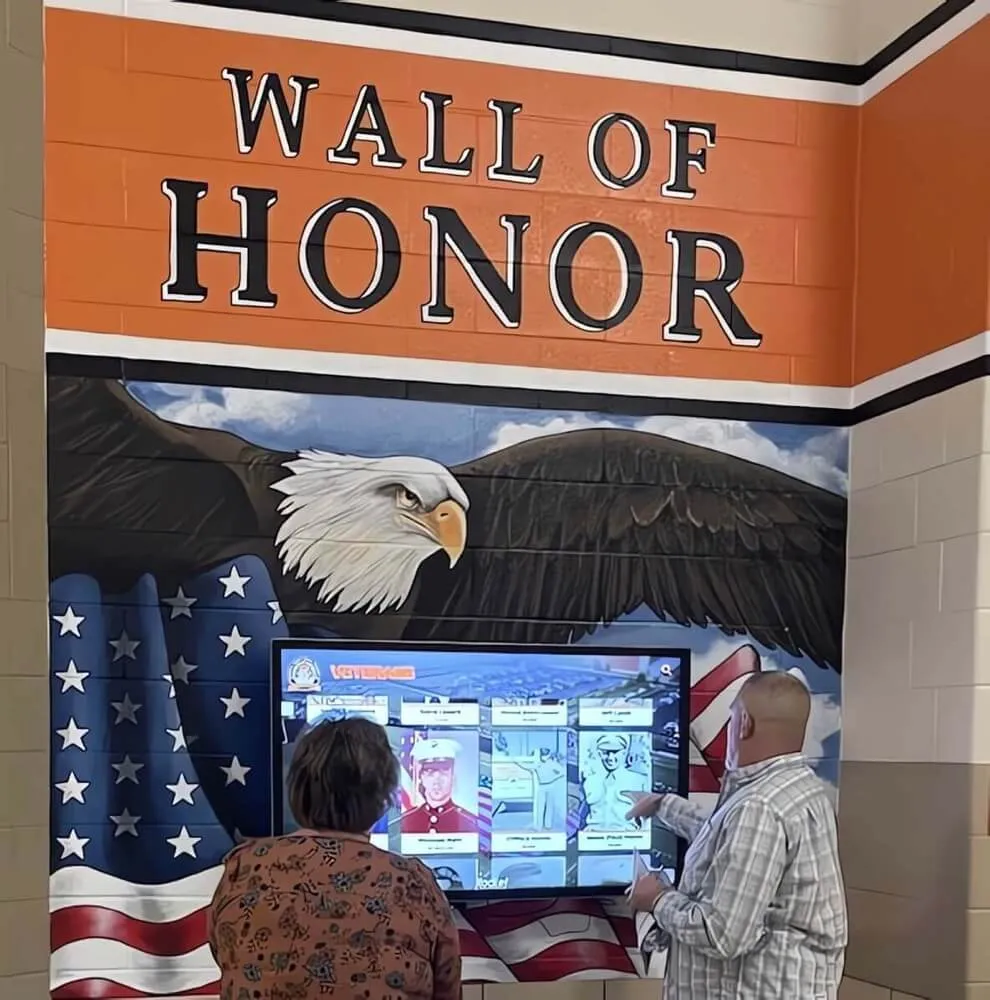
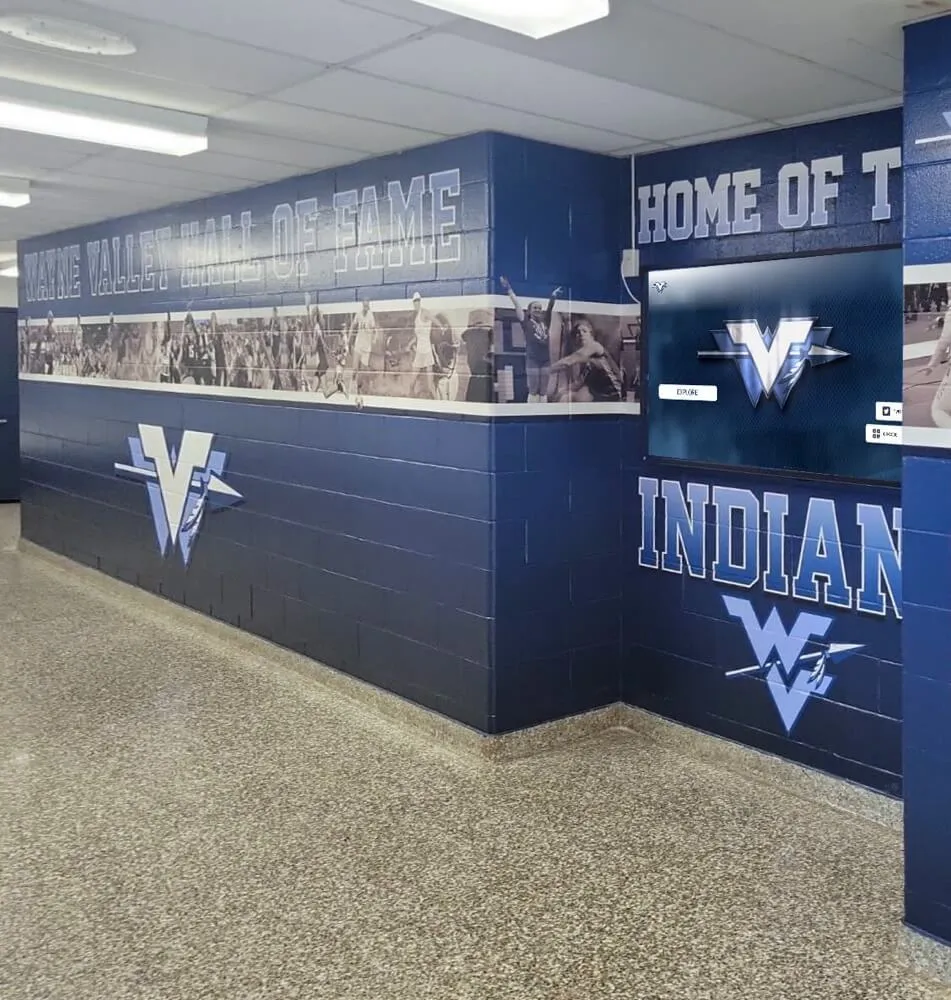
Modern digital walls of honor transform athletic hallways into dynamic recognition spaces that engage visitors and honor former athletes simultaneously
Conclusion: From Forgotten Alumni to Invested Community Members
Former athletes who once competed with everything they had for your institution are not lost. They’re reachable, re-engageable, and remarkably loyal when approached with genuine recognition and meaningful opportunity for connection. The gap between where your athletic alumni relationships stand today and where a thriving network could take them is not a talent problem or a budget problem—it’s an infrastructure and intentionality problem.
Building an athletic alumni network that delivers lasting value requires investment in recognition systems that honor history, mentorship programs that create purpose, communication strategies that celebrate before they solicit, and technology that scales engagement without scaling administrative burden. Schools that make these investments consistently discover that former athletes become not just donors but advocates, mentors, recruiters, and community champions whose ongoing involvement strengthens every dimension of athletic program success.
The work is not complicated, but it requires deliberate commitment. Start with your most accomplished former athletes, build recognition infrastructure that makes them proud to be associated with your program, and create channels for them to give back in ways that match their skills and schedules. From there, the network grows itself.
Build Your Athletic Alumni Network with Rocket
Discover how interactive digital recognition displays can transform your athletic facility into an engagement hub that re-connects former athletes, honors their legacy, and inspires current student-athletes—all while strengthening your advancement program's long-term outcomes.
Explore Rocket Alumni Solutions