Campaign Progress Board: How Schools Show Fundraising Momentum and Donor Impact
A campaign progress board is a visible display—physical, digital, or hybrid—that shows how close a fundraising campaign is to its goal, celebrates donors who have contributed, and builds the community momentum that turns curious observers into active supporters. Schools use them in lobbies, athletic hallways, dining commons, and on websites to answer the single question every prospective donor silently asks: Is this campaign going to succeed?
When designed deliberately, a campaign progress board does more than report a running total. It communicates urgency at every milestone, names the supporters whose gifts brought the campaign forward, defines the recognition levels that reward different contribution amounts, and provides the visual proof—after the campaign closes—that the community kept its promise. Advancement teams, athletic directors, and principals who understand these functions build boards that dramatically compress the time between “interested” and “committed.”
This guide covers every element schools need to design, deploy, and sustain a campaign progress board that converts momentum into gifts, gifts into recognition, and recognition into lasting donor relationships.
The most successful school campaigns share one visible trait: donors can see the campaign winning. A thermometer crossing 50%, a digital ticker ticking toward a naming-gift threshold, a scrolling honor roll that adds a new family name each week—these cues activate the psychology of social proof and urgency that professional fundraisers know drives giving. Schools that hide their campaign totals inside a quarterly newsletter sacrifice that advantage. Schools that make progress unavoidable—in the lobby, on the scoreboard, on the school website—give every community member a reason to act before the goal is reached.

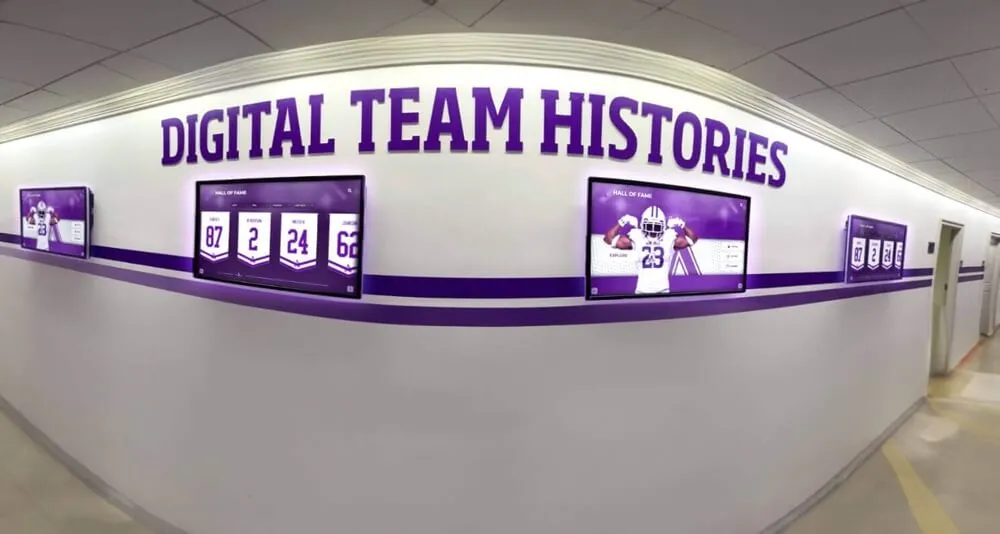
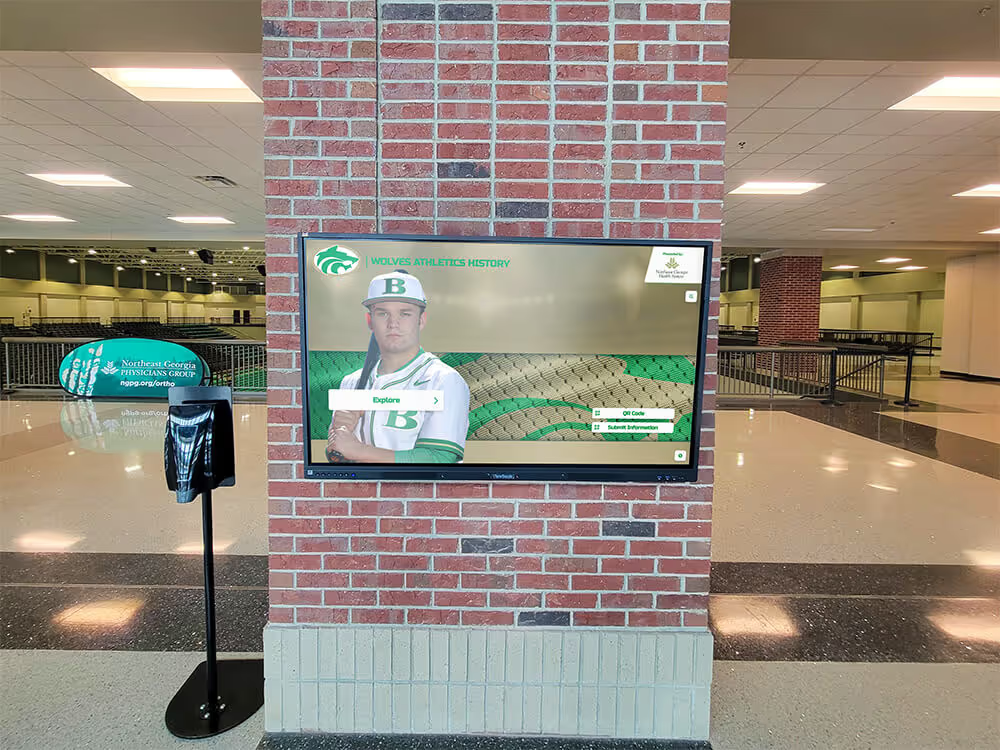
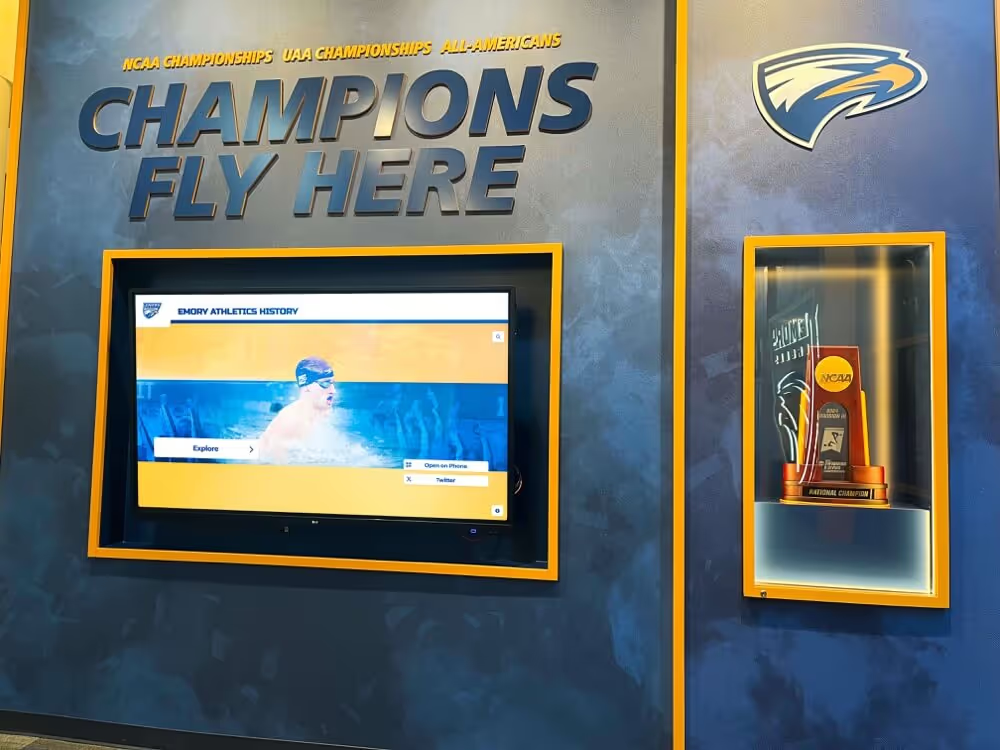
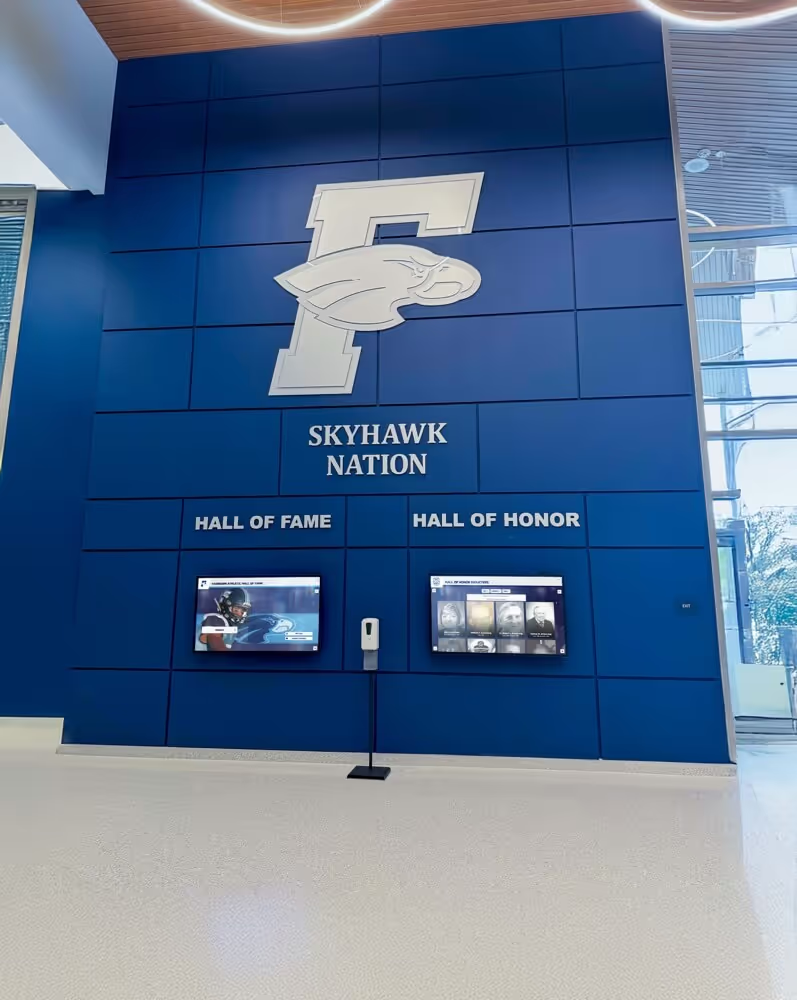
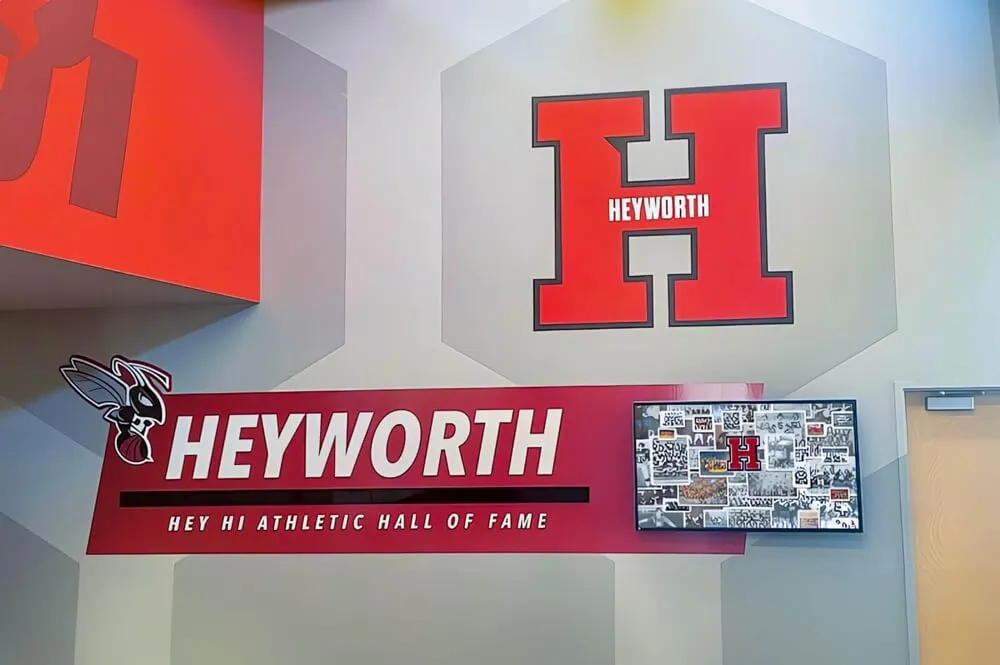
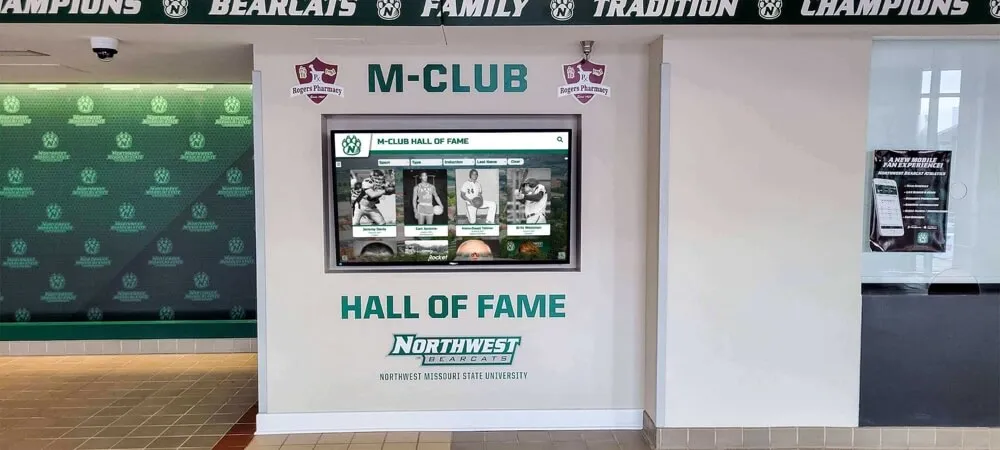
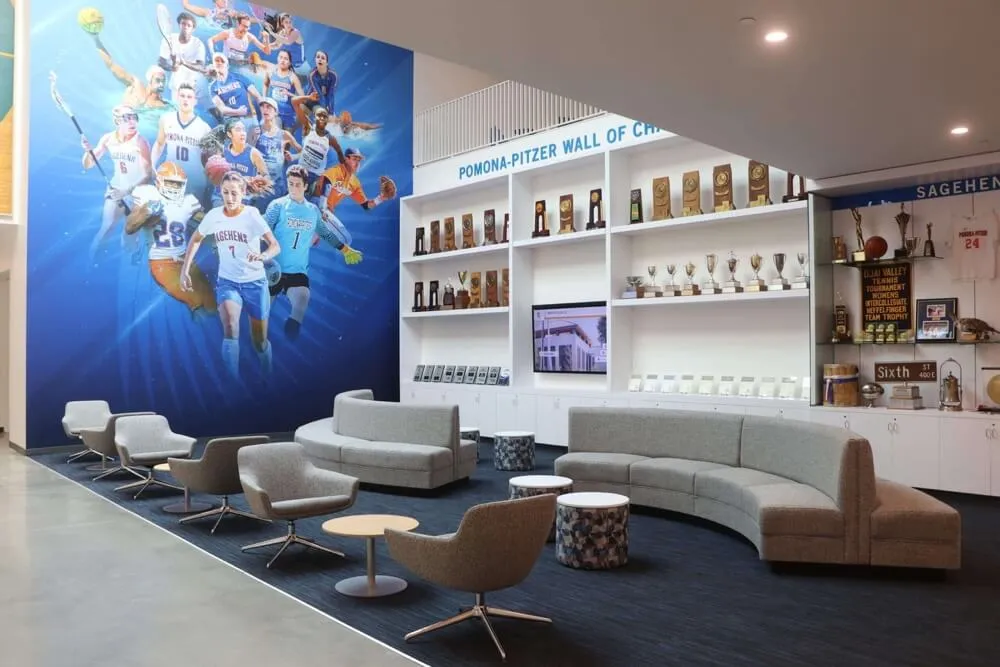
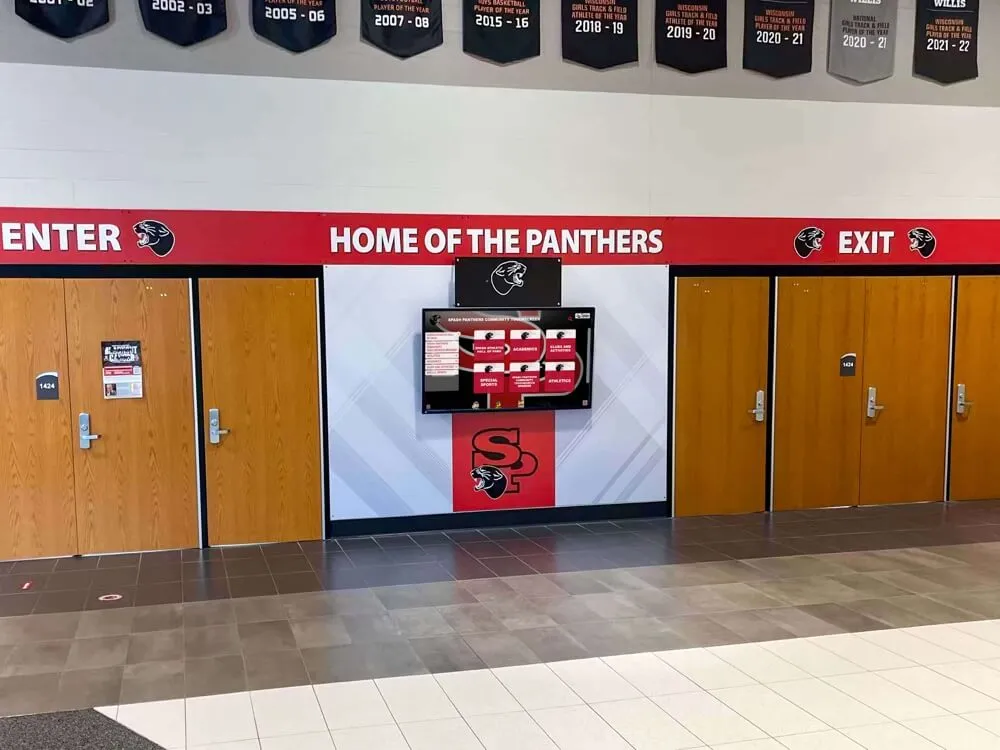
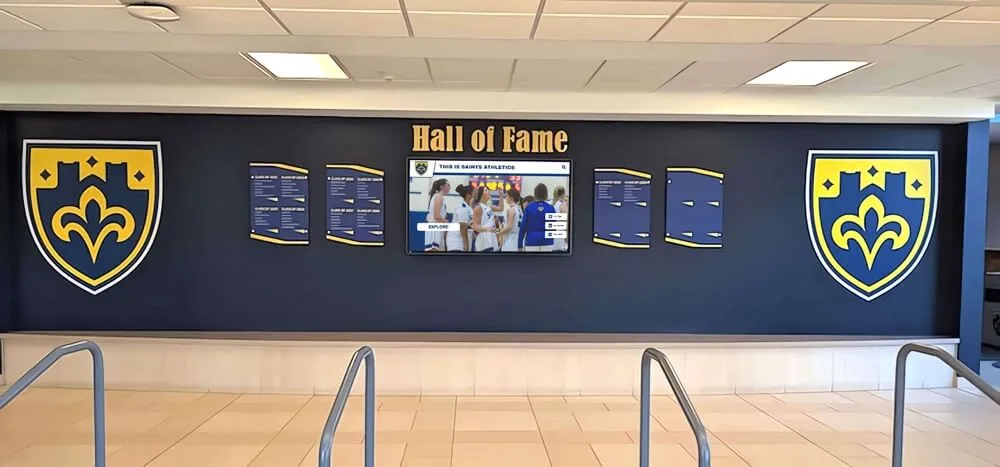
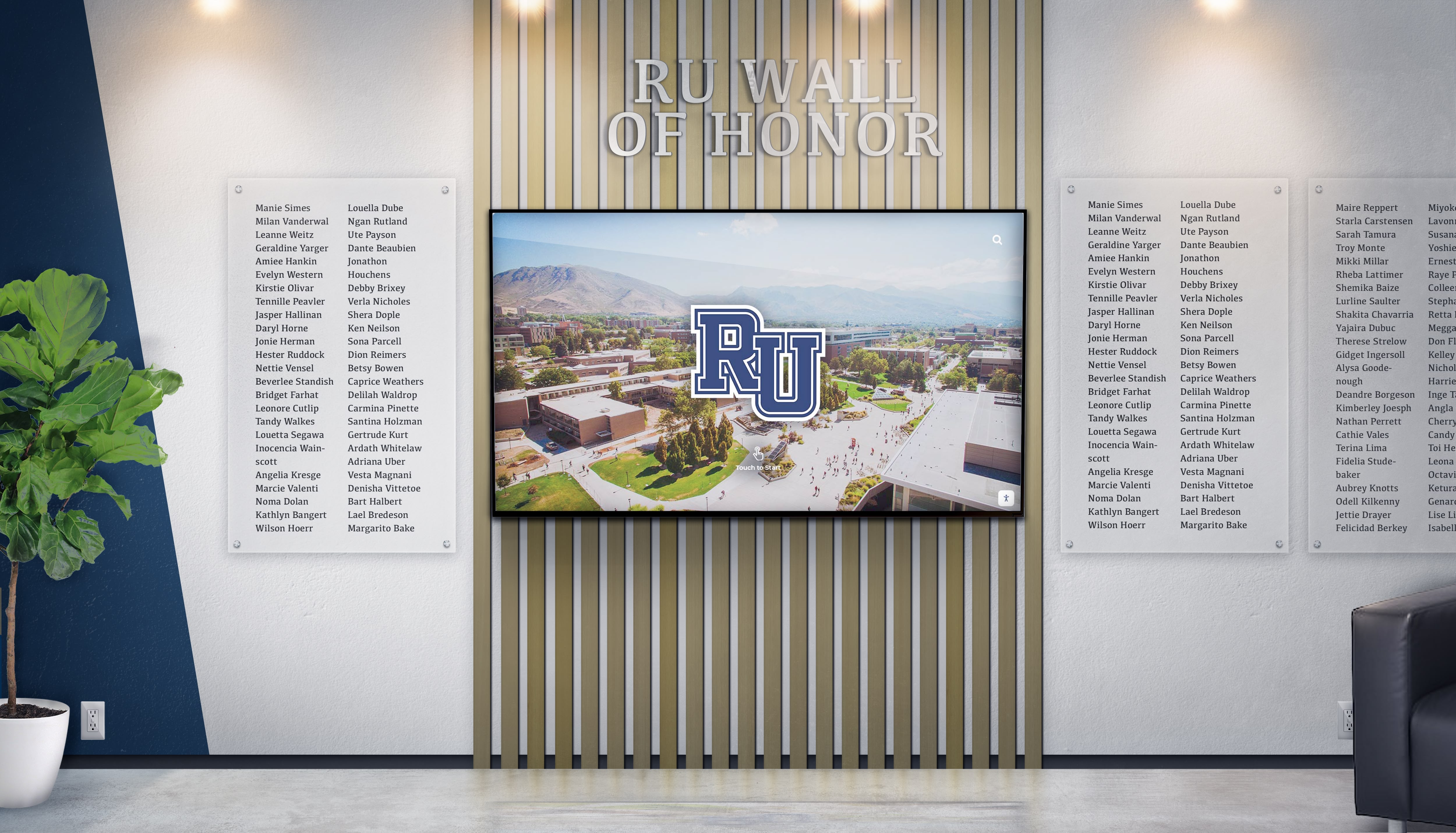
A lobby display that combines permanent name recognition with a live digital progress board keeps campaign momentum visible to every student, family, and visitor who enters the building
What a Campaign Progress Board Actually Does
Before choosing display formats and software, it helps to name the specific jobs a campaign progress board performs throughout a campaign lifecycle.
1. Communicates Current Standing Against Goal
The primary function is straightforward: show how much has been raised and how much remains. Most schools anchor this in a classic fundraising thermometer, a horizontal progress bar, or a percentage-complete graphic that updates as new gifts arrive. Whatever the graphic form, the essential data—dollars raised, goal, and gap—must appear at a glance without explanation.
What to display at minimum:
- Total raised to date (updated at least weekly during active campaign phases)
- Campaign goal
- Percentage complete
- Number of donors who have contributed
- Days or weeks remaining in the current phase
2. Celebrates Donors at Recognition Thresholds
A campaign progress board is also a recognition board. Most schools organize donor recognition around named giving levels—Legacy Circle, Builder’s Society, Champion’s Club, and so on—where different dollar thresholds unlock different visibility on the display. A donor who crosses the threshold for a named brick, an engraved plaque, or a digital portrait card should see their name appear on the board, reinforcing the gift decision and signaling the same opportunity to others at similar capacity.
This recognition function connects the progress board to the broader capital campaign donor recognition strategy: the board is both a progress report and a living honor roll.
3. Creates Urgency and Social Proof
Watching a progress bar move toward 100% creates urgency that static solicitation materials cannot replicate. When prospective donors see that the campaign is 78% funded and the lead naming opportunity is still available, the decision calculus shifts. Two principles work simultaneously:
- Social proof: Other people I respect have already given, so this campaign has credibility.
- Completion instinct: The campaign is almost there—my gift could be the one that tips it over a milestone.
Schools that update the board frequently, announce each new milestone publicly, and celebrate collective progress accelerate gift decisions without adding solicitation pressure.
4. Sustains Engagement Between Solicitations
Capital campaigns rarely close in a single fiscal year. A campaign progress board fills the months between major solicitation pushes—parent nights, alumni weekends, athletic events—by keeping the campaign visible and providing new conversation starting points each week. Advancement teams can reference specific board milestones (“We just crossed 100 donors!”) in newsletters, social media posts, and phone calls without needing to create new materials from scratch.
5. Anchors Post-Campaign Stewardship
After the goal is reached, the board transitions from a fundraising tool into a permanent recognition installation. The final total becomes a point of institutional pride. The complete donor honor roll becomes the permanent record of who built this school’s next chapter. Schools that plan for this transition from the beginning—building displays flexible enough to shift from “progress in motion” to “mission accomplished”—get more recognition value from their capital investment in the board itself.
Types of Campaign Progress Boards for Schools
Schools choose display formats based on budget, campaign scale, audience traffic patterns, and the permanence they want post-campaign.
Traditional Thermometer and Graphic Displays
The fundraising thermometer remains the most universally understood campaign graphic. Its vertical fill creates an immediate left-brain read: we are this close. Schools install large-format thermometers—printed banners, painted murals, dimensional wall graphics—in high-traffic common areas where the entire student body and visiting families will see it daily.
Best locations for a physical thermometer:
- Main entrance lobby
- Cafeteria or commons entrance
- Athletic hallway near trophy cases
- Gymnasium lobby or fieldhouse entrance
- School library or media center
Physical thermometers work well for campaigns with a single primary goal and a community audience that spends significant time on campus. Their limitation: they require manual updates, look outdated quickly if not maintained, and cannot show individual donor recognition without a separate display.
Digital Progress Displays
Digital campaign boards solve the update problem by connecting directly to campaign management software or a simple content management system. An advancement coordinator updates the gift total in the CRM and the lobby screen refreshes automatically—no reprinting, no ladder needed to update a painted mural.
Digital boards also unlock display capabilities physical boards cannot match:
- Animated progress bars that visibly move when new gifts arrive
- Donor spotlights rotating through named contributors
- Milestone countdowns (“Only $47,000 from our next naming level”)
- Real-time donor counts updating during phonathons or giving days
- Multi-campaign dashboards for schools running concurrent appeals
- Scheduled content showing campaign history and impact stories during off-peak hours
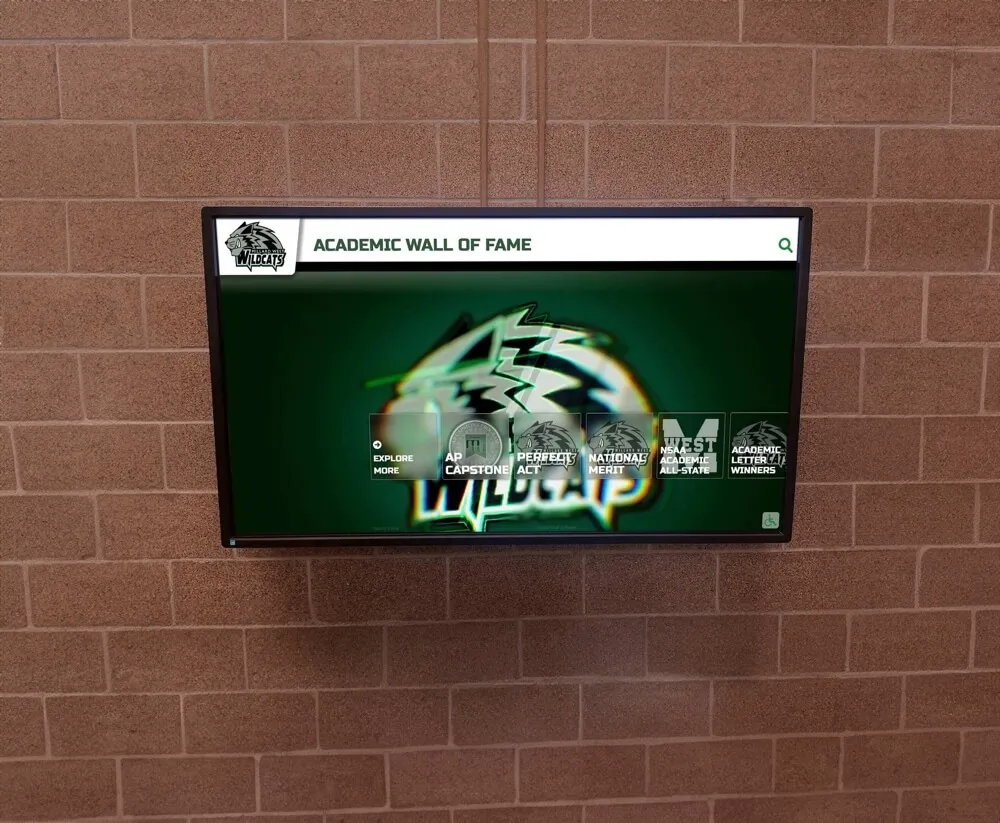
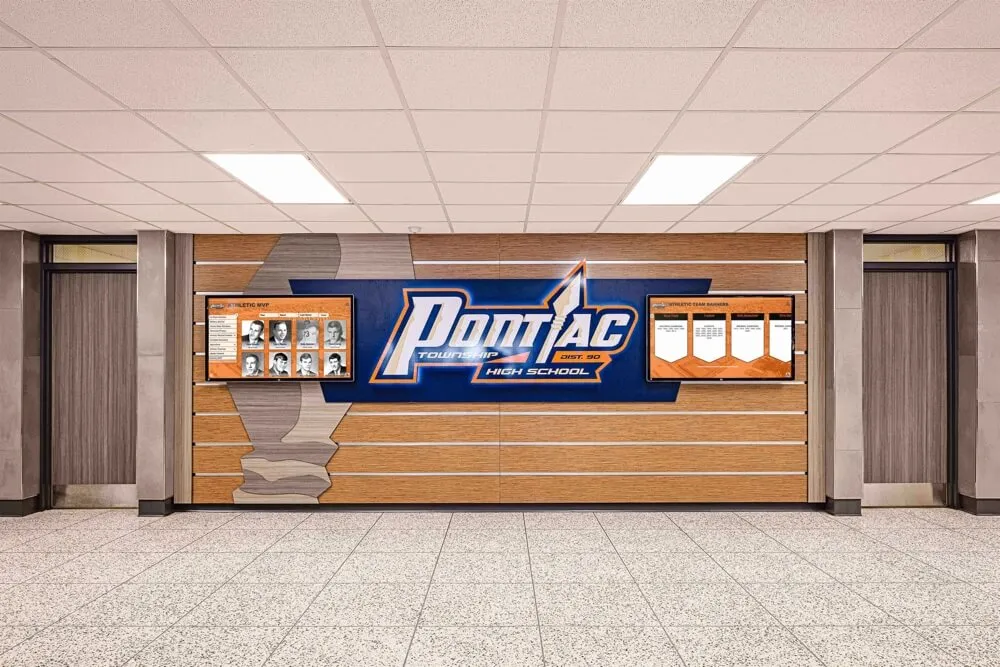
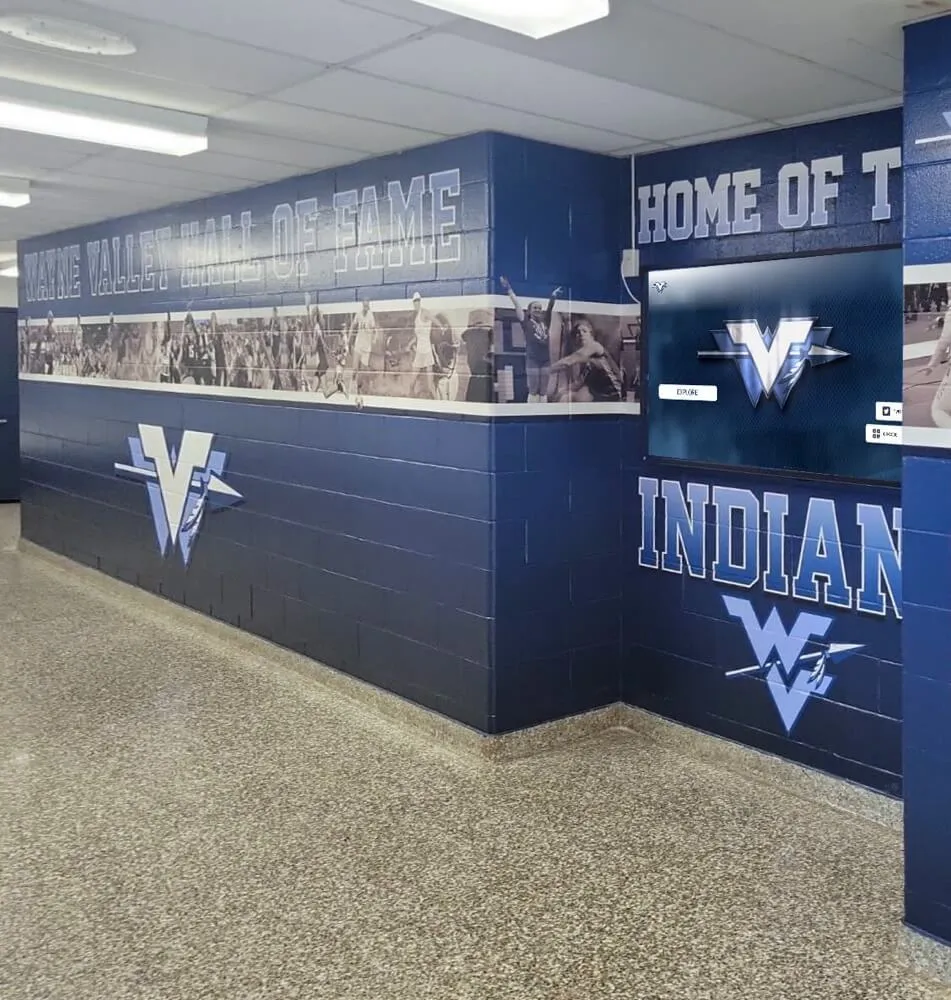
Schools already using digital display infrastructure for athletic recognition boards or academic achievement displays can often repurpose or extend those systems for campaign progress boards with minimal additional investment.
Interactive Touchscreen Campaign Kiosks
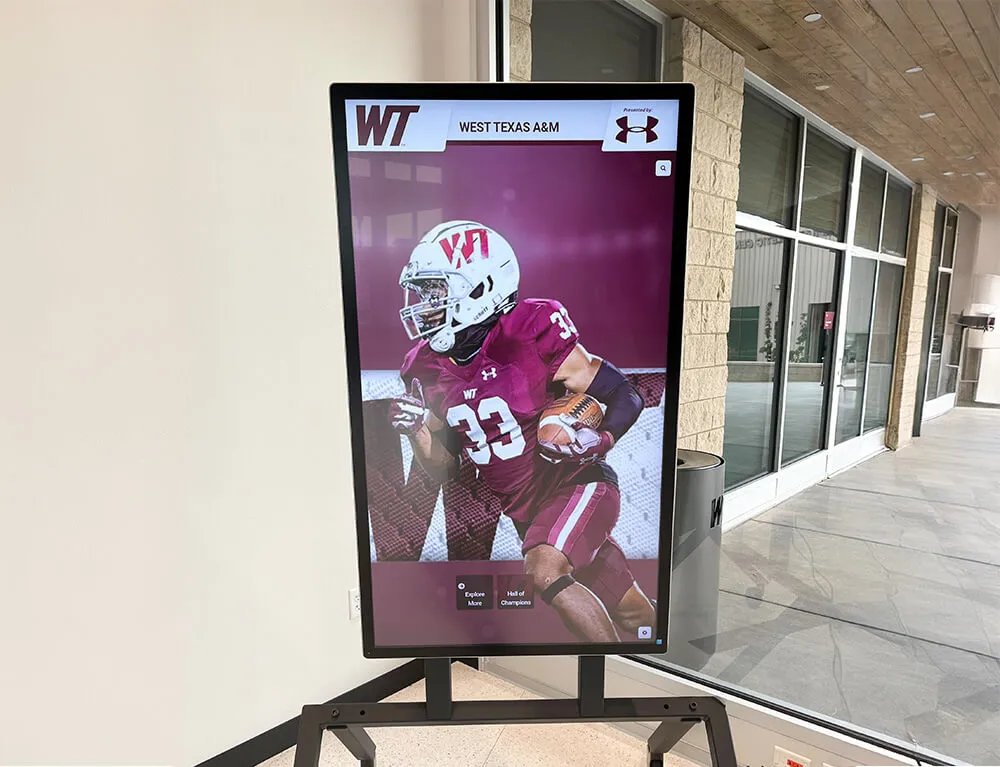
For major capital campaigns, interactive touchscreen kiosks allow visitors to explore the full campaign story—history, goals, project renderings, donor honor rolls, and giving opportunities—in a self-directed format.
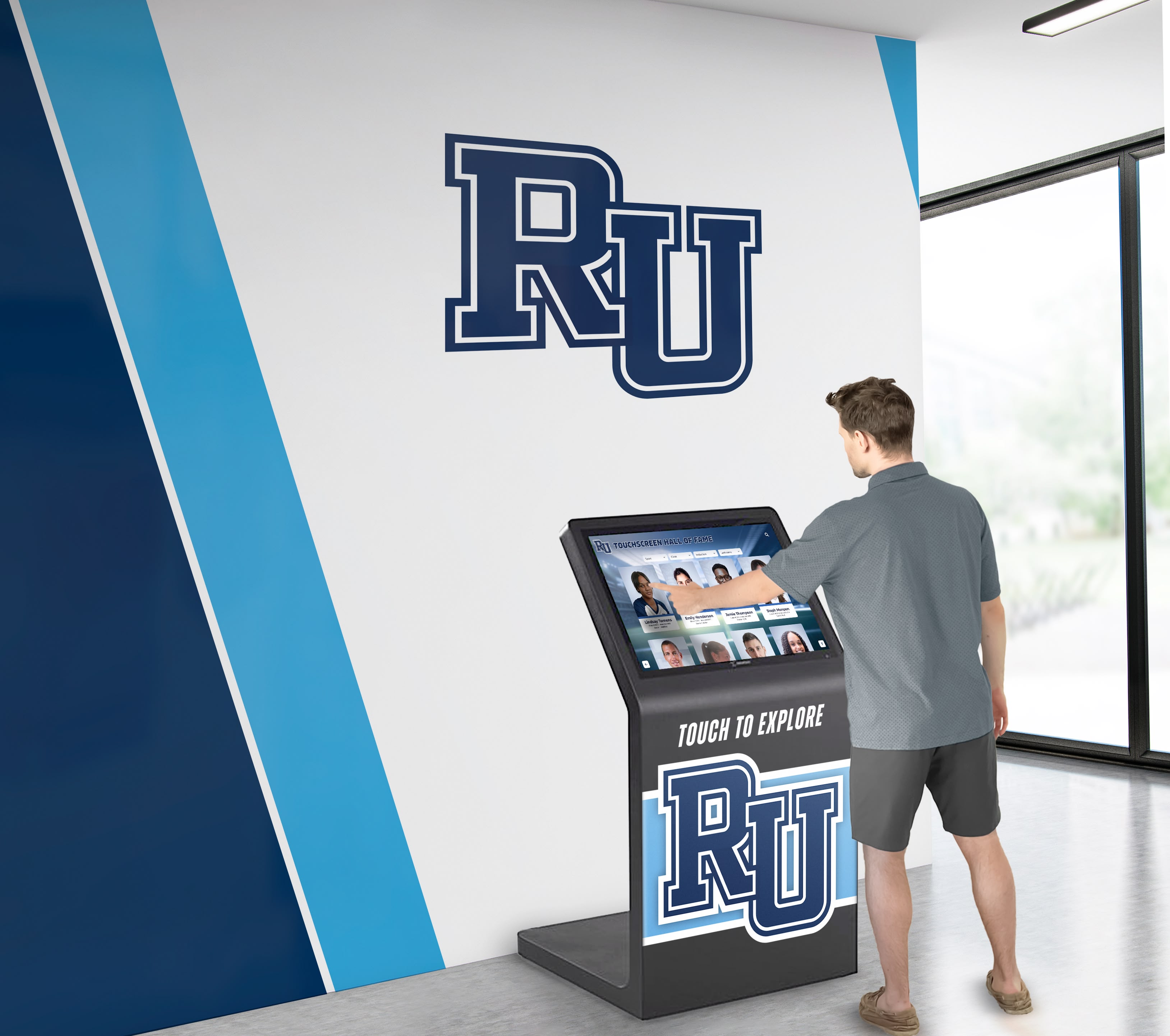
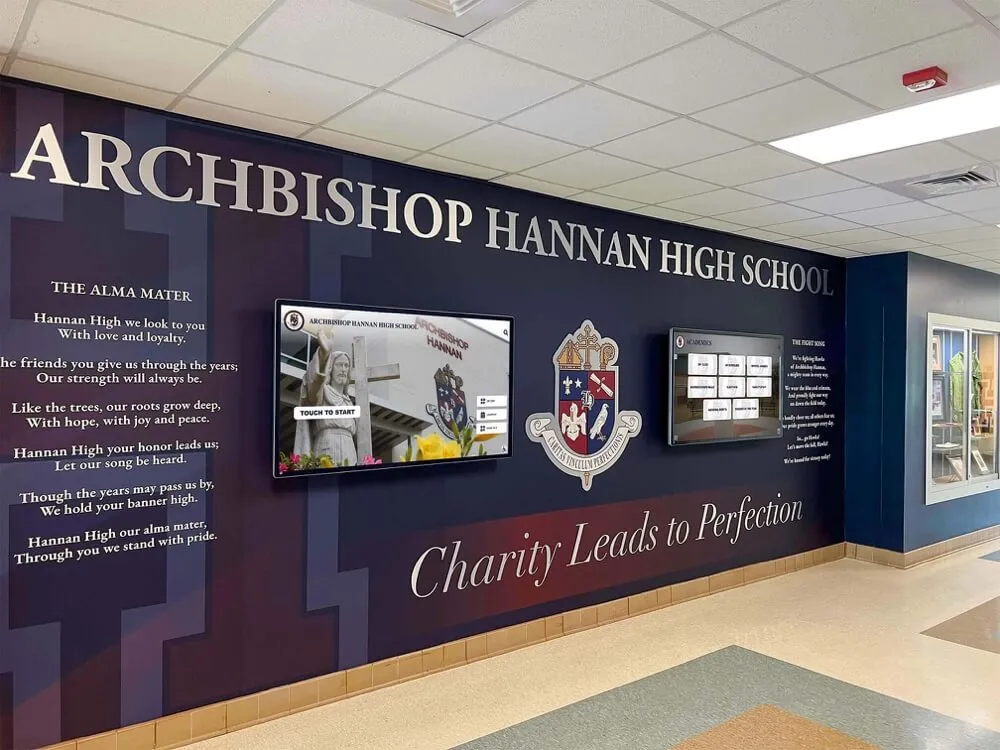
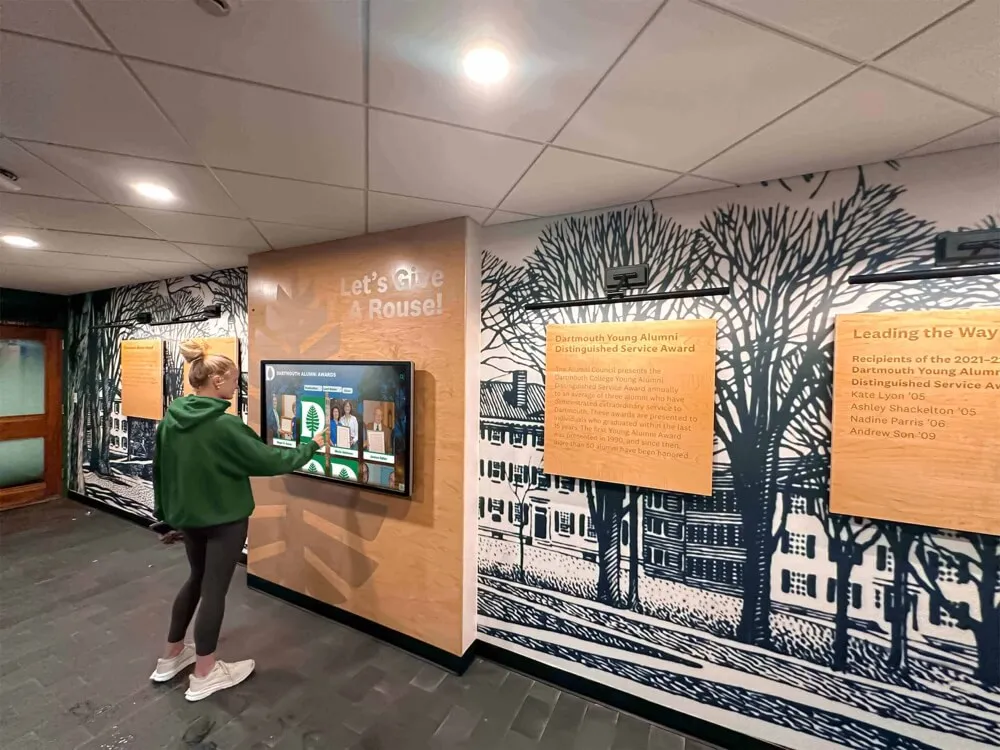
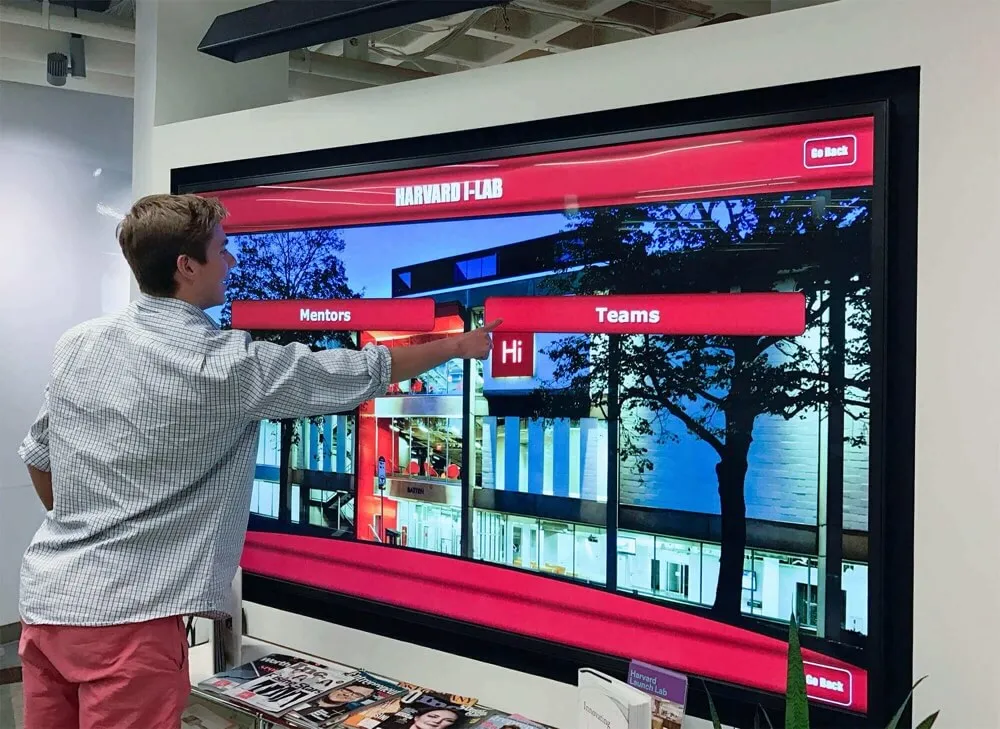
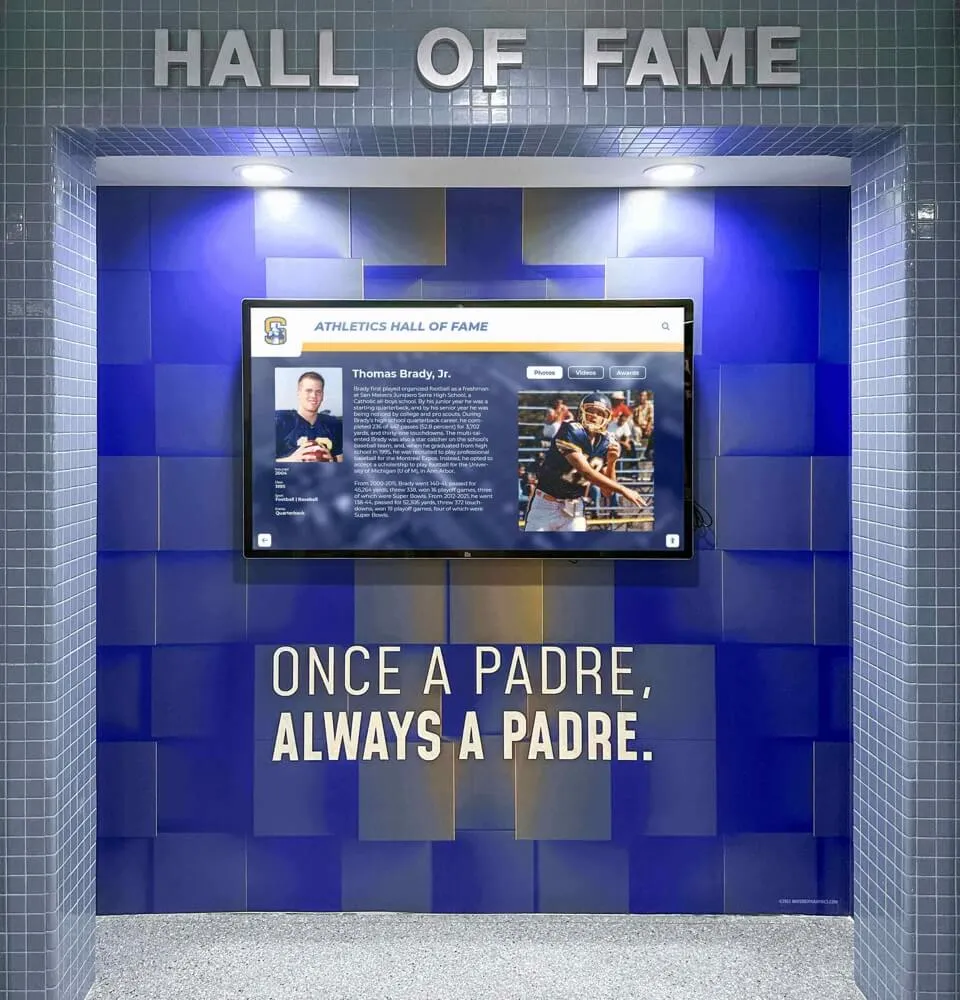
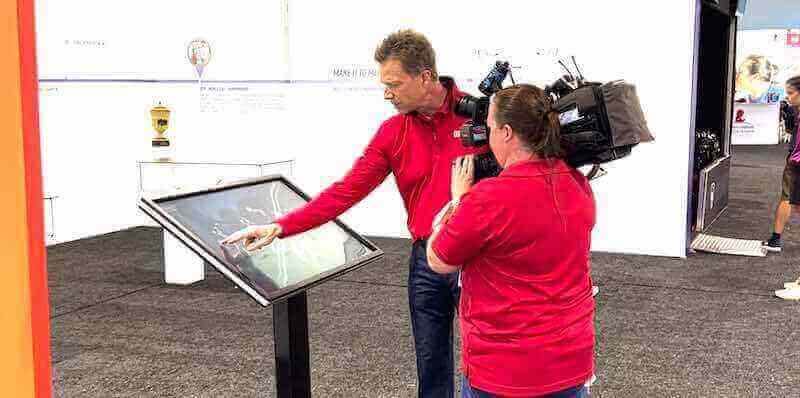
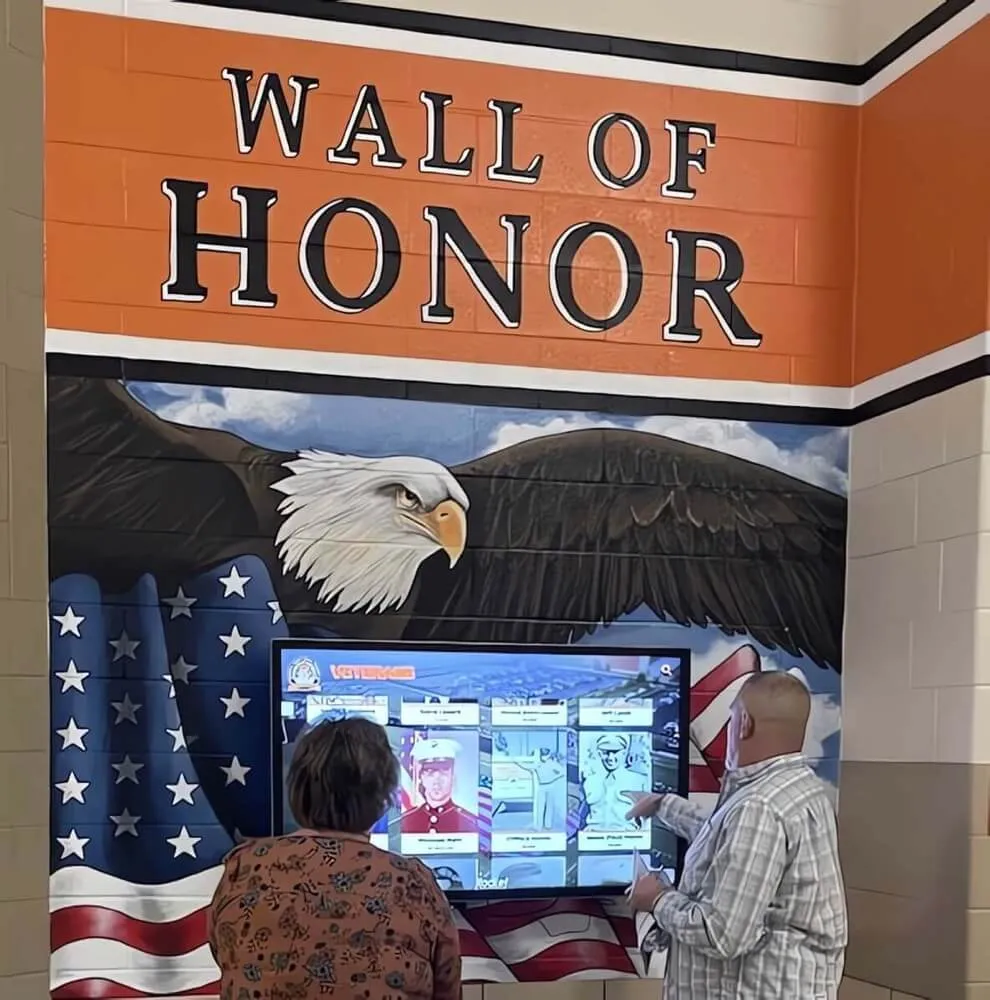
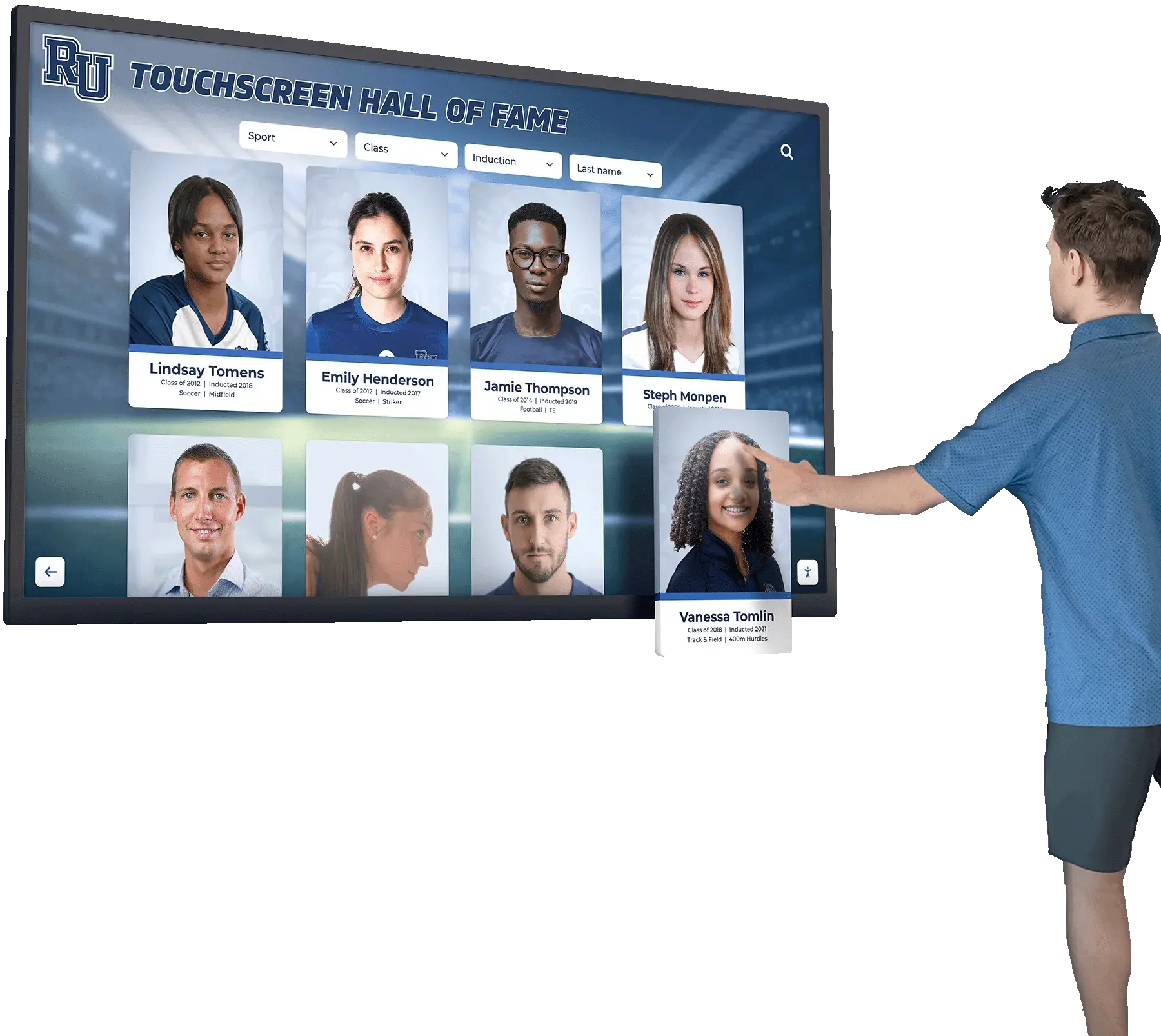
Interactive kiosks let prospective donors explore naming opportunities, giving levels, and campaign milestones on their own timeline—a powerful complement to direct solicitation conversations
A touchscreen kiosk during a campaign might include:
- Campaign overview with goal, timeline, and project description
- Progress visualization showing cumulative giving and donor count
- Giving level explorer showing what each recognition tier includes
- Named opportunity inventory (which spaces are still available)
- Donor honor roll searchable by name, class year, or giving level
- Campaign news and impact updates
- Direct giving instructions or QR code to online giving page
After the campaign closes, the same kiosk transitions into a permanent donor recognition installation—a natural post-campaign stewardship tool rather than a sunk cost.
Website and Digital Campaign Hubs
Campaign progress boards do not need to live only on campus. Schools running multi-year capital campaigns should maintain a campaign microsite or dedicated web page that mirrors the physical display, updated on the same schedule. Online progress bars serve alumni who cannot visit campus, parents evaluating their family’s giving capacity over time, and board members tracking campaign health between committee meetings.
A functional campaign web hub includes a live progress graphic, giving level descriptions, a donor honor roll (with permission from donors to list names publicly), a timeline showing campaign phases, and a direct donation link tied to the campaign fund code.
Designing a Campaign Progress Board: Seven Decisions to Make Early
Schools that plan the board design before the campaign launches avoid the most common recognition problems: running out of name space, inconsistent visual identity, and donor expectations that don’t match what gets installed.
Decision 1: Centralized Display vs. Distributed Network
A single prominent board in the main lobby creates one powerful focal point. A distributed network of smaller displays throughout campus creates ambient awareness everywhere. Schools running campaigns with broad community audiences—annual giving drives, building fund appeals with participation goals—often benefit from distributed networks. Schools running targeted major gift campaigns focused on a handful of lead donors may prioritize one exceptional centerpiece installation over coverage.
Decision 2: Static Recognition vs. Dynamic Updates
If the board will show only the final campaign result as permanent recognition, a static engraved wall or printed graphic is appropriate. If the board must show live progress during a multi-year campaign and then transition into permanent recognition, it needs a digital or modular physical format that accommodates both states.
For most school capital campaigns following established best practices, the campaign spans three to seven years—a timeline that makes static-only displays impractical from launch. Building in dynamic display capability from the start avoids the cost and disruption of replacing the board mid-campaign.
Decision 3: Giving Levels and Name Display Rules
Decide before the campaign launches which giving levels qualify for named recognition on the board, what information appears (name only, name and amount range, name and community affiliation), and whether donors can request anonymity while still receiving recognition benefits. These policies must be communicated to donors at the point of solicitation so recognition expectations are set correctly.
Sample giving level display policy table:
| Giving Level | Board Display | Permanence | Additional Recognition |
|---|---|---|---|
| Founding Patron ($100,000+) | Name, level title, portrait | Permanent installation | Named space in new facility |
| Legacy Builder ($50,000–$99,999) | Name and level title | Permanent installation | Engraved plaque in dedicated section |
| Campaign Champion ($25,000–$49,999) | Name and level title | Permanent installation | Honored on digital donor wall |
| School Partner ($10,000–$24,999) | Name on honor roll | Permanent honor roll | Digital recognition rotation |
| Community Supporter ($1,000–$9,999) | Name on community honor roll | Permanent honor roll | Listed in campaign completion report |
| Friend of the Campaign (Under $1,000) | Aggregate donor count only | Campaign report listing | Thank-you communication |
Decision 4: Update Frequency and Communication Rhythm
Decide how often the board updates and how milestones will be announced. Weekly updates during active solicitation phases keep momentum visible. Milestone announcements—50% funded, 100 donors, final naming opportunity reserved—create news pegs for newsletters and social posts. Schools that pre-plan these announcement moments can draft communications templates before the campaign launches, reducing advancement team workload when campaigns are most intense.
Decision 5: Physical Permanence After Campaign Close
Plan from day one how the display will evolve once the campaign closes. Schools sometimes discover mid-campaign that their “temporary” thermometer banner has become beloved campus iconography but cannot serve as a dignified permanent recognition installation. The best campaign progress boards are built to do both jobs: communicate urgency during fundraising and provide lasting recognition after goal achievement.
Decision 6: Integration with Existing Recognition Systems
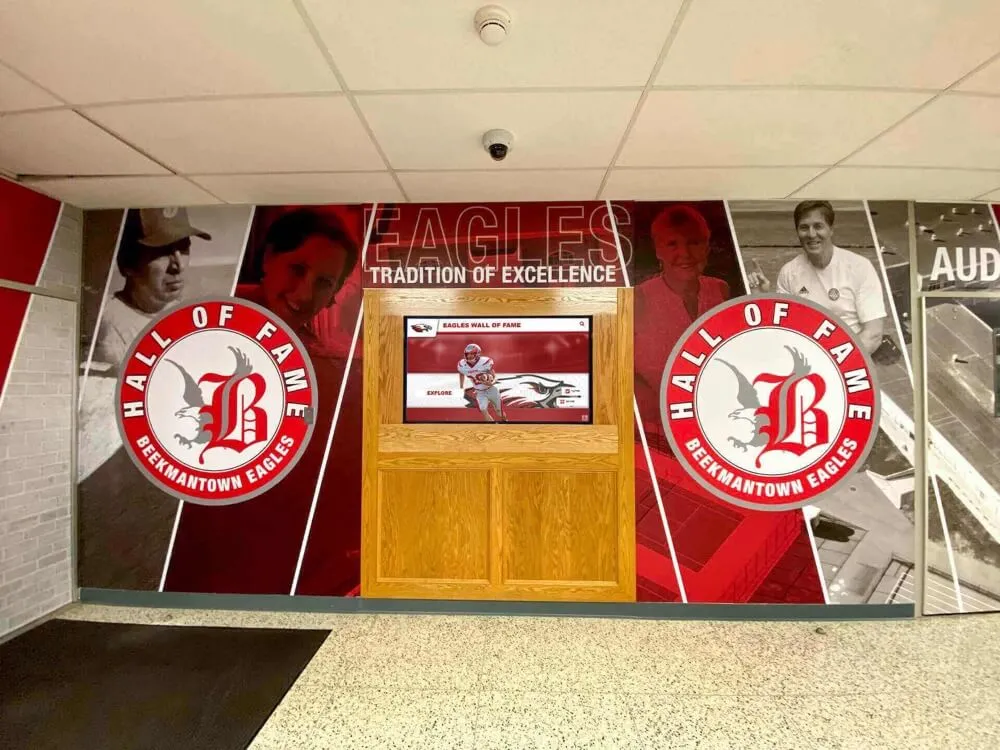
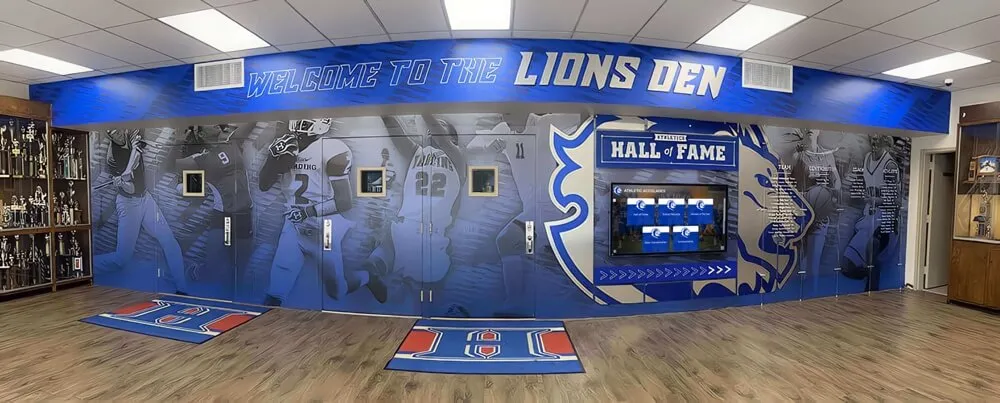
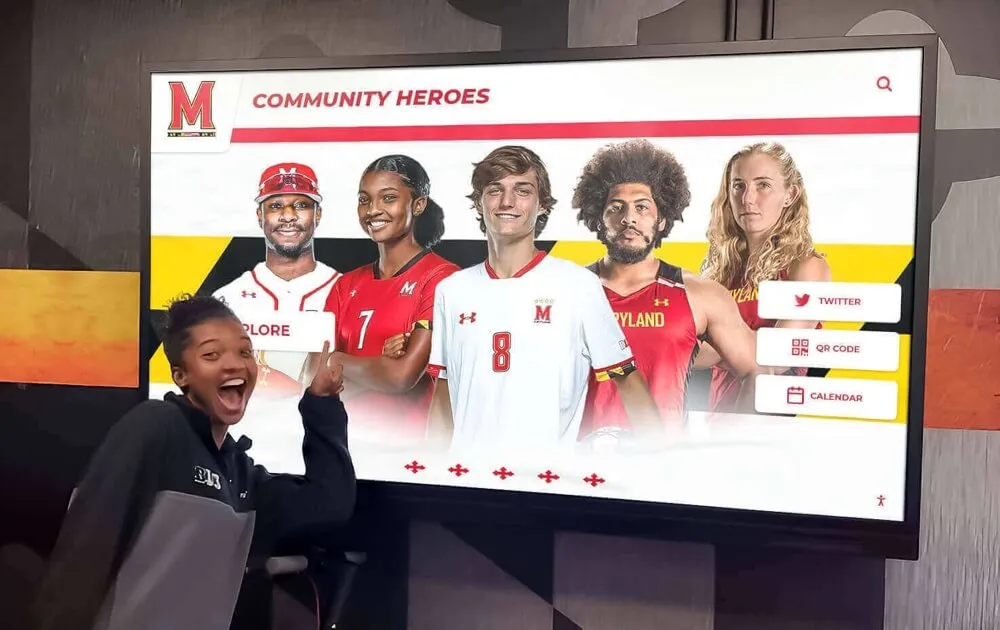
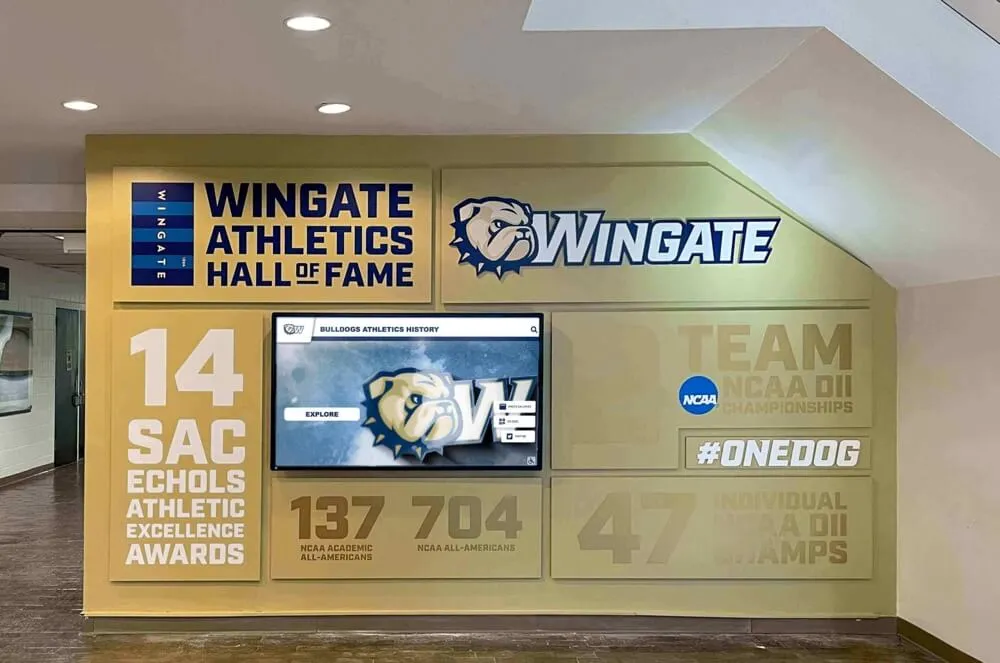
Schools that already have hall of fame displays, athletic honor boards, or academic recognition walls should consider how the campaign board integrates visually and operationally with those existing systems. A campaign recognition display that shares design language with an athletics wall of honor creates a cohesive campus identity and signals that donor recognition is a long-term institutional commitment, not a campaign-specific afterthought.
Decision 7: Technology Infrastructure Requirements
Digital and interactive boards require network connectivity, content management access, and ongoing technical support. Schools should evaluate which staff member will own content updates, how the display connects to donor management software, and what backup plan exists if the display goes offline during a major campaign event. Systems that require minimal technical maintenance—with simple content management interfaces that advancement staff can operate without IT involvement—reduce ongoing friction substantially.
Milestone Moments: How to Use the Board to Accelerate Giving
A campaign progress board earns its value between gift solicitations. These milestone moments, announced through multiple channels, create sustained campaign energy.
The First Gifts
When early donors—ideally board members, lead families, or alumni who made commitments during the silent phase—appear on the progress board for the first time, the campaign has visible proof of community confidence. An announcement email with a photo of the updated board showing those first names signals that real people with real community standing have committed, encouraging others who are watching.
Percentage Milestones
Round-number milestones (25%, 50%, 75%, 100%) are natural celebration and communication moments. Schools should plan specific announcements for each: a parent email at 50%, a social post at 75%, a school-wide celebration at 100%. Each announcement references the board and invites prospective donors to “see where we are.”
The Last Named Opportunity
As premium naming opportunities are reserved, schools can communicate urgency about the last available opportunity in each giving tier. “Our final Legacy Builder naming opportunity is still available” creates a clear call to action for donors at that capacity level, with the board providing visual confirmation of how few opportunities remain.
The Capstone Donor Count
For campaigns with a participation goal alongside a dollar goal—common in annual appeals and community campaigns—milestone donor counts provide a separate track of momentum. “We just reached 200 donors” is a compelling announcement regardless of the dollar total, because donor count signals broad community belief in the campaign.
Giving Days and Sprint Events
Single-day or single-week giving sprints—often tied to athletic events, alumni weekends, or matching gift challenges—produce the most dramatic single-day progress bar movements and the most shareable campaign social content. Schools that coordinate board update timing with the end of a giving day, then photograph and share the updated display, turn the board itself into campaign marketing content.
Common Mistakes Schools Make With Campaign Progress Boards
Knowing what to avoid is as useful as knowing what to do.
Launching without a recognition policy in place. Schools that build the display before finalizing which names appear, at what thresholds, and with what language create awkward mid-campaign conversations when donors’ expectations don’t match what gets installed.
Updating infrequently during active campaign phases. A progress bar that doesn’t move for three months suggests stalled momentum even when solicitation activity is intense behind the scenes. Frequent updates—even small ones—keep the visual story current.
Designing for the launch without planning for the close. A thermometer banner works beautifully at 60% completion and looks abandoned at 100%. Building a transition plan—when the thermometer comes down, what replaces it, when the permanent recognition installation goes up—prevents an anticlimactic post-goal period.
Omitting donor count alongside dollar totals. Dollar totals favor large gifts visually. Donor counts celebrate breadth of participation and provide social proof for prospective donors who may not give at the highest levels but whose contributions matter. Showing both metrics serves the full community.
Ignoring the post-campaign board. The period between goal achievement and permanent installation is often the weakest stewardship moment in a capital campaign. Schools that keep a progress board actively communicating impact—construction milestones, program launches, early outcomes from endowed funds—maintain donor relationships through the gap and position themselves for the next campaign.
Post-Campaign Board: From Progress Display to Permanent Donor Recognition
When the campaign closes and the project enters completion or operation, the progress board’s job shifts entirely from fundraising to stewardship. The display that told donors “we’re almost there” must now tell them “look what we built together.”
Schools accomplishing this transition well typically follow a sequence:
- Announce the final total and full donor honor roll with a dedicated campaign completion event, updating the board with a “Goal Achieved” graphic and the complete list of contributors.
- Install permanent recognition in the facility or space the campaign funded—engraved name panels, digital donor wall, named room signage—referencing the campaign timeline and collective impact.
- Transition the lobby display from campaign thermometer to legacy recognition, showing the completed project, total raised, and number of donors who made it possible.
- Update regularly with impact stories connecting the campaign result to measurable outcomes: students using the new lab, scholarship recipients enabled by endowed funds, athletic outcomes in the new facility.
Schools using digital display platforms for their campaign board have the easiest transition: the same screen that showed a progress bar can pivot to showing impact stories, construction milestones, and donor spotlights without any physical installation work. This flexibility makes the investment in dynamic display technology worthwhile even after the fundraising phase ends.
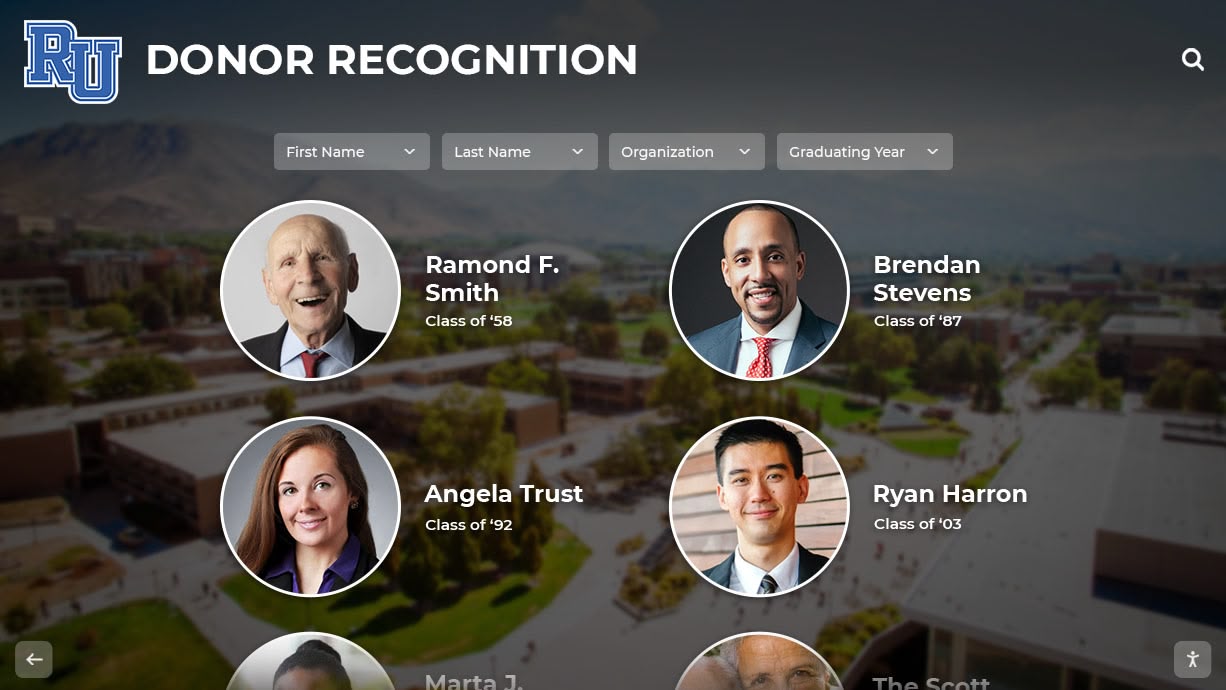
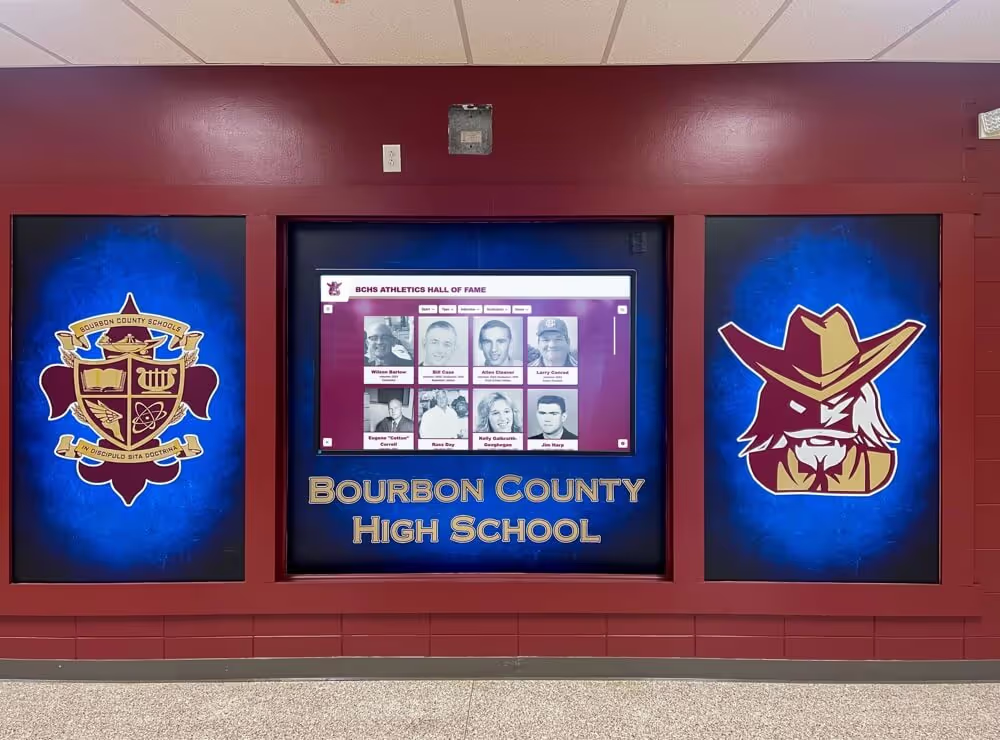
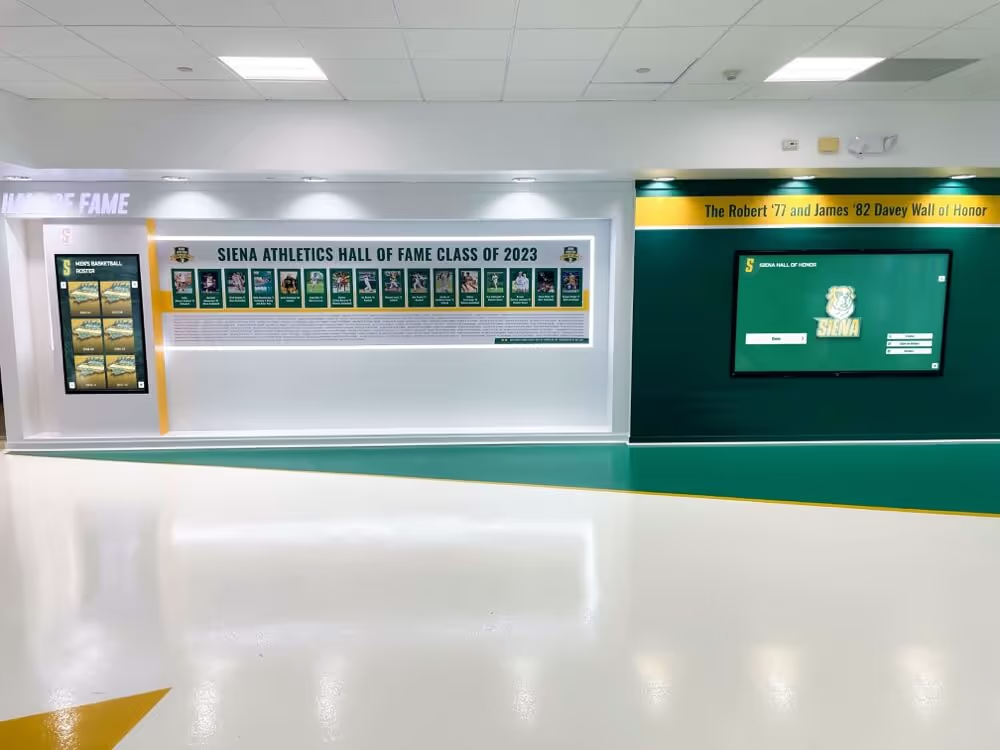
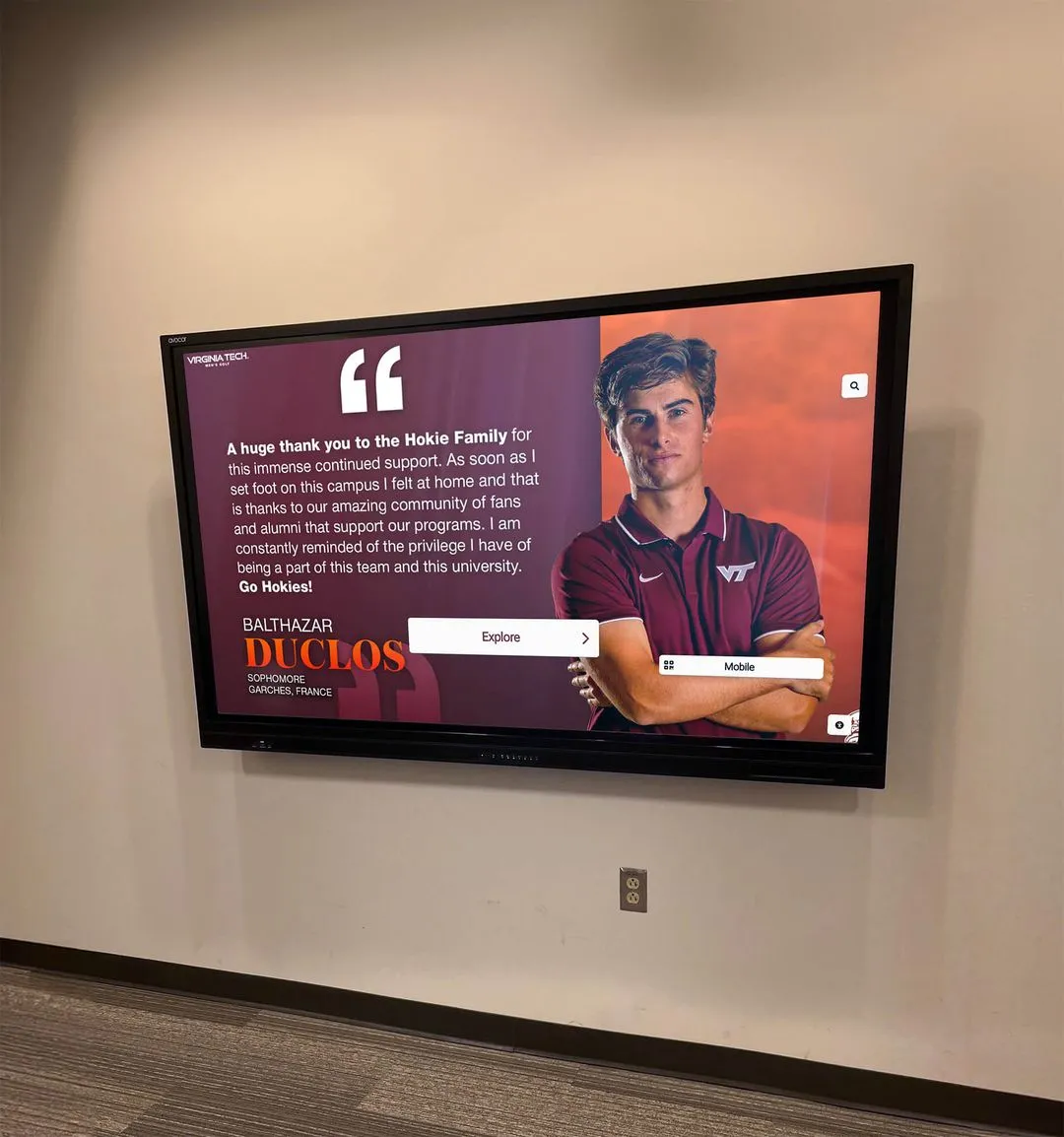
Post-campaign recognition installations connect the completed project to the donors whose generosity made it possible, sustaining stewardship relationships for future campaigns
How Rocket Alumni Solutions Supports Campaign Progress Boards
Schools looking for a single platform that handles both the active-campaign display functions and the post-campaign permanent recognition often find that purpose-built recognition technology simplifies the workflow substantially. Rocket Alumni Solutions builds digital donor walls and interactive recognition displays designed for exactly this dual purpose—communicating progress during campaigns and honoring donors permanently afterward.
Their platform allows advancement staff to manage campaign content through a simple interface, display donor honor rolls that update as new gifts are processed, integrate campaign progress graphics with existing recognition walls, and transition seamlessly into post-campaign stewardship content without replacing the physical installation.
For schools planning a capital campaign that will ultimately be recognized in a permanent lobby installation, designing the recognition system from the beginning with a platform built for both functions—not a general-purpose digital sign later adapted—reduces the gap between campaign communication and permanent acknowledgment.
Frequently Asked Questions About Campaign Progress Boards
How often should a school update its campaign progress board?
During active solicitation phases, weekly updates maintain momentum and give staff new content to reference in donor communications. During quieter periods between solicitation pushes, monthly updates keep the display current without creating unsustainable workload. Milestone events—giving days, matching gift announcements, named opportunity reservations—warrant same-day updates regardless of standard schedule.
Should the board show individual gift amounts?
Most schools display giving level tiers rather than specific dollar amounts for individual donors. Tier-based display (“Legacy Builder” rather than “$75,000”) maintains donor privacy for those who prefer not to have their exact gift amount visible while still communicating the significance of the contribution. Schools should confirm display preferences with donors at the time of the gift.
What is the best location for a campaign progress board in a school?
The main entrance lobby is the highest-impact single location, because every student, staff member, family visitor, and prospective donor passes through it. Secondary locations—athletic hallways, dining commons, performing arts lobbies—extend reach to specific constituencies. Schools running campaigns with distinct audience segments (athletic facility fund vs. academic building fund) sometimes install targeted boards in locations where that specific audience concentrates.
How does a campaign progress board differ from a standard donor wall?
A donor wall is primarily a permanent recognition installation honoring past contributors. A campaign progress board is an active communication tool showing current status toward a specific goal, though the best-designed boards serve both functions simultaneously. The donor wall is retrospective; the progress board is present-tense. Many schools design their campaign boards to transition directly into permanent donor walls once campaigns close, making the distinction primarily temporal rather than structural.
Can a campaign progress board work for annual giving campaigns, not just capital campaigns?
Yes. Schools run campaign boards for annual fund participation goals, scholarship fund drives, specific equipment purchases, and building improvement appeals. Annual campaigns with participation goals (number of donors rather than just dollar totals) often benefit especially from boards that show donor count prominently, since encouraging broad community participation is as important as reaching a dollar target.
Schools that treat their campaign progress board as a strategic communication asset—not a compliance checkbox—consistently outperform those that treat it as incidental signage. The board is where campaign story meets community, where donor identity meets institutional mission, and where the abstract promise of a fundraising goal becomes a concrete, visible fact. Whether thermometer, digital ticker, touchscreen kiosk, or hybrid installation, the campaign progress board built with intention earns its place at the center of every school’s fundraising strategy.
For schools developing a full capital campaign recognition framework or seeking guidance on capital campaign best practices, the campaign progress board is the connecting thread—the visible evidence that every other element of the campaign strategy is working.