Intent: Define
Universities and schools face a persistent challenge: helping thousands of prospective students, families, visitors, and new community members navigate increasingly complex campus facilities while creating positive first impressions that influence enrollment, giving, and institutional reputation. Traditional static signage and paper maps no longer meet the expectations of today’s visitors who anticipate intuitive, interactive experiences in every environment they encounter.
Campus directory touchscreen displays are interactive digital systems that provide comprehensive building locations, real-time wayfinding directions, department information, and campus services through engaging touch-enabled interfaces. Unlike outdated static directories requiring costly physical updates whenever information changes, modern touchscreen systems offer instant content management, unlimited information capacity, multilingual support, and accessibility features that serve all visitors effectively.
This guide provides advancement teams, facilities directors, and campus administrators with practical frameworks for implementing directory touchscreen systems that enhance navigation, improve visitor satisfaction, support recruitment efforts, and demonstrate institutional commitment to welcoming experiences.
Campus wayfinding challenges affect enrollment decisions, donor impressions, and community perception of institutional quality. According to higher education research, 78% of prospective students cite campus visit experiences as highly influential in enrollment choices. When visitors struggle to find admissions offices, become lost between appointments, or miss scheduled tours due to navigation confusion, institutions risk losing qualified applicants and donor prospects to competitors offering more navigable campus experiences.

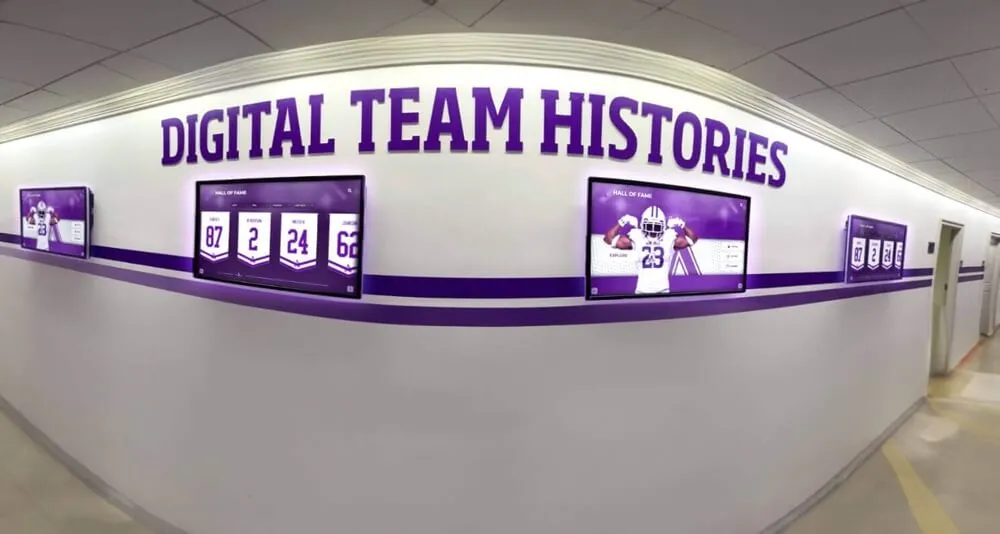
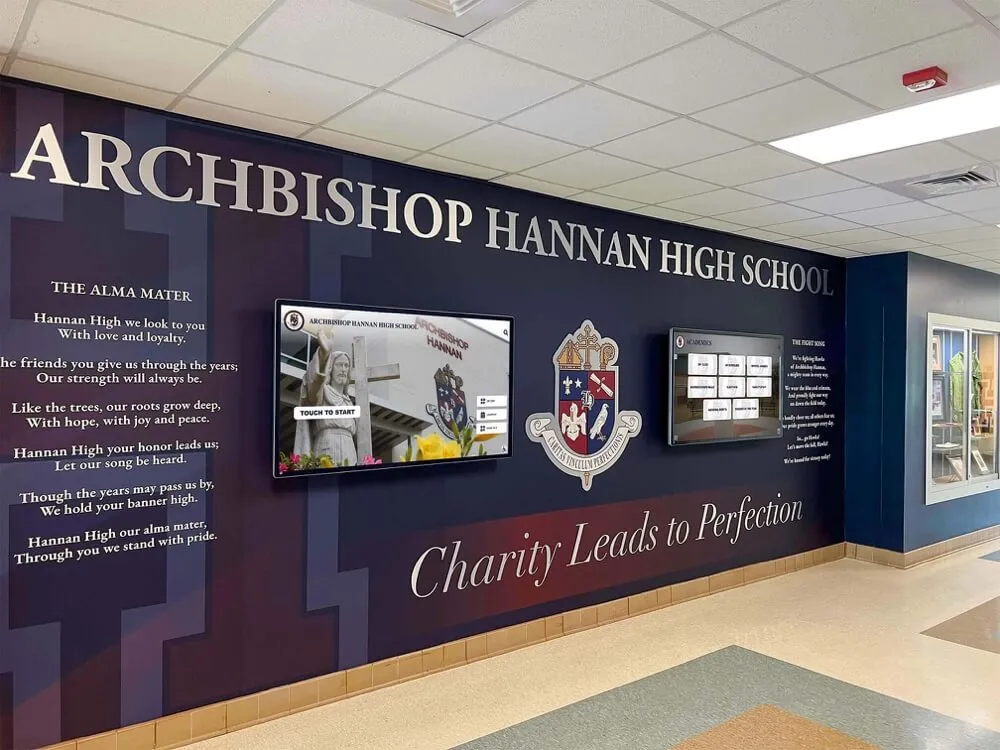
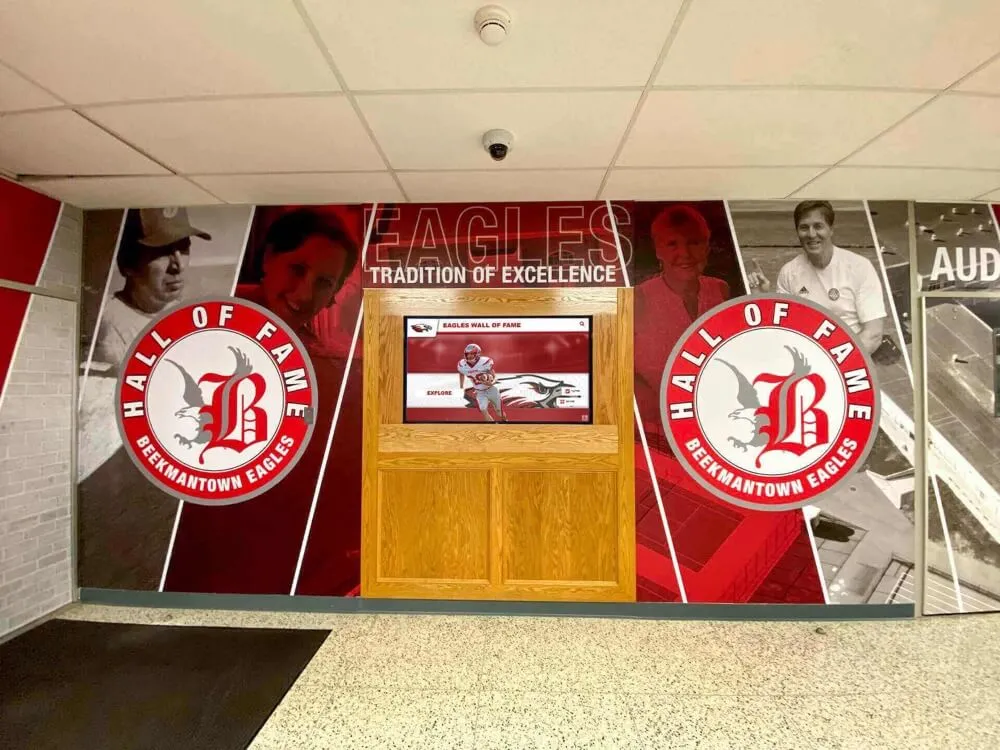
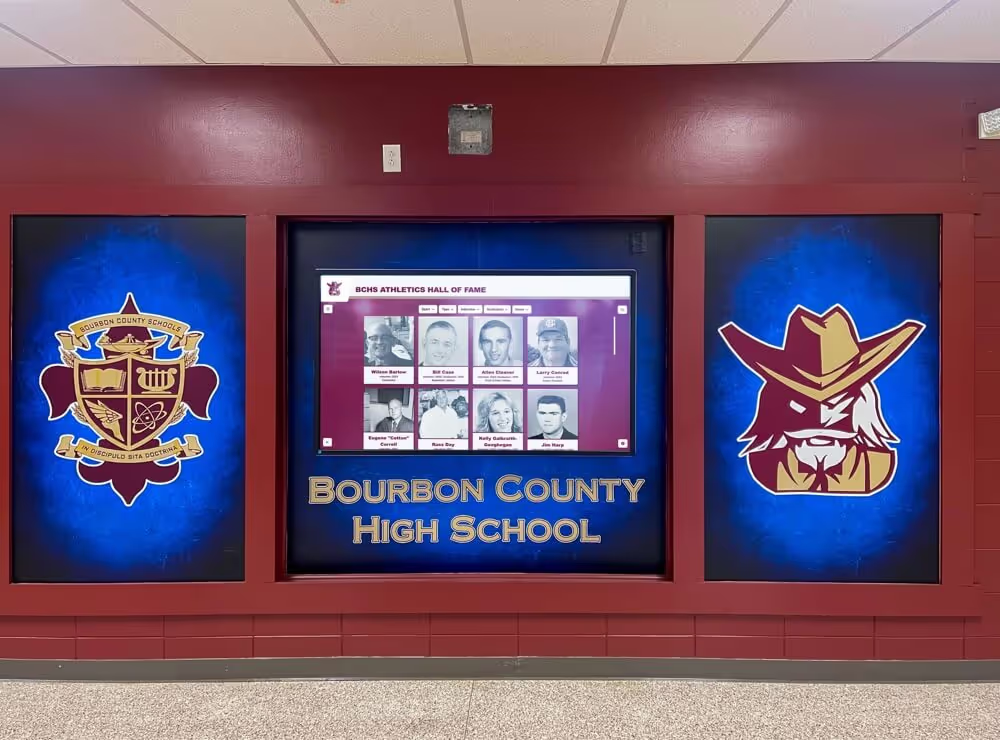
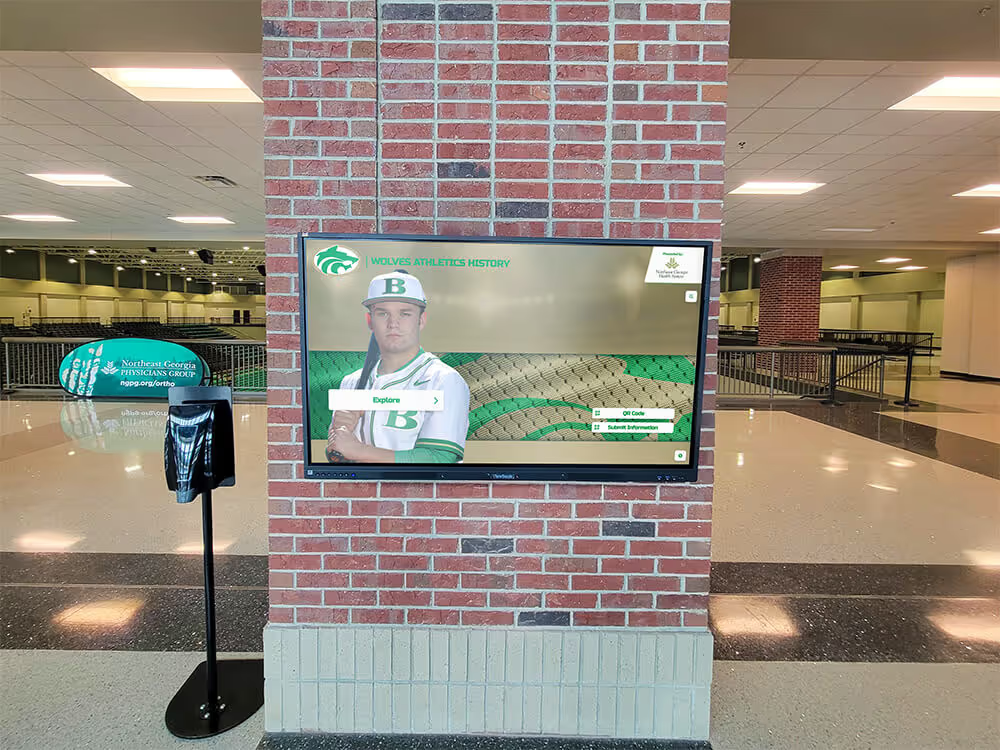
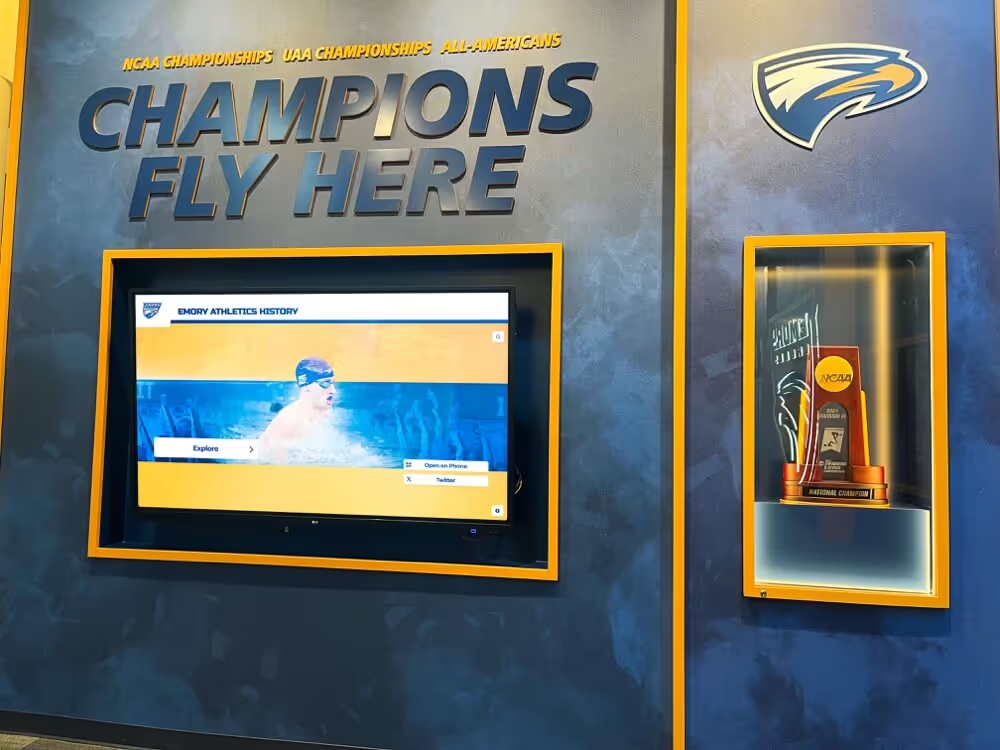
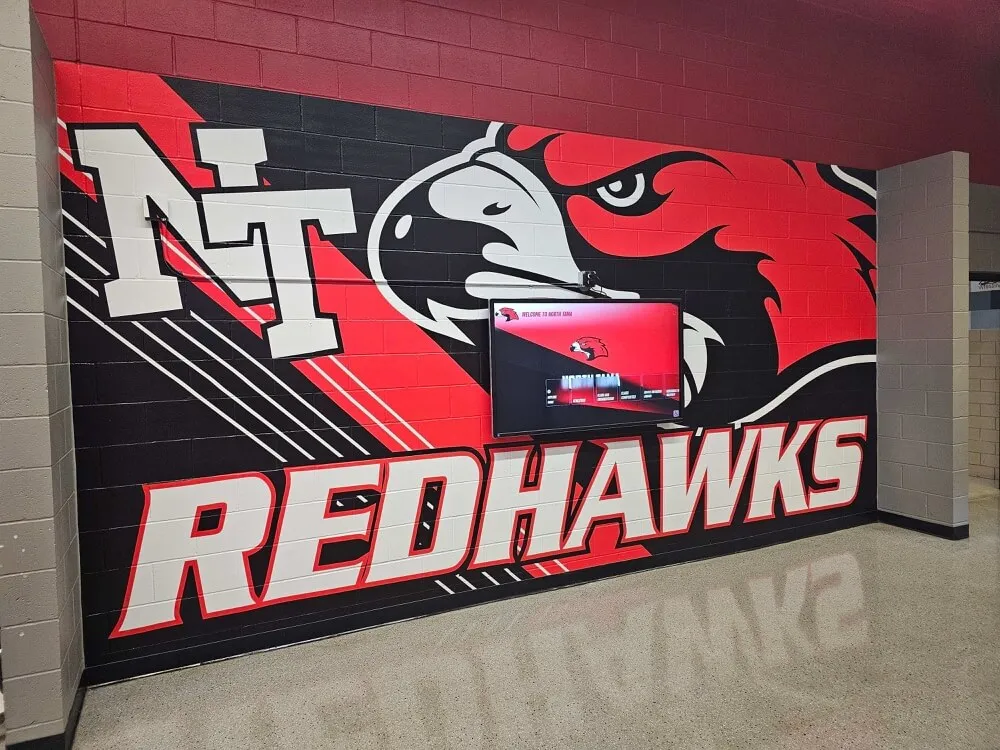
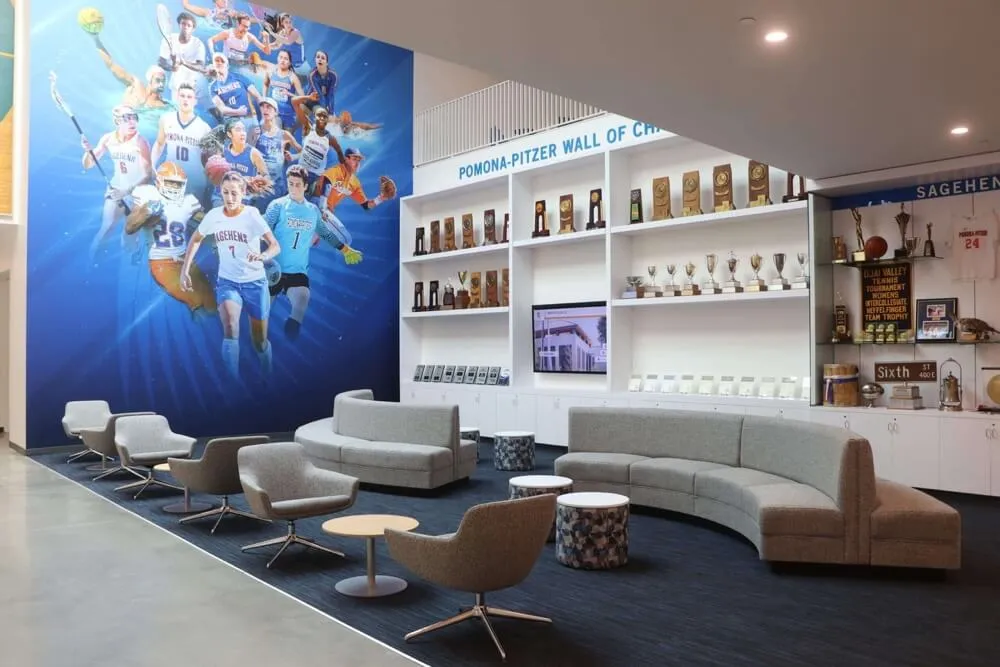
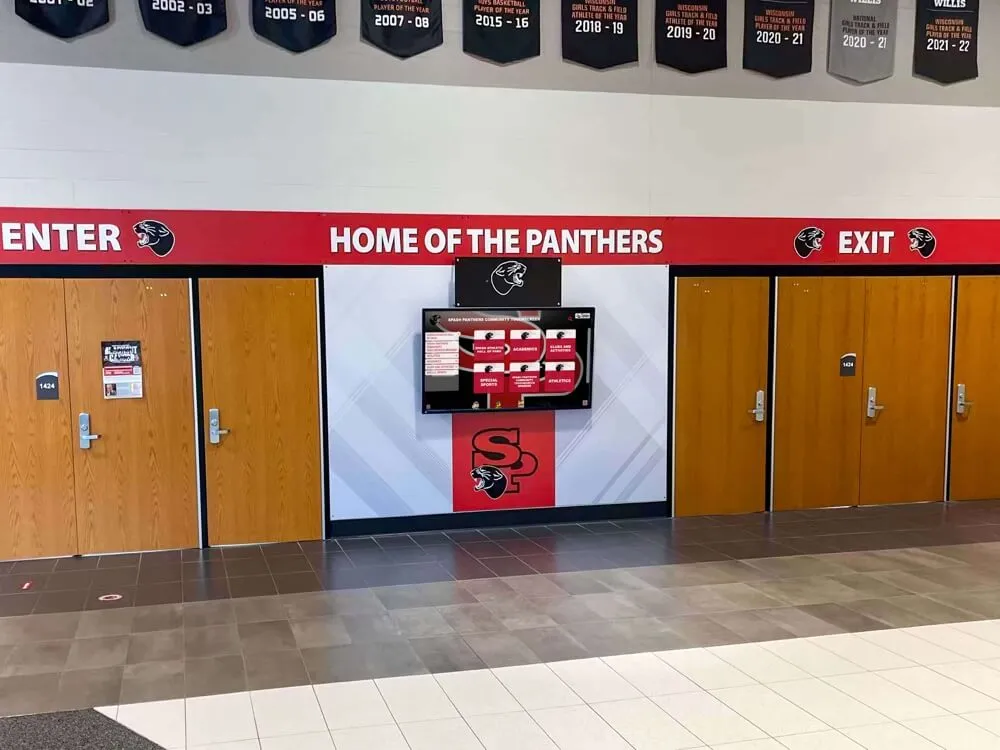
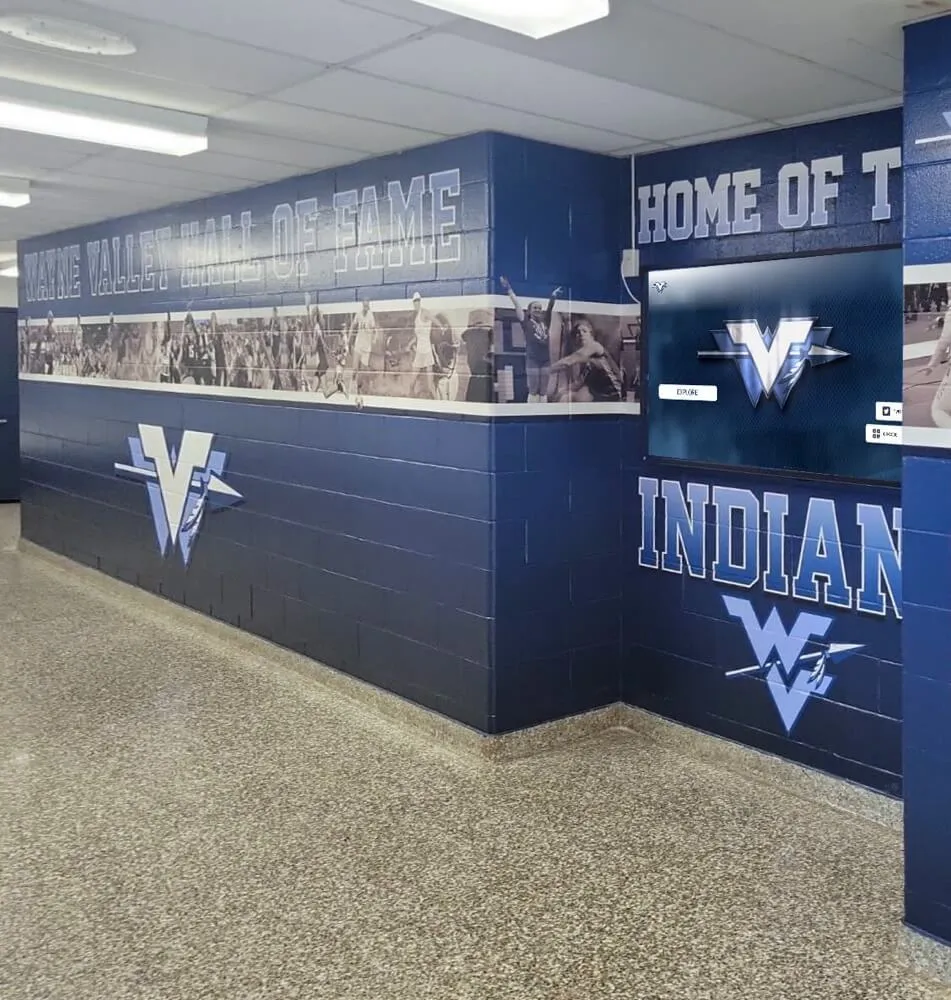
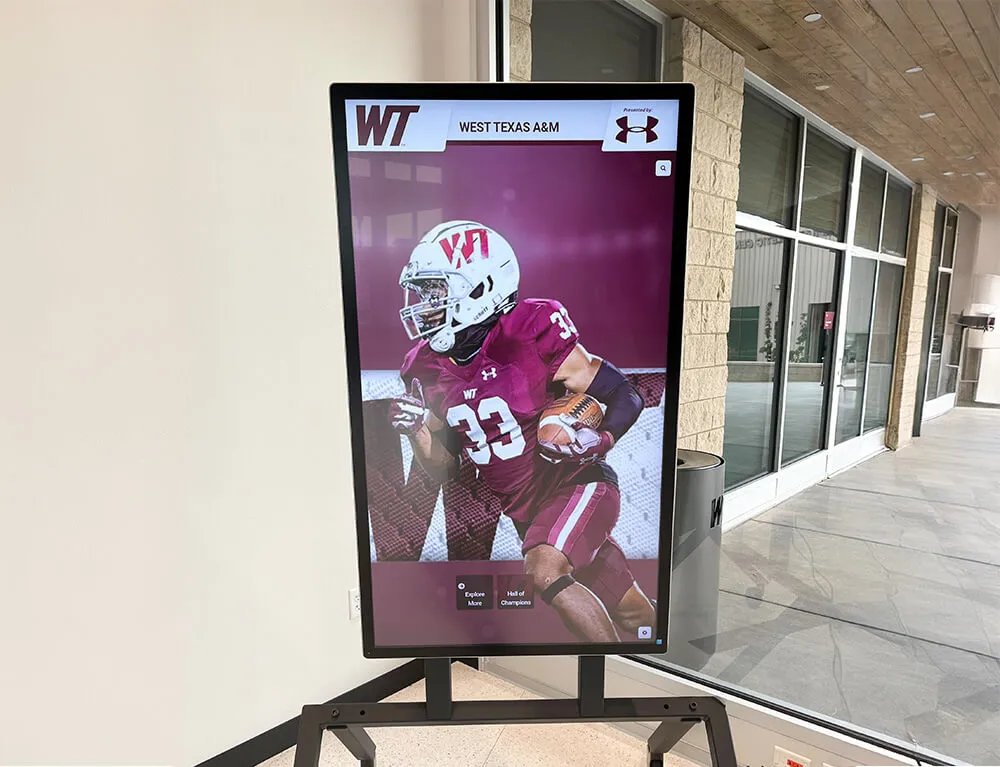
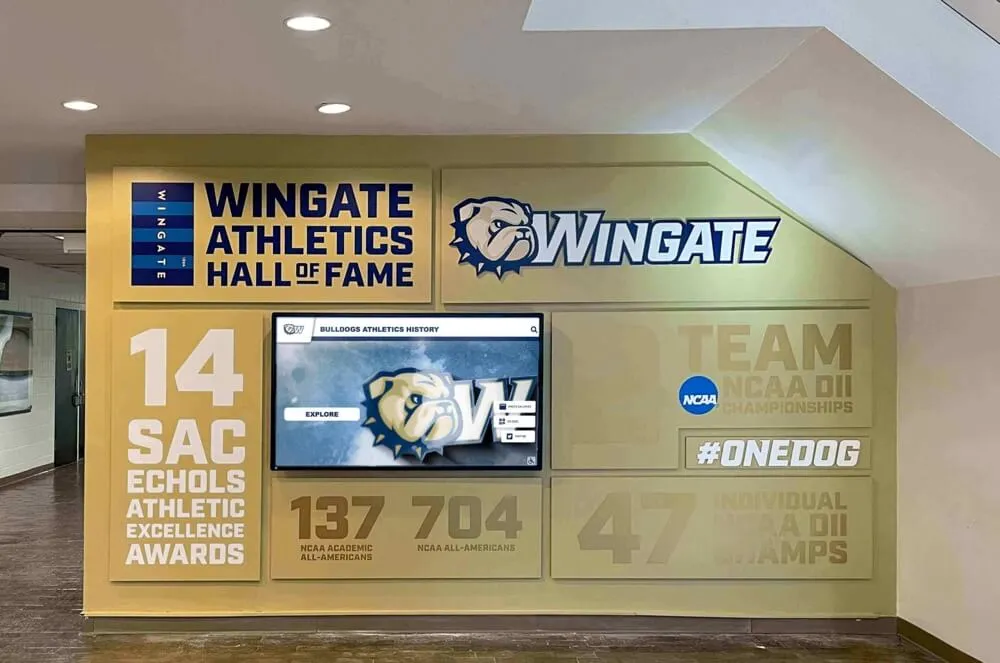
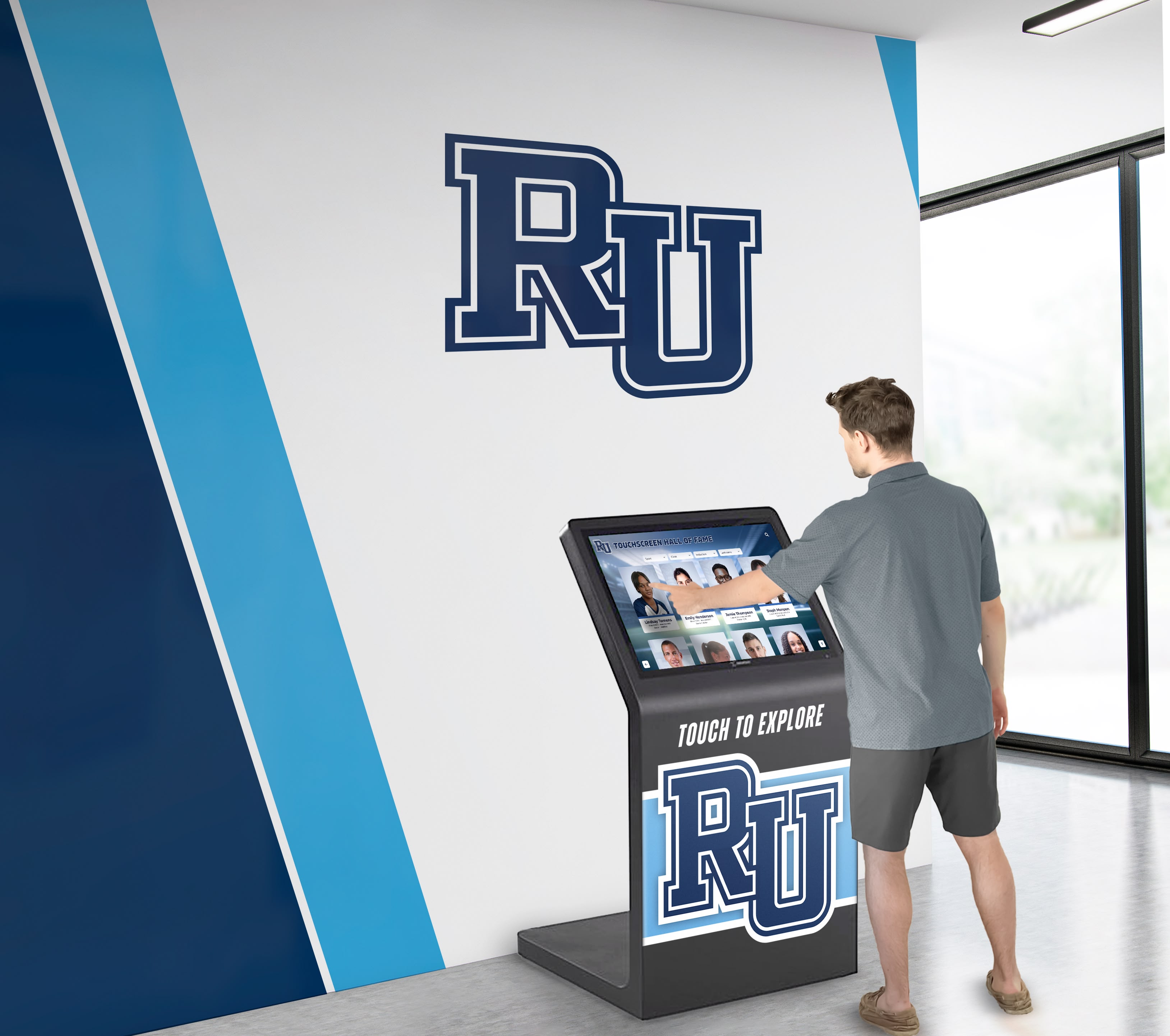
Interactive directory touchscreens provide intuitive campus navigation and information access for all visitors
Understanding Campus Directory Touchscreen Display Systems
Before implementing solutions, campus leaders need clear understanding of what differentiates modern directory touchscreens from previous approaches.
The Evolution from Static to Interactive Campus Directories
Campus wayfinding has progressed through several generations of technology:
Traditional Static Signage Limitations
Physical directories and building signs served basic wayfinding functions but suffered from significant constraints including information becoming outdated when departments relocate or buildings are renamed, expensive physical replacement required for every update, limited space constraining the amount of information each sign displays, no ability to provide personalized directions or calculate routes, difficult to accommodate accessibility needs or language diversity, and weather deterioration requiring ongoing maintenance and replacement.
According to facilities management research, universities spend an average of $15,000-$40,000 annually maintaining and updating static campus signage—costs that accumulate over decades while providing diminishing value as information quickly becomes obsolete.
Paper Maps and Printed Directories
Printed campus materials addressed some static signage limitations but introduced their own challenges including quick obsolescence as campus changes occur throughout academic years, printing and distribution costs limiting availability, visitors struggling to orient themselves on two-dimensional paper maps, no ability to provide turn-by-turn directions from current location, accessibility barriers for visitors with visual impairments, and environmental waste from frequent reprinting needs.
First-Generation Digital Signage
Early digital displays represented advancement over static signs through centralized content management enabling instant updates across multiple screens, dynamic content capabilities showing events and announcements, enhanced visual communication with photos and graphics, and reduced long-term costs compared to physical sign replacement.
However, these passive digital signs remained one-way communication tools—visitors could view displayed information but couldn’t interact, search, or request specific directions based on individual needs.
Core Capabilities of Modern Touchscreen Directory Systems
Contemporary interactive directory displays provide comprehensive capabilities including intuitive touch-based search enabling visitors to find specific buildings, departments, or services quickly, interactive campus maps with zoom, pan, and visual wayfinding, personalized route calculation from kiosk location to desired destination, accessibility features including text-to-speech, high-contrast modes, and screen reader compatibility, multilingual support serving diverse international and domestic populations, mobile integration sending directions to visitor smartphones for navigation while walking, and real-time updates reflecting current campus conditions, closures, and events.
These systems transform campus directories from passive information displays into active wayfinding assistants that adapt to individual visitor needs and preferences.
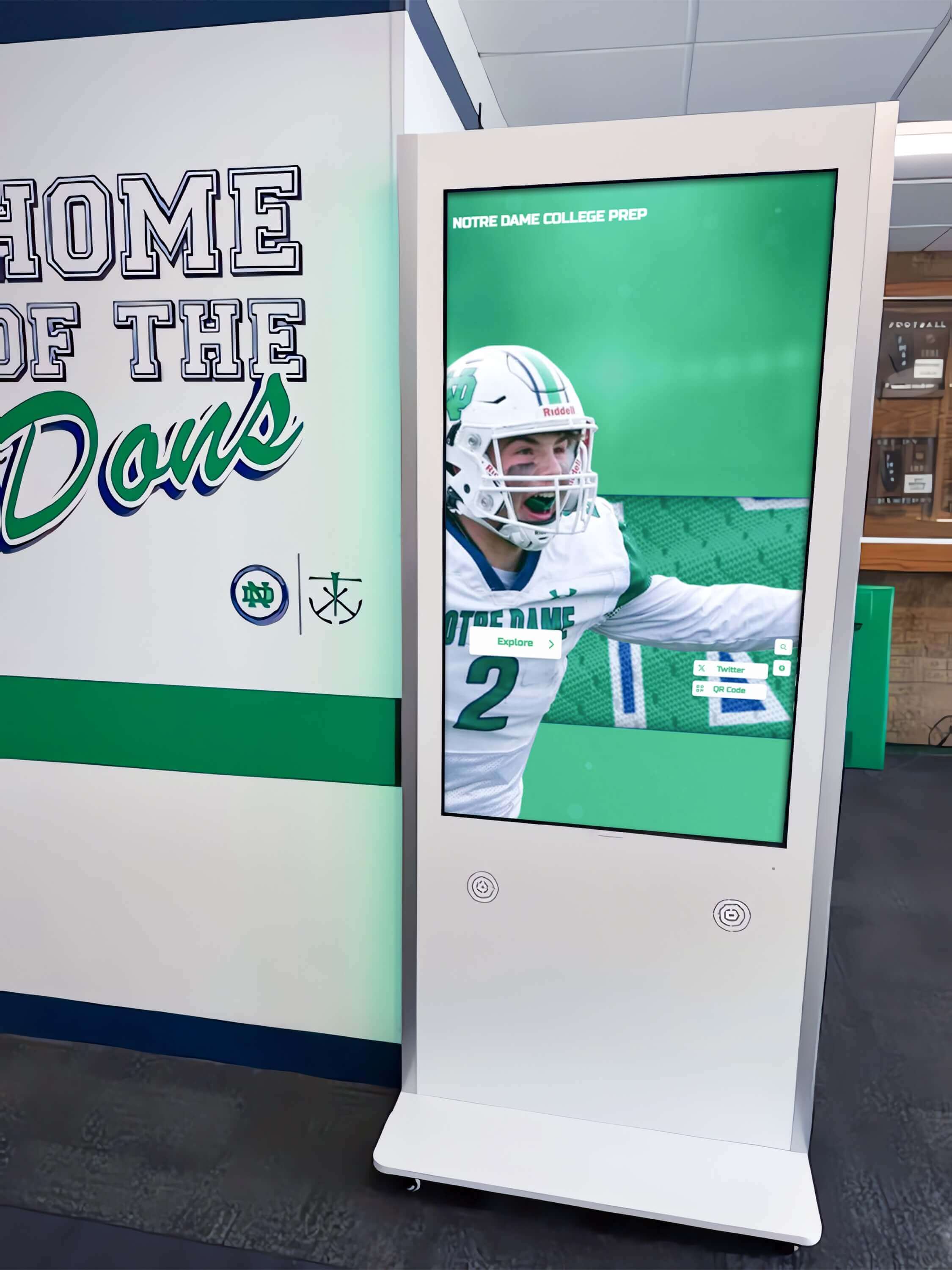
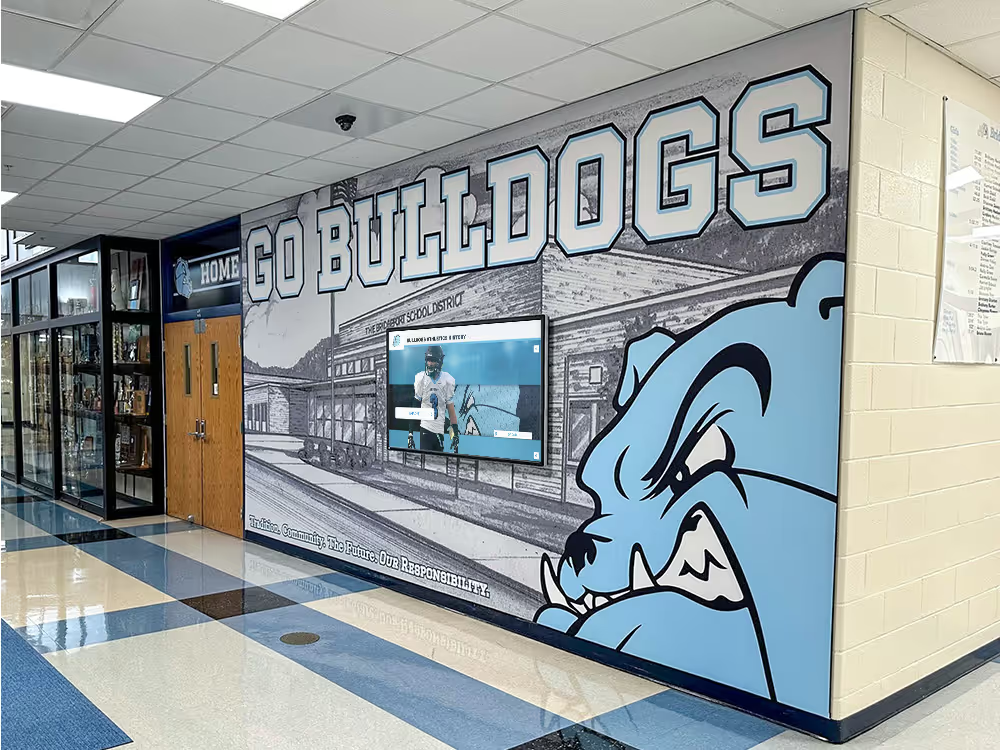
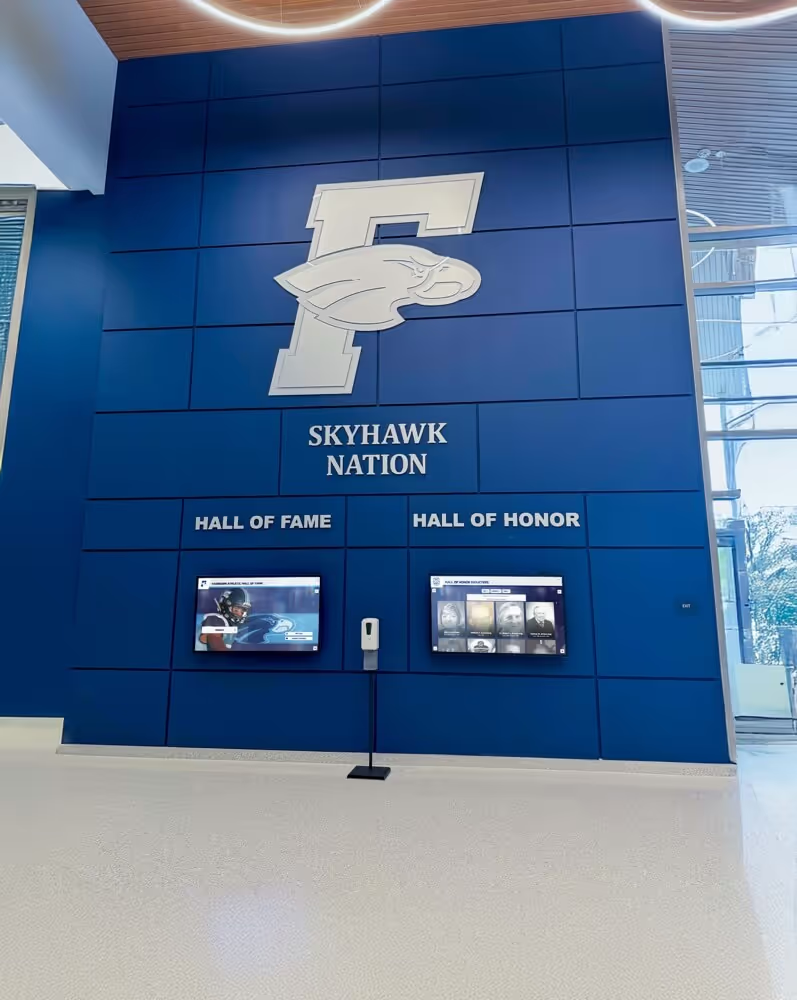
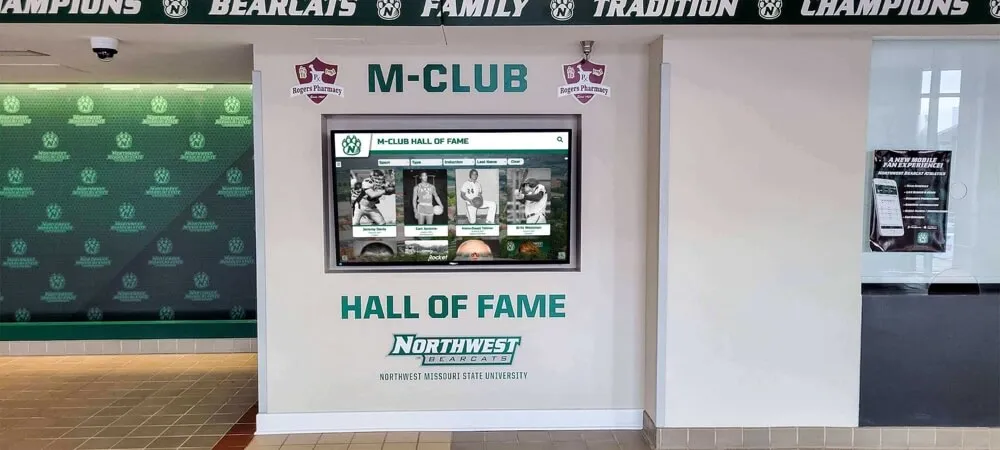
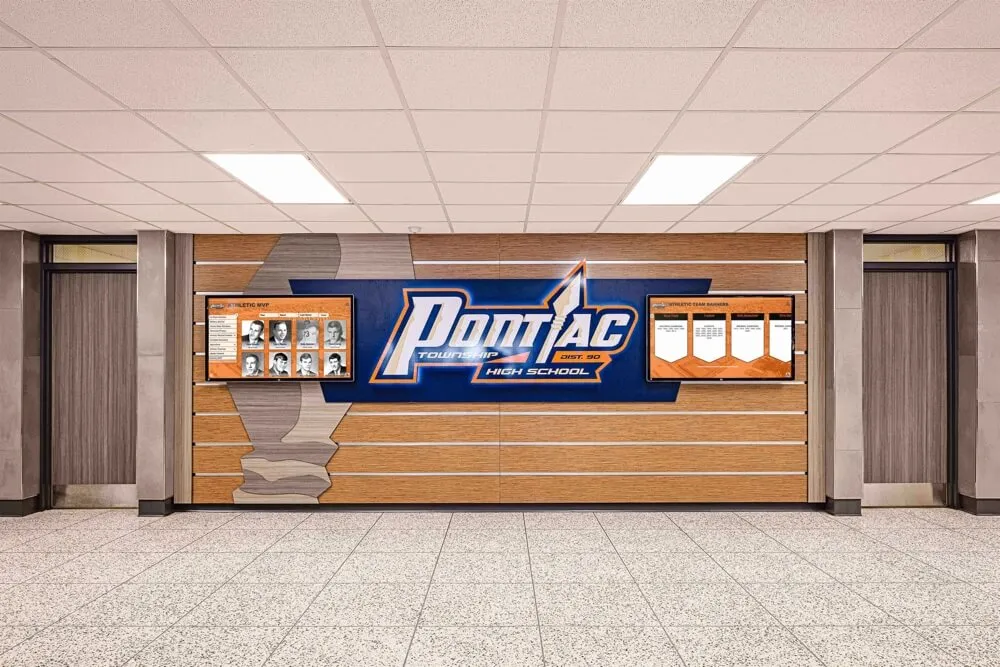
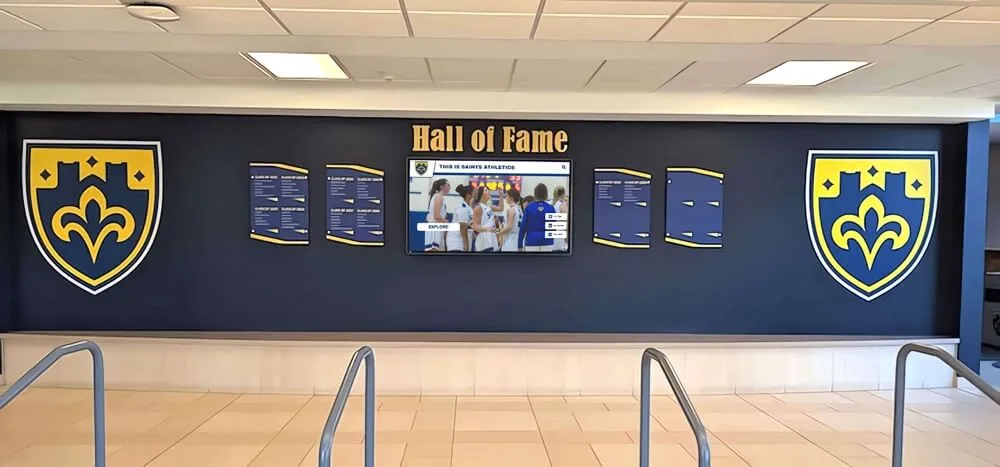
Modern directory kiosks integrate seamlessly into campus architecture while providing advanced navigation capabilities
Strategic Applications Across Campus Environments
Directory touchscreen displays serve multiple institutional purposes beyond basic wayfinding:
Prospective Student Recruitment Support
Admissions offices use directory systems to welcome visiting families with professional first impressions, provide self-guided exploration options when scheduled tours aren’t available, showcase academic programs and campus facilities through multimedia content, reduce staff time spent providing directions during peak visit seasons, and collect engagement analytics showing which information prospective students explore most frequently.
Solutions like Rocket Alumni Solutions enable institutions to combine wayfinding functionality with interactive campus storytelling that influences enrollment decisions.
New Student Orientation and Move-In Support
During orientation periods, directory systems help new students and families navigate unfamiliar campus environments by providing residential hall locations and move-in information, dining facility options and operating hours, academic building locations for course schedules, student services including registrar, financial aid, and health centers, and campus safety resources and emergency contacts.
By reducing navigation stress during critical transition periods, institutions improve new student satisfaction and contribute to retention outcomes.
Donor and Alumni Engagement
Campus visitors attending fundraising events, reunion activities, or donor recognition celebrations benefit from directory systems that provide event venue locations and parking information, historical campus information and institutional heritage content, donor recognition displays integrated with wayfinding, and connections to giving opportunities and advancement resources.
When advancement professionals guide donors through campus, integrated digital recognition systems combined with wayfinding create comprehensive stewardship experiences.
Daily Campus Operations and Community Service
Beyond special events, directory touchscreens support everyday campus functions including helping current students locate classes in unfamiliar buildings, assisting conference attendees and event visitors, providing community members attending public programs with navigation assistance, supporting campus employees finding offices and meeting locations, and offering emergency information and campus safety contacts prominently.
When to Implement Campus Directory Touchscreen Displays
Understanding optimal timing and strategic opportunities helps institutions maximize directory system investment value.
Capital Campaign and Facility Opening Timing
Major fundraising initiatives and facility projects create natural opportunities for directory implementation:
New Building Dedication and Opening Celebrations
When institutions construct new academic buildings, student centers, or athletic facilities, integrated directory systems provide immediate navigation assistance while facilities remain unfamiliar to campus communities. Including directory technology in building design and construction budgets ensures proper infrastructure and professional integration rather than retrofitting systems into existing spaces later at higher costs.
Capital Campaign Recognition Integration
Comprehensive directory systems can incorporate donor recognition functionality alongside wayfinding, creating unified platforms that honor supporters while providing practical visitor services. This integrated approach demonstrates thoughtful stewardship while serving multiple institutional priorities through single technology investments.
Campus Expansion and Master Plan Implementation
As institutions add buildings, repurpose facilities, or implement major campus redesigns, directory touchscreens help community members adapt to changing environments by providing current information regardless of construction-related changes, highlighting new facilities and services as they become available, explaining temporary pathway modifications during active construction, and maintaining consistent navigation assistance despite evolving campus geography.
Admissions Season and Recruitment Cycle Alignment
Strategic implementation timing can maximize recruitment impact:
Summer Installation Before Fall Admissions Season
Installing directory systems during summer months enables testing, staff training, and refinement before peak prospective student visit seasons begin in early fall. This timing ensures systems function reliably when institutional reputation and enrollment decisions are most influenced by campus visit experiences.
Pre-Launch Pilot Programs
Implementing initial directory kiosks at high-traffic locations like admissions buildings and main campus entrances allows institutions to refine content, gather feedback, and demonstrate value before broader campus deployment. Successful pilot programs build organizational support and momentum for comprehensive wayfinding network expansion.
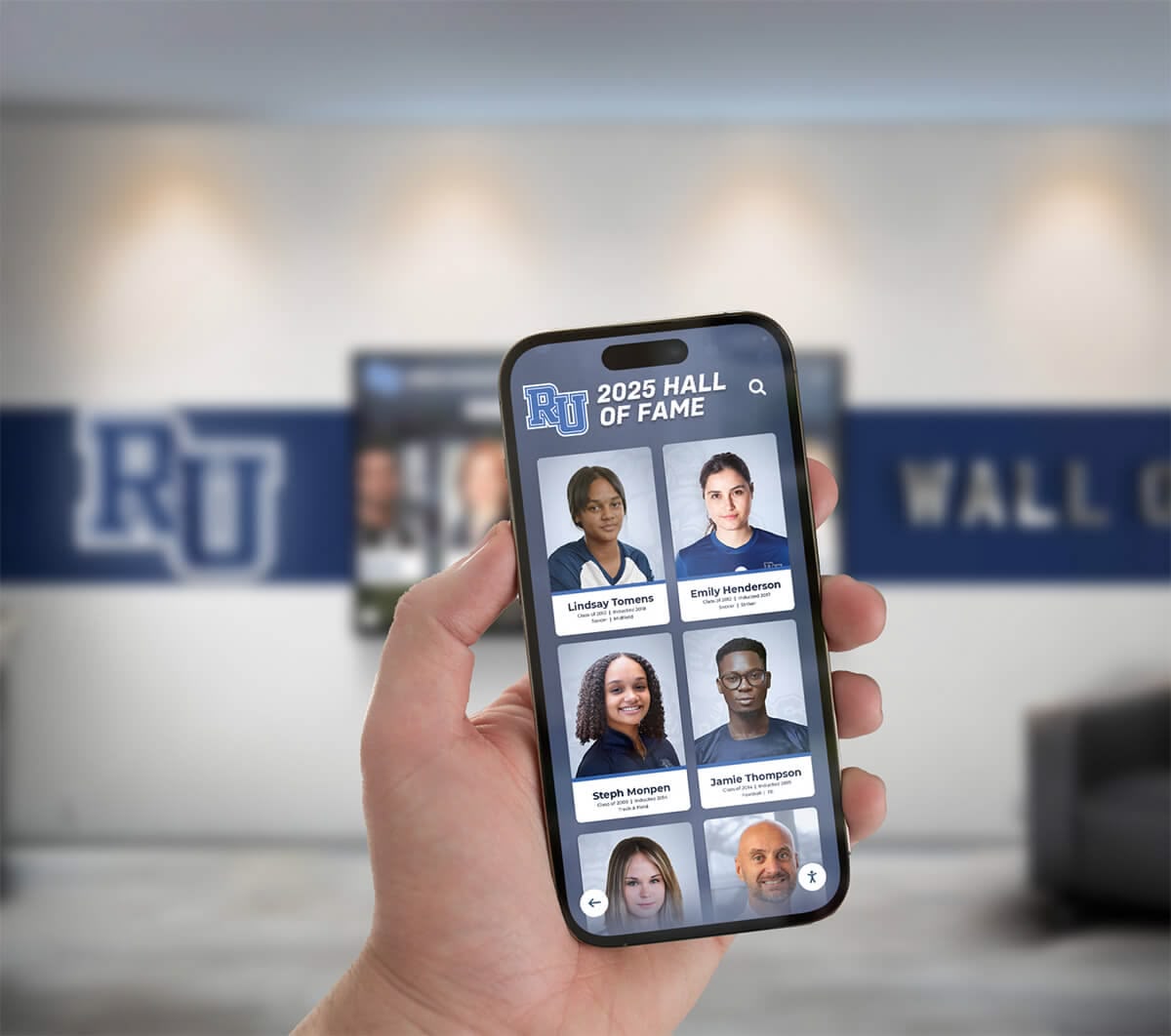
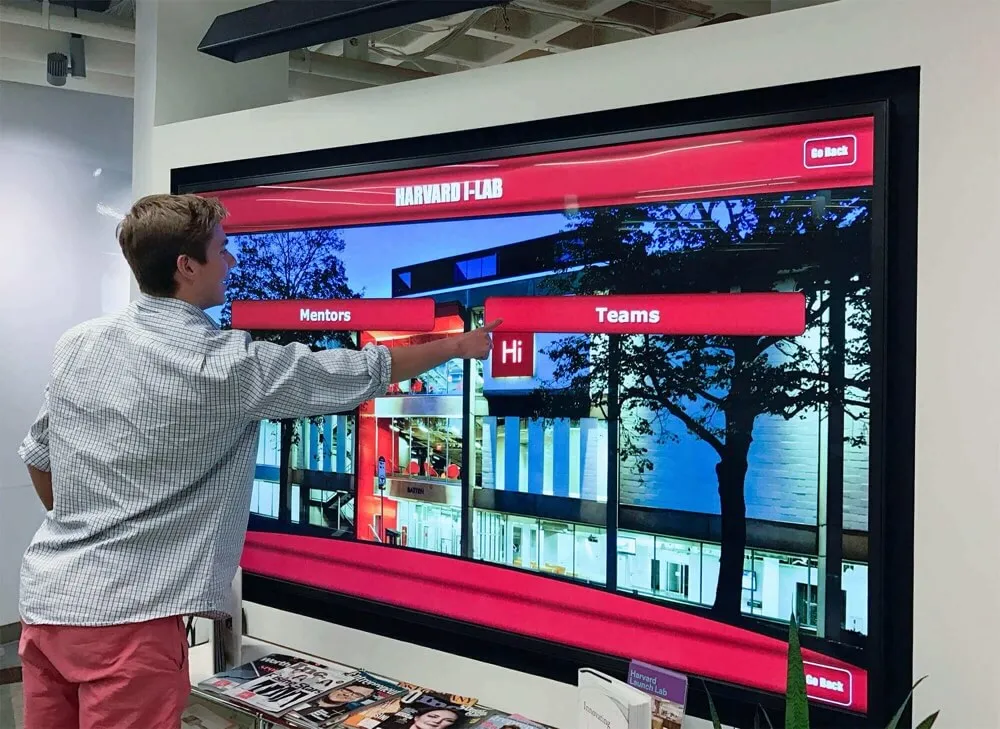
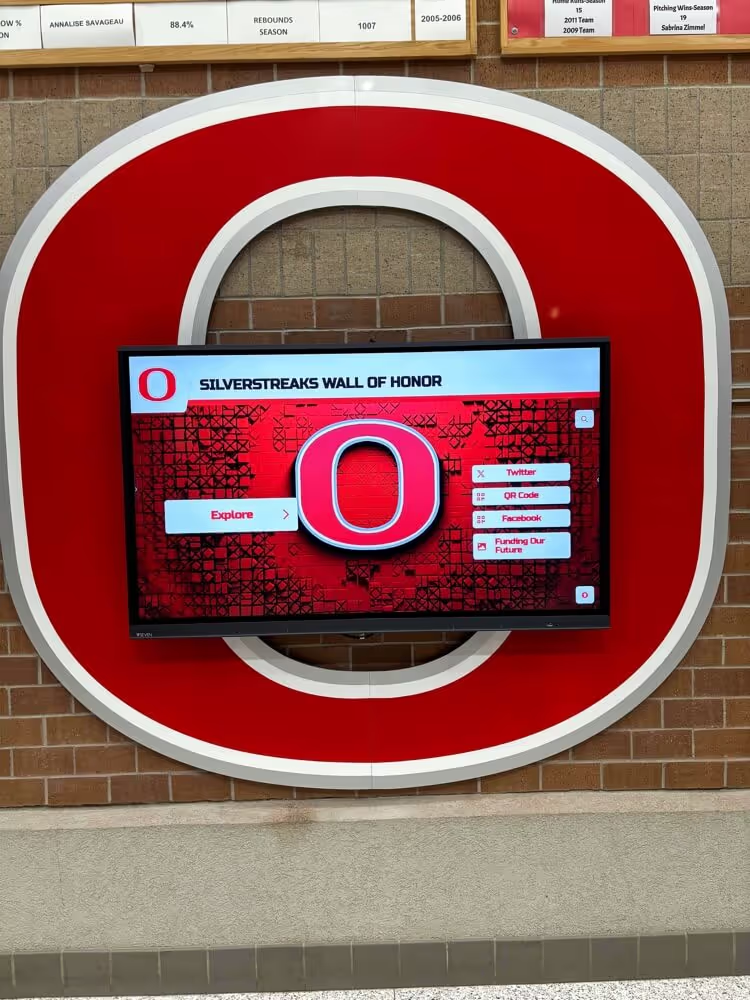
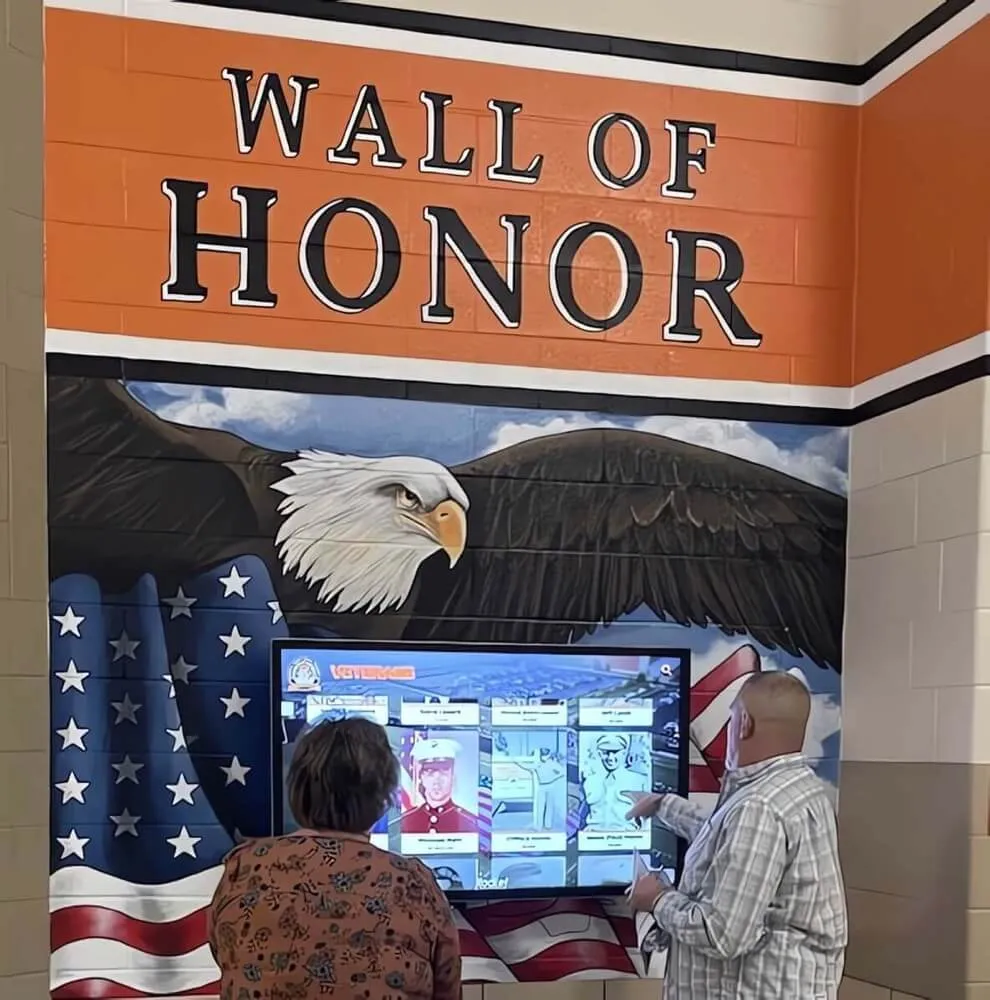
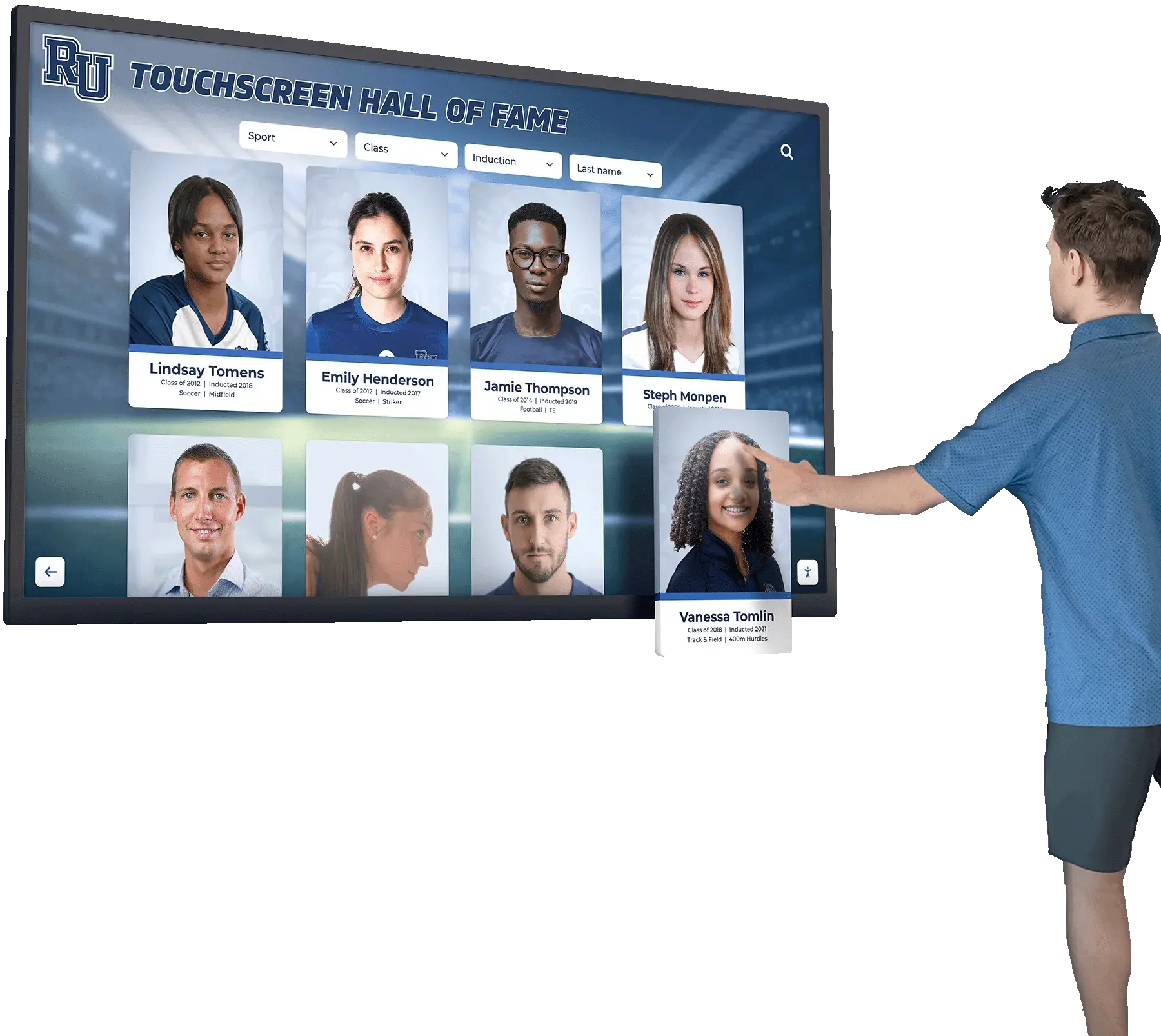
Mobile integration allows visitors to send directions from touchscreens directly to smartphones for navigation while walking
Accessibility Compliance and Inclusive Campus Initiatives
Institutions prioritizing inclusive environments find directory touchscreens essential for accessibility commitments:
ADA Compliance and Universal Design
Federal accessibility regulations and institutional inclusion commitments require wayfinding systems that serve visitors with disabilities through visual, auditory, and mobility accommodations. Interactive touchscreen directories designed with accessibility features demonstrate compliance while providing superior service to all visitors.
Multilingual and International Student Support
As universities increase international enrollment and serve diverse domestic populations, multilingual directory capabilities become essential for equitable campus navigation. Systems offering content in multiple languages eliminate language barriers that can make campus visits stressful or unsuccessful for non-English speaking families.
Organizations implementing college residence hall interactive displays recognize similar accessibility and inclusion benefits across campus technology investments.
Essential Content and Messaging for Campus Directory Touchscreens
Strategic content development determines whether directory systems effectively serve diverse visitor needs while supporting institutional priorities.
Building and Location Directory Organization
Comprehensive building databases form directory system foundations:
Core Building Information Elements
Every campus location should include official building name with commonly used alternatives or nicknames, physical address for mapping and GPS integration, primary building functions and departments housed, accessibility entrance locations with ramp and elevator details, parking proximity and visitor parking authorization requirements, hours of operation when relevant for public access, and emergency contact information for building-specific issues.
Department and Office Location Granularity
Beyond building-level information, effective directories include specific office locations within buildings through floor-by-floor directories showing department placements, room number ranges helping visitors navigate large buildings, individual office listings when appropriate for frequently visited locations, and consolidated service categories grouping related functions—“Student Financial Services includes Financial Aid, Student Accounts, and Scholarship Office.”
This detailed information prevents visitors from reaching correct buildings but becoming lost within multi-floor facilities housing dozens of departments.
Common Destination Shortcuts and Categorization
Visitors often search for services without knowing specific building names or department titles. Effective directories provide intuitive categorization including admissions and enrollment services grouped together, student support services consolidated for easy discovery, dining and food service options with locations and hours, health and wellness resources including counseling and medical services, athletic and recreation facilities organized by function, and performing arts venues for campus events and performances.
Dynamic Content and Real-Time Information Integration
Static information alone doesn’t fully serve visitor needs—timely updates and current conditions matter significantly:
Campus Events and Activities
Integration with campus event management systems enables directories to display current and upcoming events with locations and times, special programming during prospective student visit days, athletic competitions and game schedules, performing arts productions and ticket information, academic conferences and guest speakers, and campus tours and information session schedules.
When visitors discover relevant events through directory systems, institutions create engagement opportunities beyond planned visit purposes—prospective students might attend classes or performances, alumni could attend lectures, and community members might participate in public programs.
Real-Time Alerts and Condition Updates
Weather-related information, building closures, emergency notifications, construction-related pathway changes, parking availability and restrictions, and special campus conditions requiring visitor awareness should appear prominently on directory home screens ensuring visitors receive critical current information affecting navigation and safety.
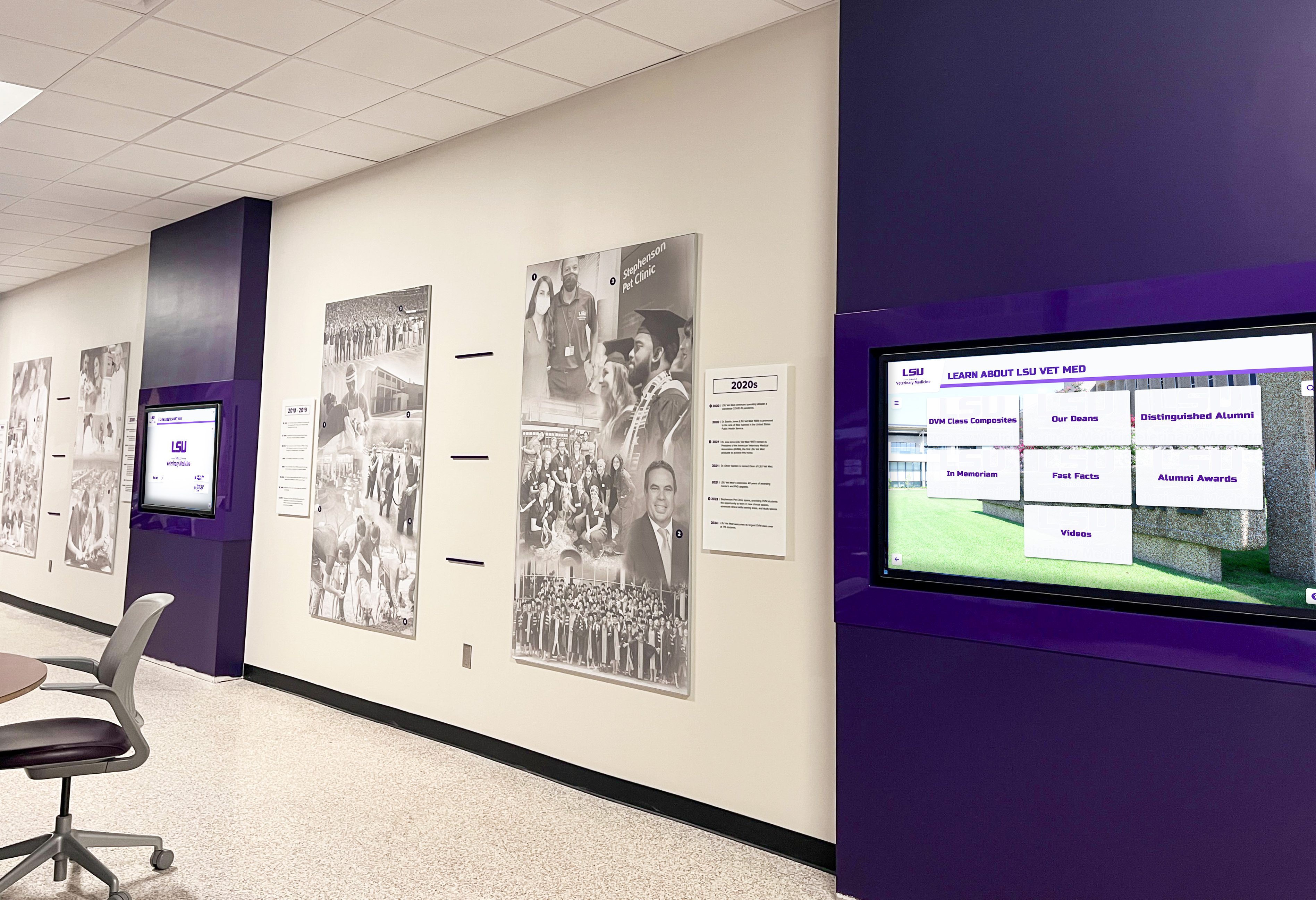
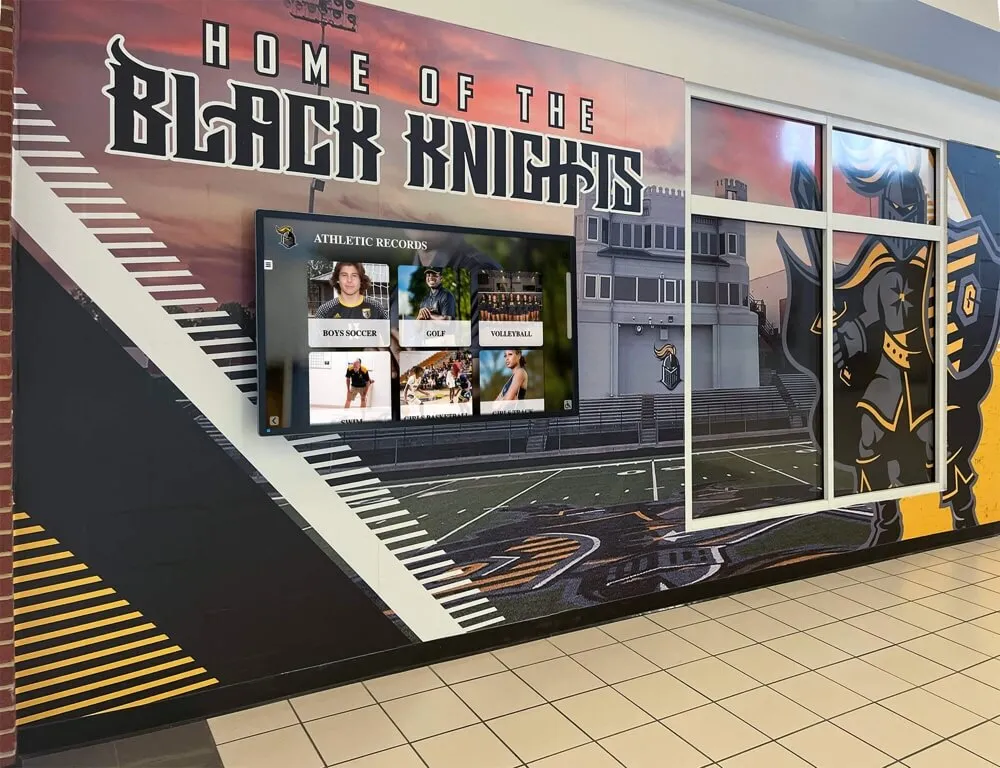
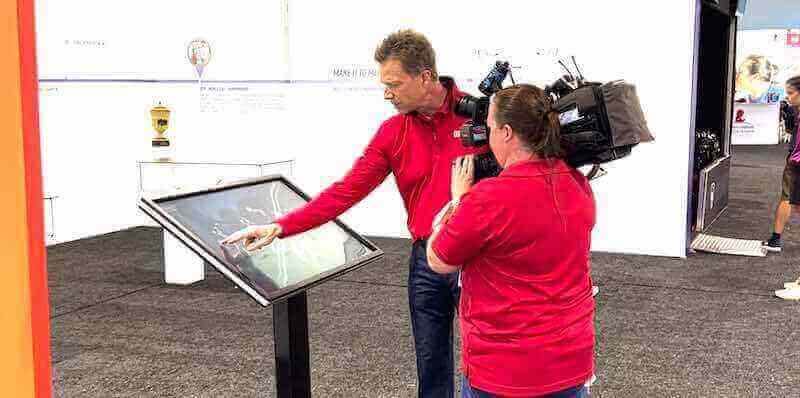
Strategic display placement throughout campus extends wayfinding assistance to decision points where visitors need direction
Seasonal Content Emphasis and Academic Calendar Alignment
Directory content should adapt to institutional priorities throughout academic years including fall admissions season highlighting prospective student resources, new student welcome week emphasizing orientation information, homecoming and family weekend featuring alumni and parent services, final exam periods showing library hours and academic support, and commencement season providing ceremony locations and parking.
This seasonal relevance maintains visitor engagement while supporting time-sensitive institutional priorities and annual traditions.
Accessibility and Inclusion Messaging Standards
Content presentation should serve all visitors effectively regardless of abilities or language background:
Language Selection and Multilingual Content
Prominent language selection buttons enabling instant interface translation, content availability in languages reflecting institutional demographics—commonly English, Spanish, Chinese, and additional languages based on international student populations, consistent terminology and translation quality across all content areas, and cultural sensitivity ensuring translations convey appropriate tone and meaning.
Visual Design and Readability Standards
High-contrast color schemes meeting WCAG accessibility guidelines, adjustable text sizes accommodating visual impairments, simple, clear typography avoiding decorative fonts that reduce legibility, generous white space preventing overwhelming visual density, consistent layout patterns enabling quick visual scanning, and prominent calls-to-action guiding visitor interactions without confusion.
Institutions implementing accessible interactive announcement feeds apply similar inclusive design principles across campus communication systems.
Assistive Technology Integration
Text-to-speech functionality reading displayed information aloud for visitors with visual impairments, screen reader compatibility for visitors using personal assistive devices, audio jack availability for private listening without disturbing nearby visitors, tactile or vibration feedback confirming touch interactions, and wheelchair-accessible mounting heights ensuring usability for visitors with mobility devices.
Strategic Placement and Installation Best Practices
Physical location determines whether directory systems effectively serve visitors or remain underutilized technology investments.
High-Priority Kiosk Locations
The most critical placements address locations where visitors most frequently need navigation assistance:
Campus Gateway and Primary Entrance Points
Main vehicle entrances with visitor parking nearby, pedestrian gateways from public transportation and parking areas, administrative quad or central gathering space arrivals, and historical or ceremonial campus entrance points establish clear wayfinding orientation for first-time visitors establishing mental models of campus geography.
These gateway placements create immediate positive impressions demonstrating institutional commitment to welcoming experiences while providing practical navigation assistance visitors need most urgently upon arrival.
Admissions and Visitor Center Locations
Admissions office lobbies and waiting areas, visitor center interior spaces and exterior approaches, tour assembly and departure points for group tours, and prospective student interview and appointment areas serve high-value visitors whose campus experiences directly influence enrollment and institutional reputation.
Academic Building Lobbies and Entrances
Large multi-department academic buildings housing numerous classrooms and offices, library main entrances and information desk areas, student union and campus center gathering spaces, and science, engineering, or specialized program buildings hosting tours and demonstrations provide navigation assistance once visitors reach destination buildings but need floor-specific directions to individual offices or rooms.
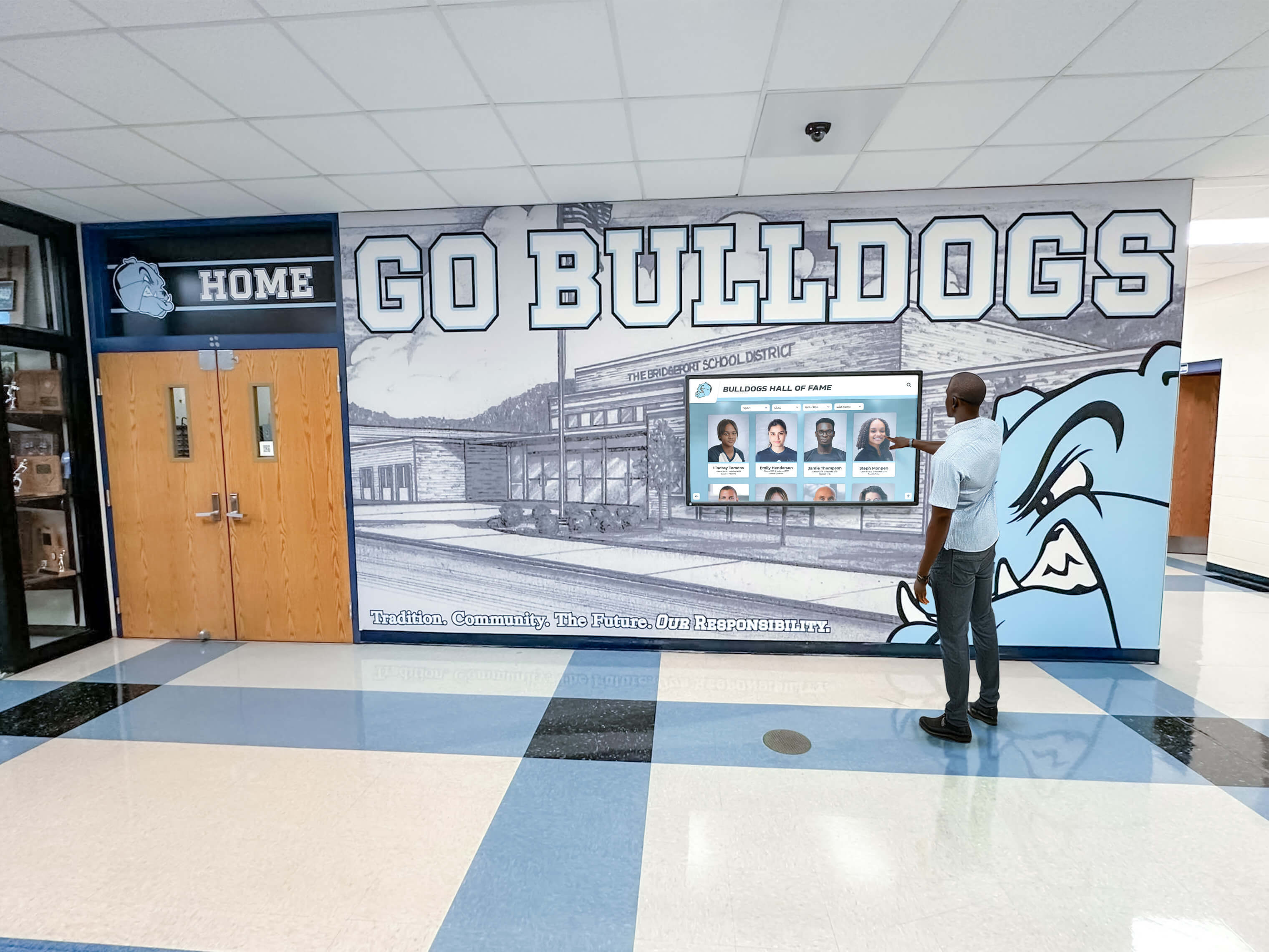
Interior building directories help visitors navigate multi-floor academic facilities and locate specific departments or offices
Supporting Location Considerations
Beyond primary placements, strategic secondary locations extend wayfinding coverage:
Athletic and Event Facility Entrances
Stadiums, arenas, and competition venues, recreation and fitness center main entrances, performing arts centers and auditorium lobbies, and conference centers hosting academic and community events serve visitors attending specific programs who may be unfamiliar with broader campus geography but need limited navigation assistance to restrooms, parking, or exits.
Transportation Hub Connections
Campus shuttle and bus stop shelters, parking garage pedestrian exits leading to campus, ride-share and taxi drop-off zones near campus centers, and bicycle parking and bike-share stations help visitors transition from transportation arrival points to campus destinations efficiently.
Universities implementing comprehensive digital campus recognition systems often integrate wayfinding capabilities within recognition displays creating unified campus information networks.
Residence Hall and Campus Life Areas
Residence hall community spaces and main entrances, dining hall locations and student gathering areas, campus bookstore and retail service buildings, and student organization and activity centers support current students, new student families during move-in, and campus visitors attending residential life events or programs.
Environmental and Technical Installation Requirements
Successful installations require attention to infrastructure and environmental conditions:
Power and Network Connectivity
Electrical outlets with appropriate amperage for display requirements, hardwired ethernet connections or robust WiFi coverage, uninterruptible power supply (UPS) protection preventing display shutdowns during power fluctuations, and cable management and concealment maintaining professional appearance.
Outdoor and High-Traffic Environment Considerations
Weather-resistant enclosures for outdoor or covered exterior placements, high-brightness displays maintaining visibility in ambient sunlight, thermal management and ventilation preventing overheating, vandal-resistant mounting and protective glazing deterring tampering, and secure installation preventing theft or unauthorized removal.
Accessibility and Viewing Height Standards
Screen mounting heights accommodating wheelchair users and visitors of varying heights, clear floor space surrounding kiosks enabling wheelchair maneuvering, viewing angles minimizing glare from overhead lighting or windows, and reach ranges ensuring all interactive elements are accessible to visitors with limited mobility or reach.
Implementation Planning and Vendor Selection Framework
Systematic planning processes prevent common implementation problems while ensuring directory systems meet institutional needs effectively.
Needs Assessment and Stakeholder Engagement
Begin implementation with comprehensive evaluation establishing clear requirements:
Cross-Departmental Planning Committee Formation
Effective directory systems require input from admissions and enrollment management driving prospective student experience priorities, facilities and campus operations providing building information and physical placement approval, information technology managing network infrastructure and system integration, student affairs contributing new student orientation and campus life information, accessibility services advising on inclusive design and accommodation features, and marketing and communications ensuring brand consistency and content quality.
This collaborative approach ensures directory systems serve diverse institutional needs while building organizational support essential for successful implementation and long-term sustainability.
Campus Wayfinding Audit and Pain Point Identification
Systematic assessment including observational studies identifying where visitors become confused or lost, surveys of prospective students, new students, and campus visitors about navigation challenges, analysis of admissions office and information desk direction-request patterns, review of current signage and wayfinding materials effectiveness, and documentation of common visitor complaints or navigation-related problems.
These insights reveal specific problems directory systems should solve rather than implementing technology without clear understanding of actual user needs and institutional challenges.
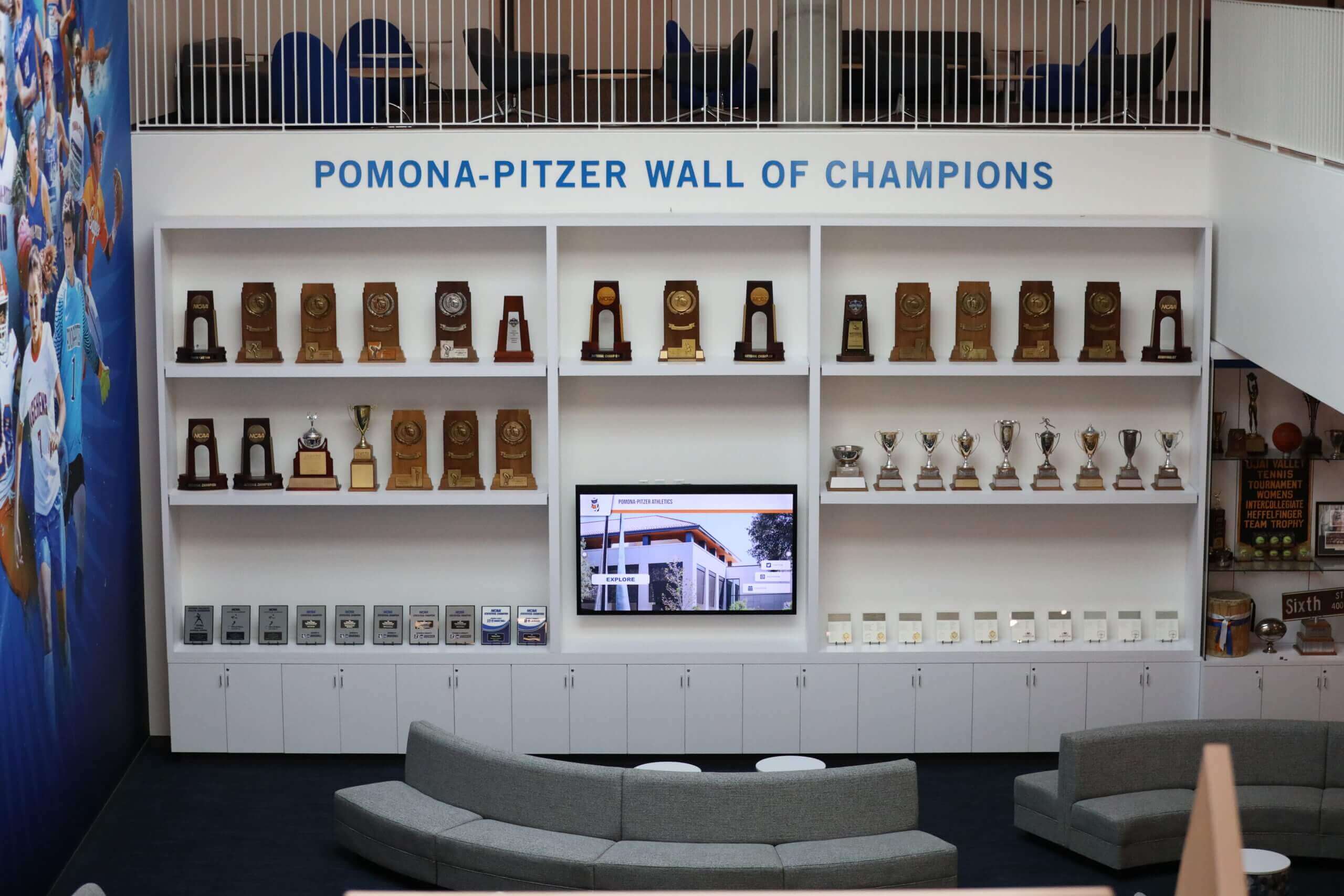
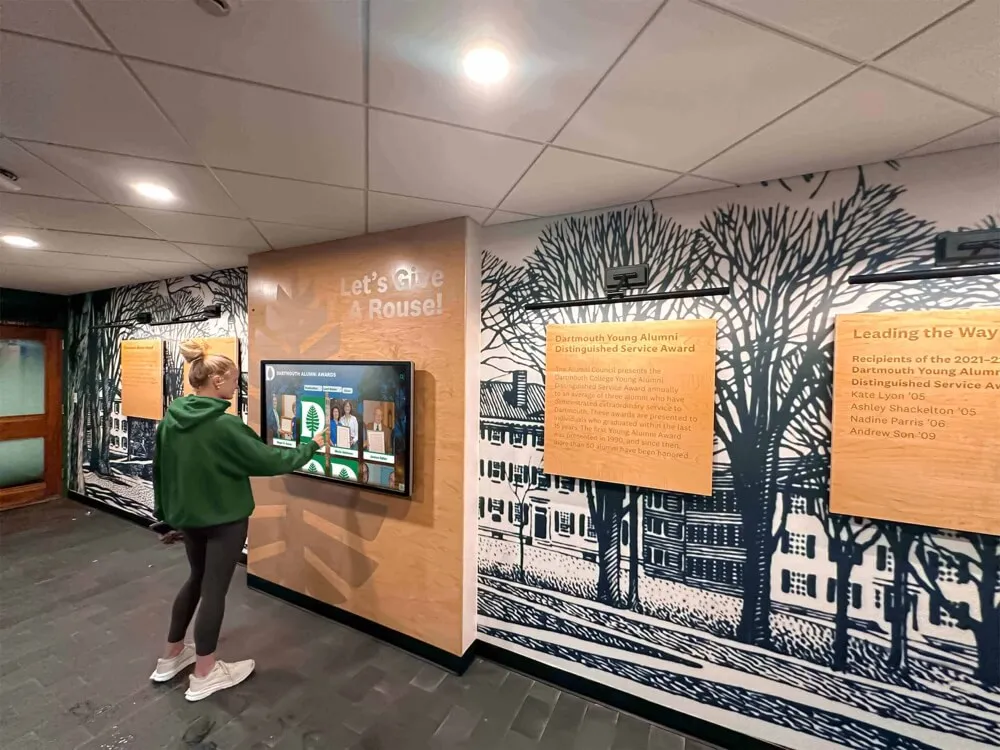
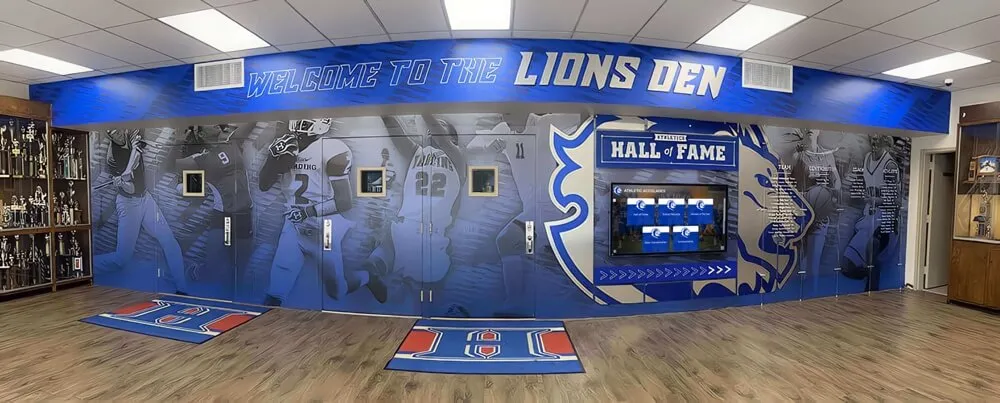
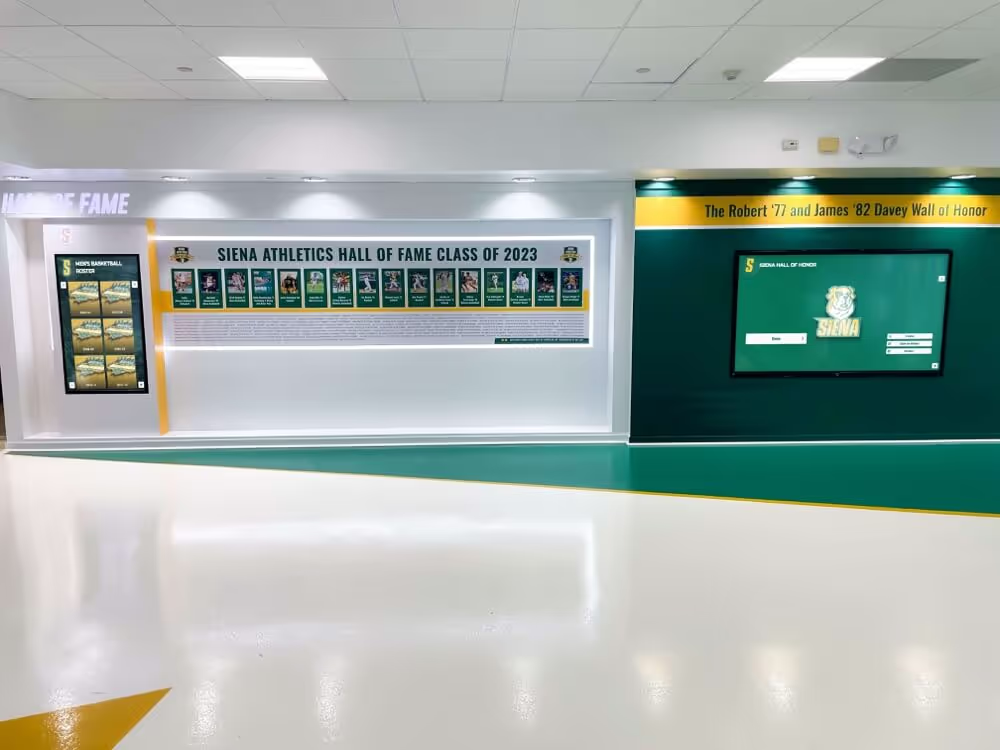
Comprehensive planning creates campus spaces combining wayfinding, recognition, and visitor engagement functions
Technology Requirements Documentation
Clear specifications including content management system requirements for non-technical staff, display hardware specifications appropriate for installation environments, integration needs with existing campus systems and databases, mobile responsiveness and smartphone integration capabilities, reporting and analytics requirements measuring effectiveness, and budget parameters establishing realistic financial constraints.
Detailed requirements enable accurate vendor evaluation and solution selection aligned with institutional needs and available resources.
Vendor Evaluation and Technology Selection
Choosing appropriate solutions requires careful assessment:
Hardware Specifications and Durability
Commercial-grade displays designed for continuous operation, touchscreen technology providing responsive, intuitive interaction, appropriate brightness levels for installation lighting conditions, weather and temperature ratings matching environmental exposure, mounting options including freestanding kiosks or wall-mounted displays, and warranty coverage ensuring long-term support and component replacement.
Software Platform Capabilities
User-friendly content management requiring minimal technical expertise, intuitive visitor-facing interfaces familiar from smartphone experiences, robust mapping and wayfinding calculation engines, customization options for institutional branding and unique needs, integration capabilities with campus databases and systems, and scalability accommodating institutional growth and expansion.
Solutions like Rocket Alumni Solutions provide comprehensive platforms designed specifically for educational institutions with proven implementation processes and ongoing support.
Vendor Experience and Support Quality
Portfolio of comparable educational institution installations, client references from similar universities or school districts, technical support availability and documented responsiveness, training resources and implementation assistance, long-term platform development and technology roadmap, and implementation methodology ensuring successful deployment.
Organizations should prioritize vendors demonstrating educational sector experience over general-purpose digital signage providers lacking understanding of campus-specific needs and challenges.
Total Cost of Ownership Analysis
Initial hardware and software investment, installation and integration professional services, content development and design assistance, training and change management expenses, ongoing subscription or maintenance costs, and future expansion and scalability expenses help establish realistic budgets preventing surprises while ensuring adequate resources for quality implementations honoring visitors appropriately.
Institutions implementing campus digital signage networks should conduct similar comprehensive financial analysis across technology investments.
Content Development and Information Architecture
Successful launch requires comprehensive content preparation:
Building and Location Database Compilation
Complete facility inventory with official names and addresses, department and office location verification and updates, accessibility route documentation and entrance information, operating hours and public access policies, historical information cleanup removing outdated entries, and standardized naming conventions maintaining consistency.
This foundational work prevents launching systems containing inaccurate information that frustrates visitors and damages institutional credibility.
Visual Content and Multimedia Asset Curation
High-quality building exterior and interior photographs, campus map graphics and wayfinding diagrams, video content showcasing facilities and programs, branded design templates reflecting institutional identity, icon libraries and visual elements supporting intuitive navigation, and mobile-responsive layouts adapting to smartphone displays.
Professional visual presentation demonstrates institutional quality while creating engaging visitor experiences that reflect favorably on organizational excellence.
User Testing and Refinement
Usability testing with representative visitors including prospective students and families, staff and student feedback on content organization and navigation, accessibility testing with users relying on assistive technologies, multilingual content verification by native speakers, and iterative refinement based on testing insights ensure directory systems function effectively before public launch rather than discovering problems through negative visitor experiences.
Measuring Success and Continuous Improvement
Systematic assessment ensures directory investments achieve intended outcomes while identifying optimization opportunities.
Quantitative Performance Metrics
Track measurable indicators of directory system effectiveness:
Usage and Engagement Statistics
Total interactions and unique sessions over time periods, average session duration indicating content value and engagement depth, search query analysis revealing what information visitors seek most frequently, popular destinations and most-accessed content, peak usage times and seasonal patterns, mobile integration adoption rates, and returning visitor patterns.
High engagement suggests directory systems provide genuine value while frequent searches for specific content reveal information visitors prioritize most highly.
Operational Efficiency Improvements
Reduced calls to campus operators and information desks requesting directions, decreased admissions staff time providing wayfinding assistance, fewer reports of visitors arriving late to appointments due to navigation confusion, improved on-time arrival rates for campus tours and admissions sessions, and reduction in “Where is…?” questions at building reception desks.
These operational improvements demonstrate tangible value beyond visitor satisfaction through measurable staff time savings and efficiency gains.
Recruitment and Enrollment Impact Indicators
Prospective student satisfaction survey scores related to campus visit experience, application submission rates among campus tour participants, enrollment yield improvements correlating with directory implementation, and qualitative feedback from visiting families about navigation ease and campus accessibility.
Since campus visit experiences significantly influence enrollment decisions, directory systems contributing to positive impressions provide measurable advancement value supporting institutional strategic priorities.
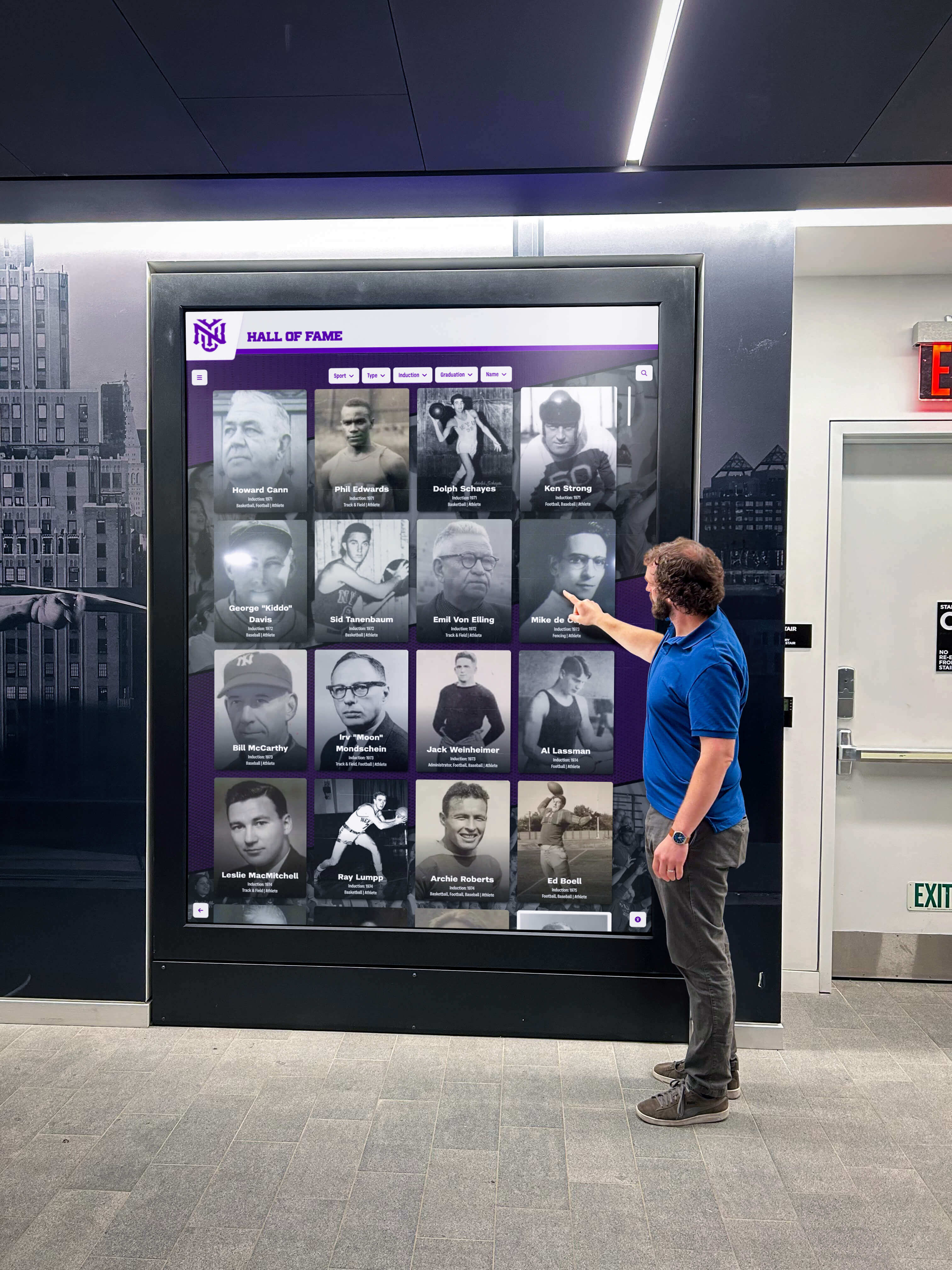
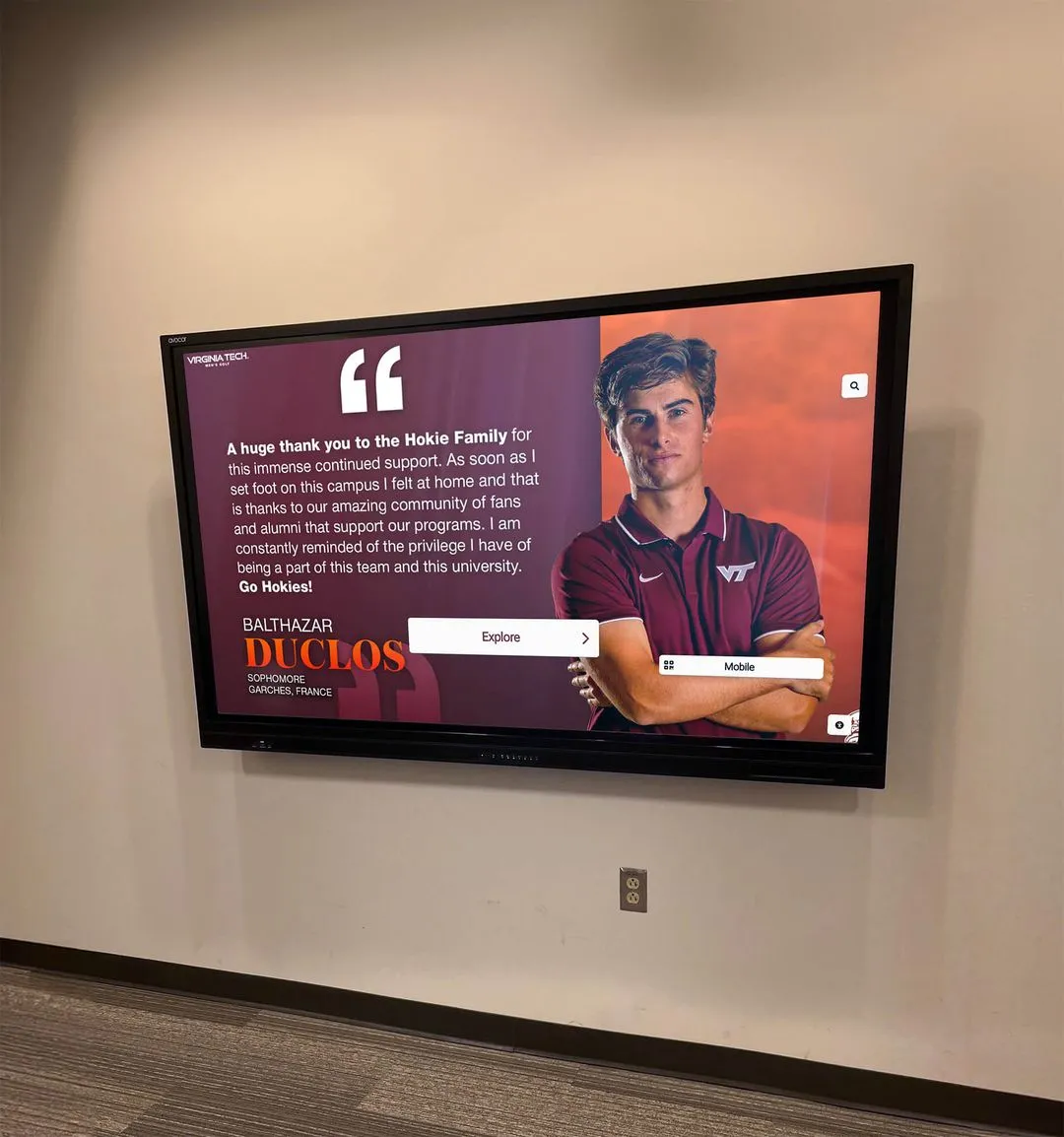
Engaging directory experiences create positive institutional impressions while providing practical visitor services
Qualitative Assessment and Stakeholder Feedback
Complement quantitative metrics with qualitative insights:
Visitor Experience and Satisfaction
Regular surveys of prospective students and families about wayfinding ease, comment collection through directory feedback features or QR codes, observation of visitor interactions noting confusion or success patterns, focus groups with new students about orientation navigation experiences, and spontaneous feedback shared with admissions and campus tour staff.
Understanding how visitors experience and value directory systems reveals whether implementations achieve intended purposes of improving navigation and creating welcoming campus environments.
Staff and Administrator Perspectives
Admissions staff assessment of directory impact on visitor experience and recruitment effectiveness, facilities personnel evaluation of maintenance requirements and reliability, IT staff feedback on system performance and integration success, accessibility services input on accommodation effectiveness, and campus leadership perspective on strategic value and institutional reputation impact.
Since various stakeholders manage and depend on directory systems, their satisfaction directly affects long-term success and willingness to maintain systems properly over time.
Continuous Optimization and Content Refinement
Regular content audits verifying information accuracy and currency, seasonal updates adapting emphasis to current priorities, new feature additions as capabilities expand, expansion planning based on usage patterns and needs, and technology refresh strategies maintaining modern functionality help ensure directory systems remain valuable institutional assets rather than becoming outdated infrastructure requiring eventual replacement.
Organizations implementing comprehensive campus recognition programs should apply similar continuous improvement approaches across all campus technology investments.
Best Practices for Long-Term Directory System Success
Learning from successful implementations helps institutions maximize directory value while avoiding common pitfalls.
Maintain Current and Accurate Information Consistently
The most sophisticated technology provides negative value when containing outdated or incorrect information:
Systematic Update Protocols
Establish clear processes including designated responsibility for content maintenance and accuracy, regular review schedules ensuring periodic verification regardless of reported changes, integration with institutional change management processes, proactive communication channels where departments report moves or changes, quality assurance checks before publishing updates, and documentation of all information sources and verification methods.
When visitors follow directory directions to wrong buildings, closed offices, or outdated department locations, systems create worse experiences than having no directories at all while damaging institutional credibility.
Integrate Directory Systems with Broader Campus Strategy
Directory touchscreens should connect with comprehensive institutional priorities rather than functioning as isolated technology:
Advancement and Recruitment Alignment
Coordinate directory content with admissions visit programs and messaging, integrate donor recognition content alongside wayfinding when appropriate, showcase campaign progress and institutional achievements, provide pathways to giving opportunities for inspired visitors, and align directory implementation timing with major initiatives like capital campaigns or facility openings.
This strategic integration ensures directory investments support multiple institutional priorities simultaneously while demonstrating thoughtful stewardship of limited technology budgets.
Campus Master Planning and Facility Development
Include directory considerations in new building design and construction, plan network infrastructure and power requirements proactively, coordinate wayfinding updates with construction and renovation projects, establish expansion roadmaps as campus geography changes, and budget for technology refresh cycles maintaining current functionality.
Forward-thinking planning prevents retrofitting directory systems into completed facilities at higher cost while ensuring consistent wayfinding experiences across campus development.
Institutions implementing college tour interactive displays recognize the strategic value of coordinating wayfinding with recruitment and advancement priorities.
Provide Ongoing Staff Training and Support
Technology investments fail when staff lack confidence or competence operating systems:
Comprehensive Training Programs
Initial training for all stakeholders with content management responsibilities, refresher sessions as personnel change or capabilities expand, video tutorials and documentation for reference when questions arise, accessible technical support for issues beyond routine content updates, cross-training ensuring multiple staff members can manage systems, and regular communication about new features and capabilities.
Confident, competent staff ensure directory systems remain current, accurate, and effective rather than becoming neglected infrastructure containing stale information and unused capabilities.
Balance Technology Investment with Human Hospitality
While directory touchscreens provide valuable self-service wayfinding, they shouldn’t replace human interaction entirely:
Complementary Approaches
Directory systems should augment rather than eliminate campus information desks and staff, provide consistent information aligned with verbal directions staff offer, support tour guides and admissions counselors rather than replacing them, create opportunities for staff to focus on relationship-building rather than repetitive direction-giving, and maintain institutional commitment to personal attention and hospitality.
The most welcoming campuses combine effective technology enabling efficient self-service with genuine personal attention demonstrating care for every visitor regardless of their importance to institutional priorities.
Transform Your Campus Wayfinding Experience
Discover how Rocket Alumni Solutions creates intuitive campus directory touchscreen systems specifically designed for universities, colleges, and schools. Our cloud-based platforms provide comprehensive navigation, enhance visitor experiences, and demonstrate institutional commitment to welcoming every campus guest.
Request a Campus Directory StoryboardConclusion: Creating Navigable, Welcoming Campus Environments
Campus directory touchscreen displays represent strategic investments in visitor experience, accessibility, and institutional reputation that yield measurable returns through improved recruitment outcomes, enhanced campus community satisfaction, reduced operational costs, and demonstrated commitment to inclusive environments serving all visitors effectively.
As campuses continue growing in complexity and prospective students increasingly expect sophisticated digital experiences, comprehensive wayfinding solutions transition from competitive advantages to baseline expectations. Institutions implementing thoughtful, user-centered directory systems demonstrate commitment to supporting every visitor regardless of familiarity with campus, physical abilities, or language backgrounds.
The most successful implementations view directory touchscreens not as isolated technology projects but as integrated components of comprehensive campus experience strategies connecting physical wayfinding with mobile access, linking navigation functionality with institutional storytelling and recognition programs, adapting continuously based on user feedback and advancing capabilities, and supporting multiple institutional priorities from enrollment to advancement to community engagement.
Whether your institution is beginning to explore interactive directory options or ready to expand existing wayfinding systems, prioritizing intuitive design, comprehensive accurate content, strategic placement, inclusive accessibility, and systematic management ensures technology investments deliver lasting value supporting institutional mission and strategic priorities.
Your campus community—prospective students discovering your institution for the first time, new students finding their way during orientation, visiting families attending events and celebrations, donors attending recognition ceremonies, conference attendees navigating during academic gatherings—all deserve navigation support reflecting institutional excellence and commitment to welcoming experiences. Interactive touchscreen directory systems make sophisticated, accessible wayfinding assistance achievable, sustainable, and continuously improvable.
Ready to enhance campus navigation at your institution? Start by assessing current wayfinding challenges, engaging stakeholders across departments, and exploring proven interactive solutions adapted for higher education and school environments. With thoughtful planning, appropriate technology selection, and commitment to continuous improvement, your campus can provide exceptional wayfinding experiences that welcome every visitor and demonstrate institutional innovation and care.